
The Biggest TV Hits Almost Never Happened
Some of television’s most beloved shows were surprisingly close to disappearing before audiences discovered how good they were. Poor ratings, nervous executives, expensive productions, and questionable scheduling decisions nearly ended several future classics. Others were actually canceled before finding enormous success somewhere else. From legendary sitcoms to groundbreaking dramas, these television favorites prove that sometimes the difference between failure and a cultural phenomenon is simply getting another chance.
 ABC Television, Wikimedia Commons
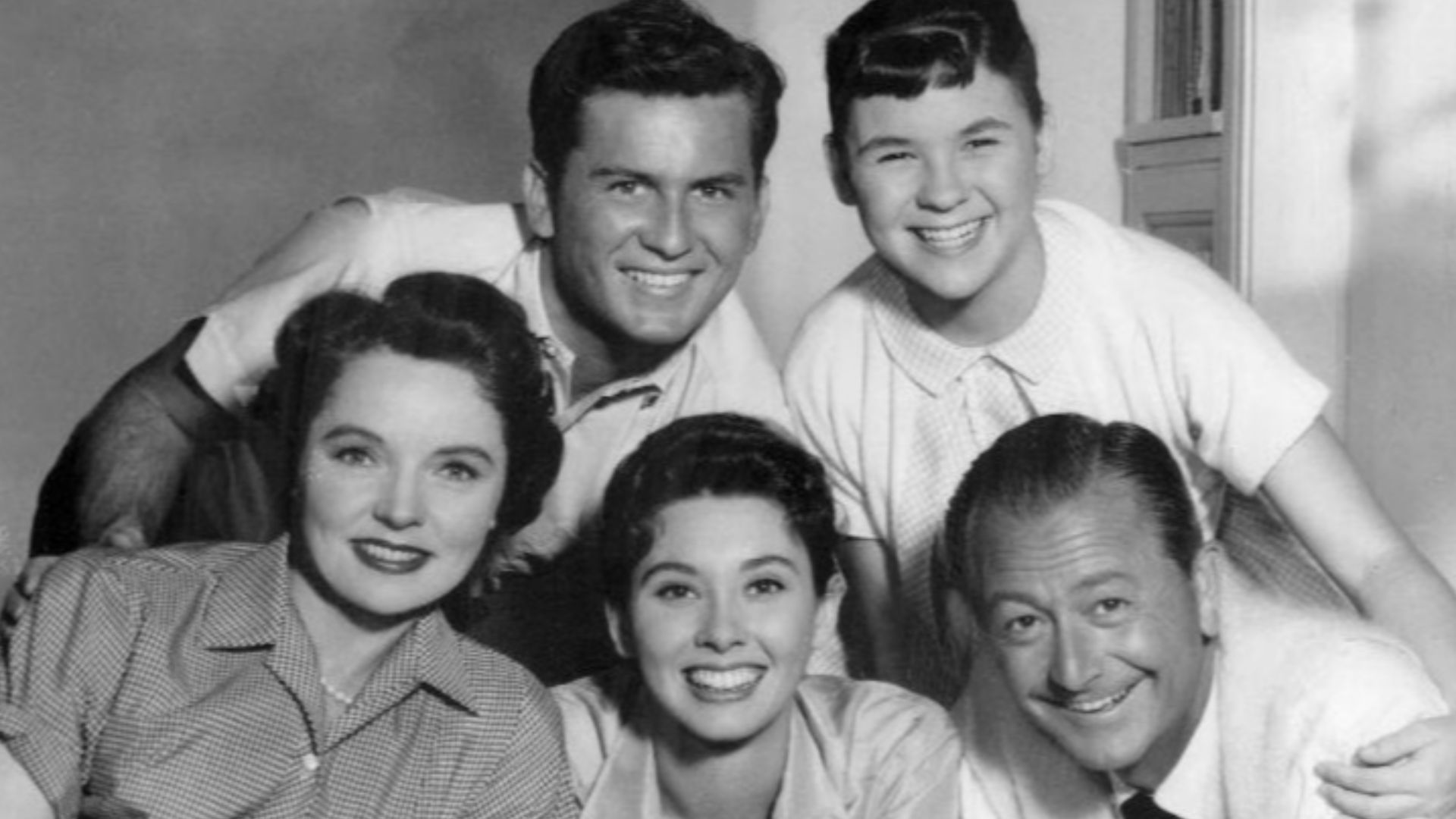
Father Knows Best
When Father Knows Best premiered in 1954, its disappointing ratings convinced CBS and its sponsor to abandon the series. Another sponsor rescued it, moving the sitcom to NBC, where it became a household favorite.
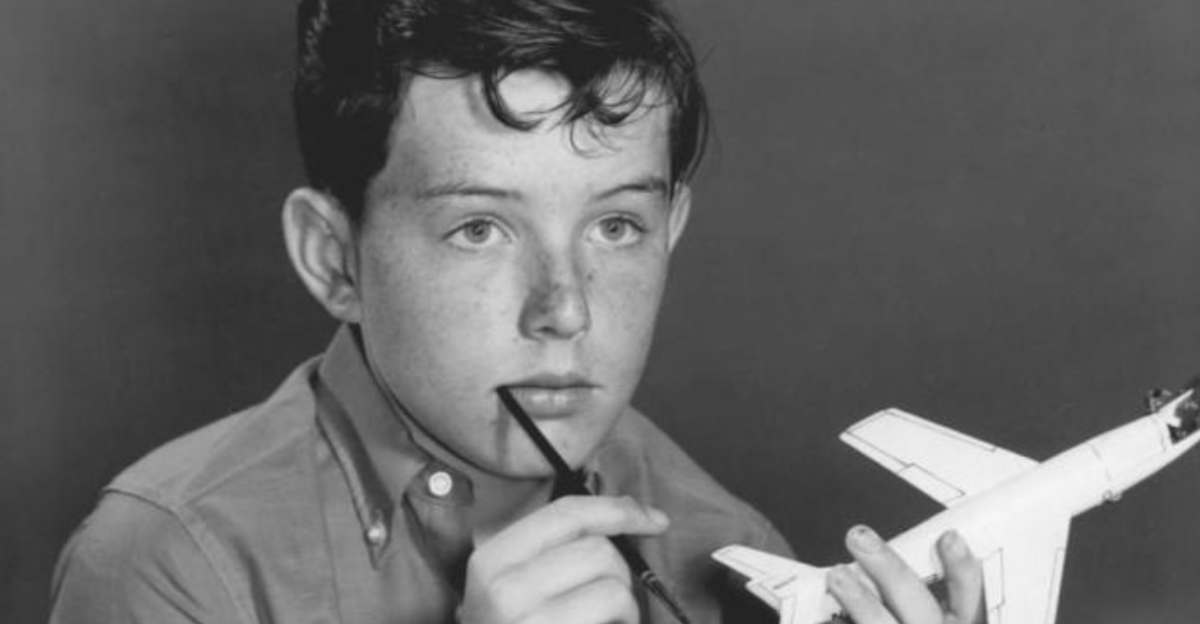
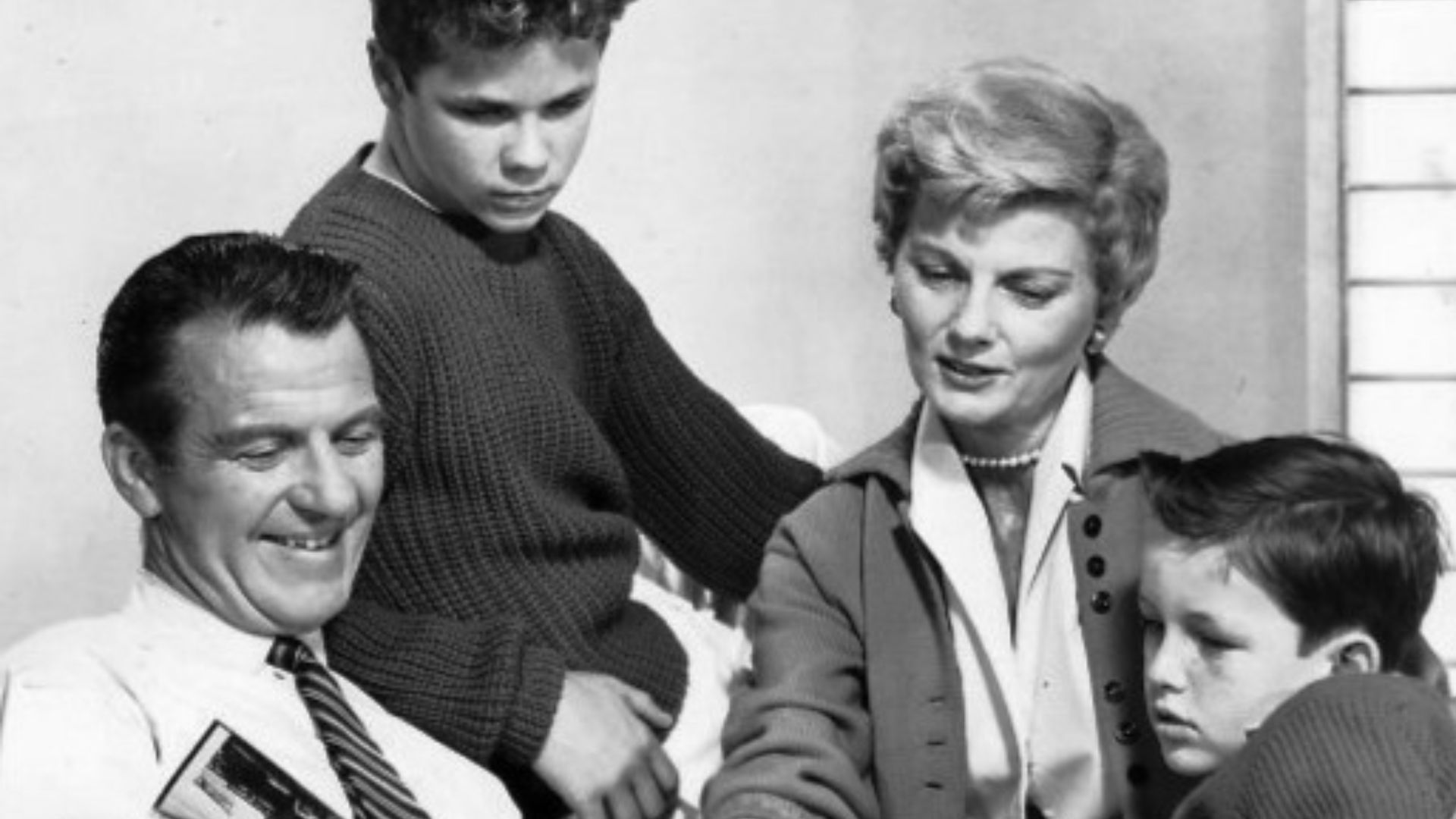
Leave It to Beaver
CBS dropped Leave It to Beaver after its first season in 1958, citing weak ratings and unfavorable advertising demographics. ABC picked it up, allowing the Cleaver family to become television fixtures for five additional seasons.
 ABC Television, Wikimedia Commons
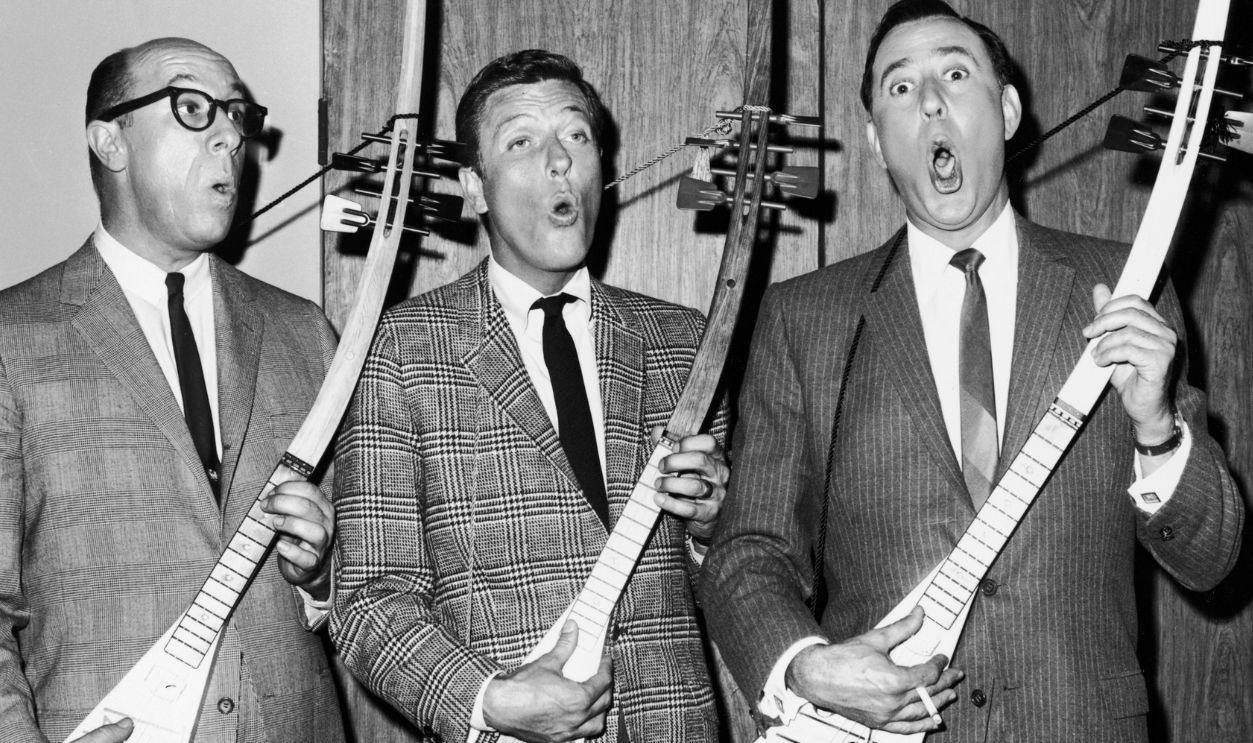
The Dick Van Dyke Show
Despite glowing reviews, this show struggled during its first season. CBS nearly canceled it, but producer Sheldon Leonard fought for its survival. The sitcom eventually became an enduring television masterpiece.
 CBS Photo Archive, Getty Images
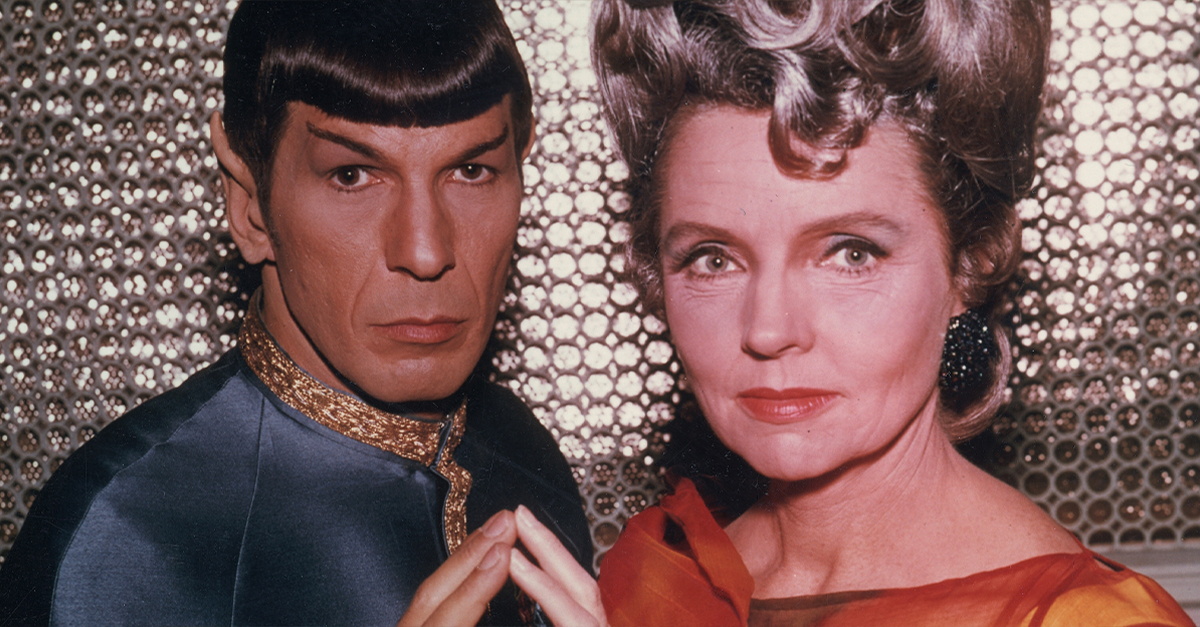
Star Trek
NBC considered ending Star Trek after its second season because of disappointing ratings. An enormous fan letter-writing campaign secured another year, and syndication eventually transformed the struggling science-fiction series into a worldwide phenomenon.
MAS*H
MASH* nearly disappeared during its first season when viewers failed to embrace its unusual combination of comedy and drama. CBS eventually improved its scheduling, helping the series become one of television’s biggest successes.
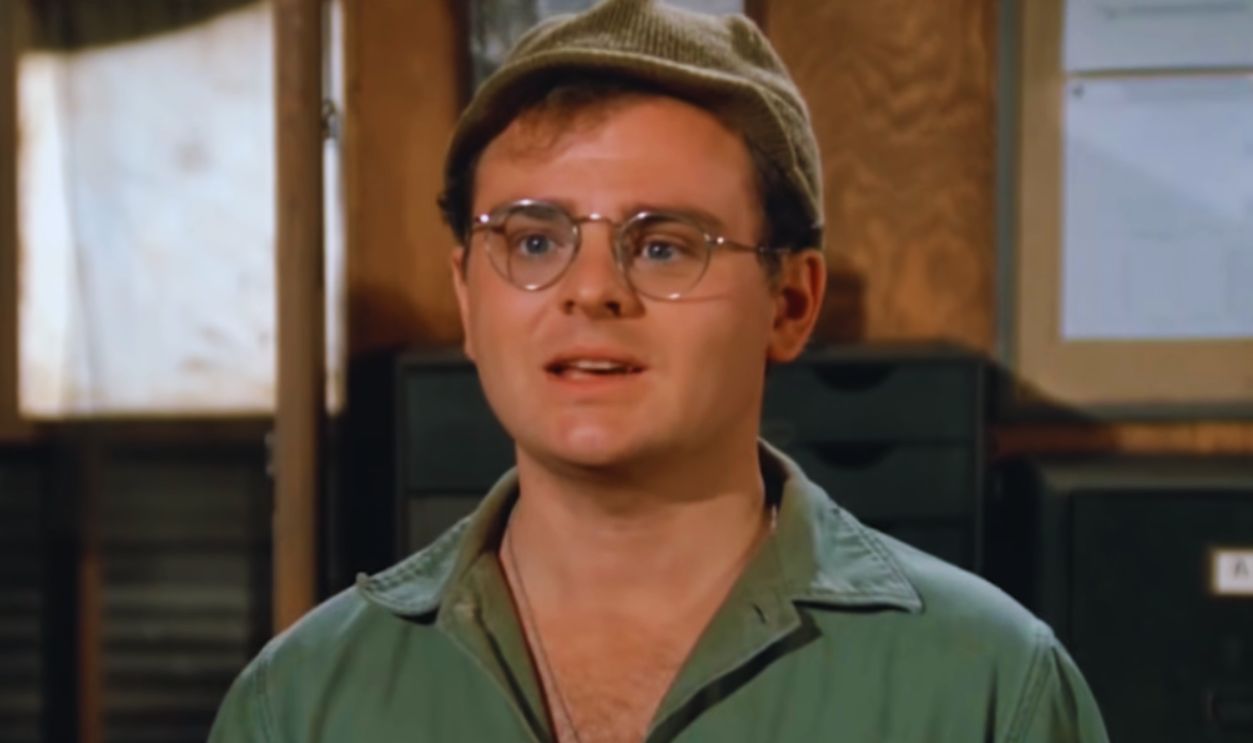 Screenshot from MAS*H, 20th Century Fox Television / 20th Television (1972–1983)
Happy Days
After initially performing well, Happy Days experienced declining ratings during its second season. Producers introduced filming before a studio audience, while Fonzie became increasingly popular. The changes helped transform the sitcom into a sensation.
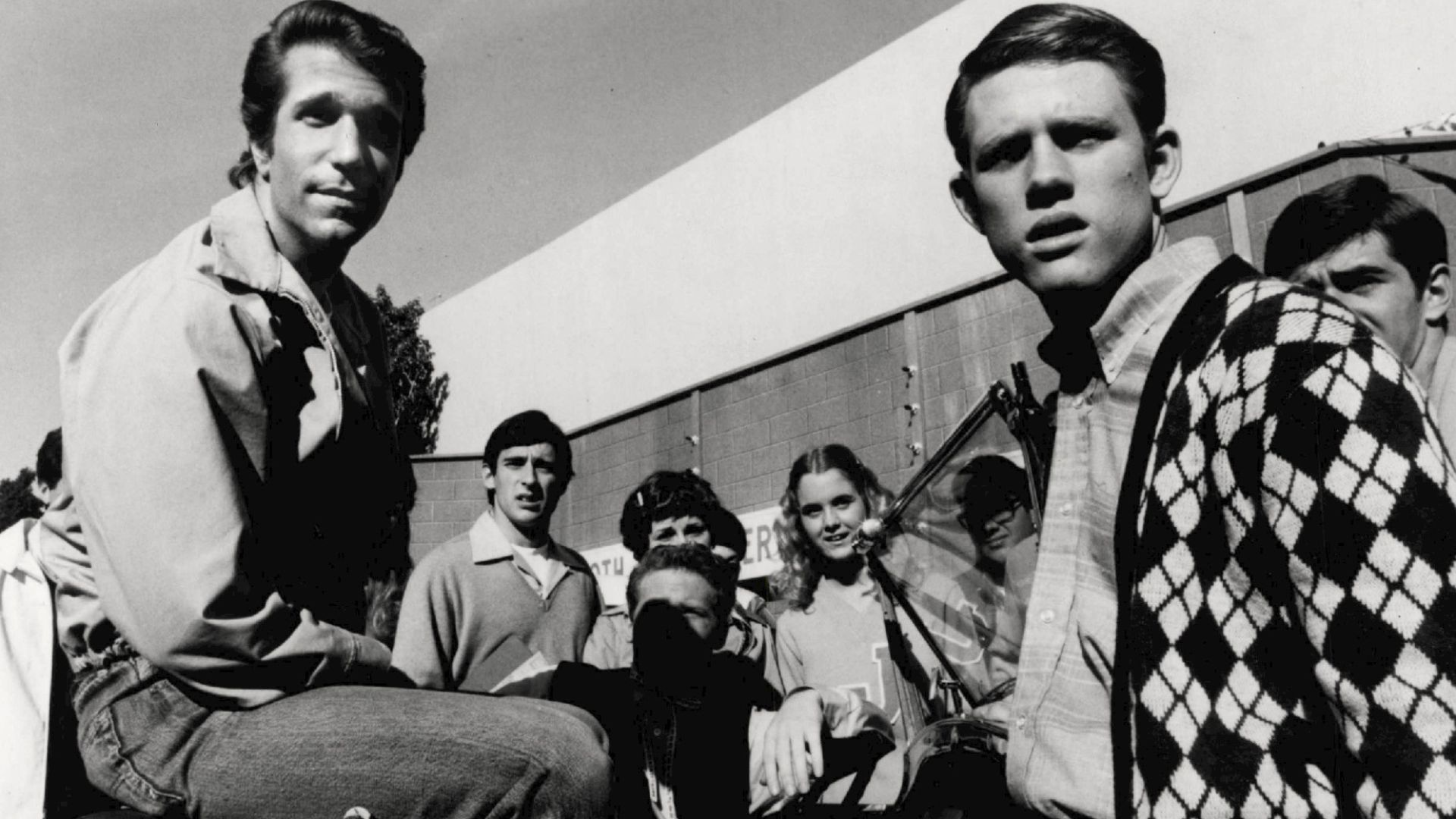 ABC Television, Wikimedia Commons
Hill Street Blues
NBC nearly canceled Hill Street Blues after disastrous first-season ratings. Instead, executives renewed the unconventional police drama, which subsequently collected numerous Emmy Awards and transformed expectations for serious television storytelling.
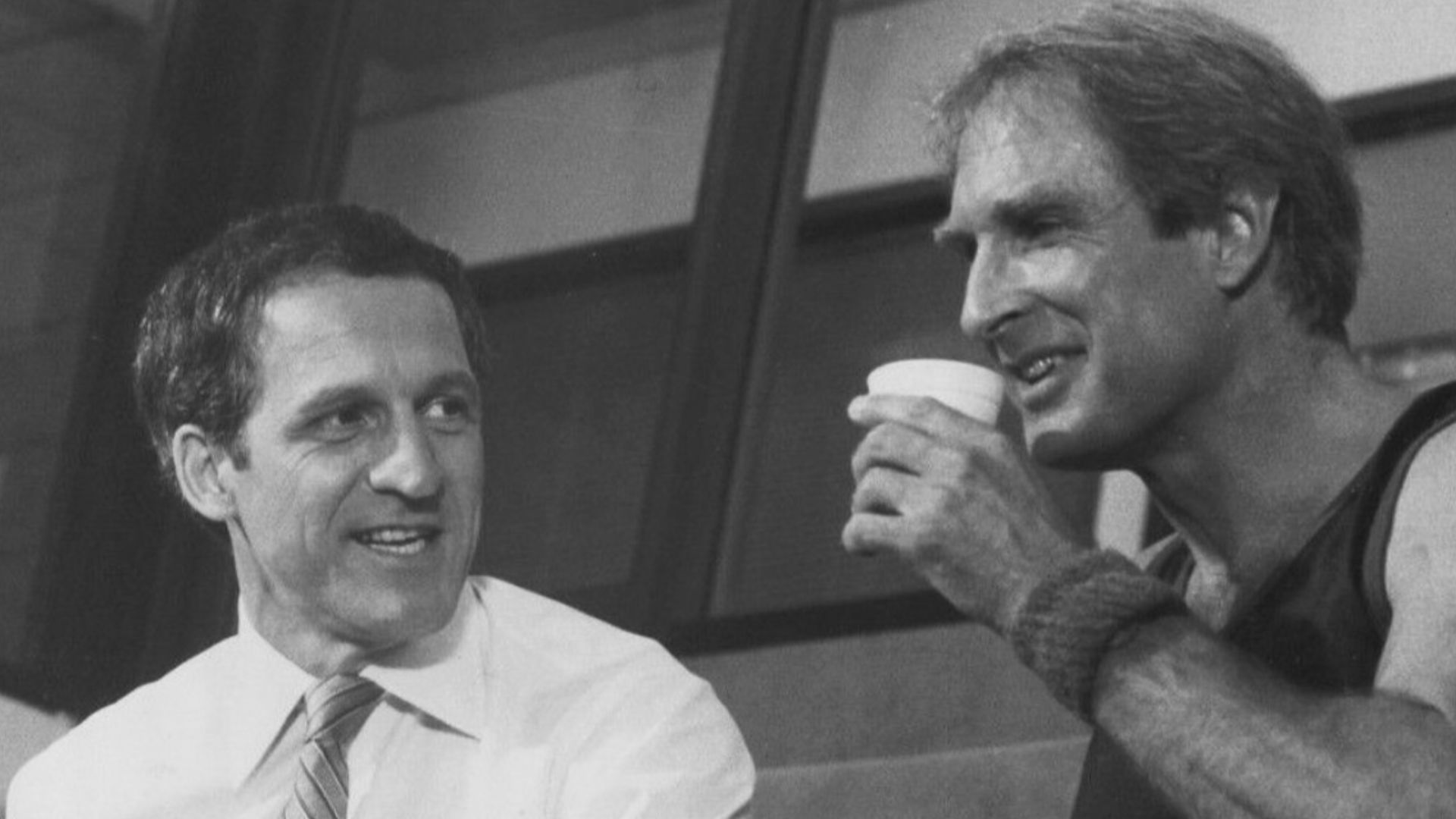 NBC Television, Wikimedia Commons
Cagney & Lacey
CBS canceled Cagney & Lacey twice during its early years. Determined viewers organized letter-writing campaigns, helping reverse the second cancellation. The groundbreaking detective series ultimately lasted seven seasons and collected 14 Emmy Awards.
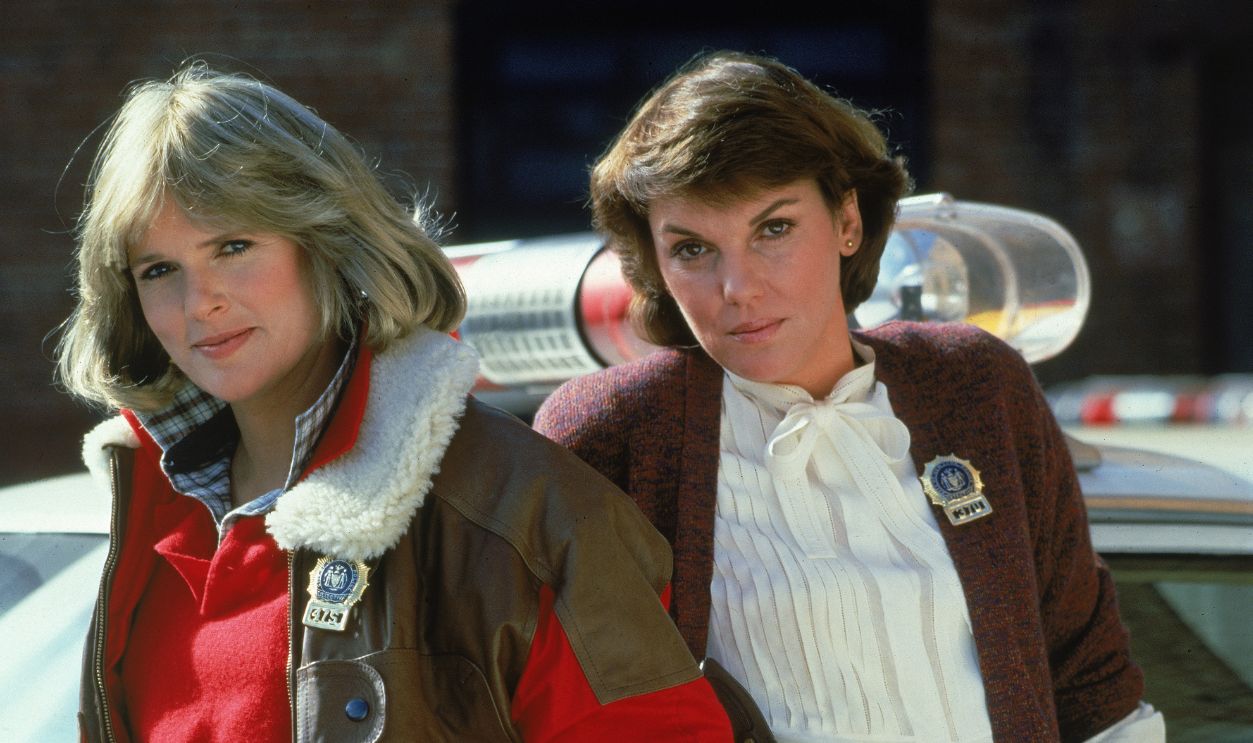 Pictorial Parade, Getty Images
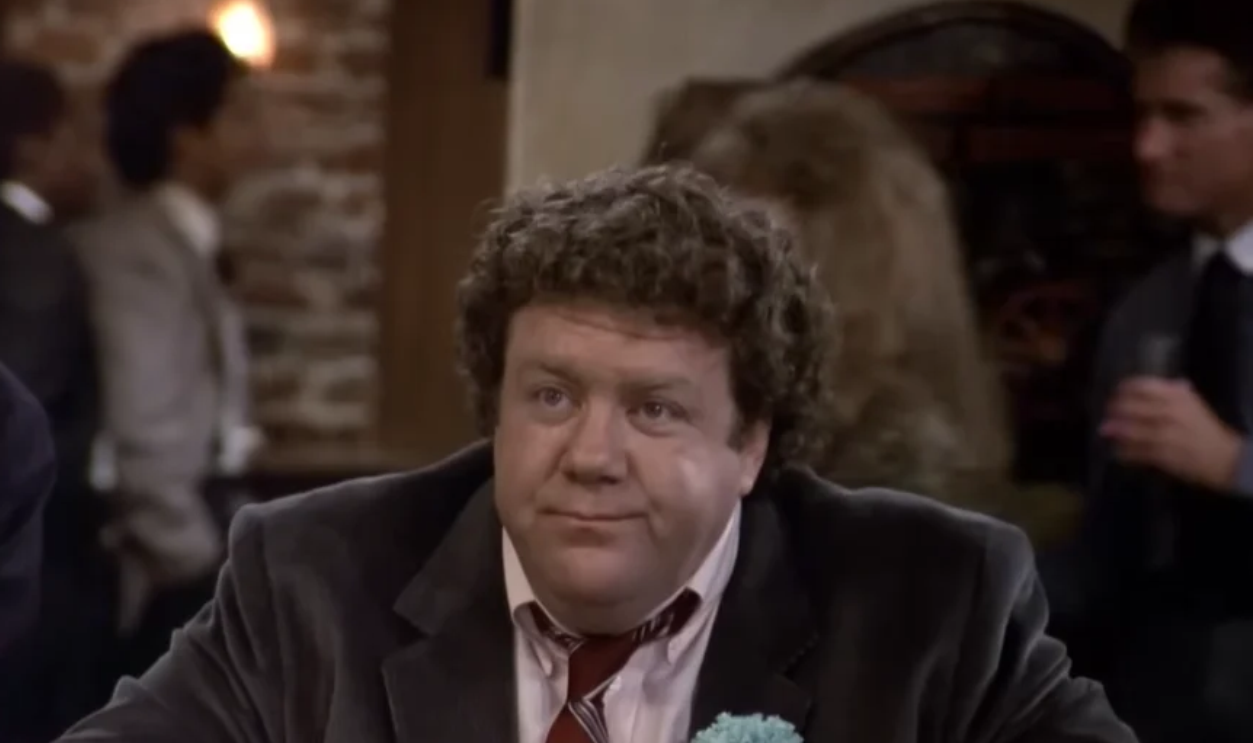
Cheers
Cheers was once among television’s lowest-rated programs. Ted Danson later recalled that NBC considered cancellation but lacked a suitable replacement. Fortunately, the Boston-bar sitcom eventually became one of America's biggest comedy hits.
 Screenshot from Cheers, Paramount (1982-1993)
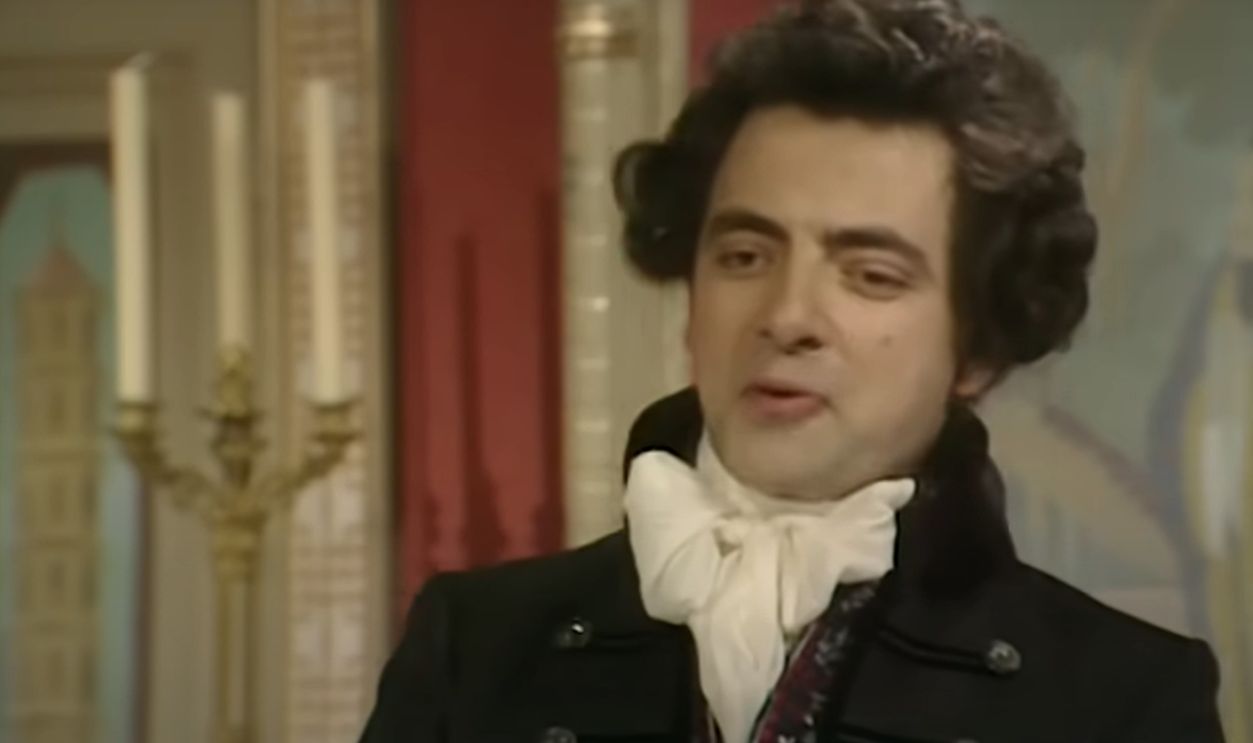
Blackadder
The expensive first season of Blackadder nearly ended Rowan Atkinson’s historical comedy. The BBC eventually approved a cheaper, reworked second installment, allowing the series to develop into a celebrated British television classic.
 Screenshot from Blackadder, BBC (1983–1989)
Only Fools and Horses
The first two seasons of Only Fools and Horses attracted relatively little attention. BBC executives could easily have abandoned the sitcom, but repeat broadcasts found bigger audiences and eventually turned Del Boy into a national favorite.
 Screenshot from Only Fools and Horses, BBC (1981–2003)
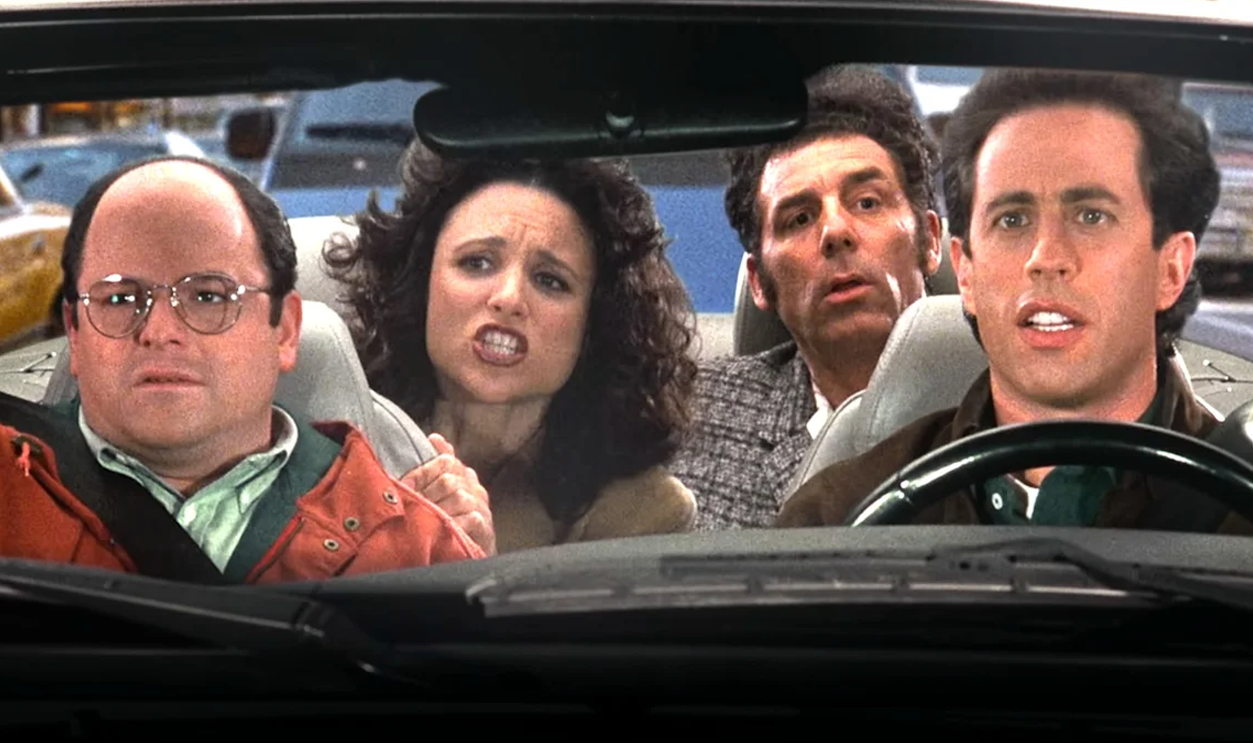
Seinfeld
NBC showed little enthusiasm for the original Seinfeld pilot. Executive Rick Ludwin used money from his specials budget to finance four additional episodes, giving Jerry Seinfeld and Larry David’s unconventional comedy another chance.
 Screenshot from Seinfeld, NBC (1998), Modified
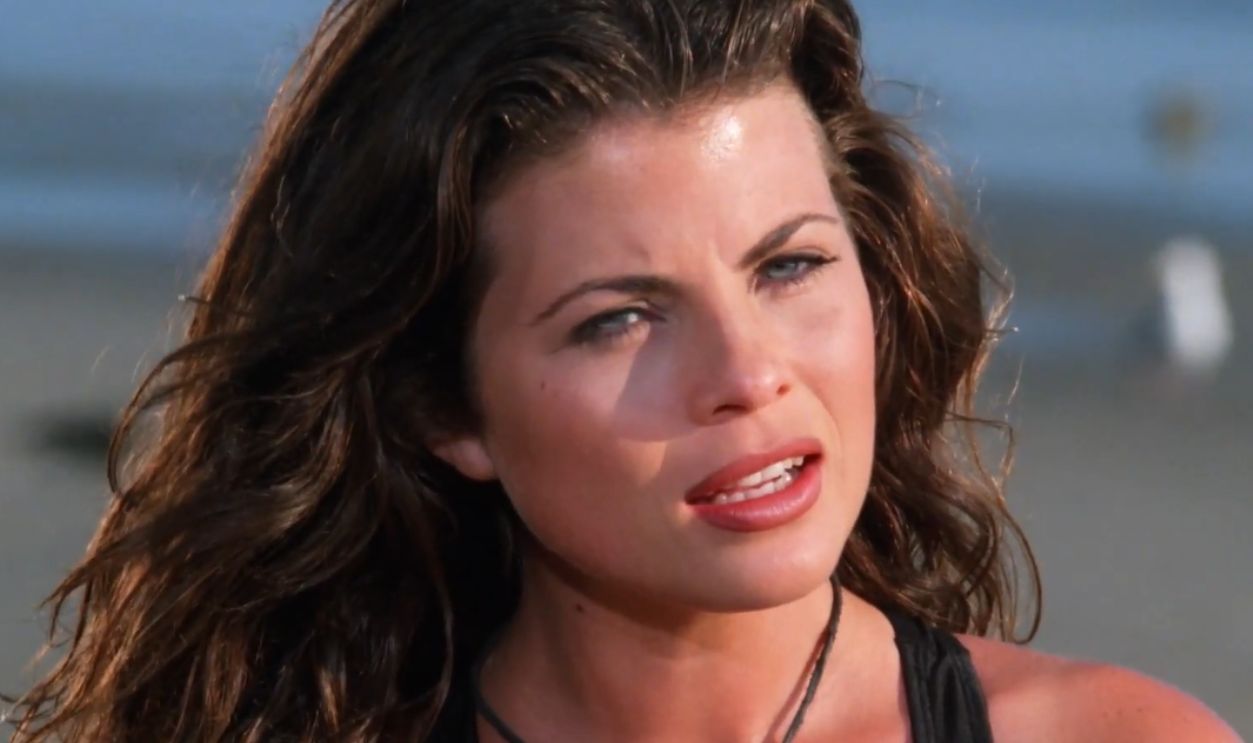
Baywatch
NBC canceled Baywatch after its first season in 1990. International financing helped revive the lifeguard drama in syndication, where it became a global sensation watched by enormous audiences across more than 100 countries.
 Screenshot from Baywatch, NBC (1989–2001)
Mama's Family
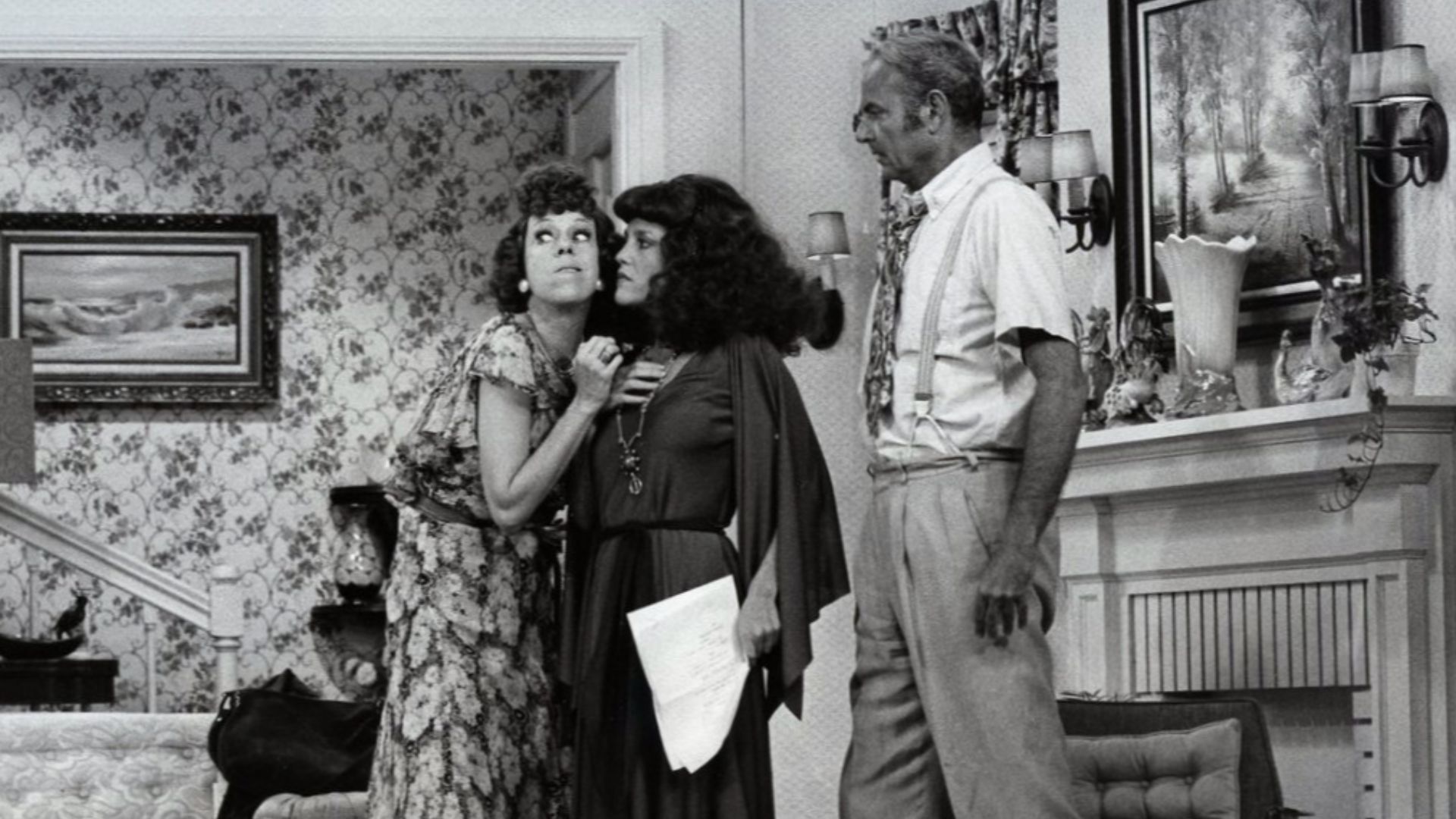
NBC canceled Mama’s Family after two seasons of inconsistent ratings. The Vicki Lawrence sitcom returned in first-run syndication two years later, achieving greater success and continuing for another four seasons.
 CBS Television, Wikimedia Commons
The Office (UK)
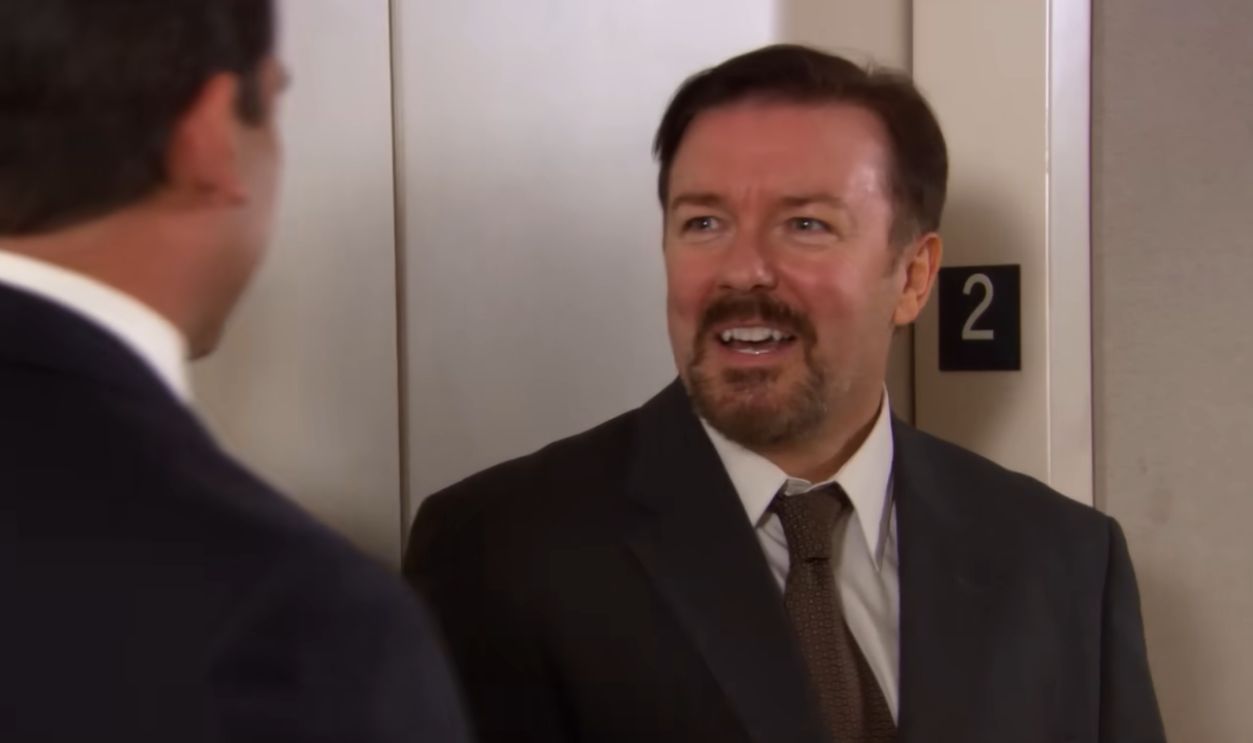
When Ricky Gervais and Stephen Merchant introduced The Office in 2001, its ratings were unimpressive. BBC repeats attracted substantially more viewers, securing its future and eventually inspiring successful international adaptations.
 Screenshot from The Office, NBC (2005–2013)
Family Guy
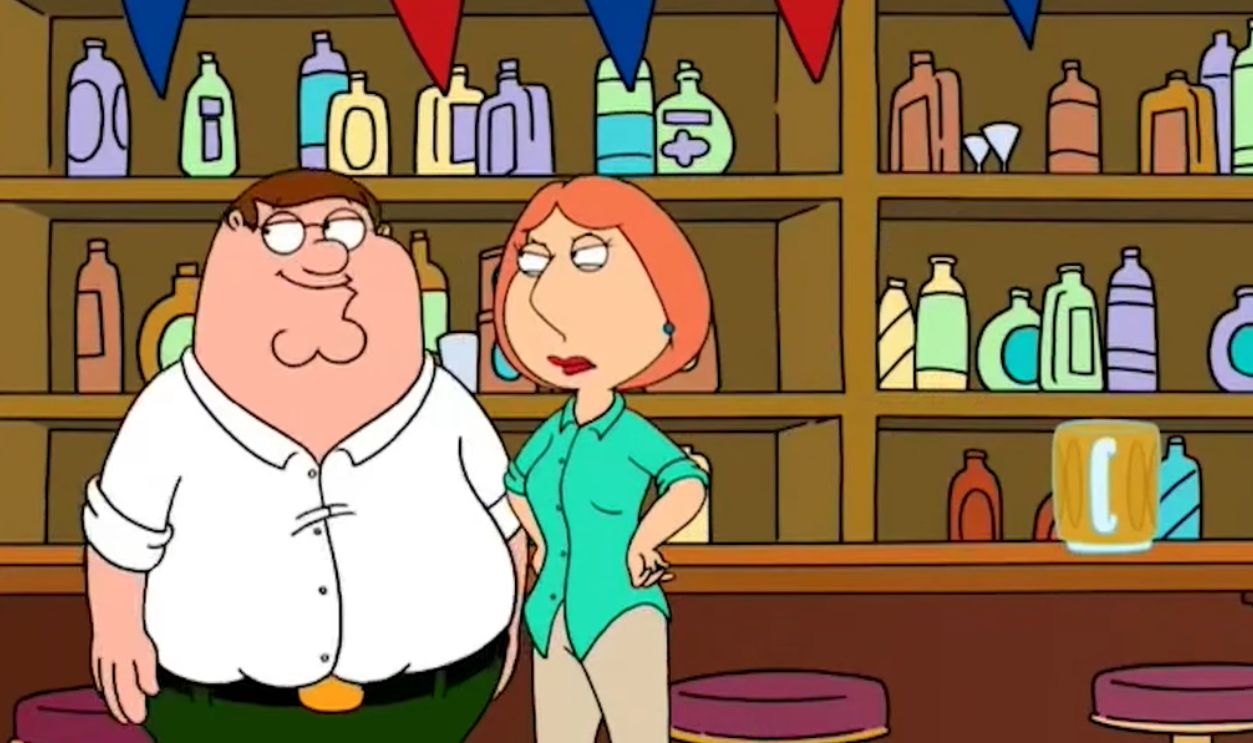
Fox canceled Family Guy twice before discovering how popular it had become elsewhere. Strong DVD sales and successful Adult Swim reruns convinced the network to revive Seth MacFarlane’s animated comedy in 2005.
 Screenshot from Family Guy, Fox Broadcasting Company (1999–present)
Futurama
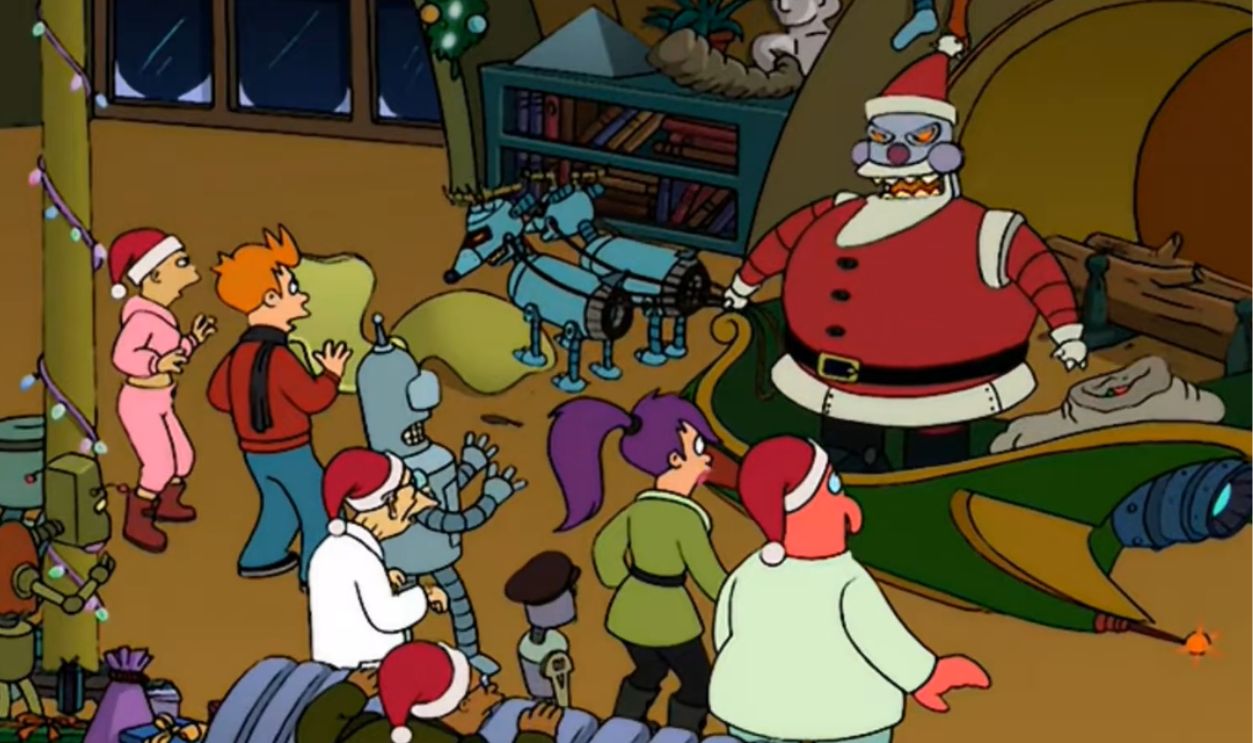
Fox dropped Futurama in 2003, seemingly ending the adventures of Fry, Leela, and Bender. However, successful reruns and DVD releases encouraged Comedy Central to commission additional episodes years later.
 Screenshot from Futurama, Fox (1999–2013, 2023–)
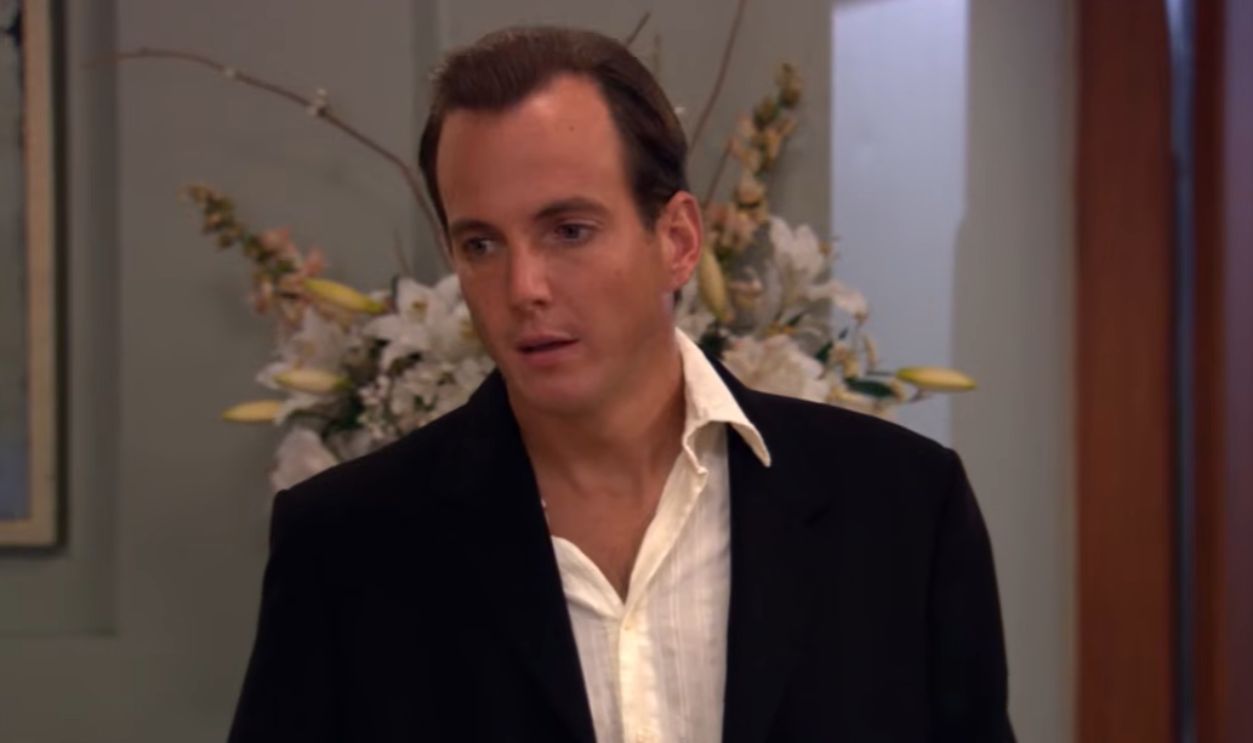
Arrested Development
Despite critical acclaim, this show struggled to attract enough viewers on Fox. After three seasons, the network canceled the Bluth family comedy, but its growing cult following eventually encouraged Netflix to revive it.
 Screenshot from Arrested Development, Netflix (2003-2019)
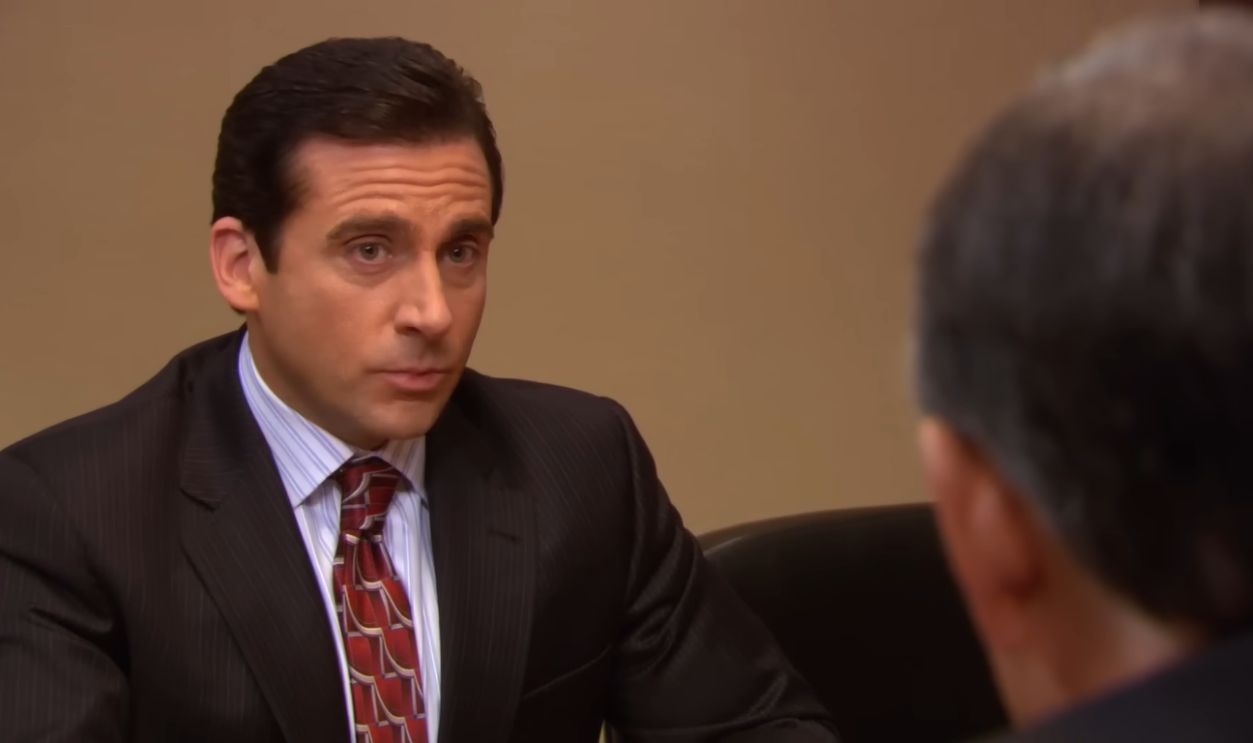
The Office (US)
The American adaptation of The Office nearly disappeared following its six-episode debut season. Steve Carell’s breakout movie success helped raise his profile, while creative changes made Michael Scott more sympathetic and the sitcom increasingly popular.
 Screenshot from The Office, NBC (2005-2013)
It's Always Sunny in Philadelphia
FX worried that almost nobody was watching It’s Always Sunny in Philadelphia during its first season. Executives demanded a recognizable star, prompting the arrival of Danny DeVito and helping secure the comedy’s remarkable longevity.
 Screenshot from It's Always Sunny in Philadelphia, FX (2005–present)
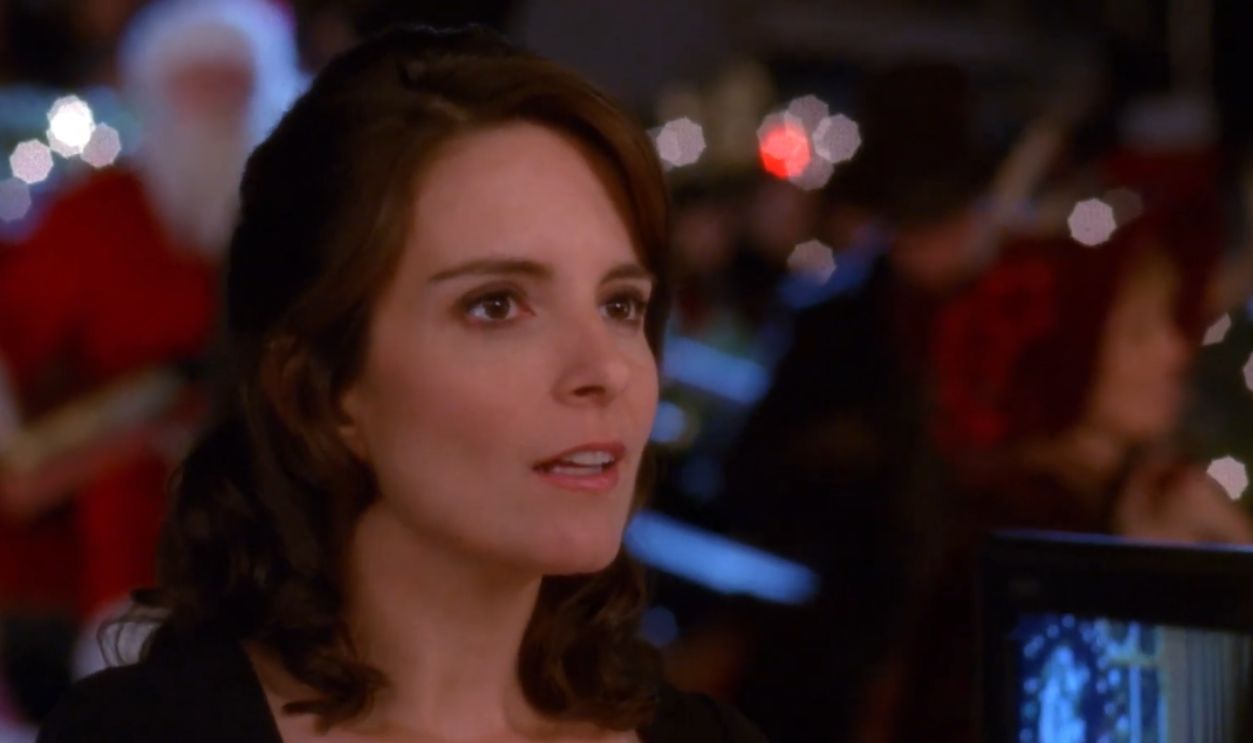
30 Rock
Tina Fey feared 30 Rock might disappear during its first season, even nicknaming one particularly unusual episode “Goodbye, America.” Instead, NBC stuck with the comedy, which eventually collected numerous Emmy Awards.
 Screenshot from 30 Rock, NBC (2006–2013)
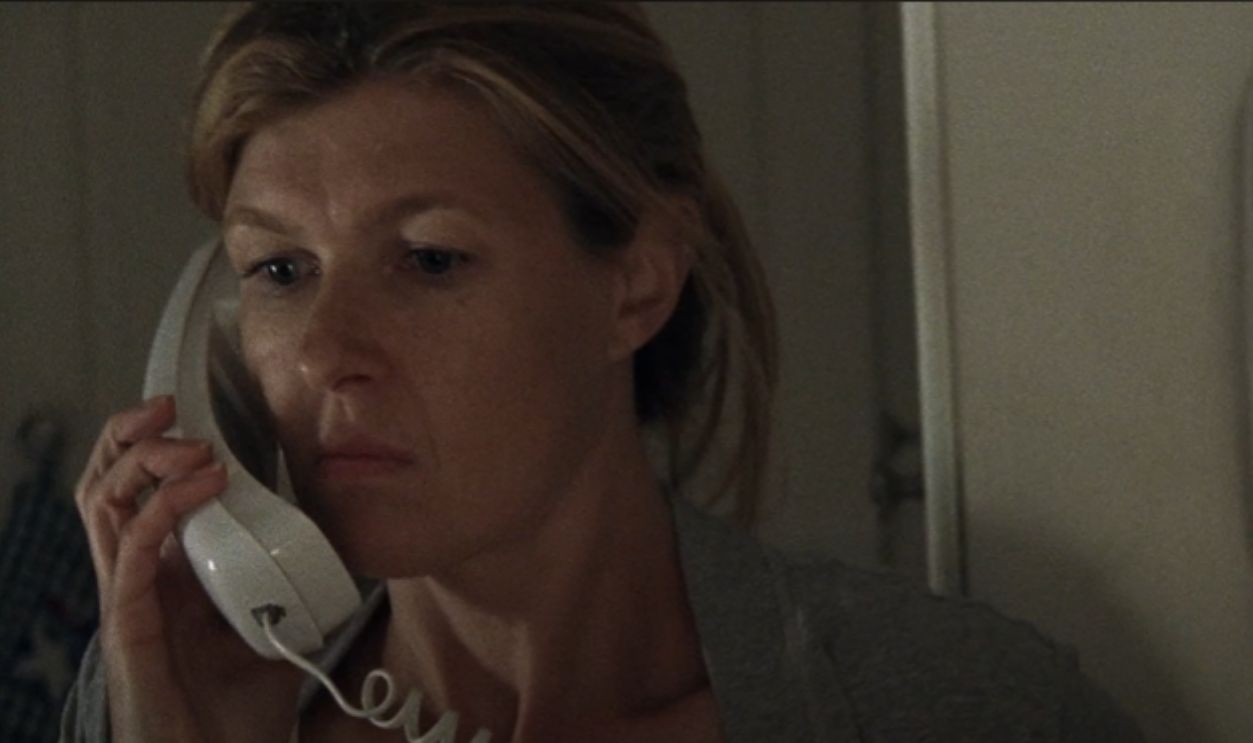
Friday Night Lights
Disappointing ratings repeatedly threatened Friday Night Lights. NBC eventually negotiated a partnership with DirecTV that financed additional seasons, allowing the acclaimed football drama to continue despite its relatively small audience.
 Screenshot from Friday Night Lights, NBC (2006-2011)
Parks and Recreation
Parks and Recreation struggled through an uneven first season and faced recurring cancellation fears. Rashida Jones later revealed that NBC had even reversed a cancellation decision, allowing Leslie Knope’s story to continue.
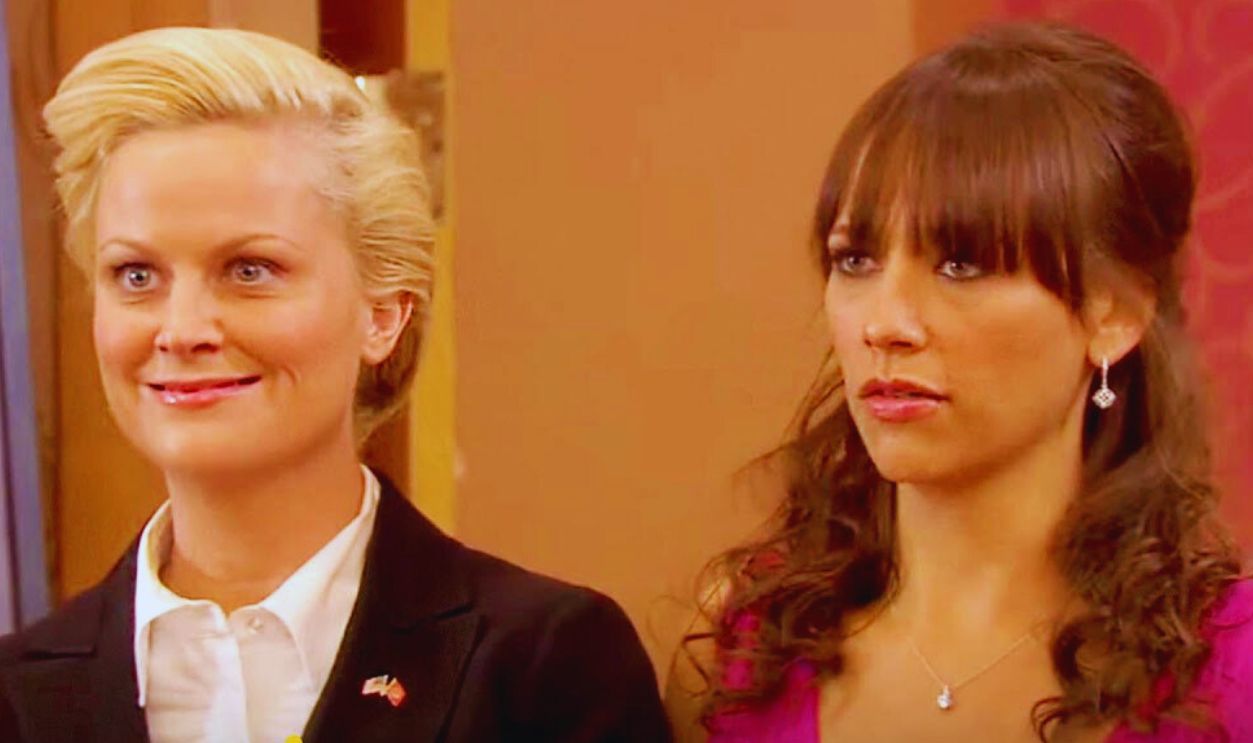 Screenshot from Parks and Recreation, NBC (2009–2015)
Breaking Bad
Breaking Bad attracted relatively modest audiences during its early seasons, leaving AMC uncertain about continuing. Netflix introduced the drama to more viewers, helping transform Walter White’s story into an enormous television phenomenon.
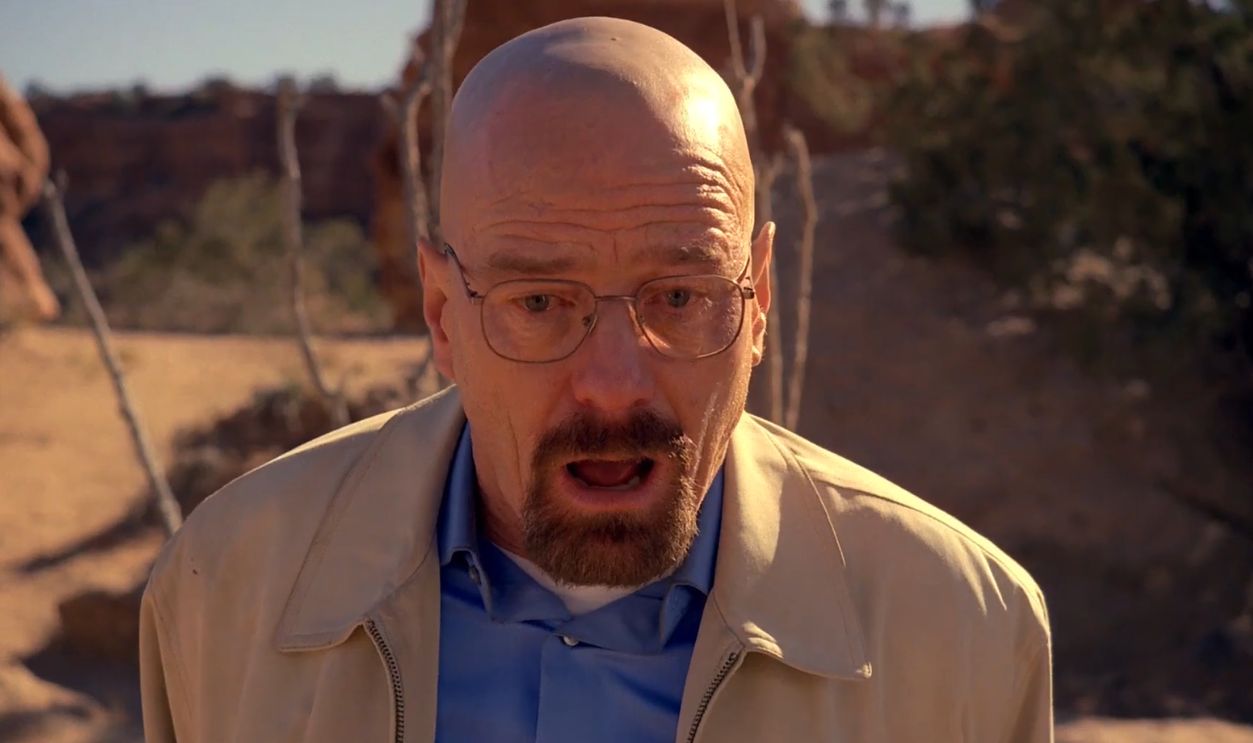 Screenshot from Breaking Bad, AMC (2008–2013)
Brooklyn Nine-Nine
Fox canceled Brooklyn Nine-Nine after five seasons in 2018, prompting an immediate fan backlash. NBC quickly rescued the workplace comedy, extending its run for three additional seasons before its conclusion in 2021.
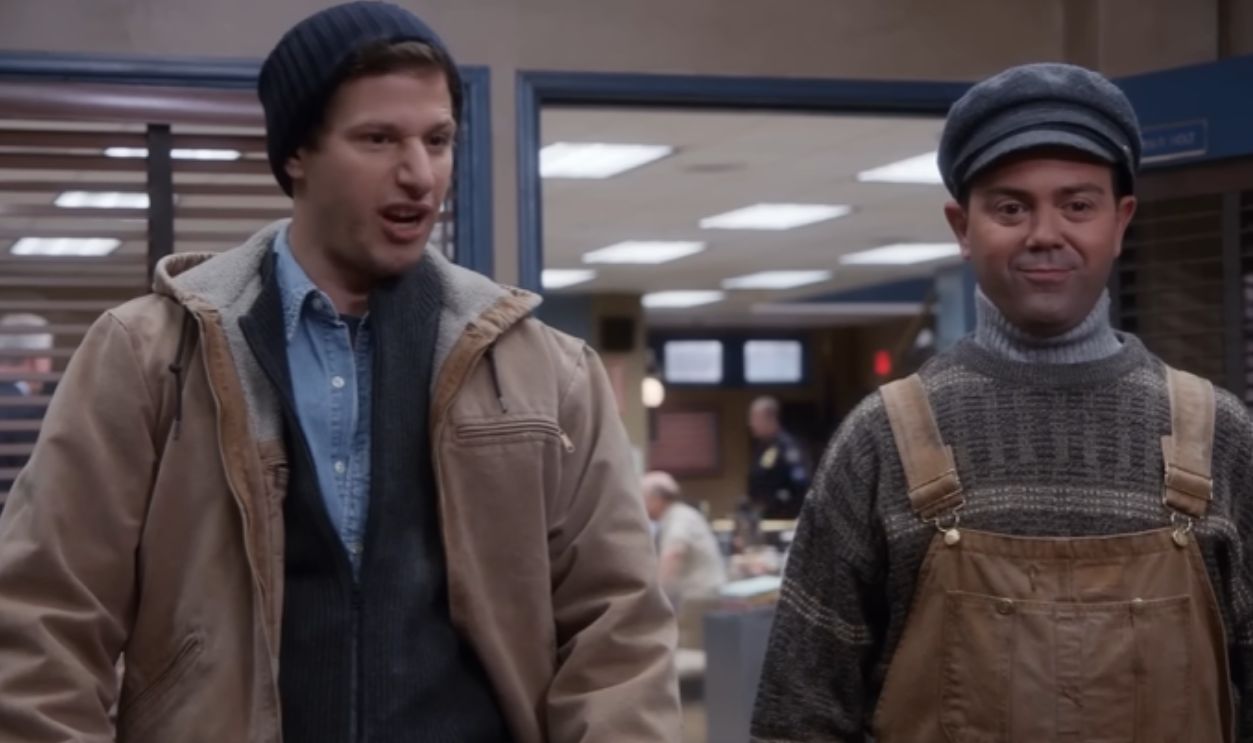 Screenshot from Brooklyn Nine-Nine, NBC (2013-2021)
Lucifer
Fox canceled Lucifer after three seasons, disappointing its passionate audience. Netflix stepped in to revive the supernatural drama, where its popularity helped carry the series through three more seasons.
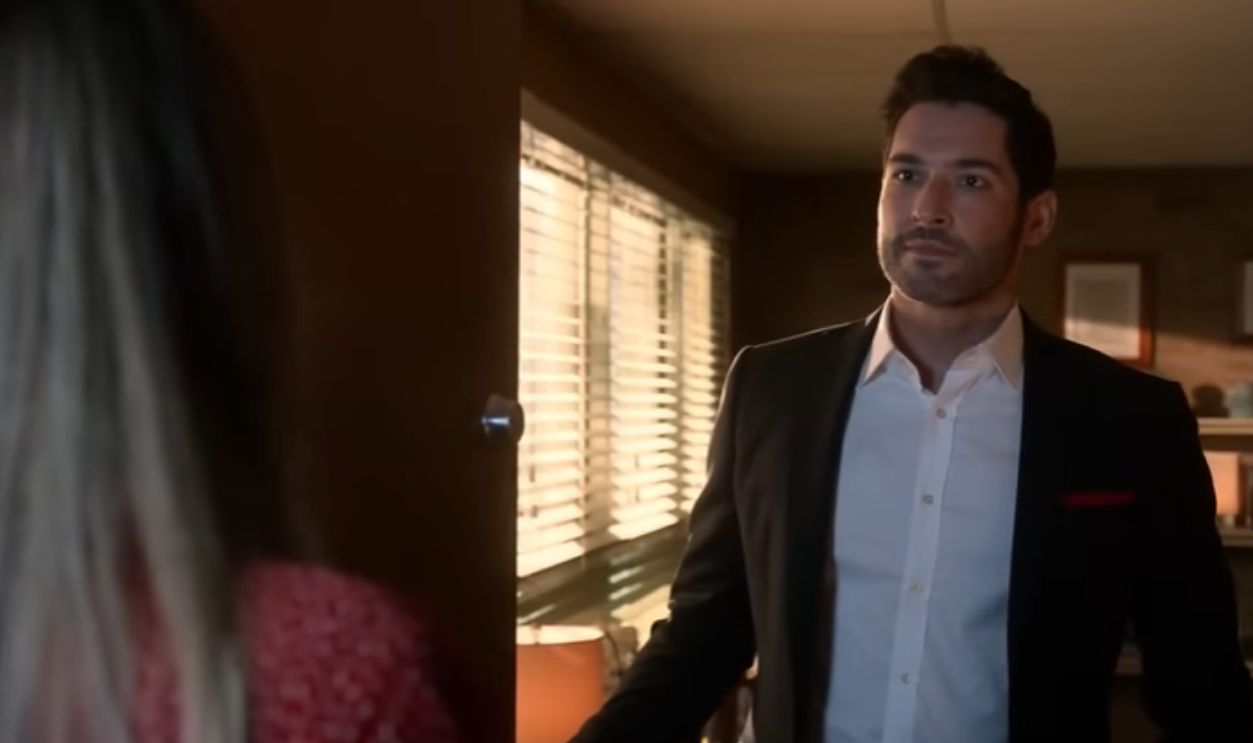 Screenshot from Lucifer, Fox / Netflix (2016-2021)
Money Heist
Money Heist initially lost momentum on Spanish television, seemingly ending after its original run. Netflix acquired the series, attracting international audiences and ordering additional installments that turned it into a global streaming sensation.
 Screenshot from Money Heist, Netflix (2017–2021)
Cobra Kai
Cobra Kai faced an uncertain future when YouTube abandoned its scripted-original strategy. Netflix acquired the Karate Kid sequel, introducing it to a vastly larger audience and carrying it through six seasons.
 Screenshot from Cobra Kai, Netflix (2018–)
Charles in Charge
CBS canceled Charles in Charge after its unsuccessful debut season in 1985. Universal eventually relaunched the Scott Baio sitcom for syndication, producing four additional seasons and giving the comedy a considerably longer life.
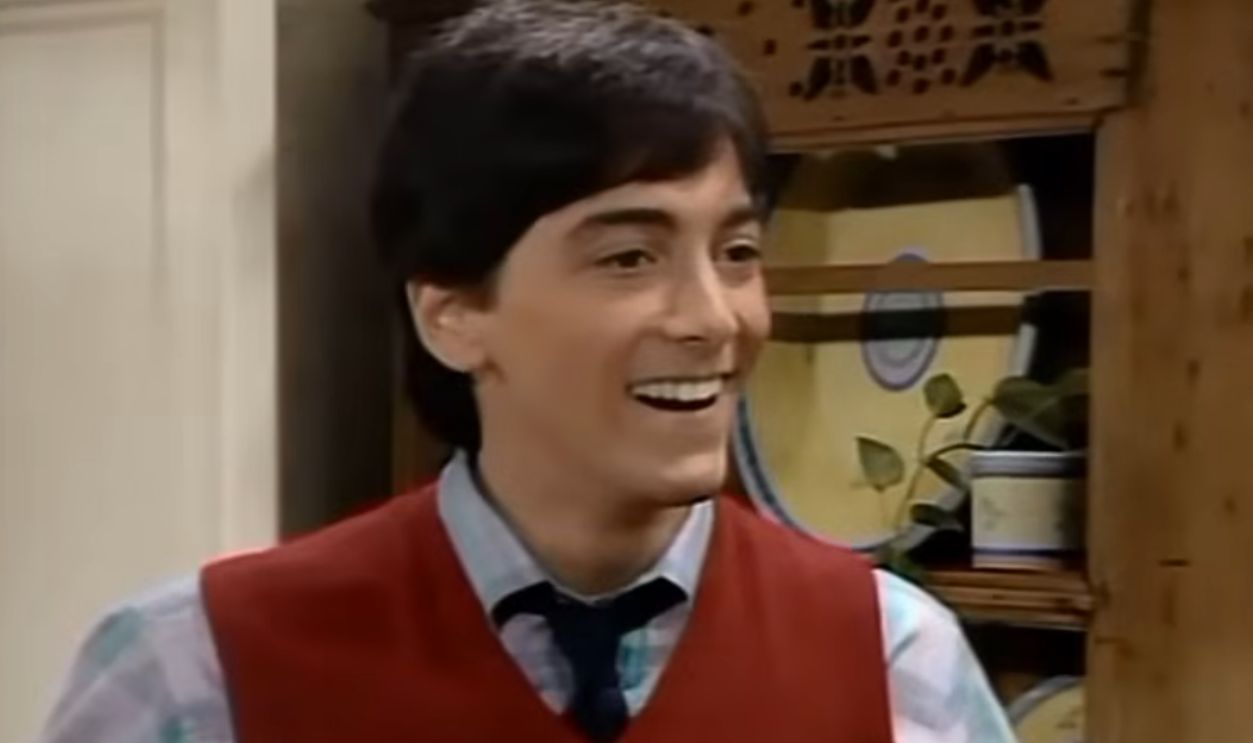 Screenshot from Charles in Charge, MCA Television (1984–1990)
You May Also Like:
1960s TV Stars Who Seemed To Be Everywhere—Until Their Shows Ended
Forgotten TV Movie Stars From The 1970s Who Were On Every Channel—How Many Do You Remember?
Classic Sitcom Actors Who Never Played The Star, But Were Quietly The Best Part Of Every Episode
Sources: 1, 2, 3, 4, 5, 6, 7, 8, 9, 10, 11, 12, 13, 14, 15, 16, 17, 18, 19, 20, 21, 22, 23, 24, 25, 26