The Women Took Over The Mission
The 1970s might be remembered for brooding cops and swaggering antiheroes, but some of the decade’s coolest action figures were women. They investigated crimes, mastered martial arts, survived killers, and occasionally saved entire planets. Even when the story surrounded them with macho men, these heroines frequently became the people worth watching.
The Decade Was Ready For New Heroes
Hollywood’s weakening studio system and the introduction of the modern ratings system helped filmmakers explore more violence, realism, and unconventional protagonists. Television was also responding to social changes, including the growing presence of women in the workforce. The results were uneven, but the door was finally opening for women who did more than wait to be rescued.
 Sunset Boulevard, Getty Images
Raquel Welch
Raquel Welch shattered part of her glamorous image when she played a determined survivor in Hannie Caulder. After a brutal attack destroys her life, Hannie learns to shoot and pursues the outlaws responsible. Welch later described herself as an early female action heroine, and the revenge Western gave that claim plenty of ammunition.
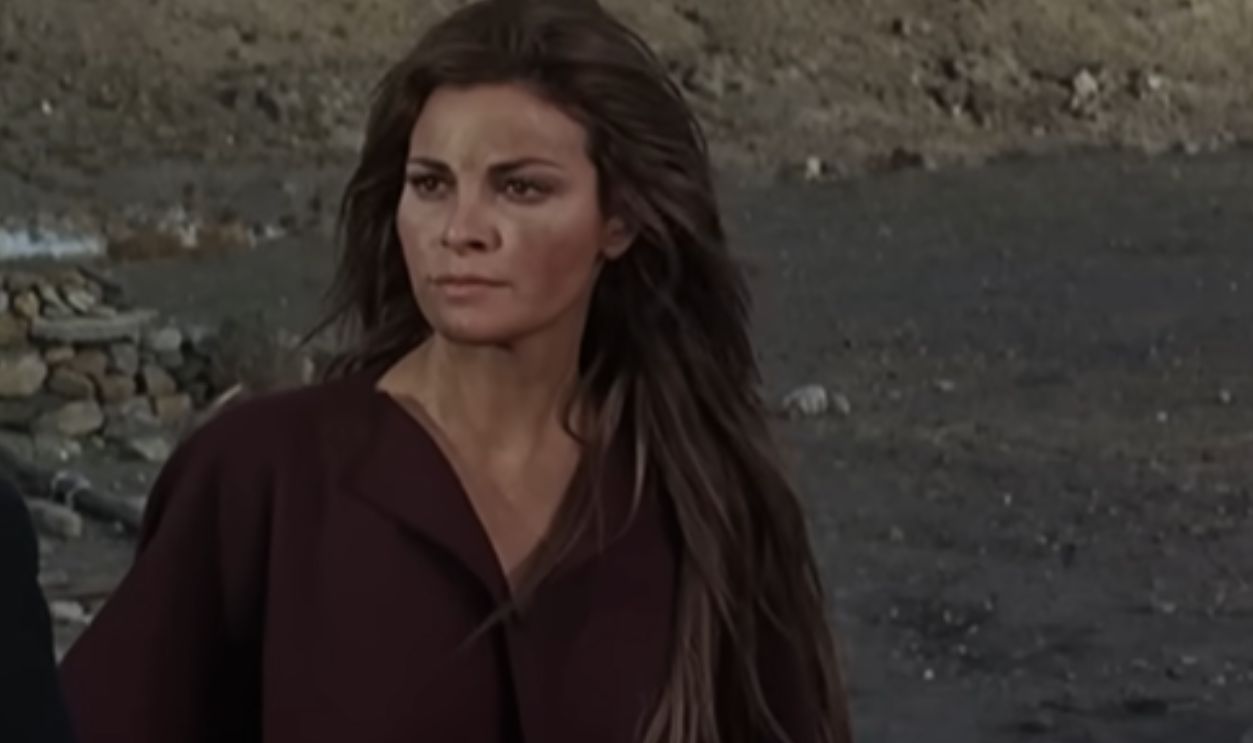 Screenshot from Hannie Caulder, Paramount Pictures (1971)
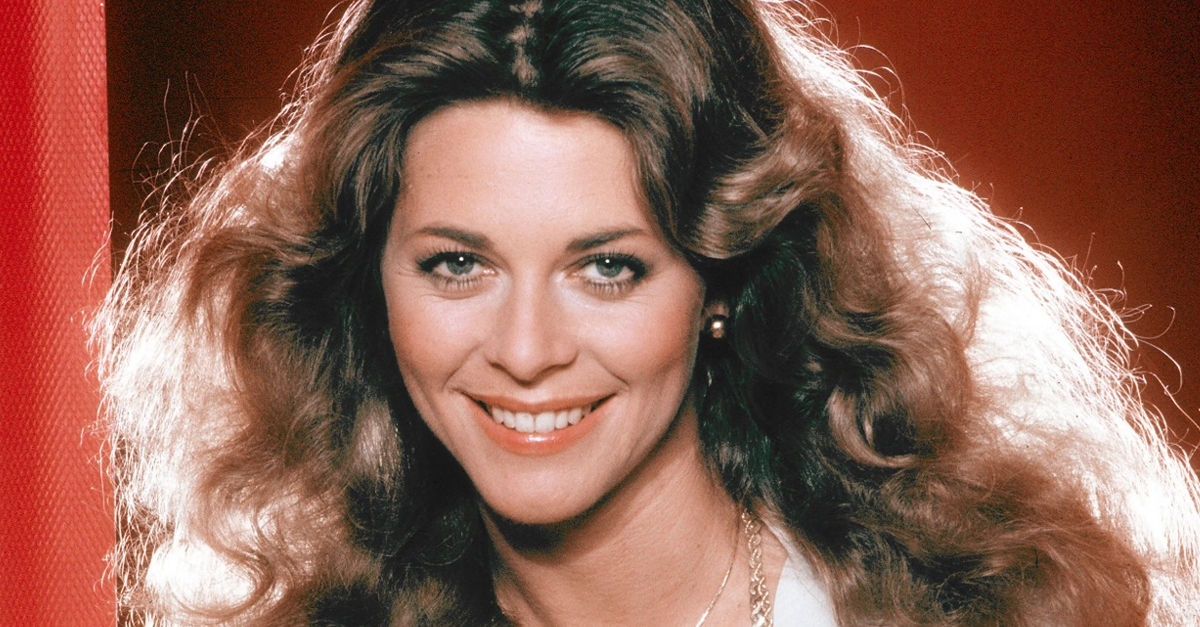
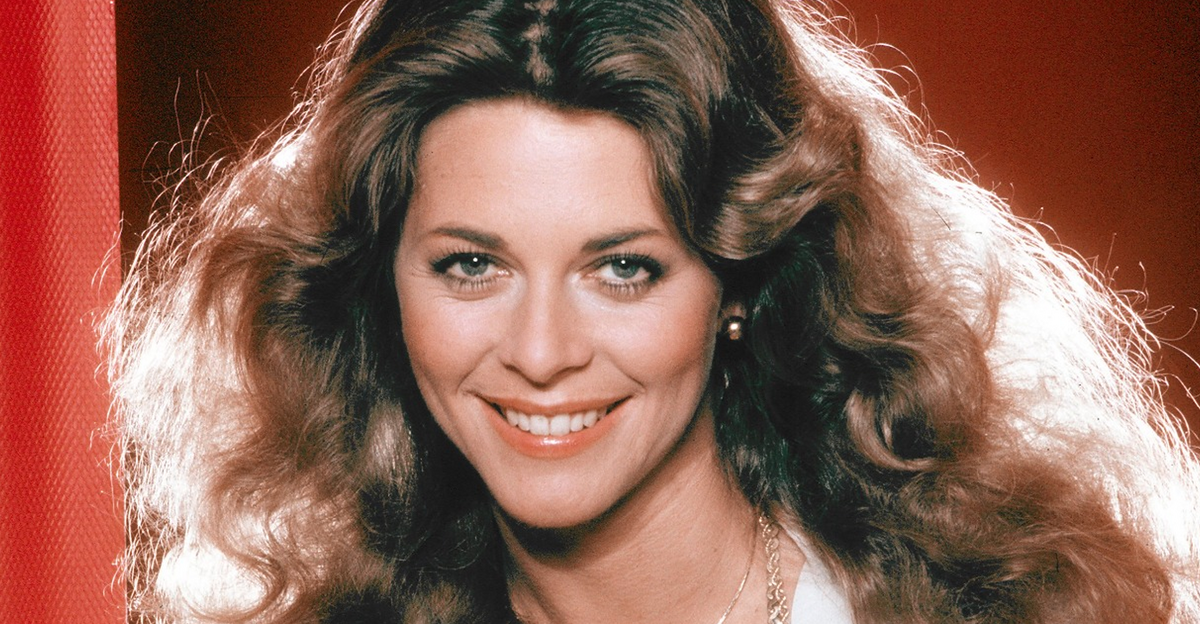
Lindsay Wagner
Lindsay Wagner’s Jaime Sommers began as a character connected to Steve Austin before receiving The Bionic Woman in 1976. Wagner worked with producer Kenneth Johnson to give Jaime humor and emotional sensitivity alongside her superhuman abilities. She won an Emmy in 1977, making the spin-off heroine an award-winning star in her own right.
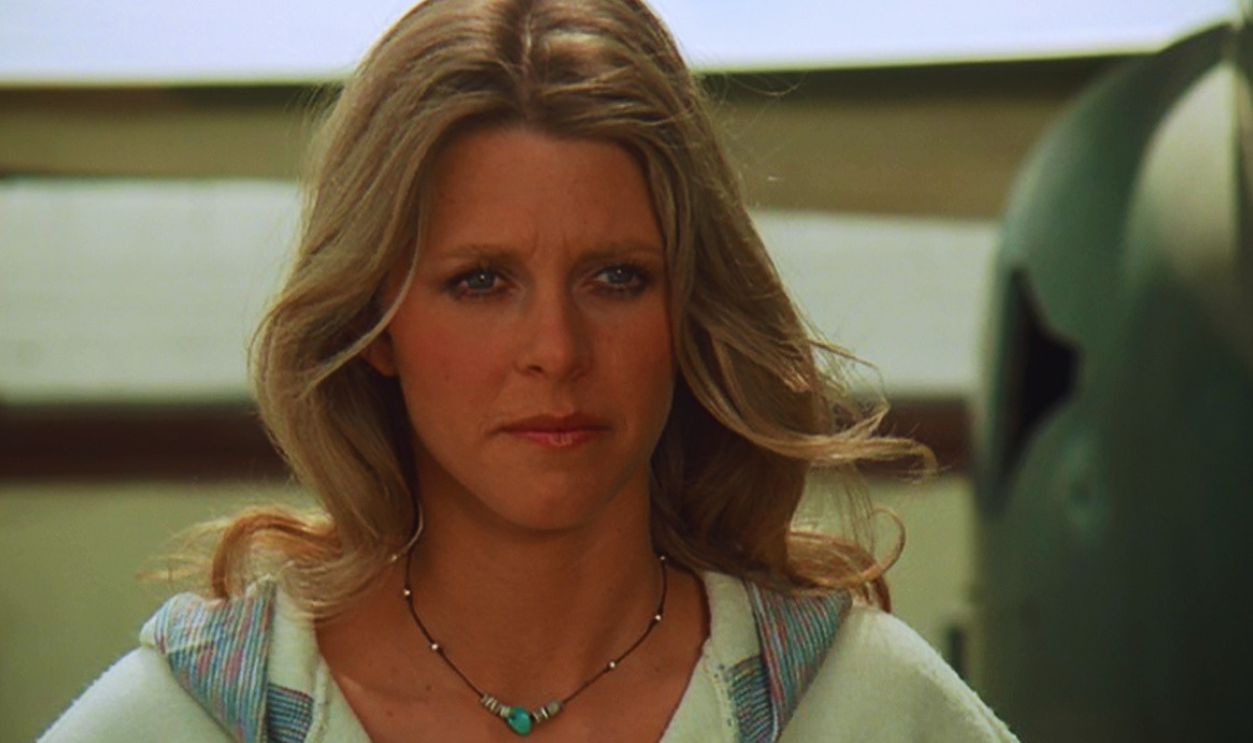 Screenshot from The Bionic Woman, Universal Television (1976–1978)
Pam Grier
Pam Grier became a groundbreaking Black female action star with 1973’s Coffy. Her character is a nurse who wages a personal war against the criminals and corrupt officials feeding her community’s drug crisis. Coffy controls the operation from beginning to end, leaving the men around her struggling to keep up.
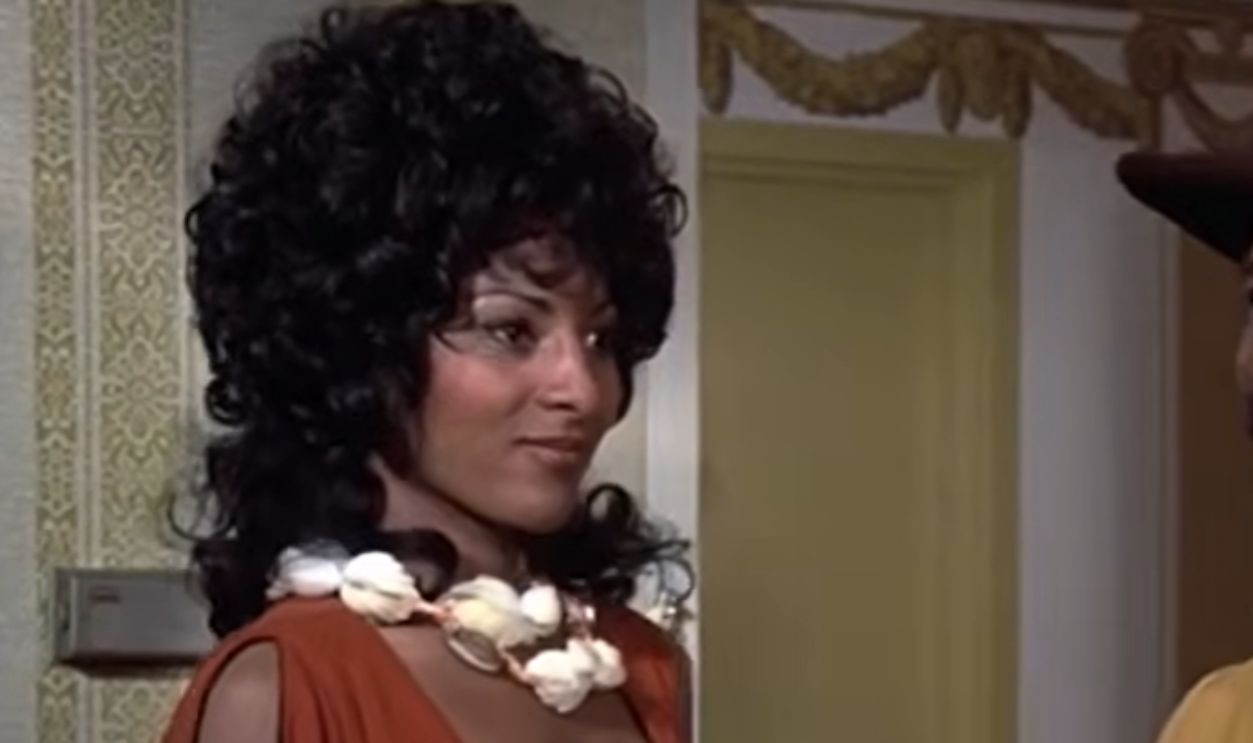 Screenshot from Coffy, American International Pictures (1973)
Foxy Brown
Grier returned the following year as the equally formidable title character in Foxy Brown. Foxy uses disguises, nerve, and a famously concealed gun while targeting the organization responsible for her boyfriend’s death. The film cemented Grier as an action lead who could be glamorous without sacrificing anger, intelligence, or authority.
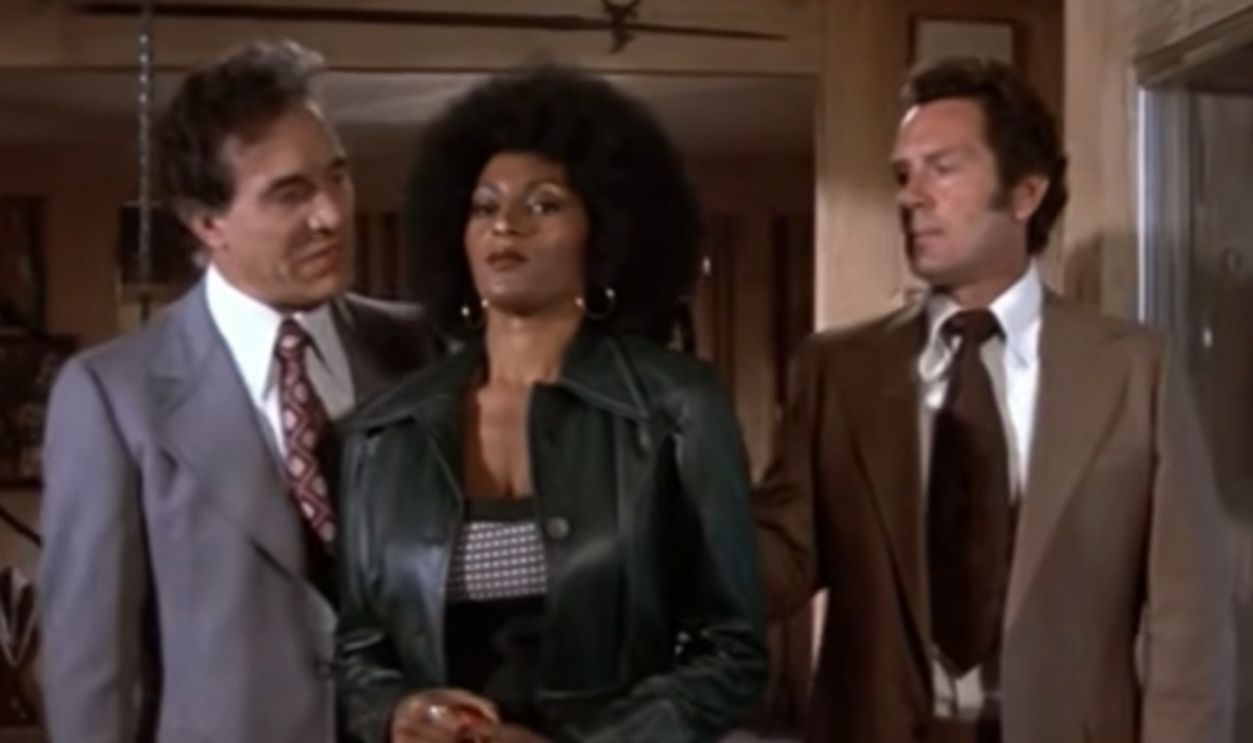 Screenshot from Foxy Brown, American International Pictures (1974)
Peggy Lipton
Peggy Lipton entered the decade as Julie Barnes, the quietly confident undercover officer on The Mod Squad. The ABC series began in 1968 but continued through 1973, earning Lipton four Emmy nominations and a Golden Globe. Surrounded by louder male partners, Julie proved that composure could be its own kind of action-star charisma.
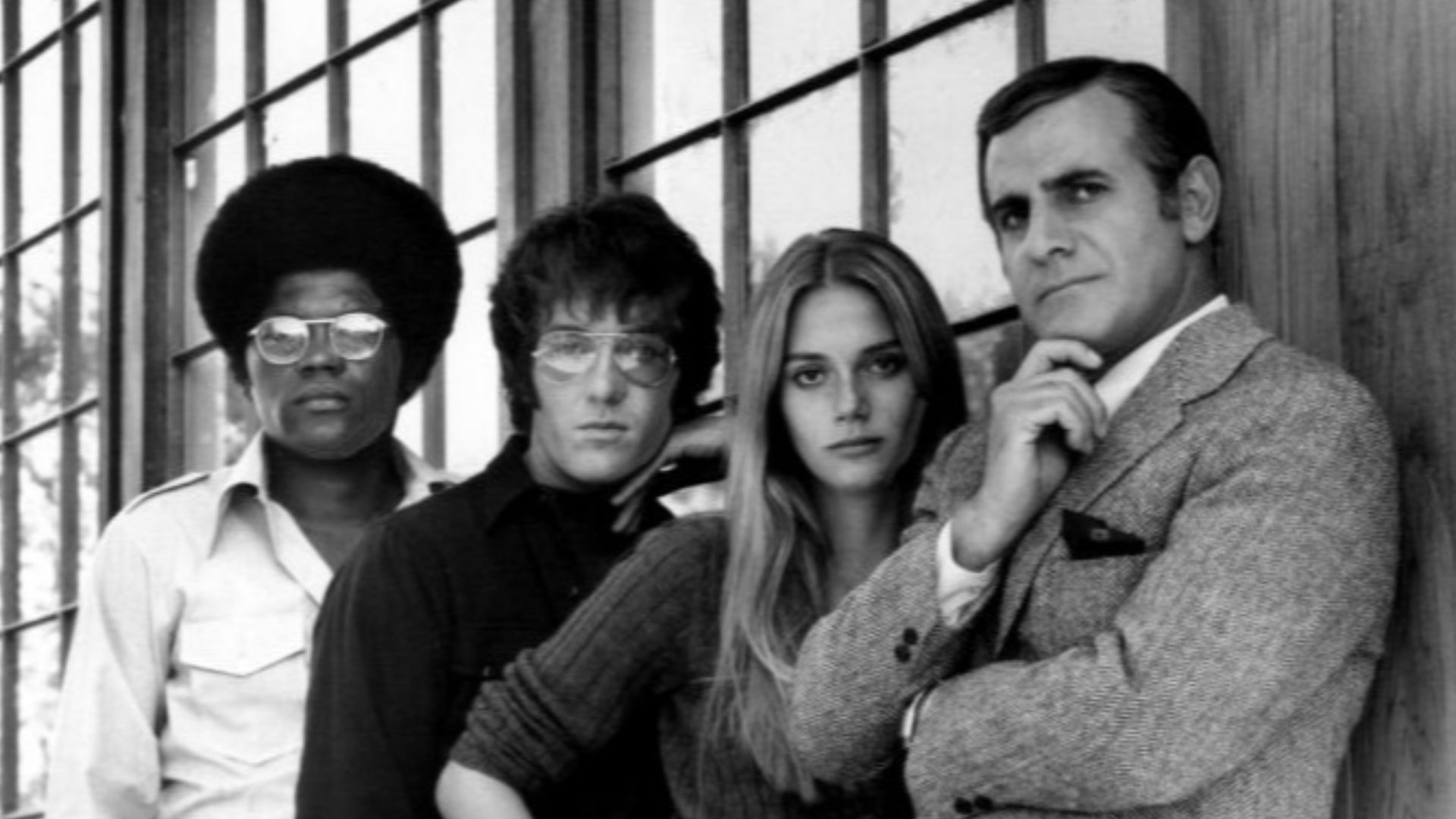 ABC Television, Wikimedia Commons
Angela Mao
Angela Mao led the action in 1972’s Hapkido, which was released in the United States as Lady Kung Fu. She played Yu Ying, one of three martial artists who return from Korea and open a school in Japanese-occupied China. Mao’s speed, physical control, and commanding screen presence made her much more than a supporting attraction.
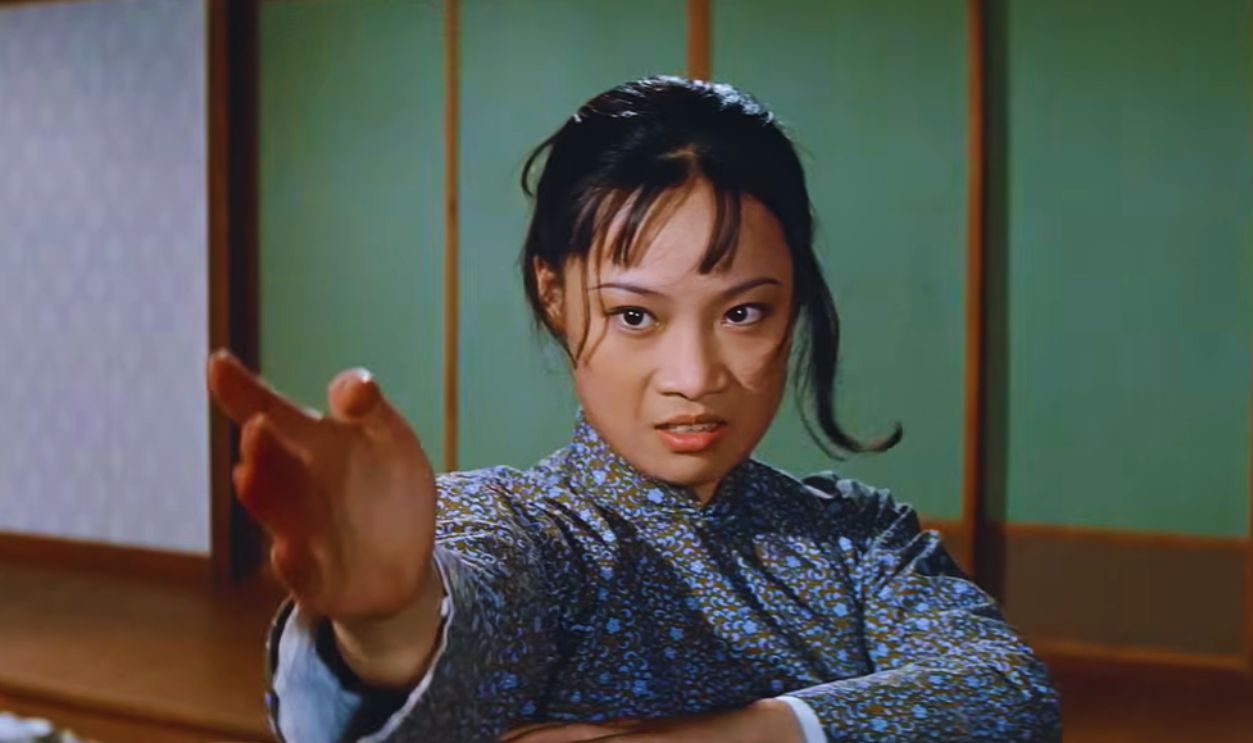 Screenshot from Lady Whirlwind / Hapkido, Starring Angela Mao, Golden Harvest (1972)
Karen Black
Karen Black faced a different kind of emergency as flight attendant Nancy Pryor in Airport 1975. After a small aircraft collides with a Boeing 747 and incapacitates its flight crew, Nancy takes the controls and keeps the damaged jet airborne. Male experts eventually organize a rescue, but Black spends the film performing the terrifying job that none of them can reach.
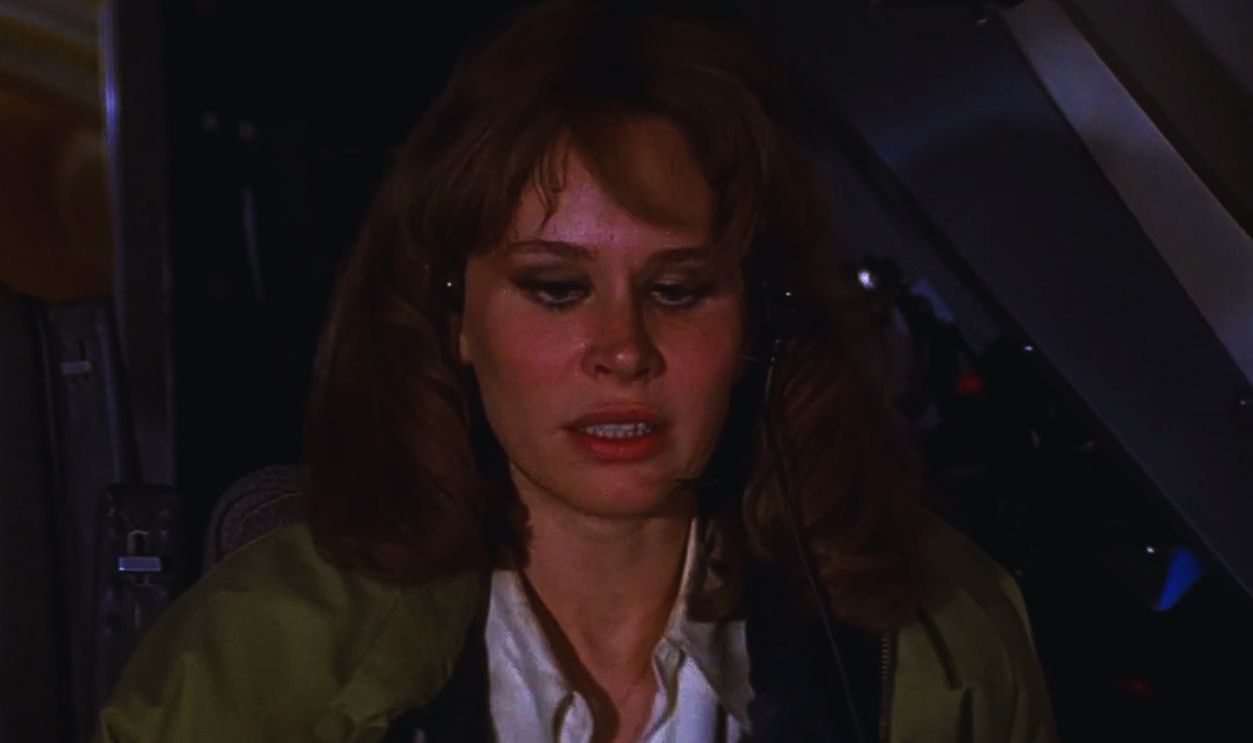 Screenshot from Airport 1975, Universal Pictures (1974)
Lynda Carter
Lynda Carter first donned the bracelets in the 1975 television movie The New Original Wonder Woman. The regular series followed in 1976, despite executives questioning whether a woman could carry an action show. Carter answered them by making Diana Prince intelligent, compassionate, and completely convincing whenever Wonder Woman entered the fight.
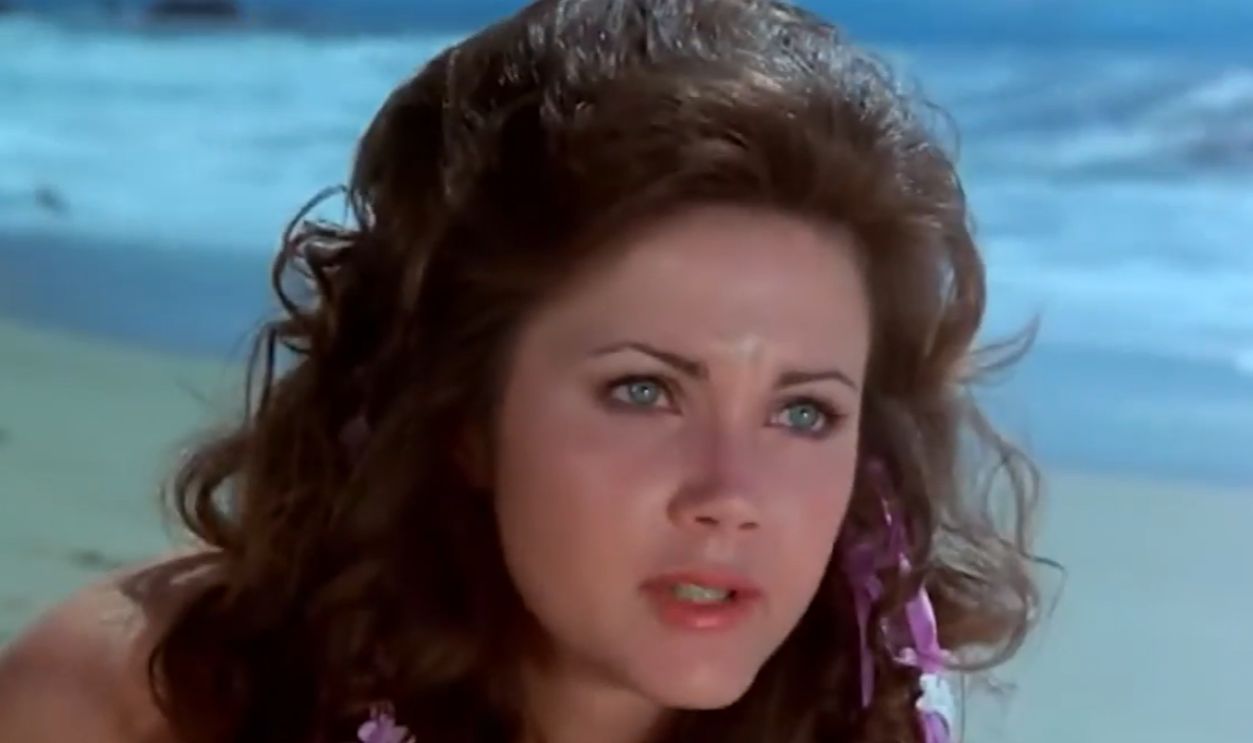 Screenshot from The New Original Wonder Woman, ABC (1975)
Tamara Dobson
At six feet two inches tall, former model Tamara Dobson had a screen presence that could not be hidden. In Cleopatra Jones, she played a federal agent who fought an international drug operation with martial arts, spectacular clothes, and complete self-assurance. Dobson returned for Cleopatra Jones and the Casino of Gold, proving that the first adventure had created a genuine franchise heroine.
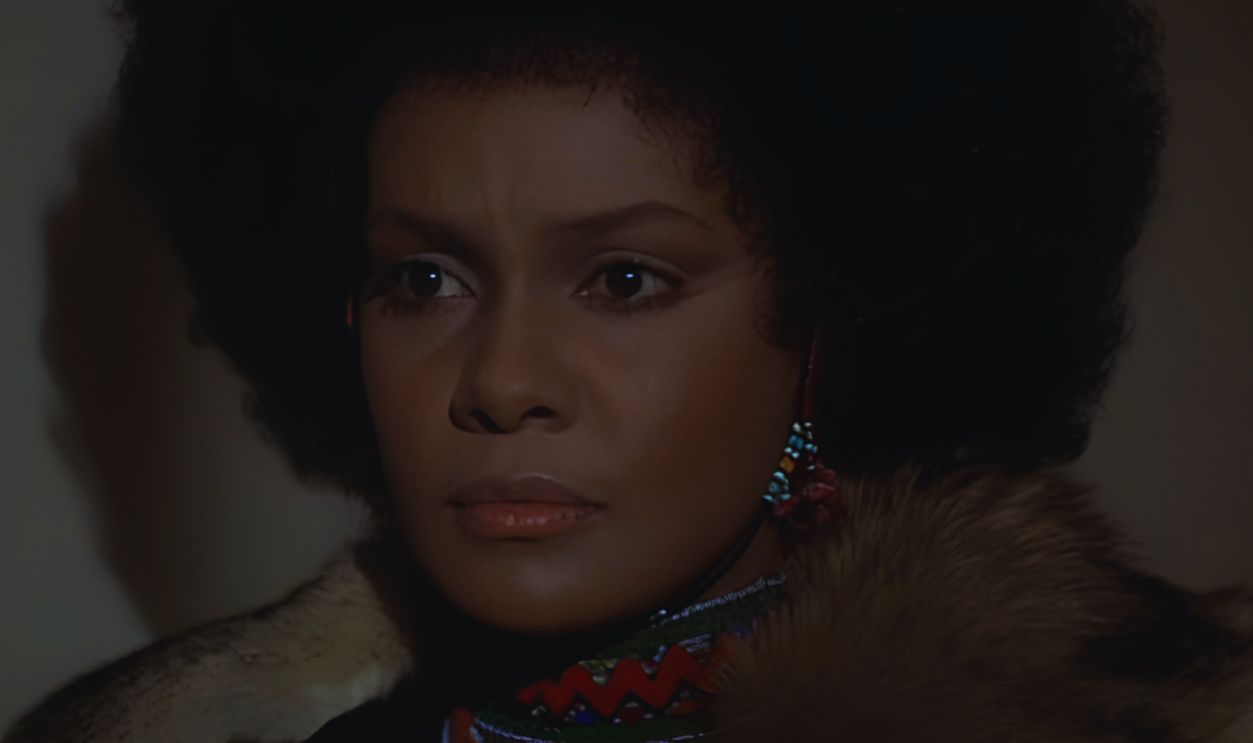 Screenshot from Cleopatra Jones, Warner Bros. Pictures / Max Julien Productions (1973)
JoAnna Cameron
JoAnna Cameron played science teacher Andrea Thomas in The Secrets of Isis, which premiered in 1975. Andrea transformed into the superpowered Isis by invoking an ancient Egyptian amulet, then used her abilities to handle the week’s crisis. The Saturday-morning setting was aimed at younger viewers, but Cameron was unmistakably the show’s leading hero.
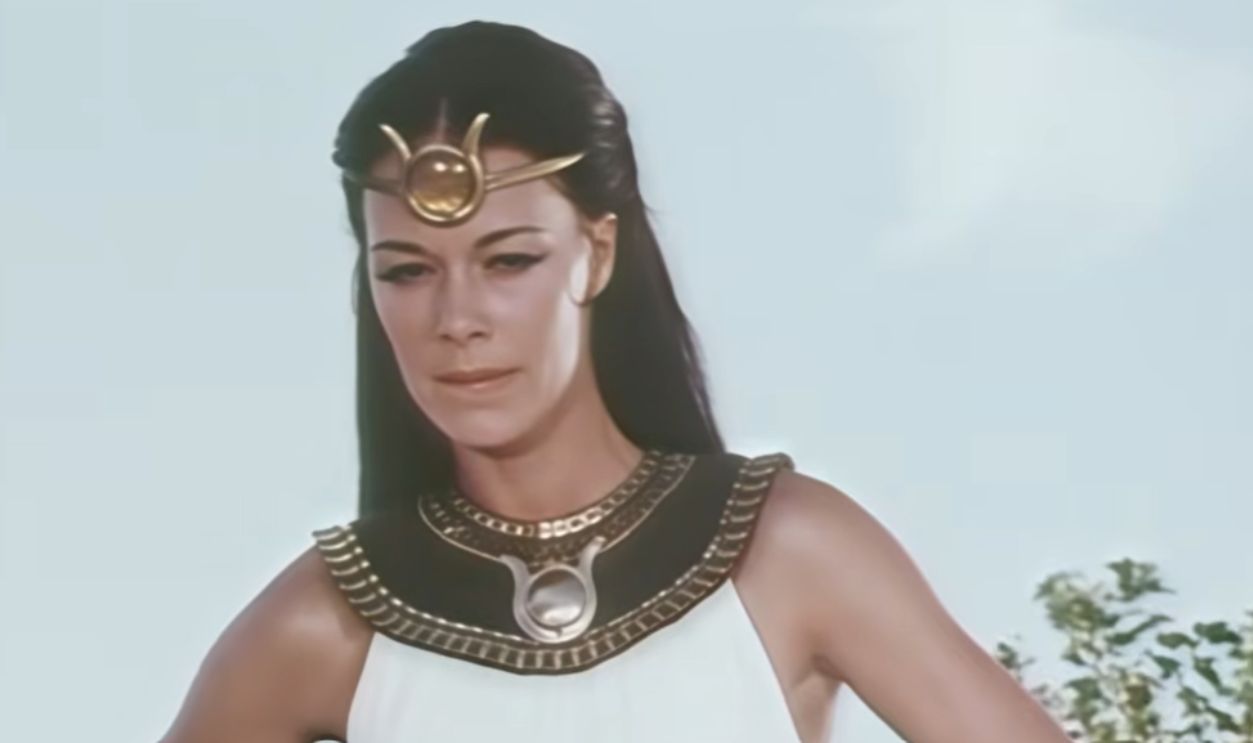 Screenshot from The Secrets of Isis, CBS (1976)
Sondra Locke
Sondra Locke played Gus Mally, the endangered witness at the center of 1977’s The Gauntlet. Gus recognizes that she and Clint Eastwood’s struggling police detective have been set up, frequently understanding their predicament before he does. Locke matches Eastwood throughout the ensuing ambushes and armored-bus escape, making Gus an unusually resourceful partner rather than another passenger requiring protection.
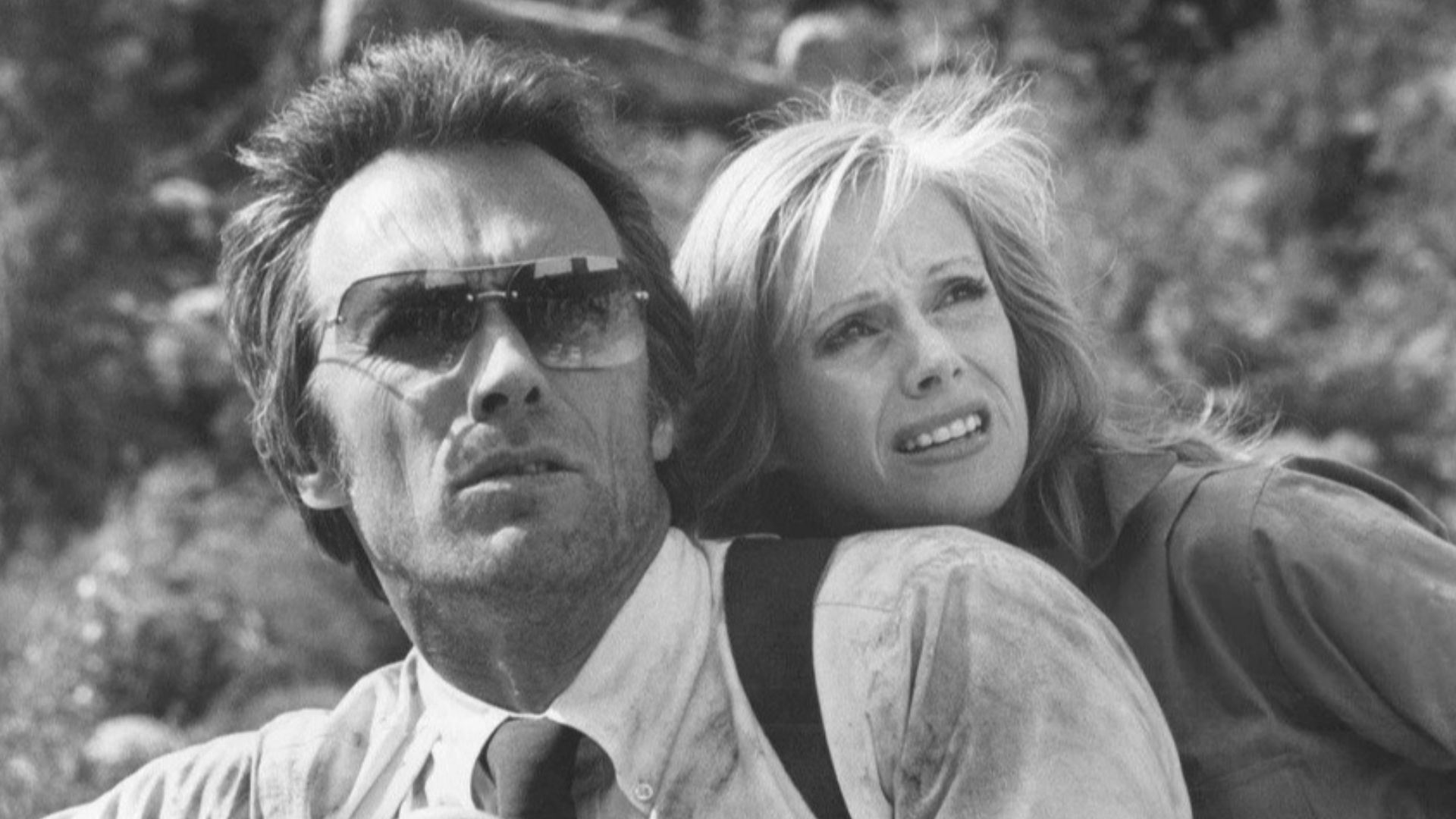 Warner Bros., Wikimedia Commons
Cheng Pei-Pei
Cheng Pei-pei entered the 1970s as one of Hong Kong cinema’s established female action stars. Her ballet training helped her bring precision and elegance to swordplay, while films such as 1971’s The Lady Hermit kept her at the center of the combat. She also insisted on attempting physical challenges expected of male performers, which explains why she became known as the Queen of Swords.
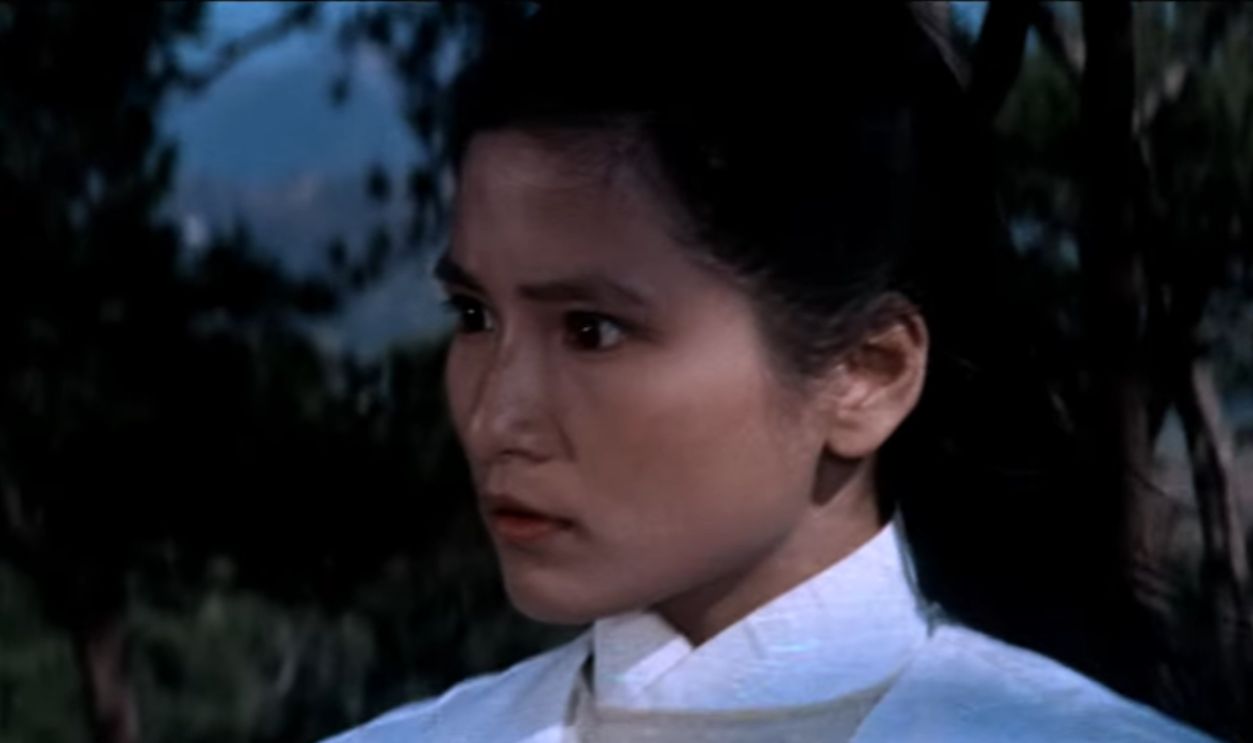 Screenshot from The Lady Hermit, Shaw Brothers Studio (1971)
Charlie’s Angels
Farrah Fawcett, Kate Jackson, and Jaclyn Smith became television phenomena when Charlie’s Angels premiered in 1976. As Jill Munroe, Sabrina Duncan, and Kelly Garrett, they played former police academy graduates working as private investigators. The fashion received plenty of attention, but the Angels were still the people conducting surveillance, entering danger, and solving each case.
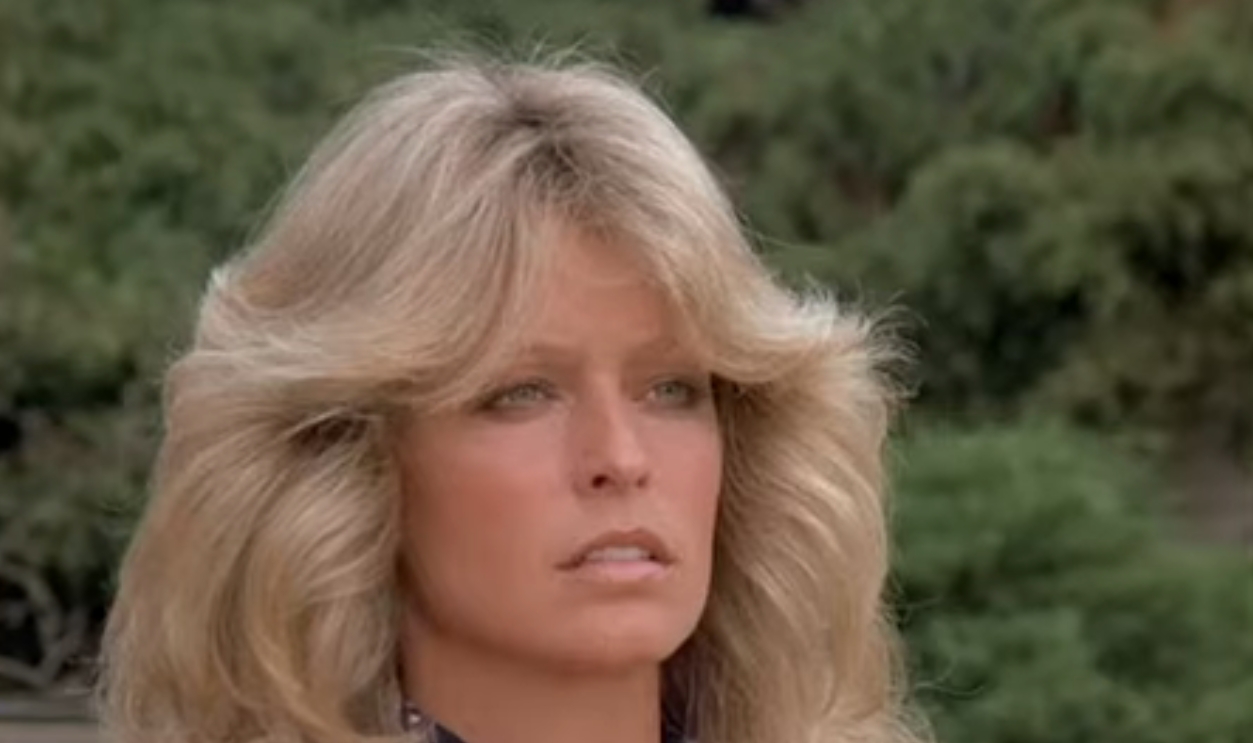 Screenshot from Charlie’s Angels, ABC Television (1976–1981)
Teresa Graves
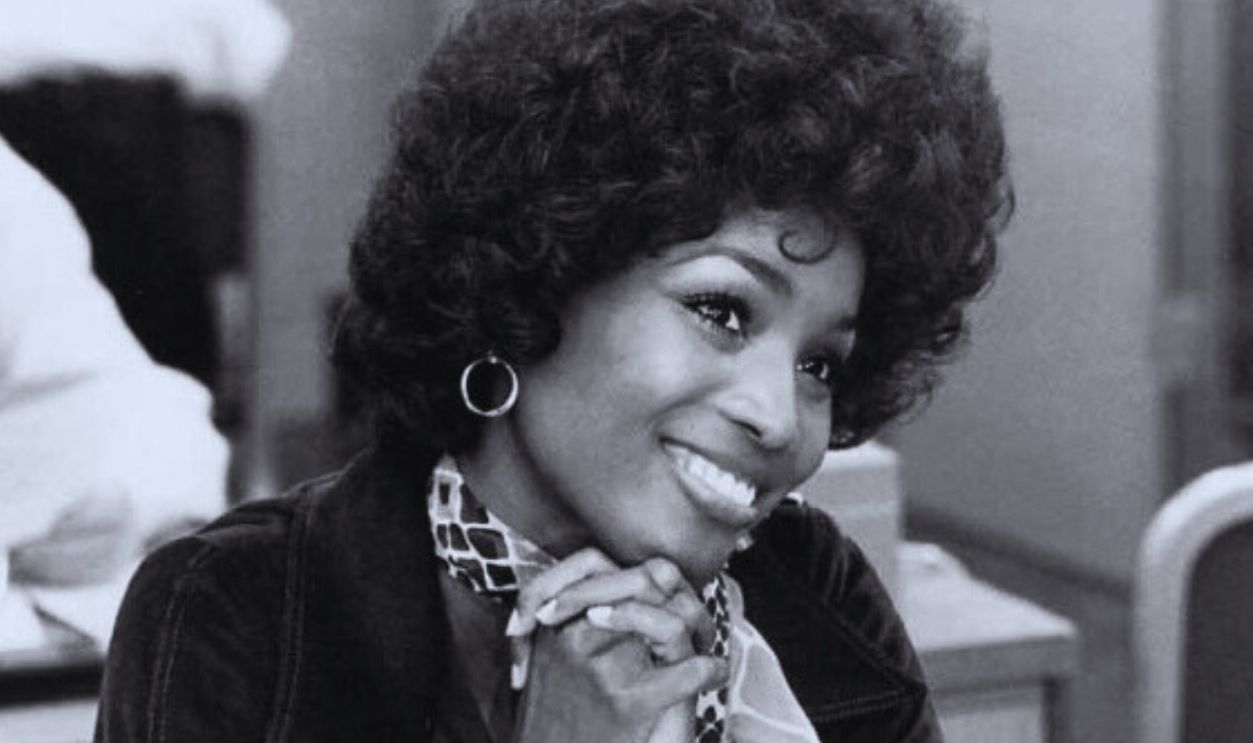
Teresa Graves led the 1974 television movie and subsequent ABC series Get Christie Love!. Christie was an undercover police detective, making Graves the unquestioned center of a network crime drama. The show lasted one season, but its image of a Black woman commanding investigations was still a striking development for 1970s television.
Candice Bergen
Candice Bergen joined Gene Hackman and James Coburn in the 1975 Western Bite the Bullet. As Miss Jones, she becomes the only woman competing in a grueling 700-mile horse race while secretly planning to free her boyfriend from a chain gang. Bergen rides through the same punishing country as the veteran cowboys, then proves strong enough to reject the man who has been controlling her.
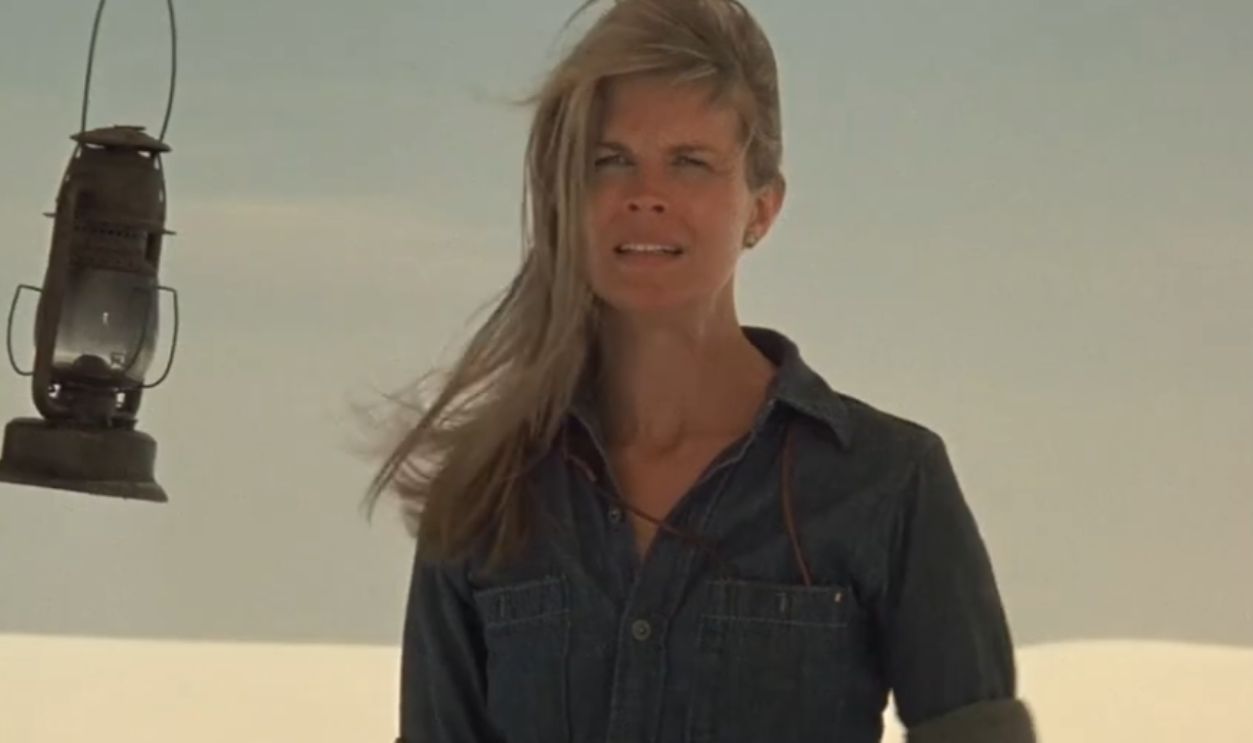 Screenshot from Bite the Bullet, Columbia Pictures (1975)
Angie Dickinson
Angie Dickinson starred as Sergeant Pepper Anderson on NBC’s Police Woman from 1974 to 1978. The role made her the first woman to lead an hour-long television drama as a police officer. Some undercover assignments leaned heavily on glamour, but Dickinson still made Pepper look like the most capable investigator in the room.
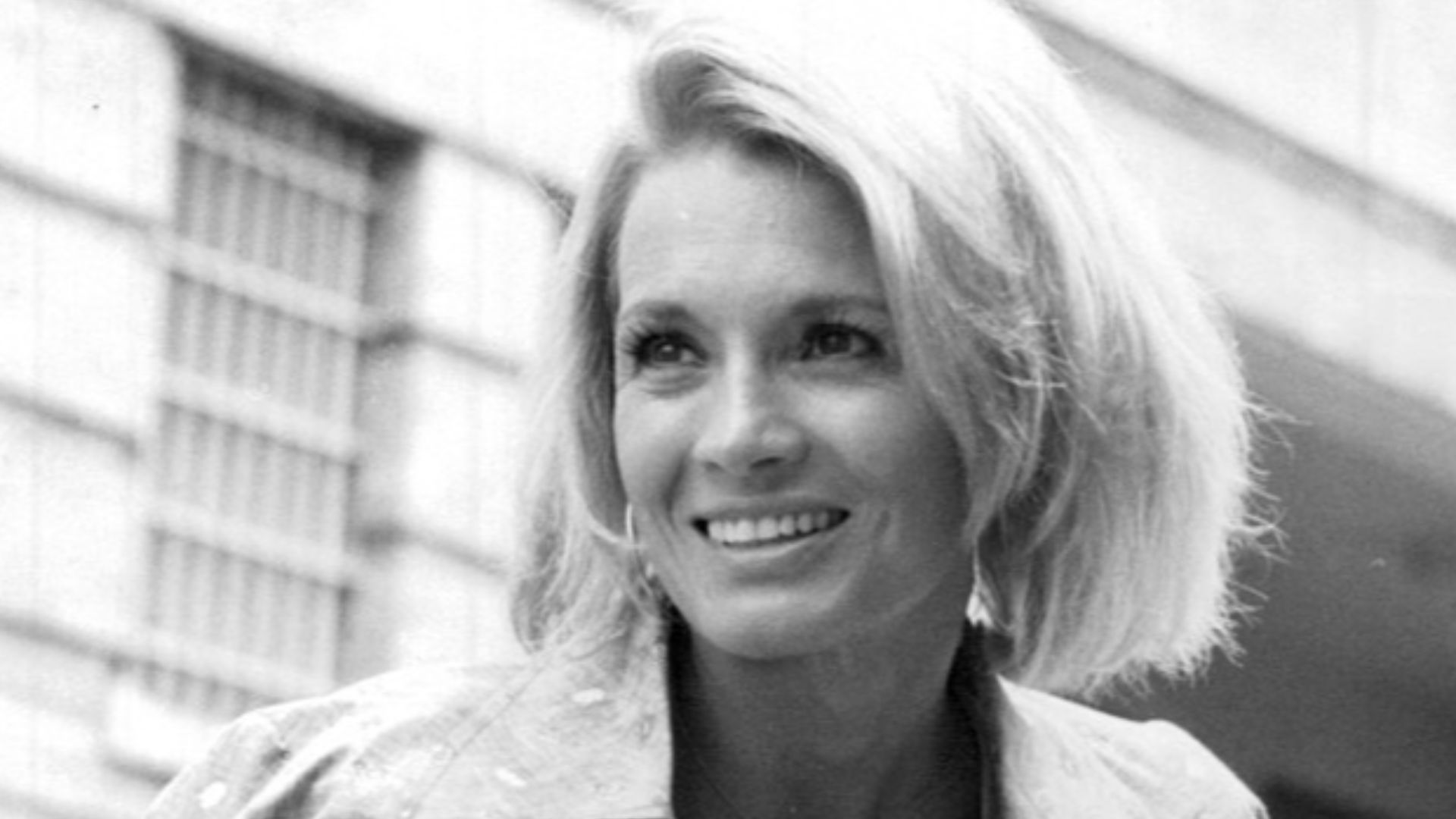 NBC Television, Wikimedia Commons
Meiko Kaji
Meiko Kaji brought icy composure to the title role in 1973’s Lady Snowblood. Her character Yuki is trained from childhood to avenge crimes committed against her family, and she conceals a sword inside an umbrella. Kaji also sang the film’s theme song, completing a performance that later influenced Quentin Tarantino’s Kill Bill movies.
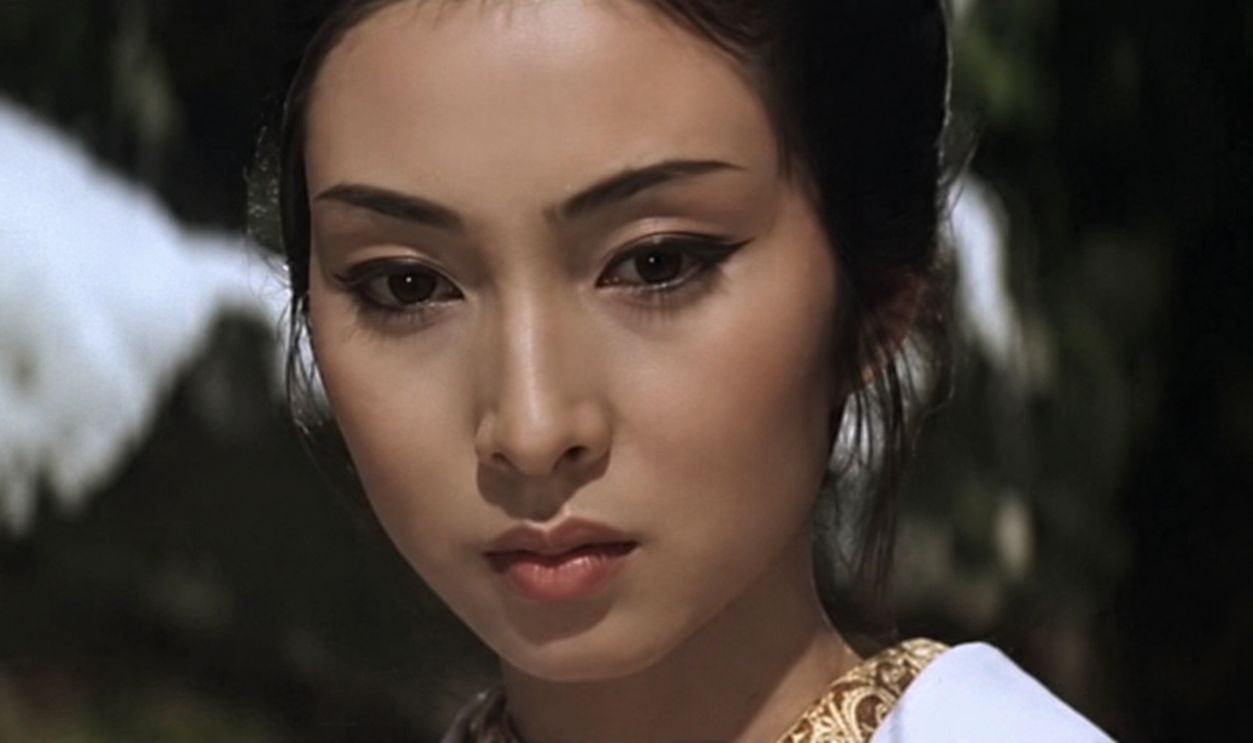 Screenshot from Lady Snowblood, Tokyo Eiga (1973), Modified
Deidre Hall And Judy Strangis
Deidre Hall and Judy Strangis played crime-fighting magazine reporters in the 1976 series Electra Woman and Dyna Girl. The short adventures featured a hidden base, specialized gadgets, colorful villains, and plenty of deliberate comic-book camp. Most importantly, Electra Woman and Dyna Girl went into the field while their male scientist remained behind to provide technical assistance.
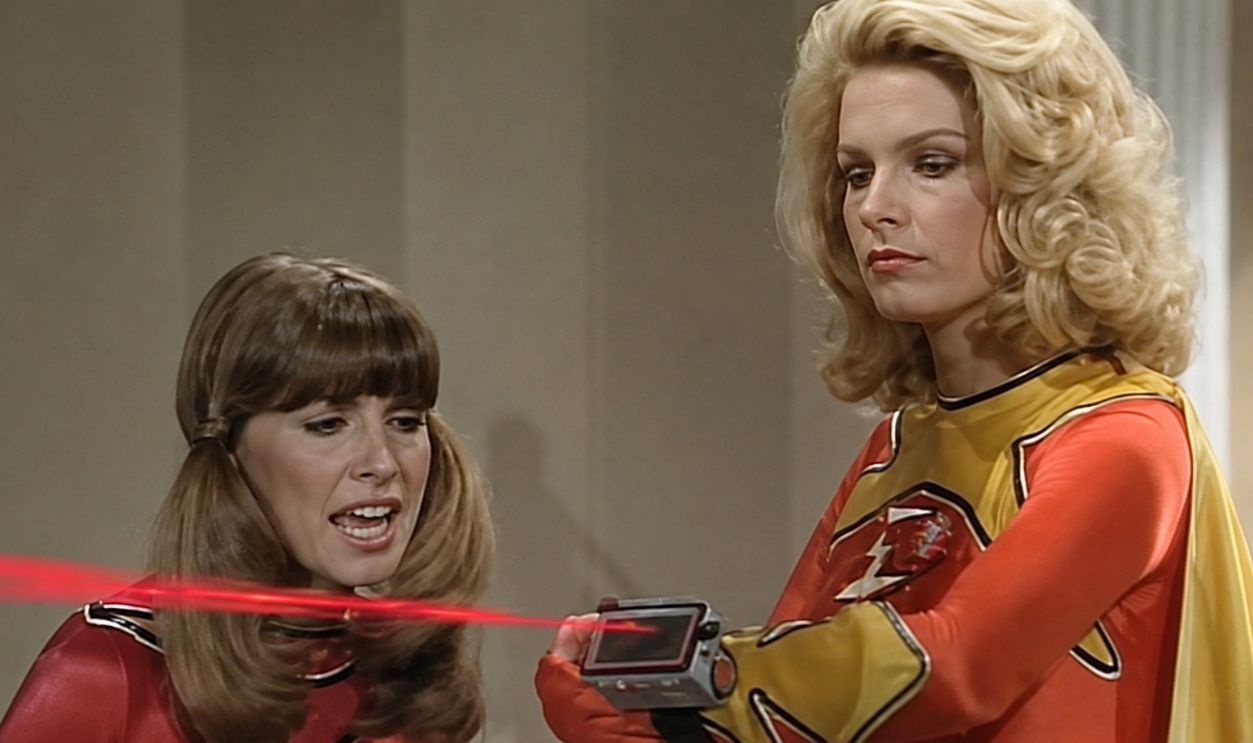 Screenshot from Electra Woman and Dyna Girl, ABC (1976), Modified
Joanna Lumley
Joanna Lumley joined Patrick Macnee and Gareth Hunt in The New Avengers in 1976. As the highly trained agent Purdey, she brought a modern physical presence to a franchise previously defined by John Steed and his revolving group of partners. Her sharp performance and instantly recognizable haircut ensured Purdey never felt like an accessory to the men.
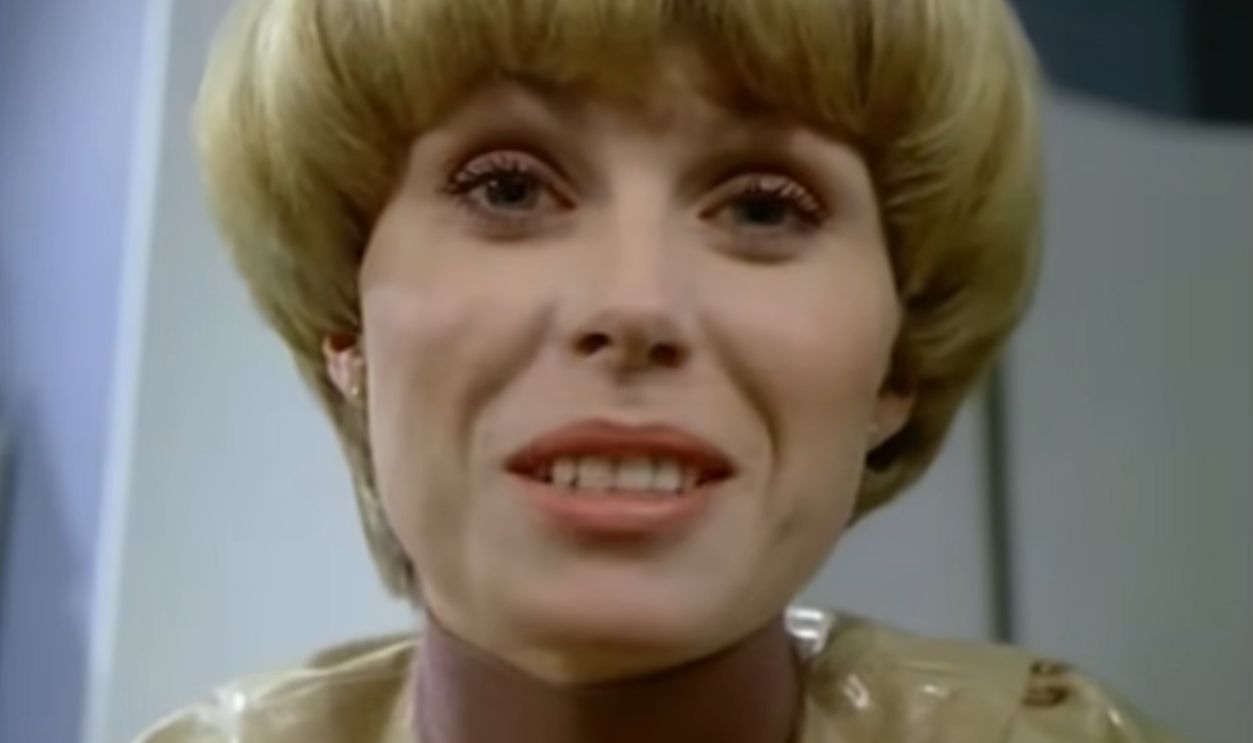 Screenshot from The New Avengers, ITV (1976)
Jeannie Bell
Former Playboy Playmate Jeanne Bell became the fighting center of 1975’s T.N.T. Jackson. She played Diana Jackson, a martial artist who travels to Hong Kong while investigating her brother’s death. Filmed in Hong Kong and the Philippines, the movie let Bell pursue the mystery, confront the villains, and direct her own revenge mission.
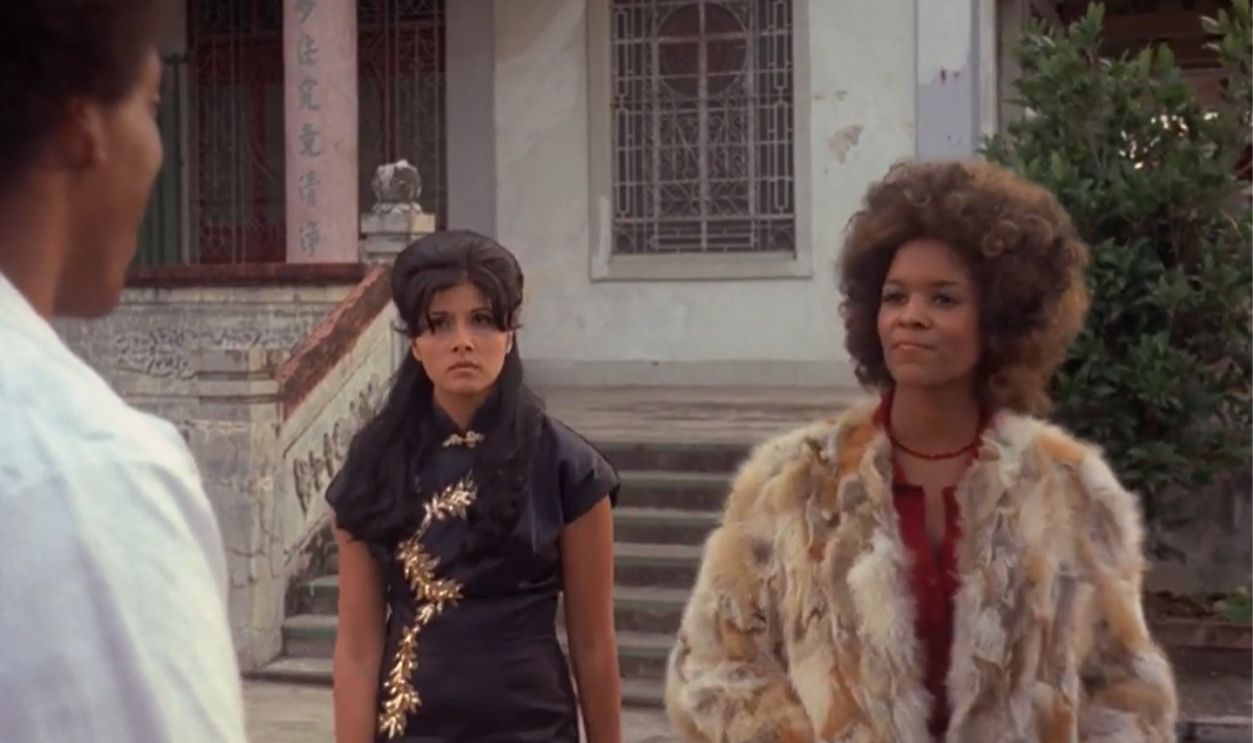 Screenshot from TNT Jackson, New World Pictures (1975)
Susan George
Dirty Mary, Crazy Larry places Susan George’s Mary inside a getaway car with Peter Fonda’s Larry and Adam Roarke’s Deke. Mary forces her way into their escape and refuses to act like a frightened passenger as the police chase intensifies. Larry might control the wheel, but George’s unpredictable energy repeatedly steals the ride.
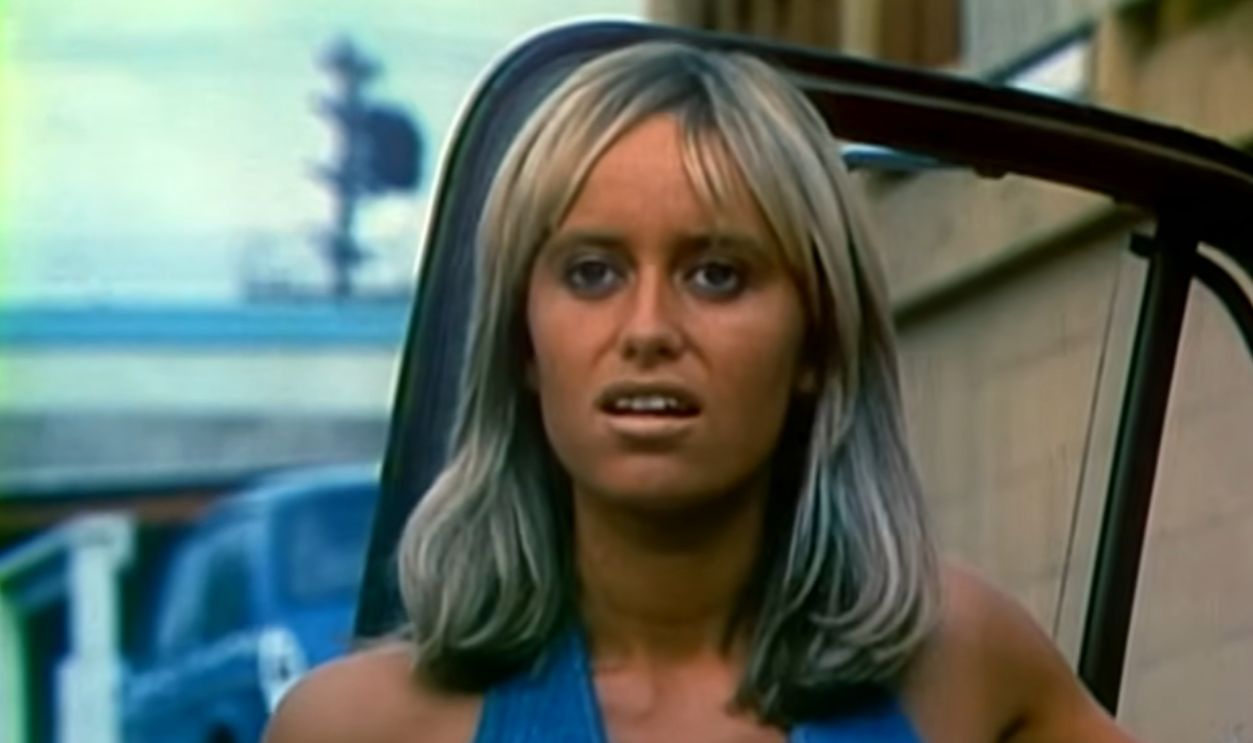 Screenshot from Dirty Mary, Crazy Larry, 20th Century Fox (1974)
Barbara Bach
Barbara Bach played Soviet agent Major Anya Amasova in 1977’s The Spy Who Loved Me. Anya competes with James Bond to recover stolen microfilm and even incapacitates him with narcotic powder before their governments order them to cooperate. Although the climax eventually places her in need of rescue, Bach spends much of the movie making Bond earn his reputation.
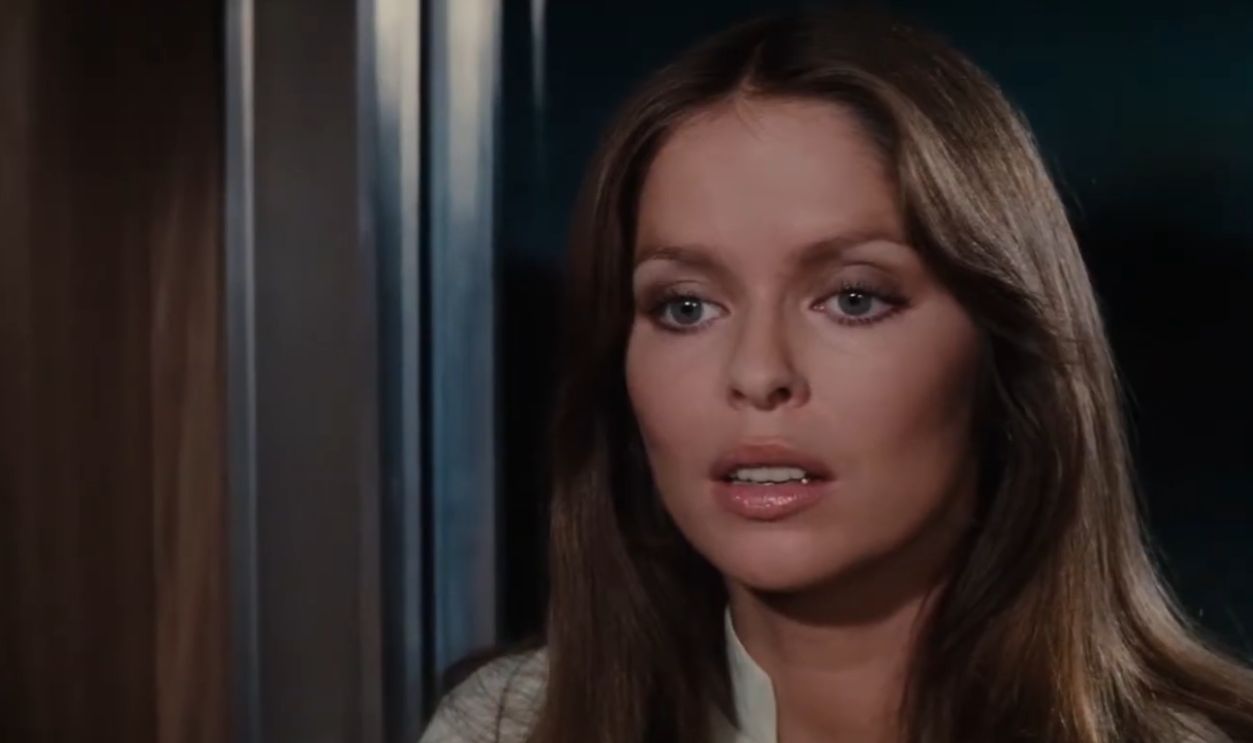 Screenshot from The Spy Who Loved Me, United Artists (1977)
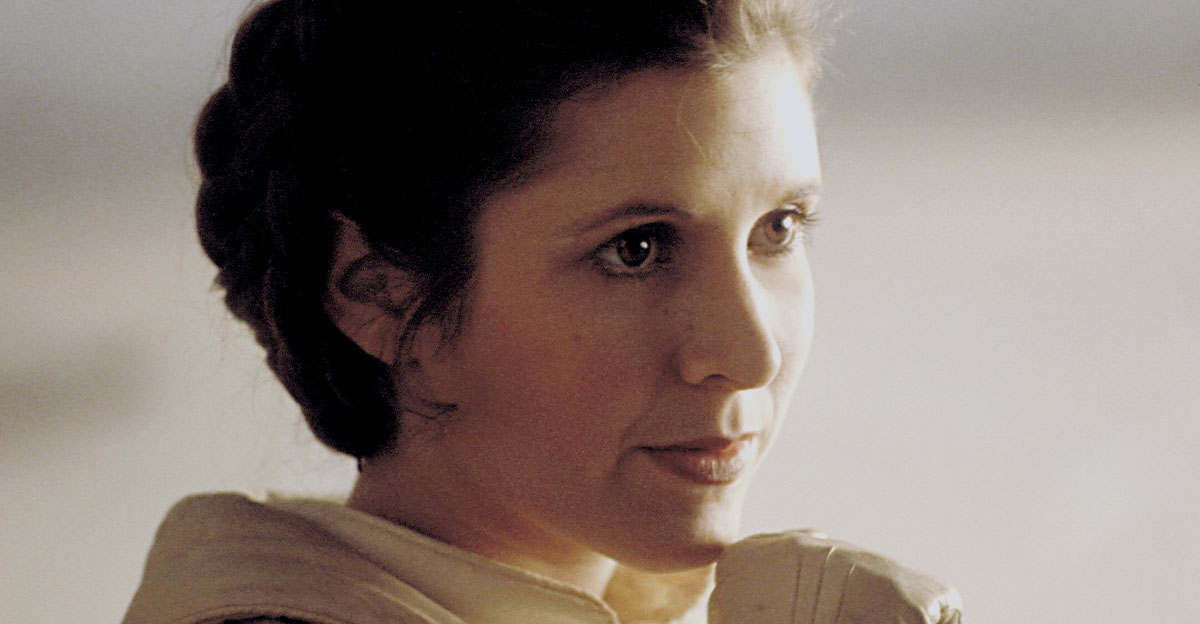
Carrie Fisher
Princess Leia enters 1977’s Star Wars as a senator, Rebel leader, and custodian of the stolen Death Star plans. Even after her capture, she protects the mission by sending those plans away with R2-D2 and refusing to betray the Rebel base. Once Luke and Han arrive, Leia grabs a blaster and starts directing an escape that her supposed rescuers have barely planned.
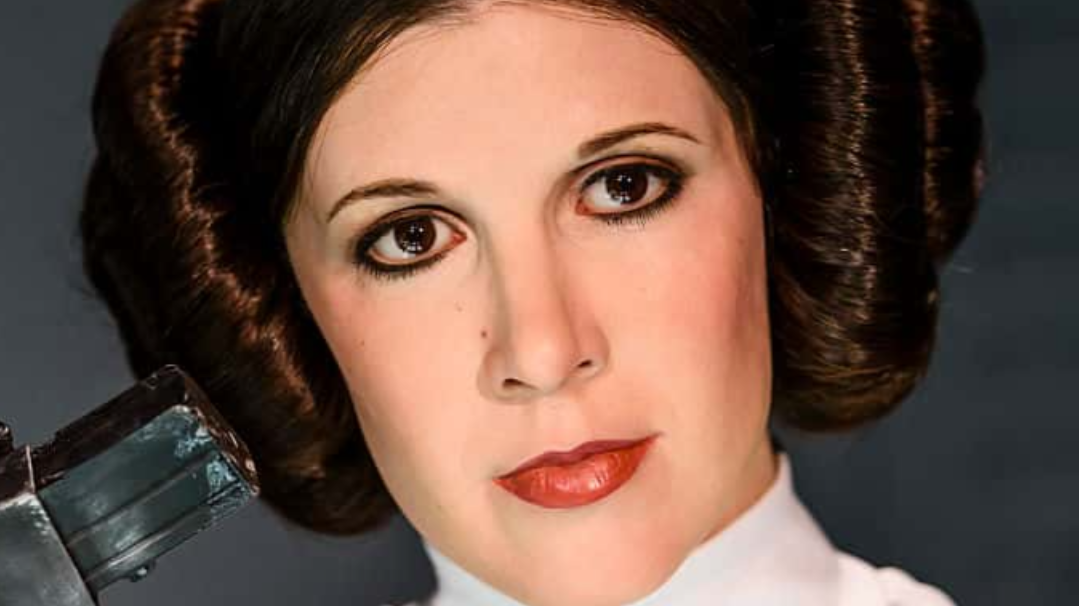
Jamie Lee Curtis
Jamie Lee Curtis made her feature-film debut as Laurie Strode in John Carpenter’s 1978 horror classic Halloween. Laurie has no special training, but she observes danger, protects the children in her care, and fights Michael Myers with whatever is available. Curtis helped make the resourceful final girl one of horror cinema’s most enduring heroic figures.
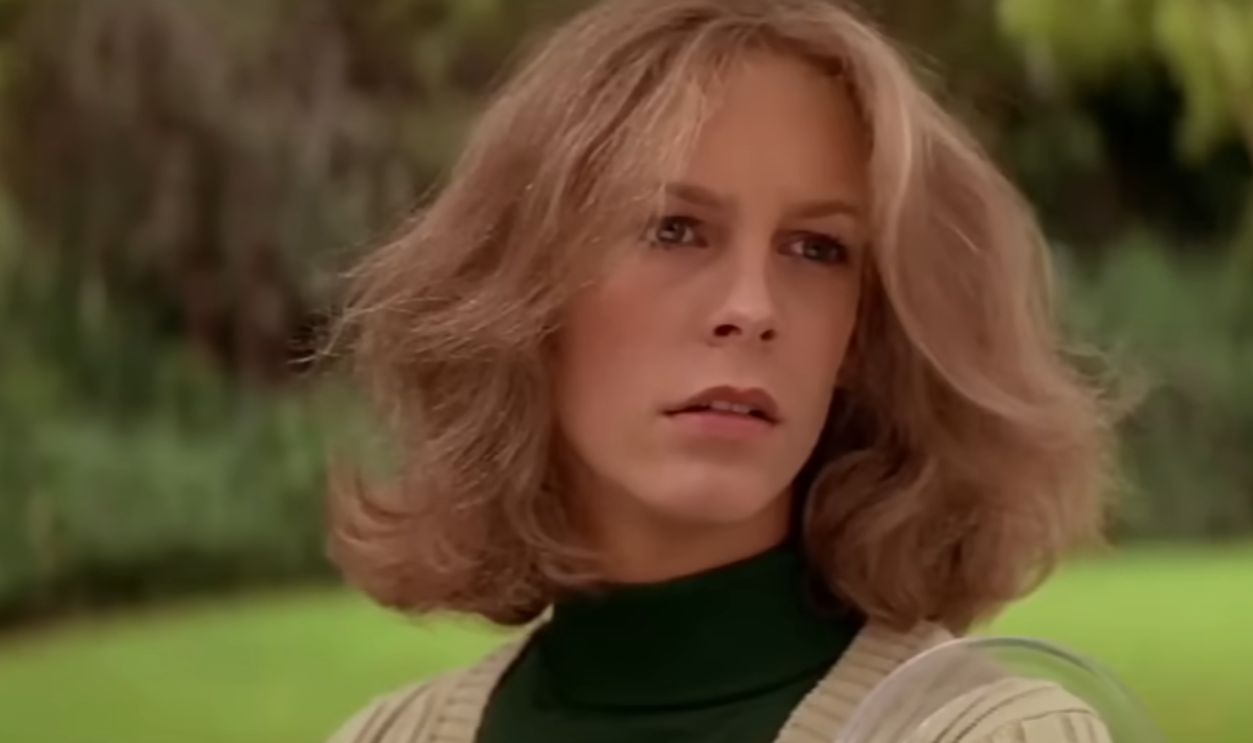 Screenshot from Halloween, Compass International Pictures (1978)
Sigourney Weaver
Sigourney Weaver’s Ellen Ripley initially appears to be one member of the ensemble in 1979’s Alien. She insists on following quarantine procedure after Kane encounters the alien organism, only to be overruled by Ash. Ripley’s judgment proves correct, and her calm determination leaves her standing after the ship’s more obvious male heroes are gone.
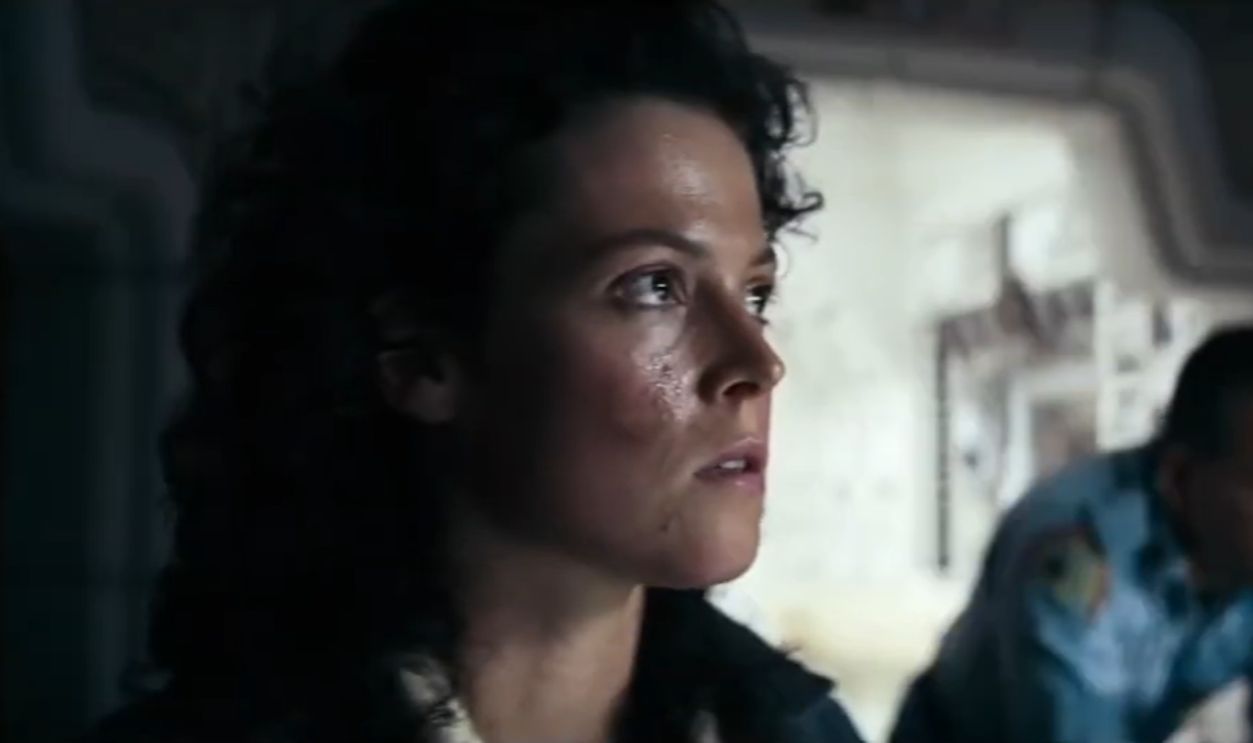 Screenshot from Alien, 20th Century-Fox (1979)
The Men Never Stood A Chance
These heroines were not always served by perfect scripts, and several worked inside genres that freely mixed empowerment with exploitation. Nevertheless, the performers made competence, courage, and personality impossible to overlook. By the time Ripley escaped the Nostromo, the decade had decisively proved that an action hero did not have to be a man.
You May Also Like:
Barbara Bach Became One Of The 1970s’ Most Iconic Bond Girls—But Her Toughest Battle Began Offscreen
Sources: 1, 2, 3, 4, 5, 6, 7, 8, 9, 10, 11, 12, 13, 14, 15, 16, 17, 18, 19, 20, 21, 22, 23, 24