Hollywood's Favorite Bad Habit
Hollywood loves finding beautiful new actresses. It just isn't very good at keeping them around. During the 60s and 70s, these women starred in huge movies, appeared on magazine covers, and seemed impossible to escape.
Then the 80s arrived and Hollywood did what Hollywood always does. It started looking for the next thing. Looking back, some of the actresses it tossed aside are genuinely hard to believe.
Ali MacGraw
After Love Story, Ali MacGraw looked like the safest investment in Hollywood. The movie turned her into a superstar overnight and it felt like she'd be headlining films forever. Instead, her big-screen career cooled off surprisingly fast. By the mid-80s, one of the most famous women in America was appearing only occasionally while younger actresses got the spotlight.
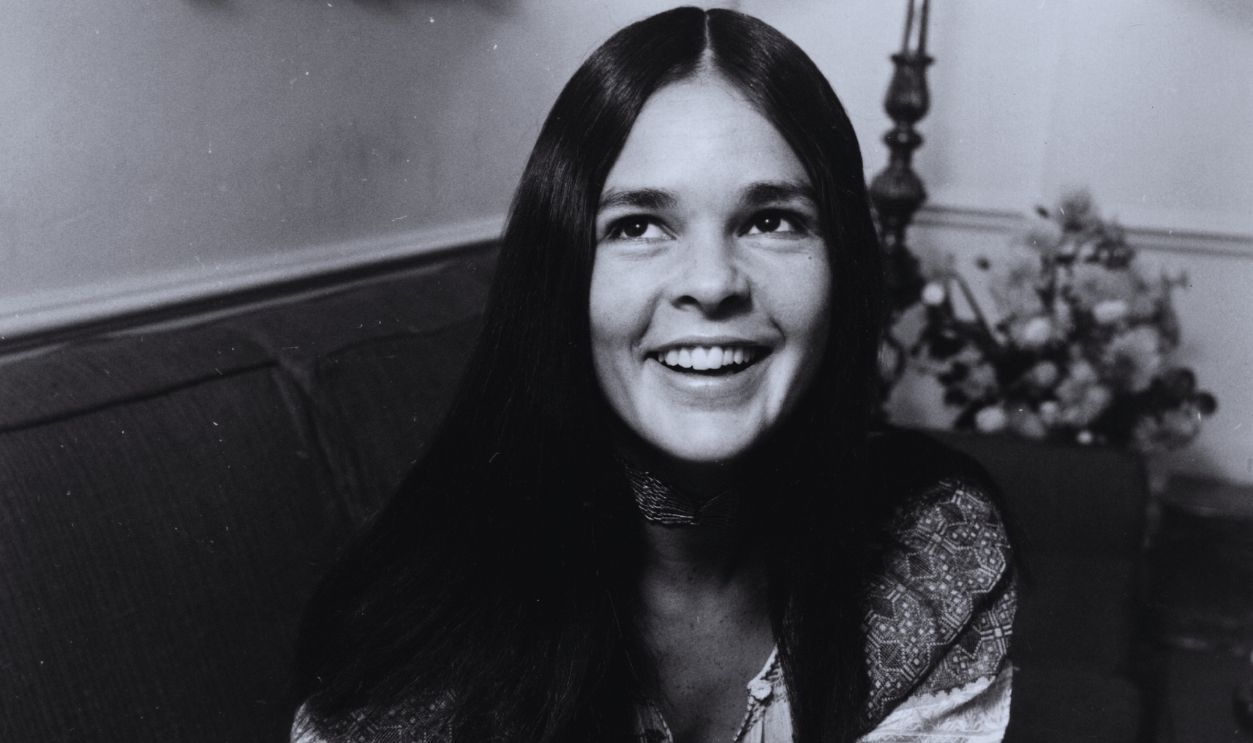 Evening Standard, Getty Images
Tuesday Weld
For years, people talked about Tuesday Weld like she was about to become the next great Hollywood legend. She starred in acclaimed films like Play It As It Lays and Looking for Mr. Goodbar and seemed to have everything working in her favor. Somehow, it never fully happened. Looking back, she's one of the biggest 'what if?' stories on this list.
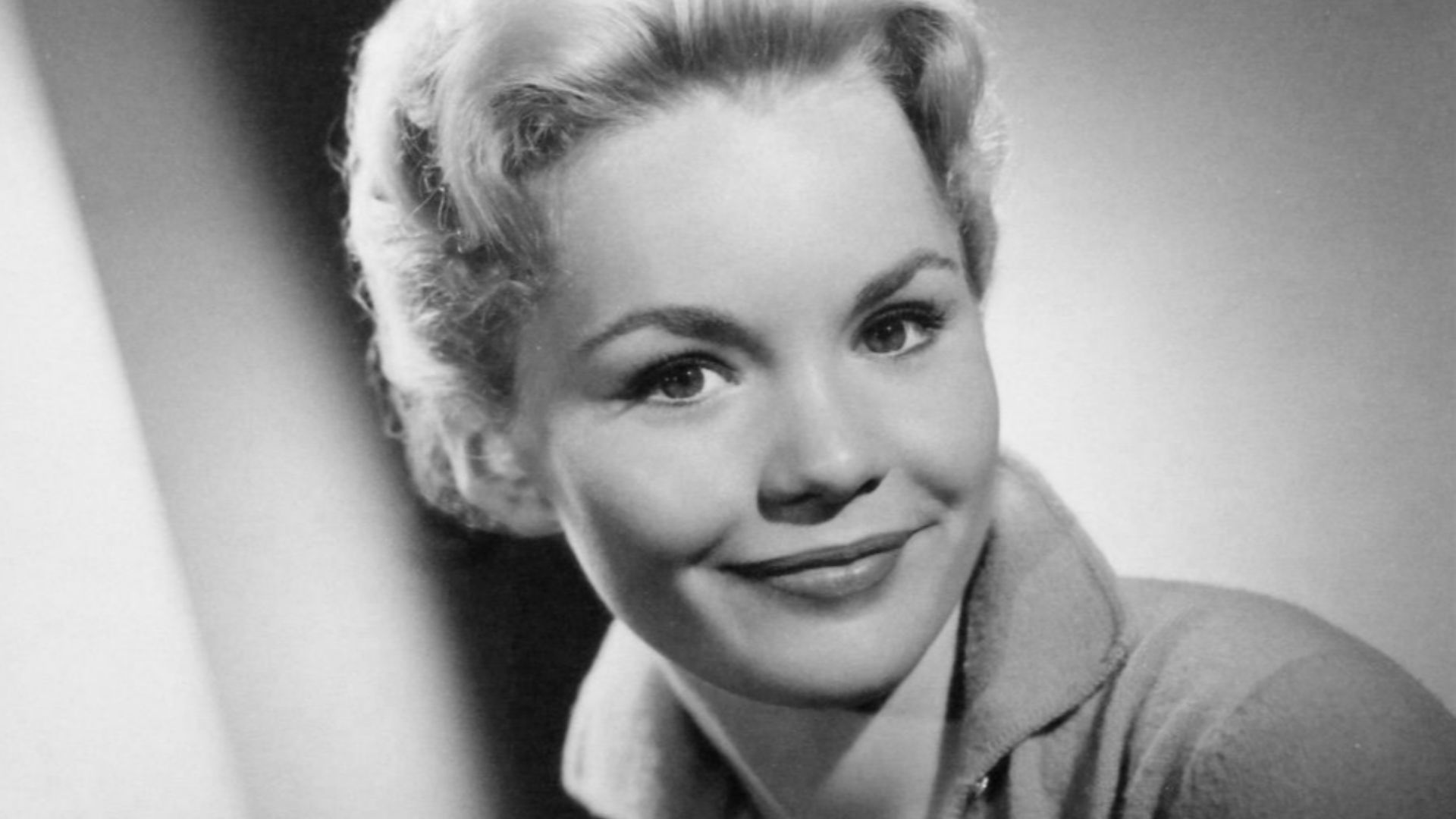 CBS-Photographer-Gabor Rona, Wikimedia Commons
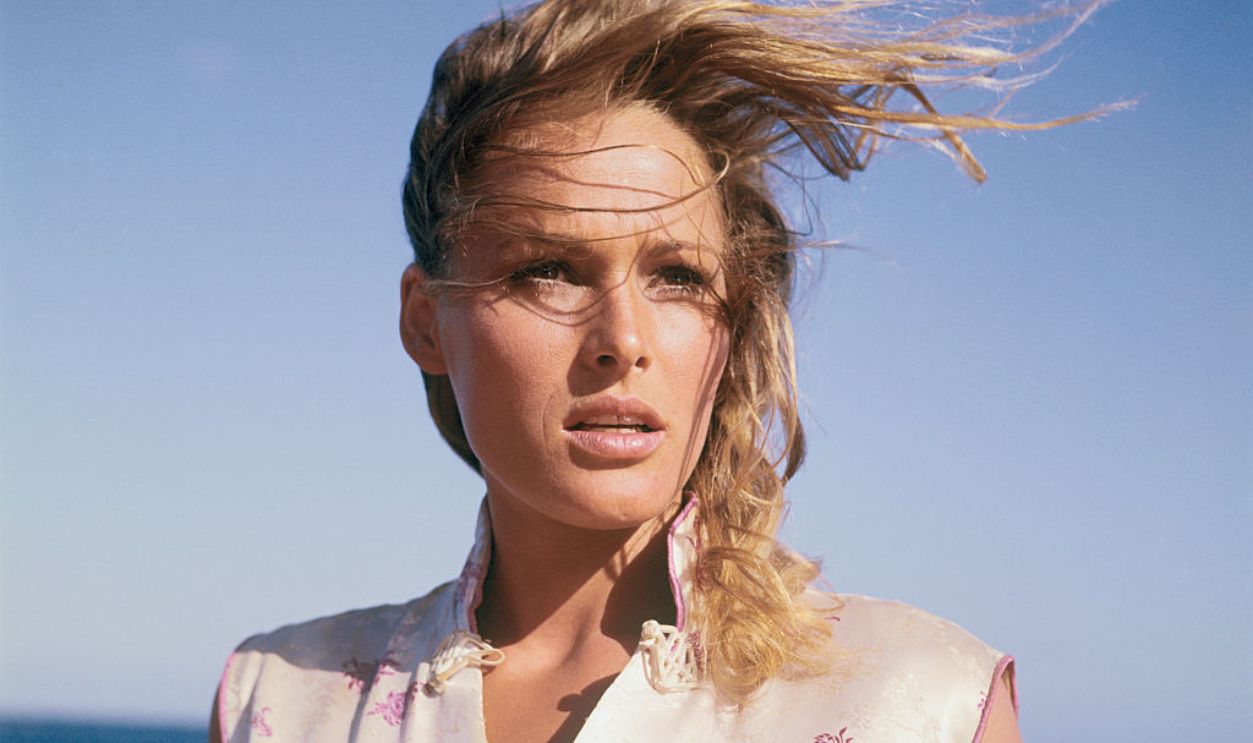
Ursula Andress
The image of Ursula Andress emerging from the ocean in Dr. No became one of the most famous scenes in movie history. Unfortunately, Hollywood often seemed more interested in that image than the actress herself. Once younger stars arrived, many of the major opportunities disappeared altogether.
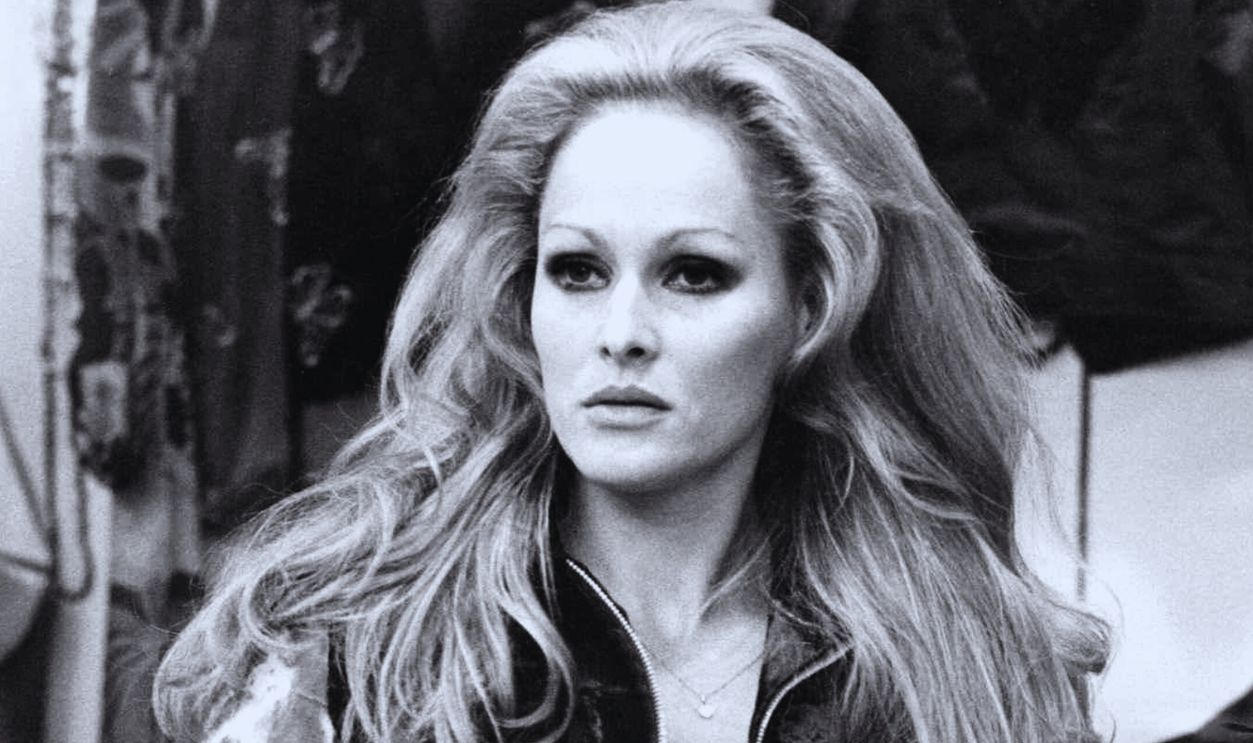 Silver Screen Collection, Getty Images
Karen Black
Karen Black was everywhere in the 70s. Five Easy Pieces. The Great Gatsby. Nashville. She earned an Oscar nomination and worked with some of the best directors in the business. Then the 80s showed up and suddenly she was appearing in low-budget horror films instead of prestige pictures. That's a pretty dramatic career turn.
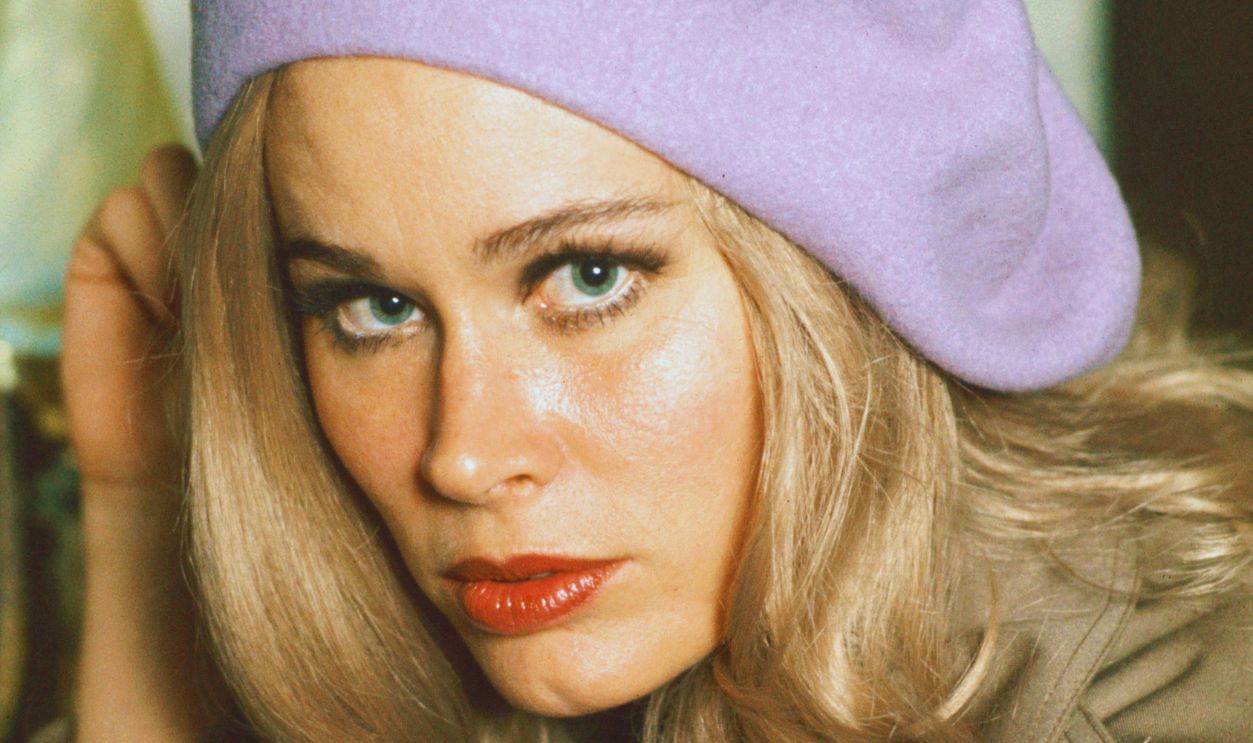 Silver Screen Collection, Getty Images
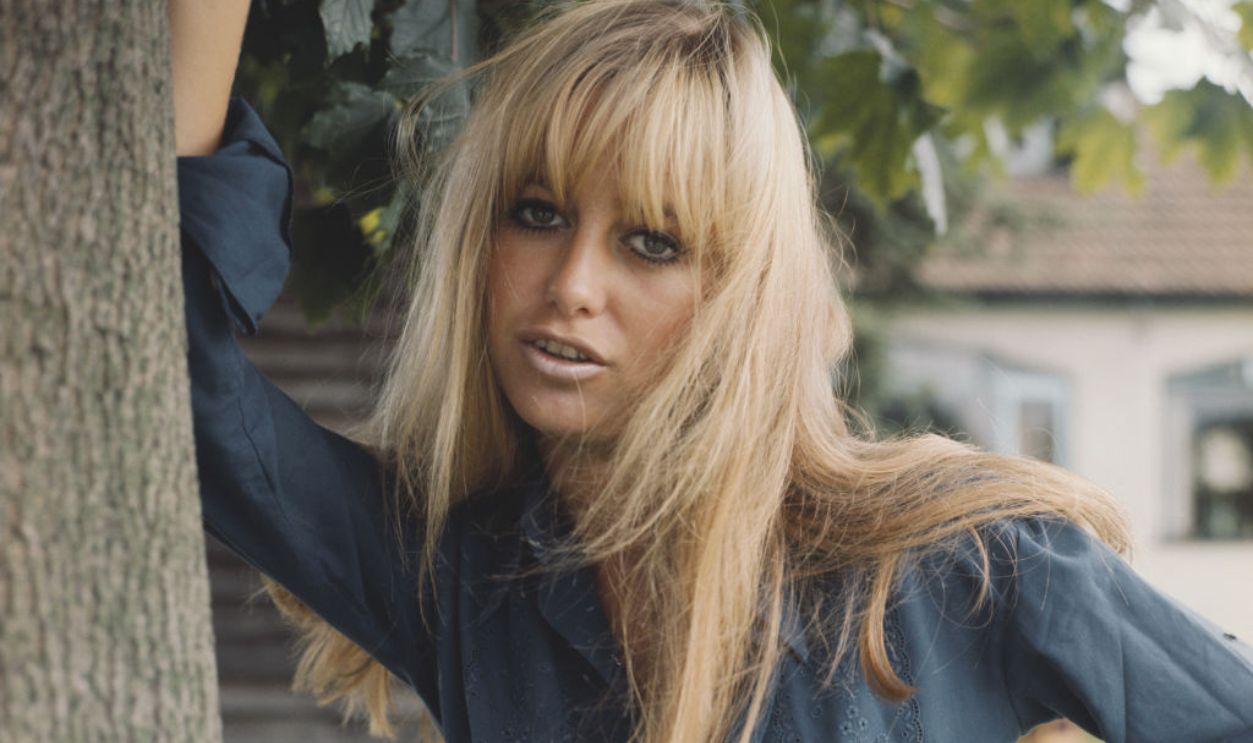
Susan George
After Straw Dogs, Susan George became one of the most talked-about actresses in the world. It looked like Hollywood had found its next major star. Instead, the momentum never lasted. By the 80s, many of the opportunities people assumed would be waiting for her simply weren't there anymore.
 Larry Ellis Collection, Getty Images
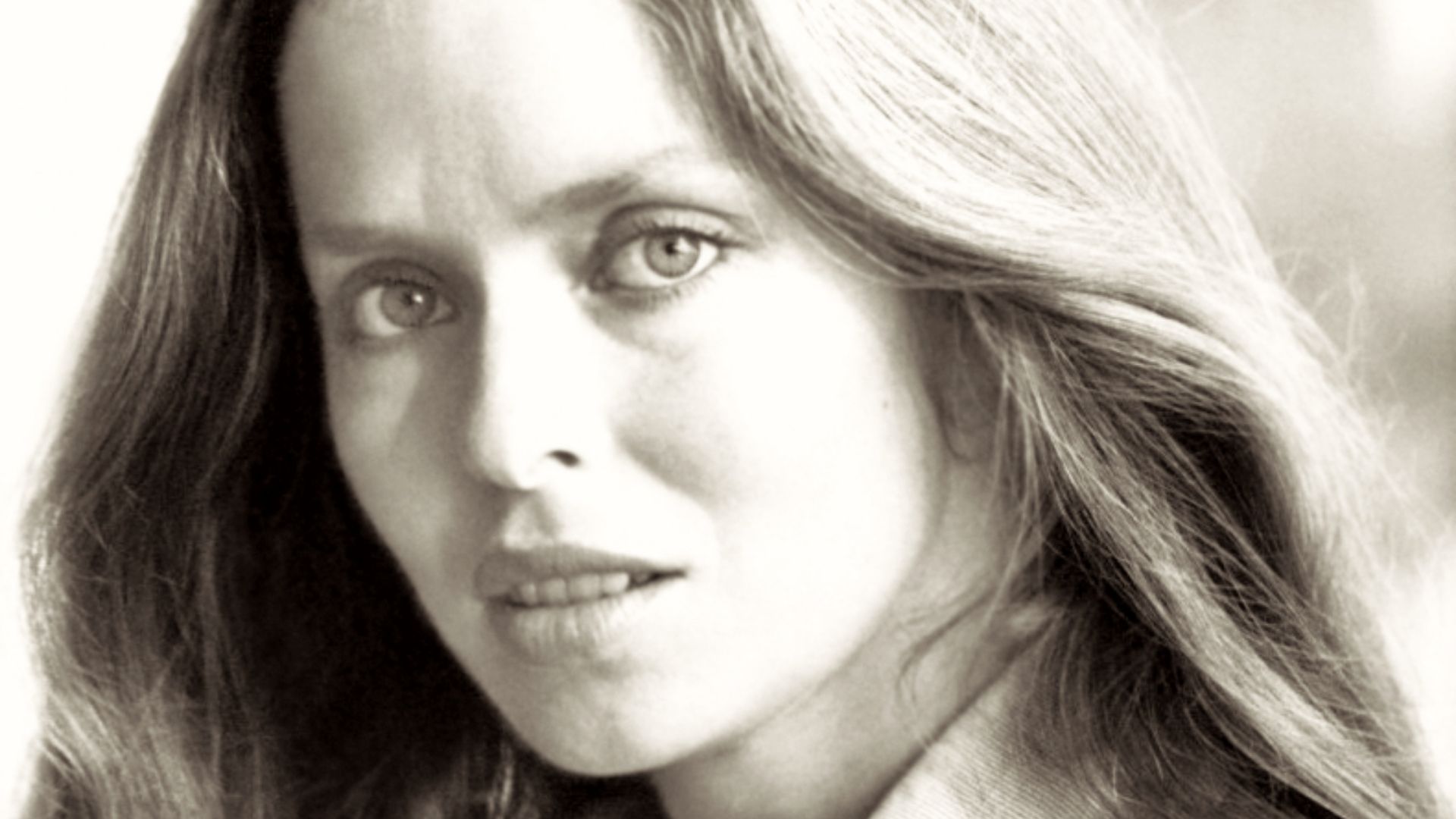
Barbara Bach
After The Spy Who Loved Me, Barbara Bach looked like a future superstar. Seriously, if you had asked people in 1977 what her career would look like ten years later, nobody would've guessed the answer. Hollywood had one of the most recognizable women in the world and somehow never figured out how to turn that into a long-term movie career.
 United Artists, Wikimedia Commons
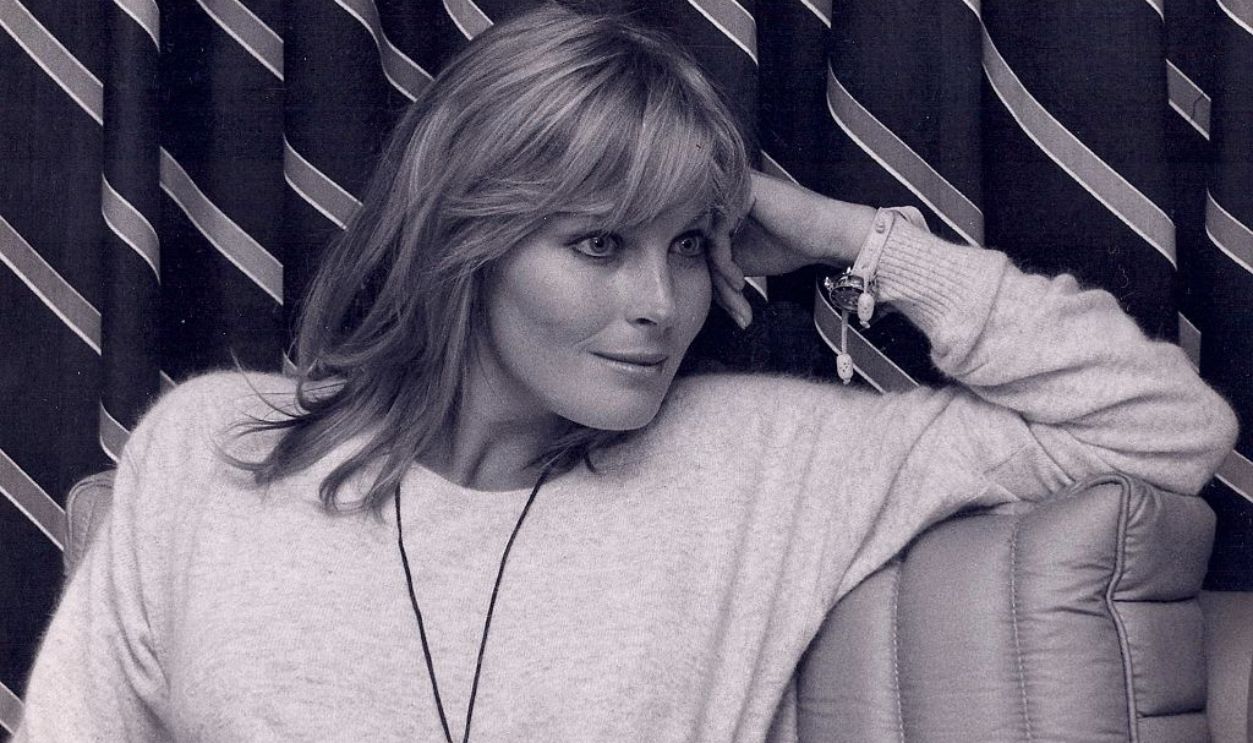
Bo Derek
When 10 hit theaters in 1979, Bo Derek became one of the biggest celebrity stories in America. For a while, she was everywhere. Then came films like Tarzan, the Ape Man and Bolero, both of which got hammered by critics. By the late 80s, Hollywood was already searching for its next sensation.
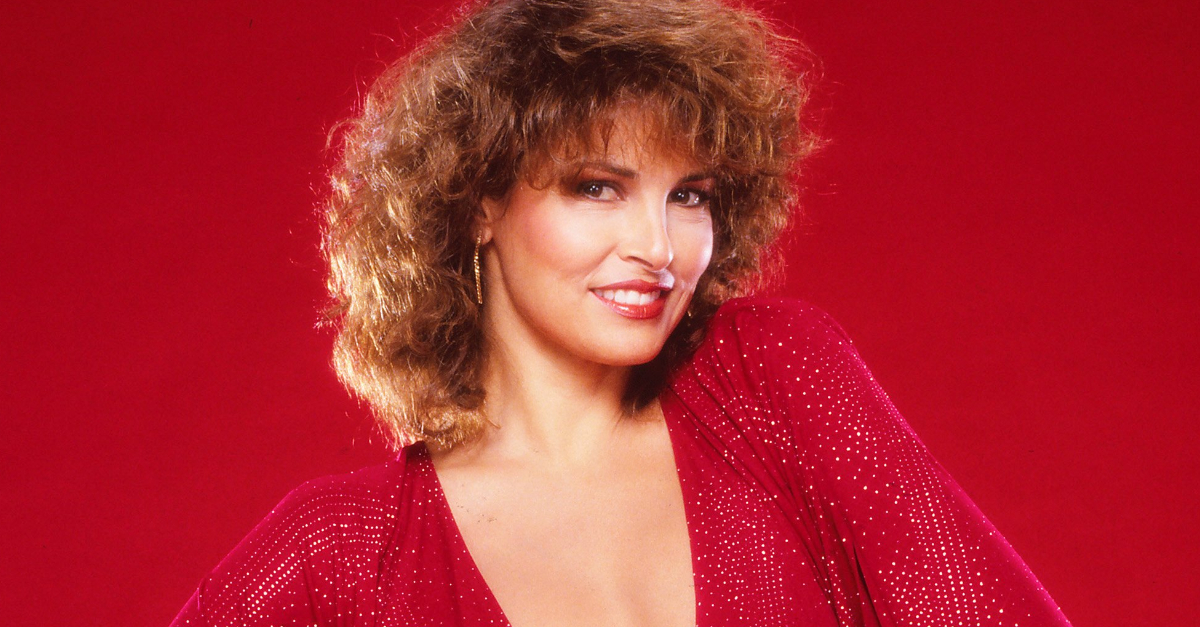
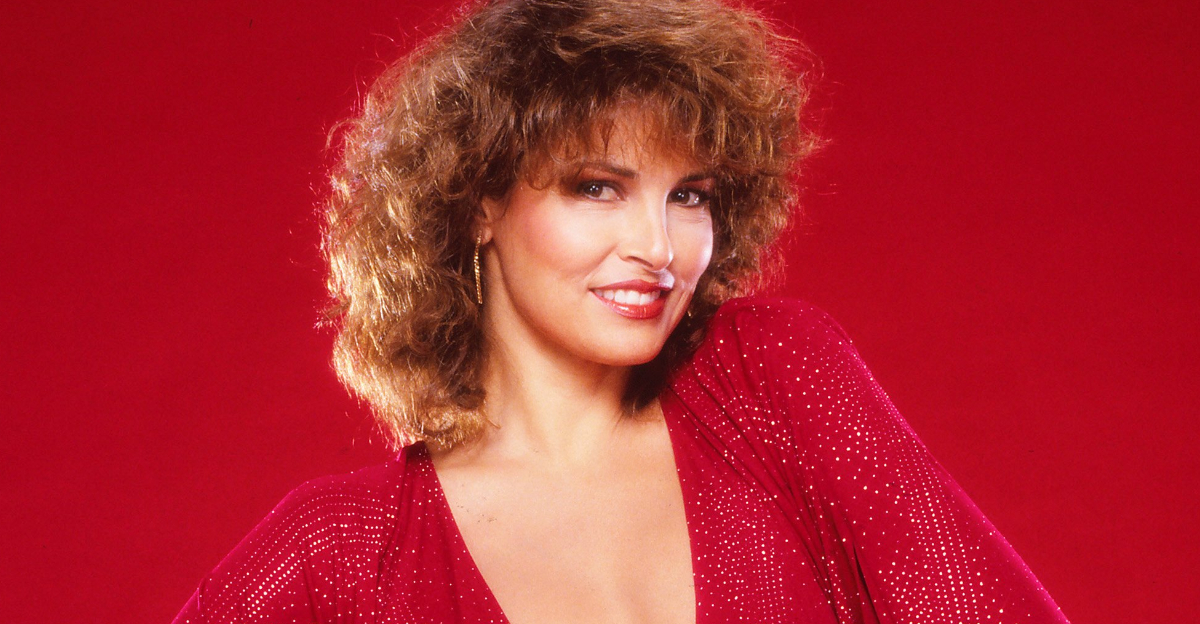
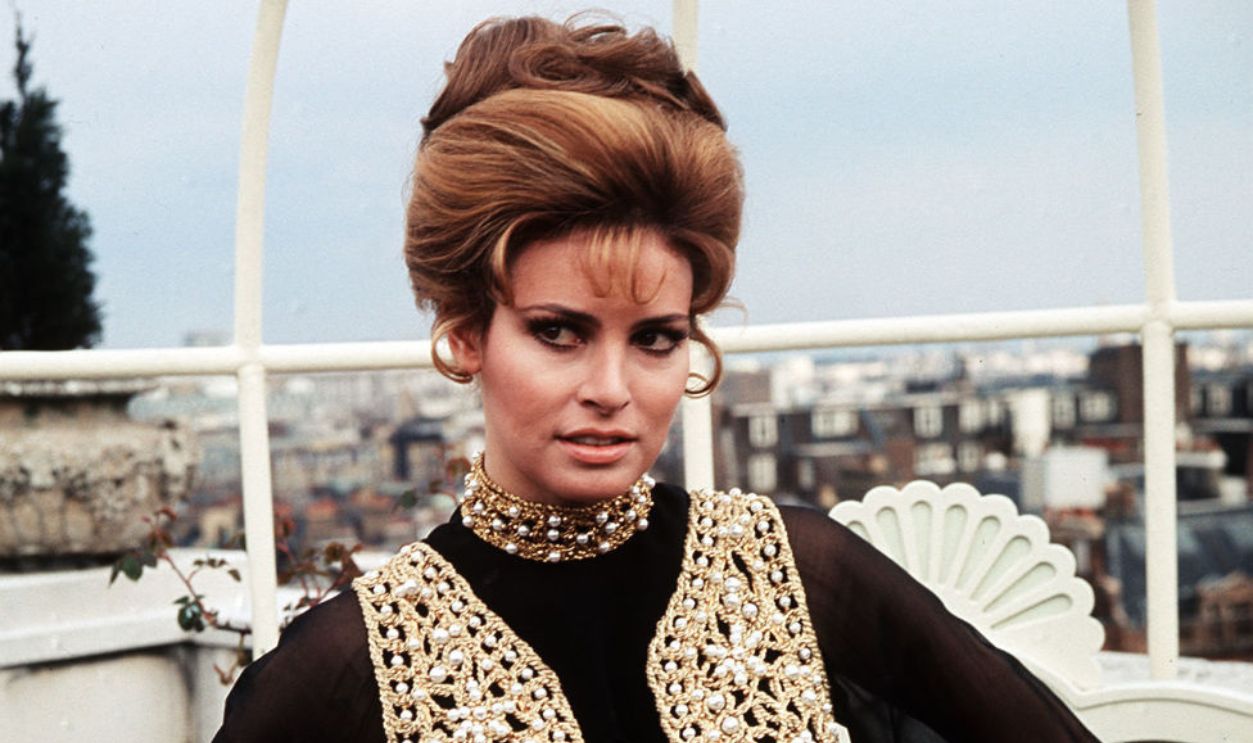
Raquel Welch
For a while, Raquel Welch wasn't just a movie star. She was practically a brand. Even people who never saw One Million Years B.C. knew exactly who she was. The crazy part is that she spent years proving she could actually act, even winning a Golden Globe for The Three Musketeers. Hollywood still seemed more interested in the poster than the performer.
Britt Ekland
Britt Ekland spent years being one of the most recognizable women in entertainment. Between The Man with the Golden Gun, magazine covers, and endless publicity, she was everywhere. Then came the familiar Hollywood story. As younger stars arrived, the leading roles that once came naturally started becoming much harder to find.
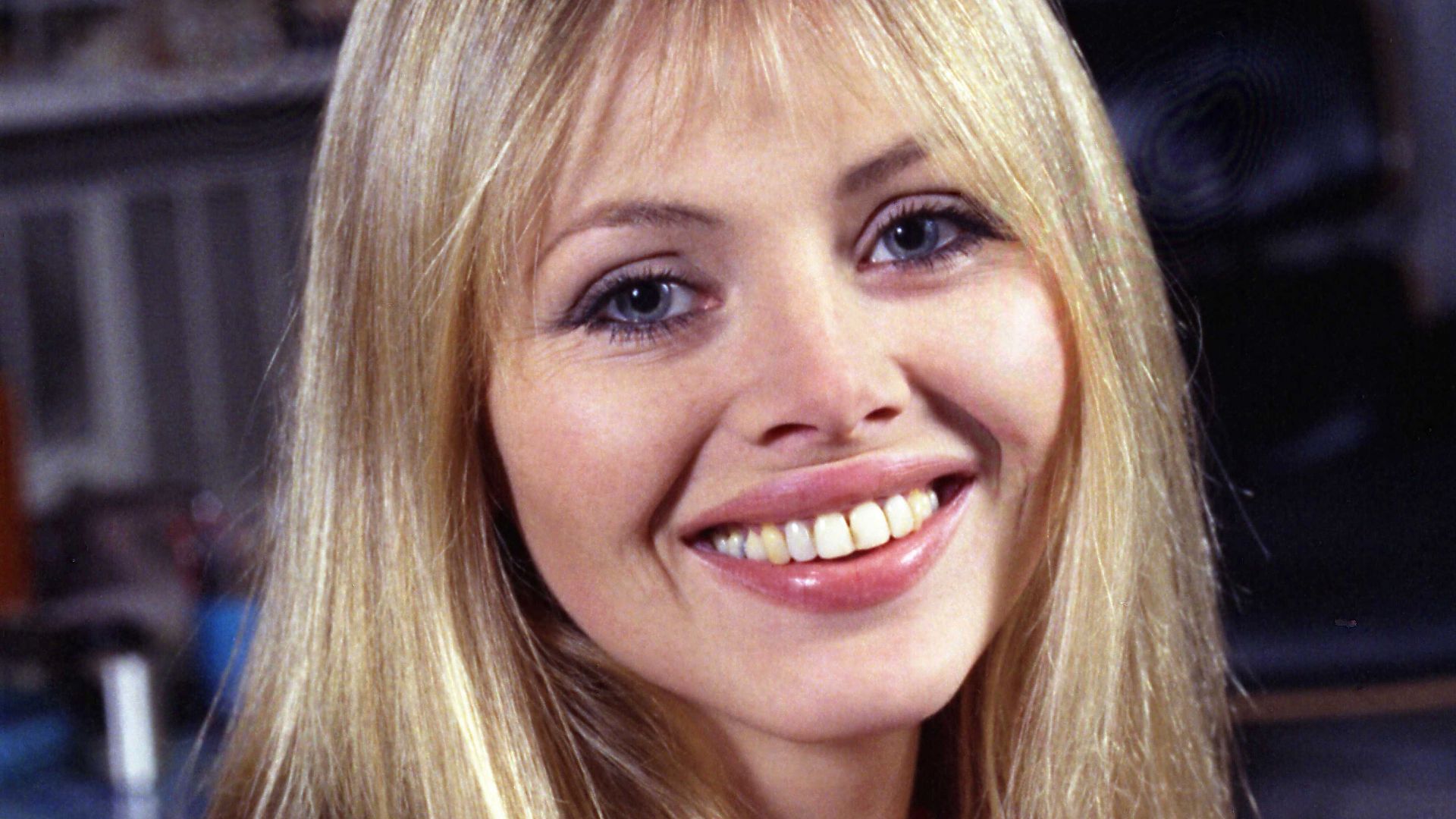 Allan warren, Wikimedia Commons
Yvette Mimieux
Yvette Mimieux starred in films like The Time Machine and Where the Boys Are and spent years as one of Hollywood's most reliable leading ladies. Then the roles slowed down. By the mid-80s, her film appearances had become increasingly rare. For someone who had been such a familiar face, it happened surprisingly fast.
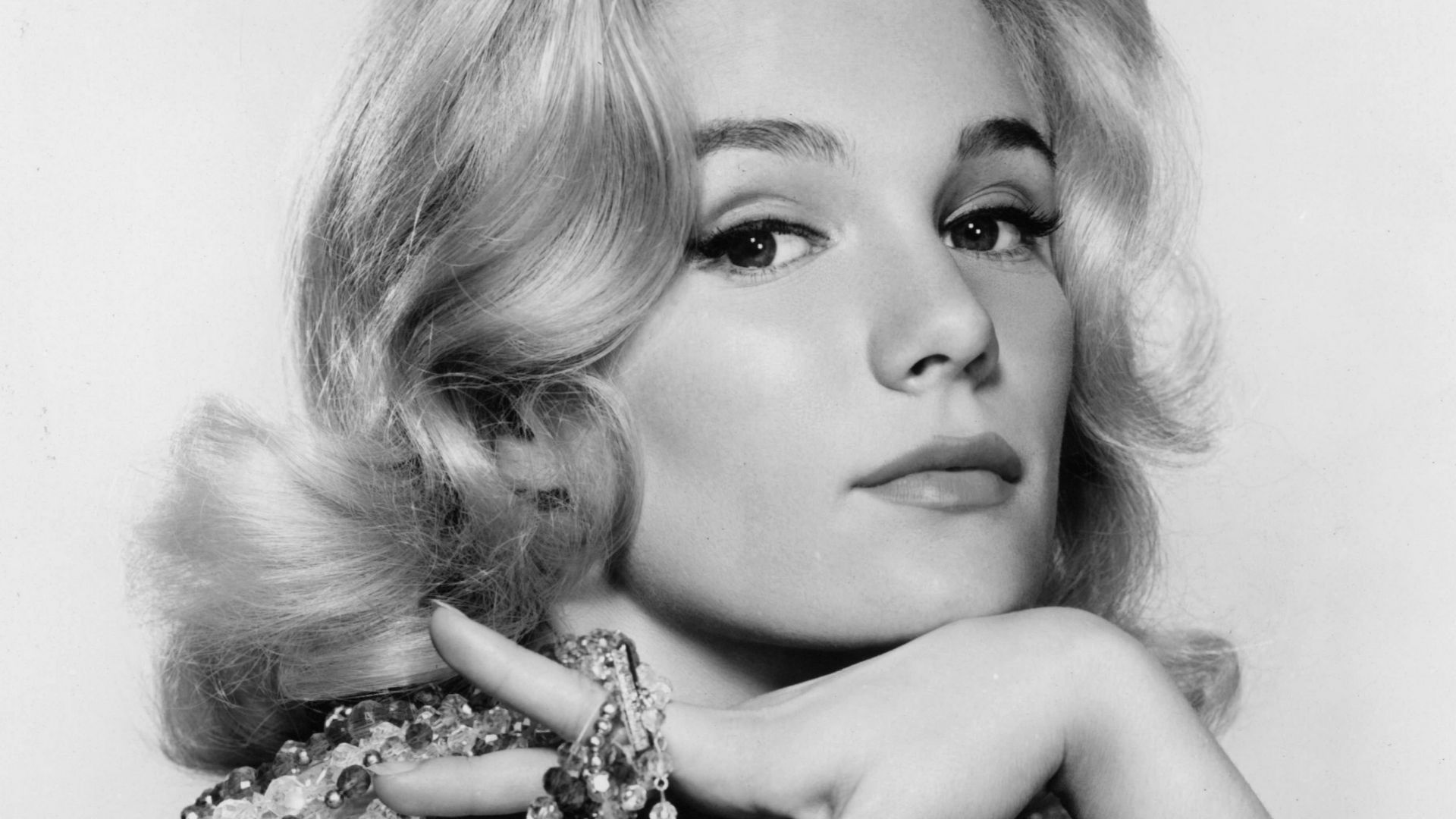
Carol Lynley
Carol Lynley was in The Poseidon Adventure, one of the biggest movies of the 70s. That's usually the sort of thing that keeps a career rolling. Somehow, it didn't. By the 80s, she was appearing mostly in television movies and guest spots rather than the major productions that once seemed well within reach.
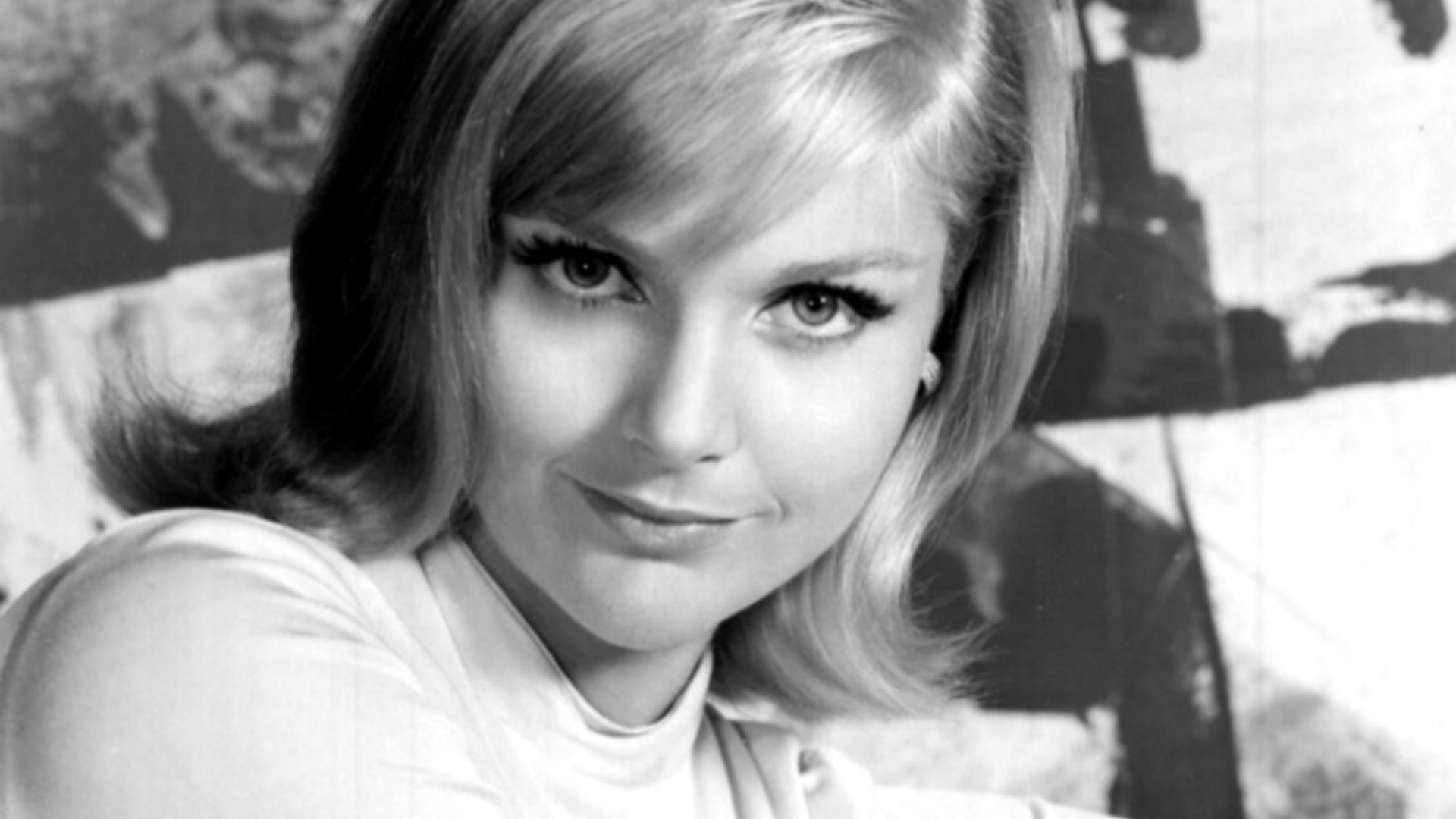 29th Century Fox, Wikimedia Commons
Joey Heatherton
There was a time when Joey Heatherton seemed to be everywhere. Television specials, magazine covers, talk shows, movies—you couldn't miss her. For a while, she was one of the most famous entertainers in America. Then the opportunities slowed dramatically. By the 80s, the woman who once dominated television was rarely getting the kind of attention she used to command.
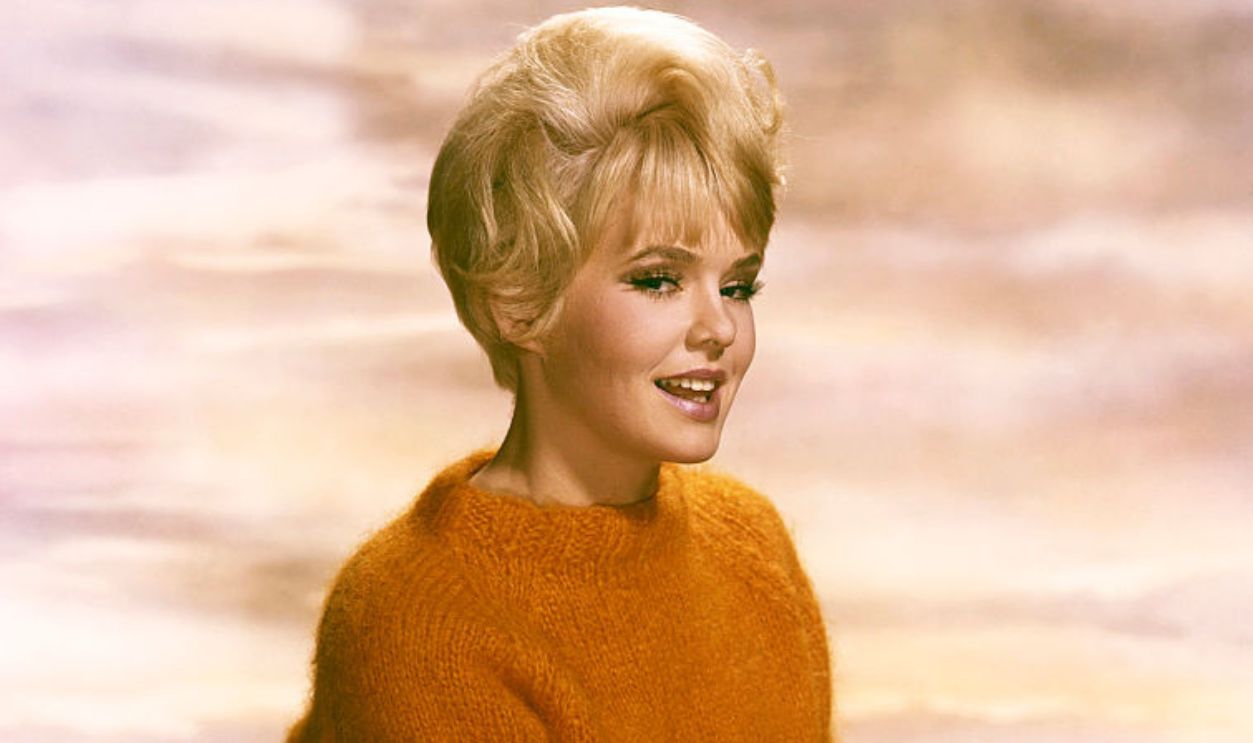
Barbara Parkins
Thanks to Peyton Place and Valley of the Dolls, Barbara Parkins became one of the biggest stars of the late 60s. For a while, she seemed impossible to miss. Then came the 80s. Instead of major studio productions, she was appearing only occasionally while many of her contemporaries had already disappeared from movie screens altogether.
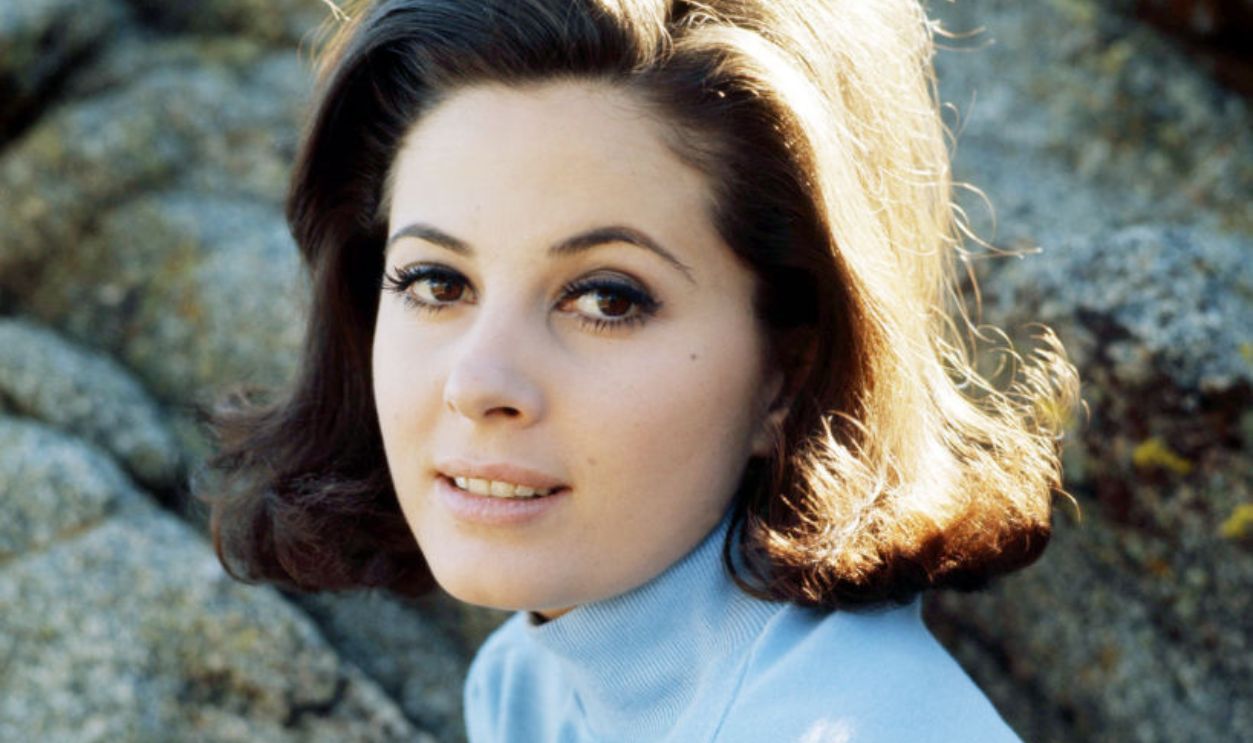 Silver Screen Collection, Getty Images
Connie Stevens
For a while, Connie Stevens was everywhere. She starred in Hawaiian Eye, recorded hit songs, appeared in movies, and became one of the most recognizable women on television. But by the 80s, Hollywood wasn't offering the same kinds of opportunities anymore. Like a lot of actresses from her generation, she found herself working less while younger stars took over the spotlight.
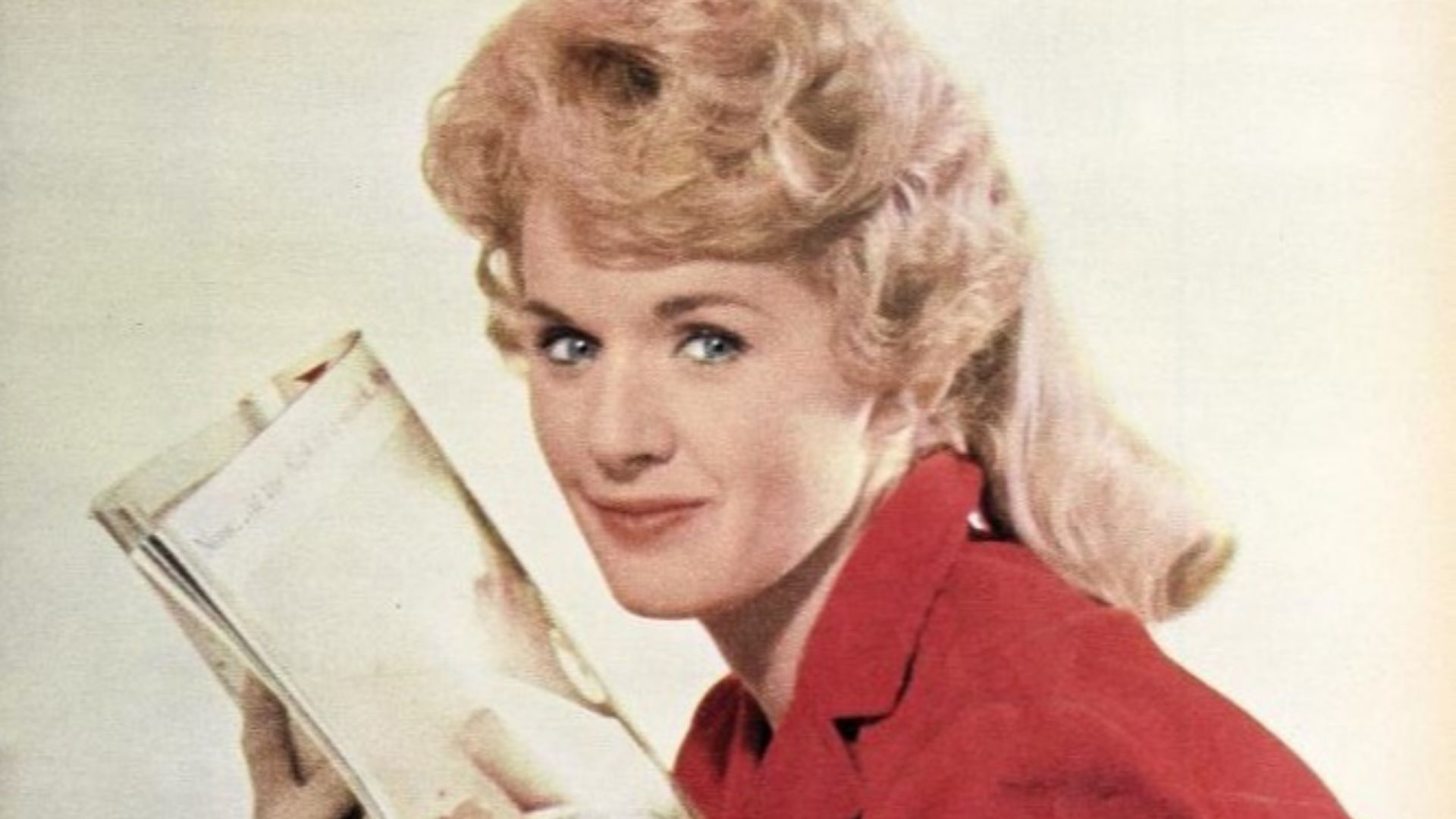 Photographer not credited, Wikimedia Commons
Diane McBain
Diane McBain looked like a future superstar during the 60s. Warner Bros. put her under contract, cast her in films and television shows, and promoted her heavily. Then the momentum disappeared. By the 80s, major roles were few and far between. It's one of those careers that seemed destined for bigger things.
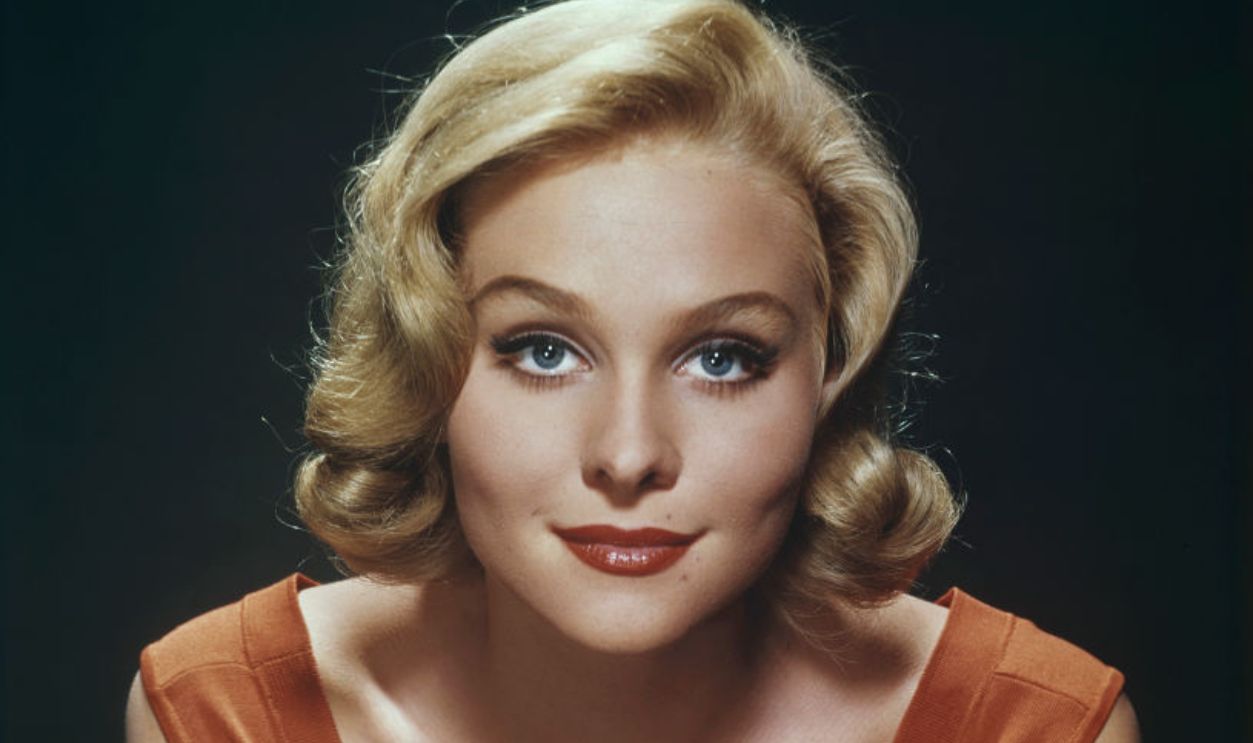
Joanna Pettet
Joanna Pettet appeared in Casino Royale, starred on major television series, and seemed to be working constantly during the late 60s and early 70s. Then things got quiet. By the early 80s, the actress who had once been everywhere was getting only occasional screen work. Hollywood moved on a lot faster than audiences did.
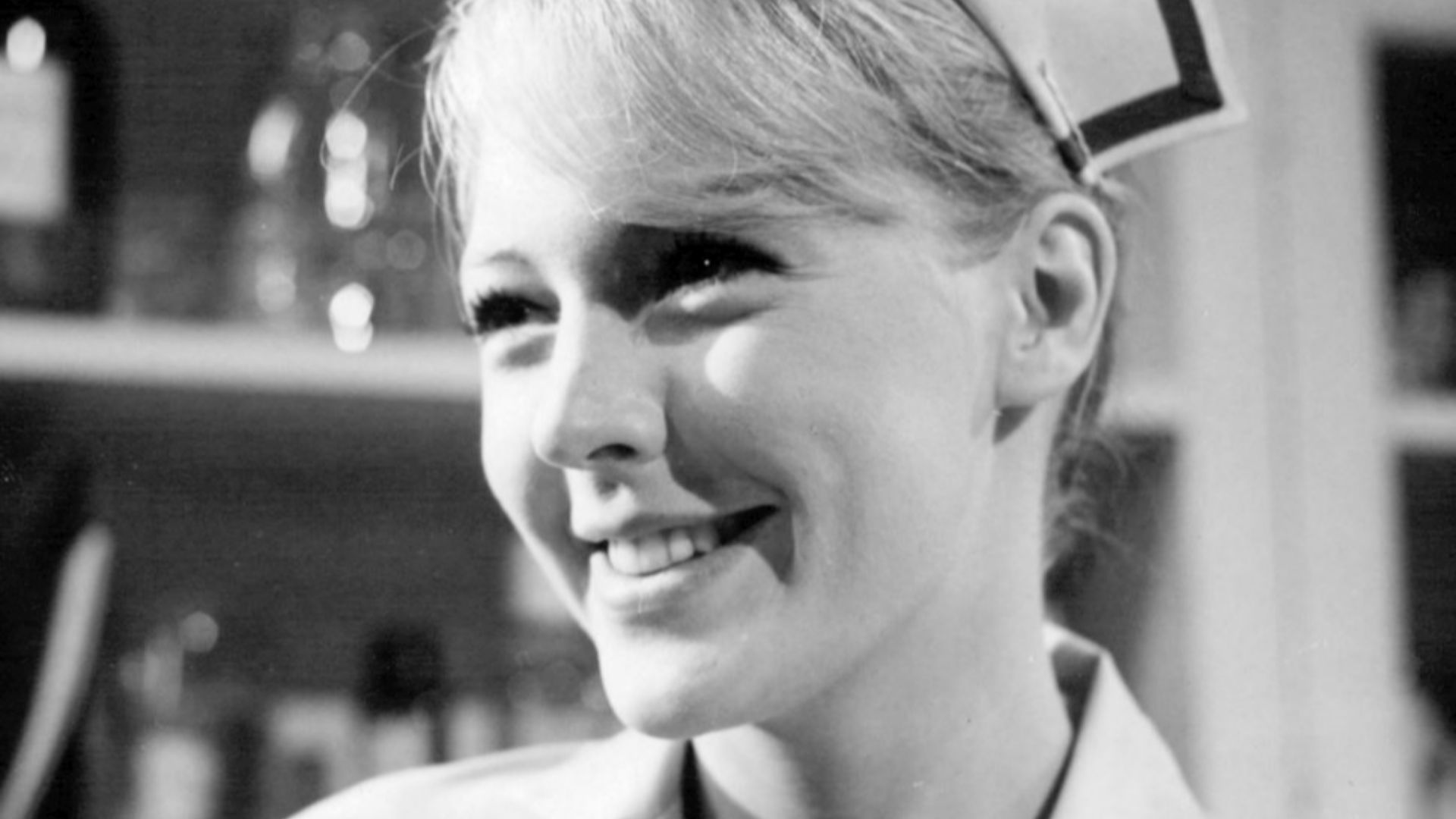 NBC Television, Wikimedia Commons
Elke Sommer
During the 60s and 70s, Elke Sommer worked with stars like Bob Hope, Dean Martin, and Paul Newman while appearing in dozens of films. For years, she was one of Hollywood's favorite imports. By the 80s, however, most of her work had shifted to smaller productions and television appearances. The blockbuster years were long gone.
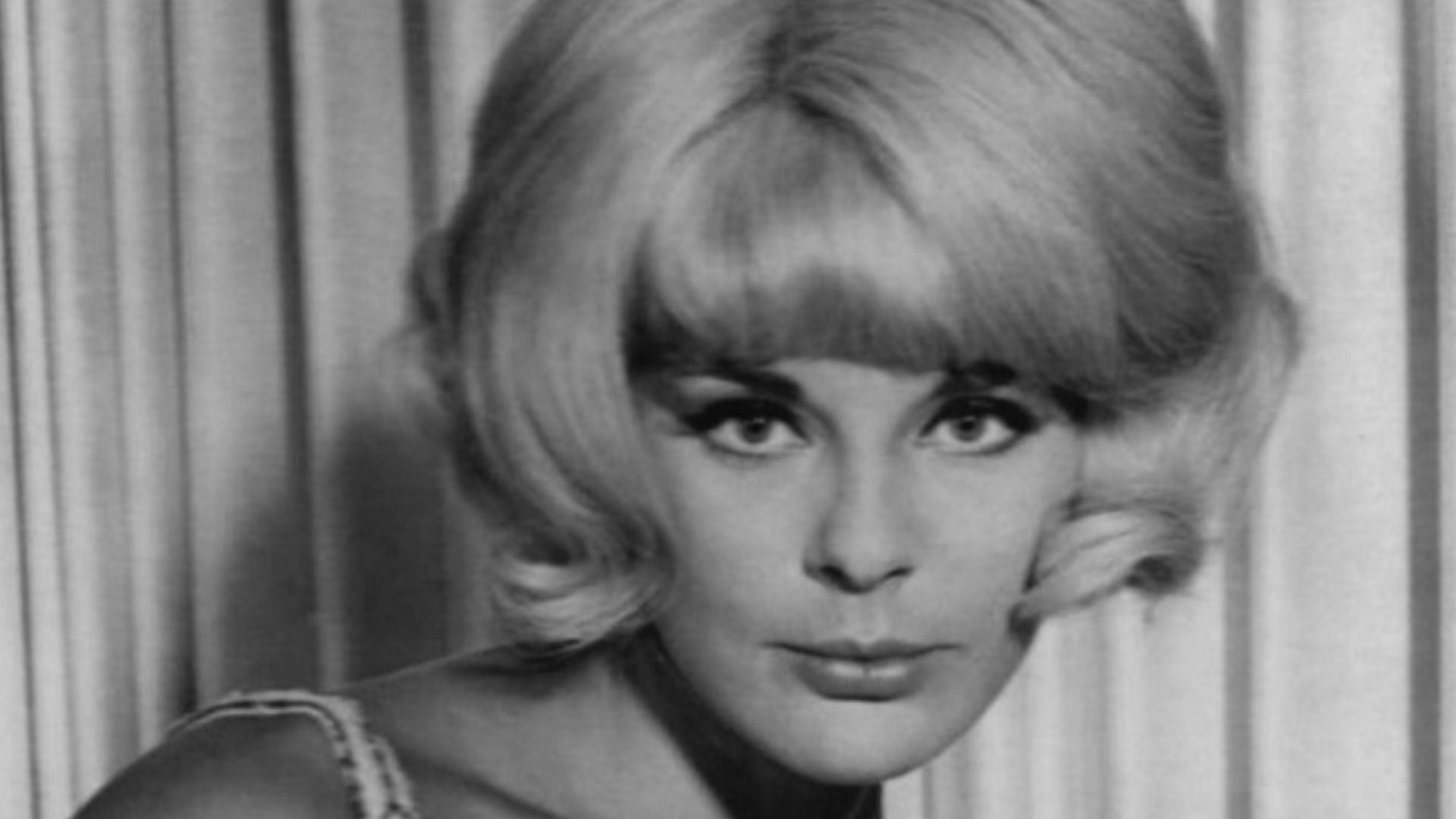 NBC Television, Wikimedia Commons
Stella Stevens
Stella Stevens worked with Elvis Presley, Dean Martin, Jerry Lewis, and practically every major star of her era. She spent years appearing in hit movies and television shows. By the 80s, though, the leading-lady roles had largely disappeared. Hollywood still knew who she was. It just wasn't casting her the way it once had.
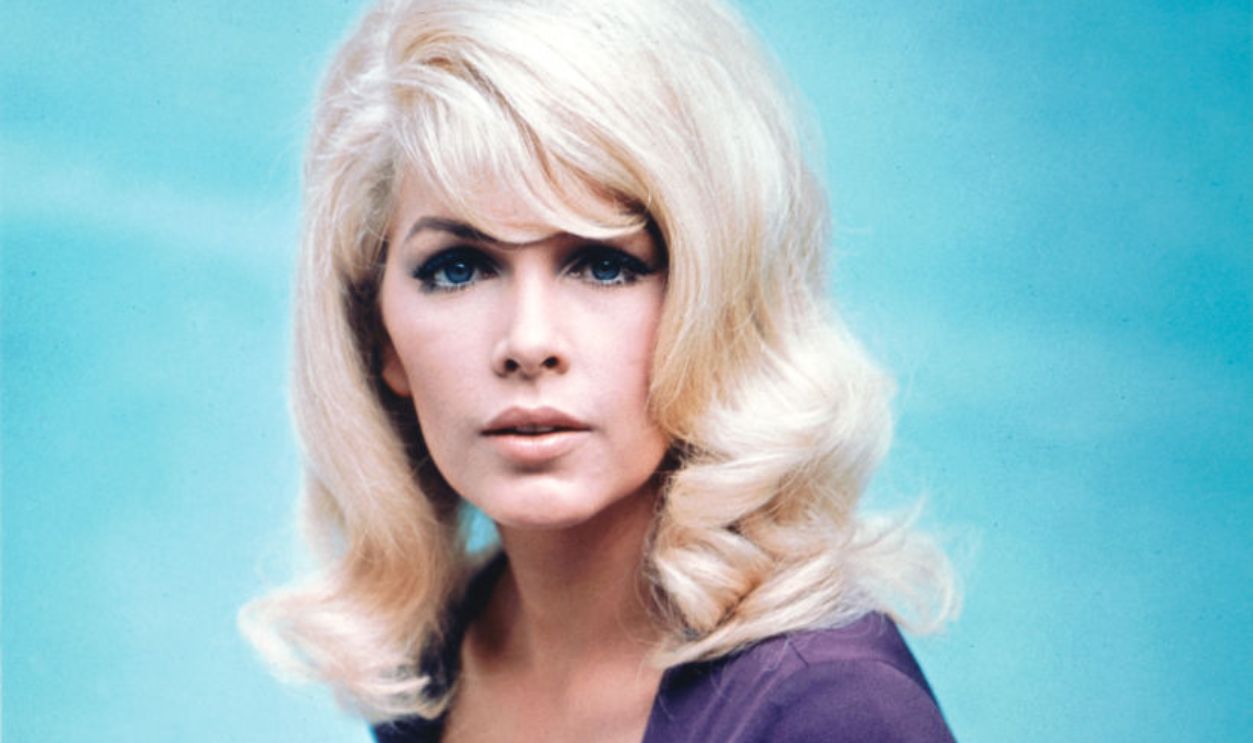 Silver Screen Collection, Getty Images
Jean Simmons
Jean Simmons earned two Oscar nominations and starred in classics like Spartacus, Elmer Gantry, and The Robe. She was one of the most respected actresses of her generation. Yet by the 80s, she was largely appearing in television projects rather than the major films that once defined her career.
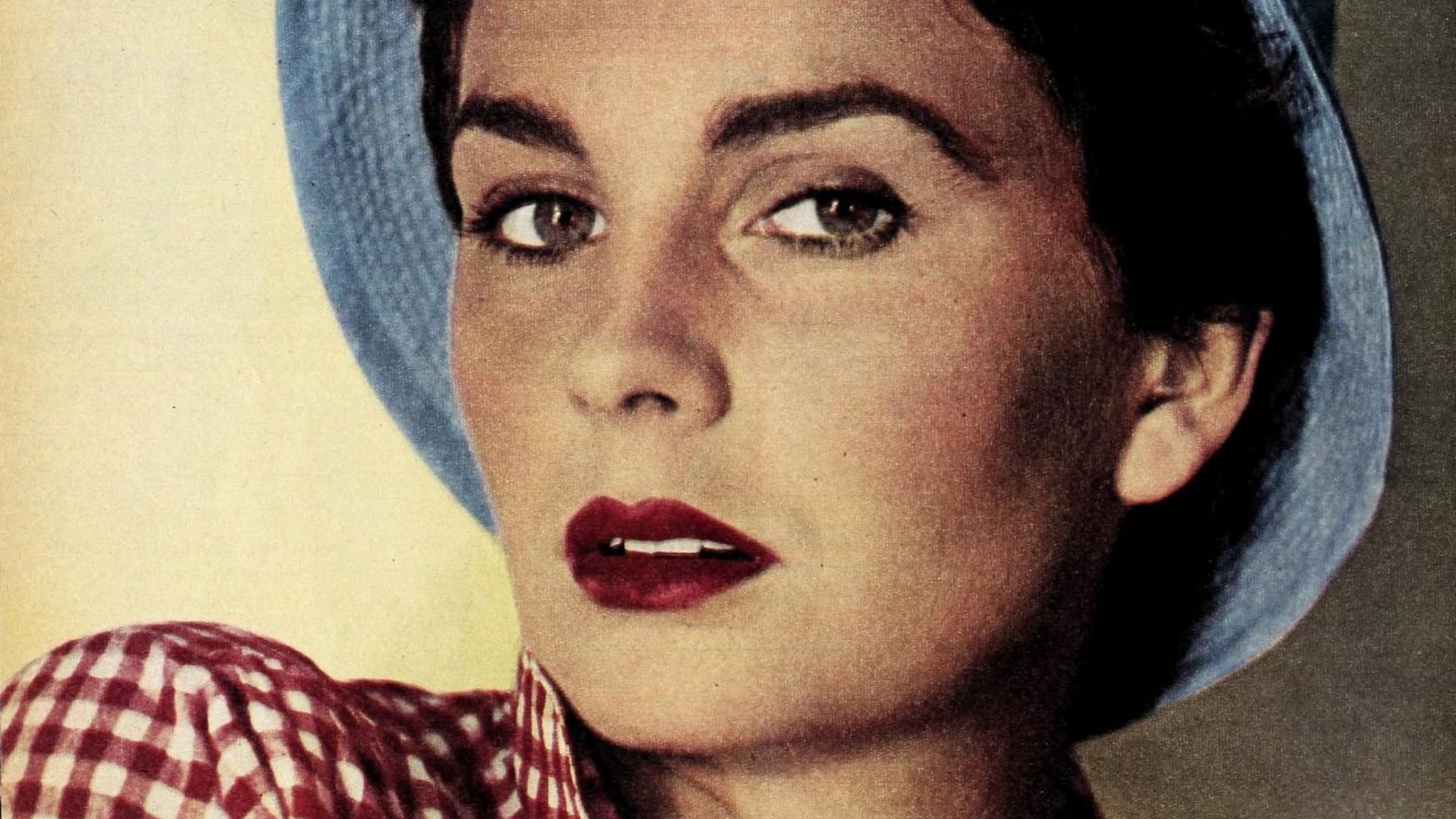 Photographer: Ernest A. Bachrach (1899–1973), [1], Wikimedia Commons
Carroll Baker
After Baby Doll, Carroll Baker became one of Hollywood's most talked-about stars. She spent years appearing in major productions and seemed destined for a long run at the top. Instead, by the 80s, much of her work had shifted to smaller films and television appearances. Hollywood had largely moved on.
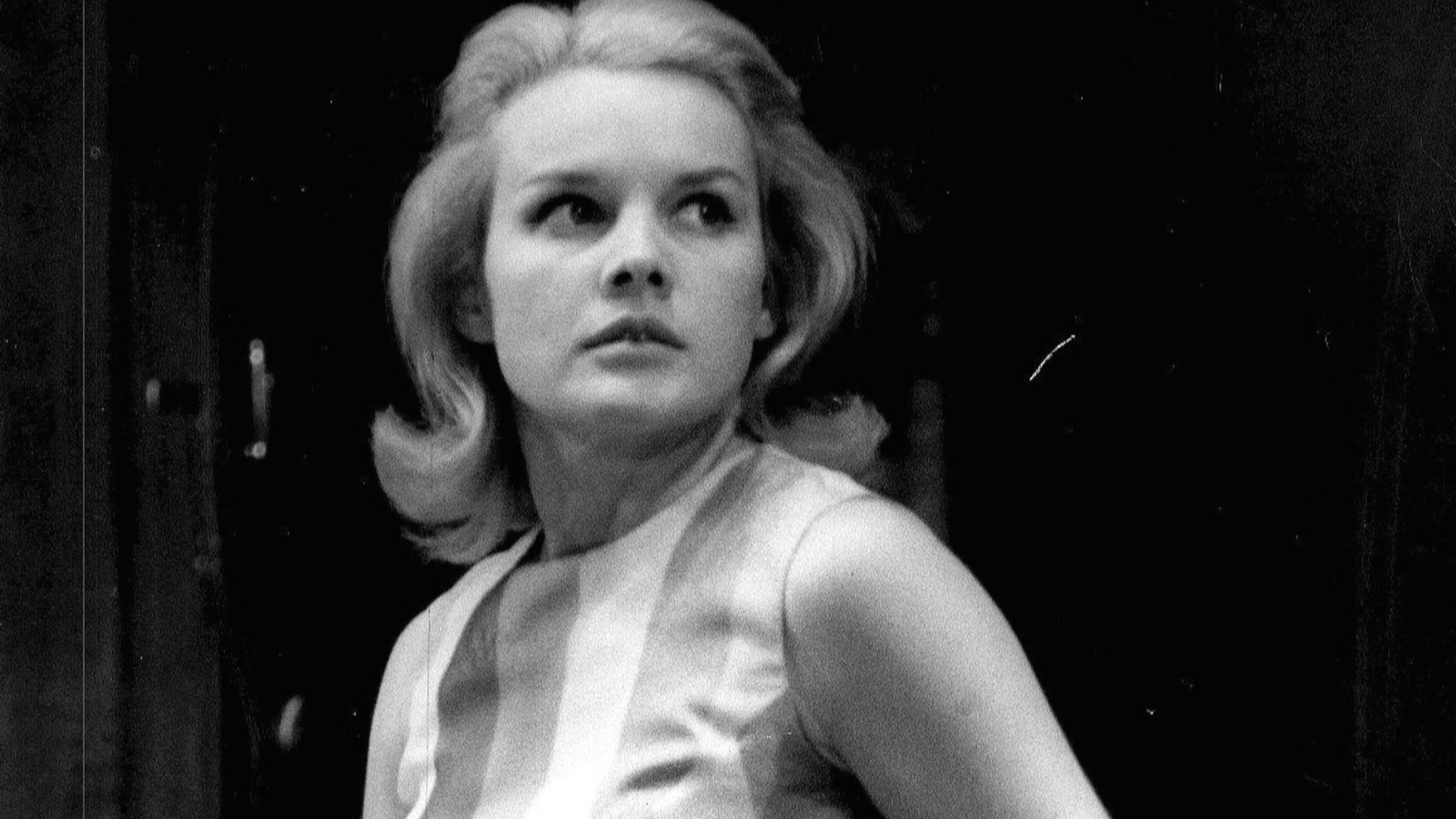 Rapport, Will, Wikimedia Commons
Hollywood Never Really Learned
The funny thing is that none of these women suddenly forgot how to act when the calendar flipped to 1980. They were the same actresses who had been selling movie tickets, landing magazine covers, and carrying hit films just a few years earlier. Hollywood simply spotted a younger actress standing nearby and said, "We'll take that one instead."
You Might Also Like:
Why Andy Williams Remained Relevant Long After His Peers Faded