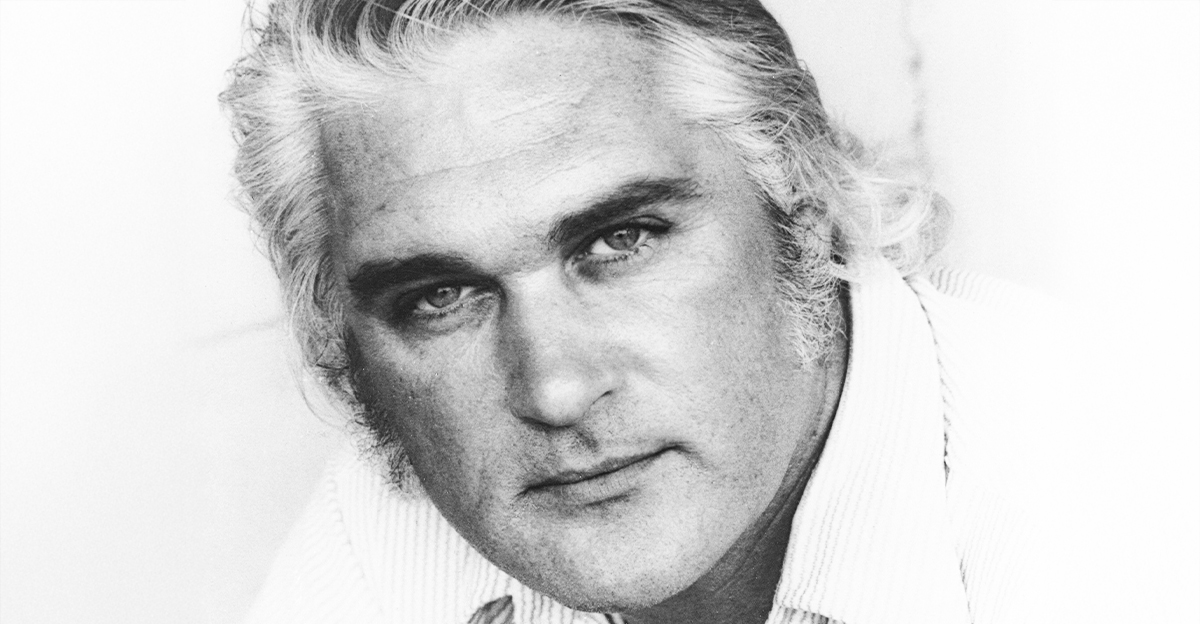
They Had Hollywood Locked Up
By the mid-80s, Emilio Estevez, Molly Ringwald, Rob Lowe, Demi Moore, Judd Nelson, Ally Sheedy, and Andrew McCarthy weren’t just rising stars—they were Hollywood’s youth movement. Their movies dominated theaters, defined a generation, and made them instantly recognizable. It looked like the beginning of something long-lasting. Instead, it would all soon come crashing down in the most unexpected way.

It Looked Like Something Big Was Happening
Between 1983 and 1986, a wave of youth-focused films hit theaters featuring many of the same actors. Titles like The Outsiders, Sixteen Candles, Weird Science, and Oxford Blues created the sense that Hollywood had found a formula—and was repeating it quickly across multiple studios.
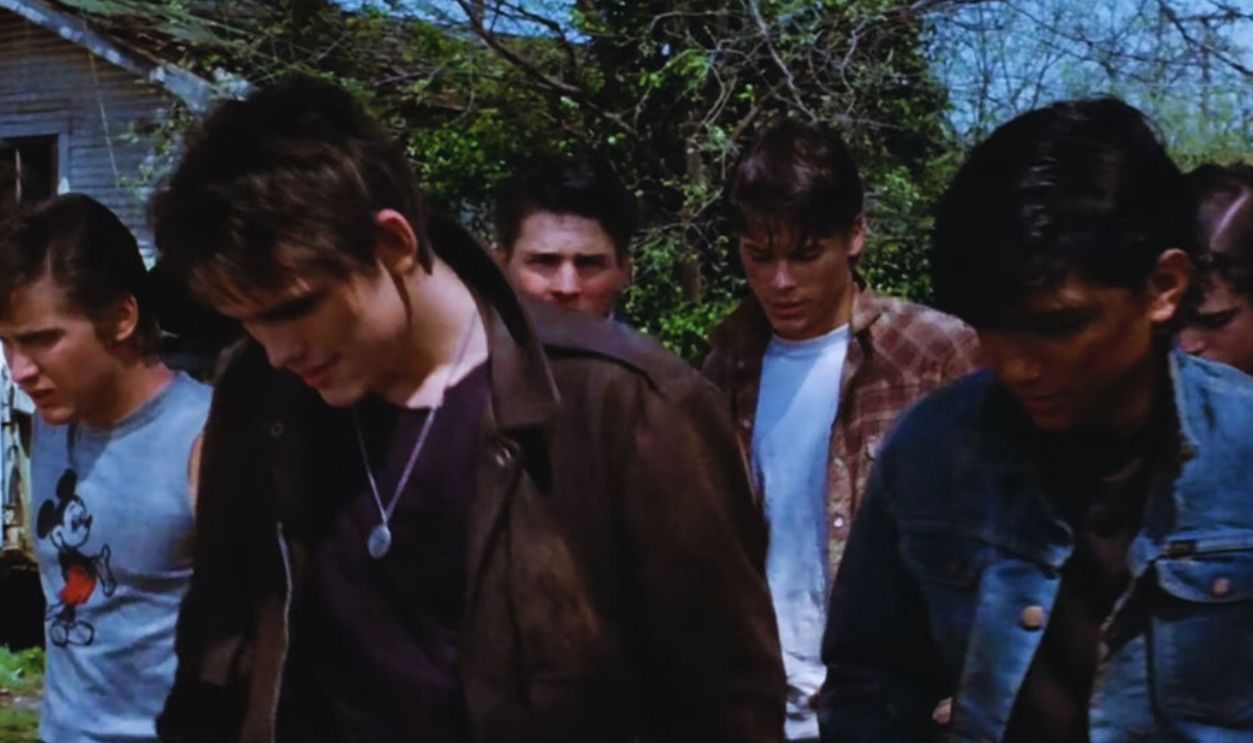 Screenshot from The Outsiders, Warner Bros. Pictures (1983)
They Didn’t Just Get Famous—They Became The Era
The Breakfast Club (1985) grossed over $50 million domestically on a budget of about $1 million, while St. Elmo’s Fire opened at number one at the box office. These films weren’t just popular—they became cultural reference points that defined 80s youth identity.
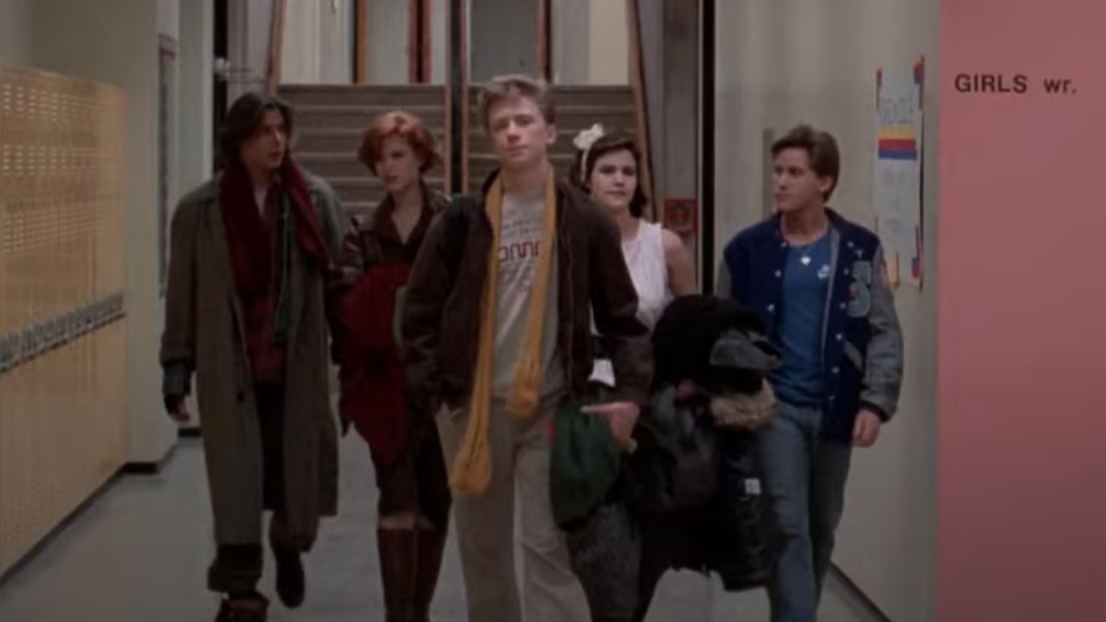 Screenshot from The Breakfast Club, Universal Pictures (1985)
The Same Names Kept Coming Up
Emilio Estevez appeared in The Outsiders, Repo Man, and The Breakfast Club within two years. Molly Ringwald led Sixteen Candles, The Breakfast Club, and Pretty in Pink. Rob Lowe, Demi Moore, and Andrew McCarthy anchored St. Elmo’s Fire, reinforcing the overlap.
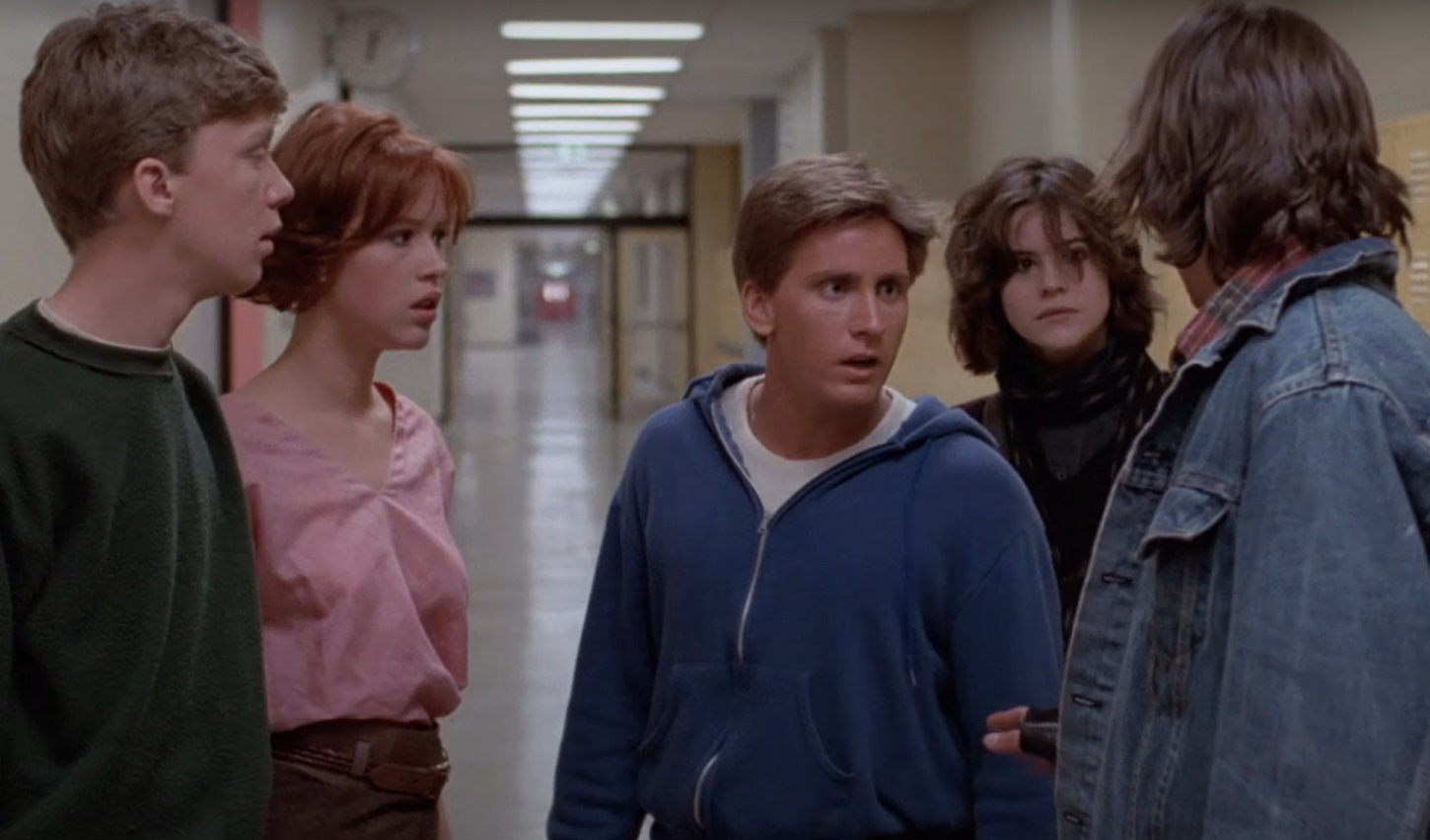 Universal, The Breakfast Club (1985)
The Timeline Was Surprisingly Tight
From The Outsiders in 1983 to Pretty in Pink in 1986, most defining films tied to this group came out within a three-year stretch. That kind of rapid rise is rare, and it made their dominance feel immediate.
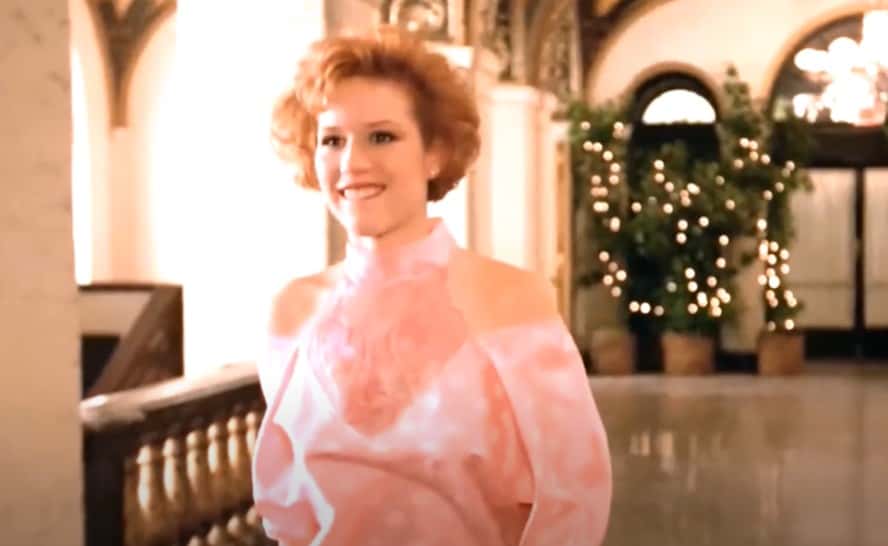 Paramount Pictures, Pretty in Pink (1986)
Audiences Started Connecting The Dots
Seeing actors like Ally Sheedy in WarGames and then The Breakfast Club, or Judd Nelson in similar roles, created the sense of a shared world. Even without official connections, audiences grouped them together naturally.
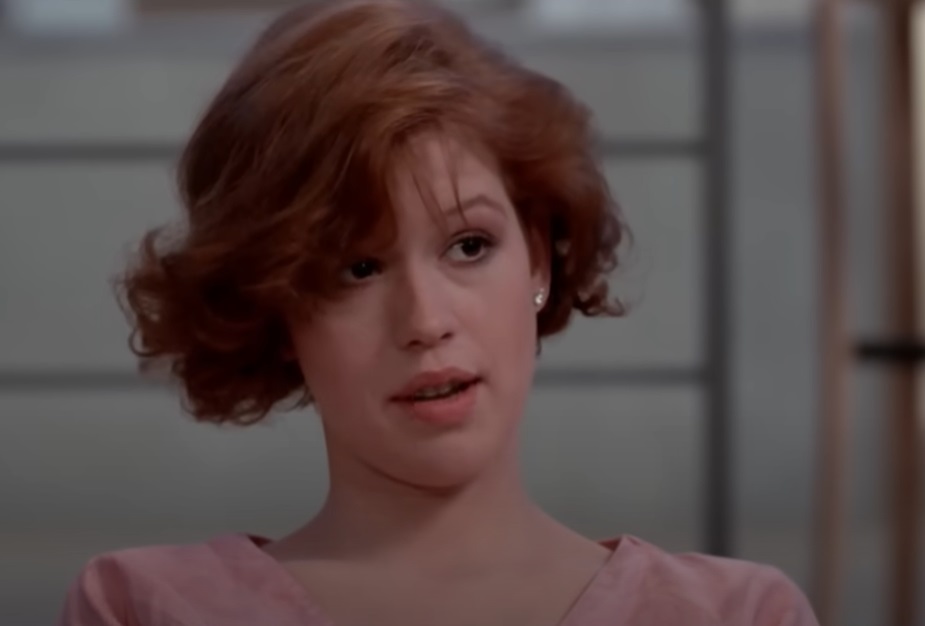 Universal, The Breakfast Club (1985)
Hollywood Leaned Into What Was Working
Studios realized recognizable young casts could sell tickets. Films like St. Elmo’s Fire were marketed around the actors themselves, with posters and trailers emphasizing the group dynamic.
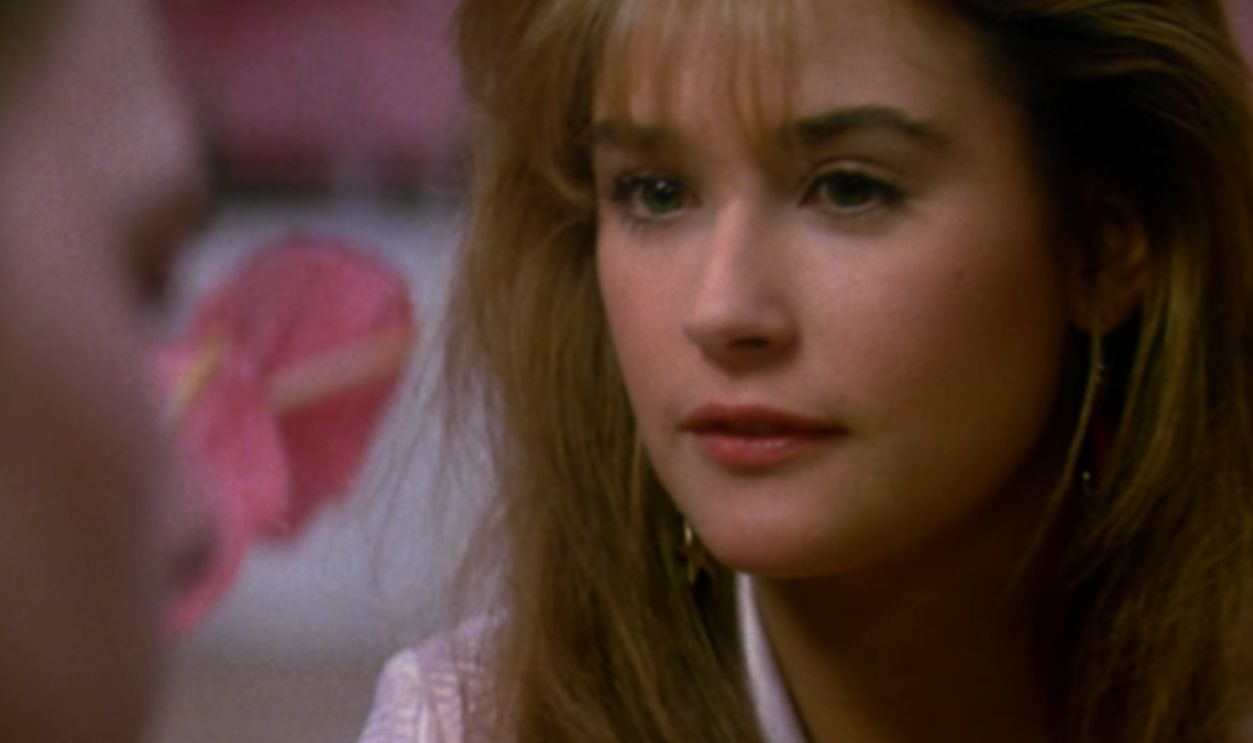 Screenshot from St. Elmo’s Fire, Columbia Pictures (1985)
John Hughes Helped Shape The Identity
With Sixteen Candles, The Breakfast Club, and Pretty in Pink, John Hughes gave these films a consistent tone. His writing helped turn actors like Ringwald and Sheedy into defining faces of the decade.
 Glenbrook North High School, Wikimedia Commons
The “Group” Was Mostly A Myth
Despite appearances, many of these actors weren’t close. Some barely socialized outside filming. The idea of a tight-knit off-screen circle came more from media portrayal than reality.
 Canadian Film Centre from Toronto, Canada, Wikimedia Commons
It Didn’t Start As A “Group”
There was no official lineup or shared strategy. Different studios cast these actors independently, and the overlap happened naturally based on demand and timing.
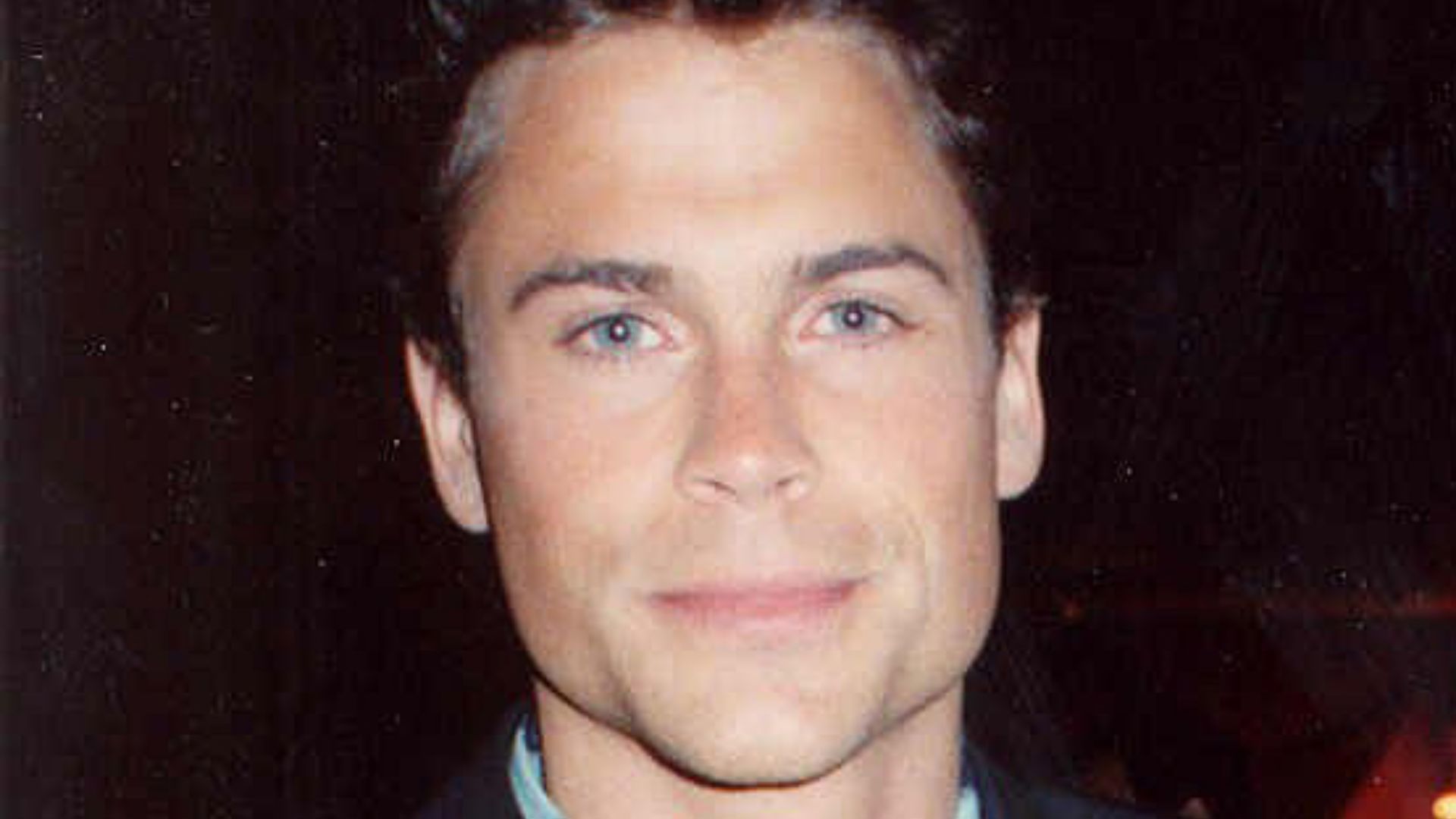
At One Point, They Felt Untouchable
By 1985, they were everywhere—magazine covers, talk shows, and major studio films. With multiple hits releasing back-to-back, it looked like they had secured long-term dominance in Hollywood.
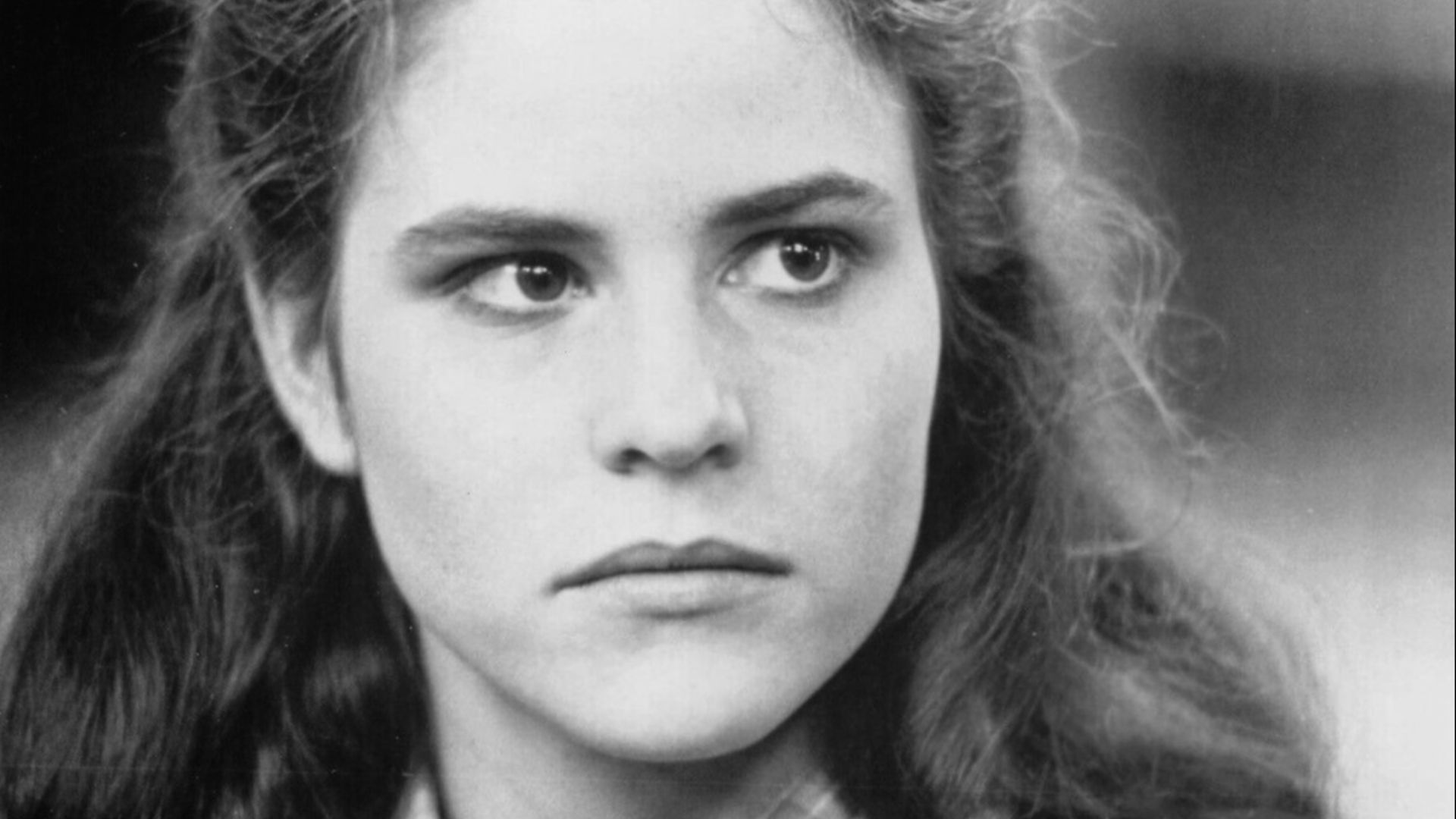 NBC Television, Wikimedia Commons
Then The Media Stepped In
As their visibility grew, journalists began framing them as a single phenomenon. What had been organic became a defined narrative about a Hollywood “scene.”
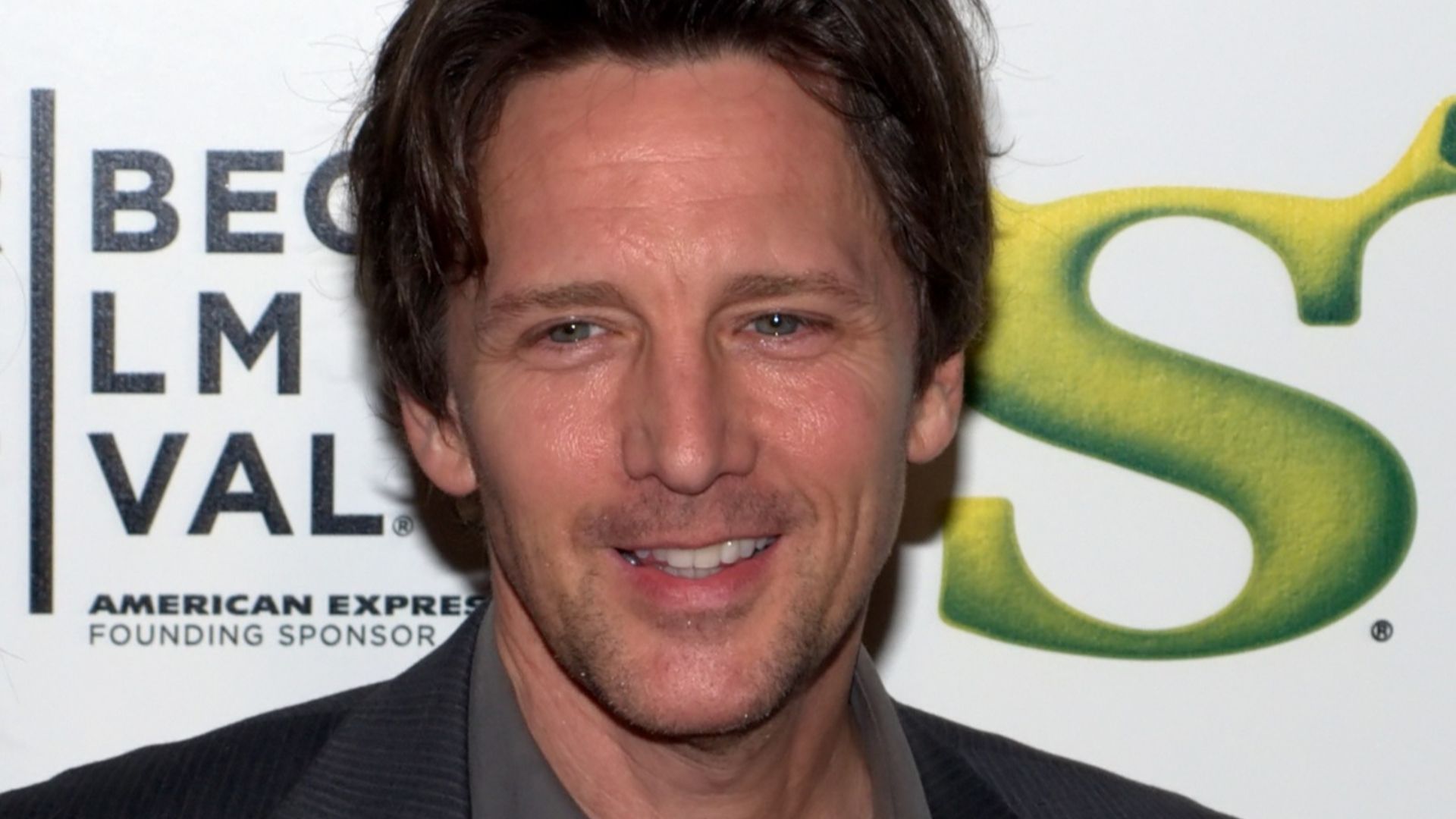 David Shankbone, Wikimedia Commons
The Moment That Changed Everything
In June 1985, New York Magazine published “Hollywood’s Brat Pack.” Journalist David Blum used a night out with Emilio Estevez as the entry point, but expanded it into a broader commentary on young actors.
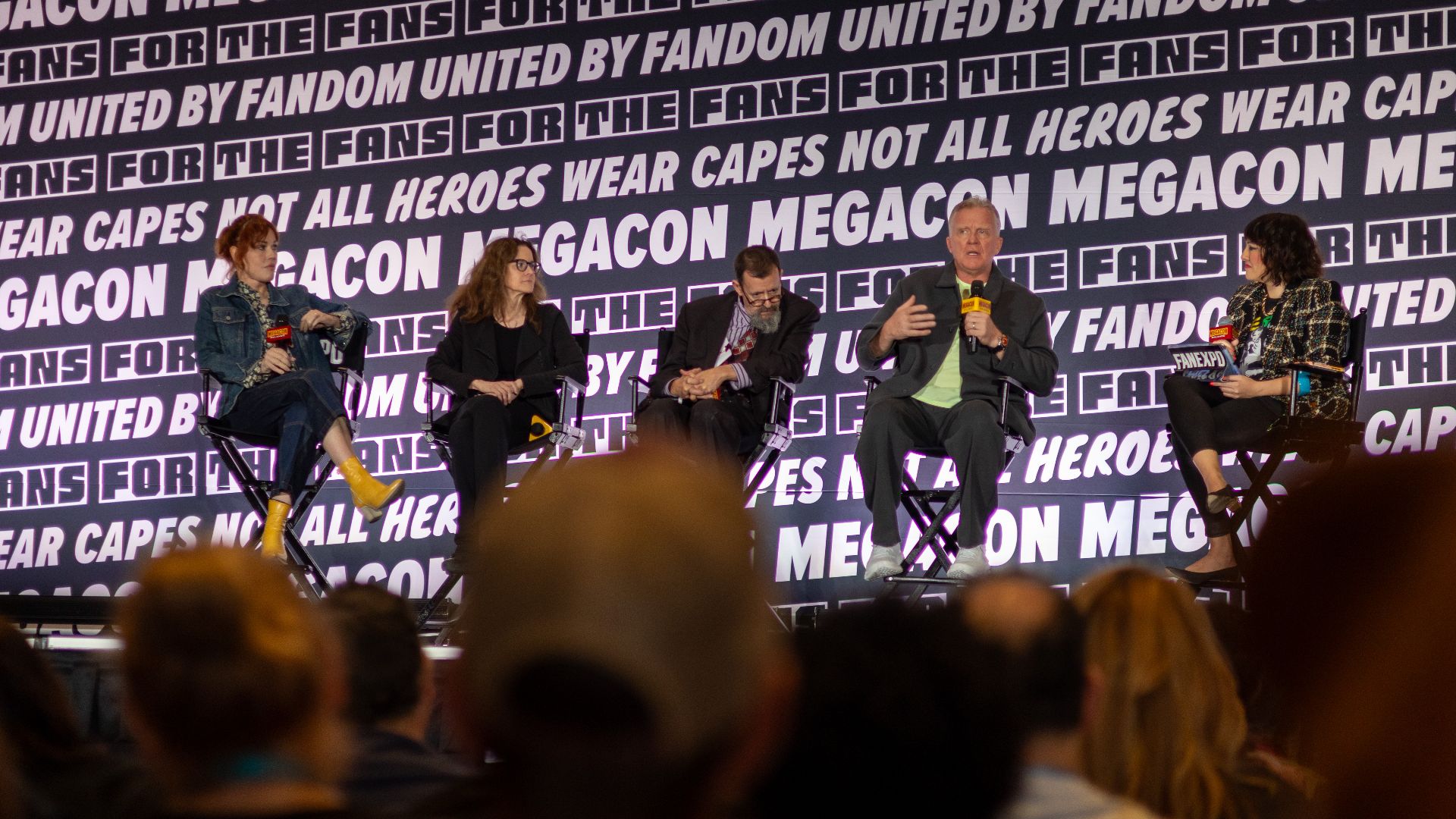 Nielsoncaetanosalmeron, Wikimedia Commons
That’s When The Name Appeared
The term “Brat Pack” was coined as a play on the “Rat Pack.” It was catchy, slightly critical, and easy to repeat—making it ideal for media use.
 Panio Gianopoulos, Wikimedia Commons
But The Framing Wasn’t Positive
The article focused on nightlife, partying, and perceived arrogance. Instead of emphasizing performances in films like The Breakfast Club, it shifted attention toward image and behavior.
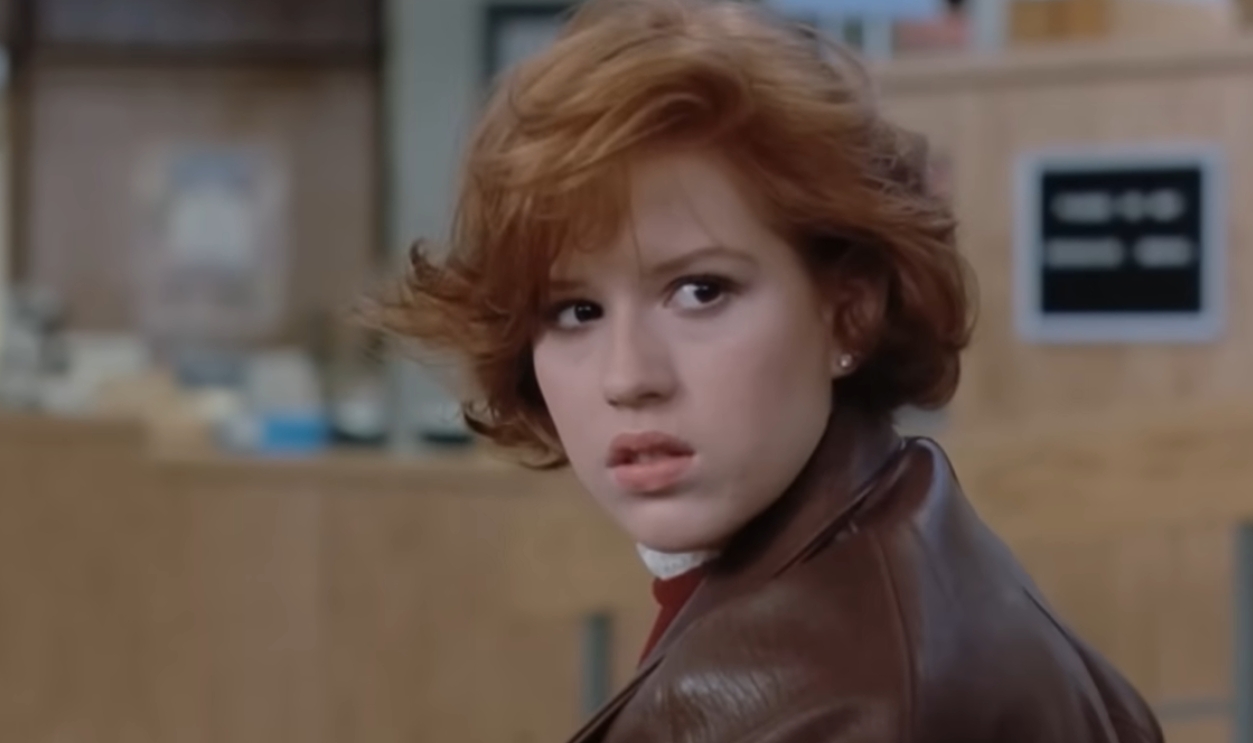 Screenshot from The Breakfast Club, Universal Pictures (1985)
Some Of Them Felt Blindsided
Andrew McCarthy later said he felt “betrayed,” noting he didn’t expect to be portrayed that way. Several actors felt the article exaggerated connections and created a misleading narrative.

The Label Spread Fast
Within months of the June 1985 New York Magazine article, “Brat Pack” was everywhere—used by outlets like Rolling Stone, People, and major newspapers. It became shorthand in reviews and interviews, often applied even to actors outside the original group.
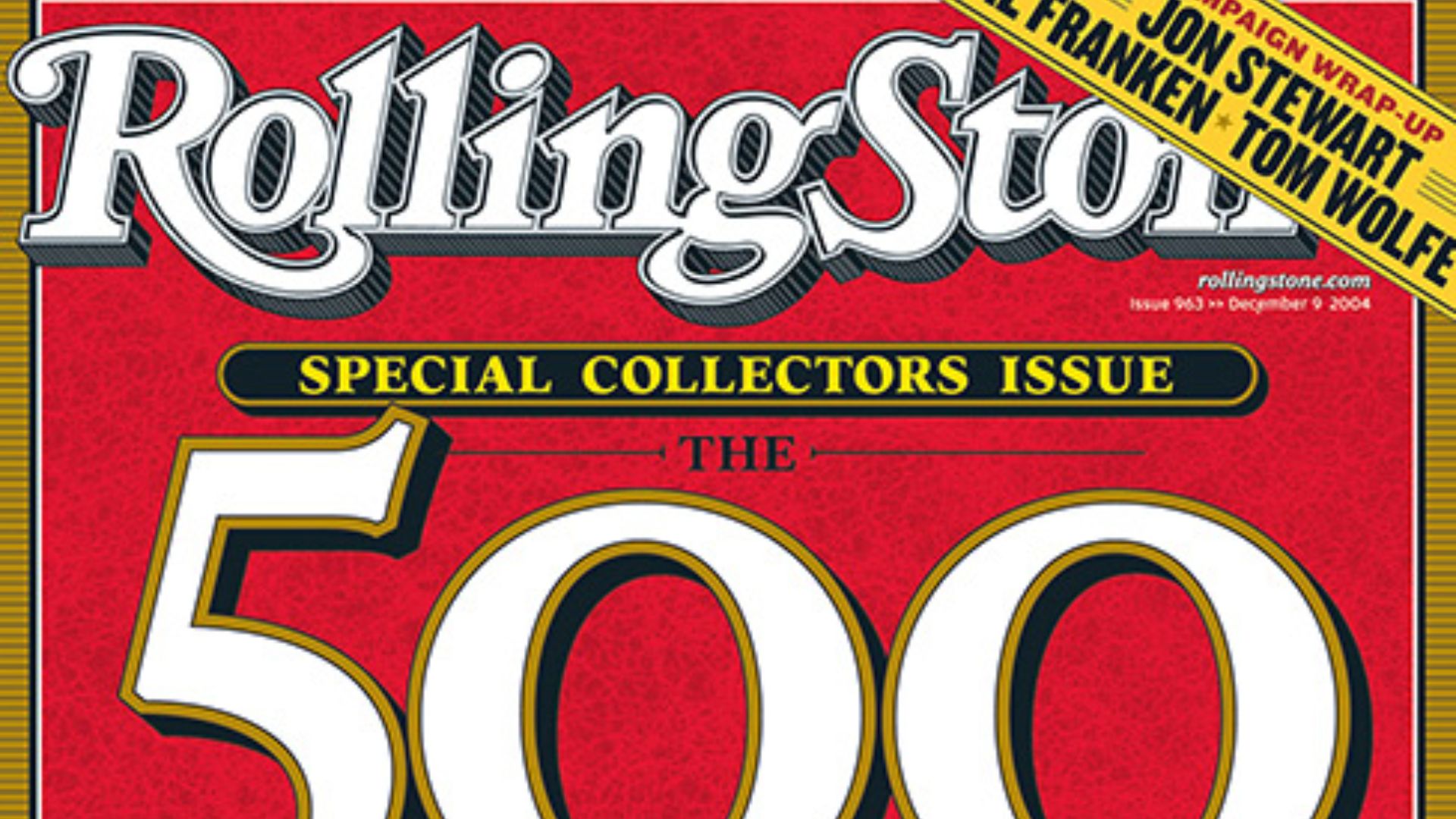 Rolling Stone, Wikimedia Commons
Hollywood Started Seeing Them As One Thing
After the label took hold, casting directors and producers began viewing these actors less as individuals and more as interchangeable parts of a trend. They were increasingly tied to youth-driven ensemble films rather than considered for broader roles.

Typecasting Became A Real Problem
As these actors moved into their mid-20s, roles didn’t evolve at the same pace. Being strongly associated with teenage characters limited their opportunities in other genres.

The Momentum Didn’t Last For Everyone
Ally Sheedy, despite critical praise, saw fewer leading roles later in the decade. Judd Nelson also struggled to maintain his earlier level of visibility in major films.
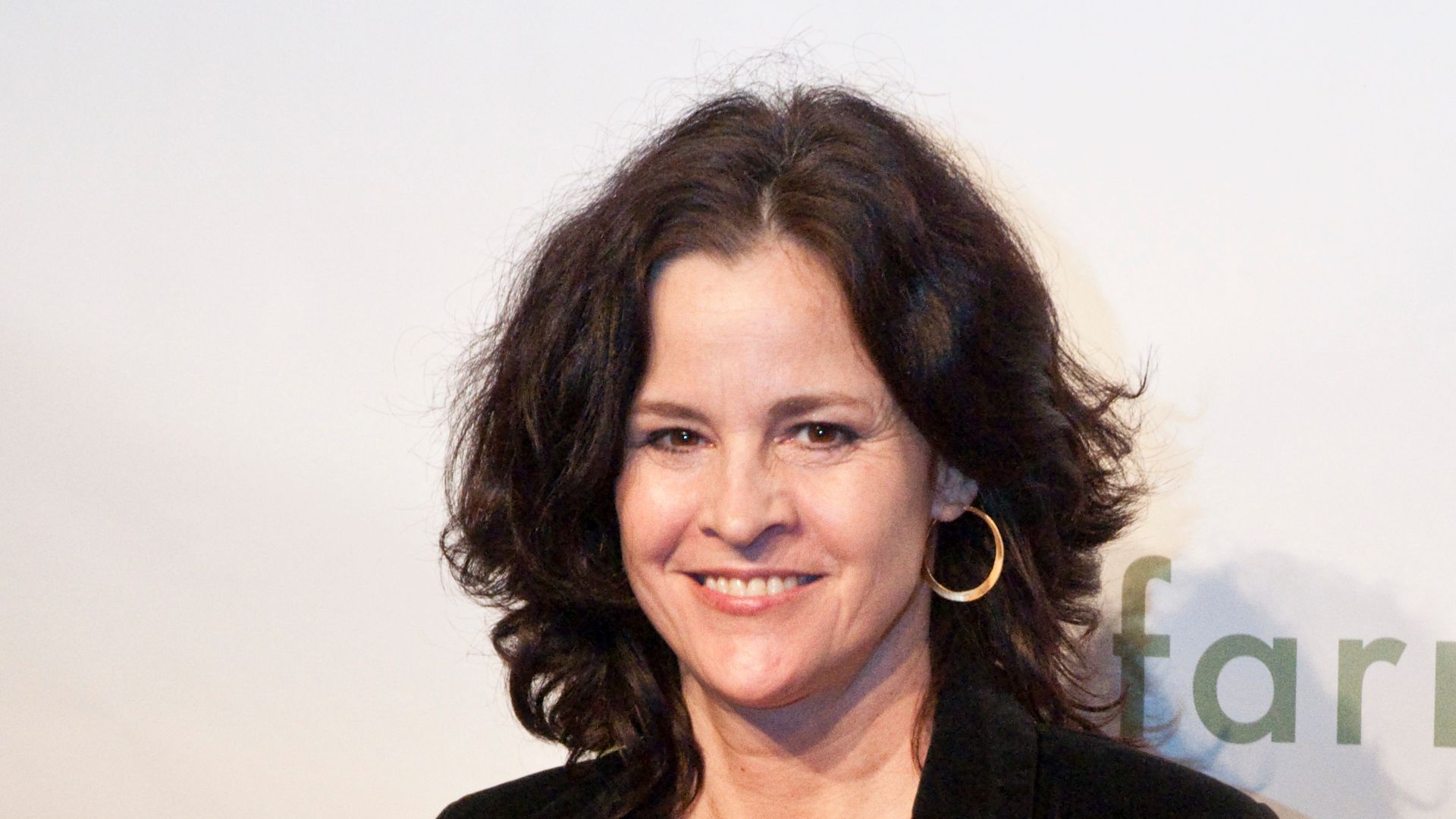 Bridget Laudien, Wikimedia Commons
Others Tried To Pivot
Emilio Estevez moved into directing with Wisdom and later starred in Young Guns. Andrew McCarthy continued acting before transitioning into directing television.
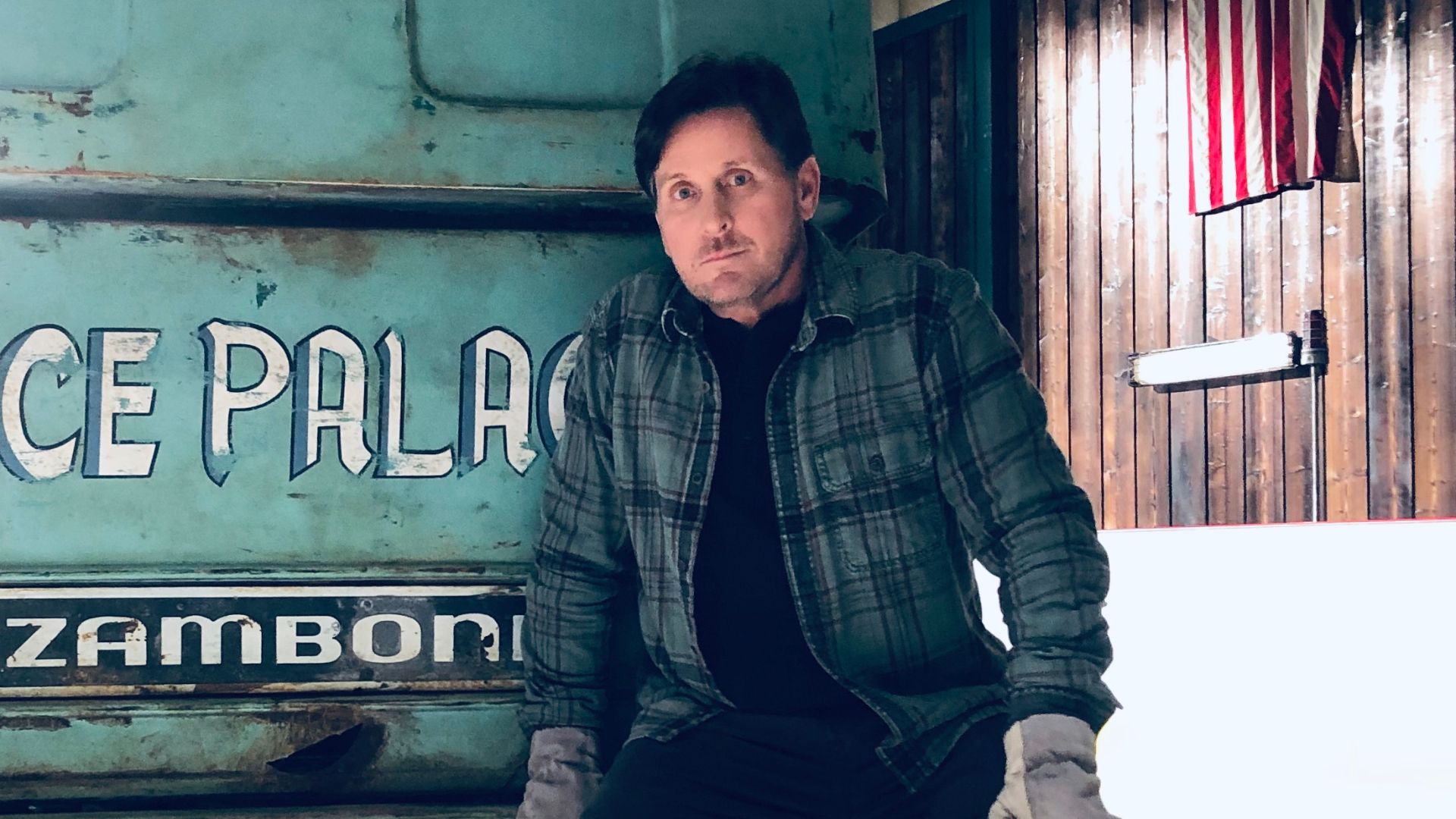 Franklymydearidontgiveadume, Wikimedia Commons
A Few Managed To Break Through
Demi Moore became one of Hollywood’s biggest stars in the 90s with Ghost and A Few Good Men. Rob Lowe rebuilt his career and later found success in The West Wing and Parks and Recreation.
 Columbia Pictures, A Few Good Men (1992)
The Timing Made It Worse
The label arrived just as many of them were moving out of high school and college roles into their mid-20s. Hollywood in the late 80s was already shifting toward different types of films, and instead of evolving with it, these actors were still being associated with earlier hits like The Breakfast Club and St. Elmo’s Fire, which made that transition harder.
 Universal Pictures, The Breakfast Club (1985)
What Made It So Unusual
Publicity usually helps actors build momentum—but in this case, it came with a narrative that worked against them. Instead of highlighting range or potential, the “Brat Pack” label grouped them together and simplified their identities, which affected how casting directors and studios evaluated them.
 dodge challenger1, Wikimedia Commons
Looking Back, The Shift Was Subtle
There wasn’t a single moment where everything stopped. Instead, the types of roles offered began to change, leading parts became less frequent, and newer actors started filling that space. Within a few years, their dominance had faded.
 David Shankbone, Wikimedia Commons
But The Impact Was Long-Term
Even decades later, “Brat Pack” still appears in interviews, documentaries, and retrospectives about 80s film. For some actors, it remains one of the first things mentioned when their careers are discussed.
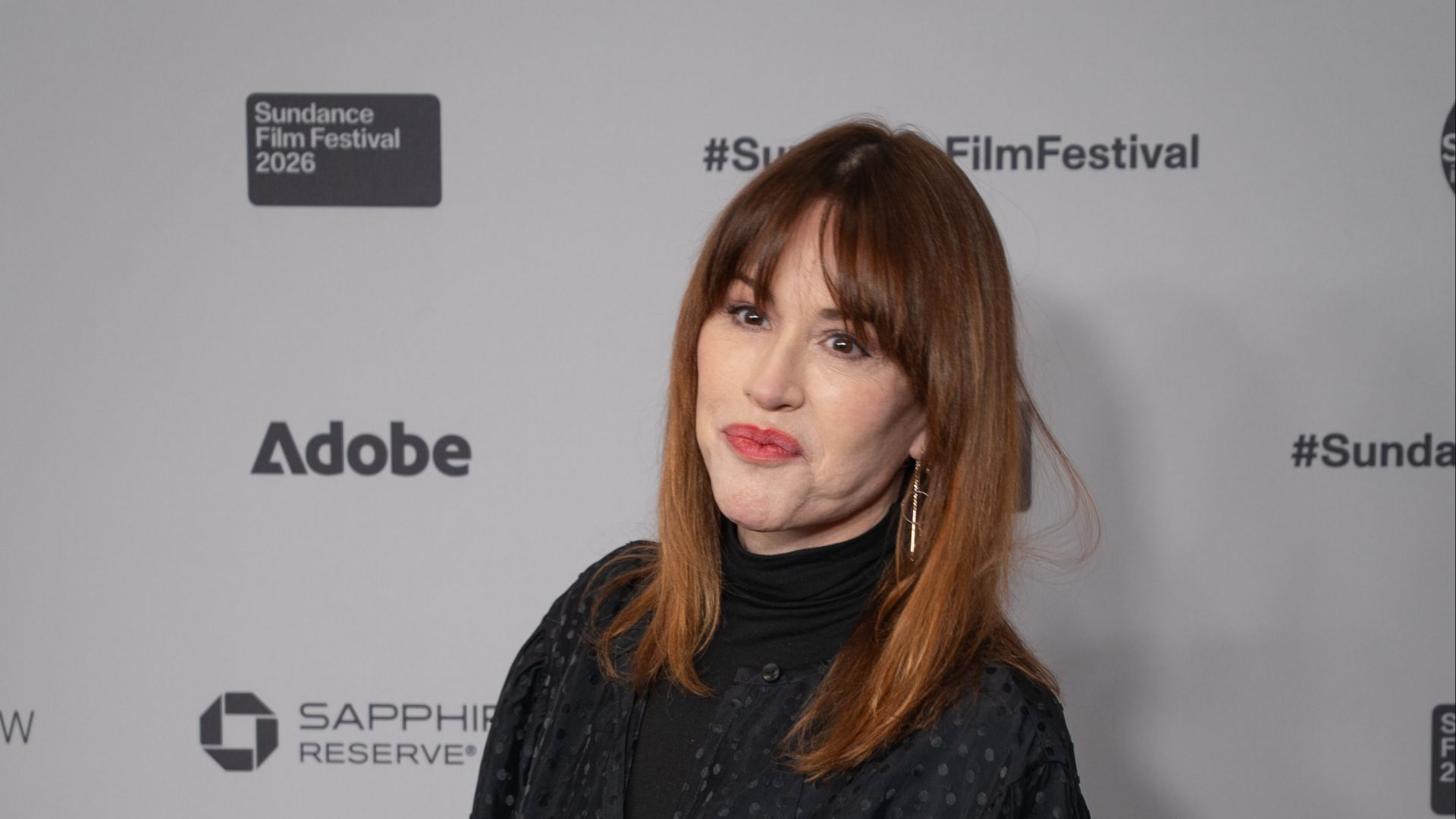 CaseyJNewell, Wikimedia Commons
And It All Came From One Unexpected Turn
A single article didn’t end their careers overnight—but it reshaped how an entire group was seen at exactly the wrong moment. It changed the narrative from rising talent to a defined type—and from that point on, things were never quite the same.
 Officer Snow Pea / Lindsey, modified by Gridge, Wikimedia Commons
You Might Also Like:
These Big Name Actors Have Second Careers
Hollywood Co-Stars Who Fell In Love On Set