The Voice That Stayed With America
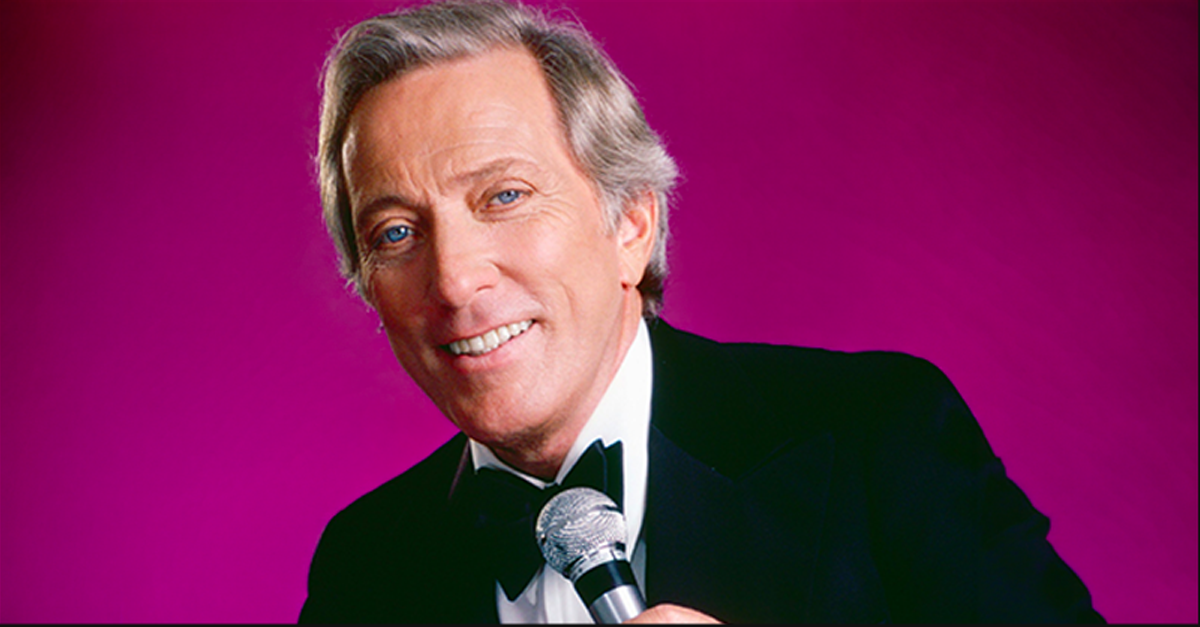
Pop culture can be brutal to yesterday’s stars, but Andy Williams never seemed to fade away. Long after many of his contemporaries slipped from the spotlight, his voice was still showing up on television screens and holiday playlists. From "Moon River" to Christmas classics, Williams had a knack for staying relevant without ever changing who he was.
He Made Easy Listening Feel Personal
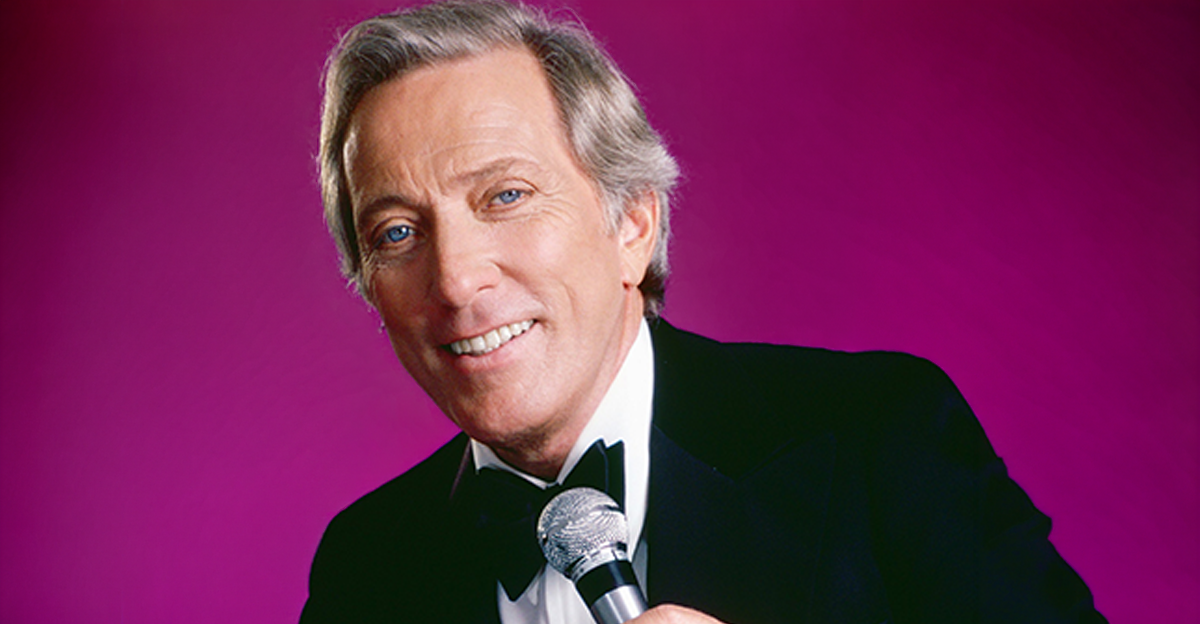
Andy Williams built his career on a voice that sounded polished without feeling cold. His relaxed style helped him stand apart from louder pop trends that came and went. That warmth became one of the reasons audiences kept returning to him.
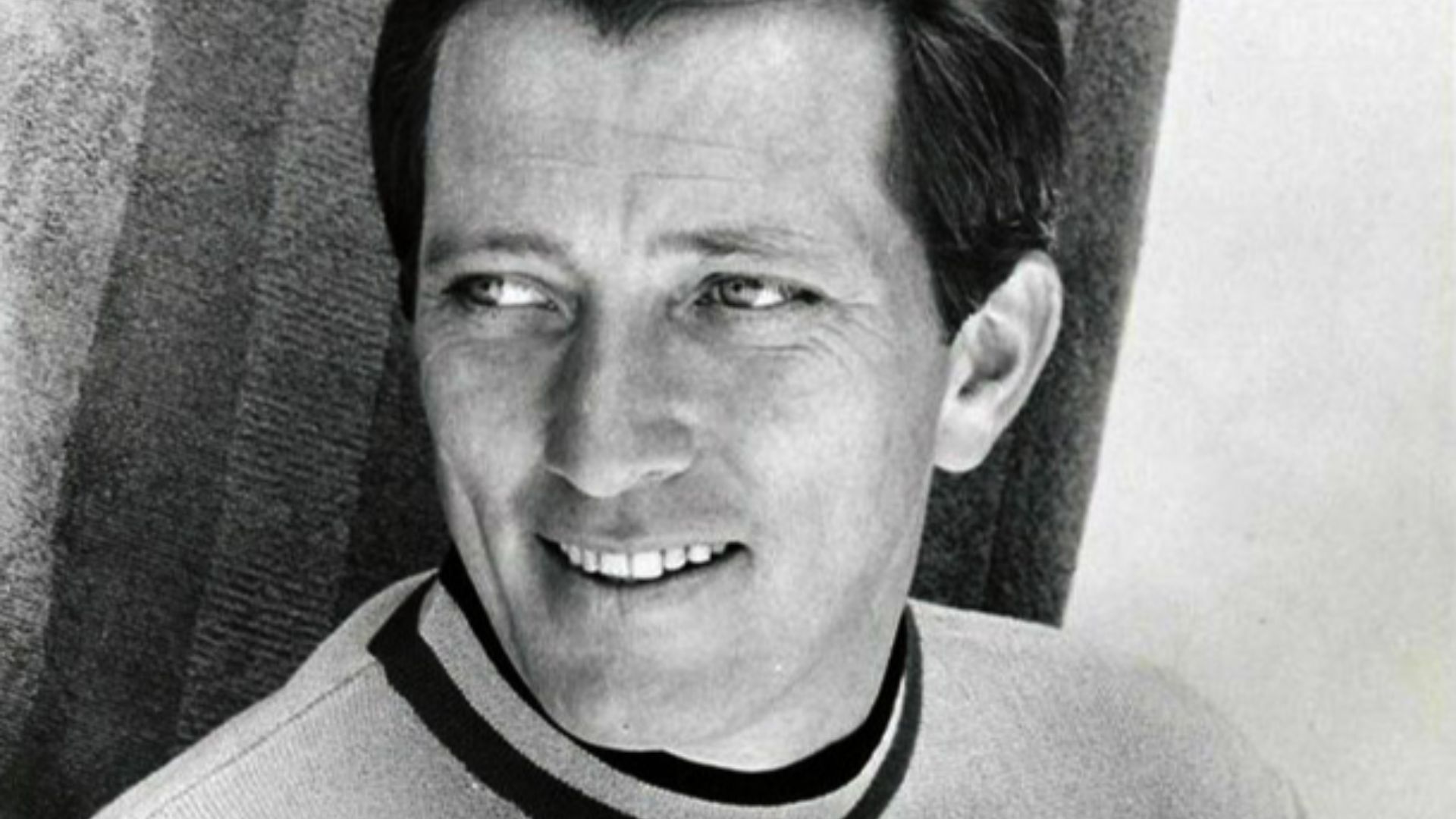 Sheldon Saltman, Public Relations, Wikimedia Commons
He Started Before Television Made Him Famous
Williams began performing with his brothers when he was still young. The Williams Brothers sang on radio and appeared in films during the 1940s. That early grind gave him show-business instincts long before he became a solo star.
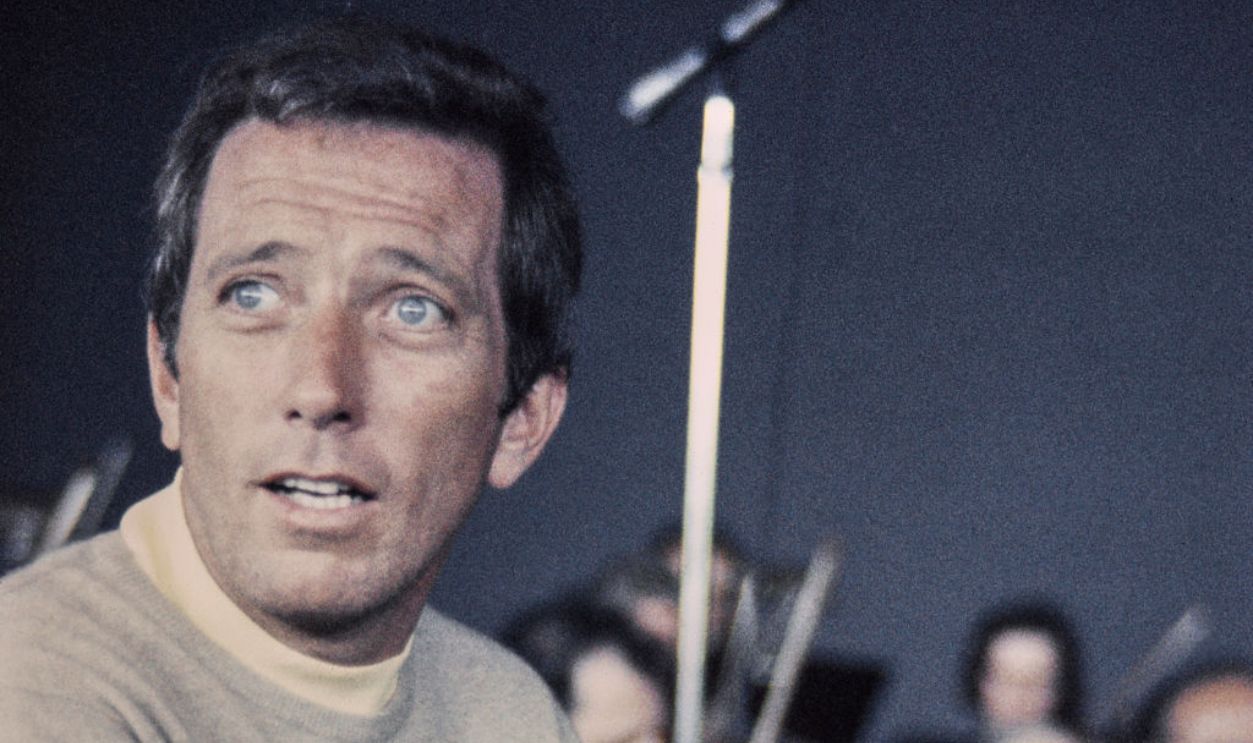 Michael Ochs Archives, Getty Images
He Learned From The Best
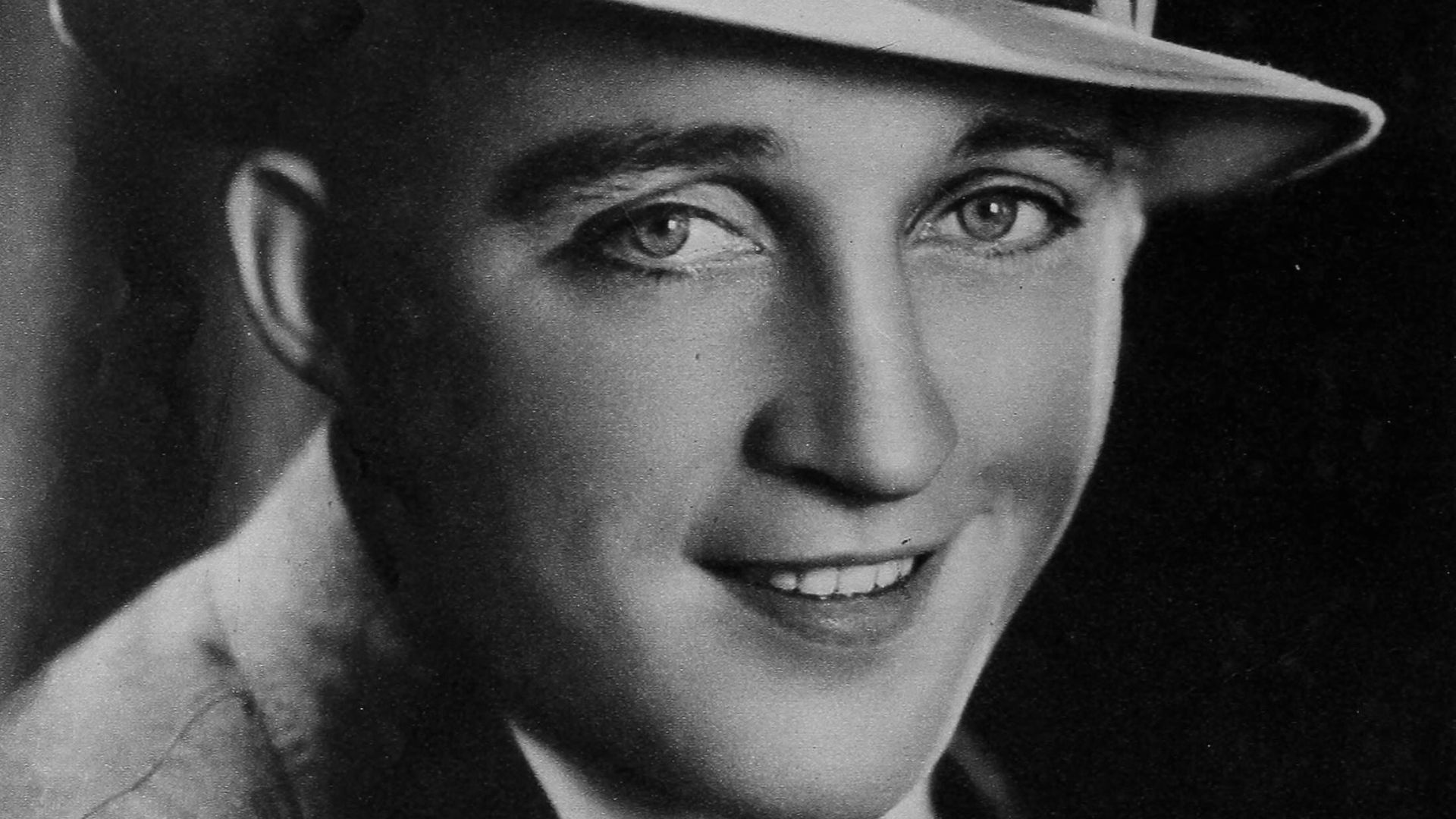
The Williams Brothers worked with Bing Crosby on the 1944 hit “Swinging On A Star.” That connection placed Andy near one of the smoothest entertainers of the era. He absorbed a lesson that followed him for life: charm could be just as powerful as volume.
Television Turned Him Into A Household Name
Williams became a regular presence on television before many singers fully understood the medium. His own NBC variety series, The Andy Williams Show, made him familiar in American living rooms. The show ran through the 1960s and helped make his voice part of weekly family entertainment.
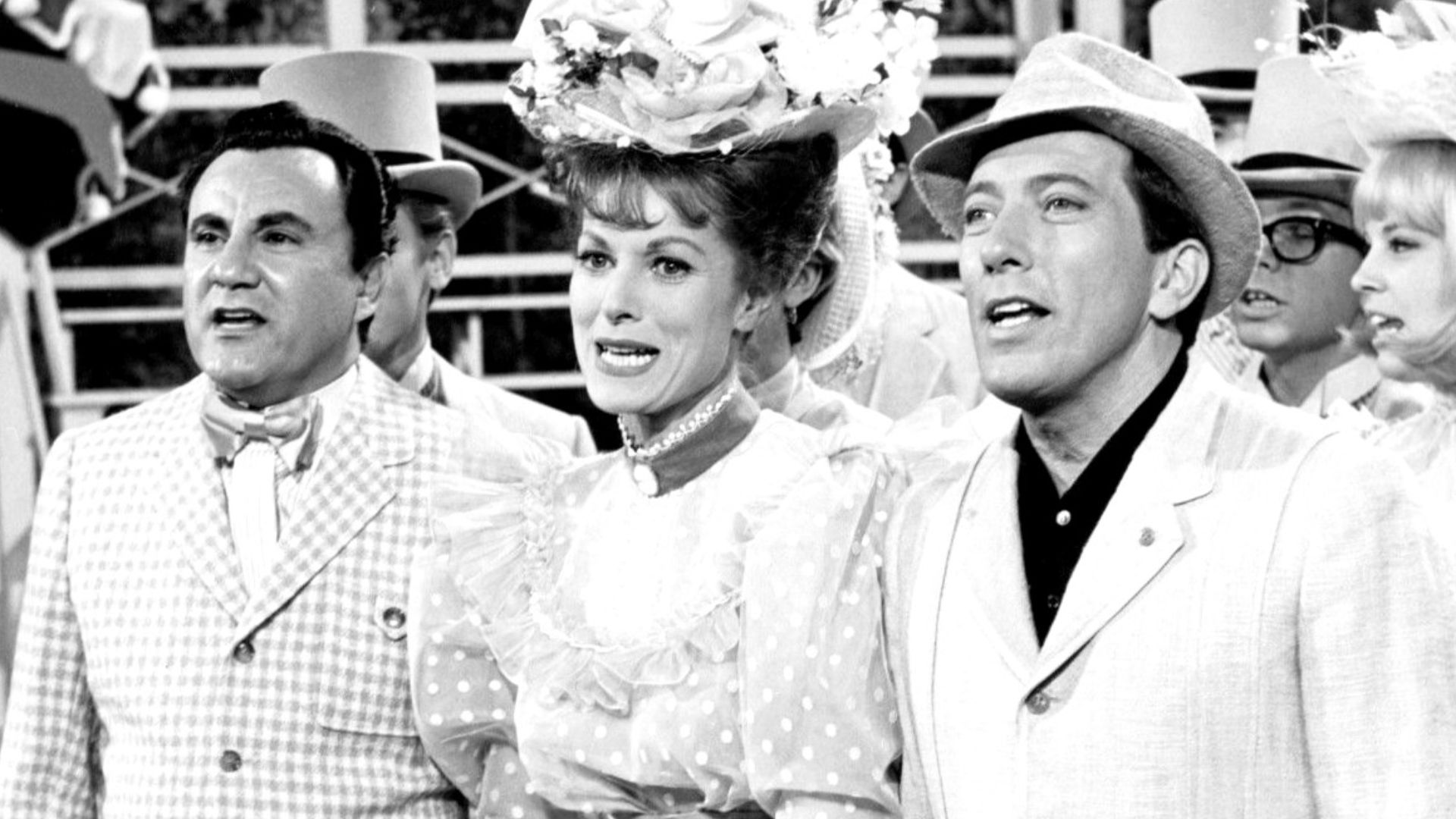 CBS Television, Wikimedia Commons
His Show Had Real Industry Respect
The Andy Williams Show earned 18 Emmy nominations and won three Emmys. That recognition mattered because variety television was crowded with major stars. Williams was not just surviving in that world, he was winning in it.
 Charles A. Pomerantz, public relations, Wikimedia Commons
He Knew How To Share The Spotlight
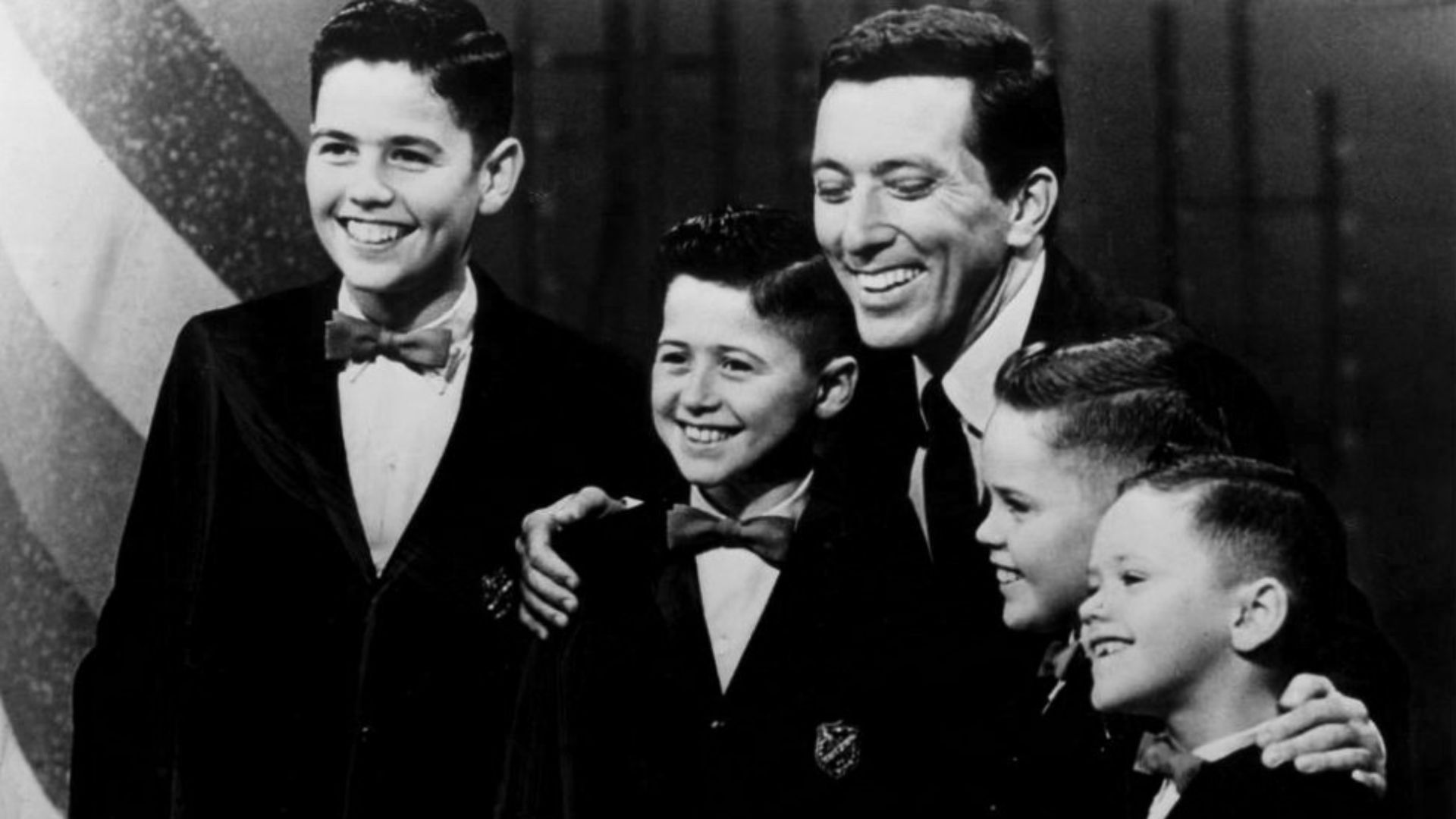
Williams often made room for other performers instead of treating the stage like a solo kingdom. The Osmond Brothers became regulars on his show after Andy’s father spotted them performing. Their rise later helped prove that Williams could introduce new talent without losing his own shine.
Moon River Changed Everything
“Moon River” became the song most closely tied to Williams. Henry Mancini and Johnny Mercer wrote it for Breakfast At Tiffany’s, and it won the Oscar for Best Original Song. Williams recorded it and sang it at the 1962 Academy Awards, which helped lock the song to his public image.
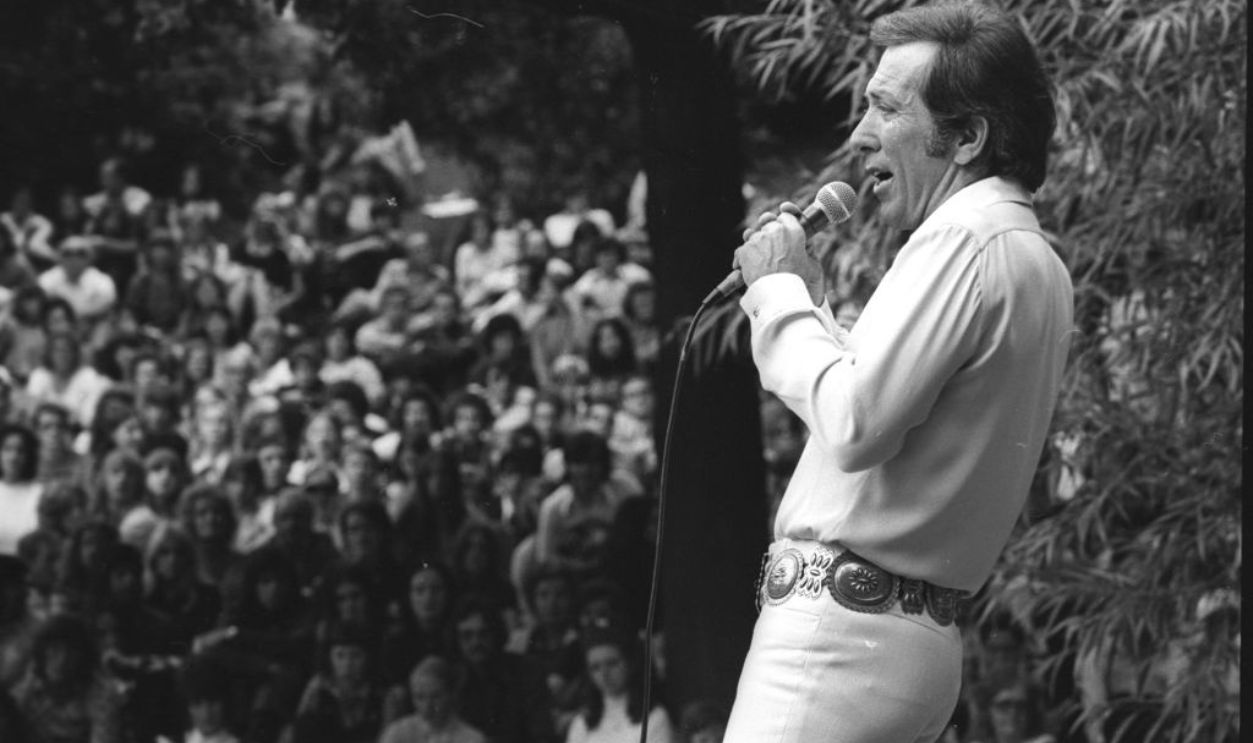 Watal Asanuma/Shinko Music, Getty Images
He Turned A Song Into A Brand
Williams used “Moon River” as more than a hit. He opened The Andy Williams Show with the song’s first eight bars. Decades later, he named his Branson theater after it, which showed how carefully he protected his most recognizable calling card.
He Stayed Calm During A Loud Decade
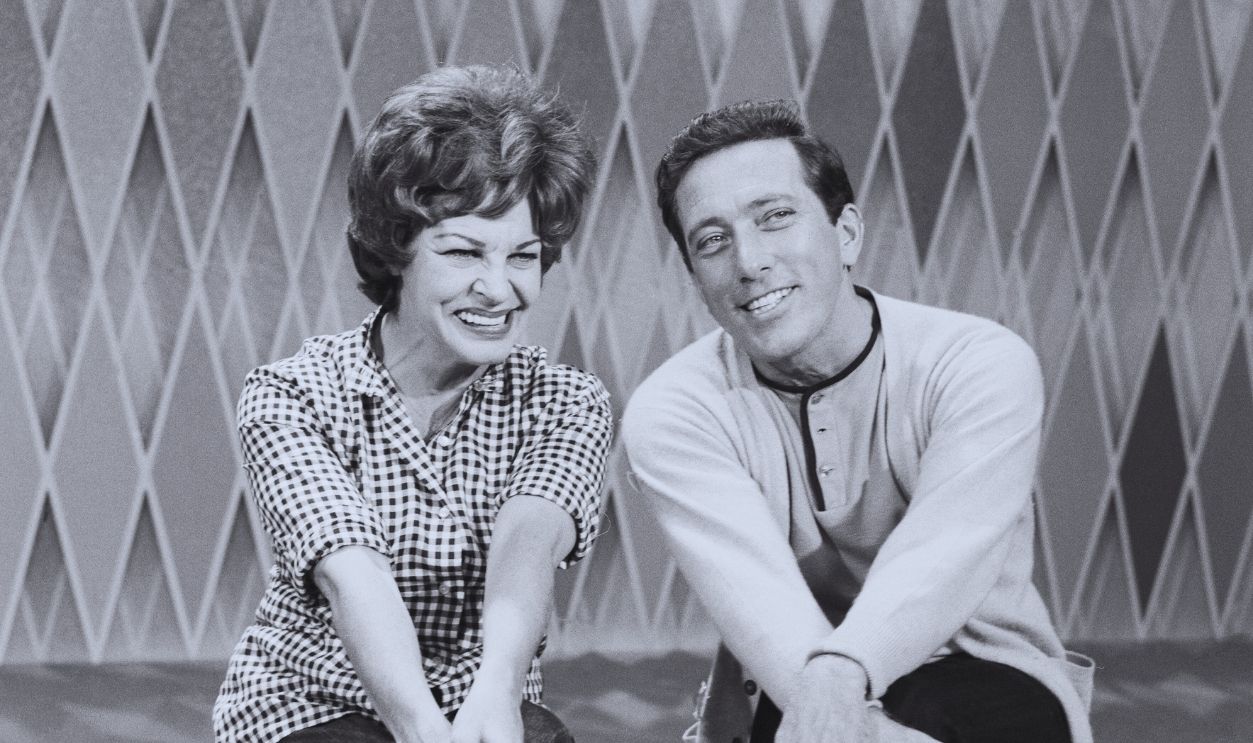
The 1960s pushed pop culture toward rock, rebellion, and sharper edges. Williams offered something different, with tuxedos, movie themes, and a voice that sounded steady. That contrast helped him appeal to adults who wanted elegance while the culture around them changed fast.
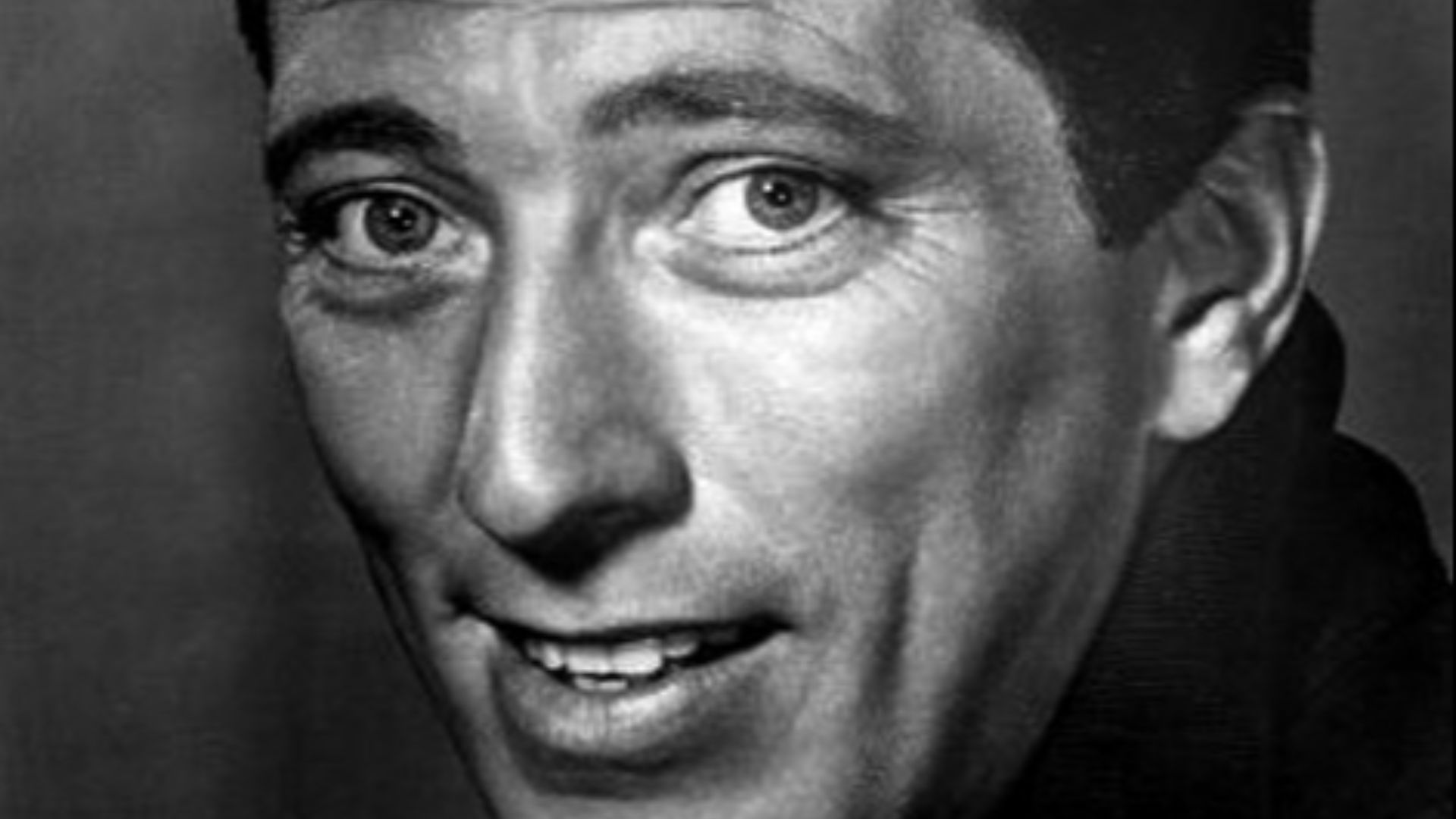
He Built A Bridge To Movie Music
Williams understood that film songs could travel far beyond the theater. His catalog included famous themes like “Moon River,” “Days Of Wine And Roses,” “Dear Heart,” and "(Where Do I Begin) Love Story". Those songs kept him connected to Hollywood glamour even when radio trends shifted.
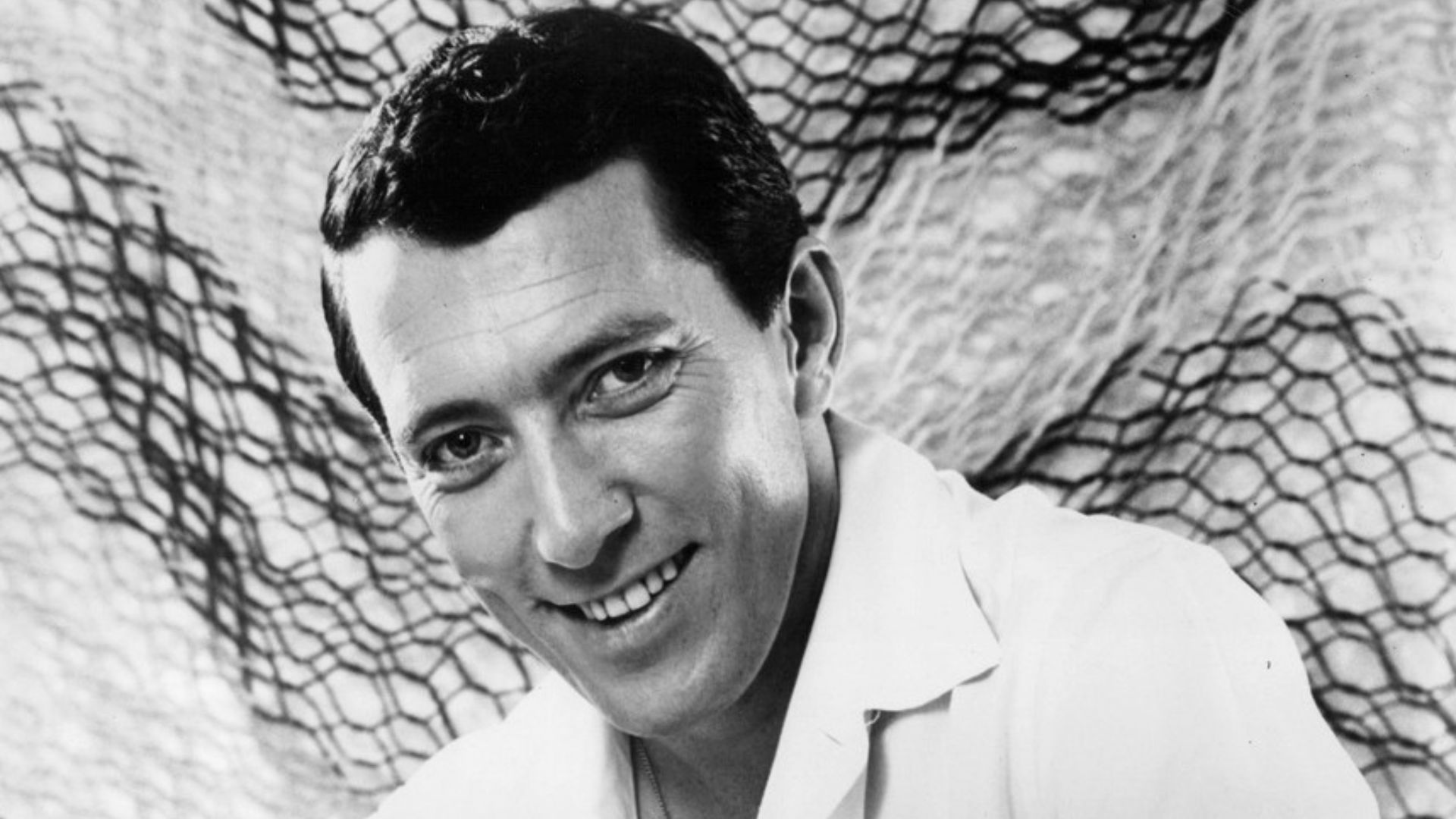 William Morris Agency (management), Wikimedia Commons
He Had Hits Beyond One Signature Song
“Moon River” defined him, but it did not trap him. The Songwriters Hall of Fame notes major Williams chart successes including “Can’t Get Used To Losing You” and "(Where Do I Begin) Love Story". That broader run made him more than a one-song nostalgia act.
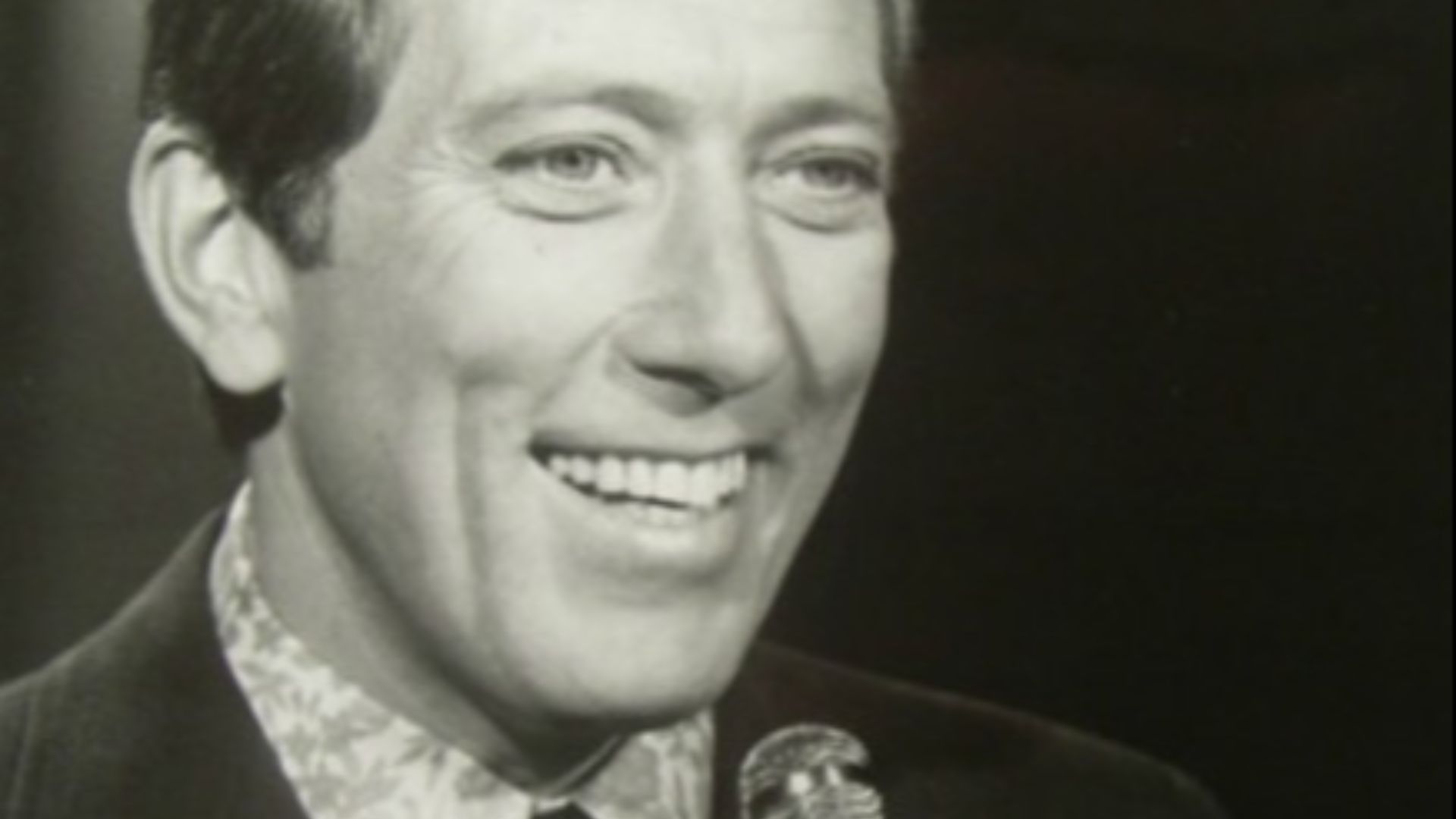 NBC Uploaded by We hope at en.wikipedia, Wikimedia Commons
He Became A Grammy Fixture
Williams hosted the first seven live Grammy telecasts, beginning in 1971. That role kept him in front of music fans during a decade when many traditional pop singers struggled for visibility. The Grammys used him because he projected ease, authority, and old-school showmanship.
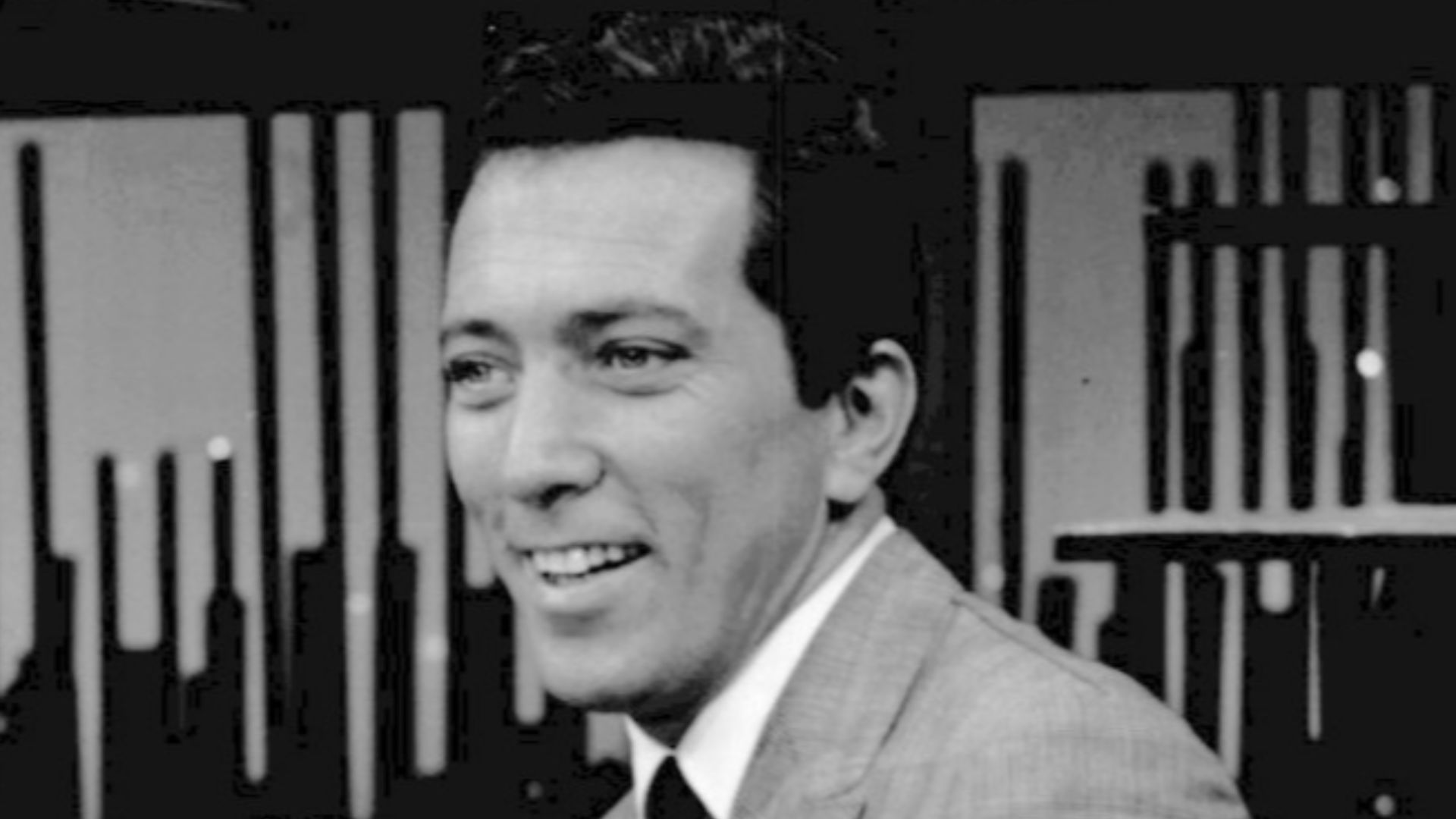 NBC Television, Wikimedia Commons
He Understood The Power Of Christmas
Williams became closely associated with Christmas through albums and television specials. In his 2009 memoir, Williams wrote about how much audiences loved those holiday shows. For many viewers, his music became part of the yearly rhythm of family gatherings.
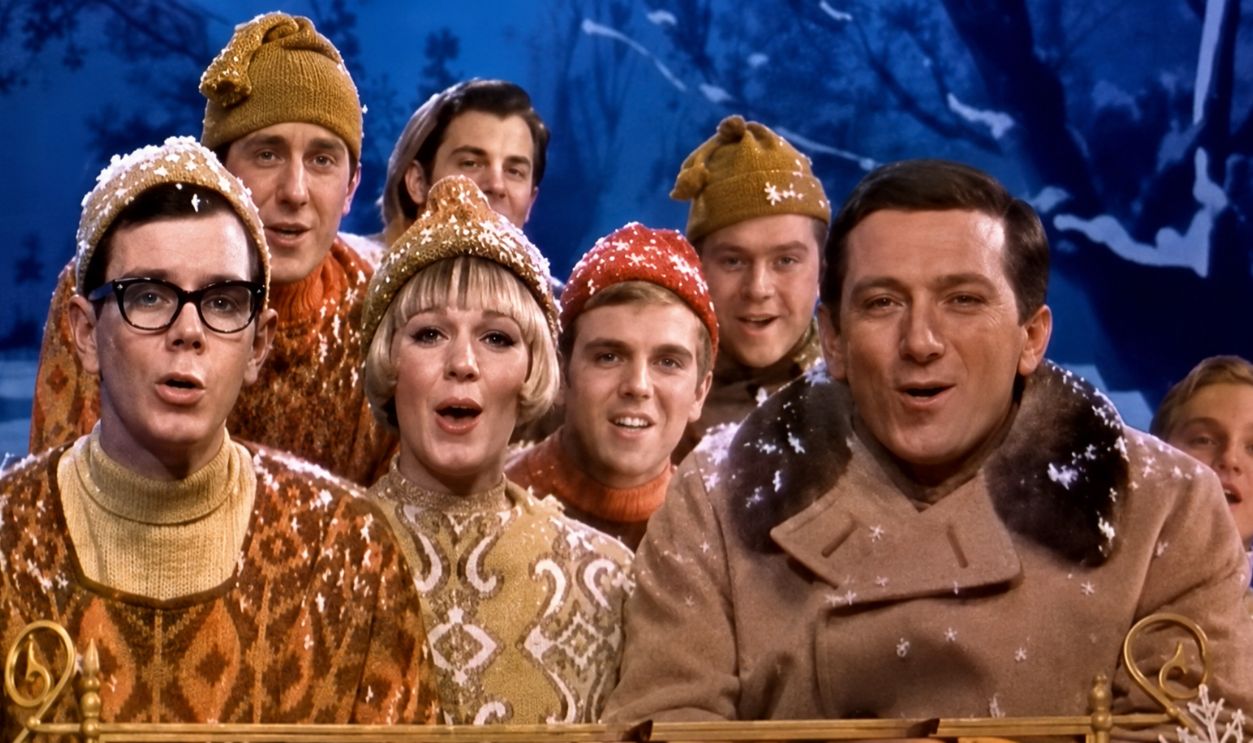 Screenshot from The Andy Williams Show, NBC (1962-1971)
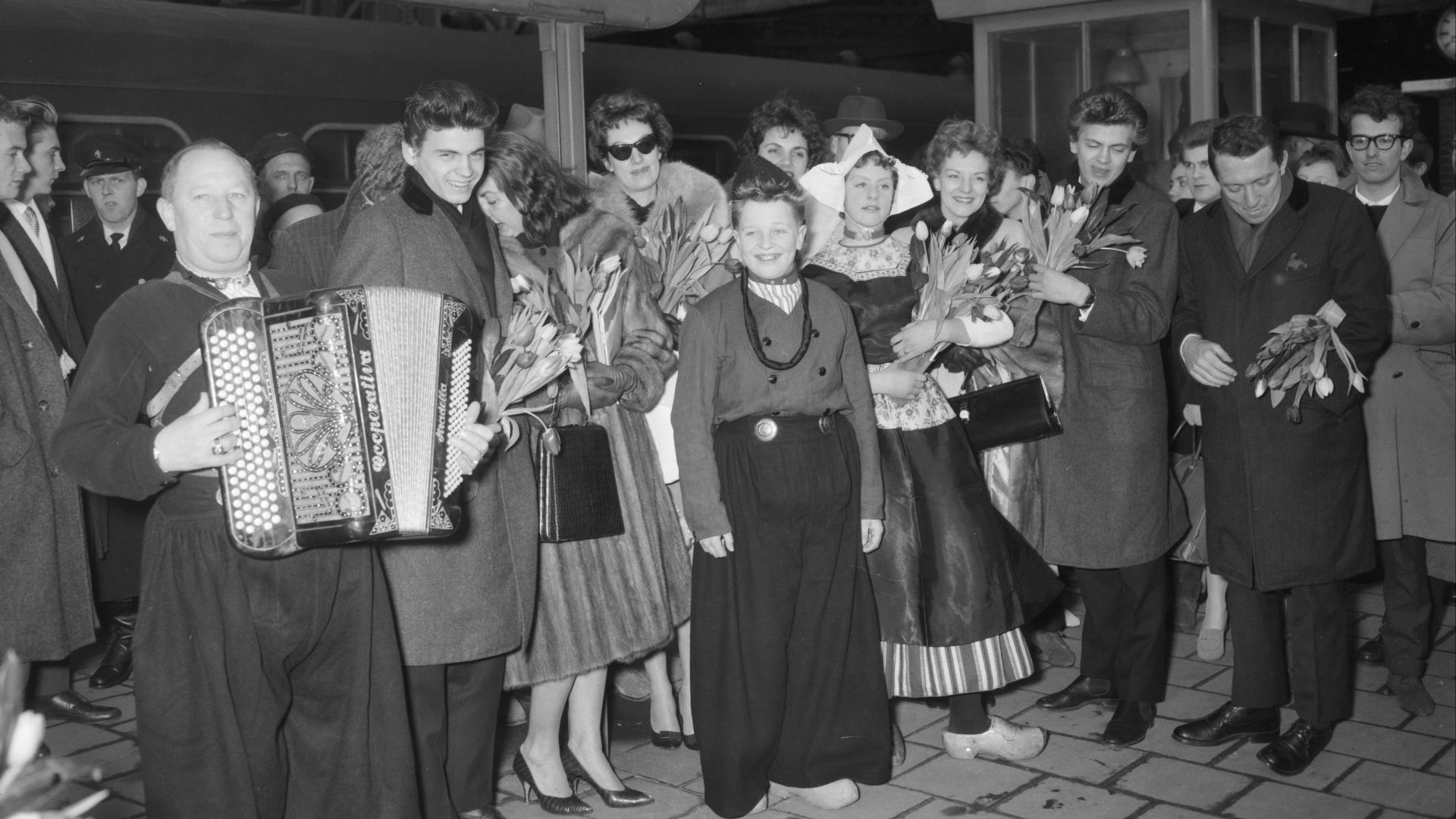
One Holiday Song Kept Reintroducing Him
“It’s The Most Wonderful Time Of The Year” gave Williams a second life with later generations. The song was originally released in the 1960s, but it returned again and again through holiday playlists, commercials, and seasonal charts. That recurring exposure made him familiar even to listeners born long after his TV peak.
![Collectie / Archief : Fotocollectie Anefo
Reportage / Serie : [ onbekend ]
Beschrijving : Repetities Unicef Gala ; Andy Williams (l) en neven Andy en David (r), midden dirigent Ken Thorne
Datum : 4 april 1974
Trefwoorden : REPETITIES, dirigenten
Persoonsn](https://www.factinate.com/storage/app/media/theshot/2026/6/11/1781169714e7171cd07bc7f0a1ebfc0e022d44db0c5eaa4056.jpg) Bert Verhoeff for Anefo, Wikimedia Commons
Bert Verhoeff for Anefo, Wikimedia Commons
He Kept Working Instead Of Disappearing
Many mid-century singers faded when their radio era ended. Williams kept finding places to perform, host, record, and appear. That willingness to adapt helped him remain present while nostalgia for his era slowly grew.
Branson Gave Him A New Chapter
In 1992, Williams opened the Moon River Theatre in Branson, Missouri. The move turned him into part of a live-entertainment destination rather than just a memory from television. It also gave fans a physical place to connect with his music.
 Billy Hathorn, Wikimedia Commons
He Bet Big On His Own Audience
The Los Angeles Times reported that Williams put more than $10 million of his own money into the Moon River Theatre. That was a major personal investment, not a casual vanity project. It showed that he believed his audience still existed, even if pop radio had moved elsewhere.
![Collectie / Archief : Fotocollectie Anefo
Reportage / Serie : [ onbekend ]
Beschrijving : Andy Williams met echtgenote op Schiphol
Datum : 1 september 1972
Locatie : Noord-Holland, Schiphol
Trefwoorden : ECHTGENOTES, zangers
Persoonsnaam : Andy Williams
F](https://www.factinate.com/storage/app/media/theshot/2026/6/11/17811695904ee302cc19f2cbc7831e032d88a9d9f5f40ad5ba.jpg) Hans Peters for Anefo, Wikimedia Commons
Hans Peters for Anefo, Wikimedia Commons
The Theater Extended His Relevance
The Moon River Theatre operated for 30 years, from its 1992 opening season through its final Christmas show in December 2022. That long run turned his name into part of Branson’s entertainment identity. Few singers from his generation built a late-career platform that visible.
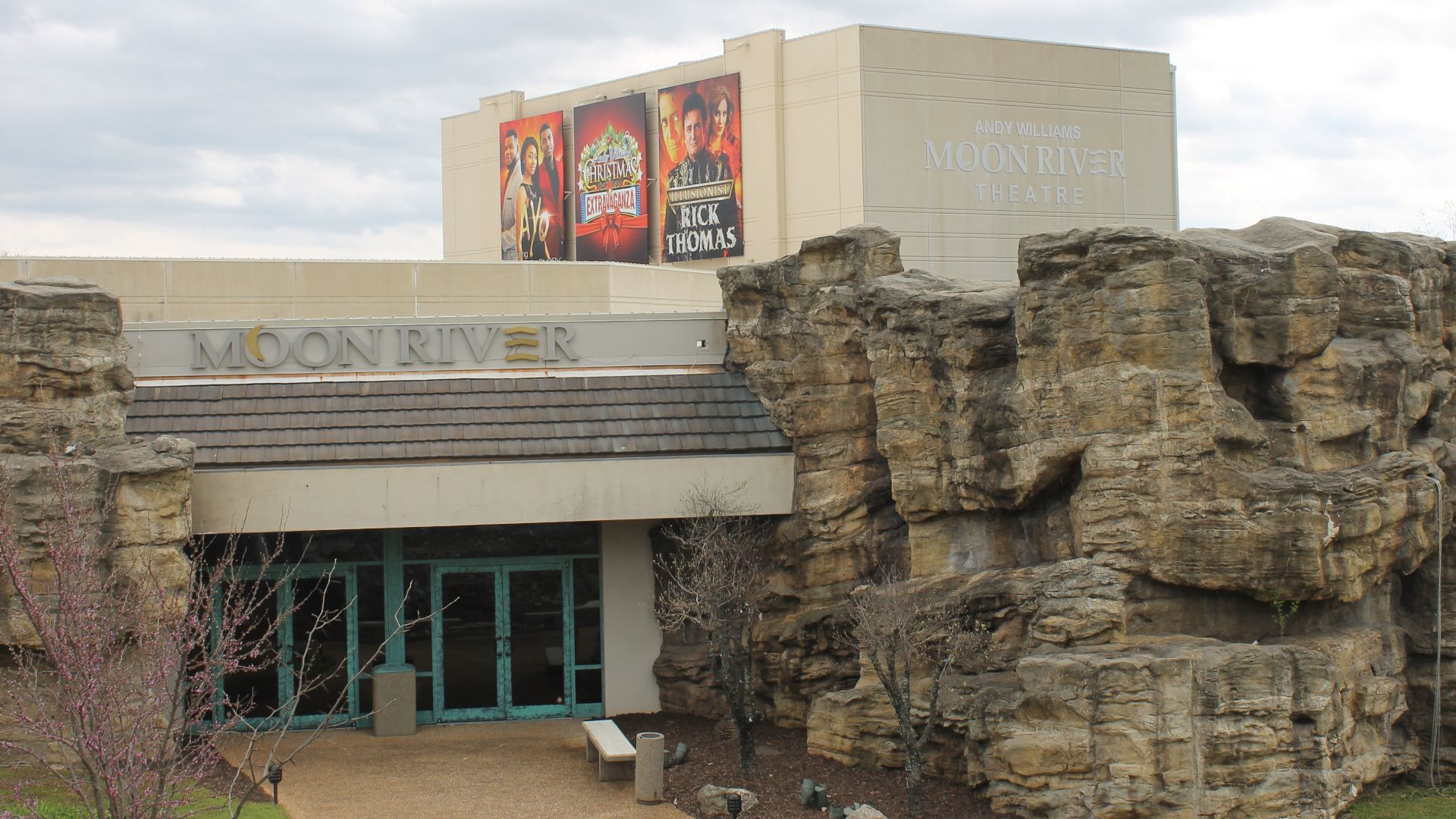 Billy Hathorn, Wikimedia Commons
He Avoided Reinvention For Its Own Sake
Some performers chase every trend until their original identity disappears. Williams did the opposite. He modernized his venues and visibility, but he kept the smooth voice, romantic songs, and gentlemanly stage presence that people trusted.
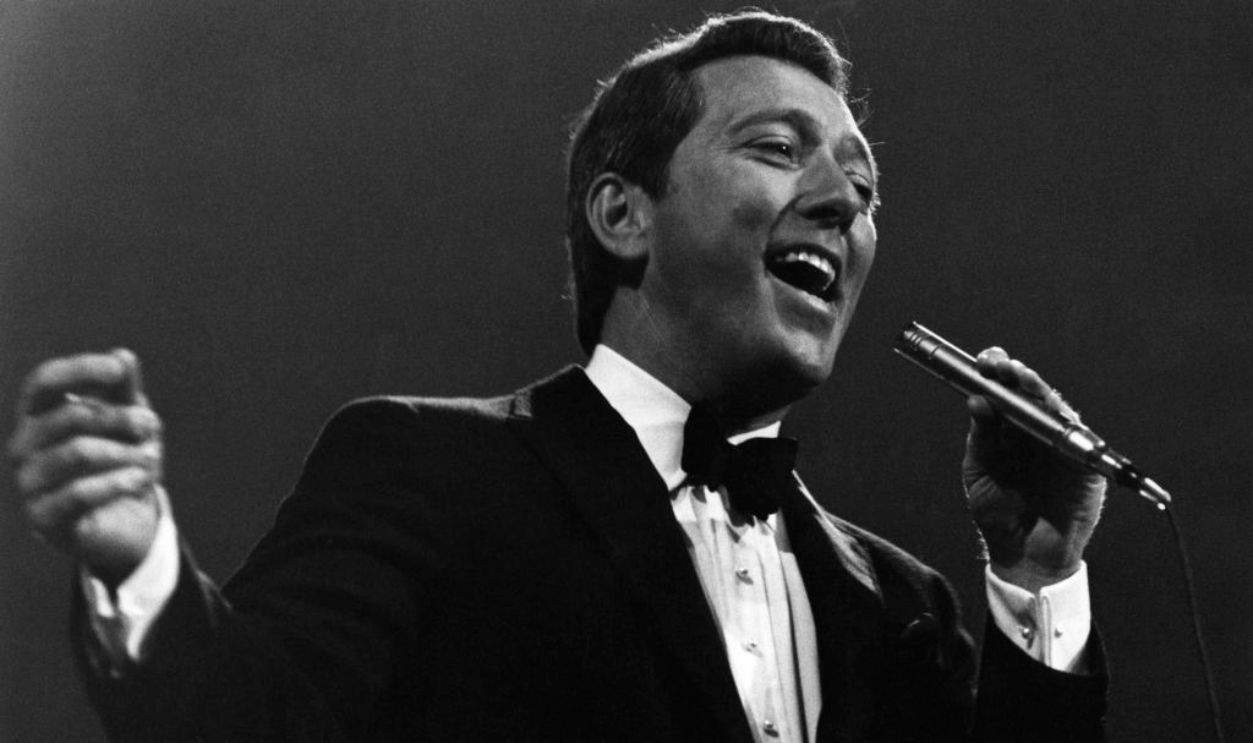
His Image Was Remarkably Consistent
Williams became associated with warmth, romance, Christmas, and classic pop. That consistency made him easy to remember. In entertainment, a clear identity can last longer than a dozen short-lived reinventions.
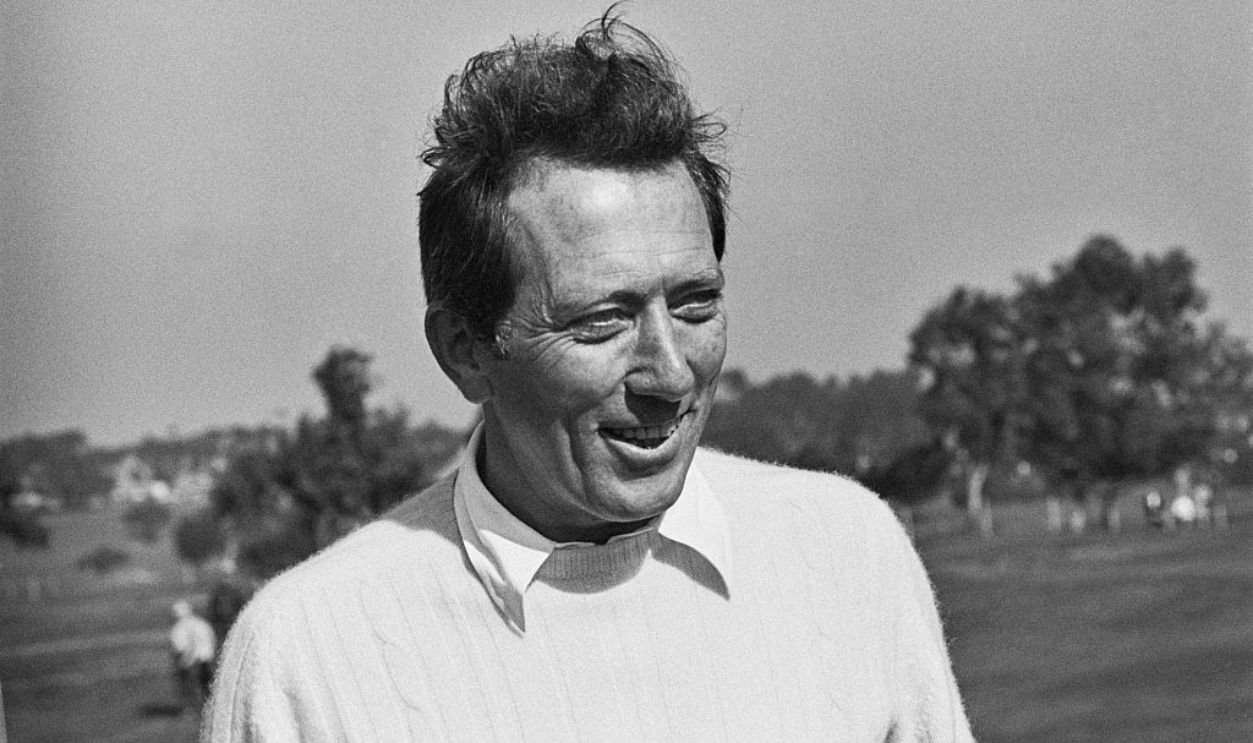
He Outlasted Changing Tastes
Williams lived through the big-band era, rock and roll, television variety, arena pop, and the rise of digital listening. He did not dominate every era, but he remained recognizable across them. That kind of continuity is rare in popular music.
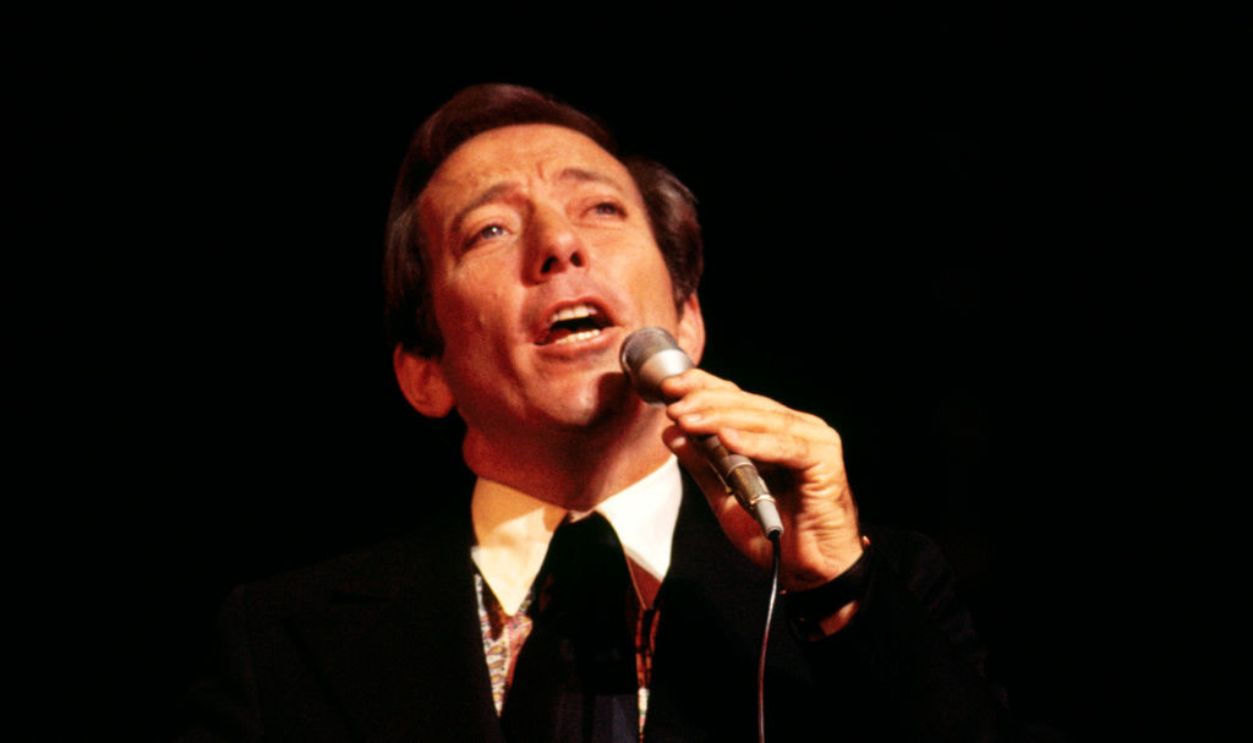
His Death Confirmed The Size Of His Legacy
Williams died in 2012 at age 84 after a battle with bladder cancer. Major outlets remembered him for “Moon River,” his Emmy-winning television work, his Christmas specials, and his Branson theater. Those tributes showed that his career had several pillars, not just one famous song.
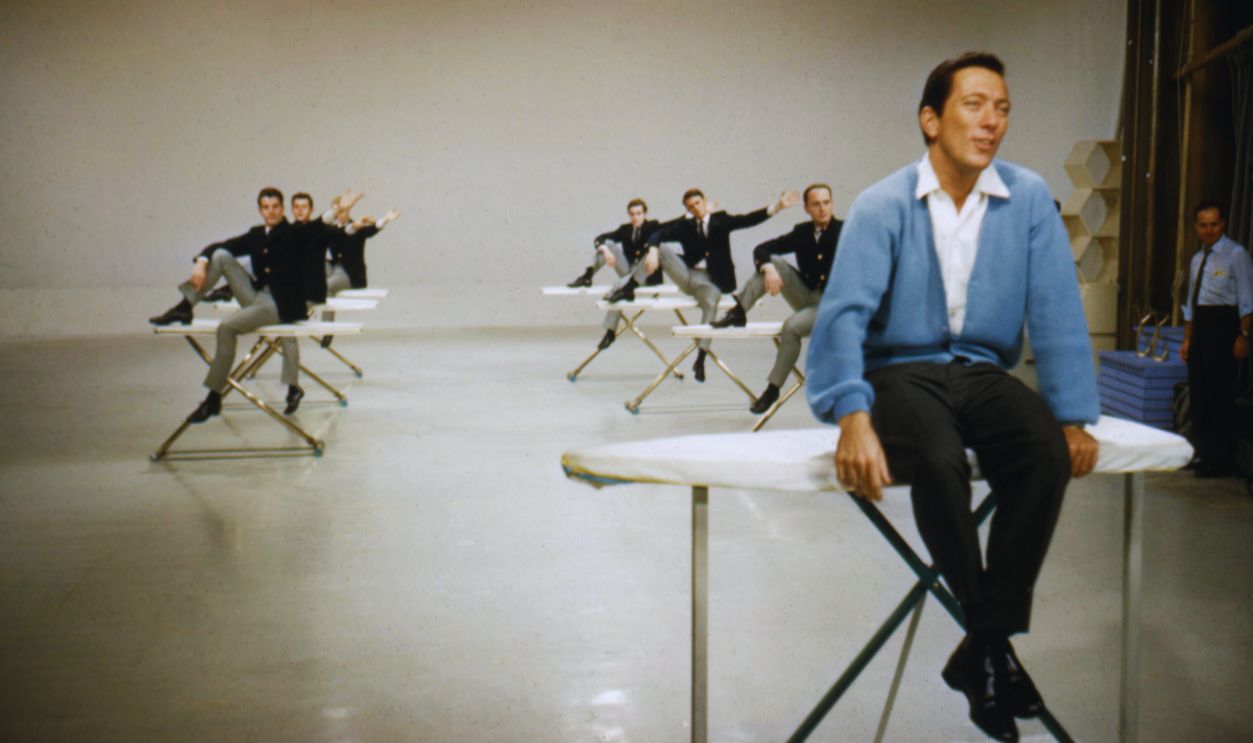 Donaldson Collection, Getty Images
He Remained Relevant Because He Became A Tradition
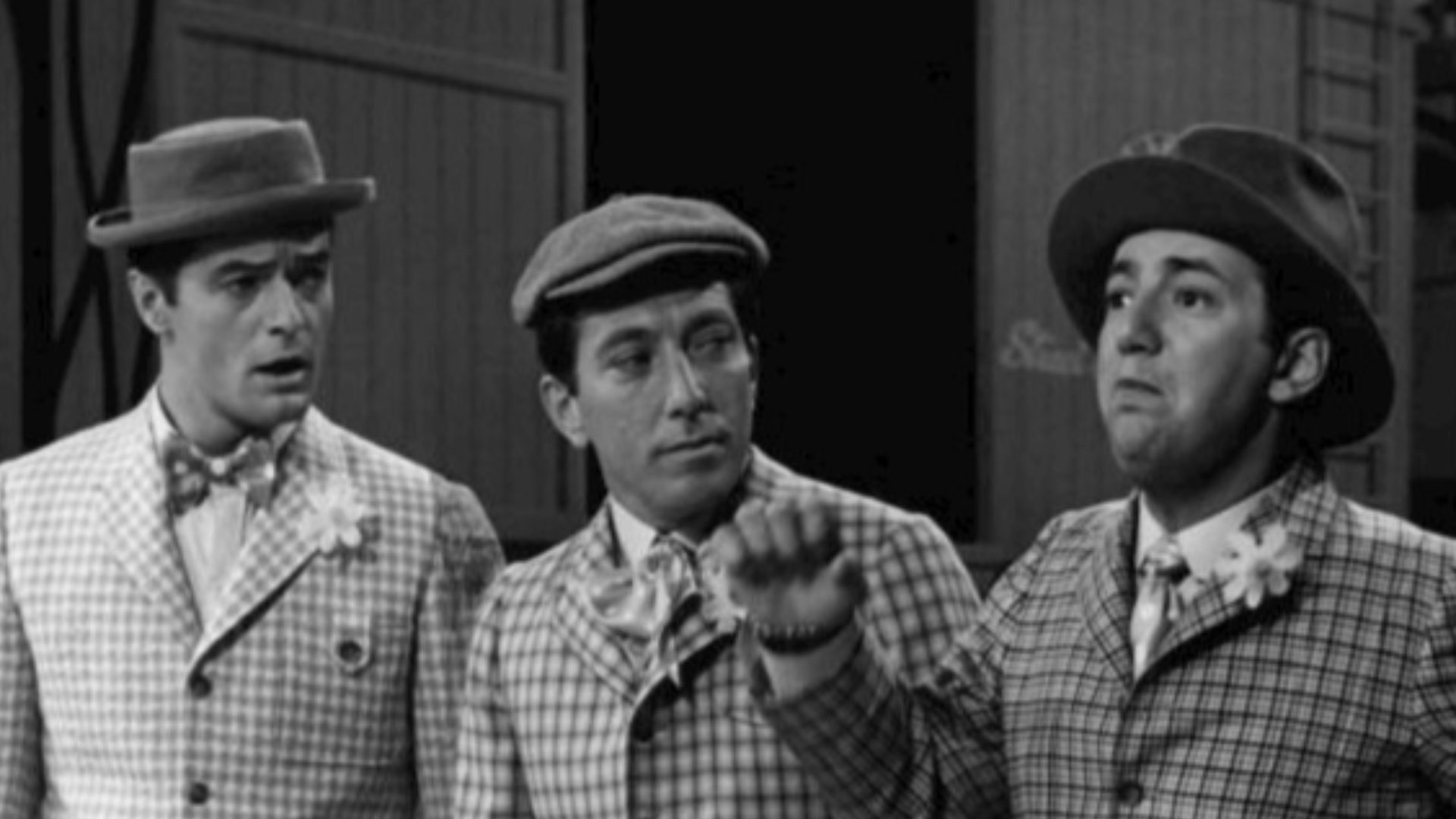
Andy Williams lasted because he became attached to moments people repeat. Weddings, movie memories, Christmas gatherings, television nostalgia, and Branson vacations all kept his name alive. His peers may have faded from daily conversation, but Williams found a place in the calendar, the home, and the heart.
 NBC Television, Wikimedia Commons
You May Also Like:
Songs That Perfectly Capture The Spirit Of The ‘60s
Everyone Knows Audrey Hepburn's Face, But Few Knew Her Secret Side