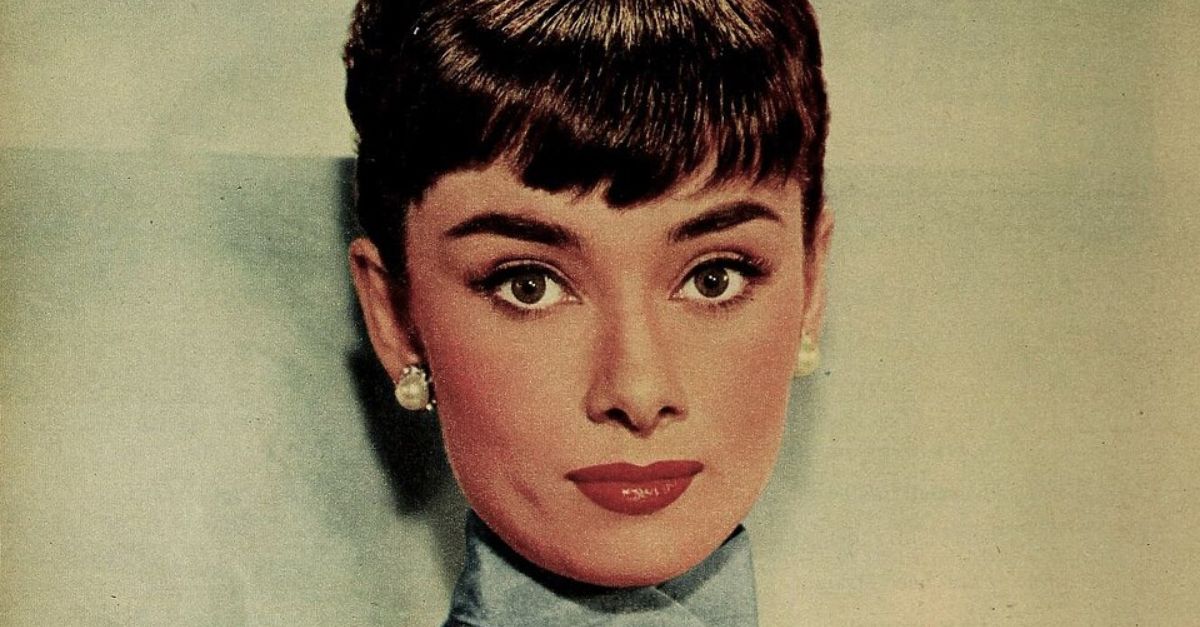
The Untold Context
Everyone knows the little black dress. But the woman who wore it survived on tulip bulbs during a battle that nearly killed her. Audrey Hepburn's real story is filled with hunger, loss, and intriguing secrets.
Birth
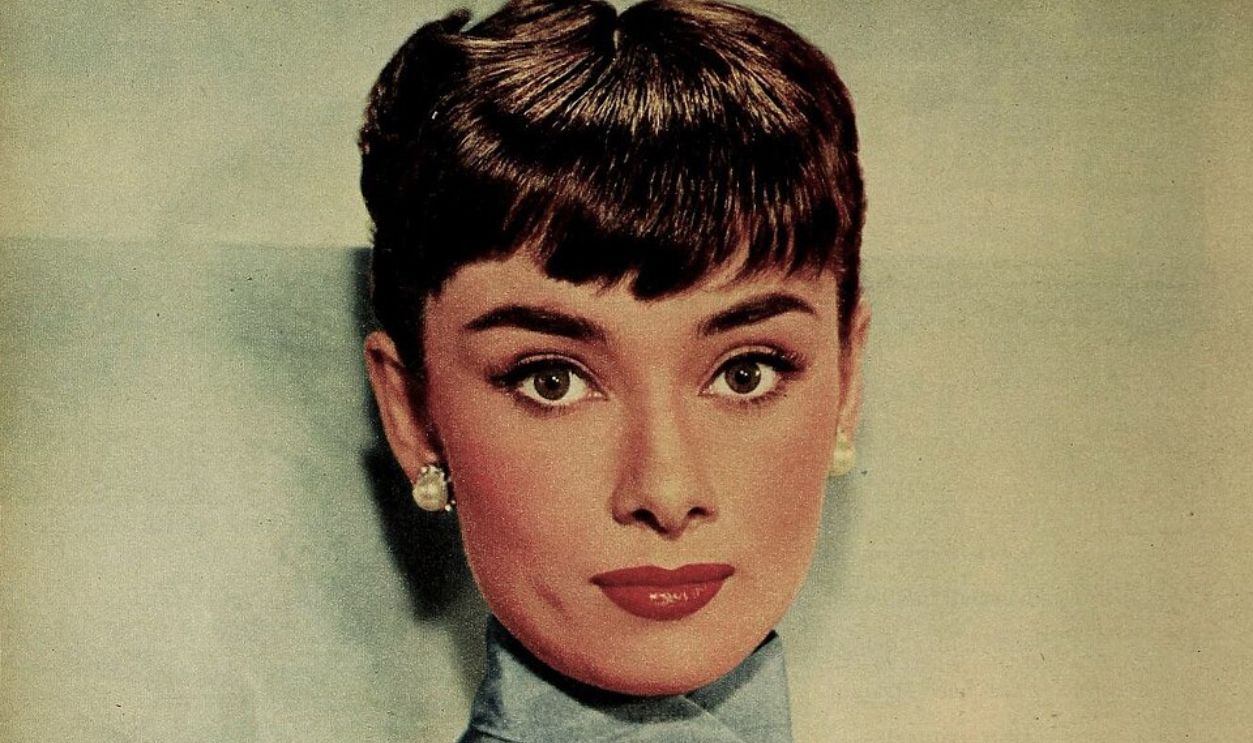
Born Audrey Kathleen Ruston on May 4, 1929, in Brussels, Belgium, the future icon entered the world as the daughter of Dutch Baroness Ella van Heemstra and English banker Joseph Ruston. Her aristocratic mother's lineage traced back to Dutch nobility.
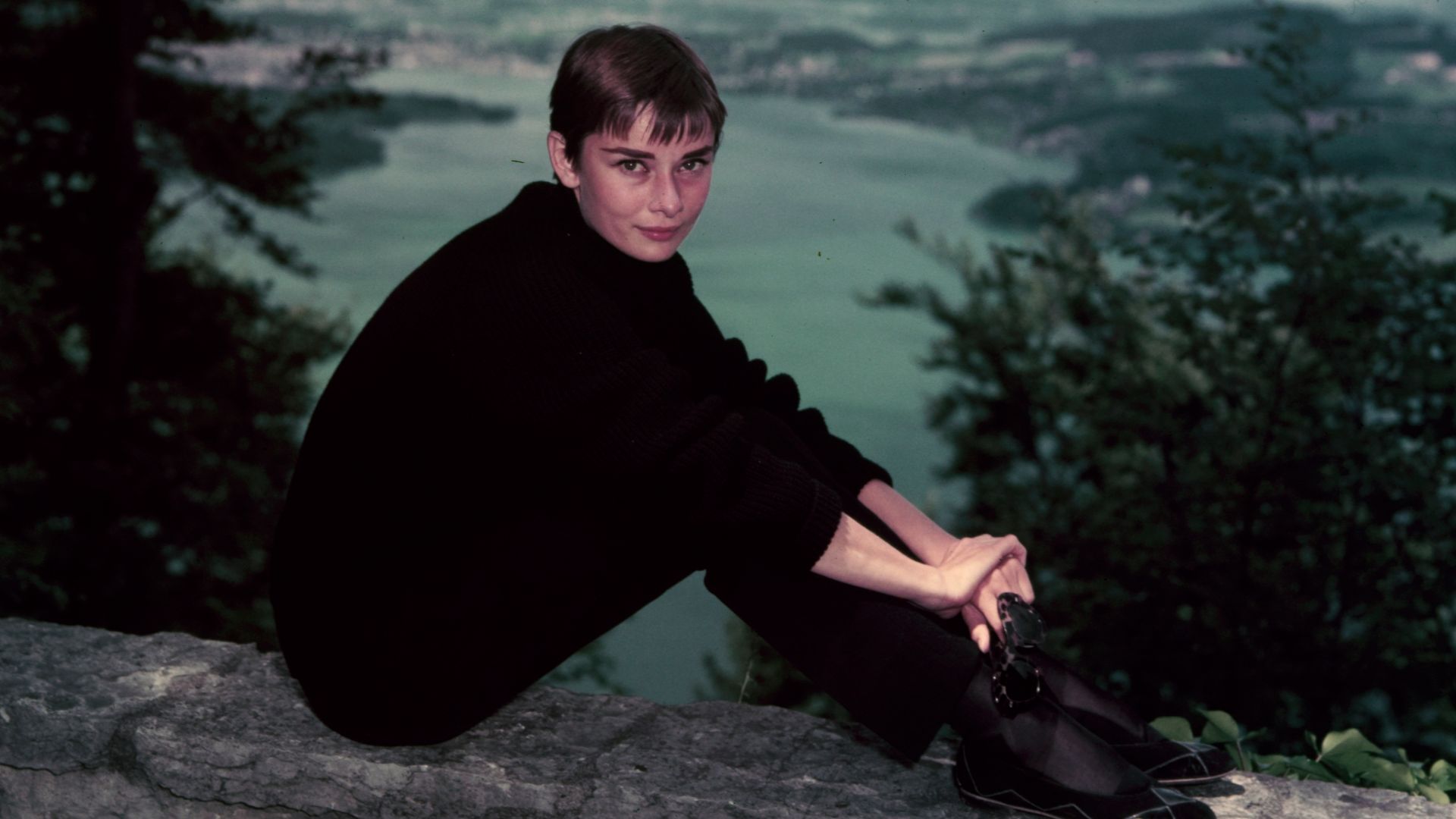 Comet Photo AG (Zurich), Wikimedia Commons
Political Allegiances
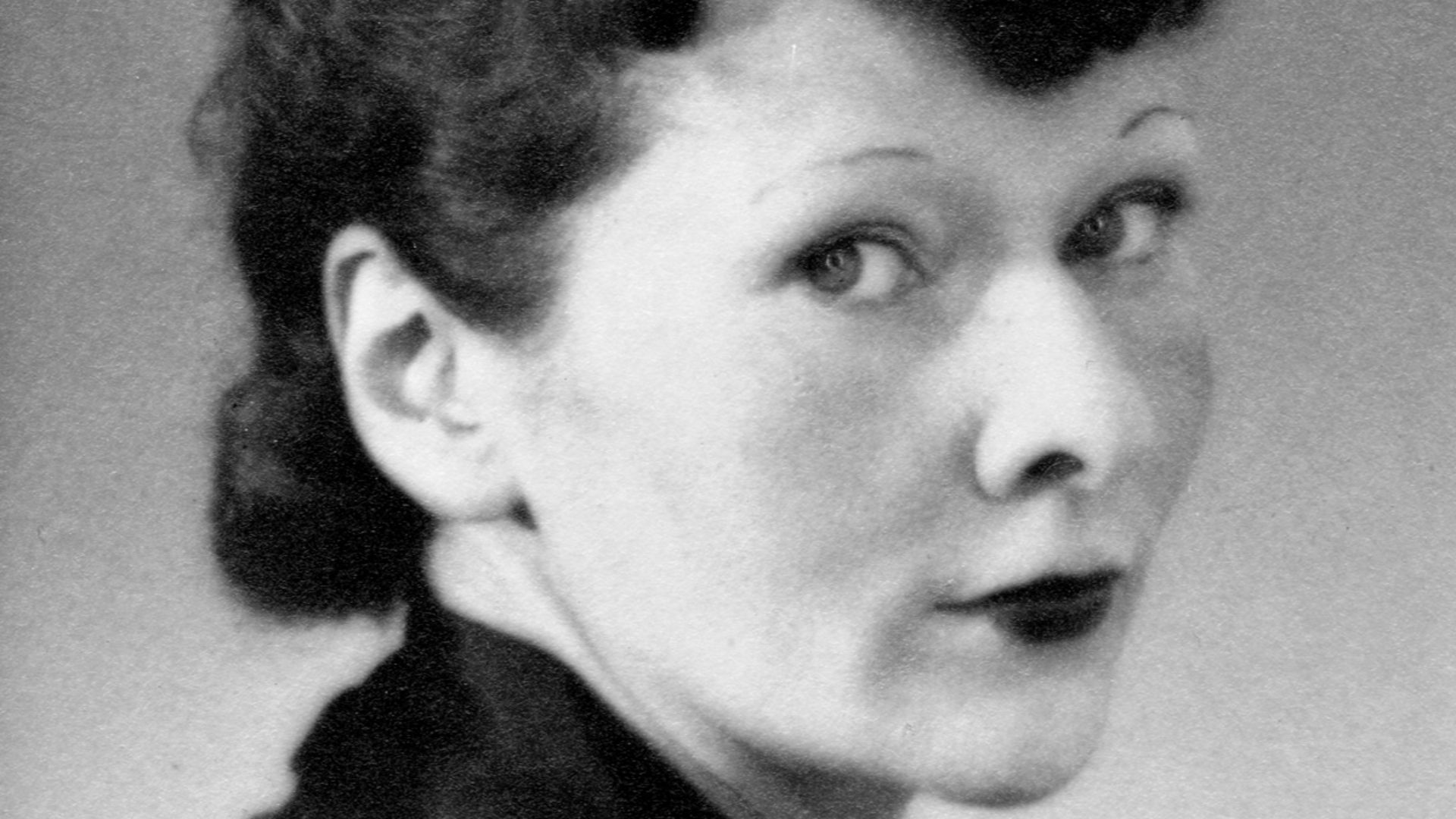
Both of Audrey's parents actively supported far-right extremism in the mid-1930s. Her mother, Ella, met Adolf Hitler personally and wrote glowing articles about him for the BUF. They attended Nuremberg rallies alongside the Mitford sisters, recruiting donations and members.
 Unknown author, Wikimedia Commons
Father's Abandonment
Six-year-old Hepburn never understood why her father Joseph suddenly vanished after a "scene" in Brussels in 1935. He moved to London and never visited his daughter again. Decades later, Audrey would tell her son Sean she “never got over the loss of her father”.

Hiding British Identity
When Germany invaded the Netherlands in May 1940, having a British-sounding name became a death sentence. Eleven-year-old Audrey's mother enrolled her in Arnhem schools under "Edda van Heemstra" to hide her father's English heritage. One slip—one classmate mentioning her real name—could mean execution.
Dutch Hunger Winter
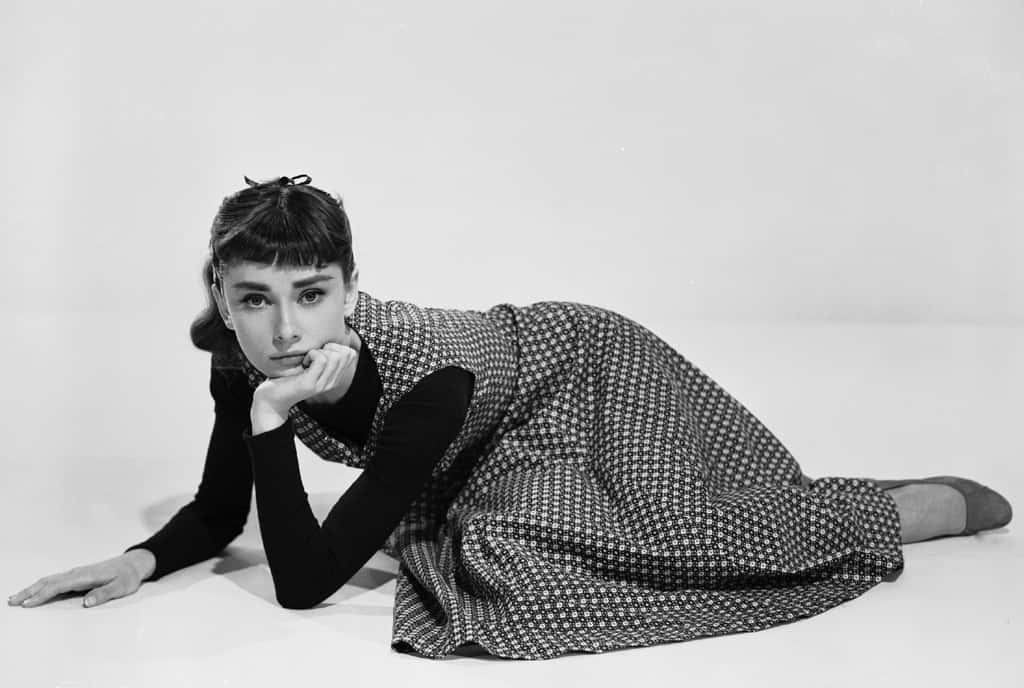
Between November 1944 and May 1945, German forces deliberately blocked food supplies to Dutch cities as retaliation for railway strikes. Daily rations in Amsterdam plummeted from 1,000 calories to just 580. Sixteen-year-old Audrey developed acute anemia, respiratory problems, jaundice, and severe edema.
Secret Resistance Dancer
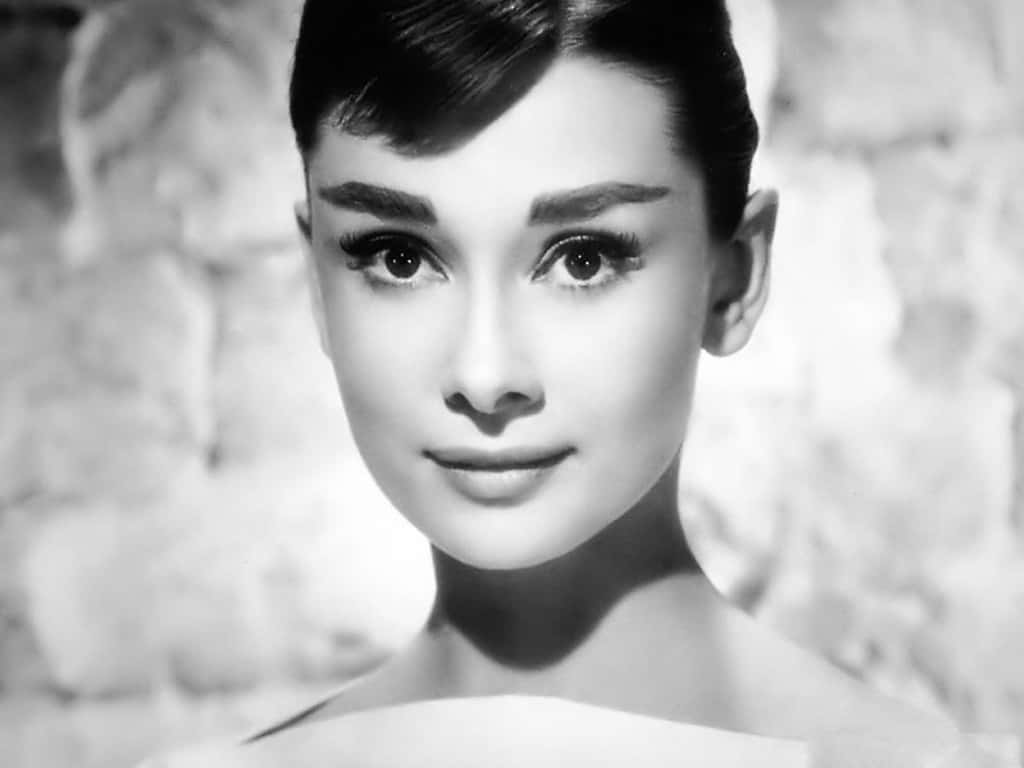
While Nazis occupied Arnhem, teenage Audrey performed in illegal "black evenings"—underground ballet performances in darkened homes with blacked-out windows. These zwarte avonden raised funds for the Dutch Resistance. Using her stage name Edda van Heemstra, she danced.
 Unknown author, Wikimedia Commons
Tulip Bulb Survival
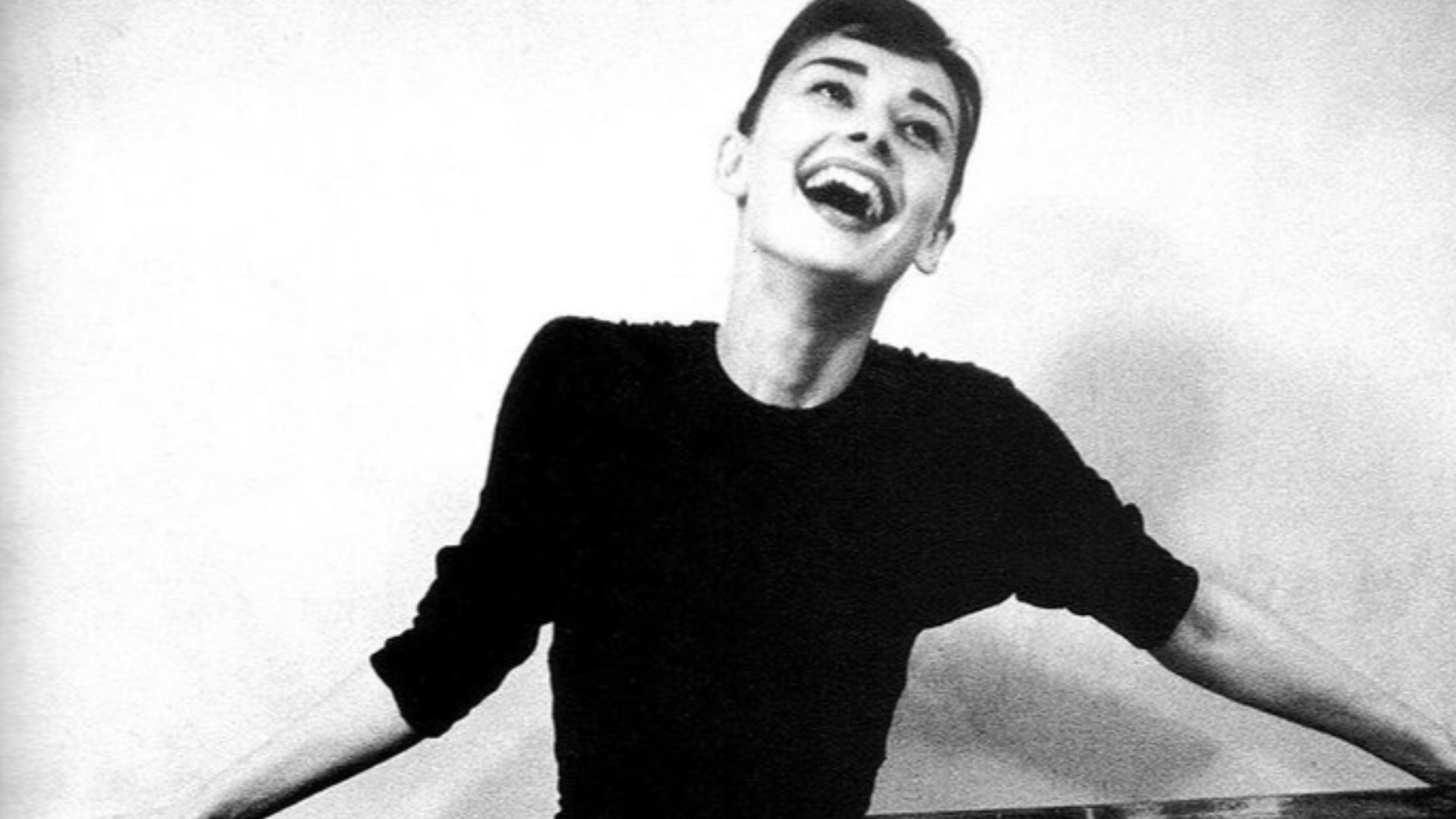
Desperation turned flowers into food. When every edible item vanished from Arnhem, Audrey's family ground tulip bulbs into flour, baking them into barely edible cakes and biscuits. The bulbs were peeled, dried, and ground into a rough flour.
Uncle's Execution
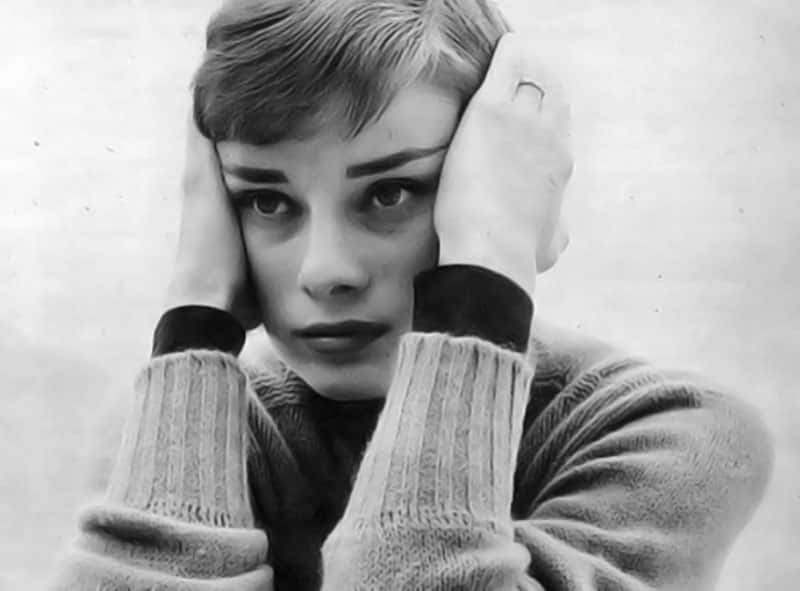
On a single day in 1942, Hitler’s forces executed five hostages in retaliation for a resistance sabotage act. One was Audrey's beloved uncle, Otto van Limburg Stirum, a respected judicial official and aristocrat. His remains were dumped in a mass grave.
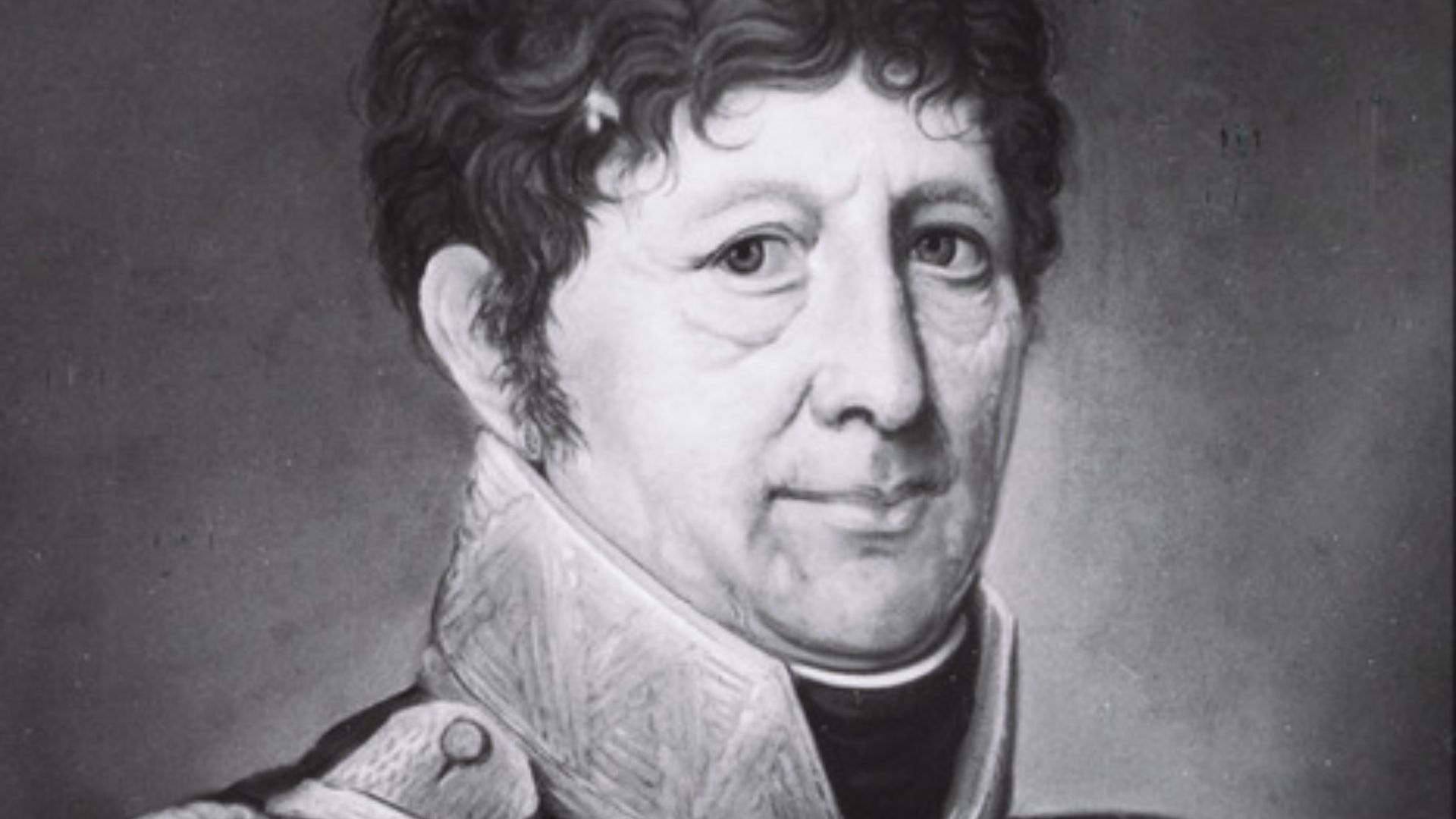 toegeschreven aan Theodorus Bohres, Wikimedia Commons
Permanent Health Damage
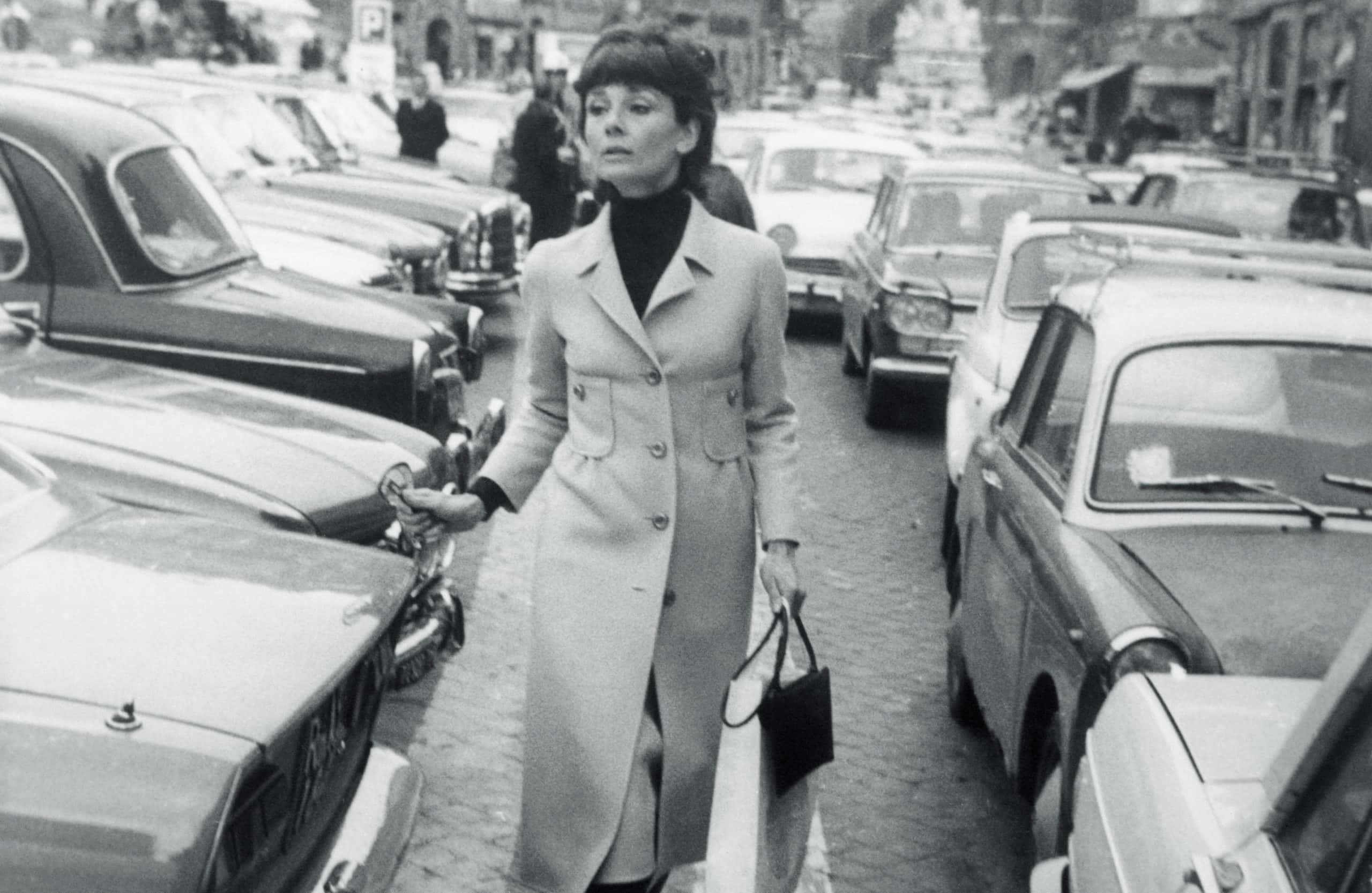
Starvation doesn't end when food returns. The Hunger Winter left Audrey with lifelong anemia, chronic respiratory illnesses, and severe edema that never fully resolved. Her metabolism remained damaged, her immune system compromised. Studies on Dutch Hunger Winter survivors later revealed increased rates of diabetes.
Ballet Dreams Ended
After liberation, eighteen-year-old Audrey trained intensely with famous instructor Sonia Gaskell in Amsterdam, then earned a scholarship with Ballet Rambert in London. Her teachers delivered devastating news: wartime malnutrition had stunted her growth and weakened her constitution. At 5'7", she was too tall, too weak, and had started training too late.
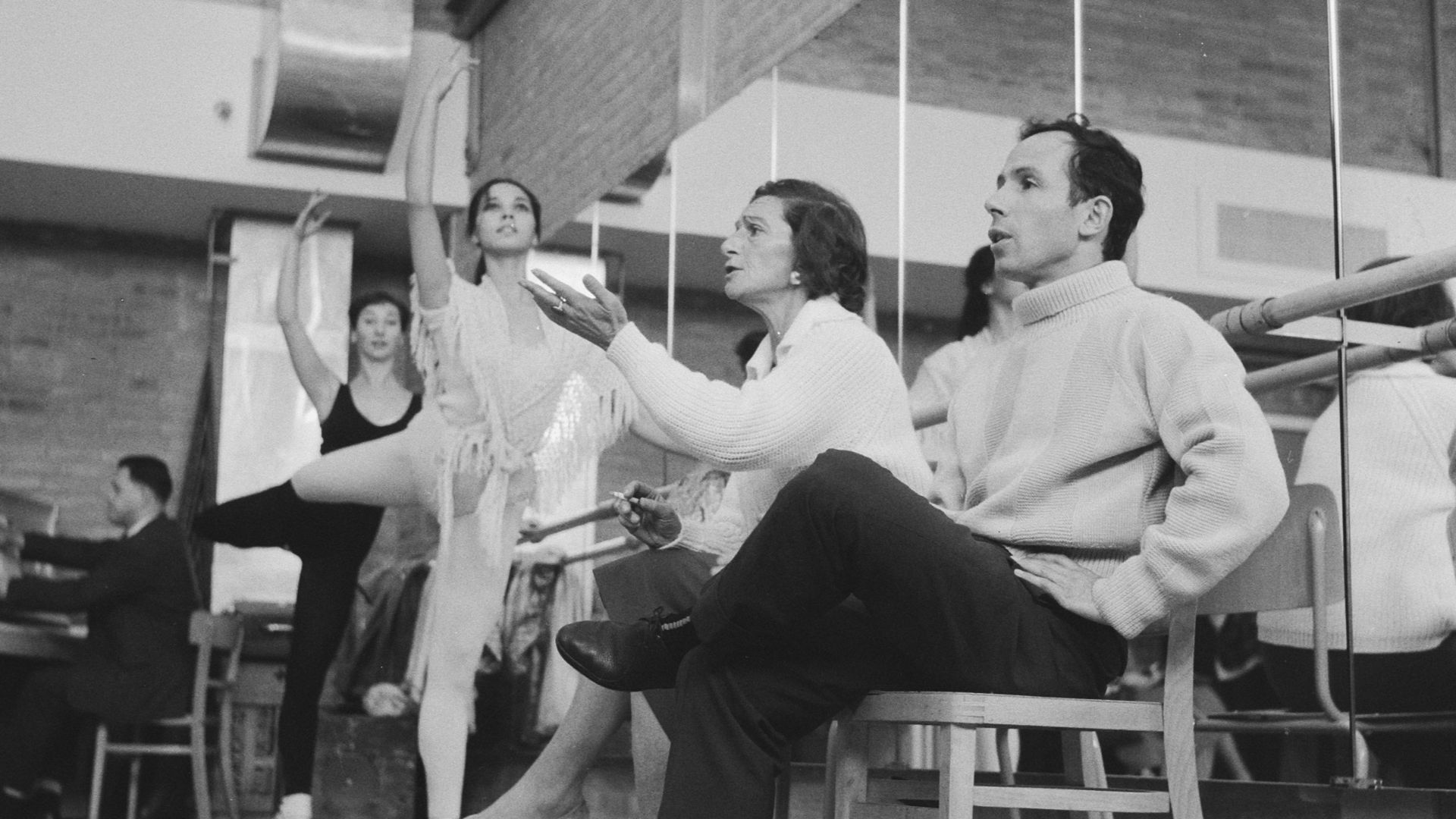 Jack de Nijs for Anefo, Wikimedia Commons
Name Change Strategy
Professional necessity drove the change. Arriving in London in 1948 with just ten dollars, eighteen-year-old Edda Hepburn-Ruston needed a memorable stage name. She dropped "Edda" entirely, adopted "Audrey," and simplified to just "Hepburn"—giving herself what she called “a boost”.
 Trailer screenshot, Wikimedia Commons
Five Devastating Miscarriages
"My miscarriages were more painful to me than anything ever, including my parents' divorce and the disappearance of my father," Audrey confessed. Between 1955 and 1974, she suffered multiple pregnancy losses. The second came at six months—a baby girl. She'd fallen off a horse during filming of The Unforgiven, breaking her back.
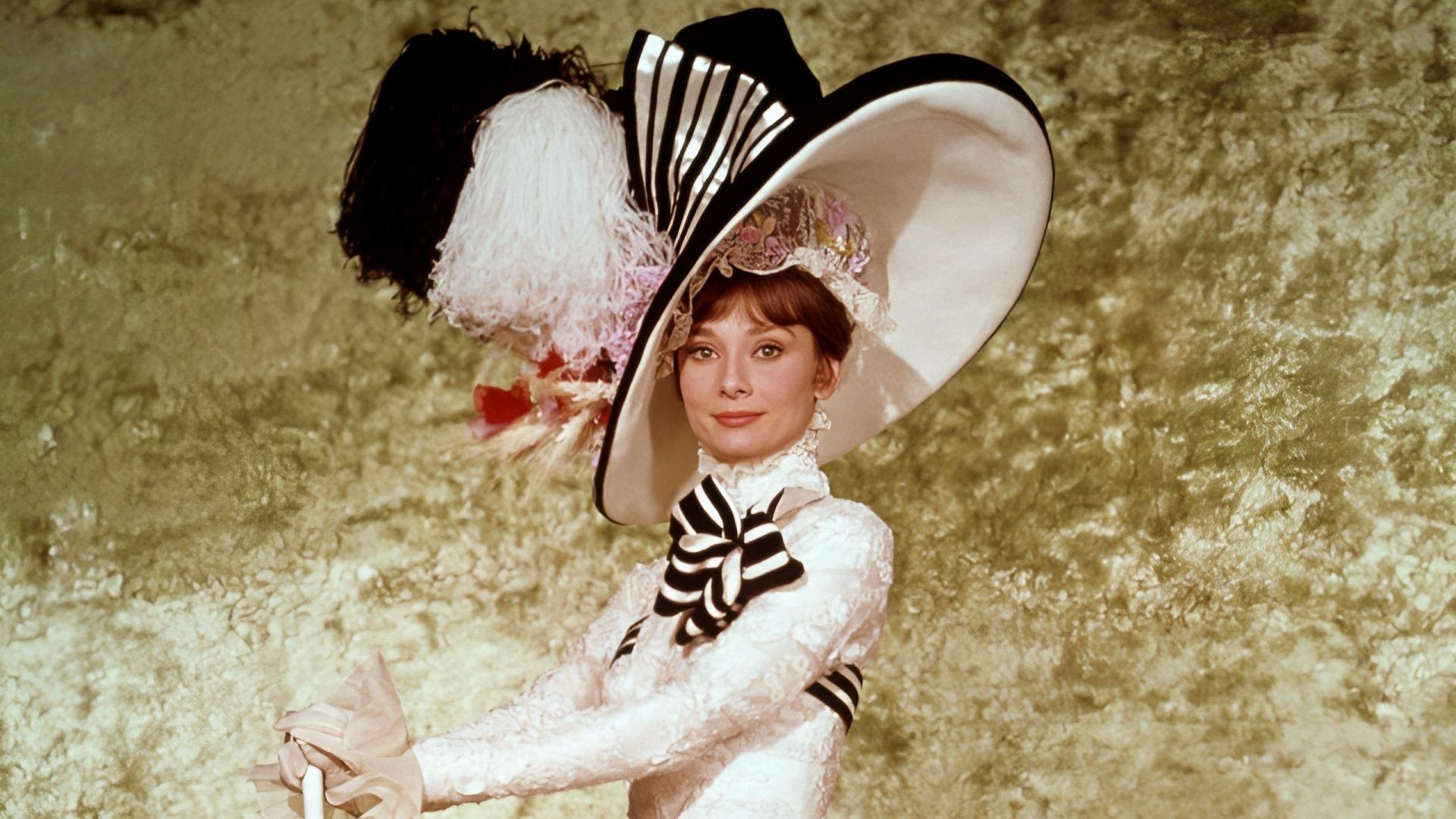 Cecil Beaton, Wikimedia Commons
Anne Frank Refusal
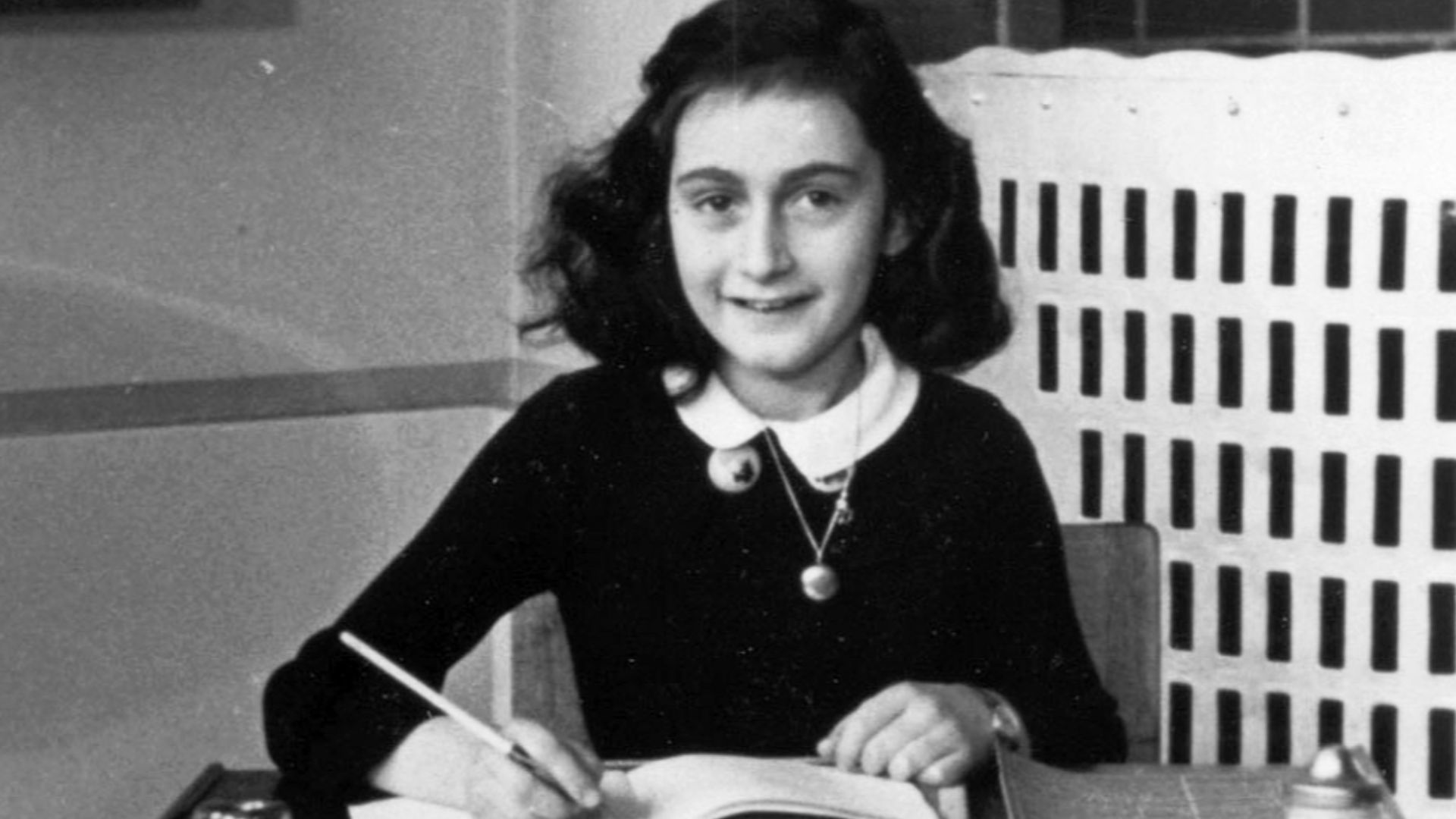
They were born in the same year, lived sixty miles apart, and endured the same occupation. Anne Frank's father, Otto, personally asked Audrey to portray his daughter in the 1959 film. She read the diary repeatedly and found her uncle's execution mentioned: “Five hostages shot today”.
 Unknown photographer; Collectie Anne Frank Stichting Amsterdam, Wikimedia Commons
Rejected Major Roles
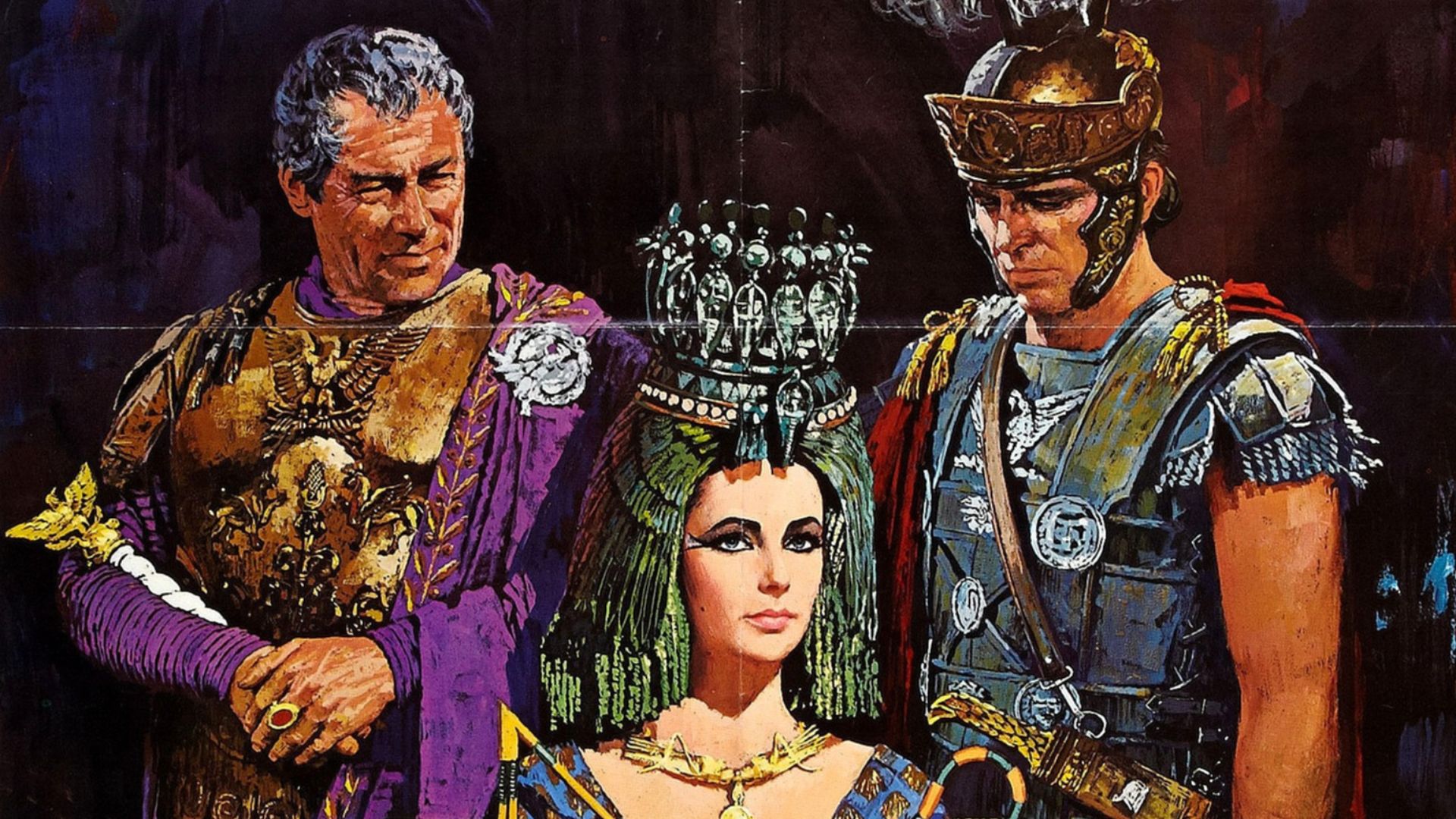
Hollywood's biggest missed opportunities bear Audrey's name. She turned down The Exorcist and Cleopatra. Parts that later defined other actresses passed through her hands first, reshaping film history by absence rather than presence.
 Howard Terpning, Wikimedia Commons
Controlling First Marriage
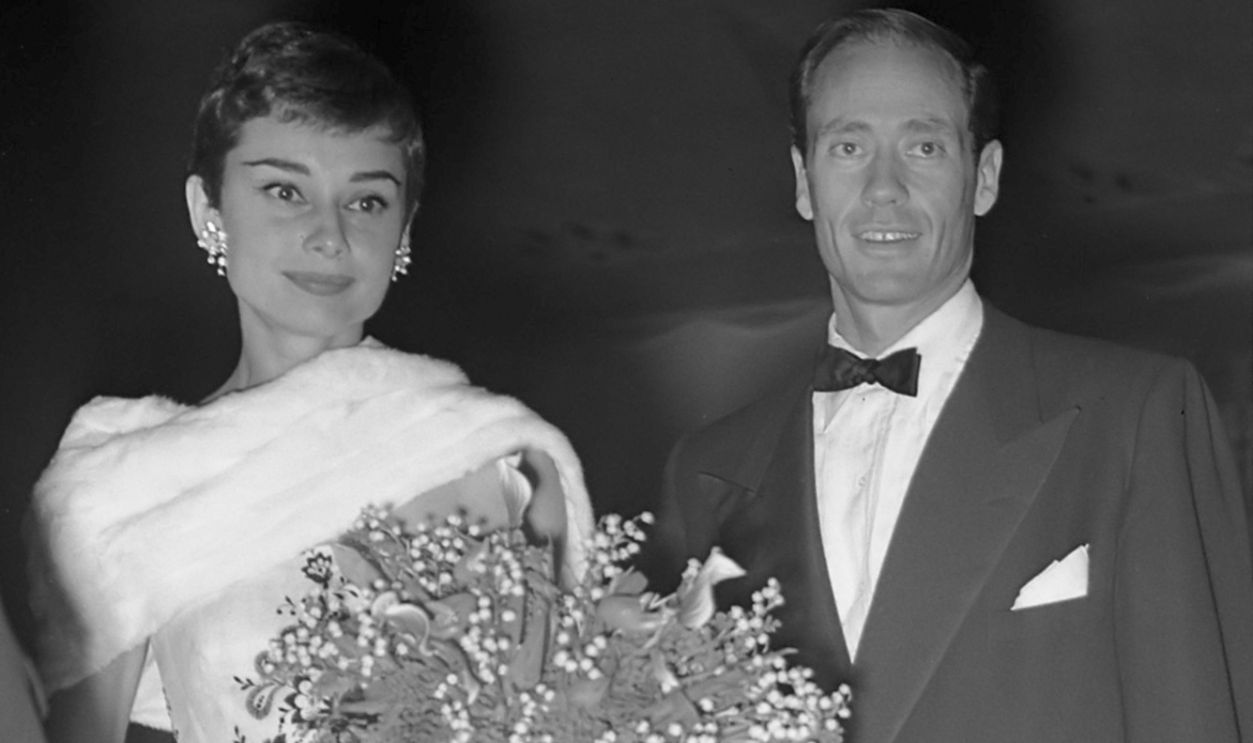
Actor Mel Ferrer, twelve years Audrey's senior, with four children from previous marriages, micromanaged every aspect of her life after their 1954 wedding. Colleagues called him her "Svengali”. He reportedly controlled which roles she accepted, isolated her from friends, and demanded constant attention.
 Joop van Bilsen for Anefo, CC0, Wikimedia Commons
Switzerland Escape
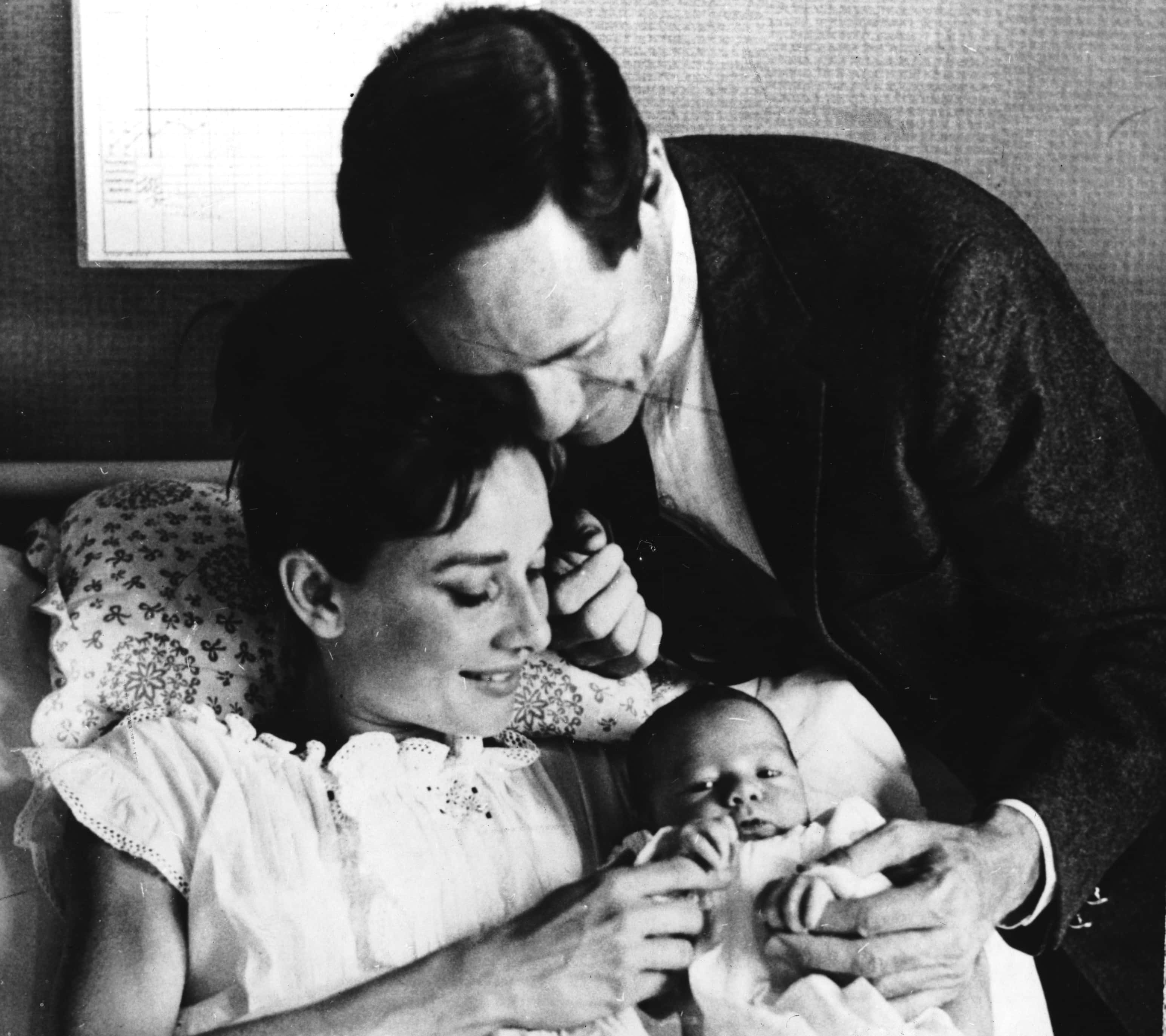
Why Switzerland? In 1960, after Sean's birth, Audrey deliberately chose French-speaking Tolochenaz—avoiding German-speaking regions entirely. Hearing German triggered her wartime trauma so severely that she couldn't bear her son learning it in school. She purchased the twenty-one-room estate "La Paisible”.
Career For Motherhood
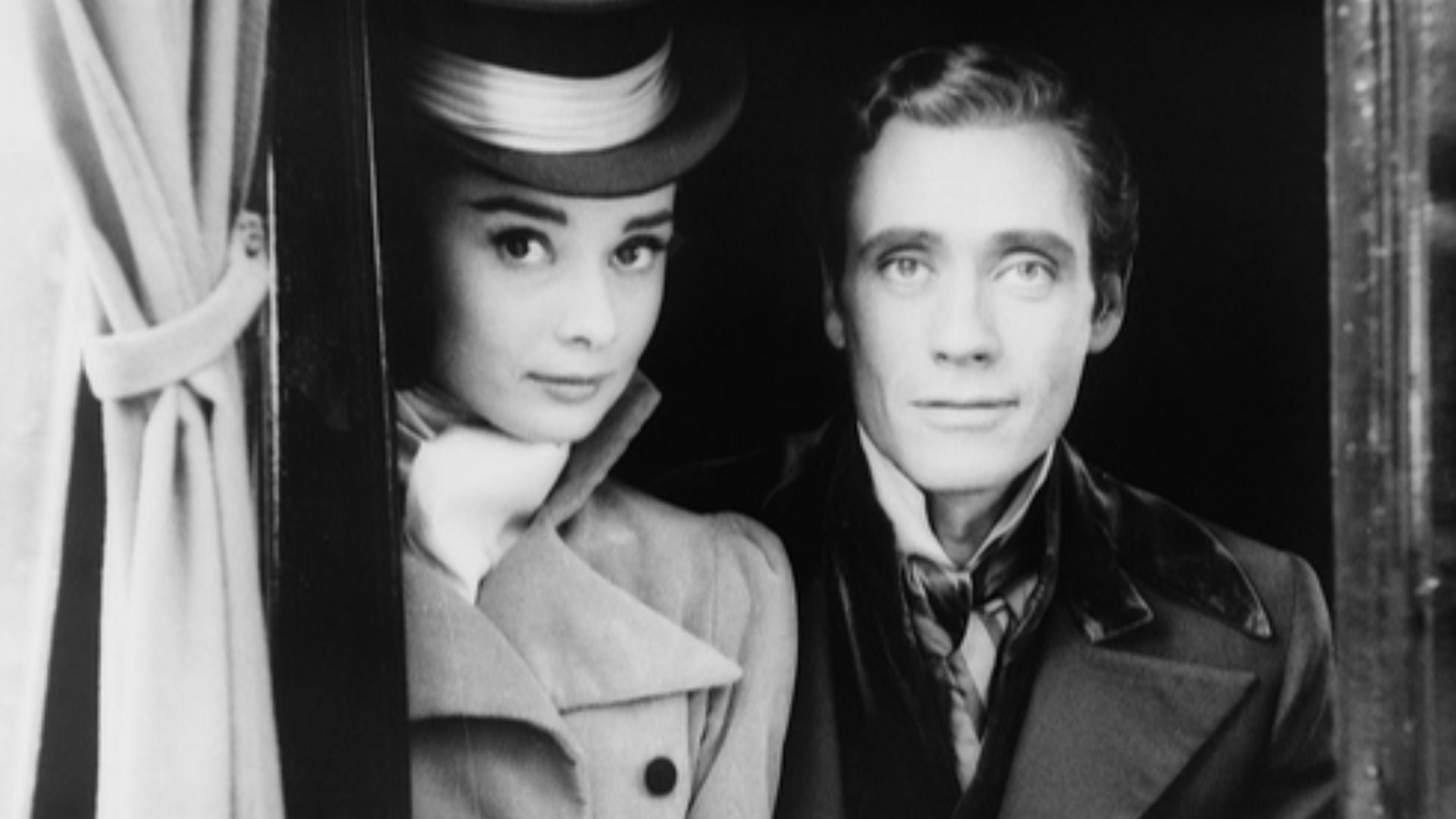
One event changed everything: when Sean started school and couldn't travel to film sets anymore, Audrey chose to walk away from Hollywood at the height of her fame, becoming what she called "a full-time mom”. From 1967 to 1976, she worked only sporadically.
 Milton H. Greene for LOOK Magazine, Wikimedia Commons
Second Husband's Infidelities
Italian psychiatrist Andrea Dotti seemed perfect when they married in 1969. Reality proved brutal. While Audrey stayed pregnant with Luca, Dotti was spotted with many different women throughout their thirteen-year marriage. Their maid finally revealed he brought women home while Audrey traveled.
 Erling Mandelmann, CC-BY-SA-3.0, Wikimedia Commons
Hands-On Parenting
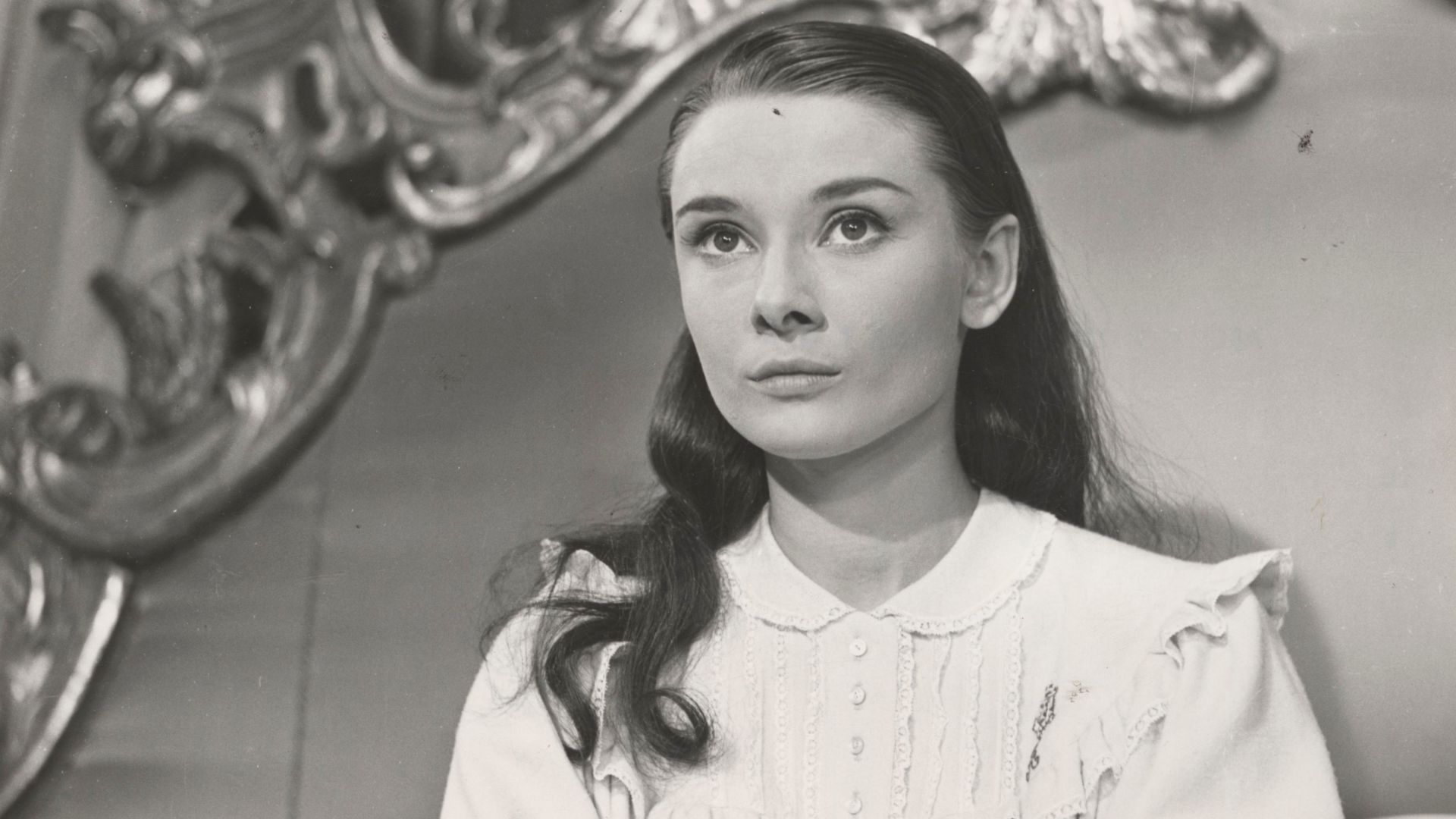
Her sons Sean and Luca discovered their mother's fame accidentally—awards and costumes hidden in their Swiss attic. "My mother was very present—picking me up at school, worrying about education," Luca recalled. She didn't drive but walked everywhere, having long conversations.
 Unknown author, Wikimedia Commons
$1 Yearly Salary
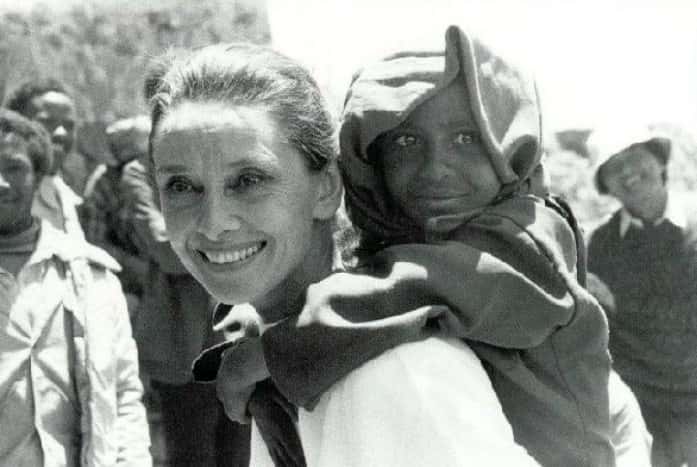
It is said that UNICEF paid Audrey exactly one dollar annually as a Goodwill Ambassador from 1988 to 1993. She accepted no other compensation despite traveling to over twenty countries, giving up to fifteen interviews daily, and visiting war zones.
Somalia War Zones
In September 1992, Audrey flew into Mogadishu during active civil war, landing among heavily armed rebels and bullet-riddled buildings. For three days, she toured Central Somalia in a twin-engine plane, visiting feeding centers while gunfire echoed nearby. She stepped away from the cameras, overwhelmed, and cried.
 Maureen Keating, Wikimedia Commons
Terminal Illness Missions
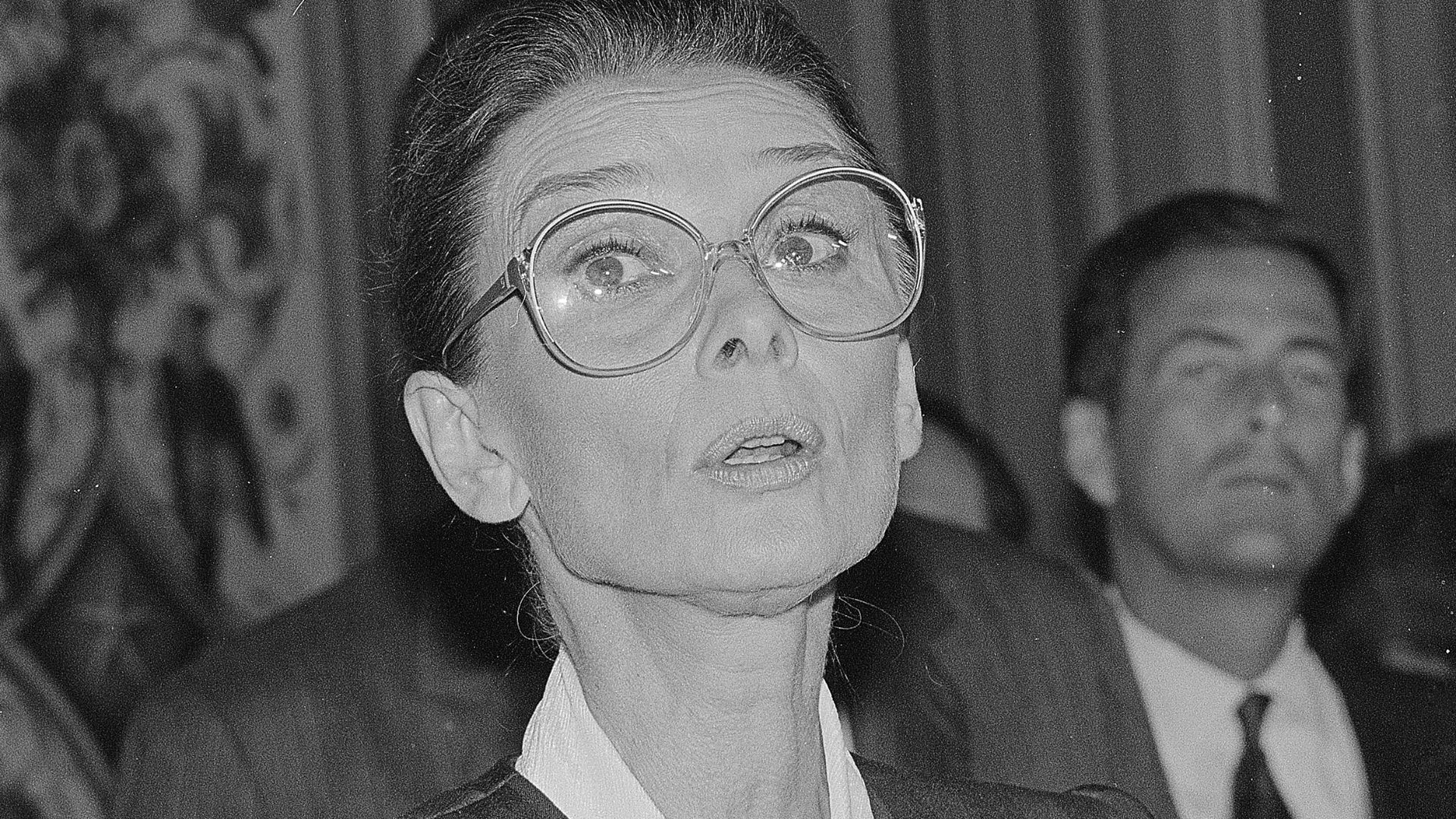
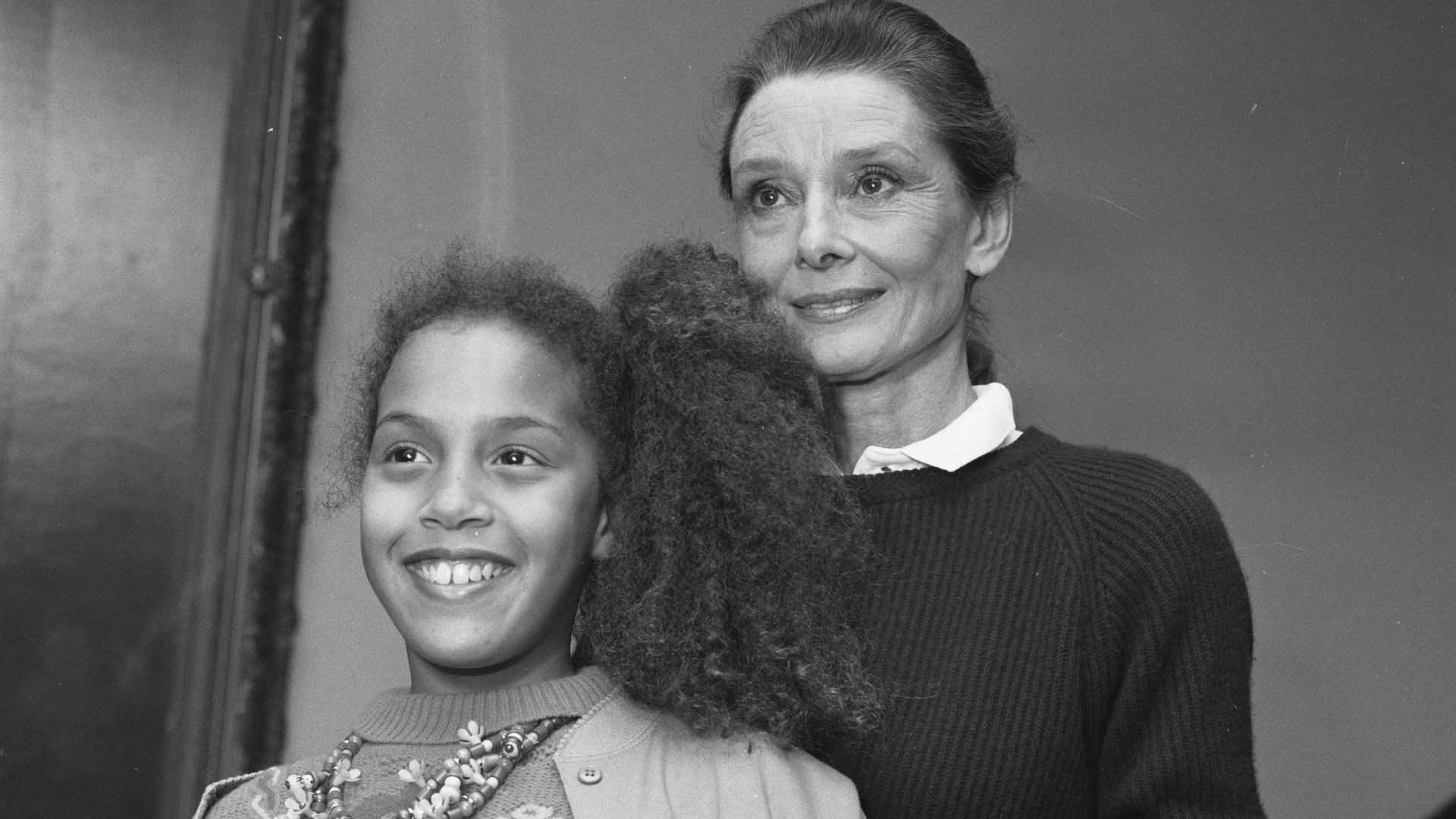
Already battling colon cancer in 1992, the star refused to stop. She traveled to Somalia, Kenya, Switzerland, France, the United Kingdom, and the United States while terminally ill. On the USS Tarawa, she personally thanked each soldier for their humanitarian work.
 Rob Bogaerts / Anefo, Wikimedia Commons
Colon Cancer Diagnosis
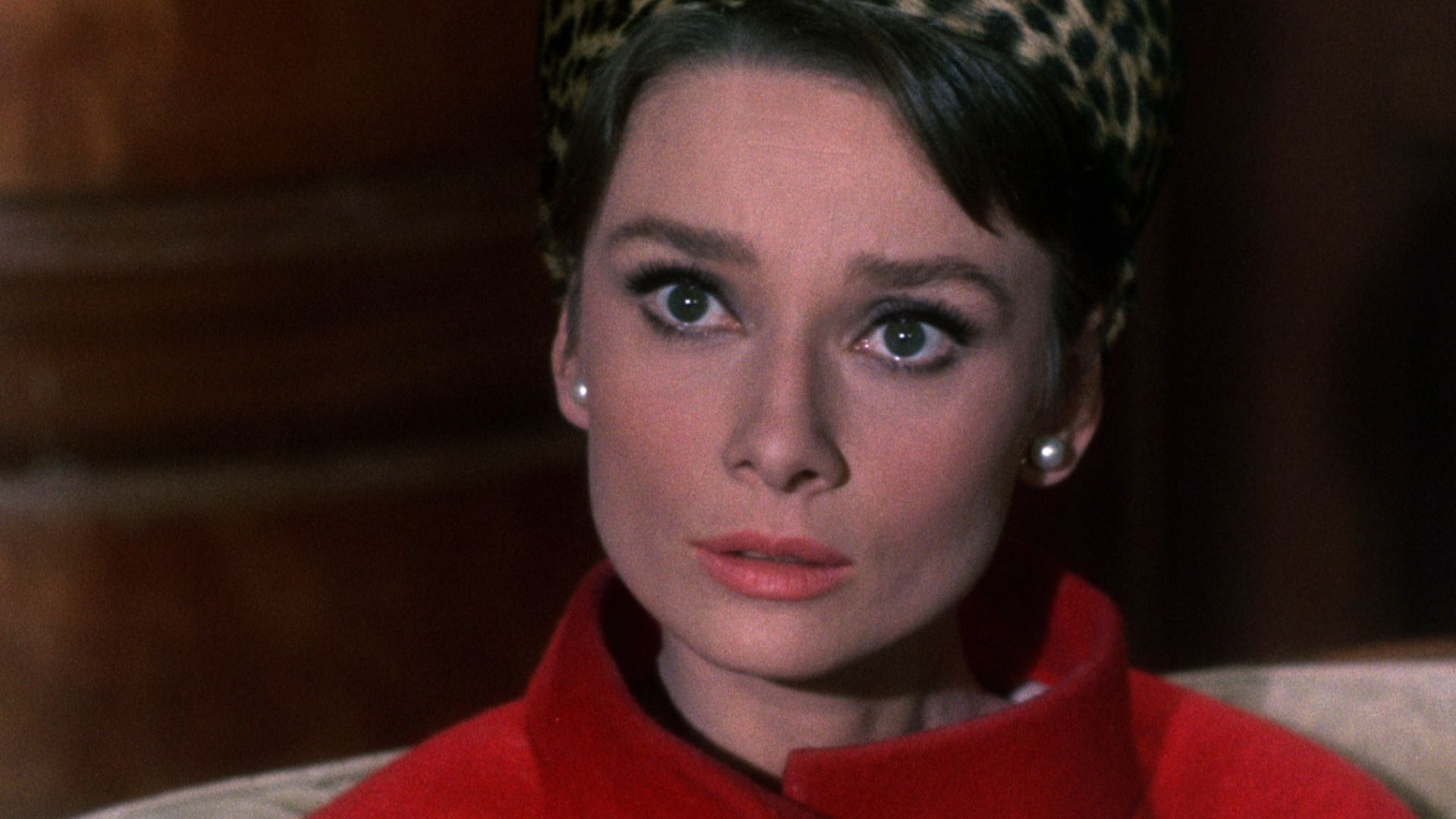
Doctors discovered appendiceal cancer that had spread throughout her abdomen. Surgery followed that November in 1992 at Cedars-Sinai Medical Center, but the disease had progressed too far. She received the Presidential Medal of Freedom in December while dying. Chemotherapy offered no hope; doctors gave her months.
 Film screenshot, Wikimedia Commons
Demise
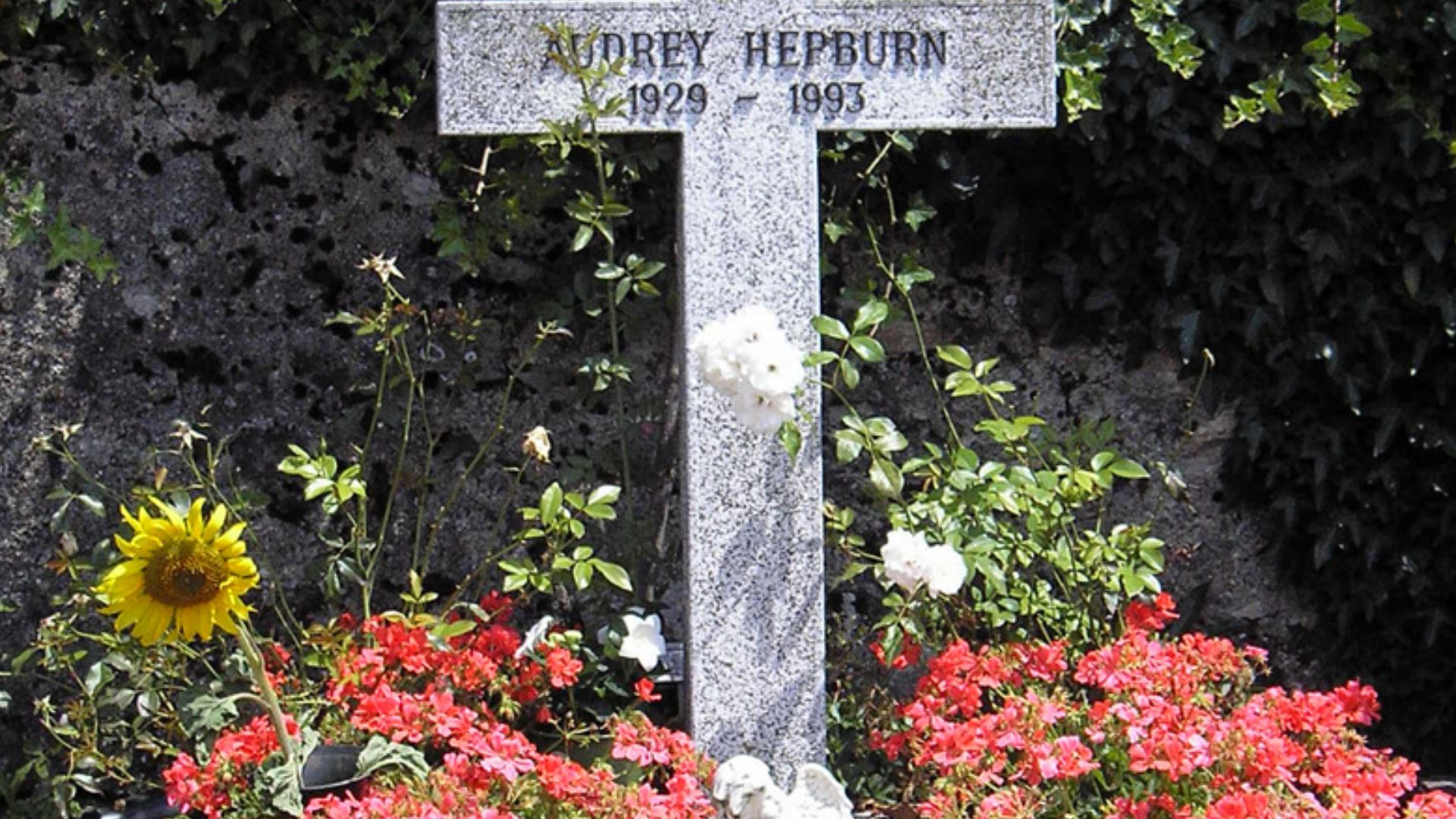
On January 20, 1993, Audrey Hepburn passed away at La Paisible, her Swiss sanctuary, surrounded by her two sons and longtime partner Robert Wolders. She'd lived exactly sixty-three years, eight months, and sixteen days. The individual was buried in Tolochenaz cemetery.
 Alexandra Spürk (Alexi), Wikimedia Commons