Lost in the Record Collection
Some rock albums never really disappear. They just get buried under the same five “greatest albums ever” lists everyone keeps recycling. We all know the obvious classics.
But every decade has a few records that were huge, brilliant, or quietly beloved—and then somehow got left behind in future conversations. Well, we’re talking about them again. So be honest: how many do you actually remember?
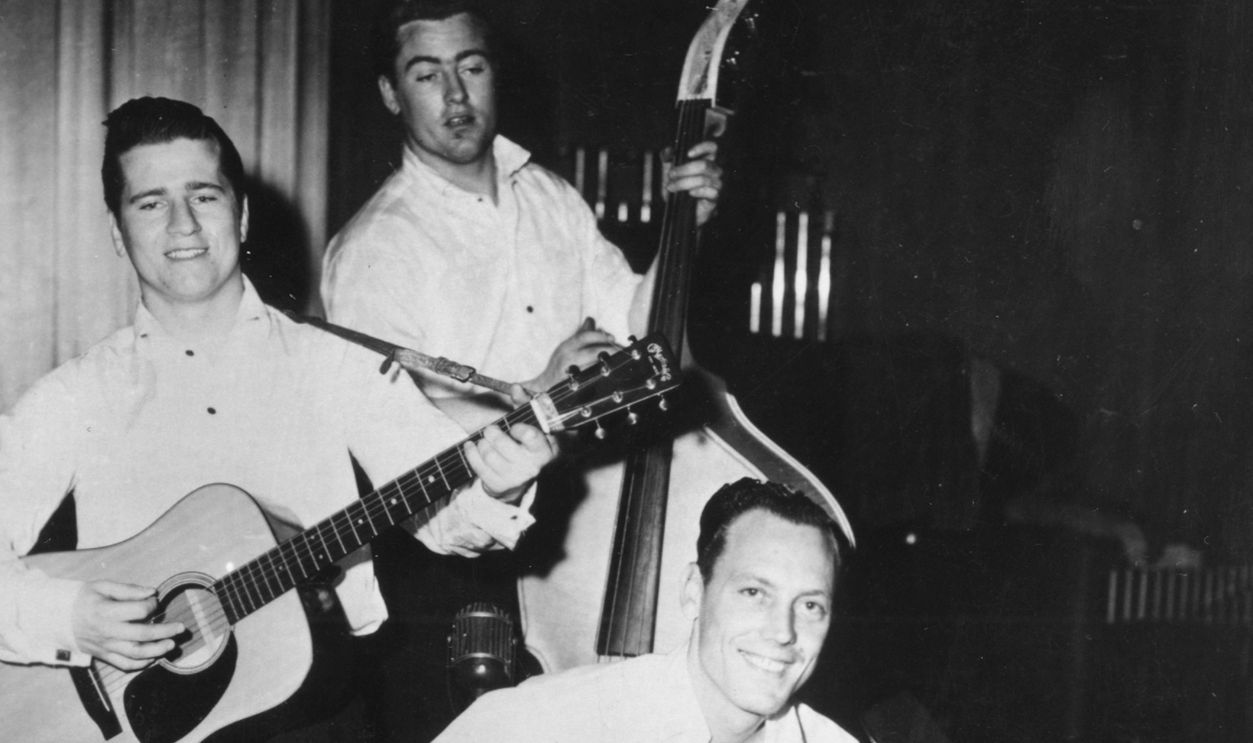
1956: Johnny Burnette and the Rock 'n Roll Trio (Johnny Burnette and the Rock 'n Roll Trio)
Before rock and roll got polished, it sounded like this: nervous, loud, reckless, and one bad decision away from getting banned somewhere. Johnny Burnette and his band never became Elvis-level famous, but this album helped shape rockabilly with frantic guitars and raw energy that later bands kept borrowing from whether they admitted it or not.
 Michael Ochs Archives, Getty Images
1957: Here's Little Richard (Little Richard)
Little Richard did not ease rock and roll into the room. He kicked the door open and screamed until everyone paid attention. This album has Tutti Frutti, Long Tall Sally, Ready Teddy, and Rip It Up, which is almost unfair. Somehow, though, people talk about Little Richard’s influence more than they talk about this actual record.
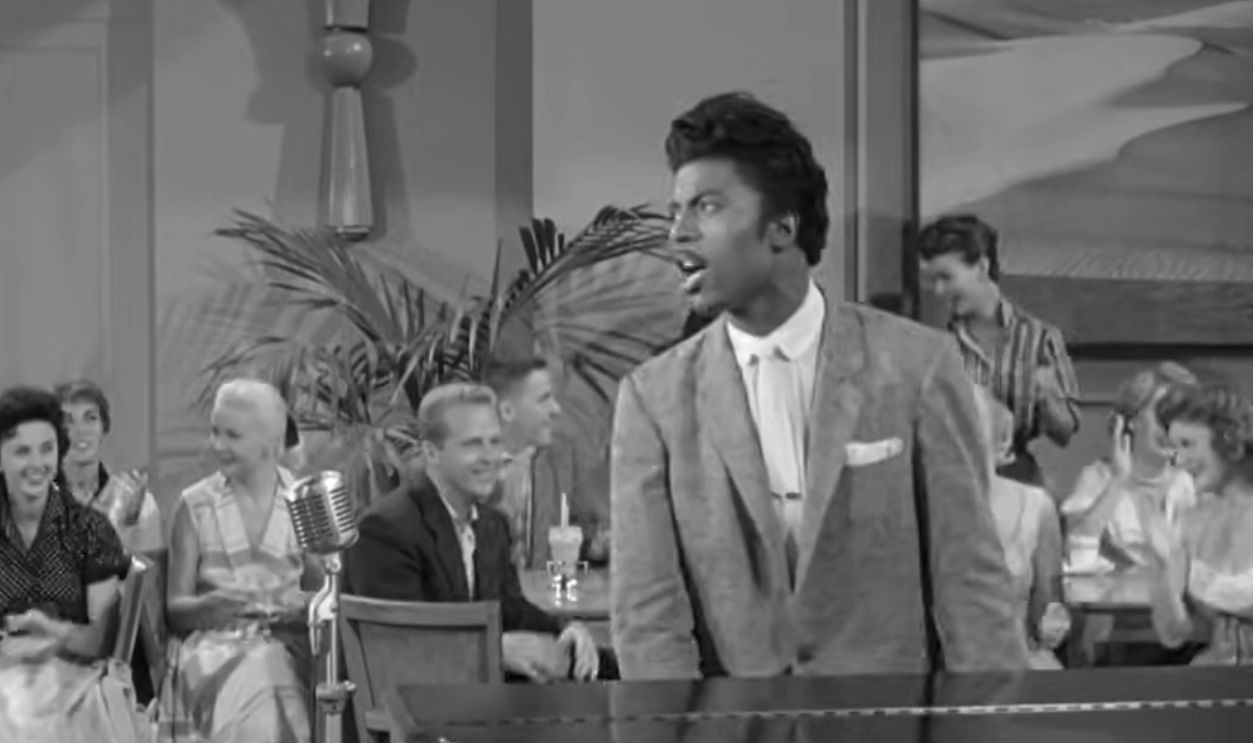 Screenshot from Here's Little Richard, Specialty Records (1957)
1958: King Creole (Elvis Presley)
Most Elvis soundtrack albums are not exactly where people go looking for essential rock history. King Creole is the exception. Elvis still sounded hungry here, the songs had bite, and the whole thing feels tougher than a lot of the movie music that came later. The film gets remembered. The album deserves more credit.
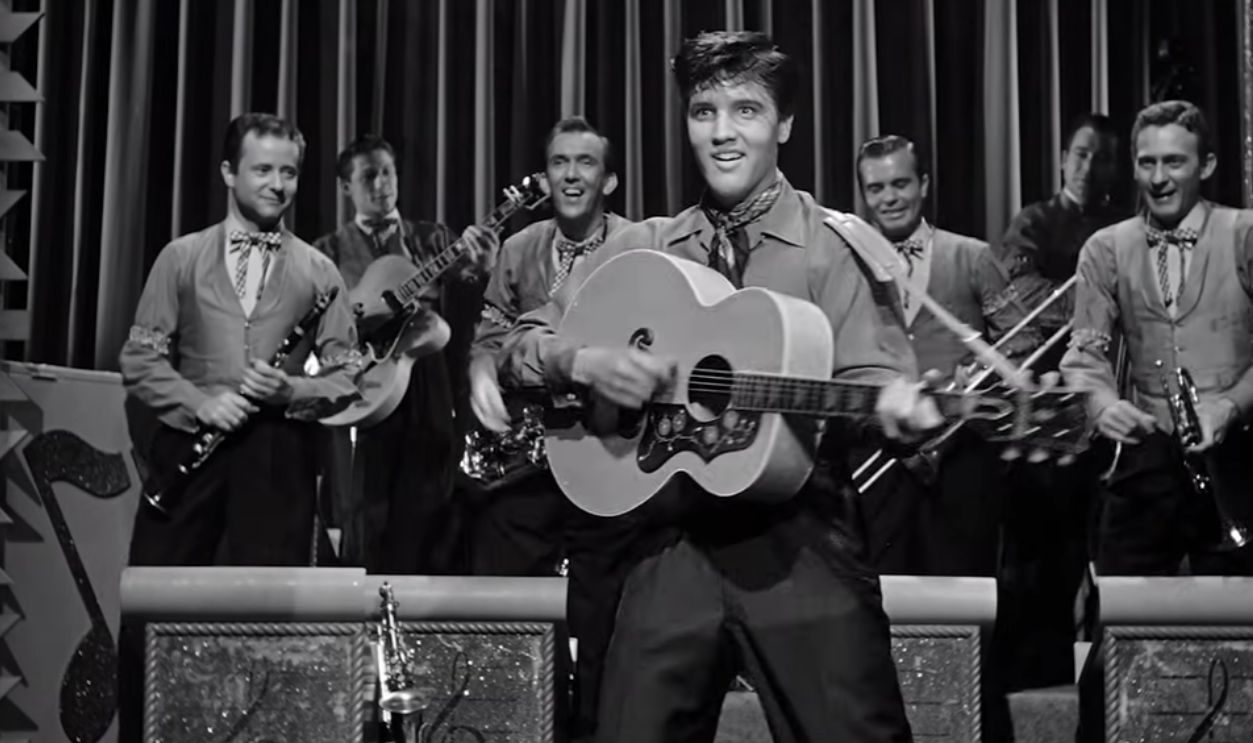 Screenshot from King Creole, Paramount Pictures (1958)
1967: Forever Changes (Love)
This is the kind of album that makes music people nod very seriously, which is usually a warning sign. But in this case, they’re right. Forever Changes is strange, beautiful, uneasy, and still totally its own thing. It got buried in a year stuffed with legendary records, but it never should have been left to the critics alone.
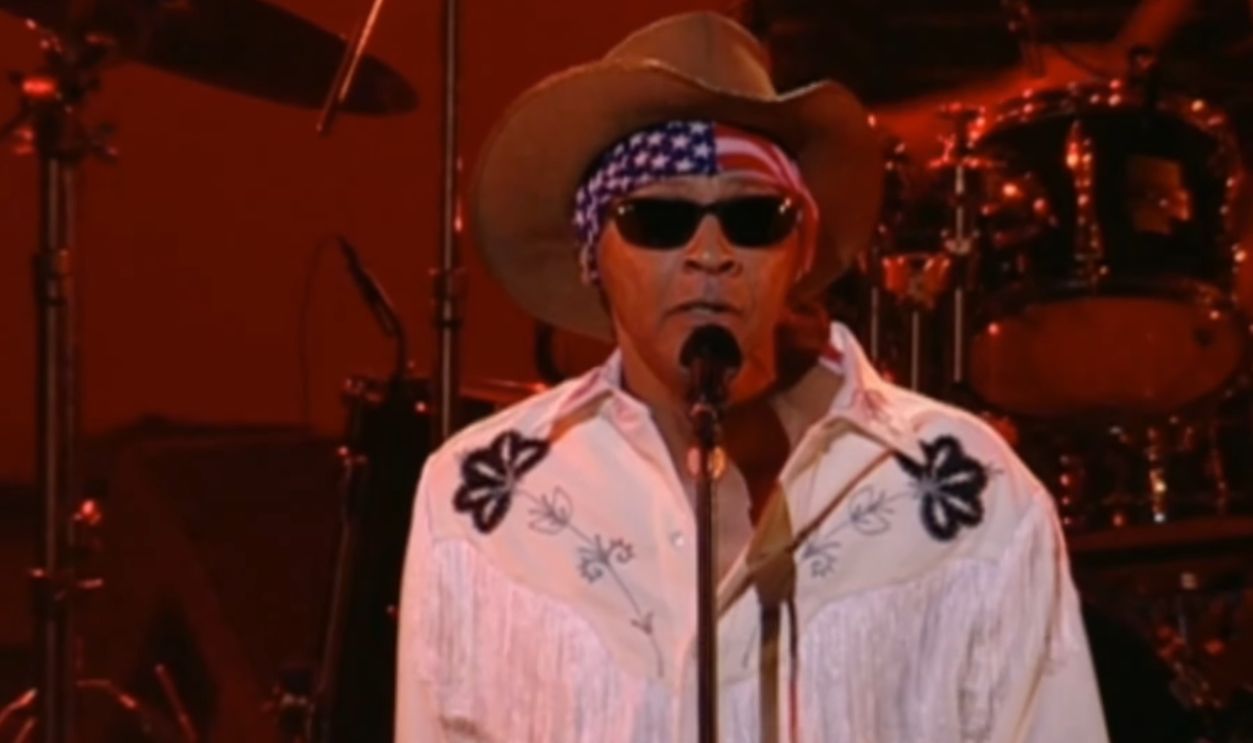 Screenshot from Forever Changes, Elektra Records (1967)
1969: Odessa (Bee Gees)
The Bee Gees were not always the guys in white suits making disco history. Before that, they were making big, dramatic, wildly ambitious records like Odessa. It is full of harmonies, orchestration, and moody rock moments that sound nothing like what most people expect from them. Honestly, that might be why it’s so fun to revisit.
 Screenshot from Odessa, Polydor Records (UK) (1969)
1969: Willy and the Poor Boys (Creedence Clearwater Revival)
CCR released so much good music so quickly that even some of their best albums get treated like background noise now. Willy and the Poor Boys has Fortunate Son and Down on the Corner, which should be enough right there. But the whole album is tight, rootsy, and ridiculously easy to play straight through.
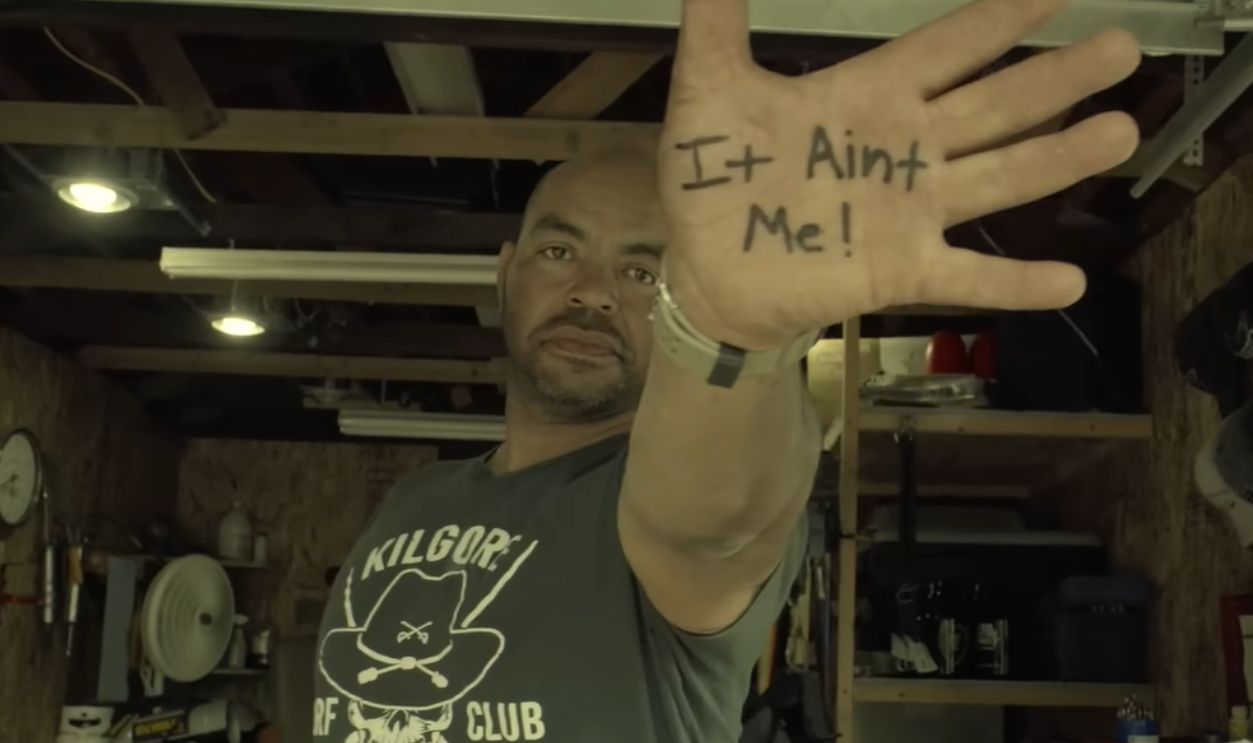 Screenshot from Fortunate Son, Fantasy Records (1969)
1971: Madman Across the Water (Elton John)
Everyone knows Tiny Dancer. Plenty of people know Levon. But ask how many people actually talk about Madman Across the Water as one of Elton John’s great albums, and the room gets quieter. It came right before his biggest superstar run, but the songs, drama, and piano-powered sweep are already fully there.
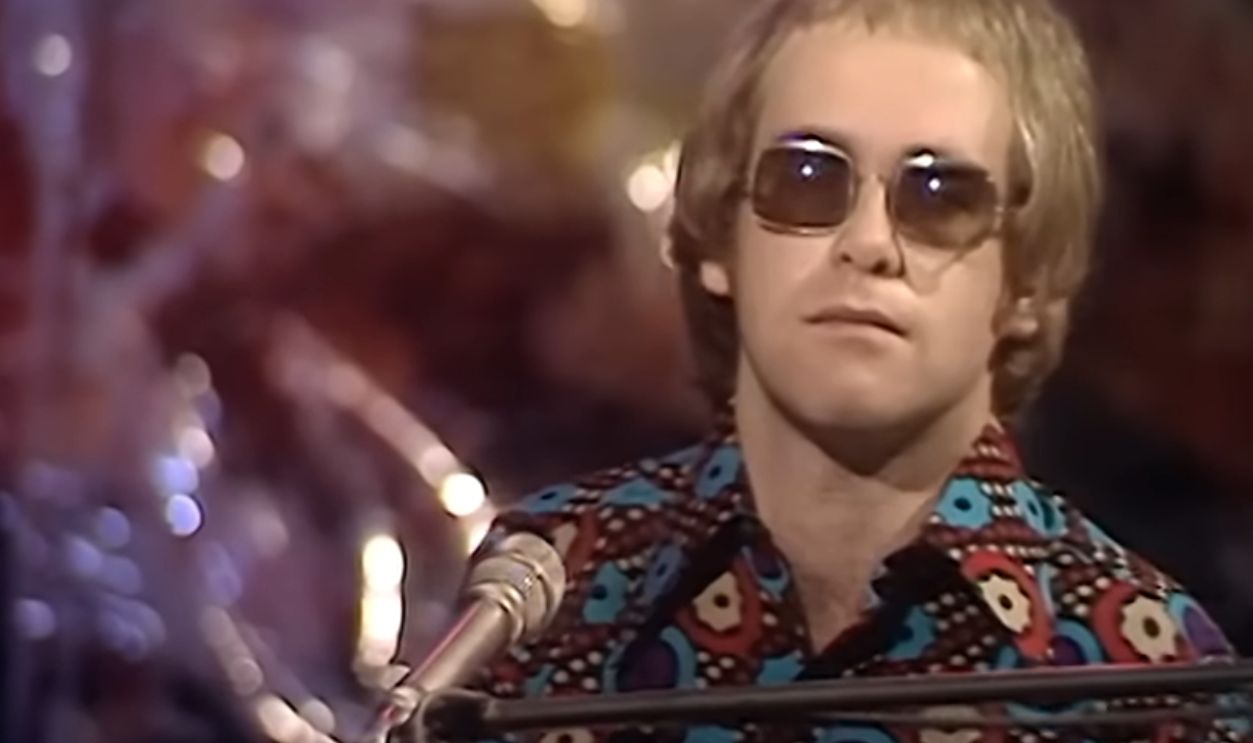 Screenshot from Madman Across the Water, DJM Records (UK) (1971)
1974: Bridge of Sighs (Robin Trower)
Every 70s guitar guy had an opinion on Robin Trower, and most of them were probably correct. Bridge of Sighs is bluesy, smoky, and absolutely loaded with tone. It is not the kind of album that screams for attention. It just sits there sounding cooler than almost everything around it.
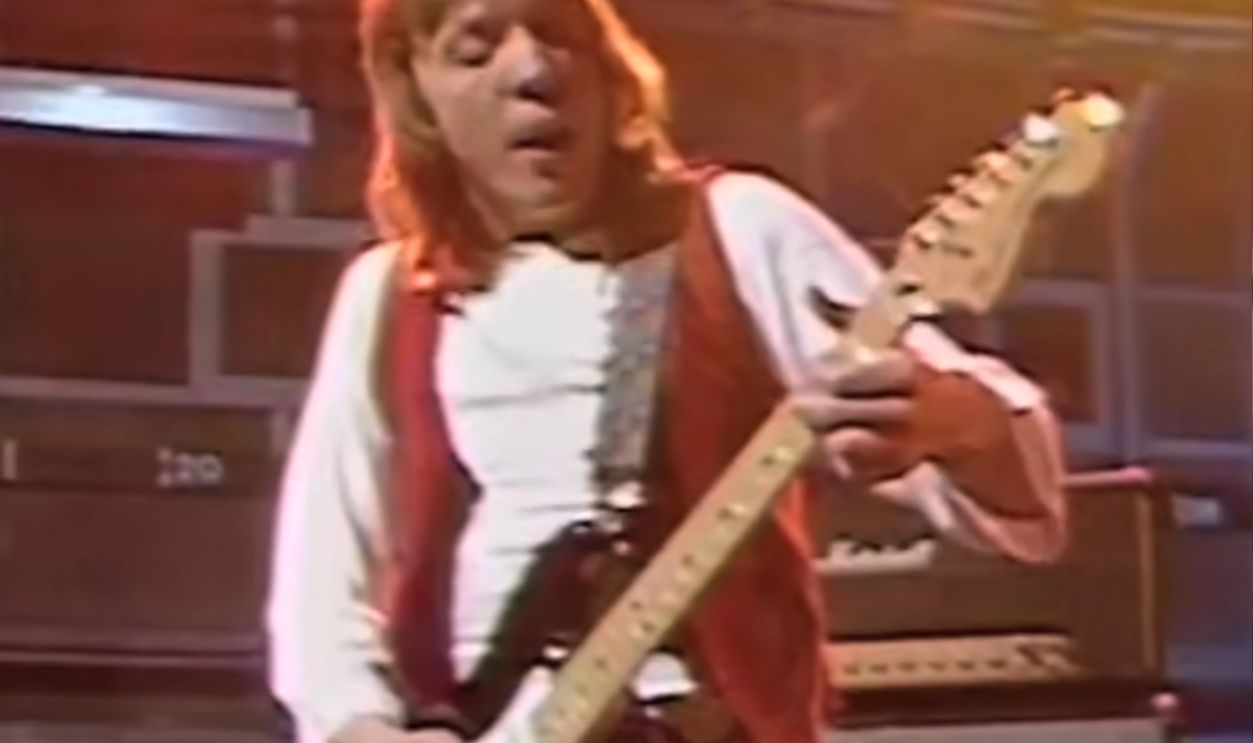 Screenshot from Bridge of Sighs, Chrysalis Records (1974)
1974: Crime of the Century (Supertramp)
Before Breakfast in America made Supertramp impossible to avoid, they made this weird, polished, strangely emotional album that a lot of fans still swear by. Crime of the Century has the hooks, the drama, and the big studio sound. It just doesn’t get brought up as much as it should, probably because the later hits stole the room.
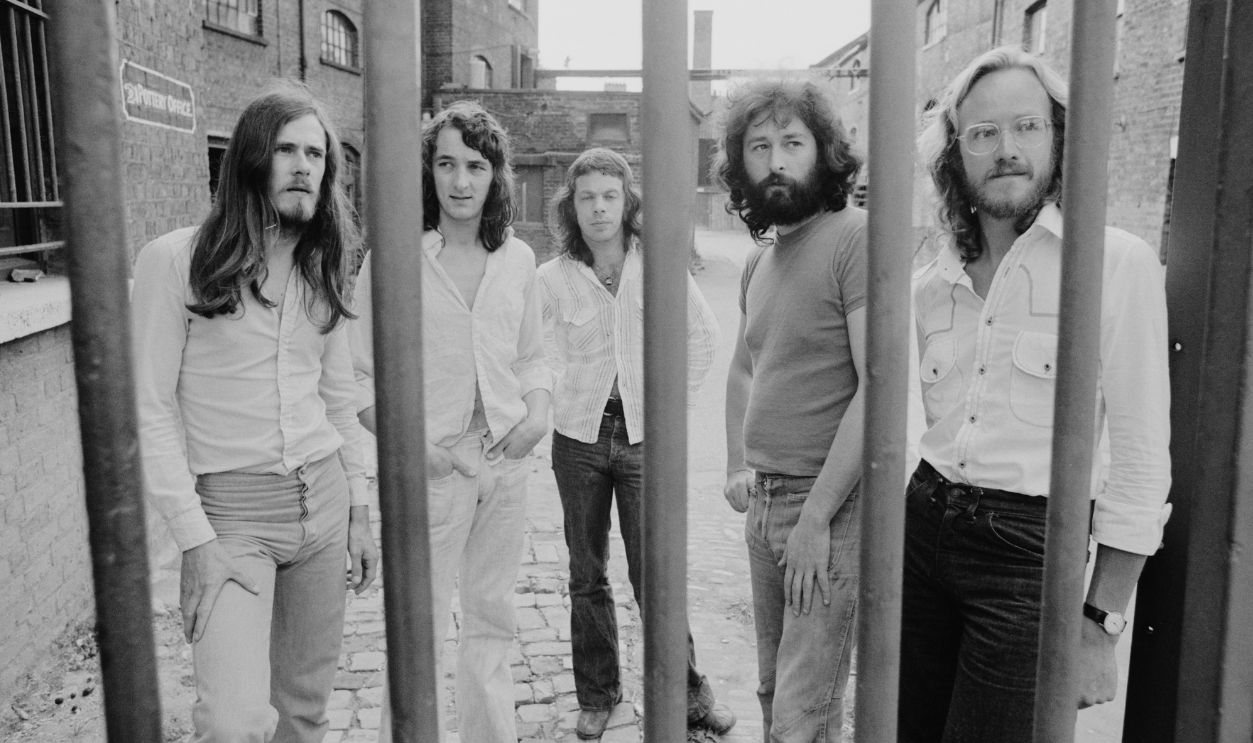
1983: Eliminator (ZZ Top)
This one is almost too famous to be forgotten, except people remember the videos more than the album. The car, the beards, the MTV makeover—all of it became the story. But Eliminator still has Sharp Dressed Man, Legs, and Gimme All Your Lovin’, and those riffs have aged better than half the decade.
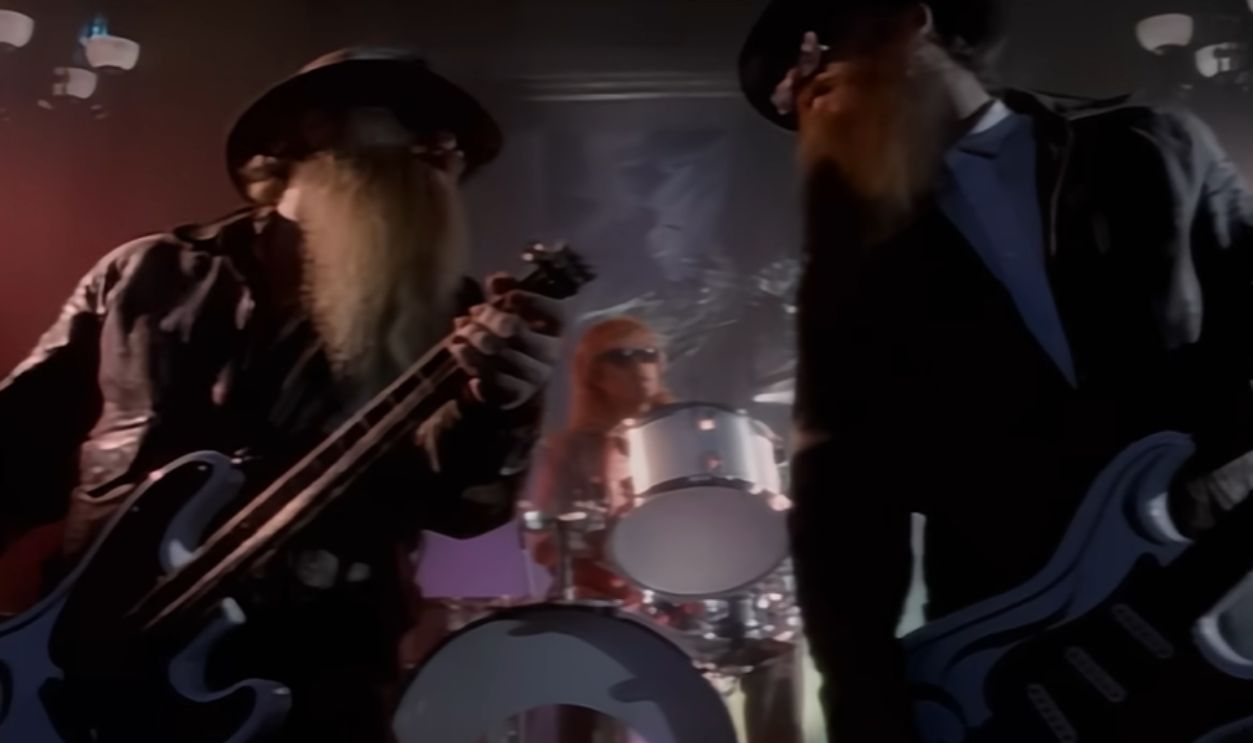 Screenshot from Sharp Dressed Man, Warner Bros. Records (1983)
1984: Perfect Strangers (Deep Purple)
Deep Purple had nothing left to prove by 1984, which is exactly why Perfect Strangers still feels like such a pleasant surprise. The classic lineup came back together and made a heavy, confident reunion album that actually worked. Everyone talks about their 70s peak, but this comeback deserves way more love than it gets.
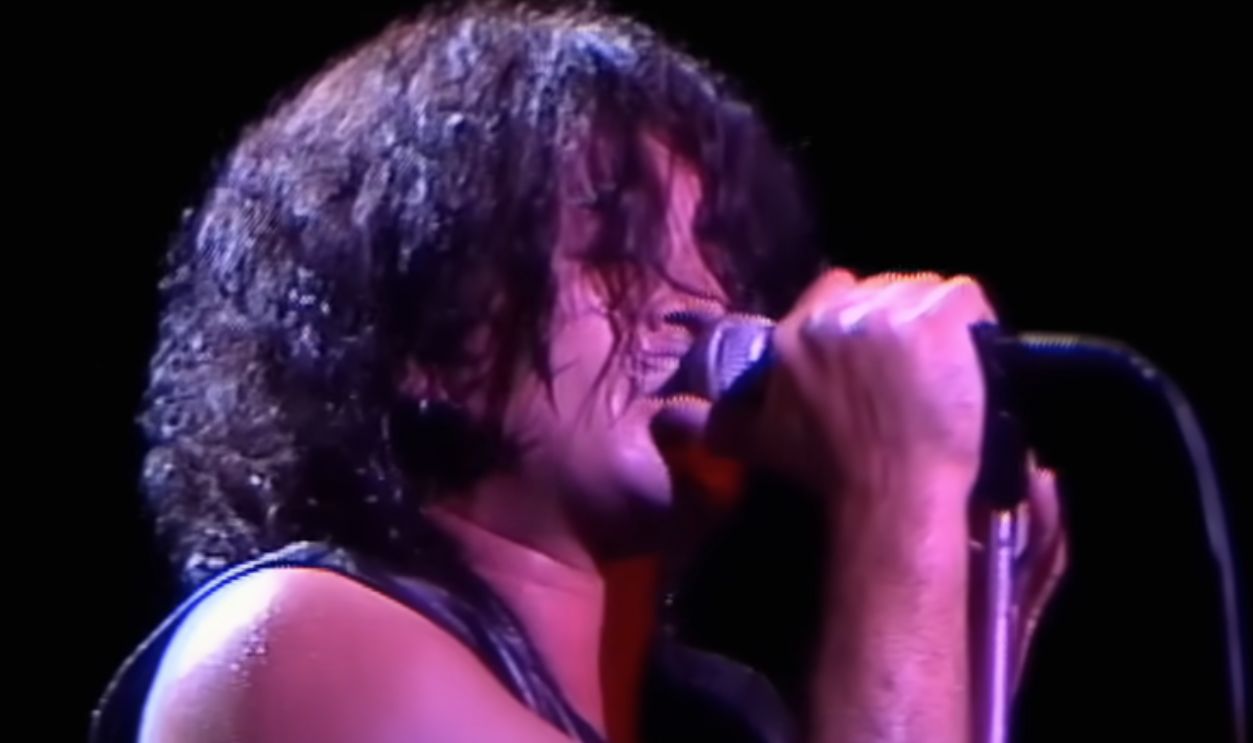 Screenshot from Perfect Strangers, Polydor Records (1984)
1989: The Seeds of Love (Tears for Fears)
Most people remember Tears for Fears through Songs from the Big Chair, which is fair. That album was massive. But The Seeds of Love deserves its own argument. It was bigger, stranger, more ambitious, and full of late-80s studio drama in the best possible way. Sowing the Seeds of Love got the attention, but the whole album deserves another listen.
 Screenshot from The Seeds of Love, Fontana (1989)
1992: Us (Peter Gabriel)
Following So was a brutal assignment. Most artists would have tried to make the same album again and hoped nobody noticed. Peter Gabriel went deeper instead. Us is emotional, layered, and full of songs like Steam, Digging in the Dirt, and Come Talk to Me. It was big at the time, then somehow got parked behind its older sibling.
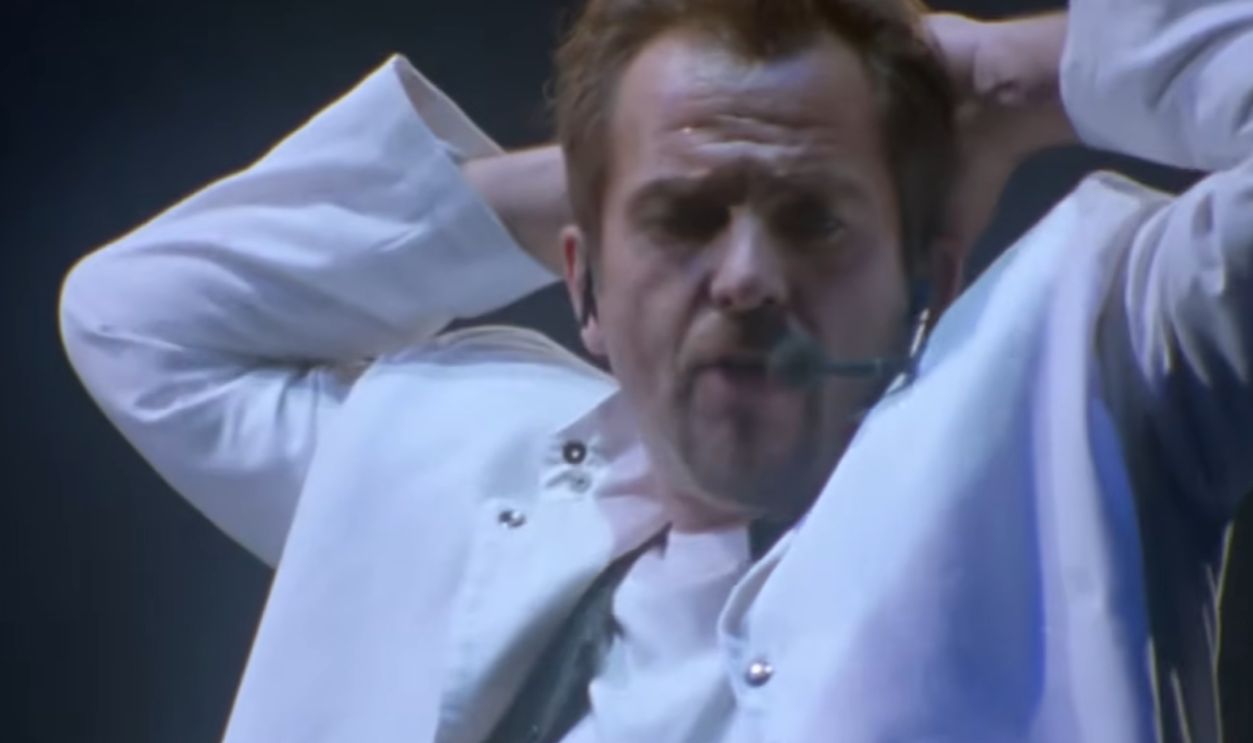 Screenshot from Steam, Geffen Records (1992)
1994: Amorica (The Black Crowes)
The Black Crowes could have made the safe version of their next album and probably sold a mountain of CDs. Instead, they made Amorica, a loose, bluesy, swaggering record that did not seem especially interested in behaving. The cover got too much of the attention, which is annoying because the music is the real story here.
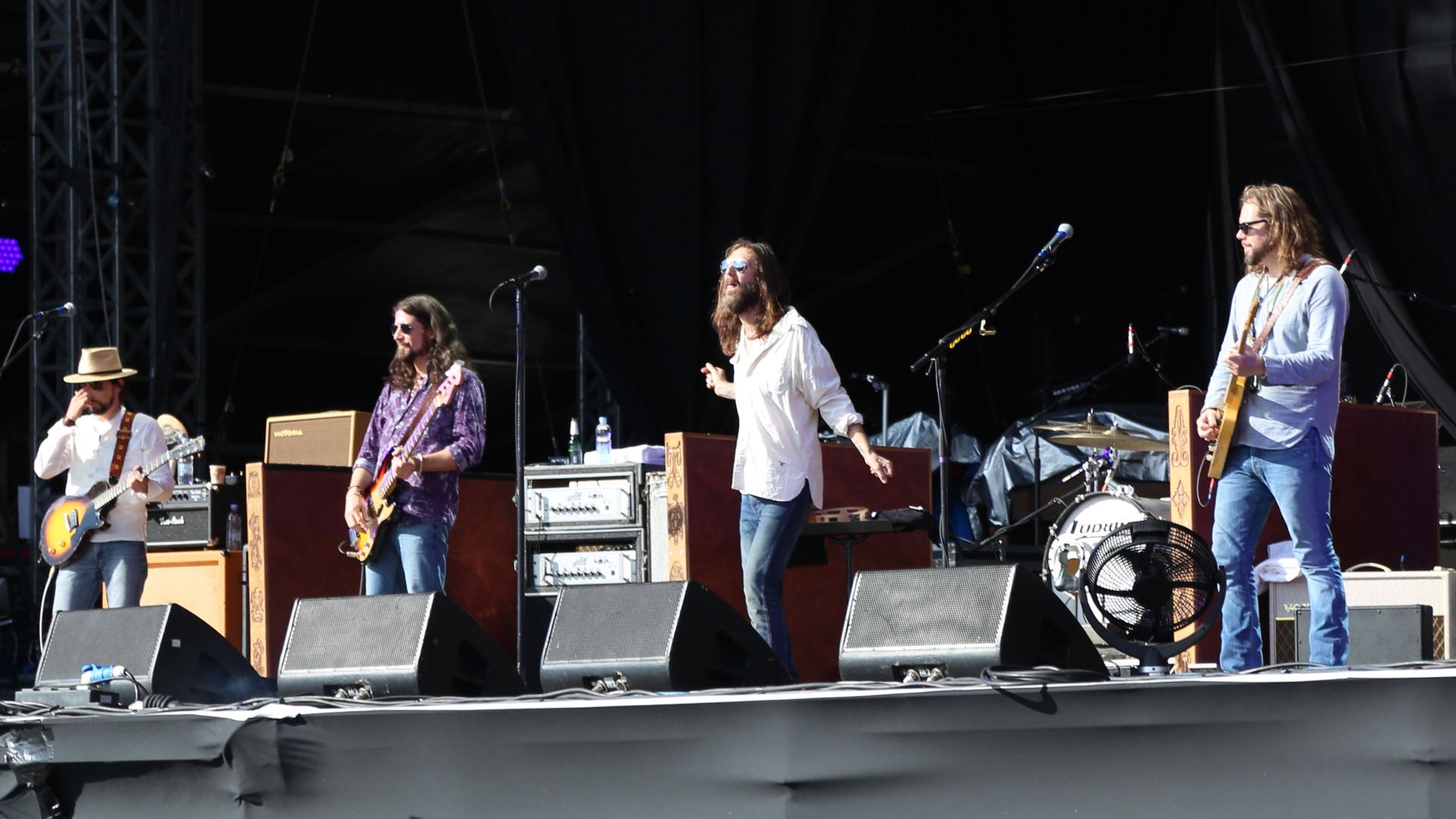
1994: Day for Night (The Tragically Hip)
In Canada, The Tragically Hip were not just a band. They were practically a national mood. But outside Canada, too many people missed Day for Night, which is a shame because it is dark, strange, and seriously powerful. Grace, Too and Nautical Disaster alone should have made more American listeners pay attention.
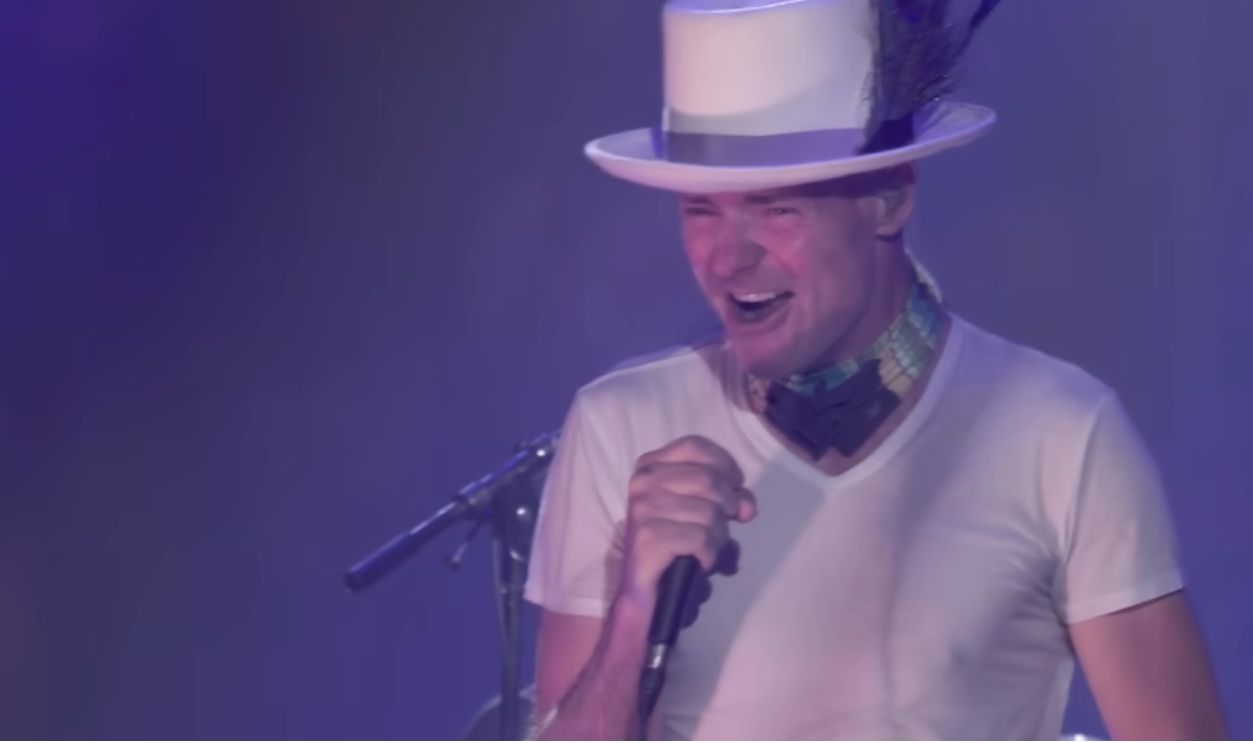 Screenshot from Grace, Too, MCA Records (1994)
2003: Say You Will (Fleetwood Mac)
A new Fleetwood Mac album with Lindsey Buckingham and Stevie Nicks back in the same orbit should have stayed a bigger deal. For a minute, Say You Will felt like an event. Then it somehow slipped back behind Rumours, Tusk, and all the drama people would rather keep rehashing. The album is better than its current reputation.
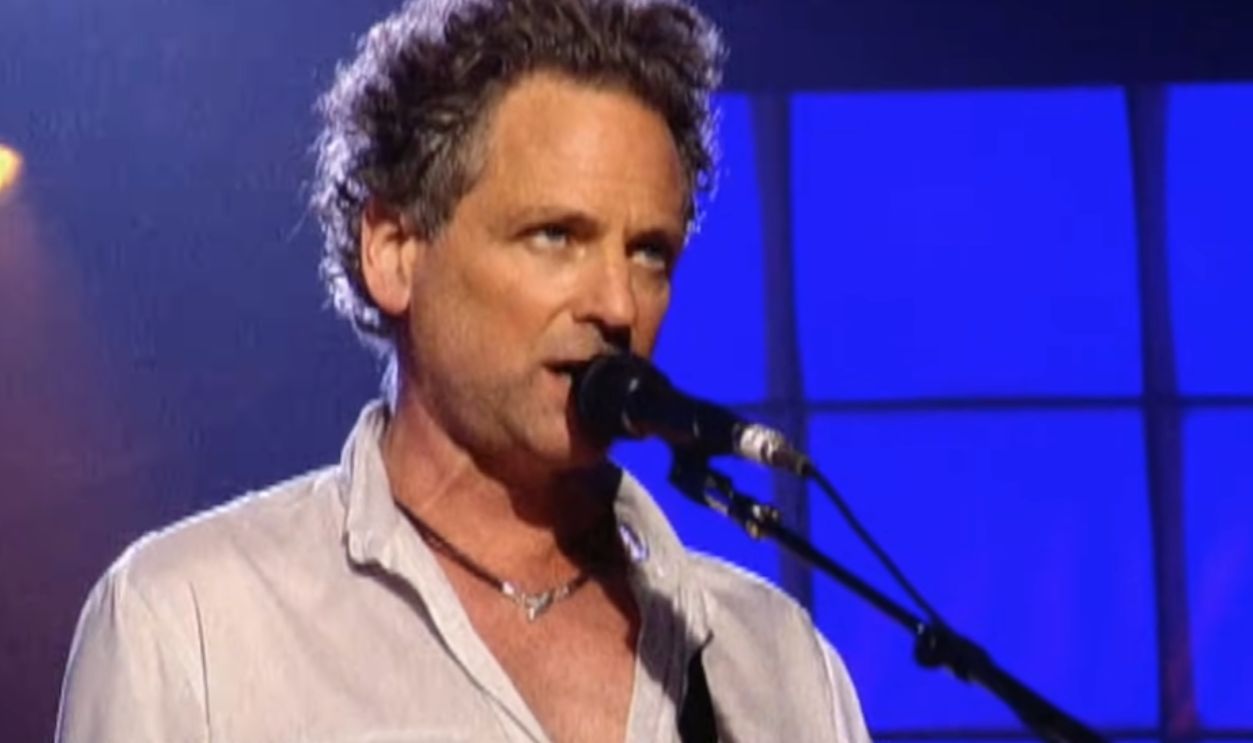 Screenshot from Say You Will, Reprise Records (2003)
2006: Face the Promise (Bob Seger)
Bob Seger disappeared from the studio for more than a decade, then came back like he had just stepped away to gas up the truck. Face the Promise has that familiar Seger mix of grit, heart, and road-worn rock songs. It was a real comeback, but today it barely gets mentioned beside the old warhorses.
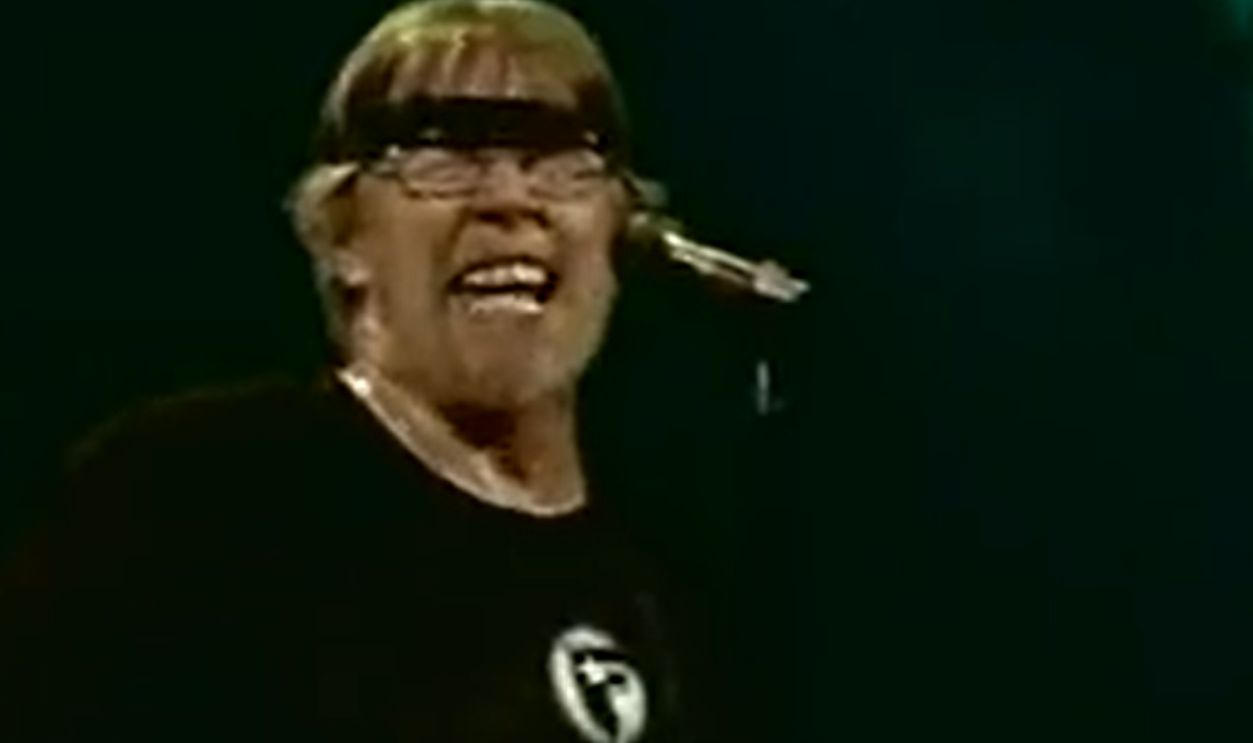 Screenshot from Face the Promise, Capitol Records (2006)
2009: Backspacer (Pearl Jam)
By 2009, Pearl Jam had no reason to chase the sound of 1992, and thankfully they didn’t. Backspacer is short, punchy, and more fun than people seem to remember. It gave the band a late-career jolt, then somehow became one of those Pearl Jam albums casual fans forget exists.
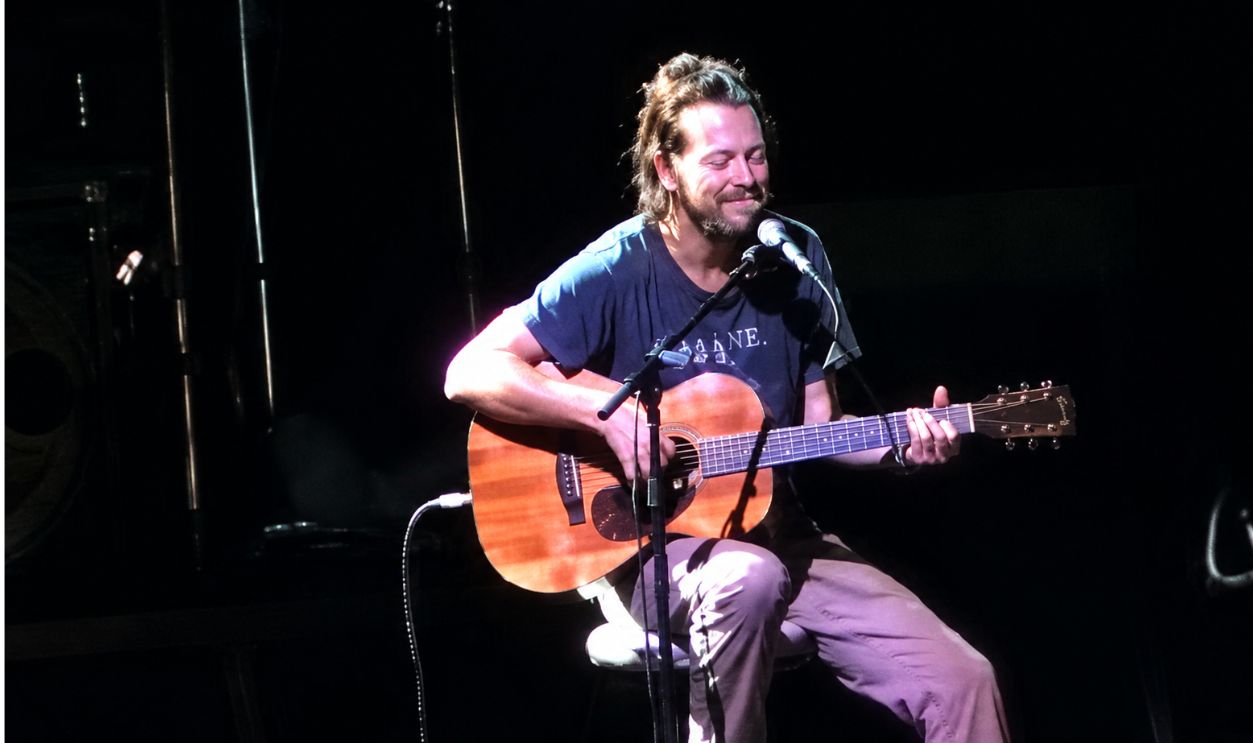 Screenshot from Backspacer, Monkeywrench Records (2009), Modified
2011: Wasting Light (Foo Fighters)
Recording an album in Dave Grohl’s garage on analog tape sounds like something a band says when it wants to look cool. The annoying part is that it worked. Wasting Light is loud, sharp, and full of actual rock-band energy. It won big at the time, but still gets overshadowed by the Foo Fighters’ 90s origin story.
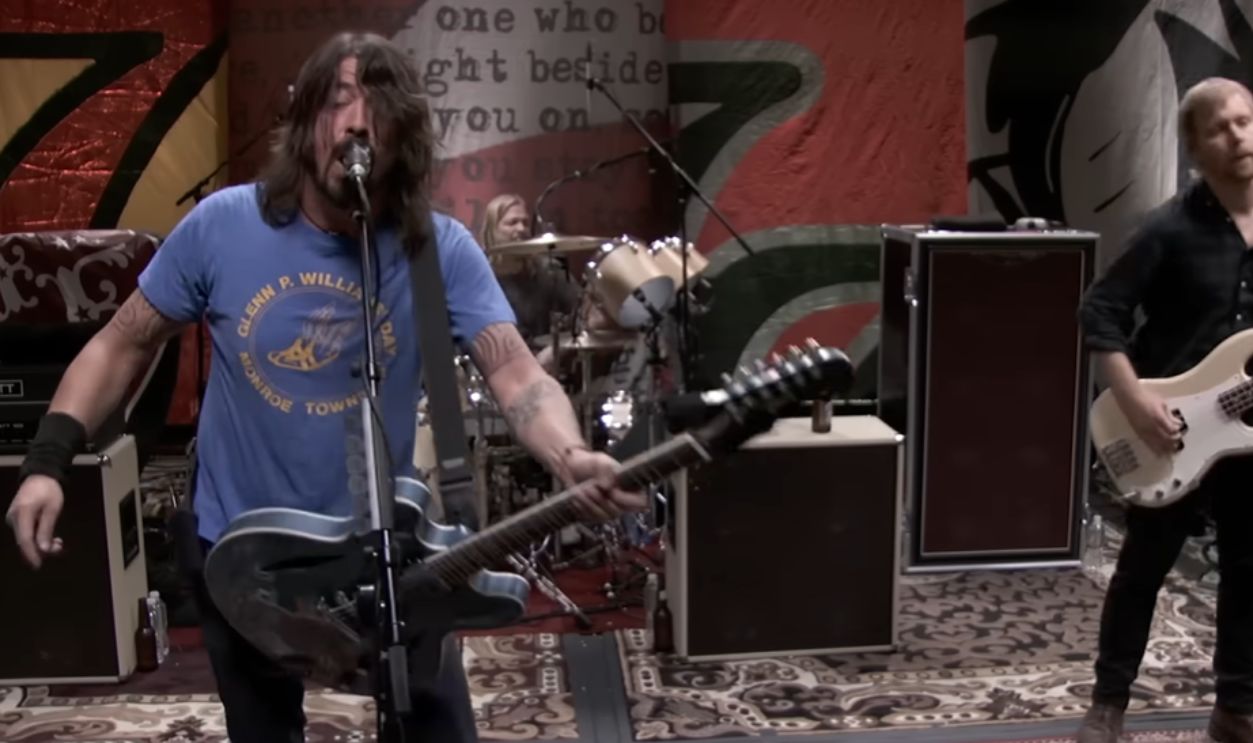 Screenshot from Wasting Light, RCA Records (2011)
2014: Hypnotic Eye (Tom Petty and the Heartbreakers)
Tom Petty had already made enough classic songs for three careers, then casually dropped Hypnotic Eye like it was no big deal. It became the Heartbreakers’ first No. 1 album, which still sounds impossible. The record is tight, cranky, and full of bite—the kind of late-career album people should bring up more often.
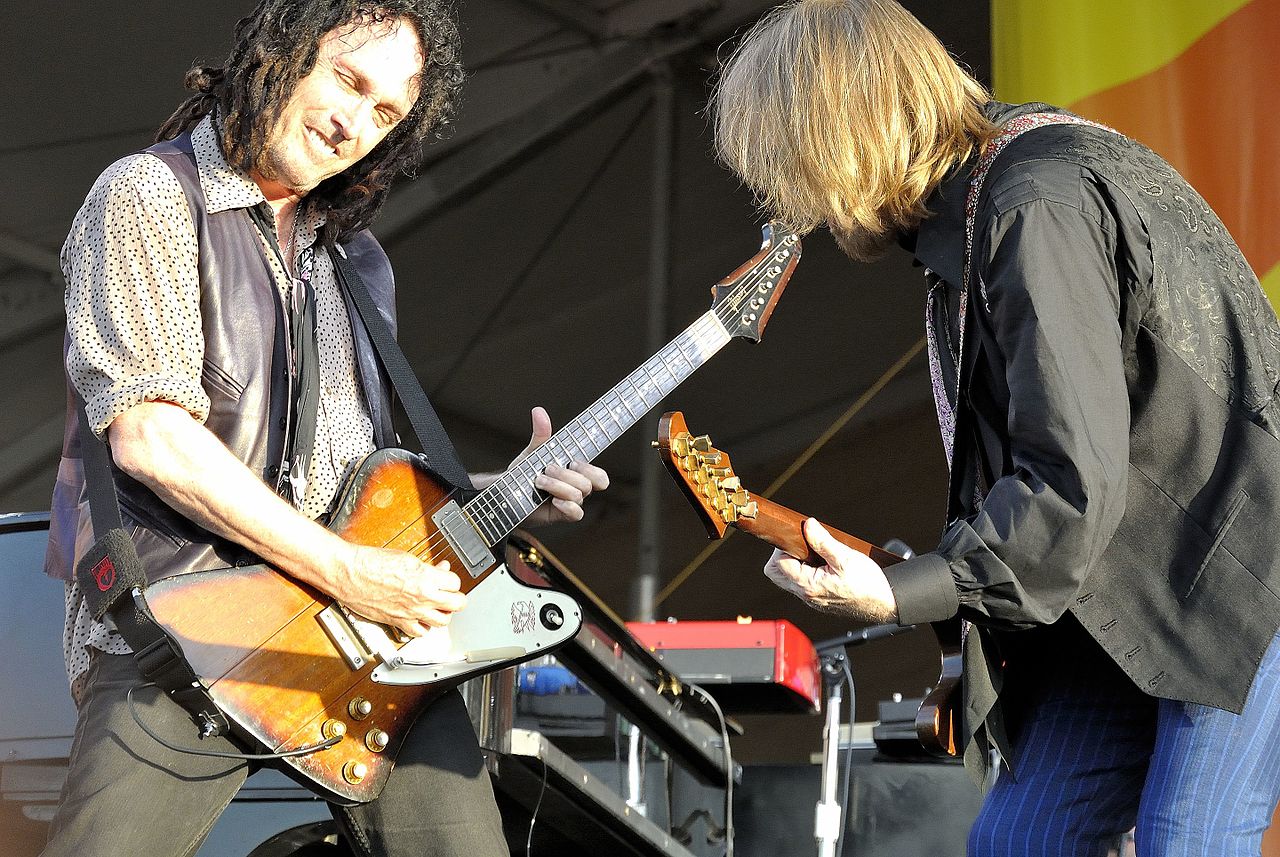 Takahiro Kyono from Tokyo, Wikimedia Commons
2015: Sound & Color (Alabama Shakes)
For a minute, Alabama Shakes felt like the band that might drag rock back into the center of the room. Sound & Color had soul, blues, weird little detours, and Brittany Howard singing like she was trying to knock the walls down. It won Grammys, sounded huge, and then somehow drifted out of the conversation faster than it should have.
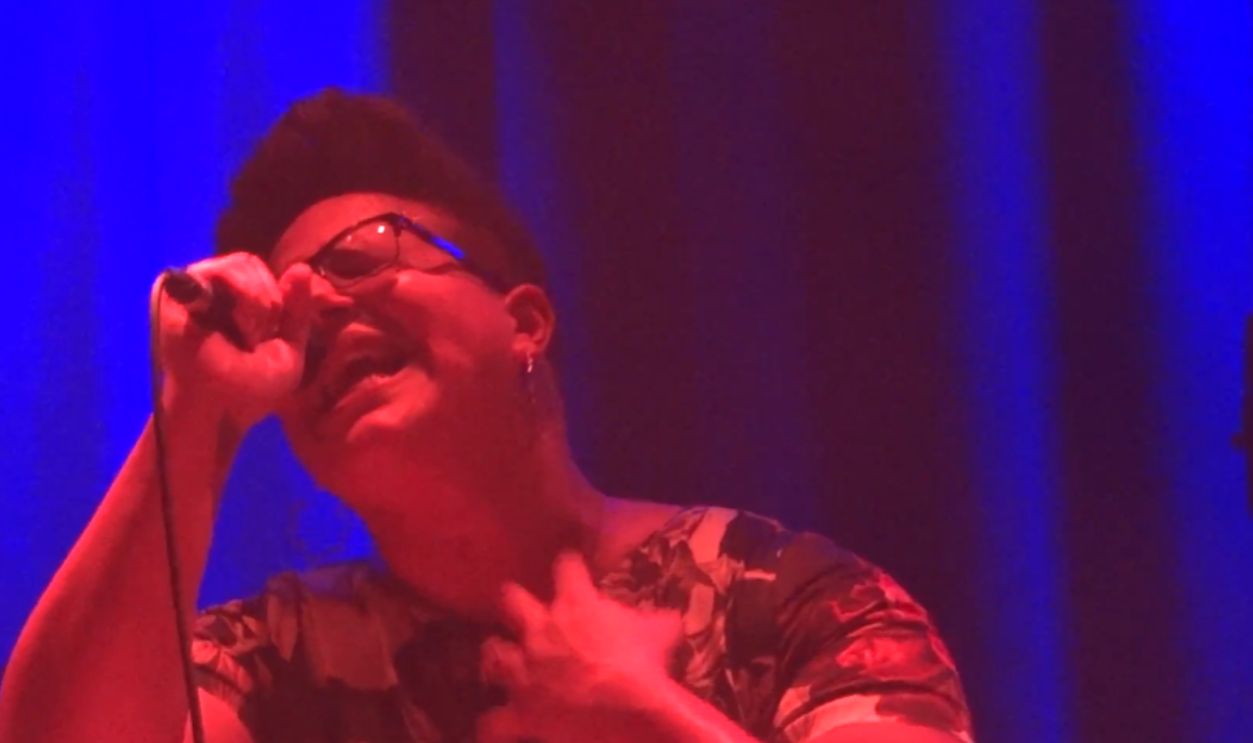 Screenshot from Sound & Color, ATO Records (2015)
Still Sitting There Waiting
That is the funny thing about great albums. They do not vanish. They just get buried under bigger hits, louder legends, and the same old playlists we keep pretending are enough.
But these records are still sitting there, waiting to make us wonder why we stopped talking about them in the first place.
 Herbert Weber, Hildesheim, Wikimedia Commons
You Might Also Like:
The Surprising Second Career Of Singer Bobby Goldsboro
Rock Bands Who Released Albums 50 Years After Their First Record—Did Your Favorite Make The List?