A Star Made For Two Eras
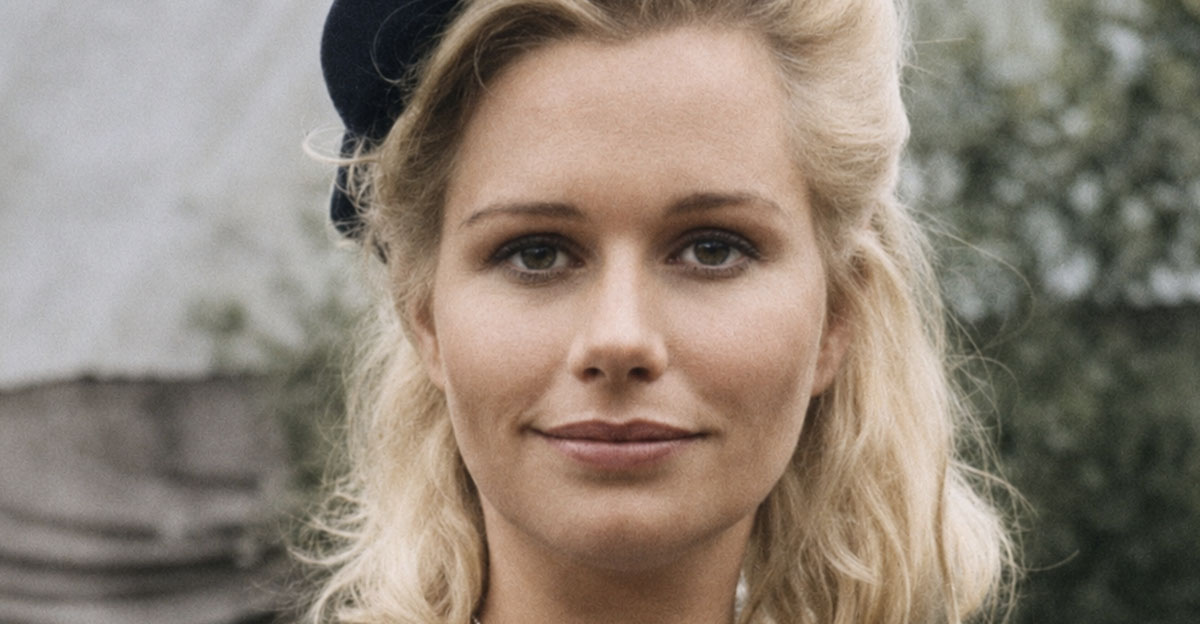
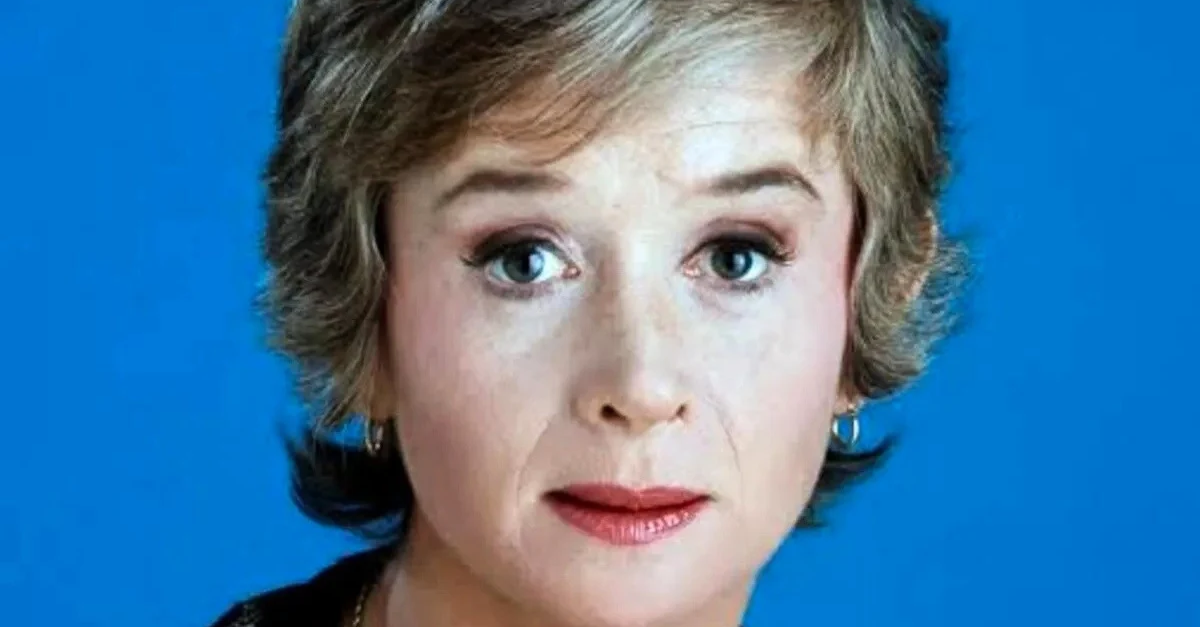
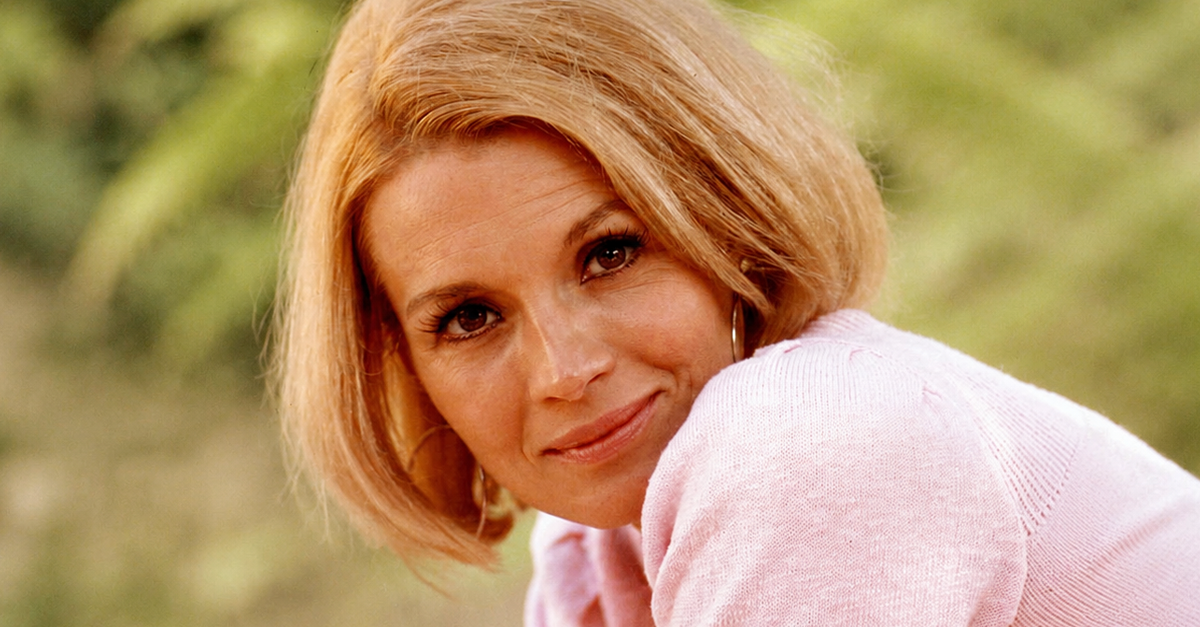
Angie Dickinson had already shared the screen with John Wayne and Frank Sinatra when Police Woman turned her into a 1970s icon. As Sergeant Pepper Anderson, she became one of television’s most recognizable stars. Behind the glamour, however, her life increasingly centered on her only child and a family struggle that would end in unimaginable heartbreak.
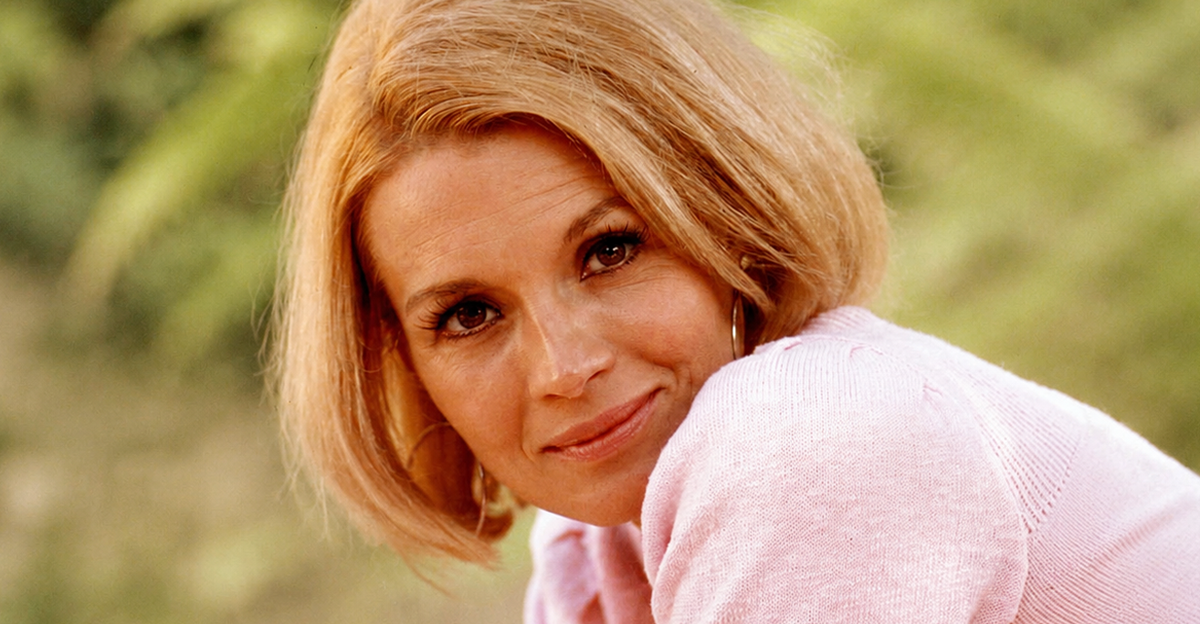 Silver Screen Collection, Getty Images
Movies Opened The First Door
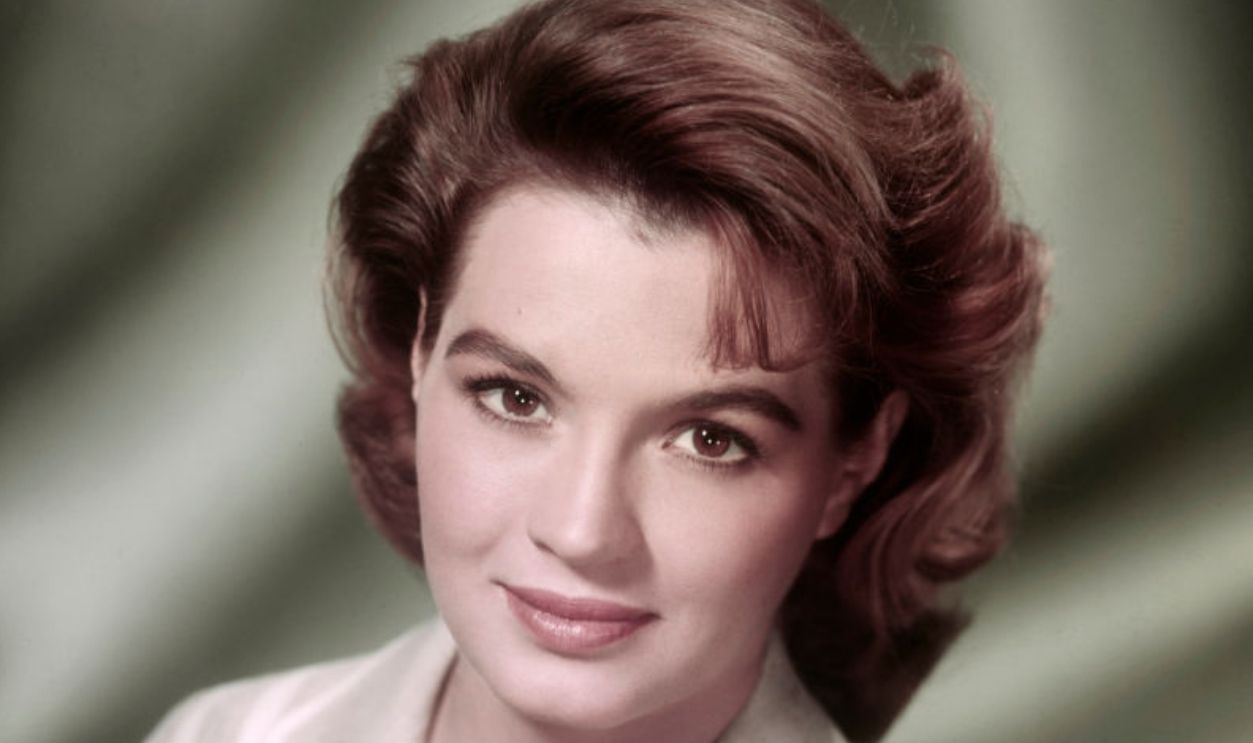
Dickinson was born Angeline Brown in Kulm, North Dakota, in 1931 and spent part of her childhood in the tiny town of Edgeley. Her parents published local newspapers, while young Angie escaped into movies during the difficult Depression years. She later remembered admiring the beauty of Hollywood’s leading ladies but wanting the adventures usually reserved for men. That combination of glamour and independence eventually defined her screen persona.
A Beauty Contest Changed The Plan
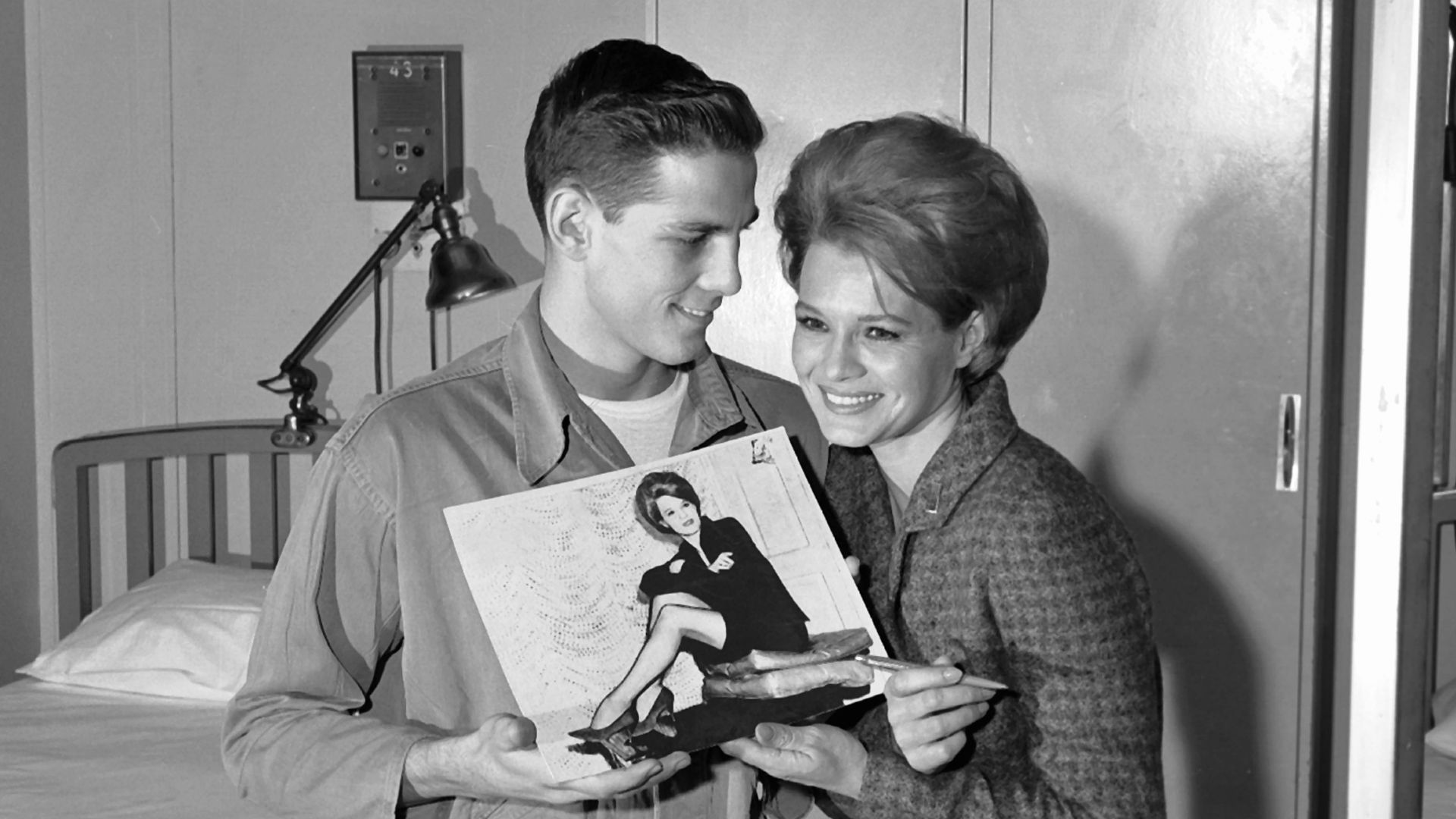
After the family moved to California, Dickinson attended college and worked as a secretary at an airplane factory. She entered a local preliminary for the Miss America competition and finished second. The result attracted a casting agent who placed her among the showgirls on The Jimmy Durante Show. Stepping onto a professional stage convinced Dickinson that she wanted to become an entertainer.
 Unknown authorUnknown author, Wikimedia Commons
Television Became Her Training Ground
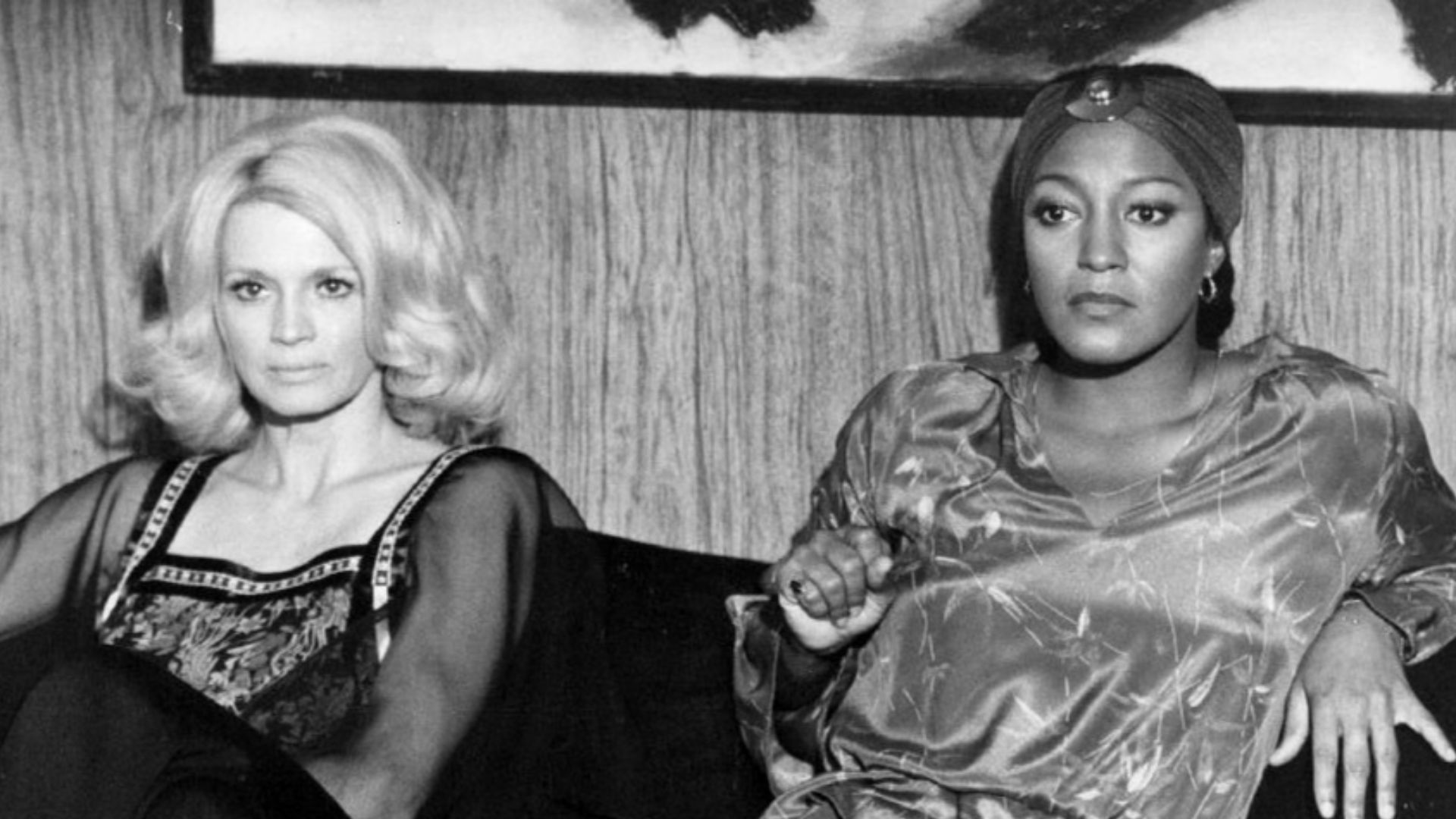
Dickinson began working steadily in film and television in 1954. Like many young performers of the period, she built her résumé through guest appearances and small roles rather than an immediate starring vehicle. Westerns became particularly important during these early years. Each assignment gave her more experience in an industry that still struggled to imagine women as the center of action stories.
A Western Gave Her First Lead
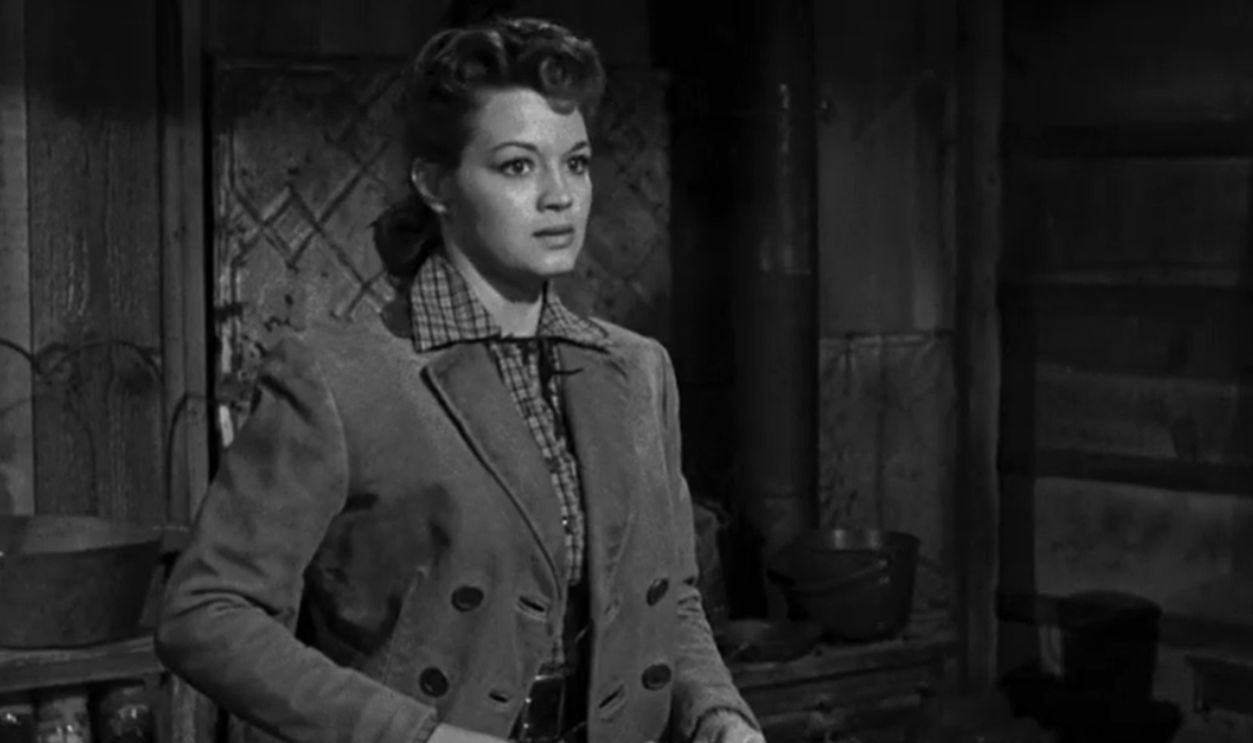
Her first leading film role arrived opposite James Arness in the 1956 Western Gun the Man Down. Dickinson played Janice, a woman caught between outlaws after a robbery and betrayal. The part gave her more to do than many of her earlier television appearances. It also prepared her for the Western that would permanently change her standing in Hollywood.
 Screenshot from Gun the Man Down, United Artists (1956)
Rio Bravo Changed Everything
Howard Hawks cast Dickinson as Feathers opposite John Wayne in Rio Bravo. Her character was flirtatious and stylish, but she was also direct enough to challenge Wayne’s stubborn sheriff. Dickinson later remembered Wayne as patient and respectful when she needed help working through a scene. The 1959 film became her breakthrough and remains one of the most celebrated projects of her career.
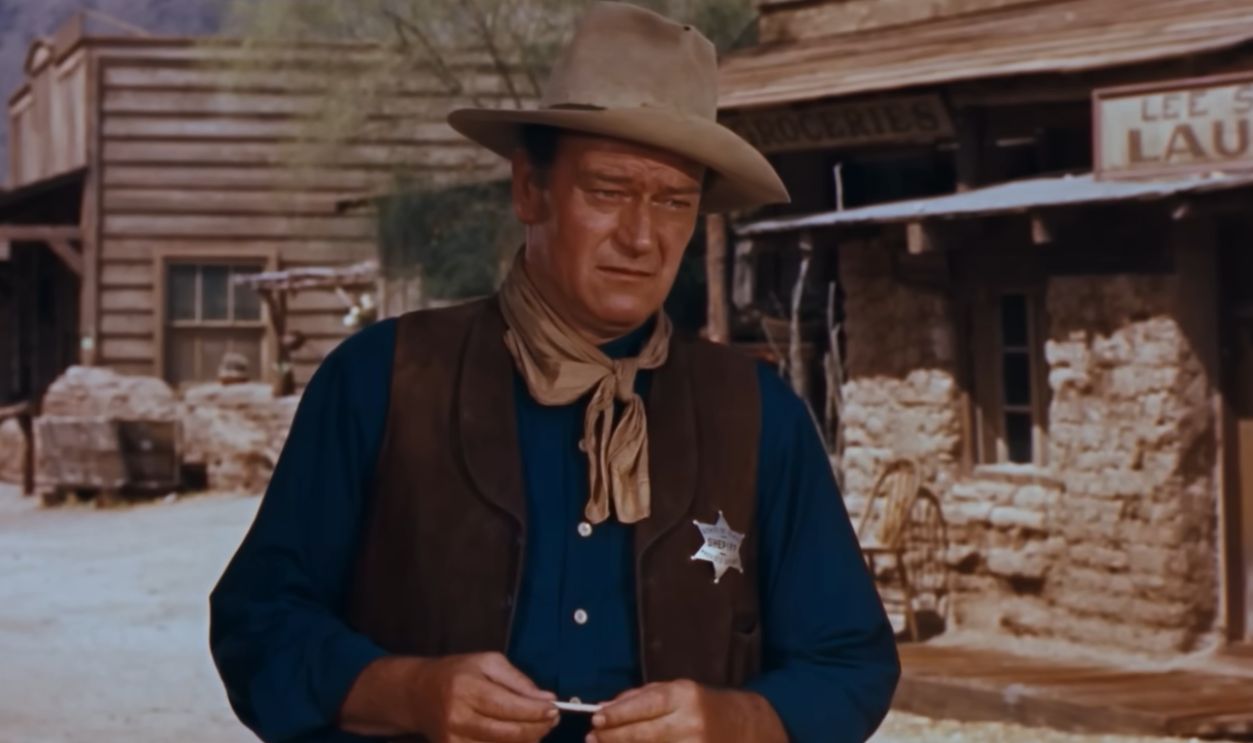 Screenshot from Rio Bravo, Warner Bros. Pictures (1959)
Hollywood Finally Took Notice
Dickinson won the 1960 Golden Globe for New Star of the Year for Rio Bravo. The recognition confirmed that she had moved beyond the anonymous guest roles of her early career. She possessed the confidence of a leading lady without losing the approachable quality that made audiences like her. Hollywood now knew her name, even if its best scripts still tended to favor male stars.
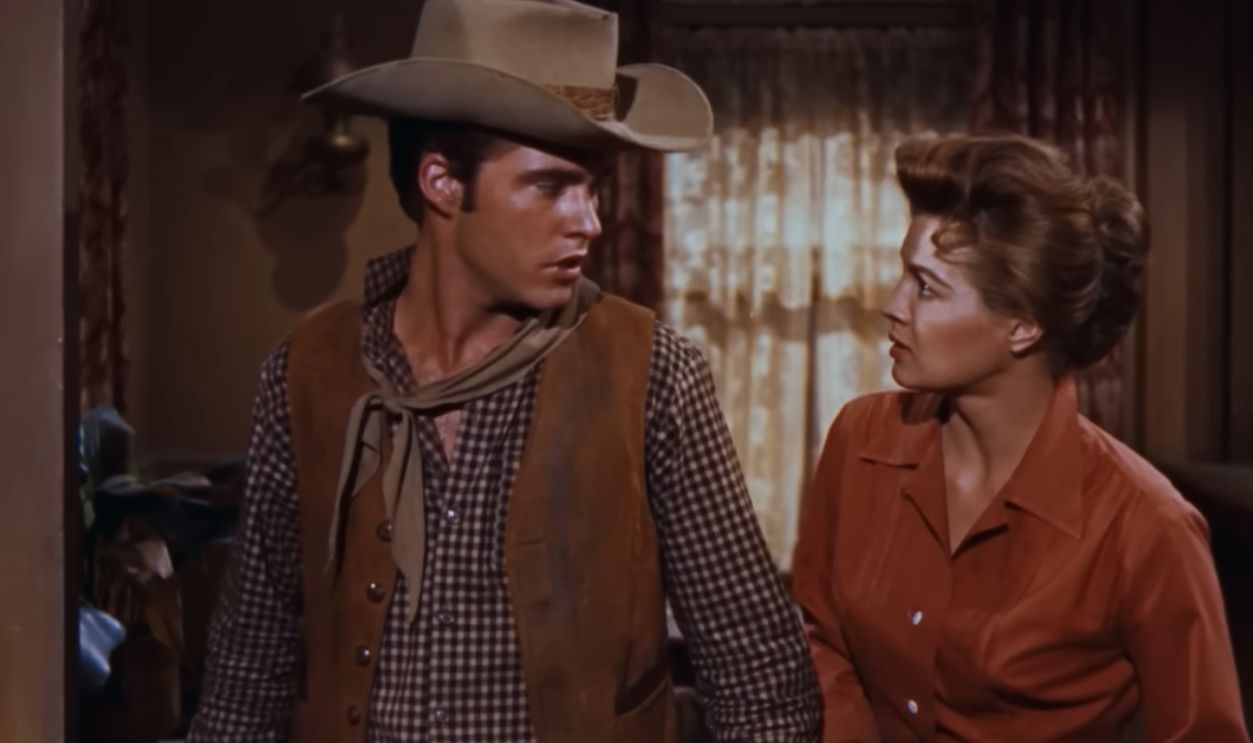 Screenshot from Rio Bravo, Warner Bros. Pictures (1959)
She Became The Rat Pack’s Leading Lady
In 1960, Dickinson played Beatrice Ocean, the estranged wife of Frank Sinatra’s Danny Ocean, in the original Ocean’s 11. Her screen time was limited, but she became closely associated with the film’s Rat Pack atmosphere. Dickinson and Sinatra had met years earlier on The Jimmy Durante Show and remained important figures in each other’s lives.
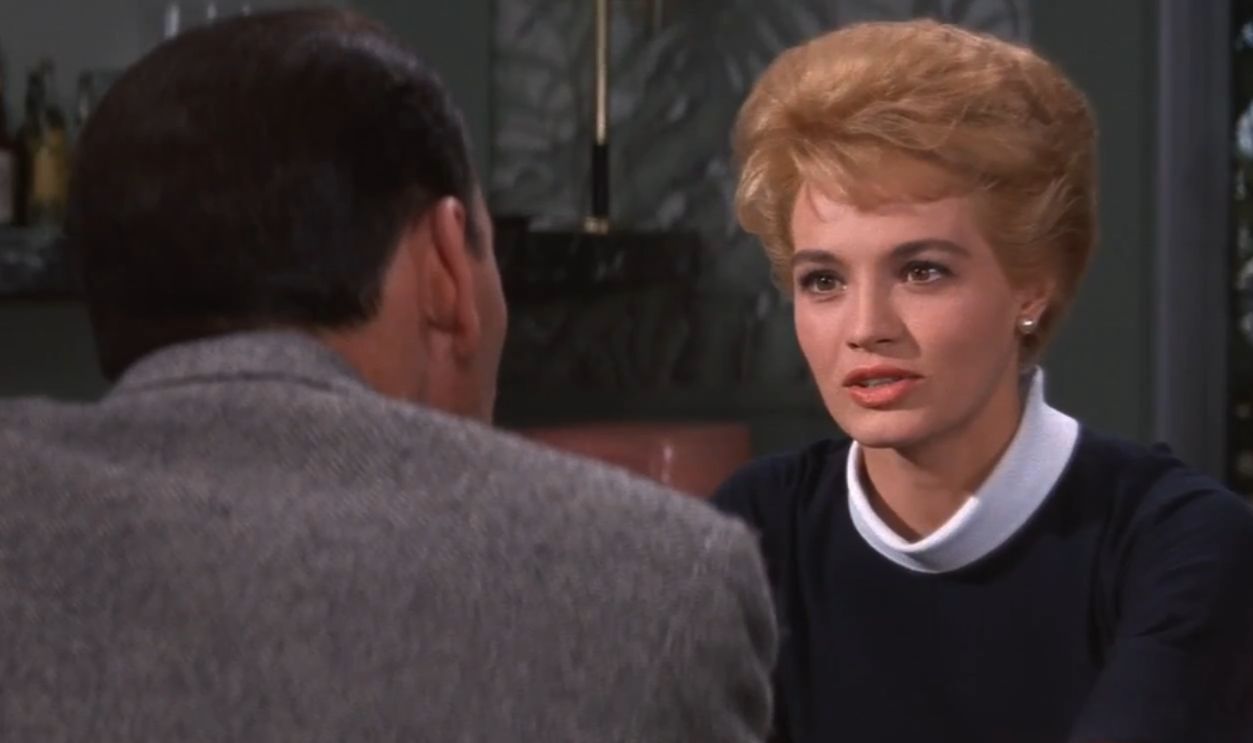 Screenshot from Ocean's 11, Warner Bros. Pictures (1960)
The 1960s Showed Her Range
Dickinson moved between melodramas, thrillers, Westerns, and crime films throughout the 1960s. She worked opposite Ronald Reagan in The Killers, Marlon Brando in The Chase, and Lee Marvin in Point Blank. These roles allowed her to play women who could be seductive, vulnerable, dangerous, or fiercely independent. Even so, she later observed that she was usually the leading lady rather than the true lead.
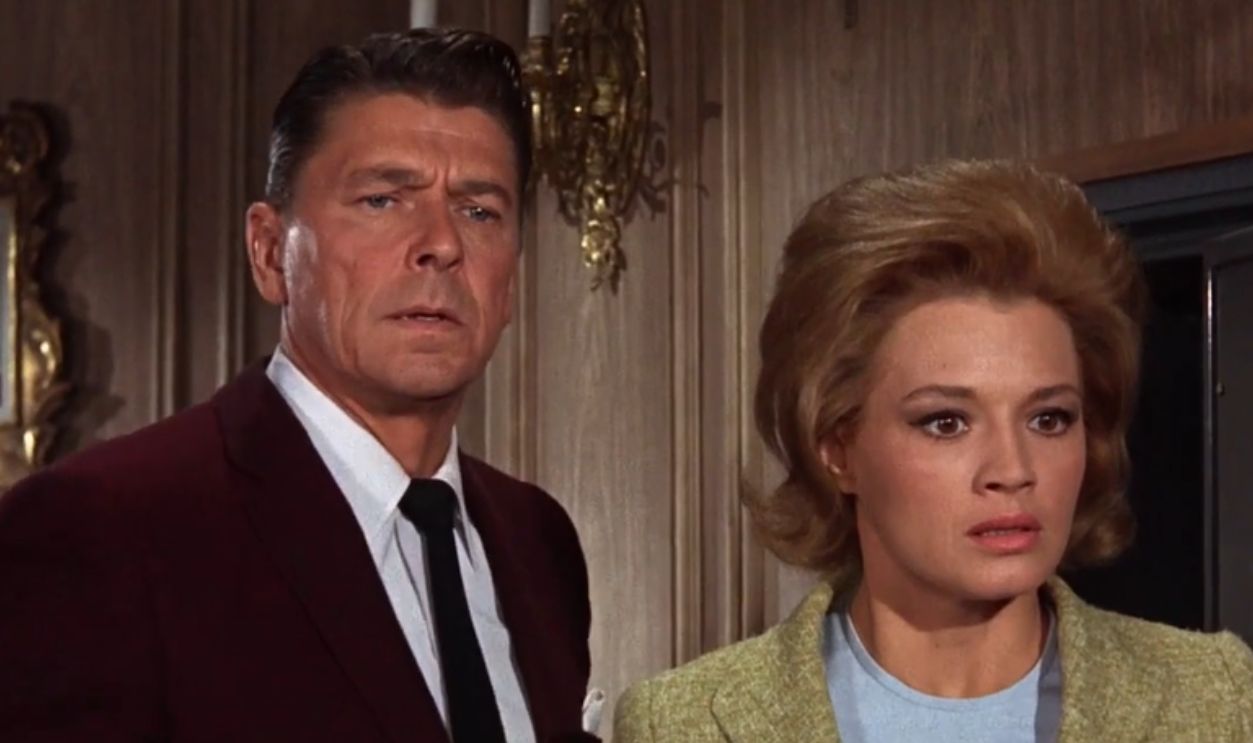 Screenshot from The Killers, Universal Pictures (1964)
Burt Bacharach Entered The Picture
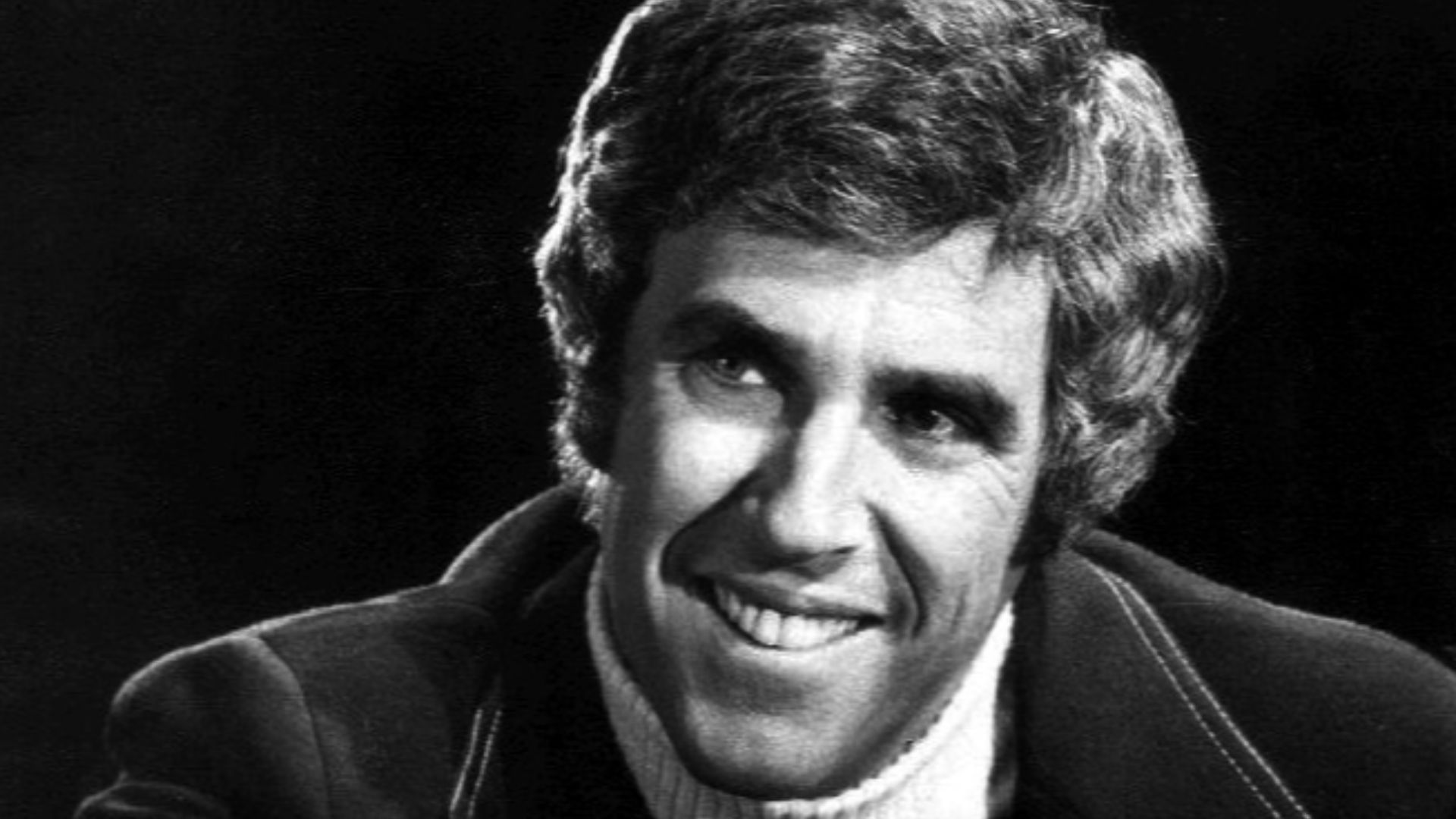
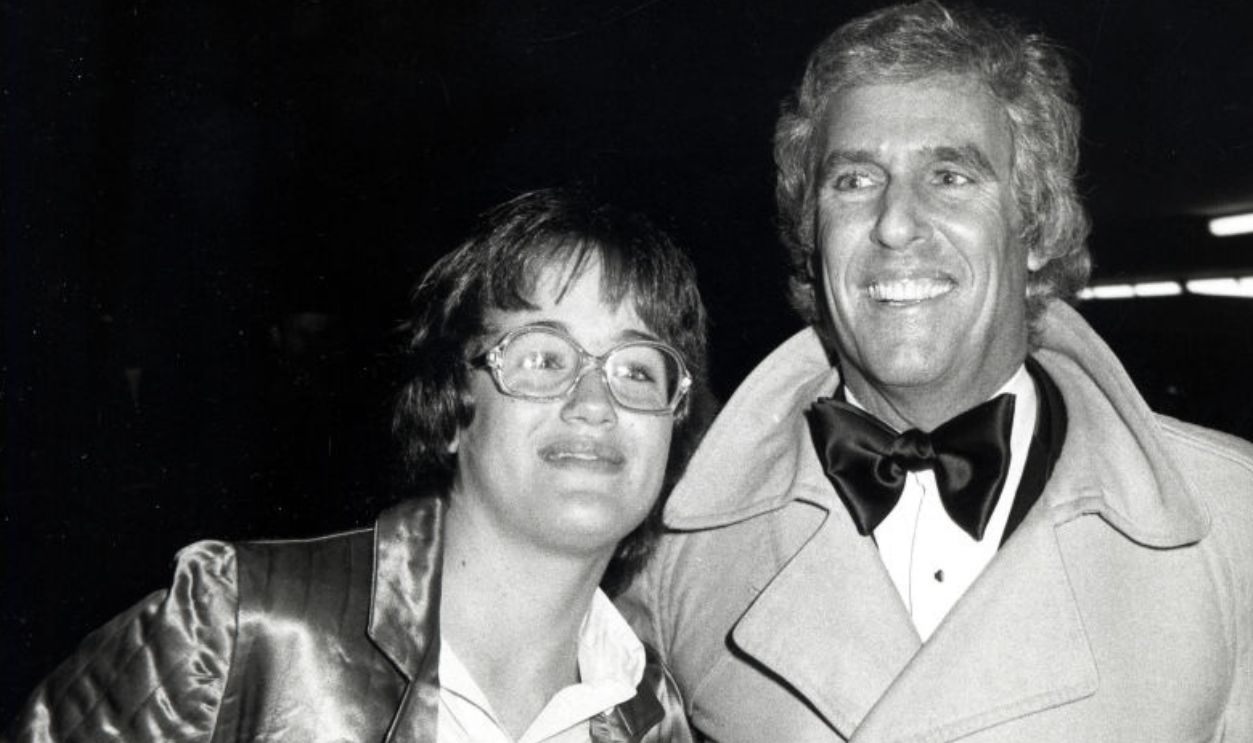
Dickinson met composer Burt Bacharach in 1964 as his songwriting career was gaining extraordinary momentum. They married in Las Vegas on May 5, 1965. Bacharach was soon producing major hits with artists such as Dionne Warwick, while Dickinson remained one of Hollywood’s most glamorous performers. For a time, their talent and celebrity made them one of the entertainment industry’s most striking couples.
 ABC Television, Wikimedia Commons
Nikki Arrived Far Too Early
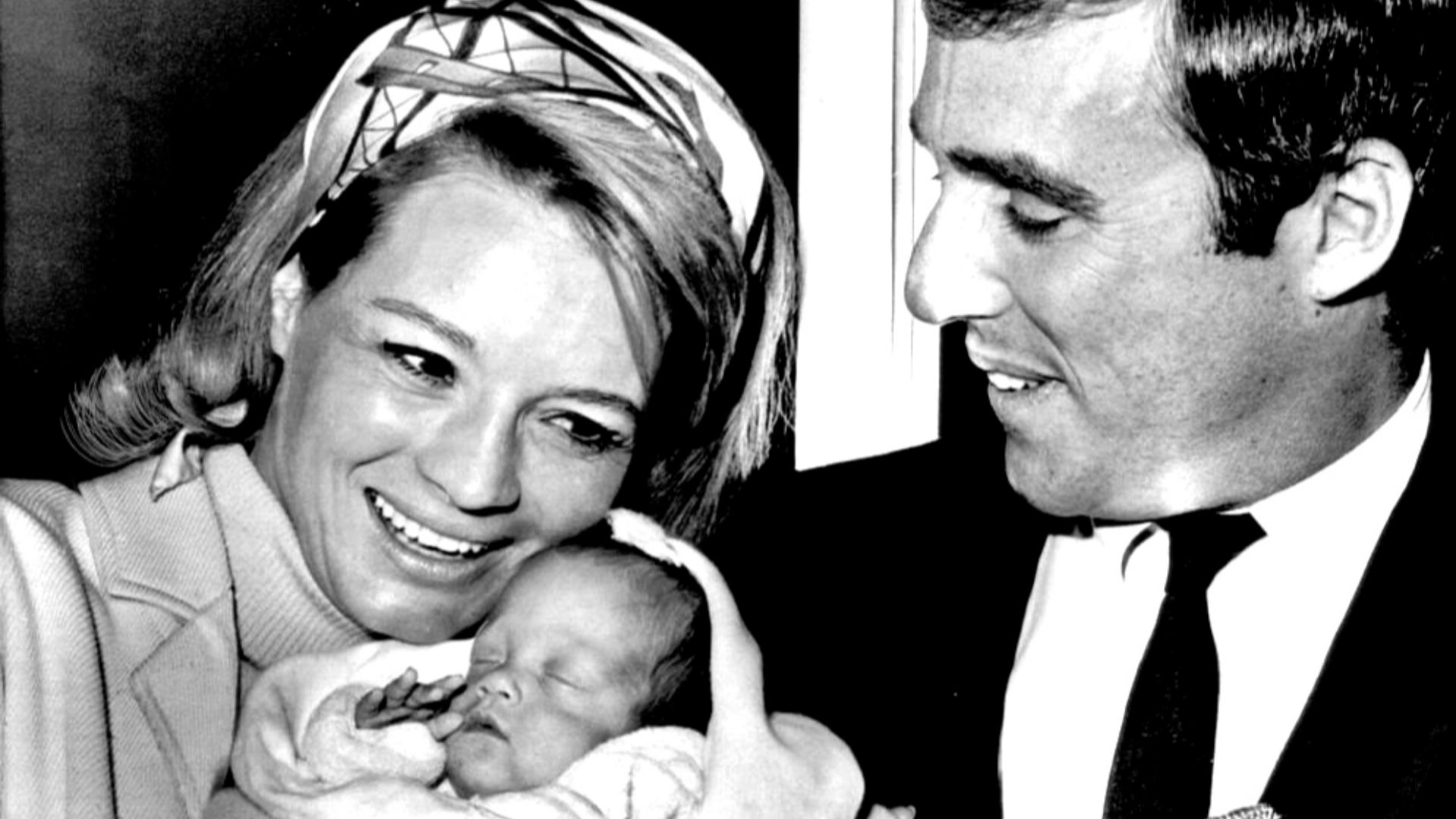
Their only child, Lea Nikki Bacharach, was born three months prematurely in July 1966. Dickinson later said Nikki weighed only one pound and ten ounces at birth and spent nearly three months in an incubator. Her parents initially feared that she might not survive. Nikki eventually went home, but complications associated with her premature birth left her with serious vision problems.
 Press photo, Wikimedia Commons
Motherhood Reordered Her Career
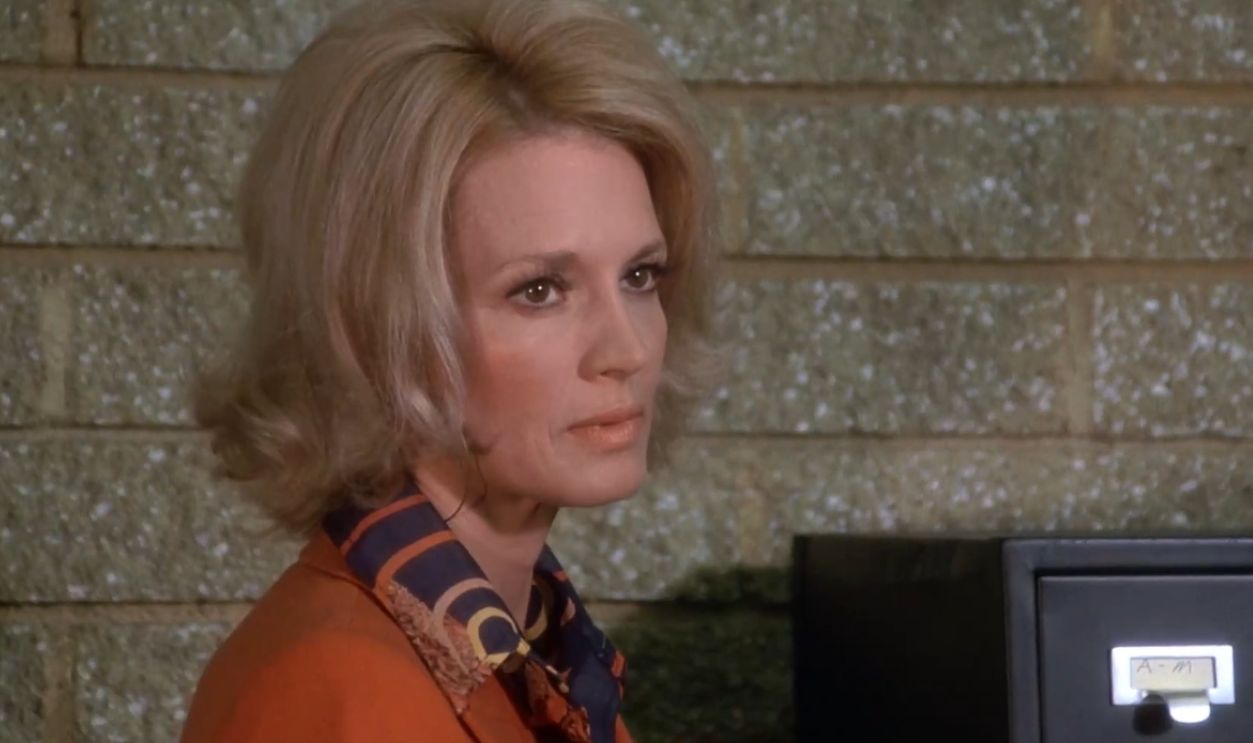
Dickinson decided to limit work, especially projects requiring travel, during Nikki’s early childhood. She later credited constant attention, conversation, and affection with helping her daughter make significant progress. When Police Woman came along, filming in Los Angeles seemed to offer a way to act while remaining close to home. The decision would revive Dickinson’s career, although the schedule proved far more demanding than she expected.
 Screenshot from Police Woman, NBC (1974–1978)
Pepper Anderson Started As A Guest Role
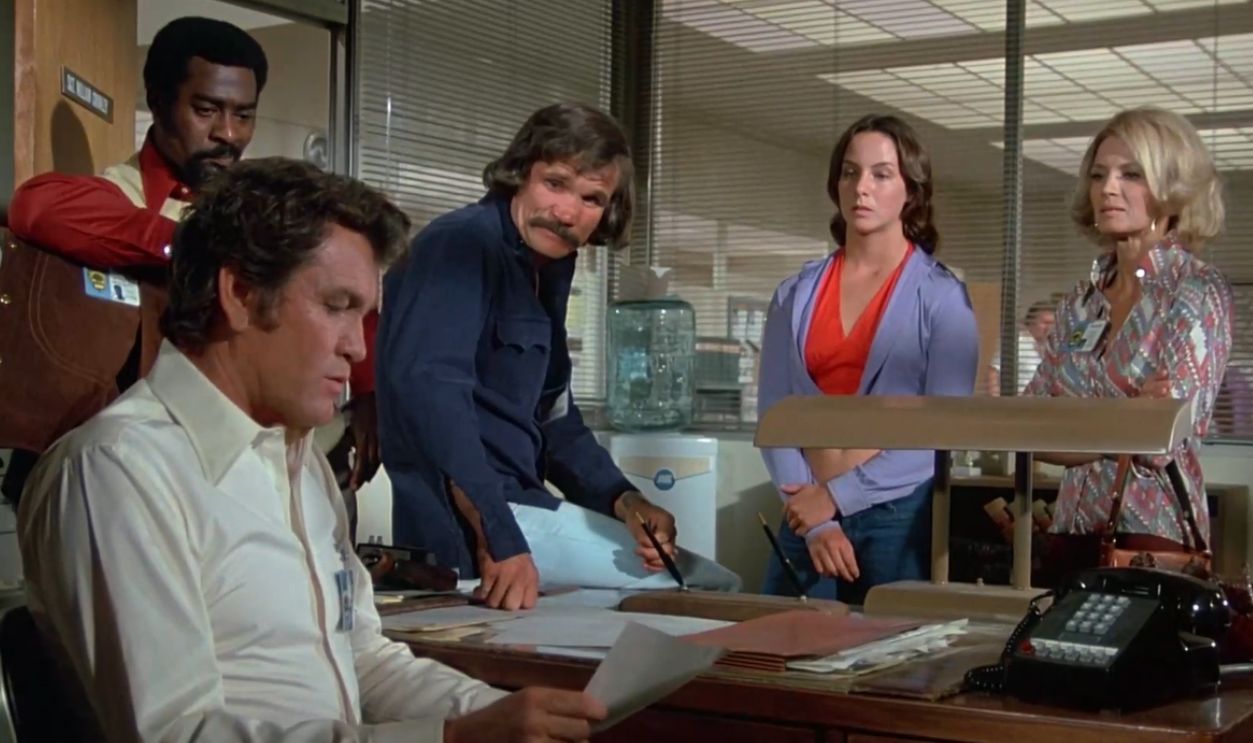
Dickinson first appeared as Sergeant Suzanne “Pepper” Anderson in an episode of NBC’s anthology drama Police Story. The character was an undercover Los Angeles police officer who could move convincingly between dangerous criminal settings. NBC soon gave Pepper a series of her own. Police Woman premiered on September 13, 1974, and placed Dickinson firmly at the center of the action.
 Screenshot from Police Woman, NBC (1974–1978)
The Series Put Her In Charge
Pepper worked in the fictional Criminal Conspiracy Unit alongside detectives Pete Royster and Joe Styles. Earl Holliman played Lieutenant Bill Crowley, her immediate superior and trusted colleague. Investigations regularly required Pepper to adopt new identities, including those of a nurse, teacher, dancer, waitress, or prison inmate. The undercover format allowed Dickinson to combine police work with the glamour television executives expected from her.
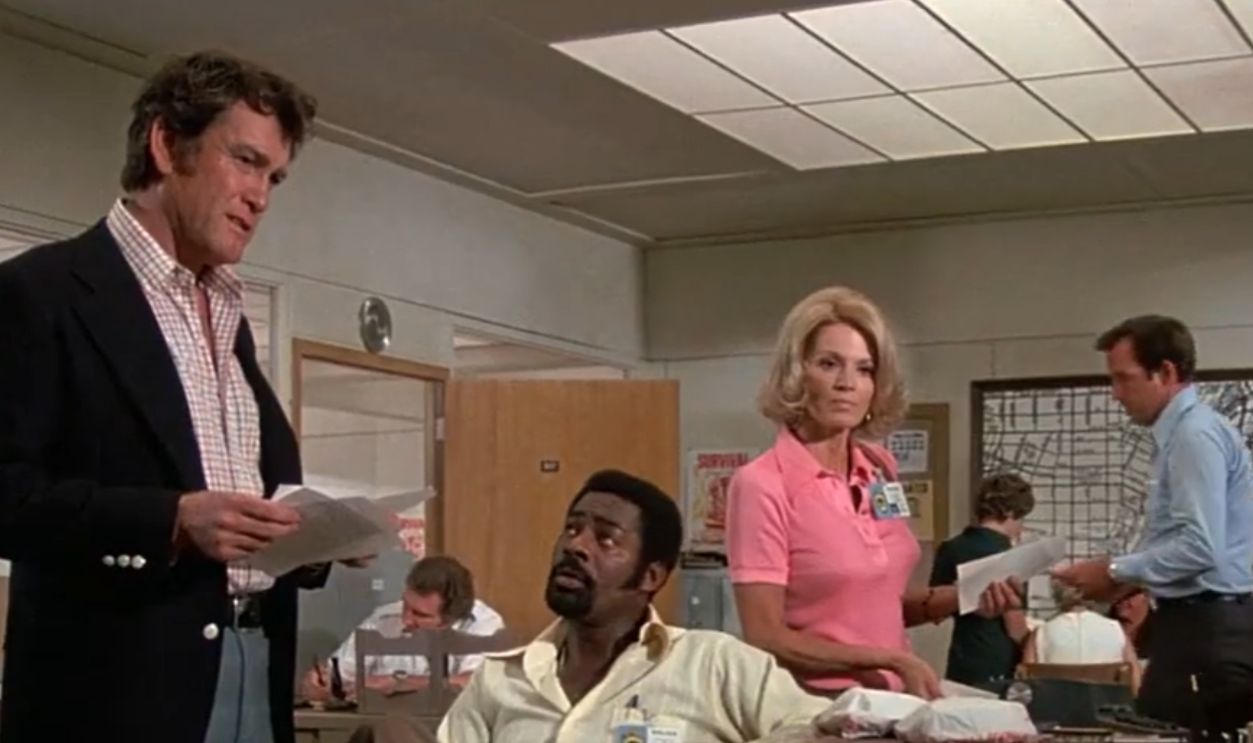 Screenshot from Police Woman, NBC (1974–1978)
Pepper Was Something Television Had Rarely Seen
Police Woman made Dickinson the first woman to star as a police officer in an hour-long television drama. Earlier programs had featured female detectives and officers, but few gave a woman this much sustained authority in a prime-time action series. Pepper questioned suspects, infiltrated criminal operations, and confronted physical danger every week. Her competence made the series feel genuinely different from most police dramas then dominating television.
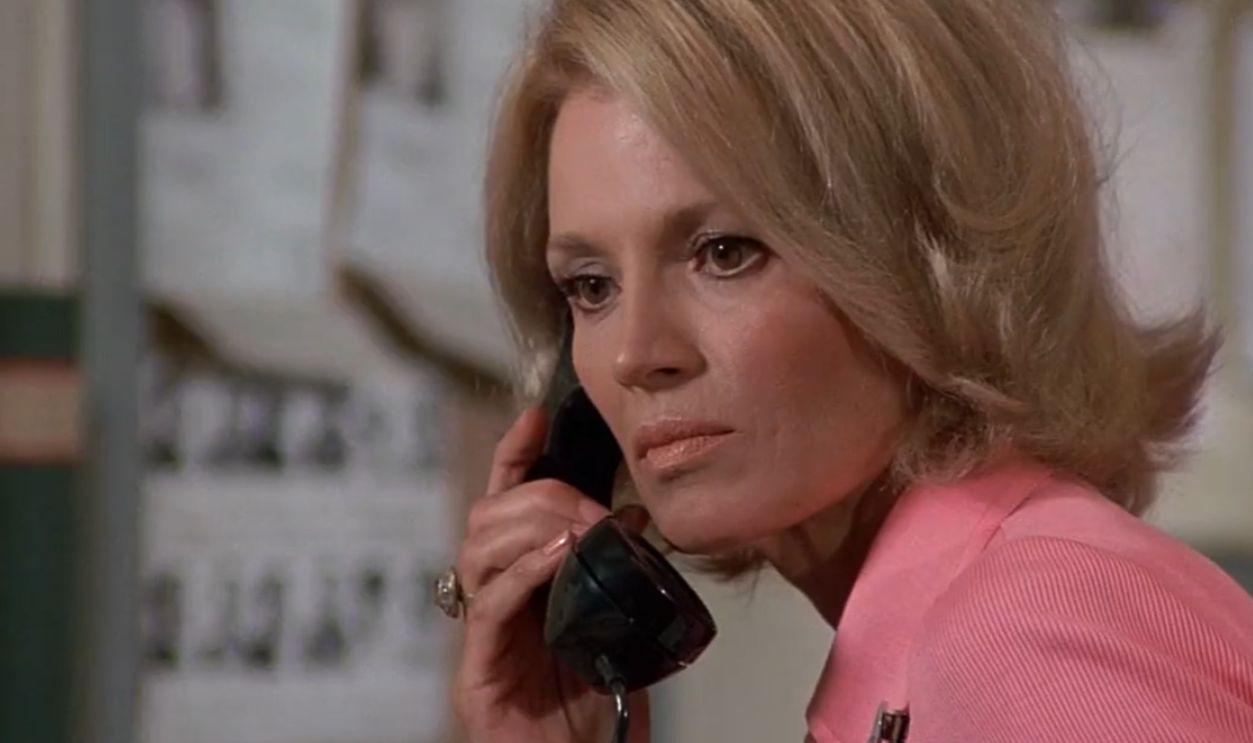 Screenshot from Police Woman, NBC (1974–1978)
The Breakthrough Came With Compromises
Pepper’s authority was frequently packaged alongside revealing disguises and heavily promoted images of Dickinson’s beauty. Dickinson understood that the glamour helped sell the show, but she later expressed frustration with some of the costumes and situations. She wanted the character’s sensuality to emerge naturally rather than become a repetitive plot device. That tension made Police Woman both a breakthrough and a product of its era.
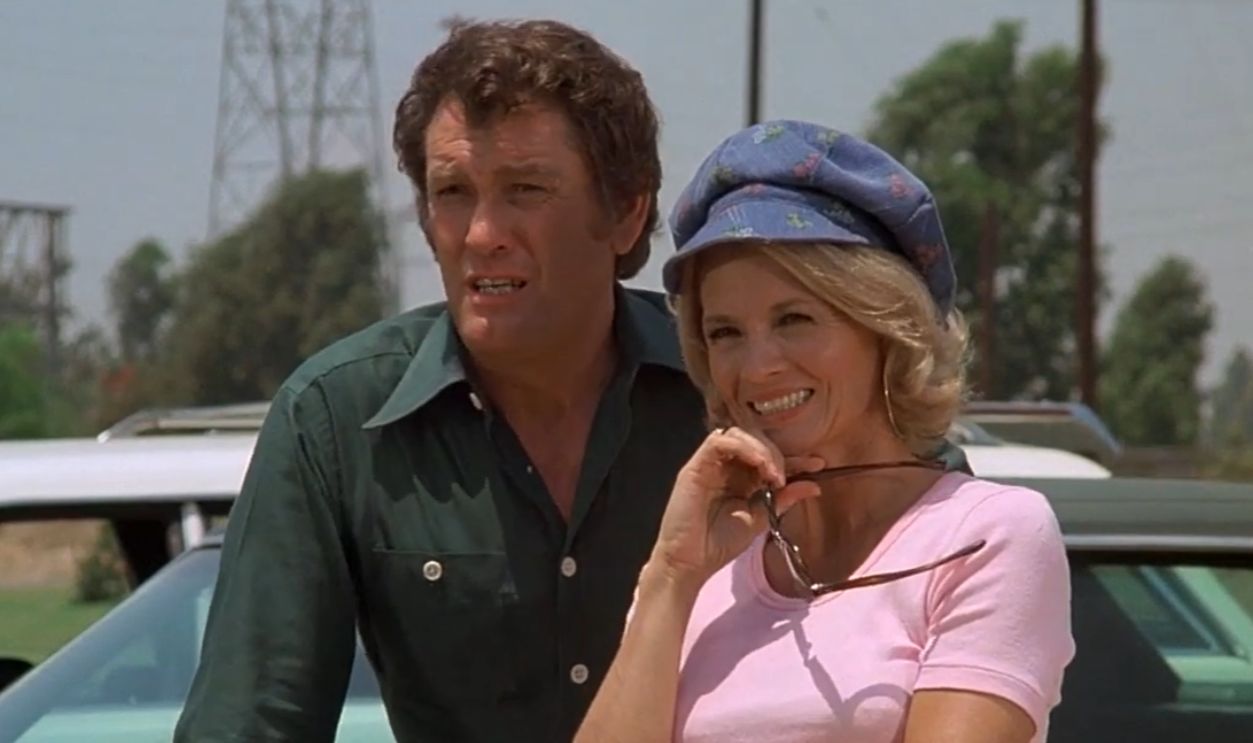 Screenshot from Police Woman, NBC (1974–1978)
Viewers Saw A New Career Path
Despite those limitations, Pepper Anderson gave millions of viewers a woman who belonged inside a traditionally male profession. Dickinson later heard that the program had encouraged women to consider careers in law enforcement. CBS described her as an inspiration to aspiring policewomen when it revisited her career in 2019. The series therefore mattered beyond its ratings, fashions, and weekly crime stories.
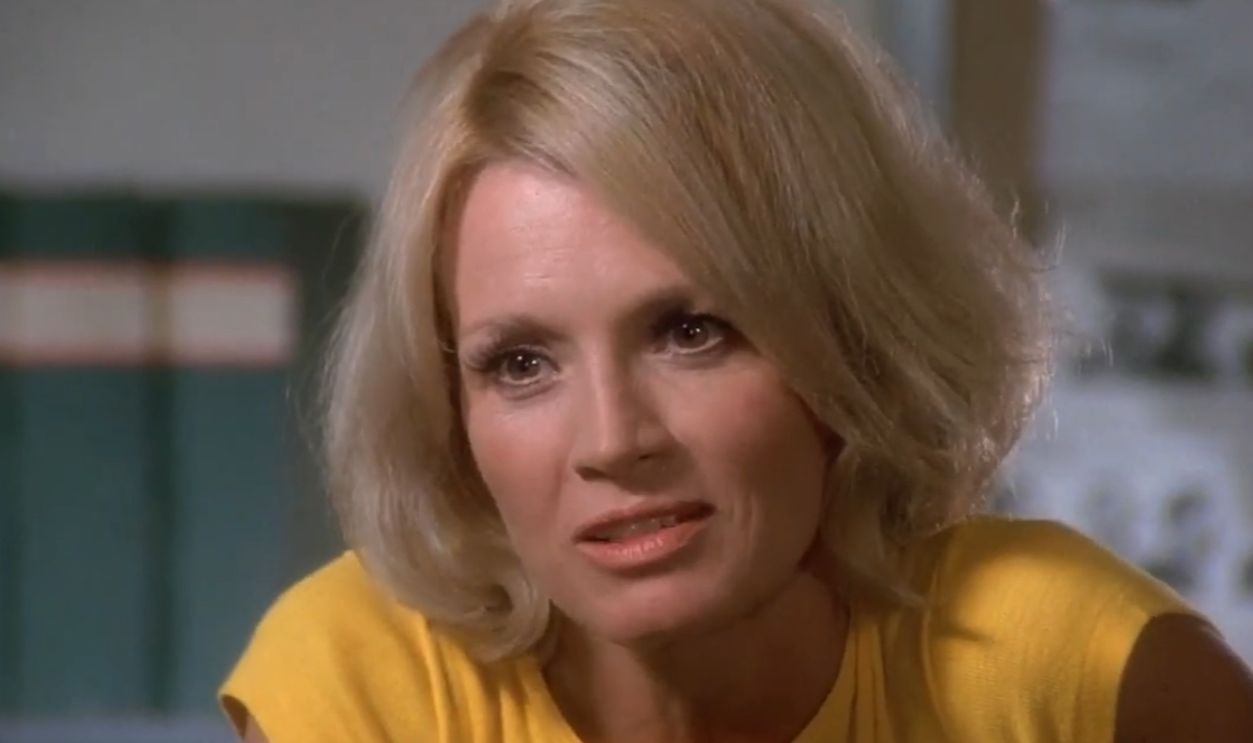 Screenshot from Police Woman, NBC (1974–1978)
Awards Confirmed The Phenomenon
Dickinson won the 1975 Golden Globe for Best Actress in a Television Drama for Police Woman. She received additional Golden Globe nominations for the show in 1976, 1977, and 1978. The Television Academy also nominated her for Outstanding Lead Actress in a Drama Series three consecutive times. Pepper Anderson had made Dickinson a genuine television star.
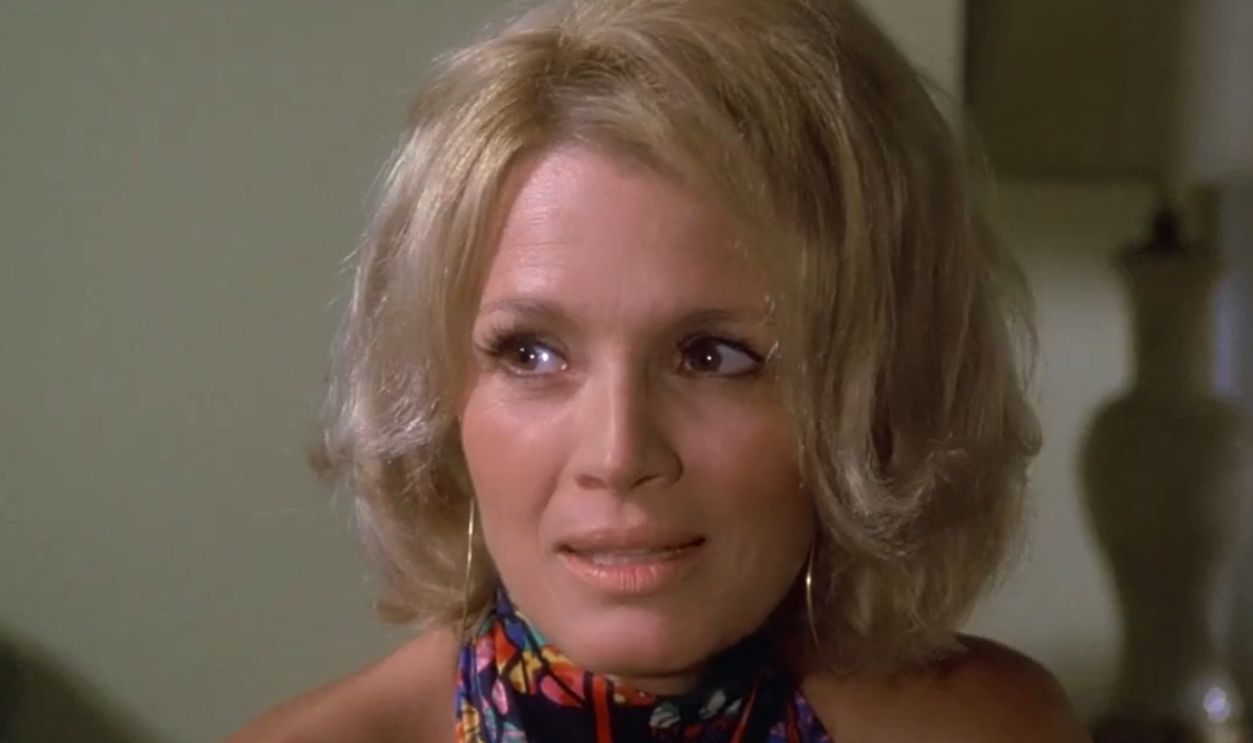 Screenshot from Police Woman, NBC (1974–1978)
Success Came With A Brutal Schedule
The series reportedly required 12-hour location days as often as six days a week. Dickinson had accepted the job partly because it kept her in Los Angeles, but remaining in the same city did not guarantee meaningful time at home. Her visibility soared while her freedom sharply diminished. The demands placed pressure on her responsibilities as a mother and on her marriage.
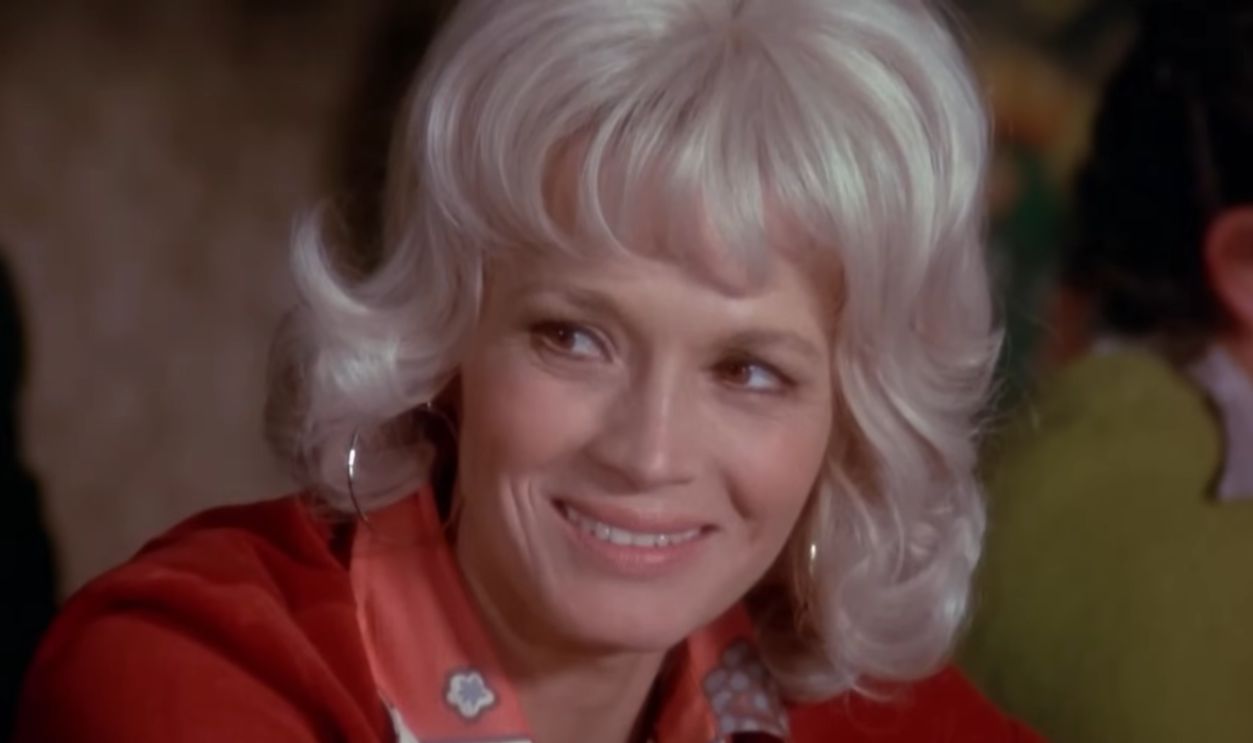 Screenshot from Police Woman, NBC (1974–1978)
The Marriage Could Not Absorb The Strain
Dickinson later described Police Woman as a heavy new burden on an already complicated marriage. Bacharach’s career had entered a difficult period just as hers accelerated again. Their different routines and Dickinson’s long production days increased the distance between them. They separated in 1976 and divorced in 1981.
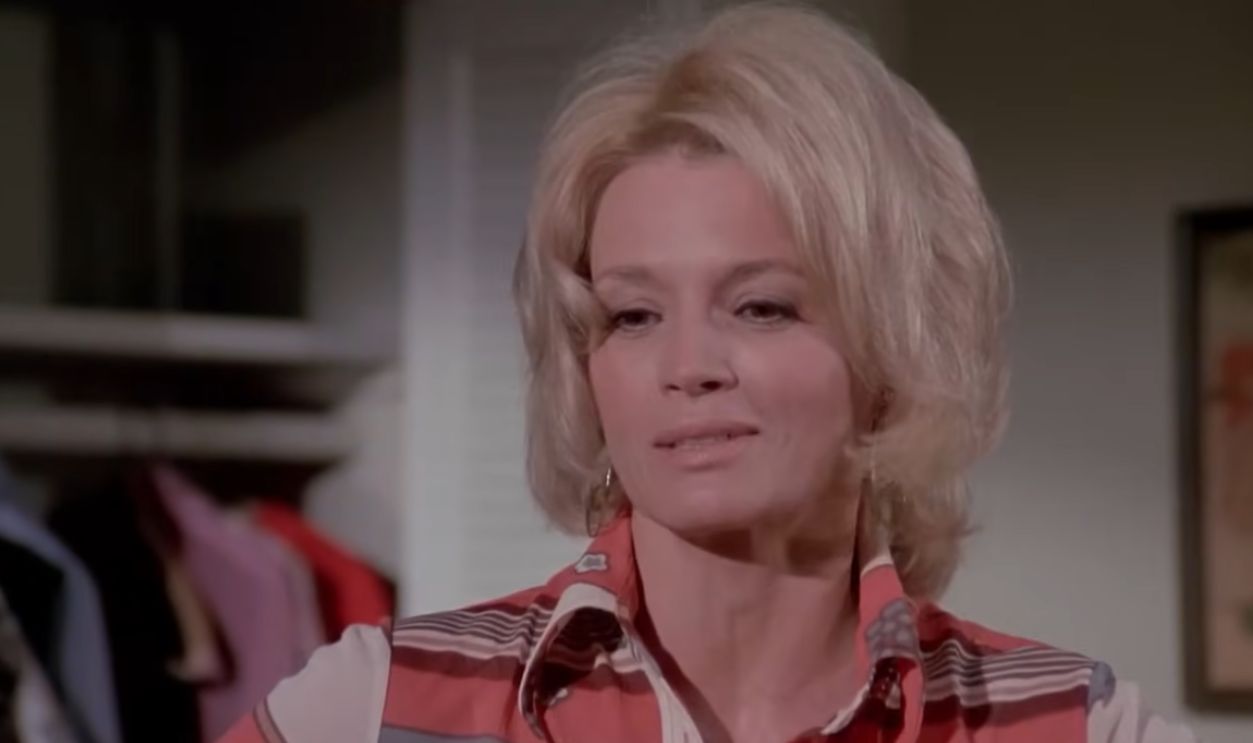 Screenshot from Police Woman, NBC (1974–1978)
Four Seasons Changed Her Career
Police Woman remained on NBC for four seasons before ending in 1978. Dickinson did not want to commit to another lengthy contract, but leaving did not immediately restore her former film opportunities. She later said television stardom had damaged her movie career at a time when the two industries remained sharply divided. The role that made her a household name also narrowed the choices Hollywood offered her.
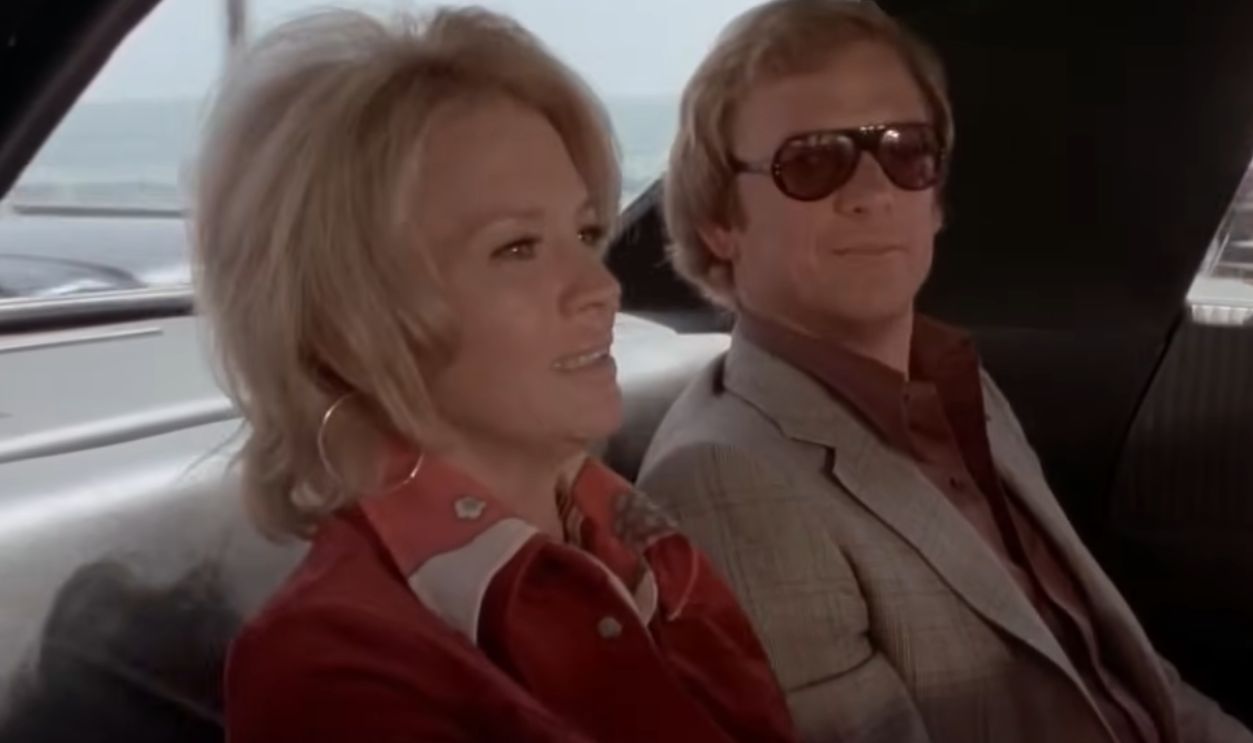 Screenshot from Police Woman, NBC (1974–1978)
Dressed To Kill Made A Bold Return
Dickinson returned to the big screen with a striking role in Brian De Palma’s 1980 thriller Dressed to Kill. She played Kate Miller, whose largely silent museum sequence allowed Dickinson to communicate desire, hesitation, and danger without extensive dialogue. The film became controversial for its combination of sexuality and violence, but Dickinson considered it one of her finest performances.
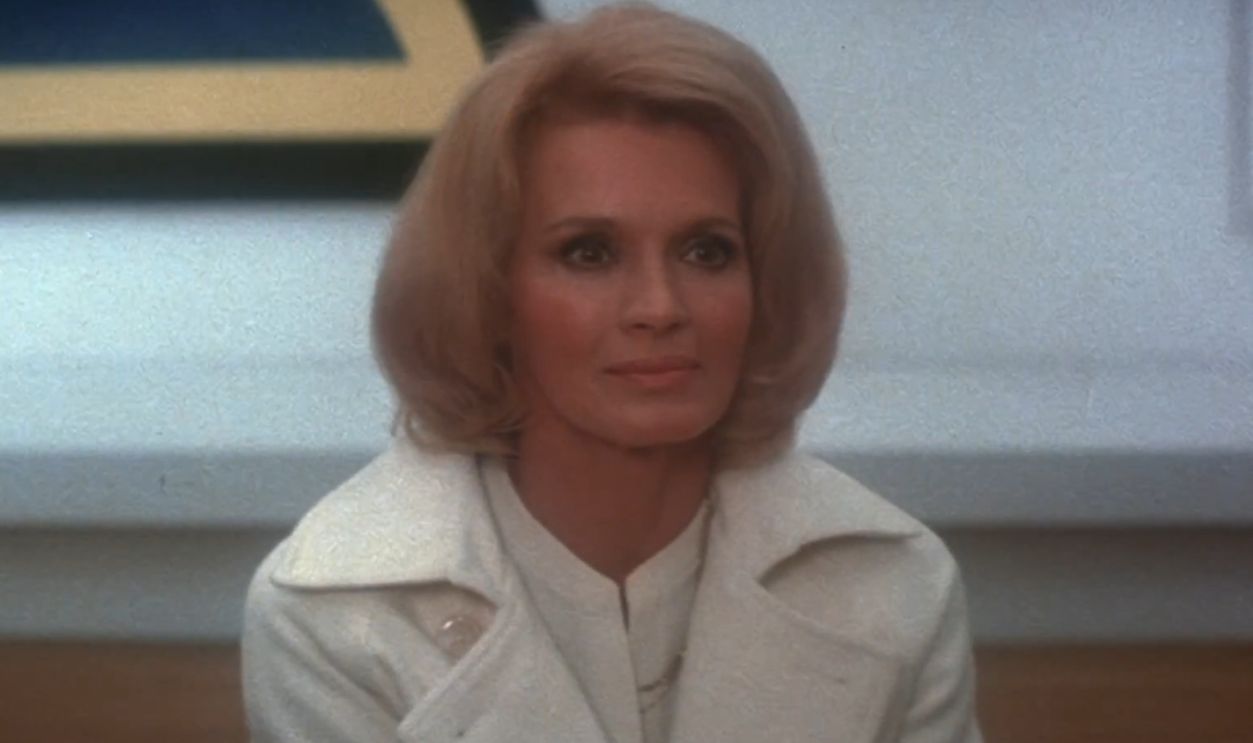 Screenshot from Dressed to Kill, Filmways Pictures (1980)
She Kept Choosing Unexpected Parts
Dickinson continued taking film and television roles after her greatest period of stardom. Her later projects included the miniseries Wild Palms, the 1995 remake of Sabrina, and a cameo in Steven Soderbergh’s Ocean’s Eleven. Her output slowed during the 1990s, and she eventually retired from acting in 2009. By then, another part of her life required far more of her attention.
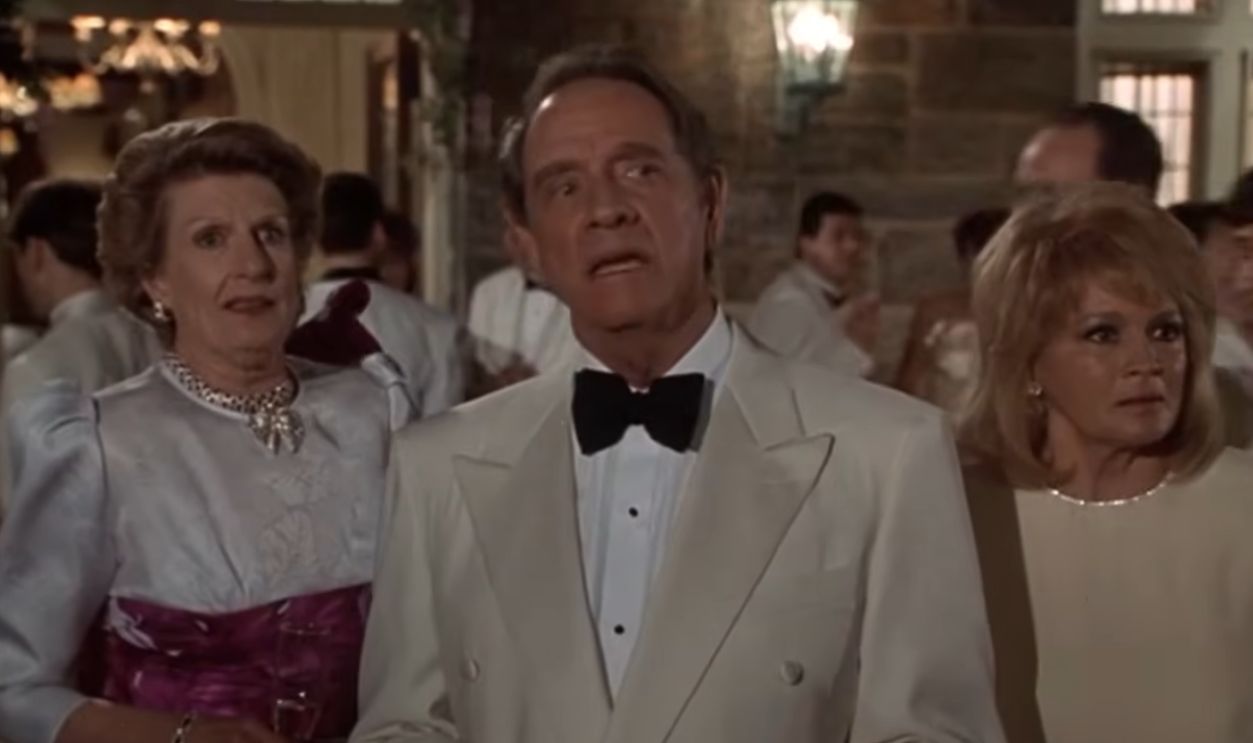 Screenshot from Sabrina, Paramount Pictures (1995)
Nikki’s Diagnosis Came Decades Late
Nikki was highly verbal and academically capable, making her childhood difficulties hard for doctors to explain. Asperger’s syndrome did not enter the American Psychiatric Association’s diagnostic manual until 1994, when she was already an adult. Dickinson recognized her daughter’s experiences in descriptions of the condition around 2000, leading to an evaluation at UCLA. The diagnosis provided a name, but it could not ease Nikki’s distress.
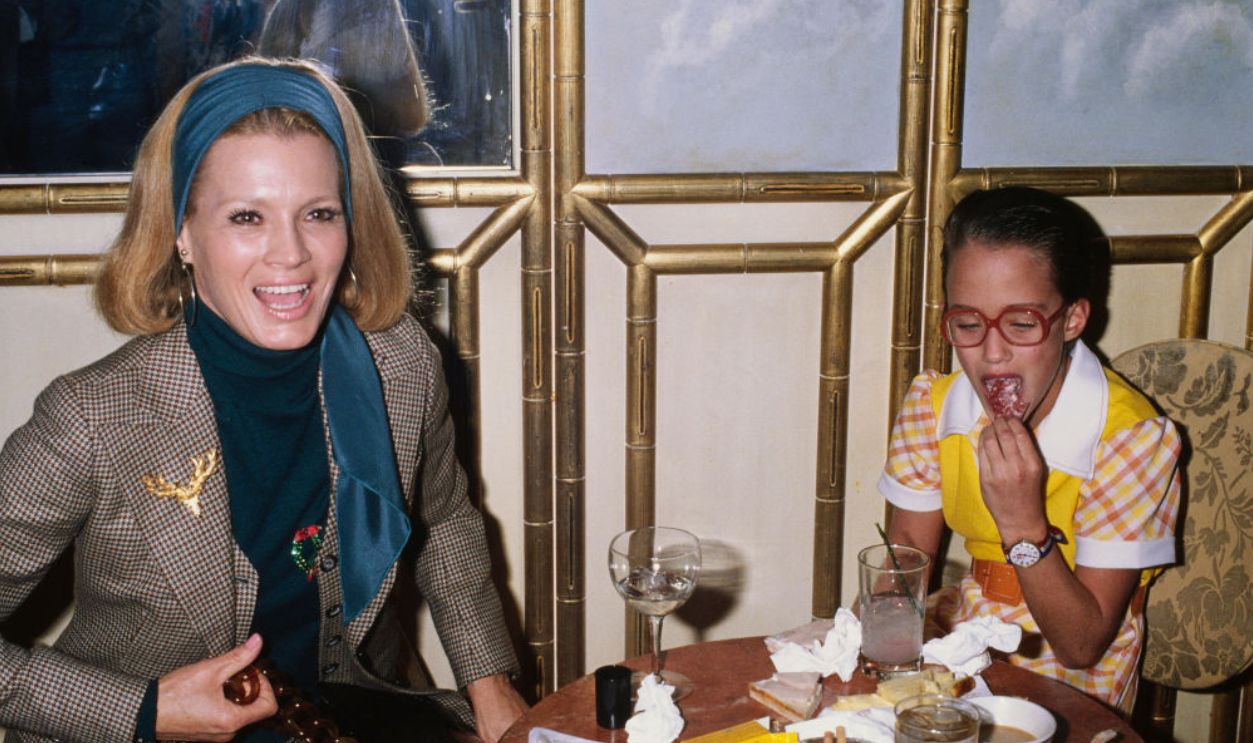 Michael Ochs Archives, Getty Images
Angie Made Her Daughter The Center
Nikki pursued her fascination with earthquakes by studying geology at California Lutheran University, although poor eyesight made coursework difficult. She also earned a green belt in karate and shared her mother’s love of movies and travel. As Nikki’s sensory difficulties intensified, Dickinson reduced outside engagements and organized more of her life around her daughter. In 2006 alone, they traveled together to Alaska, Las Vegas, Russia, and Paris.
The Loss No Fame Could Soften
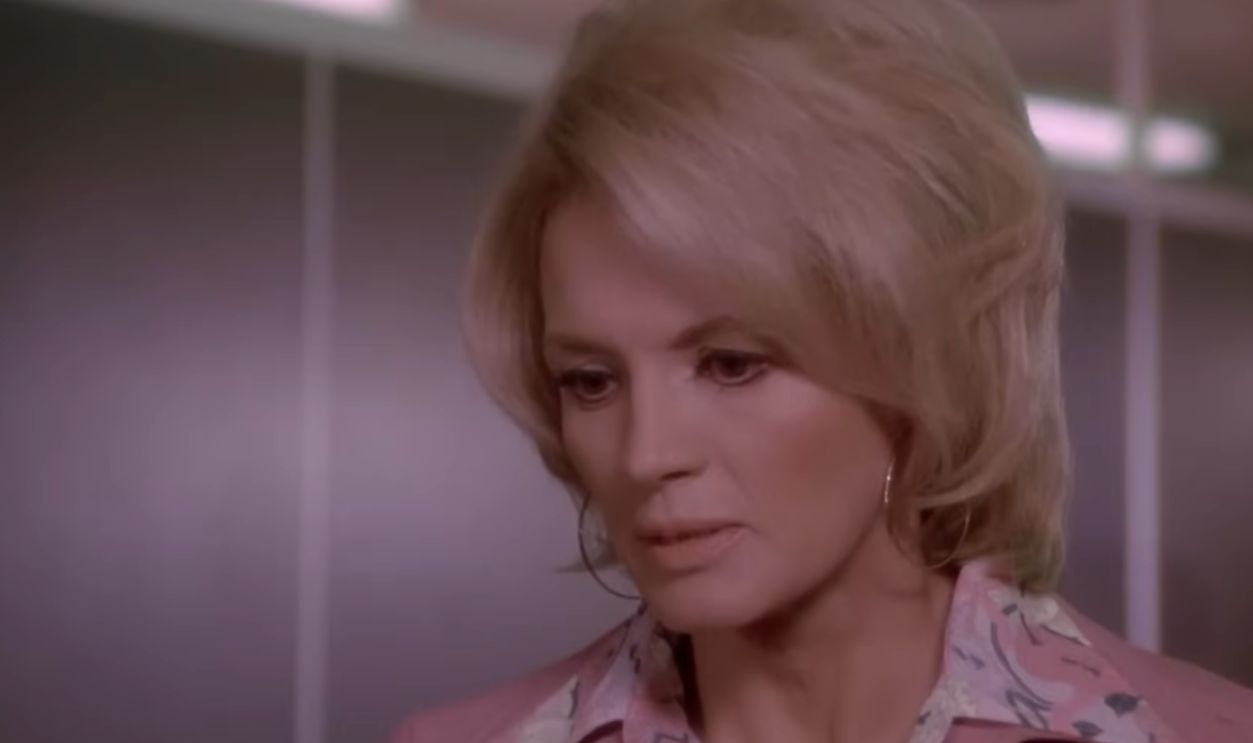
Nikki took her own life on January 4, 2007, at the age of 40. A family statement described the suffering she had experienced and remembered her love of cats, earthquakes, science, sunsets, and Tahiti. Dickinson later spoke about the closeness they shared and the friends who helped her through the first stages of grief. Behind decades of glamour was a mother confronting the most painful loss imaginable.
 Screenshot from Police Woman, NBC (1974–1978)
Her Legacy Is Larger Than The Icon
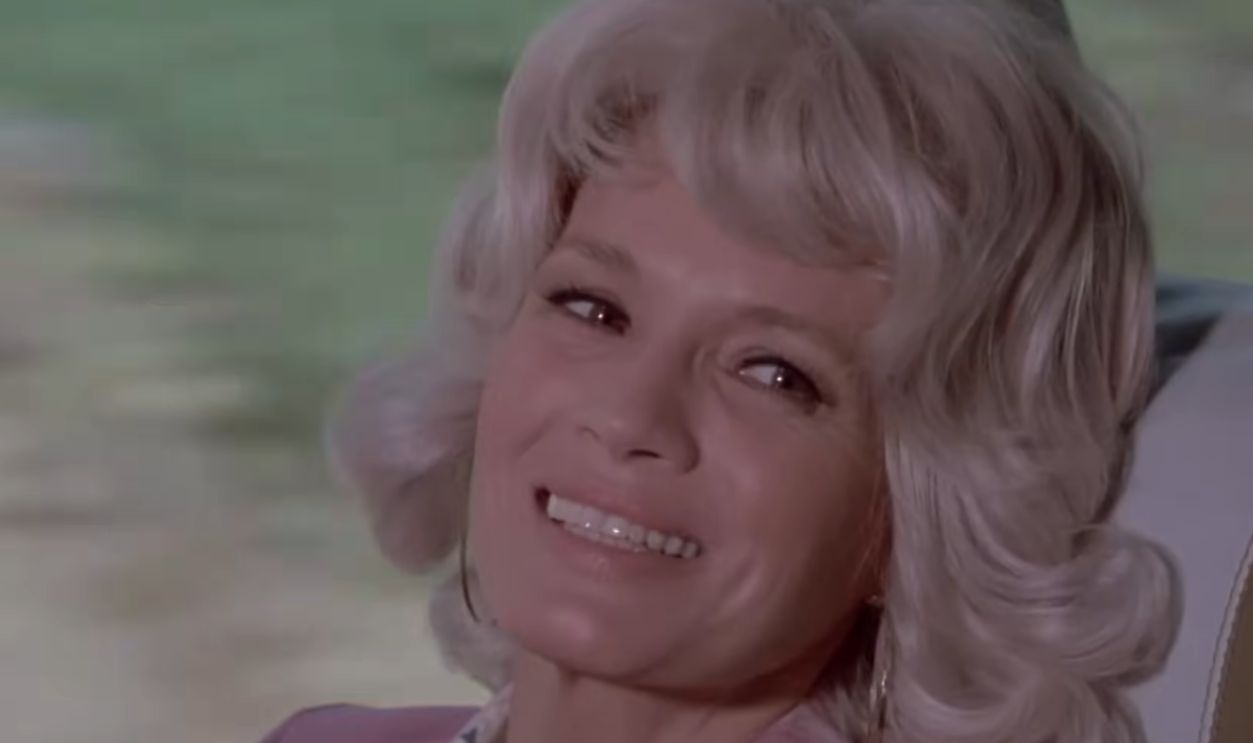
Dickinson’s television image helped redefine who could lead an American crime drama, even when Police Woman reflected the limitations of its time. Her film work showed equal ease opposite Hollywood legends and in daring roles built around her own magnetism. She also spent much of her later life caring for a daughter whose needs were poorly understood for decades. Pepper Anderson made Angie Dickinson a cultural icon, but her private devotion reveals the deeper story behind that fame.
 Screenshot from Police Woman, NBC (1974–1978)
You May Also Like:
Loni Anderson Became A 1970s TV Bombshell, But She Was Always Sharper Than Her Image Suggested
What happened to Dawn Wells after playing Mary Ann on Gilligan's Island?
How Robert Vaughn Brought Movie-Star Polish To The Man From U.N.C.L.E.