Robert Vaughn Made Television Look Cinematic
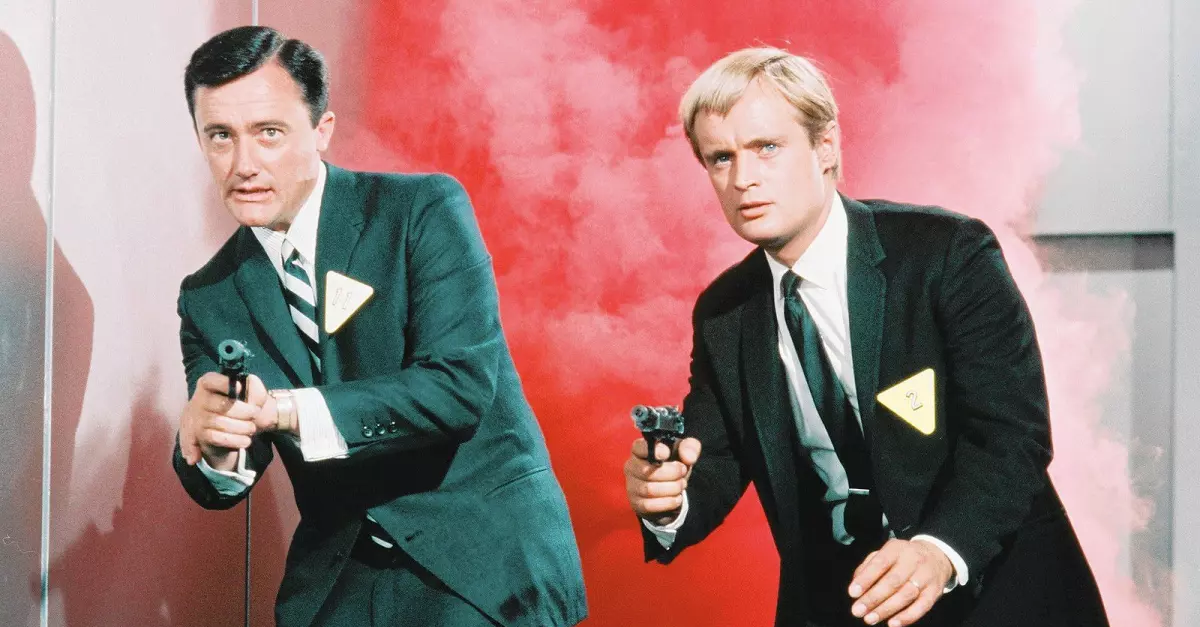
When The Man From U.N.C.L.E. premiered in 1964, Robert Vaughn already carried himself like someone who belonged on a movie screen. As Napoleon Solo, he combined tailored elegance, dry humor, and relaxed confidence without making the character feel like a James Bond imitation. Vaughn gave the series the sophisticated leading man it needed to transform an unusual spy concept into a television phenomenon.
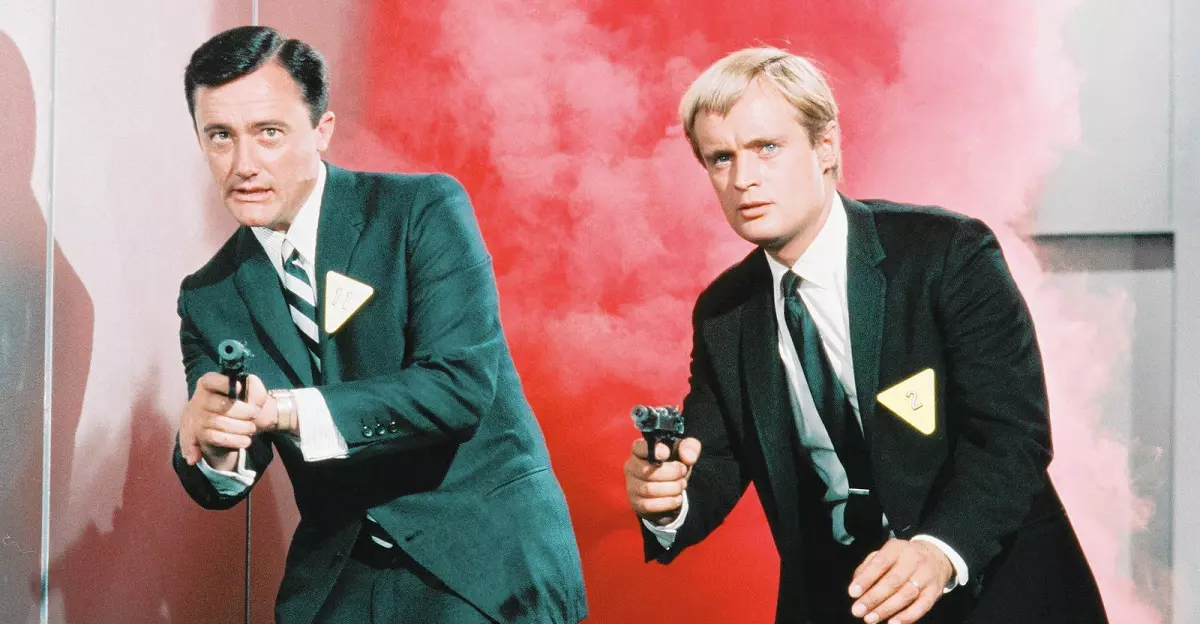 Screenshot from The Man From U.N.C.L.E., NBC (1964-1968)
He Was Already An Acclaimed Film Actor
Vaughn had spent years appearing in movies and television before becoming Napoleon Solo. His performance opposite Paul Newman in The Young Philadelphians earned him an Academy Award nomination for Best Supporting Actor. That recognition established Vaughn as a serious dramatic performer long before U.N.C.L.E. headquarters opened its hidden doors.
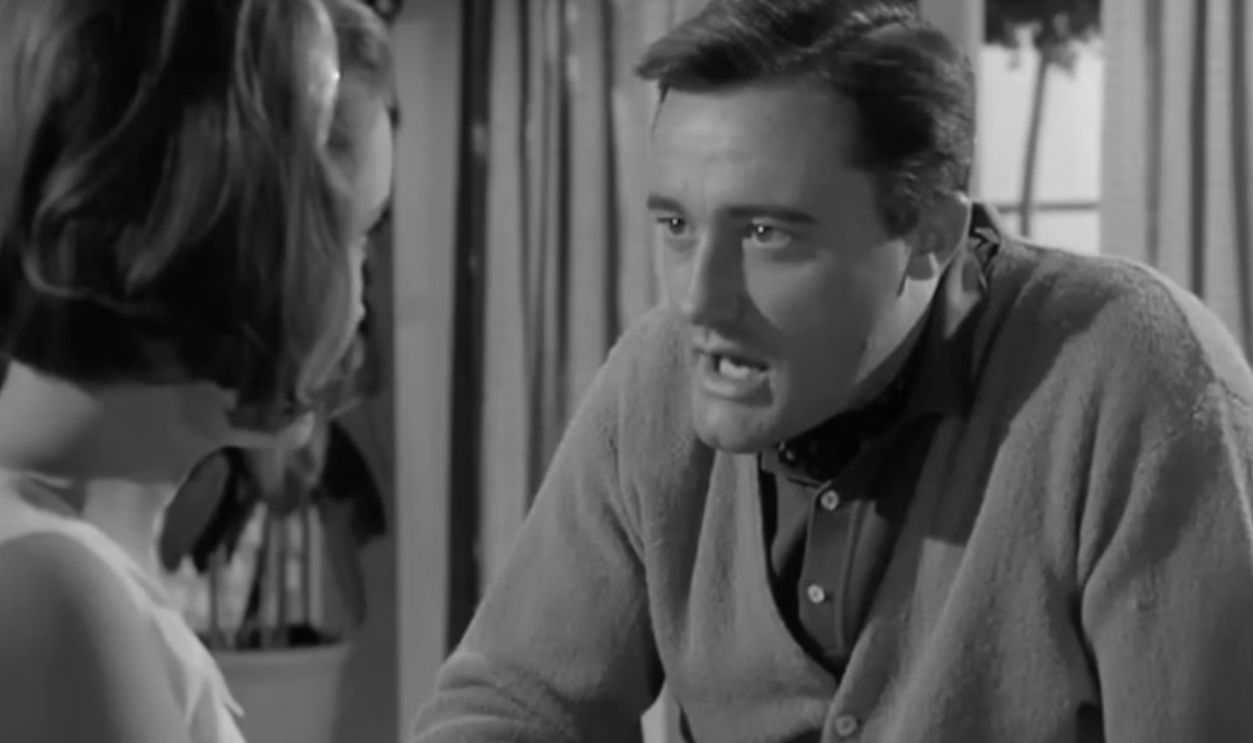 Screenshot from The Man from U.N.C.L.E., NBC (1964–1968)
The Magnificent Seven Raised His Profile
In 1960, Vaughn joined the star-filled cast of The Magnificent Seven. He played Lee, a well-dressed gunfighter whose outward calm concealed fear and uncertainty. The role demonstrated that elegance could make an action character more intriguing rather than less dangerous.
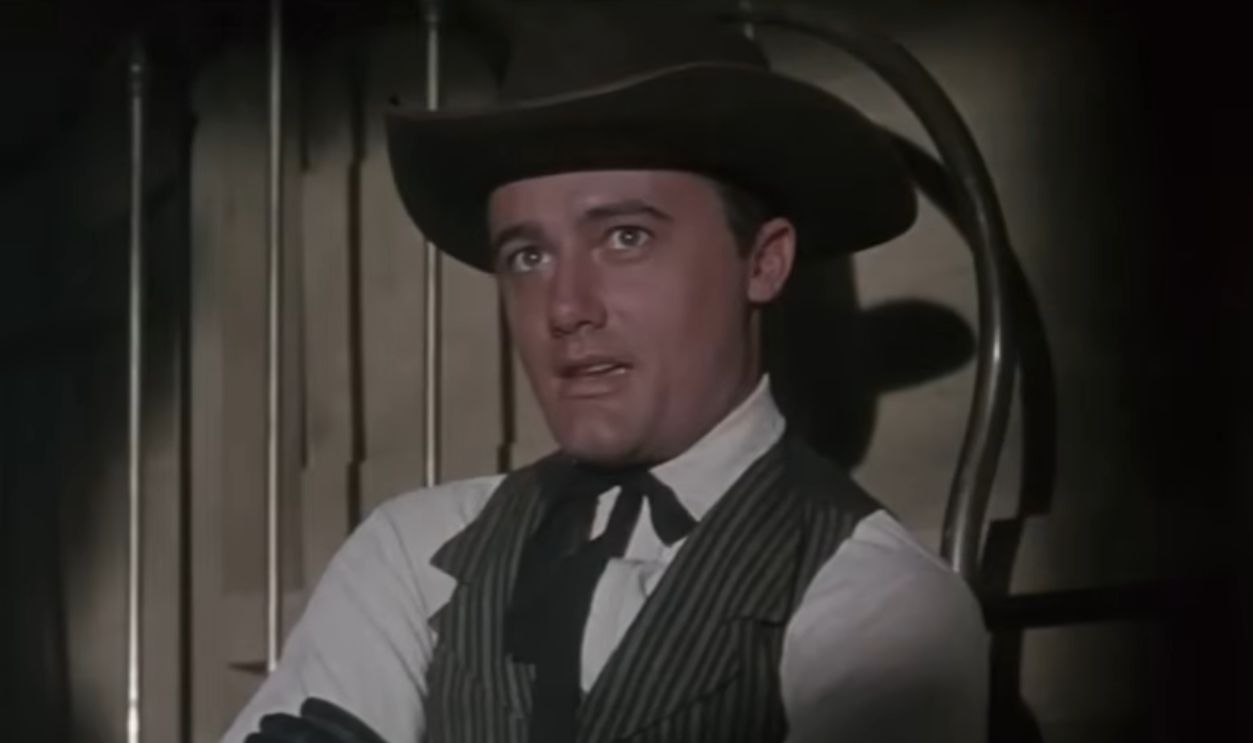 Screenshot from The Magnificent Seven, United Artists (1960)
Vaughn Had The Right Look For Solo
Napoleon Solo needed to appear equally comfortable in a secret laboratory, an expensive restaurant, or a villain’s private fortress. Vaughn’s slim build, polished wardrobe, controlled gestures, and slightly mischievous expression immediately suggested sophistication. Even when the series operated on a television budget, its leading man looked ready for an international movie thriller.
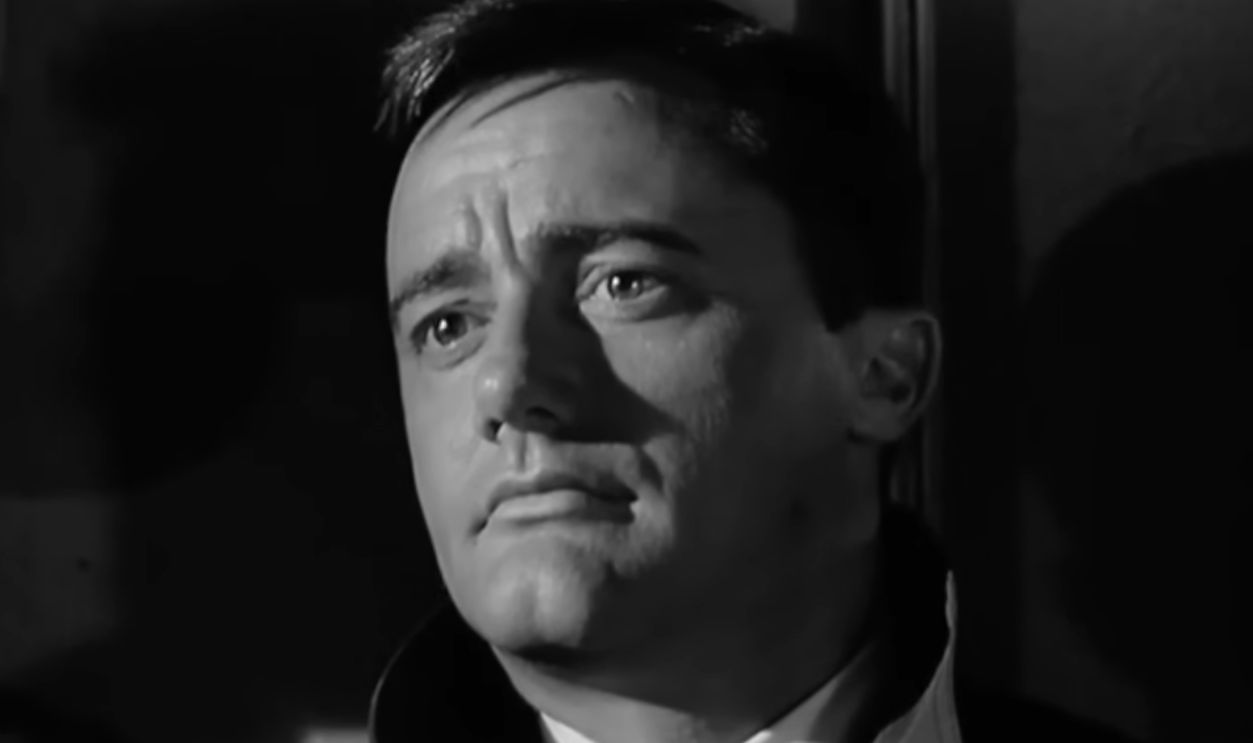 Screenshot from The Man from U.N.C.L.E., NBC (1964–1968)
Ian Fleming Helped Shape The Original Idea
Producer Norman Felton consulted James Bond creator Ian Fleming while developing the project that became The Man From U.N.C.L.E. Fleming contributed the name Napoleon Solo and offered ideas during the program’s early development. The proposed title was initially Ian Fleming’s Solo, although Fleming eventually withdrew from the production.
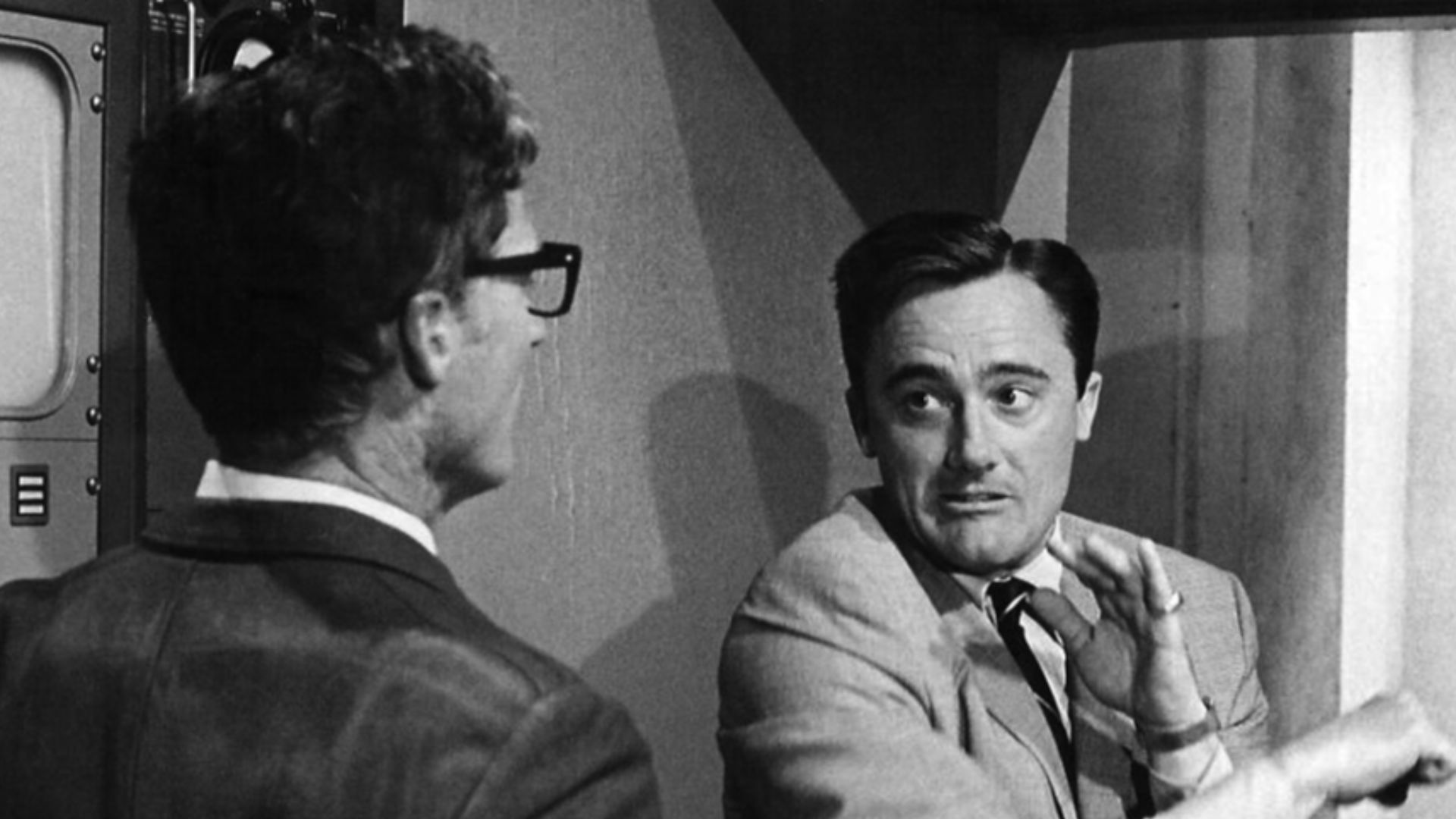 NBC Television, Wikimedia Commons
Sam Rolfe Built The World Around Him
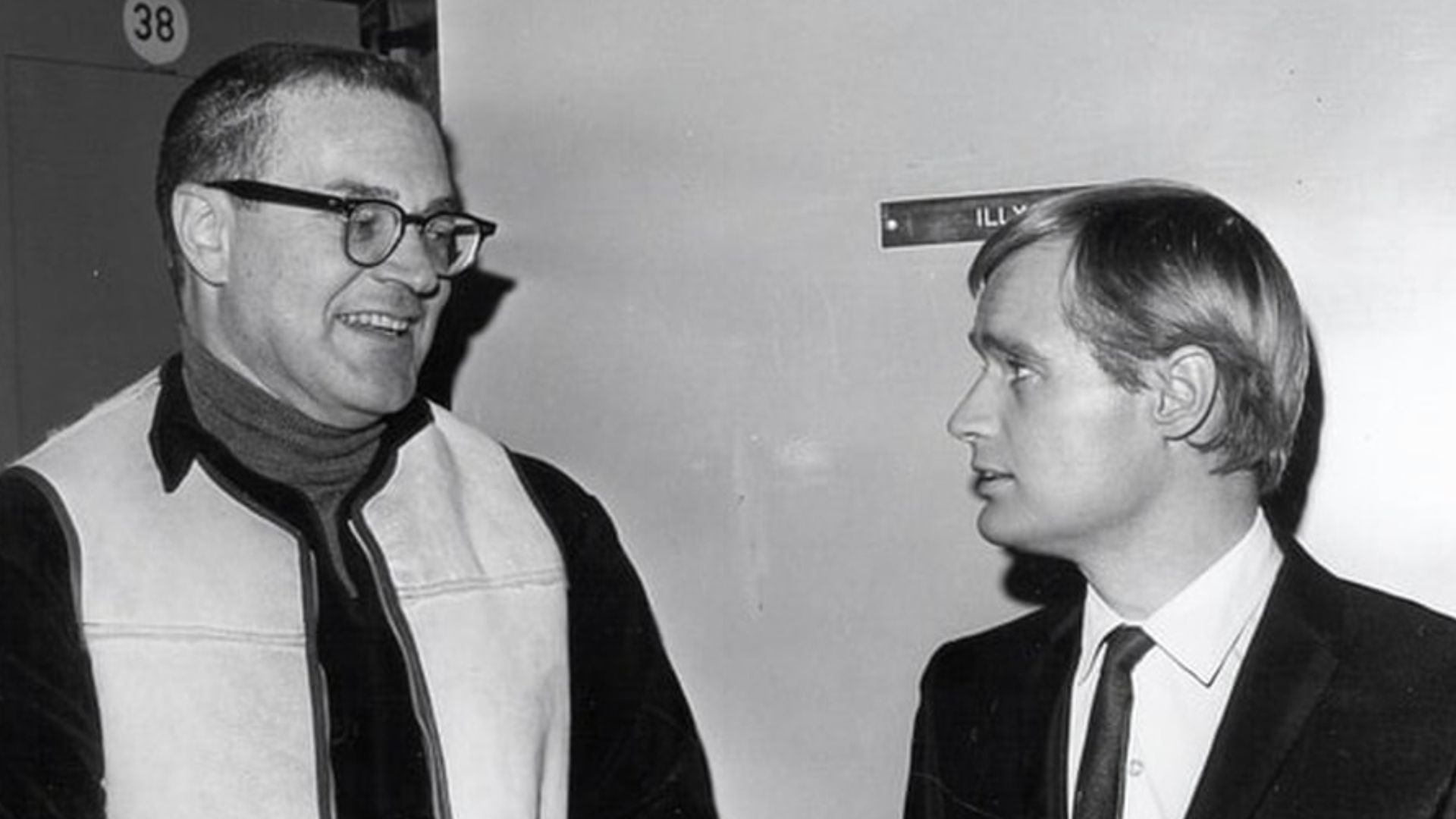
Writer and producer Sam Rolfe developed the larger structure of U.N.C.L.E. as an international organization. Its agents operated beyond conventional national boundaries and fought threats that could endanger the entire world. That global concept gave Solo a broader mission than simply serving one government.
Napoleon Solo Was Not Quite James Bond
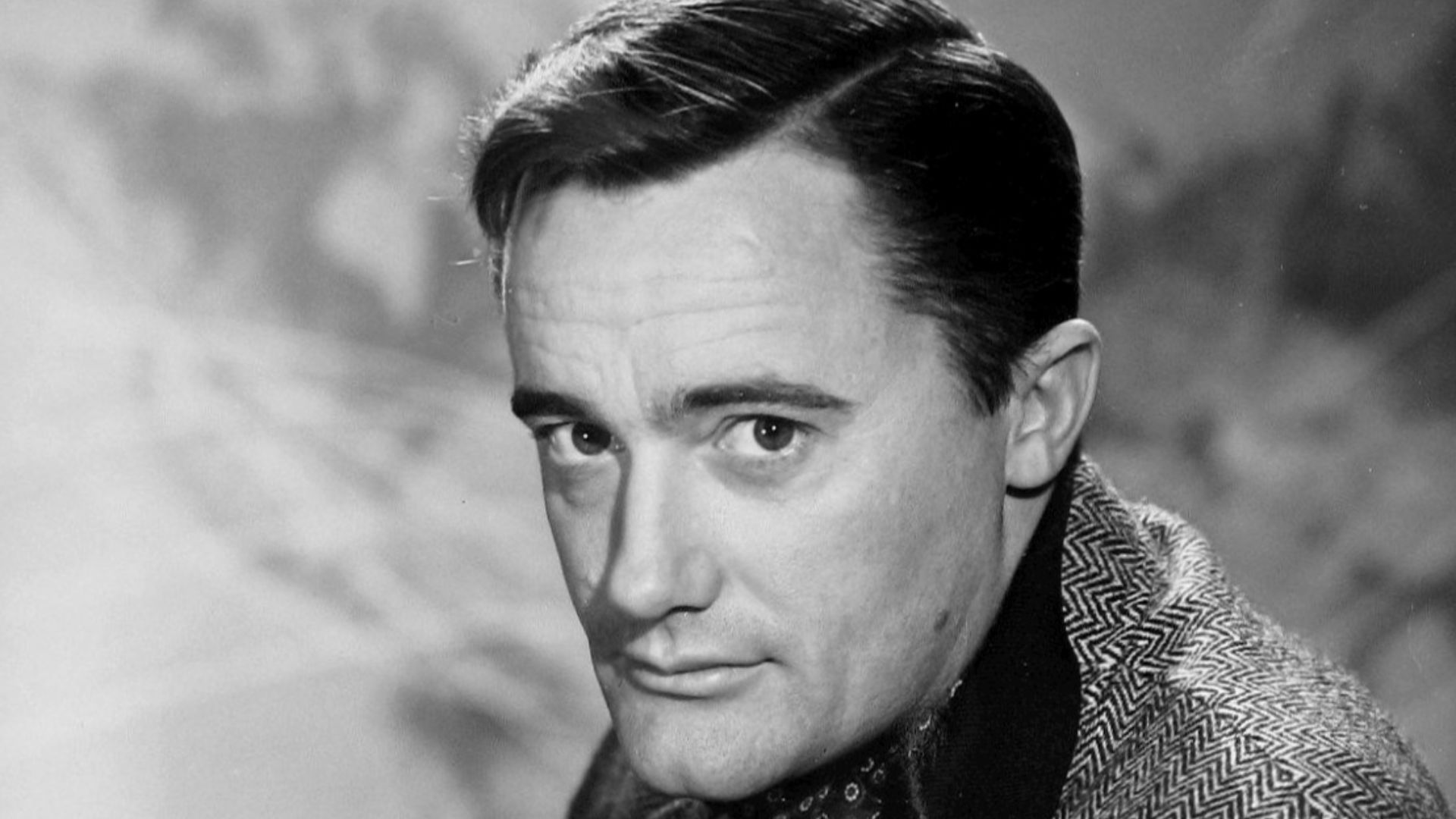
Solo shared Bond’s expensive taste, romantic confidence, and ability to remain composed under pressure. However, Vaughn played him with a lighter and less aggressive touch. Solo could be flirtatious and self-assured, but he was also approachable enough to work with the ordinary people who became involved in each week’s adventure.
 NBC Television, Wikimedia Commons
His Humor Was Usually Understated
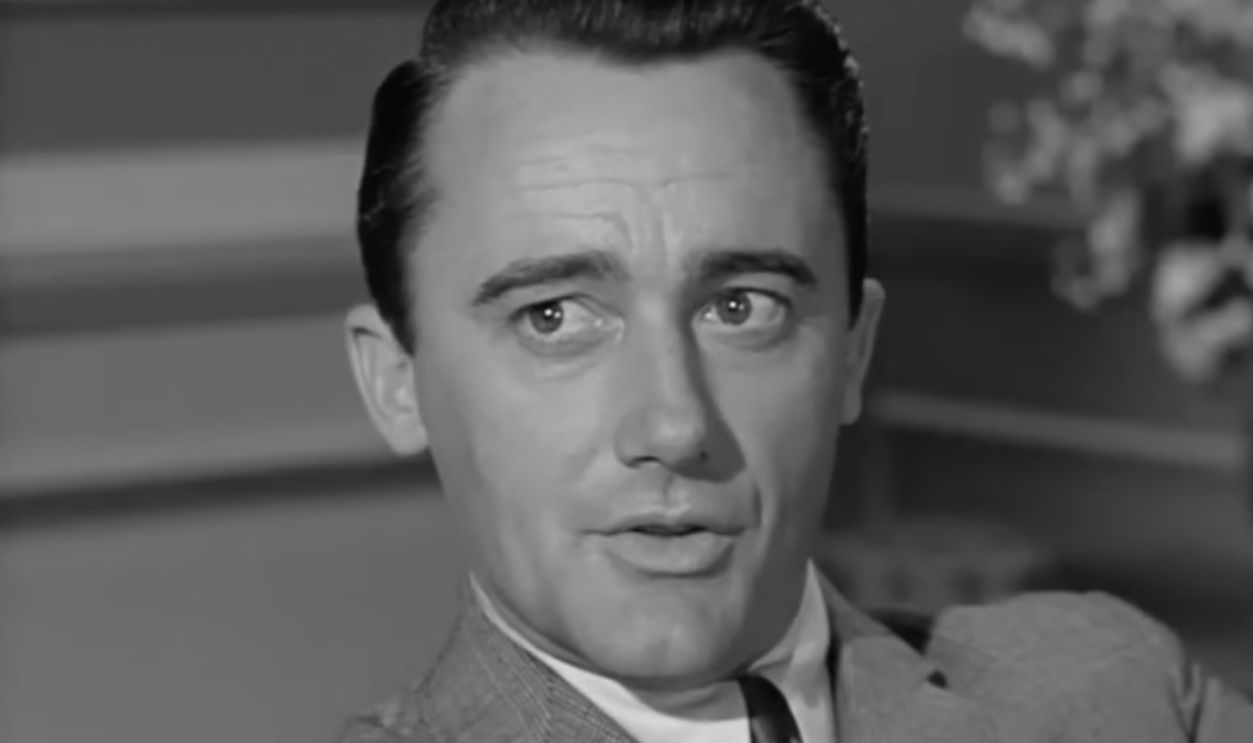
Vaughn rarely needed to force a joke. He could make a scene funny by pausing before a reply, lifting an eyebrow, or allowing Solo’s confidence to slip for half a second. Those small choices helped the show balance espionage, danger, and comedy without abandoning its sense of adventure.
 Screenshot from The Man from U.N.C.L.E., NBC (1964–1968)
Solo Made Spy Work Look Effortless
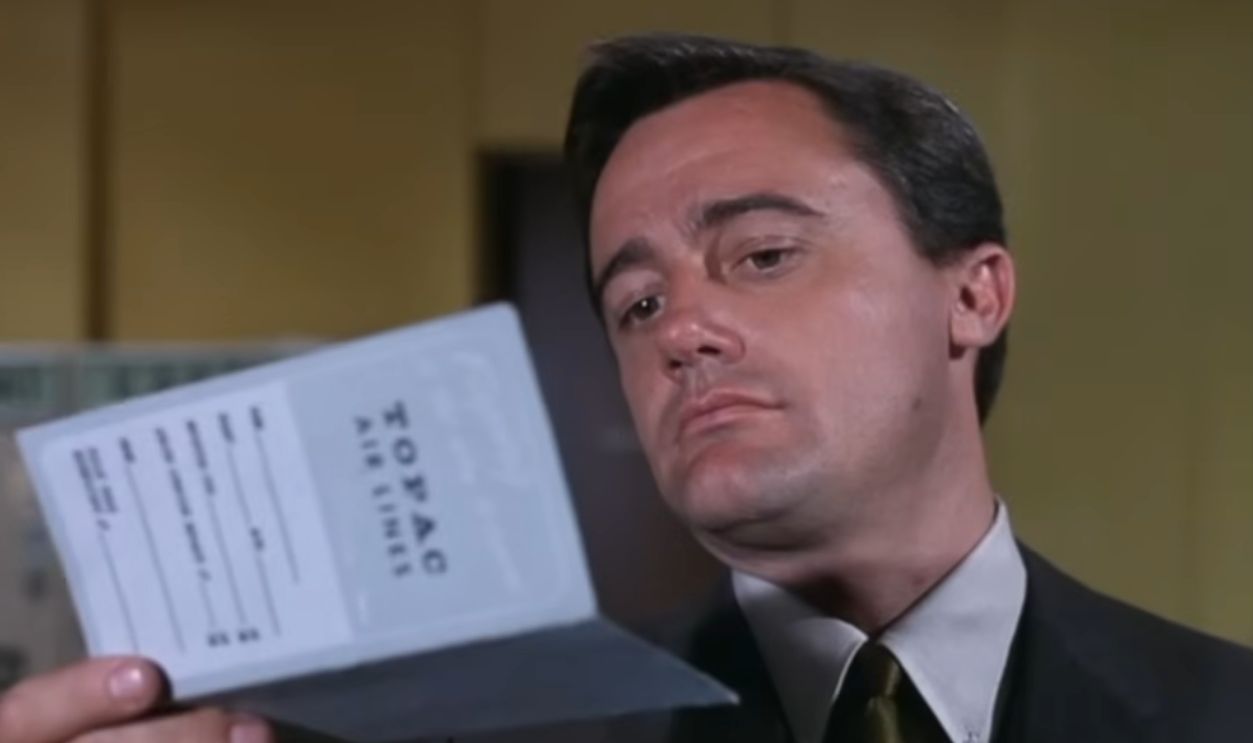
Many television heroes proved their authority through shouting, fighting, or intimidating everyone around them. Solo usually relied on charm, quick thinking, and an ability to read the people in the room. Vaughn made that composure feel natural, even when the episode’s plot became increasingly outlandish.
 Screenshot from The Man from U.N.C.L.E., NBC (1964–1968)
The Series Arrived During A Spy Craze
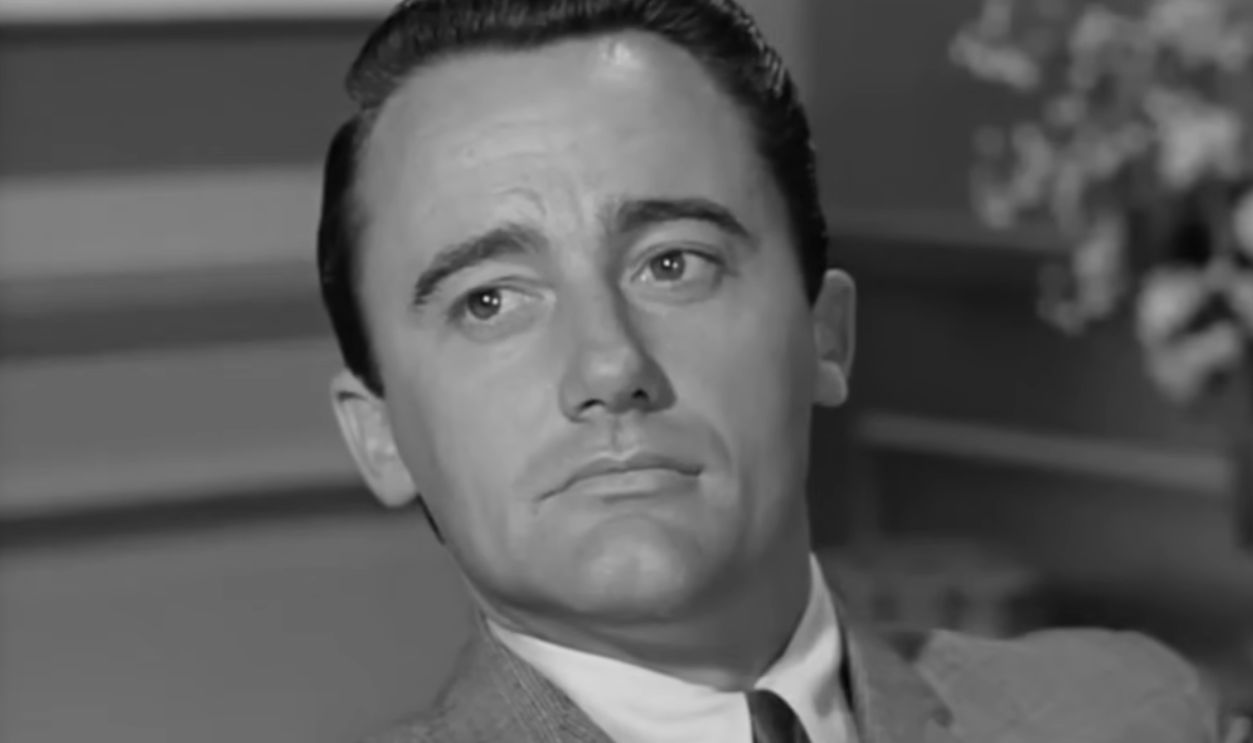
The early James Bond films helped create enormous public interest in secret agents, gadgets, glamorous locations, and international conspiracies. Television networks quickly looked for ways to capture some of that excitement. The Man From U.N.C.L.E. arrived at the right moment, but Vaughn’s distinctive interpretation prevented it from feeling like a simple copy.
 Screenshot from The Man from U.N.C.L.E., NBC (1964–1968)
The First Season Had A Darker Edge
The first season was filmed in black and white and generally treated its espionage stories more seriously than later episodes. Vaughn’s controlled performance fit that atmosphere particularly well. His Solo could move through shadowy corridors and tense confrontations without losing the relaxed charm that made him appealing.
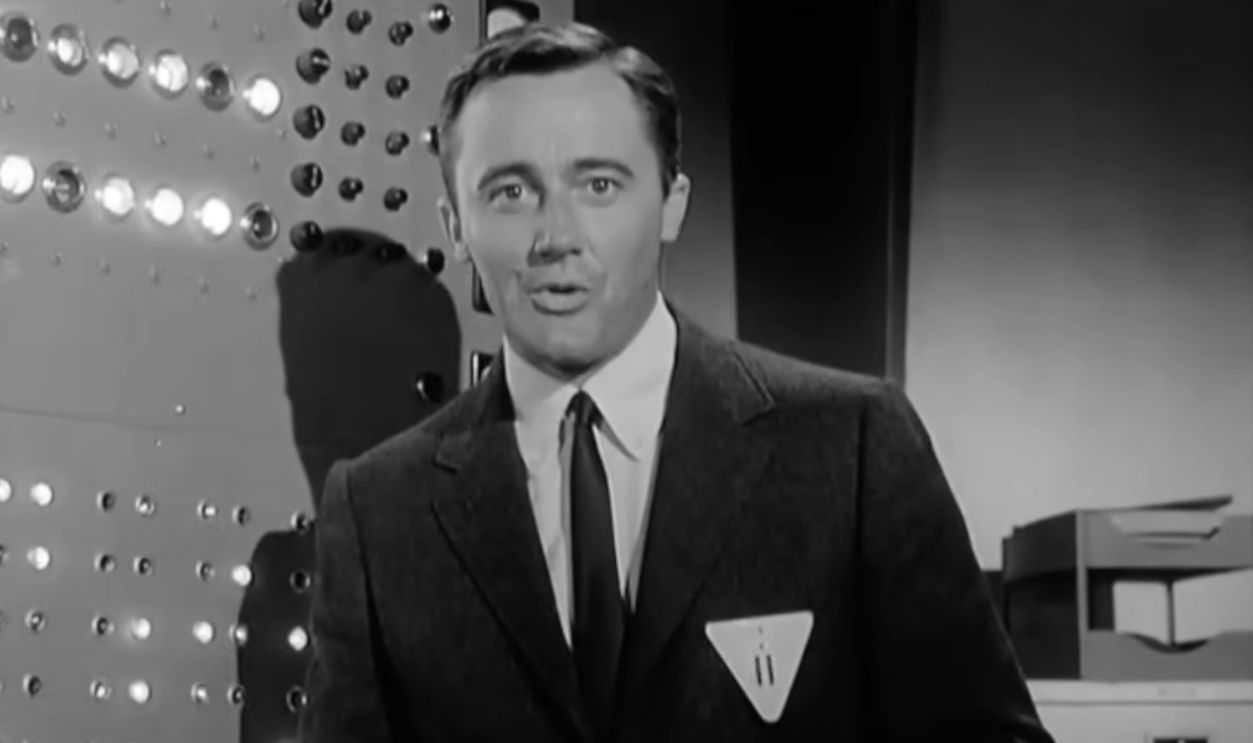 Screenshot from The Man from U.N.C.L.E., NBC (1964–1968)
The Show Soon Found A Larger Audience
The series initially received a mixed response, but its popularity increased after NBC moved it to an earlier time slot. Viewers responded to its gadgets, guest stars, colorful villains, and playful approach to international intrigue. Vaughn quickly became one of television’s most recognizable leading men.
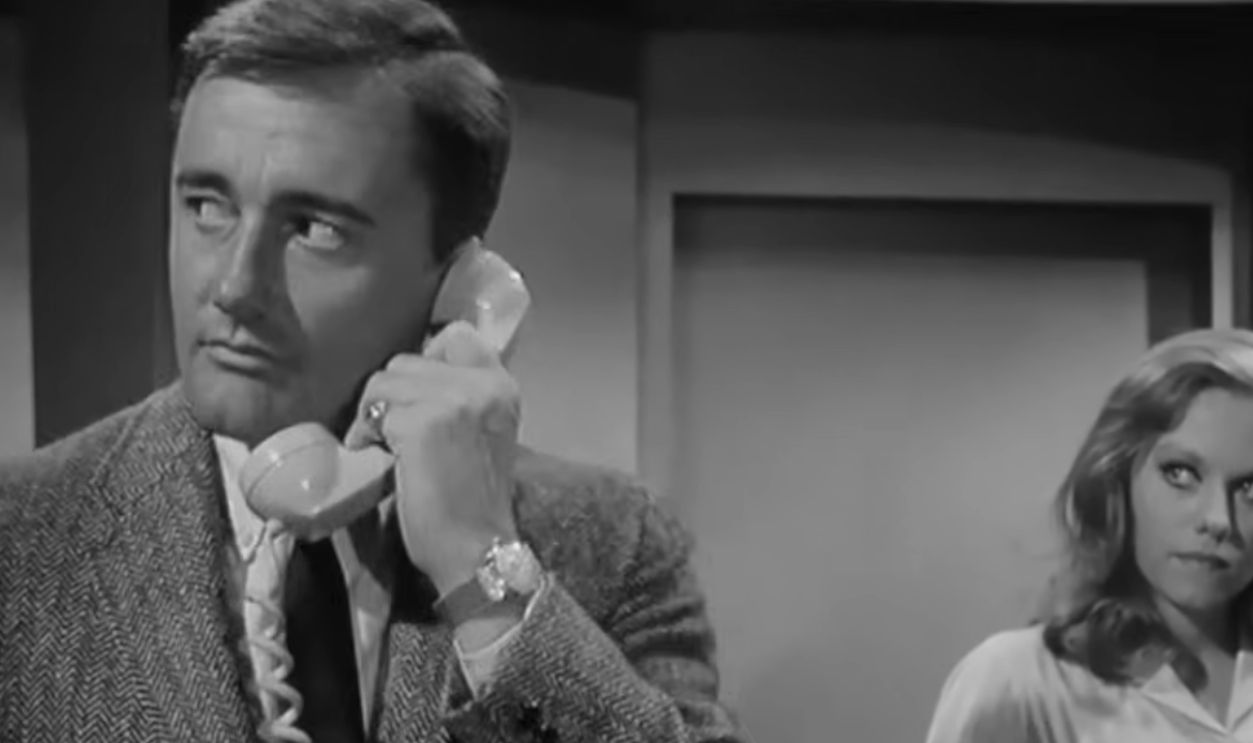 Screenshot from The Man from U.N.C.L.E., NBC (1964–1968)
David McCallum Changed The Formula
David McCallum’s Illya Kuryakin was originally intended to have a smaller role. Audiences became fascinated by the quiet Russian agent, and McCallum was gradually elevated into Vaughn’s full co-star. Instead of resisting the change, Vaughn adapted to a partnership that made the series stronger.
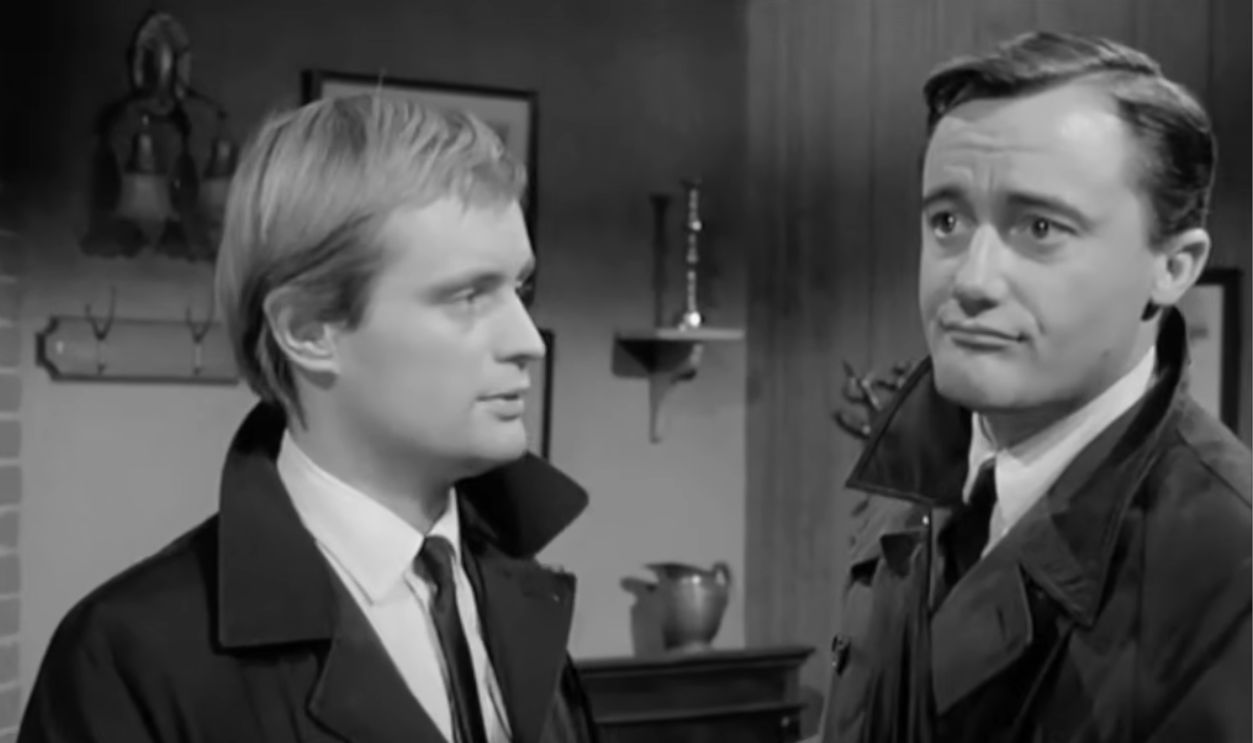 Screenshot from The Man from U.N.C.L.E., NBC (1964–1968)
Solo And Illya Offered A Perfect Contrast
Vaughn’s Solo was polished, talkative, and openly charming. McCallum’s Kuryakin was guarded, intellectual, and mysterious. Their contrasting styles created an easy comic rhythm while giving viewers two very different versions of 1960s cool.
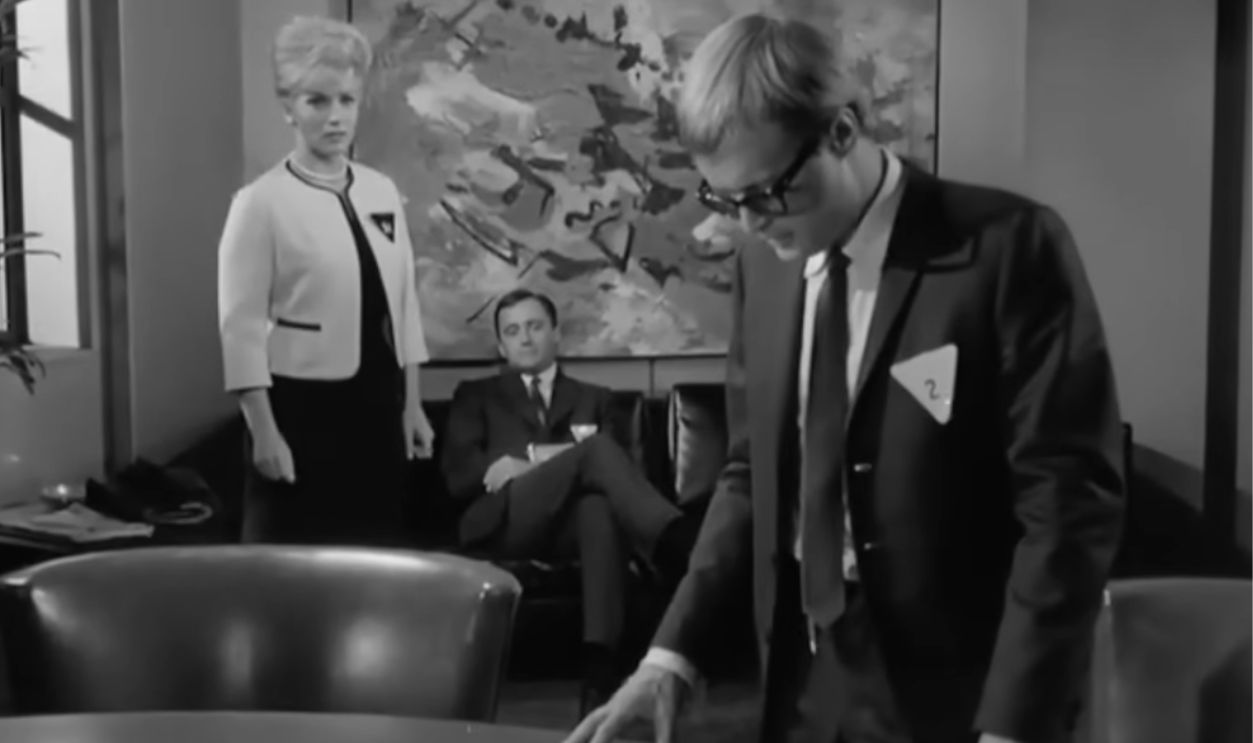 Screenshot from The Man from U.N.C.L.E., NBC (1964–1968)
Their Partnership Defied Cold War Expectations
Solo was American, while Kuryakin was Russian. At a time of intense tension between the United States and the Soviet Union, the program presented them as trusted colleagues inside an international organization. The series usually minimized ideological conflict and concentrated on the friendship and professional respect between the two agents.
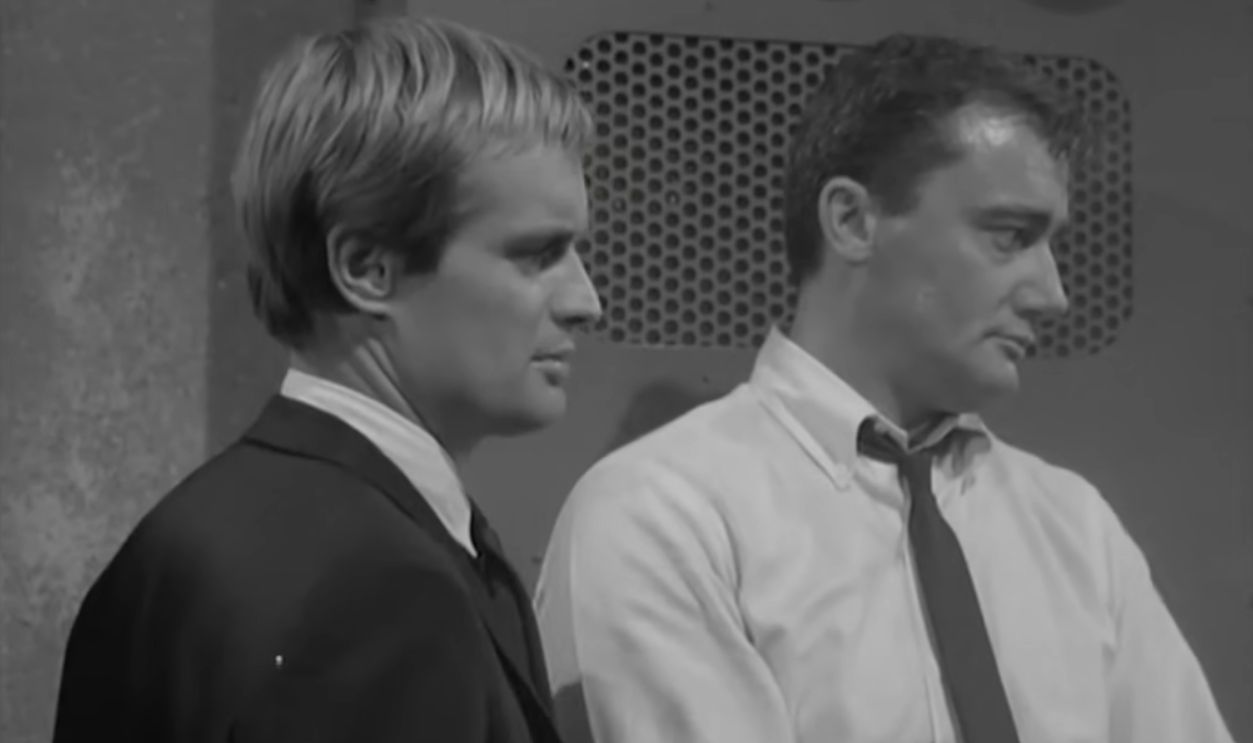 Screenshot from The Man from U.N.C.L.E., NBC (1964–1968)
Vaughn Remained The Show’s Polished Center
McCallum’s popularity could easily have reduced Solo to the conventional authority figure standing beside a more fashionable partner. Vaughn avoided that by making Solo playful, observant, and capable of laughing at himself. He remained the show’s confident center without demanding every memorable moment.
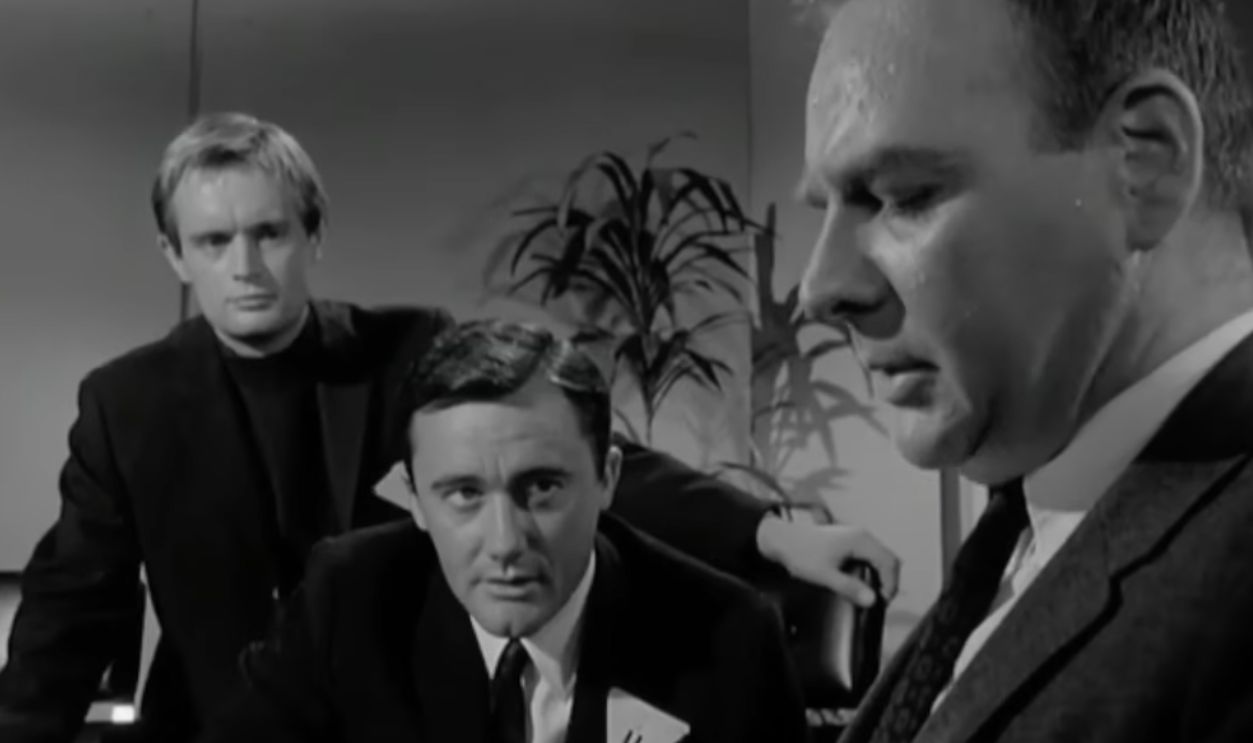 Screenshot from The Man from U.N.C.L.E., NBC (1964–1968)
Leo G. Carroll Completed The Team
Veteran actor Leo G. Carroll played Alexander Waverly, the reserved head of U.N.C.L.E.’s New York headquarters. Carroll’s old-world authority matched Vaughn’s sophistication while providing a contrast to Solo’s romantic confidence. Their scenes helped make the organization feel established, disciplined, and larger than any single adventure.
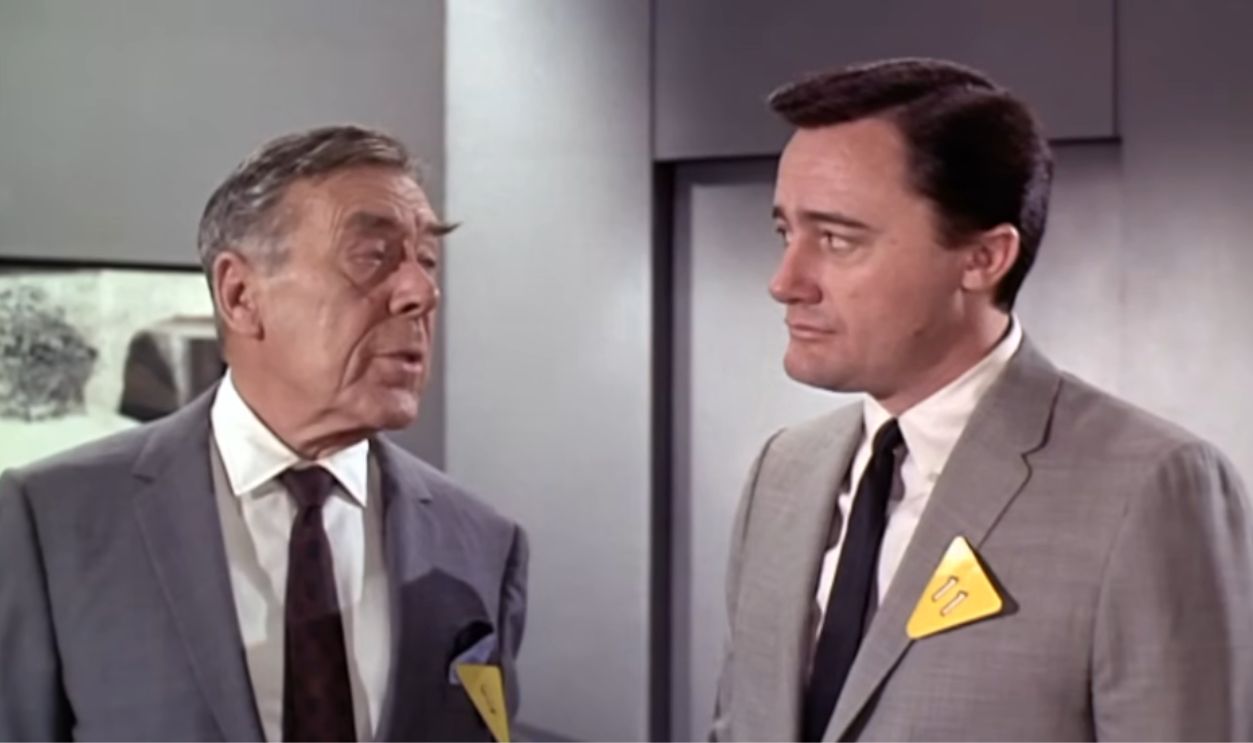 Screenshot from The Man from U.N.C.L.E., NBC (1964–1968)
The Wardrobe Became Part Of The Performance
Solo’s suits were not merely attractive costumes. They reinforced the idea that he approached espionage with preparation, taste, and self-control. Vaughn wore them with such ease that even the strangest U.N.C.L.E. equipment looked like a natural extension of his character.
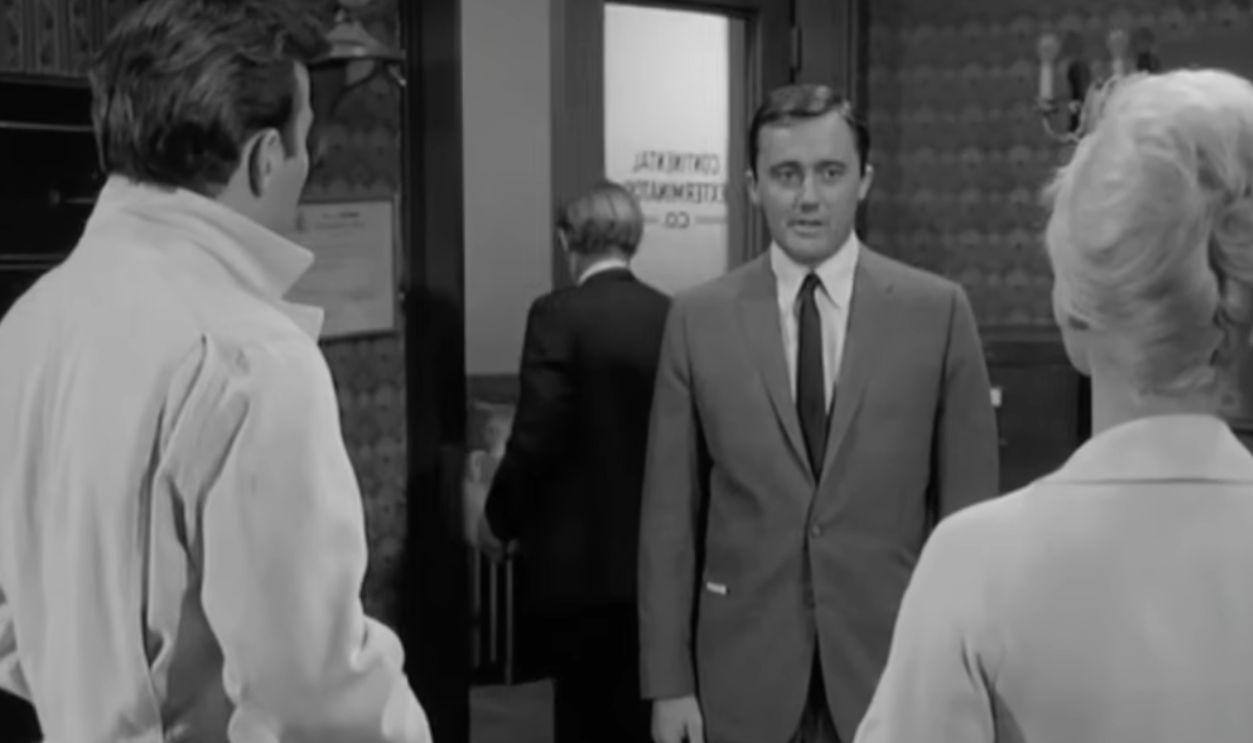 Screenshot from The Man from U.N.C.L.E., NBC (1964–1968)
The Gadgets Never Overwhelmed Him
The series became famous for communicators, hidden entrances, specialized weapons, and other futuristic devices. Vaughn treated the technology as ordinary professional equipment rather than stopping to admire every new invention. His casual response made the U.N.C.L.E. world seem more believable.
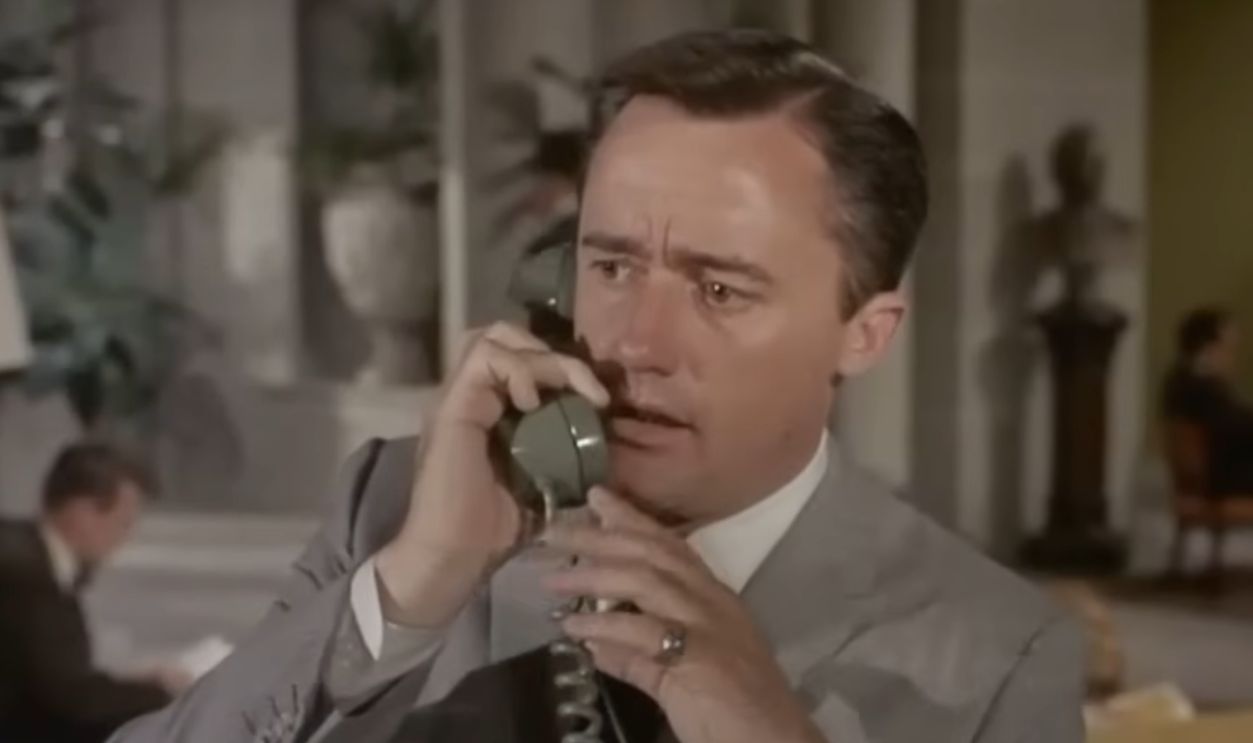 Screenshot from The Man from U.N.C.L.E., NBC (1964–1968)
Ordinary People Entered Solo’s World
A recurring feature of the series involved an innocent civilian becoming entangled in an U.N.C.L.E. mission. These characters gave viewers someone familiar to follow through the organization’s secret world. Vaughn’s approachable charm allowed Solo to guide them through danger without appearing distant or superior.
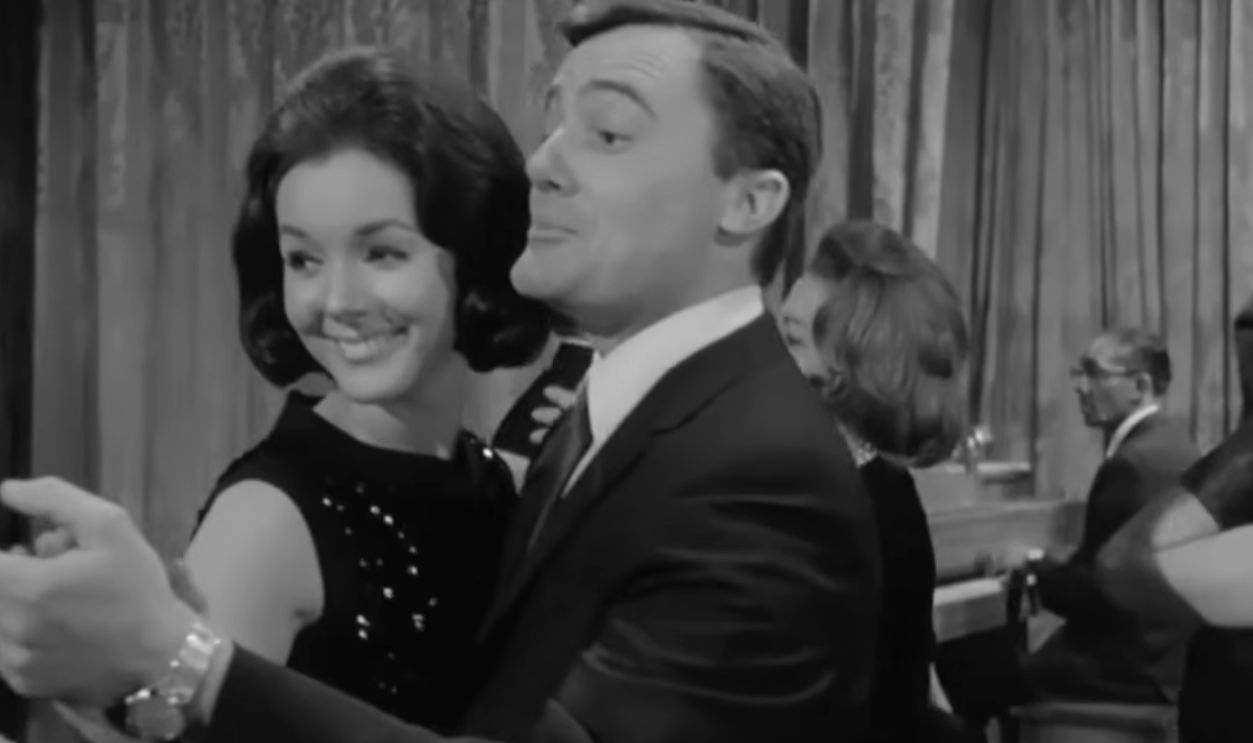 Screenshot from The Man from U.N.C.L.E., NBC (1964–1968)
Color Changed The Show’s Personality
After its first season, The Man From U.N.C.L.E. switched from black and white to color. The stories gradually became brighter, more exaggerated, and increasingly humorous. Vaughn adjusted without completely abandoning the controlled performance that had originally defined Solo.
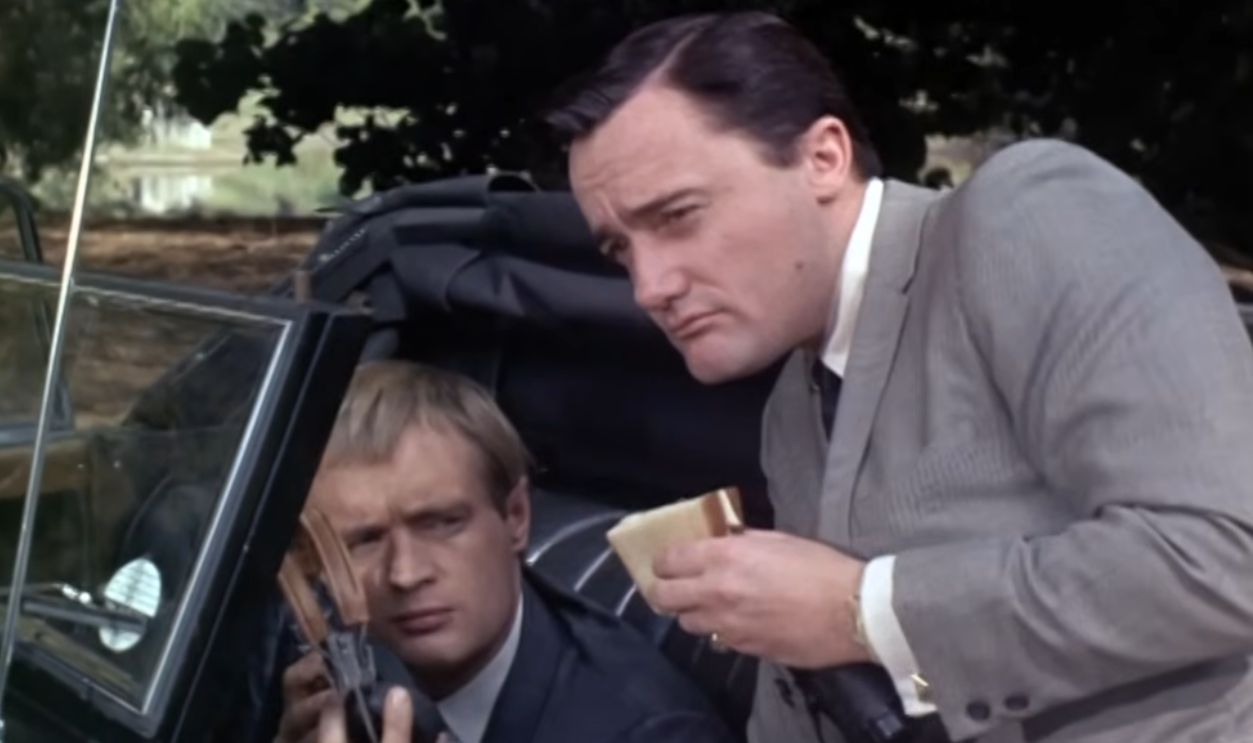 Screenshot from The Man from U.N.C.L.E., NBC (1964–1968)
The Camp Eventually Went Too Far
The enormous popularity of Batman encouraged many television programs to pursue broader comedy and more outrageous villains. During its third season, The Man From U.N.C.L.E. leaned heavily into camp. Vaughn remained committed, but the increasingly silly material sometimes worked against the sophistication he had brought to the series.
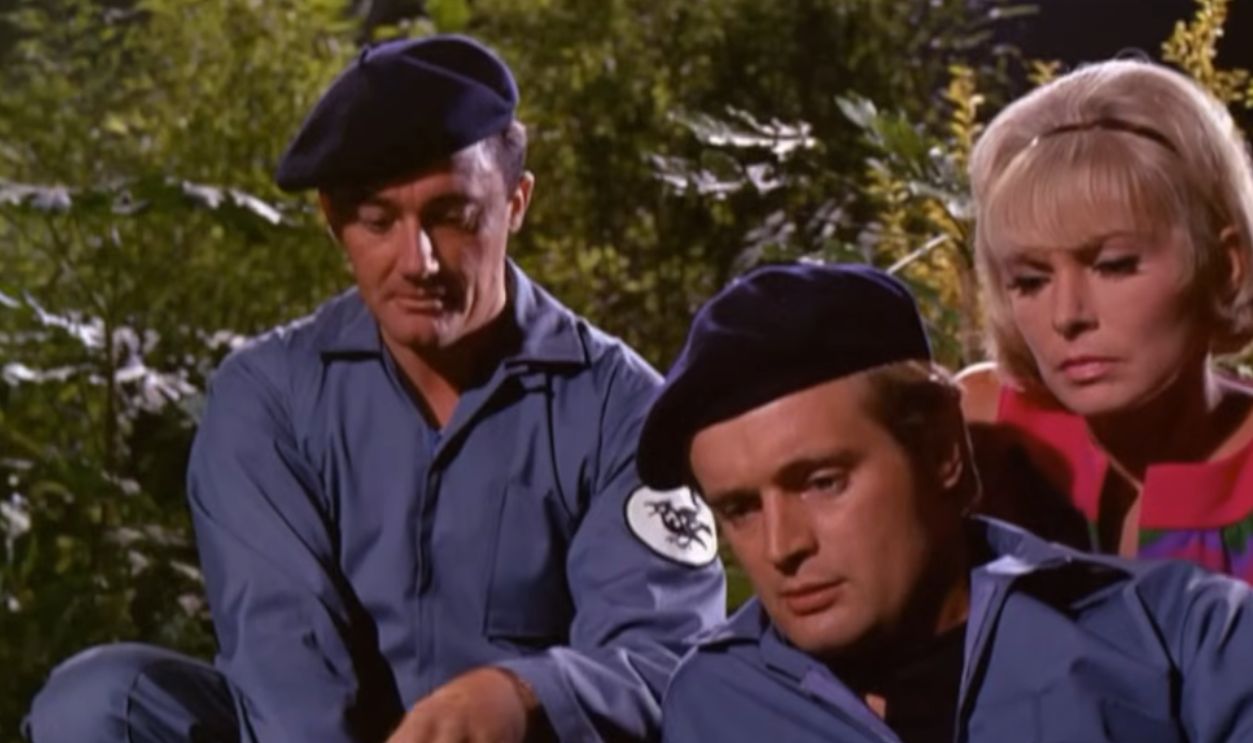 Screenshot from The Man from U.N.C.L.E., NBC (1964–1968)
The Final Season Tried To Recover
The fourth season moved away from some of the previous year’s excesses and attempted to restore a more serious balance. Vaughn’s version of Solo remained recognizable, but the show had lost momentum. NBC canceled the series, and its final episode aired in January 1968.
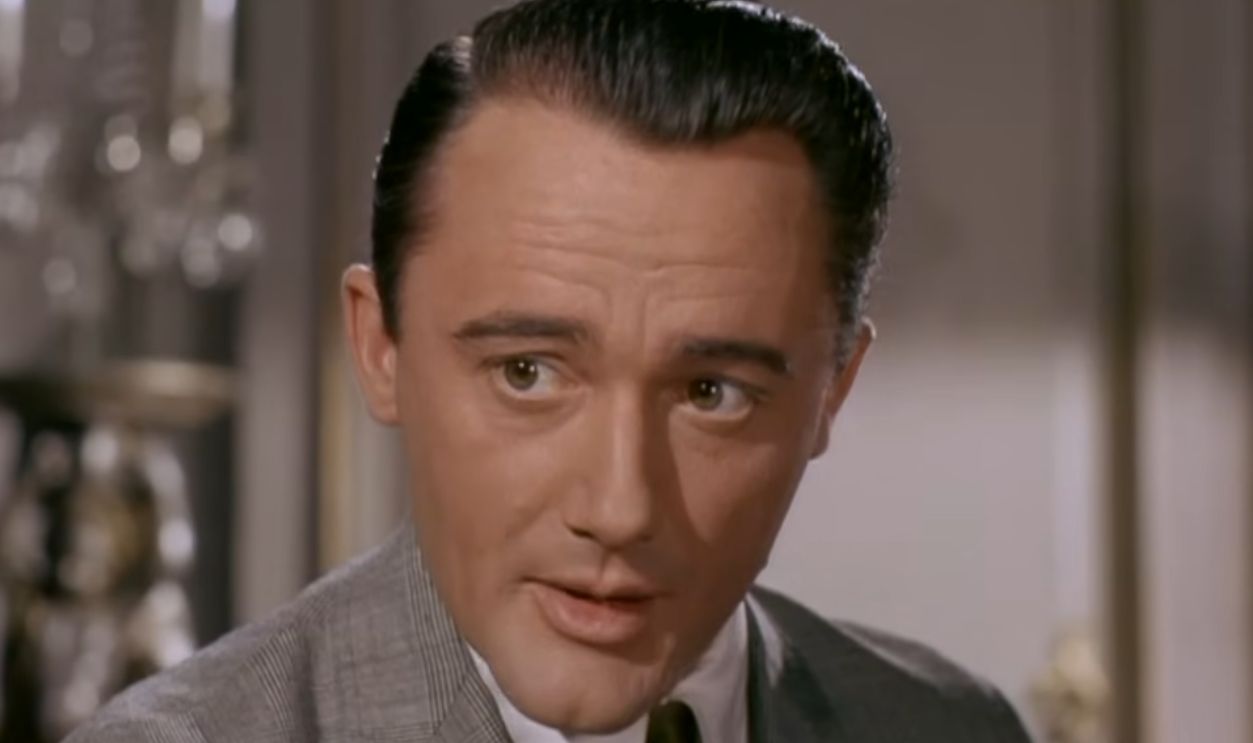 Screenshot from The Man from U.N.C.L.E., NBC (1964–1968)
Vaughn Became A Genuine Television Star
At the height of the program’s popularity, Vaughn and McCallum attracted large crowds during public appearances. Vaughn later described receiving extraordinary amounts of fan mail and unwanted visits from admirers. The show transformed him from a respected working actor into an internationally known celebrity.
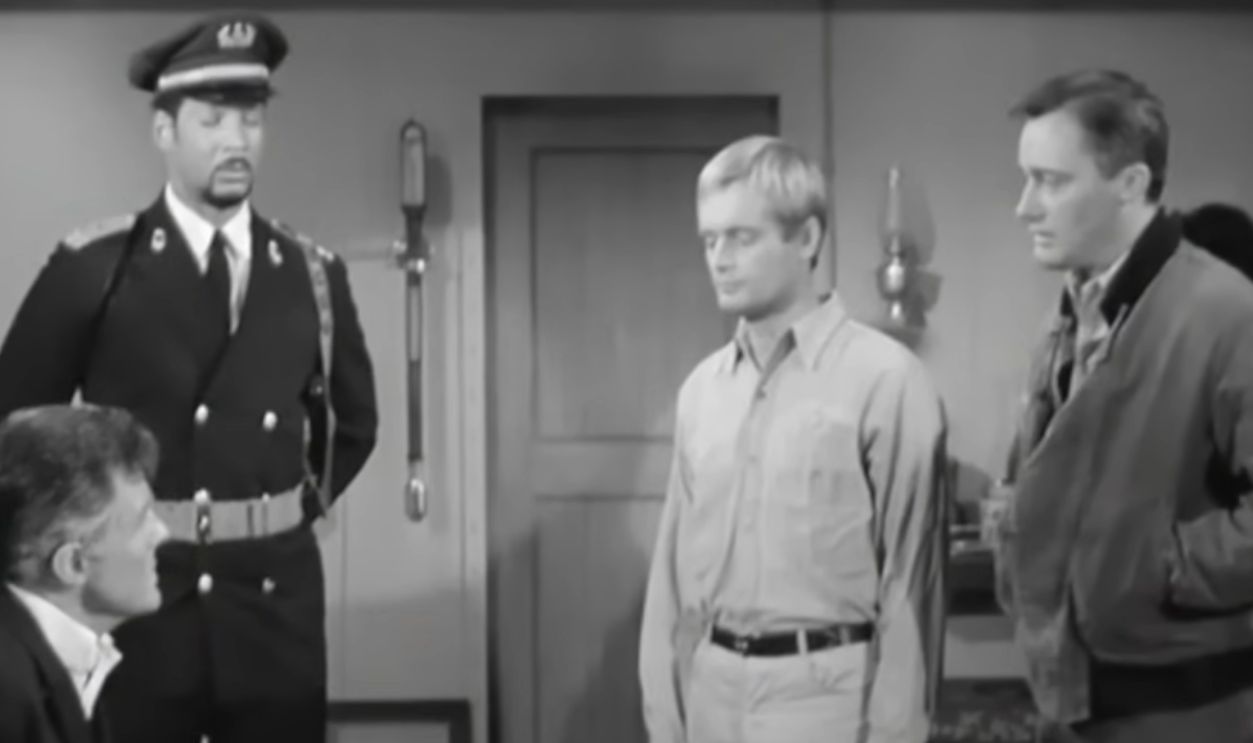 Screenshot from The Man from U.N.C.L.E., NBC (1964–1968)
He Never Became Trapped By Solo
After the series ended, Vaughn continued moving between film, television, and stage work. He played an ambitious politician opposite Steve McQueen in Bullitt and later appeared in projects including The Towering Inferno and Superman III. His varied career demonstrated that the charm associated with Solo was only one part of his range.
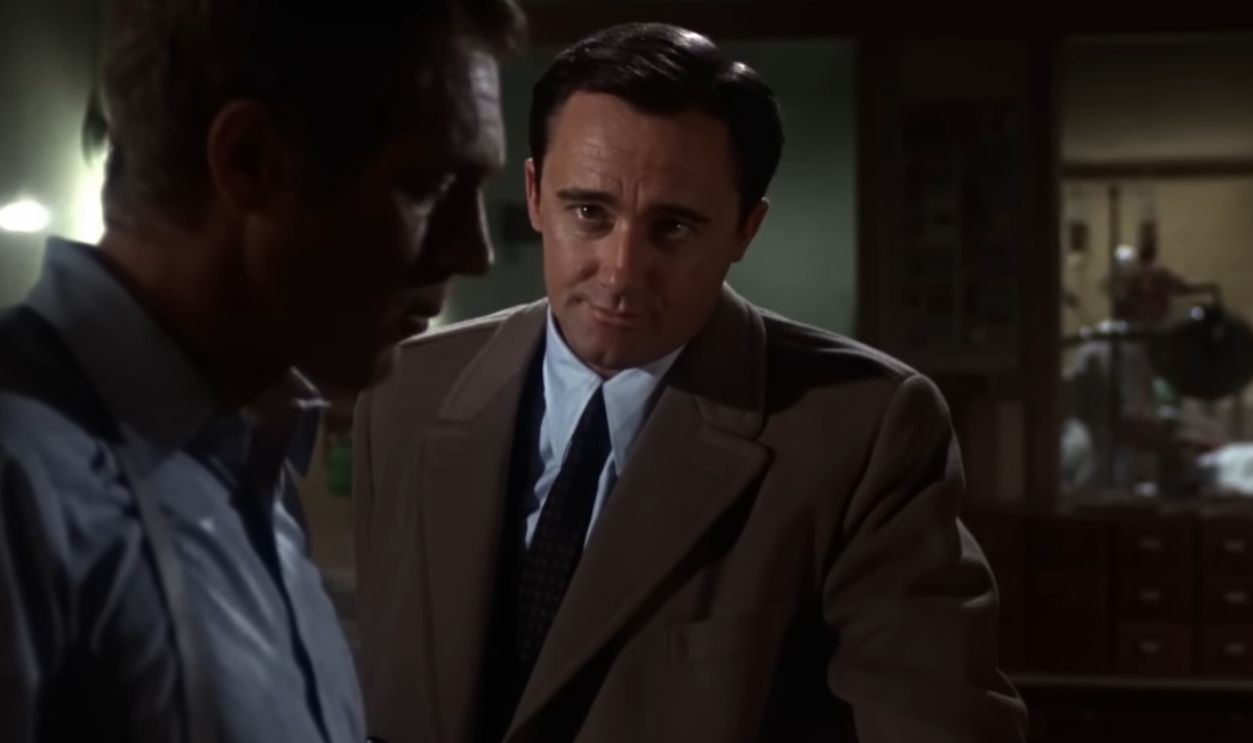 Screenshot from Bullitt, Warner Bros.-Seven Arts (1968)
His Intellectual Life Set Him Apart
Vaughn continued his education while maintaining a demanding acting career. He earned a doctorate from the University of Southern California after researching the effects of the House Un-American Activities Committee on American theater. His dissertation later became the book Only Victims: A Study of Show Business Blacklisting.
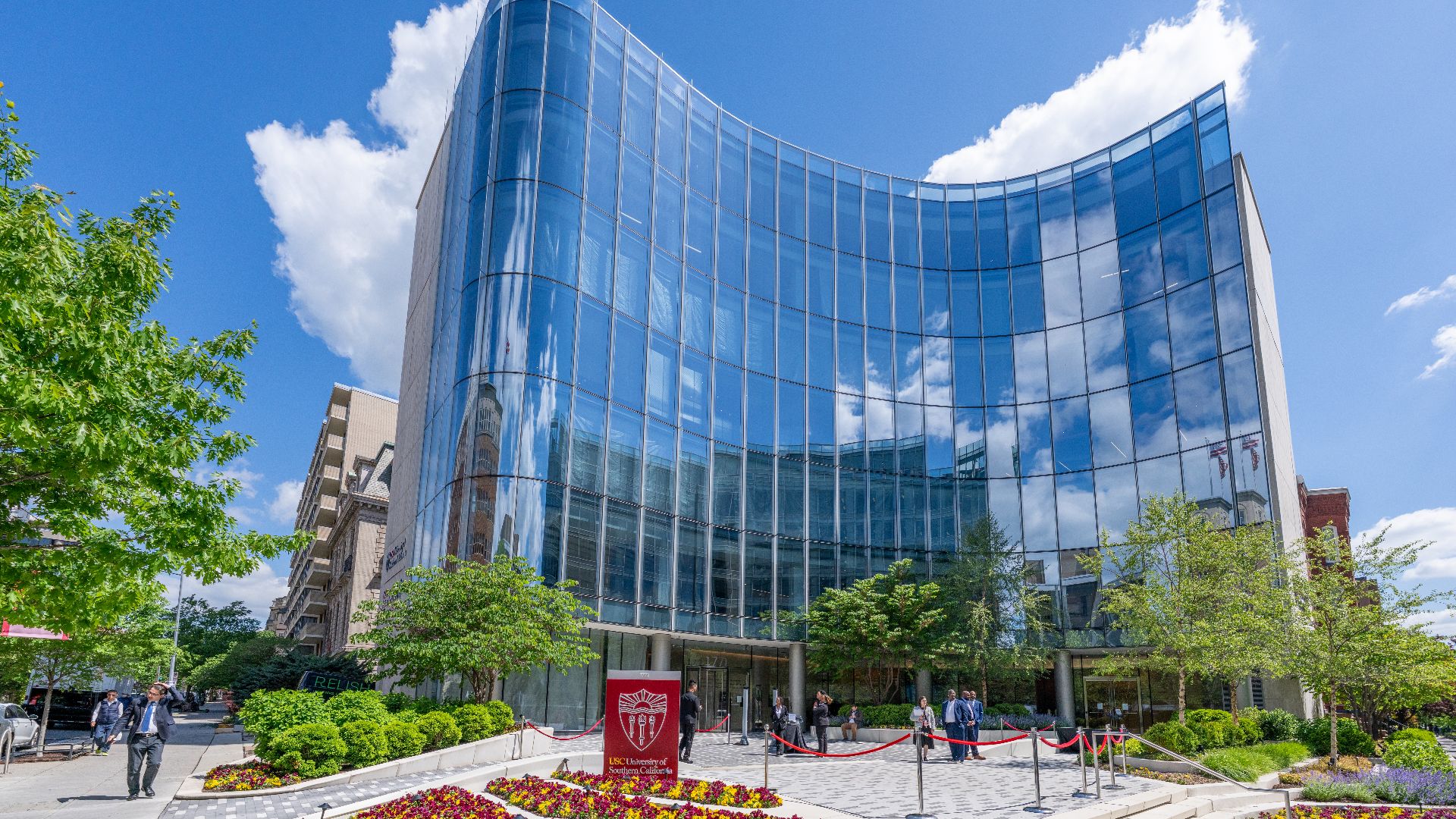 ajay_suresh, Wikimedia Commons
Solo And Illya Returned In 1983
Vaughn and McCallum reunited for the television movie The Return Of The Man From U.N.C.L.E. Their characters were drawn out of retirement for another international mission. The production relied heavily on nostalgia, but it also confirmed how strongly viewers still associated the actors with their original partnership.
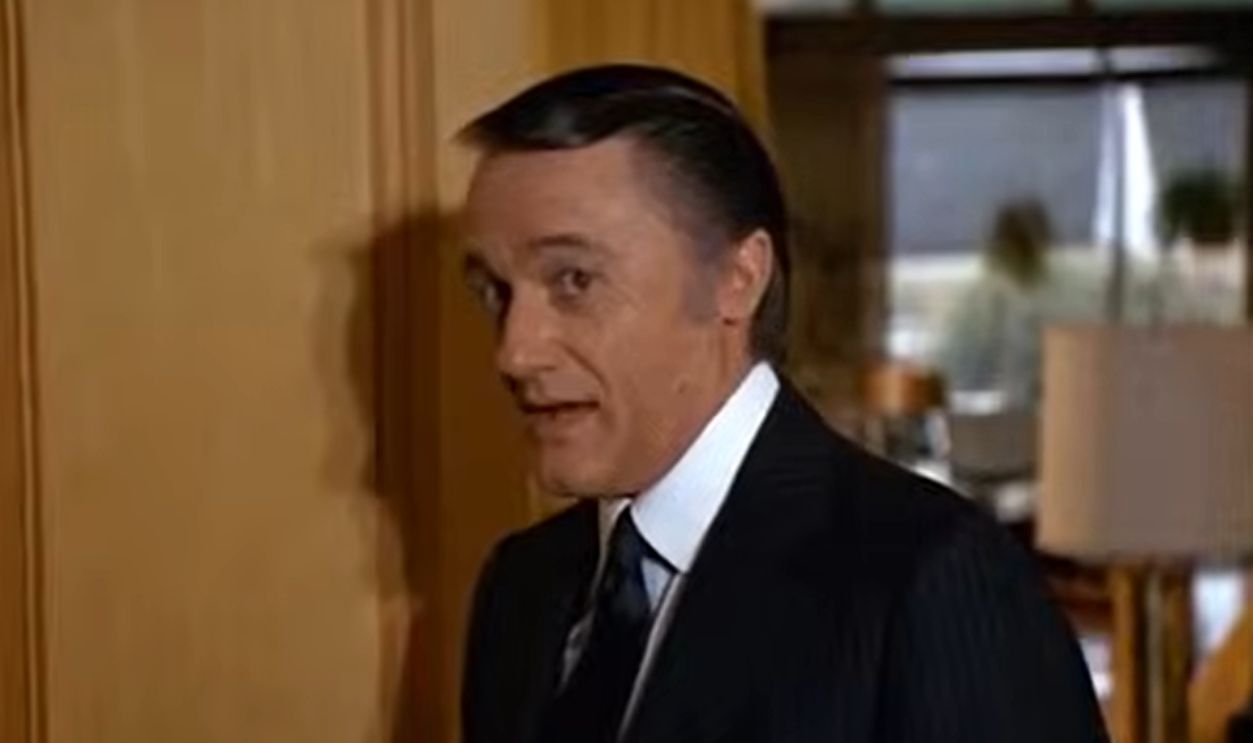 Screenshot from The Return of the Man from U.N.C.L.E.: The Fifteen Years Later Affair, CBS (1983)
Robert Vaughn Gave U.N.C.L.E. Its Center
The Man From U.N.C.L.E. succeeded because it combined inventive gadgets, international adventures, humor, and one of television’s most popular partnerships. Vaughn held those elements together with the confidence of an established movie actor. Decades later, Napoleon Solo remains the role most closely associated with him because Vaughn made television espionage look effortless.
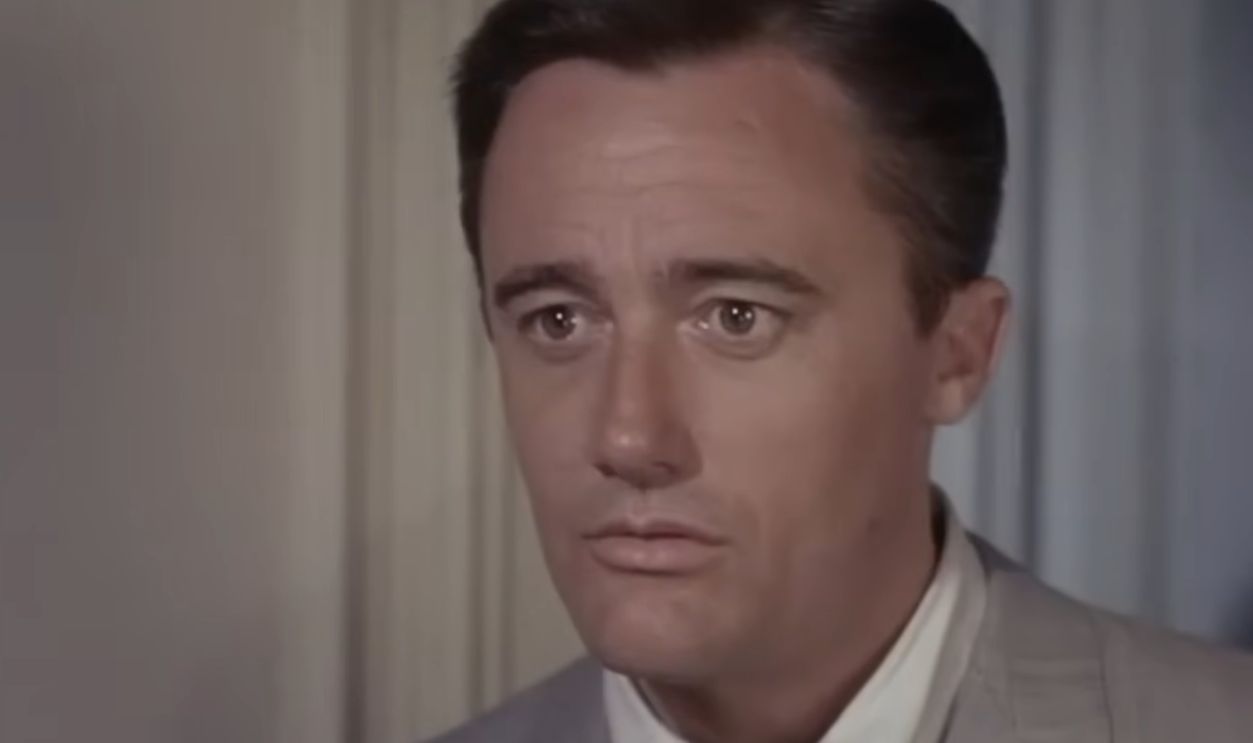 Screenshot from The Man from U.N.C.L.E., NBC (1964–1968)
You May Also Like:
The Most Thrilling Spy Shows Of All Time
The Most Iconic Spy Movies Ever
How Peter Graves Built A Television Career That Lasted More Than 50 Years