Where Suspense, Secrets, And Style Collide
Spies are the perfect TV heroes (or anti-heroes): living double lives, juggling secrets, dodging danger, and constantly wondering who to trust. Great spy shows don’t just deliver gadgets and shootouts; they serve lies, betrayal, shifting loyalties, and moral grey zones wrapped in tension, glamour, or gritty realism. They make espionage feel personal, high-stakes, and thrilling all at once. Here are 20 of the best spy and espionage-themed shows ever, from slick modern thrillers to Cold War dramas and satirical takes.
Alias (2001–2006)
This early-2000s classic delivered a masterful blend of high-stakes espionage, personal drama, and serialized mythology. Jennifer Garner as Sydney Bristow juggles secret missions, double agents, personal betrayals, and identity crises. Over five seasons, the show kept fans on their toes with intricate conspiracies, layered characters, and action that felt both glamorous and grounded. Its combination of spy intrigue and soap-opera emotion set a benchmark for modern spy-thrillers.
 Screenshot from Alias, ABC (2001–2006)
24 (2001–2010)
Packed full of adrenaline, 24 pioneered the “real-time” format in television: each season covers 24 hours, minute by minute. It turned every mission into a race-against-the-clock, blending counter-terrorism plots with personal sacrifice, double-crosses, and moral ambiguity—all anchored around the relentless Jack Bauer. Its format gave urgency to every episode, redefining what a spy-action TV show could be.
 Screenshot from 24, Fox (2001-2010)
Homeland (2011–2020)
Spying meets real-world geopolitics and psychological tension in Homeland. From its CIA-driven plots and hostage crises to its exploration of mental health and the cost of national security, the series never shied away from complexity. Its character-driven stories—including betrayals, moral compromises, and shifting alliances—give the show emotional weight and realism, grounding spycraft in consequences rather than glamor.
 Screenshot from Homeland, Showtime (2011–2020)
Archer (2009–2023)
Spy action, meet crude humor and adult animation. Archer lampoons classic spy tropes with razor-sharp wit, outrageous scenarios, and strong chemistry between its misfit cast. Whether it’s Cold-War style intrigue, absurd undercover missions, or sarcastic banter among spies more bumbling than Bond-esque, Archer achieves something rare: it’s spy fiction that makes you laugh while still delivering fun spy-style plots.
 Screenshot from Archer, FXX (2009-2023)
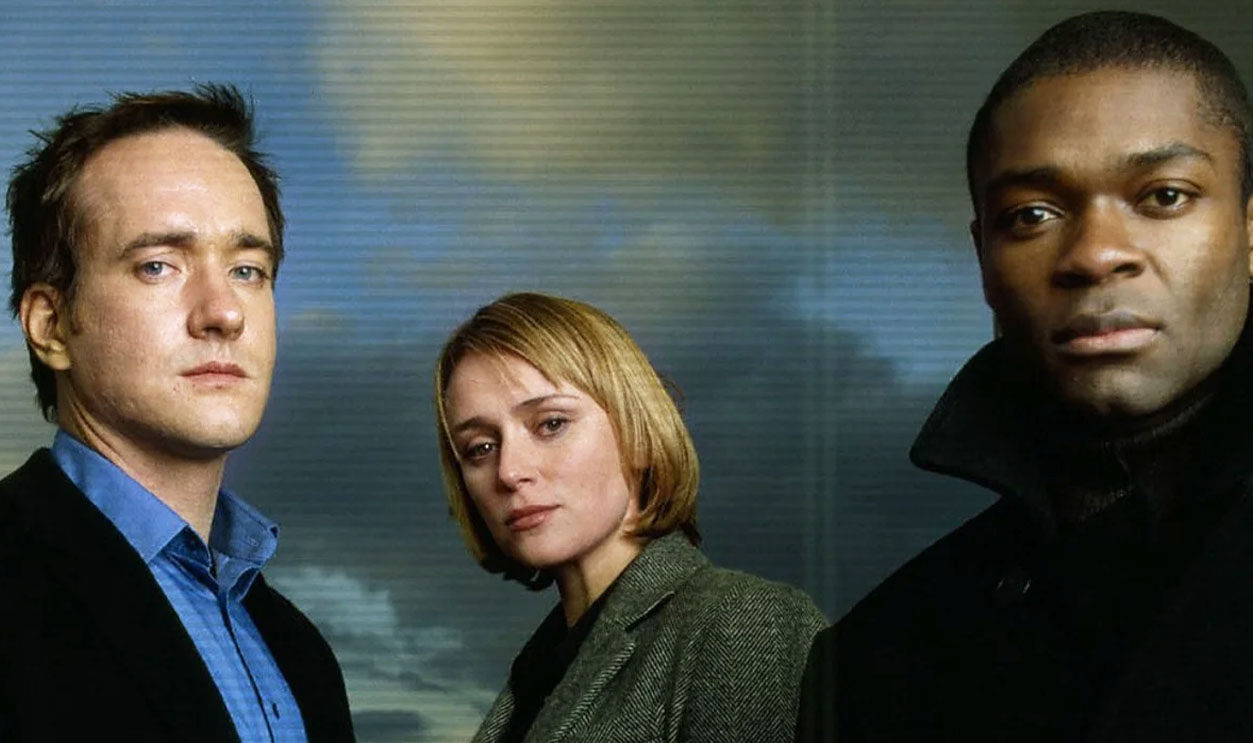
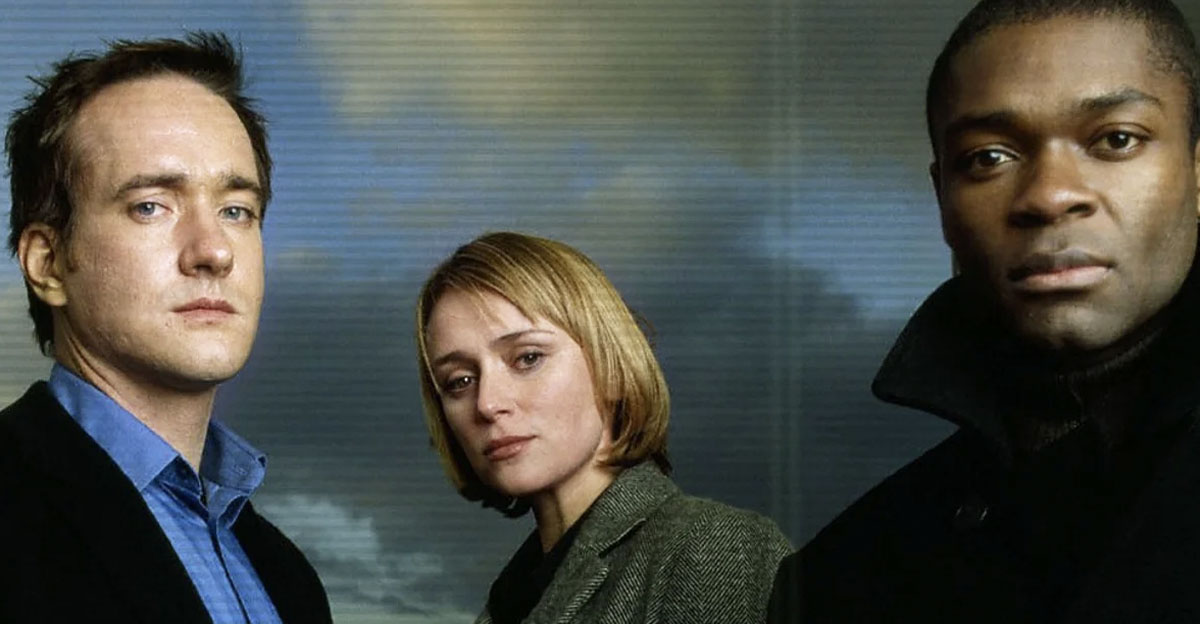
Spooks / MI5 (2002–2011)
This British series thrives on tension, realism, and moral ambiguity. Spooks (also known as MI5) features a world where every mission has consequences: betrayals, lives lost, emotional tolls, and shifting loyalties dominate. Its willingness to kill off major characters and tackle serious geopolitical themes gives it a gritty authenticity—a spy drama that doesn’t romanticize but challenges what espionage really means.
 Screenshot from Spooks / MI5, BBC One (2002–2011)
Andor (2022–2025)
Although set in a galaxy far, far away, Andor works as one of the smartest modern spy stories on television. By framing Cassian Andor’s early Rebel Alliance infiltration as spycraft (covert operations, moral dilemmas, betrayals), it captures real spy-thriller energy inside a sci-fi universe. The show balances political intrigue, espionage ethics, and gritty realism, proving that spy stories transcend genre boundaries.
 Screenshot from Andor, Disney+ (2022–2025)
Smiley’s People (1981)
This Cold War-era espionage miniseries is a more measured, cerebral spy story. It emphasizes intelligence tradecraft, complicated loyalties, and slow-burn tension rather than guns and explosions. Its tone, pacing, and moral complexity evoke the best of classic spy literature adapted carefully for television—perfect for anyone who likes their spy thrills with depth and atmosphere.
 Screenshot from Smiley’s People, BBC Two (1981)
The Night Manager (2016- )
Based on a novel by the master of spy fiction, this miniseries delivers sleek glamour, high-stakes infiltration, and morally ambiguous espionage. As hotel manager Jonathan Pine infiltrates an arms dealer’s world, the series builds tension and dread beneath luxury. With stunning cinematography, nuanced characters, and a grinding sense of paranoia, this one proves spy stories don’t need to be loud to be compelling.
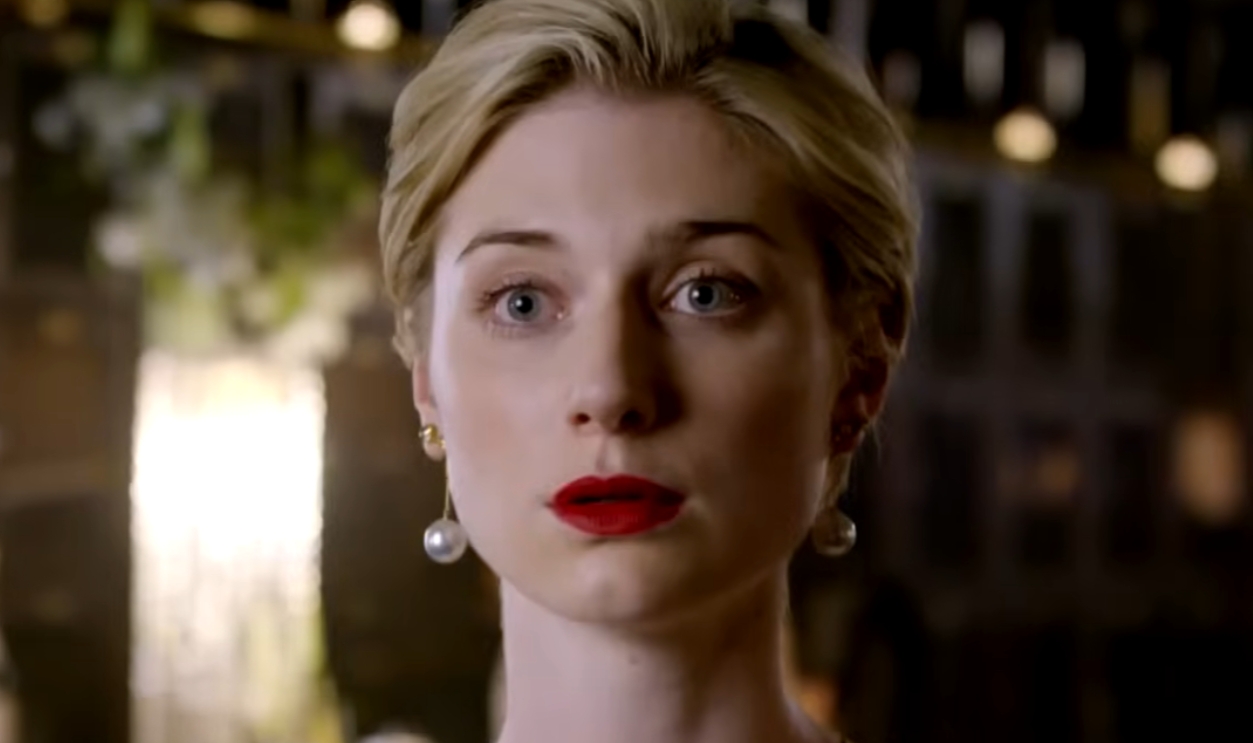 Screenshot from The Night Manager, BBC One (2016– )
Counterpart (2017–2019)
Mixing espionage with sci-fi, Counterpart introduces parallel dimensions and doubles the spy potential. The show explores not only identity and betrayal, but the question of which self you trust. Its genre-blending, deeply psychological storytelling and creeping dread make Counterpart stand out as one of the most creative spy-series reinventions in recent decades.
 Screenshot from Counterpart, Starz (2017–2019)
A Spy Among Friends (2022)
This miniseries based on a real Cold War betrayal adds nuance, tension, and emotional complexity to its espionage story. Personal friendships, loyalty, trust, and betrayal are all on the line as double-agents navigate shifting allegiances. Its psychological depth and slow-building suspense remind us spies are people before they’re operatives—and sometimes, that’s the scariest truth.
 Screenshot from A Spy Among Friends, MGM+ (2022)
The Americans (2013–2018)
One of the most acclaimed modern spy dramas, The Americans dives deep into the lives of two Soviet spies living undercover as an American suburban couple during the Cold War. What makes it so powerful is the unflinching portrayal of identity, family, loyalty, and moral ambiguity—spies as parents, lovers, and conflicted humans rather than caricatures. It’s widely considered one of the best spy shows ever made because it layers espionage with emotional stakes and human drama.
 Screenshot from The Americans, FX (2013–2018)
The Ipcress File (2022)
This modern miniseries reboots a Cold War classic with style, grit, and realism. Starring Joe Cole as Harry Palmer, it tells a grim, atmospheric story set in 1963 British intelligence. From chilly Moscow streets to tense interrogations and political tension, The Ipcress File leans into Cold-War paranoia and classic spy-thriller aesthetics—delivering a dramatic, moody ride that feels far sharper than many contemporary action-heavy spy shows.
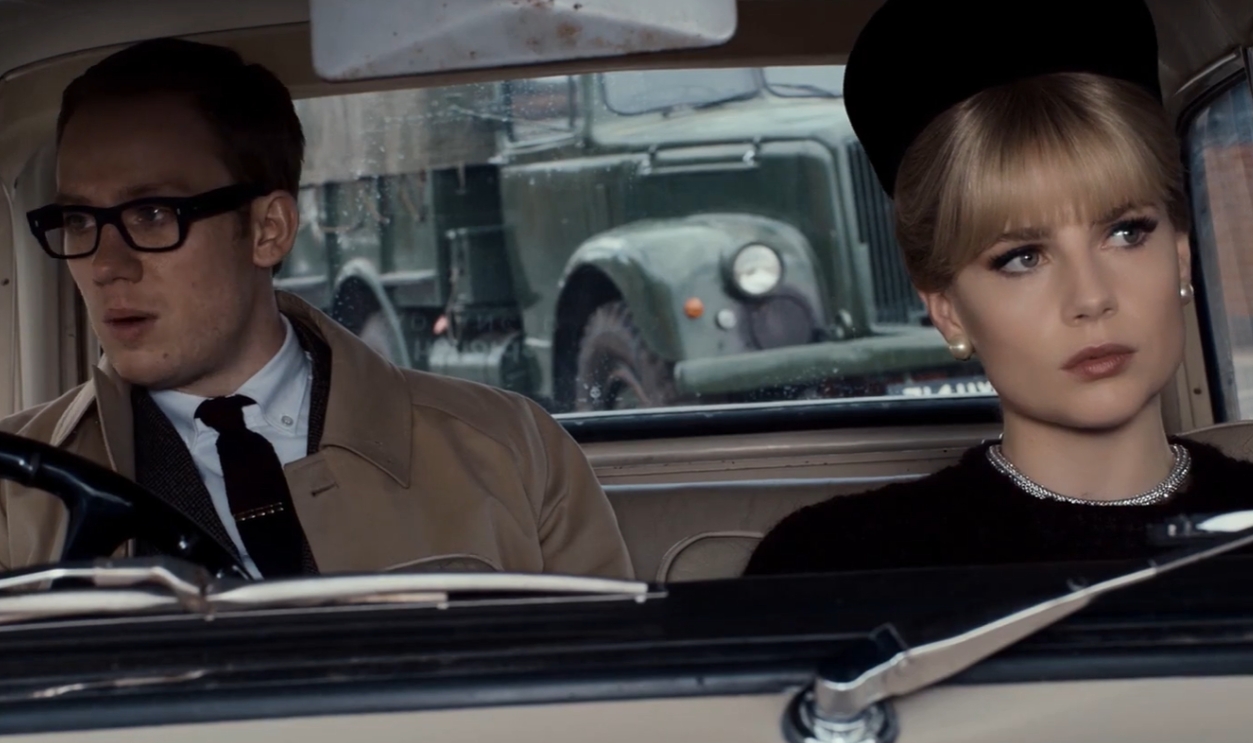 Screenshot from The Ipcress File, ITV (2022)
The Spies Of Warsaw (2013)
A period spy miniseries that trades explosions for intrigue and subtlety. With finely drawn characters, political tension, and an emphasis on psychological games, it captures the atmosphere of pre-World War II Europe and the moral ambiguities of espionage before the world erupted. It’s quieter, more understated, and deeply atmospheric—a thoughtful spy story steeped in historical dread.
 Screenshot from Spies of Warsaw, BBC Four (2013)
Black Doves (2024– )
As one of the newer additions to the genre, Black Doves brings contemporary espionage to the forefront—exploring modern moral dilemmas, identity, and the personal cost of undercover work. Its tension springs not just from external threats but internal conflict, secrets, and shifting loyalties. For fans of modern spy fiction, it represents spy drama evolving into something more psychological and morally gray while still delivering thrills.
 Screenshot from Black Doves, Netflix (2024– )
Cambridge Spies (2003)
Set in the real world of Cold War double agents, this miniseries explores betrayal, ideology, loyalty, and paranoia—all within the walls of elite British academia. It humanizes its spymaster characters and shows the personal cost of espionage: trust, guilt, and the pressure of hidden lives. It becomes less about bombs or gun-fights, more about secrets and duplicity—and that subtlety makes it a standout.
 Screenshot from Cambridge Spies, BBC Two (2003)
Mr & Mrs Smith (2024)
This modern take on spy partnership takes the idea of married-spy tropes and gives it new life: the blend of domestic tension, espionage danger, and romantic comedy. With slick production, contemporary stakes, and spy-drama energy, Mr & Mrs Smith proves the spy genre isn’t stuck in the Cold War—it can evolve, by combining intimacy, betrayal, and action with humor and personal stakes.
 Screenshot from Mr & Mrs Smith, Amazon Prime Video (2024)
Dark Hearts (2023–2025)
As a gritty, emotionally heavy spy drama, Dark Hearts deals in moral grey zones, betrayal, consequences, and the psychological toll on agents. Its portrayal of espionage as messy, destructive, and morally fraught offers a sharp contrast to glamorized spy thrills. It’s darker, tougher, and more grounded, which gives it realistic bite and lasting impact.
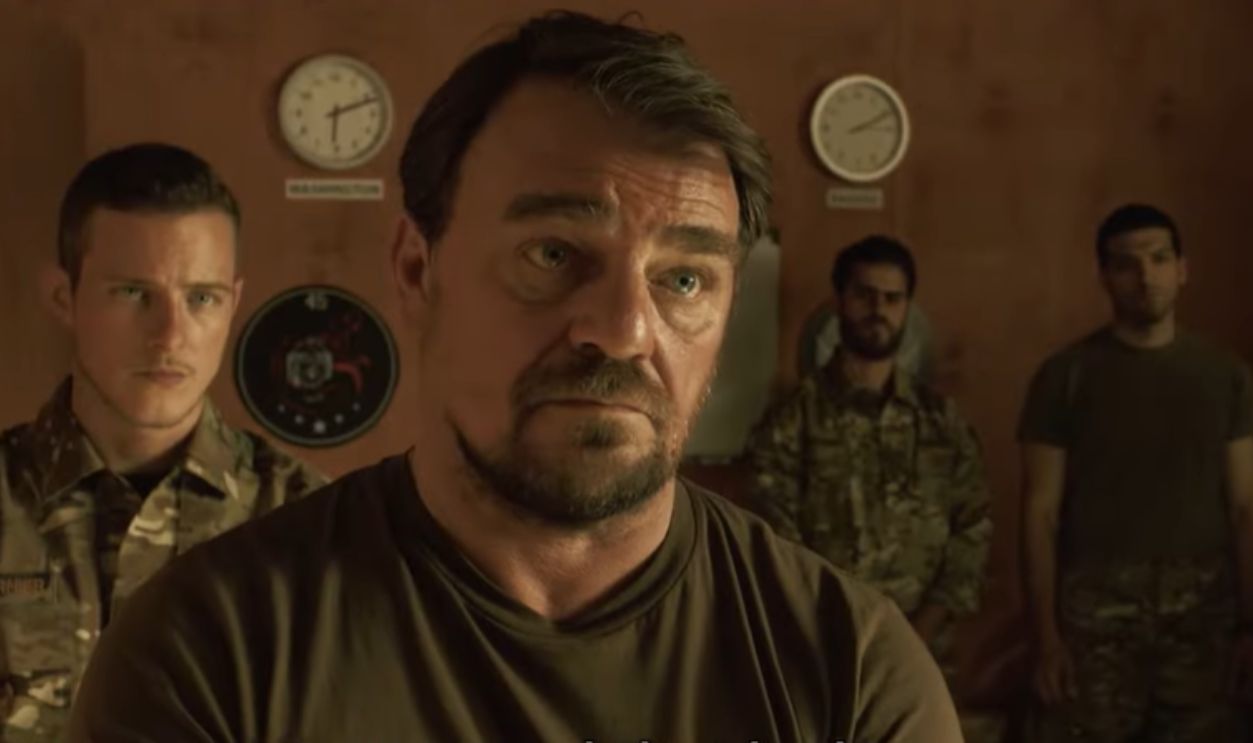 Screenshot from Dark Hearts, Amazon Prime Video (2023–2025)
Tehran (2020–2022)
This Israeli spy thriller combines geopolitical tension, undercover missions, and personal stakes to deliver pulse-pounding plots and moral complexity. With characters forced to navigate conflicting loyalties, shifting power, and dangerous betrayals, Tehran shows modern espionage in a volatile world—where ideology, survival, and identity collide in real time.
 Kan 11 / Apple TV / Xnet1234, Wikimedia Commons
The Game (2014)
This British series mixes espionage with drama and romance under intense stakes and personal vendettas. While not always the sleekest, The Game delivers classic spy-show pleasures: deep cover, betrayals, emotional conflicts, and high stakes for agents who aren’t superheroes—just humans caught in dangerous webs.
 Screenshot from The Game, BBC America (2014)
The Bureau (2015–2020)
This French series is widely regarded among hardcore spy-show fans as one of the most realistic portrayals of intelligence work ever made. It dives deep into tactics, exfiltration, double agents, and the psychological toll of living undercover—blending slow-burn tension with moral dilemmas. It’s not flashy, but for those who want their spy drama grounded, complex, and intelligent, The Bureau is unmatched.
 Screenshot from The Bureau, Canal+ (2015–2020)
You May Also Like:
The Most Iconic Spy Movies Ever
The Best Courtroom Thrillers Of All Time