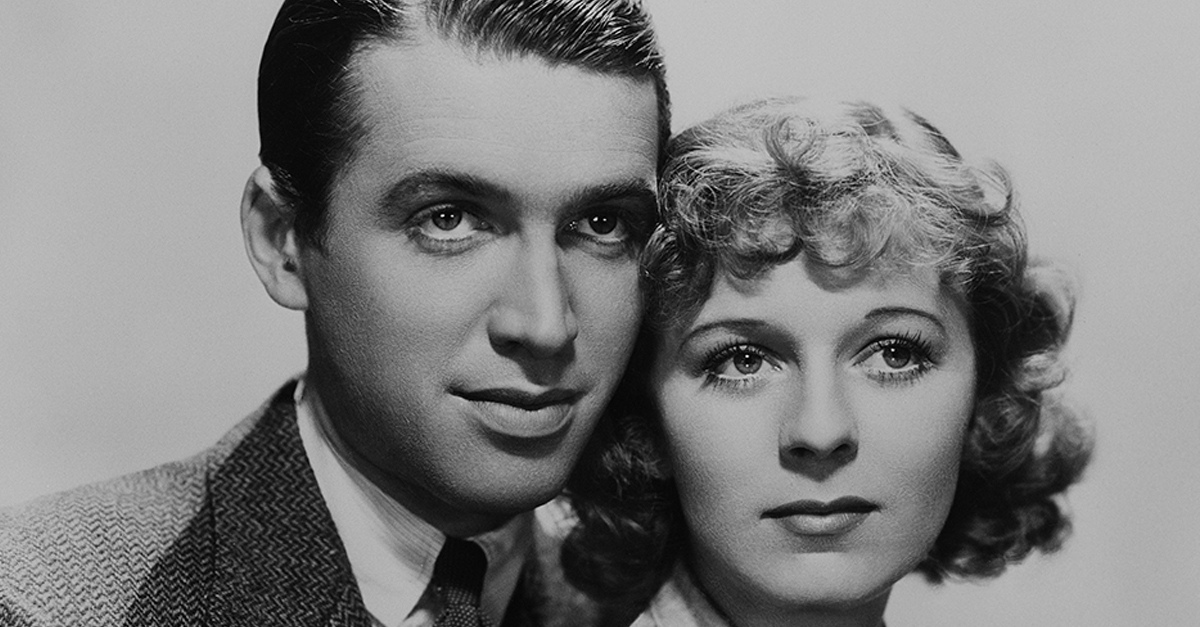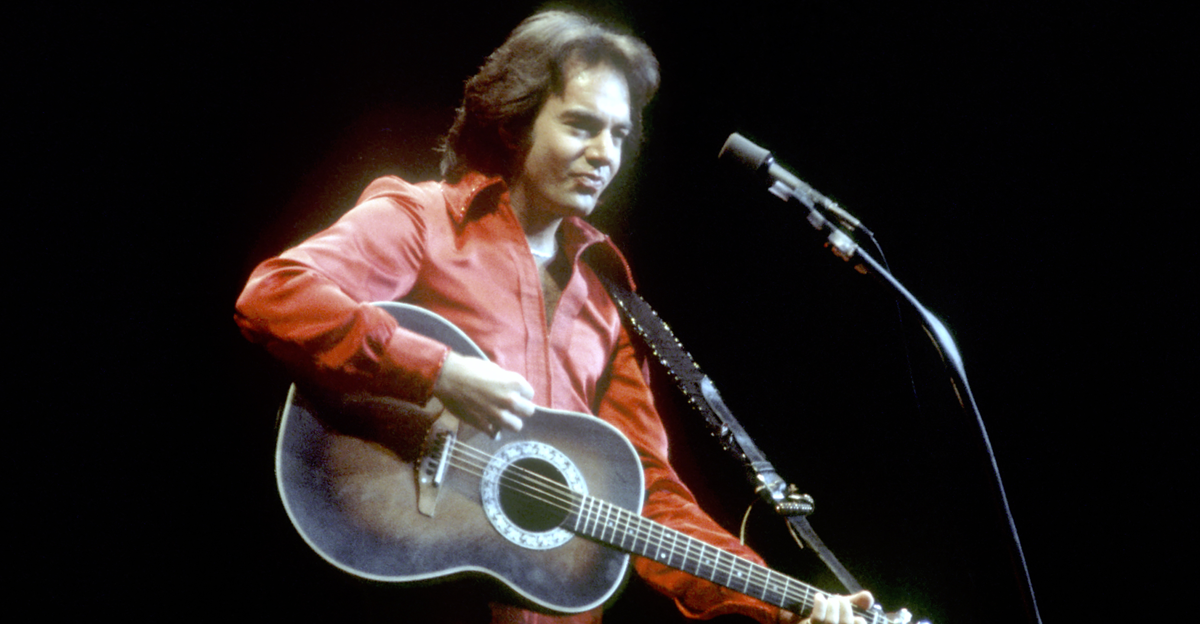
When Soft Rock Ruled The Radio
Turn on an American radio in 1981 and there was a good chance something smooth, sentimental, and ridiculously catchy was coming through the speakers. Soft rock had become a huge part of mainstream pop, with movie themes, veteran singer-songwriters, country crossovers, and romantic ballads all competing for the same listeners. Some of these songs launched new stars, while others gave familiar voices one more enormous hit. More than four decades later, plenty of them still need only a few opening notes before the words come rushing back.
 Michael Ochs Archives / Stringer, GettyImages
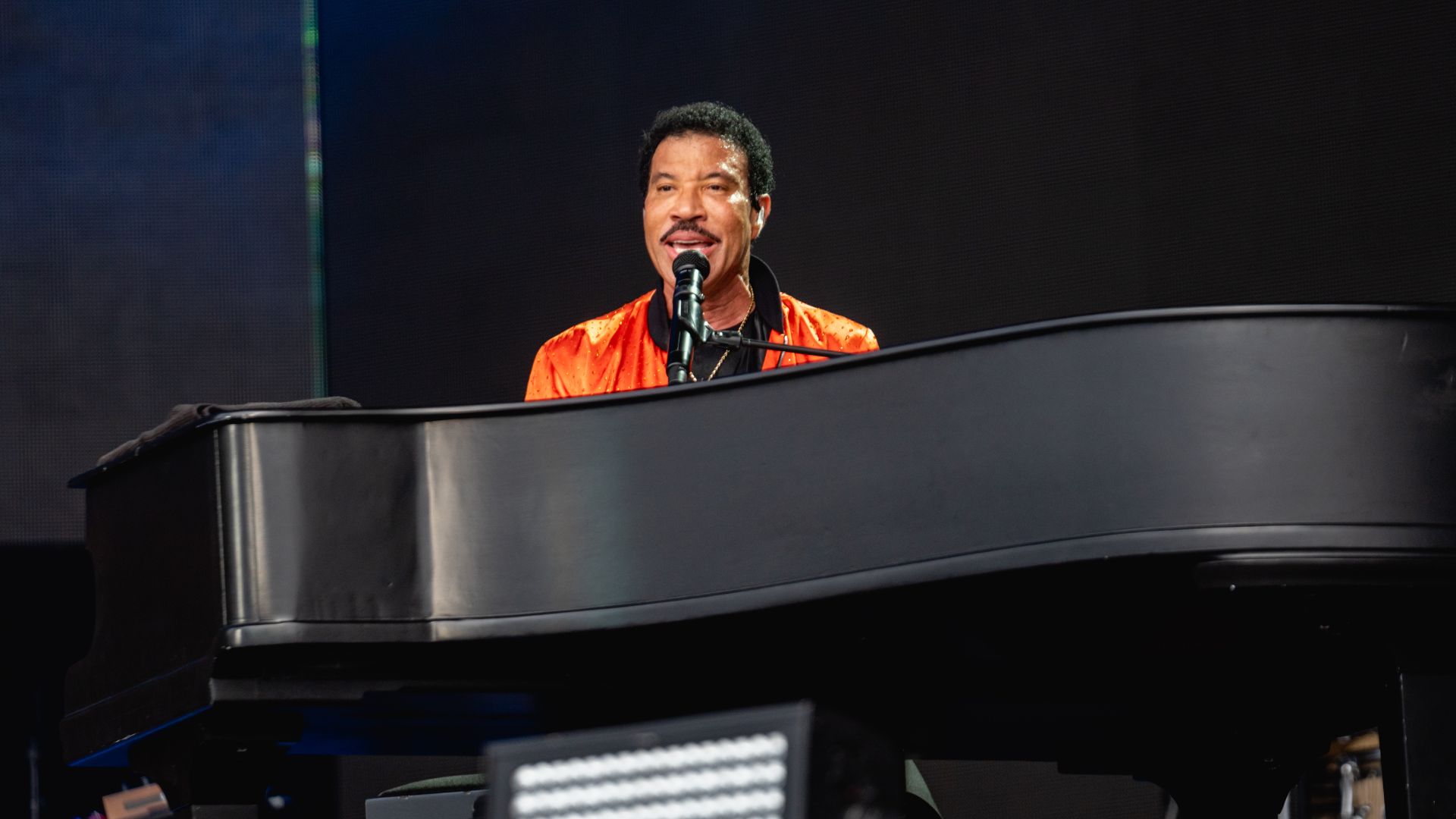
Endless Love — Diana Ross And Lionel Richie
There were big love songs in 1981, and then there was “Endless Love.” Diana Ross and Lionel Richie's duet spent an astonishing nine weeks at No. 1 on the Billboard Hot 100, making it one of the year's defining records. Richie was still officially a member of the Commodores, but his enormously successful solo career was just around the corner. The movie Endless Love has faded considerably from popular memory, while its theme song never really went away.
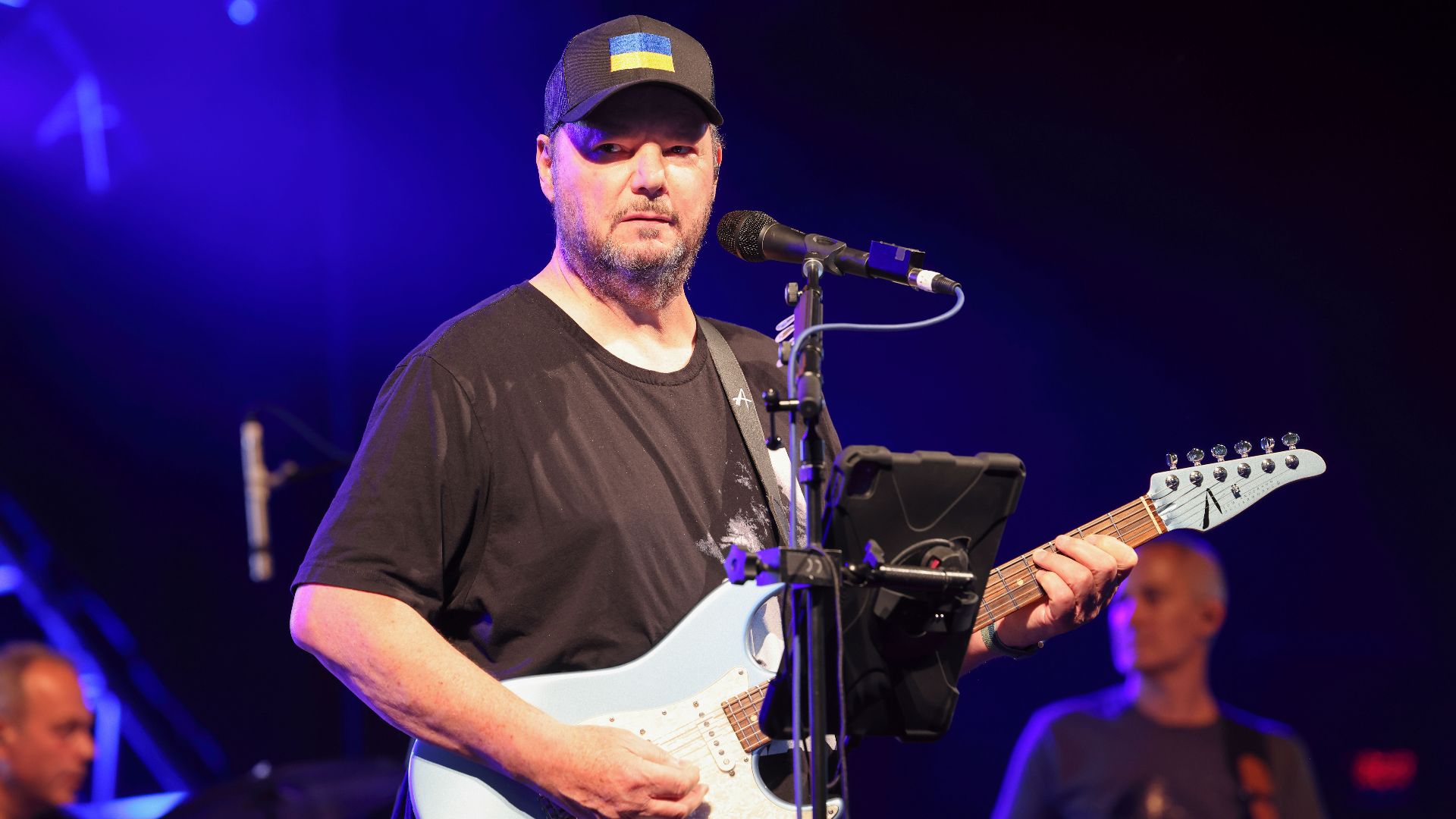
Arthur's Theme — Christopher Cross
Christopher Cross entered 1981 looking almost unbeatable. That February, he became the first artist ever to sweep the Grammys' four major general-field awards in a single night, winning Album, Record and Song of the Year plus Best New Artist. Then came “Arthur's Theme (Best That You Can Do),” which spent three weeks at No. 1 and later won the Academy Award for Best Original Song. Cross had gone from relative newcomer to one of America's biggest pop stars with remarkable speed.
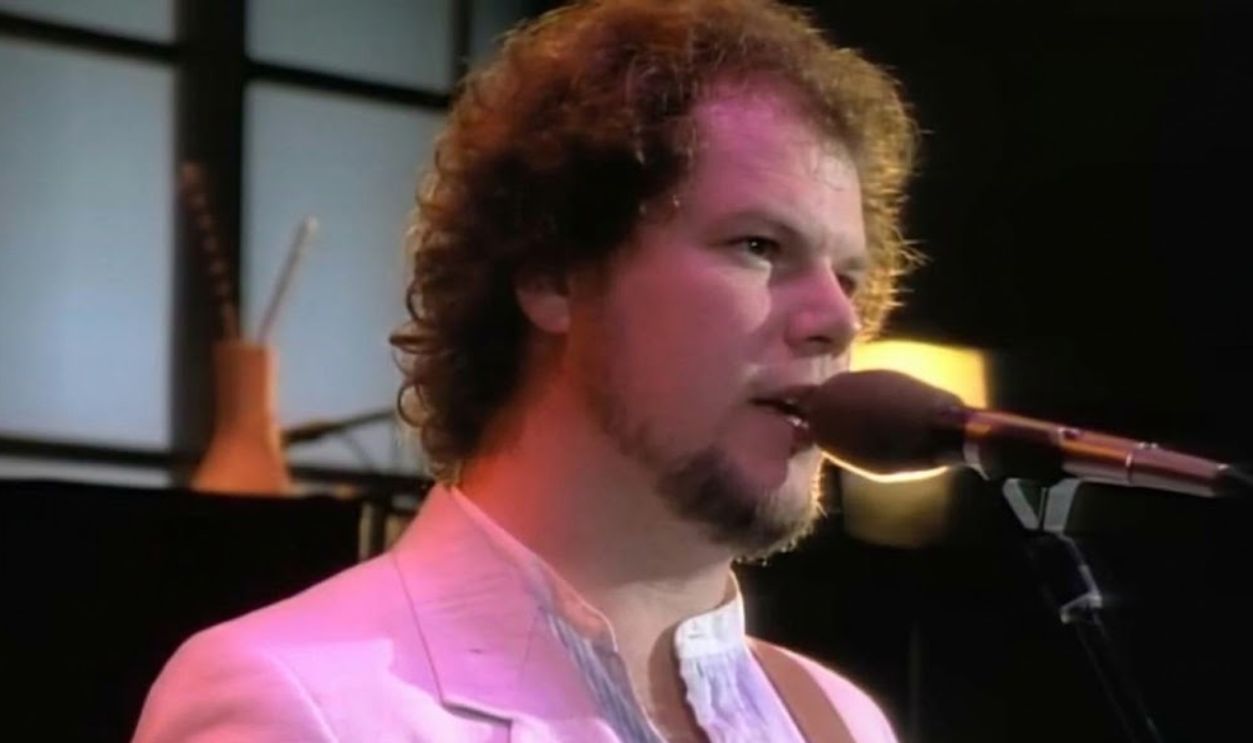 Screenshot from Arthur's Theme (Best That You Can Do), Warner Bros. Records (1981), Enhanced
The One That You Love — Air Supply
Air Supply were already soft-rock royalty when they finally landed their first American No. 1. “The One That You Love” reached the top of the Hot 100 in July 1981, becoming the Australian duo's only song to do so. More remarkably, it was part of a run of seven consecutive Air Supply singles that reached the American Top 5. Critics could roll their eyes at all the romance they wanted, but millions of listeners clearly weren't complaining.
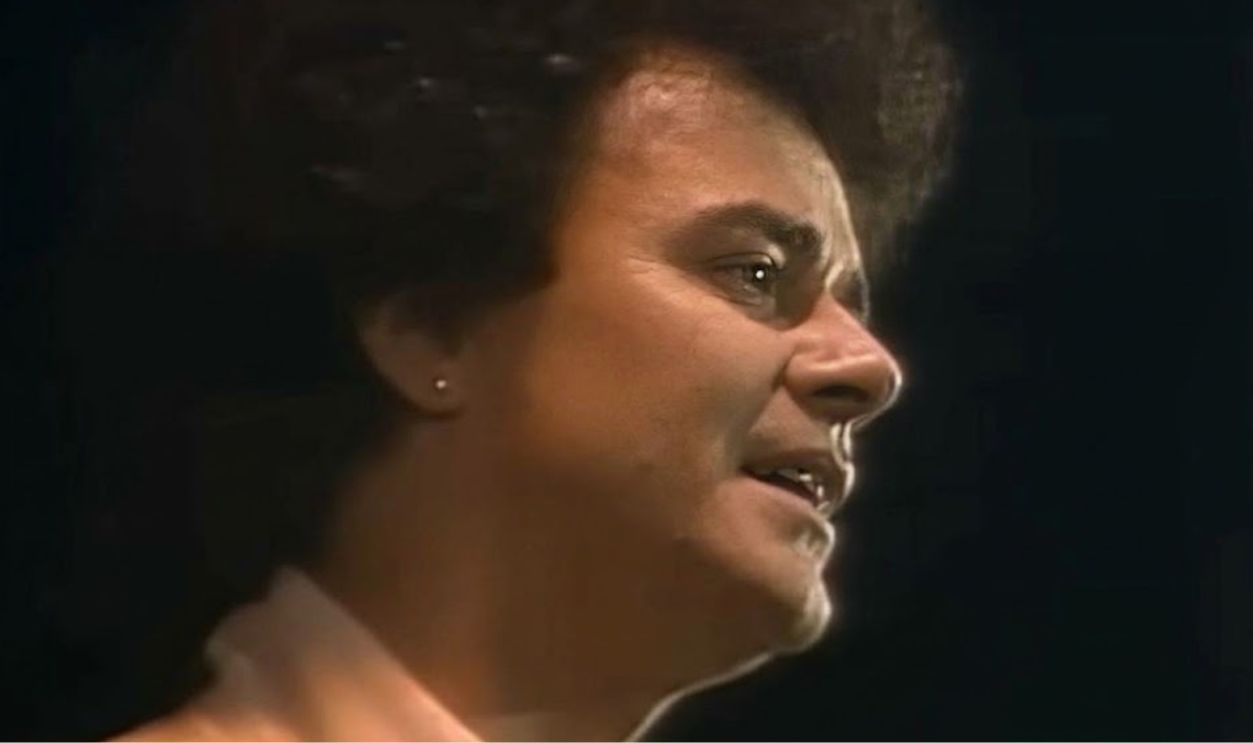 Screenshot from The One That You Love, Arista Records (1981), Enhanced
Just The Two Of Us — Grover Washington Jr. And Bill Withers
“Just the Two of Us” didn't fit neatly into one musical box, and that was part of its charm. Jazz saxophonist Grover Washington Jr. teamed with Bill Withers for a silky crossover record that climbed to No. 2 on the Hot 100. Withers co-wrote the song with Ralph MacDonald and William Salter, and the trio won the Grammy for Best R&B Song. Its combination of jazz, soul, and easygoing pop still sounds remarkably smooth decades later.

Same Old Lang Syne — Dan Fogelberg
Few songs turn ordinary nostalgia into something quite as bittersweet as Dan Fogelberg's “Same Old Lang Syne.” Fogelberg said the song was inspired by a real chance encounter with an old girlfriend at a convenience store on Christmas Eve. The single climbed to No. 9 on the Hot 100 in early 1981, giving him one of his biggest pop hits. Its holiday setting helped keep it returning to radio long after its original chart run was over.
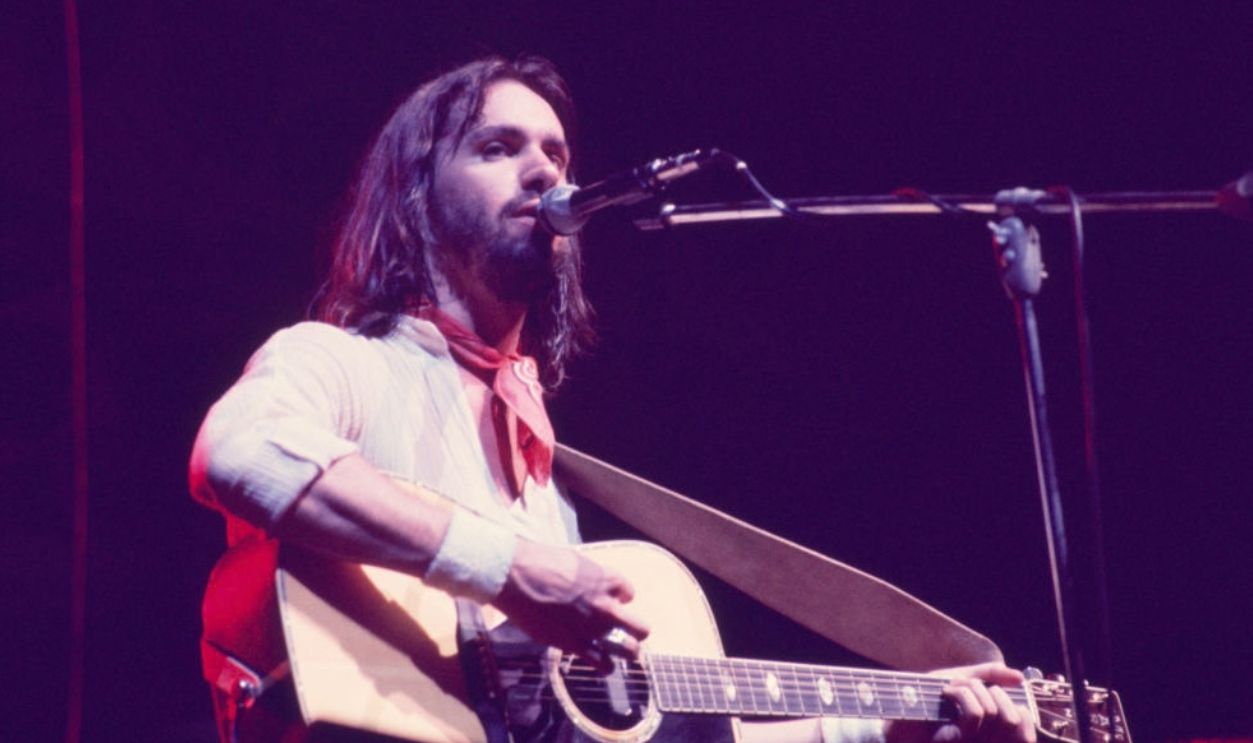 David Tan/Shinko Music, Getty Images
Being With You — Smokey Robinson
Smokey Robinson had nothing left to prove by 1981, but “Being with You” gave the Motown legend one of his biggest hits anyway. Robinson initially approached producer George Tobin while hoping to place songs with Kim Carnes, who had previously scored with Robinson's “More Love.” Instead, Robinson ended up recording “Being with You” himself. It reached No. 2 on the Hot 100 and spent five weeks atop the R&B chart, becoming the biggest pop hit of his solo career.

Waiting For A Girl Like You — Foreigner
Foreigner were known for muscular arena rock, which made “Waiting for a Girl Like You” something of a surprise. The dreamy ballad showed a completely different side of the band and became one of their biggest hits. It spent an extraordinary 10 weeks at No. 2 on the Hot 100 without ever reaching No. 1, first held off by Olivia Newton-John's “Physical.” Few runners-up have ever sounded quite so triumphant.

Her Town Too — James Taylor And J.D. Souther
James Taylor and J.D. Souther sounded like a natural pairing on the quietly devastating “Her Town Too.” The song examines what happens to the people surrounding a couple after a breakup, rather than simply focusing on the couple themselves. It climbed to No. 11 on the Hot 100 and No. 5 on the Adult Contemporary chart. Surprisingly, it also became Taylor's final Top 40 hit on the Hot 100, even though his recording career was nowhere near finished.
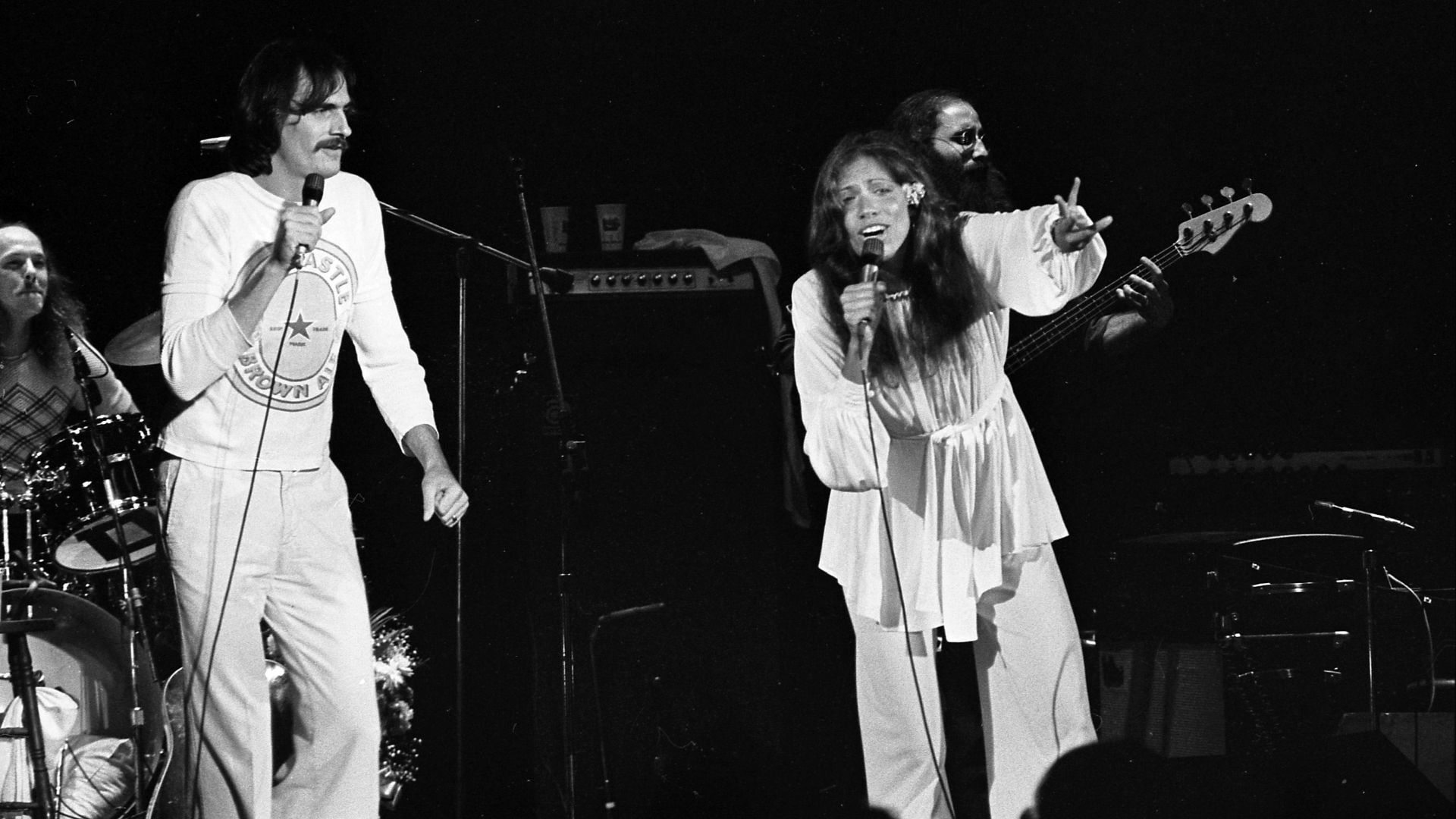 Kathleen Ballard, Los Angeles Times, Wikimedia Commons
Hearts — Marty Balin
Marty Balin had helped found Jefferson Airplane when psychedelic rock ruled San Francisco in the 1960s. Fifteen years later, he suddenly sounded perfectly at home singing one of 1981's smoothest romantic ballads. “Hearts” reached No. 8 on the Hot 100 and became the biggest solo hit of Balin's career. It was quite a reinvention for a singer whose musical journey had begun alongside Grace Slick and the counterculture.
 MartyBalinMusic, Wikimedia Commons
For Your Eyes Only — Sheena Easton
James Bond themes usually arrive with plenty of drama, but Sheena Easton's “For Your Eyes Only” was unusually tender. The ballad reached No. 4 on the Hot 100 and earned an Academy Award nomination for Best Original Song. Easton was also the first Bond-theme performer to appear in the opening title sequence of a Bond movie. Even more impressively, she was still at the beginning of her career in America.

Morning Train — Sheena Easton
Only months earlier, many American listeners had never heard of Sheena Easton. Then “Morning Train (Nine to Five)” spent two weeks at No. 1 and suddenly she seemed to be everywhere. The song had been called simply “9 to 5” in Britain, but its American title was changed to avoid confusion with Dolly Parton's hit. Easton's whirlwind breakthrough culminated in a Grammy for Best New Artist in 1982.
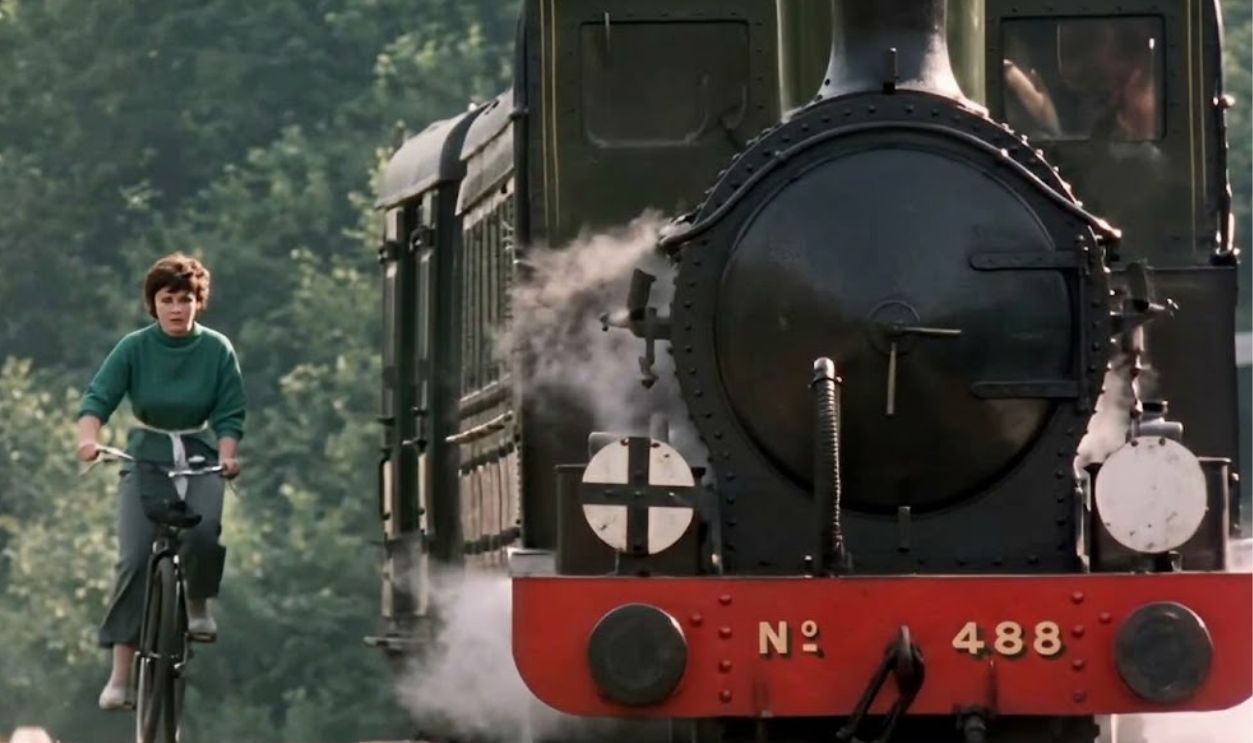 Screenshot from Morning Train (Nine to Five), EMI Records (1981), Enhanced
Time — The Alan Parsons Project
The Alan Parsons Project usually specialized in elaborate studio creations, but “Time” found its power by slowing everything down. It was the first Alan Parsons Project single to feature Eric Woolfson as the lead singer, with Alan Parsons himself contributing backing vocals. The atmospheric ballad reached No. 15 on the Hot 100 and cracked the Adult Contemporary Top 10. For a group associated with progressive rock, it proved they could make a remarkably effective soft-rock heartbreak song.
 RocknRollLove, Wikimedia Commons
I Don't Need You — Kenny Rogers
By 1981, Kenny Rogers had become remarkably good at appearing on several kinds of radio at once. “I Don't Need You,” from the Lionel Richie-produced Share Your Love, reached No. 3 on the Hot 100 while topping both the country and Adult Contemporary charts. It spent six weeks at No. 1 on the latter, longer than any other AC chart-topper that year. Rogers was nominally a country star, but records like this made that label feel increasingly restrictive.
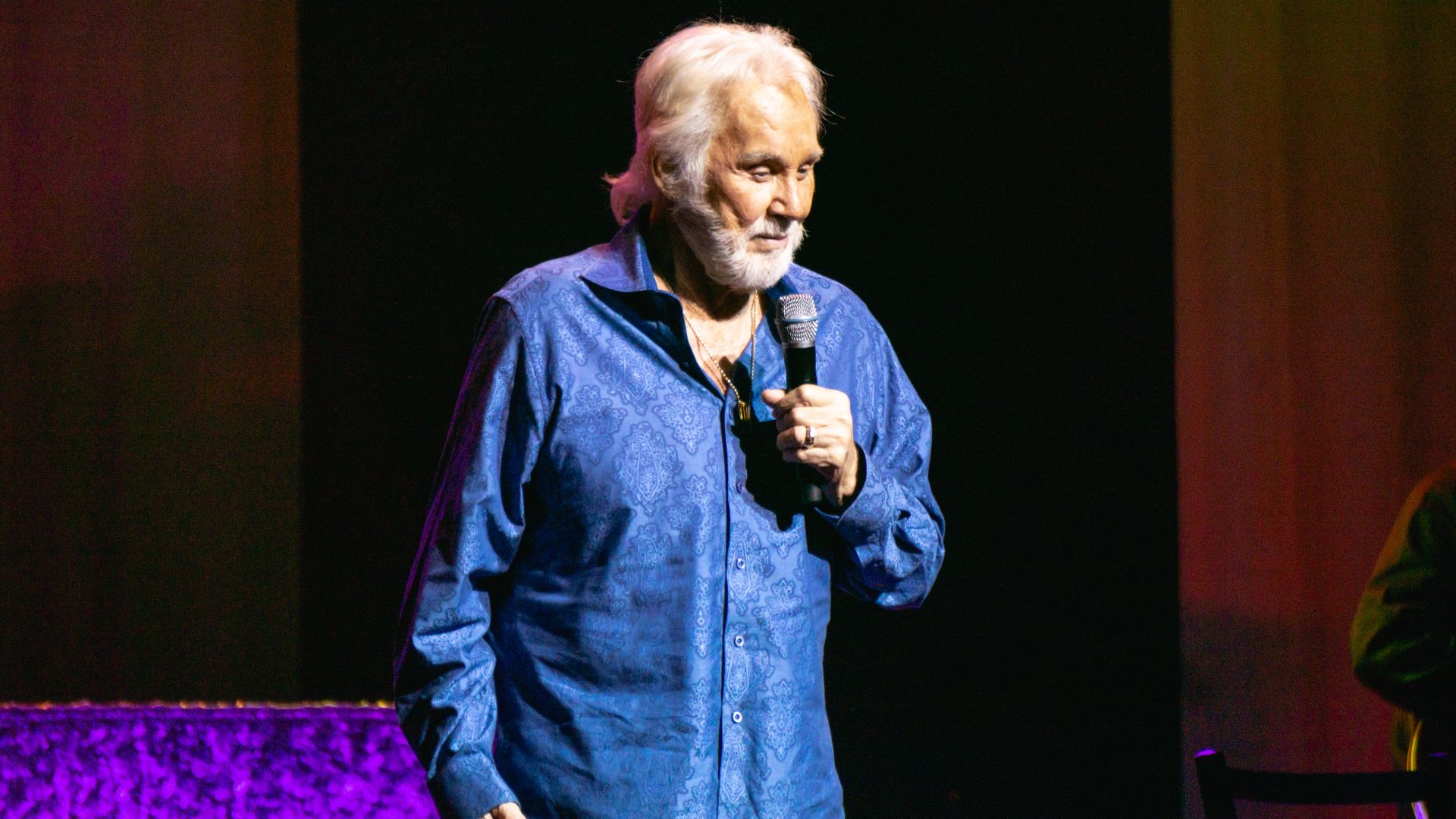
What Kind Of Fool — Barbra Streisand And Barry Gibb
Barry Gibb's fingerprints were all over mainstream pop around this time, including Barbra Streisand's hugely successful Guilty album. The two stars actually sang together on “What Kind of Fool,” a breakup ballad that carried their collaboration into 1981. It reached No. 10 on the Hot 100 and spent four weeks at No. 1 on the Adult Contemporary chart. Gibb's instantly recognizable harmonies gave Streisand's polished sound an unmistakable Bee Gees glow.
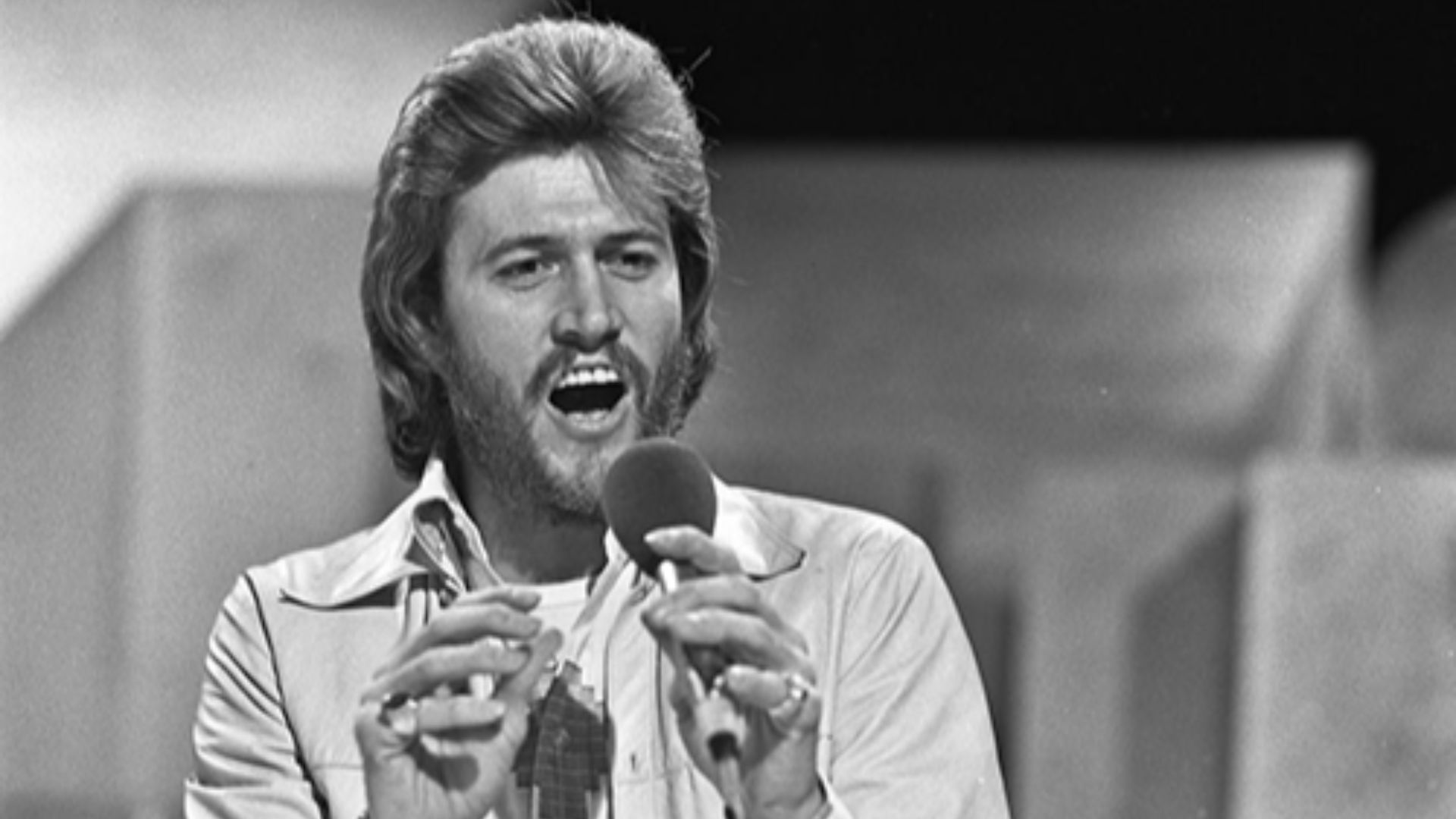
I Made It Through The Rain — Barry Manilow
Barry Manilow entered the '80s after years of turning enormous emotional ballads into pop hits. Released late in 1980, “I Made It Through the Rain” reached its chart peak in early 1981, climbing to No. 10 on the Hot 100. That made it Manilow's 11th Top 10 hit. It also turned out to be his last trip into the Hot 100's Top 10, quietly closing an extraordinary chapter of his career.
 Matt Becker (talk) (Uploads), Wikimedia Commons
Believe It Or Not — Joey Scarbury
A theme song from a goofy superhero television series nearly became the biggest song in America. Joey Scarbury sang “Believe It or Not” over the opening credits of The Greatest American Hero, which premiered in 1981. The song escaped the television screen and climbed all the way to No. 2 on the Hot 100. For two weeks, only Diana Ross and Lionel Richie's seemingly unstoppable “Endless Love” kept it from No. 1.
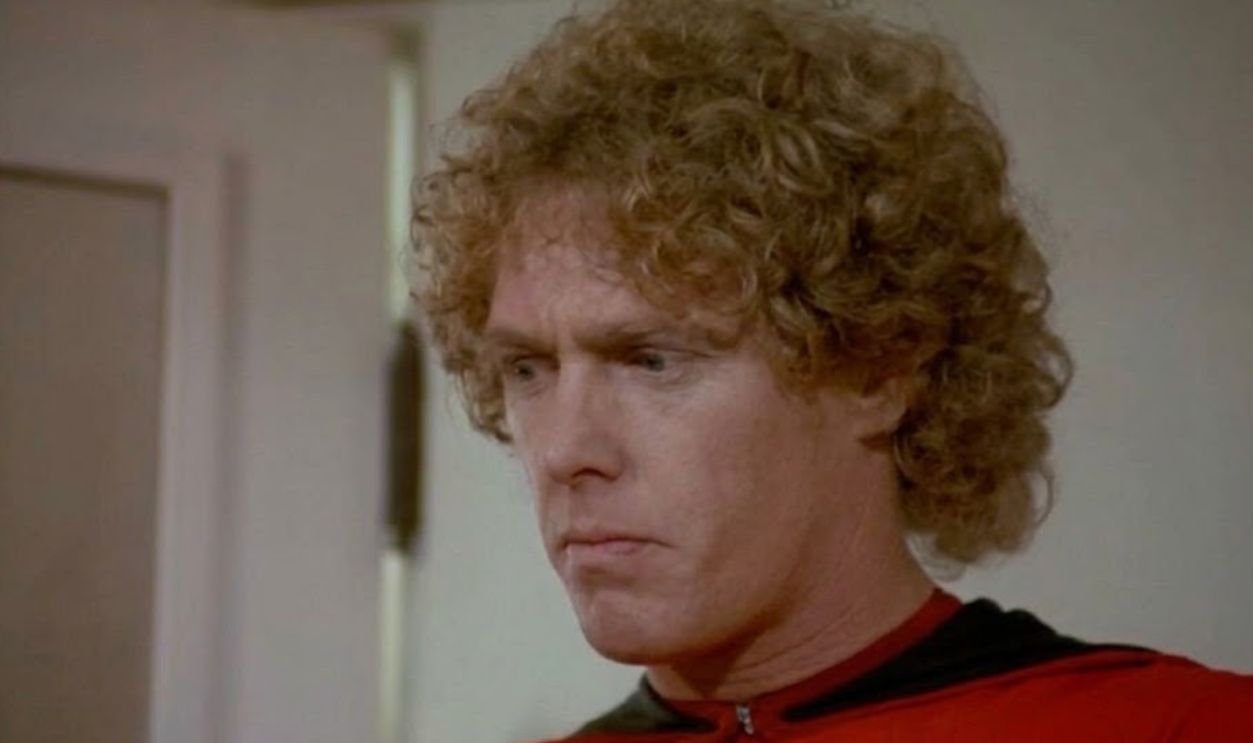 Screenshot from The Greatest American Hero, Stephen J. Cannell Productions (1981–1983)
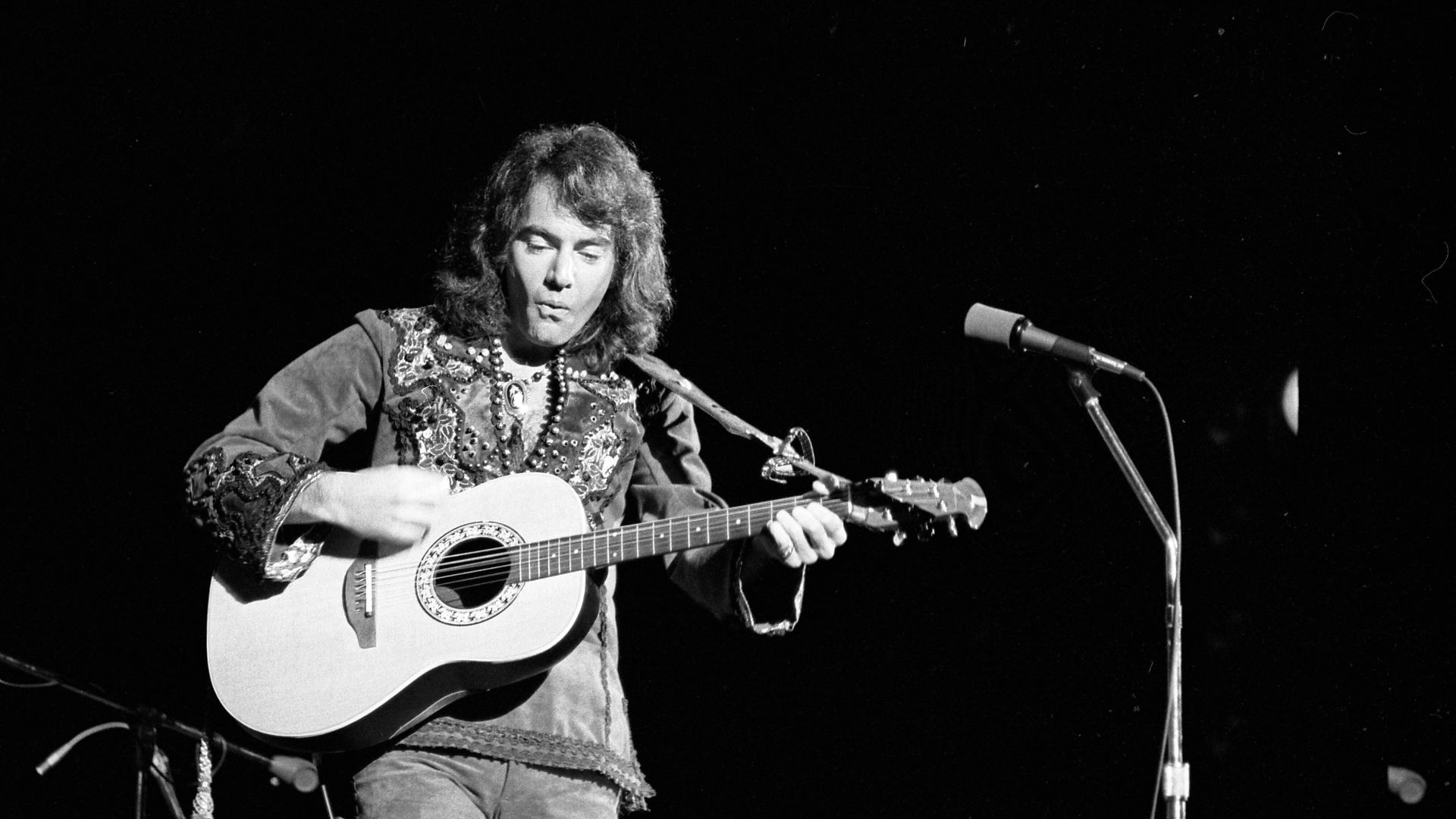
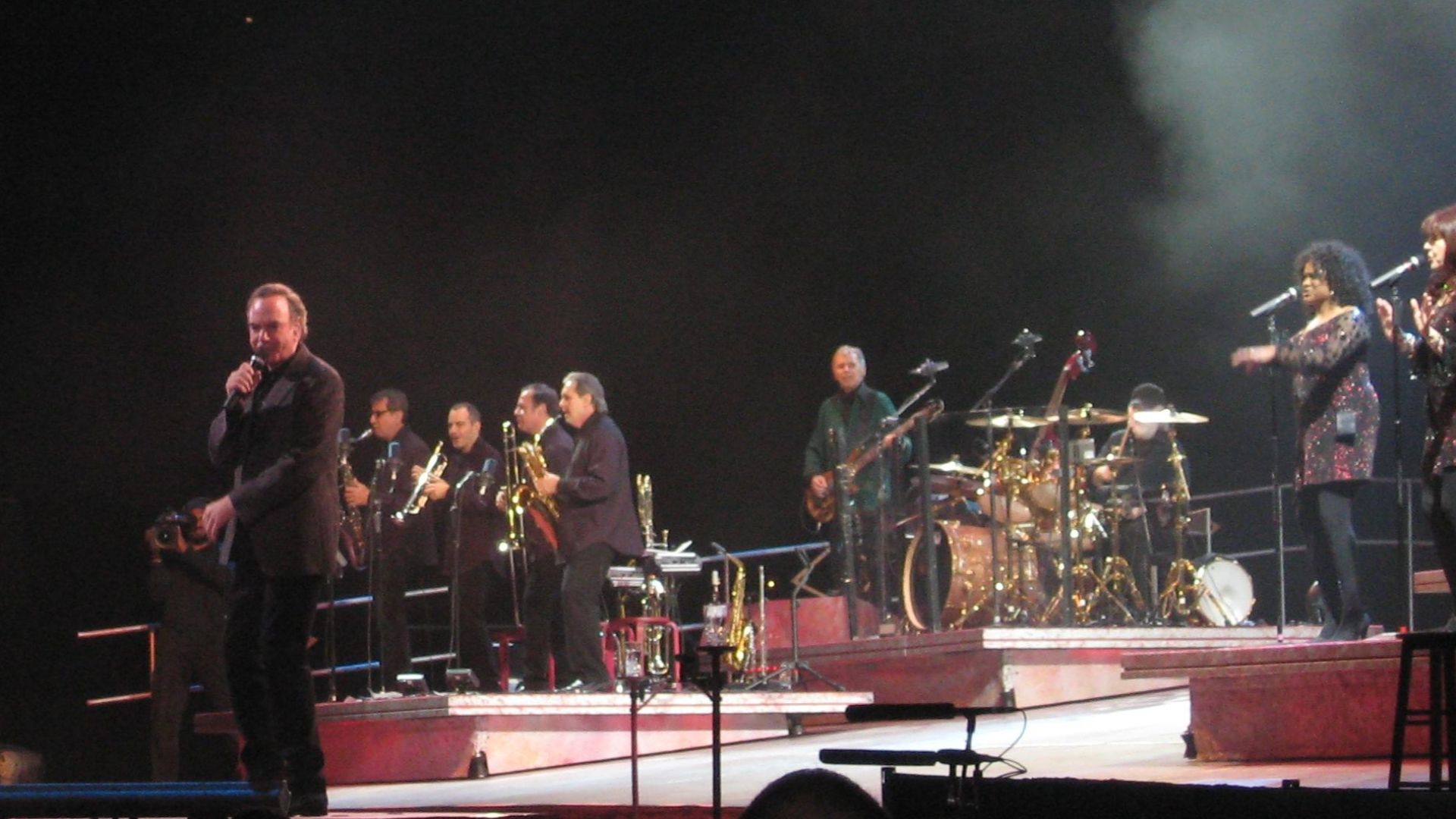
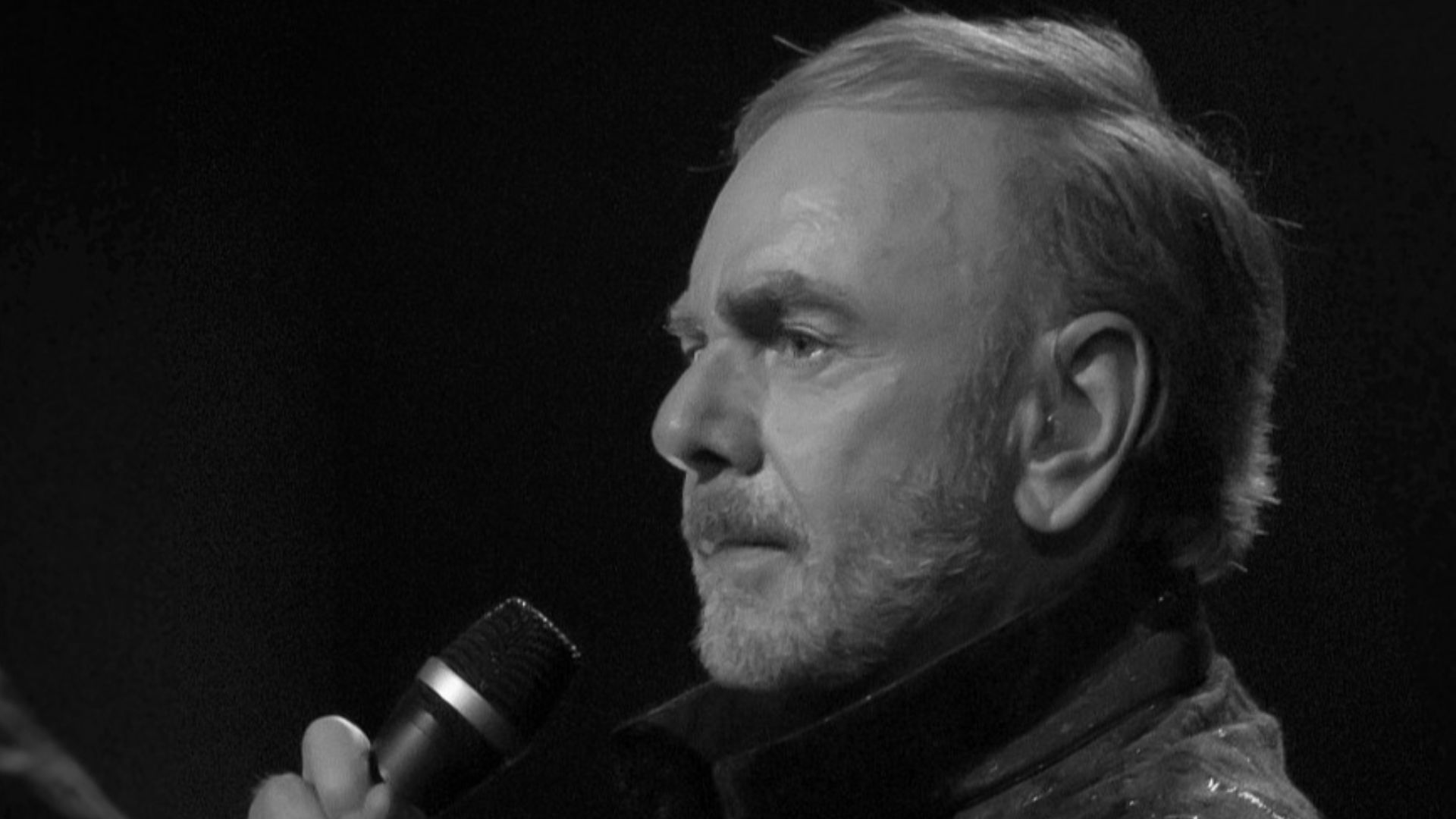
America — Neil Diamond
Neil Diamond wasn't exactly known for thinking small, and “America” gave him one of his grandest recordings. Written for The Jazz Singer, the song reached No. 8 on the Hot 100 and topped the Adult Contemporary chart. The film itself received a far more mixed reception than its music, but its soundtrack produced several major hits. “America” quickly grew into the kind of crowd-pleasing anthem Diamond could unleash in an arena.
 Larry Bessel, Los Angeles Times, Wikimedia Commons
Hello Again — Neil Diamond
The same soundtrack also produced a much gentler Neil Diamond favorite. “Hello Again” reached No. 6 on the Hot 100 and No. 3 on the Adult Contemporary chart in 1981. Diamond co-wrote it with Alan Lindgren, and its restrained arrangement gave his unmistakable voice plenty of room. Between this and “America,” The Jazz Singer proved much more successful as a source of hit records than as a showcase for Diamond's acting.
 Watt Dabney (Andrew King) profile, Wikimedia Commons
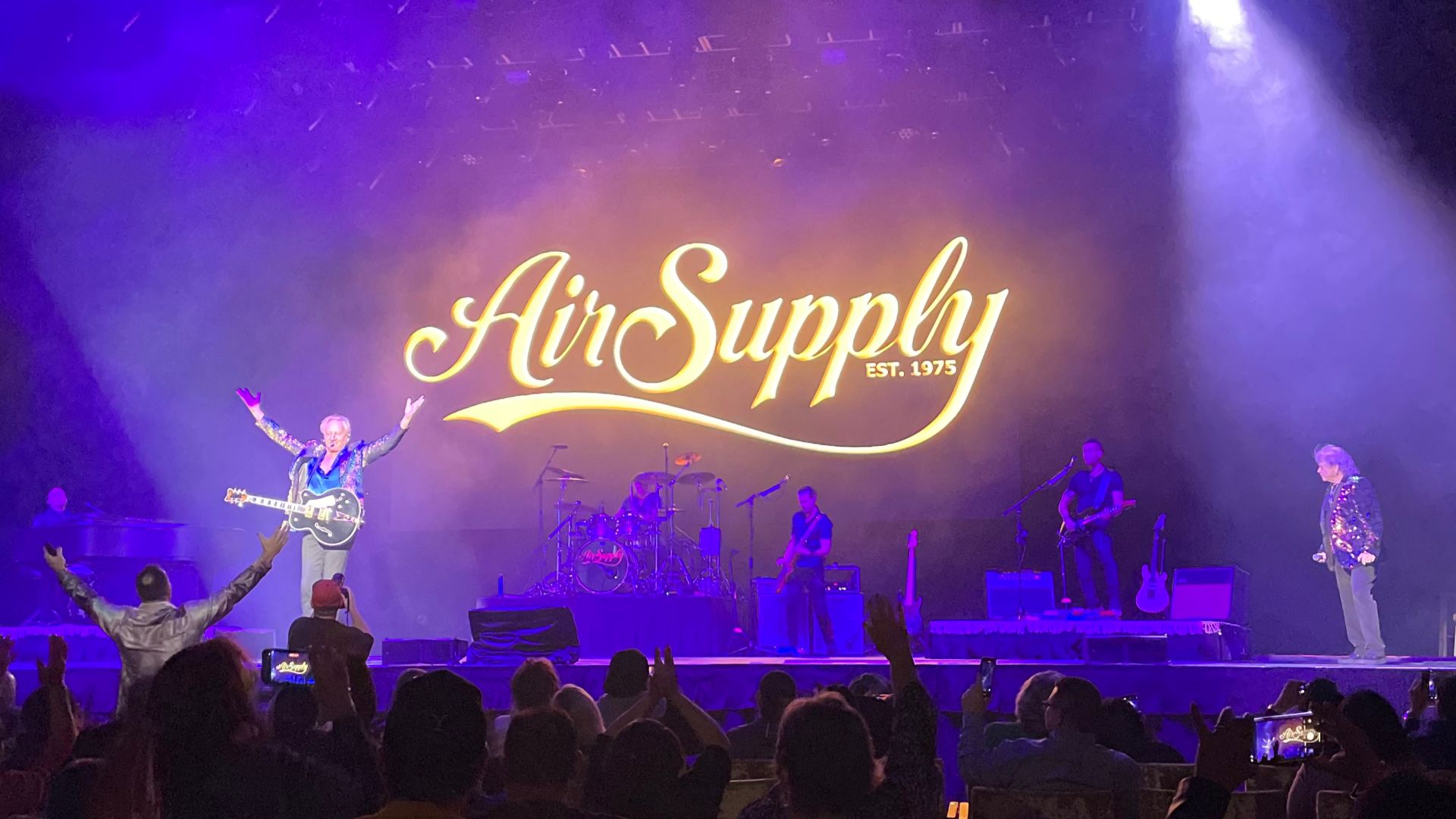
Here I Am — Air Supply
By the time “Here I Am (Just When I Thought I Was Over You)” arrived, Air Supply's dominance of soft-rock radio was becoming almost absurd. The song reached No. 5 on the Hot 100 and spent three weeks at No. 1 on the Adult Contemporary chart. It was another showcase for Russell Hitchcock's soaring lead voice, one of the most instantly recognizable sounds on early-'80s radio. And Air Supply still weren't finished producing hits.
 Paul Chin from Manila City, Philippines, Wikimedia Commons
Every Woman In The World — Air Supply
Released late in 1980, “Every Woman in the World” did most of its American chart damage in early 1981. The single climbed to No. 5 on the Hot 100 and No. 2 on the Adult Contemporary chart. It followed “Lost in Love” and “All Out of Love,” continuing a streak that made Air Supply almost unavoidable. Before 1981 was over, they would finally go all the way to No. 1 with “The One That You Love.”
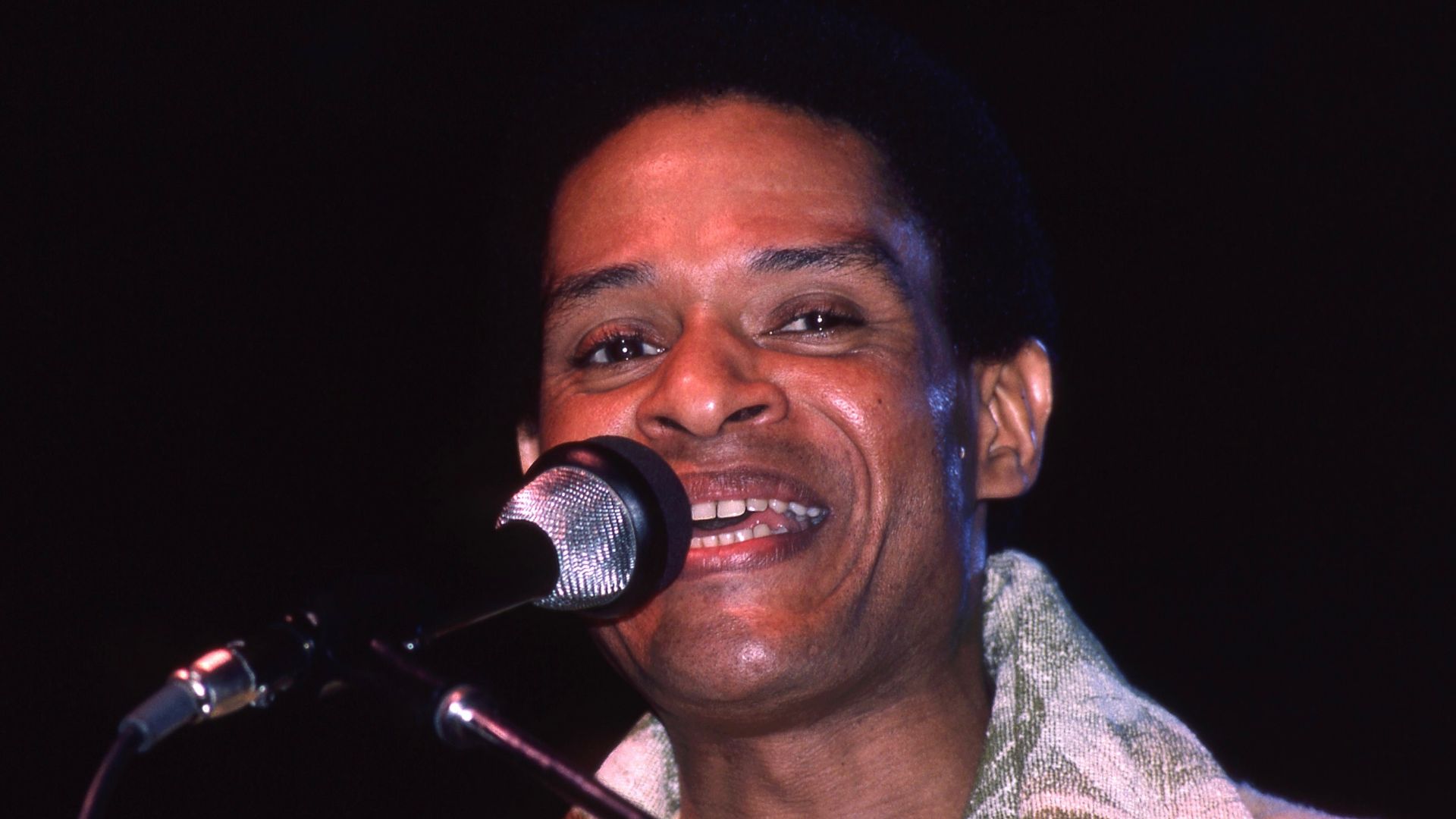
We're In This Love Together — Al Jarreau
Al Jarreau had already earned considerable respect in jazz, but “We're in This Love Together” introduced his voice to a much larger pop audience. The breezy single became his first major Hot 100 crossover, reaching No. 15. It came from Breakin' Away, the album that would also bring Jarreau the Grammy for Best Male Pop Vocal Performance. His career had already been successful, but 1981 opened an entirely new door.
 Eddi Laumanns aka RX-Guru, Wikimedia Commons
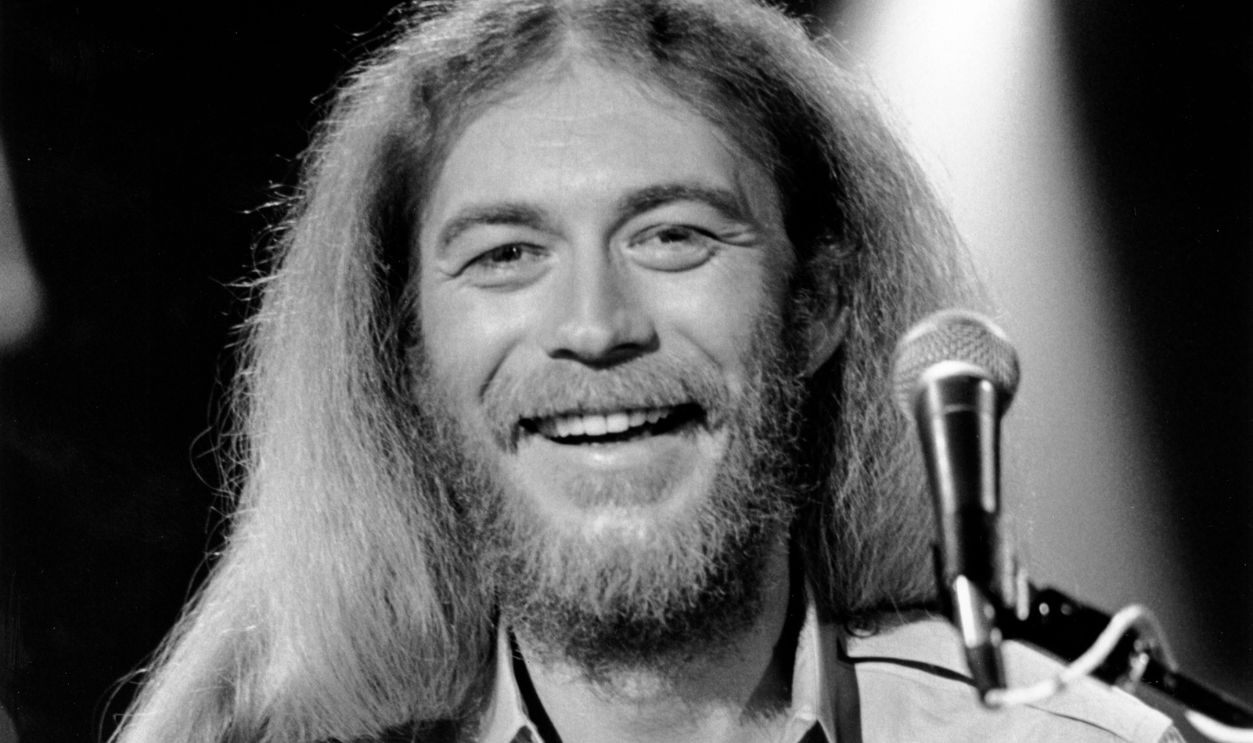
Cool Night — Paul Davis
Paul Davis had already enjoyed a major hit with the melancholy “I Go Crazy,” but “Cool Night” gave him another soft-rock favorite as 1981 drew to a close. Released that year, the song eventually climbed to No. 11 on the Hot 100 and reached No. 2 on the Adult Contemporary chart in early 1982. Its relaxed groove and polished production sounded tailor-made for the era. Davis would soon move increasingly toward country music, making “Cool Night” feel like a final flourish from his pop years.
 Michael Ochs Archives, Getty Images
Leather And Lace — Stevie Nicks And Don Henley
Few voices could have made “Leather and Lace” more instantly recognizable than Stevie Nicks and Don Henley's. Nicks wrote the song before recording it for her blockbuster debut solo album, Bella Donna. Released as a single in late 1981, the duet climbed to No. 6 on the Hot 100 in early 1982. With Fleetwood Mac's Nicks and the Eagles' Henley sharing a microphone, it sounded like two giant pieces of '70s California rock meeting in one beautifully restrained ballad.
 Eva Rinaldi, Wikimedia Commons
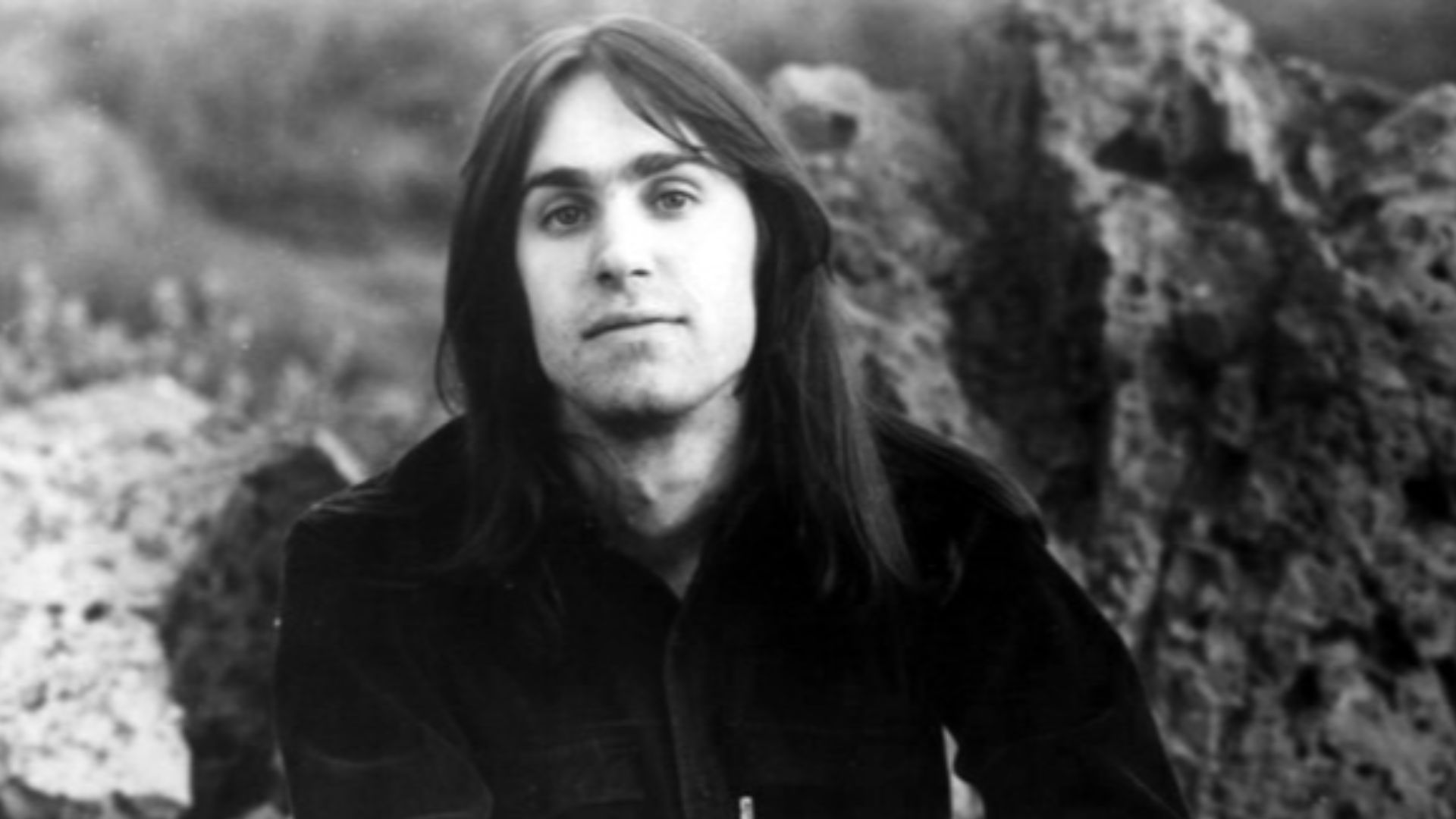
Leader Of The Band — Dan Fogelberg
Dan Fogelberg followed “Same Old Lang Syne” with something even more personal. “Leader of the Band” was a tribute to his father, Lawrence Fogelberg, a musician and band director. Released in late 1981, it climbed to No. 9 on the Hot 100 in early 1982 and reached No. 1 on the Adult Contemporary chart. Its lack of romantic drama only made it stand out more among an era packed with love songs.
 Epic Records, Wikimedia Commons
Arthur, Bond, And The Rise Of The Movie Ballad
One pattern becomes hard to miss when looking back at these songs. Movies were becoming an increasingly powerful launching pad for enormous adult-pop records, whether it was Christopher Cross singing about Arthur, Sheena Easton serenading James Bond, or Neil Diamond filling The Jazz Singer with hits. A song could leave the theater and take on a completely separate life on the radio. In a few cases, the music ultimately became more familiar than the movie that introduced it.
1981 Was A Soft-Rock Sweet Spot
These records also capture an era when genre boundaries on American radio could be surprisingly loose. A jazz singer, a country star, a former psychedelic rocker, and an arena-rock band could all make records that landed comfortably beside Air Supply and Christopher Cross. The common ingredients were strong melodies, polished production, and choruses designed to stick around. In 1981, that formula was everywhere.
 Steven Miller, Wikimedia Commons
And Somehow We Still Know The Words
Radio changed quickly after 1981, especially as MTV and the Second British Invasion helped push mainstream pop toward a different sound. Soft rock never disappeared, but this particular mixture of singer-songwriters, enormous ballads, movie themes, and crossover stars belonged to a very specific moment. The remarkable part is how little prompting many of these songs require today. Put on “Arthur's Theme,” “Same Old Lang Syne,” or “The One That You Love,” and there is a good chance someone in the room can still finish the chorus.
 MerleEllaPatsy, Wikimedia Commons
You May Also Like:
Songs From 1978 That Boomers Still Know By Heart, But Their Kids Barely Recognize
Sources: 1, 2, 3, 4, 5, 6, 7, 8, 9, 10, 11, 12, 13, 14, 15, 16, 17, 18, 19, 20, 21, 22, 23, 24, 25, 26, 27, 28