Great Songs, Forgotten Names
The 1960s produced so many unforgettable records that some songs managed to outlive the fame of the people who made them. You may recognize these within seconds, yet struggle to name the singer or band. From garage rock to lush pop, these are 26 records whose melodies remained famous even when their performers became harder to remember.
 Michael Ochs Archives, Getty Images
“Rhythm of the Rain”
Few songs capture rainy-day melancholy quite like “Rhythm of the Rain.” San Diego vocal group The Cascades took the John Gummoe composition to No. 3 on the Billboard Hot 100 in 1963. The record endured as an oldies-radio favorite, even as the group's name became considerably less familiar than its cascading opening sound.
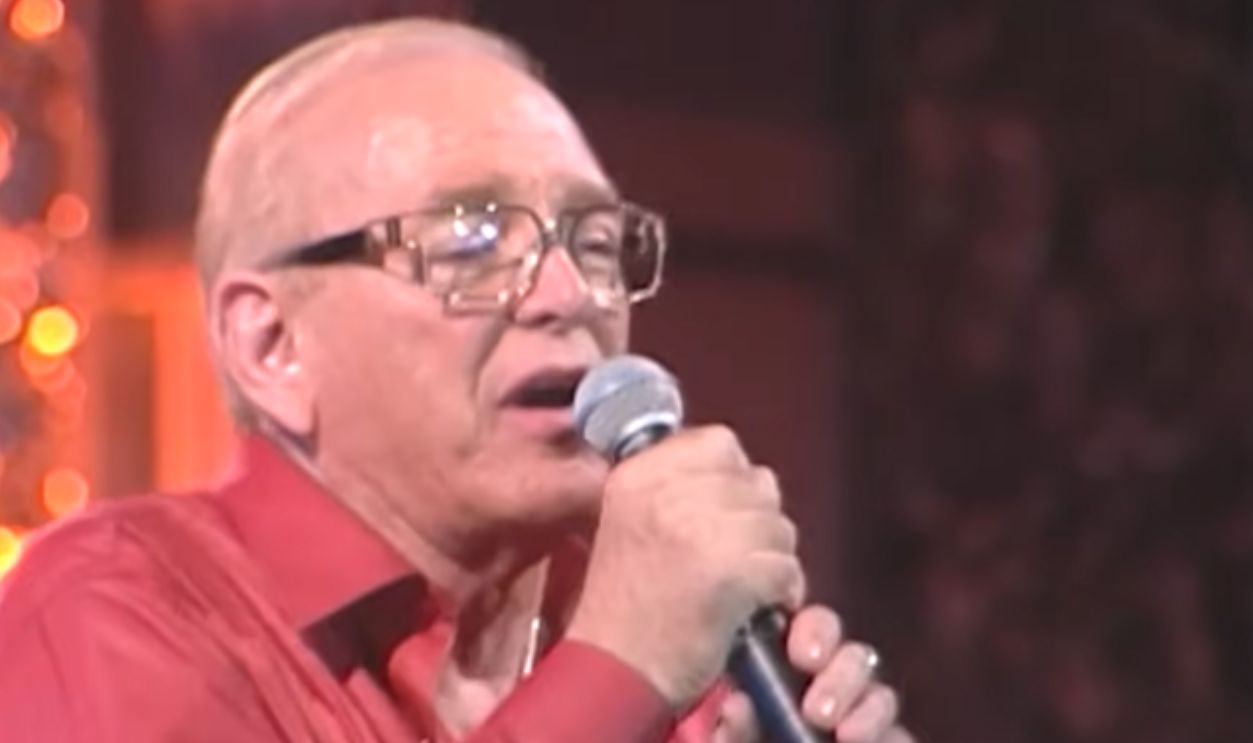 Screenshot from Rhythm of the Rain, Valiant Records (1962)
“Cool Jerk”
Detroit's The Capitols created an irresistible dance-floor record with 1966's “Cool Jerk.” Led by singer Samuel George, the group took the song to No. 7 on the Hot 100. Its punchy groove remained instantly recognizable through movies, commercials, and oldies radio, long after casual listeners stopped remembering who recorded it.

“Angel of the Morning”
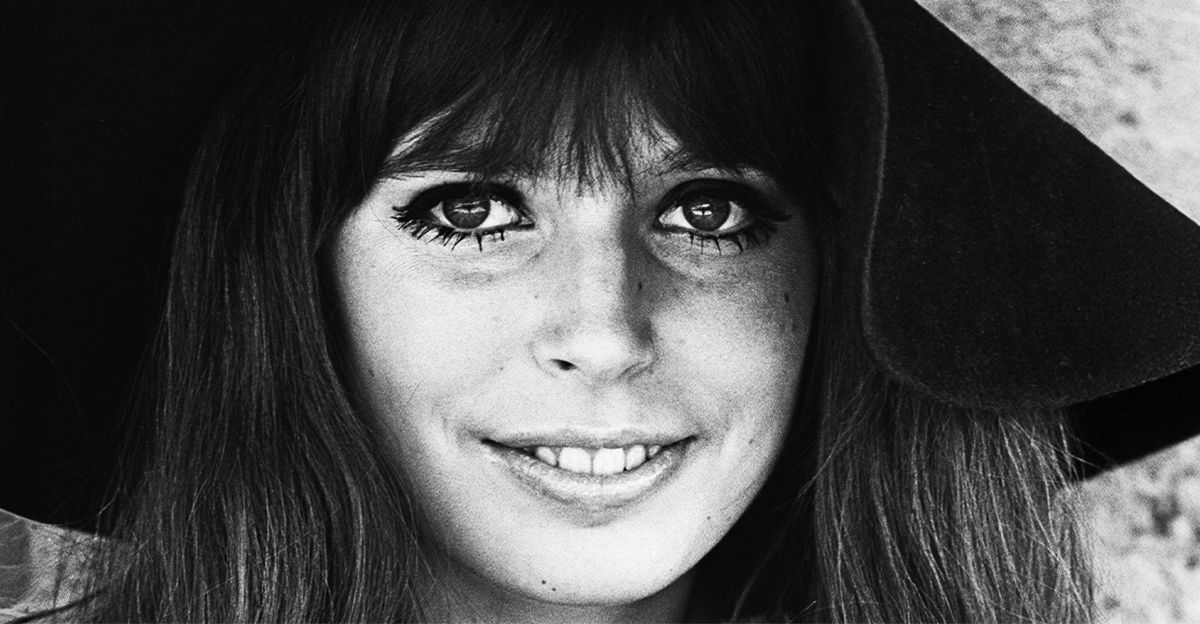
“Angel of the Morning” has been recorded by numerous artists, but Merrilee Rush scored its first major American hit version in 1968. Her dramatic recording reached No. 7 and earned Rush a Grammy nomination. Juice Newton revived the song in 1981, and it.
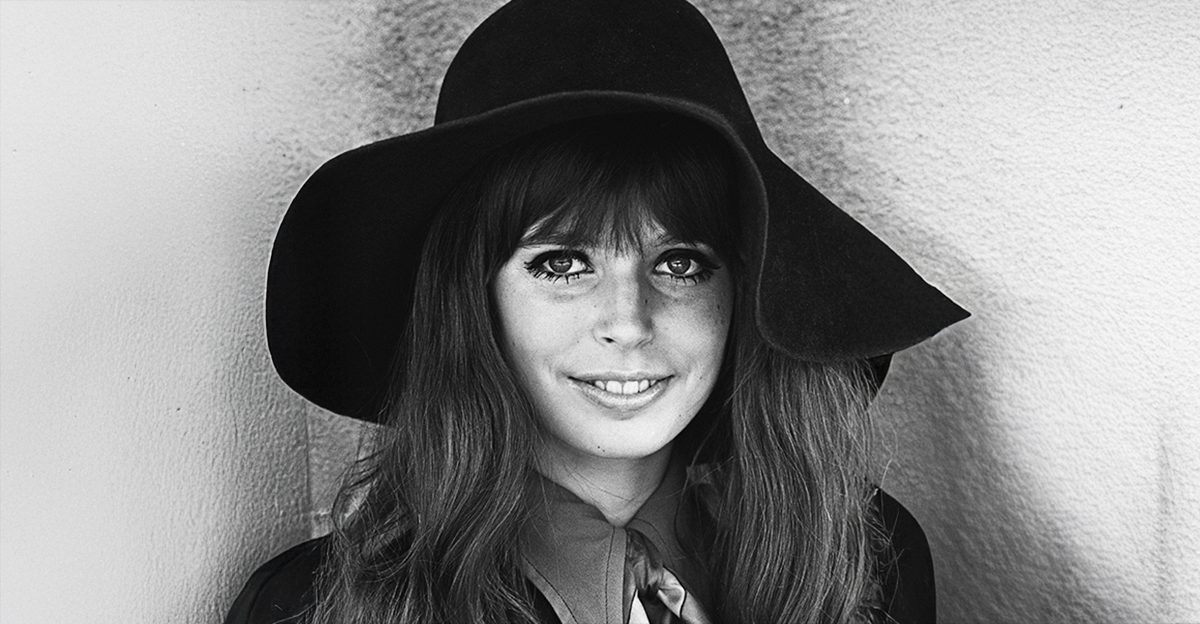 Michael Ochs Archives, Getty Images
“Black Is Black”
“Black Is Black” sounded British enough to fit seamlessly into 1966 pop radio, but Los Bravos came from Spain. German-born lead singer Mike Kogel, better known as Mike Kennedy, supplied the remarkably Gene Pitney-like vocal. The record reached No. 4 in America, making Los Bravos the first Spanish rock band to achieve major international success.
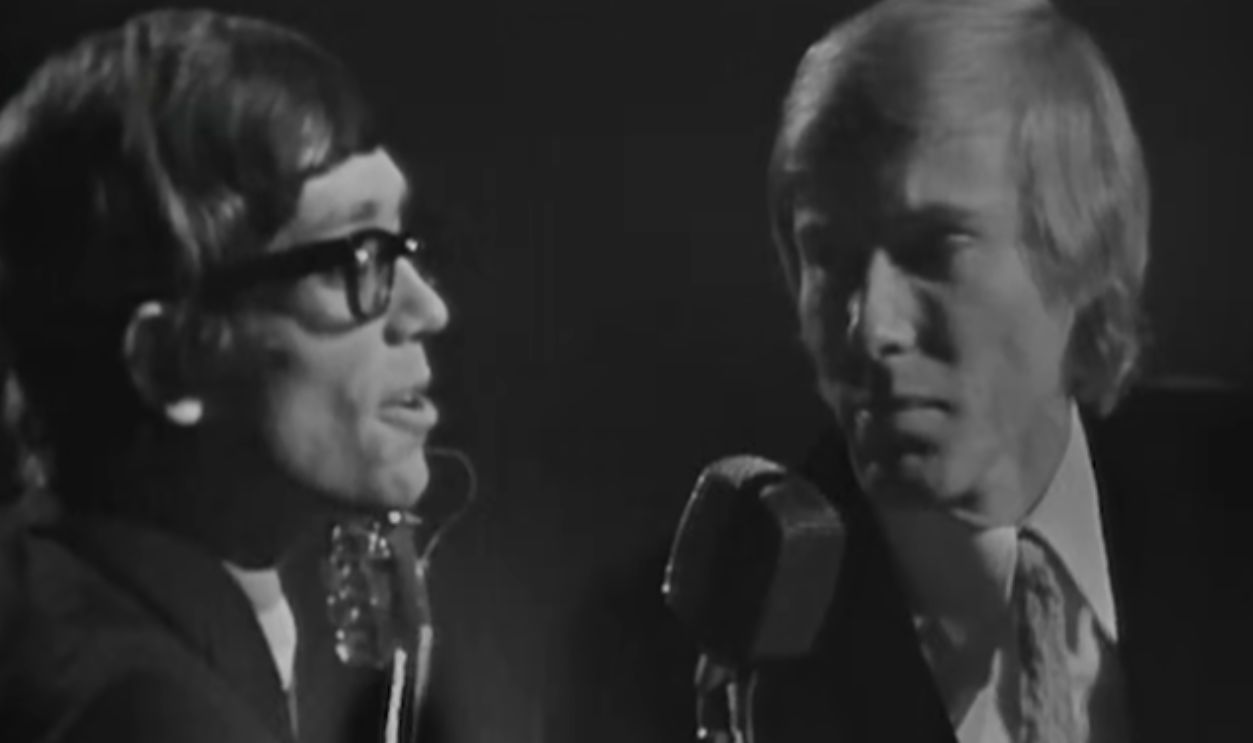 Screenshot from Black Is Black, Decca Records (1966)
“Reach Out of the Darkness”
Jim and Cathy Post were the husband-and-wife duo behind Friend & Lover. Their 1968 single “Reach Out of the Darkness” combined sunshine-pop harmonies with the era's yearning for togetherness, reaching No. 10. The marriage and musical partnership eventually ended, but that repeated invitation to “reach out” never really disappeared from American pop culture.
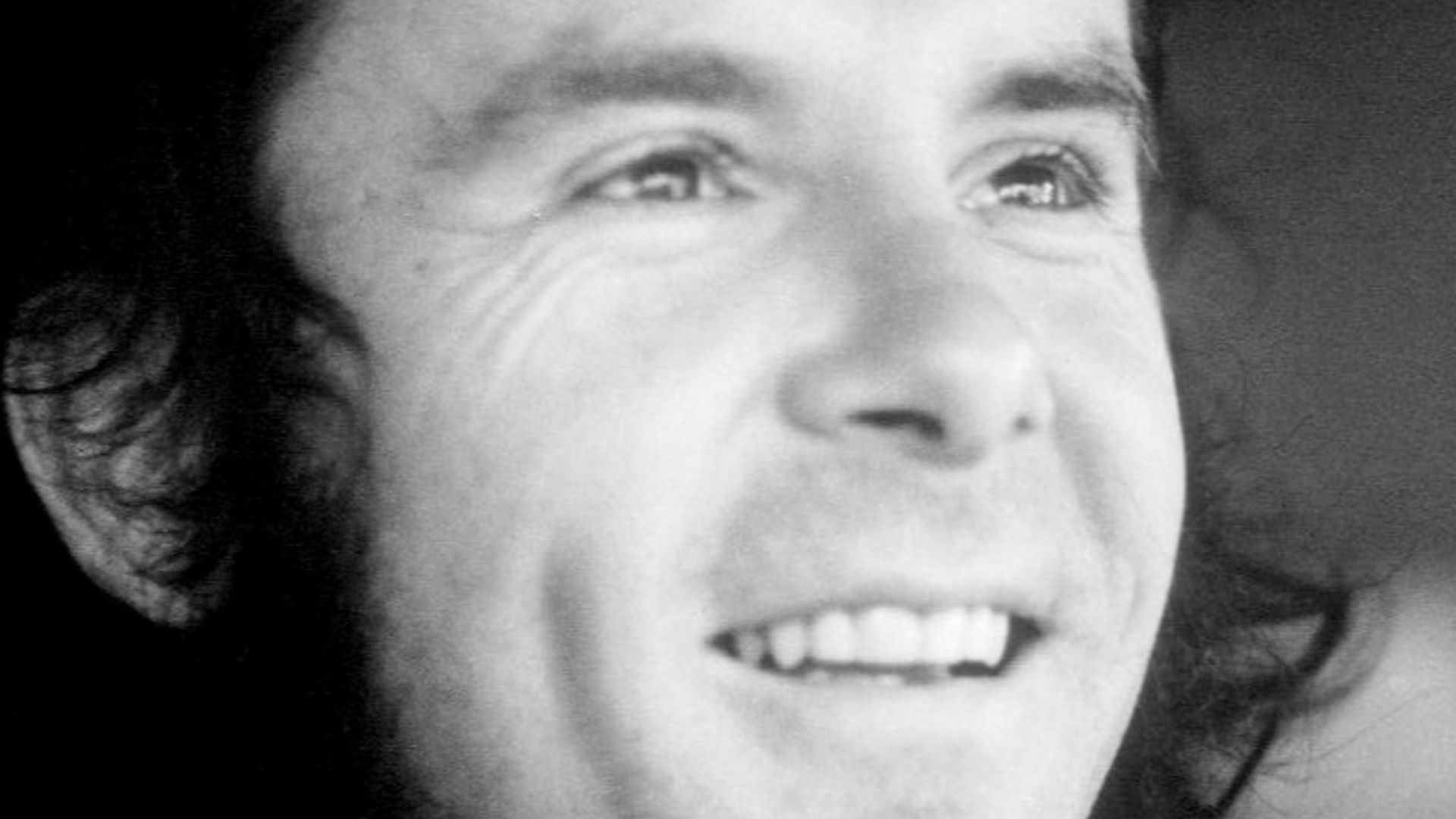 Fantasy Records, Wikimedia Commons
“Liar, Liar”
You may not immediately recognize The Castaways, but that falsetto cry from “Liar, Liar” is another matter. The Minneapolis garage band reached No. 12 in 1965 with its frantic signature song. Despite releasing more singles, The Castaways never approached that success again, leaving behind one wonderfully strange blast of mid-60s garage rock.
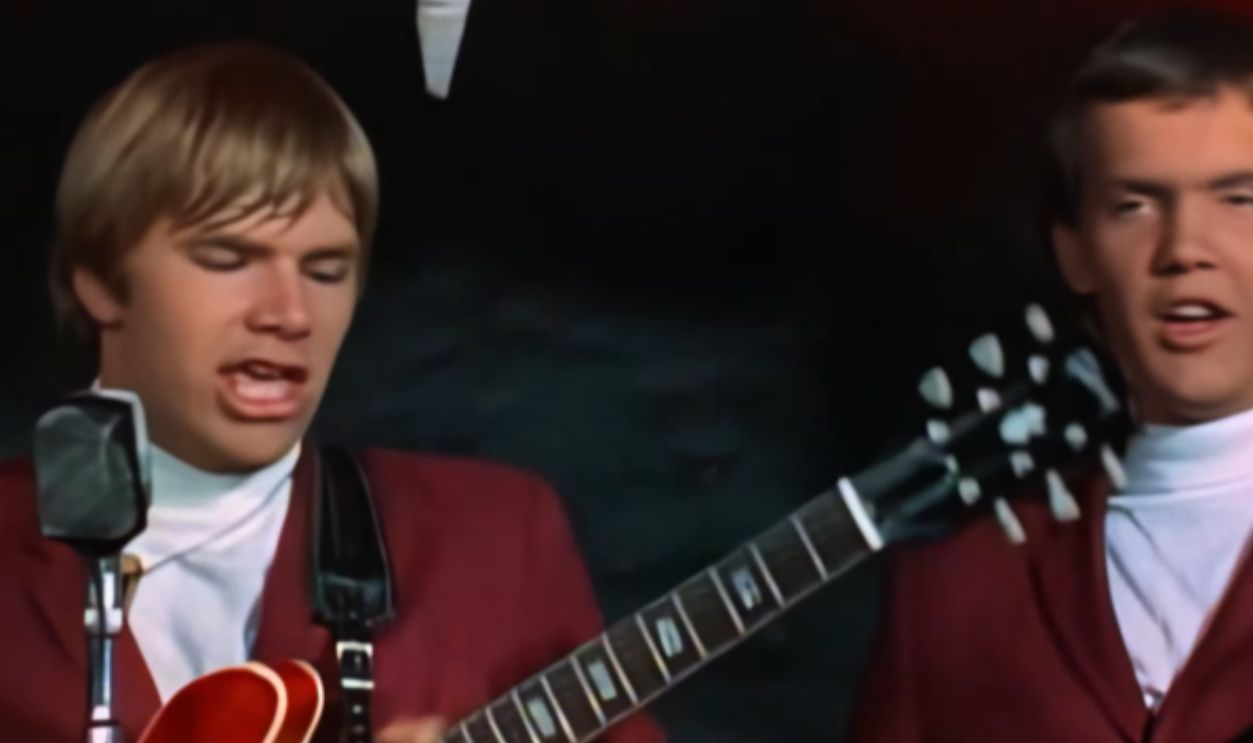 Screenshot from Liar Liar, Soma Records (1965)
“The Sun Ain't Gonna Shine Anymore”
Despite their name, Scott, John, and Gary Walker weren't brothers, and the American trio actually found their greatest fame in Britain. Their 1966 recording of “The Sun Ain't Gonna Shine Anymore” topped the UK chart and reached No. 13 in America. Scott Walker's booming, melancholy lead vocal remains the record's unforgettable centerpiece.
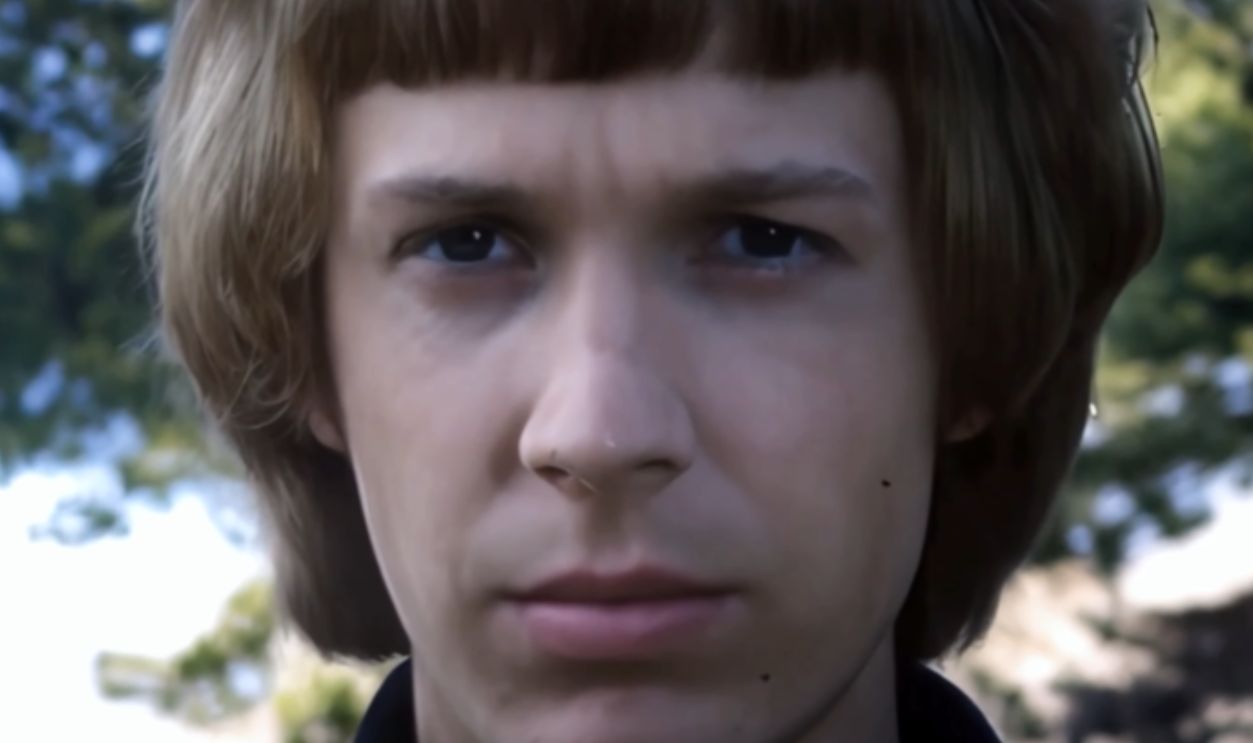 Screenshot from The Sun Ain't Gonna Shine Anymore, Philips Records (1966)
“Some Velvet Morning”
Nancy Sinatra is hardly forgotten, but how many casual listeners can name the deep-voiced man trading verses with her on “Some Velvet Morning”? That was songwriter-producer Lee Hazlewood, the architect behind several of Sinatra's greatest records. Their eerie 1967 duet remains one of the decade's strangest and most hypnotic pop recordings. The song appeared on Movin' With Nancy that December. It also appeared on their 1968 album Nancy & Lee. The single reached No. 26 on the Billboard Hot 100 in early 1968.
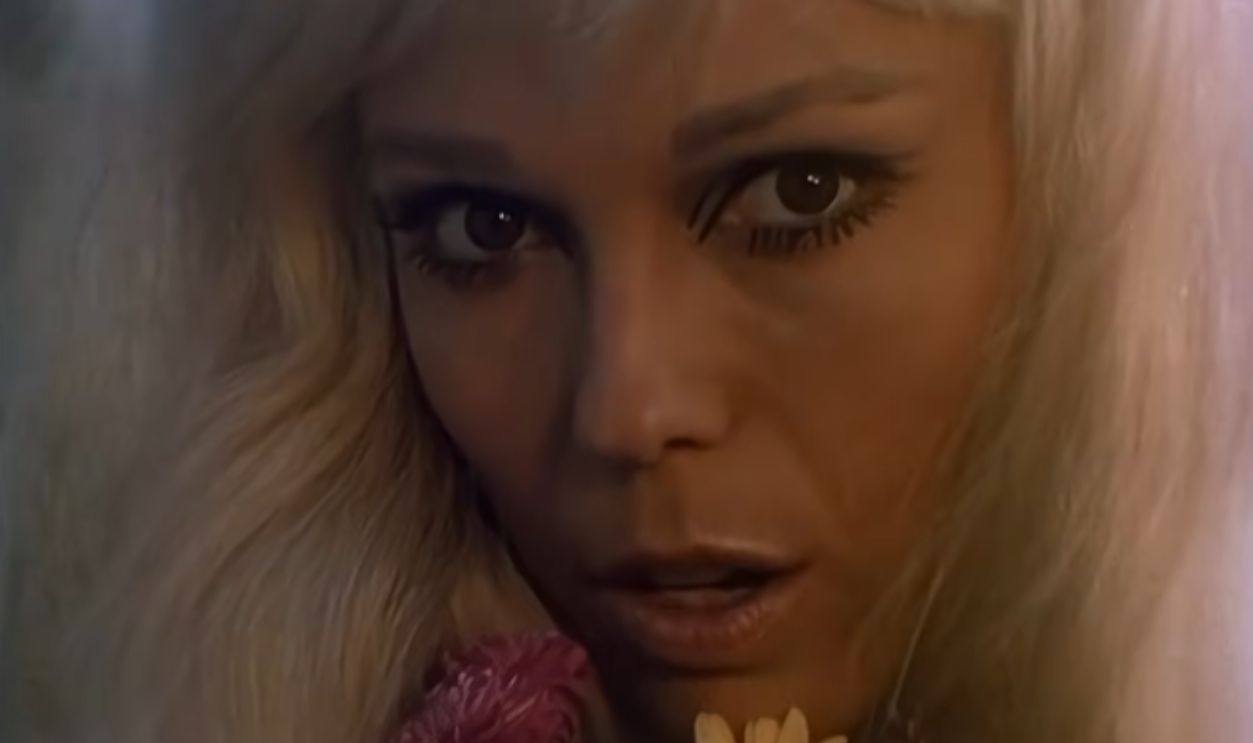 Screenshot from Some Velvet Morning, Reprise Records (1967)
“Walk Away Renée”
“Walk Away Renée” sounds almost too elegant for ordinary pop radio. The Left Banke's 1966 hit mixed rock with strings, harpsichord and a haunting lead vocal from Steve Martin Caro, helping inspire the term “baroque pop.” It reached No. 5, but internal turmoil prevented the New York group from sustaining that early momentum.
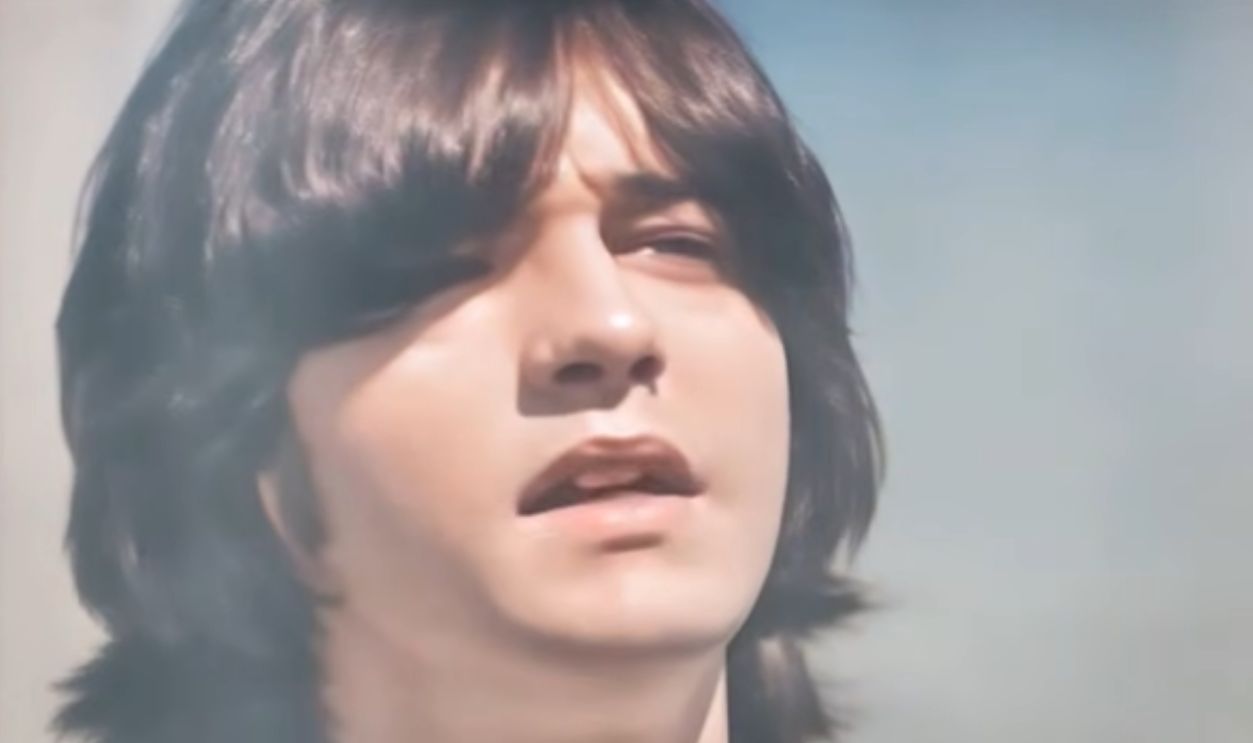 Screenshot from Walk Away Renée, Smash Records (1966)
“More Today Than Yesterday”
Wedding receptions have kept “More Today Than Yesterday” alive for generations, even if The Spiral Starecase hasn't enjoyed the same recognition. Featuring Pat Upton's soaring vocal, the 1969 single reached No. 12. Even the band's oddly spelled name, taken from the 1946 film The Spiral Staircase, makes it surprisingly easy to forget.
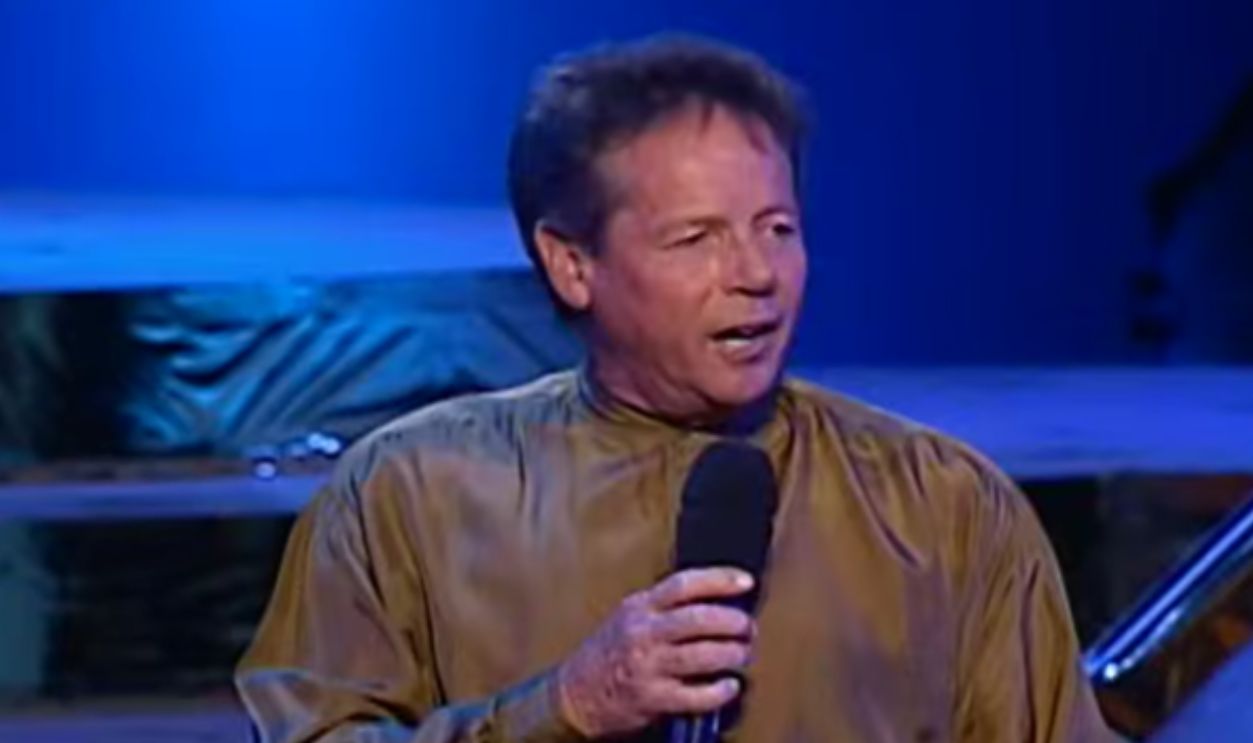 Screenshot from More Today Than Yesterday, Columbia Records (1969)
“Mr. Dieingly Sad”
The Critters brought a remarkably delicate sound to the charts with “Mr. Dieingly Sad,” written by group member Don Ciccone. The 1966 single reached No. 17 and became their defining record. Ciccone later enjoyed a much longer career, performing with both Frankie Valli and the Four Seasons, and Tommy James and the Shondells.
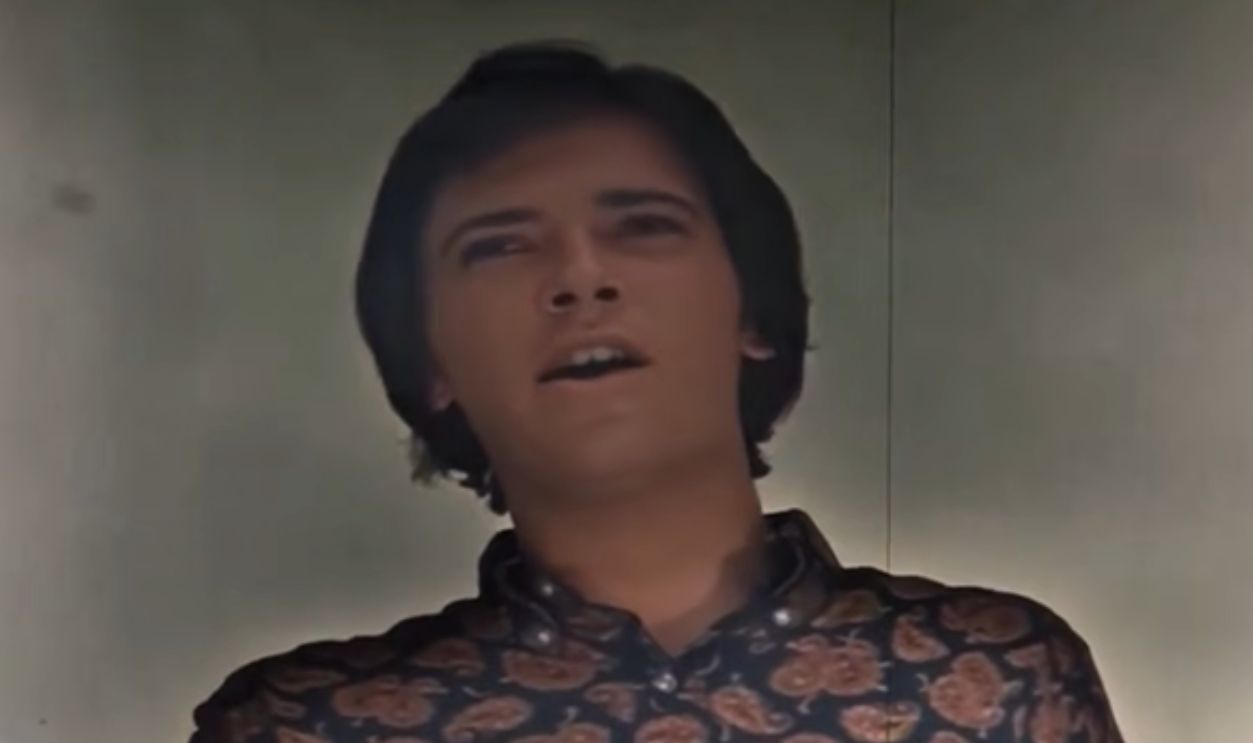 Screenshot from Mr. Dieingly Sad, Kapp Records (1966)
“Things I'd Like to Say”
Chicago produced considerably more 60s rock than just the band that eventually adopted the city's name. The New Colony Six scored their biggest national success with the lush 1968 ballad “Things I'd Like to Say,” which peaked at No. 16 in early 1969. In their hometown, however, the group enjoyed a much larger following.
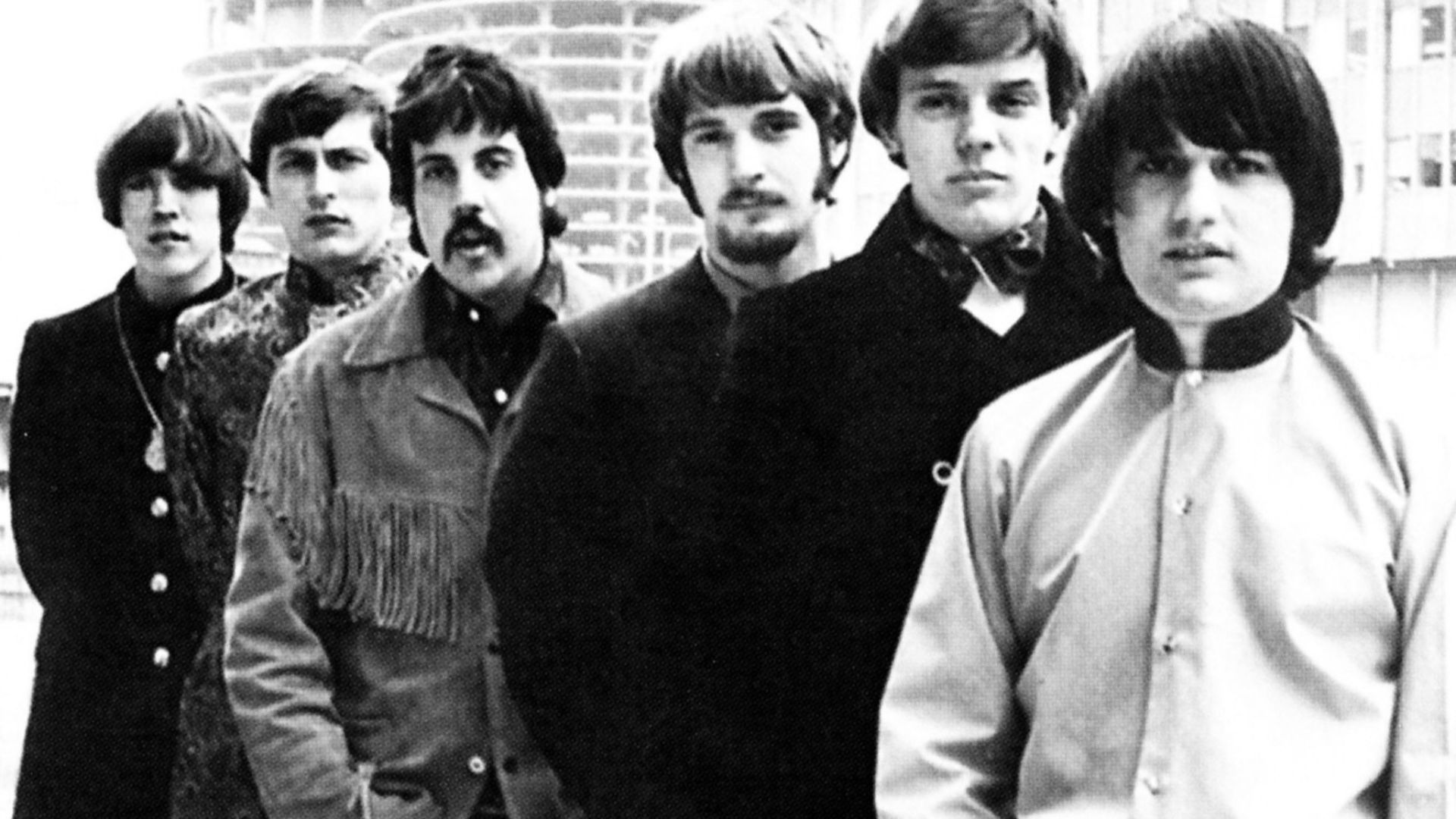 Mercury Records, Wikimedia Commons
“Bend Me, Shape Me”
“Bend Me, Shape Me” has the kind of chorus that sounds permanently embedded in late-60s radio. Chicago's The American Breed took it to No. 5 in early 1968. The group soon dissolved, but several members subsequently resurfaced in Rufus, the funk band that eventually introduced the world to powerhouse singer Chaka Khan.
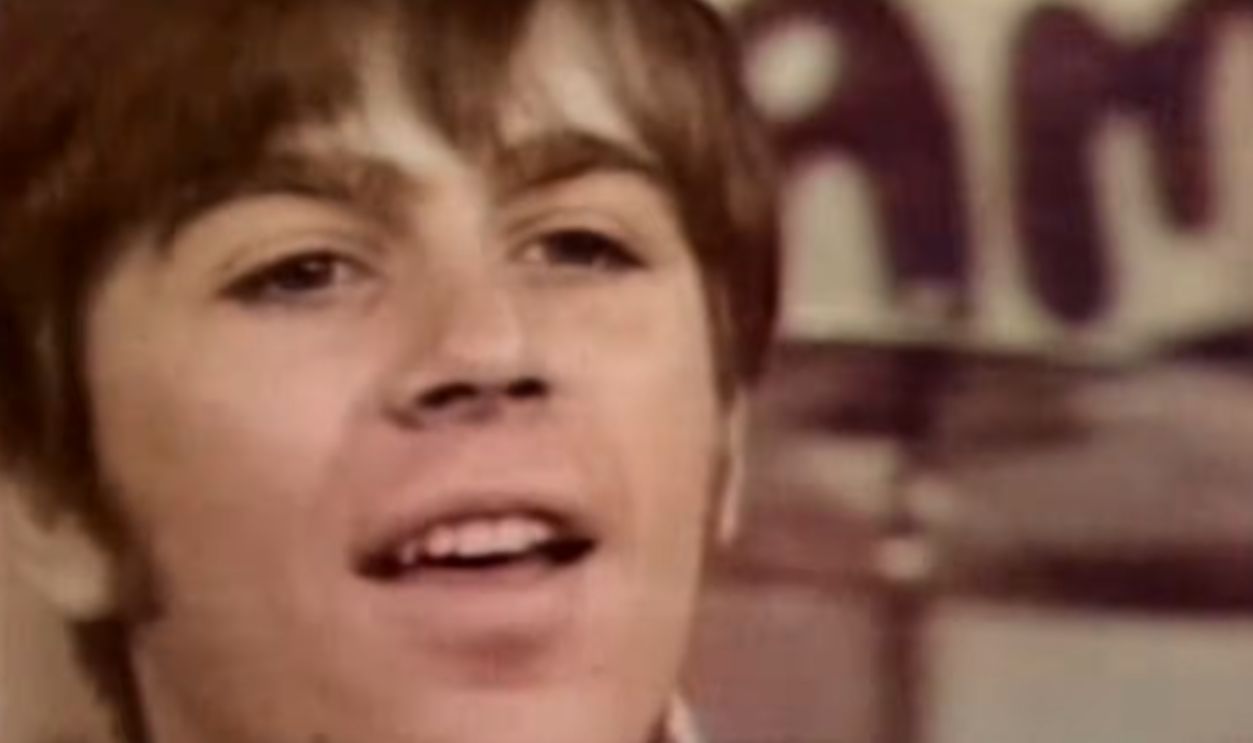 Screenshot from Bend Me, Shape Me, Acta Records (1967)
“Little Bit O' Soul”
Ohio garage-rock group The Music Explosion turned “Little Bit O' Soul,” originally recorded by British act The Little Darlings, into a monster American hit. Their wonderfully scrappy 1967 version reached No. 2 and sold more than a million copies. Nothing else they released came close, making the song an almost perfect garage-era time capsule.
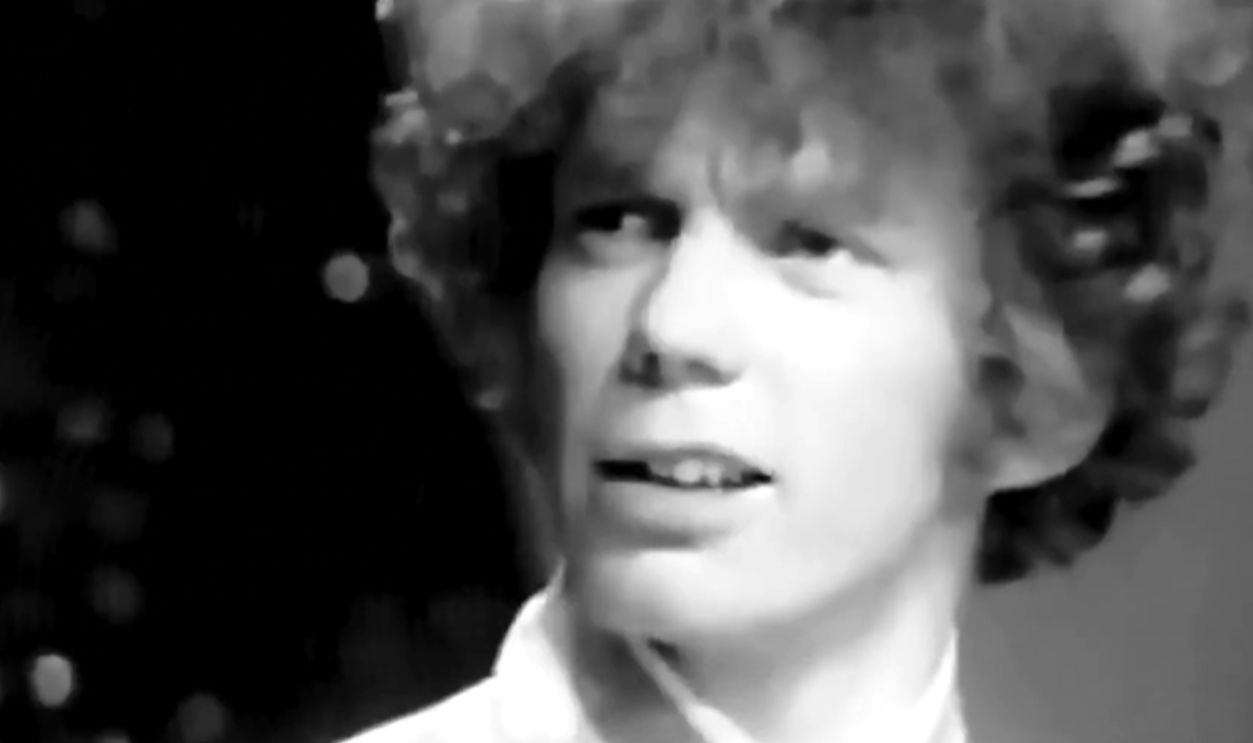 Screenshot from Little Bit O' Soul, Laurie Records (1967)
“I Had Too Much to Dream (Last Night)”
That strange buzzing opening announces “I Had Too Much to Dream (Last Night)” before singer James Lowe even arrives. The Electric Prunes took the psychedelic single into the Top 20 in 1967. The band's complicated history continued afterward, but the song became a garage-psychedelic standard and later appeared on the enormously influential Nuggets compilation.
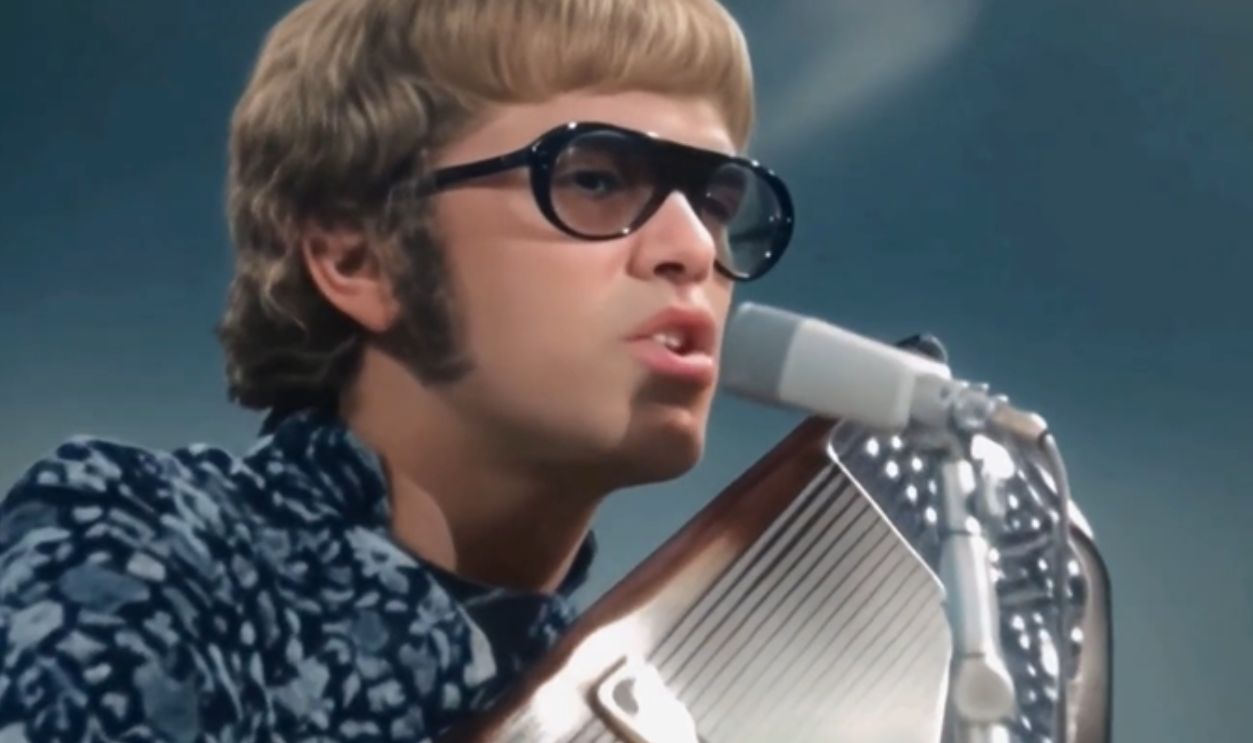 Screenshot from I Had Too Much to Dream (Last Night), Reprise Records (1966)
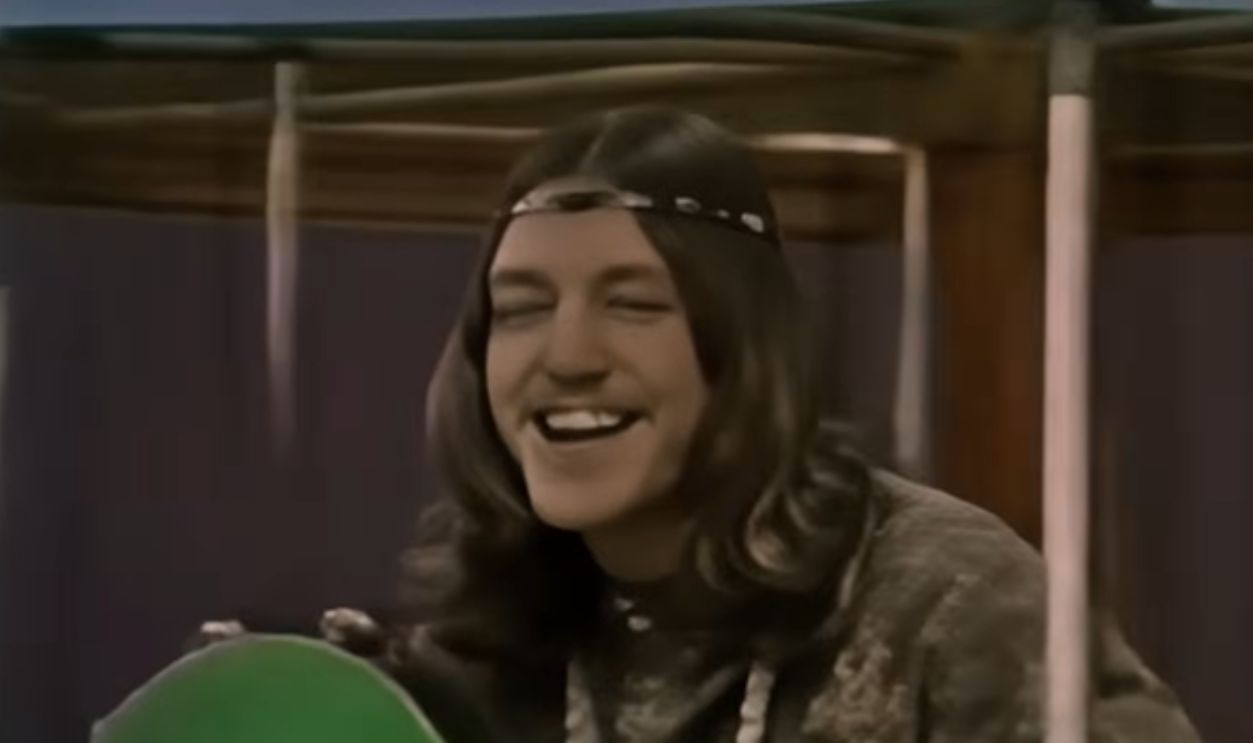
“Green Tambourine”
“Green Tambourine” is practically a checklist of psychedelic-pop sounds: sitar, echo, unusual percussion and a ridiculously catchy chorus. Ohio's Lemon Pipers took it all the way to No. 1 in 1968. The band preferred more adventurous psychedelic music, however, and never duplicated the enormous commercial success of their bubblegum-flavored breakthrough.
 Screenshot from Green Tambourine, Buddah Records (1968)
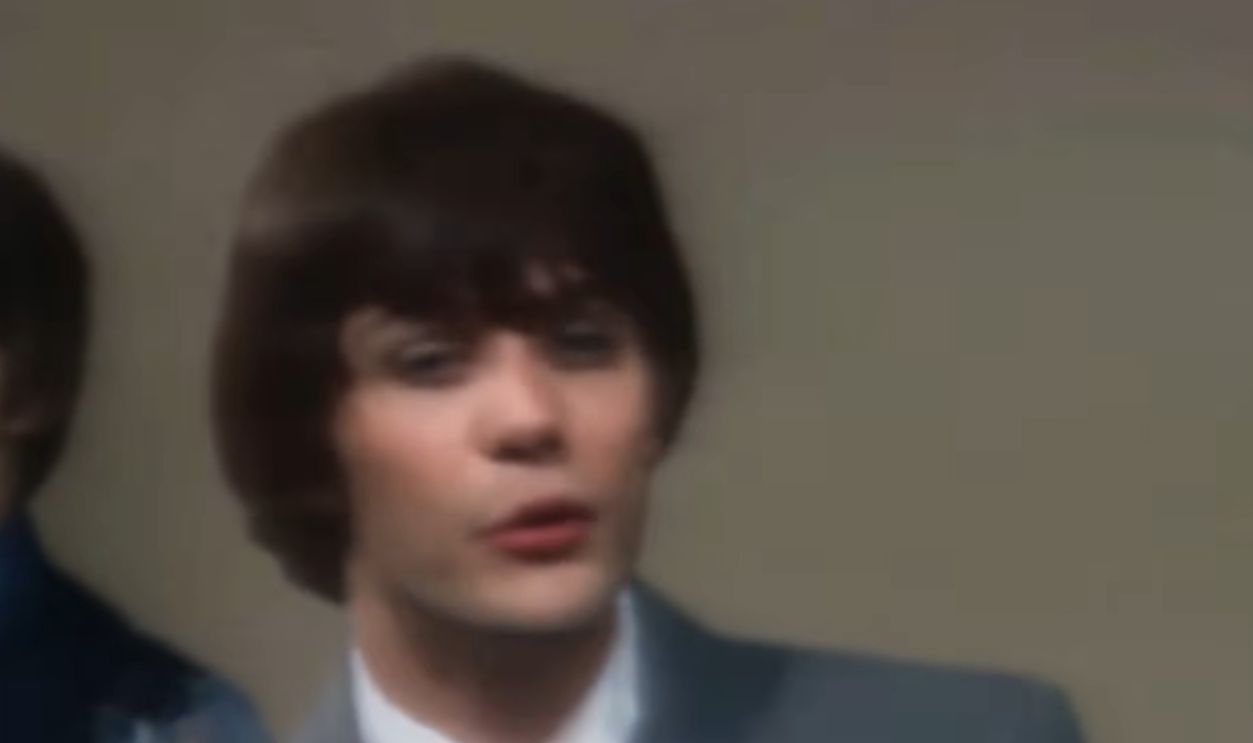
“Kind of a Drag”
Before Chicago became famous for horn-driven rock, another Chicago band was already putting brass into Top 40 records. The Buckinghams reached No. 1 in 1967 with “Kind of a Drag,” then proved they weren't one-hit wonders with “Don't You Care,” “Mercy, Mercy, Mercy,” “Hey Baby (They're Playing Our Song)” and “Susan.”
 Screenshot from Kind of a Drag, USA Records (1967)
“Let It Out (Let It All Hang Out)”
“Let It Out (Let It All Hang Out)” begins with a bizarre spoken introduction and gets stranger from there. Memphis band The Hombres took the novelty-tinged garage rocker to No. 12 in 1967. The title and refrain survived remarkably well, while the group behind them became a piece of 60s-rock trivia.
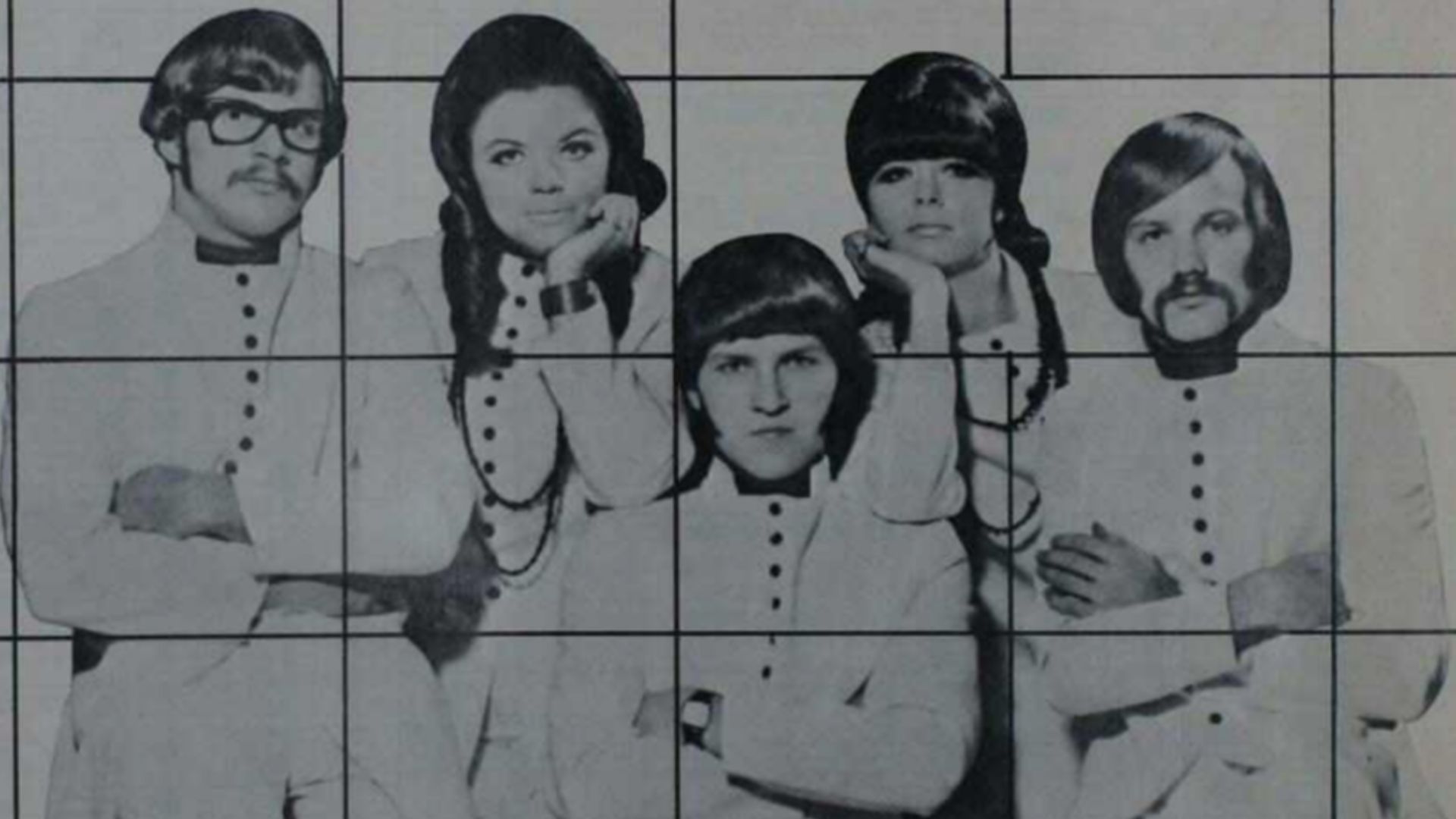
“Will You Be Staying After Sunday”
Baltimore's The Peppermint Rainbow briefly caught the sunshine-pop wave with “Will You Be Staying After Sunday.” Produced by Paul Leka, the 1969 single climbed to No. 32. The group's national chart career was short, but the record's bright harmonies make it instantly evocative of the final years of 1960s AM radio.
 Billboard Magazine, Wikimedia Commons
“Smile a Little Smile for Me”
“Smile a Little Smile for Me” sounded like pure late-60s American soft pop, but The Flying Machine were actually British. The song became a substantial U.S. hit in 1969, reaching No. 5. The group couldn't turn that success into a lasting American career, leaving “Smile” to become far better remembered than their name.
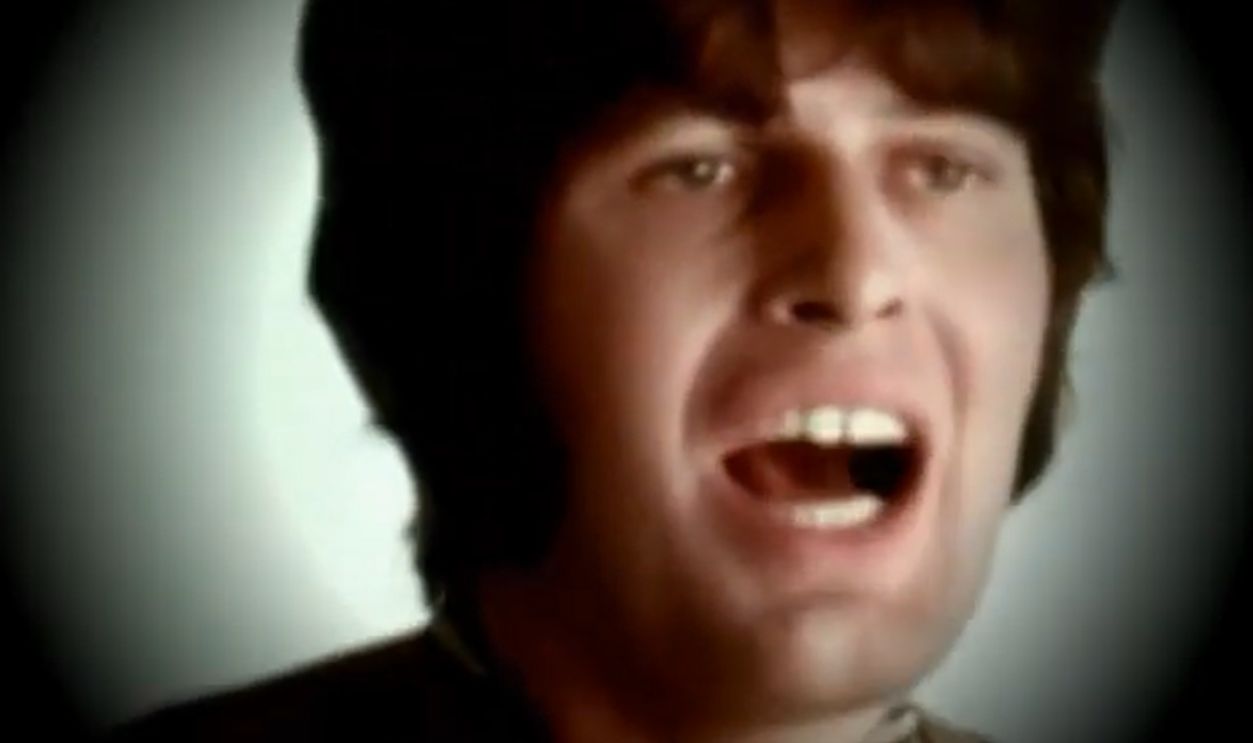 Screenshot from Smile a Little Smile for Me, Congress Records (1969)
“Morning Girl”
The grandly named Neon Philharmonic was essentially a studio-oriented project built around songwriter Tupper Saussy and singer Don Gant. Their elaborate 1969 pop miniature “Morning Girl” reached No. 17. Recorded with musicians from the Nashville Symphony Orchestra, it sounded worlds away from garage rock, demonstrating just how stylistically strange American Top 40 had become by decade's end.

“Laugh, Laugh”
The Beau Brummels emerged from San Francisco before that city became synonymous with psychedelic rock. Their 1965 breakthrough “Laugh, Laugh,” featuring Sal Valentino's distinctive voice, helped prove an American band could thrive during the British Invasion. Later generations rediscovered the song through compilations celebrating the formative American garage-rock era.
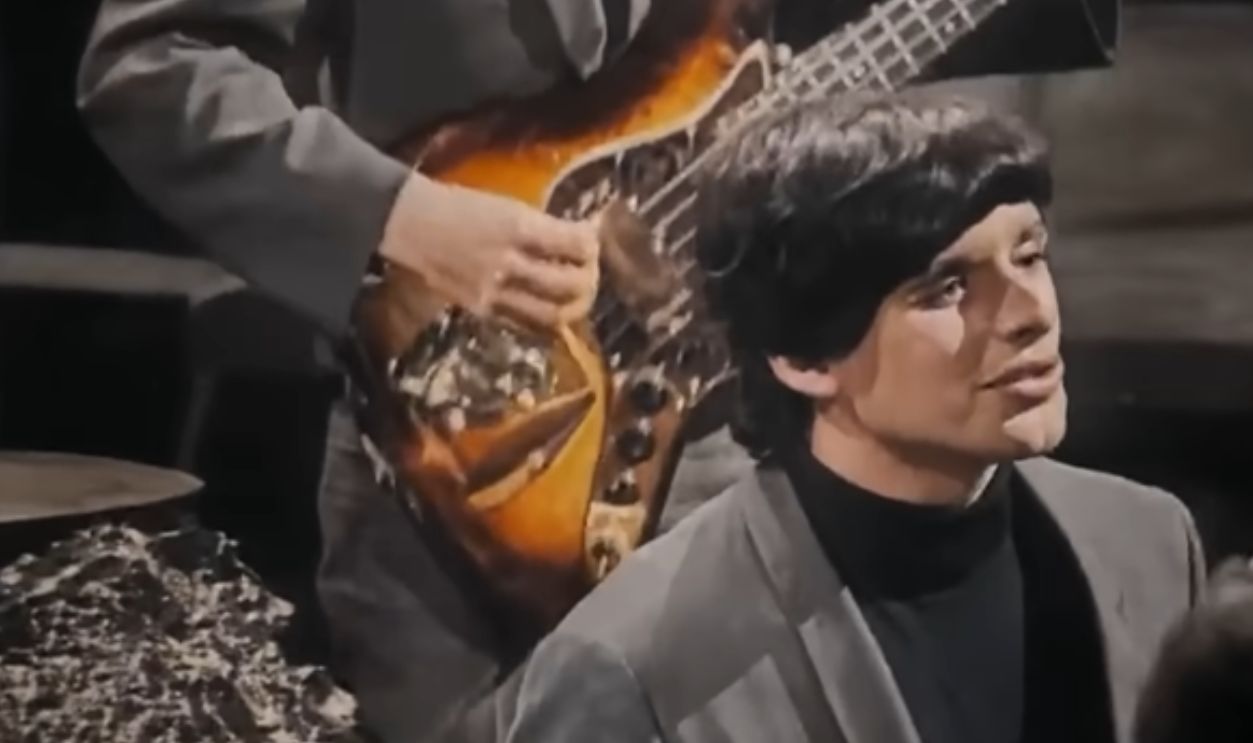 Screenshot from Laugh, Laugh, Autumn Records (1964)
“Time Won't Let Me”
Cleveland's The Outsiders exploded nationally with “Time Won't Let Me,” a hard-driving 1966 single distinguished by its brass and urgent vocal from Sonny Geraci. It reached No. 5 and remains a staple of 60s collections. Geraci later returned to the charts in the 1970s as lead singer of Climax.
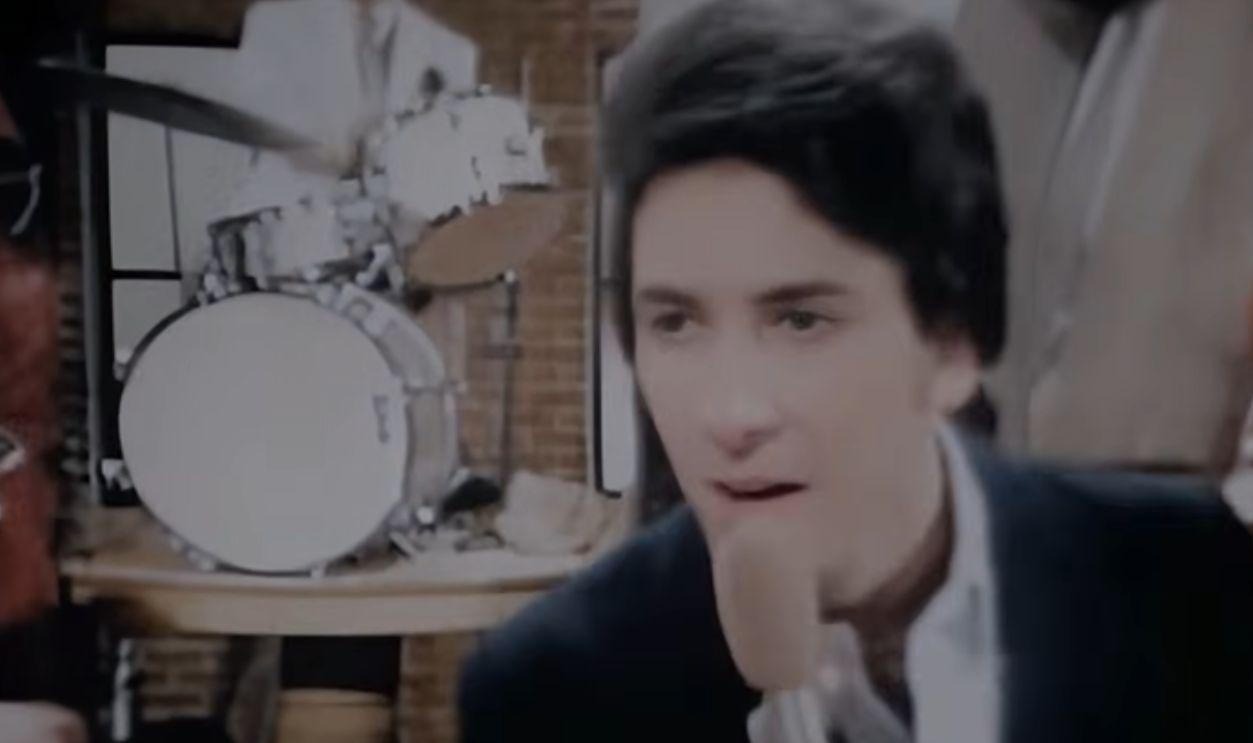 Screenshot from Time Won't Let Me, Capitol Records (1966)
“Nobody but Me”
“Nobody but Me” contains an almost absurd number of repetitions of the word “no,” which is precisely why it's so hard to forget. Ohio's Human Beinz transformed the Isley Brothers song into a No. 8 hit in 1968. It later became a favorite for films, television shows and commercials needing instant garage-rock energy.
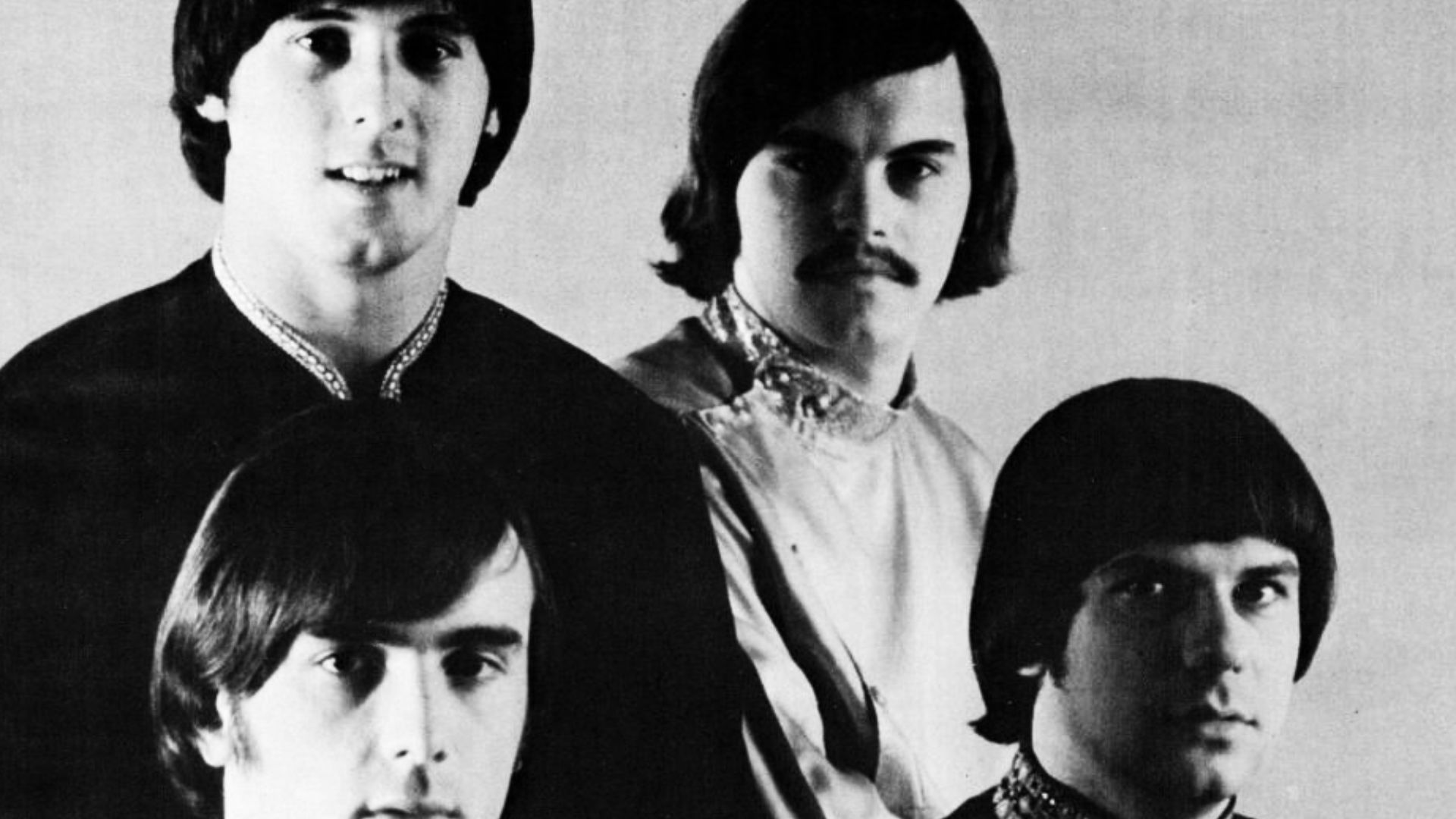 Capitol Records, Wikimedia Commons
“Build Me Up Buttercup”
“Build Me Up Buttercup” has become so ubiquitous that The Foundations can almost disappear behind it. The multiracial British soul group, fronted on the recording by Colin Young, turned the song into a major international hit in 1968. They also scored with “Baby, Now That I've Found You,” proving Buttercup wasn't their only success.
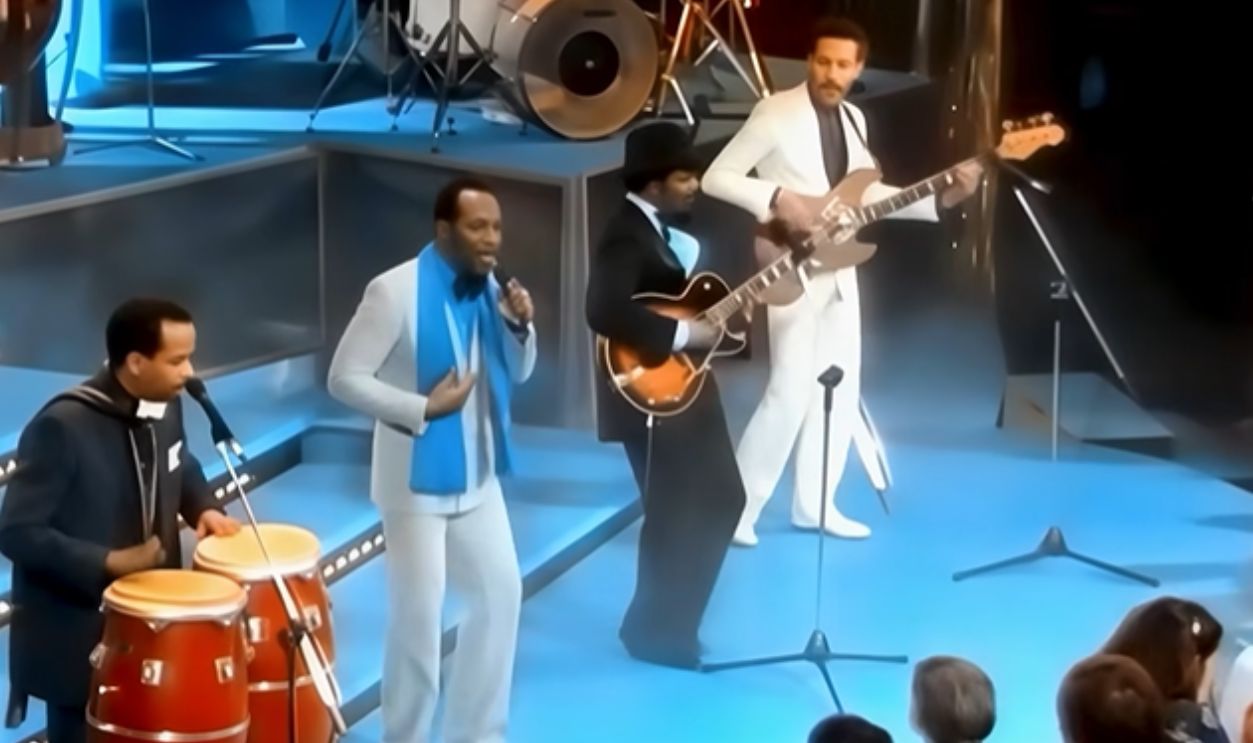 Screenshot from Build Me Up Buttercup, Sanctuary Records (1968)
“Fire”
Few 1968 performances were easier to remember than Arthur Brown screaming “I am the god of hellfire!” while wearing a flaming helmet. The Crazy World of Arthur Brown's “Fire” reached No. 2 in America and No. 1 in Britain. Brown never became a conventional pop star, but his theatrical influence stretched deep into heavy metal and shock rock.
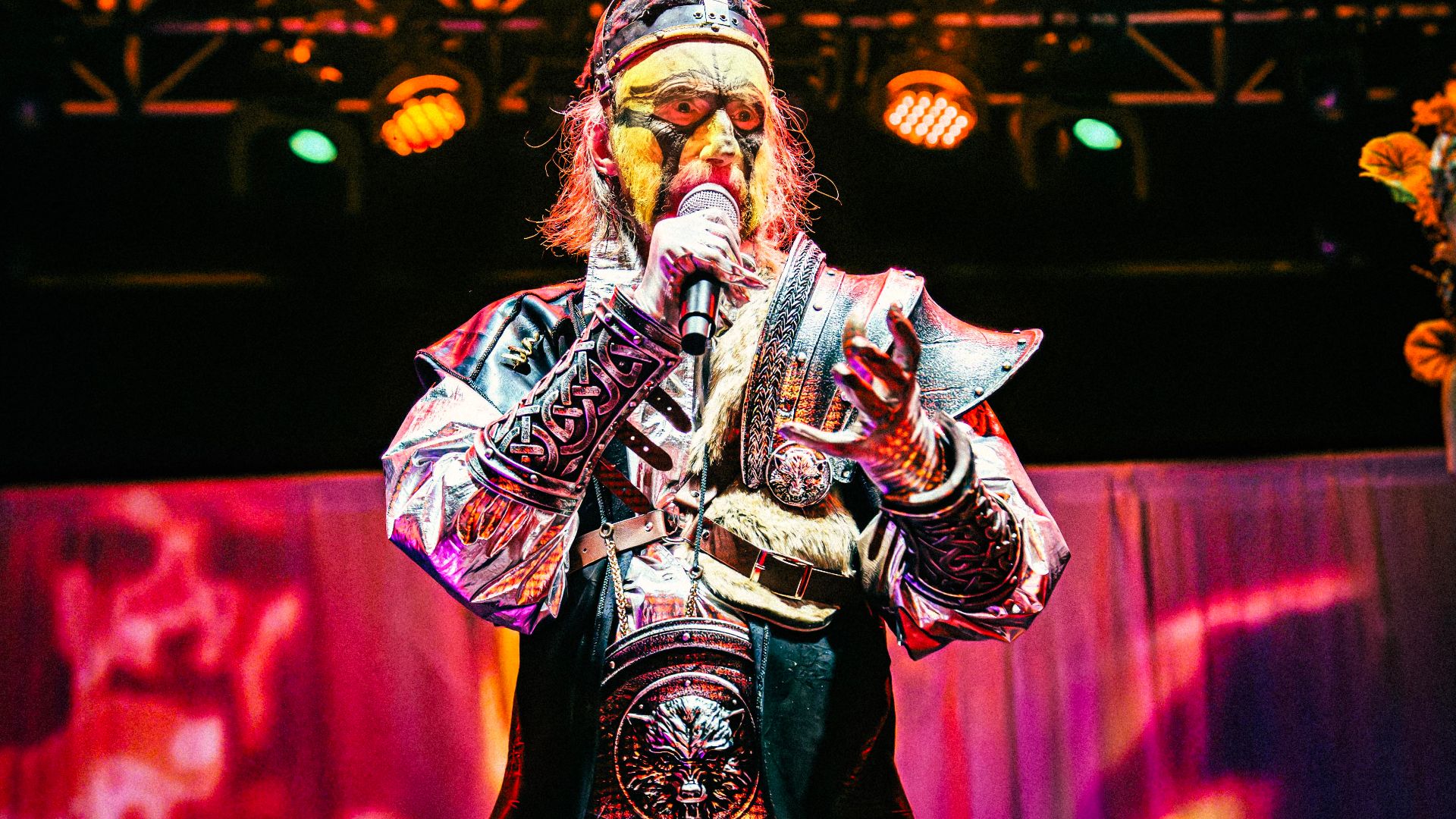 MarvinSLemon, Wikimedia Commons
You May Also Like:
Bands From The 1960s Music Boom That Once Packed Arenas, But Are Barely Remembered Today