Fame Fades Fast.
In the 1960s, these bands filled theaters, ballrooms, stadiums, and package-tour bills while their singles dominated radio and television. Today, many of their biggest songs remain familiar even when the names behind them barely ring a bell.
 Perenchio Artists, Inc. Los Angeles.
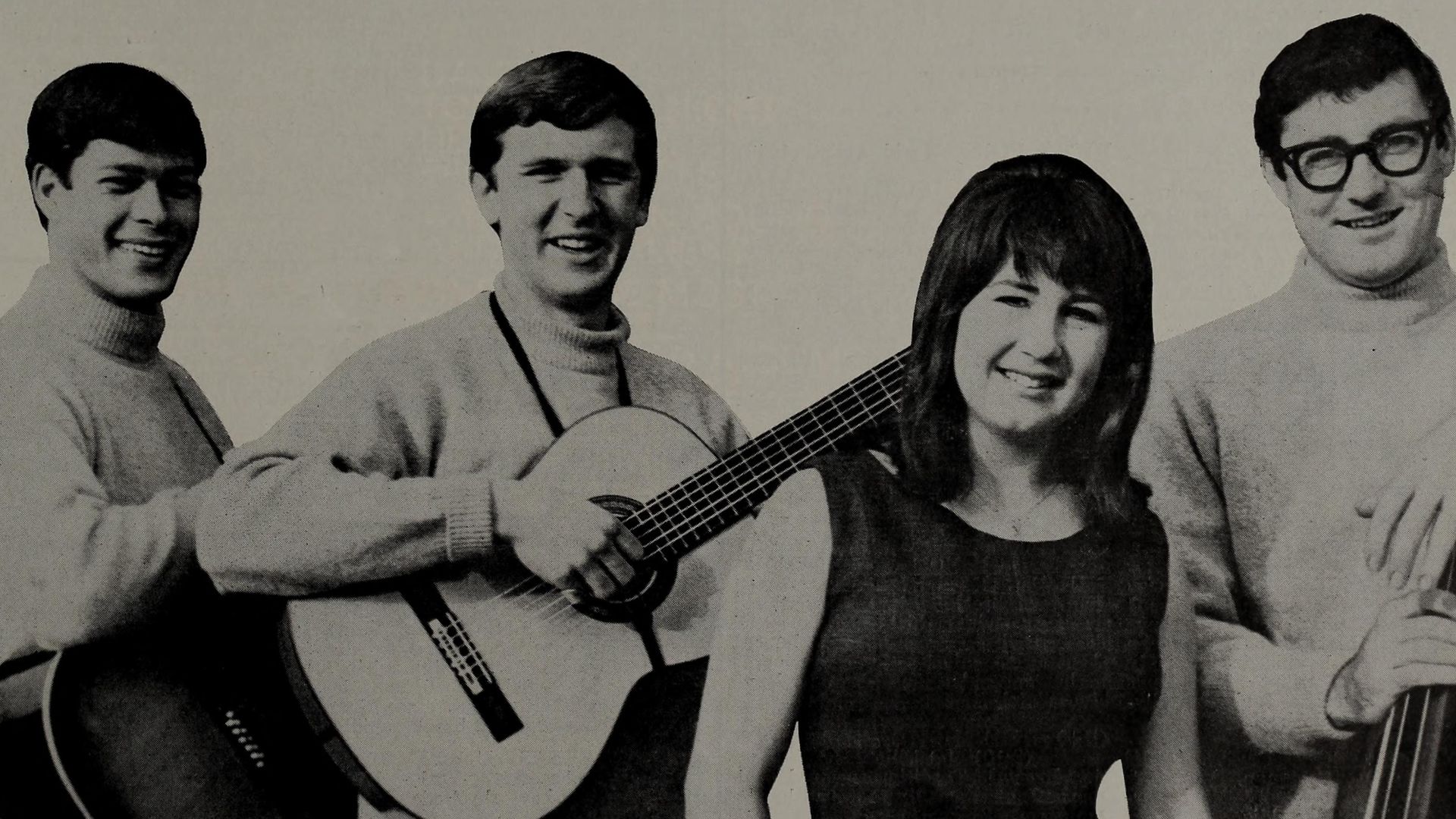
The Seekers Drew A Crowd Of 200,000
In March 1967, the Seekers returned to Australia and played Melbourne’s Sidney Myer Music Bowl for an estimated 200,000 people. That same homecoming produced a television special watched by more than six million viewers, while their UK run included two No. 1 singles. “I’ll Never Find Another You” still sounds timeless, but the scale of the group’s original fame is easy to miss now.
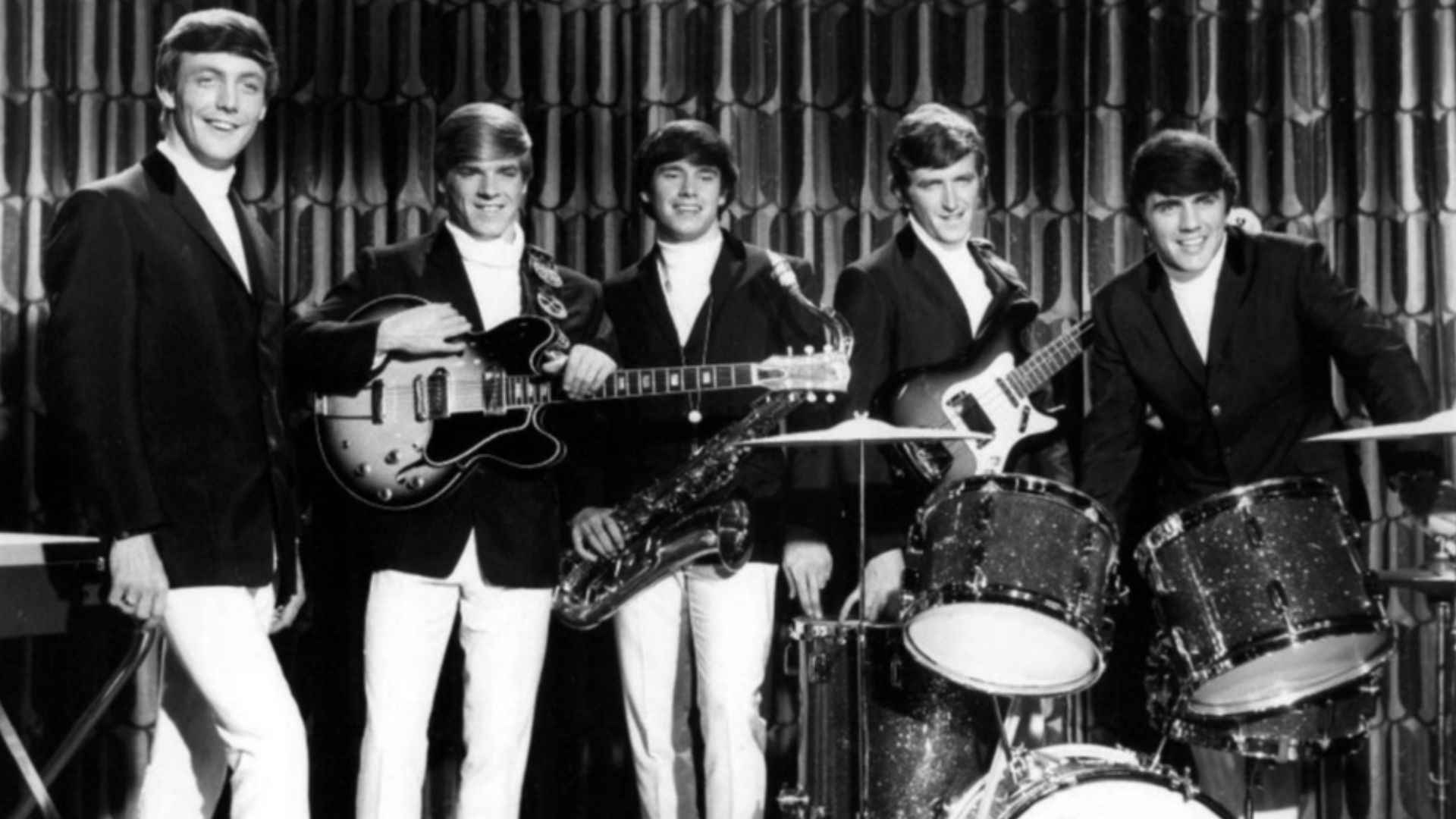
The Dave Clark Five Once Challenged The Beatles
During the British Invasion, the Dave Clark Five were not treated like a distant second-tier act. The Rock & Roll Hall of Fame says they briefly became the dominant British Invasion band and landed 15 consecutive Top 40 singles. “Glad All Over” still sparks instant recognition, even when listeners no longer remember how serious the DC5 versus Beatles conversation once was.
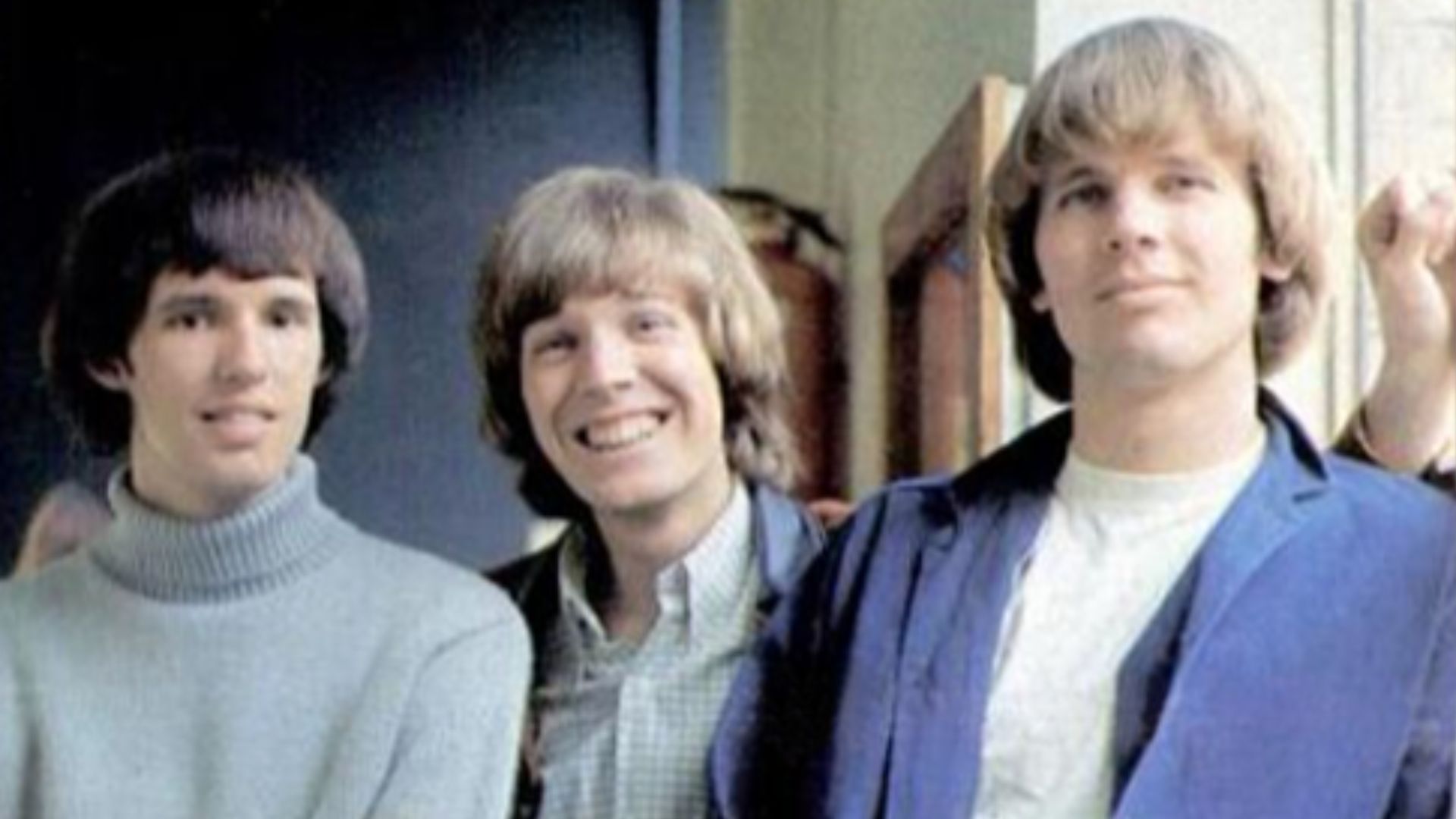
Walkermania Nearly Rivaled Beatlemania
The Walker Brothers were three unrelated Americans who moved to Britain and became objects of extraordinary fan hysteria. “Make It Easy on Yourself” and “The Sun Ain’t Gonna Shine Anymore” both reached No. 1 in the UK, and contemporary coverage said Walkermania was not far behind Beatlemania. Scott Walker’s later cult reputation now tends to overshadow how loudly the original group was adored.
 Philips Records, Wikimedia Commons
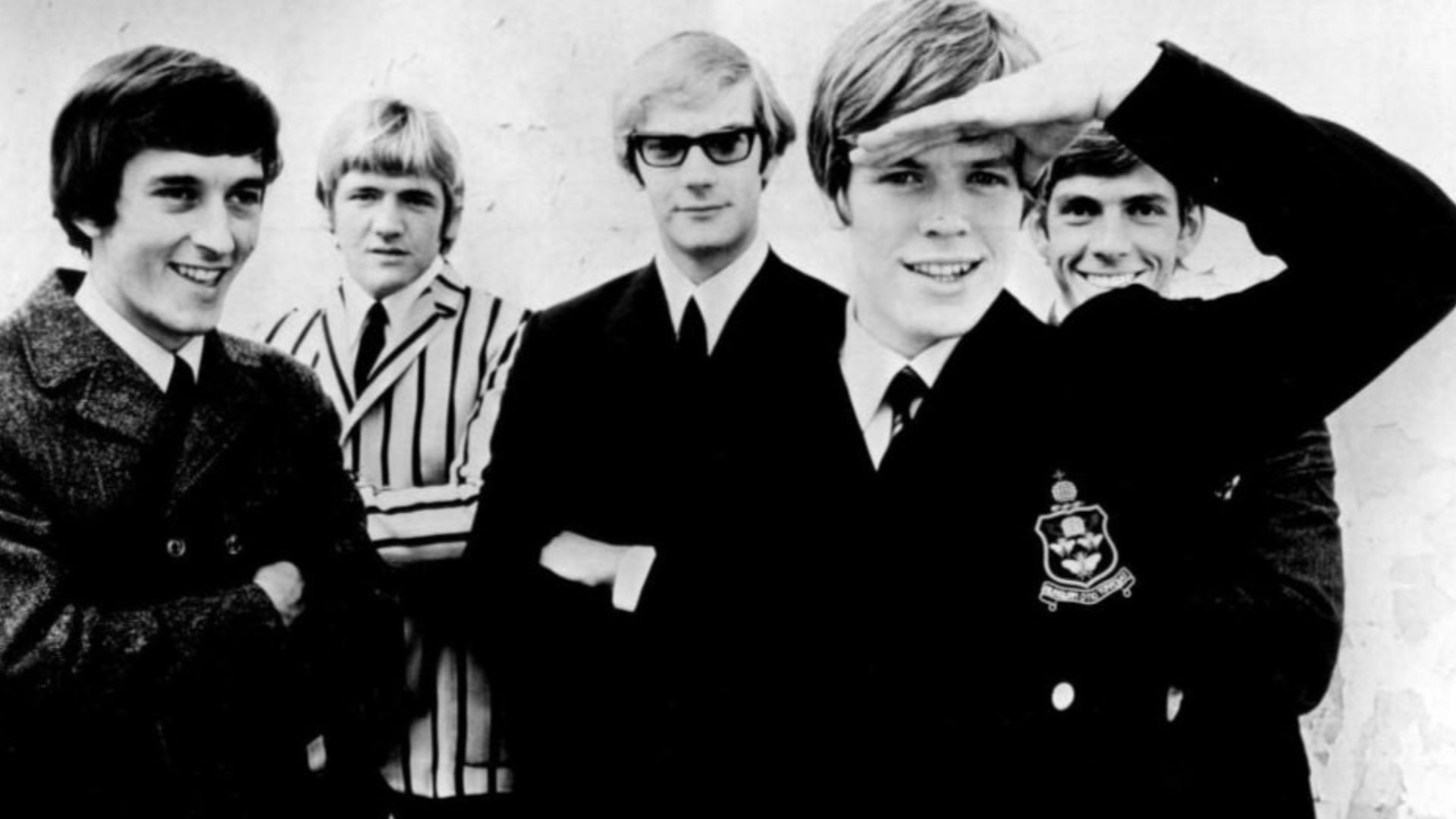
Herman’s Hermits Were Everywhere
Herman’s Hermits combined Peter Noone’s boyish charm with a relentless stream of radio-ready singles. They scored one UK No. 1, 10 UK Top 10 hits, and three Grammy nominations, including Best New Artist. “I’m Into Something Good” remains familiar, but the band’s years as a full-scale transatlantic phenomenon have faded much faster.
 NBC Television, Wikimedia Commons
The Searchers Filled Venues For Decades
The Searchers emerged from Liverpool and became a global act during the British Invasion. The Guardian reports that they sold tens of millions of records and filled venues around the world across a 68-year career. “Needles and Pins” may still ring a bell, but the musicians behind it are much less prominent in modern pop memory.
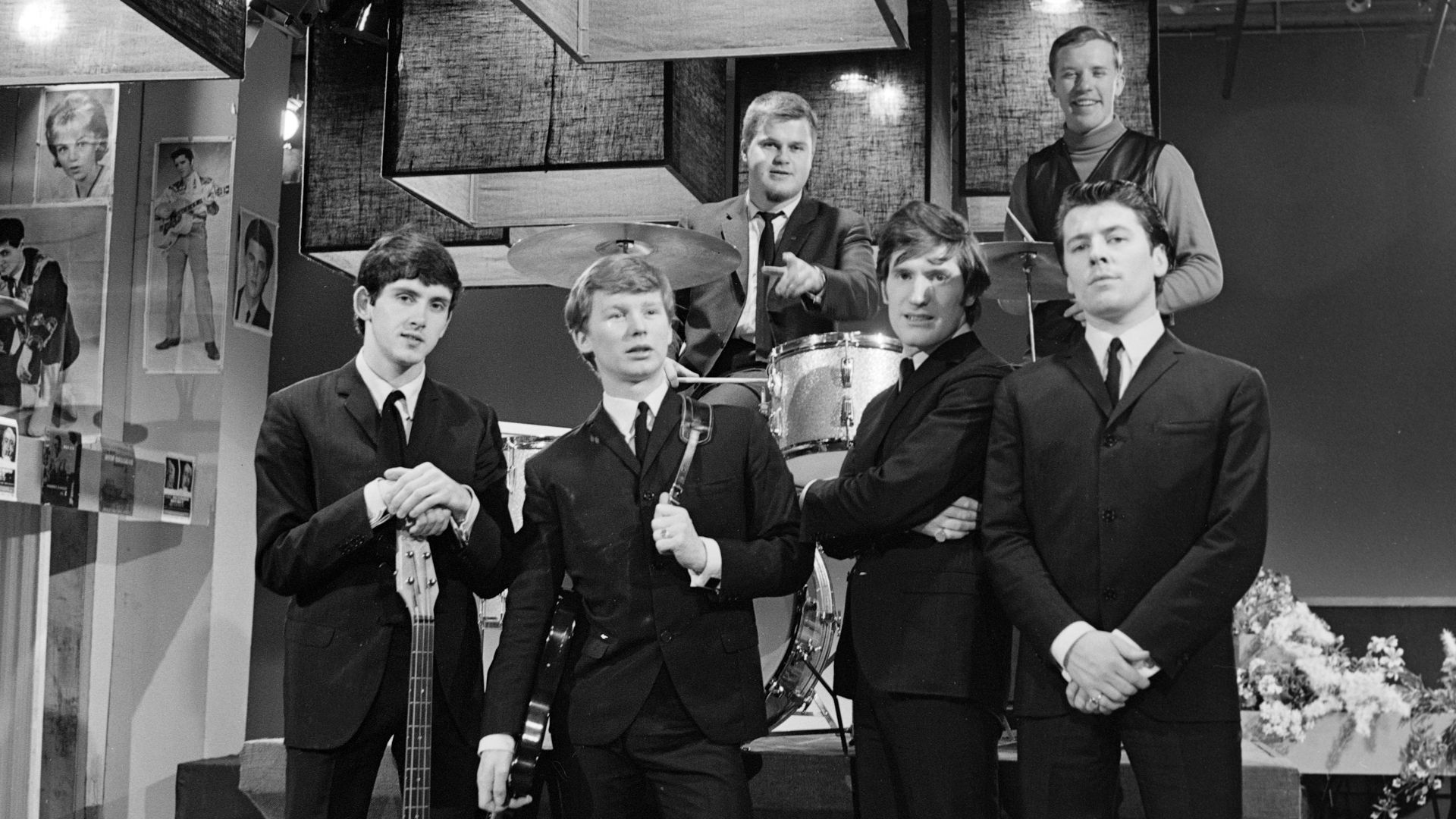 YleArchives, Wikimedia Commons
The Raiders Turned Costumes Into Pop Gold
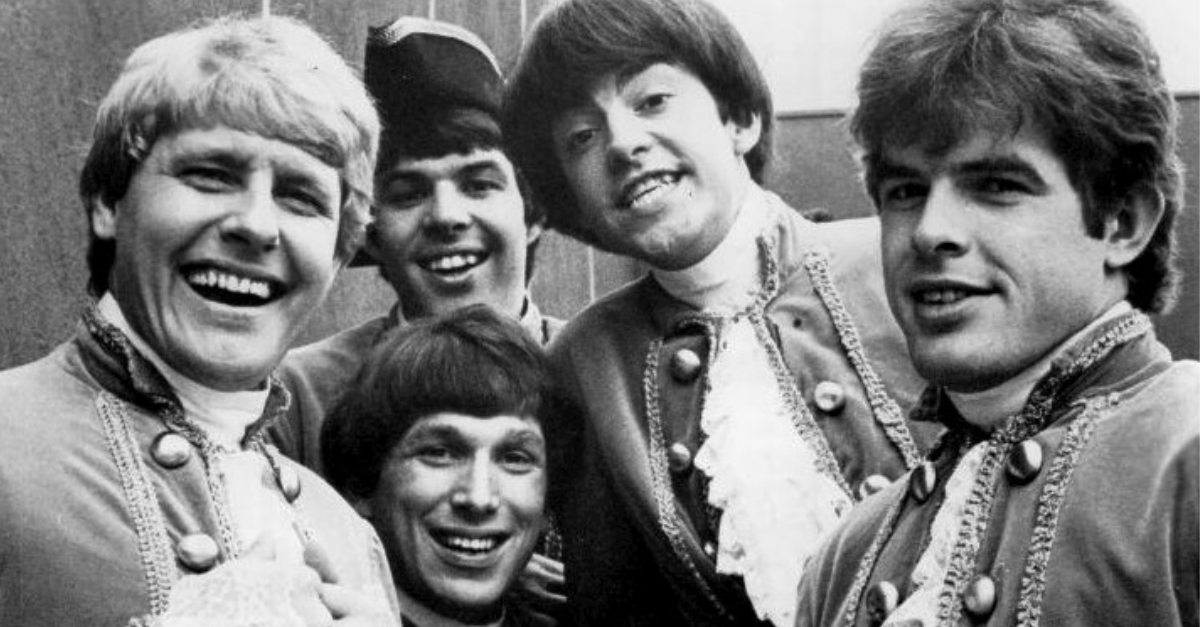
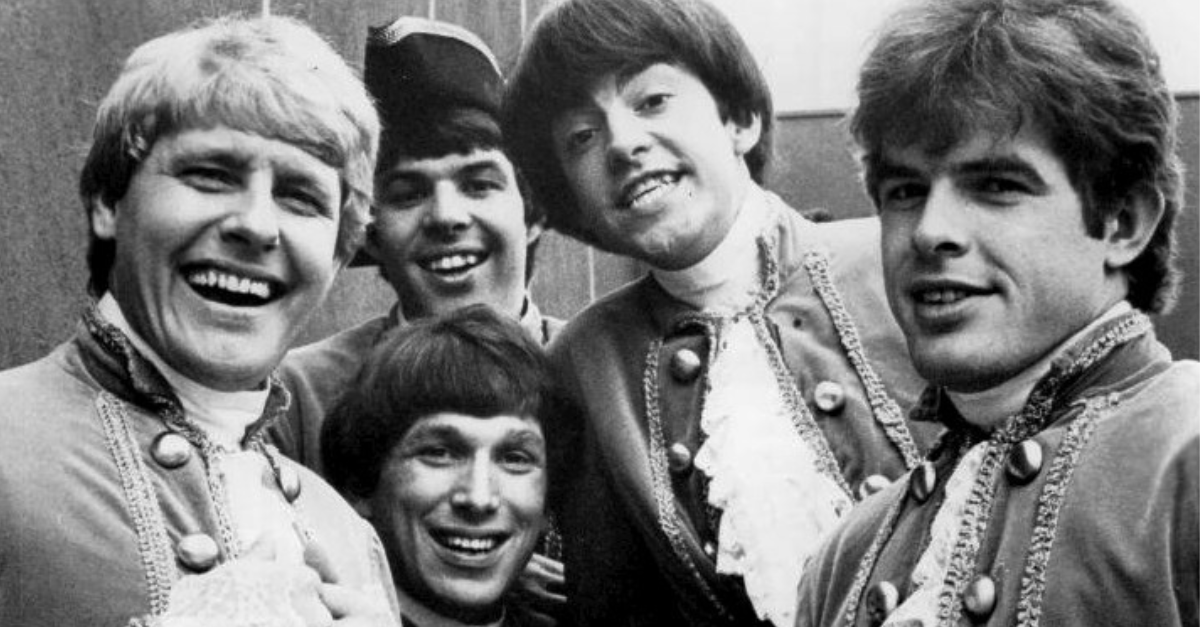
Paul Revere & the Raiders looked like a novelty in their Revolutionary War outfits, but the records were no joke. They became the first rock and roll act signed to Columbia Records, served as the house band on Dick Clark’s Where the Action Is, and scored hits such as “Kicks,” “Hungry,” and “Good Thing.” Their television ubiquity once made them impossible to miss, while today the costumes often get remembered before the music.
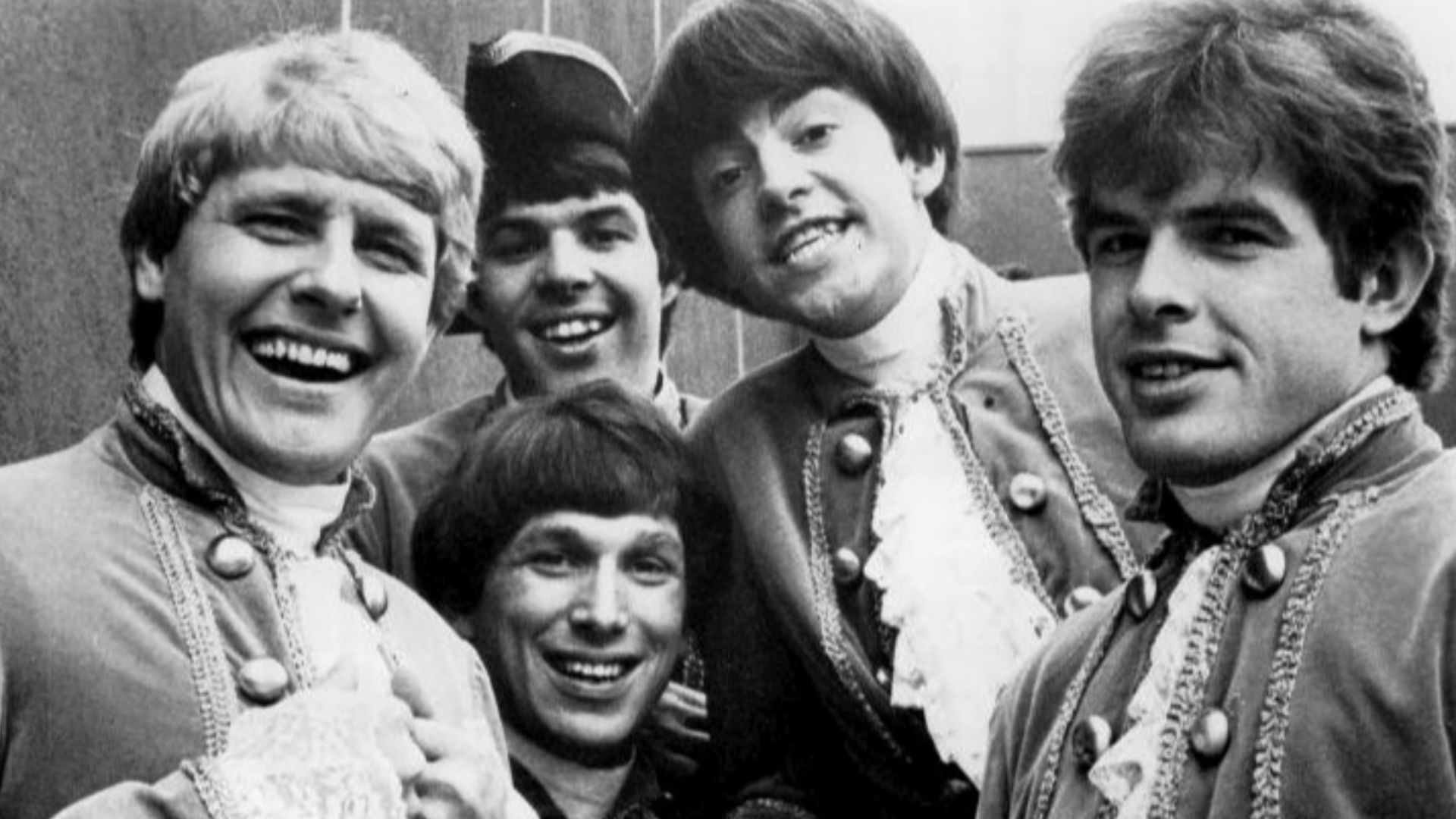 Perenchio Artists, Inc. Los Angeles. (management), Wikimedia Commons
The Ventures Built An Instrumental Empire
The Ventures proved that a rock band did not need a singer to become a commercial machine. The Rock & Roll Hall of Fame notes that they released 37 albums in 12 years and carried their influence from America to a huge international audience. Riffs such as “Walk, Don’t Run” remain part of pop culture, but the group behind them rarely receives equal billing.
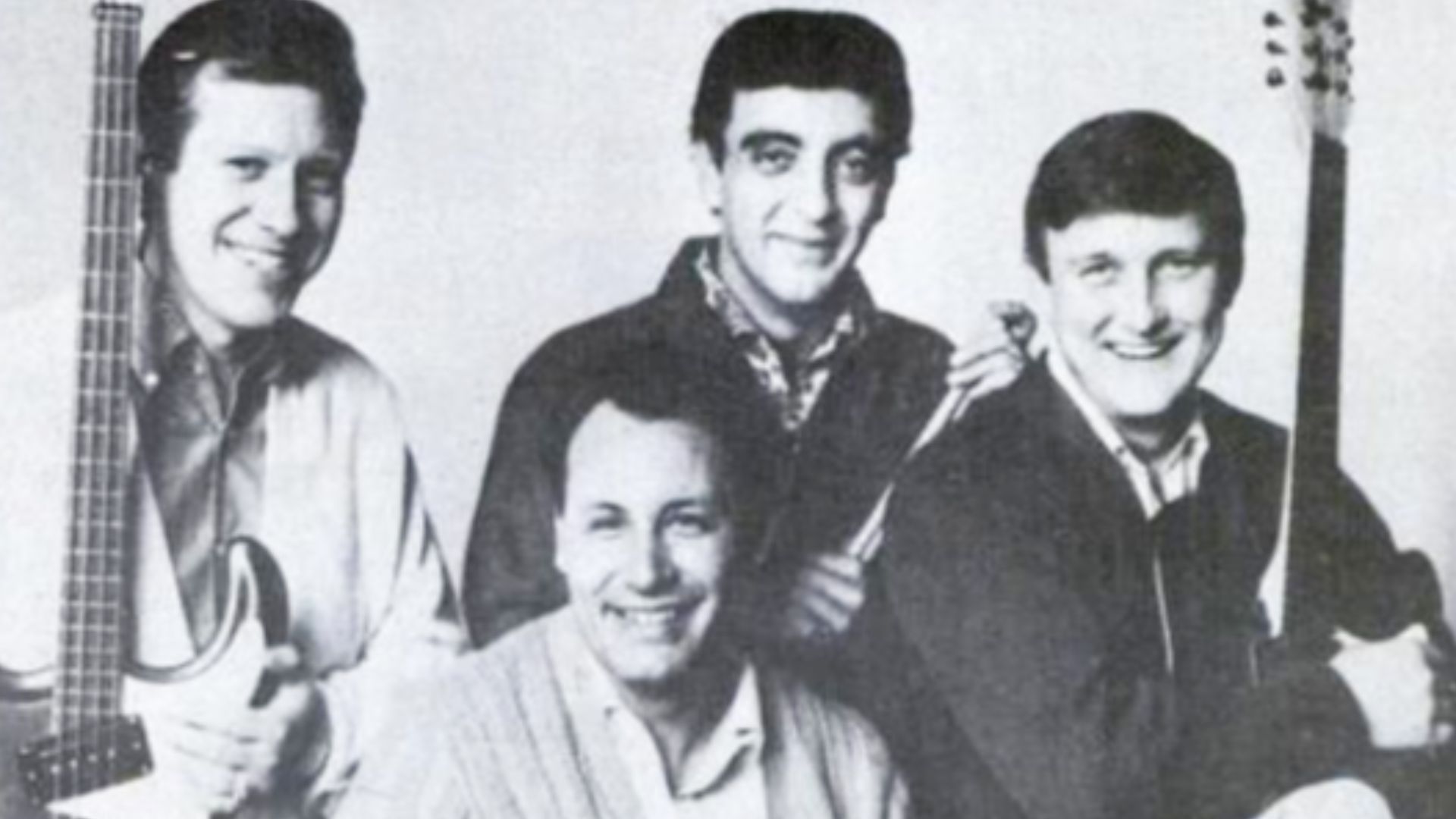 Liberty Records, Wikimedia Commons
The Shadows Ruled Before The Beatles
Before Beatlemania, the Shadows helped define what a British guitar group could sound like. With Hank Marvin out front, they collected six UK No. 1 singles and four No. 1 albums, while influencing players including Brian May, Tony Iommi, and Eric Clapton. “Apache” is still a landmark instrumental, though the band’s dominance is often tucked behind memories of Cliff Richard.
![Collectie / Archief : Fotocollectie Anefo
Reportage / Serie : [ onbekend ]
Beschrijving : Cliff Richard aankomst met zijn Shadows
Datum : 6 april 1962
Locatie : Noord-Holland, Schiphol
Trefwoorden : artiesten, groepen, muziek, zangers
Persoonsnaam : Richa](https://www.factinate.com/storage/app/media/theshot/2026/7/18/1784344323f17bd81863f5dbd3d0142557ccada286d39e8ed5.jpg) Harry Pot for Anefo, Wikimedia Commons
Harry Pot for Anefo, Wikimedia Commons
Gerry And The Pacemakers Owned Merseybeat
Gerry and the Pacemakers were the second group Brian Epstein signed after the Beatles, and George Martin oversaw their studio debut. They went on to score three UK No. 1 singles, including “You’ll Never Walk Alone.” That anthem now belongs to football crowds around the world, which can make the rest of the band’s fast, formidable hit streak easy to overlook.
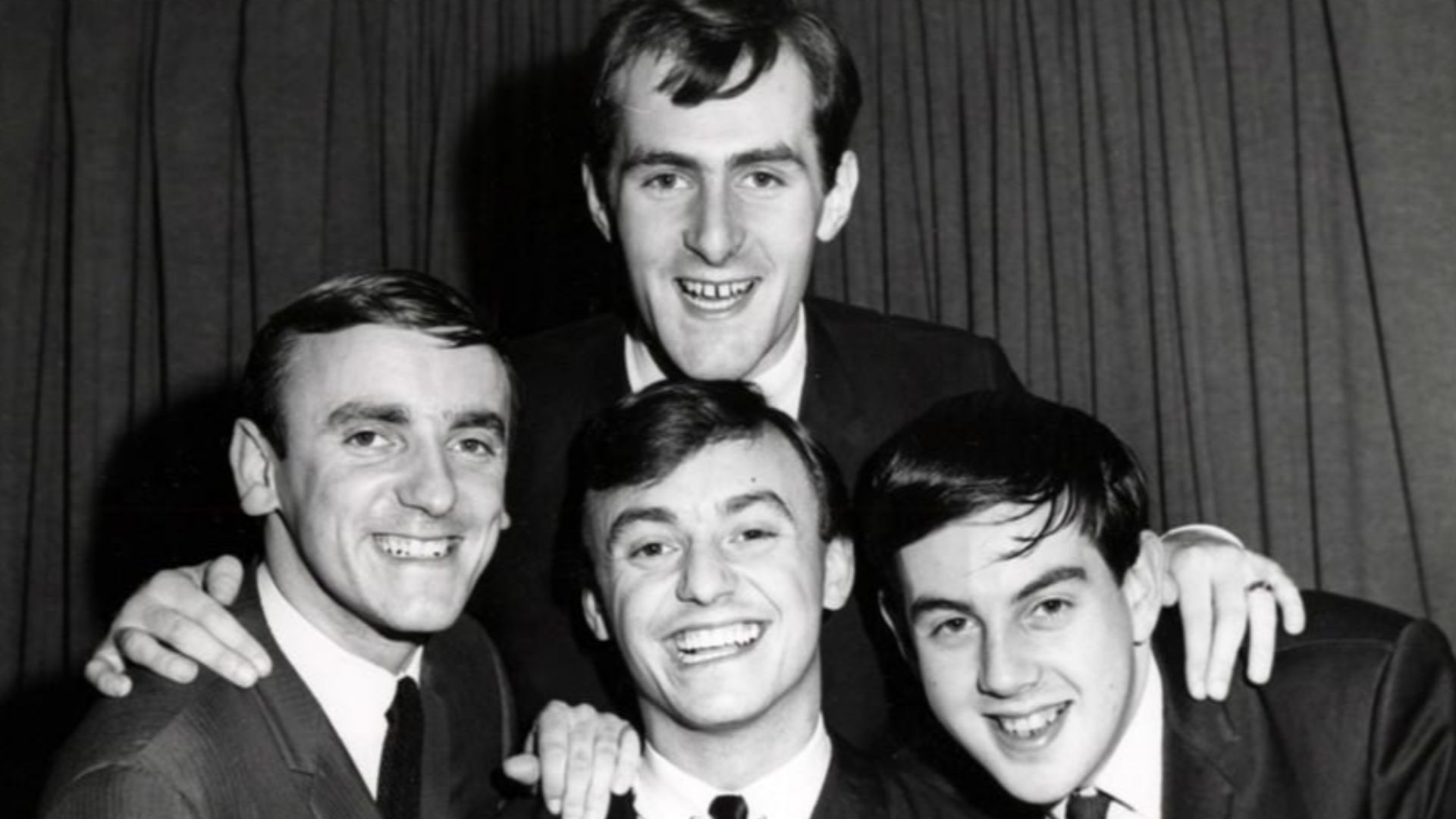 Photographer: Paul Schumach, Metropolitan Photo Service, New York City., Wikimedia Commons
The Tremeloes Had Eleven Top Ten Hits
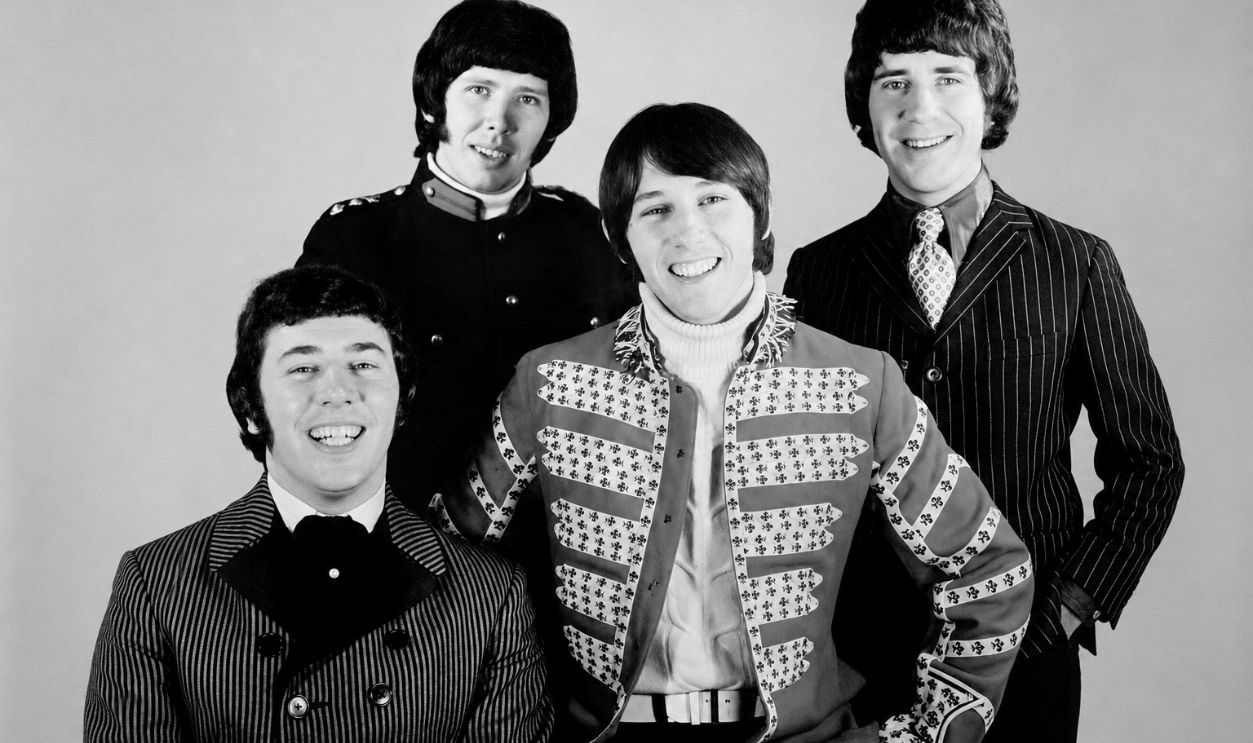
The Tremeloes survived changing fashions and even a major change in how the group was billed. Across the Brian Poole years and the later lineup, they accumulated two UK No. 1 singles, 11 Top 10 hits, and 21 Top 40 entries. “Silence Is Golden” still turns up on oldies playlists, although the sheer depth of their chart run rarely does.
 Epic Records, Wikimedia Commons, Modified
Manfred Mann Turned Radio Into A Hit Factory
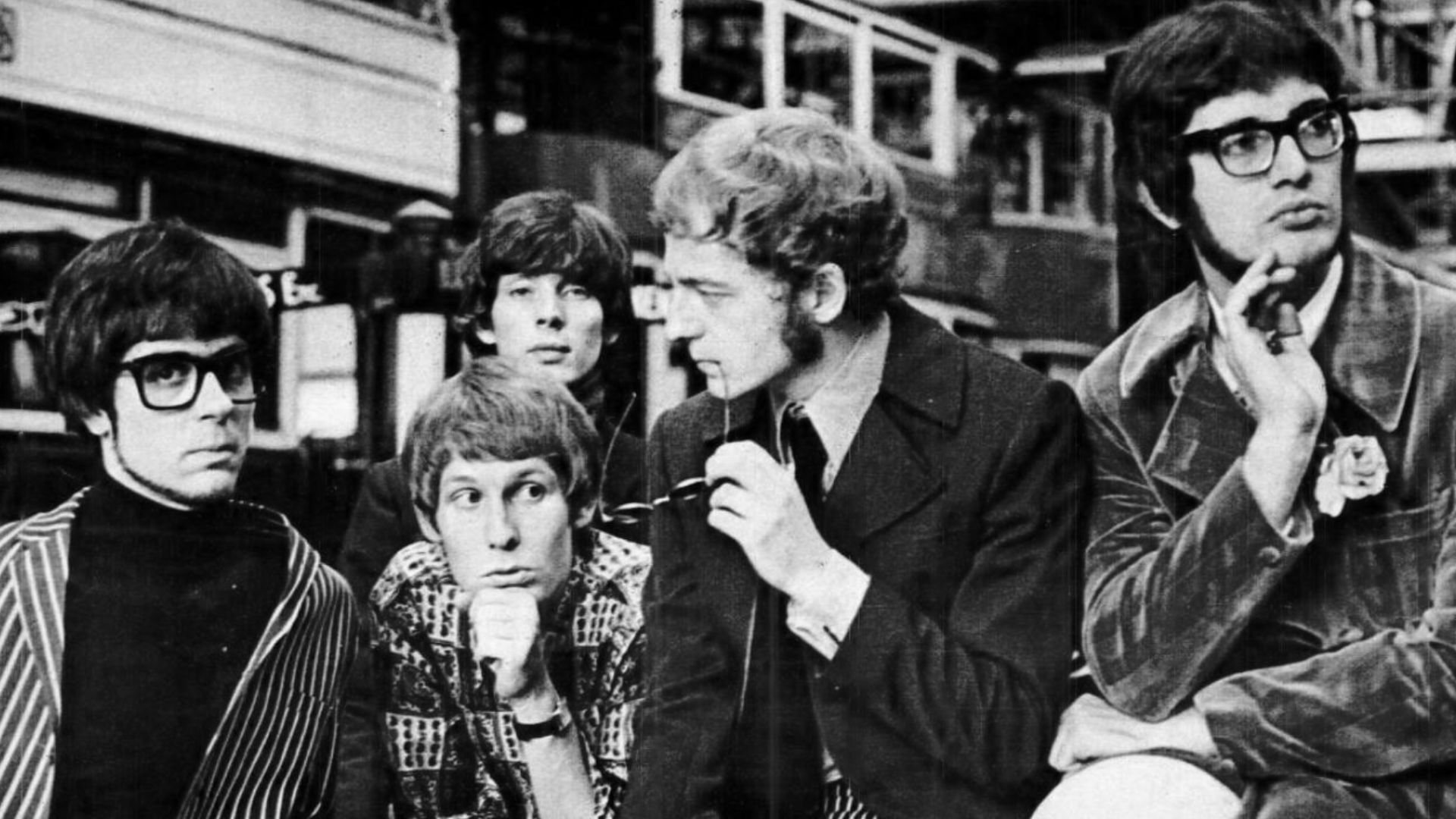
The original Manfred Mann group moved easily from rhythm and blues to polished pop without losing its chart touch. They posted three UK No. 1 singles, 16 Top 10 hits, and 20 Top 40 entries, including “Do Wah Diddy Diddy,” “Pretty Flamingo,” and “Mighty Quinn.” Later success by Manfred Mann’s Earth Band has partly blurred the identity of the original 1960s hitmakers.
 Mercury Records, Wikimedia Commons
Teenage Steve Winwood Powered The Spencer Davis Group
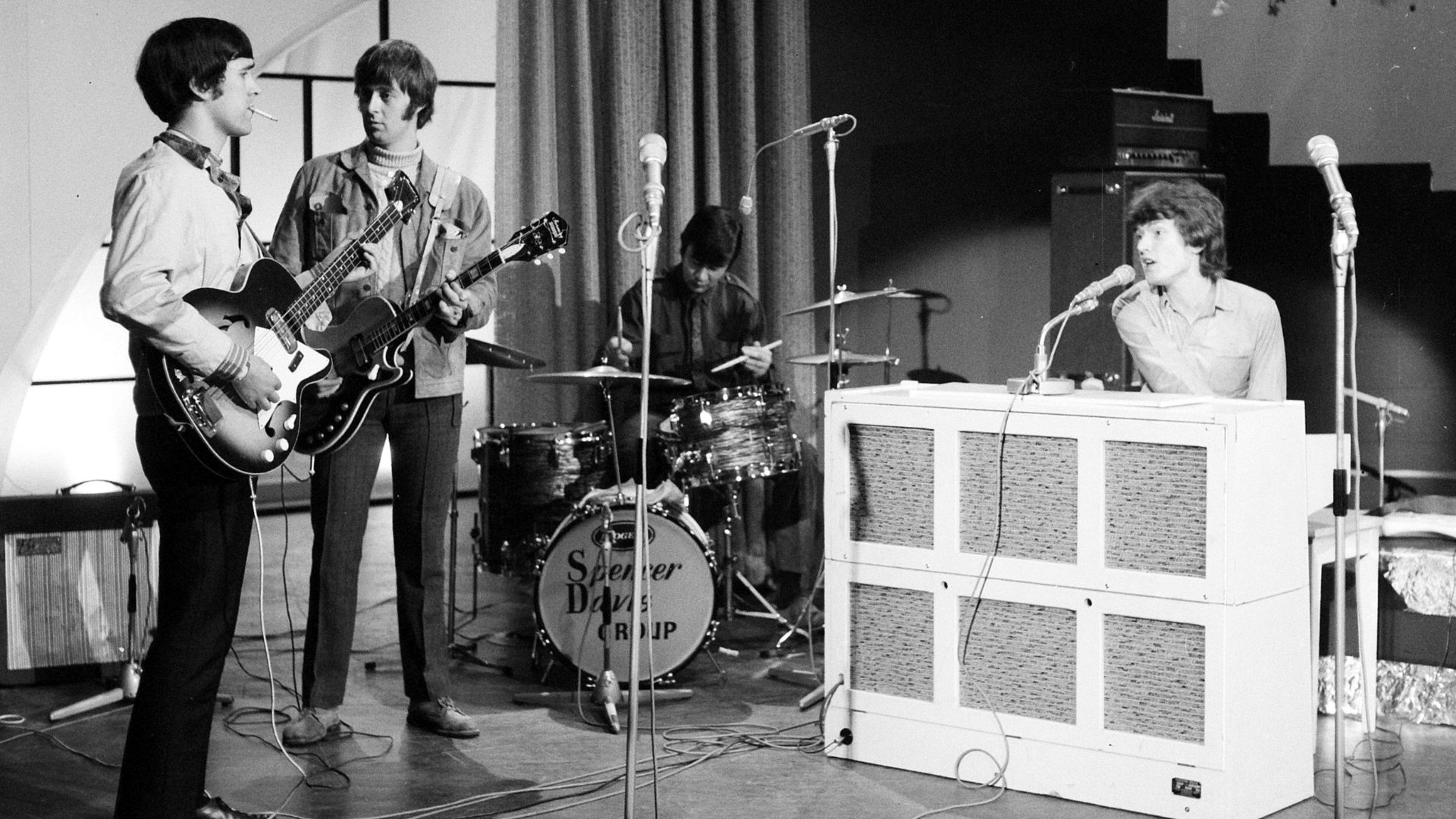
The Spencer Davis Group formed around a startlingly young Steve Winwood, whose voice already sounded decades older than he was. “Keep on Running” knocked the Beatles from the UK No. 1 spot, and “Somebody Help Me” gave the group another chart-topper before “Gimme Some Lovin’” and “I’m a Man” followed. Winwood’s later work with Traffic and as a solo star became so celebrated that this powerhouse first chapter can feel like a footnote.
 Ron Kroon (ANEFO), Wikimedia Commons
Small Faces Were Mod Royalty
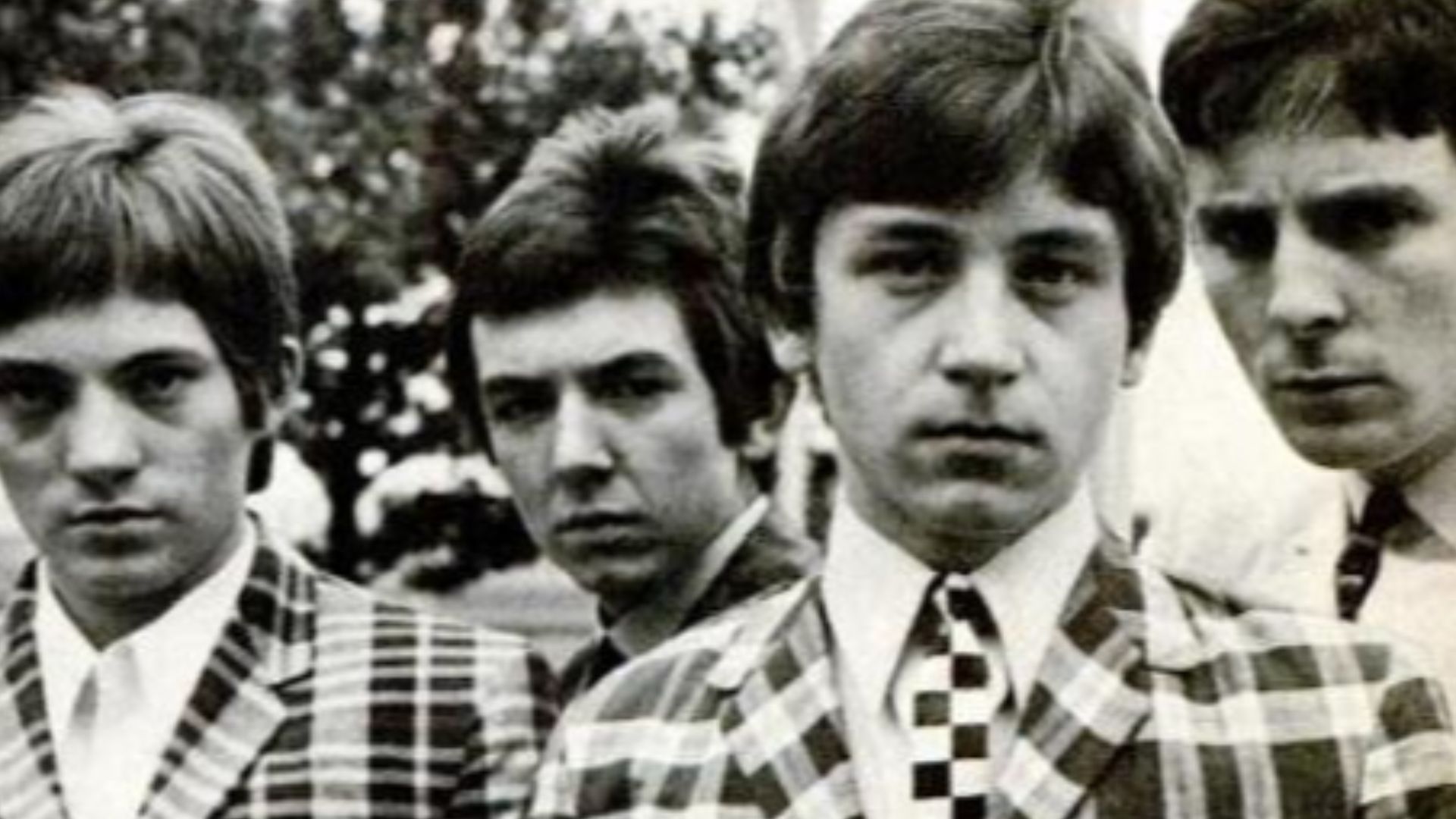
Small Faces paired sharp Mod style with a catalog that was much bigger than one or two nostalgia staples. Their official history records eight UK Top 10 singles, including the No. 1 “All or Nothing,” while Ogdens’ Nut Gone Flake spent six weeks atop the album chart. That commercial peak is now far less familiar than the band’s lasting influence.
 Press Records, Wikimedia Commons
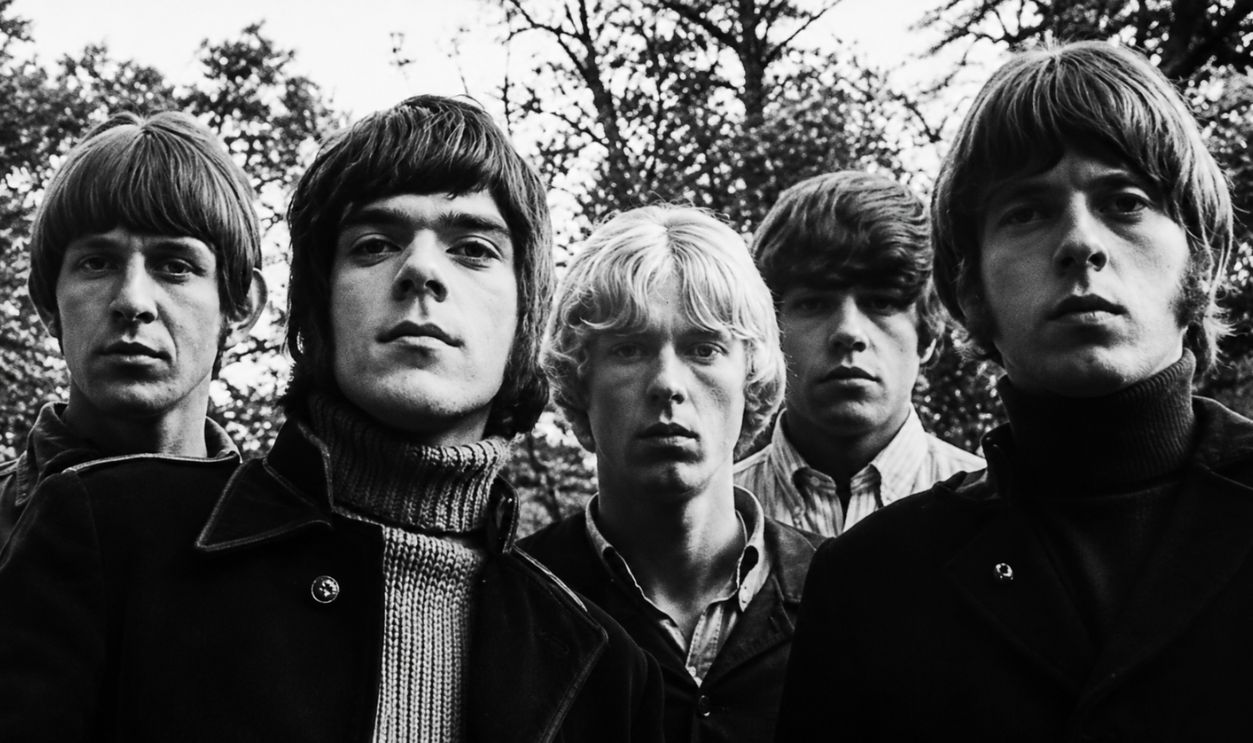
The Move Owned Britain
The Move were a dependable British chart force, although their name never became as globally durable as Electric Light Orchestra. They earned seven UK Top 10 singles, 10 Top 40 entries, and a No. 1 with “Blackberry Way.” Roy Wood, Jeff Lynne, and Bev Bevan later moved on to form ELO, allowing the next band to swallow much of the first band’s story.
 Deram/London Records, Wikimedia Commons, Modified
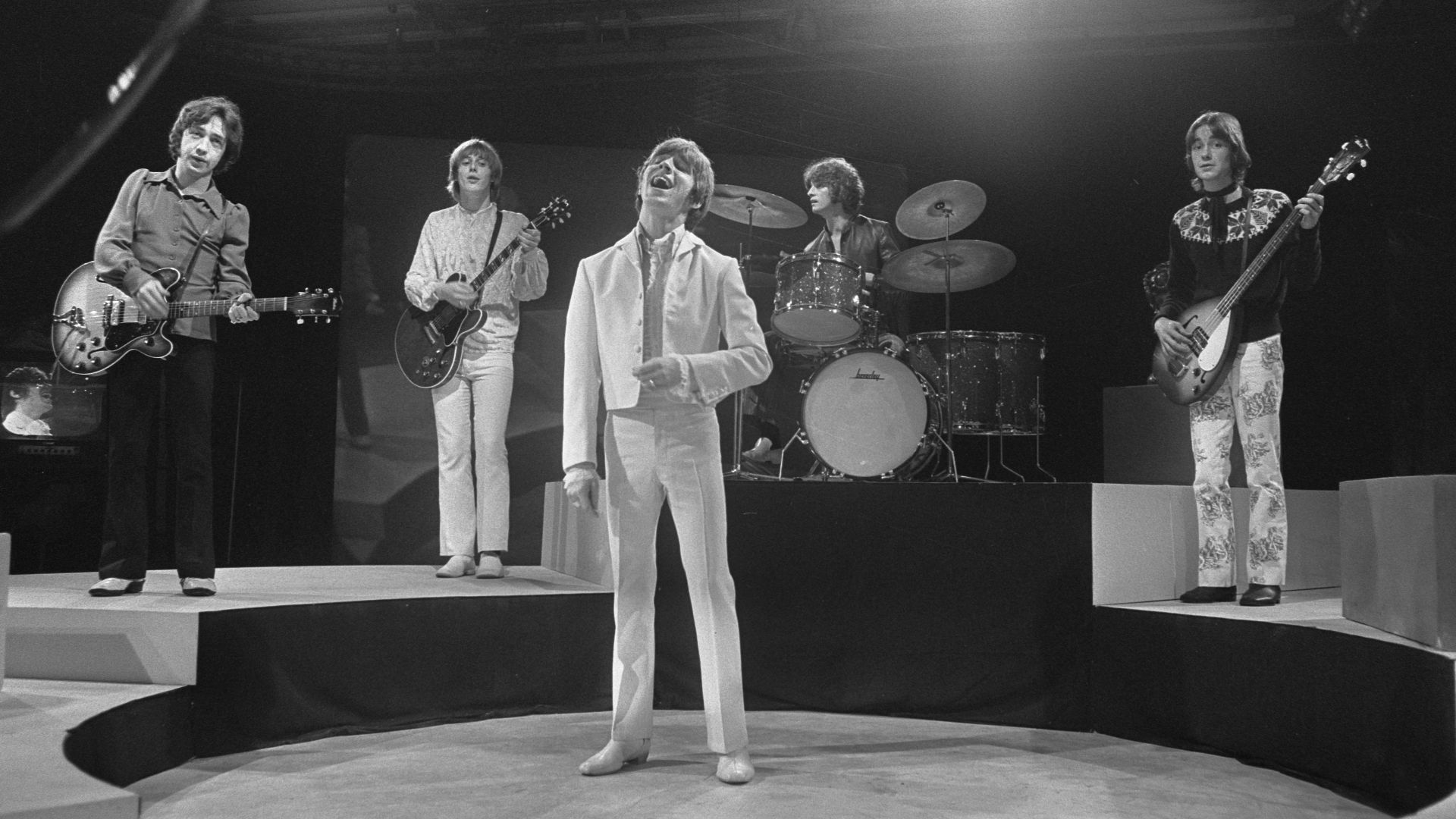
The Easybeats Were Australia’s Answer To The Beatles
The Easybeats generated enough excitement at home for Australia’s National Film and Sound Archive to call them the country’s answer to the Beatles. “Friday on My Mind” spent six weeks at No. 1 in Australia, then carried their sound into Britain and other international markets. The song still appears wherever 1960s rock is celebrated, but the band’s wider catalog and original Easyfever are far less familiar.
 Eric Koch for Anefo, Wikimedia Commons
The Association Became A Top Concert Act
The Association’s immaculate harmonies translated into far more than soft-focus radio hits. After hits such as “Cherish” and “Along Comes Mary,” they toured extensively, graduated to elite venues, and were described by the Vocal Group Hall of Fame as one of the world’s top concert acts. “Windy” and “Never My Love” endured, while the group’s once-massive live reputation largely slipped away.
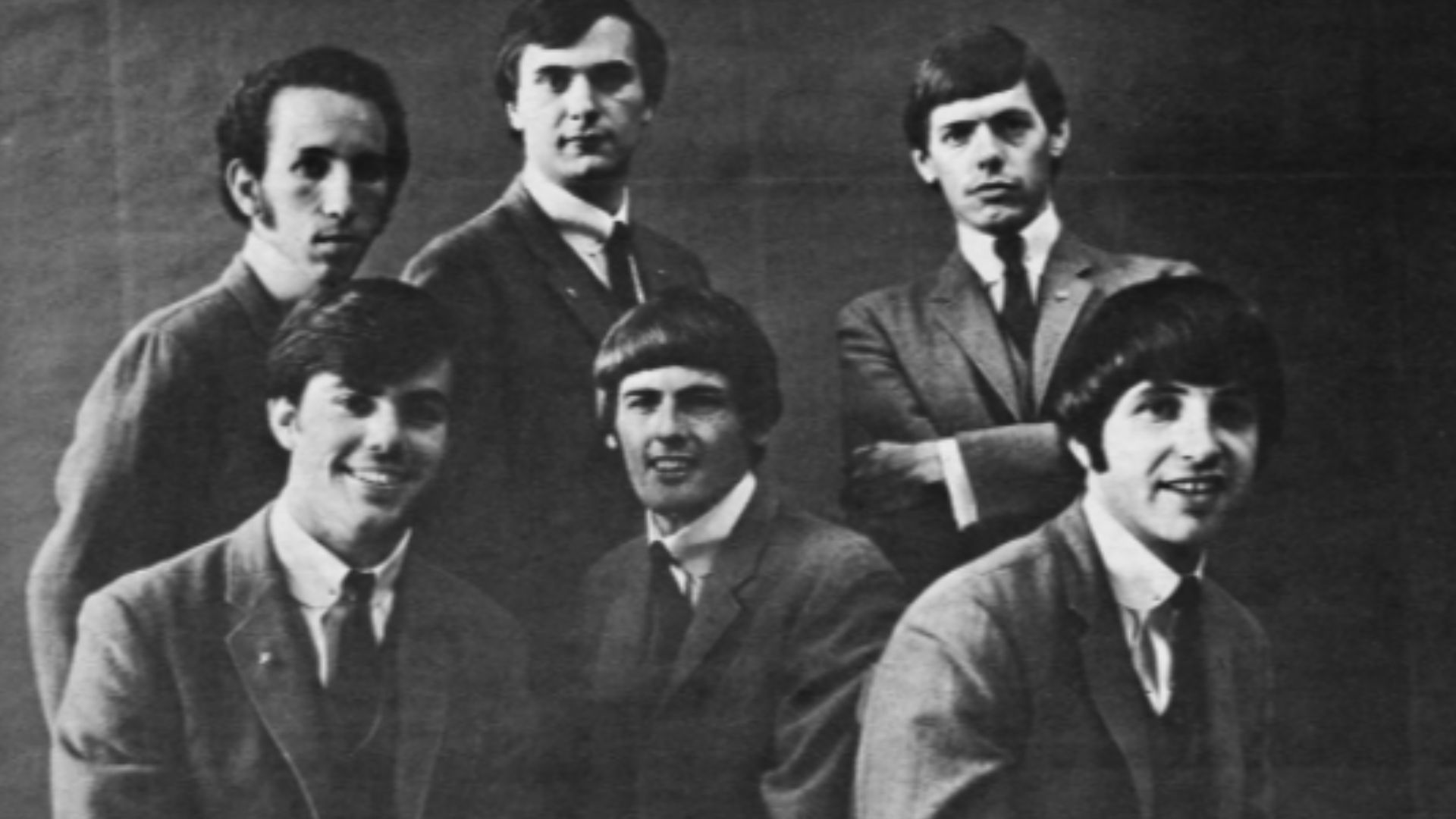
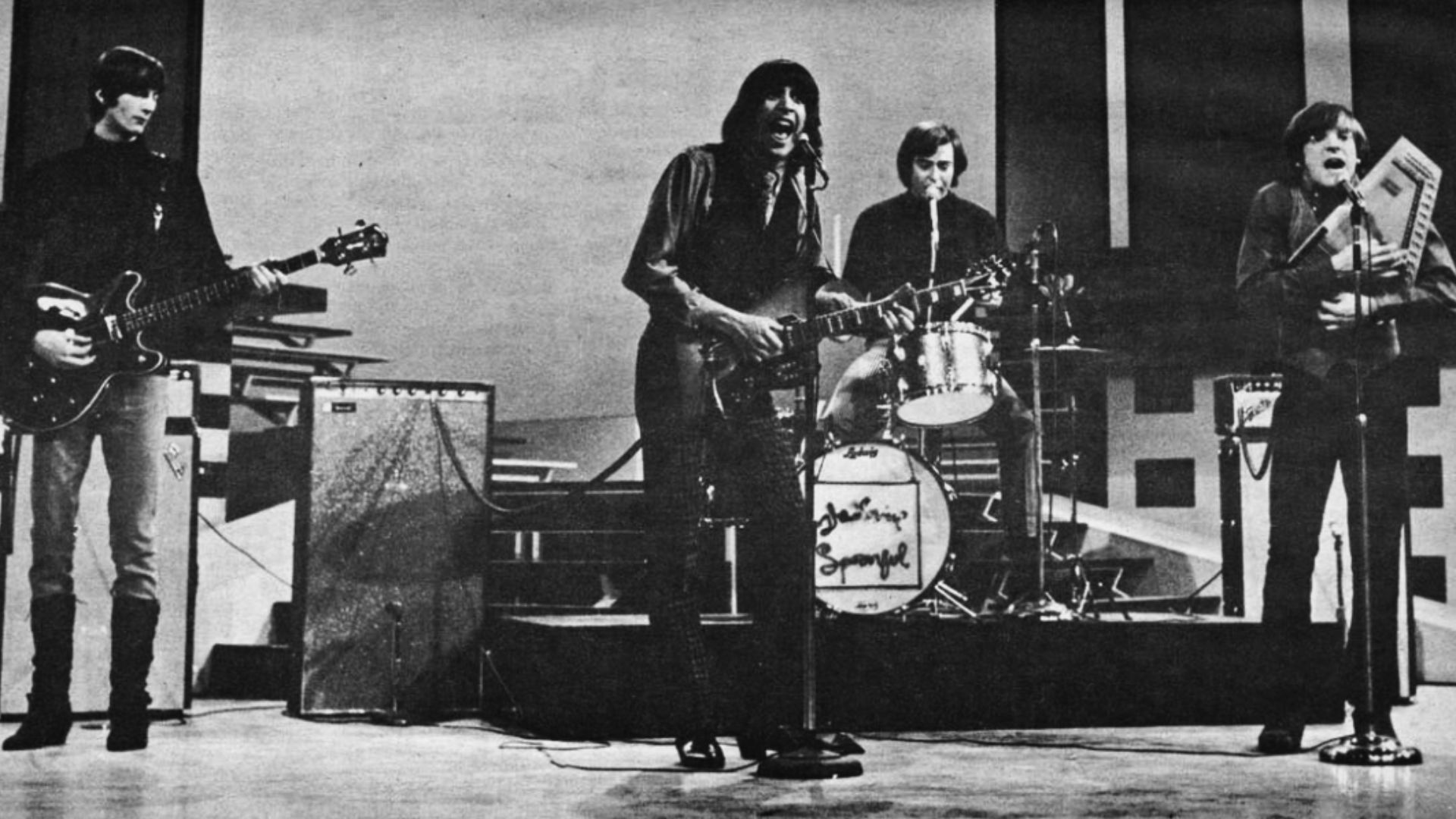
The Lovin’ Spoonful Had Seven Top Ten Singles
The Lovin’ Spoonful were briefly marketed as America’s answer to the Beatles, and the charts supported the confidence. Their first seven singles reached the Billboard Top 10, with “Do You Believe in Magic” leading to “Daydream” and “Summer in the City.” John Sebastian’s later career and the songs themselves remained visible, but the group’s concentrated burst of dominance became easier to forget.
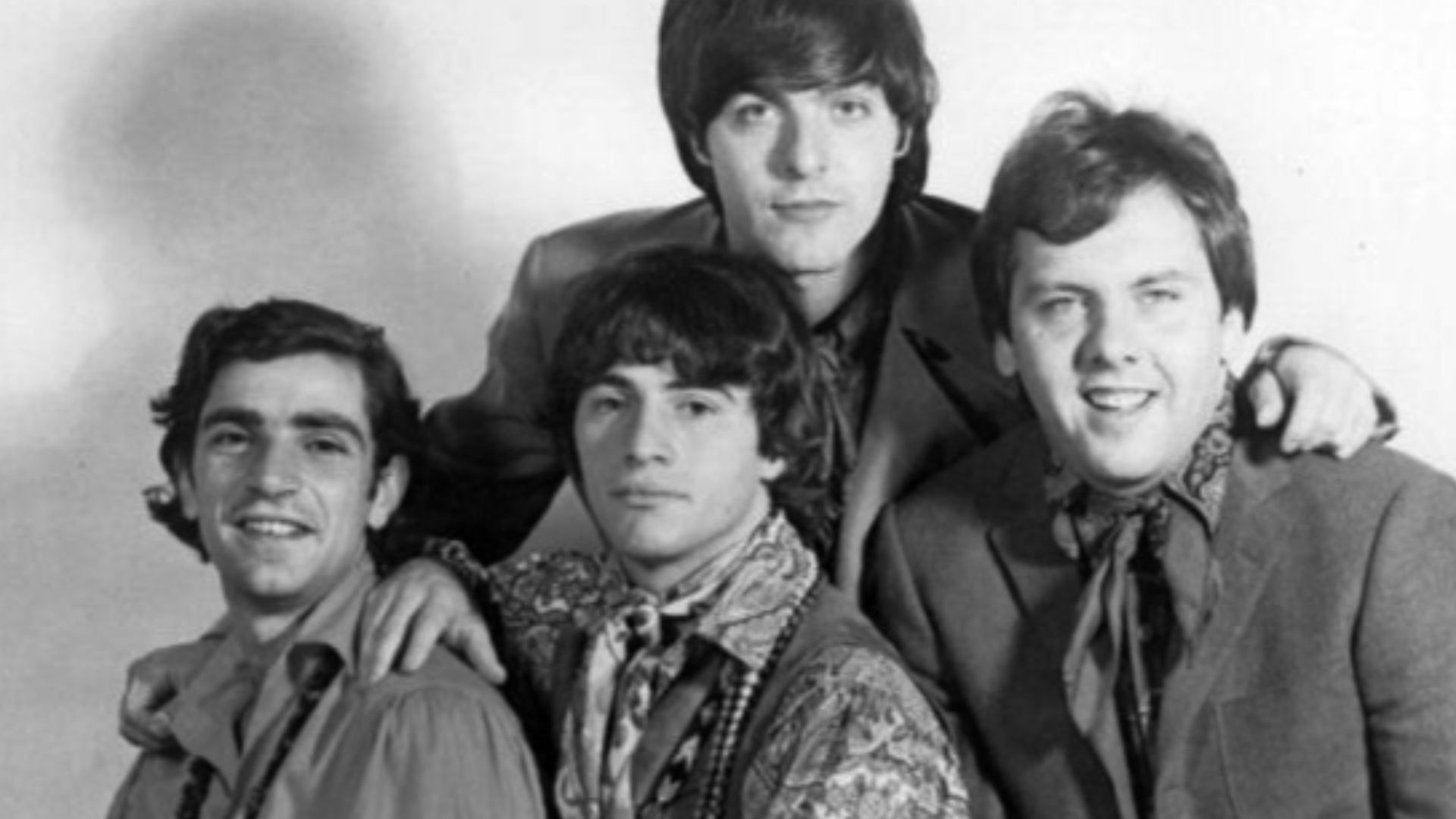
The Rascals Put Soul At The Top
The Young Rascals, later simply the Rascals, brought gospel energy and blue-eyed soul into the center of pop. “Good Lovin’,” “Groovin’,” and “People Got to Be Free” all reached No. 1, while the group also insisted on including Black performers on its concert bills. The values and songs still resonate, although the band name does not command the instant recognition it once did.
 Associated Booking Corporation, Wikimedia Commons
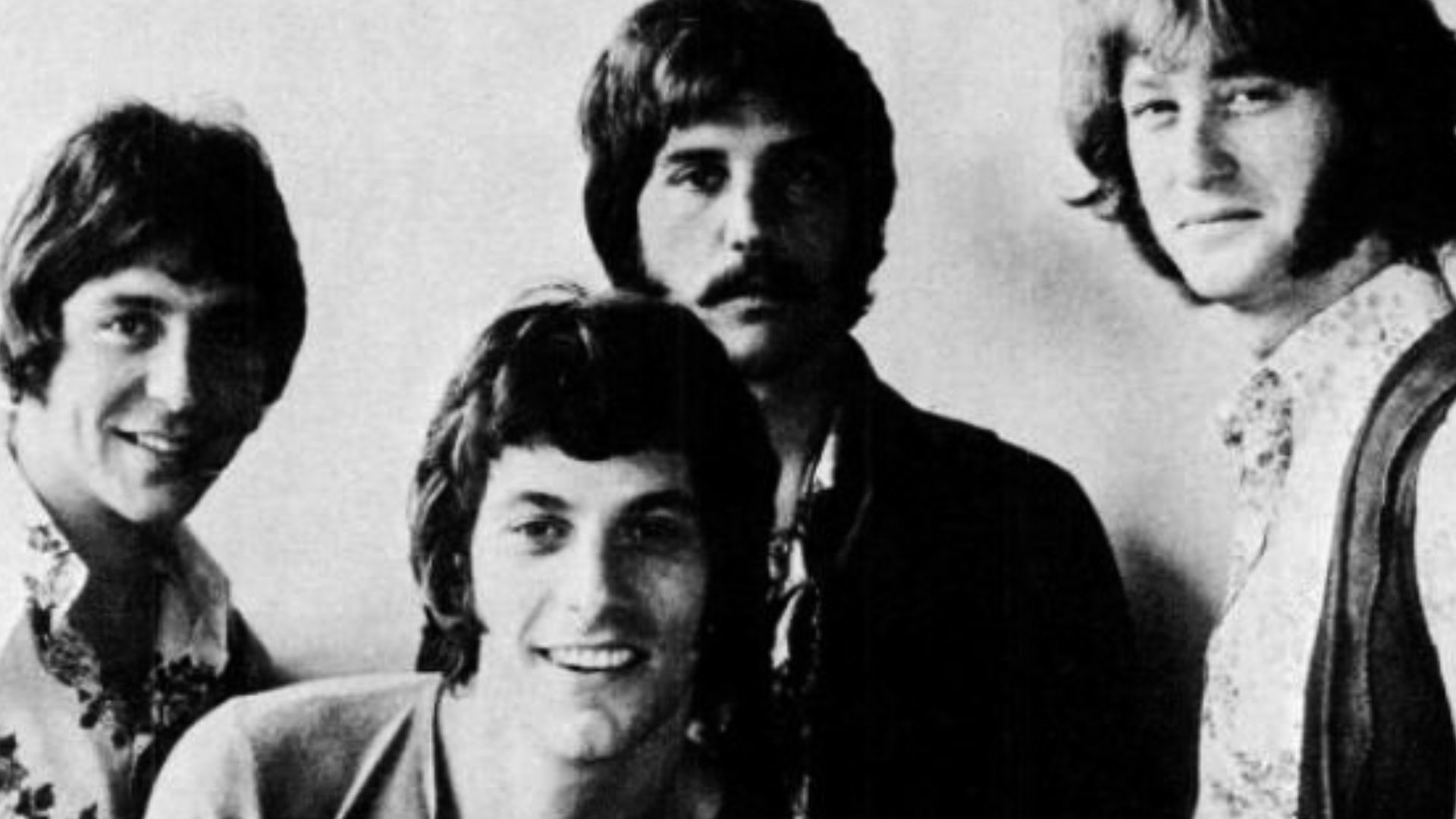
The Grass Roots Lived On The Charts
The Grass Roots were not a one-hit wonder hiding behind “Midnight Confessions.” Their official history credits them with 307 consecutive weeks on the Billboard charts from 1967 to 1972, 29 charted singles, 13 gold singles, and more than 50 national television appearances. That relentless visibility once made them a familiar pop institution, but their identity has dissolved into the broader oldies soundtrack.
 ABC / Dunhill Records, Wikimedia Commons
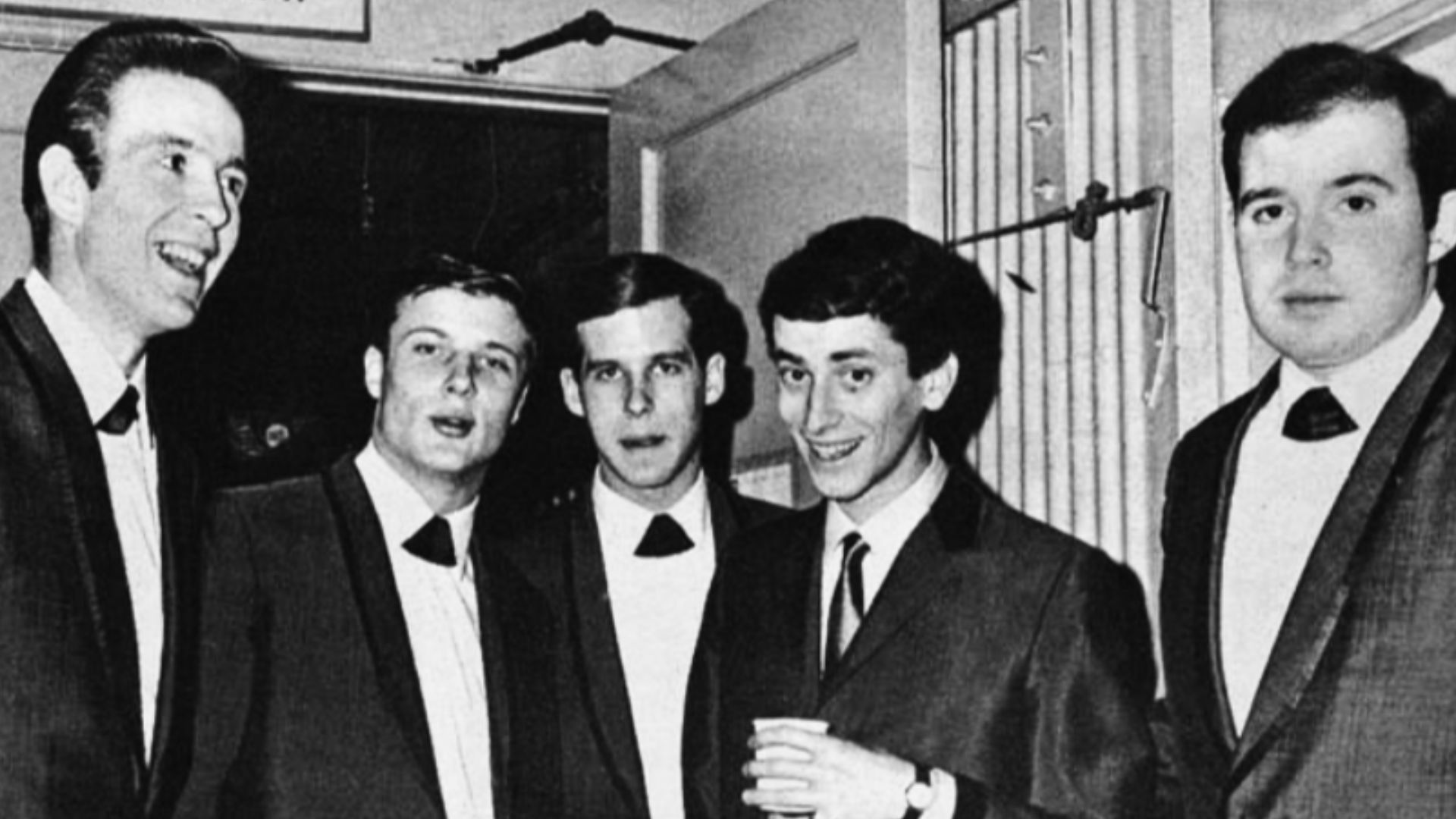
Gary Lewis Opened With Seven Straight Top Tens
Gary Lewis & the Playboys entered the national spotlight with a streak few acts could touch. The band’s official biography says its first seven releases all reached the Billboard Hot 100 Top 10, while Lewis was named Cash Box’s 1965 Male Vocalist of the Year and appeared on The Ed Sullivan Show five times in two years. Jerry Lewis remains the quicker family-name association, but the numbers show that Gary’s band had a major career of its own.
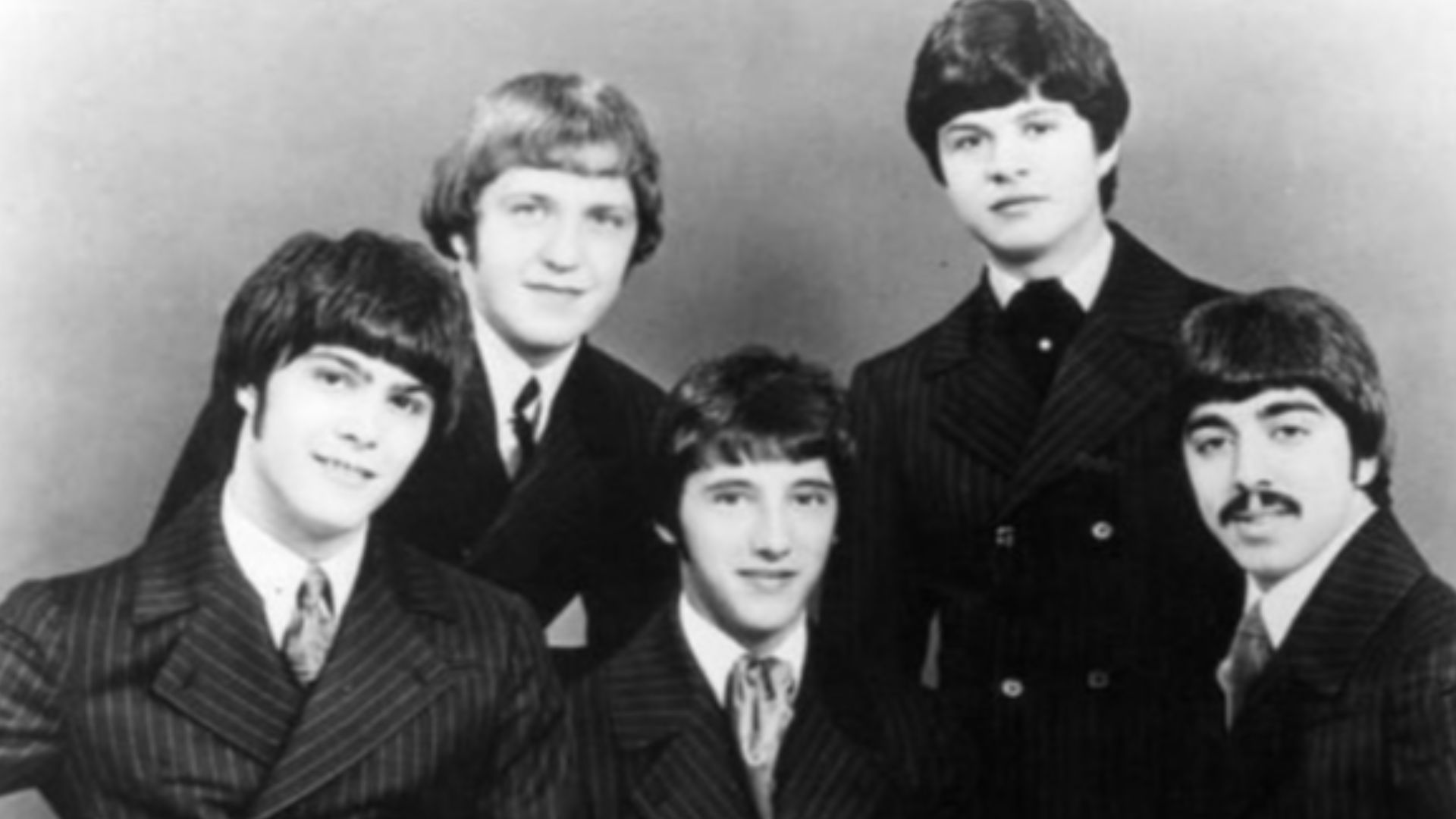
The Buckinghams Ruled One Remarkable Year
The Buckinghams became Chicago’s leading mid-1960s pop-rock group almost overnight. “Kind of a Drag” topped the chart, and four more Top 10 singles followed during a frantic period that included more than 300 tour dates in 1967. Their horn-rich sound helped point toward the next Chicago wave, while the Buckinghams themselves receded from the larger story.
 William Morris Agency/Epimetheus Management, Wikimedia Commons
The Cowsills Became A TV Blueprint
The Cowsills were a real family band years before television created the Partridge Family. AllMusic calls them one of the biggest pop acts of the late 1960s, powered by sunny harmonies and hits such as “The Rain, the Park & Other Things” and “Hair.” The fictional family eventually became the more durable brand, turning the musicians who inspired it into a surprisingly obscure footnote.
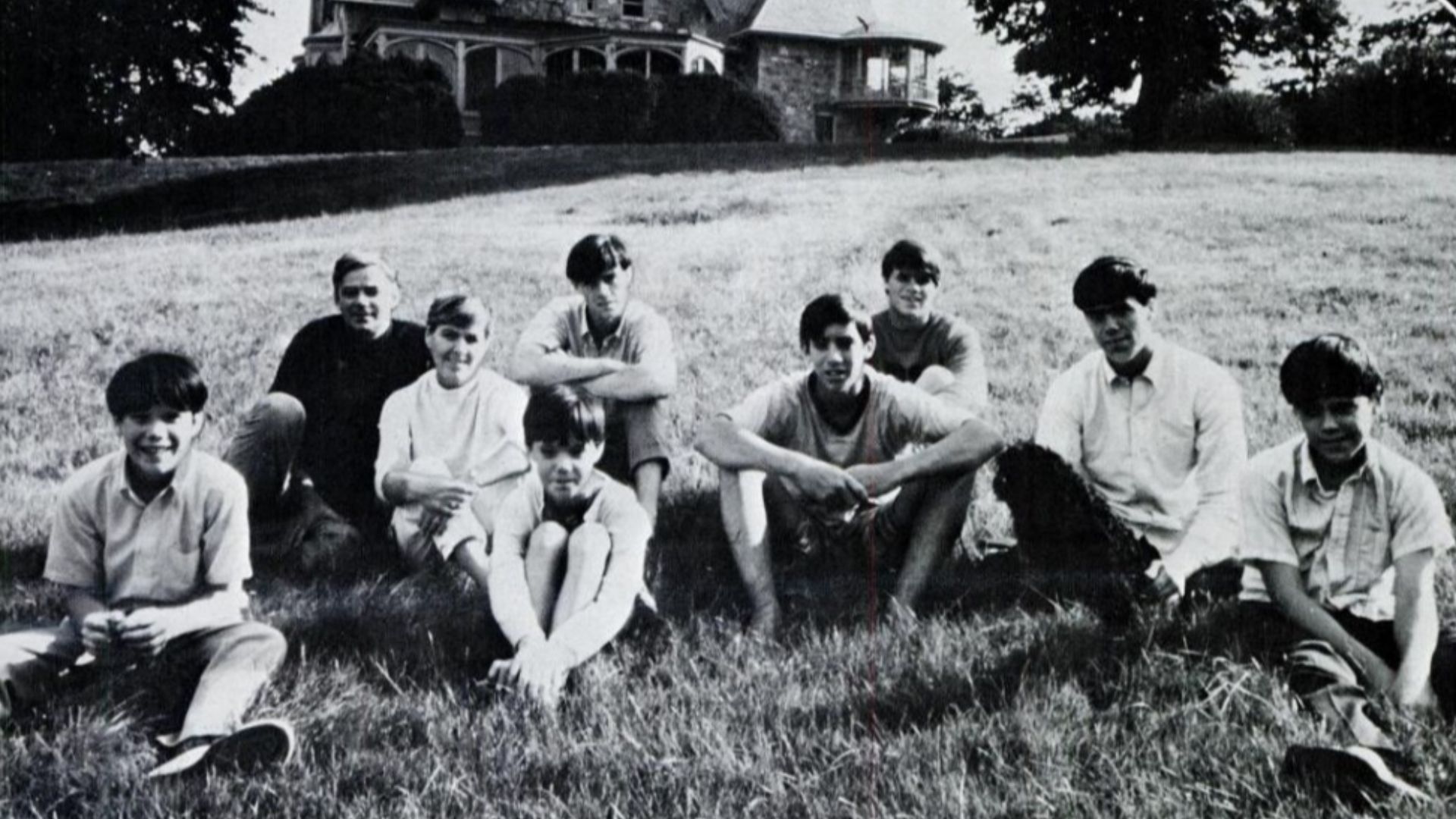 MGM Records, Wikimedia Commons
The Box Tops Put A Teenager At Number One
Alex Chilton was only 16 when the Box Tops recorded “The Letter.” The single spent four weeks at No. 1, sold more than four million copies, and was followed by the No. 2 hit “Cry Like a Baby.” Chilton’s later cult legend with Big Star now attracts much of the critical attention, even though his first band had the mass audience.
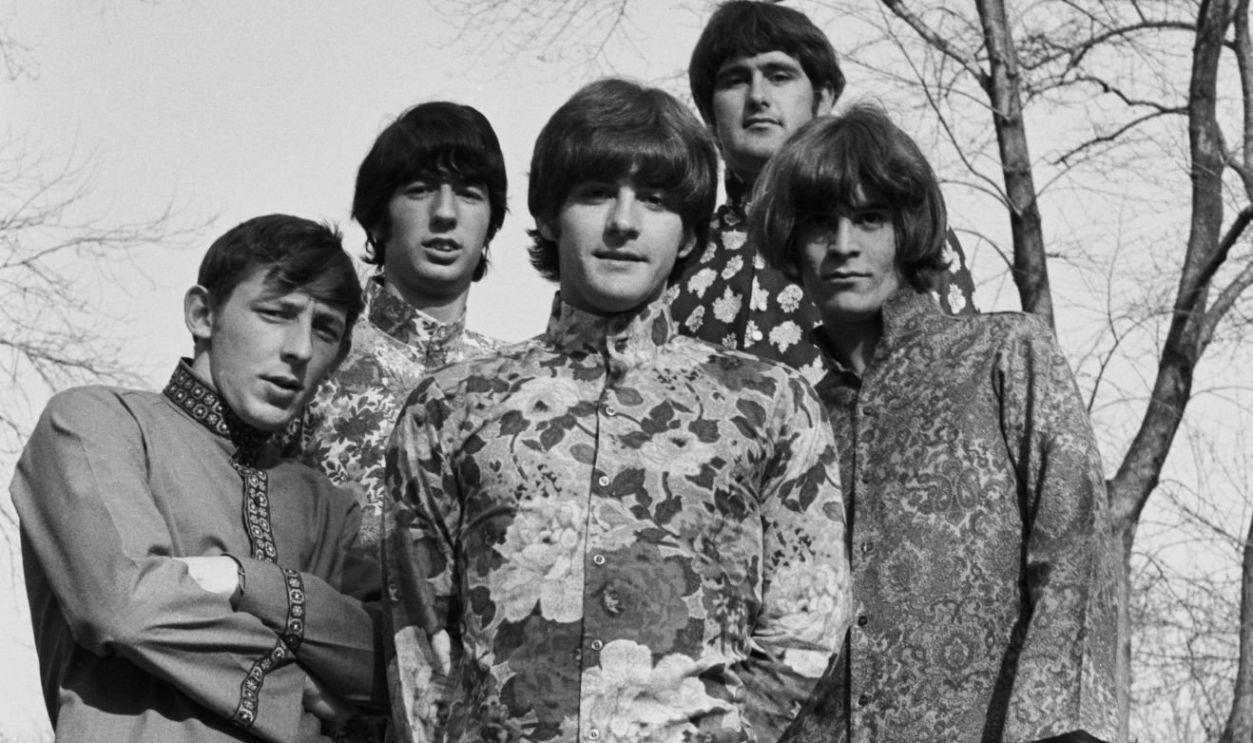 Michael Ochs Archives, Getty Images
Blood, Sweat And Tears Won Album Of The Year
Blood, Sweat & Tears married rock songs to a full brass section and turned the experiment into blockbuster pop. Their self-titled album sold 10 million copies worldwide, generated three No. 2 singles, and won the Grammy for Album of the Year. Chicago now dominates popular memory of horn-driven rock, but Blood, Sweat & Tears once stood at the very top of the industry.
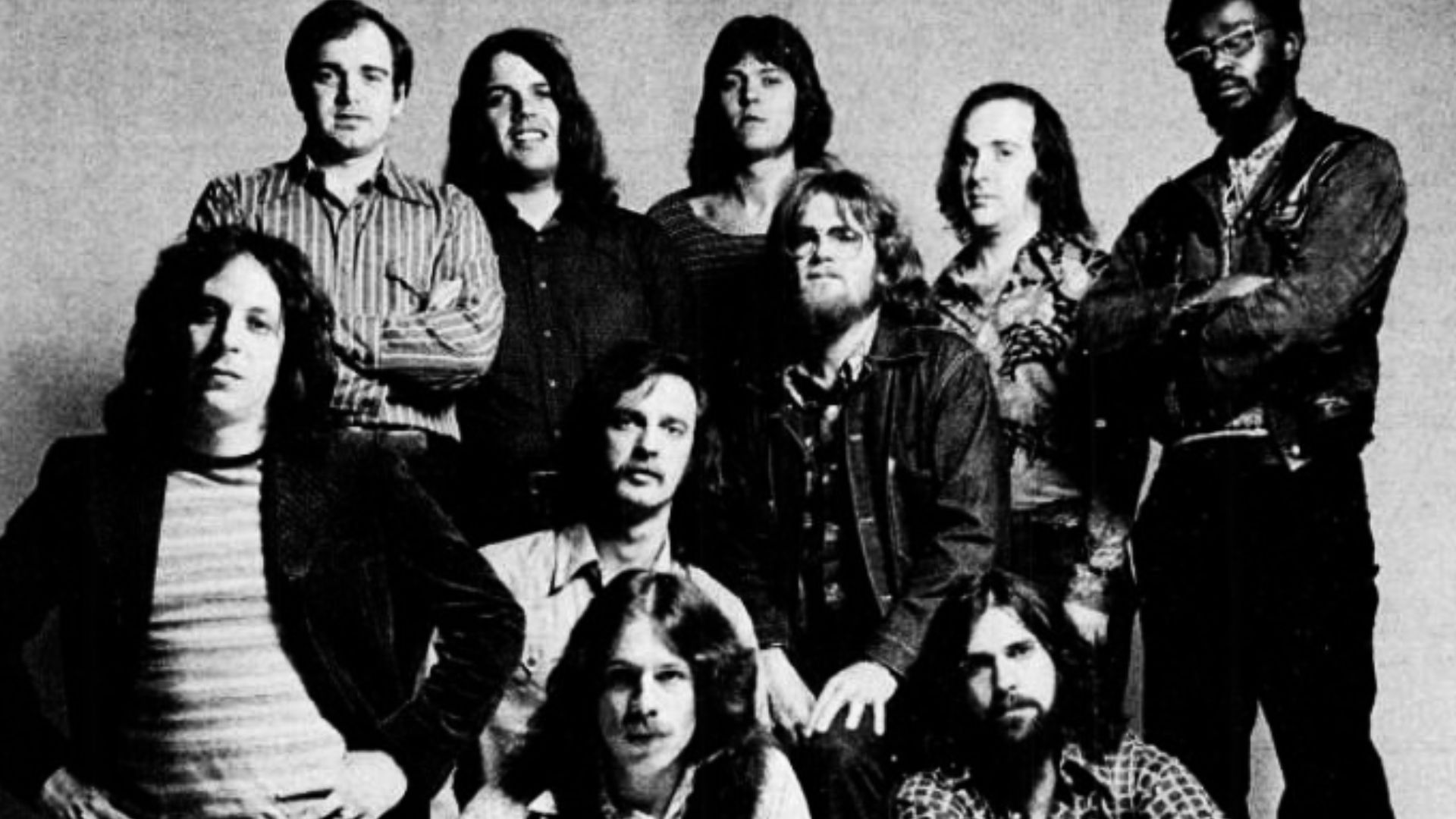 Columbia Records, Wikimedia Commons
Three Dog Night Sold More Tickets Than Anyone
At their early-1970s peak, Three Dog Night were selling more records and concert tickets than any other act in America. They scored 21 consecutive US Top 40 hits, including three No. 1 singles, while all eight albums released from 1968 through 1974 reached the Top 30. “Joy to the World” remains unavoidable, yet the band’s once-staggering commercial dominance barely registers in many modern rock histories.
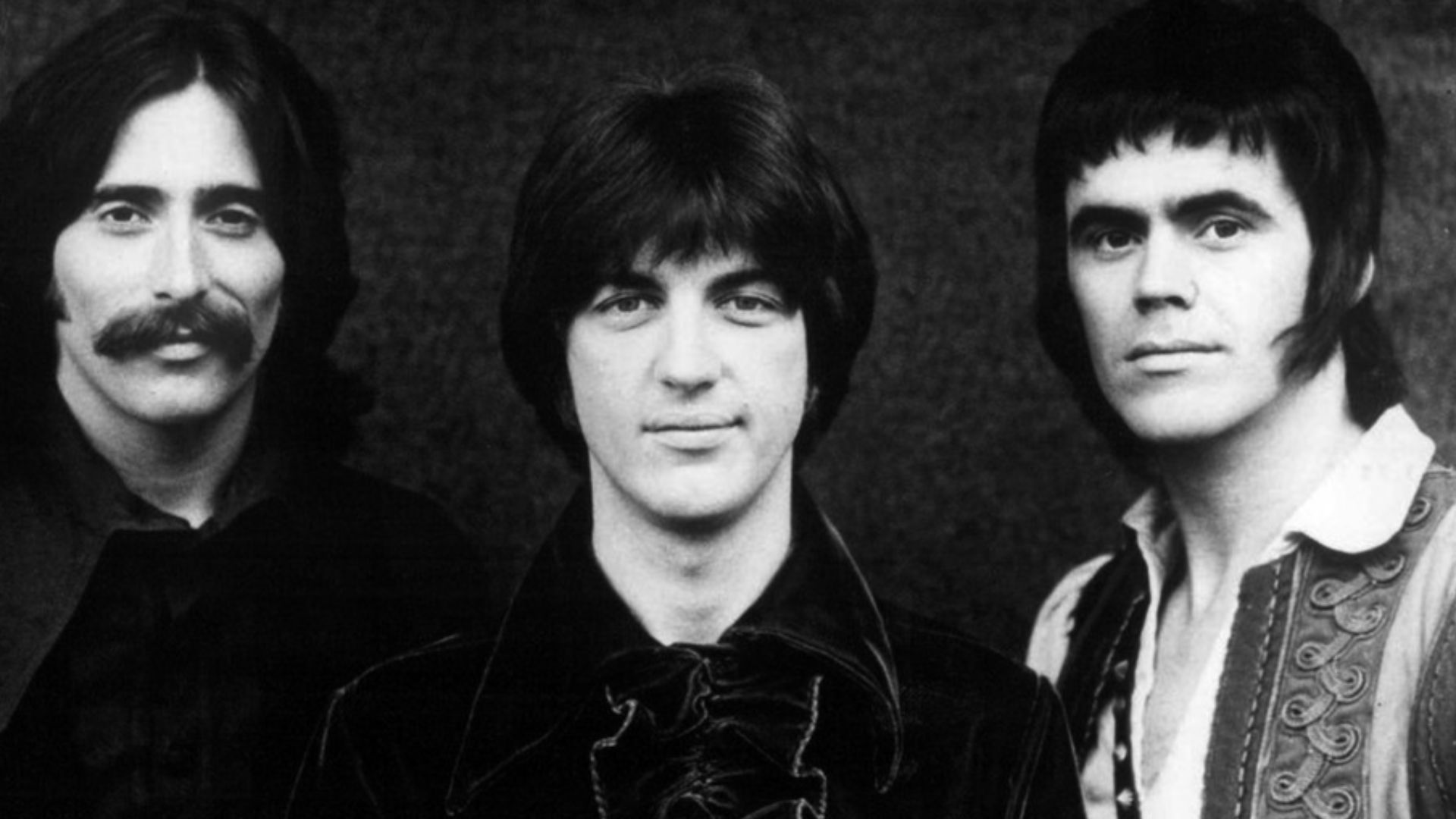 Contemporary Public Relations, Wikimedia Commons
Iron Butterfly Turned Seventeen Minutes Into Millions
Iron Butterfly made one of the strangest blockbuster records of the psychedelic era. The full “In-a-Gadda-Da-Vida” occupied 17 minutes, while its album spent 140 weeks on the US chart and sold more than four million copies. The riff remains famous enough to parody, but the band now feels far less visible than those towering numbers.
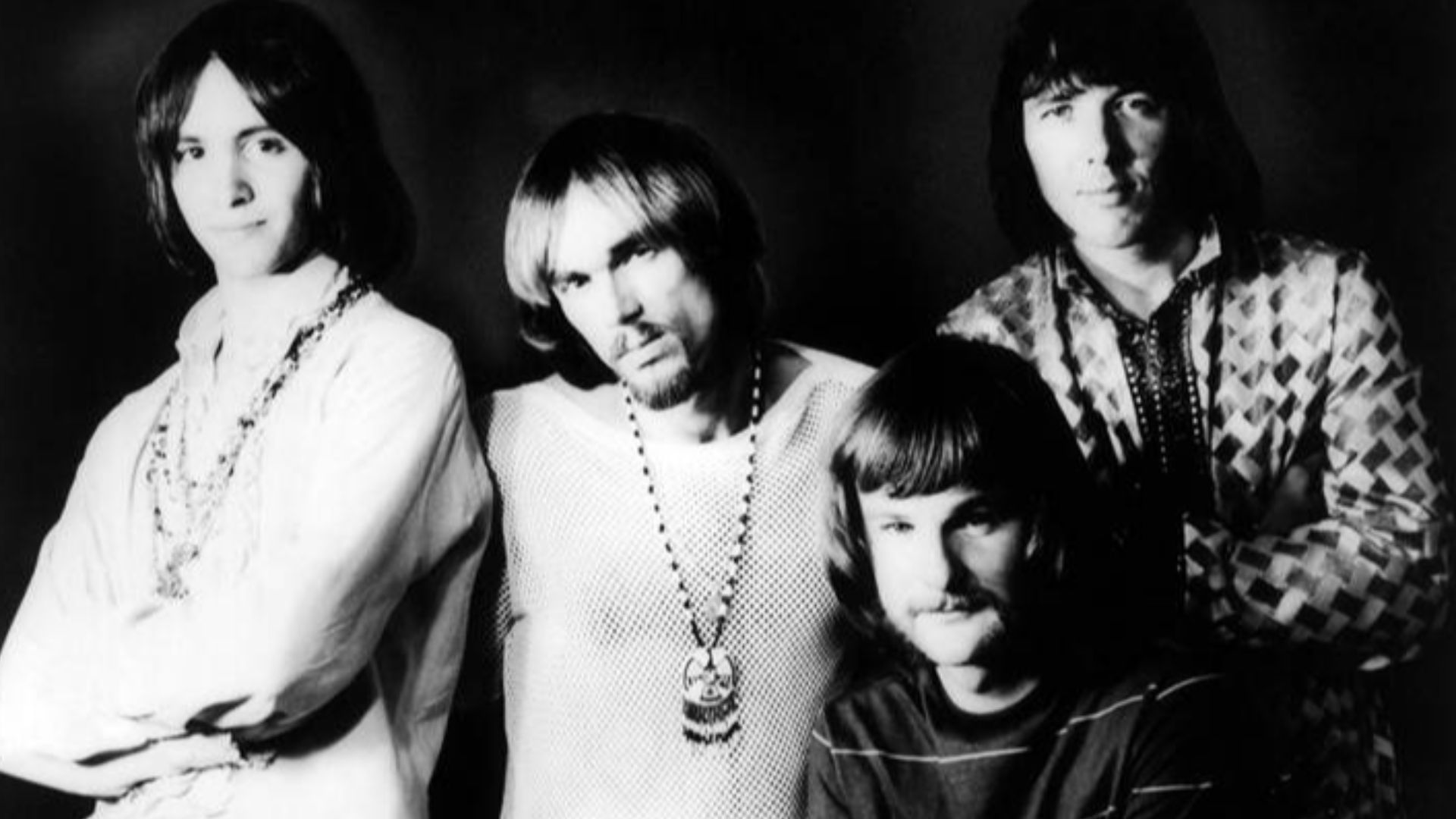 ATCO Records, Wikimedia Commons
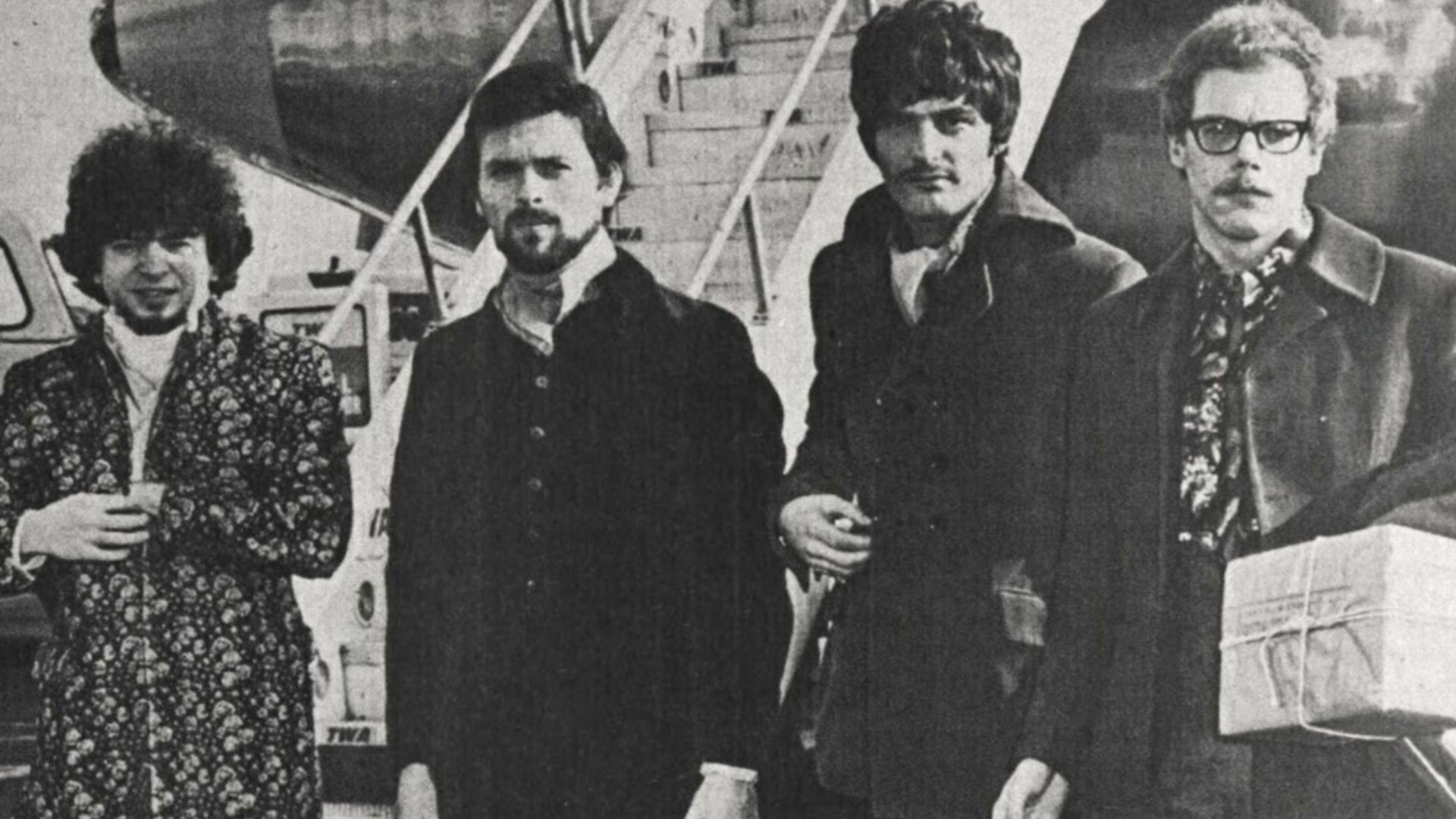
Vanilla Fudge Helped Invent Heavy Rock
Vanilla Fudge slowed pop songs into thunderous psychedelic epics and helped point rock toward a heavier future. Four of the five albums they released between 1967 and 1970 reached the US Top 20, and Carmine Appice has described the band’s influence on Deep Purple and Led Zeppelin. “You Keep Me Hangin’ On” survives as a dramatic classic, but the band’s commercial reach and stylistic impact are rarely discussed together.
You May Also Like:
60s Rock Stars Who Left The Stage Behind
Bands That Should’ve Headlined Woodstock But Didn’t
1960s Bands Who Made One Perfect Album…Then Vanished
Sources: 1, 2, 3, 4, 5, 6, 7, 8, 9, 10, 11, 12, 13, 14, 15, 16, 17, 18, 19, 20, 21, 22, 23, 24, 25, 26, 27, 28, 29, 30, 31, 32, 33, 34, 35, 36, 37