The Woodstock That Could've Been
Woodstock is remembered as the defining music moment of the 1960s—if not the entire second half of the 20th century. However, it easily could’ve looked very different. Plenty of legendary bands were active, touring, or exploding in popularity at the time…and for one reason or another, didn’t show up.
Some missed the invite. Some were never invited. Some declined. Some didn’t realize it’d be history. Here are the bands that absolutely should have headlined Woodstock—but didn’t.
The Beatles
The biggest “what if” in festival history. The Beatles weren’t touring by 1969, and Lennon reportedly pushed for the Plastic Ono Band to be included, which the organizers didn’t want. Their studio-focused late era made the idea of a giant outdoor show feel impossible anyway. As one retrospective noted, “their music became too experimental to ever truly work on a stage.” They didn’t reject Woodstock—they simply weren’t that band anymore.
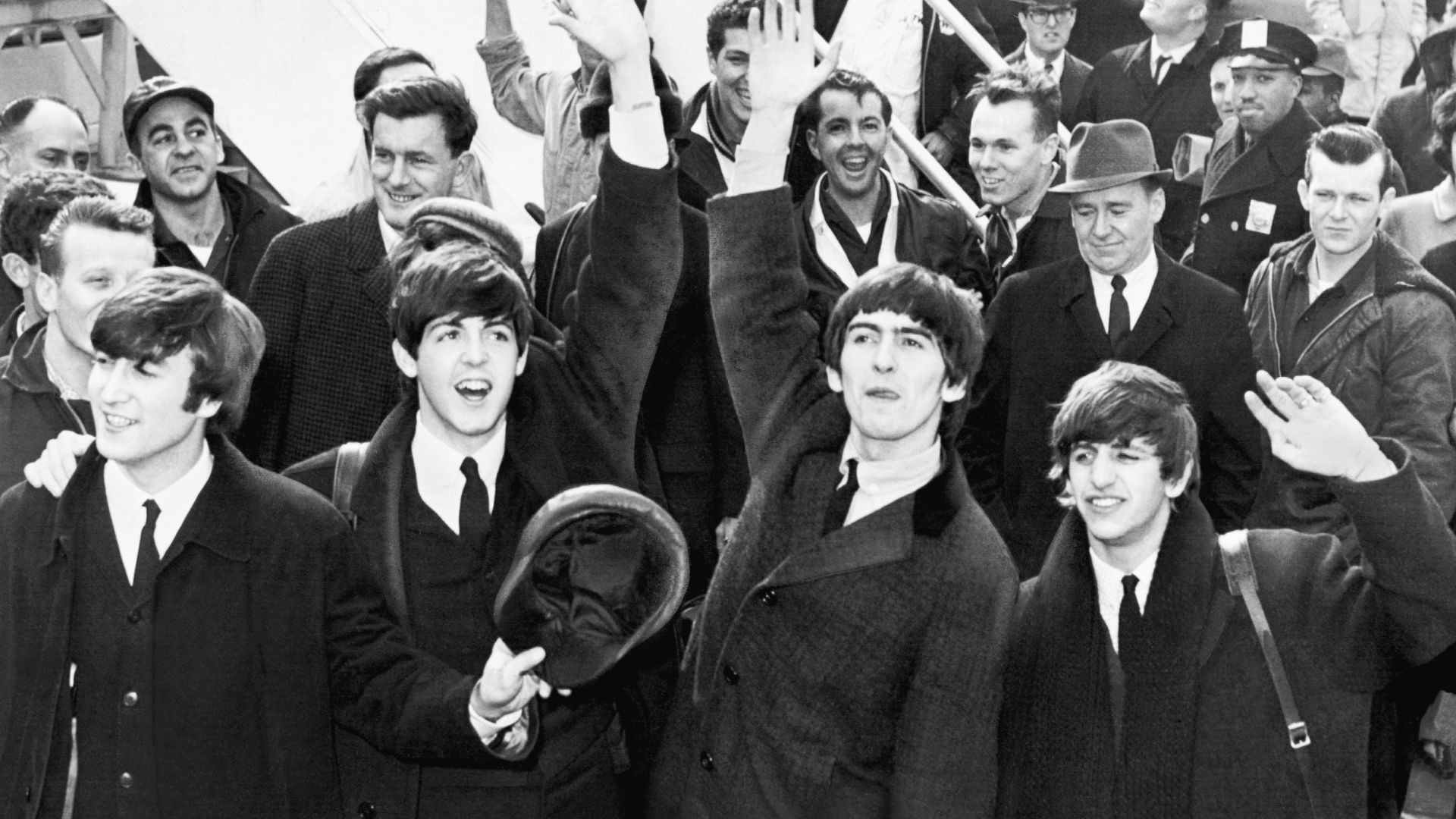 United Press International, photographer unknown, Wikimedia Commons
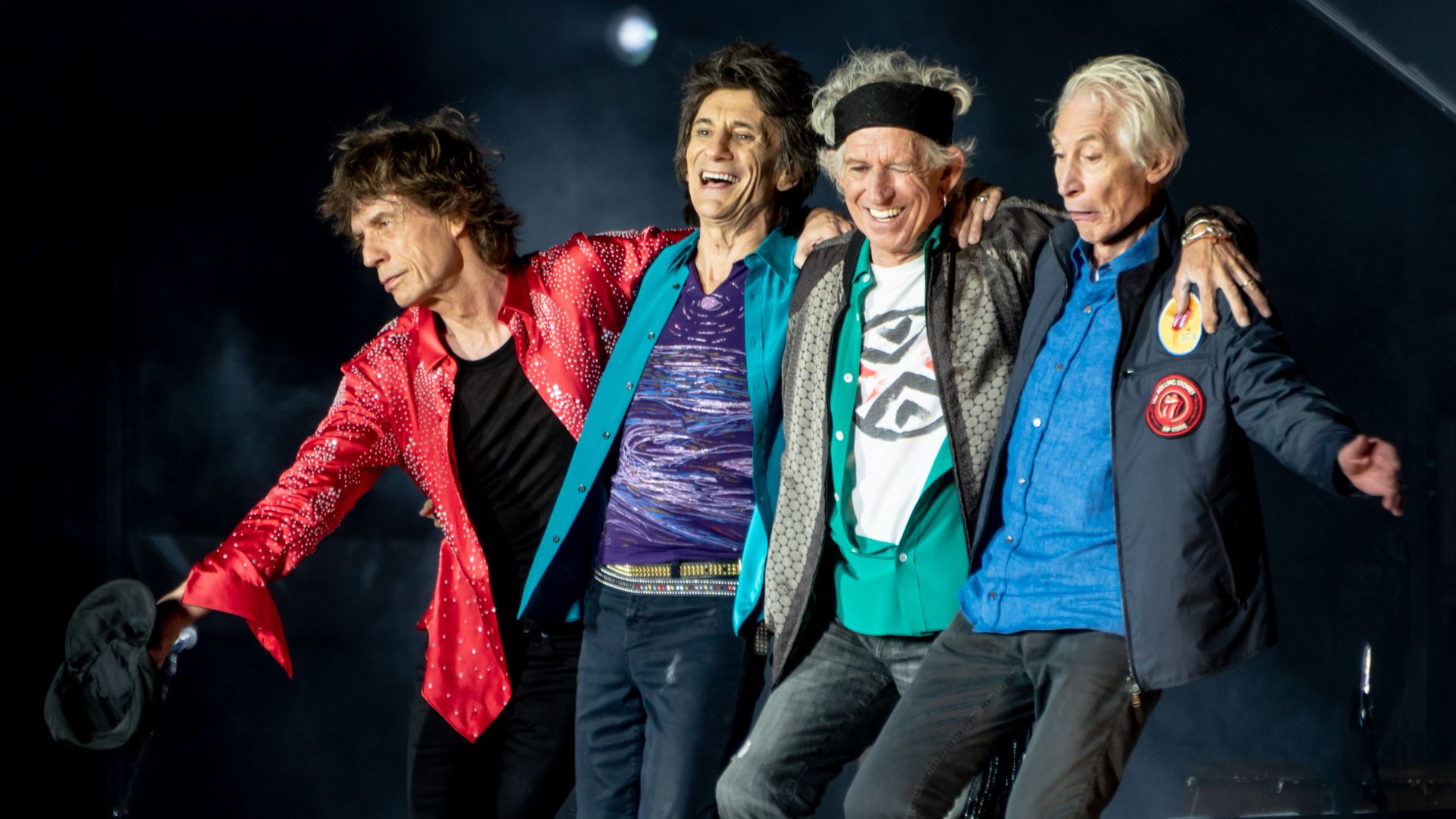
The Rolling Stones
They were invited, but scheduling crushed the dream. Mick Jagger was in Australia filming Ned Kelly, and Keith Richards had just welcomed a new baby. No band was more suited for a muddy, wild mega-festival, yet practicality won out. Their absence still feels shocking.
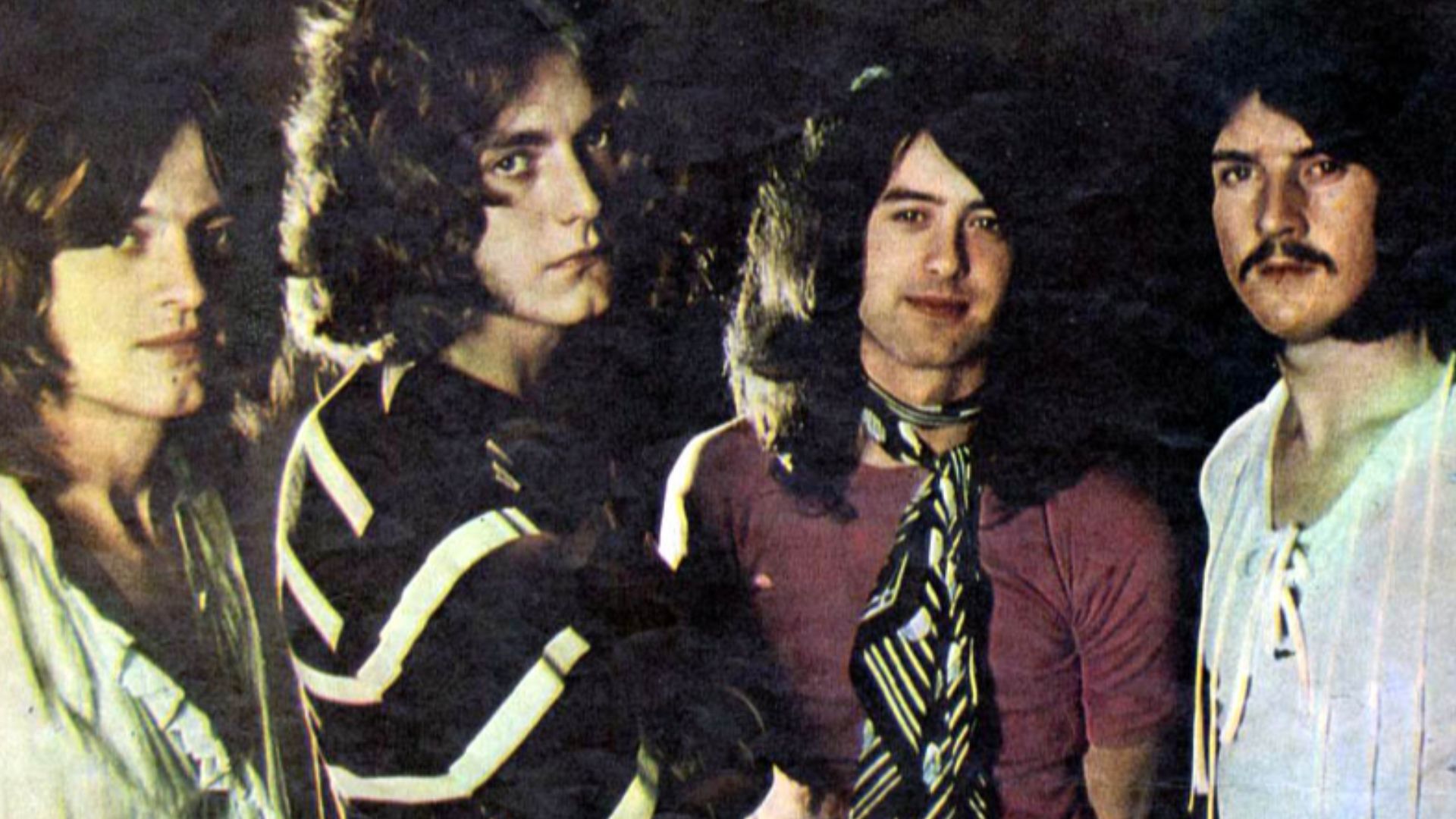
Led Zeppelin
Zeppelin were invited, but manager Peter Grant refused. His famous reason: “I said no because at Woodstock we’d have just been another band on the bill.” Robert Plant later echoed that their management didn’t want them “type-cast.” Instead of sharing the spotlight, Zeppelin chose to build their own mythology.
 Unknown author, Wikimedia Commons
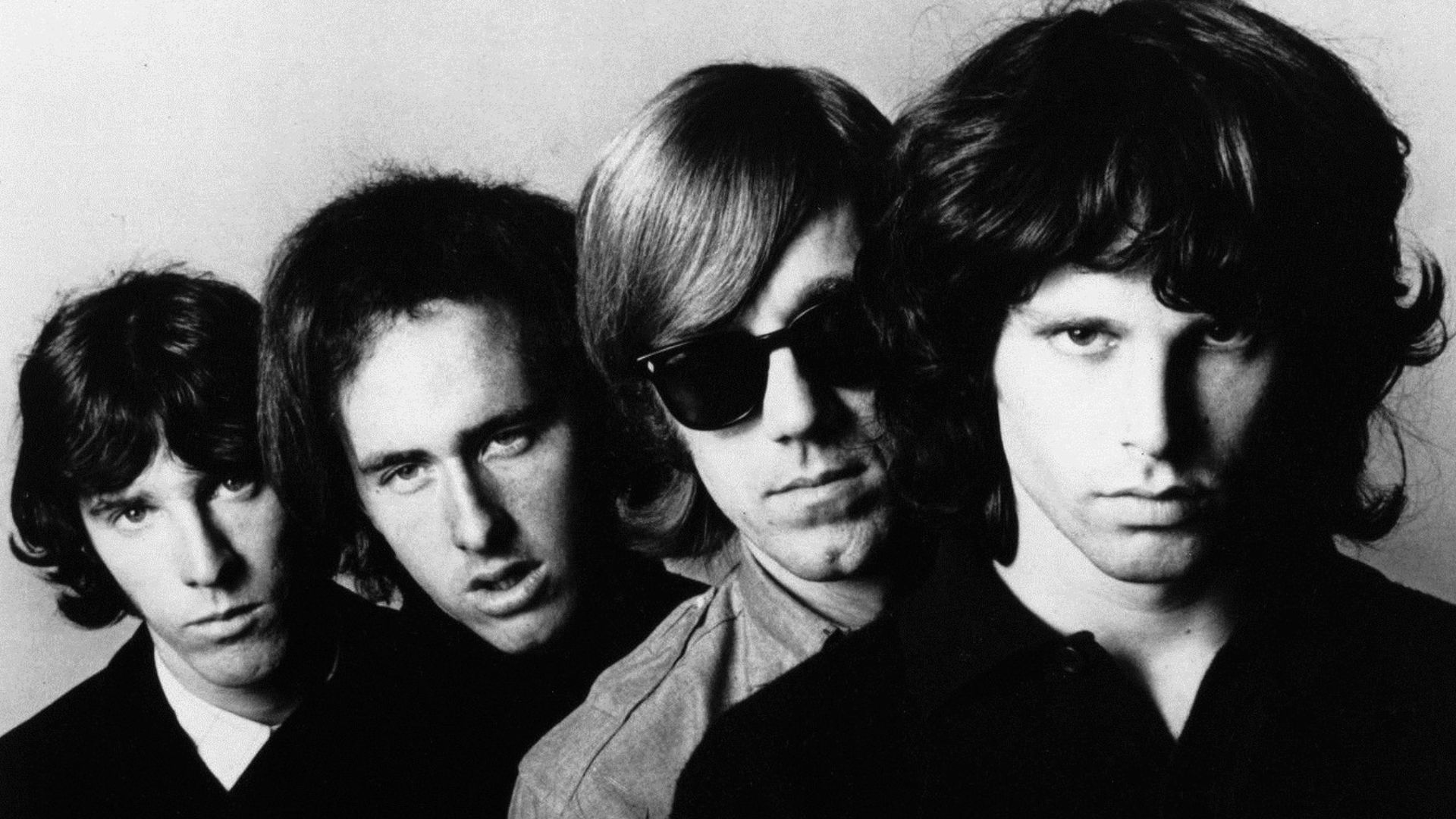
The Doors
The Doors could’ve played, but they underestimated the festival. Robby Krieger later said they assumed it would be a “second-class repeat of Monterey.” Another story claims Jim Morrison feared a massive outdoor crowd and worried someone might shoot him. They later admitted skipping Woodstock was a mistake.
 Joel Brodsky; Distributed by Elektra Records, Wikimedia Commons
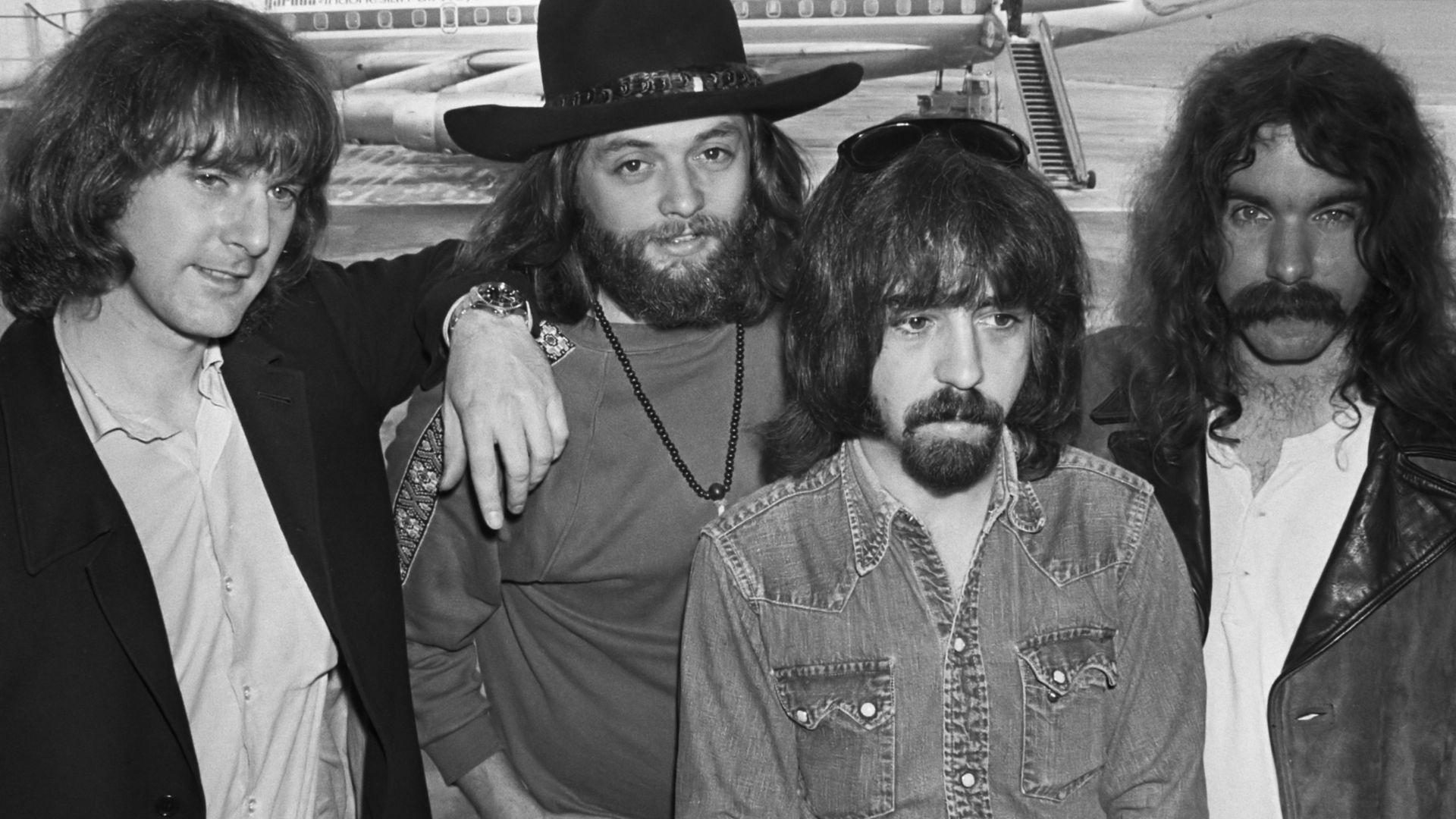
The Byrds
The Byrds thought Woodstock sounded unremarkable—just another chaotic festival with low pay. Roger McGuinn later admitted they simply misjudged its importance. Ironically, their folk-rock sound would’ve matched the festival’s DNA perfectly.
 Joost Evers / Anefo, Wikimedia Commons
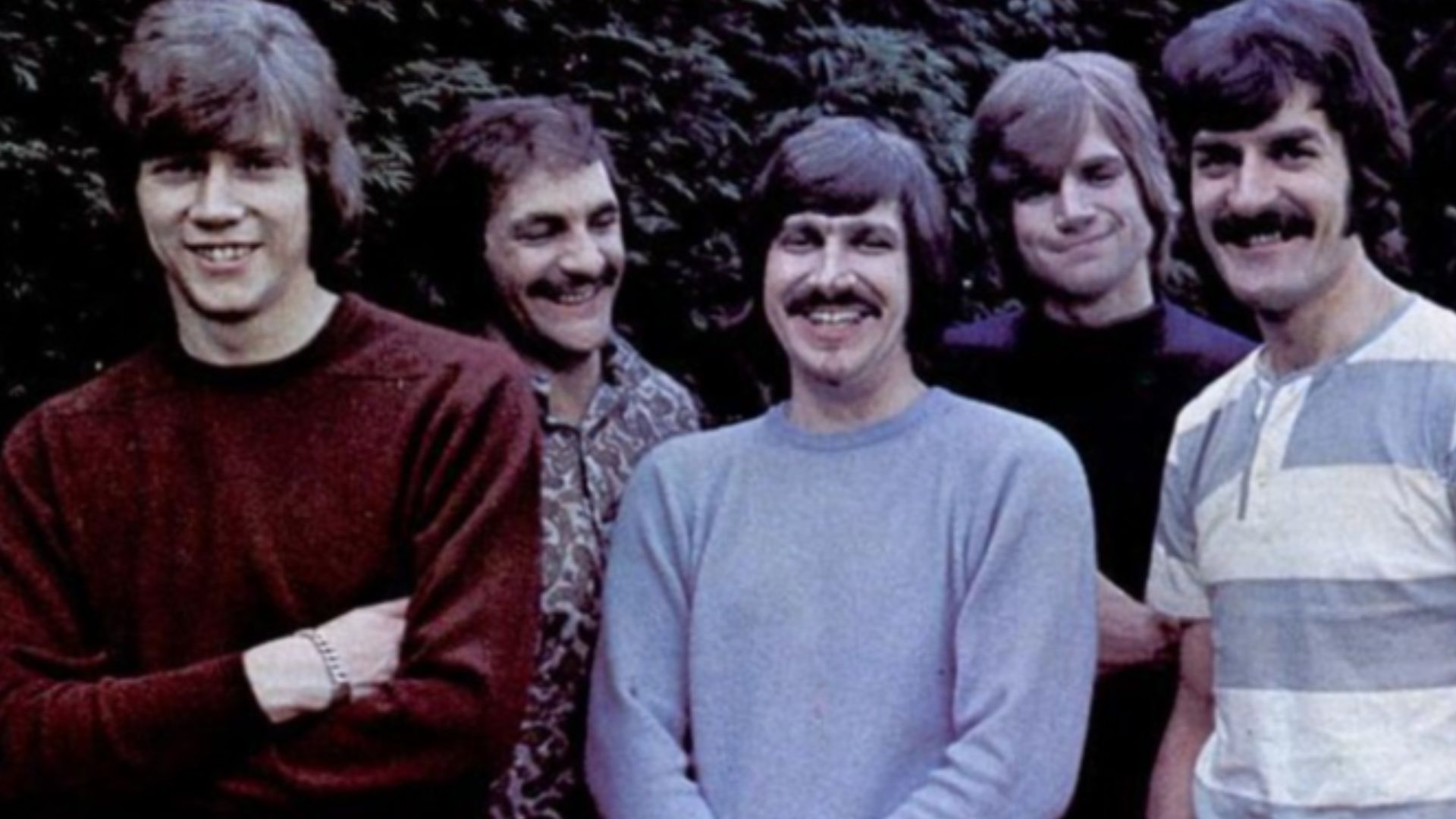
The Moody Blues
The Moody Blues were actually advertised as performers, then pulled out to continue a European tour. Justin Hayward later joked, “I’m pretty sure we’re on some of the posters.” They were massive abroad—but their absence at Woodstock remains one of the strangest near-misses.
 Deram Records, Wikimedia Commons
Bob Dylan
Dylan lived in Woodstock, New York… but refused to play Woodstock, the festival. Between his son’s illness, his frustration with the hippies swarming his town, and a better offer at the Isle of Wight Festival, he simply opted out. His absence remains the festival’s most poetic irony.
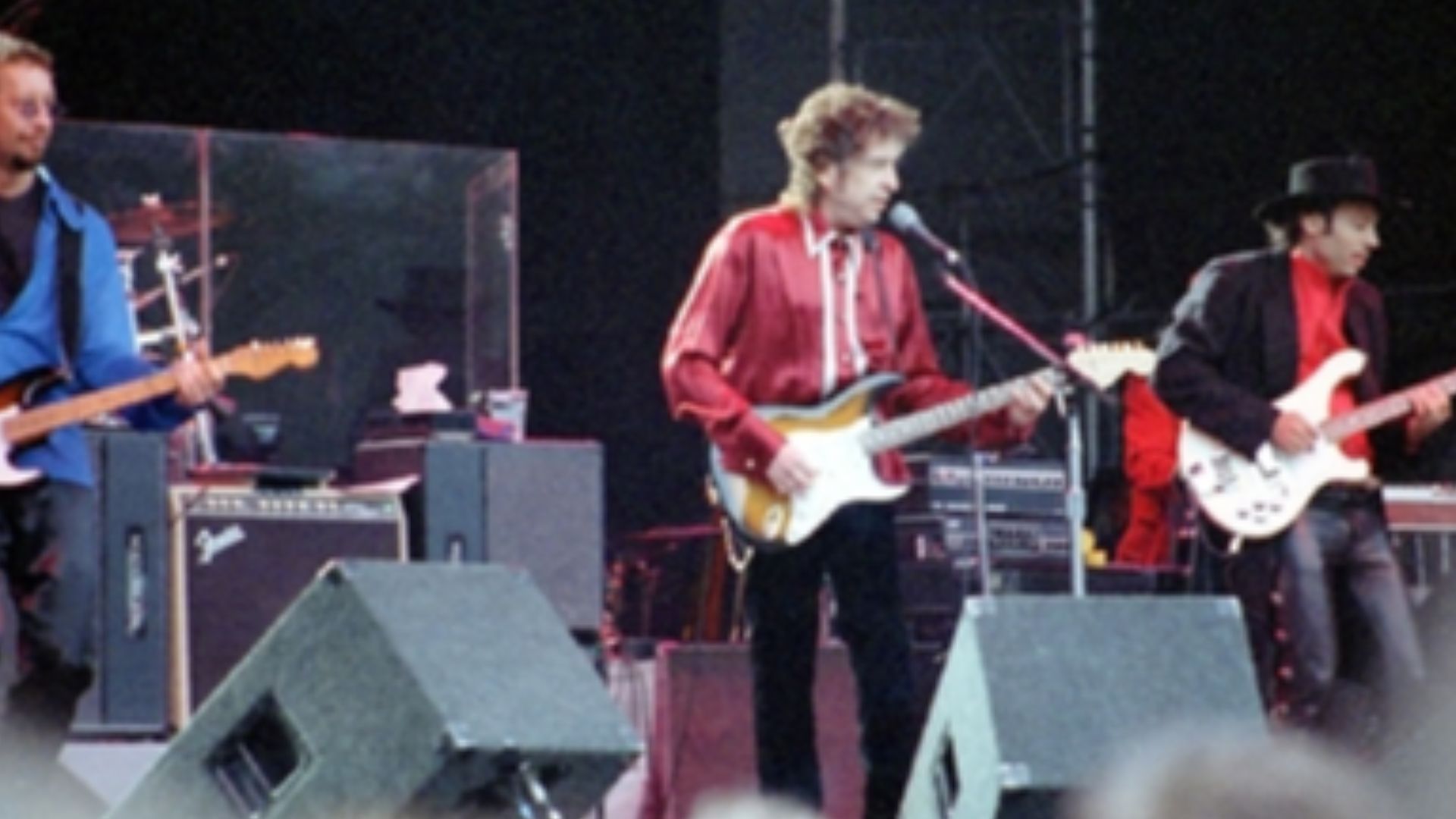 Henryk Kotowski, Wikimedia Commons
Jethro Tull
Ian Anderson famously declined because he didn’t want to be associated with a drug-heavy hippie scene. He even asked the promoters if the festival would involve “lots of naked ladies and drugs,” then said no. Their flute-driven prog chaos would've added incredible color to Woodstock.
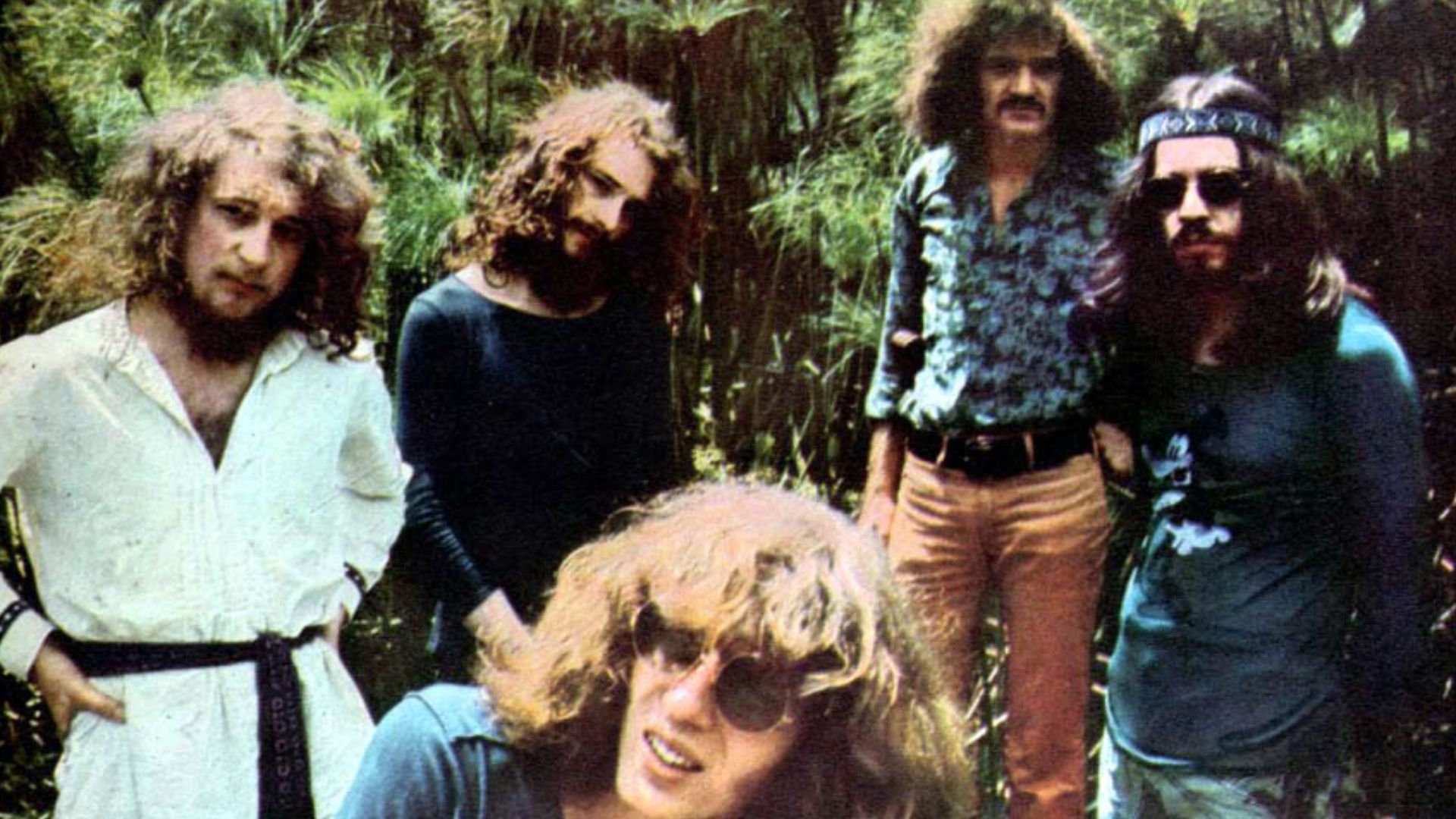 Unknown author, Wikimedia Commons
Procol Harum
They were invited but declined because guitarist Robin Trower’s wife was about to give birth and the band was exhausted from touring. “A Whiter Shade of Pale” at Woodstock would’ve been ethereal—but timing said otherwise.
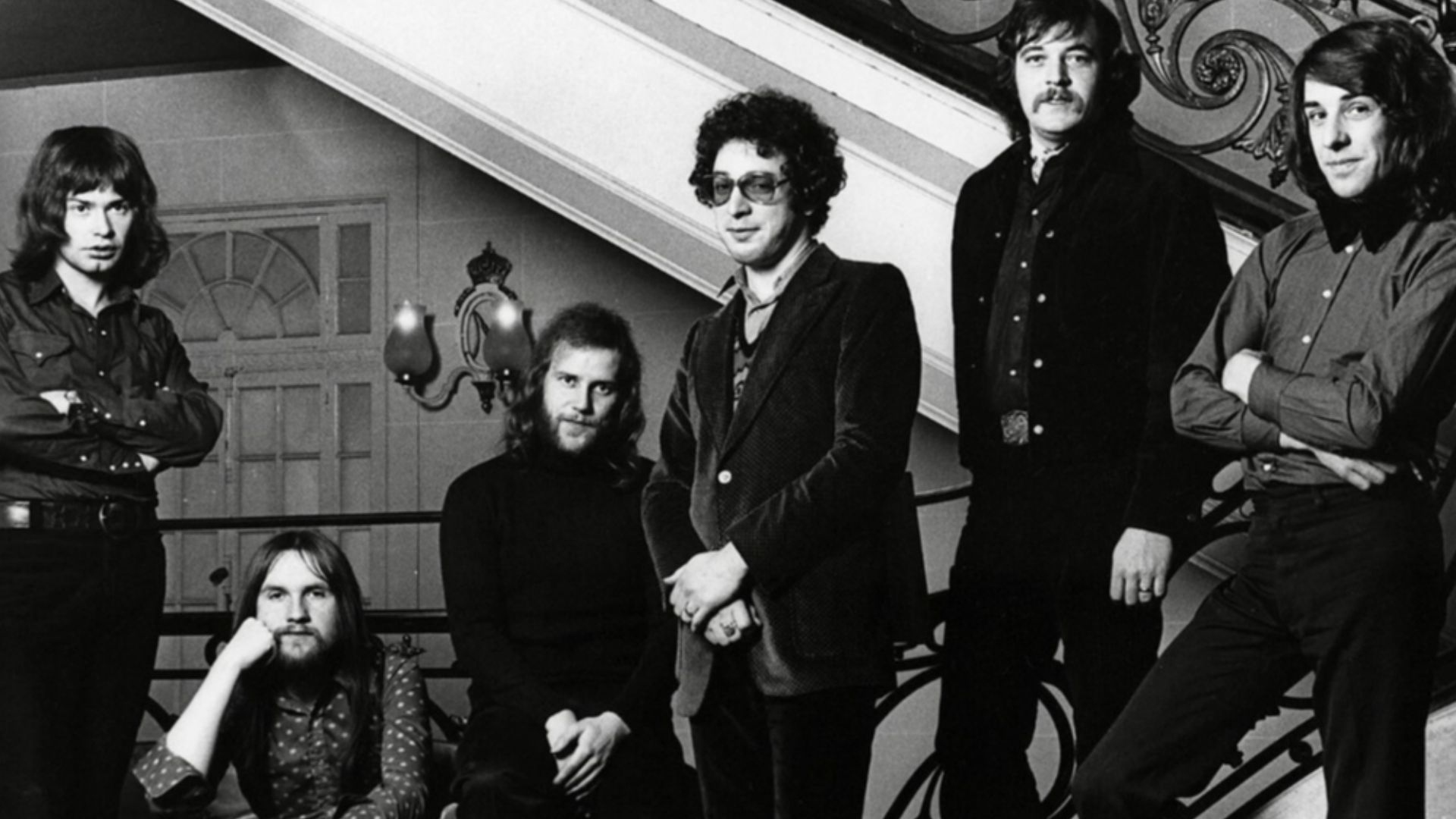 Chrysalis Records, Wikimedia Commons
Chicago
Chicago had initially been signed to play Woodstock, but a contract with promoter Bill Graham allowed him to move their Fillmore West bookings. He rescheduled their shows to August 17—the same weekend as Woodstock—forcing the band to back out. Graham did it deliberately so Santana, whom he also managed, could take Chicago’s slot at the festival.
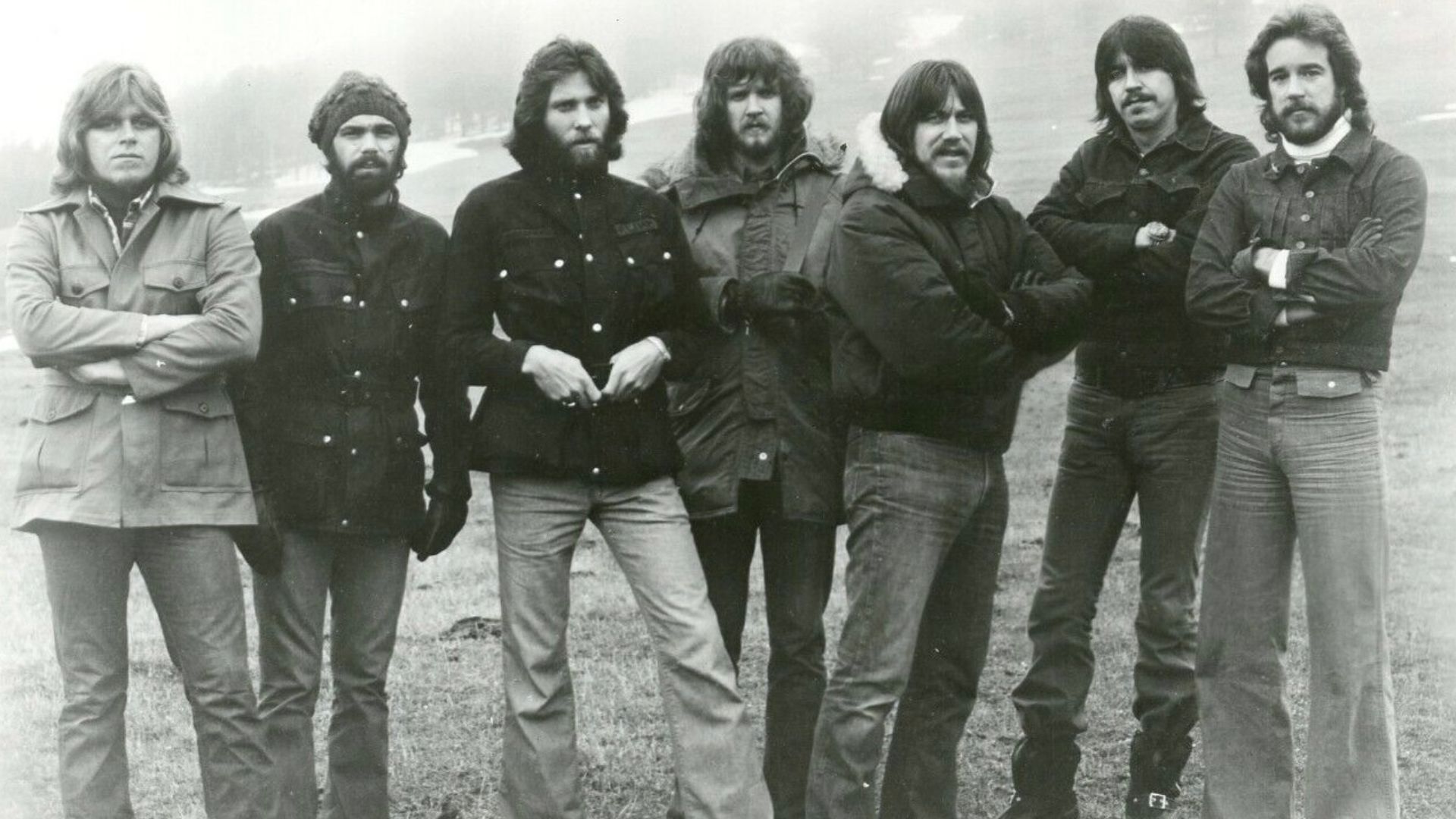 Columbia Records, Wikimedia Commons
Frank Zappa & The Mothers of Invention
Zappa didn’t mince words: “A bunch of people standing in the mud listening to bands they don’t know.” He didn’t want to play to what he perceived as a drug-soaked environment. Woodstock rewrote music history without him—exactly how he preferred it.
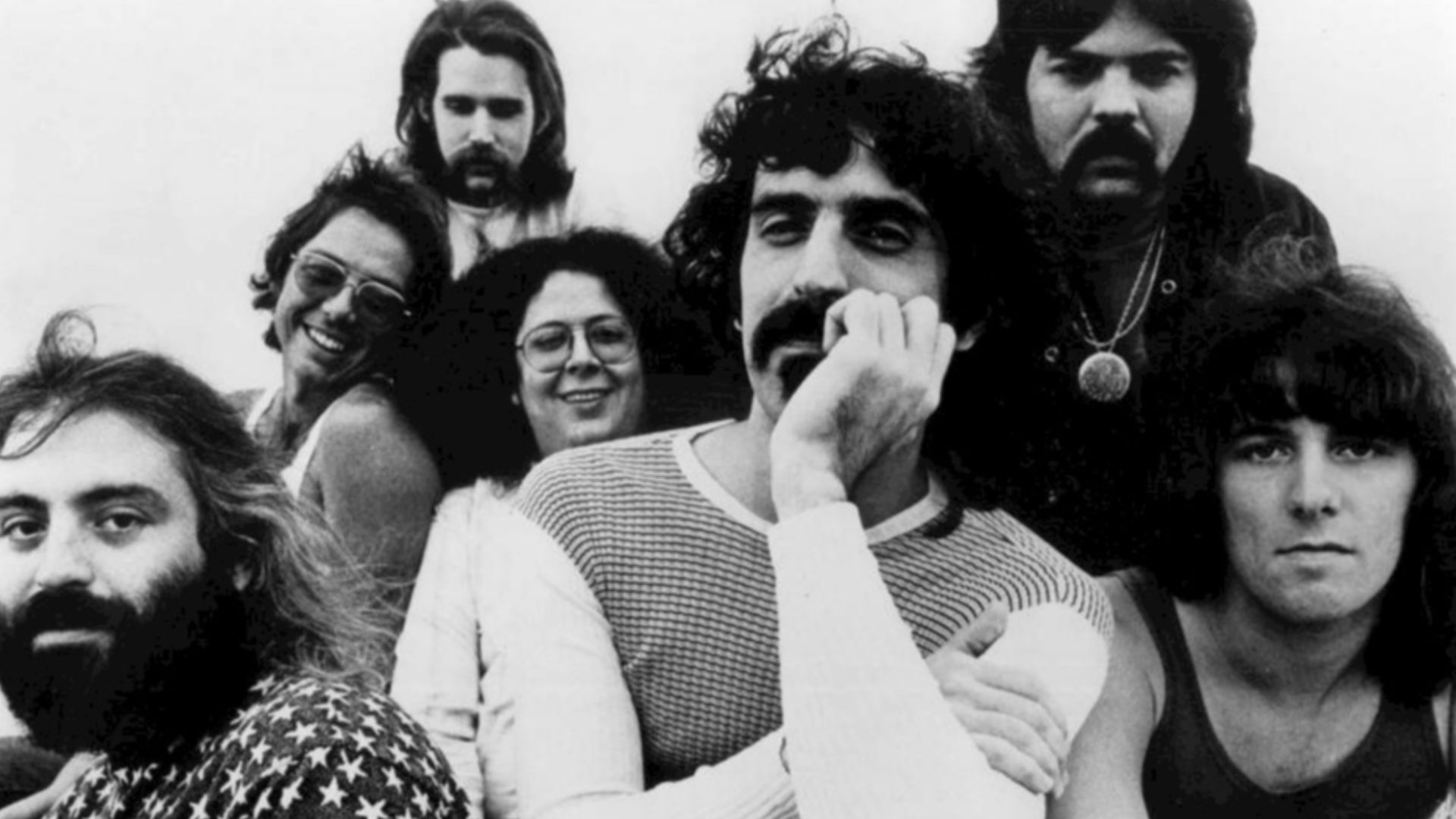 Herb Cohen Management, Wikimedia Commons
The Kinks
Thanks to union disputes and on-tour chaos, The Kinks were banned from touring the U.S. for several years leading up to Woodstock. So even if the festival wanted them, they couldn’t legally perform. Imagine "You Really Got Me" erupting across the field—pure electricity.
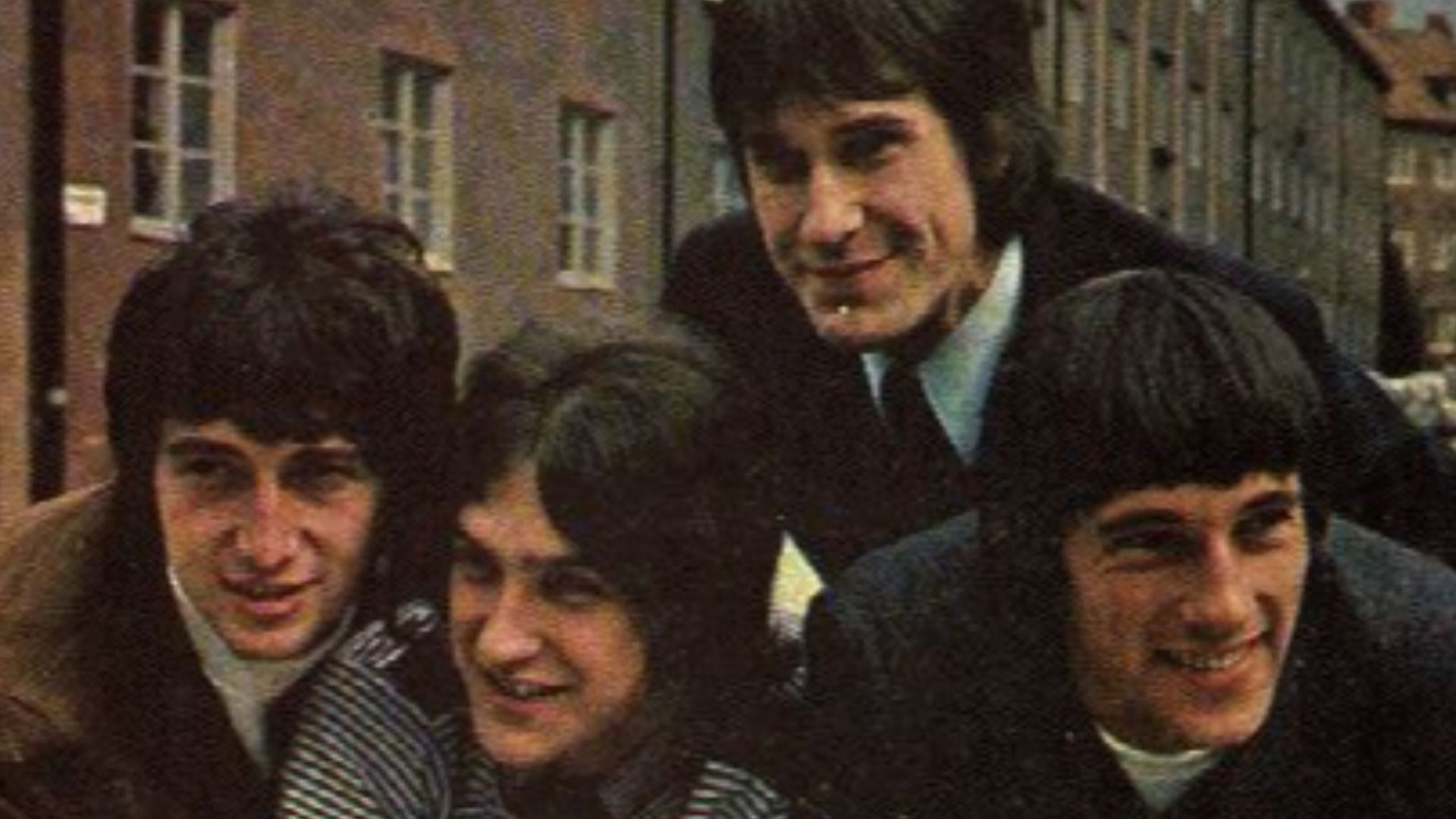 Unknown photographer, Wikimedia Commons
Fleetwood Mac (Peter Green Era)
Early Fleetwood Mac were a blistering blues-rock band, but the lineup was in flux and emotionally unstable by ’69. Scheduling issues and internal tensions kept them away. A Peter Green blues odyssey in the Woodstock mud? We were robbed.
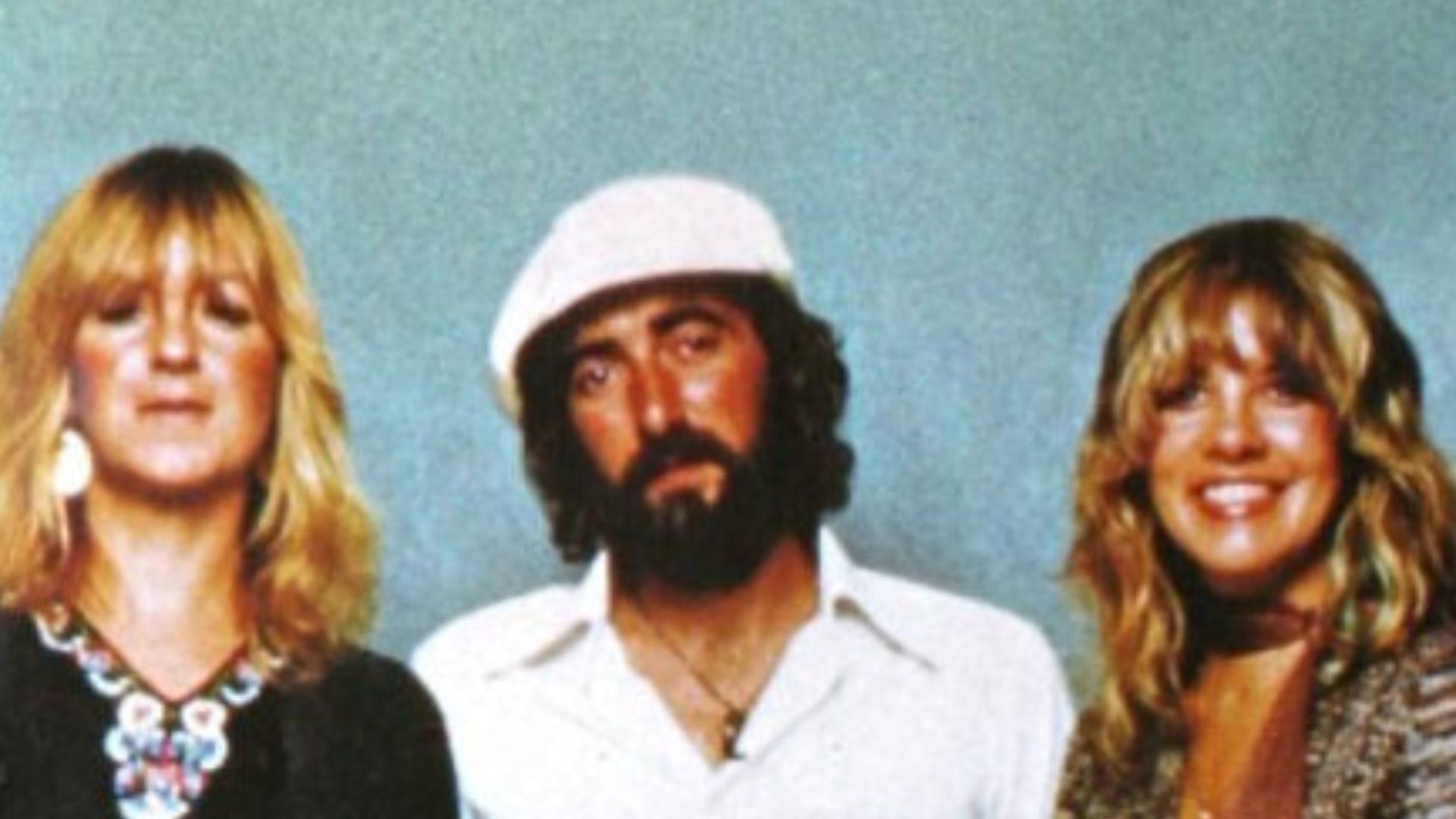 Warner Bros. Records, Wikimedia Commons
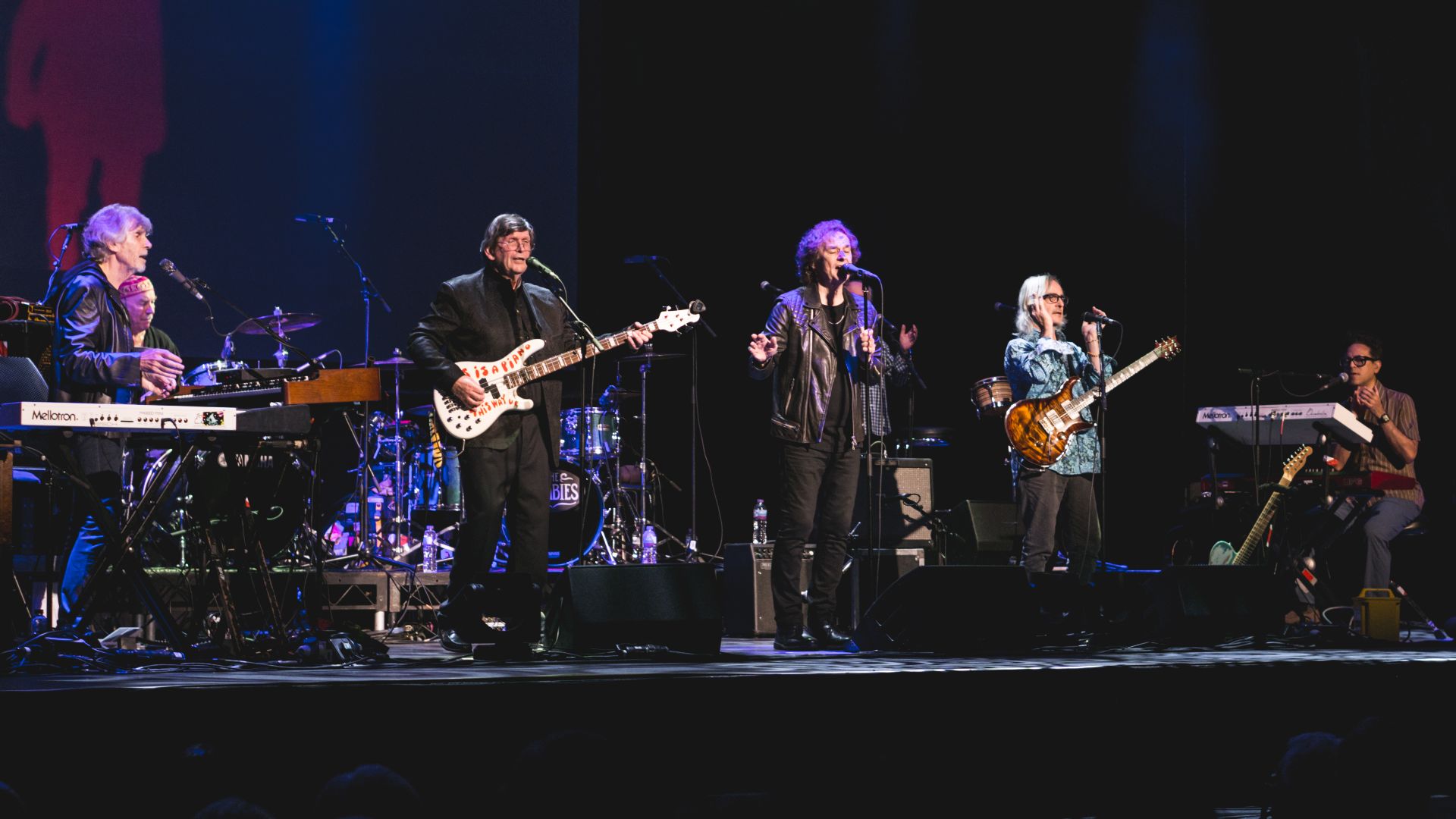
The Zombies
The Zombies had already broken up in early 1968—just before Odessey and Oracle became a cult masterpiece. If Woodstock had happened one year earlier, “Time of the Season” might’ve become the festival’s defining moment.
Cream
Cream had disbanded only months before Woodstock. There was no realistic chance of reconciling Clapton, Jack Bruce, and Ginger Baker for a giant festival slot. Even Baker later confessed the band was in “no condition” for anything that ambitious. A heartbreaker of a near-miss.
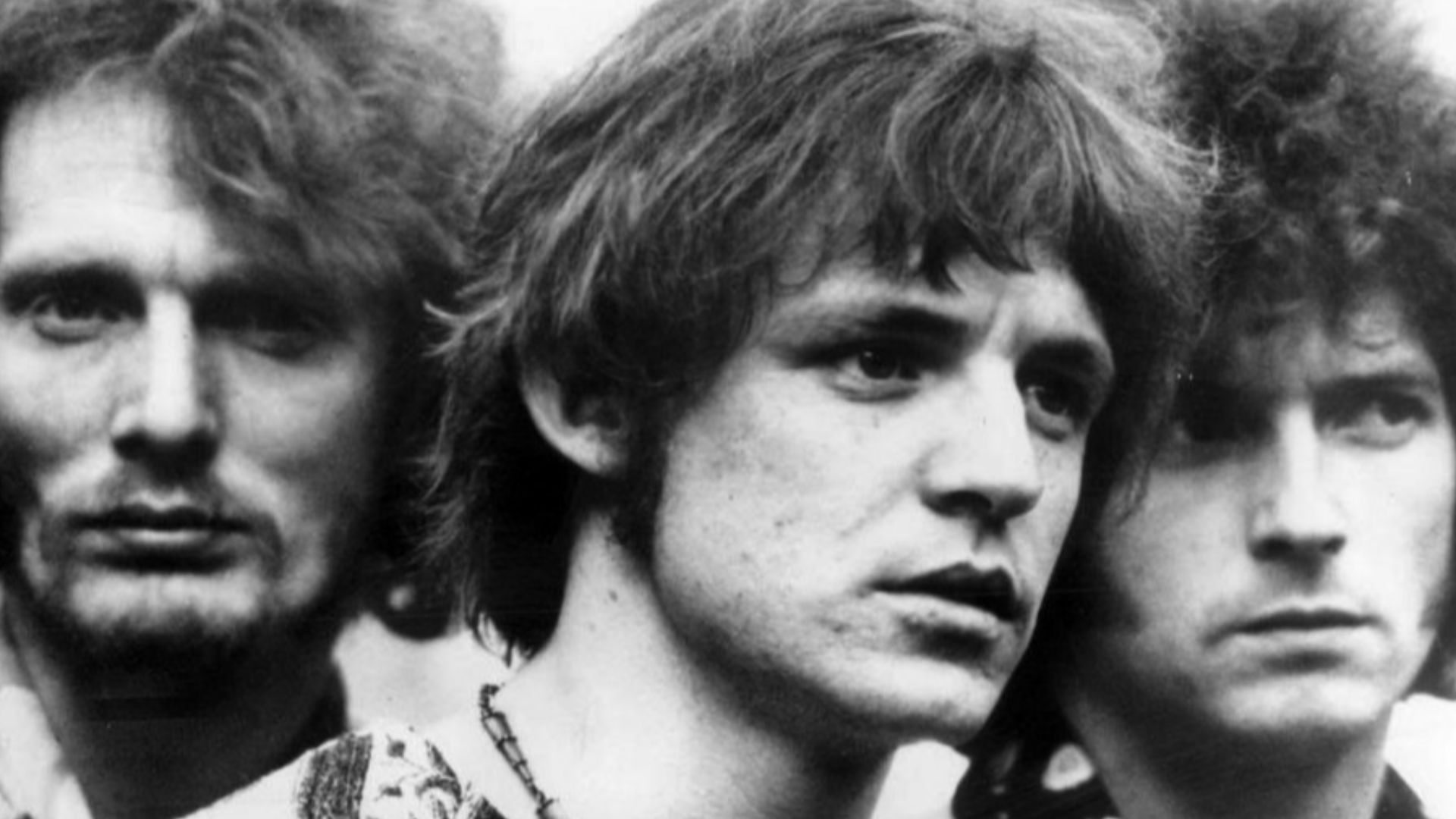
The Yardbirds
The Yardbirds dissolved in mid-1968, right before Woodstock planning kicked into gear. Had they kept going slightly longer, they could’ve played—or even appeared as the embryonic version of Led Zeppelin. Bad timing cost us a once-in-history lineup.
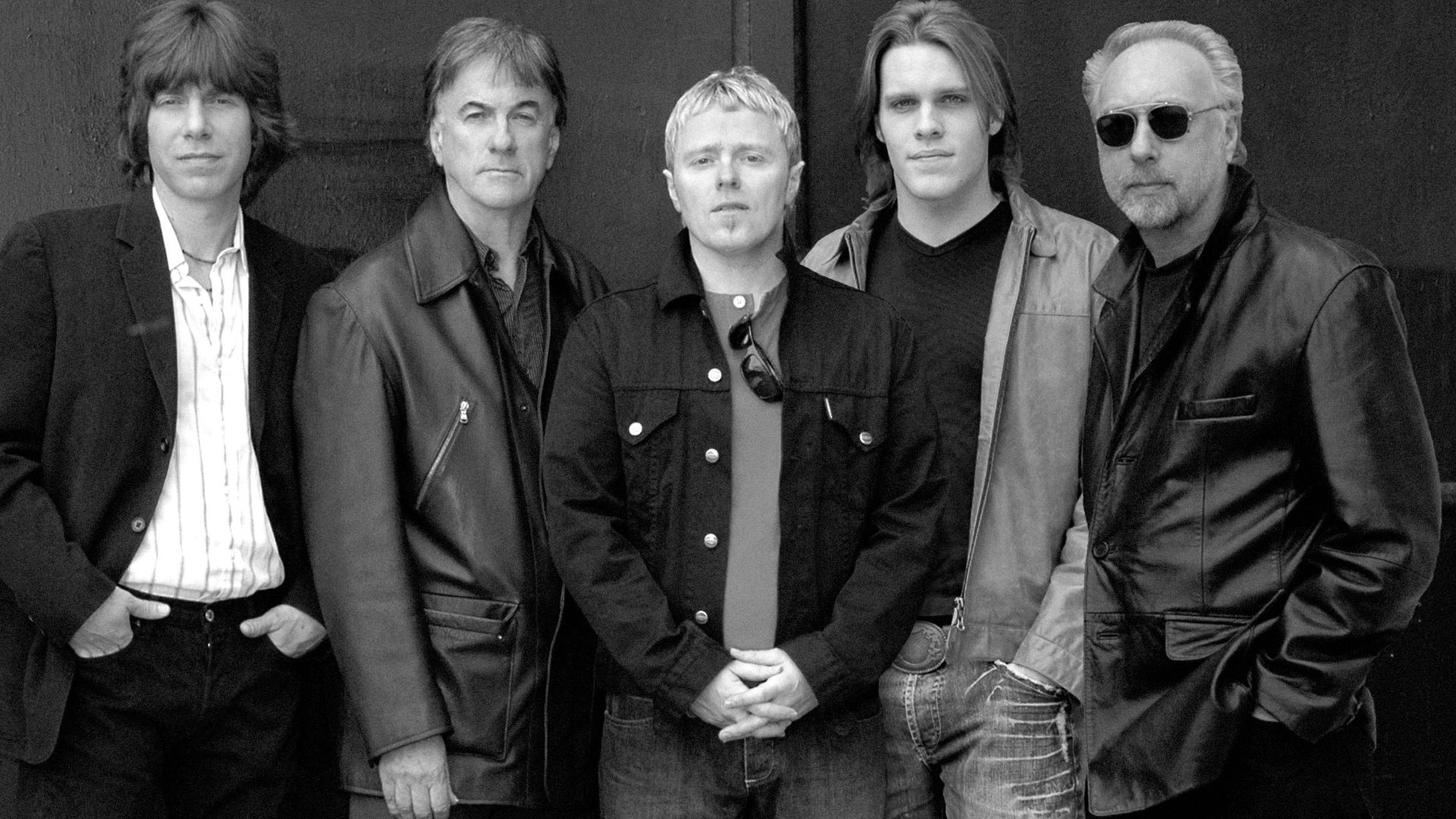 Virginia State Parks staff, Wikimedia Commons
Donovan
The ultimate peace-and-love Woodstock vibe… and he couldn’t get in. Donovan was denied a U.S. work visa due to a prior drug conviction. The man who wrote “Season of the Witch” was quite literally barred from the decade’s biggest psychedelic party.
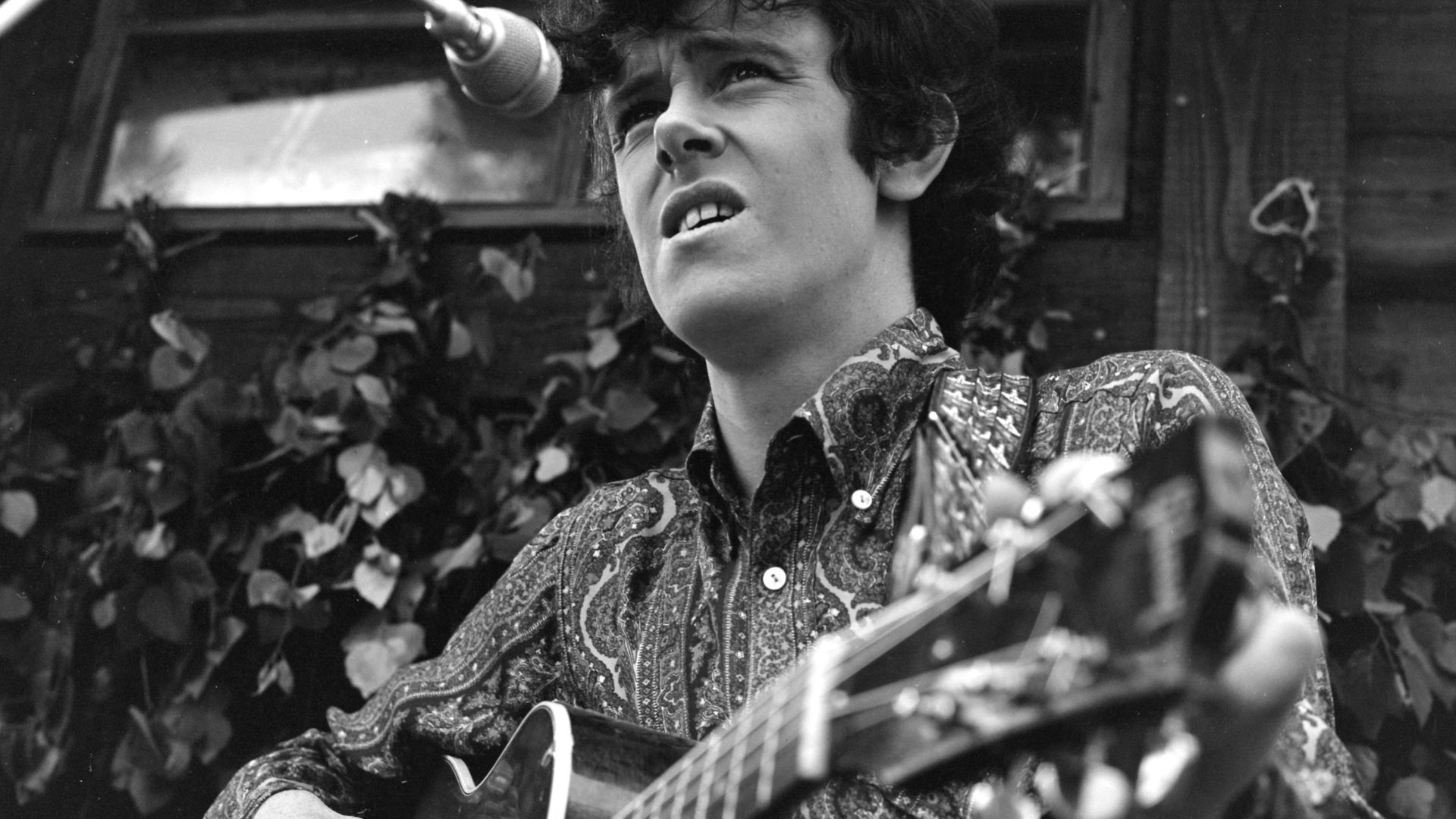 Antero Tenhunen / Yleisradio, Wikimedia Commons
The Beach Boys
The Beach Boys were announced as performers—but never showed. Internal turmoil, Brian Wilson’s declining mental health, and unstable management made the festival impossible. Their sunny California harmonies would’ve added a wild contrast to the muddy New York chaos.
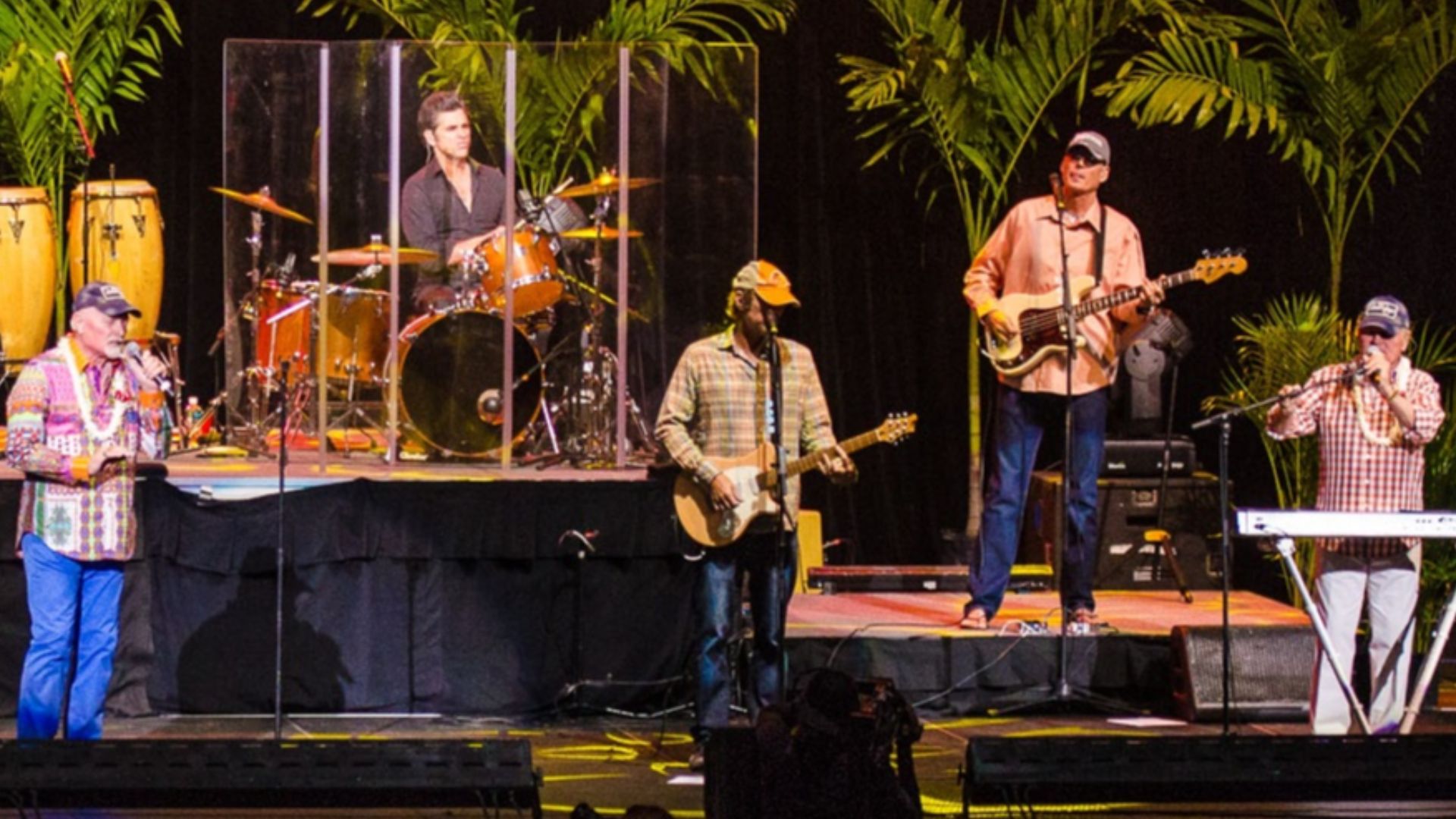 Peter Chiapperino: a concert photographer in Lexington, Kentucky, Wikimedia Commons
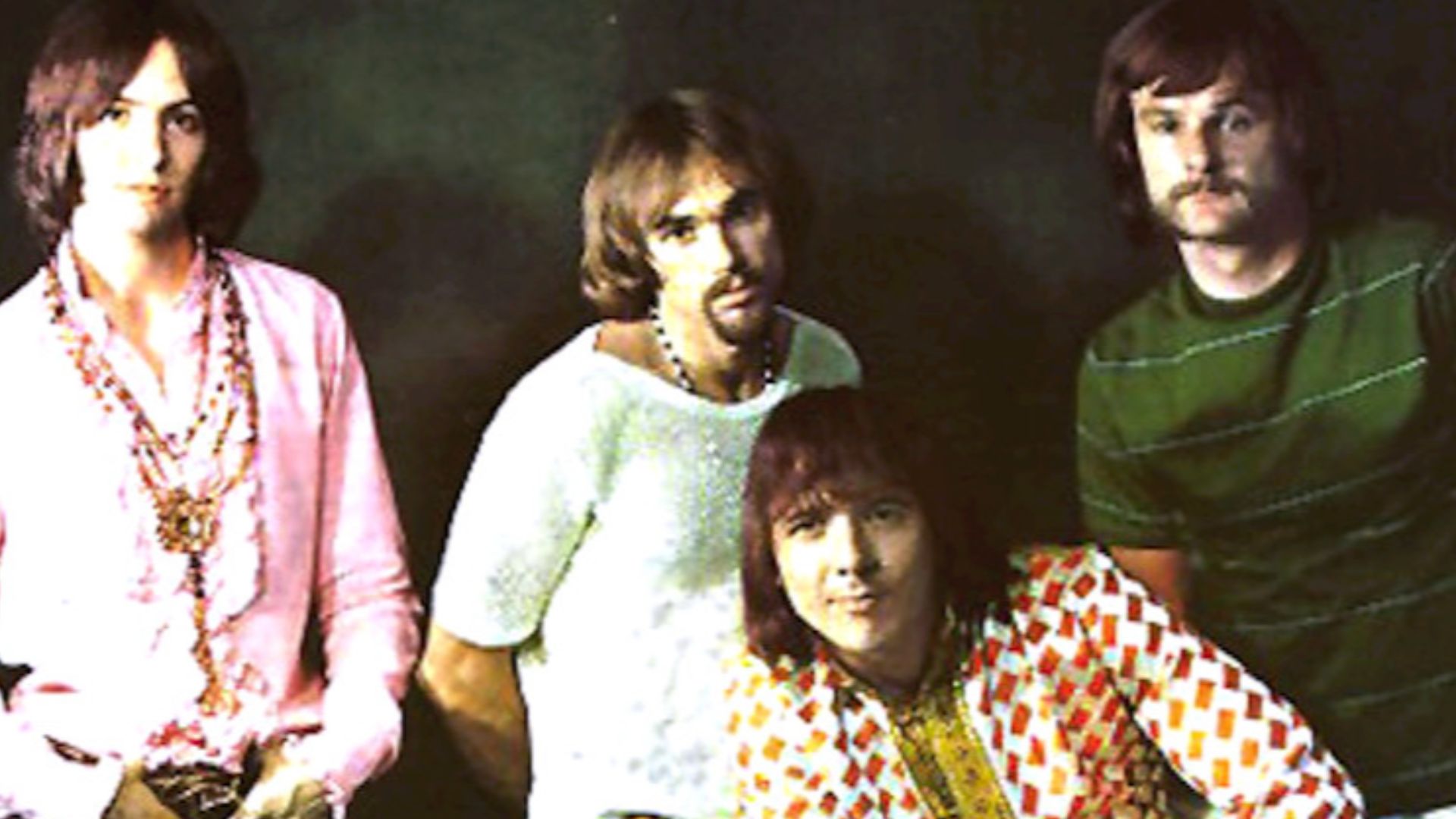
Iron Butterfly
They were in the air, flying toward Woodstock… until logistical disaster hit. Organizers refused to send transportation to pick them up after receiving a strange last-minute telegram from their manager. Result: Iron Butterfly simply never arrived.
 The Iron Butterfly, Wikimedia Commons
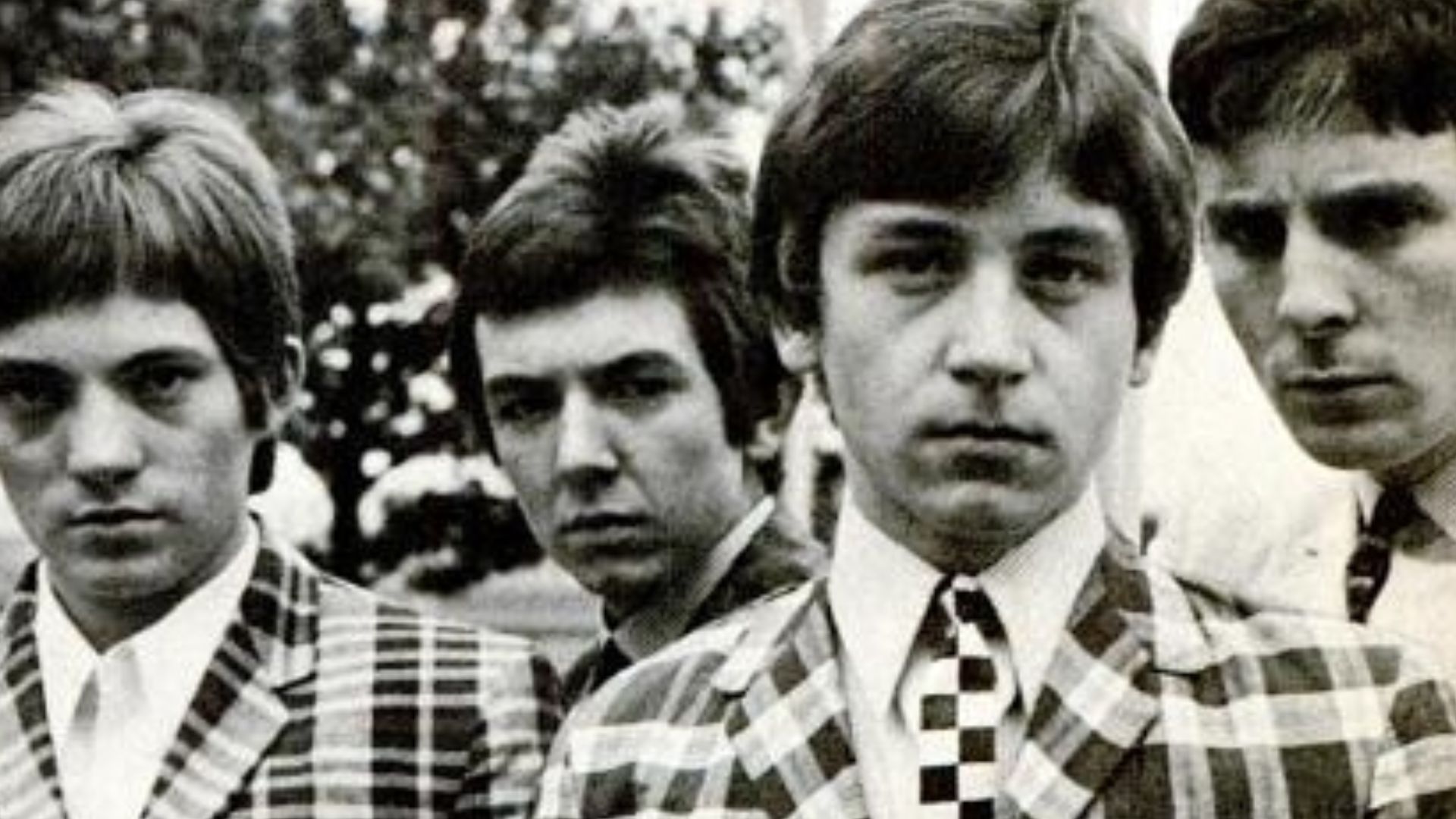
The Small Faces / Early Humble Pie
By 1969, Steve Marriott had left the Small Faces and was forming Humble Pie with Peter Frampton. Neither band was stable enough yet to take a festival slot. A rock evolution happening at the wrong moment.
 Press Records, Wikimedia Commons
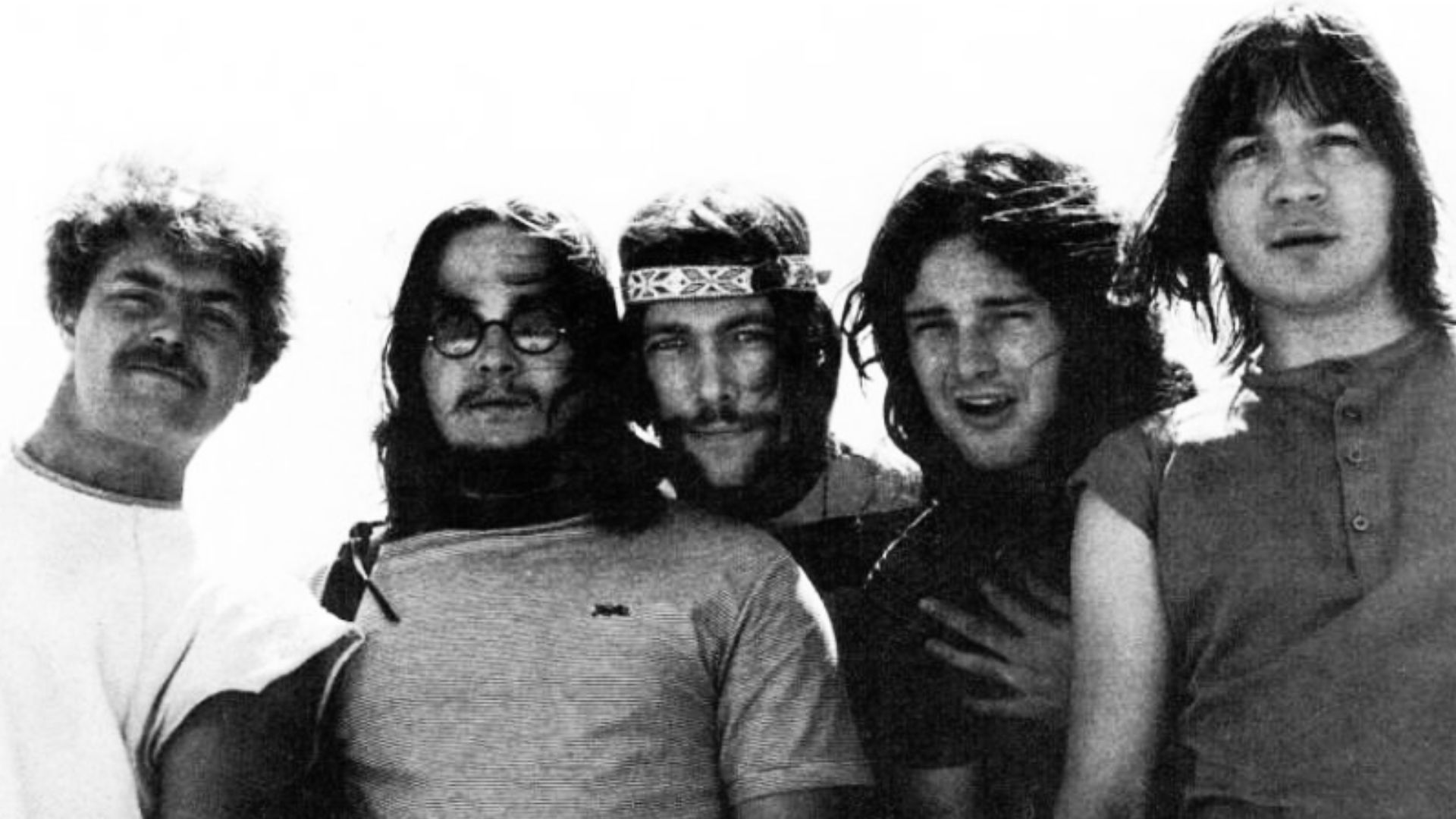
The Guess Who
They weren’t invited—simple as that. In 1969 they were rising fast but hadn’t fully broken through in the U.S. If Woodstock had been even a year later, they almost certainly would’ve been asked.
 RCA Records, Wikimedia Commons
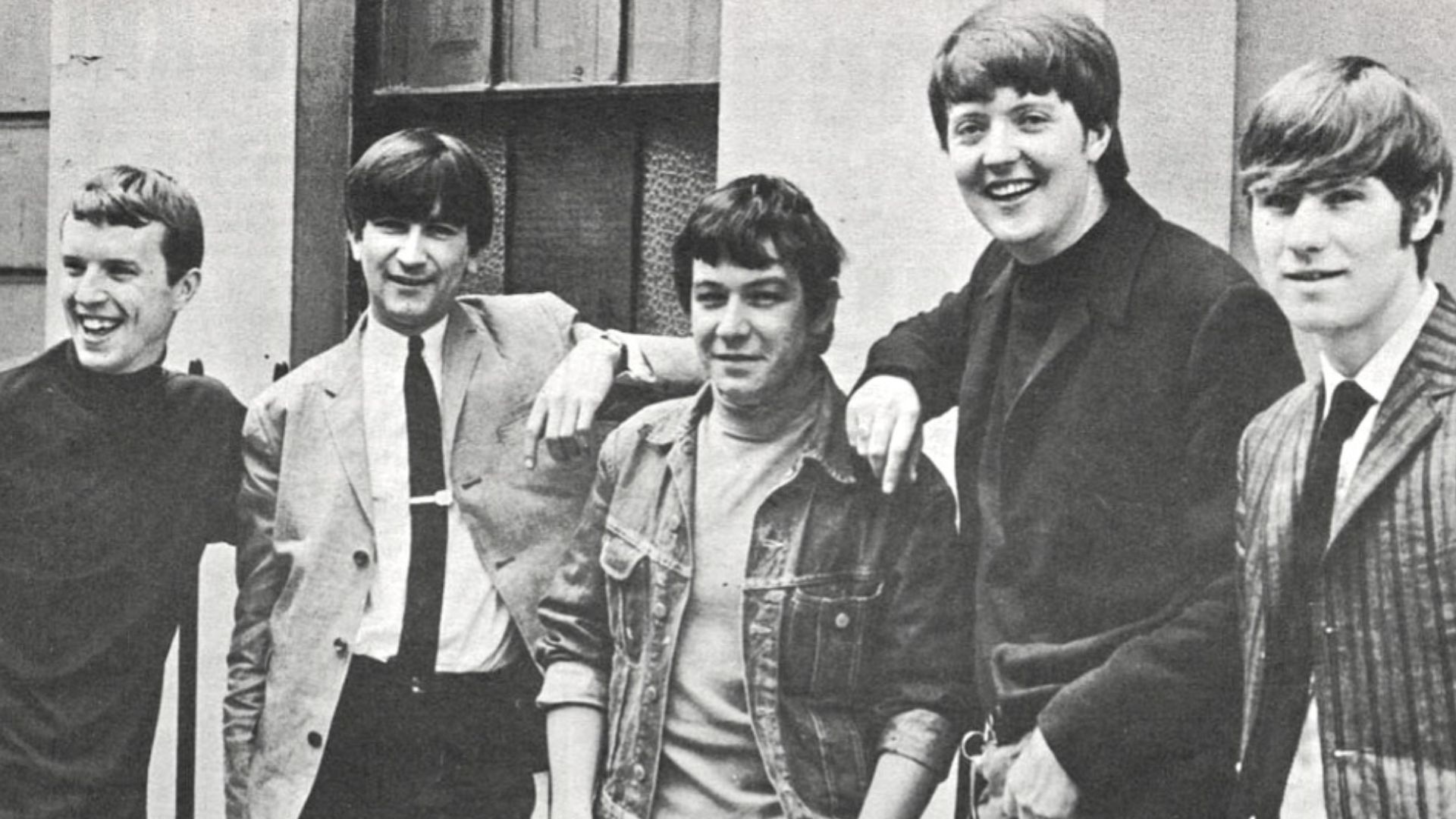
The Animals (Eric Burdon Era)
The original Animals had dissolved by 1968, and Burdon’s new lineups were in constant flux. Promoters didn’t extend an invitation.
Love (Arthur Lee)
One of the greatest psychedelic bands of the ’60s—but Arthur Lee’s instability made them a risky booking. Missed shows, unreliable rehearsals, and label issues kept Love from even being considered.
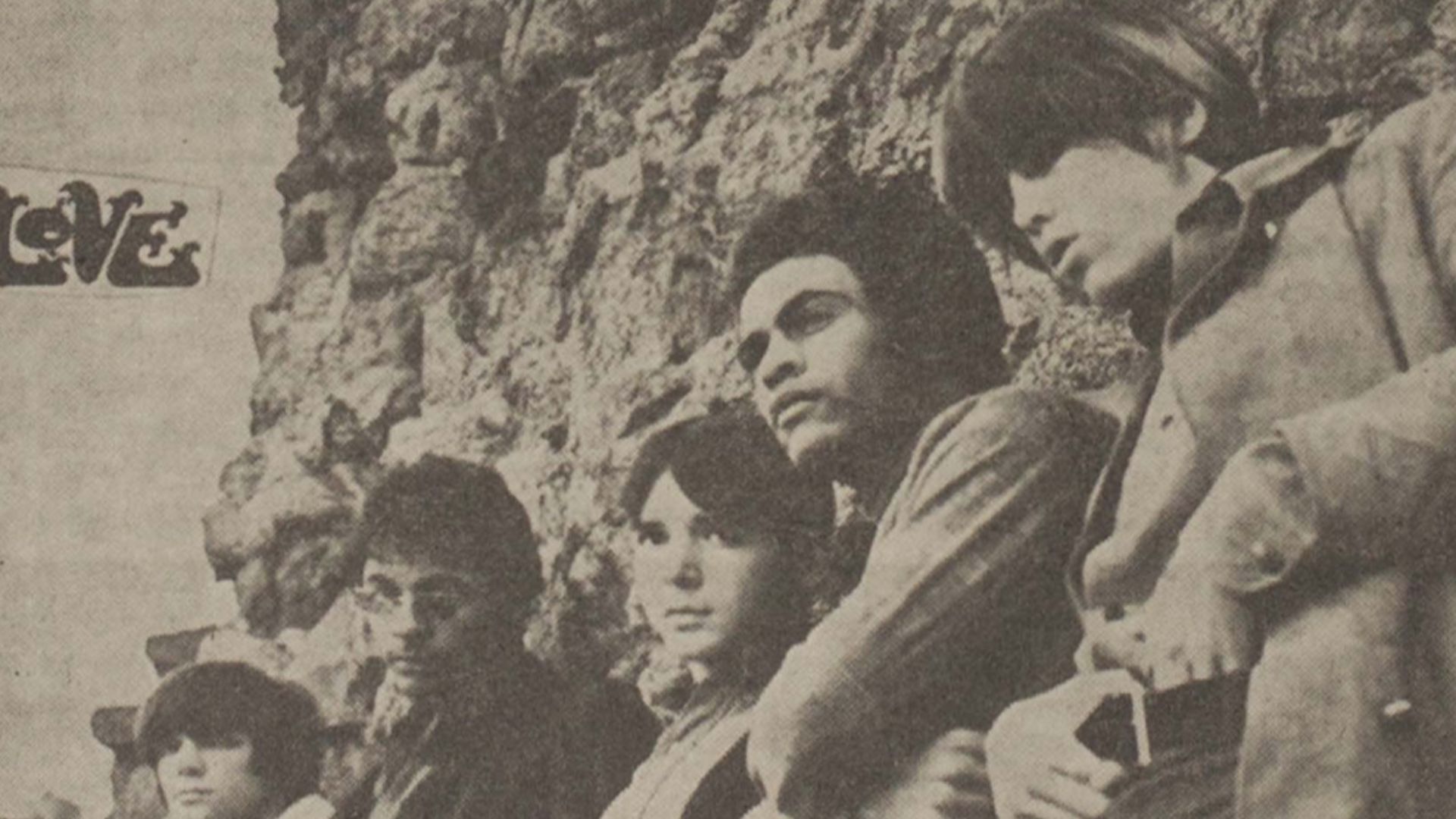 Associated Students of University of Montana (ASUM), Wikimedia Commons
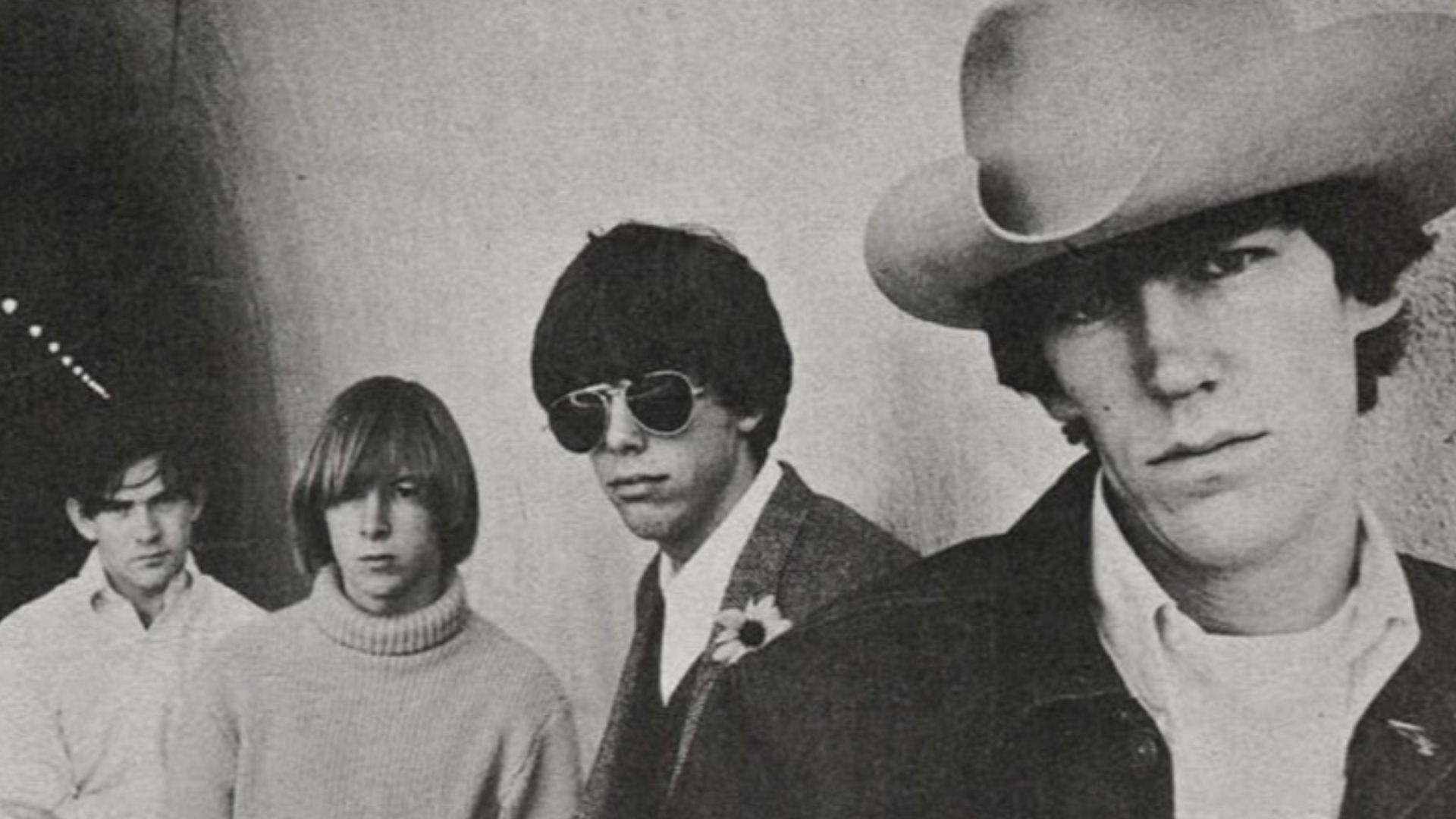
The Turtles
They were asked—and said no. Burned out on the festival circuit and skeptical of Woodstock’s organization, The Turtles passed.
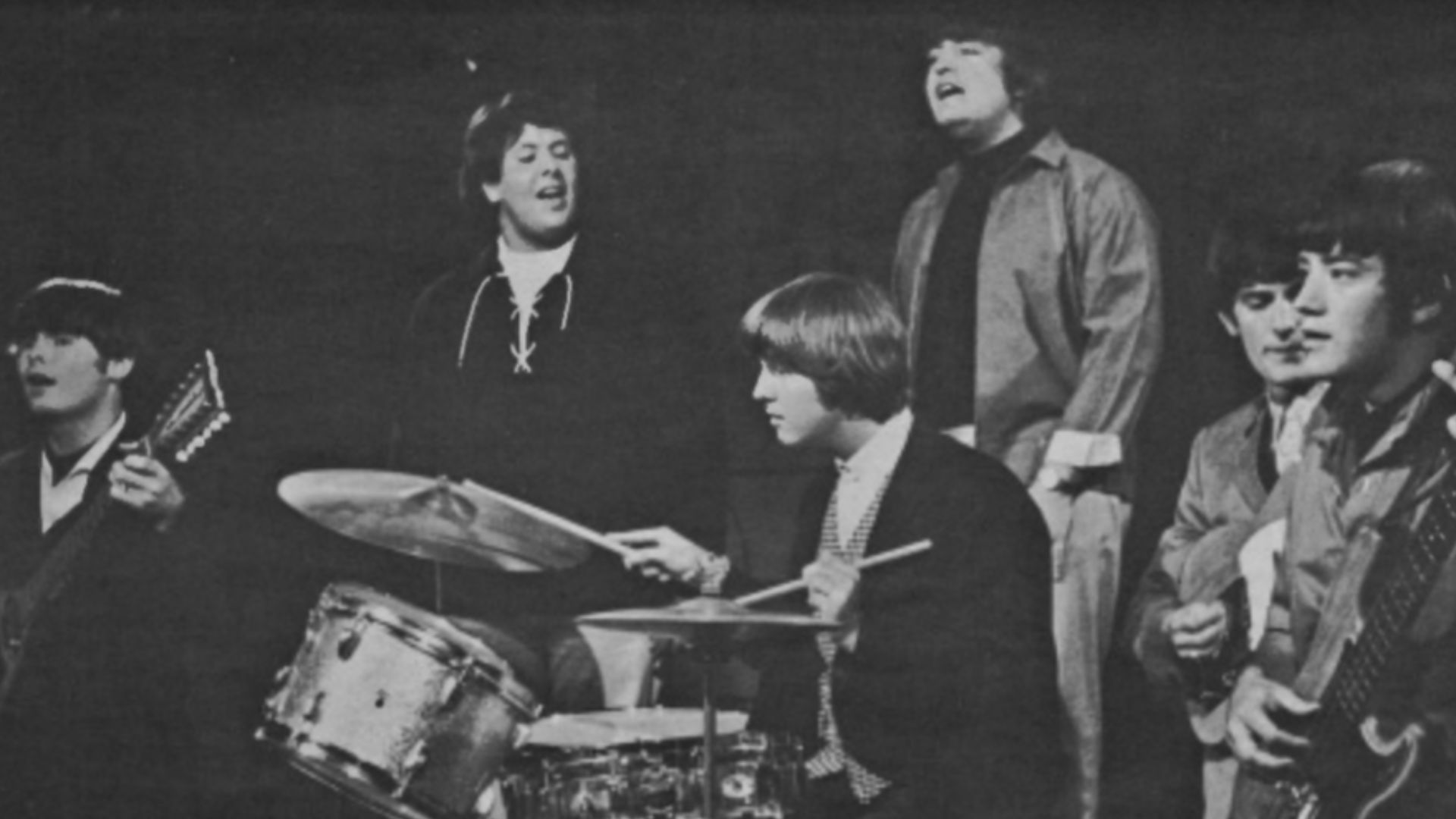
The Grass Roots
They were invited but declined because their management thought the festival wouldn’t be worth the trouble. Frontman Rob Grill later admitted they regretted the decision.
Jeff Beck Group (Rod Stewart & Ron Wood lineup)
The Jeff Beck Group was set to perform—but Jeff Beck dissolved the entire band just weeks before Woodstock. Promoters were stunned.
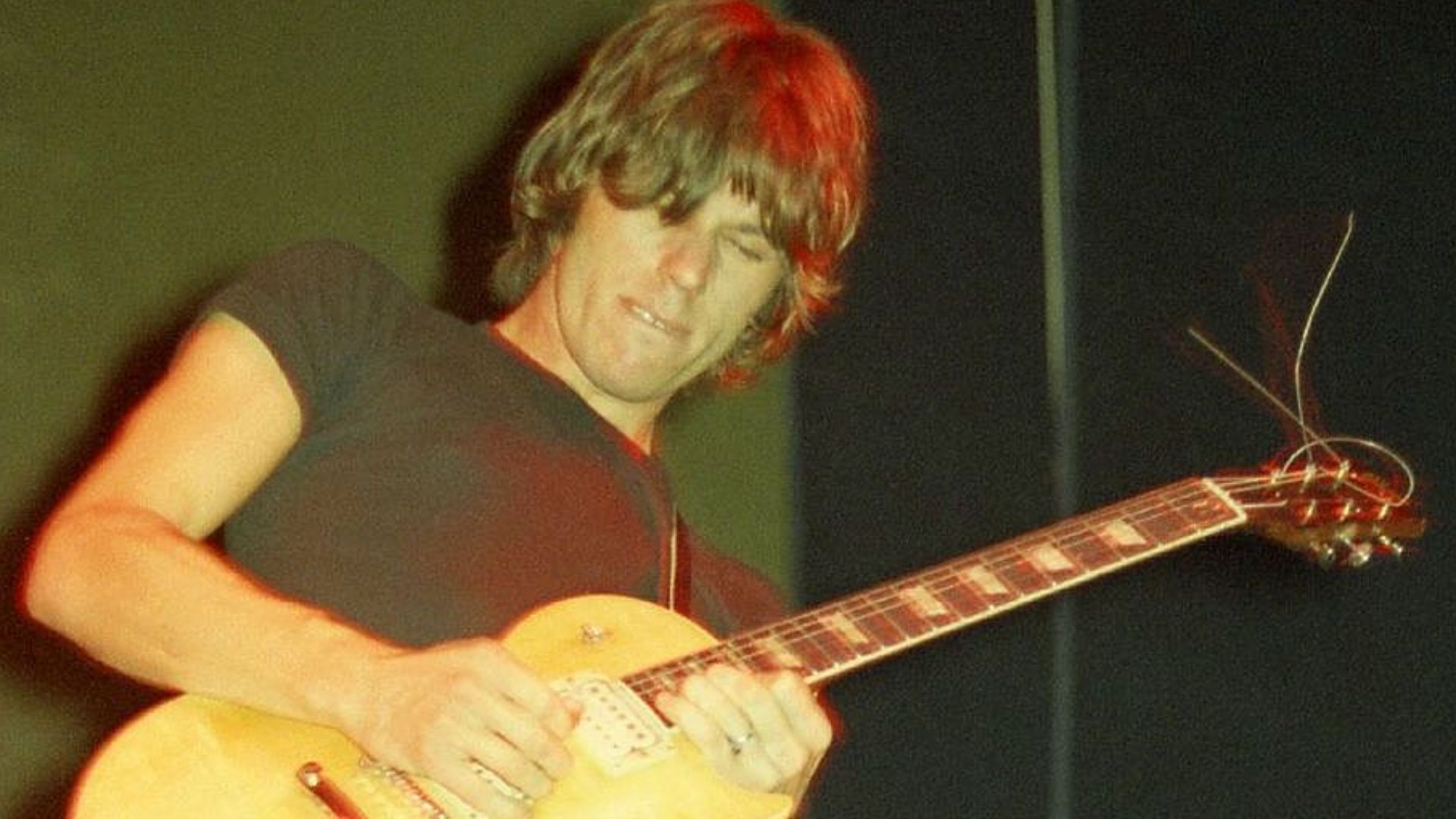 Grant Gouldon, Wikimedia Commons
You Might Also Like:
The Country Music Legend Of Toby Keith
Pink Floyd vs. Led Zeppelin: Who Is the Greatest Rock Band Ever?