Echoes And Exits
Rock stardom can vanish in the blink of an eye—or faster than a scratched record spinning off track. While some musicians spent decades soaking up the spotlight, others quietly slipped away from fame entirely. Their songs still echo through speakers and playlists, but the artists themselves became elusive figures, fading into the background of music history almost as suddenly as they arrived.
 Marianna Diamos, Los Angeles Times, Wikimedia Commons
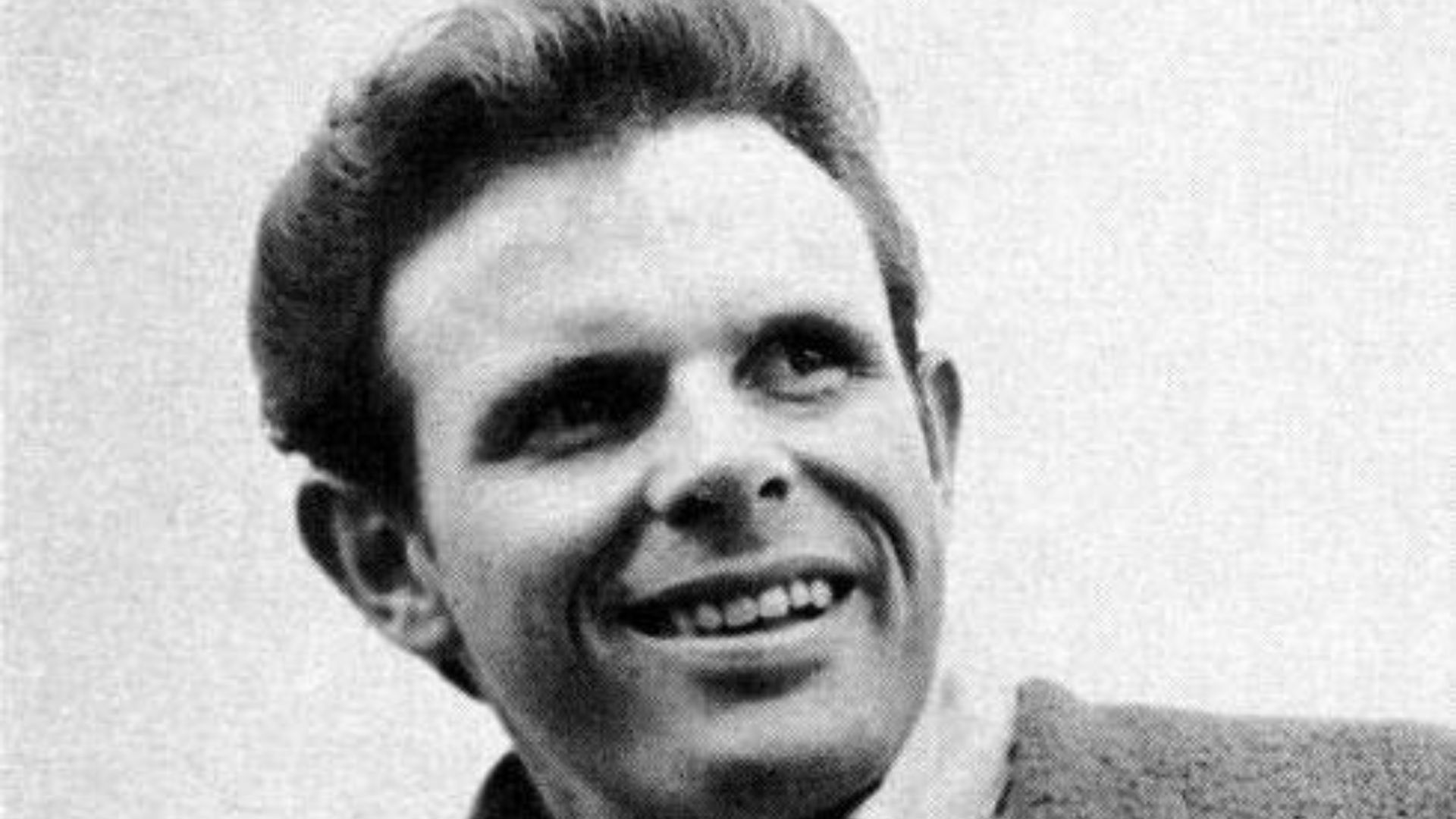
Del Shannon
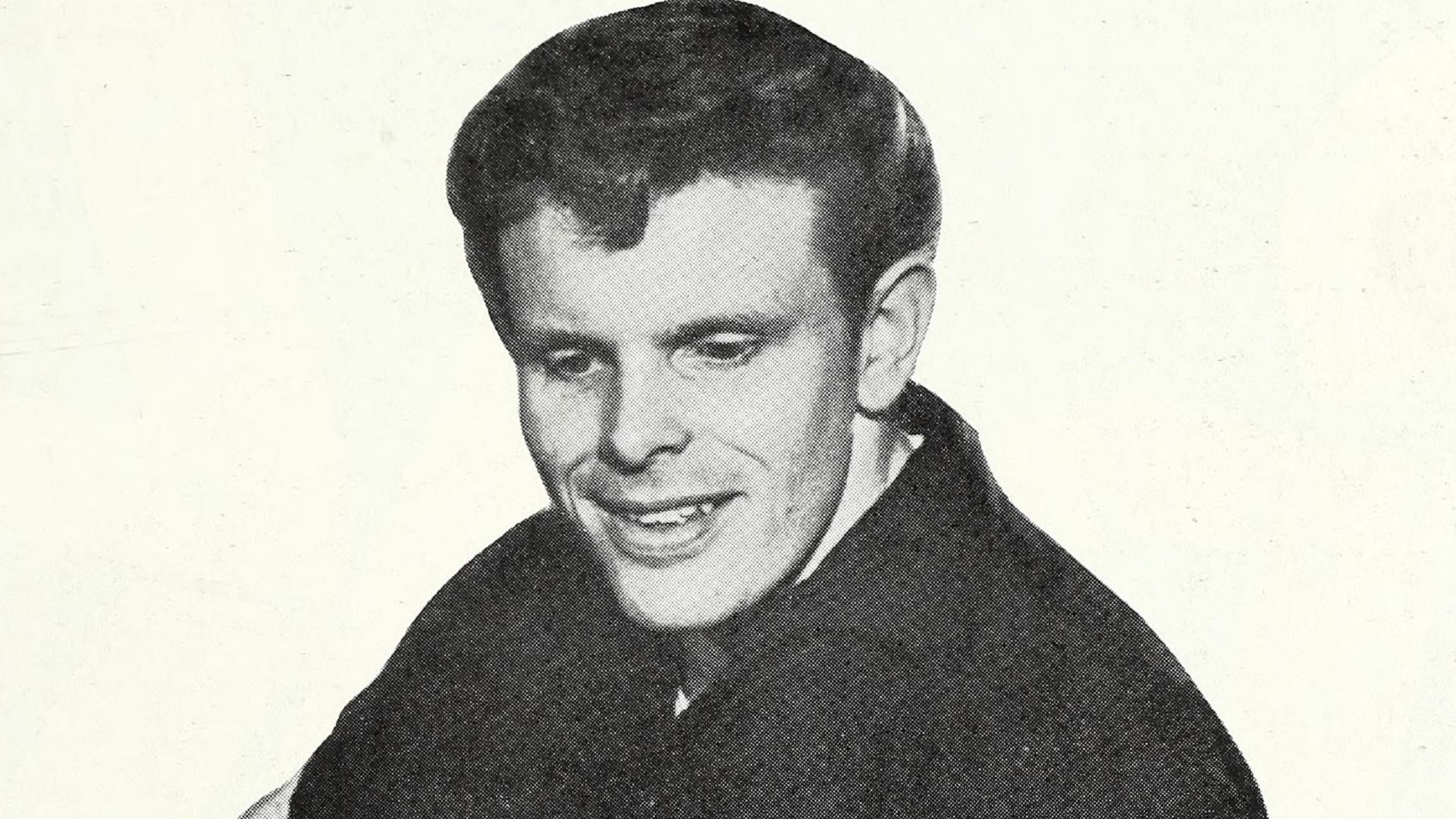
His unmistakable falsetto in “Runaway” shot Del Shannon to stardom in 1961, creating a sound that countless artists would try to replicate but never quite capture. Besides, the Michigan-born singer scored additional hits with “Hats Off to Larry” and “Little Town Flirt”.
Del Shannon (Cont.)
Despite recording covers of Beatles songs and working with producers like Andrew Loog Oldham, Shannon couldn't reclaim his early magic. He continued performing and made a comeback in the 1980s, working with Tom Petty. However, he slid into obscurity as newer sounds dominated the airwaves.
 Amy Records, Wikimedia Commons
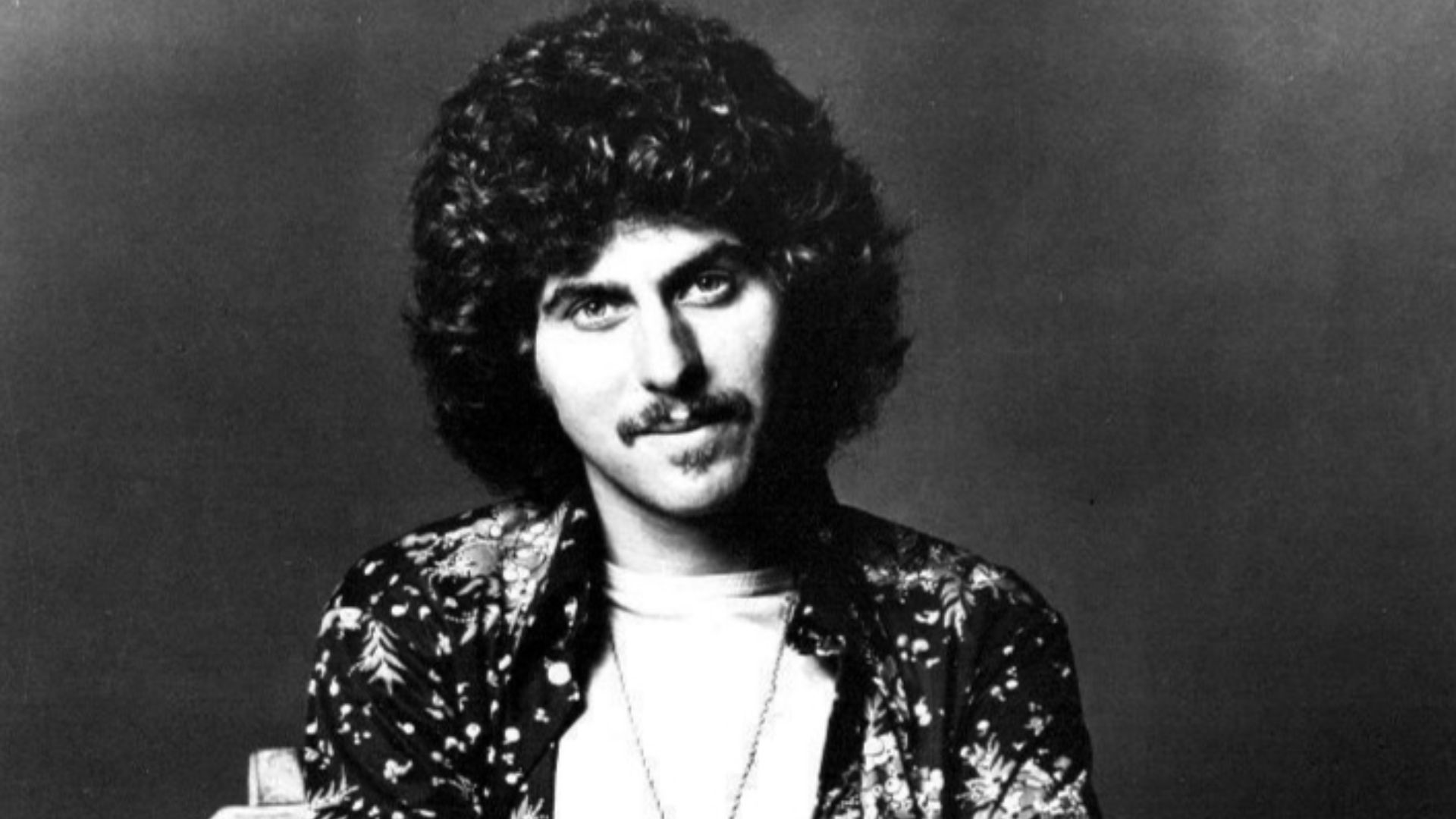
Johnny Rivers
Crowds packed the Whisky a Go Go on Sunset Strip to witness Johnny Rivers' electrifying performances throughout the mid-1960s. His dynamic live albums showcased his ability to effortlessly shift between rock, pop, and blues. Some of his best tracks were "Secret Agent Man" and “Poor Side of Town”.
 United Artists Records, Wikimedia Commons
Johnny Rivers (Cont.)
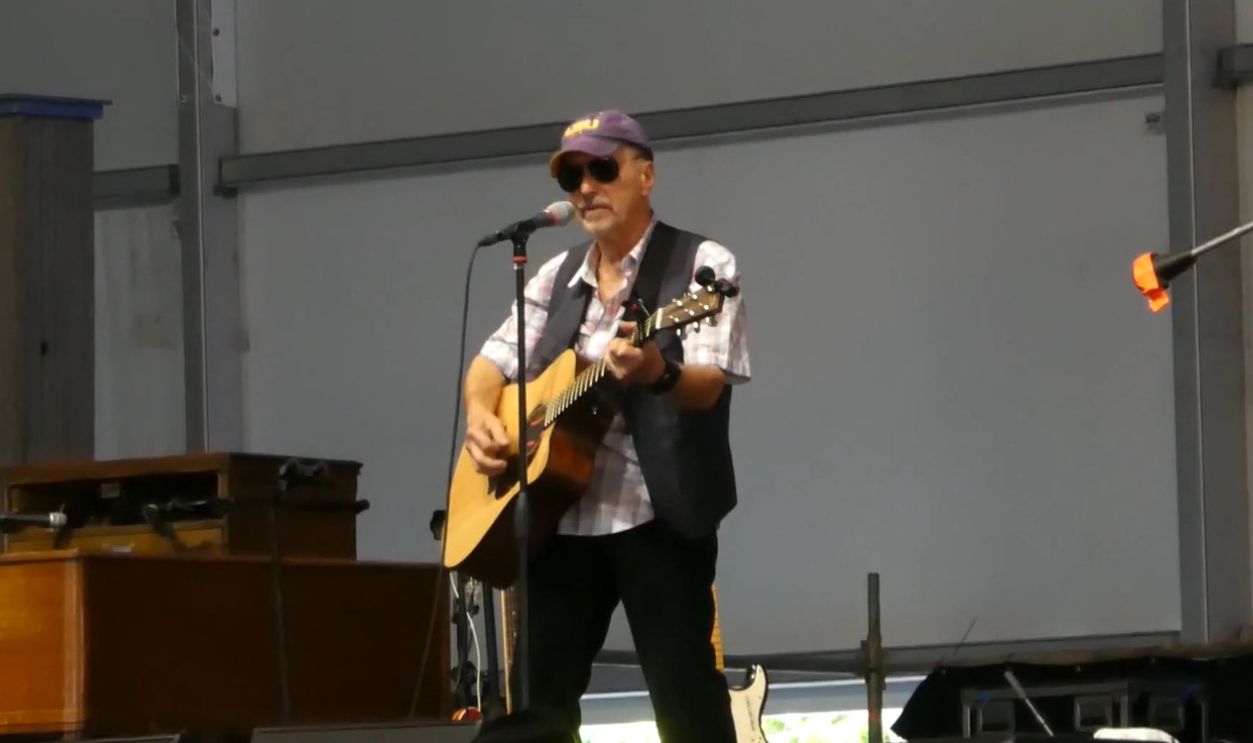
Rivers' disappearance from the spotlight coincided with psychedelia's ascent in the late 1960s. After a career spanning over six decades, the singer announced his farewell tour in 2019 and performed his last live concert in July 2023 near Los Angeles.
 Johnny Rivers singing House of Rising Sun at 50th NO Jazz Fest by Les Berenson MD
Barry McGuire
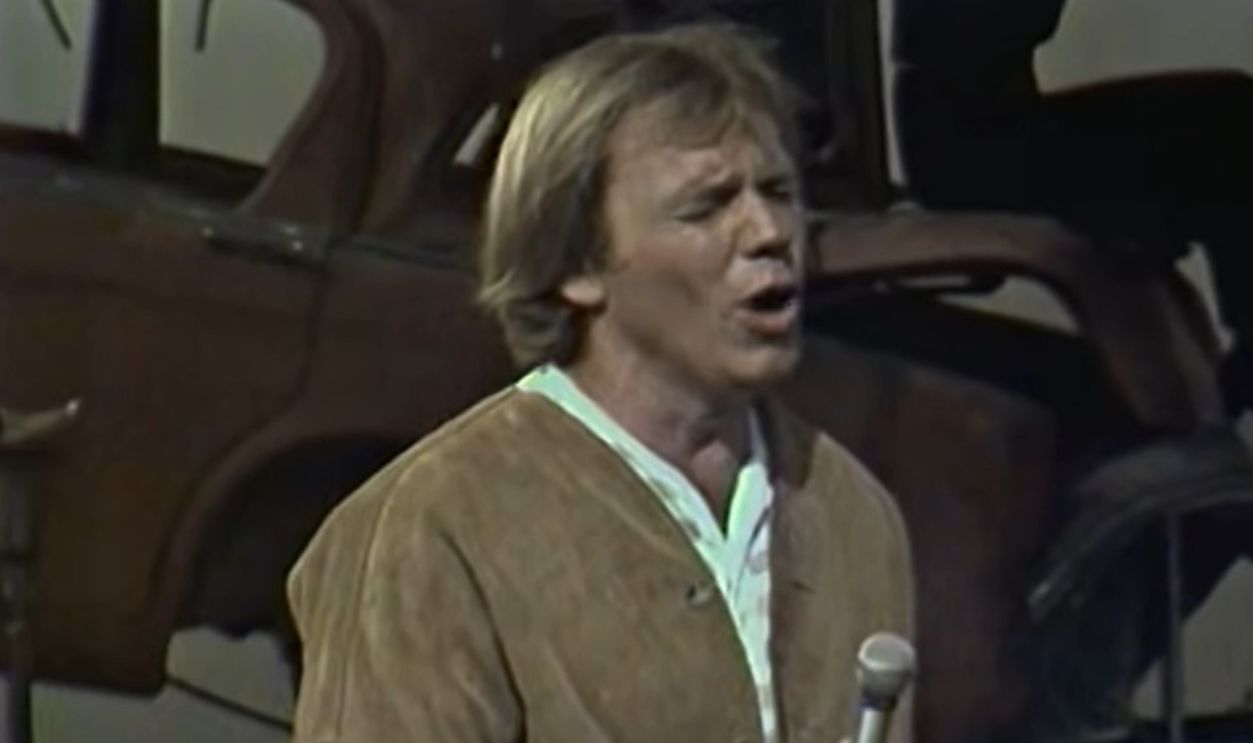
"Eve of Destruction" erupted like a sonic bomb in 1965, with Barry McGuire's raspy, urgent vocals delivering one of the decade's most potent protest songs. The politically charged anthem reached #1 on the charts, demonstrating America's growing unease about war, civil rights, and nuclear threats.
 Barry McGuire - Eve Of Destruction (1965) by Warmer Music Videos
Barry McGuire (Cont.)
Many don't realize how quickly McGuire vanished from mainstream music following his momentous hit. After choosing Christianity in 1971, he shifted to recording religious music but never succeeded significantly in the Christian market. Reportedly, he was a member of The New Christy Minstrels before his solo career.
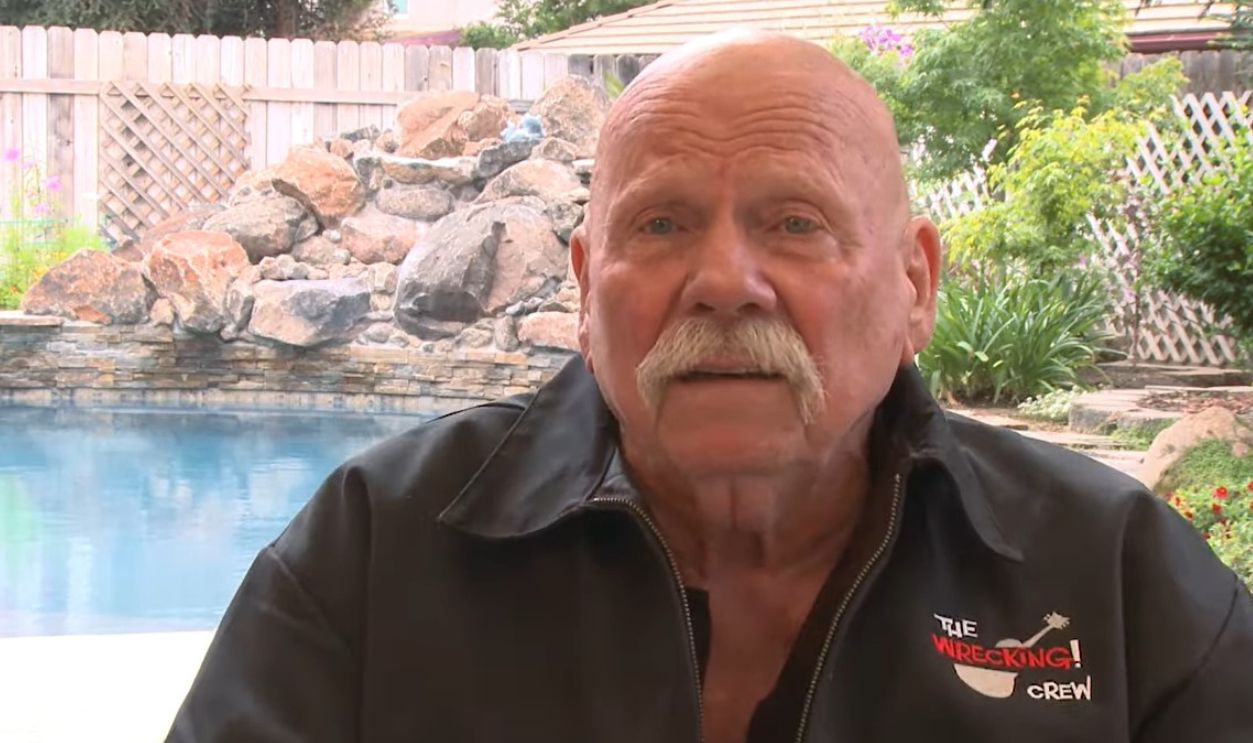 Eve of Destruction with Barry McGuire | Wrecking Crew Documentary Outtake by Wrecking Crew
Syd Barrett
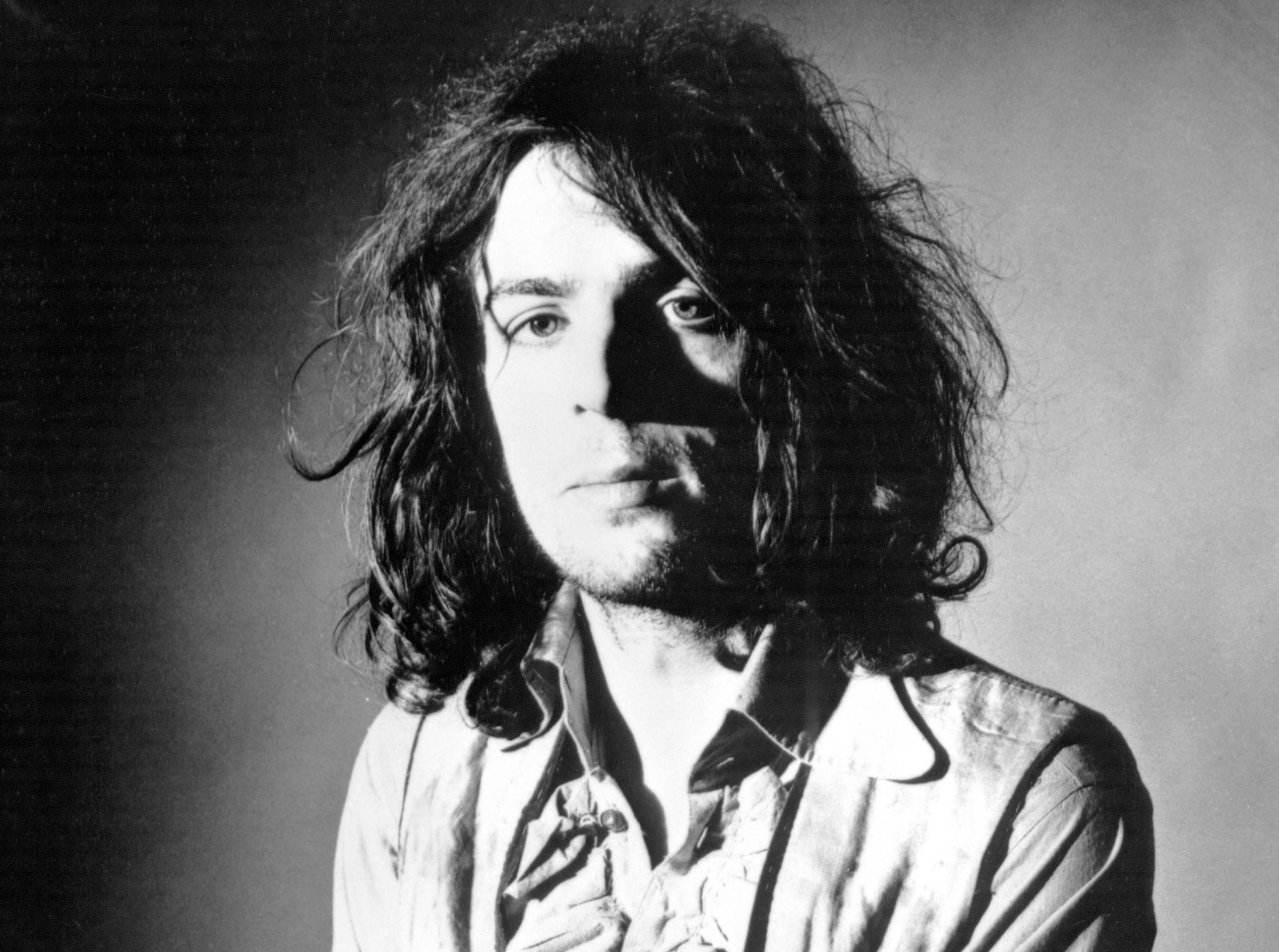
Syd Barrett, born Roger Keith Barrett in January 1946 in Cambridge, England, was the visionary co-founder and original frontman of Pink Floyd. With his psychedelic songwriting and eccentric creativity, Barrett helped shape the band’s early sound and the entire psychedelic rock movement of the 1960s. But behind the music, his bandmates watched with growing concern as his mental health rapidly declined, a heartbreaking spiral made even worse by heavy drug use.
Syd Barrett (Cont.)
During recording sessions, Barrett would sometimes strum a single chord for hours or stand motionless on stage. He was pushed out of the group in 1968, briefly resurfacing with two haunting solo albums before withdrawing completely to his mother's home in Cambridge.
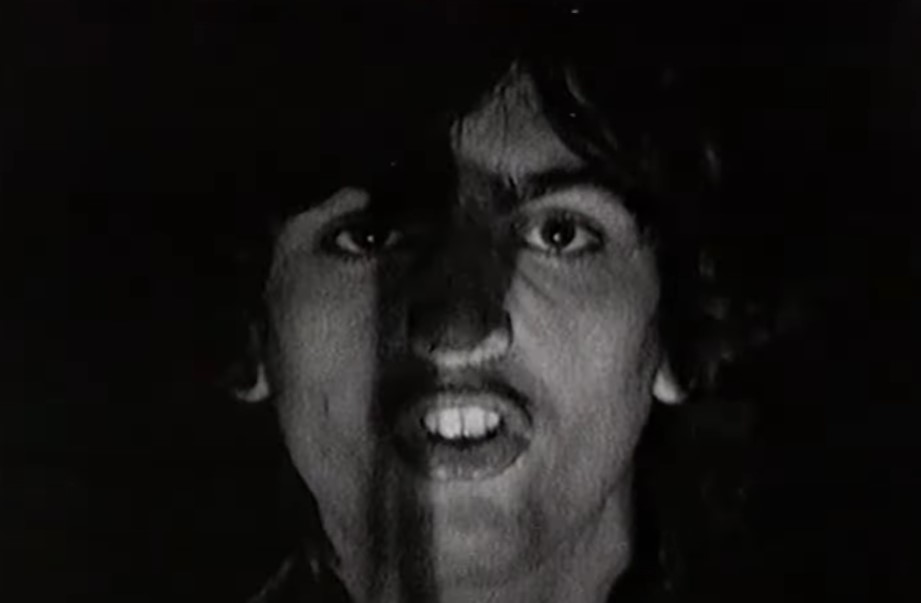 BBC, Pink Floyd: The Story (1994)
Brian Wilson
The ambitious soundscapes of "Good Vibrations" and "God Only Knows" revealed Brian Wilson's extraordinary musical vision transcending traditional pop boundaries. Operating as both composer and producer, Wilson turned The Beach Boys from a surf-rock group into creators of intricate, multilayered studio masterpieces.
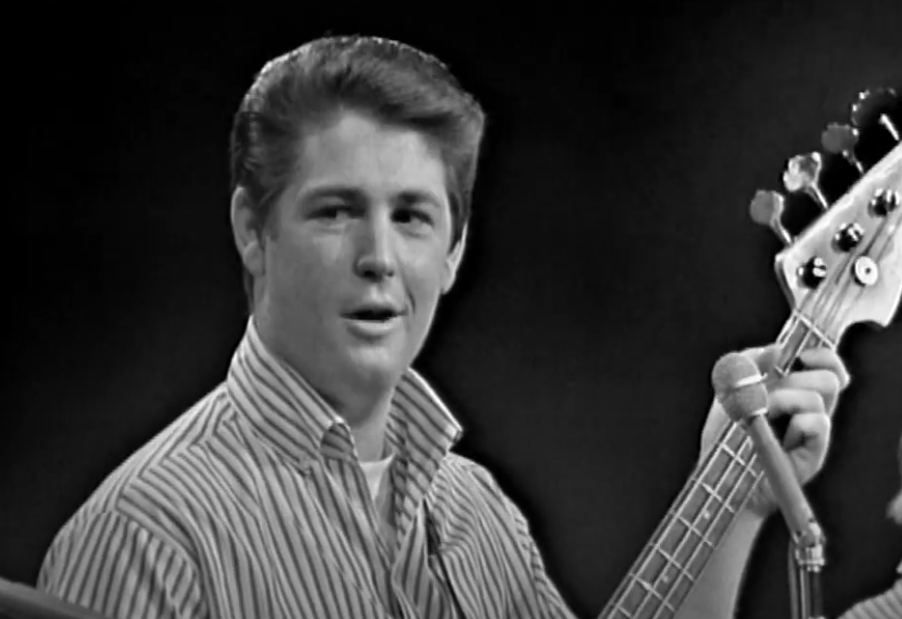 Ley Line Entertainment, Brian Wilson: Long Promised Road (2021)
Brian Wilson (Cont.)
Wilson's mental health crisis during the making of the Smile album in 1966-67 marked the beginning of his retreat from public life. Overwhelmed by auditory hallucinations, paranoia, and the pressure to surpass "Pet Sounds," he abandoned the nearly-completed project.
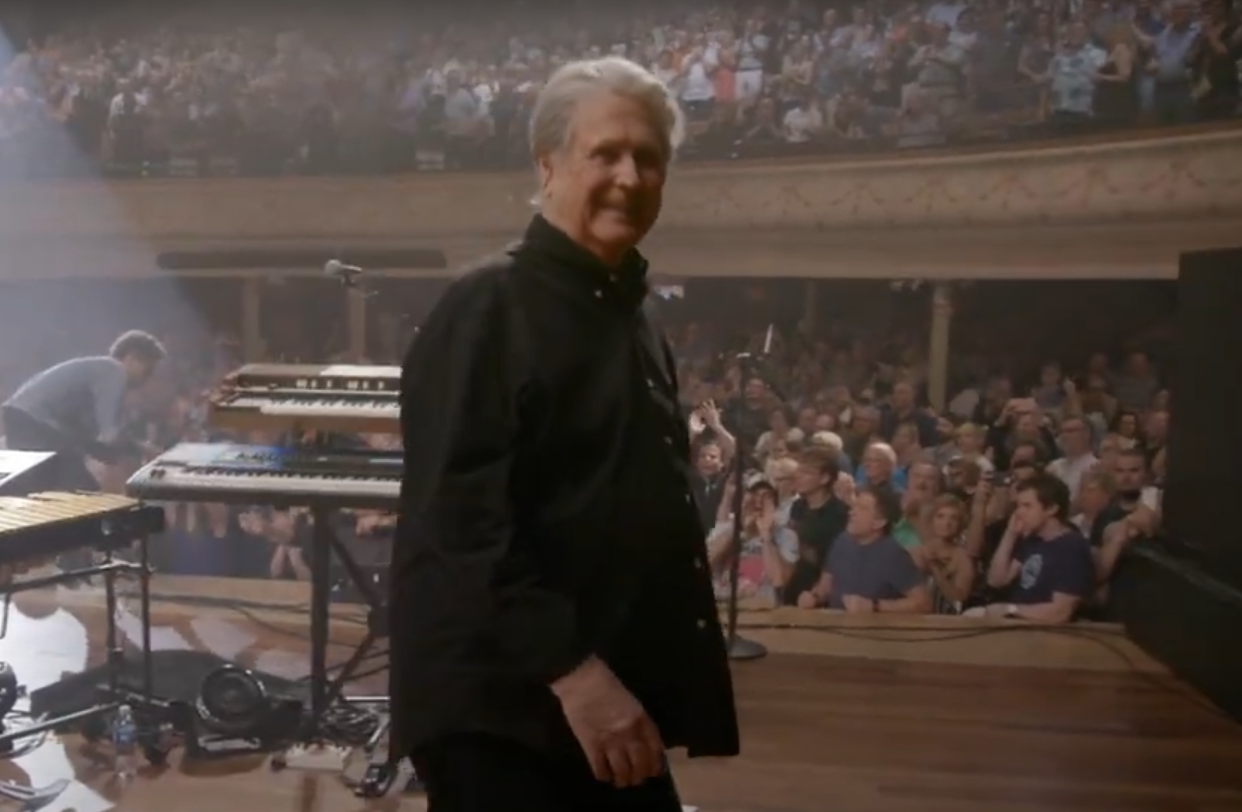 Ley Line Entertainment, Brian Wilson: Long Promised Road (2021)
Grace Slick
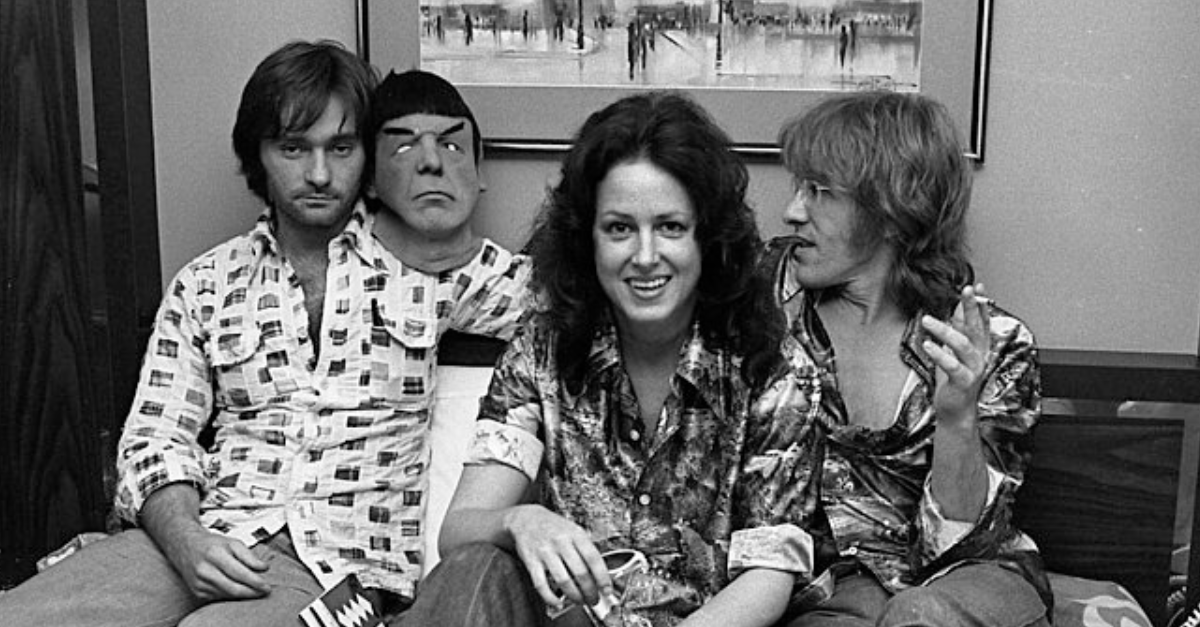
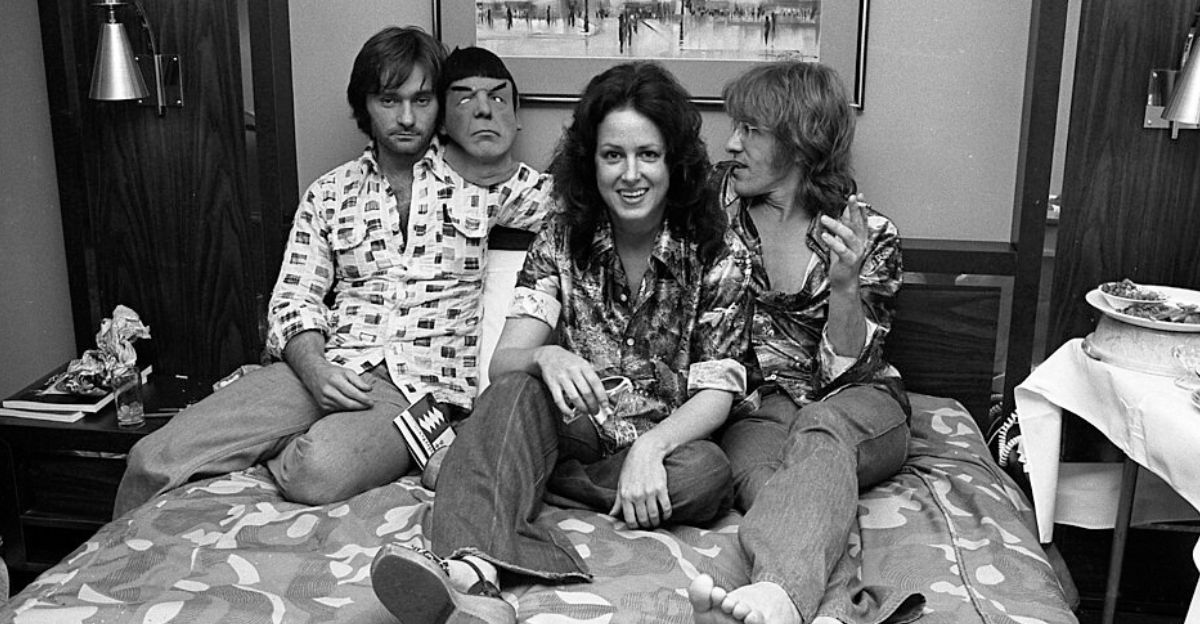
Unlike many female singers, Slick projected strength, intelligence, and unapologetic rebelliousness, becoming an icon of the 1960s San Francisco sound. The counterculture found its voice in her, whose powerful vocals on "Somebody to Love" and "White Rabbit" made Jefferson Airplane a defining band of the psychedelic era.
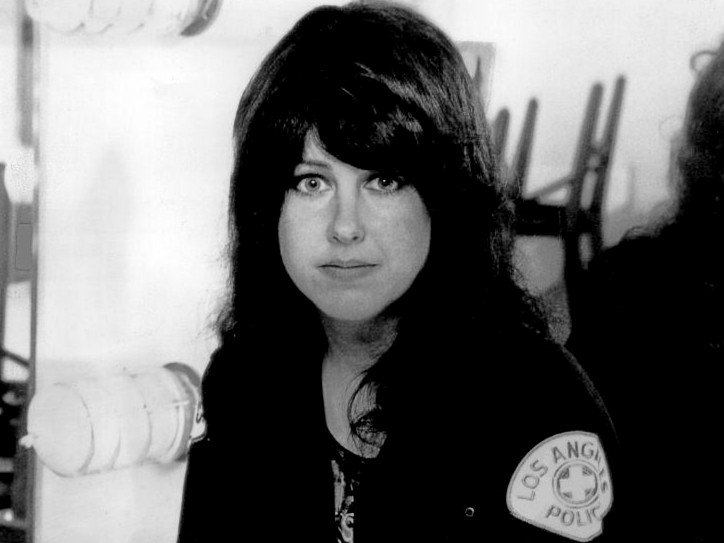 C.J. Strauss & Co., Wikimedia Commons
Grace Slick (Cont.)
Surprising even her most devoted fans, Slick made a decisive exit from music after Jefferson Airplane's 1989 reunion tour. At 50, she declared that "old rockers look stupid on stage" and reinvented herself as a visual artist, making paintings that featured Alice in Wonderland themes.
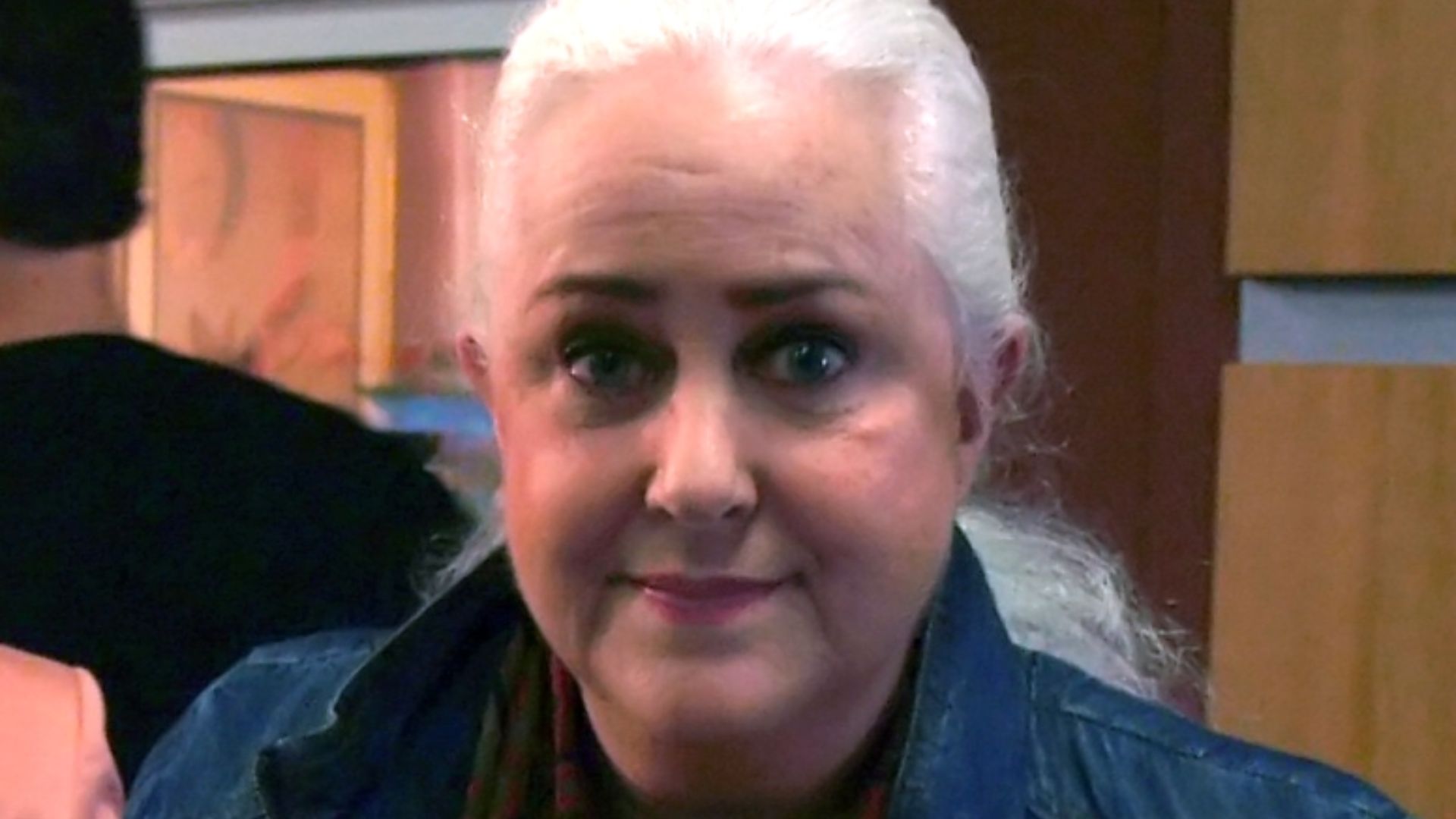 Phil Konstantin, Wikimedia Commons
The Association
"Cherish" and "Windy" floated across radio waves in the mid-1960s. The Association's sophisticated seven-part vocal harmonies helped define baroque pop. Their clean-cut image belied their musical complexity, with arrangements that incorporated classical influences alongside pop sensibilities.
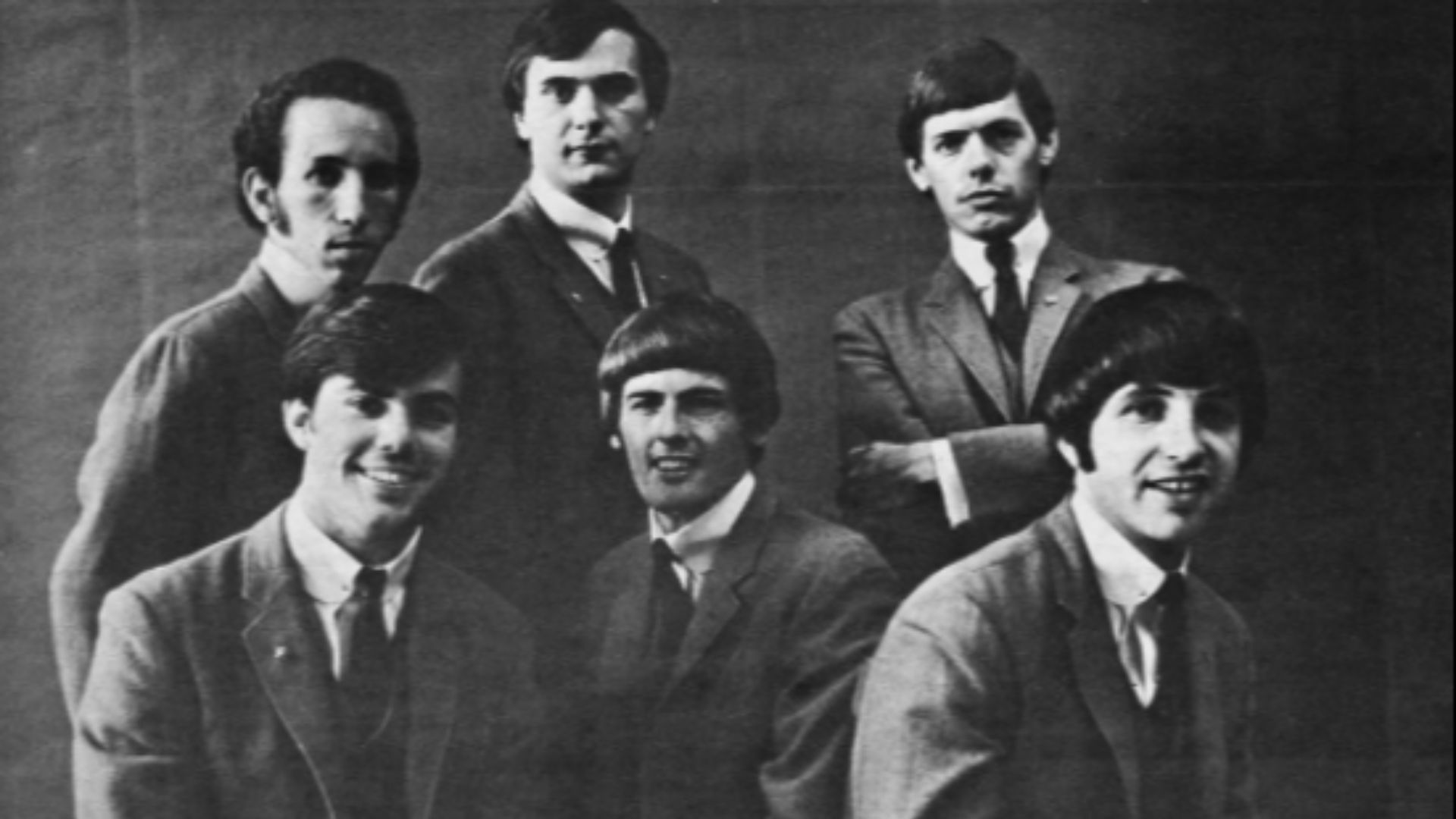
The Association (Cont.)
The Association had the honor of opening the iconic Monterey Pop Festival in 1967, but the same event also marked the beginning of their decline in the rock world. As the weekend unfolded, audiences were blown away by the explosive performances of Jimi Hendrix and The Who, making The Association’s softer, polished sound suddenly feel old-fashioned by comparison. Almost overnight, the band that once fit perfectly into the pop landscape found itself overshadowed by rock’s louder, wilder new direction.
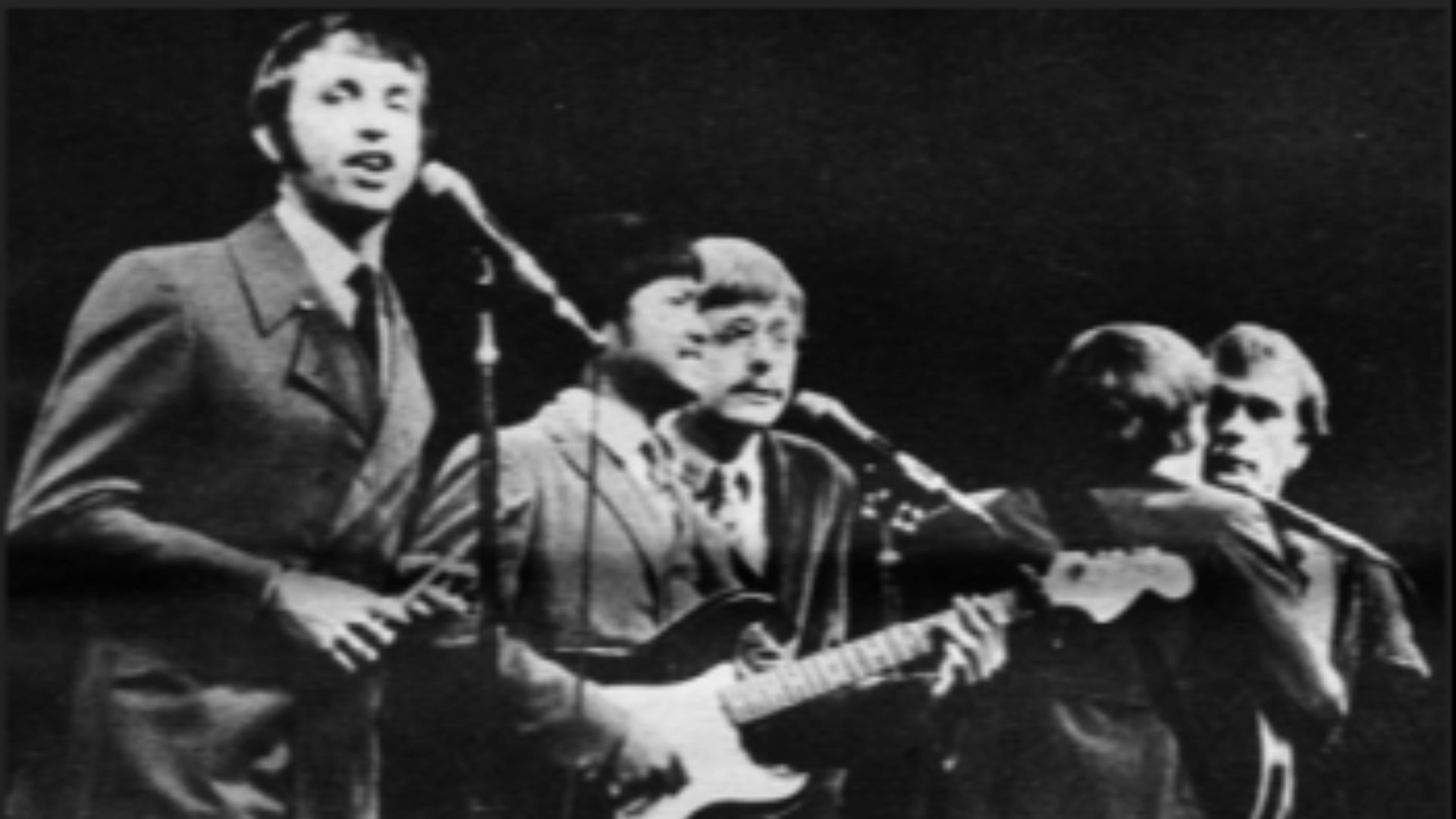
Paul Revere & The Raiders
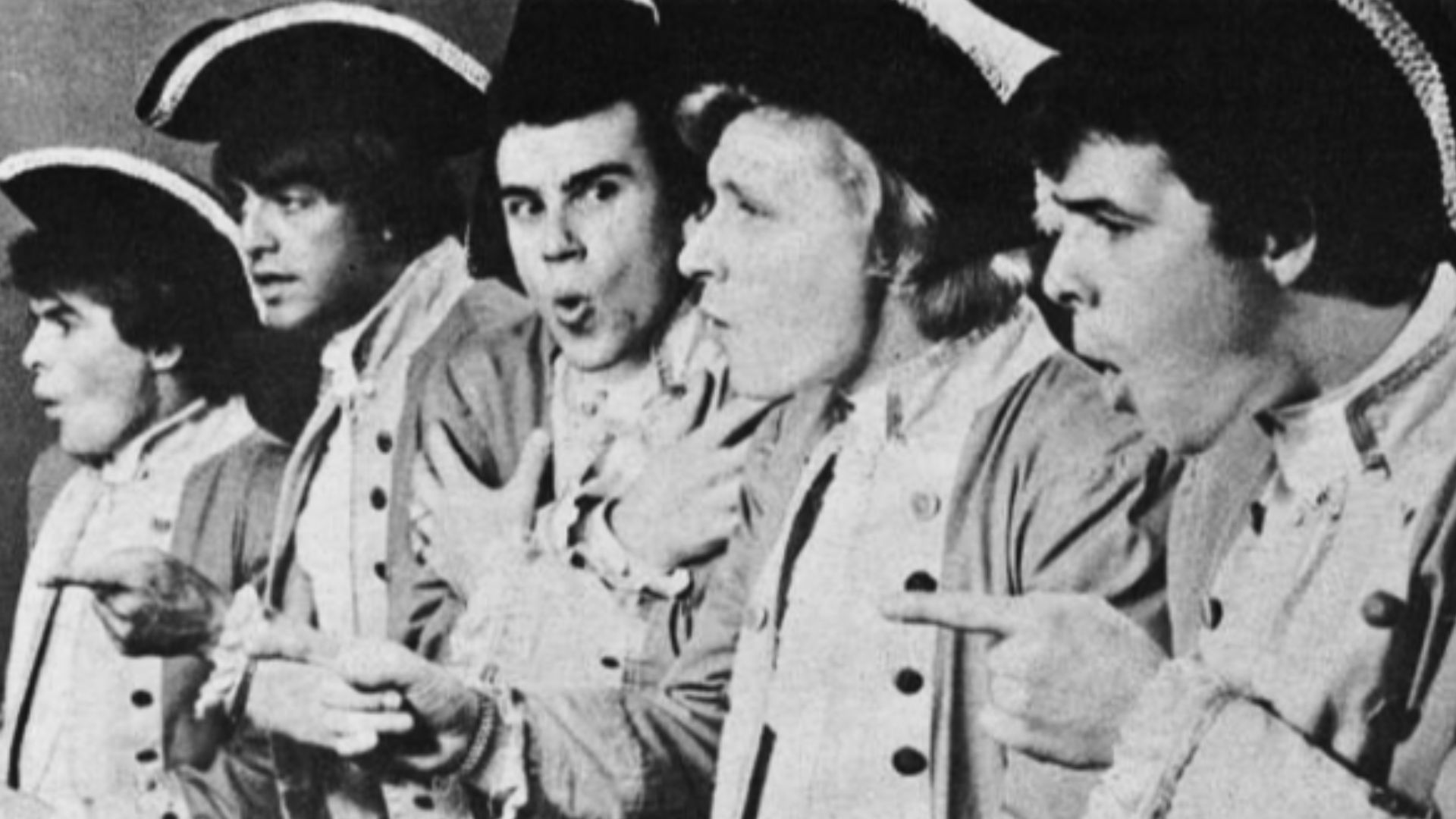
Dressed in Revolutionary War costumes complete with tricorn hats, Paul Revere & The Raiders brought theatrical flair to garage rock with tracks like “Kicks” and “Just Like Me”. Television exposure on Dick Clark's "Where the Action Is" made them household names.
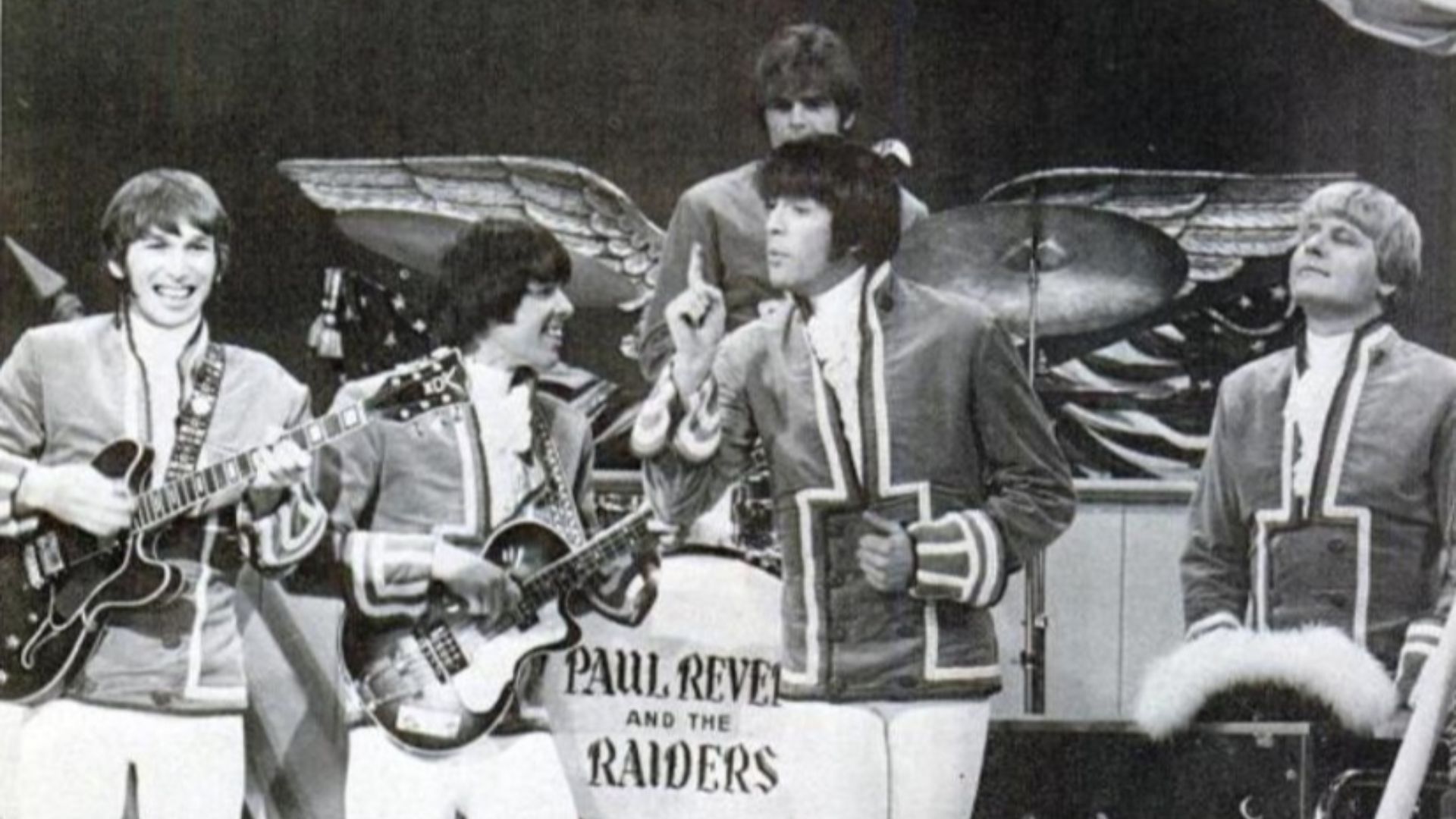 Billboard Magazine, Wikimedia Commons
Paul Revere & The Raiders (Cont.)
Also, "Kicks" ironically became an anthem during the early psychedelic era. In 1975, Paul Revere & The Raiders were dropped by Columbia Records, which really impacted their ability to produce new music and maintain visibility in the industry. Over the years, the ensemble also underwent many lineup changes.
Skip Spence
Jefferson Airplane's original drummer, Skip Spence, who switched to guitar and helped form Moby Grape, possessed a raw energy that produced the haunting “Omaha”. It is said that a schizophrenic episode in 1968 led Spence to attack bandmate Don Stevenson with a fire axe.
 Genius or Madman? the Unexpected Brilliance of Skip Spence by Top 5 Records
Skip Spence (Cont.)
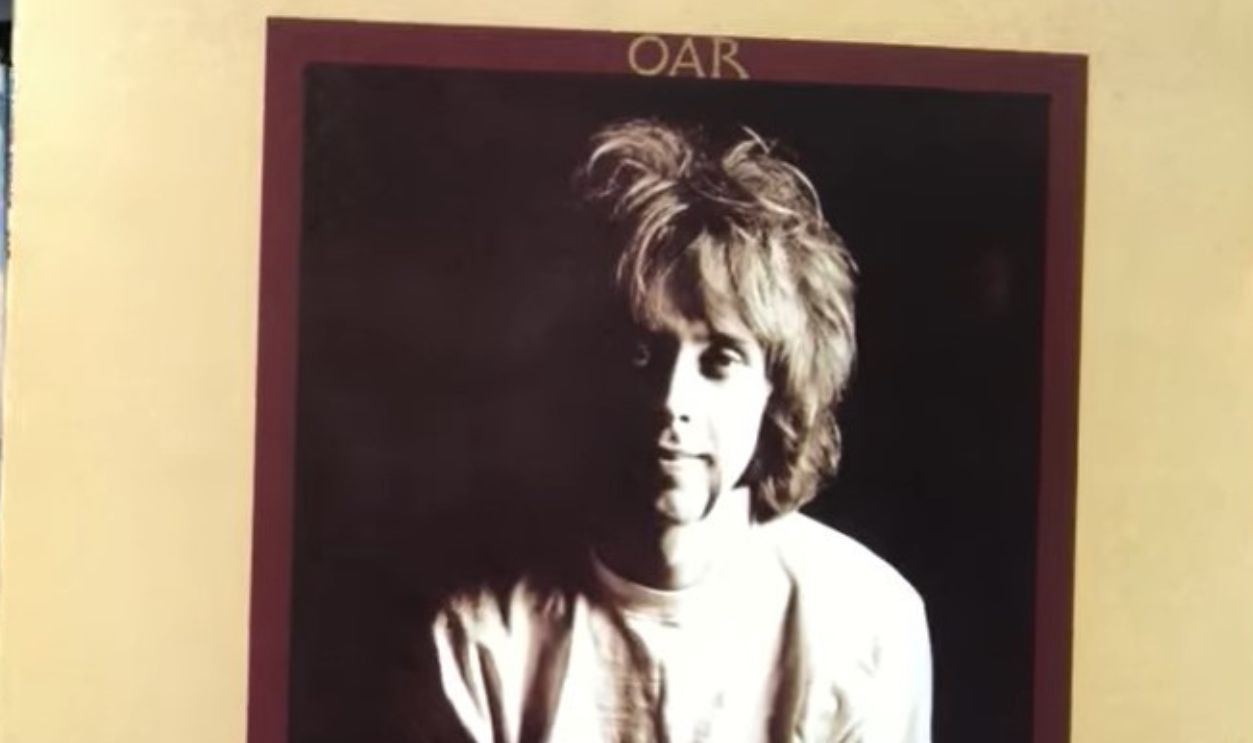
This resulted in his institutionalization at Bellevue Hospital. Upon release, the artist recorded "Oar," a spectral, fragmented album now considered a lo-fi masterpiece. Spence then effectively went away from music and was occasionally seen homeless in Santa Cruz until he died in 1999.
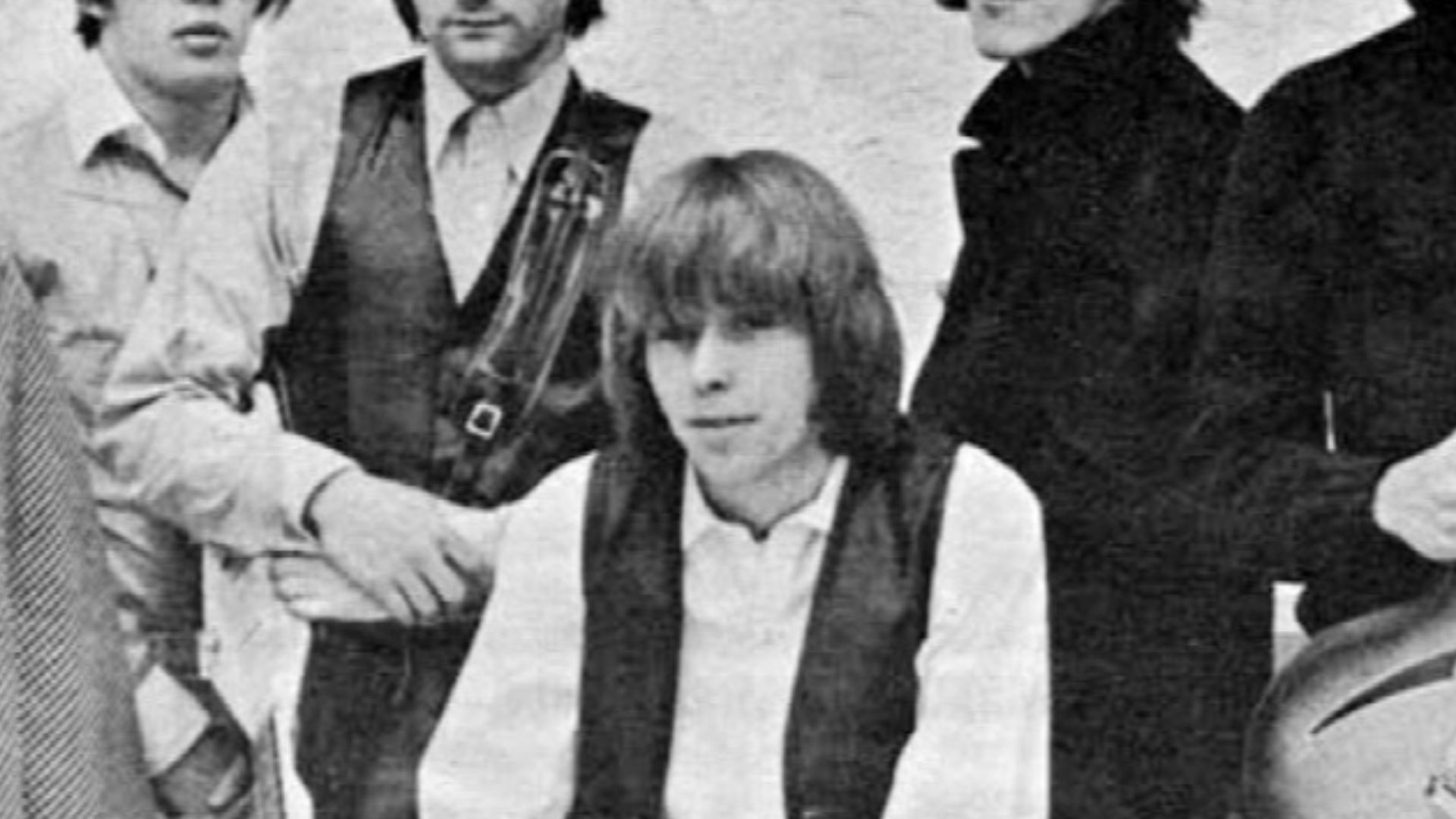
The Beau Brummels
Before Jefferson Airplane or the Grateful Dead, The Beau Brummels pioneered what would become known as the "San Francisco Sound". It all began with their 1965 masterpiece “Laugh, Laugh” and the troupe combined British Invasion influences with distinctly American folk-rock elements.
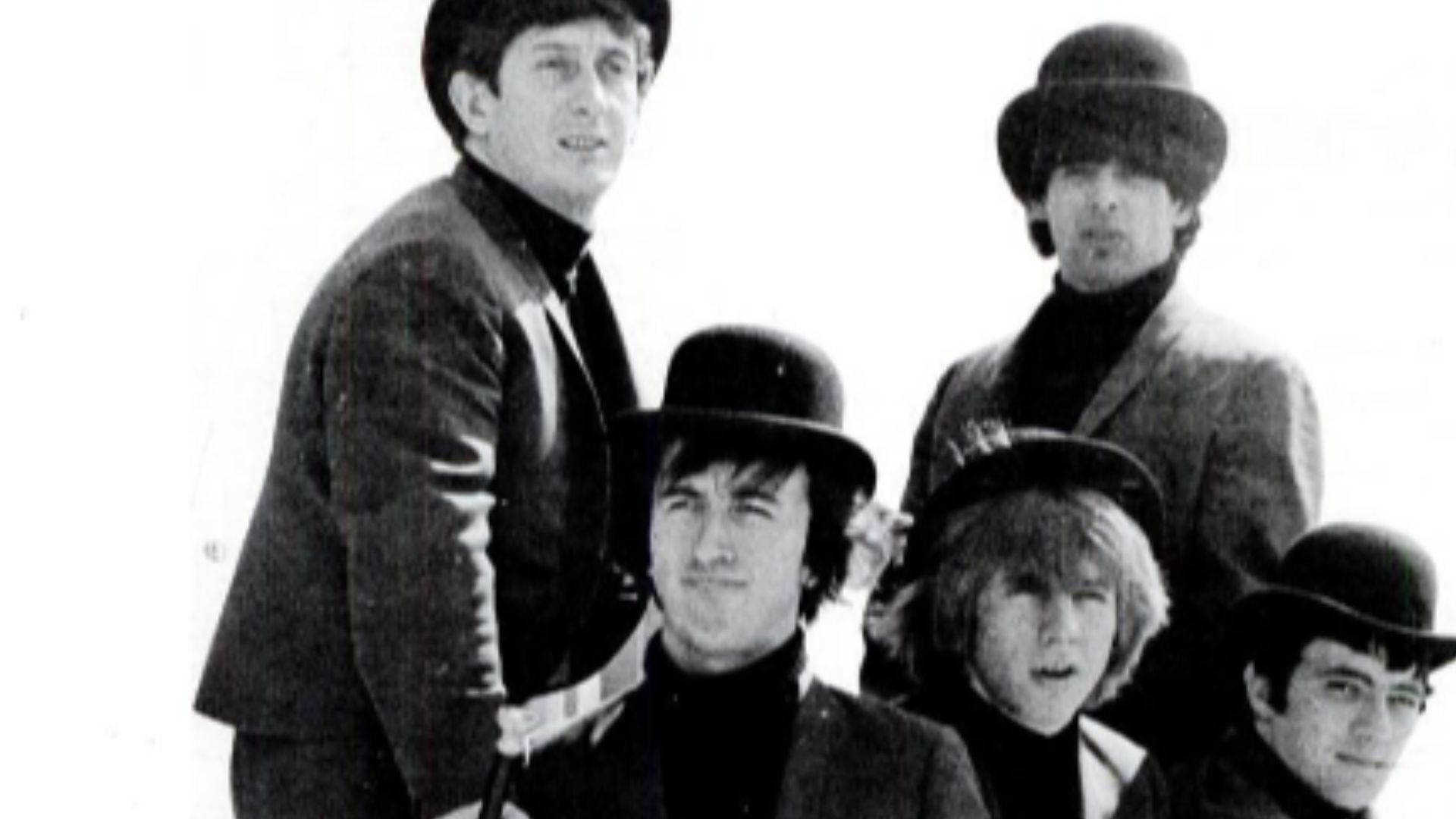 Autumn records, Wikimedia Commons
The Beau Brummels (Cont.)
Their evolution toward country rock with Triangle depicted their musical sophistication but failed to reconnect them with mainstream audiences. However, after releasing Bradley's Barn in 1968, the group decided to go their separate ways to pursue solo projects. This marked the end of their run as a cohesive group.
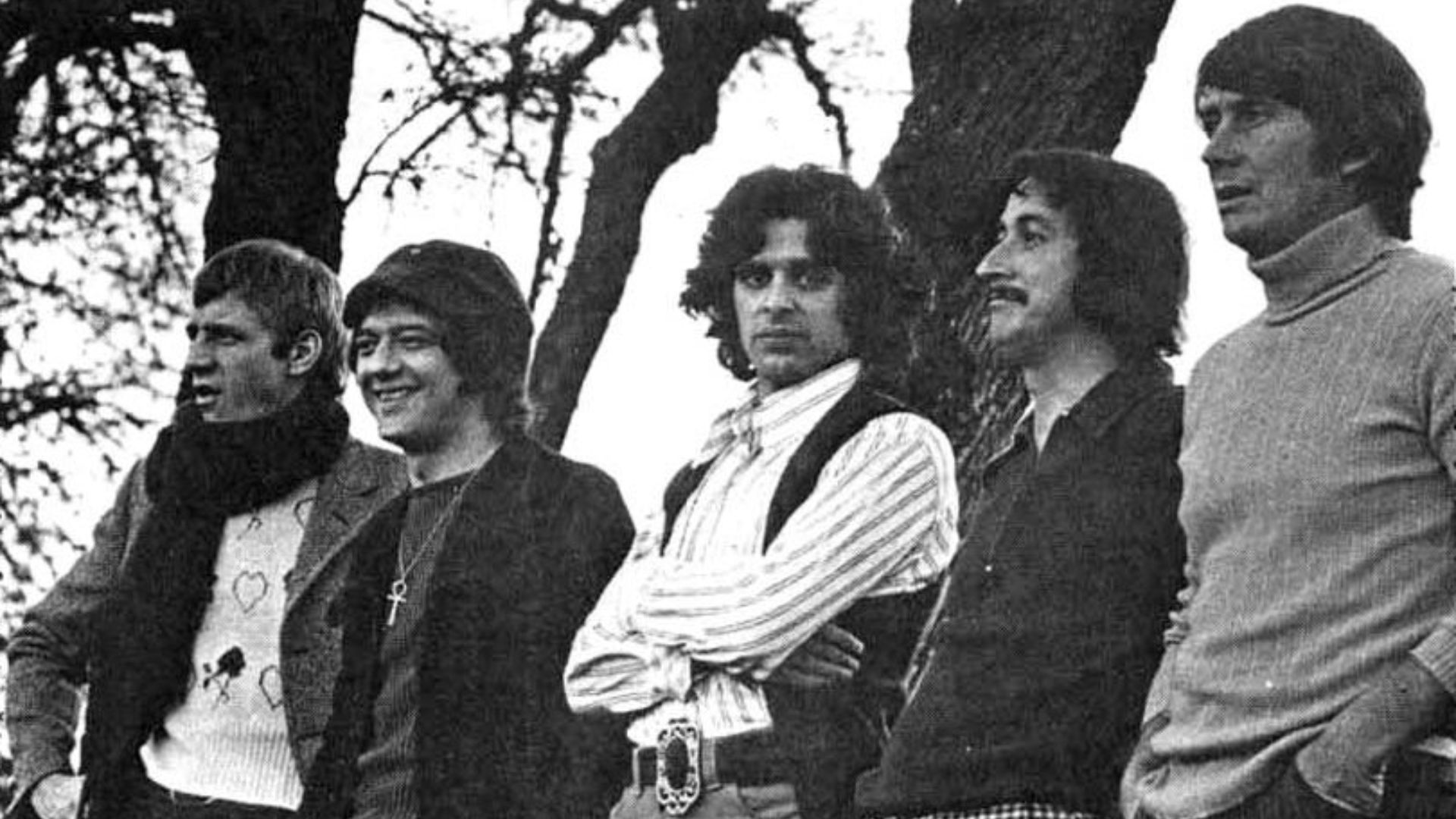 Photgrapher unknown, Wikimedia Commons
The Lovin' Spoonful
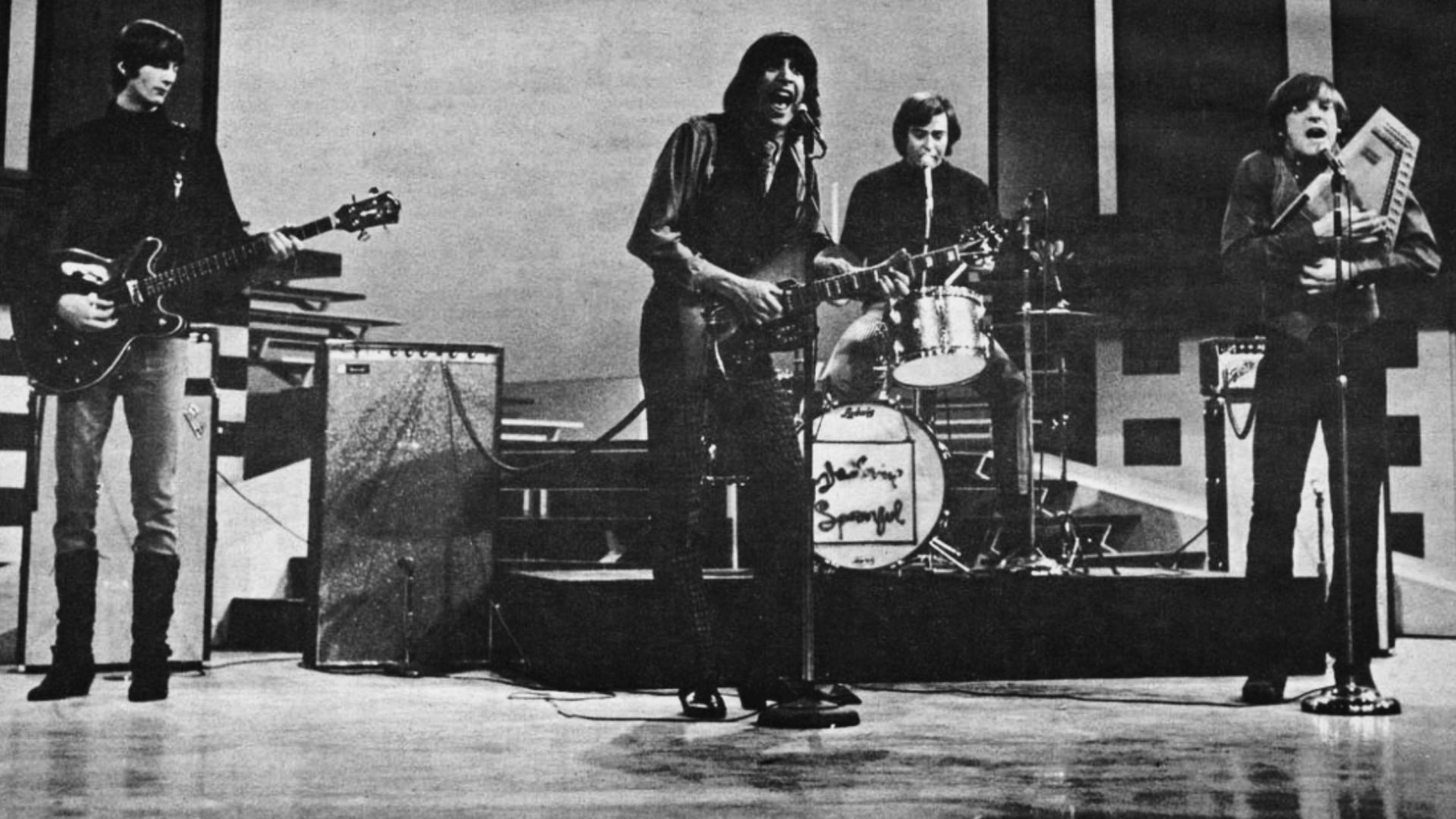
With seven straight top-10 hits between 1965 and 1966, The Lovin’ Spoonful quickly became one of the hottest bands of the decade. Songs like “Do You Believe in Magic” and “Summer in the City” helped define the sound of the ’60s and still show up on classic rock playlists today. Led by the charismatic John Sebastian, the group blended folk, pop, and rock into a laid-back style that felt completely unique at the time.
The Lovin' Spoonful (Cont.)
The arrest of guitarist Zal Yanovsky in 1967 caused irreparable damage. He ultimately left. Without their original chemistry, the Spoonful quickly dissolved, with Sebastian making a brief solo comeback at Woodstock before completely moving away from mainstream view.
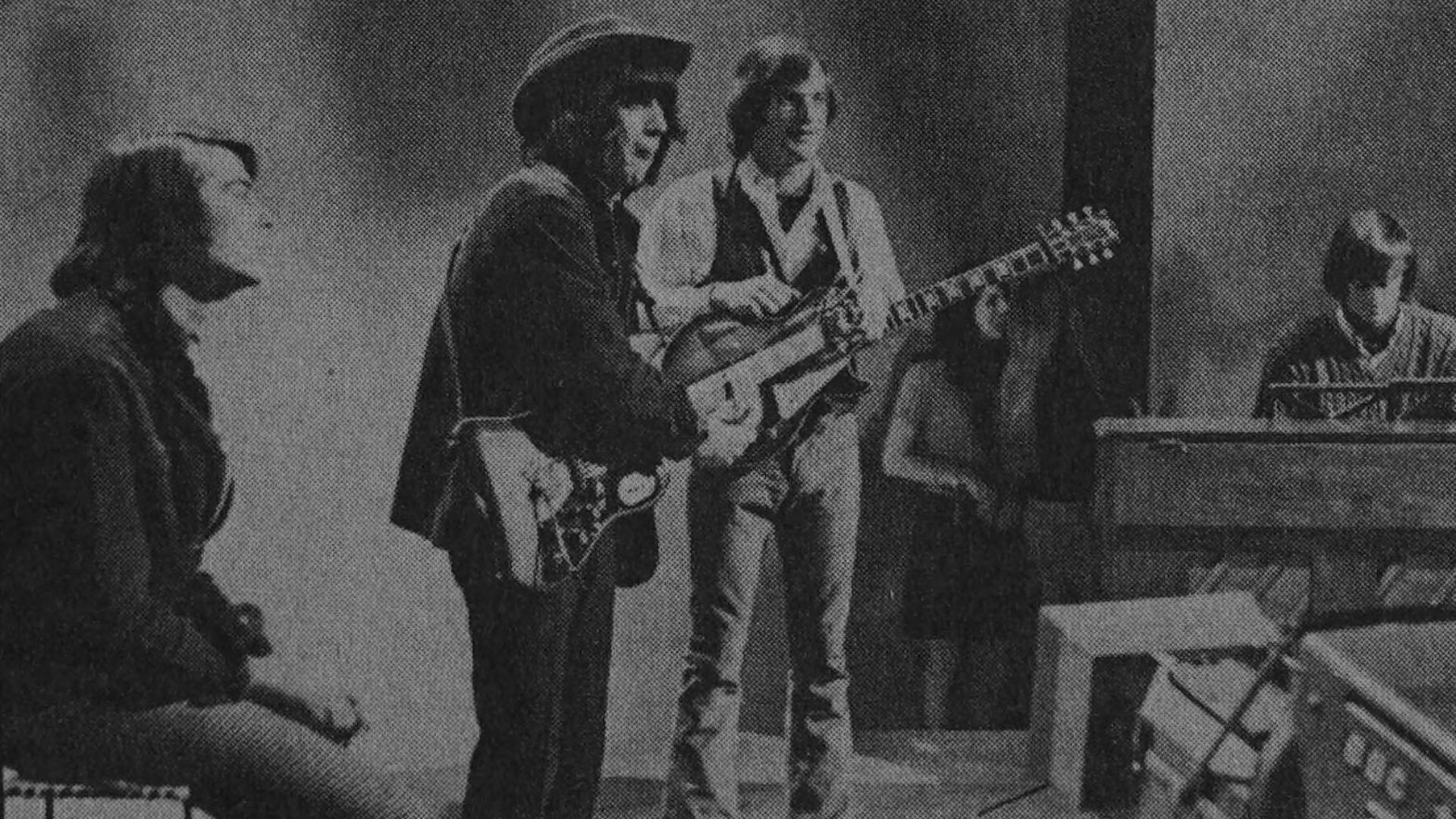 Photographer: Don PaulsenPublisher: Hit Parader magazine, Wikimedia Commons
Arthur Lee
The racially integrated band Love, with Arthur Lee at its center, reigned as kings of the Sunset Strip scene. Initially playing energetic proto-punk on their 1966 self-titled debut, Lee's vision expanded with their all-time favorite Forever Changes. This album merged orchestral arrangements with apocalyptic lyrics.
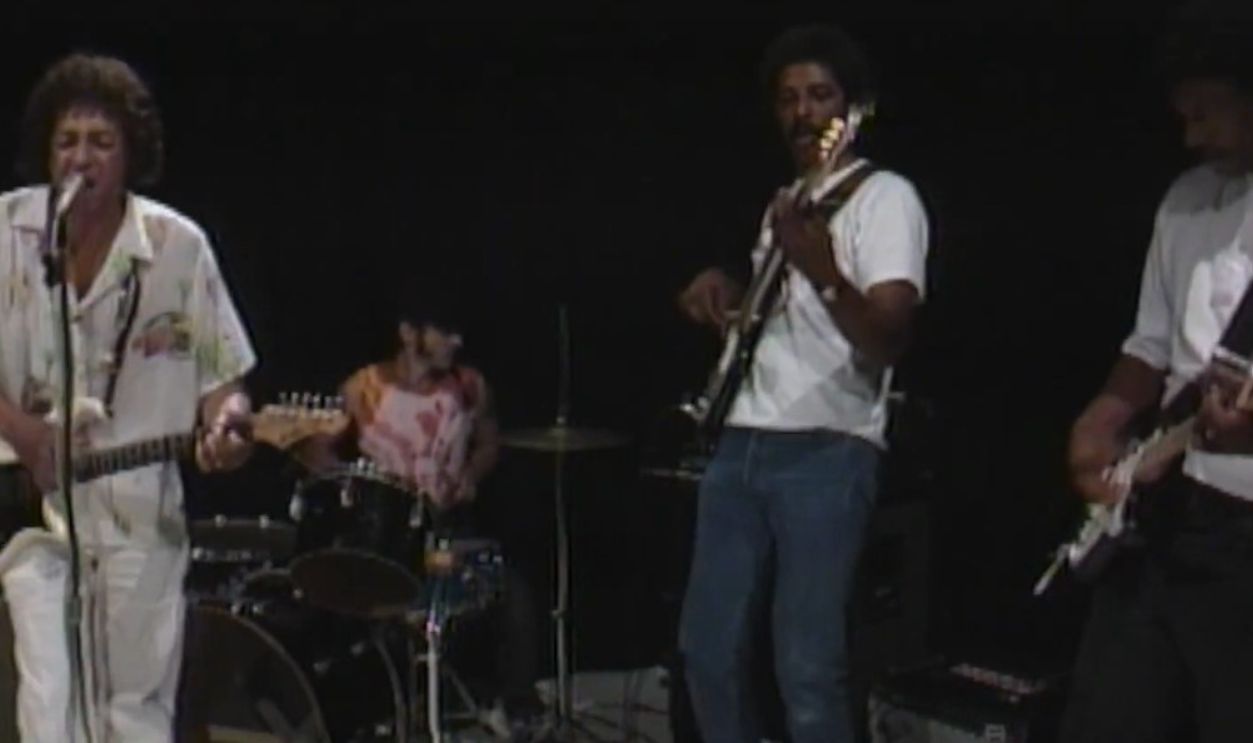 Love w/ Arthur Lee : 7 and 7 Is by art fein
Arthur Lee (Cont.)
When most influential artists disappear, they typically fade away, but Lee's story took stranger turns. After Forever Changes failed commercially despite critical acclaim, he alienated his mates and audiences with erratic behavior. Post-1980, he experimented with progressive rock and resurfaced occasionally, only to face legal troubles.
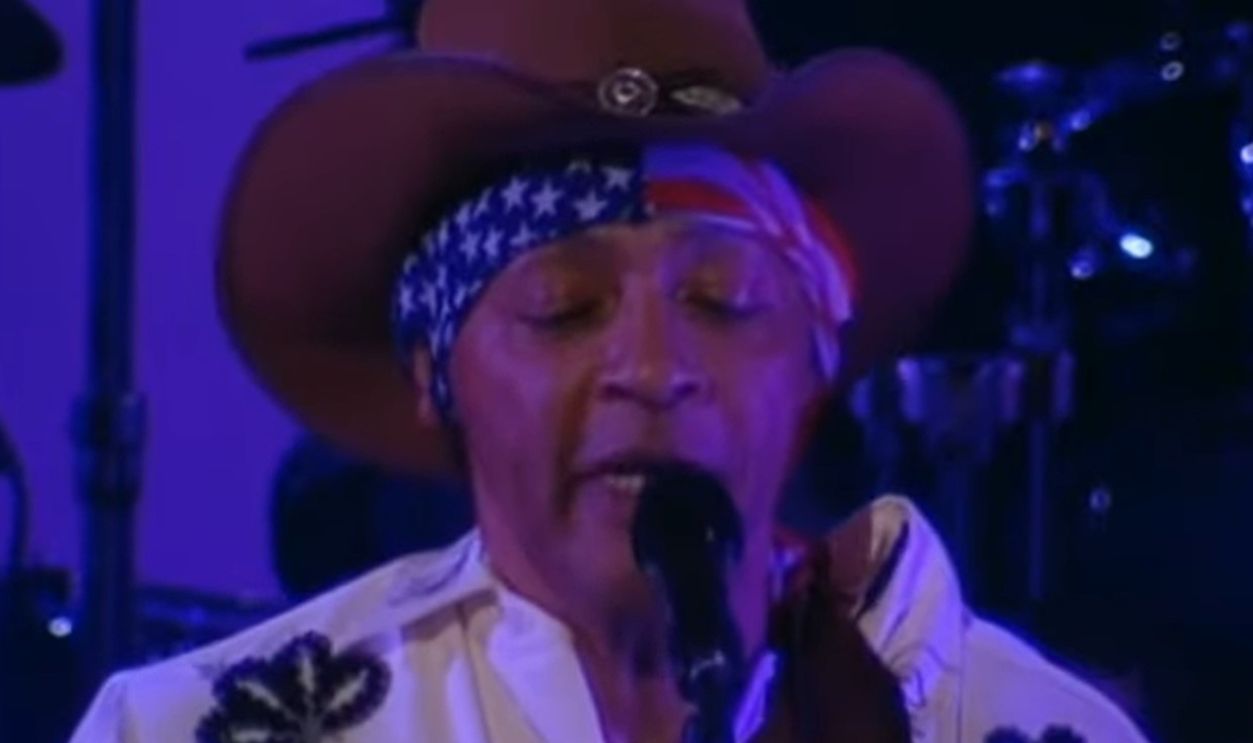 Love feat. Arthur Lee - Alone Again Or (Live) by Radial by The Orchard