Some Huge Hits Have Gone Quiet
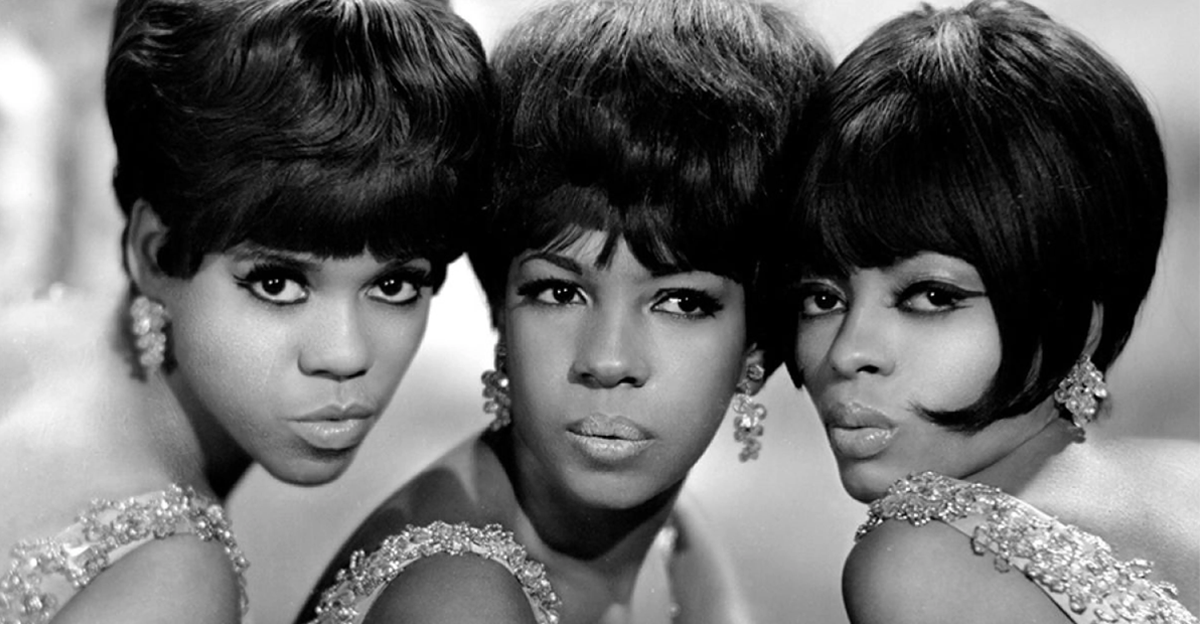
The 1960s gave radio some of the most replayed songs in pop history, but not every hit stayed in heavy rotation. Some records were enormous for a moment, then slowly slipped behind the Beatles, Motown, soul classics, and arena-friendly oldies. These songs once filled AM radio, jukeboxes, and record stores. Now, hearing them can feel like finding a lost postcard from the decade.
 Michael Ochs Archives, Getty Images
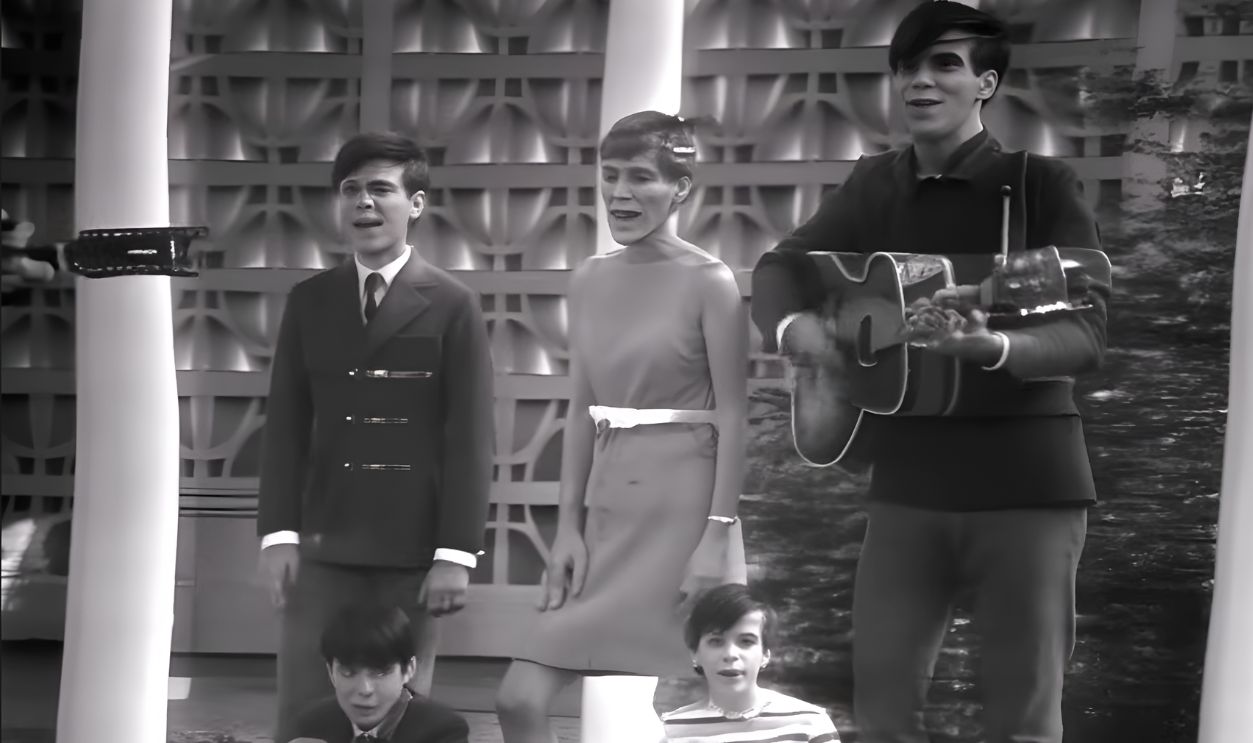
The Rain, The Park & Other Things
The Cowsills turned sunshine pop into a family affair with “The Rain, The Park & Other Things.” Released in 1967, the song climbed to number two on the Billboard Hot 100. Its dreamy “flower girl” imagery made it perfectly suited to the late 1960s. Today, it feels far less common than many other harmony-heavy hits from the era.
 Screenshot from The Rain, the Park & Other Things, MGM Records (1967), Modified
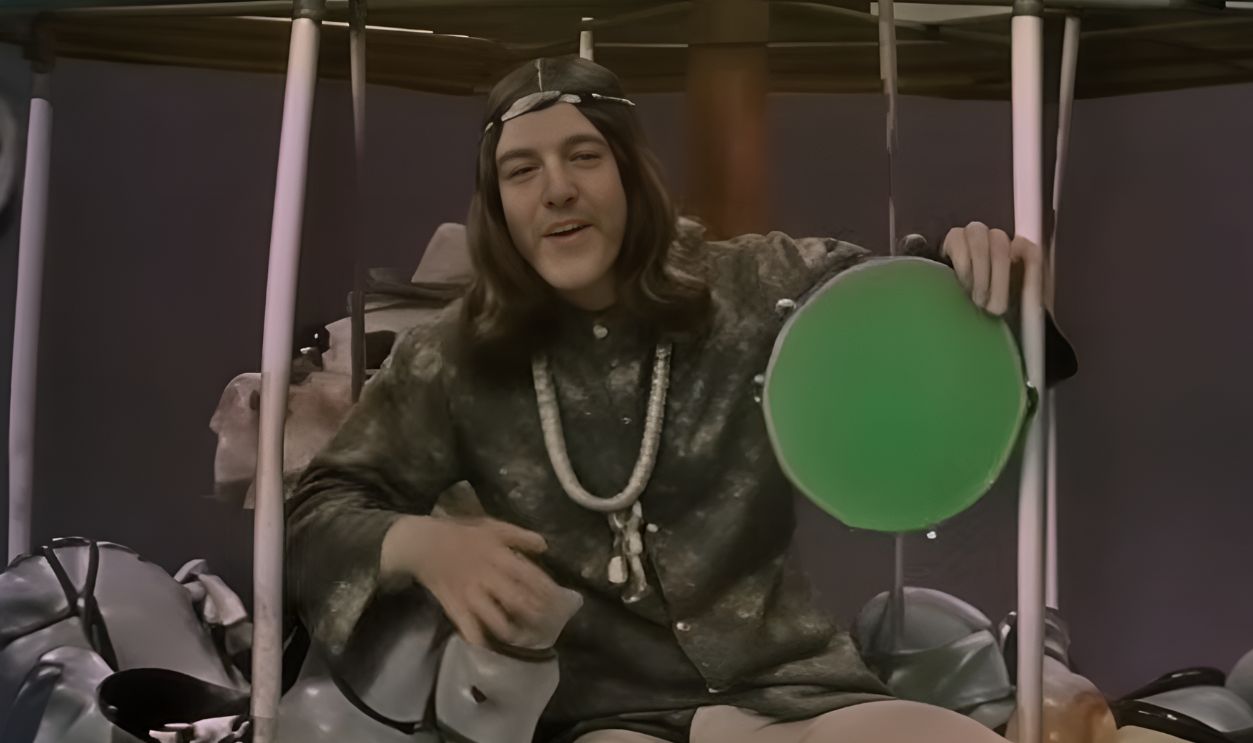
Green Tambourine
The Lemon Pipers reached number one in the United States with “Green Tambourine” in 1968. The song mixed bubblegum pop with psychedelic touches, giving it a bright but slightly strange sound. It was also the group’s defining hit. Compared with bigger psychedelic staples, it now feels like a relic from a very specific radio moment.
 Screenshot from Green Tambourine, Buddah Records (1968), Modified
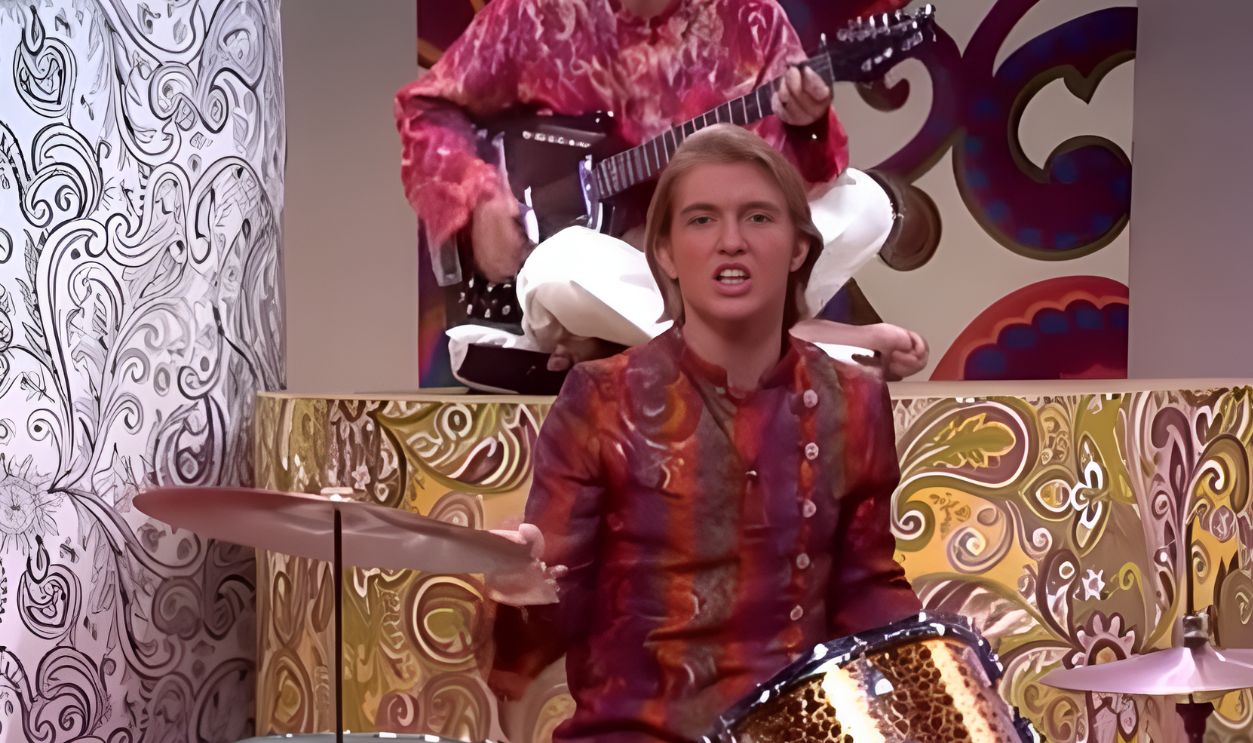
Incense And Peppermints
Strawberry Alarm Clock scored a number one hit with “Incense And Peppermints” in 1967. The song became one of the most recognizable psychedelic pop singles of the decade. Its swirling sound captured the era’s colorful shift in youth culture. Still, it is not nearly as unavoidable today as other 1960s psychedelic classics.
 Screenshot from Incense and Peppermints, Uni Records (1967), Modified
Kind Of A Drag
The Buckinghams hit number one in 1967 with “Kind Of A Drag.” The Chicago group paired pop hooks with a brassy arrangement that helped the single stand out. It was the band’s breakthrough and one of several strong chart showings that year. Yet modern oldies playlists often favor their better-remembered peers.
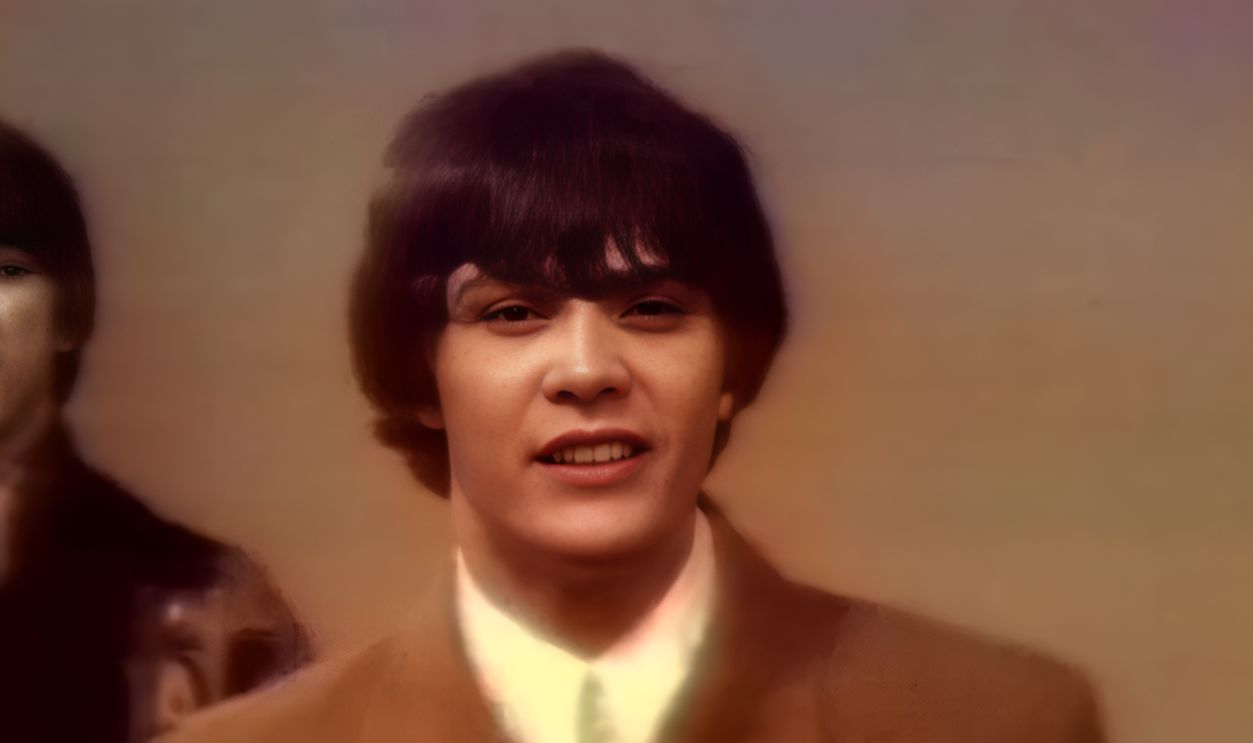 Screenshot from Kind of a Drag, USA Records (1966), Modified
Western Union
The Five Americans reached the Top 5 in 1967 with “Western Union.” The song used a telegraph-message hook that made it instantly recognizable on AM radio. Its garage-pop energy gave it a sharp, punchy edge. Today, the title alone can make it feel like a time capsule.
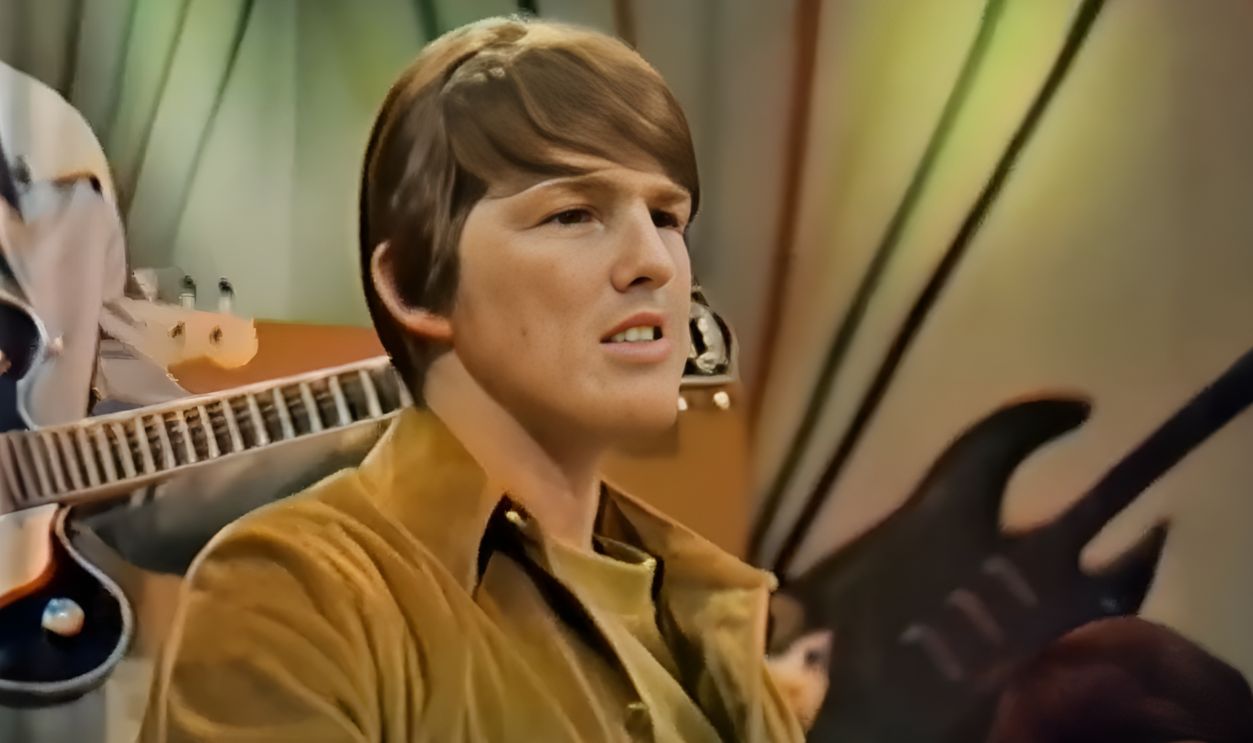 Screenshot from Western Union, Abnak Records (1967), Modified
98.6
Keith reached the Top 10 with “98.6” in 1967. The song’s title refers to normal body temperature, but the record itself is all sunshine-pop warmth. Its melody is polished, cheerful, and very much of its moment. That charm may be why it feels so surprising when it pops up now.
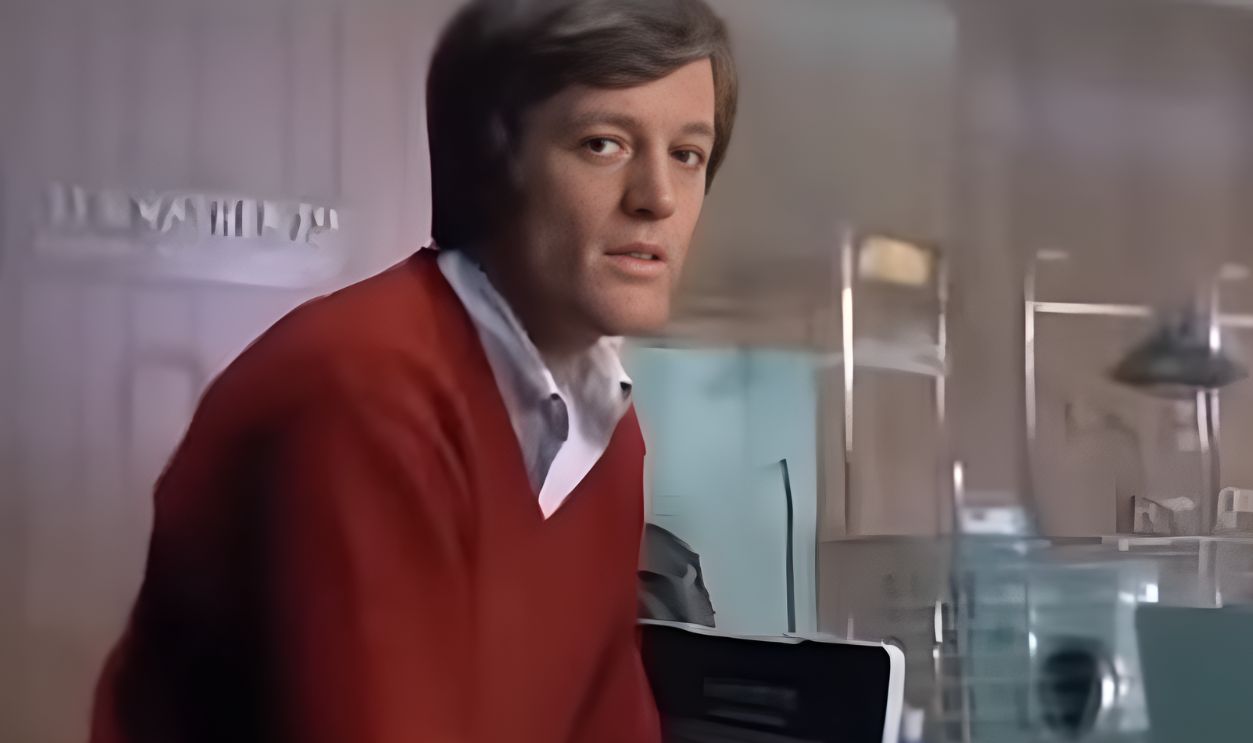 Screenshot from 98.6, Mercury Records (196), Modified
Elenore
The Turtles reached number six with “Elenore” in 1968. The song was written as a playful response to the group’s own pop success after “Happy Together.” Its silly charm and polished harmonies made it a hit anyway. It still has fans, but it does not get the same constant replay as the band’s biggest signature song.
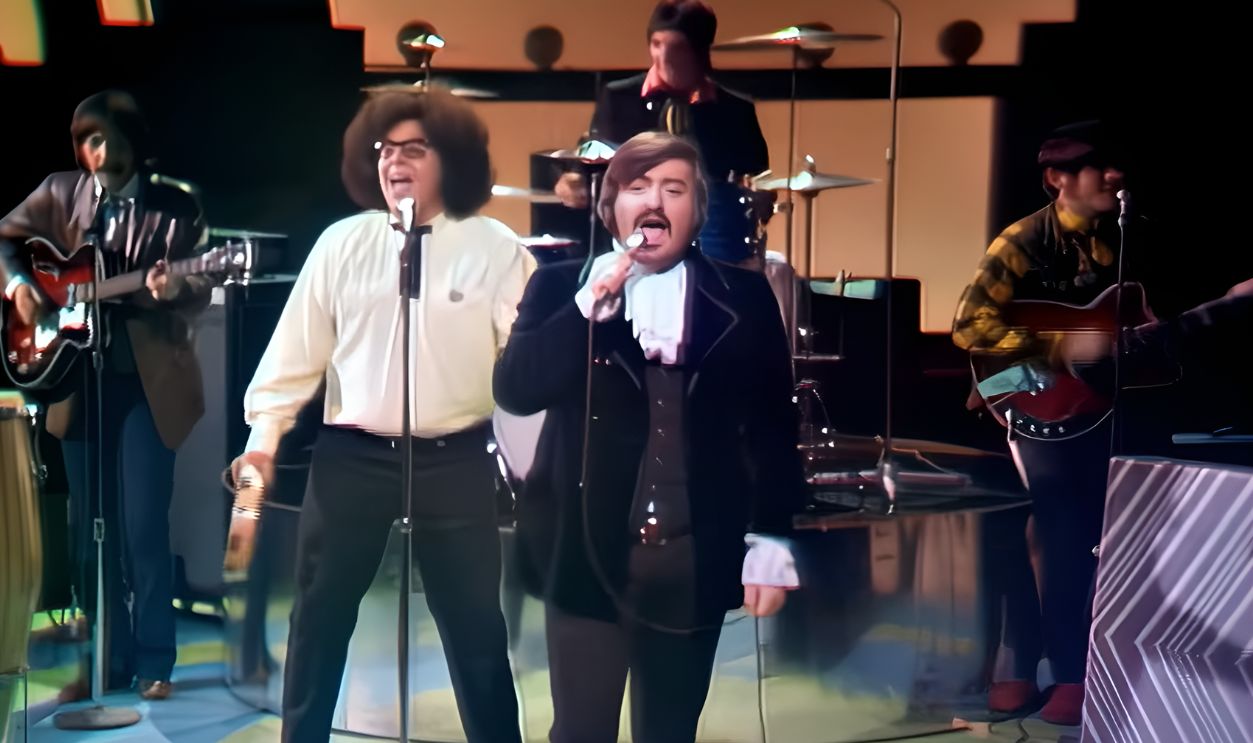 Screenshot from Elenore, White Whale Records (1968), Modified
A Summer Song
Chad & Jeremy reached number seven on the Billboard Hot 100 with “A Summer Song” in 1964. The British duo offered a softer side of the British Invasion. The song’s gentle acoustic mood made it different from the louder beat-group records around it. It still sounds lovely, but it rarely gets the attention of harder-driving 1960s hits.
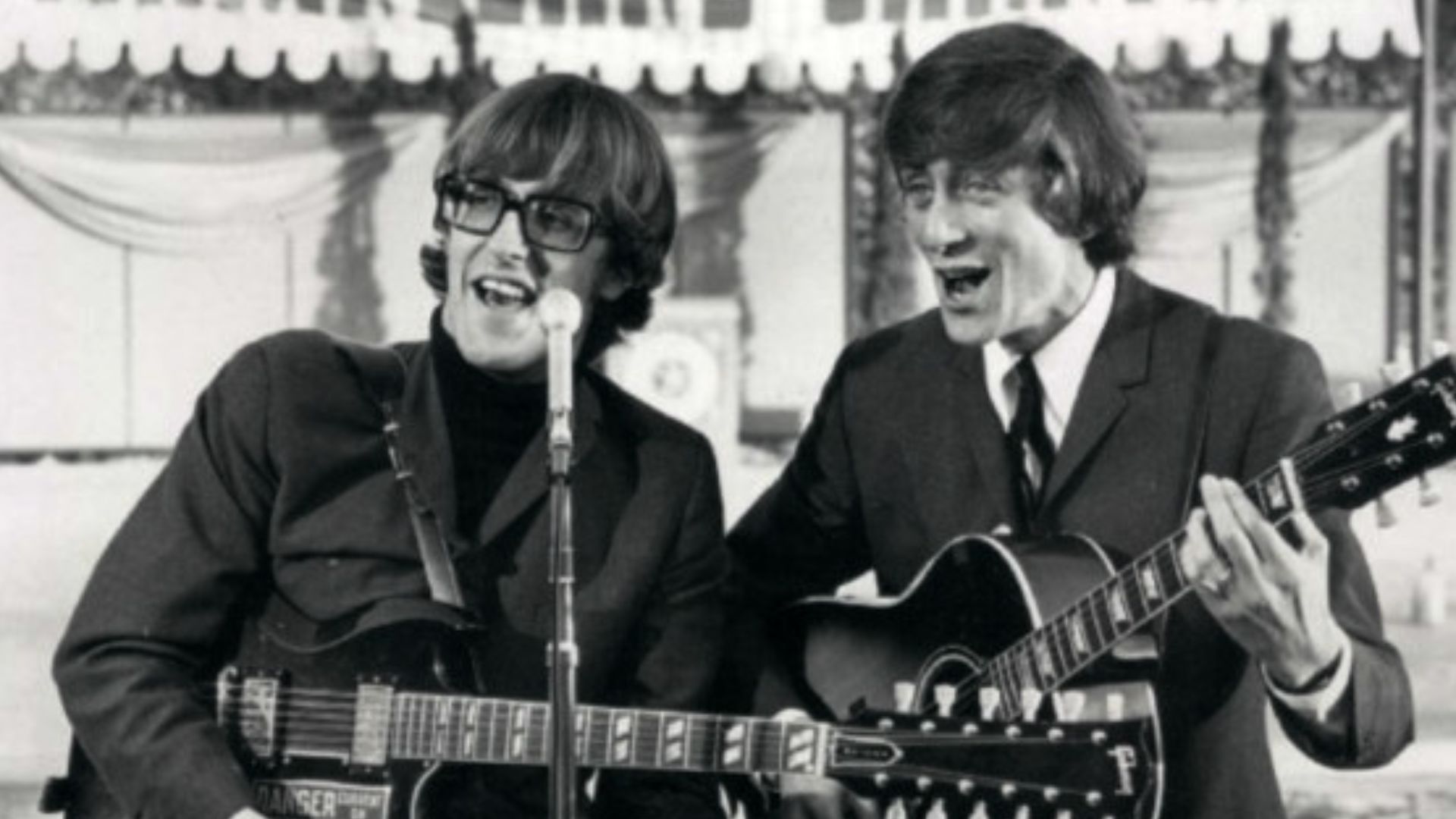 CBS Television, Wikimedia Commons
Mr. Dieingly Sad
The Critters took “Mr. Dieingly Sad” to number 17 in 1966. Written and sung by Don Ciccone, the song leaned into soft harmonies and wistful pop. Its unusual title helped it stand out from more straightforward love songs. Today, it is the kind of hit many listeners remember only after hearing the chorus.
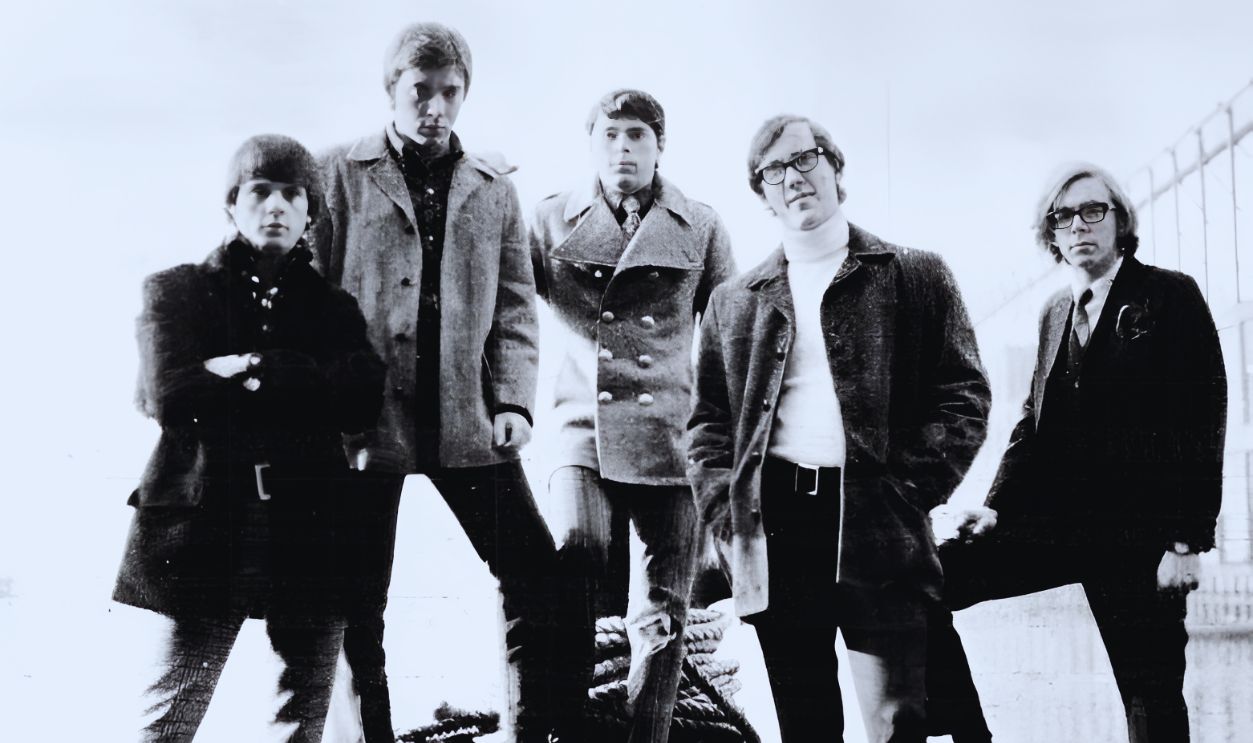 Kapp Records, Wikimedia Commons, Modified
Lies
The Knickerbockers reached the Top 20 with “Lies” in 1966. The song became famous partly because many listeners thought it sounded like the Beatles. That resemblance helped it cut through a crowded radio landscape. Now, it survives more as a cult favorite than a regular radio staple.
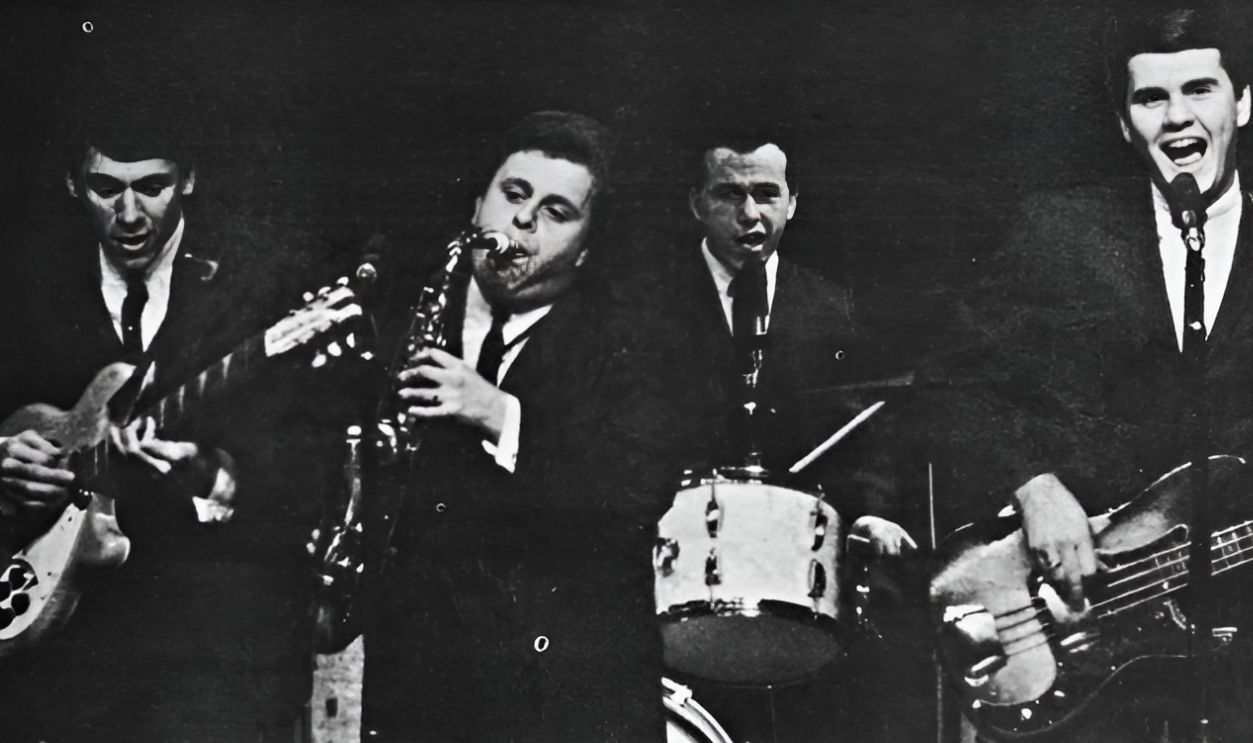 KRLA Beat, CC BY-SA 4.0, Wikimedia Commons, Modified
The Happening
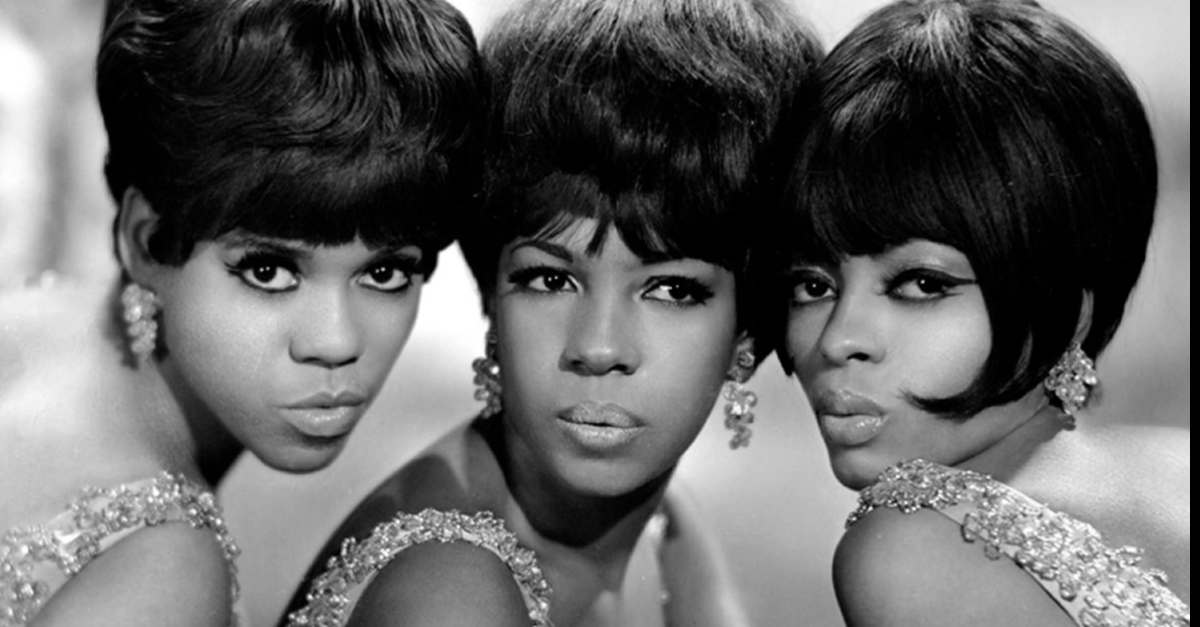
"The Happening" gave The Supremes another number one hit in 1967 during one of the group's most successful periods. Written for the film of the same name, it combined Motown's trademark polish with an upbeat, energetic sound. While it was a massive success at the time, it is now overshadowed by the group's biggest classics. Hearing it on the radio today is a pleasant surprise for many longtime fans.
![Collectie / Archief : Fotocollectie Anefo
Reportage / Serie : [ onbekend ]
Beschrijving : Diana Ross en The Supremes tijdens opname in RAI voor AVRO-TV
Datum : 16 januari 1968
Persoonsnaam : Diana Ross
Instellingsnaam : Supremes, The
Fotograaf : Koch, Eri](https://www.factinate.com/storage/app/media/theshot/2026/7/4/1783173325709f66235a32d5ad6102daac5ab79cd40bd60d05.jpg) Eric Koch for Anefo, Wikimedia Commons
Eric Koch for Anefo, Wikimedia Commons
Little Arrows
Leapy Lee scored a major international hit with “Little Arrows” in 1968. The song reached number two in the UK and became a Top 20 hit in the United States. Its country-pop bounce and Cupid-themed lyrics gave it novelty appeal without fully becoming a novelty song. That exact mix may be why it feels so rarely heard today.
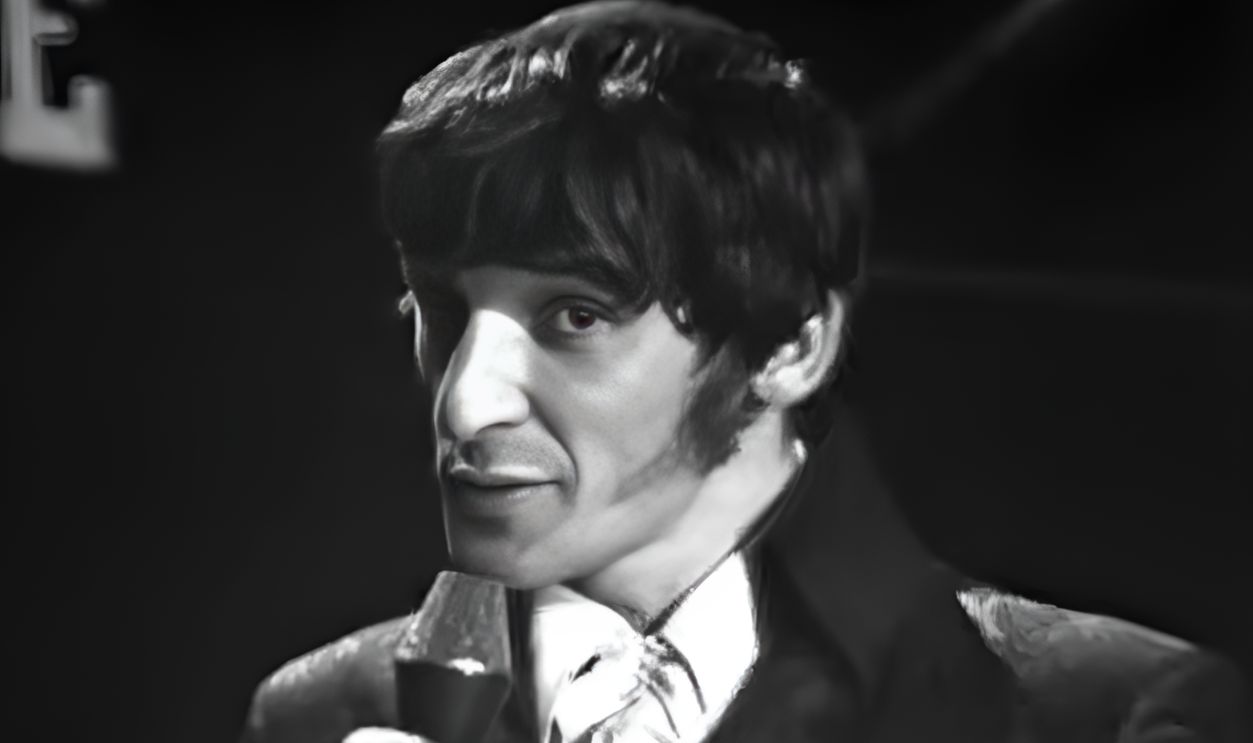 Screenshot from Little Arrows, MCA Records (1968), Modified
Love Can Make You Happy
Mercy reached number two on the Billboard Hot 100 with “Love Can Make You Happy” in 1969. The song was a soft, sentimental pop ballad that stood apart from the heavier rock sounds emerging that year. It was the group’s one huge national moment. Today, it sounds more like a lost prom memory than a radio standard.
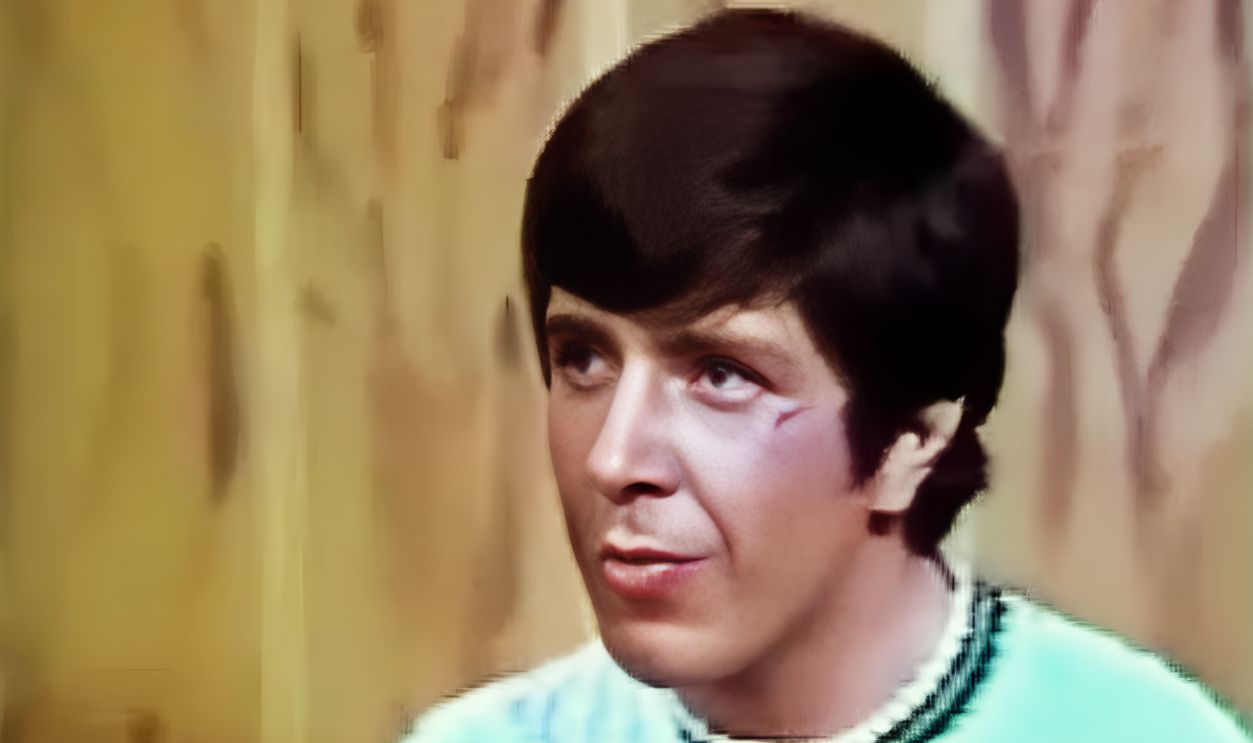 Screenshot from Love (Can Make You Happy), Warner Records (1969), Modified
The Cheater
Bob Kuban And The In-Men reached the Top 20 with “The Cheater” in 1966. The song had a strong blue-eyed soul feel and a dramatic warning built into its lyrics. It was the group’s biggest national hit. Despite its punchy sound, it has largely faded behind better-known soul-pop records.
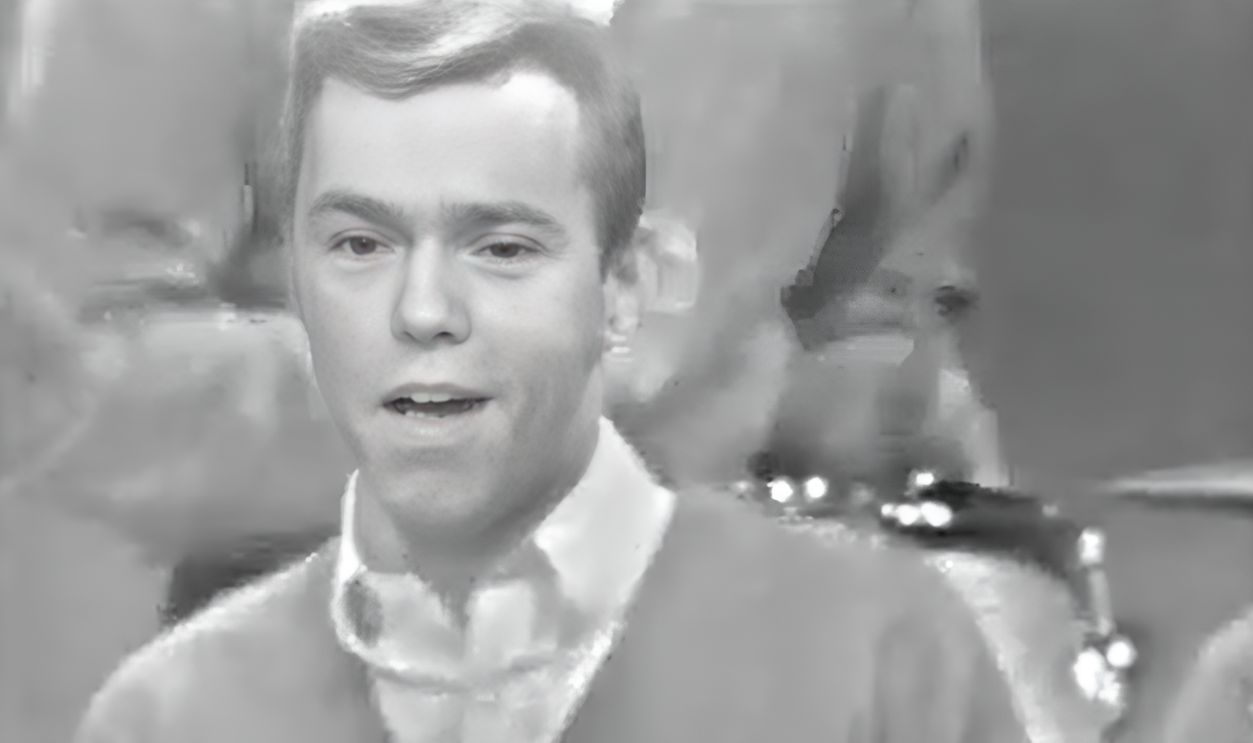 Screenshot from The Cheater, Musicland Records (1966), Modified
Sweet Pea
Tommy Roe reached the Top 10 with “Sweet Pea” in 1966. Roe was already known for bright, catchy pop singles, and this one fit his playful style perfectly. The song is short, simple, and built around a hook that sticks fast. Still, it is not heard as often as “Dizzy” or “Sheila.”
 Screenshot from Sweet Pea, ABC Records (1966), Modified
Hooray For Hazel
Tommy Roe followed with another catchy hit, “Hooray For Hazel,” in 1966. The song reached the Top 10 and kept his light pop style on the charts. Its title alone makes it feel tied to a more innocent radio era. Today, it is one of those hits that sounds familiar only once it starts playing.
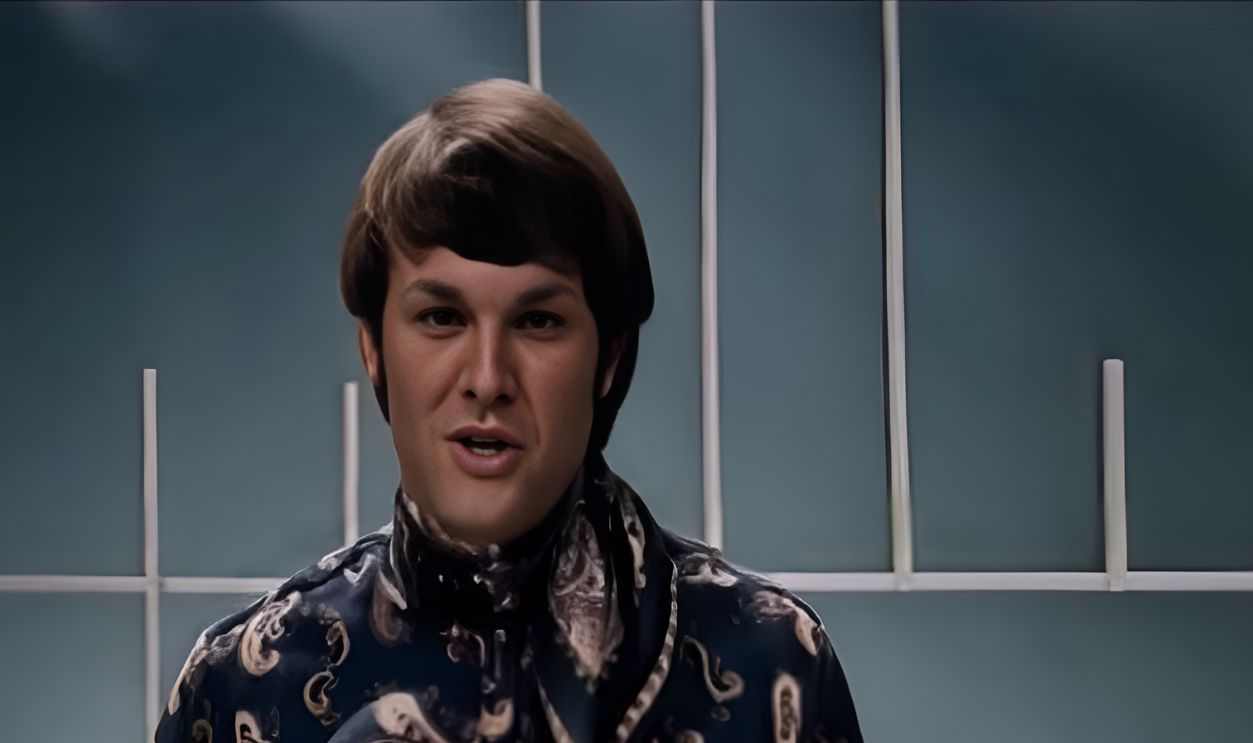 Screenshot from Hooray for Hazel, ABC Records (1966), Modified
Concrete And Clay
Unit 4+2 hit number one in the UK with “Concrete And Clay” in 1965. In the United States, the song became a smaller but still memorable pop hit. Its Latin-tinged rhythm gave it a different feel from many British Invasion records. It now seems to live more in deep oldies collections than everyday radio.
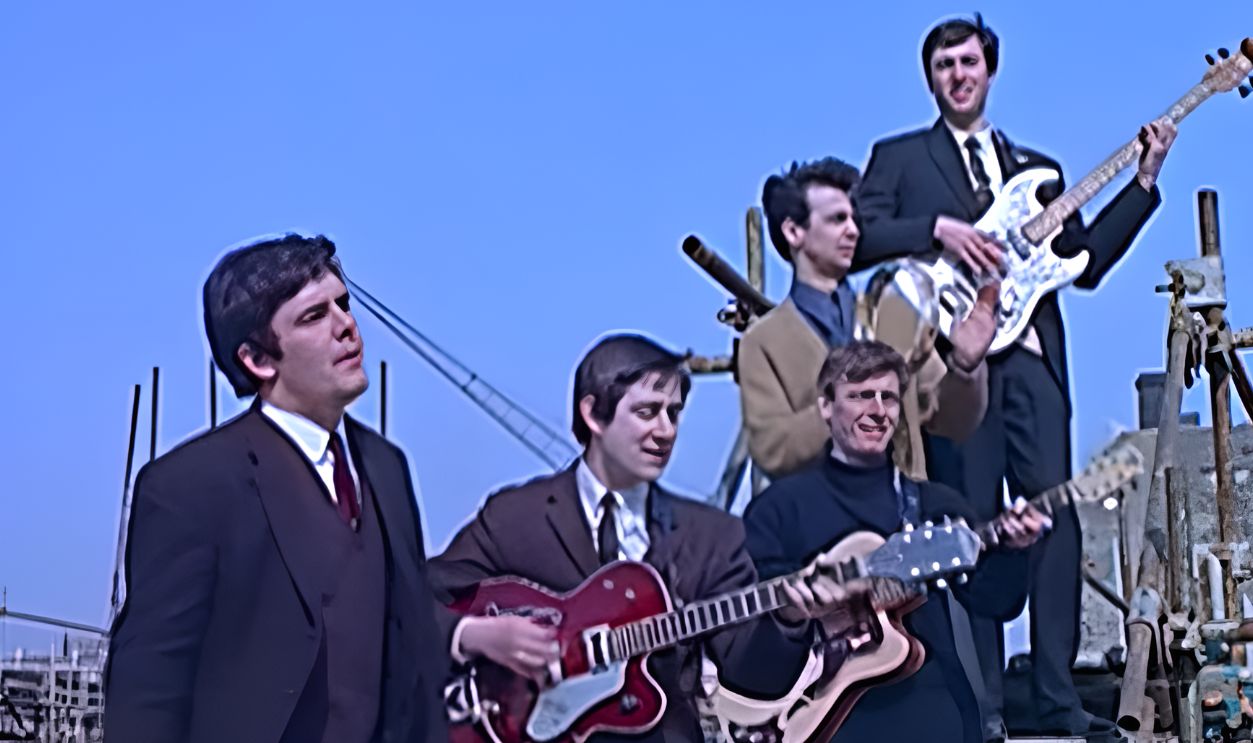 Screenshot from Concrete and Clay, Decca Records (1965), Modified
I Had Too Much To Dream Last Night
The Electric Prunes reached the Top 20 with “I Had Too Much To Dream Last Night” in 1967. The song became a garage-psychedelic classic with a title that sounded like pure 1960s surrealism. Its fuzzed-out opening helped make it unforgettable. Even so, it is less common on mainstream oldies radio than the decade’s softer pop hits.
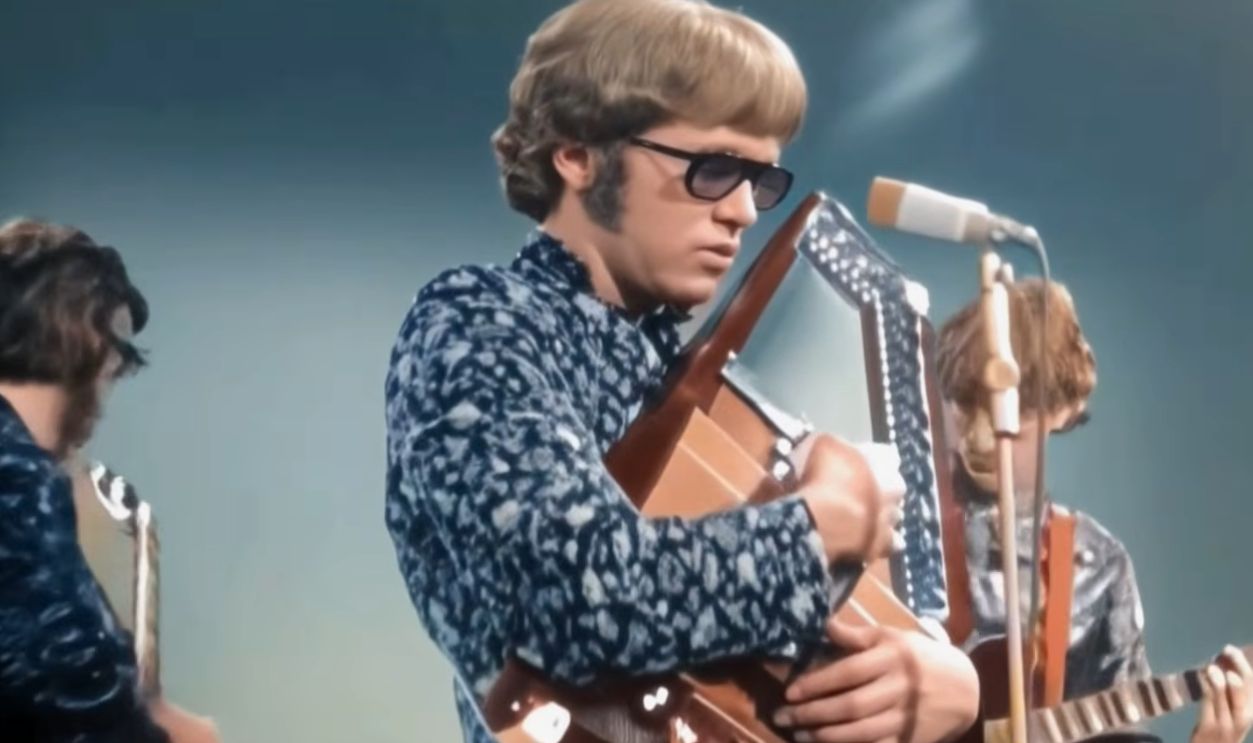 Screenshot from I Had Too Much to Dream (Last Night), Reprise Records (1966)
The Mighty Quinn
Manfred Mann took “The Mighty Quinn” to number one in the UK and the Top 10 in the United States in 1968. The song was written by Bob Dylan, but Manfred Mann’s version became the big pop hit. Its chorus was impossible to miss. Today, it often sits behind the group’s better-known “Do Wah Diddy Diddy.”
![Collectie / Archief : Fotocollectie Anefo
Reportage / Serie : [ onbekend ]
Beschrijving : Aankomst Manfred Mann (tweede van rechts) en zijn groep op Schiphol
Datum : 22 maart 1968
Locatie : Noord-Holland, Schiphol
Trefwoorden : aankomst en vertrek, bands,](https://www.factinate.com/storage/app/media/theshot/2026/7/4/1783176853d7bb19b85b6807d3000d1403035efe380b2a77b0.jpg) Eric Koch for Anefo, Wikimedia Commons
Eric Koch for Anefo, Wikimedia Commons
Pictures Of Matchstick Men
Status Quo reached the U.S. Top 20 with “Pictures Of Matchstick Men” in 1968. Before becoming hard-rock regulars, the band had this psychedelic pop breakthrough. The song’s ringing guitar line gave it a hypnotic quality. It remains memorable, but it is not the Status Quo sound many later listeners know.
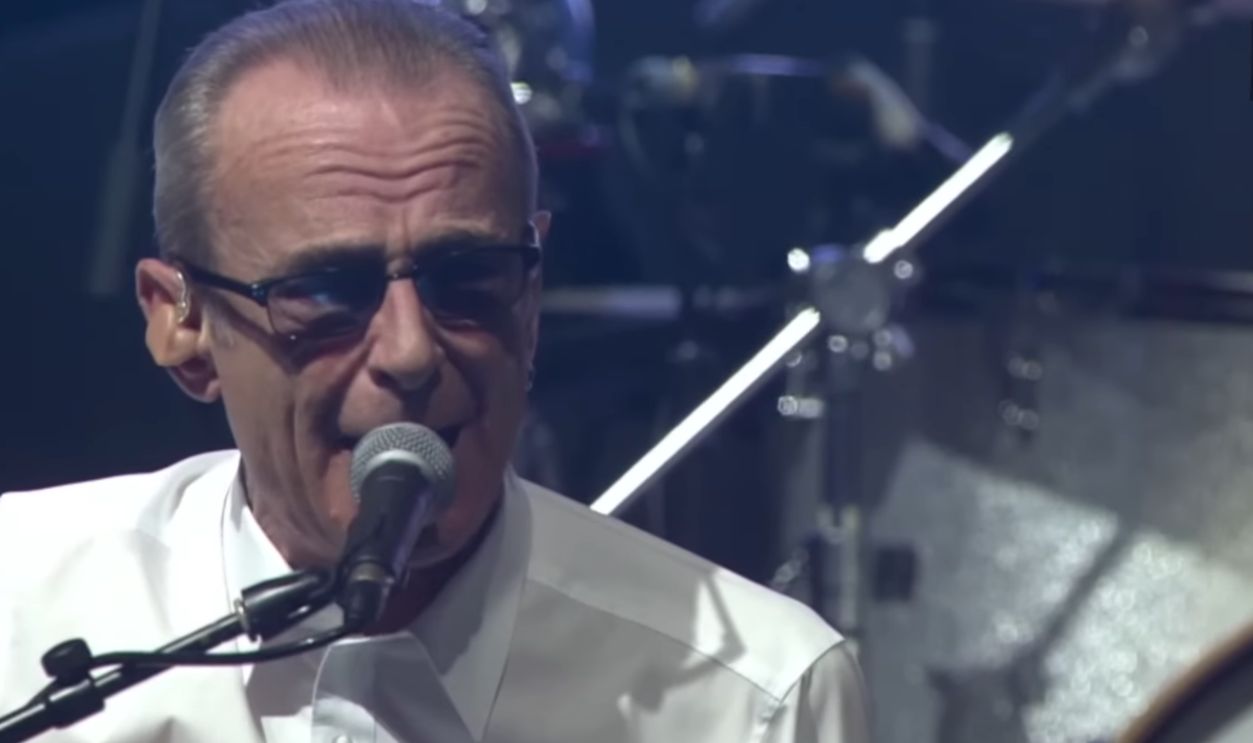 Screenshot from Pictures of Matchstick Men, Pye Records (1968)
She’s A Rainbow
The Rolling Stones released “She’s A Rainbow” in 1967, and it later became one of the brighter gems from their psychedelic period. The song reached the U.S. Top 40, but it was never as dominant as the band’s biggest rock anthems. Its piano, strings, and dreamy tone showed a very different side of the group. It is beloved by fans, yet still feels underplayed compared with their usual radio staples.
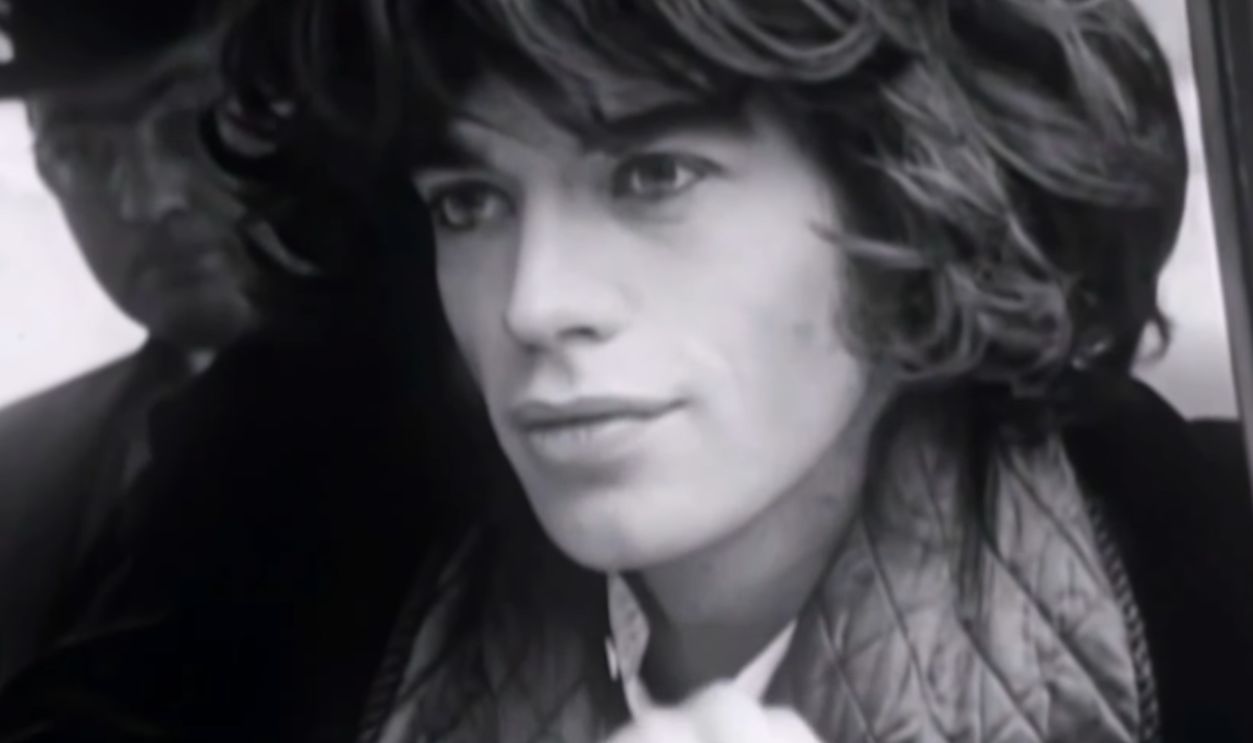 Screenshot from She's a Rainbow, Decca Records (1967)
Baby It’s You
Smith reached the Top 5 in 1969 with “Baby It’s You.” The song had already been recorded by the Shirelles and later the Beatles, but Smith’s version became a major American hit. Lead singer Gayle McCormick gave it a strong, soulful edge. Even with that chart success, it is less prominent today than the earlier versions.
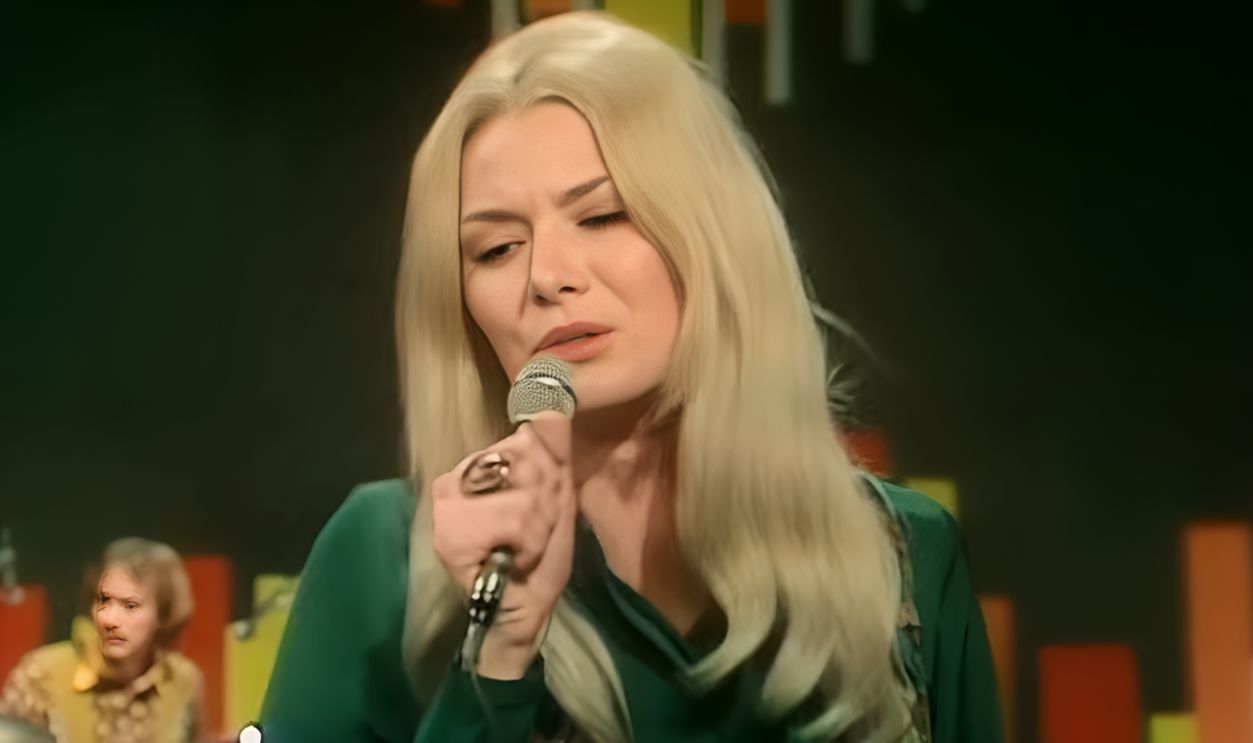 Screenshot from Baby It's You, Dunhill Records (1969), Modified
Apples, Peaches, Pumpkin Pie
Jay And The Techniques reached the Top 10 with “Apples, Peaches, Pumpkin Pie” in 1967. The song blended pop, soul, and a playful children’s-game rhythm. Its title helped make it instantly memorable. Now, it is the kind of joyful 1960s hit that tends to show up on specialty shows more than everyday rotation.
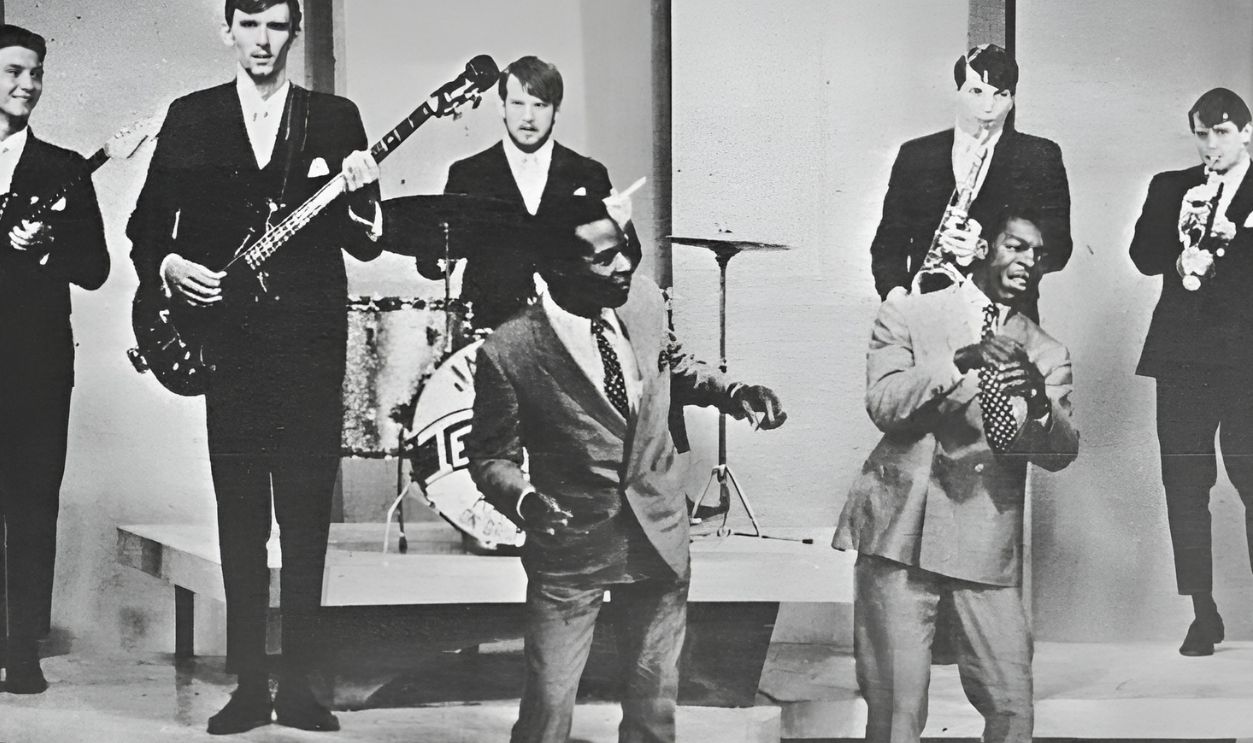
Simon Says
The 1910 Fruitgum Company reached the Top 5 with “Simon Says” in 1968. The song helped define bubblegum pop as a commercial force. Its schoolyard-game concept made it irresistible to younger listeners. That same childlike hook may be why it is less common on adult oldies radio today.
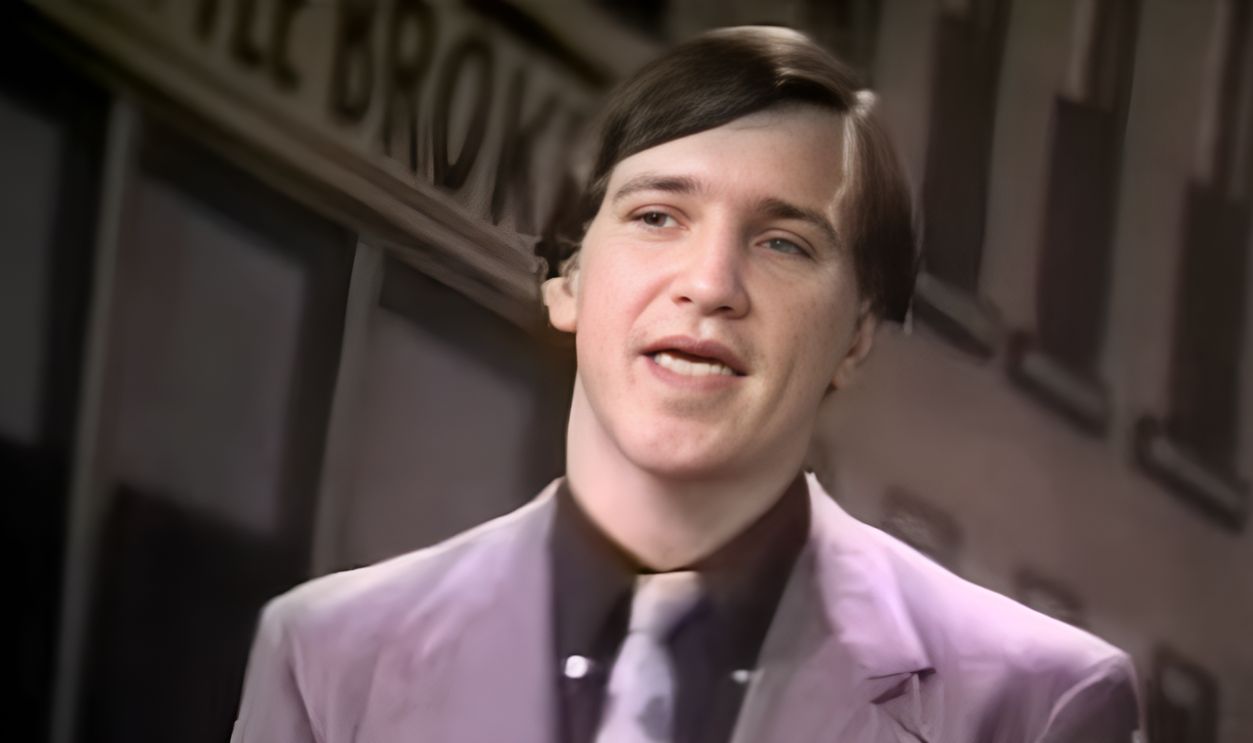 Screenshot from Simon Says, Buddah Records (1967), Modified
Gimme Gimme Good Lovin’
Crazy Elephant hit the Top 20 with “Gimme Gimme Good Lovin’” in 1969. The record had a rawer bubblegum-rock sound than some of the genre’s cleaner hits. It was catchy, loud, and made for quick radio impact. Today, it feels like a deep-cut reminder of how strange late-1960s pop could be.
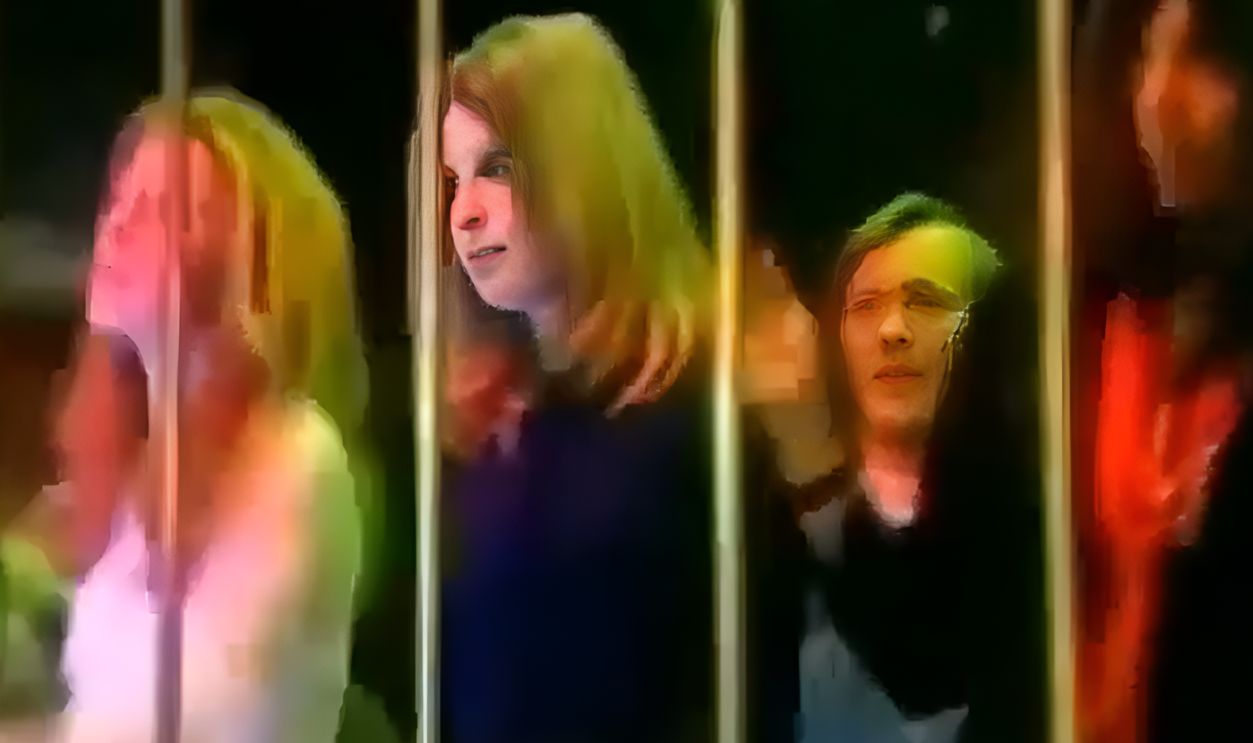 Screenshot from Gimme Gimme Good Lovin', Bell Records (1969), Modified
Jennifer Juniper
Donovan reached the Top 40 with “Jennifer Juniper” in 1968. The song came during his run as one of the era’s most distinctive folk-pop voices. Its gentle melody and whimsical lyrics fit neatly beside his bigger psychedelic hits. Still, it rarely gets the same attention as “Sunshine Superman” or “Mellow Yellow.”
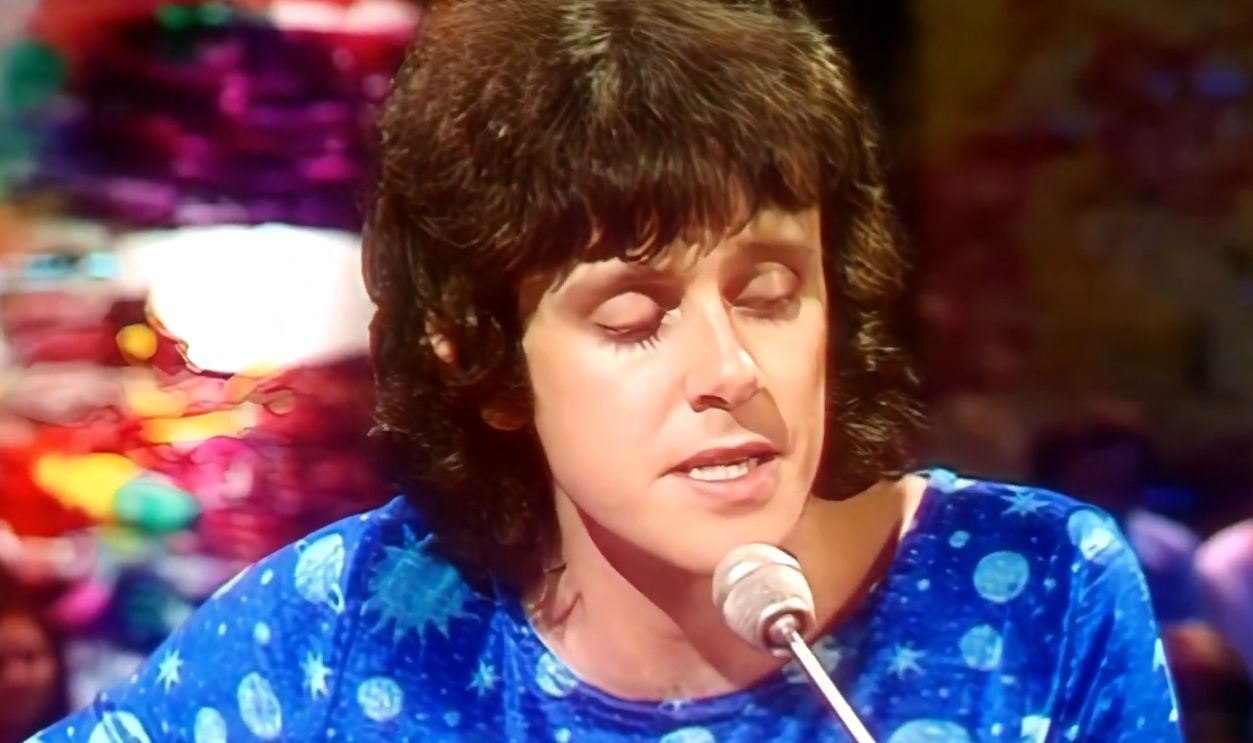 Screenshot from Jennifer Juniper, Pye Records (1968)
Sunday Will Never Be The Same
Spanky And Our Gang reached the Top 10 with “Sunday Will Never Be The Same” in 1967. The group’s polished harmonies placed them squarely in the sunshine-pop wave. The song mixed sweetness with a touch of heartbreak. It still sounds radio-ready, which makes its modern quietness even more surprising.
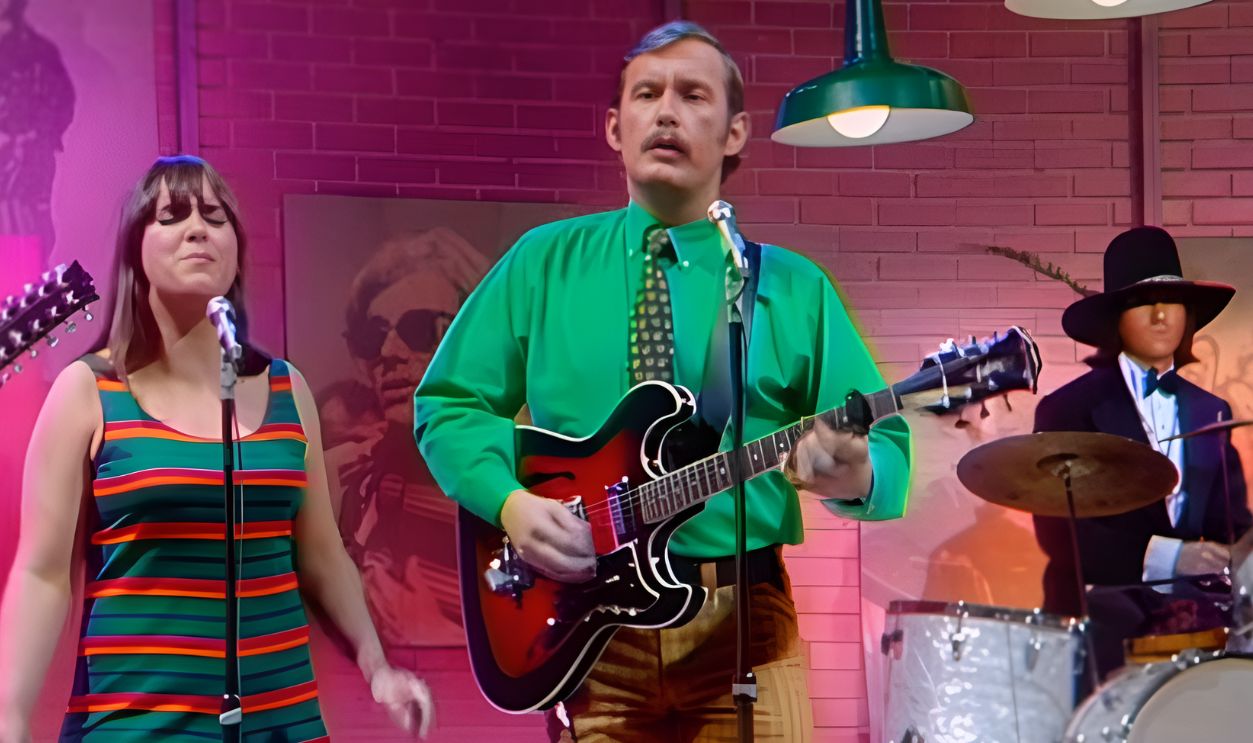 Screenshot from Sunday Will Never Be the Same, Mercury Records (1967), Modified
You May Also Like:
Pop Music Played It Safe For Years—Until These Iconic Hits Completely Rewrote The Rules
Billboard Says These Were The Biggest Hits Of 1990—But Do You Remember Even 5 Of These Songs?
Sources: 1, 2, 3, 4, 5, 6, 7, 8, 9, 10, 11, 12, 13, 14, 15, 16, 17, 18, 19, 20, 21, 22, 23, 24, 25, 26, 27, 28