1978 Had More Hits Than You Remember
Mention 1978 and younger listeners may immediately reach for the Bee Gees, Queen, or the soundtrack to Grease. The actual radio landscape was much bigger, with soft rock, disco, soul, country-pop, and arena rock all fighting for space while Saturday Night Fever turned disco into a full-blown cultural phenomenon. Plenty of songs that dominated American radio that year have since slipped out of everyday pop culture, even though one chorus can still transport a whole generation straight back to the car radio.
 William Morris Agency, Public domain, via Wikimedia Commons
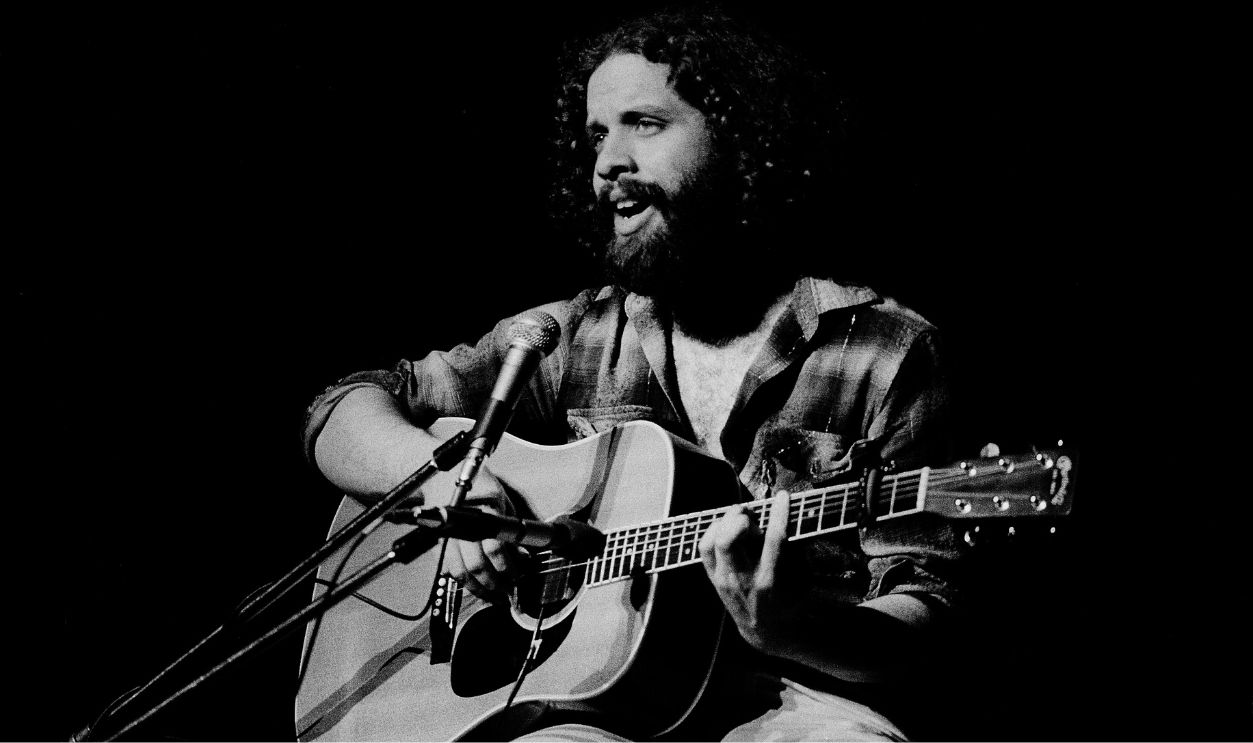
Hot Child In The City By Nick Gilder
Nick Gilder's "Hot Child in the City" was hardly a minor success in 1978, finishing at No. 6 on Cash Box's year-end singles chart. Its strutting beat, sharp guitar accents, and instantly repeated title made it practically engineered for late-70s radio. Today, it can feel like one of those songs younger listeners have heard somewhere without having any idea who sang it.
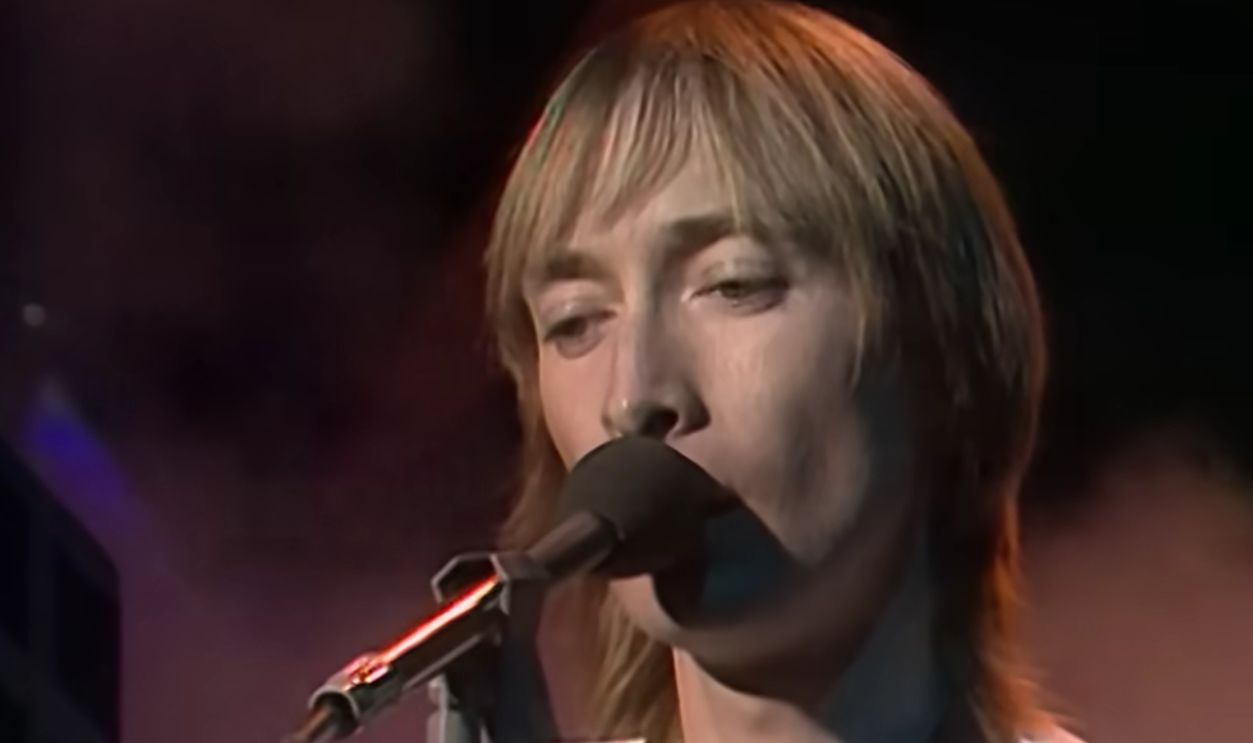 Screenshot from Hot Child in the City, Chrysalis Records (1978)
Can't Smile Without You By Barry Manilow
Barry Manilow was so unavoidable during this period that "Can't Smile Without You" finished at No. 13 on Cash Box's 1978 year-end chart. The song is pure Manilow, moving from intimate sentiment to the kind of enormous chorus designed for thousands of people to sing together. Plenty of Boomers can still supply that chorus on command, while younger listeners may know Manilow's name better than this particular hit.

Short People By Randy Newman
Randy Newman's "Short People" landed at No. 15 on Cash Box's year-end chart, which is impressive for a deliberately satirical song that generated plenty of controversy. Newman used an absurdly prejudiced narrator to mock prejudice itself, although not everybody listening to the radio caught the joke. The melody remains almost suspiciously cheerful, which helps explain why anyone who heard it constantly in 1978 may still remember every word.
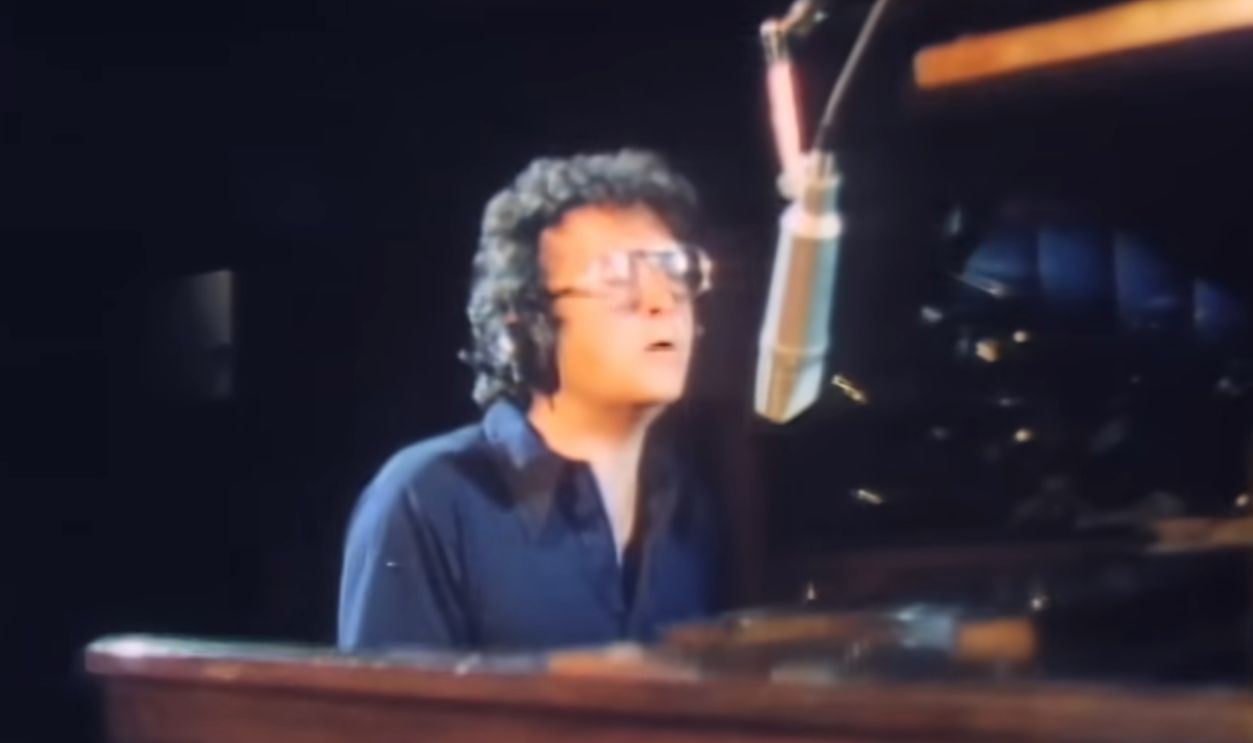 Screenshot from Short People, Warner Bros. Records (1977)
Lay Down Sally By Eric Clapton
Eric Clapton's relaxed "Lay Down Sally" finished at No. 16 on Cash Box's 1978 year-end ranking. Instead of the heavier blues-rock associated with parts of his career, the track rolls along with an easy country-influenced groove and an extremely simple invitation at its center. It was once mainstream pop-radio material, but younger listeners are much more likely to encounter Clapton through a different handful of classics.
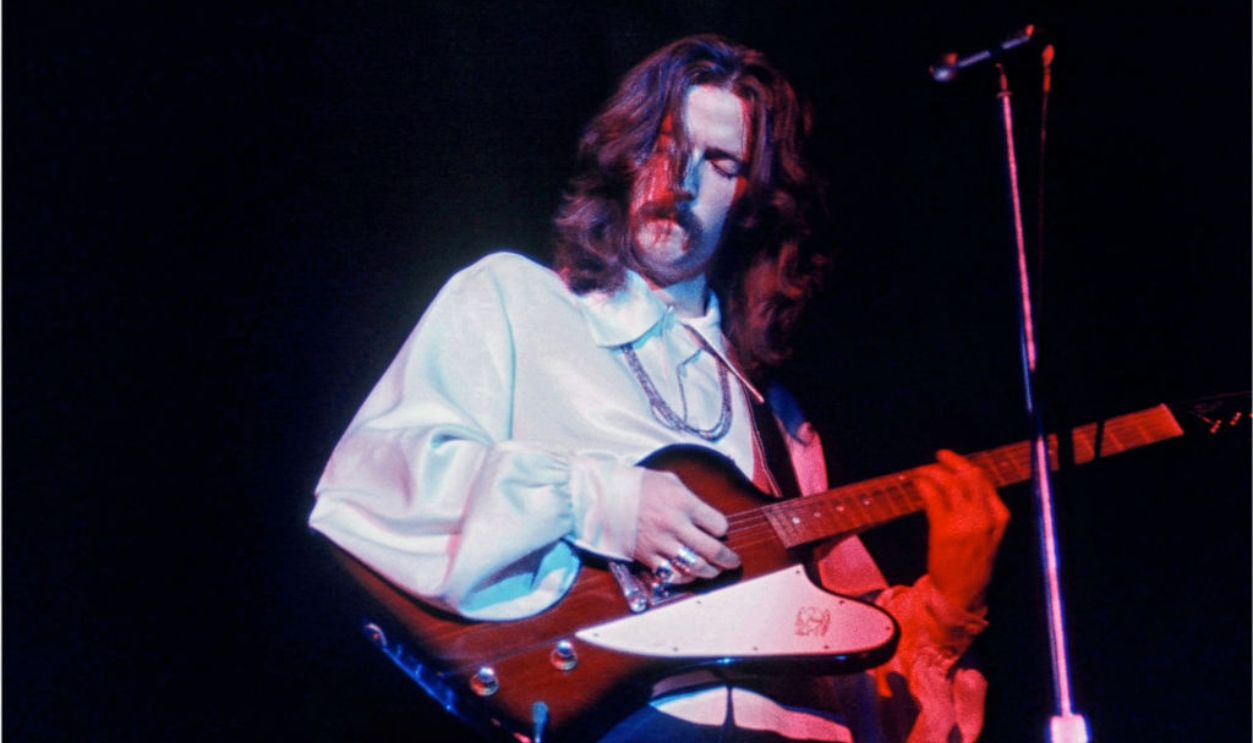 Sulfiati Magnuson, Getty Images
It's A Heartache By Bonnie Tyler
Long before "Total Eclipse of the Heart," Bonnie Tyler had a major American hit with "It's a Heartache," which ranked No. 17 on Cash Box's year-end list. Tyler's official channel notes that the song reached No. 3 in the United States and became an international success. Her unmistakably raspy performance turns a straightforward breakup song into something that sounds much tougher than the average late-70s ballad.
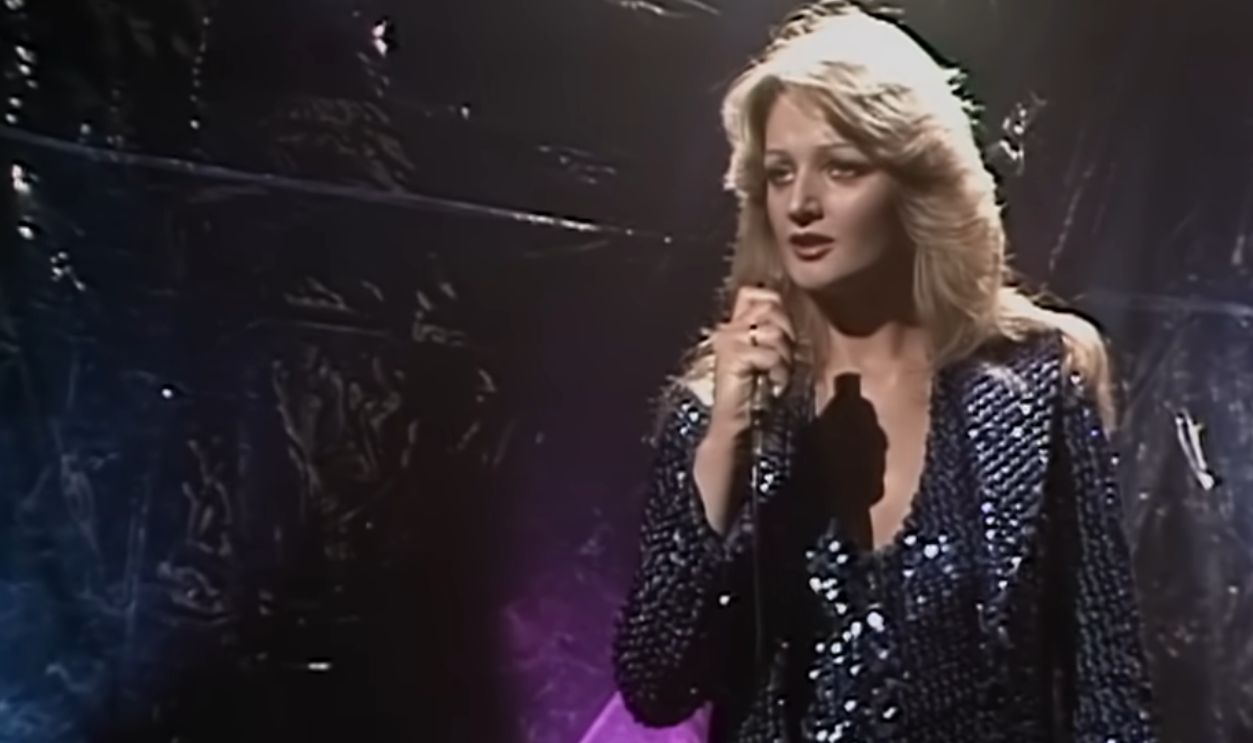 Screenshot from It's a Heartache, RCA Records (1977)
Sometimes When We Touch By Dan Hill
Dan Hill's "Sometimes When We Touch" was the No. 19 song on Cash Box's year-end chart for 1978. It is almost a perfect specimen of the period's intensely sincere balladry, with romantic confession piled on top of swelling instrumentation. For listeners who lived through its original radio run, that opening melody can be enough to bring the entire song rushing back.
You Needed Me By Anne Murray
Anne Murray's "You Needed Me" finished at No. 20 on Cash Box's 1978 year-end chart and was nominated for Record of the Year at the following Grammy ceremony. Murray delivers the song without overselling it, which gives its gratitude and vulnerability plenty of room to land. It once belonged comfortably beside rock and disco on mainstream radio, a kind of crossover that feels much less common now.
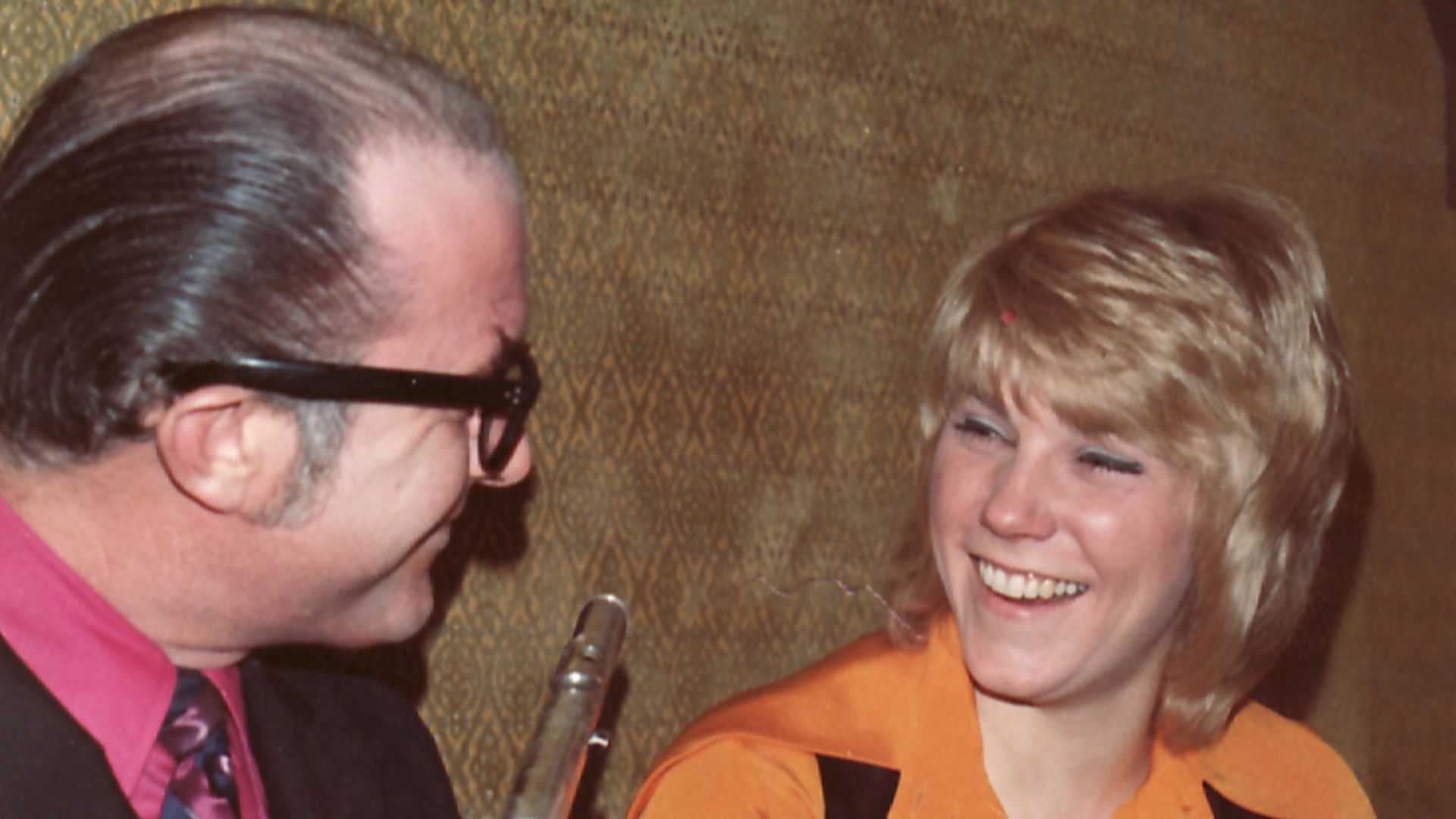 Courtesy of the Fraser MacPherson estate c/o Guy MacPherson, Wikimedia Commons
Hot Blooded By Foreigner
Foreigner had enough firepower in 1978 to put "Hot Blooded" at No. 26 on Cash Box's year-end chart. The guitar riff is still recognizable to classic-rock listeners, but the song occupies a different cultural tier from the band's later mega-ballad "I Want to Know What Love Is." Anyone who had an FM radio in the late 70s probably did not need to be told when that opening riff was coming.
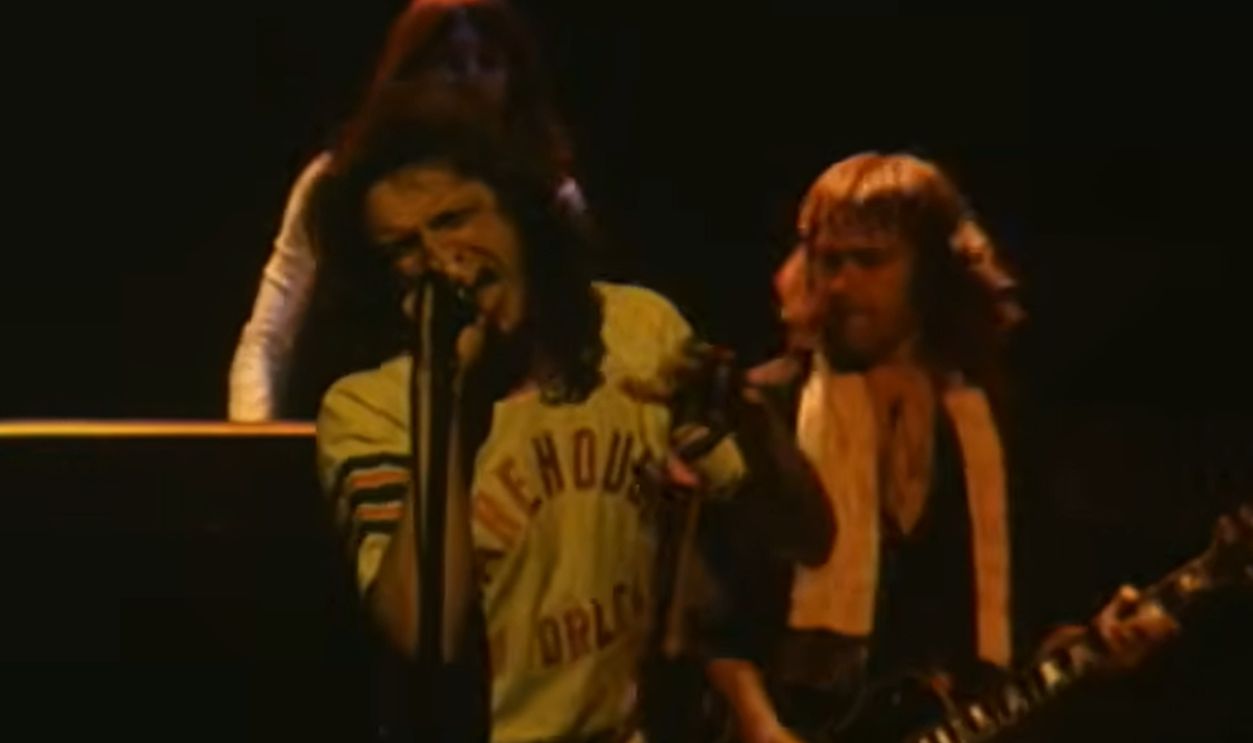 Screenshot from Hot Blooded, Atlantic Records (1978)
Reminiscing By Little River Band
Few songs sound more perfectly suited to the title of this article than Little River Band's "Reminiscing." Cash Box ranked it No. 30 for 1978, and its polished harmonies and gentle nostalgia helped make the Australian band a familiar presence on American radio. Younger ears may hear an impeccably smooth soft-rock song, while older listeners may hear an entire era returning.
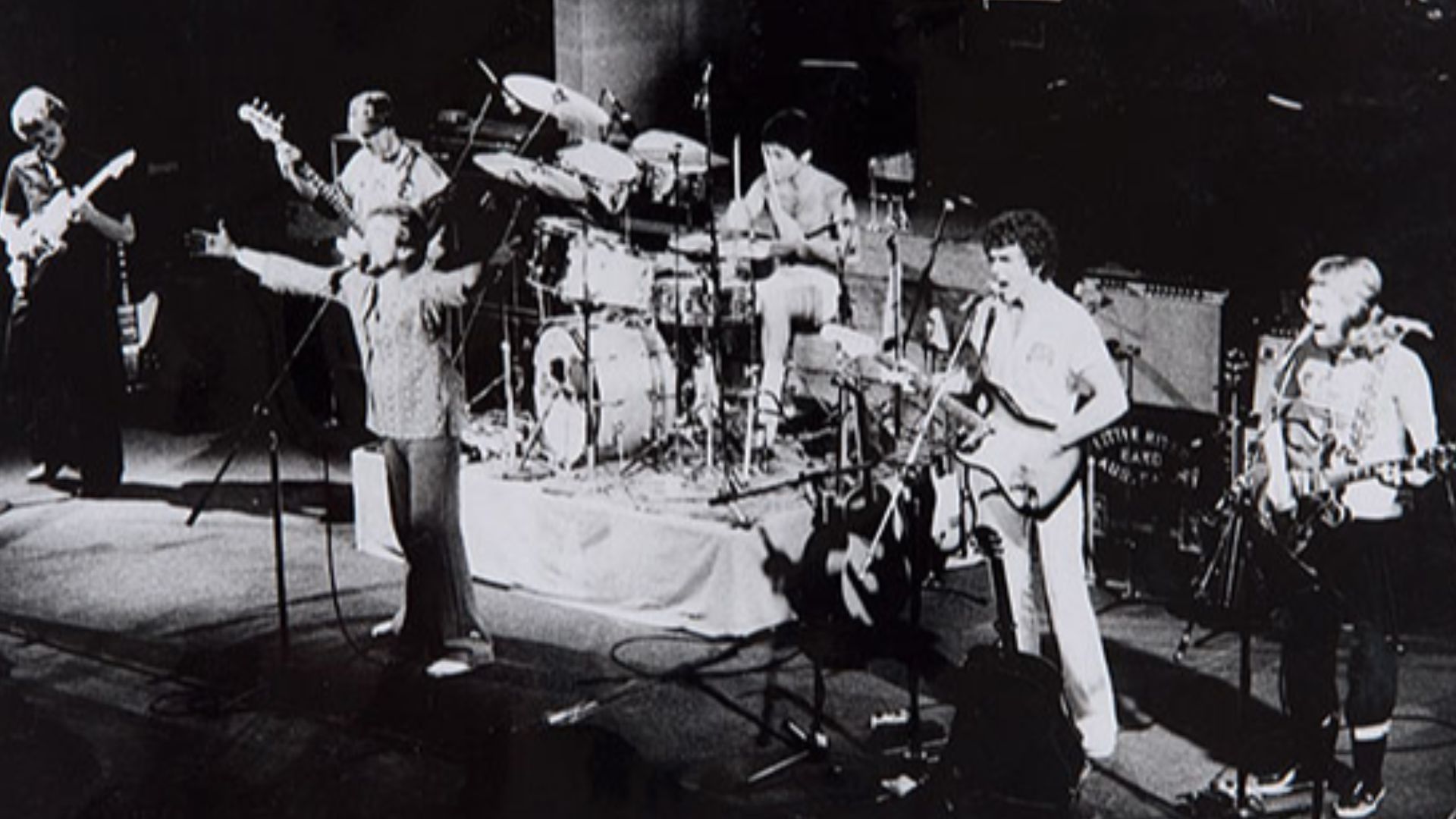 WWGB (talk), Wikimedia Commons
The Closer I Get To You By Roberta Flack And Donny Hathaway
Roberta Flack and Donny Hathaway turned quiet chemistry into a major hit with "The Closer I Get to You," ranked No. 31 on Cash Box's year-end list. The Associated Press later included the duet among the essential recordings in Flack's catalog. Instead of chasing a giant dramatic payoff, the song stays warm, restrained, and intimate, which made it ideal for the softer side of late-70s radio.
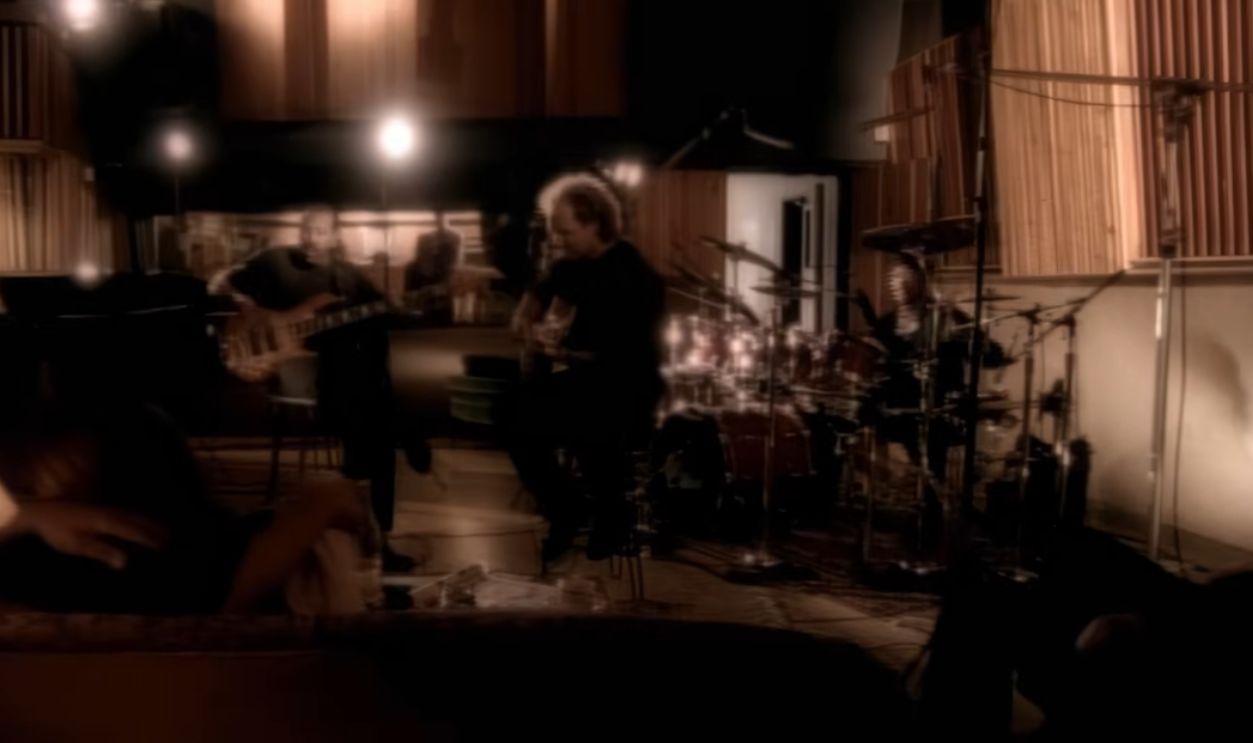 Screenshot from The Closer I Get to You, Atlantic Records (1978)
Whenever I Call You Friend By Kenny Loggins
"Whenever I Call You Friend" gave Kenny Loggins a major solo breakthrough and finished No. 33 on Cash Box's 1978 year-end chart. Stevie Nicks supplied prominent backing vocals, and Loggins later recalled that her involvement helped propel the song and his early solo career. The stacked vocals still sound enormous, even if many younger listeners would struggle to name the song from its title alone.
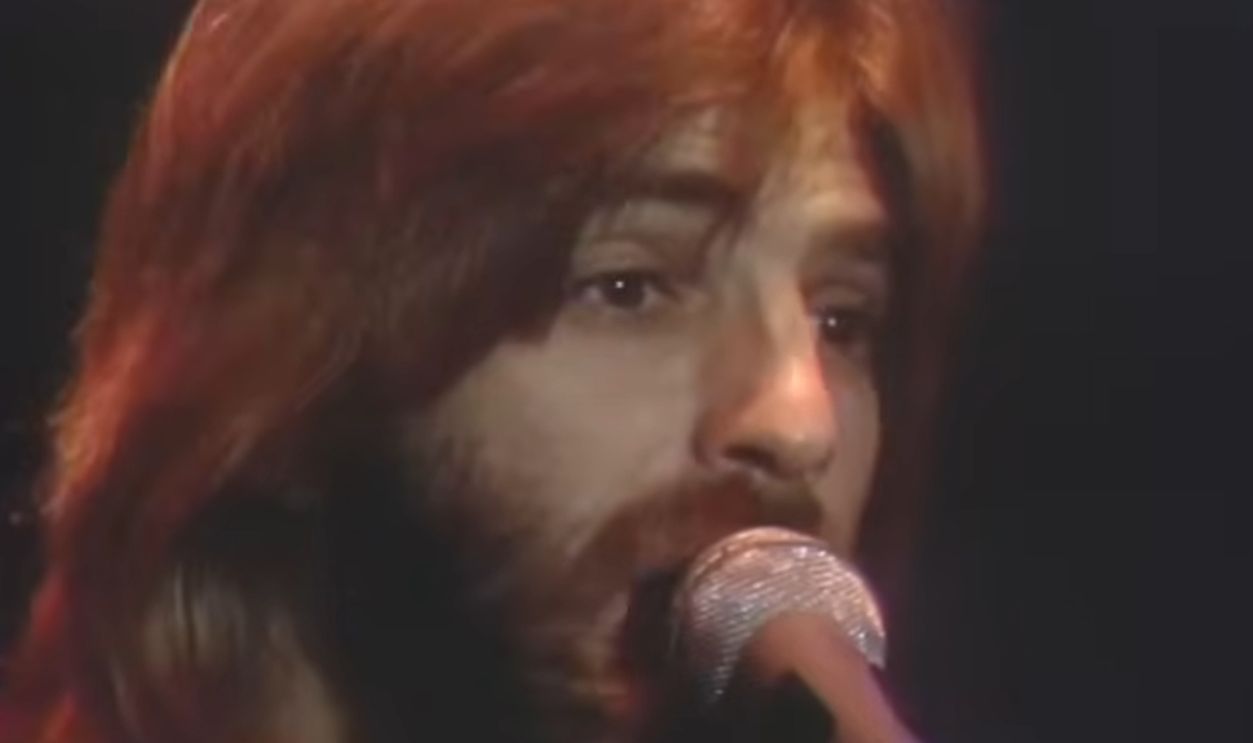 Screenshot from Whenever I Call You Friend, Columbia Records (1978)
Jack And Jill By Raydio
Before Ray Parker Jr. became permanently associated with "Ghostbusters," his group Raydio scored a sizable hit with "Jack and Jill." Cash Box placed the song at No. 34 for 1978, putting it ahead of plenty of recordings that remain better known today. Its slick R&B arrangement and story-driven chorus made Raydio sound completely at home on Top 40 radio.
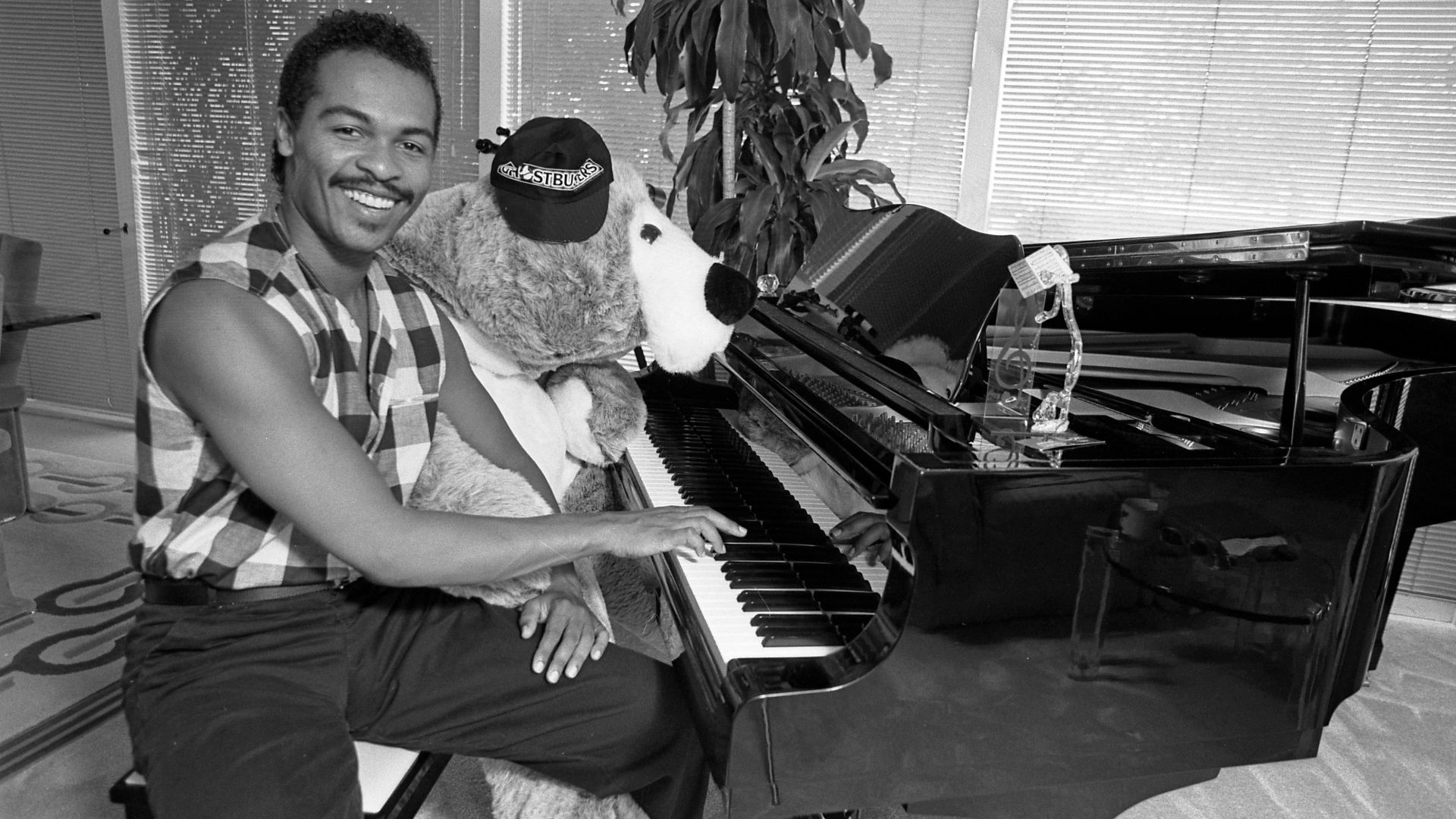 Jeff Share, Los Angeles Times, Wikimedia Commons
How Much I Feel By Ambrosia
Ambrosia's "How Much I Feel" ranked No. 35 on the Cash Box year-end singles chart. The group had progressive-rock roots, but this track leaned into an exceptionally polished soft-rock sound that would become one of the signatures of turn-of-the-decade radio. Once the chorus arrives, anyone who spent enough time listening to AM and FM stations in 1978 may discover that the lyrics never really left.

Love Will Find A Way By Pablo Cruise
Pablo Cruise occupied the breezy side of American rock, and "Love Will Find a Way" became one of its defining radio hits. Cash Box ranked it No. 36 for 1978, placing the band firmly inside that year's mainstream. The groove is sunny, clean, and effortlessly catchy, yet the band's name now produces far fewer instant reactions than it would have during the late 70s.
 F. J. Jasinski, MYi2U™, Wikimedia Commons
Use Ta Be My Girl By The O'Jays
The O'Jays were already established soul stars when "Use Ta Be My Girl" became another substantial crossover success. It finished No. 43 on Cash Box's 1978 year-end pop chart, showing how comfortably Philadelphia soul could still compete on mainstream radio. The vocal interplay is so smooth that longtime listeners can often jump into the chorus before they consciously remember the title.
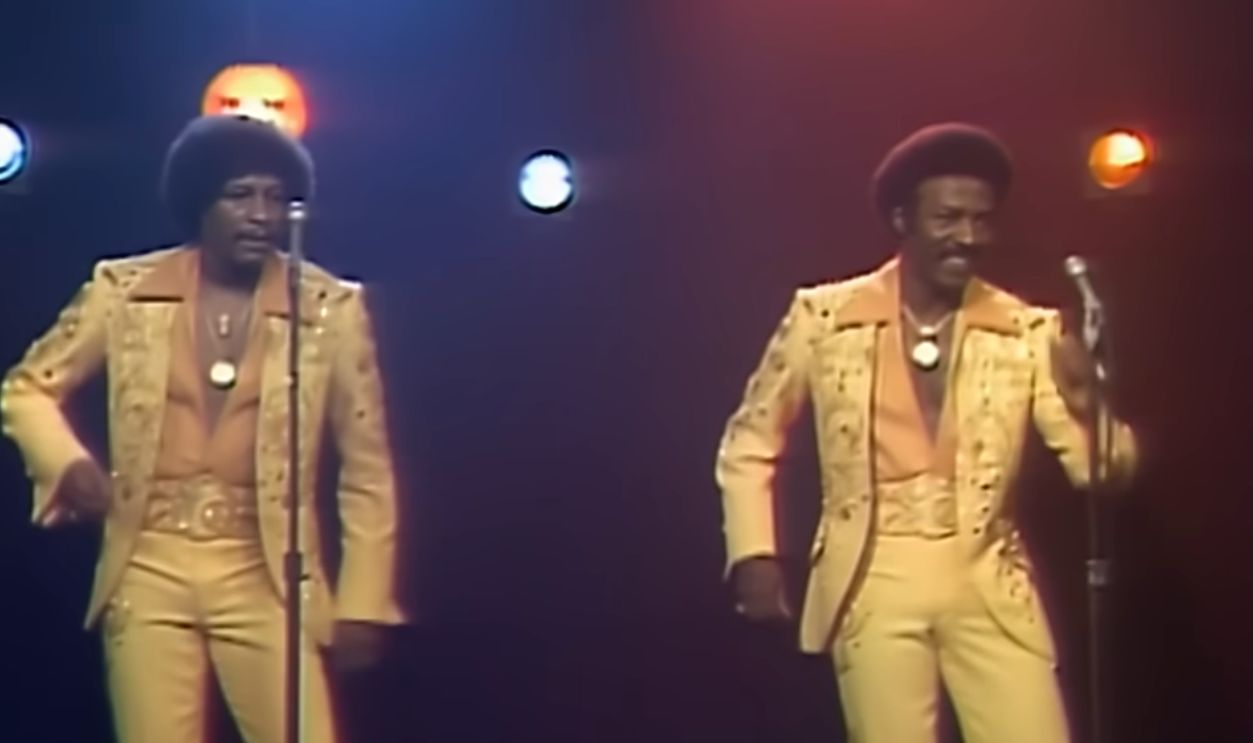 Screenshot from Use ta Be My Girl, Philadelphia International Records (1978)
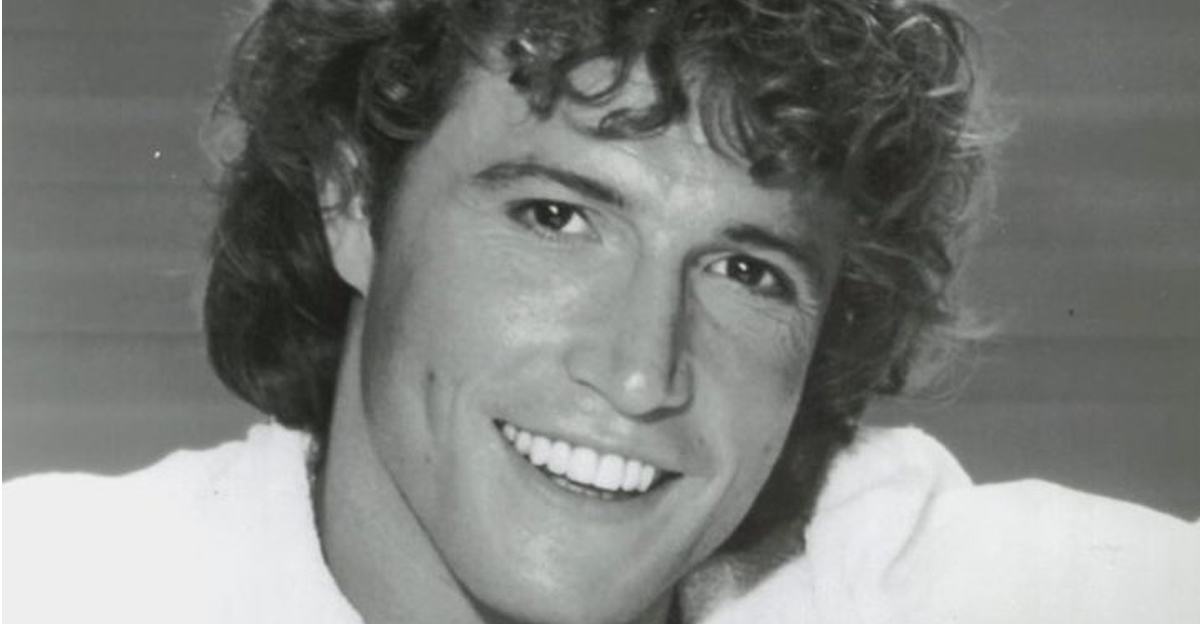
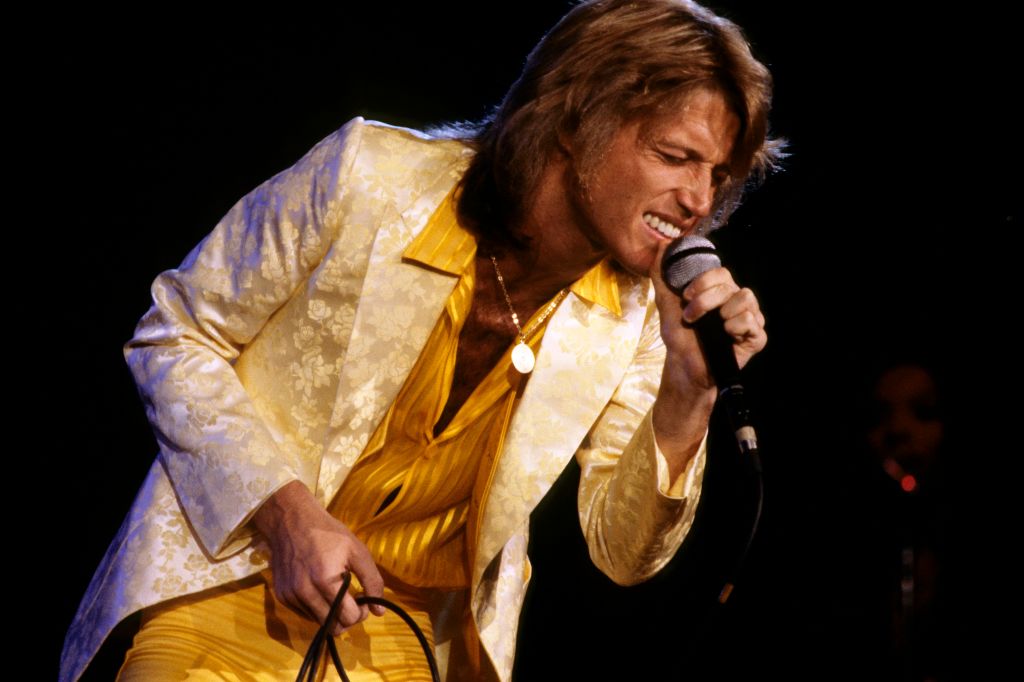
An Everlasting Love By Andy Gibb
Andy Gibb was one of the dominant young pop stars of the late 70s, and even his less-discussed hits could become major radio records. "An Everlasting Love" finished No. 45 on Cash Box's year-end chart in 1978. The song carries the polished melodic style associated with the Gibb family, but it now sits deep in the shadow of Andy's better-remembered "Shadow Dancing."
 Richard E. Aaron, Getty Images
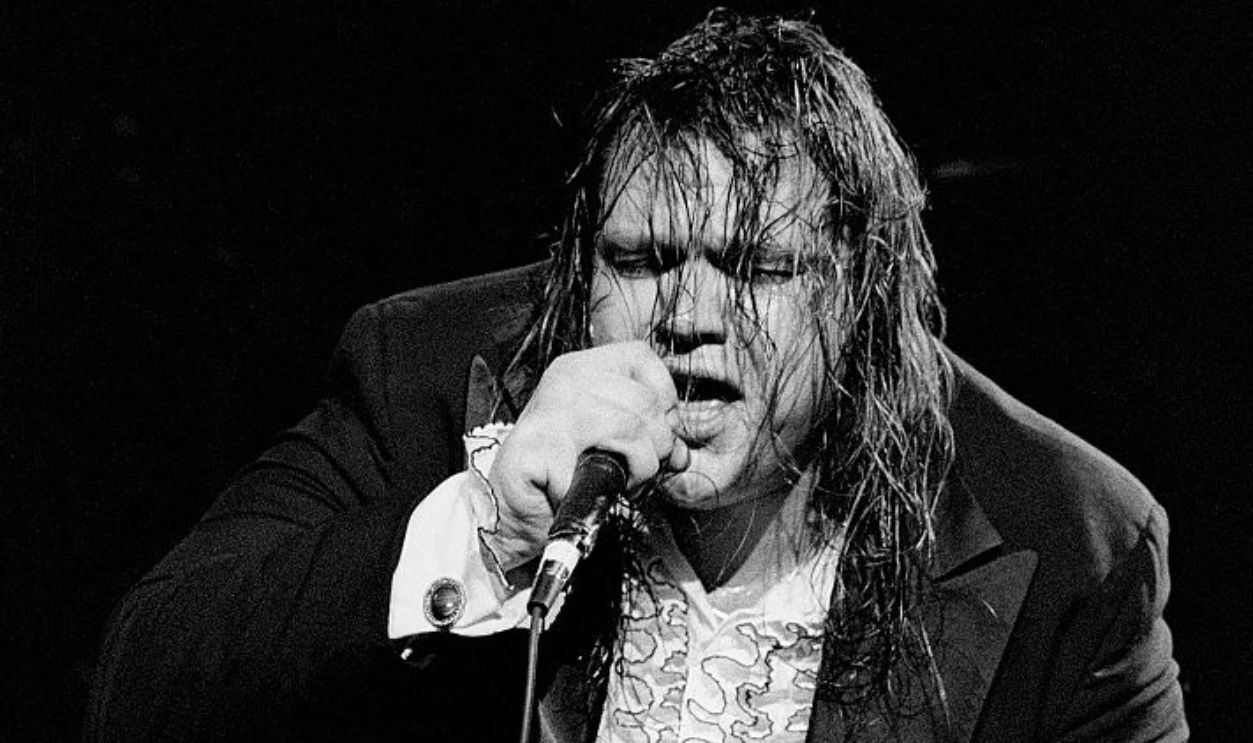
Two Out Of Three Ain't Bad By Meat Loaf
"Two Out of Three Ain't Bad" gave Meat Loaf's theatrical style a surprisingly tender showcase and ranked No. 46 on Cash Box's 1978 year-end chart. The Jim Steinman composition appeared on Bat Out of Hell, with Todd Rundgren producing the recording. Its title became an instantly memorable phrase, but younger listeners who know Meat Loaf mainly by reputation may never have heard the heartbreak underneath it.
Baby Hold On By Eddie Money
Eddie Money announced himself to pop radio with "Baby Hold On," which finished No. 49 on Cash Box's 1978 year-end chart. The song mixes a muscular rock arrangement with a chorus built for immediate singalong appeal. Money remained a familiar rock-radio figure for years, but this early hit can now require a few seconds of listening before younger audiences place it.
 Republic Country Club, Wikimedia Commons
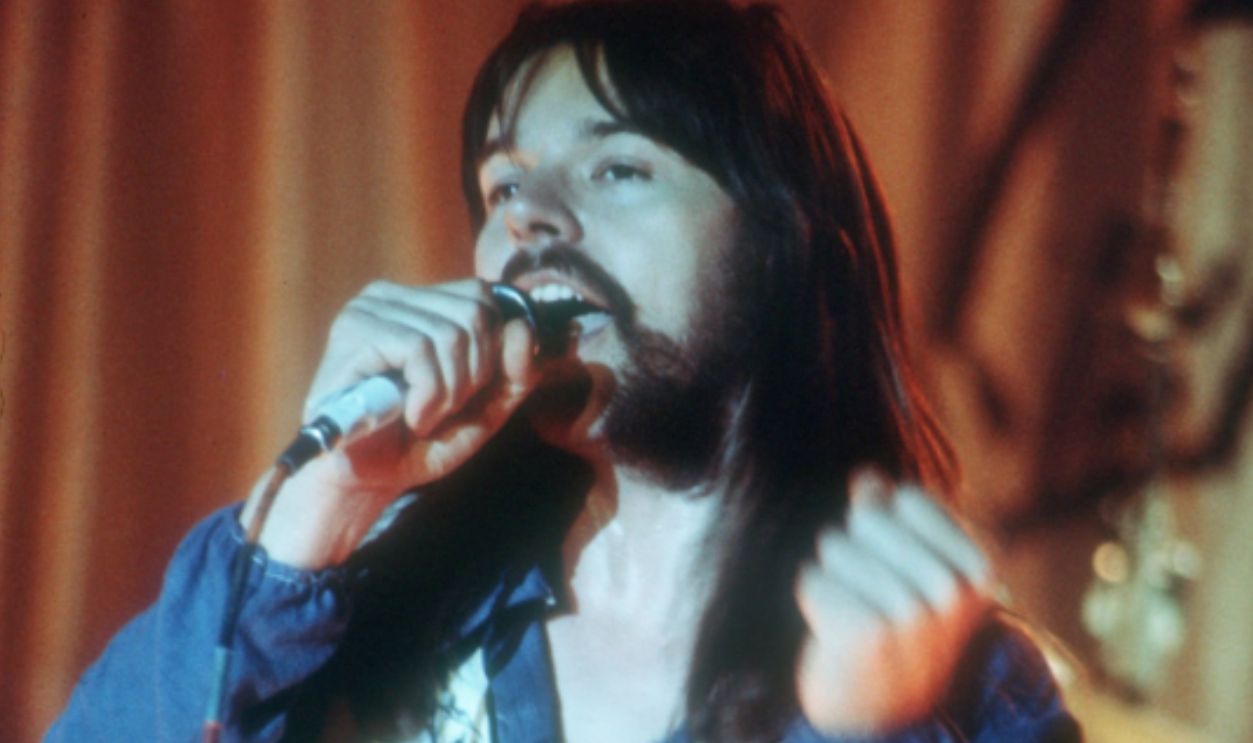
Still The Same By Bob Seger
Bob Seger's "Still the Same" ranked No. 52 on Cash Box's 1978 year-end chart. Its smooth piano-led opening is considerably calmer than some of Seger's hardest-driving rock songs, but his unmistakable voice soon takes over. Classic-rock listeners may know every turn of the melody, while younger audiences are more likely to start with "Old Time Rock and Roll" or "Night Moves."
 Michael Ochs Archives, Getty Images
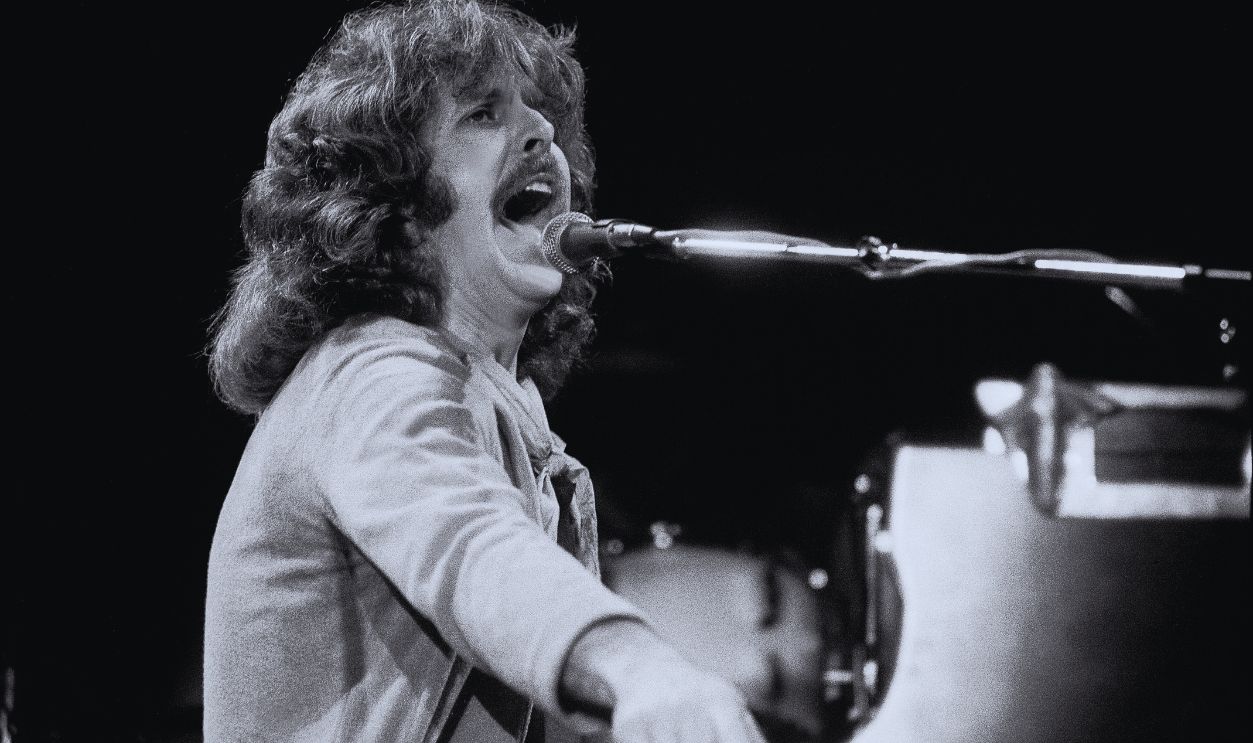
Thunder Island By Jay Ferguson
Jay Ferguson's "Thunder Island" reached No. 53 on the Cash Box year-end list, making it a genuine 1978 radio hit rather than some forgotten album cut. The song has guitars, harmonies, and a sun-drenched chorus that sounds like it should be playing through an open car window. Its title may draw blank looks now, right up until the chorus suddenly unlocks a decades-old memory.
Dance With Me By Peter Brown
Peter Brown's "Dance With Me," featuring Betty Wright, finished No. 55 on Cash Box's 1978 year-end chart. Its mixture of pop hooks, funk, and disco rhythm fit perfectly into a year when dance music was taking over American popular culture. Unlike the era's biggest disco anthems, however, it rarely appears on the short list of songs younger generations are expected to know.
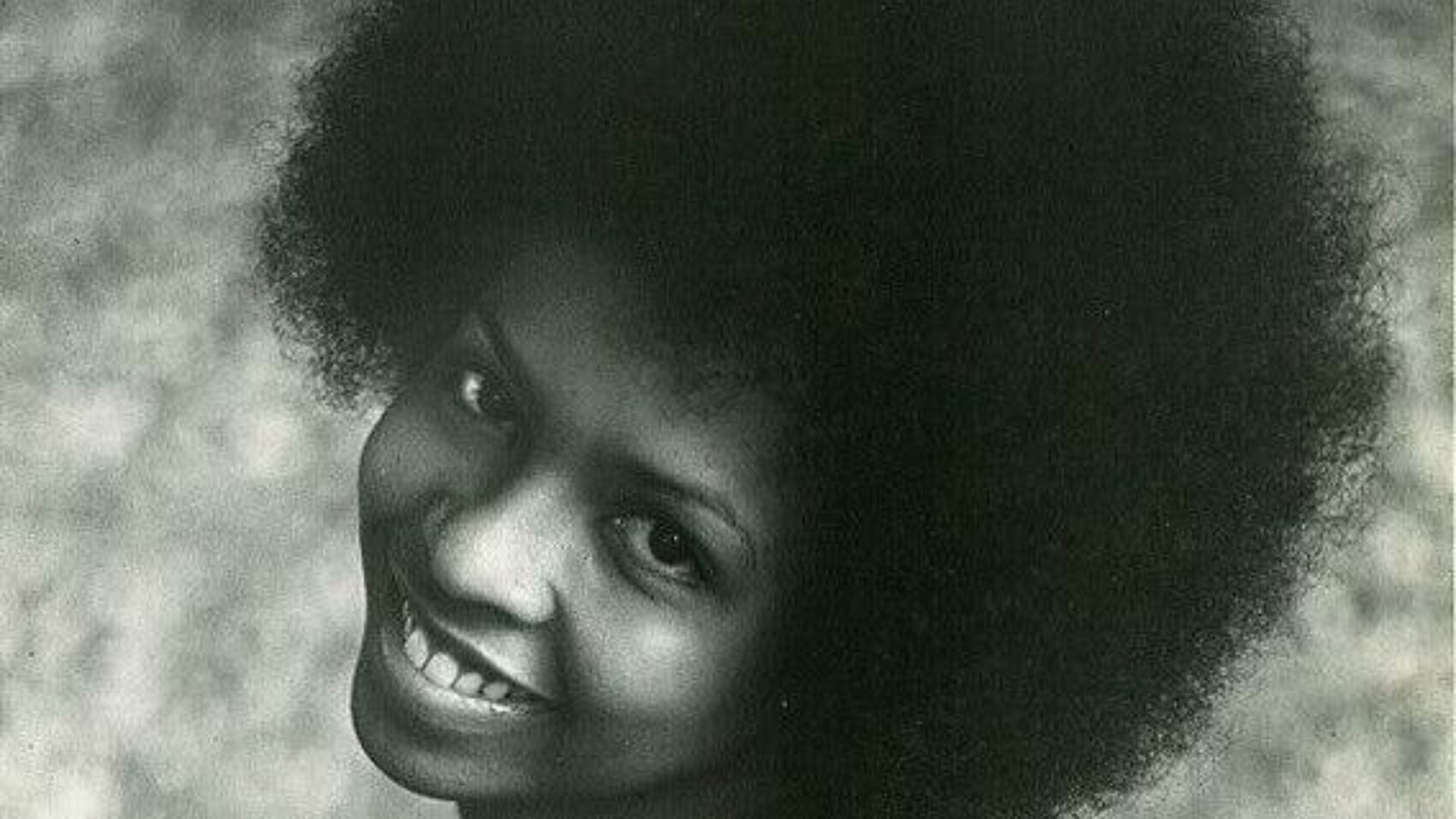 Alston Records; Distributed by TK Records, Wikimedia Commons
Right Down The Line By Gerry Rafferty
"Baker Street" became Gerry Rafferty's towering signature song, but "Right Down the Line" was a serious hit in its own right. Cash Box ranked it No. 57 for 1978, just a few dozen places behind its much more famous sibling on the same year-end list. Its laid-back groove and affectionate lyric make it one of those records that can sound instantly familiar even when the title does not.
 Eddie Mallin, Wikimedia Commons
Magnet And Steel By Walter Egan
Walter Egan's "Magnet and Steel" finished No. 59 on Cash Box's year-end chart, making its peculiar little groove one of 1978's genuine pop successes. The production has the hazy, lightly quirky quality that makes the record difficult to mistake for anything from another decade. Boomers who have not heard it in years may still discover that the repeated hook is lodged surprisingly deep in their memory.
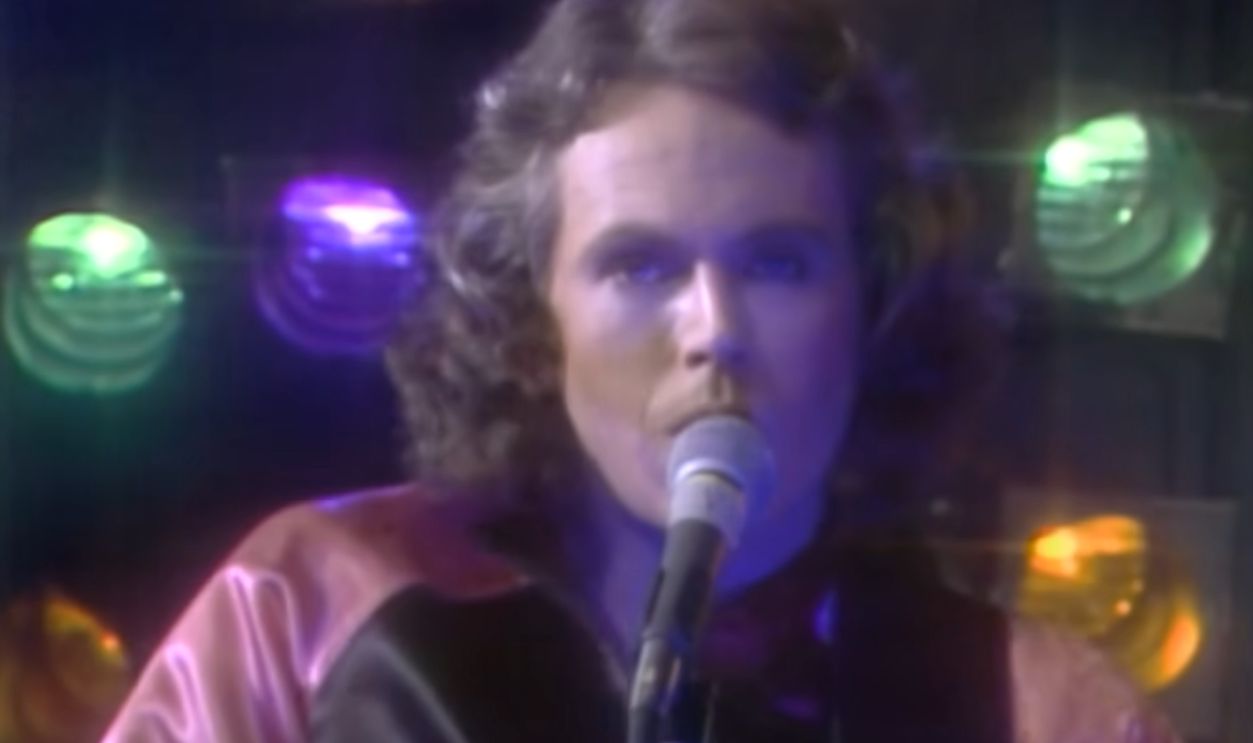 Screenshot from Magnet and Steel, Columbia Records (1978)
Love Is Like Oxygen By Sweet
Sweet had already built a reputation with glam-rock records when "Love Is Like Oxygen" gave the band another significant American hit. Cash Box ranked it No. 71 for the year, lower than its peak popularity might suggest but still inside the publication's 1978 Top 100. The track moves between a sturdy rock hook and more elaborate sections, giving it a slightly stranger shape than the average radio single.
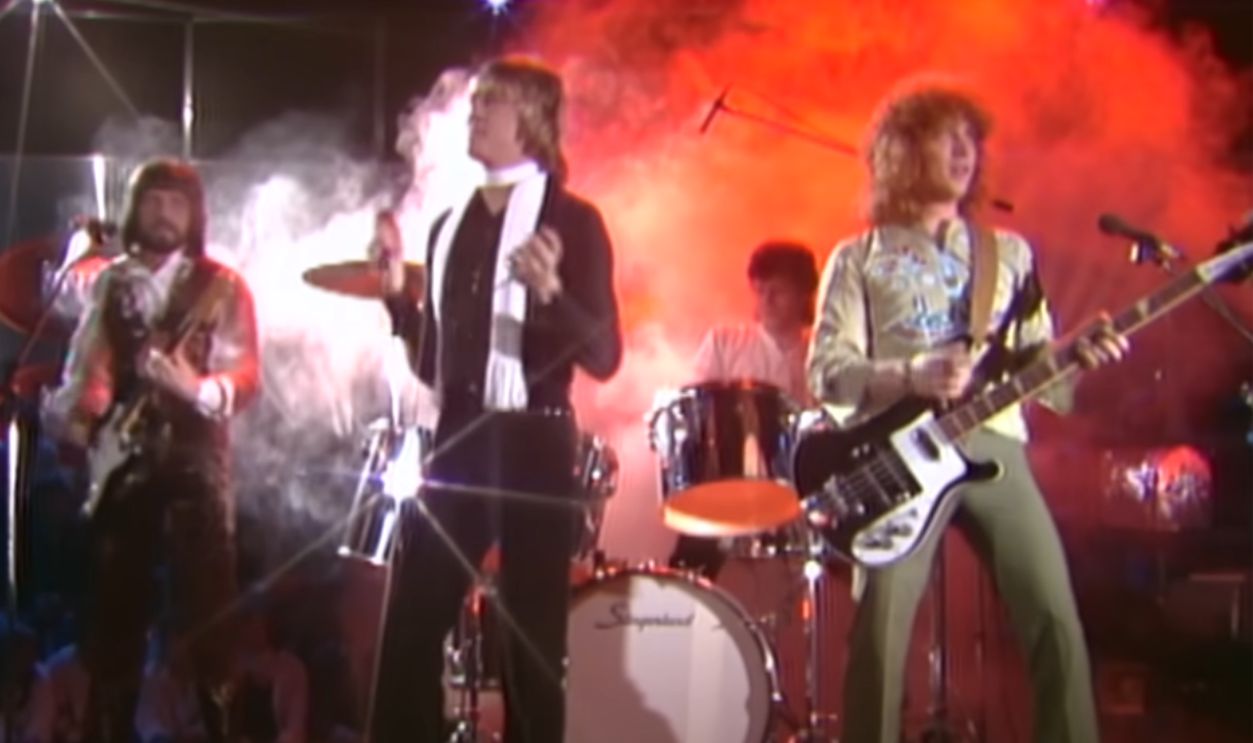 Screenshot from Love Is Like Oxygen, Polydor Records (1978)
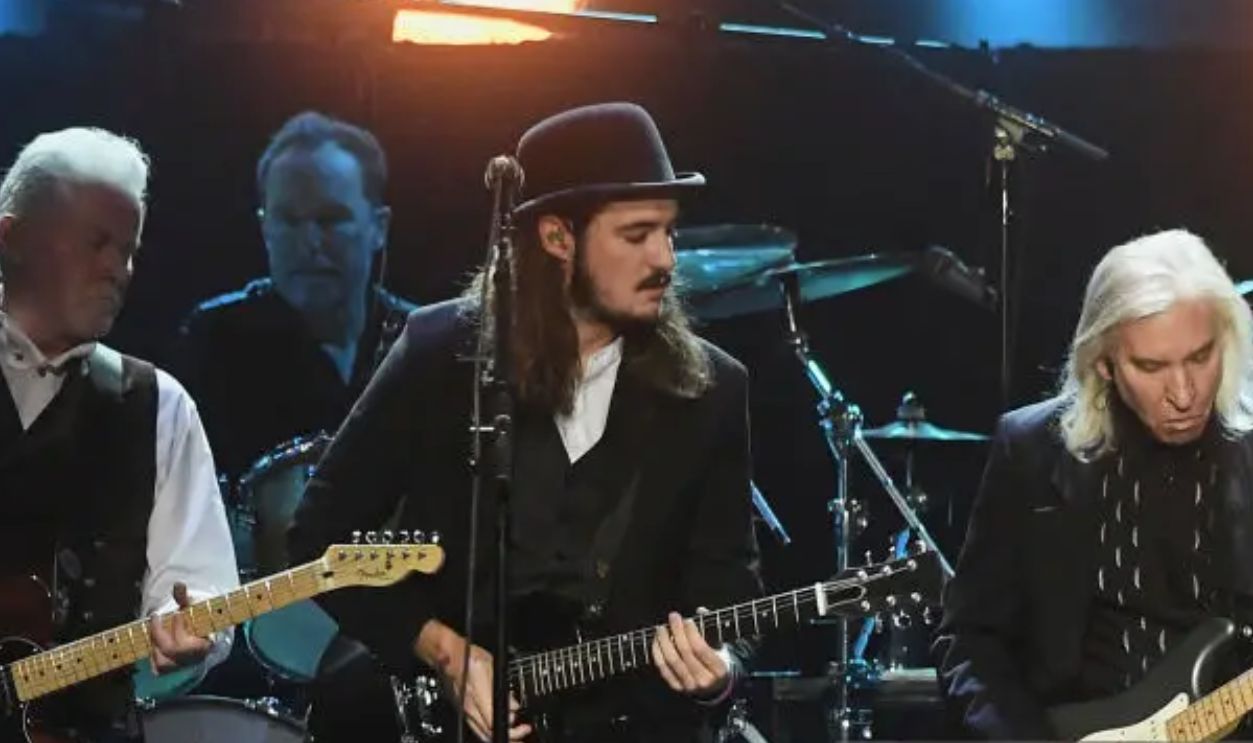
Life's Been Good By Joe Walsh
Joe Walsh turned rock-star excess into comedy on "Life's Been Good," which finished No. 72 on Cash Box's year-end chart. The song's dry humor works because Walsh delivers its outrageous complaints and boasts with complete calm. Younger listeners may know Walsh primarily as an Eagle, but older rock fans can often quote this solo hit with suspiciously little prompting.
Imaginary Lover By Atlanta Rhythm Section
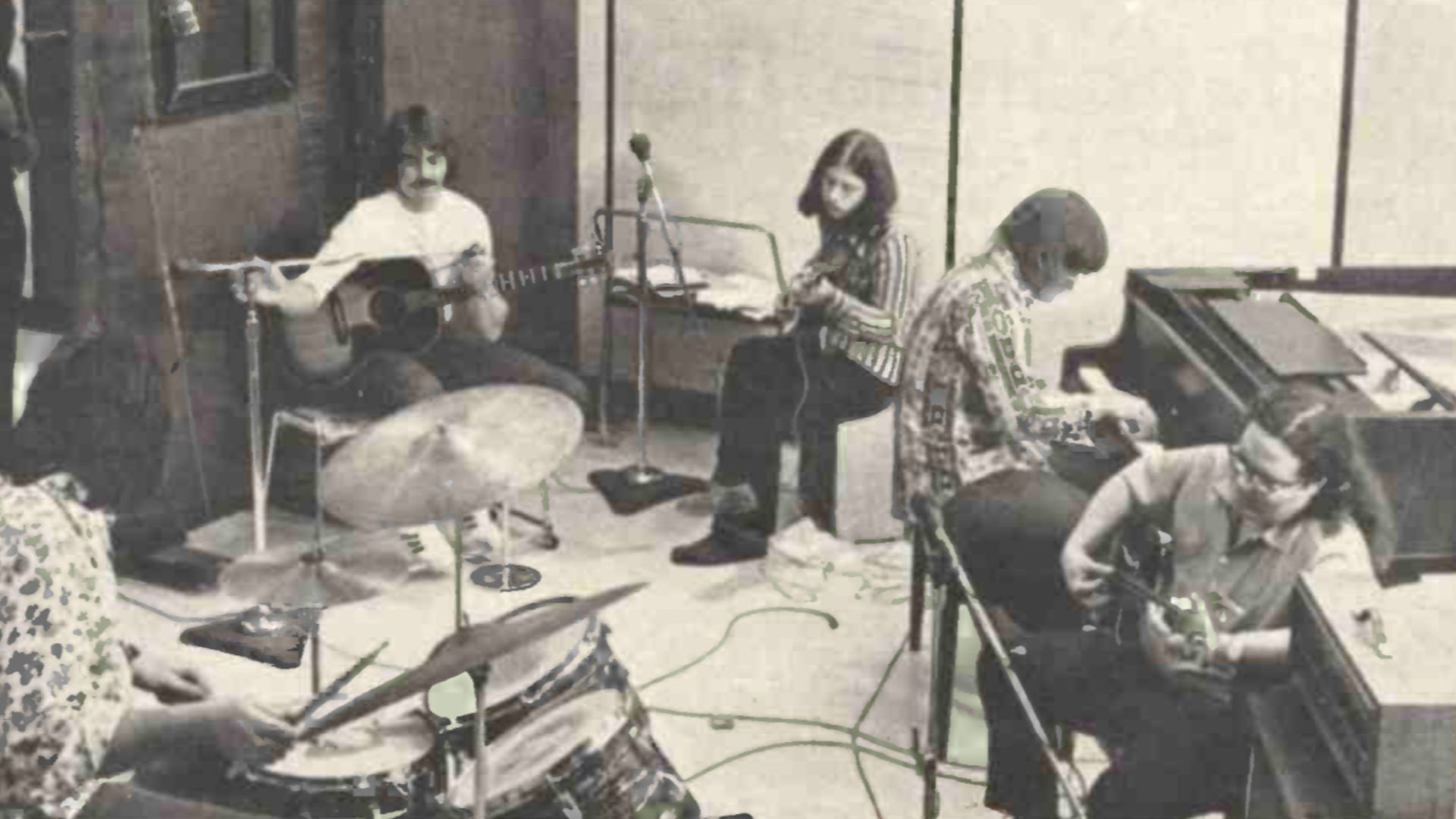
Atlanta Rhythm Section's "Imaginary Lover" landed at No. 73 on Cash Box's 1978 year-end chart. The track represents the smoother side of Southern rock, trading rowdiness for a dreamy groove and a decidedly adult subject. It was mainstream enough to become a substantial pop hit, yet today even the band's name can require a little explanation outside classic-rock circles.
 Decca Records, Wikimedia Commons
You Belong To Me By Carly Simon
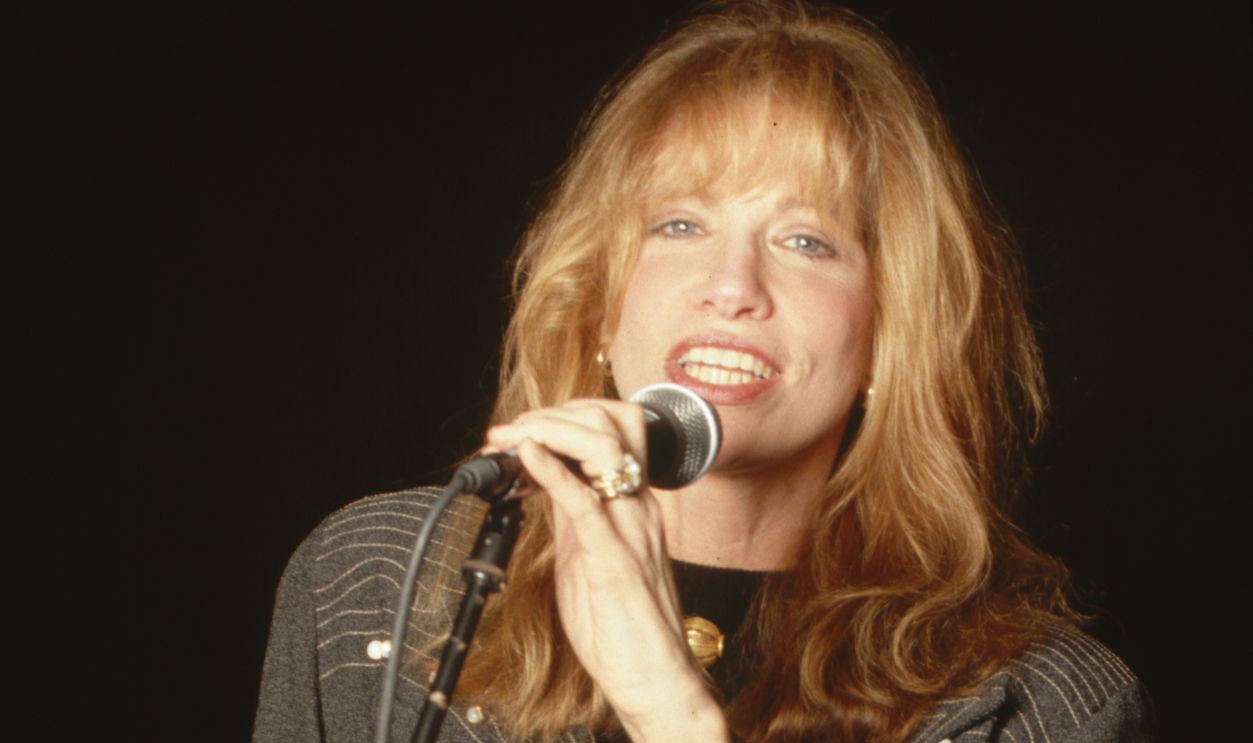
Carly Simon's "You Belong to Me" finished No. 74 on Cash Box's year-end chart. Its sophisticated arrangement and controlled vocal performance feel far removed from the bigger, punchier production styles that would dominate pop in the following decade. Simon will always be most closely linked with "You're So Vain," which makes this once-familiar radio hit an excellent test of someone's 1978 credentials.
Peg By Steely Dan
Steely Dan's "Peg" came from Aja and finished at No. 81 on Cash Box's 1978 year-end singles ranking. The song combines an impossibly polished studio sound with a chorus that seems to glide rather than explode. Younger music fans may know Steely Dan as a critically revered band, but listeners who heard "Peg" in real time remember when that meticulous sound was simply part of pop radio.

Fool If You Think It's Over By Chris Rea
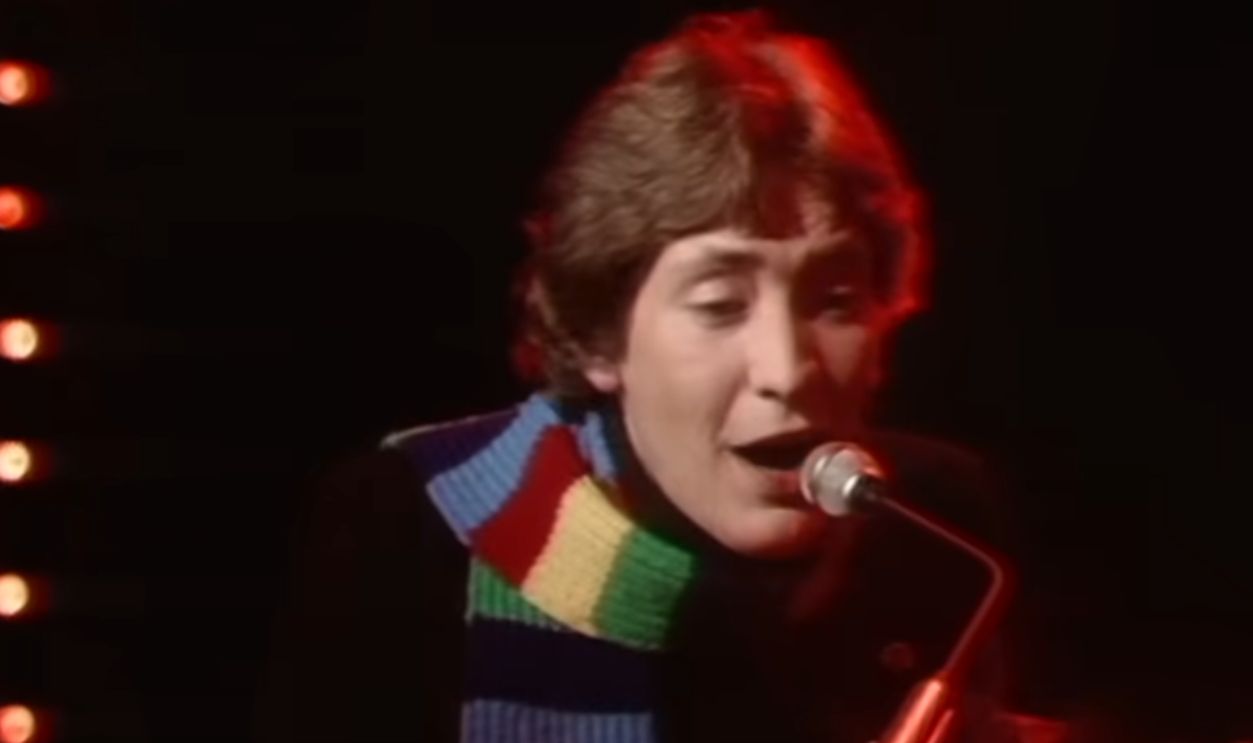
Chris Rea's "Fool (If You Think It's Over)" finished No. 86 on Cash Box's year-end chart for 1978. Its smooth arrangement and slightly world-weary vocal put it squarely in the sophisticated soft-pop lane that flourished at the end of the decade. Rea never became as ubiquitous a name in the United States as some of his contemporaries, which makes the song especially good at triggering the reaction, "I forgot how well I knew this."
 Screenshot from Fool If You Think It's Over, Magnet Records (1978)
You May Also Like:
Famous 70s Celebrities That Everyone Forgot—And These Legends Are Worth Remembering