He Hid A Devastating Secret
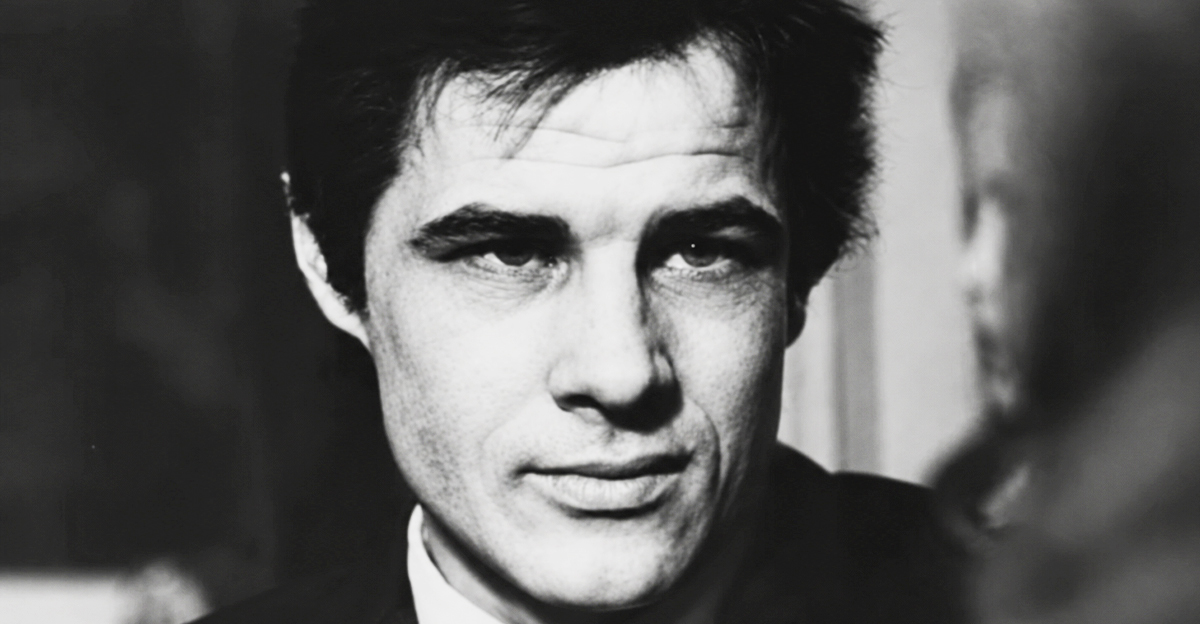
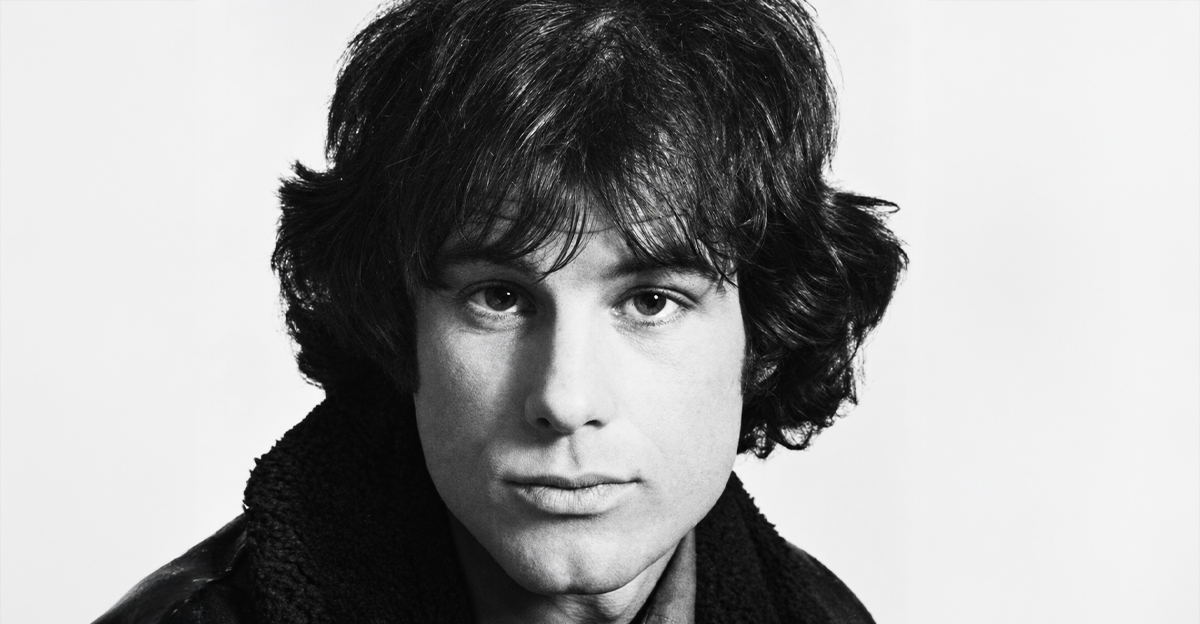
Brad Davis became an overnight sensation in Midnight Express (1978), seemingly launching a major Hollywood career. But after learning he was HIV-positive in 1985, Davis and his wife concealed his condition for six years, fearing Hollywood would stop hiring him. He continued acting while privately becoming increasingly ill, dying from AIDS-related complications at just 41.
 Archive Photos, Moviepix Collection/Getty Images
He Was Born In Florida
Robert Creel Davis was born in Tallahassee, Florida, on November 6, 1949, and grew up largely in Titusville. Known as Bobby when he was young, he eventually adopted Brad professionally. His brother Gene Davis also became an actor, appearing in movies including Cruising (1980).
Home Wasn't Always Happy
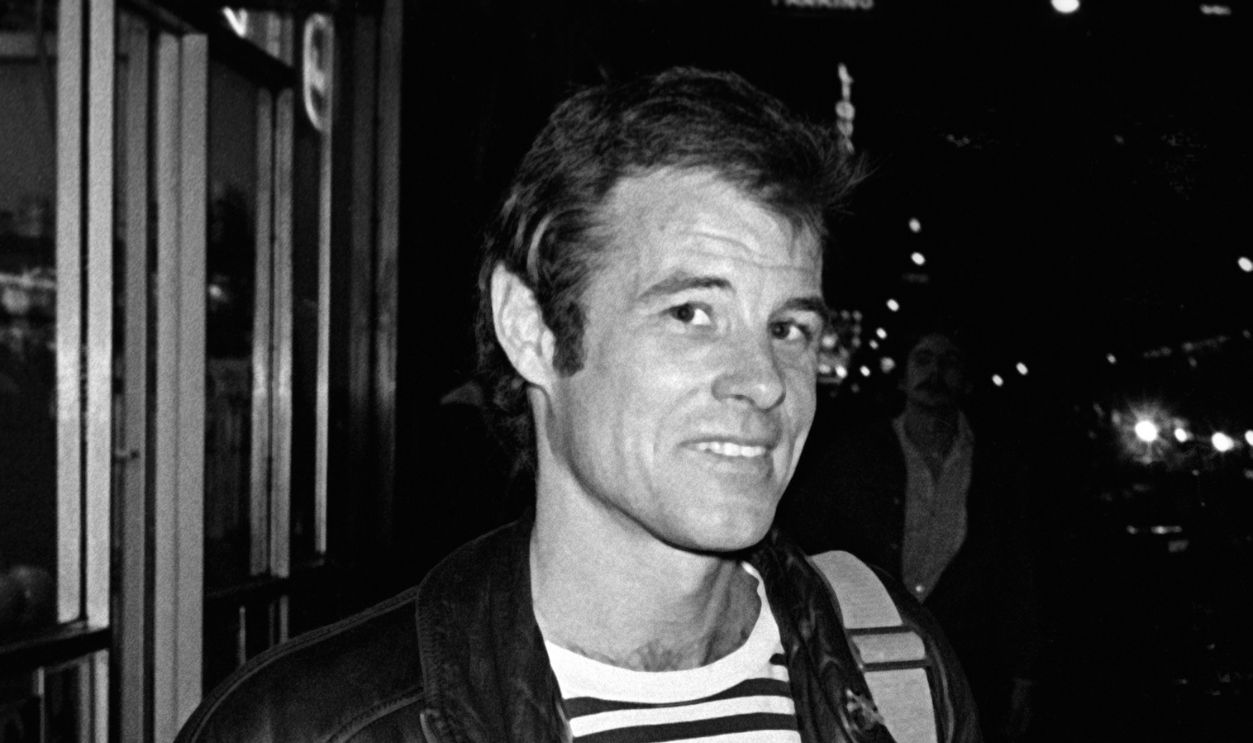
Davis rarely fit the image of the carefree young star. Accounts published after his death described an extremely troubled upbringing and a father whose dental career deteriorated amid drinking problems. Davis eventually moved to New York, where he studied at the American Academy of Dramatic Arts and continued developing his craft with respected acting teacher Wynn Handman.
He Studied His Craft
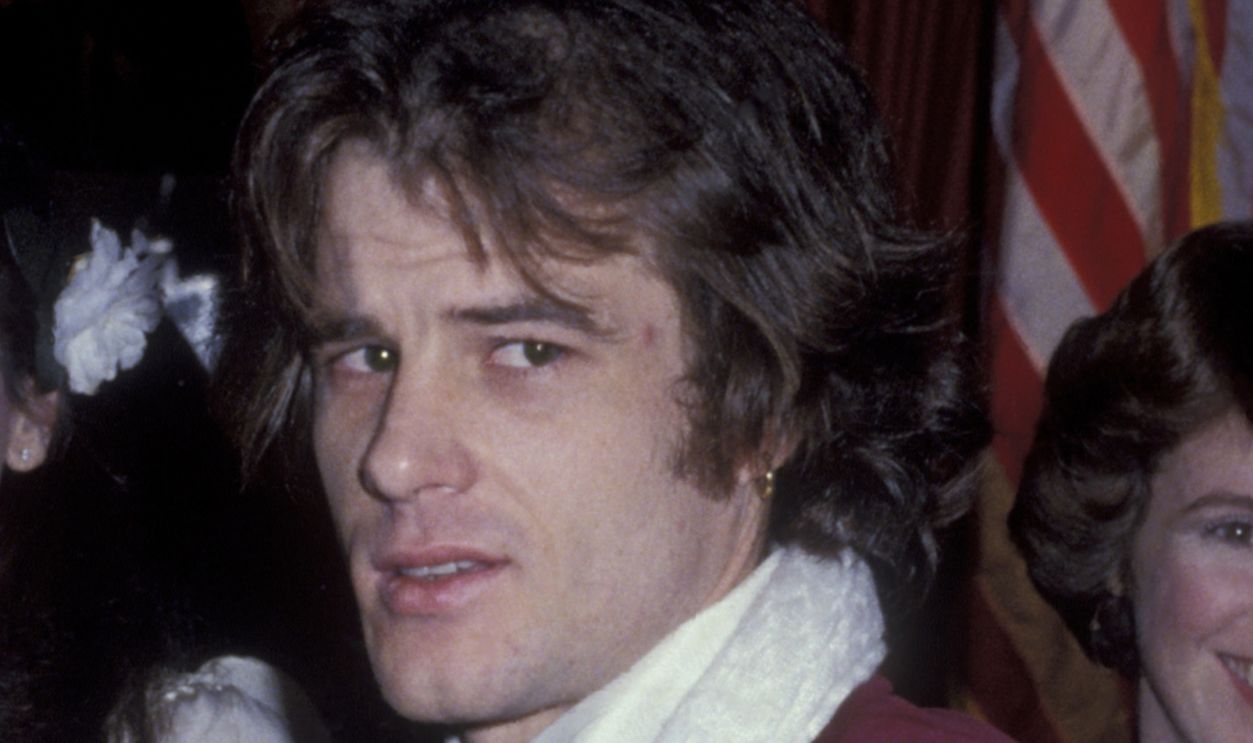
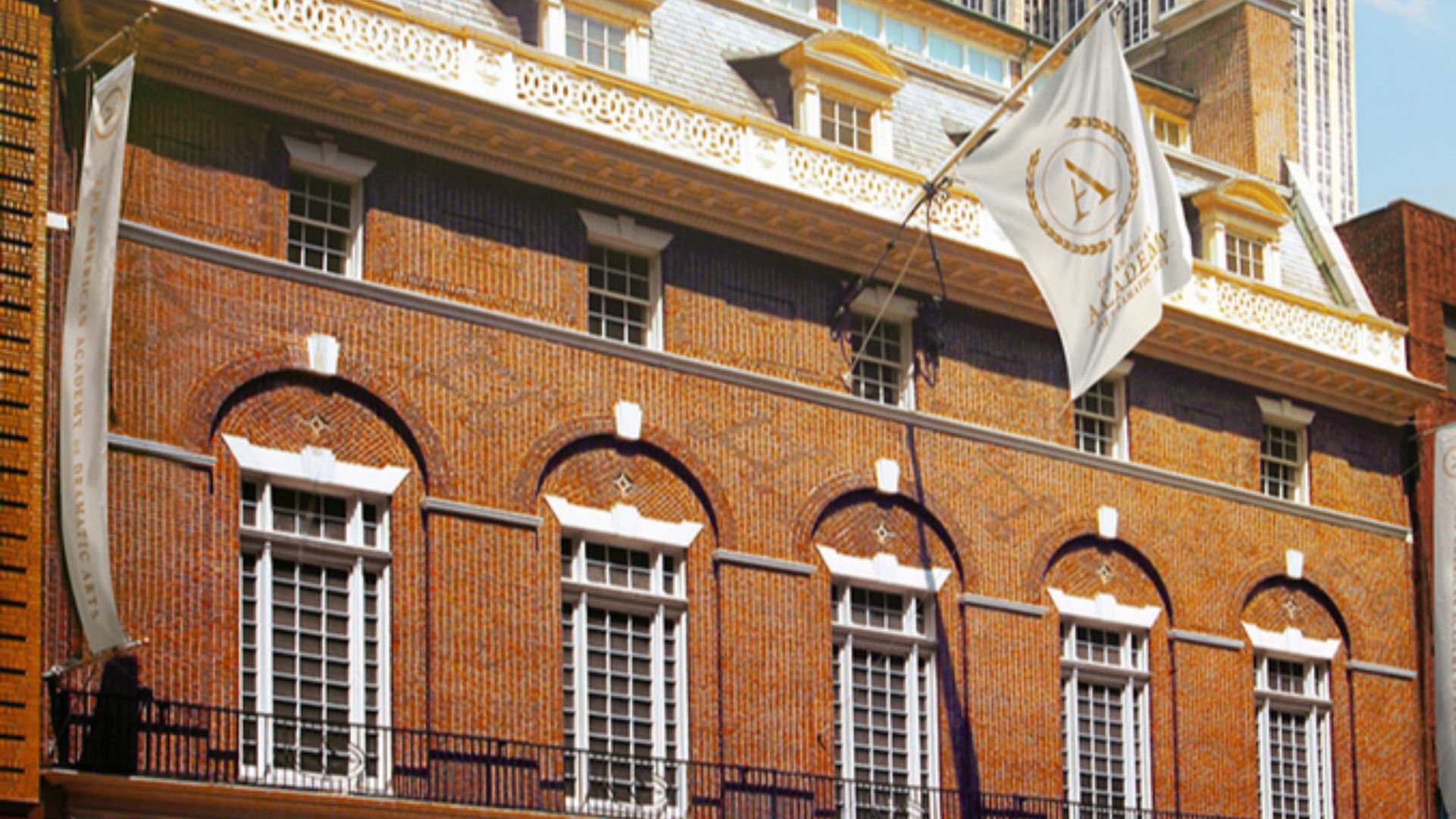
Davis moved to New York at 18 and spent two years at the American Academy of Dramatic Arts. He later studied with influential acting teacher Wynn Handman, whose students included Christopher Walken and James Caan. Handman remembered Davis as both naturally gifted and unusually dedicated to acting.
Television Came First
Before Hollywood discovered him, Davis built experience on stage and television. By 1976, he had landed Richard Loomis in the acclaimed television drama Sybil, directed by Daniel Petrie and starring Sally Field and Joanne Woodward. The enormously successful production gave the still-little-known Davis valuable national exposure.
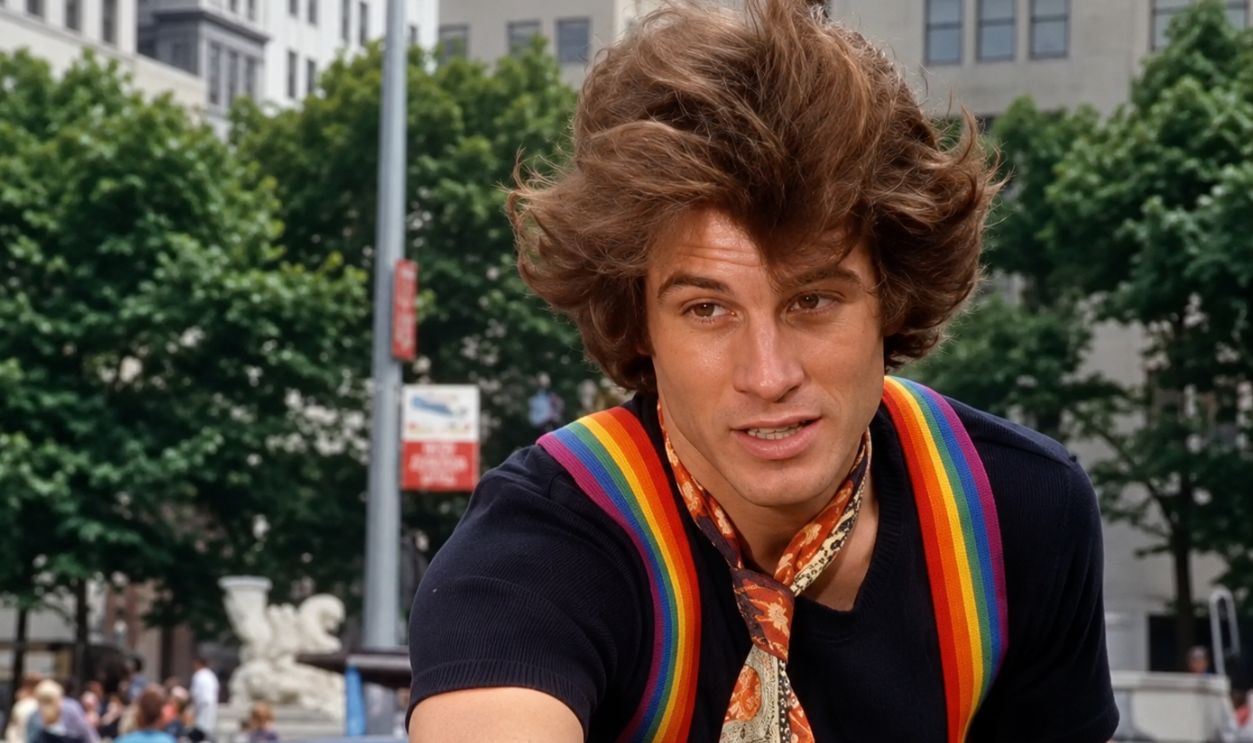 Screenshot from Sybil, Viacom International (1976), Modified
Roots Raised His Profile
Davis next appeared in the television phenomenon Roots, playing Ol' George Johnson in its seventh episode. He worked alongside Ben Vereen, Georg Stanford Brown and Olivia Cole. The 1977 miniseries became a landmark television event and gave Davis another unusually high-profile credit shortly before his movie breakthrough.
The Audition Was Memorable
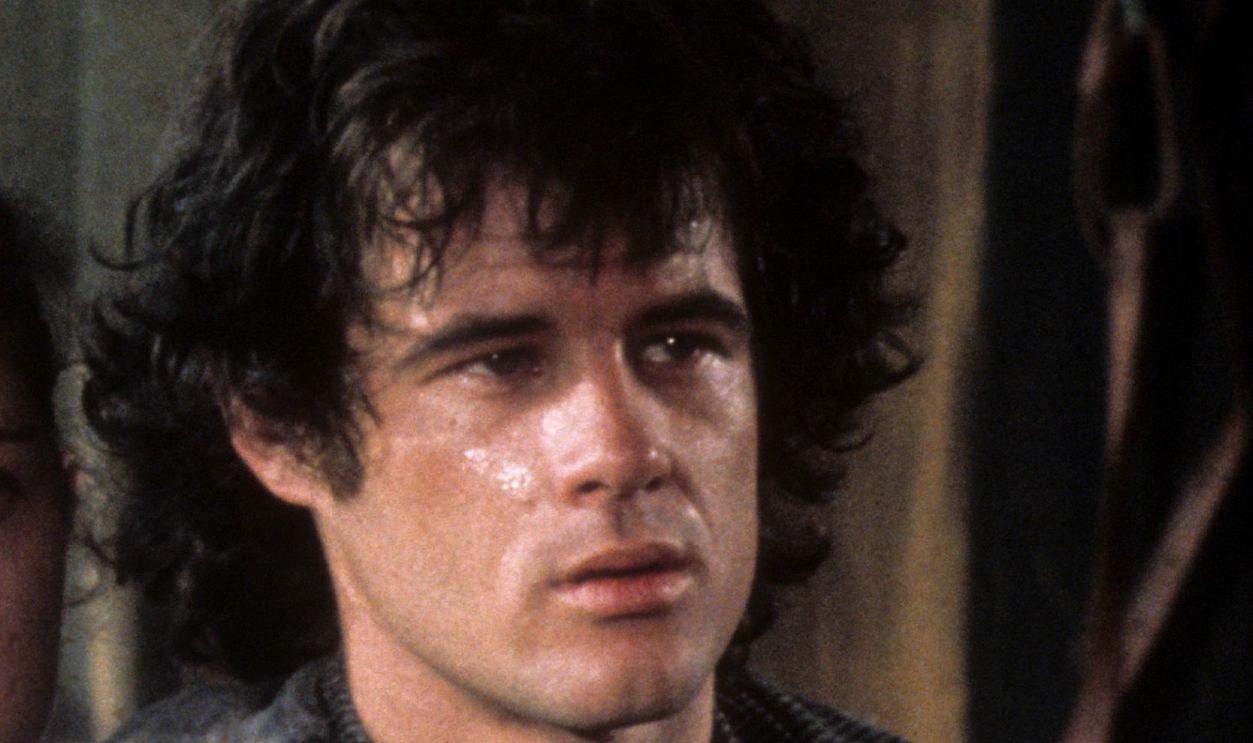
When Davis auditioned for Midnight Express, things weren't exactly going smoothly. His Volkswagen broke down, forcing him to abandon the car and run roughly five miles. He arrived two hours late, sweaty and covered in grease. Parker nevertheless saw vulnerability, anger and extraordinary nervous energy in him.
He Wasn't The Favorite
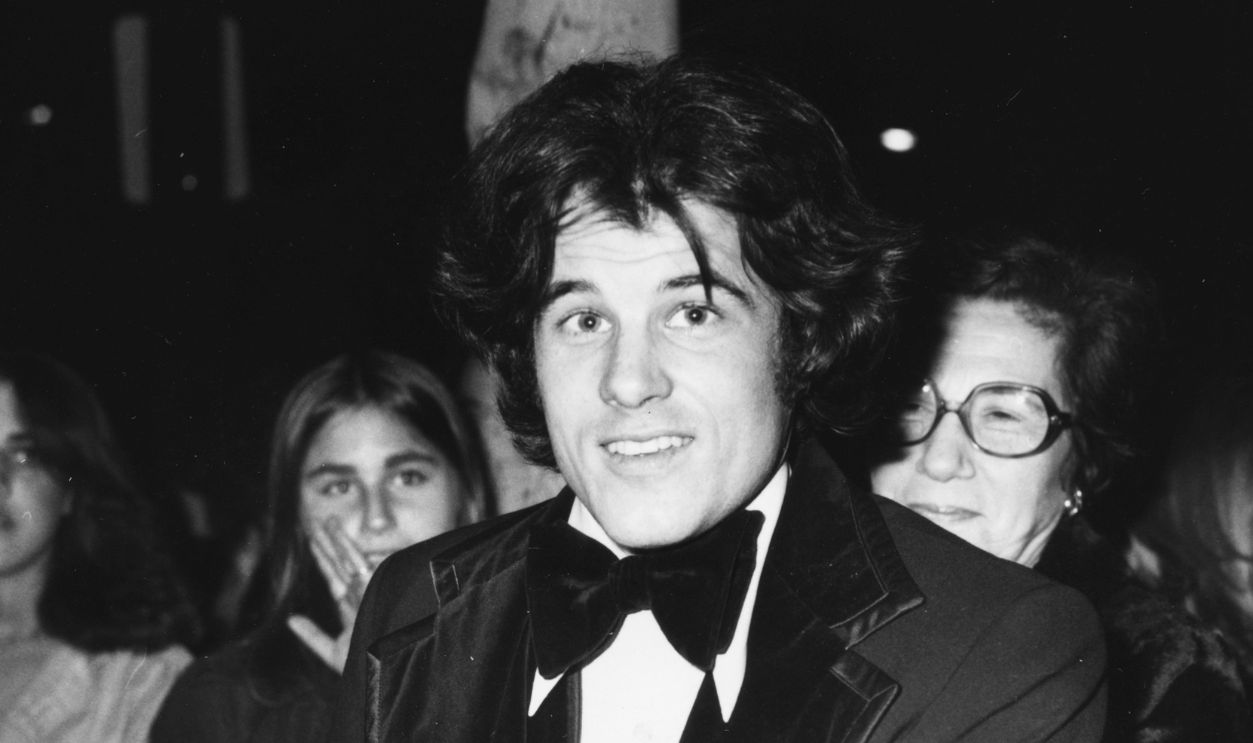
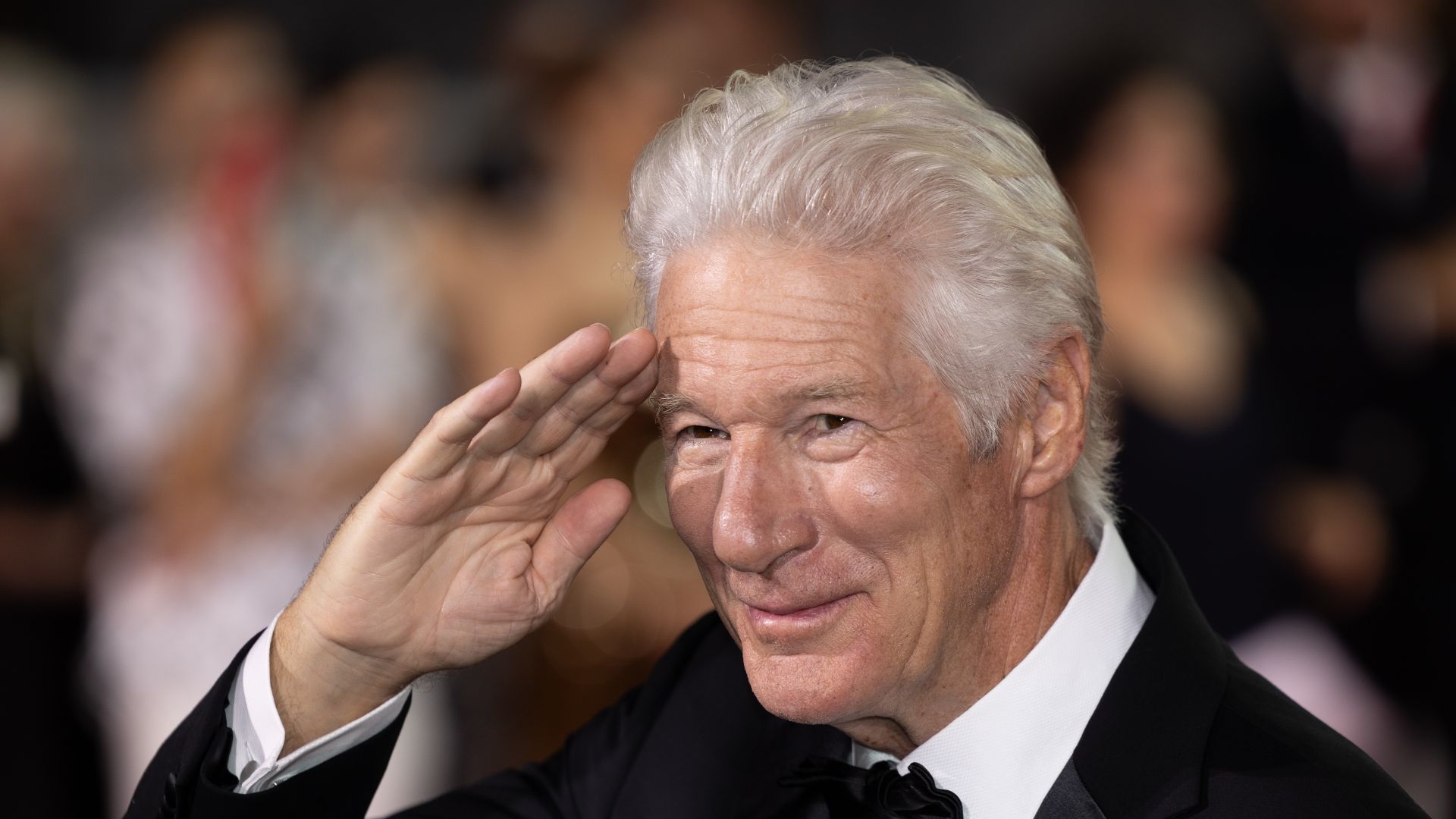
Davis wasn't initially the obvious Billy Hayes. Dennis Quaid was also screen-tested, while Richard Gere was seriously considered for the role. When Gere eventually withdrew, Parker immediately wanted Davis. Studio executives were less enthusiastic, reportedly worrying that Davis didn't possess the conventional appearance of a movie star.
 Harald Krichel, Wikimedia Commons
Parker Took The Chance
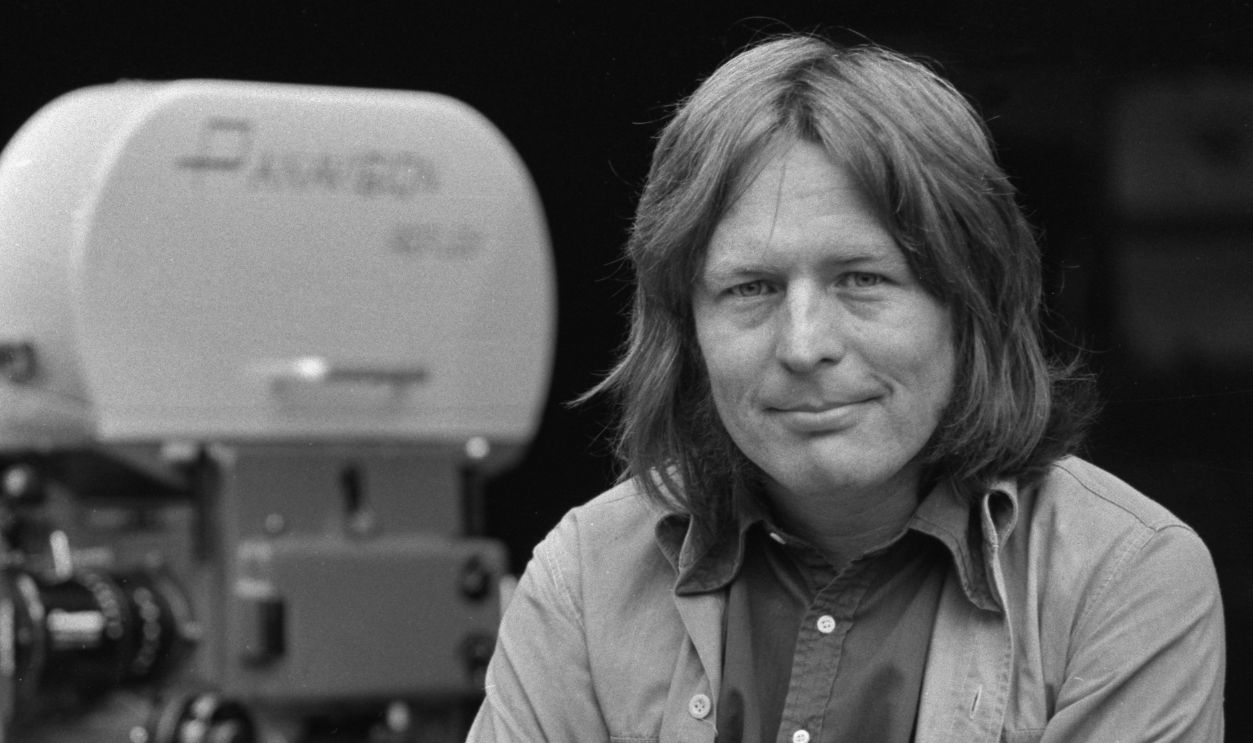
Parker got his way, and Davis joined an impressive cast including John Hurt, Randy Quaid, Irene Miracle and Paul L. Smith. Oliver Stone adapted Billy Hayes's account of imprisonment in Turkey after being caught smuggling hashish. For Davis, the low-budget production represented an enormous professional gamble and opportunity.
 Evening Standard, Getty Images
Malta Became Turkey
Political and practical difficulties prevented Parker from shooting the prison sequences in Turkey. Instead, production moved largely to Malta, where the filmmakers transformed the crumbling Fort St. Elmo into a Turkish prison. Production designer Geoffrey Kirkland even constructed major sets using limestone intended to blend seamlessly with the existing fort.
 John Haslam, Wikimedia Commons
Davis Pushed Himself Hard
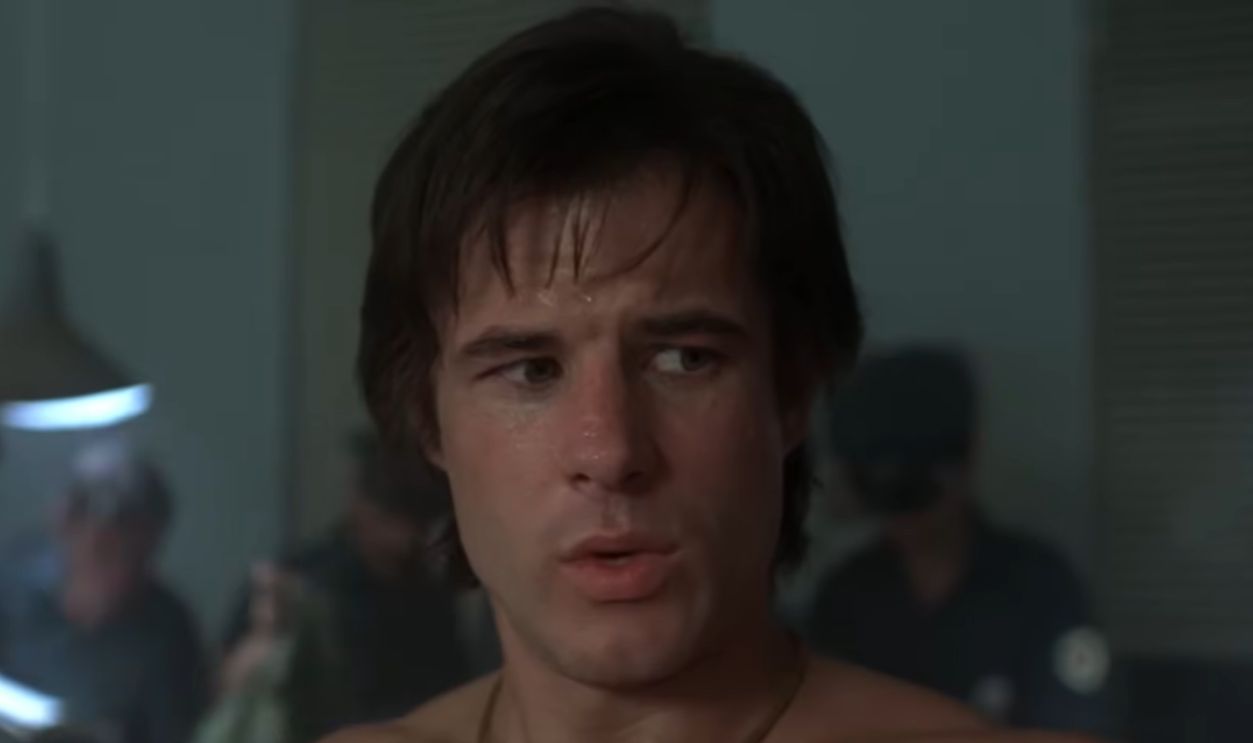
The 53-day shoot became exceptionally intense for its leading man. Parker later recalled that Davis gave practically everything to the performance, becoming so immersed in Billy Hayes that the director felt he sometimes pushed him too far. A particularly emotional scene with Irene Miracle proved difficult for Davis to complete.
 Screenshot from Midnight Express, Columbia Pictures (1978)
The Movie Exploded
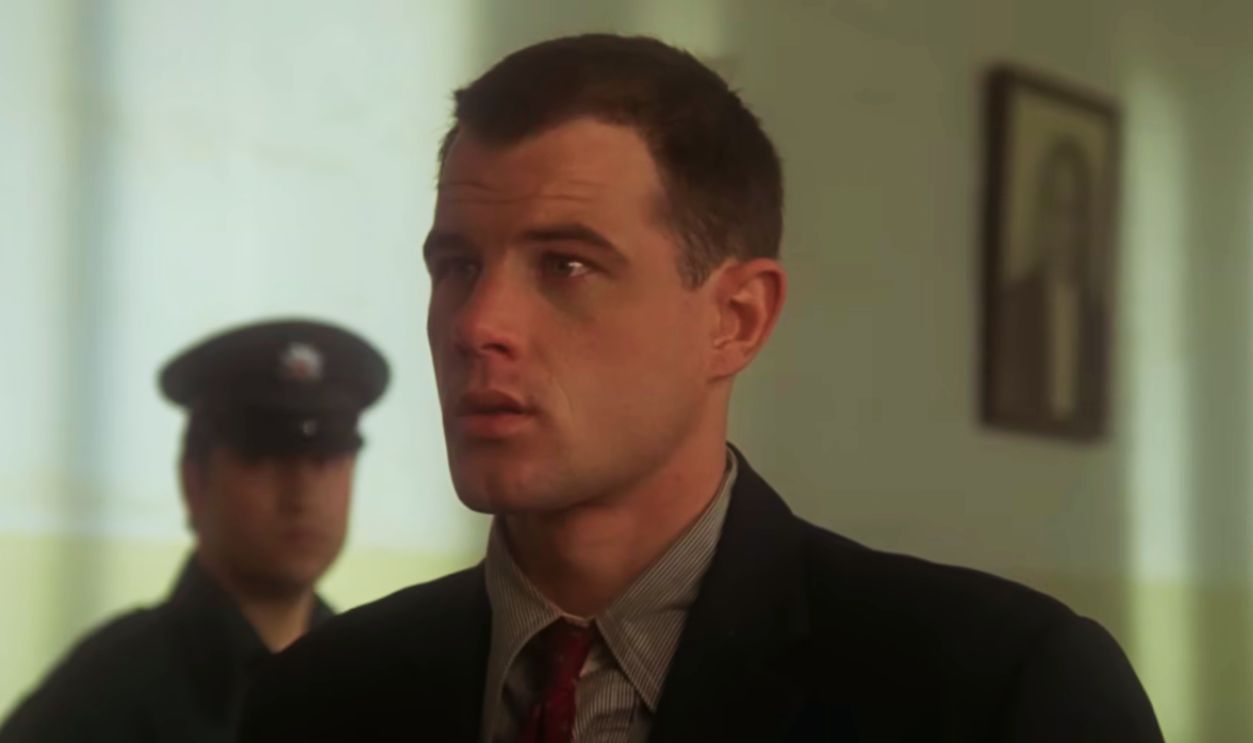
Released in 1978, Midnight Express became the defining movie of Davis's career. Its brutality made the film controversial, but audiences and awards voters responded strongly. The movie won six Golden Globes, while Oliver Stone later won an Academy Award for his screenplay and Giorgio Moroder won for his influential electronic score.
 Screenshot from Midnight Express, Columbia Pictures (1978), Modified
Davis Became A Star
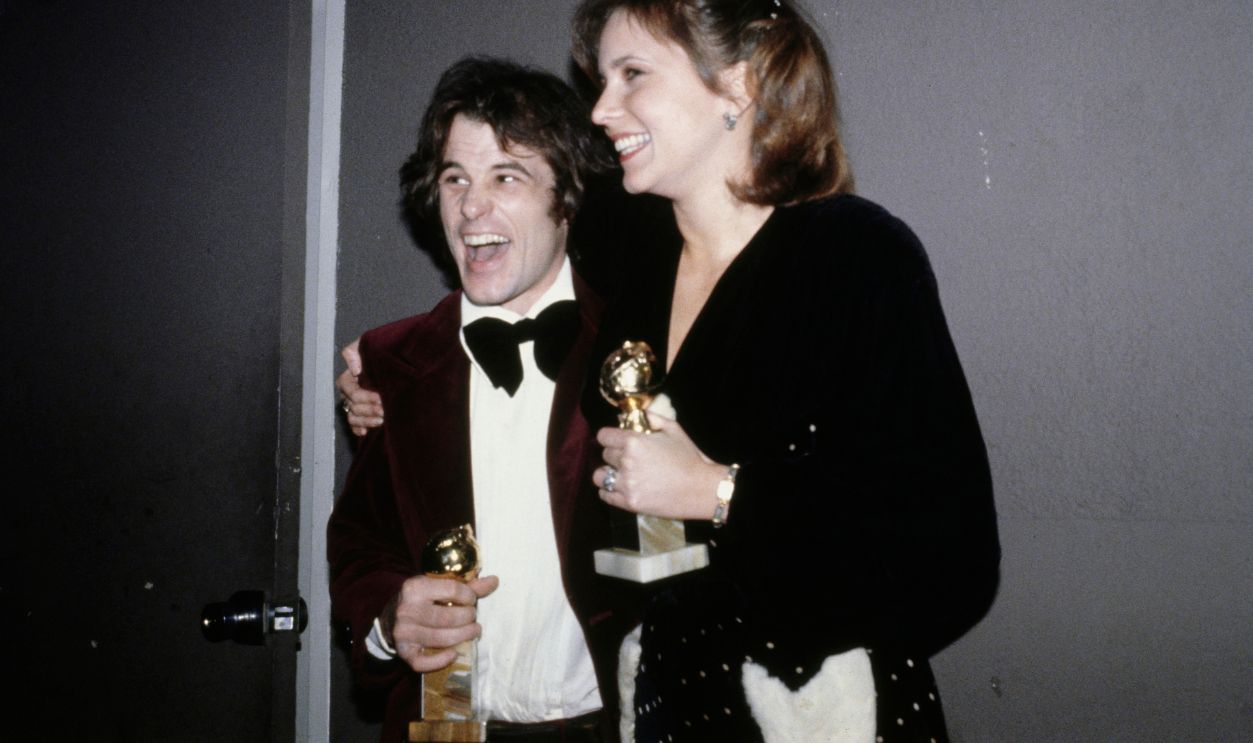
Davis's transformation into the tormented Billy Hayes attracted enormous attention. He won the Golden Globe for New Star of the Year and received another nomination for Best Actor in a Drama. John Hurt also won a Golden Globe and earned an Oscar nomination for playing fellow prisoner Max.
Stardom Brought New Problems
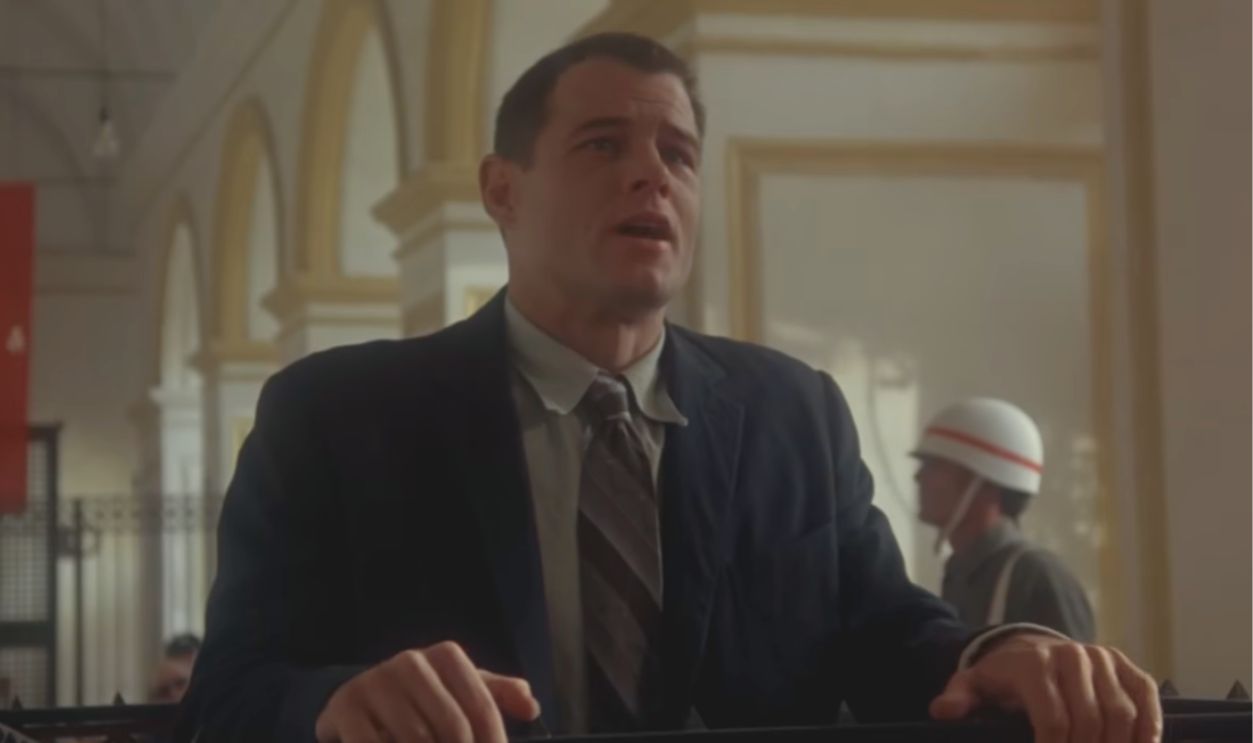
Davis suddenly appeared to have everything Hollywood actors spend years chasing, but success arrived during a turbulent period in his life. His wife later said he was young and wild and couldn't handle how quickly fame arrived. Alcohol and drug use increasingly interfered with the promising career Midnight Express had created.
 Screenshot from Midnight Express, Columbia Pictures (1978), Modified
His Career Kept Moving
Davis starred with Karen Allen and Jameson Parker in Rob Cohen's A Small Circle of Friends (1980), about three Harvard students caught up in the political upheavals of the 1960s. That same year, television audiences saw him playing Marine lieutenant and Vietnam veteran Philip Caputo in A Rumor of War.
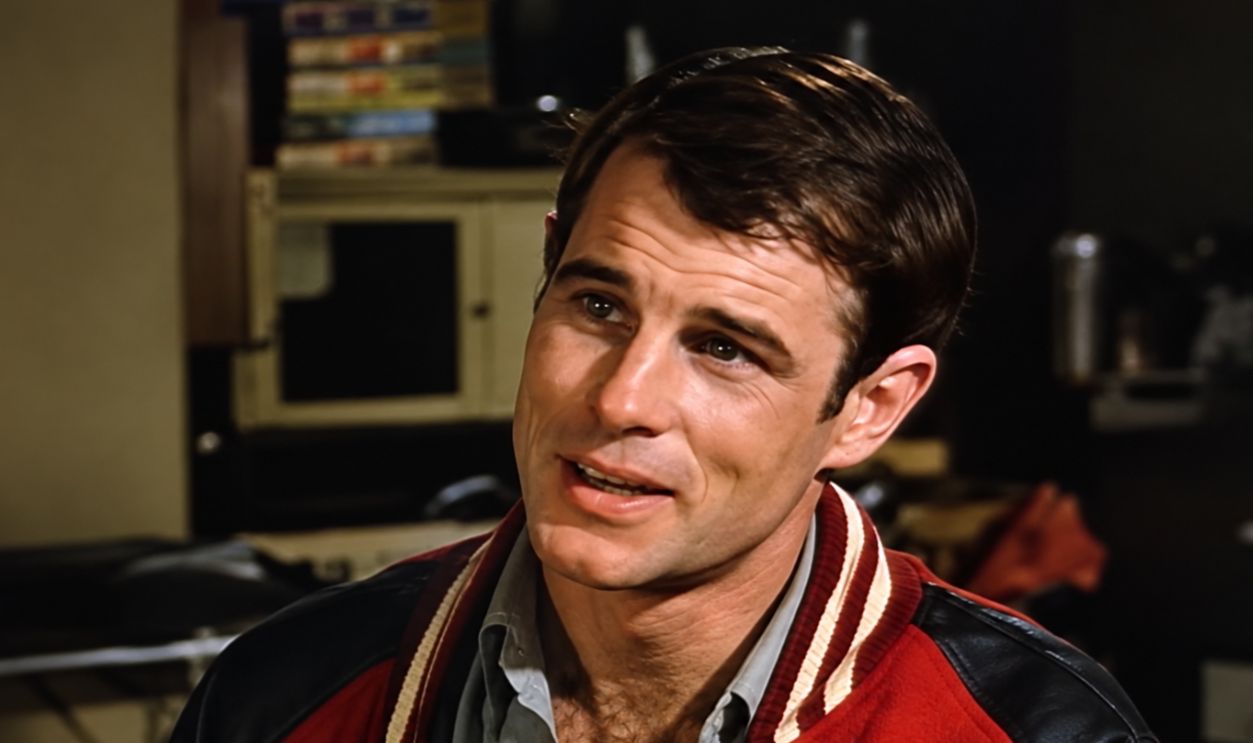 Screenshot from A Rumor of War, CBS (1980), Modified
He Joined Another Classic
In Hugh Hudson's Chariots of Fire (1981), Davis played real-life American sprinter Jackson Scholz alongside Ben Cross and Ian Charleson. The movie won the Academy Award for Best Picture. By this period, however, Davis was also confronting his substance problems and ultimately became sober in 1981.
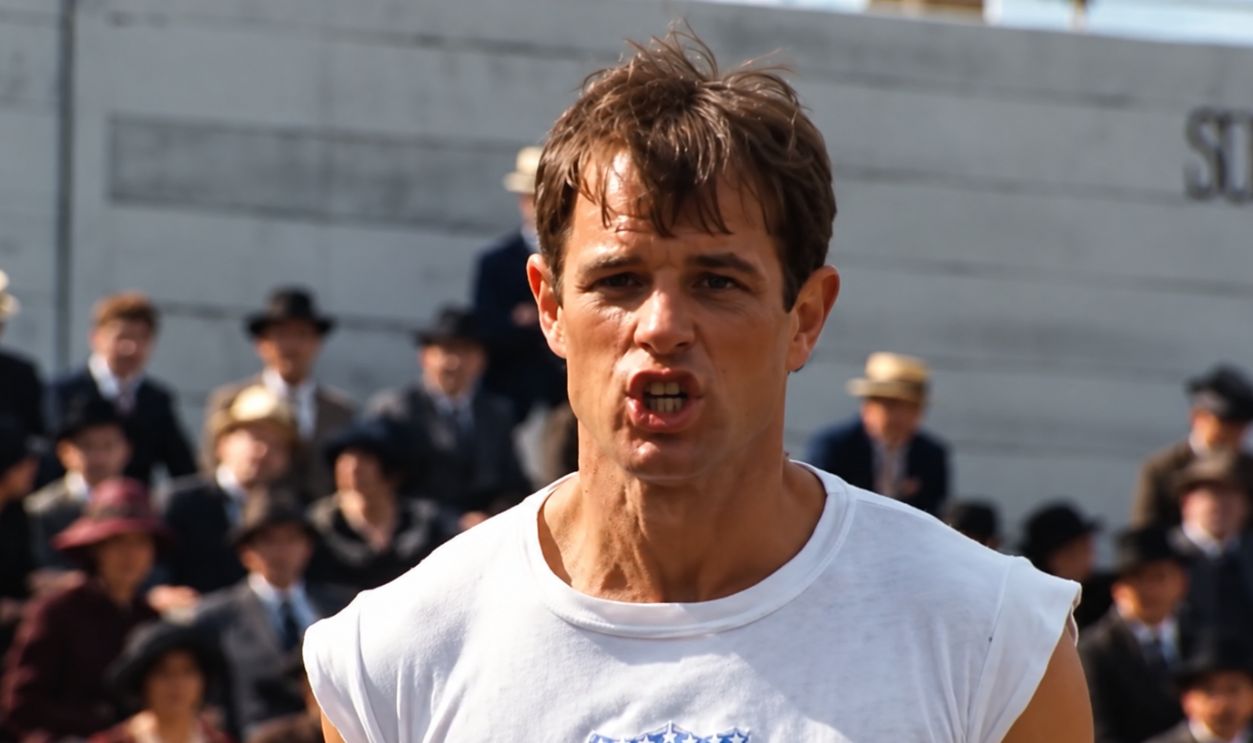 Screenshot from Chariots of Fire, Warner Bros. (1981), Modified
Querelle Took Another Risk
Davis made one of his boldest choices by playing the sexually provocative title character in Querelle (1982), the final film directed by Rainer Werner Fassbinder. The stylized adaptation of Jean Genet's novel offered Davis nothing resembling a conventional Hollywood leading-man role, but demonstrated his willingness to tackle challenging material.
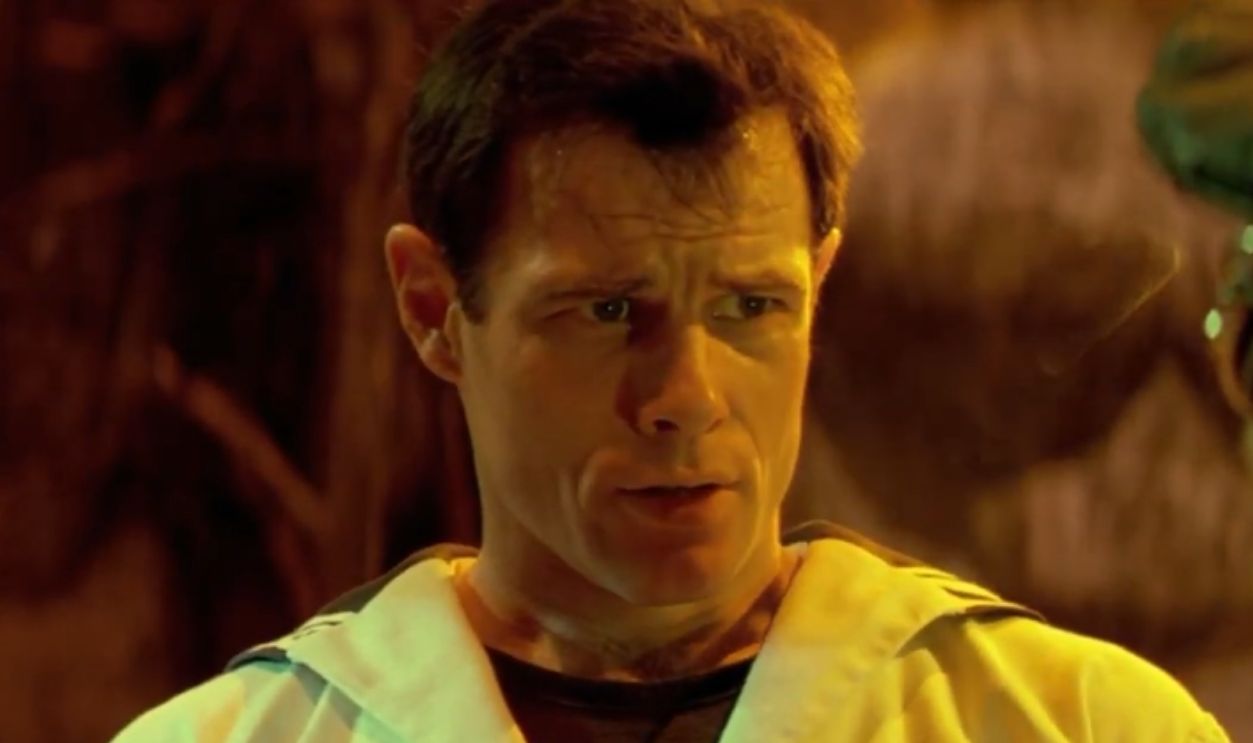 Screenshot from Querelle, Gaumont (1982)
Family Life Brought Stability
Davis married casting director Susan Bluestein in 1976, and they remained together until his death 15 years later. Their daughter Alexandra was born in 1983. Bluestein later recalled that sobriety strengthened their relationship and that their daughter became a source of tremendous happiness as Davis rebuilt his personal and professional life.
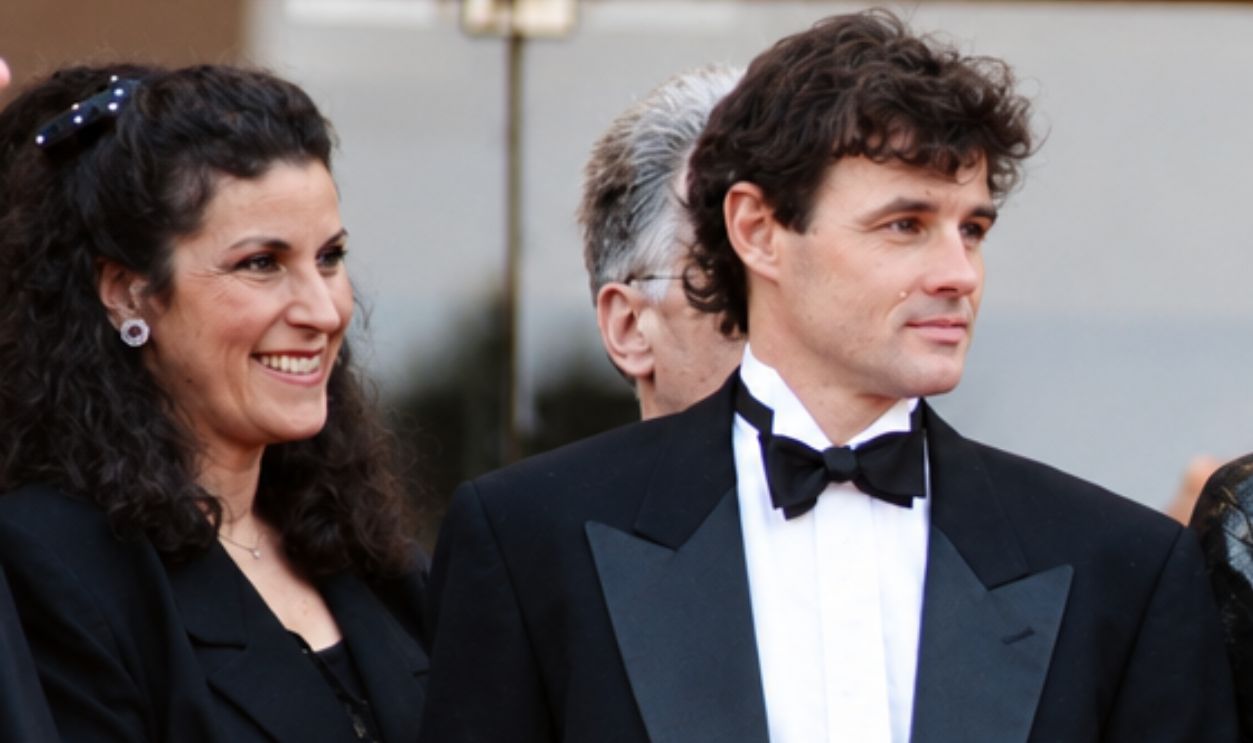
He Became Robert Kennedy
Davis landed another major showcase with the CBS miniseries Robert Kennedy and His Times. Directed by Marvin J. Chomsky, it featured Veronica Cartwright, Ned Beatty, Jack Warden and Joe Pantoliano. Critics were divided on the production, but the Los Angeles Times praised Davis's performance as passionate and sometimes commanding.
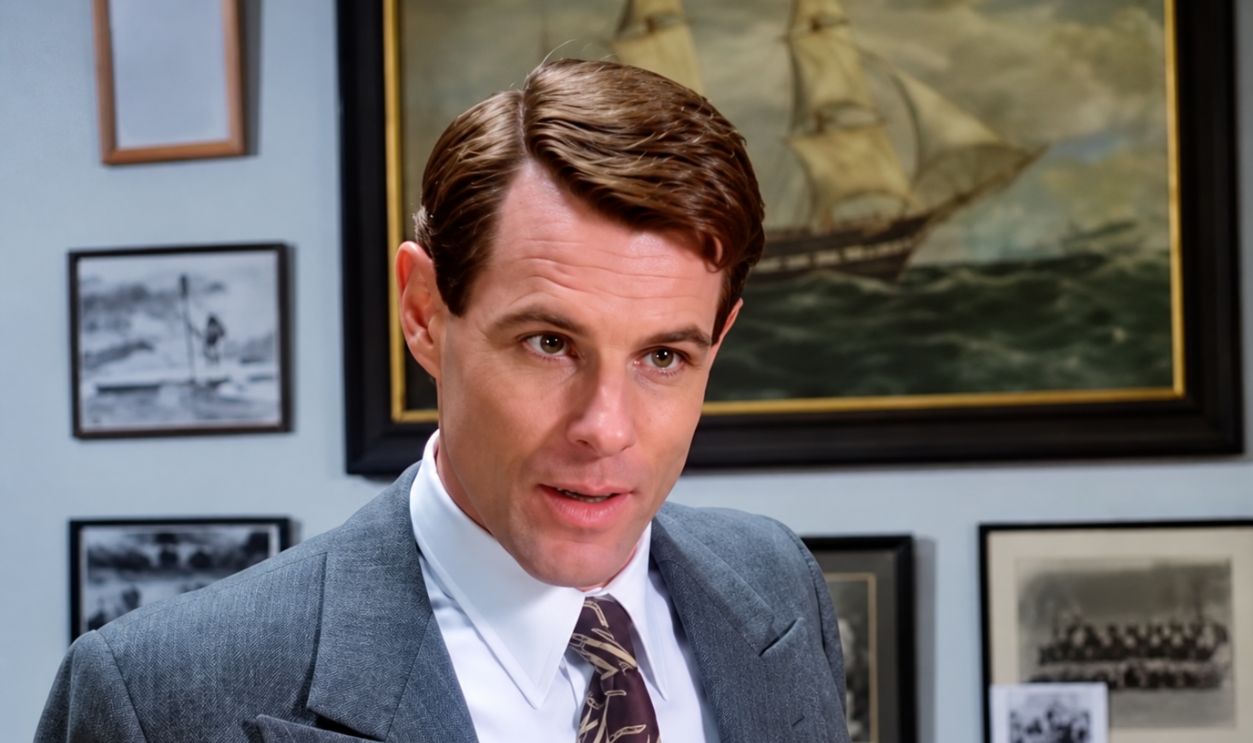 Screenshot from Robert Kennedy and His Times, Columbia Pictures Television (1985), Modified
Then Came The Normal Heart
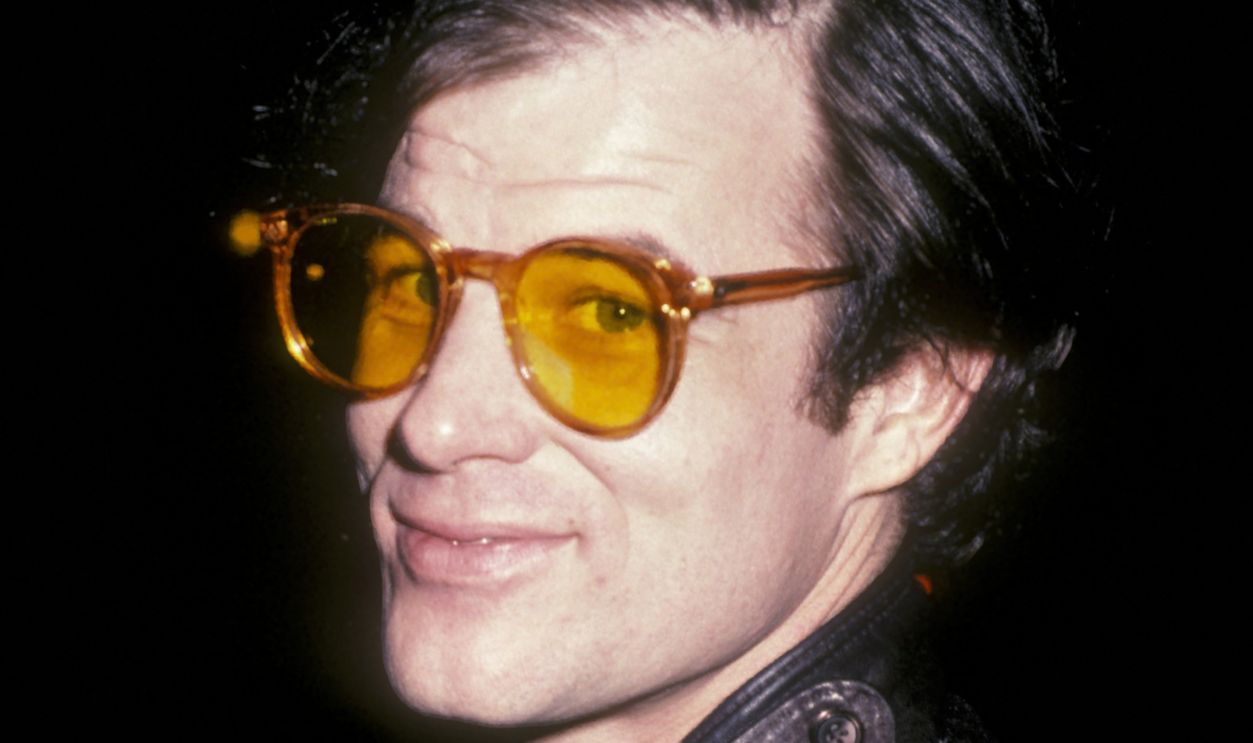
In 1985, Davis originated Ned Weeks in Larry Kramer's groundbreaking AIDS drama The Normal Heart at New York's Public Theater. Directed by Michael Lindsay-Hogg, the production confronted an epidemic still surrounded by fear, anger and governmental inaction. Davis played the activist role with extraordinary intensity.
Reality Became Terrifying
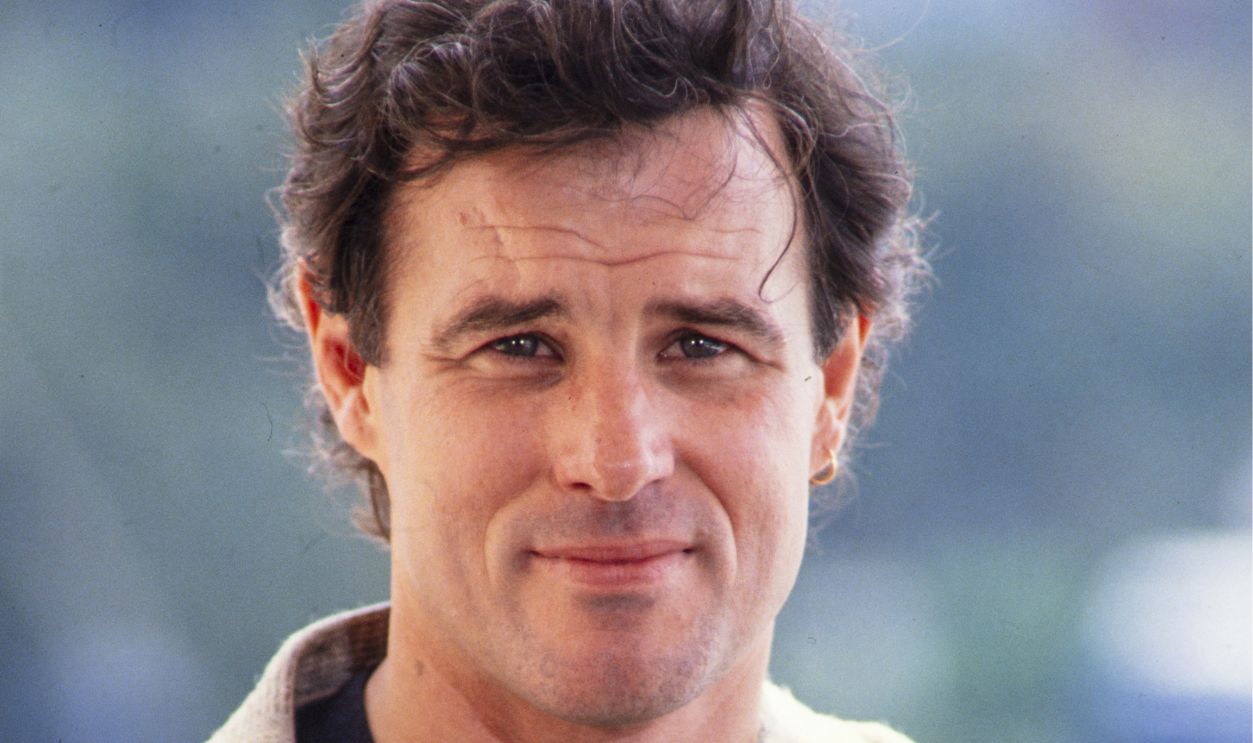
That same year, Davis and Bluestein learned that he was HIV-positive. His wife later said doctors believed he had probably contracted HIV through earlier intravenous substance use and needle sharing. Suddenly, the actor publicly confronting AIDS onstage was privately facing the disease himself, something almost nobody around him knew.
 Pool ARNAL/GARCIA/URLI, Getty Images
Rock Hudson Changed Everything
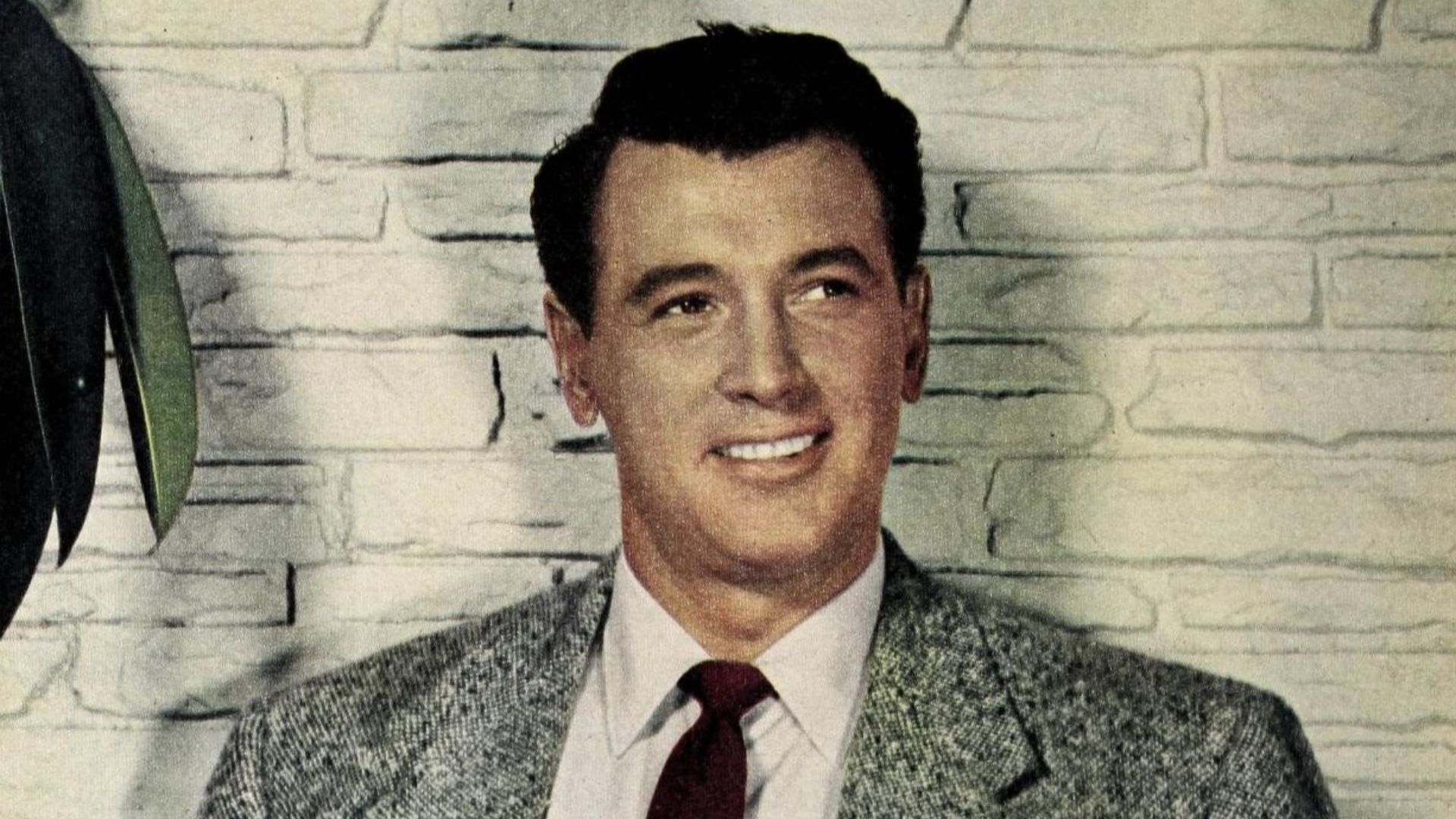
The danger to Davis's career seemed frighteningly real. Rock Hudson publicly disclosed his AIDS diagnosis in July 1985 and died that October, triggering unprecedented awareness but also widespread fear and misinformation. Hollywood was finally confronting AIDS publicly, while stigma toward people living with HIV remained severe.
 Photographer: Ray Jones (1892-1967), [1], Wikimedia Commons
Davis Chose Secrecy
Davis and Bluestein decided his diagnosis had to remain secret if he wanted to keep working. According to the Los Angeles Times, he sometimes sought medical care late at night under the name Robert Davis and paid bills himself rather than risk revealing his condition through insurance records.
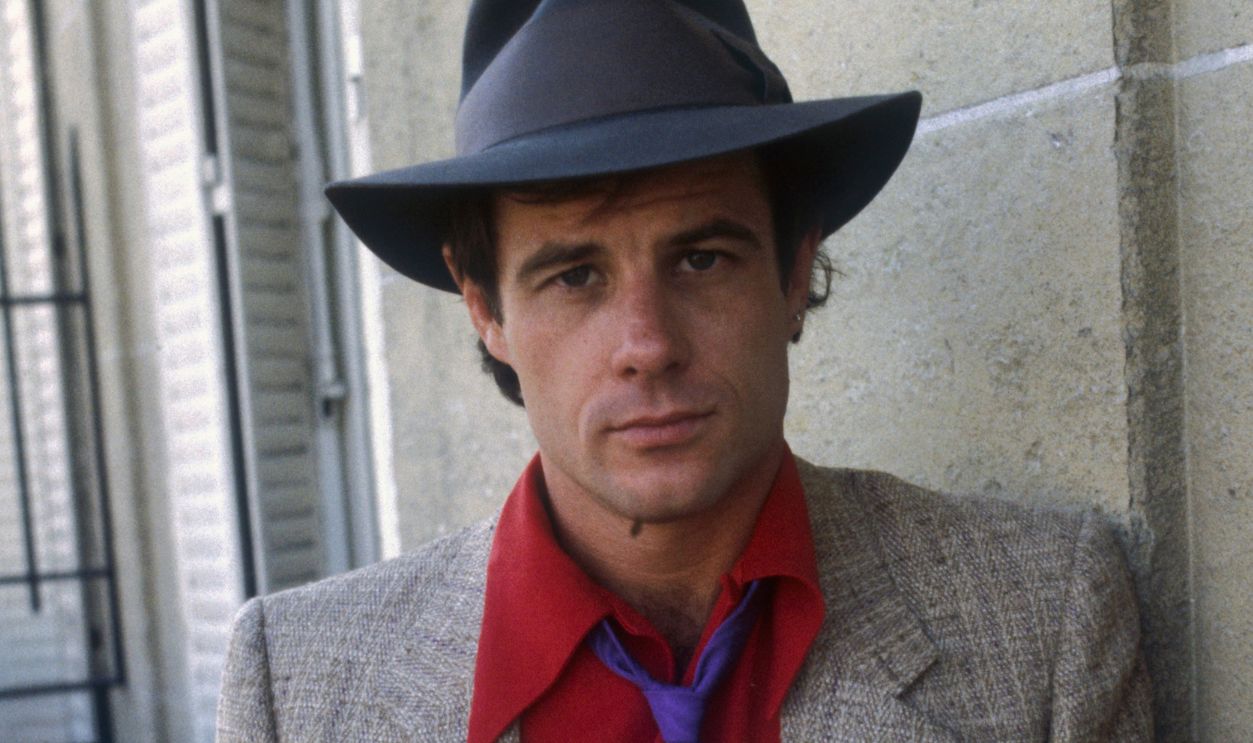
Two Lives Ran Together
That became Davis's painful double life. Publicly, he remained a working actor appearing in projects including Cold Steel (1987) and Percy Adlon's Rosalie Goes Shopping (1989). Privately, he was living with HIV, seeking treatment discreetly and worrying constantly that Hollywood gossip would expose him.
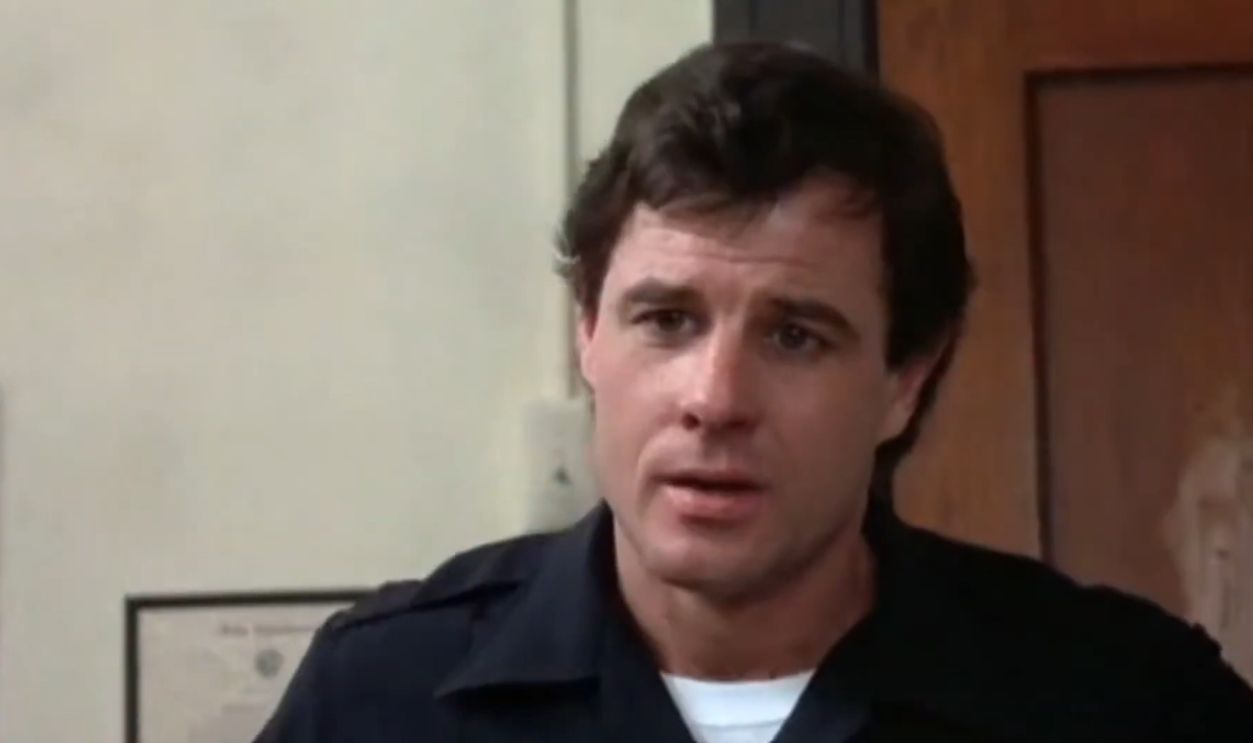 Screenshot from Cold Steel, CineTel Films (1987)
Only Seven People Knew
The secret became increasingly difficult to maintain as Davis grew sicker. Even after the couple expanded their tiny circle of confidants in 1989, Bluestein said only seven people knew Davis had AIDS until shortly before his death. He continued working because he feared disclosure would destroy his livelihood.
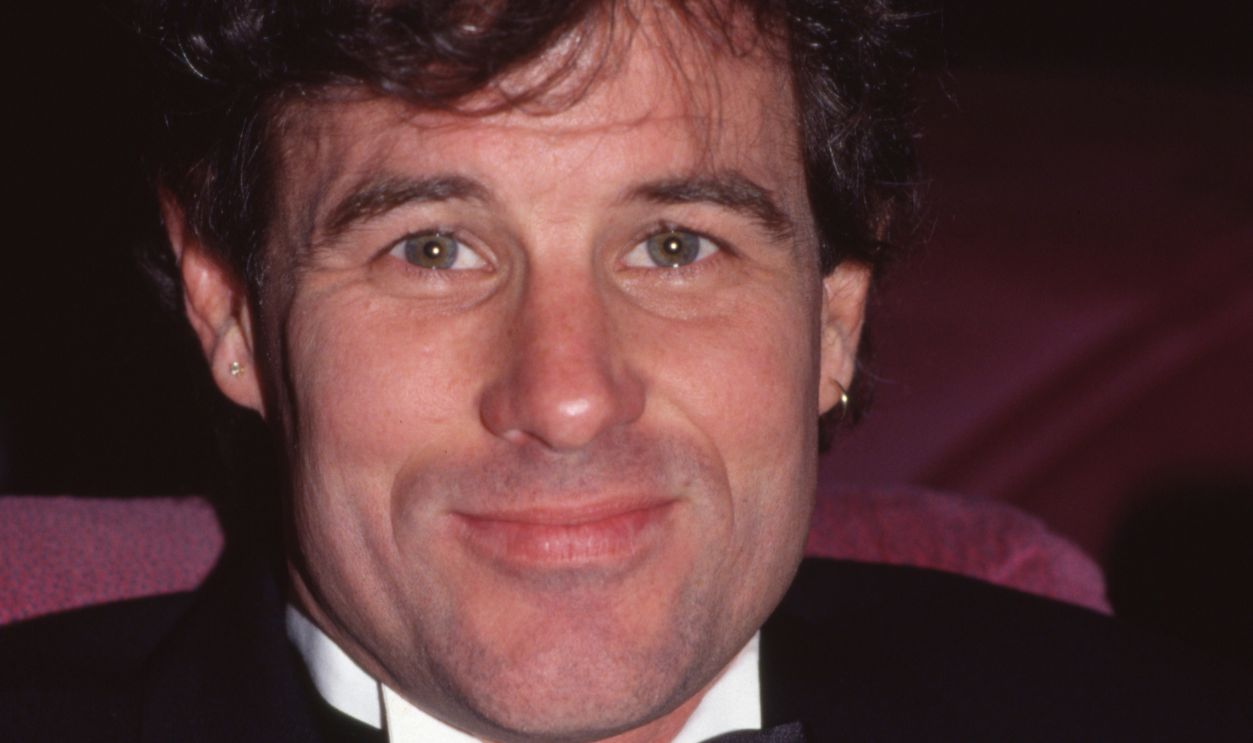
He Worked Until The End
Davis kept acting through his deteriorating health, appearing in television projects including Unspeakable Acts and The Plot to Kill Hitler. His final completed acting job came in June 1991 with Horton Foote's television drama The Habitation of Dragons. By then, keeping his illness hidden was becoming impossible.
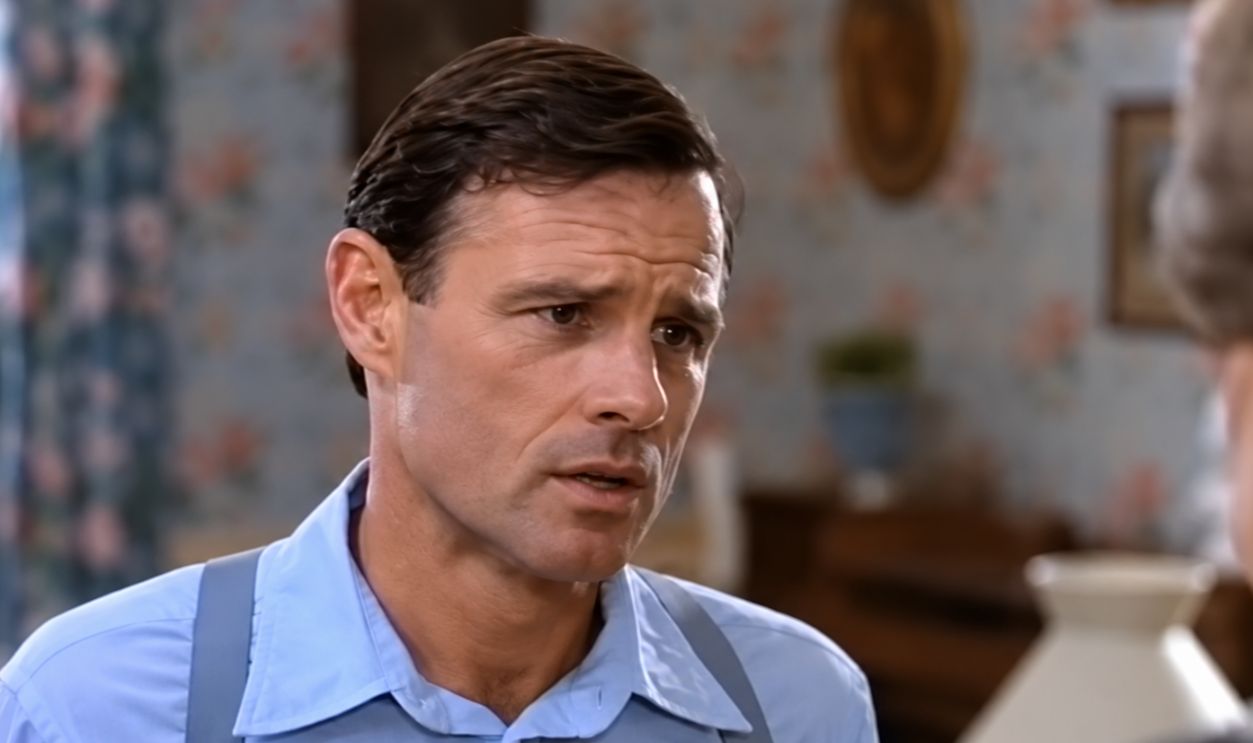 Screenshot from The Habitation of Dragons, Turner Network Television (TNT) (1992), Modified
His Secret Finally Emerged
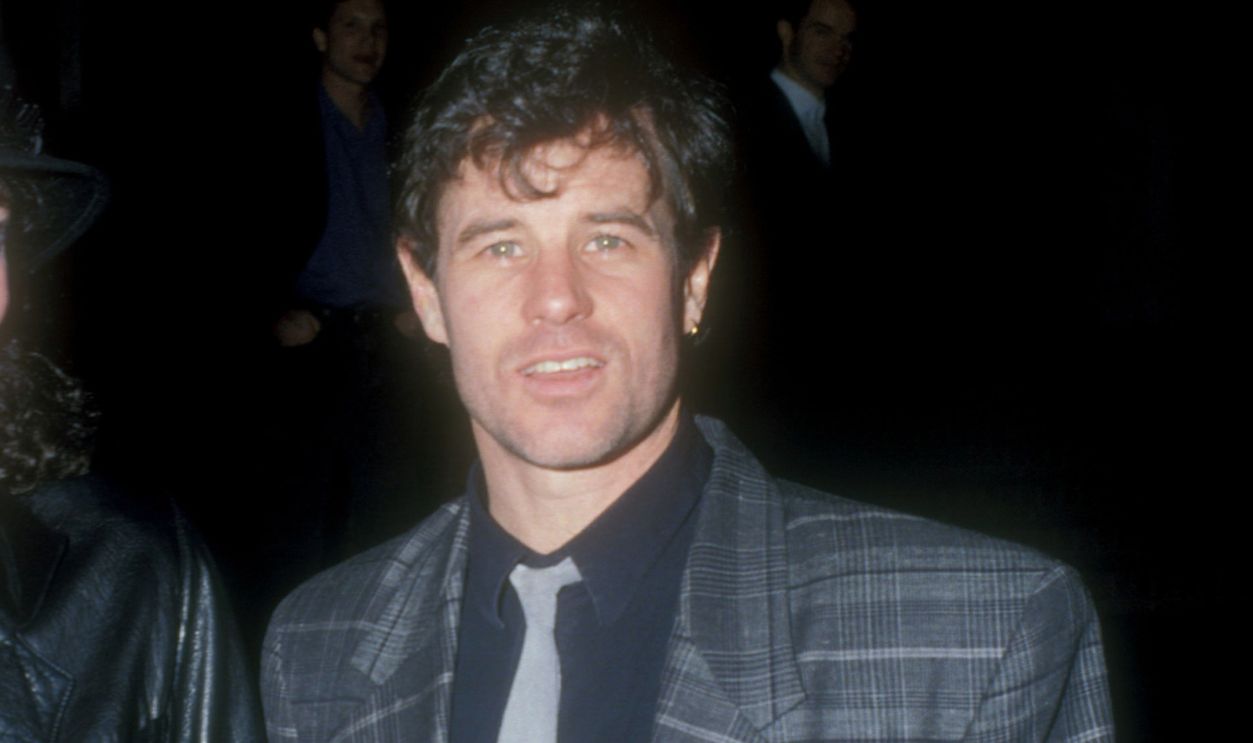
Brad Davis died at his Studio City home on September 8, 1991, aged just 41. His wife publicly disclosed that he had lived with HIV since 1985 and died with AIDS-related complications. Davis had wanted the truth revealed so other families wouldn't have to endure the same secrecy and fear.
His Story Outlived Him
Susan Bluestein Davis later told their story in After Midnight: The Life and Death of Brad Davis, describing addiction, AIDS and the secrecy surrounding his final years. Davis's story became a stark illustration of an era when even an acclaimed working actor believed revealing HIV could instantly end his career.
You May Also Like:
24 Celebrities Who Lived Double Lives—But The Truth Always Comes Out
Surprising Facts About Phil Hartman, The Tragic Comedian
Sources: 1, 2, 3, 4, 5, 6, 7, 8, 9, 10, 11, 12, 13, 14, 15, 16