You Know Every Word, But Who Sang It?
You hear "Sugar, Sugar" or "Na Na Hey Hey Kiss Him Goodbye," and suddenly you're singing along like it's 1969 all over again. But could you actually name the bands behind those enormous hits? Some had names you've probably forgotten, while others weren't even real bands in the traditional sense. And once you discover who actually recorded these classics, a few might genuinely surprise you.
 Asylum, Public domain, via Wikimedia Commons
"Sugar, Sugar" (1969)
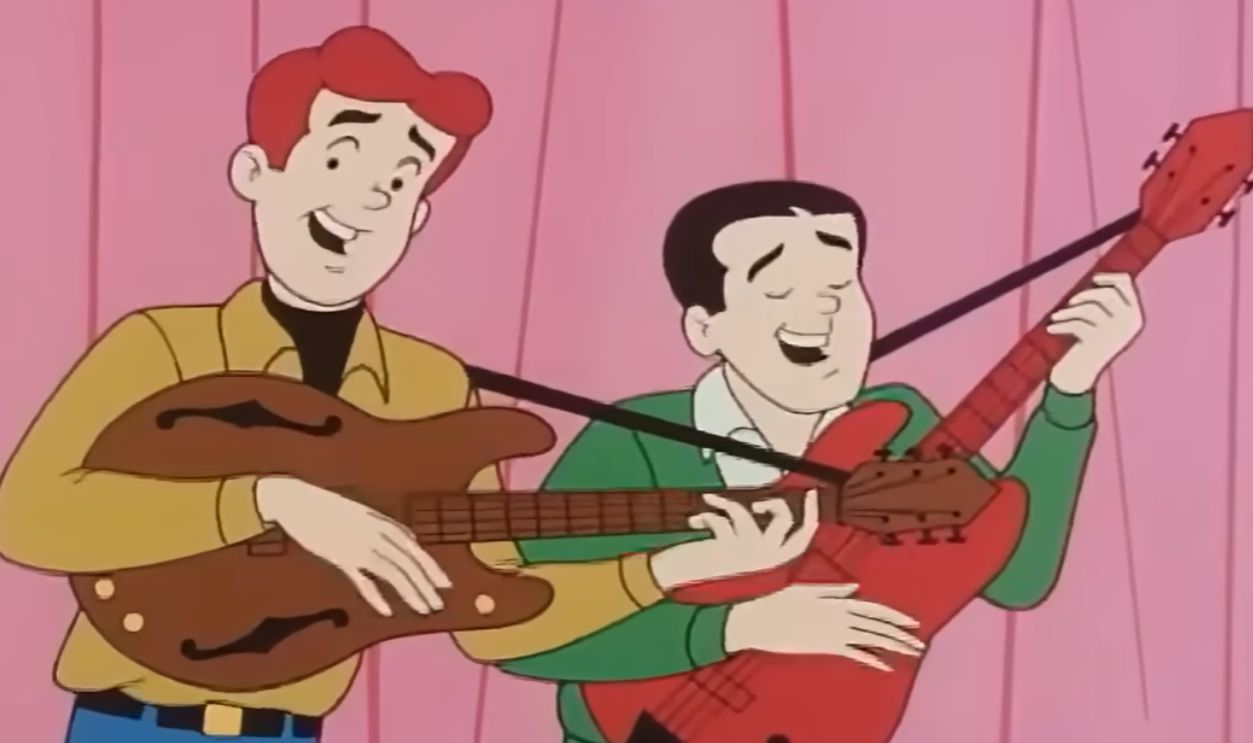
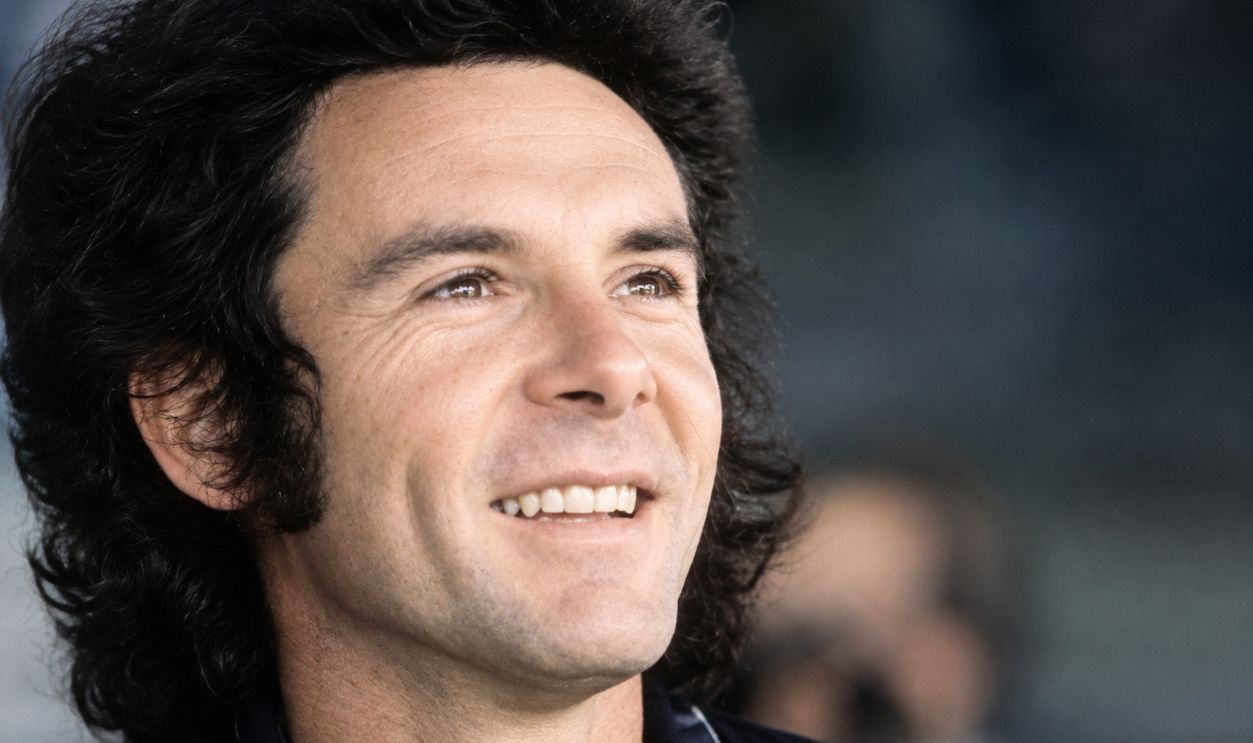
Here's a song practically everyone knows, but the band behind it had a rather unusual secret. The Archies scored one of 1969's biggest hits with "Sugar, Sugar," despite being a fictional cartoon group based on the Archie comic book characters. Real studio musicians recorded the music, with Ron Dante providing the lead vocals. That's right, one of the decade's biggest pop groups didn't actually exist outside the recording studio and television screen.
 Screenshot from Sugar, Sugar, The Orchard Enterprises (1969)
"Na Na Hey Hey Kiss Him Goodbye" (1969)
You've probably heard this one at a sporting event, especially when the losing team is heading home. But the original recording came from Steam, a group that wasn't even a conventional band when the song became a hit. Studio musicians recorded the track, and a separate touring lineup was subsequently assembled to perform under the name. The song reached number one in America, and its unusual beginnings make that familiar chorus even more entertaining.

"In The Year 2525" (1969)
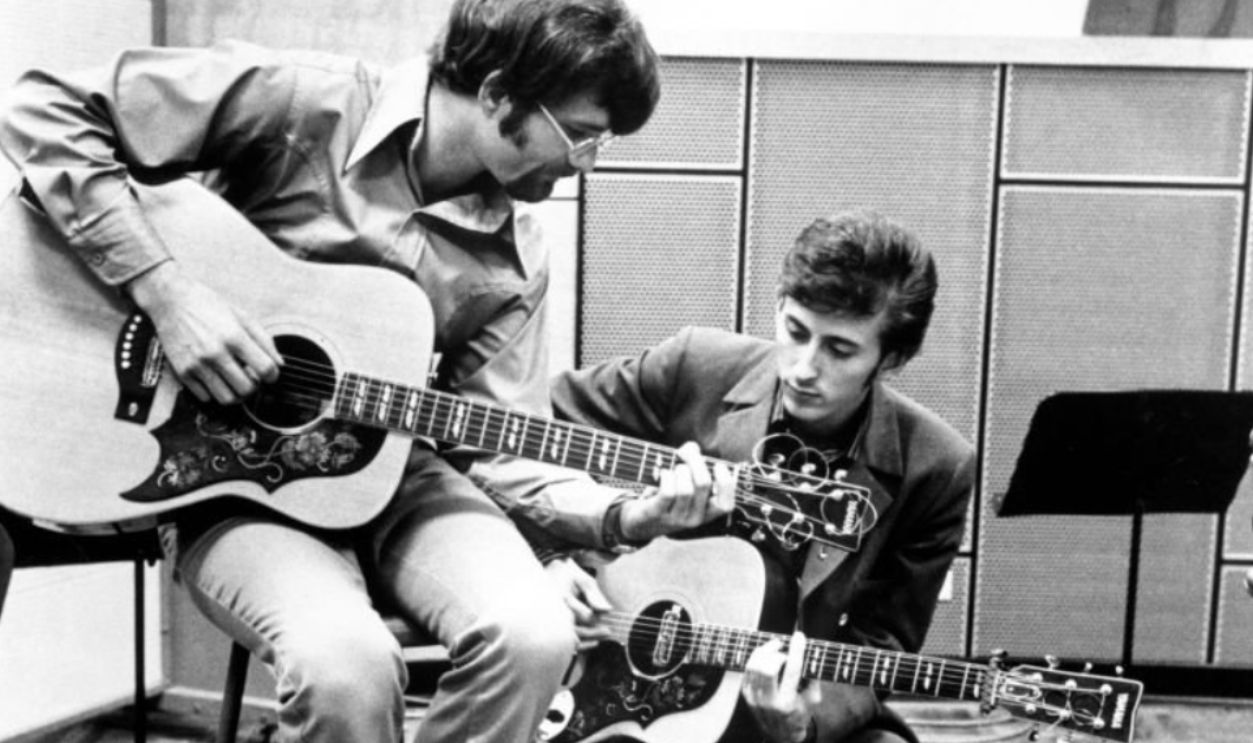
This haunting song imagined a future in which humanity might become a victim of its own inventions. The duo behind it was Zager and Evans, two musicians whose names have largely disappeared from everyday conversation. Their recording spent six weeks at number one in America in 1969, an extraordinary achievement for such an unsettling song. Yet despite that enormous success, the duo never managed another hit on the Billboard Hot 100.
 Michael Ochs Archives, Getty Images
"Incense And Peppermints" (1967)
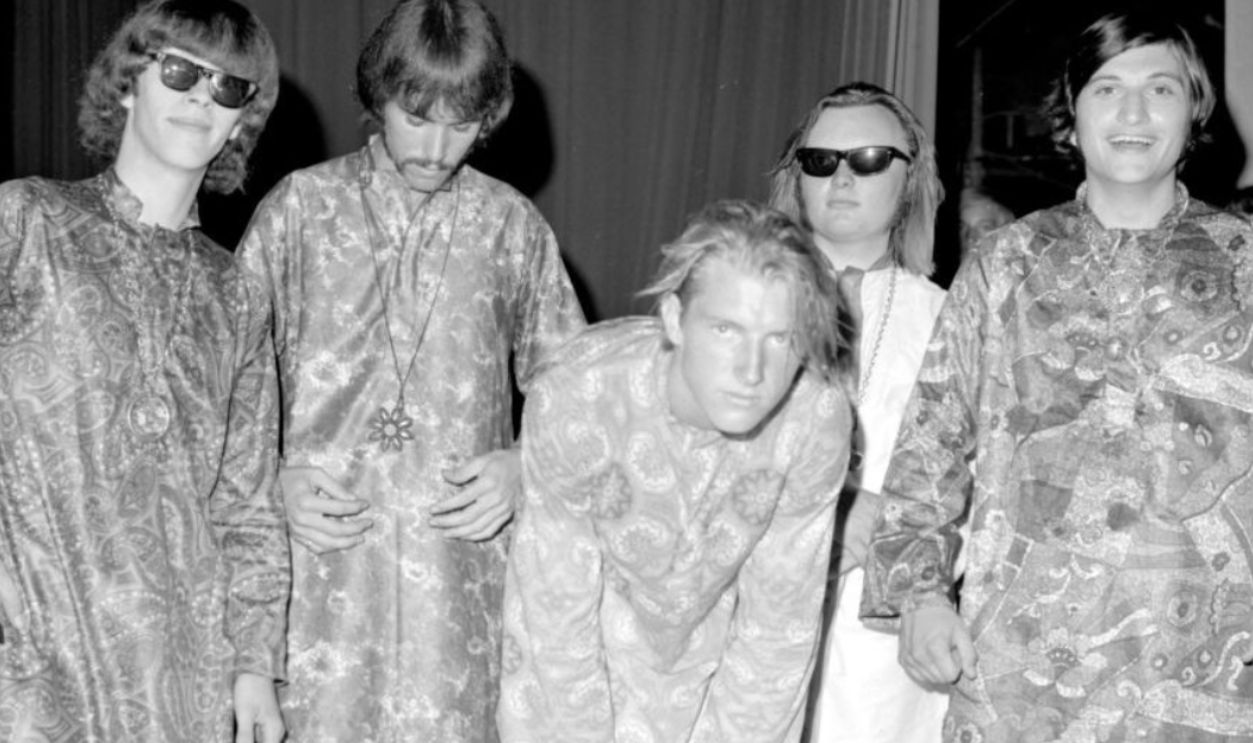
Few songs sound more like the psychedelic 1960s than this swirling, colorful hit. Strawberry Alarm Clock took "Incense and Peppermints" to number one in America, even though the group's unusual name sounds almost as strange as the lyrics. The California band combined bright melodies with psychedelic effects, creating a recording that perfectly captured the era. Their later singles never matched its success, but that unforgettable opening still transports listeners straight back to 1967.
 Michael Ochs Archives, Getty Images
"Green Tambourine" (1967)
The Lemon Pipers might sound like a band invented for a children's television show, but they were a real group from Ohio. Their biggest hit, "Green Tambourine," featured a distinctive electric sitar sound that made it stand out on late-1960s radio. Released in 1967, the song climbed all the way to number one in early 1968. The group never scored another comparable hit, but its wonderfully strange psychedelic sound has never completely disappeared.
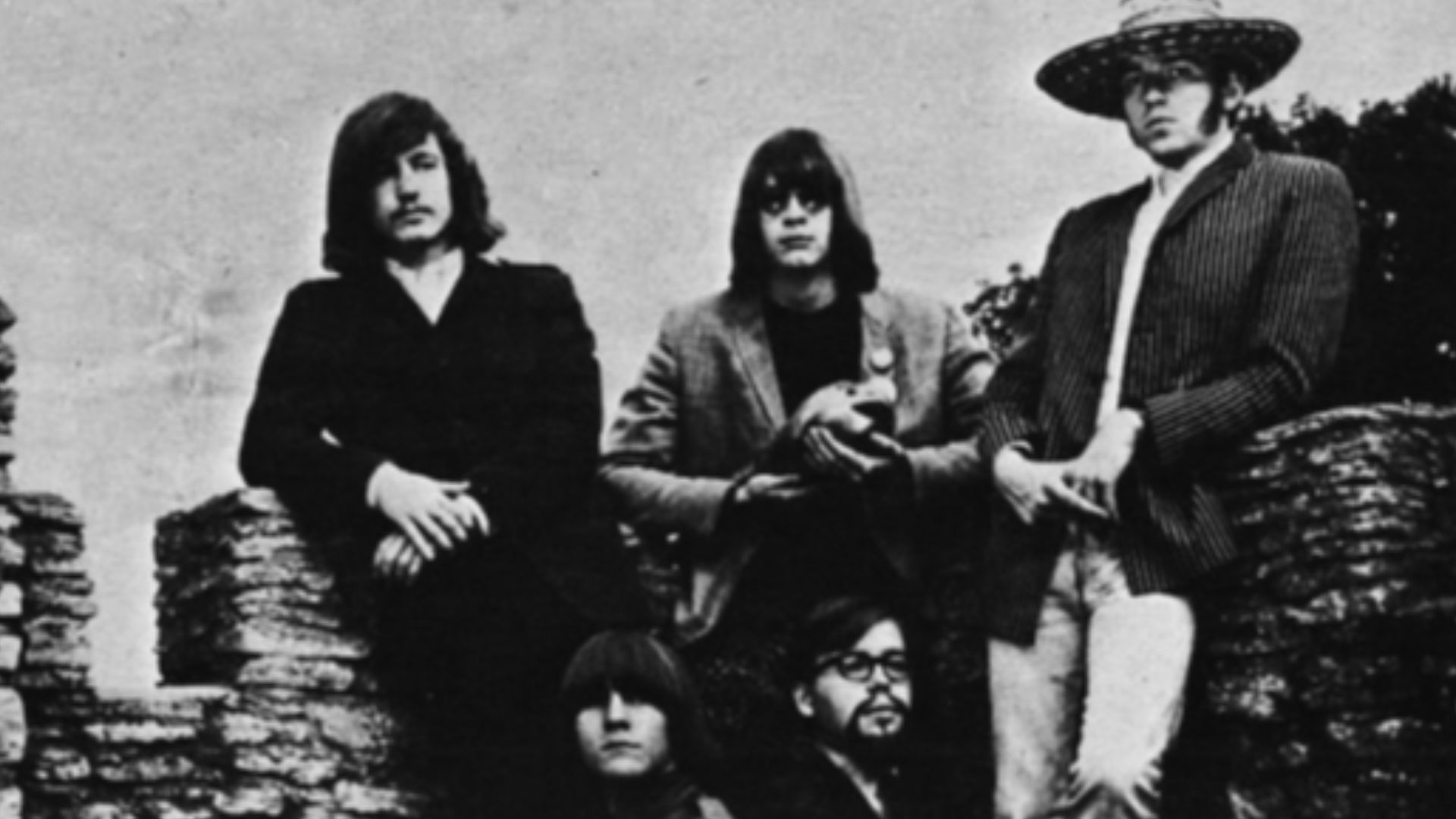
"Louie Louie" (1963)
Almost everyone recognizes the opening of "Louie Louie," even if understanding the lyrics is another matter entirely. The Kingsmen turned Richard Berry's earlier composition into a garage-rock sensation in 1963, complete with rough vocals and a famously loose performance. Their recording reached number two in America and became one of the most enduring party songs of the decade. The Kingsmen actually enjoyed several other hits, but this was the one that made their sound practically immortal.
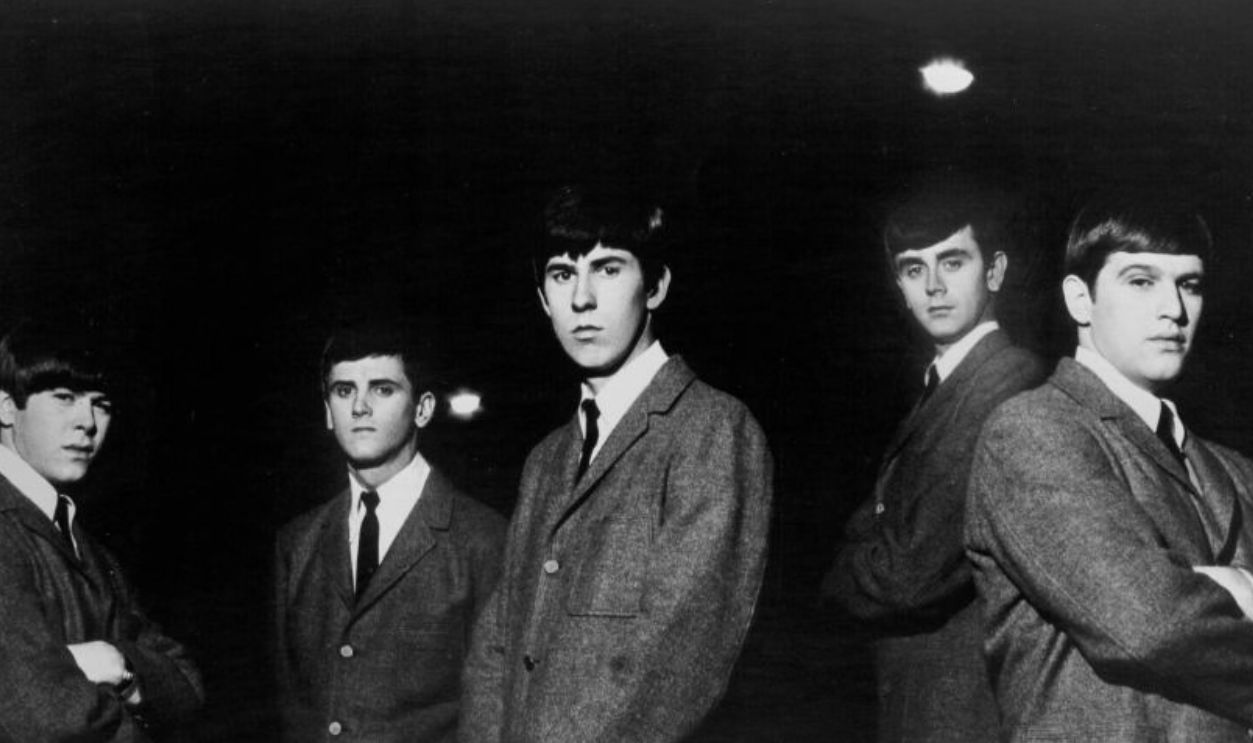 Michael Ochs Archives, Getty Images
"Get Together" (1967)
This gentle anthem of peace and understanding became one of the defining sounds of the flower-power era. The Youngbloods originally released "Get Together" in 1967, but the song didn't become a major American hit until 1969. Its message of unity struck a chord during a turbulent period in American history, helping the recording reach number five on the Billboard Hot 100. The Youngbloods never achieved another hit quite like it, but their most famous song continued speaking to new generations.
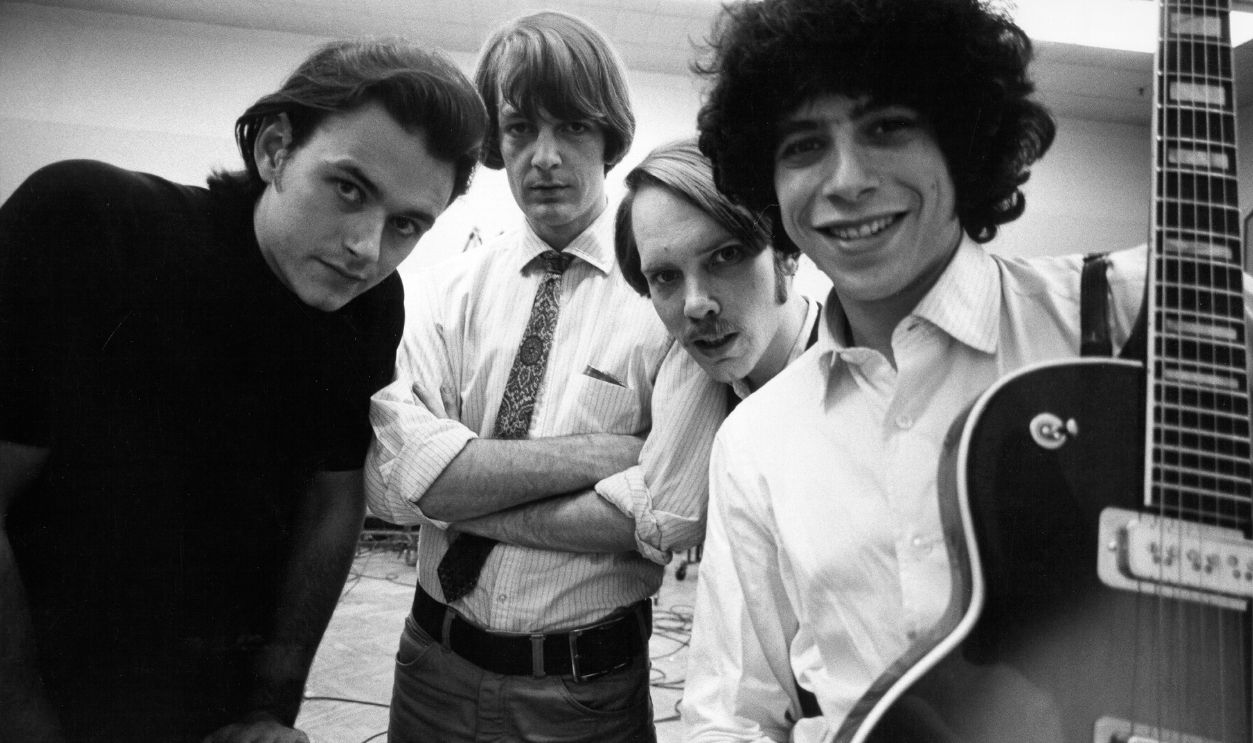 Michael Ochs Archives, Getty Images
"Something In The Air" (1969)
That soaring chorus makes "Something in the Air" sound like the perfect soundtrack to a world on the verge of changing. The group responsible was Thunderclap Newman, a British rock act whose unusual name is far less familiar than its biggest recording. The song reached number one in Britain and entered the American Top 40 in 1969. Despite that promising beginning, the group never repeated its success, leaving behind a song that became much bigger than the band itself.
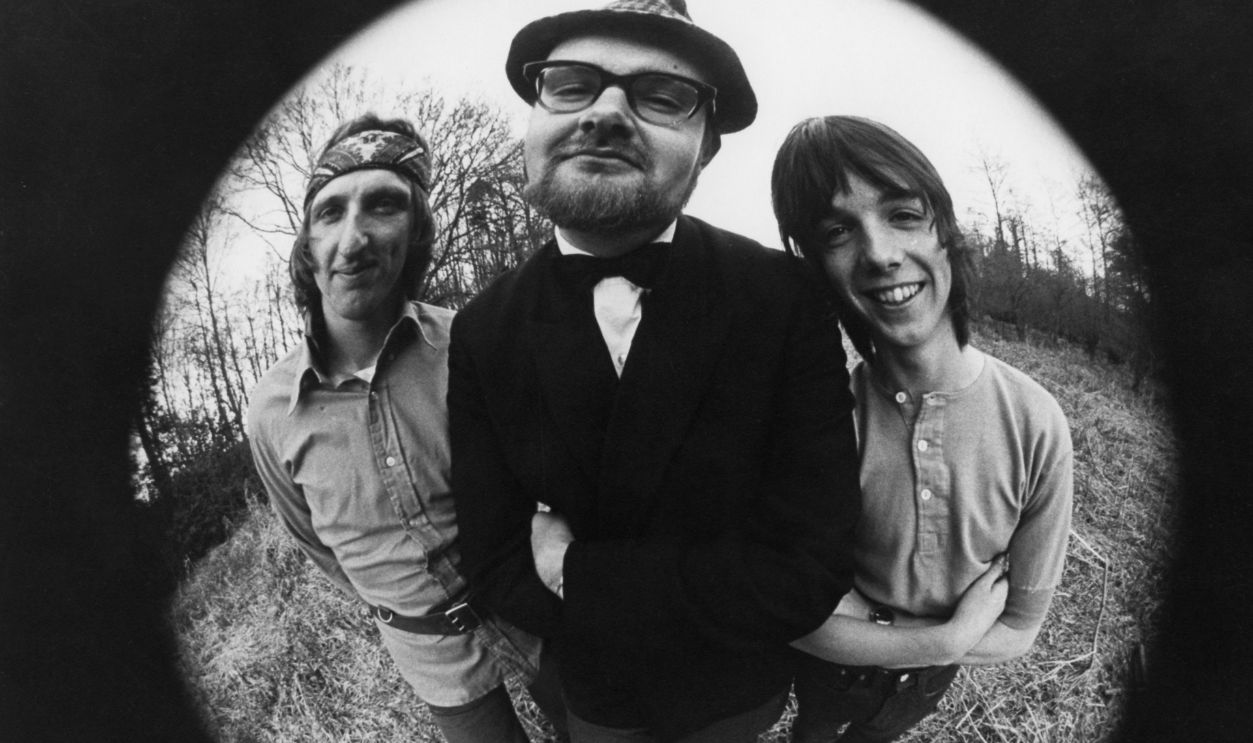 Michael Ochs Archives, Getty Images
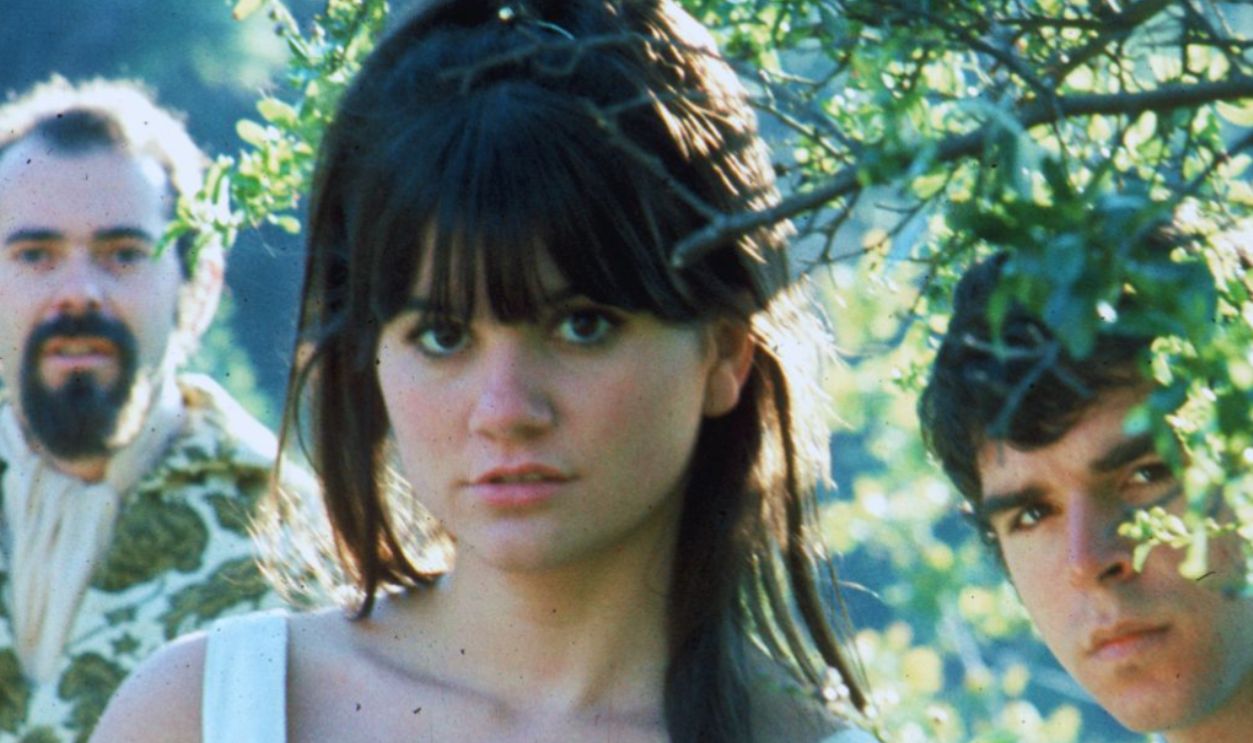
"Different Drum" (1967)
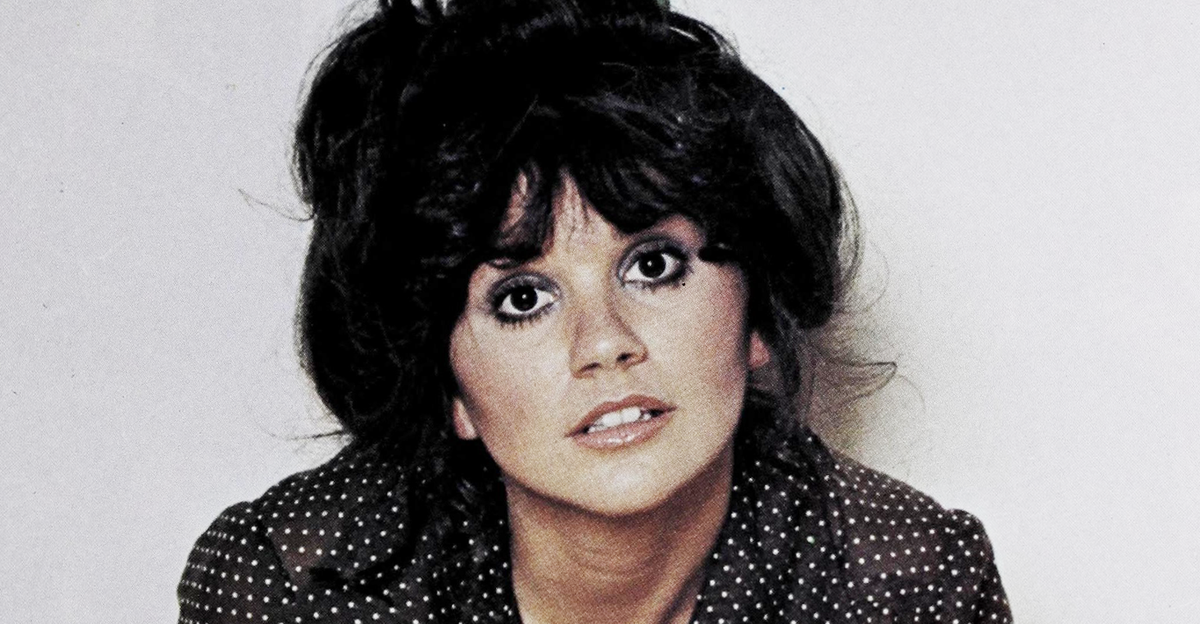
Before Linda Ronstadt became one of America's most celebrated singers, she was the lead vocalist of a group called the Stone Poneys. Their recording of "Different Drum" became a hit in 1967, showcasing the unmistakable voice that would soon make Ronstadt a superstar. The song reached number 13 on the Billboard Hot 100, but the group never enjoyed another comparable success. Ronstadt's later fame became so enormous that many listeners forgot she had first reached the charts with this relatively obscure band.
 Michael Ochs Archives, Getty Images
"Cool Jerk" (1966)
With its infectious rhythm and commanding vocals, "Cool Jerk" sounds like it was designed to fill a dance floor. The Capitols released the song in 1966, scoring a major hit on both the pop and R&B charts. Despite its popularity, the Detroit group struggled to build on that breakthrough and eventually disbanded. The recording itself proved much harder to forget, especially for anyone who remembers dancing to the soul hits of the 1960s.

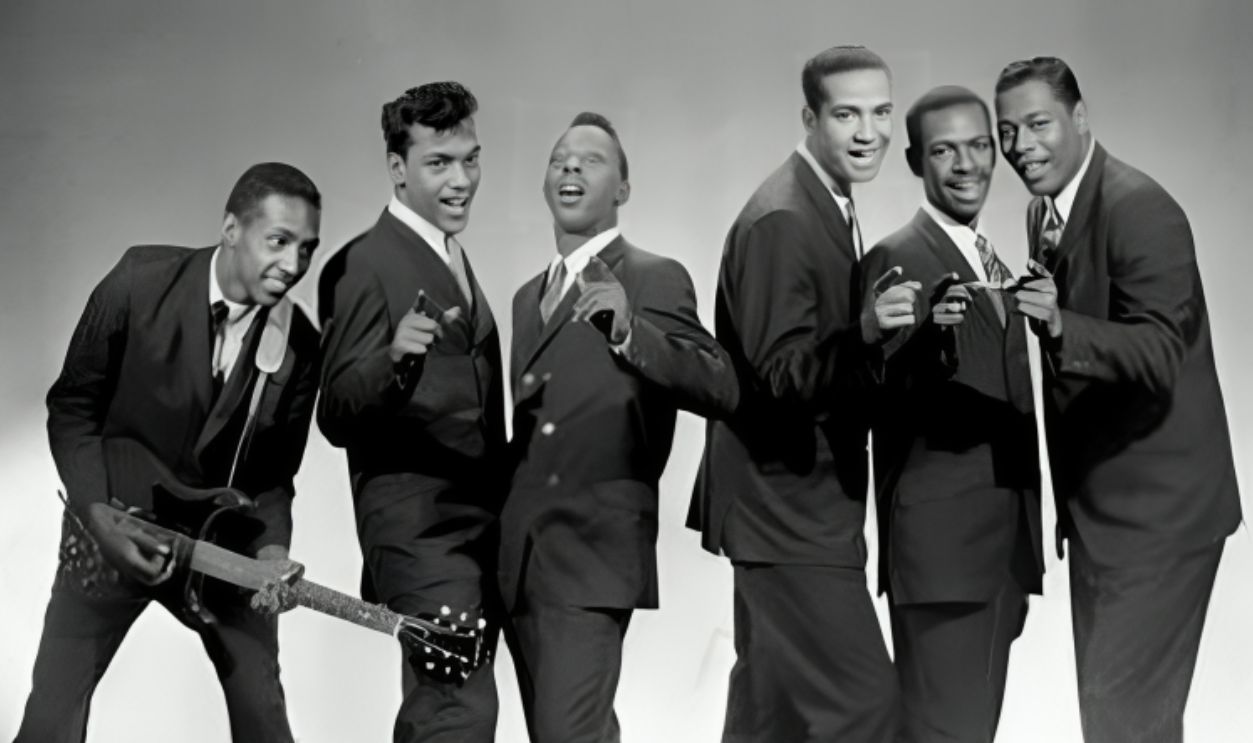
"Do You Love Me" (1962)
If you've seen Dirty Dancing, there's a good chance you recognize this song almost immediately. But long before Patrick Swayze and Jennifer Grey brought it back into the spotlight, the Contours had recorded "Do You Love Me" for Motown in 1962. Its irresistible energy carried the song to number three on the American pop chart. The movie introduced it to another generation, although plenty of viewers probably never learned the name of the group behind the original hit.
 The Contours, Wikimedia Commons, Enhanced
"Walk Right In" (1963)
This cheerful folk tune sounds so effortless that you can almost imagine it being played at a backyard gathering. The Rooftop Singers turned "Walk Right In" into a number-one American hit in 1963, although the song itself dated back to the 1920s. Their breezy recording helped introduce older blues material to a new generation of listeners. The trio never enjoyed another success on the same scale, but its biggest hit became a familiar piece of early-1960s nostalgia.
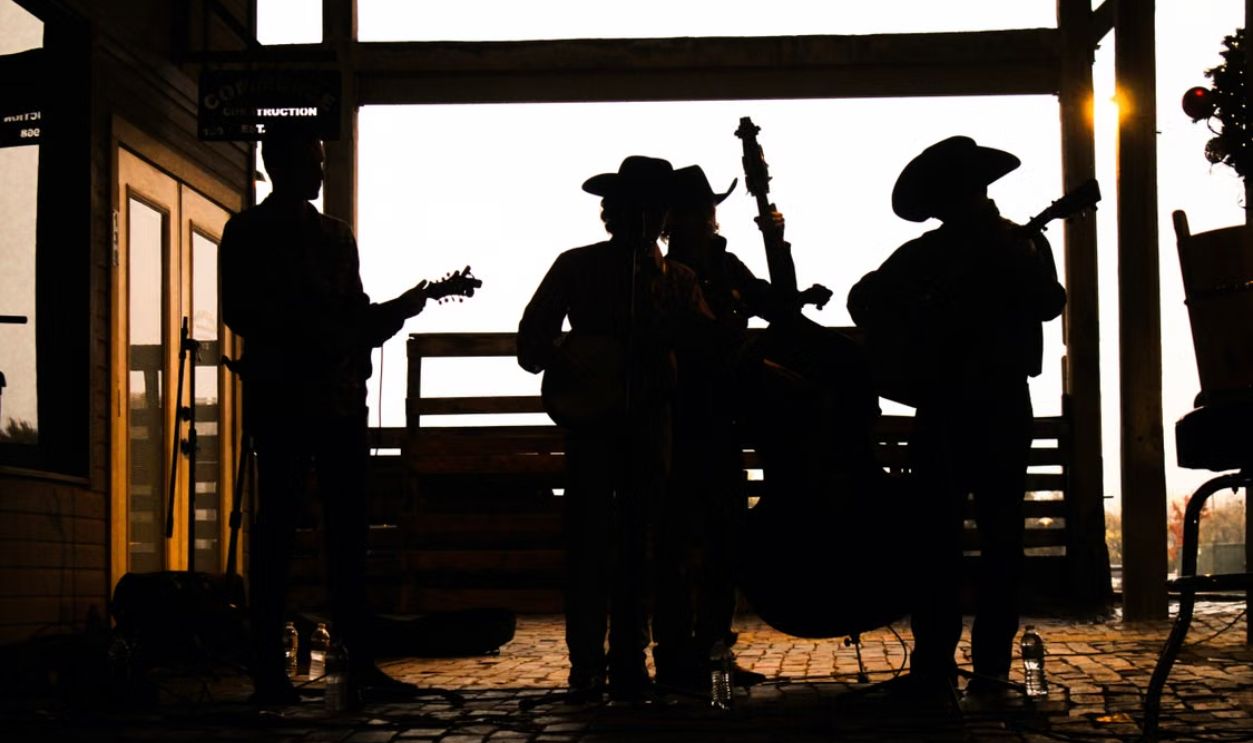
"Reach Out Of The Darkness" (1968)
The uplifting chorus of this song practically announces the arrival of the flower-power era. It was recorded by Friend & Lover, a husband-and-wife duo consisting of Jim and Cathy Post. Their 1968 single reached number ten on the Billboard Hot 100, giving them a major hit during an incredibly competitive period for popular music. They never returned to the Top 40, but the song's warm message helped it outlast their brief moment in the spotlight.
 Fantasy Records, Wikimedia Commons, Modified
"Come On Down To My Boat" (1967)
This sunny, irresistible pop song was practically made for summer afternoons and AM radio. The group behind it was Every Mother's Son, a clean-cut New York band that scored a Top 10 American hit in 1967. Their catchy recording reached number six, and the group even made an appearance on the television series The Man from U.N.C.L.E. But despite that promising beginning, Every Mother's Son quickly faded from the charts, leaving behind one of the decade's most cheerful forgotten hits.
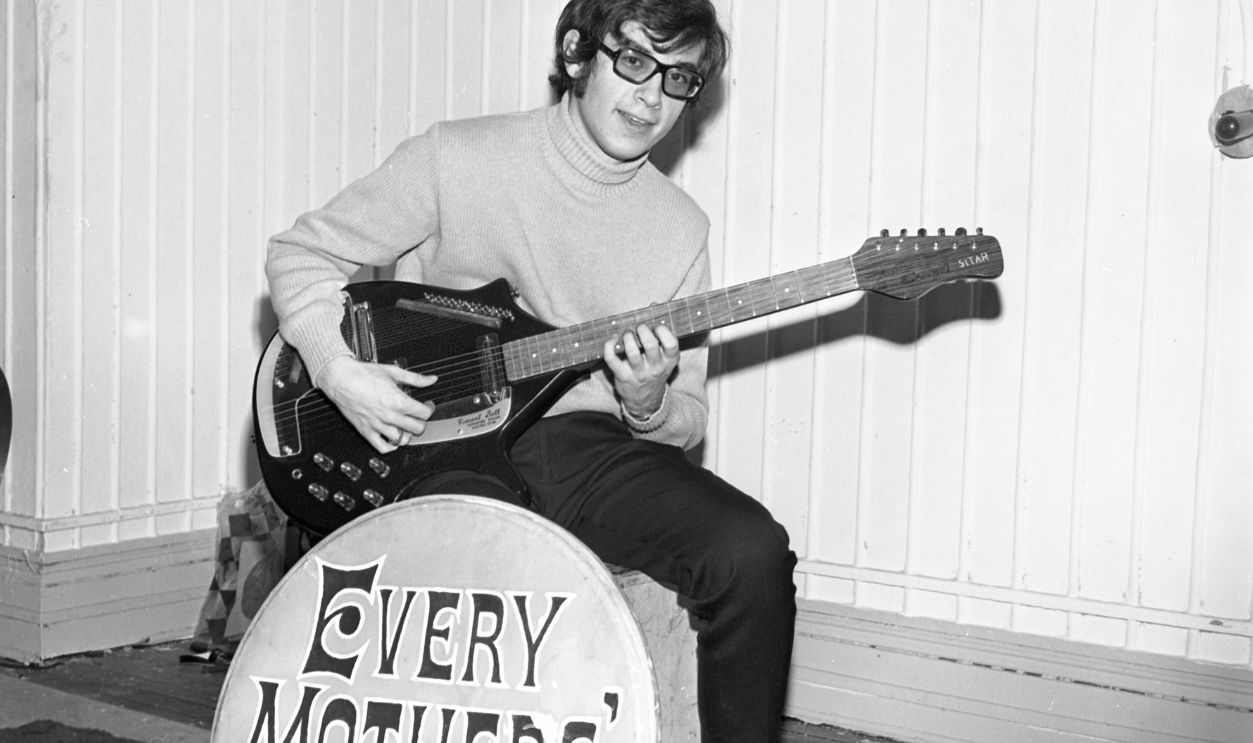 Donaldson Collection, Getty Images
"Psychotic Reaction" (1966)
With its snarling guitars and pounding rhythm, "Psychotic Reaction" sounds like a band trying to blow the roof off the garage. The group responsible was Count Five, a California act that scored a number-five American hit in 1966. Their rough, rebellious sound helped make the recording a garage-rock classic, even though the band never managed another comparable success. It's the kind of song that makes you wonder how a group with so much energy could disappear so quickly.
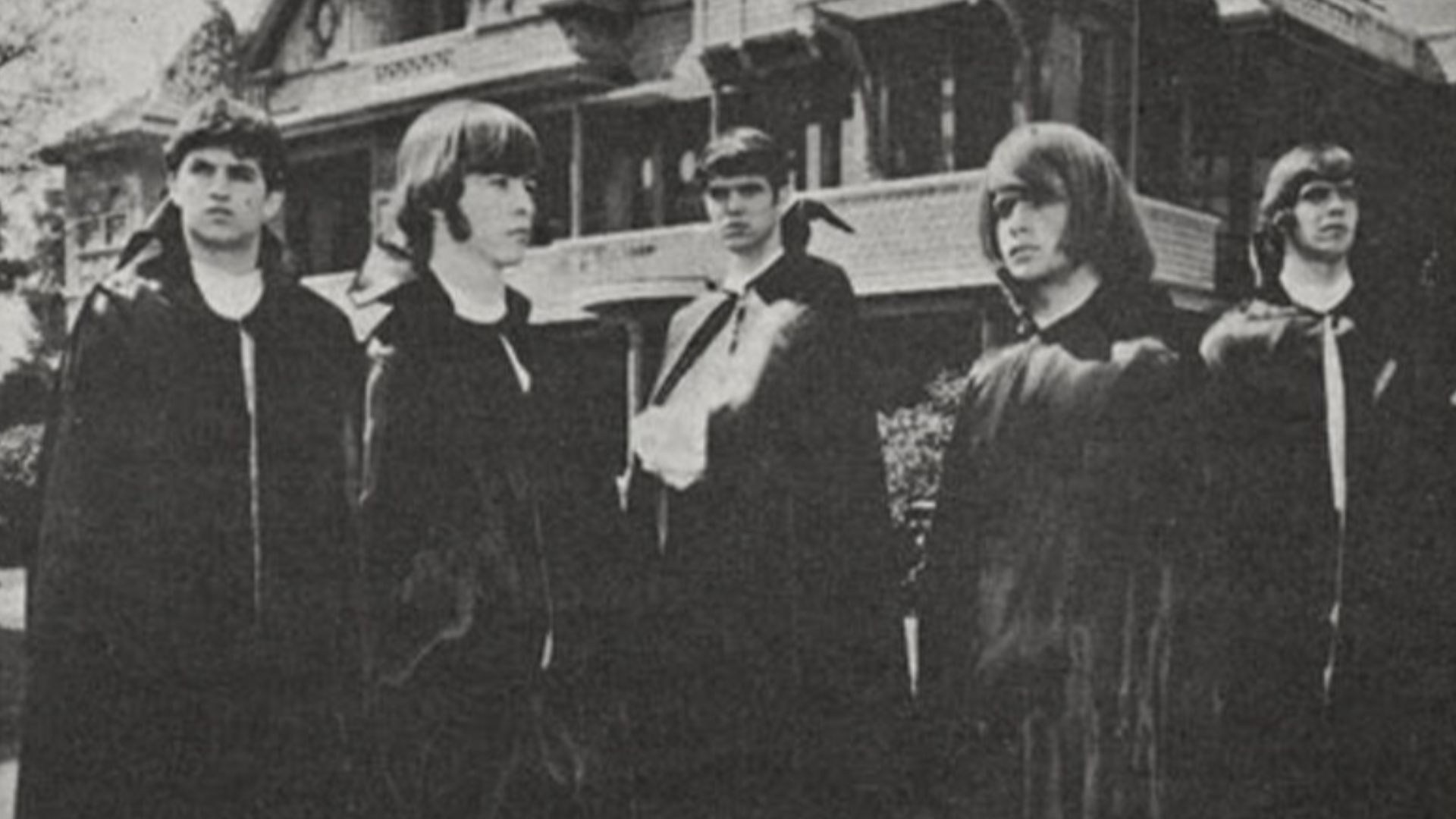 Unknown author. Modifications made by Dcameron814., Wikimedia Commons
"Angel Of The Morning" (1968)
The opening melody alone is enough to transport listeners back to the late 1960s. Merrilee Rush scored a major hit with "Angel of the Morning" in 1968, recording it with the Turnabouts. The song later became familiar to another generation through Juice Newton's successful 1981 version. As a result, plenty of listeners recognize the title immediately without realizing that Rush and her band helped make it famous first.
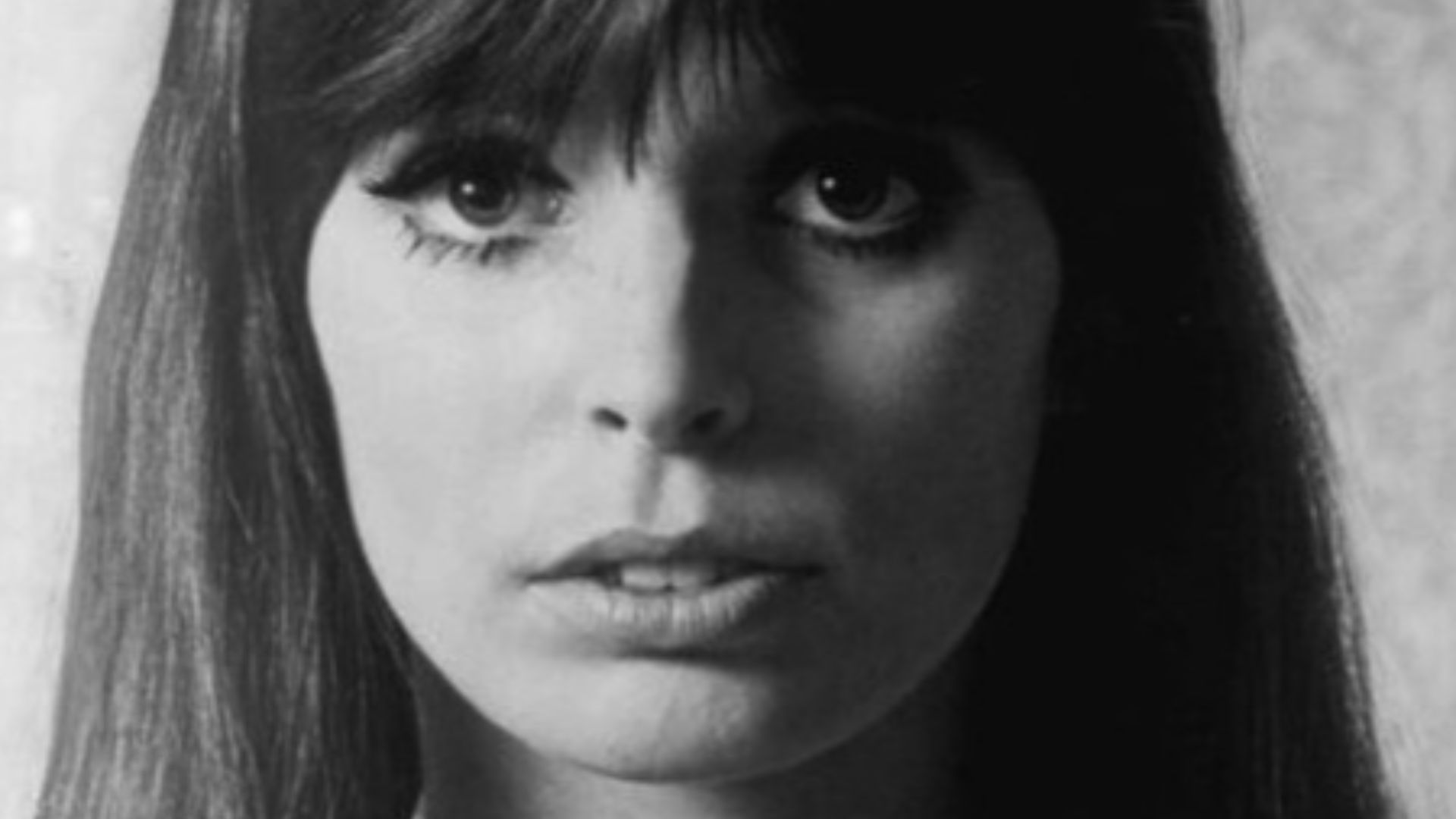 William Morris Agency, Wikimedia Commons
"Winchester Cathedral" (1966)
Here's a song that sounds as though it wandered onto the radio from an entirely different decade. The New Vaudeville Band scored a number-one American hit in 1966 with "Winchester Cathedral," a playful throwback to the music-hall sounds of an earlier era. The group was created by songwriter Geoff Stephens, who deliberately gave the recording its wonderfully old-fashioned character. For a brief moment, a song that sounded decades out of date became one of the biggest hits on American radio.
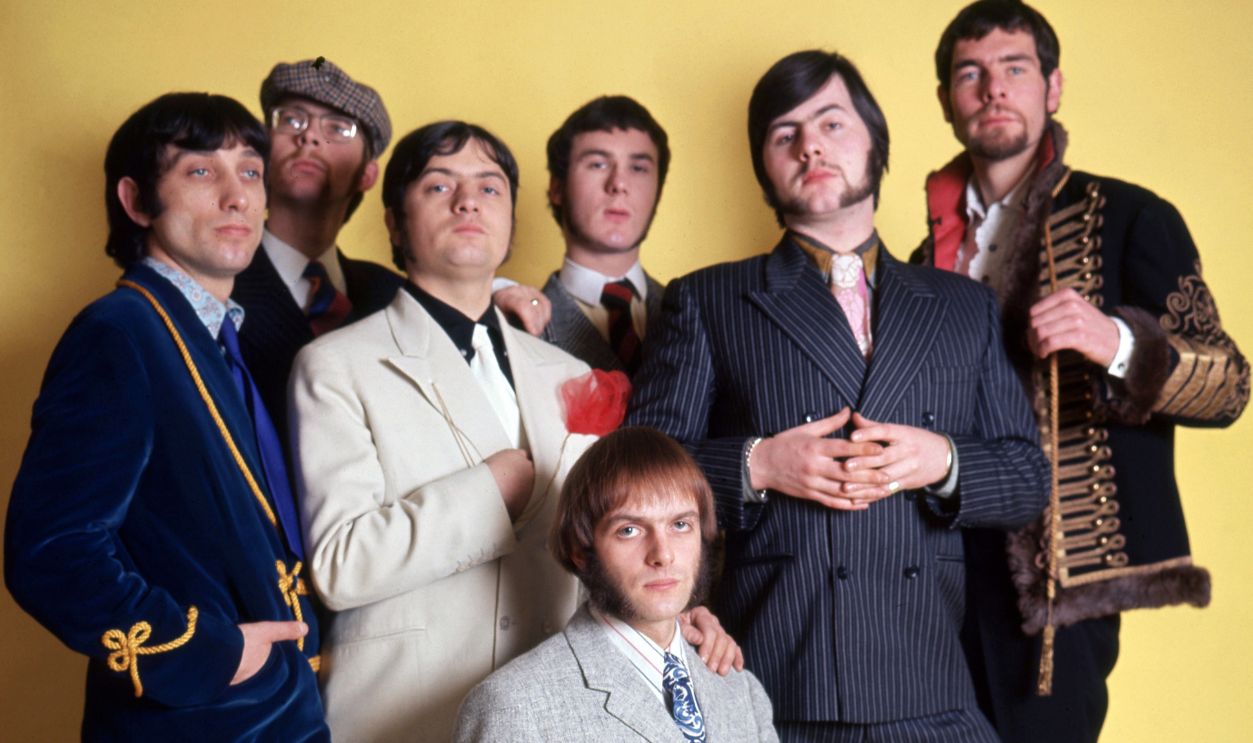
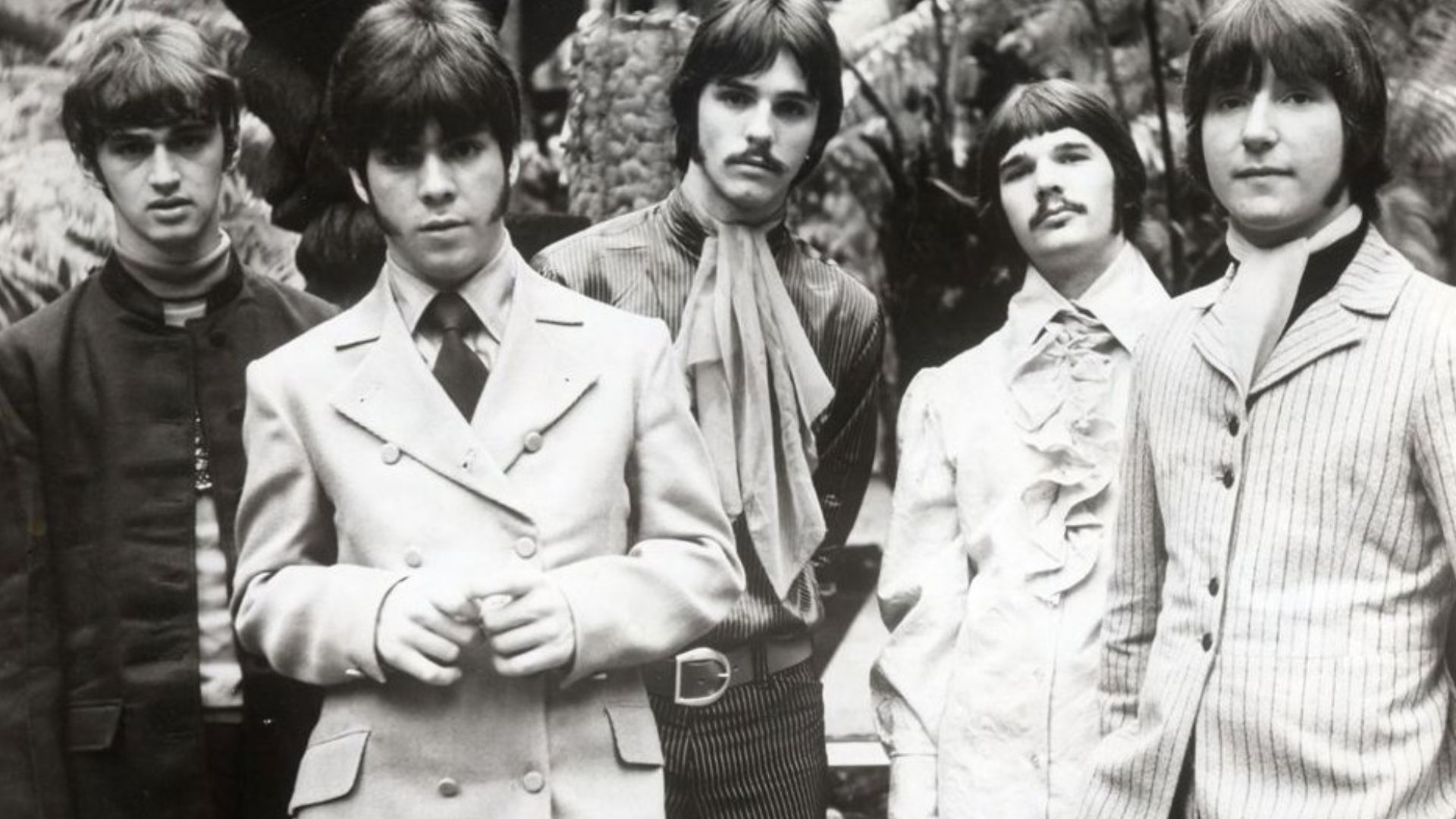
"Yummy Yummy Yummy" (1968)
If you remember the chorus of "Yummy Yummy Yummy," there's a good chance it has been stuck in your head ever since. Ohio Express scored a major American hit with this sugary pop tune in 1968, helping define the playful sound that became known as bubblegum music. The recording featured lead vocals by studio singer Joey Levine, rather than a conventional performance by the touring band. It was another example of how a carefully assembled pop recording could become enormous even when the musicians behind it weren't household names.
 Unknown authorUnknown author, Wikimedia Commons
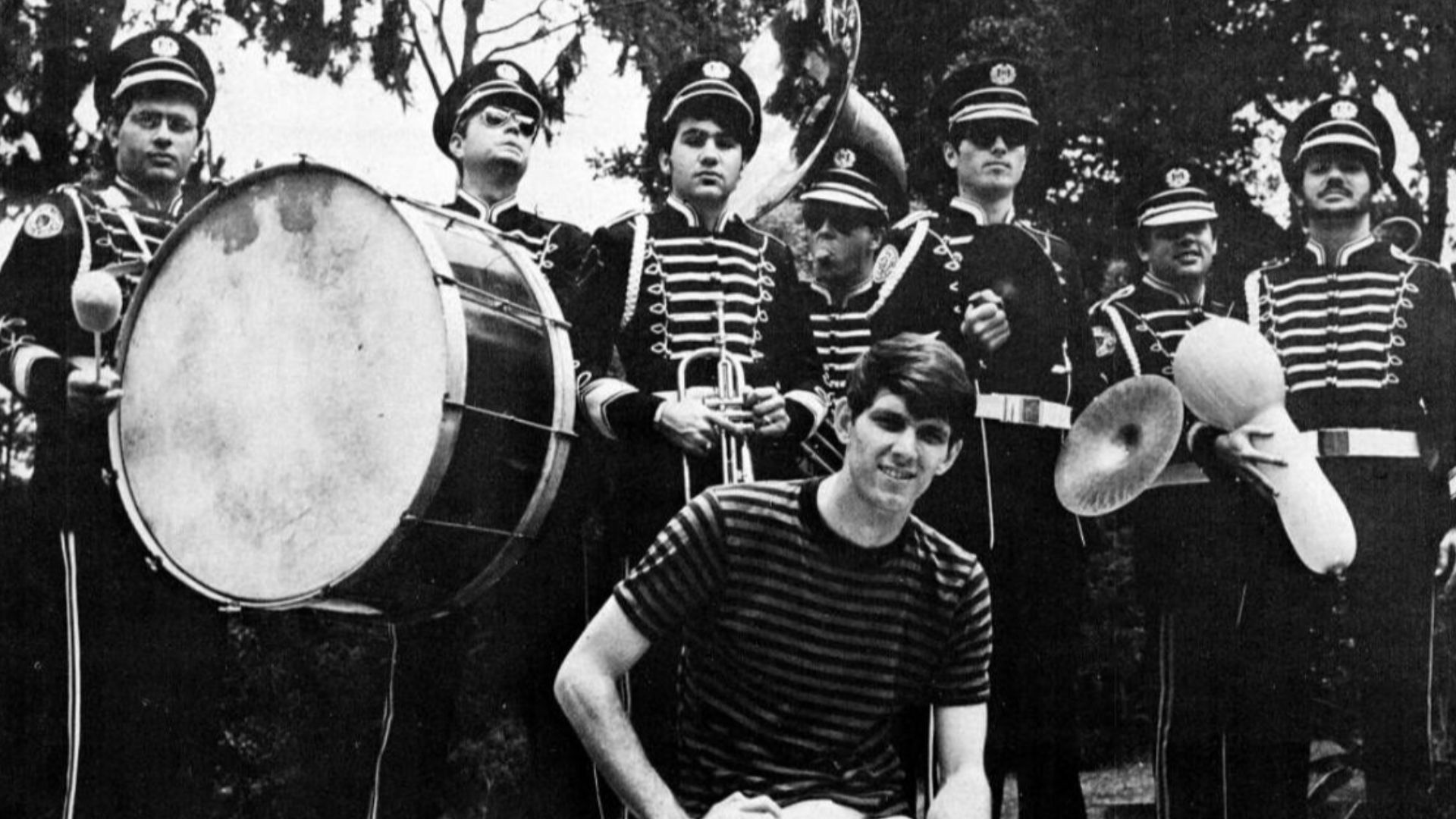
"Judy In Disguise (With Glasses)" (1967)
This wonderfully strange pop hit had a title that playfully echoed the Beatles' "Lucy in the Sky with Diamonds." The group behind it was John Fred & His Playboy Band, a Louisiana act whose catchy recording reached number one in America in early 1968. Its oddball lyrics and memorable chorus made it stand out from the crowded psychedelic pop scene. The band never enjoyed another hit on the same scale, but this one was strange enough to stick around.
 Paula Records, Wikimedia Commons
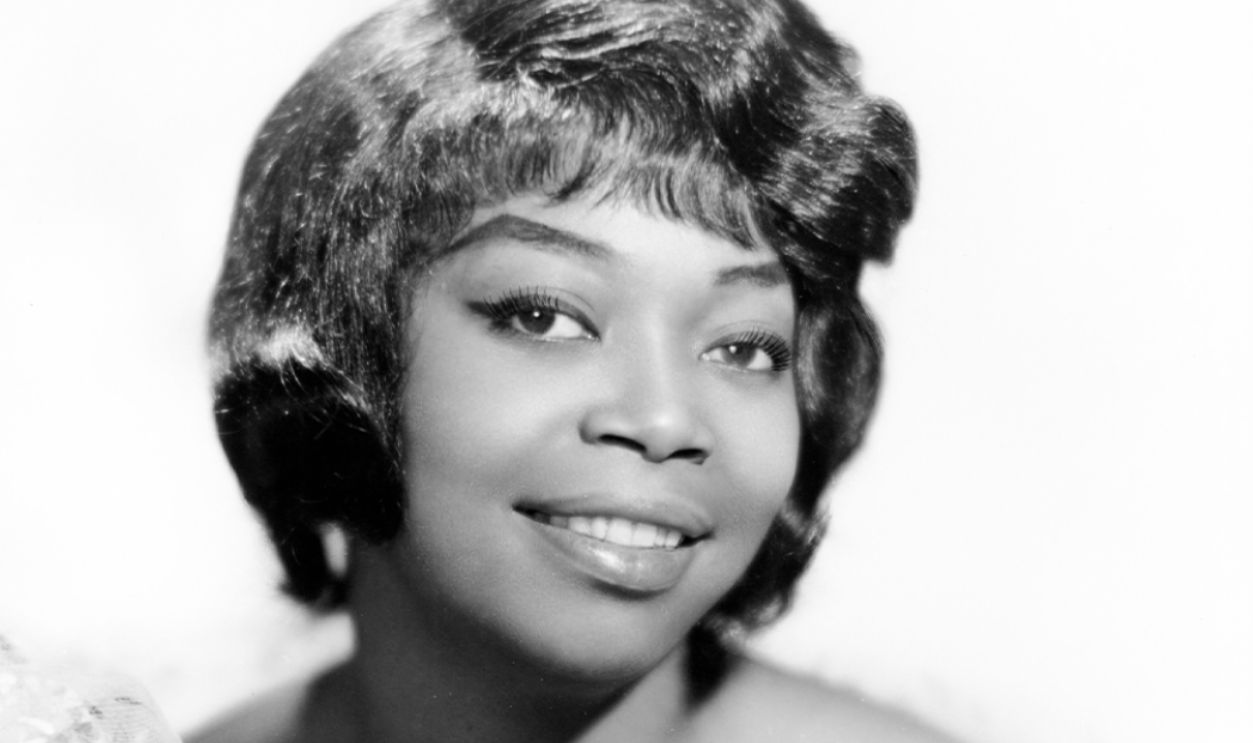
"Just One Look" (1963)
You might remember the Hollies singing "Just One Look," but they weren't the first to make it a hit. Doris Troy recorded the soulful original in 1963, delivering a performance packed with personality and emotion. Her recording became her biggest American pop success, while Troy later built a career that included important work as a backing vocalist. It's a reminder that some of the decade's most familiar songs have histories that stretch beyond the versions everyone remembers.
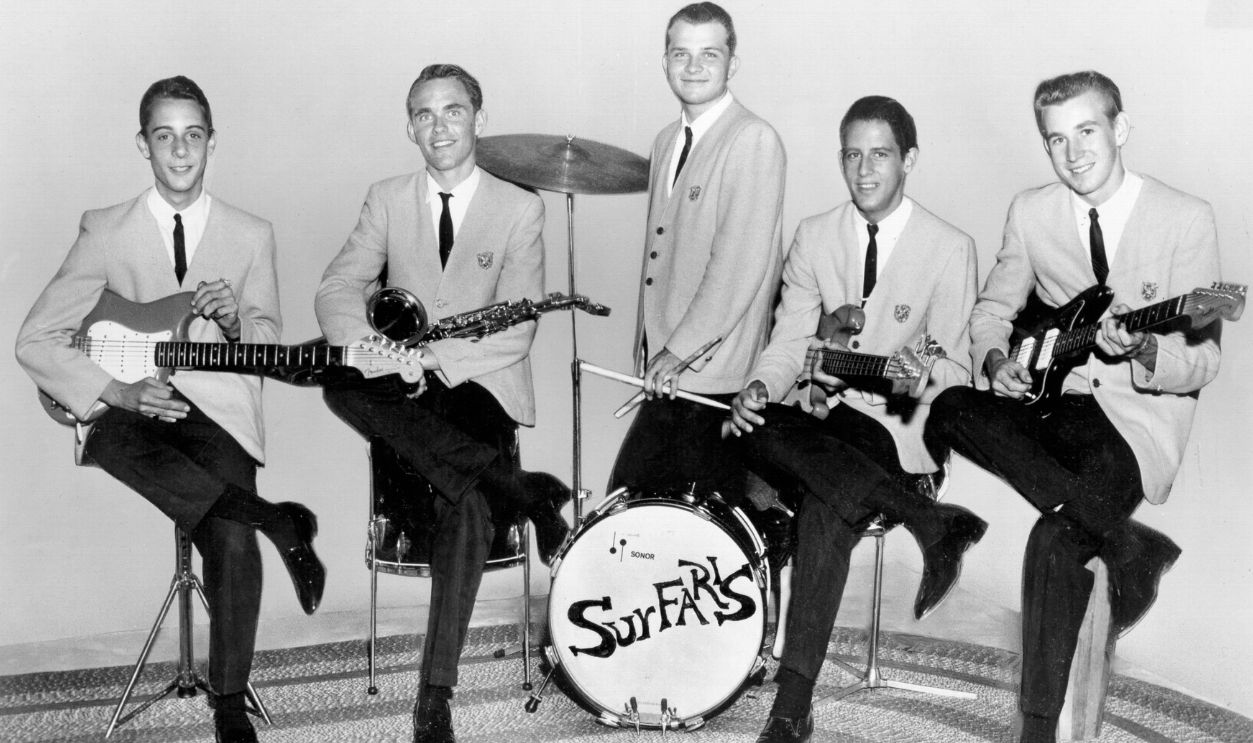
"Wipe Out" (1963)
You don't need a single lyric to recognize this frantic surf-rock classic. The Surfaris recorded "Wipe Out" in 1963, complete with its unforgettable opening laugh and an explosive drum performance. Originally released as the flip side of "Surfer Joe," the instrumental became the recording most closely associated with the group. Decades of movie appearances and nostalgic radio play have kept it familiar, even to listeners who couldn't identify the Surfaris.
 Michael Ochs Archives, Getty Images
"96 Tears" (1966)
That unmistakable organ riff made "96 Tears" one of the defining garage-rock hits of the 1960s. The group behind it was ? and the Mysterians, a Michigan band fronted by singer Rudy Martinez, who performed under the name Question Mark. Their recording reached number one in America in 1966, turning a regional success into a national sensation. The band never matched that achievement, but its mysterious name and wonderfully simple riff earned a permanent place in rock history.
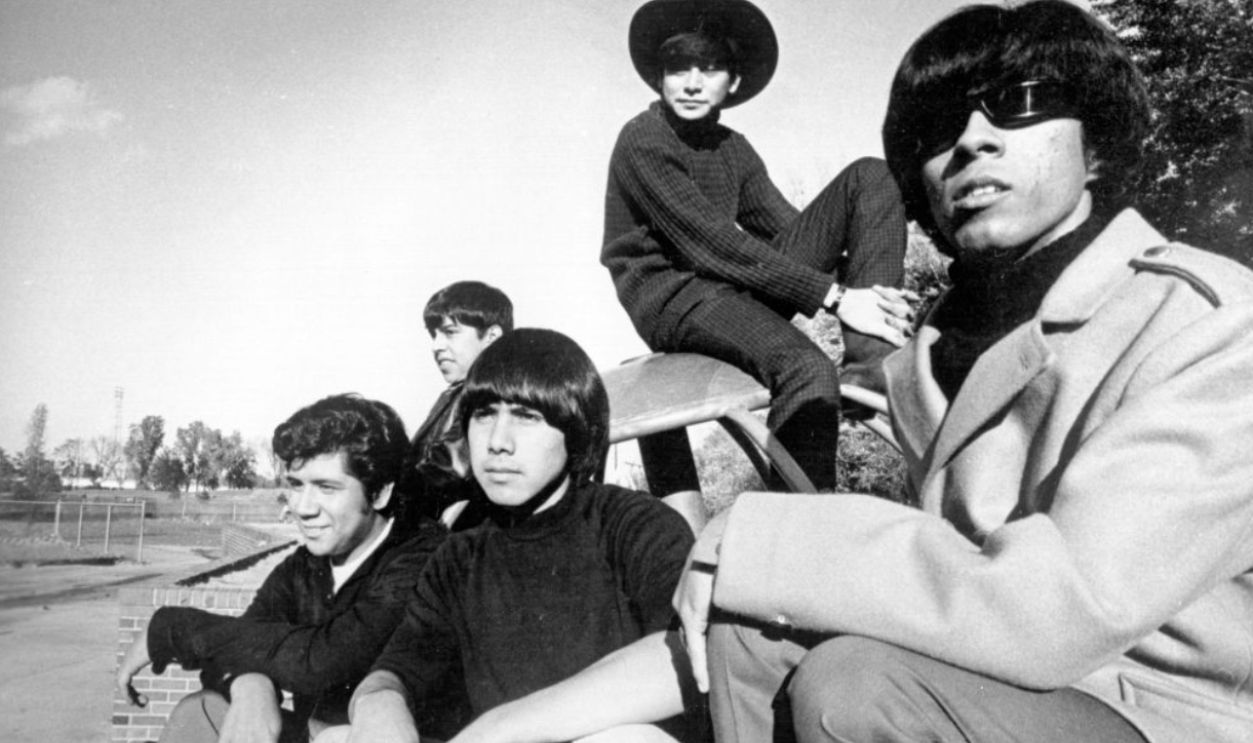 Michael Ochs Archives, Getty Images
"A Whiter Shade Of Pale" (1967)
The haunting organ introduction to this song is enough to make almost anyone recognize it immediately. But the British band behind it, Procol Harum, has a name that plenty of casual listeners struggle to recall. Released in 1967, "A Whiter Shade of Pale" reached number one in Britain and number five in America, becoming an enduring classic. The band recorded other successful songs, but this remarkable debut single remained its defining achievement.
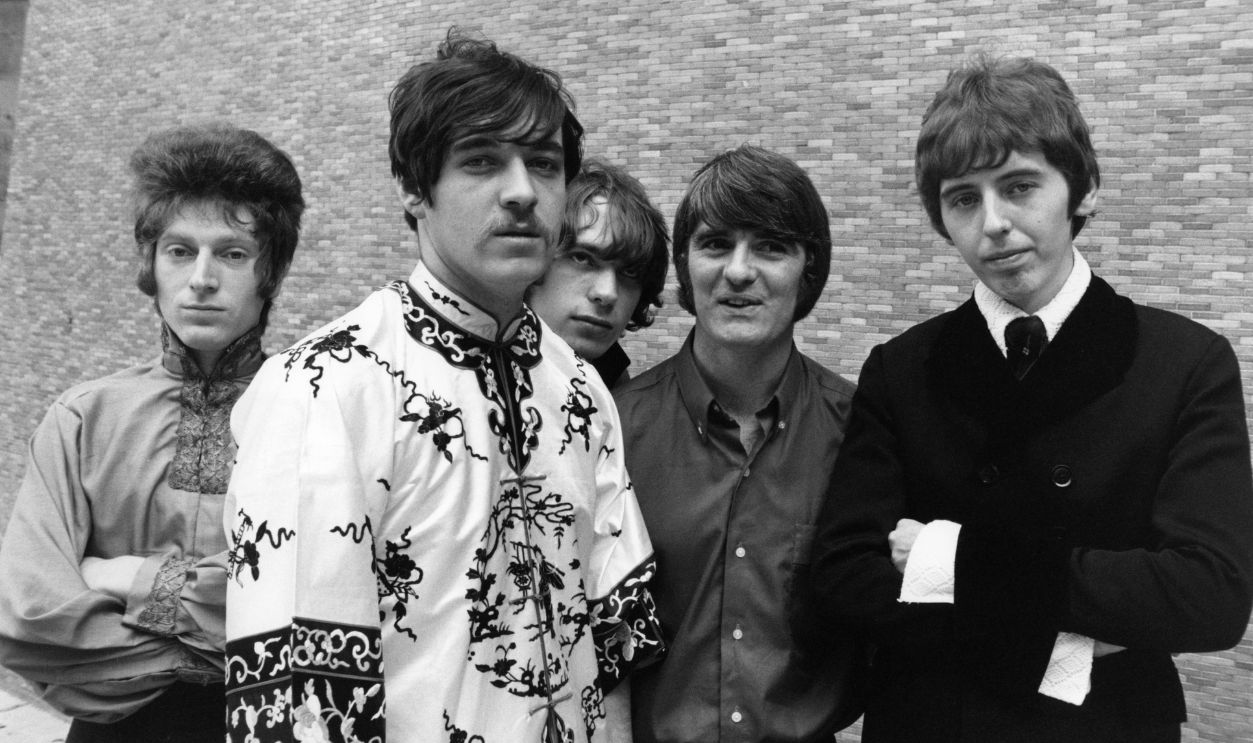
The Songs Outlived The Names
The 1960s gave us the Beatles, the Rolling Stones, and plenty of other performers whose names became legendary. But it also produced unforgettable recordings by groups that never achieved the same lasting fame. Some were genuine one-hit wonders, while others had respectable careers that became overshadowed by a single song. And that's part of the magic of oldies radio: sometimes you can remember every note of a song without remembering who made it.
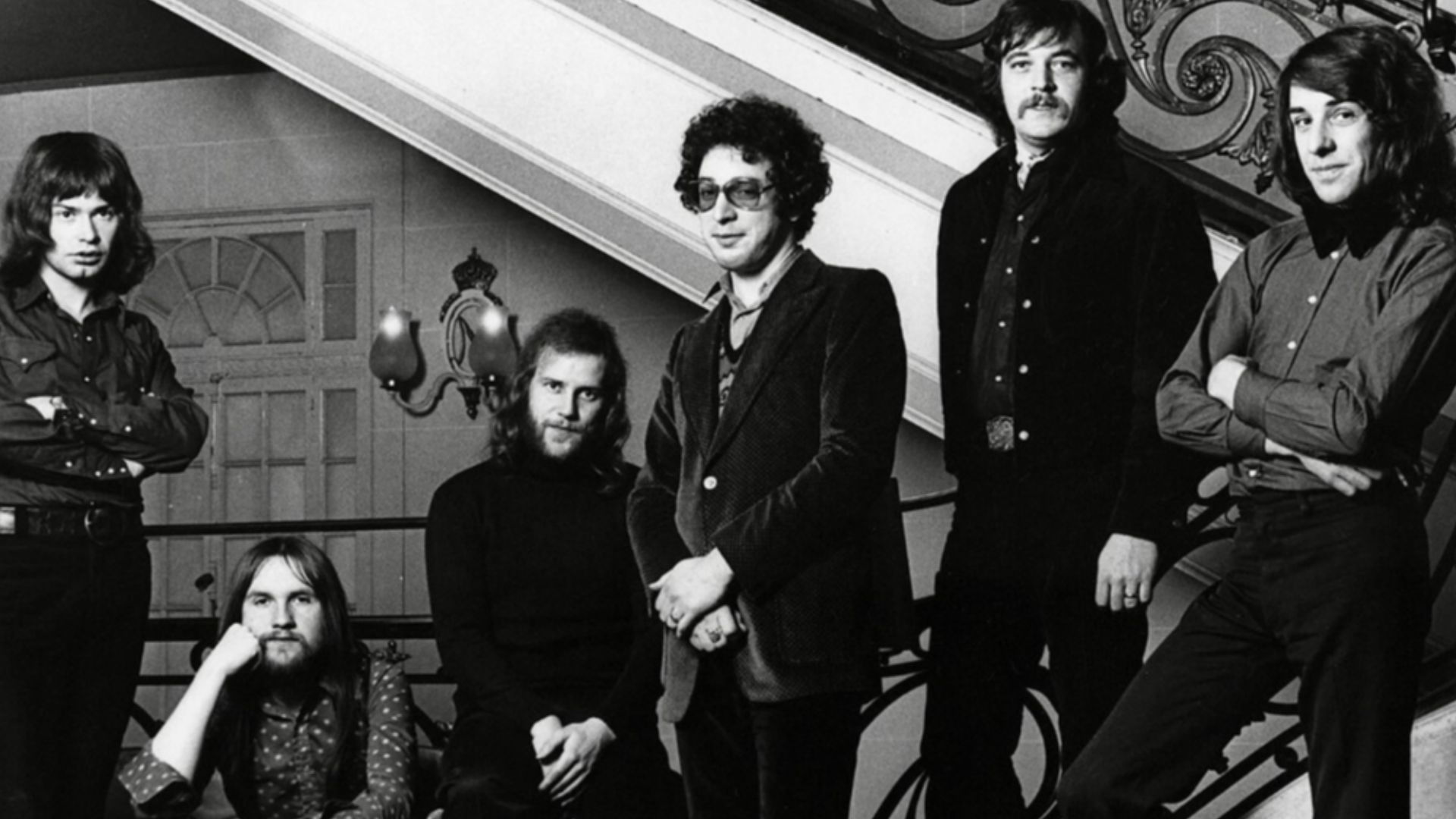 Chrysalis Records, Wikimedia Commons
You May Also Like:
Songs With Hidden Meanings You Totally Missed