When The Drummer Took The Throne
Rock history loves a dramatic exit. In 1975, Peter Gabriel, Genesis’ theatrical ringmaster and original voice, announced he was leaving the band at the very height of their progressive-rock mystique. To many fans, it felt like the end. Gabriel had been the flower-wearing fox, the surreal storyteller, the human embodiment of everything strange and cerebral about early Genesis.
But instead of collapsing, Genesis did something unthinkable. They turned to the guy in the back—the drummer with the soulful voice—and rewrote their own future. Here’s how it happened.
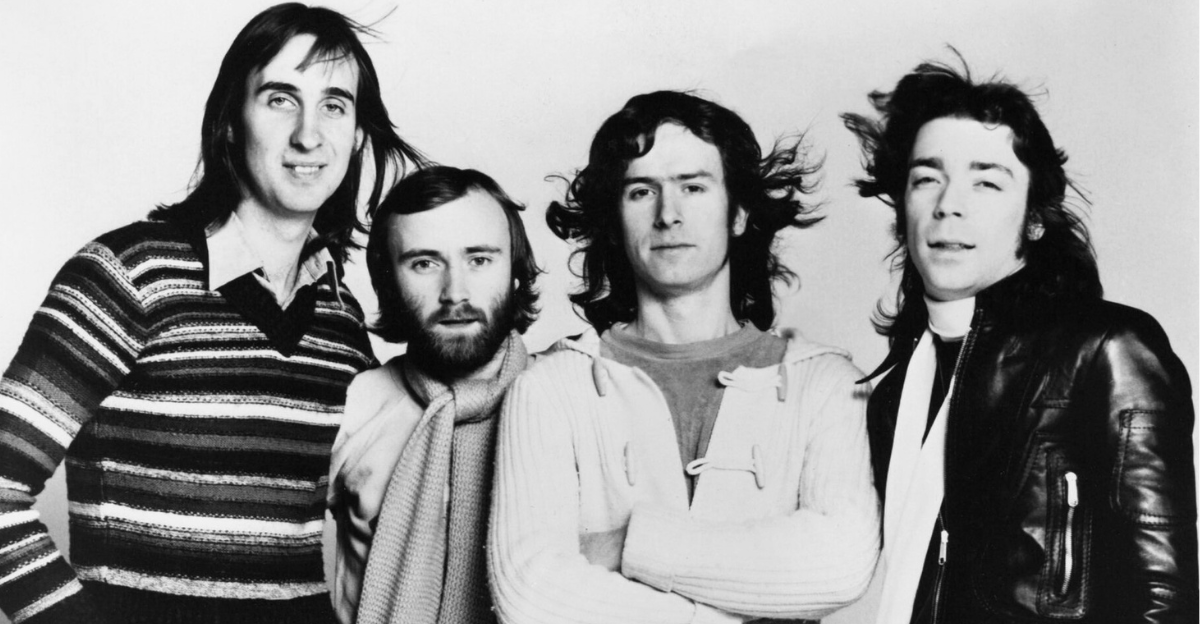 Genesis Archive, Wikimedia Commons
The Birth Of A Progressive Dream
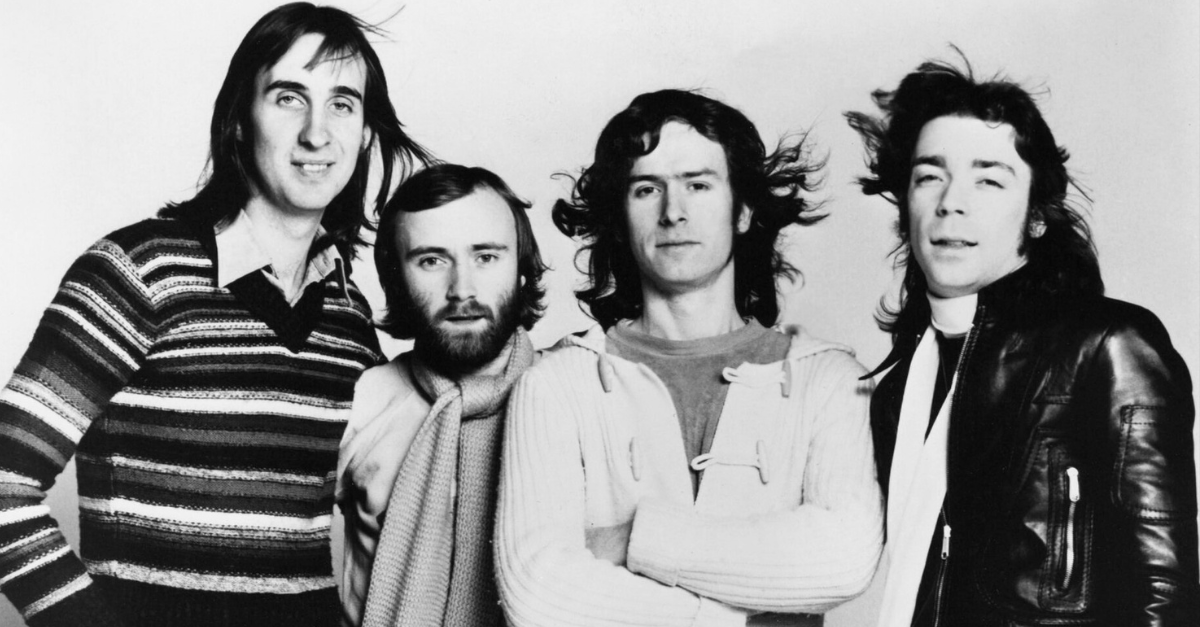
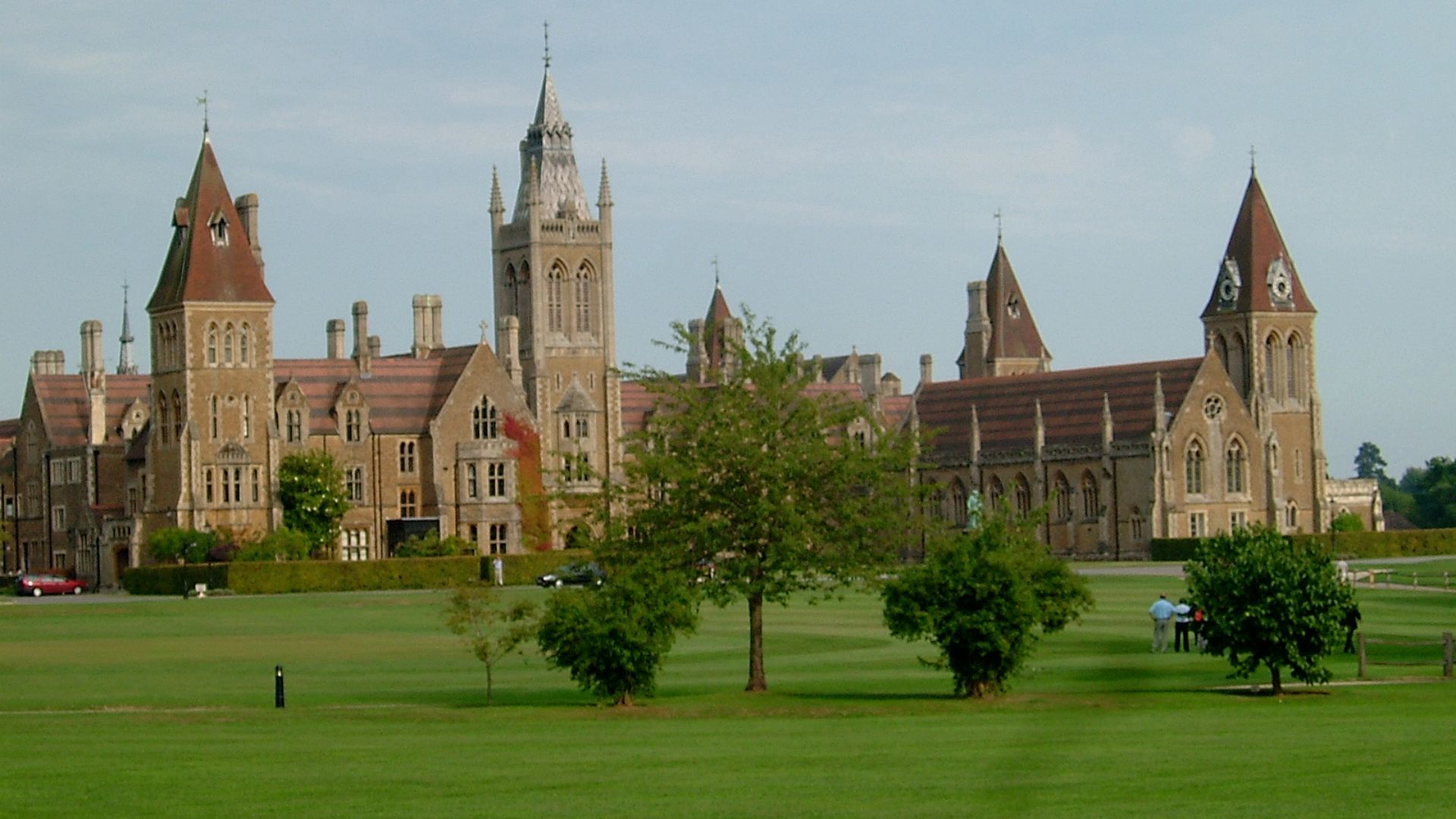
Genesis formed in 1967 at Charterhouse School in England, where Peter Gabriel, Tony Banks, Mike Rutherford, and Anthony Phillips first began experimenting with ambitious songwriting. Early on, they weren’t hitmakers—they were art-school dreamers crafting elaborate compositions that felt closer to theater than radio.
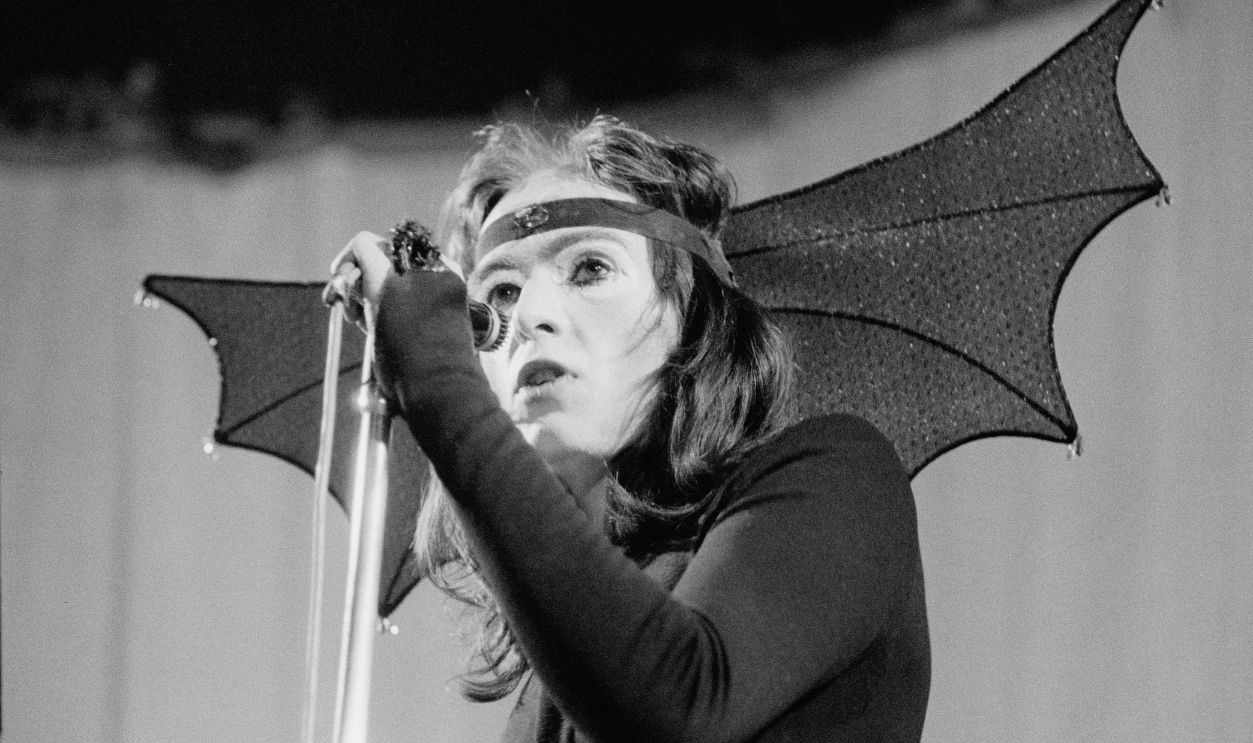
Peter Gabriel The Theatrical Visionary
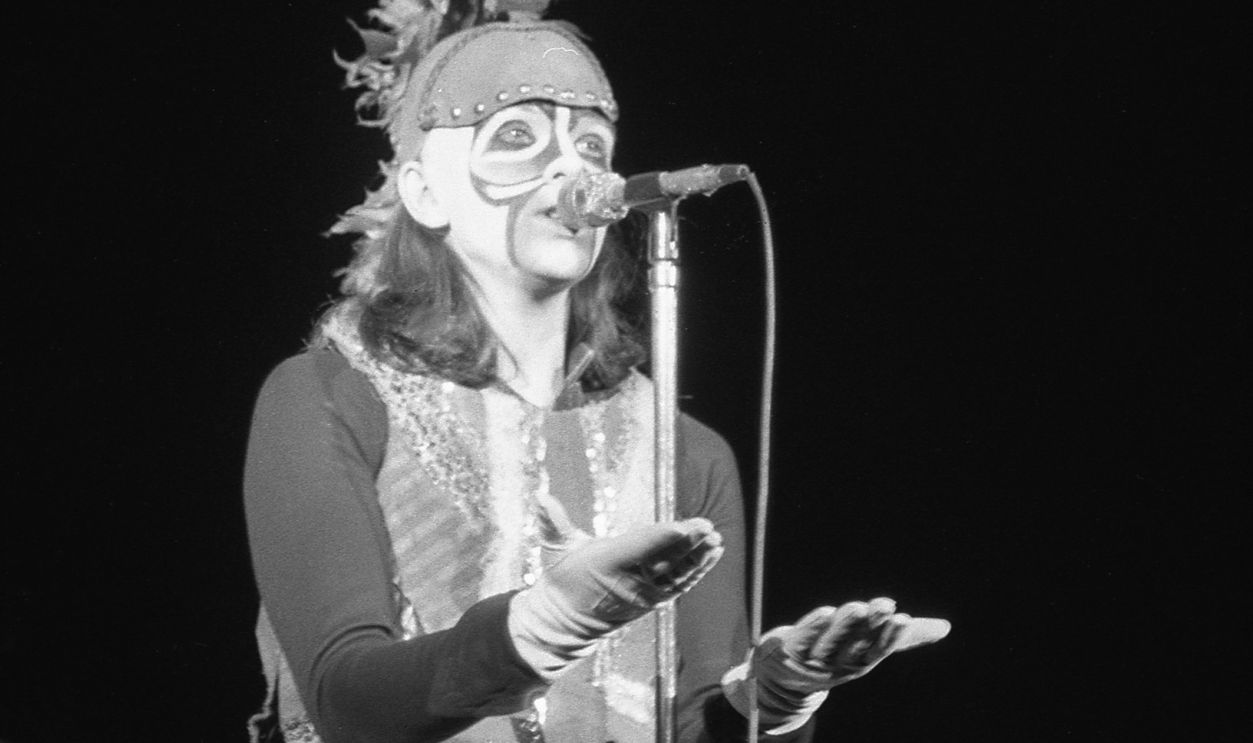
By the early 1970s, Peter Gabriel had become the band’s magnetic focal point. He didn’t just sing—he performed. Costumes, masks, surreal characters—Genesis shows felt like traveling art installations.
Albums like Foxtrot and Selling England by the Pound cemented their reputation in the progressive-rock world. Gabriel’s storytelling instincts gave the band an identity that was both intellectual and slightly unhinged—in the best way.
The Arrival Of Phil Collins Behind The Kit
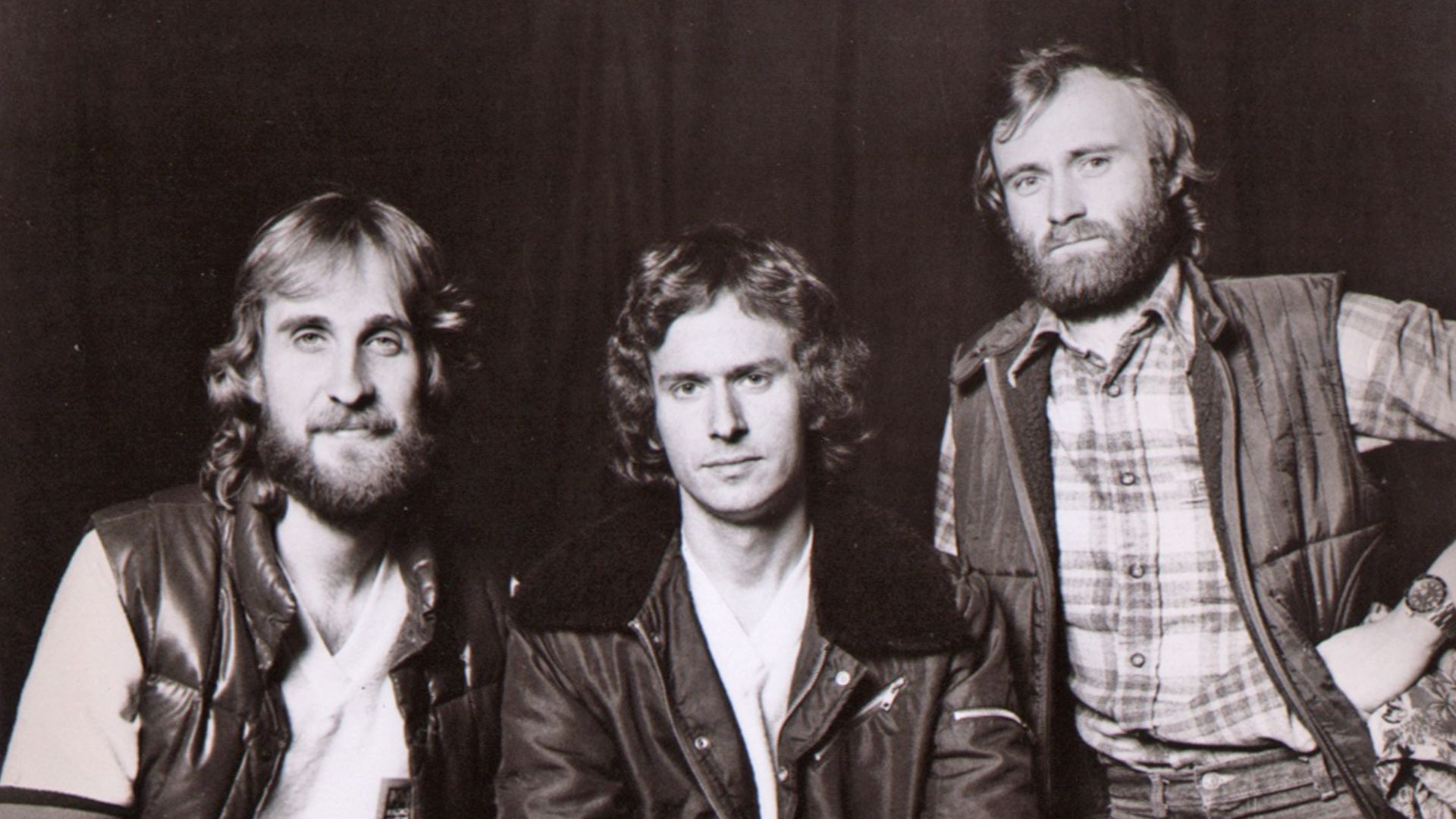
Phil Collins joined Genesis in 1970 as their drummer, bringing precision, groove, and a surprisingly powerful voice. At first, he stayed in the background, locking in complex rhythms while Gabriel commanded the spotlight.
But Collins wasn’t just keeping time. He had a voice that could soar, crack, and plead all at once, and the band quietly knew it. They just didn’t know how crucial that voice would soon become.
 Distributed by Atlantic Records, Wikimedia Commons
Expanding The Sound In The Early ’70s
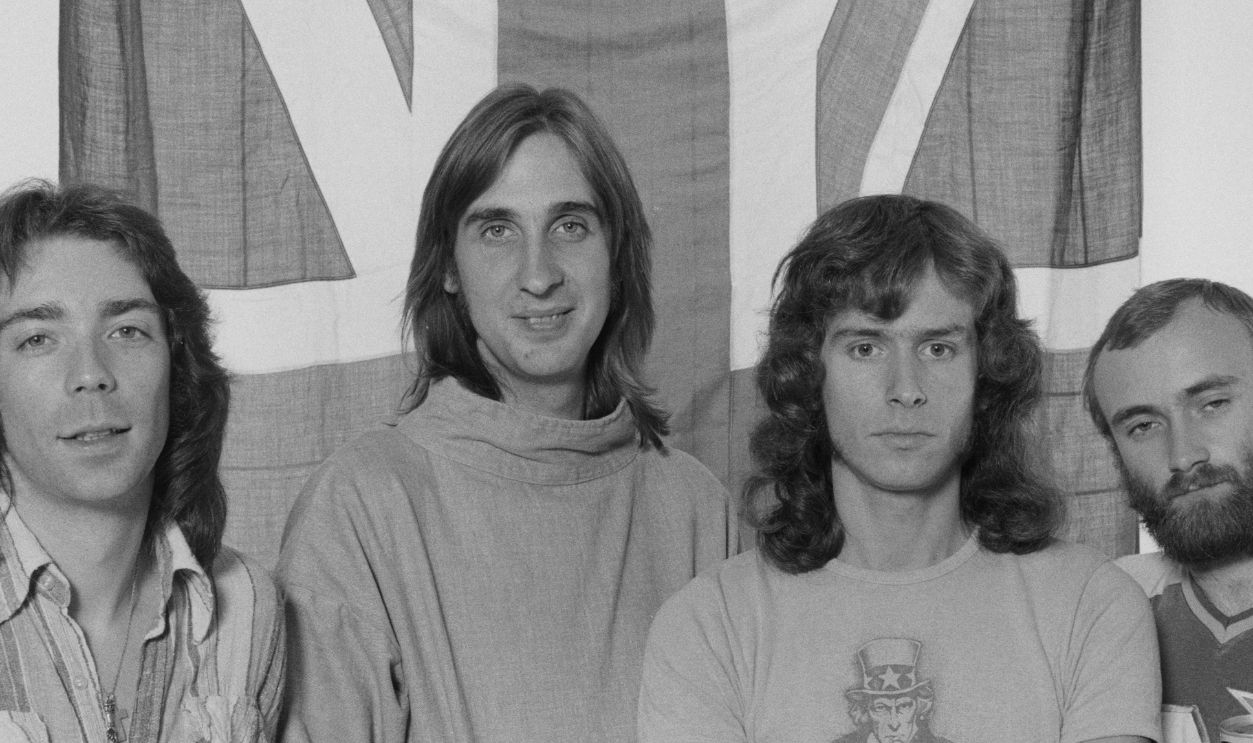
With Steve Hackett joining on guitar, Genesis’ lineup solidified into a formidable progressive unit. Albums like Nursery Cryme and The Lamb Lies Down on Broadway leaned fully into sprawling narratives and intricate arrangements.
Tensions Behind The Curtain
Success didn’t erase friction. During the making of The Lamb Lies Down on Broadway, internal strain grew. Gabriel’s increasing outside interests and personal commitments pulled him in different directions from the band.
Creative disagreements simmered. The theatrical magic that thrilled audiences also required enormous energy behind the scenes.
Peter Gabriel Announces His Departure
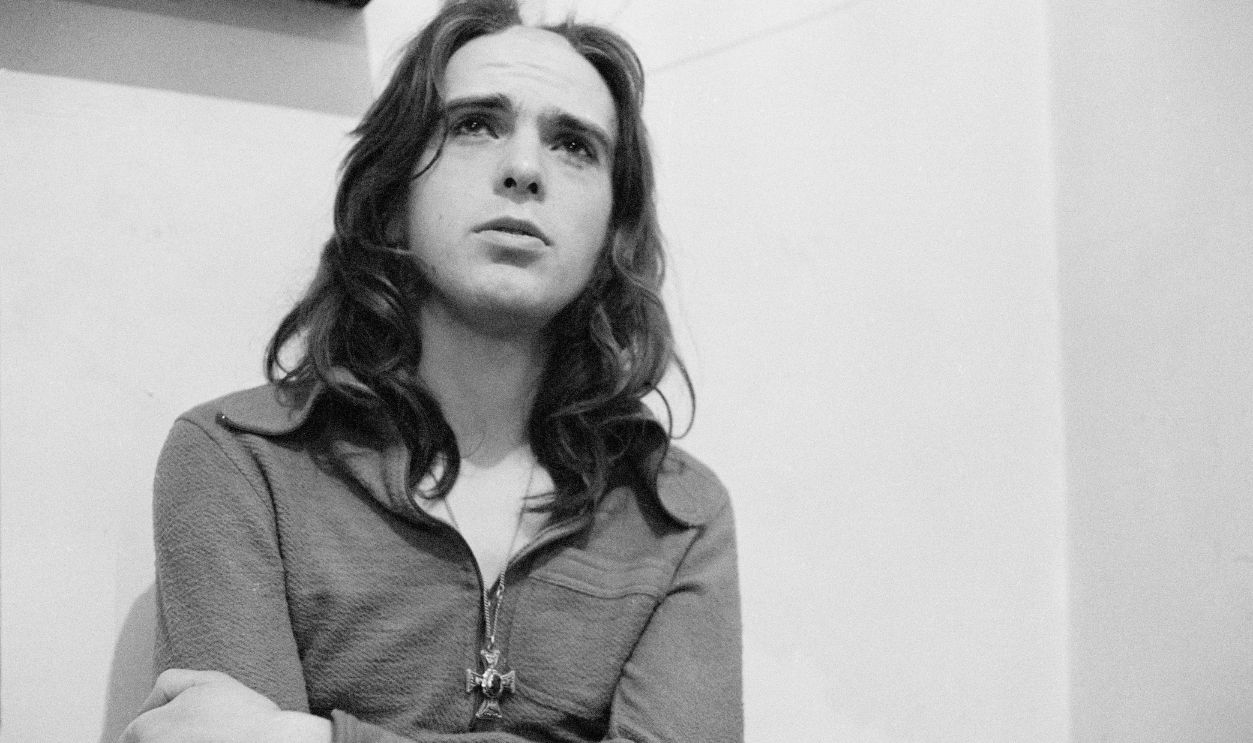
In 1975, Gabriel officially left Genesis. For fans, it felt seismic. The man who defined their sound and spectacle was gone. Industry observers assumed Genesis would quietly fade away. After all, how do you replace a frontman who performed in giant flower costumes and told surreal epics for a living?
 Linda D. Robbins, Getty Images
The Audition That Changed Everything
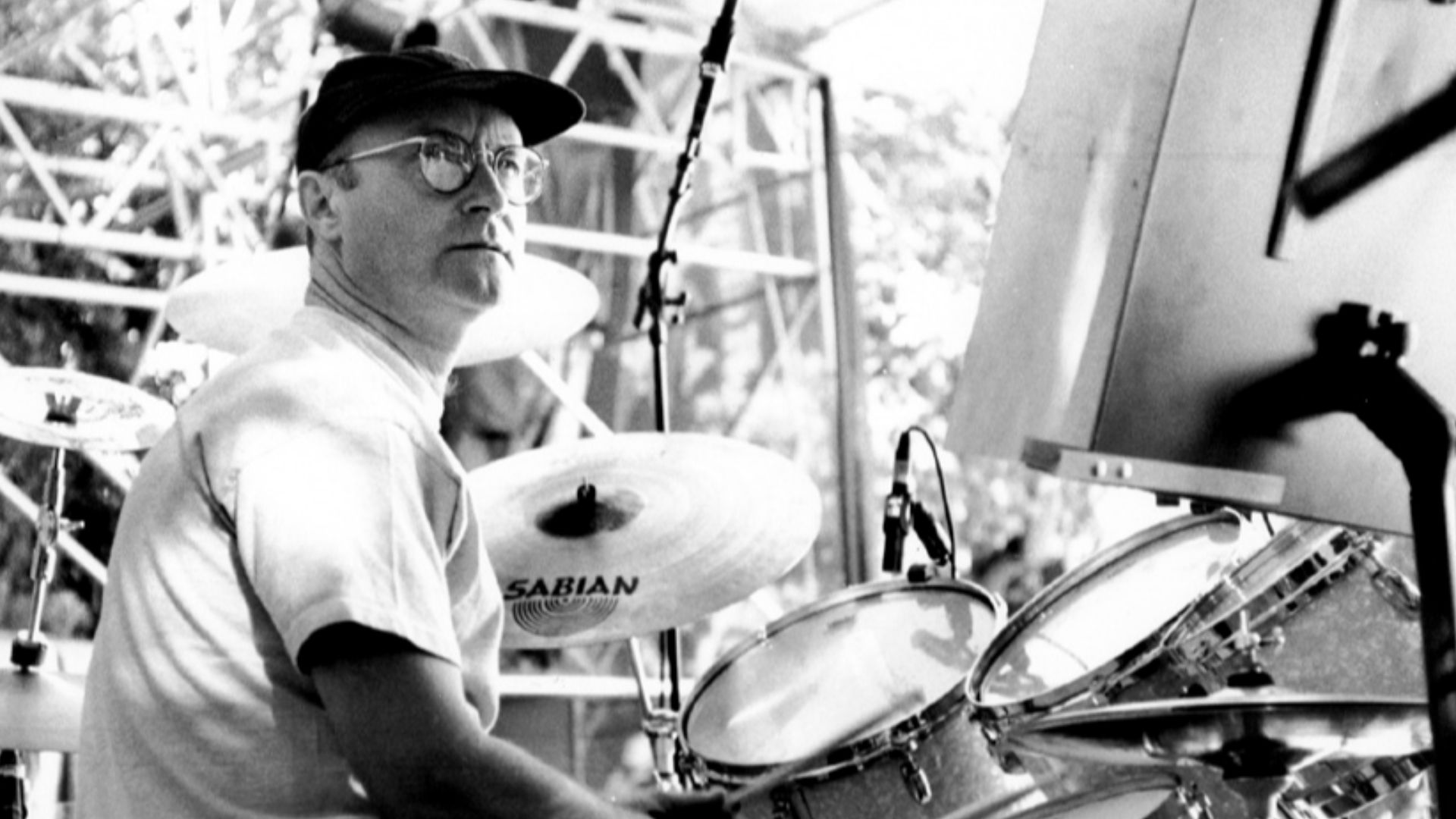
Genesis didn’t immediately anoint a successor. Instead, they auditioned hundreds of singers. It was exhausting, frustrating, and ultimately unproductive. During rehearsals, Phil Collins would demonstrate how parts should sound. Slowly, the obvious solution stared them in the face—their new frontman was already in the band.
Phil Collins Steps To The Mic
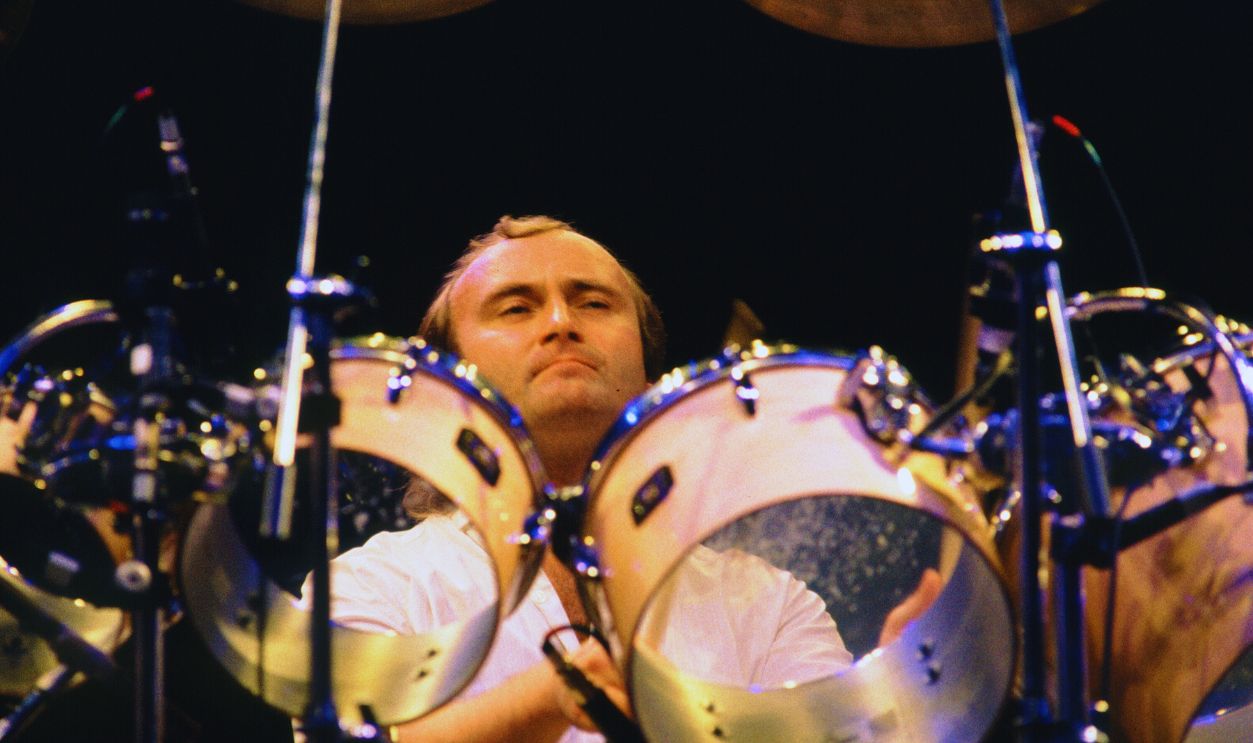
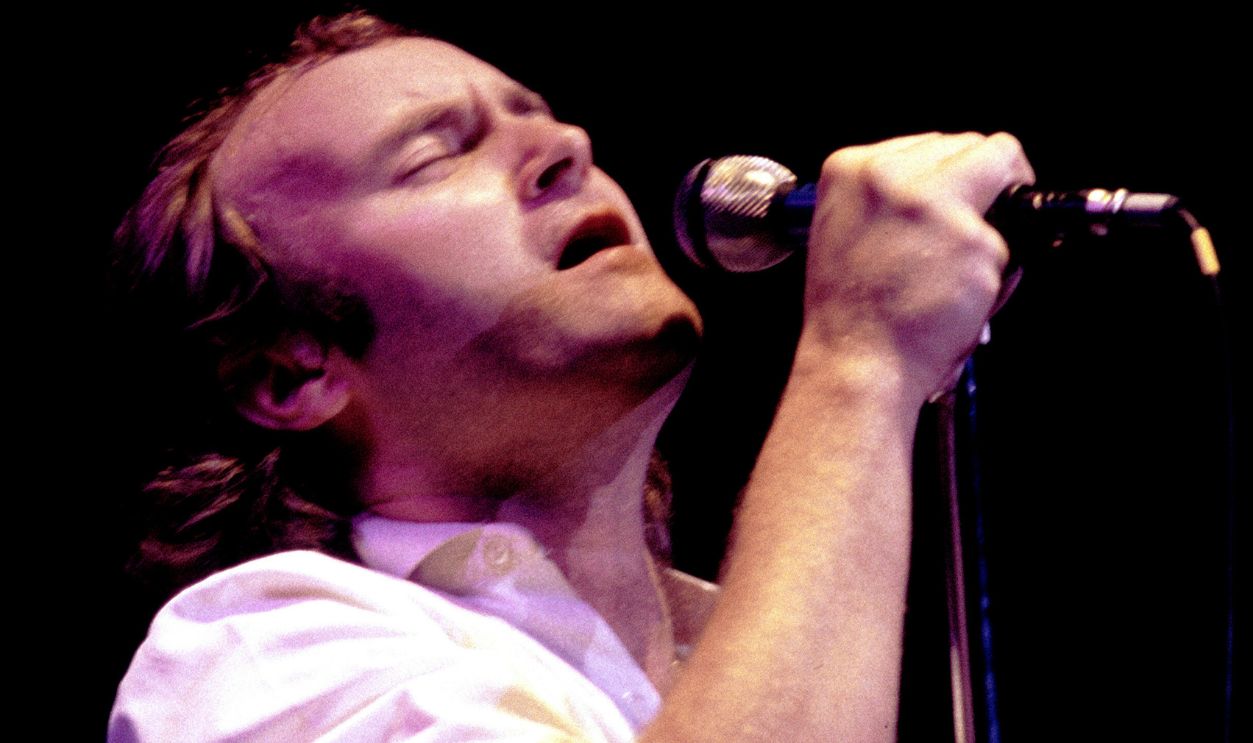
Collins officially took over as lead vocalist while continuing as drummer in the studio. It was a gamble. He lacked Gabriel’s theatrical flamboyance, but he brought emotional immediacy and warmth. His debut as lead singer on 1976’s A Trick of the Tail surprised critics and fans alike. The album proved Genesis could move forward without sounding like a shadow of their former selves.
A New Era Begins With Confidence
The follow-up album, Wind & Wuthering, reinforced that Genesis were stable—creatively and commercially. Collins didn’t imitate Gabriel. He leaned into his own style, more direct and less theatrical. The band’s survival suddenly looked less like luck and more like evolution. They weren’t replacing a chapter—they were writing a new one.
Steve Hackett Exits The Stage
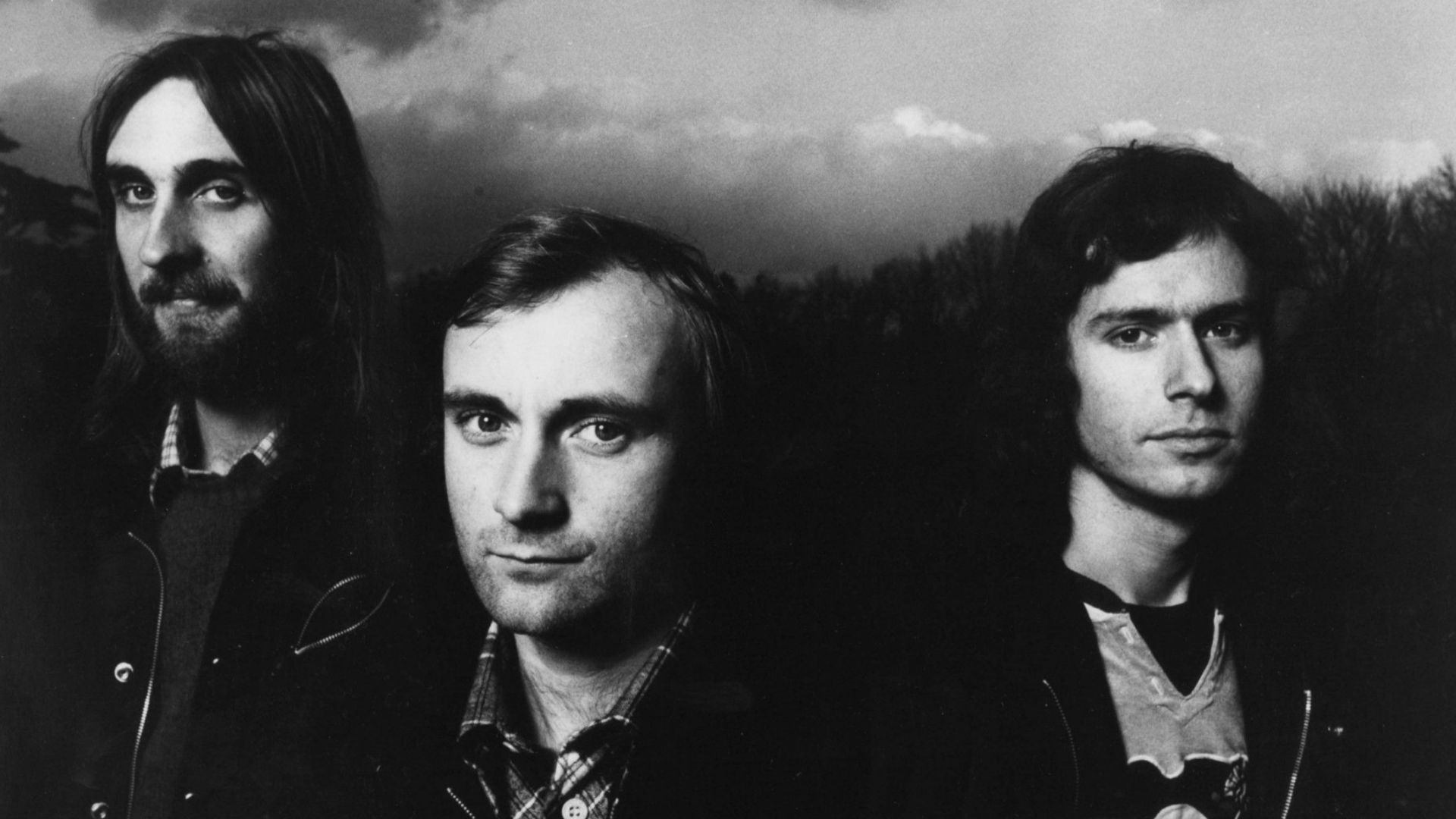
Just as the dust settled, guitarist Steve Hackett departed in 1977. Another moment where outsiders predicted collapse. Instead, Genesis streamlined. As a trio—Collins, Banks, and Rutherford—they discovered a tighter, more focused identity.
 Distributed by Atlantic Records, Wikimedia Commons
The Trio Years Take Shape
By the late 1970s, Genesis began subtly shifting from sprawling prog suites toward more concise songwriting. Albums like …And Then There Were Three… reflected both the new lineup and a changing musical climate. Punk was rising. Radio tastes were evolving. Genesis adapted rather than resisted.
Duke And The Turning Point
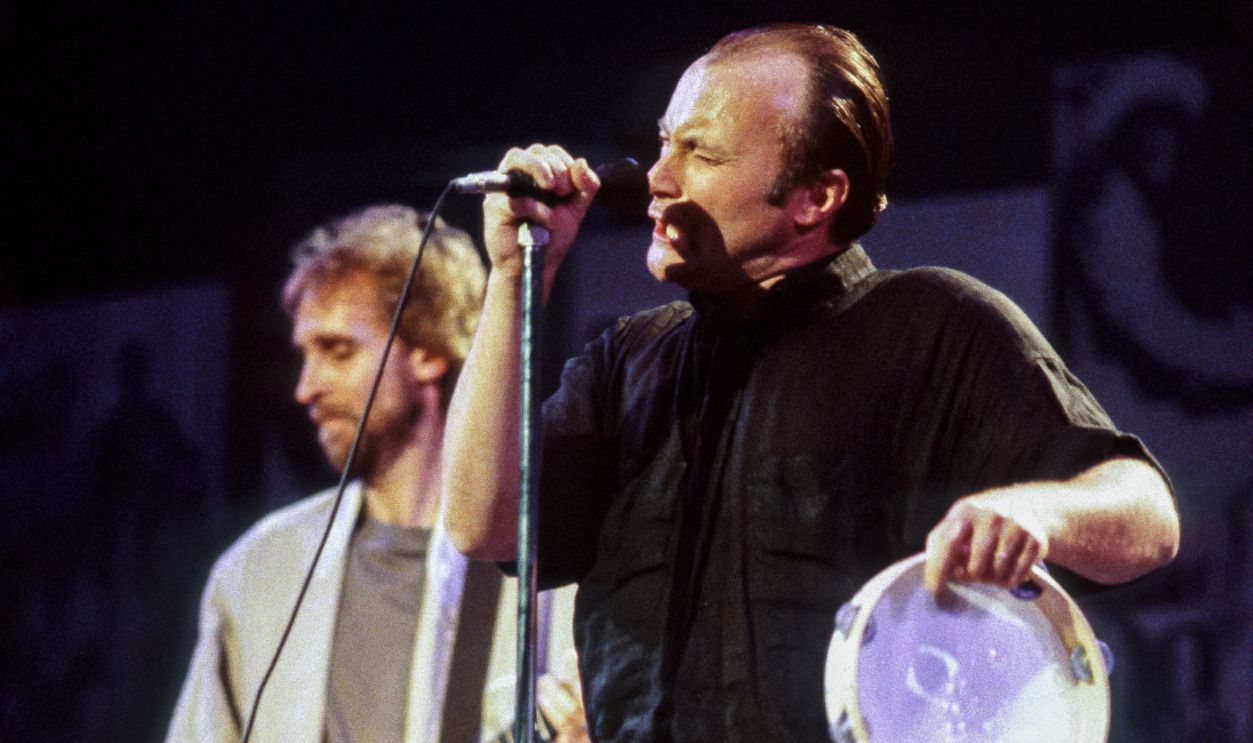
1980’s Duke marked a pivotal moment. The album balanced progressive ambition with sharper, radio-friendly tracks. Songs like “Turn It On Again” showcased Collins’ dynamic presence as frontman. The band had finally fused complexity with accessibility, and audiences responded.
Invisible Touch And Global Domination
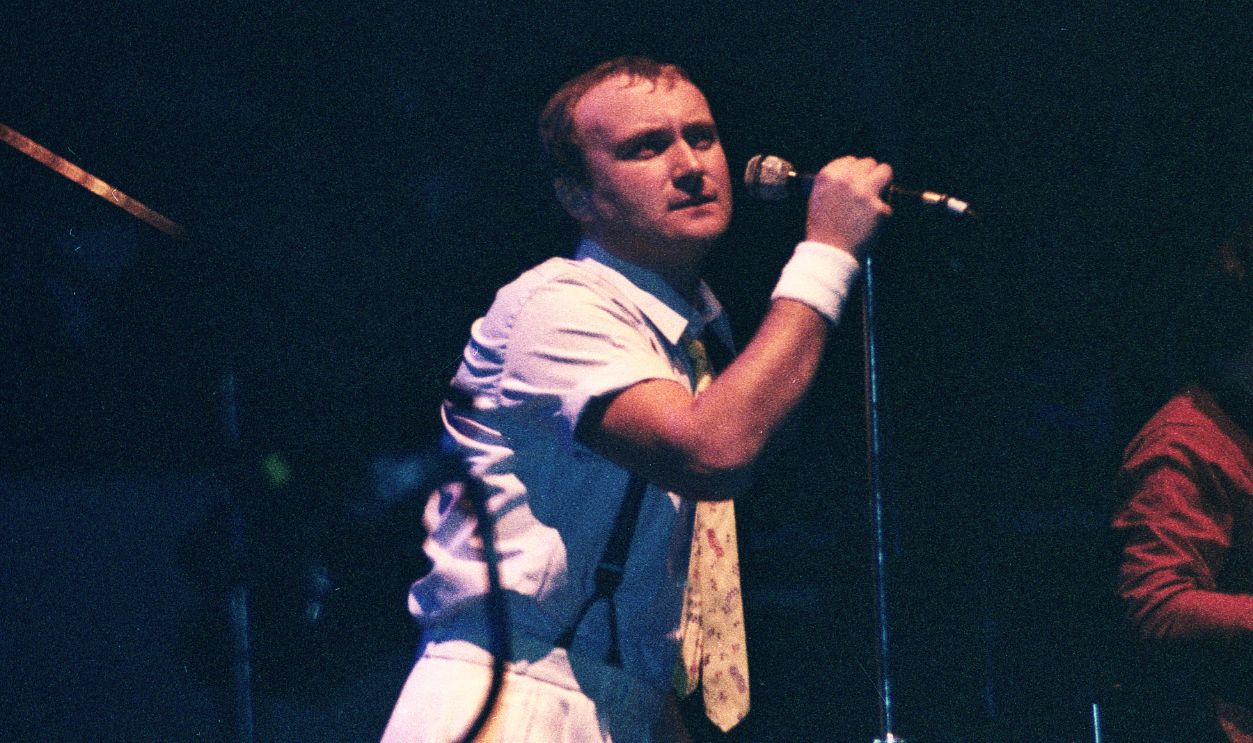
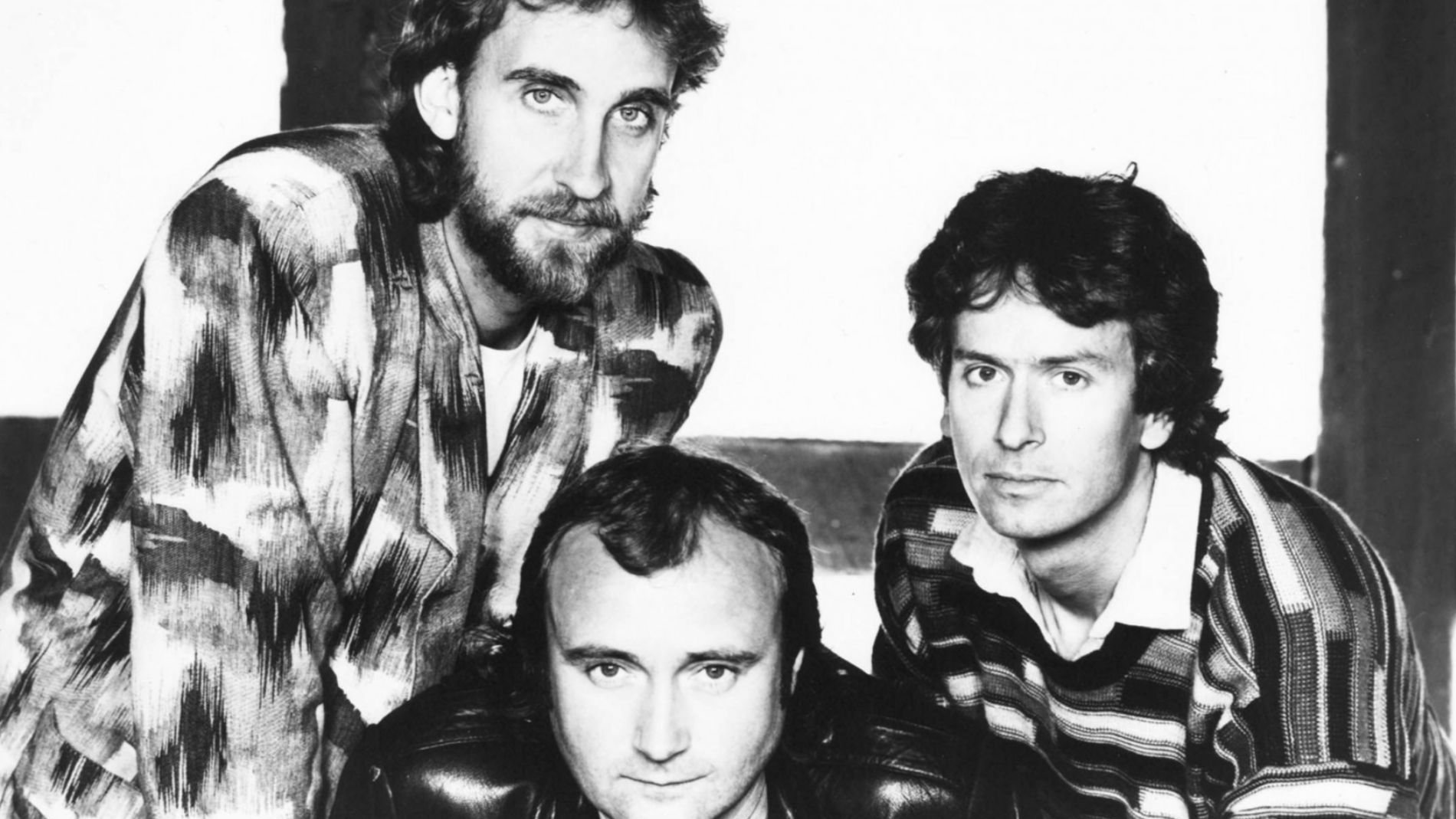
By 1986, Genesis had fully embraced their pop instincts with Invisible Touch. The title track became a massive hit, and the album produced multiple charting singles. What once seemed unthinkable—Genesis as mainstream pop juggernauts—was now reality. Stadium tours followed. The trio had redefined themselves entirely.
 Distributed by Atlantic Records, Wikimedia Commons
Phil Collins’ Solo Stardom
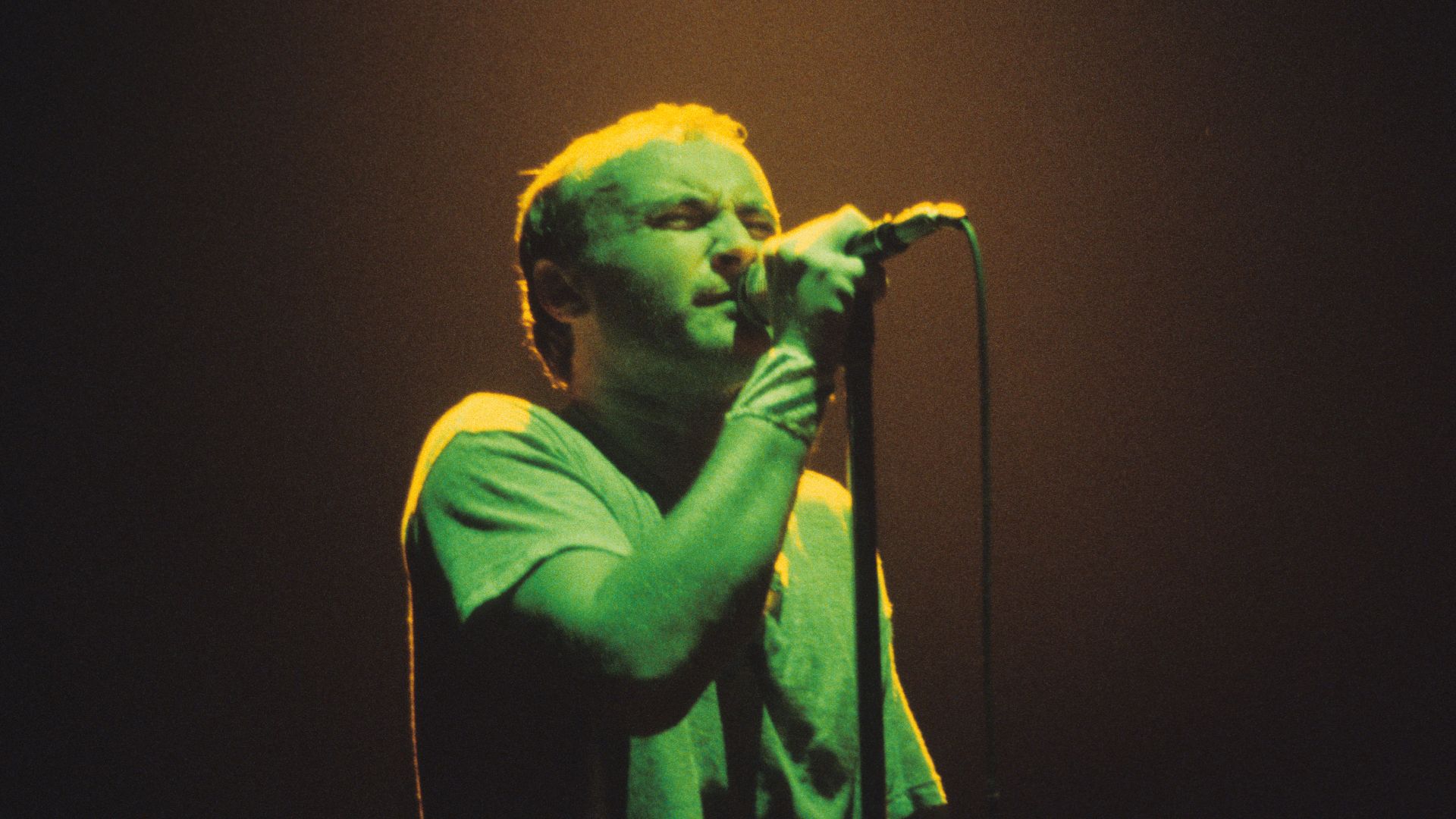
Parallel to Genesis’ success, Collins launched a wildly successful solo career. His 1981 album Face Value and subsequent releases turned him into one of the biggest stars of the decade. Far from weakening Genesis, his solo fame amplified their reach. Fans who discovered Collins alone often traced their way back to the band.
 Philippe Roos from Strasbourg, Wikimedia Commons
Reinvention Without Abandoning Roots
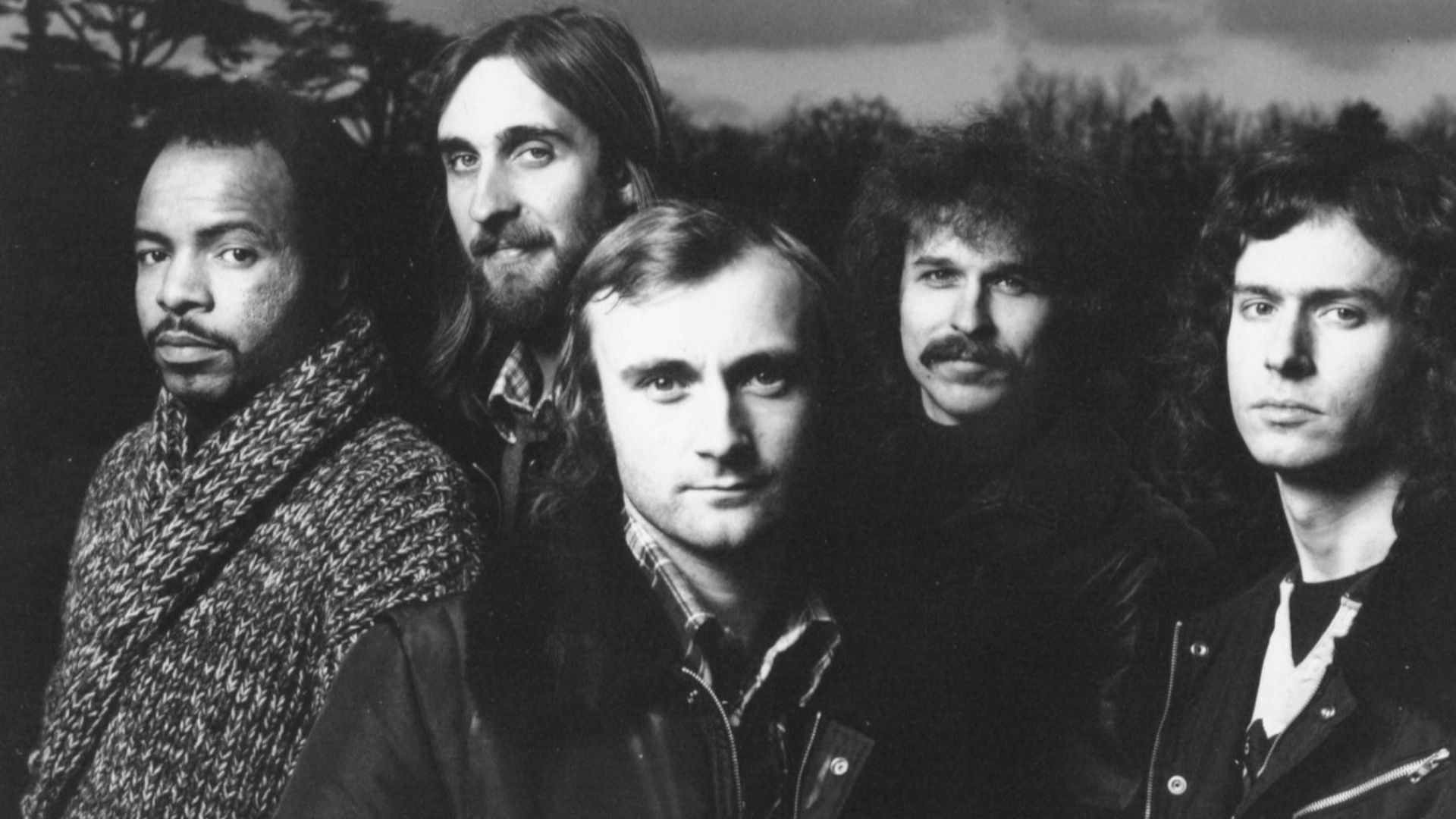
Despite their pop success, Genesis never entirely erased their progressive DNA. Live shows still featured extended instrumentals and nods to their earlier catalog. It wasn’t betrayal—it was balance. They honored where they came from while acknowledging where they were headed.
 Distributed by Atlantic Records, Wikimedia Commons
Stadium Tours And MTV Glory
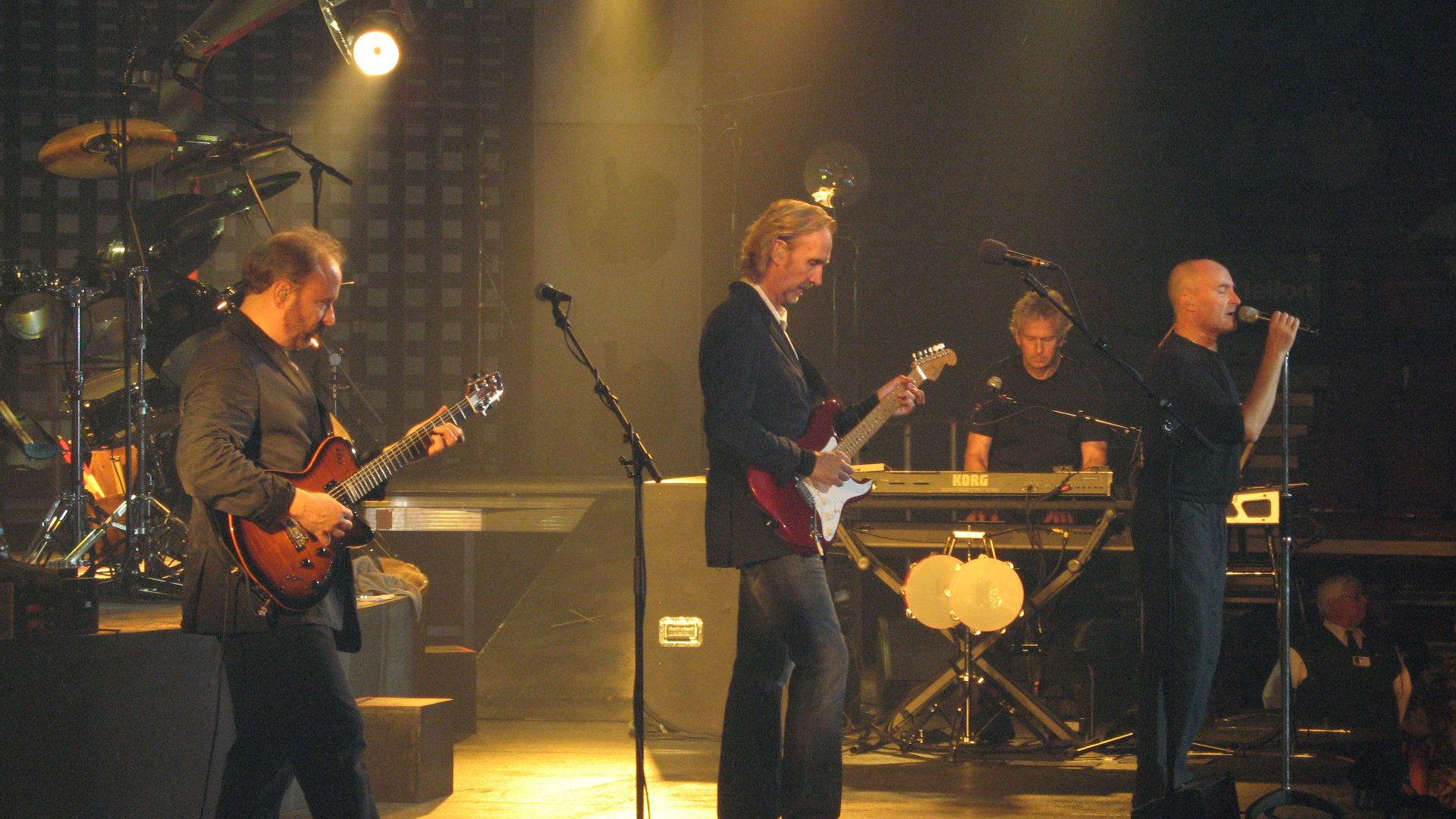
The 1980s saw Genesis dominate both radio and television. Their music videos became staples of the MTV era, introducing them to a younger audience. Collins’ everyman charisma contrasted sharply with Gabriel’s theatrical mystique, yet it worked perfectly for the times.
 Andrew Bossi, Wikimedia Commons
Lineup Changes Continue
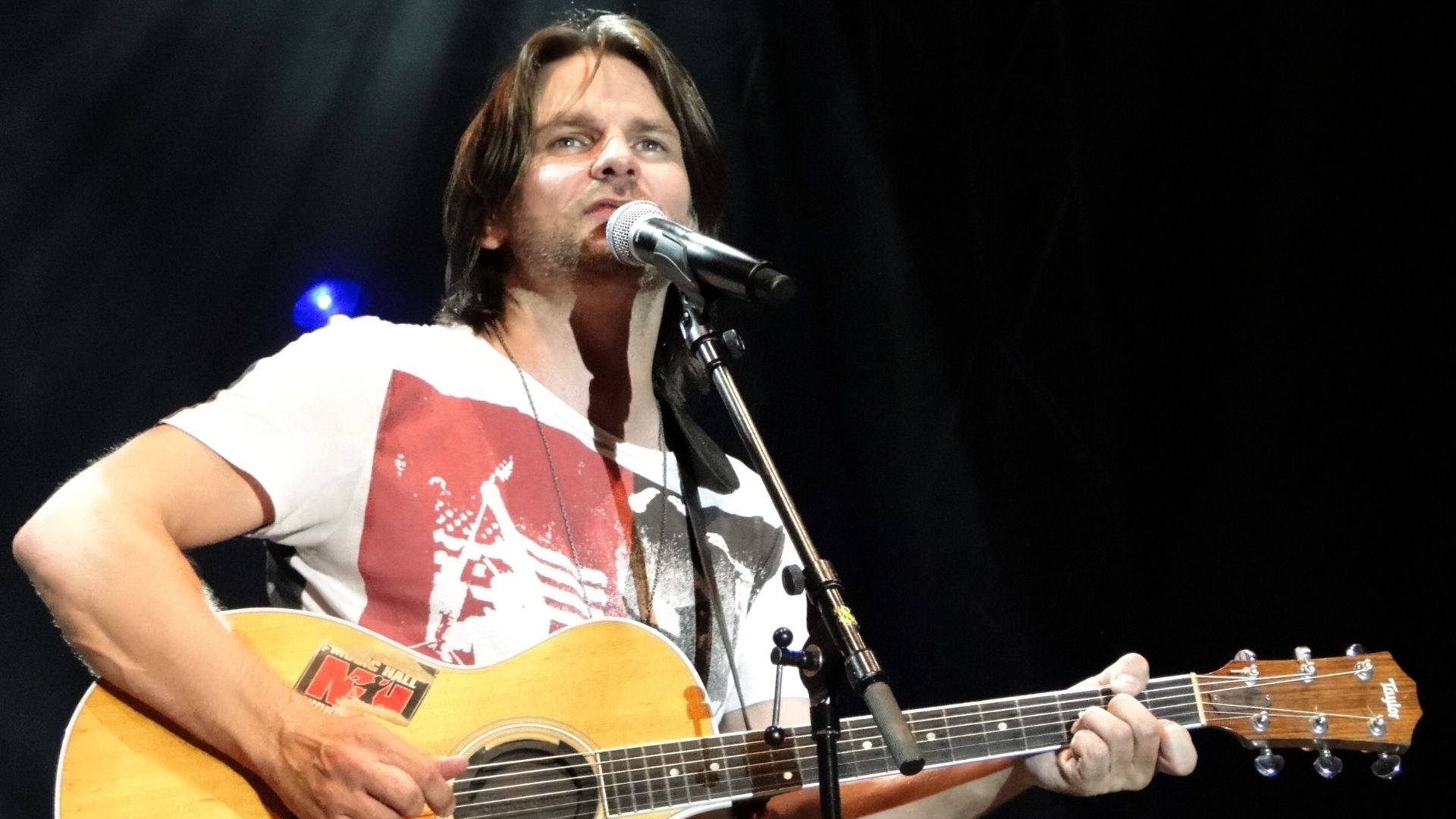
In 1996, Phil Collins left Genesis, bringing another chapter to a close. Ray Wilson stepped in as lead vocalist for the album Calling All Stations, marking yet another transformation. The experiment, however, didn’t replicate previous commercial highs. The band’s chemistry had shifted once more.
Reunions And Renewed Appreciation
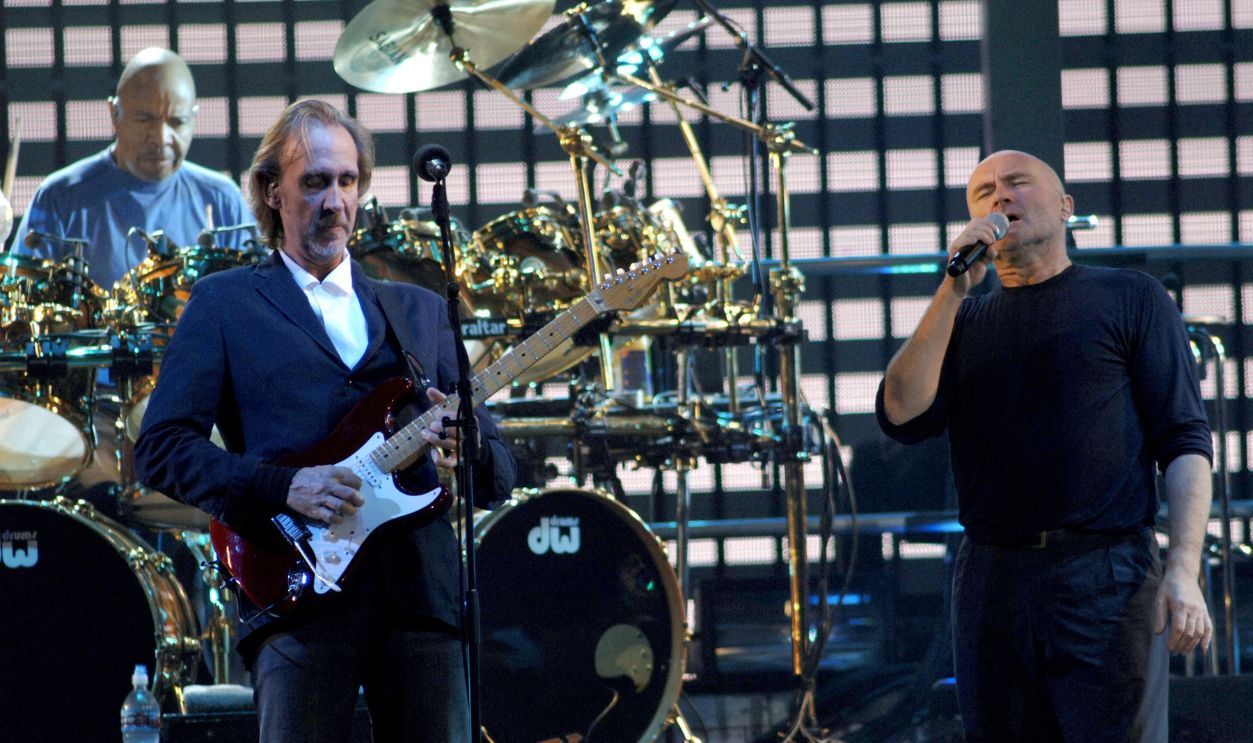
Genesis reunited in 2007 for the Turn It On Again tour, reigniting nostalgia and reminding audiences just how deep their catalog ran. What once felt like two separate eras—Gabriel and Collins—now looked like complementary halves of one remarkable story.
Two Frontmen, One Legacy
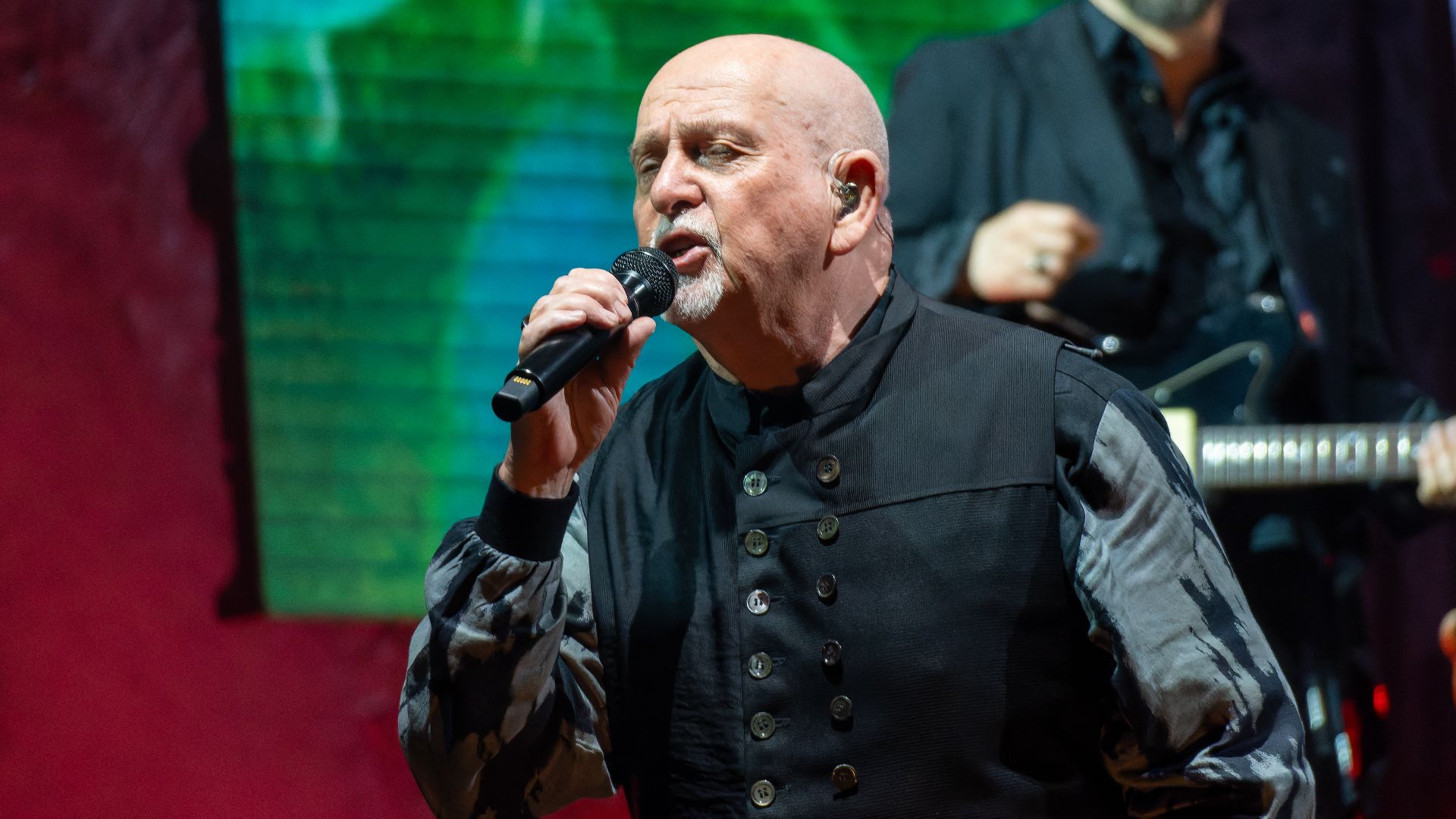
Peter Gabriel went on to craft an acclaimed solo career of his own, becoming a major artistic force in his own right. Meanwhile, Genesis under Collins became one of the best-selling bands of the 1980s. Rather than canceling each other out, the two legacies coexist—each bold, distinct, and influential.
The Exit That Wasn’t The End
When Gabriel walked away in 1975, it seemed like a curtain call. But Genesis didn’t fold. They recalibrated. Phil Collins stepping up wasn’t just a personnel change—it was a reinvention. The band transformed from progressive cult icons into pop-rock royalty, proving that sometimes the most dramatic endings are actually beginnings in disguise.
You May Also Like:
Bands Younger Baby Boomers Loved That Most Older Boomers Don’t Remember At All
Source: 1