Integrity Over Industry
Some rock stars chased fame. Others walked away from millions just to stay true to themselves. These 20 legends gave up big paydays for artistic freedom, peace of mind, or simply to do things their way.
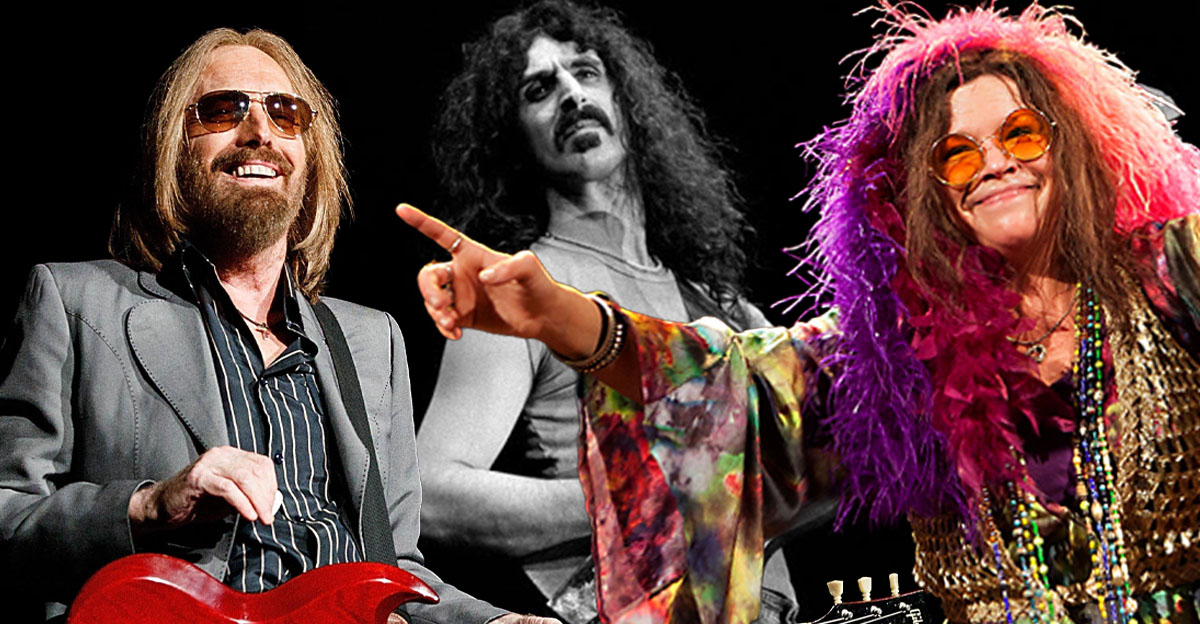
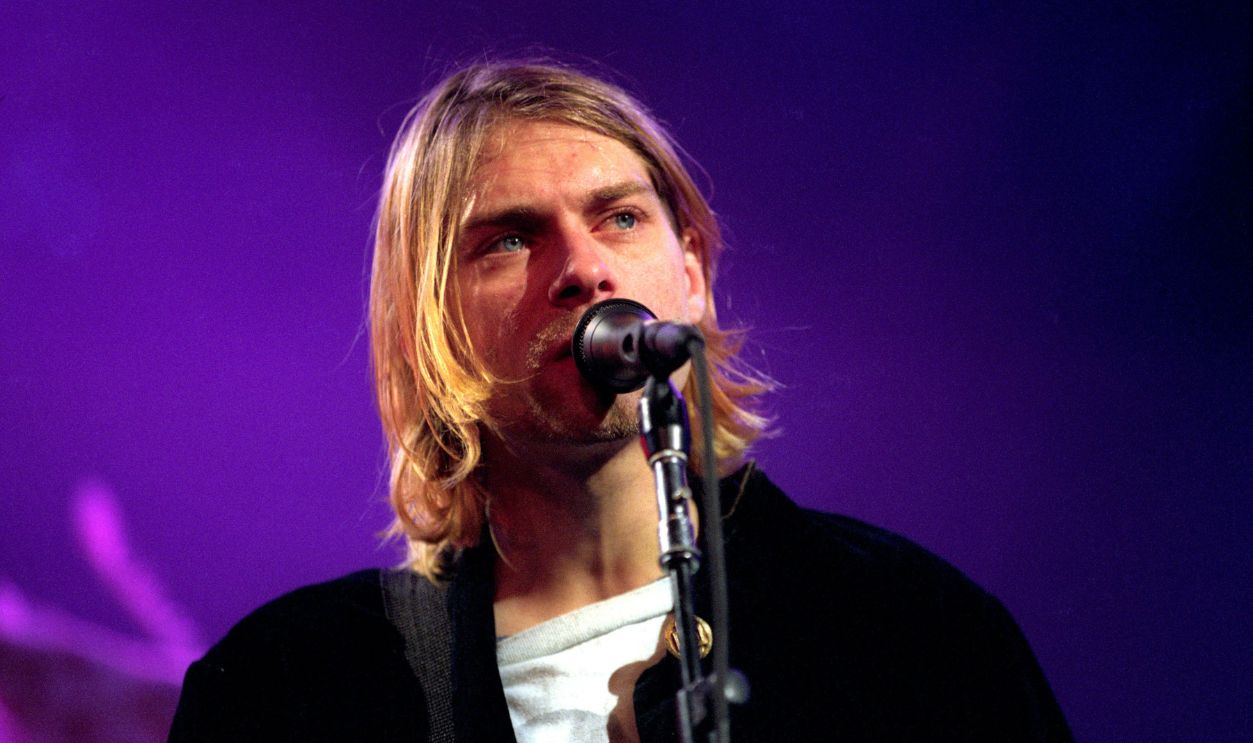
Kurt Cobain Walked Away from Stadium Rock
Nirvana’s frontman hated the idea of selling out. He turned down massive endorsement deals and resisted arena tours that would’ve made him even richer. Cobain valued authenticity over money—and famously struggled with the cost of fame.
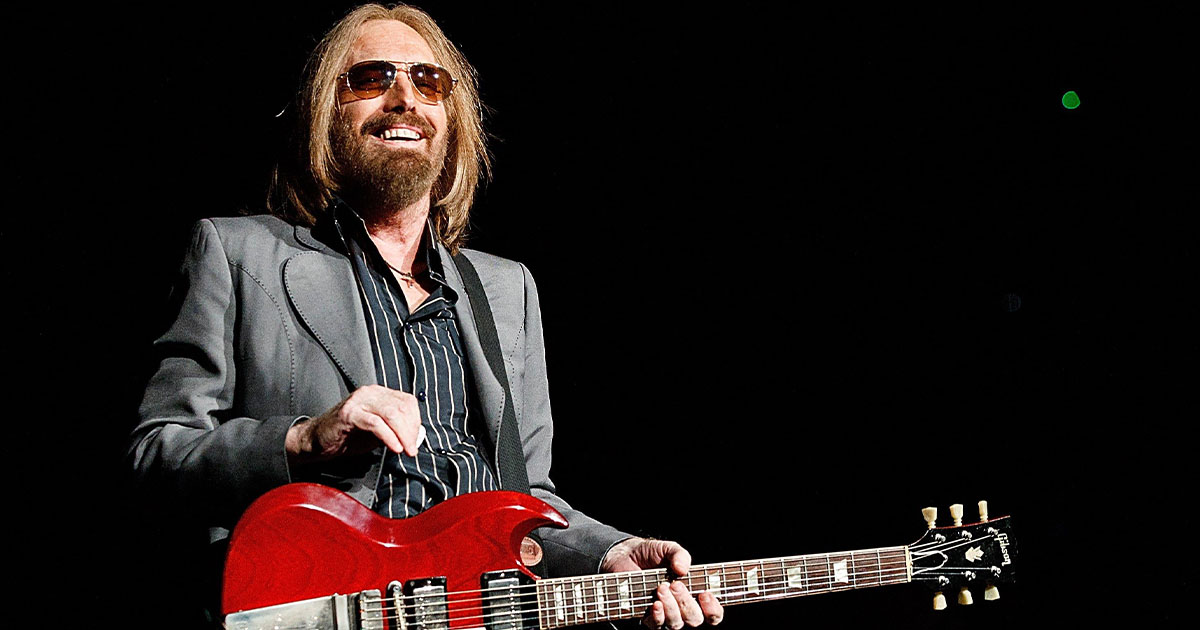
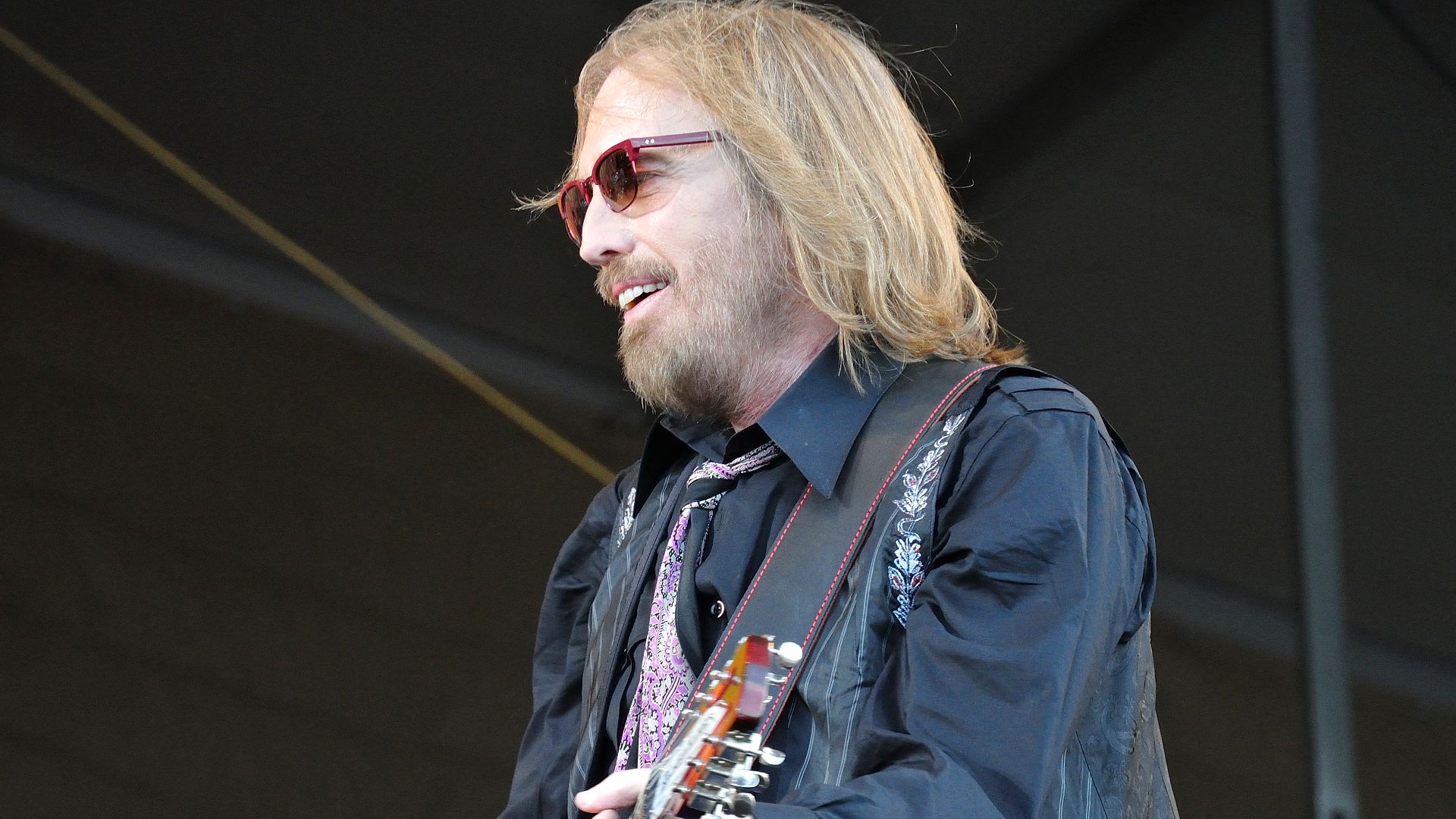
Tom Petty Refused a Price Hike on Fans
When his label tried to raise album prices in 1981, Tom Petty threatened to rename his record $8.98. He refused to squeeze fans for profits, costing himself a huge bonus—but winning loyalty for life.
 Takahiro Kyono from Tokyo, Japan, Wikimedia Commons
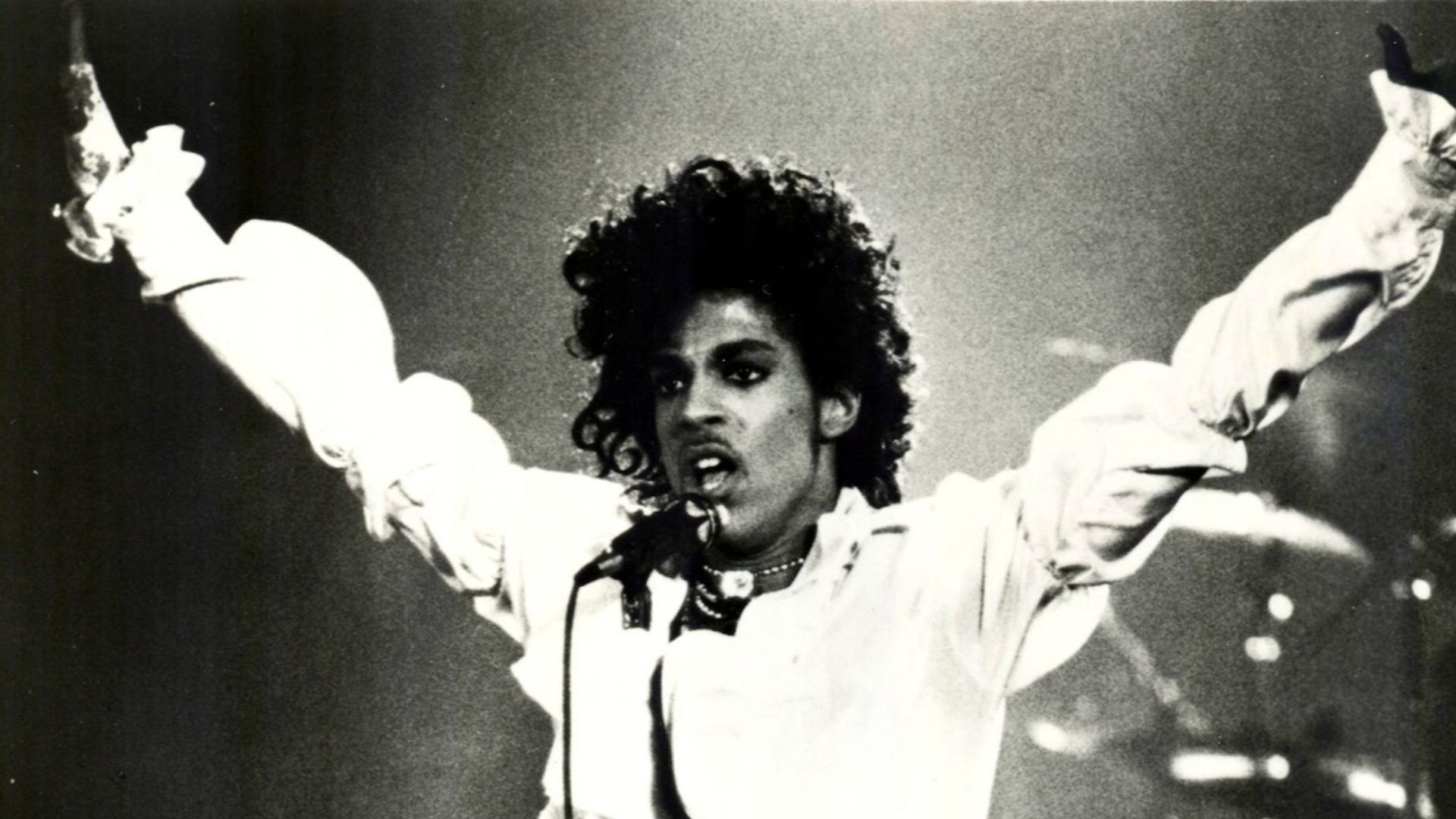
Prince Gave Up His Name to Escape His Label
In the ‘90s, Prince rejected Warner Bros.' control over his music. Instead of playing along, he changed his name to a symbol and wrote “slave” on his face—losing millions but gaining creative freedom.
 Distributed by Warner Bros., Wikimedia Commons
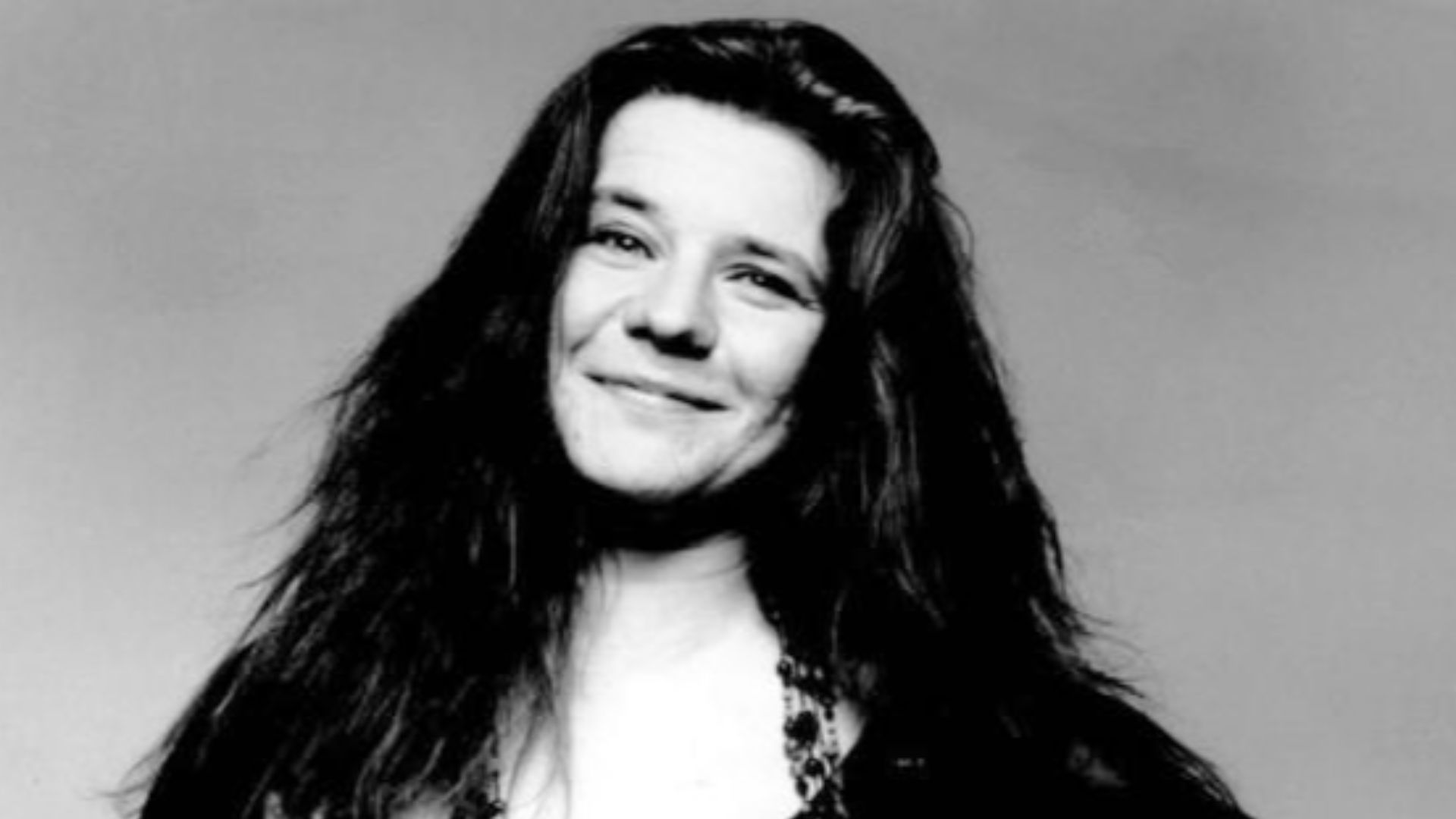
Janis Joplin Turned Down Safer Pop Careers
Record execs begged her to go mainstream. Janis refused to soften her bluesy sound or clean up her image. She kept things raw and real—even if it meant missing out on commercial gold.
 Grossman Glotzer Management Corporation, Wikimedia Commons
Neil Young Left Crosby, Stills, Nash & Young Cold
At the height of their success, Neil bailed mid-tour, losing millions. Why? He said it wasn’t “real” anymore. Young has walked away from money many times to chase experimental or political projects instead.
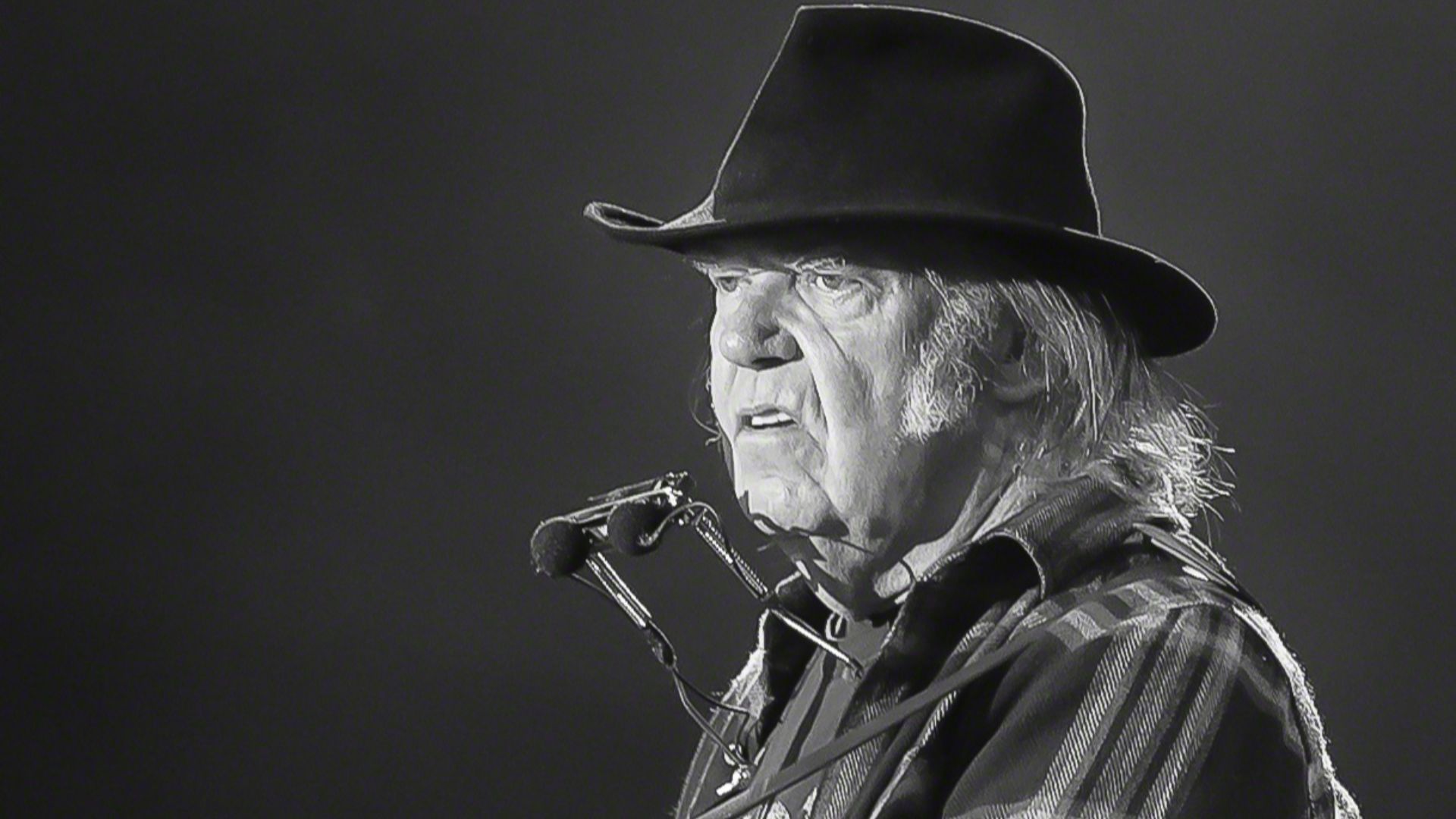 Tore Saetre, Wikimedia Commons
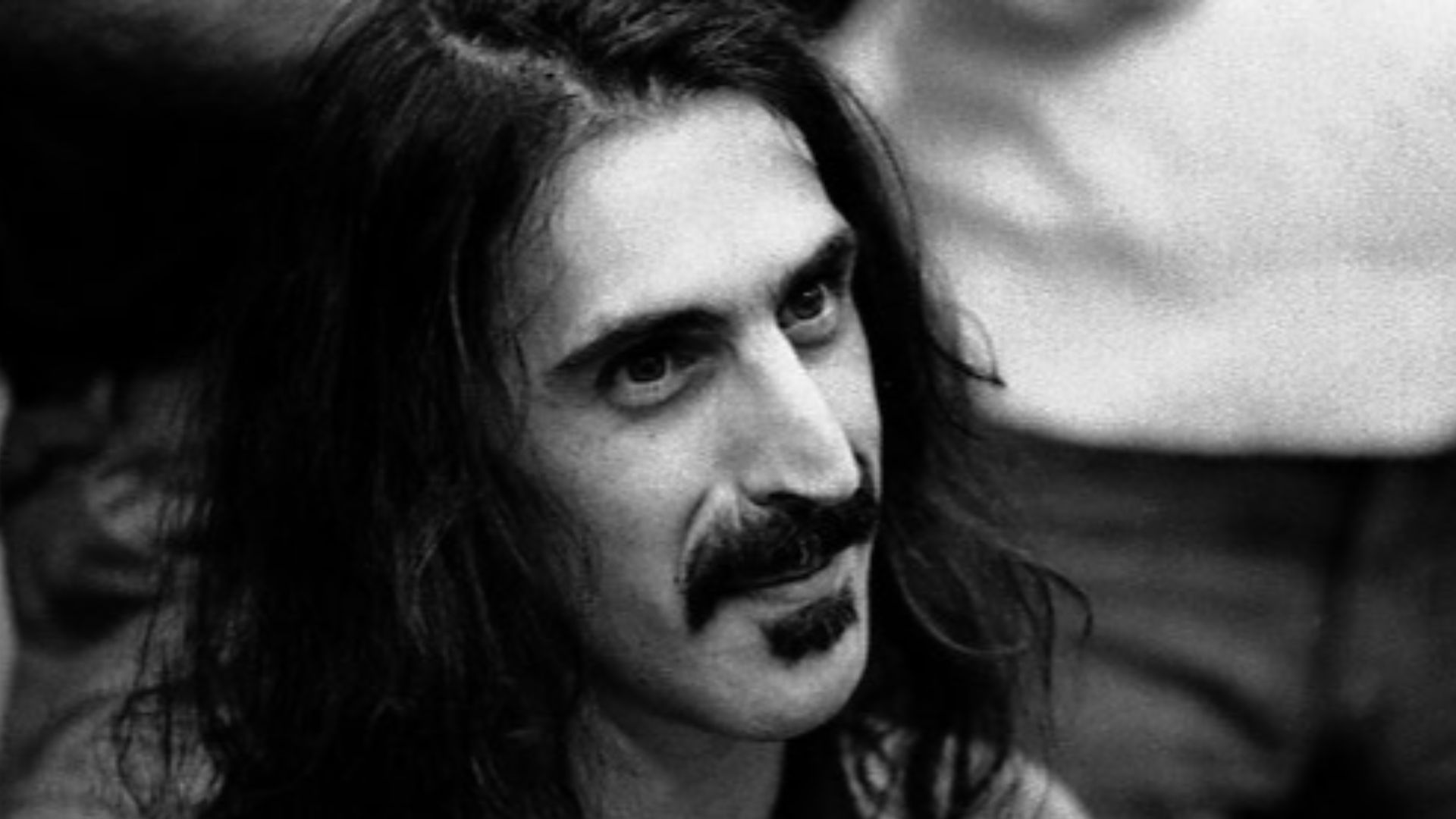
Frank Zappa Rejected Commercial Trends Entirely
Zappa never bowed to radio or record executives. He turned down collaborations, edited tracks, and TV appearances to protect his weird, wild vision. For him, control over his music was worth more than a fortune.
Bob Dylan Ditched Folk Fame for Electric Freedom
Dylan could’ve stayed the king of protest folk, but in 1965 he shocked everyone by going electric. He lost old fans and took a PR hit, but his creative risk changed rock history forever.
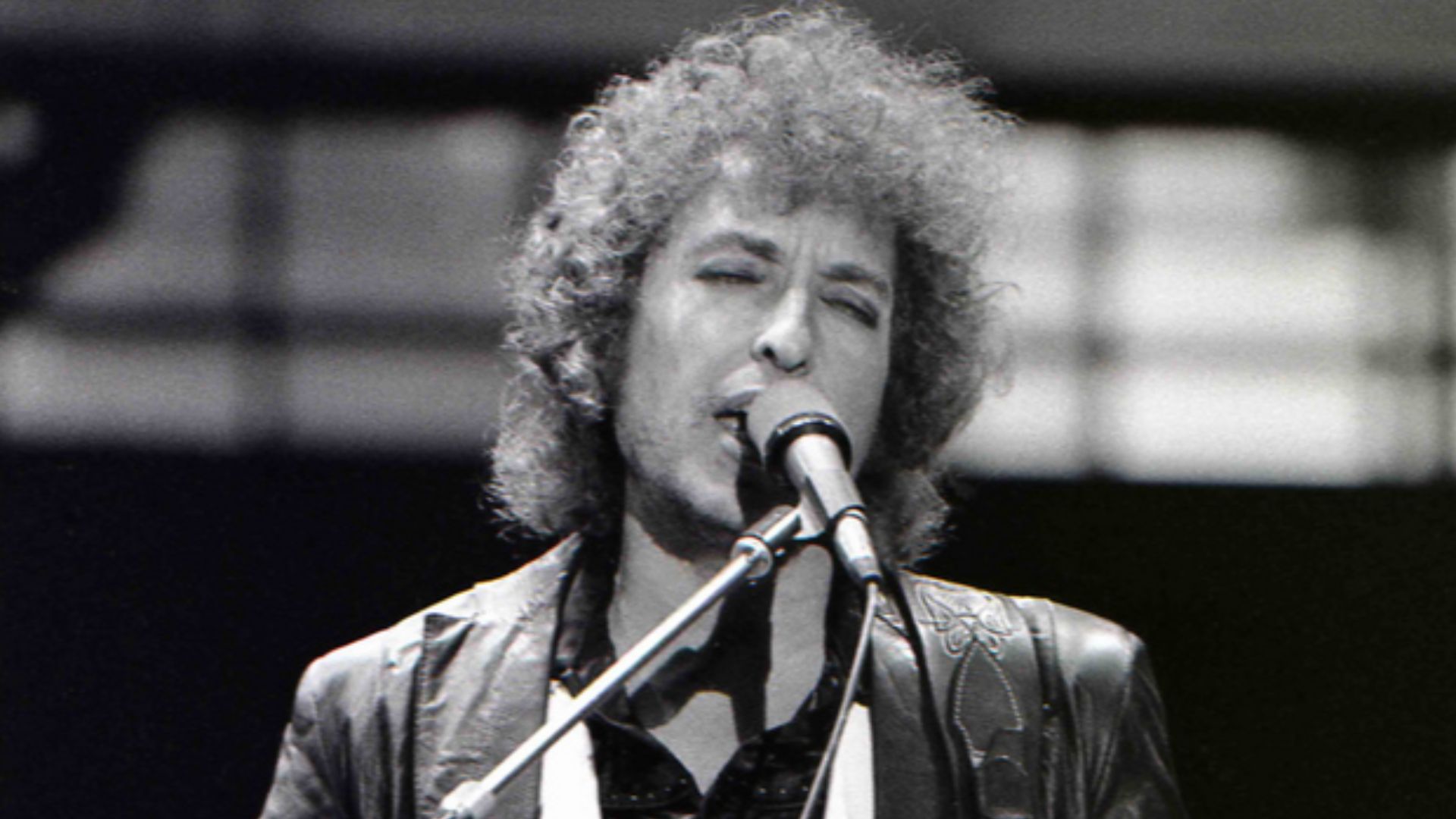 Chris Hakkens, Wikimedia Commons
Rage Against the Machine Split Rather Than Sell Out
In 2000, Rage was riding high—but Zack de la Rocha quit rather than compromise the band’s political integrity. They gave up millions in future albums and tours to stick to their radical beliefs.
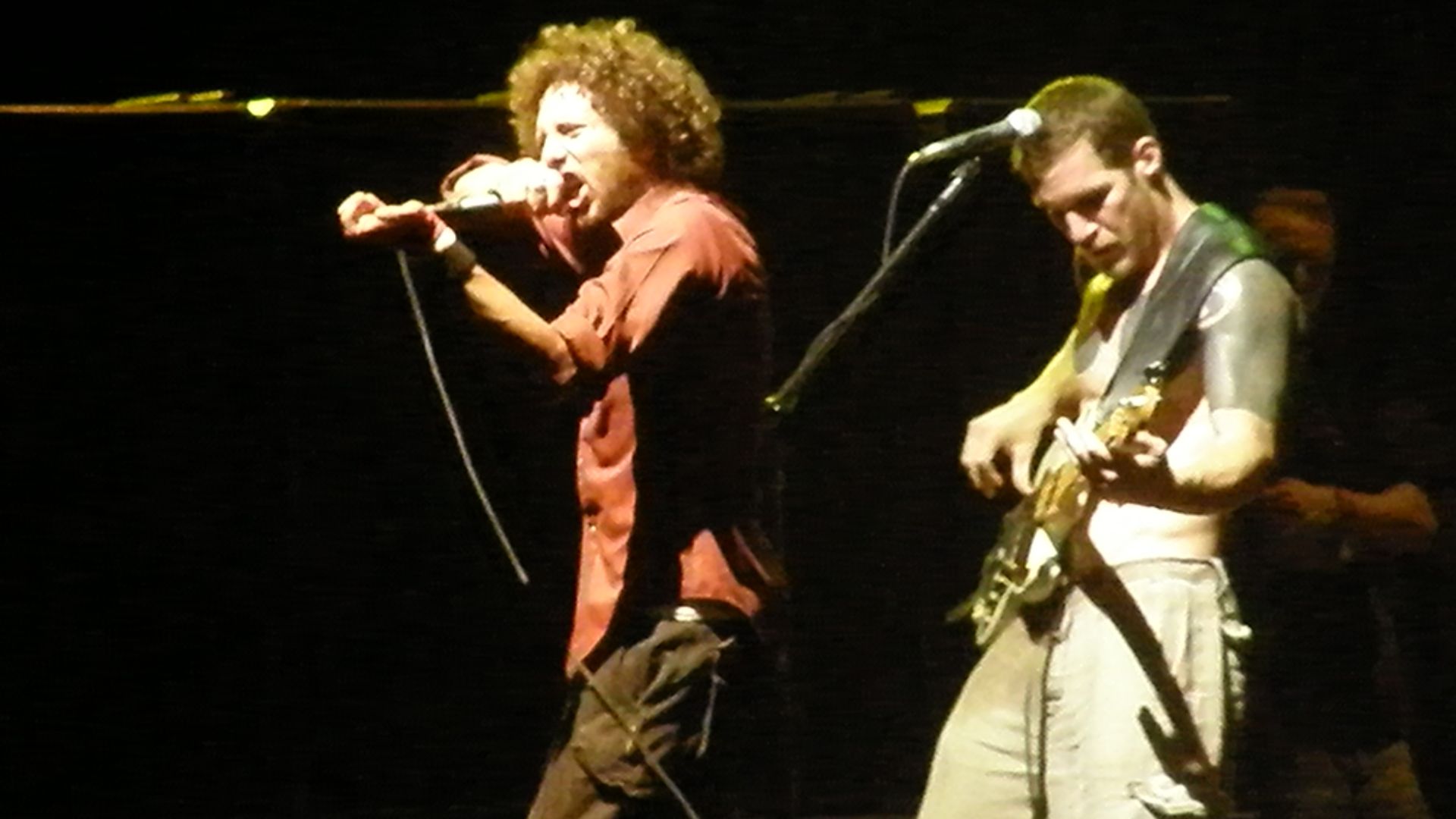 Scott Penner, Wikimedia Commons
John Frusciante Quit the Red Hot Chili Peppers—Twice
Frusciante left the Peppers at their peak in the early ’90s, overwhelmed by fame. He returned, only to quit again in 2009. Each time, he chose personal peace over big tours and giant paychecks.
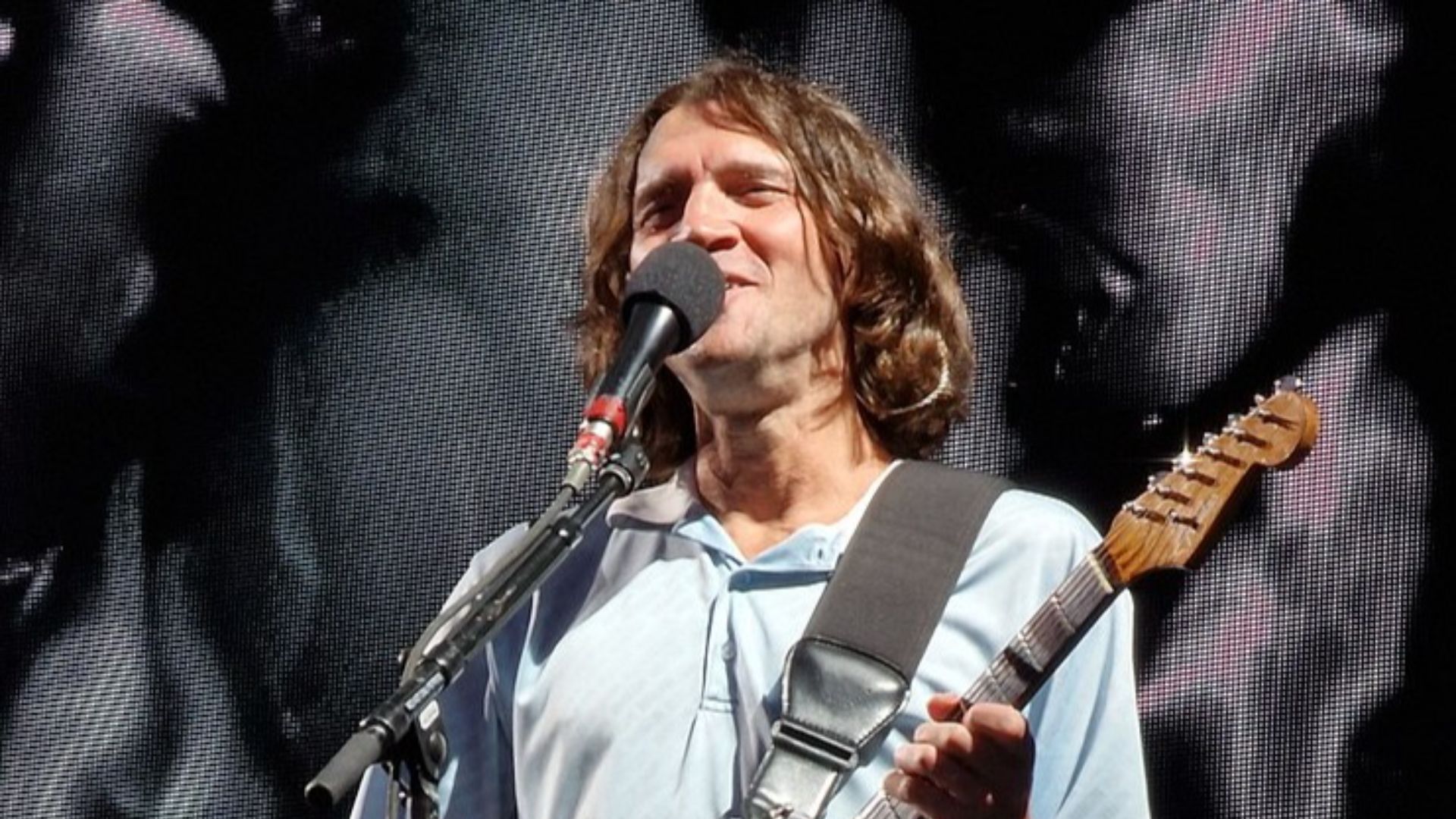 Hel Davies from United Kingdom, Wikimedia Commons
Johnny Rotten Said No to Big Punk Reunions
The Sex Pistols turned down lucrative reunion offers for years. Johnny Rotten (Lydon) refused to become a nostalgia act, calling it “karaoke.” He only agreed later—for reasons still debated—but he said no when it mattered most.
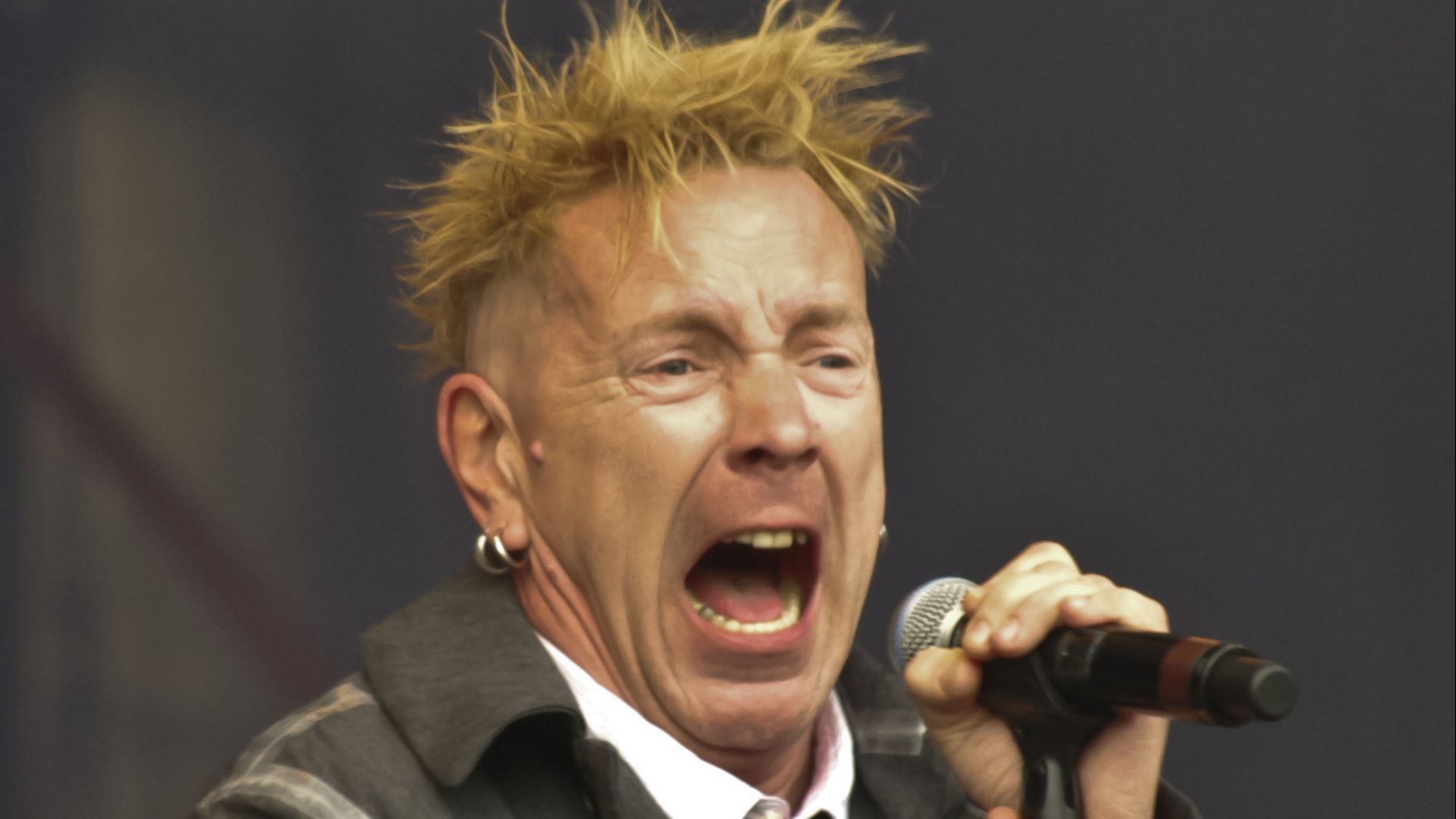 http://www.shelleyannphotography.com Shell Smith, Wikimedia Commons
Jack White Limits Streaming and Licensing
Despite huge success, Jack White has refused to license his biggest hits for ads. He’s also opened his own indie label to support vinyl, turning away easy money to preserve artistic purity.
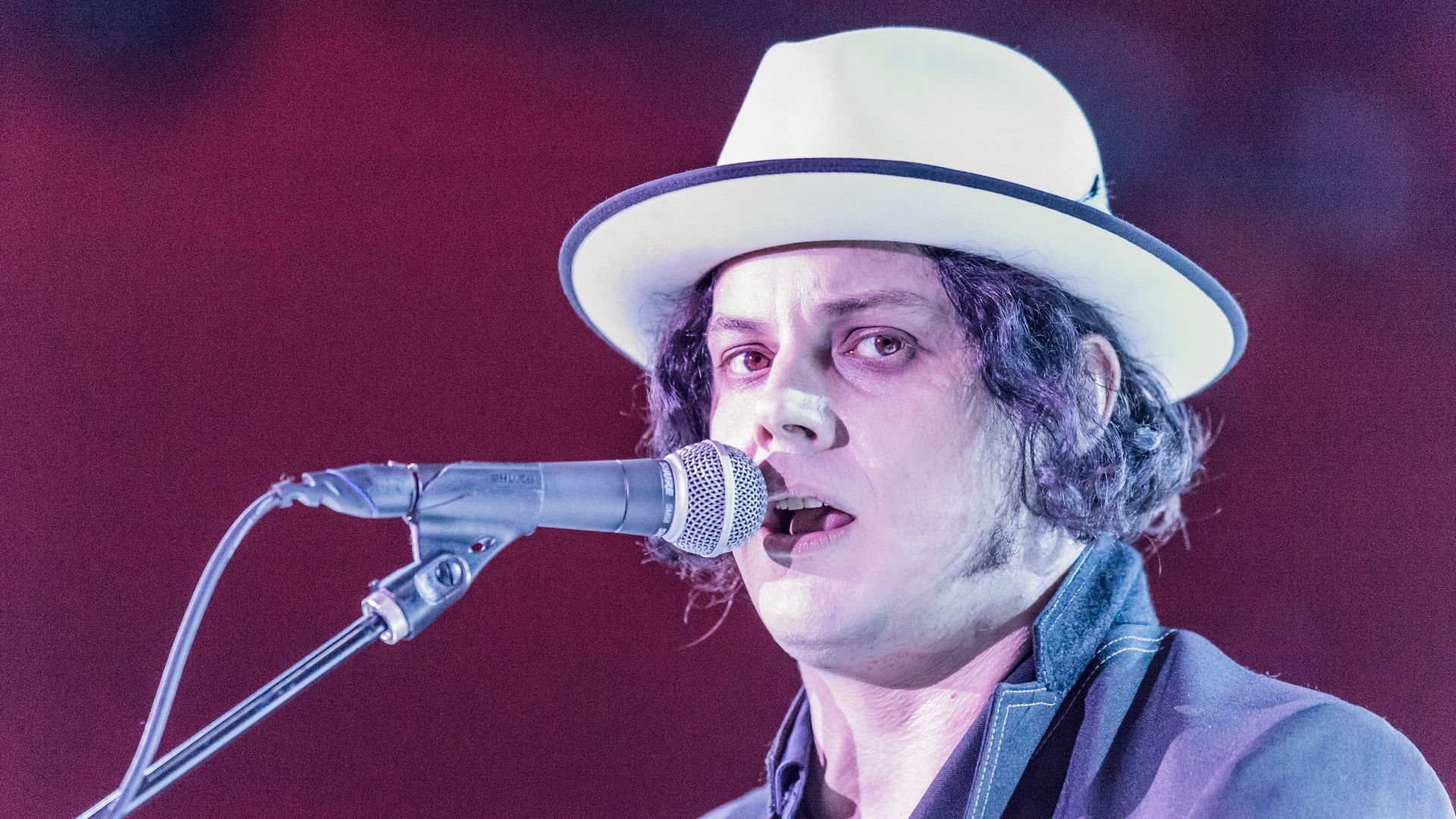 Bill Ebbesen, Wikimedia Commons
Billy Corgan Sabotaged Commercial Albums on Purpose
Corgan famously refused to make “hits” when he didn’t feel like it. He once made Adore—a slow, dark album—right when Smashing Pumpkins could’ve gone full pop. Radio rejected it, but he didn’t care.
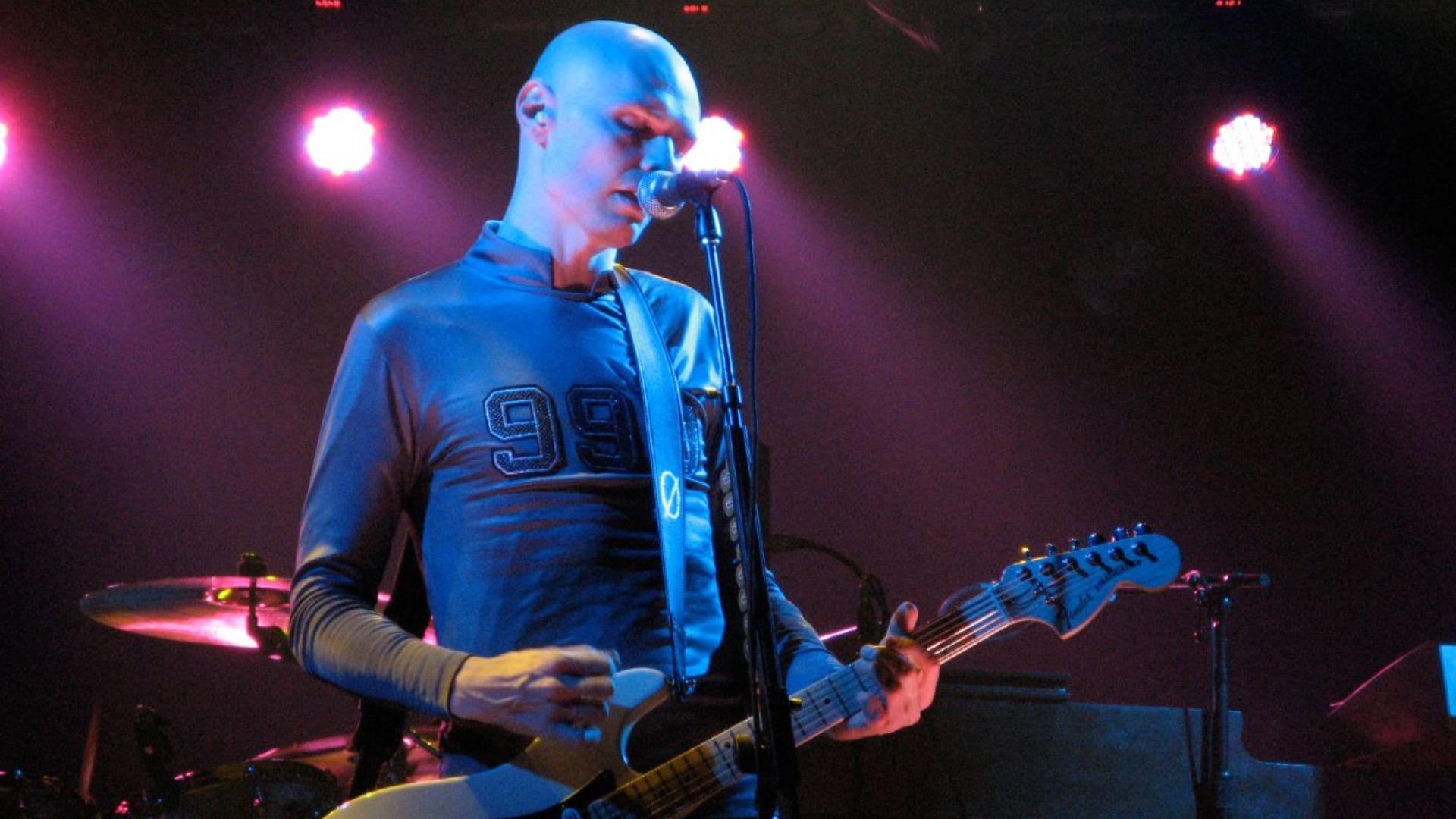 claudia.rahanmetan, Wikimedia Commons
Fiona Apple Walked Away from Award Shows and Labels
Apple once pulled her music from award shows and delayed albums because she hated industry pressure. She’s turned down lucrative promo deals and stayed off major tours, even at her commercial peak.

Jeff Mangum of Neutral Milk Hotel Vanished After Success
After In the Aeroplane Over the Sea gained cult fame, Mangum disappeared from the spotlight. He turned down tours and interviews, choosing privacy and peace over a booming indie career.
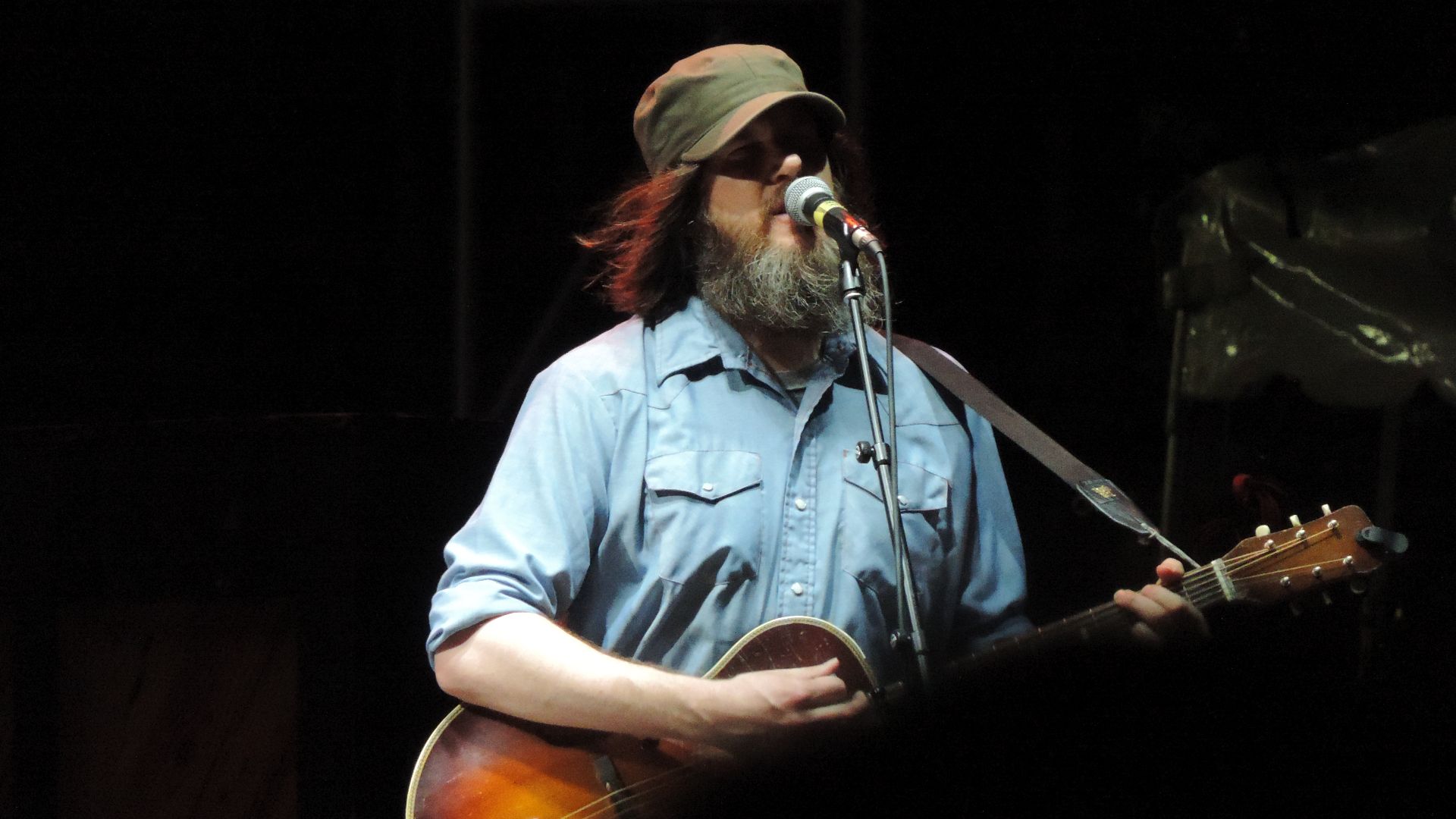 The Deli New England, Wikimedia Commons
David Bowie Declined Knighthood and Commercial Use
Bowie once turned down a knighthood, calling it “not what I spent my life working for.” He also avoided licensing his music for years—even saying no to big film and ad campaigns.
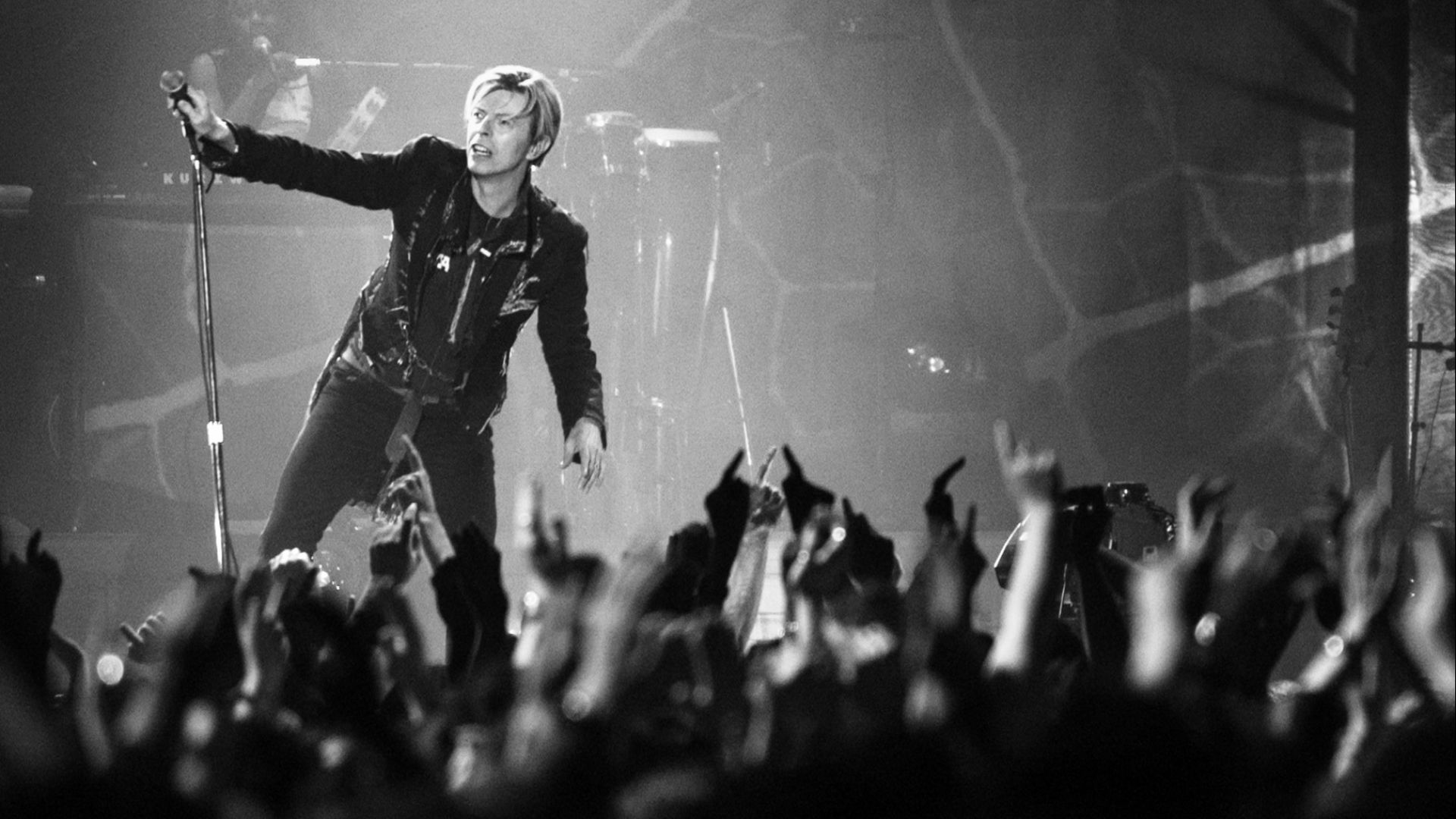 Roger Woolman, Wikimedia Commons
Joanna Newsom Banned Her Music From Spotify
Newsom refused to let her albums stream on Spotify, calling it “a villainous company.” She gave up digital reach and royalties, standing firm on how her music should be distributed.
 Rob D from Belgium, Wikimedia Commons
Roger Waters Gave Up the Pink Floyd Name
After splitting with the band, Waters could’ve fought to keep the name—and the money. Instead, he walked away and started over solo, saying it was “the principled thing to do.”
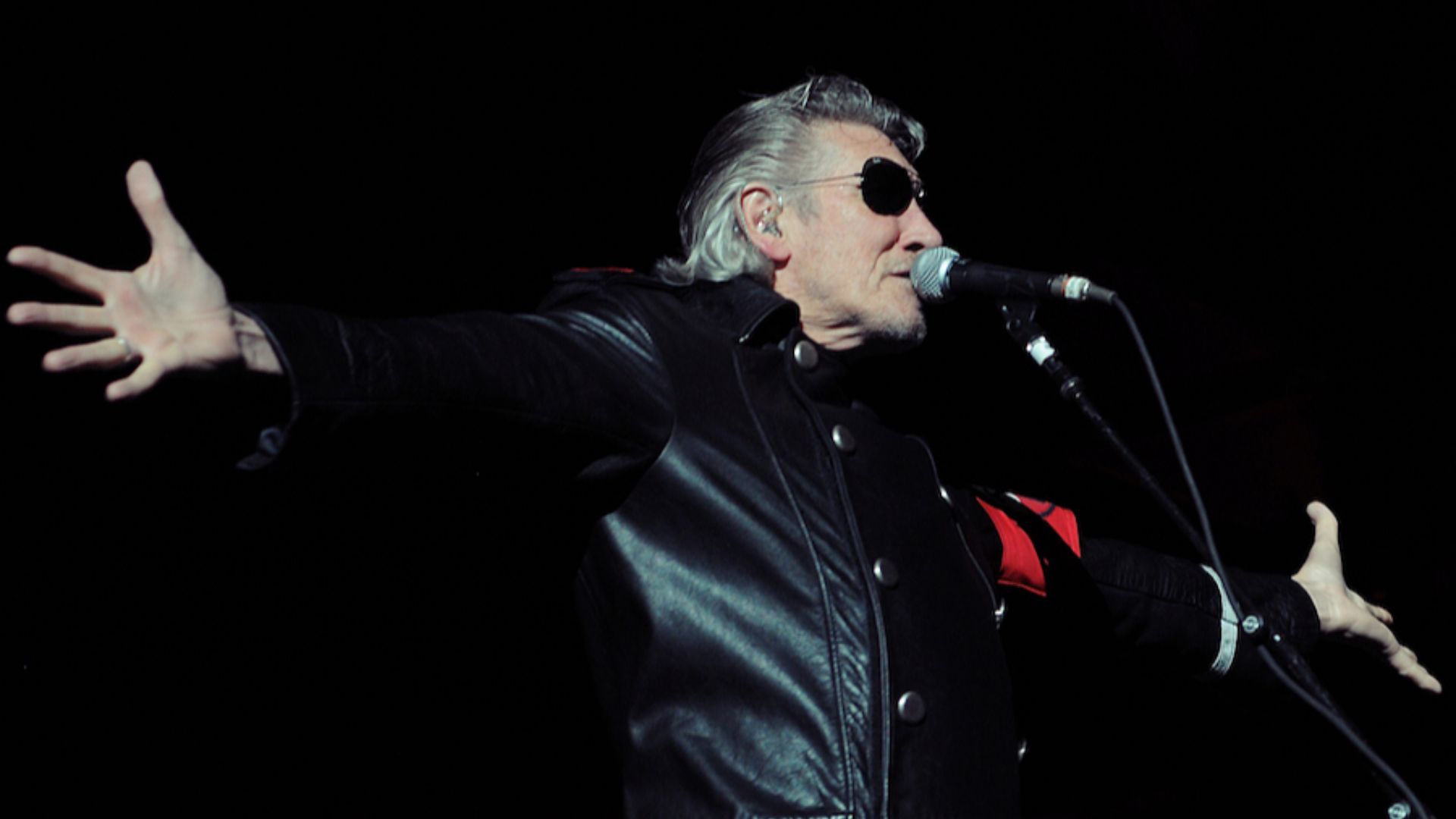 Brennan Schnell from Canada, Wikimedia Commons
Sinead O’Connor Ripped Up Fame on Live TV
When she tore up the Pope’s photo on SNL, O’Connor knew she’d be blacklisted. She lost record deals, airplay, and fans—but stood by her protest. She never chased commercial success again.
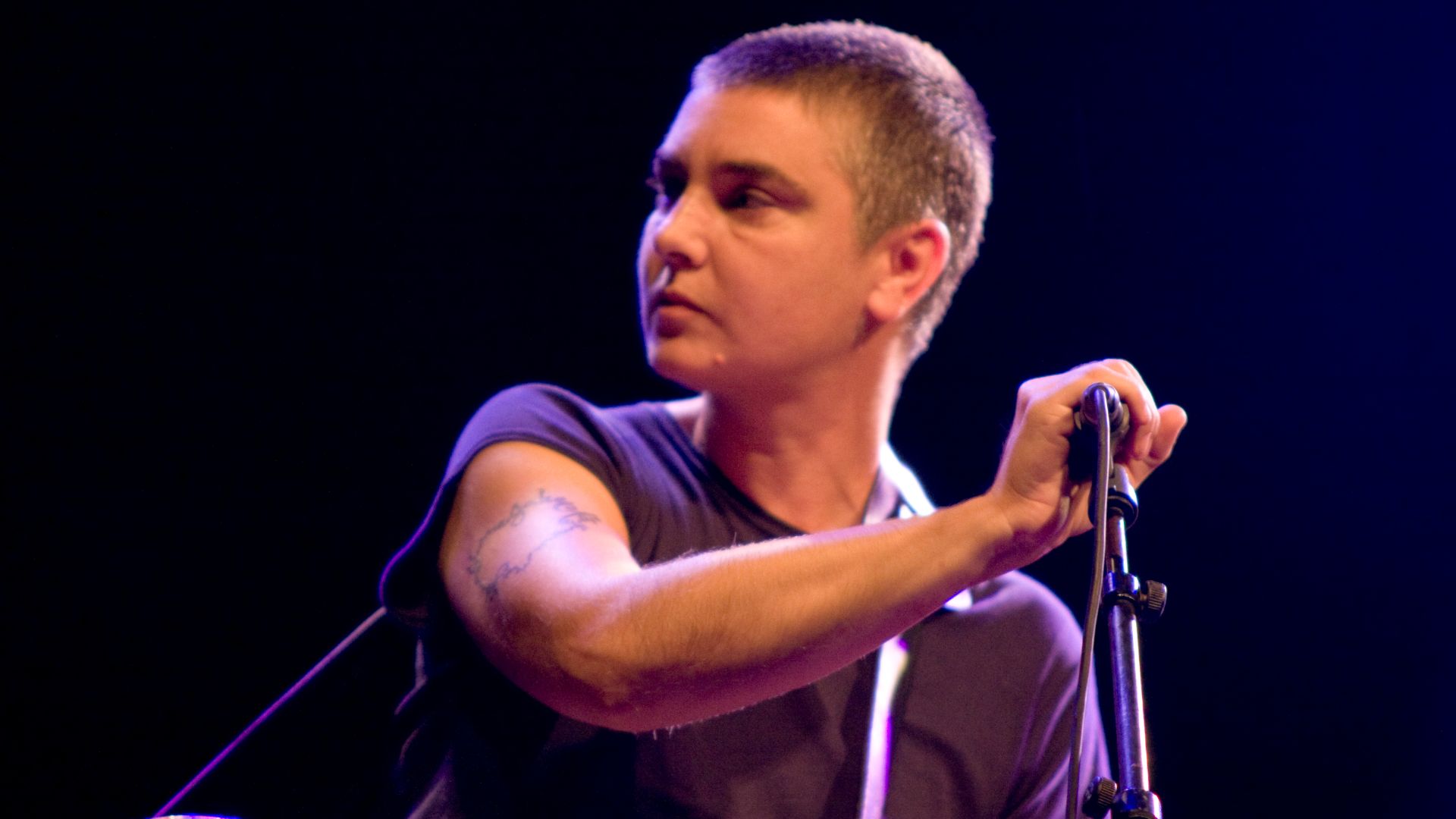 Rob D from Belgium, Wikimedia Commons
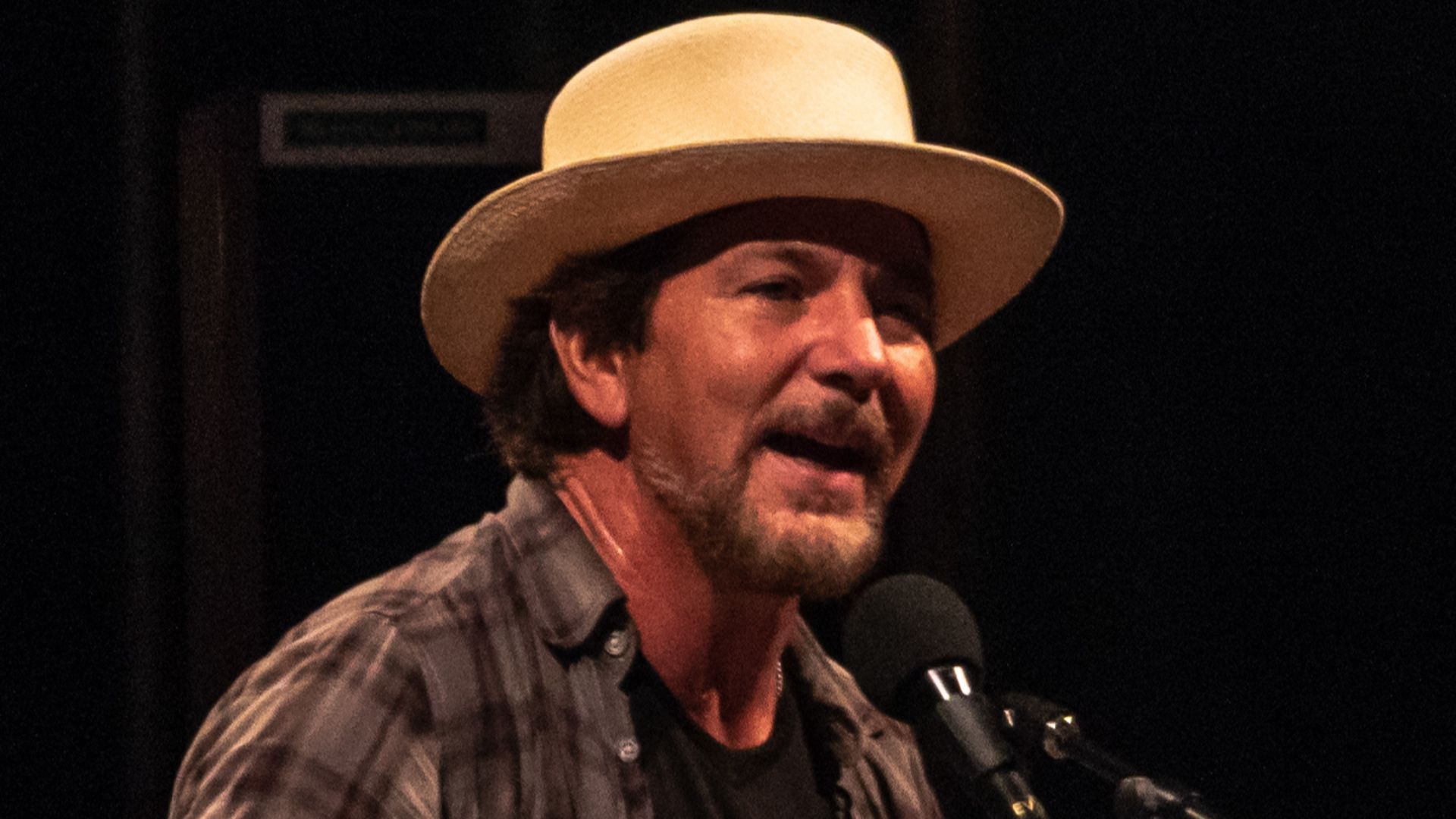
Eddie Vedder Avoided Big Tours for Small Venues
Pearl Jam turned down huge paydays by boycotting Ticketmaster in the ‘90s. Vedder also insisted on avoiding overexposure—keeping the band grounded while giving up millions in the process.
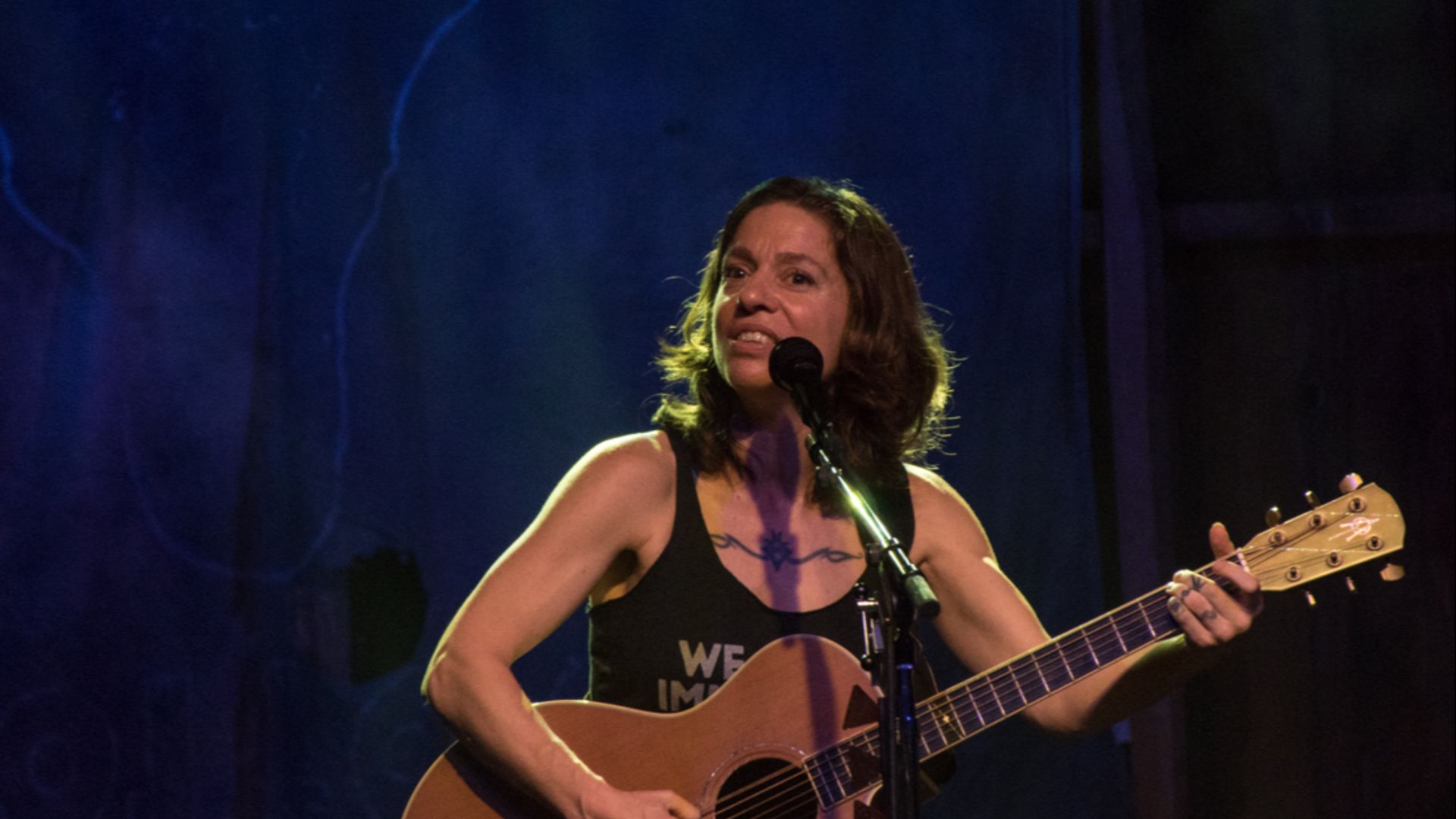
Ani DiFranco Built Her Own Record Label
DiFranco refused every major label offer and launched Righteous Babe Records instead. She controlled everything—music, art, pricing. It made her less rich but way more free.
You May Also Like:
When Kurt Cobain refused to headline Lollapalooza, it was more than defiance—it was the sound of a man crushed by fame’s contradictions.
When Joan Jett was told women couldn’t front a rock band, she founded her own label—and changed music forever.