The Rebel Who Refused to Take 'No'
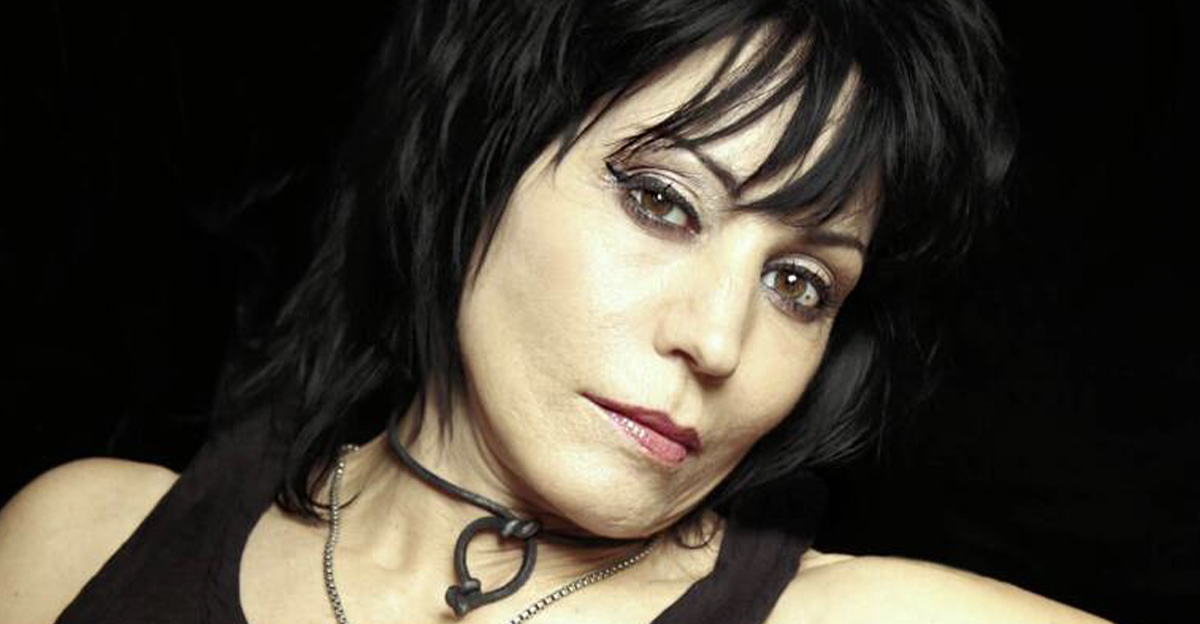
Joan Marie Larkin was born on September 22, 1958, in Pennsylvania and raised mostly in Maryland. From the moment she picked up a cheap beginner guitar at 13, she was hooked. But when her instructor insisted girls couldn’t play rock, she walked out—and never returned.
Moving to California and Walking Into History
At 15, Joan’s family moved to Los Angeles, and suddenly the world felt bigger. She hung out at Rodney Bingenheimer’s English Disco, a glam-rock hotspot. Bowie, Suzi Quatro, and T Rex were blasting through the speakers. Joan felt seen. “I finally thought, maybe there is a place for me,” she said later.
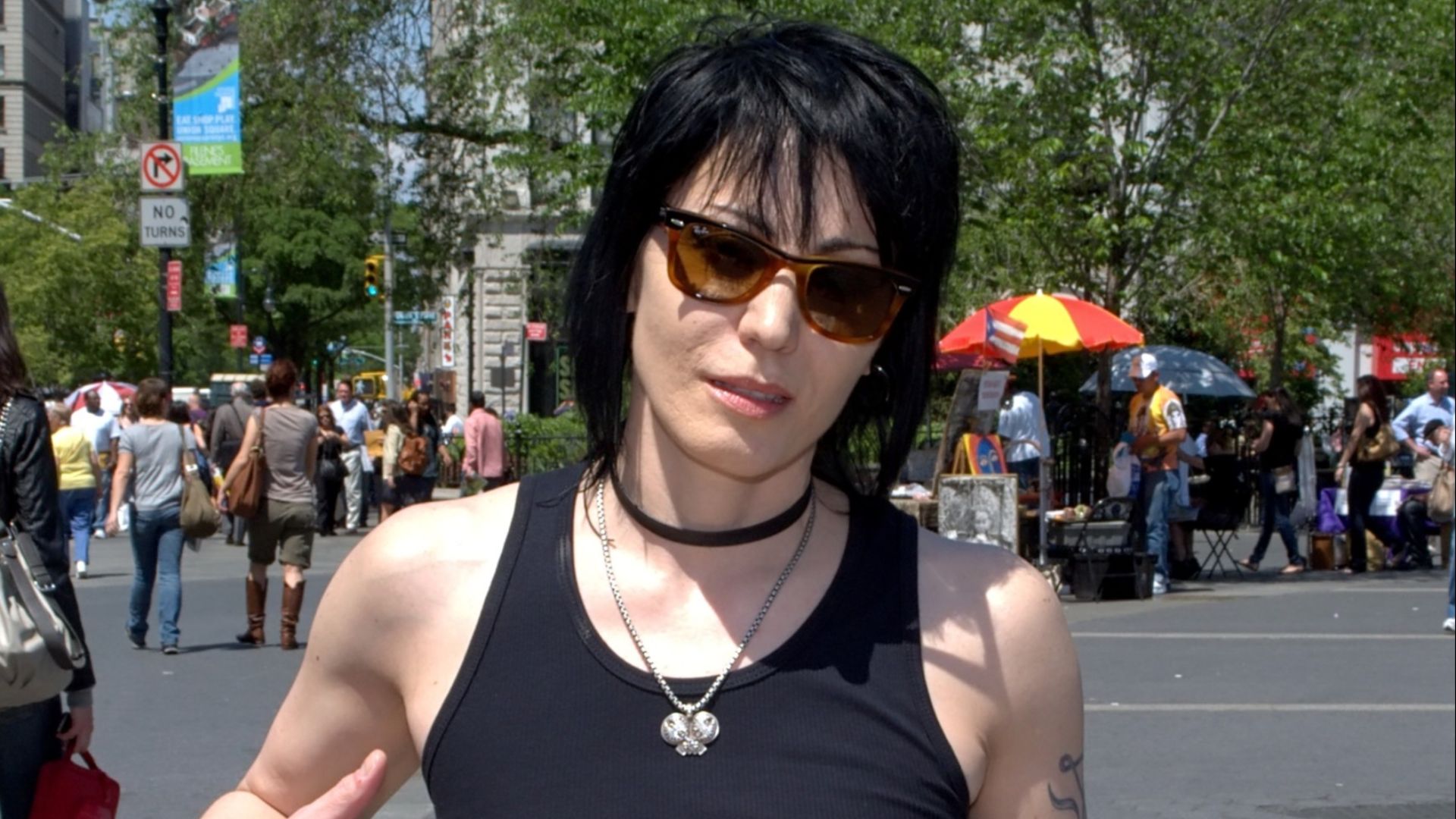 David Shankbone from USA, Wikimedia Commons
Becoming a Runaway
In 1975, Joan co-founded The Runaways with drummer Sandy West. They were teenagers—loud, tough, out of place, and totally groundbreaking. For the first time, an all-girl rock band wasn’t hiding. They were snarling into microphones and cranking amps to full volume.
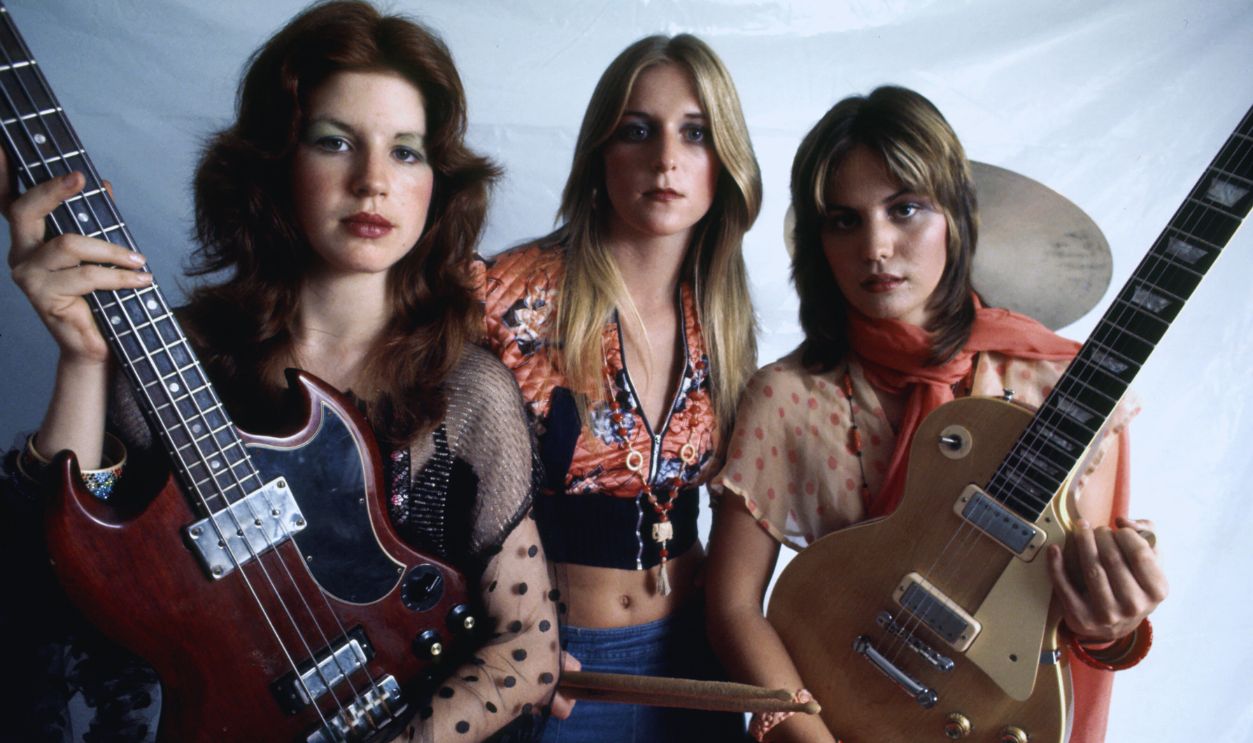 Michael Ochs Archives, Getty Images
Critics Didn’t Get It—But Girls Did
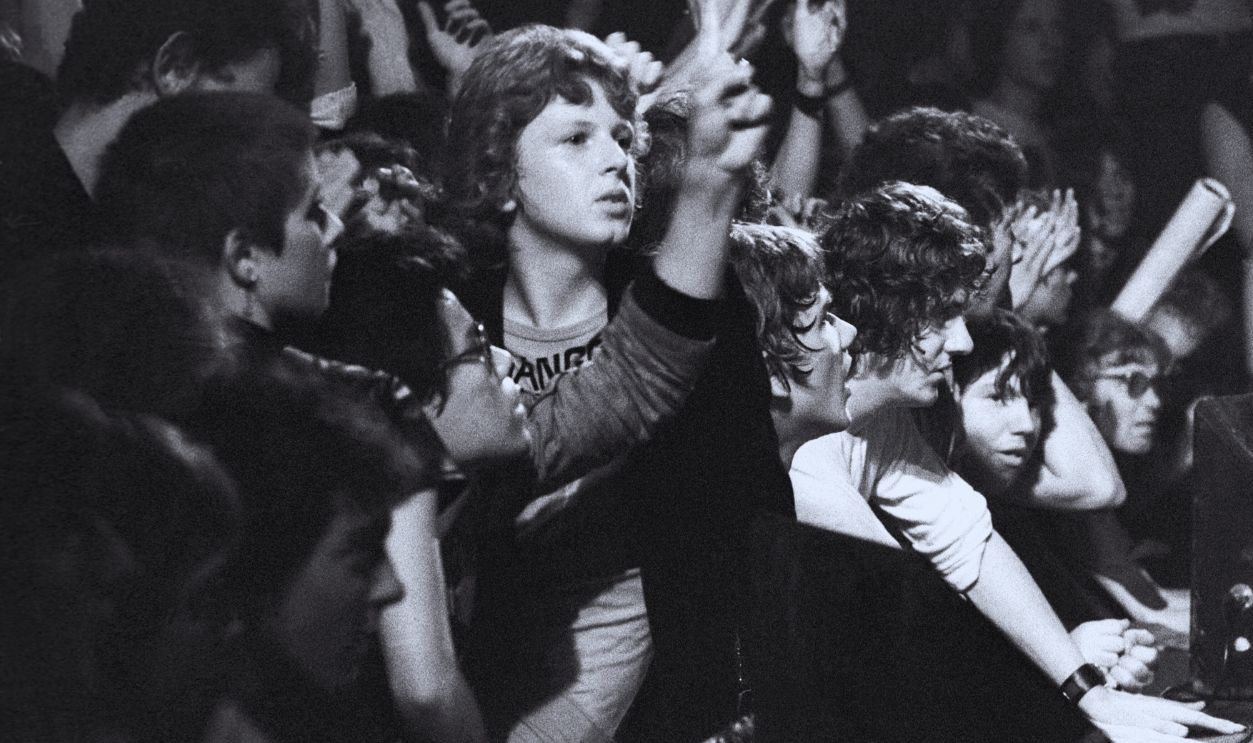
The Runaways were mocked by US industry insiders. Labels called them a “novelty act,” and adults dismissed them as troublemakers. But teenage girls understood instantly. They saw power, freedom, and rebellion. The Runaways became cult heroes overseas—especially in Japan, where they headlined stadiums.
The Breakup That Sent Her Spiraling
By 1979, the band collapsed under industry pressure, exhaustion, and constant dismissal. Joan was devastated. “It felt like they were right—that girls didn’t belong in rock,” she admitted. She briefly considered quitting music altogether.
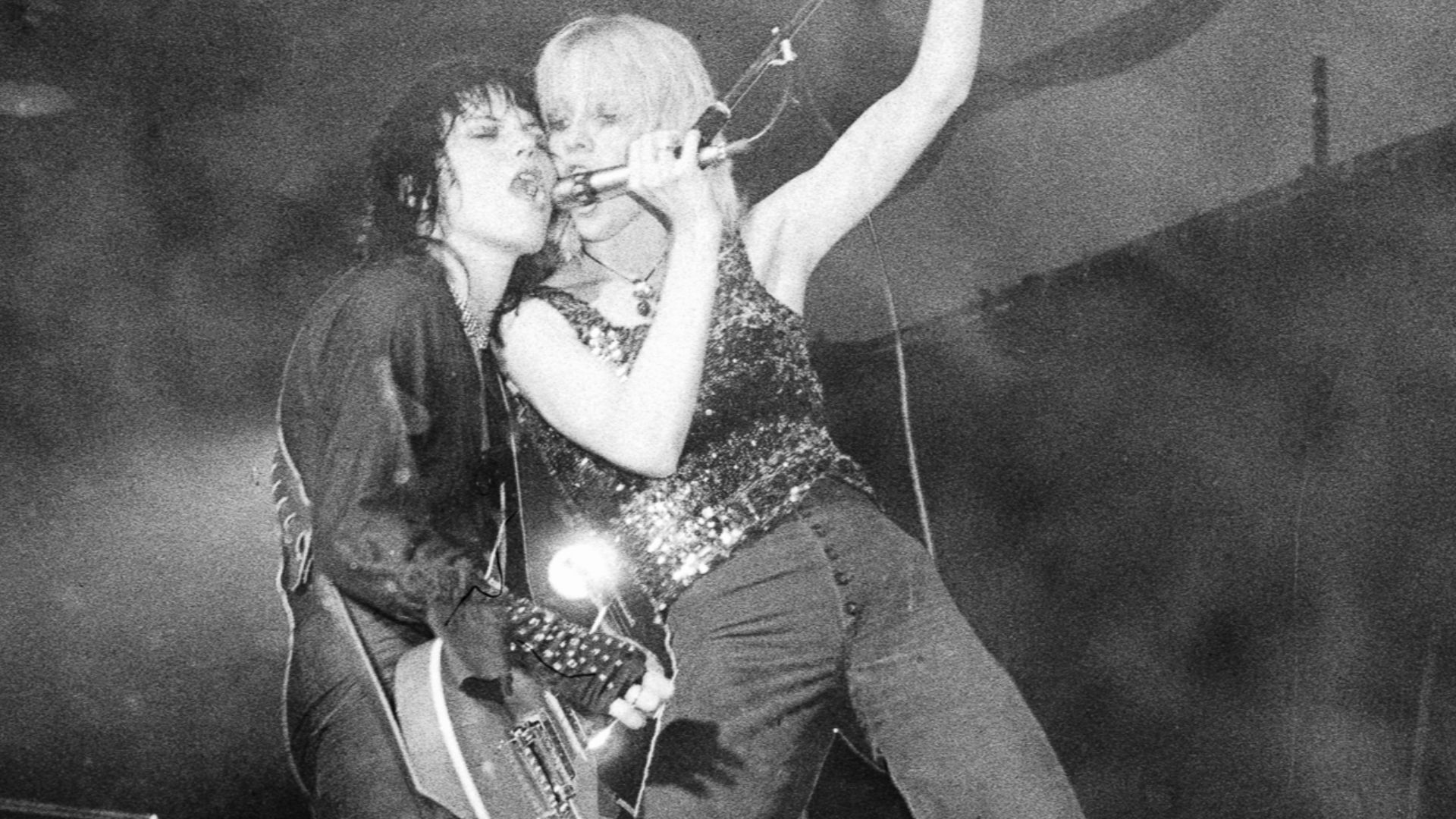 David Johnson, Wikimedia Commons
A Chance Meeting That Changed Everything
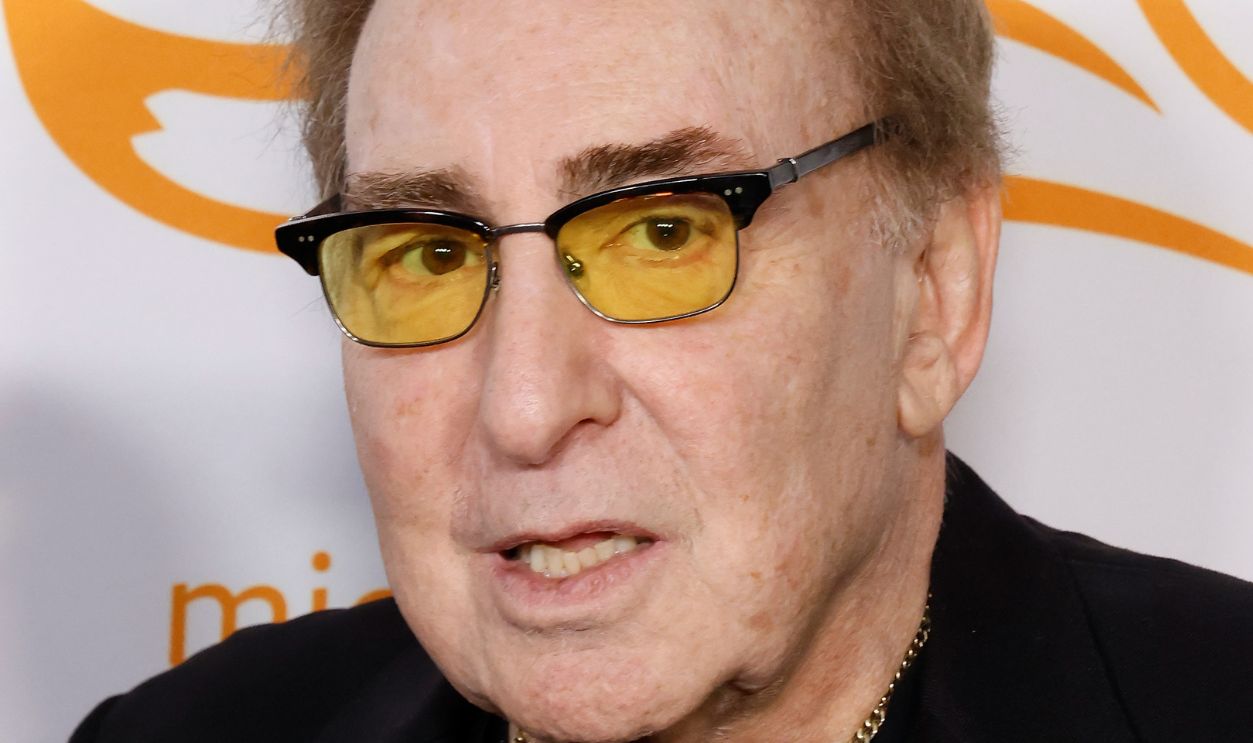
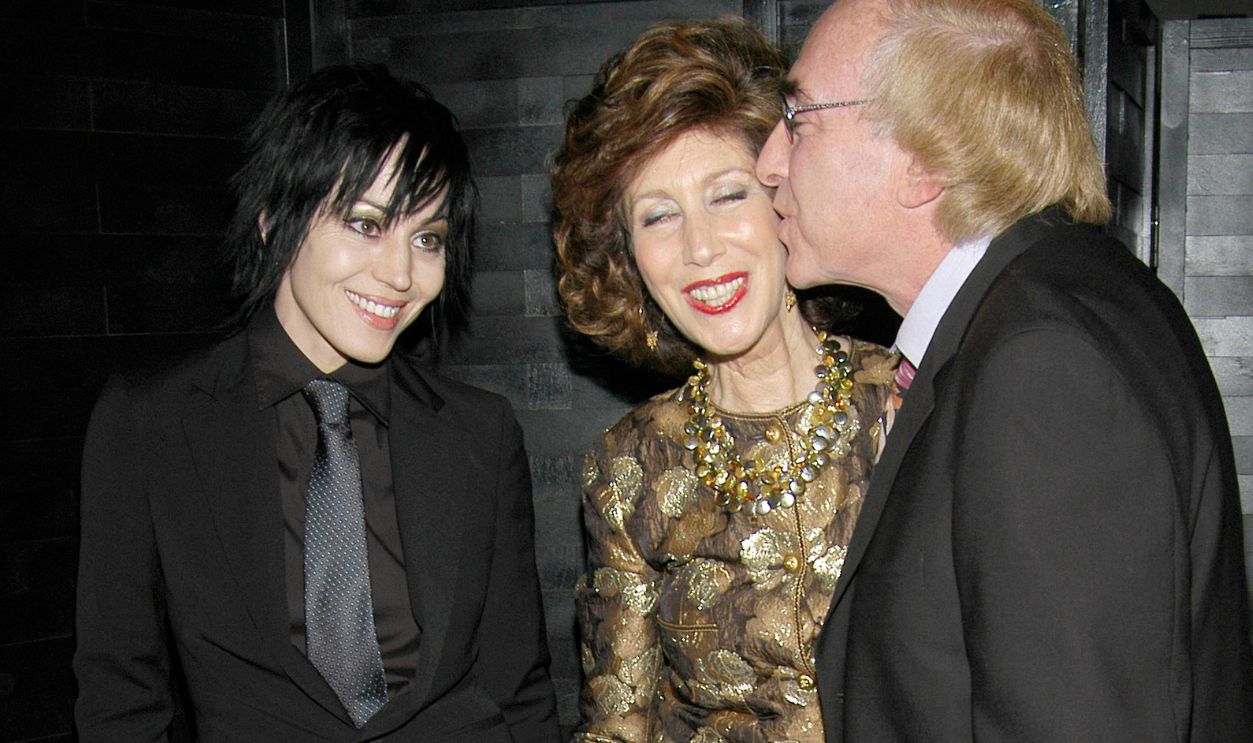
Fate stepped in through producer Kenny Laguna. The two clicked instantly—both stubborn, both misfits, both determined to prove the industry wrong. He believed in Joan at a moment when she didn’t believe in herself.
Every Record Label Said No
Joan and Kenny shopped her debut album to more than 23 labels. Every single one rejected her. Some told her women couldn’t sell rock records. Others said her voice was “too aggressive.” One executive actually suggested she “try disco instead.”
 Patrick McMullan, Getty Images
Founding Blackheart Records
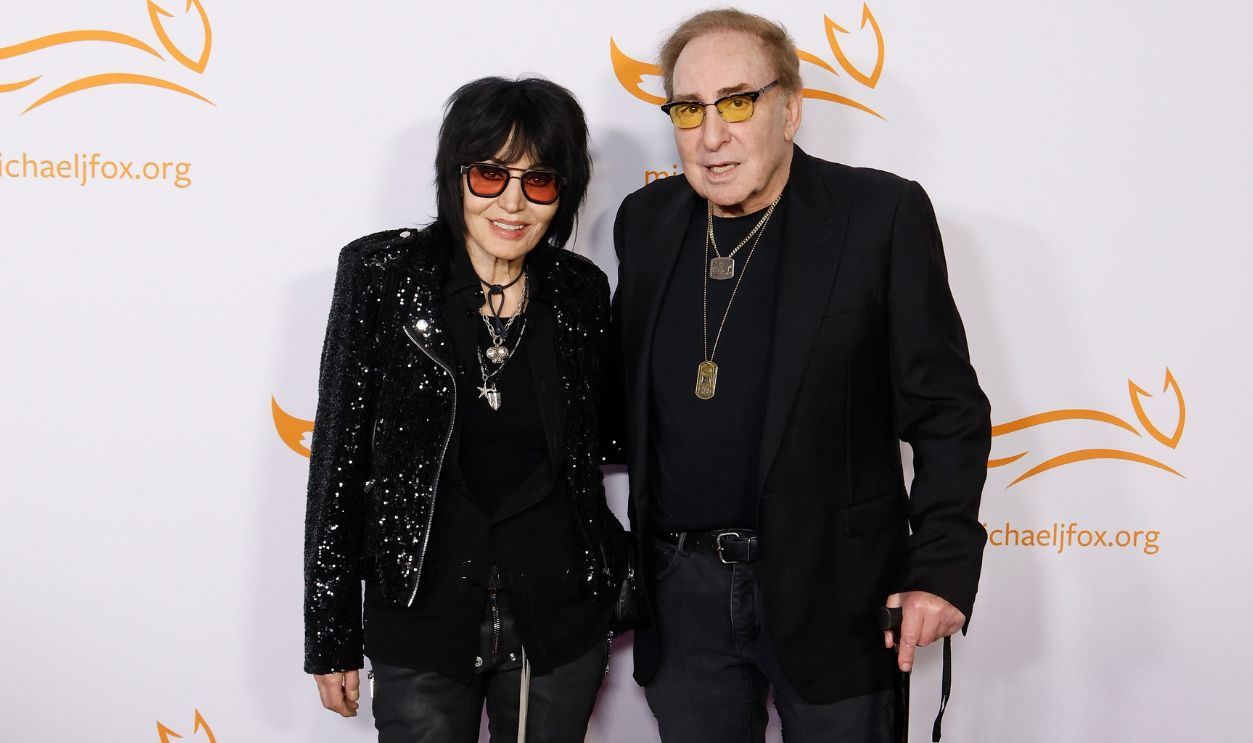
Instead of giving up, Joan and Kenny took a radical step—they created their own label in 1980. They named it Blackheart Records. They pressed albums by hand, stored boxes in Kenny’s trunk, and sold them out of the back of his car after concerts. It was the first artist-owned, woman-run rock label in America.
Fighting for Radio Play
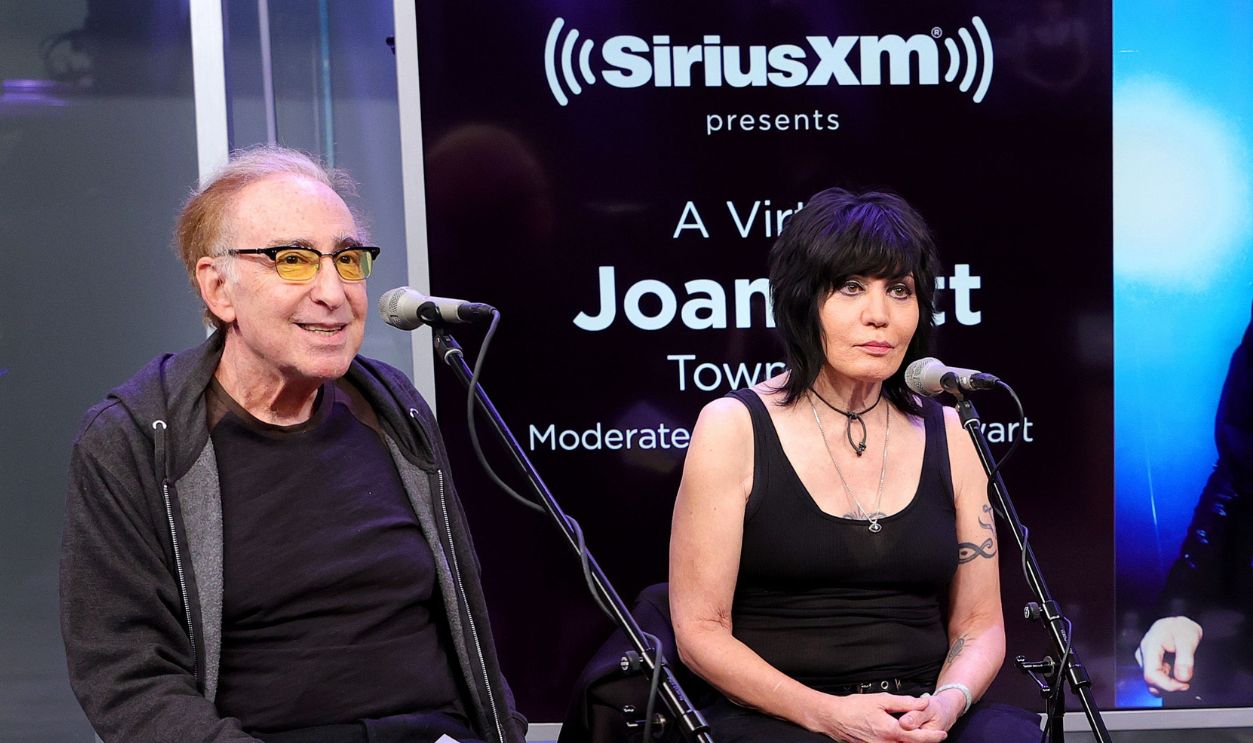
When radio stations refused to play her songs, Joan personally called DJs. She showed up at stations with records in hand. “Just play it once,” she’d say. Some did. And once people heard her, they wanted more.
“Bad Reputation” Becomes a Mission Statement
Joan wrote “Bad Reputation” as a middle finger to every executive who told her to sit down and behave. The song wasn’t just catchy—it was a declaration. She wasn’t here to be polite. She was here to break things open.
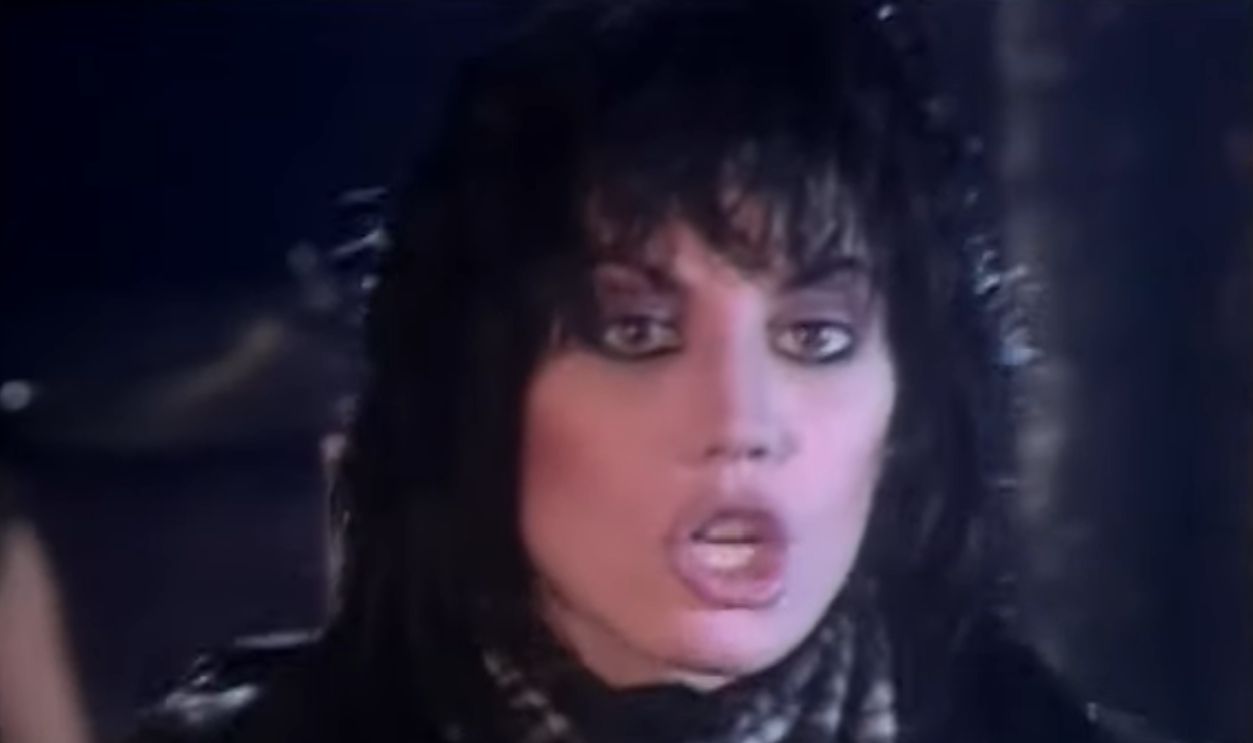 Screenshot from Bad Reputation, Blackheart Records (1981)
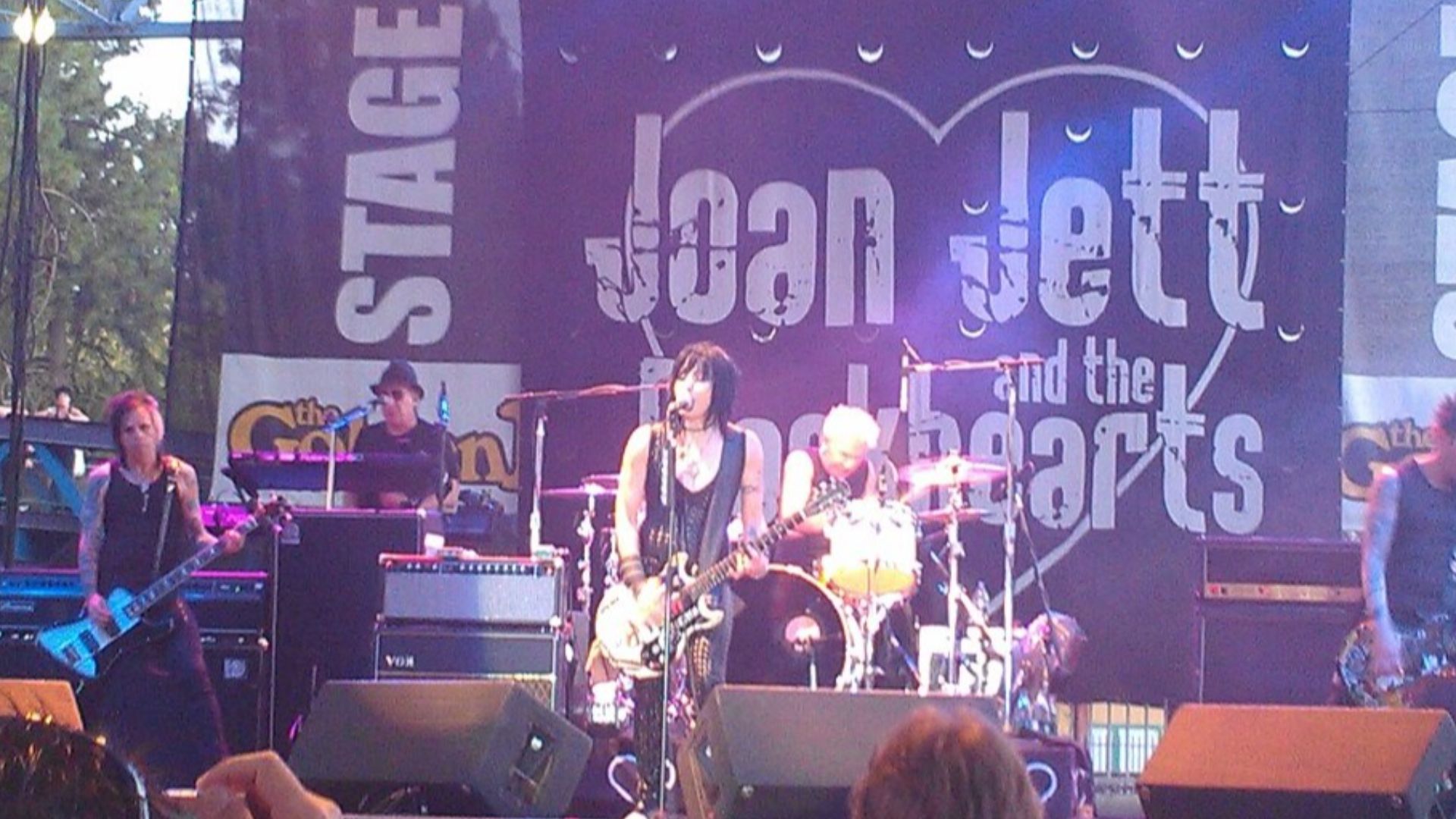
Forming Joan Jett & The Blackhearts
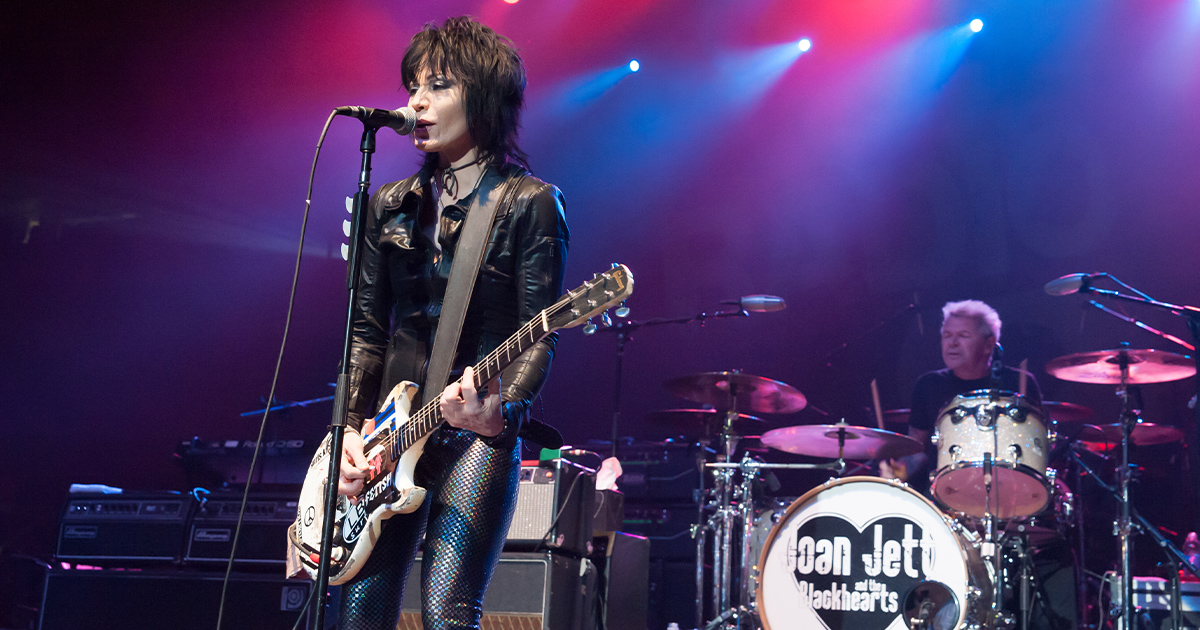
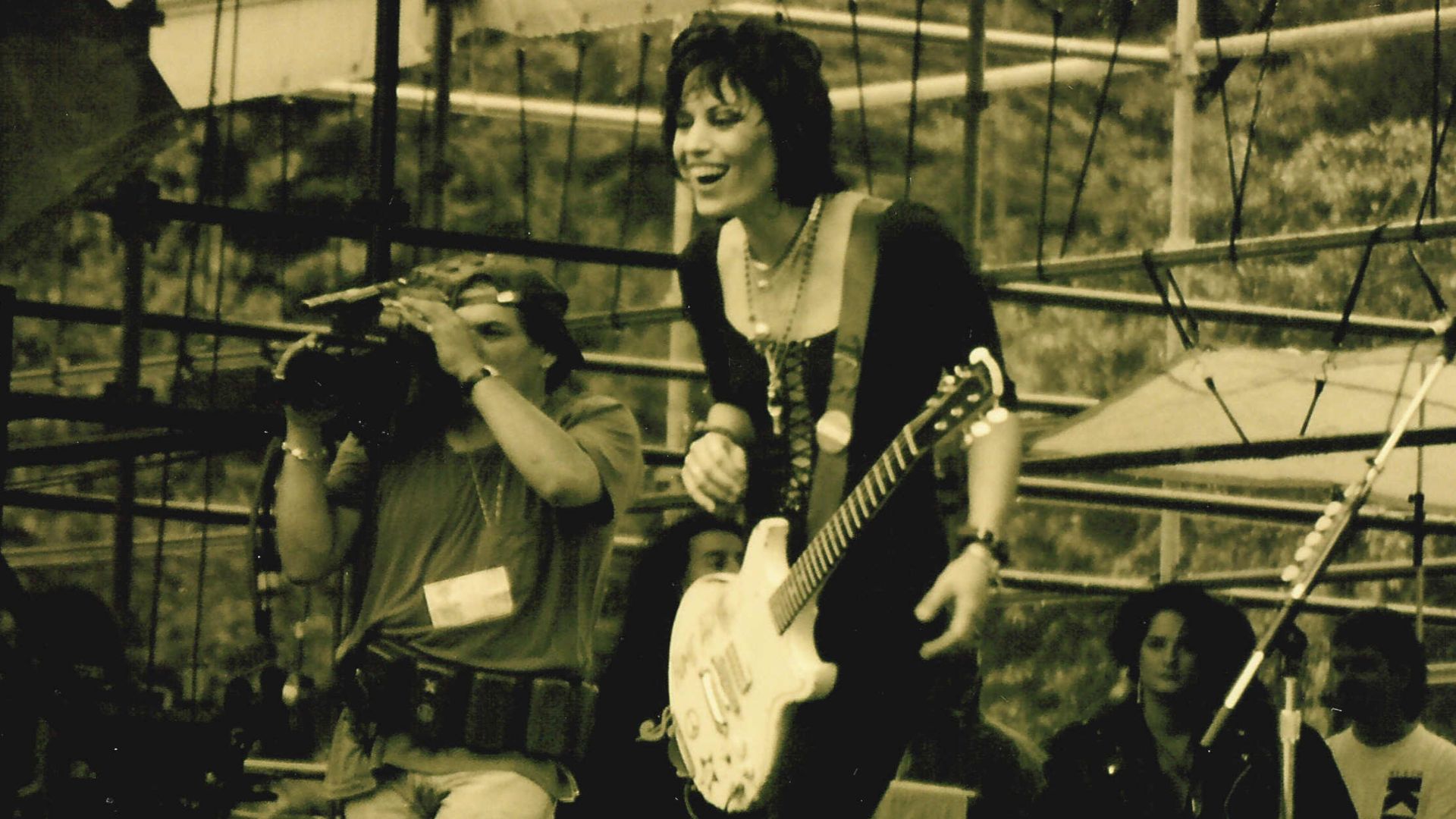
With her new backing band, Joan hit the road nonstop—tiny clubs, grimy bars, anywhere that would take them. Audiences didn’t always know what to expect. Then Joan walked out in leather, eyeliner smudged, guitar slung low—and the room exploded.
A Song That Would Change Everything
In 1981, Joan recorded a cover of “I Love Rock ’n Roll.” Executives said it wouldn’t chart. Radio said it was “too raw.” They were all wrong. The song shot to No. 1, stayed there for seven weeks, and became one of the most recognizable rock anthems in history.
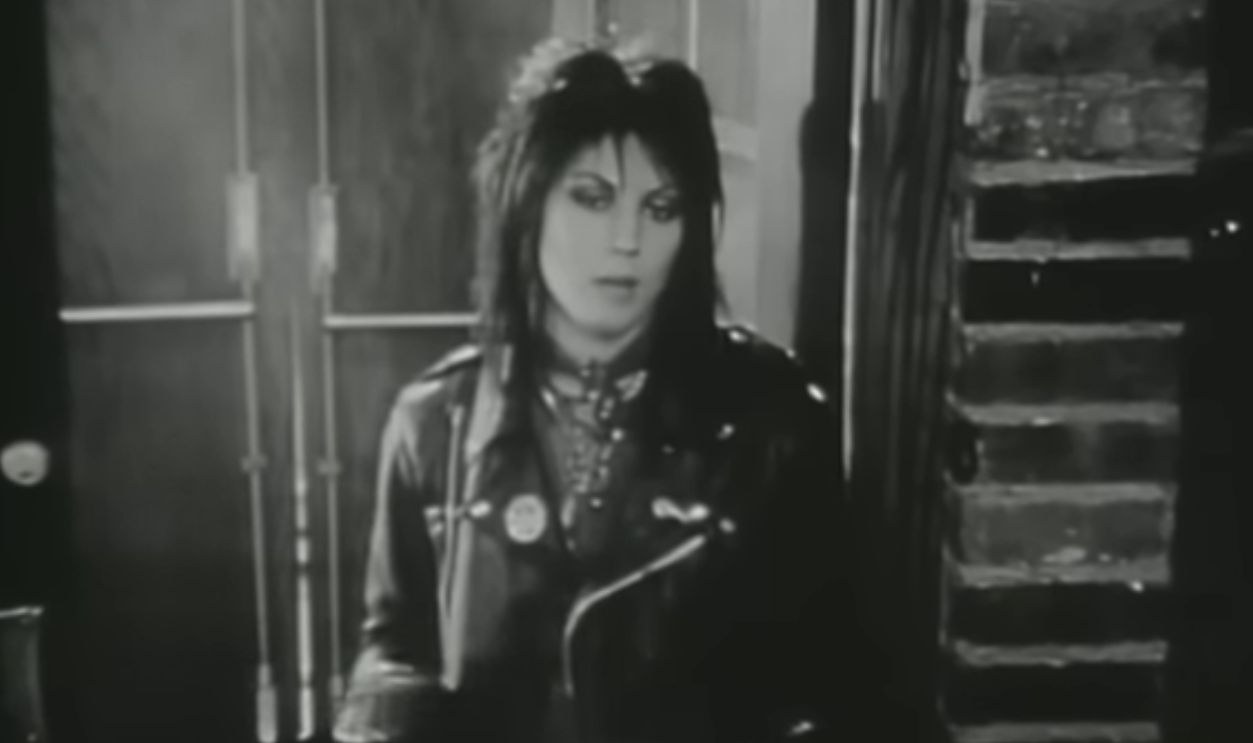 Screenshot from I Love Rock 'n' Roll, Blackheart Records (1981)
A Woman at the Top
Suddenly, the same industry that rejected Joan had to face the truth: she had just made one of the biggest rock hits of the decade. She didn’t slip into rock history; she kicked the door down.
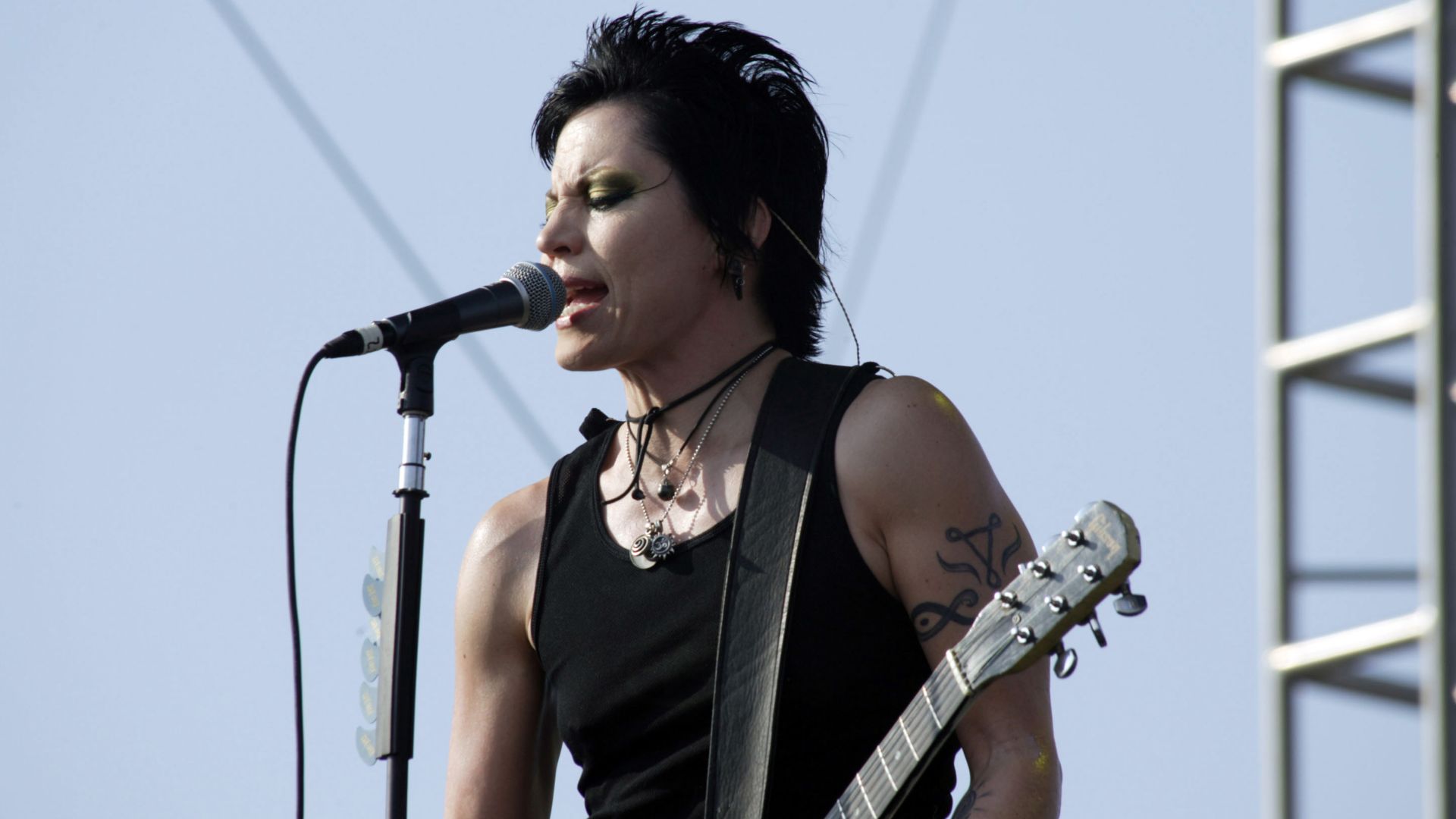 Steve Bibiano, Wikimedia Commons
Touring With Giants
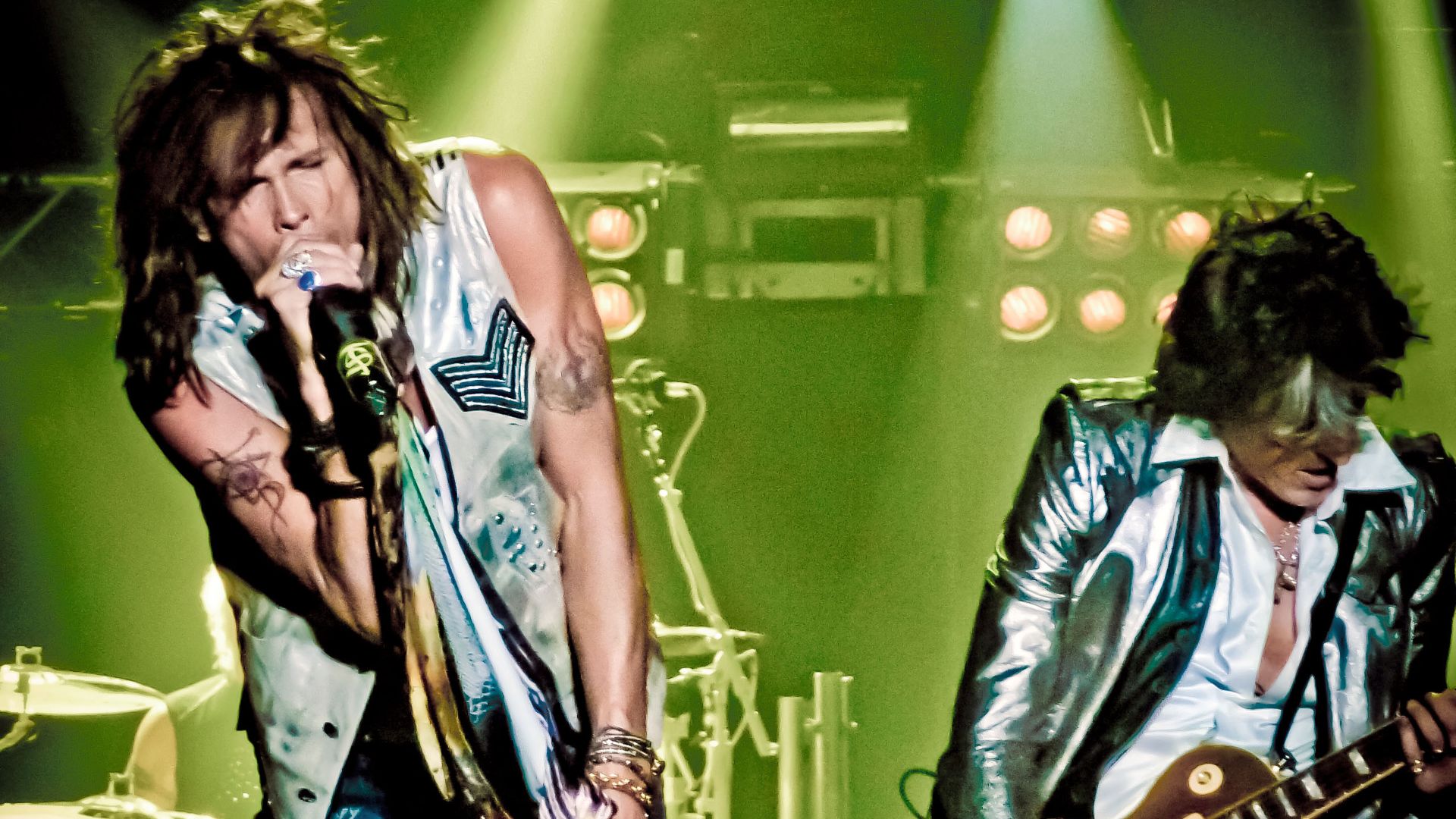
Joan toured with The Who, Van Halen, Aerosmith, and Tom Petty. At stadium shows, fans who came for the headliner walked out talking about her electrifying stage presence. “She played like she was bulletproof,” Roger Daltrey said.
 Julio Aprea, Wikimedia Commons
Staying True While the Industry Changed
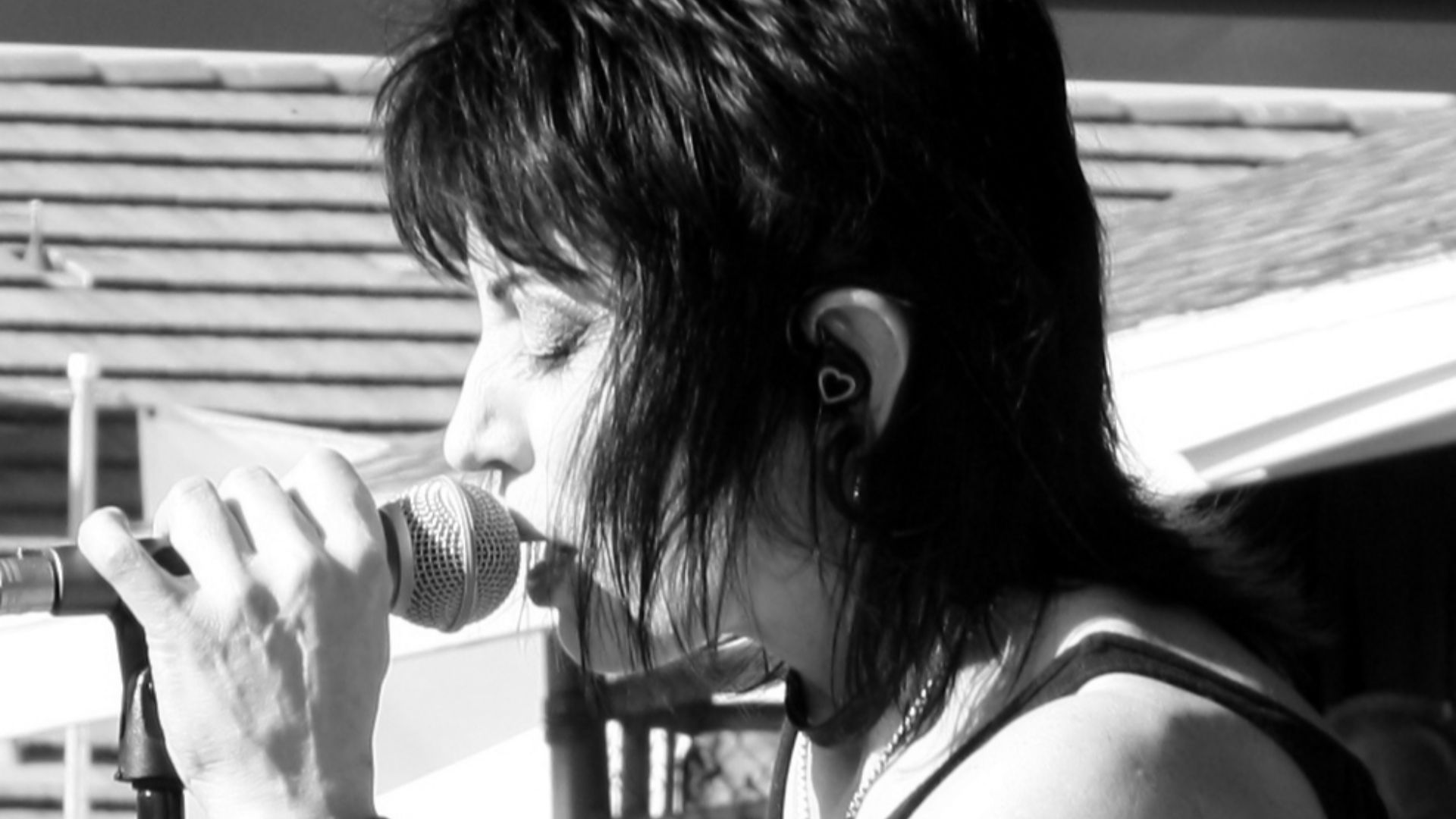
The ’80s brought glam metal, pop, and MTV excess, but Joan wouldn’t budge. She kept her leather jacket and her attitude. She cared about integrity, not trends. “I play rock,” she said. “If that goes out of fashion, that’s not my problem.”
 Jessie Pearl, Wikimedia Commons
An Advocate Long Before It Was Popular
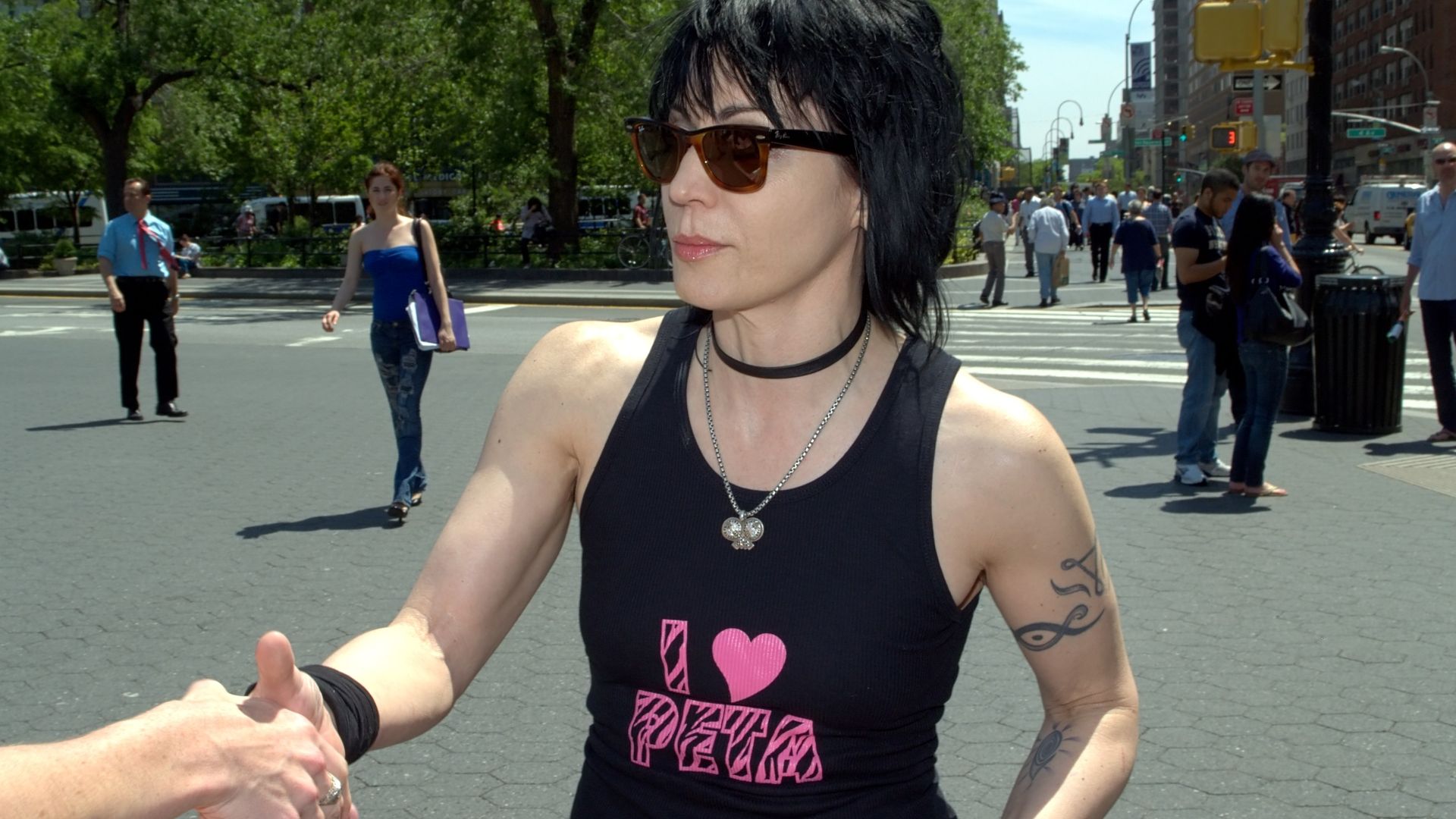
Joan quietly supported LGBTQ+ fans, animal rights causes, and equality movements long before mainstream culture embraced them. She became a role model for kids who didn’t fit in—especially young girls who saw strength in her fearlessness.
 David Shankbone, Wikimedia Commons
Reinventing Herself Onscreen
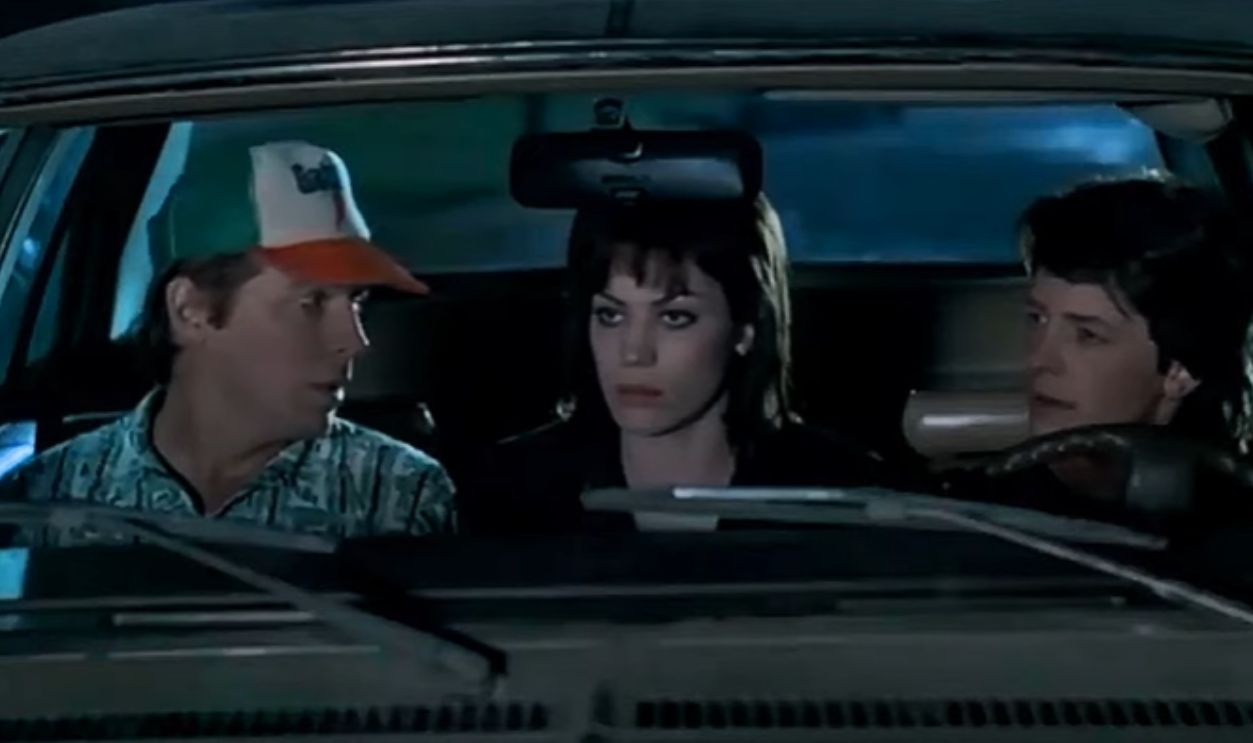
Joan starred in Light of Day with Michael J Fox and later served as an executive producer on The Runaways film adaptation. Kristen Stewart, who played Joan, said, “She was the most generous mentor I’ve ever had.”
 Screenshot from Light of Day, TriStar Pictures (1987)
Younger Artists Saw a Blueprint
Everyone from Green Day to Bikini Kill to Miley Cyrus has cited Joan as an influence. Kathleen Hanna said, “Joan showed us we didn’t need permission.” Billie Joe Armstrong called her “punk’s big sister.”

The Rock Hall and a Lifetime of Defiance
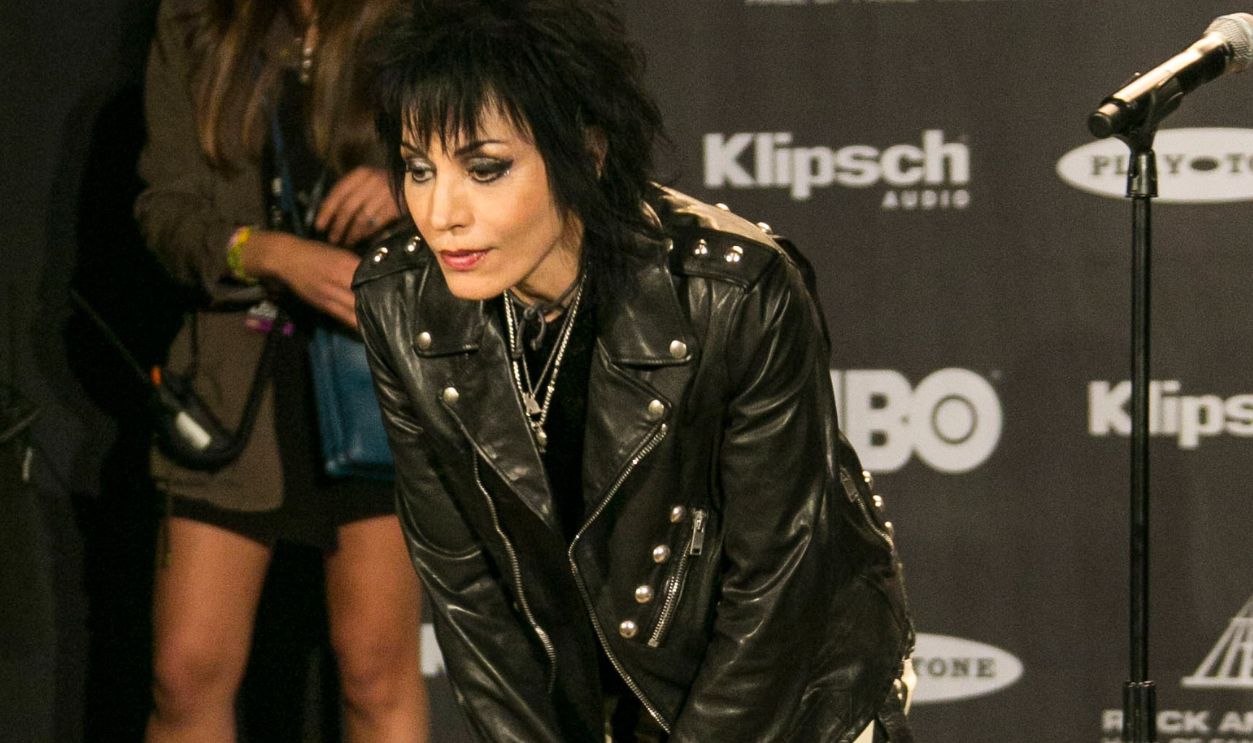
In 2015, Joan Jett & The Blackhearts were inducted into the Rock & Roll Hall of Fame. During her speech, Joan thanked “every girl who ever picked up a guitar because someone told you not to.”
The Legacy of a Pioneer
Joan didn’t just break rules—she rewrote them. She proved a woman could front a rock band, run a label, and build an empire from pure grit. Her career is a testament to stubbornness, passion, and the courage to be loud when the world tells you to be quiet.
How Joan Jett Changed Music Forever
When the industry slammed the door, Joan kicked it open for herself—and everyone who came after her. Her sound shaped punk, her attitude shaped rock, and her refusal to back down shaped generations of musicians. She didn’t just love rock ’n’ roll. She liberated it.

You May Also Like: