The Voice That Became a Legend After the River Took Him
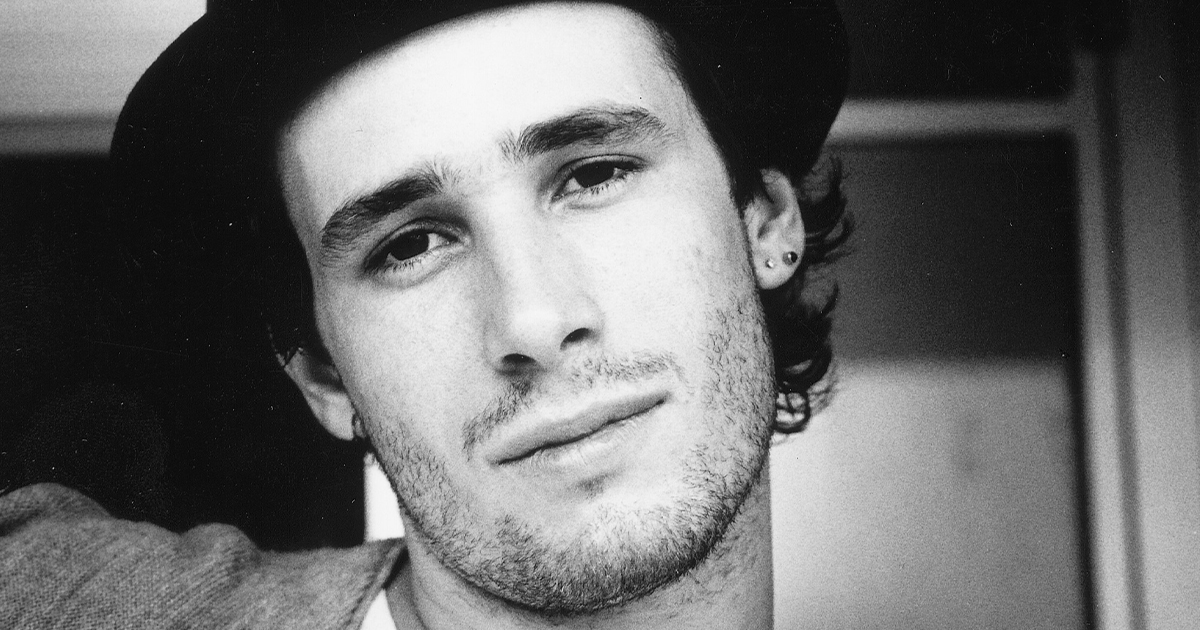
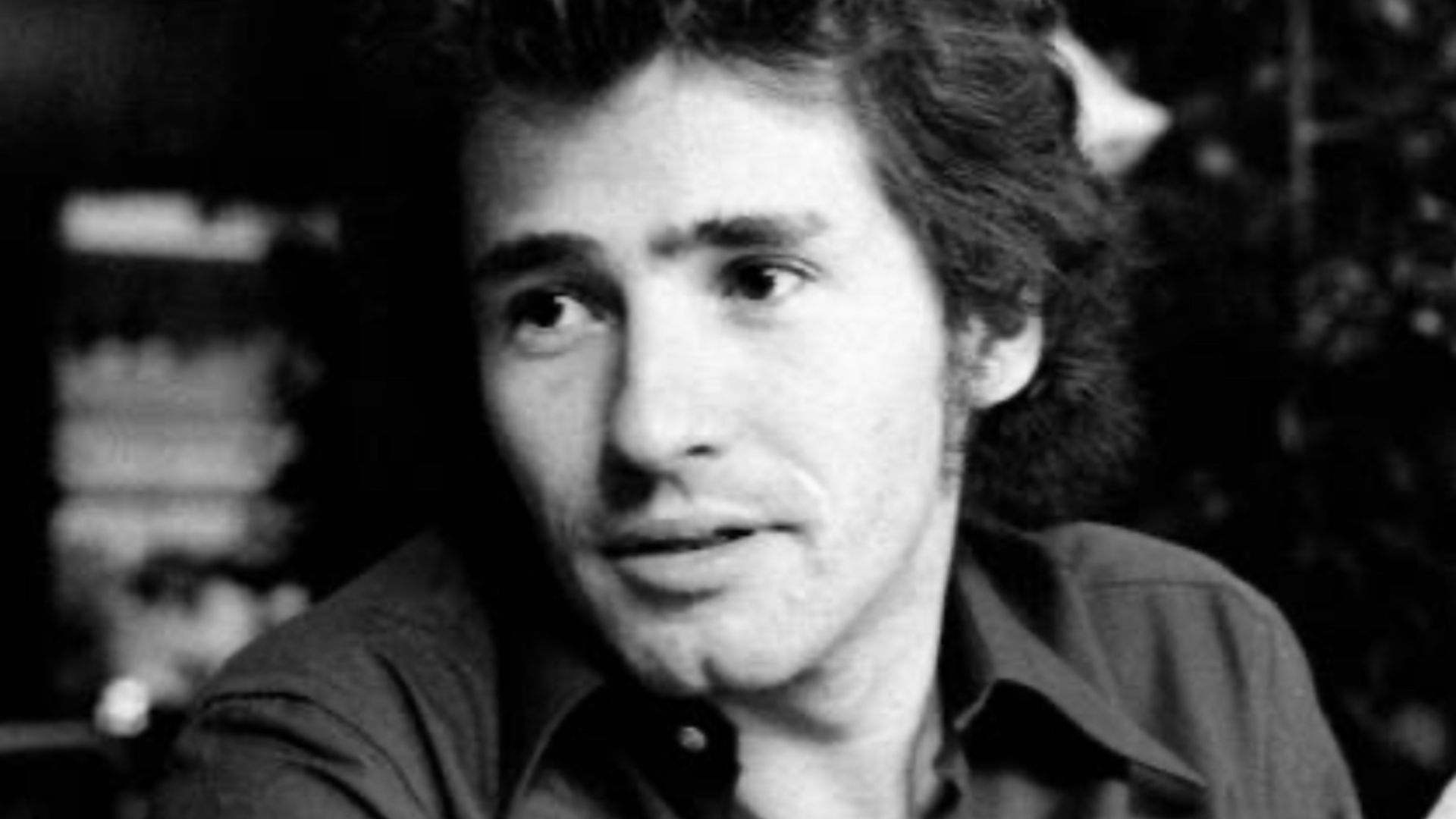
Jeff Buckley was born on November 17, 1966, in Anaheim, California, but his childhood often felt split in half. His father, the legendary folk singer Tim Buckley, left when Jeff was still a baby, and Jeff grew up mostly with his mother, Mary Guibert, who encouraged his curiosity and creativity. He found comfort in music early—especially Led Zeppelin, Queen, and Joni Mitchell.
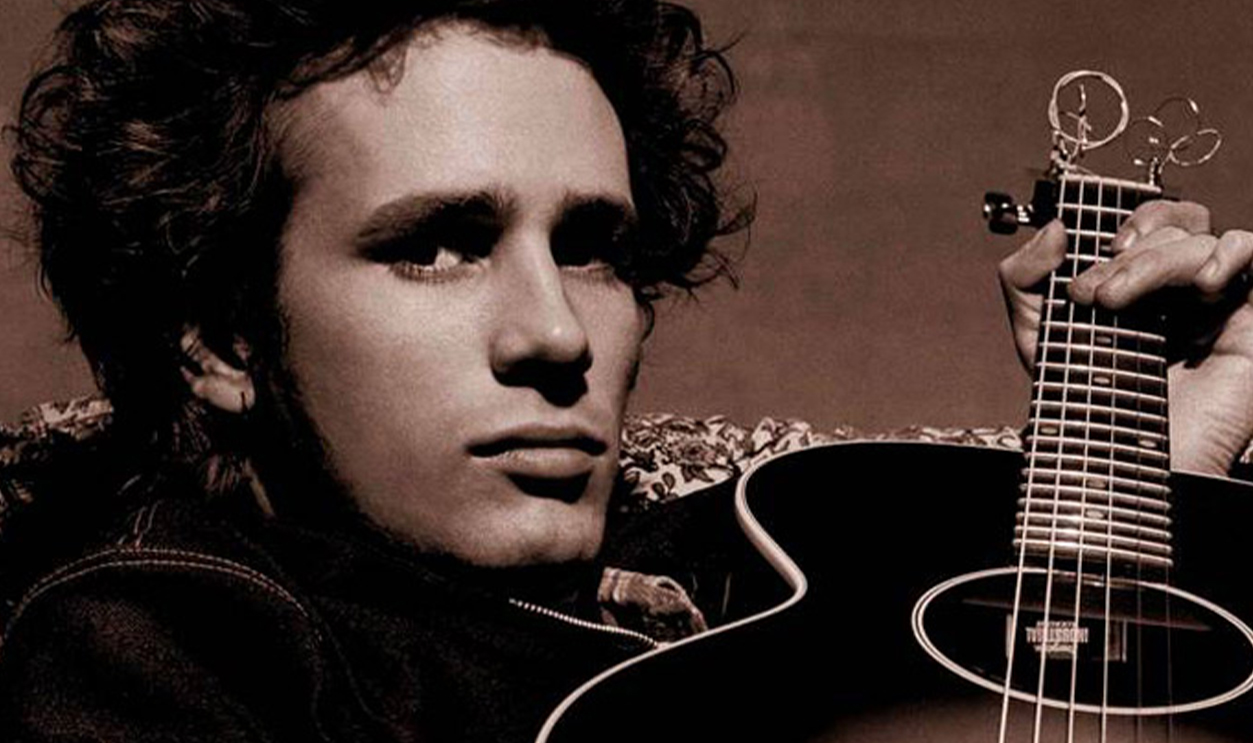
A Father He Knew Only Through Records
Jeff barely knew Tim Buckley, who died when Jeff was eight. Instead, Jeff encountered his father the way fans did: through vinyl. People constantly compared them, which frustrated Jeff. “I’m not my dad,” he once said. “I’m not trying to be anyone but myself.” Still, that absence shaped him deeply.
 Jorgen Angel, Wikimedia Commons
Discovering the Voice That Didn’t Sound Real
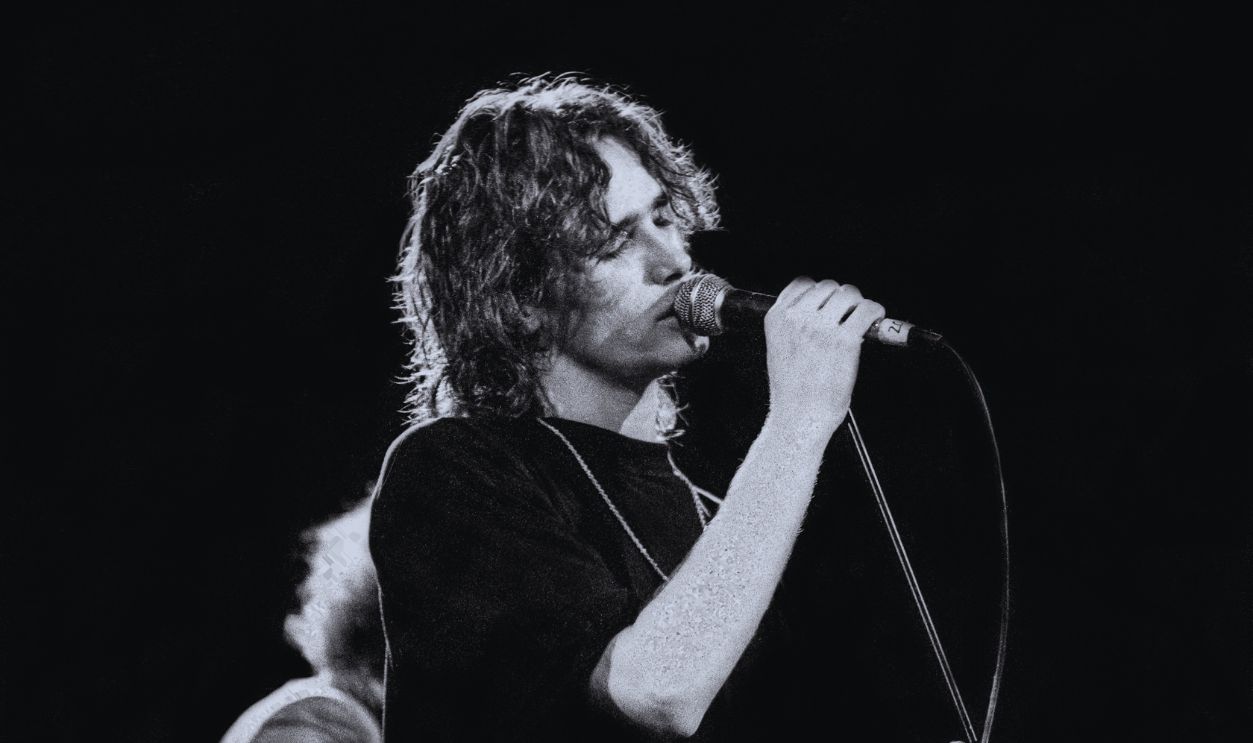
Jeff had one of those voices that made people stop what they were doing. He could hit high notes with angelic clarity, then drop into raw, aching tones the next second. Musicians who heard him said it felt like watching someone channel something beyond the physical world.
The Turning Point at St. Ann’s
In 1991, Jeff performed at a tribute concert for his father at St Ann’s Church in Brooklyn. He hadn’t planned on stealing the show—but he did. Critics who came to write about Tim Buckley ended up writing about Jeff. His otherworldly performance caught the attention of New York’s music community.
Finding His Home at Sin-é
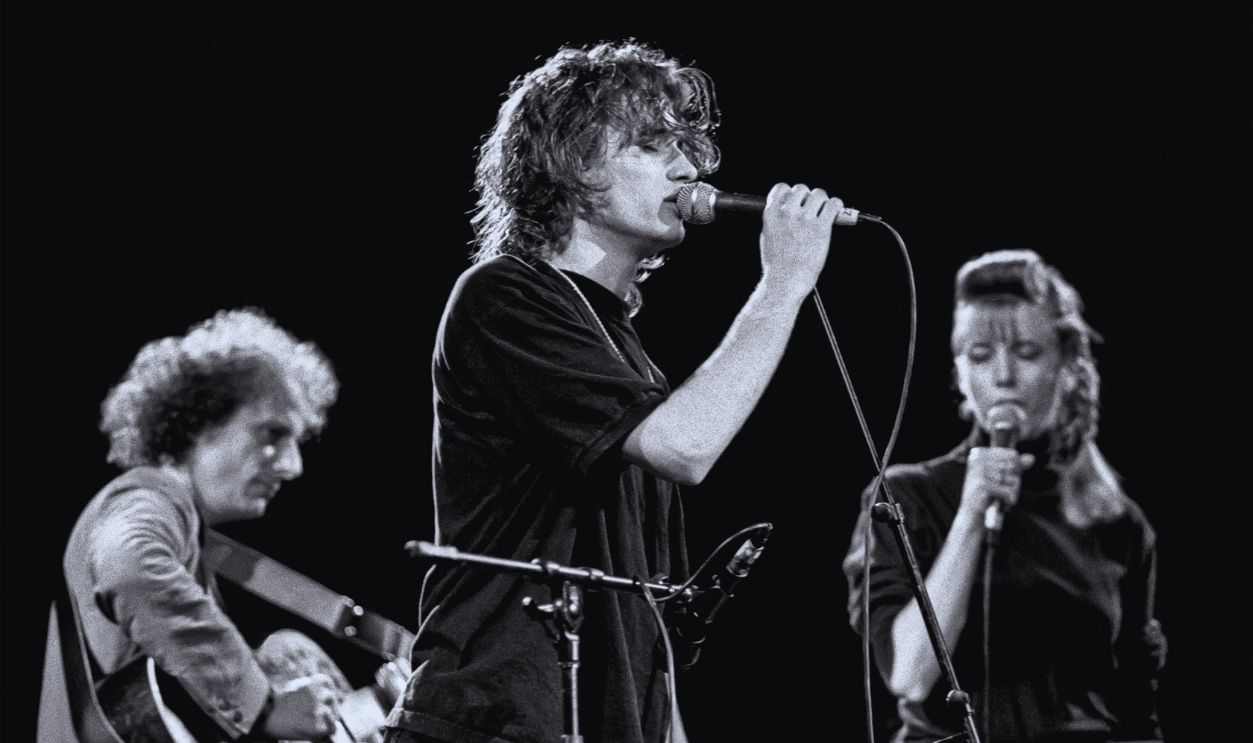
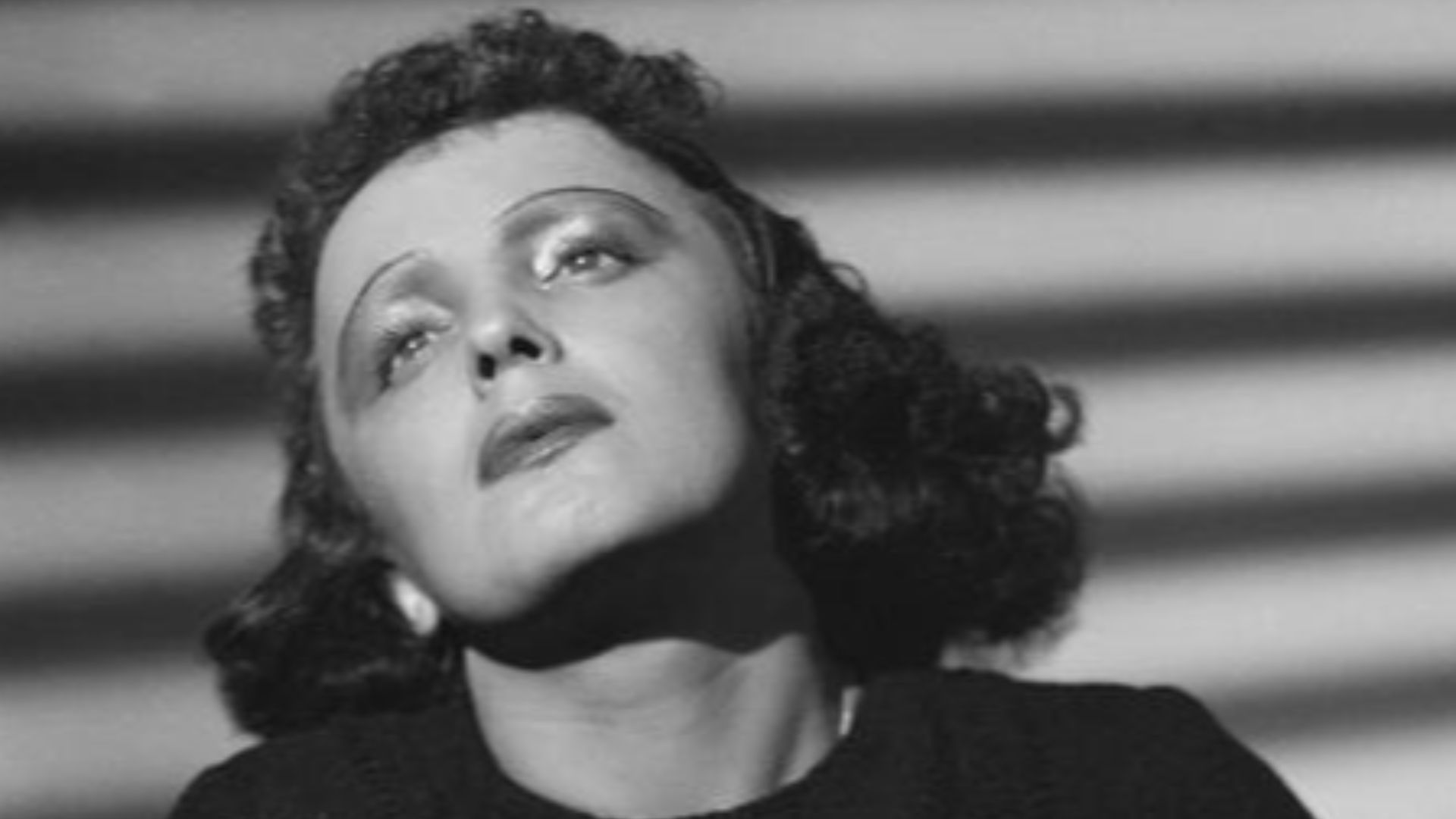
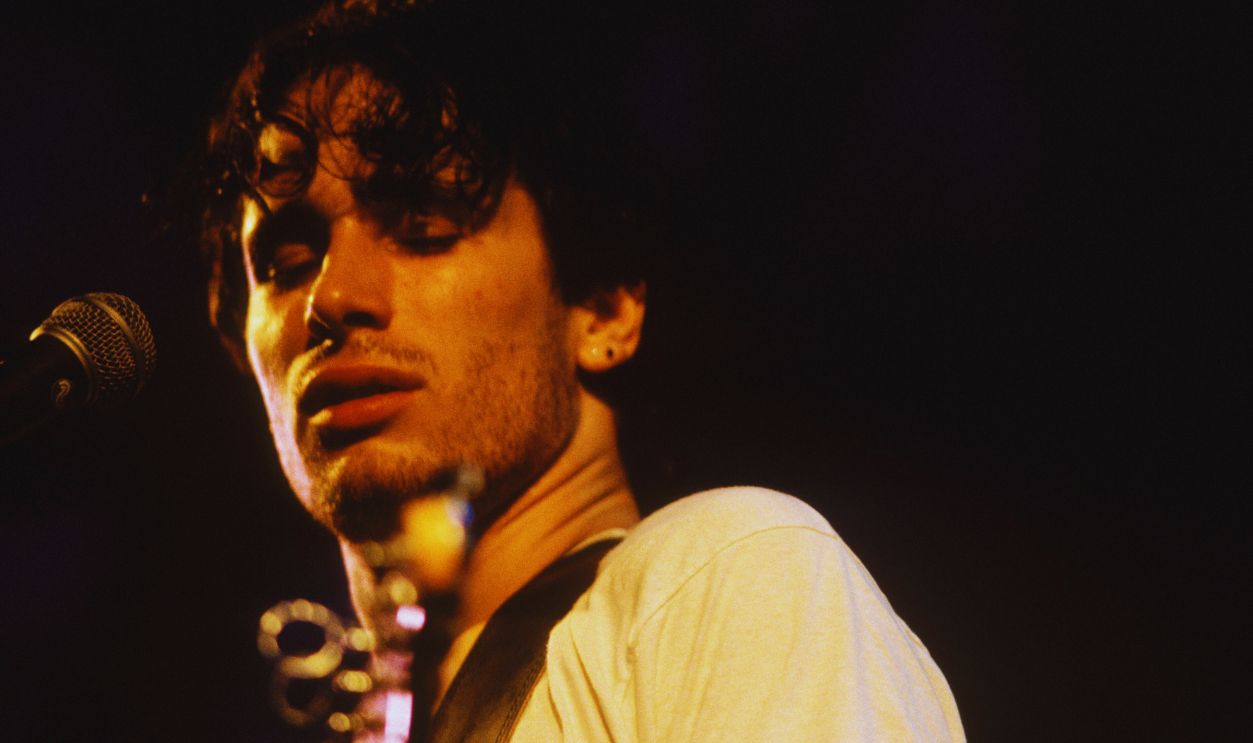
Jeff began performing solo at Sin-é, a tiny coffeehouse in the East Village. Night after night, he stood onstage with just a Telecaster and a battered amp. He covered Edith Piaf and Nusrat Fateh Ali Khan, then followed it with Zeppelin or Van Morrison. The crowds grew, then overflowed onto the sidewalk.
 Studio Harcourt, Wikimedia Commons
A Record Deal He Almost Didn’t Want
Labels fought over him, but Jeff hesitated—he feared losing creative control. Eventually, he signed with Columbia Records, drawn to their promise of artistic freedom. “All I want to do is make something honest,” he told a friend. “If it’s not honest, I don’t want it.”

Recording Grace
Jeff’s only completed studio album, Grace, was recorded in 1993–94. He poured everything into it: his loneliness, humor, longing, and fear. Songs like “Mojo Pin,” “Last Goodbye,” and the now-legendary “Hallelujah” became emotional landmarks for listeners who heard them.
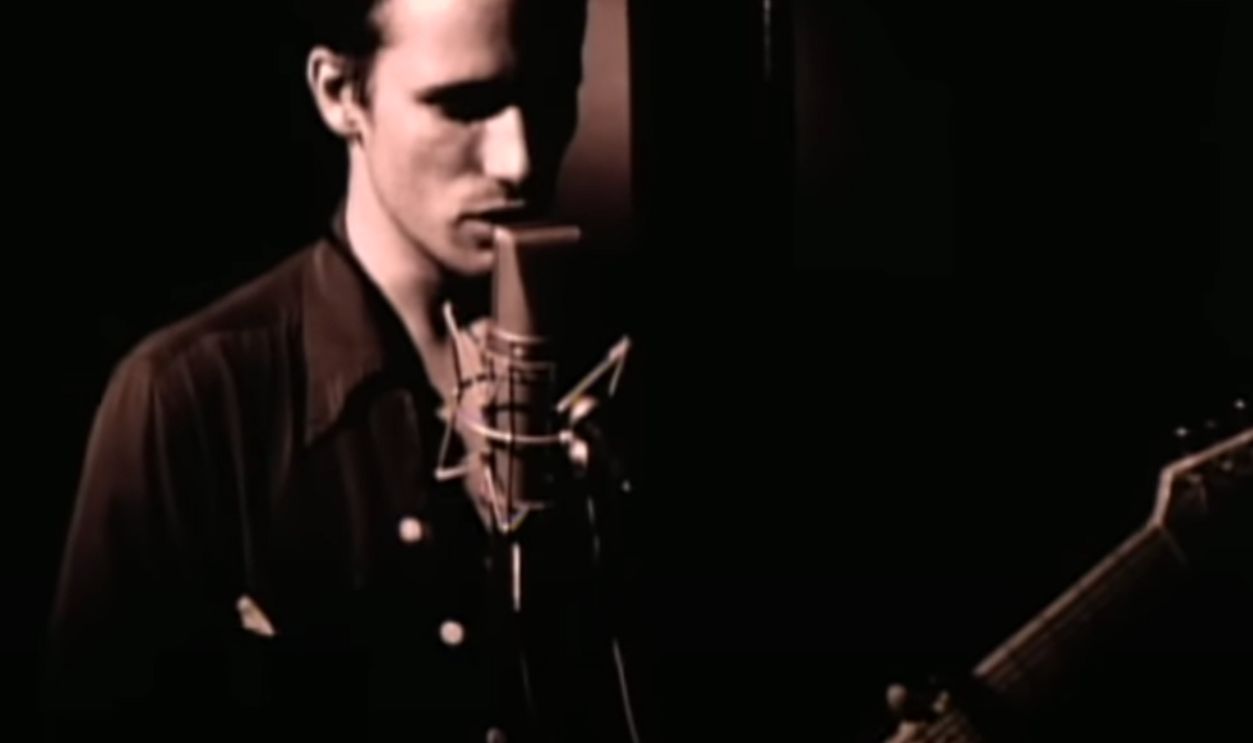 Screenshot from Jeff Buckley – Hallelujah, Columbia Records (1994)
A Masterpiece That Took Time to Be Understood
When Grace was released in 1994, it received good reviews—but not many sales. Jeff didn’t care. “Albums find their people,” he said. “Sometimes it just takes a while.” He was right. Years later, it would be hailed as one of the greatest albums of all time.
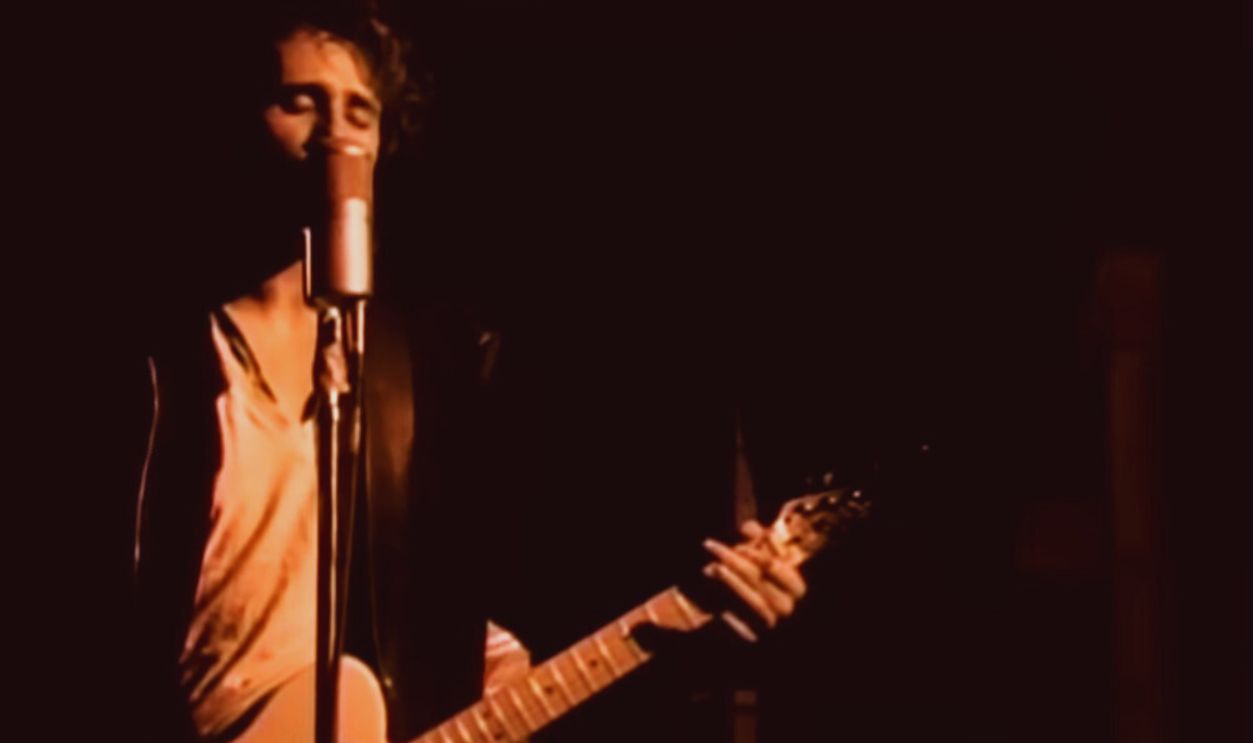 Screenshot from Jeff Buckley – Grace, Columbia Records (1994)
A Life Lived on the Road
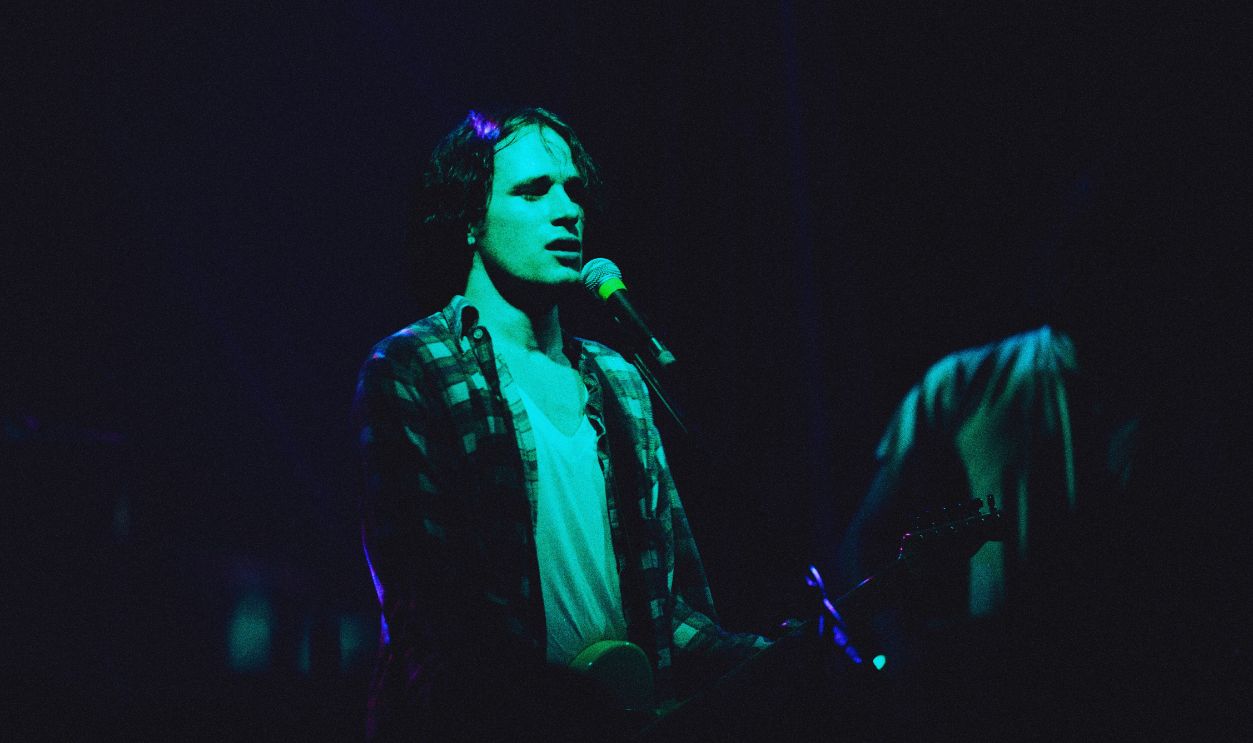
Jeff toured constantly. Fans remember him as warm, funny, and a little shy. He jumped into crowds, cracked jokes, and talked with strangers after shows. But there was also a restlessness to him—a sense that he was searching for something he couldn’t name.
Struggles with Fame
As Grace gained traction, Jeff became uncomfortable with the spotlight. He hated the idea of being turned into a rock star archetype. “The more they expect of me,” he once said, “the less I know what to give.” His perfectionism made every show feel like a test.
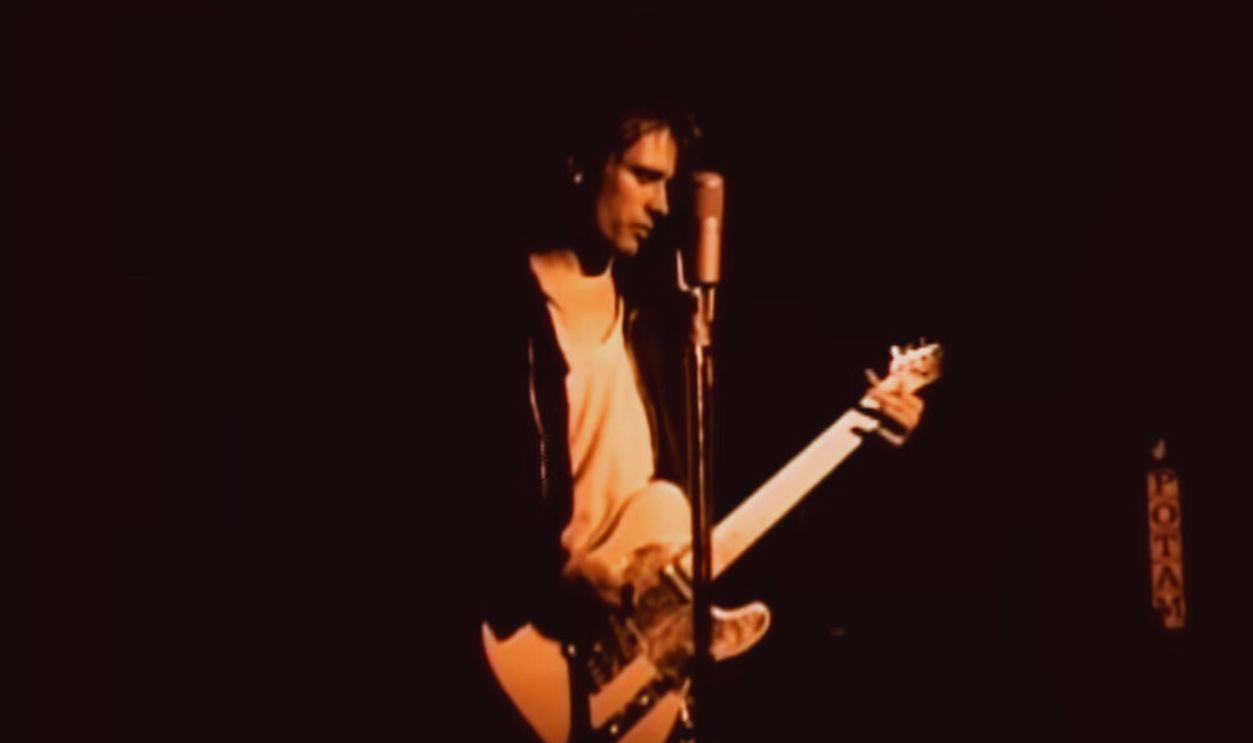 Screenshot from Jeff Buckley – Grace, Columbia Records (1994)
A New Album in the Works
In 1997, Jeff moved to Memphis to work on his second album. He wanted quiet. He wanted space. He wanted to grow. Early demos revealed a raw, emotional evolution—darker, deeper, more experimental. Musicians around him were stunned by the new songs’ potential.
The Night Everything Changed
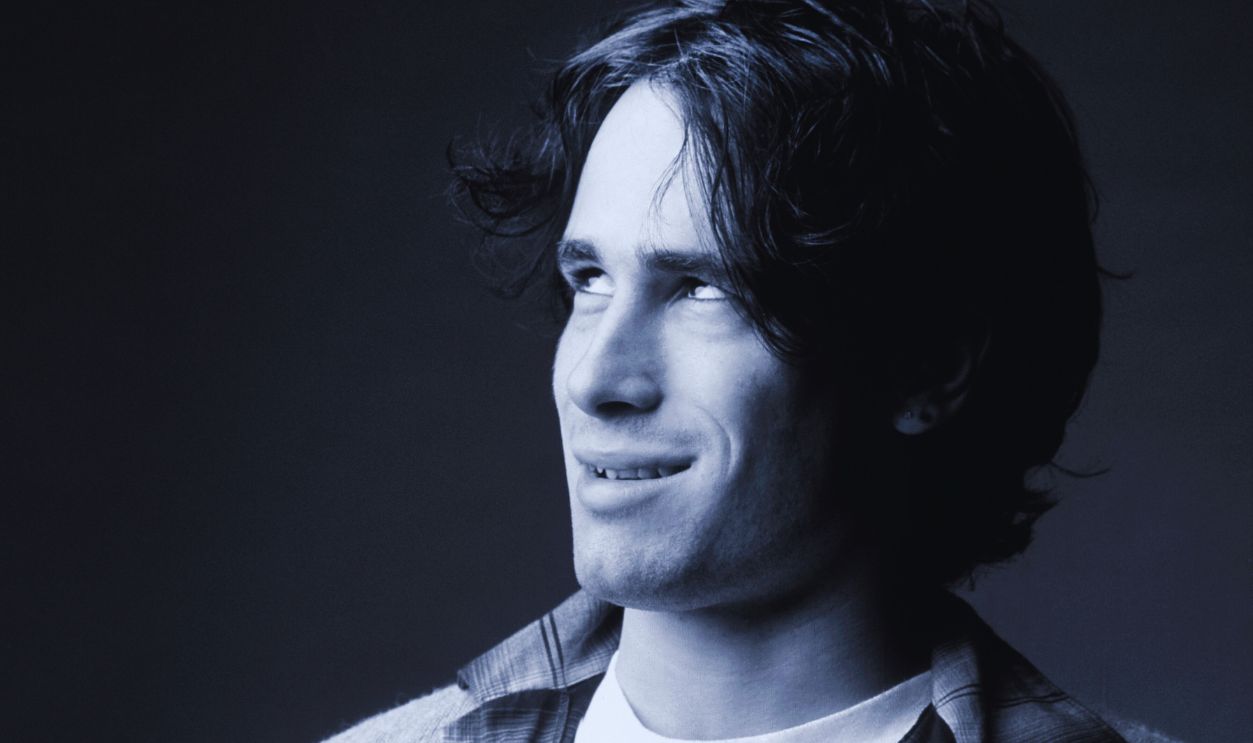
On May 29, 1997, Jeff Buckley went to the Wolf River Harbor, a channel of the Mississippi River in Memphis. He had done this before—wading fully clothed into the water while singing Led Zeppelin’s “Whole Lotta Love.” His friend Keith Foti stayed nearby on the bank.
 Atlantic Records, Wikimedia Commons
The River Takes Him
A tugboat passed, pulling strong currents behind it. Jeff disappeared beneath the waves and didn’t come back up. Authorities found his body days later. He was 30 years old. No substances were found in his system. It was a tragic accident—simple, brutal, heartbreaking.
 U.S. Army Corps of Engineers, Wikimedia Commons
The Music World Goes Silent
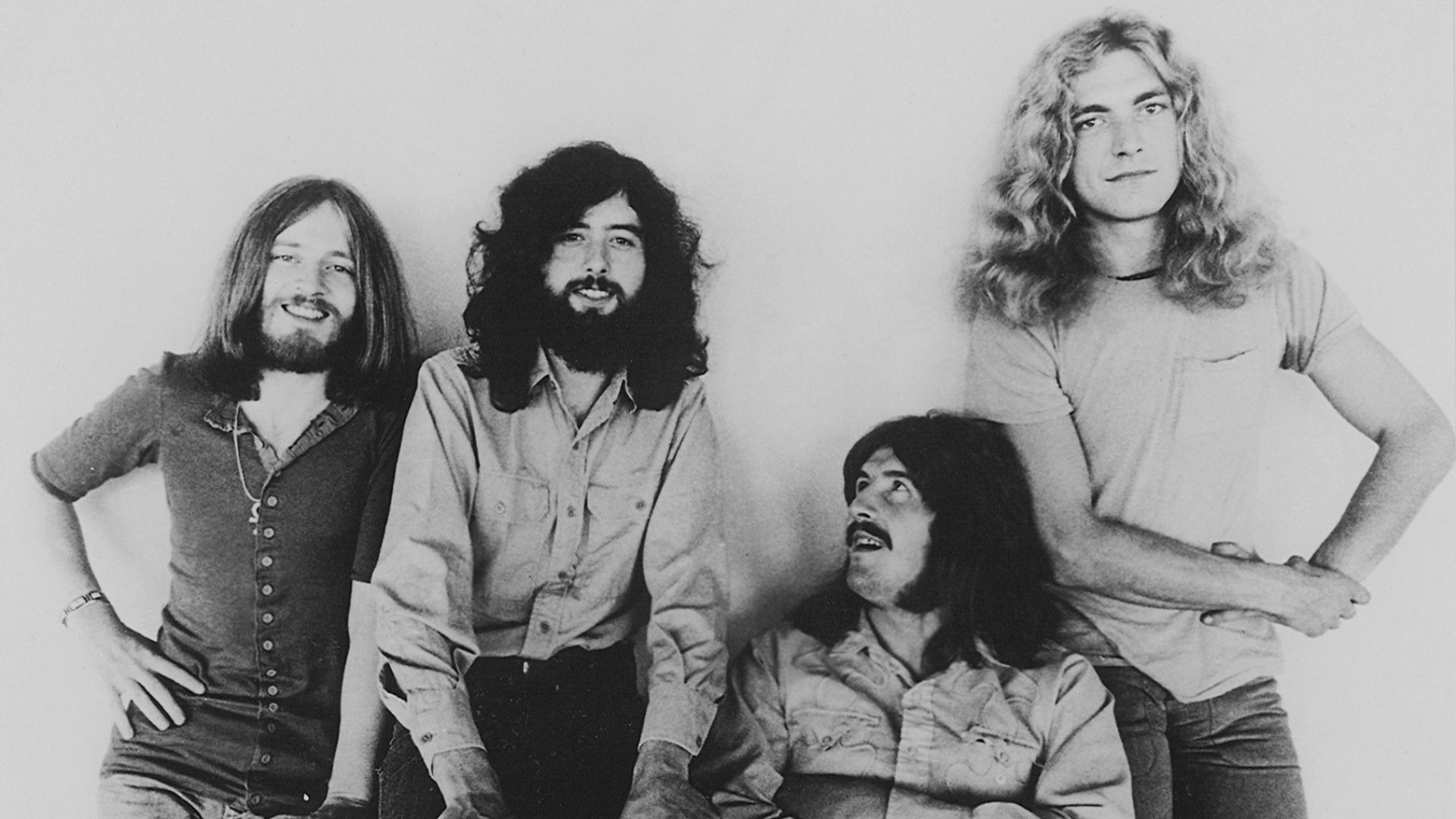
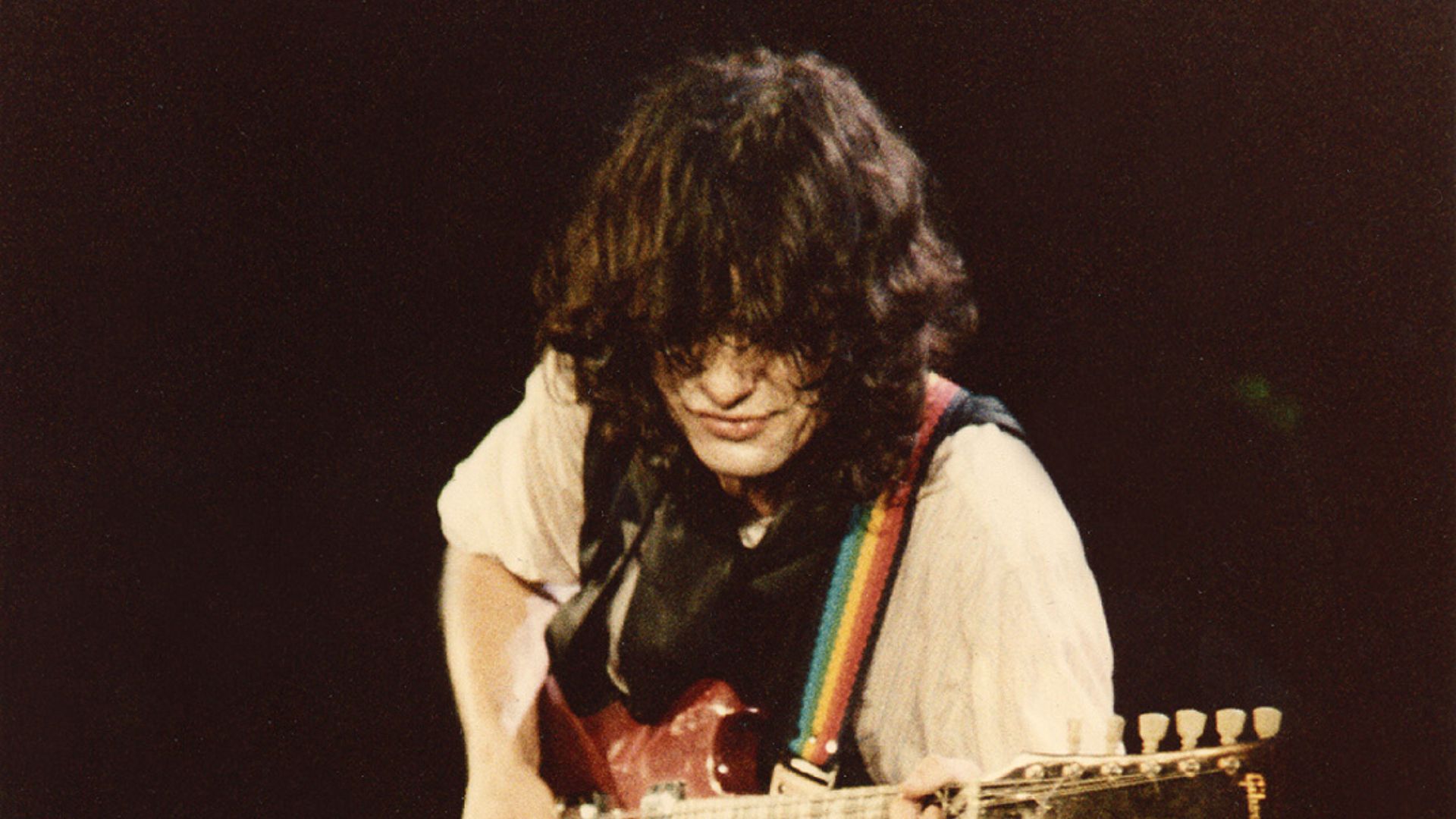
When news broke, musicians across the world paid tribute. Jimmy Page called Jeff “a pure drop of talent.” Bob Dylan said he had “a voice that was enough to make the angels turn around.” Everyone knew they had lost someone once-in-a-generation.
 Dana Wullenwaber, Wikimedia Commons
One Album—And an Endless Legacy
Jeff left behind only one completed album, but Grace grew into something far larger than anyone expected. Artists like Thom Yorke, Adele, Chris Cornell, and Brad Pitt have cited it as life-changing. “Hallelujah” became the definitive version of the song for millions of listeners.
 Screenshot from Jeff Buckley – Hallelujah, Columbia Records (1994)
A Mother Who Protected His Memory
Jeff’s mother, Mary Guibert, took great care in releasing his unfinished work. She made sure every song, photo, and note honored the son she raised. “He gave everything he had to music,” she said. “I owe it to him to do the same.”
A Legacy That Only Deepened with Time
Over the years, Jeff Buckley’s myth grew—not because of how he died, but because of how beautifully he lived. His voice still sounds like no one else. His songwriting still feels like a secret whispered directly to whoever presses play.
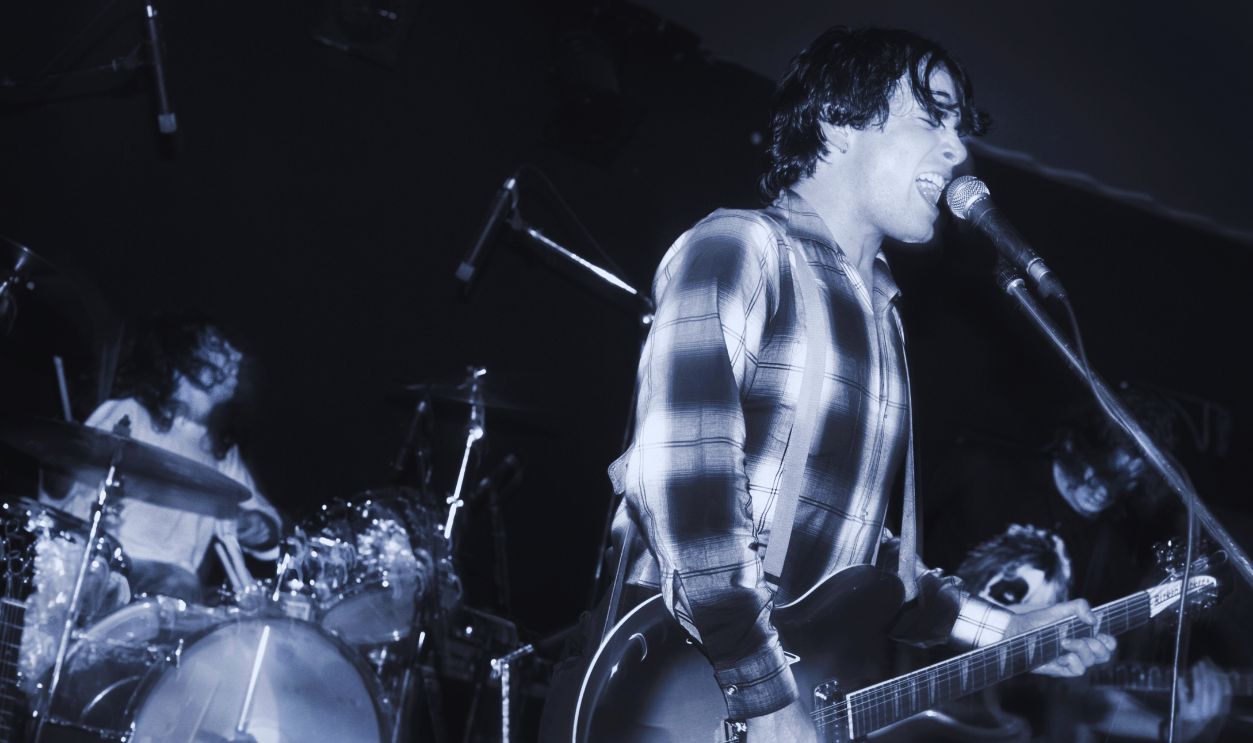
The Voice That Haunts and Heals
To this day, listeners describe Jeff’s music as healing, heartbreaking, and transcendent. “It’s like he sings from the edge of something,” one fan wrote. “Something bigger than life.”
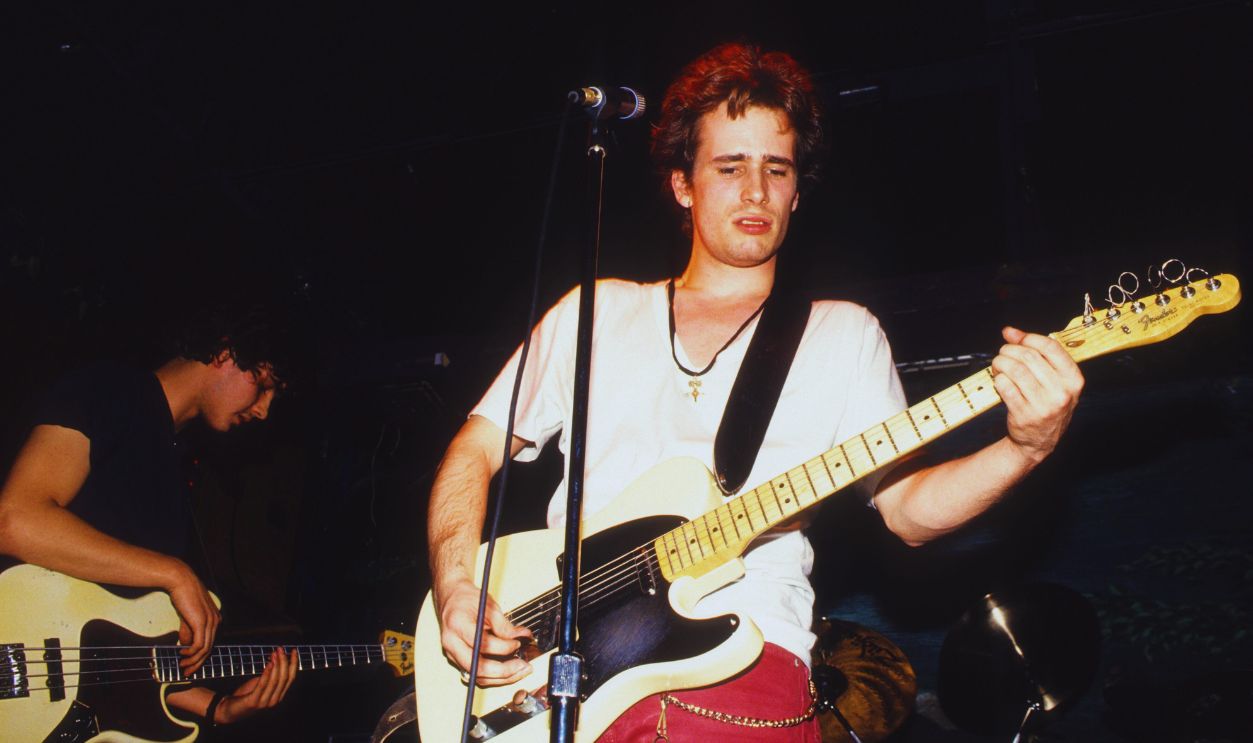
His Unfinished Second Album
The demos released after his death—Sketches for My Sweetheart the Drunk—hint at what might have been: bold experimental rock mixed with universal emotion. It remains one of music’s greatest “what-if” stories.
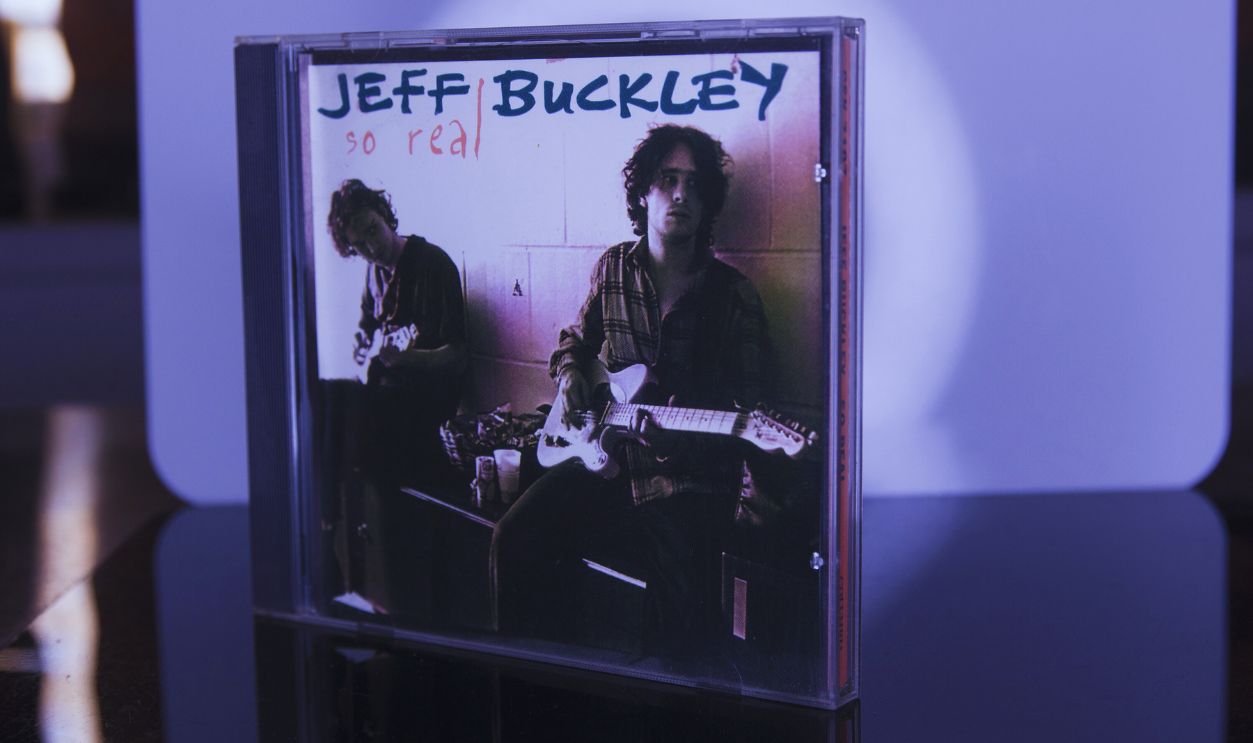
The River Couldn’t Take the Music
In the end, Jeff Buckley’s death in the Mississippi left the world with a single album—but that album became a lighthouse for an entire generation of musicians and fans. His life was brief, but his voice is eternal. As one critic wrote: “Jeff didn’t slip away. He became infinite.”
You May Also Like: