When Growth And Risk Turned Familiar Sounds Into New Classics
Great bands don’t always stay in one lane. Sometimes evolution is less about surviving trends and more about reshaping them while keeping the core of what made something special in the first place. These artists stepped beyond comfort zones, experimented with new sounds or approaches, and came out with work that still felt authentically them.
Pantera
Pantera’s early 1980s records were rooted in the glam metal scene, heavy on flashy hooks and Sunset Strip aesthetics. Everything changed after vocalist Phil Anselmo joined in the late 80s. The band dropped the spandex, embraced aggressive riffs, and leaned into groove-heavy metal anthems with Cowboys from Hell and Vulgar Display of Power. What emerged was a raw, rhythmic power that redefined metal for the 90s while still sounding unmistakably Pantera.
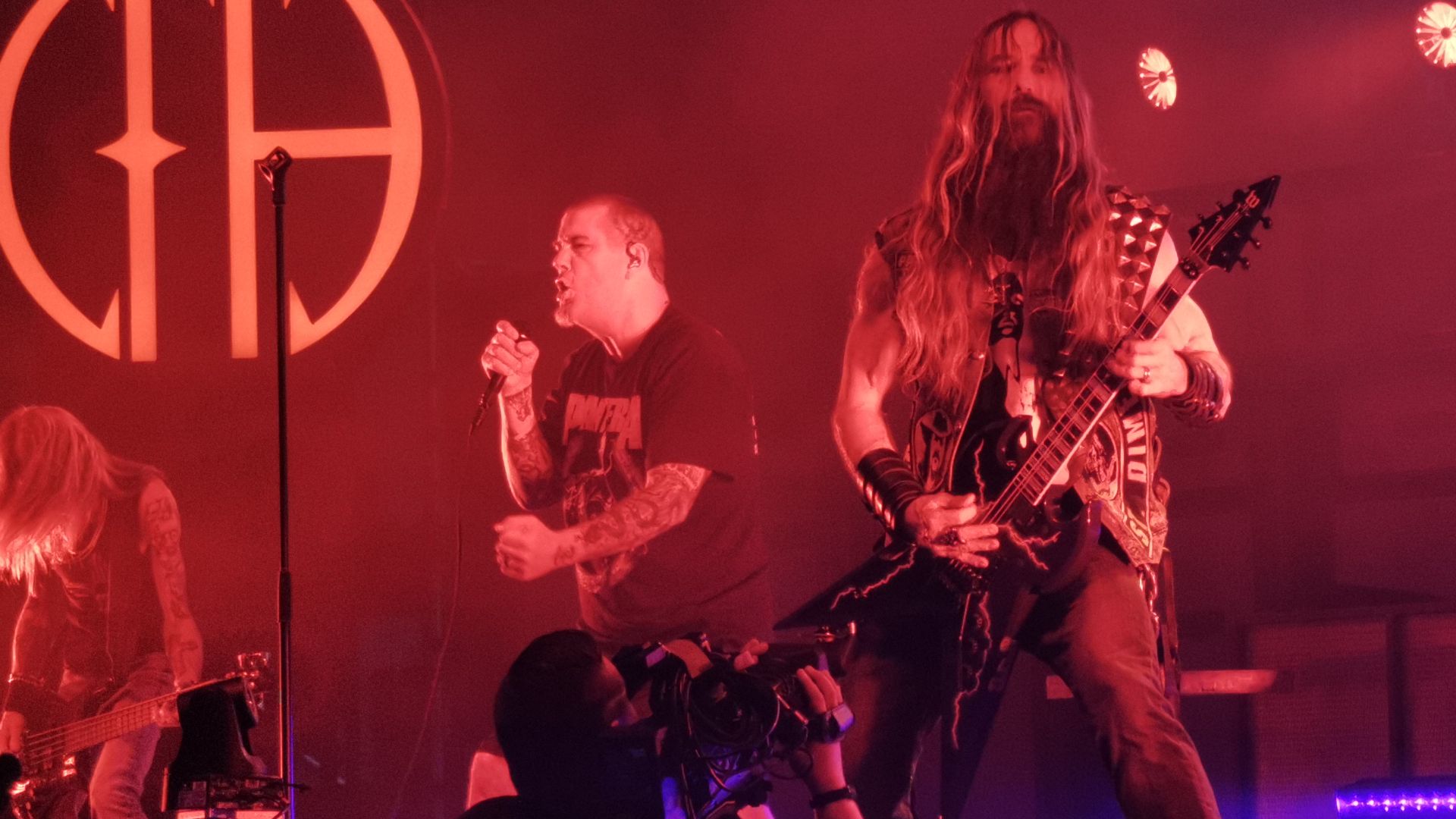 Elekes Andor, Wikimedia Commons
Pink Floyd
Pink Floyd began in the psychedelic space rock of the late 60s, with whimsical experiments around sound and mood. After Syd Barrett’s departure, they shifted into sprawling, conceptual progressive rock, culminating in The Dark Side of the Moon, an album built on seamless thematic flow and sonic texture rather than traditional hits. Their sound continued evolving across albums like Wish You Were Here and The Wall, always pushing musical boundaries while retaining emotional depth.
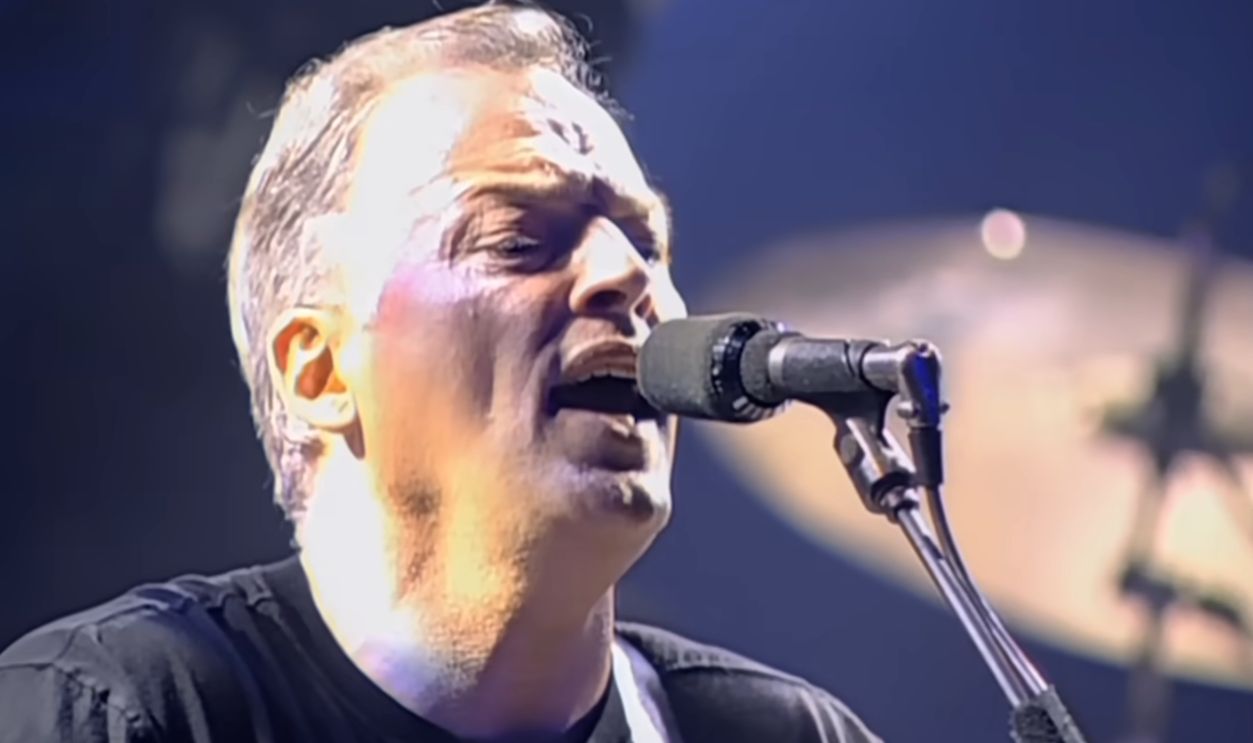 Screenshot from Wish You Were Here, Columbia Records (1975)
U2
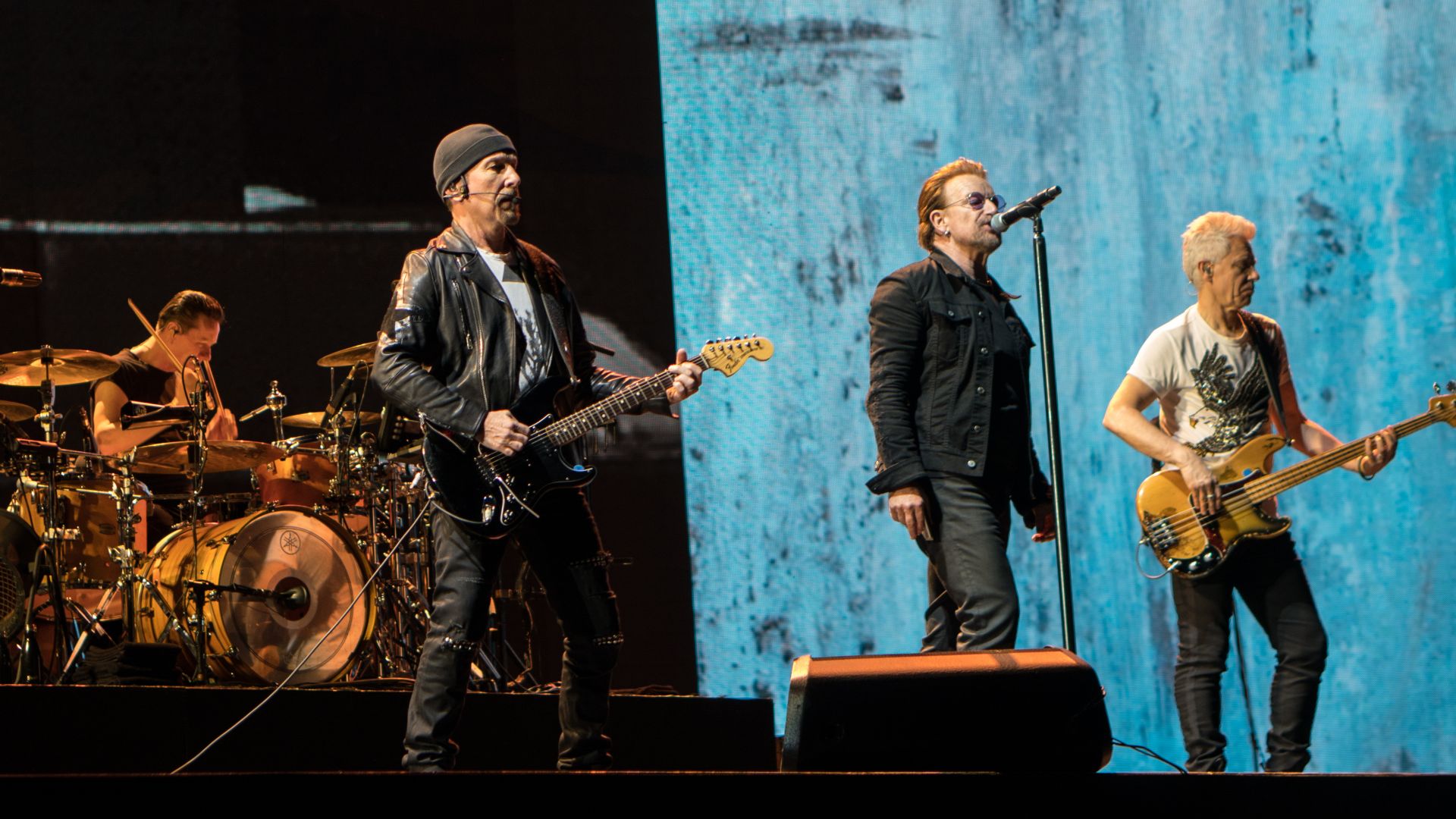
U2’s early work mixed post-punk urgency with earnest spirituality, but by the end of the 80s they felt boxed in. With Achtung Baby they deconstructed their sound entirely, bringing in electronic rhythms, industrial textures, and ironic vocals that made the record feel modern yet deeply reflective. Later albums continued to stretch into dance, ambient, and experimental rock without losing the band’s core emotional punch.
Metallica
Metallica began as one of thrash metal’s fiercest flag bearers, with lightning-fast guitars and aggressive rhythms defining their early records. With …And Justice for All the complexity grew, and then Metallica (the Black Album) introduced deeper grooves, slower tempos, and arena-ready hooks. Later experiments with symphonic elements, acoustic reinterpretations, and production choices kept evolving their sound while maintaining that metallic backbone.
 Kreepin Deth, Wikimedia Commons
Nirvana
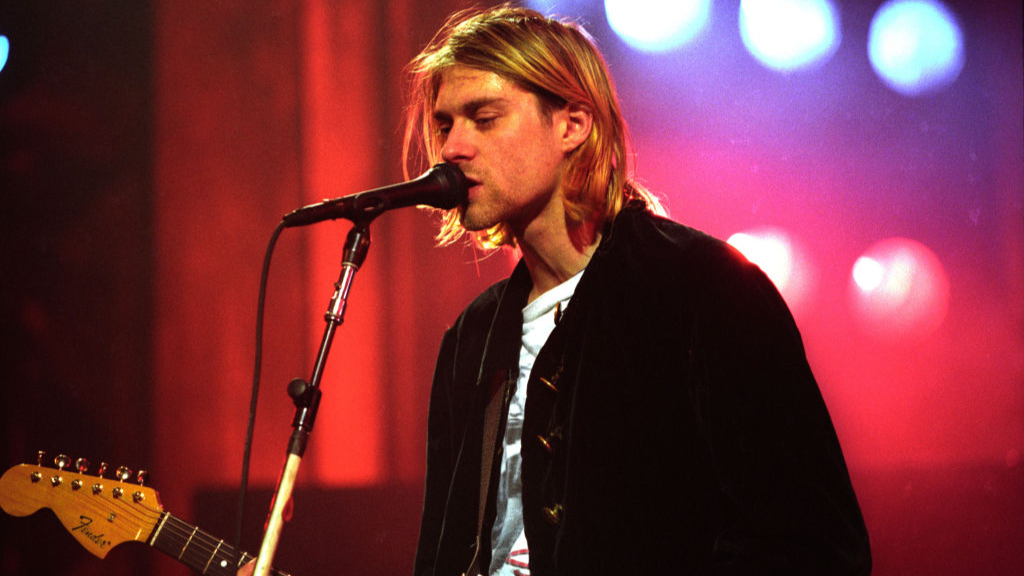
Nirvana arrived on the scene with gritty grunge textures on Bleach, but it was Nevermind that fused raw angst with irresistible hooks and cleaner production, reshaping alternative rock. The band also flirted with pop sensibilities on In Utero, blending abrasive sonics with melodic grit. Their evolution redefined the shape of ’90s rock and showed that heavy emotion could coexist with memorable songwriting.
Depeche Mode
Depeche Mode started as synth-pop purists in the early 80s with bright, upbeat electronics. As they progressed through albums like Black Celebration and Violator, they layered darker moods, industrial textures, and introspective lyrics over those synth foundations. Songs of Faith and Devotion brought even more rock energy into their palette. This shift broadened their appeal without losing the core electronic soul that made them icons.
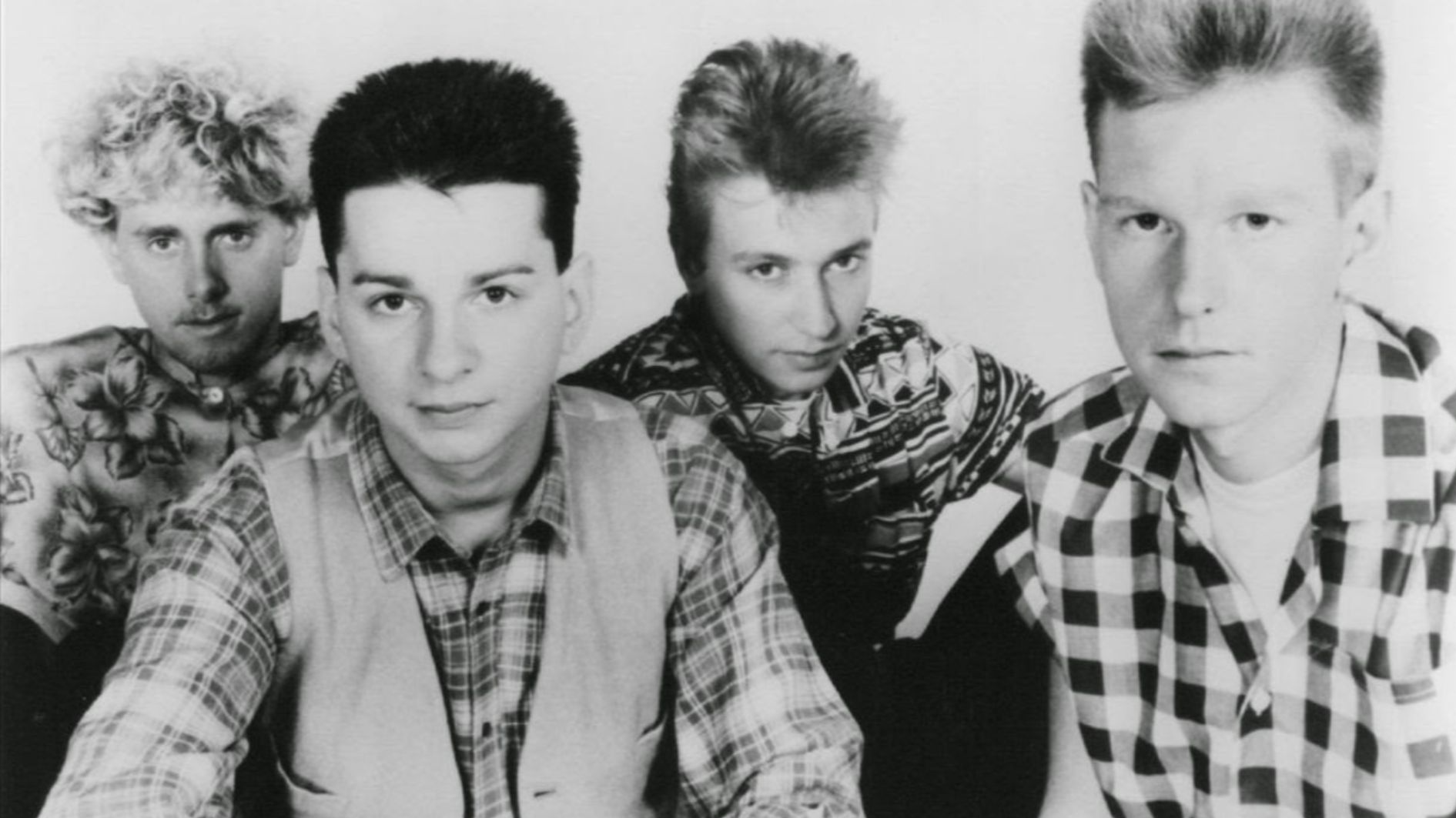 Distributed by Sire Records, Wikimedia Commons
The Clash
Emerging from punk’s raw edges, The Clash quickly began drawing on reggae, ska, rockabilly, and early hip-hop influences. Albums like London Calling and Sandinista! blended genres that punk orthodoxy would’ve scoffed at, yet it all still felt defiantly The Clash. Their ability to stretch punk into global soundscapes helped define them as a band unafraid of risk.
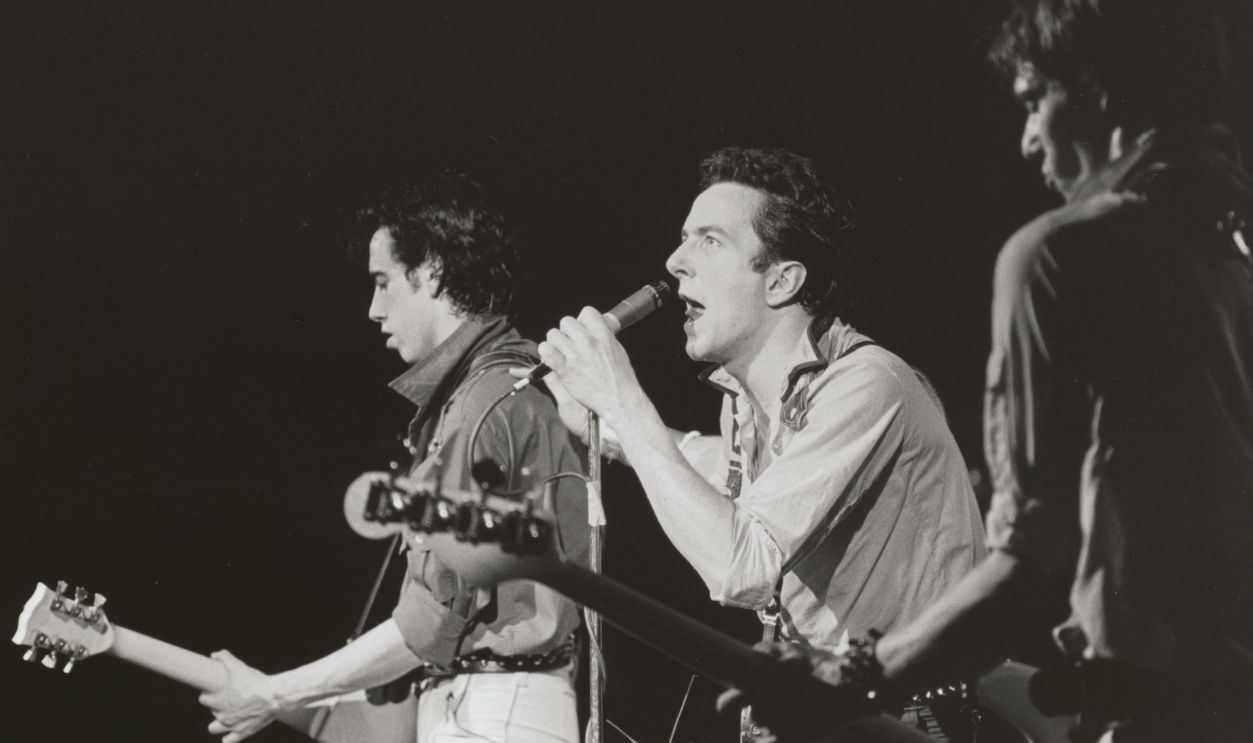
The Beatles
The Beatles’ career is arguably the ultimate reinvention story. From early Merseybeat pop to psychedelic experimentation on Sgt. Pepper’s Lonely Hearts Club Band and avant-garde studio techniques on Revolver, they continually pushed what rock could be. Their shifts in style didn’t feel like losing themselves, but more like they were expanding what their music could express, influencing virtually every artist that followed.
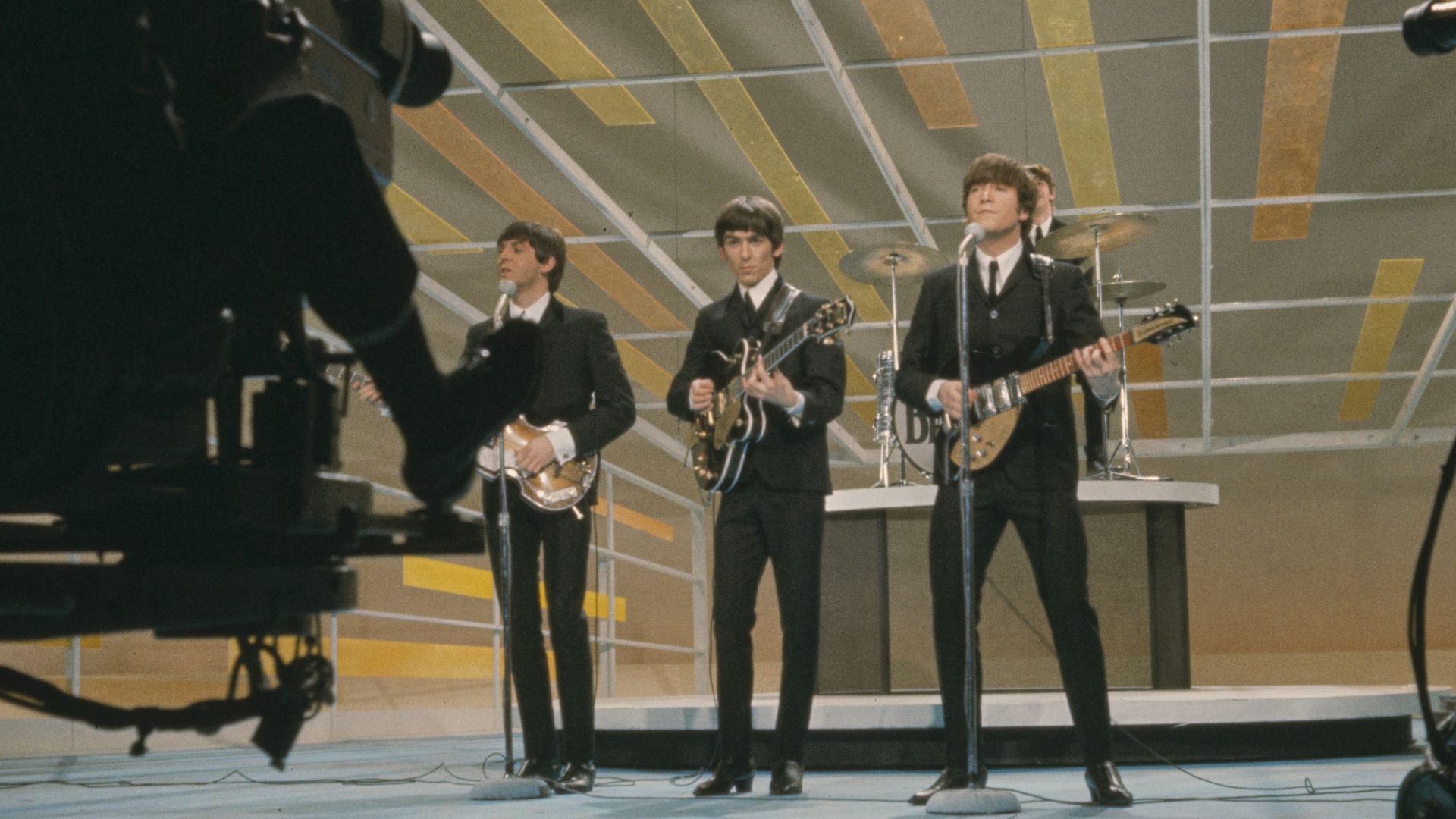 Bernard Gotfryd, Wikimedia Commons
Radiohead
Radiohead first hit big as a melodic alternative rock band, but after OK Computer they veered into stranger, more atmospheric territory. Kid A replaced guitar riffs with electronic textures and abstract structures, a shock at the time that ultimately cemented them as one of rock’s most adventurous acts. Subsequent albums continued to blend organic and digital elements while keeping emotional coherence.
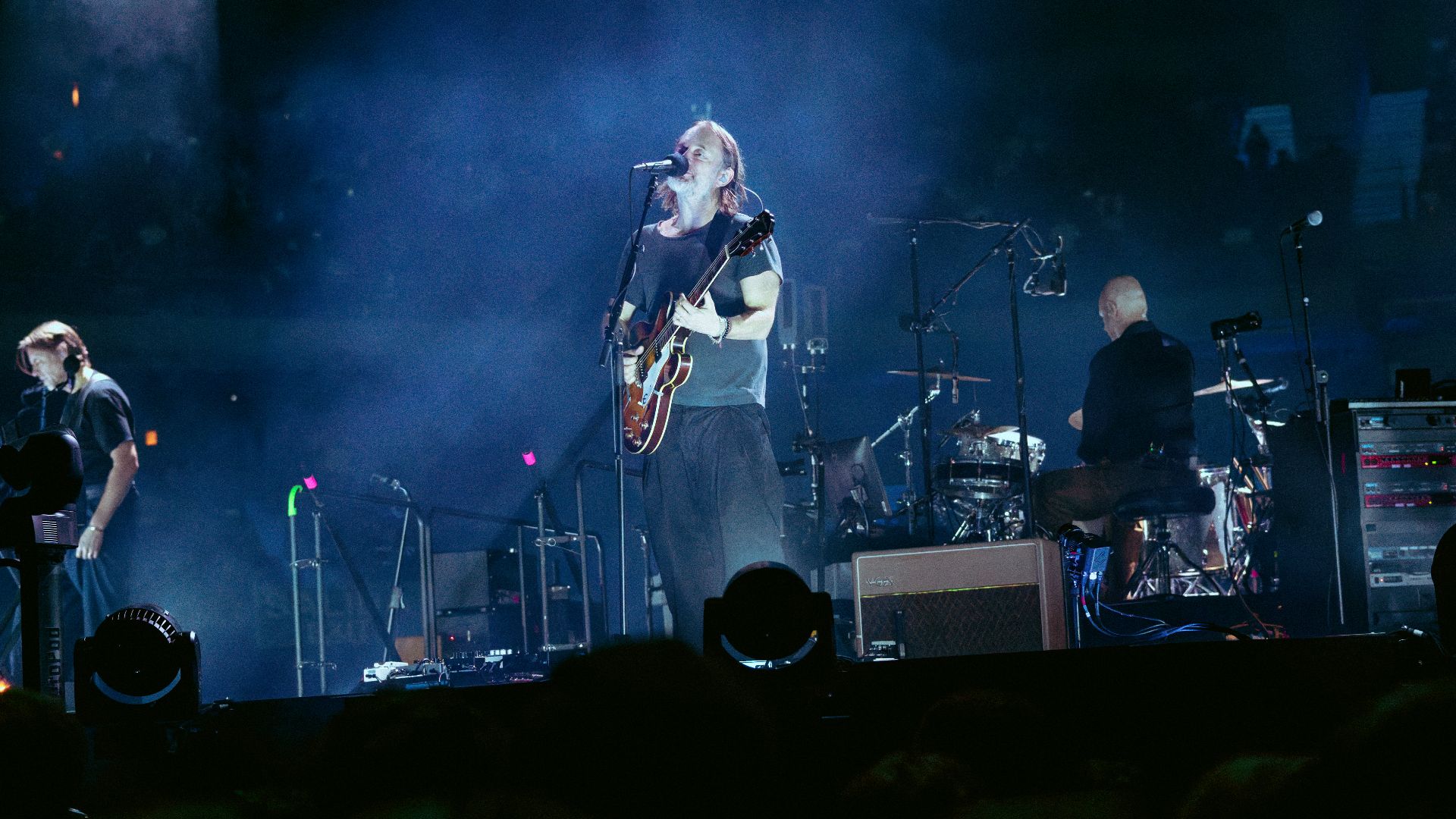
Genesis
Genesis started in the early 70s as a prog-rock outfit with long compositions and theatrical storytelling. After Peter Gabriel left, the band shifted toward a more streamlined, pop-oriented sound under Phil Collins’ vocal leadership. Hits like “Invisible Touch” showed Genesis could thrive in commercial radio without abandoning their musicality, proving reinvention isn’t just about leaving fans behind.
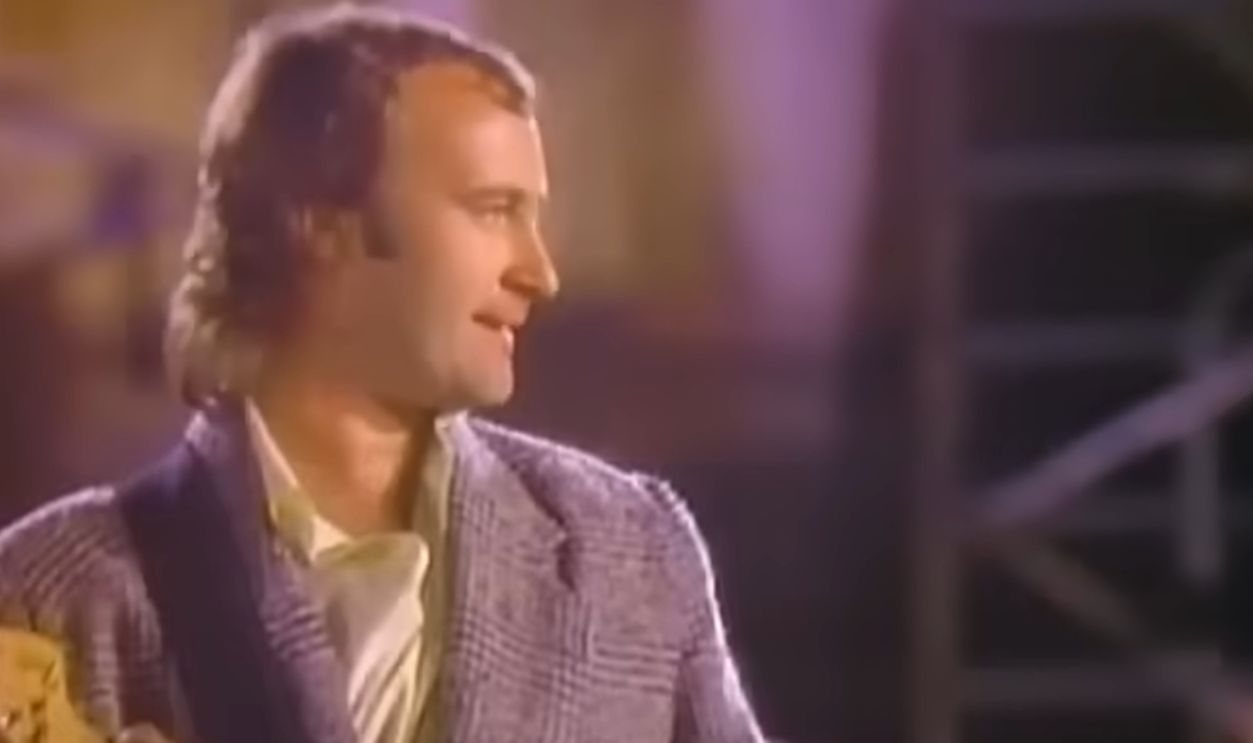 Screenshot from Invisible Touch, Atlantic Records (1986)
The Sweet
The Sweet began as a glam act with punchy, sugary rock hits in the early 70s before evolving into a harder-edged, progressive outfit. Their later work incorporated complex arrangements and heavier riffs that hinted at proto-metal tendencies, while still maintaining strong hooks and memorable melodies. It was a clear example of a band growing beyond its initial image.
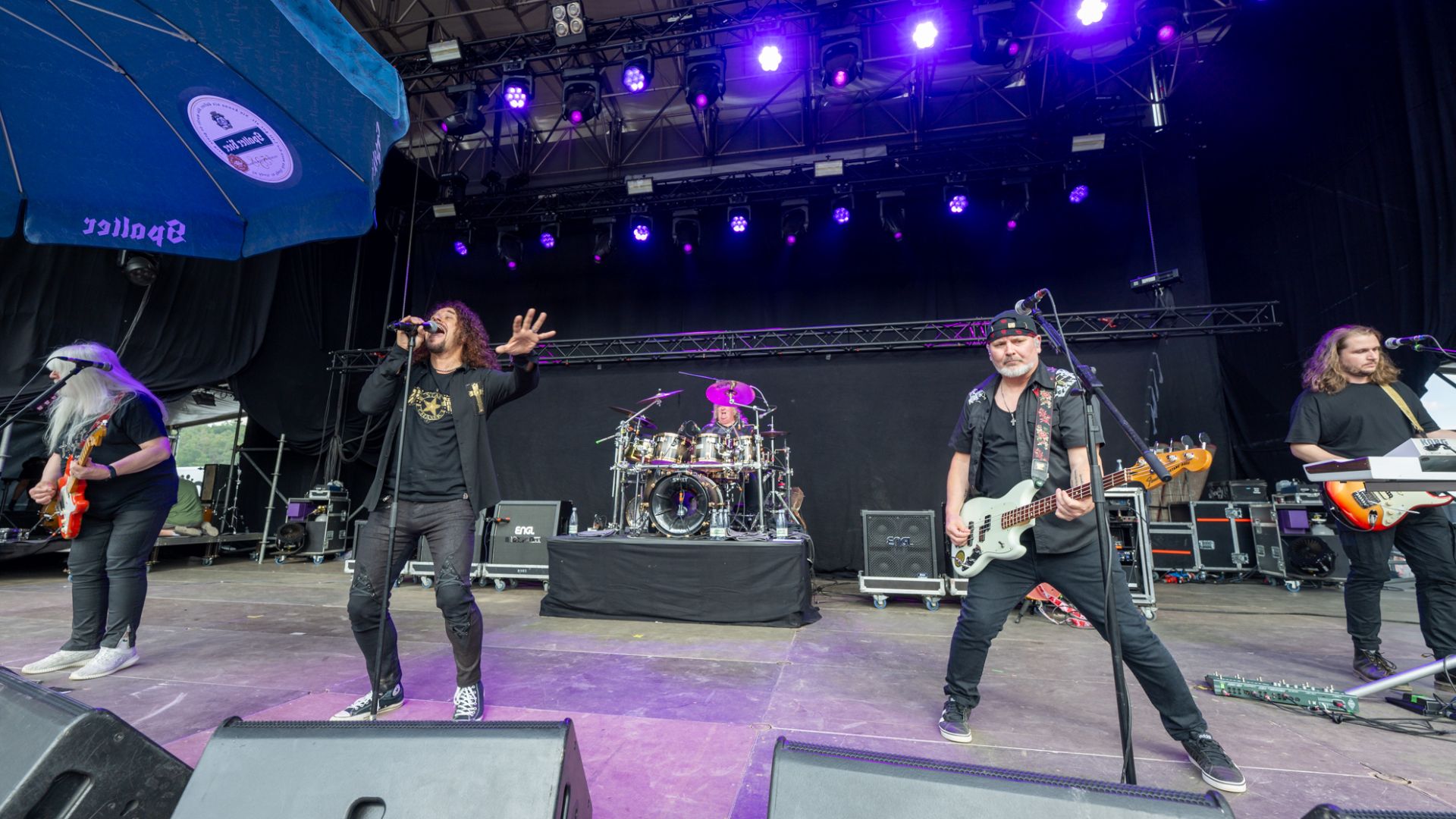 Stefan Brending (2eight), Wikimedia Commons
Journey
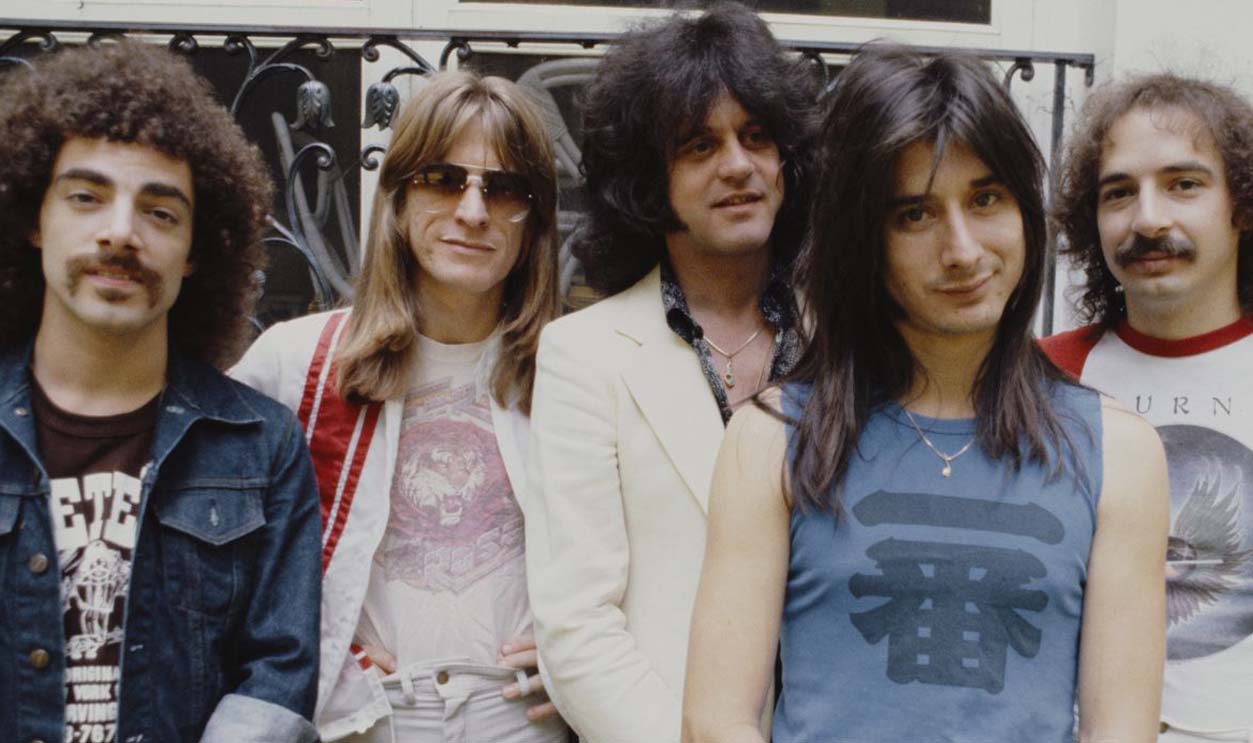
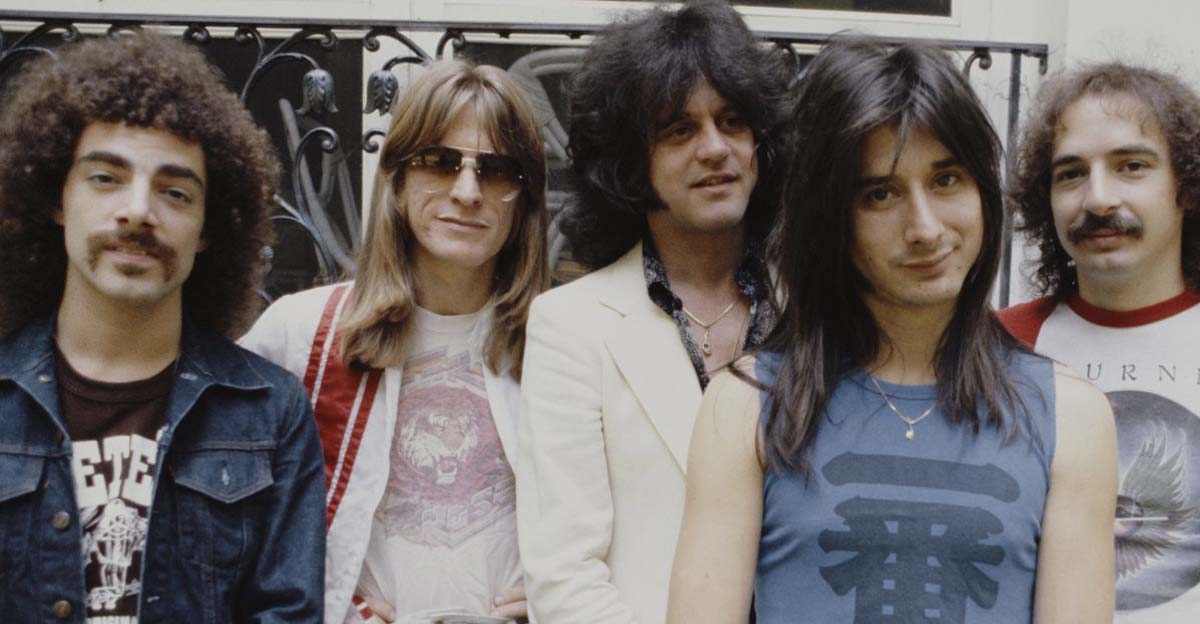
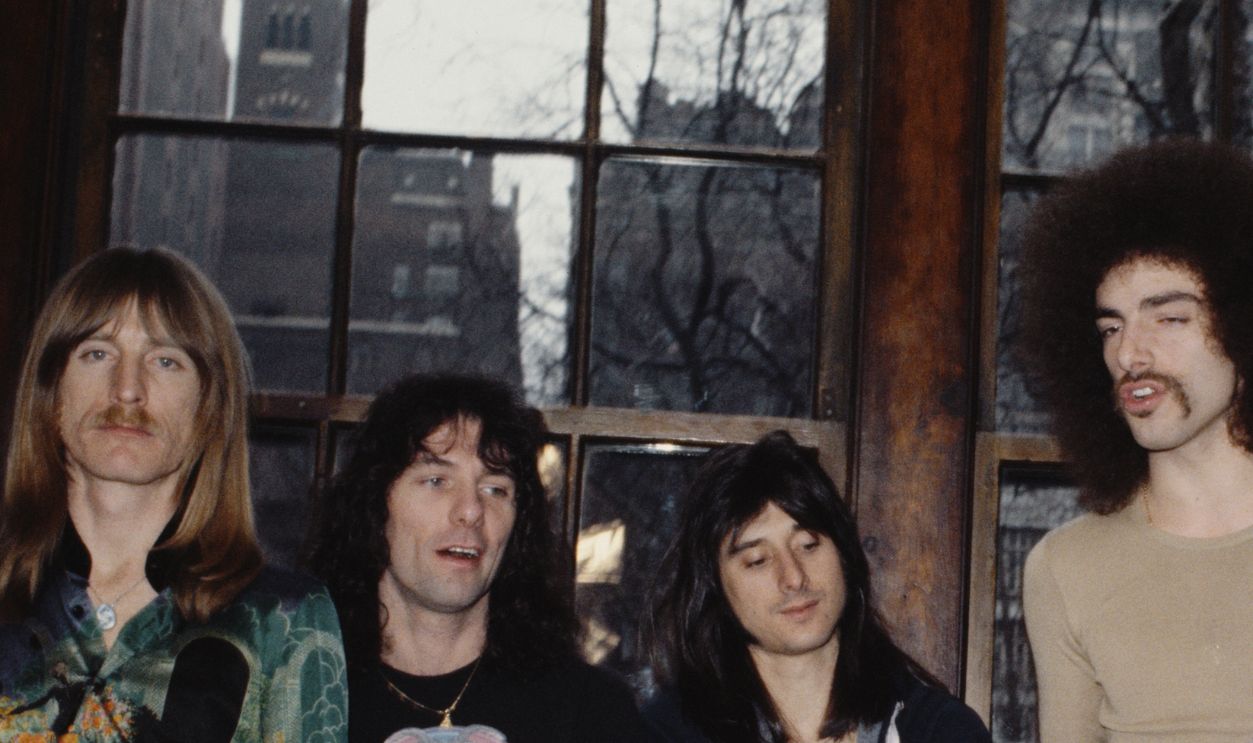
Journey’s early jazz-fusion roots didn’t hint at the monumental rock anthems to come. With the addition of Steve Perry in the late 70s, the band embraced soaring vocal hooks and radio-ready ballads that defined 80s arena rock. Their evolution toward melodic rock with emotional heft amplified their identity, creating songs that still resonate on classic rock radio.
Chicago
Chicago began as a jazz-rock ensemble featuring horns and complex arrangements. Over the 70s and into the 80s, their sound shifted toward soft rock and pop-oriented ballads with lush production and keyboard textures. Though some longtime fans preferred the early years, the band’s adaptability brought them new audiences and enduring hits without erasing their musical roots.
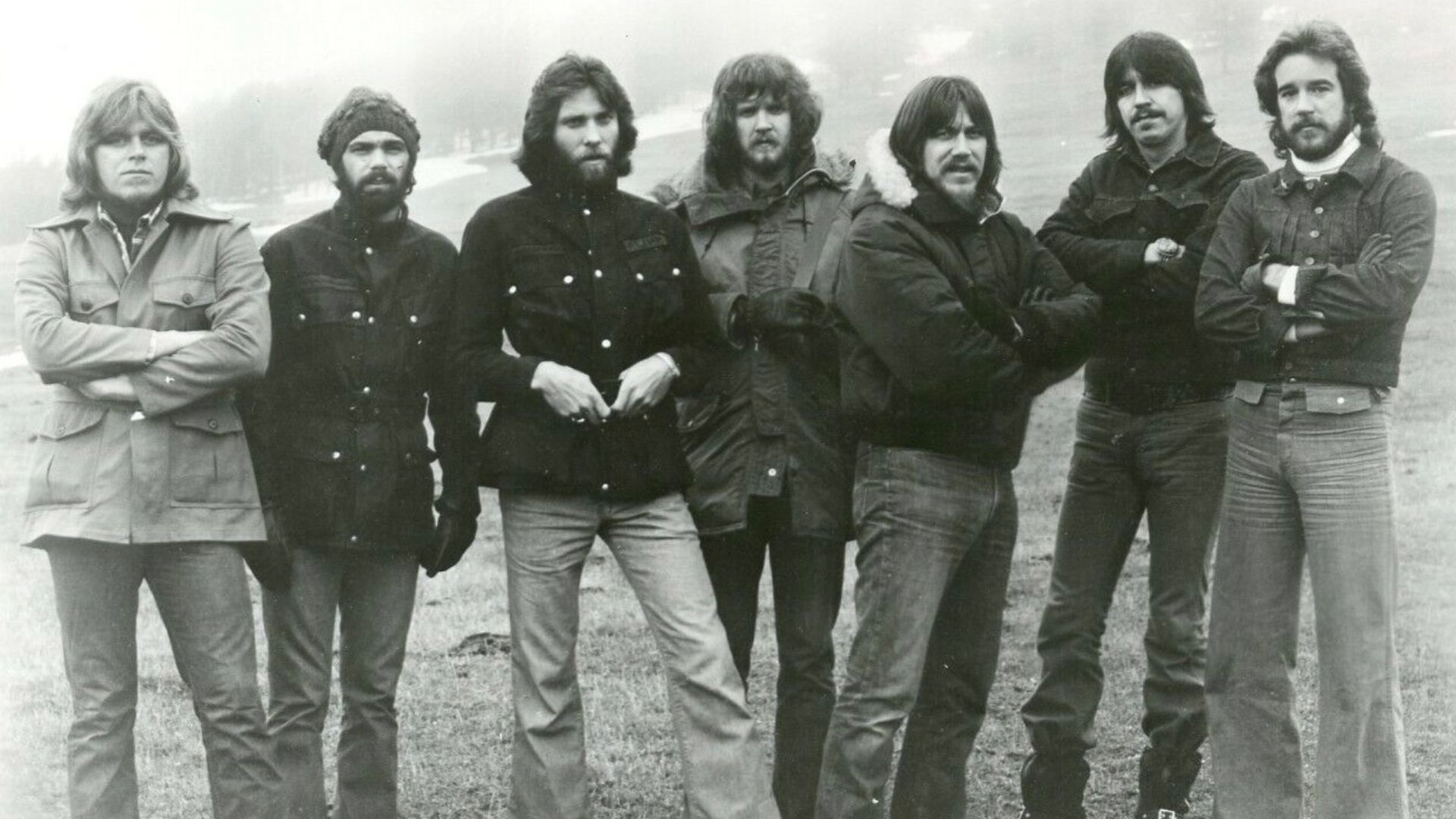 Columbia Records, Wikimedia Commons
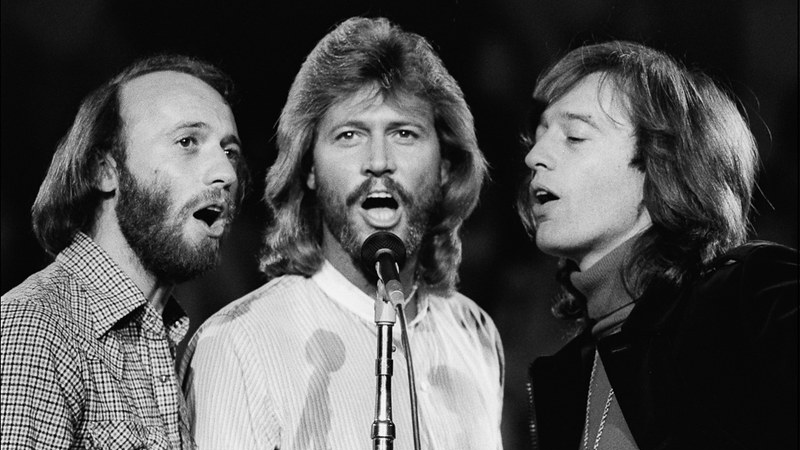
The Bee Gees
Long before disco superstardom, the Bee Gees were crafting melodic pop and baroque pop tunes with rich harmonies. Their transition into the glossy falsetto-driven disco sound of Saturday Night Fever wasn’t a gimmick, it was a radical expansion of their musical language that made them global superstars, even if it surprised early fans.
Yes
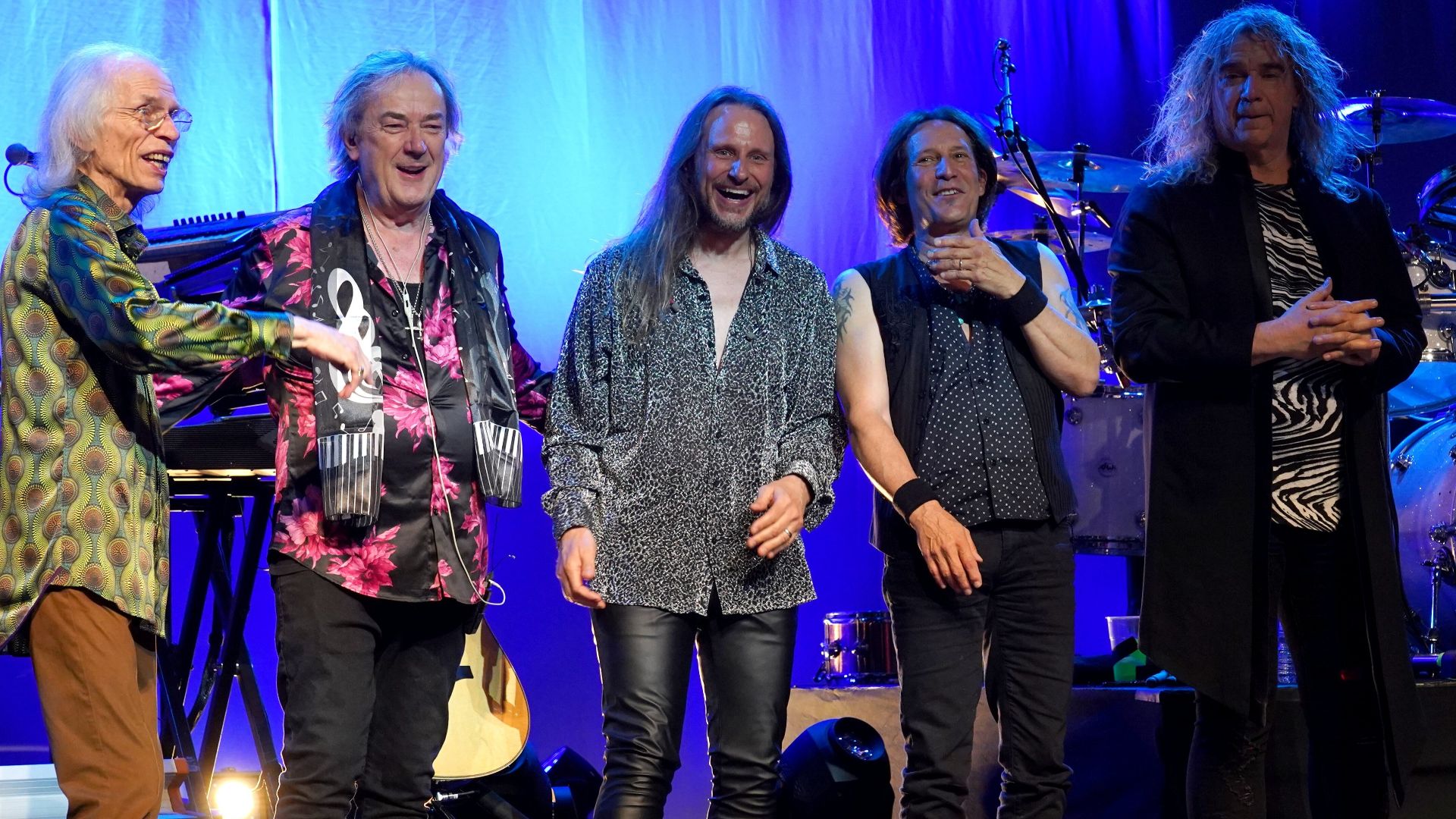
Yes defined progressive rock with sprawling suites and complex musicianship in the ’70s. As the decade progressed, they leaned into more accessible songwriting and tape-looped textures on albums like Drama and later 90125, which brought chart success. Their ability to balance intricacy with mainstream appeal turned reinvention into a creative advantage.
 Steve Knight from Halstead, United Kingdom, Wikimedia Commons
The Cure
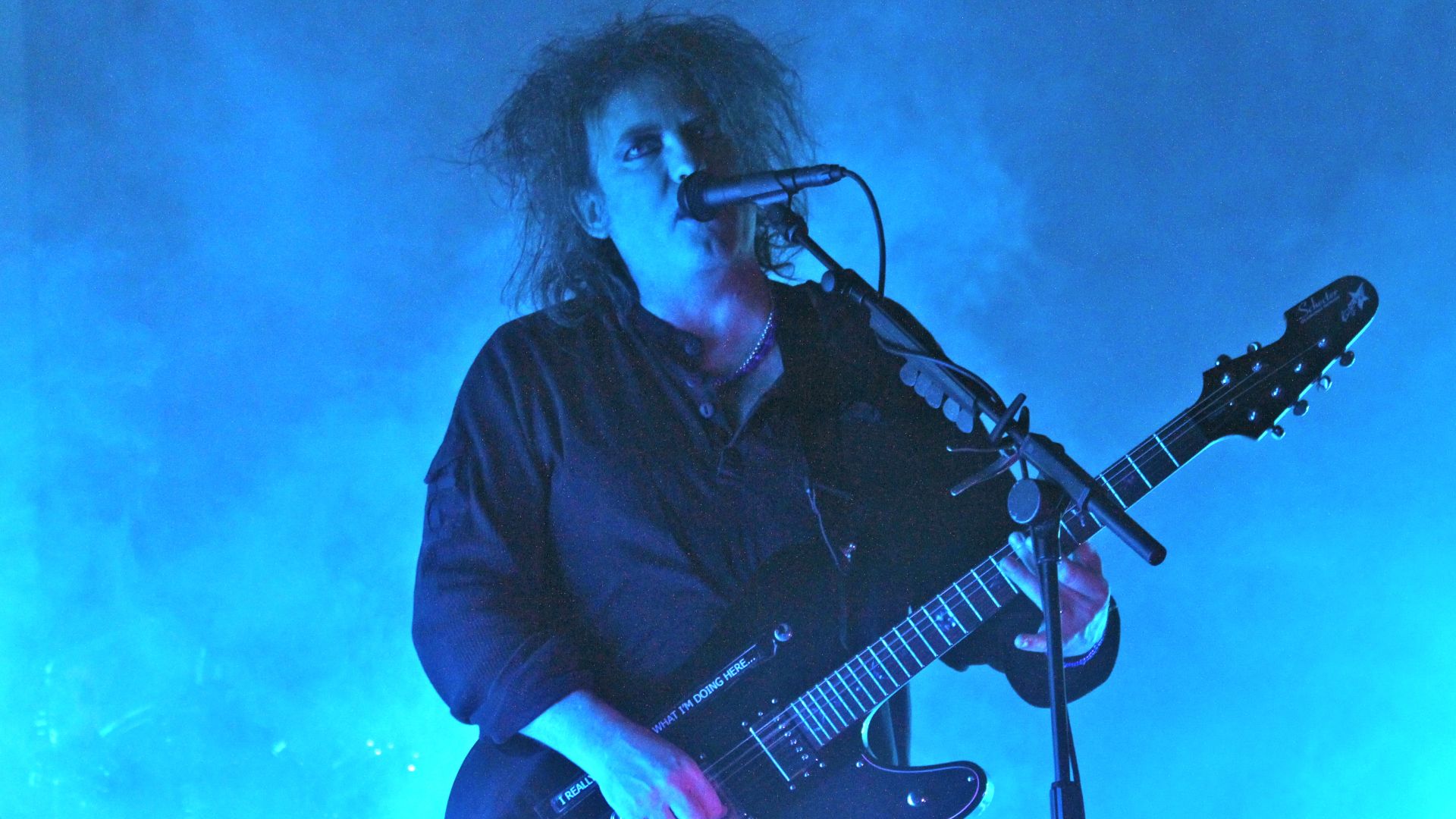
The Cure began rooted in post-punk gloom, but over time they embraced pop hooks and bright textures alongside their darker material. Albums like The Head on the Door and Kiss Me, Kiss Me, Kiss Me showed a band comfortable moving between introspection, pop energy, and dreamy atmospheres. The result was a varied catalog that still feels unmistakably theirs.
 Christopher Johnson from Tokyo, Japan, Wikimedia Commons
Fleetwood Mac
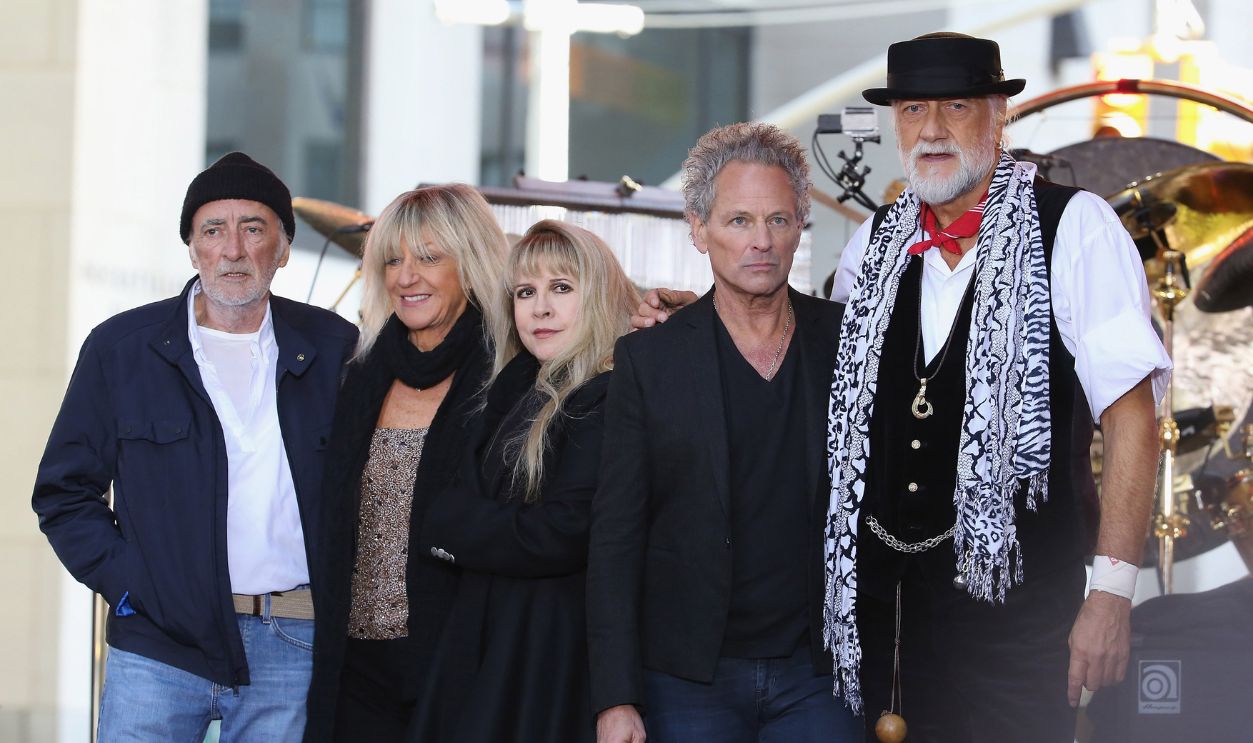
Fleetwood Mac’s transformation is legendary. Originally a British blues group, their sound shifted dramatically with the addition of Stevie Nicks and Lindsey Buckingham, moving toward melodic pop-rock with lush harmonies and emotional songwriting. Rumours captured this evolution perfectly, blending personal turmoil with timeless hooks while embracing a new sonic identity.
R.E.M.
R.E.M.’s early jangle-pop was college radio-centric and cryptic. As they matured, they incorporated fuller production, more direct lyricism, and varied instrumentation while keeping their melodic core intact. Albums like Automatic for the People and Out of Time broadened their appeal without losing that introspective touch that defined their identity.
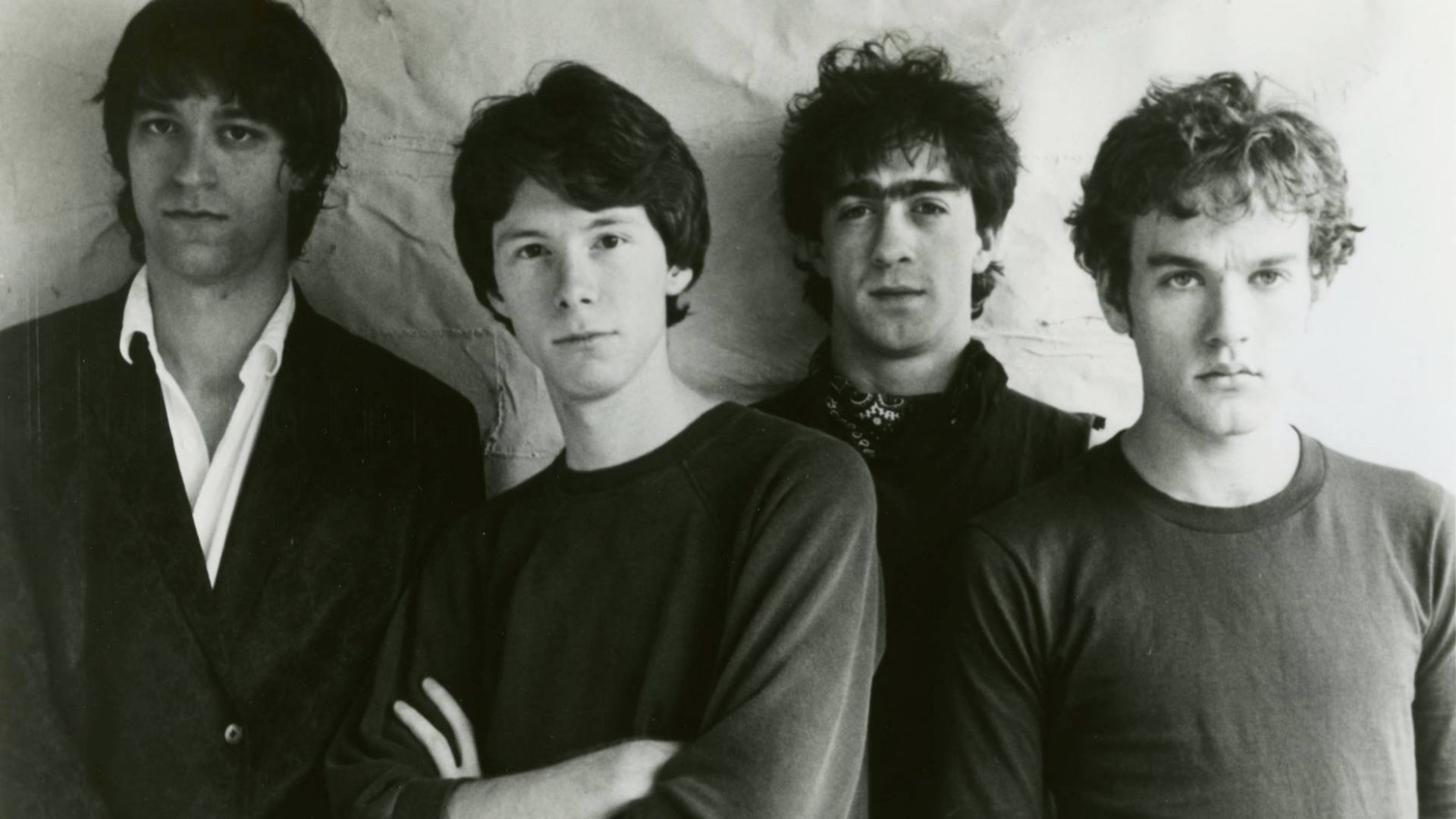 Sandra Lee-Phipps; distributed by I.R.S. Records, Wikimedia Commons
Queen
Queen mixed hard rock, glam, opera, disco, and pop in ways no one else dared. Their early bombastic rock gave way to textured arrangements like Bohemian Rhapsody and dance-inflected tracks such as “Another One Bites the Dust”. The band’s peaks across genres all kept Queen’s theatricality and musicianship intact, making reinvention part of their DNA.
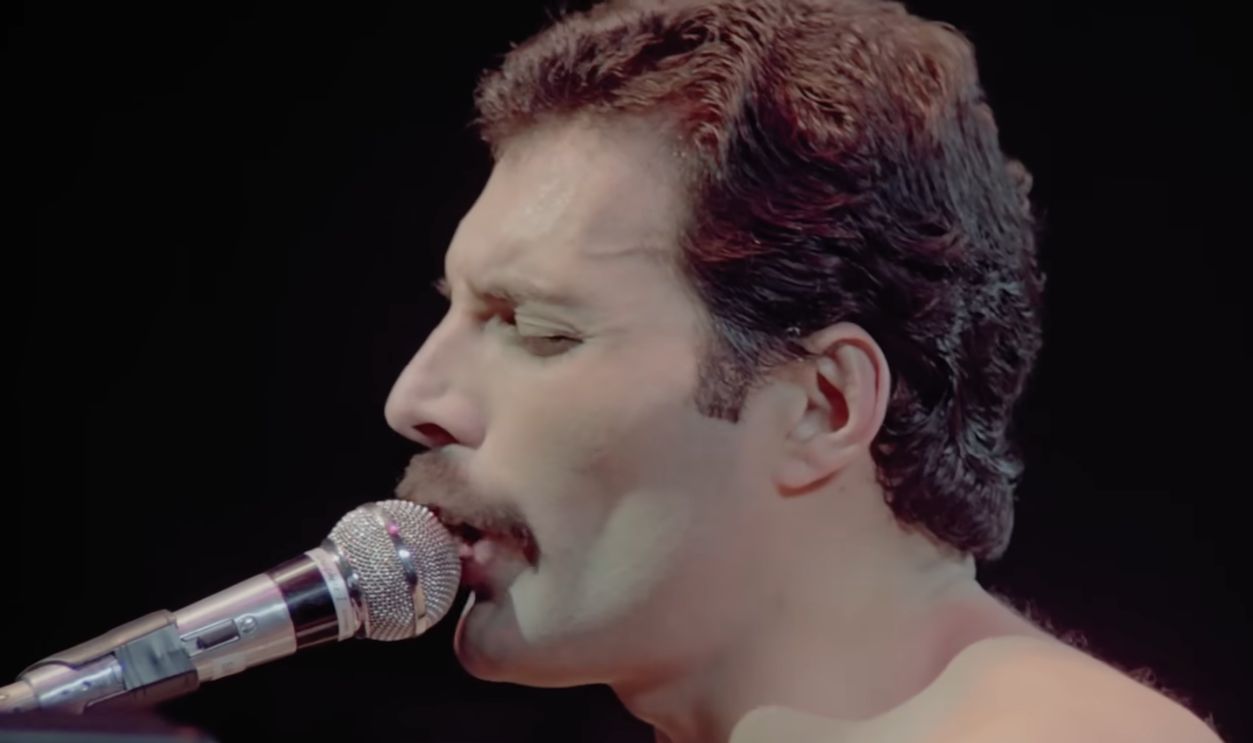 Screenshot from Bohemian Rhapsody, EMI Records (1975)
Black Eyed Peas
Beginning as an underground hip-hop group in the 90s, the Black Eyed Peas shifted toward a dance-infused pop sound in the 2000s. With hits that blended rap, electronic elements, and catchy hooks, they opened up new audiences without abandoning their rhythmic roots. Their reinvention showed how genre fluidity could power mainstream success.
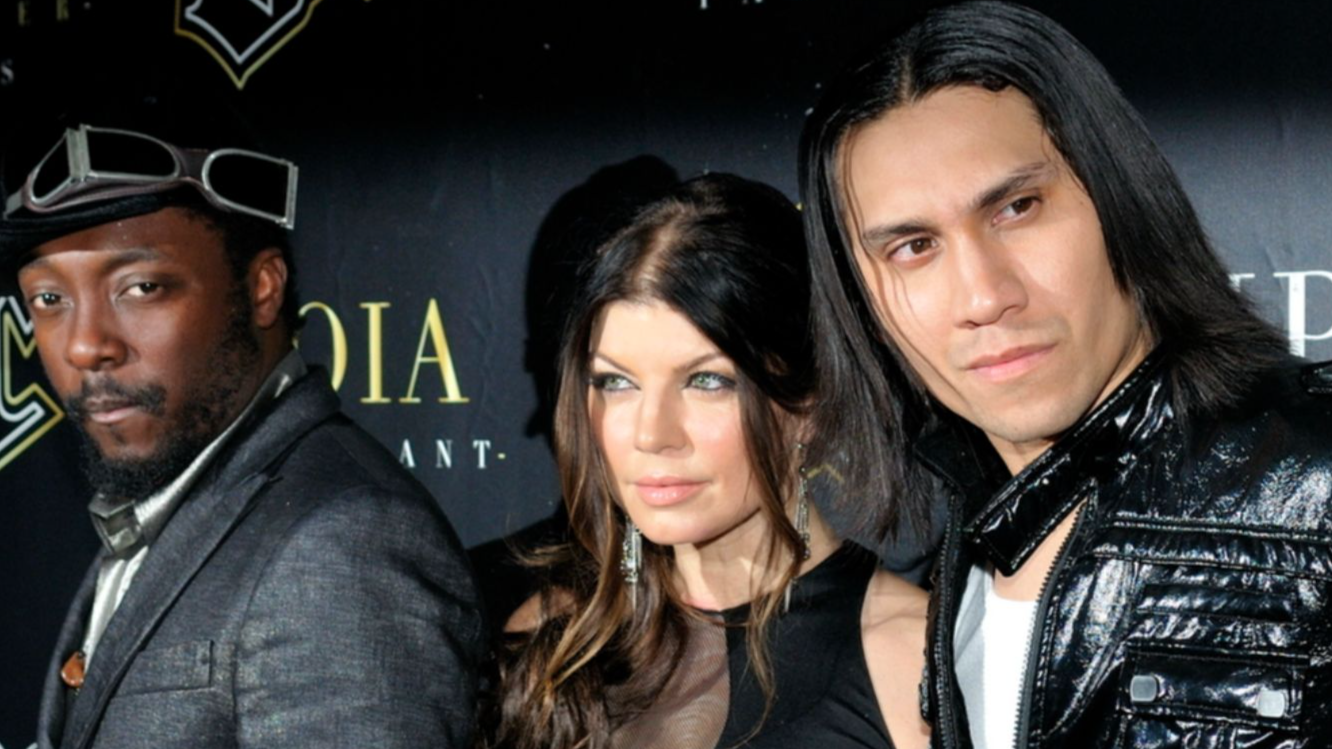 nicolas genin from Paris, France, Wikimedia Commons
You May Also Like:
Indie Rock Songs That Turned Underground Bands Into Icons
Bands Younger Baby Boomers Loved That Most Older Boomers Don’t Remember At All
The Biggest Lies Rock Bands Told In The 70s (And Everyone Believed Them)