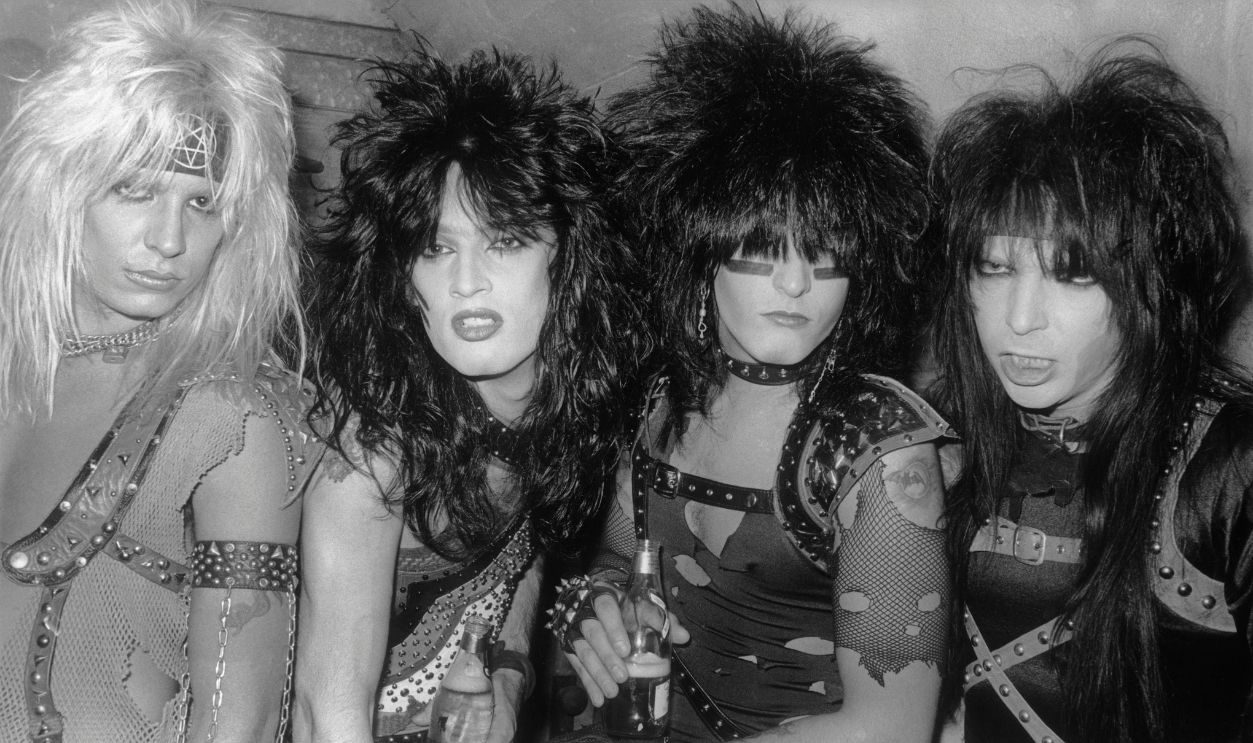
Big Hair, Bigger Hooks, Zero Apologies
Glam rock (and its louder, shinier 80s offspring glam metal) was never about subtlety. It was about volume, attitude, sensual appeal, and choruses big enough to fill arenas. These songs blended pop instincts with hard-rock swagger, turning excess into an art form and MTV into a battleground. Love it or hate it, glam rock ruled an era, and these tracks are the reason why.

“Photograph” — Def Leppard
Built around a massive, radio-perfect chorus, “Photograph” helped Def Leppard cross from hard rock into full-blown superstardom. It reached No. 1 on the Billboard Hot 100 and became a defining MTV staple, influencing the polished, hook-driven sound that dominated late-80s rock radio.
 Screenshot from Photograph, Vertigo (1983)
“Kickstart My Heart” — Mötley Crüe
Fueled by pure adrenaline, this song roars out of the speakers with relentless speed and chaos. Inspired by Nikki Sixx’s near-fatal overdose, it became a concert opener staple and helped cement Crüe’s reputation as glam metal’s most dangerous band.
 Screenshot from Kickstart My Heart, Elektra (1989)
“Round And Round” — Ratt
Slinky, catchy, and endlessly replayable, “Round and Round” balanced pop accessibility with sleazy attitude. Its rotating riff and smooth vocals helped define the Sunset Strip sound and pushed Ratt into MTV-heavy rotation.
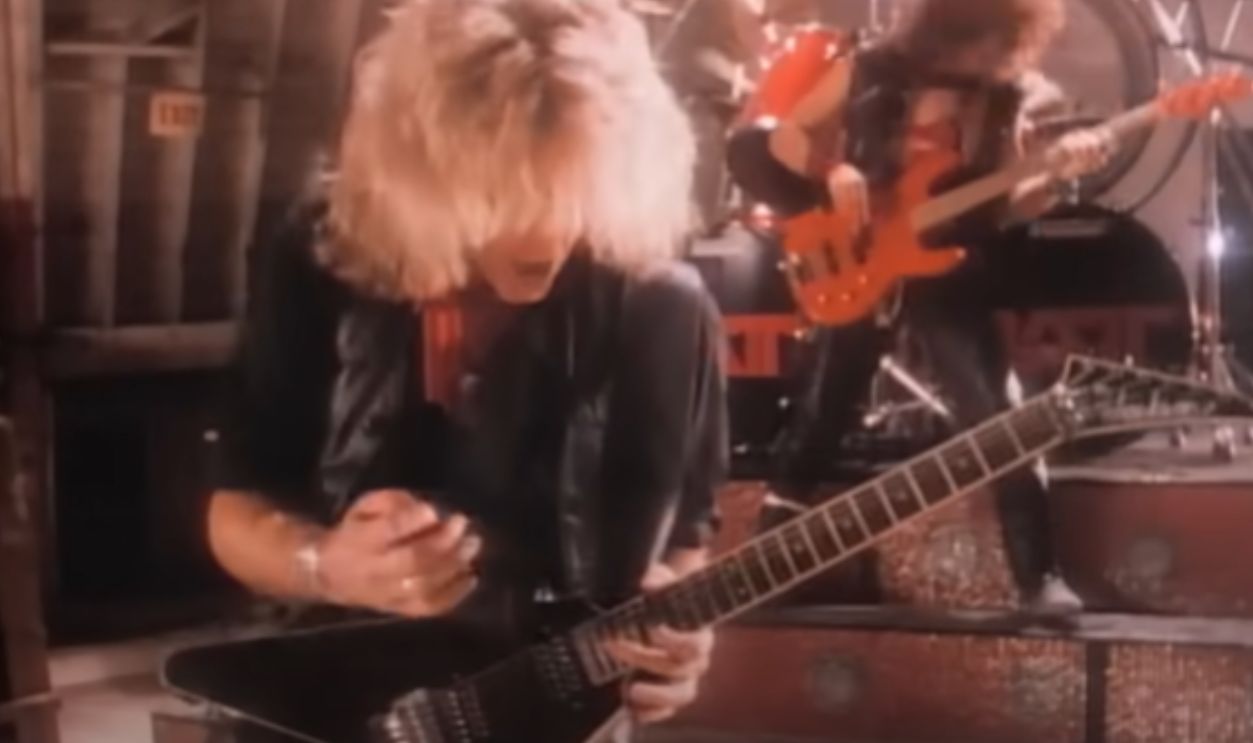 Screenshot from Round and Round, Atlantic (1984)
“Livin’ On A Prayer” — Bon Jovi
This blue-collar anthem hit No. 1 on the Billboard Hot 100 and became Bon Jovi’s signature song. This blue-collar anthem married synths, talk-box guitar, and working-class storytelling into a song that transcended glam entirely. Its key change remains one of the most famous in rock history—and crowds still scream every word.
 Screenshot from Livin’ on a Prayer, Mercury Records (1986)
“Nothin’ But A Good Time” — Poison
Few songs capture glam rock’s party-first philosophy better than this one. The track became Poison’s breakthrough hit, dominating MTV rotation and reinforcing glam metal’s carefree, escapist appeal during a decade obsessed with excess and fun.
 Screenshot from Nothin’ But a Good Time, Capitol (1988)
“Love In An Elevator” — Aerosmith
Aerosmith leaned fully into glam excess here, pairing innuendo-heavy lyrics with slick production and stadium-sized swagger. It proved the band could adapt to the MTV era without losing their rock-and-roll grit.
 Screenshot from Love in an Elevator, Geffen (1989)
“Pour Some Sugar On Me” — Def Leppard
Arguably the ultimate glam anthem, this track peaked at No. 2 on the Billboard Hot 100. Its slow-burn groove, chant-ready chorus, and massive radio presence turned it into a defining moment of glam rock’s commercial peak.
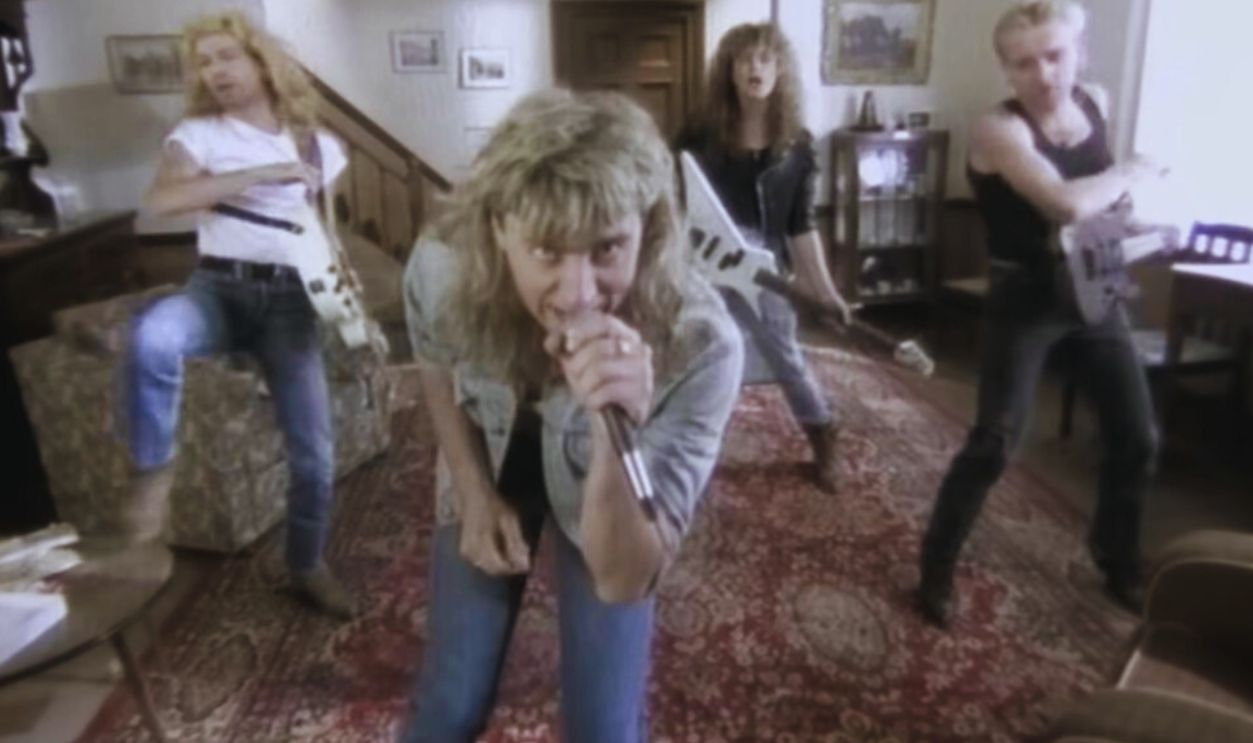 Screenshot from Pour Some Sugar on Me, Mercury Records (1987)
“C*m On Feel The Noize” — Quiet Riot
This Slade cover unexpectedly became the first heavy metal song to top the Billboard Album chart via Metal Health. Loud and anthemic, it helped usher metal into mainstream American pop culture in a way few songs had before.

“We’re Not Gonna Take It” — Twisted Sister
Equal parts rebellion anthem and cartoonish spectacle, this song became a generational rallying cry. Its simple chant and over-the-top video made it one of glam’s most enduring cultural touchstones.
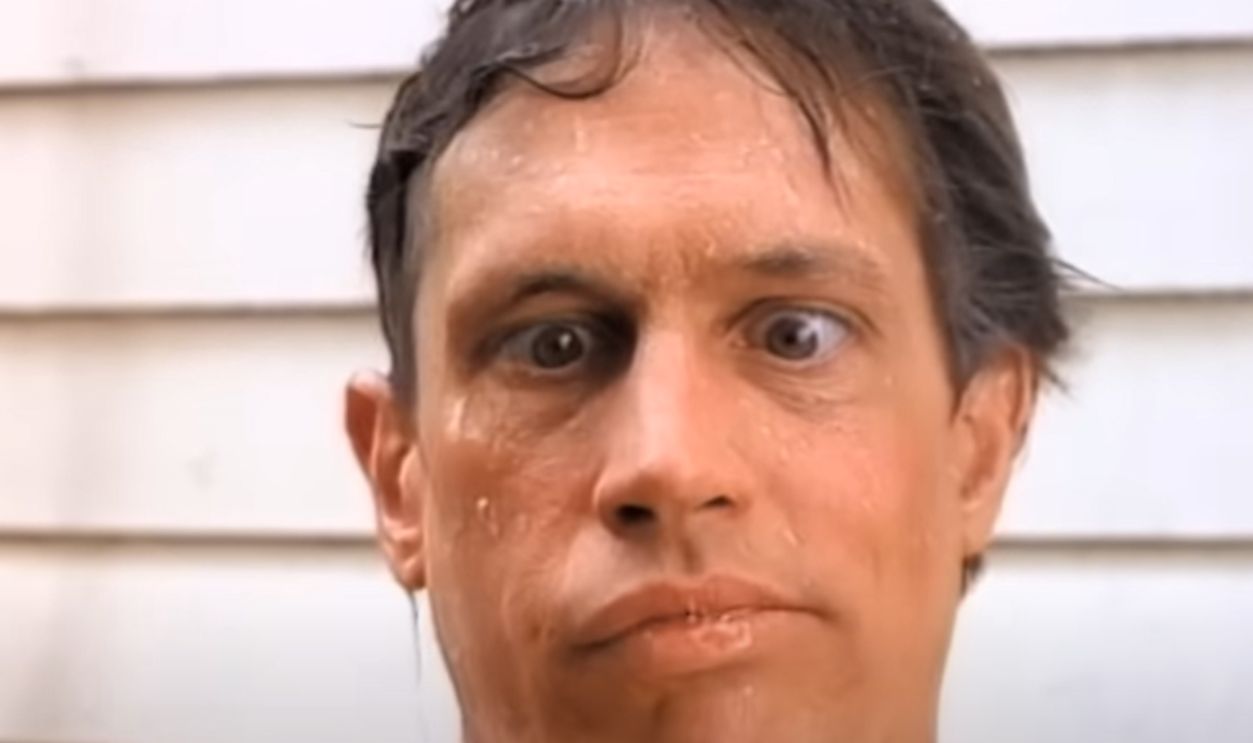 Screenshot from We’re Not Gonna Take It, Atlantic (1984)
“Live Wire” — Mötley Crüe
Raw, aggressive, and stripped of polish, “Live Wire” showed glam metal’s darker, punkier roots. It captured the dangerous edge of early Crüe before the gloss fully took over.
 Screenshot from Live Wire, Leathür (1982)
“Lick It Up” — Kiss
Marking Kiss’s first album without makeup, this song symbolized reinvention. Its straightforward rock sound and provocative lyrics helped reestablish the band’s relevance during the MTV era and introduced them to a new generation of fans.
 Screenshot from Lick It Up, Mercury (1983)
“Still Of The Night” — Whitesnake
A towering blend of bluesy grit and glam excess, this song builds from slow burn to explosive release. David Coverdale’s vocals and John Sykes’ guitar made it one of the genre’s most dramatic powerhouses.
 Screenshot from Still of the Night, EMI (1987)
“Here I Go Again” — Whitesnake
Reworked from an earlier version, the song hit No. 1 on the Billboard Hot 100. Its themes of independence and perseverance turned it into one of glam rock’s most enduring crossover hits.
 Screenshot from Here I Go Again, Geffen (1987)
“Yankee Rose” — David Lee Roth
This flashy solo debut leaned hard into theatrical excess and guitar virtuosity. Backed by Steve Vai’s shredding, it reinforced Roth’s larger-than-life persona and kept glam spectacle alive post–Van Halen.
 Screenshot from Yankee Rose, Warner Bros. (1986)
“Youth Gone Wild” — Skid Row
Heavier and more confrontational than many glam peers, this song became an anthem for restless youth. Its edge helped bridge glam metal and the harder sounds that would soon dominate the early 90s.
 Screenshot from Youth Gone Wild, Atlantic (1989)
“The Final Countdown” — Europe
Few intros are more instantly recognizable. Powered by a towering synth riff, the song turned Europe into international stars and became one of the most iconic arena anthems ever recorded.
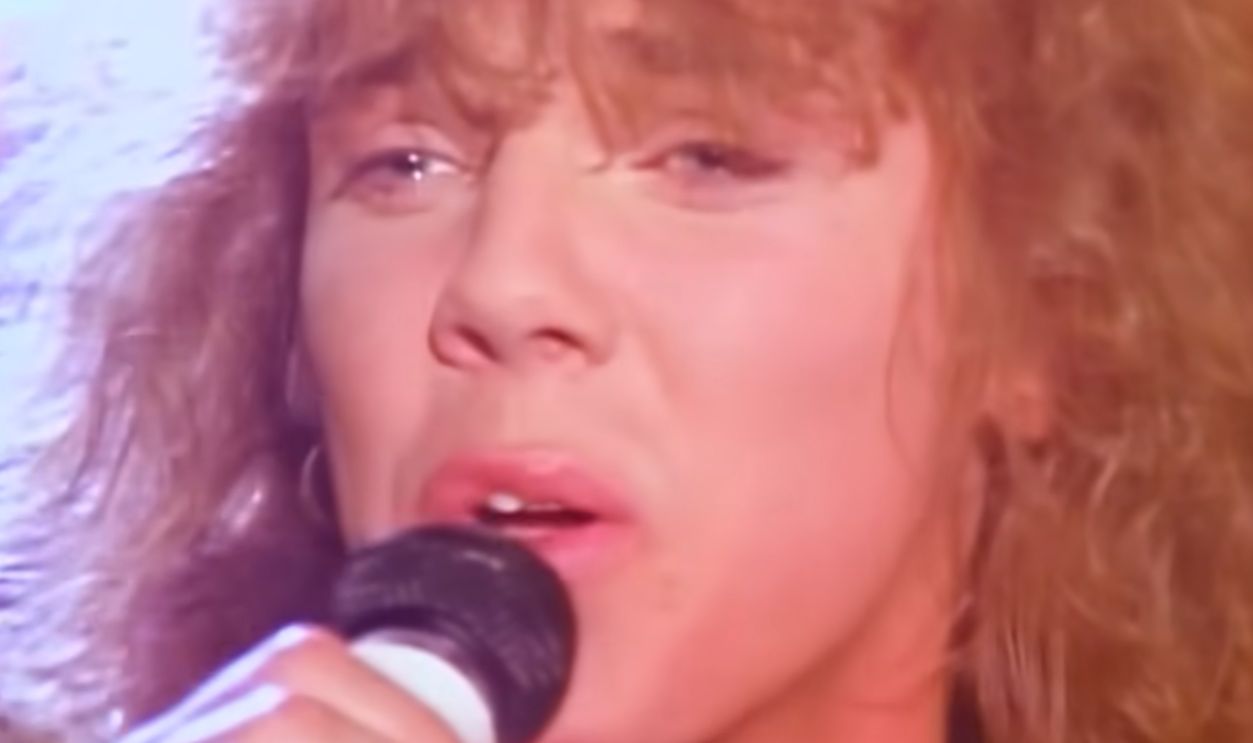 Screenshot from The Final Countdown, Epic (1986)
“18 And Life” — Skid Row
This dark, narrative-driven ballad set Skid Row apart from their peers. Tackling crime and consequence, it proved glam metal could handle serious storytelling without sacrificing emotional punch.
 Screenshot from 18 and Life, Atlantic (1989)
“Lay It Down” — Ratt
Smooth, seductive, and radio-ready, this track continued Ratt’s MTV dominance. Its polished sound and sensual swagger reinforced glam metal’s visual and sonic identity during its commercial heyday.
 Screenshot from Lay It Down, Atlantic (1985)
“Rock You Like A Hurricane” — Scorpions
Driven by one of the most powerful riffs of the decade, this song balanced European metal precision with glam-rock swagger. It remains a definitive hard-rock anthem.
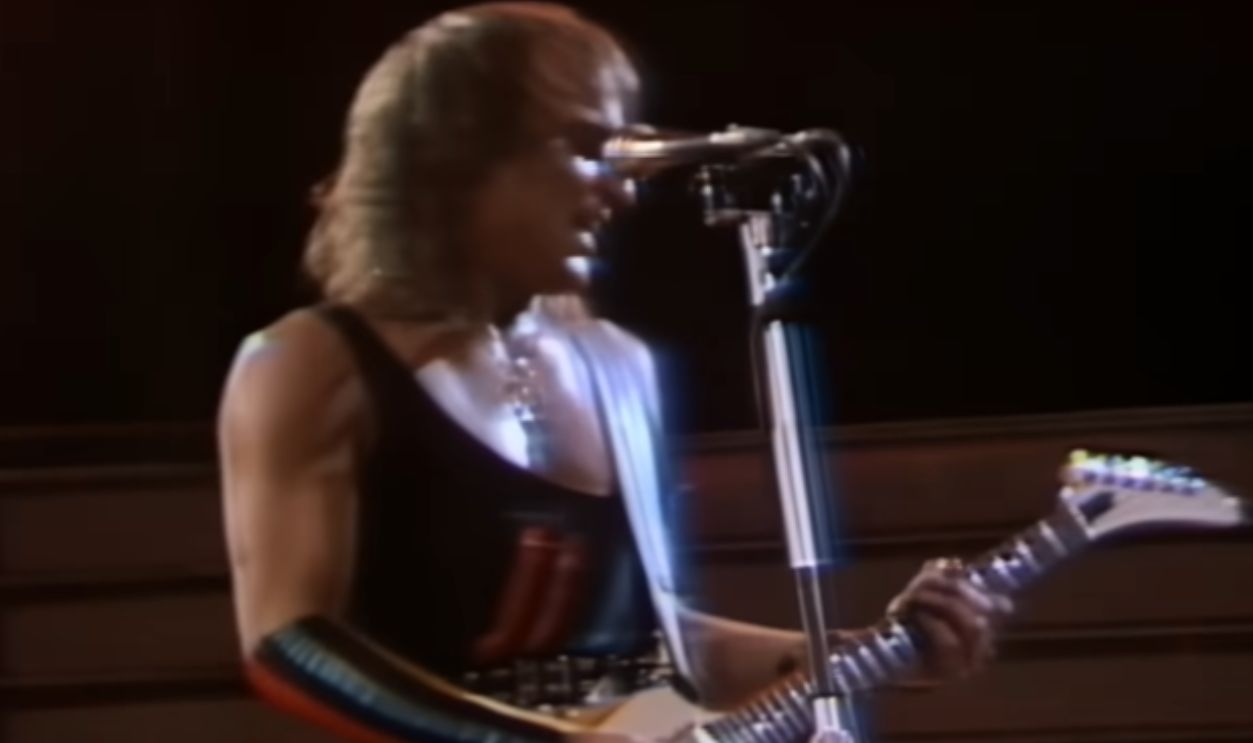 Screenshot from Rock You Like a Hurricane, Mercury (1984)
“Cherry Pie” — Warrant
Both beloved and mocked, “Cherry Pie” reached No. 10 on the Billboard Hot 100. Its exaggerated sexuality became symbolic of glam metal’s excess—and the backlash that followed.
 Screenshot from Cherry Pie, Columbia (1990)
“Talk Dirty To Me” — Poison
Flirtatious, glossy, and endlessly catchy, this song helped Poison dominate MTV. It distilled glam’s blend of sex appeal and pop instincts into three perfect minutes.
 Screenshot from Talk Dirty To Me, Capitol (1987)
“I Wanna Be Somebody” — W.A.S.P.
Aggressive and theatrical, the song became an underground anthem. Its defiant lyrics captured glam metal’s hunger for recognition and flirtation with shock-rock controversy.
 Screenshot from I Wanna Be Somebody, Capitol (1984)
“Love Removal Machine” — The Cult
Blending glam swagger with hard rock grit, this track marked The Cult’s commercial breakthrough in the US. It proved glam aesthetics could coexist with darker, more stripped-down power.
 Screenshot from Love Removal Machine, Beggars Banquet (1987)
“Girls, Girls, Girls” — Mötley Crüe
A sleazy road anthem inspired by exotic clubs and excess, this track embraced decadence without irony. It perfectly captured Crüe’s outlaw image at its peak.

“Wanted Dead Or Alive” — Bon Jovi
Part Western myth, part rock ballad, this acoustic-driven anthem reached the Top 10 and reimagined glam rockers as modern cowboys. Its cinematic scope helped expand the genre’s storytelling ambitions.
 Screenshot from Wanted Dead or Alive, Mercury (1987)
“Gypsy Road” — Cinderella
Bluesy and heartfelt, this track leaned into classic rock roots while retaining glam polish. It celebrated freedom and life on the road with surprising sincerity, and showcased Cinderella’s ability to blend classic rock influences with glam-era polish.
 Screenshot from Gypsy Road, Mercury (1990)
“You Give Love A Bad Name” — Bon Jovi
Bon Jovi’s first No. 1 hit on the Billboard Hot 100, this song helped propel Slippery When Wet to massive success. Its punchy hook became an arena-rock blueprint.
 Screenshot from You Give Love a Bad Name, Mercury (1986)
“Wait” — White Lion
A melodic power ballad that climbed the Billboard charts, “Wait” highlighted glam metal’s softer, emotional side. It balanced vulnerability with guitar-driven intensity.
 Screenshot from Wait, Atlantic (1987)
“I Hate Myself For Loving You” — Joan Jett And The Blackhearts
Fierce, punchy, and unapologetic, this song brought glam energy with punk attitude. Joan Jett’s defiant delivery made it a standout late-era anthem.
 Screenshot from I Hate Myself For Loving You, Blackheart (1988)
“Poison” — Alice Cooper
This comeback single revitalized Alice Cooper’s career, reaching the Top 10 on the Billboard Hot 100. Its sleek production and dark sensuality bridged classic shock rock and modern glam metal.
 Screenshot from Poison, Epic (1989)
You May Also Like:
The Most Iconic Frontmen And Frontwomen Ever
The Best Punk Rock Songs Of All Time
Bands That Defined The Sound Of The 90s Underground
Source: 1