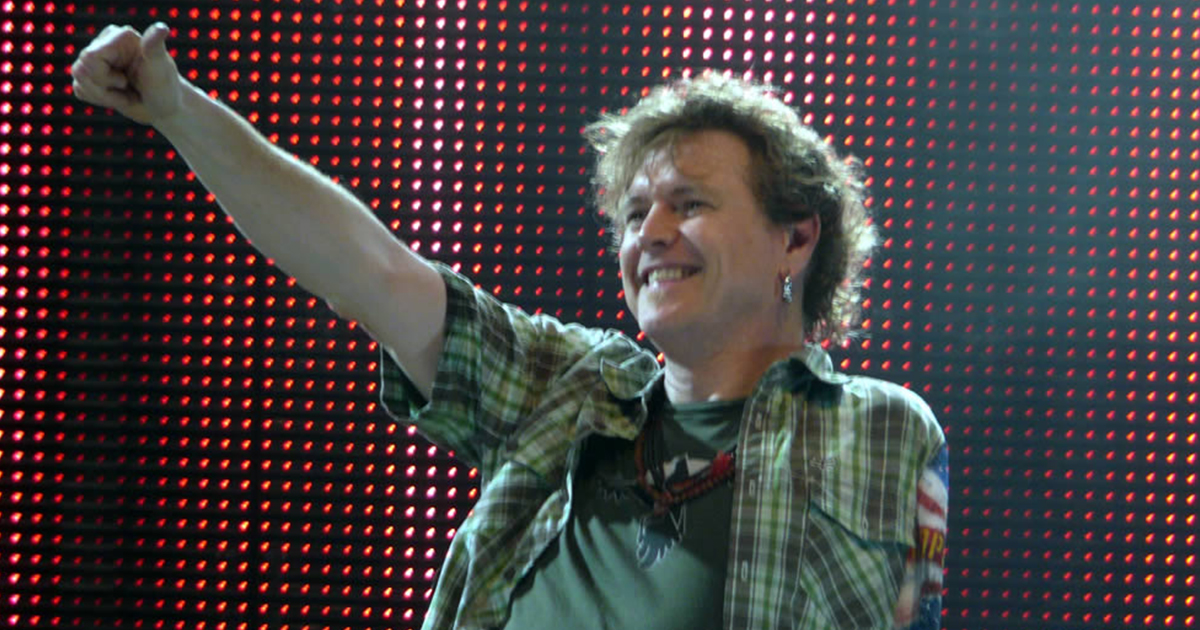
The Drummer Who Refused to Stay Down
Rick Allen was born on November 1, 1963, in Derby, England. By age 10, he was banging on anything he could find, from pots to cardboard boxes. His parents finally bought him a drum kit, and Rick quickly became known as the kid with impossible rhythm and huge dreams.
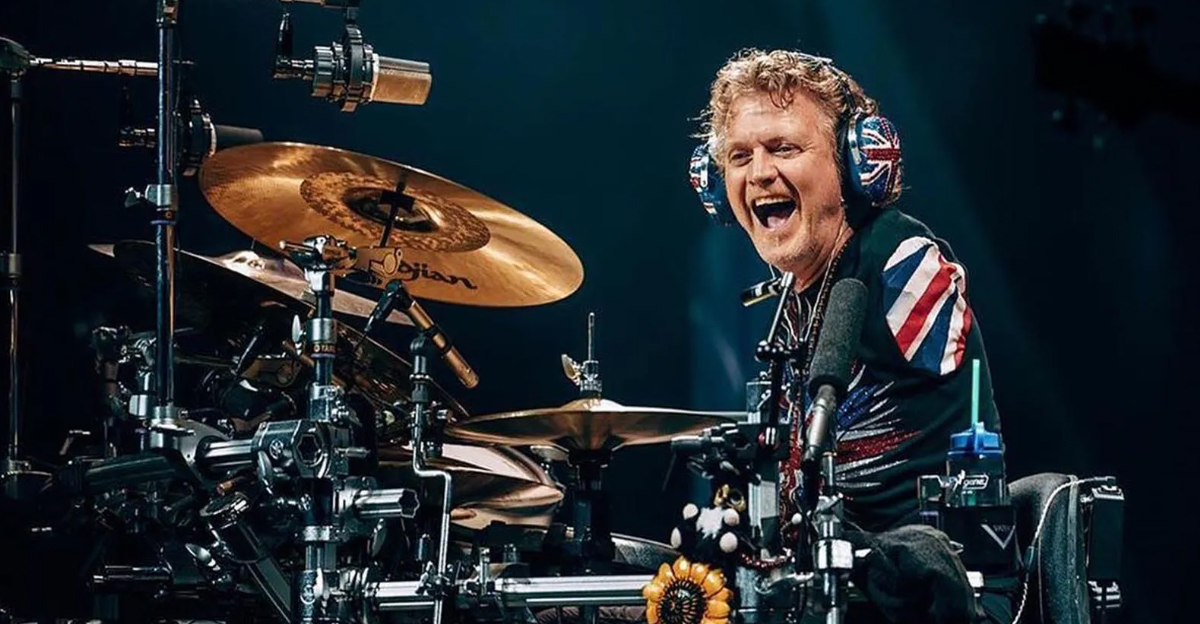
Joining Def Leppard at Just 15
While most teenagers were worried about exams, Rick was joining one of the fastest-rising rock bands in Britain. Def Leppard needed a drummer — and Rick answered the ad. When they realized he was only 15, they hesitated. Then he played. The hesitation disappeared instantly.
 AngryApathy, Wikimedia Commons
Flying Toward Global Fame
By the early ’80s, Def Leppard had become one of rock’s most exciting new bands. Rick’s drumming powered hits like Bringin’ On the Heartbreak and gave the band its signature punch. Fans loved him — not just because he was good, but because he was joyful behind the kit.
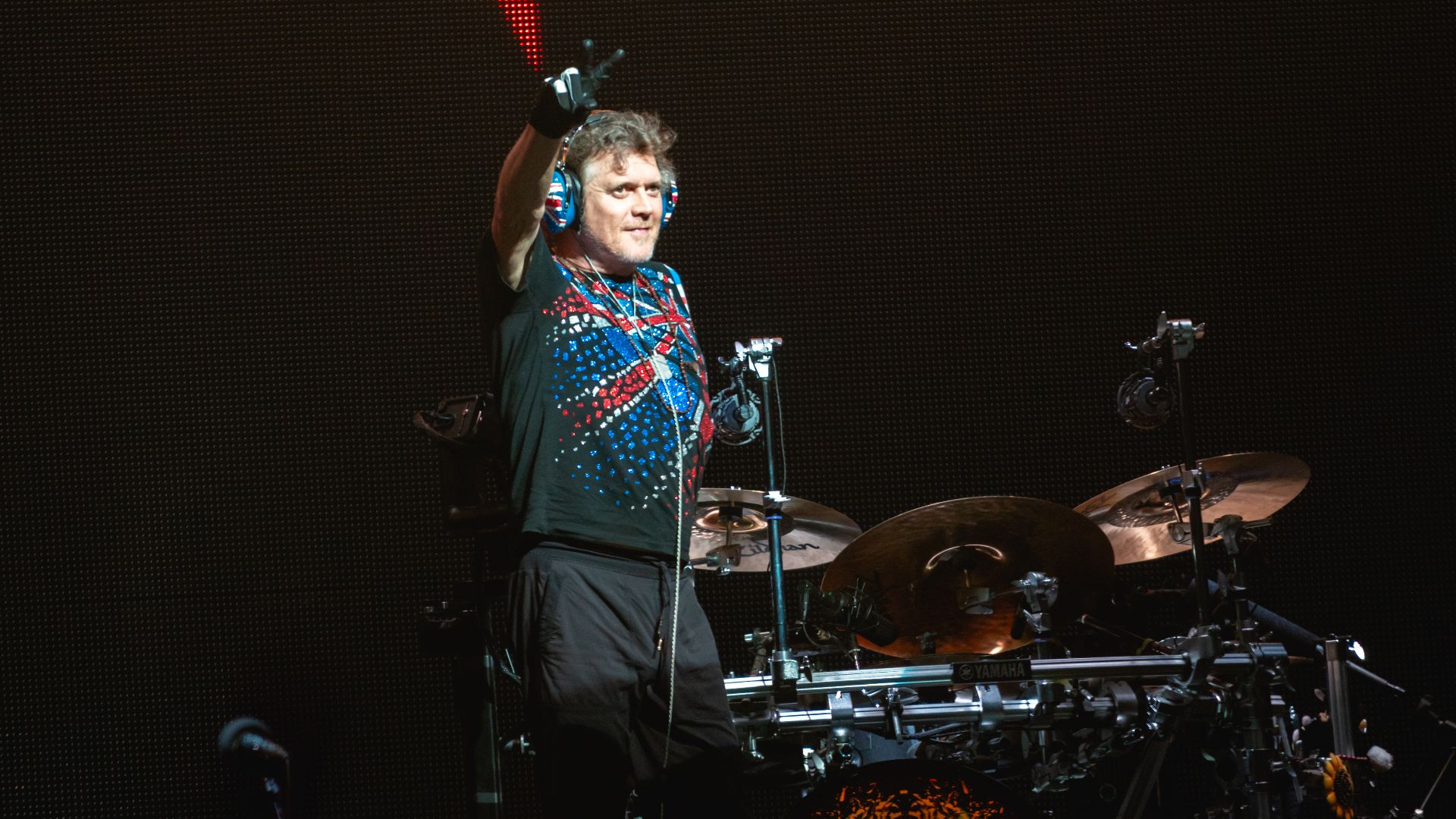
The Crash That Changed Everything
On December 31, 1984, Rick Allen was driving near Sheffield when his Corvette flipped during a high-speed accident. He lost his left arm in the crash. Doctors feared he would never drum again. Bandmates feared they’d lost their friend. Rick feared his entire identity had vanished overnight.
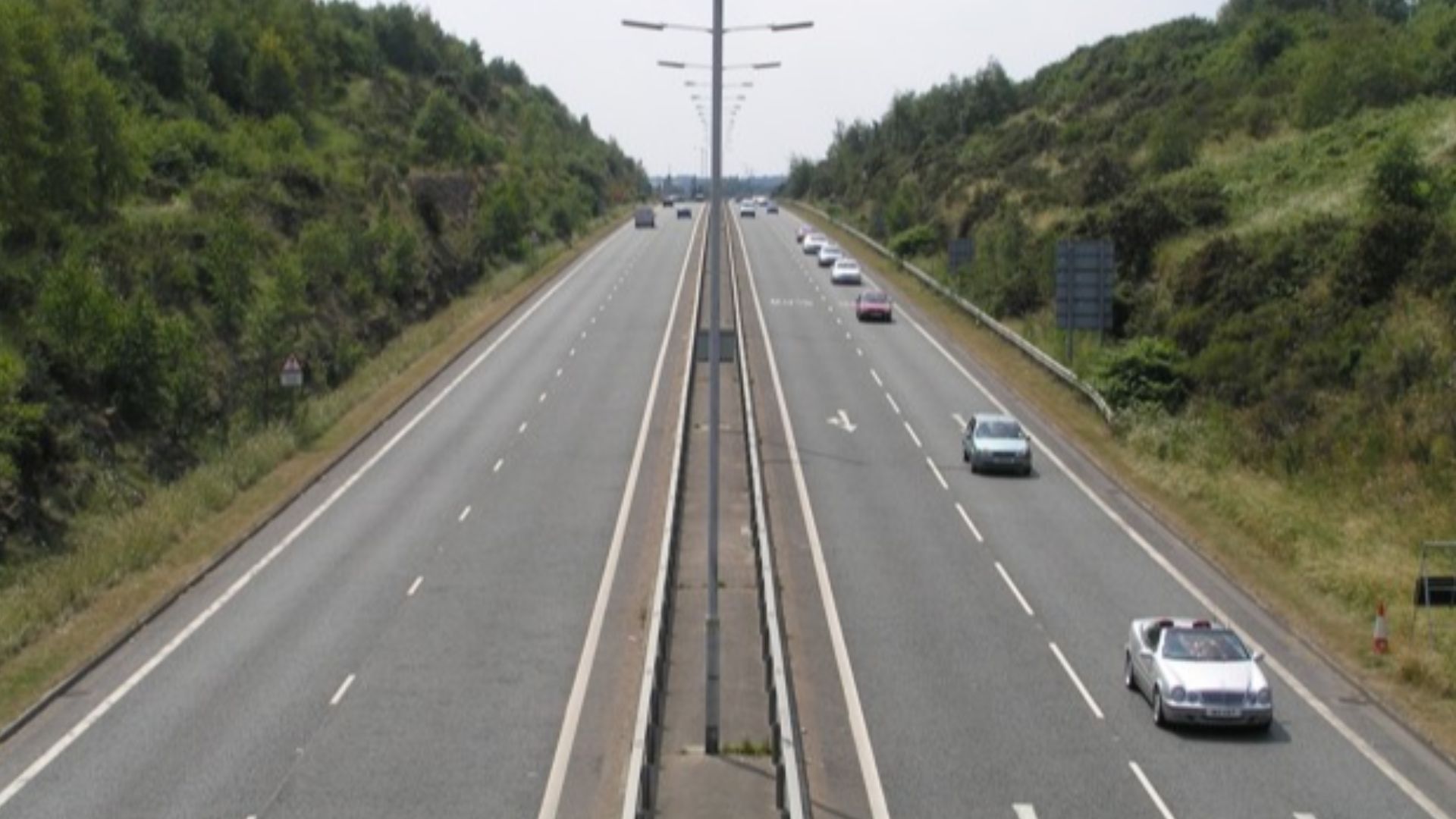 David Morris, Wikimedia Commons
Waking Up to a New Reality
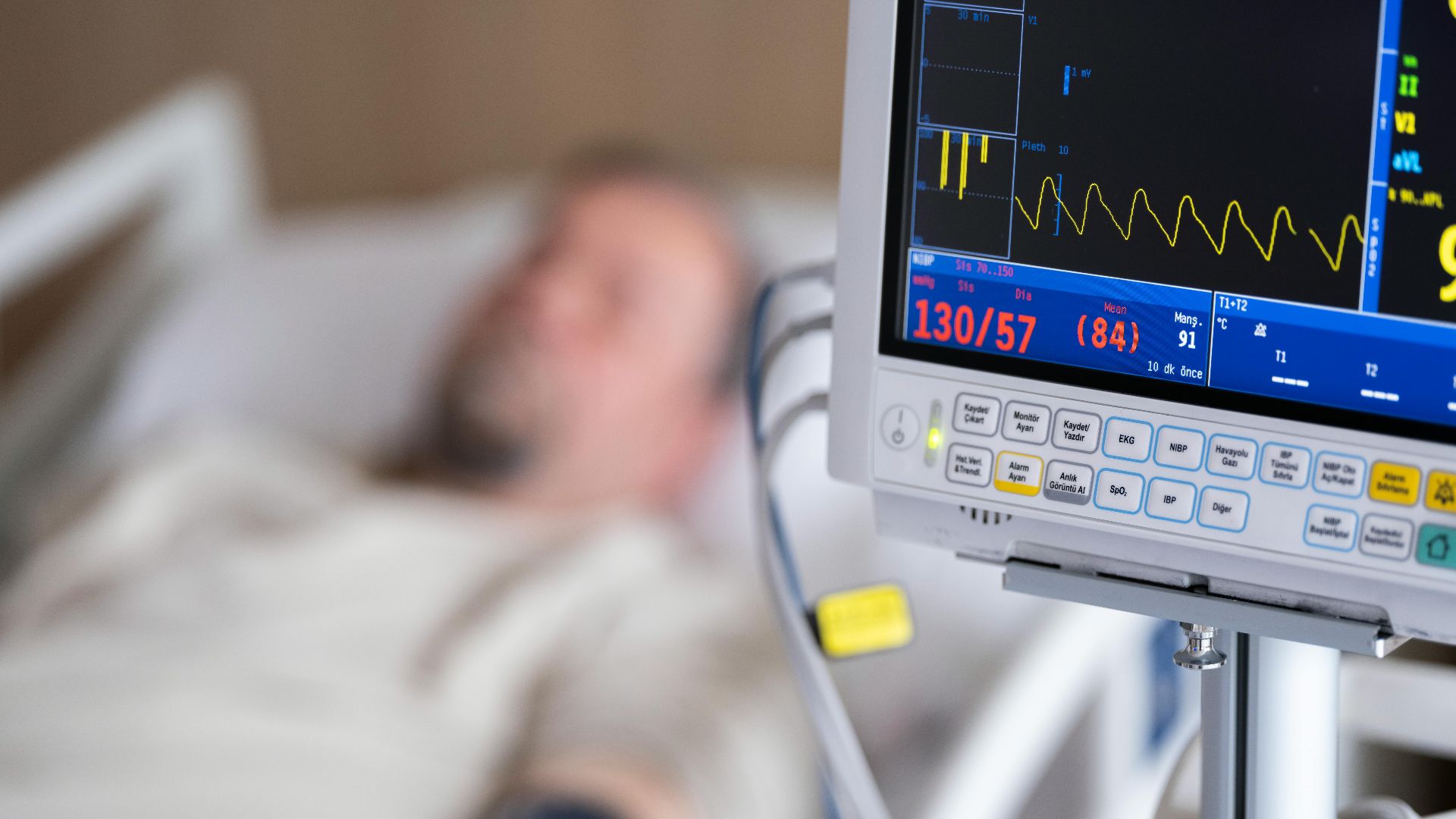
When Rick woke in the hospital, he was devastated. Drumming wasn’t just his job — it was his life. “I remember thinking, ‘This is it. It’s over,’” he later said. The grief hit him in waves. But underneath the fear, something else flickered: stubbornness.
The Band Refuses to Replace Him
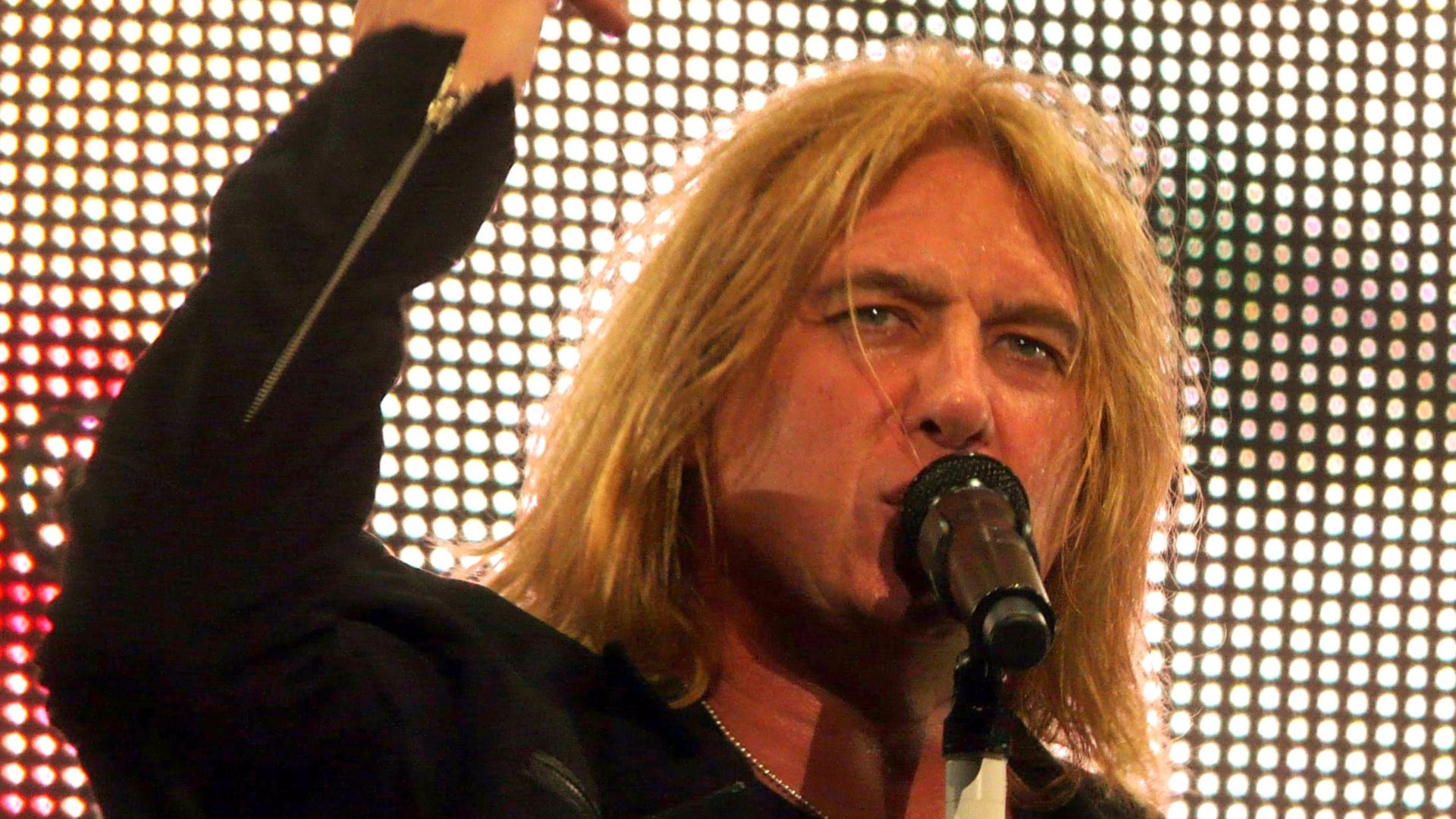
While Rick struggled, Def Leppard received pressure to bring in another drummer. They refused. “He’s our brother,” Joe Elliott insisted. “We’re not moving on without him.” That loyalty changed Rick’s life — and rock history.
 Matt Becker, Wikimedia Commons
The Drum Maker Who Sparked Hope
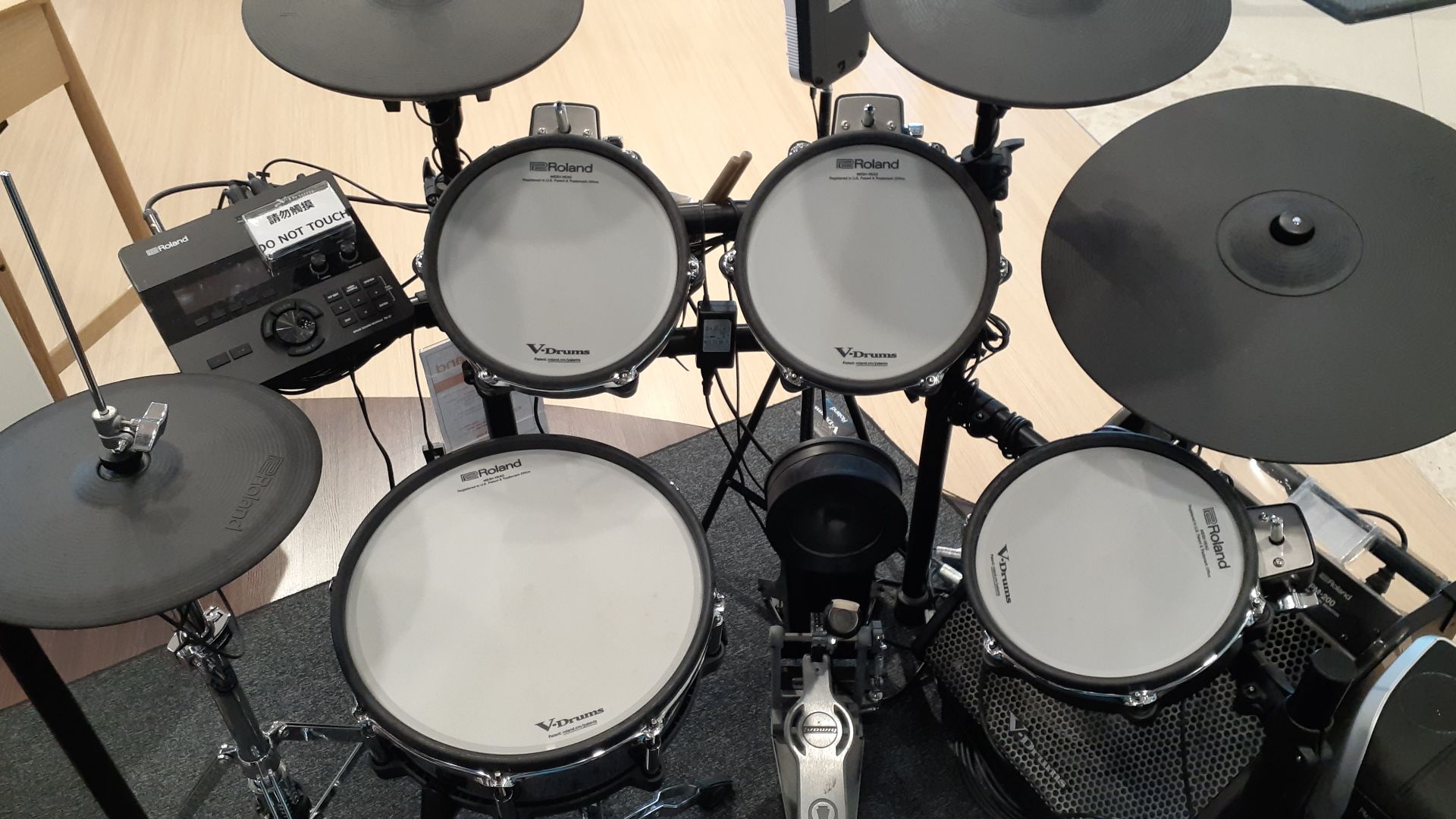
While recovering, Rick began experimenting with electronic pedals. A drum manufacturer visited him in the hospital and said, “If you still want to play, we’ll build whatever you need.” The idea seemed impossible — but so did Rick’s determination.
 Shaumsieu Liua F930, Wikimedia Commons
Learning to Drum All Over Again
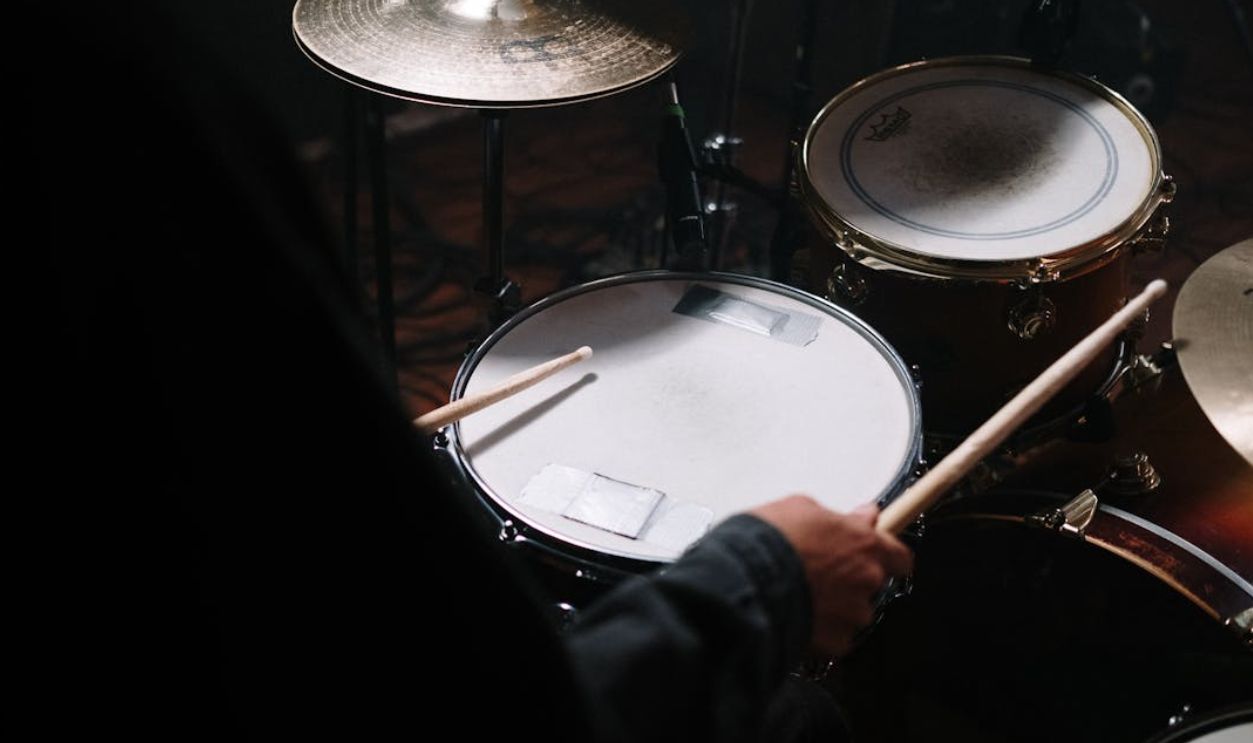
Rick began practicing with his feet, developing new patterns. Every day was frustrating, exhausting, and emotional. “I cried more times than I can count,” he later admitted. But every day, he got a little better. Slowly, the rhythms returned.
Inventing a One-of-a-Kind Drum Kit
Together with Simmons electronic drums, Rick helped design a revolutionary kit: foot pedals that triggered the sounds his left arm used to play. It wasn’t a crutch — it was an invention. A brand-new way to drum. A middle finger to fate.
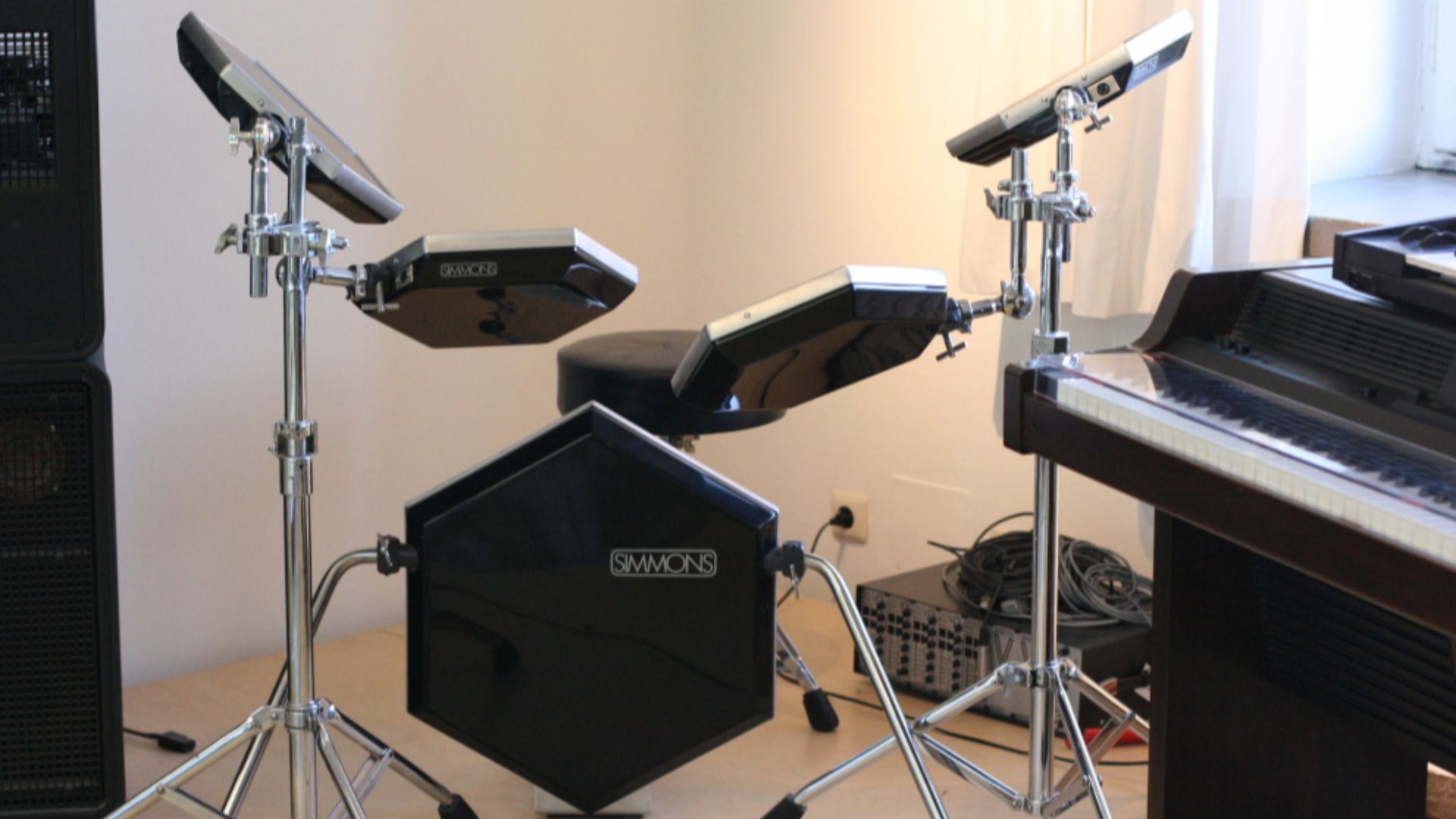 Wolfgang Stief from München, Germany, Wikimedia Commons
The First Time He Tried Playing with the Band
Months after the crash, Rick surprised Def Leppard by showing up at rehearsal. They had no idea what to expect. Rick sat behind his new kit, took a breath, and started playing. When he finished, the room was silent — then everyone burst into tears.
 diana MĂRGĂRIT from Bucharest, Romania, Wikimedia Commons
Returning to the Stage
Rick’s first real performance back was at the Monsters of Rock festival in 1986. Thousands of fans chanted his name. He was terrified — but he played. Not perfectly, but passionately. And the crowd roared. “It felt like coming home,” Rick said.
 Nick Ares from Auburn, CA, United States, Wikimedia Commons
What the Fans Didn’t See
Behind the triumph were brutal setbacks. Rick spiraled at times, struggling with trauma, anger, and the fear of not being enough. But he faced every setback the same way he faced the crash — by getting up the next day and trying again.
 wikipedia user Weatherman90, Wikimedia Commons
Writing Hysteria After the Accident
Def Leppard recorded Hysteria with Rick using his hybrid kit — and the album became one of the biggest rock records in history. Songs like Pour Some Sugar on Me and Animal showcased Rick’s new drumming style. Millions listened without realizing the miracle behind the sound.
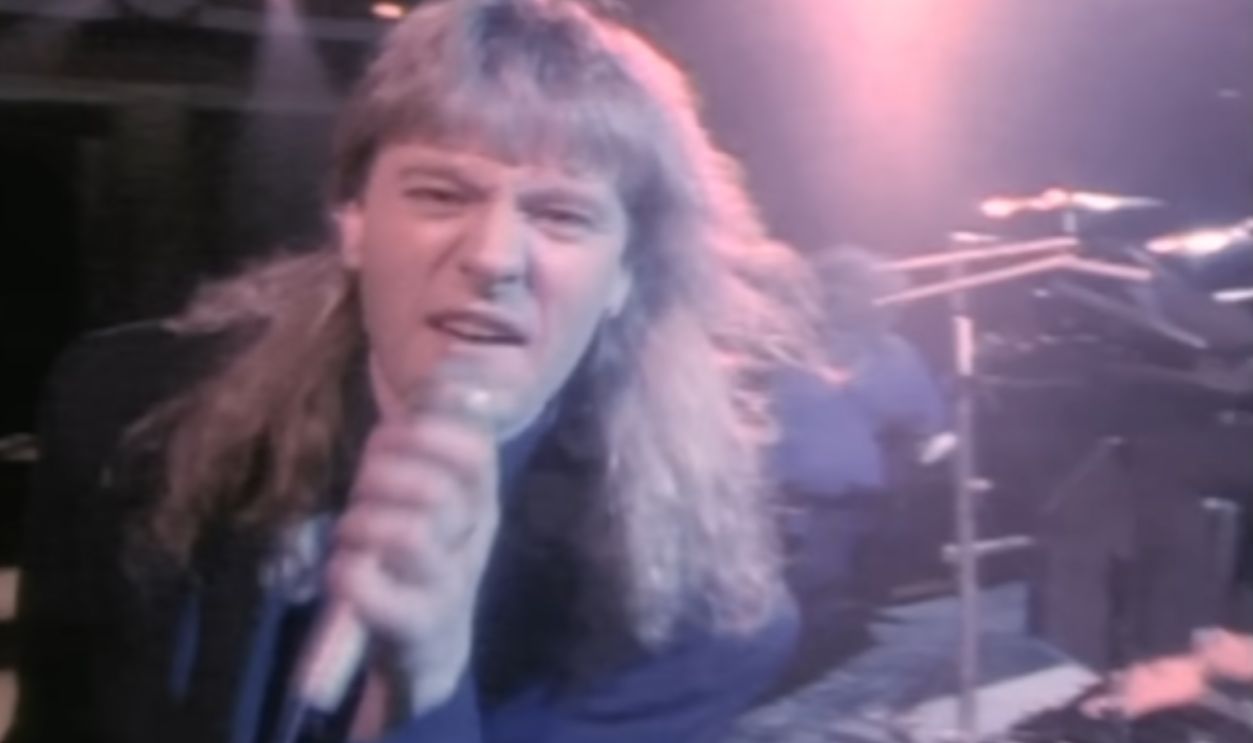 Screenshot from Hysteria, Mercury Records (1987)
Becoming a Symbol of Perseverance
As Def Leppard toured the world, Rick became more than a drummer — he became an inspiration. Fans with disabilities wrote him letters saying he’d changed their lives. “If you can do this,” one fan wrote, “I can survive anything.”
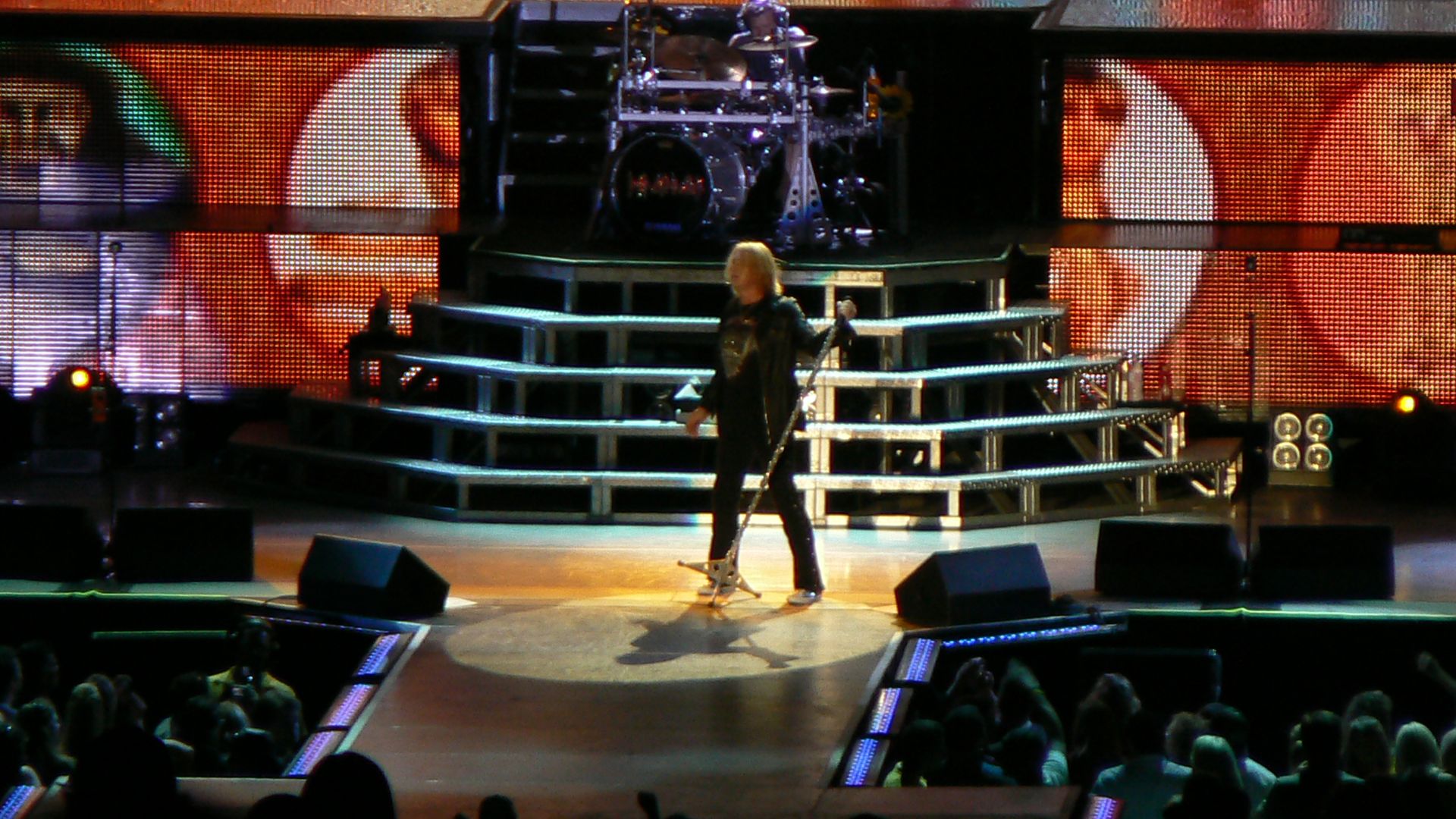 Nick Ares from Auburn, CA, United States, Wikimedia Commons
Helping Others Heal
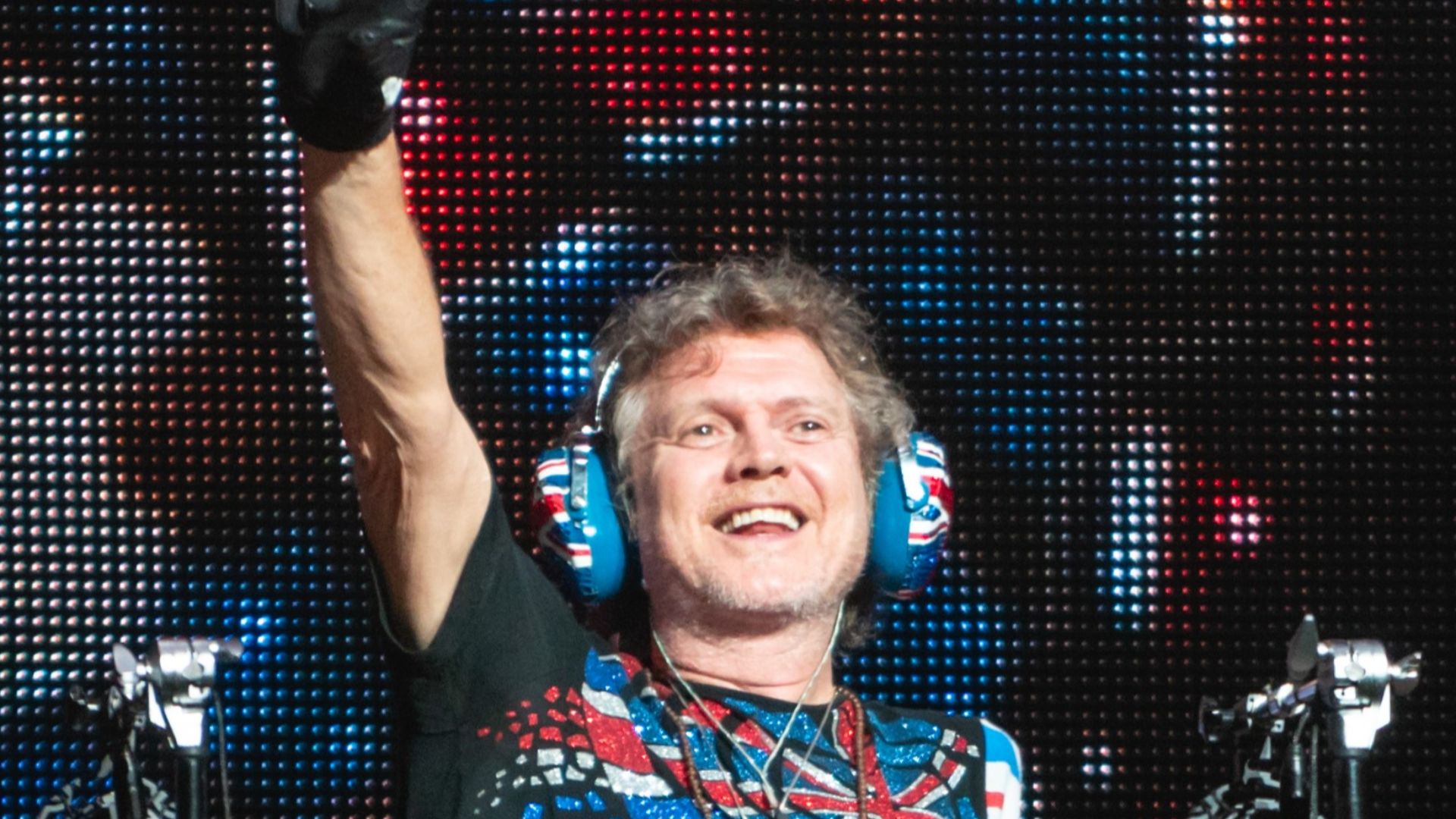
Rick later became deeply involved in trauma and recovery advocacy. He worked with veterans, abuse survivors, and people living with disabilities. “Healing is possible,” he said. “I’m living proof.”
The Battle with Addiction
Rick eventually faced addiction issues tied to trauma from the crash. He spoke about it openly, describing the shame, fear, and eventual recovery. His honesty helped countless fans feel less alone in their own battles.
 Nick Ares from Auburn, CA, United States, Wikimedia Commons
A Drummer Reborn
Decades later, Rick still plays with the intensity he had at 15 — but with deeper gratitude. “Losing my arm taught me who I am,” he said. “It taught me what strength actually looks like.”
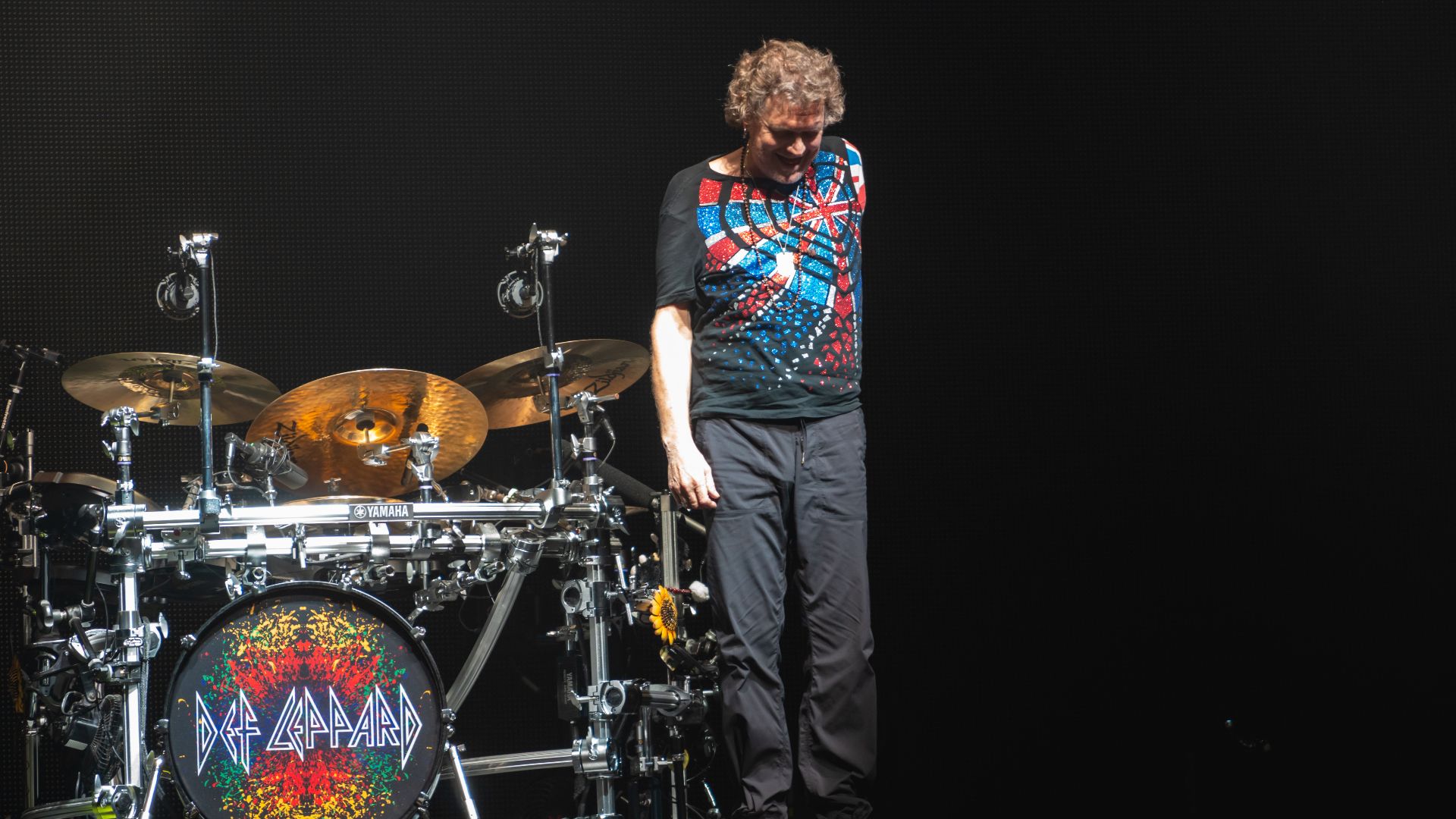
Honored Around the World
Rick Allen has received countless awards for perseverance and innovation, but he remains humble. “I’m just doing the only thing I know how to do,” he says. “Keep going.”
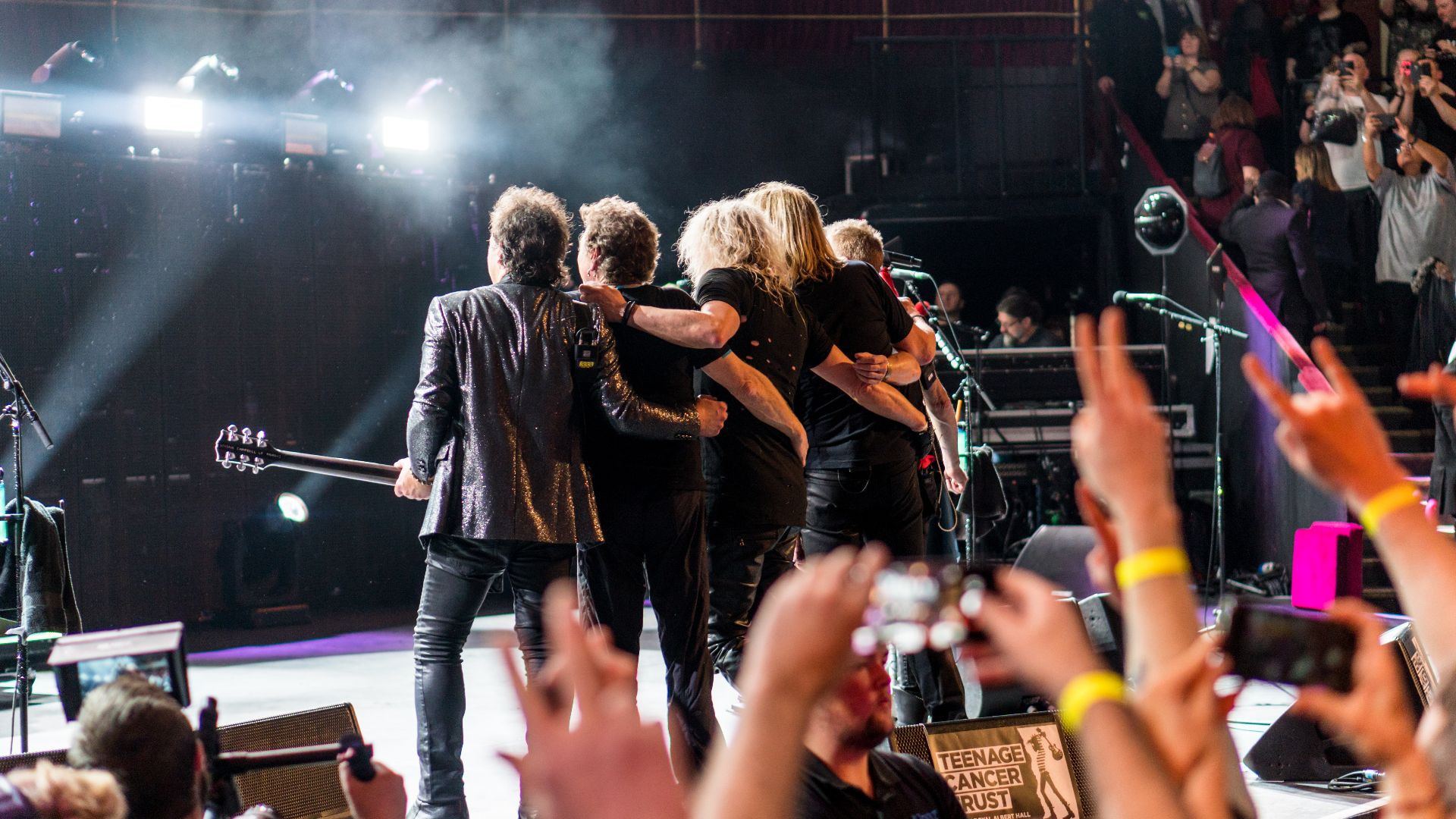
A Legacy Written in Courage
Rick didn’t just return to drumming — he changed it. His invention opened doors for drummers with disabilities and inspired a generation of musicians. His story is now taught as one of rock’s greatest comebacks.
 Matt Becker, Wikimedia Commons
When Refusing to Quit Rewrites History
Rick Allen didn’t just adapt — he transformed. His accident could have ended his career, but instead, it sparked one of music’s most powerful stories of resilience. With one arm, he played louder than ever — and proved that nothing can silence a heart that refuses to quit.
You May Also Like: