Tom Laughlin: Hollywood Outsider
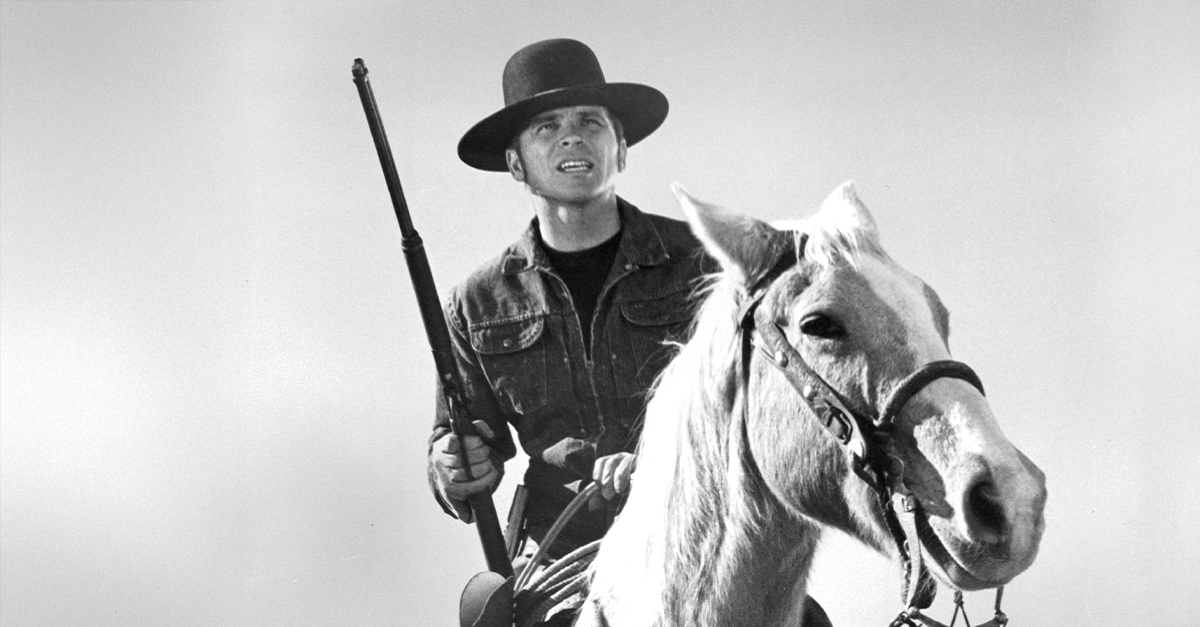
Tom Laughlin was an American actor, filmmaker, educator, and activist. Best known as the creator, star, and director of the Billy Jack films, Laughlin put his strong personal convictions behind everything he did, leading a lifelong quest marked by fierce independence.
 Silver Screen Collection/Getty Images
Early Life In Milwaukee
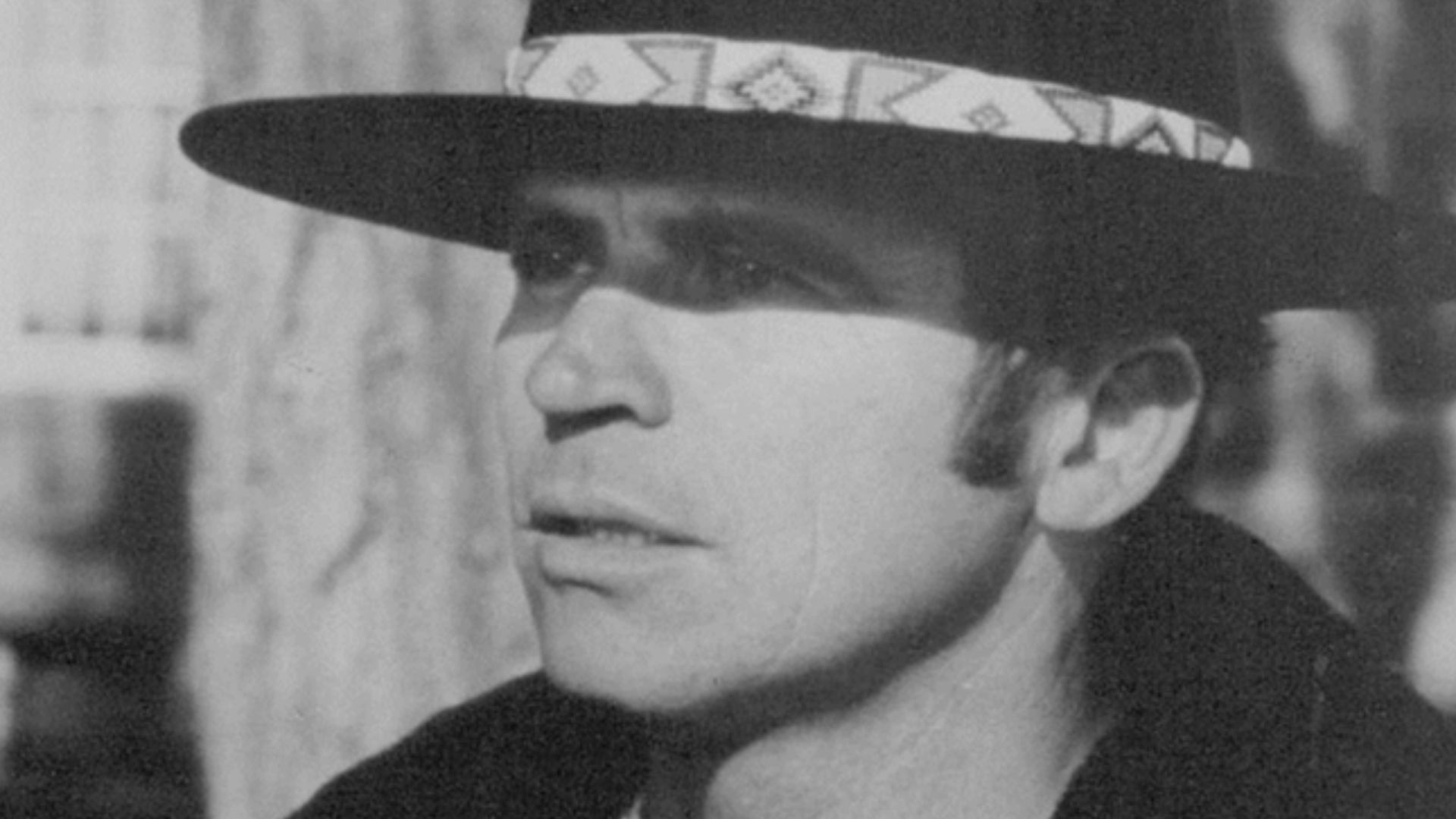
Thomas Robert Laughlin Jr. was born on August 10, 1931, in Milwaukee, Wisconsin, to Margaret and Thomas Laughlin. Growing up in the Midwest, he showed early interest in athletics and storytelling. He eventually attended the University of Wisconsin and Marquette University, where he played football before turning his sights toward drama, radio, and film studies. This keen interest would shape his future path in cinema.
 Unknown authorUnknown author, Wikimedia Commons
Losing Himself In Theater
Laughlin discovered his passion for performance after seeing a production of Tennessee Williams’ A Streetcar Named Desire. This spurred him to join a college drama program, where he directed a production of Arthur Miller’s All My Sons. His early commitment to literary and theatrical storytelling made it plain that he had the talent to excel on both sides of the camera long before Hollywood learned his name.
Meeting Delores Taylor
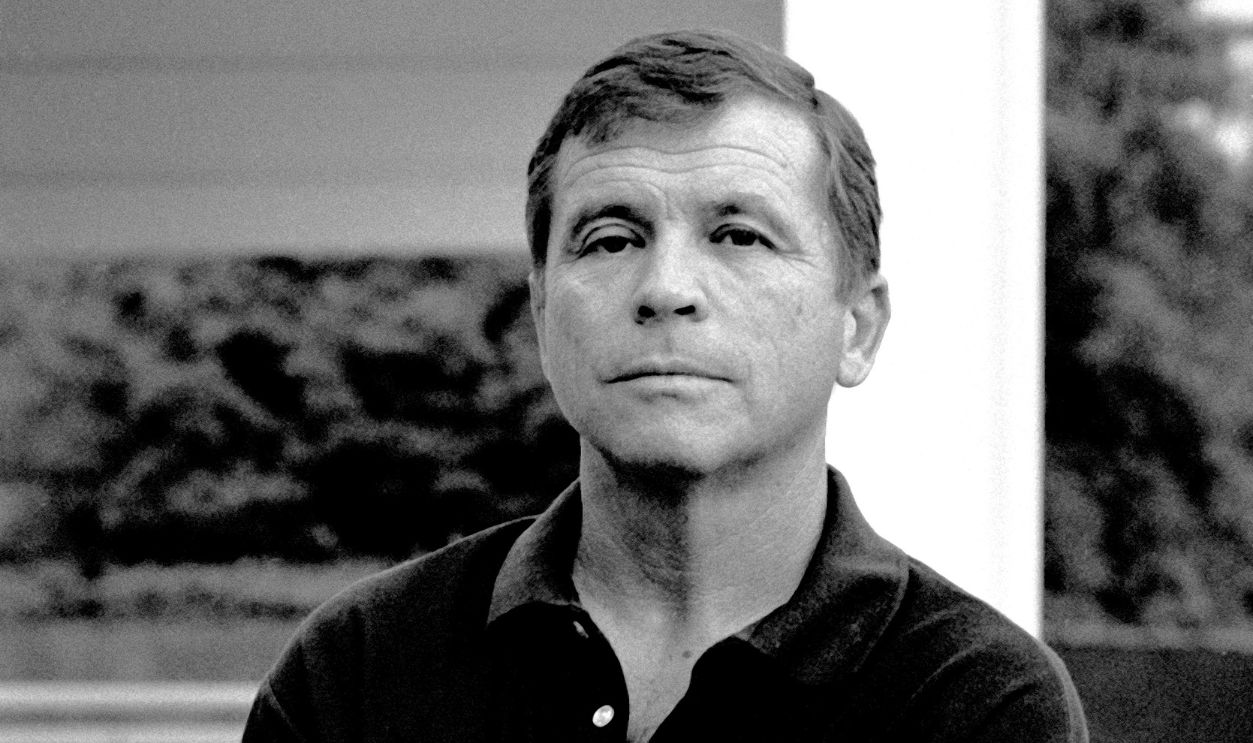
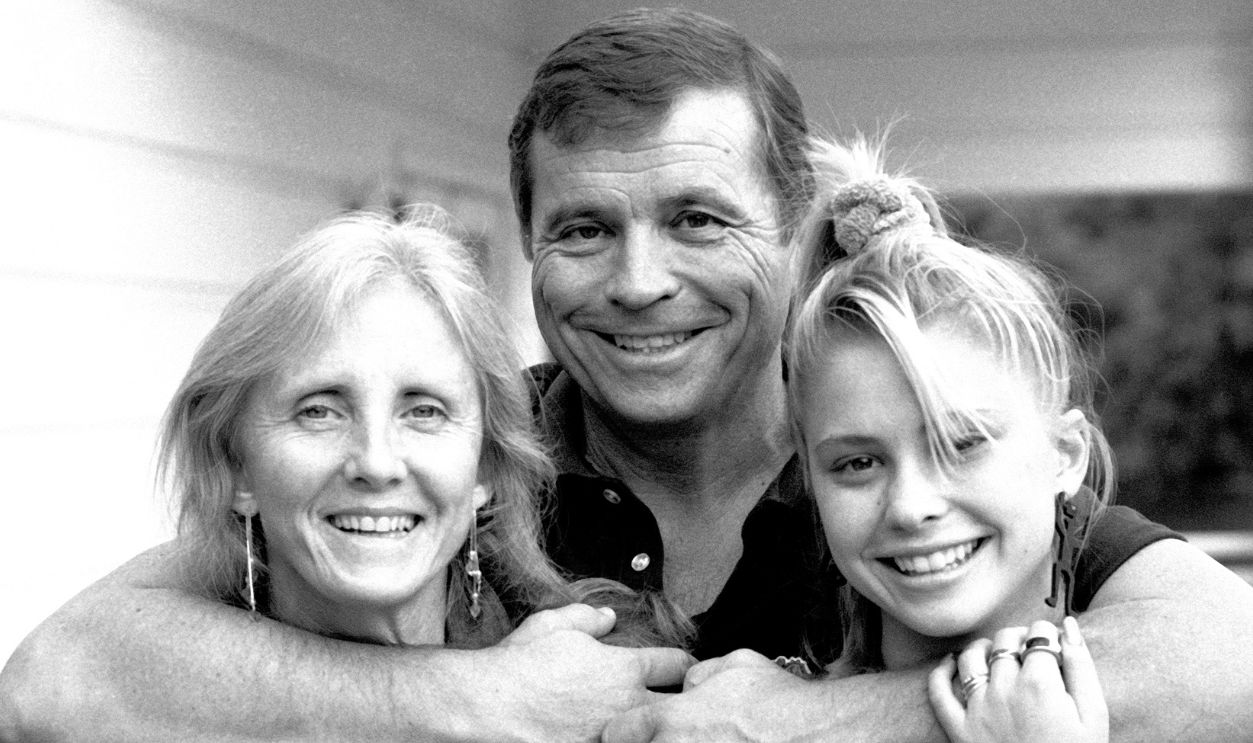
While studying at the University of South Dakota, Laughlin met actress Delores Taylor, who became his lifelong partner in art and activism. They got married in 1954, and their partnership went well beyond marriage, with Taylor co‑producing and co‑starring in all the Billy Jack films, building one of film’s most enduring creative pairings.
Early Screen Career Beginnings
Laughlin’s acting career started out in the mid‑50s with TV and film roles, including appearances in the series Climax! (1954–1958), and the movies Tea and Sympathy (1956), and South Pacific (1958). Though these roles were usually small, they gave Laughlin some solid experience in front of the camera as he perfected his craft in Hollywood before turning his ambitions to storytelling on his own terms.
Originating Billy Jack
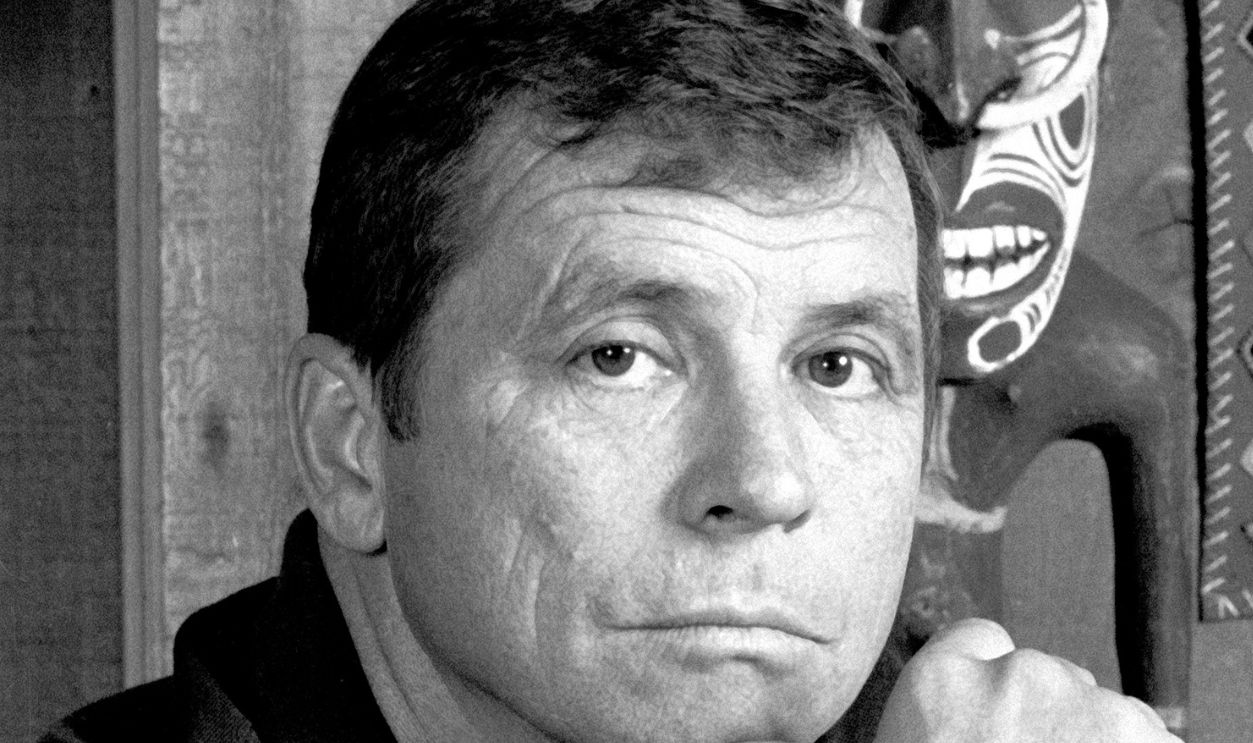
Long before Billy Jack was a finished film, Laughlin wrote the character’s story in 1954. This was after he witnessed prejudice against Native Americans in his wife’s hometown of Winner, South Dakota. The draft simmered for years as a work in progress while Laughlin channeled his personal outrage into developing a cinematic character that would symbolize justice and countercultural resistance.
 Fairfax Media Archives, Getty Images
First Success With The Born Losers
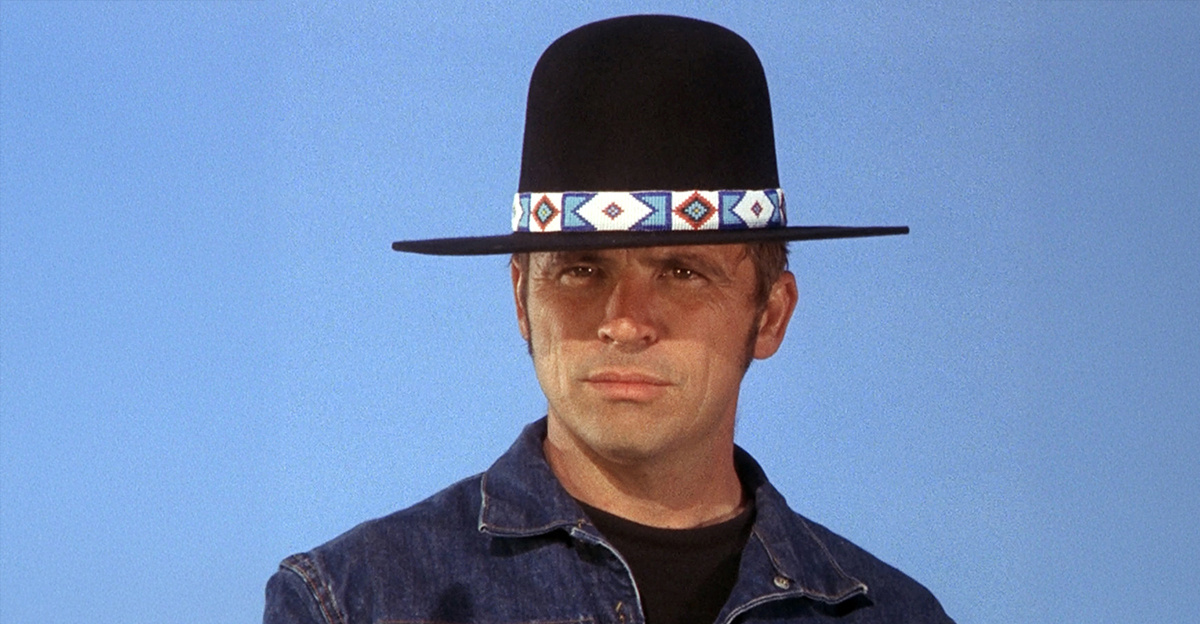
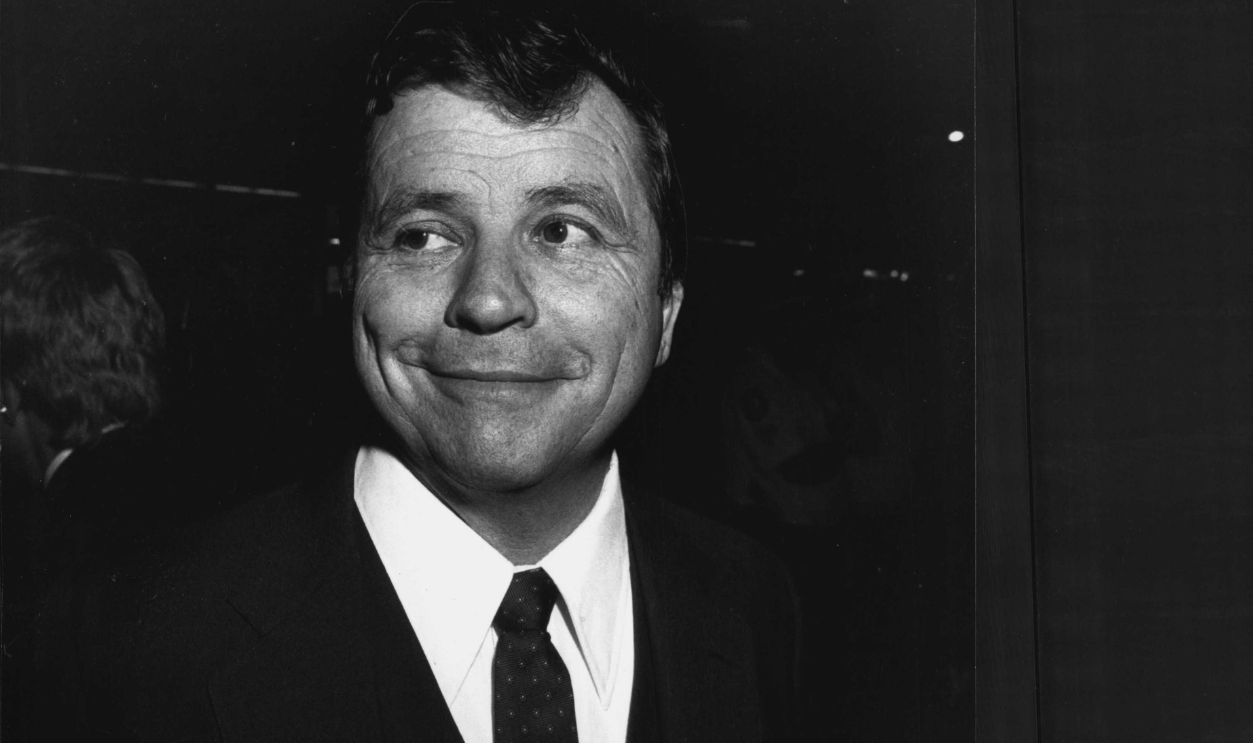
Laughlin’s first major success came with The Born Losers (1967), in which he debuted his character Billy Jack as a half‑Indigenous, Vietnam‑era ex-Green Beret with a prodigious martial arts skillset. The film blended outlaw biker action with serious moral stakes; even more importantly, it set the stage for the character’s true breakout in the early 70s.
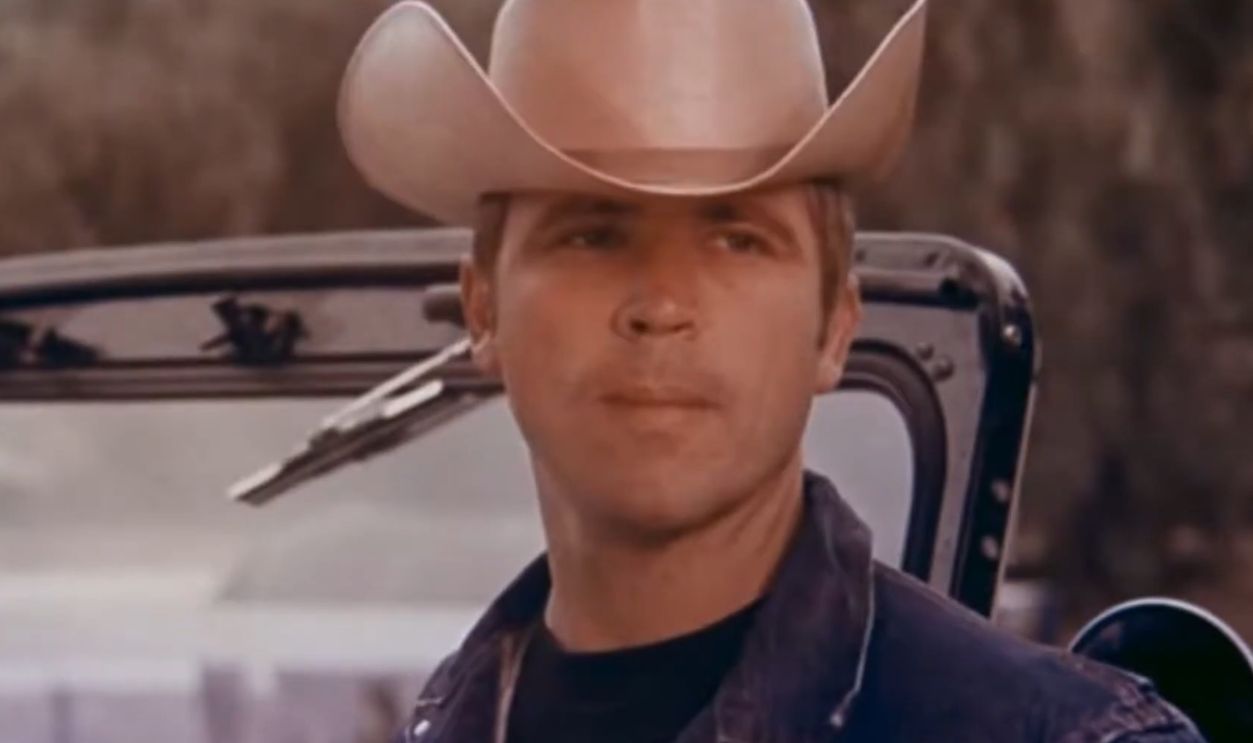 Screenshot from The Born Losers, American International Pictures (1967)
Birth Of Billy Jack
The 1971 film Billy Jack saw Laughlin writing, directing, producing, and starring in his own creation. Shot under difficult conditions in and around the Arizona town of Prescott, the film was initially without a major distributor. But Laughlin’s vision of a martial‑arts‑trained countercultural hero sticking up for the downtrodden was a hit with young audiences and made the film a surprise blockbuster.
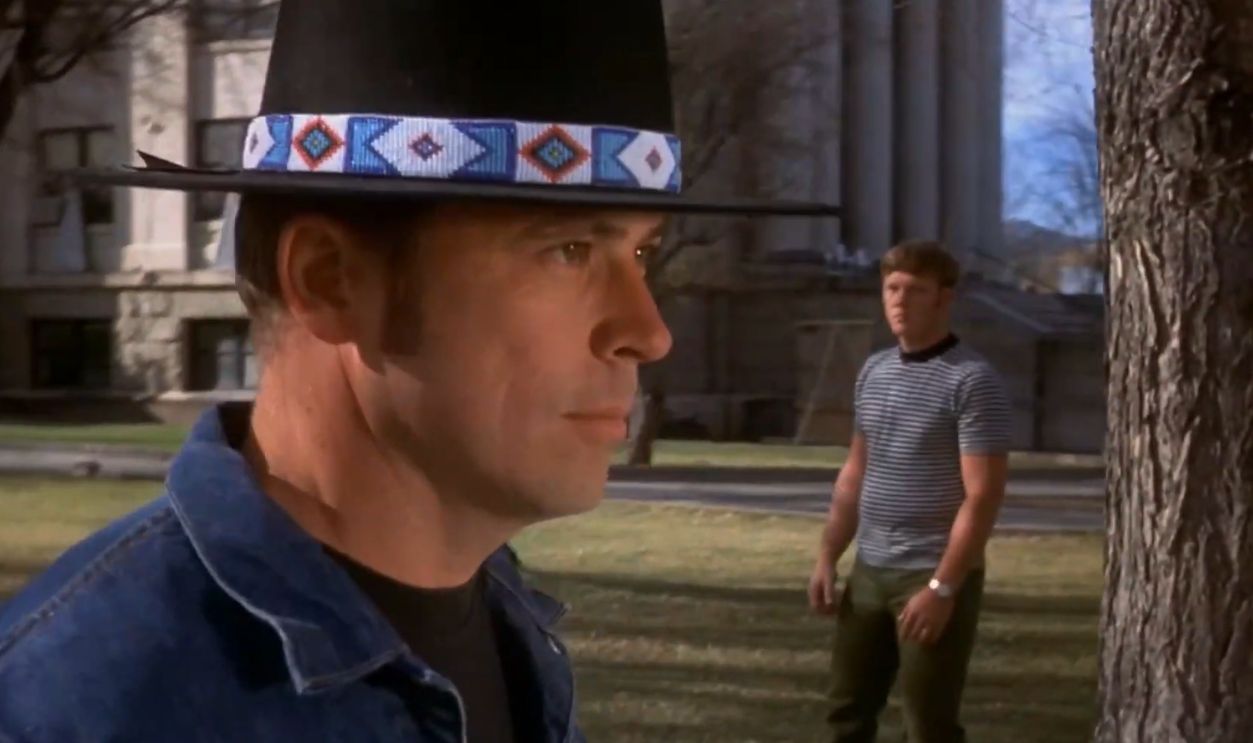 Screenshot from Billy Jack, Warner Bros. (1971)
Martial Arts Commitment
To bring Billy Jack’s fighting prowess to life, Laughlin put himself through intensive martial arts training, including hapkido with grandmaster Bong Soo Han. His dedication gave his character an authenticity rarely seen in American films of that era, a close forerunner of the explosion of kung fu films that followed in the United States in the early 70s.
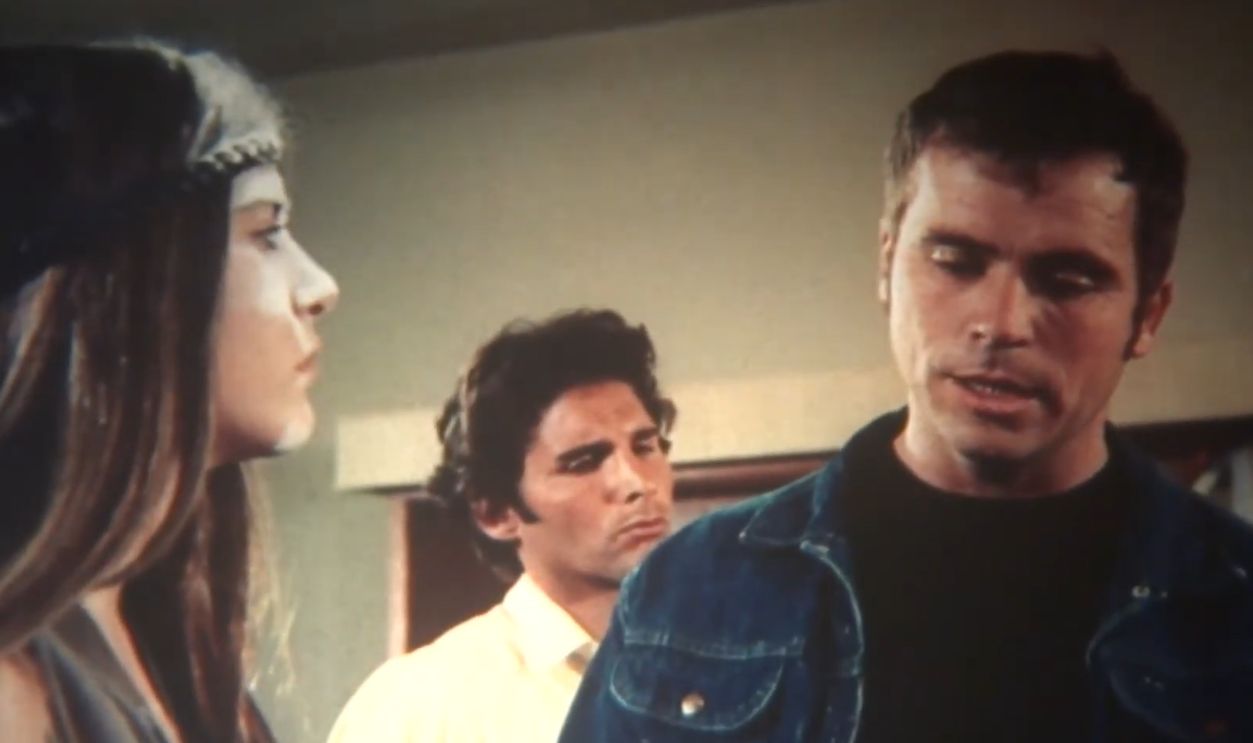 Screenshot from Billy Jack, Warner Bros. (1971)
Independent Distribution
Frustrated with traditional film release strategies, Laughlin pioneered self‑distribution for Billy Jack, booking theaters nationwide and advertising during national news broadcasts. This unconventional approach helped the film gross millions and influenced later film marketing methods, pre-dating approaches now common for wide releases.
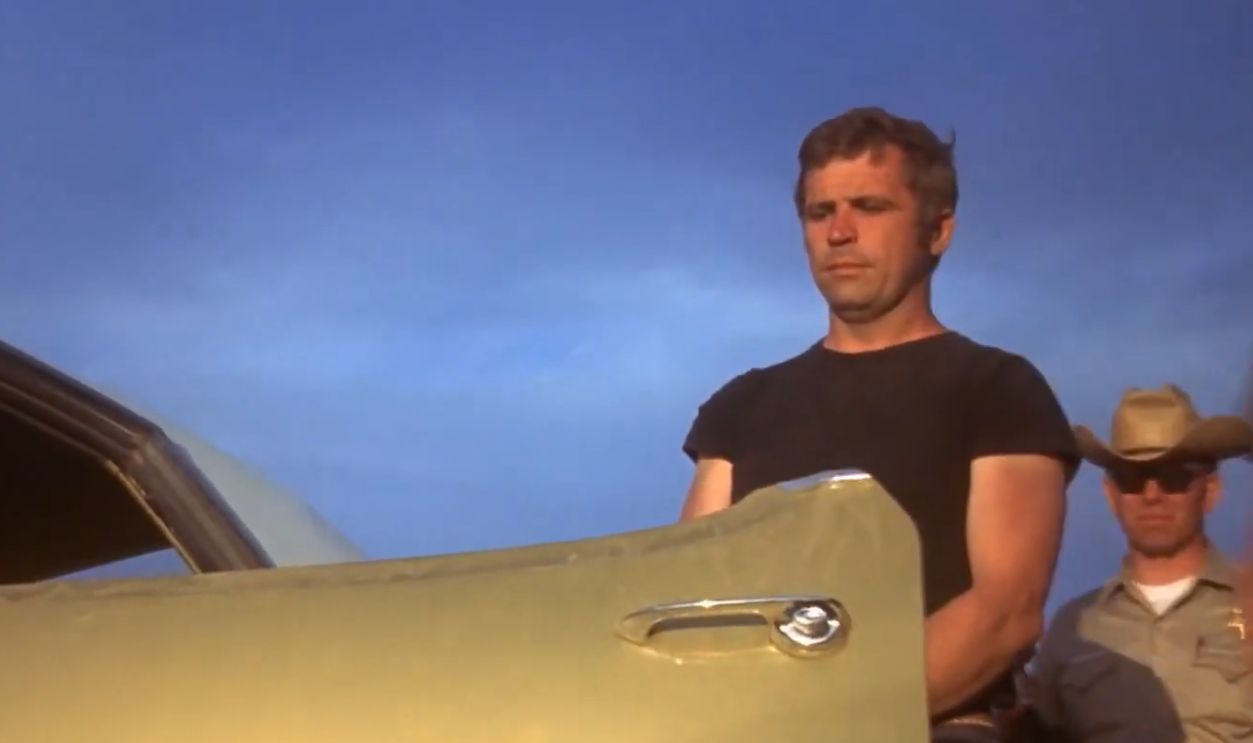 Screenshot from Billy Jack, Warner Bros. (1971)
Cult Following And Counterculture Icon
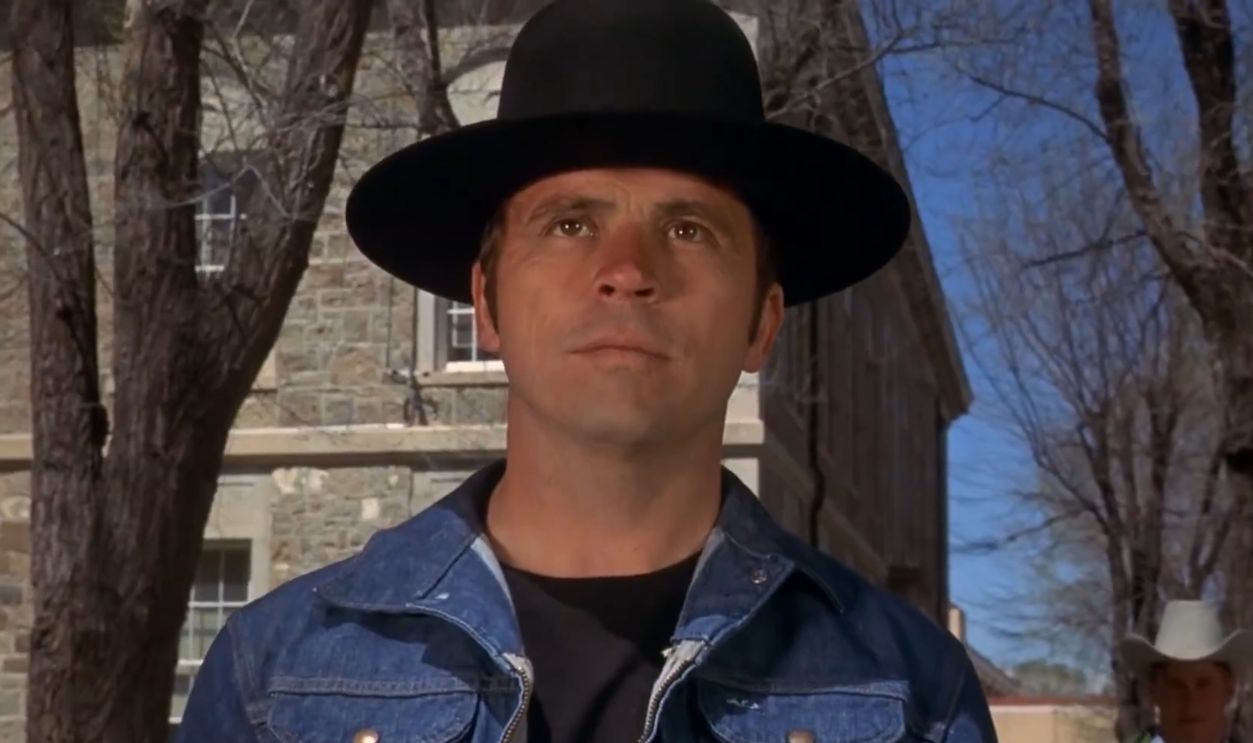
Billy Jack captured the spirit of the early 70s with its anti‑establishment attitude, youth‑oriented focus, and allegiance to oppressed groups. Its mix of martial arts, social commentary, and cinematic toughness made Billy Jack a cult figure for a generation that was increasingly unafraid to question authority and tradition.
 Screenshot from Billy Jack, Warner Bros. (1971)
The Trial Of Billy Jack
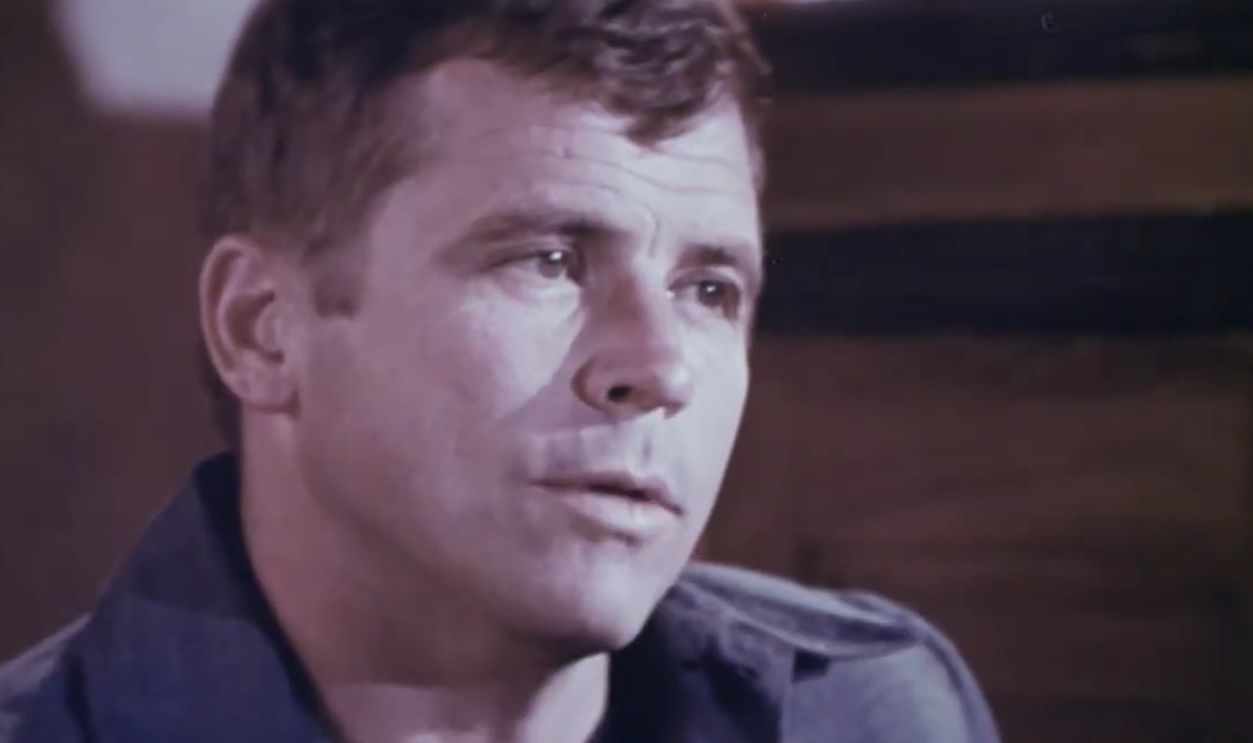
The 1974 sequel, The Trial of Billy Jack, pushed Laughlin’s ambitions even further with an epic three‑hour narrative exploring justice, government power, and social reform. The film succeeded at the box office, but its ambitious scope and political tone brought mixed reviews, which did little to change Laughlin’s status as an outsider to Hollywood.
 Screenshot from The Trial of Billy Jack, Warner Bros. (1974)
Billy Jack Goes To Washington
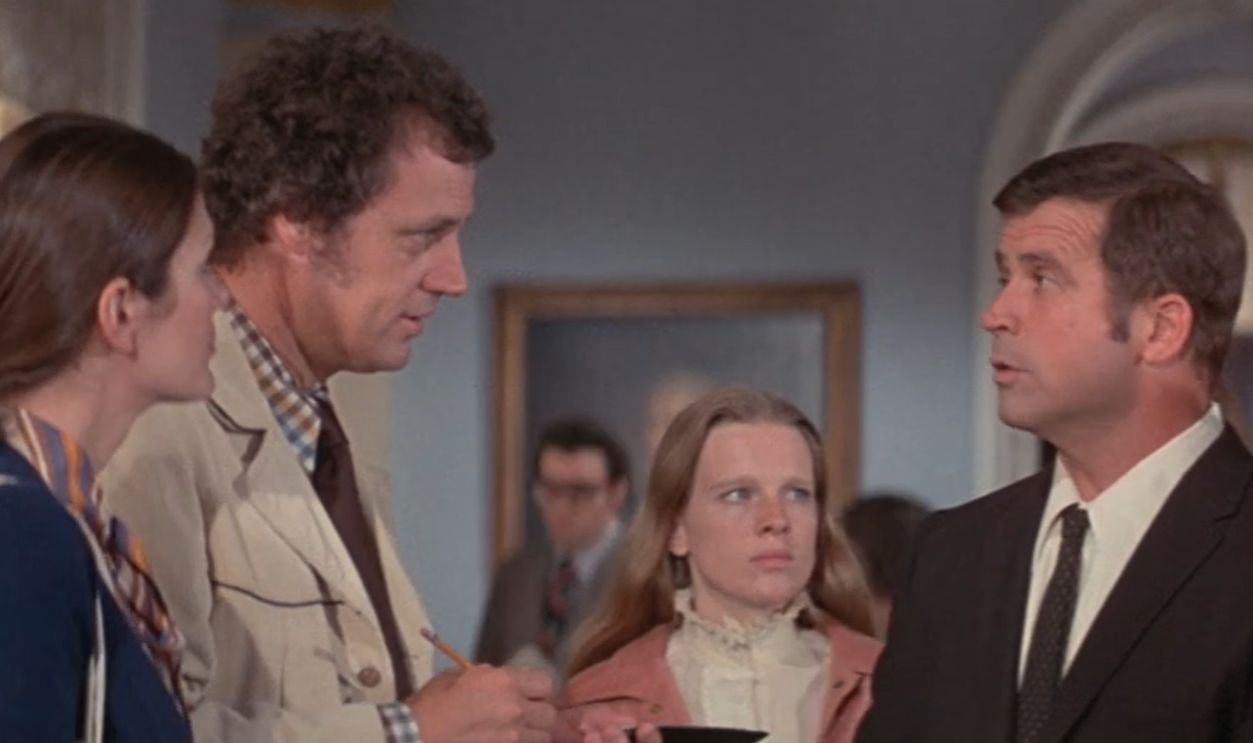
Laughlin’s fourth Billy Jack film transplanted the character into overt political terrain in Billy Jack Goes To Washington (1977). Despite its ambition, the film suffered from a limited release circulation and audience fatigue, as the anti-establishment attitudes of the early 70s were wearing off a bit with audiences as the decade drew on.
 Screenshot from Billy Jack Goes to Washington, Taylor-Laughlin (1977)
Unfinished Billy Jack Projects
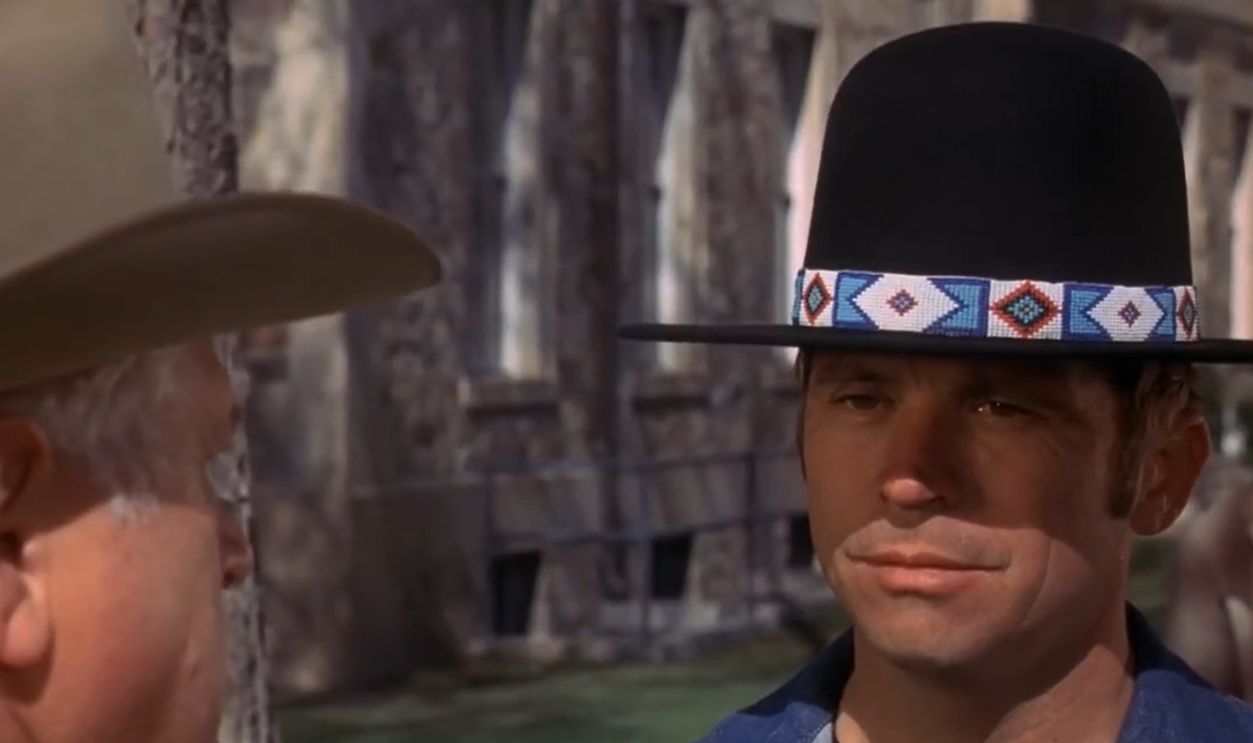
Laughlin tried to breathe new life into the franchise several times, starting with a fifth Billy Jack film in the mid‑80s and re‑conceptualizing it several times into the 2000s. None of these attempts were ever completed, as they were often stifled by financing issues or Laughlin’s unconventional creative approach and uncompromising independence.
 Screenshot from Billy Jack, Warner Bros. (1971)
Hollywood Friction And Criticism
Laughlin’s outsider’s point of view went well beyond storylines; he often clashed with studios and critics. His insistence on creative control and message‑driven films gained him admiration from fans and a certain amount of puzzlement from industry insiders, solidifying his reputation as a maverick who rejected Hollywood conformity.
 Donaldson Collection, Getty Images
Political Activism And Advocacy
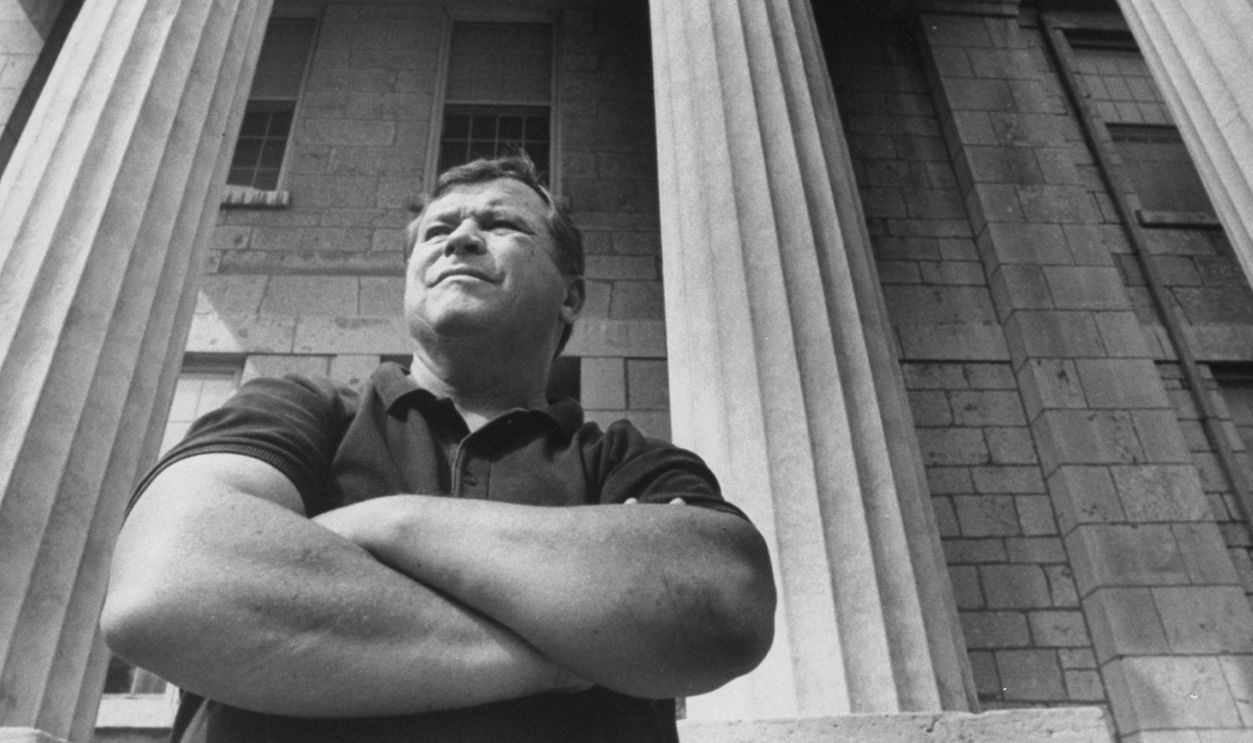
Outside film, Laughlin was active in causes such as education reform and mental health advocacy. Frustrated with the futility of the political system, he twice ran for U.S. President, albeit as a fringe candidate, reflecting his lifelong engagement with issues beyond the movie set.
Democratic Primary Bid
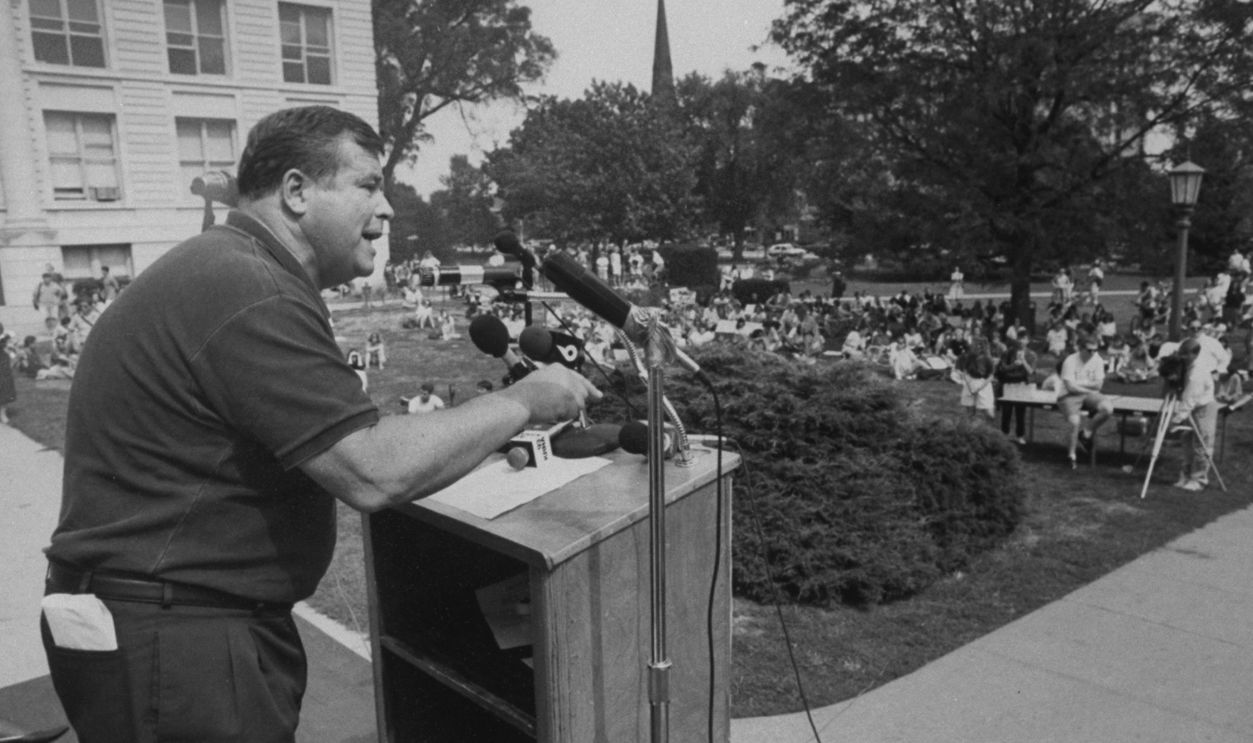
In the 1992 election cycle, Laughlin sought the Democratic presidential nomination, positioning himself as a reform-minded outsider determined to shake up a system he believed had grown complacent. His campaign failed to gain significant traction but reflected his persistent desire to influence national policy. Bill Clinton would end up winning the nomination and later, the presidency.
Montessori Education Pioneer
Laughlin always took a strong interest in education. In the early 1960s, Laughlin put his film career on hold to found a Montessori preschool in Santa Monica, California. It would eventually grow into the largest Montessori institution in the United States, showcasing his commitment to educational innovation well before the Hollywood fame of his Billy Jack days.
Mastery Of Jungian Psychology
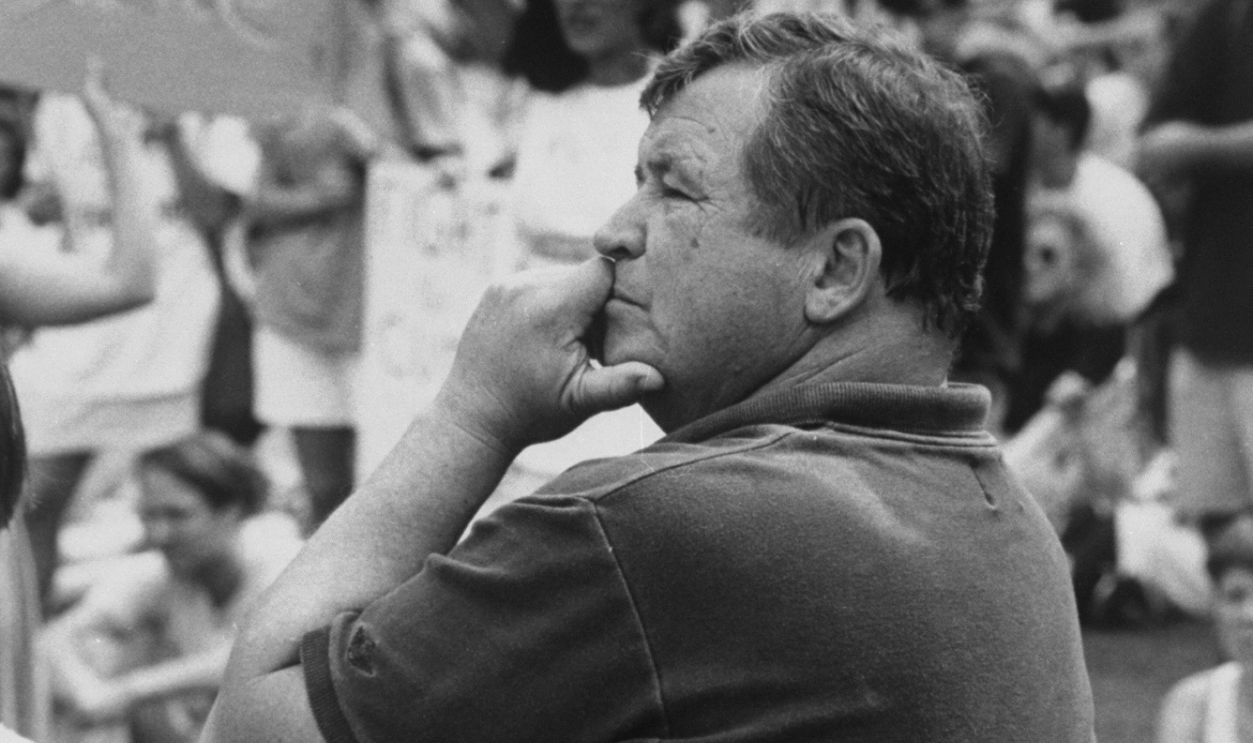
Beyond filmmaking, Laughlin devoted decades to the serious study and practice of Jungian psychology. Along the way he immersed himself in analytical theory, archetypal symbolism, trauma work, and counseling methodology. He authored eight books on psychological growth and relationships, blending what he’d learned on Jung’s analytical framework with his own applied experience as a counselor.
A Voice Against Domestic Violence
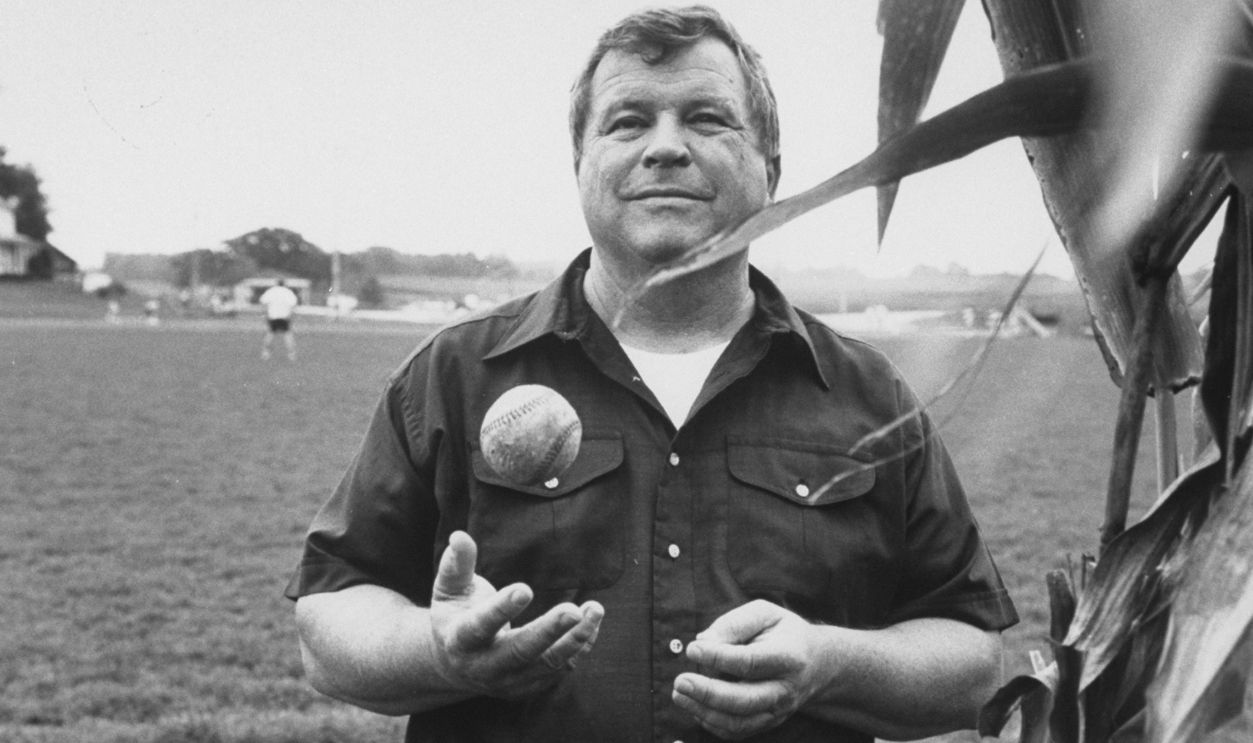
Tom Laughlin became a vocal advocate for domestic violence awareness and prevention. Drawing from his deep interest in Jungian psychology and counseling, he spoke often about the roots and patterns of abusive behavior within families. Laughlin created workshops and educational programs aimed at conflict resolution and emotional intelligence, insisting that confronting private violence was at the heart of a just society.
Real-Life Street Intervention
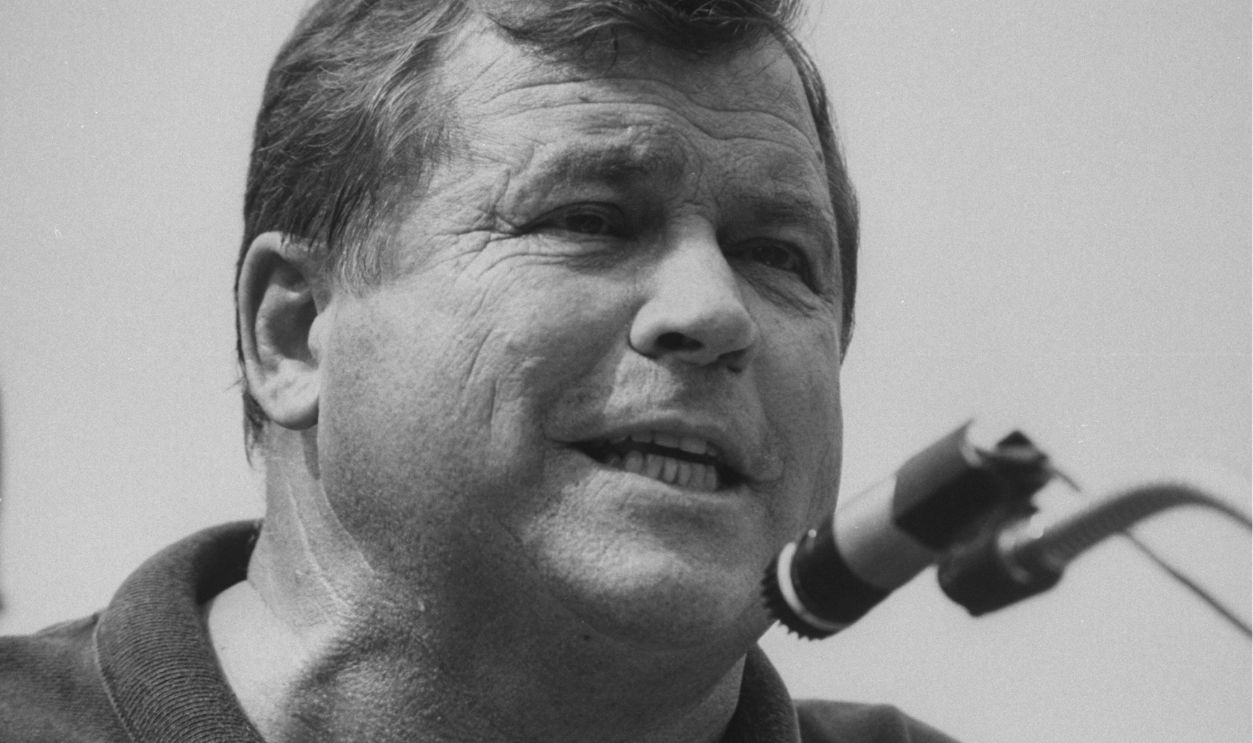
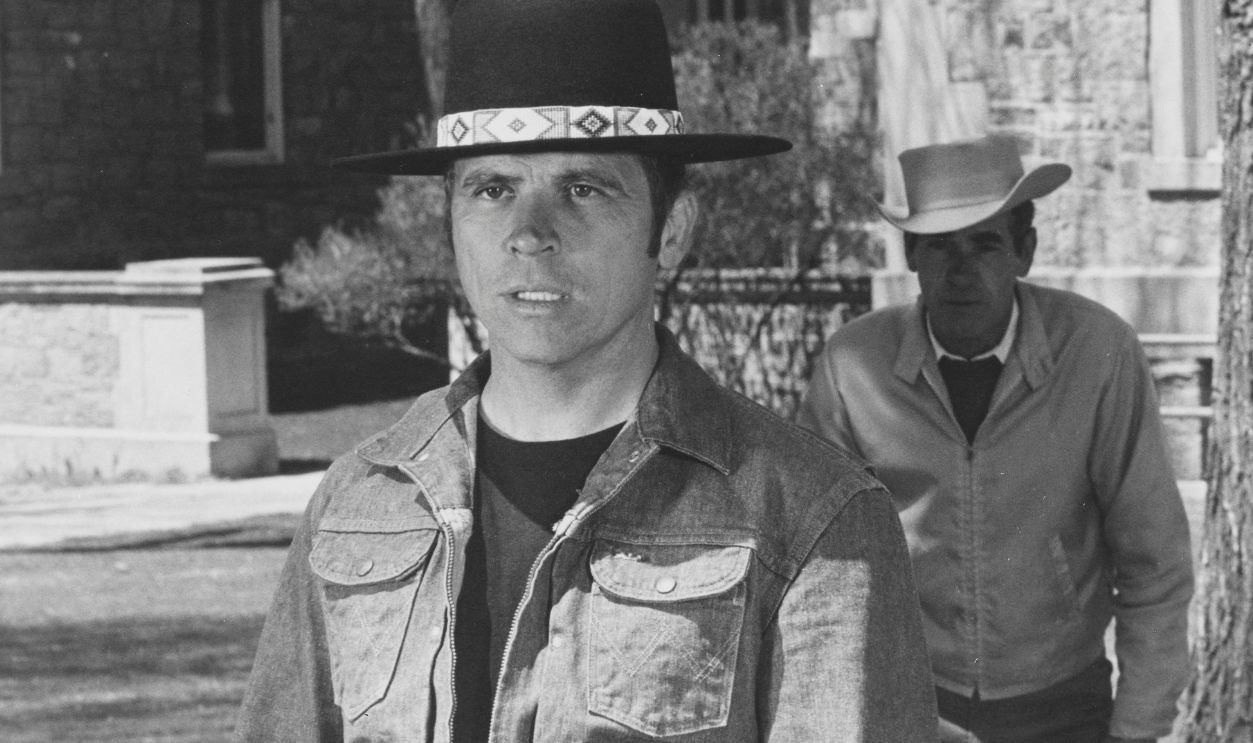
During production of the never-released The Return of Billy Jack in New York City, Laughlin intervened in a violent street altercation that erupted across the street from his filming location. He physically stepped between the combatants, broke up the fight and confronted the two of them directly. The widely reported incident reinforced his reputation for living his principles, and showed that the tough persona extended off-screen and into real life.
 John Springer Collection, Getty Images
Later Years And Health Battles
In his later years, Laughlin faced a whole welter of difficult health challenges including cancer, autoimmune disorders, celiac disease, strokes, and pneumonia. Despite all these setbacks, he went on pursuing creative and personal projects and remained outspoken until near the end of his life.
Death And Legacy
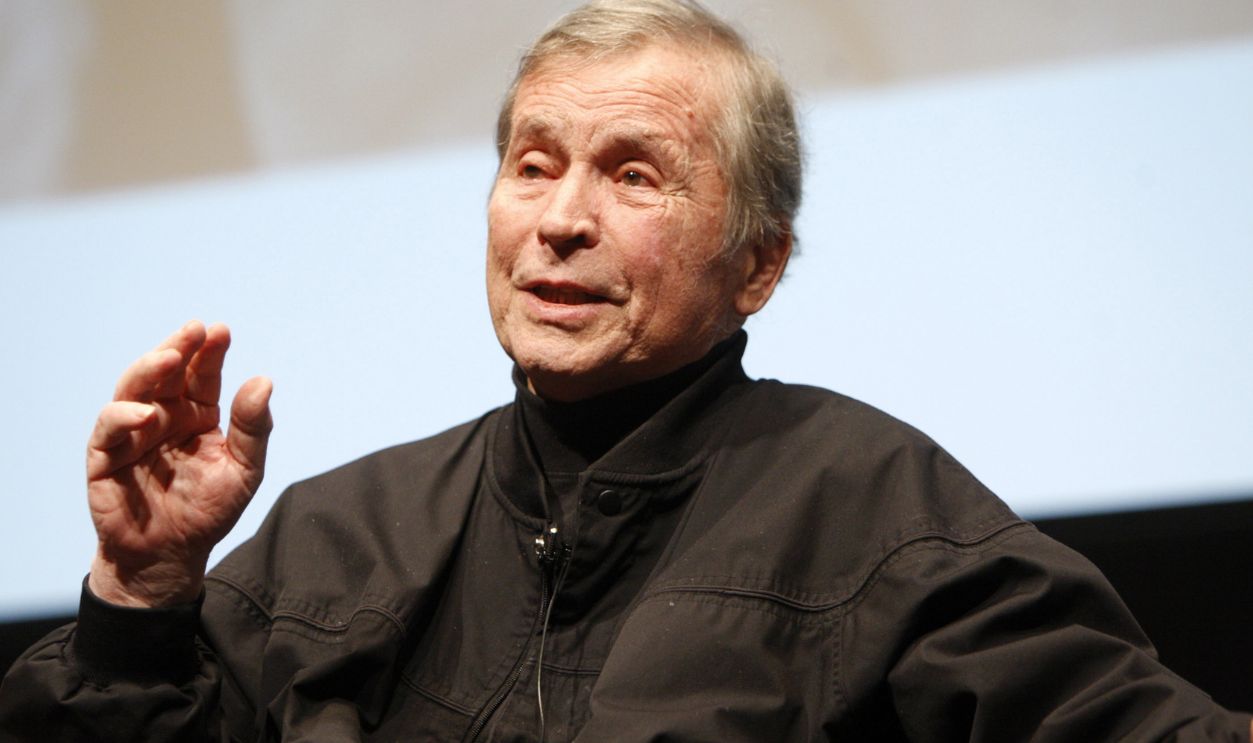
Tom Laughlin died on December 12, 2013, at age 82 from complications of pneumonia. He left behind a legacy as a fiercely independent filmmaker whose work deftly blended entertainment with social critique and whose marketing innovations influenced independent film distribution.
 Kristian Dowling, Getty Images
Billy Jack’s Place In Film History
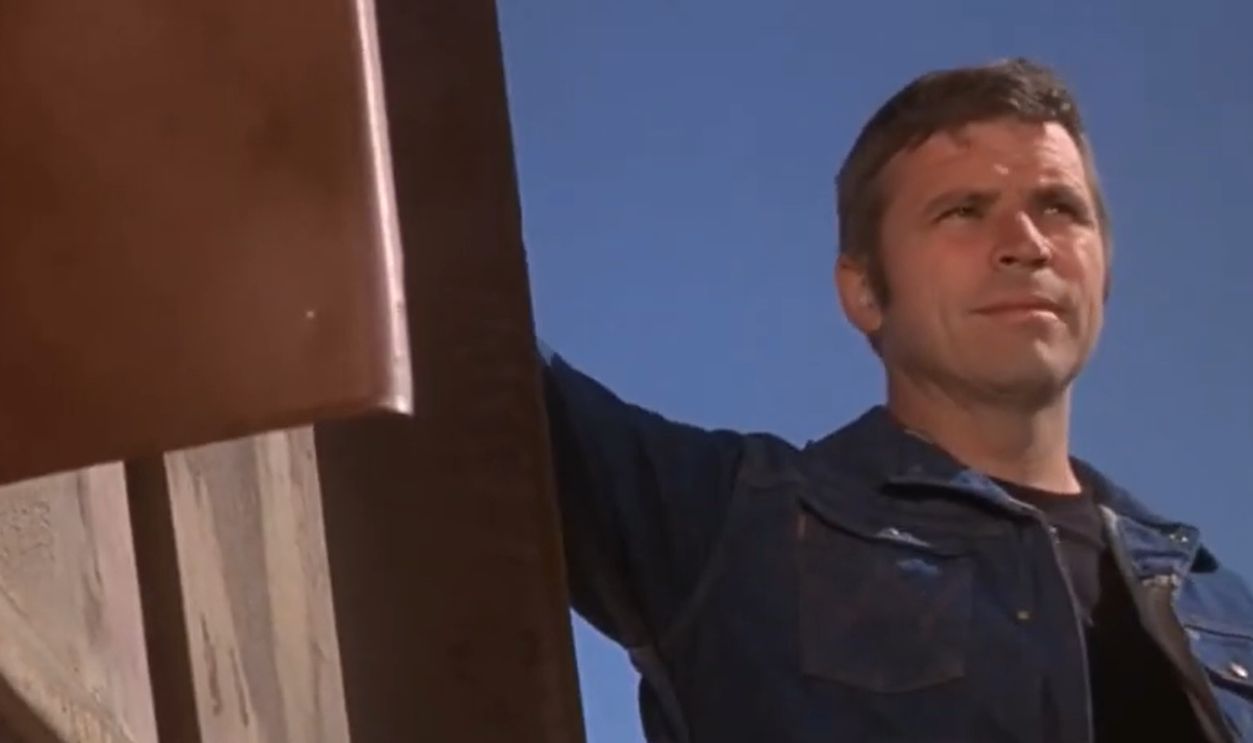
The Billy Jack series remains one of the most financially successful independent film franchises of its era. Its blend of action, social commentary, and counterculture resonance helped define 70s cinema and influenced many other filmmakers. One of those was Quentin Tarantino, who cited Billy Jack as a source of character inspiration in Once Upon a Time in Hollywood (2019), demonstrating the lasting impact of Laughlin’s rebellious spirit.
 Screenshot from Billy Jack, Warner Bros. (1971)
An Uncompromising Life
Tom Laughlin travelled his own path apart from Hollywood norms, sticking up for society’s outsiders and castoffs, and transforming an independent character into a cultural icon. His influence on independent cinema and commitment to his personal conviction cemented his place in film history.
You May Also Like:
The Toughest Actors In Hollywood
I Just Picked The 30 Best Movies From The 1970s. Do You Agree With My List?