When the Rental Store Gave Movies a Second Chance
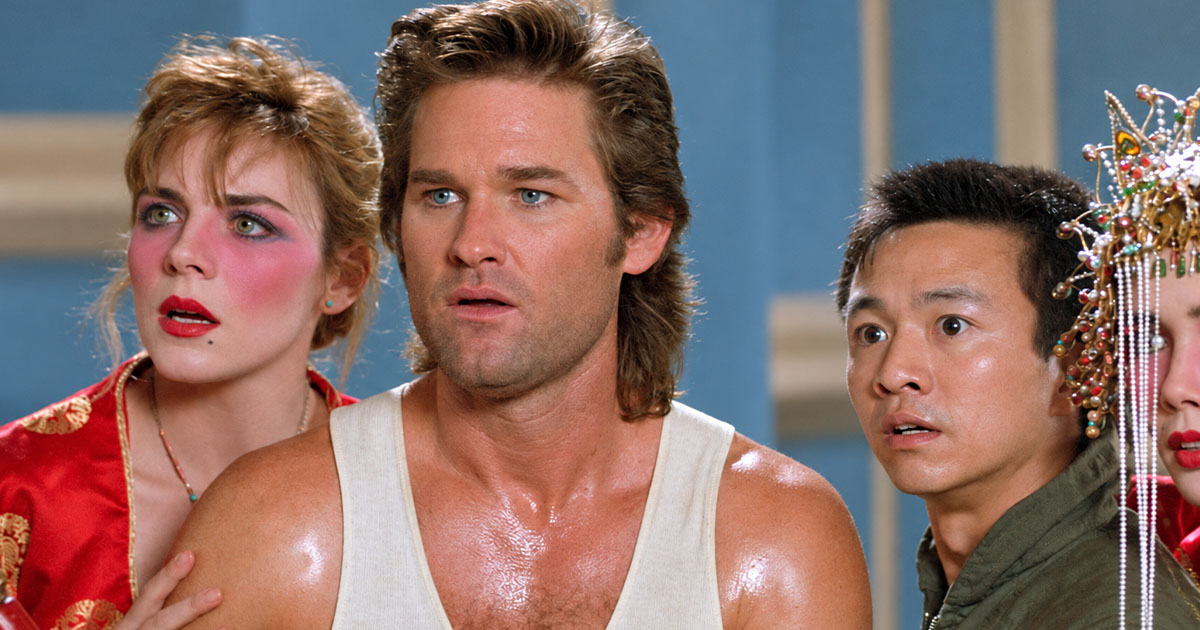
Some movies failed because they were strange, badly marketed, released at the wrong time, or simply too unusual for mainstream audiences. Then came VHS, neighborhood rental stores, and bored teenagers willing to judge a film by its gloriously ridiculous box art. These flops finally found the viewers they deserved.
Did You Ever Rent One Of Cult Classics On VHS?
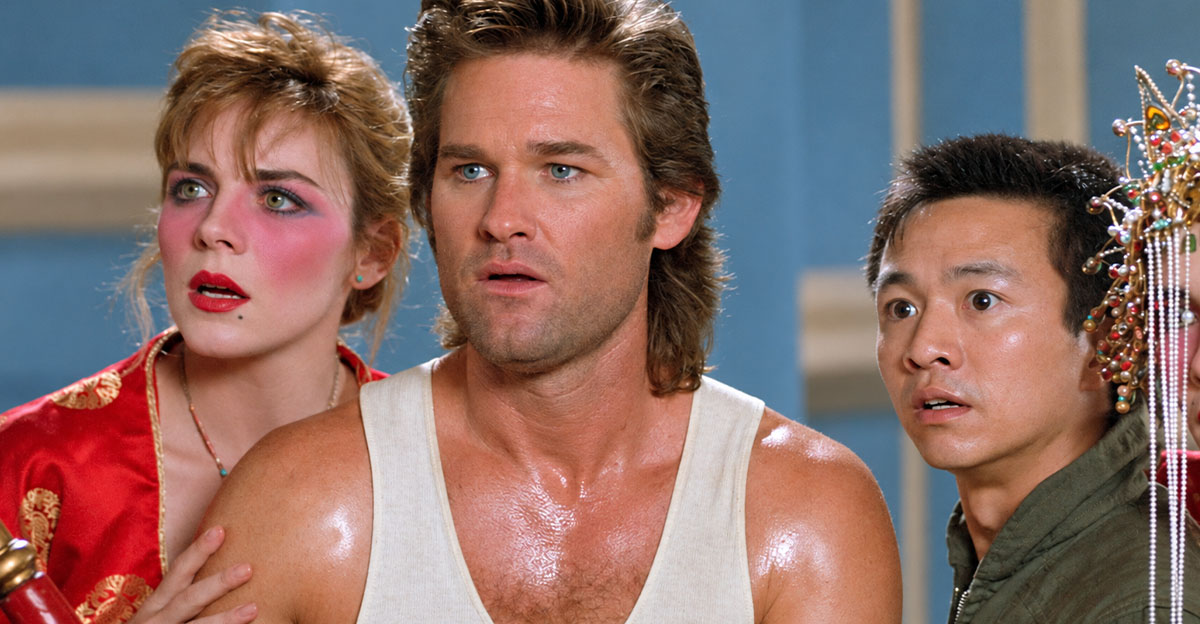 Prime Video, Big Trouble In Little China (1986)
#25: Earth Girls Are Easy (1988)
A musical science-fiction comedy starring Geena Davis, Jeff Goldblum, Jim Carrey, and Damon Wayans somehow sounded too strange even for the 1980s. It earned only a fraction of its reported budget theatrically. On video, however, its neon colors, catchy songs, and furry aliens made considerably more sense to viewers seeking something wonderfully silly.
 Screenshot from Earth Girls are Easy, Lionsgate (1988)
#24: SpaceCamp (1986)
This family adventure followed a group of young space-camp attendees who accidentally find themselves launched into orbit. Unfortunately, it arrived in theaters only months after the Challenger disaster, making audiences understandably reluctant to watch a cheerful space-shuttle adventure. VHS gave the movie another life with younger viewers who discovered it years later.
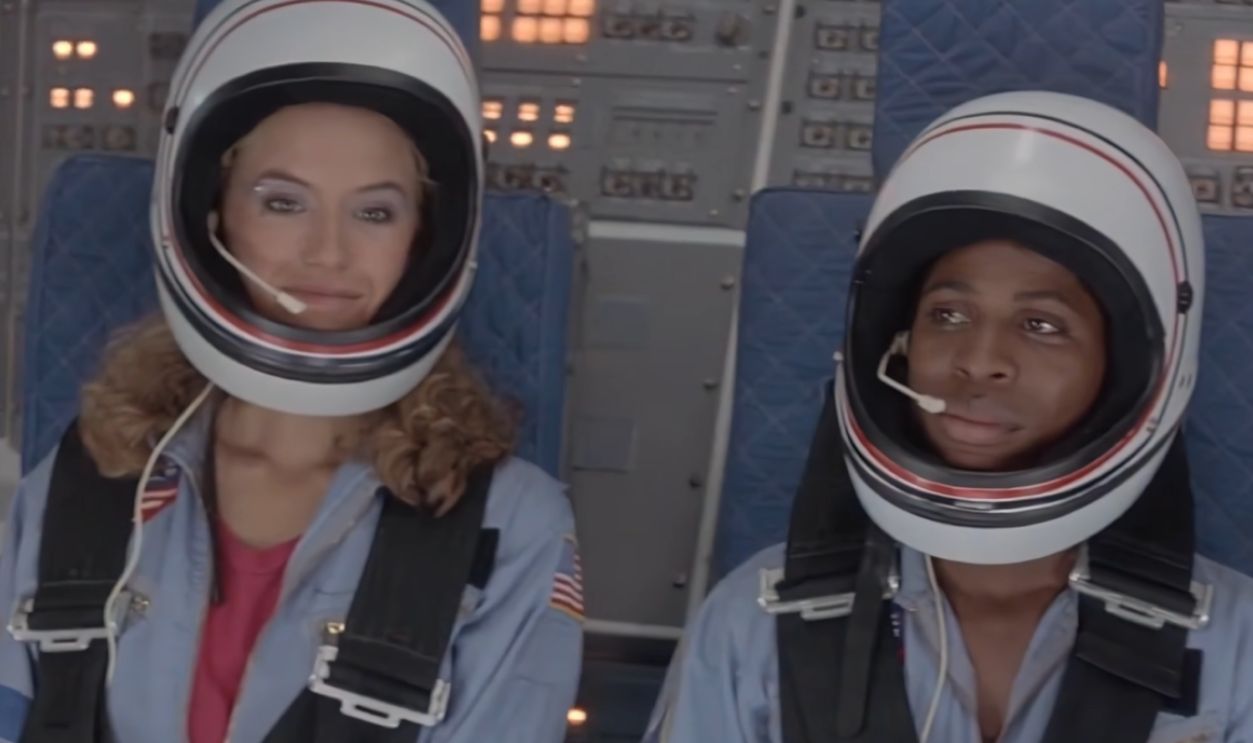 Screenshot from SpaceCamp, Amazon MGM Studios (1986)
#23: Explorers (1985)
Ethan Hawke and River Phoenix starred as children who build a homemade spacecraft and encounter aliens. Paramount rushed the unfinished film into theaters, where it performed poorly against heavy summer competition. Children later discovered it on video, where its imaginative first half, young cast, and charmingly bizarre extraterrestrials helped turn it into a nostalgic favorite.
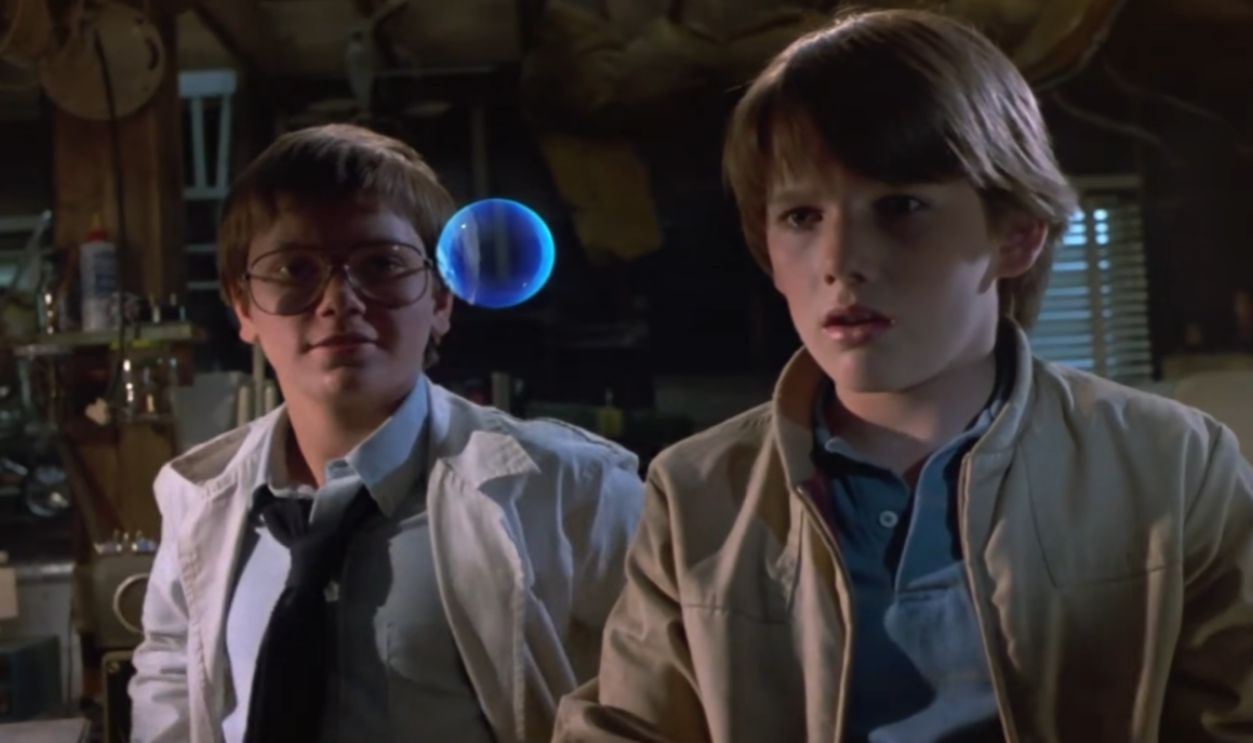 Screenshot from Explorers, Paramount (1985)
#22: Enemy Mine (1985)
Dennis Quaid played a human pilot stranded with an alien enemy, played by Louis Gossett Jr., in this ambitious science-fiction drama. A troubled production and expensive reshoots helped inflate its cost, while theatrical receipts remained disappointing. Video-store audiences eventually embraced its emotional story about prejudice, survival, friendship, and extremely complicated alien parenthood.
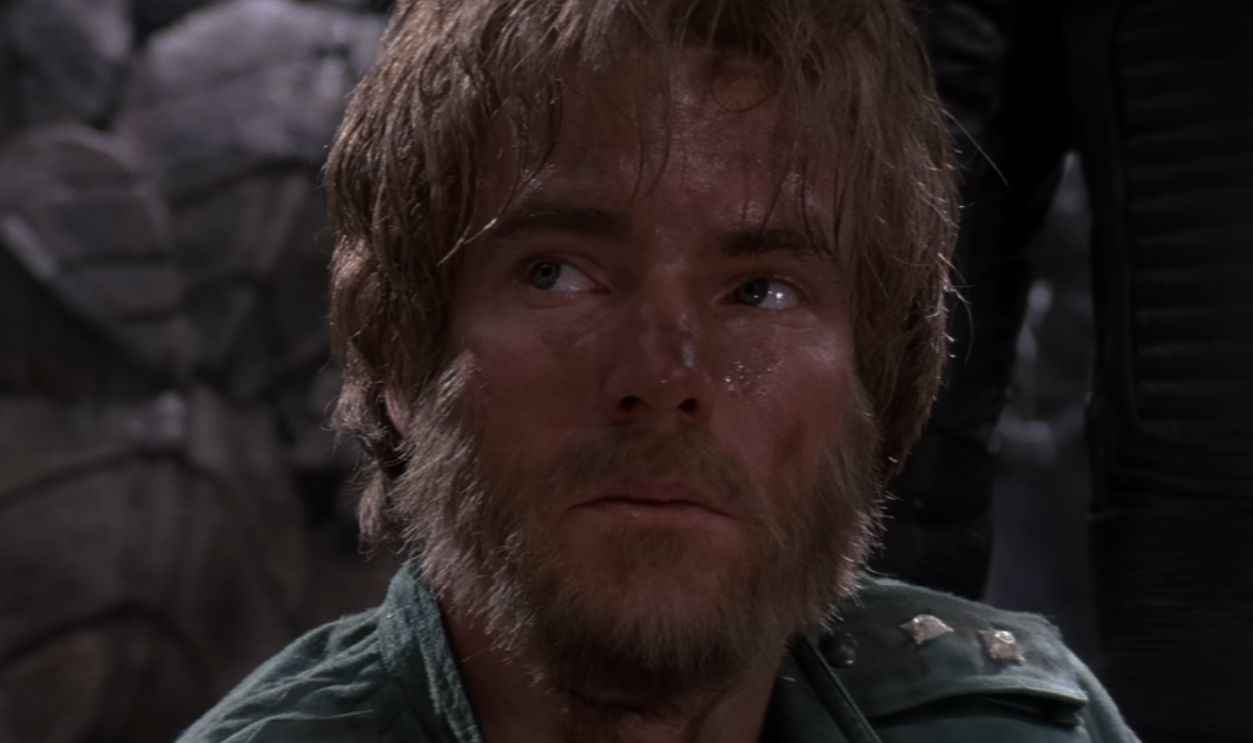 Screenshot from Enemy Mine, The Walt Disney Company (1985)
#21: Masters of the Universe (1987)
Dolph Lundgren brought He-Man to live action in a production that transported much of the story from Eternia to modern-day Earth. The film failed to recover its reported budget and disappointed fans expecting something closer to the cartoon. VHS viewers were more forgiving, embracing Frank Langella’s committed performance as Skeletor and the movie’s handmade fantasy spectacle.
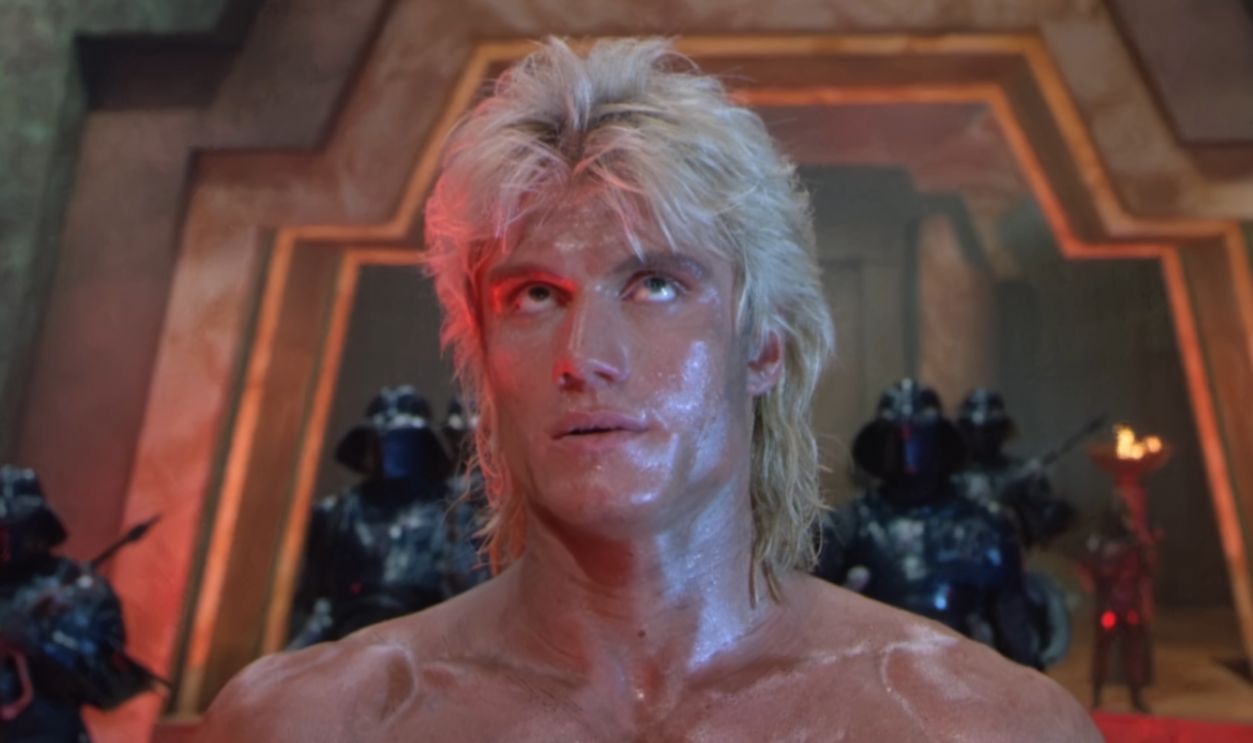 Screenshot from Masters of the Universe, Amazon MGM Studios (1987)
#20: The Black Cauldron (1985)
Disney spent years and a substantial budget developing this unusually dark animated fantasy. Its disappointing theatrical run became a major embarrassment for the studio, which kept it away from home video for years. When it finally reached VHS, viewers discovered a moody, ambitious adventure that looked nothing like the cheerful Disney films surrounding it.
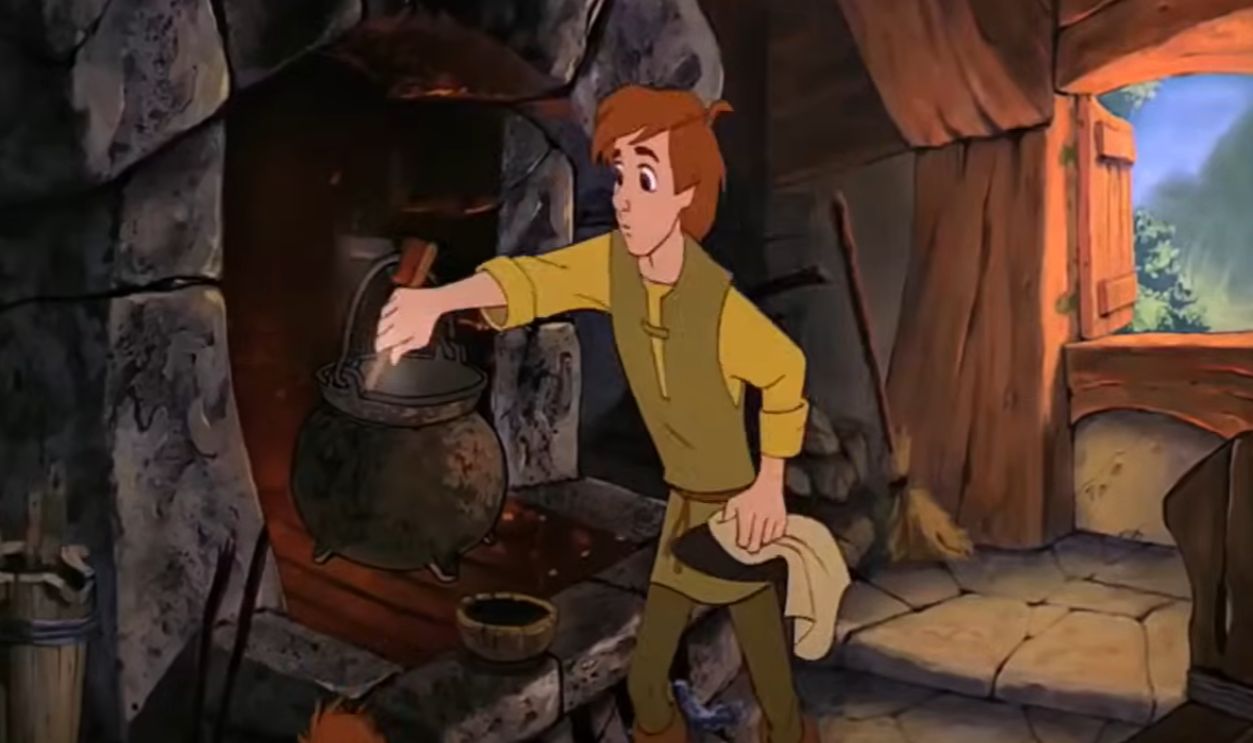 Screenshot from The Black Cauldron, The Walt Disney Company (1985)
#19: Streets of Fire (1984)
Walter Hill described this musical action fantasy as a “rock-and-roll fable,” but audiences did not know what to make of its mixture of 1950s cars, 1980s music, motorcycles, neon, and sledgehammer fights. Home-video viewers eventually understood the assignment. Its heightened style, soundtrack, and Willem Dafoe’s memorably menacing villain made it a cult favorite.
 Screenshot from Streets of Fire, NBCUniversal (1984)
#18: Krull (1983)
This expensive fantasy combined swords, sorcery, alien invaders, a magical throwing weapon, and a young Liam Neeson in a supporting role. Critics were unimpressed, and ticket sales fell far short of expectations. Video stores gave fantasy-hungry viewers time to discover its elaborate sets, unusual creatures, and the Glaive, which was far more exciting than most rental-store household objects.
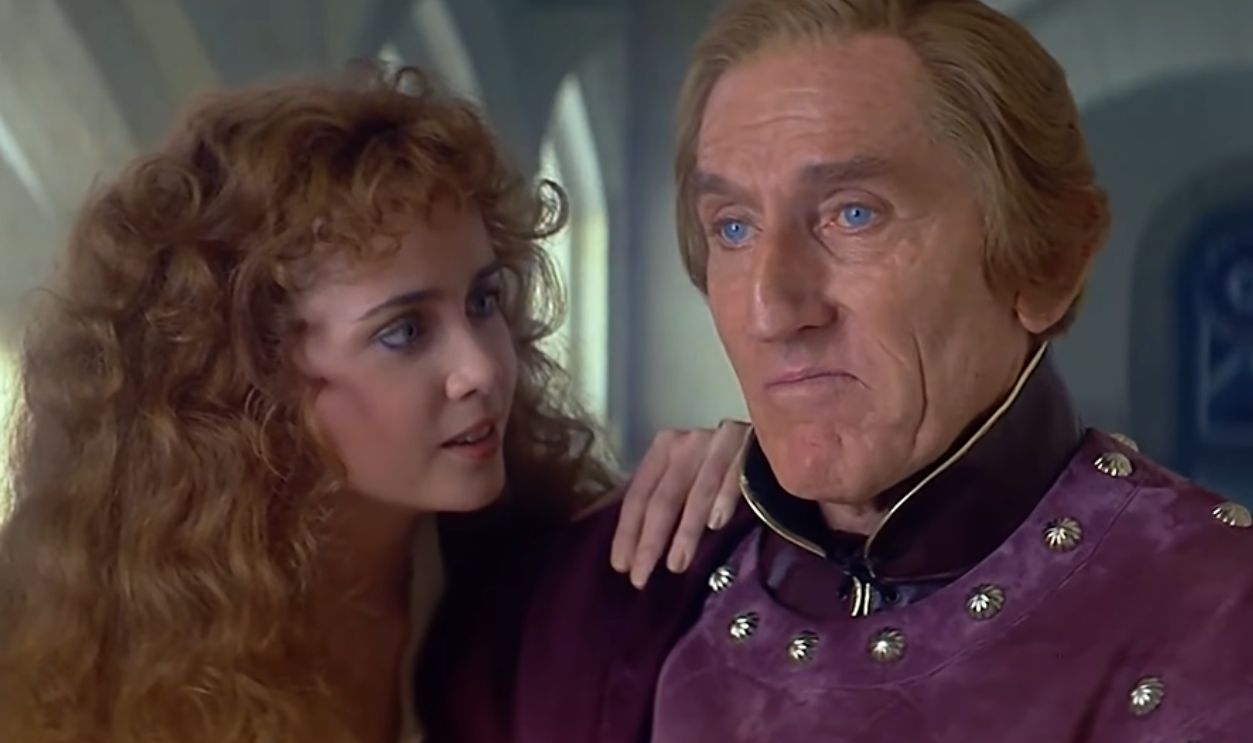 Screenshot from Krull, Sony Pictures Entertainment (1983)
#17: Return to Oz (1985)
Disney’s darker return to L. Frank Baum’s world frightened families expecting a cheerful sequel to the 1939 musical. Dorothy receives medical treatment, encounters the head-swapping Princess Mombi, and faces the deeply unsettling Wheelers. Its theatrical run disappointed, but VHS allowed adventurous children to revisit Oz repeatedly—and confirm that, yes, the Wheelers were still terrifying.
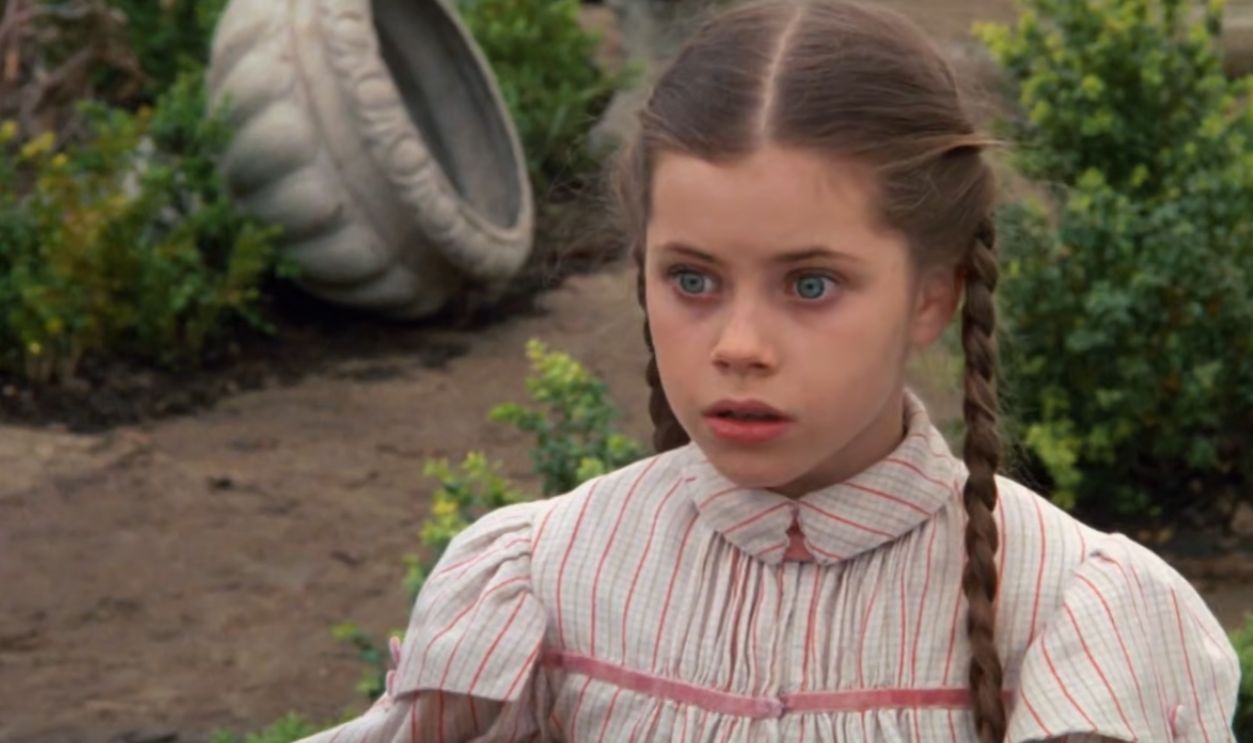 Screenshot from Return to Oz, The Walt Disney Company (1985)
#16: Legend (1985)
Ridley Scott’s fantasy featured Tom Cruise, Mia Sara, unicorns, and Tim Curry buried beneath magnificent makeup as the demonic Lord of Darkness. Different edits and musical scores complicated its original release, which struggled at the box office. Home video helped viewers find the version they preferred while turning Curry’s towering villain into a fantasy icon.
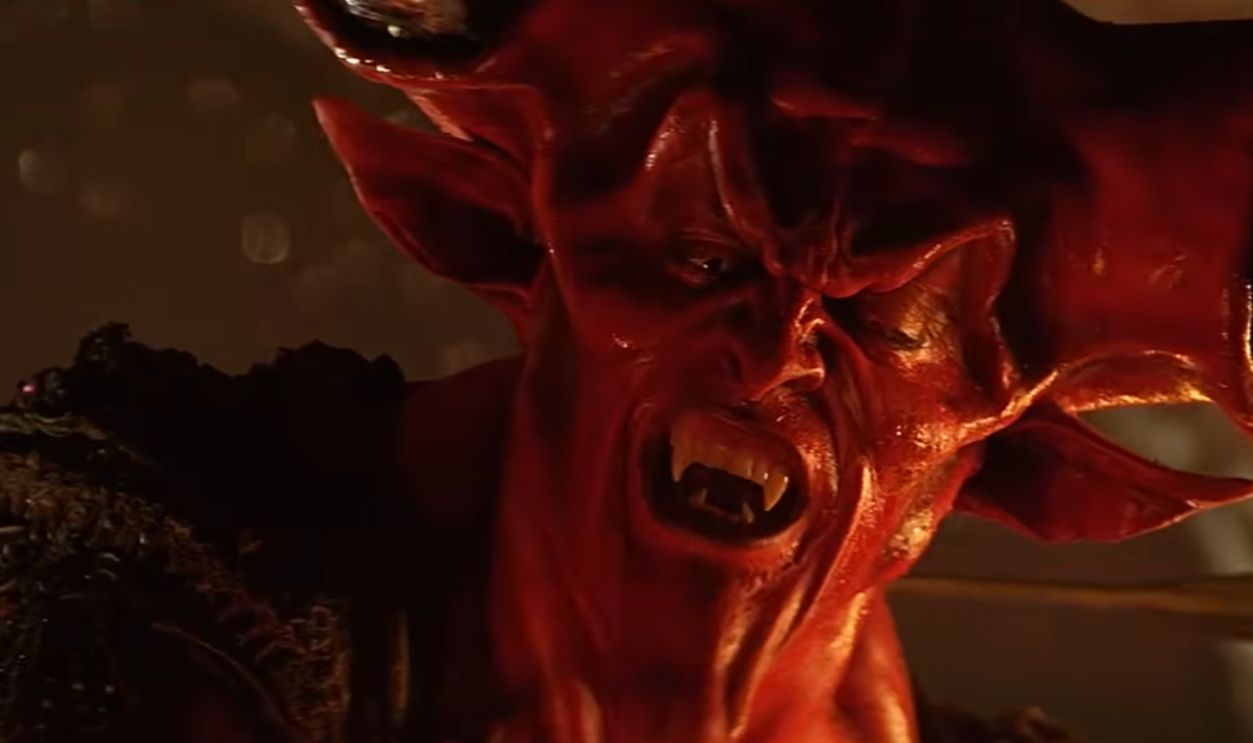 Screenshot from Legend, NBCUniversal (1985)
#15: Lifeforce (1985)
Tobe Hooper’s expensive science-fiction horror film offered space vampires, apocalyptic destruction, and an exceptionally serious Patrick Stewart. Cannon Films hoped it would become a major event, but audiences stayed away. On VHS, its excess became the attraction. The lurid cover art practically demanded attention from anyone wandering through the horror aisle without adult supervision.
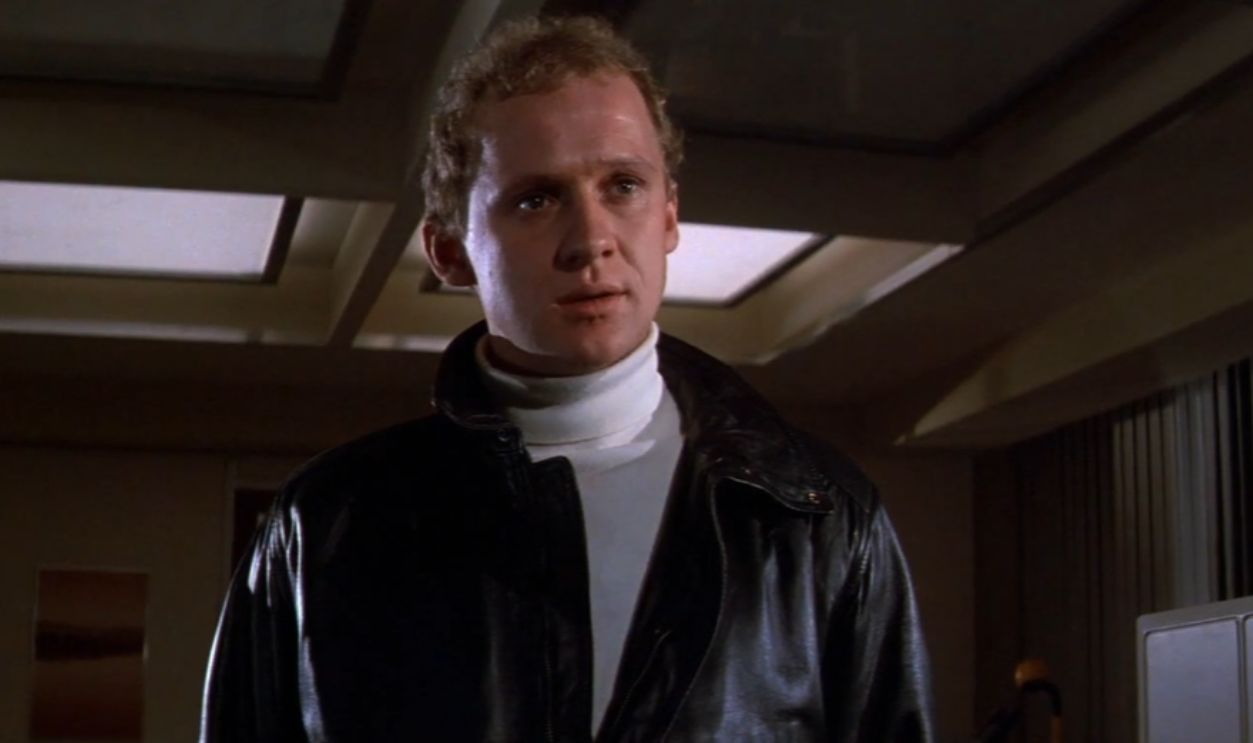 Screenshot from Lifeforce, Amazon MGM Studios (1985)
#14: Dune (1984)
David Lynch attempted to compress Frank Herbert’s enormous novel into a single feature filled with political intrigue, prophetic visions, giant sandworms, and enough invented vocabulary to require a glossary. The costly film underperformed theatrically and confused many viewers. Repeated video rentals helped fans absorb its dense mythology and appreciate its elaborate, deeply peculiar world.
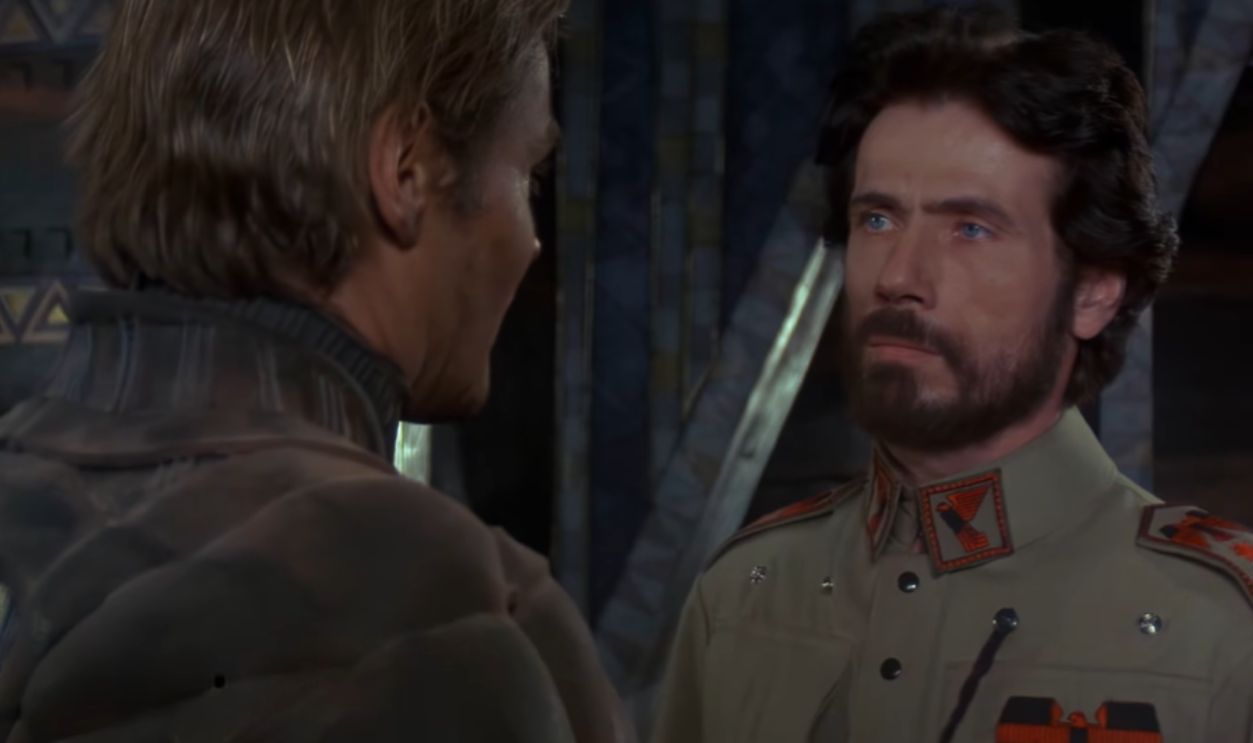 Screenshot from Dune, NBCUniversal (1984)
#13: Videodrome (1983)
David Cronenberg’s disturbing film starred James Woods as a television executive who discovers a mysterious broadcast filled with violence and mind-altering signals. It attracted little attention in theaters, but its ideas were perfectly suited to the video age. Watching it on a rented tape made its warnings about screens and recorded images feel uncomfortably personal.
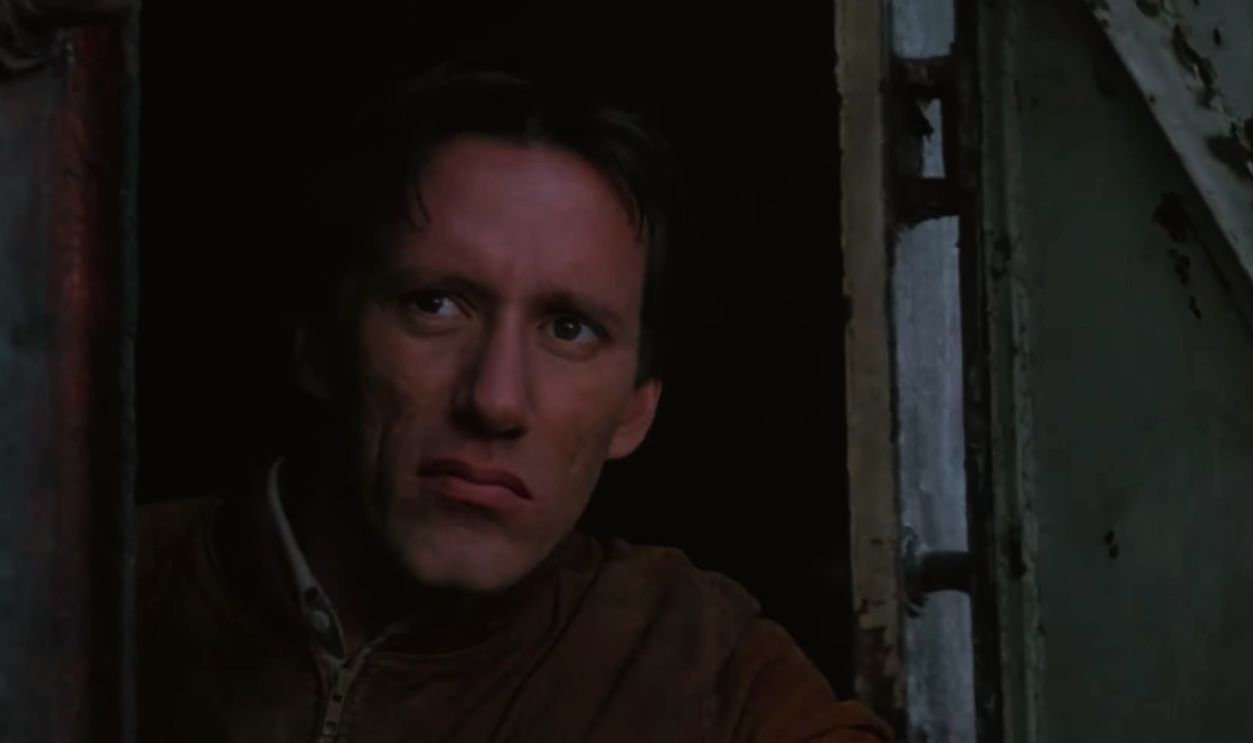 Screenshot from Videodrome, NBCUniversal (1983)
#12: Manhunter (1986)
Michael Mann’s stylish thriller introduced movie audiences to Hannibal Lecktor, spelled differently here and played by Brian Cox. Despite strong performances and a striking visual style, it earned less than its reported budget. Cable broadcasts and video rentals gradually built its reputation, especially after Hannibal Lecter became a household name through a later adaptation.
 Screenshot from Manhunter, Amazon MGM Studios (1986)
#11: The King of Comedy (1982)
Martin Scorsese and Robert De Niro followed several major successes with this uncomfortable satire about an aspiring comedian obsessed with a famous talk-show host. Audiences largely ignored it, perhaps because Rupert Pupkin’s desperation was more painful than funny. Home video gave viewers time to recognize how accurately it anticipated celebrity obsession and fame-at-any-cost culture.
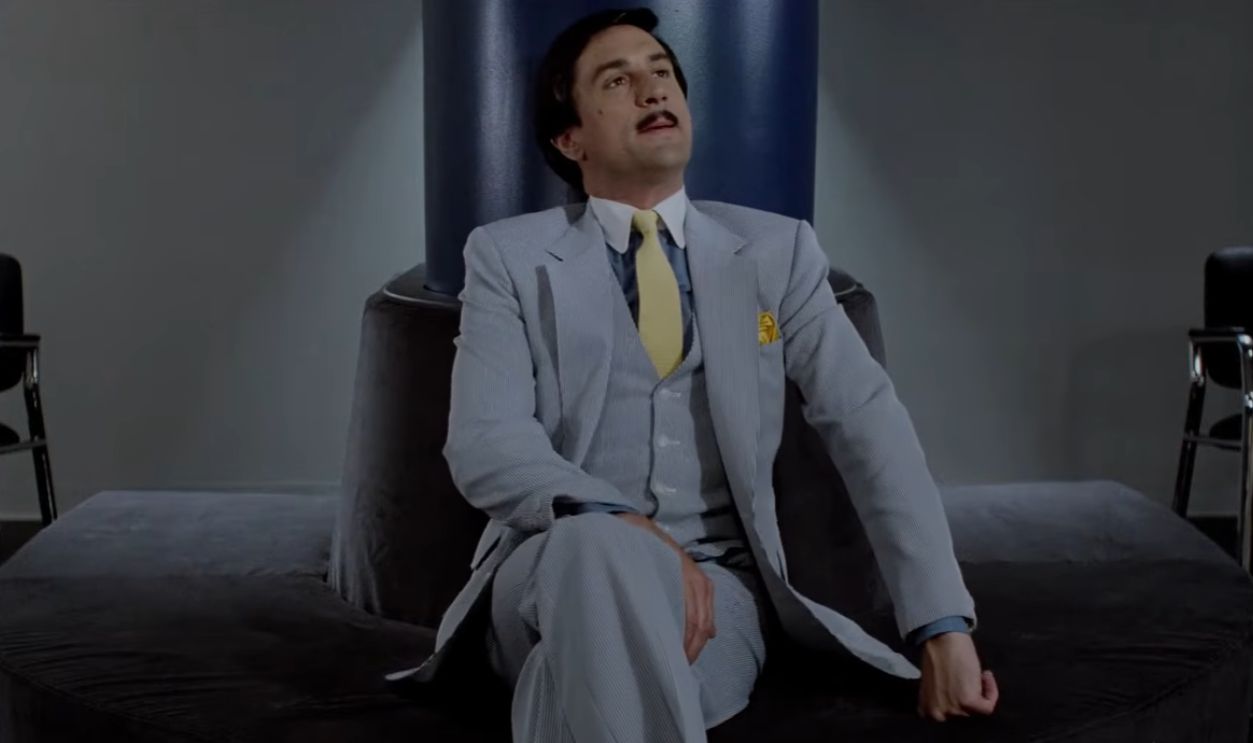 Screenshot from The King of Comedy, The Walt Disney Company (1982)
#10: Brazil (1985)
Terry Gilliam’s dystopian satire became entangled in a famous dispute over its American release, with the studio seeking a shorter and more optimistic version. Its theatrical performance was modest, but home video helped its strange machinery, oppressive bureaucracy, and dark humor reach a wider audience. Rewatching also helped, since one viewing barely explained the ductwork.
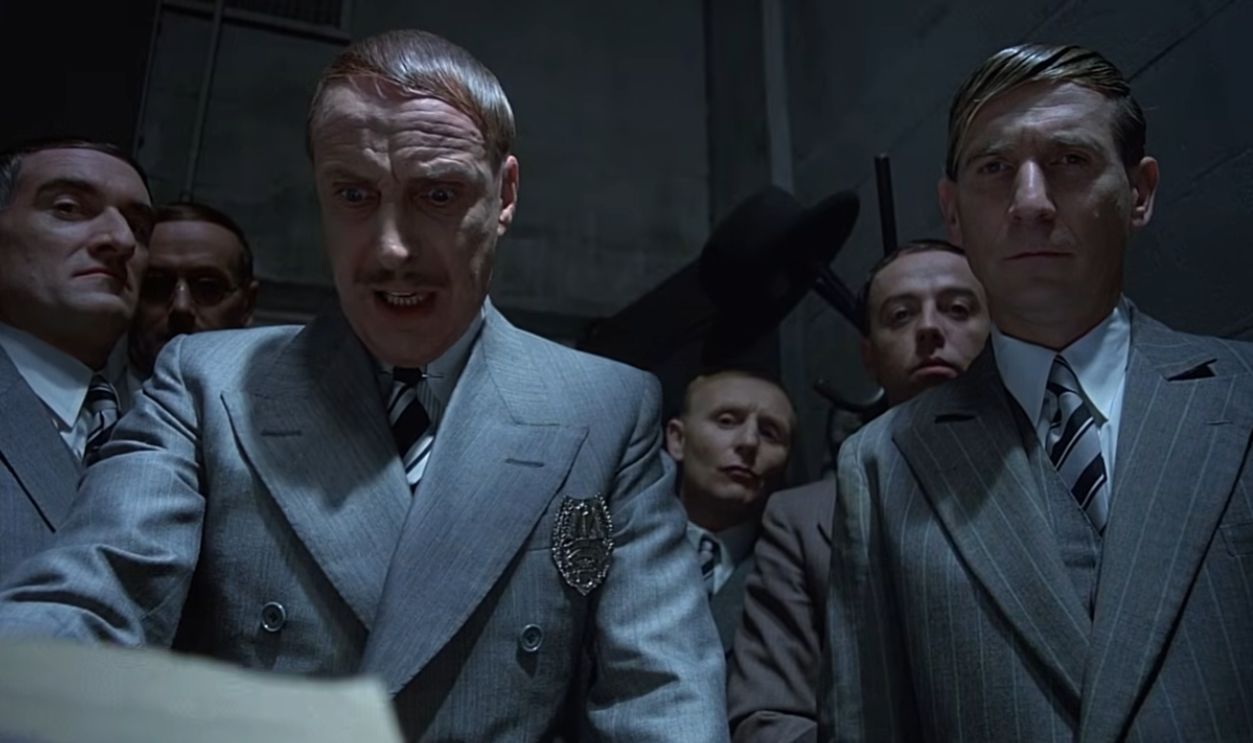 Screenshot from Brazil, NBCUniversal (1985)
#9: The Adventures of Baron Munchausen (1988)
Terry Gilliam’s lavish fantasy became notorious for its ballooning budget and chaotic production. It received limited promotion and earned only a small portion of its cost in American theaters. Video viewers later discovered an imaginative adventure packed with elaborate sets, impossible journeys, Robin Williams, and enough visual invention to stock an entire fantasy aisle.
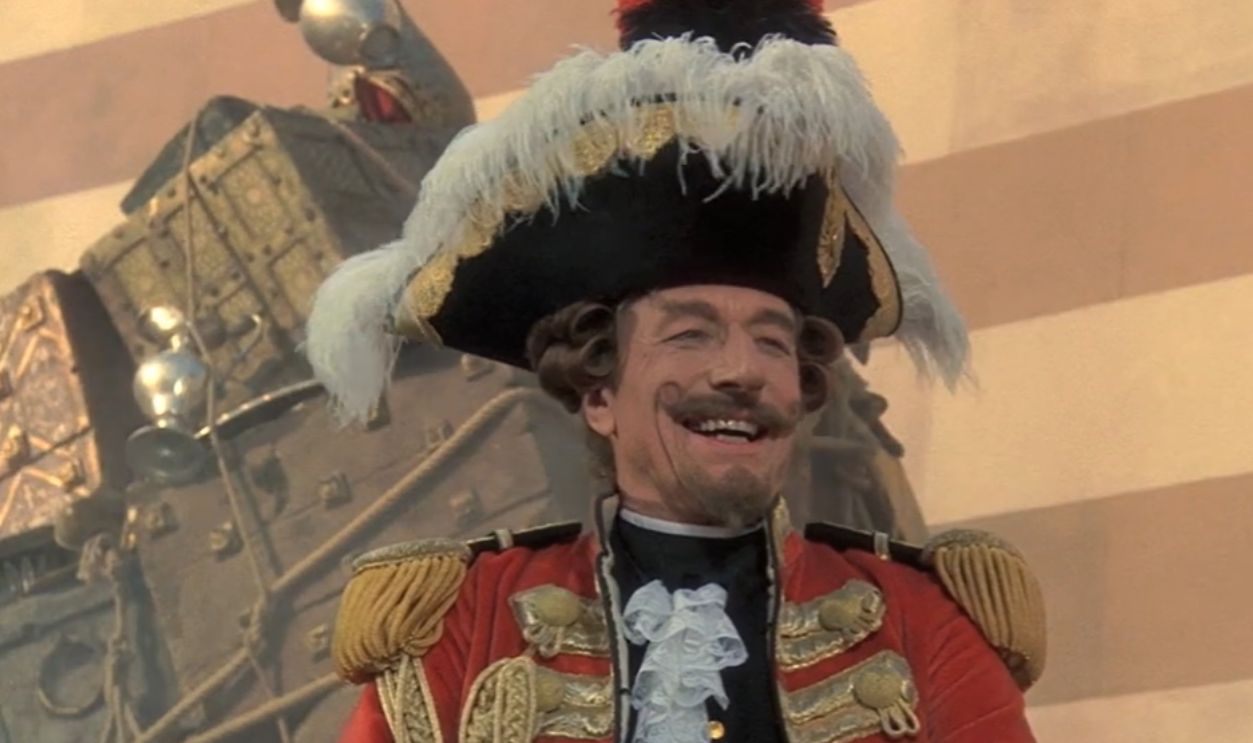 Screenshot from The Adventures of Baron Munchausen, Sony Pictures Entertainment (1988)
#8: Heathers (1989)
Winona Ryder and Christian Slater starred in this dark high-school comedy, which opened in limited release and earned little at the box office. Its sharp dialogue and uncomfortable subject matter were not designed for broad theatrical success. Teenagers found it through VHS, passed it among friends, and turned lines like “What’s your damage?” into cult-language essentials.
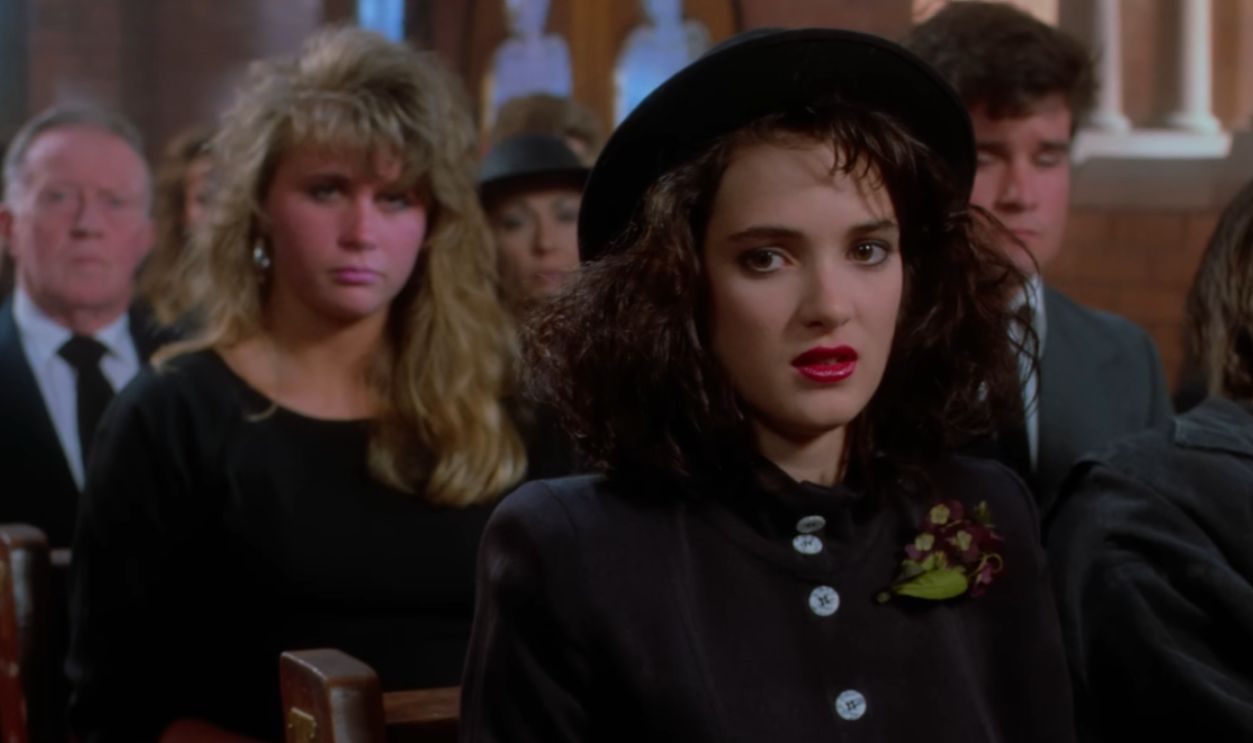 Screenshot from Heathers, Shout! Studios (1989)
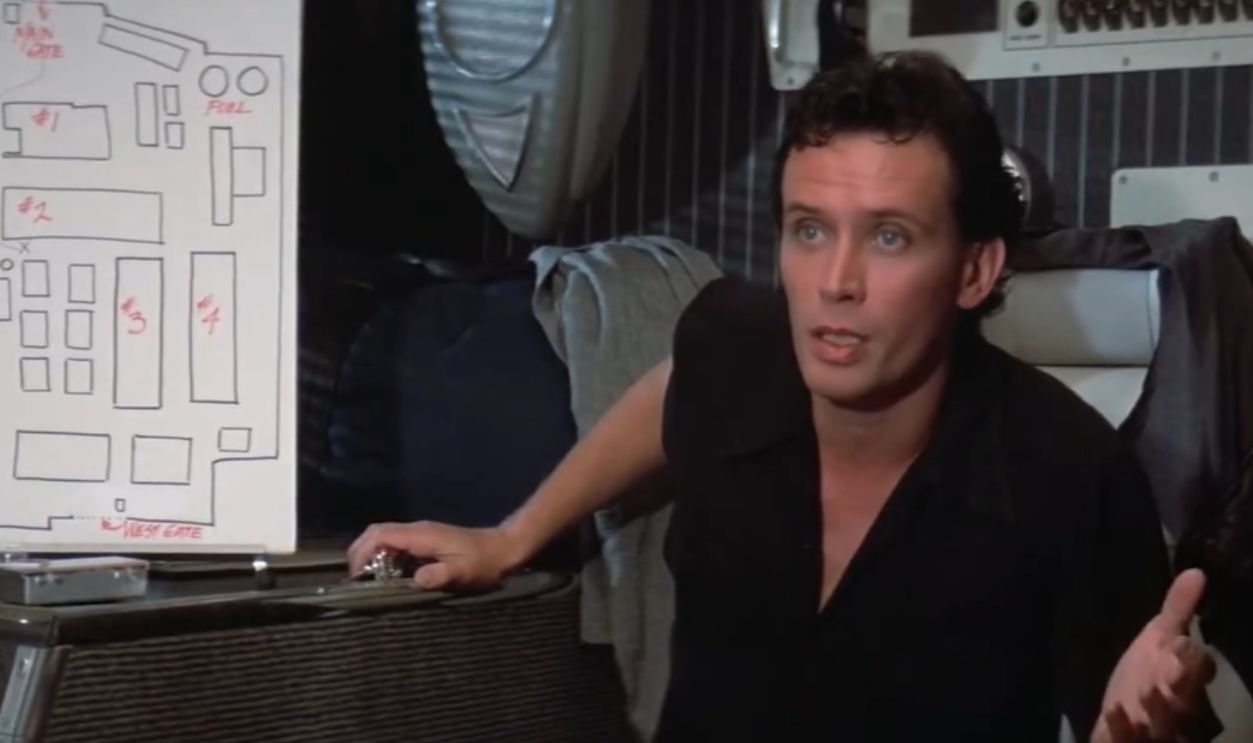
#7: The Adventures of Buckaroo Banzai Across the 8th Dimension (1984)
Peter Weller played a neurosurgeon, rock musician, scientist, and action hero battling alien invaders. The film’s dense mythology and refusal to explain itself baffled general audiences, leading to poor ticket sales. Video-store customers could pause, rewind, and watch again, which was nearly essential when trying to understand Buckaroo Banzai’s extremely crowded résumé.
#6: The Monster Squad (1987)
A group of children battles Dracula, the Wolf Man, the Mummy, and other classic monsters in this horror comedy from director Fred Dekker and co-writer Shane Black. Its theatrical release disappeared quickly. VHS transformed it into a sleepover staple, where children discovered that monsters were frightening but apparently vulnerable to teamwork and enthusiastic shouting.
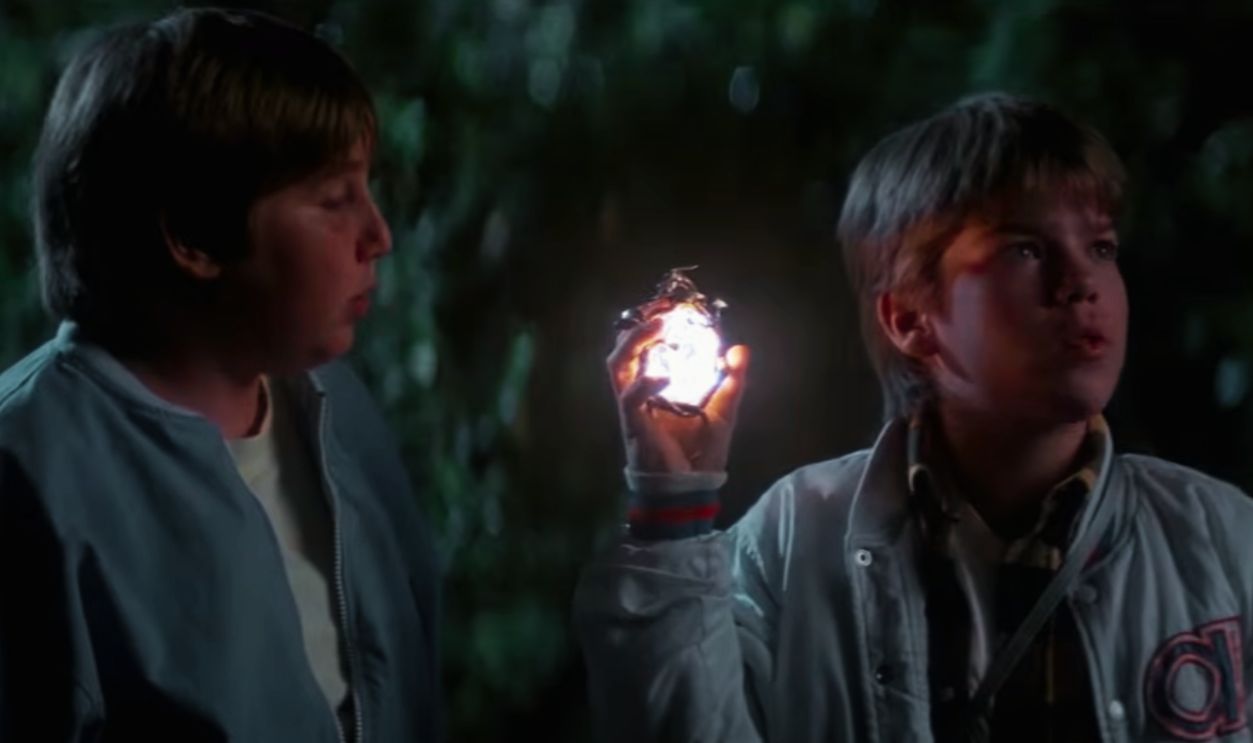 Screenshot from The Monster Squad, Paramount (1987)
#5: Clue (1985)
The mystery comedy was released with three different endings, with theaters receiving different conclusions. The experiment confused marketing and may have discouraged audiences, leaving the movie unable to recover its budget domestically. Home video solved the problem by combining all three endings, allowing viewers to enjoy the cast’s frantic performances without consulting local theater listings.
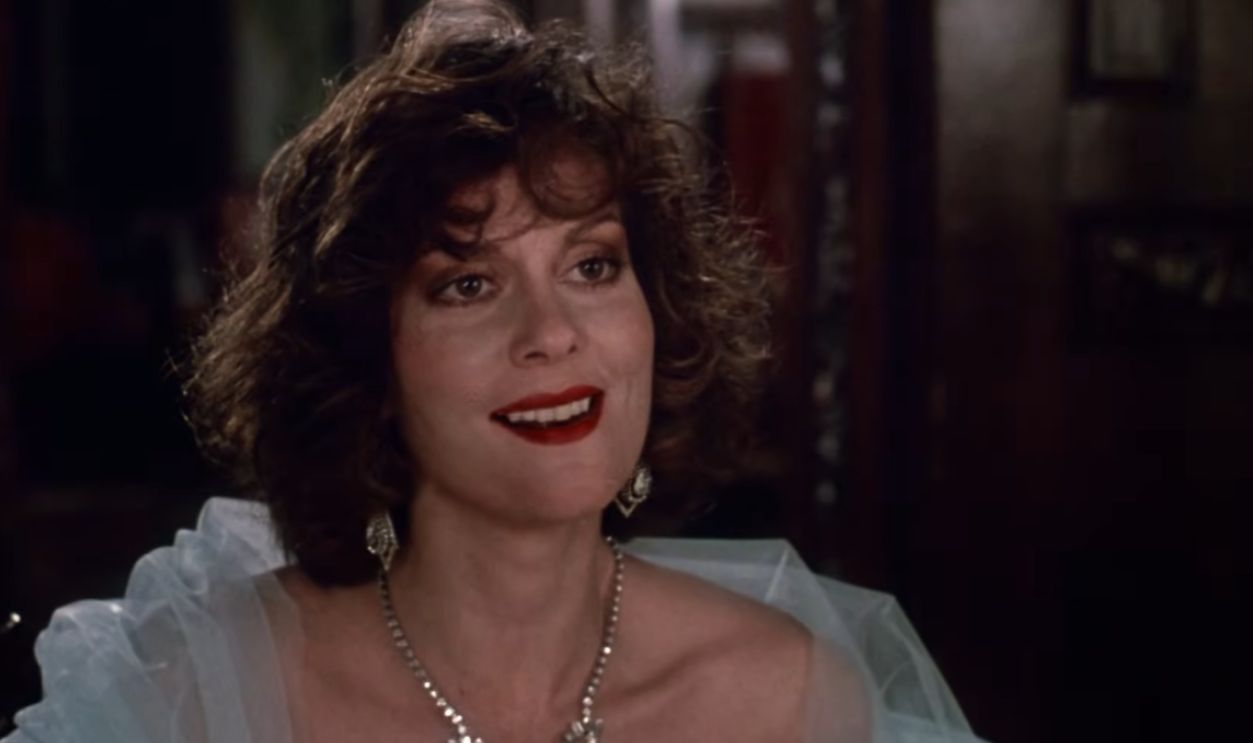 Screenshot from Clue, Paramount (1985)
#4: Labyrinth (1986)
Jim Henson’s fantasy starred Jennifer Connelly opposite David Bowie’s magnificently styled Goblin King. Despite its puppetry, music, and imaginative world, the film disappointed at the box office. VHS changed everything. Children could revisit the maze repeatedly, memorize Bowie’s songs, and spend years trying to understand several wardrobe decisions that required no explanation in 1986.
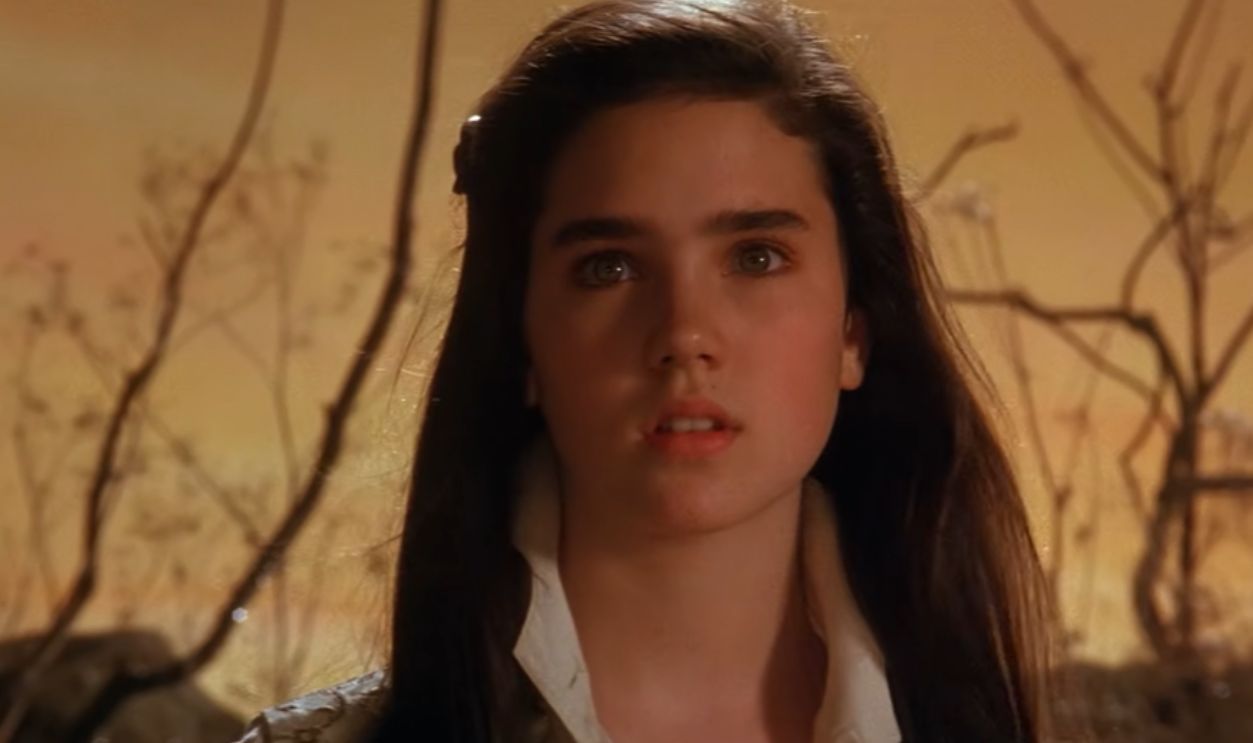 Screenshot from Labyrinth, Shout! Studios (1986)
#3: Big Trouble in Little China (1986)
John Carpenter’s action comedy starred Kurt Russell as Jack Burton, a truck driver who believes he is the hero while frequently misunderstanding nearly everything happening around him. The studio struggled to market the genre-bending movie, and it flopped theatrically. Video audiences embraced its martial arts, monsters, comedy, and endlessly quotable dialogue.
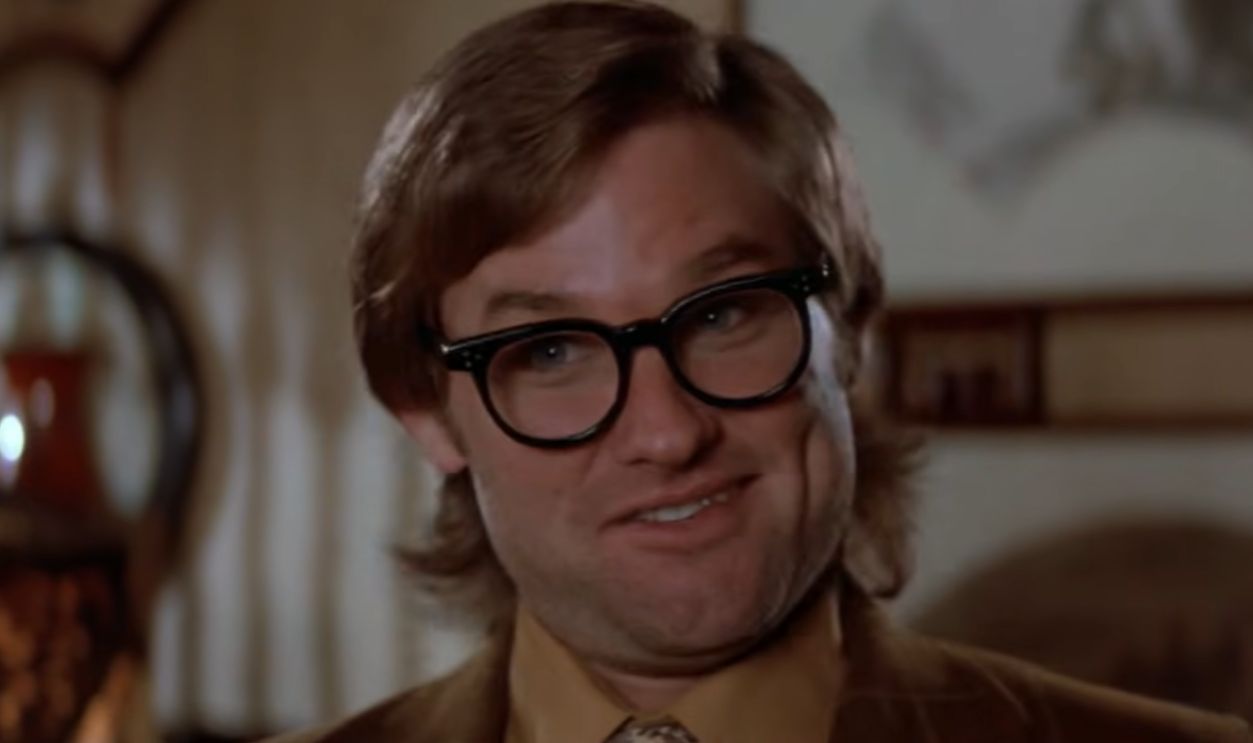 Screenshot from Big Trouble in Little China, The Walt Disney Company (1986)
#2: The Thing (1982)
John Carpenter’s Antarctic horror film opened shortly after E.T. the Extra-Terrestrial, when audiences were apparently more interested in friendly visitors from space. Reviews were harsh, and ticket sales were disappointing. VHS rentals allowed its practical effects, paranoia, and ambiguous ending to gain appreciation slowly. It is now widely considered one of horror’s greatest films.
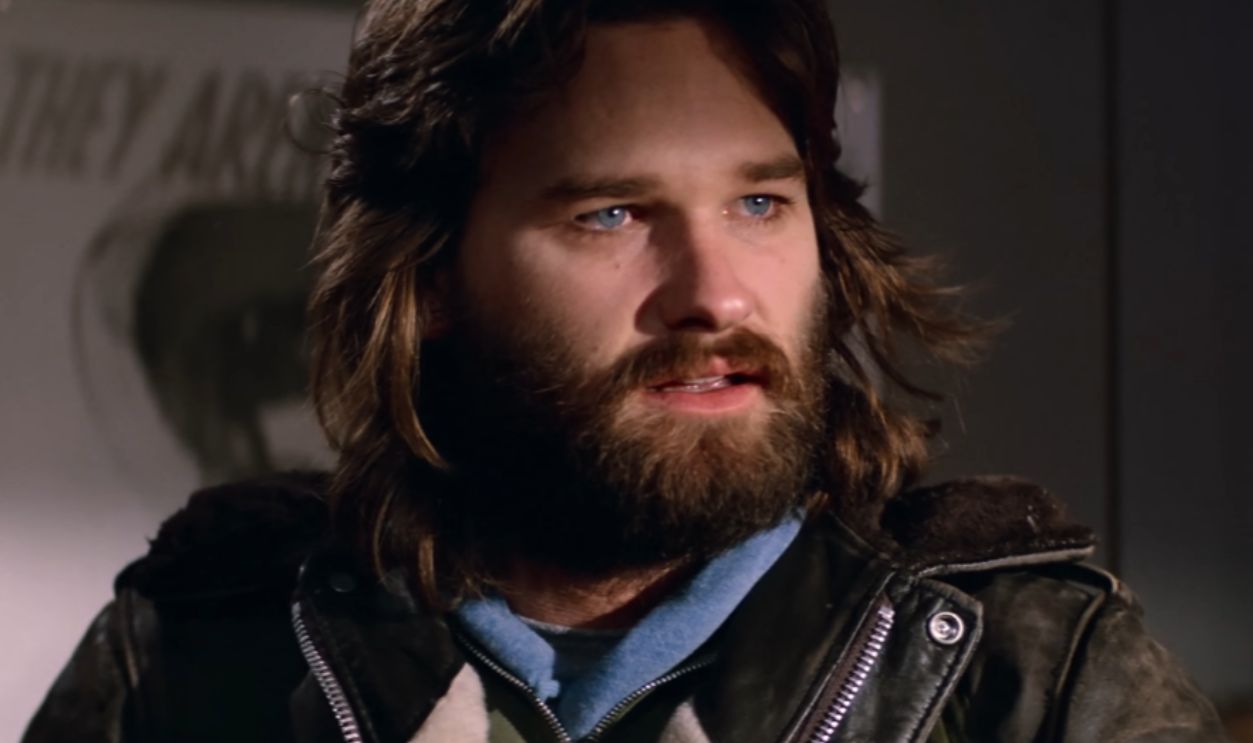 Screenshot from The Thing, NBCUniversal (1982)
#1: Blade Runner (1982)
Ridley Scott’s science-fiction noir struggled during its original theatrical run, where audiences encountered a studio-imposed narration, an unusual ending, and competition from more accessible summer movies. Television broadcasts, VHS releases, and later alternate cuts steadily transformed its reputation. What began as an expensive disappointment became one of the most influential science-fiction films ever made.
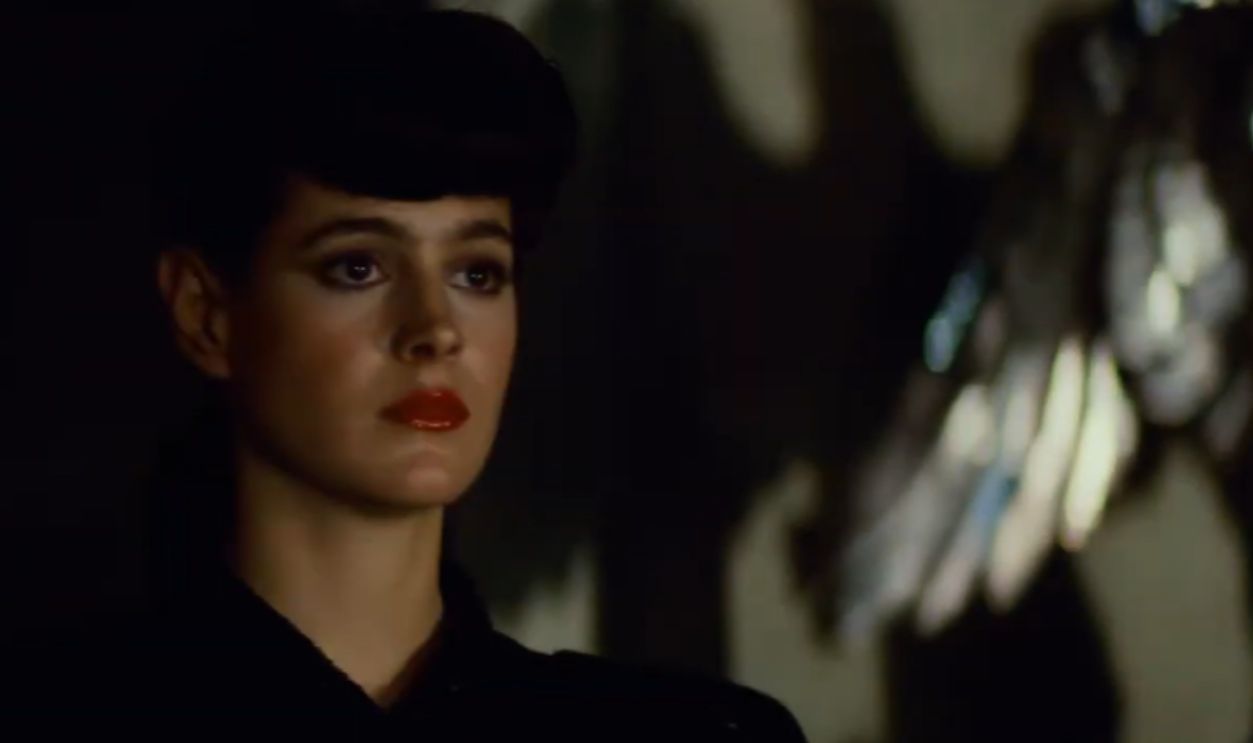 Screenshot from Blade Runner, Warner Bros. (1982)
You May Also Like: Commercial Jingles From The 1970s That Baby Boomers Will Remember Forever—Whether They Want To Or Not
Sources: 1, 2, 3, 4, 5, 6, 7, 8, 9, 10, 11, 12, 13, 14, 15, 16, 17, 18, 19, 20, 21, 22, 23, 24, 25