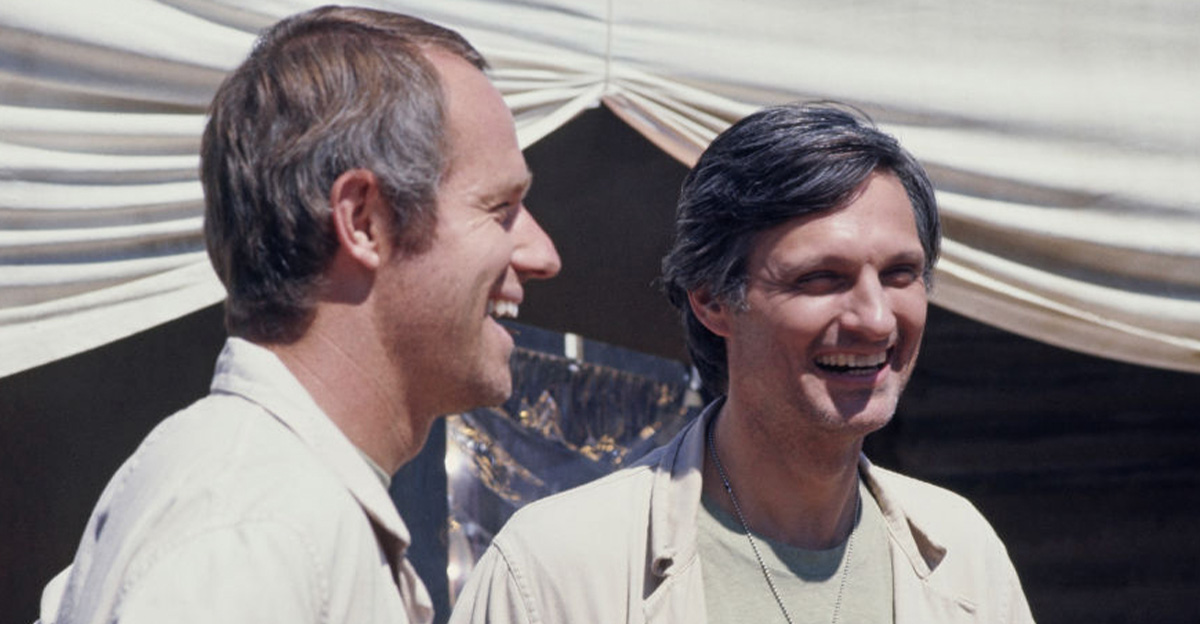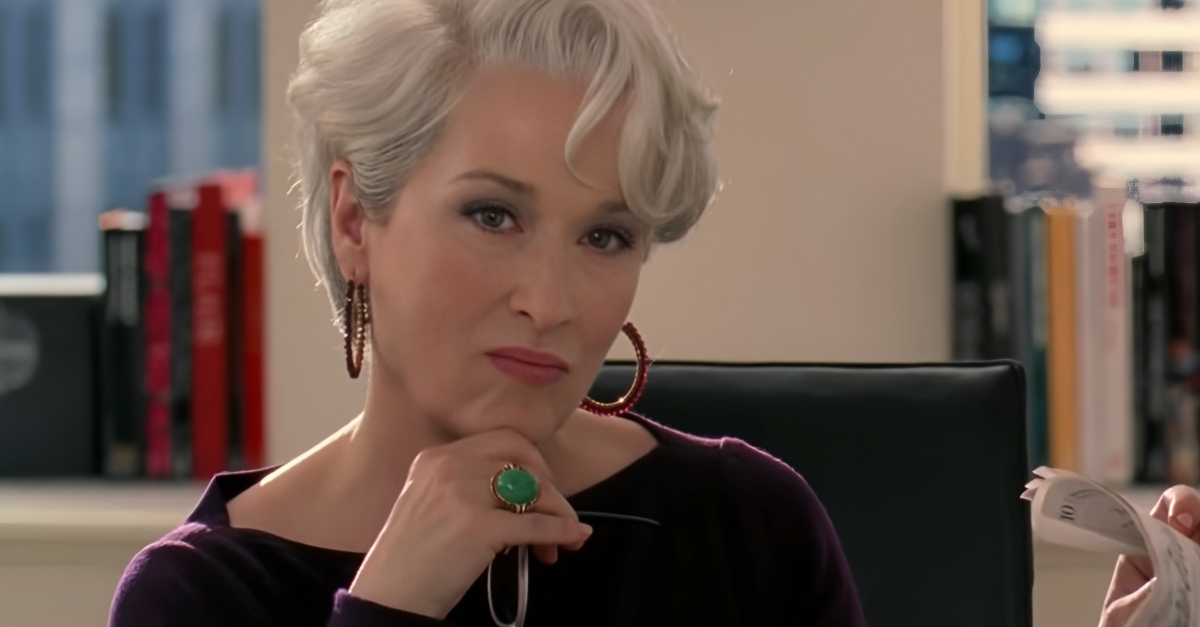
Even Meryl Streep heard “no”
You’d think having Meryl Streep interested in your movie would make casting pretty easy. Apparently not. She wanted these parts, and the filmmakers went with someone else. Sometimes, she understood their decision. Other times, the way they handled it made losing the job a whole lot worse.
“King Kong” (1976): A promising introduction
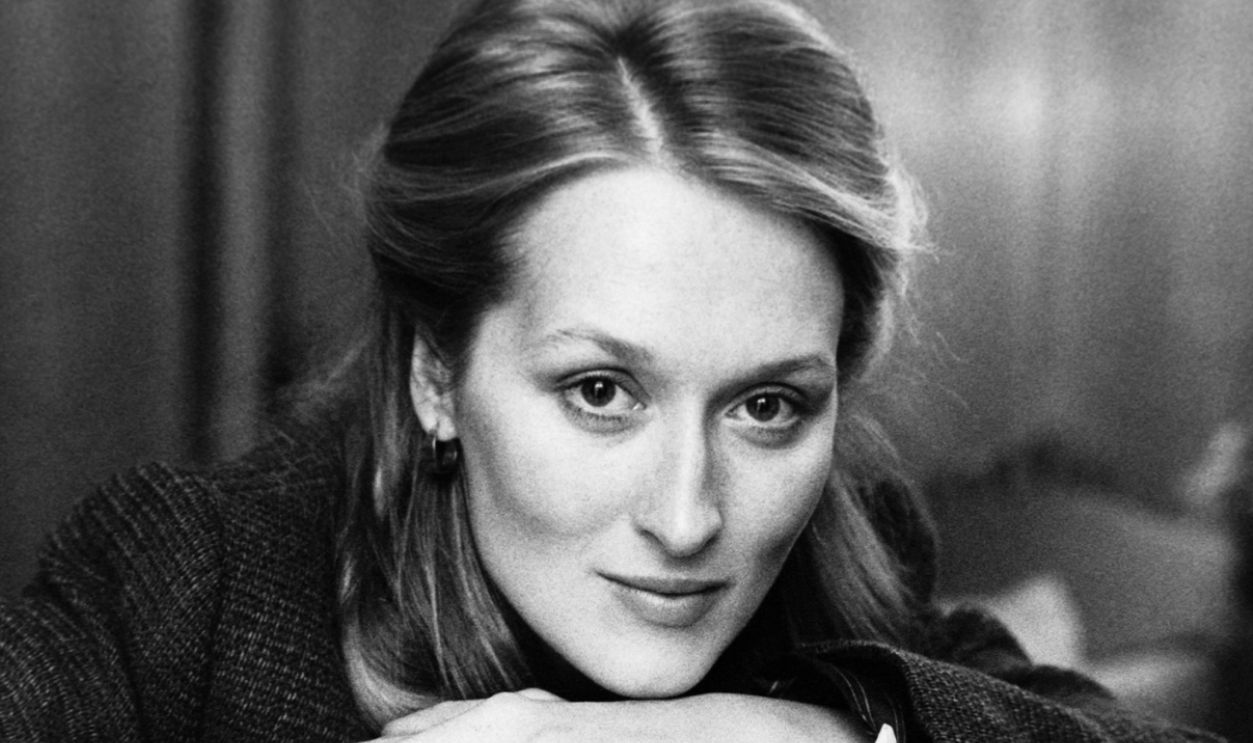
Before she became Meryl Streep, the actress whose name practically announces an Oscar nomination, she was trying to break into movies. Producer Dino De Laurentiis’s son saw her in a play and arranged a meeting about “King Kong.” That introduction should have helped.
 Jack Mitchell, Wikimedia Commons
Then the producer opened his mouth
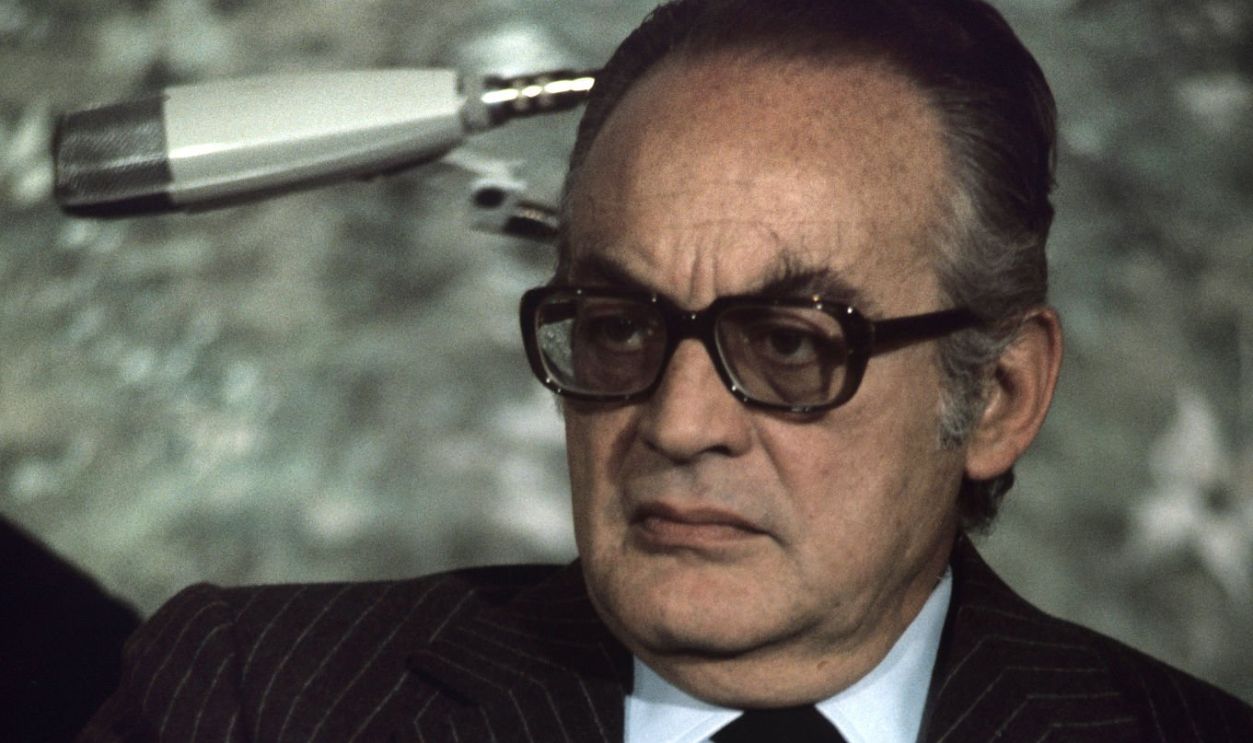
According to Streep, De Laurentiis looked at her and spoke to his son in Italian. As she remembered it on “Fresh Air,” his reaction translated to: “But this is so ugly. Why do you bring me this?” Apparently, discussing her acting could wait.
He’d picked the wrong language
There was one problem with that little conversation: Streep had studied Italian at Vassar. She understood him and answered in Italian, apologizing for disappointing him with her appearance. She later admitted she was very upset, even though she didn’t show it in the room.
Jessica Lange got the part
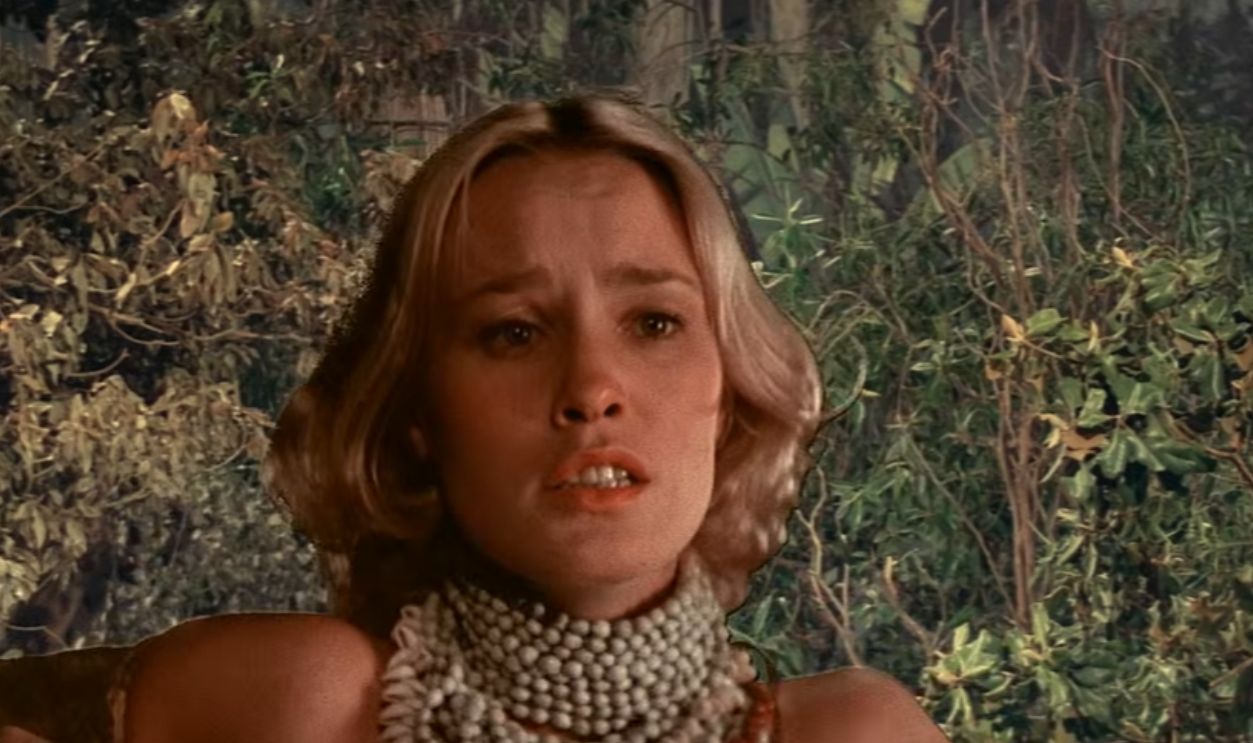
The role of Dwan went to Jessica Lange, making “King Kong” her film debut. It was an enormous introduction to movie audiences. Lange went on to become an acclaimed actress herself, so this wasn’t a case of Streep losing to someone who promptly disappeared.
 Screenshot from King Kong, Paramount (1976)
“Close Encounters of the Third Kind” (1977): Spielberg passed, too
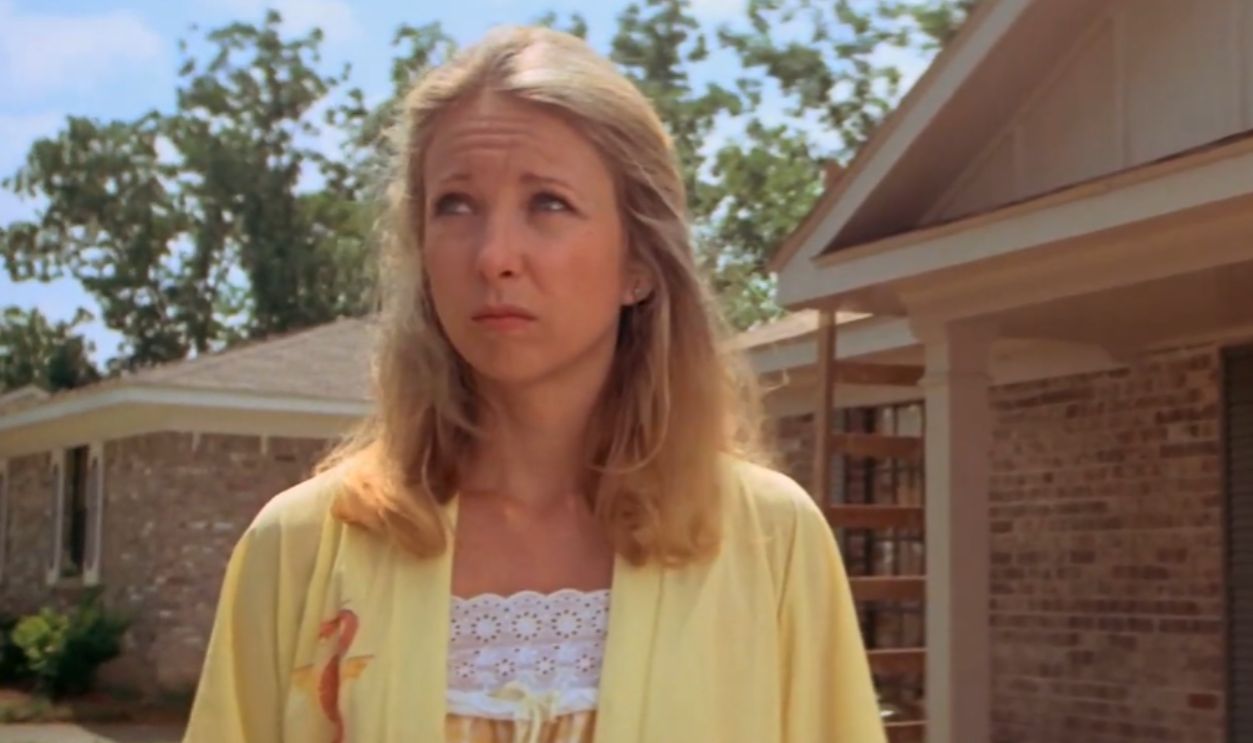
Streep reportedly auditioned to play Ronnie Neary, the wife of Richard Dreyfuss’s increasingly obsessed character in “Close Encounters of the Third Kind.” Steven Spielberg chose Teri Garr instead. Before Streep had established herself in movies, she’d missed two very different opportunities to reach a huge audience.

A coffee commercial helped Garr
According to Mental Floss’s account of the casting, Spielberg had seen Garr in a coffee commercial and liked how many emotions she could convey so quickly. Sometimes, another actress simply makes the impression a director wants. There’s no documented insult attached to this particular rejection.
 Screenshot from Close Encounters of the Third Kind, Sony Pictures Entertainment (1977)
They eventually made a very different movie
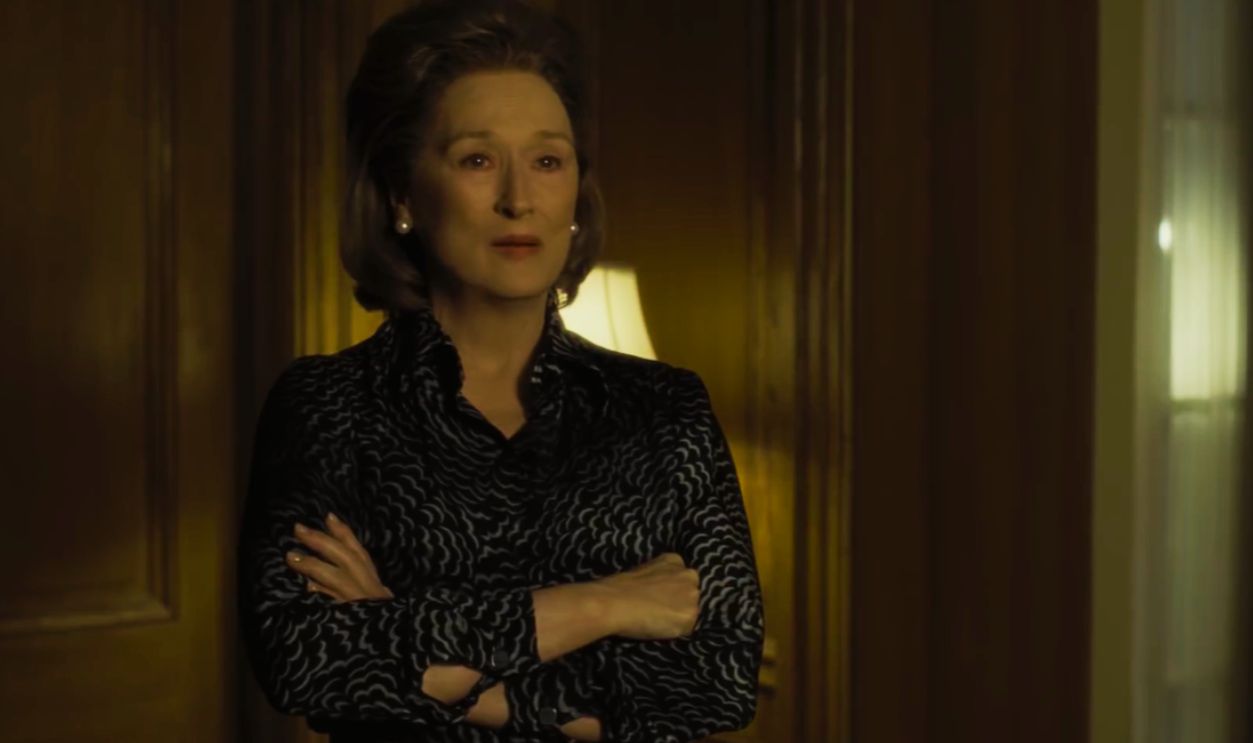
Four decades later, Spielberg directed Streep in “The Post” (2017), with her playing Washington Post publisher Katharine Graham opposite Tom Hanks as editor Ben Bradlee. The filmmaker who once passed on her as a suburban wife eventually cast her as the woman making the biggest decision in the room.
 Screenshot from The Post, The Walt Disney Company (2017)
“Sweet Dreams” (1985): This one she really wanted
Playing Patsy Cline appealed to Streep for two reasons: she loved the singer, and she loved director Karel Reisz, who had directed her in “The French Lieutenant’s Woman.” But that existing relationship didn’t get her the job. Reisz chose Jessica Lange to play Cline.
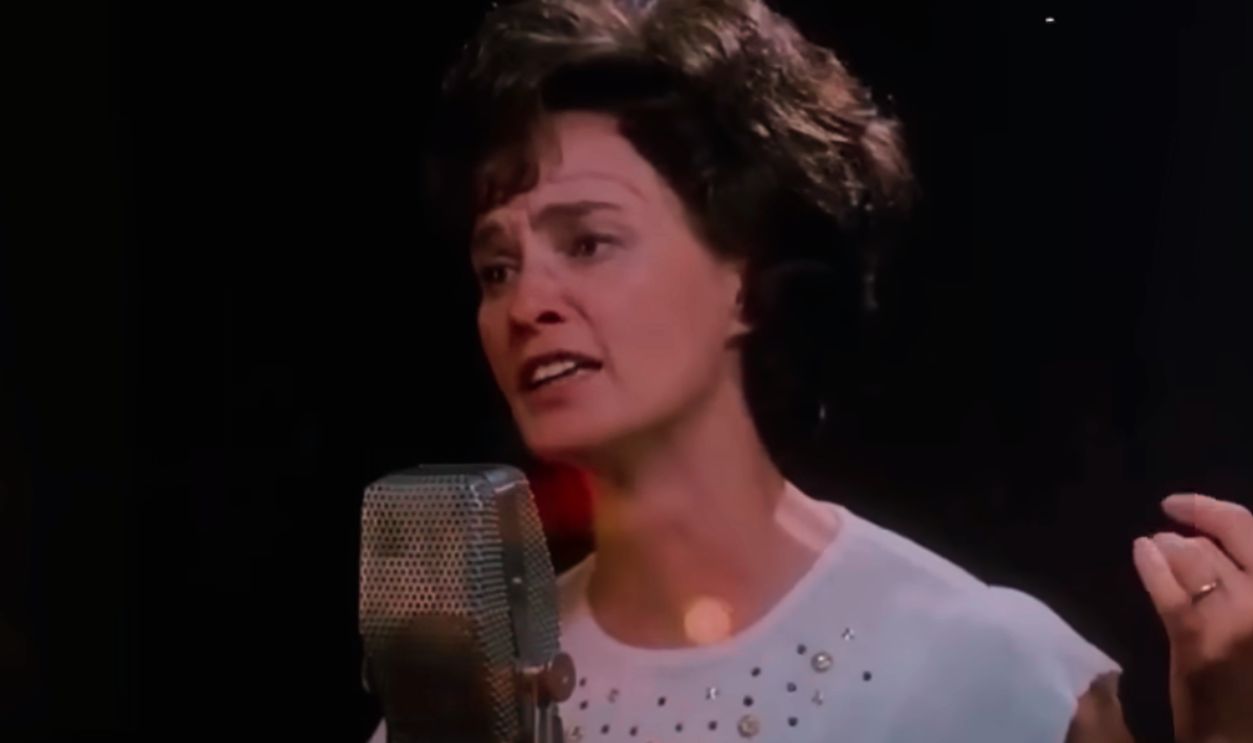 Screenshot from Sweet Dreams, Warner Bros. (1985)
She admitted she was jealous
Streep didn’t pretend she’d never wanted the part. Speaking to The Talks in 2011, she said, “I envied Jessica Lange when she got Sweet Dreams.” But she also praised Lange’s performance. Wanting the job herself didn’t stop her from recognizing how well someone else had done it.
 Everett Collection, Shutterstock
At least she got somewhere to stay
There was a consolation prize. While making “Plenty” in England, Streep arranged to stay at Reisz’s house after missing out on his movie. As she later told People, “He did, and it was a beautiful house.” She hadn’t landed Patsy Cline, but the connection still came in handy.
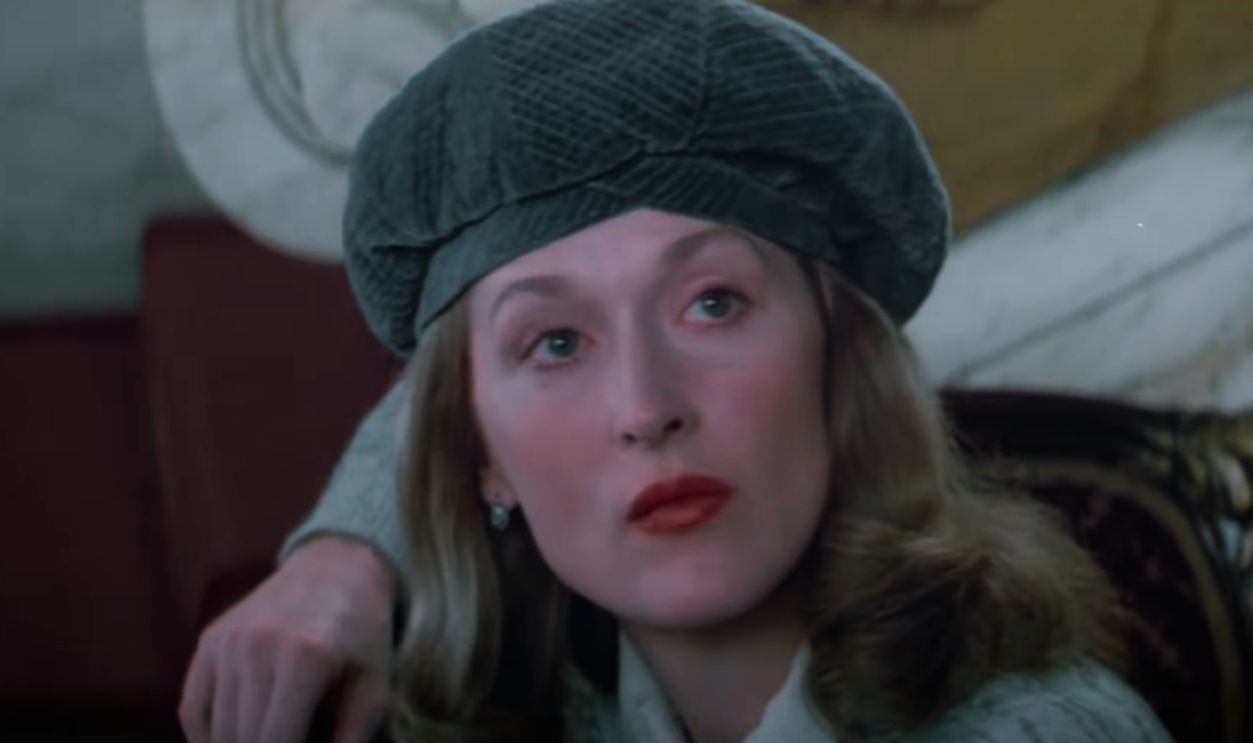 Screenshot from Plenty, The Walt Disney Company (1985)
Both actresses ended up at the Oscars
Lange’s performance earned her a Best Actress Oscar nomination. Streep was nominated in the same category for “Out of Africa.” Neither won; Geraldine Page took the award for “The Trip to Bountiful.” Missing “Sweet Dreams” certainly hadn’t pushed Streep out of the conversation.
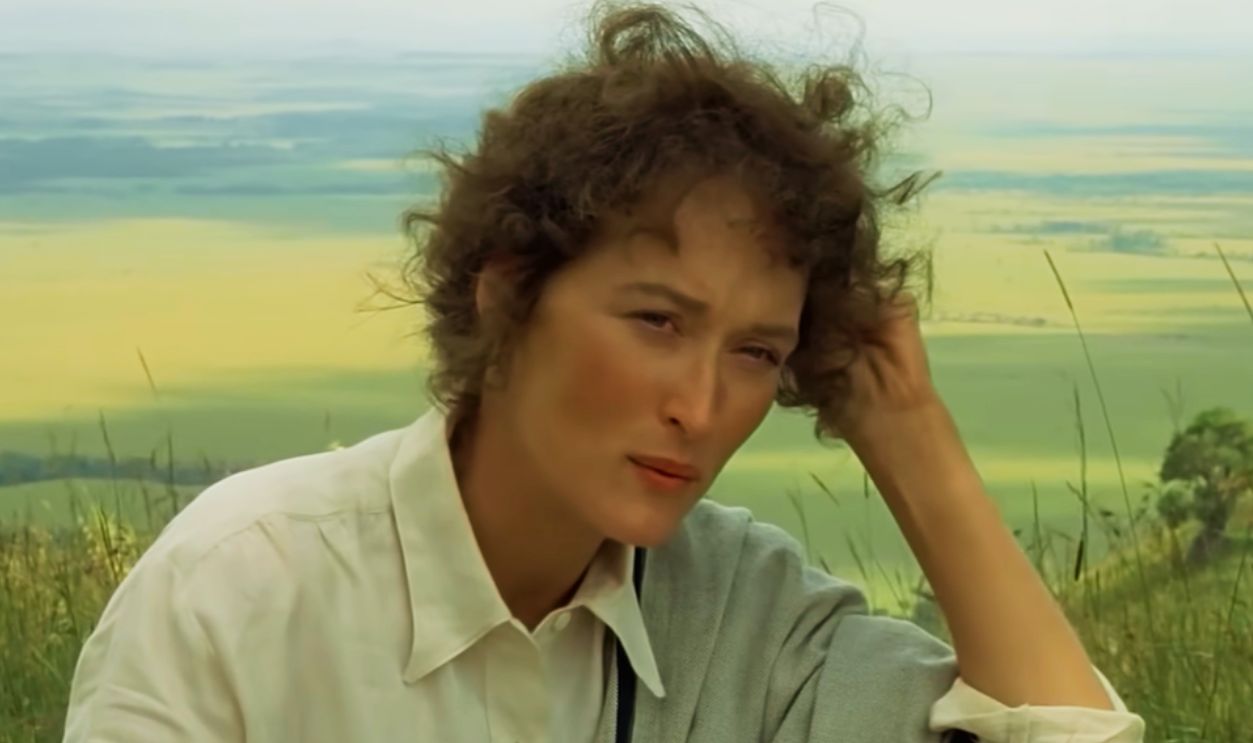 Screenshot from Out of Africa, NBCUniversal (1985)
“The Remains of the Day” (1993): A rejection closer to home
When Mike Nichols was preparing to direct “The Remains of the Day,” Streep read for housekeeper Miss Kenton. Jeremy Irons read for the butler, Stevens. Nichols and Streep had already worked together several times. This was a filmmaker she knew and trusted, making the reported rejection particularly painful.

Apparently, nobody wanted to tell her
According to a 1994 New York Times profile, Nichols apparently decided Streep and Irons were unsuitable after their reading. But he didn’t tell Streep. Neither did her agent, Sam Cohn, who also represented Nichols. Being passed over was one thing. Being left uninformed made it worse.
 Featureflash Photo Agency, Shutterstock
Her agent paid the price
The Times linked the episode to Streep leaving Cohn for Creative Artists Agency. Streep described the fallout herself: “Mike knows what he did, but unfortunately Sam wore the scar.” She later said she was friendly with both men again, although the professional split had already happened.
 Featureflash Photo Agency, Shutterstock
Emma Thompson made the role her own
The production changed considerably before reaching theaters. James Ivory became director, with Nichols remaining a producer. Emma Thompson played Miss Kenton opposite Anthony Hopkins. Thompson received a Best Actress Oscar nomination, and the film earned eight nominations overall. Streep had missed a substantial role.
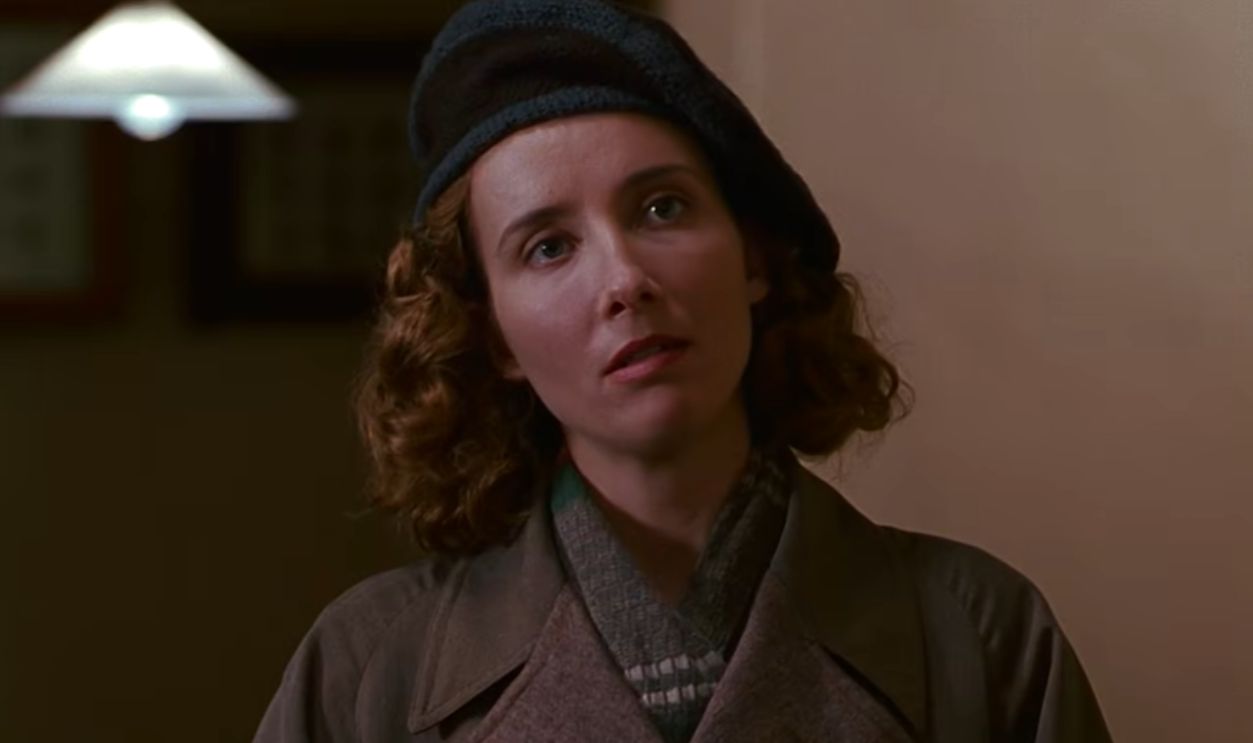 Screenshot from The Remains of the Day, Sony Pictures Entertainment (1993)
Did Hollywood make the wrong choices?
Lange, Garr, and Thompson all brought something memorable to these movies. But you can choose another actress without insulting the one standing in front of you—or leaving her waiting for an answer. Which role would you most want to see Streep play? And did any filmmaker get it wrong?
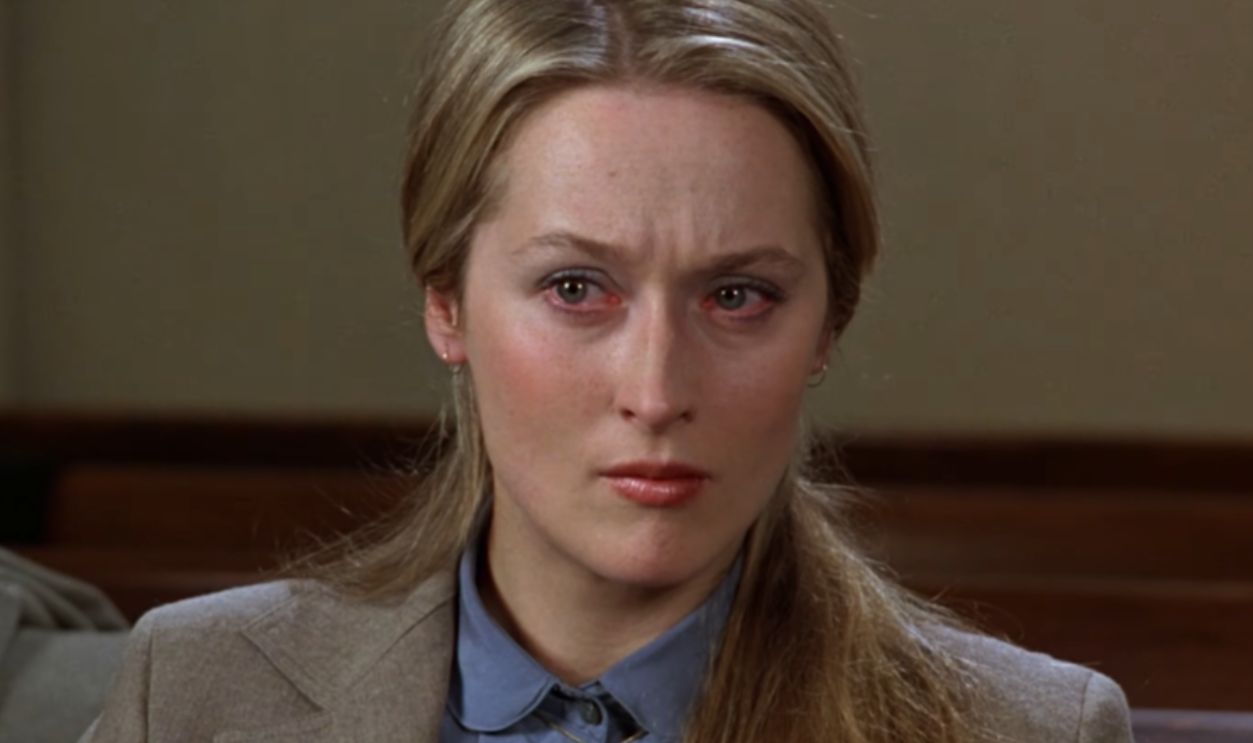 Screenshot from Kramer vs. Kramer, Sony Pictures Entertainment (1979)
You Might Also Like: