A Horse Is A Horse—Until He Starts Talking
A sitcom about a talking horse should have been a one-joke disaster. Instead, Mister Ed became one of the strangest hits of early television. Much of the credit belonged to Alan Young, whose gentle comedy, perfect reactions, and complete lack of embarrassment made an impossible idea feel oddly believable.
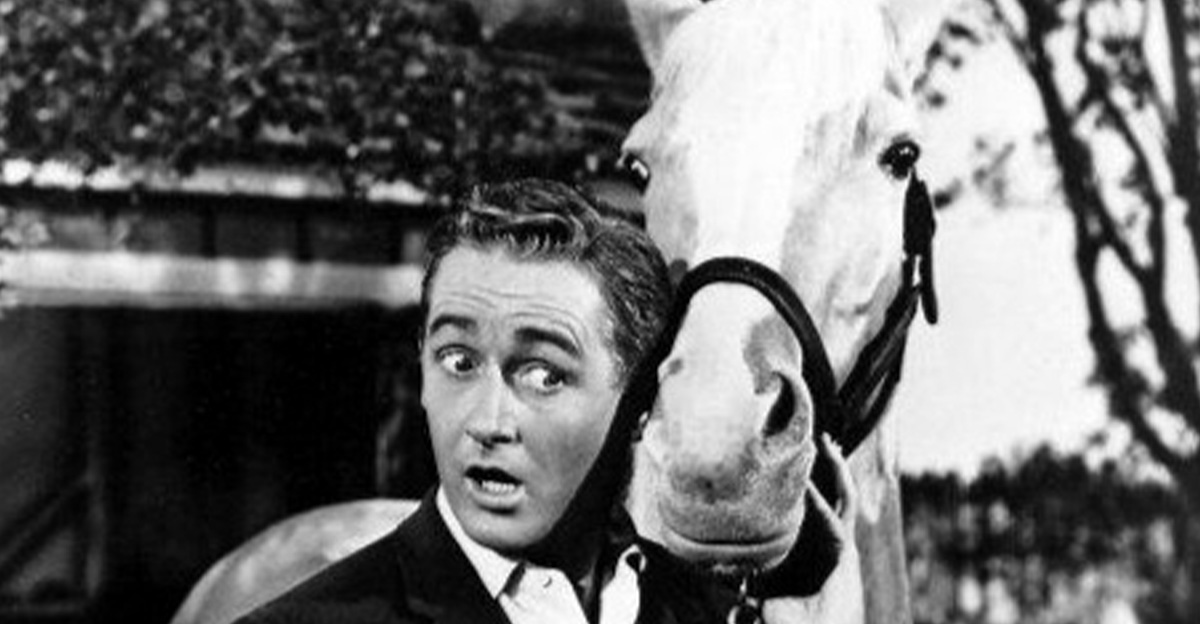 Coulter-Strauss Public Relations for D'Arcy Advertising, Public domain, via Wikimedia Commons
Radio Became His Childhood Escape
Alan Young was born Angus Young in England in 1919 and spent much of his childhood in Canada. Severe asthma often kept him indoors, where radio became his entertainment and inspiration. He listened closely, practised voices, and discovered that comedy could carry him far beyond his bedroom.
He Started Broadcasting Remarkably Young
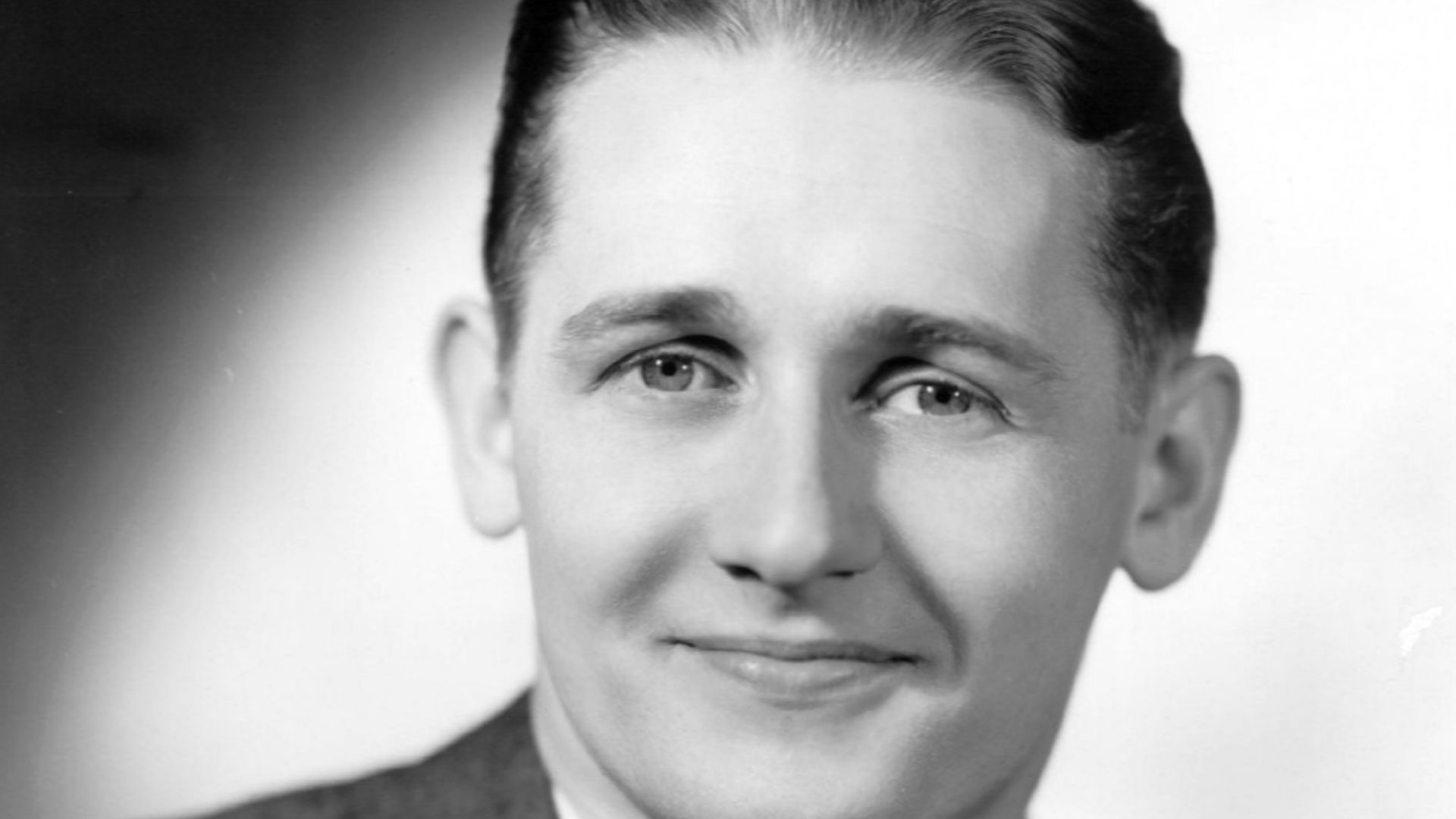
Young did not wait until adulthood to chase his broadcasting dreams. While still a teenager, he began appearing on Canadian radio and eventually developed his own comedy programme. His youthful voice, quick timing, and innocent personality made him sound like the friendly fellow who had accidentally wandered into trouble.
 De Carvalho Collection, Getty Images
Angus Became Alan
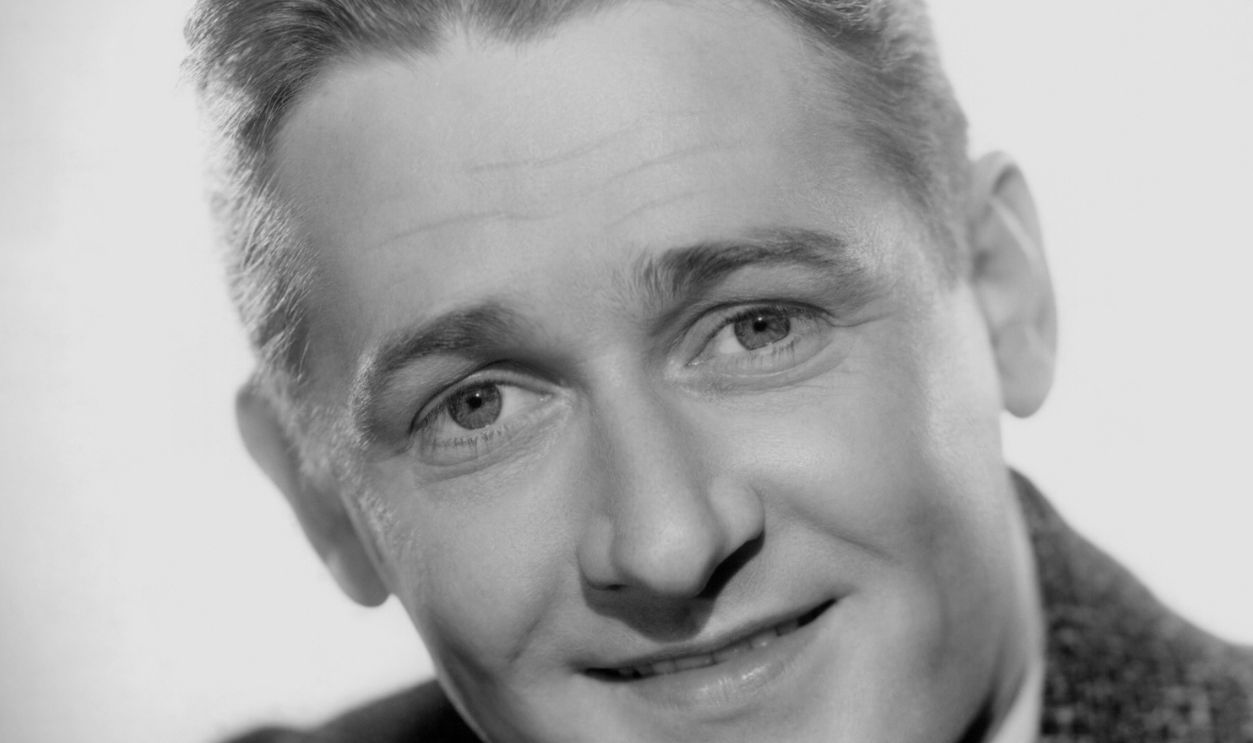
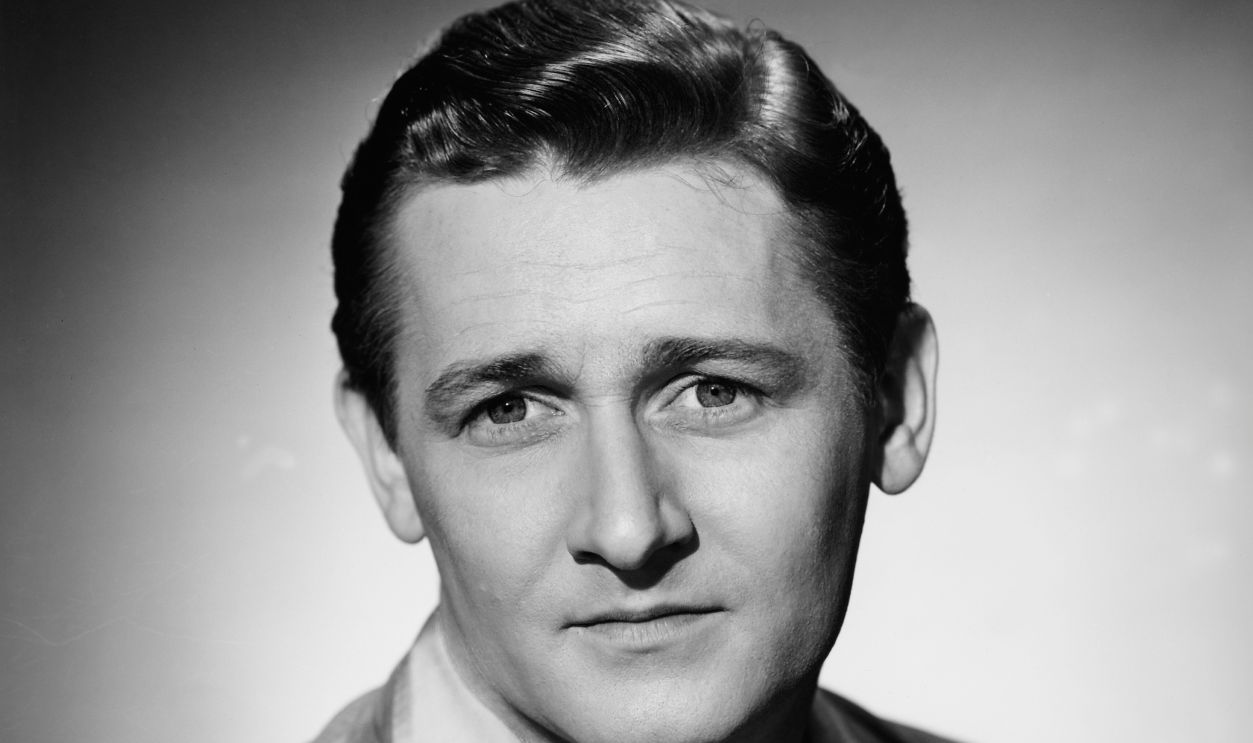
The name Angus Young might now make people think of a very different entertainer with a school uniform and electric guitar. For a young comedian entering broadcasting, however, “Alan Young” had an easy, approachable ring. It matched the mild-mannered personality that would eventually become his greatest comic weapon.
 Paramount Pictures, Getty Images
America Soon Came Calling
Young’s success in Canada attracted attention from the United States. He moved into American radio during the 1940s, appearing on major programmes before receiving his own series. Radio taught him to create entire scenes using only his voice, a skill that later helped him act opposite a co-star whose dialogue was added separately.
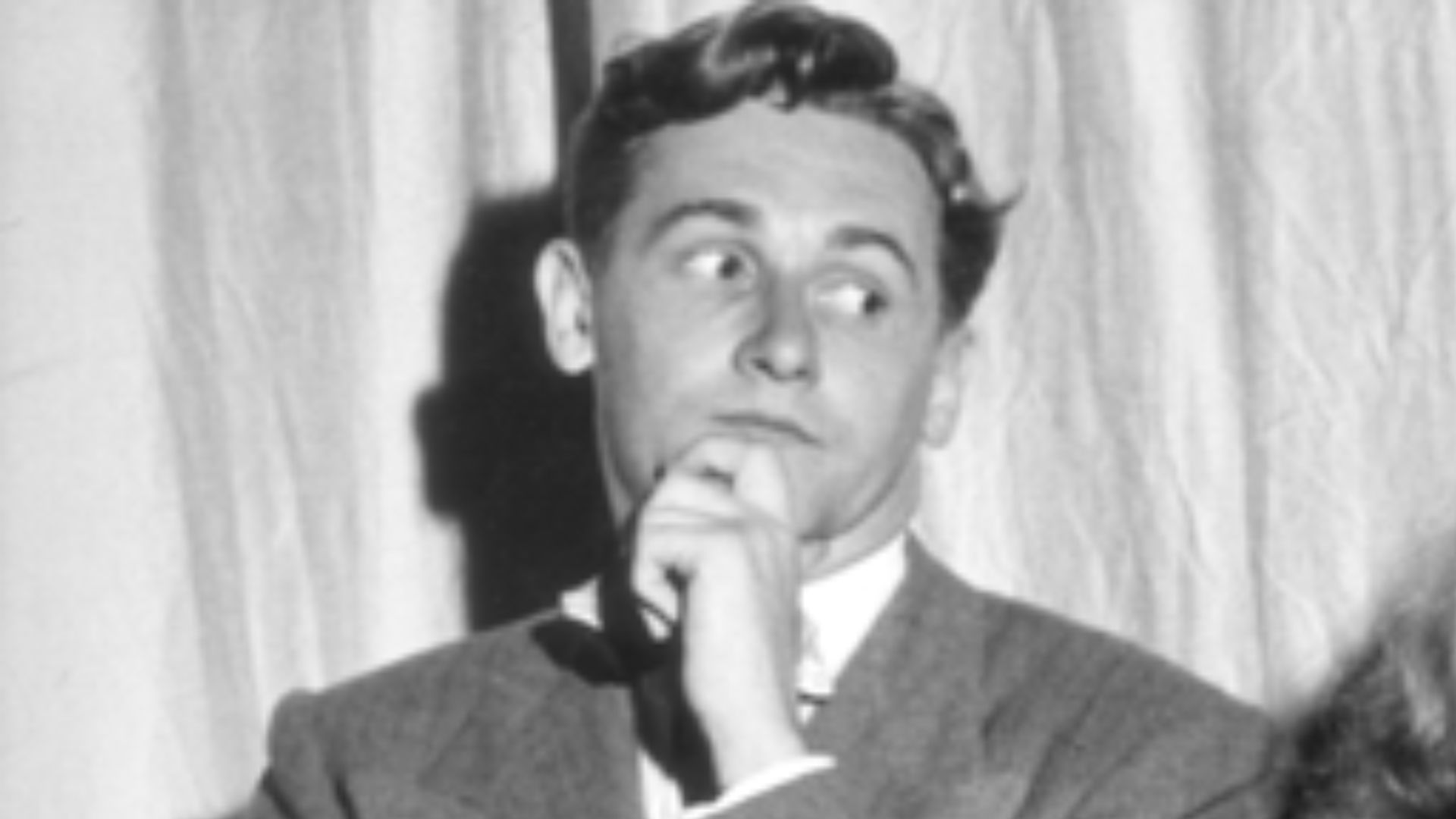
The Alan Young Show Made Him Famous
The Alan Young Show moved through several versions on radio before reaching television. Young played a well-meaning character who regularly became tangled in misunderstandings. That familiar comic setup suited him perfectly, and the television edition won the 1951 Emmy for Best Variety Show.
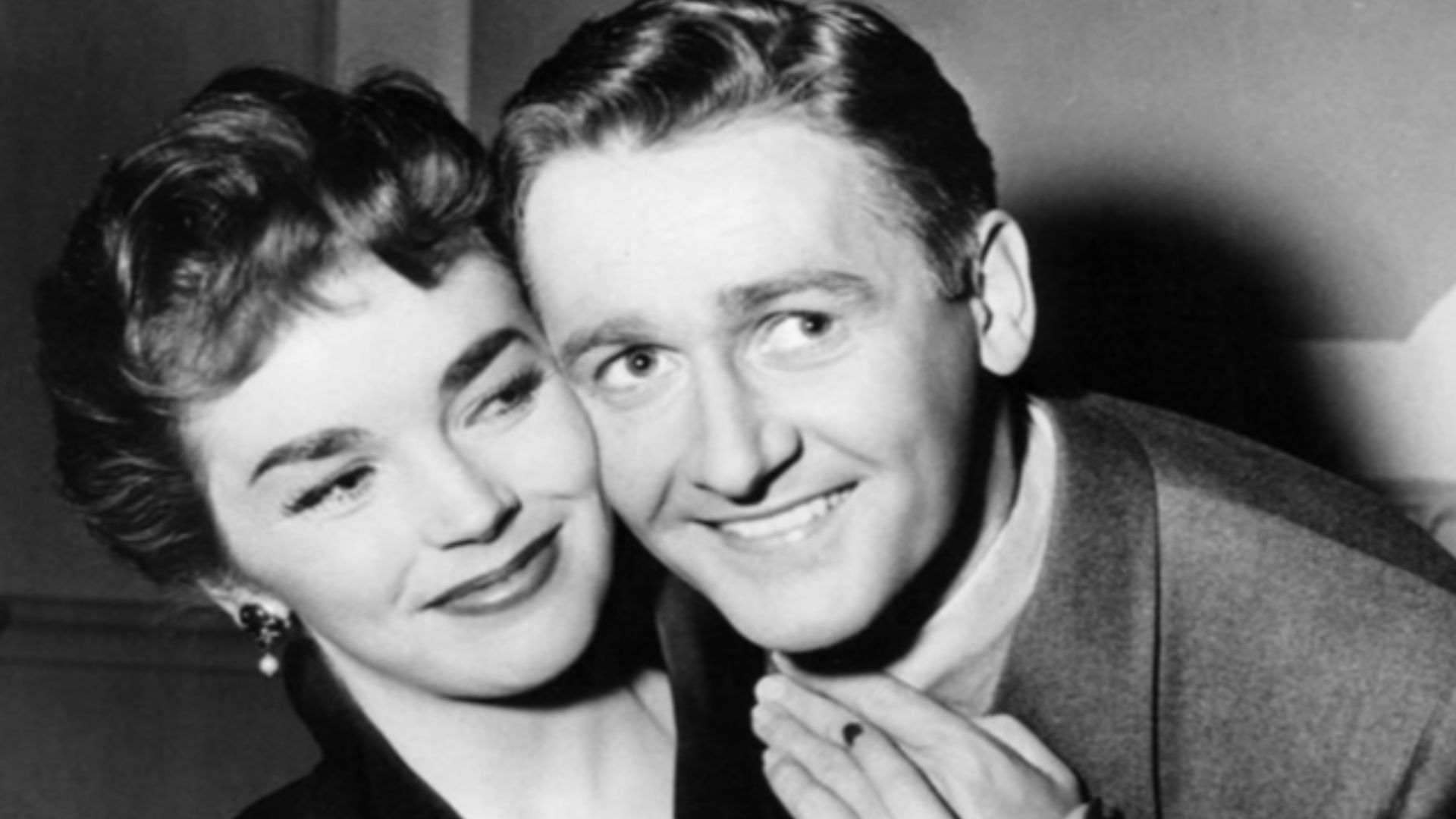
He Understood Early Television
Television comedy was still finding its rhythm when Young became one of its early stars. Performers accustomed to radio sometimes acted too broadly for the camera. Young could be expressive without becoming overwhelming. A nervous glance or confused pause was often funnier than a shouted punchline.
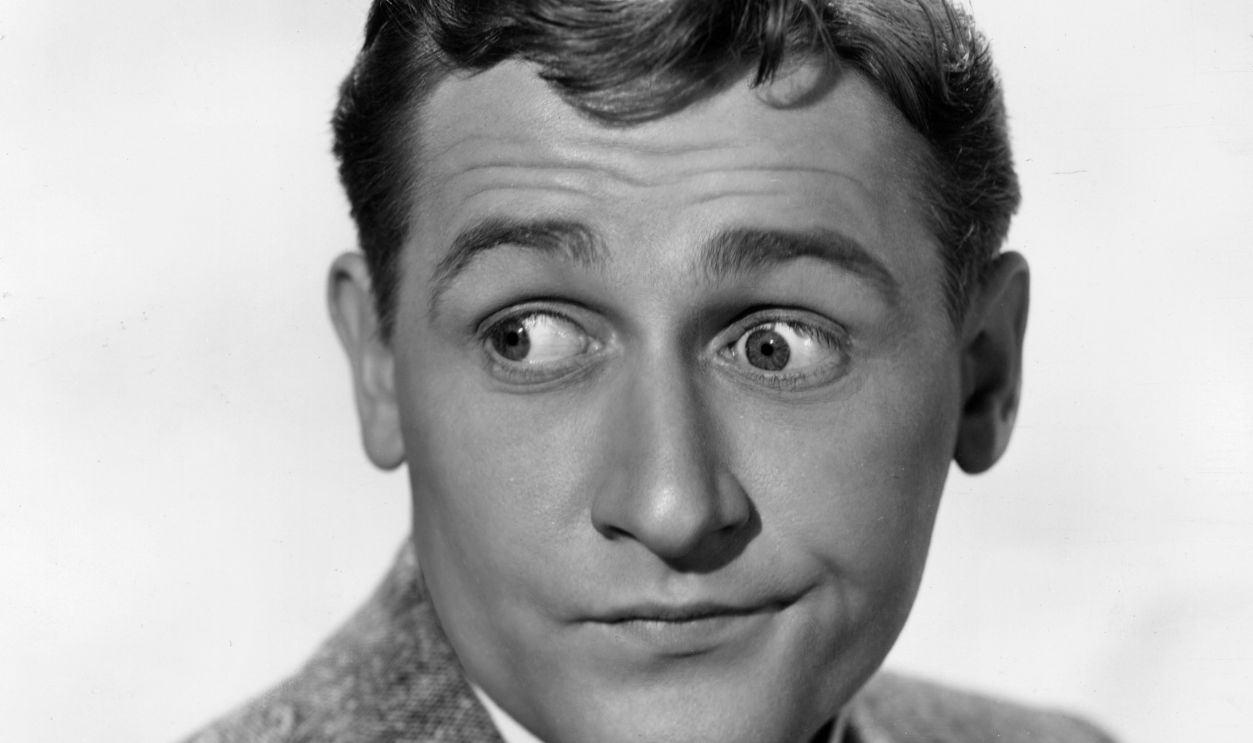 20th Century Fox, Getty Images
Hollywood Put Him In The Movies
Young also built a respectable film career, appearing in pictures including Margie, Androcles and the Lion, and tom thumb. Although he was rarely presented as a conventional leading man, his warmth and slightly puzzled manner made him a memorable supporting presence whenever a story needed humour and heart.
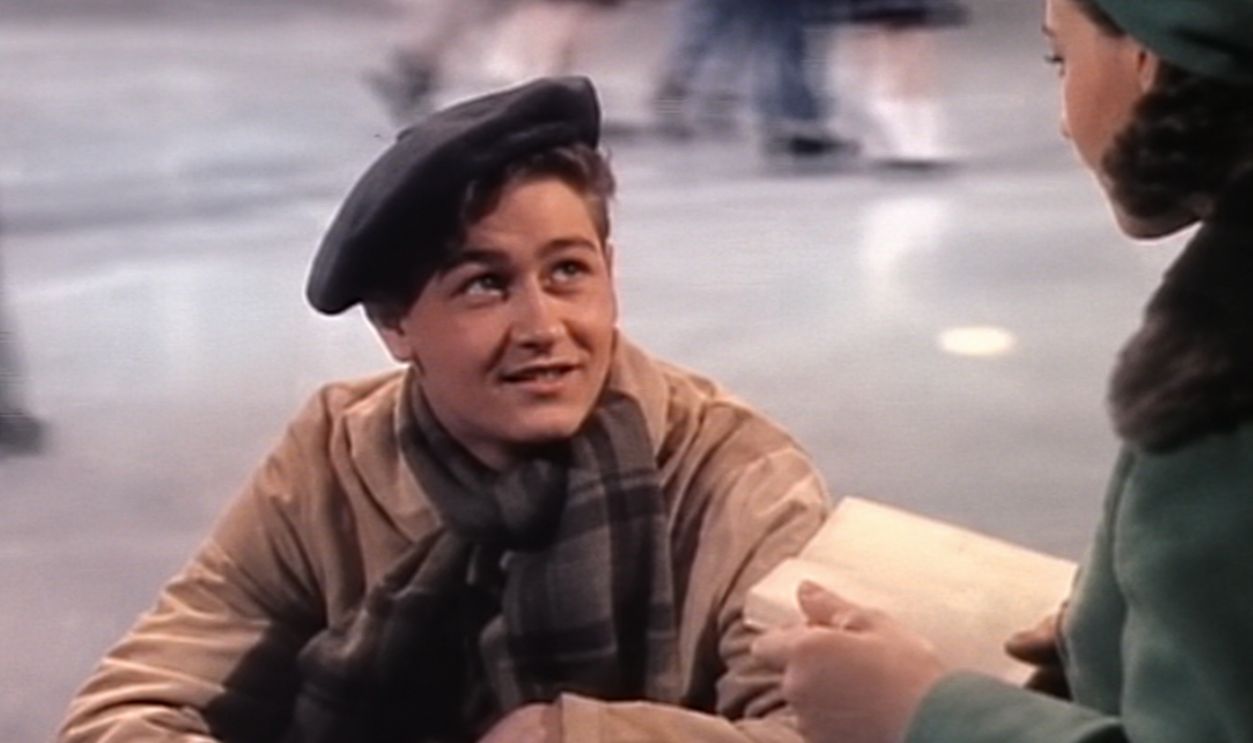 Screenshot from Margie, Twentieth Century-Fox Film Corporation (1946), Modified
The Time Machine Showed Another Side
In George Pal’s 1960 science-fiction classic The Time Machine, Young played David Filby, the loyal friend of Rod Taylor’s adventurous inventor. The role was more serious than his usual television work, proving he could bring real emotion to the screen without losing the gentle quality audiences liked about him.
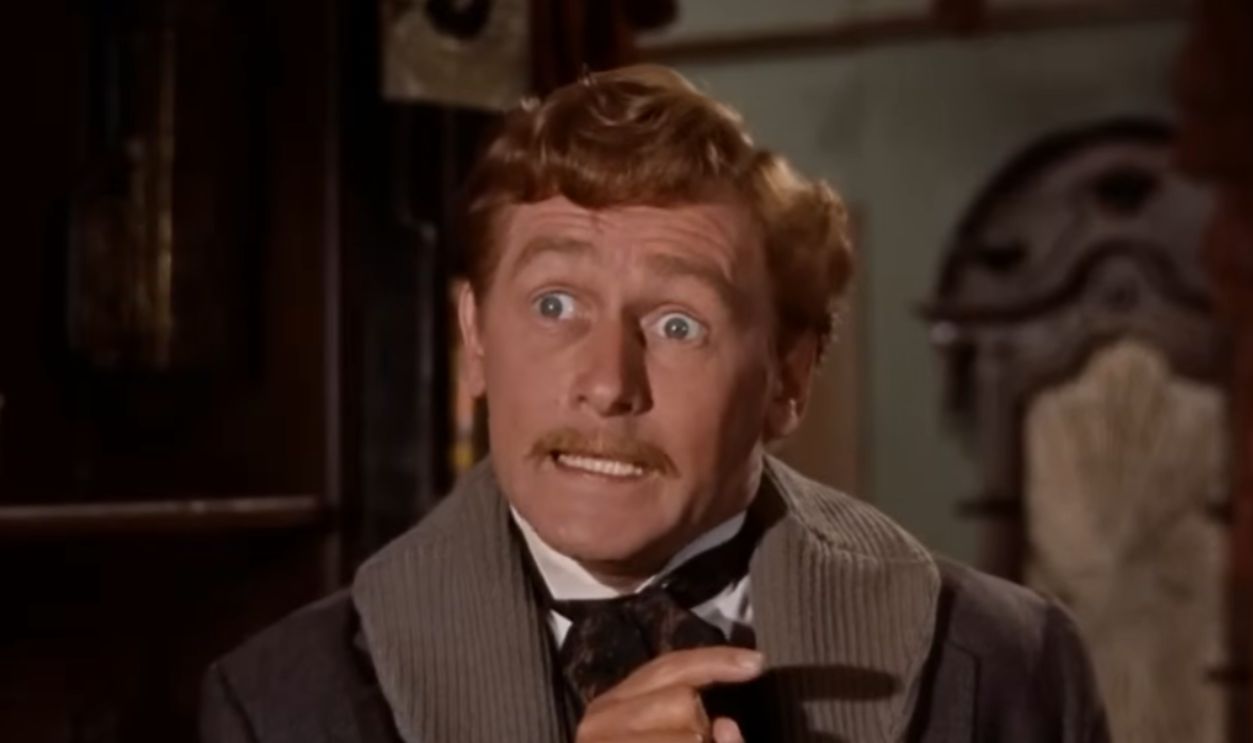 Screenshot from The Time Machine, Loew's Inc. (1960)
Then Came A Completely Ridiculous Idea
The character of Mister Ed began in stories written by Walter R. Brooks. Director Arthur Lubin, who had worked on the Francis the Talking Mule movies, saw television possibilities in another wisecracking animal. George Burns’ production company helped finance an early pilot, but networks were not immediately convinced.
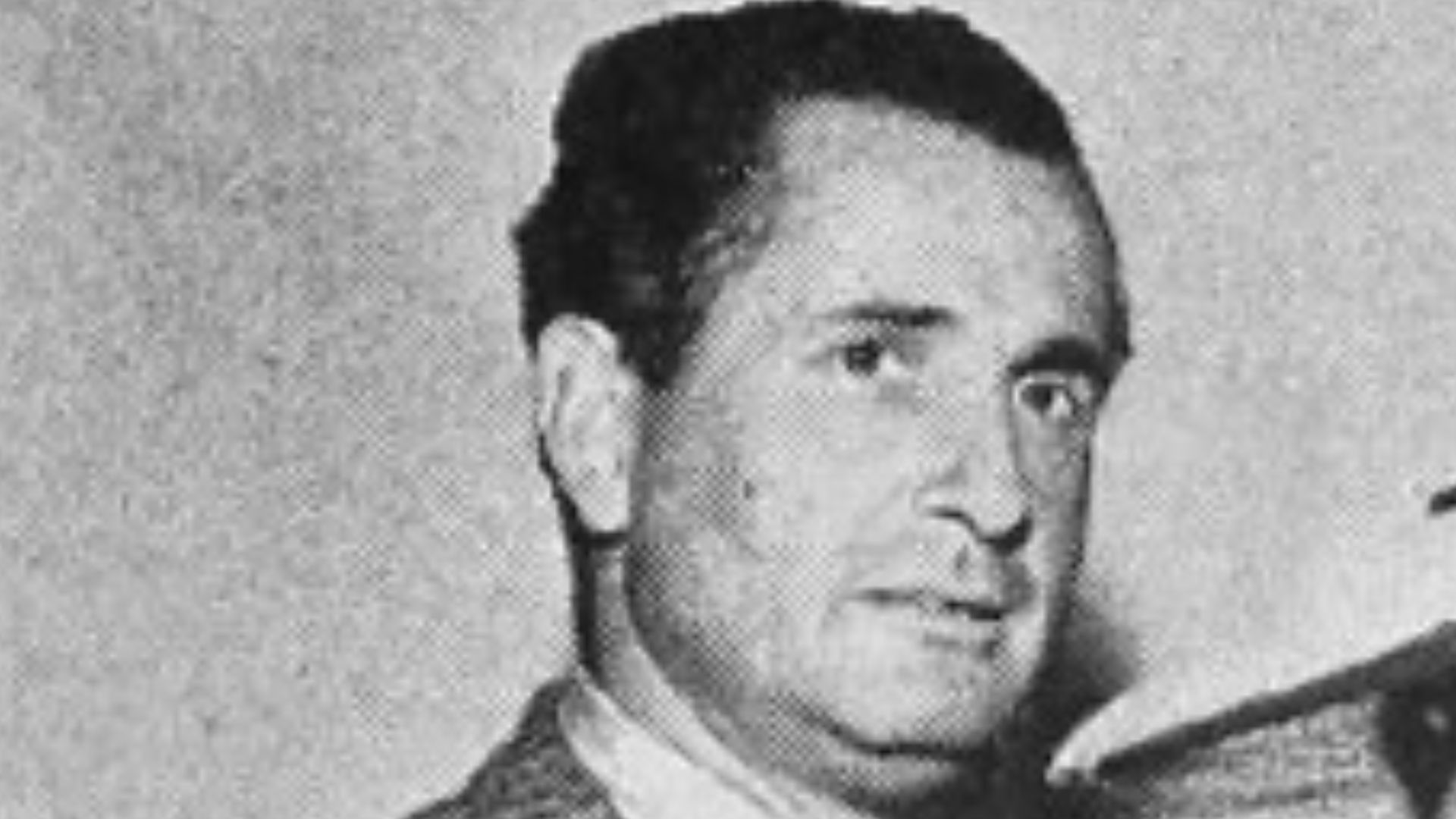 Showmen's Trade Review, Wikimedia Commons
The First Version Did Not Work
The original pilot featured a different actor as Wilbur and even gave the character a different surname. Something was missing. A talking horse was already difficult enough to accept; the series needed a human lead who could make viewers comfortable with the nonsense instead of drawing attention to it.
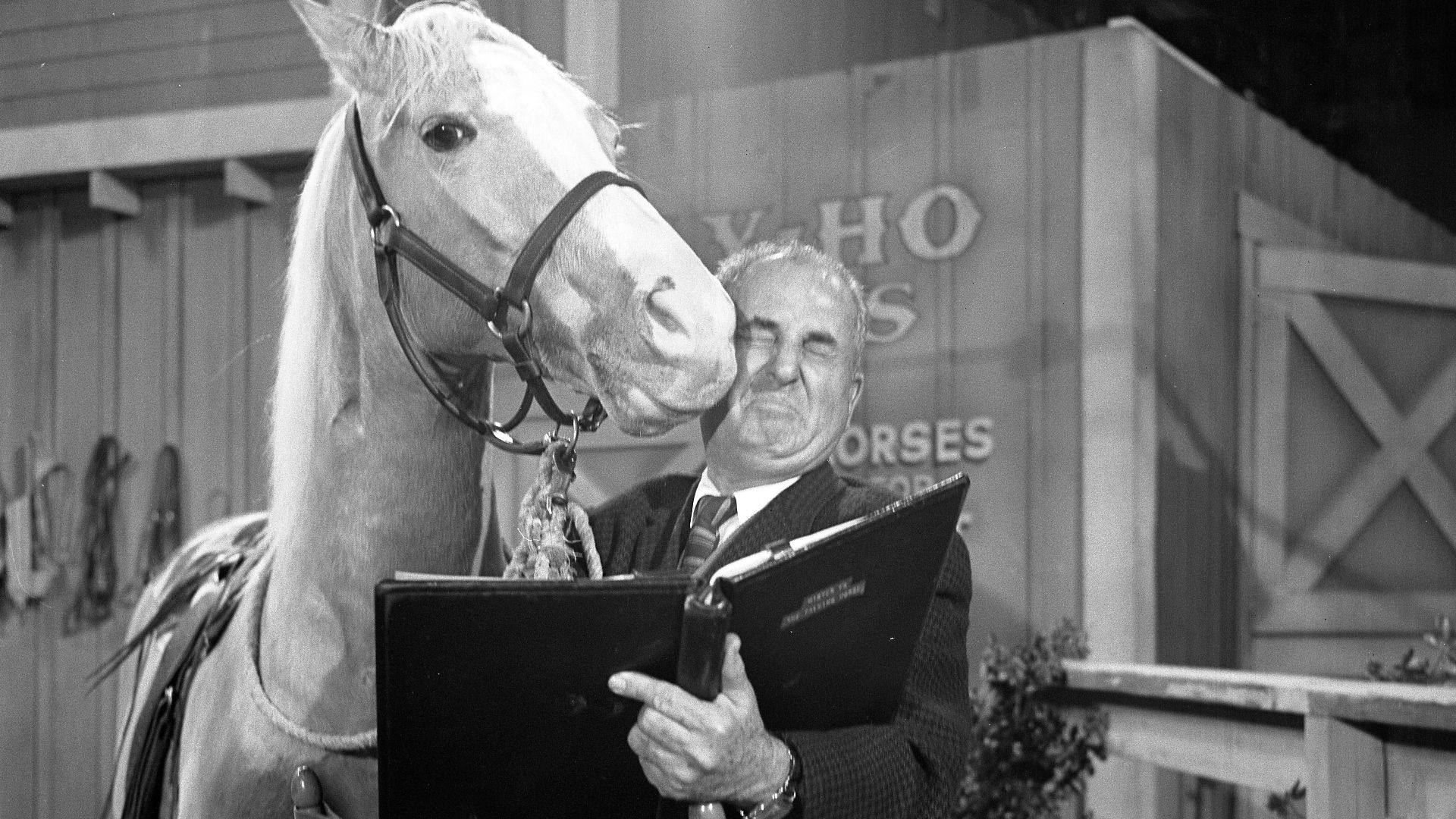 Los Angeles Times, Wikimedia Commons
Alan Looked Like A Horse’s Confidant
Young was eventually cast as architect Wilbur Post. According to the story repeated about his hiring, he simply looked like the sort of man a horse might choose to talk to. It sounded like a joke, but it captured exactly what Young brought to the programme: instant trustworthiness.
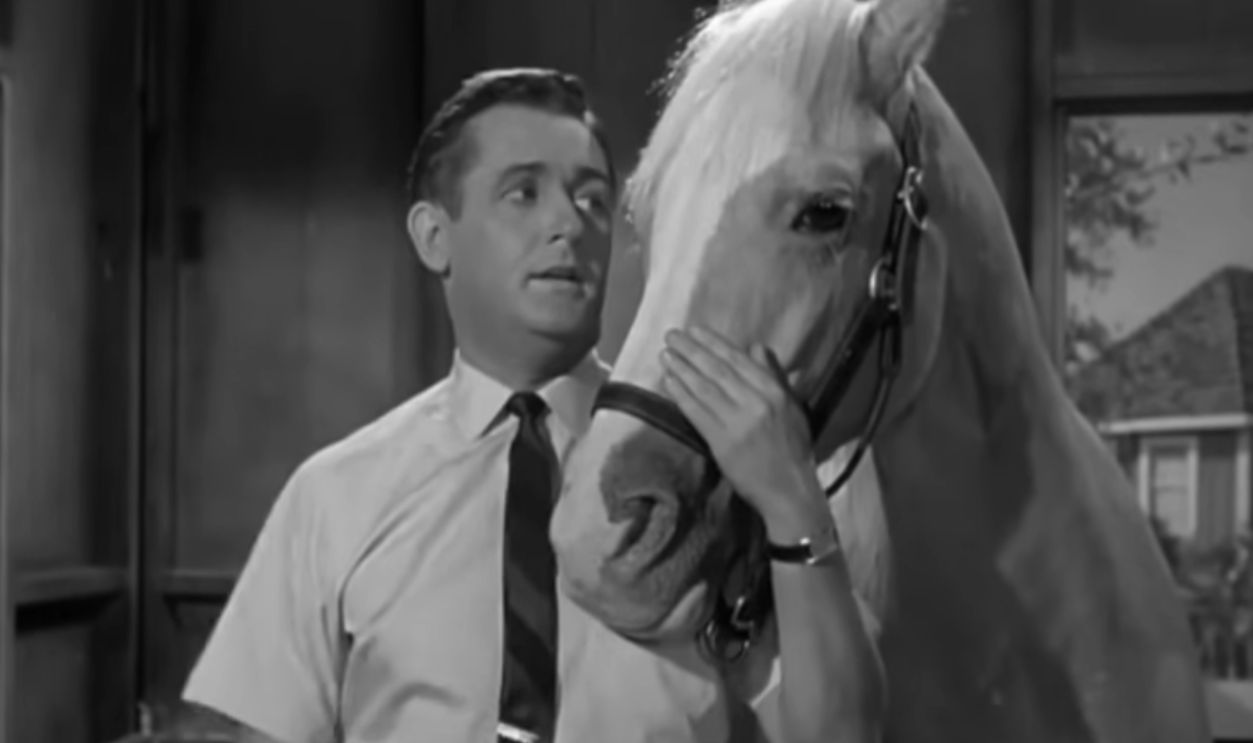 Screenshot from Mister Ed, CBS (1961–1966)
Wilbur Was The Harder Role
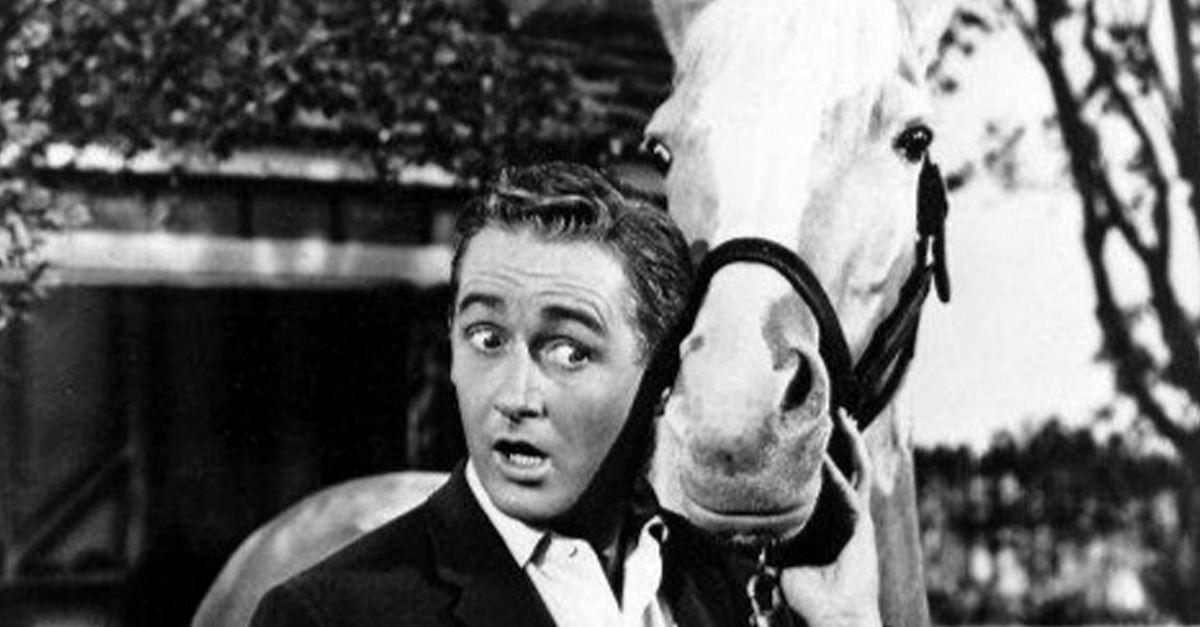
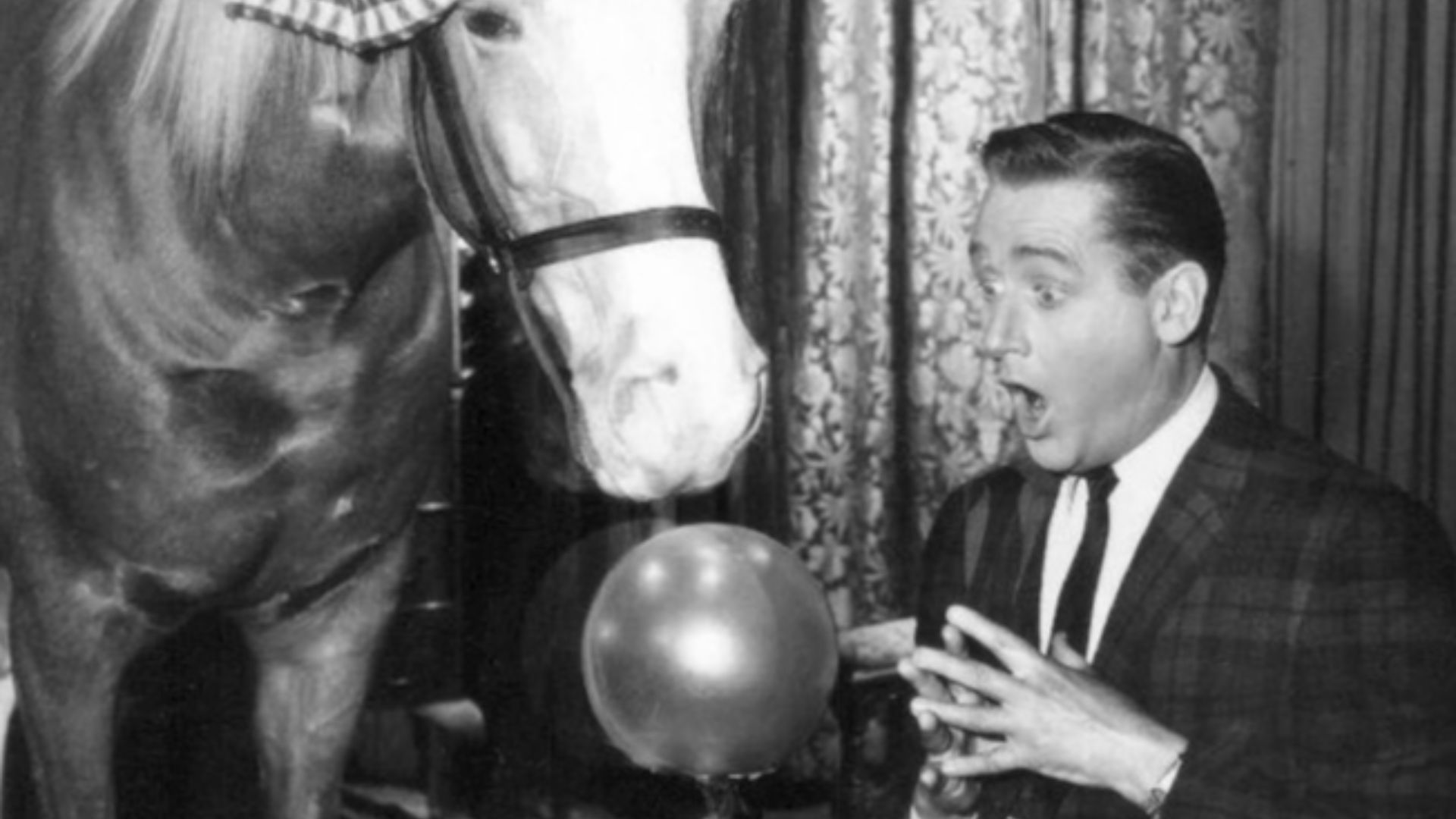
Mister Ed received the clever insults and outrageous ideas, but Wilbur had to sell them. Young reacted to the horse as if Ed were a stubborn friend rather than a special effect. His seriousness allowed the audience to accept the fantasy, while his growing panic supplied many of the show’s biggest laughs.
 CBS Television, Wikimedia Commons
Bamboo Harvester Found His Human Partner
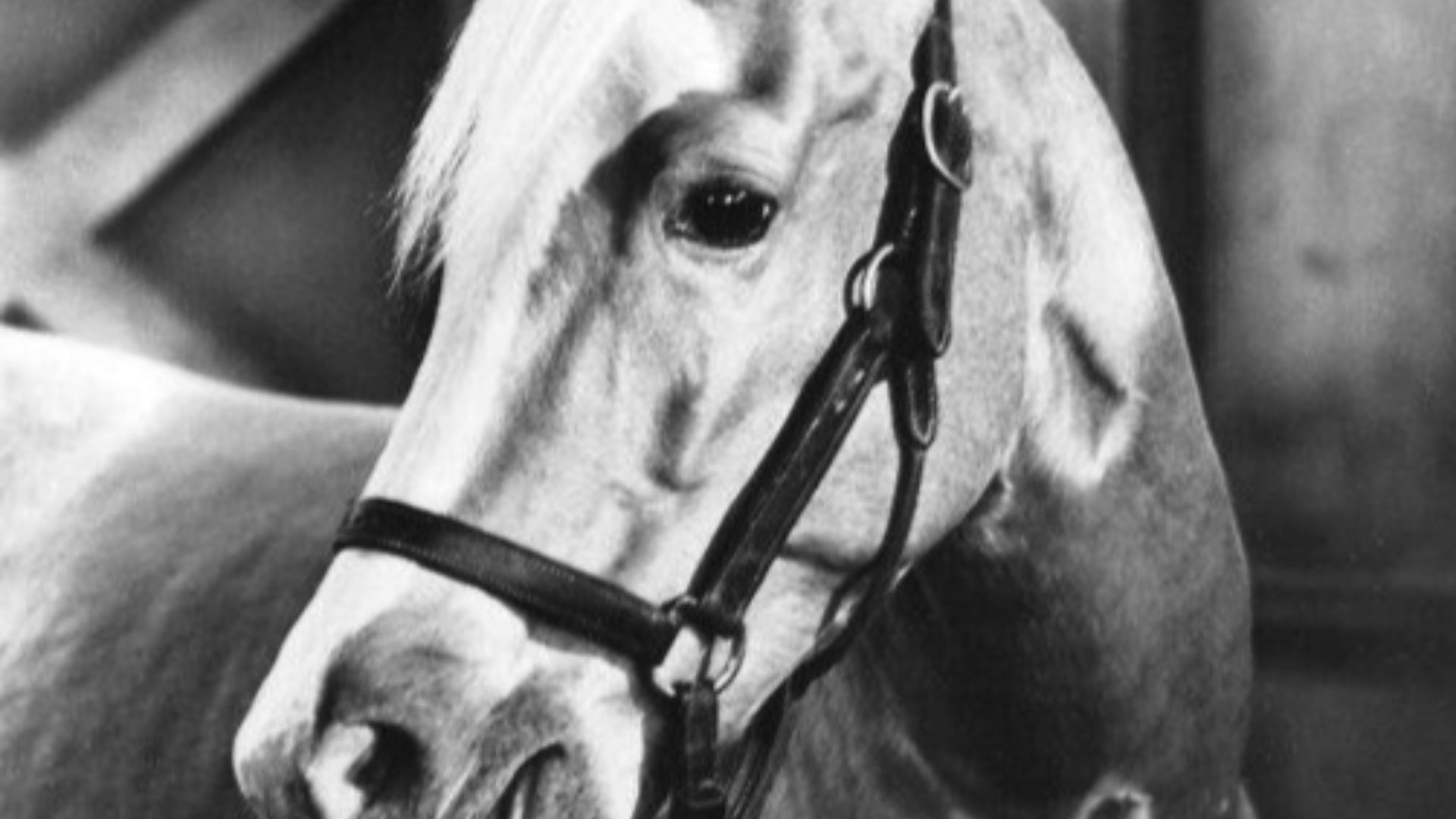
The horse playing Ed was a palomino gelding named Bamboo Harvester. Young developed a comfortable working relationship with him and understood that patience mattered more than theatrical ego. Their scenes worked because Young never appeared to be waiting for an animal trick. He behaved as though a real conversation were happening.
A Cowboy Gave Ed His Voice
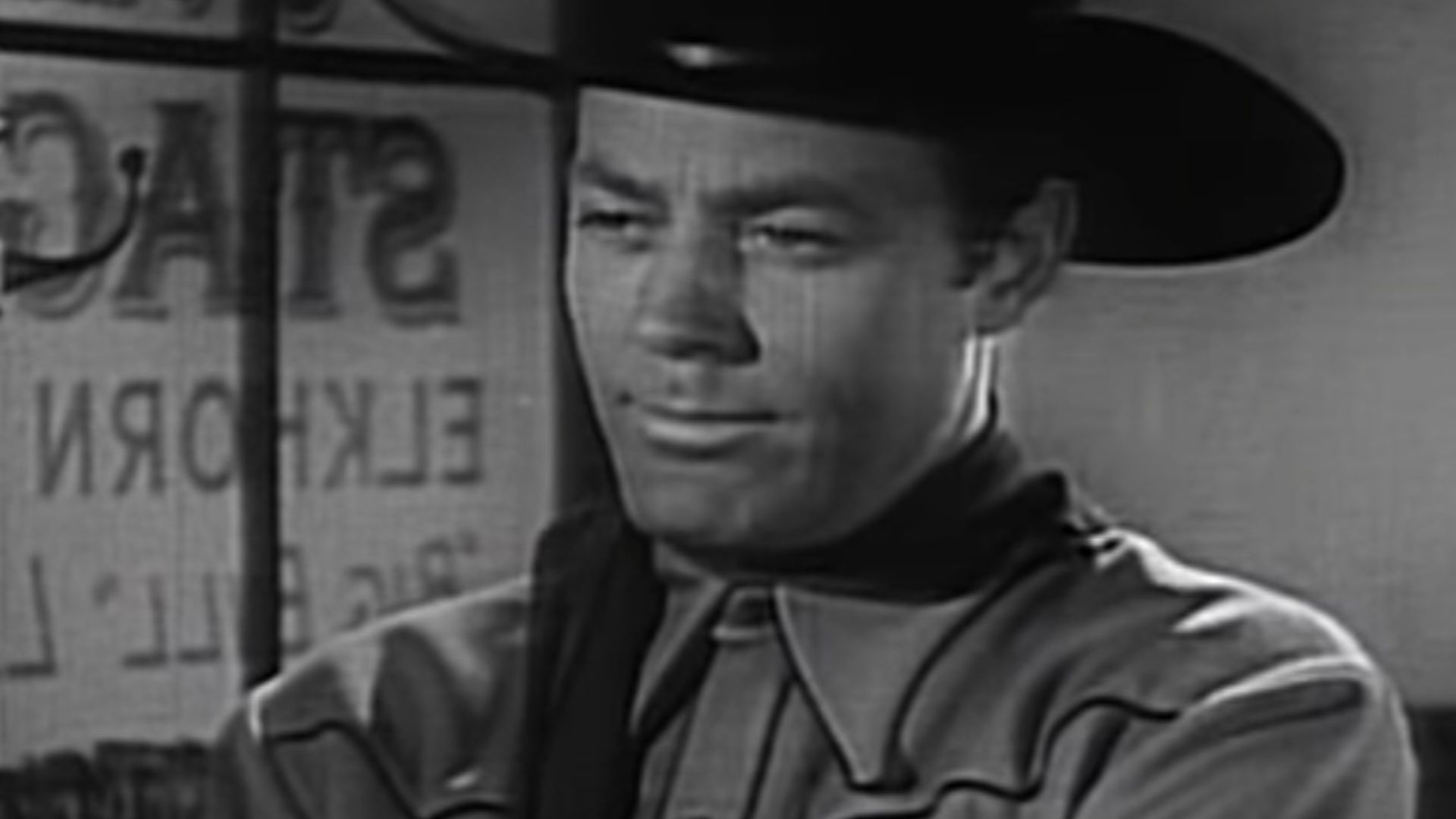
Mister Ed’s deep, dry voice belonged to Allan “Rocky” Lane, an actor known for Western films. Lane initially went uncredited, helping preserve the illusion that Ed somehow spoke for himself. His confident delivery created a wonderful contrast with Young’s anxious Wilbur, turning man and horse into a classic comedy team.
 Film screenshot (Republic Pictures), Wikimedia Commons
The Talking Trick Became A Mystery
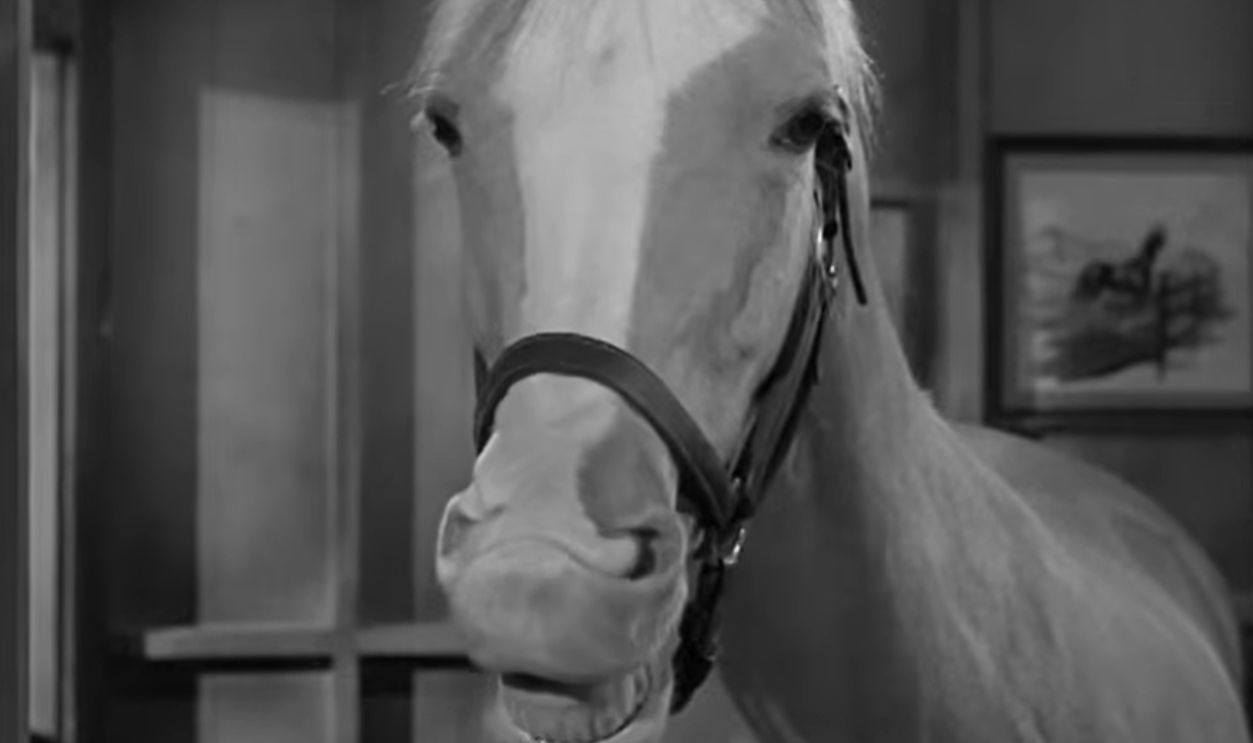
Early scenes used a nylon thread to encourage Bamboo Harvester to move his lips. Eventually, according to Young, the intelligent horse learned to respond to cues and pauses. Young also helped spread the famous peanut-butter explanation because the producers wanted to keep the real method mysterious for younger viewers.
 Screenshot from Mister Ed, CBS (1961–1966)
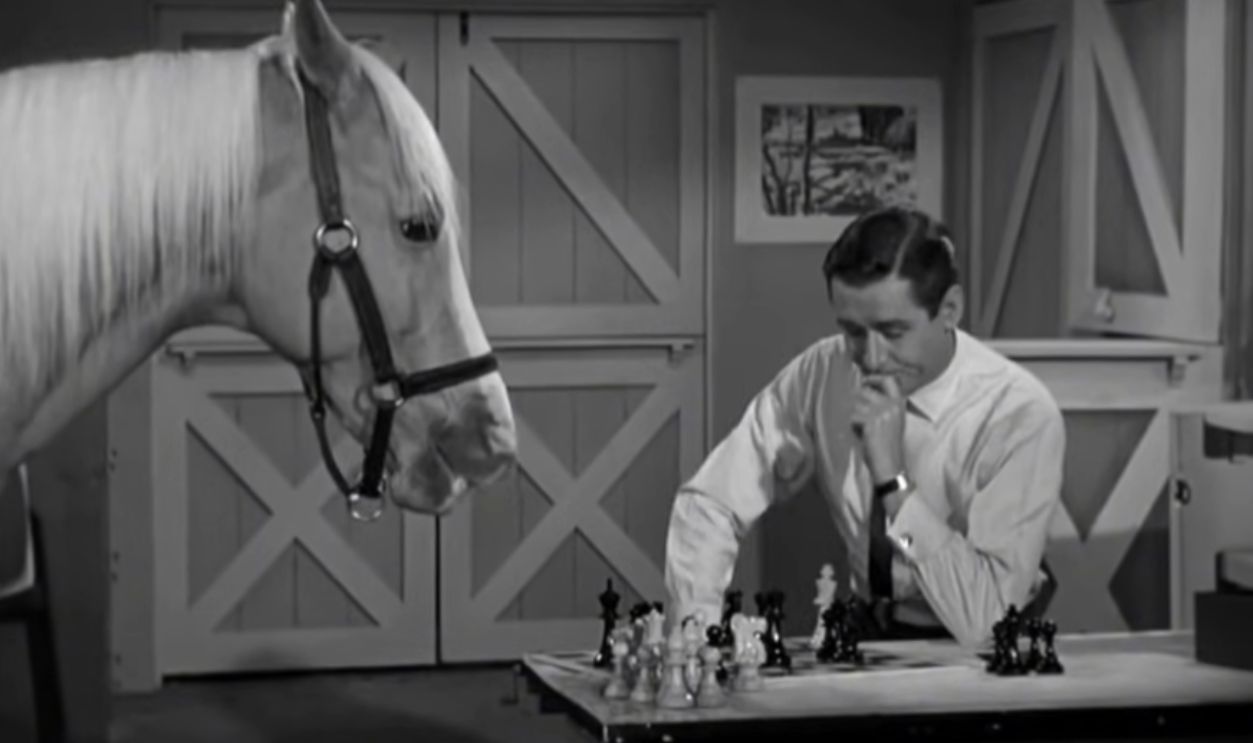
Ed Apparently Trusted Alan
Young later recalled that Bamboo Harvester treated trainer Les Hilton as a stricter authority figure but came to Young for comfort. That bond mattered on camera. Ed could be demanding, selfish, and sarcastic, yet the friendship underneath the trouble always felt genuine. Wilbur complained, but he rarely abandoned his unusual pal.
 Screenshot from Mister Ed, CBS (1961–1966)
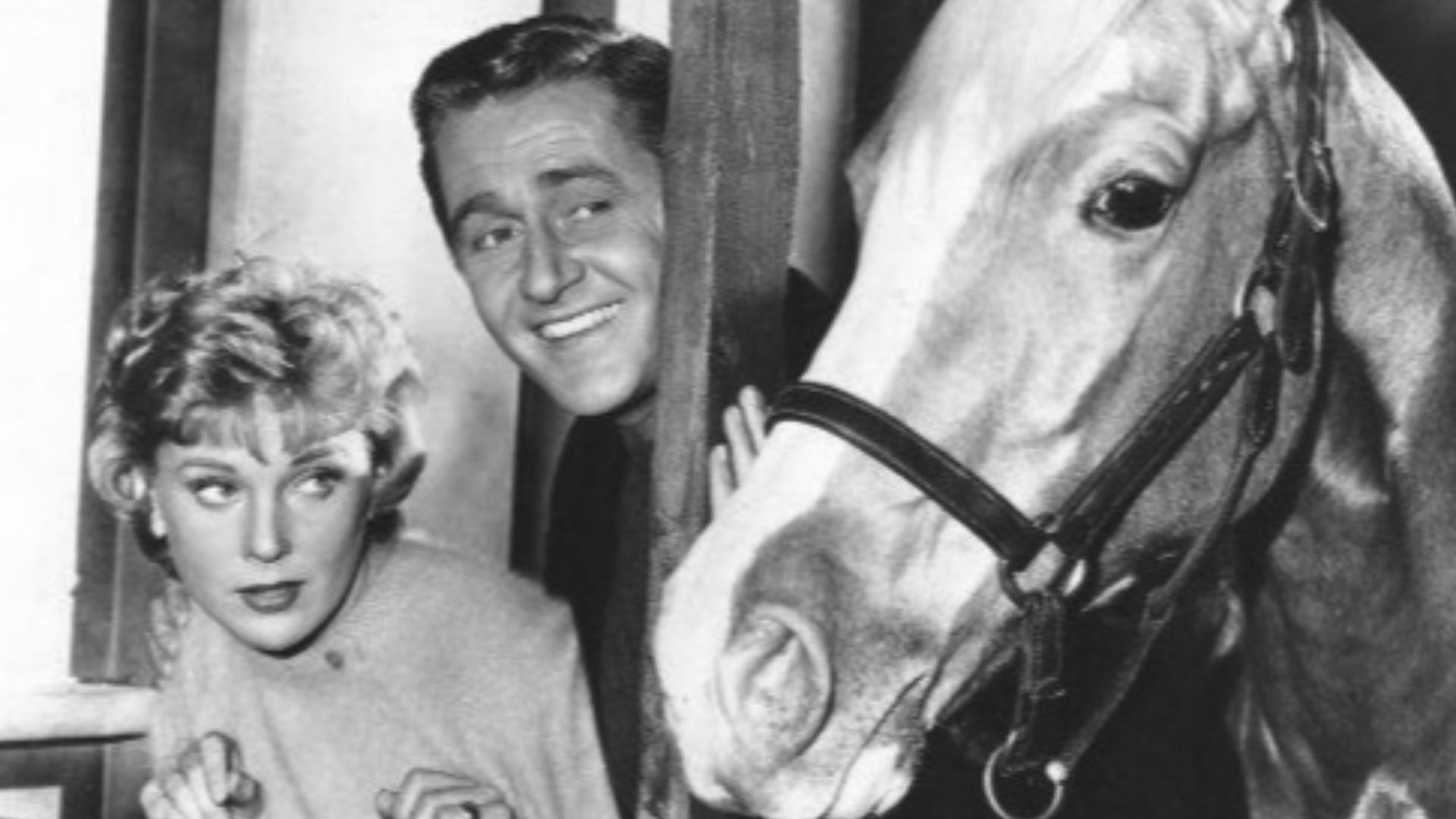
Connie Hines Kept Wilbur Grounded
Connie Hines played Wilbur’s wife, Carol, who frequently wondered why her husband spent so much time in the barn. She could not hear Ed speak, leaving Wilbur to invent increasingly ridiculous explanations. Hines gave the programme a necessary connection to normal suburban life while joining the madness whenever the story required it.
The Neighbours Increased The Trouble
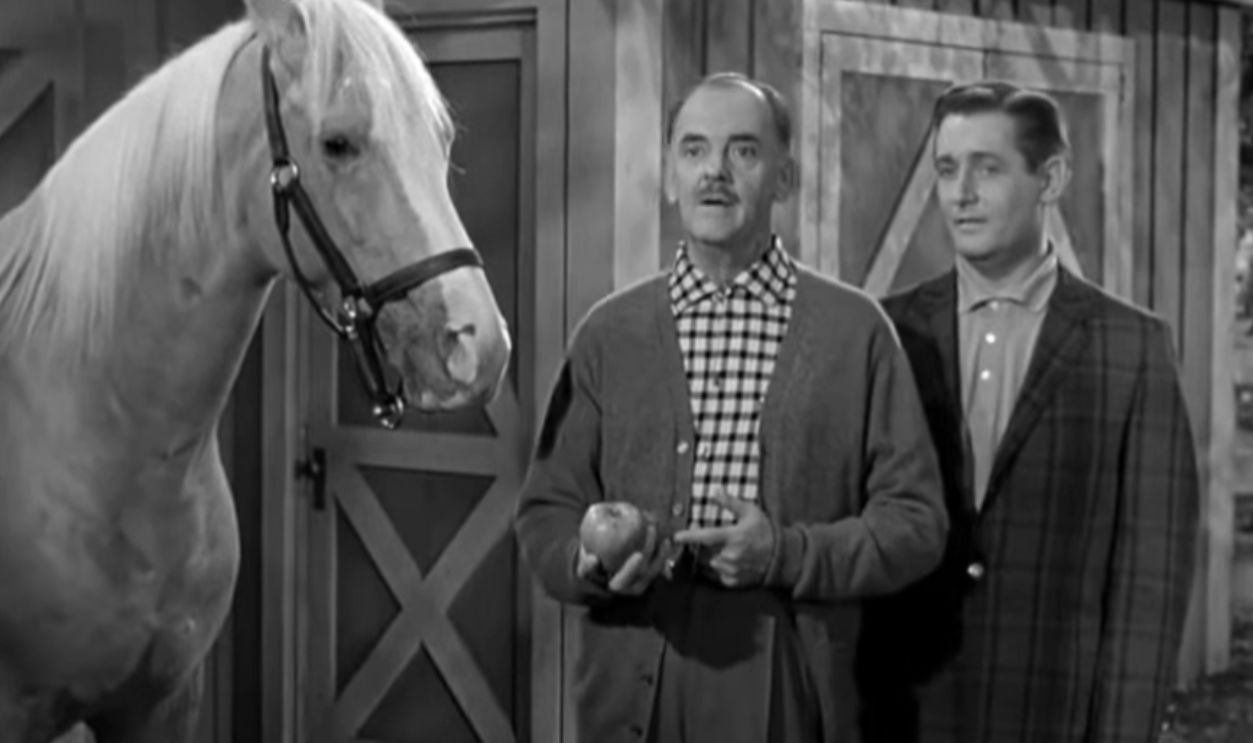
The Addisons and, later, the Kirkwoods gave Wilbur more people to fool, offend, or confuse. Because Ed spoke only to him, Wilbur constantly appeared to be arguing with an ordinary horse. Young could stretch one nervous explanation into an entire comic routine while everyone around him became increasingly suspicious.
 Screenshot from Mister Ed, CBS (1961–1966)
The Writers Respected The Absurdity
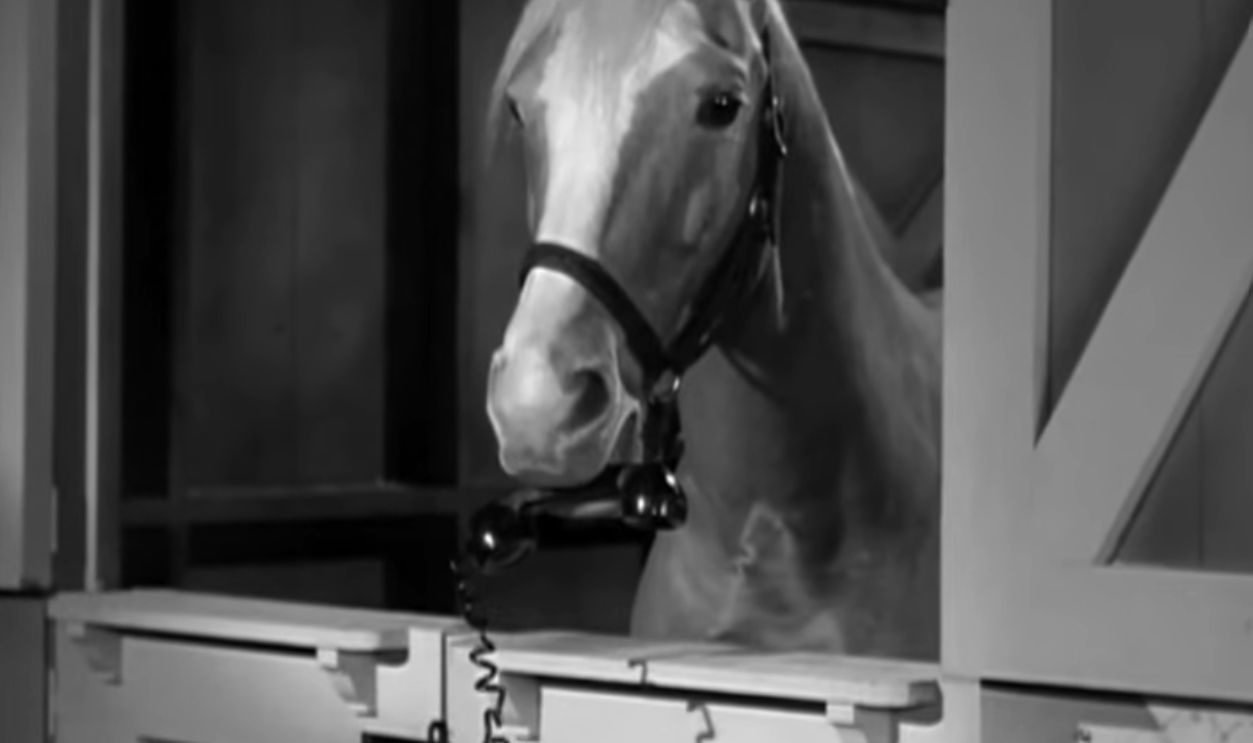
The show succeeded because its writers rarely tried to explain Ed. He could use the telephone, read newspapers, understand celebrities, and develop ambitious schemes. Rather than building complicated mythology around him, the scripts treated his intelligence as a simple fact—and focused on the disasters it created for Wilbur.
 Screenshot from Mister Ed, CBS (1961–1966)
The Theme Song Did Half The Selling
Jay Livingston and Ray Evans wrote one of television’s most unforgettable theme songs. Its opening promise that “a horse is a horse” immediately announced the joke before happily contradicting it. The tune was cheerful, silly, and impossible to forget, placing viewers in exactly the right mood.
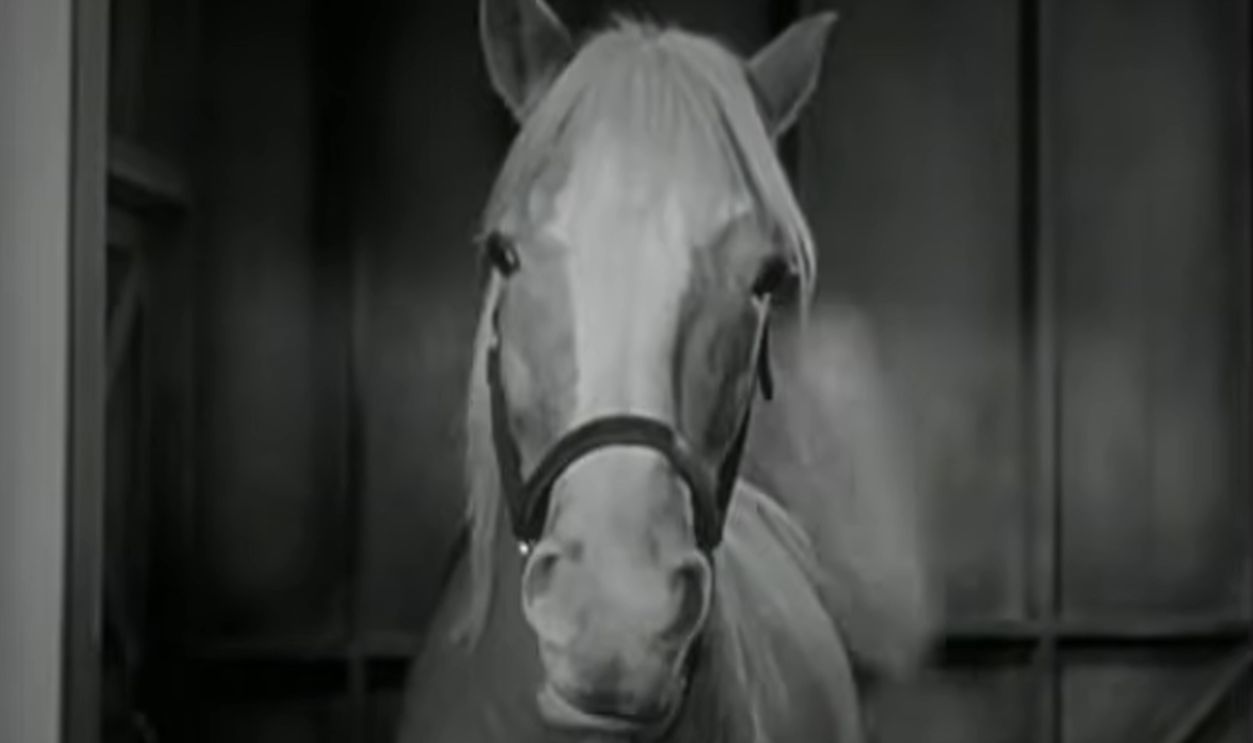 Screenshot from Mister Ed, CBS (1961–1966)
Famous Visitors Joined The Joke
The series welcomed an impressive collection of guest stars, including George Burns, Zsa Zsa Gabor, Clint Eastwood, and Mae West. Young’s low-key performance allowed these appearances to feel playful rather than desperate. Even major celebrities had to accept that, in Ed’s barn, the horse was the biggest star.
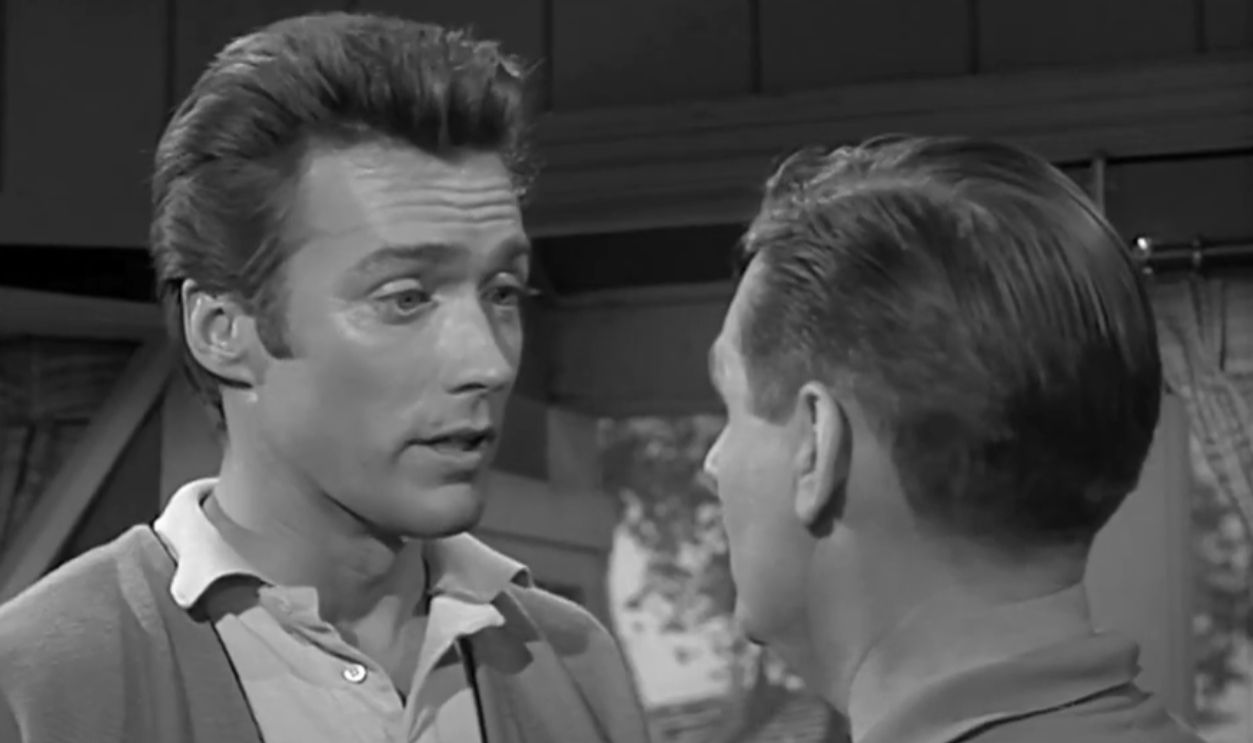 Screenshot from Mister Ed, CBS (1961–1966)
Syndication Saved The Show
When networks initially passed, Mister Ed took an unusual path by beginning in first-run syndication in January 1961. The early episodes attracted enough attention for CBS to add the programme to its schedule that autumn. A concept broadcasters had considered too odd suddenly became a network success.
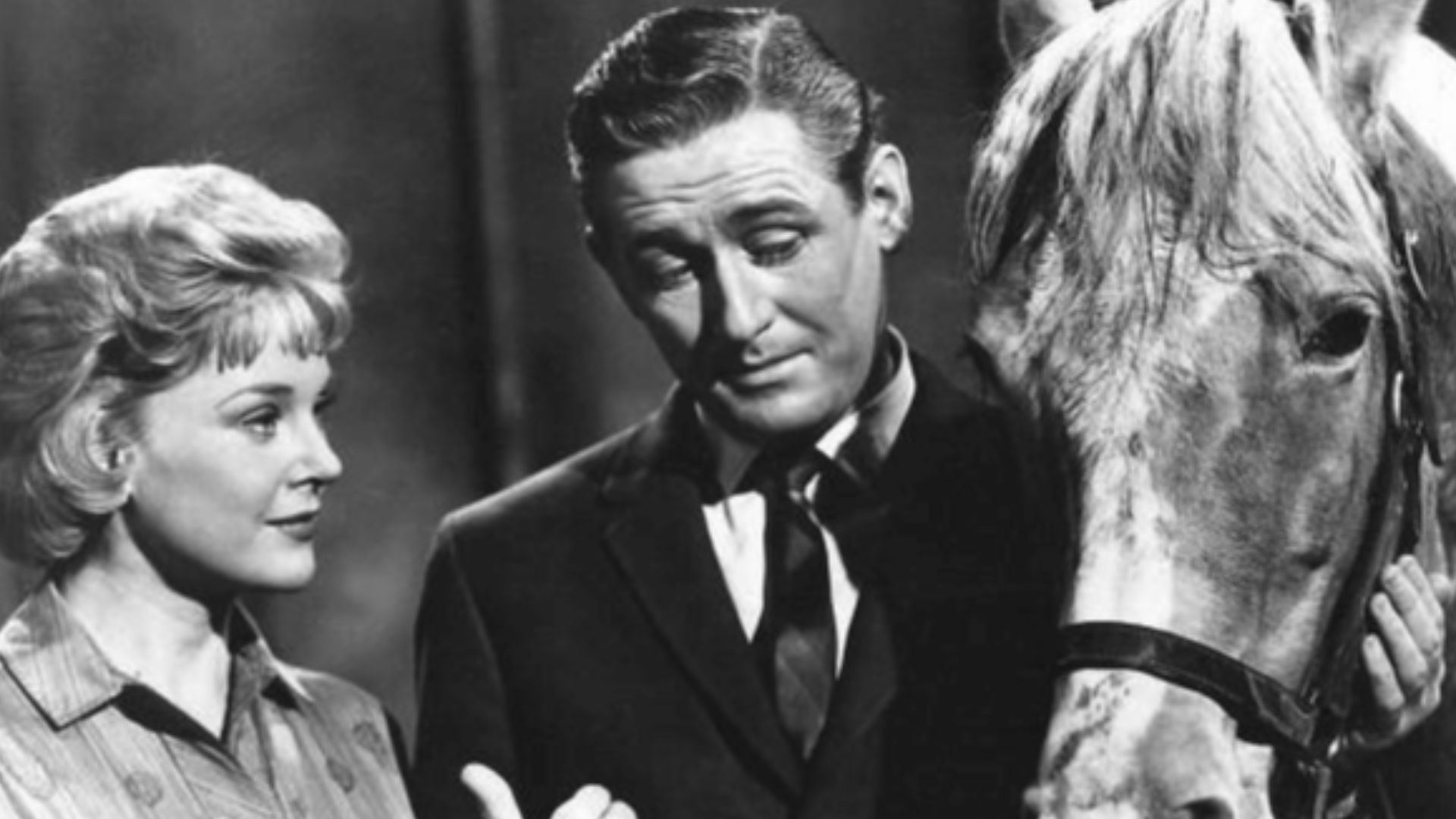
Filming Required Patience And Precision
Producing a weekly comedy around a horse created obvious challenges. Young had to match dialogue recorded by Lane, respond to Ed’s physical cues, remember his own timing, and remain flexible when the animal behaved unpredictably. He made the technical work disappear, which may have been his most impressive achievement.
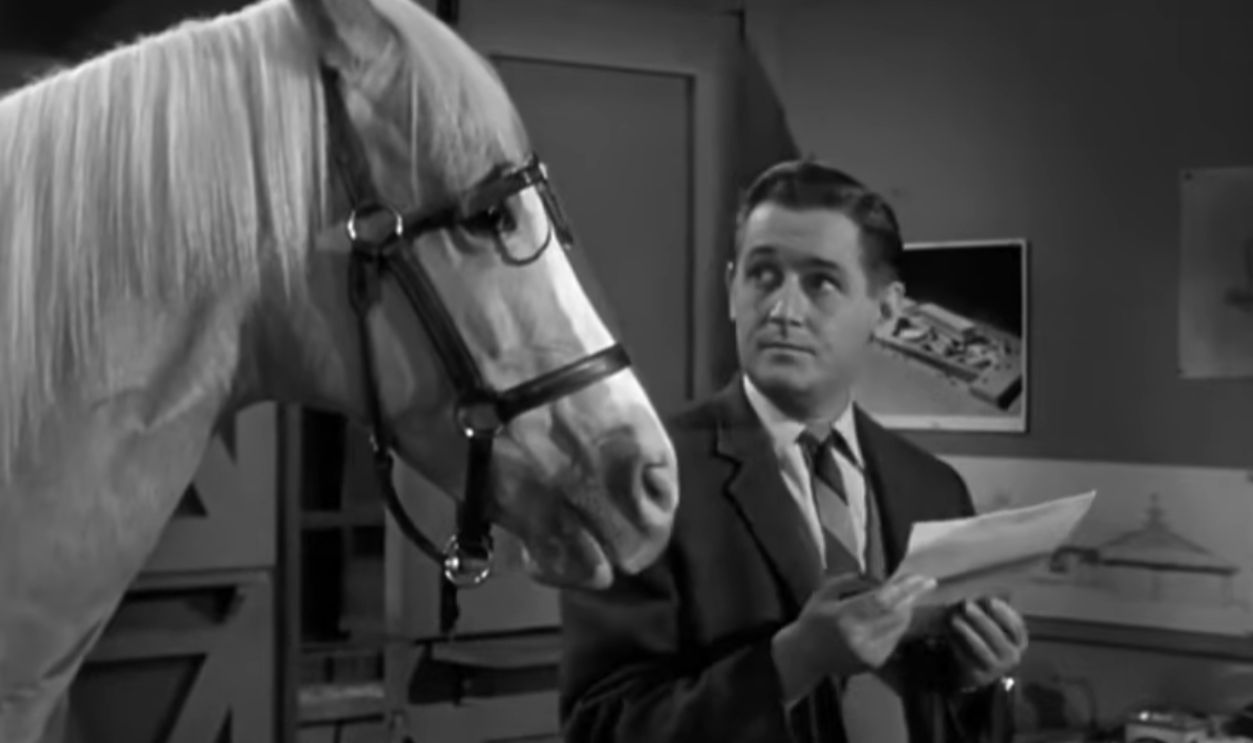 Screenshot from Mister Ed, CBS (1961–1966)
The Barn Finally Closed
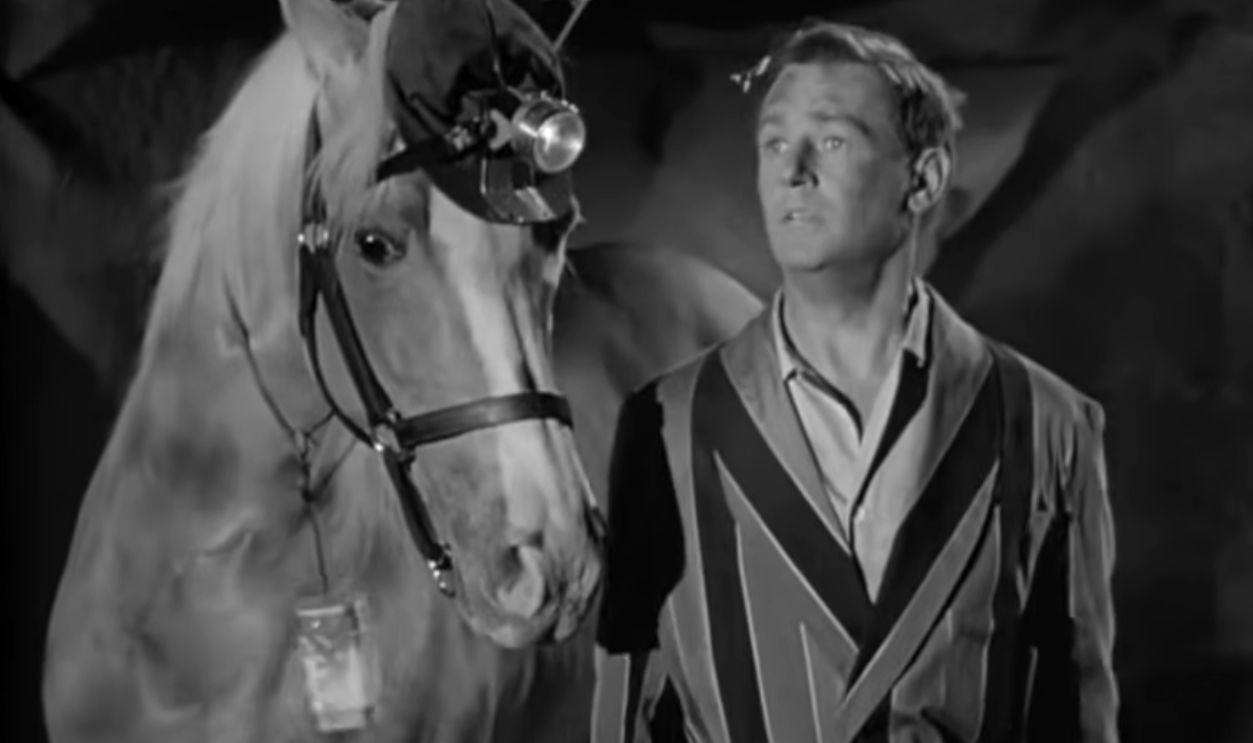
Mister Ed ran for six seasons and produced 143 episodes before ending in 1966. By then, the basic joke had survived far longer than anyone might have expected. Young’s ability to find new shades of confusion, affection, jealousy, and frustration kept Wilbur from becoming a one-note character.
 Screenshot from Mister Ed, CBS (1961–1966)
Alan Found A Second Famous Voice
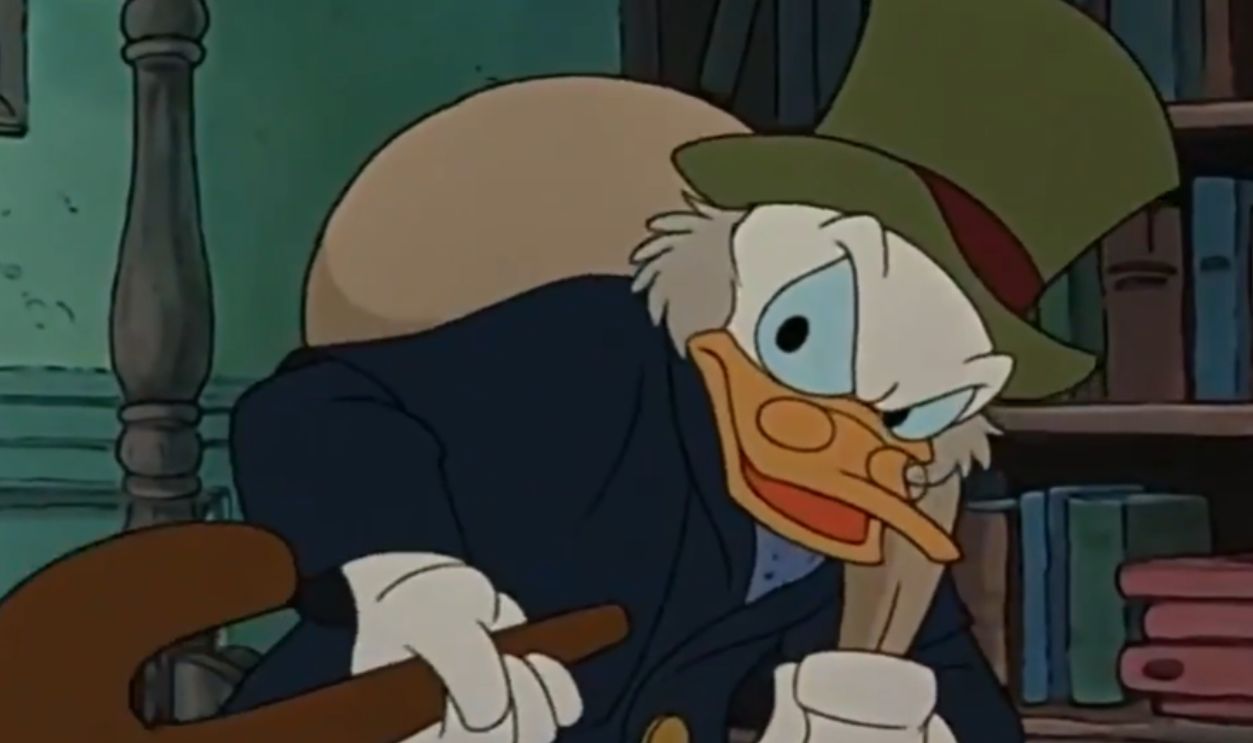
After stepping away from regular television work for a period, Young developed another enduring career in voice acting. He became especially beloved as Disney’s Scrooge McDuck, using a Scottish accent in Mickey’s Christmas Carol, DuckTales, and other productions. A new generation knew his voice without ever meeting Wilbur.
 Screenshot from Mickey's Christmas Carol, Buena Vista Distribution Co., Inc. (1983)
The Man Who Made Nonsense Believable
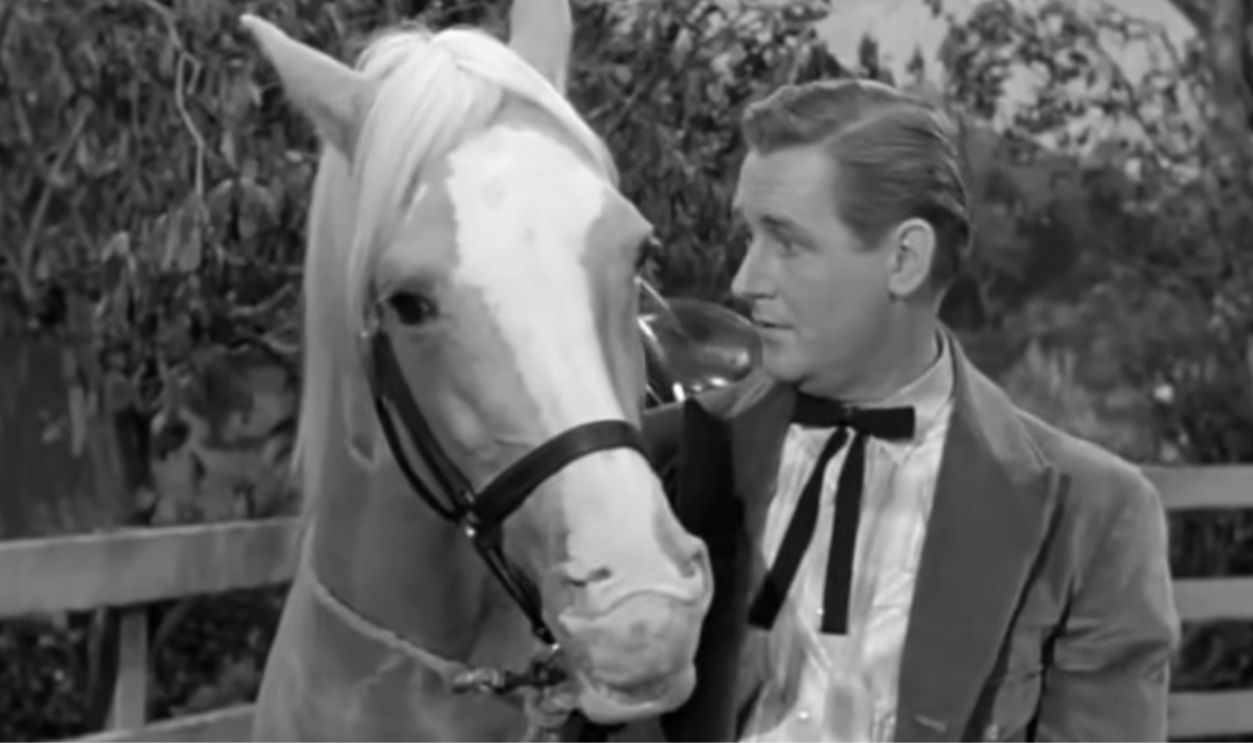
Mister Ed had a talking horse, celebrity cameos, suburban misunderstandings, and a theme song nobody could escape. Yet its secret was Alan Young. He never acted as though he were above the material. By treating Ed as a genuine friend, he turned a ridiculous premise into one of television’s strangest and warmest successes.
 Screenshot from Mister Ed, CBS (1961–1966)
You May Also Like:
The Surprising Career Longevity Of Hawaii Five-O Star Jack Lord
TV Rituals Baby Boomers Remember That No One Born After 2000 Has Ever Done