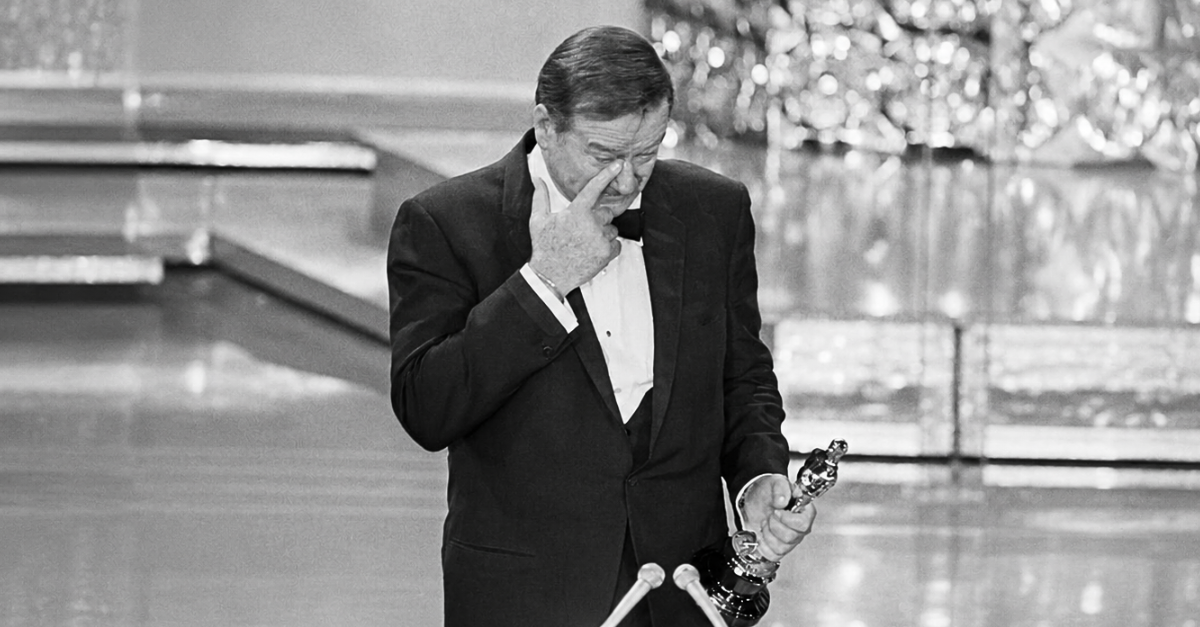
Anything Could Happen.
Throughout the 1970s, award ceremonies became stages for political protests, record-breaking victories, emotional reunions, and several wonderfully unpredictable disasters. These moments proved that the speeches, reactions, and interruptions could become more famous than the awards themselves.
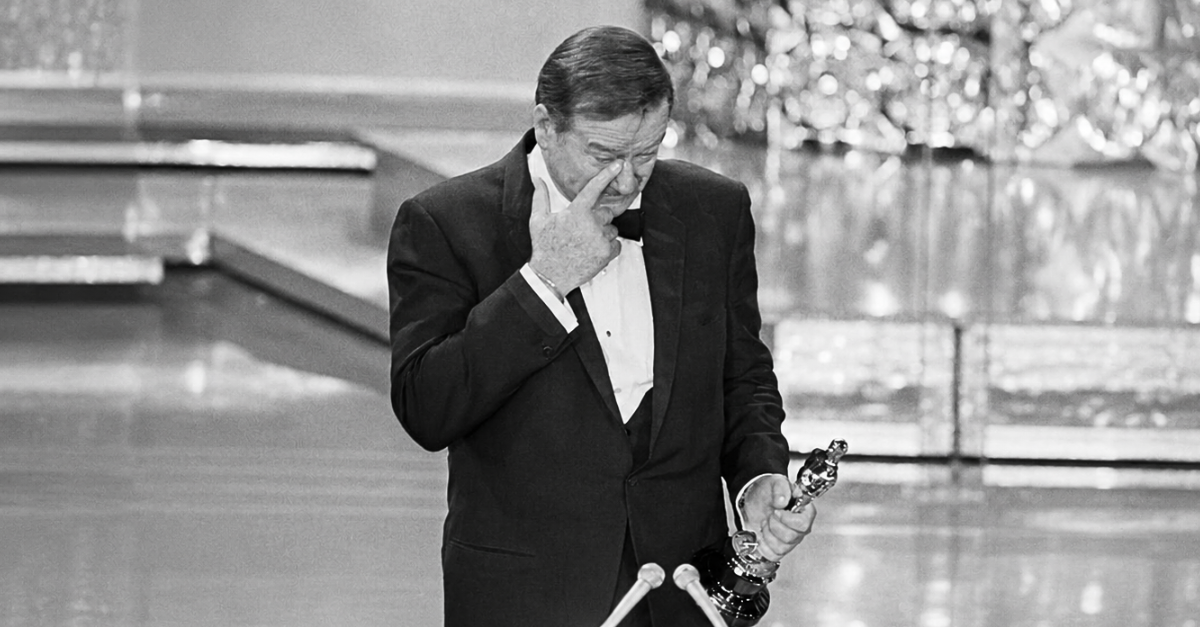
John Wayne Finally Got His Oscar
John Wayne had been one of Hollywood’s biggest stars for decades when True Grit brought him his first and only competitive Academy Award. Accepting Best Actor in 1970, Wayne joked that he would have put on the eye patch much earlier if he had known it would earn him an Oscar. His win felt like Hollywood honoring an entire screen persona as much as one performance. The famously tough actor appeared visibly moved as the audience celebrated him.
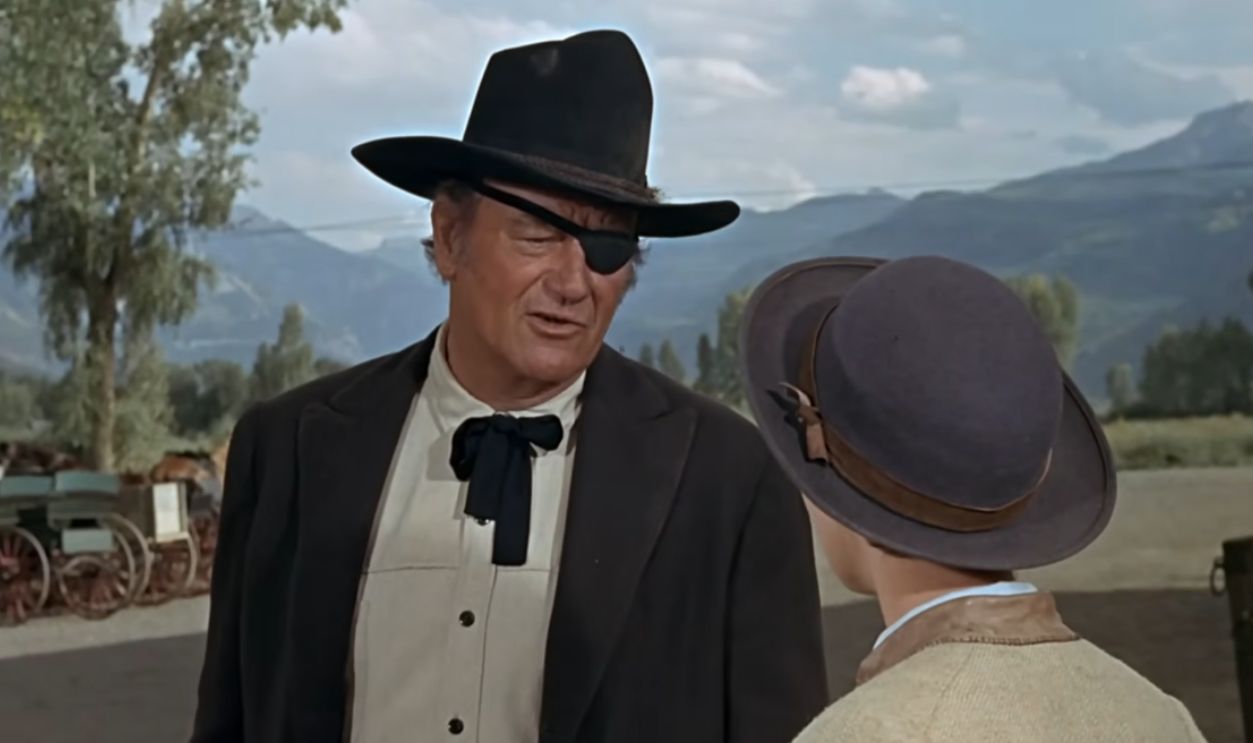 Screenshot from True Grit, Paramount Pictures (1969)
George C. Scott Refused Hollywood’s Biggest Prize
George C. Scott won Best Actor for Patton in 1971, but he had already announced that he would not accept the award. He objected to actors being placed in competition and dismissed the ceremony as an unnecessary spectacle. Producer Frank McCarthy accepted on his behalf, although Scott later returned the statuette. The absence transformed an expected victory into a direct challenge to the Academy Awards themselves.
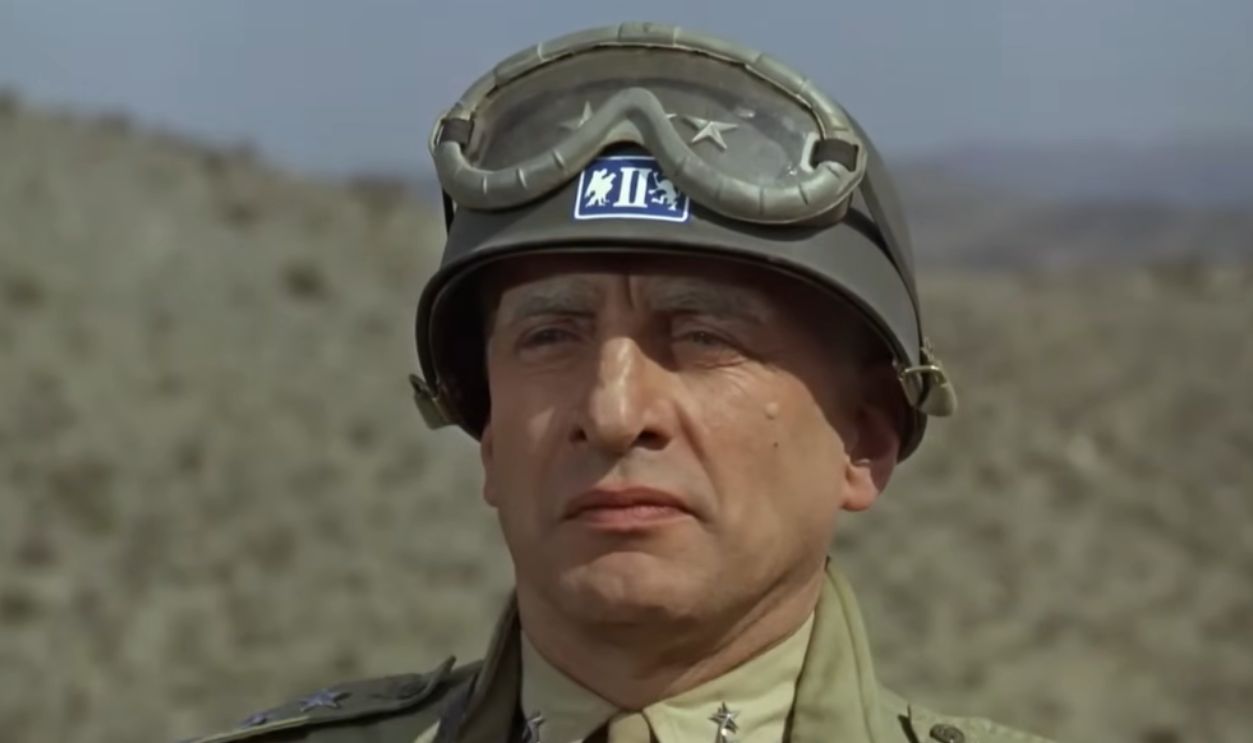 Screenshot from Patton, 20th Century Fox (1970)
Isaac Hayes Made Oscar History
Isaac Hayes delivered one of the decade’s most visually striking Oscar performances when he performed the theme from Shaft in 1972. Later that evening, the song won Best Original Song. Hayes became the first Black winner in a non-acting Academy Award category and the first Black songwriter to win the prize. His combination of orchestral soul, dramatic staging, and historic achievement made the ceremony feel suddenly modern.
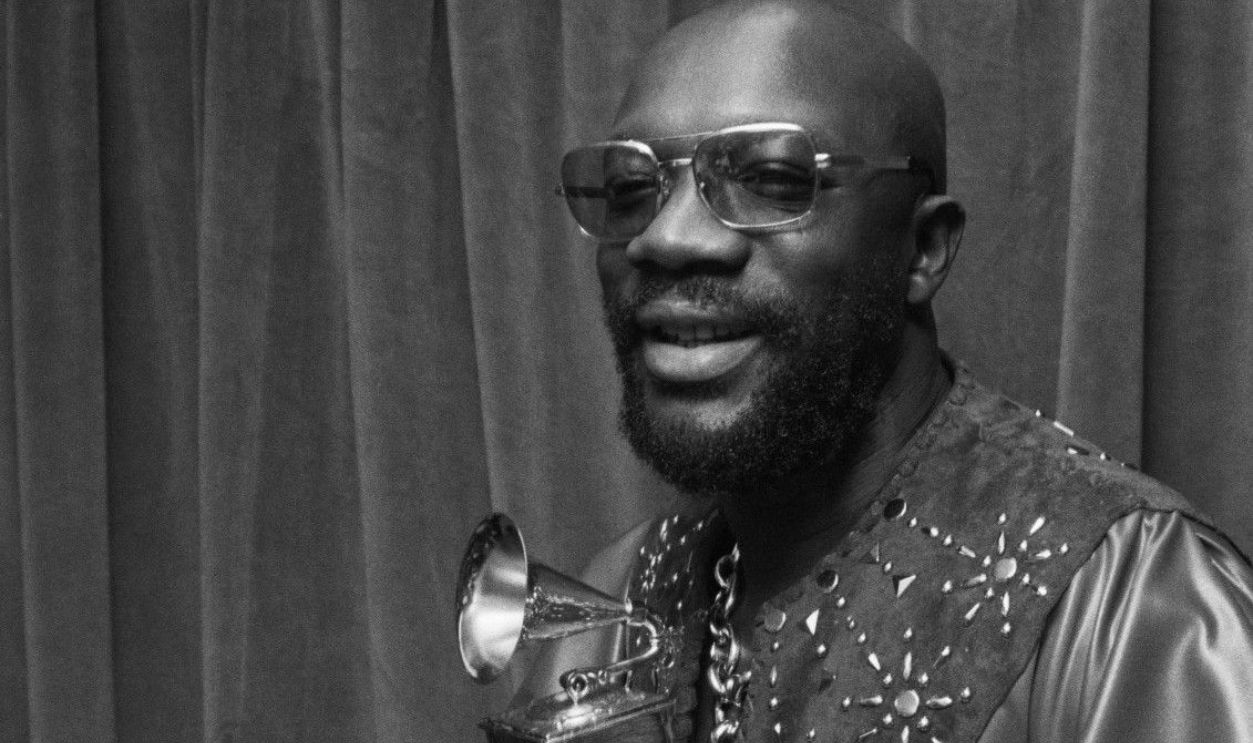 Unknown Author, Wikimedia Commons
Charlie Chaplin Returned To Hollywood
Charlie Chaplin returned to the United States for the 1972 Academy Awards after spending roughly two decades away. The Academy presented him with an honorary award recognizing his influence on motion pictures. His appearance prompted an extraordinarily long standing ovation from the audience. The visibly emotional filmmaker struggled to speak as Hollywood welcomed back one of its founding geniuses.
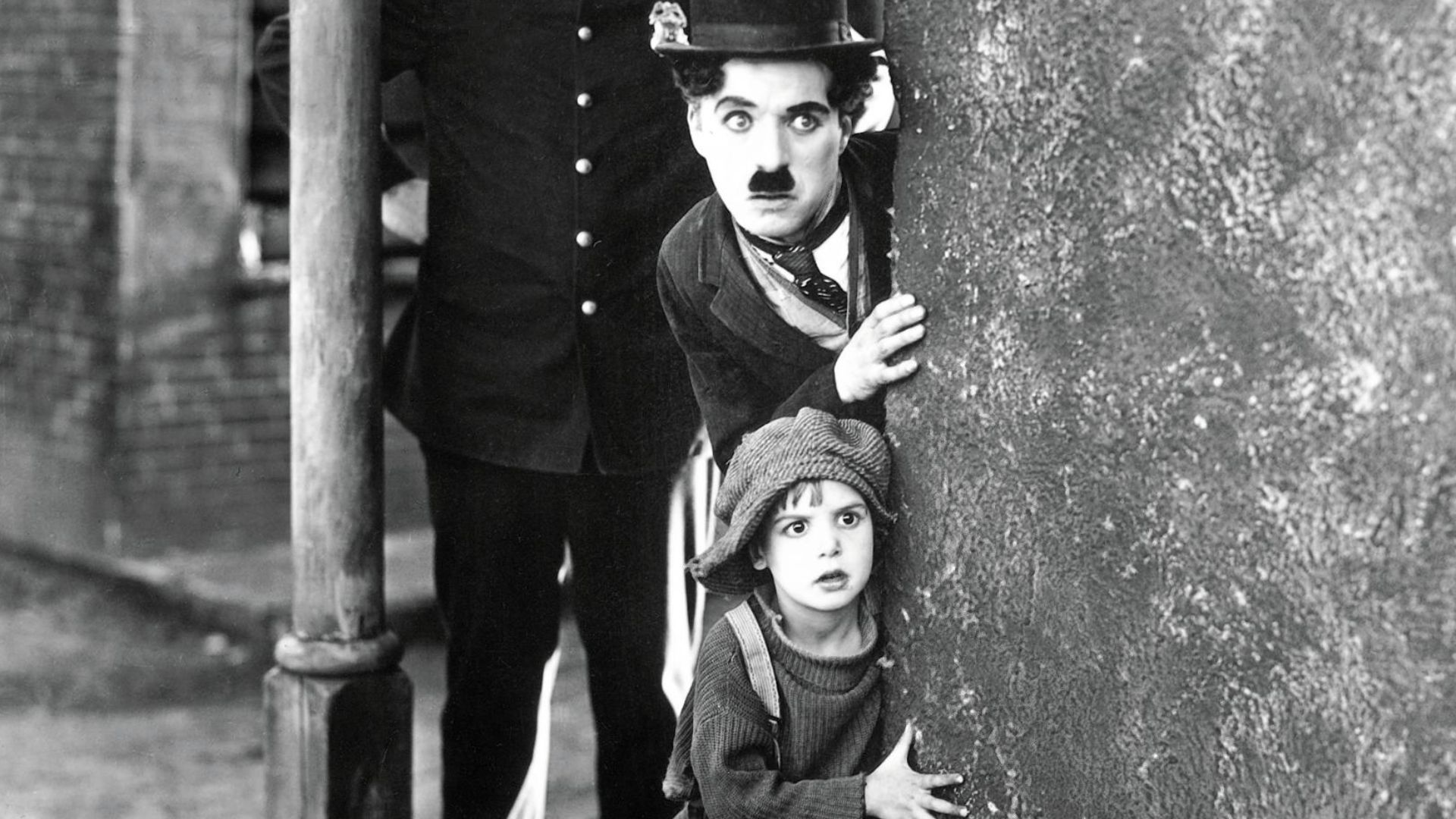 Charlie Chaplin, Wikimedia Commons
Sacheen Littlefeather Refused Brando’s Oscar
Marlon Brando won Best Actor for The Godfather in 1973, but Sacheen Littlefeather walked onstage in his place. She declined the statuette and explained that Brando was protesting Hollywood’s treatment of Native Americans and the confrontation at Wounded Knee. The audience responded with a mixture of applause and boos. The brief appearance became one of the most debated political statements in Academy Awards history.
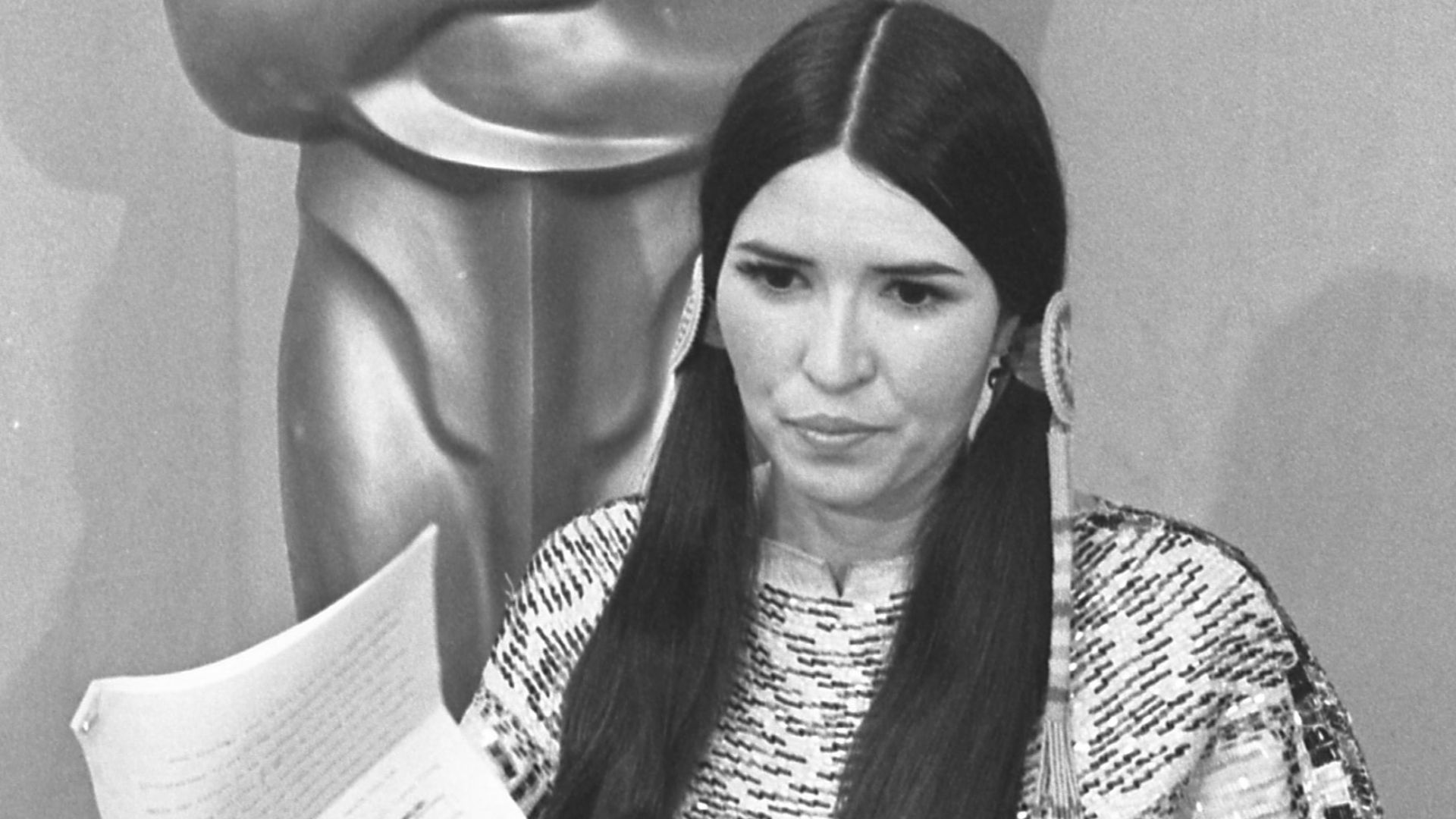 Rick Browne, Los Angeles Times, Wikimedia Commons
Cabaret Nearly Swept The Oscars
Cabaret won eight Academy Awards at the 1973 ceremony, including prizes for Liza Minnelli, Joel Grey, and director Bob Fosse. Yet the musical lost Best Picture to The Godfather. It remains one of the greatest examples of a film dominating Oscar night without claiming the top award. Watching Minnelli and Grey celebrate on the same evening gave the ceremony an unmistakable Broadway glow.
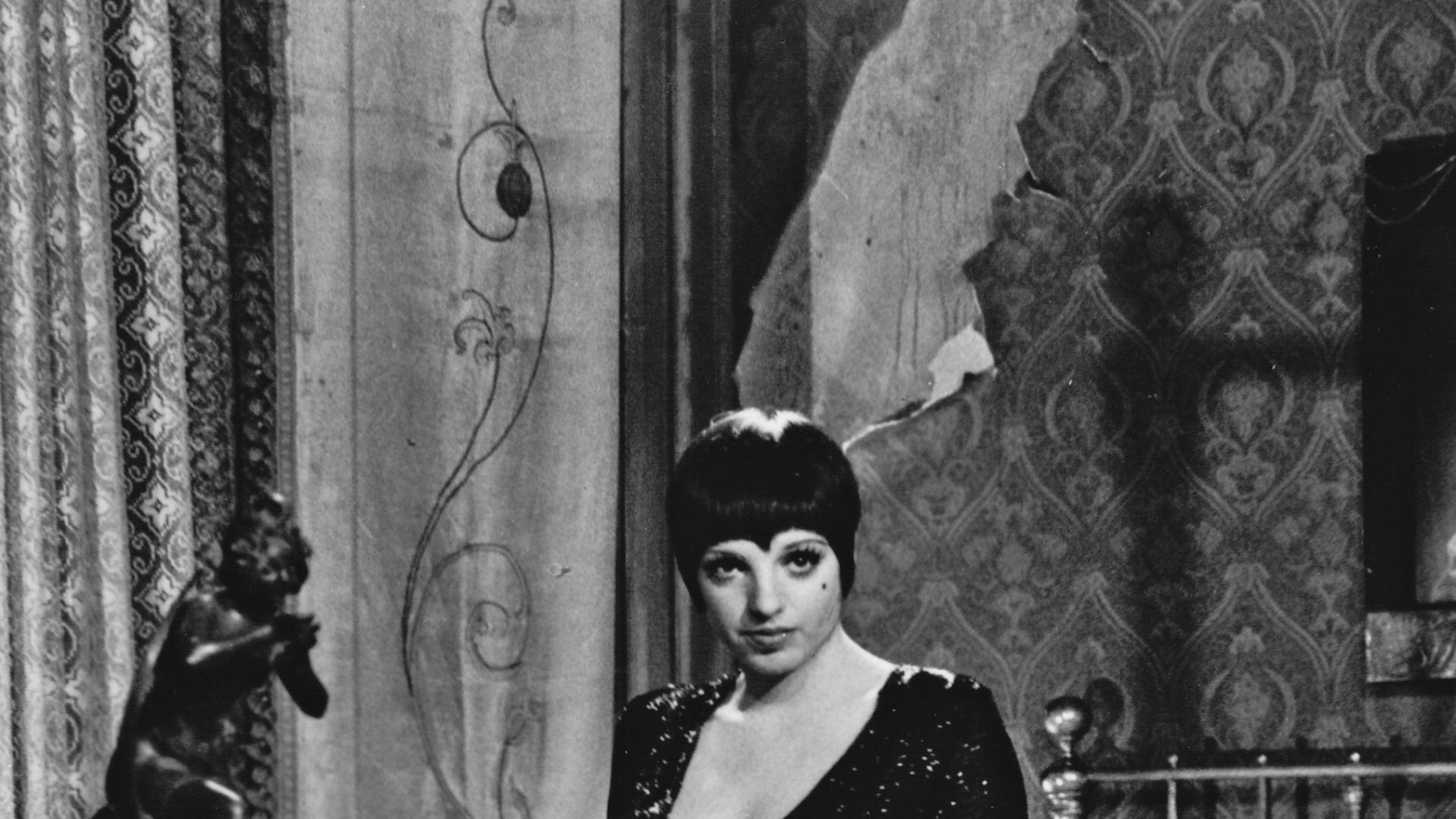 Allied Artists Pictures Corporation, Wikimedia Commons
A Streaker Raced Behind David Niven
The 1974 Oscars took an unexpected turn when a naked man ran across the stage behind presenter David Niven. Rather than appearing rattled, Niven paused and delivered a cutting joke about the intruder displaying his “shortcomings.” The audience erupted, and the ceremony continued almost immediately. The interruption became the standard against which future live-award-show surprises were measured.
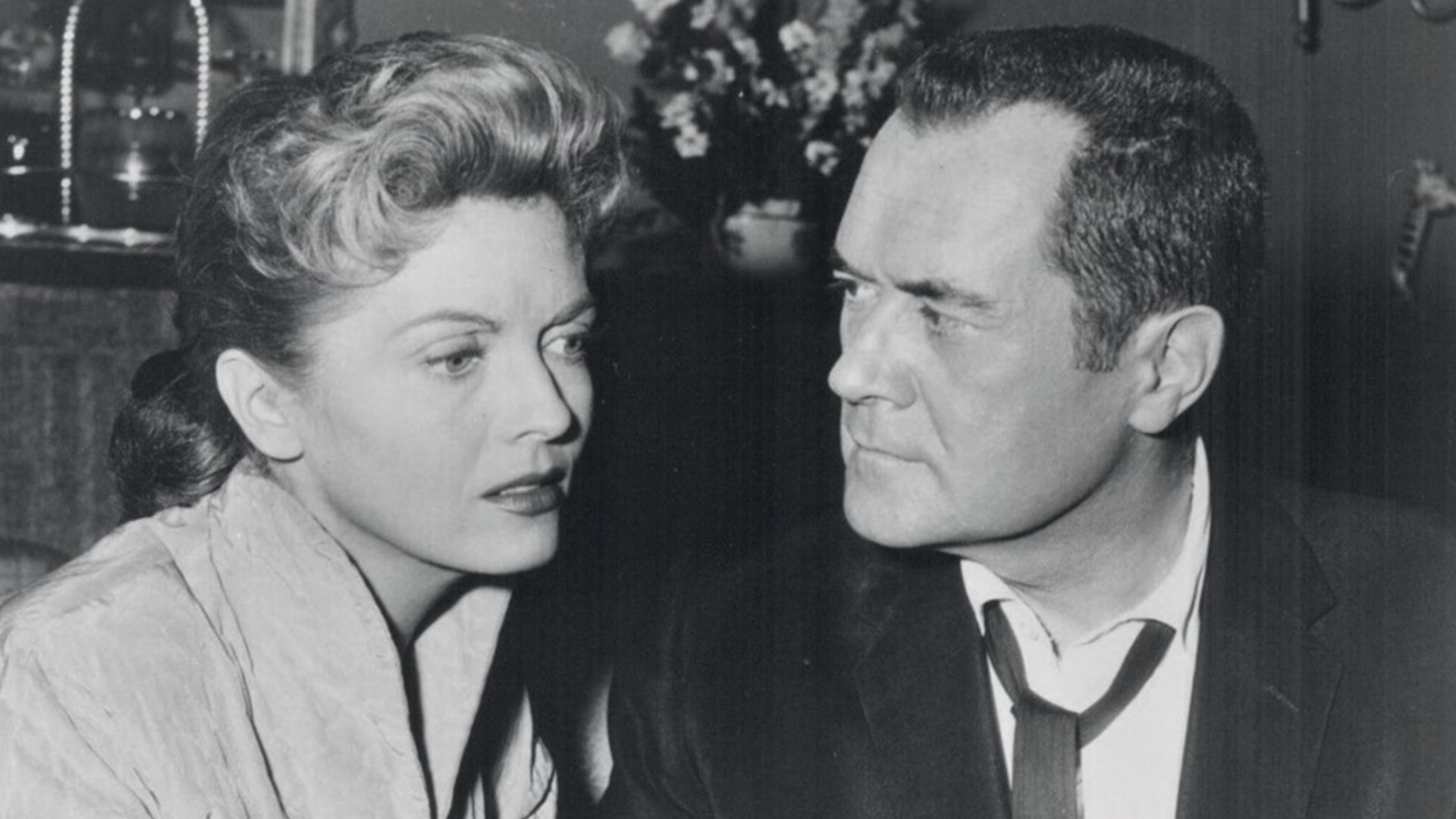 Photo News, New York (NBC), Wikimedia Commons
Tatum O’Neal Became The Youngest Winner
Ten-year-old Tatum O’Neal won Best Supporting Actress for Paper Moon at the 1974 Academy Awards. Her performance opposite her father, Ryan O’Neal, made her the youngest person ever to win a competitive Oscar. Wearing a tuxedo-style outfit, she accepted with a short and composed speech. The image of a child holding Hollywood’s biggest prize remains one of the ceremony’s most memorable contrasts.
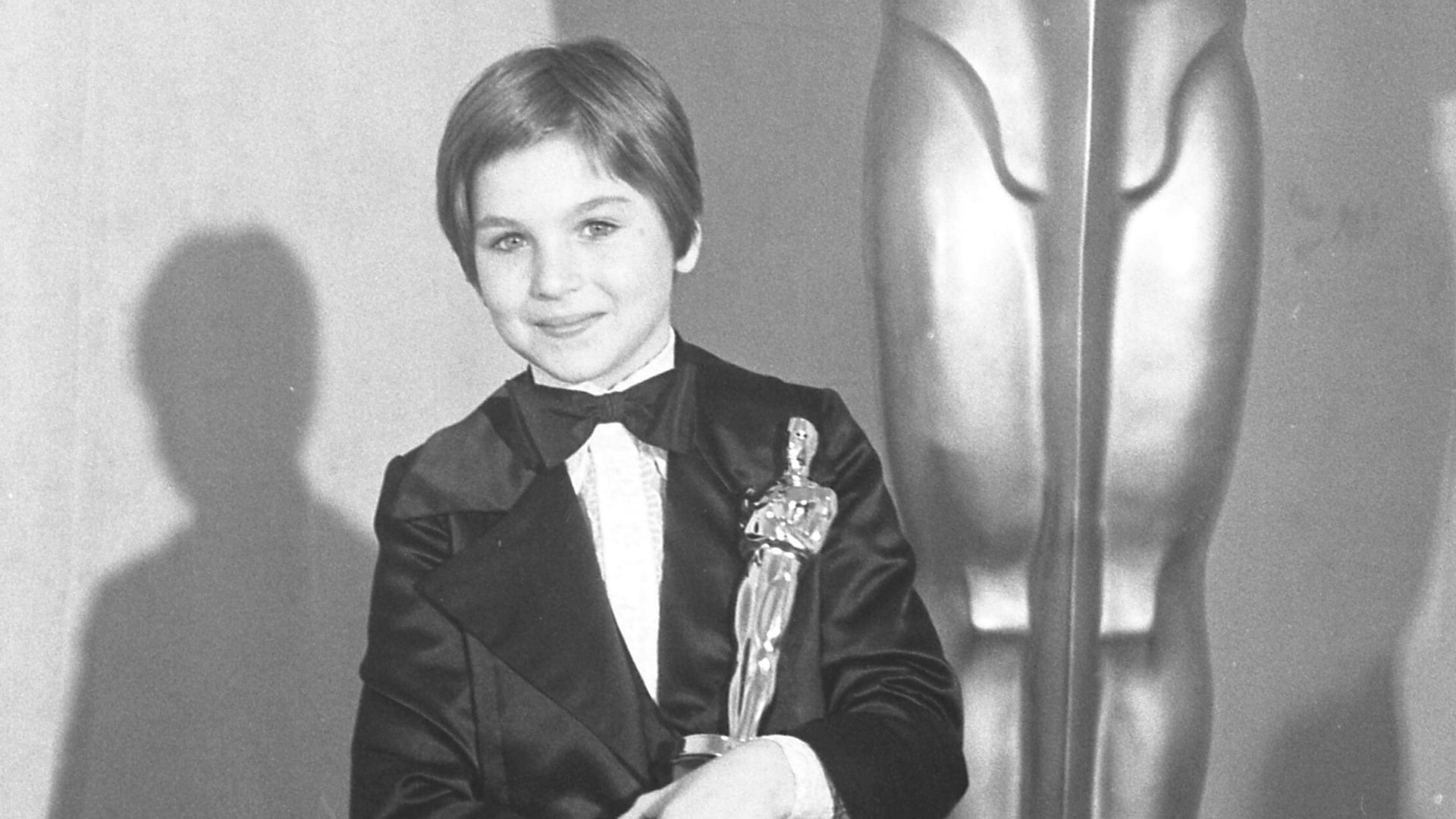 Los Angeles Times, Wikimedia Commons
Marvin Hamlisch Won Three Times In One Night
Composer Marvin Hamlisch had an almost unbelievable evening at the 1974 Oscars. He won for the dramatic score of The Way We Were, the adaptation score for The Sting, and the song “The Way We Were” with Alan and Marilyn Bergman. The three victories set a new record for music awards won by one person during a single ceremony. Hamlisch’s repeated trips to the stage became one of the night’s running stories.
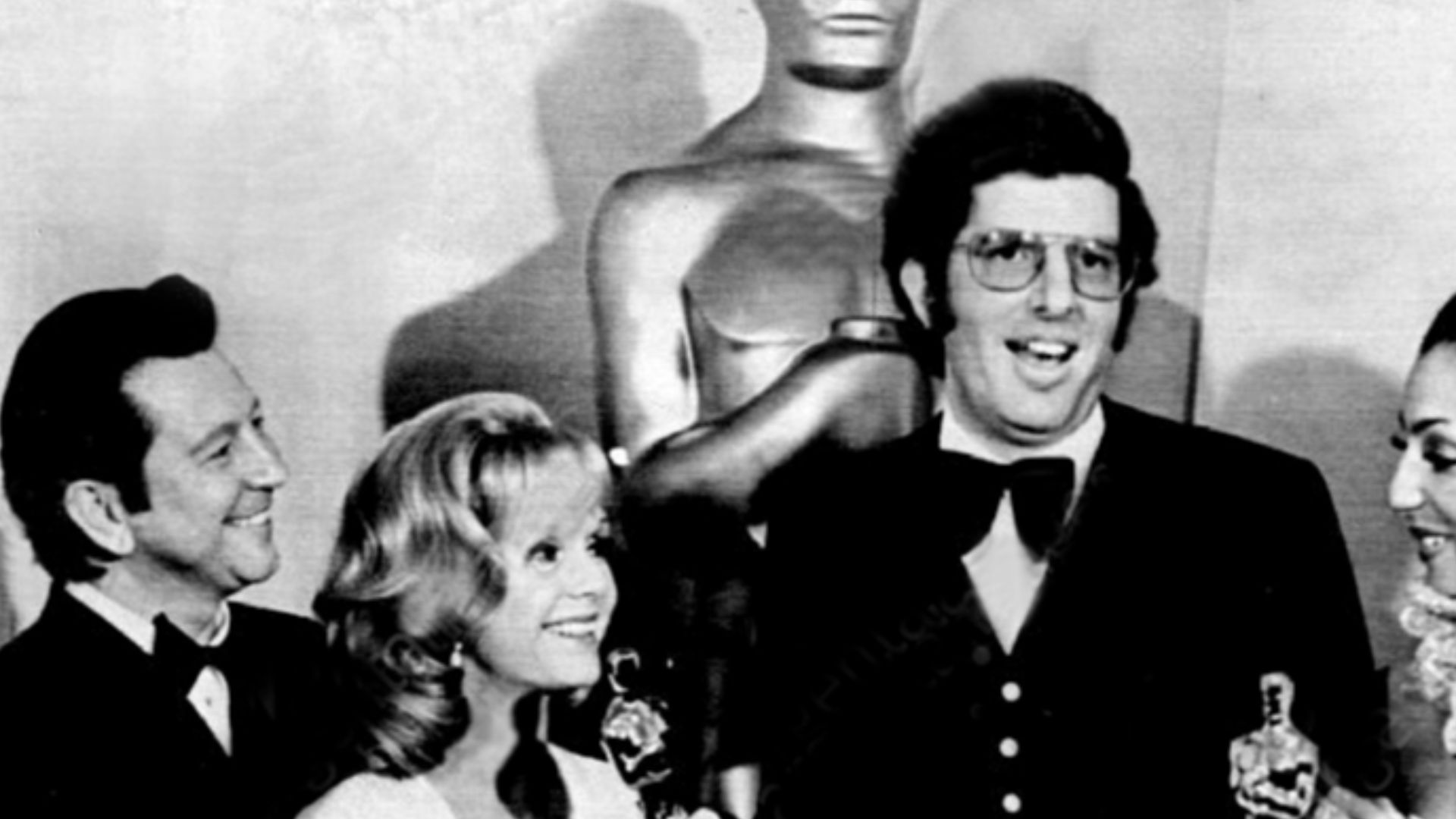 AP Wirephoto, Wikimedia Commons
Groucho Marx Received A Final Salute
Groucho Marx received an honorary Academy Award at the 1974 ceremony for his contributions to screen comedy. Frail but still unmistakably witty, he accepted the award as the audience honored the Marx Brothers’ influence. The appearance carried extra emotion because Chico and Harpo Marx had already died. It became one of Hollywood’s warmest public farewells to a comedy legend.
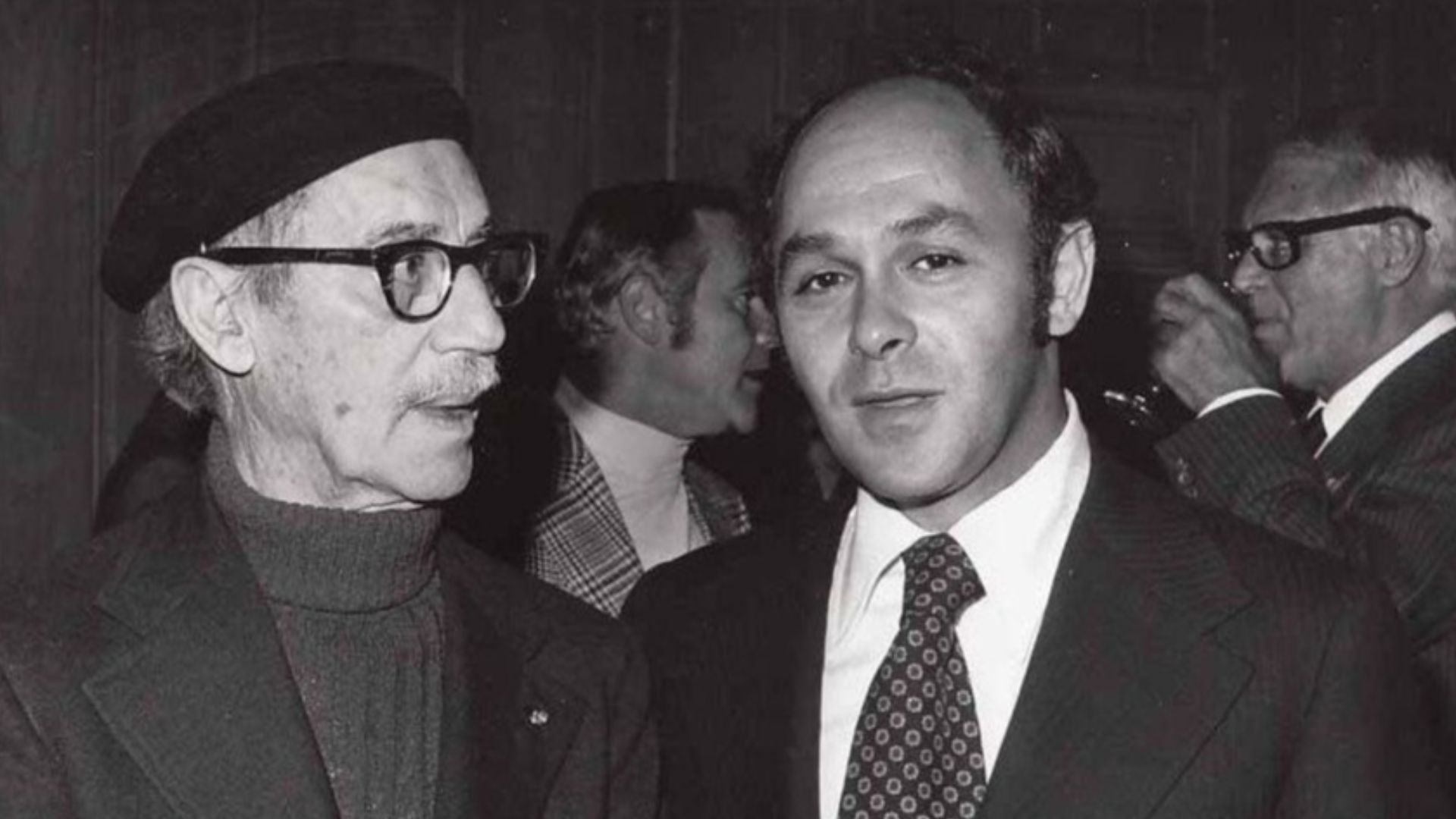 Paramount Studios, Wikimedia Commons
The Godfather Part II Broke The Sequel Barrier
The Godfather Part II won Best Picture at the 1975 Academy Awards. It became the first sequel ever to receive the Academy’s highest honor. The film also brought Robert De Niro a supporting-actor victory for playing the young Vito Corleone, a role previously associated with Marlon Brando. Francis Ford Coppola’s triumph demonstrated that a continuation could deepen a story rather than simply repeat it.
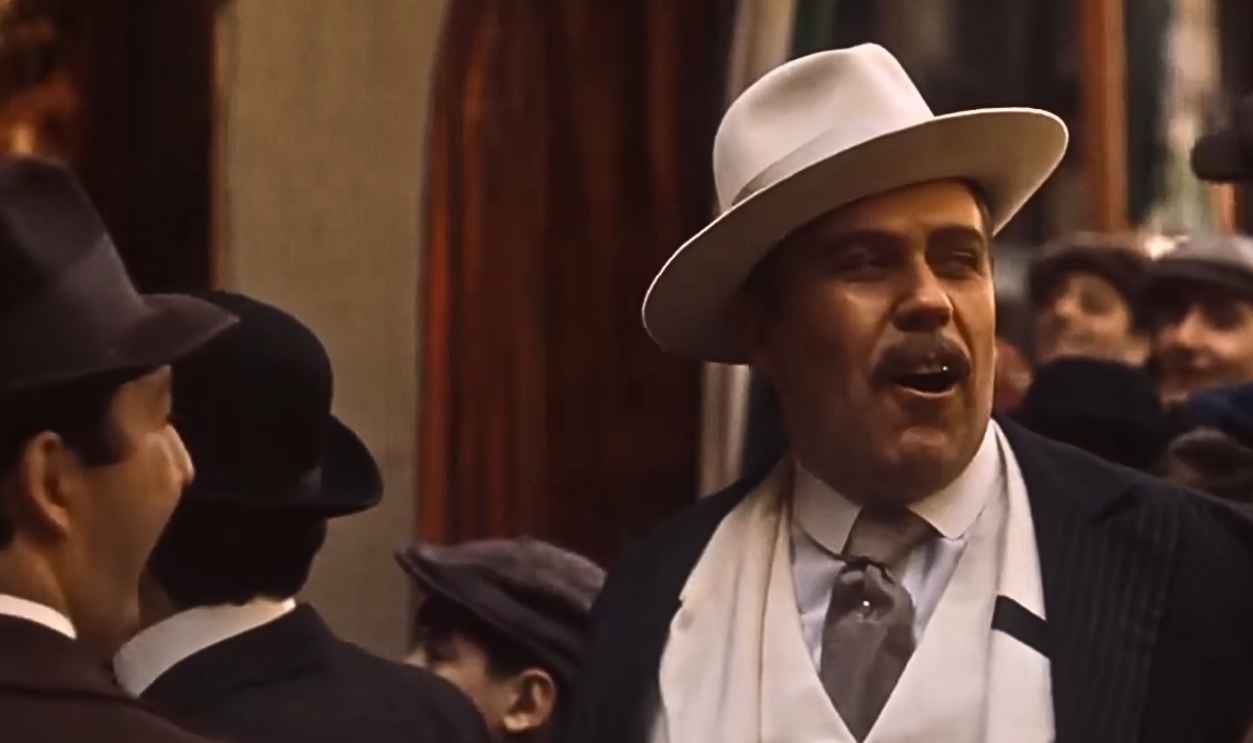 Screenshot from The Godfather Part II, Paramount Pictures (1974)
Charlie Rich Set The Winner’s Card On Fire
At the 1975 Country Music Association Awards, Charlie Rich opened the envelope for Entertainer of the Year and saw John Denver’s name. Rich pulled out a lighter, set the card on fire, and then announced Denver as the winner. Viewers interpreted the act as a protest against pop-influenced country music, although Rich’s family later disputed that simple explanation. Whatever his intention, the burning envelope became an enduring symbol of country music’s internal culture war.
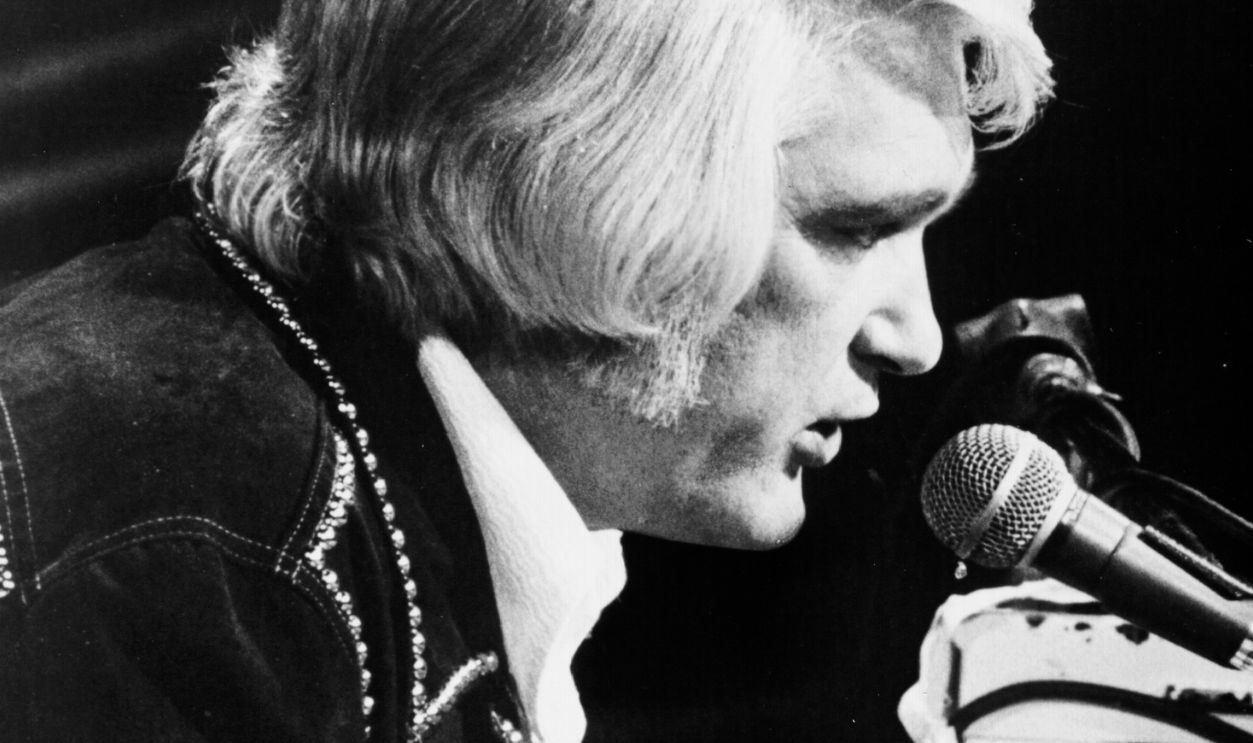 Michael Ochs Archives, Getty Images
Louise Fletcher Spoke To Her Parents In Signs
Louise Fletcher won Best Actress for playing Nurse Ratched in One Flew over the Cuckoo’s Nest at the 1976 Oscars. After joking that voters must have hated her character enough to reward her, Fletcher turned to her deaf parents watching at home. She used sign language to thank them for teaching her to dream. The speech shifted effortlessly from humor to one of the decade’s most touching acceptance moments.
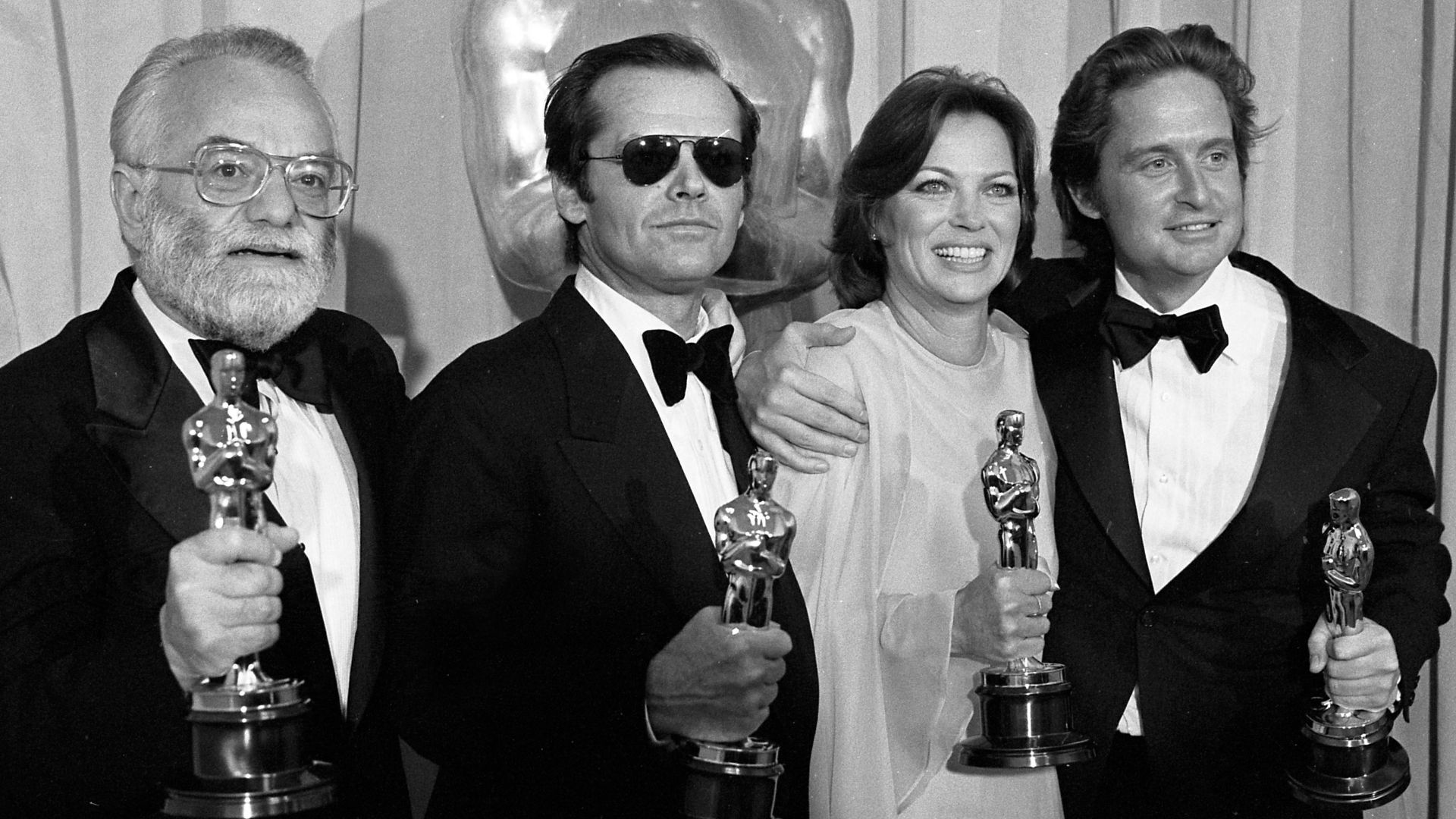 Los Angeles Times, Wikimedia Commons
Cuckoo’s Nest Won The Big Five
One Flew over the Cuckoo’s Nest dominated the 1976 ceremony by winning Best Picture, Director, Actor, Actress, and Adapted Screenplay. It was only the second film to sweep those five major categories. Jack Nicholson, Louise Fletcher, Miloš Forman, and the film’s writers and producers repeatedly took the stage. The sweep turned an already celebrated drama into an Oscar landmark.
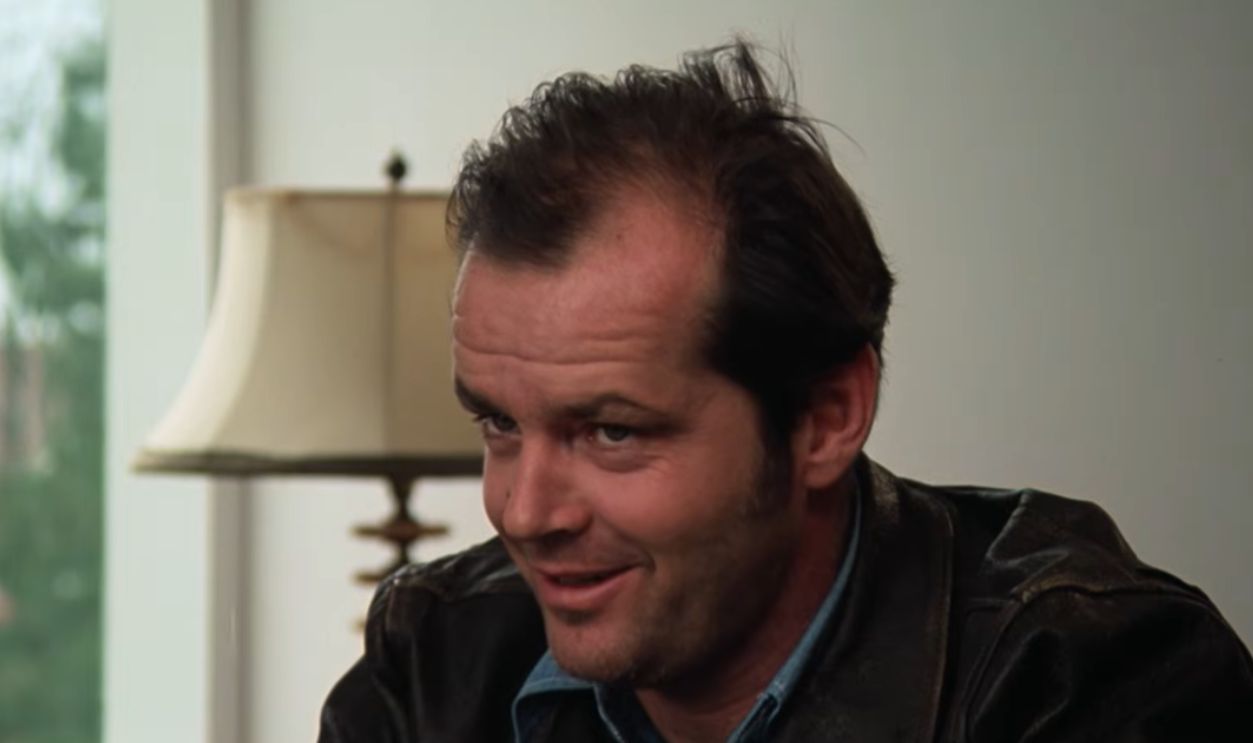 Screenshot from One Flew Over the Cuckoo's Nest, United Artists (1975)
Peter Finch Won After His Death
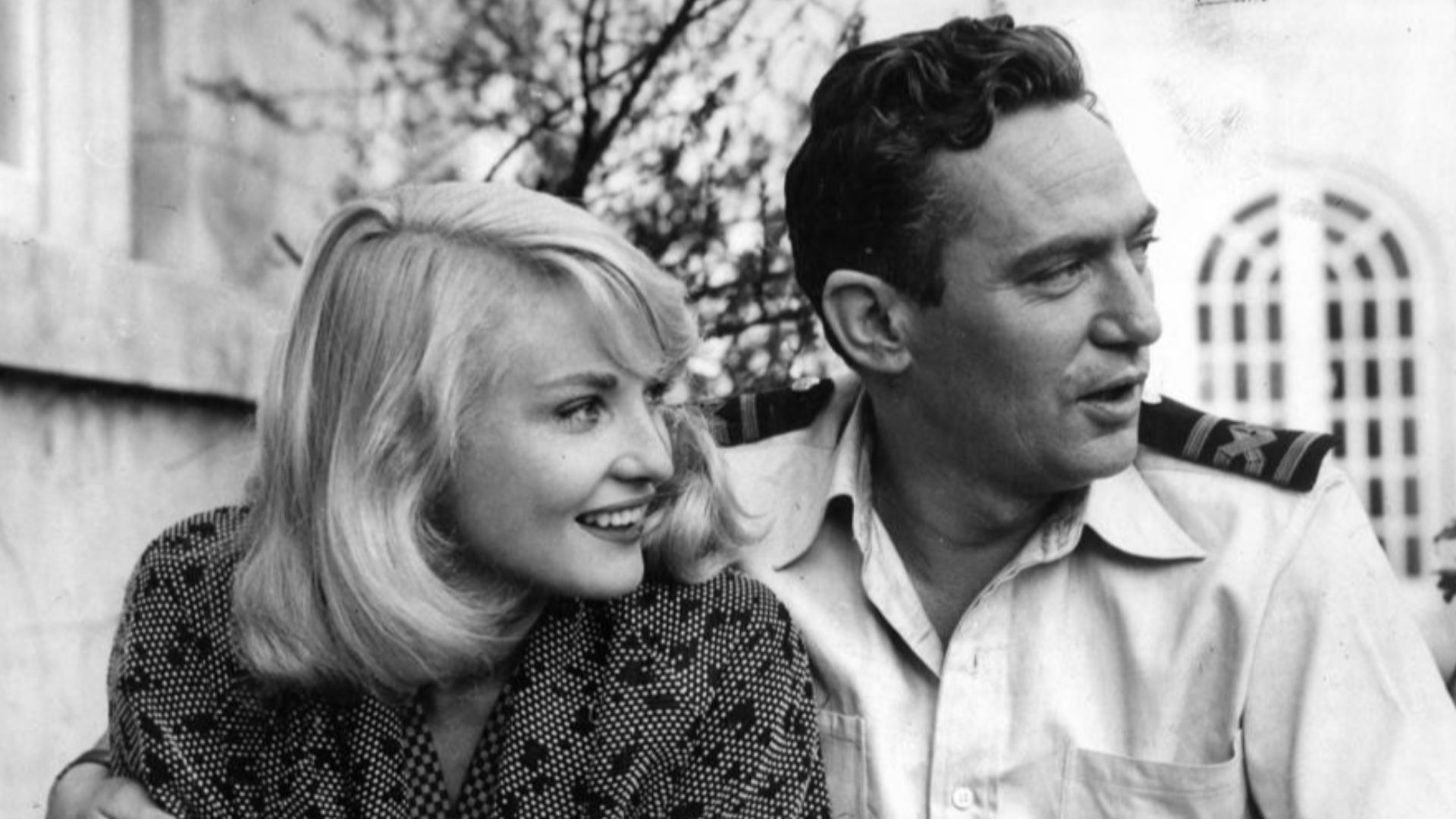
Peter Finch died before the 1977 Academy Awards, where he was named Best Actor for Network. He became the first performer to receive a posthumous Oscar in an acting category. Screenwriter Paddy Chayefsky initially approached the microphone but called Finch’s widow, Eletha, to the stage to accept instead. Her calm and grateful remarks gave the historic result a deeply personal dimension.
 Flickr upload bot, Wikimedia Commons
Rocky Completed An Underdog Story
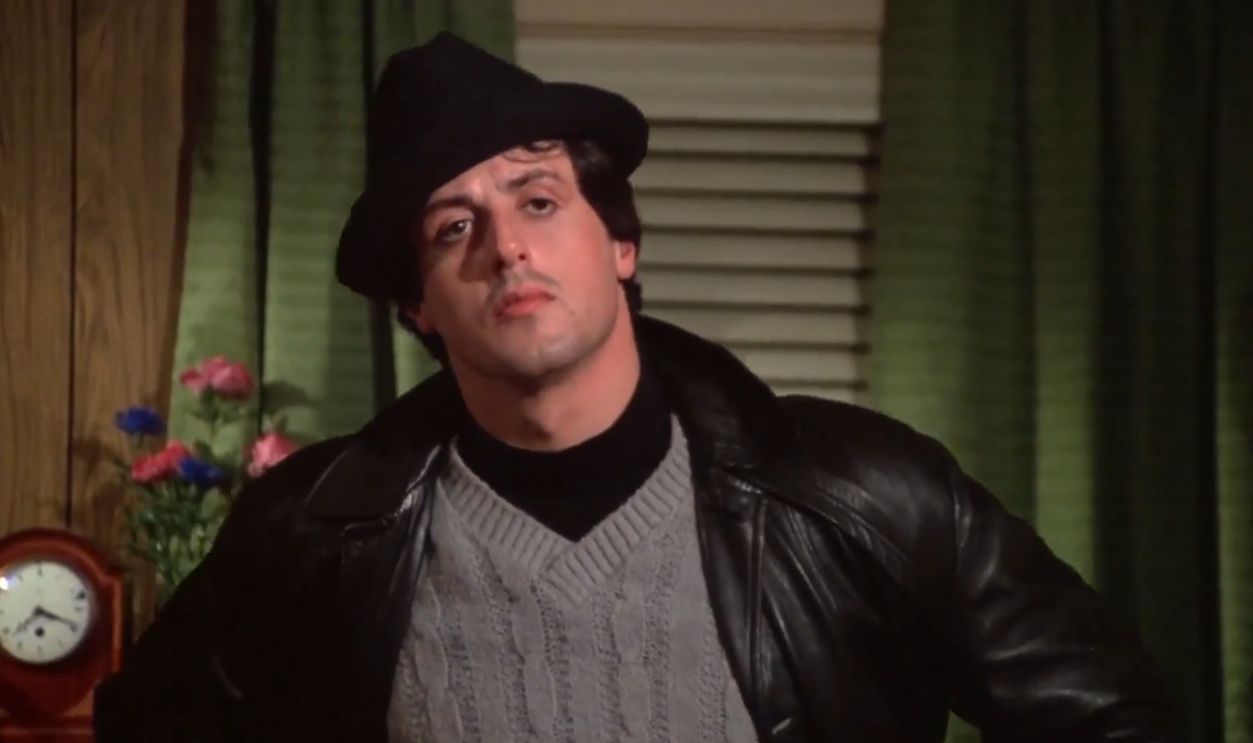
Sylvester Stallone arrived at the 1977 Oscars as both the star and writer of Rocky. The modestly budgeted boxing drama defeated major films including Network, Taxi Driver, and All the President’s Men to win Best Picture. Stallone did not win his acting or writing categories, but the film’s victory completed an underdog story worthy of Rocky Balboa. The celebration cemented Stallone’s transformation from struggling actor to Hollywood phenomenon.
 Screenshot from Rocky, United Artists (1976)
Vanessa Redgrave Turned Victory Into Confrontation
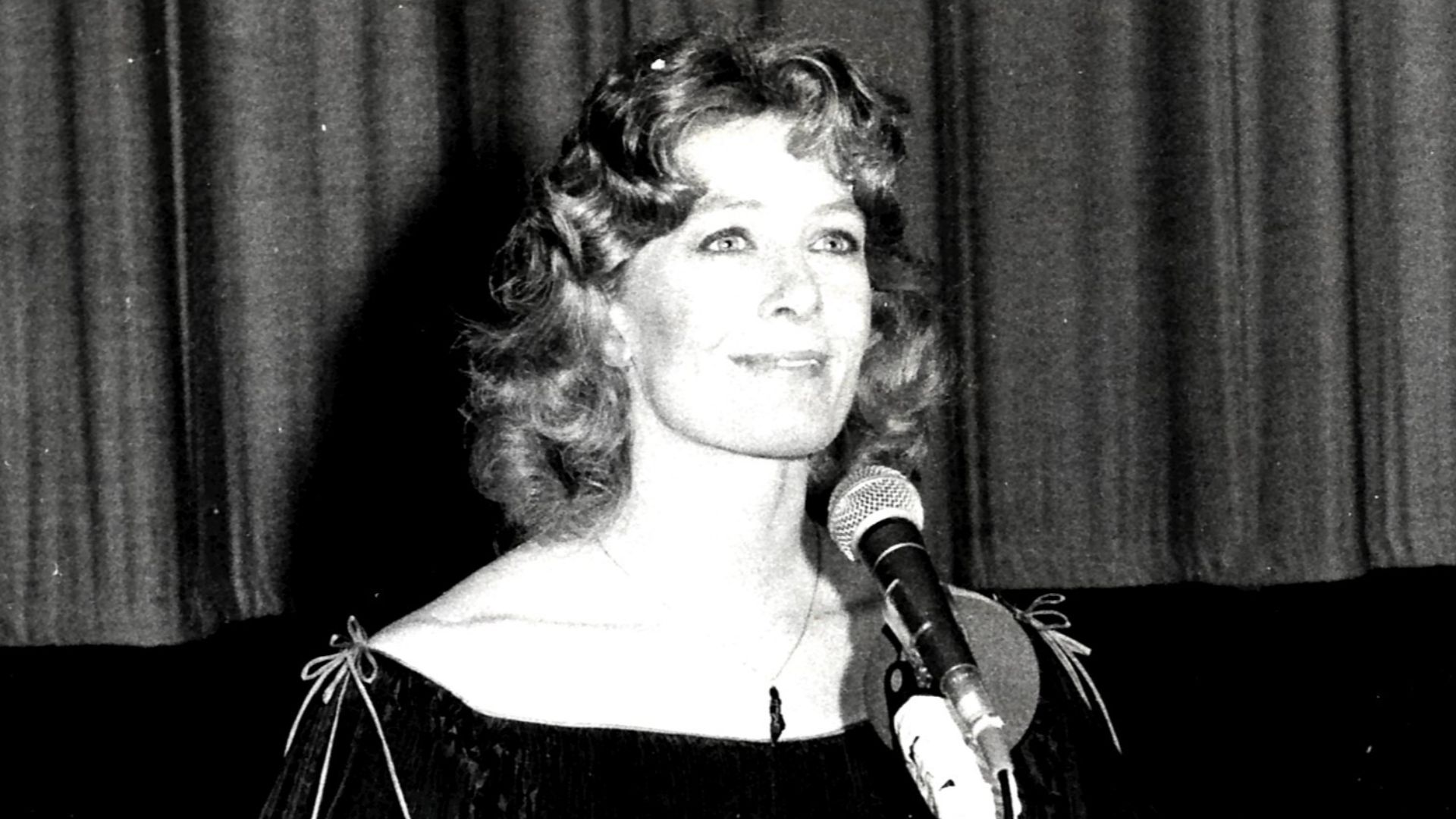
Vanessa Redgrave won Best Supporting Actress for Julia at the 1978 Academy Awards. During her speech, she referred to protesters outside the ceremony as “Zionist hoodlums,” drawing both applause and audible disapproval. Her remarks were connected to controversy surrounding her support for Palestinian causes and a documentary she had helped produce. The acceptance speech instantly overshadowed the award itself.
Paddy Chayefsky Answered From The Stage
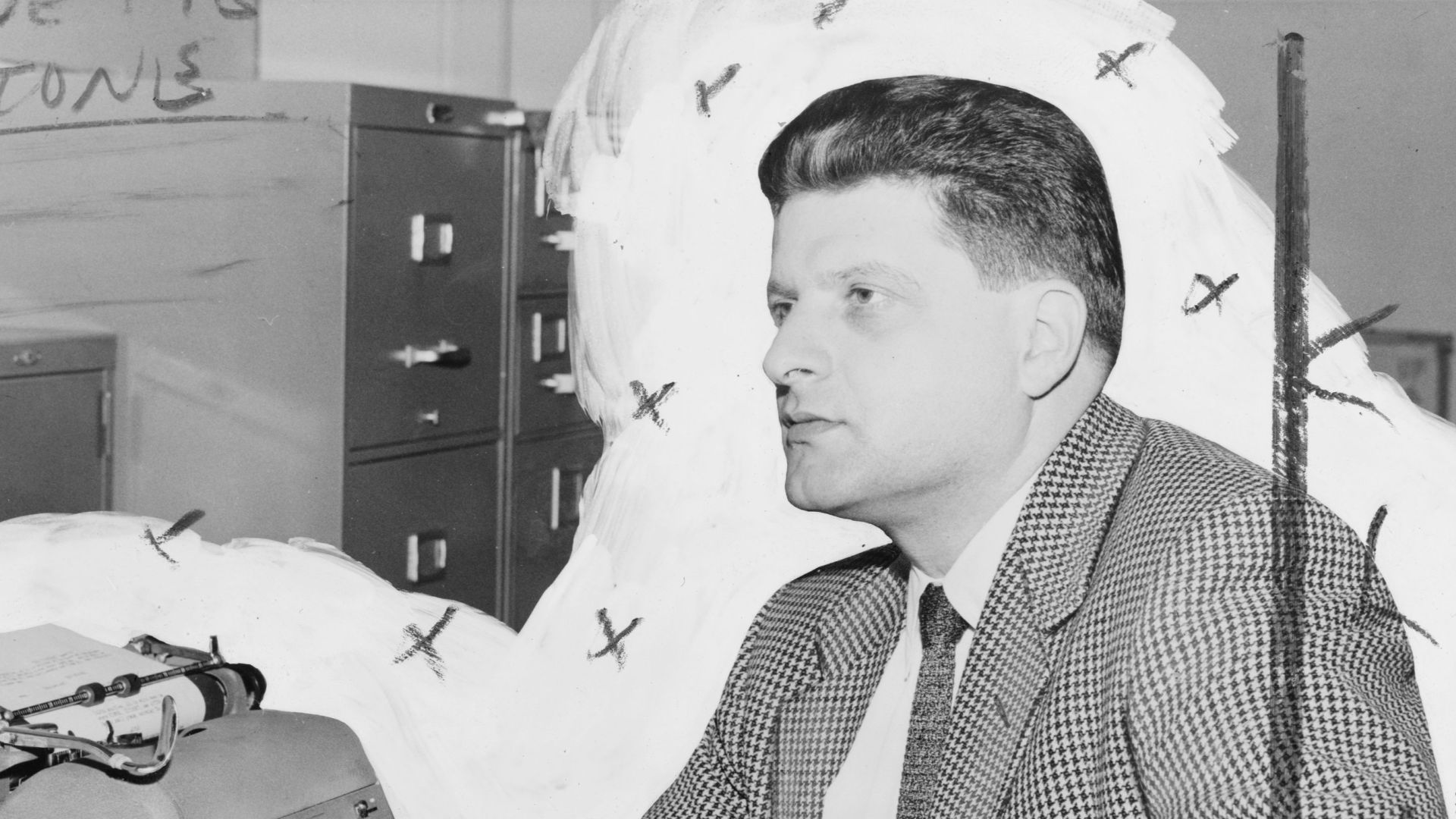
Later during the 1978 Oscars, screenwriter Paddy Chayefsky addressed Vanessa Redgrave’s political remarks. While presenting a writing award, he argued that an acceptance speech was not the proper place for such a statement. The audience responded enthusiastically, turning his introduction into a rebuttal heard around the world. The exchange became one of the clearest examples of political conflict unfolding through separate moments in the same ceremony.
John Wayne Made A Moving Final Appearance
John Wayne appeared at the 1979 Academy Awards to present Best Picture. He had recently undergone major surgery and received a long standing ovation as he entered. Wayne told the audience that Oscar and he had something in common because they had both been around for many years. The Deer Hunter won the prize, and Wayne died only a few months later.
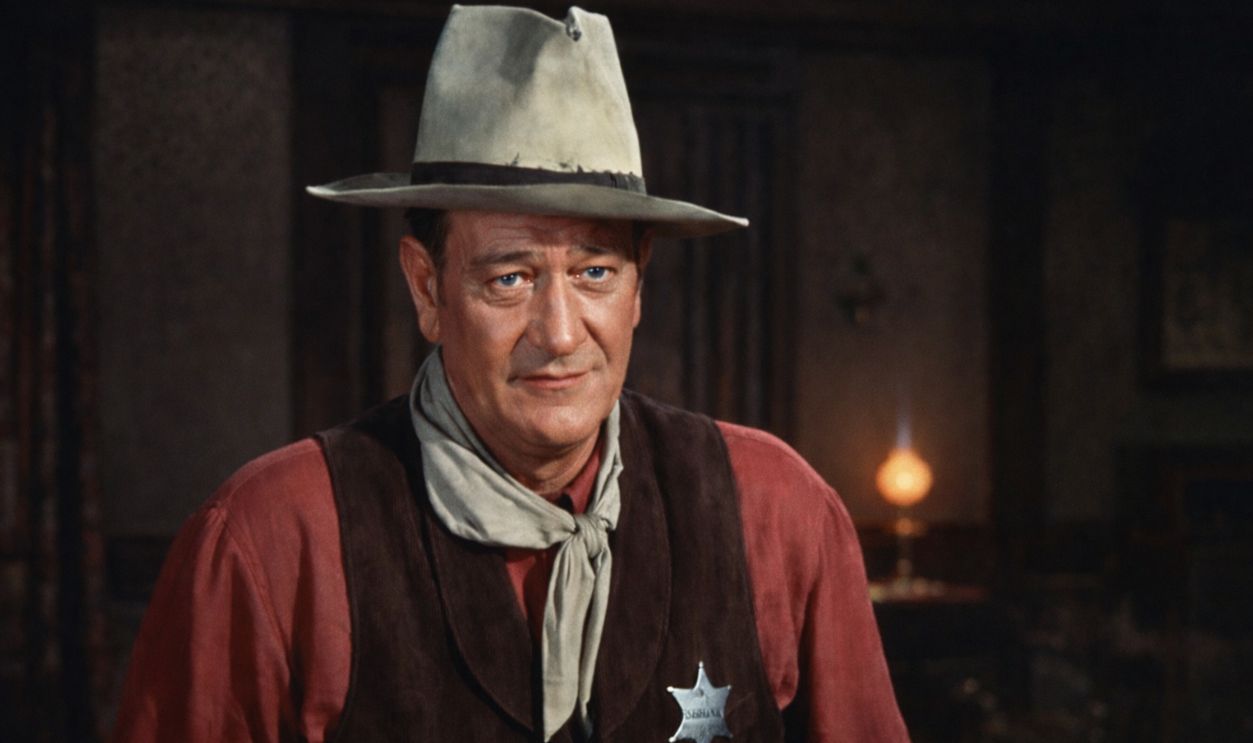
Simon And Garfunkel Swept The Grammys
Simon and Garfunkel’s Bridge over Troubled Water dominated the 1971 Grammy Awards. The album and its title track won major categories including Album, Record, and Song of the Year. Paul Simon collected seven awards connected to the project, establishing a new single-night record at the time. The sweep became a grand farewell for a partnership already coming apart.
![Collectie / Archief : Fotocollectie Anefo
Reportage / Serie : [ onbekend ]
Beschrijving : Optreden Simon and Garfunkel (links) in Feijenoordstadion, Rotterdam
Datum : 12 juni 1982
Locatie : Rotterdam, Zuid-Holland
Trefwoorden : musici, muziek, popgroepen,](https://www.factinate.com/storage/app/media/theshot/2026/7/23/1784813866cdb12ff9ad6e40a27f17857a2c3ddda306d39569.jpg) Rob Bogaerts / Anefo, Wikimedia Commons
Rob Bogaerts / Anefo, Wikimedia Commons
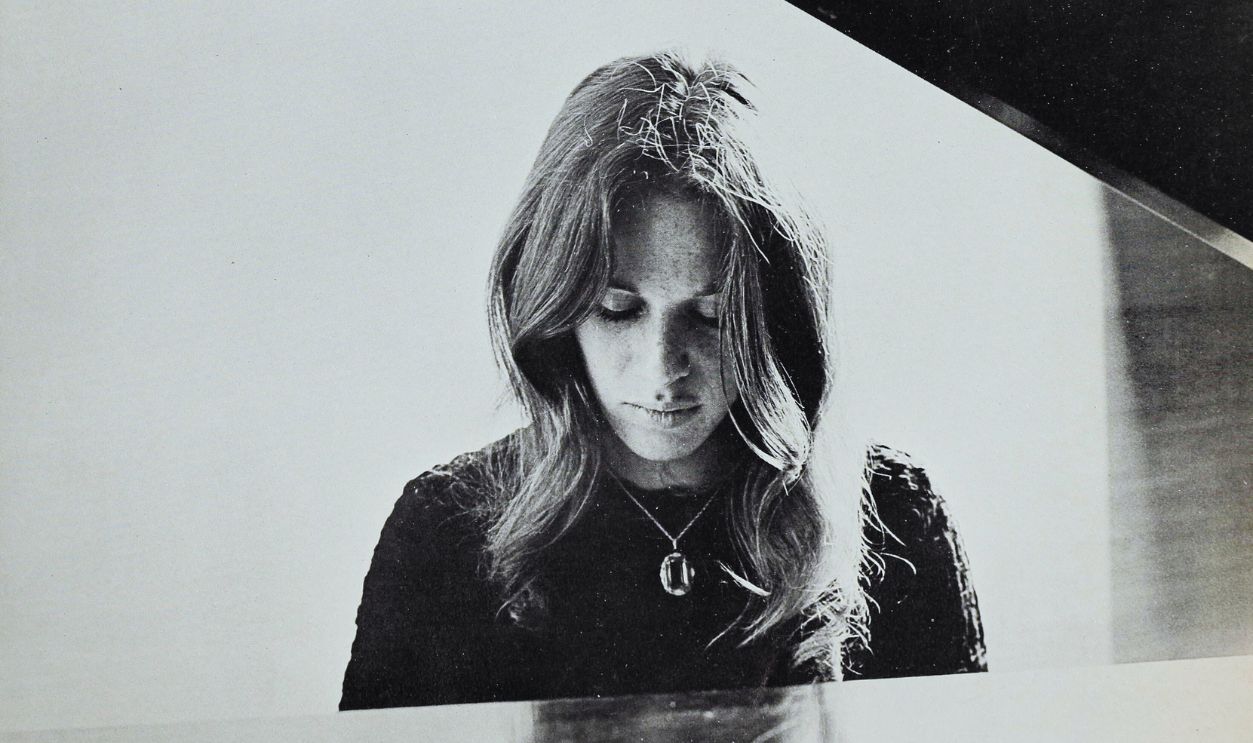
Carole King Ruled Grammy Night
Carole King’s Tapestry became one of the defining albums of the early 1970s, and the 1972 Grammys confirmed its impact. King won four awards, including Album of the Year, Record of the Year for “It’s Too Late,” and Song of the Year for “You’ve Got a Friend.” Her success represented an enormous breakthrough for a female singer-songwriter. The ceremony helped turn an introspective record into a generational monument.
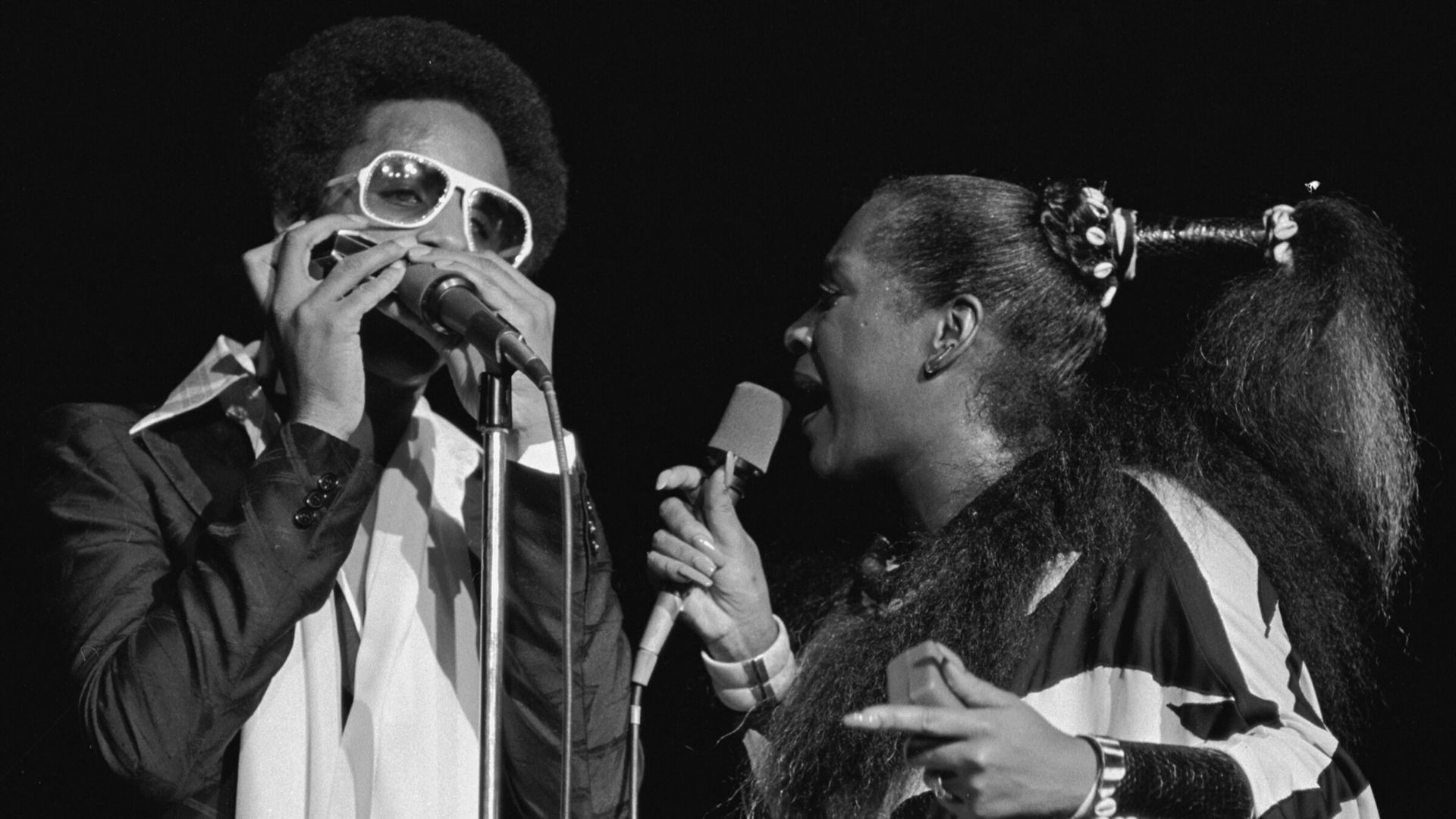
Stevie Wonder Shared The Moment With His Mother
Stevie Wonder won his first four Grammy Awards at the 1974 ceremony. His victories recognized work from Talking Book and Innervisions, including “Superstition.” Wonder’s mother, Lula Mae Hardaway, stood proudly beside him during one of the presentations. The image captured the beginning of an extraordinary run that would reshape Grammy history.
 Los Angeles Times, Wikimedia Commons
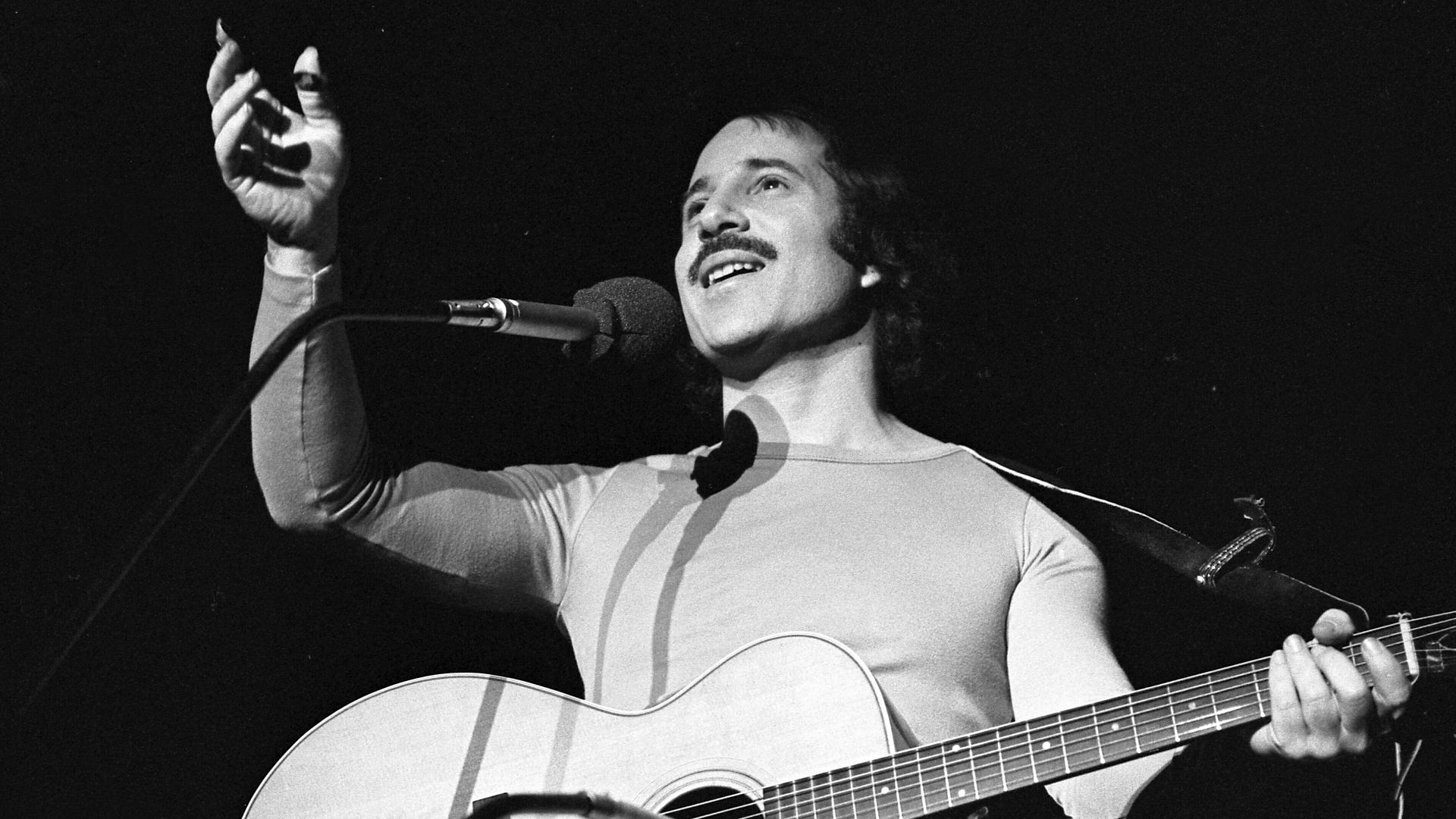
Paul Simon Thanked Stevie For Staying Home
Paul Simon won Album of the Year for Still Crazy After All These Years at the 1976 Grammys. During his acceptance speech, he jokingly thanked Stevie Wonder for not releasing an album that year. Wonder had won the category during each of the previous two ceremonies. The joke worked because everyone in the room understood just how dominant Wonder had become.
 Harry Chase, Los Angeles Times, Wikimedia Commons
All In The Family Announced A New Television Era
All in the Family was still a relatively new and controversial series when it arrived at the 1971 Emmy Awards. The cast appeared in the telecast’s opening sketch, and the program won three awards, including Outstanding Comedy Series. Soon afterward, it became America’s highest-rated prime-time show. The ceremony marked the moment television’s most argumentative family moved from risky experiment to cultural institution.
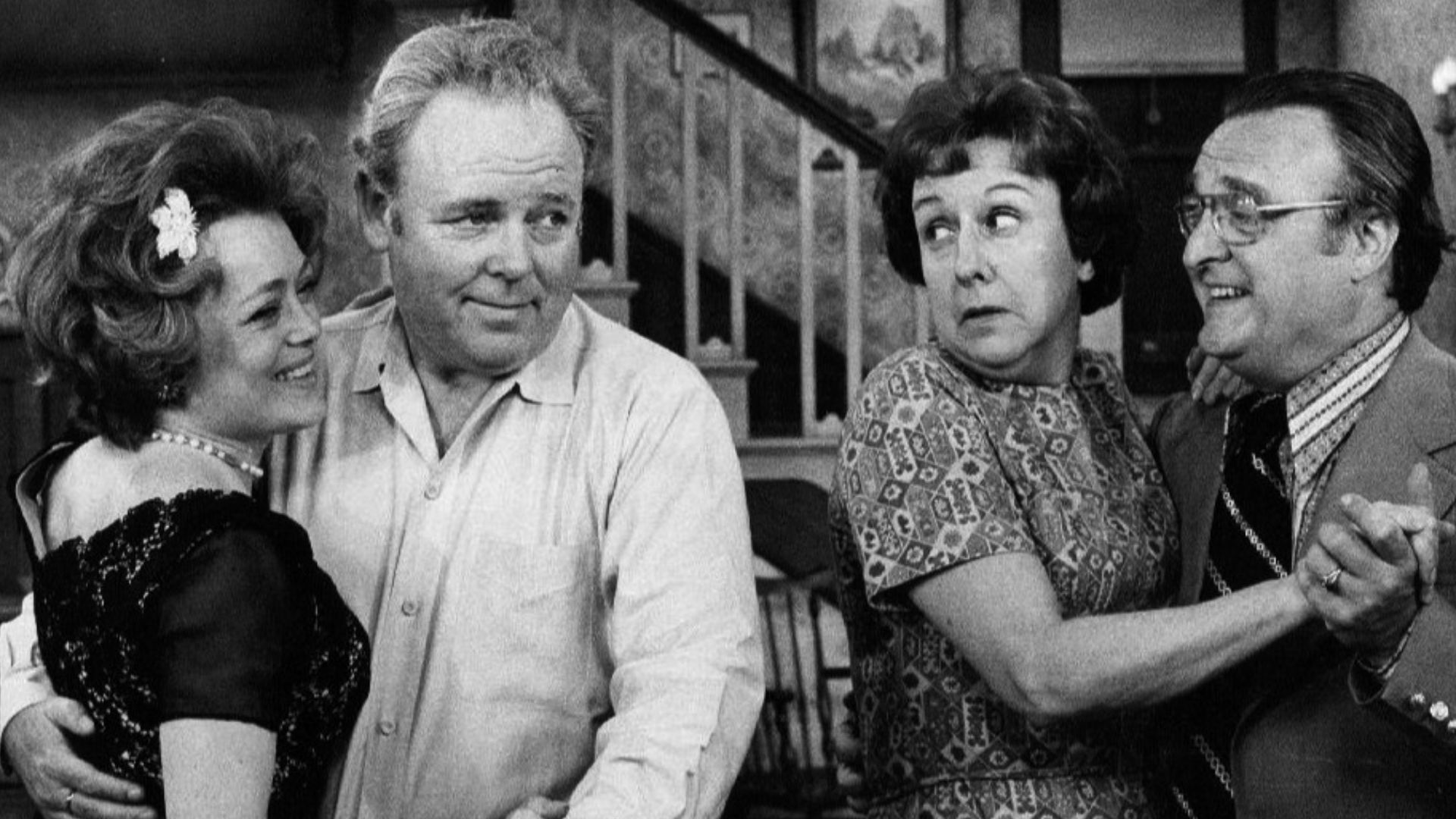 CBS Television, Wikimedia Commons
Cicely Tyson Made Emmy History
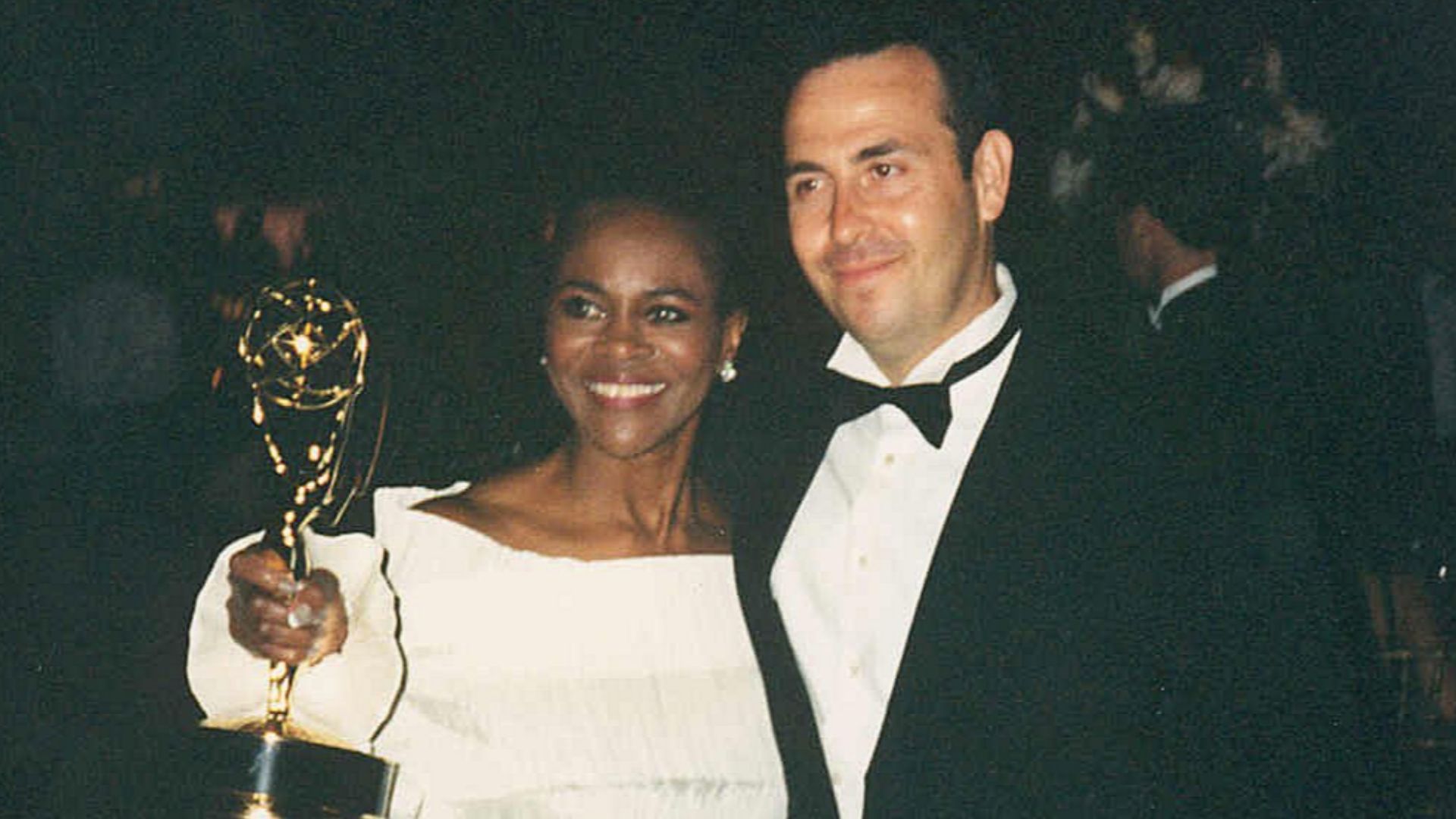
Cicely Tyson delivered a transformative performance in The Autobiography of Miss Jane Pittman. At the 1974 Emmys, she won both Actress of the Year in a Special and the dramatic lead-actress prize connected to the production. Her success was a landmark for a Black actress carrying a major television drama. The victories also validated Tyson’s determination to choose roles that portrayed Black women with dignity and complexity.
Roots Took Over The Emmy Awards
The 1977 Emmy Awards belonged to Roots. The landmark miniseries had become the most-watched program in television history and entered the ceremony with an enormous number of nominations. It won nine Emmys, including Outstanding Limited Series. The sight of its cast and creators repeatedly taking the stage reflected how profoundly the production had affected American television.
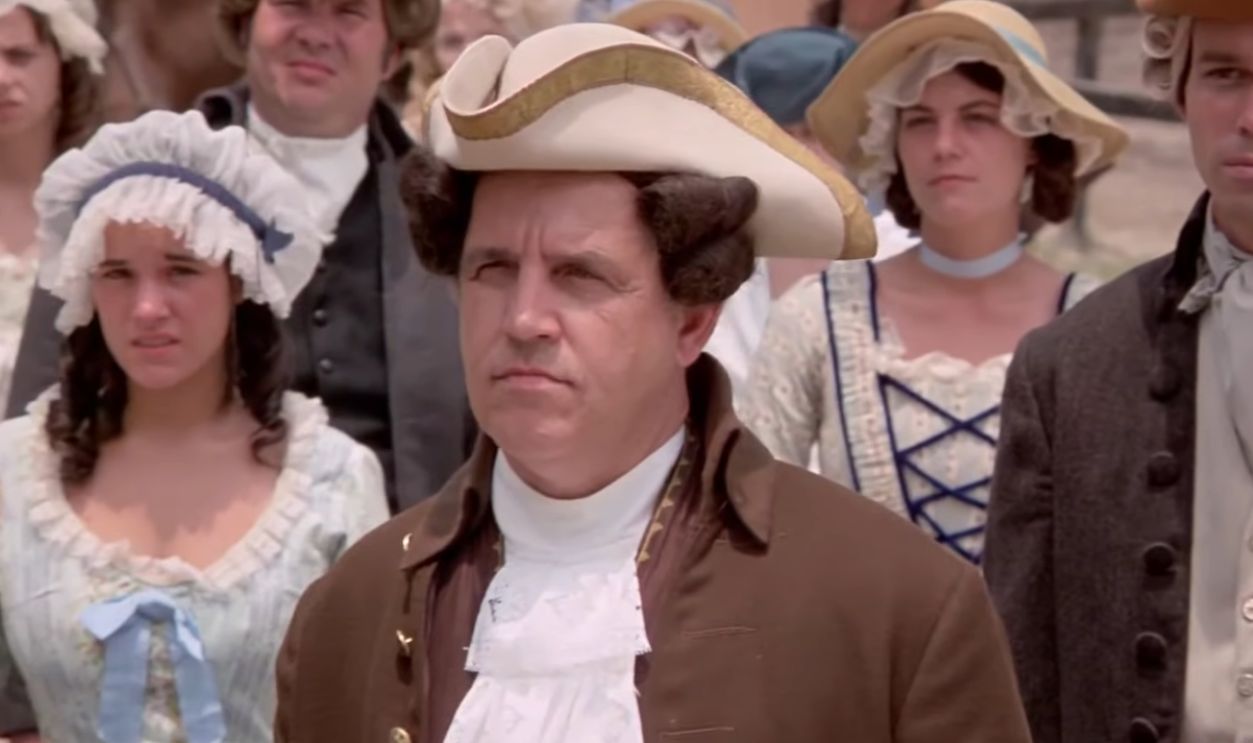 Screenshot from Roots, ABC (1977)
A Chorus Line Swept The Tonys
A Chorus Line arrived at the 1976 Tony Awards after becoming a revolutionary Broadway sensation. The production won nine awards, including Best Musical, Direction, Choreography, and Best Actress for Donna McKechnie. Its success validated a show built from dancers’ personal stories rather than a conventional star-driven plot. The cast standing together embodied the musical’s message that every performer on the line mattered.
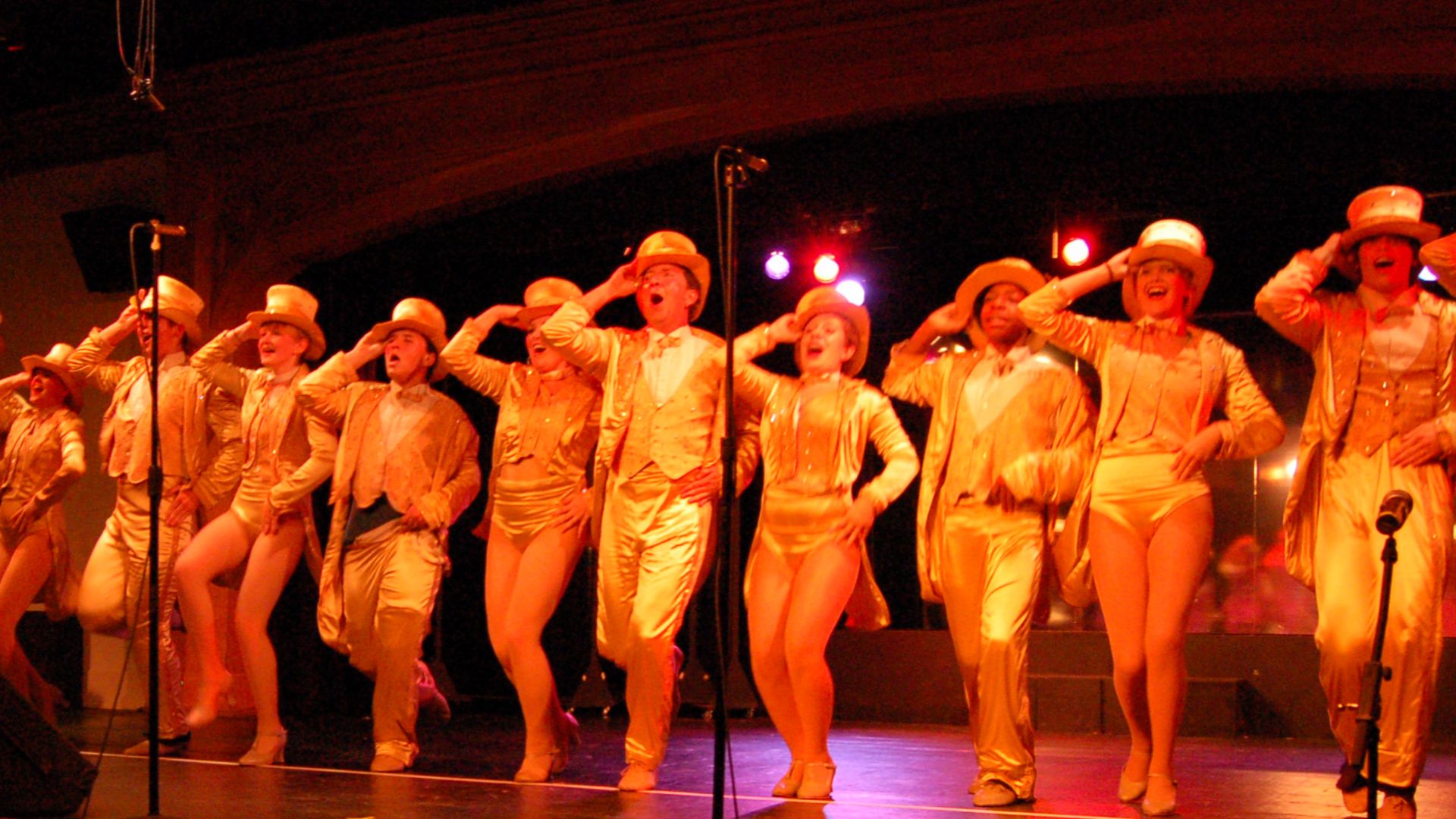 Dcdjdrew (talk) (Uploads), Wikimedia Commons
You May Also Like:
Actors Who Got Banned From Award Shows
16 Infamous Moments That Derailed The Academy Awards
The Best And Worst Oscar Hosts, Ranked
Sources: 1, 2, 3, 4, 5, 6, 7, 8, 9, 10, 11, 12, 13, 14, 15, 16, 17, 18, 19, 20, 21, 22, 23, 24, 25, 26, 27, 28, 29, 30, 31, 32, 33, 34, 35, 36, 37, 38, 39, 40, 41