The Remote Wasn't Always In Your Hand
It’s not just the shows that changed. Ask any Baby Boomer what it was like to watch TV back then and you’ll hear about a whole different living-room experience. Watching TV came with its own strange little rituals—and anyone born after 2000 missed almost all of them.
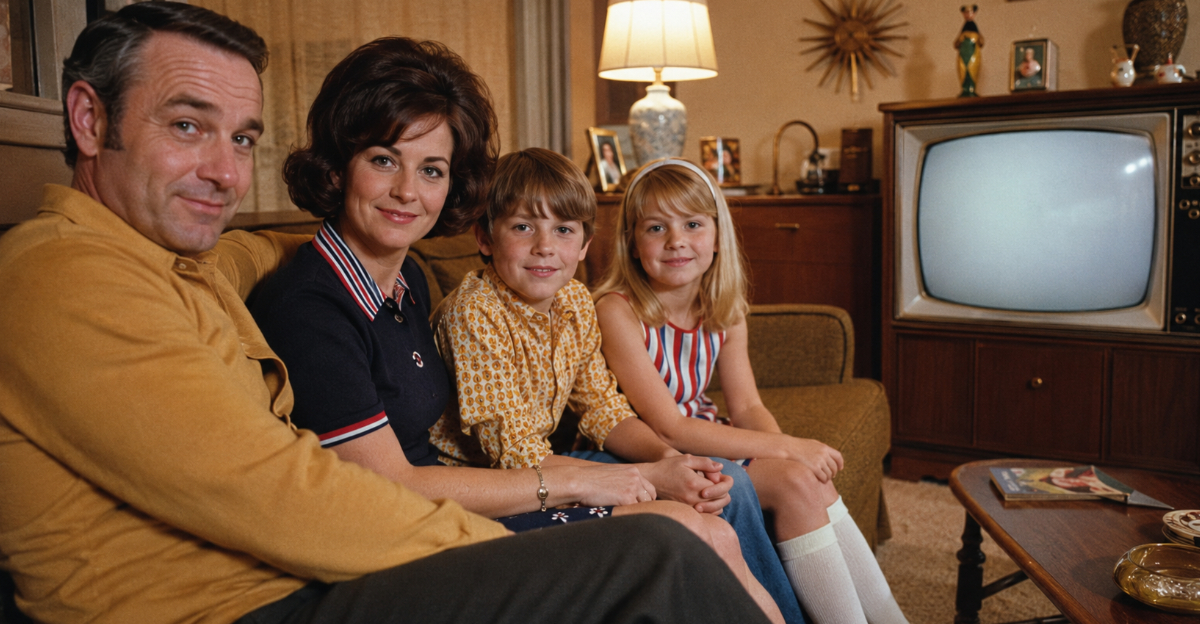
Getting Up To Change The Channel
Before the remote became part of the couch, someone had to physically get up and turn the dial. And by “someone,” we usually mean the youngest person in the room. Baby Boomers remember when changing the channel was not a button press—it was a chore assigned by birth order.
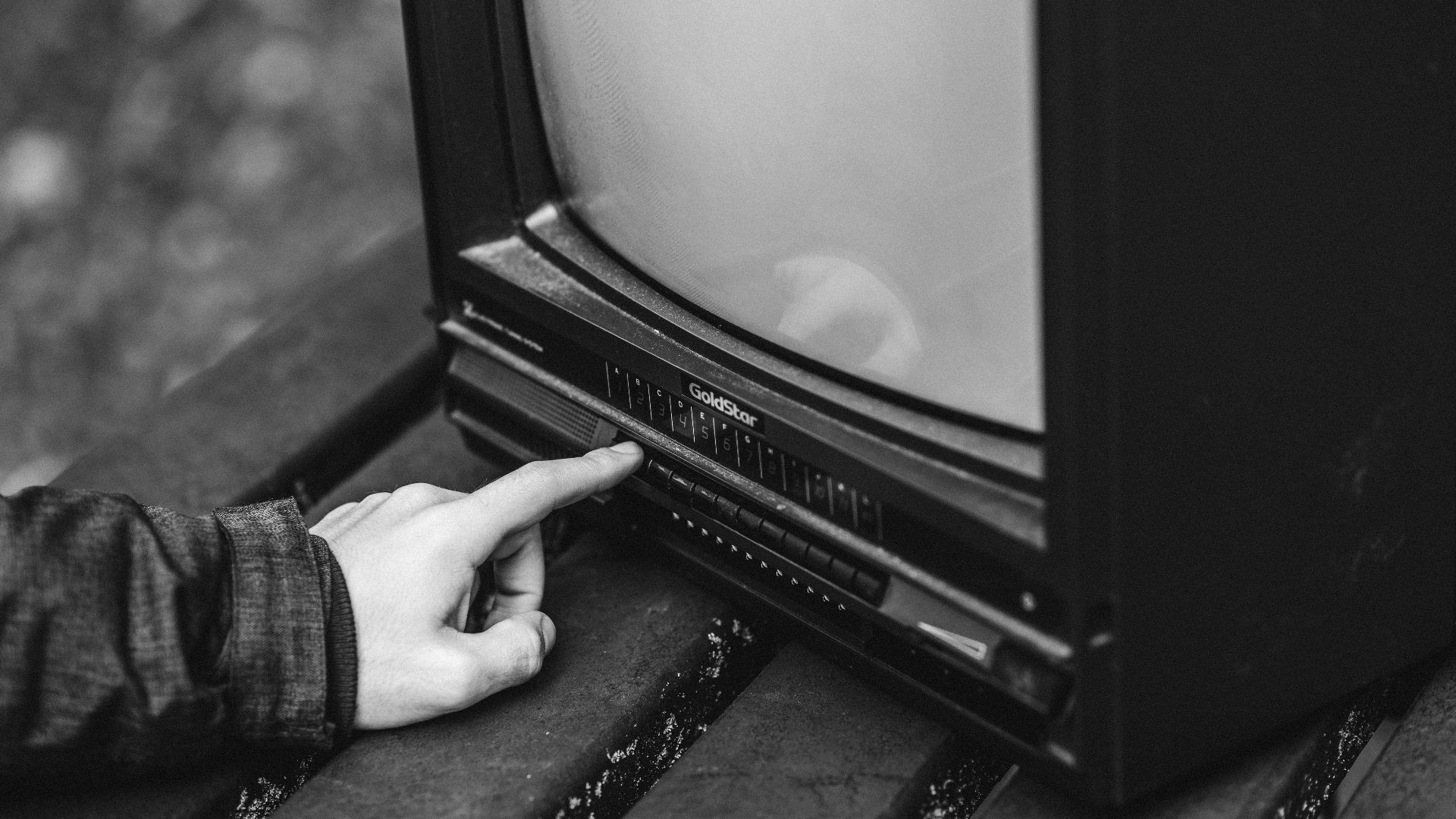
Adjusting The Rabbit Ears
There was no refreshing the app or restarting the router. If the picture looked terrible, someone had to stand beside the TV and move the antenna around while everyone else yelled instructions from the couch. “Stop! Go back! No, right there!” was basically the family tech support hotline—and somehow, the person holding the antenna was always the one blamed when it got worse.
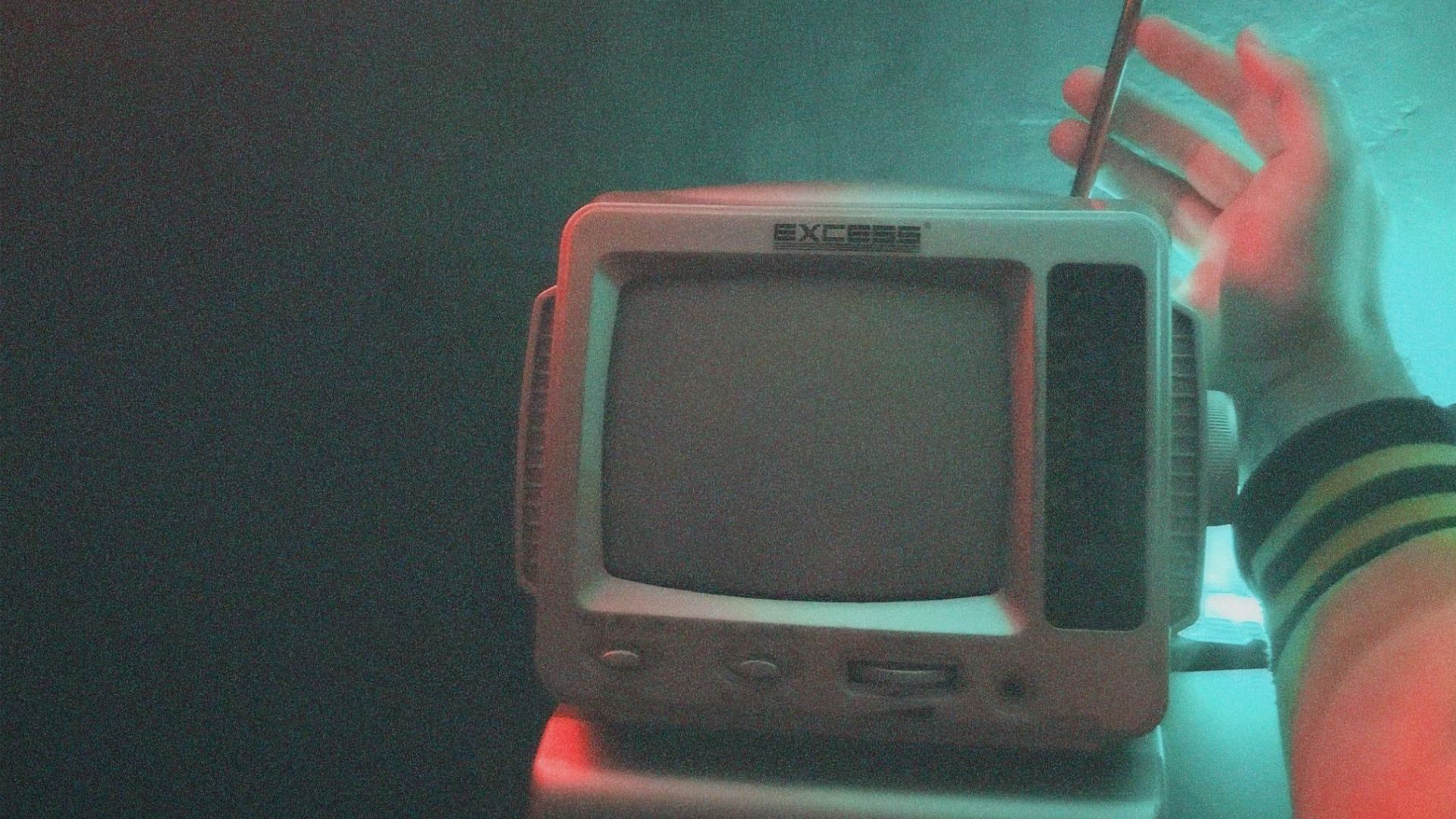
Watching The Screen Turn To Static
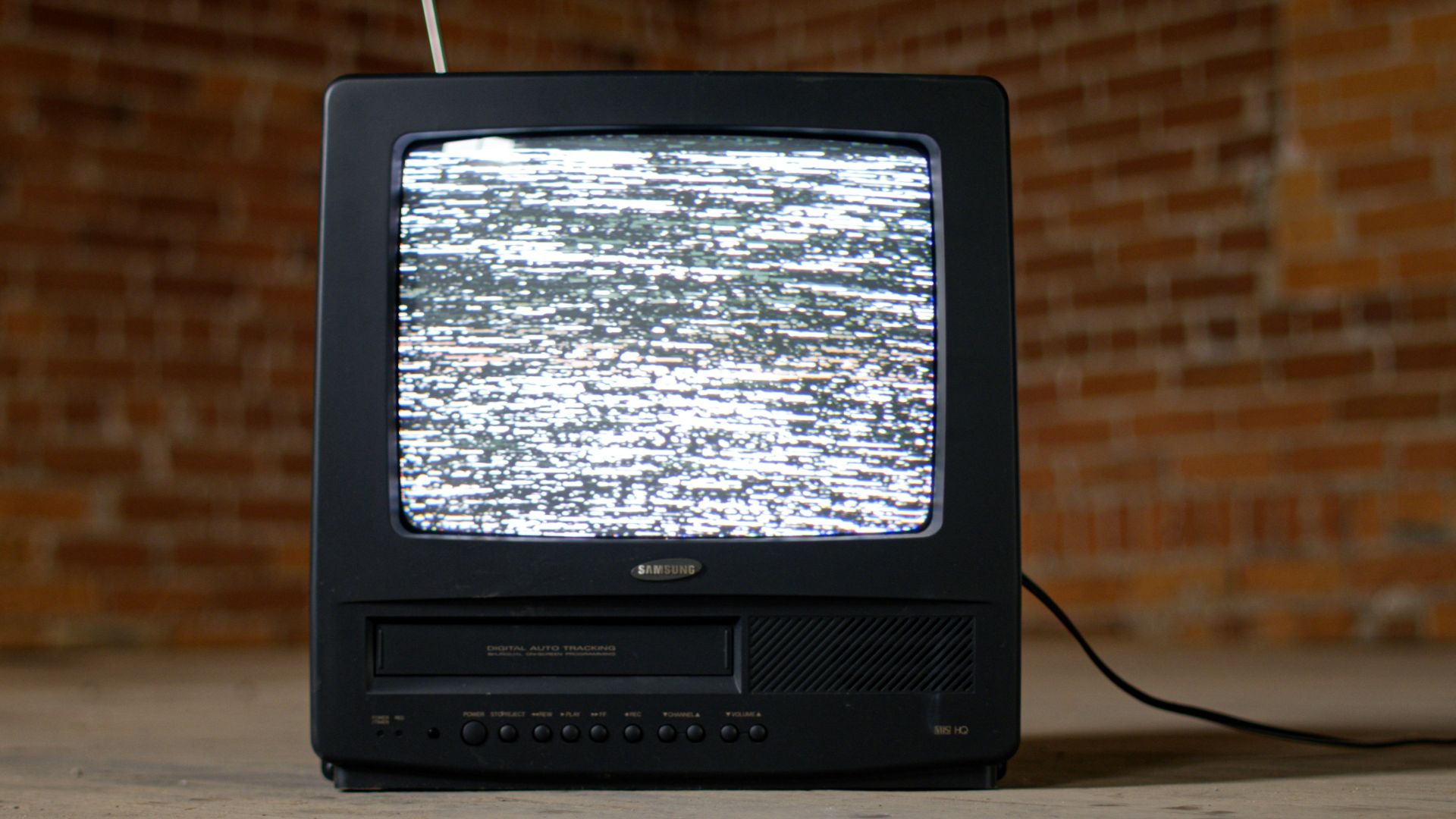
Today, TV never really ends. Back then, it absolutely did. At some point late at night, the station signed off, the programming stopped, and the screen turned into a storm of gray static. To anyone born after 2000, the idea of television just giving up for the night sounds impossible.
Seeing The National Anthem Before Bed
A lot of Baby Boomers remember the end-of-day sign-off, when stations played the national anthem before disappearing for the night. It was strangely formal, slightly dramatic, and very final. The TV wasn’t asking if you were “still watching.” It was telling you to go to bed.
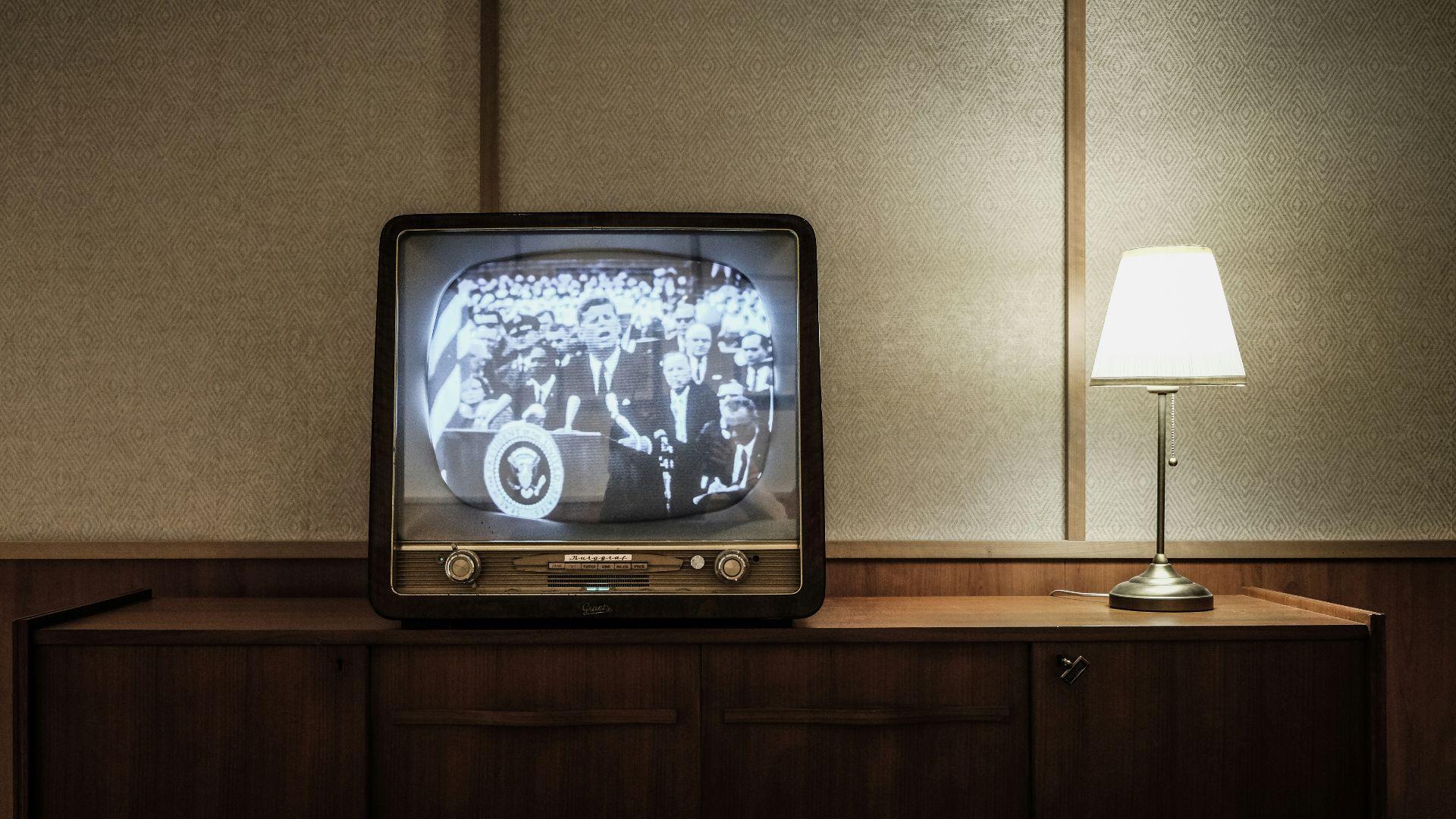
Reading TV Guide Like A Sacred Text
Before scrolling through endless menus, families had TV Guide. People checked the listings, circled shows, planned their nights, and sometimes argued over what was worth watching. It sounds quaint now, but for a long time, that little magazine was basically the control center of American living rooms.
Waiting All Year For A Holiday Special
If you missed Rudolph the Red-Nosed Reindeer, A Charlie Brown Christmas, or Frosty the Snowman, you did not just pull it up later. You waited until next year. That made those specials feel bigger, because watching them was not just entertainment—it was an appointment.
Running Back Before The Commercials Ended
There was no pause button, no rewind, and no little progress bar showing how much commercial time was left. Bathroom breaks had to be timed like an Olympic event. If you got back late, you missed part of the show and just had to live with that failure. It was the only time in history when a commercial break counted as cardio.
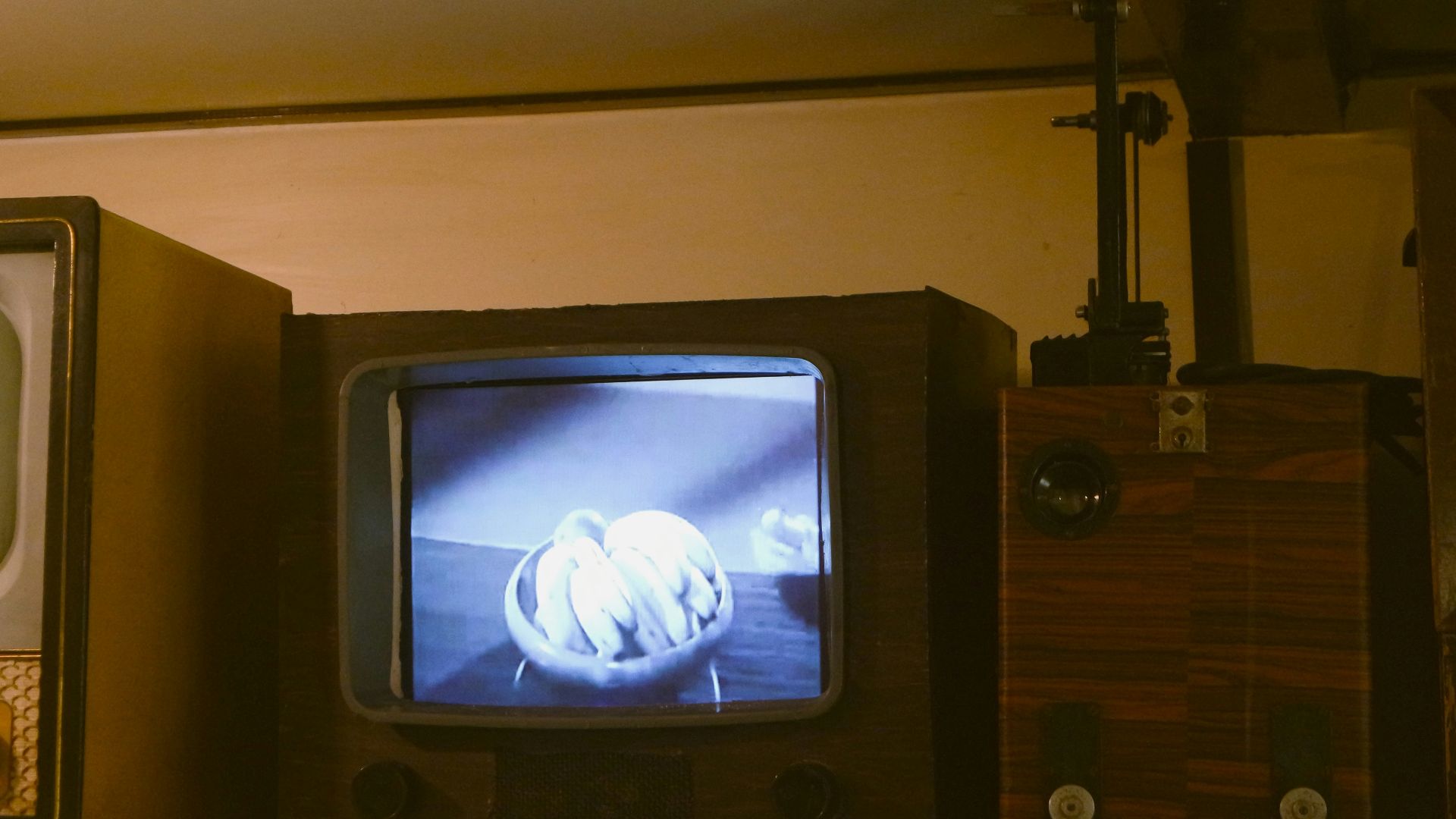
Smacking The Side Of The TV
For reasons science may never fully explain, hitting the television sometimes felt like a real repair method. The picture would roll, flicker, or fuzz out, and somebody would give the set a good slap. And when it worked, for one brief shining moment we all got to feel like the Fonz.
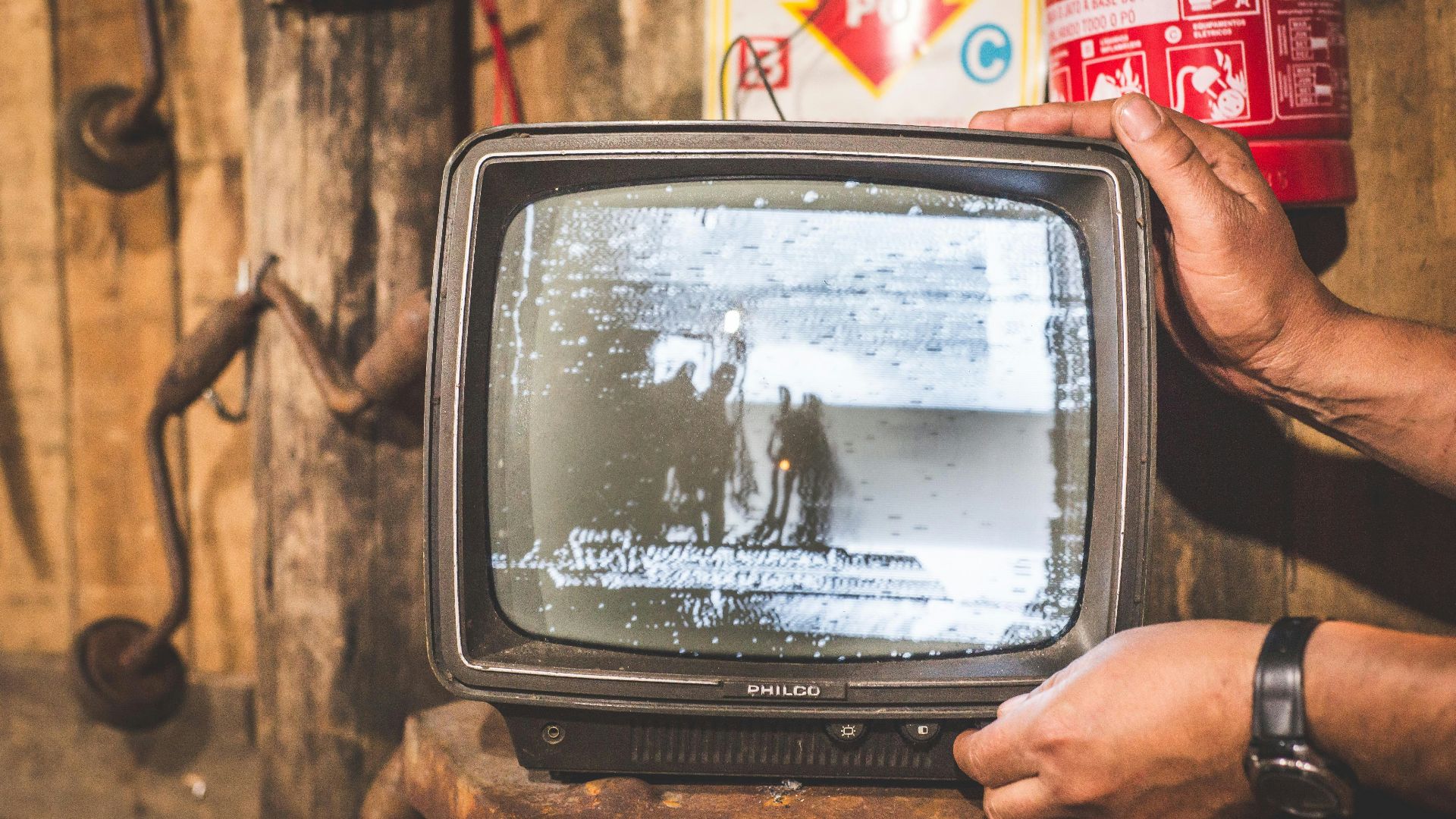
Watching In Black And White
Color TV existed, but not every family had it right away. A lot of Baby Boomers grew up watching shows in black and white because that was the set in the house. Imagine telling someone today that their favorite show is available, but only in shades of soup.
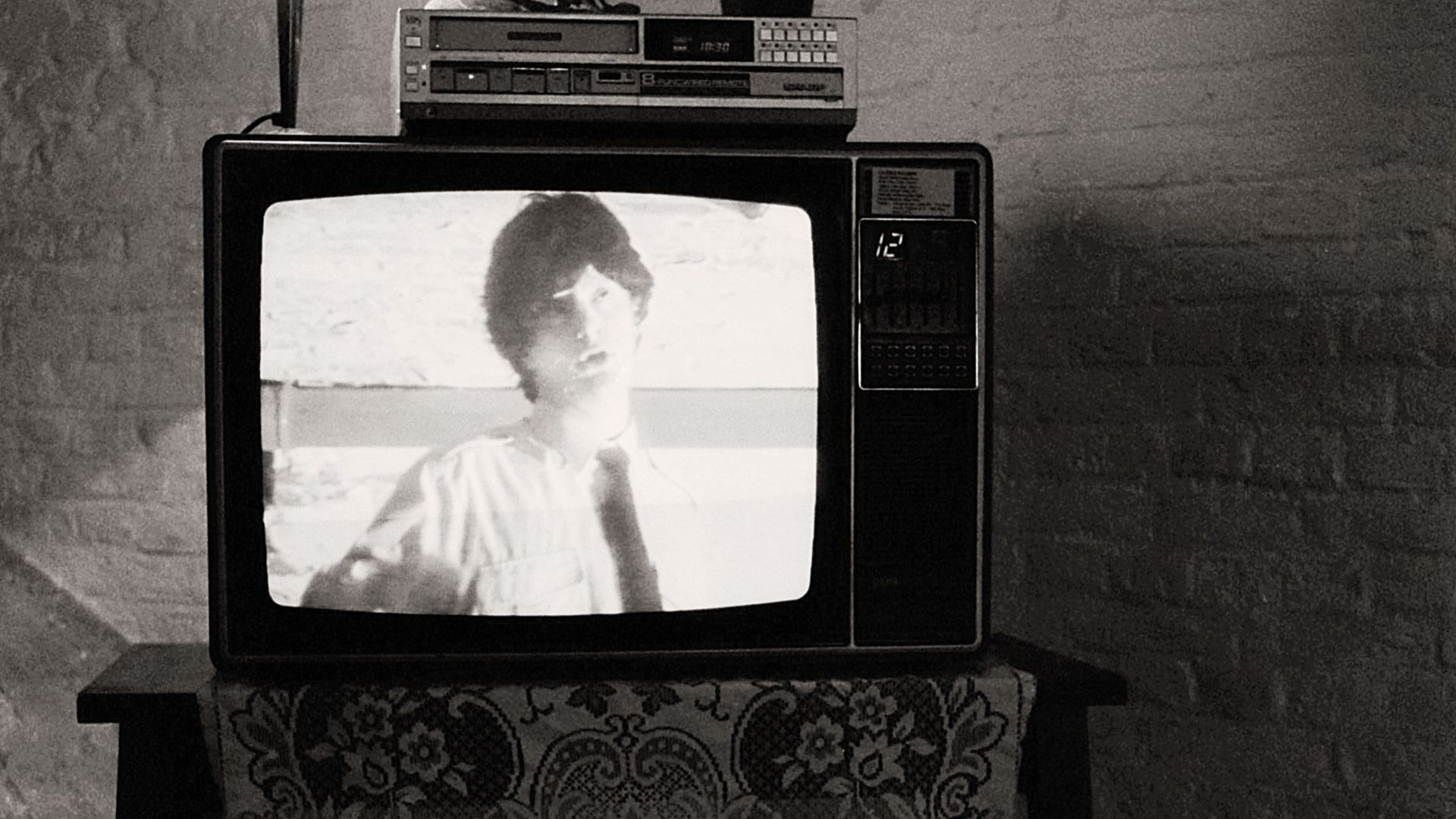
Turning The Vertical Hold Knob
When the picture started rolling up or down the screen, there was an actual knob to fix it. Baby Boomers didn’t call tech support. They adjusted the vertical hold like they were landing an airplane. To younger viewers, this sounds like something made up to scare people.
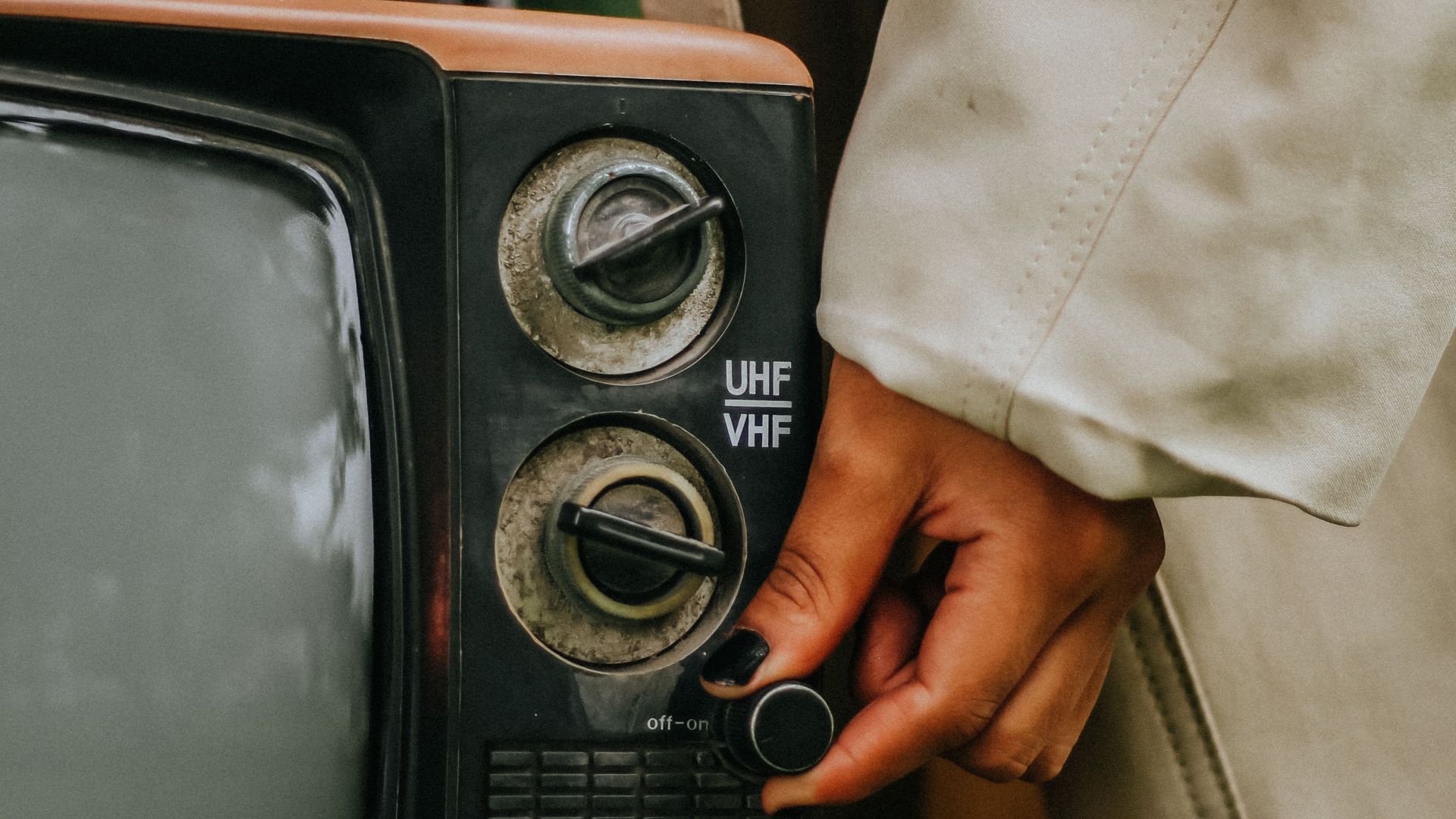
Using Pliers When The Knob Broke
TVs had knobs, and knobs broke. But that did not mean the TV was finished. Families just grabbed a pair of pliers and kept changing channels like that was a perfectly normal long-term solution. It was not elegant, but somewhere, MacGyver would have respected it.
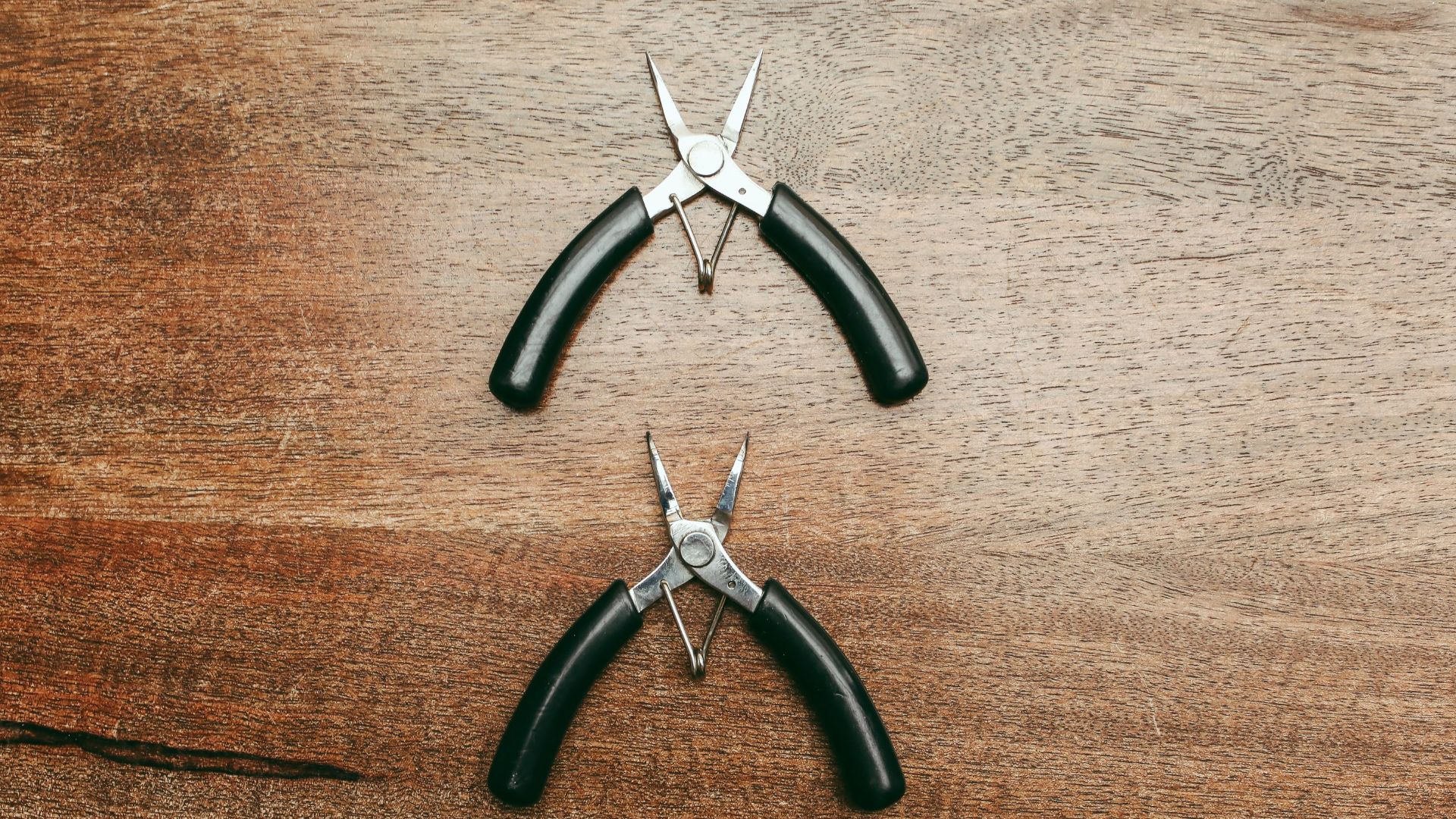
Standing Beside The TV To Improve Reception
Sometimes the antenna worked better when someone stood near it. Nobody really knew why, but every family had that moment where one person accidentally became part of the broadcast system. If the picture cleared up while you were standing there, congratulations—you weren’t watching TV anymore. You had been hired by the antenna.
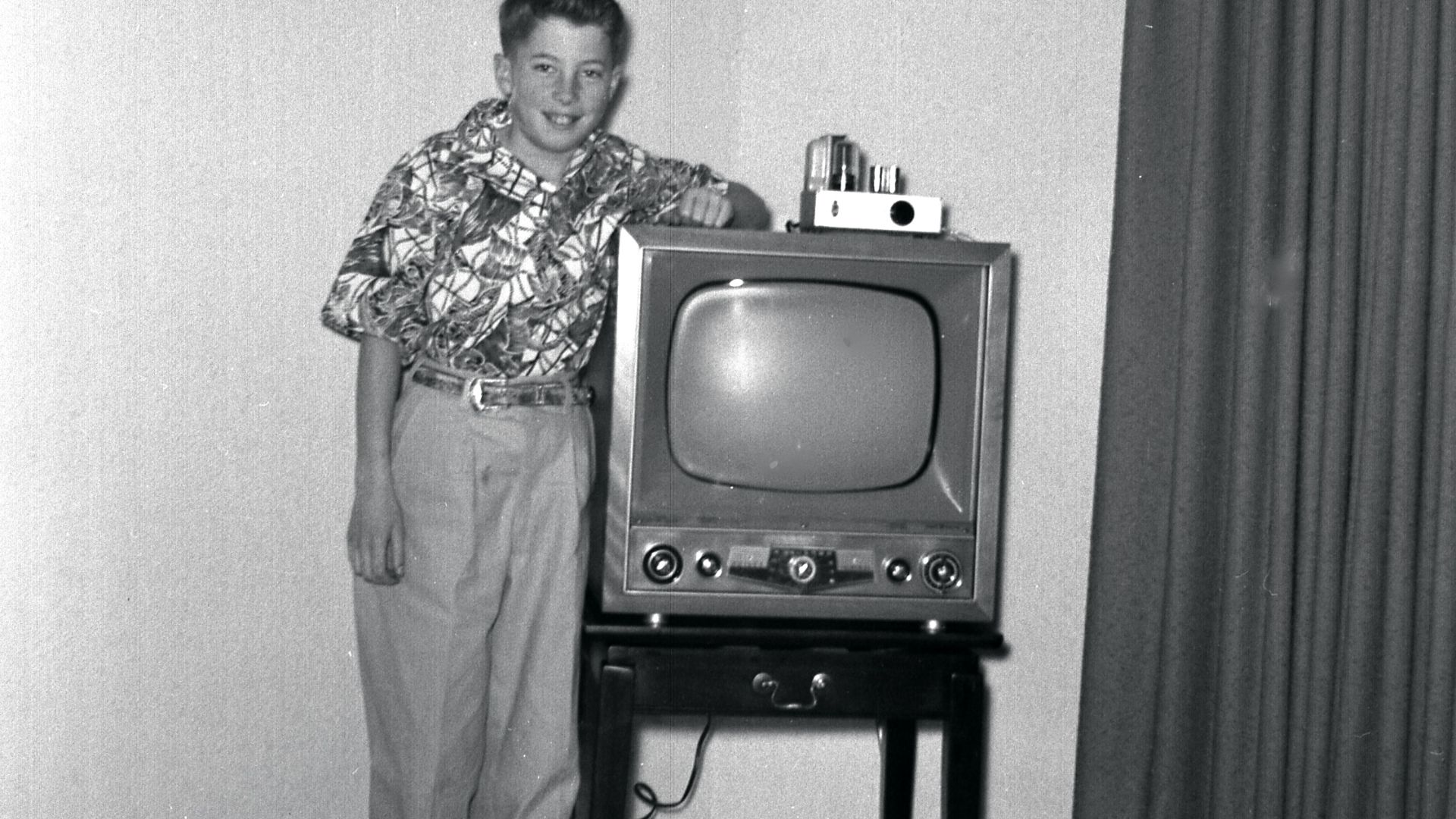 John Atherton, Wikimedia Commons
Having Only Three Or Four Channels
Choice overload was not the problem. Most families had the major networks, later maybe PBS, and whatever else they could pick up clearly. If nothing good was on, that was just the end of the conversation. You did not browse for twenty minutes. If nothing was on, the TV didn’t fail you. Society simply expected you to go find a personality.
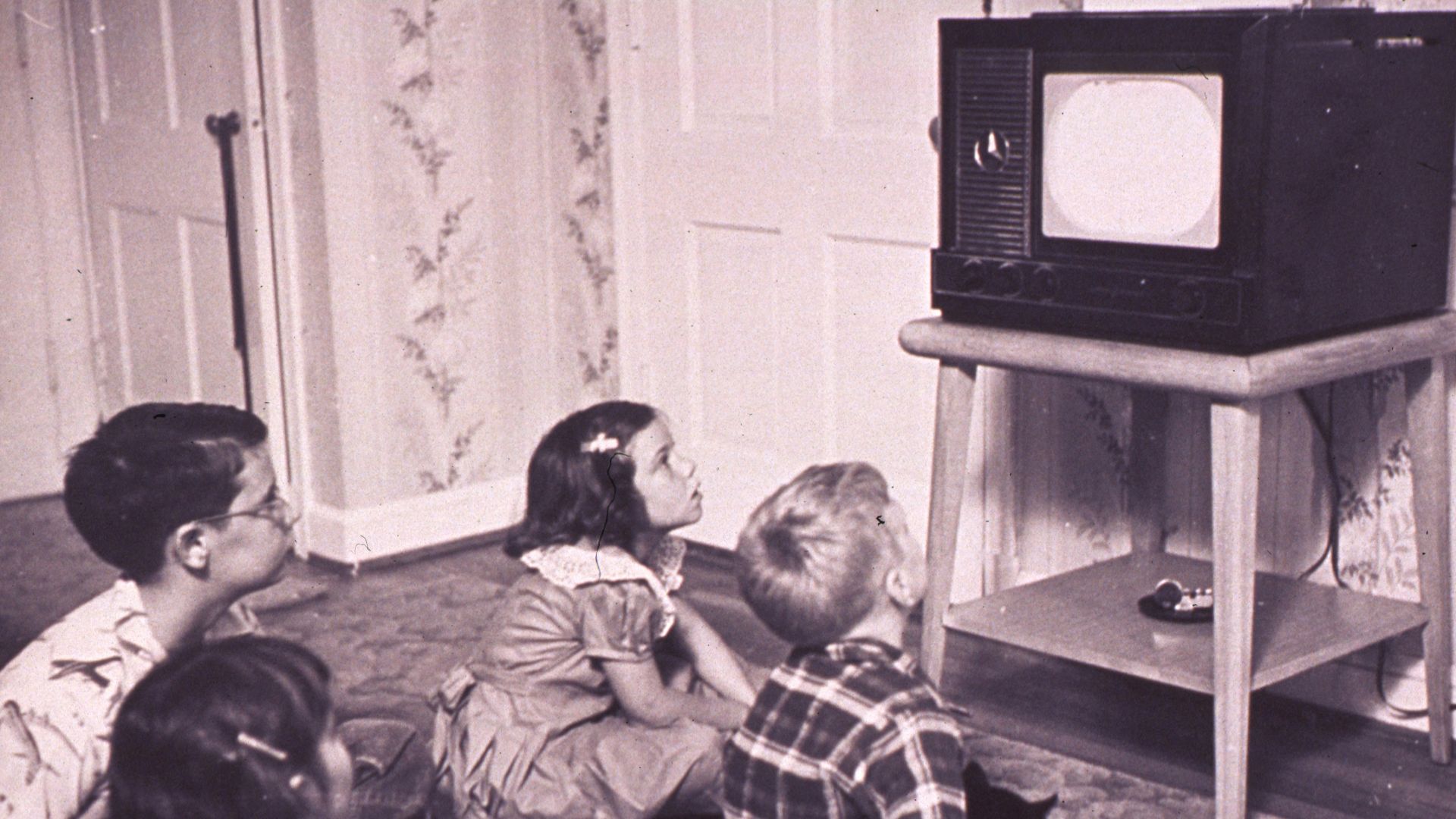 National Library of Medicine, Unsplash
Watching A Movie On Network TV
A big movie coming to television felt like an event. It was edited, interrupted by commercials, sometimes awkwardly dubbed, and still exciting. Baby Boomers remember when seeing a famous movie on TV meant clearing the evening, not clicking a streaming app while eating cereal at midnight.
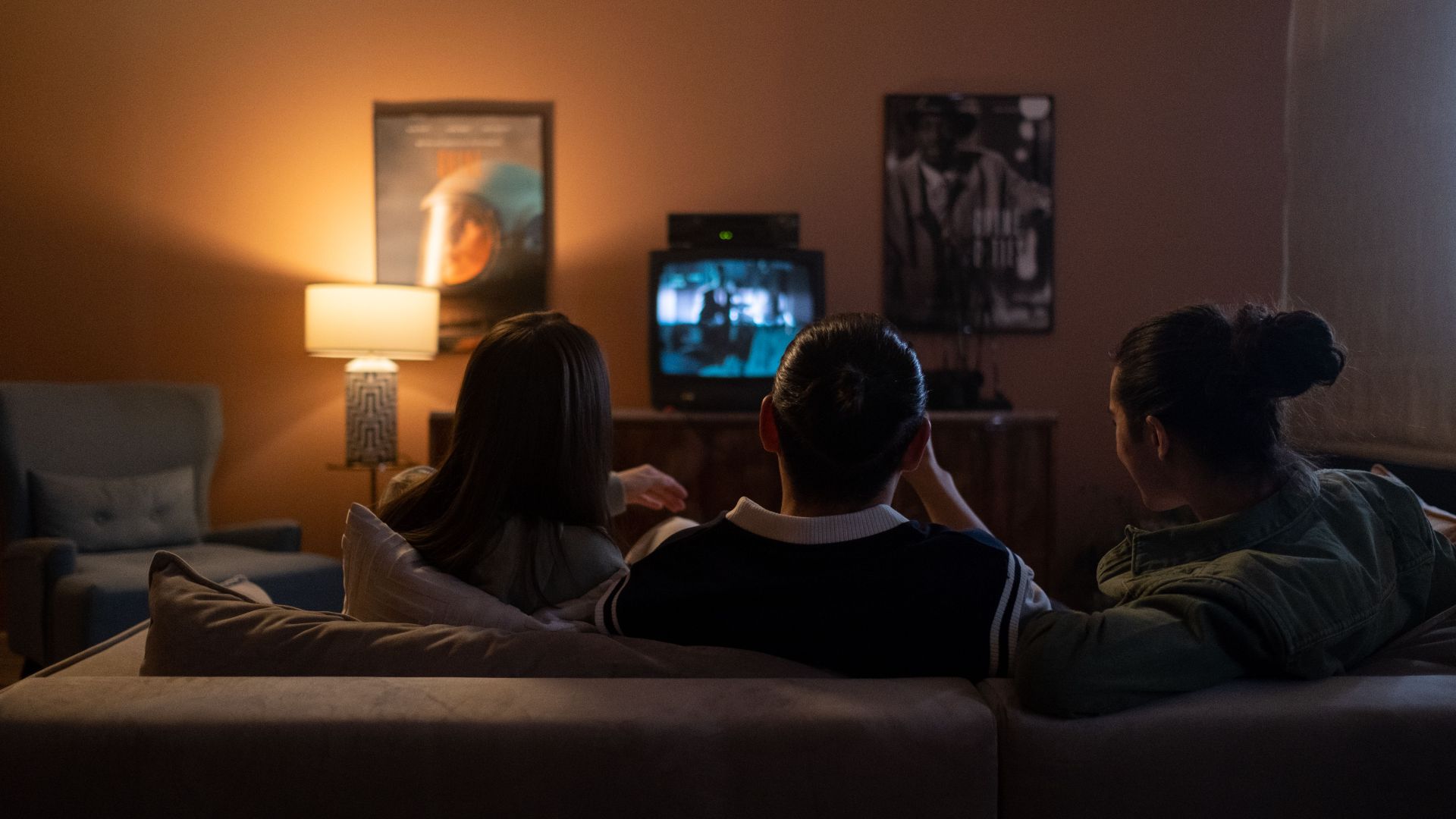
Taping Shows On VHS
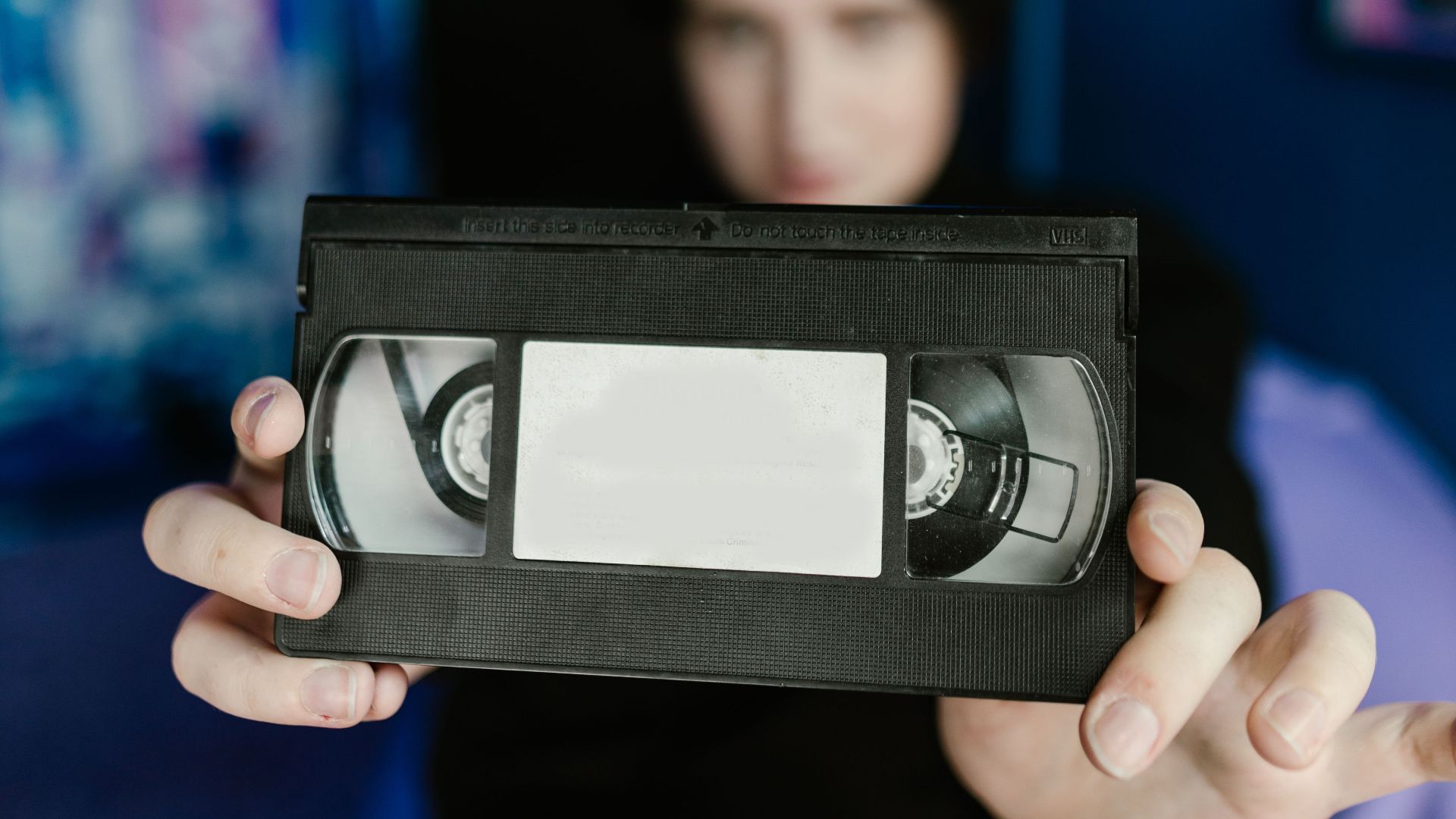
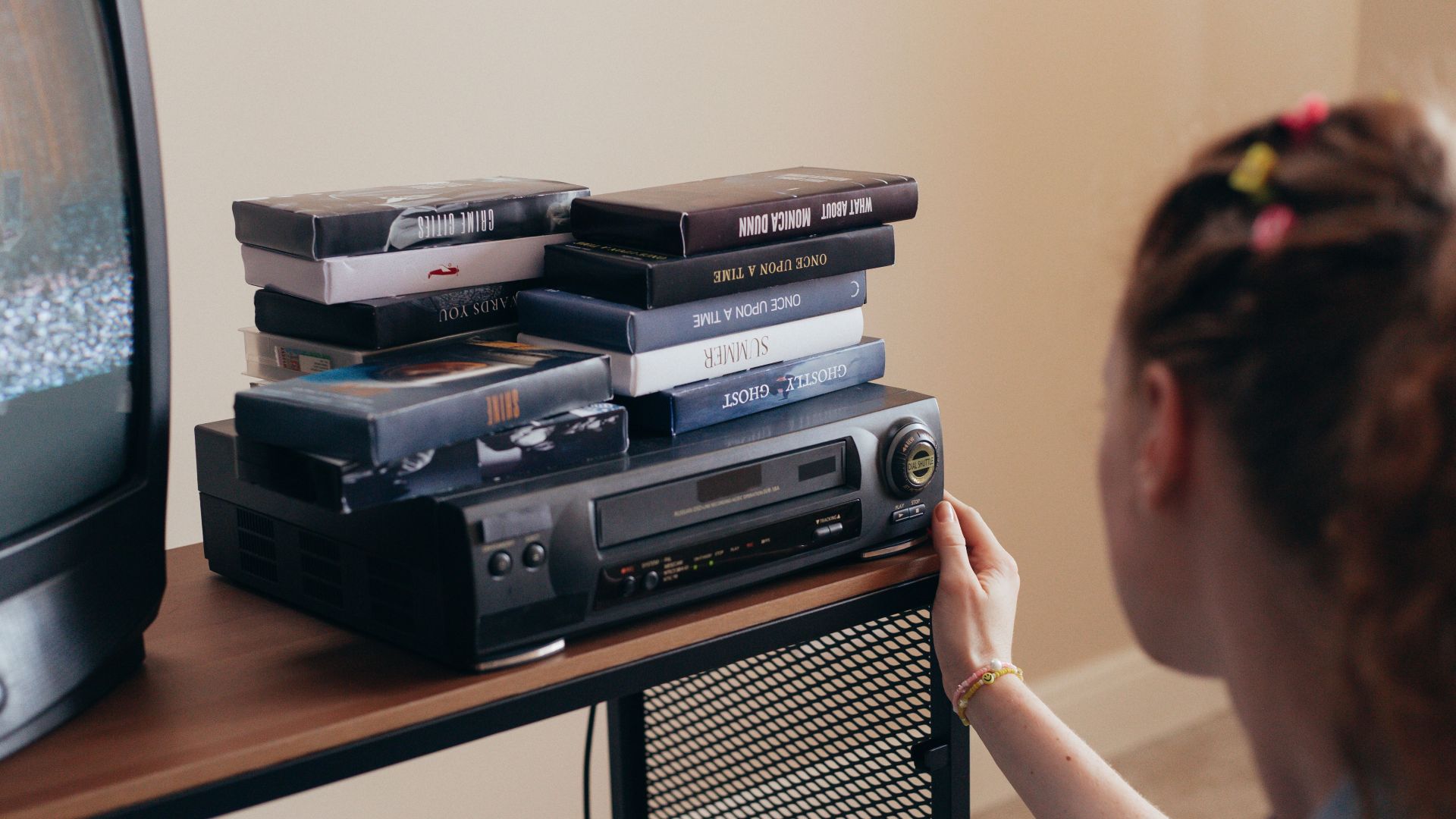
Recording a show was not effortless. You had to know the time, set the VCR correctly, choose the right tape, and pray no one touched anything. When it worked, it felt like magic. When it failed, you got two hours of the wrong channel and family disappointment. Setting the VCR timer correctly was basically the SATs for parents.
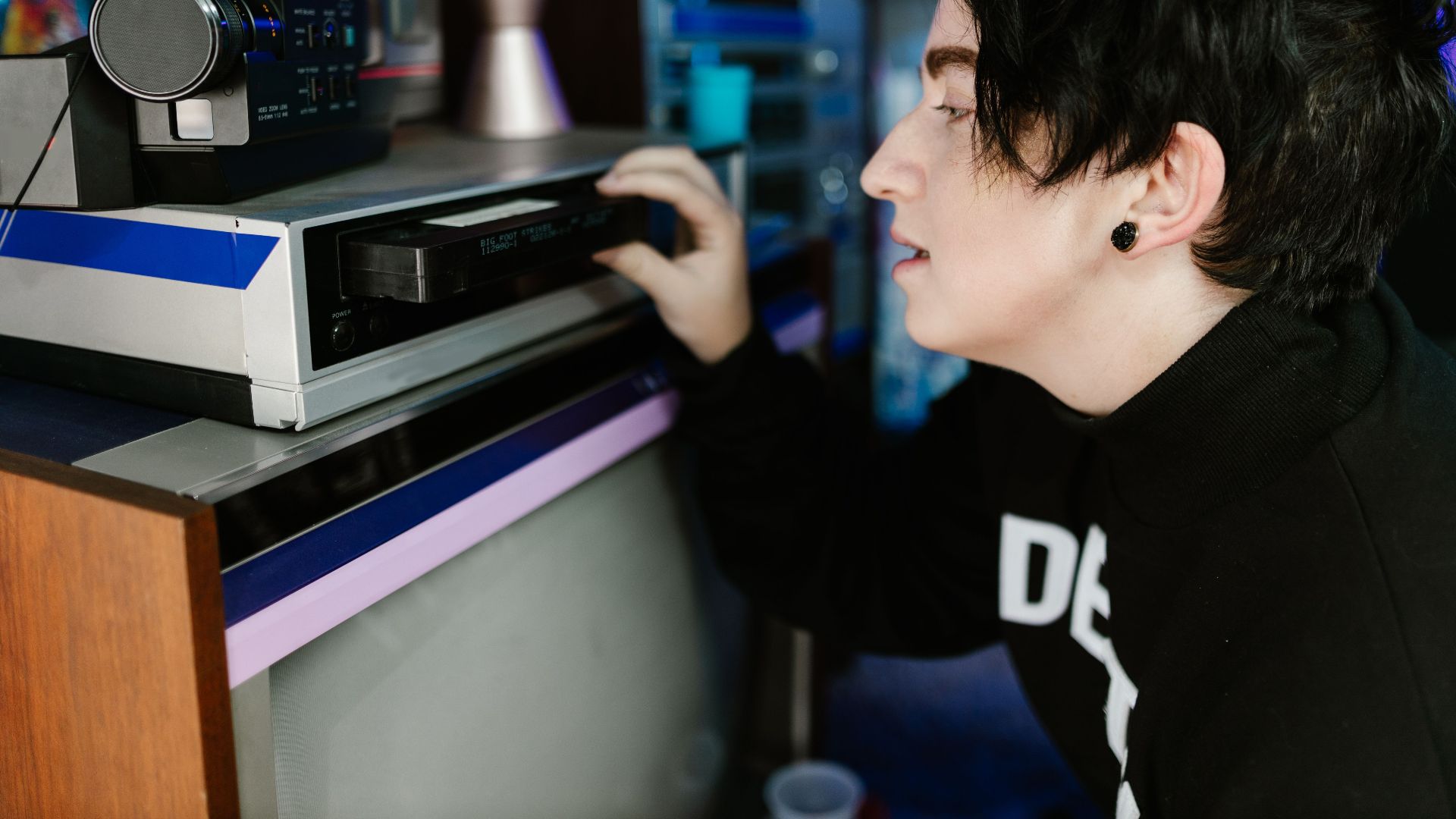
Accidentally Recording Over Something Important
Every VHS tape had danger built into it. One careless recording could wipe out a favorite movie, a ballgame, a soap opera, or some family treasure nobody labeled properly. Every family had one unlabeled tape that could either be Christmas memories or three episodes of Matlock. No one knew until it was too late.
Fixing The Tracking On A Tape
Even after the tape started playing, the job was not over. If the picture looked wavy or snowy, you had to adjust the tracking until the screen looked somewhat normal. Kids born after 2000 will never know the thrill of trying to make a rented tape behave.
Missing An Episode And Just Accepting It
Before streaming, missing an episode meant you missed it. Maybe someone told you what happened the next day, maybe you caught a rerun months later, or maybe that plot point just remained a mystery forever. That was it. The episode was gone. You didn’t stream it later—you developed character.
Watching The Same Show As Everyone Else
There was something strange and kind of great about everyone watching the same show at the same time. The next day at school or work, people were talking about the same episode because they had actually seen it together. TV used to feel less like content and more like a shared appointment.
Calling The Local Station
If something went wrong, people didn’t post about it. They called the station. Bad reception, missed programming, a game running long—some viewers picked up the phone and complained to an actual local TV station. It sounds ridiculous now, but at least someone had to hear about it.
Waiting For Saturday Morning Cartoons
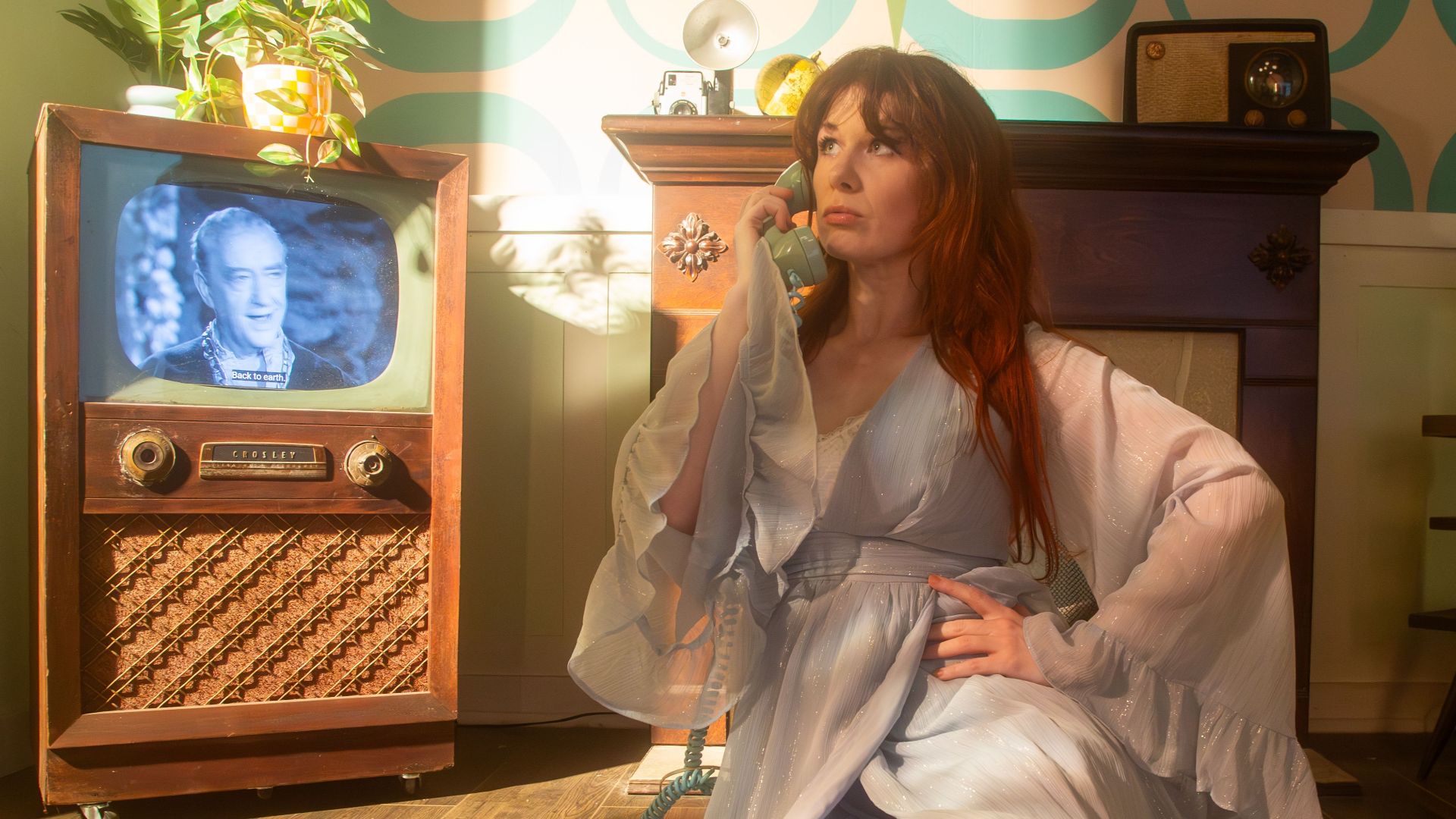
Saturday morning once belonged to cartoons. Kids got up early, grabbed cereal, and parked themselves in front of the TV because that was the window. You couldn’t watch them whenever you felt like it. The cartoons arrived, took over the morning, and then vanished until next week.
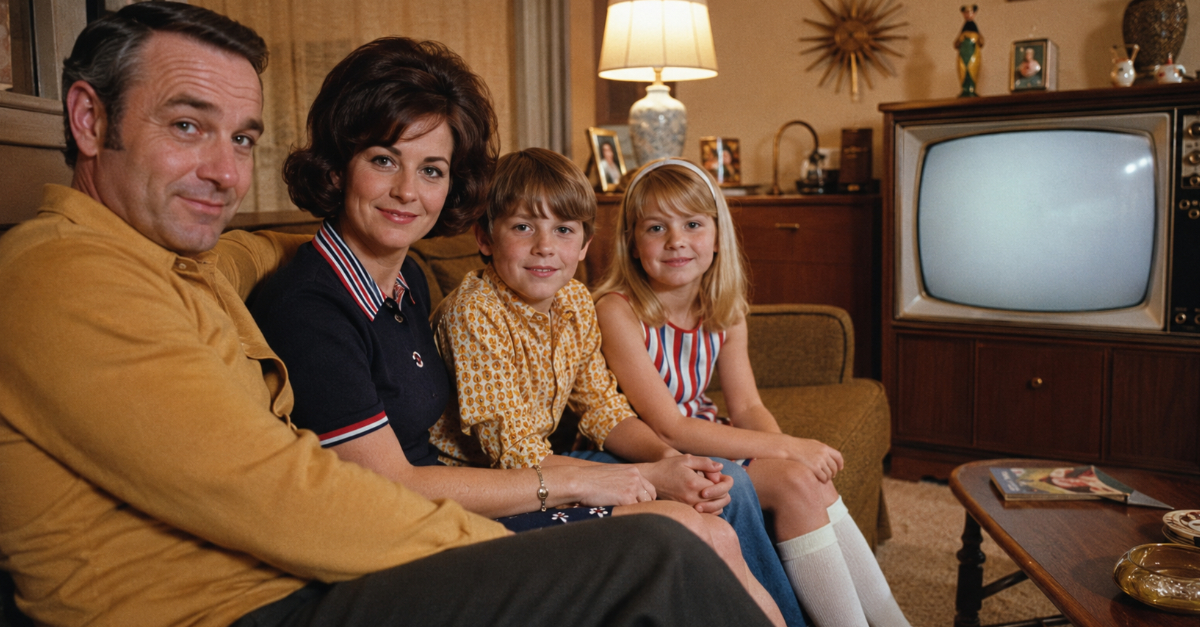
Watching TV With The Whole Family
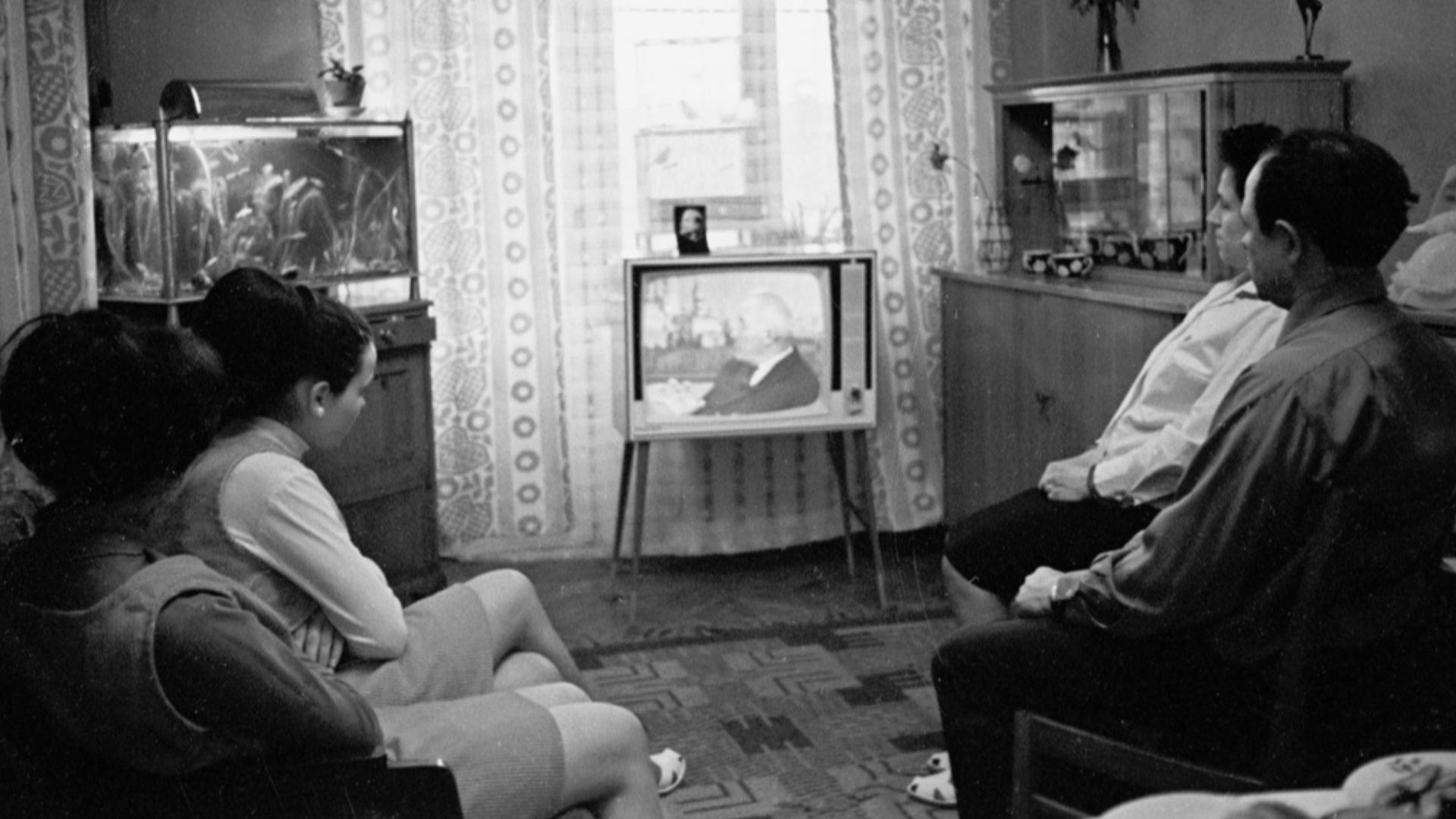
A lot of Baby Boomers remember television as something the family did together because there was usually one main set in the house. That meant everyone negotiated, argued, compromised, or just watched what Dad wanted. The living room had one screen, one volume, and somehow 11 opinions.
 Igor Vinogradov / Igor Vinogradov, Wikimedia Commons
Do You Remember Even Half Of These?
It was just how television worked. You adjusted the antenna, checked the listings, waited for your show, and hoped nobody walked in front of the set at the wrong moment. TV was clunkier, slower, and way less convenient—but we still remember it like magic.
You Might Also Like:
Sitcom Dads From The 1960s Who Completely Changed American Television—How Many Do You Remember?