
The TV Dads Everyone Wanted
Long before streaming took over, television dads were some of the biggest stars in America. They handed out advice, fixed family problems, made everyone laugh, and somehow wrapped things up before the closing credits. Some were wise, some were goofy, and a few were downright unconventional, but together they completely changed what audiences expected from a television father.
Let's see how many you remember.
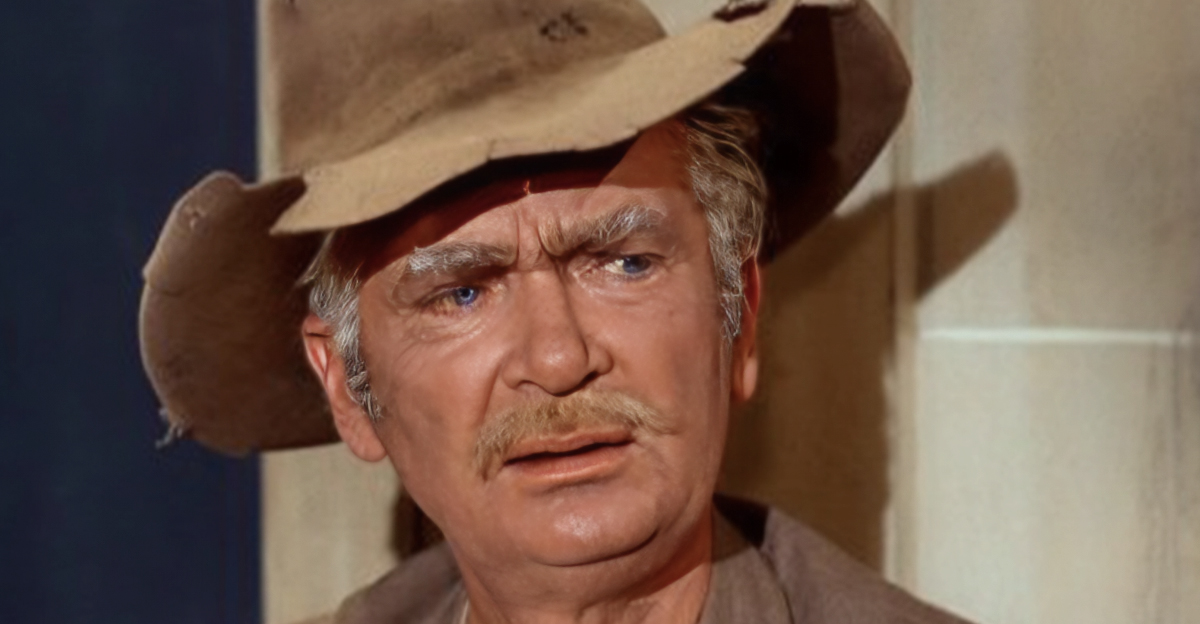 CBS, The Beverly Hillbillies (1962)
Jim Anderson (Father Knows Best)
Robert Young's Jim Anderson helped set the standard for television fathers. Even though the series began in the 1950s, it remained hugely influential into the early 1960s. Jim believed in listening before lecturing, and his calm parenting style inspired countless sitcom dads who followed.
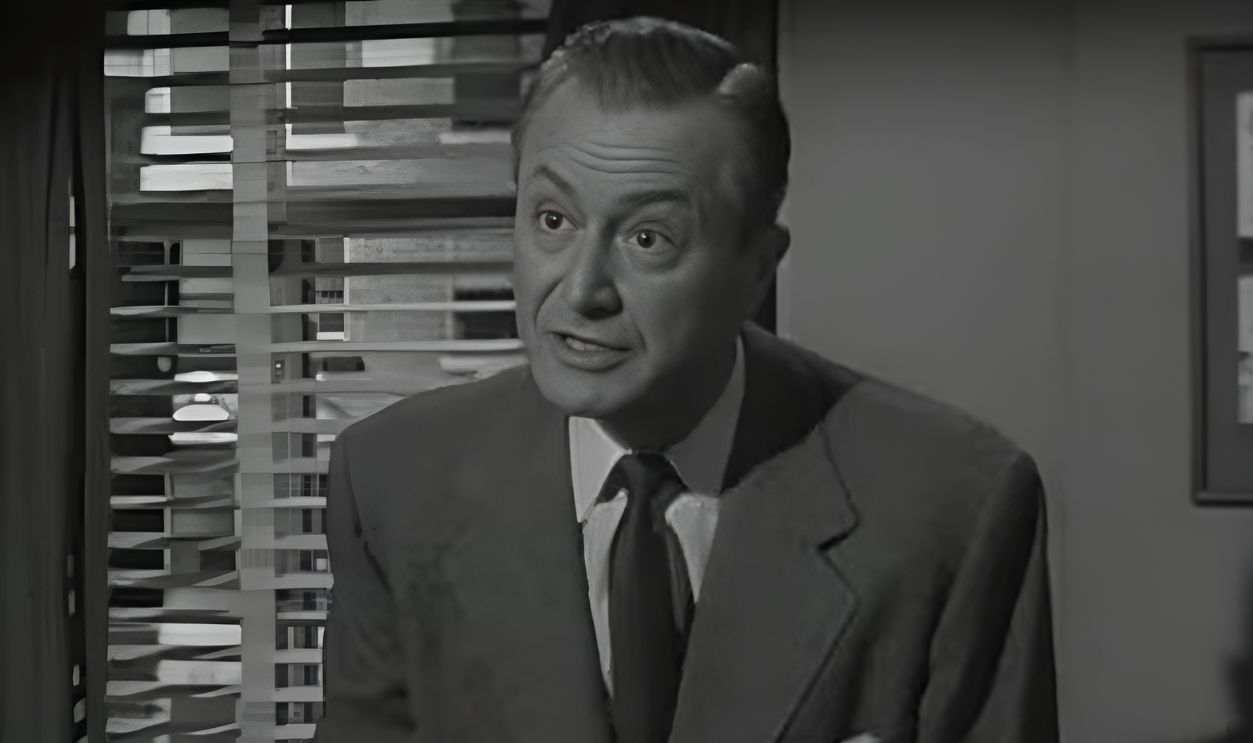 Screenshot from Father Knows Best, CBS (1954–1960), Modified
Ozzie Nelson (The Adventures of Ozzie and Harriet)
Ozzie Nelson had an advantage that almost nobody else did—he was playing himself. Alongside his real-life wife Harriet and sons David and Ricky, he made family life feel remarkably genuine. Millions of viewers felt like they were simply dropping in on the Nelson household every week.
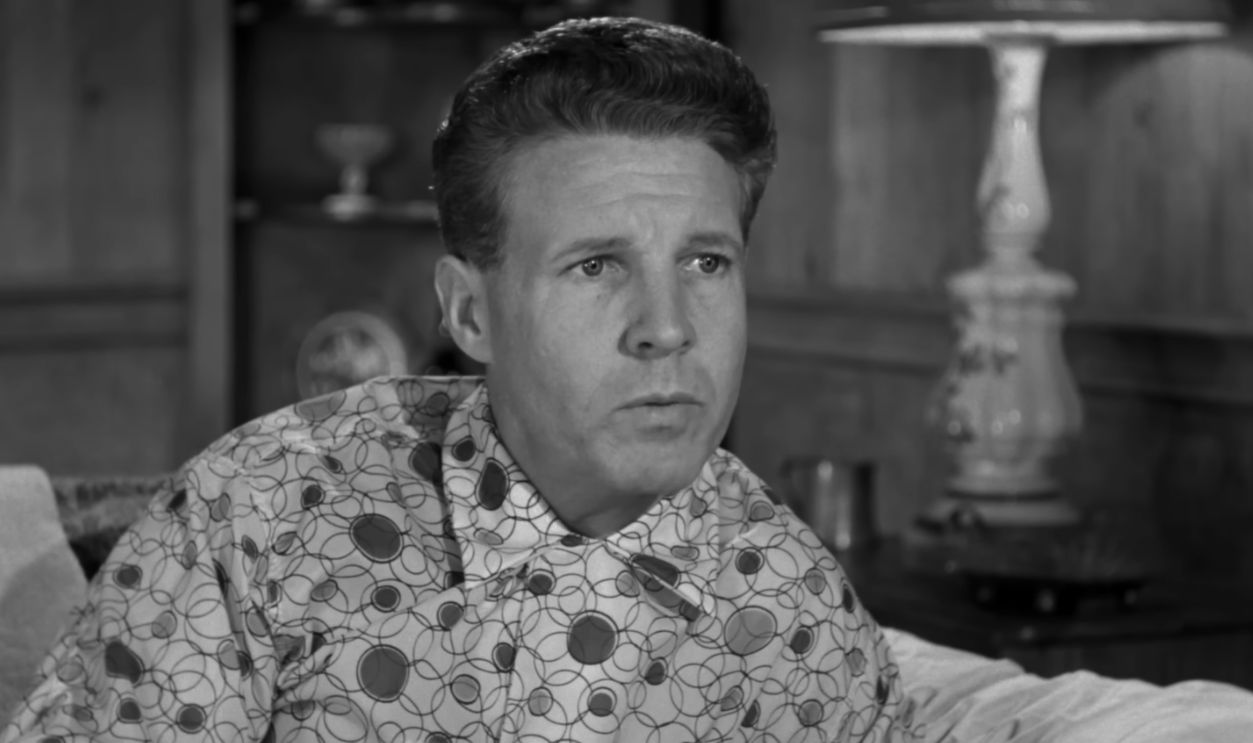 Screenshot from The Adventures of Ozzie and Harriet, ABC (1952–1966)
Danny Williams (The Danny Thomas Show)
Danny Thomas proved sitcom dads didn't have to wear business suits and work behind office desks. As successful entertainer Danny Williams, he balanced show business with raising a family, often discovering that parenting could be even more challenging than performing on stage.
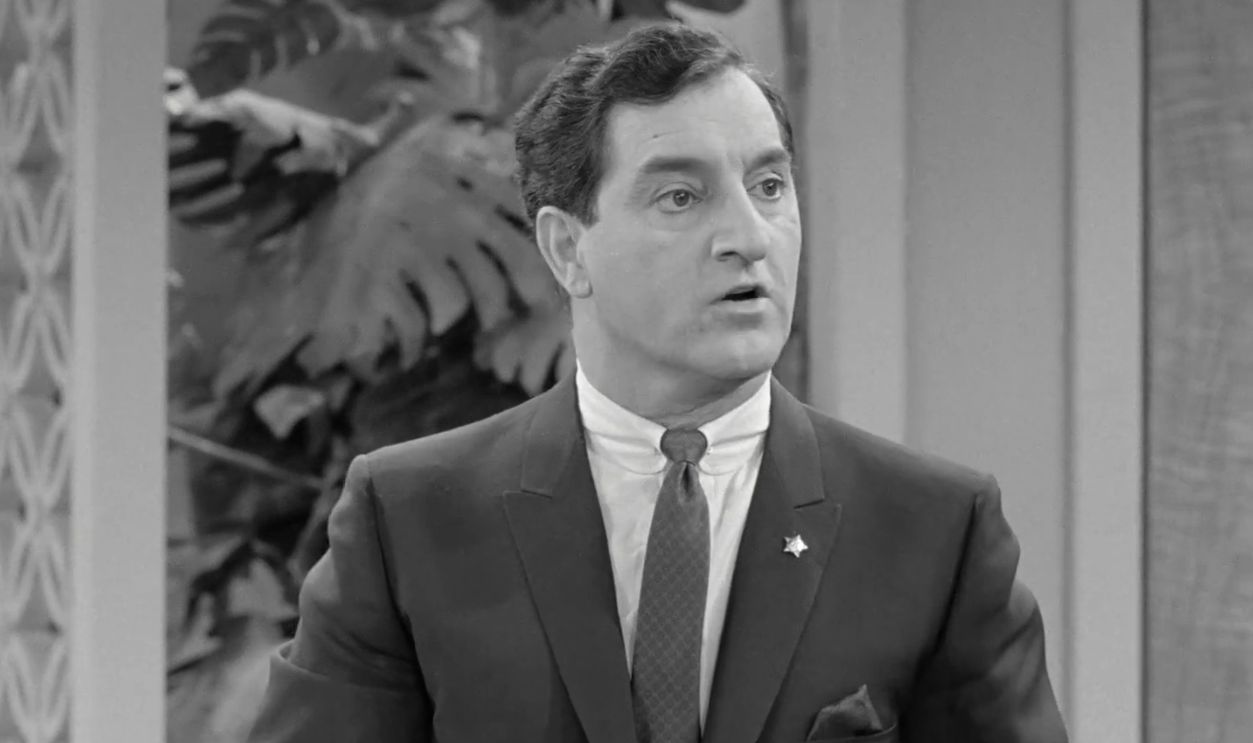 Screenshot from The Danny Thomas Show, CBS (1953–1964)
Ward Cleaver (Leave It to Beaver)
If there were a Mount Rushmore of television fathers, Ward Cleaver would almost certainly be on it. Hugh Beaumont made Ward patient, thoughtful, and impossible to rattle. No matter what kind of trouble Beaver found himself in, Ward somehow always knew exactly what to say.
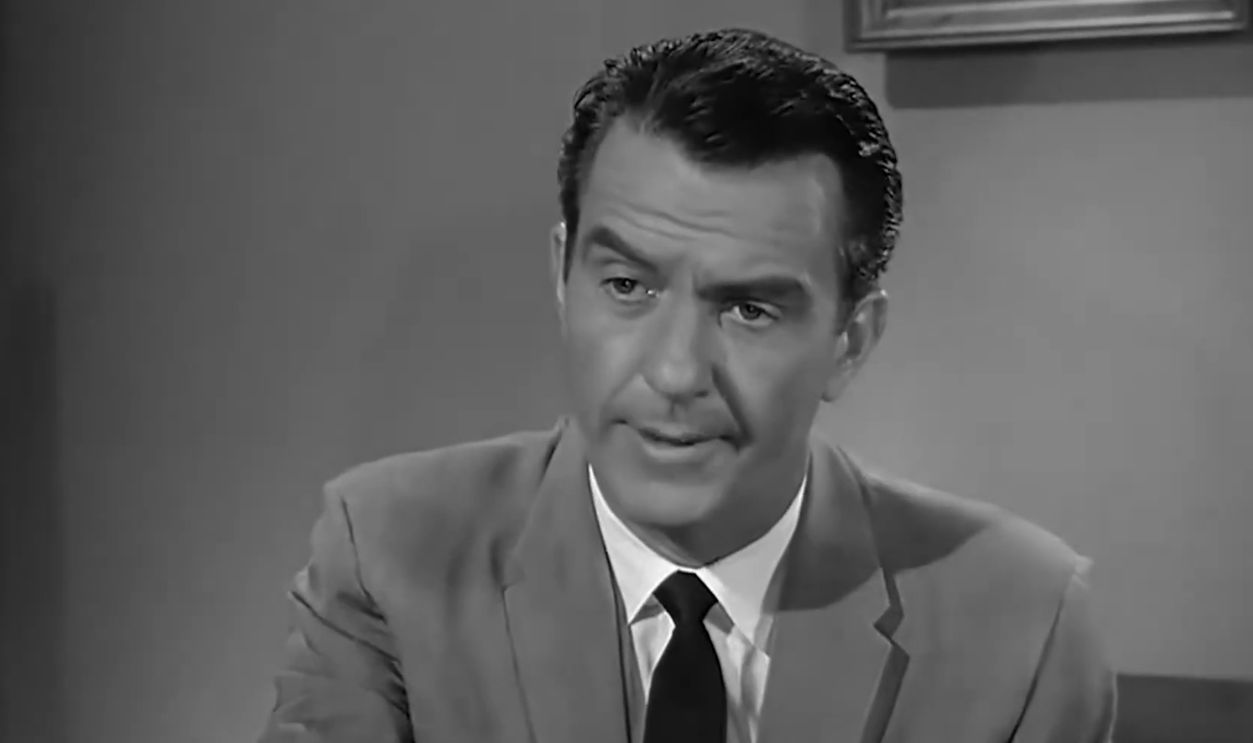 Screenshot from Leave It to Beaver, CBS (1957–1963)
Steve Douglas (My Three Sons)
Fred MacMurray's Steve Douglas had one of television's toughest jobs—raising three sons after losing his wife. He handled every challenge with patience, common sense, and a quiet confidence that made viewers wish they had someone like Steve giving advice at home.
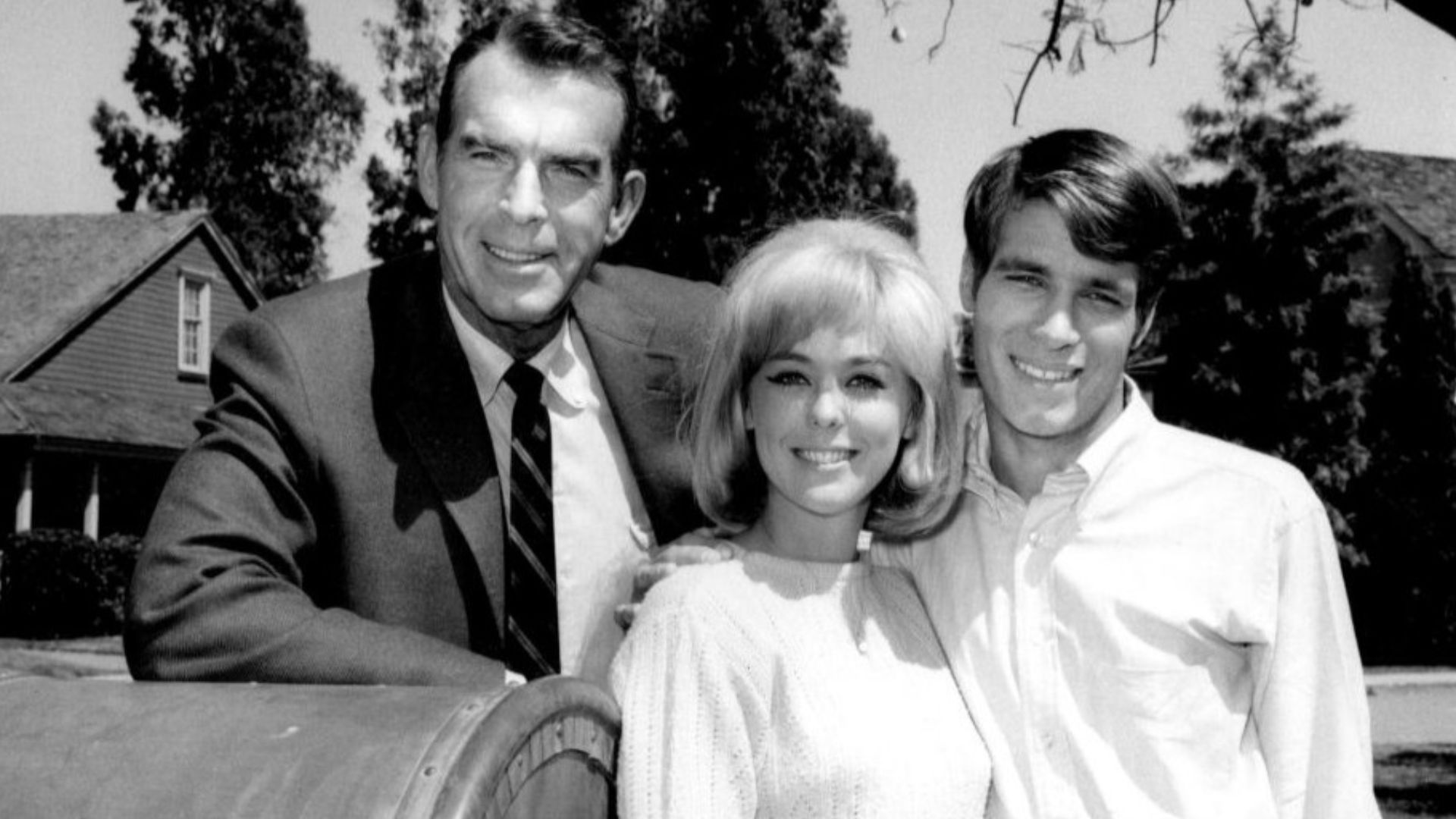 CBS Television, Wikimedia Commons
Bentley Gregg (Bachelor Father)
John Forsythe's Bentley Gregg wasn't expecting to become a parent overnight. When he became guardian to his young niece Kelly, the successful bachelor suddenly found himself learning how to raise a child. The series proved that great fathers aren't always born into the role.
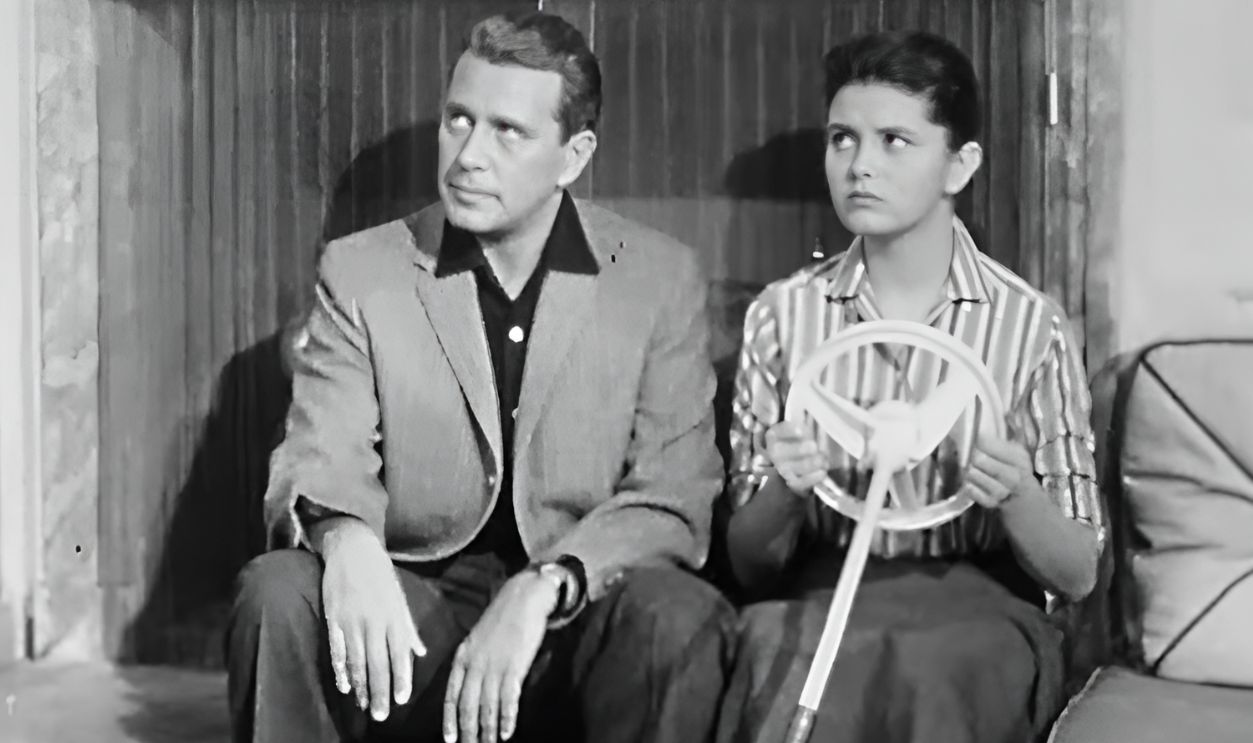 Screenshot from Bachelor Father, CBS (1957–1962)
Herman Munster (The Munsters)
Sure, Herman Munster looked terrifying, but underneath the bolts and giant boots was one of television's sweetest dads. Fred Gwynne played Herman with warmth, optimism, and endless love for his family, making him one of sitcom history's most lovable monsters.
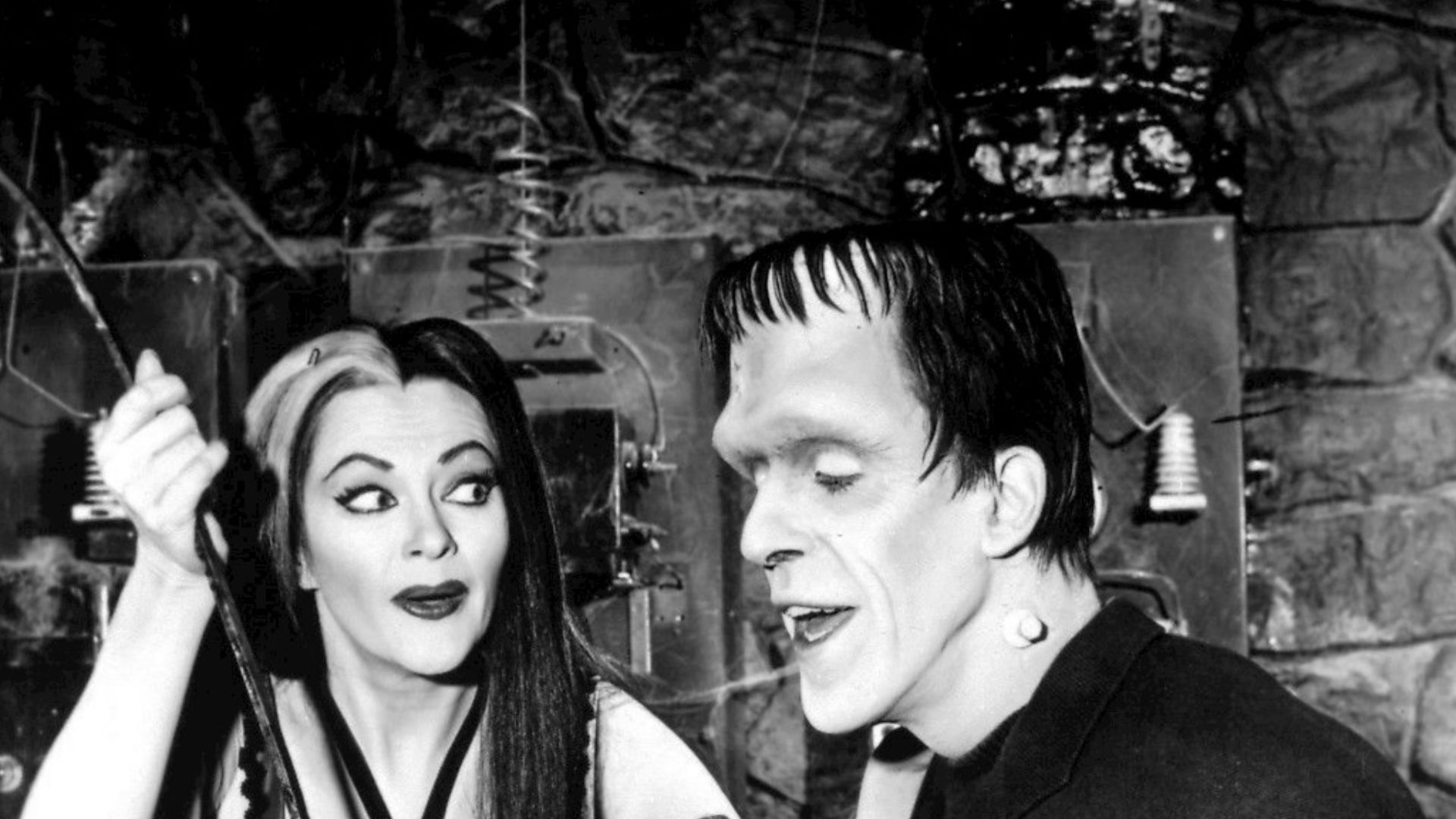 CBS Television, Wikimedia Commons
Gomez Addams (The Addams Family)
John Astin's Gomez Addams never cared what anyone else thought. He adored Morticia, encouraged Wednesday and Pugsley to embrace their uniqueness, and proved that the happiest families don't always look like everyone else's. Gomez made being different seem wonderfully normal.
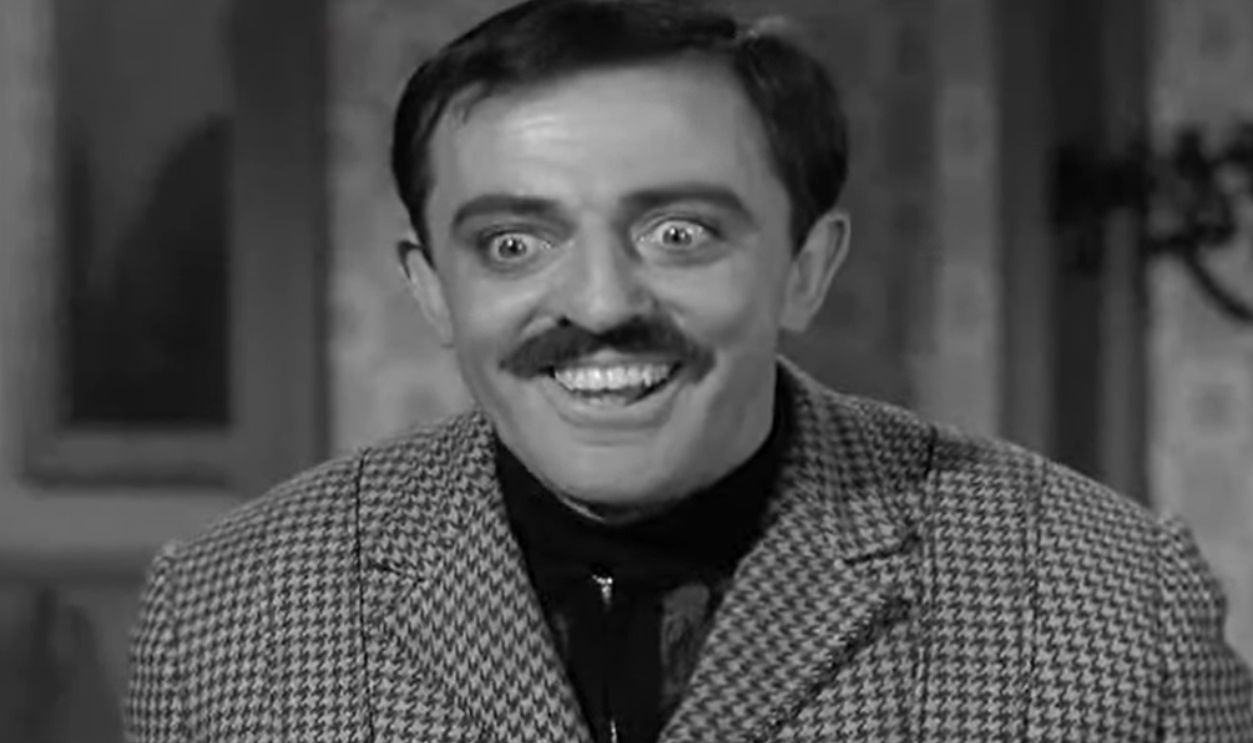 Screenshot from The Addams Family, ABC (1964-1966)
Andy Taylor (The Andy Griffith Show)
Andy Griffith's Sheriff Andy Taylor rarely yelled or lost his temper. Instead, he sat down with Opie and talked through life's problems one conversation at a time. His gentle parenting style still feels surprisingly modern more than sixty years later.
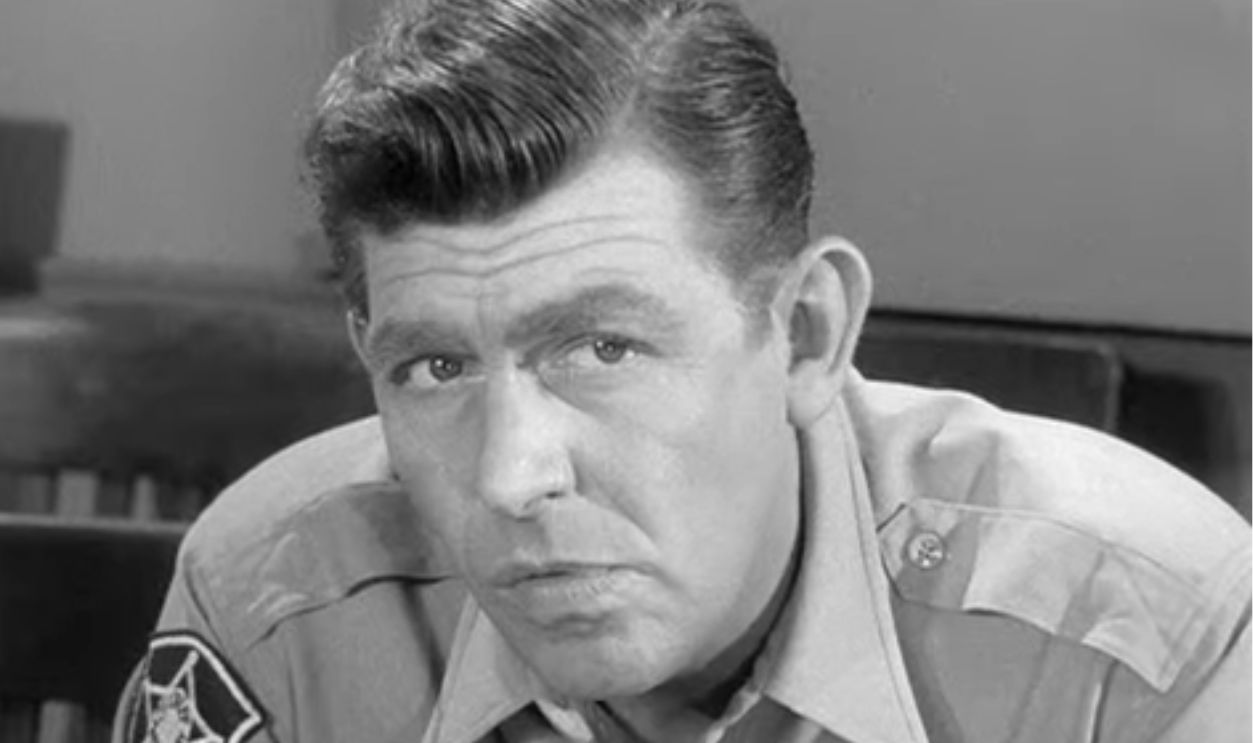 Screenshot from The Andy Griffith Show, CBS (1960–1968)
Sam Jones (Mayberry R.F.D.)
Taking over after Andy Griffith sounded almost impossible, but Ken Berry made it work. As widowed farmer Sam Jones, he brought kindness, patience, and an easygoing charm that helped keep Mayberry feeling like home for longtime viewers.
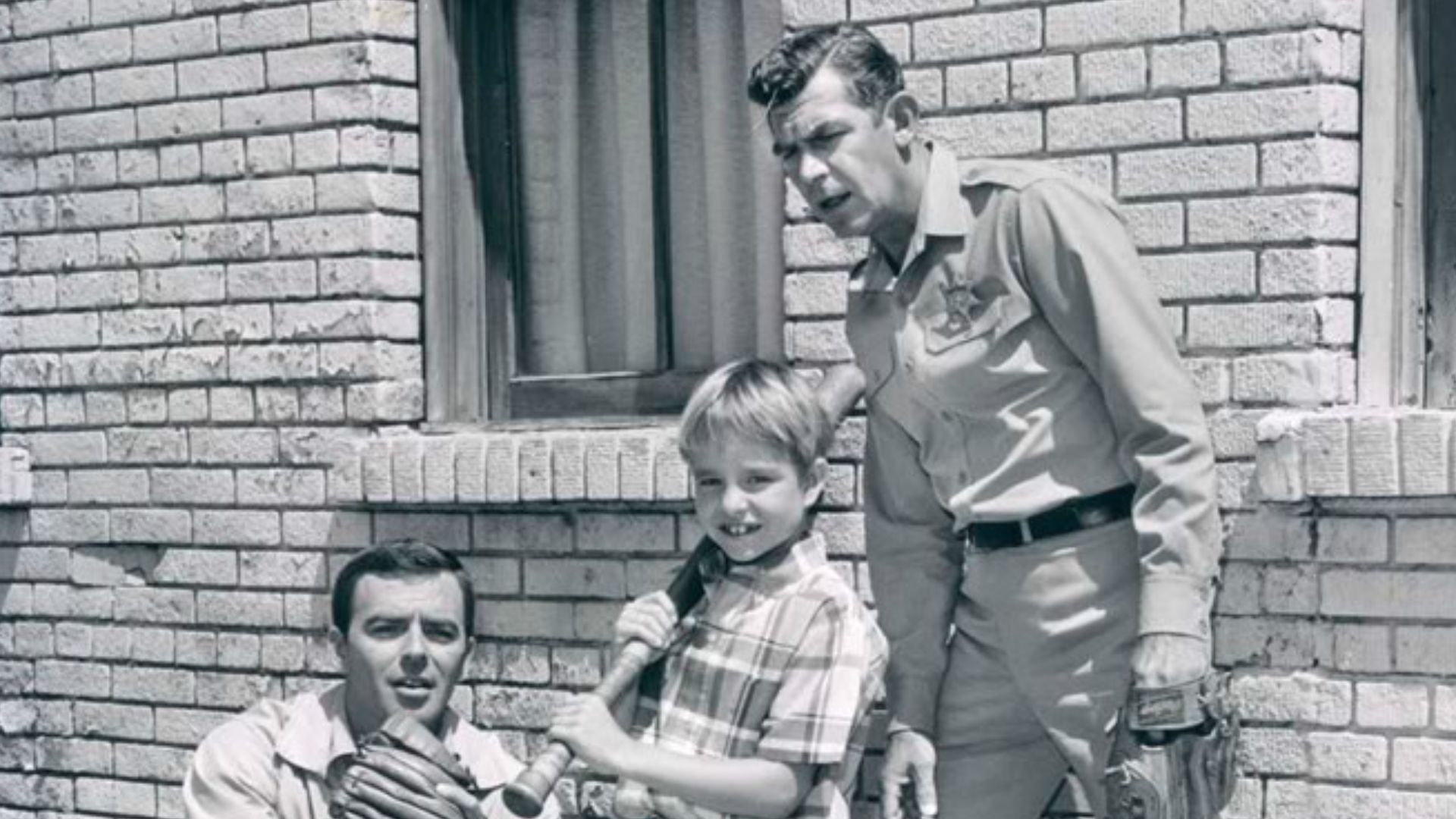 CBS Television, Wikimedia Commons
George Baxter (Hazel)
Don DeFore's George Baxter spent most episodes trying to balance work and family life. Unfortunately for him, Hazel usually had her own ideas about how the household should operate. George's good-natured patience made him one of television's most relatable fathers.
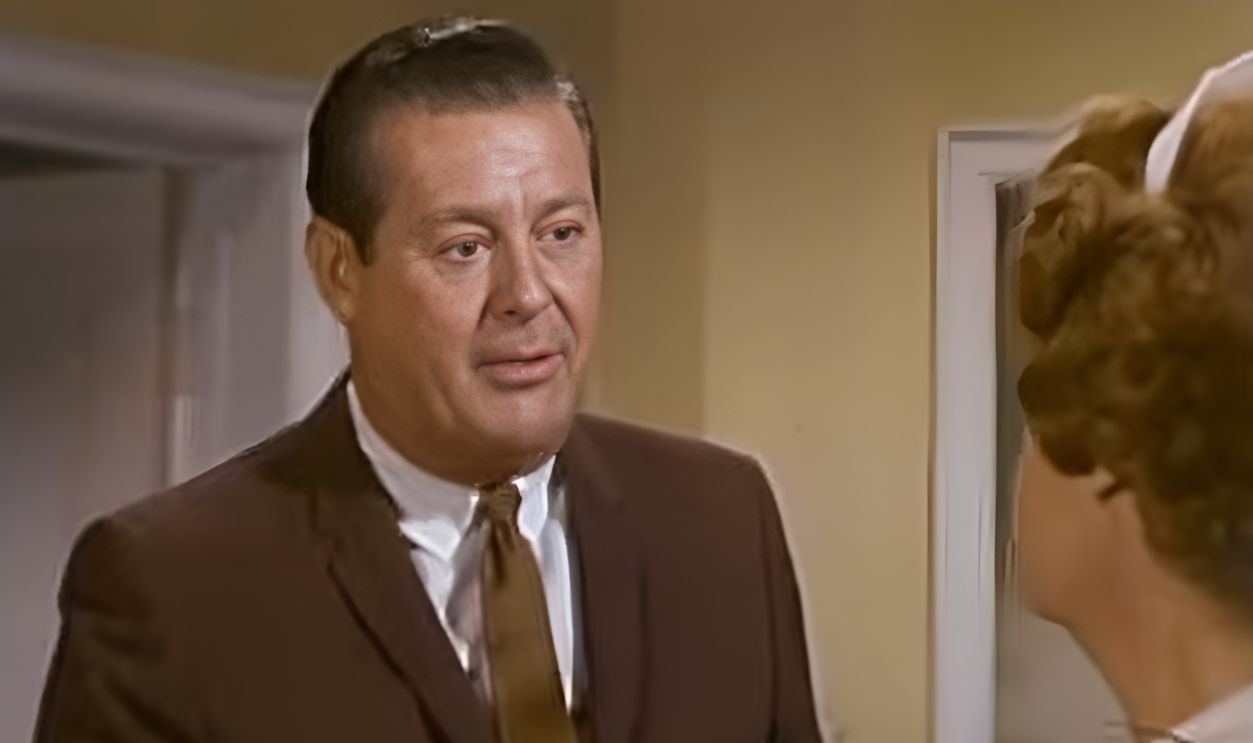 Screenshot from Hazel, NBC (1961–1966), Modified
Charles Davis (Please Don't Eat the Daisies)
Mark Miller played newspaper columnist Charles Davis, whose house often felt like organized chaos. Raising four energetic boys while juggling a demanding career wasn't easy, but Charles handled the daily madness with plenty of humor and more than a little exhaustion.
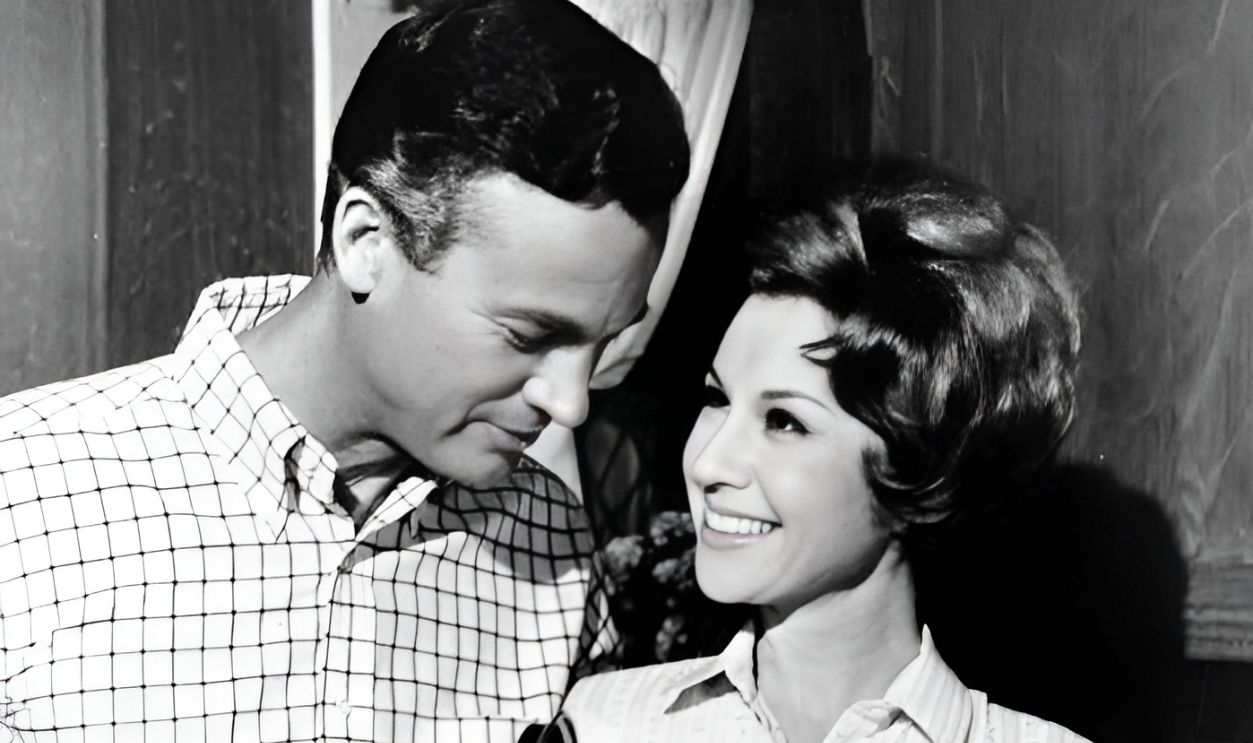 NBC Television, Wikimedia Commons, Modified
Bill Davis (Family Affair)
Brian Keith's Bill Davis never planned on becoming a father figure. After suddenly becoming guardian to Buffy, Jody, and Cissy, he learned everything on the fly. Watching him grow into the role became one of Family Affair's greatest strengths.
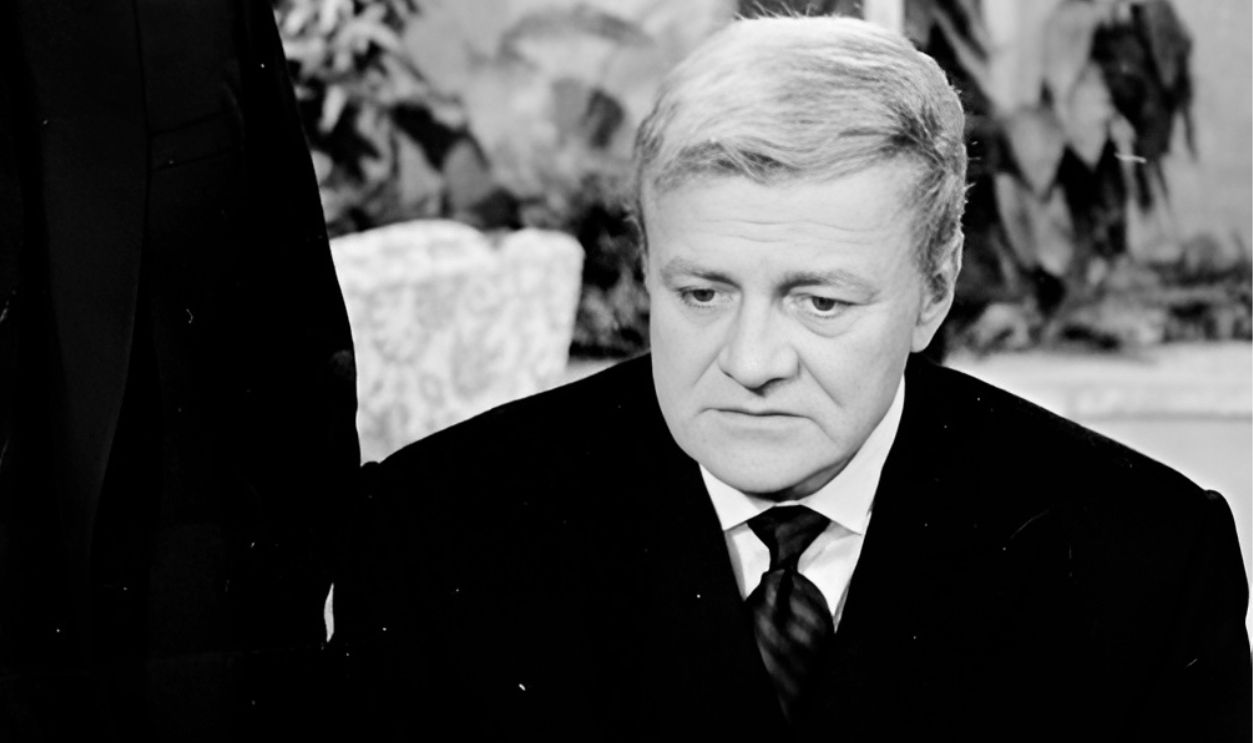 CBS Television Network, Wikimedia Commons, Modified
Fred Flintstone (The Flintstones)
Animated or not, Fred Flintstone was one of the biggest television dads of the 1960s. Alan Reed gave Fred a booming voice, a short temper, and a huge heart. No matter how ridiculous his latest scheme became, his family always came first.
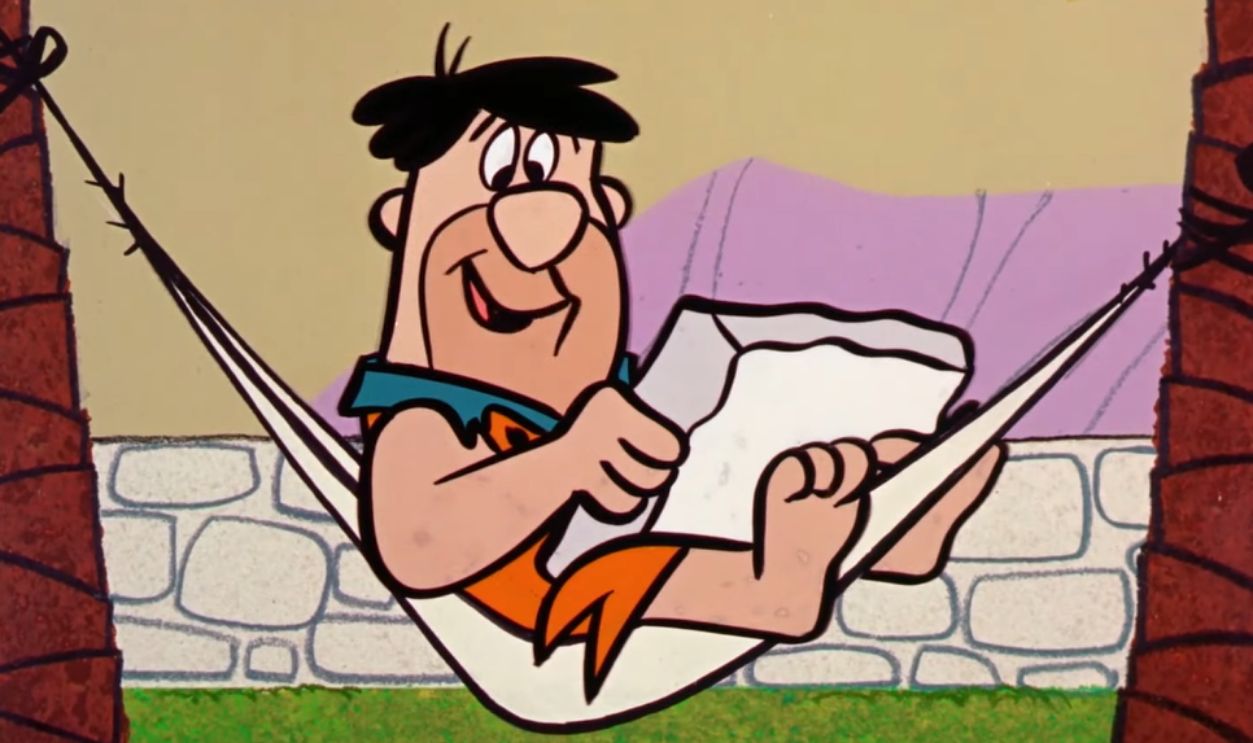 Screenshot from The Flintstones, ABC (1960–1966)
Doug Porter (The Patty Duke Show)
William Schallert played newspaper editor Doug Porter, father to Patty and her identical cousin Cathy. Doug was practical, supportive, and usually the voice of reason whenever the girls' latest misunderstanding spun hilariously out of control.
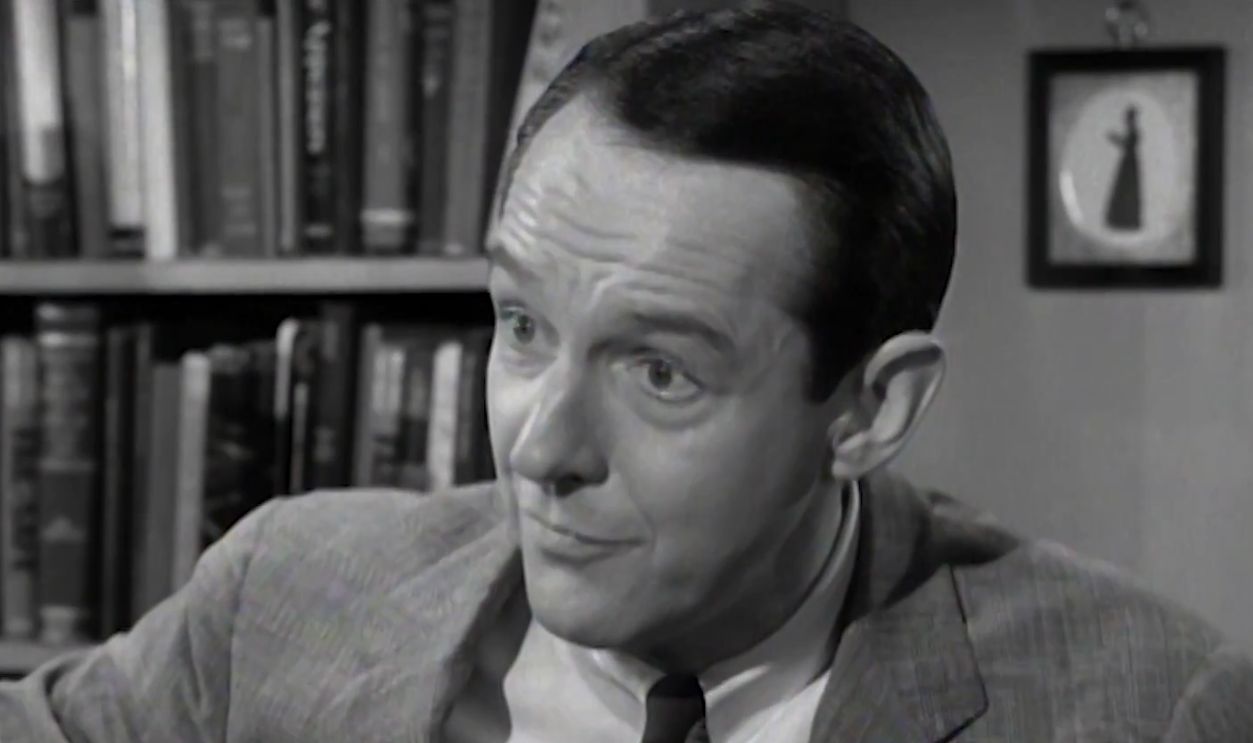 Screenshot from The Patty Duke Show, ABC (1963–1966)
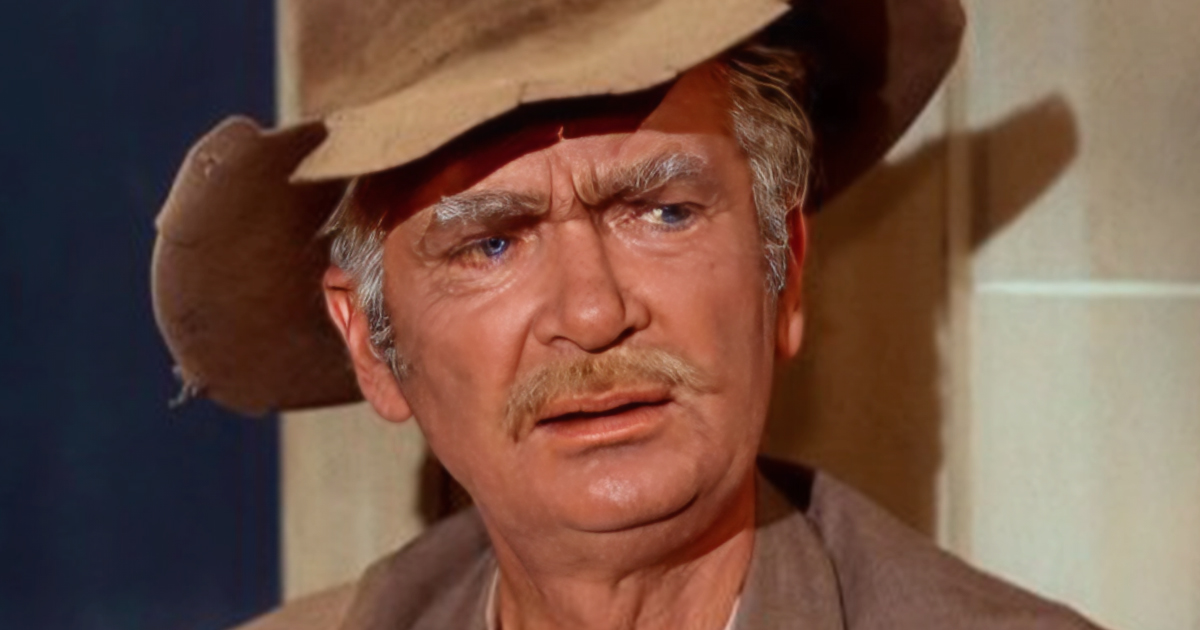
Jed Clampett (The Beverly Hillbillies)
Buddy Ebsen's Jed Clampett suddenly became one of America's richest men after discovering oil, but money never changed him. He remained humble, devoted to daughter Elly May, and determined not to let Beverly Hills change the values that mattered most.
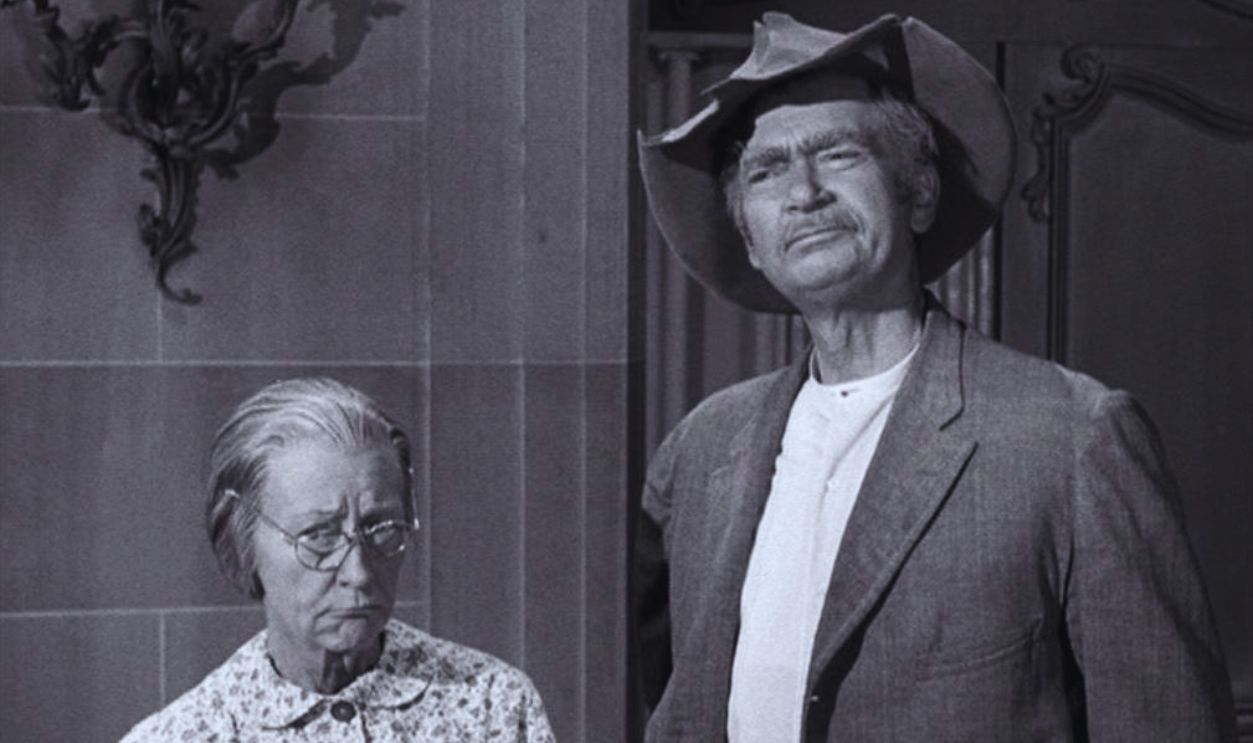 Screenshot from The Beverly Hillbillies, CBS (1962-1971)
Herbert T Gillis (The Many Loves of Dobie Gillis)
Frank Faylen played Herbert T Gillis, the practical grocery store owner and father of Dobie Gillis. Herbert constantly worried about his son's latest get-rich-quick scheme, creating one of the funniest father-and-son relationships of the decade.
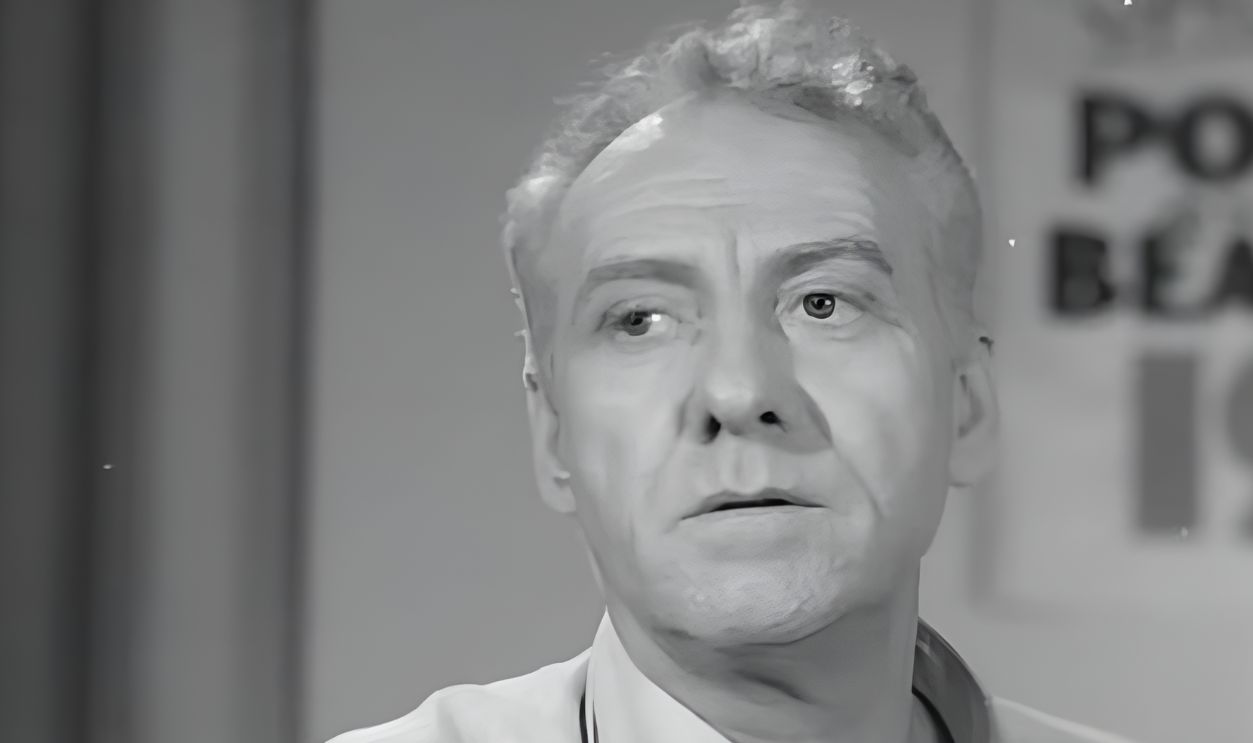 Screenshot from The Many Loves of Dobie Gillis, CBS (1959–1963), Modified
Mike Brady (The Brady Bunch)
When The Brady Bunch premiered in 1969, Robert Reed introduced viewers to something television had rarely explored: a blended family. Mike Brady's calm, understanding approach helped normalize stepfamilies for millions of American viewers.
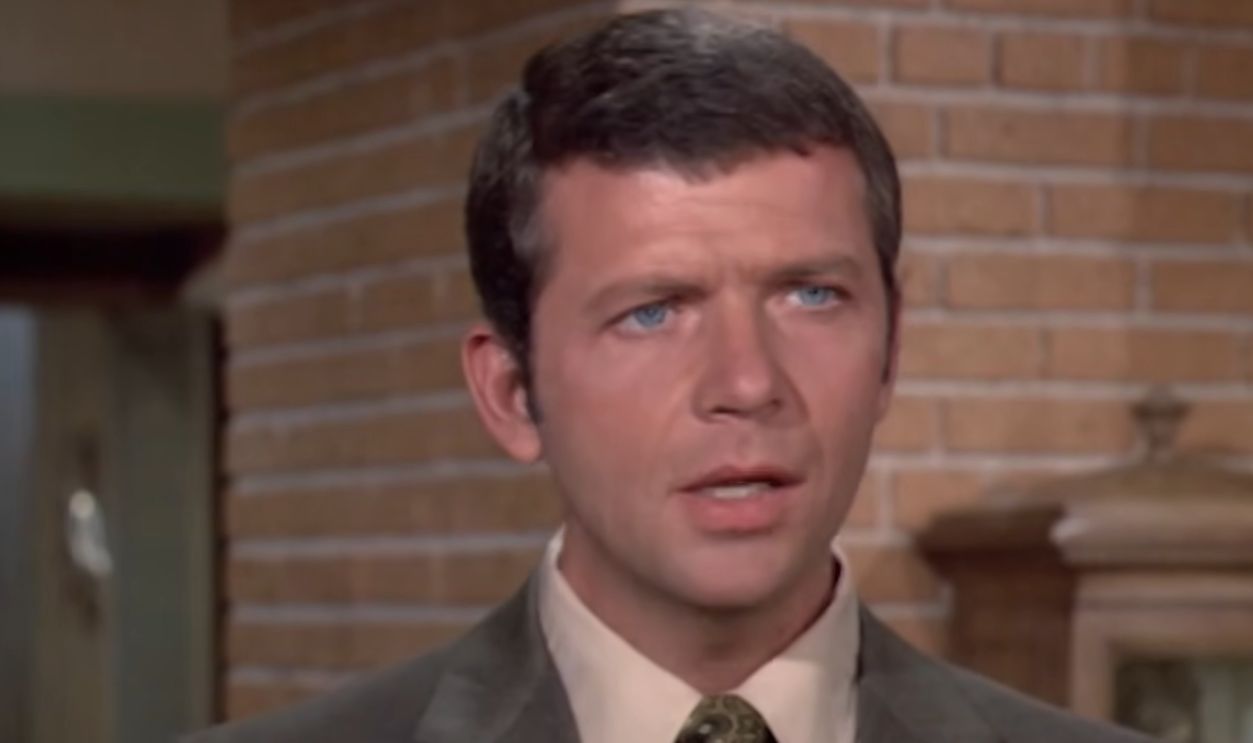 Screenshot from The Brady Bunch, ABC (1969–1974)
How Many Did You Remember?
These fathers didn't all parent the same way, and that's exactly why they mattered. Some solved problems with wisdom, others with humor, and a few simply learned as they went. Together, they transformed the television dad from a one-dimensional authority figure into someone audiences genuinely wanted to welcome into their living rooms every week.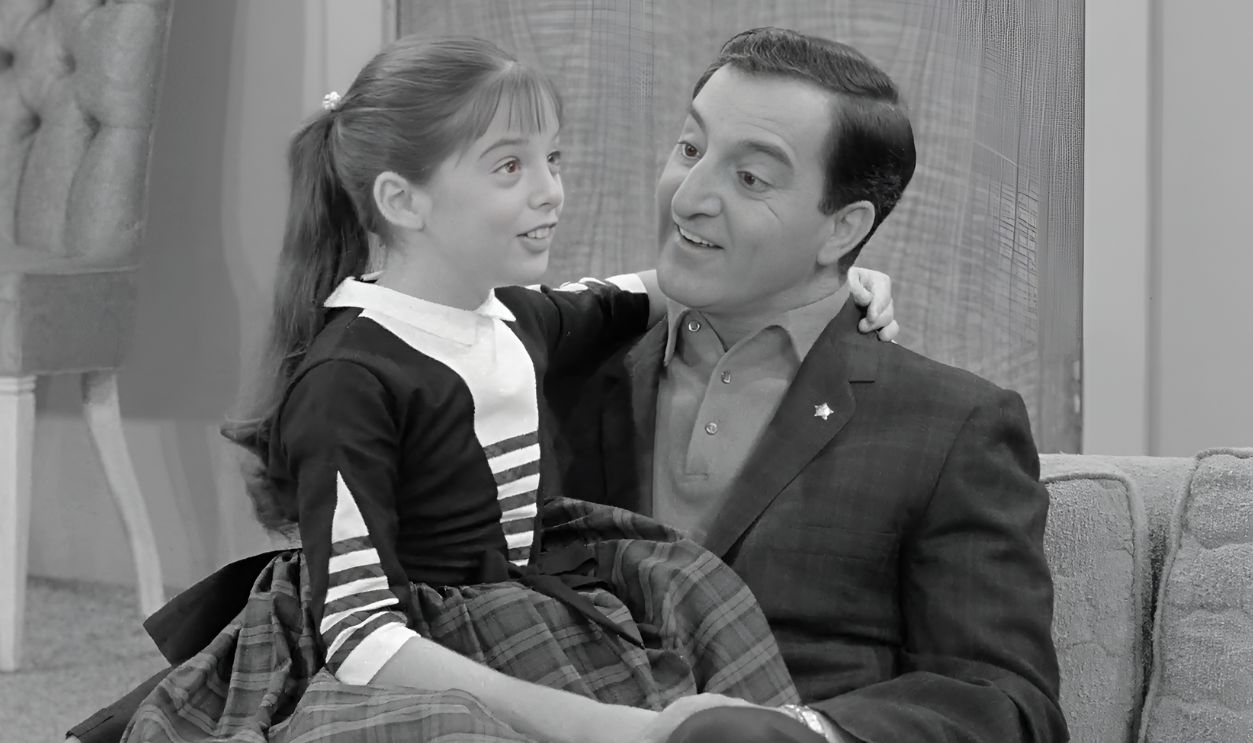 Screenshot from The Danny Thomas Show, CBS (1953–1964), Modified
You May Also Like:
TV Shows That Were Huge Abroad—But Never Took Off In The U.S.
20 Years Ago, These Controversial Movies Were Hits—Today They’d Spark Outrage
30 of the Longest-Running TV Shows

_(1).jpg)