The Face Of Television’s Perfect Father Was Often Miserable
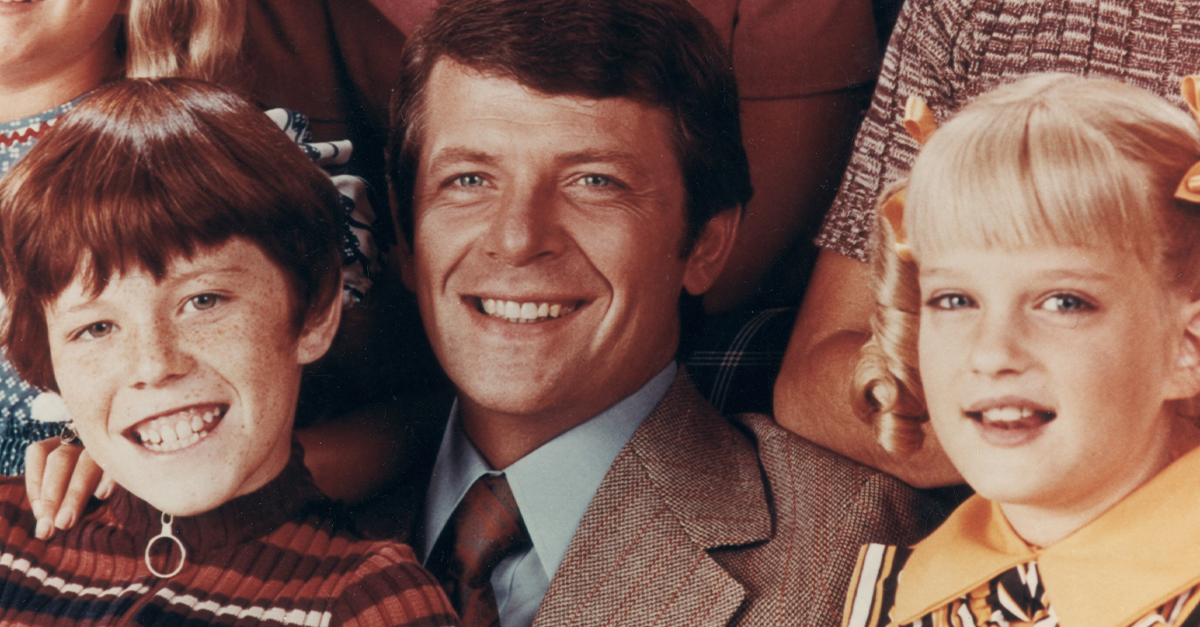
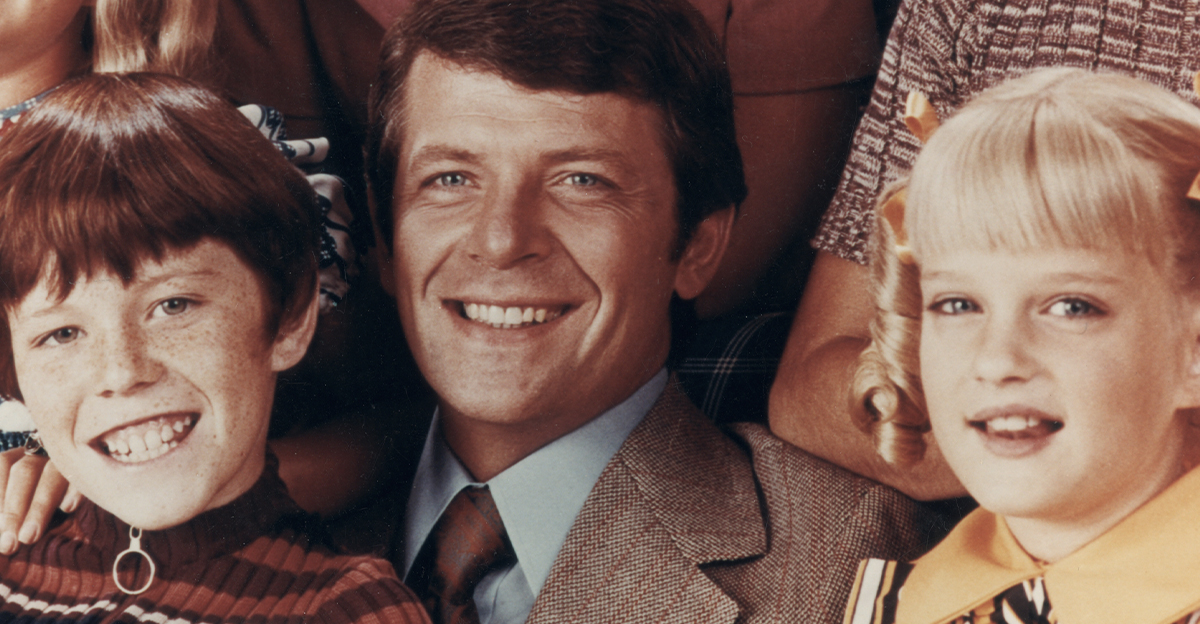
To millions of viewers, Robert Reed seemed perfectly cast as Mike Brady, the calm and dependable father at the center of The Brady Bunch. Behind the scenes, however, Reed spent much of the show’s run frustrated, angry, and locked in a near-constant battle with the people creating the series.
Robert Reed Was A Serious Actor Long Before The Brady Bunch
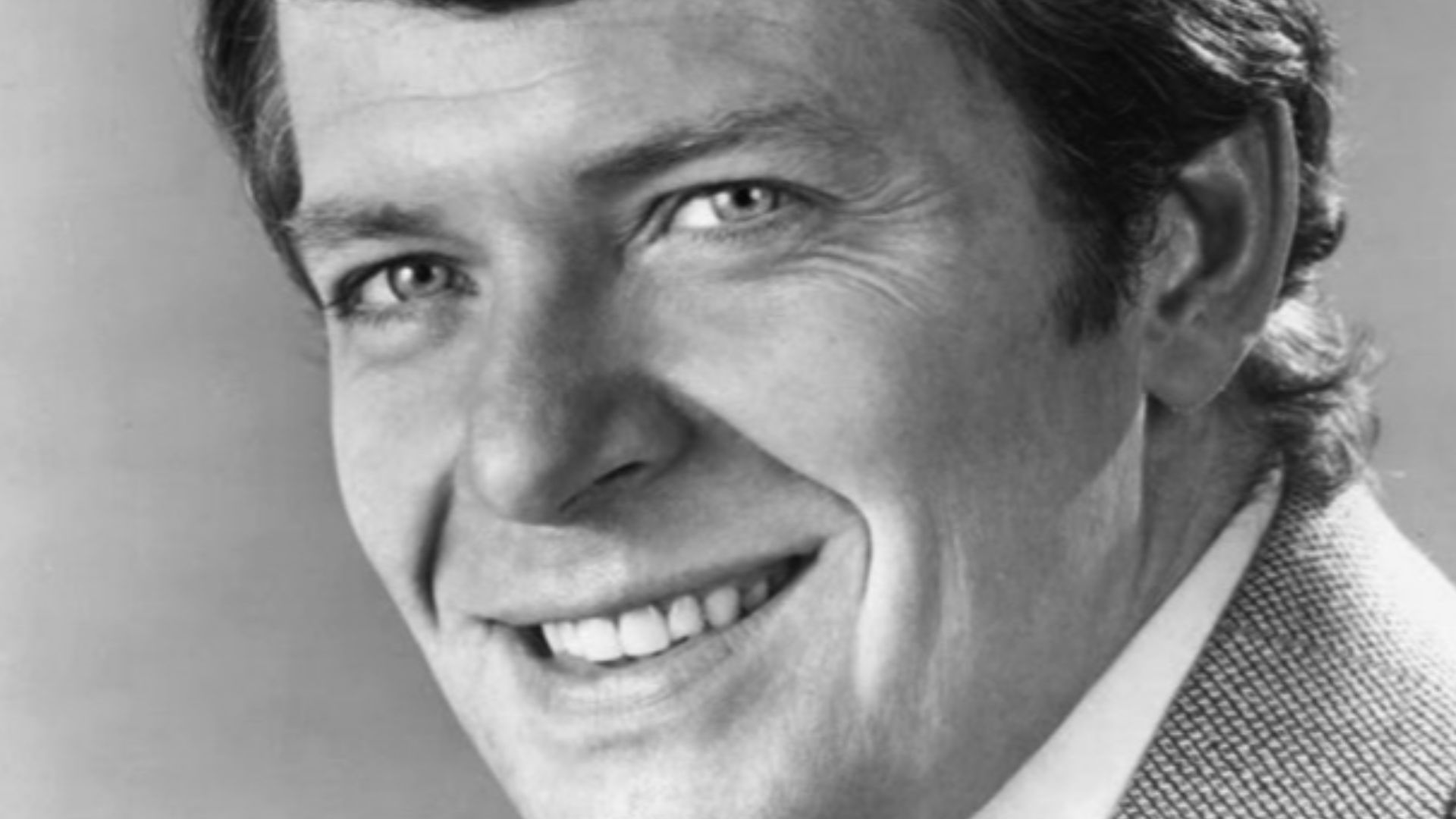
Before becoming television’s favorite sitcom dad, Reed had built a reputation as a respected dramatic actor. Trained in Shakespeare and classical theater, he took acting seriously and dreamed of appearing in challenging productions rather than broad family comedies.
 ABC Television, Wikimedia Commons
He Initially Thought The Show Had Potential
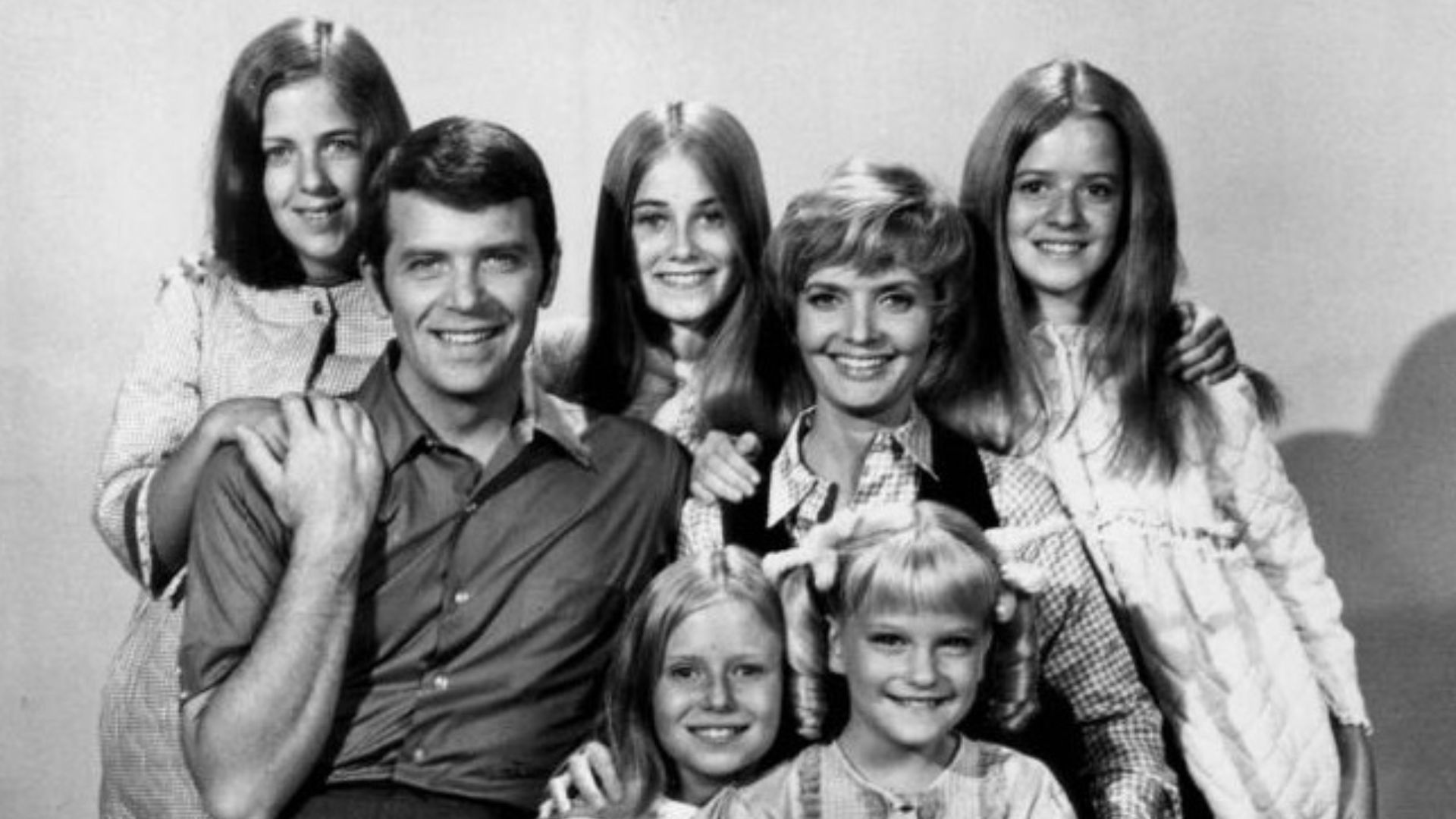
When The Brady Bunch premiered in 1969, Reed believed the concept could evolve into something meaningful. The blended family premise offered opportunities to explore real issues facing American households, and he hoped the writing would eventually become more sophisticated. Still, he had his reservations.
 ABC Television., Wikimedia Commons
It Wasn't His First Choice
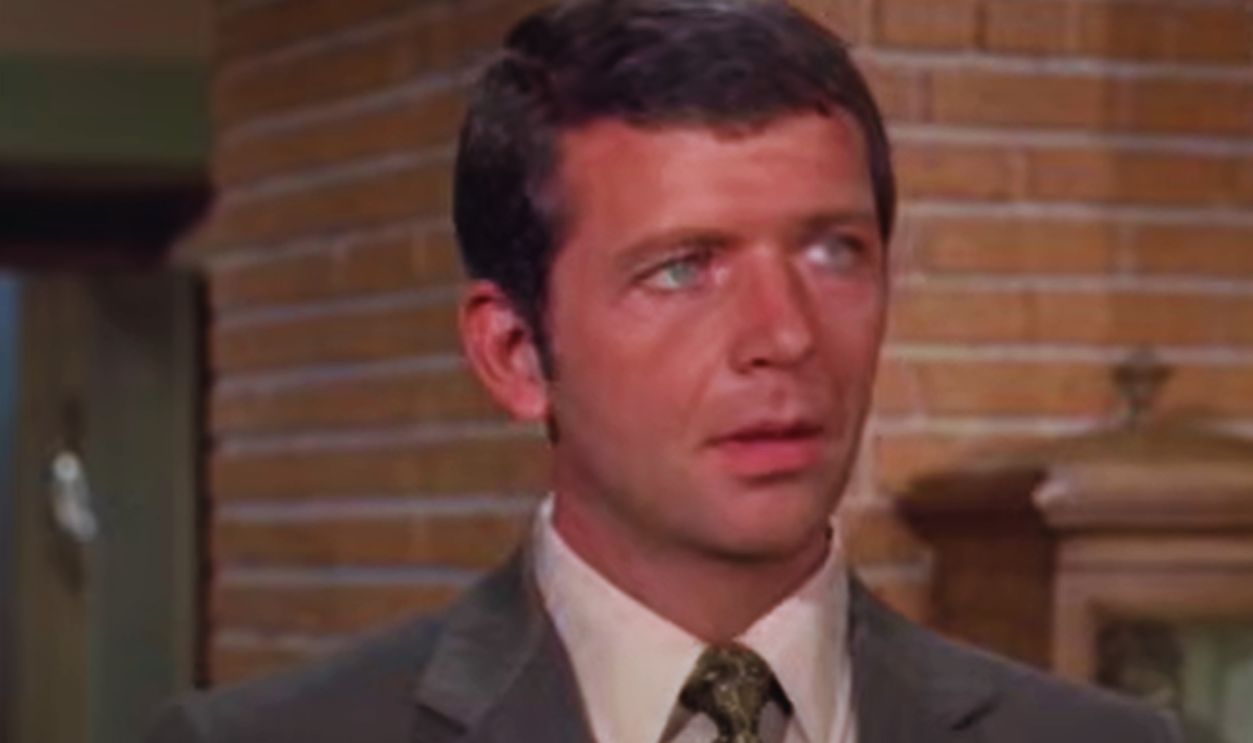
Reed later shared that the role of Mike Brady was not something he really wanted to do: "I must admit I accepted this series with some reluctance. I had really signed with Paramount to do the pilot of Barefoot in the Park, which I played onstage. But when they decided to shelve the project for a year... I had no choice but Brady."
It was certainly the beginning of a tumultuous run.
 Screenshot from The Brady Bunch, Paramount Television (1969–1974)
The Scripts Quickly Became A Source Of Frustration
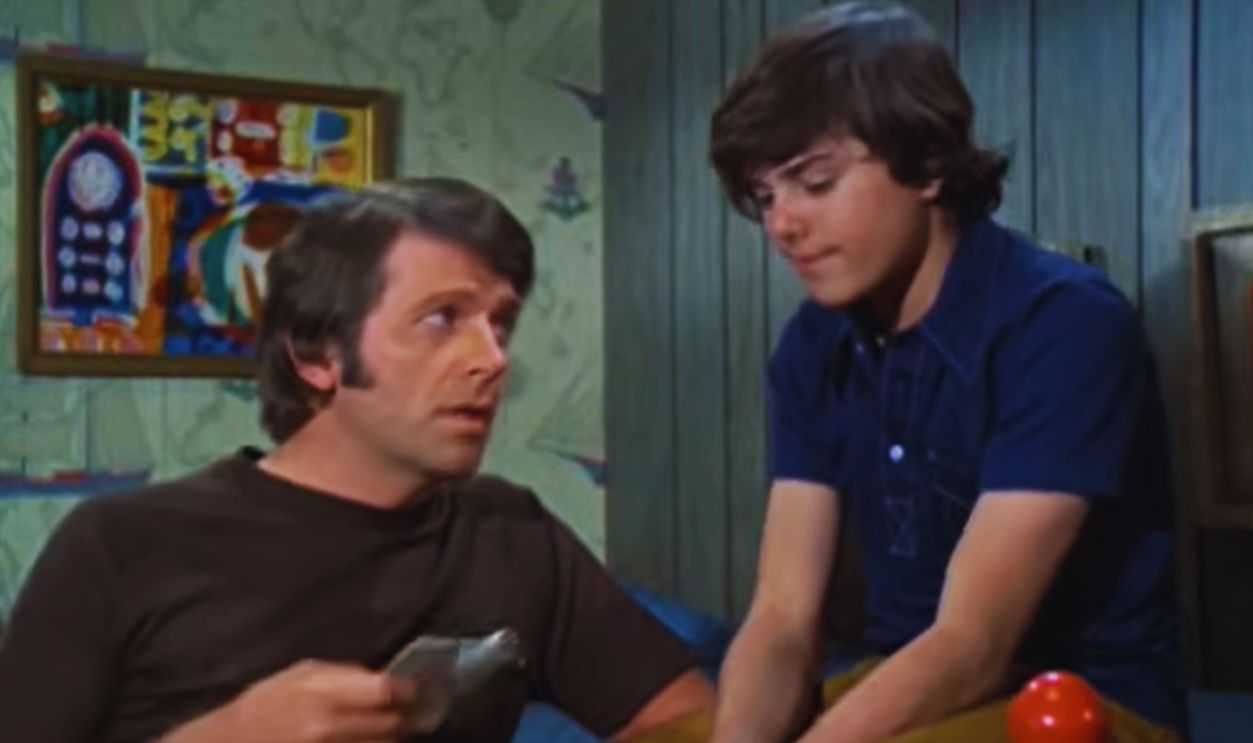
As production continued, Reed became increasingly unhappy with the show’s storylines. He felt many plots were unrealistic, overly simplistic, and beneath the standards of quality television. What audiences saw as harmless entertainment, Reed often viewed as creative mediocrity.
 Screenshot from The Brady Bunch, Paramount Television (1969–1974)
Sherwood Schwartz Wanted Family Entertainment
Series creator Sherwood Schwartz had a very different vision. He wanted lighthearted stories that families could watch together. While Reed sought realism and dramatic depth, Schwartz prioritized accessibility and broad audience appeal, creating an immediate philosophical divide.
Reed Wanted To Dig Deeper
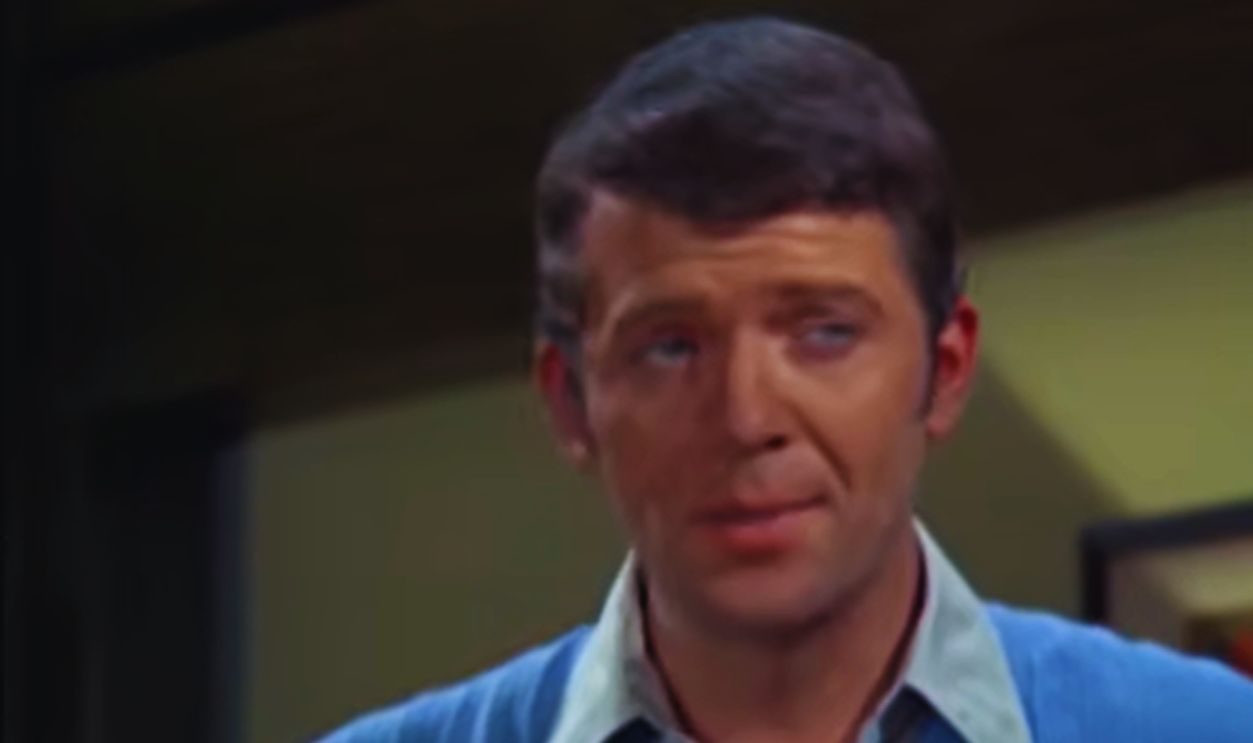
Robert Reed came to the sobering realization that a family comedy would never take the kind of risks he wanted to take. He later said, "To be completely realistic, I suppose they should have taken a couple of divorcees and pictured the difficulties brought about by offspring of broken homes. But I suppose television isn't quite ready to tackle the problem yet..."
Still, he never gave up trying to have his voice heard.
 Screenshot from The Brady Bunch, Paramount Television (1969–1974)
The Two Men Argued Constantly
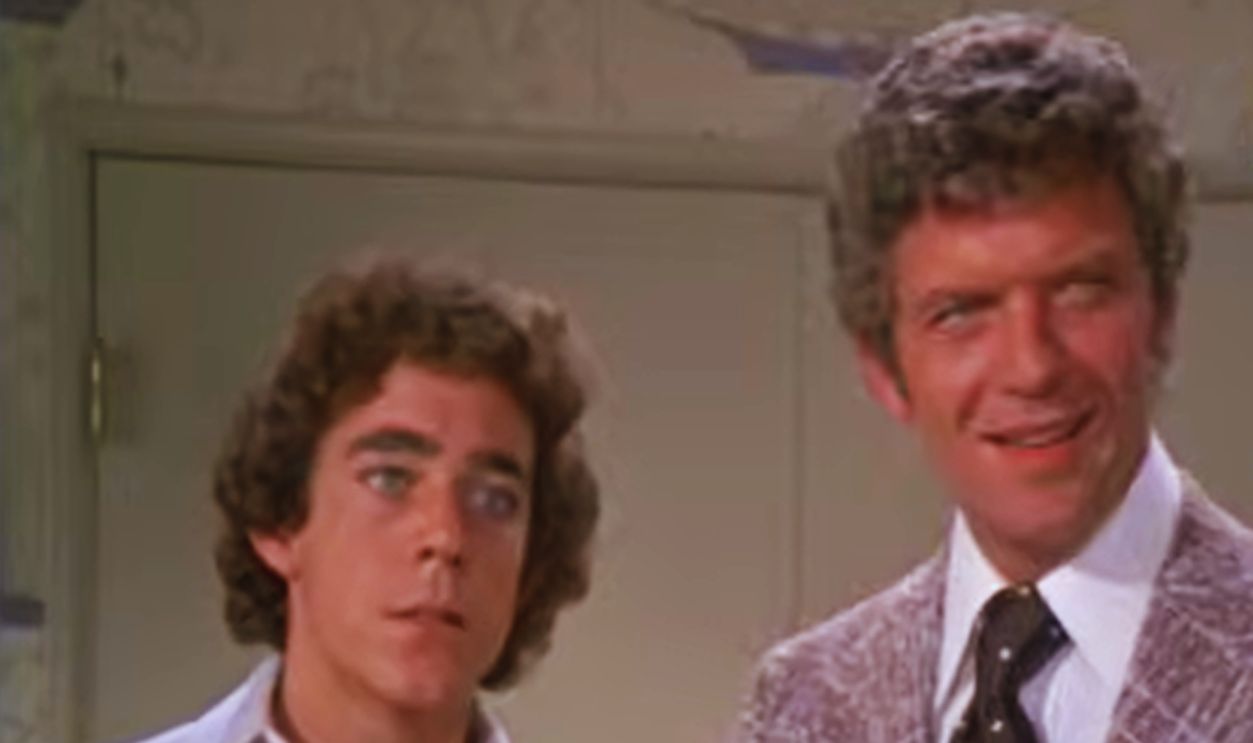
Reed and Schwartz frequently clashed over scripts, dialogue, and character motivations. Cast members later recalled heated debates that became a regular part of production. Their disagreements were so common that many people on set simply learned to expect them.
 Screenshot from The Brady Bunch, Paramount Television (1969–1974)
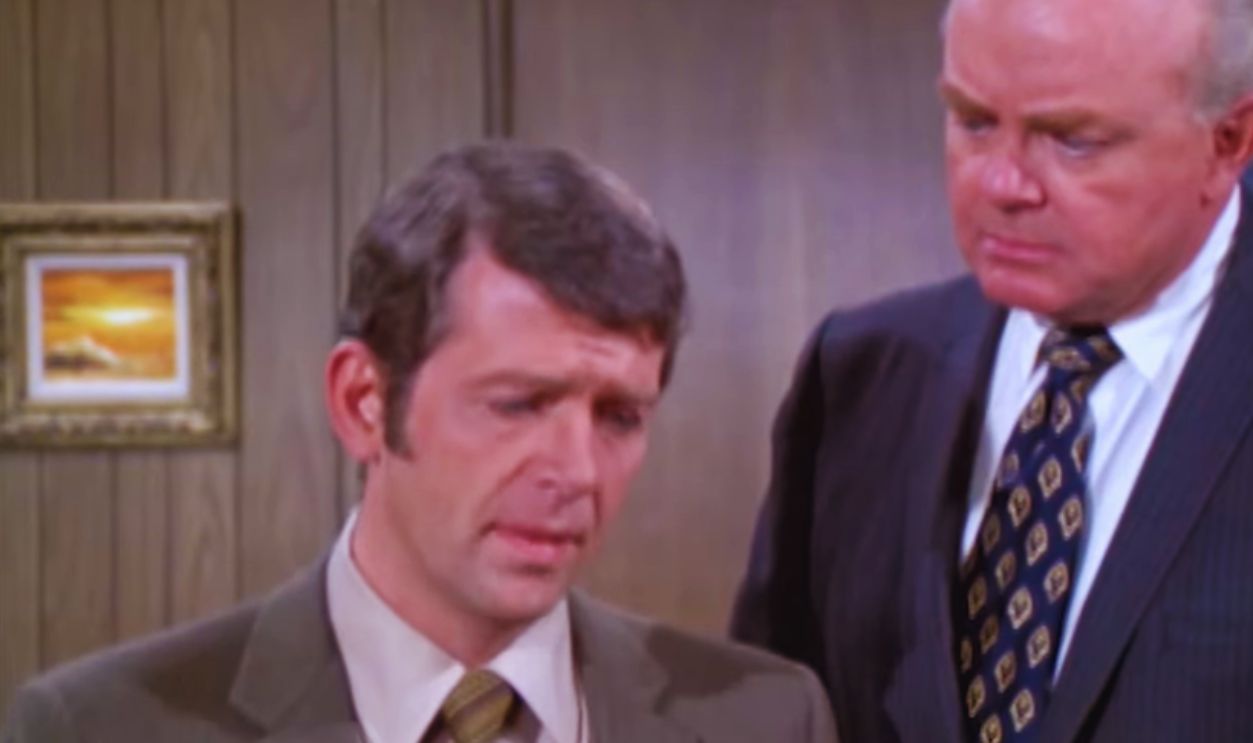
He Was Known For Writing Detailed Notes
Reed often submitted lengthy critiques of scripts, pointing out what he considered factual inaccuracies, weak storytelling, and unrealistic dialogue. Some notes stretched for pages and reflected how deeply invested he remained in improving the material.
 Screenshot from The Brady Bunch, Paramount Television (1969–1974)
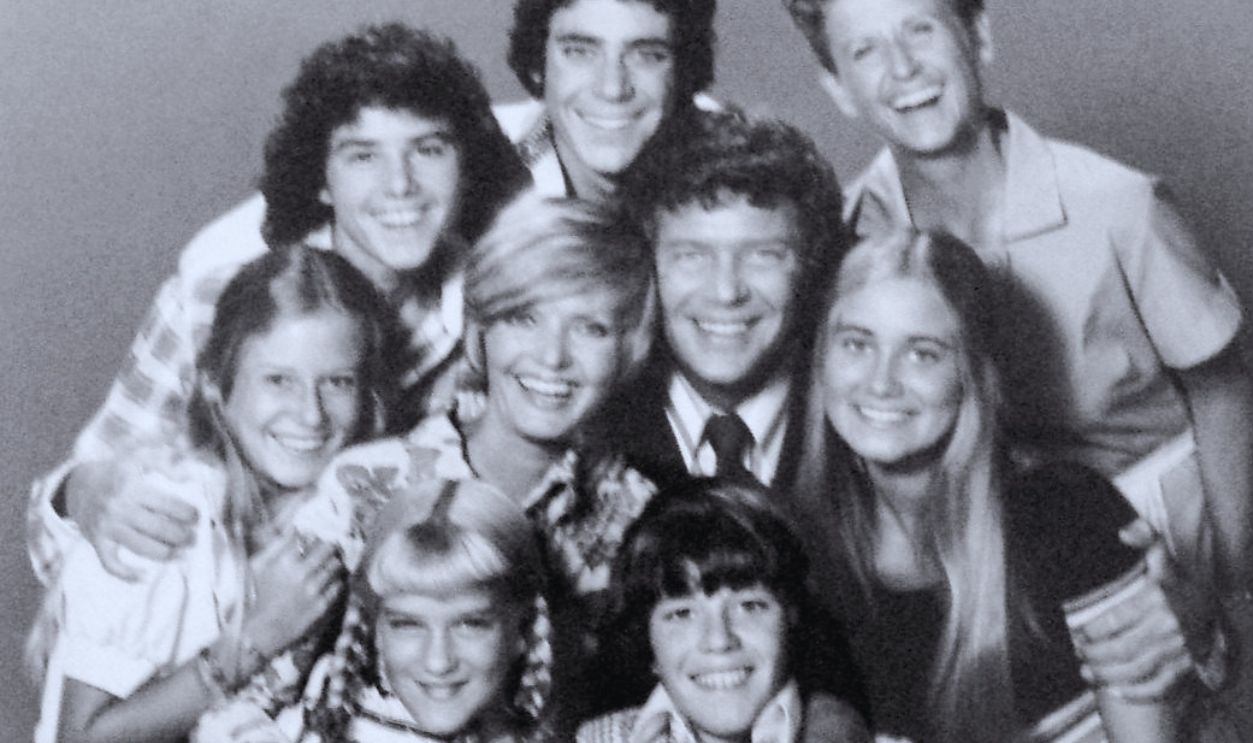
The Cast Sometimes Felt Caught In The Middle
The younger actors generally adored Reed and respected his professionalism. Yet they also witnessed the tension between him and the producers. While the atmosphere remained friendly most of the time, everyone understood there was an ongoing conflict behind the scenes.
 ABC Television, Wikimedia Commons
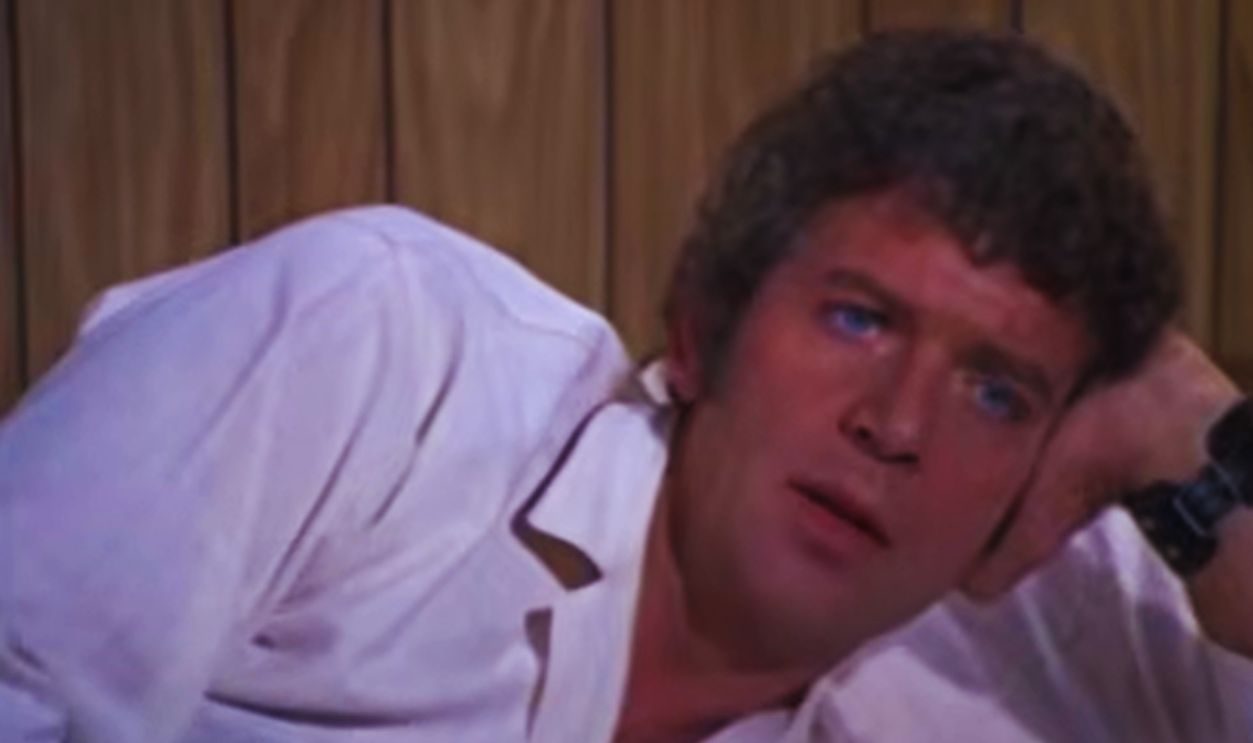
Reed Wanted Mike Brady To Feel More Human
One of his biggest complaints involved the portrayal of Mike Brady. Reed believed the character was often too perfect and lacked realistic flaws. As an actor trained in drama, he preferred layered characters with emotional complexity.
He later shared, "I tried to react the way I would normally when situations arose in the storyline, but that wouldn't always work out. Naturalness doesn't pay in situation comedy."
 Screenshot from The Brady Bunch, Paramount Television (1969–1974)
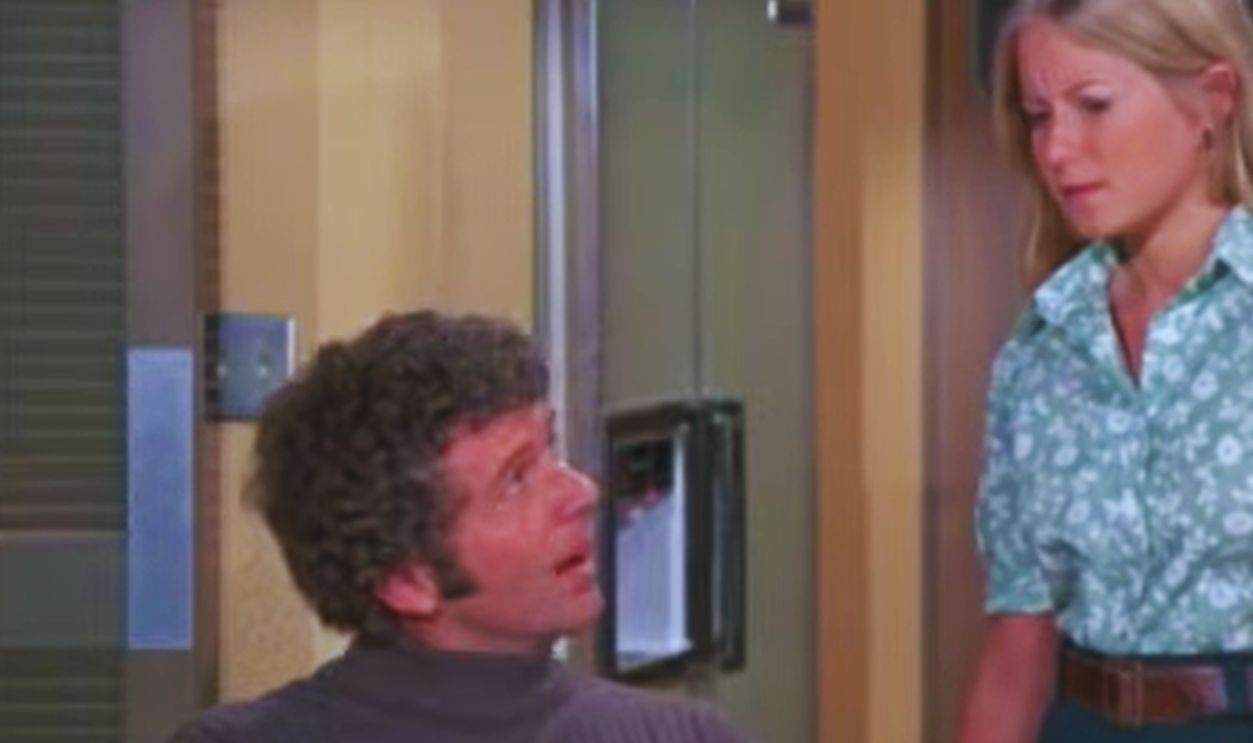
His Perfectionism Often Frustrated Producers
While some colleagues admired Reed’s commitment to quality, others felt he made production more difficult than necessary. Producers frequently viewed his objections as obstacles that slowed filming and complicated a show intended to be simple entertainment.
 Screenshot from The Brady Bunch, Paramount Television (1969–1974)
Despite Everything, He Rarely Missed Work
Although he argued with producers, Reed remained a consummate professional once cameras rolled. Fellow cast members consistently praised his preparation and work ethic. Even those who disagreed with him respected the seriousness he brought to the job.
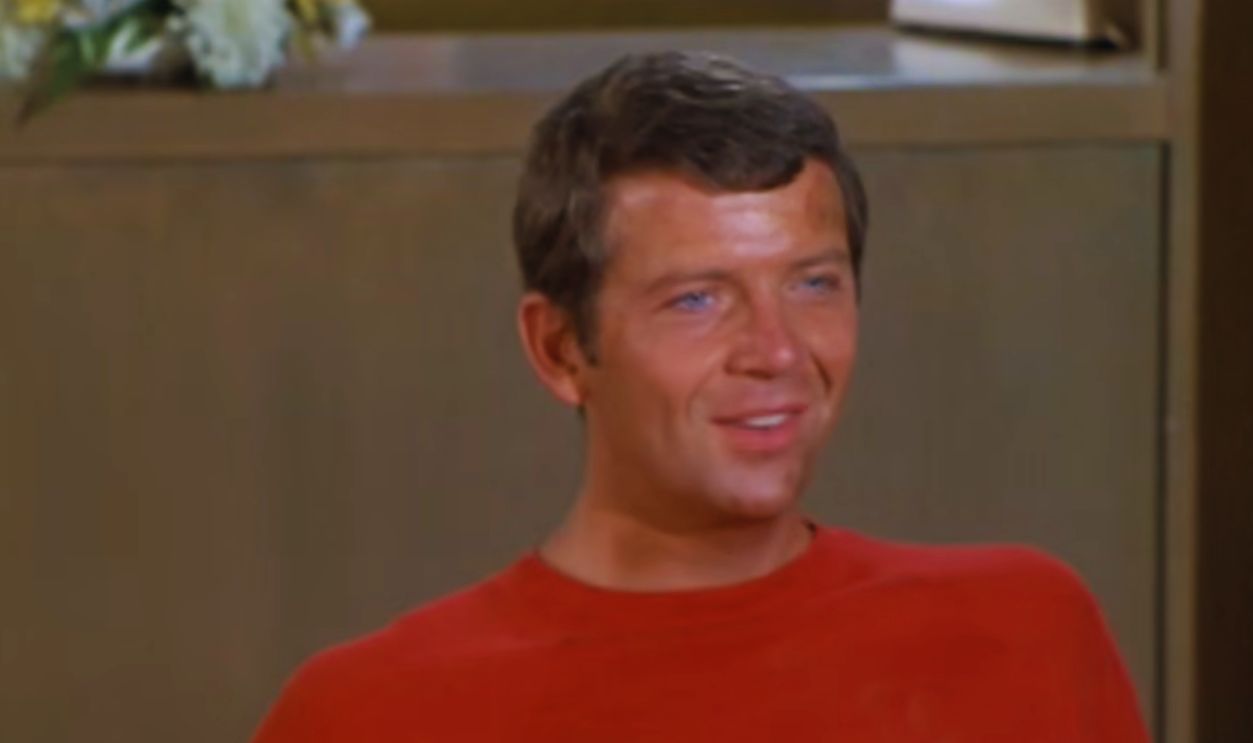 Screenshot from The Brady Bunch, Paramount Television (1969–1974)
One Script Finally Pushed Him Too Far
Near the end of the series, a storyline involving a lucky hair tonic became a breaking point. Reed considered the script particularly absurd and objected strongly to filming it. The dispute became one of the biggest confrontations of the show’s run.
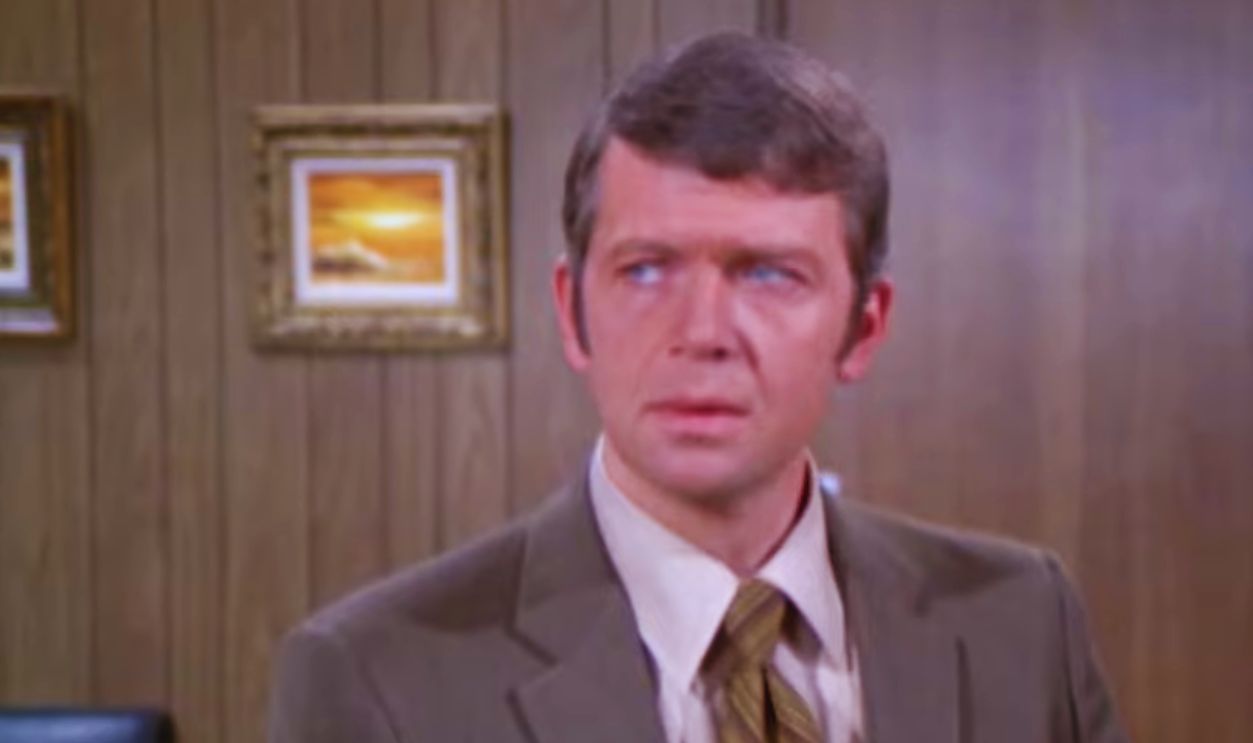 Screenshot from The Brady Bunch, Paramount Television (1969–1974)
He Was Absent From The Series Finale
The disagreement became so severe that Reed did not appear in the show’s final episode. It was a remarkable outcome considering he had been one of the program’s central stars from the very beginning.
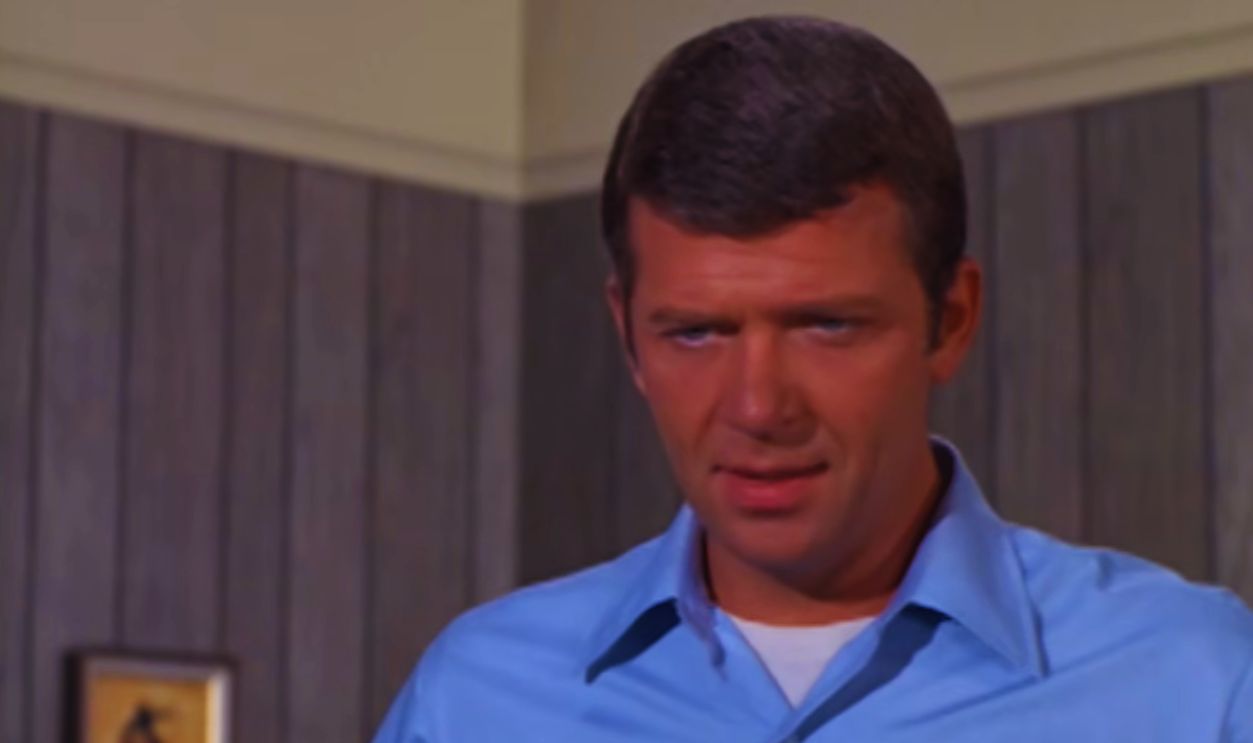 Screenshot from The Brady Bunch, Paramount Television (1969–1974)
The Children Of The Cast Still Loved Him
Despite his conflicts with producers, the younger cast members often remembered Reed fondly. Many described him as intelligent, supportive, and deeply caring. He frequently helped mentor the child actors and took a genuine interest in their lives.
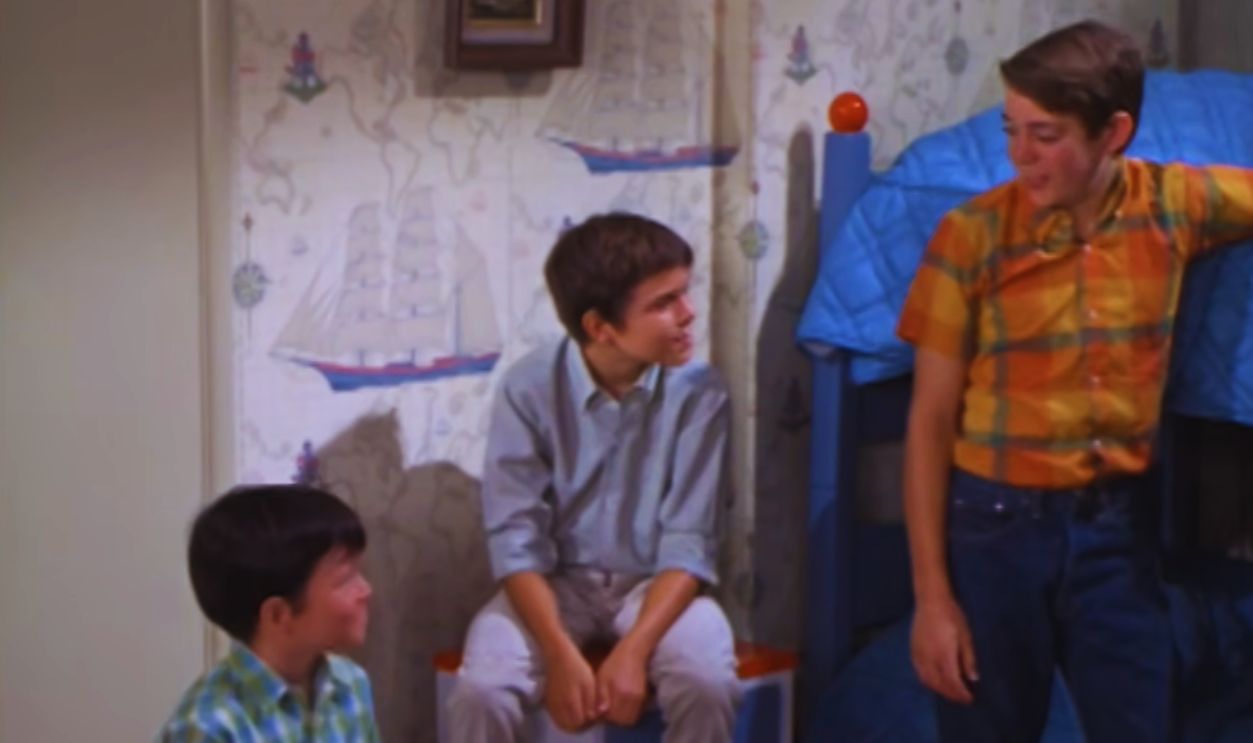 Screenshot from The Brady Bunch, Paramount Television (1969–1974)
He Was Living With A Difficult Secret
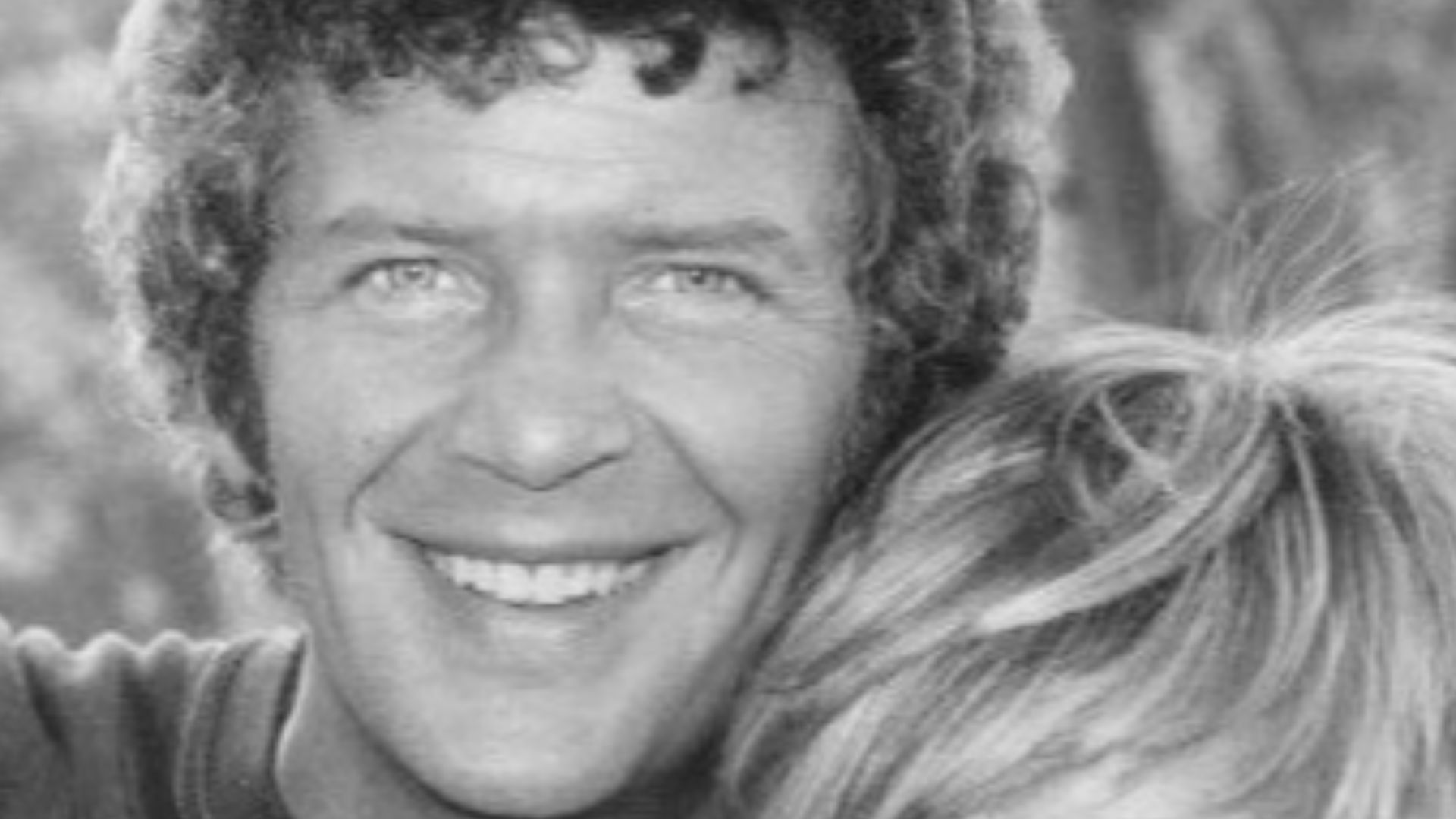
Throughout the show’s run, Reed also faced personal challenges. At a time when Hollywood was far less accepting, he kept his gay identity private. The pressure of maintaining that secret added another layer of stress to his life. Reportedly, though, the cast and crew knew his secret.
 ABC Television., Wikimedia Commons
He Lived A Secret Double Life
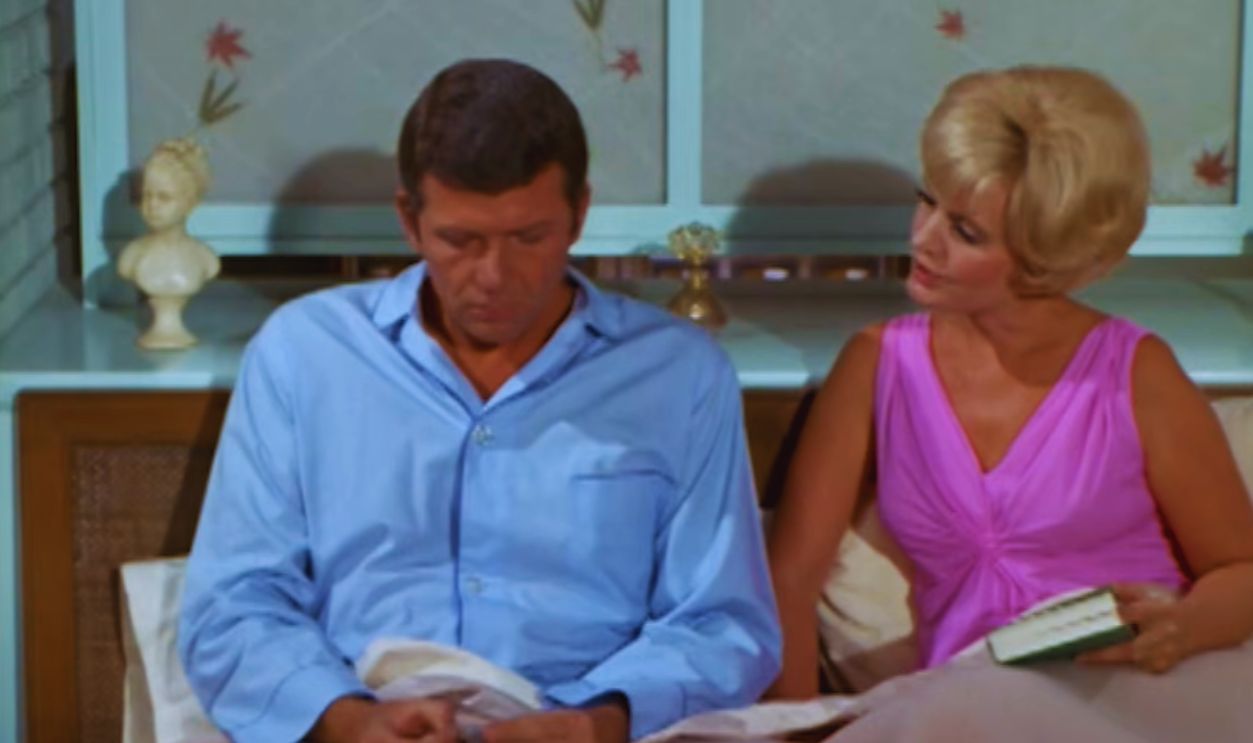
At the time, if it came out that Robert Reed was gay, the truth could potentially ruin his career. Years after Reed passed, The Brady Bunch stars Barry William and Florence Henderson shared that everyone on set knew that Reed was keeping his homosexuality under wraps.
 Screenshot from The Brady Bunch, Paramount Television (1969–1974)
His Unhappiness Was Tragic
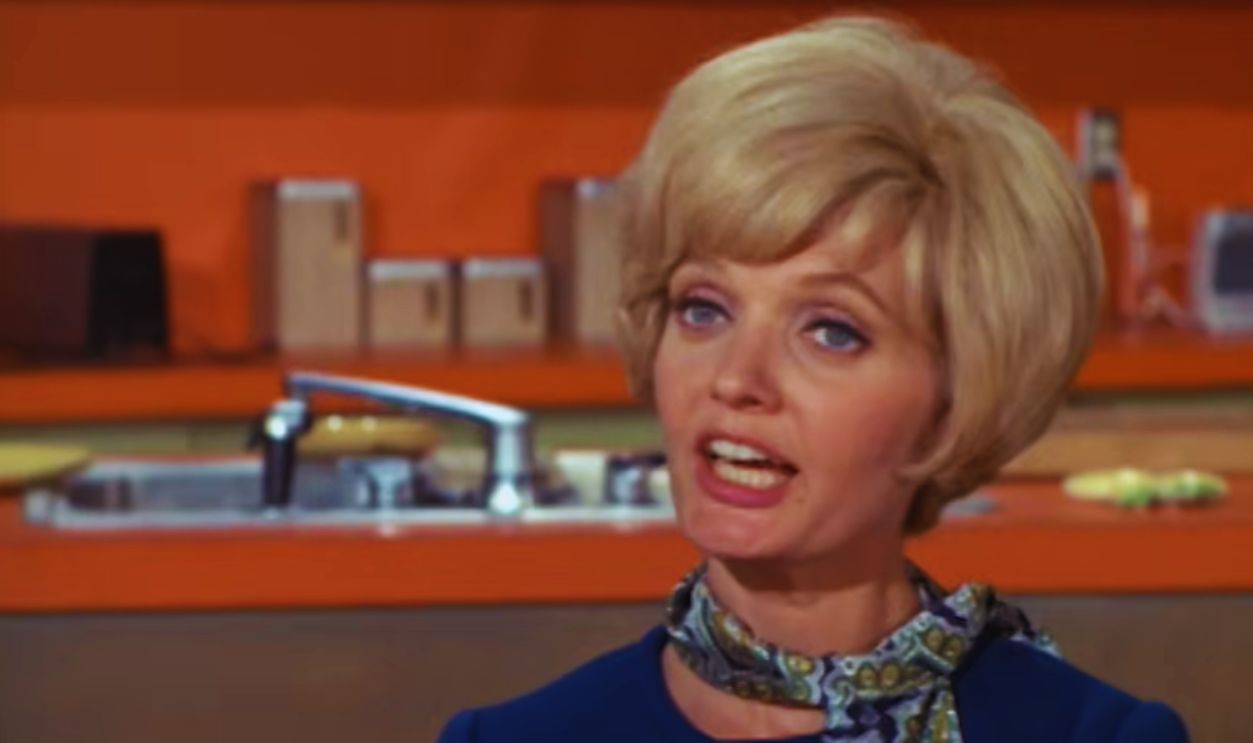
In 2000, Henderson shared a devastating observation of her closeted co-star: "Here he was, the perfect father of this wonderful little family, a perfect husband. Off camera, he was an unhappy person—I think had Bob not been forced to live this double life, I think it would have dissipated a lot of that anger and frustration."
 Screenshot from The Brady Bunch, Paramount Television (1969–1974)
The End Of The Brady Bunch Brought Mixed Feelings
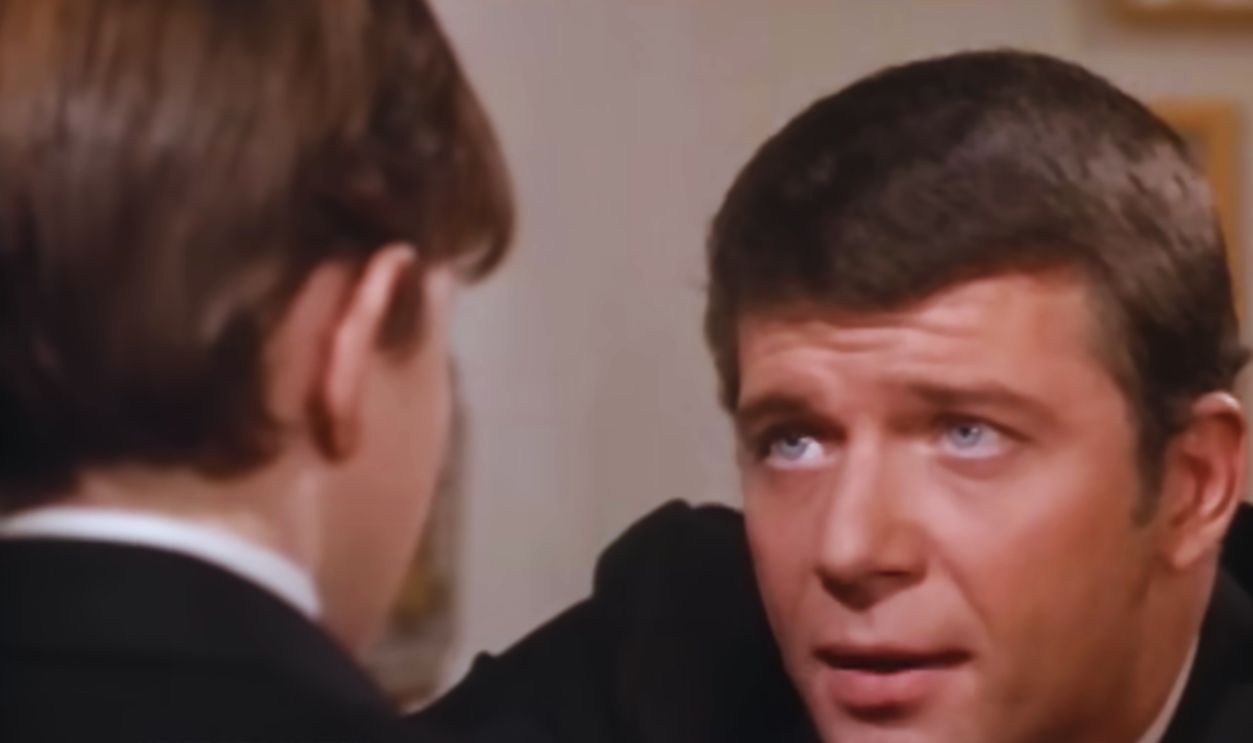
When the original series ended, Robert Reed felt relieved about leaving behind the creative frustrations that had plagued him. Yet he also remained grateful for the relationships he had formed with the cast, particularly the younger actors.
 Screenshot from The Brady Bunch, Paramount Television (1969–1974)
Ironically, The Show Became His Legacy
Although Reed pursued other projects throughout his career, The Brady Bunch ultimately became the role for which he was best remembered. The sitcom he often criticized became one of television’s most enduring cultural touchstones.
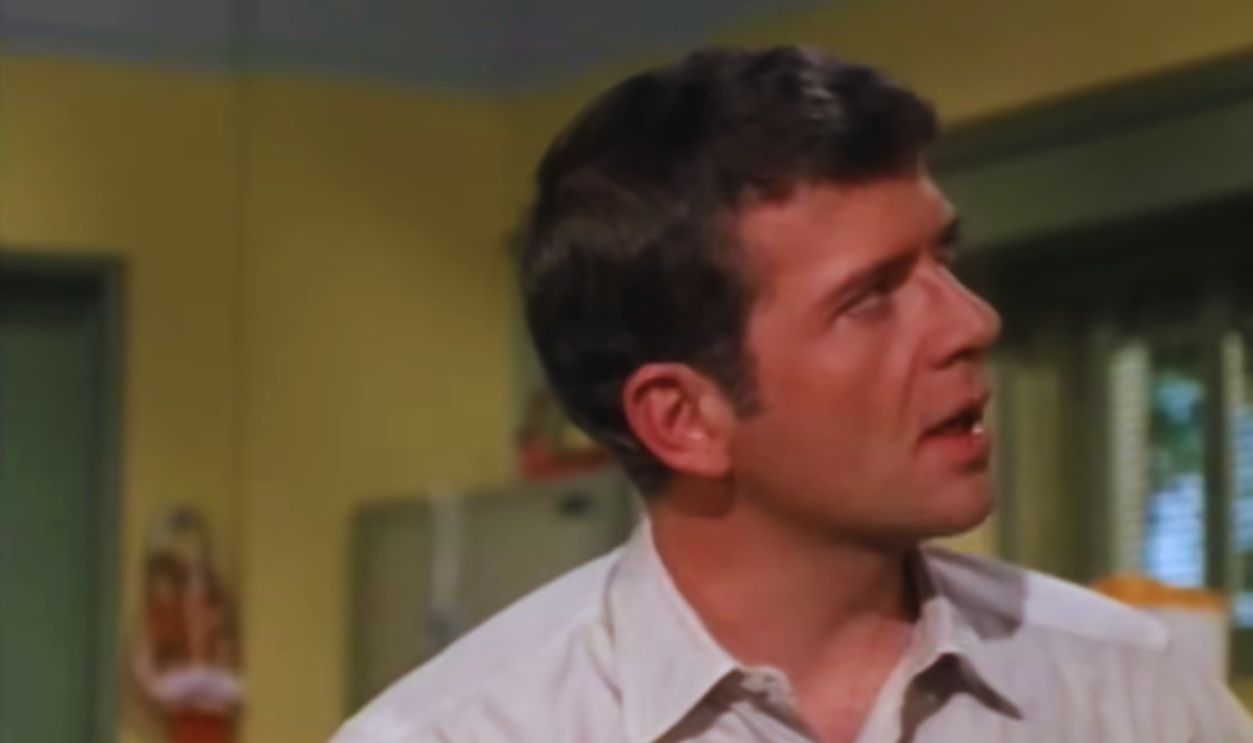 Screenshot from The Brady Bunch, Paramount Television (1969–1974)
He Continued Working In Television And Theater
Following The Brady Bunch, Reed appeared in numerous television programs and stage productions. He finally had opportunities to tackle some of the dramatic material he had long preferred over sitcom storytelling.
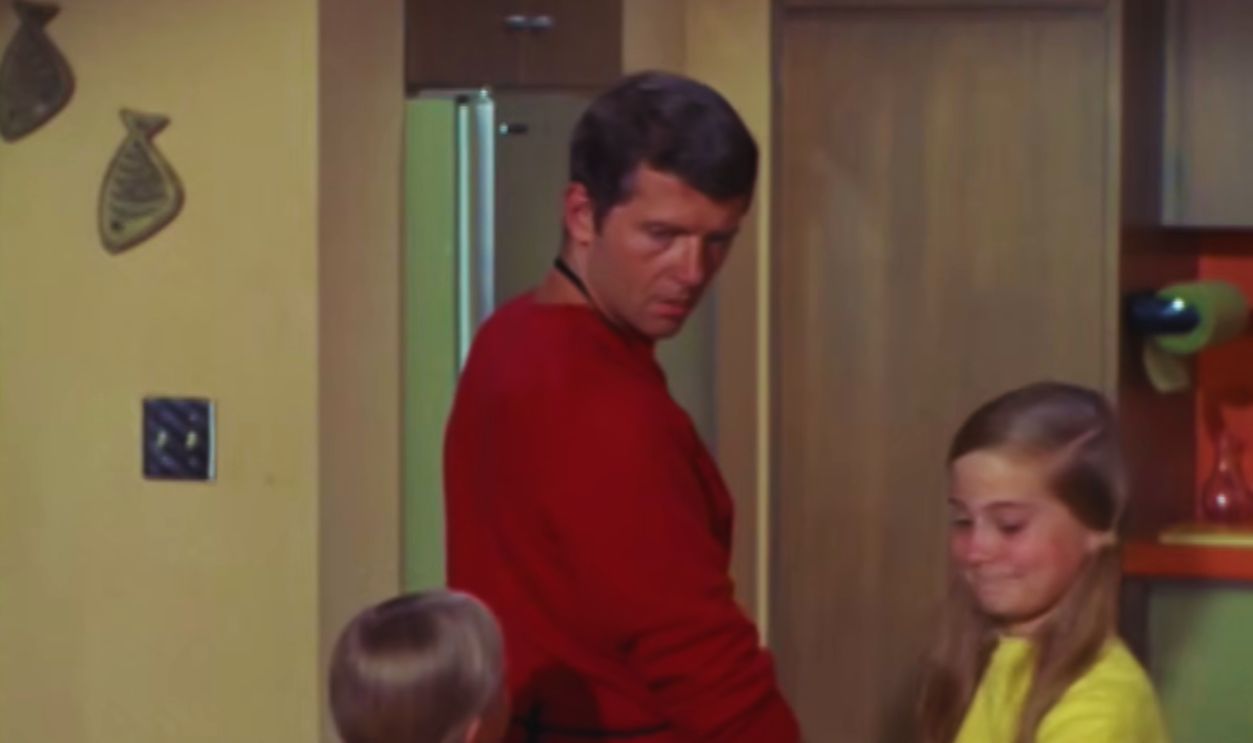 Screenshot from The Brady Bunch, Paramount Television (1969–1974)
His Death Shocked Many Fans
In 1992, Reed died at age 59 from colon cancer. Only after his death did many members of the public learn more about the private struggles he had faced throughout his life and career. As it turned out, cancer wasn't his only tragic diagnosis.
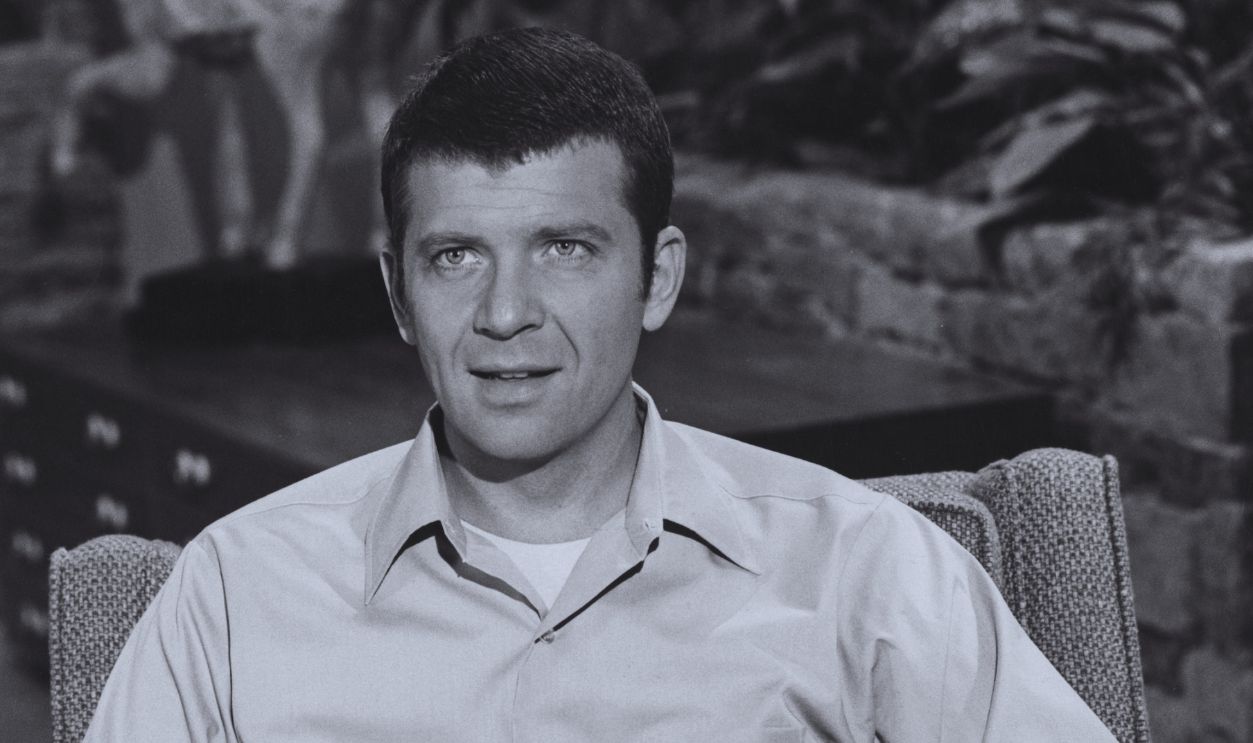
He Had Another Secret
Robert Reed kept another sad secret from the public—one that only a handful of close confidantes knew. When he passed, he was HIV-positive. According to his physician, this was one of the "significant conditions that contributed to death".
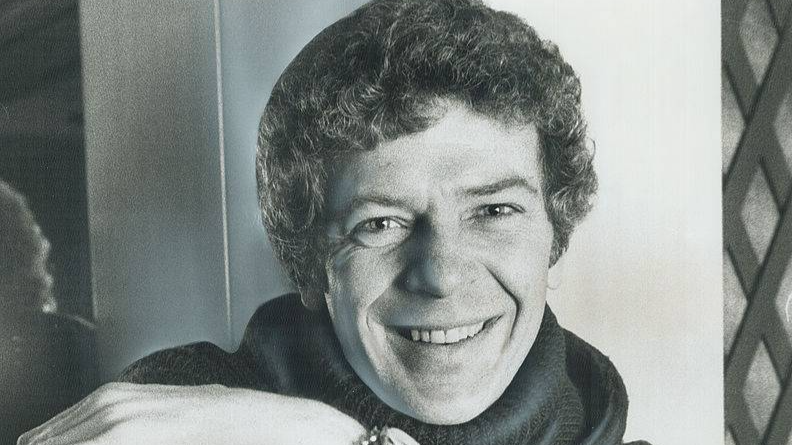
Why Robert Reed Could Never Stop Fighting
Robert Reed clashed constantly with The Brady Bunch creators because he cared deeply about acting and storytelling. Unfortunately, he wanted a very different show than the one America fell in love with. The conflict frustrated everyone involved, but it also revealed just how passionate Reed was about his craft.
You May Also Like:
The Comedy Legacy Of Penny Marshall
How Bonanza star Michael Landon became one of television’s most influential producers.