What Is Method Acting?

What Is Method Acting?


March 4, 2024 | Marlon Wright

What Is Method Acting?


You may have heard your favorite actors mention the process of "method acting" in their interview appearances. Many actors, both established and up-and-coming, swear by this technique, claiming that it is the most effective way to get into character. But what exactly is method acting?
1709608889723Shutterstock

What is method acting?

Method acting is a technique whereby actors fully embrace and experience the emotions of their characters, rather than simply pretending. This allows them to dive deep into their own emotions for a more genuine performance. Actors who practice method acting fully involve themselves in the character's environment by researching and understanding their background, personality, and experiences to establish a stronger connection with them.

Russian actor and director Constantin Stanislavski created this acting method in the late 19th century. He emphasized the importance of authenticity in actors' performances, and the method was quickly adopted and popularized by Hollywood greats like Marlon Brando, James Dean, and Marilyn Monroe.
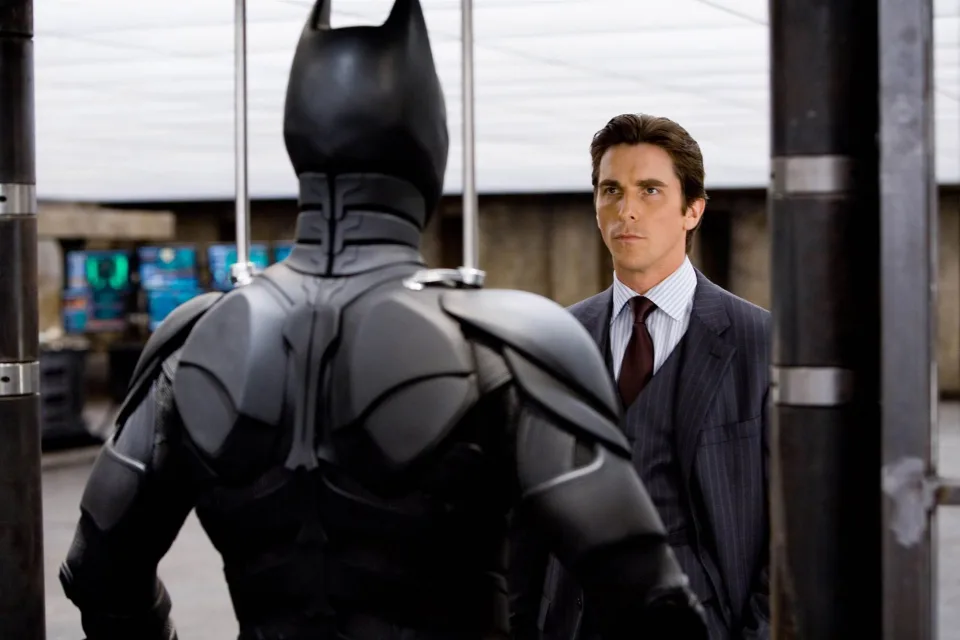
1709608971161Warner Bros

Advertisement

The components of method-acting

Emotional memory is a crucial element in method acting, involving recalling personal experiences that trigger similar emotions as the character. For instance, if a character needs to portray sadness, the actor can draw from a memory of experiencing deep sorrow to authentically convey the emotion.

This ties into a technique called "sense memory," which taps into the five senses to remember particular details from previous experiences. For example, when portraying a character tasting something sweet, an actor may recall the flavor of their preferred dessert.

An alternative approach is called "substitution," wherein the actor's real-life experiences are substituted for the character's circumstances. For instance, an actor could think back to a period when they experienced a loss similar to the one being mourned by a character who has lost a loved one.

Aside from emotional memory, actors also focus on physical elements. They watch how their character walks, talks, and acts to better represent the role. As such, they might alter their physical attributes to feel more like the character they are portraying.
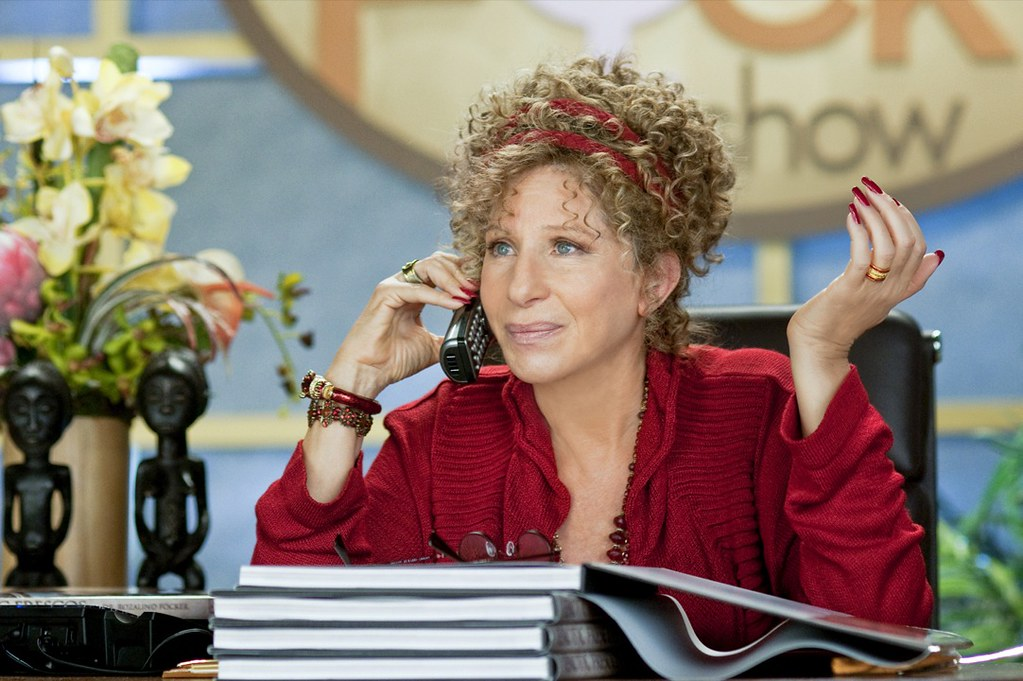
1709609388190Jonathan Tommy | Flickr

Advertisement

Practice makes perfect

Method acting isn't easy—it requires a lot of emotional and mental energy. Actors have to be willing to explore their own vulnerabilities and open themselves up to uncomfortable emotions. But when done well, method acting can result in compelling performances that resonate with audiences.


READ MORE

A Bronx Tale scene, De Niro, Brancato
January 29, 2026 Jesse Singer

Lillo Brancato Jr. starred opposite Robert De Niro in A Bronx Tale. A decade later, he was involved in a police officer’s death and facing prison.

When A Bronx Tale was released in 1993, Lillo Brancato Jr. looked like a sure thing. He was young, charismatic, and held his own opposite Robert De Niro—something many actors far more experienced have struggled to do. Hollywood took notice, and the industry seemed ready to slot him into the next wave of serious leading men.
January 29, 2026 J. Clarke

Let’s Be Honest: The 2000s Was The Best Era For Animated TV

There’s a reason so many adults can still quote cartoon dialogue from memory. The 2000s weren’t just a strong decade for animated TV—they were a creative explosion where writers, artists, and networks stopped playing it safe and started trusting kids (and adults) to handle smarter jokes, bigger emotions, and stranger ideas. These shows didn’t talk down to their audiences. They grew with them, shaped their humor, and quietly became cultural cornerstones.
Ian Somerhalder
January 29, 2026 Miles Brucker

Famous Faces From the 2000s Who We Rarely See Now

Fame in the 2000s moved fast, burned bright, and rarely asked for permission. One hit show, one chart-topping song, or one viral moment could turn someone into a household name overnight. Then the spotlight shifted. Some stepped back by choice. Others watched attention drift elsewhere. This list revisits familiar faces who once dominated screens, radios, and tabloids, then quietly slipped out of daily pop culture conversation. Scroll slowly, test your memory, and prepare to say, “Oh wow, I forgot about them,” more times than expected.
Chuck Berry in a trade ad for Billboard magazine in 1972
January 29, 2026 Marlon Wright

When it comes to Chuck Berry and his scandals, it really does get worse and worse.

An absolute titan of the music industry, Chuck Berry’s contribution to contemporary sound is indisputable. With a road to stardom equally decorated by success and controversy, the father of rock forces each of us to ask ourselves whether we can separate the art from the artist.
January 29, 2026 J. Clarke

When Elton John came out publicly, he risked everything—and ended up becoming one of the most beloved figures in music.

For years, Elton John was already one of the biggest stars on the planet before the public had any real idea who he was offstage. He wore outrageous costumes, wrote intensely emotional songs, and built a persona that felt flamboyant but carefully controlled. In an era that wasn’t exactly welcoming to queer artists, that distance wasn’t accidental—it was survival.
Bette Davis
January 28, 2026 Miles Brucker

While the Great Depression raged, these Old Hollywood stars still lived the high life.

Talkies were new, the rules were loose, and movie stars had real mystery. The actors who ruled the 1930s turned risk into legend and performances into icons that still hold power.


THE SHOT

Enjoying what you're reading? Join our newsletter to keep up with the latest scoops in entertainment.

Breaking celebrity gossip & scandals

Must-see movies & binge-worthy shows

The stories everyone will be talking about

Thank you!

Error, please try again.