The Kid Who Wanted More
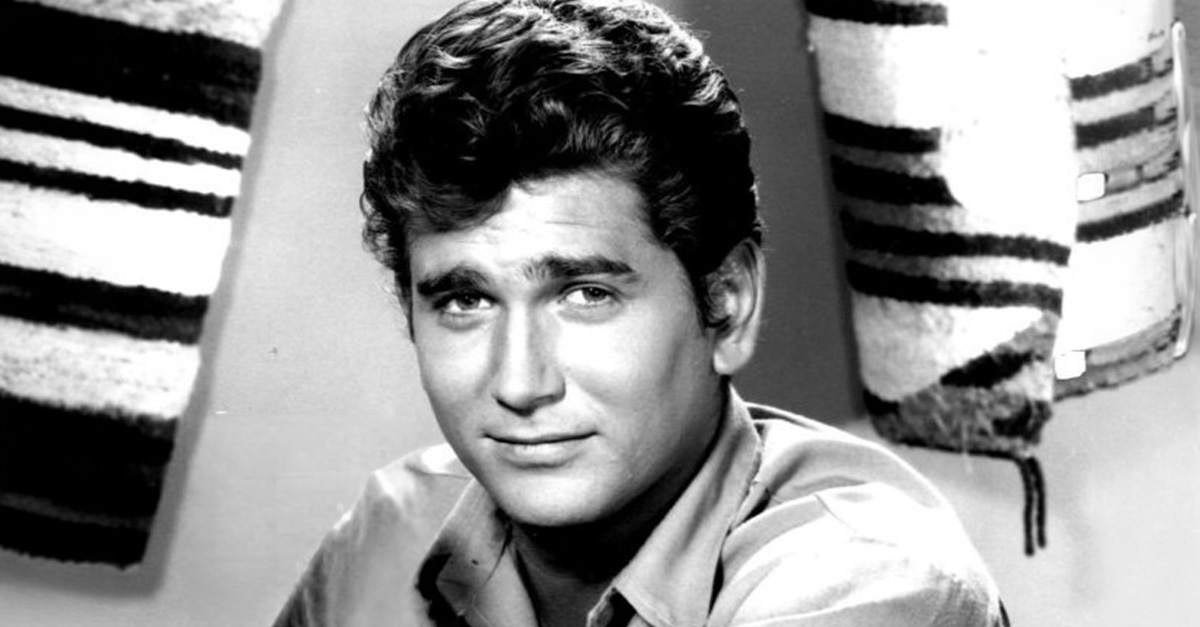
Michael Landon first rode into America’s living rooms as Little Joe Cartwright on Bonanza, all curls, charm, and quick temper. But behind that boyish grin was someone watching, learning, and quietly planning. Landon did not just want to be in television. He wanted to help shape it.
 NBC Television, Public domain, via Wikimedia Commons
Little Joe Became A Big Deal
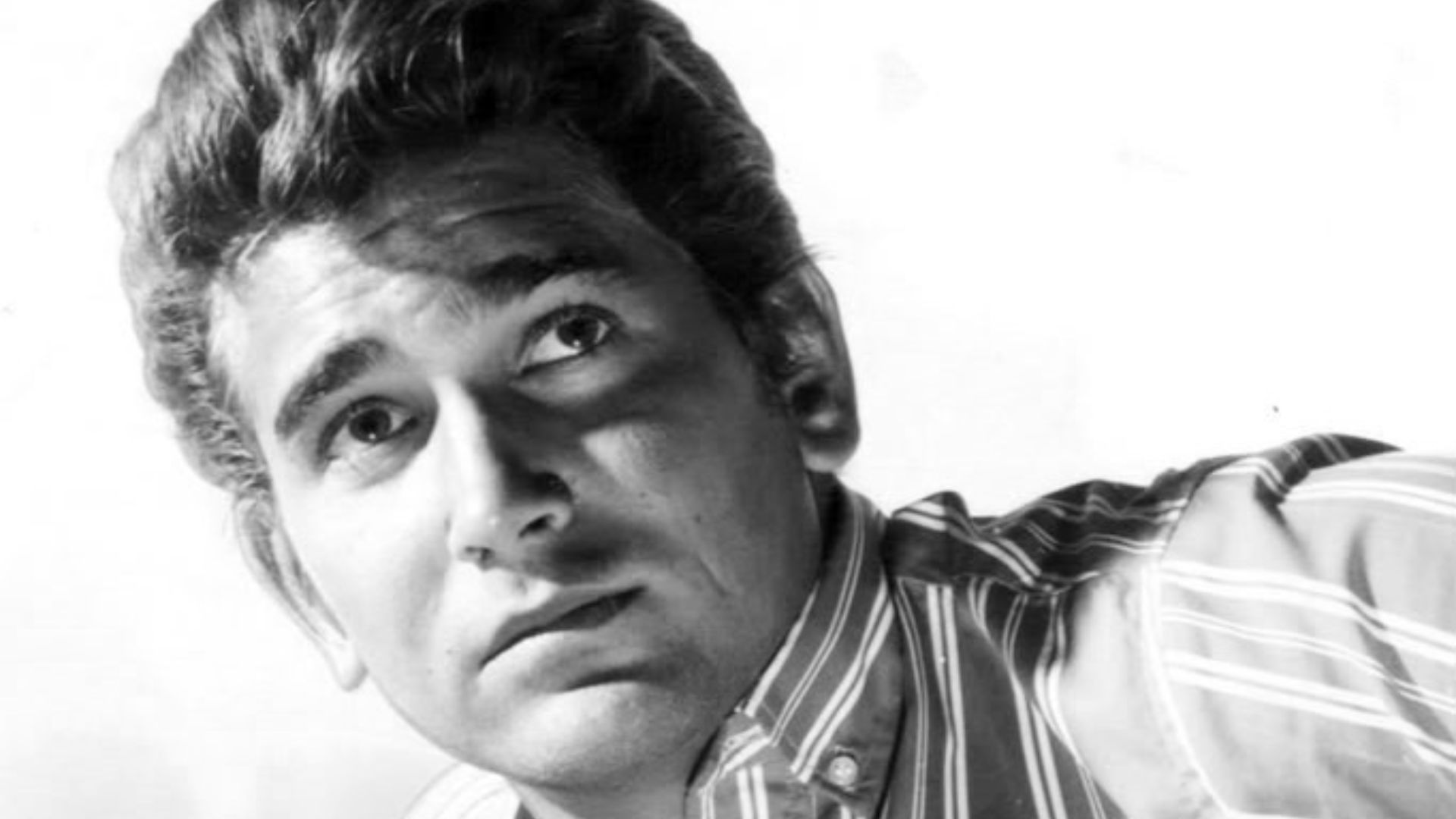
Bonanza premiered in 1959 and became one of the biggest Westerns on television. As Little Joe, Landon quickly stood out from the saddle-packed crowd. He was emotional, funny, reckless, and sincere, which made viewers feel like they knew him personally.
 NBC Television, Wikimedia Commons
He Had More Than Star Power
Some actors are happy to hit their marks, say their lines, and head home. Landon was not that type. On the Bonanza set, he paid attention to scripts, camera choices, pacing, and what made a story land with viewers. He was studying television from the inside.
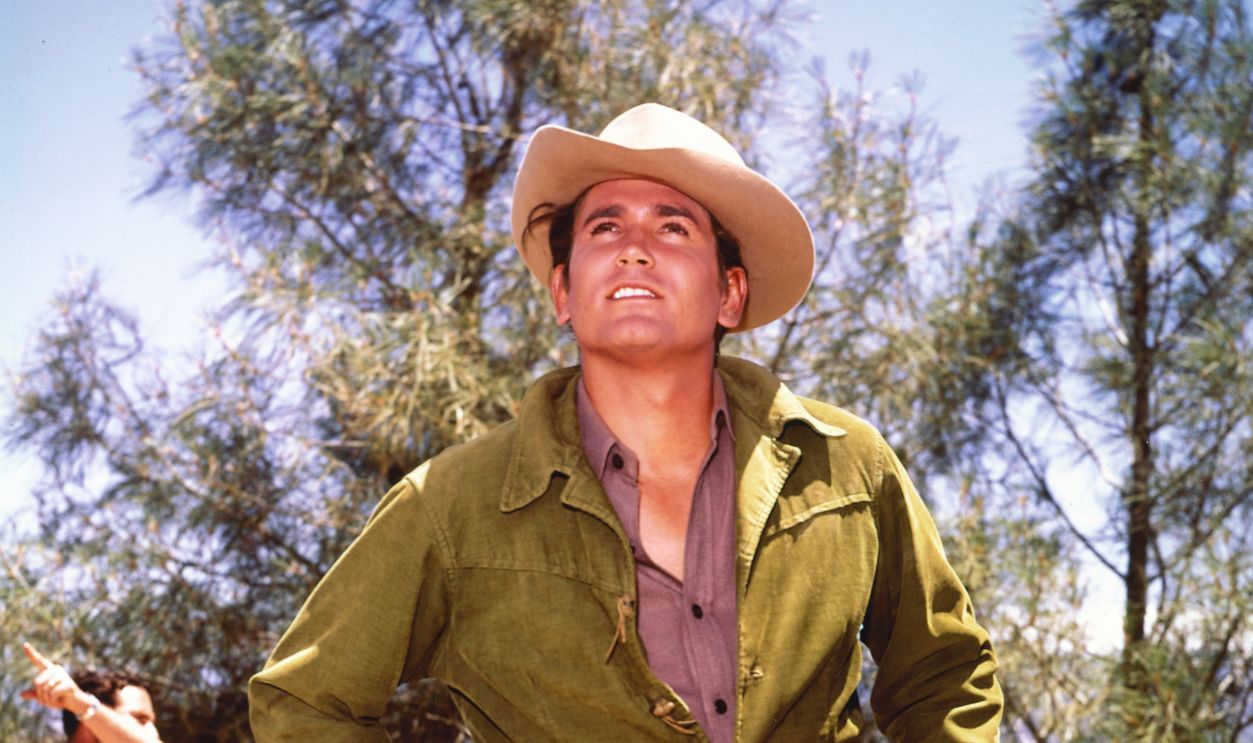 Silver Screen Collection, Getty Images
Fan Mail Gave Him Leverage
Landon became one of Bonanza’s most popular cast members, and that mattered. Fan mail was power in old Hollywood, and Landon had plenty of it. With audiences firmly in his corner, he earned more room to speak up creatively behind the scenes.
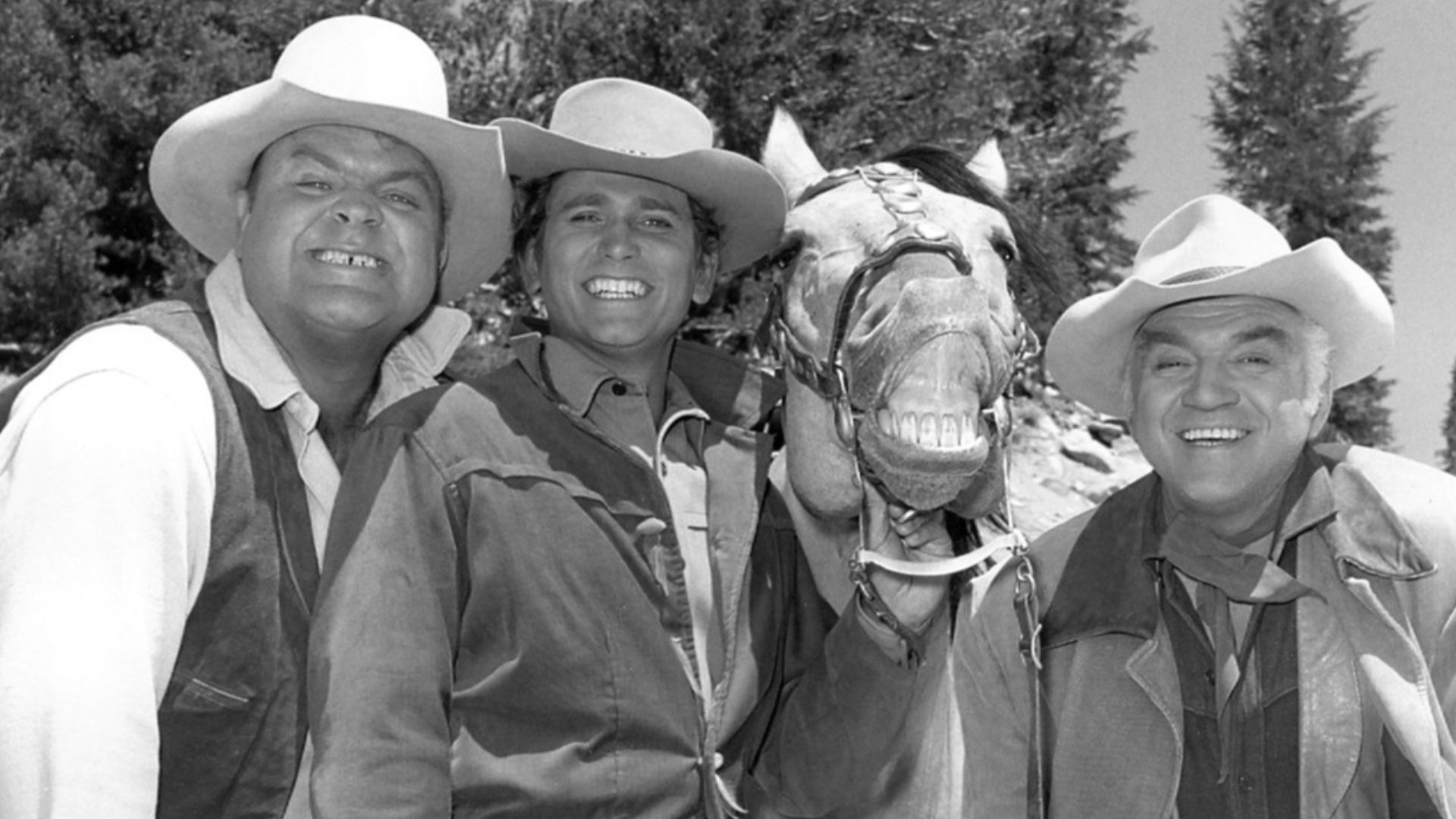 NBC Television, Wikimedia Commons
He Picked Up The Pen
In the early 1960s, Landon began writing for Bonanza. That was a major leap for a young actor on a hit show. His first scripts proved he understood more than Little Joe’s smile. He understood tension, family drama, danger, and the emotional payoff viewers loved.
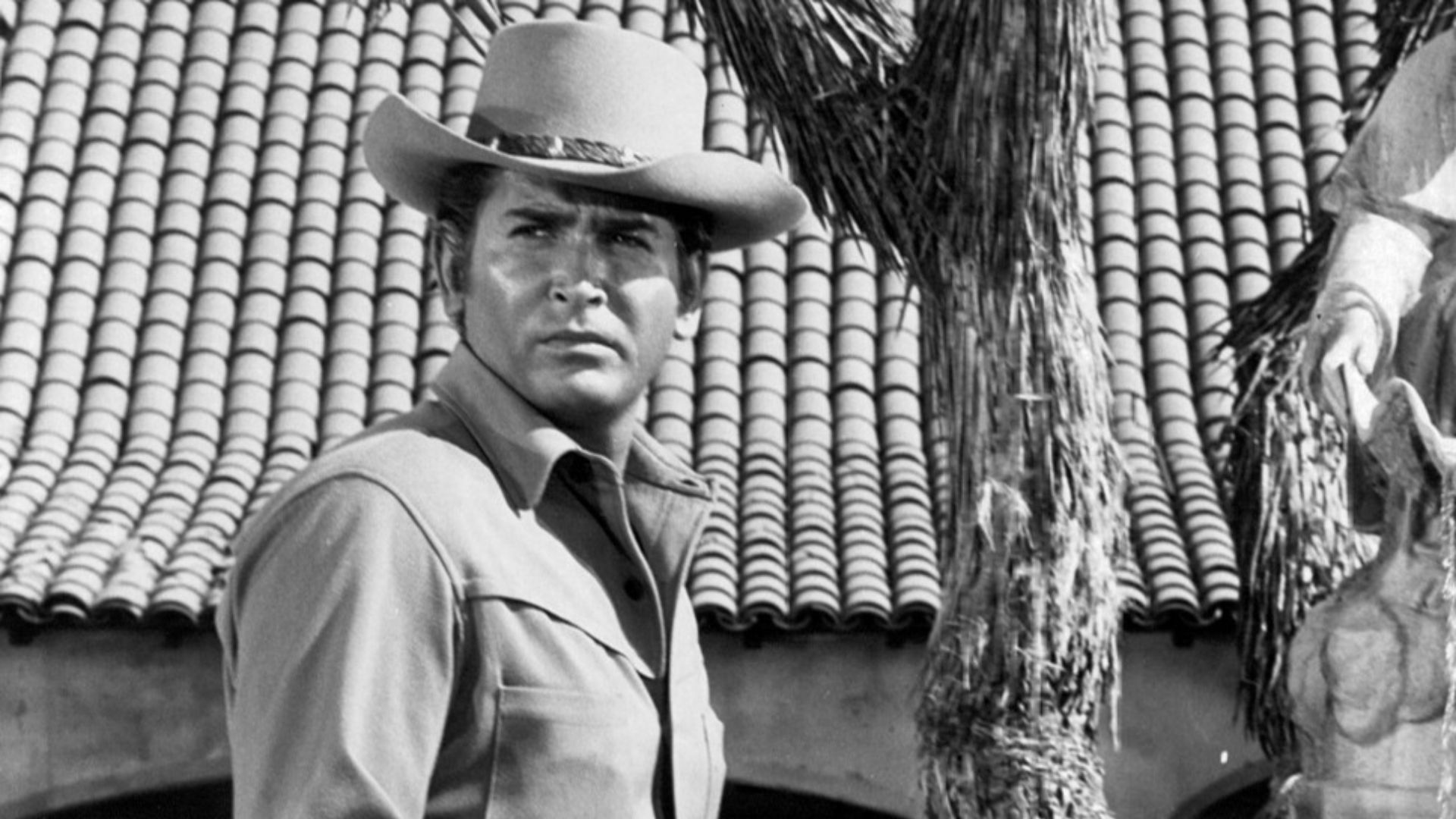 NBC Television, Wikimedia Commons
The Gamble Paid Off
Landon’s early writing showed he had a natural feel for television storytelling. He knew how to keep an episode moving without losing the heart of the characters. That balance became his secret weapon: action for excitement, emotion for staying power.
 NBC Television, Wikimedia Commons
He Learned From The Best
Bonanza gave Landon a front-row seat to a successful TV machine. He worked with producers, writers, directors, and crew members who knew how to make weekly entertainment on a tight schedule. Instead of simply enjoying the ride, Landon absorbed the whole operation.
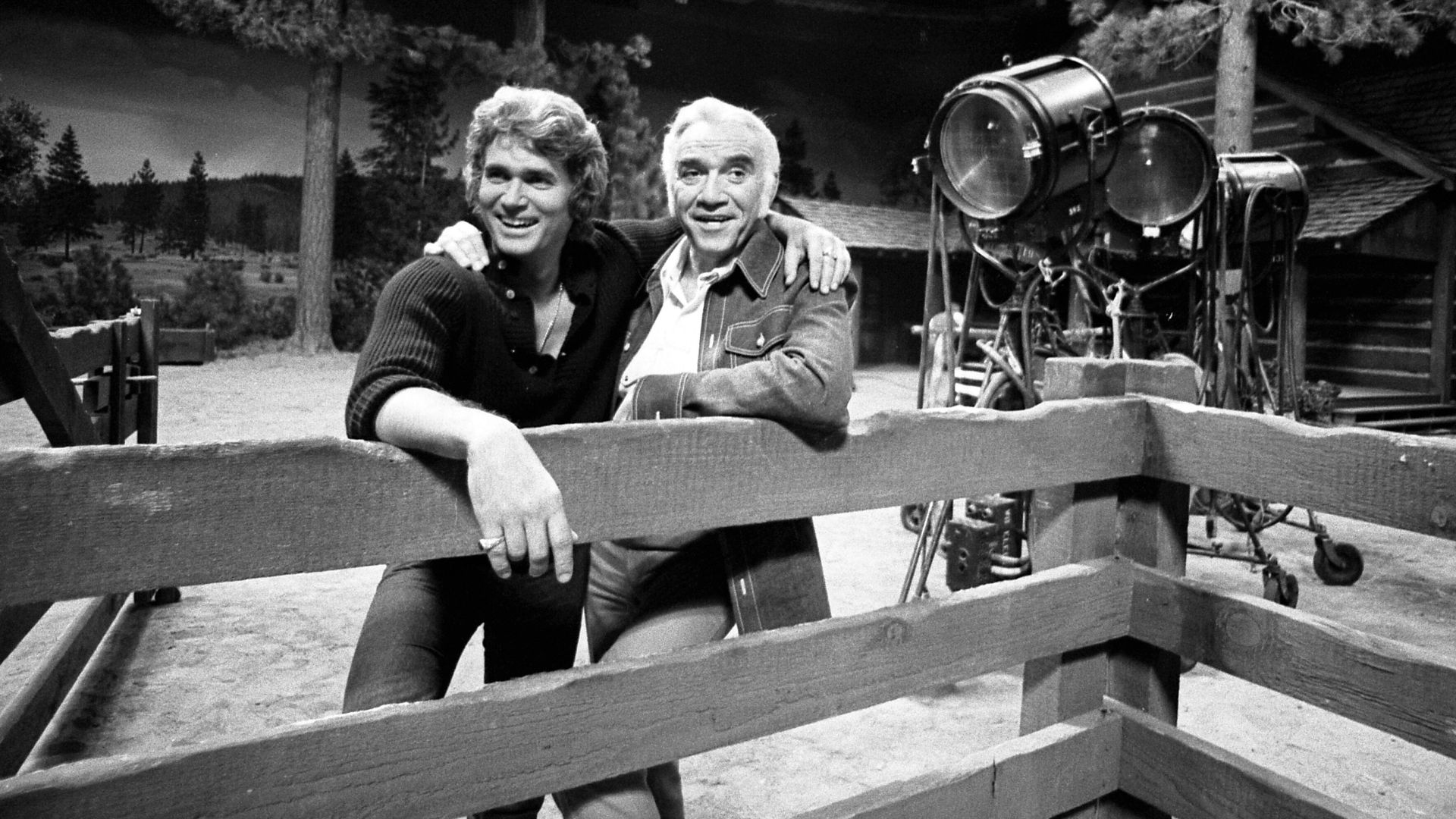 Larry Bessel, Los Angeles Times, Wikimedia Commons
Then Came The Director’s Chair
Writing was only the beginning. By the late 1960s, Landon was also directing episodes of Bonanza. That move changed everything. Directing let him control tone, performances, camera movement, and rhythm. Suddenly, he was not just helping tell the story. He was steering it.
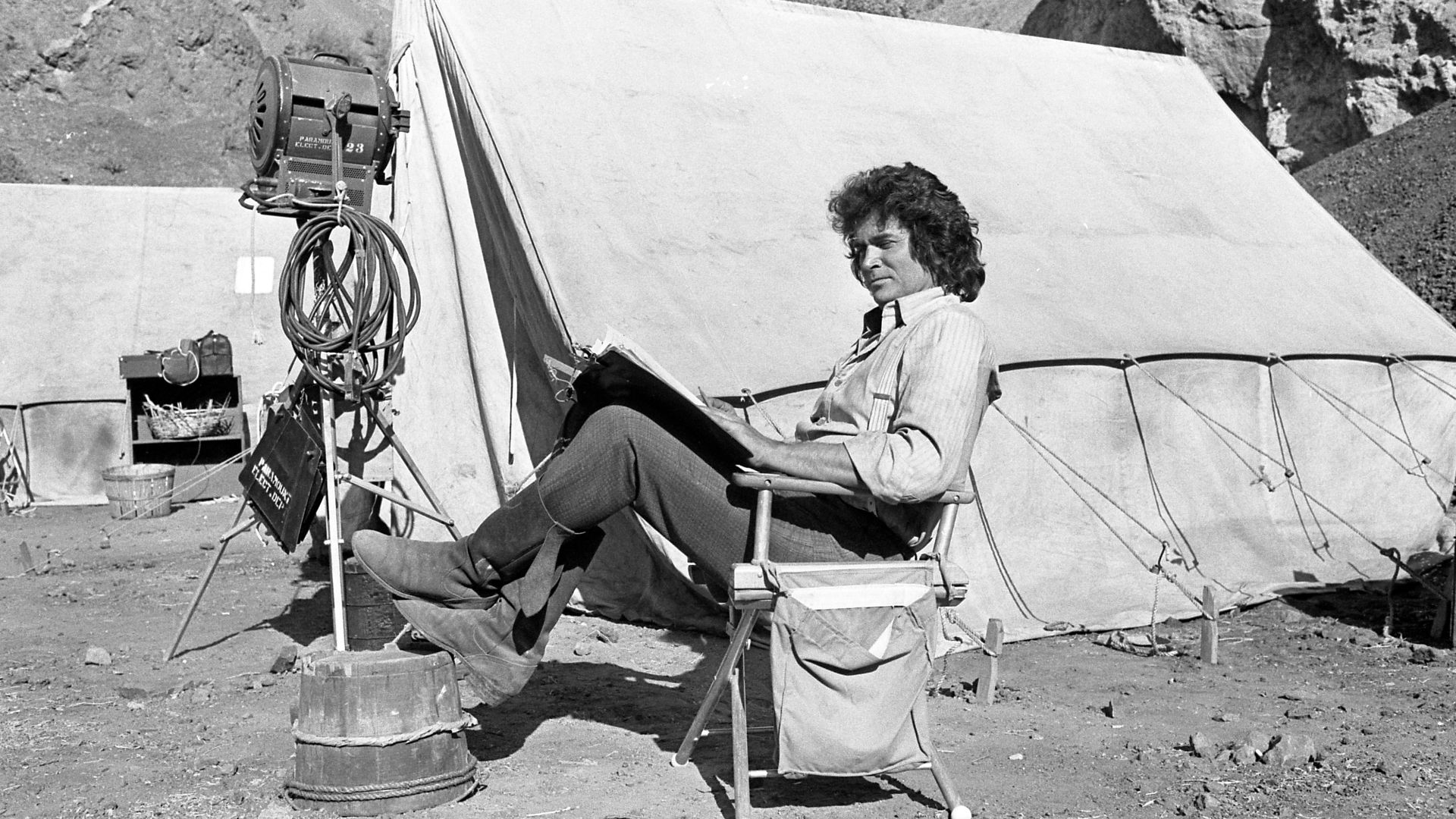 Robert Lachman, Los Angeles Times, Wikimedia Commons
He Built Trust On Set
Landon’s rise behind the camera did not happen by accident. Crews trusted him because he worked hard and understood the pace of production. Actors trusted him because he knew what it felt like to perform. That rare mix made him a natural leader.
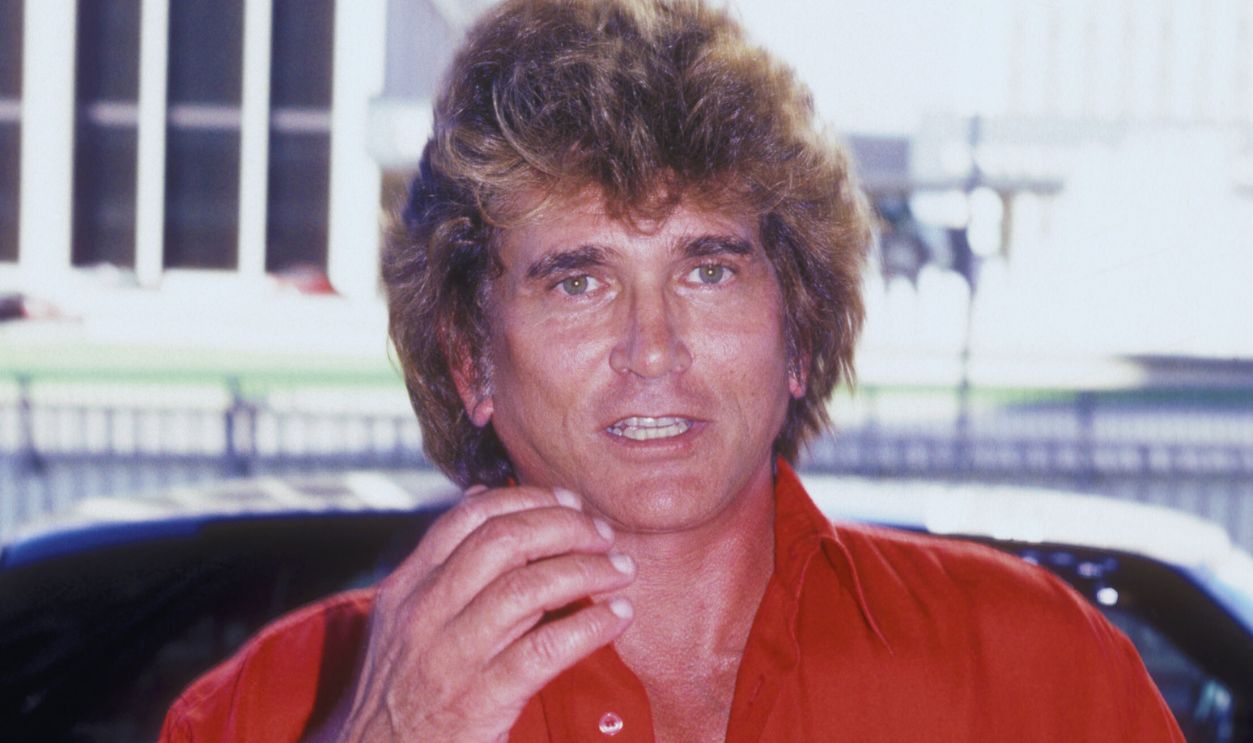
He Understood The Audience
Landon had a gift for knowing what viewers wanted before they said it out loud. He saw that audiences loved adventure, but they remembered feelings. A shootout could grab attention, but a father-son conversation could make people tune in again next week.
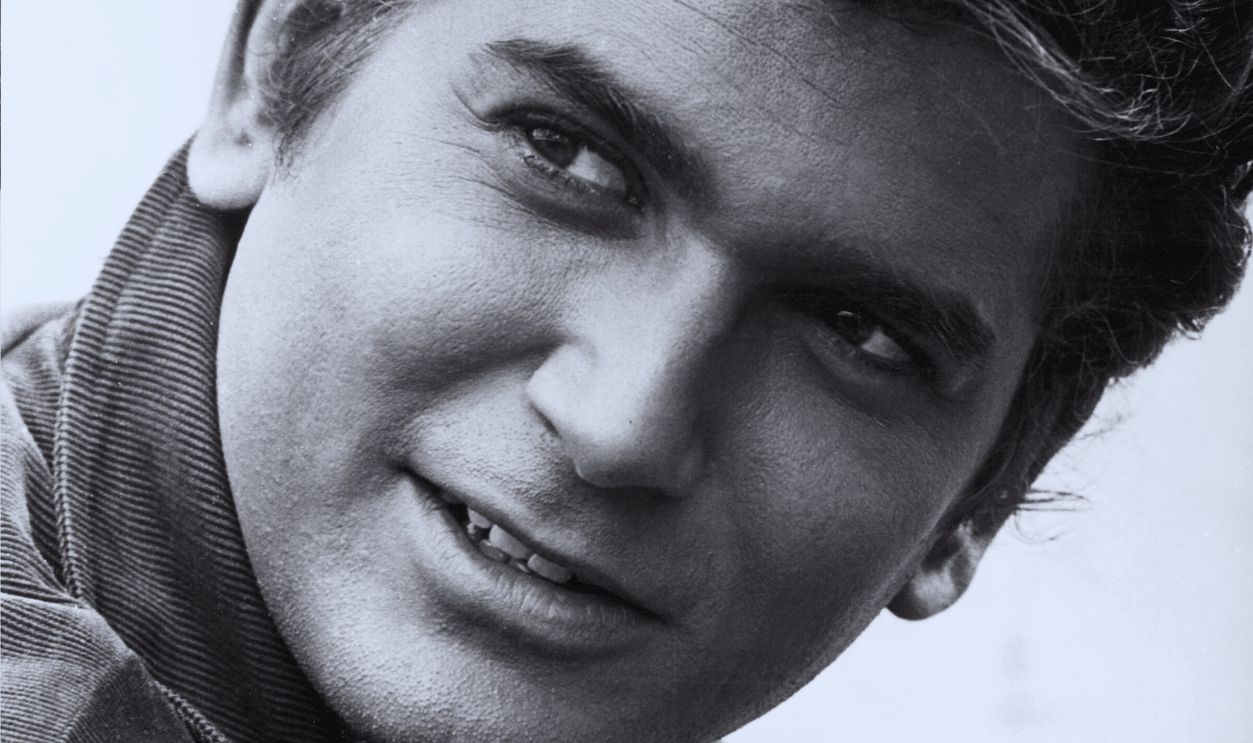 Silver Screen Collection, Getty Images
Bonanza Was His Training Ground
By the time Bonanza ended in the early 1970s, Landon had received a better education than any film school could offer. He had acted, written, directed, and watched a giant network hit from the inside. He was ready for his next move.
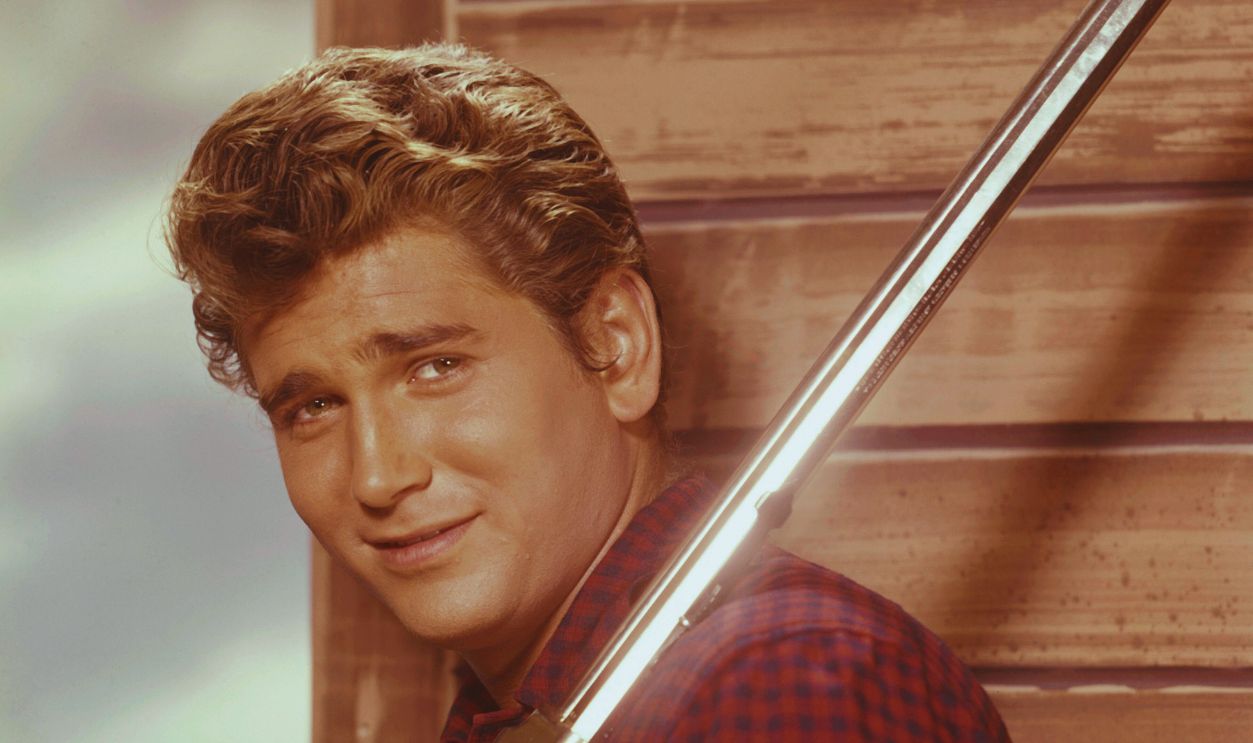
He Did Not Wait Long
After Bonanza, Landon moved into Little House on the Prairie, playing Charles Ingalls. But this time, he was not just the handsome leading man. He became one of the main creative forces behind the series, helping guide its voice, values, and emotional style.
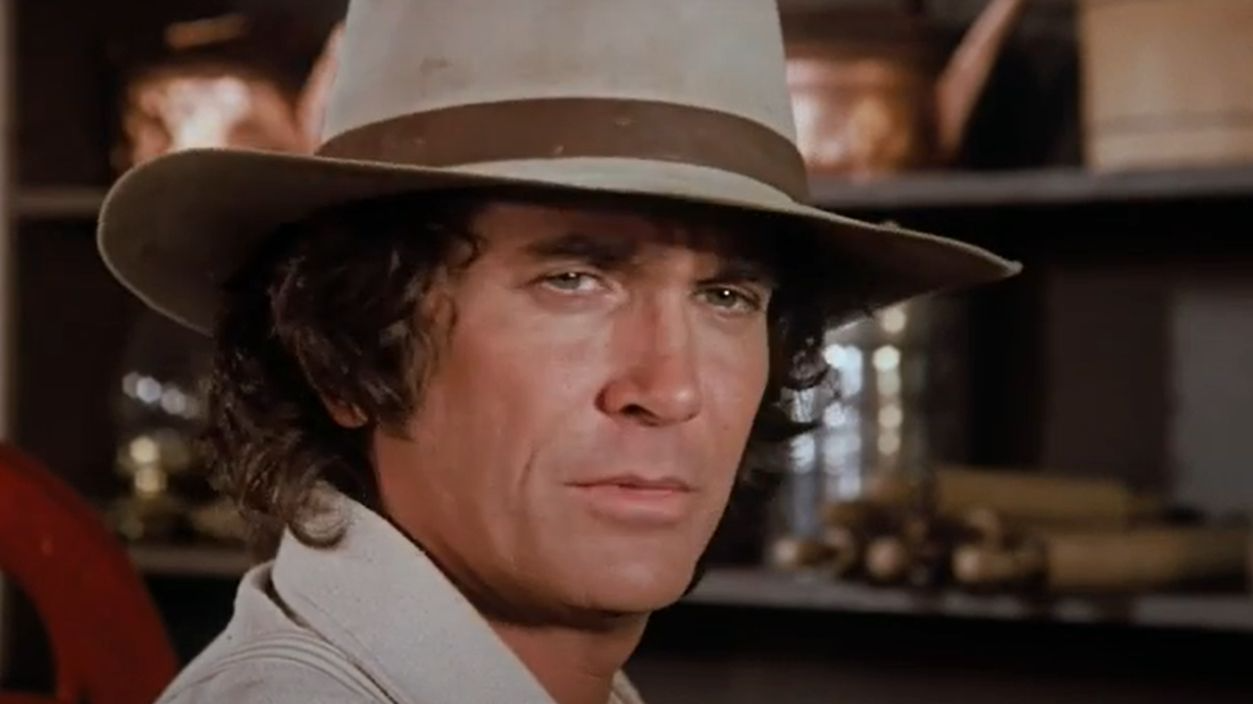 Screenshot from Little House on the Prairie, NBC (1974–1983)
Little House Changed Everything
Little House on the Prairie could have been a simple period drama. Under Landon’s influence, it became something warmer, bigger, and more personal. It mixed frontier hardship with family lessons, tears, jokes, and moral questions that felt surprisingly modern.
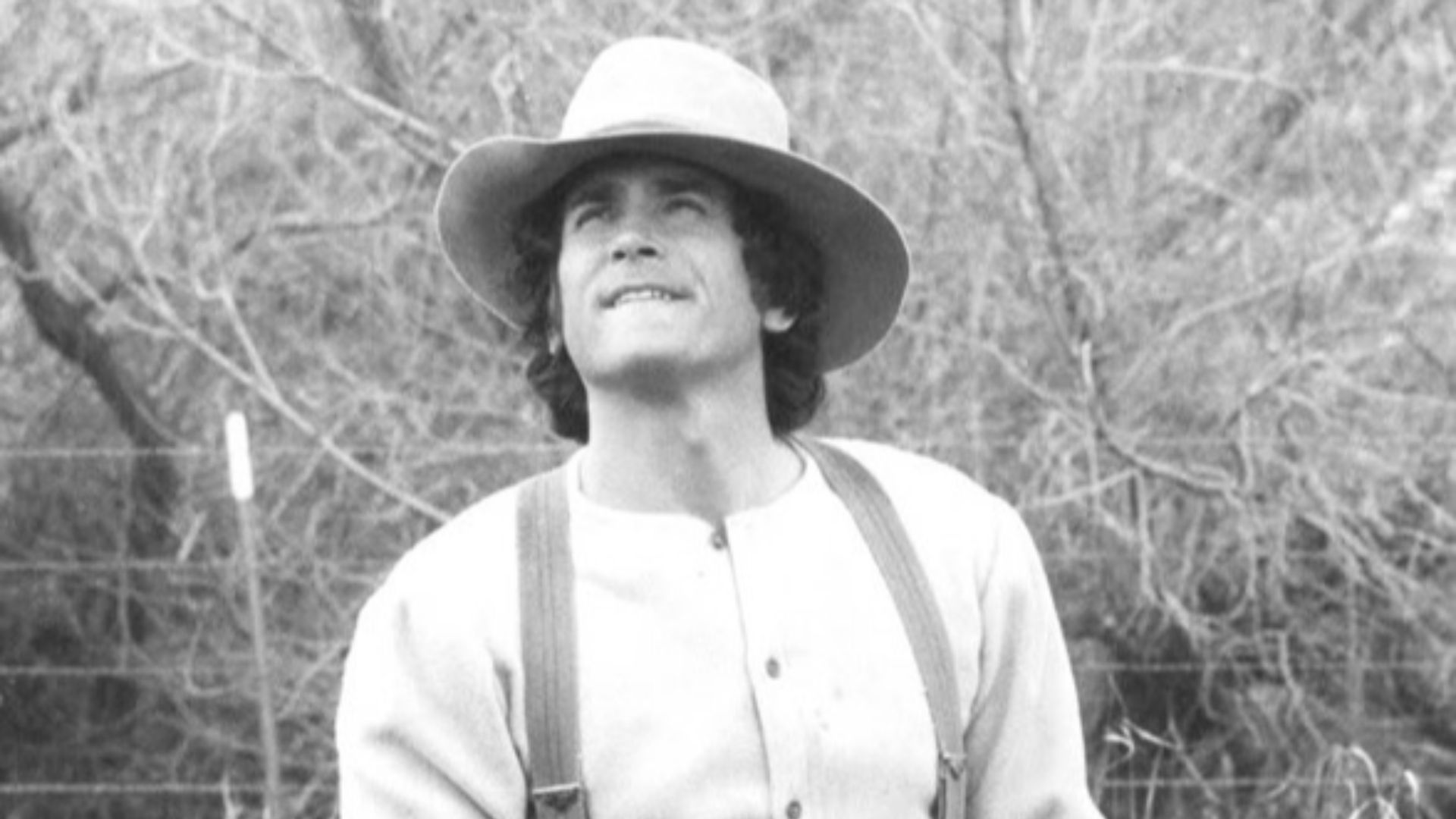 NBC Television, Wikimedia Commons
He Wore Every Hat
On Little House, Landon acted, wrote, directed, produced, and served as executive producer. That kind of control was unusual for a TV star. He was not waiting for someone else to define the show. He was building the whole world himself.
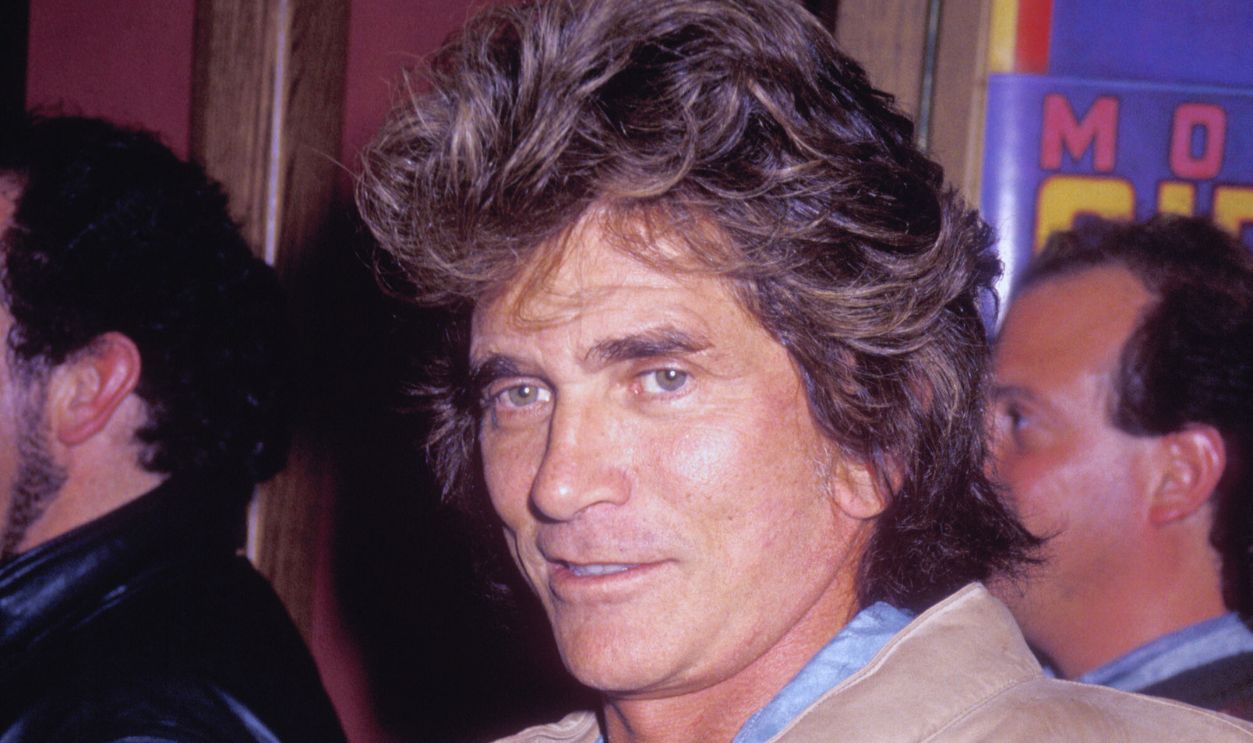
He Made Family Drama Must-See TV
Landon understood that “family show” did not have to mean boring. Little House tackled illness, poverty, loss, prejudice, jealousy, grief, and forgiveness. Somehow, it still felt comforting. Landon’s style made heavy subjects feel human instead of preachy.
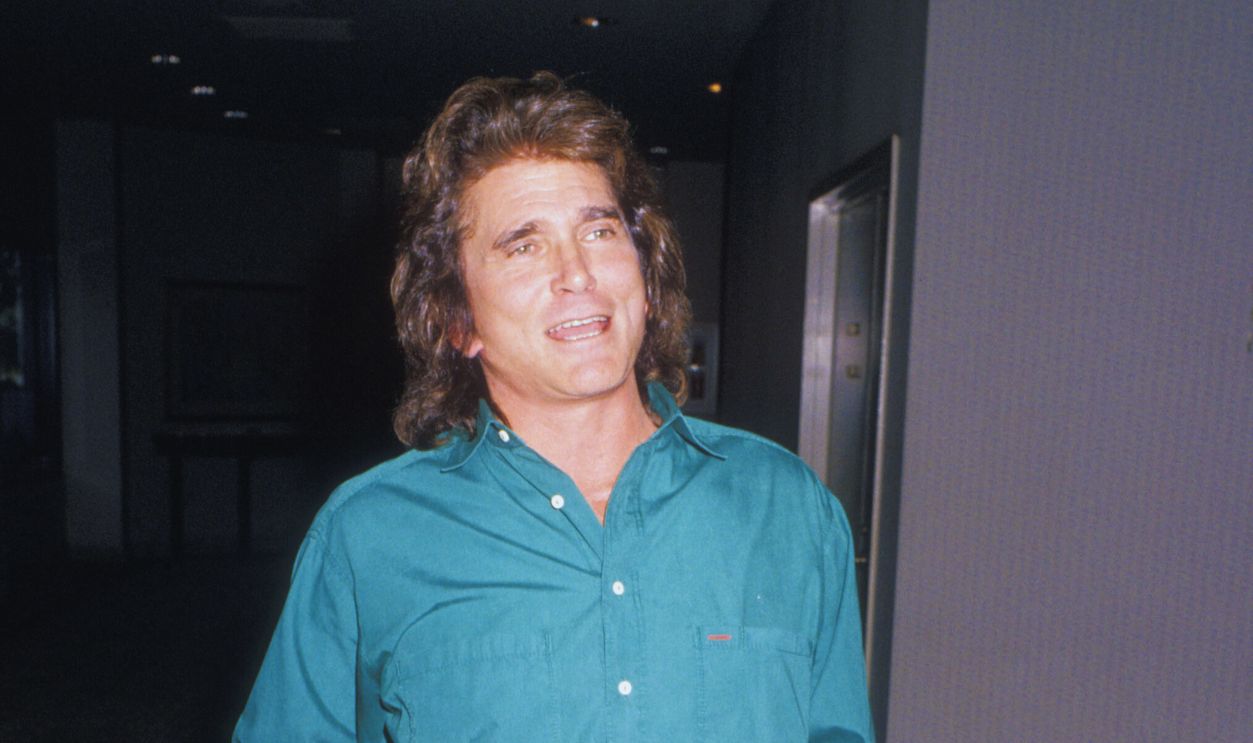
He Knew When To Cry
Nobody on television handled a heartfelt scene quite like Michael Landon. He was not afraid of big emotions, but he usually balanced them with humor or honesty. That made his shows feel sincere rather than stiff, even when the music swelled.
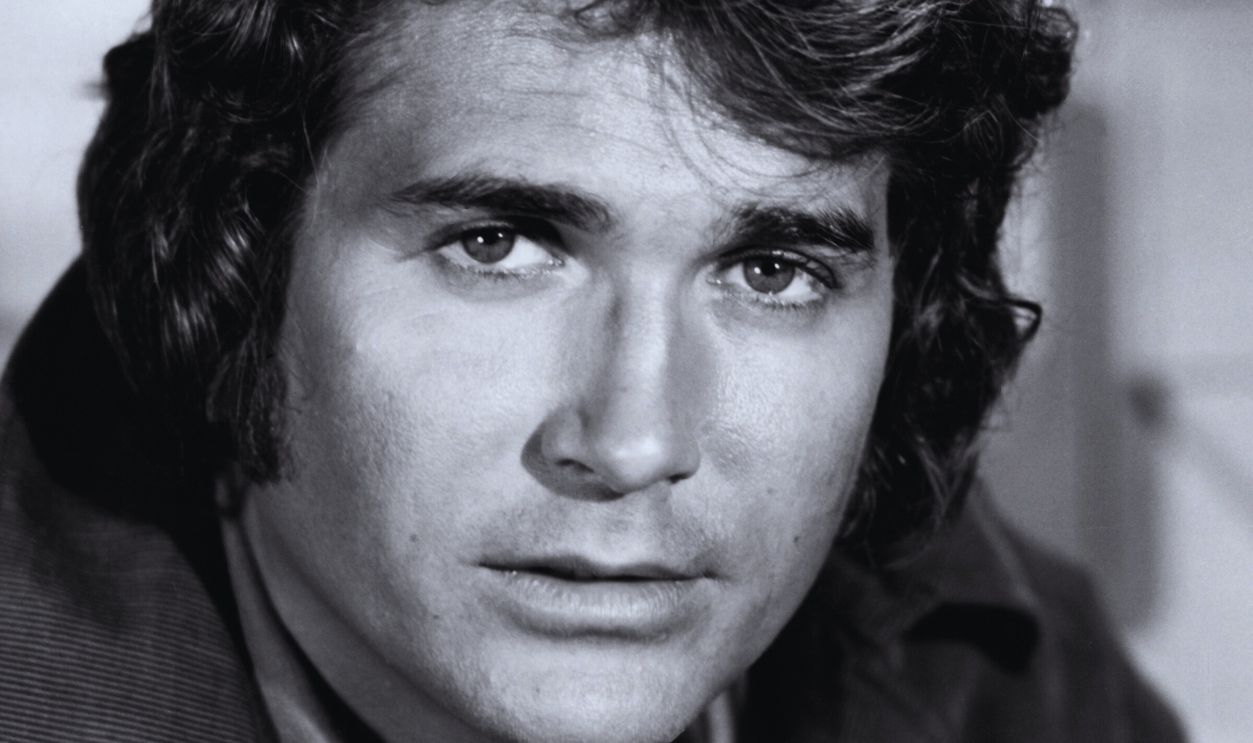 Silver Screen Collection, Getty Images
He Created A TV Brand
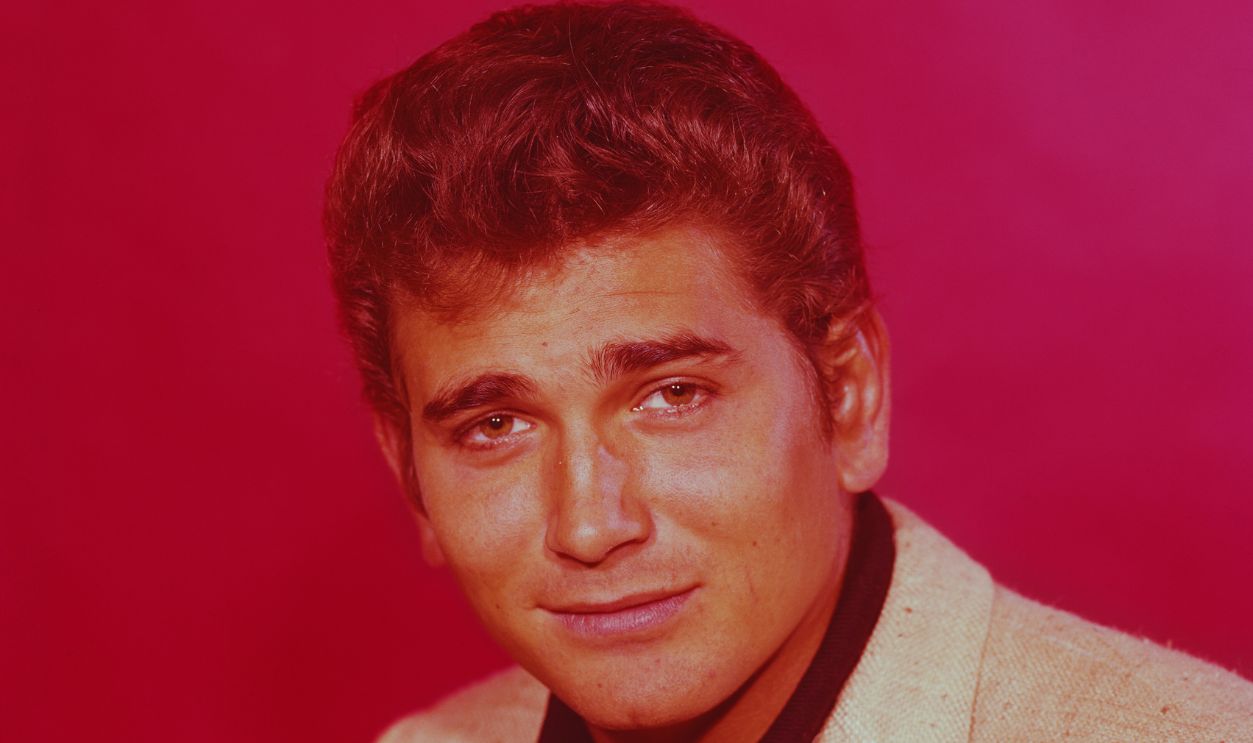
Long before everyone talked about personal brands, Landon had one. Viewers knew what a Michael Landon show offered: kindness, moral struggle, family bonds, second chances, and at least one moment designed to make you reach for a tissue.
He Valued Familiar Faces
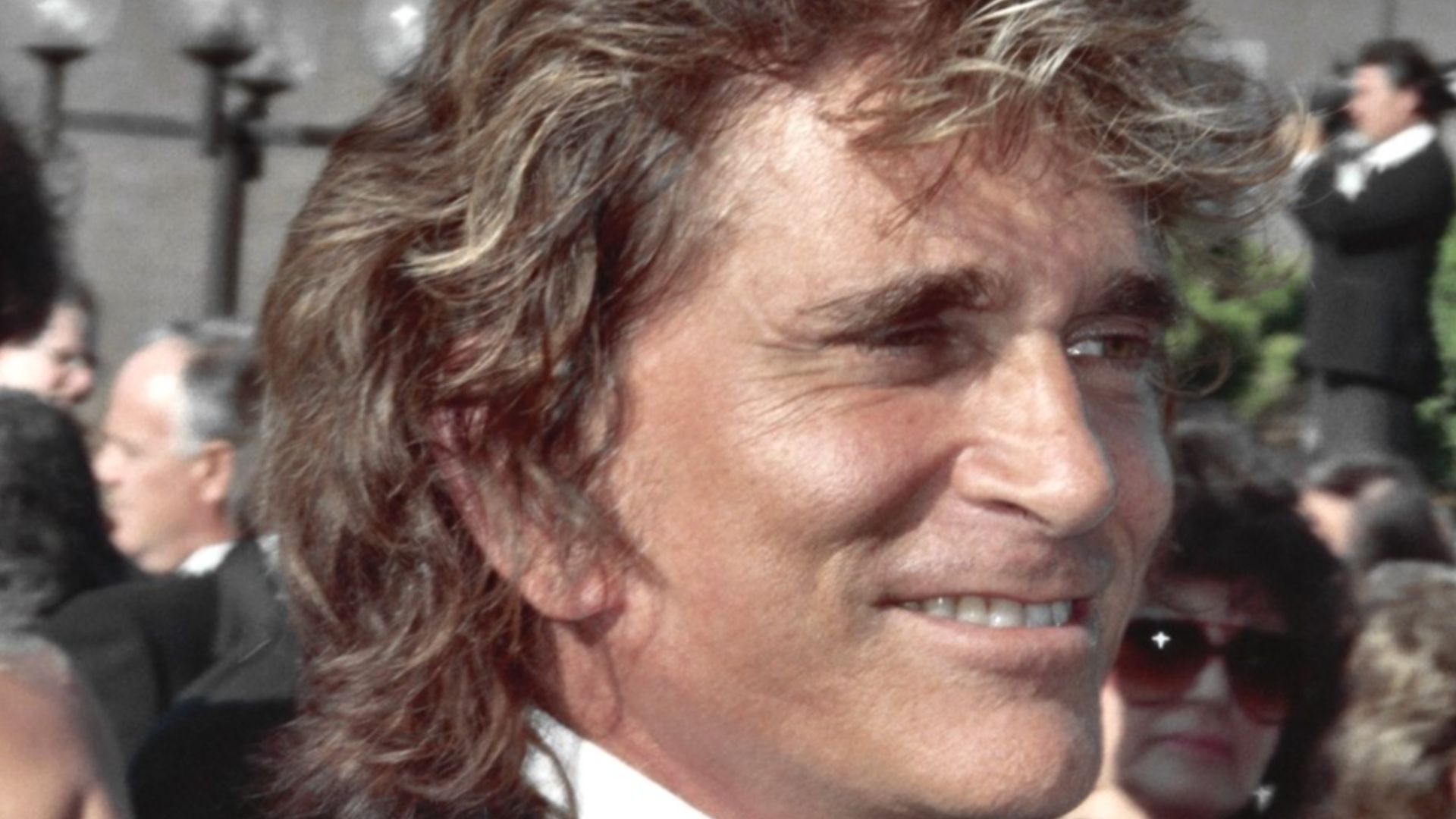
Landon often worked with people he trusted, including colleagues from his Bonanza years. That loyalty helped create a steady creative environment. His productions felt like families partly because, behind the scenes, he liked building teams that understood his rhythm.
He Was Old-Fashioned In The Best Way
By the 1970s and 1980s, television was changing fast. Landon’s shows stood out because they were proudly sincere. He believed viewers still wanted stories about decency, responsibility, and love. That may sound simple, but making simple things work is difficult.
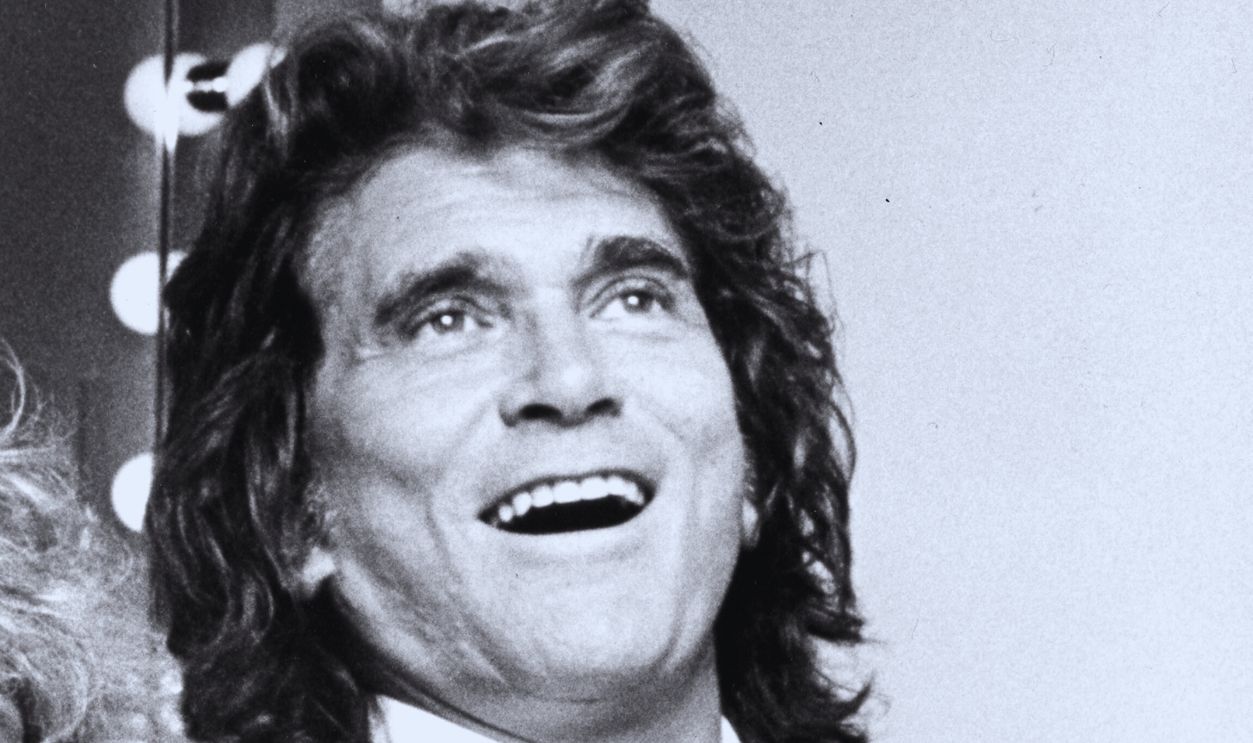
Highway To Heaven Proved The Point
After Little House, Landon created and starred in Highway to Heaven. As Jonathan Smith, an angel helping people on Earth, he took his favorite themes even further. The show was gentle, emotional, and unmistakably Landon from the first frame.
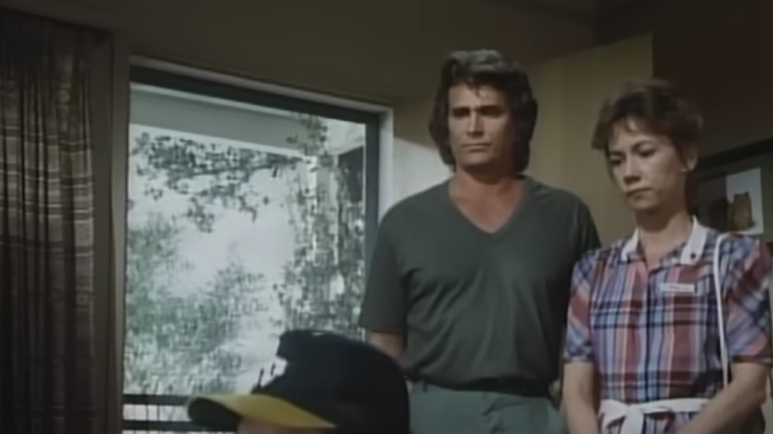 Screenshot from Highway to Heaven, NBC (1984–1989)
He Became A Network Anchor
For decades, Landon was closely tied to NBC, delivering hit after hit. Few performers managed to stay that visible for that long, and even fewer did it while controlling so much of the creative process. He became a rare actor-producer audiences followed anywhere.
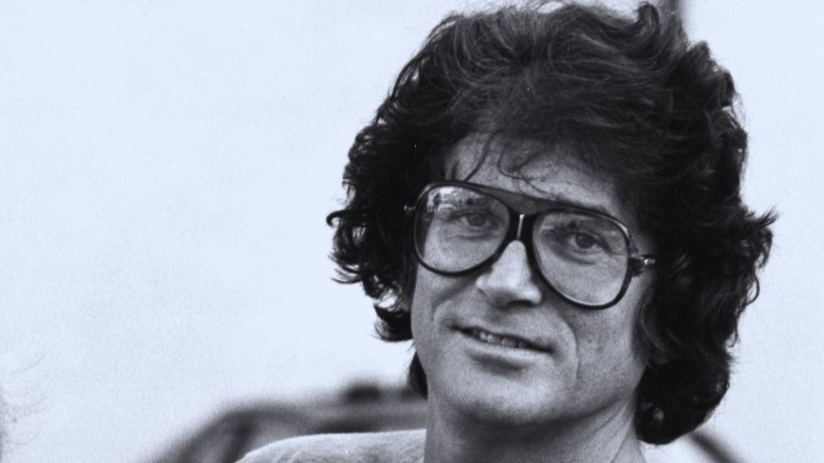
He Mixed Commerce With Heart
Landon’s genius was not just artistic. He knew television had to survive ratings, sponsors, schedules, and network pressure. His shows were emotional, but they were also dependable. He gave networks family-friendly hits and gave audiences stories that felt personal.
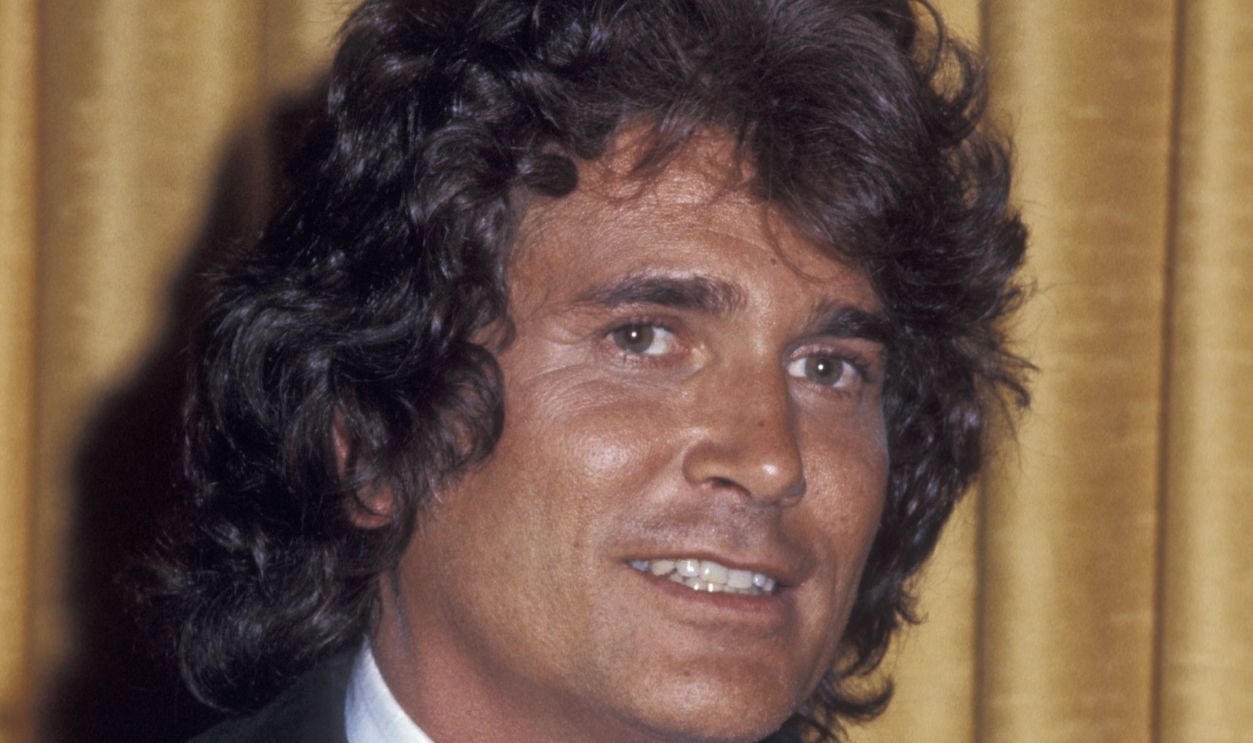
Critics Did Not Always Get It
Landon’s work was sometimes seen as sentimental, and he did not always receive the respect given to edgier creators. But millions of viewers understood his impact. He made television that families watched together, argued over, cried over, and remembered.
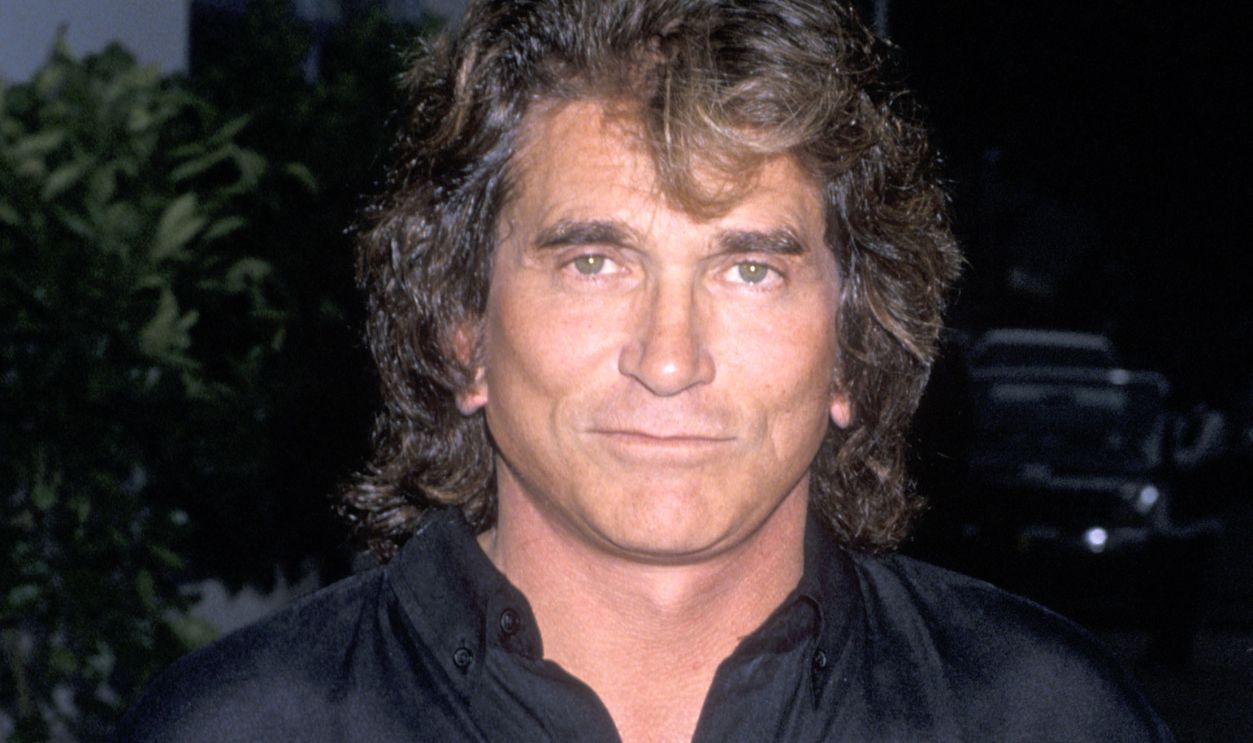
He Helped Redefine The TV Star
Before Landon, many stars stayed in their lane. Landon showed that an actor could become a writer, director, producer, and creative boss. He helped pave the way for later TV stars who wanted more control over their own shows.
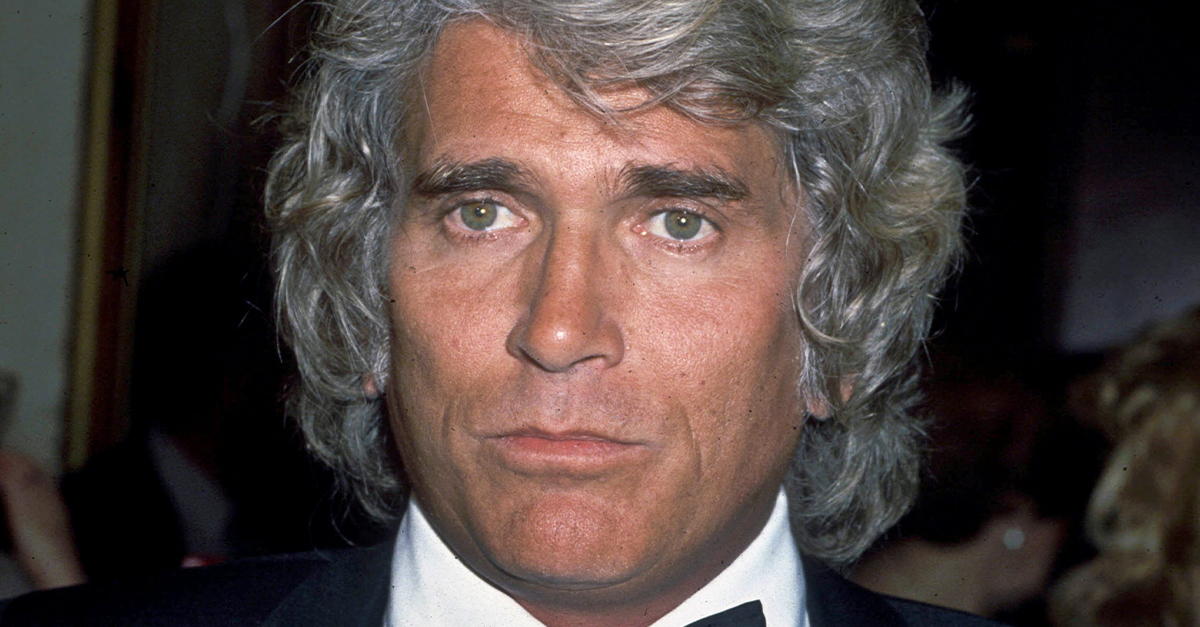
The Influence Is Still Visible
Modern television is full of actor-producers shaping their own projects. Landon was doing that when it was far less common. His career proved that the person in front of the camera could also be the engine behind the entire production.
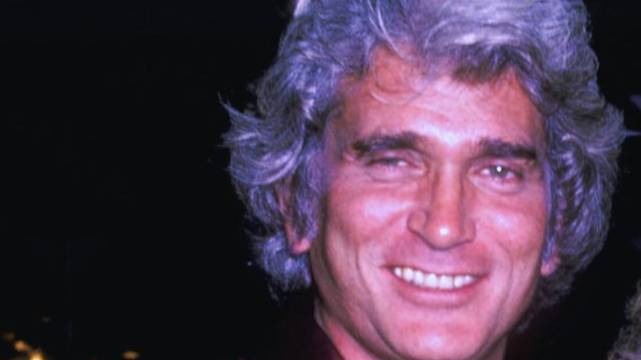
Little Joe’s Biggest Legacy
Michael Landon may have started as Bonanza’s charming youngest Cartwright, but he became much more than a familiar face. He turned fame into opportunity, opportunity into authority, and authority into a lasting television legacy built on heart.
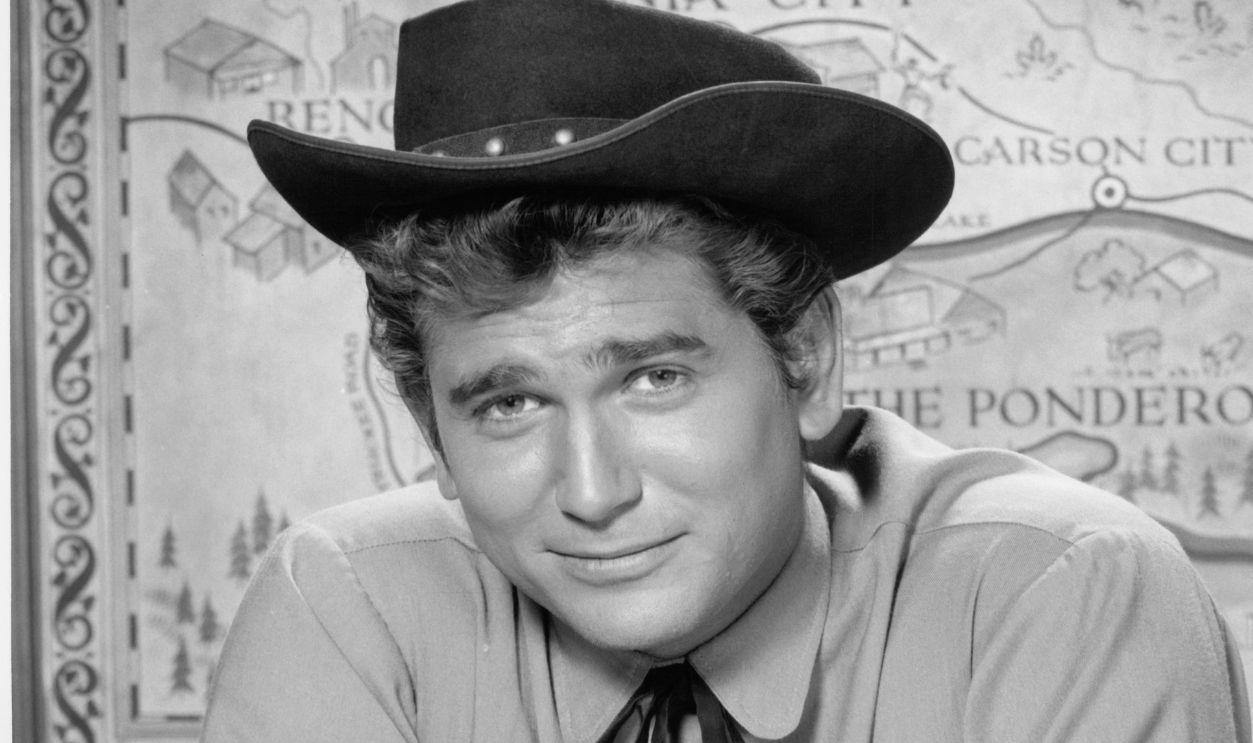
He Produced More Than Shows
In the end, Landon’s greatest production may have been trust. Viewers trusted him to tell stories with warmth. Networks trusted him to deliver. Casts trusted him to lead. From the Ponderosa to Walnut Grove and beyond, Michael Landon helped define what heartfelt television could be.
You May Also Like:
Why didn't Tom Bosley have a bigger career after Happy Days?
Bands From The 1960s That No One Remembers—Seriously, Do You Remember Even 5 Of These Bands?
Saturday Morning Cartoons That 70s Kids Loved But Have Now Disappeared Without A Trace