Wait…These Bands Were Actually Real?
The 1960s gave us legendary names like The Beatles, The Rolling Stones, and The Beach Boys. But for every massive band that is forever engrained in our music memories, there were dozens of others that…aren’t (although some of them really should be).
And honestly, if you can recognize even five of these bands without secretly opening another tab, you may have spent too much time around vinyl crates—And we are totally jealous.
 Stanley Bielecki/ASP, Getty Images
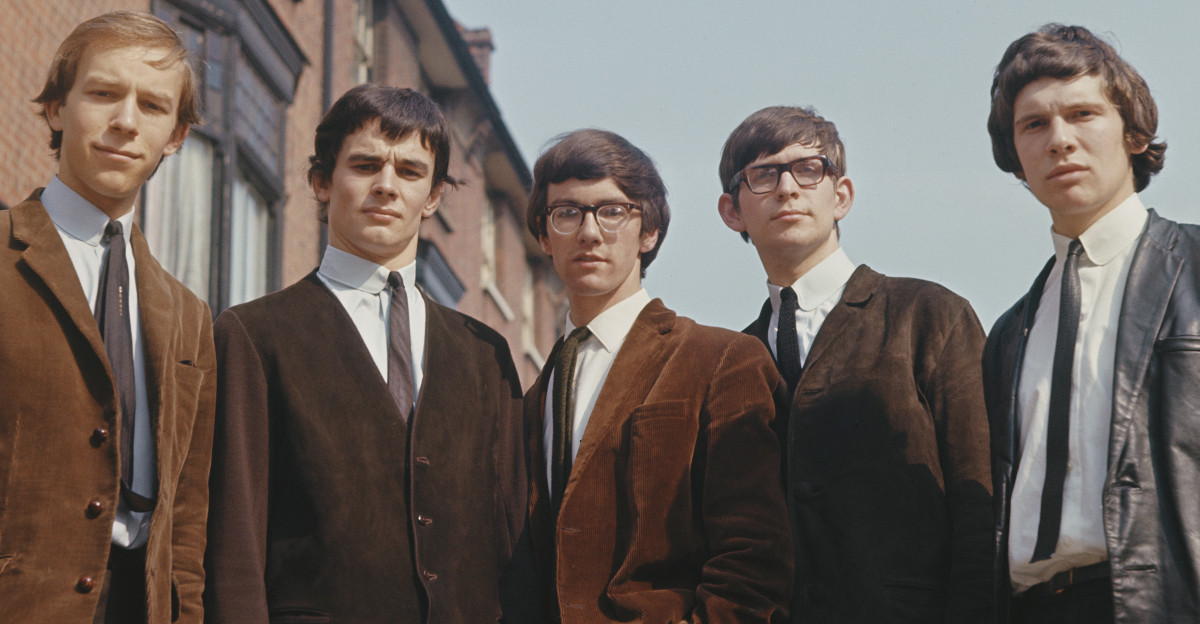
The Left Banke
Before baroque pop became trendy, The Left Banke were already mixing rock music with harpsichords and string arrangements. Their 1966 hit Walk Away Renée still sounds gorgeous today, but most people couldn’t tell you who made it. Internal fights destroyed the band almost immediately, which is wild considering how influential they quietly became later on.
 KRLA/Beat Publications-page 1, Wikimedia Commons
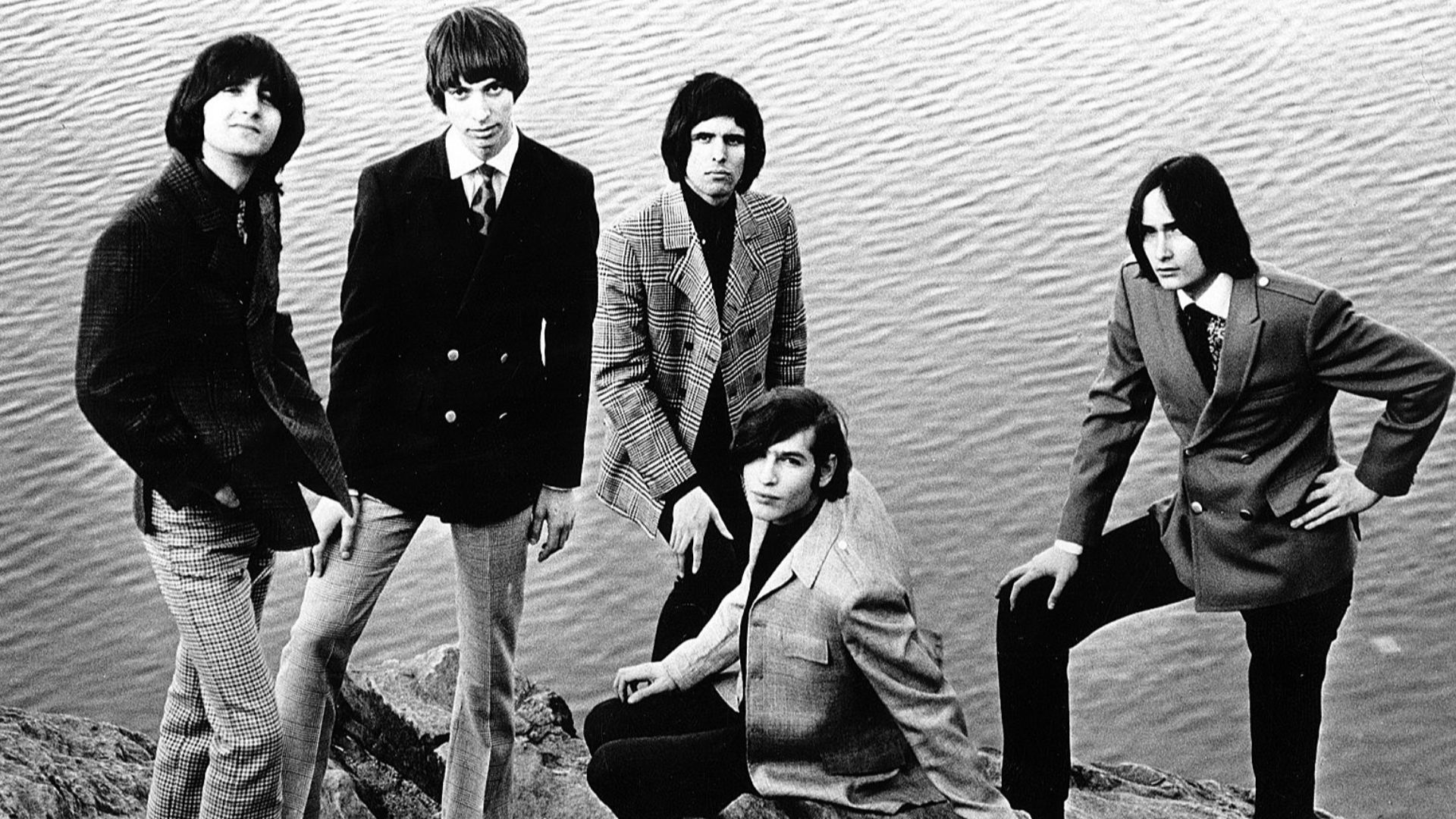
The Turtles
People absolutely remember Happy Together. The issue is they often don’t remember The Turtles themselves. The band actually had multiple hits and a great sense of humor, but they somehow became overshadowed by bigger pop acts from the same era. Also, yes, they later became involved in one of music history’s strangest lawsuits.
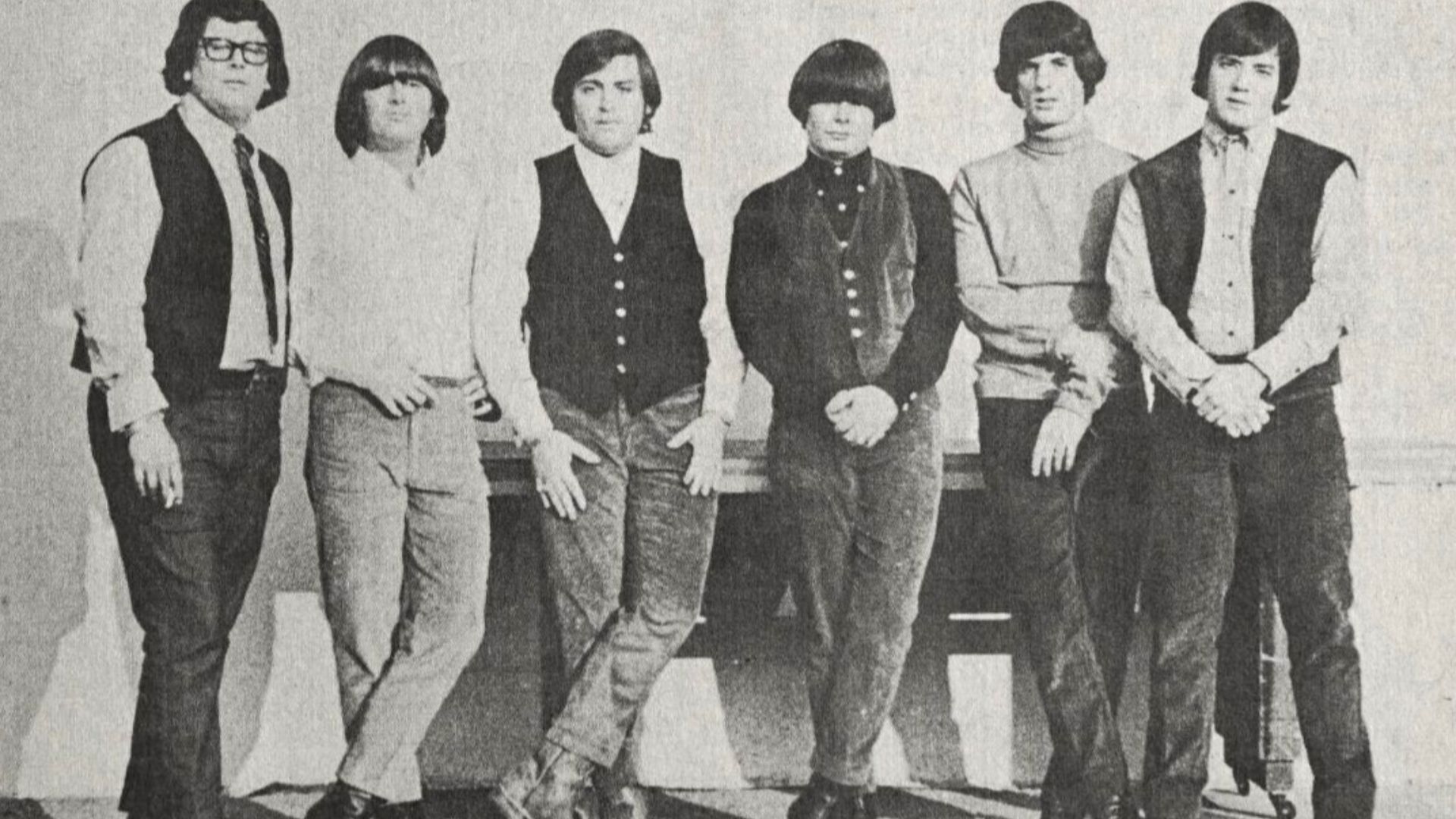
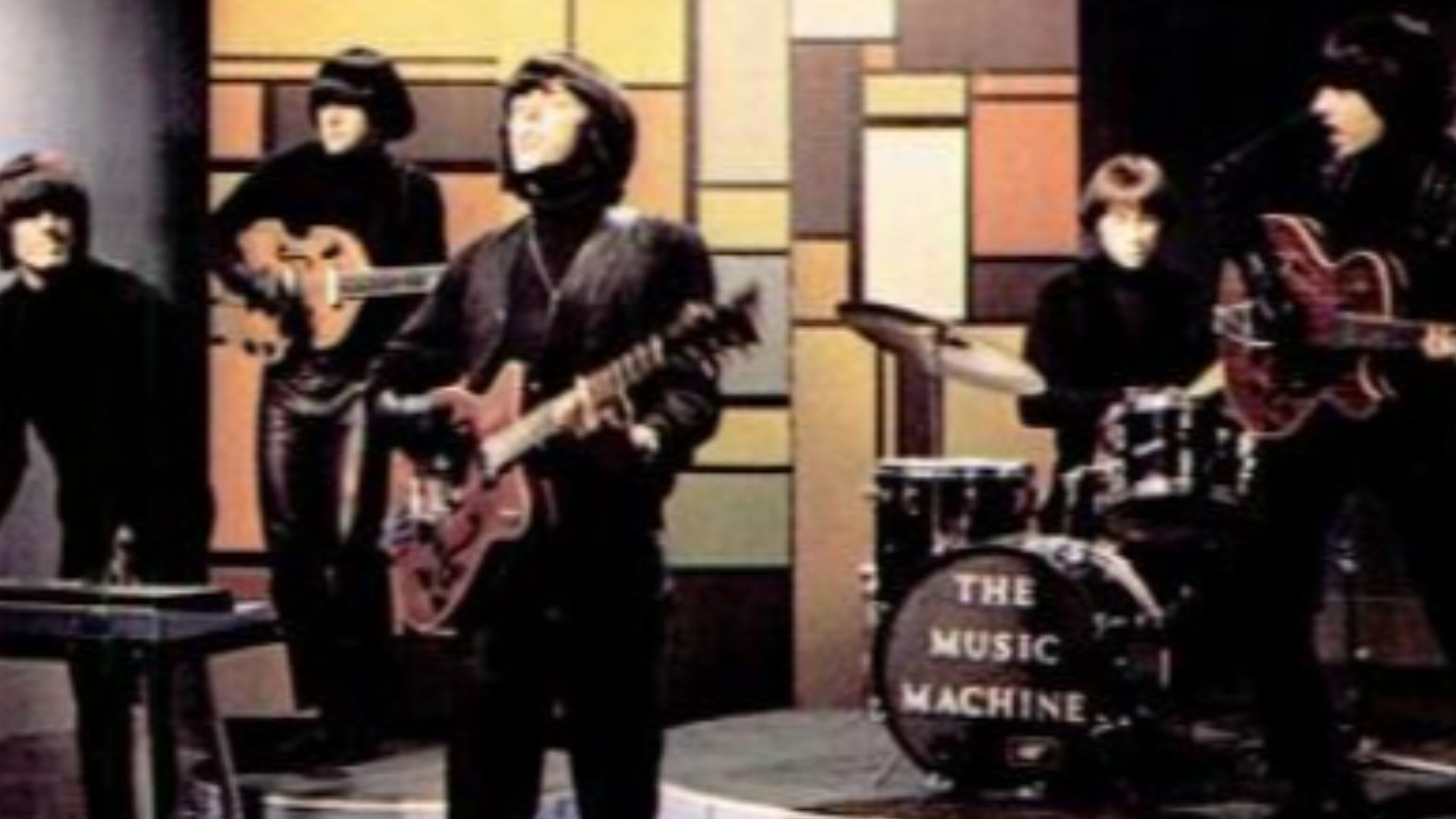
The Music Machine
Dressed completely in black gloves before that kind of thing became standard rock-star behavior, The Music Machine had one genuinely massive garage-rock hit with Talk Talk. The song absolutely rips even now. But despite looking and sounding cool enough to last for years, the band basically collapsed before the 60s even ended.
 Original Sound Records, Wikimedia Commons
The Balloon Farm
Most people only know The Balloon Farm because of one song: A Question of Temperature. But honestly, that one song was weird enough to earn them a place in psychedelic history forever. The band disappeared almost instantly afterward, making them feel less like a real group and more like some strange hallucination from late-60s radio.
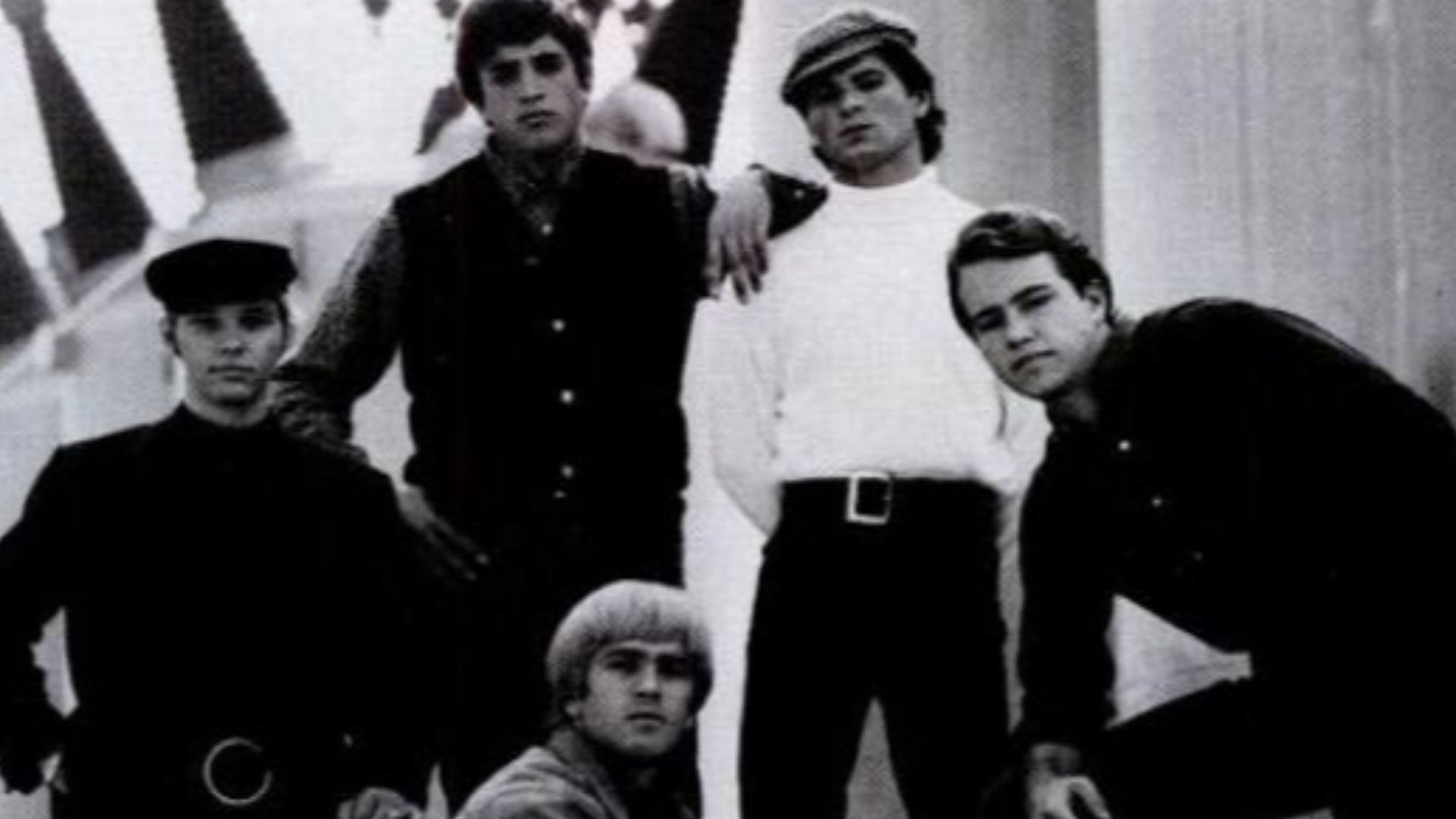
The Electric Prunes
Yes, that was their actual name. And somehow it worked. The Electric Prunes had a psychedelic hit with I Had Too Much to Dream (Last Night) and became cult favorites decades later. At the time, though, they were buried under confusing management decisions, lineup changes, and increasingly bizarre experimental albums that confused almost everybody.
 Reprise Records, Wikimedia Commons
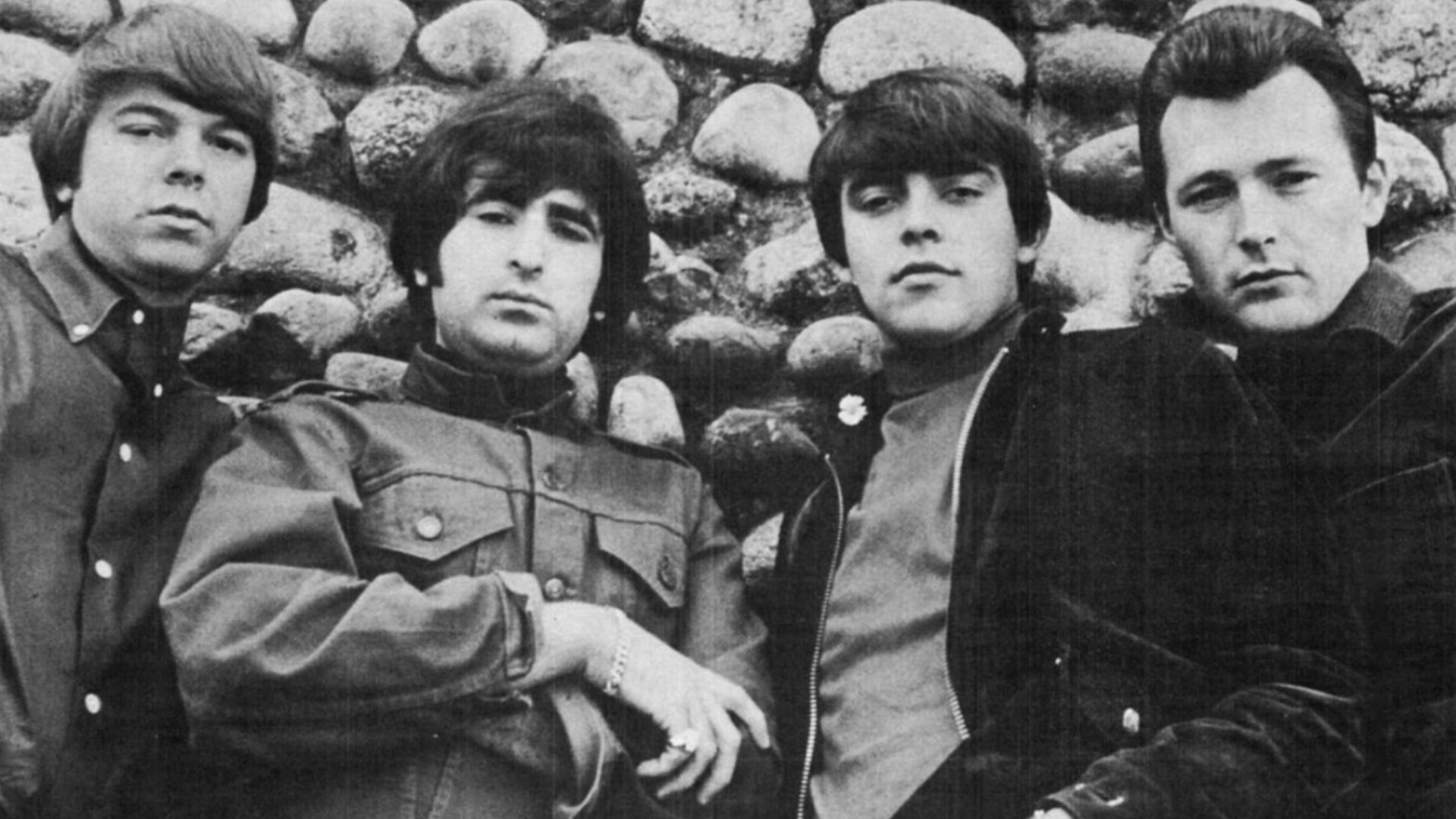
The Standells
People still recognize Dirty Water when it comes on at Boston sporting events, but almost nobody remembers The Standells themselves. Ironically, the band wasn’t even from Boston. They were from California. Somehow they accidentally created one of the most enduring city anthems of the entire decade and then mostly faded into classic-rock trivia history.
 Tower Records, Wikimedia Commons
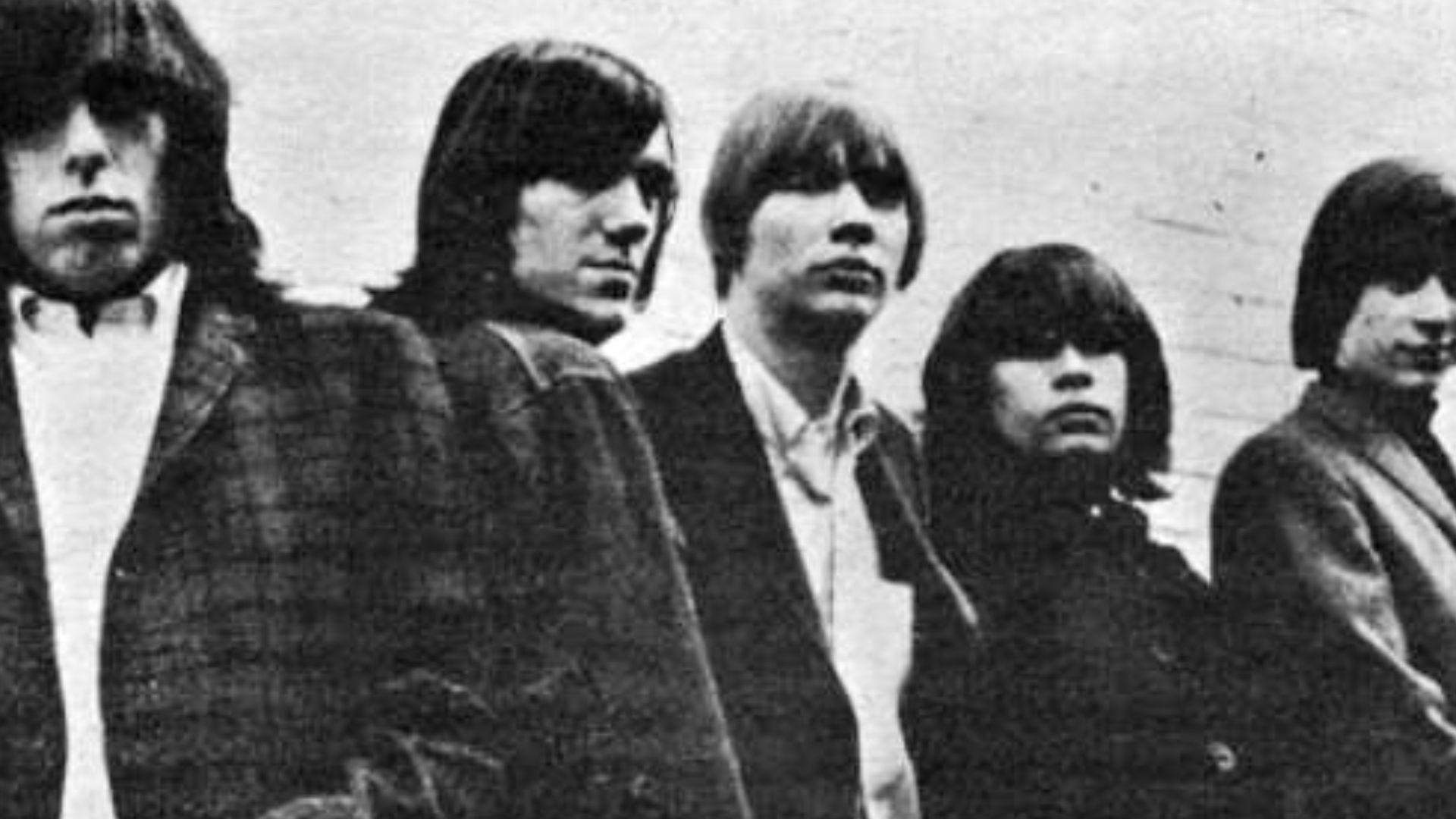
The Blues Magoos
The Blues Magoos looked exactly how a 60s psychedelic band should look. Wild outfits, loud guitars, strange lyrics…they had the whole package. Their song We Ain’t Got Nothin’ Yet became a hit in 1966, but the psychedelic scene moved so fast that bands could become outdated within months. They never fully kept up.
 KLRA/Beat Publications-page 1, Wikimedia Commons
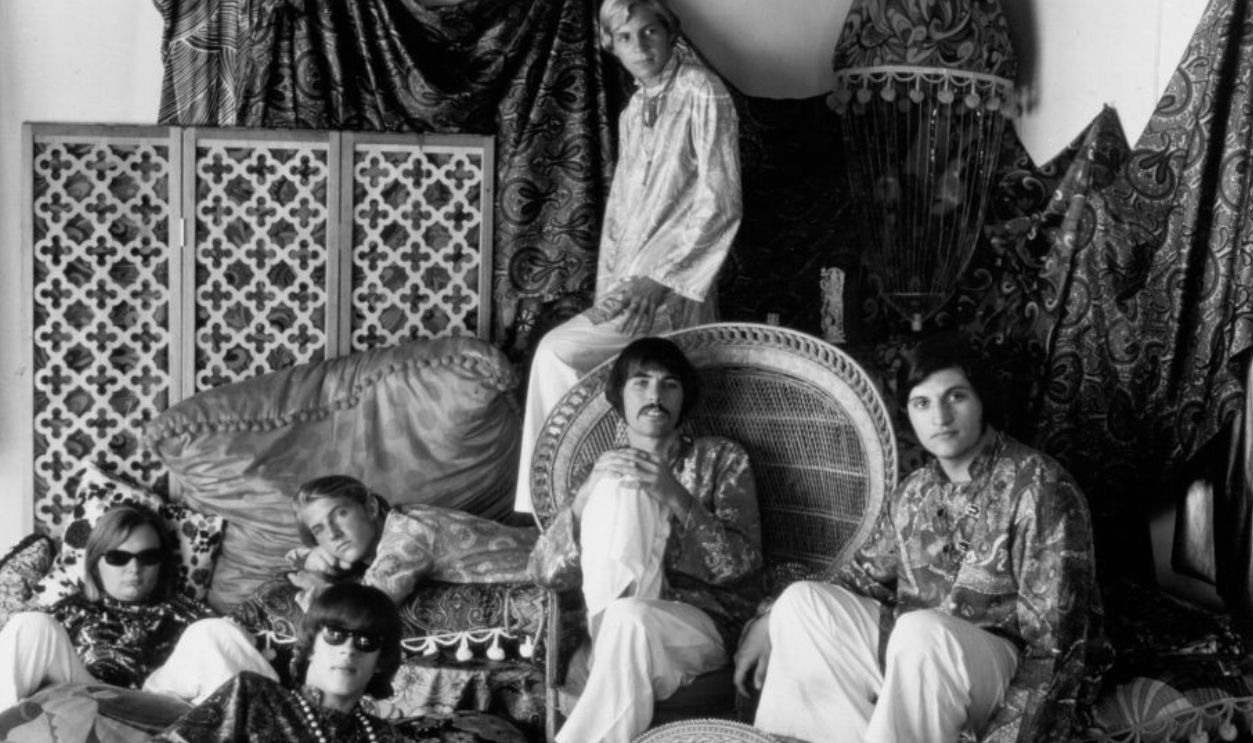
Strawberry Alarm Clock
You probably know Incense and Peppermints even if you think you don’t. The problem is almost nobody remembers the band attached to it. Strawberry Alarm Clock had one of the most stereotypically psychedelic names ever created, which honestly may have helped and hurt them at the exact same time.
 Michael Ochs Archives, Getty Images
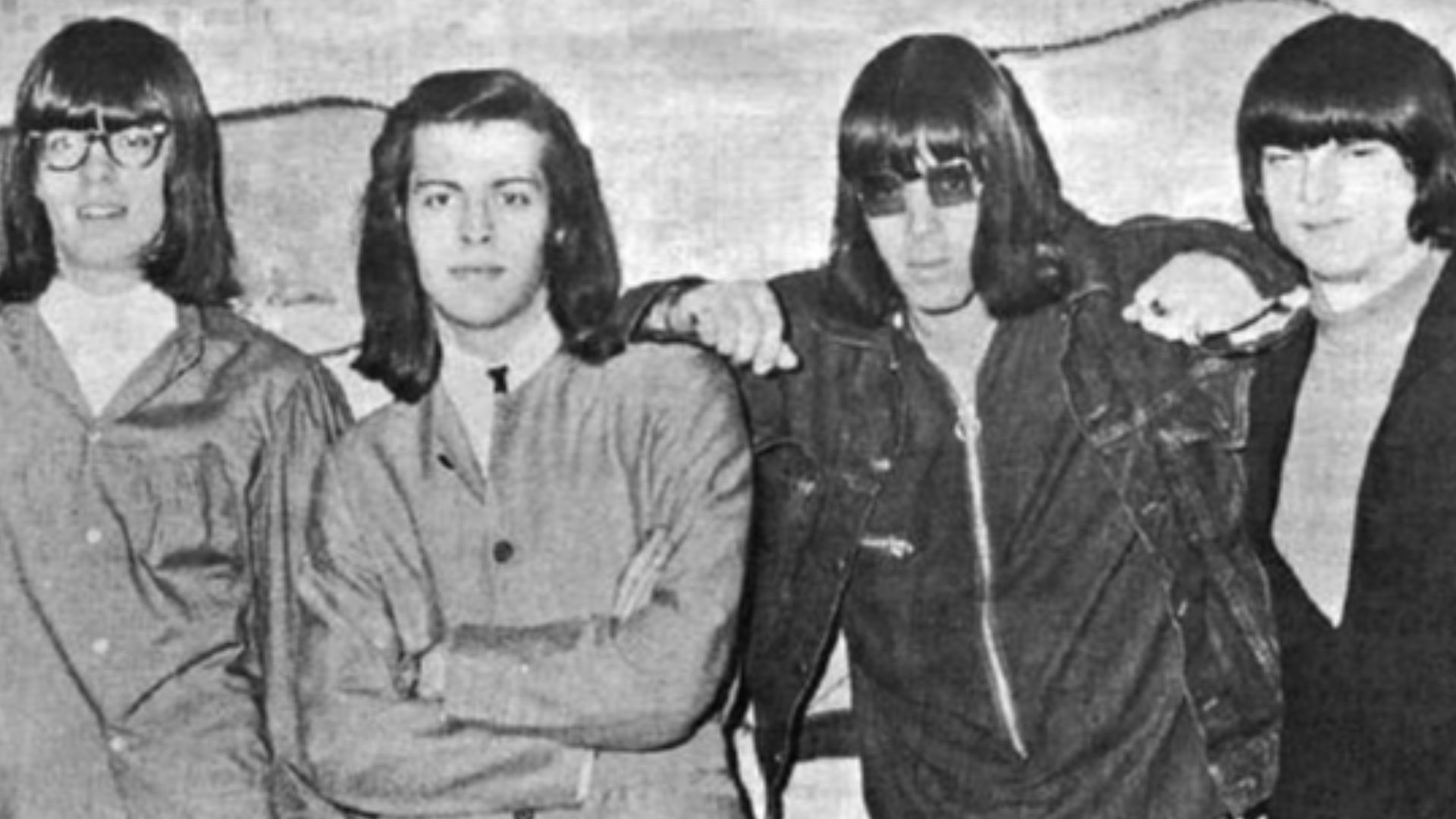
The Seeds
The Seeds were hugely important to garage rock, especially with the song Pushin’ Too Hard. But compared to bigger names from the era, they’ve mostly become a band musicians talk about instead of regular listeners. Frontman Sky Saxon also became almost as famous for his strange later-life behavior as he did for the music itself.
 Montgomery Ward. This is an ad promoting the group's new album., Wikimedia Commons
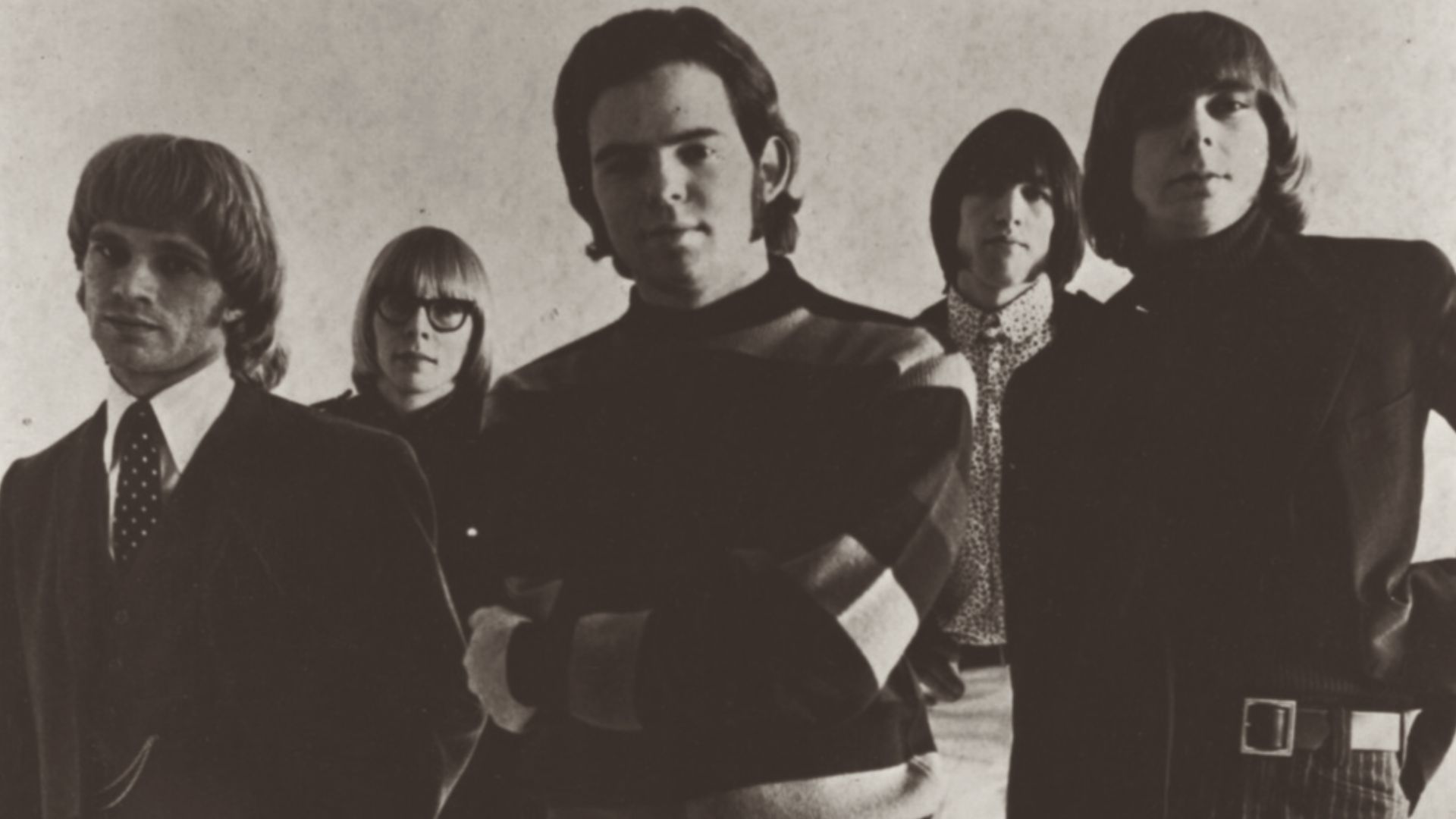
The Chocolate Watchband
Everything about The Chocolate Watchband sounds fake, including the name. But they were real, and they made genuinely great garage-rock music. Their career became a complete mess thanks to producers replacing parts of their recordings with session musicians, which led to albums that barely even sounded like the actual band.
 Unknown authorUnknown author, Wikimedia Commons
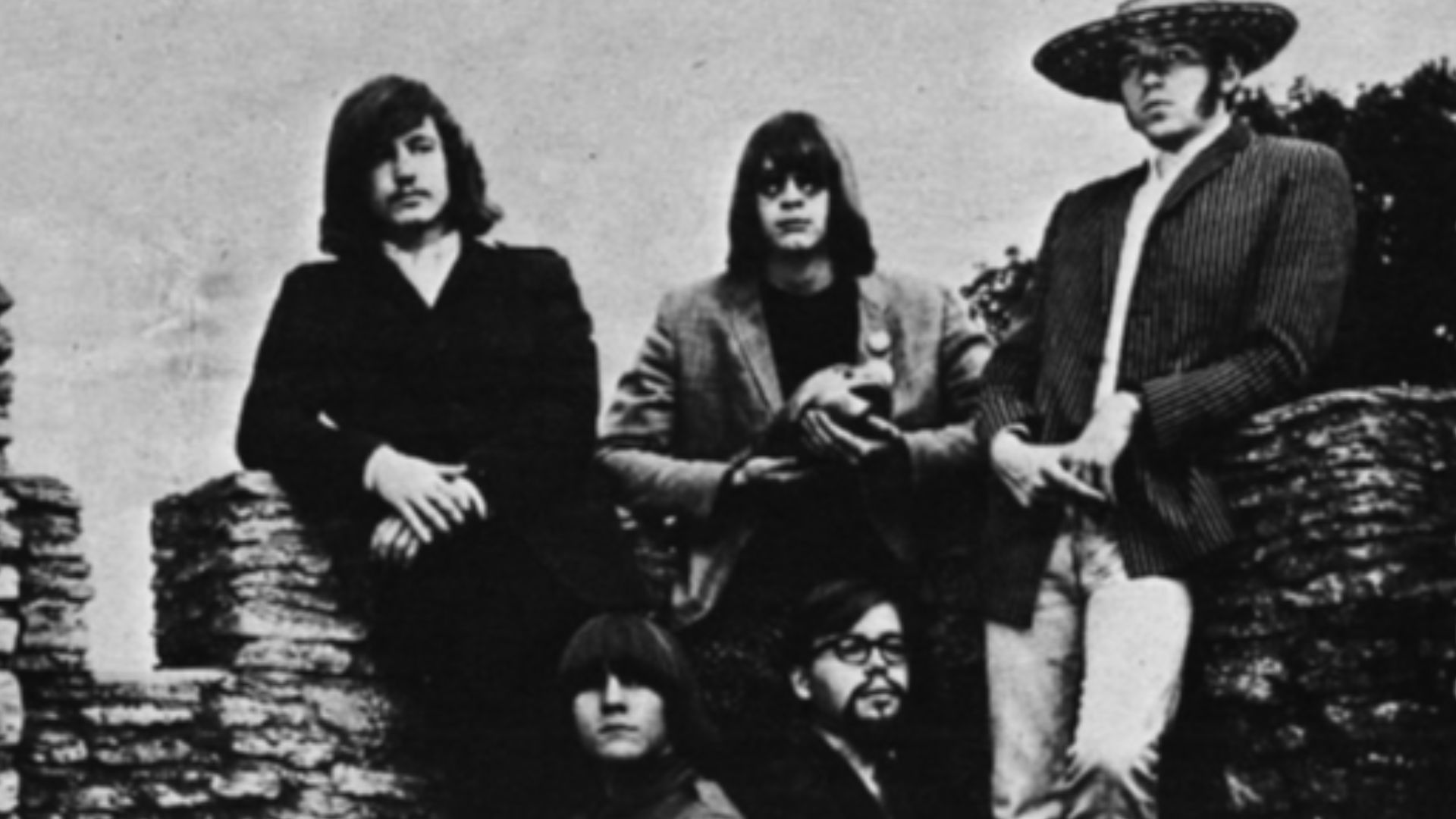
The Lemon Pipers
The Lemon Pipers scored a huge hit with Green Tambourine, then immediately ran into a problem many 60s bands faced: the label wanted more novelty songs while the band wanted to make serious rock music. That battle usually doesn’t end well. In their case, it basically ended the band entirely.
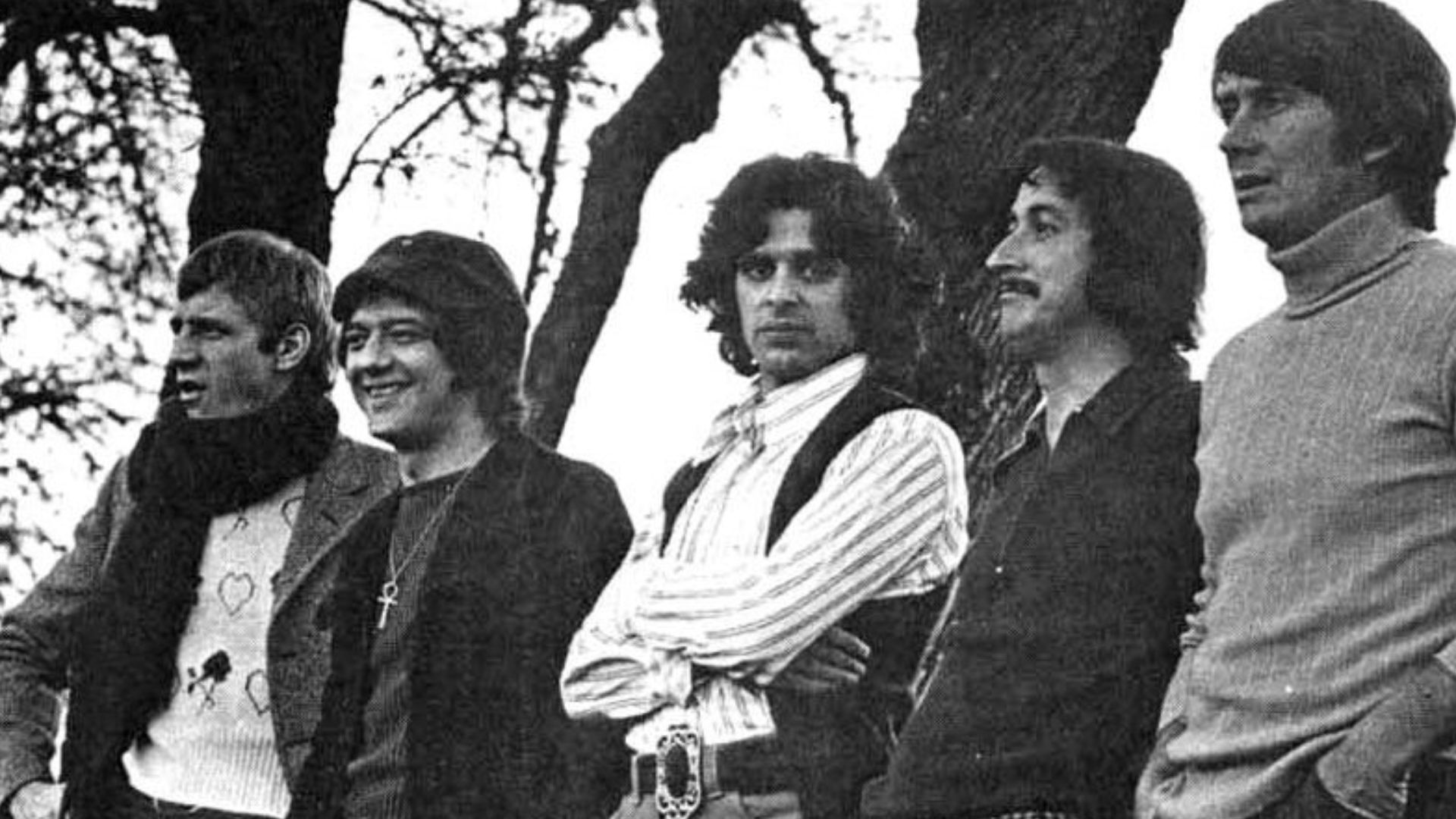
The Beau Brummels
The Beau Brummels were sometimes described as America’s answer to The Beatles, which was probably an impossible expectation from the start. They actually made some excellent folk-rock records and had early hits like Laugh, Laugh, but changing music trends quickly pushed them out of the spotlight.
 Photgrapher unknown, Wikimedia Commons
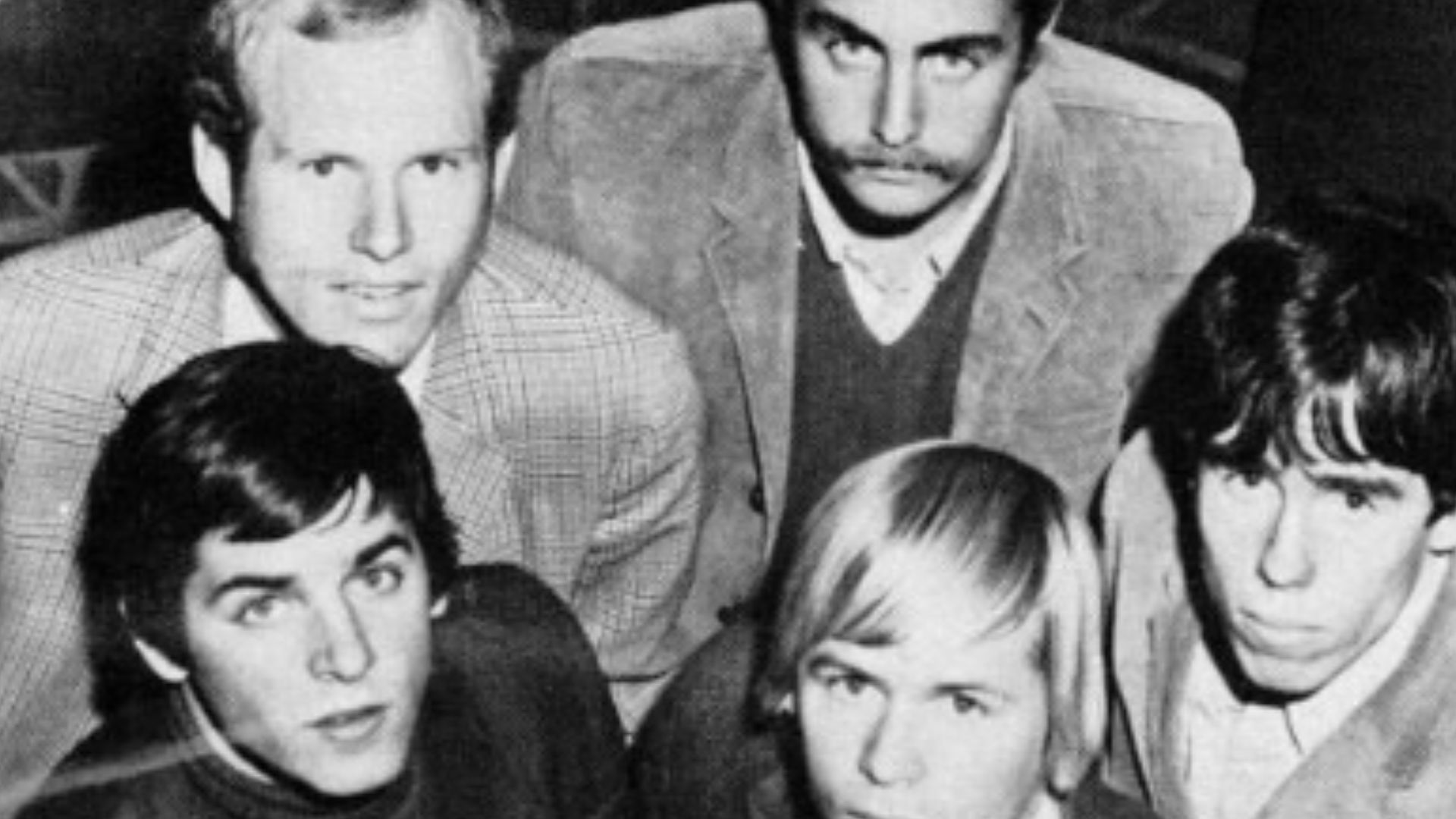
Harpers Bizarre
Harpers Bizarre leaned heavily into sunshine pop and elaborate vocal harmonies. Their version of The 59th Street Bridge Song (Feelin’ Groovy) became well known, but the band itself faded quickly once the late 60s got heavier and louder. Their clean-cut style suddenly looked completely out of place next to harder rock acts.
 Warner Bros Records, Wikimedia Commons
The Shadows of Knight
Garage-rock fans still love Gloria, but casual listeners usually forget The Shadows of Knight entirely. They were part of the raw, noisy American rock scene that helped inspire punk years later. Unfortunately, dozens of similar bands were competing for attention at the exact same time, and many simply got lost.
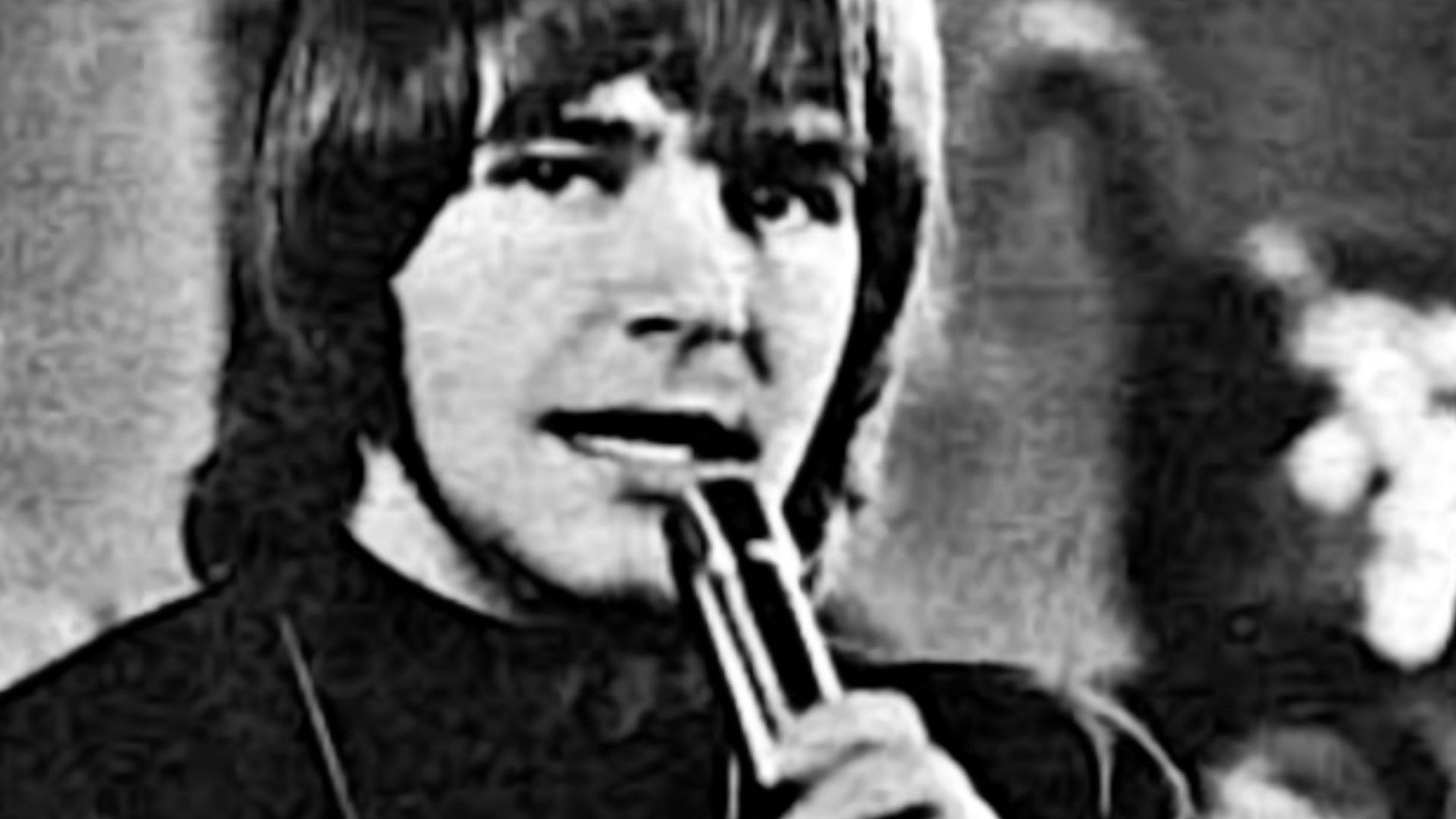
The Merry-Go-Round
Before becoming a successful solo artist and producer, Emitt Rhodes fronted The Merry-Go-Round. Their music was melodic, smart, and very 60s in the best way. But despite critical praise and some radio play, they never became major stars. Rhodes later became one of rock’s great “what if?” stories.
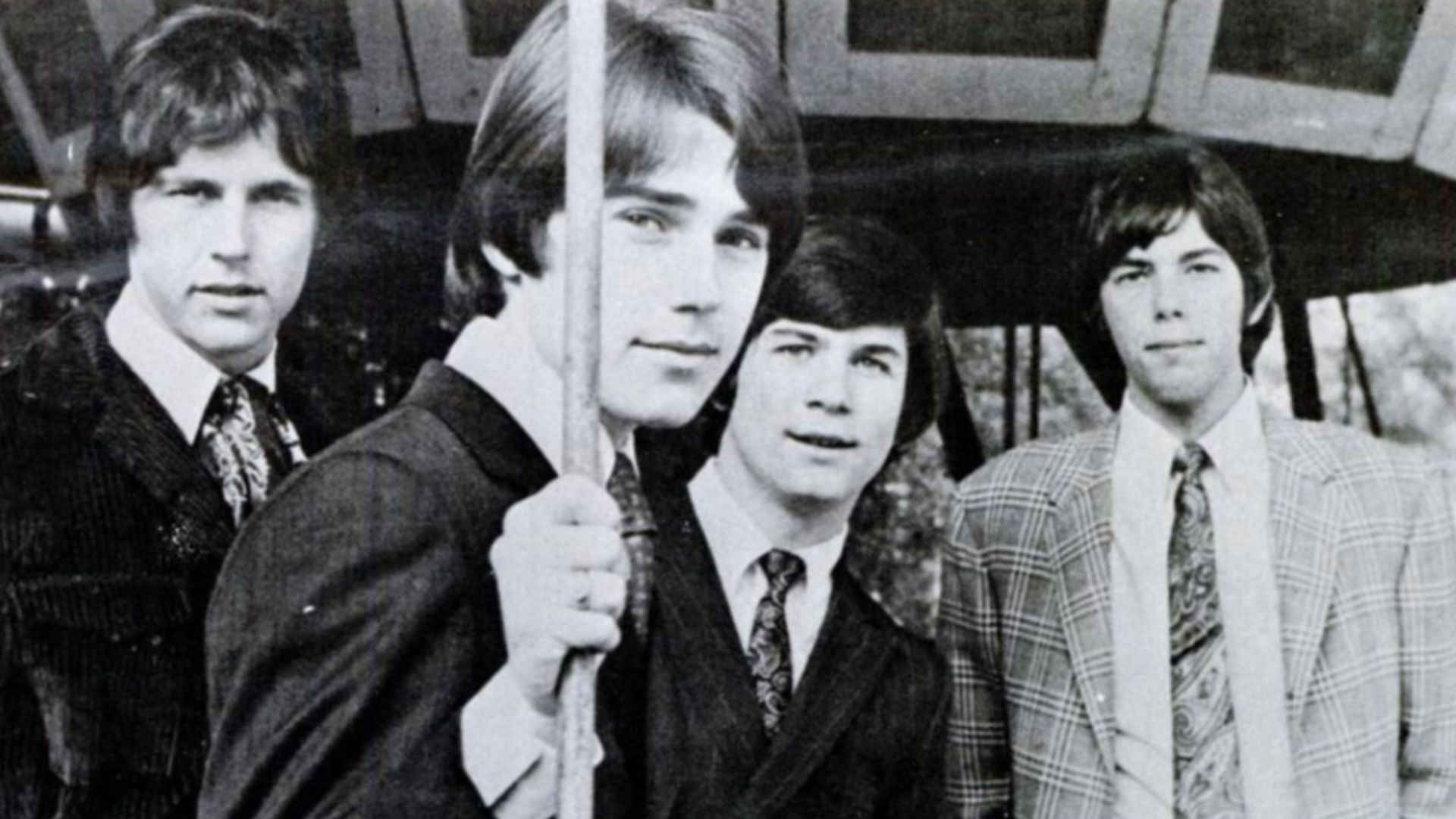 A&M Records, Wikimedia Commons
The Association
This one might spark arguments because The Association actually had several major hits, including Windy and Cherish. But outside hardcore oldies fans, the band itself rarely comes up anymore. Their polished vocal style was eventually overshadowed by harder rock and more rebellious acts later in the decade.
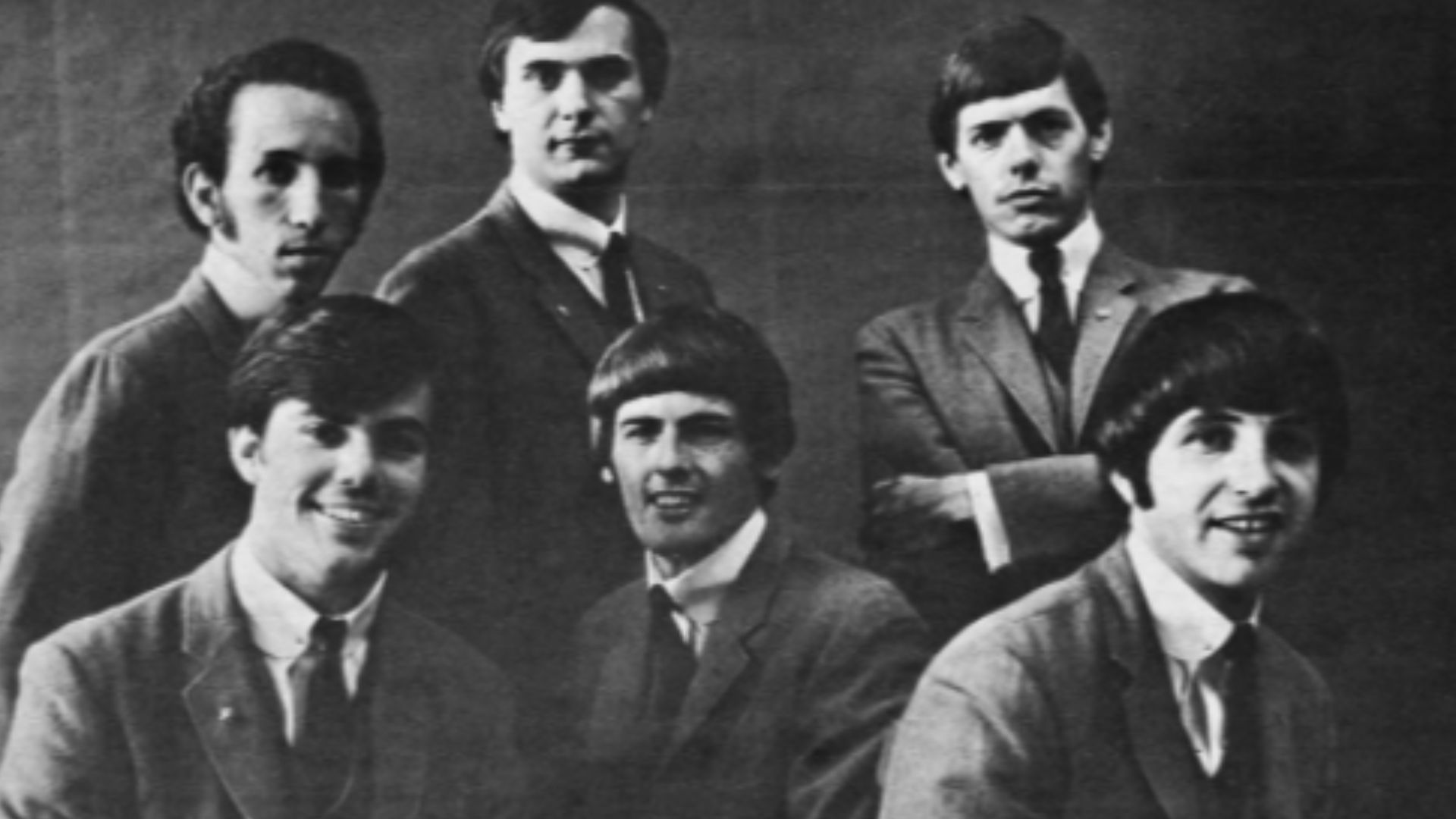
The Knickerbockers
The Knickerbockers are mostly remembered for one reason: Lies sounded shockingly similar to early Beatles songs. Seriously, people at the time genuinely did double takes hearing it on the radio. But instead of launching them into superstardom, the comparison mostly turned them into an interesting footnote in British Invasion history.
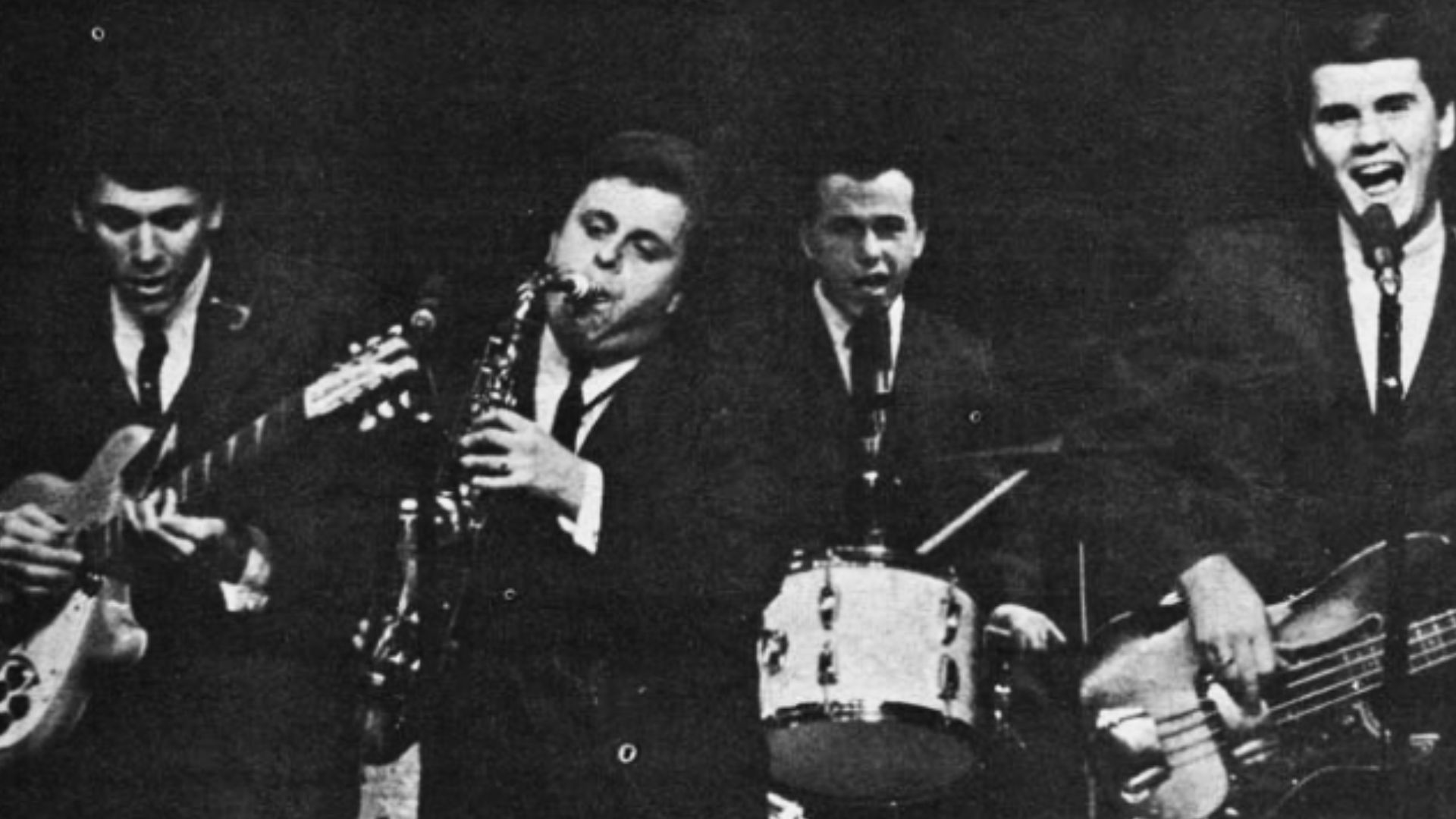
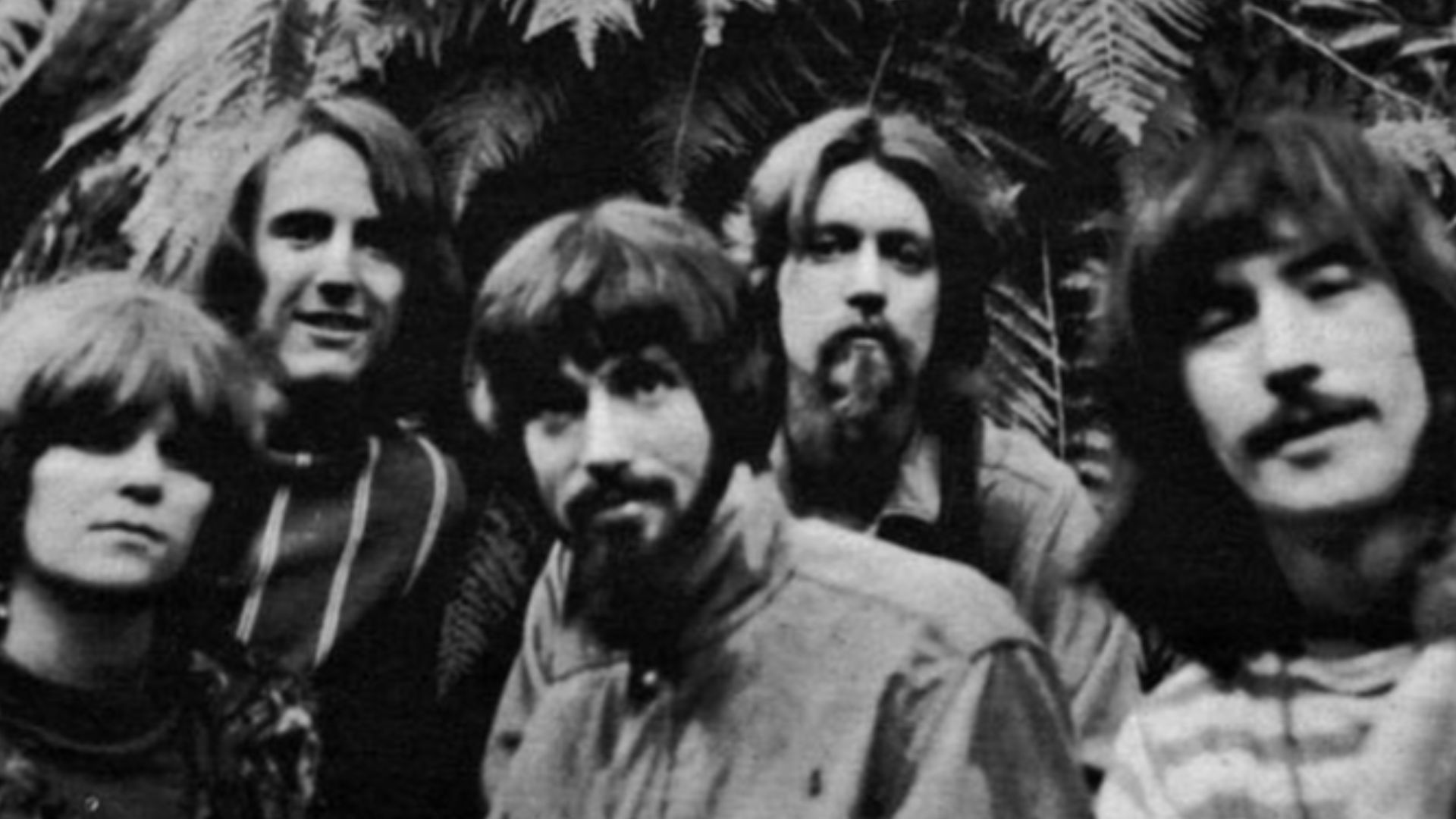
The Peanut Butter Conspiracy
That name alone guarantees at least some curiosity clicks. The Peanut Butter Conspiracy mixed folk, psychedelia, and dreamy harmonies into music that perfectly captured late-60s Los Angeles. But like many psychedelic bands, they arrived during an era where hundreds of groups were all competing to sound strange and experimental simultaneously.
 KRLA/Beat Publications-page 1, Wikimedia Commons
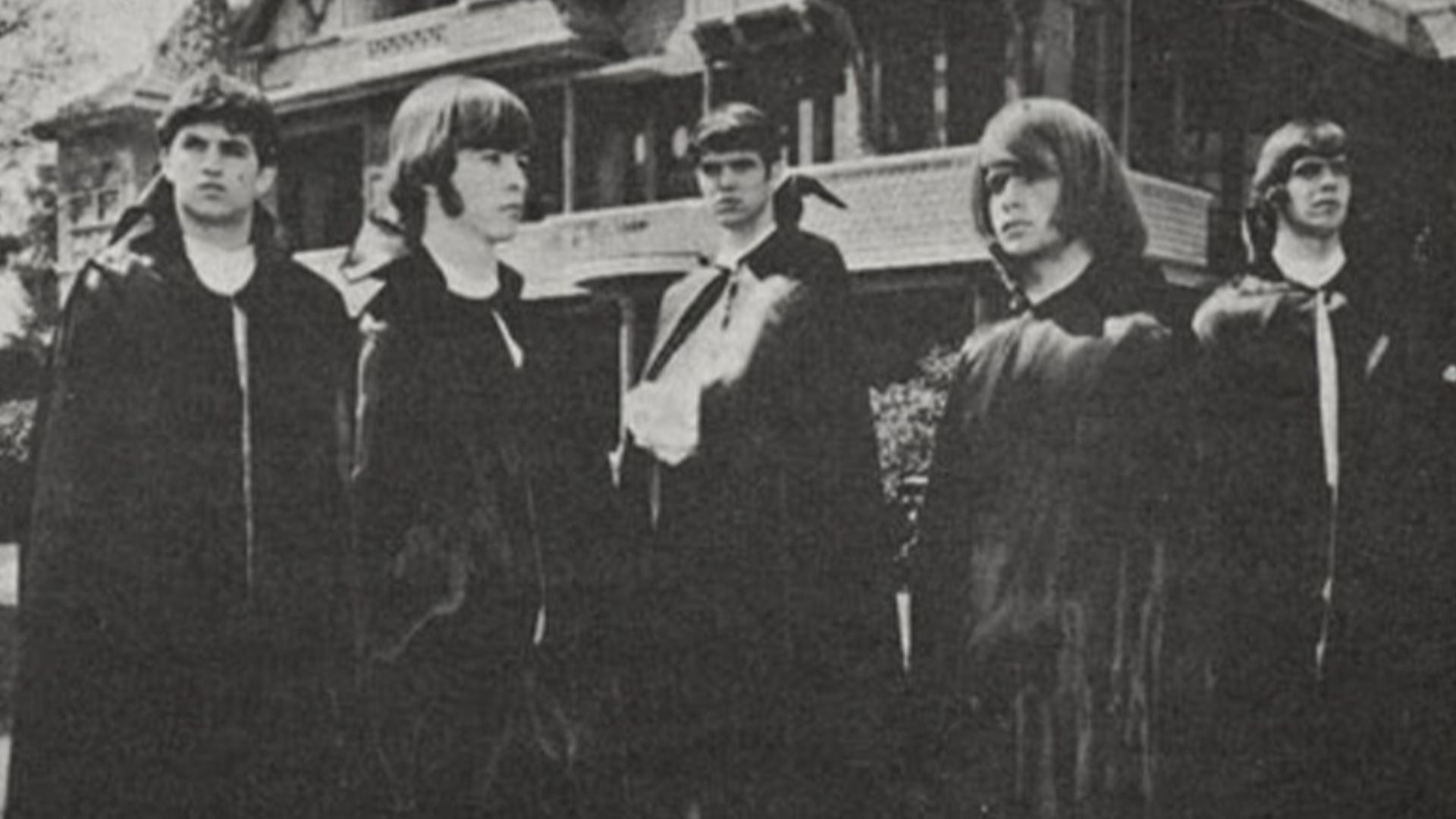
The Count Five
The Count Five became garage-rock immortals thanks to Psychotic Reaction. The song later influenced punk bands and appears on basically every “essential garage rock” playlist imaginable. Yet the band itself vanished quickly afterward because several members prioritized finishing college over chasing long-term rock stardom. Honestly…probably the responsible choice.
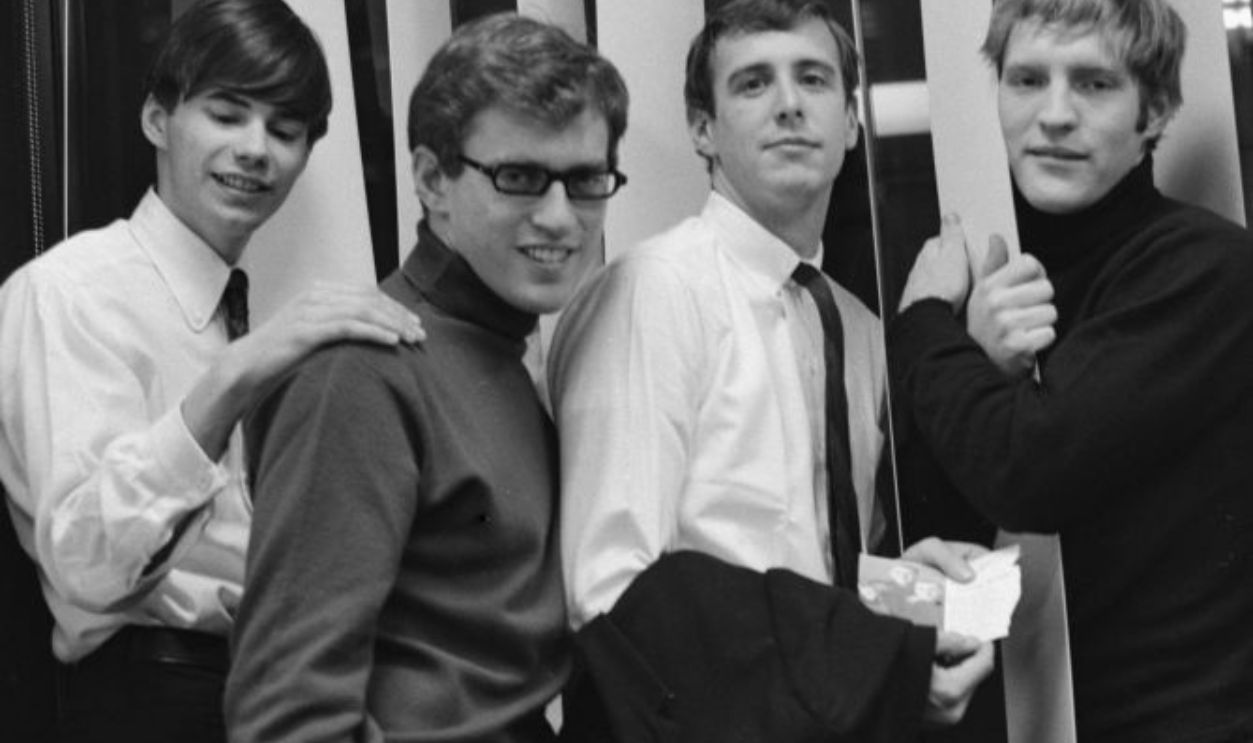
The Cyrkle
The Cyrkle had a hit with Red Rubber Ball, a song co-written by Paul Simon. They even toured with The Beatles at one point, which sounds like the setup for a much bigger career. Instead, they slowly disappeared into the endless pile of “bands your parents vaguely remember hearing once.”
 Michael Ochs Archives, Getty Images
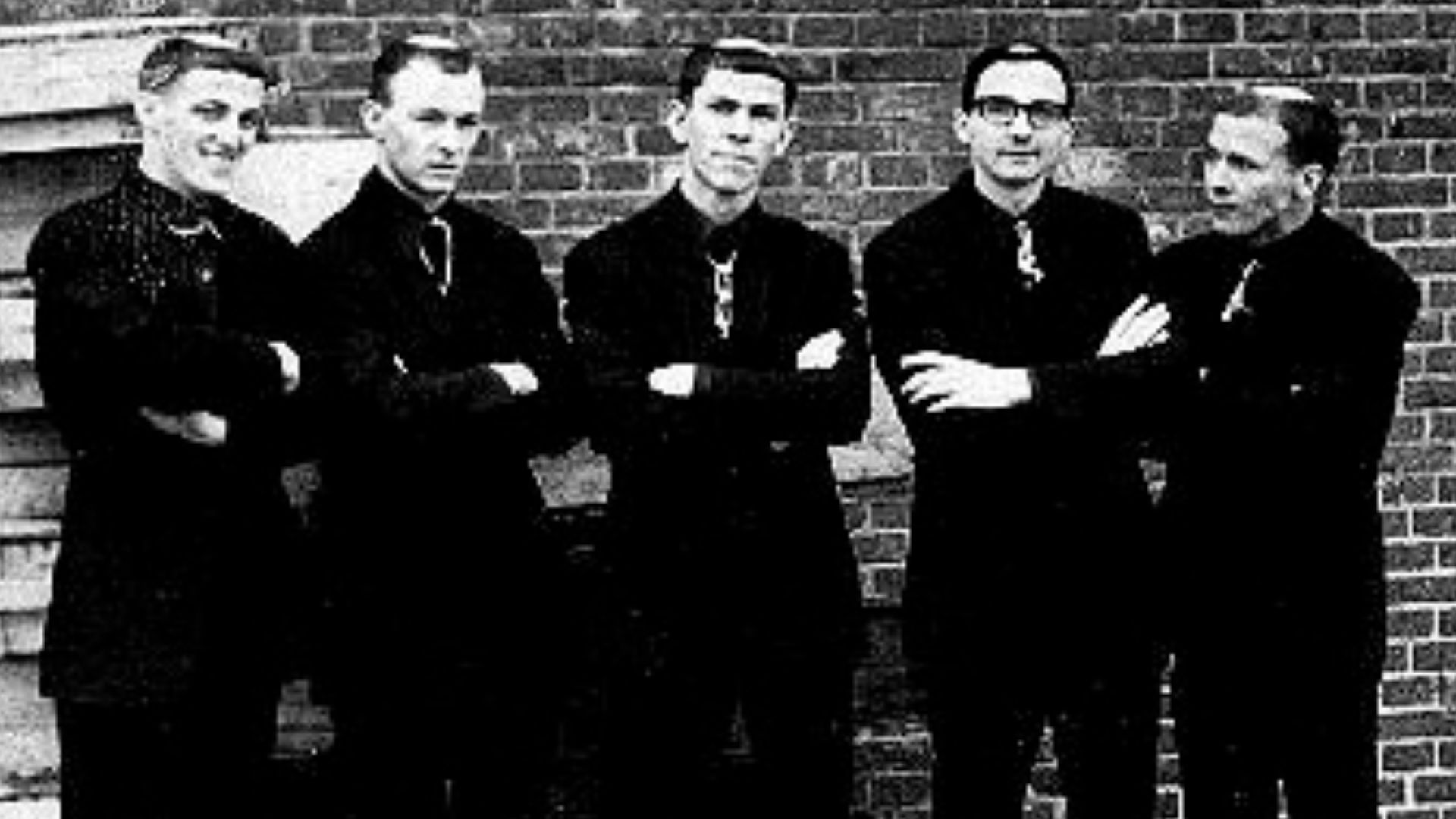
The Monks
The Monks looked completely insane for the mid-60s. Tonsured haircuts, black outfits, aggressive repetitive songs…they almost feel more like a proto-punk experiment than a normal rock band. At the time, audiences barely knew what to make of them. Decades later, music fans finally realized how weirdly ahead of their time they were.
 Larry Clark, Wikimedia Commons
Love
Critics and musicians adore Love, especially their album Forever Changes. But mainstream audiences never fully embraced them during the 60s, and even today they’re more “legendary cult band” than household name. Frontman Arthur Lee’s complicated personality and constant instability didn’t exactly help the group stay commercially successful either.
The Vogues
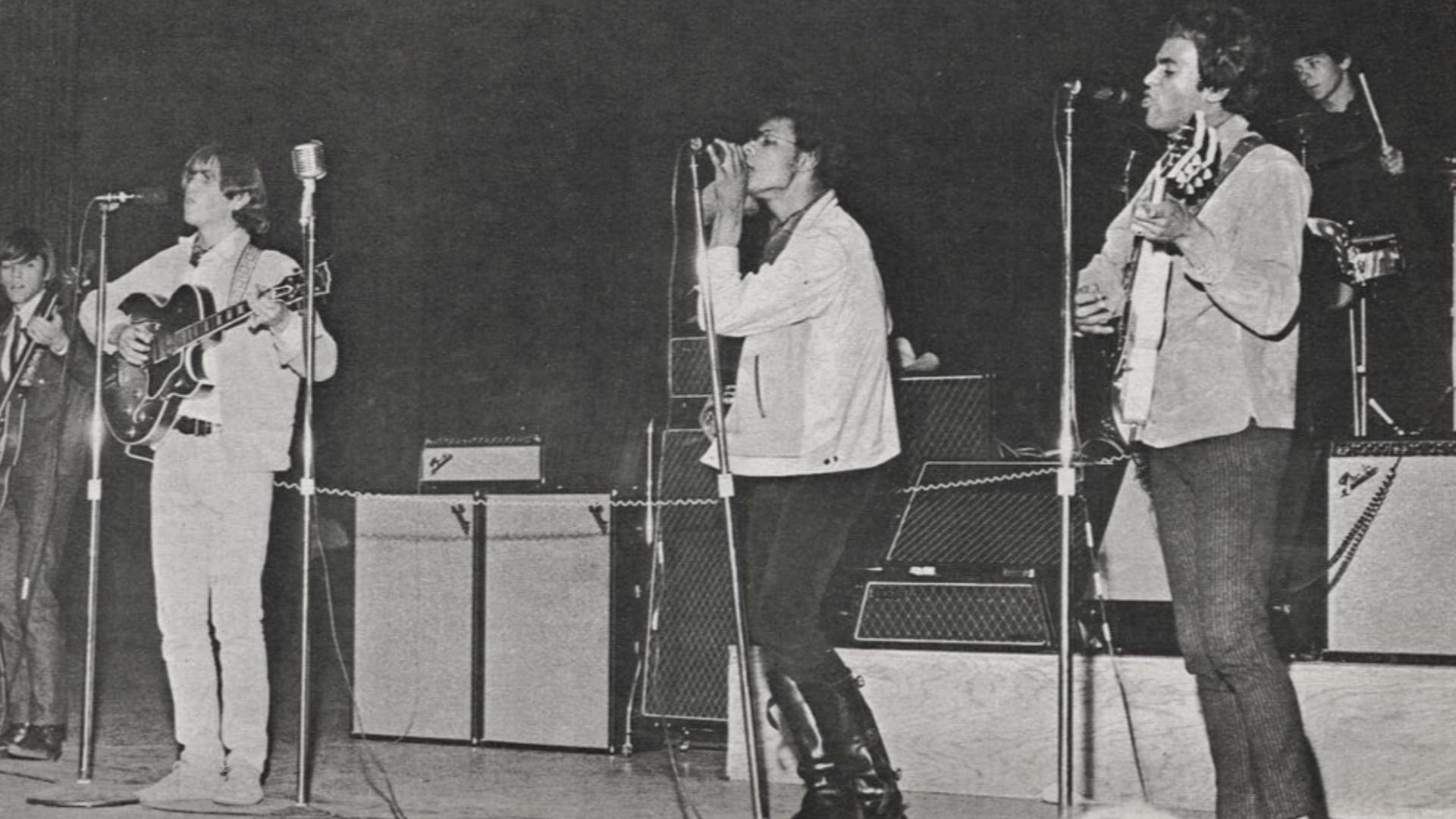
The Vogues had smooth harmonies and several successful singles, including You’re the One. But their ultra-clean image quickly became uncool once rock music got rougher, stranger, and more rebellious near the end of the decade. By the 70s, they already felt like leftovers from a completely different musical era.
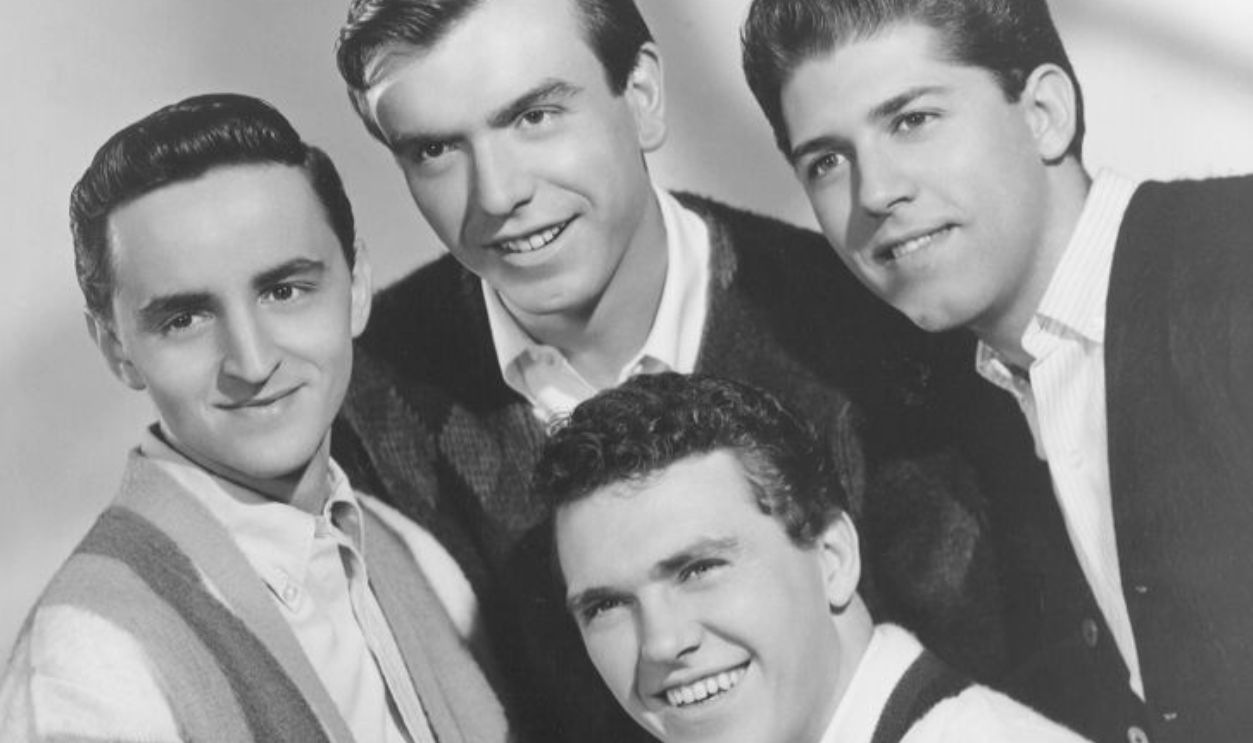 Michael Ochs Archives, Getty Images
The Buckinghams
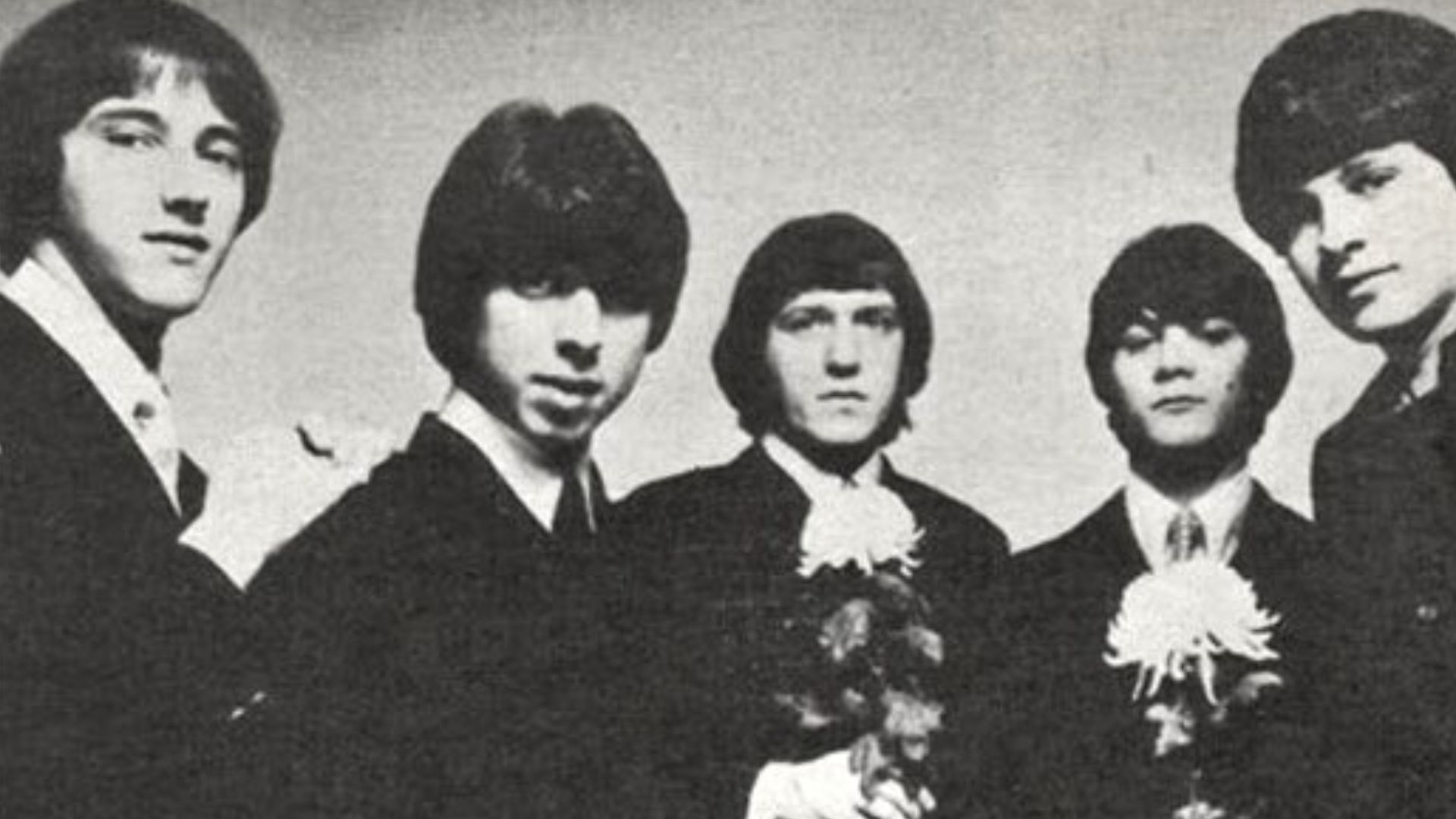
The Buckinghams had multiple chart hits and briefly looked like they might become huge stars. Songs like Kind of a Drag were everywhere for a while. But like many sunshine-pop bands, they struggled once heavier rock took over FM radio and audiences started wanting something louder and less polished.
The Zombies
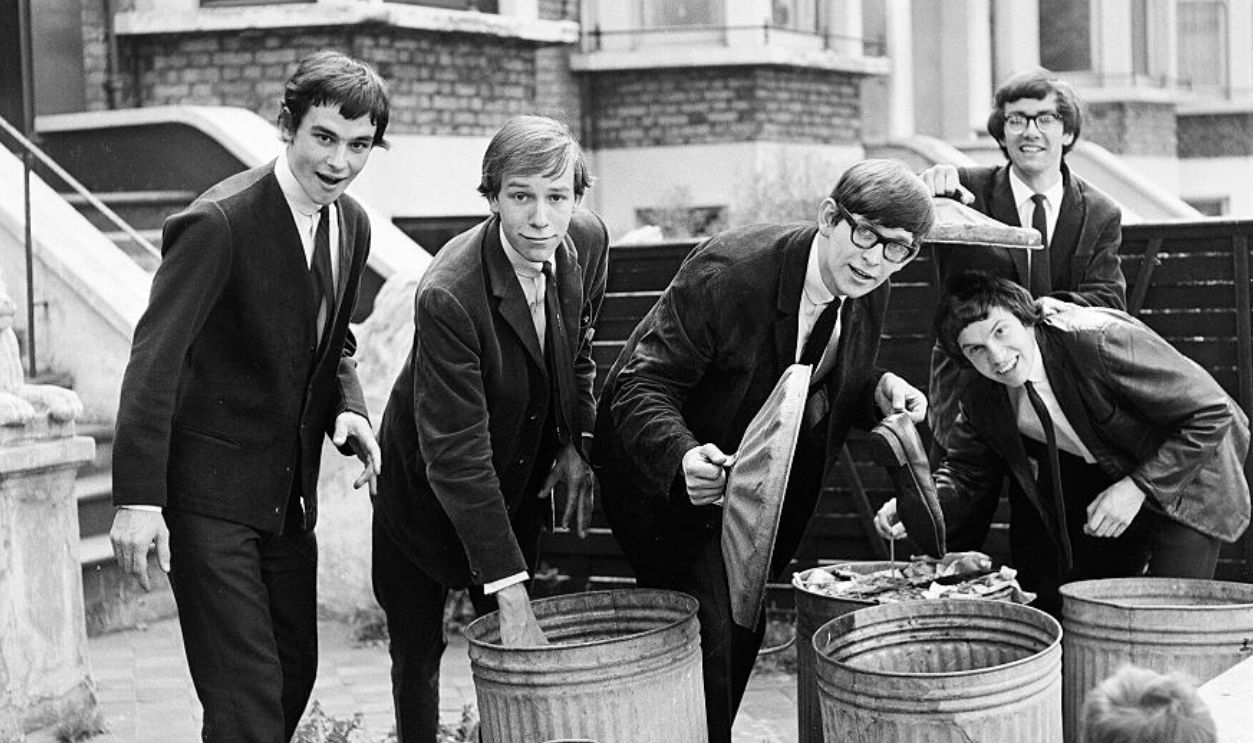
This one feels almost unfair because Time of the Season still gets constant radio play. But ask younger listeners to name the band behind it and you’ll usually get silence. The Zombies actually broke up before their biggest hit fully exploded, which remains one of the strangest timing disasters in rock history.
 Stanley Bielecki/ASP, Getty Images
You Might Also Like:
The Bittersweet Legacy Of Kris Kristofferson’s “Me and Bobby McGee”
Once Popular Songs That Are Now Totally Forgotten