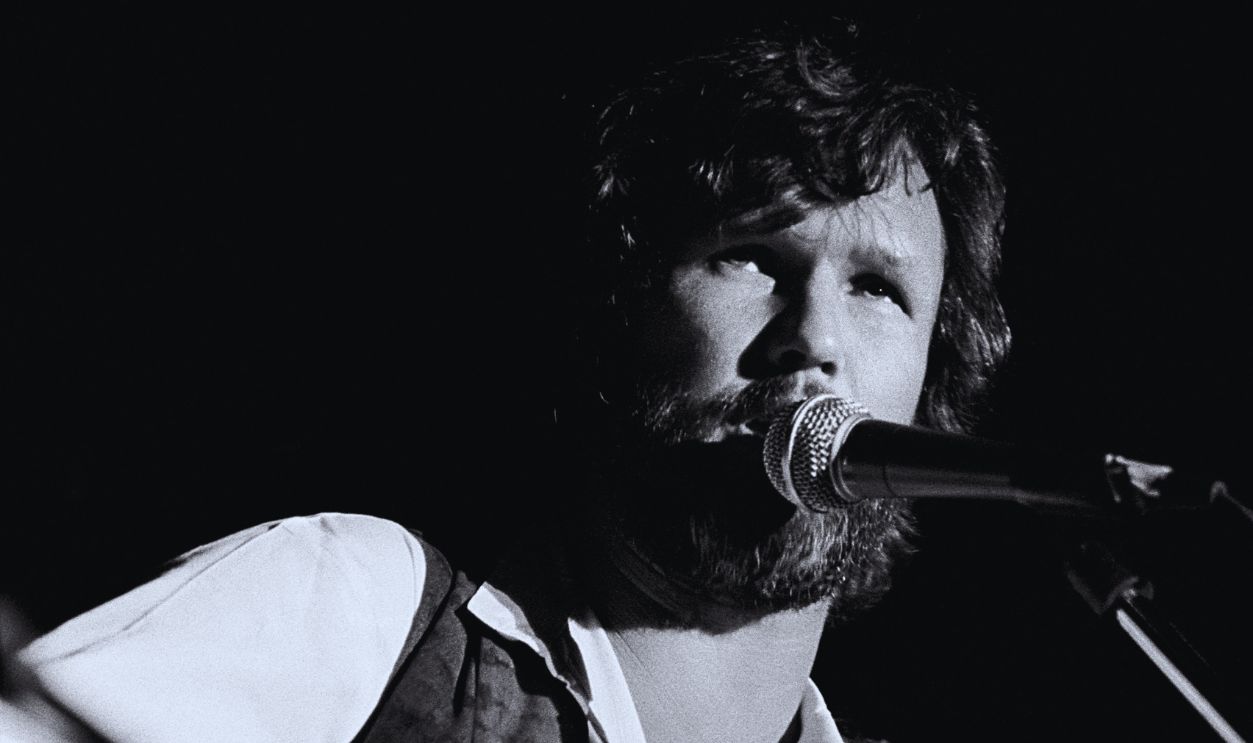
A Signature Song For Two
“Me and Bobby McGee” is probably Kris Kristofferson’s best-known song But it was Janis Joplin’s version of the song that made it that way. He never heard her version while she was alive. Instead, he first heard it the day after she died, turning the song into something deeply personal and almost unbearable.
 Stephane Cardinale/Sygma via Getty Images
Writing The Song Before It Became A Classic
Kristofferson co-wrote “Me and Bobby McGee” in 1969 at the suggestion of producer Fred Foster. Kristofferson was trying to get his own music career off the ground. Roger Miller recorded the song and it went to Number 12 on the country chart that year. Gordon Lightfoot recorded another version, but the song hadn’t reached its full cultural impact.
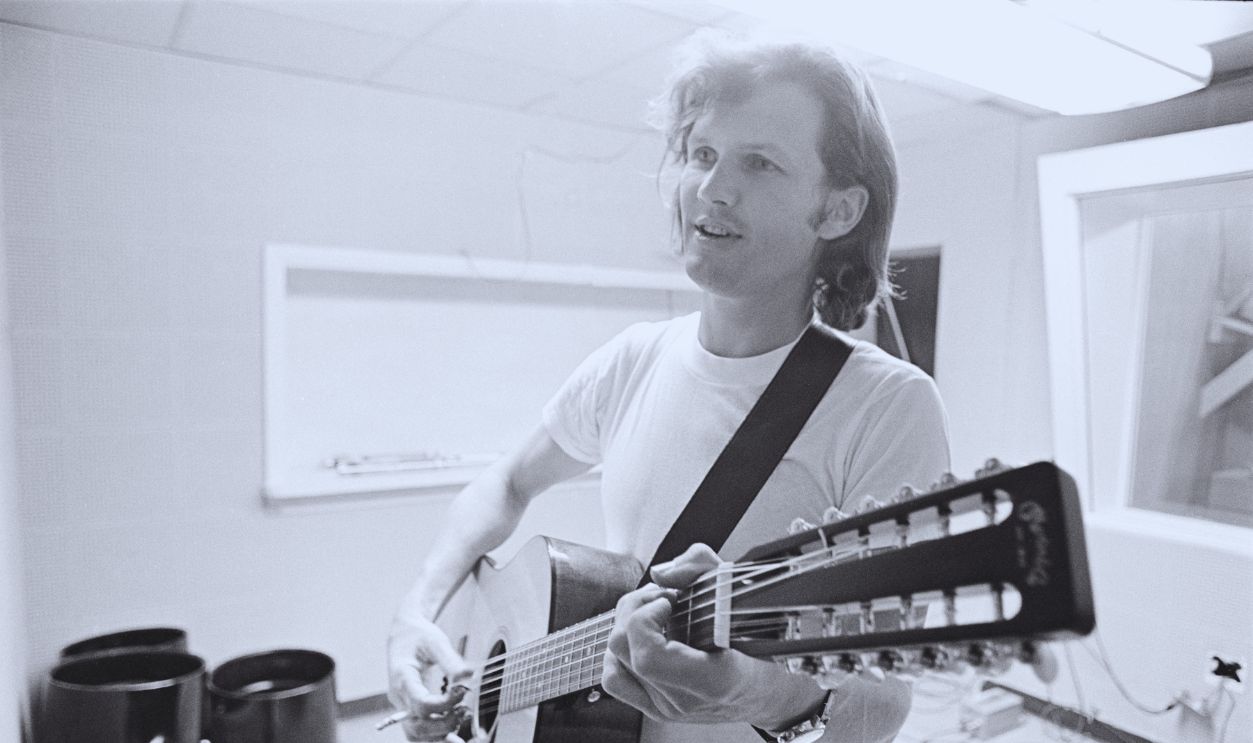 Al Clayton Photography, LLC, Getty Images
Kristofferson’s Recording
Kris Kristofferson recorded “Me and Bobby McGee” for his 1970 debut album Kristofferson, delivering a stripped-down version that reflected his background as a songwriter first and performer second. Though it wasn't a major hit at the time, the recording helped establish Kristofferson’s reputation as one of the era’s most gifted lyricists. It was around this time that he met Janis Joplin.
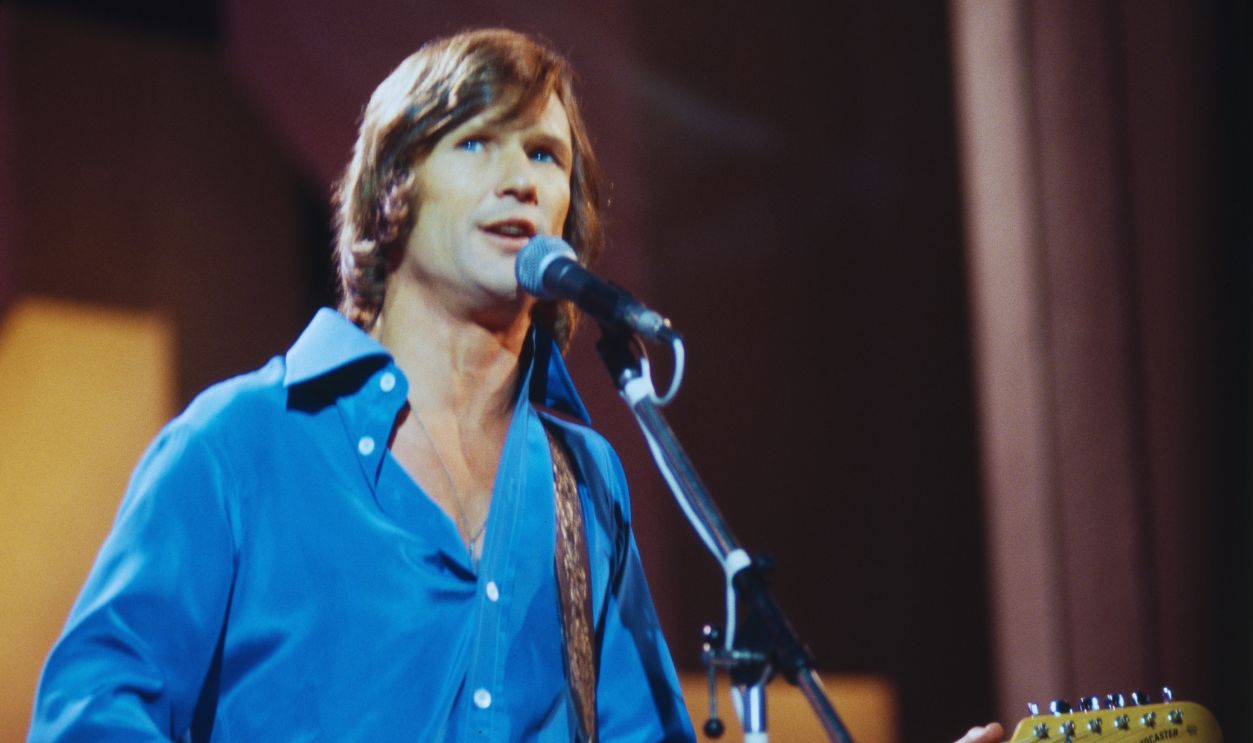
A Mutual Friend
Kris Kristofferson first met Janis Joplin through their mutual friend, singer-songwriter Bobby Neuwirth. Neuwirth introduced Kristofferson’s songwriting to Joplin and helped bring them together socially. The meeting quickly revealed a mutual respect and attraction, with Joplin drawn to Kristofferson’s raw, poetic lyrics and he, in turn, captivated by her powerful, emotionally charged presence and voice.
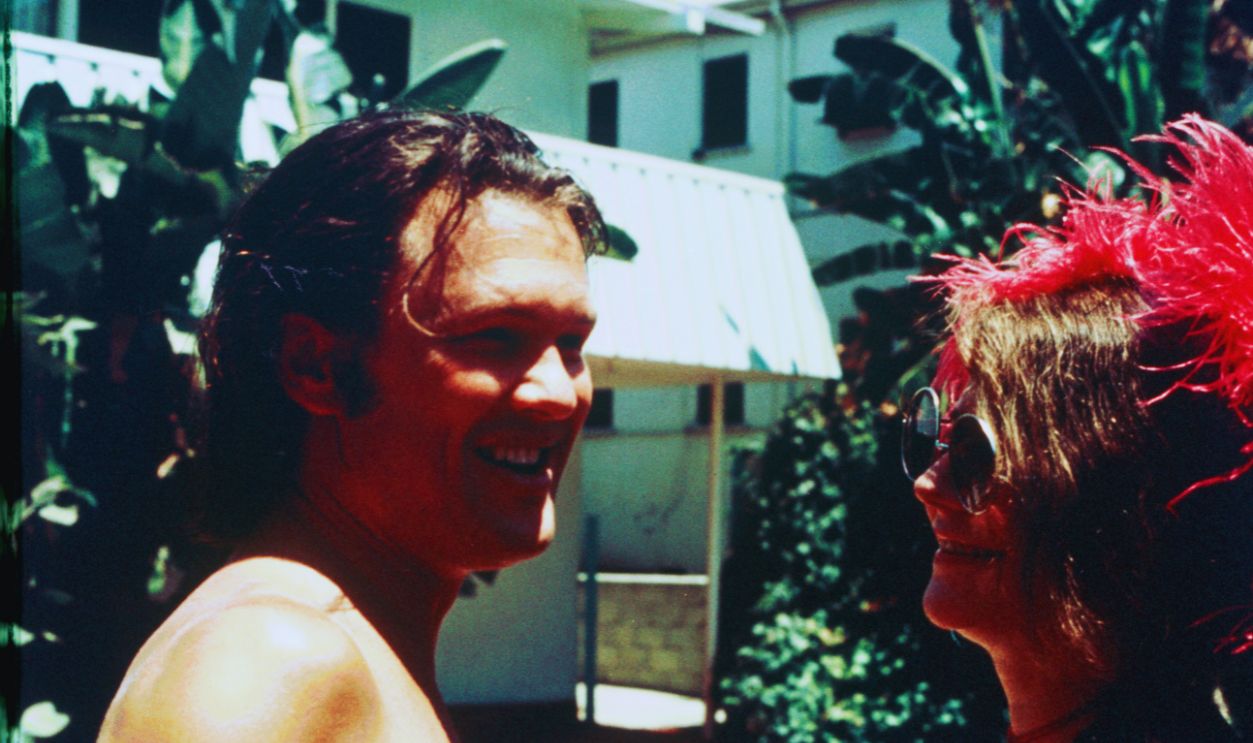 John Byrne Cooke Estate, Getty Images
Their Time Together Was Short
Kris Kristofferson and Janis Joplin shared a brief but passionate relationship in 1970, marked by the turbulence of Joplin’s lifestyle and the pressures surrounding her rising fame. Though their time together was short, it left a lasting impression on Kristofferson, who would later reflect on Joplin’s vulnerability and the depth she brought to everything she did, both personally and musically.
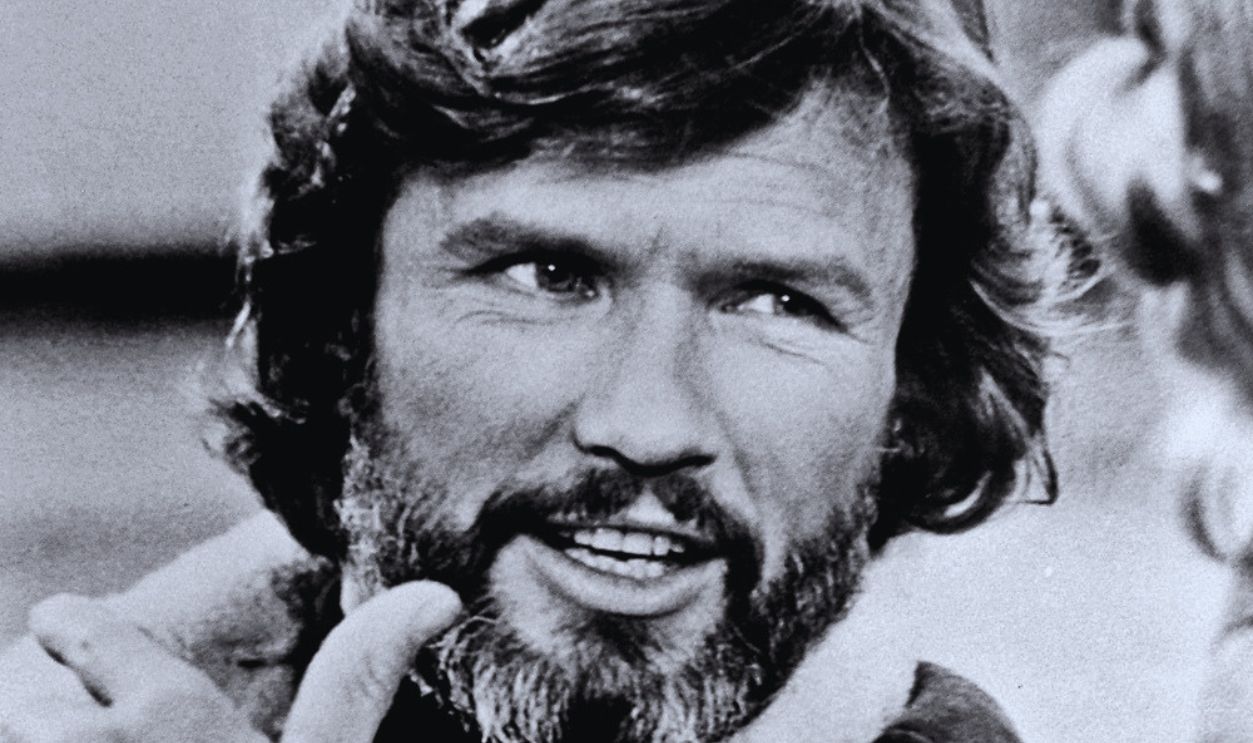 Agency: Magna Artists, Wikimedia Commons
Why The Song Spoke To Janis Joplin
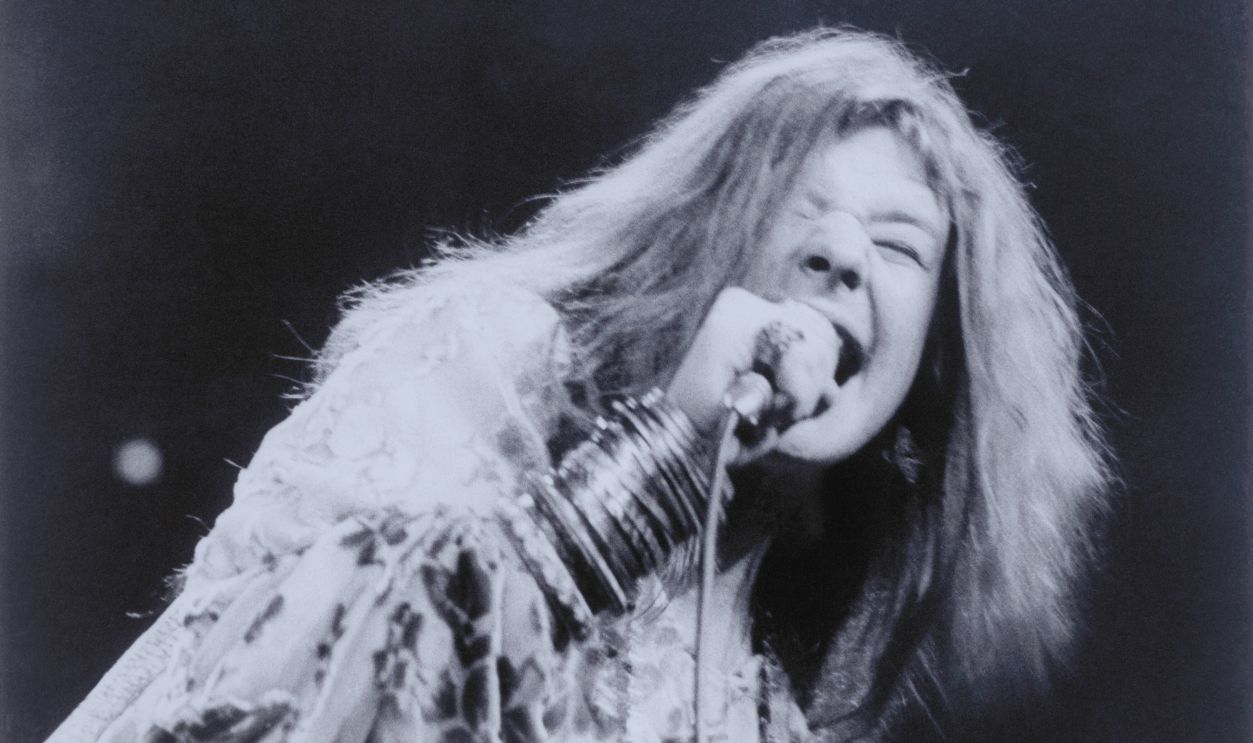
Joplin connected to the song right away because it mirrored her own life. The themes of wandering, emotional vulnerability, and searching for meaning aligned closely with her experiences. When she sang it, she transformed the story in the lyrics into something raw, personal, and honest.
The Pearl Sessions Captured Her At Her Peak
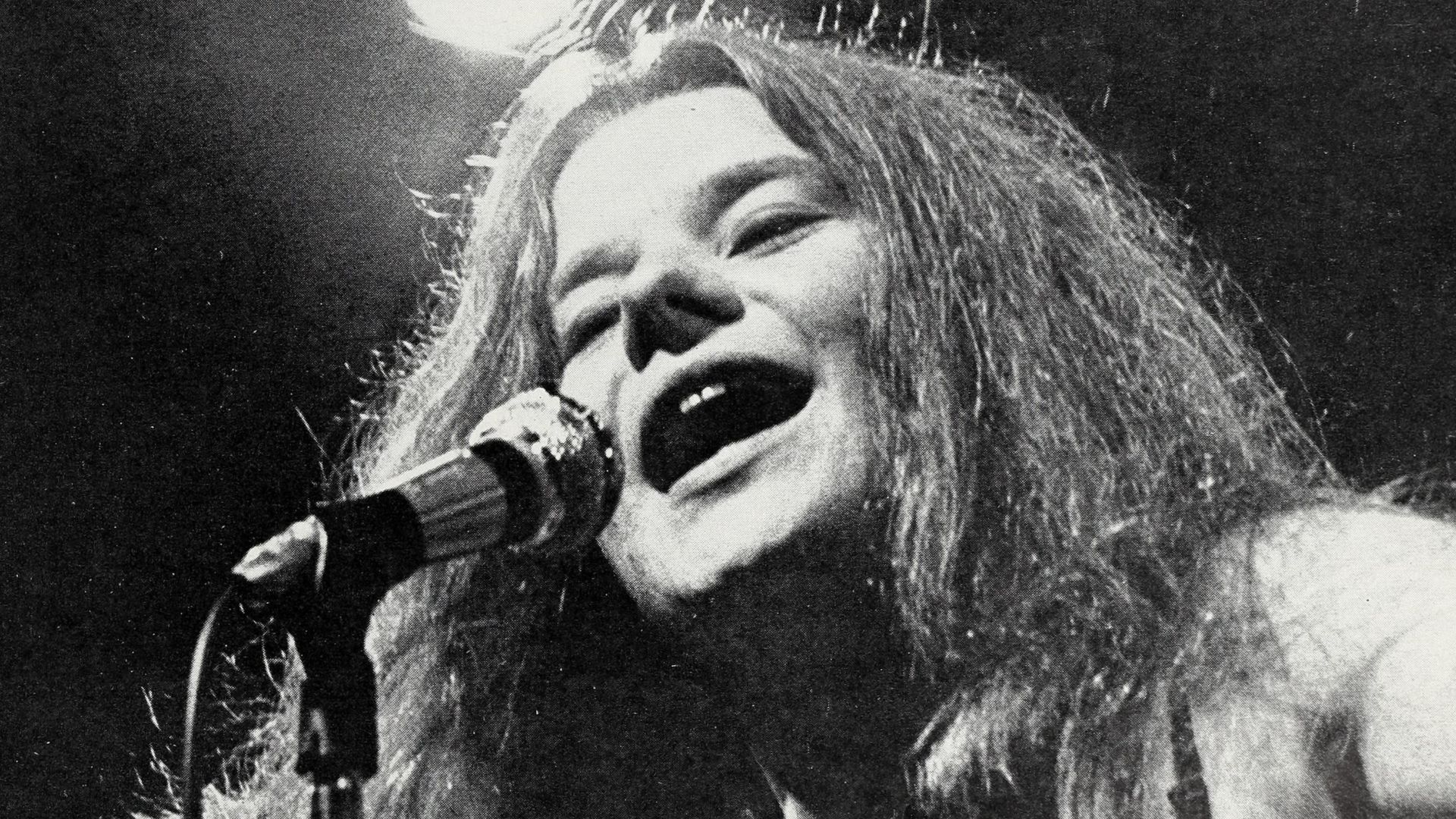
In 1970, Joplin began recording what would become her final album, Pearl. The recording sessions with producer Paul Rothchild and Joplin’s Full Tilt Boogie Band revealed an artist going further musically, working with tighter bandmates and a more controlled sound. At the same time, she still retained the emotional power that had always defined her live performances.
Recording A Version That Changed Everything
Her recording of “Me and Bobby McGee” became the defining track of the album. It blended restraint with explosive emotion, creating a performance that felt both intimate and overwhelming. Coming as it did in the aftermath of the previous versions of the song, Joplin’s version redefined how the song was understood, even by the person who wrote it.
A Death That Froze The Moment Forever
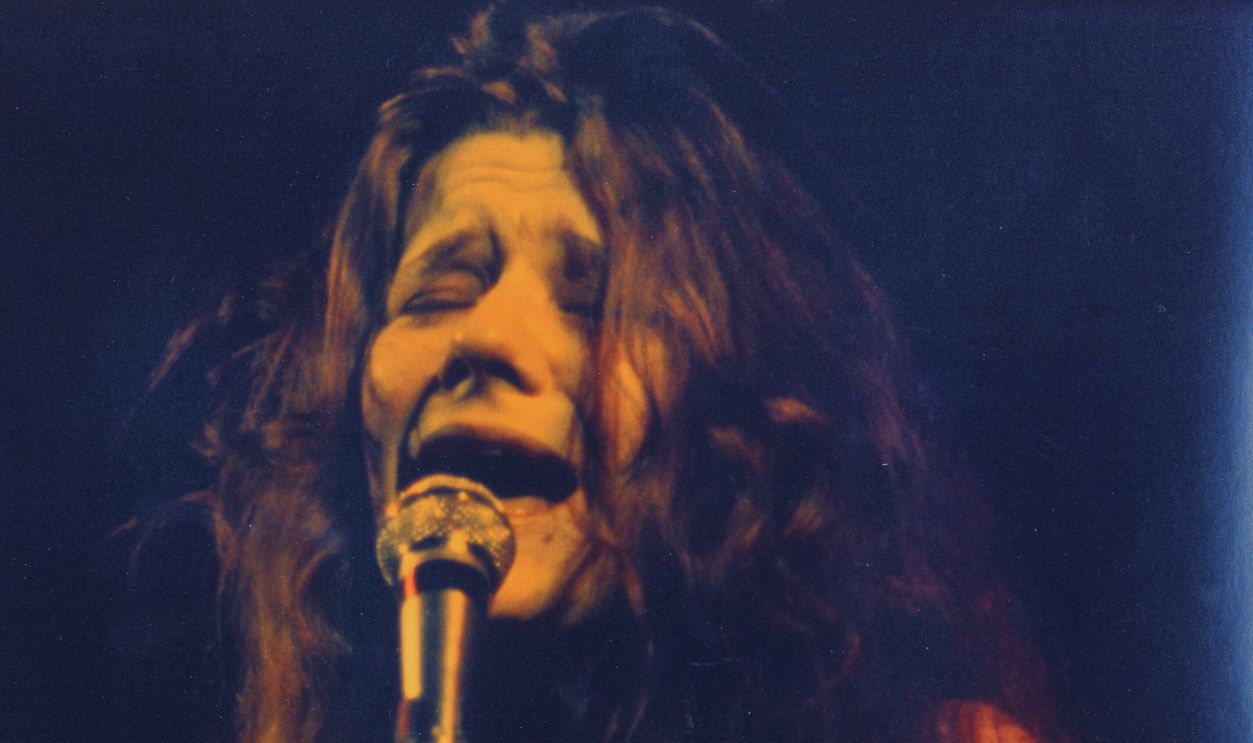
Joplin died in October 1970, before Pearl was completed. Her death at age 27 left the project unfinished, though enough recordings existed to release it as her final album. That unfinished nature added a layer of emotional weight to everything on the album, especially her version of Kristofferson’s song.
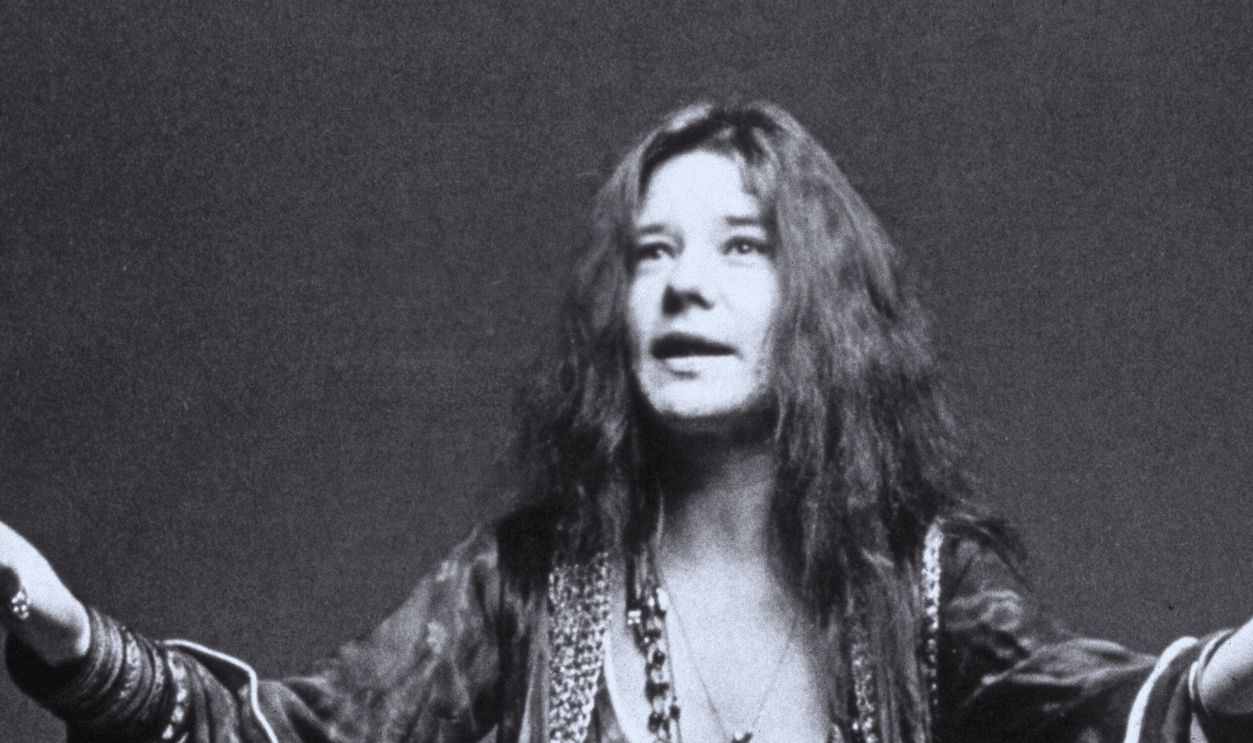 Sunset Boulevard, Getty Images
A Posthumous Hit That Rewrote The Song’s Legacy
When Pearl was released in 1971, it became a massive success. Joplin’s version of “Me and Bobby McGee” reached Number One on the charts, becoming one of the most famous posthumous hits in music history.
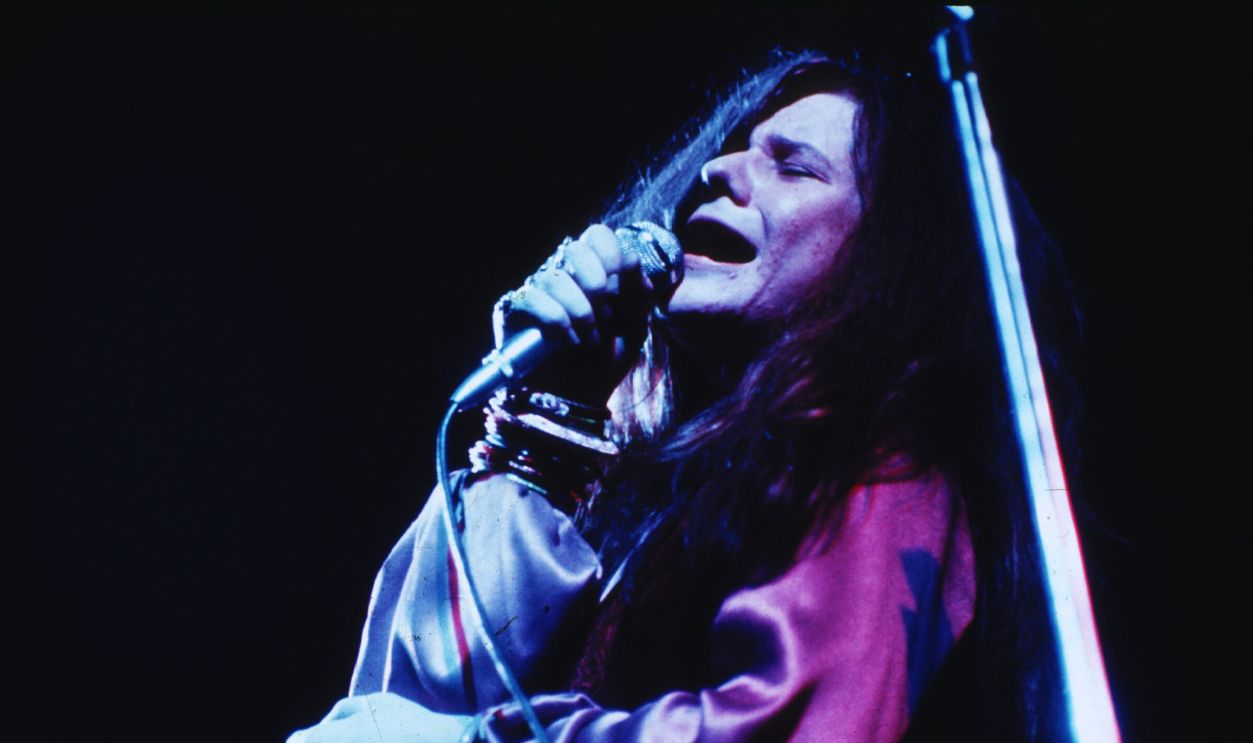
Hearing The Song For The First Time
Kristofferson didn't hear Joplin's recording casually. A producer invited him in and played it for him the day after Joplin died. He had no idea she had even recorded the song. The shock of hearing her voice, knowing she was gone, hit him immediately and deeply.
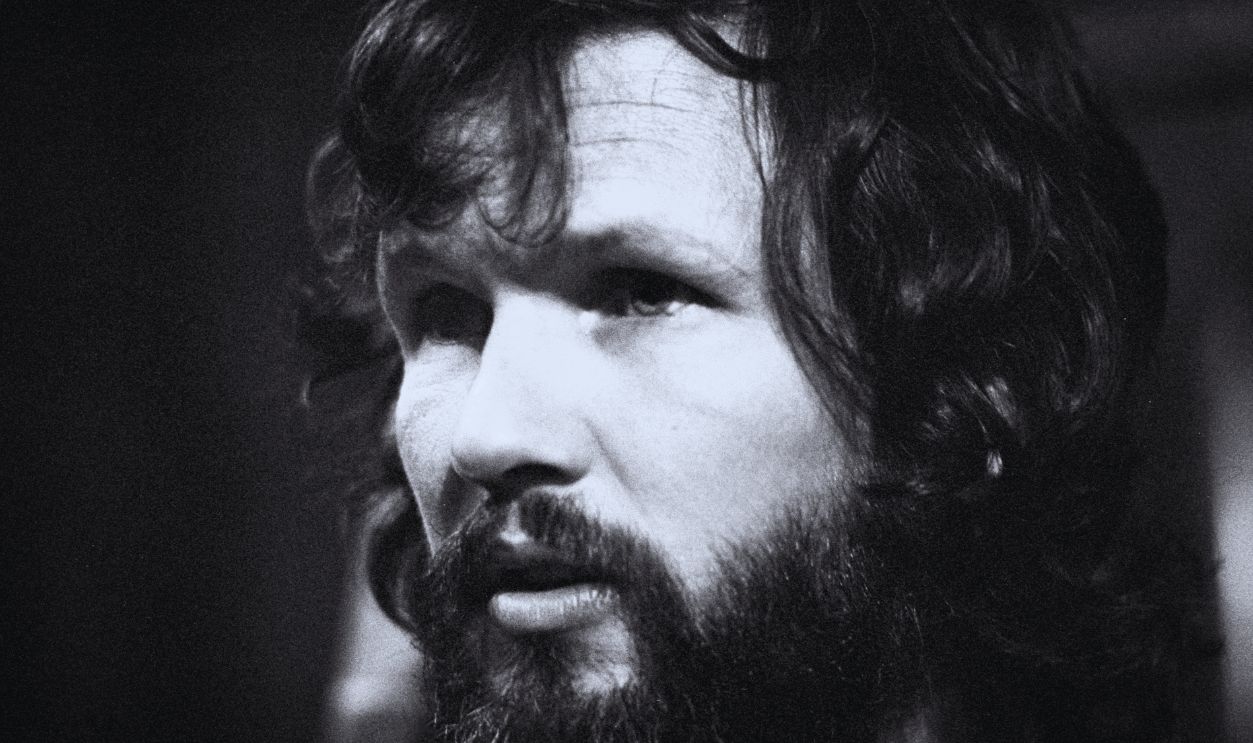 Gijsbert Hanekroot, Getty Images
An Overwhelming Emotional Reaction
The impact was so intense that he had to leave the room. He later recalled walking around outside in a daze, unable to process what he had just heard. It was not just admiration for her performance. It was grief colliding with art in a way that left him shaken.
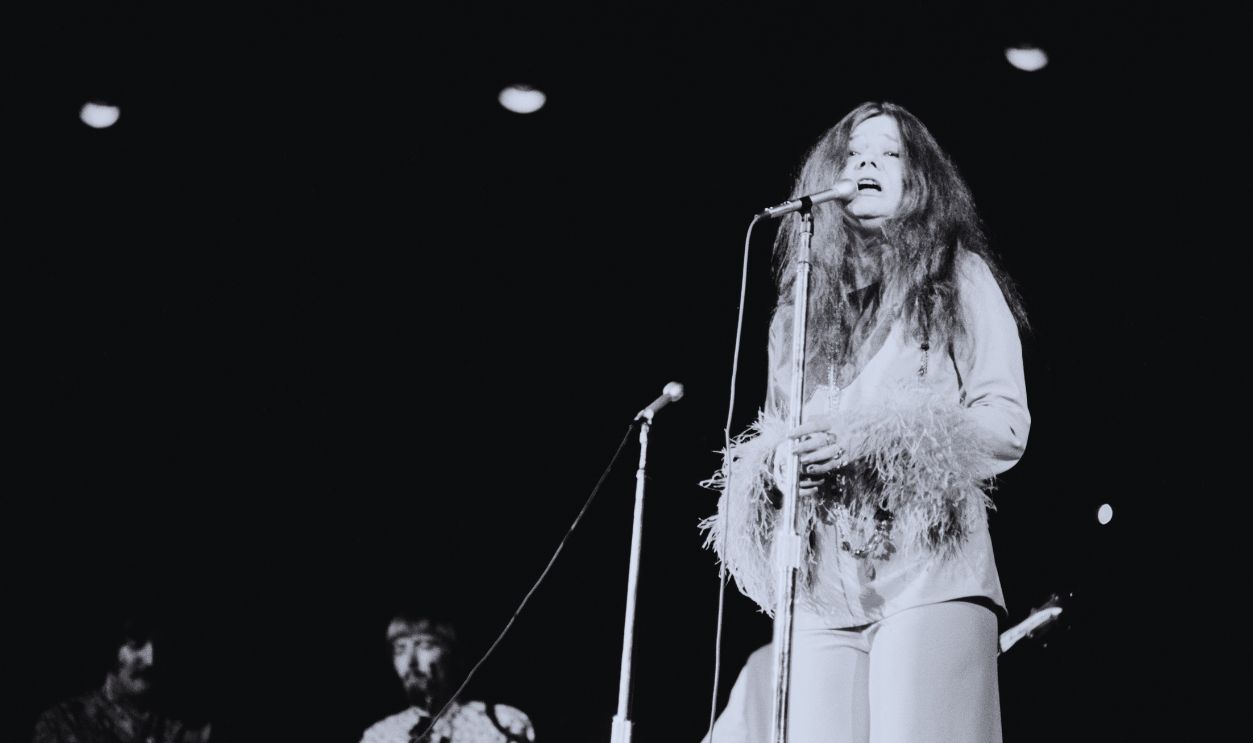 Michael Ochs Archives, Getty Images
A Song He Could Not Bear To Listen To
For a long time afterward, he could not bring himself to listen to her version again. The recording captured her at her most alive, which made her absence even more painful. The song became a reminder of someone he had cared about, frozen in a moment that could never be repeated.
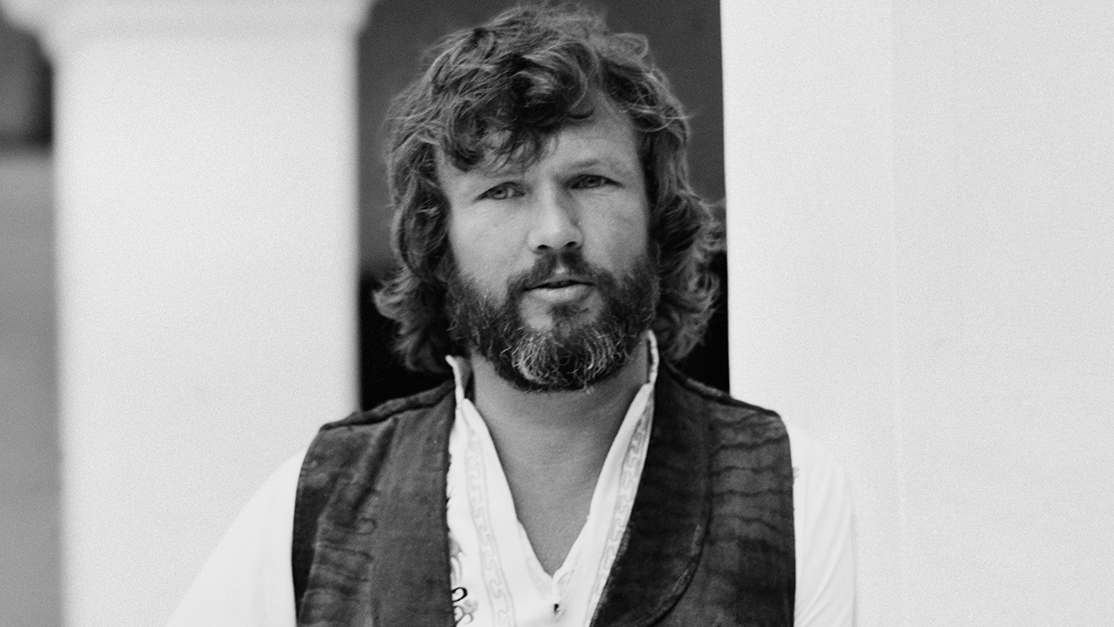 Larry Ellis Collection, Getty Images
Memories Of Their Final Interactions
Hearing the song also brought back memories of their last conversations and interactions. The emotional distance and unfinished nature of their relationship lingered in his mind. That connection made the song feel less like a performance and more like a message he was hearing too late.
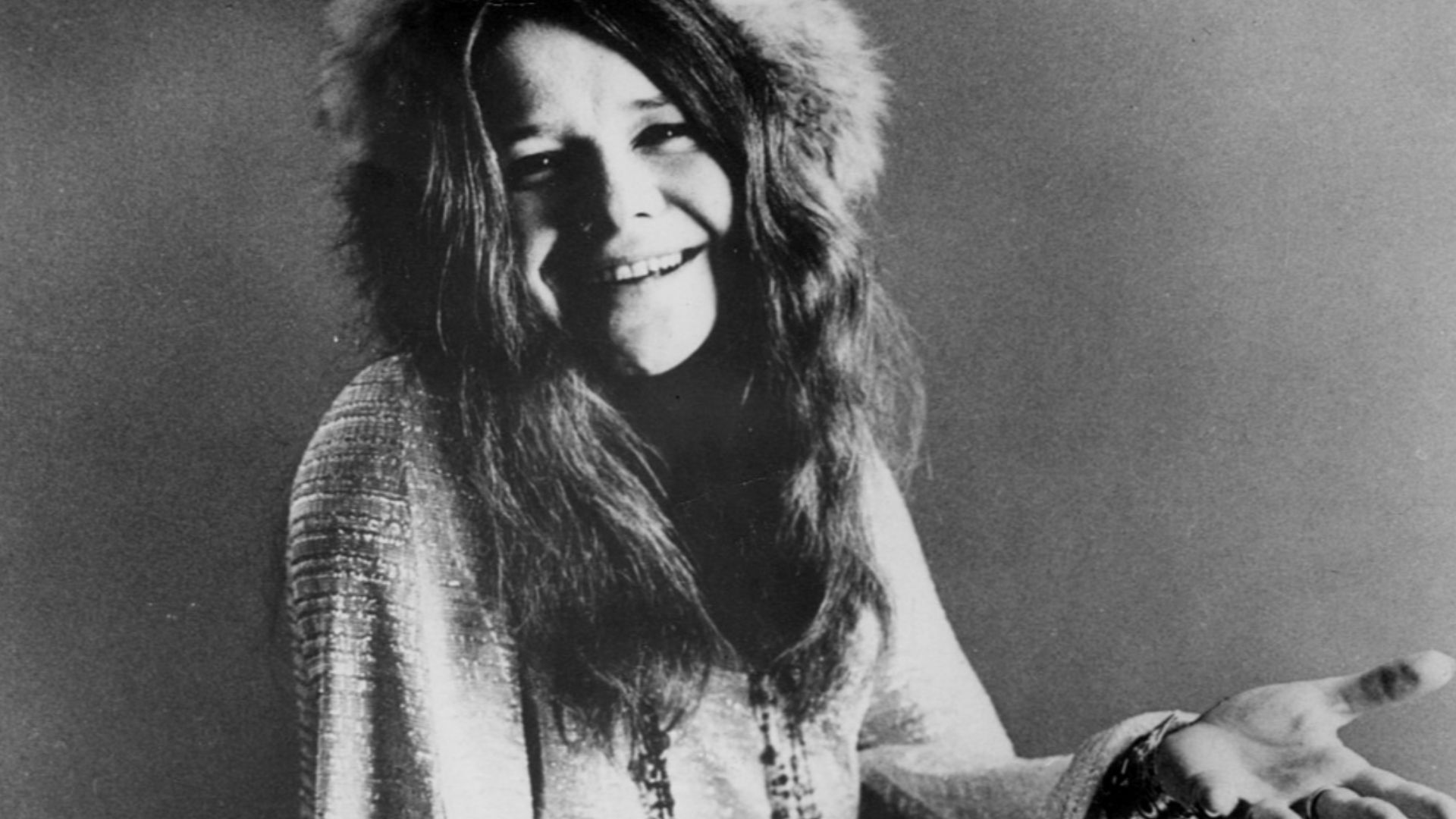 Albert B. Grossman Management (personal manager), New York., Wikimedia Commons
Forcing Himself To Face The Music
Eventually, Kristofferson realized he would have to perform the song himself. To prepare, he sat down with a friend and listened to Joplin’s version repeatedly. He played it over and over until he could hear it without breaking down, training himself to separate emotion from performance.
Learning How To Perform Without Breaking
This process was not about removing emotion entirely. It was about controlling it. By repeatedly exposing himself to the song, he built a kind of emotional distance that allowed him to perform it live without losing control in front of an audience.
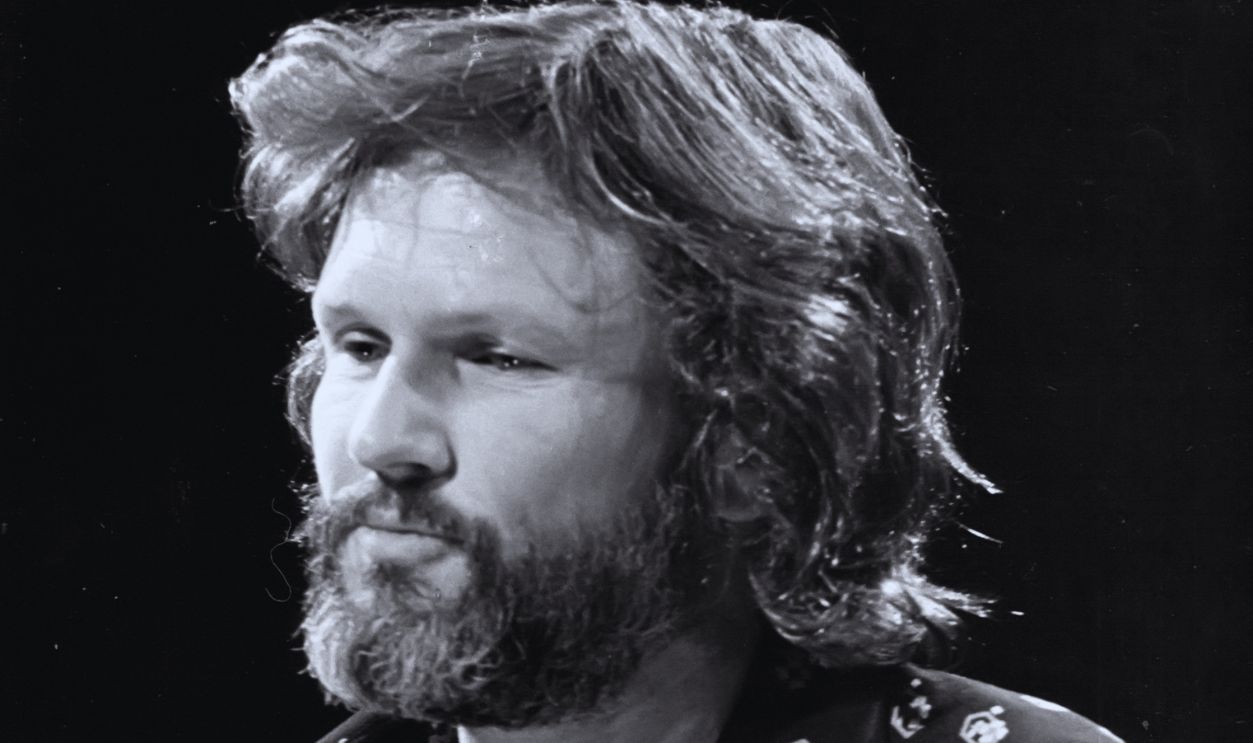
A Song That No Longer Belonged Only To Him
After Joplin’s version became a hit, the song took on a new identity. For many listeners, it became her song, even though he had written it. Her interpretation permanently altered its meaning and ensured that her voice would always be tied to it.
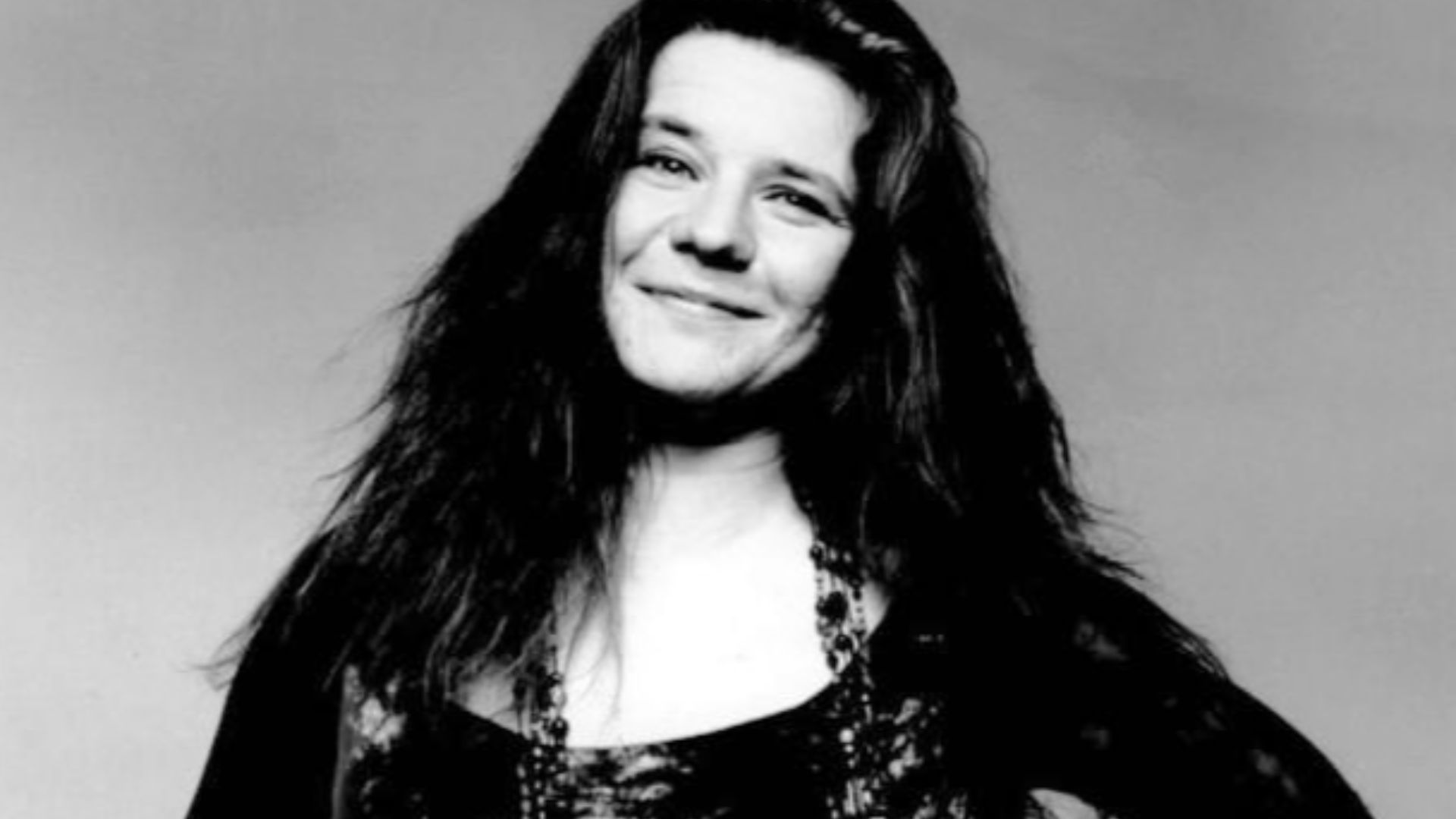 Grossman Glotzer Management Corporation, Wikimedia Commons
Fame That Came With A Cost
Joplin’s success with the song helped launch Kristofferson into a new level of fame and opportunity. But that success came with complicated emotions. The same event that elevated his career was also tied directly to a personal loss he never fully recovered from.
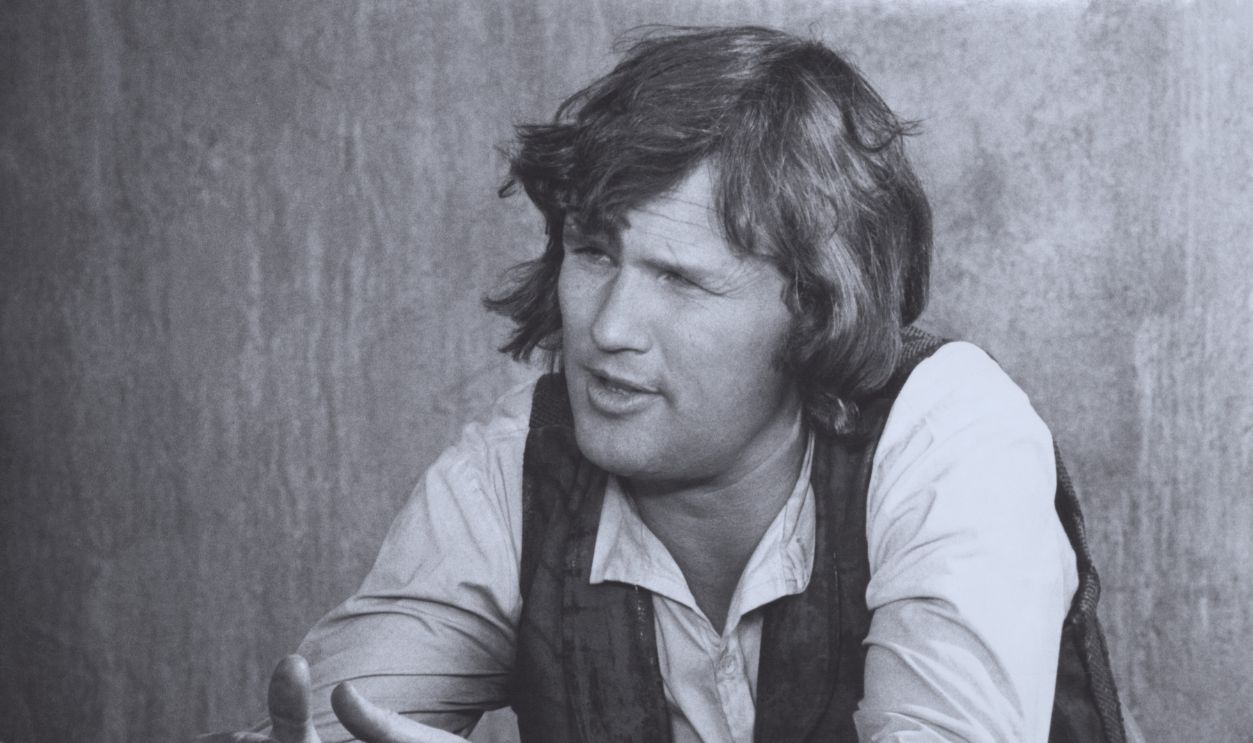
Two Versions That Tell Different Emotional Stories
Kristofferson’s version remains understated and reflective, while Joplin’s is raw and explosive. The contrast highlights how a song can evolve through interpretation. Her version did not replace his. It expanded it into something larger, more emotional, and more universal.
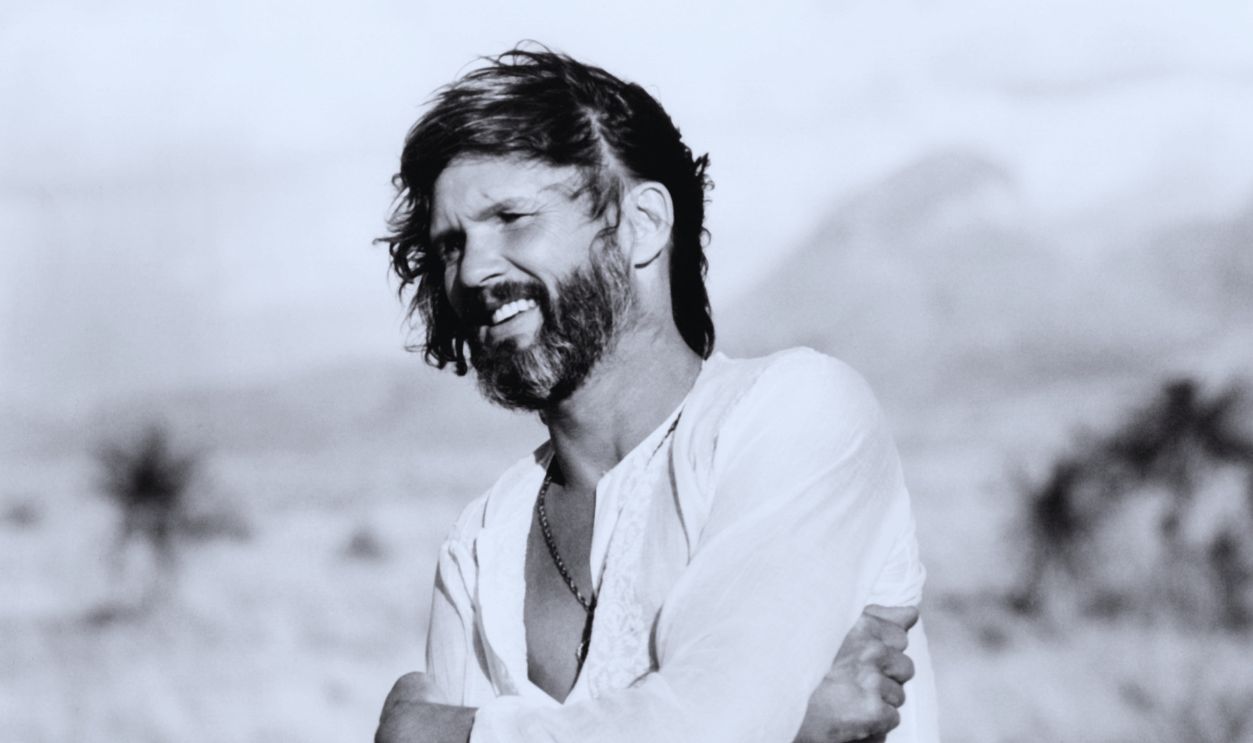 Silver Screen Collection, Getty Images
The Cultural Impact Of Her Performance
Joplin’s recording captured the spirit of an era defined by freedom, instability, and emotional intensity. It became one of the defining songs of the early 1970s, resonating with audiences who saw their own lives reflected in its themes of love and loss.
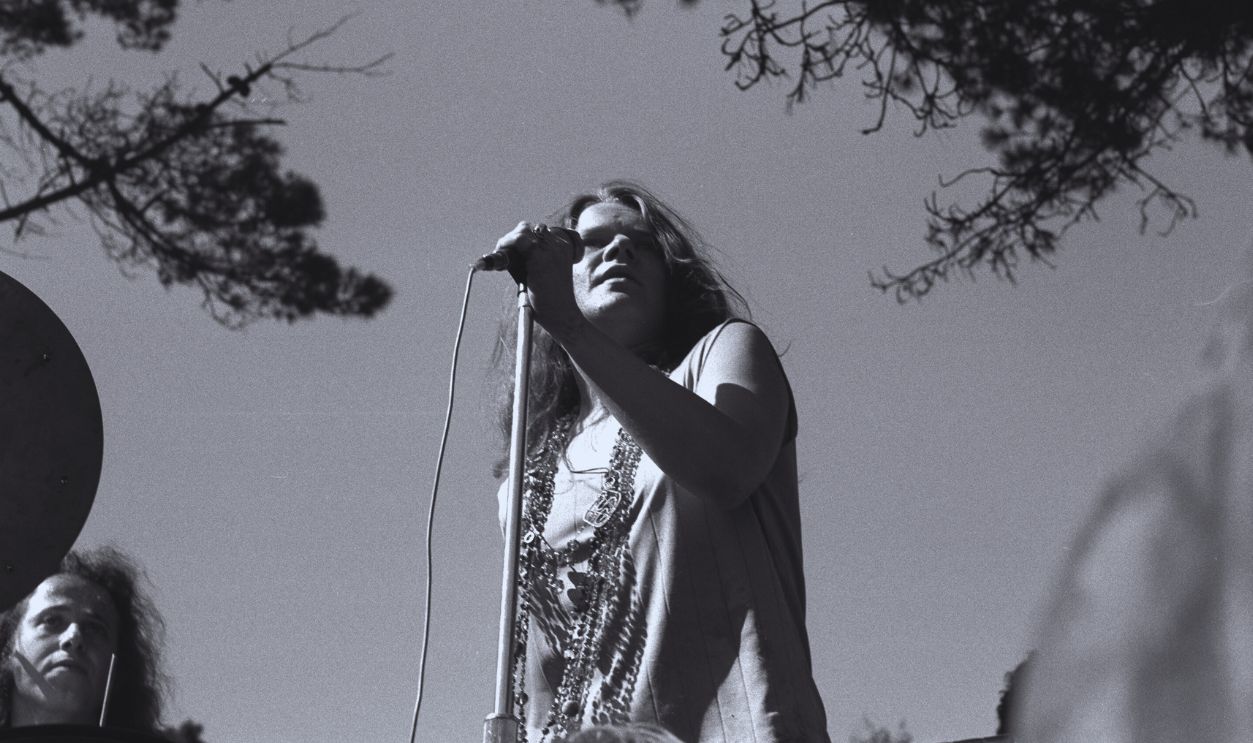
The Enduring Legacy Of Pearl
Pearl became Joplin’s most successful album, solidifying her place in music history. It represents both her artistic peak and the abrupt end of her life. That duality continues to shape how the album and its most famous song are remembered.
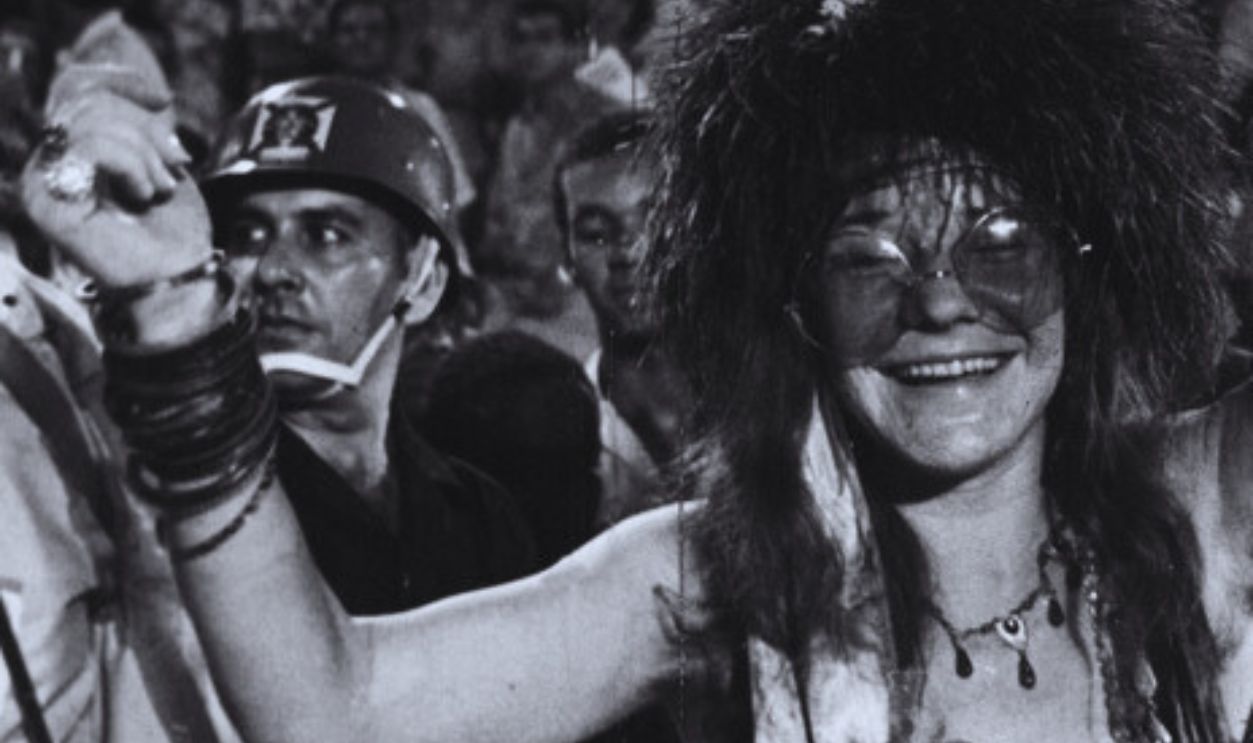 Brazilian National Archives, Wikimedia Commons
A Relationship Preserved In Music
Kristofferson and Joplin did not leave behind a traditional story with a clear beginning and end. Instead, their connection lives on through the music they shared. “Me and Bobby McGee” became the most powerful expression of that relationship.
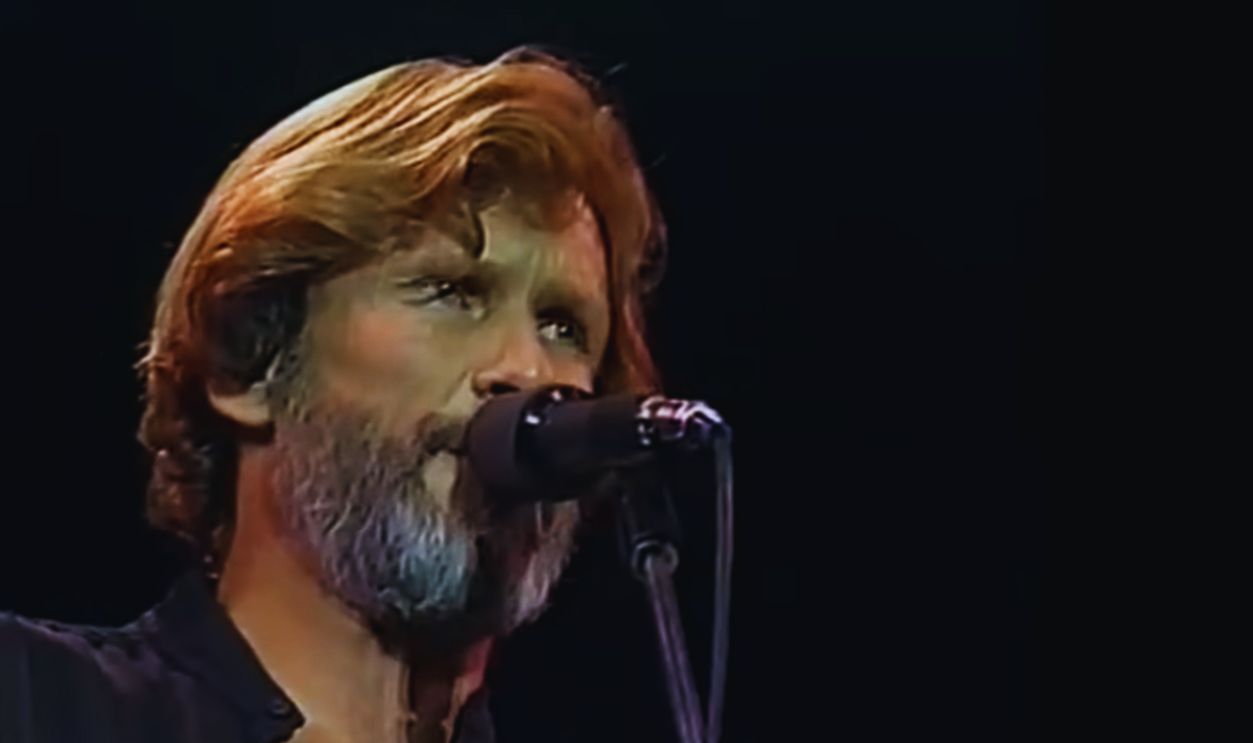 Screenshot from Kris Kristofferson – “Me and Bobby McGee”, Monument Records (1979)
Performing The Song Never Became Easy
Even after learning how to manage his emotions, performing the song was never effortless. Each performance carried a quiet weight that audiences could not fully see. It was always tied to that first moment of hearing her voice after she was gone.
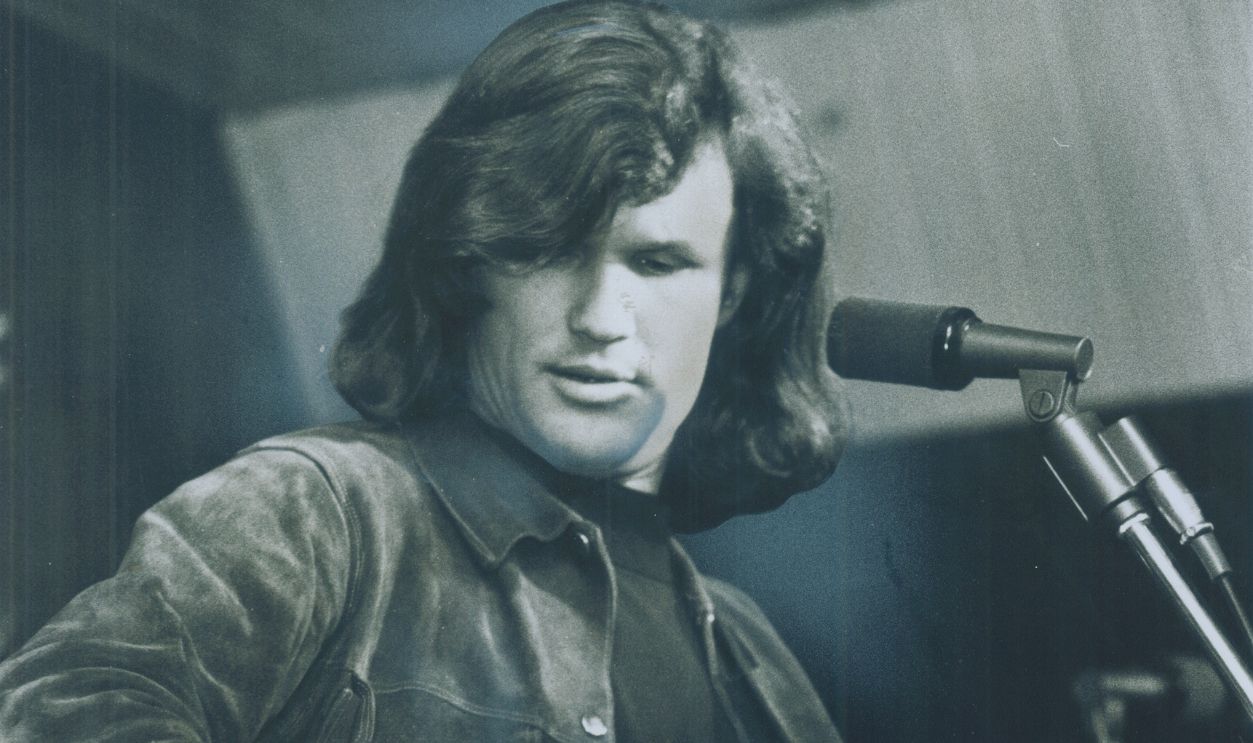
Time Changed The Meaning, But Not The Memory
As the years passed, the intensity of the grief softened, but it never disappeared. The song became less about shock and more about remembrance, evolving into something closer to a tribute.
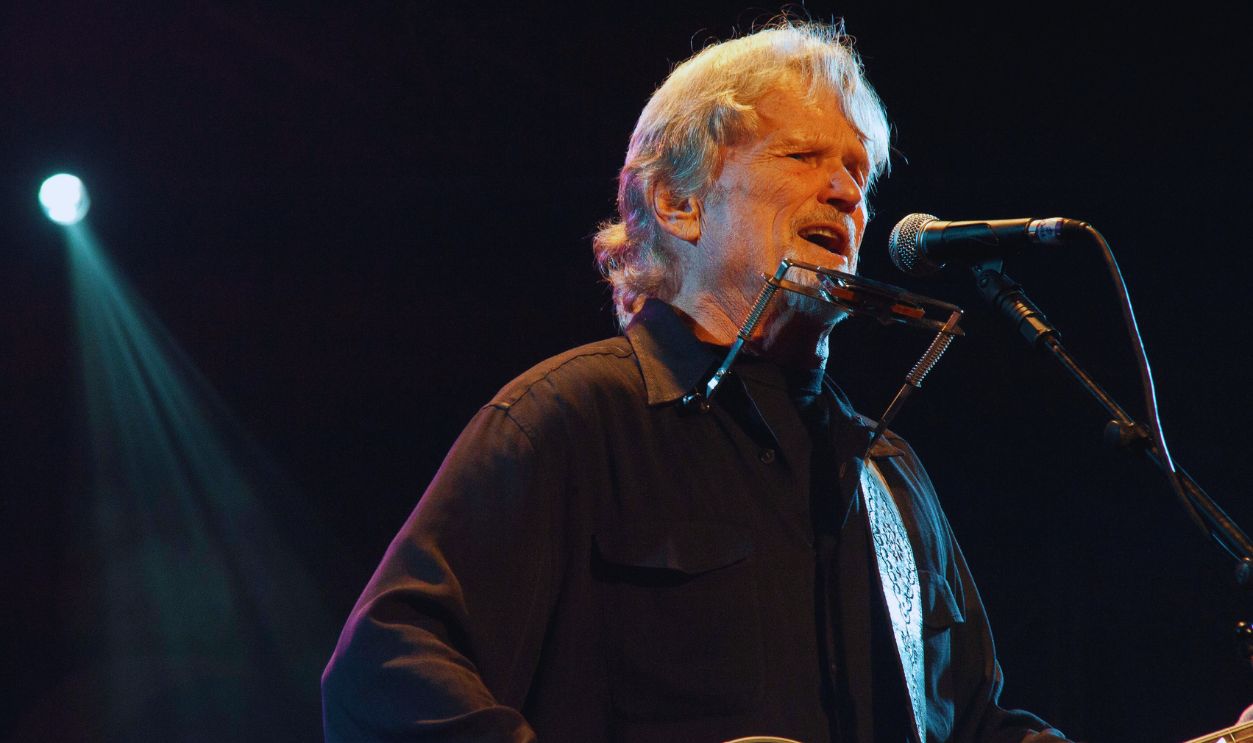 Bryan Ledgard, Wikimedia Commons
What The Audience Heard Versus What He Felt
For listeners, the song became a timeless classic. For Kristofferson, it remained deeply personal. That difference created a gap between public perception and private experience, adding another layer of meaning to every performance he gave.
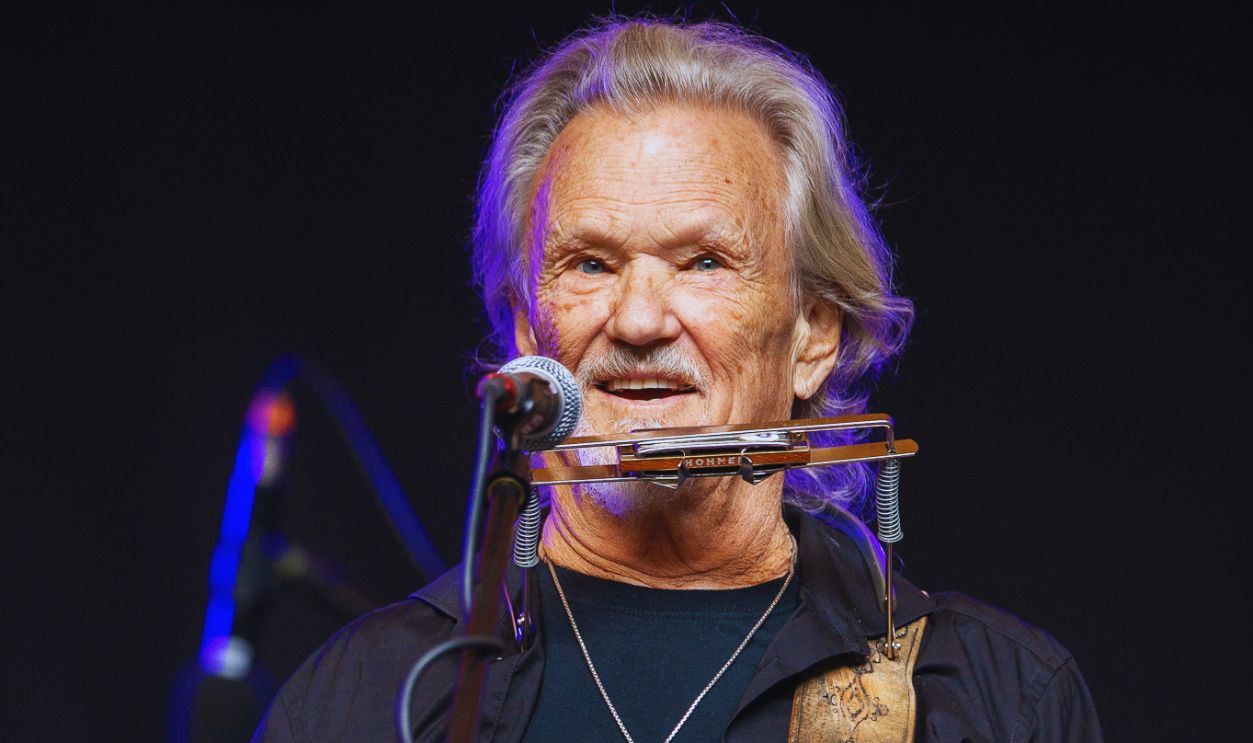 Foto: Stefan Brending, Wikimedia Commons
The Moment That Stayed With Him Forever
In the end, as Kristofferson recounted it, everything came back to that first listen. Hearing her voice the day after her death transformed the song into something he could never fully separate from memory. It was a moment that haunted him for the rest of his life.
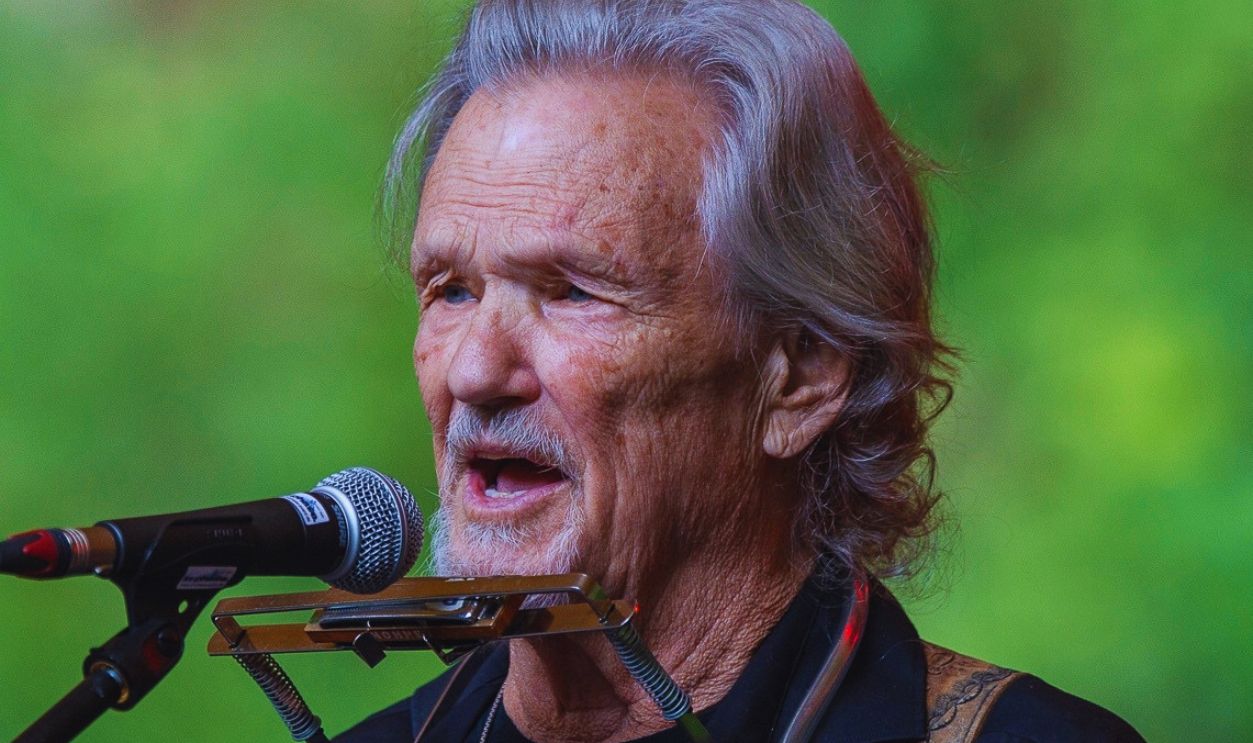 Foto: Stefan Brending, Lizenz, Wikimedia Commons
You May Also Like:
Songs So Good You Didn’t Realize They Were Written In Less Than An Hour