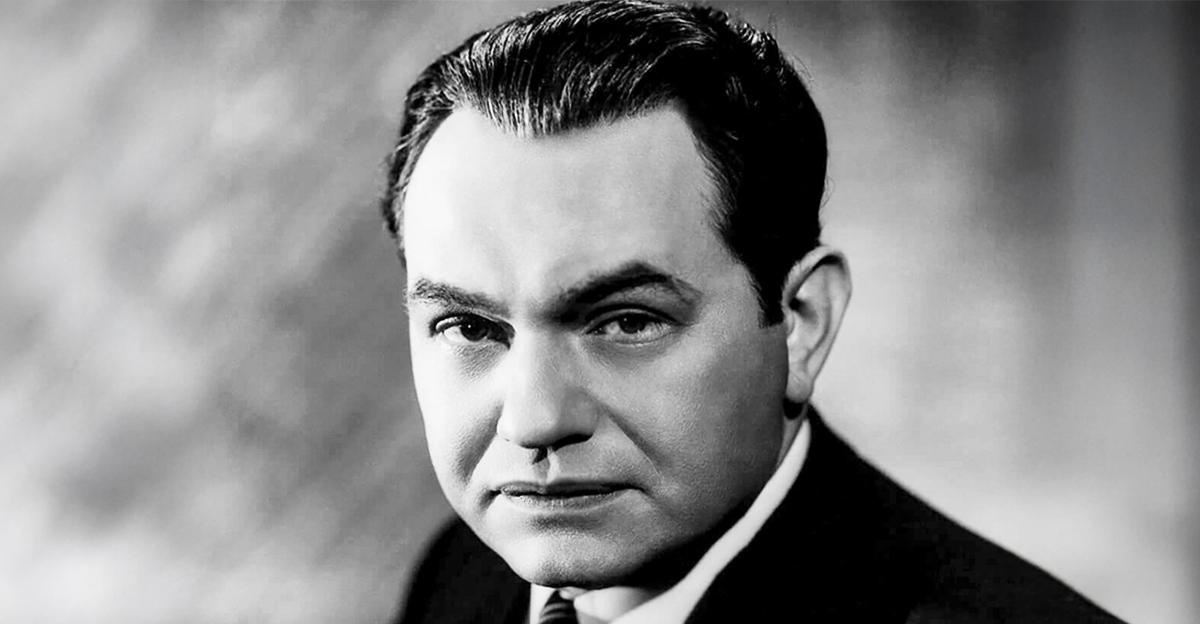
A Tough Guy’s Hardest Battles
Edward G. Robinson spent decades playing gangsters, killers, investigators, and complicated men, but his own life contained struggles worthy of a Hollywood drama. An immigrant who escaped antisemitic violence, he became a screen legend before political suspicion, graylisting, divorce, and illness tested him behind the scenes.
 Elmer Fryer, Public domain, via Wikimedia Commons
A Childhood In Bucharest
Edward G. Robinson was born Emanuel Goldenberg in Bucharest, Rumania on December 12, 1893. Raised in a Yiddish-speaking Jewish family, he was the fifth of six sons. His father worked as a builder and tinsmith, while young Emanuel attended a Jewish school and learned Hebrew and German.
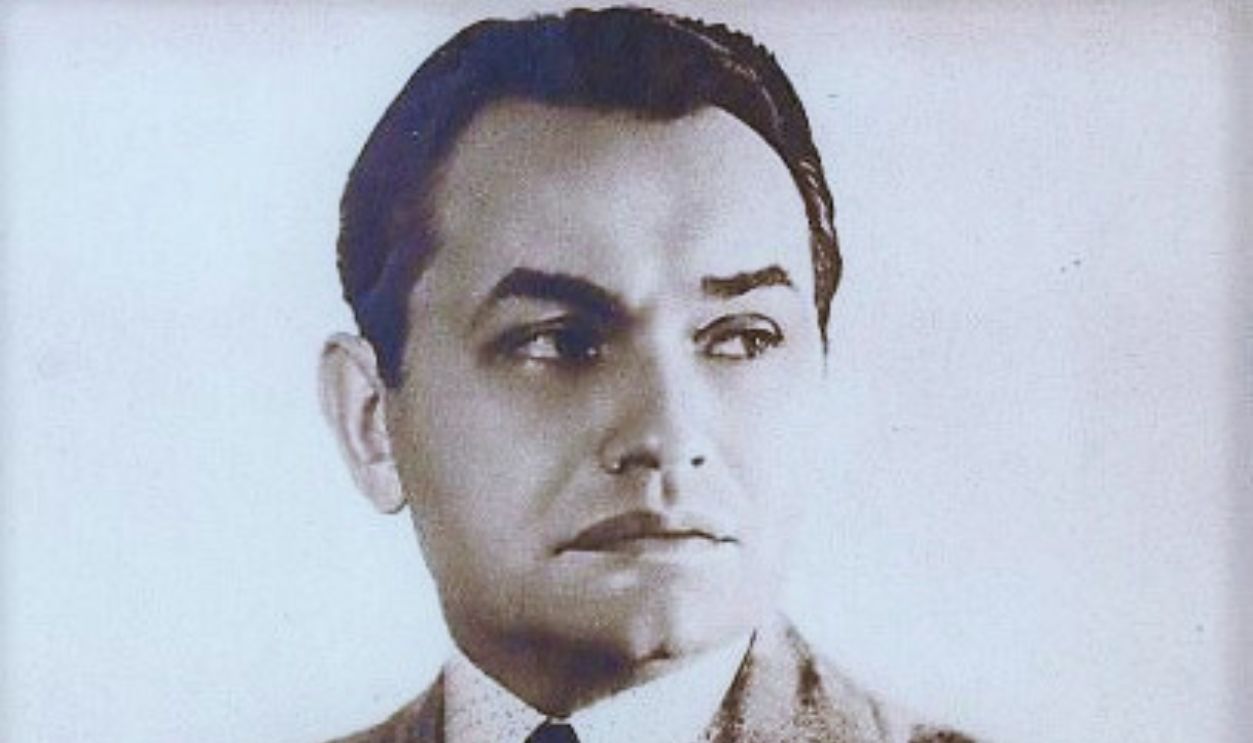 Photographer: Elmer Fryer (1898-1944), Wikimedia Commons
Violence Changes Everything
Robinson’s childhood changed after one of his brothers was attacked by an antisemitic gang during what was described as a schoolboy pogrom. The violence convinced the Goldenberg family to leave Rumania. They emigrated to the United States, arriving in New York City in February 1904.
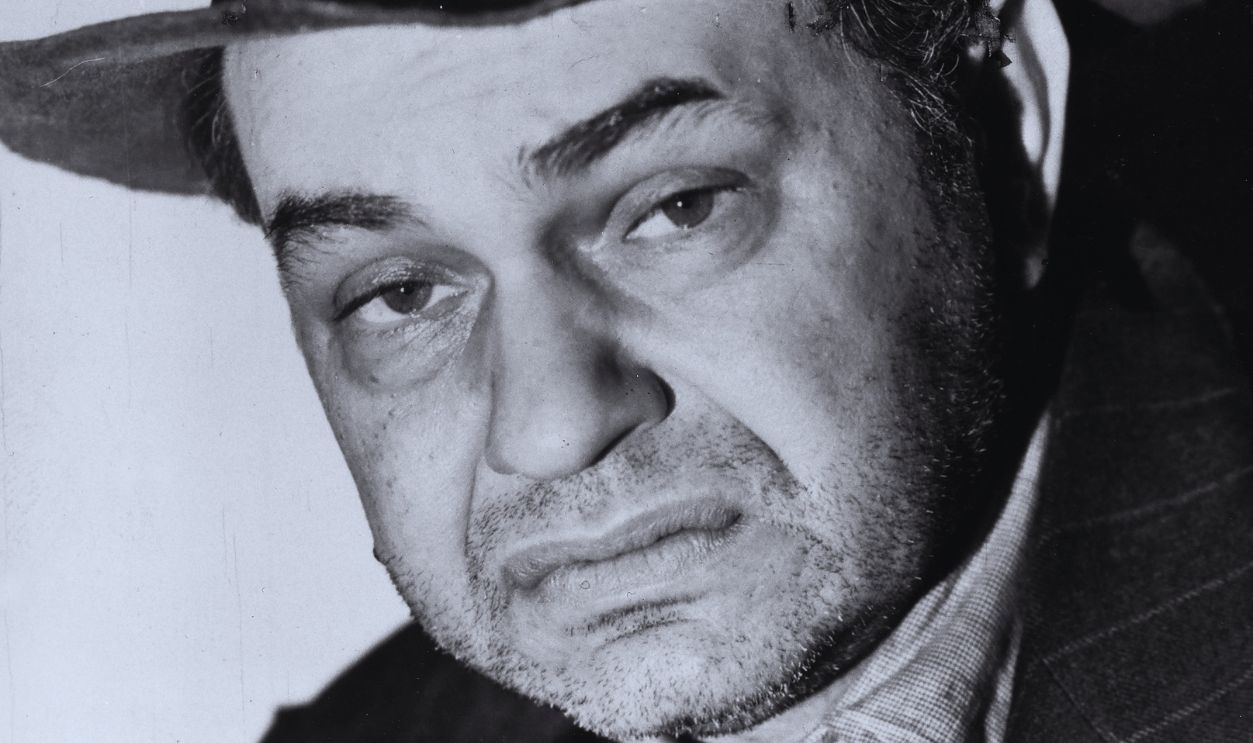 ullstein bild Dtl., Getty Images
A New Life Begins
Robinson later wrote that he had been “born again” at Ellis Island, where immigrants in those days first set foot in the United States. Growing up on New York’s Lower East Side, he attended Townsend Harris High School and City College of New York. Initially planning to become a criminal lawyer, he discovered that performing held a much stronger attraction.
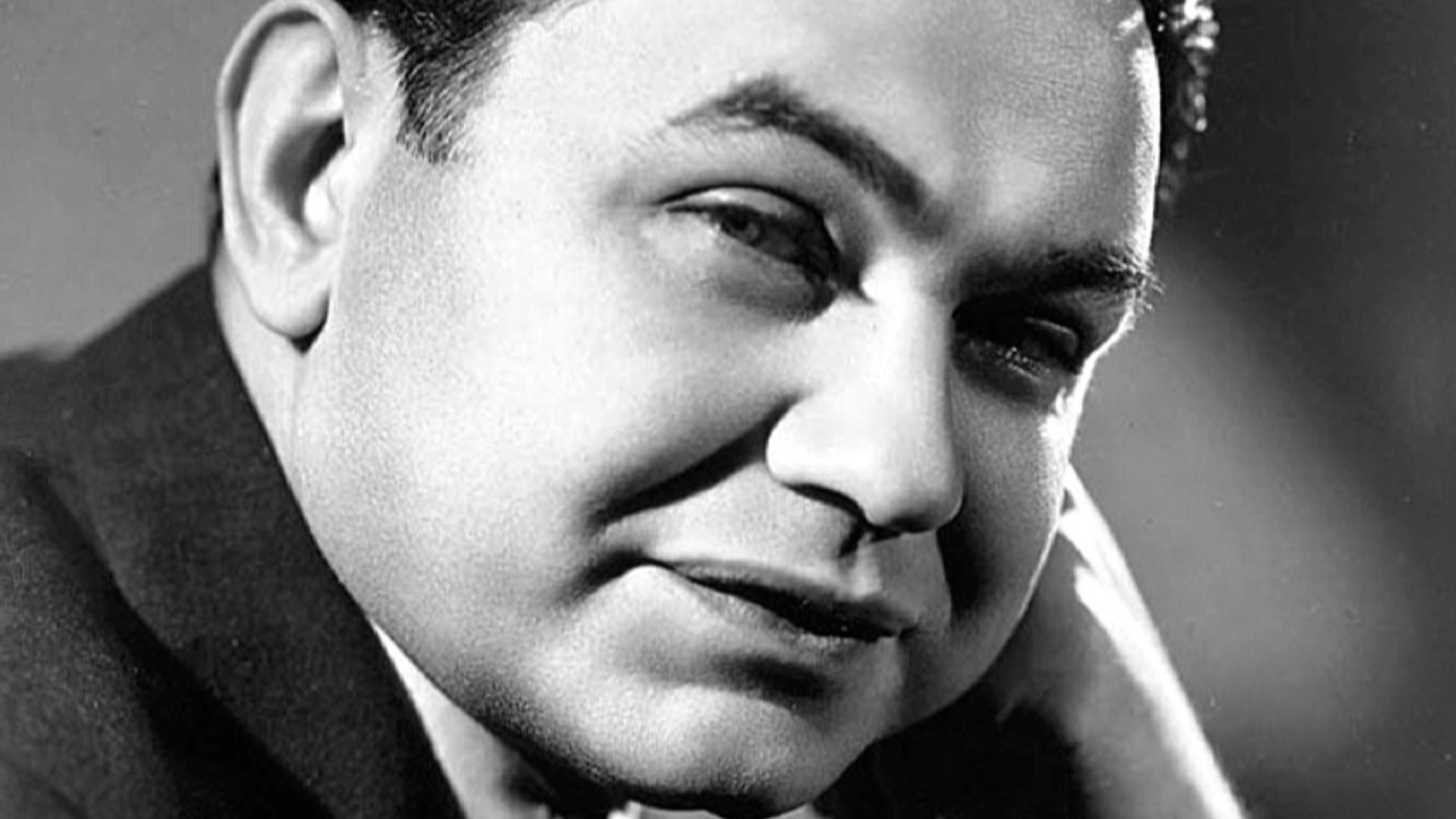 Unknown photographer, Wikimedia Commons
Discovering The Stage
His talent earned him a scholarship to the American Academy of Dramatic Arts. He adopted the name Edward G. Robinson, retaining the initial of Goldenberg. In 1913, he made his professional stage debut in Paid in Full, beginning the long apprenticeship that developed his remarkable versatility.
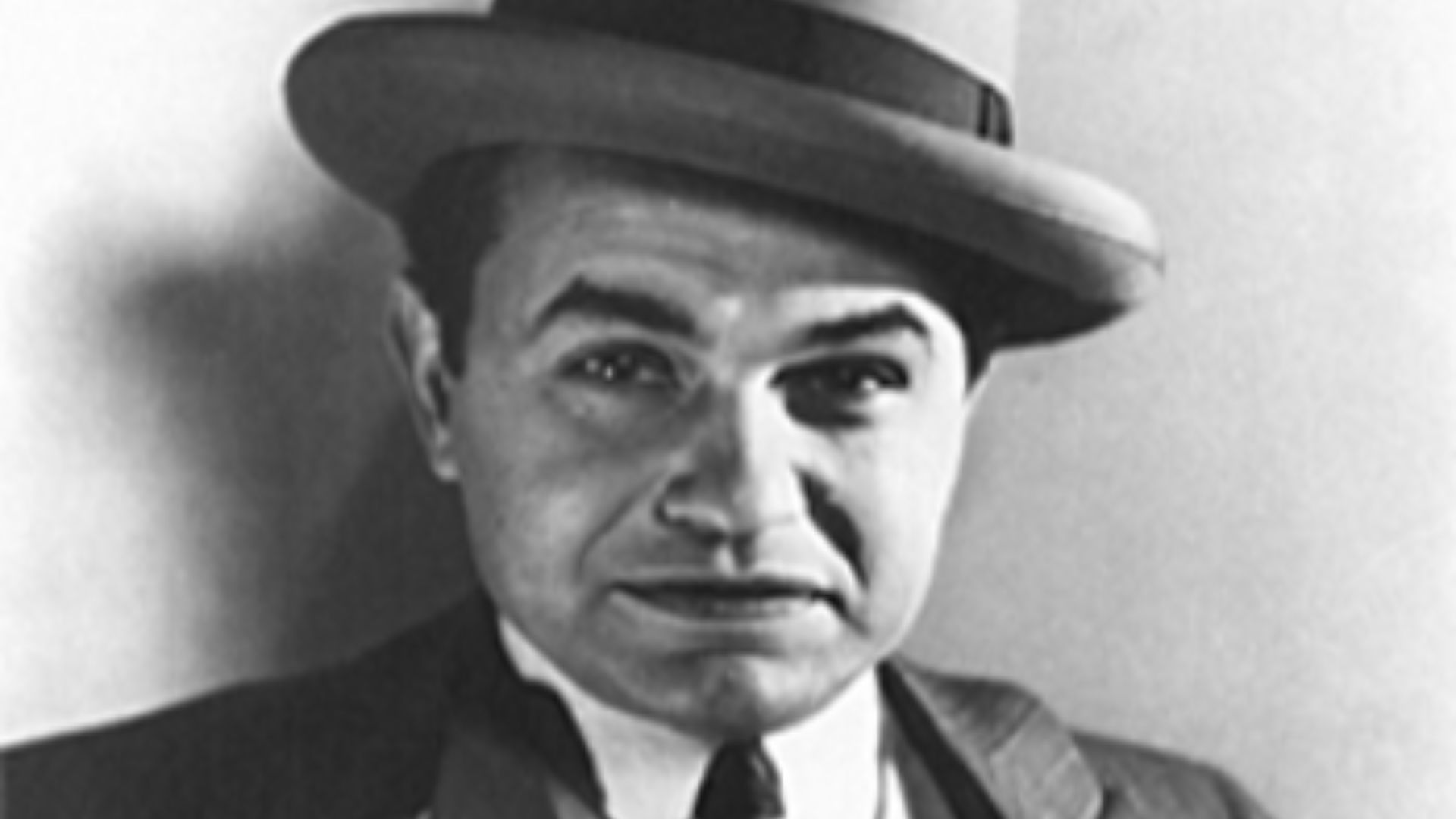 Unknown authorUnknown author, Wikimedia Commons
Building A Stage Career
Robinson spent the following years playing an extraordinary variety of characters. He made his Broadway debut in 1915 and performed steadily before serving in the United States Navy during World War I. After the war, he returned to the theater, still regarding movies as artistically inferior to live performance.
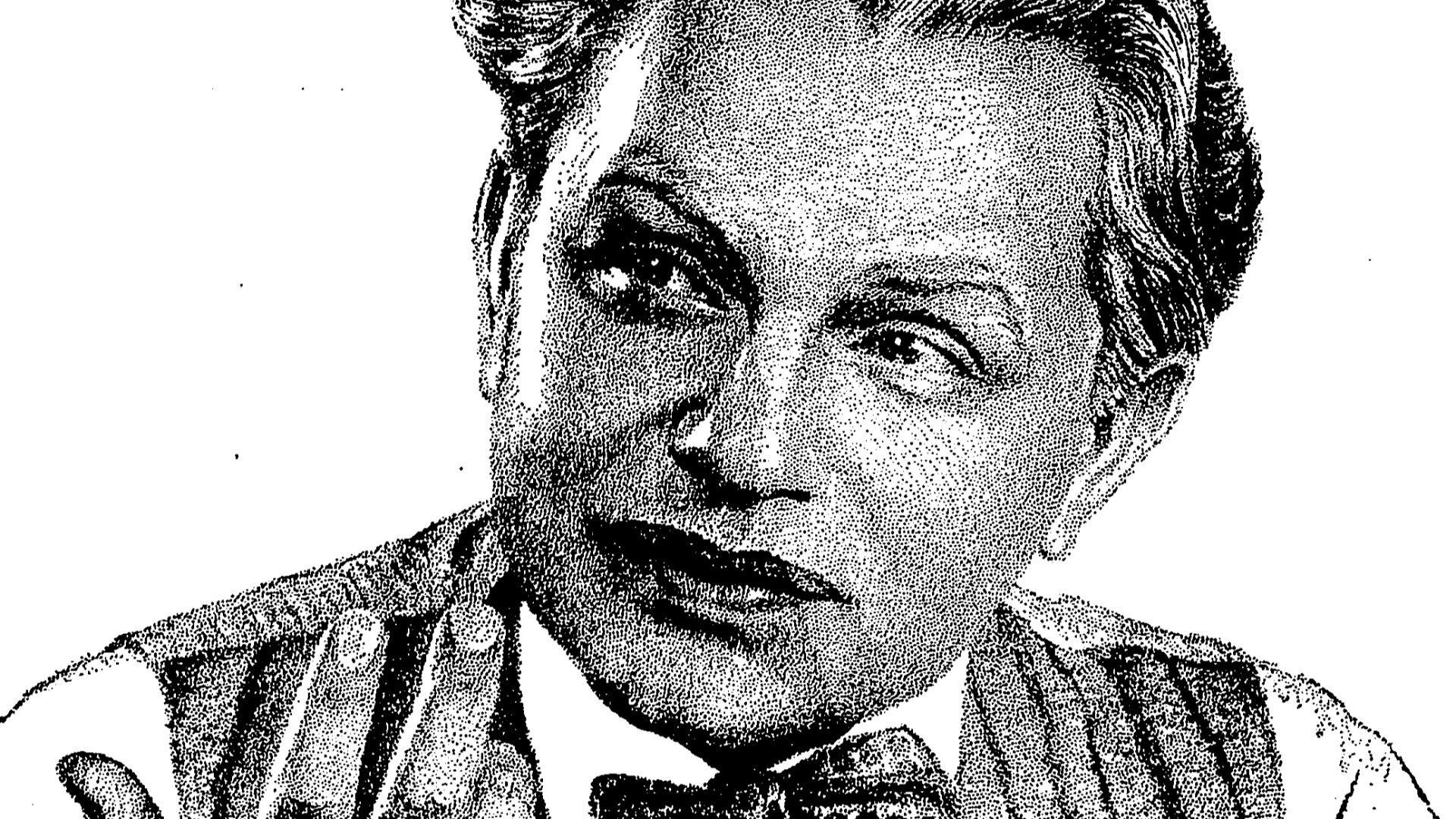 Bert Sharkey, Wikimedia Commons
Silent Movies Beckon
Robinson’s first experience with silent film disappointed him so much that his part in Fields of Glory was cut. He had better luck playing Domingo Escobar in The Bright Shawl (1923), filmed partly in Havana, although he still found movie production less rewarding than the stage.
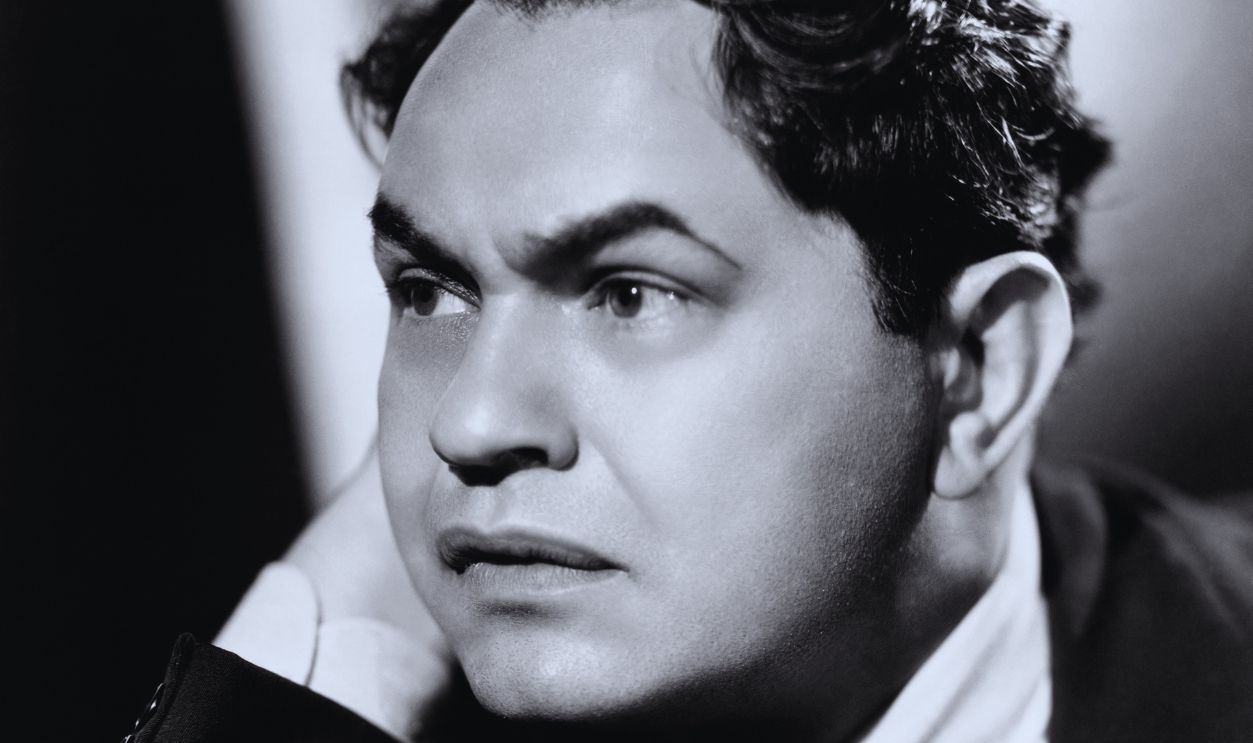 John Springer Collection, Getty Images
Gladys Enters His Life
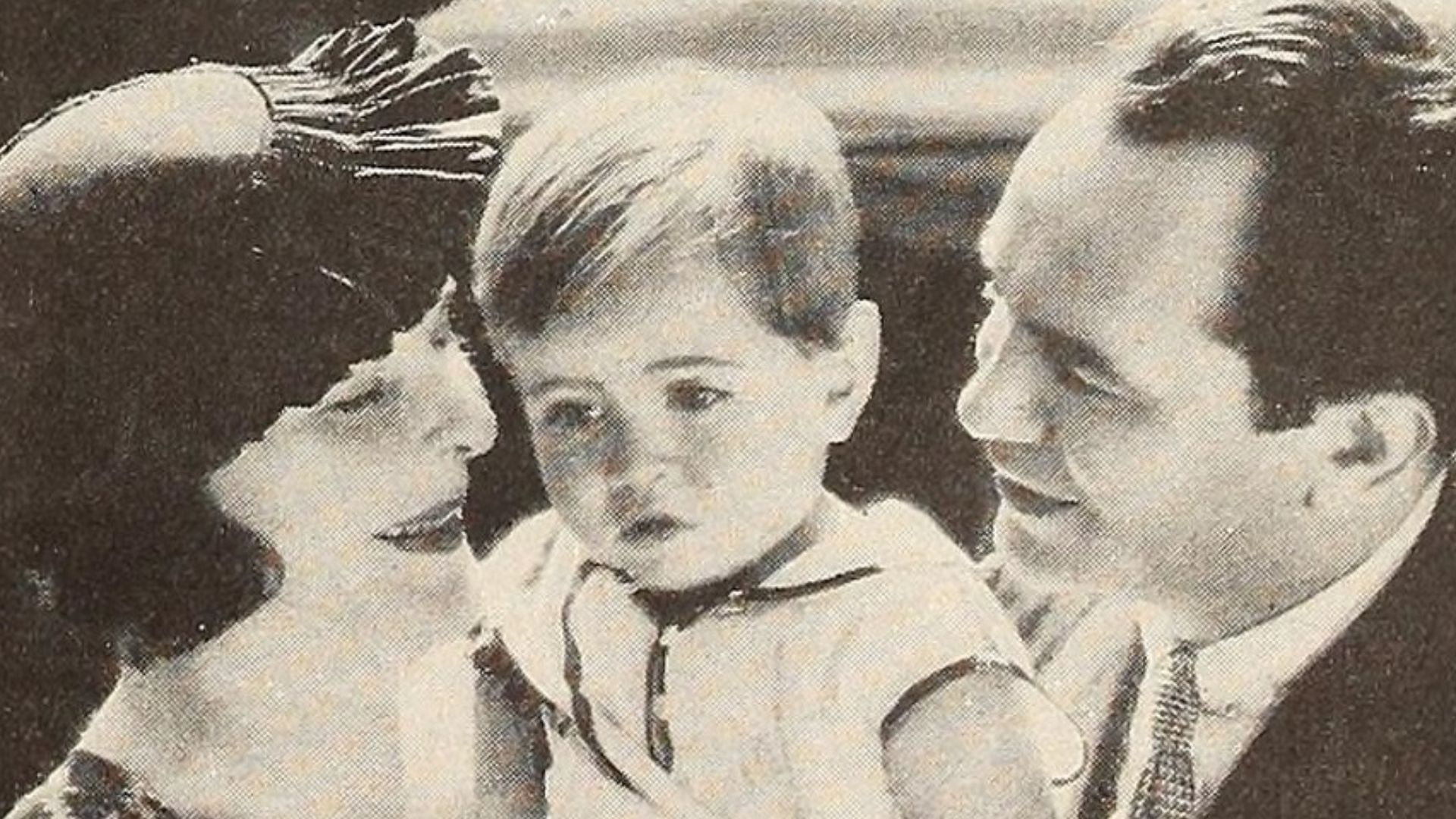
During the mid-1920s, Robinson met stage actress Gladys Lloyd at an after-theater party and was immediately captivated. They married in 1927 and later had a son, Edward G. Robinson Jr. Gladys also appeared in small roles in several of her husband’s early films.
 The New Movie Magazine, Wikimedia Commons
Hollywood Finally Wins
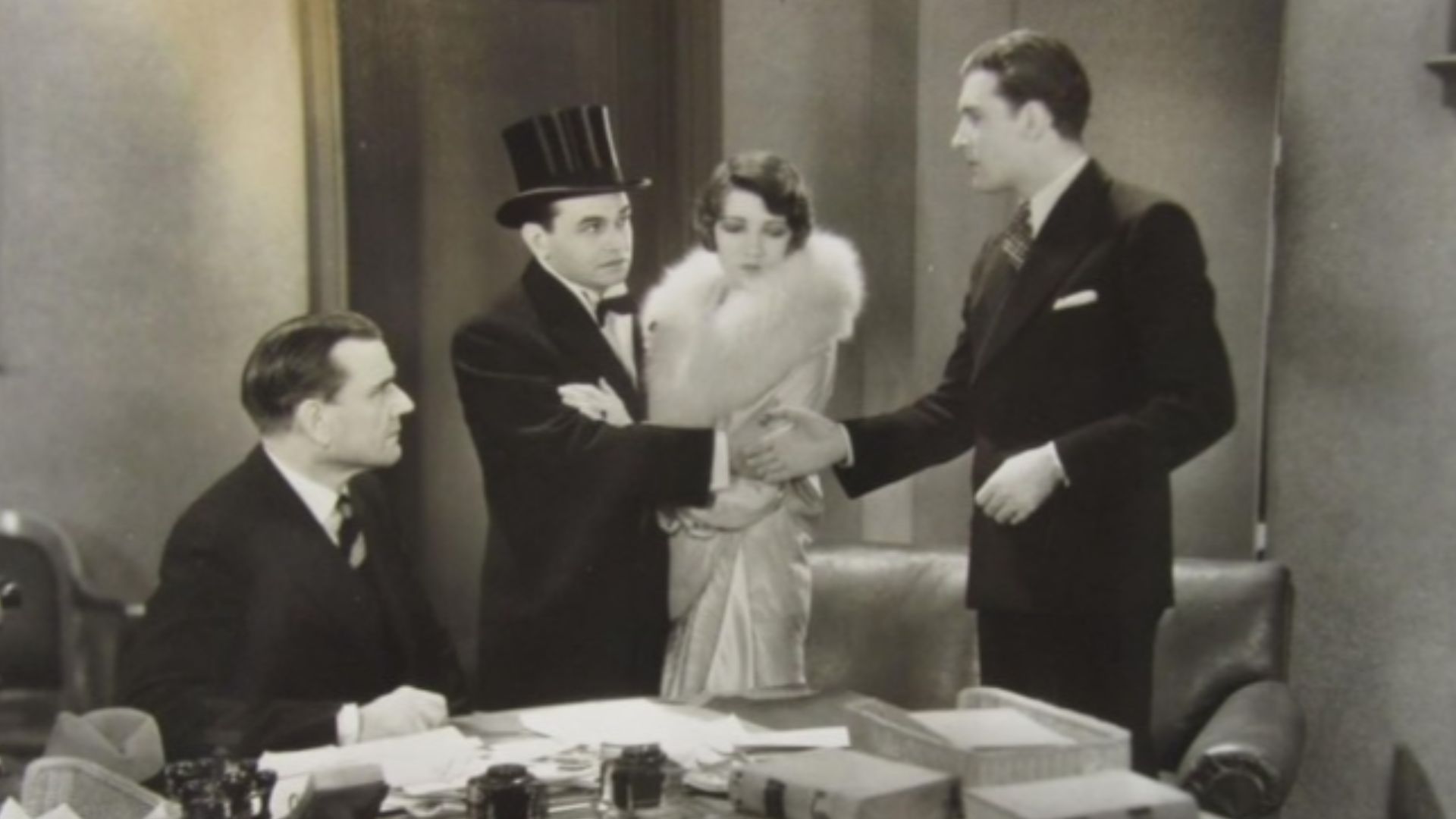
Robinson’s success in the Broadway gangster drama The Racket attracted Hollywood attention, but he initially rejected studio offers. The arrival of sound changed the equation. After The Hole in the Wall (1929) and several more films, he signed with Warner Bros., setting up the role that transformed everything.
 Unknown (Paramount Pictures), Wikimedia Commons
Little Caesar Takes Over
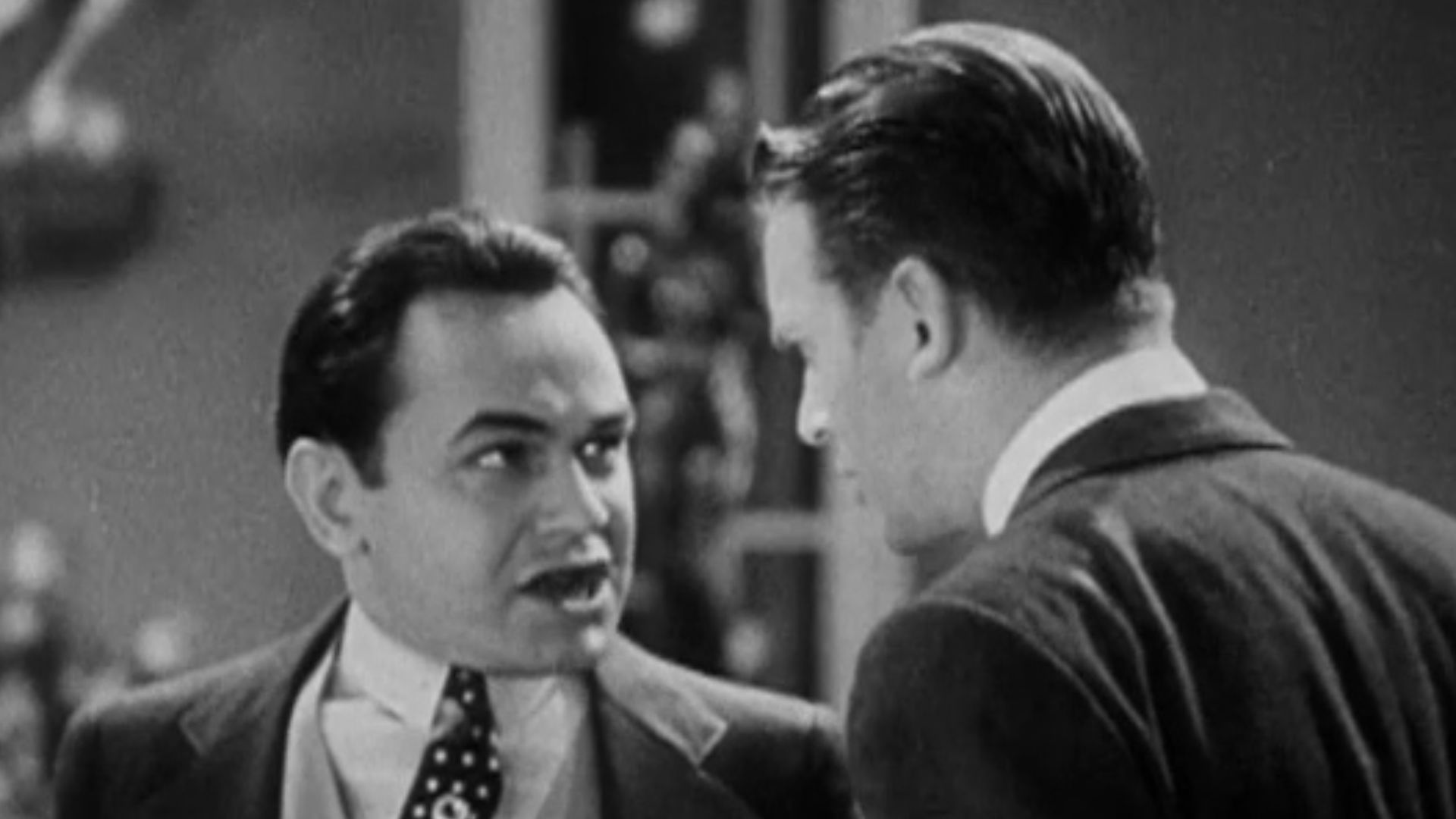
Robinson became a star as ruthless gangster Rico Bandello in Little Caesar (1931). He had refused a smaller role and insisted he would only consider playing Rico. His commanding performance helped establish the screen gangster archetype, but its enormous success also threatened to trap him inside it.
 Trailer screenshot, Wikimedia Commons
Two Gangsters Meet
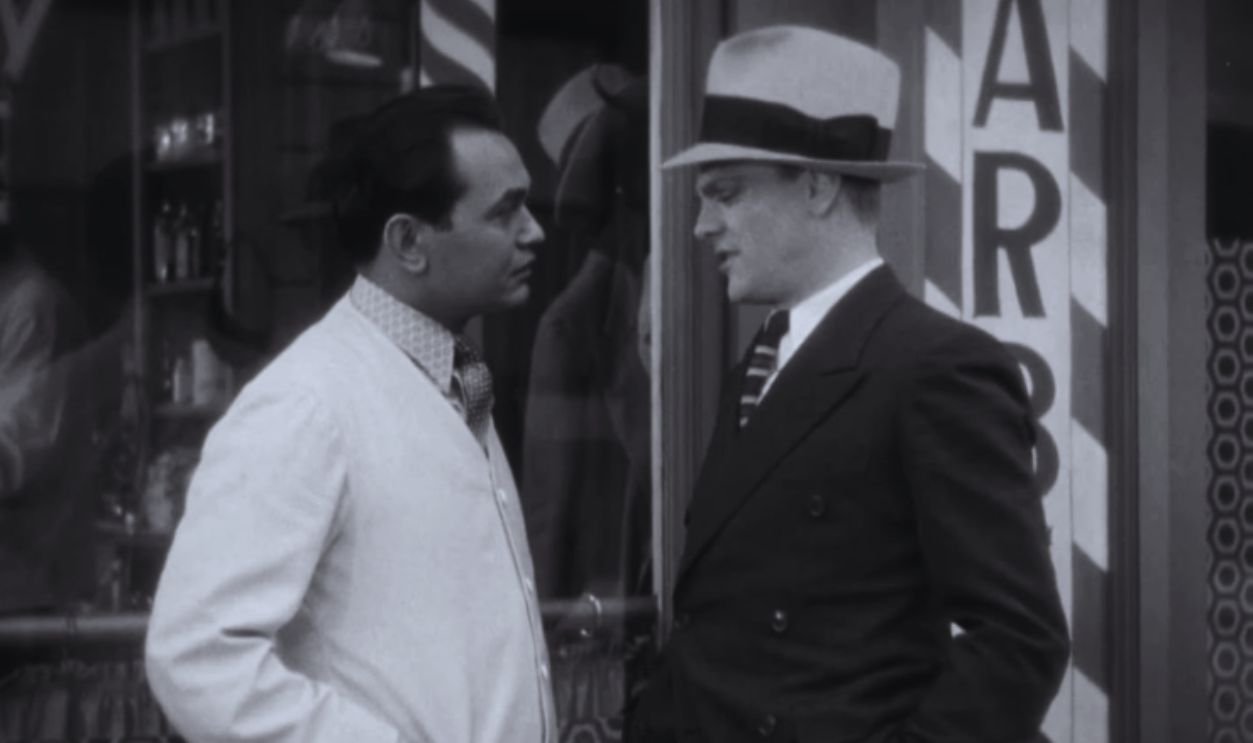
Warner Bros. quickly placed Robinson in Smart Money (1931), playing a gambling barber opposite James Cagney. Remarkably, the movie became the only film in which the two actors appeared together. Robinson followed it with Five Star Final (1931), playing a newspaper editor rather than another gangster.
 Screenshot from Smart Money, Warner Bros. Pictures / Vitaphone Corporation (1931)
Finding Greater Range
Robinson worked hard to demonstrate that Rico Bandello was only one weapon in his acting arsenal. He played a tuna fisherman in Tiger Shark (1932), a prospector in Silver Dollar (1932), and a beer baron opposite Mary Astor in The Little Giant (1933).
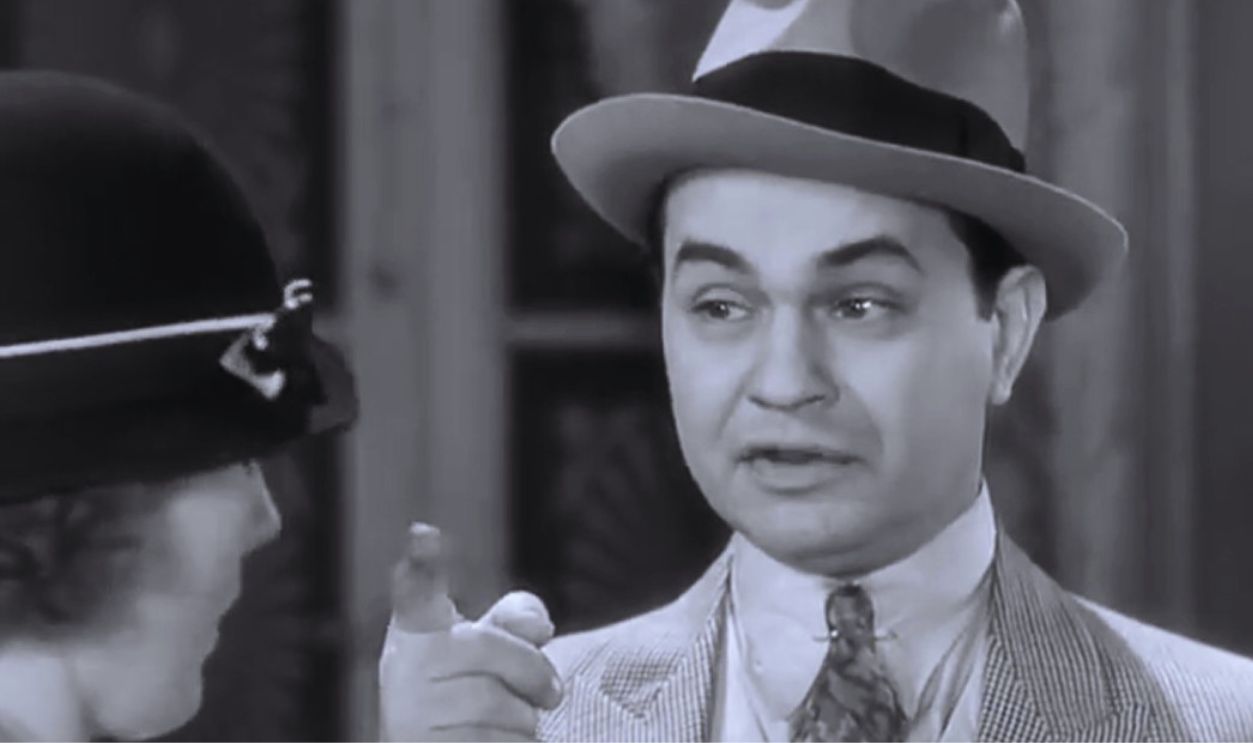 Screenshot from The Little Giant, First National Pictures / Warner Bros. Pictures (1933)
Working With Mary Astor
Mary Astor became one of Robinson’s favorite leading ladies. After The Little Giant (1933), they reunited for The Man with Two Faces (1934), which gave Robinson the chance to transform himself with facial disguises and a French accent. His appetite for varied characters was becoming increasingly clear.
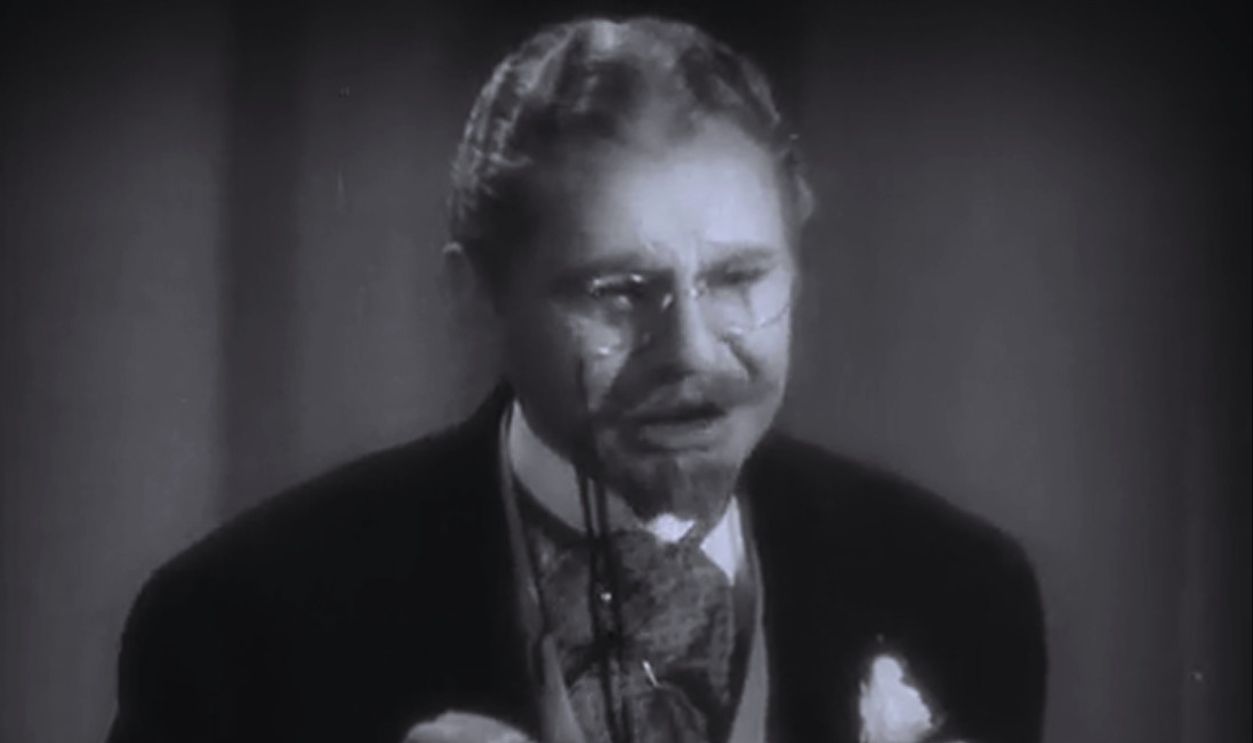 Screenshot from The Man with Two Faces, First National Pictures / Warner Bros. Pictures (1934)
Bogart Enters The Picture
Robinson appeared with Humphrey Bogart in several films, including Bullets or Ballots (1936), Kid Galahad (1937), The Amazing Dr. Clitterhouse (1938), and Brother Orchid (1940). Robinson later remembered that he and Bogart got along well and developed genuine mutual respect.
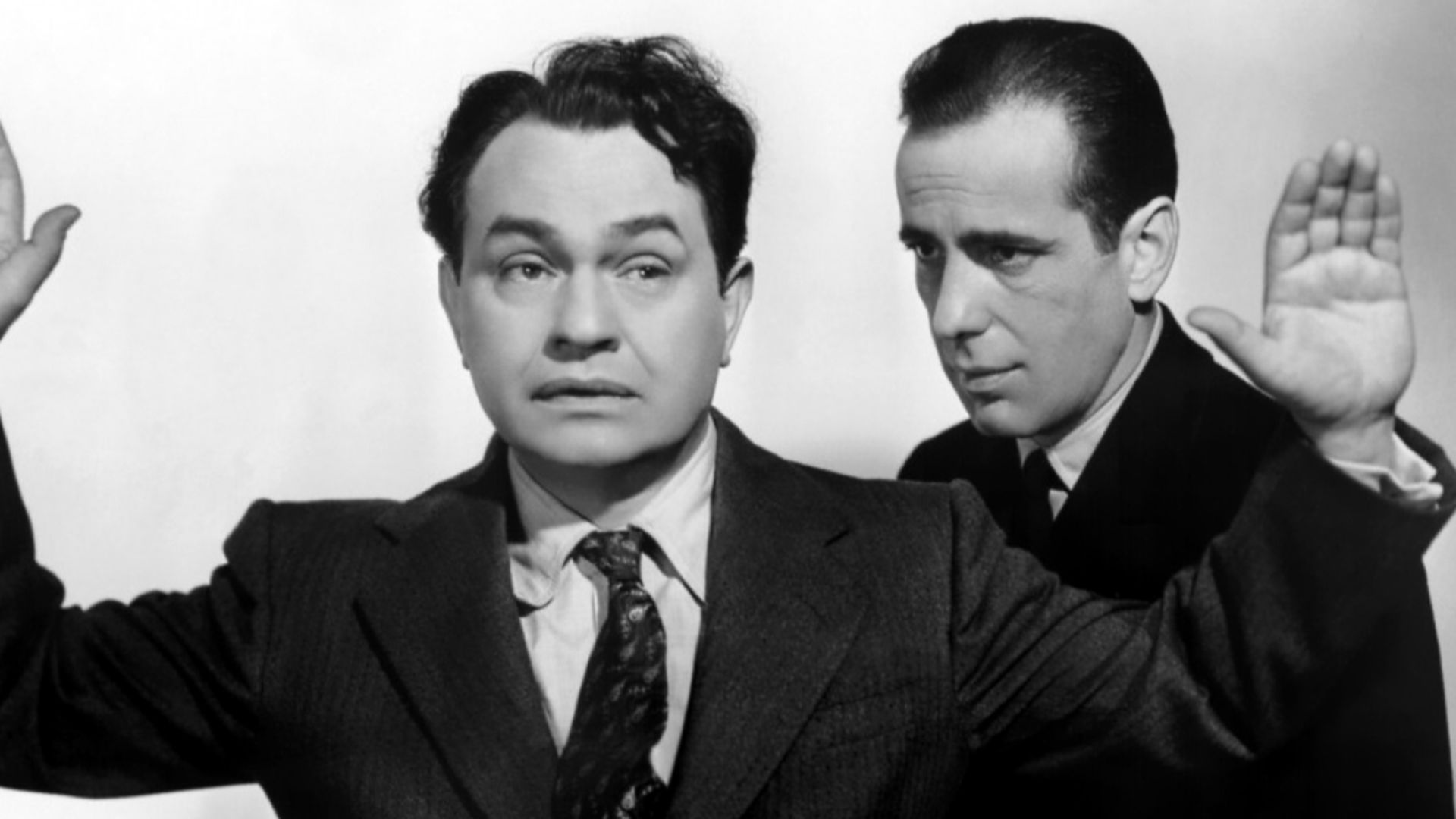 unknown (Warner Bros.), Wikimedia Commons
Speaking Against Fascism
While Robinson’s film career flourished, he became an outspoken opponent of fascism and Nazism. In 1938, his home hosted a gathering that called for a boycott of German goods. Between 1939 and 1949, he donated more than $250,000 to hundreds of political, charitable, and relief organizations.
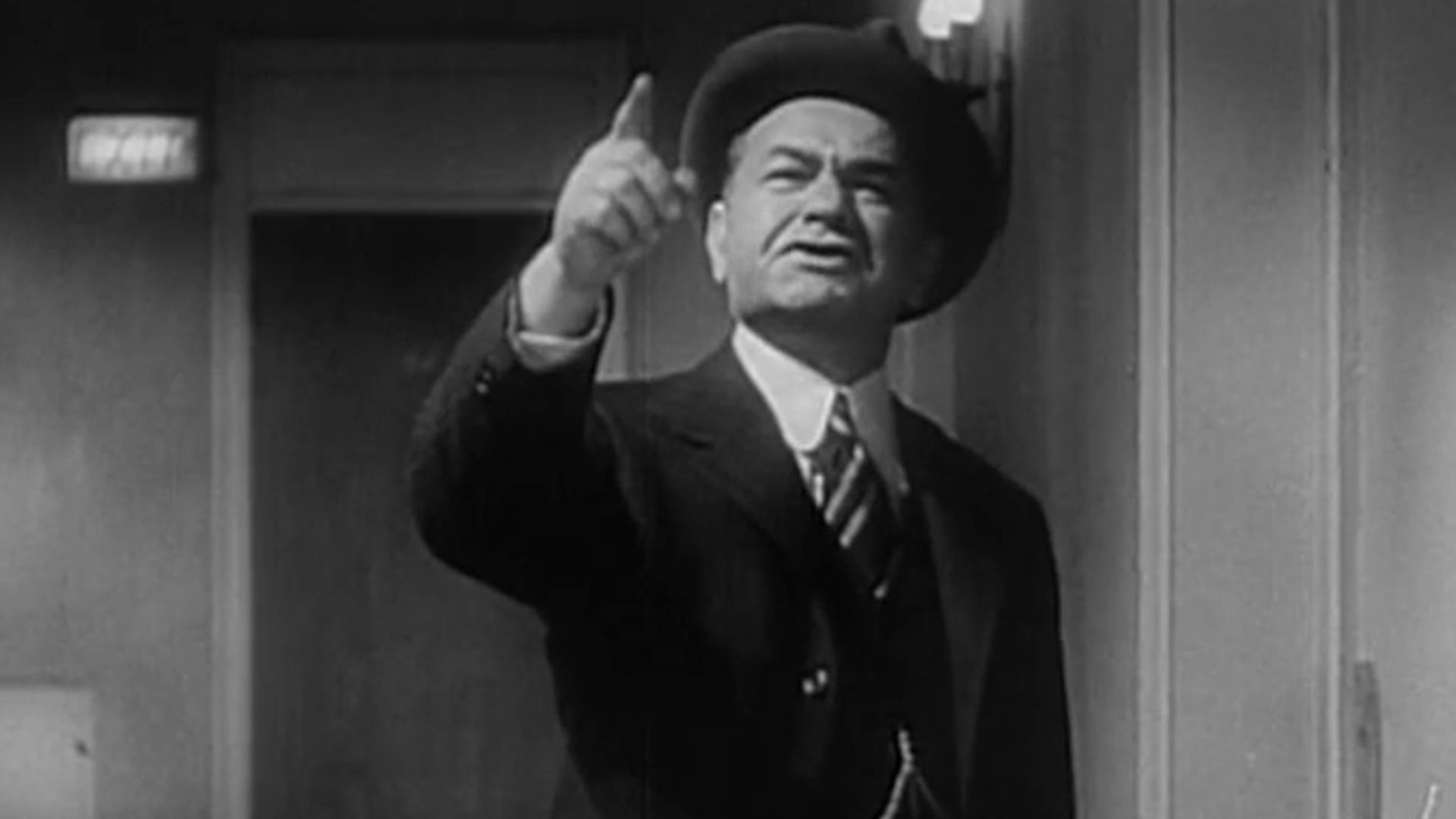 Trailer screenshot, Wikimedia Commons
Fighting Nazism Onscreen
Robinson’s convictions also intersected with his work. In Confessions of a Nazi Spy (1939), he played an FBI agent in what was described as the first American film to portray Nazism as a direct threat to the United States. He then pursued prestigious biographical roles.
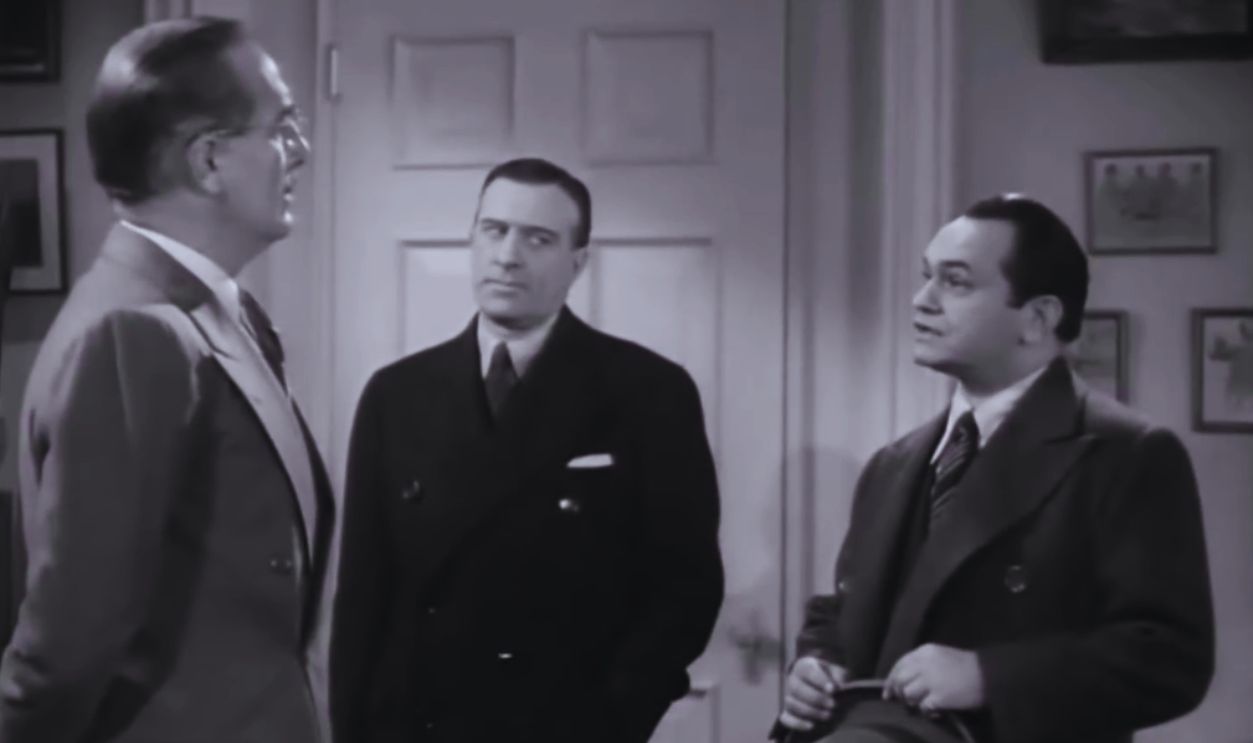 Screenshot from Confessions of a Nazi Spy, Warner Bros. Pictures (1939)
Serving Without A Uniform
When the United States entered World War II, the 48-year-old Robinson tried to volunteer for military service but was rejected because of his age. Instead, he worked from London as a special representative for the Office of War Information, broadcasting in multiple languages to Nazi-occupied Europe.
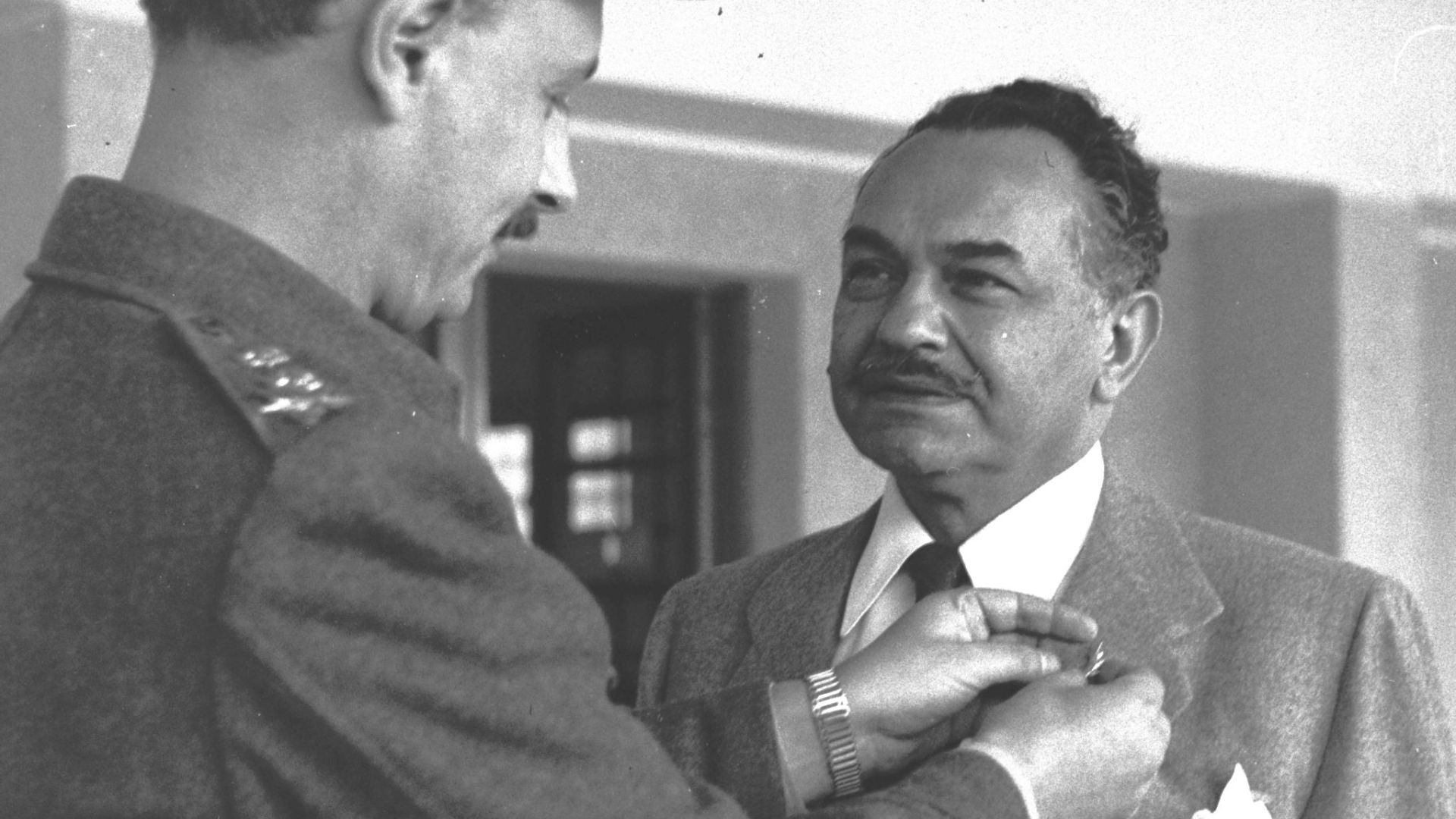
A Noir Masterpiece
In Double Indemnity (1944), Robinson took the third lead behind Fred MacMurray and Barbara Stanwyck, playing insurance claims expert Barton Keyes. He considered the film one of his favorites. The role also demonstrated how effectively he could move into mature character parts without surrendering his screen authority.
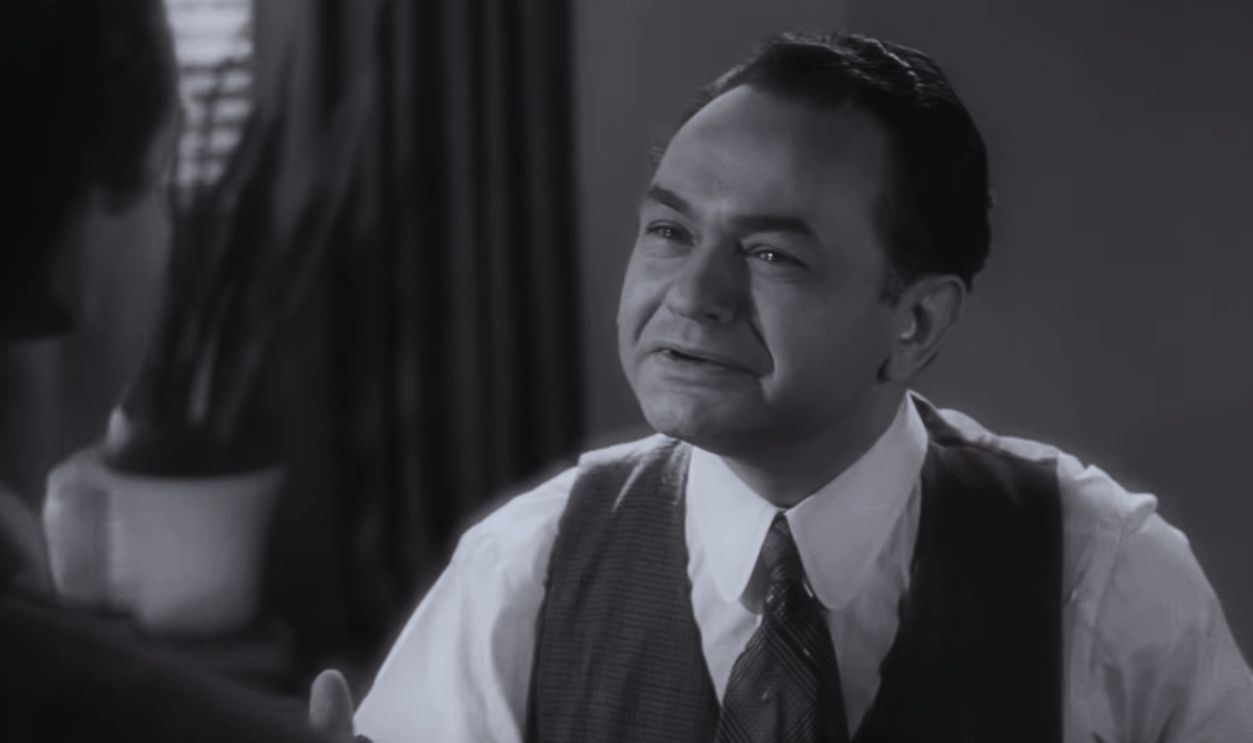 Screenshot from Double Indemnity, Paramount Pictures / Universal Pictures (1944)
Postwar Roles Stay Strong
Robinson continued his impressive run with The Woman in the Window (1944), Scarlet Street (1945), The Stranger (1946), and All My Sons (1948). He then returned to gangster territory opposite Bogart in Key Largo (1948), their fifth and final film together.
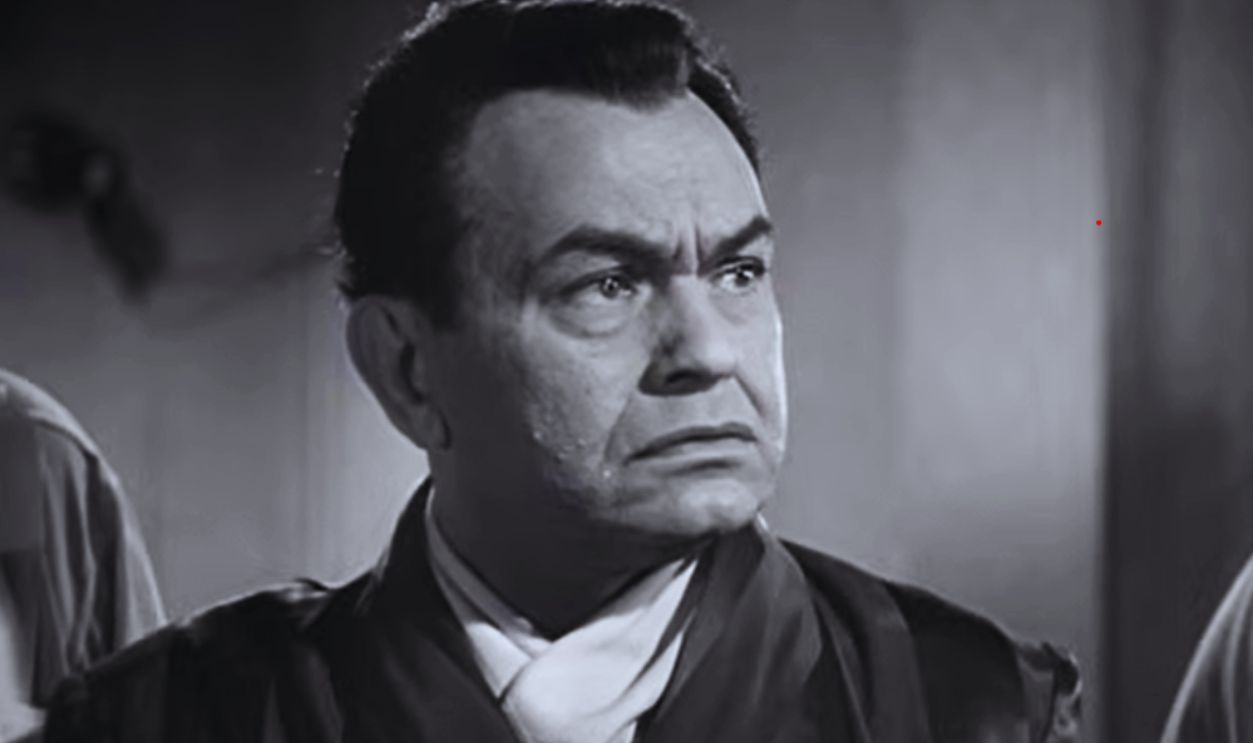 Screenshot from Key Largo, Warner Bros. Pictures (1948)
Trouble Comes From Washington
Robinson’s political donations and associations became dangerous during the Red Scare. He discovered that 11 of the hundreds of organizations he had supported had been identified as Communist fronts. He was called before the House Un-American Activities Committee in 1950 and again in 1952.
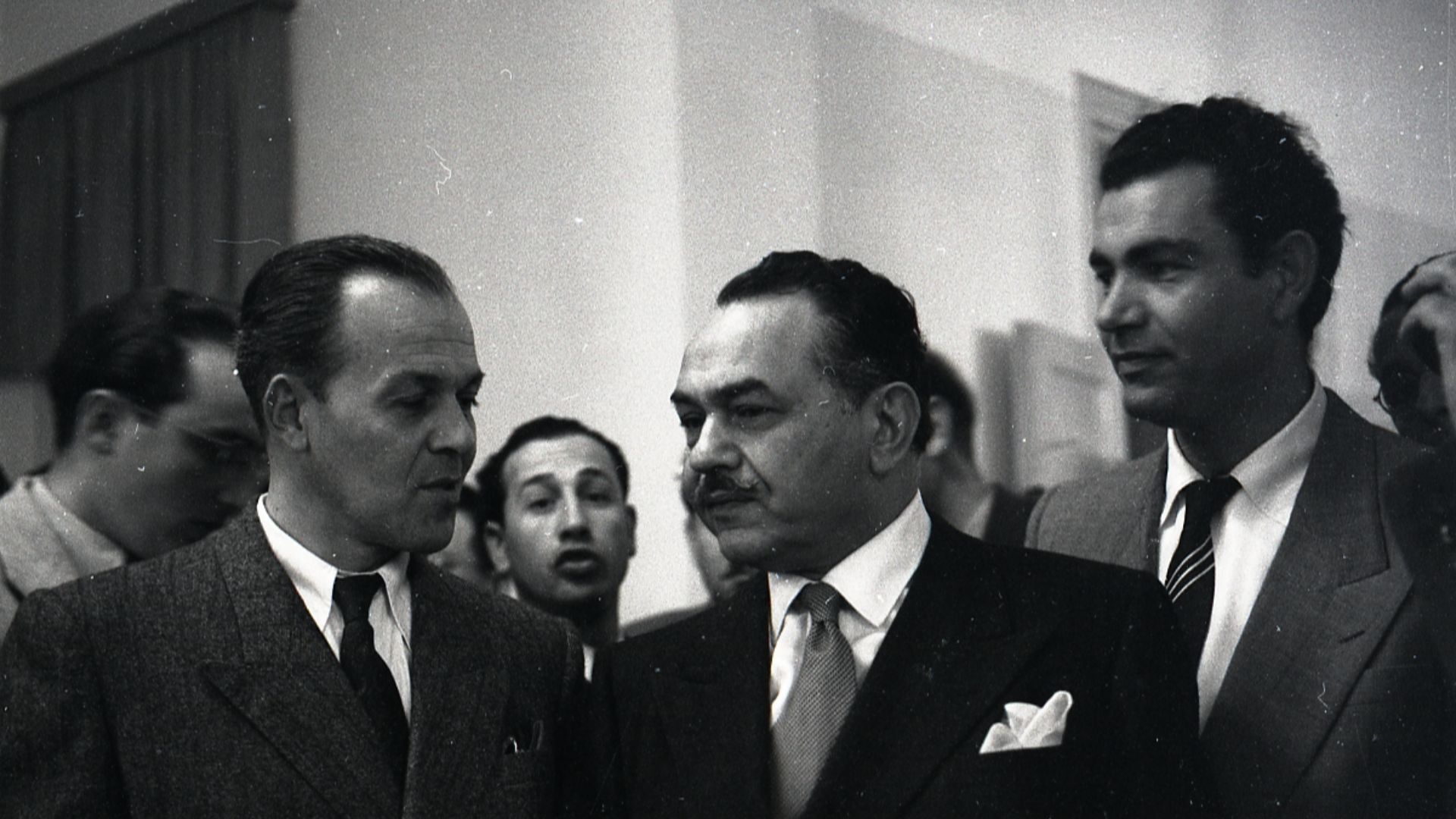 Benno Rothenberg, Wikimedia Commons
Refusing To Name Names
Robinson repudiated several organizations and said he believed he had been deceived about their political purposes. Although he mentioned people he had known, including Dalton Trumbo and Albert Maltz, the record states that Robinson never directly accused anyone of being a Communist. His own name was eventually cleared.
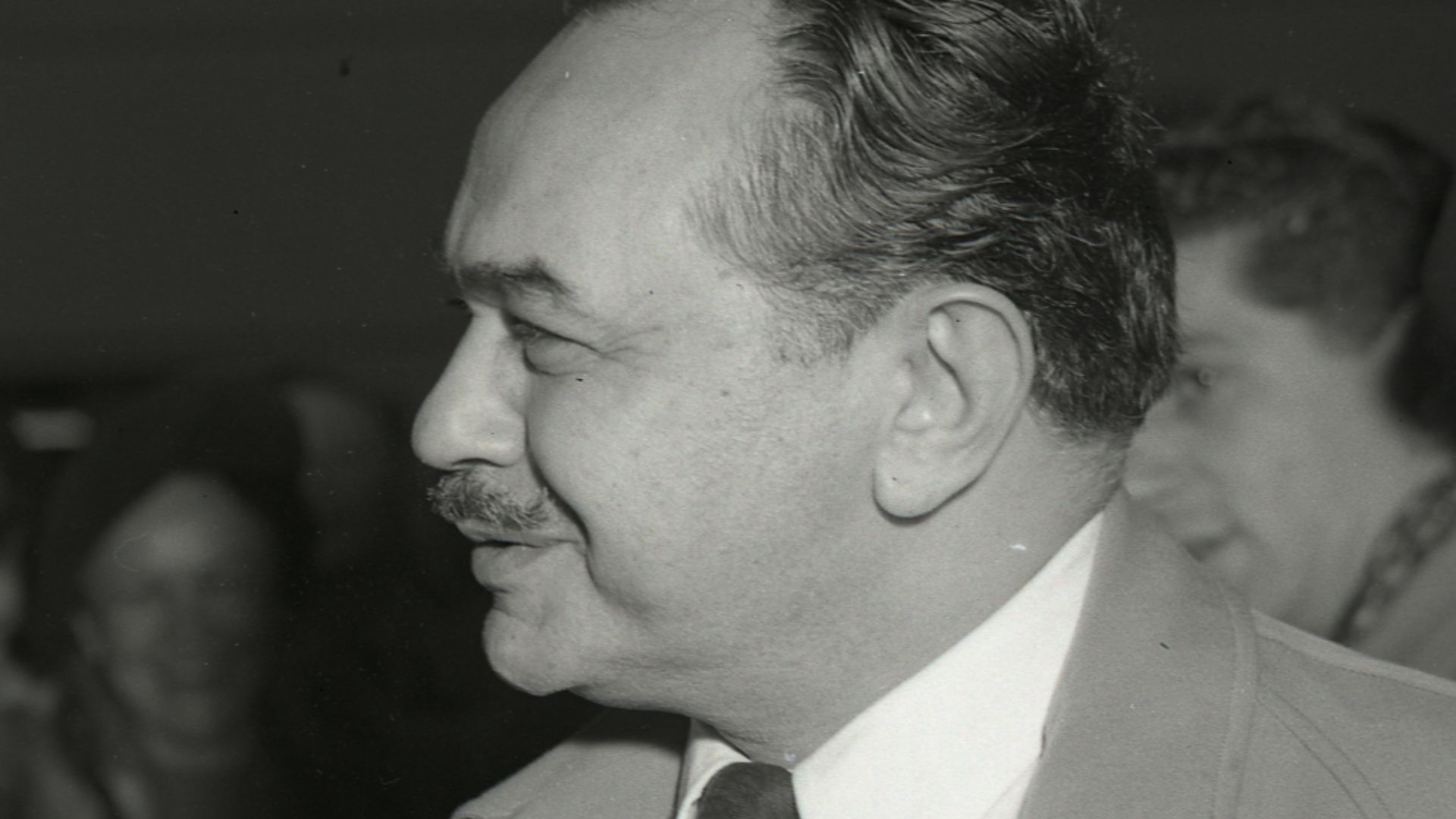 Benno Rothenberg, Wikimedia Commons
The Graylist Years
Clearing his name did not immediately restore Robinson’s career. Major opportunities became scarce, and he entered what he called the B-picture phase of his movie stardom. He worked in modest productions including Vice Squad (1953), Black Tuesday (1954), and Illegal (1955).
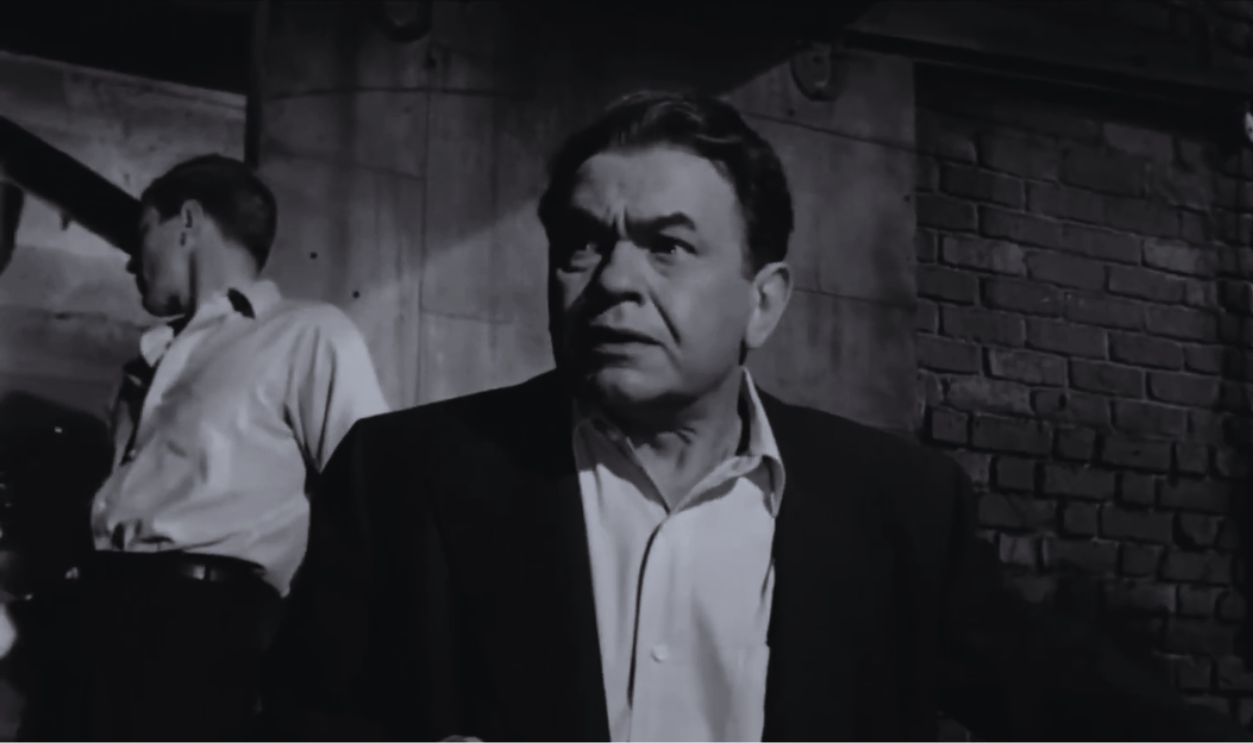
DeMille Opens The Door
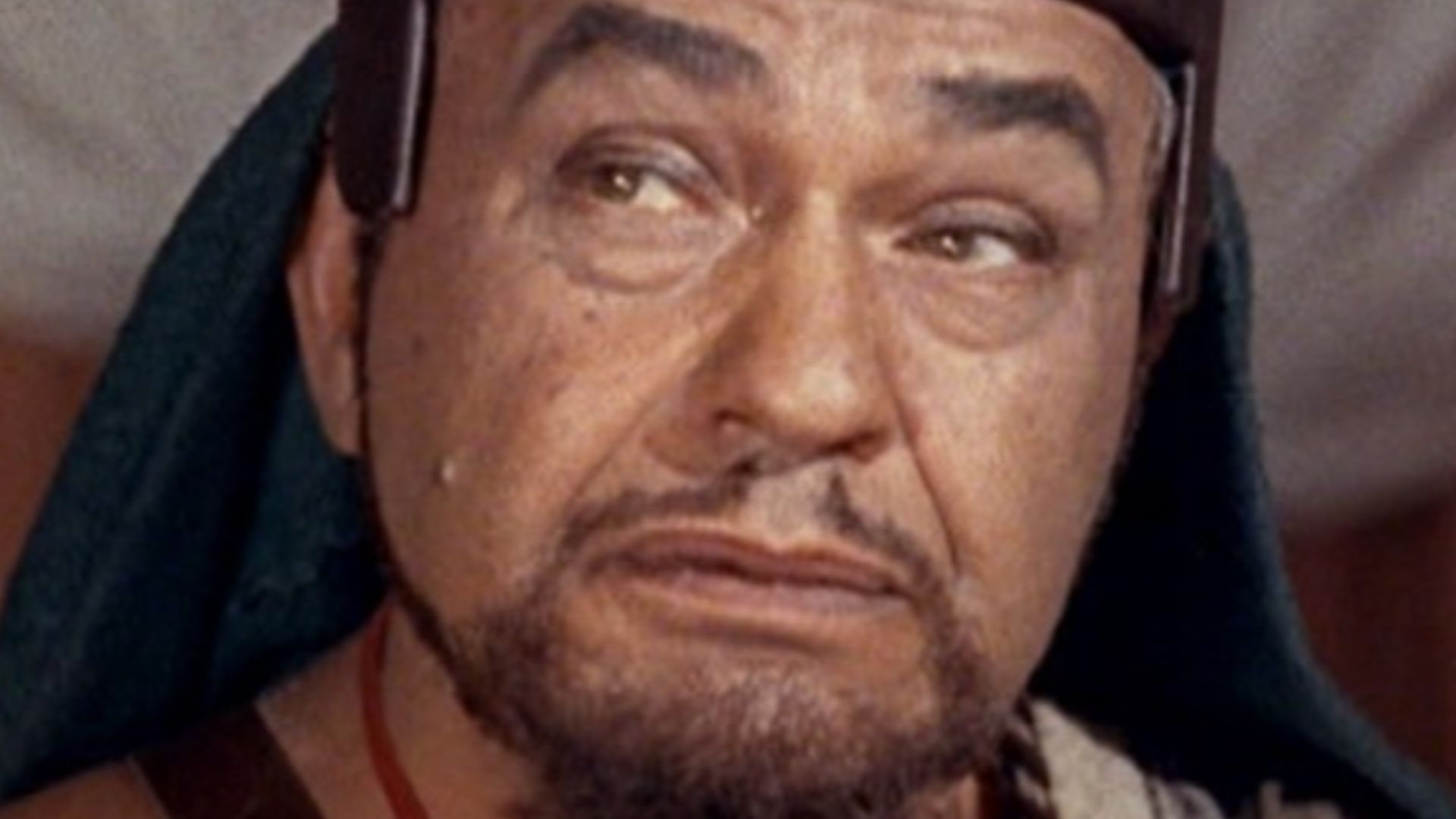
Cecil B. DeMille helped restore Robinson’s standing by casting him as Dathan opposite Charlton Heston’s Moses in The Ten Commandments (1956). Robinson later credited the famously anti-Communist director with returning him to major films and restoring his badly damaged sense of professional self-respect.
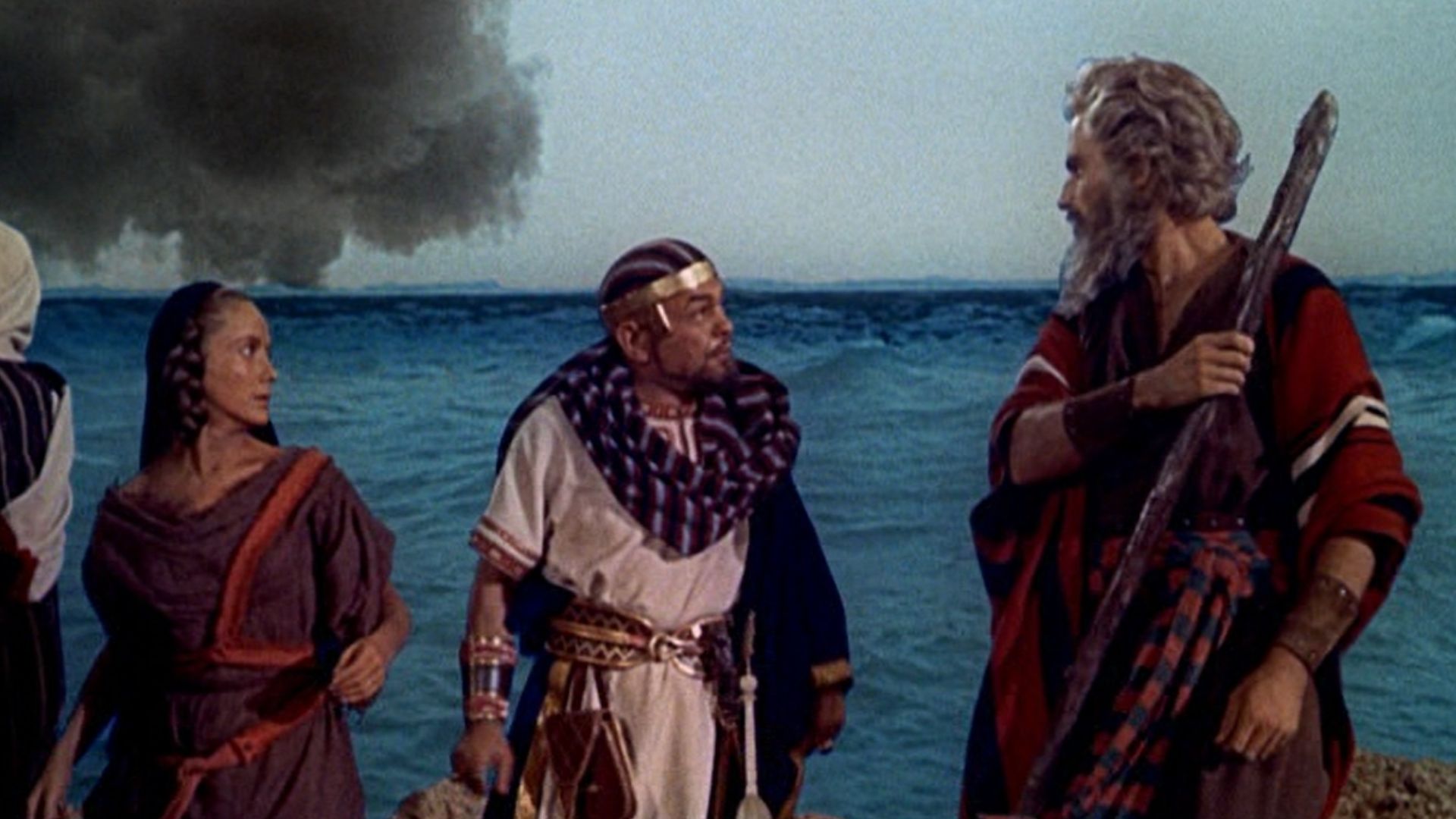 trailer screenshot (Paramount Pictures), Wikimedia Commons
Marriage And A Fresh Start
Robinson and Gladys Lloyd divorced in 1956 after nearly three decades of marriage. The settlement forced him to sell his valuable art collection, while his years of underemployment had already damaged his finances. In 1958, he married dress designer Jane Bodenheimer, professionally known as Jane Adler.
Still Commanding The Screen
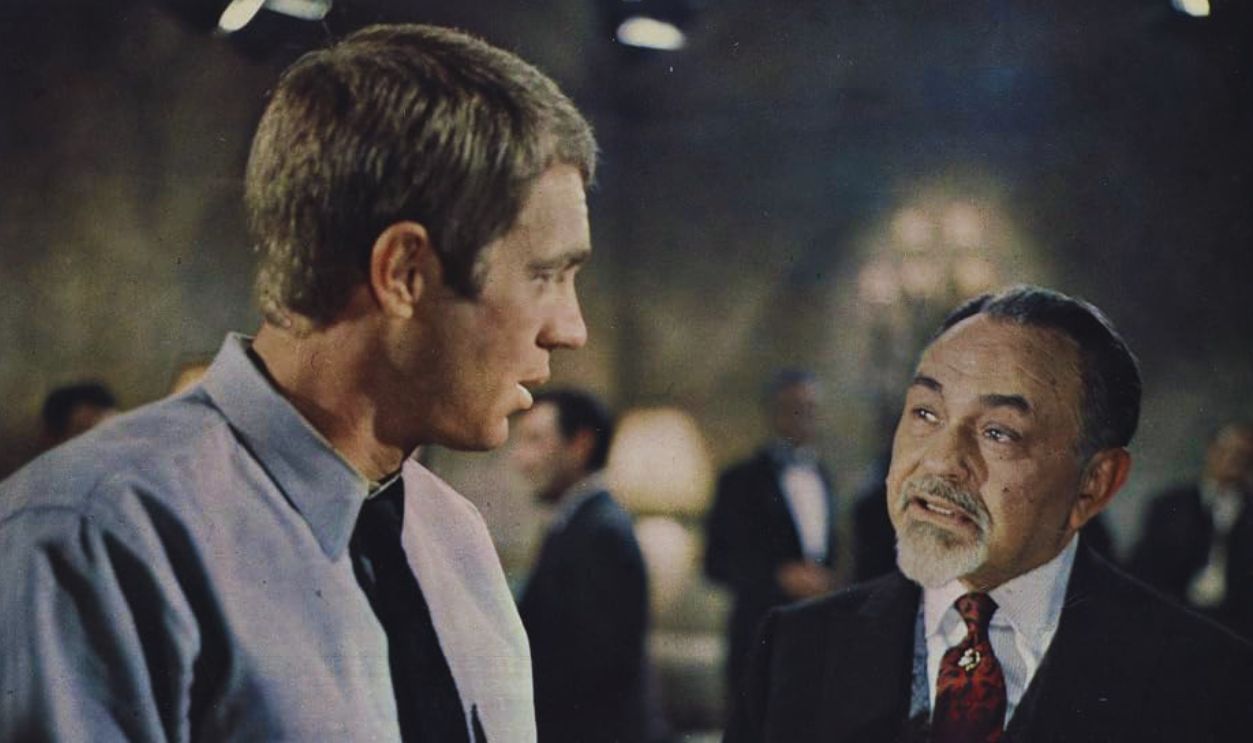
Robinson remained busy through the 1960s, appearing in Seven Thieves (1960), The Prize (1963), Cheyenne Autumn (1964), and The Cincinnati Kid (1965). In the latter, he played aging poker master Lancey Howard opposite Steve McQueen, who had admired Robinson since childhood.
One Final Performance
Robinson’s final film was Soylent Green (1973), reuniting him with Charlton Heston. The last scene he filmed was his character’s euthanasia sequence, performed opposite his friend and co-star. Robinson died only 84 days later, giving the emotionally charged sequence an especially poignant place in his career.
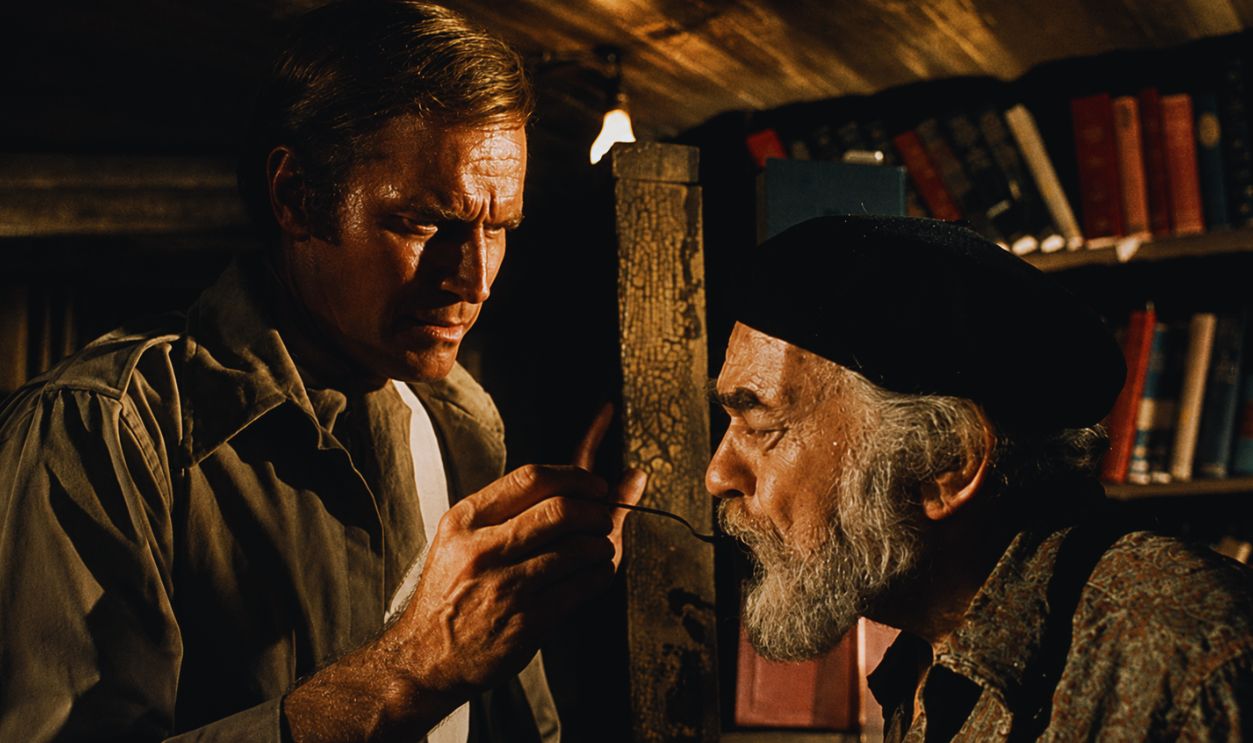 Screenshot from Soylent Green, Metro-Goldwyn-Mayer (1973)
A Long Overdue Honor
Edward G. Robinson died from bladder cancer on January 26, 1973, aged 79. Never once nominated for a competitive Academy Award, he learned shortly before his death that he would receive an honorary Oscar. Jane accepted it after his death, while Charlton Heston delivered the eulogy at his funeral.
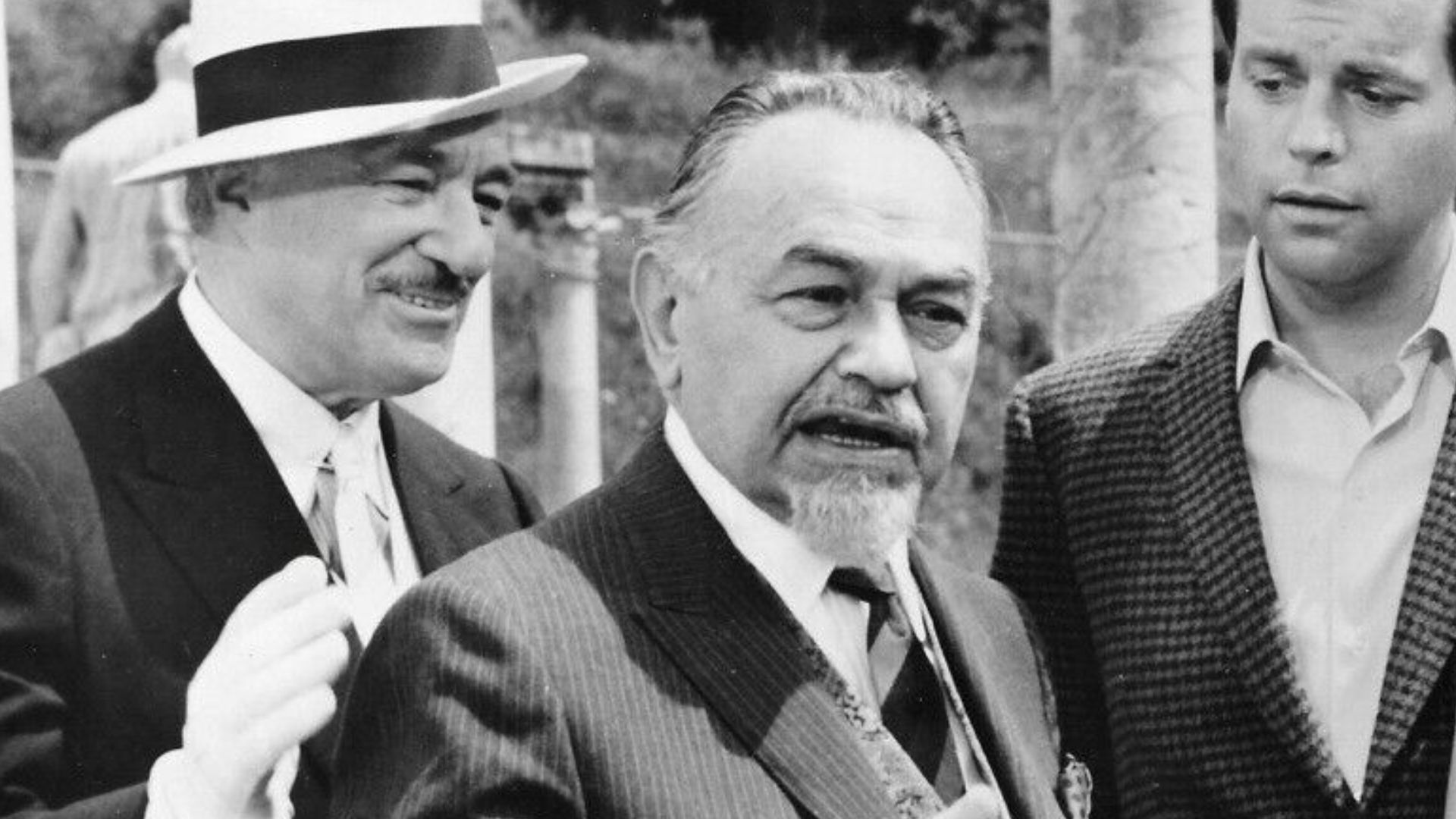 Metro-Goldwyn-Mayer, Wikimedia Commons
You May Also Like:
Thuggish Facts About James Cagney, The Man Who Broke The Hollywood System
Suave Facts About Humphrey Bogart, Hollywood's Hardboiled Hero