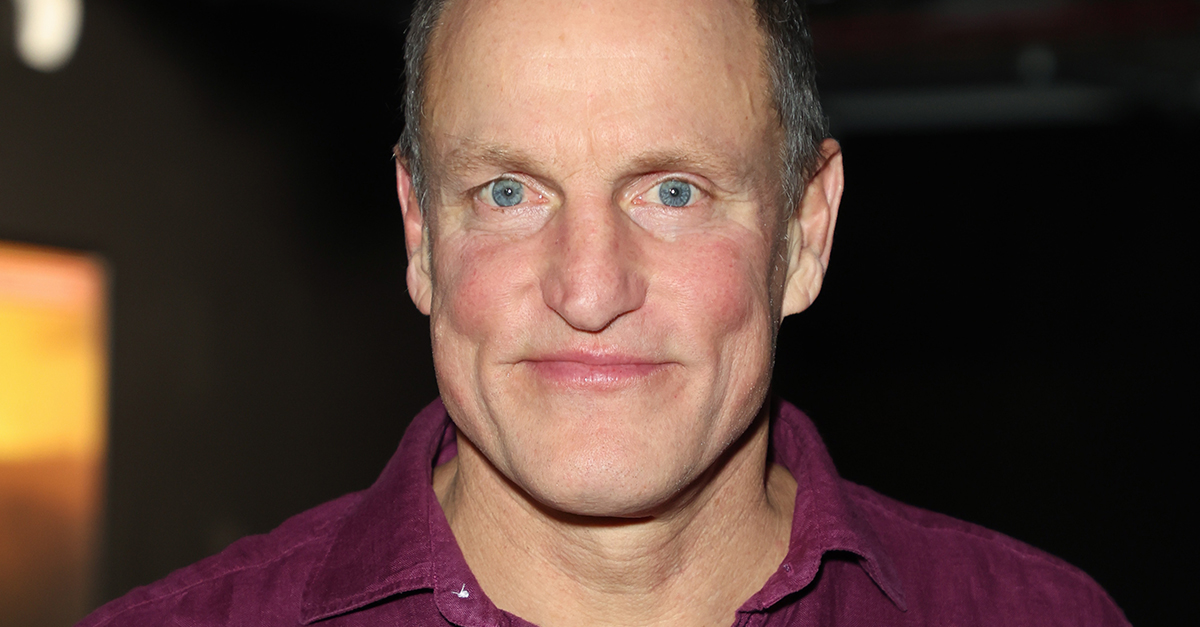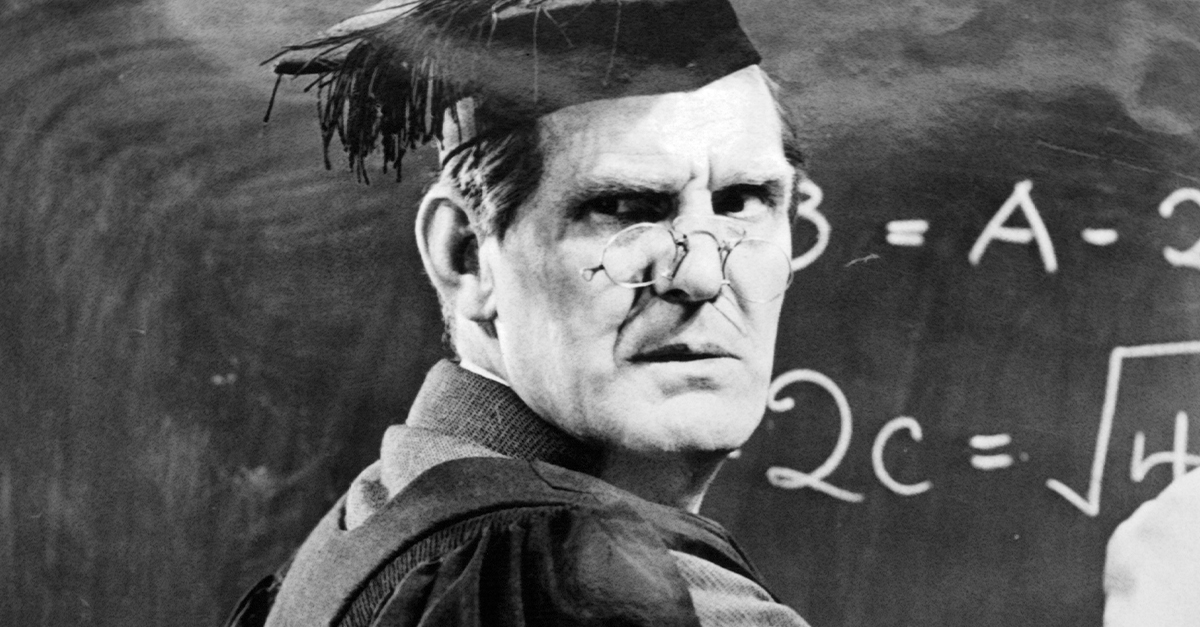
From Benson To Rafiki
Viewers who grew up in the 1970s knew Robert Guillaume as the sharpest man in the room on Soap and Benson. Younger audiences know that unmistakable voice as Rafiki in The Lion King. Both generations are completely right.
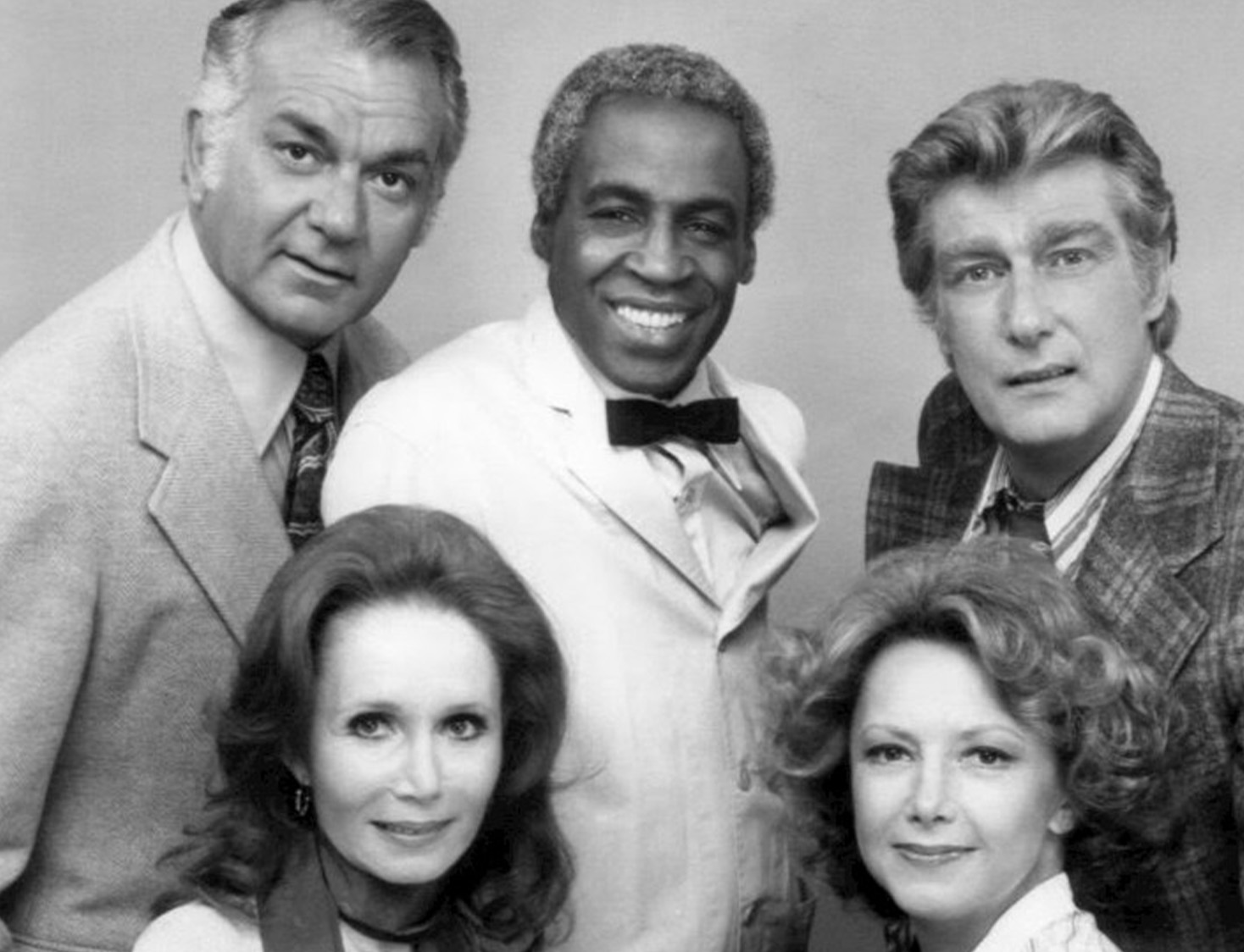
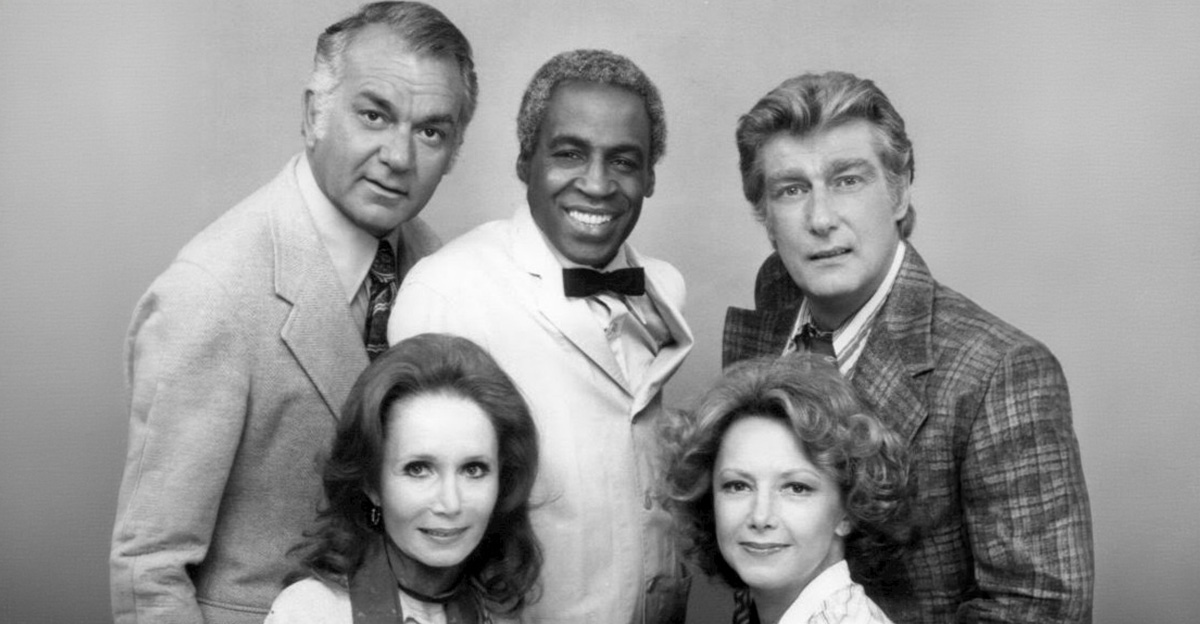 ABC Television, Public Domain, via Wikimedia Commons.
A St. Louis Beginning
Robert Guillaume was born Robert Peter Williams in St. Louis on November 30, 1927. Long before Hollywood knew his face, he was a boy with a powerful singing voice, a restless streak, and ambitions that reached beyond his neighborhood.
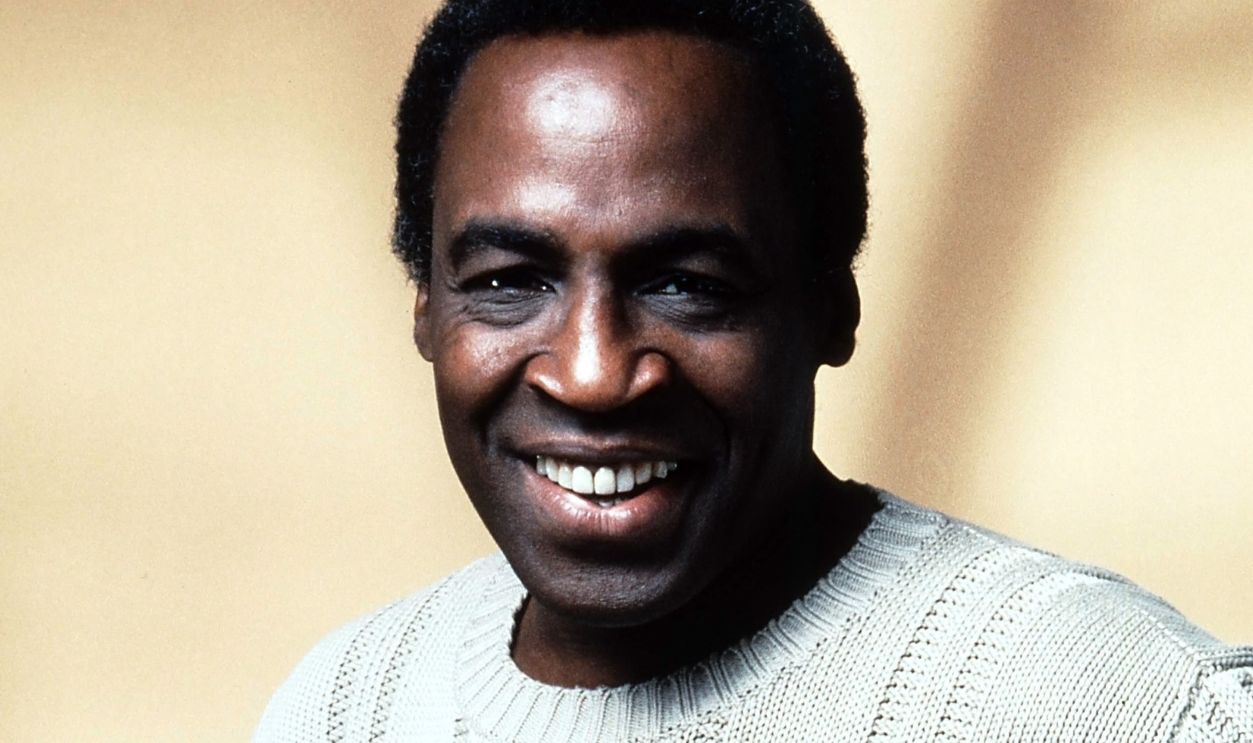 Michael Ochs Archives, Getty Images
Raised By His Grandmother
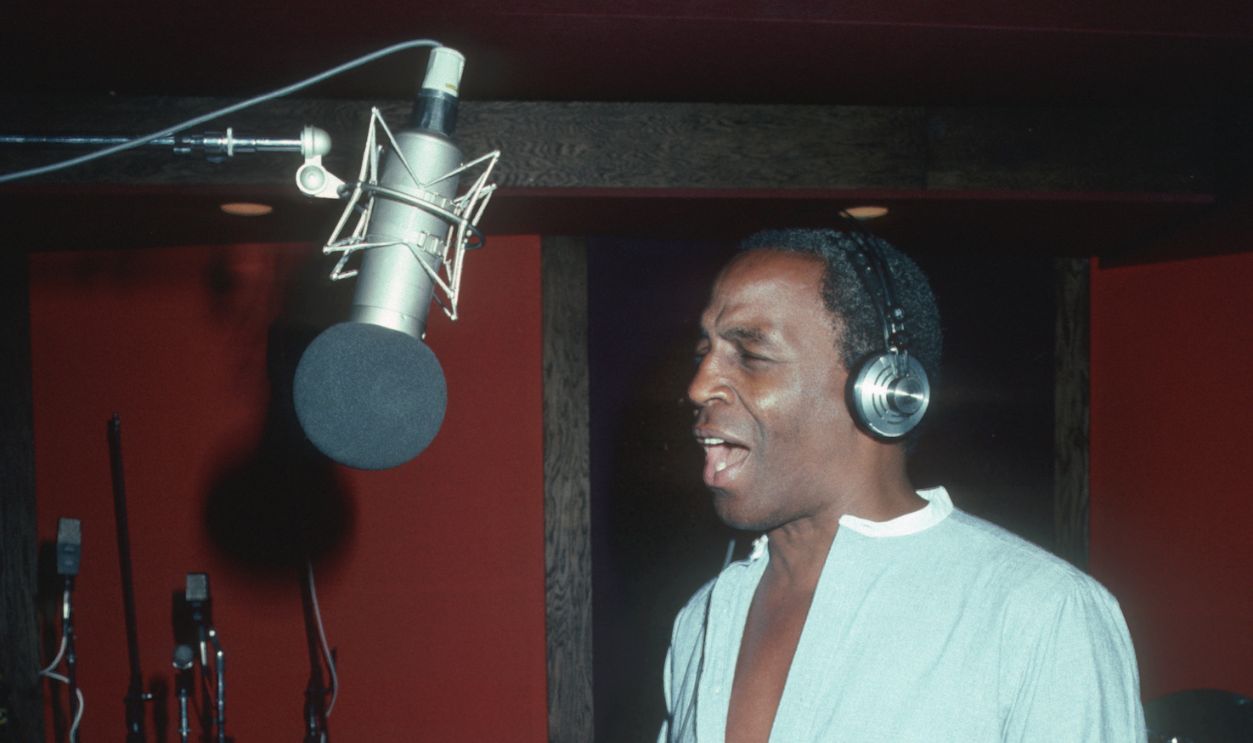
Guillaume’s childhood was difficult. He and several siblings were largely raised by their grandmother, Jeannette Williams. She gave him stability, while music gave him direction. Singing became more than a talent; it became his first route toward another life.
The Army Came First
After leaving high school, Guillaume joined the U.S. Army in 1945. When his service ended, he pursued college, initially leaning toward business before realizing that music and performance were what he truly wanted to chase.
 U.S. Department of Defense Current Photos, Wikimedia Commons
He Dreamed Of Opera
Before sitcoms and animated lions, Guillaume imagined himself as a classical singer. He studied voice and once aimed to become a tenor with the Metropolitan Opera. That training later gave his acting the rich, controlled sound audiences instantly recognized.
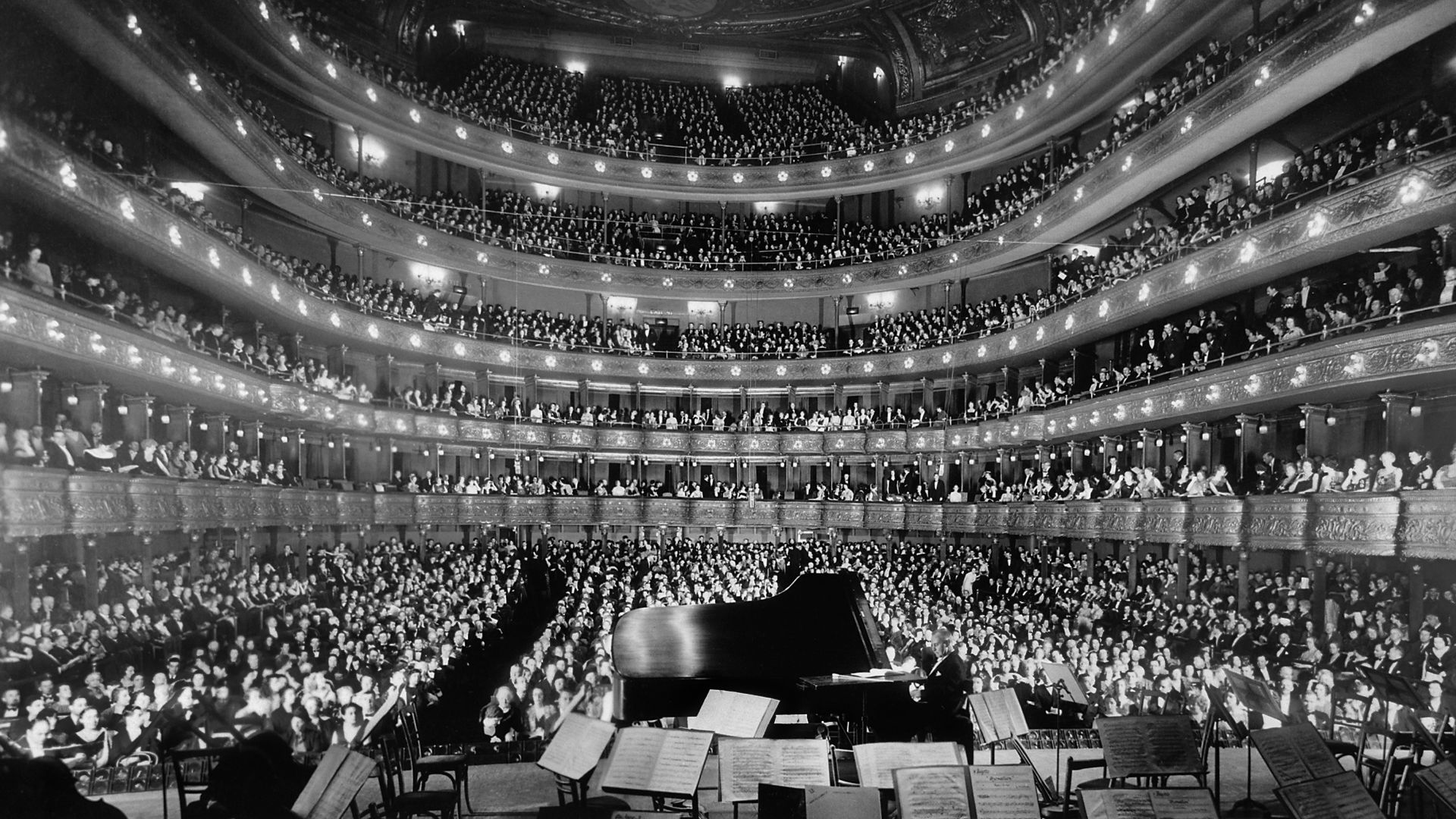 Unknown or not provided Retouched by Mmxx, Wikimedia Commons
The Stage Opened The Door
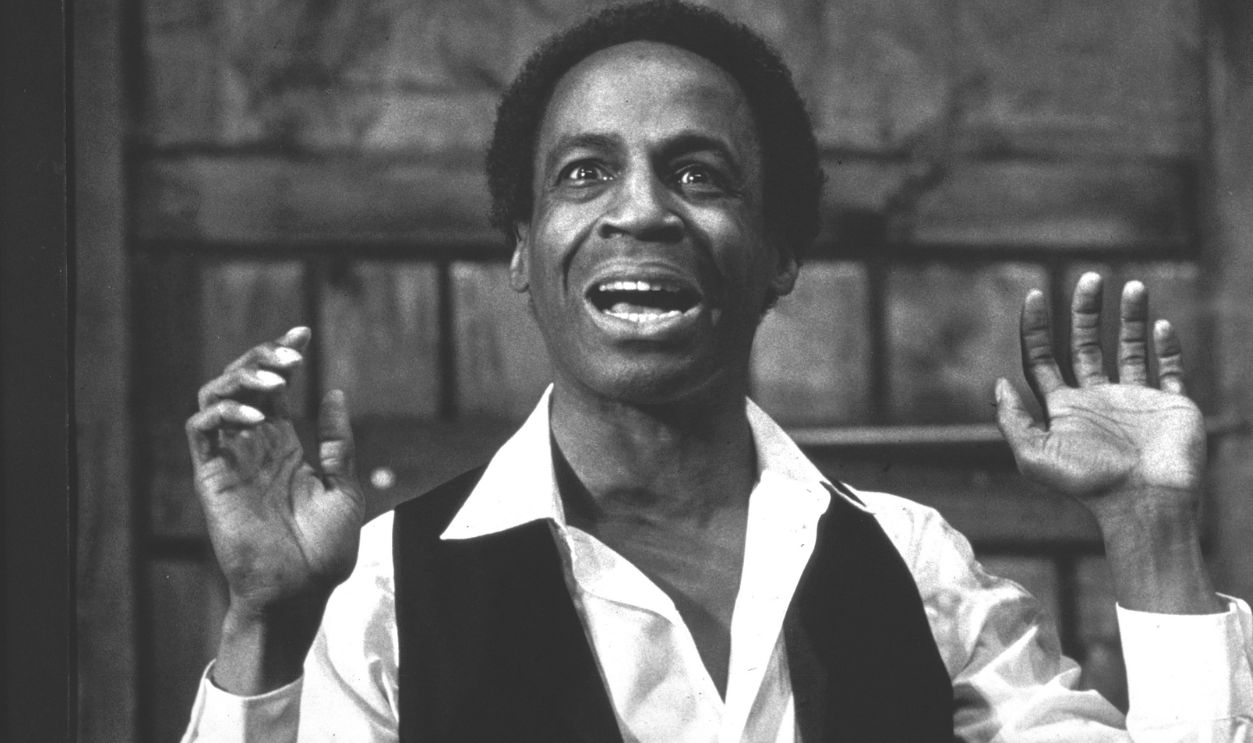
Guillaume built his early career through singing, touring, and theatrical work. He performed with vocal groups and took jobs wherever the stage led him. The road was not glamorous, but it developed his timing, discipline, and confidence.
Broadway Took Notice
By the early 1960s, Guillaume was working on Broadway. His credits included Finian’s Rainbow, Kwamina, Tambourines to Glory, and later Purlie. He proved he could handle music, comedy, drama, and live audiences without breaking a sweat.
Nathan Detroit Changed Everything
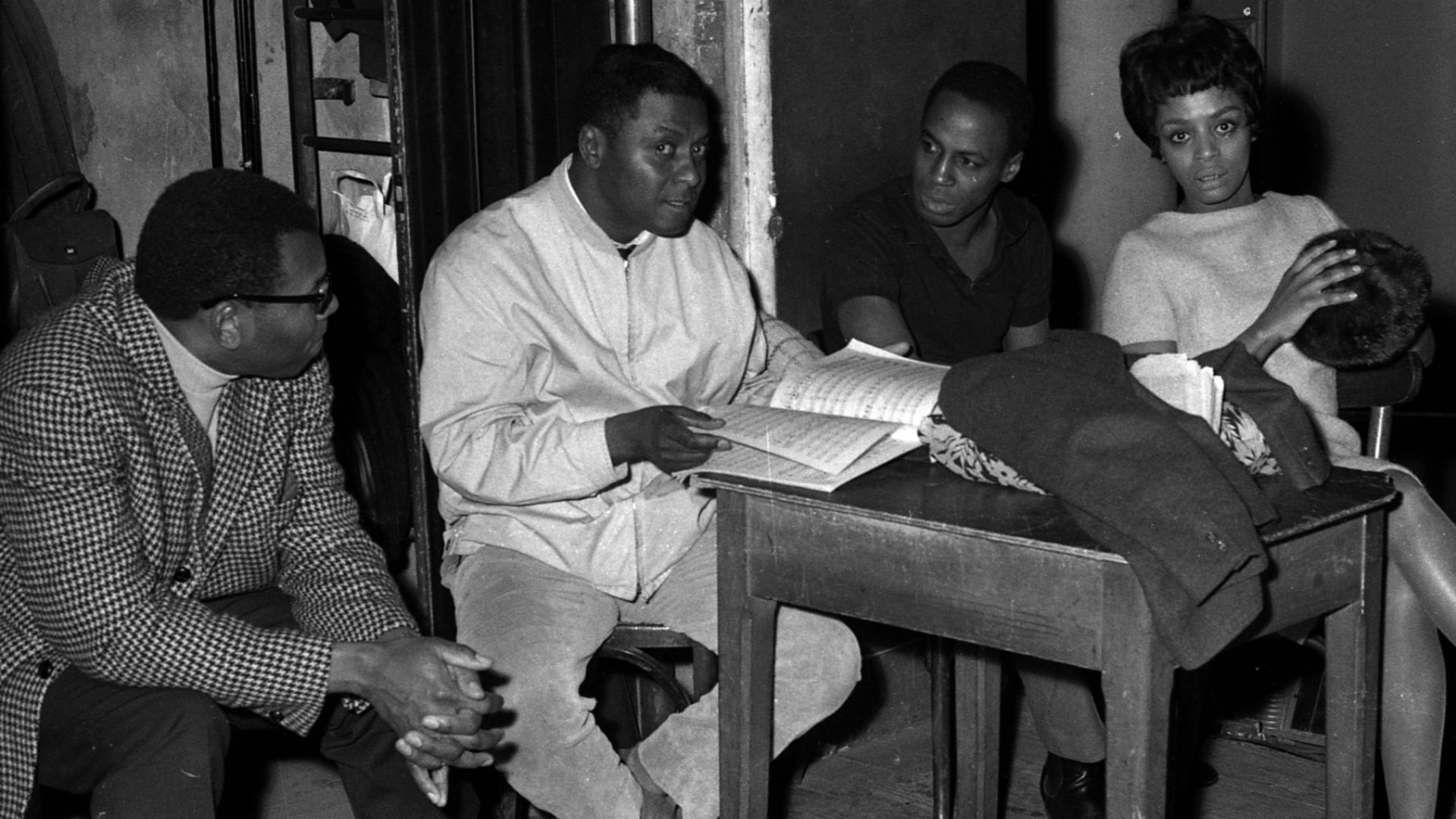
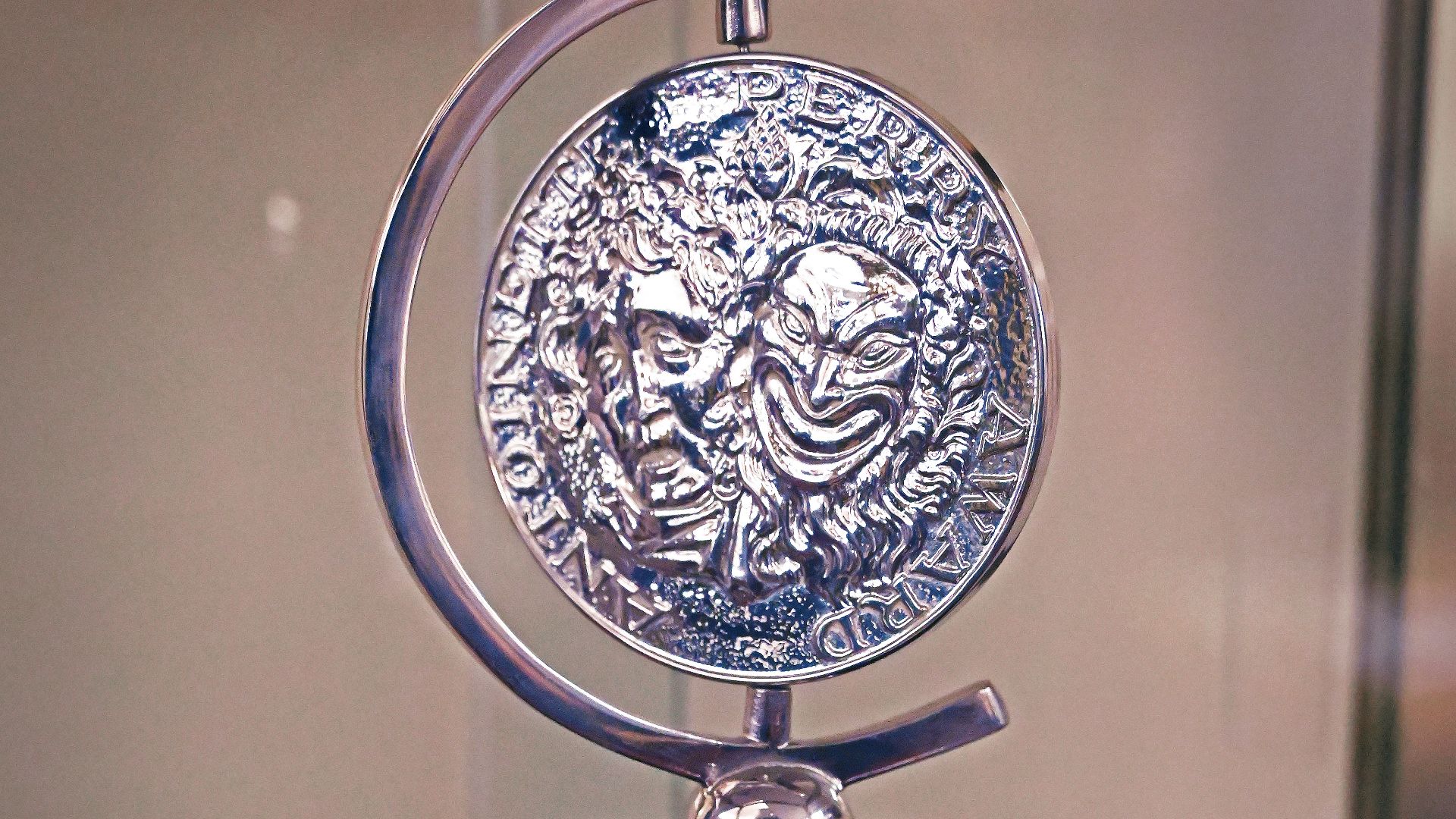
In the 1976 all-Black revival of Guys and Dolls, Guillaume played fast-talking gambler Nathan Detroit. His performance earned a Tony nomination and showed that he could take a famous role, reshape it, and make it entirely his own.
 PhilipRomanoPhoto, Wikimedia Commons
Television Started Calling
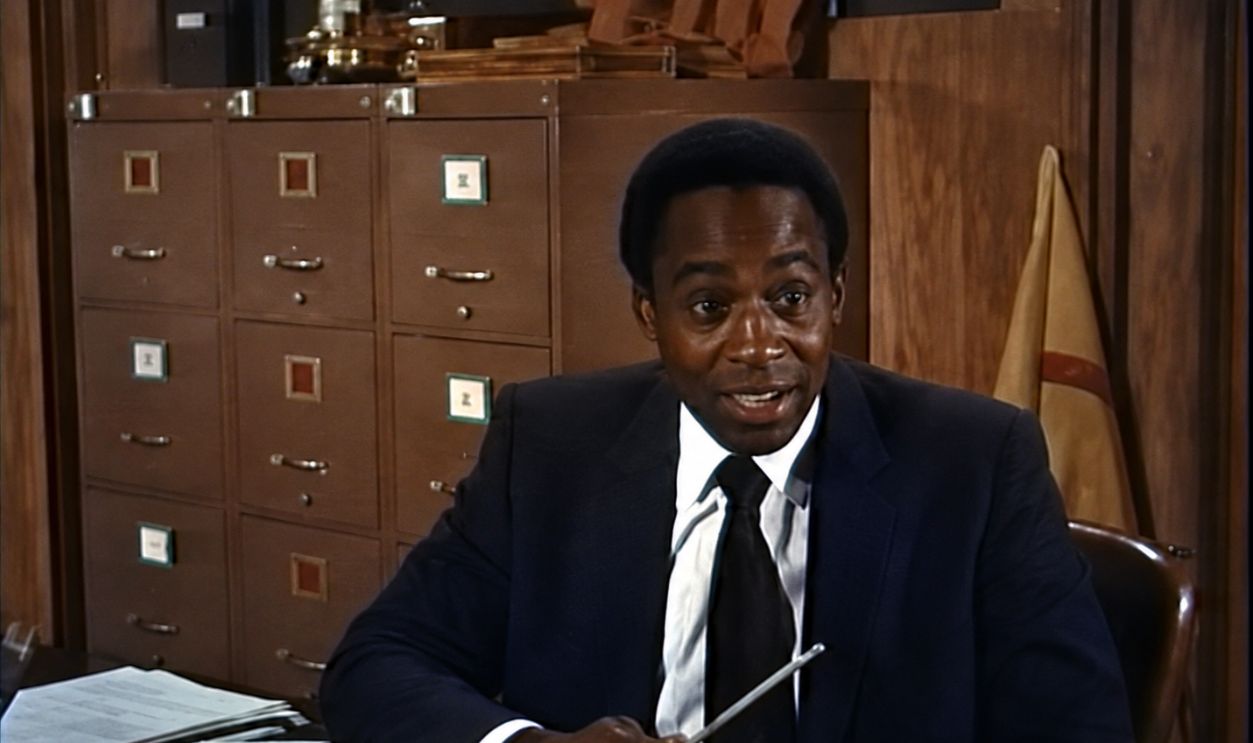
Television work arrived through guest appearances on Julia, Marcus Welby, M.D., All in the Family, and The Jeffersons. Guillaume often had limited screen time, but his dry delivery made him memorable. He could steal a scene politely.
 Screenshot from Julia, National Broadcasting Company (NBC) (1968–1971), Modified
Then Came Soap
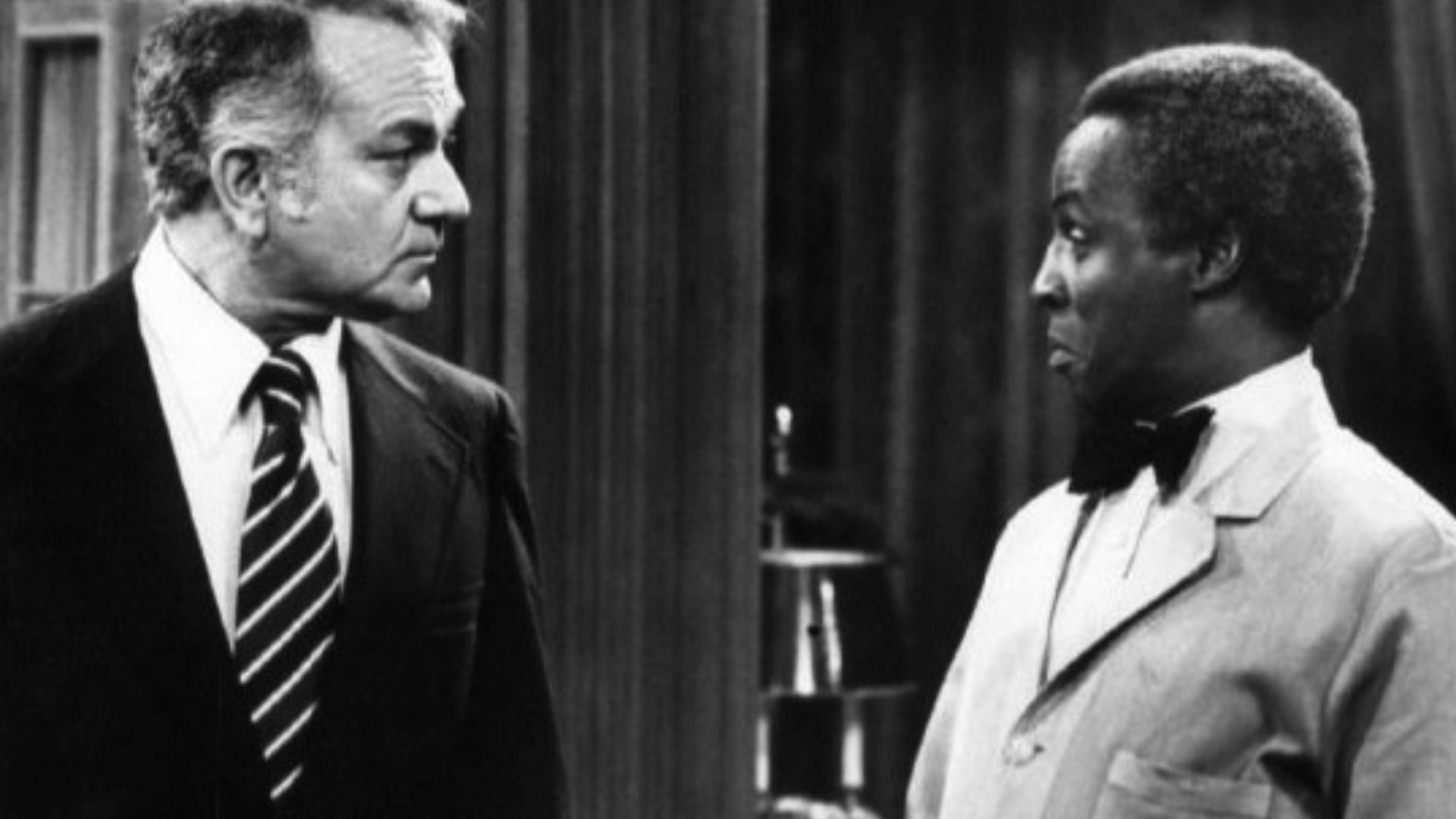
In 1977, Guillaume joined Soap, a sitcom spoofing daytime melodramas. He played Benson DuBois, the Tate family’s butler. On paper, the role could have felt painfully dated. In Guillaume’s hands, Benson became the smartest person in the household.
 ABC Television, Wikimedia Commons
Benson Refused To Be A Stereotype
Guillaume was careful about how Benson was played. He wanted the character to be funny without becoming a buffoon or losing his humanity. Benson’s sarcasm came from intelligence, not humiliation, and viewers knew he was usually judging everyone correctly.
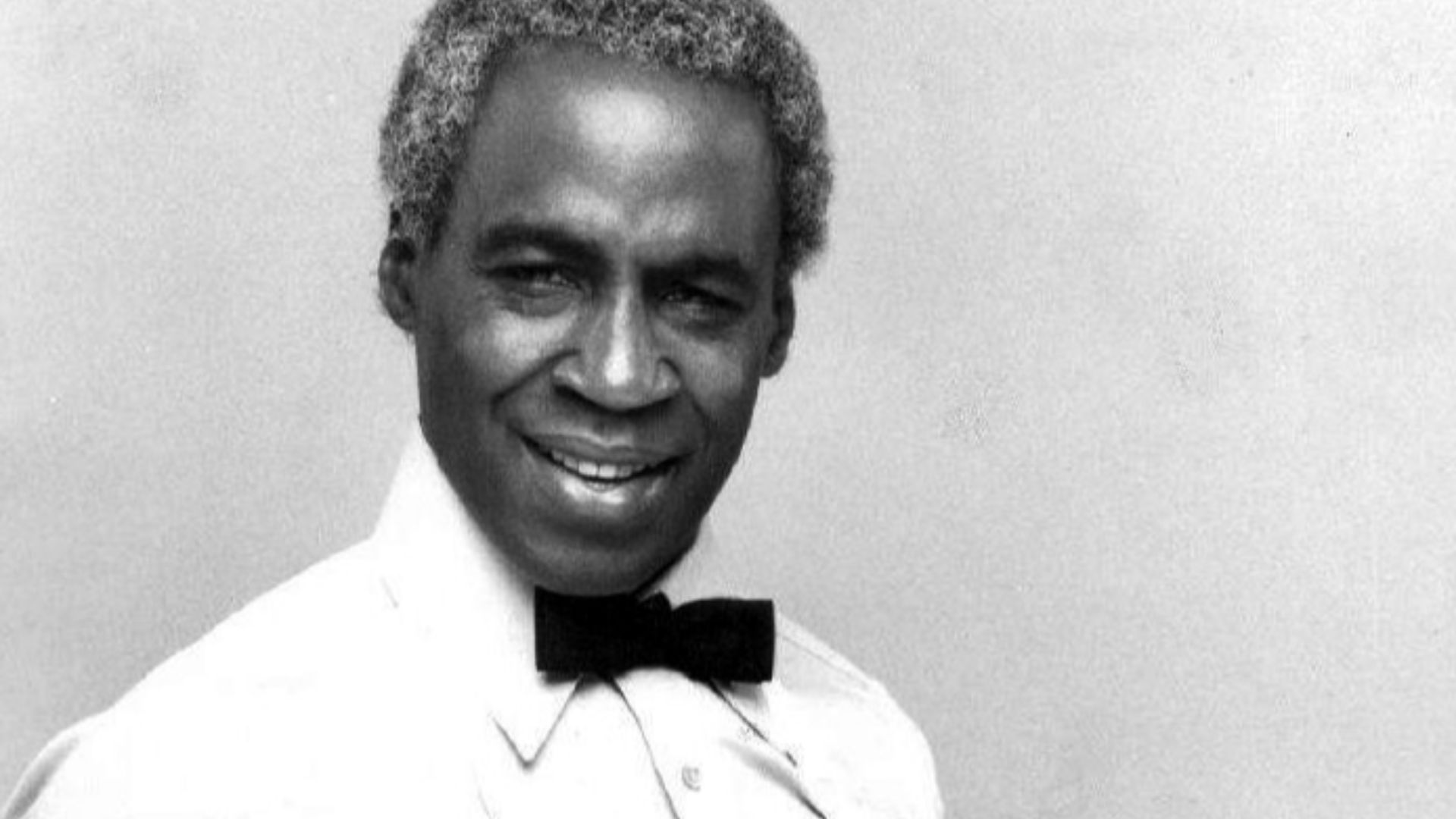 ABC Television, Wikimedia Commons
His First Emmy Win
Audiences loved Benson, and the Television Academy noticed. Guillaume won the 1979 Emmy for Outstanding Supporting Actor in a Comedy Series. The award confirmed something already obvious: this supporting character had become one of Soap’s biggest attractions.
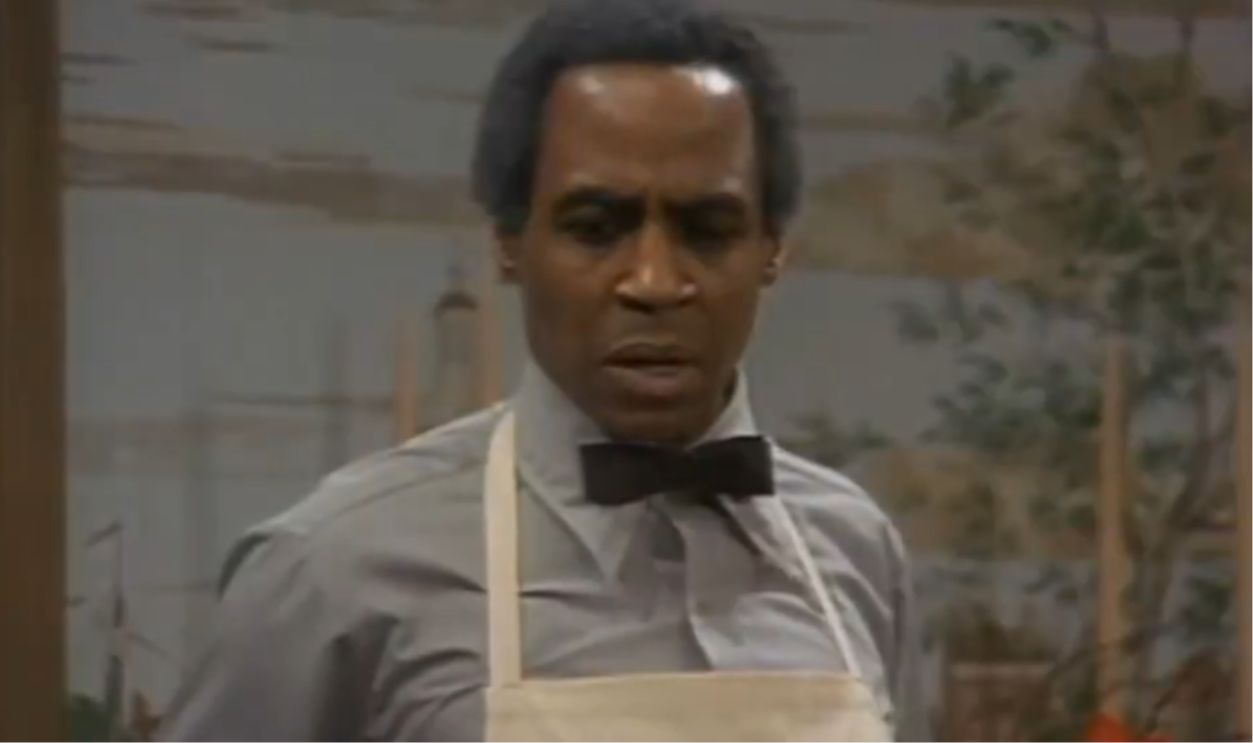 Screenshot from Soap, Columbia Pictures Television (1977–1981)
A Spinoff Built Around Him
ABC gave Benson his own series in 1979. The new show moved him from the Tate home to a governor’s mansion filled with fresh disasters. Benson remained sarcastic, but now he had more authority, depth, and screen time.
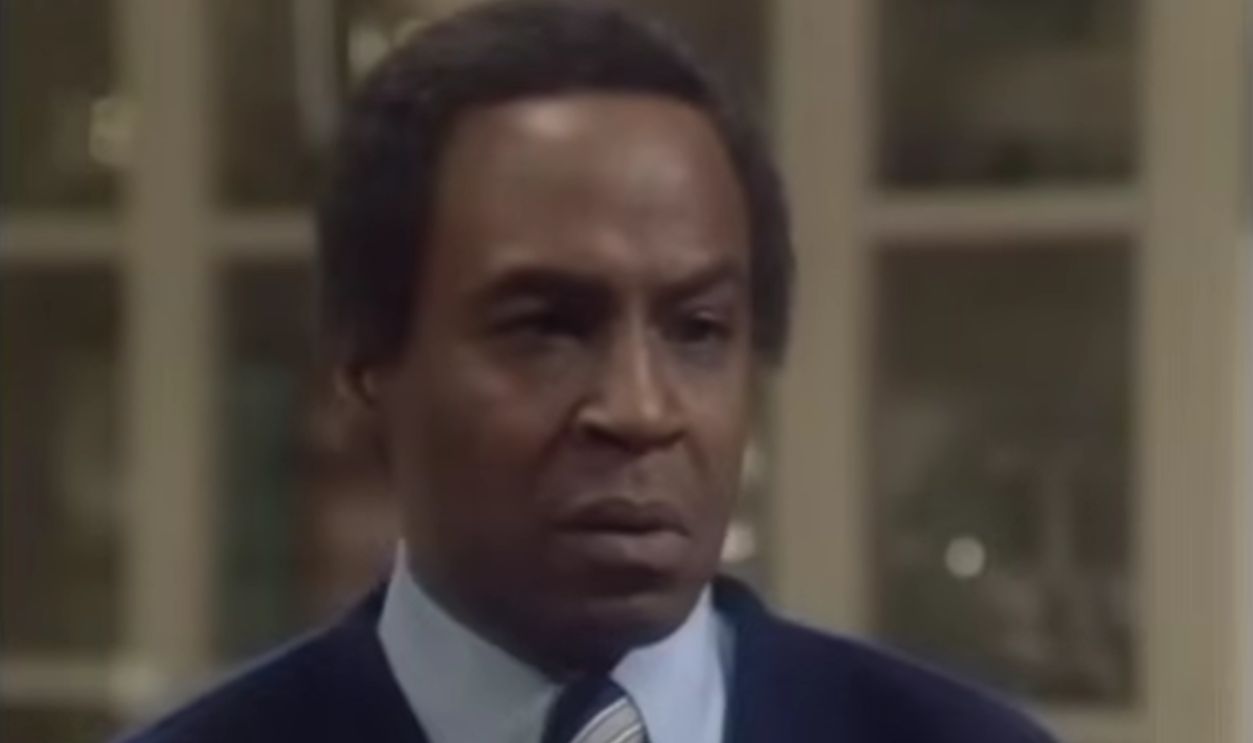 Screenshot from Benson, Columbia Pictures Television (1979–1986)
Benson Kept Moving Up
One of Benson’s cleverest ideas was letting the character advance. He did not remain trapped in one job forever. Across seven seasons, he climbed from household manager into politics, eventually becoming lieutenant governor. His success felt earned.
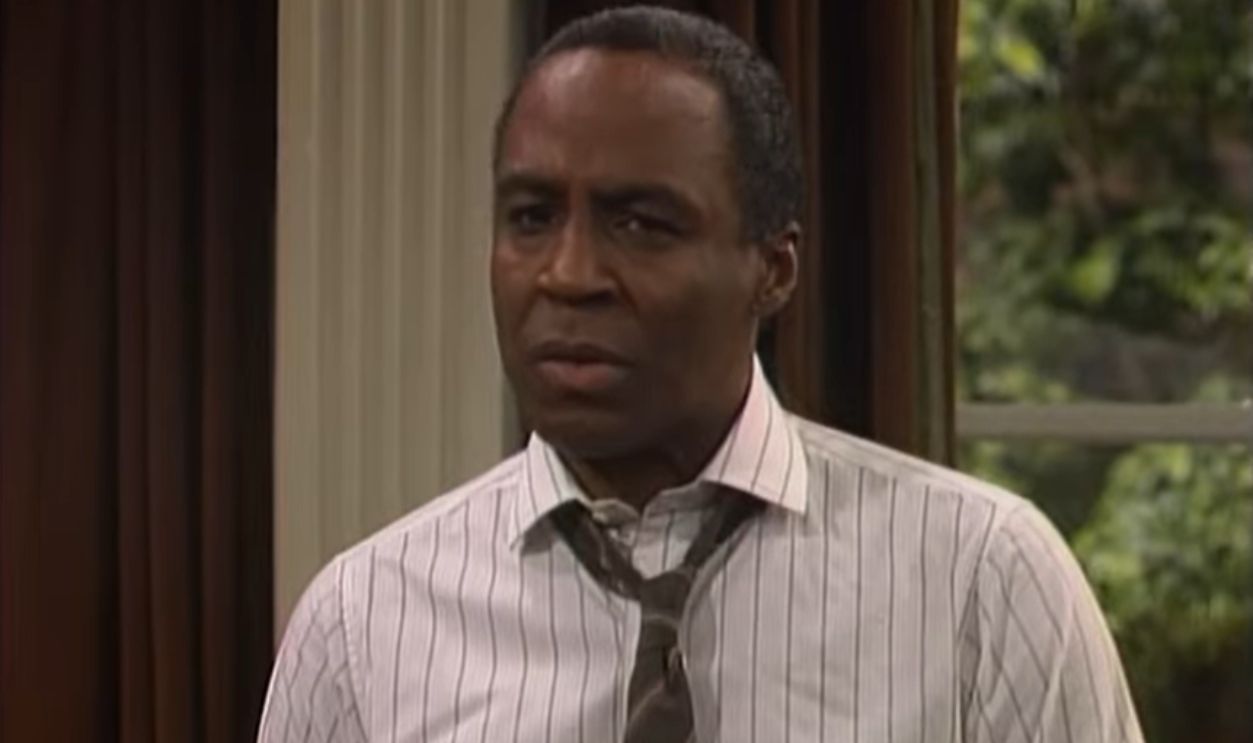 Screenshot from Benson, Columbia Pictures Television (1979–1986)
He Made Emmy History
In 1985, Guillaume won the Emmy for Outstanding Lead Actor in a Comedy Series for Benson, becoming the first Black performer to win the category. He had turned a sitcom butler into a leading man and carried the show for years.
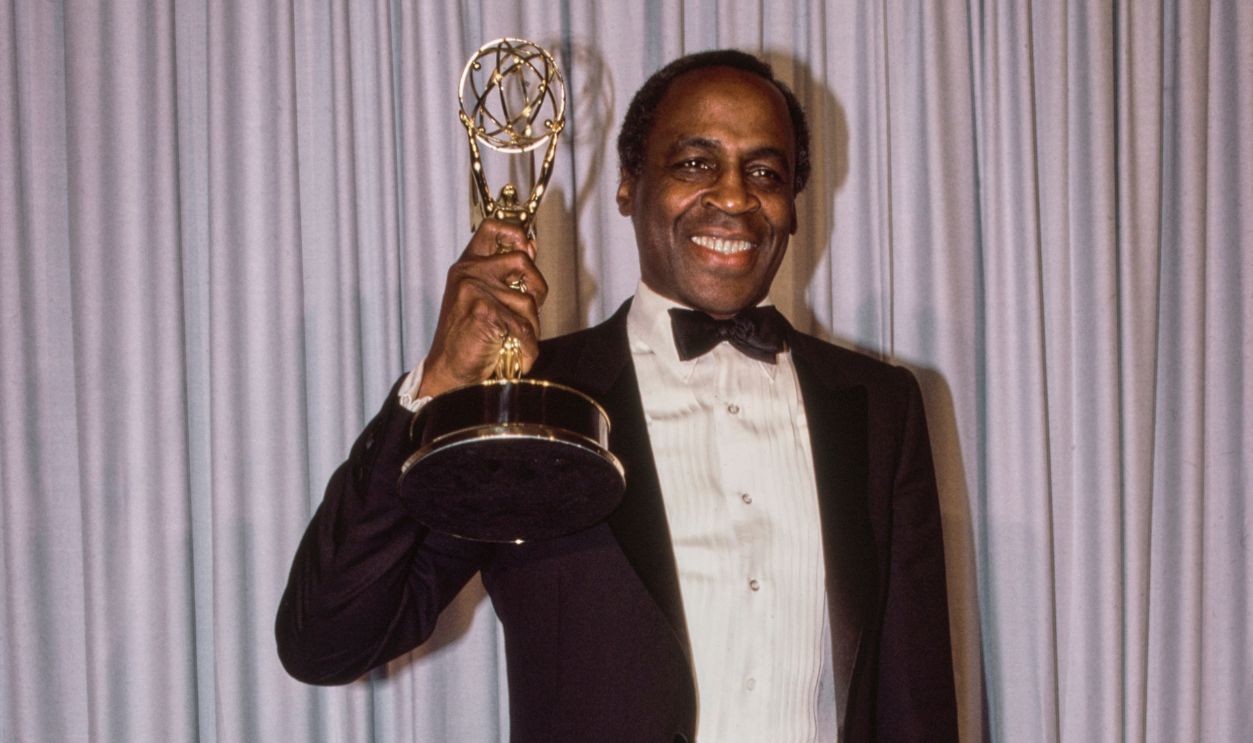
Seven Seasons Of Sharp Comebacks
Benson ran for seven seasons and 158 episodes, giving Guillaume endless chances to perfect the raised eyebrow, patient pause, and cutting reply. The show could be silly, but Benson’s intelligence grounded it. He was the adult in nearly every room.
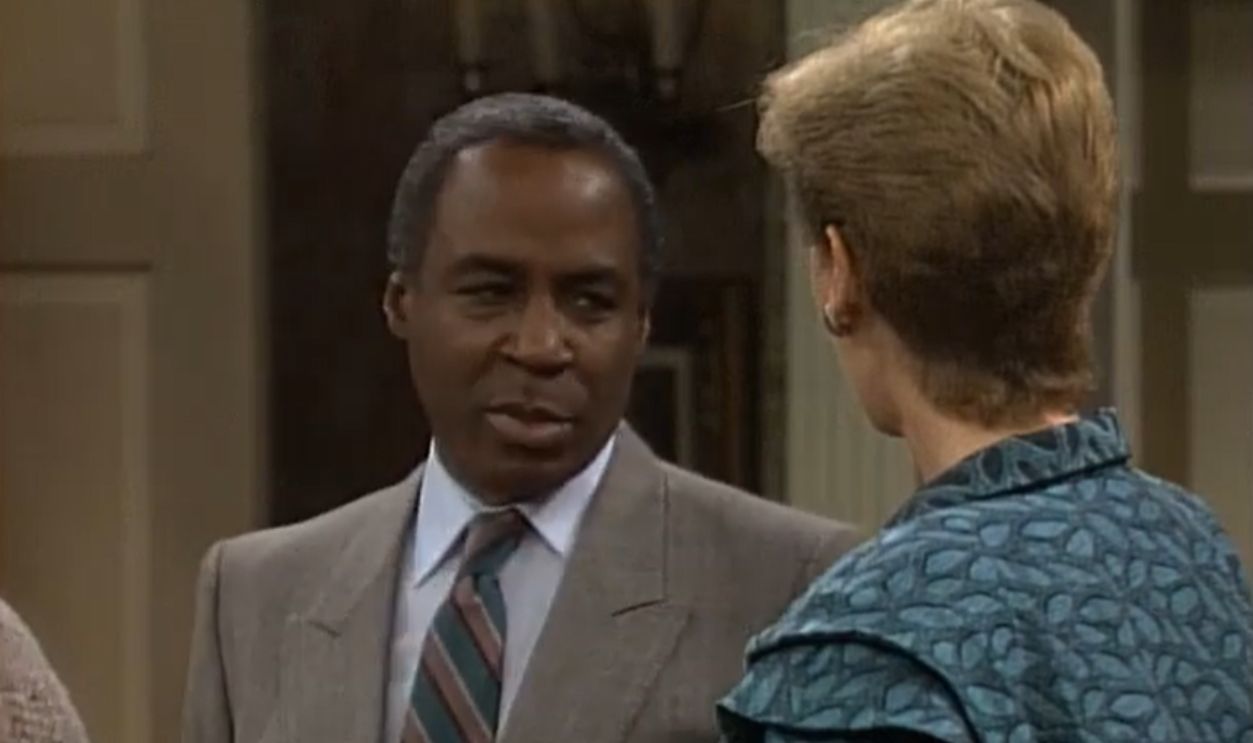 Screenshot from Benson, Columbia Pictures Television (1979–1986)
Movies Added Another Lane
Guillaume also worked in films including Seems Like Old Times, Lean on Me, and The Meteor Man. His movie roles were rarely as dominant as Benson, but he brought the same mix of authority, humor, and unmistakable vocal presence.
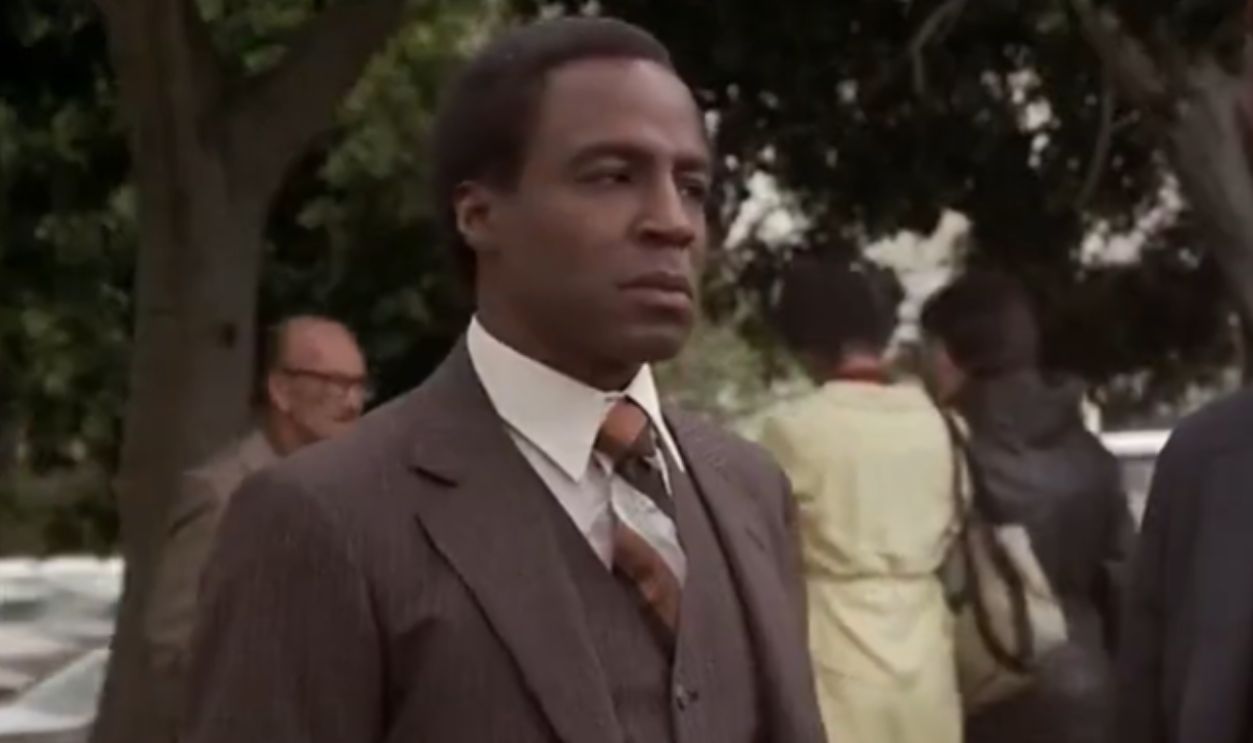 Screenshot from Seems Like Old Times, Columbia Pictures (1980)
Drama Showed Another Side
Comedy made Guillaume famous, but he was never limited to punchlines. He portrayed Frederick Douglass in the miniseries North and South and took on other serious roles that used his commanding presence rather than his perfectly timed sarcasm.
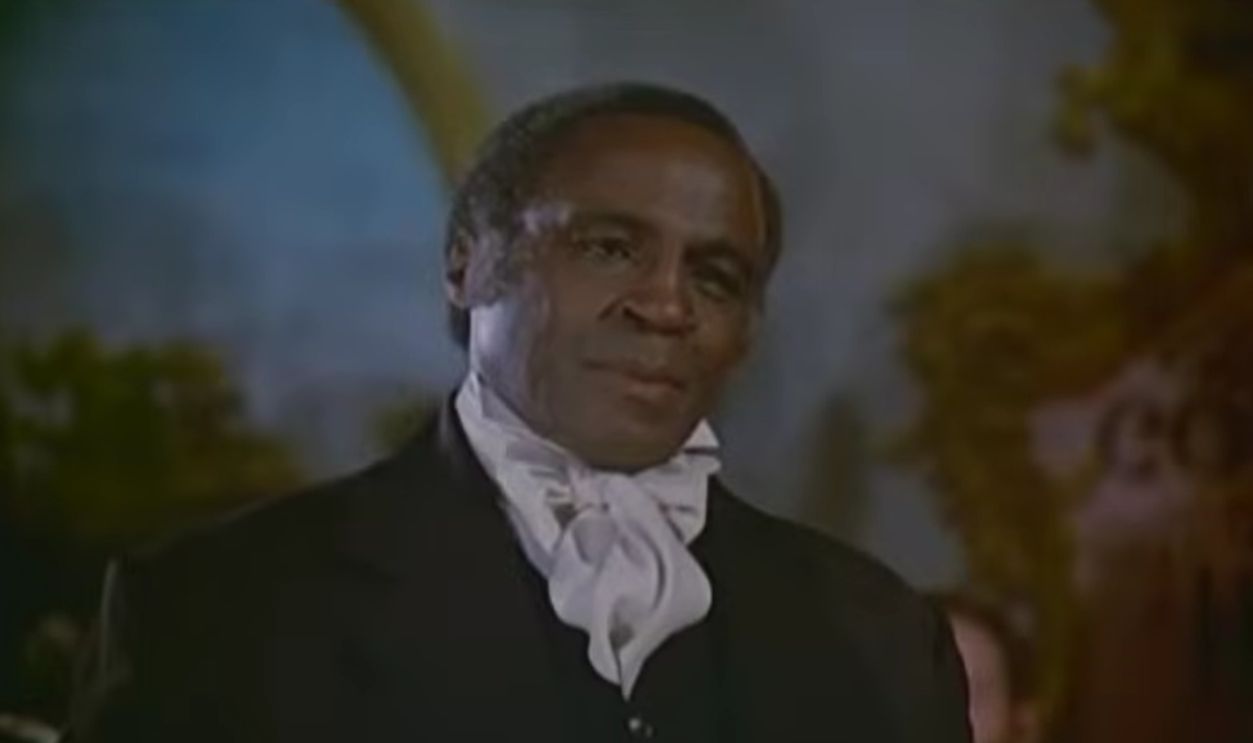 Screenshot from North & South: Book I, ABC (1985)
Not Every Series Lasted
The Robert Guillaume Show arrived in 1989, with Guillaume playing a marriage counselor in an interracial relationship. It was cancelled quickly. Pacific Station followed and also had a short run. Even Emmy winners sometimes meet an impatient network schedule.
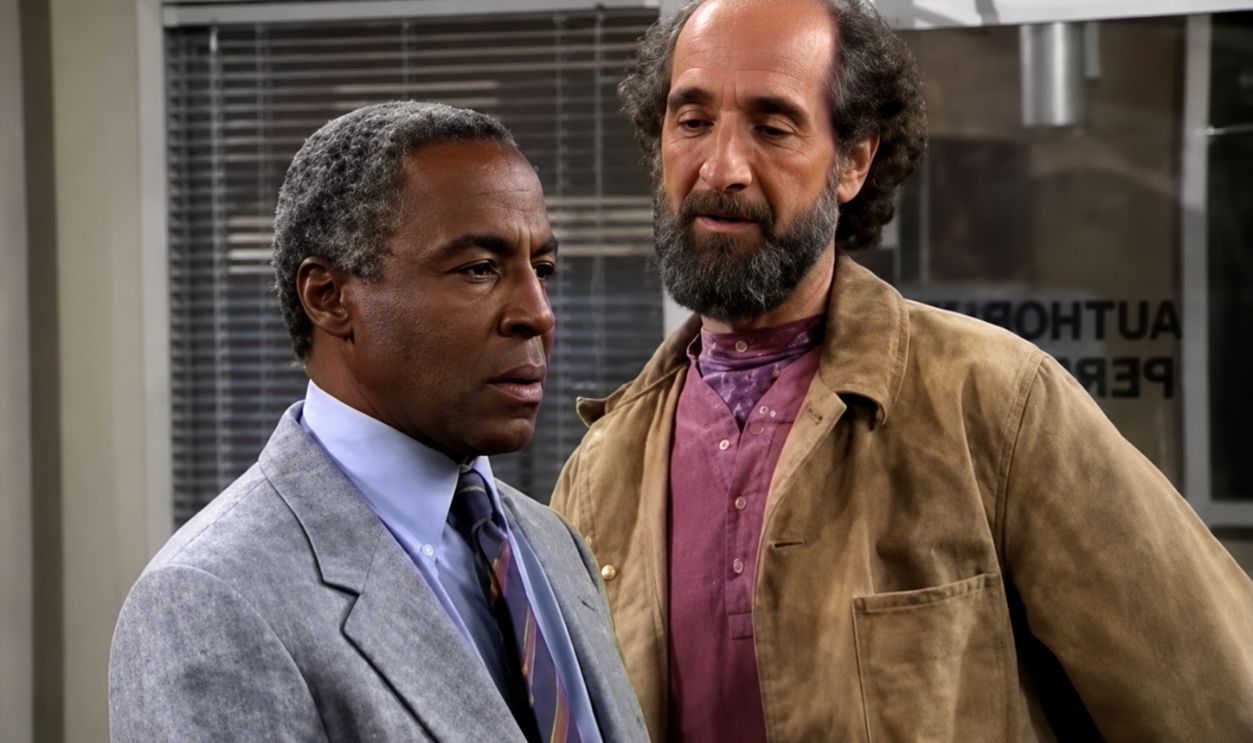 Screenshot from Pacific Station, Touchstone Television (1991–1992), Modified
He Became The Phantom
In 1990, Guillaume replaced Michael Crawford as the Phantom in the Los Angeles production of The Phantom of the Opera. He became the first Black actor to play the role, combining his classical training and theatrical power in one enormous assignment.
 ajay_suresh, Wikimedia Commons
Disney Found The Perfect Voice
In 1994, Guillaume voiced Rafiki in The Lion King, joining a cast packed with famous voices. Rafiki needed to sound playful, strange, wise, and confident. Guillaume could move between all four qualities within a single scene.
 Screenshot from The Lion King, Buena Vista Pictures Distribution (1994)
Rafiki Was More Than Comic Relief
Rafiki looks like the movie’s eccentric old mystic, but Guillaume gives him emotional weight. He teases Simba, challenges him, comforts him, and reminds him who he is. The performance makes wisdom feel energetic instead of sleepy.
 Screenshot from The Lion King, Buena Vista Pictures Distribution (1994)
The Lion King Brought A Grammy
Guillaume’s connection to The Lion King continued beyond the film. He won a Grammy in 1995 for The Lion King Read-Along and returned as Rafiki in sequels, television projects, and video games. One animated mandrill opened a new career chapter.
 Ron Galella, Ltd., Getty Images
Sports Night Showed His Authority
In 1998, Guillaume joined Aaron Sorkin’s Sports Night as Isaac Jaffe, the executive producer of a television sports show. He did not need loud speeches to establish authority. A look, a pause, or one measured sentence usually did the job.
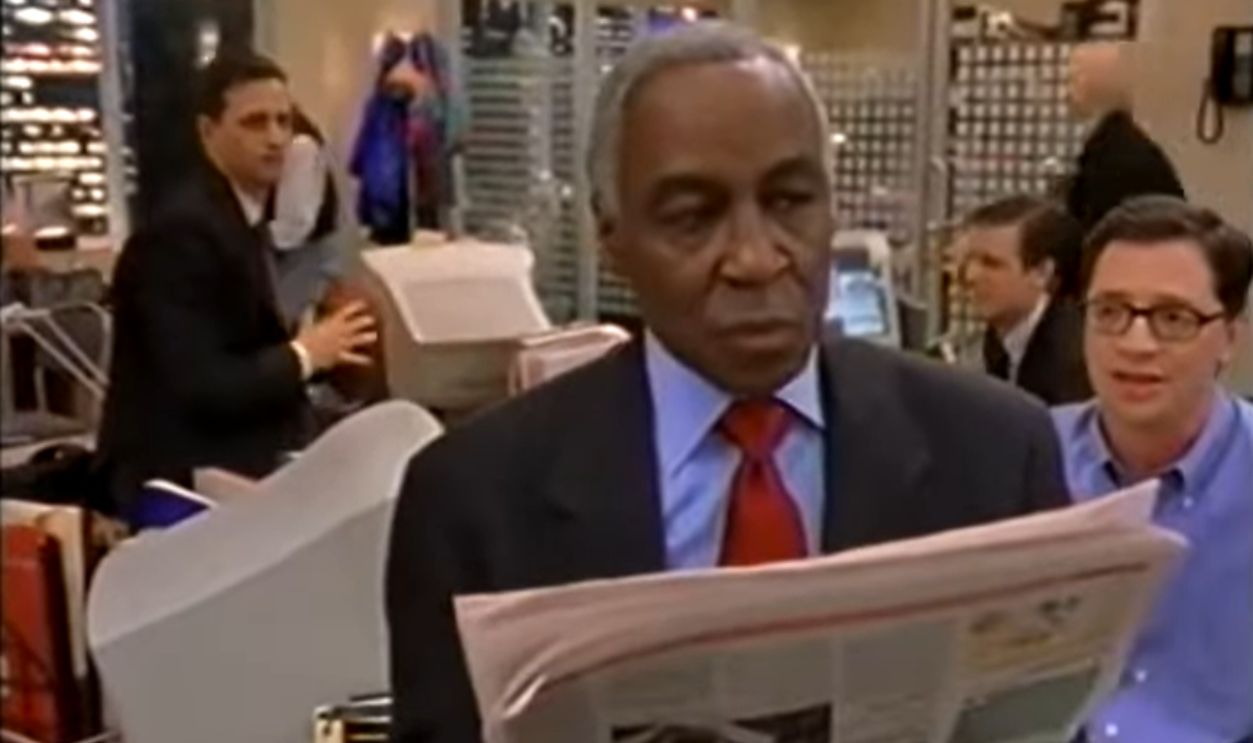 Screenshot from Sports Night, Buena Vista Television (1998–2000)
A Stroke Became Part Of The Story
Guillaume suffered a stroke in 1999 while working on Sports Night. Rather than hide it, the series wrote a stroke into Isaac’s story. Guillaume returned months later, allowing his recovery to become part of an unusually honest television arc.
 Screenshot from Sports Night, Buena Vista Television (1998–2000)
He Turned Recovery Into Advocacy
After his stroke, Guillaume spoke publicly about prevention, rehabilitation, blood pressure, and recognizing risk factors. He did not pretend the experience was easy, but he used it to encourage other people to pay attention to their health.
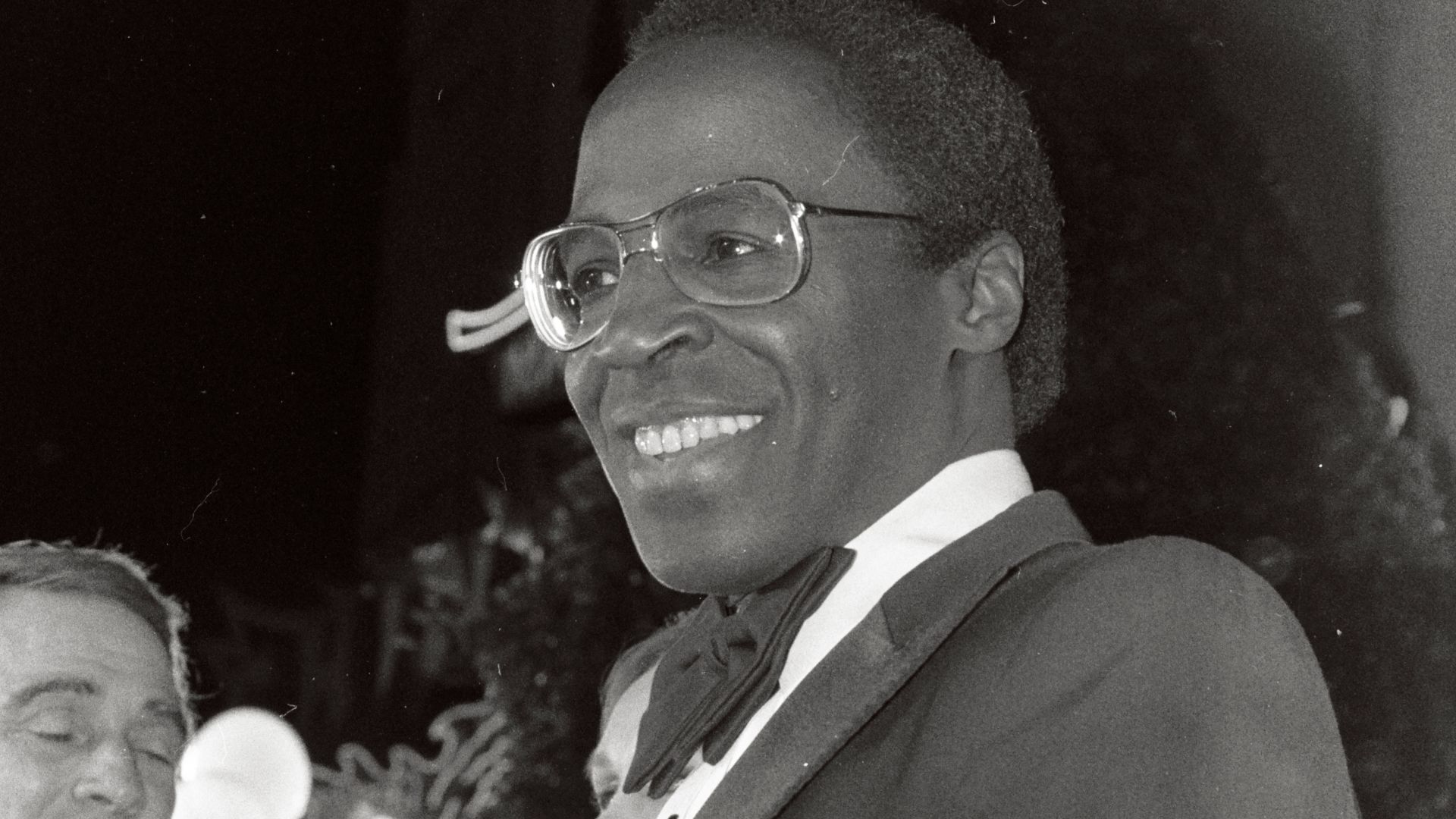
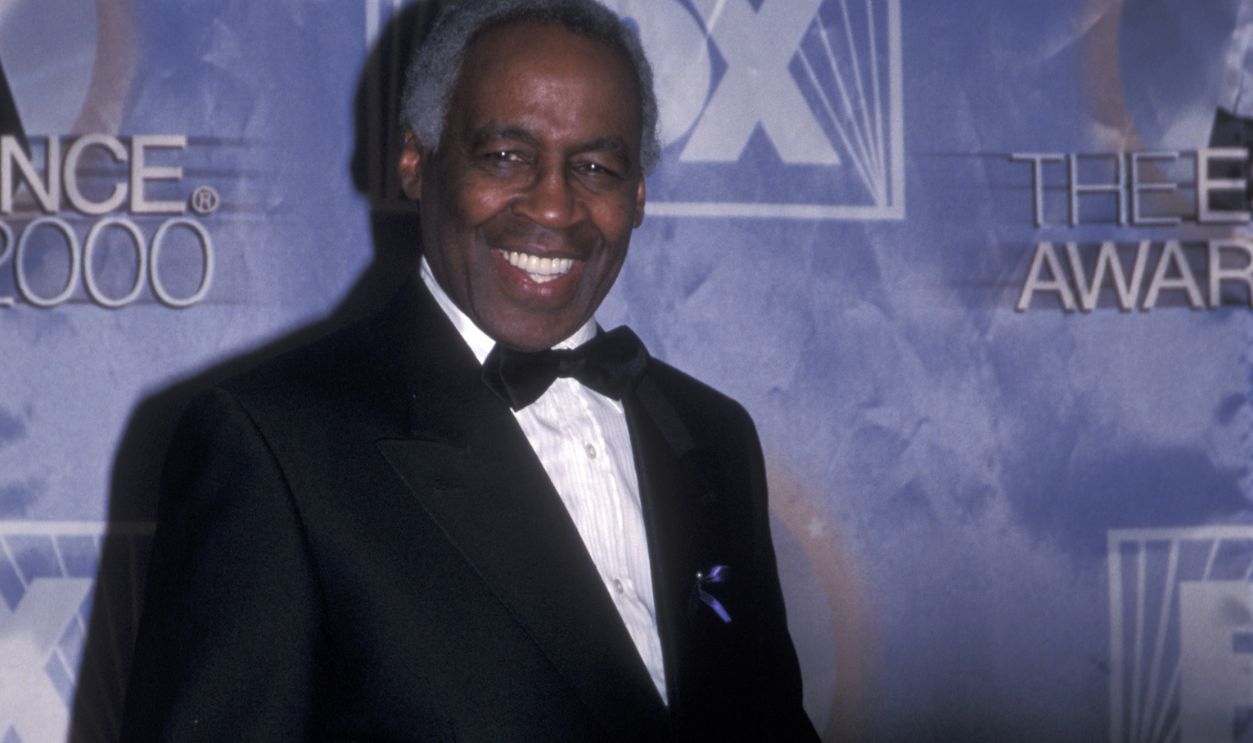 Ron Galella, Ltd., Getty Images
A Voice That Crossed Generations
Robert Guillaume died in 2017 at age 89, leaving a career spanning Broadway, classic sitcoms, drama, film, and animation. Some fans hear Benson’s perfect comeback. Others hear Rafiki’s wisdom. Either way, they are hearing a true original.
You May Also Like:
How Alan Young helped make Mister Ed one of television’s strangest success stories.