Hits That Still Got Axed
Big ratings don't always save a TV show. Networks have canceled series that were winning their time slots, attracting millions every week, and sometimes ranking among television's biggest hits. From CBS's infamous "rural purge" to modern battles over demographics and production costs, these cancellations caught viewers flat-footed wondering what on Earth happened.
 Screenshot of Jennifer Love Hewitt in 'The Ghost Whisperer' episode
Gilligan's Island
CBS's Gilligan's Island was still winning its Monday time slot late in its third season in 1967, despite slipping outside the Nielsen Top 30. Bob Denver, Alan Hale Jr., Jim Backus and the cast expected another season. Instead, CBS saved Gunsmoke and unexpectedly stranded the castaways for good.
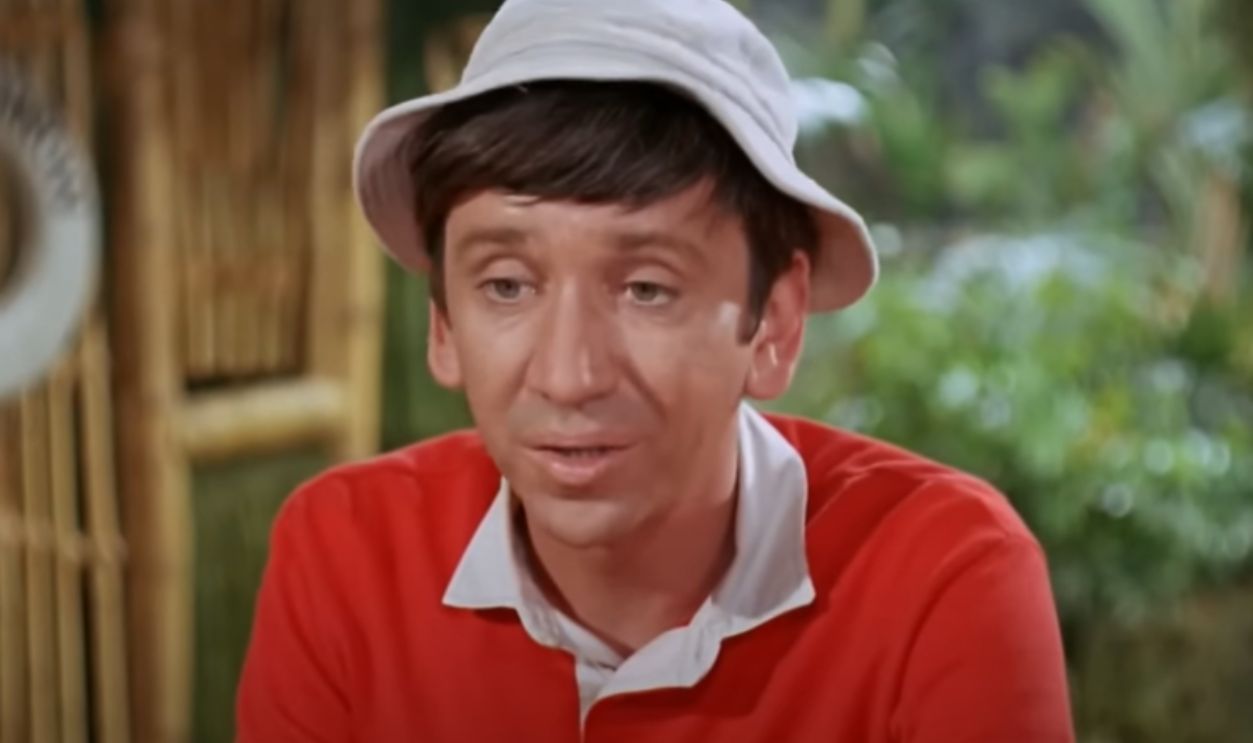 Screenshot from Gilligan's Island, Warner Bros. (1964-1967)
The Red Skelton Show
After nearly two decades on CBS, The Red Skelton Show still ranked an extraordinary seventh nationally during the 1969-70 season. CBS nevertheless canceled it while pursuing younger audiences. NBC rescued Red Skelton for another season, shortening his hour-long variety institution to 30 minutes, but the revived version lasted only one year.
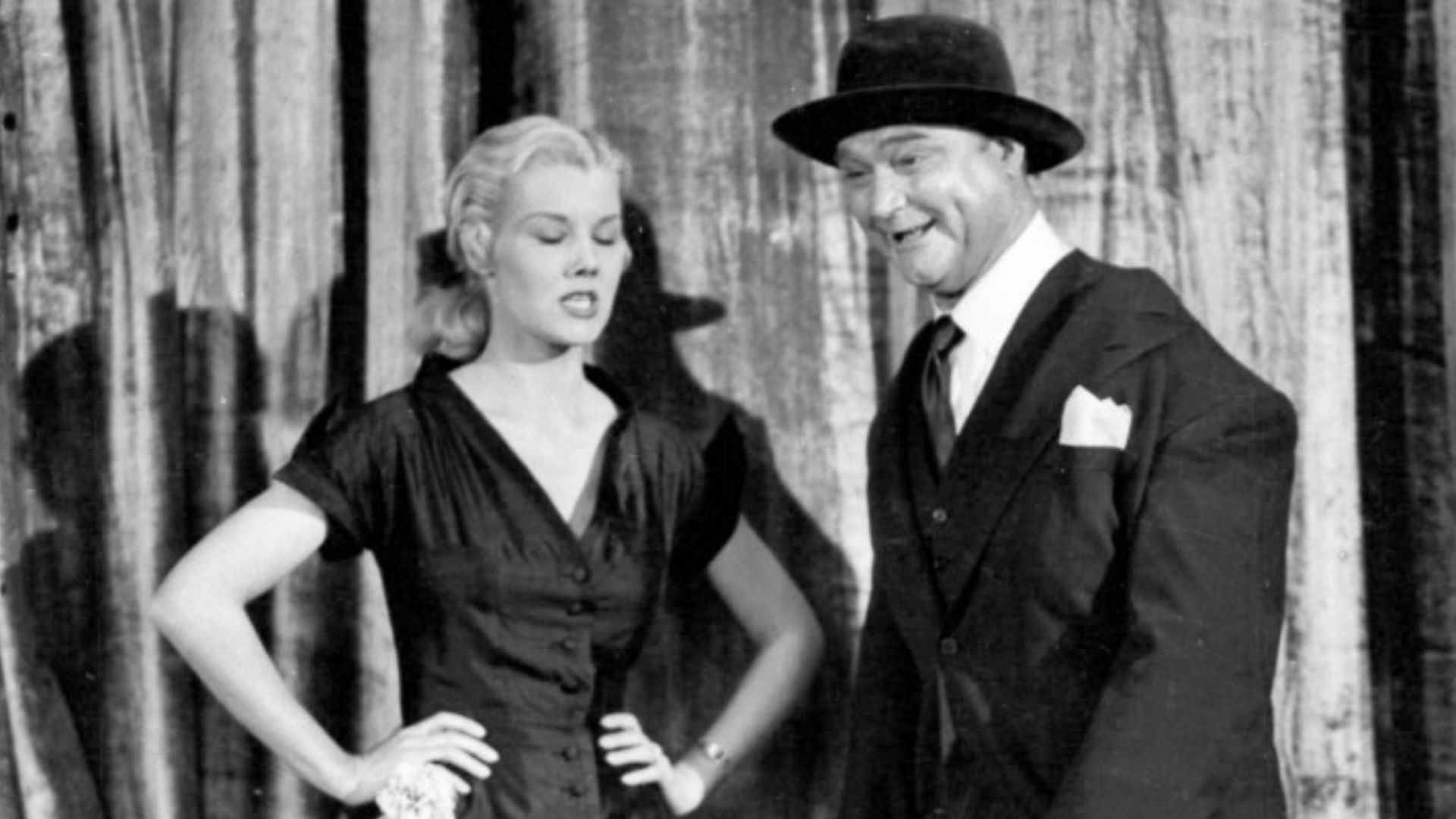 Globe Photos, Wikimedia Commons
Mayberry R.F.D.
Ken Berry, George Lindsey, Jack Dodson and the citizens of Mayberry were hardly struggling when CBS pulled the plug in 1971. Mayberry R.F.D. had ranked fourth during each of its first two seasons and still finished 15th in its final year. CBS simply wanted to move away from rural programming.
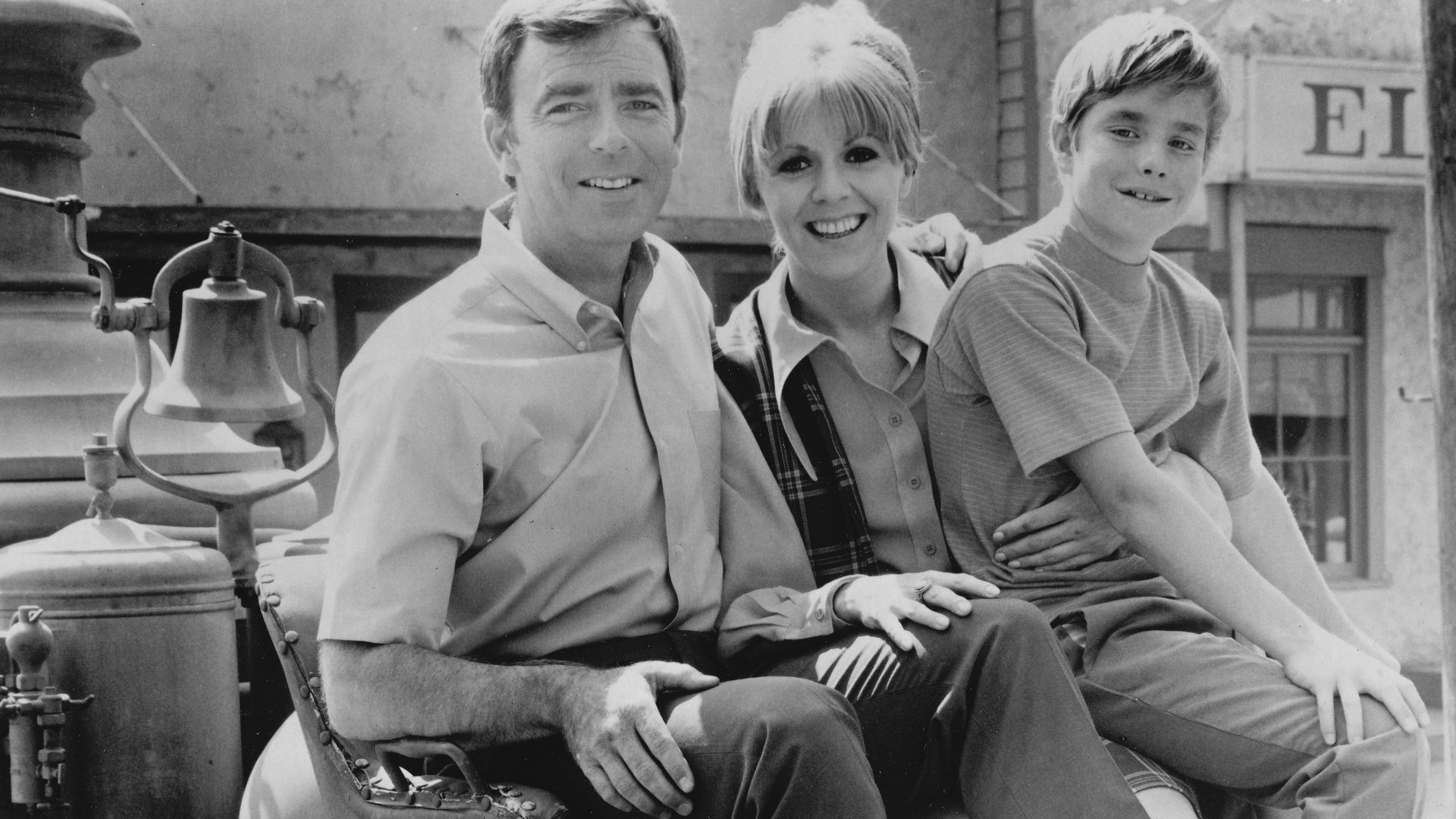 CBS Television Network, Wikimedia Commons
Hee Haw
Buck Owens and Roy Clark's country variety series finished 16th nationally during the 1970-71 season, but that couldn't protect Hee Haw from CBS's "rural purge." The cancellation ultimately demonstrated how misleading a network cancellation could be: Hee Haw moved into first-run syndication and continued for more than two decades.
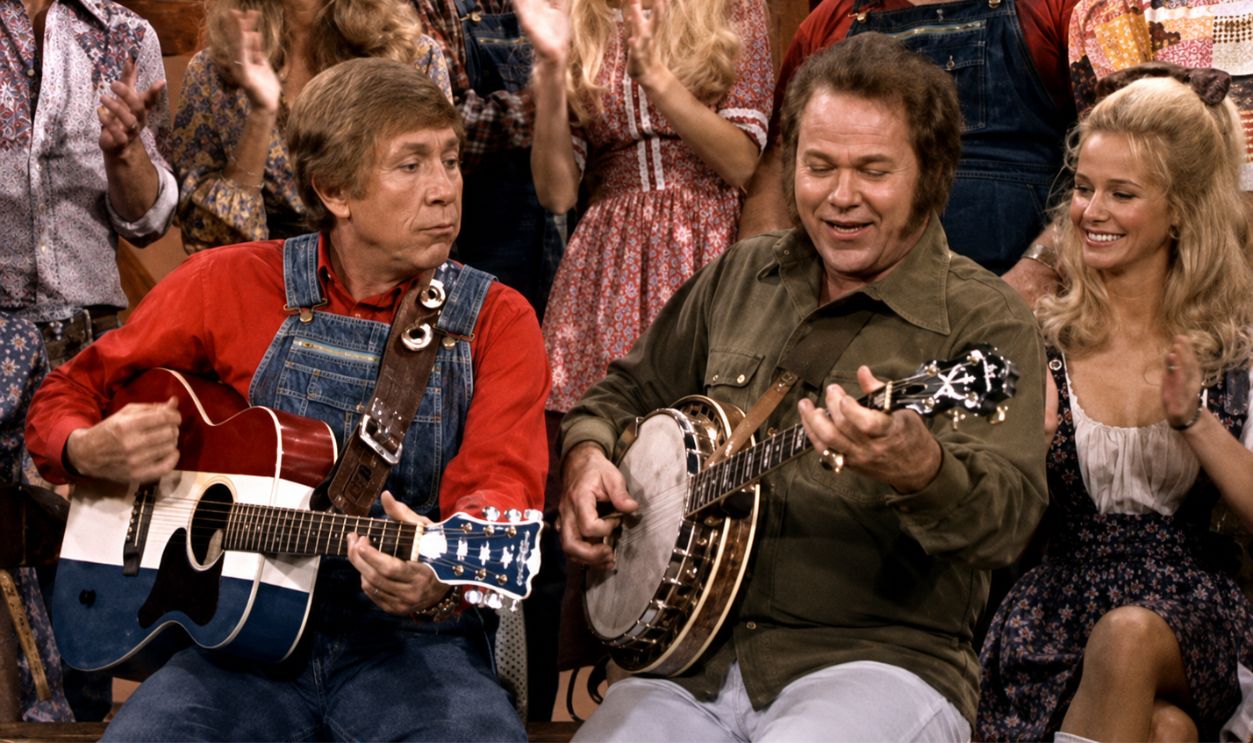 Screenshot from Hee Haw, CBS Television Network (1969-1997), Enhanced
The Jim Nabors Hour
Gomer Pyle himself couldn't escape CBS's changing priorities. Jim Nabors' variety series, featuring Frank Sutton and Ronnie Schell among its regulars, remained a Top 30 program, finishing 29th during 1970-71. CBS canceled it anyway as the network aggressively cleared away programs it believed attracted older and more rural viewers.
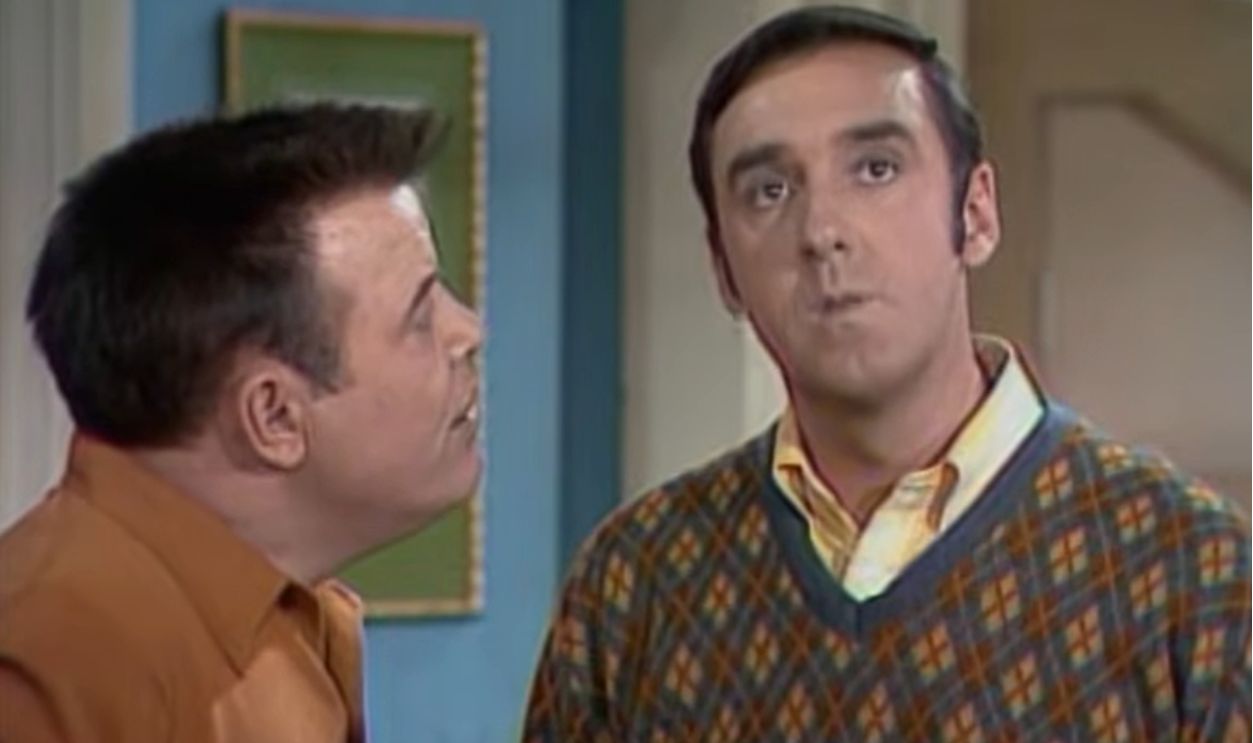 Screenshot from The Jim Nabors Hour, CBS (1969–1971)
The Beverly Hillbillies
Buddy Ebsen, Irene Ryan, Donna Douglas and Max Baer Jr. were no longer dominating Nielsen's Top 10 by 1971, but The Beverly Hillbillies remained popular and continued winning its time slot. CBS canceled the nine-season comedy as part of its sweeping attempt to build a younger, more urban-oriented schedule.
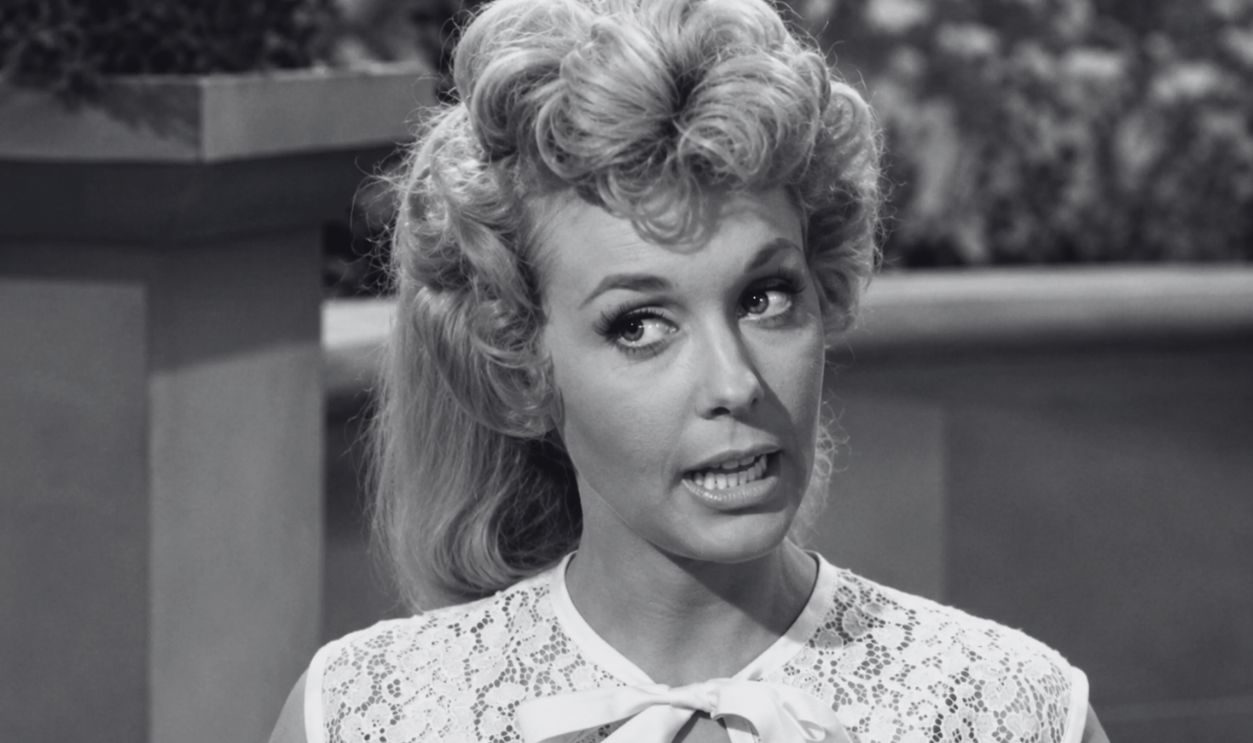 Screenshot from The Beverly Hillbillies, CBS Television Network (1962-1971)
Green Acres
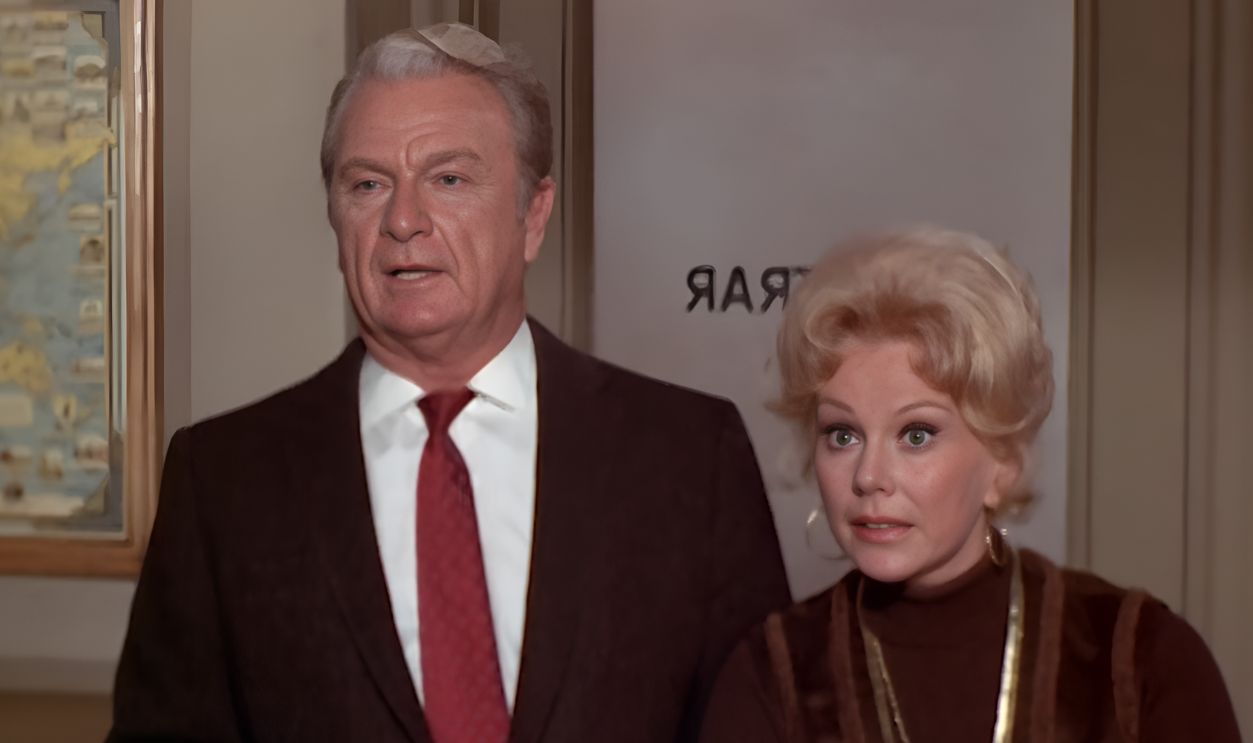
Eddie Albert and Eva Gabor suffered essentially the same fate. Green Acres had slipped outside Nielsen's Top 30, yet it retained a loyal audience and continued winning its time period. Ratings weren't the only consideration. CBS wanted a different image, and Hooterville disappeared along with most of the network's other rural favorites.
 Screenshot from Green Acres, CBS (1965–1971), Modified
Bridget Loves Bernie
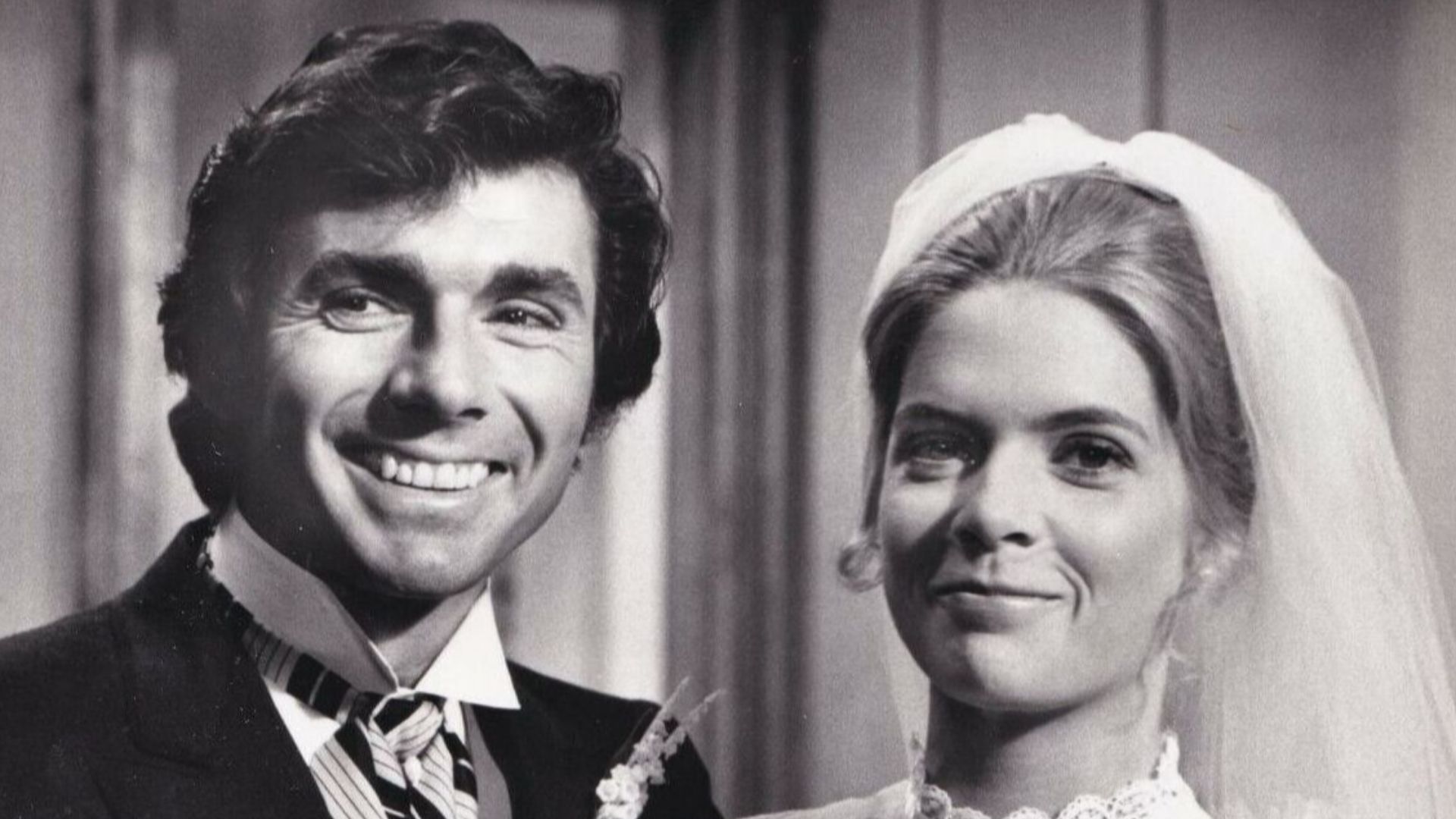
Meredith Baxter and David Birney's interfaith-marriage sitcom finished the 1972-73 season tied for fifth place nationally with a 24.2 Nielsen rating. CBS still canceled it after one season amid controversy and questions about how well it retained its enormous All in the Family lead-in.
 CBS Television, Wikimedia Commons
Gunsmoke
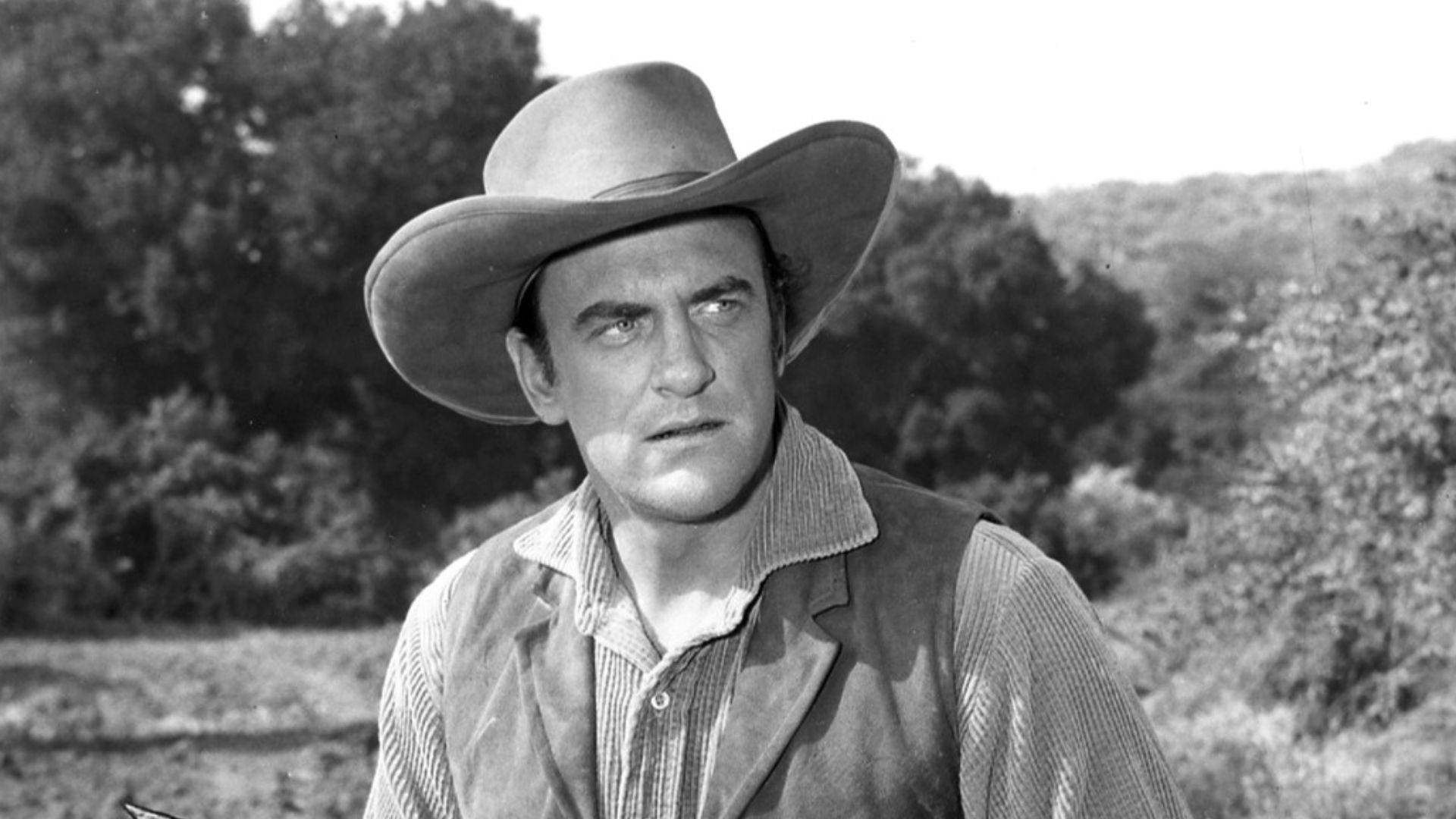
James Arness, Amanda Blake, Milburn Stone and Ken Curtis had survived cancellation scares before, but CBS finally ended Gunsmoke in 1975 after an unprecedented 20 seasons. The Western had slipped from its former heights but remained among television's Top 30 programs. Arness later recalled that the cast hadn't even known cancellation was being considered.
 CBS Television, Wikimedia Commons
Taxi
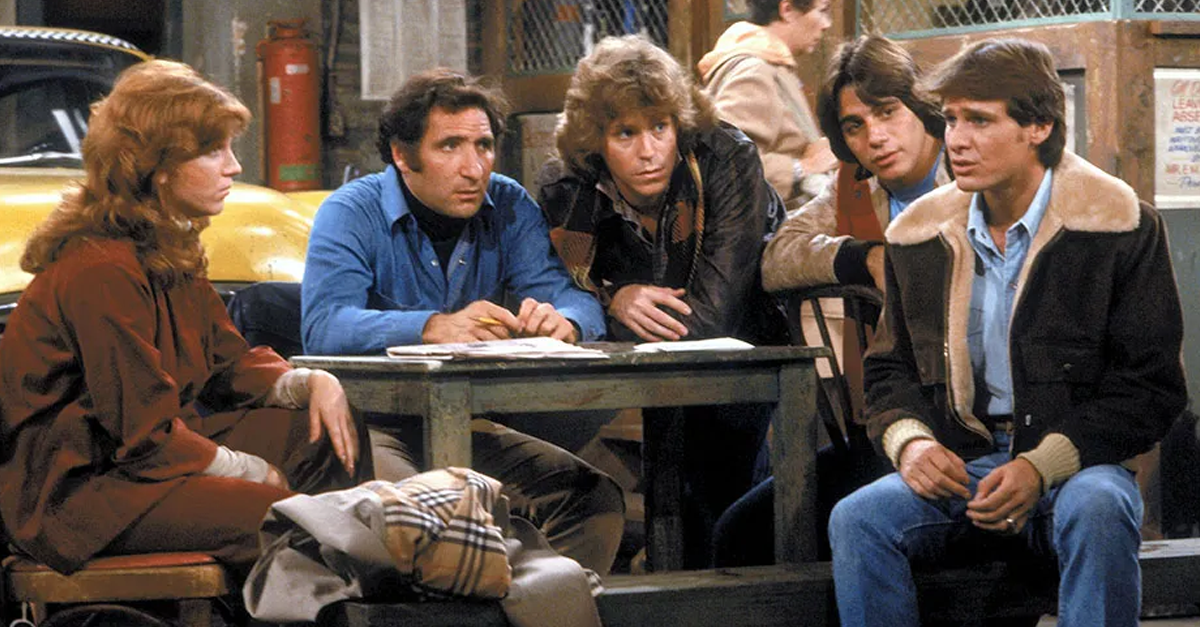
ABC canceled Taxi in 1982 despite considerable critical acclaim and respectable ratings. Creator James L. Brooks said the Judd Hirsch, Danny DeVito, Marilu Henner and Christopher Lloyd comedy was averaging about a 26 percent audience share, roughly considered break-even territory. Fortunately, NBC picked it up and gave the cabbies one additional season.
 Screenshot from Taxi, Paramount Television (1978–1983)
Lou Grant
CBS cited declining ratings when it canceled Ed Asner's newspaper drama in 1982, while Asner believed controversy surrounding his political activism contributed. Whatever happened behind the scenes, the show's remaining broadcasts proved viewers hadn't disappeared: Lou Grant climbed all the way to sixth place in Nielsen's weekly rankings shortly before leaving television.
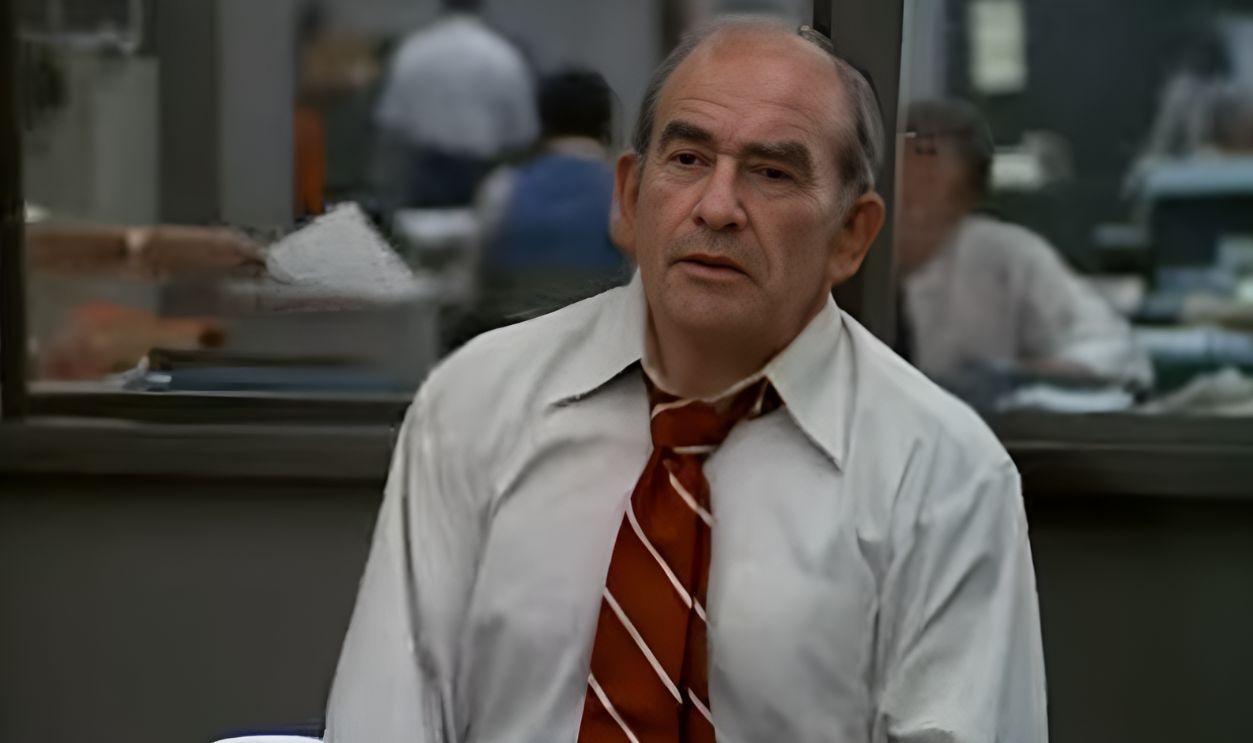 Screenshot from Lou Grant, CBS (1977–1982), Modified
Cagney & Lacey
CBS canceled Tyne Daly and Sharon Gless's acclaimed police drama in 1983 because of disappointing ratings. Then something remarkable happened. Summer reruns began landing in Nielsen's Top 10, including eighth place one August week. Viewer protests intensified, Daly won an Emmy, and CBS reversed itself, eventually bringing Cagney & Lacey back.
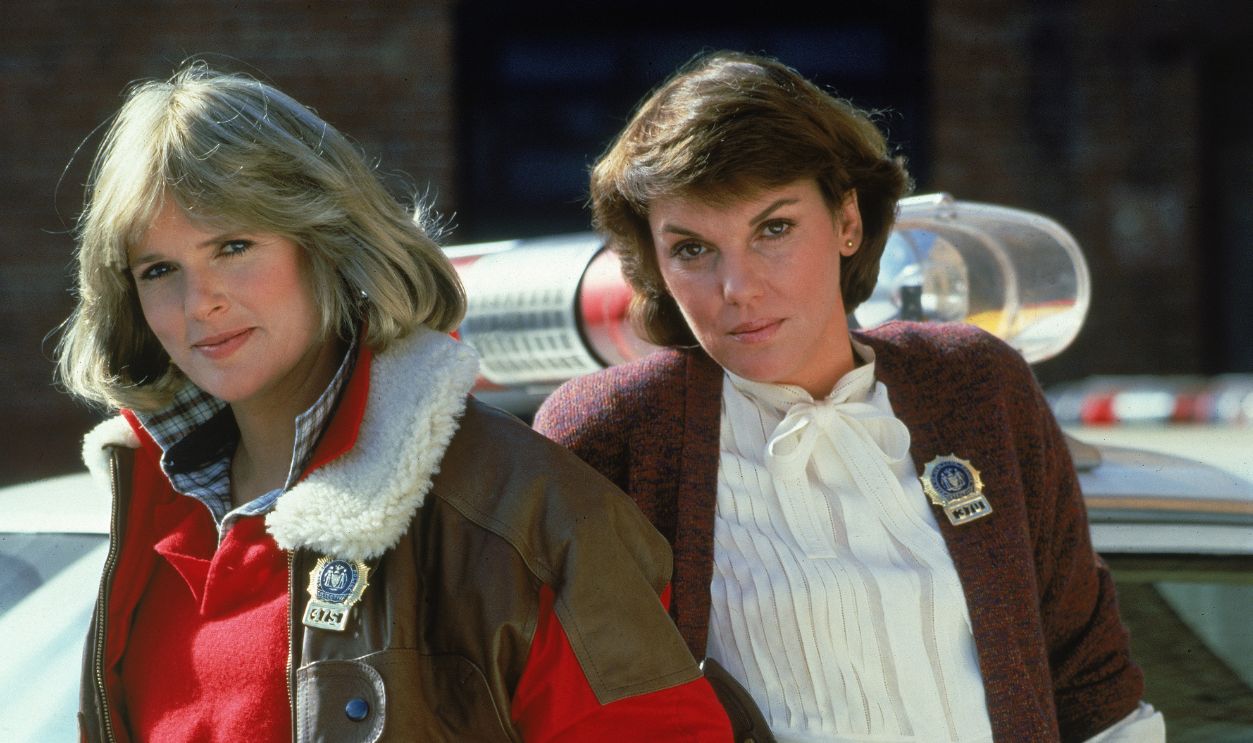 Pictorial Parade, Getty Images
Kate & Allie
Susan Saint James and Jane Curtin's comedy had once been a major CBS hit, but ratings declined considerably during its later seasons. Even so, episodes were still attracting audiences around 18 million as late as February 1989. CBS canceled Kate & Allie that spring while overhauling a schedule that had finished behind NBC and ABC.
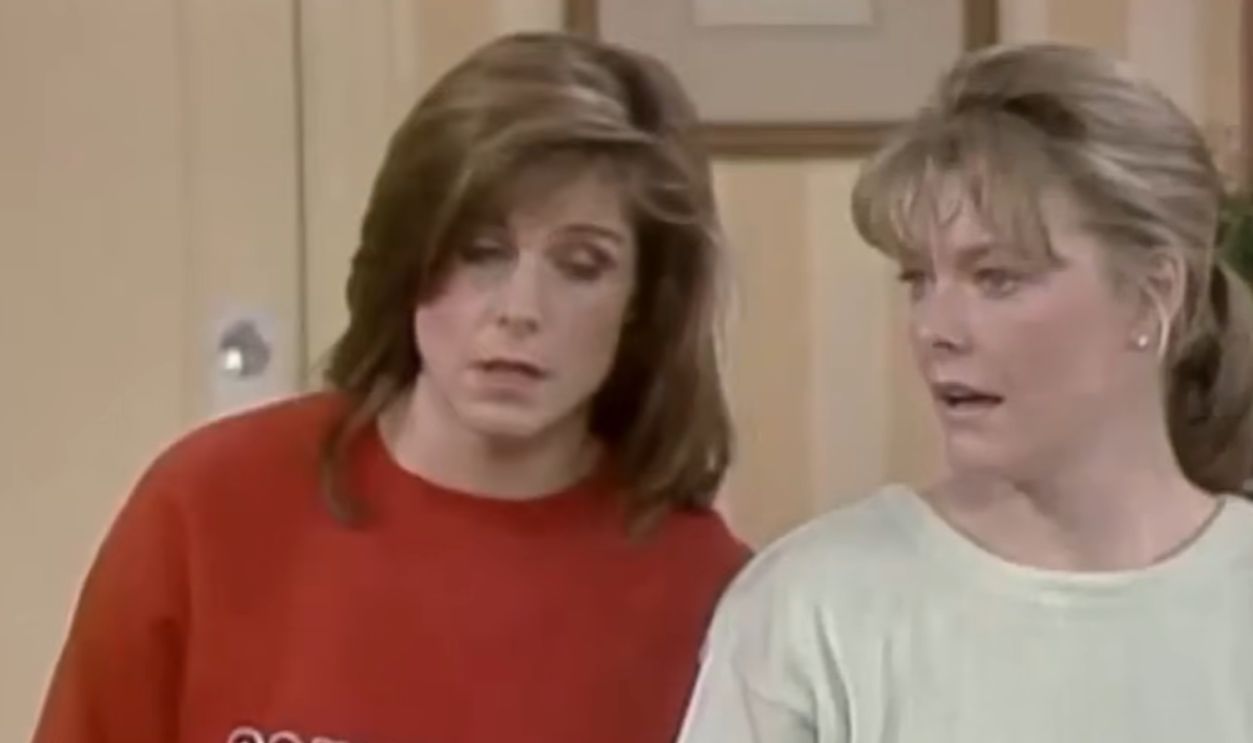 Screenshot from Kate & Allie, CBS (1984–1989)
Murder, She Wrote
Angela Lansbury's Murder, She Wrote was still television royalty during its 11th season, finishing eighth nationally in 1994-95. CBS then moved Jessica Fletcher from Sunday to Thursday opposite NBC's formidable lineup, and ratings collapsed. The network canceled the series after season 12, although Lansbury subsequently returned for several television movies.
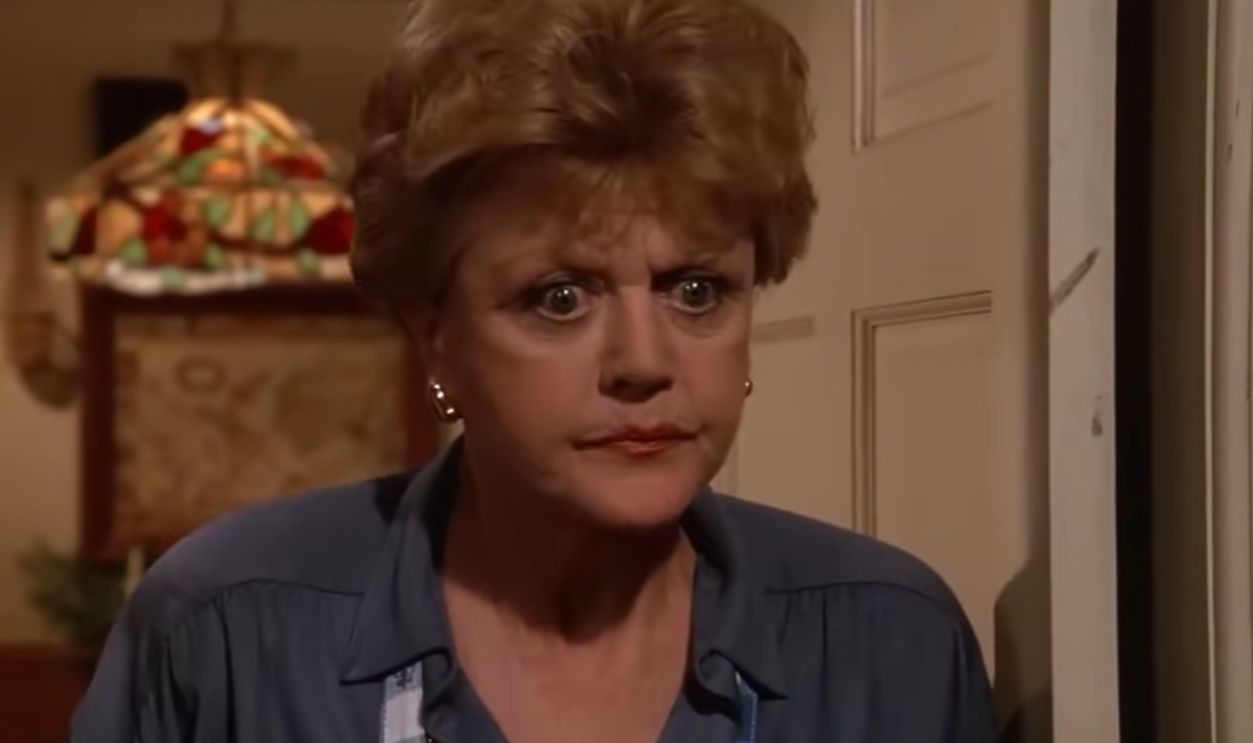 Screenshot from Murder, She Wrote, NBCUniversal (1984-1996)
Dr. Quinn, Medicine Woman
Jane Seymour's frontier drama remained surprisingly potent on Saturday nights. Dr. Quinn, Medicine Woman averaged about 11.7 million viewers during its final 1997-98 season and generally won its hour in total viewers. CBS nevertheless canceled it, concerned about costs and its comparatively weak performance among younger, advertiser-friendly demographics.
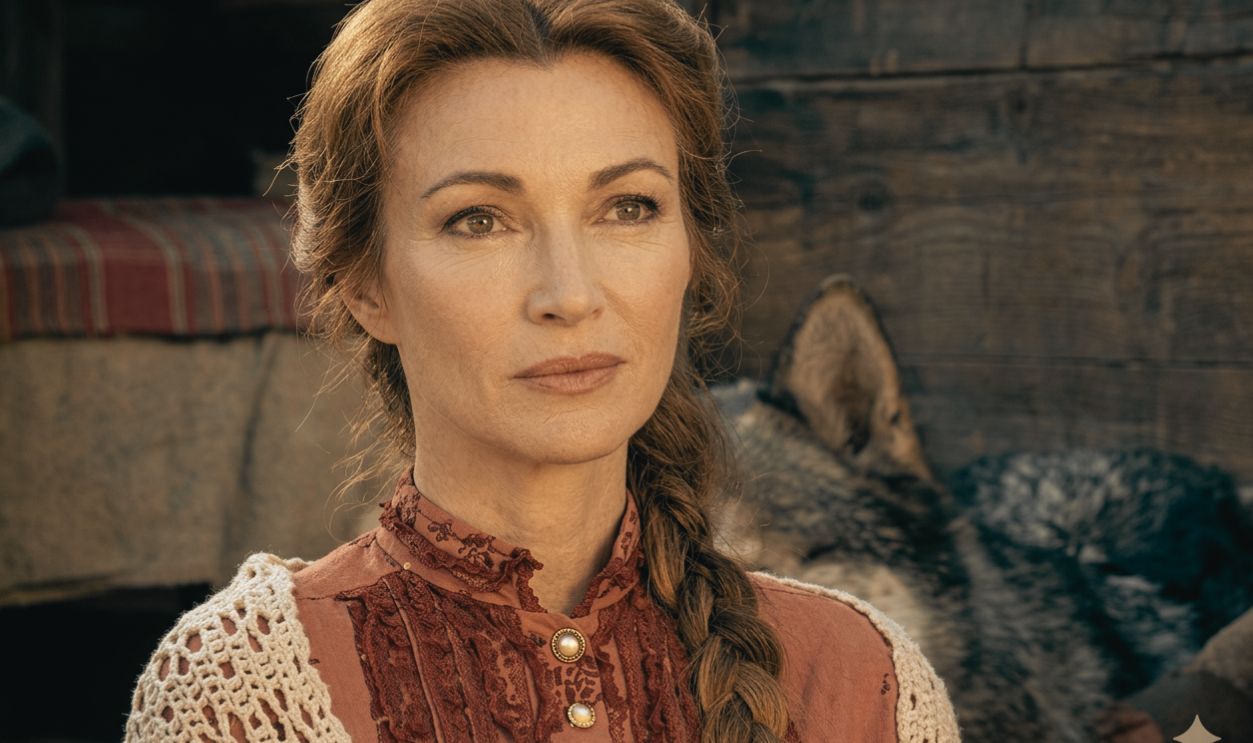 Screenshot from Dr. Quinn, Medicine Woman, Paramount Global (1993-1998), Modified
JAG
David James Elliott and Catherine Bell had spent years making JAG one of CBS's dependable dramas when the network announced its conclusion in 2005. The military series completed 10 seasons and 227 episodes, nine seasons of them on CBS after NBC's earlier cancellation. Its universe lived on spectacularly through its spin-off, NCIS.
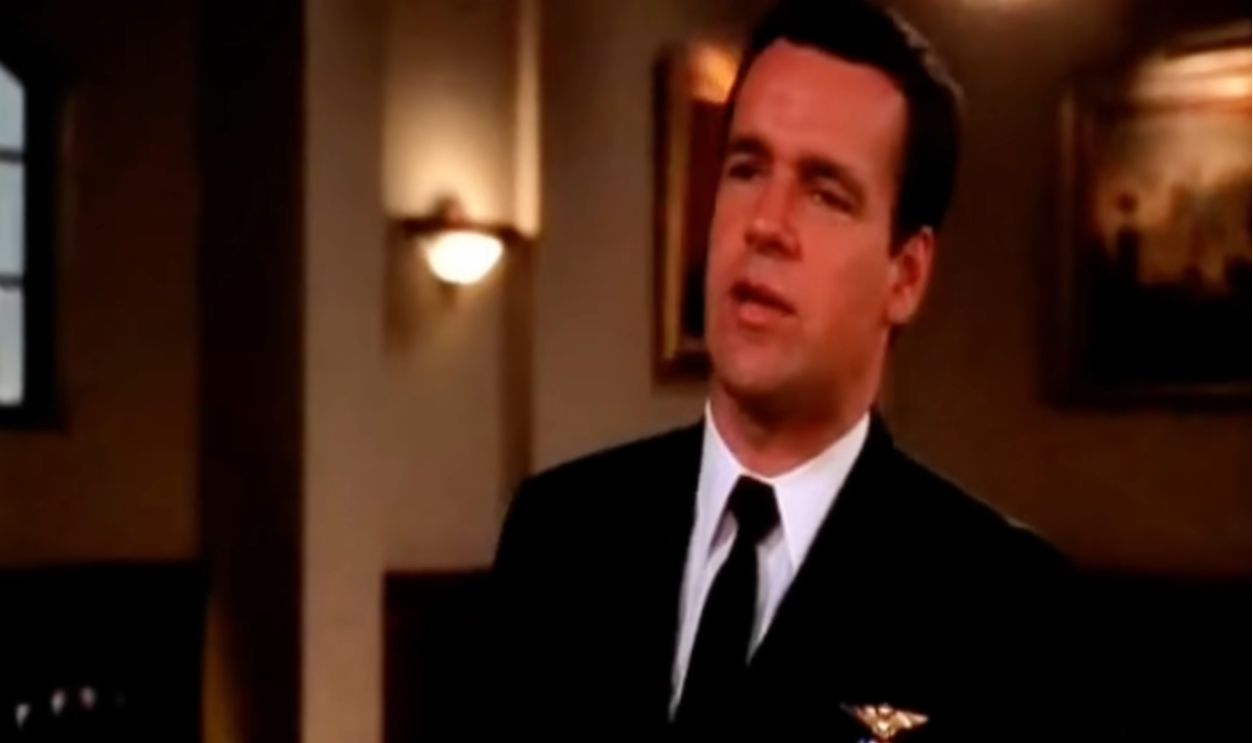 Screenshot from JAG, CBS (1997–2005)
Las Vegas
NBC's glossy casino drama still had roughly seven million people watching weekly when the network folded the Montecito in 2008. Josh Duhamel remained at the center of Las Vegas, while Tom Selleck had replaced departing star James Caan. Even worse for fans, the cancellation left the show's "to be continued" cliffhanger permanently unresolved.
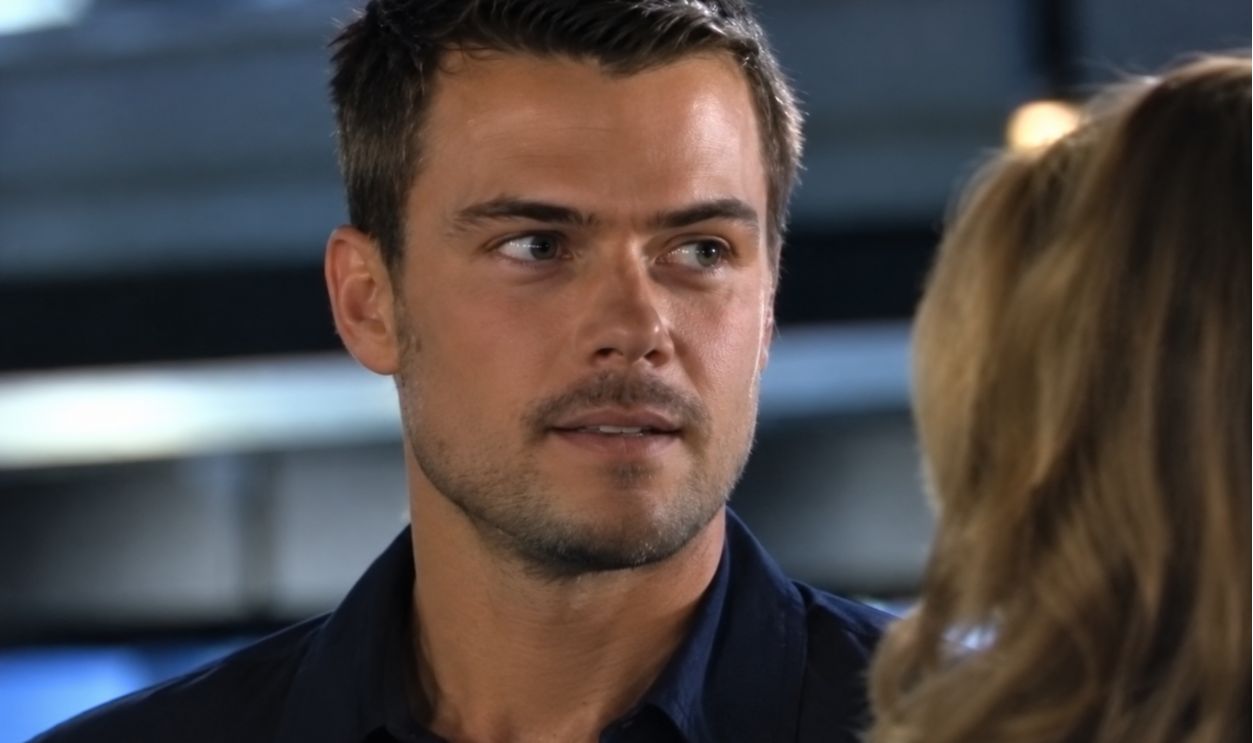 Screenshot from Las Vegas, NBC (2003–2008), Modified
Without A Trace
Anthony LaPaglia, Poppy Montgomery and Marianne Jean-Baptiste's missing-person drama was hardly invisible when CBS canceled it in 2009. Without a Trace averaged nearly 13 million viewers in its seventh season and ranked 18th overall. CBS nevertheless faced budget pressures and ultimately chose to renew Cold Case instead.
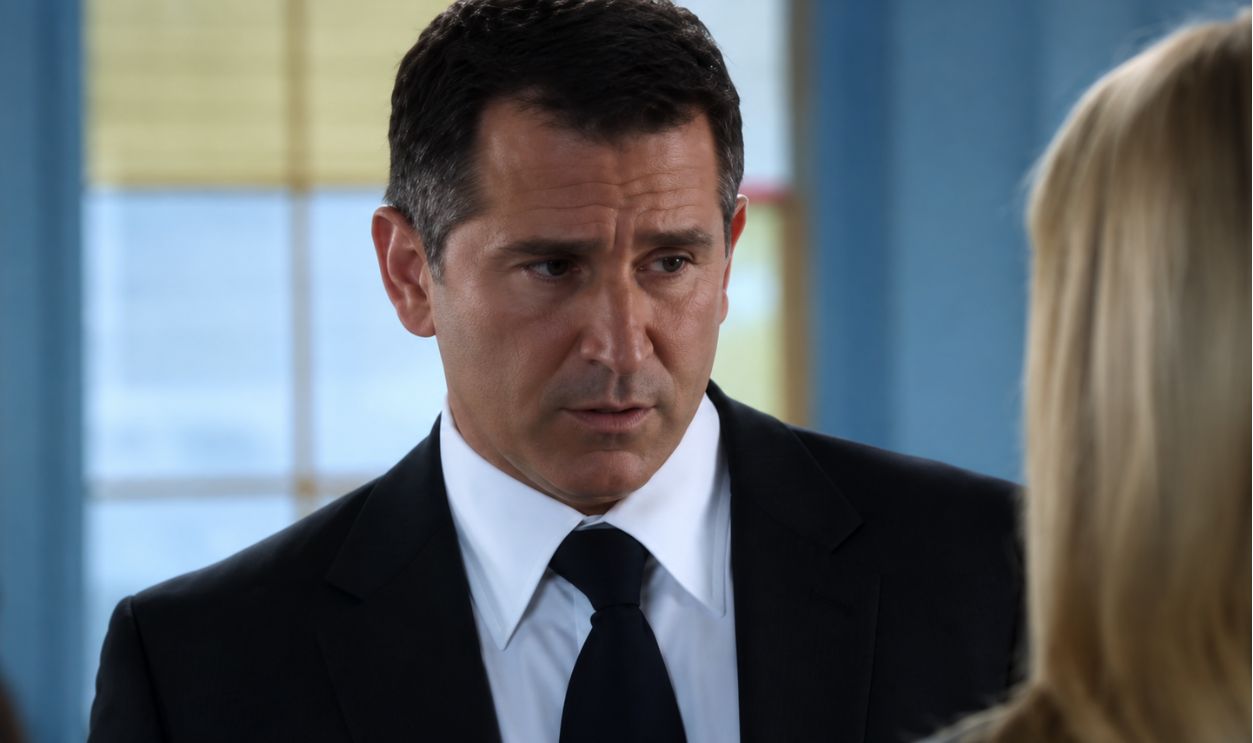 Screenshot from Without a Trace, CBS (2002–2009), Modified
Ghost Whisperer
Jennifer Love Hewitt's supernatural drama remained a reliable Friday performer when CBS abruptly canceled it in 2010. Ghost Whisperer had averaged 10.6 million viewers the previous season and roughly 7.8 million in its last. More importantly, it consistently performed well in its difficult Friday slot, making the decision genuinely surprising.
 Screenshot from Ghost Whisperer, CBS (2005-2010)
Harry's Law
Kathy Bates proved that attracting a huge audience wasn't enough if advertisers wanted somebody younger. NBC's Harry's Law averaged roughly 8.8 million viewers during its second season, more than several shows NBC renewed. But its ratings among adults 18 to 49 were poor, making that large overall audience difficult for NBC to monetize.
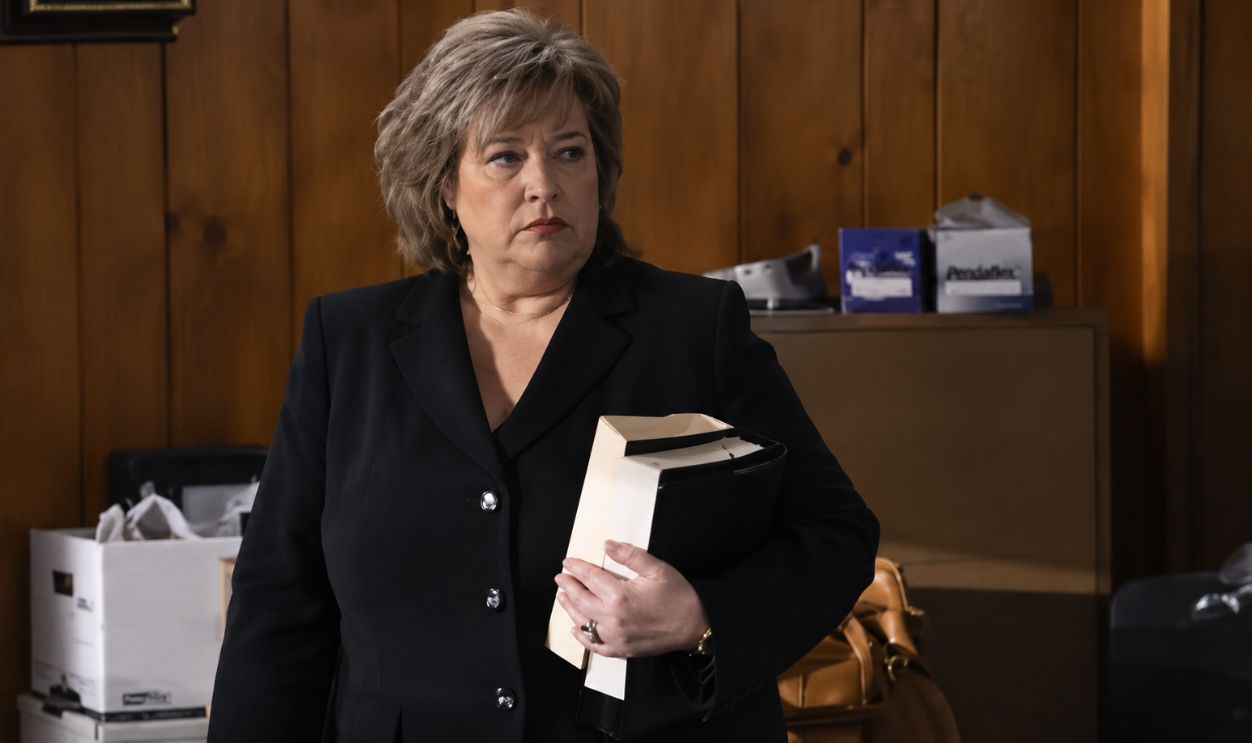 Screenshot from Harry's Law, NBC (2011–2012), Modified
Body Of Proof
Dana Delany's medical procedural averaged nearly eight million viewers during its third season, numbers plenty of programs would have envied. ABC nevertheless canceled Body of Proof in 2013 after extensive retooling failed to strengthen its performance among younger viewers. The decision again demonstrated that raw audience size wasn't the network's only measurement.
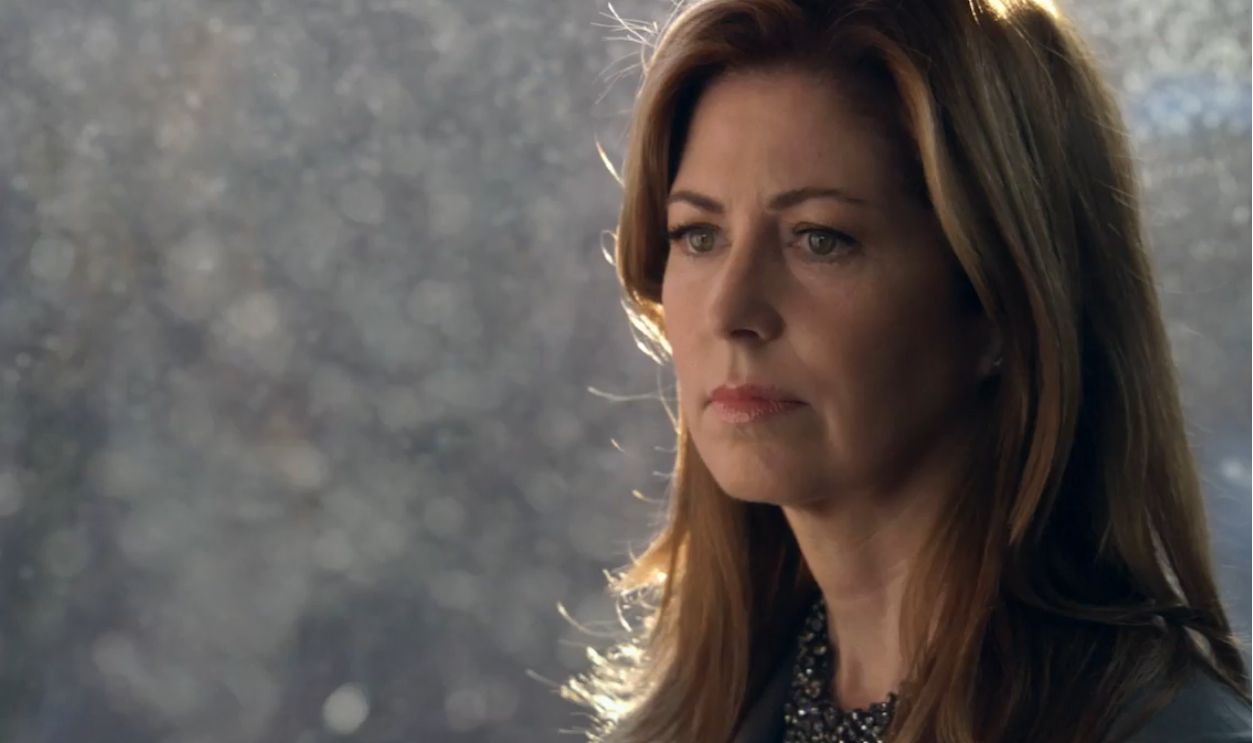 Screenshot from Body of Proof, ABC (2011–2013)
Longmire
A&E's decision to cancel Longmire in 2014 was particularly baffling on the surface. Robert Taylor, Katee Sackhoff and Lou Diamond Phillips' contemporary Western averaged approximately 5.6 million viewers, making it A&E's most-watched original scripted series. The problem was demographics: its median viewer was reportedly 61. Netflix subsequently rescued the show.
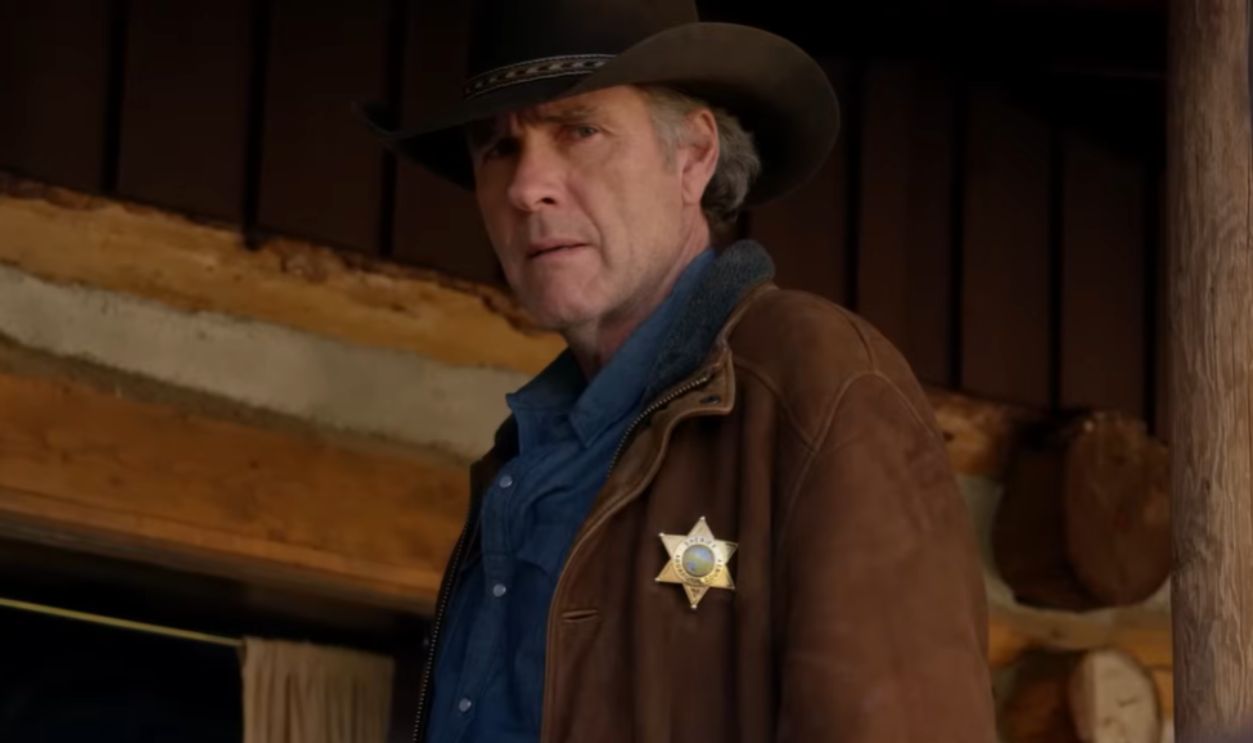 Screenshot from Longmire, Warner Bros. Television (2012-2017)
Mike & Molly
Melissa McCarthy and Billy Gardell's sitcom was still drawing an average of about 8.5 million viewers during its abbreviated final season. CBS nevertheless ended Mike & Molly in 2016 after six seasons. Its finale actually produced a season-high audience, demonstrating that the show's comfortable old-school popularity hadn't vanished when the cancellation decision arrived.
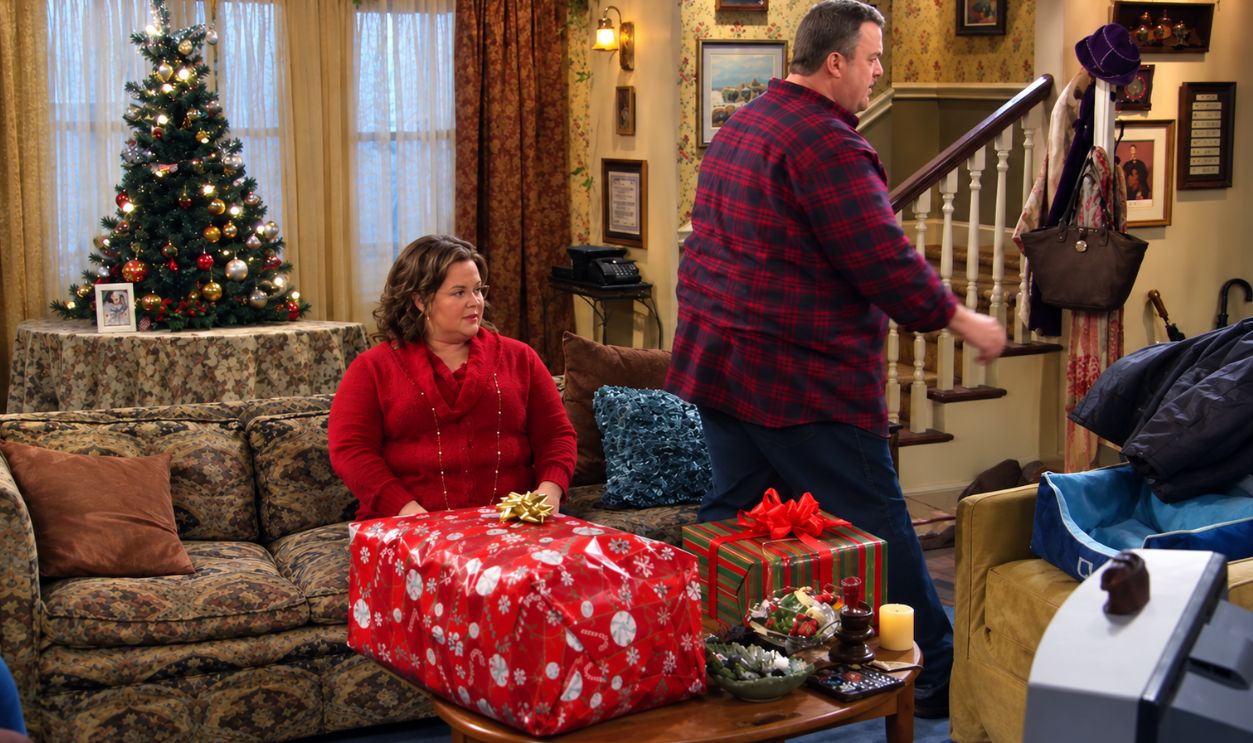 Screenshot from Mike & Molly, Warner Bros. Discovery (2010-2016), Modified
Last Man Standing
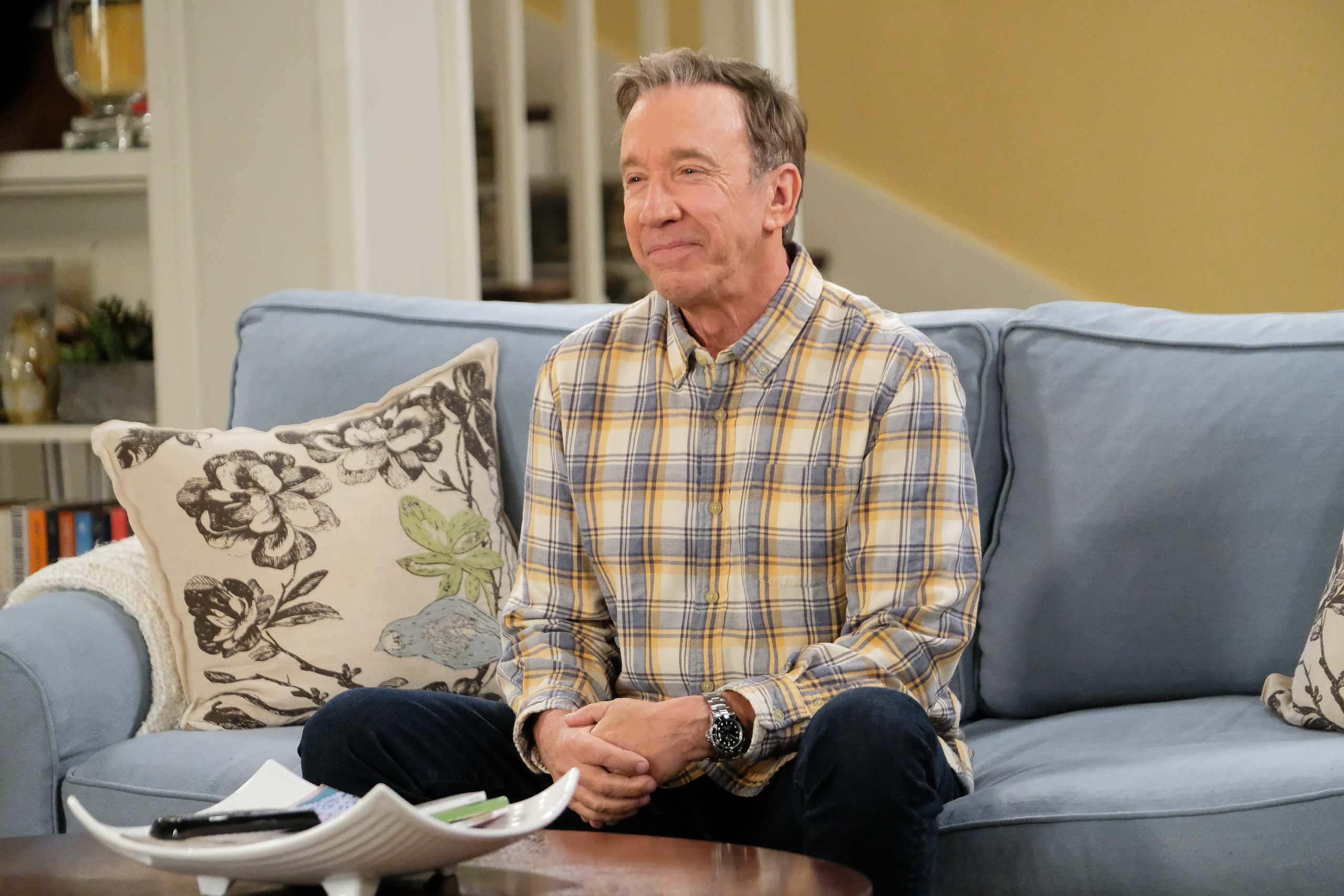
ABC canceled Tim Allen's Last Man Standing in 2017 despite the sitcom averaging approximately 6.4 million viewers on Friday nights and remaining remarkably stable from the previous season. Nancy Travis, Kaitlyn Dever and the rest of the Baxter family weren't finished for long. Fox revived the series one year later and produced three more seasons.
Roseanne
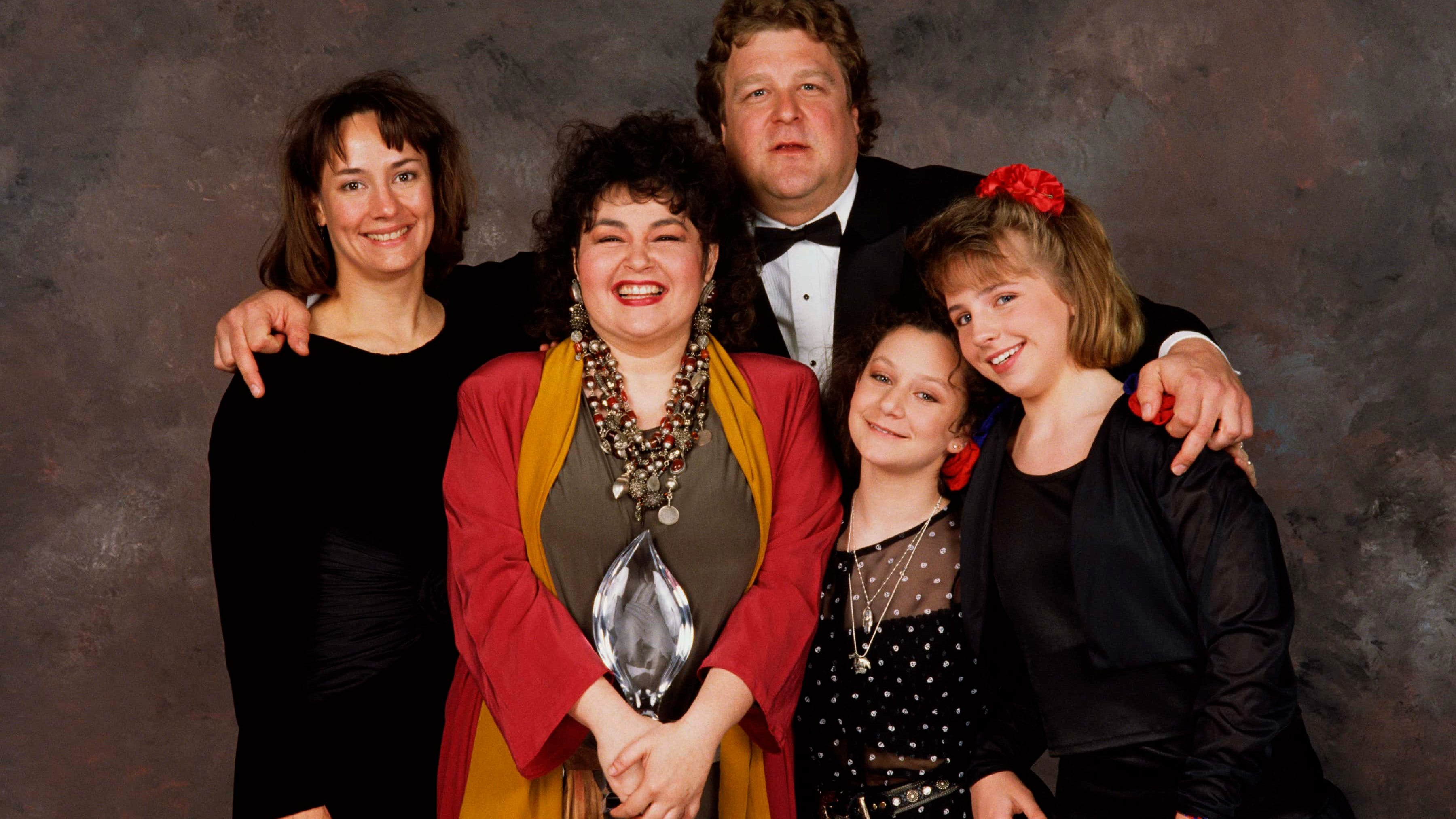
Nothing else here quite compares. ABC's Roseanne revival averaged roughly 18 million viewers in same-day viewing, making it one of television's biggest hits, when Roseanne Barr posted a racist tweet about former Obama adviser Valerie Jarrett. ABC called Barr's statement "abhorrent" and canceled the already-renewed series immediately. The remaining cast subsequently continued without Barr as The Conners.
NCIS: Hawai'i
Even in today's fragmented television landscape, 7.8 million viewers sounds impressive. That's approximately what Vanessa Lachey's NCIS: Hawai'i was averaging with delayed viewing when CBS canceled it in 2024. It ranked sixth among CBS's 14 dramas in total audience, but costs and CBS's scheduling needs helped end it after three seasons.
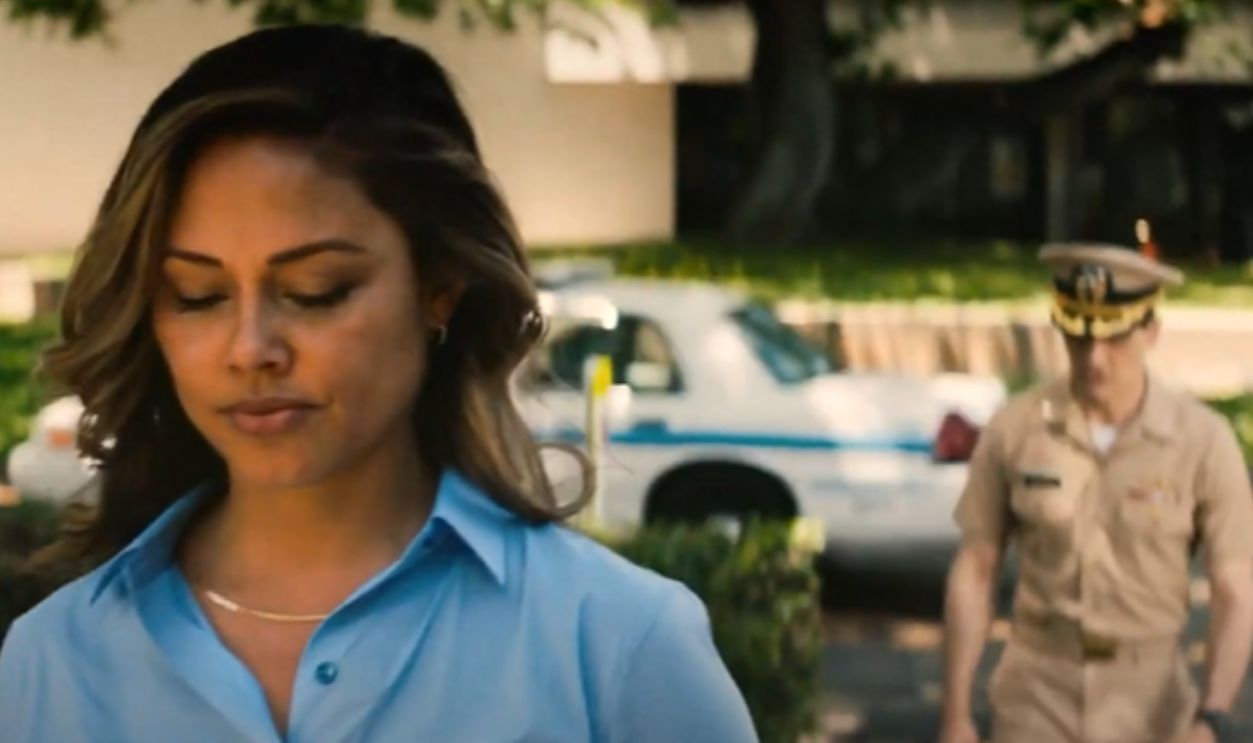 Screenshot from NCIS: Hawai'i, CBS (2021–2024)
You May Also Like:
1980s TV Shows That Were Canceled After One Season—But Deserved Way More
1970s TV Shows That Were Canceled After One Season—But Should've Ended After The First Episode
TV Flops From The 70s That People Actually Loved
Sources: 1, 2, 3, 4, 5, 6, 7, 8, 9, 10, 11, 12, 13, 14, 15, 16, 17, 18, 19, 20, 21, 22, 23