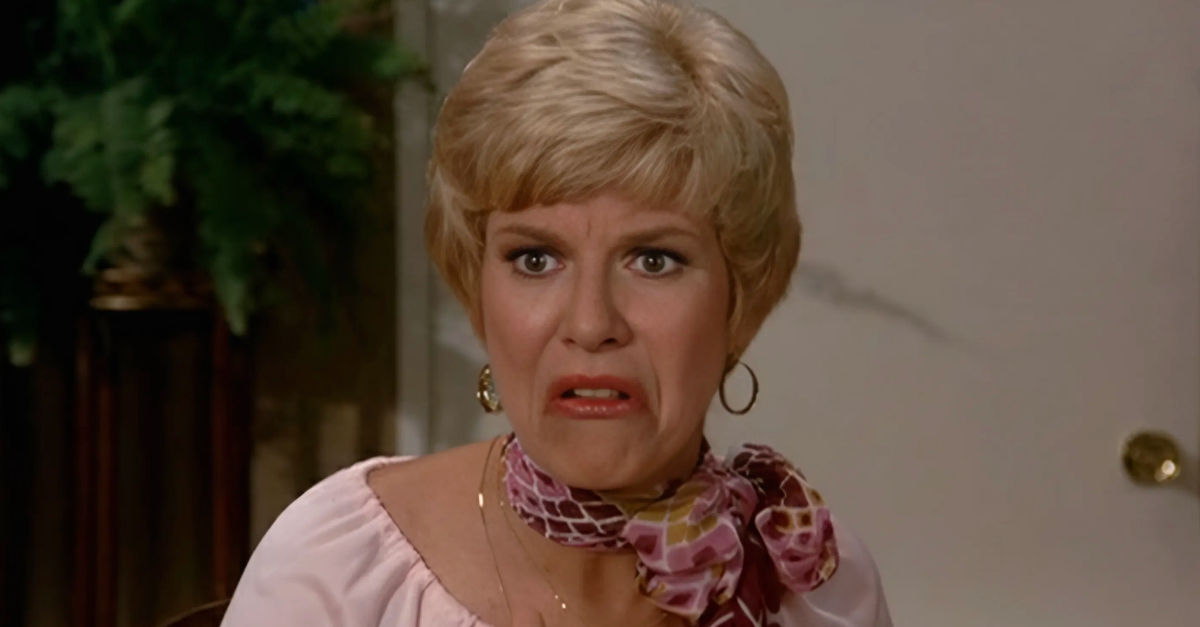
One Season Too Many
People love talking about canceled TV shows that deserved better. This is not one of those articles.
Every show on this list lasted exactly one season before the network finally pulled the plug. The surprising part isn't that they got canceled. The surprising part is that they survived long enough to finish an entire season.
Here are some 70s shows that probably had viewers reaching for the remote before the opening credits were over.
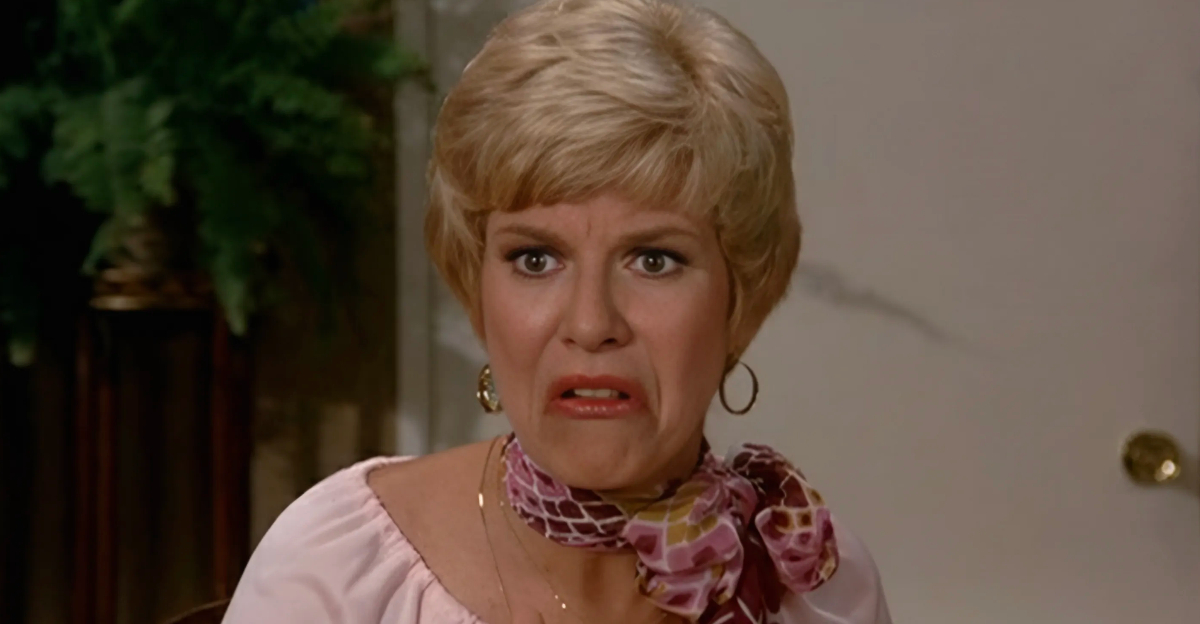
“Mr. T and Tina” (1976)
Pat Morita would eventually become beloved as Mr. Miyagi, but Mr. T and Tina wasn't one of his finer moments. The sitcom leaned on stereotypes that felt awkward even in the 70s, and audiences never embraced it. The network canceled it after one season. Most viewers probably would've done it after episode one.
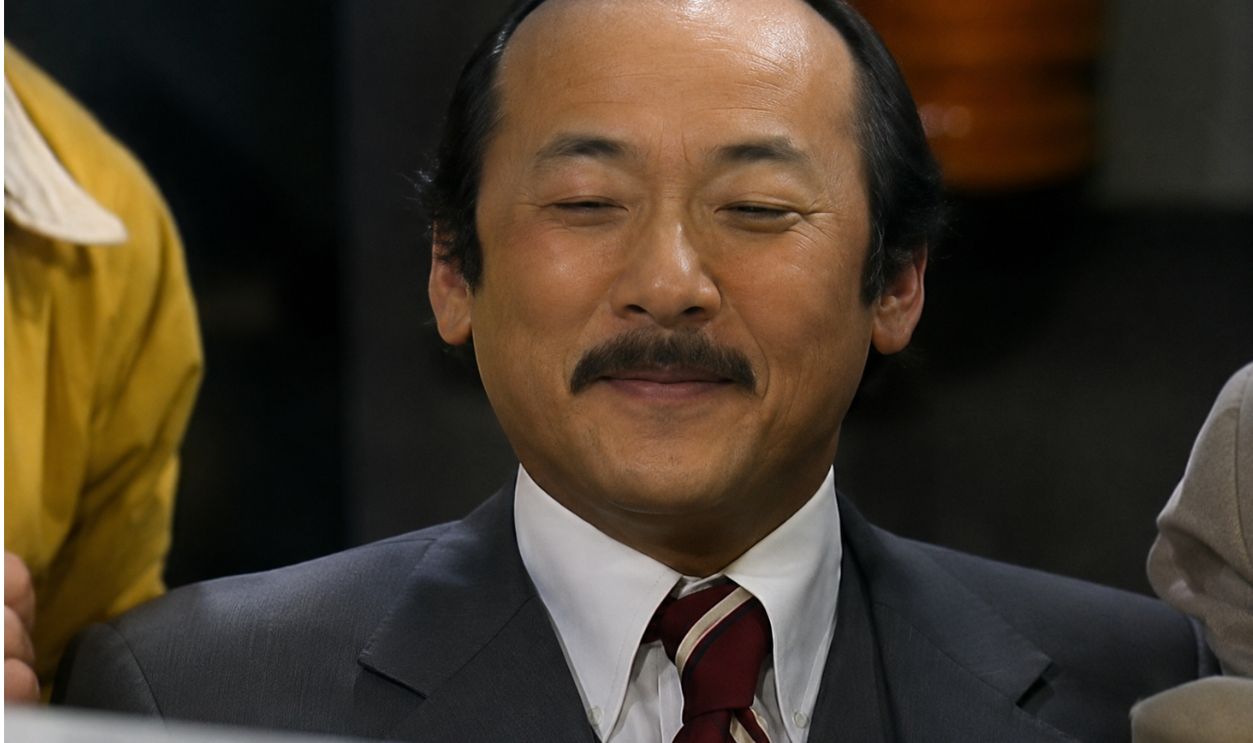 Screenshot from Mr. T and Tina, ABC (1976), Modified
“Hello, Larry” (1979)
Poor McLean Stevenson spent years being told he made a mistake leaving M*A*S*H. Then Hello, Larry came along and basically confirmed it. The sitcom wasn't terrible. It just wasn't very good. Viewers agreed. Although it did take a whole season for the network to listen.
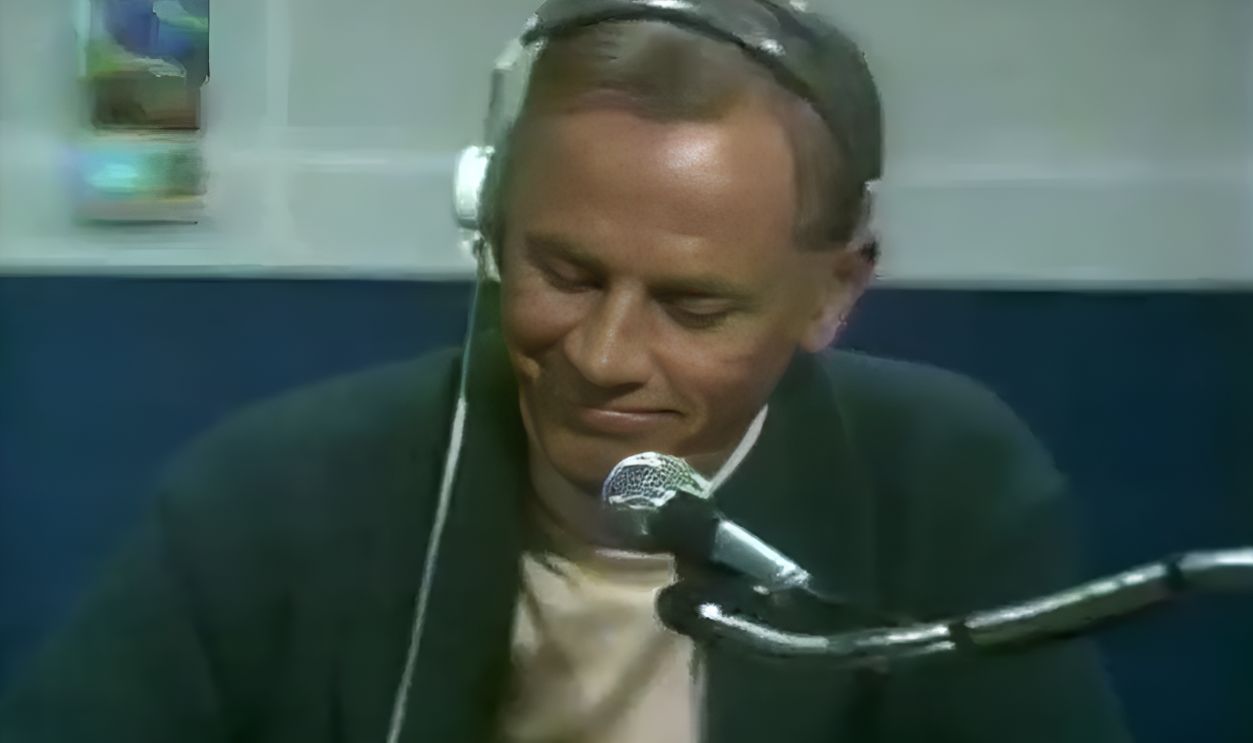 Screenshot from Hello, Larry, NBC (1979–1980), Modified
“Who's Watching the Kids?” (1978)
The premise had potential: two aspiring performers trying to balance careers and family life. The problem was that the laughs never really showed up. The title eventually became a question network executives were asking themselves. Unfortunately, it took them an entire season to ask it.
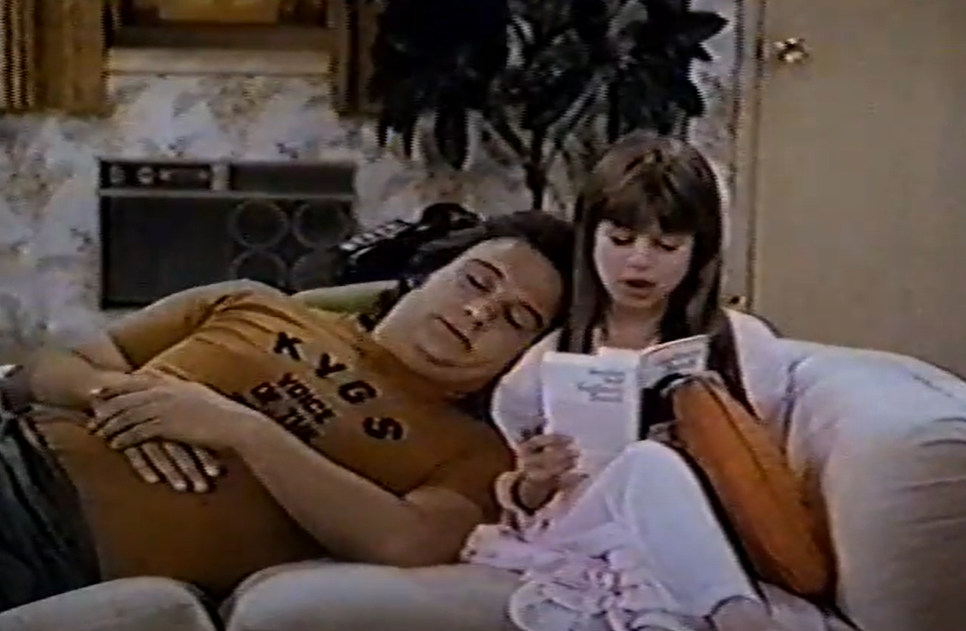 Screenshot from Who's Watching the Kids?, CBS (1978)
“The Waverly Wonders” (1978)
A lovable loser basketball team sounds like sitcom gold. Somehow The Waverly Wonders turned it into sitcom aluminum. Viewers lost interest almost immediately, but the network stuck with it anyway. This one probably should've been benched after episode one.
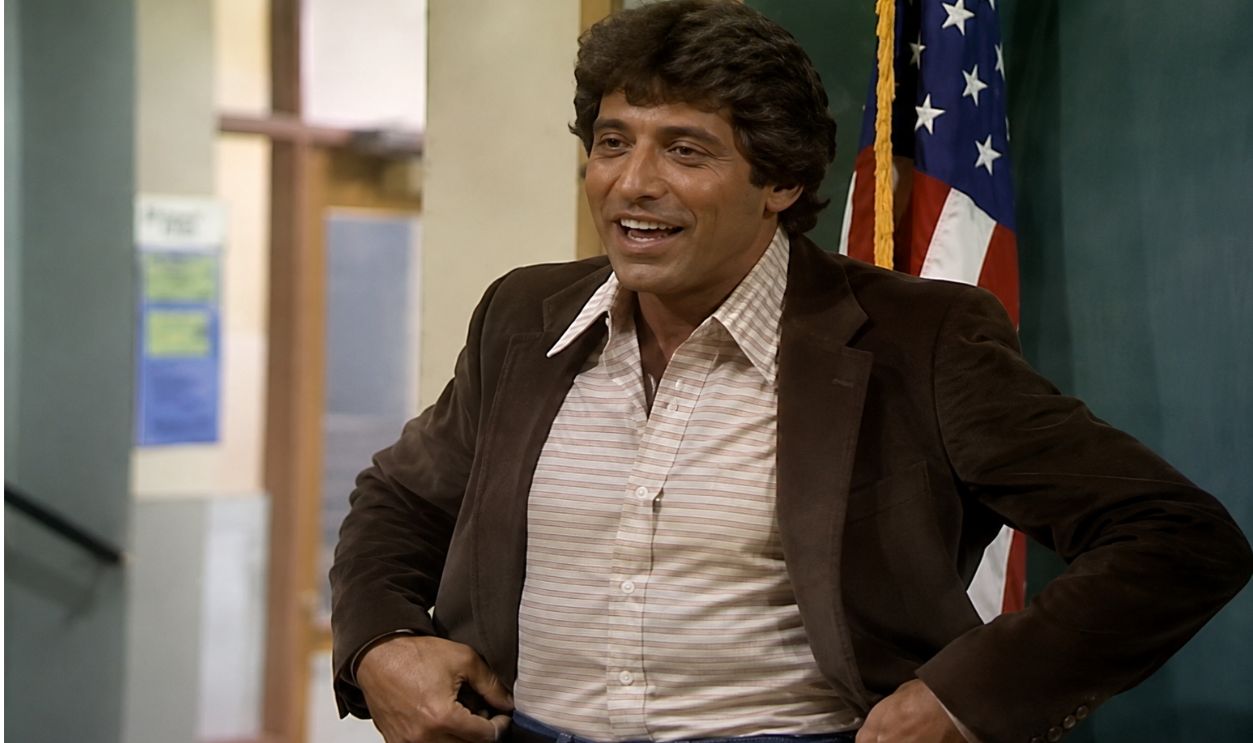 Screenshot from The Waverly Wonders, NBC (1978), Modified
“The San Pedro Beach Bums” (1977)
A sitcom about carefree California beach bums sounds almost impossible to mess up. Yet somehow they found a way. The characters were forgettable, the jokes rarely landed, and the ratings weren't much better. Pulling it after episode one might've saved everyone some time.
 Screenshot from The San Pedro Beach Bums, ABC (1977), Modified
“The American Girls” (1978)
This series followed two journalists who somehow kept stumbling into adventures. It wanted to be a detective show, an action series, and a comedy all at once. Instead, it became none of the above. The network eventually canceled it. You could argue they had enough evidence after episode one.
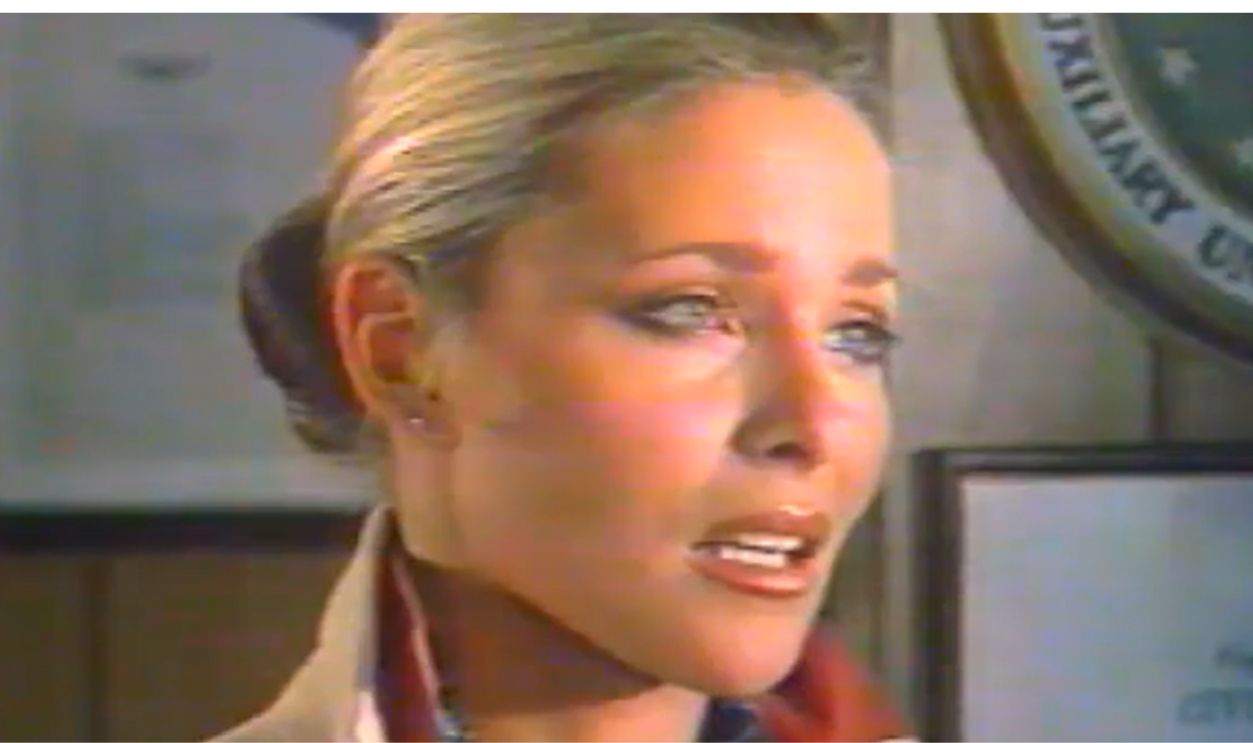 Screenshot from The American Girls, CBS (1978)
“Sword of Justice” (1978)
A wealthy playboy secretly fighting crime should've been an easy win. Instead, Sword of Justice felt like a bargain-bin version of better shows. It wasn't memorably bad. It was memorably forgettable. Frankly, it should've ended exactly where this article says: after episode one.
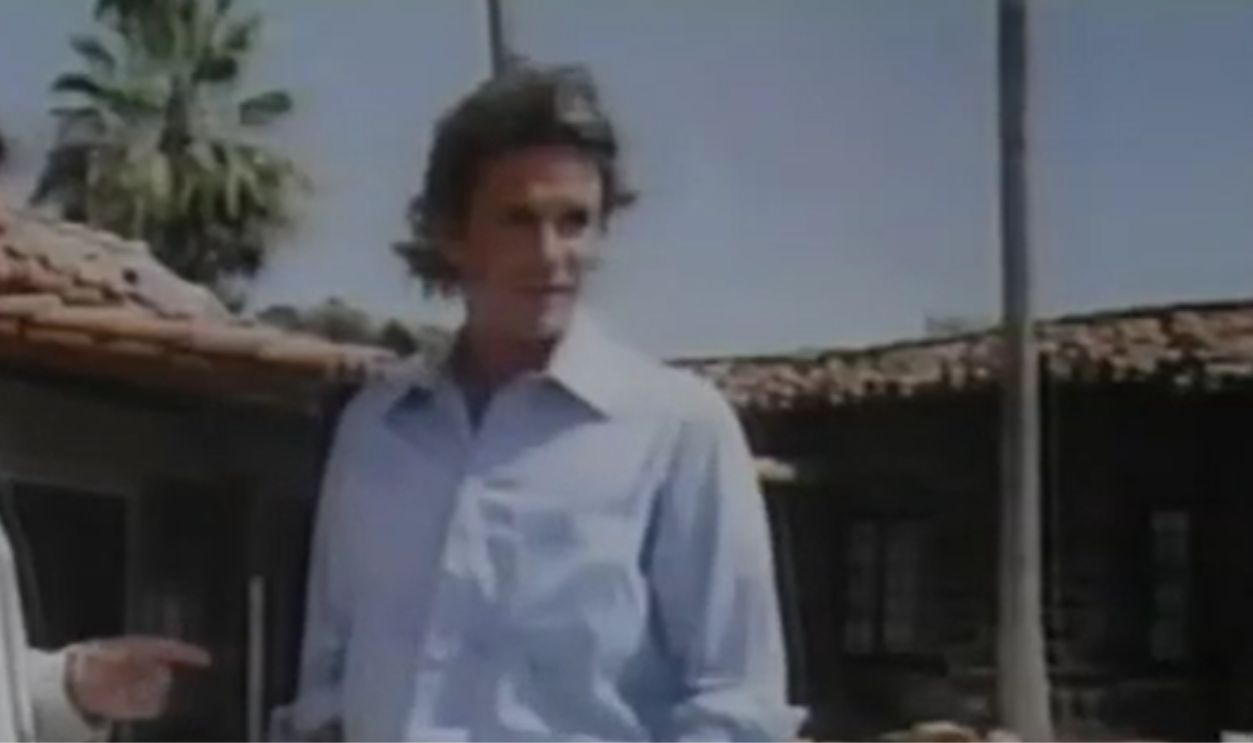 Screenshot from Sword of Justice, ABC (1978–1979)
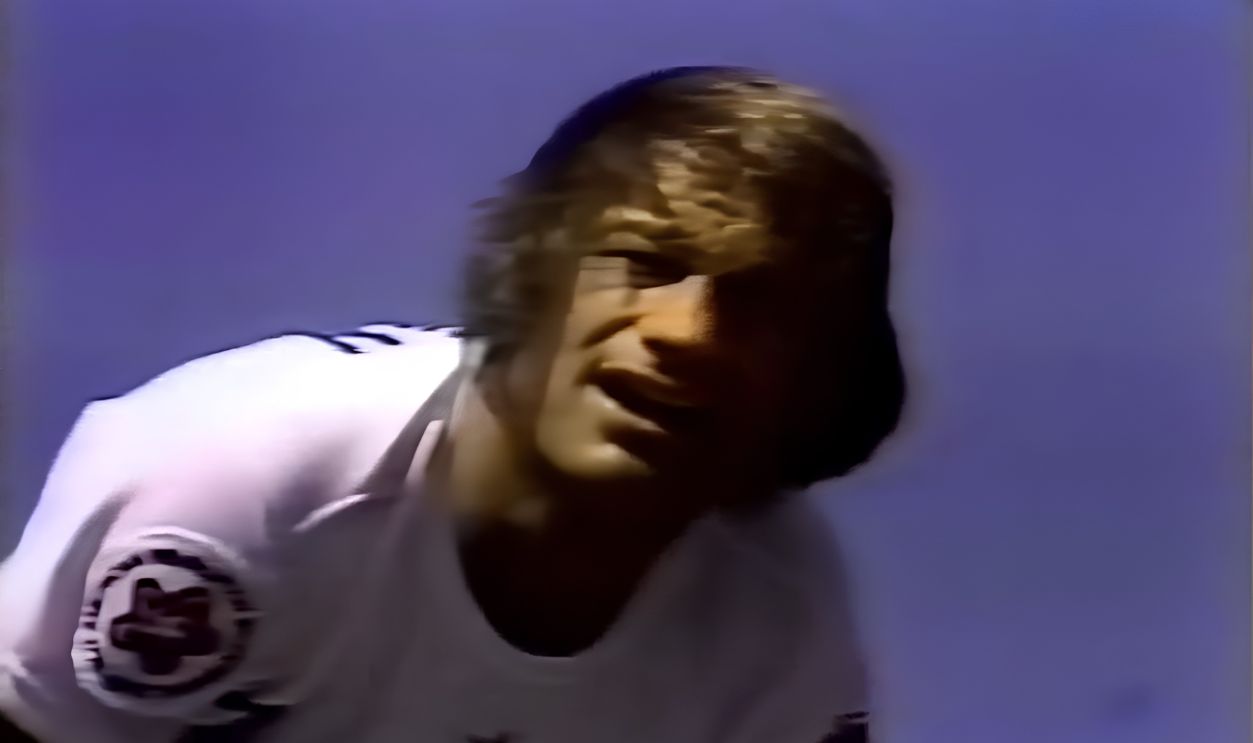
“Ball Four” (1976)
Jim Bouton's baseball memoir was a bestseller. The sitcom adaptation definitely wasn't. Fans of the book weren't impressed, and newcomers weren't interested. Viewers checked out after episode one. The network simply took another season to catch up.
 Screenshot from Ball Four, CBS (1976)
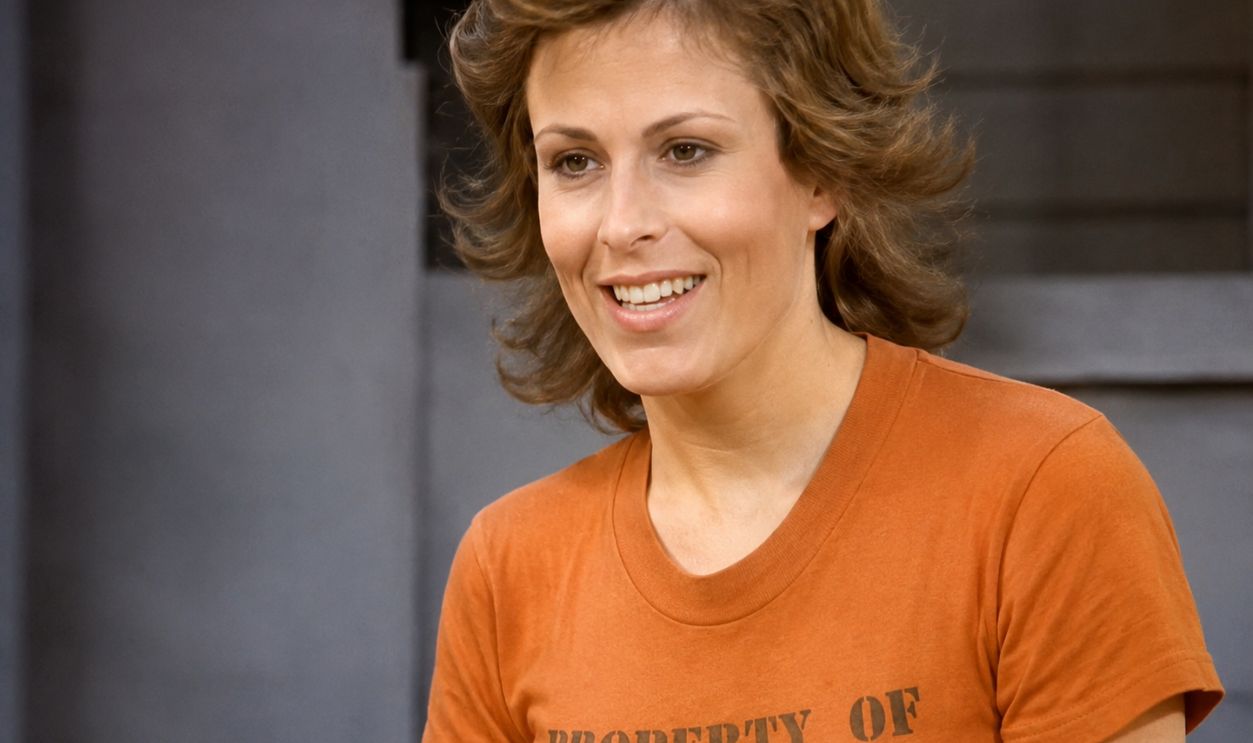
“The Roller Girls” (1978)
The 70s loved roller derby, so somebody figured it deserved a TV drama. Somebody was wrong. Audiences preferred the real thing, and The Roller Girls rolled quietly into television history. The cancellation came after one season. It probably should've come after one episode.
 Screenshot from The Roller Girls, NBC (1978–1979), modified
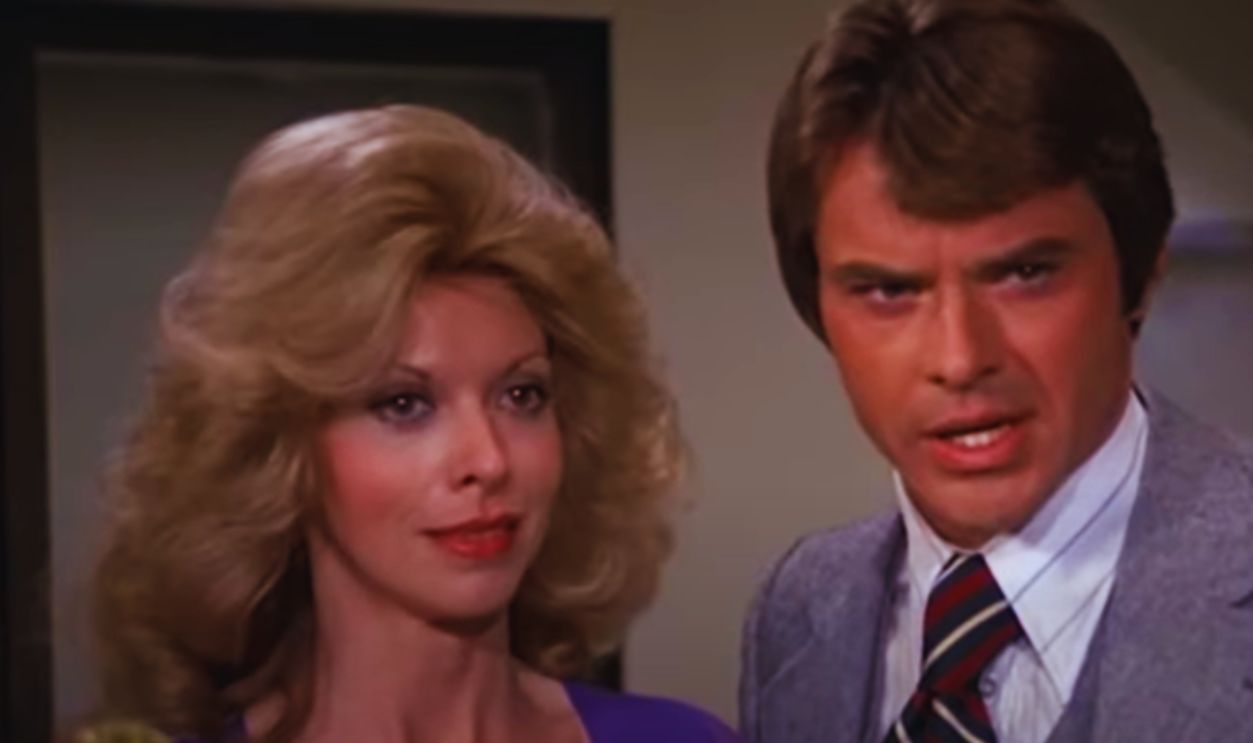
“Tabitha” (1977)
TV executives looked at Bewitched and thought, 'Let's do that again.' The result followed Samantha's grown daughter, but it never captured the charm of the original. Nostalgia can only carry a show so far. This one probably should've disappeared with a twitch of the nose after episode one.
 Screenshot from Tabitha, Columbia Pictures Television / ABC (1977–1978)
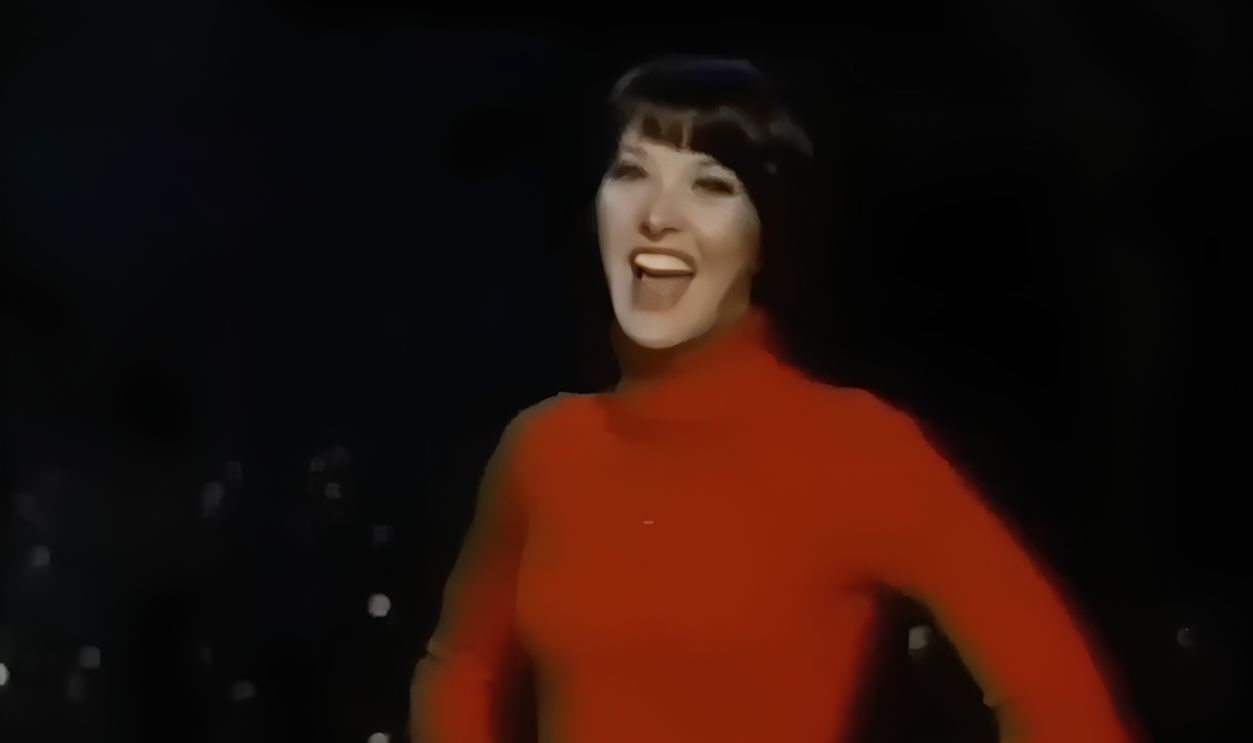
“Blansky's Beauties” (1977)
The 70s produced enough Happy Days spin-offs to fill a phone book. Blansky's Beauties followed a Las Vegas revue managed by Nancy Walker, but audiences weren't buying it. Even a young Scott Baio couldn't save the show. Most viewers had already rendered their verdict by the end of episode one.
 Screenshot from Blansky's Beauties, Paramount Television / ABC (1977)
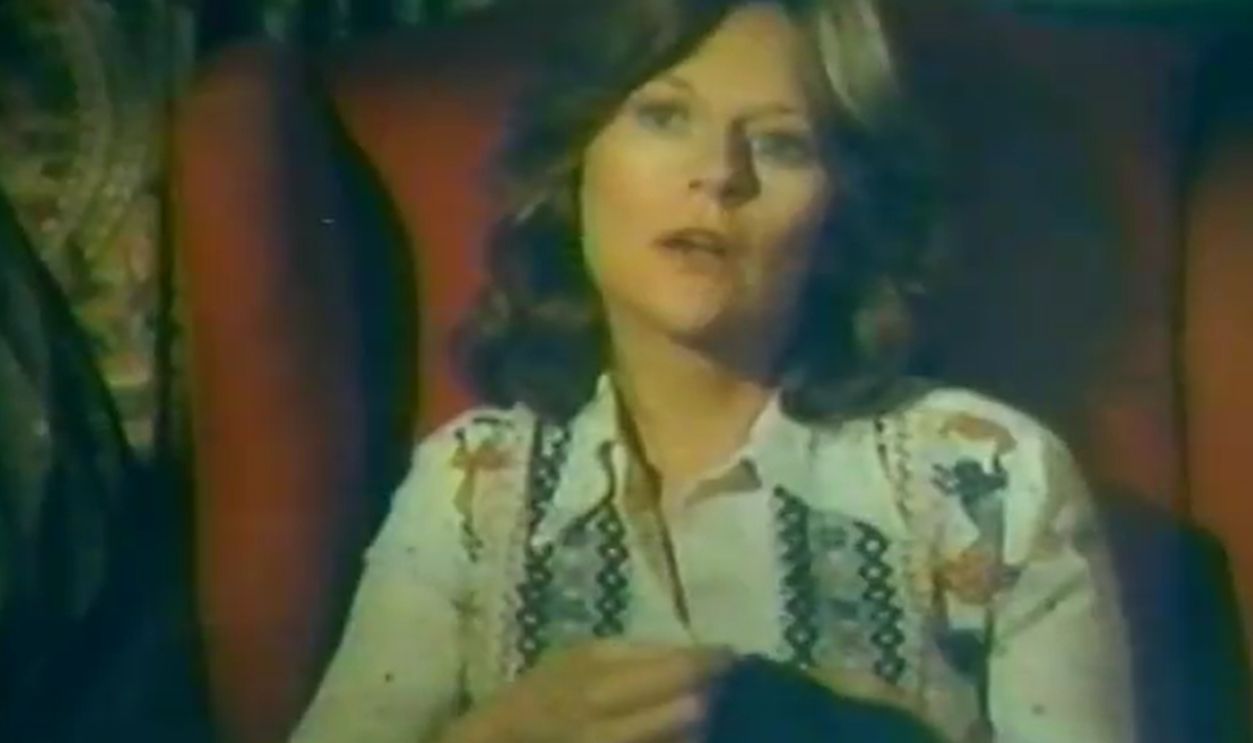
“The Fitzpatricks” (1977)
Television already had plenty of family dramas, so The Fitzpatricks needed something to stand out. It never found it. The cast did what they could, but viewers quickly moved on. The network eventually did too. It just took another dozen episodes.
 Screenshot from The Fitzpatricks, CBS (1977–1978)
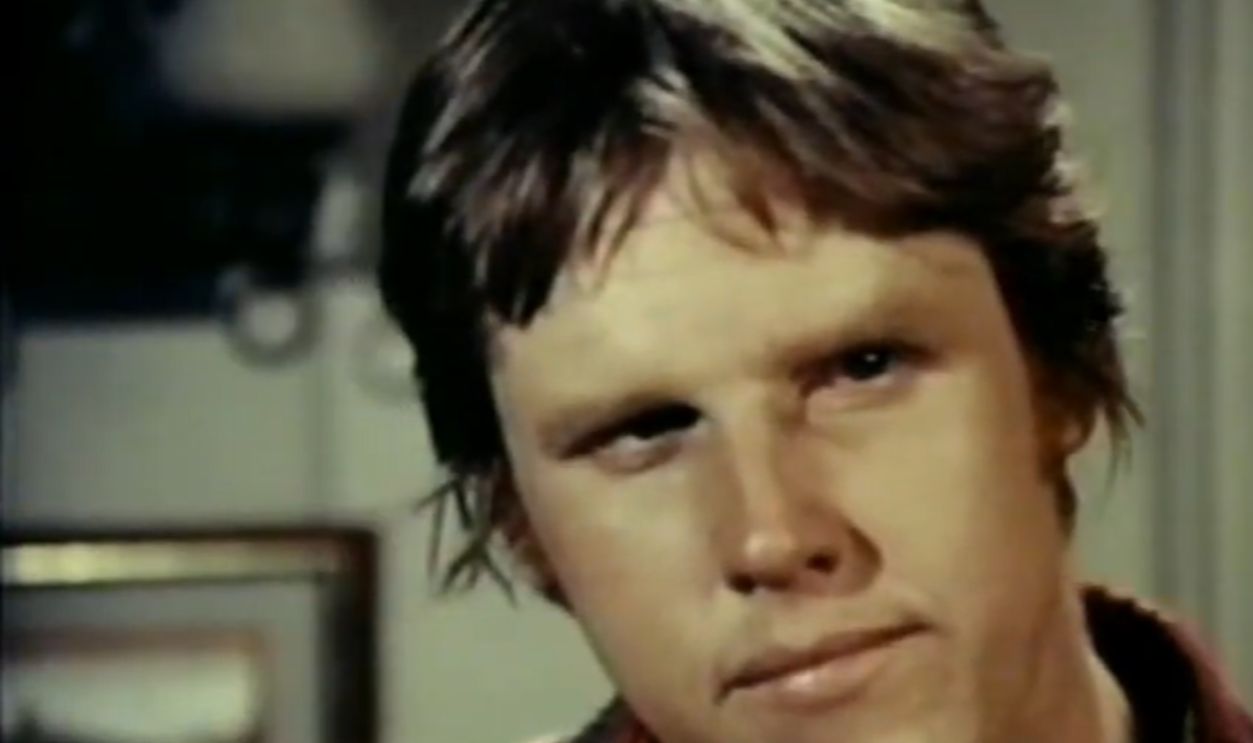
“The Texas Wheelers” (1974)
Before Gary Busey became...well...Gary Busey, he appeared in this quirky family comedy. Critics were kinder than audiences, who mostly ignored it. One season later it quietly disappeared. Looking back, the wheels probably should've come off after episode one.
 Screenshot from The Texas Wheelers, NBC (1974–1975)
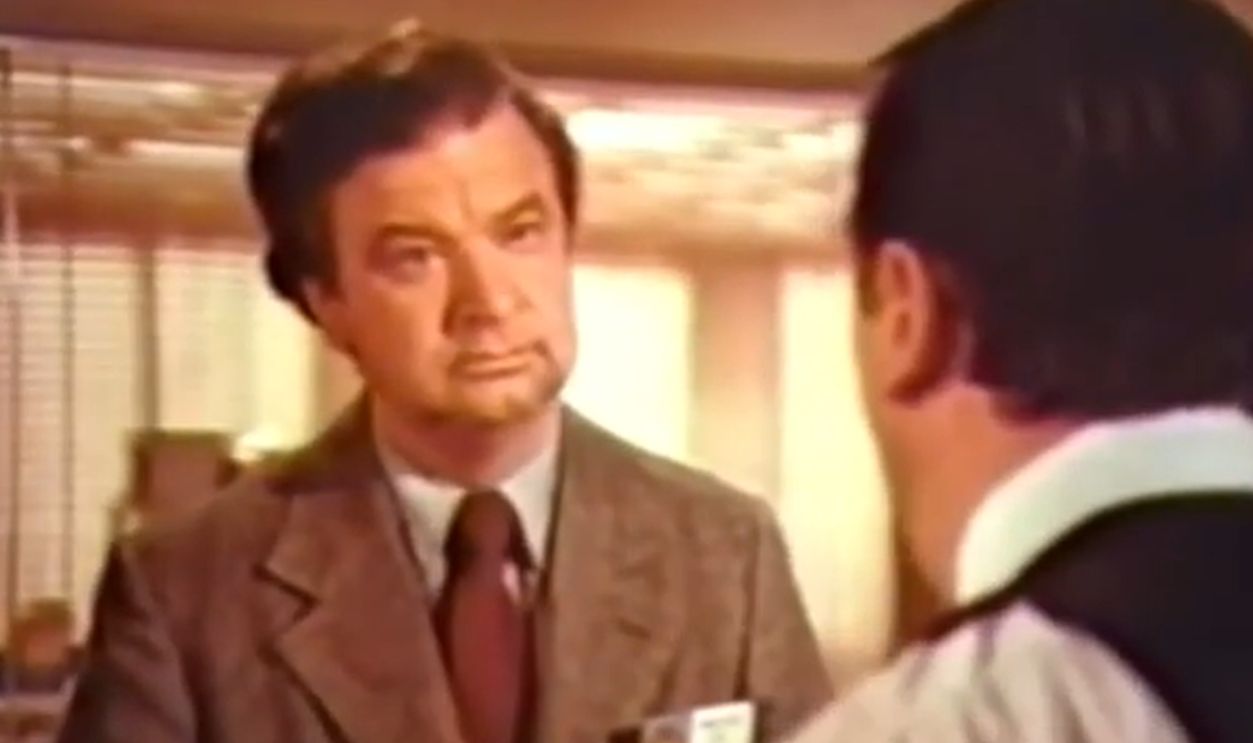
“Holmes & Yo-Yo” (1976)
A detective teamed up with a malfunctioning robot sounds like somebody lost a bet in the writers' room. Somehow it became a real TV show. Today it's remembered as a wonderfully weird cult curiosity. At the time, most viewers simply wondered why it got a second episode.
 Screenshot from Holmes & Yo-Yo, ABC (1976–1977)
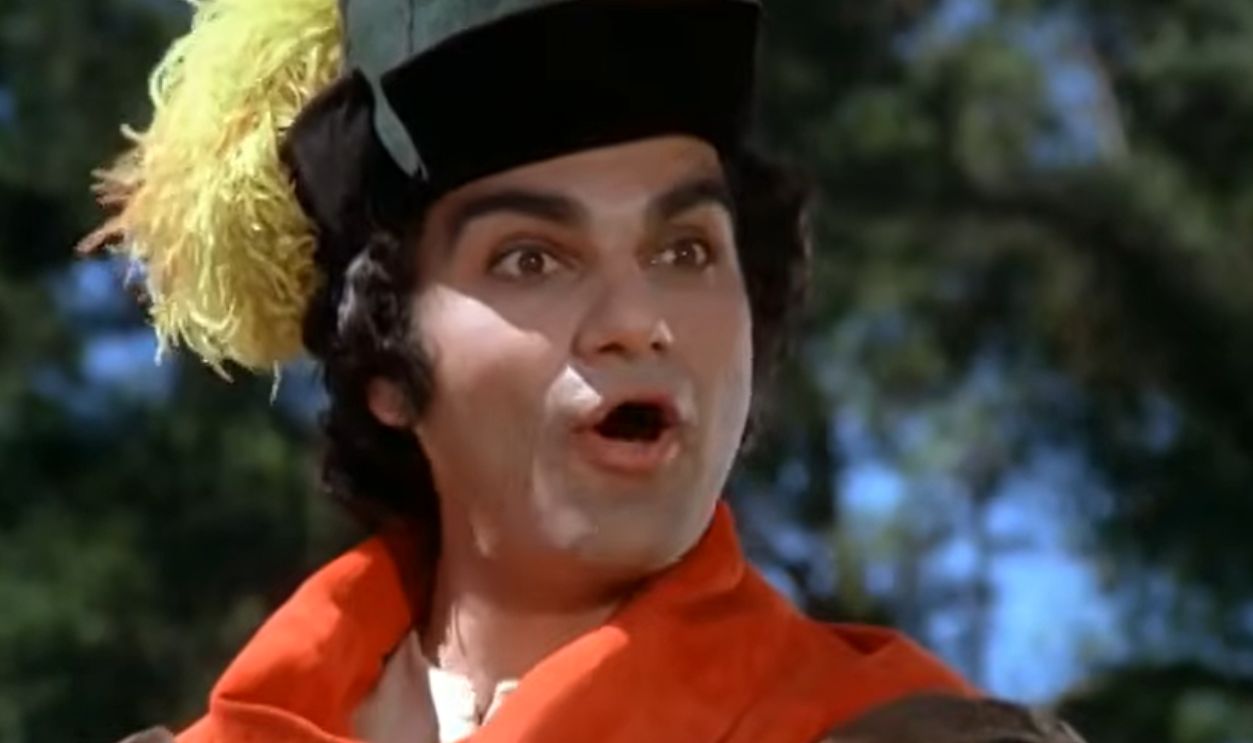
“When Things Were Rotten” (1975)
Mel Brooks spoofing Robin Hood sounds like a guaranteed hit. Unfortunately, audiences preferred Mel Brooks on the big screen. The show eventually earned a cult following, but that came years later. Back then, many viewers were probably ready for the cancellation after week one.
 Screenshot from When Things Were Rotten, ABC (1975)
“Supertrain” (1979)
NBC spent a fortune building Supertrain, basically The Love Boat on rails. It became one of the biggest flops in television history almost immediately. Looking back, canceling it after episode one would've counted as cutting their losses.
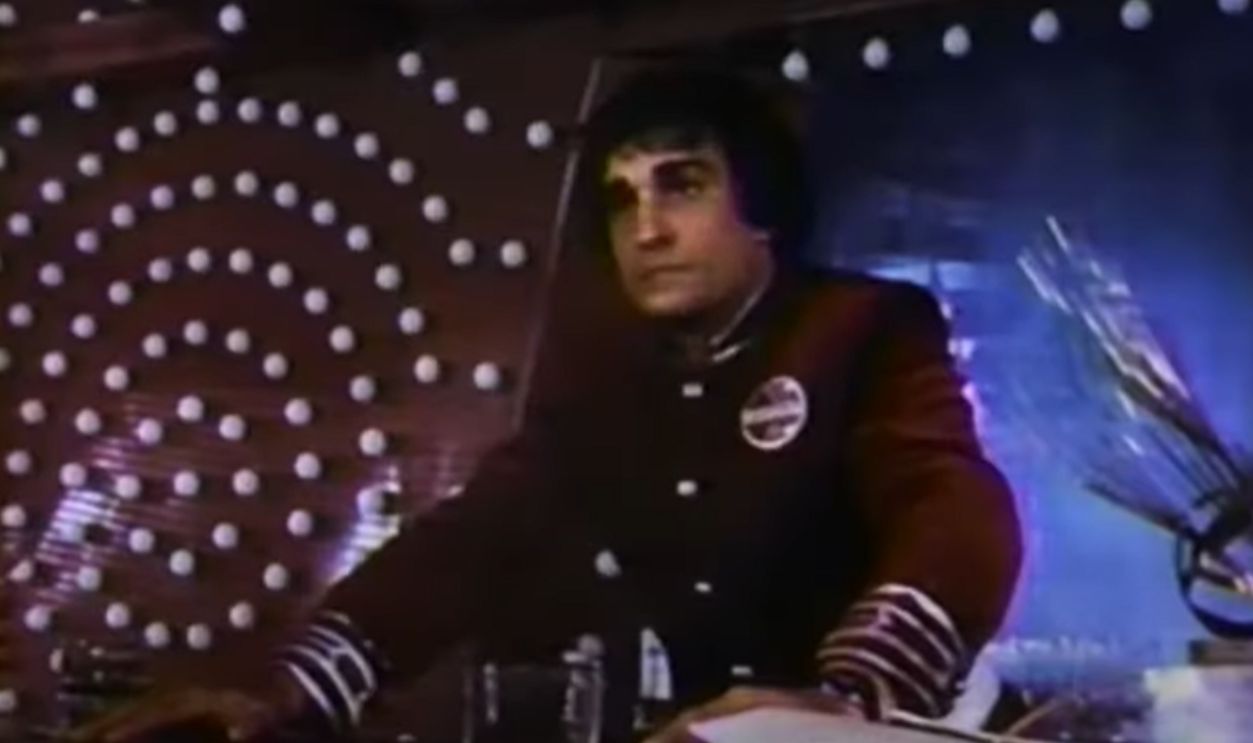 Screenshot from Supertrain, NBC (1979)
“Struck by Lightning” (1979)
A teacher gets struck by lightning and wakes up as a high school student. That's the entire premise. If you're thinking it sounds like someone pitched it in under ten seconds, you're probably not alone. By the end of episode one, the title of this article had basically written itself.
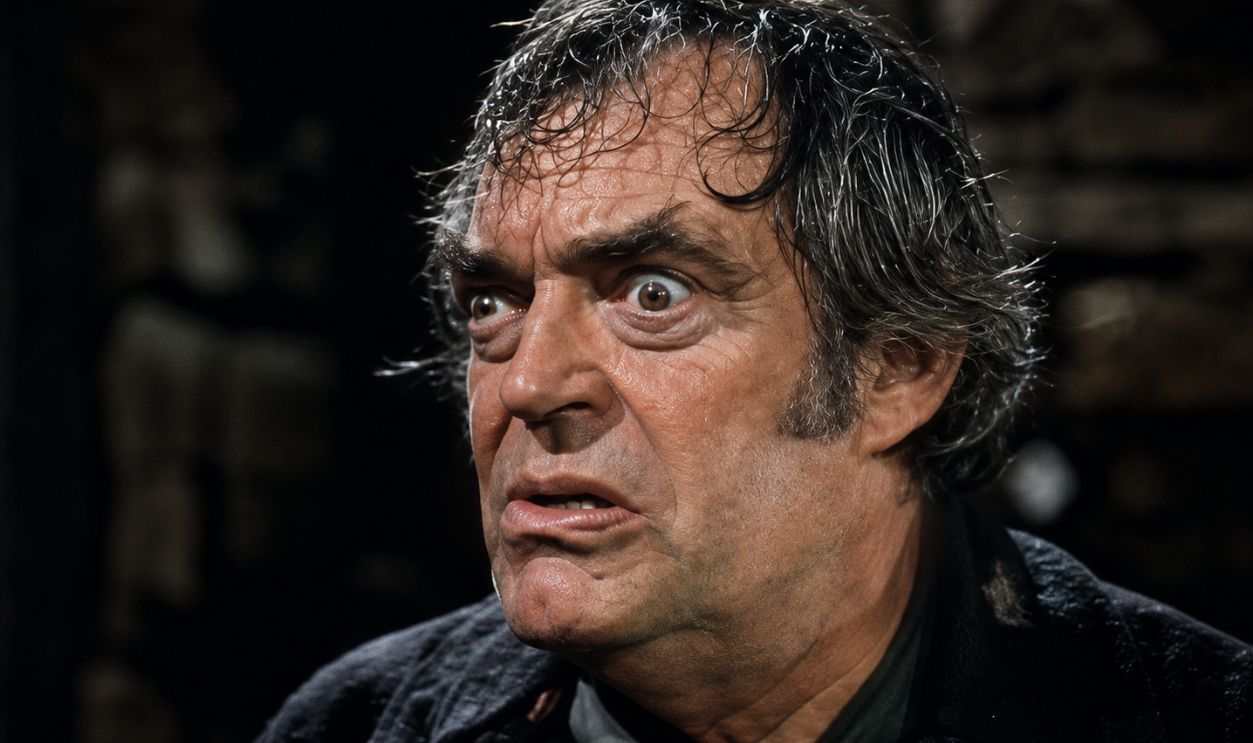 Screenshot from Struck by Lightning, CBS (1979), modified
“The Last Resort” (1979)
This sitcom centered on the guests and staff at a tropical island resort, hoping to bottle a little Love Boat magic. It never came close. Viewers weren't interested, and the ratings proved it. The vacation lasted one season. It probably should've been a weekend getaway.
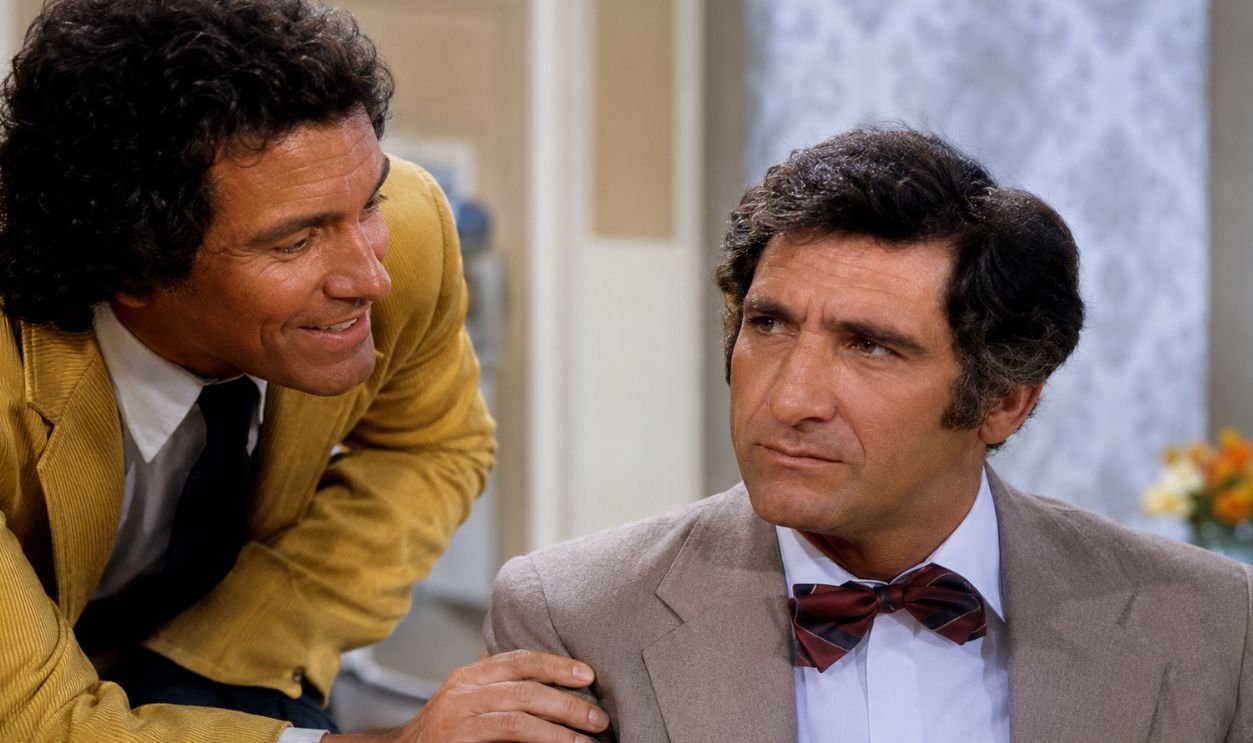 Screenshot from The Last Resort, CBS (1979), Modified
“Cliffhangers” (1979)
NBC tried combining three serialized adventure stories into one weekly show. It was an ambitious idea, but audiences never really connected with it. Sometimes simpler really is better. The biggest cliffhanger wasn't the stories. It was how the show made it past episode one.
 Screenshot from Cliffhangers, NBC (1979)
“Friends” (1979)
No, not that Friends. This short-lived sitcom came and went years before the NBC blockbuster made the title famous. It struggled to stand out in a crowded TV landscape and quietly disappeared after one season. Most viewers probably forgot it before the finale even aired.
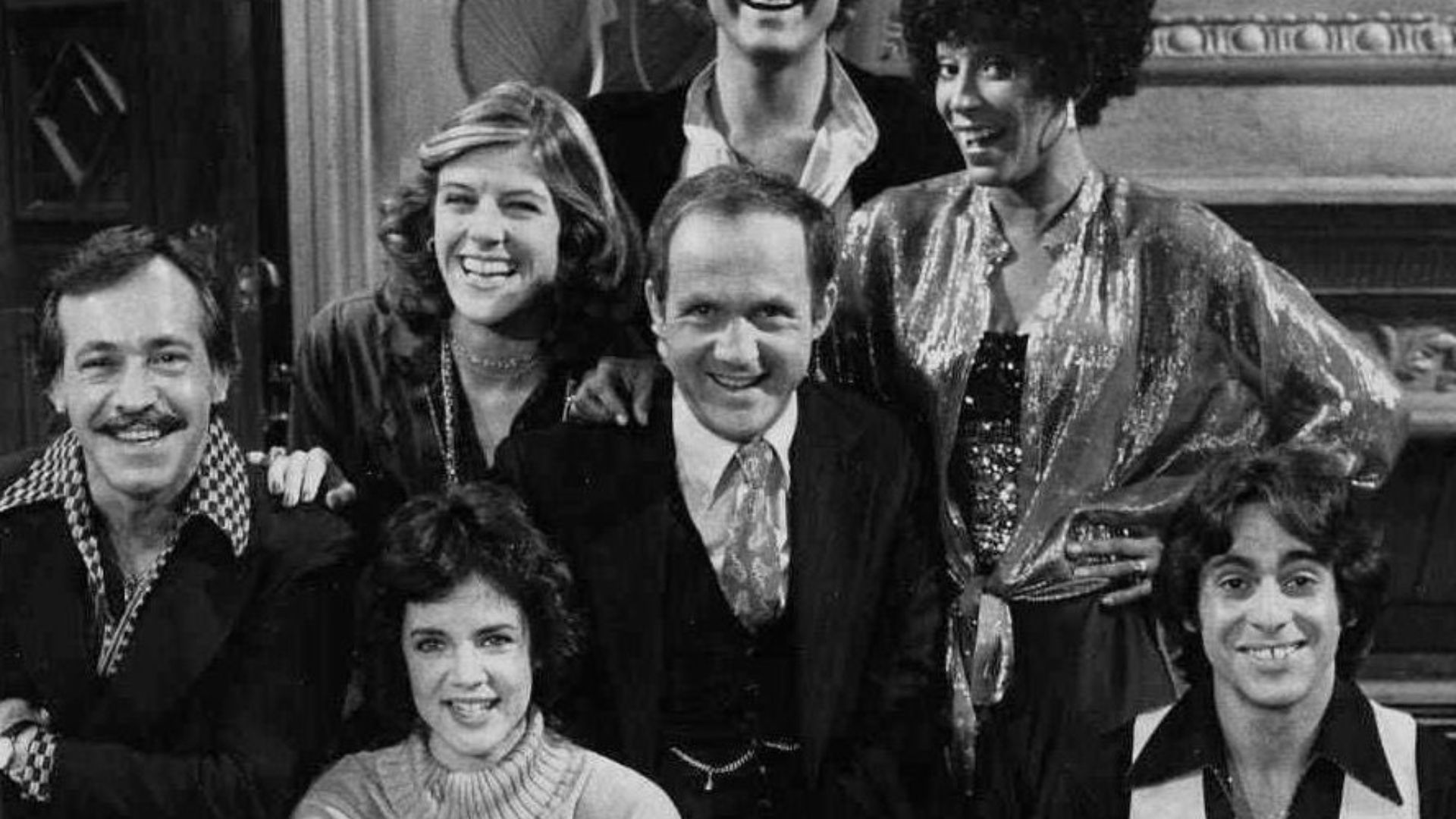 CBS Television, Wikimedia Commons
“Big Hawaii” (1977)
Networks spent much of the 70s chasing glamorous ensemble dramas, and Big Hawaii was another swing at the formula. Beautiful scenery wasn't enough to keep viewers interested. The ratings packed their bags in a hurry. The show probably should've done the same after episode one.
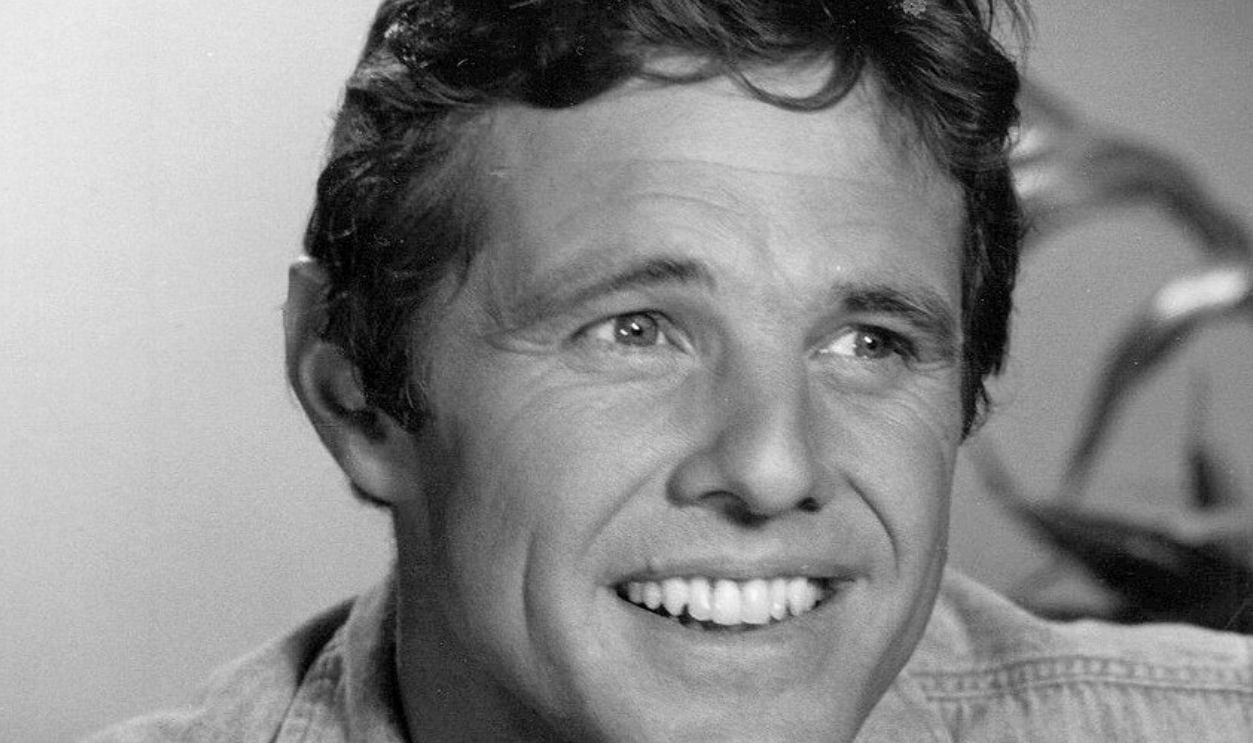 NBC TelevisionUploaded, Wikimedia Commons
“Lucan” (1977)
A young man raised by wolves trying to fit into modern society certainly gets points for originality. Unfortunately, originality alone doesn't make a hit series. Viewers never fully embraced the concept, and one season was all it got. Some ideas are better left on the drawing board.
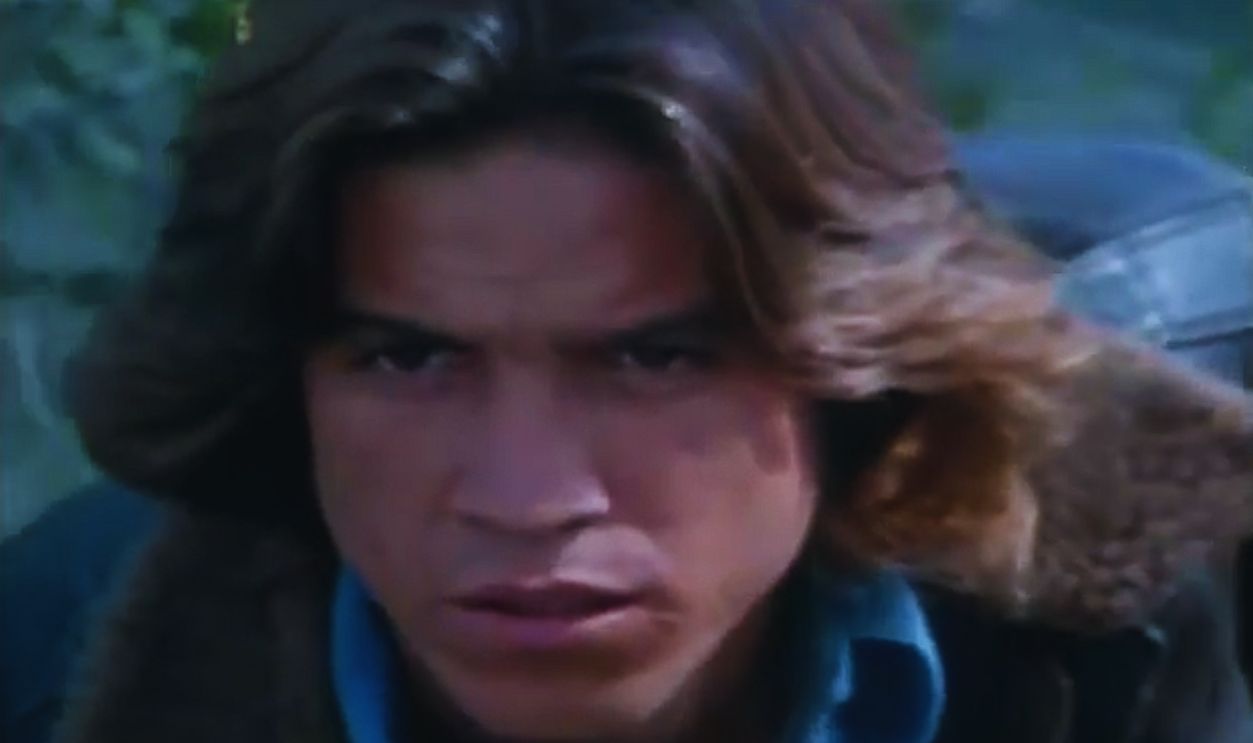 Screenshot from Lucan, ABC (1977)
“Richie Brockelman, Private Eye” (1978)
Dennis Dugan's young detective earned some surprisingly good reviews, but good reviews don't always mean good ratings. Audiences never showed up in large enough numbers, and the series was gone after one season. The mystery wasn't who committed the crime. It was why the network waited so long to solve it.
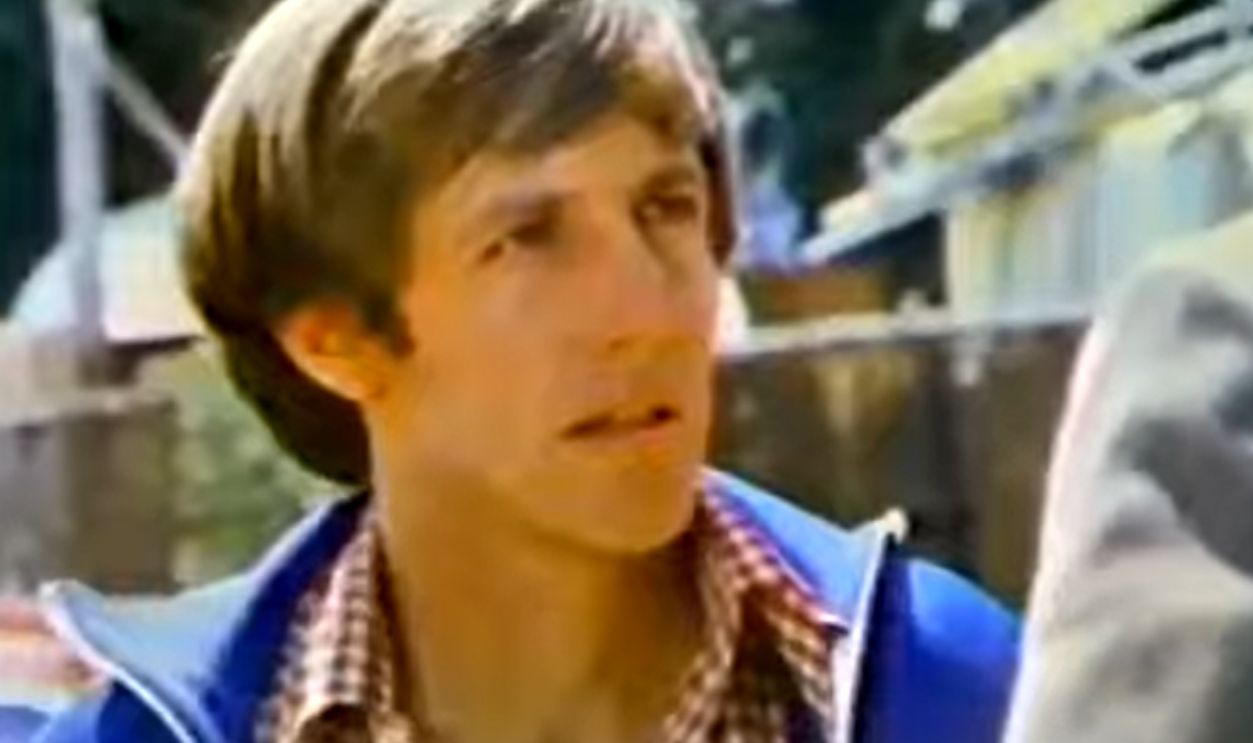 Screenshot from Richie Brockelman, Private Eye, NBC (1978)
“The New Shmoo” (1979)
The lovable Li'l Abner character returned in this animated series, hoping to introduce the Shmoo to a new generation. Instead, it quickly became another forgotten Saturday morning curiosity. Kids had plenty of other cartoons to choose from, and many of them apparently did.
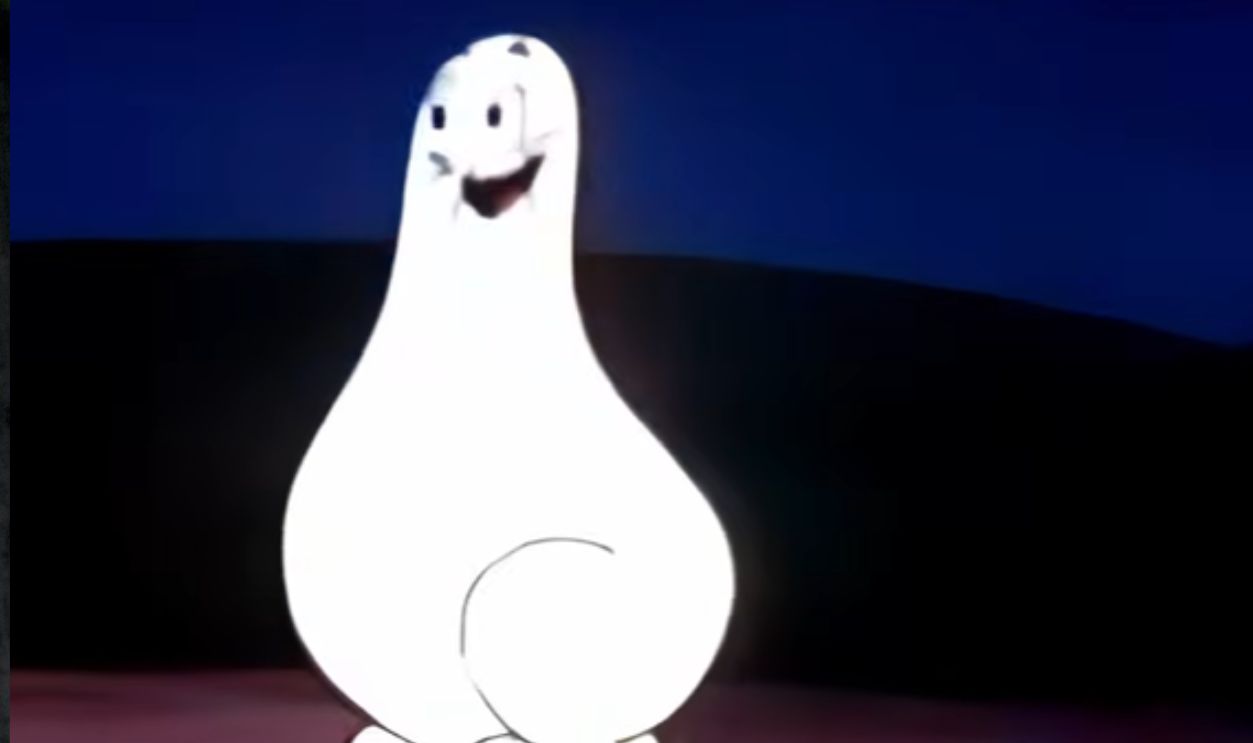 Screenshot from The New Shmoo, NBC (1979)
“Turnabout” (1979)
A husband and wife magically swap bodies after making wishes about each other's lives. It was a clever enough premise, but the execution never lived up to the idea. Audiences weren't convinced, and the gimmick wore thin quickly. The body swap lasted longer than the show's appeal.
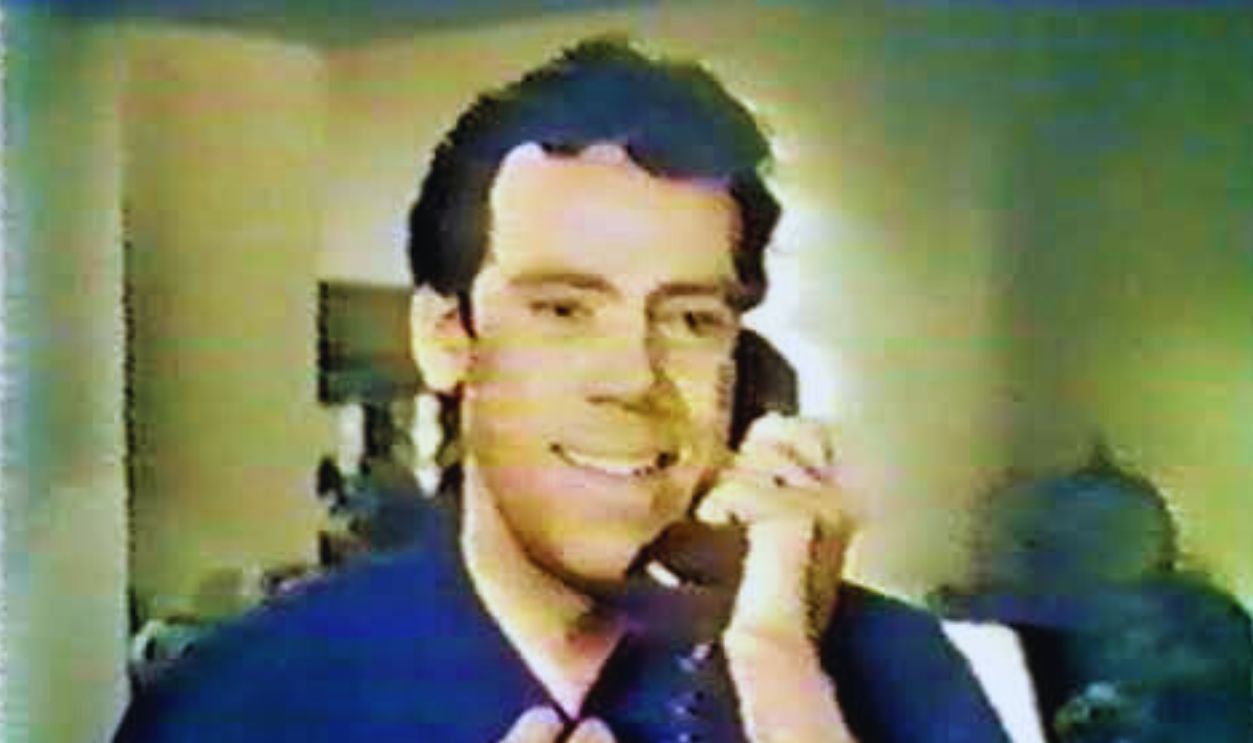 Screenshot from Turnabout, NBC (1979)
“Mrs. Columbo” (1979)
Spinning off one of television's most beloved detectives sounded smart—until viewers realized Peter Falk wasn't the star. Kate Mulgrew did everything she could, but audiences wanted Columbo, not his unseen wife's adventures. The network finally got the message after one season. Many viewers got it after one episode.
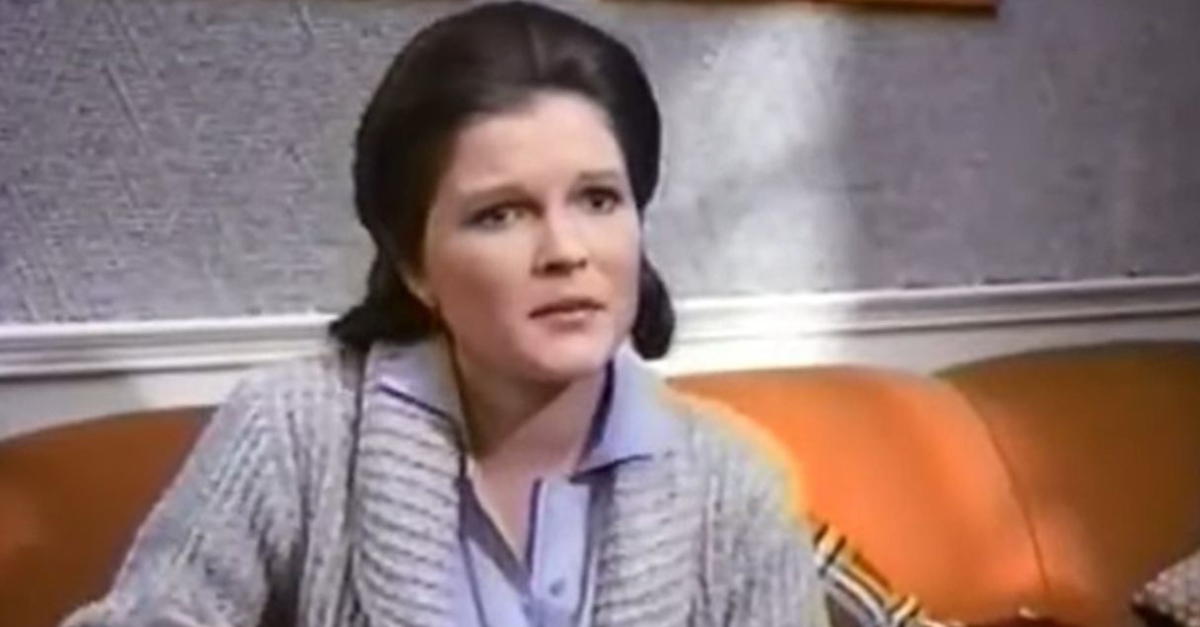 Screenshot from Mrs. Columbo, NBC (1979–1980)
Some Shows Really Are Better Left Forgotten
Not every canceled series deserves a streaming revival or a second chance. Sometimes the network actually gets it right. When it comes to the shows just discussed the network got it right…it just took them longer to get there than it probably should’ve.
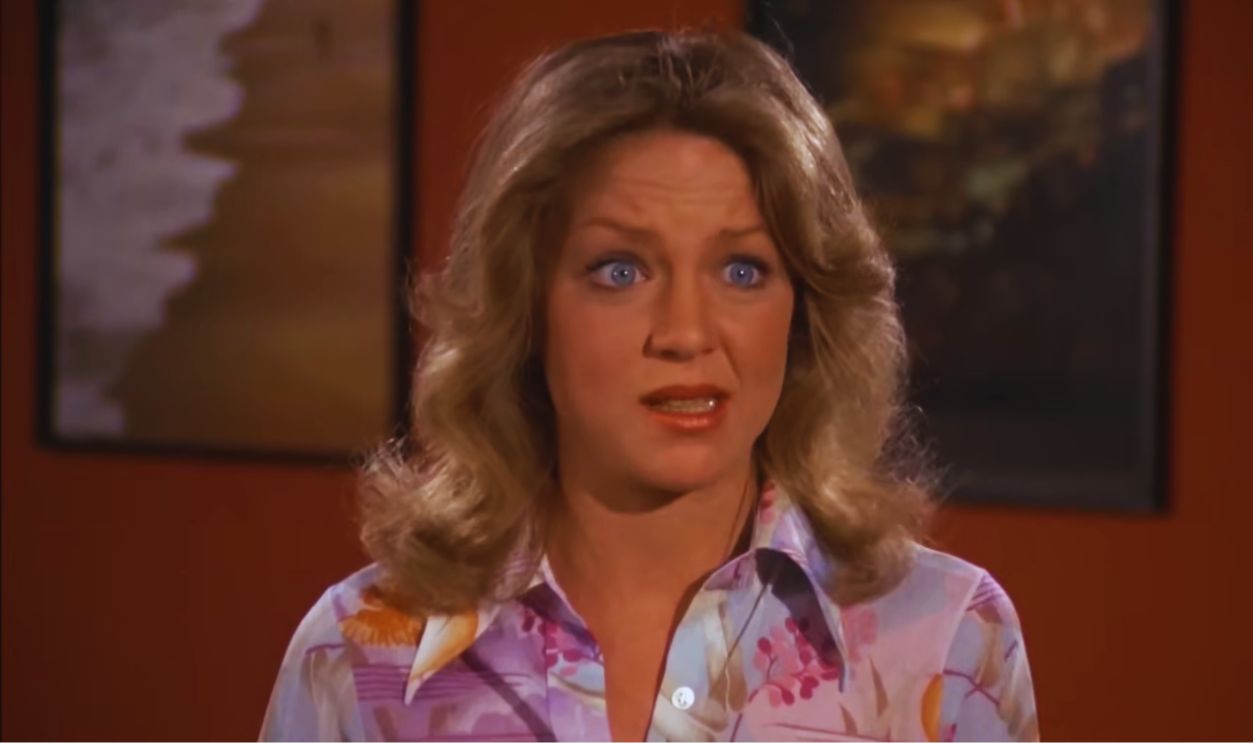 Screenshot from Tabitha, Columbia Pictures Television / ABC (1977–1978)
You Might Also Like:
How Typecasting Nearly Ruined Henry Winkler’s Career After “The Fonz”