The Role That Changed Everything
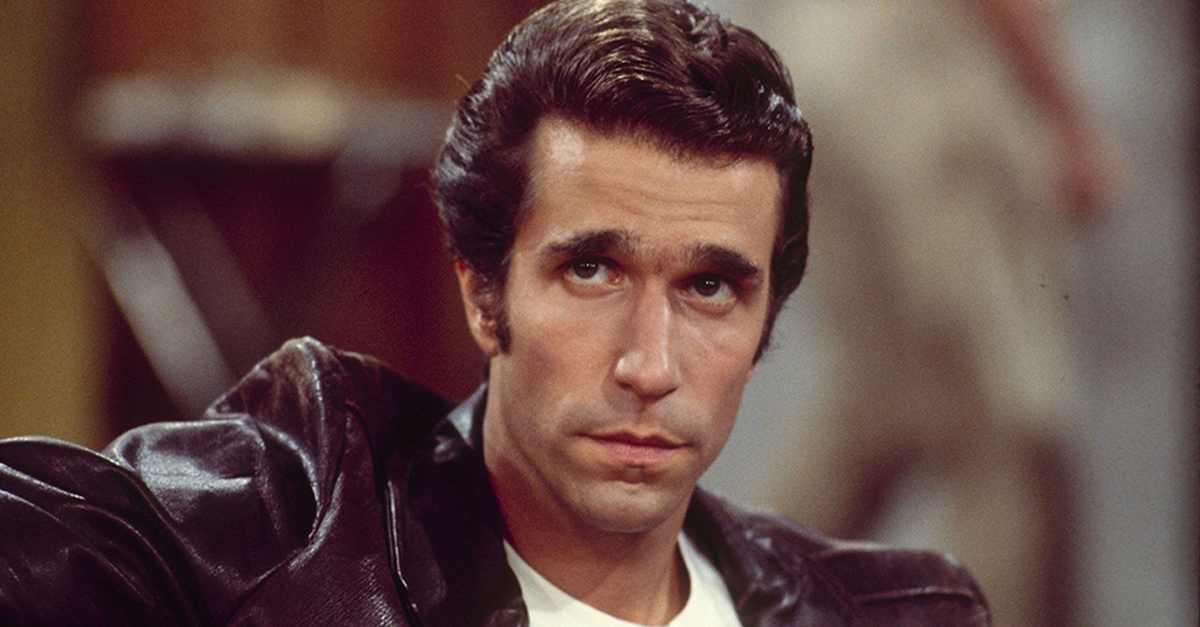
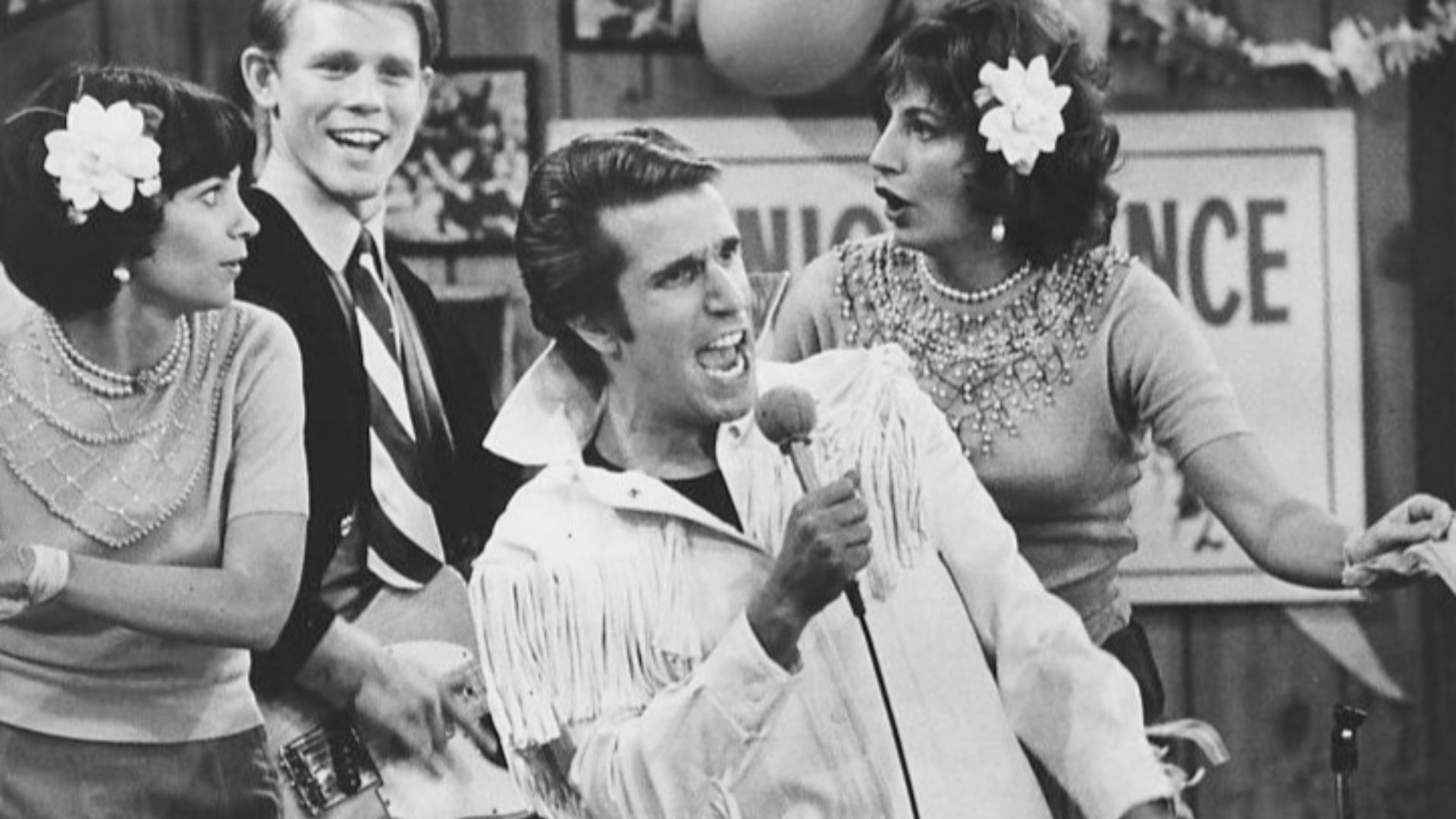
Henry Winkler became a television sensation when he was cast as Arthur "Fonzie" Fonzarelli on Happy Days. The series debuted in 1974 and quickly became one of the most popular sitcoms in America. Although Fonzie was originally intended to be a supporting character, audiences connected with him almost immediately. Before long, Winkler's leather-jacketed greaser had become the show's breakout star.
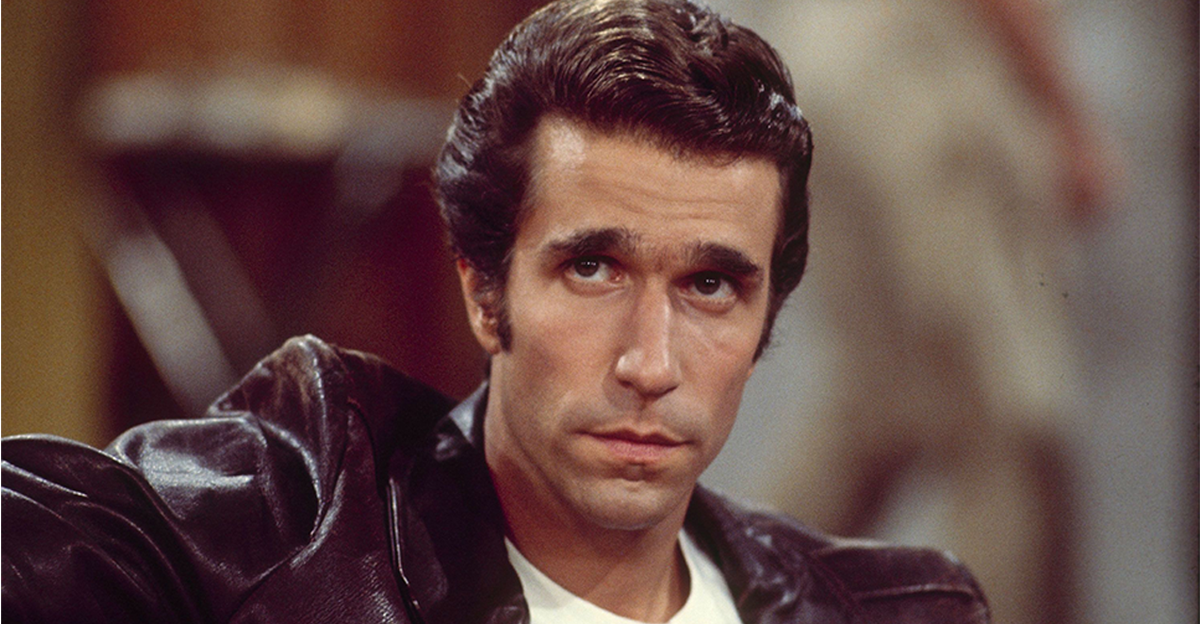 Screenshot from Happy Days (1974-1984), ABC Television
A Star Was Born Overnight
Fonzie's cool confidence, signature catchphrases, and effortless charisma turned him into a pop culture phenomenon. Viewers embraced the character's rebellious image and surprising heart. Merchandise, magazine covers, and television appearances helped cement the Fonz as one of the defining TV characters of the 1970s. Winkler suddenly found himself at the center of a cultural craze.
Fame Came With A Hidden Cost
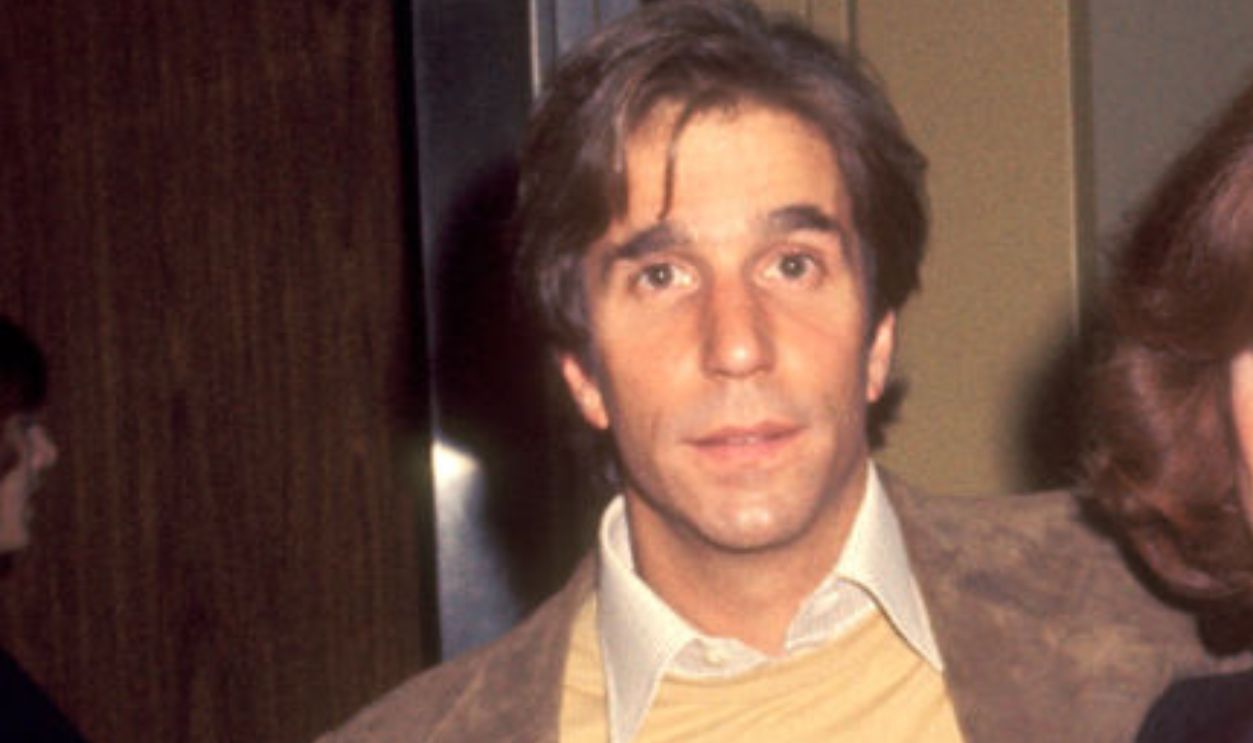
The success of Happy Days brought enormous opportunities, but it also created challenges. Audiences saw Winkler so completely as Fonzie that separating the actor from the character became difficult. While millions adored the role, casting directors often struggled to imagine him playing anyone else. That perception would follow him for years.
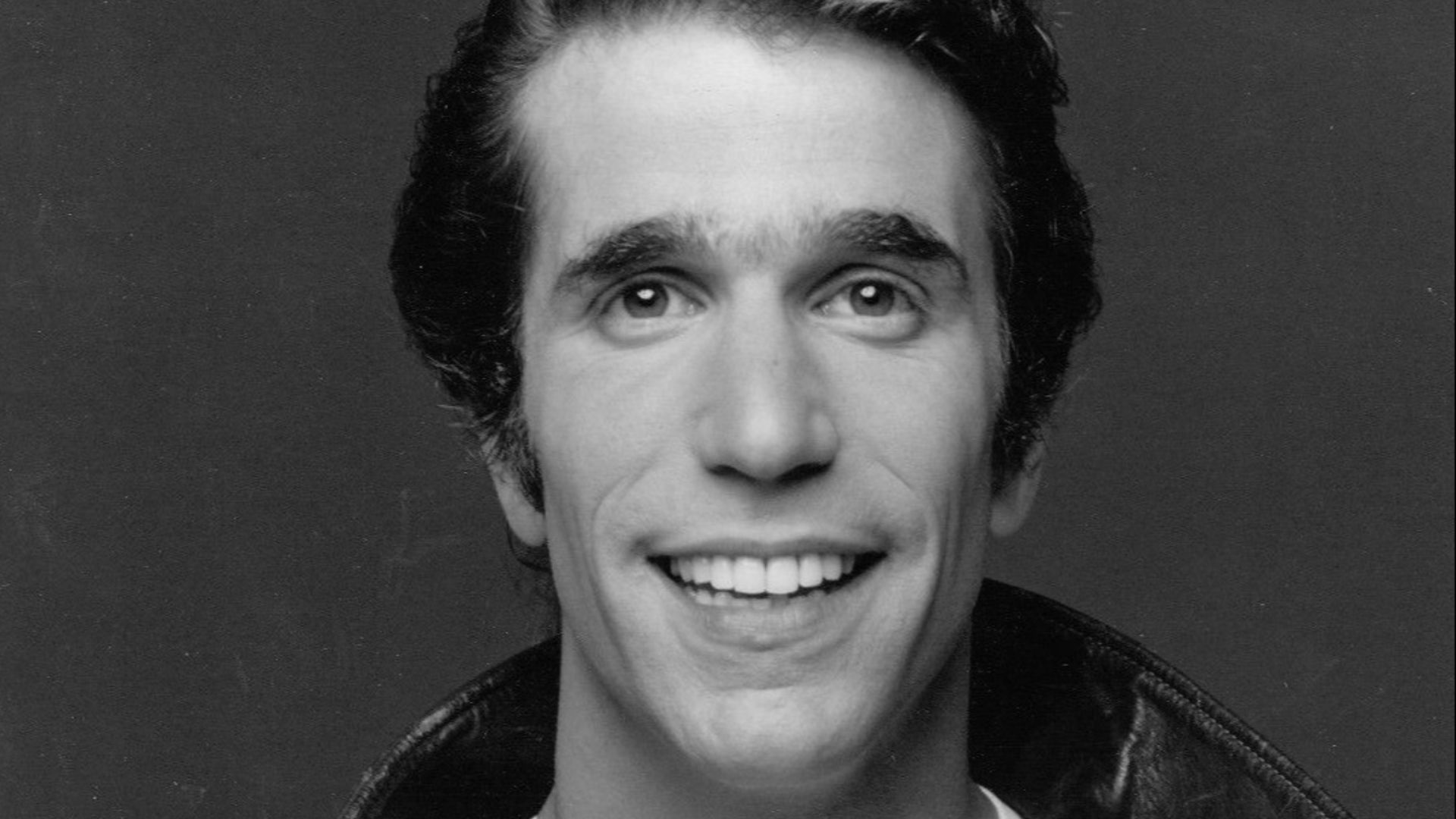 ABC Television, Wikimedia Commons
Worried About Being Pigeonholed
Even while Happy Days was still on the air, Winkler worried about becoming trapped by a single image. He understood how quickly Hollywood could define an actor by one successful role. As the Fonz grew more famous, those concerns only intensified. The actor began thinking carefully about what would come next.
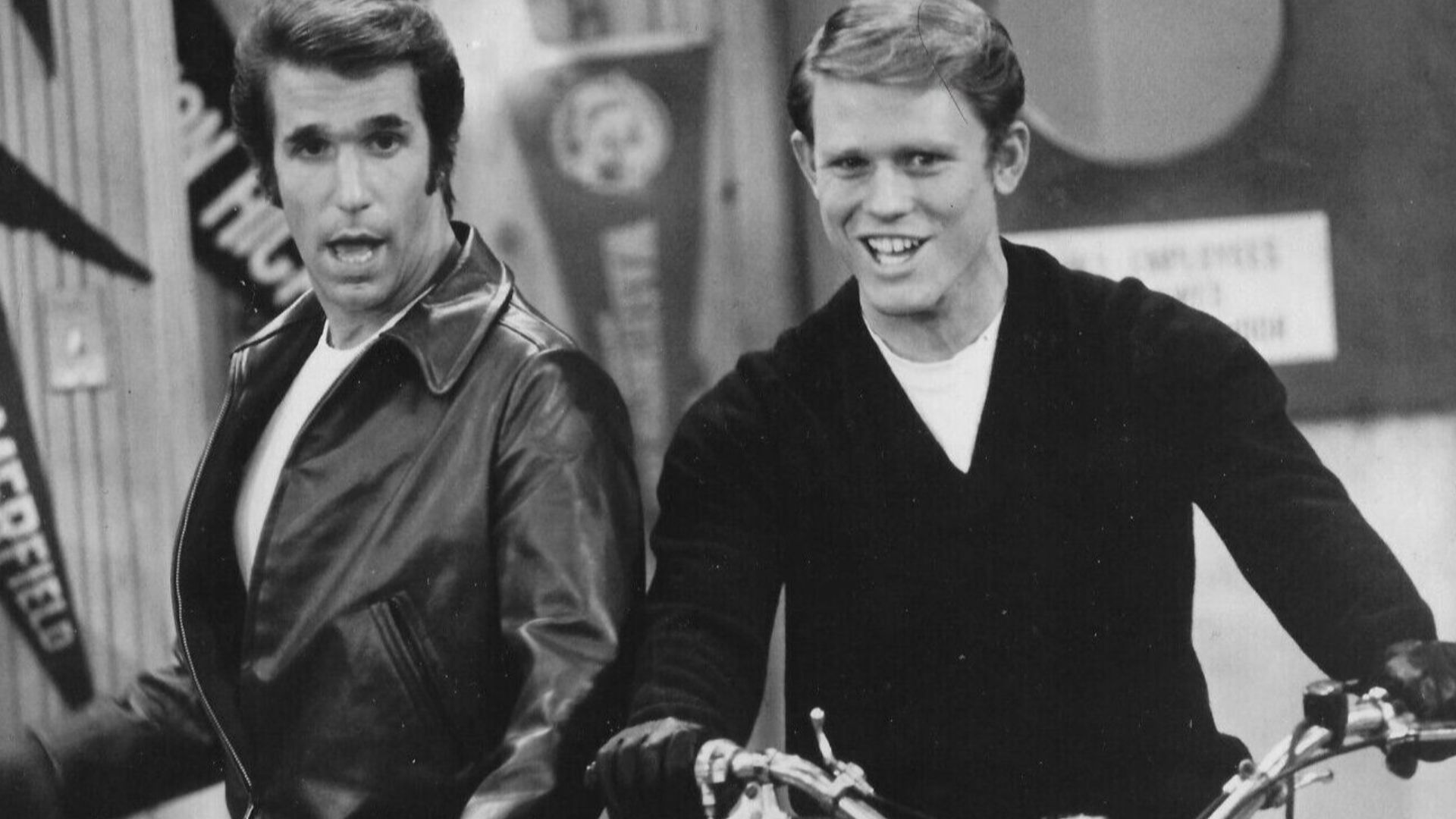 ABC Television. Uploaded by We hope at en.wikipedia, Wikimedia Commons
Turning Down A Huge Movie Opportunity
One of the most surprising decisions of Winkler's career involved the film Grease. He was offered the chance to play Danny Zuko, the role that ultimately went to John Travolta. Winkler declined because he feared playing another leather-jacketed greaser would deepen the typecasting problem. At the time, he believed it could limit his future opportunities even further.
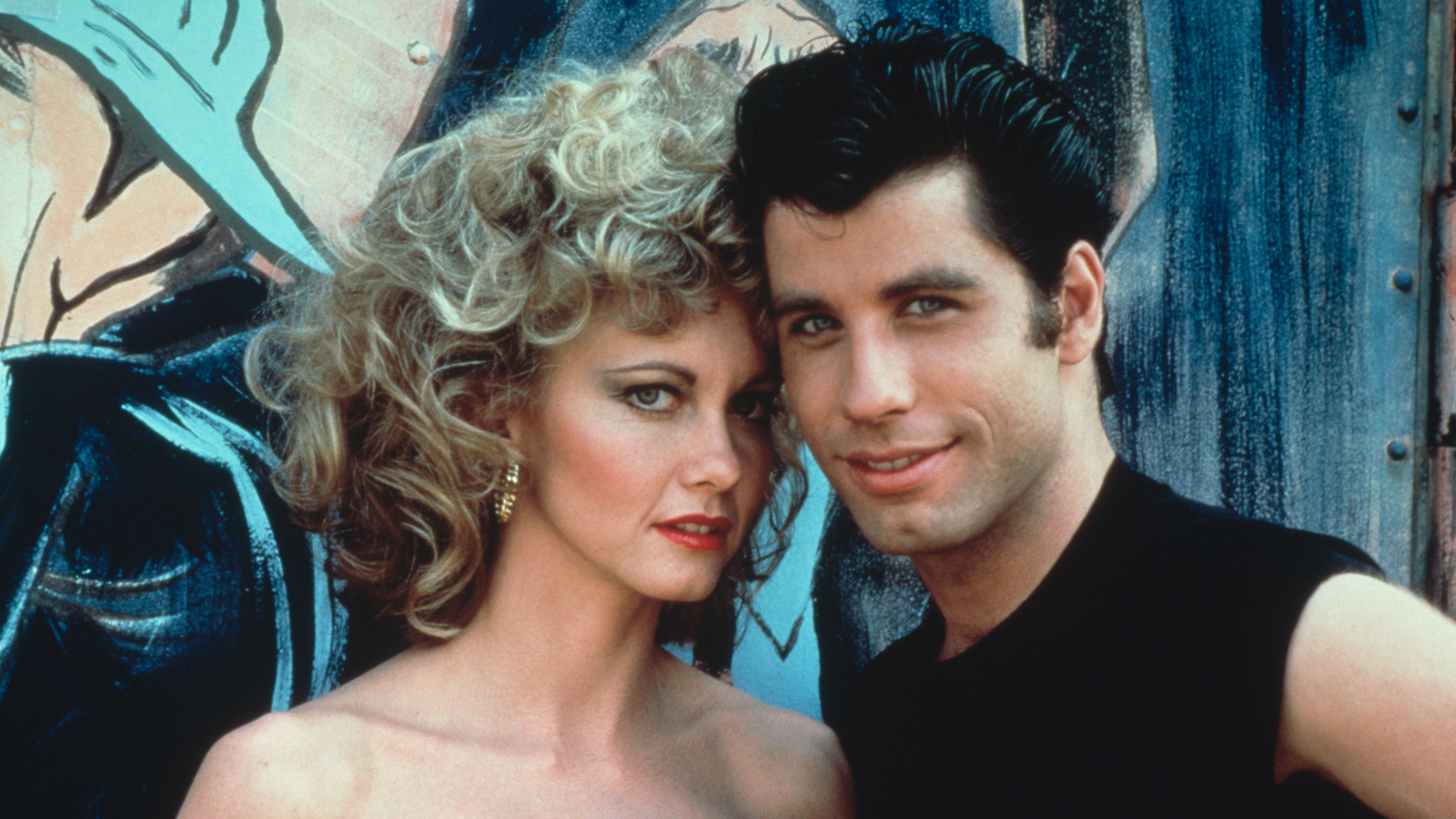 Paramount Pictures, Getty Images
Happy Days Finally Came To An End
After 11 seasons, Happy Days concluded in 1984. For many actors, the end of a hit show marks the beginning of a new chapter. Winkler hoped to continue building a diverse acting career. Instead, he soon discovered that Hollywood still saw him primarily as the Fonz.
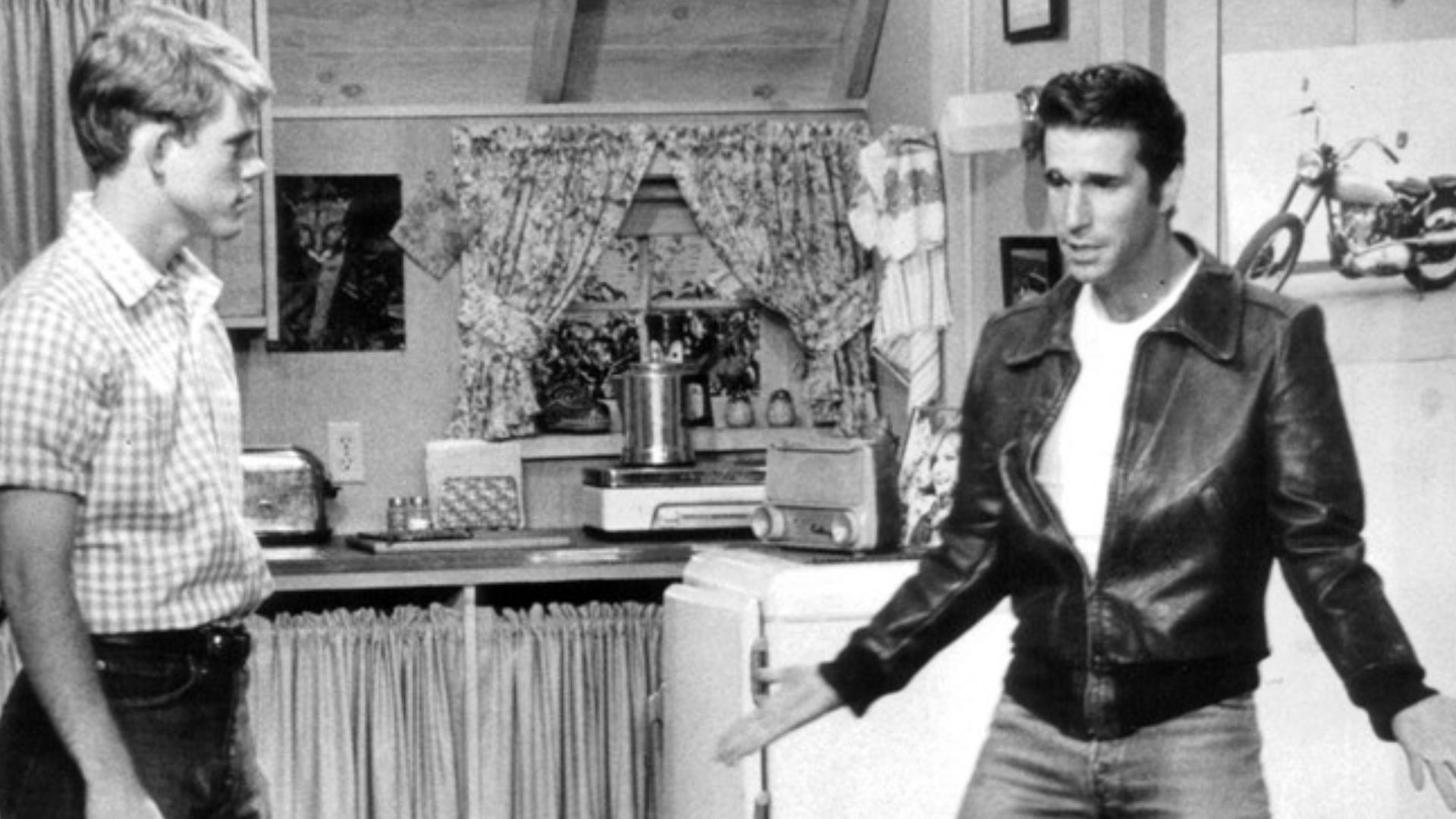 ABC TelevisionUploaded by We hope at en.wikipedia, Wikimedia Commons
The Phone Stopped Ringing
The years following Happy Days proved unexpectedly difficult. Winkler has spoken openly about how hard it became to secure acting work. Despite his popularity and talent, producers often hesitated to cast him. The image of Fonzie remained so strong that many could not look beyond it.
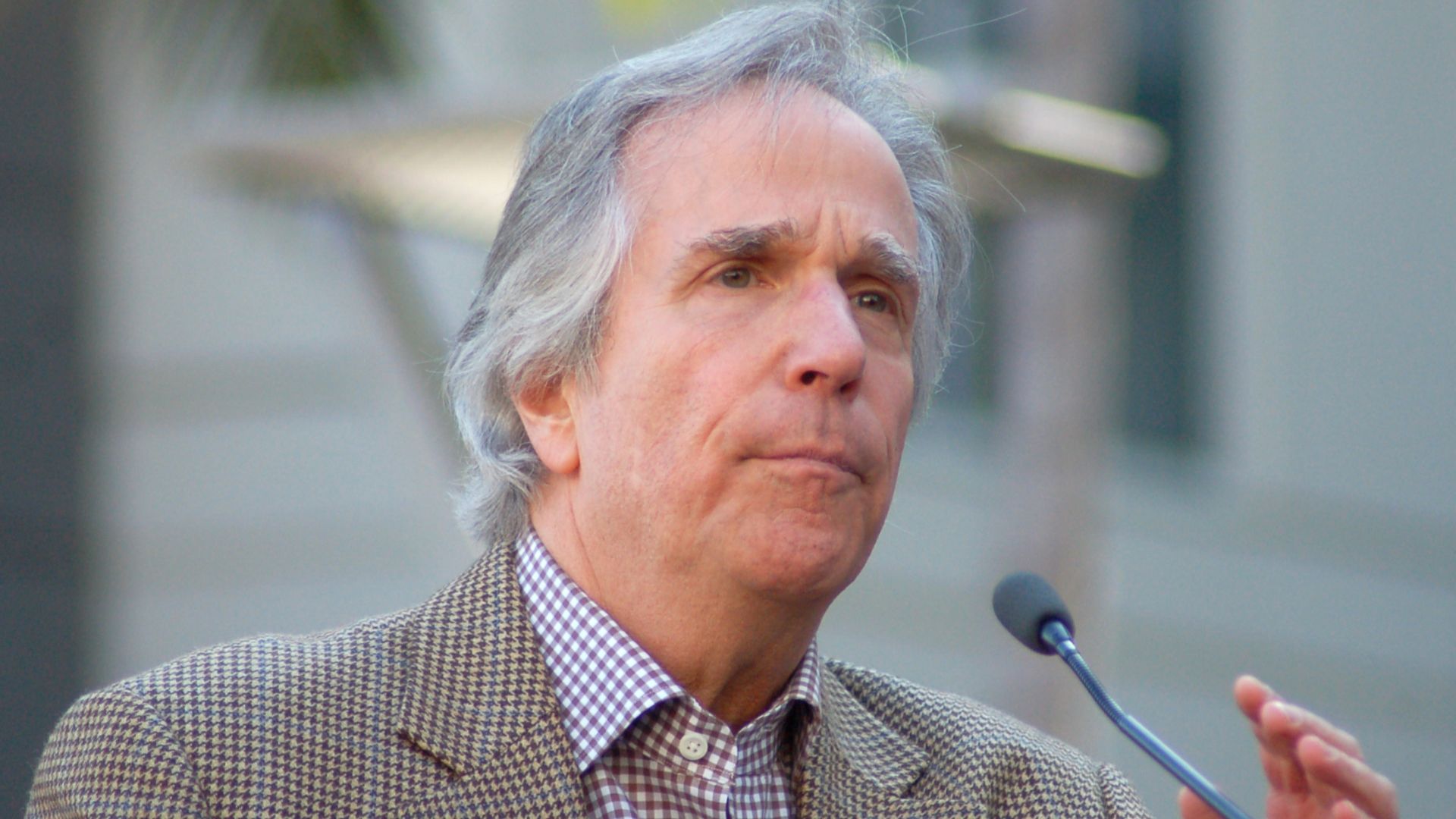 Angela George at https://www.flickr.com/photos/sharongraphics/, Wikimedia Commons
Living With Career Uncertainty
The lack of opportunities took an emotional toll. Winkler later described the period as deeply painful and confusing. He knew he wanted to keep acting but struggled to find a path forward. The uncertainty left him questioning what he should do next.
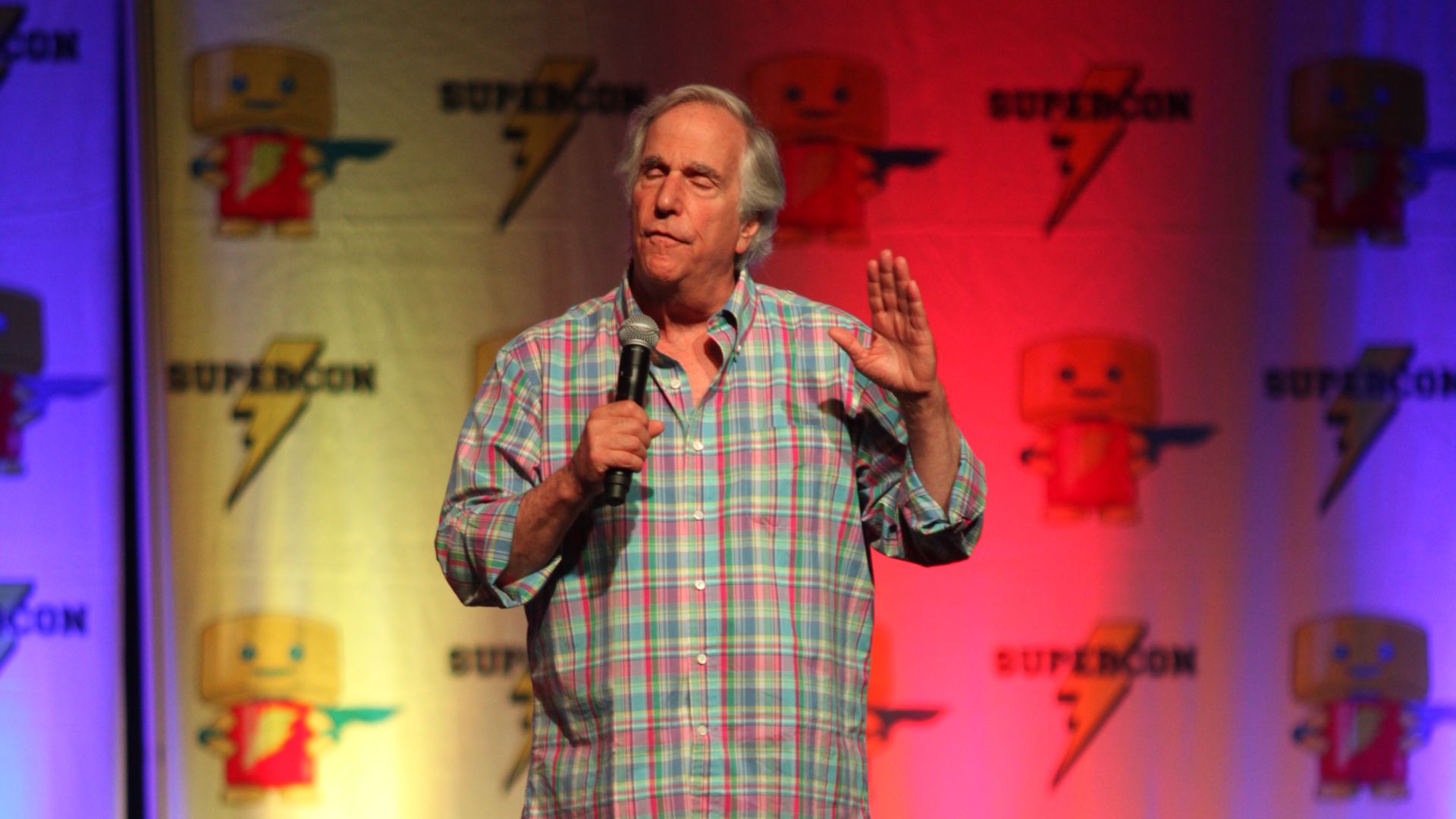 Super Festivals, Wikimedia Commons
Eight Years Of Frustration
According to Winkler, there were roughly eight or nine years when acting jobs were extremely difficult to find. Casting executives repeatedly associated him with a single role. The situation became so severe that he later described the experience as "psychic pain." It was one of the most challenging stretches of his professional life.
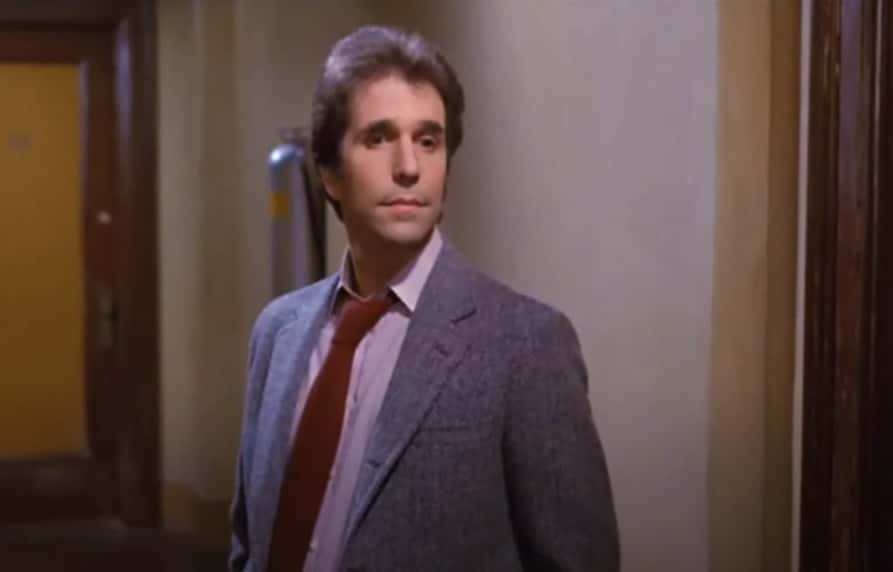 Night Shift (1982), Warner Bros.
Refusing To Give Up
Despite the setbacks, Winkler never abandoned the entertainment industry. Rather than waiting endlessly for the perfect acting role, he began exploring other creative opportunities. His willingness to adapt would eventually become one of the keys to his survival. The next phase of his career would happen largely behind the scenes.
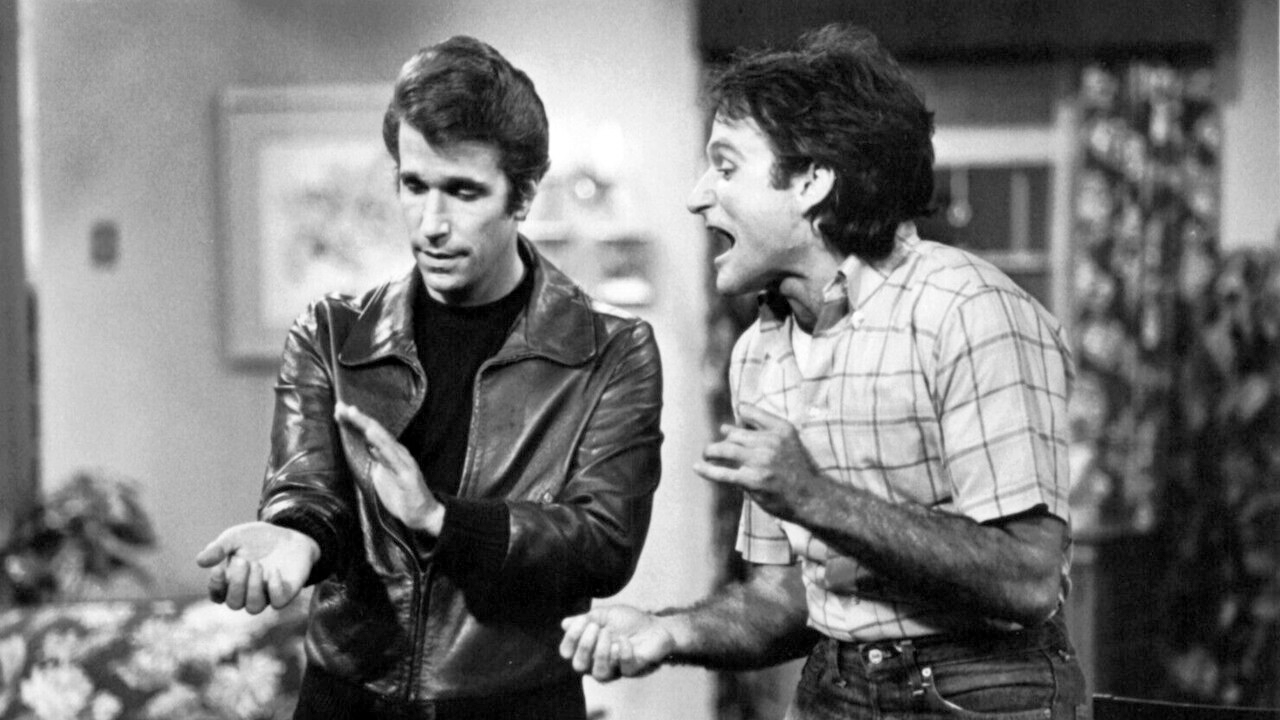 Super Festivals, Wikimedia Commons
Finding Success Behind The Camera
Winkler moved into producing and directing during the 1980s. It was a significant shift for someone who had always envisioned himself primarily as an actor. Learning new skills gave him a renewed sense of purpose. More importantly, it allowed him to remain active in the business he loved.
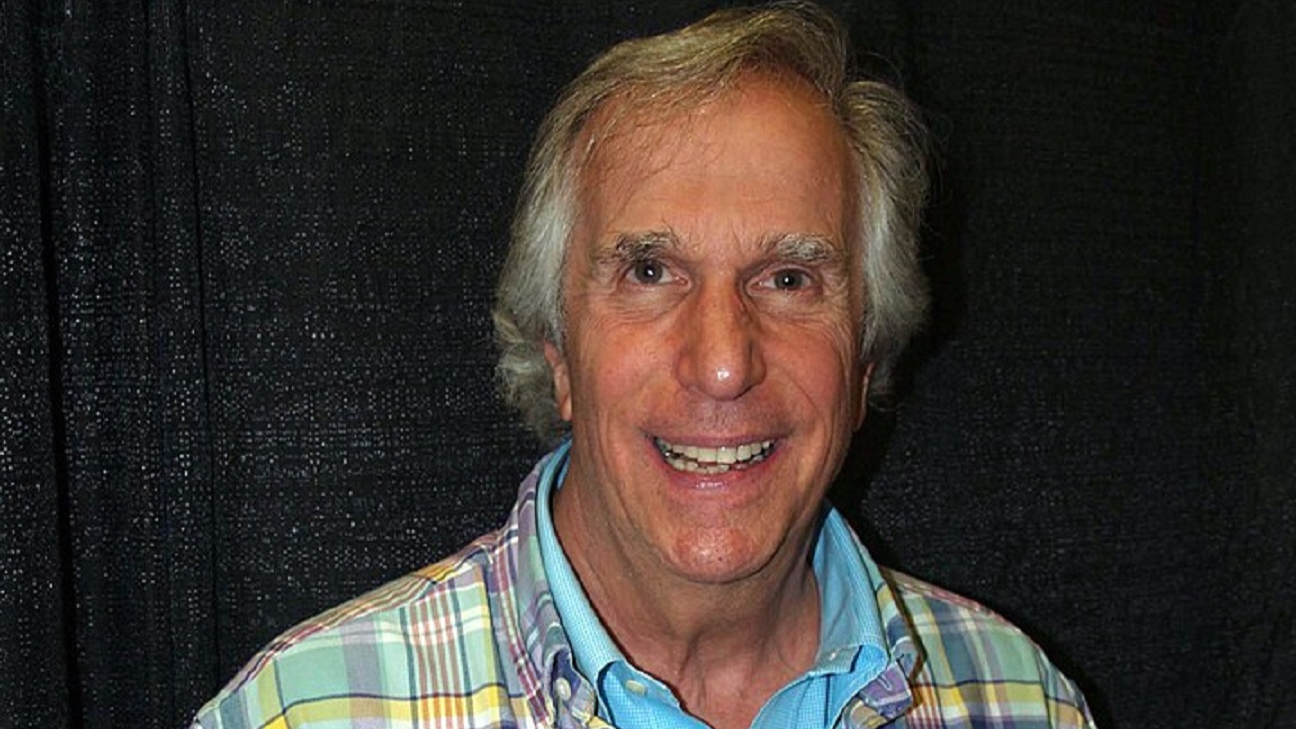 Luigi Novi, CC BY 3.0, Wikimedia Commons
Building Fair Dinkum Productions
To create new opportunities, Winkler helped establish Fair Dinkum Productions. The company became a vehicle for projects he could develop himself. Instead of relying entirely on casting directors, he gained greater control over his career. The move proved to be a smart long-term decision.
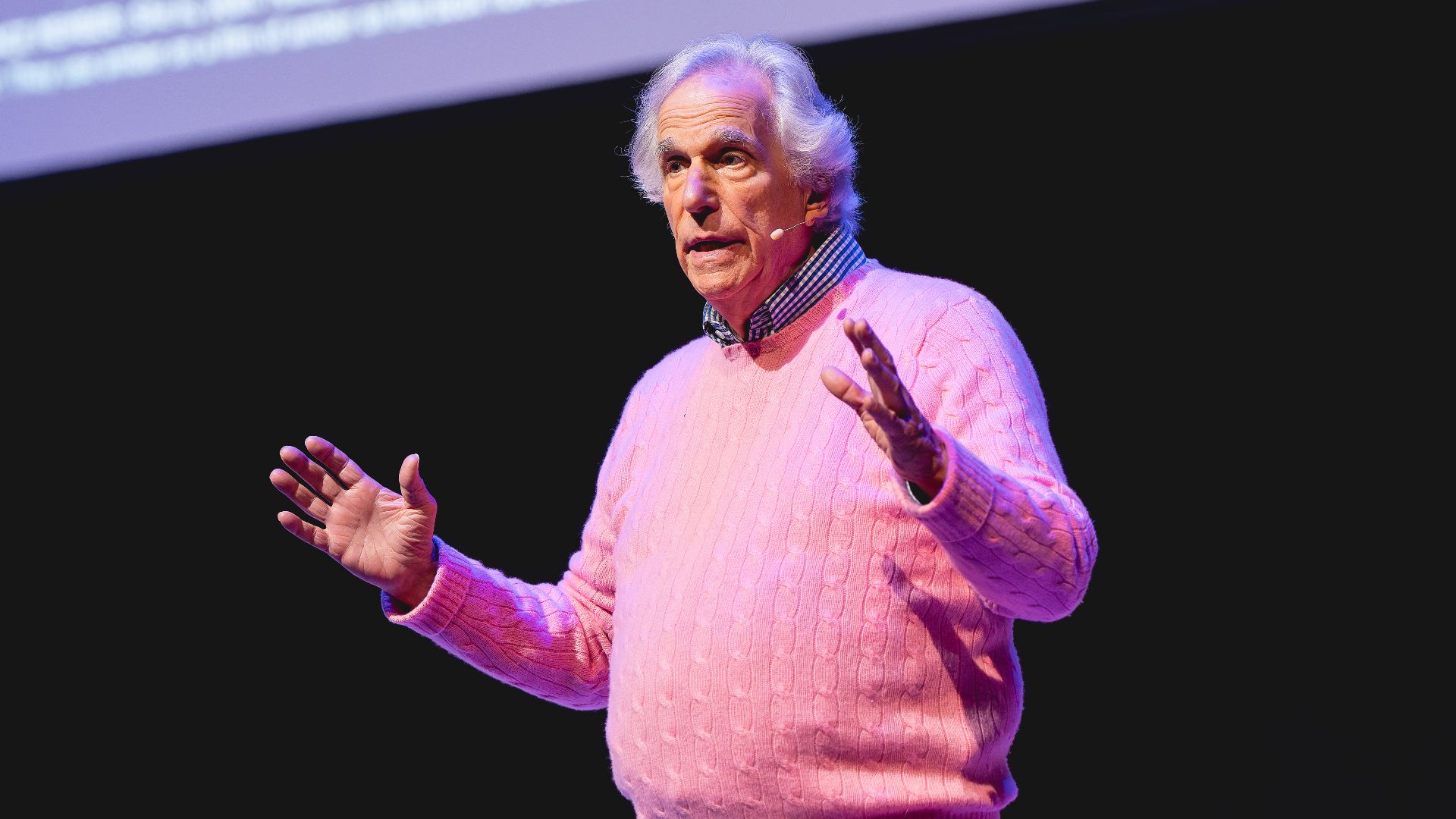
The MacGyver Connection
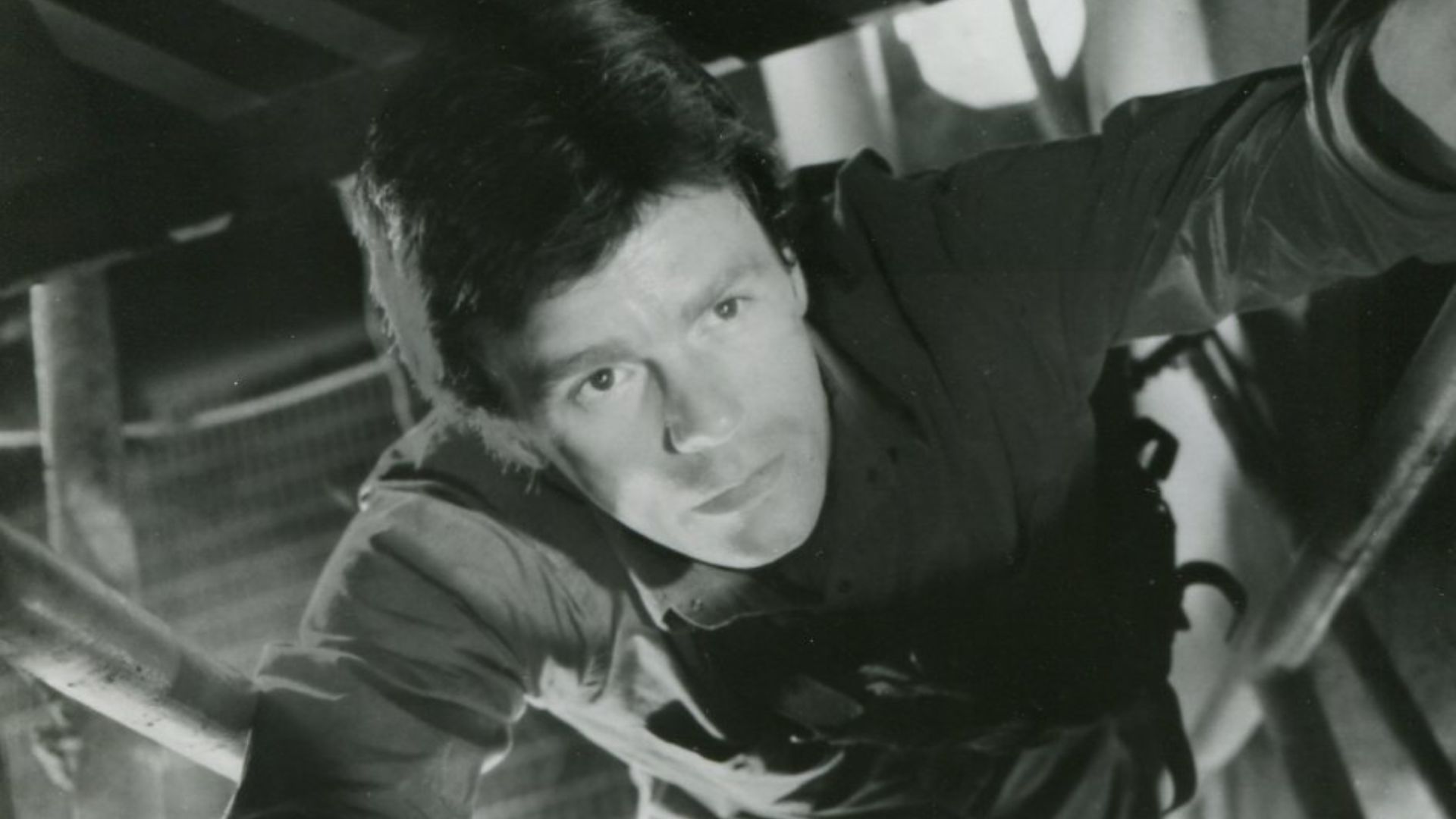
One of the biggest successes to emerge from this period was MacGyver. Winkler served as an executive producer on the popular action-adventure series. The show's success demonstrated that his talents extended far beyond acting. It also helped rebuild his confidence during a difficult chapter.
Reinventing Himself Again
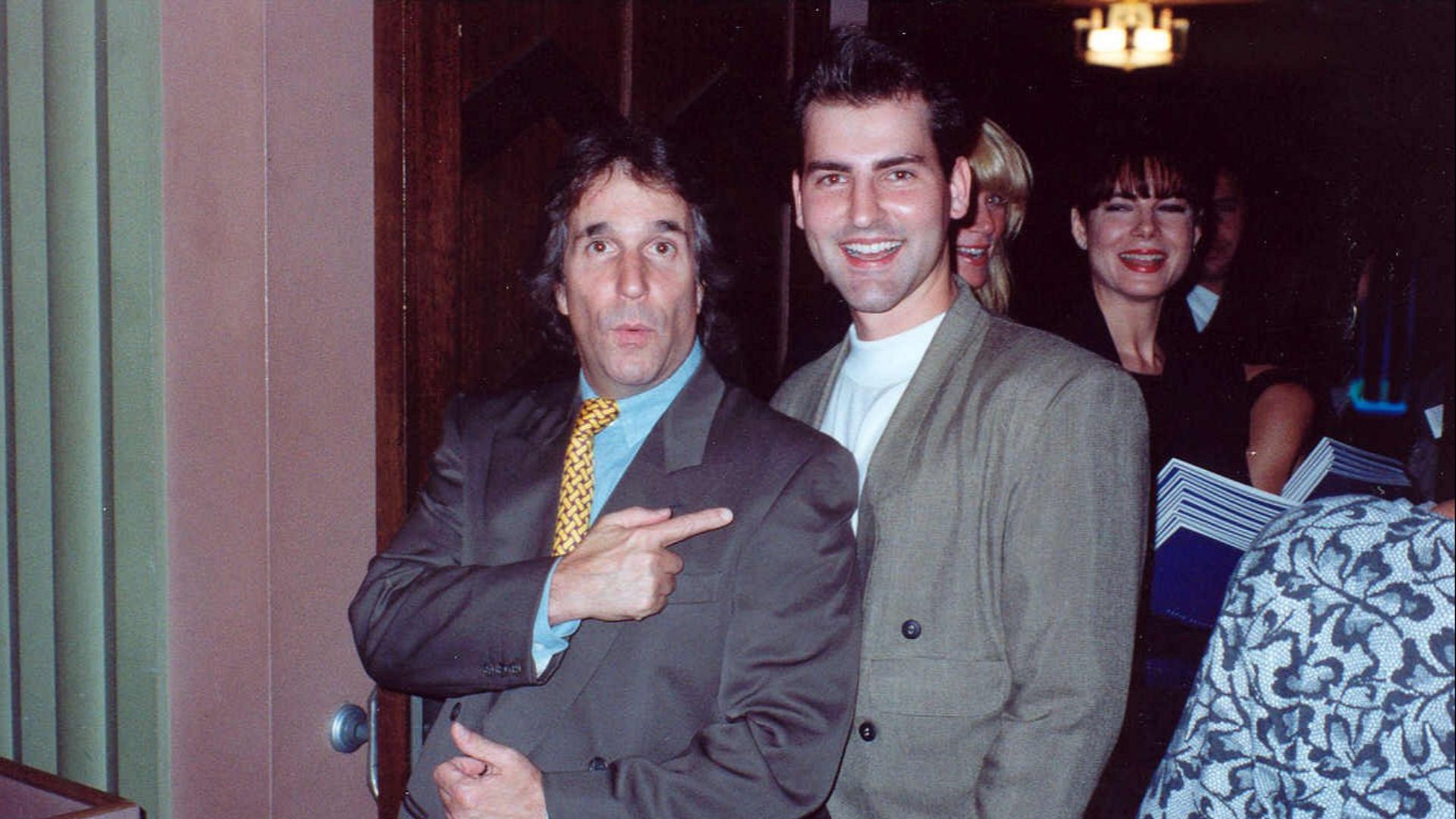
As the years passed, Winkler continued searching for acting roles that would challenge audience expectations. He remained patient even when opportunities were limited. Gradually, Hollywood began seeing him in a new light. Reinvention became a recurring theme throughout his career.
A New Generation Discovered Him
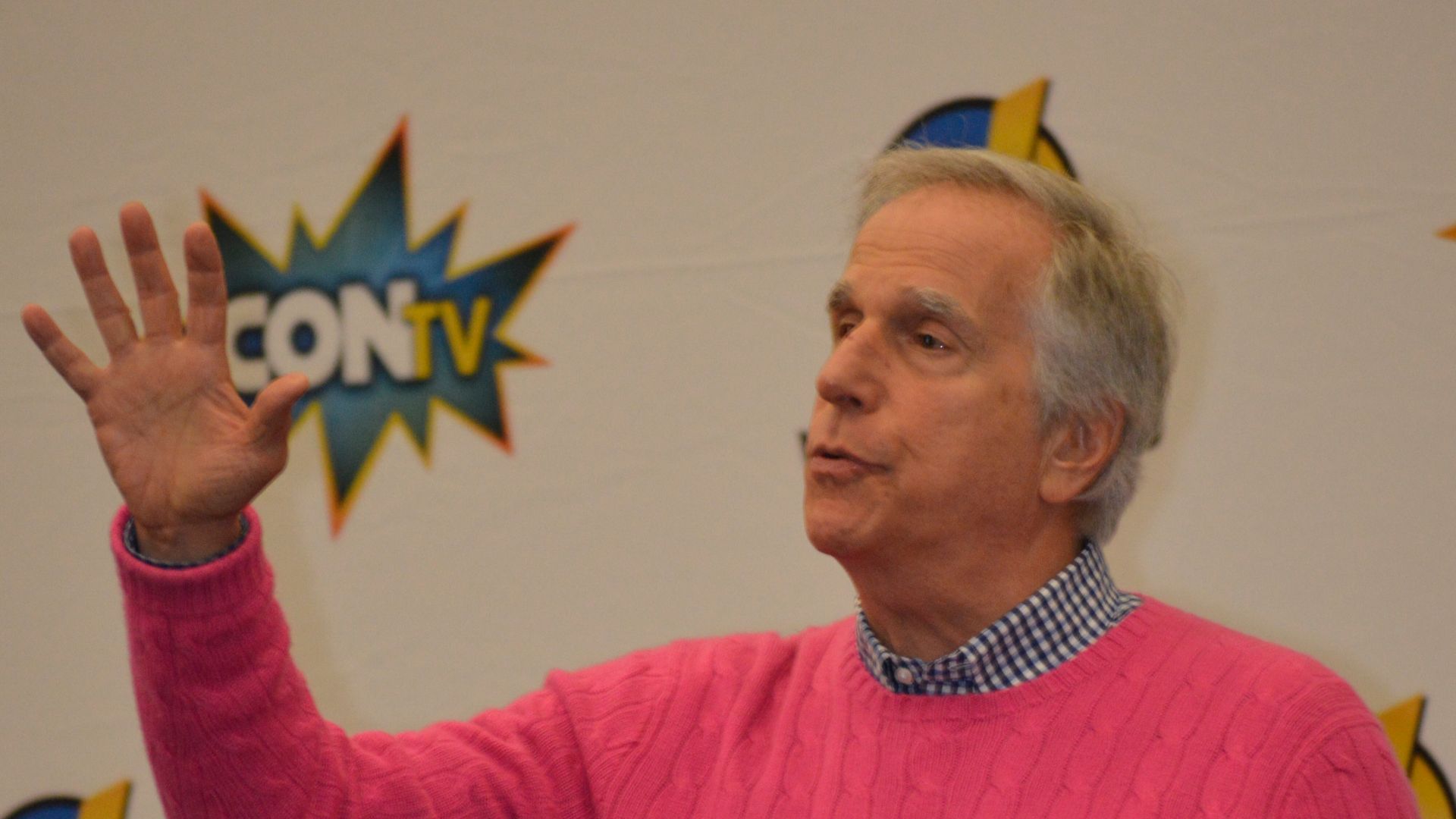
By the early 2000s, younger viewers were meeting Henry Winkler for the first time. Many of them knew little about the Fonz. This created an opportunity for him to showcase different sides of his talent. Fresh audiences approached his work without decades of television history attached to it.
 Paula R. Lively from Zanesville, Wikimedia Commons
A Scene-Stealing Turn On Arrested Development
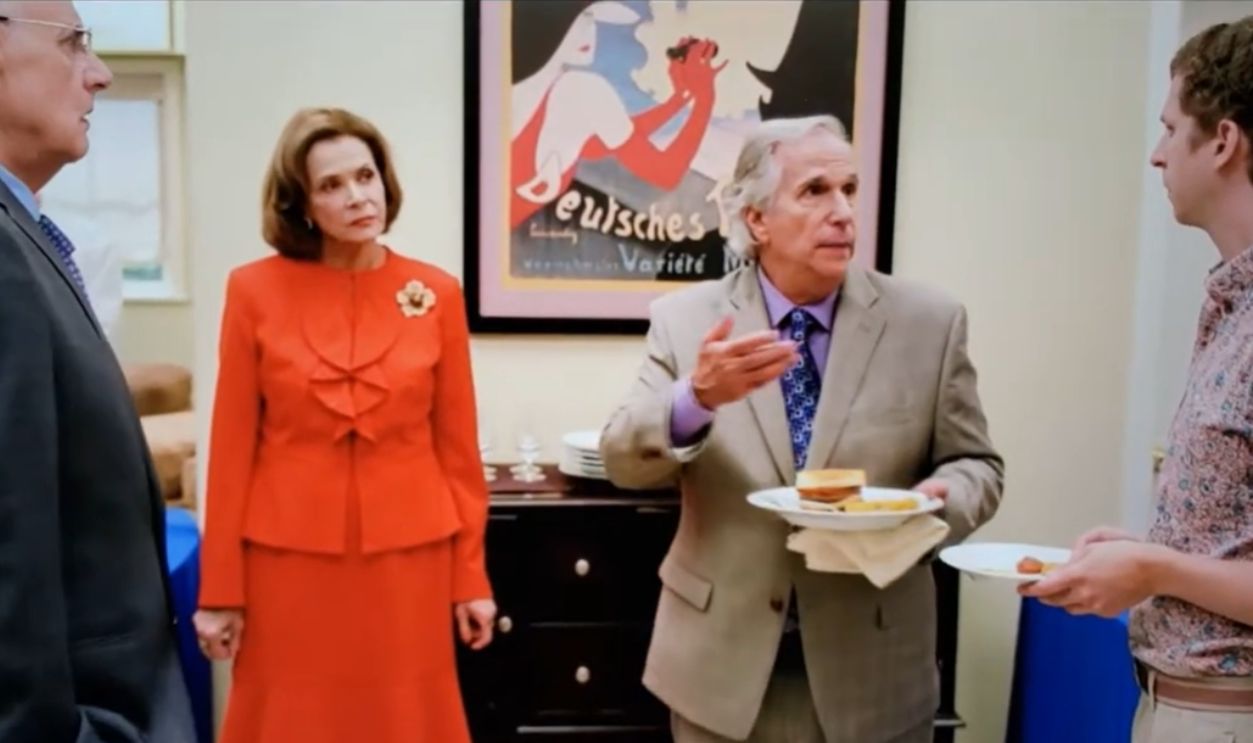
One of Winkler's most memorable comeback roles arrived on Arrested Development. He played the eccentric attorney Barry Zuckerkorn with perfect comedic timing. The performance introduced him to a new generation of fans. It also reminded the industry that he remained a gifted character actor.
 creenshot from Arrested Development, Netflix (2013 -2019)
More Comedy Success Followed
After Arrested Development, additional television roles began arriving. Winkler appeared in a variety of sitcoms and comedy projects. Each new role further separated him from the shadow of Fonzie. Slowly but surely, his acting career gained fresh momentum.
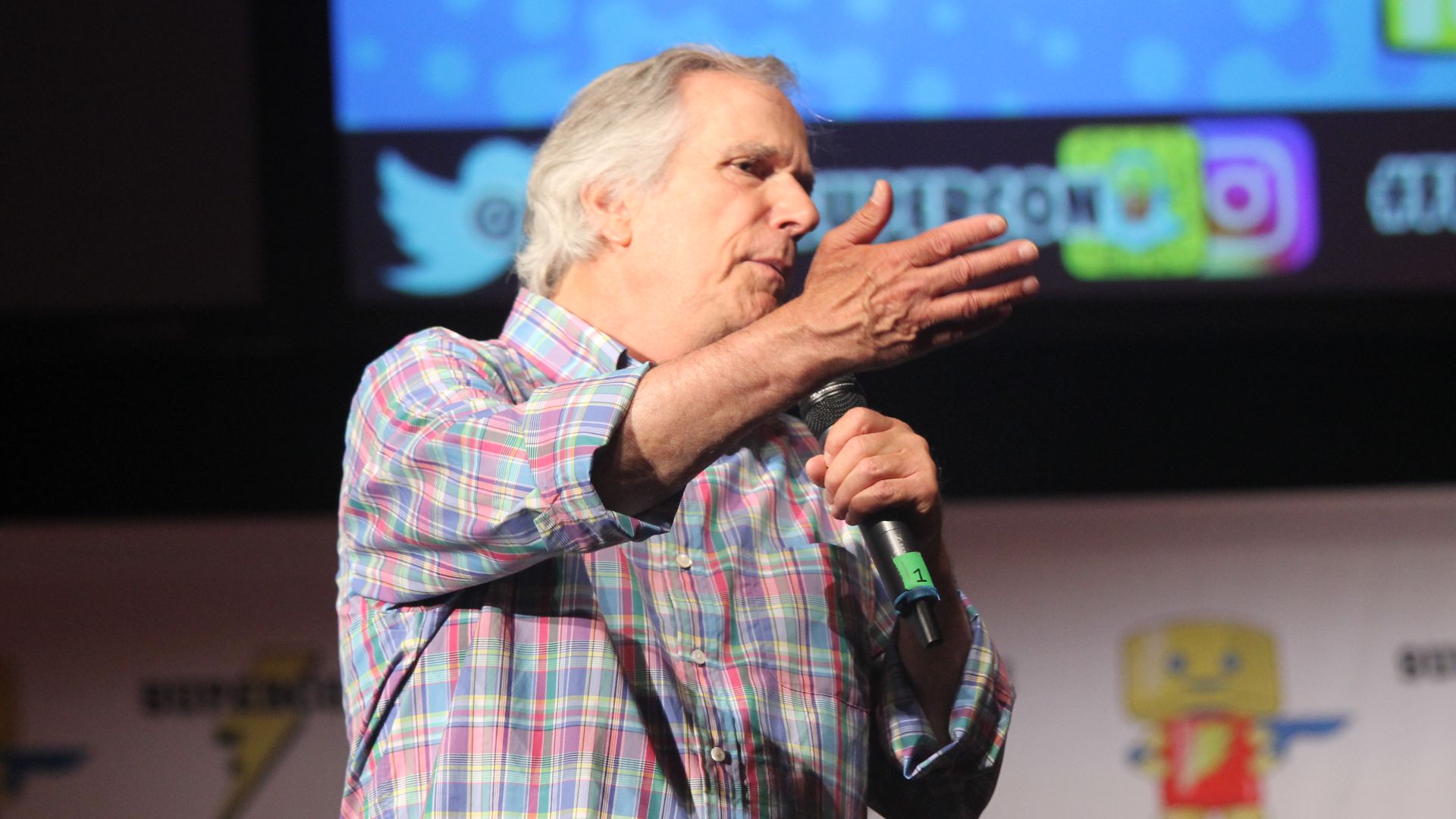 Super Festivals, Wikimedia Commons
An Unexpected Career As An Author
Winkler also discovered success outside television. After learning more about his own dyslexia, he co-created a series of children's books. The popular Hank Zipzer novels connected with young readers around the world. Writing became another creative outlet that expanded his legacy.
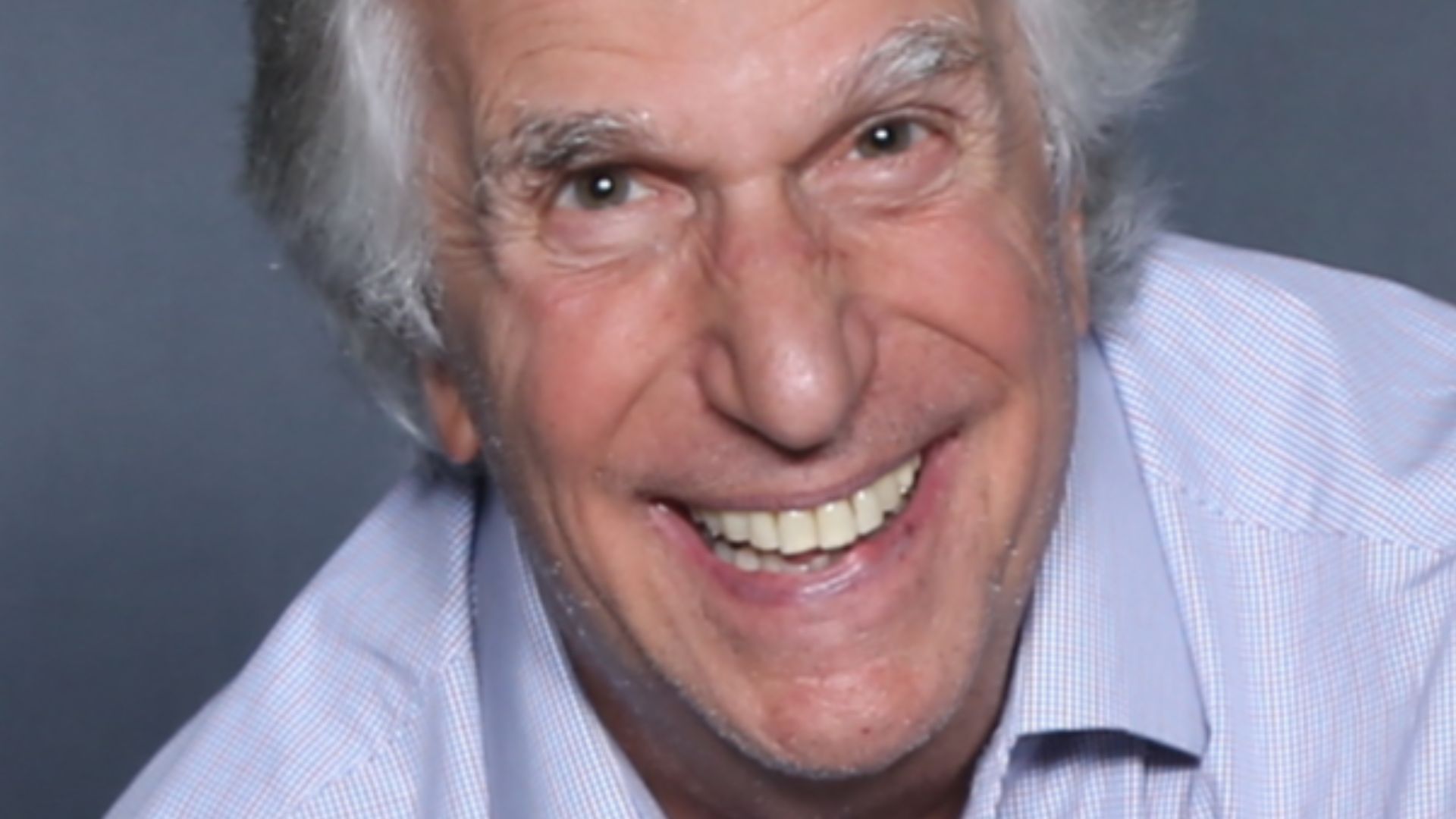 Super Festivals from Ft. Lauderdale, USA, Wikimedia Commons
Barry Changed Everything
The biggest breakthrough of Winkler's later career arrived with HBO's Barry. He portrayed acting teacher Gene Cousineau alongside series star Bill Hader. The role blended comedy, drama, and emotional depth. Critics praised Winkler's performance throughout the show's run.
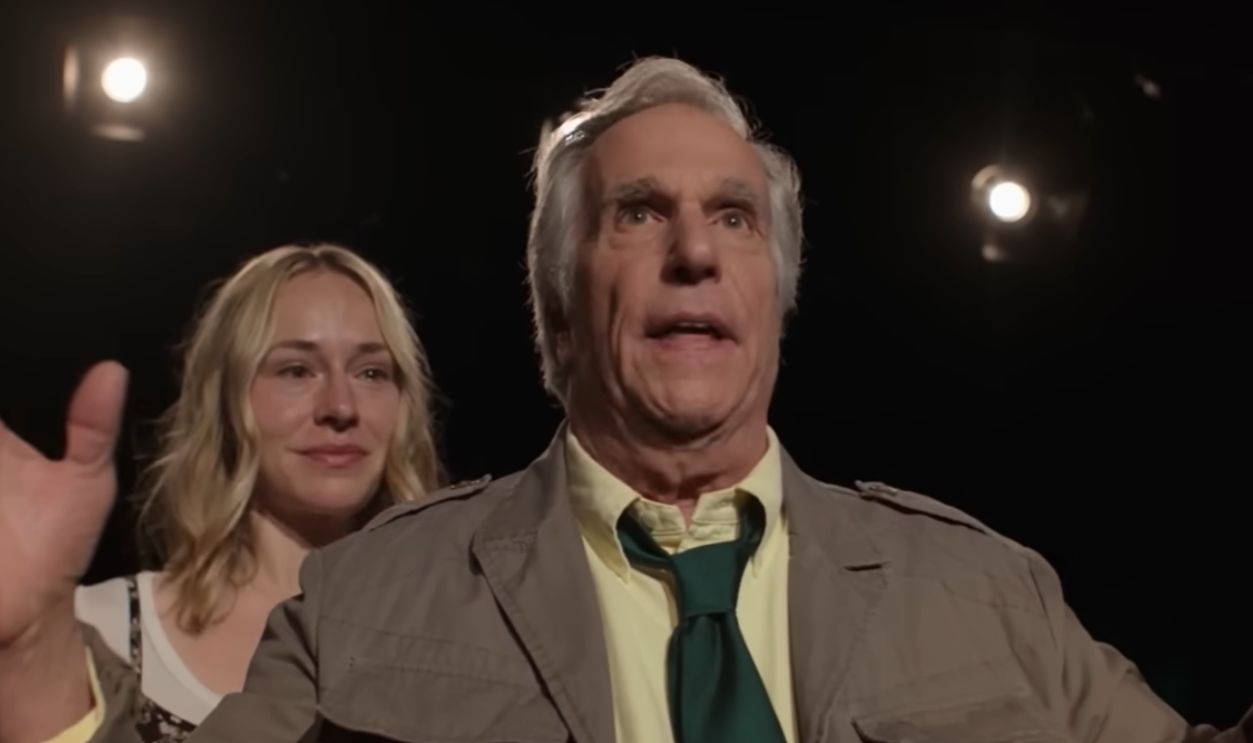 Screenshot from Barry, HBO (2018-2023)
Recognition Decades In The Making
For years, many observers felt Winkler deserved more recognition for his range as an actor. Barry finally gave him that opportunity. His work on the series earned widespread acclaim and numerous award nominations. The industry was finally celebrating him for far more than the Fonz.
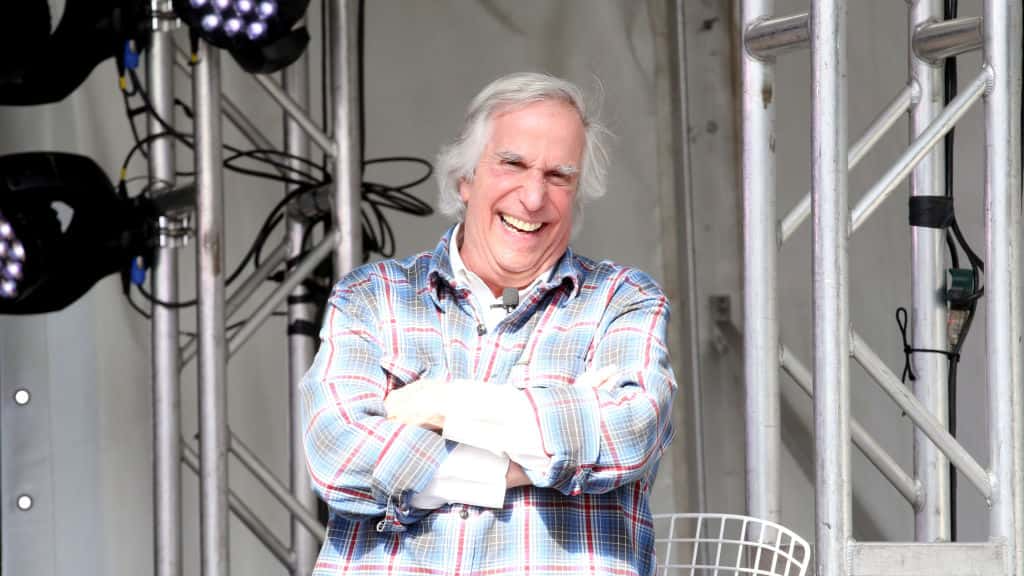
Winning The Emmy
In 2018, Winkler won the Primetime Emmy Award for Outstanding Supporting Actor in a Comedy Series for Barry. It was his first Primetime Emmy win as a performer. The victory came more than four decades after his first Emmy nomination for Happy Days. The moment felt like a triumphant full-circle achievement.
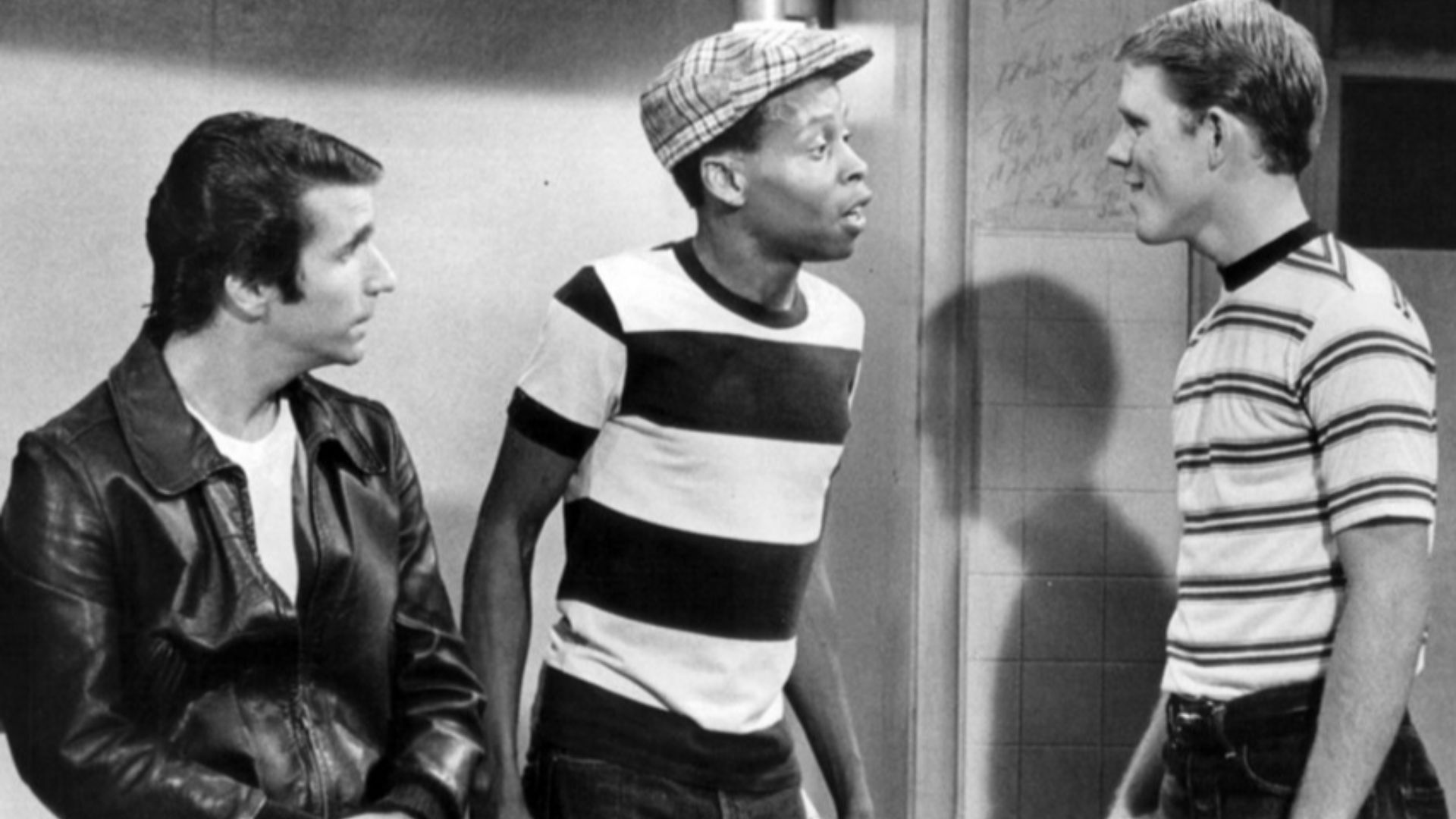 ABC Television Uploaded by We hope at en.wikipedia, Wikimedia Commons
Looking Back With Perspective
Today, Winkler speaks openly about both the rewards and challenges of fame. He has acknowledged the struggles that followed Happy Days without expressing regret about the experience. The role brought him opportunities that shaped his entire life. At the same time, it taught him how difficult success can sometimes be.
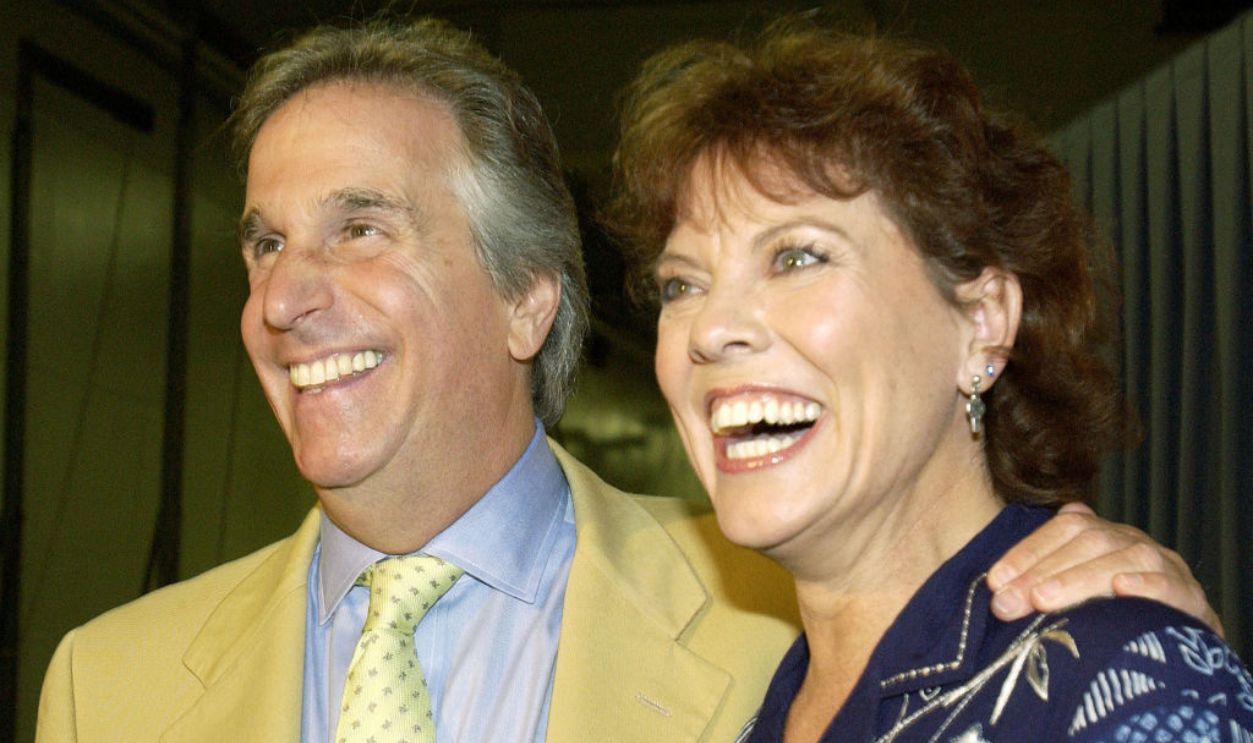
The Importance Of Reinvention
One lesson runs throughout Winkler's career story. He repeatedly adapted when circumstances changed. Whether producing television, directing projects, writing books, or taking new acting roles, he kept moving forward. That flexibility helped him survive periods when others might have given up.
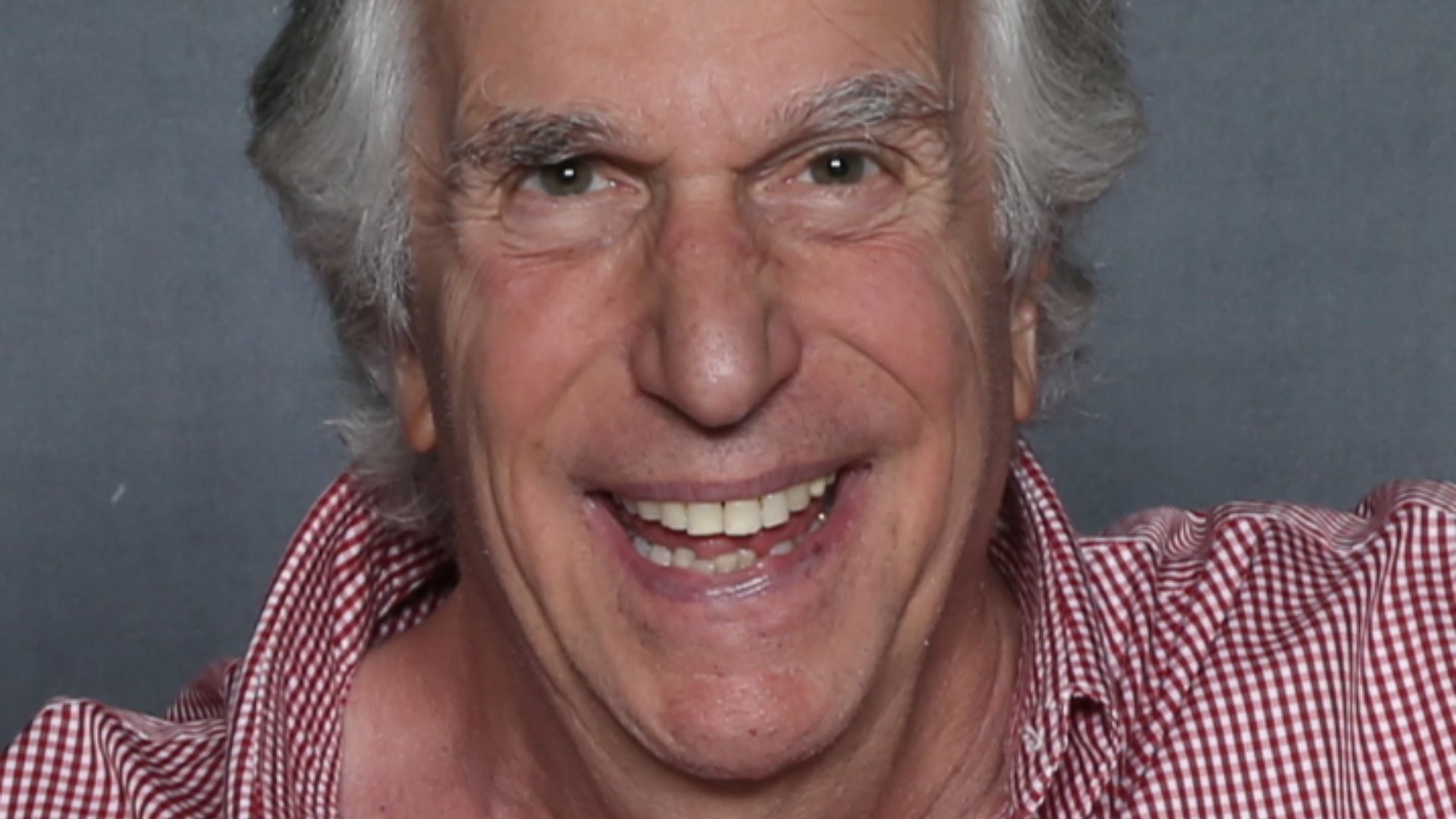 Super Festivals from Ft. Lauderdale, USA, Wikimedia Commons
Staying In The Game
Winkler has often credited tenacity for helping him overcome obstacles. He continued showing up, learning new skills, and accepting fresh challenges. Rather than defining himself by one setback, he focused on growth. That mindset ultimately opened doors that once seemed closed.
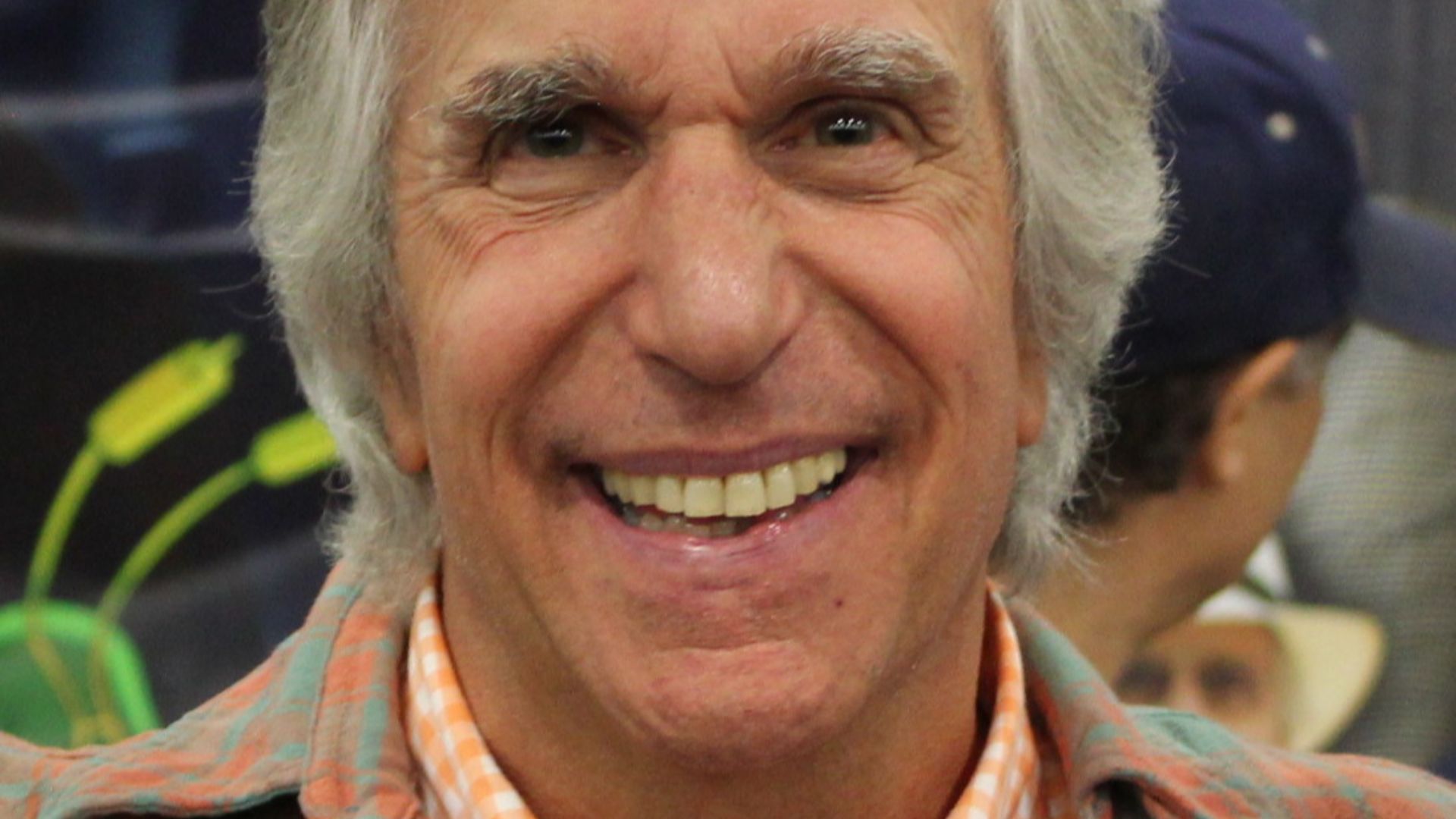 evil_cotton, Wikimedia Commons
More Than Just The Fonz
Although Fonzie remains one of television's most beloved characters, it is no longer the only role associated with Henry Winkler. His career now includes acclaimed performances, successful productions, bestselling books, and industry honors. He transformed what could have been a cautionary tale into an inspiring comeback story. Few actors have reinvented themselves so successfully.
A Legacy That Keeps Growing
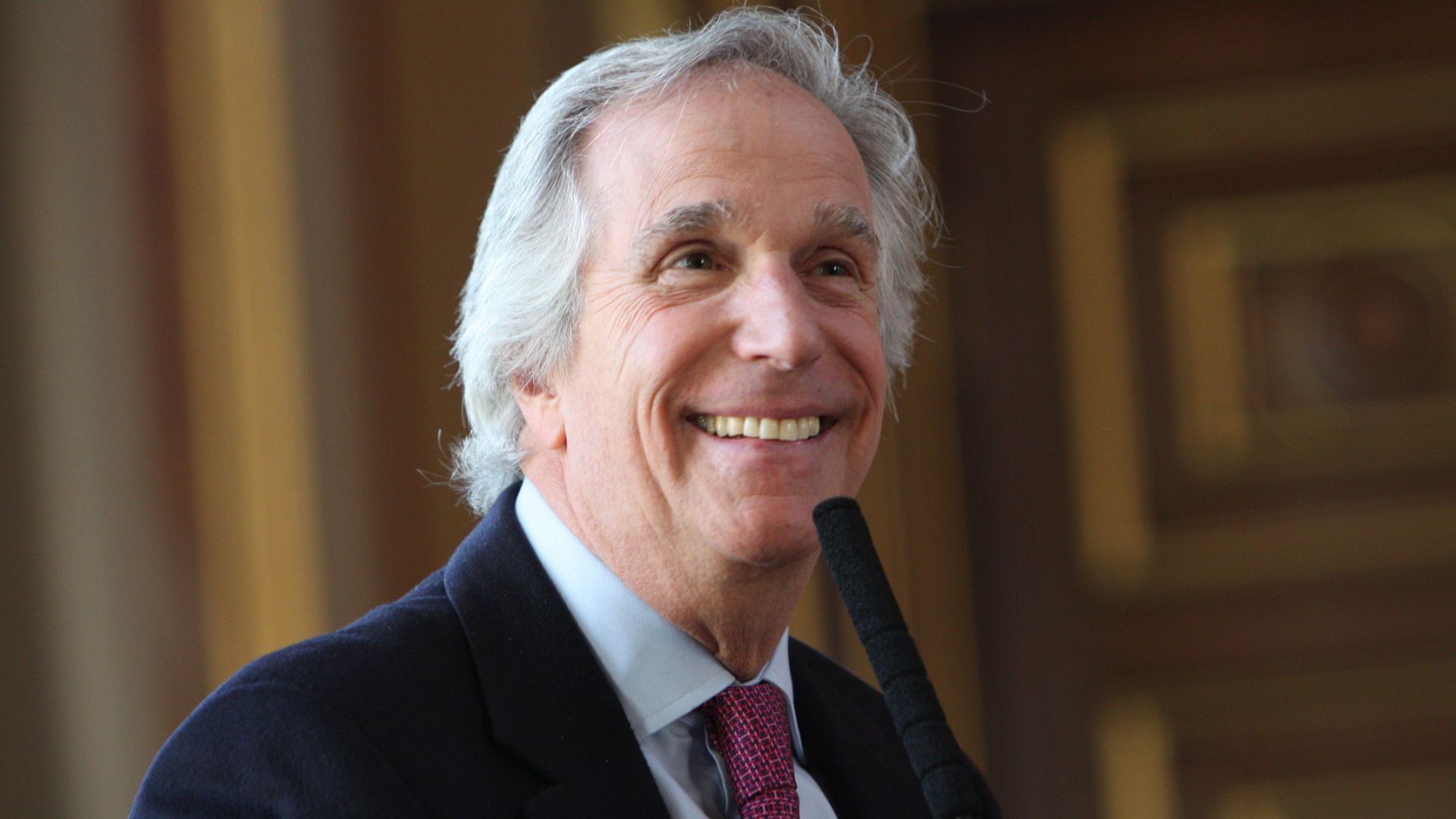
Henry Winkler's journey demonstrates that a career is rarely defined by a single chapter. The Fonz made him famous, but determination kept him relevant. Years of typecasting nearly pushed him off course, yet he found ways to evolve and thrive. Today, his story stands as one of Hollywood's most remarkable second acts.
 Foreign and Commonwealth Office, Wikimedia Commons
You May Also Like:
Why did Sanford and Son star Demond Wilson walk away from Hollywood at the height of fame?
Why didn't Tom Bosley have a bigger career after Happy Days?