The Man Behind The Plaid
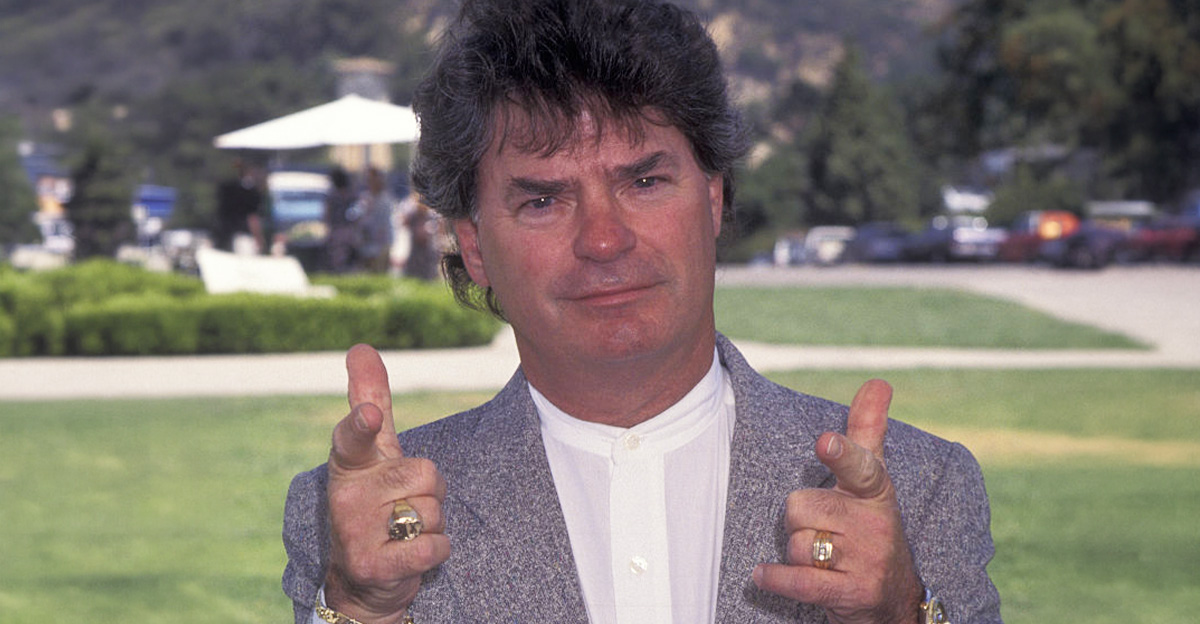
Frank Bonner could walk into a scene wearing a plaid sports coat, white belt, and matching shoes and get a laugh before saying a word. As Herb Tarlek on WKRP in Cincinnati, he perfected lovable sleaze. But Bonner’s career was much bigger—and much quieter—than Herb ever suggested.
An Arkansas Beginning
Bonner was born Frank Woodrow Boers Jr. in Little Rock, Arkansas, on February 28, 1942, and grew up in Malvern. Entertainment was already in the family: his father played saxophone and his mother had been a singer. Show business, apparently, wasn’t such a strange destination.
Before Hollywood, There Was The Navy
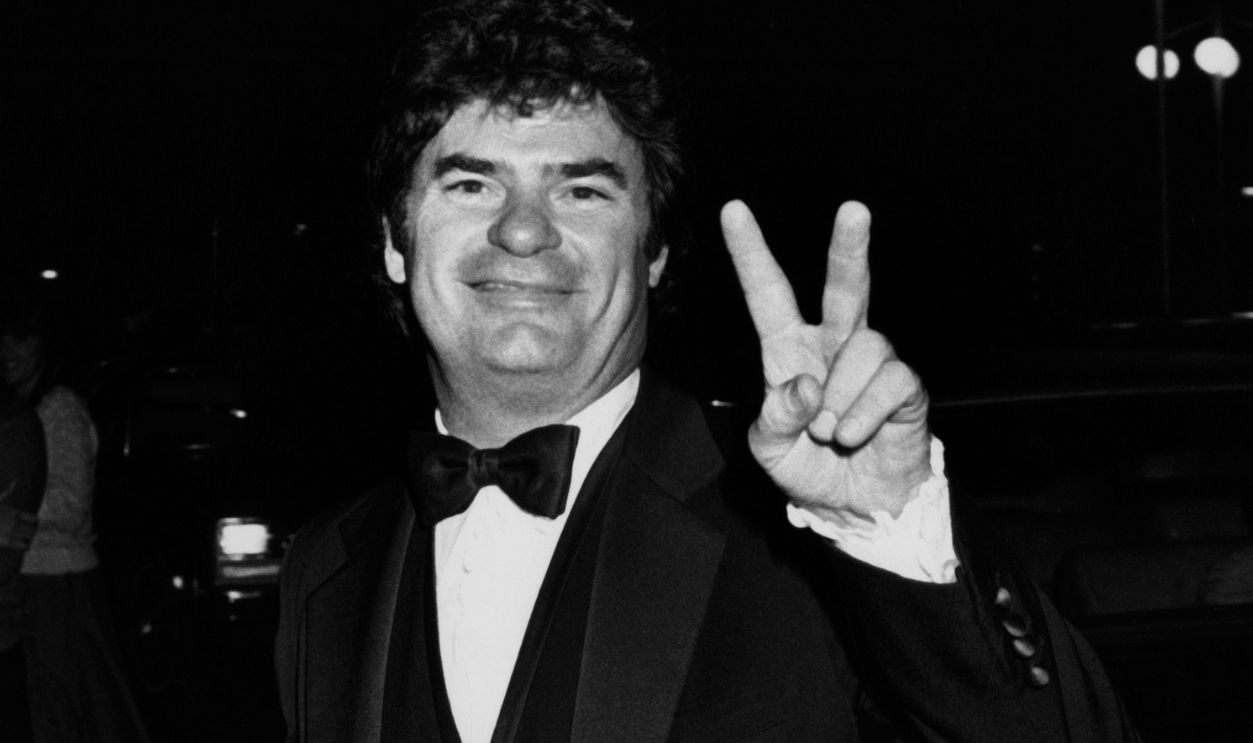
After graduating from Malvern High School in 1960, Bonner served in the U.S. Navy from 1961 to 1965. Stationed in San Diego, he was already much closer to Hollywood. Once his service ended, he headed to Los Angeles and began chasing an acting career.
Paying His Dues In Los Angeles
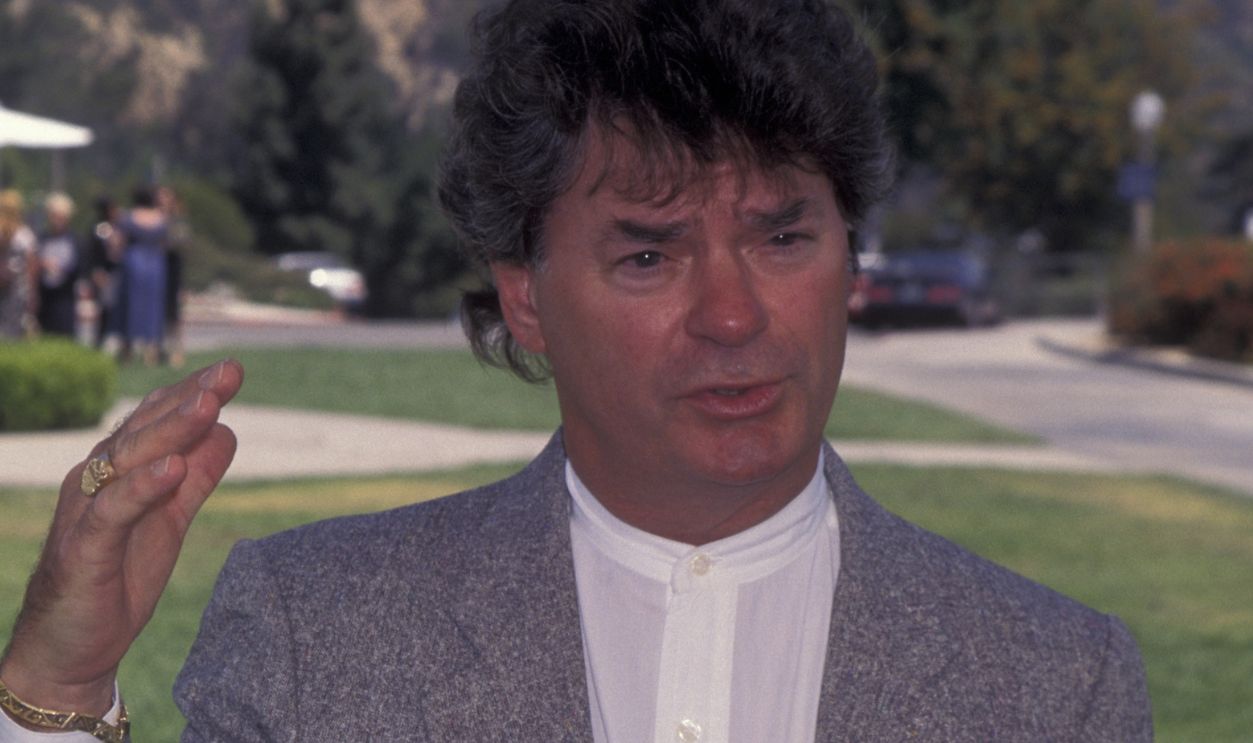
Like plenty of aspiring actors, Bonner didn’t arrive in Hollywood and immediately receive a sitcom contract. He worked for an engine-rebuilding company while performing in theater. His first professional stage break came in 1969 with The Only Bathtub in Cassis, helping him edge closer to screen work.
A Very Strange First Movie
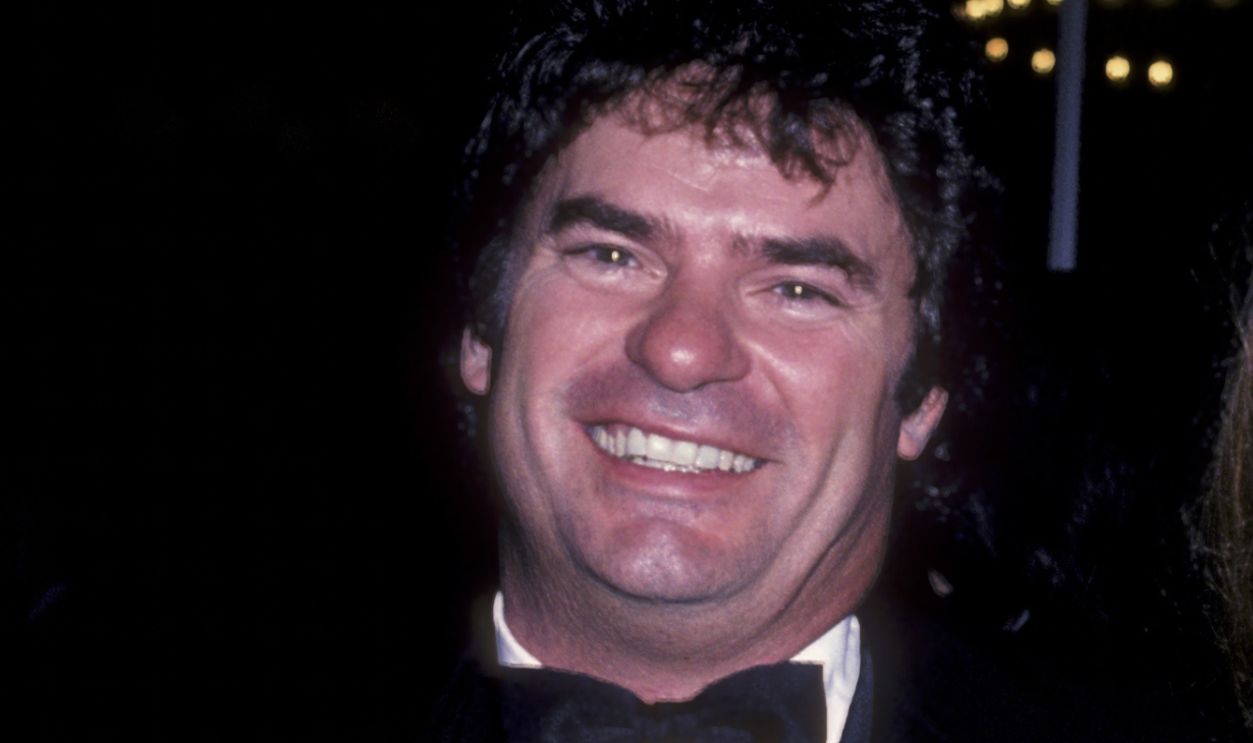
Bonner’s early film career included Equinox, an unusual low-budget horror movie that eventually became a cult curiosity. He appeared under his birth name, Frank Boers Jr. Monsters and supernatural weirdness weren’t exactly preparation for selling radio ads in Cincinnati, but everybody has to start somewhere.
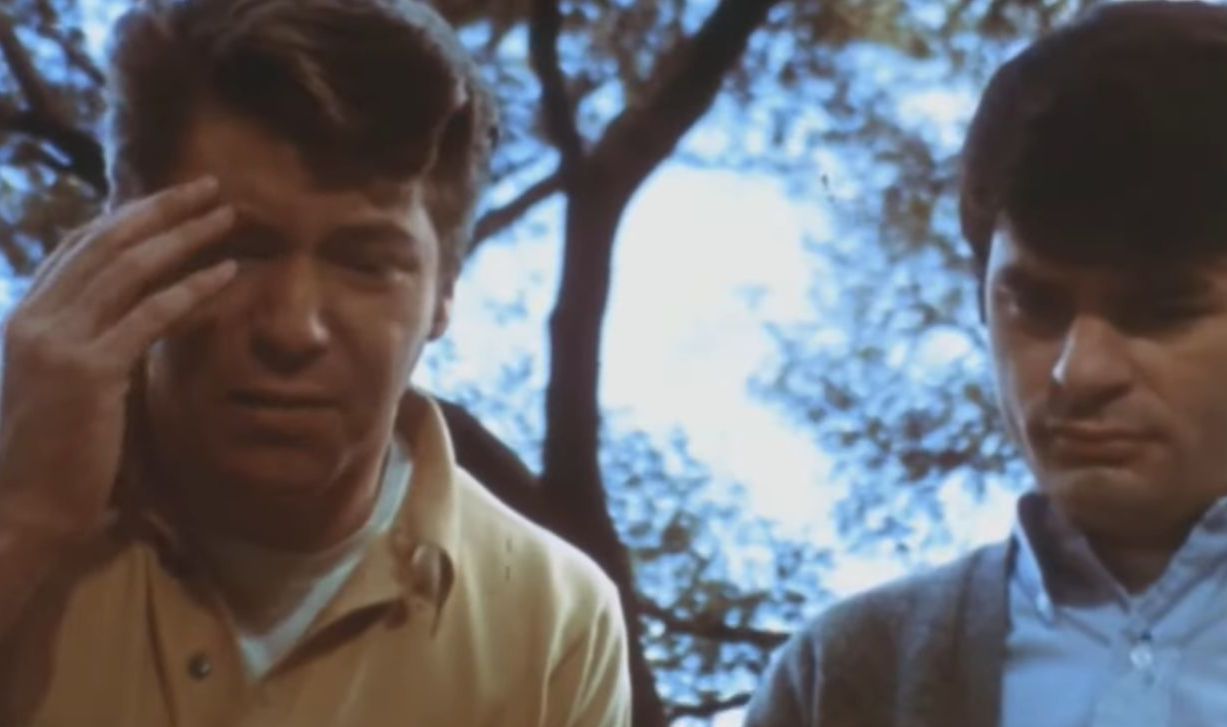 Screenshot from Equinox, Tonylyn Productions (1970)
Television Started Calling
During the 1970s, Bonner began accumulating the kind of guest appearances that built dependable working actors. His résumé included shows such as Mannix, The F.B.I., Emergency!, Cannon, and Police Woman. He generally played things straighter than audiences would later expect from Herb Tarlek.
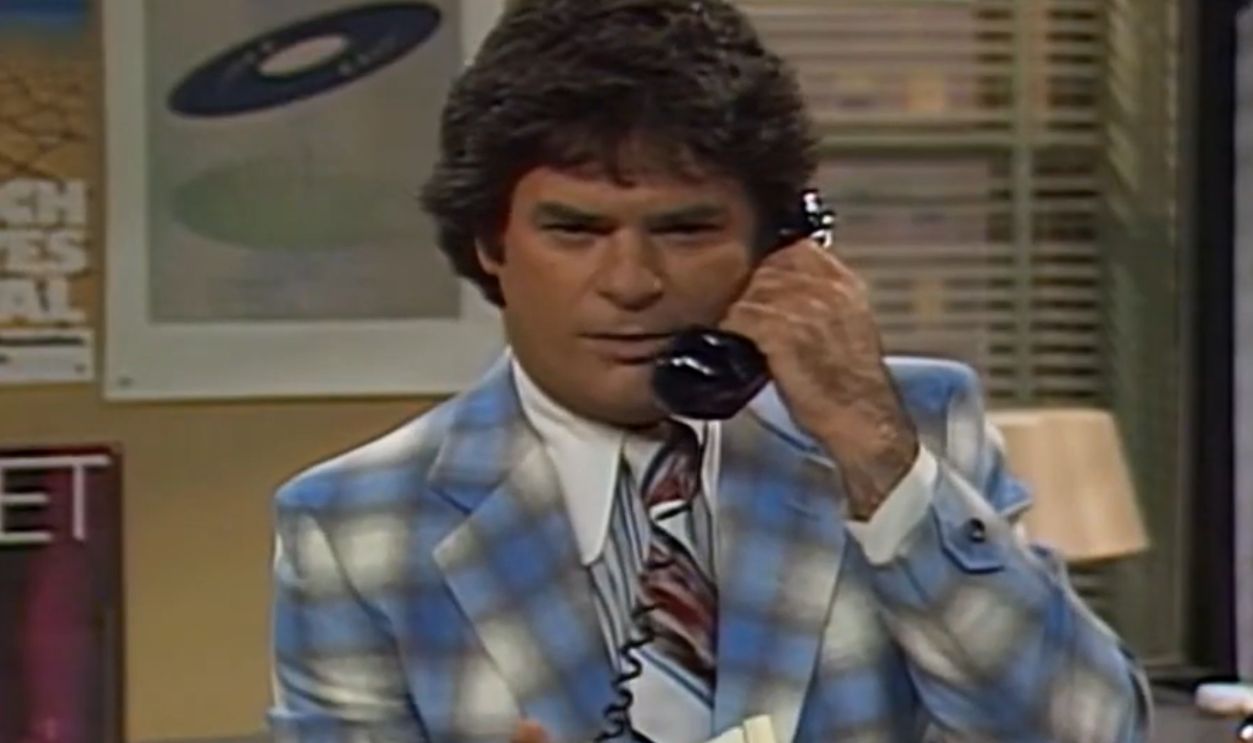 Screenshot from WKRP in Cincinnati, CBS (1978–1982)
Then Came WKRP
In 1978, Bonner landed the part that would define his public image: Herb Tarlek, sales manager at struggling radio station WKRP. Herb was pushy, vain, socially hopeless, and convinced he was considerably smoother than everyone around him knew he was. It was a perfect comic combination.
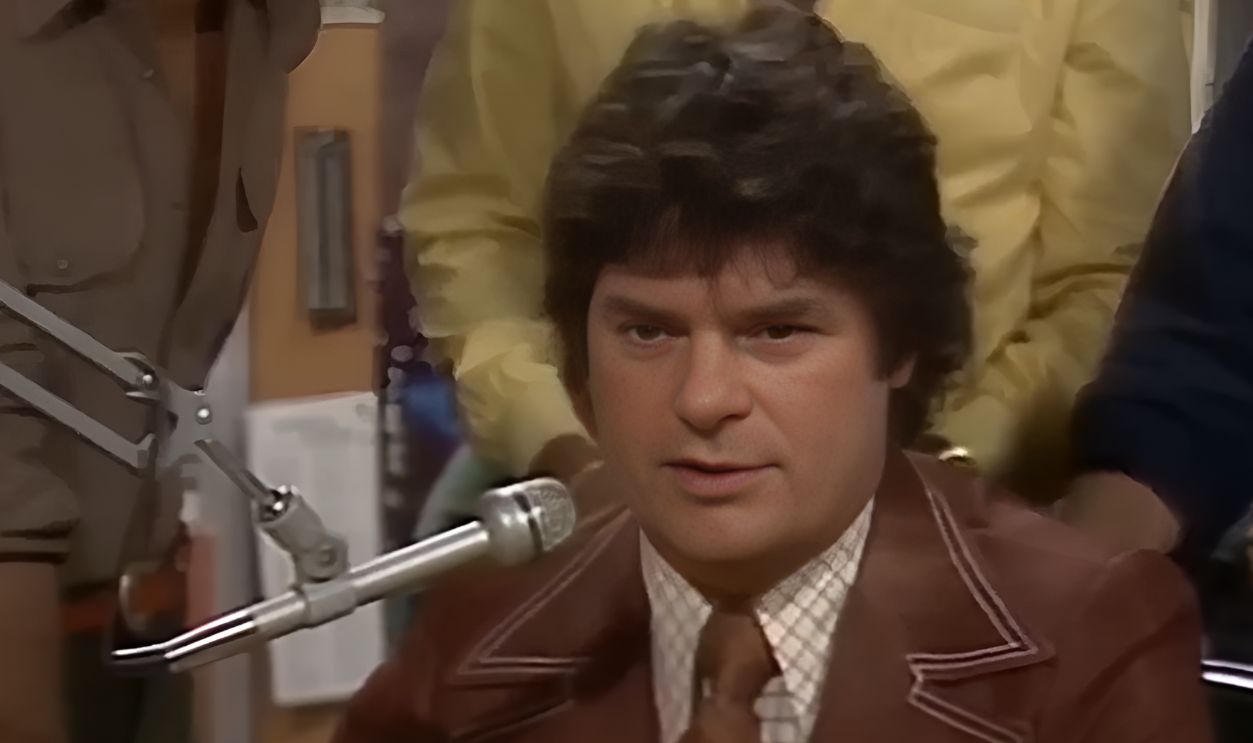 Screenshot from WKRP in Cincinnati, CBS (1978–1982), Modified
The Audition Apparently Said It All
Series creator Hugh Wilson later recalled Bonner’s audition as an easy decision. While reading opposite Gordon Jump, Bonner reportedly moved a couch in front of Jump, physically trapping him in the scene. That aggressive, ridiculous maneuver apparently screamed Herb Tarlek. The role was basically his.
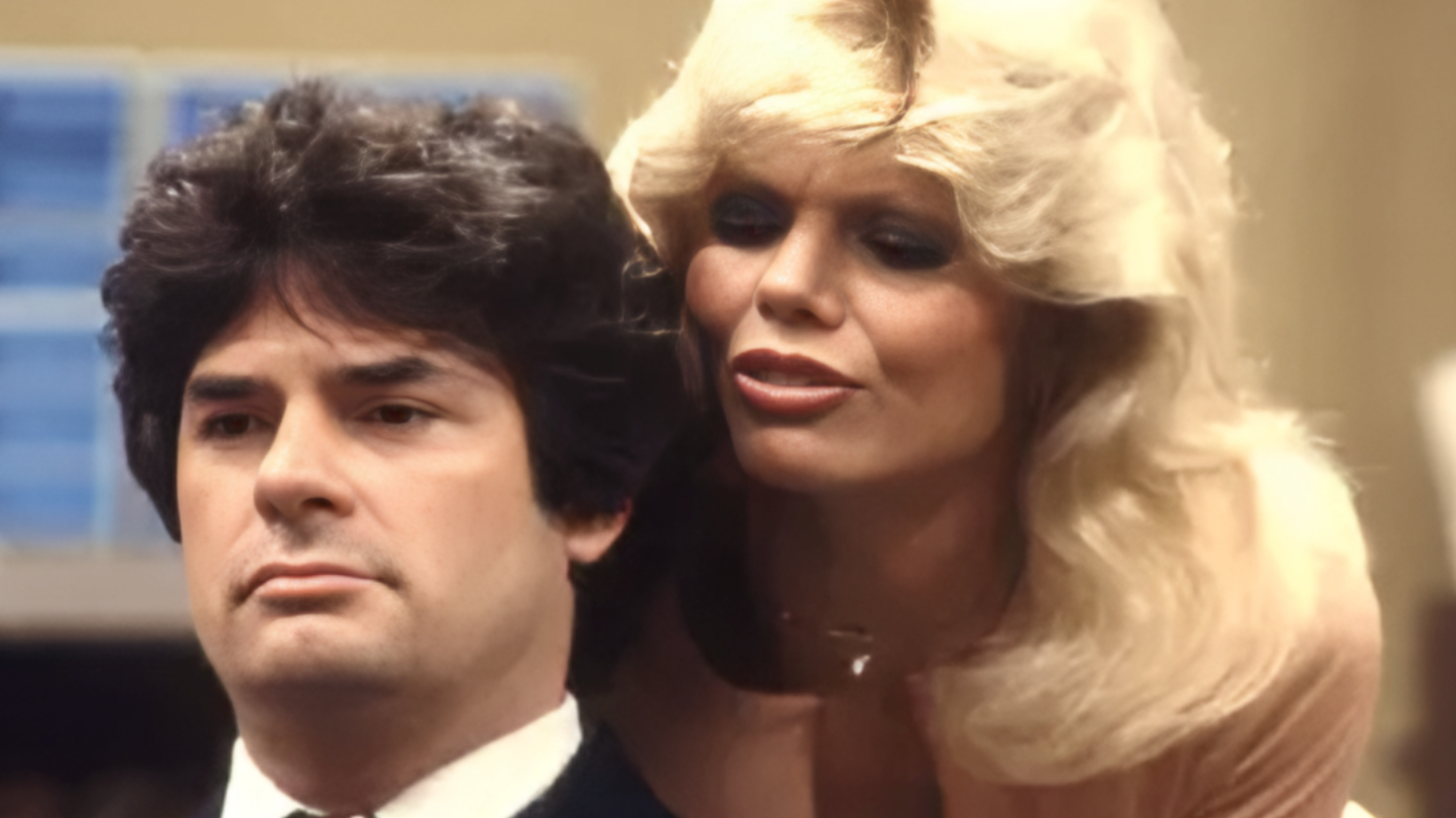 Screenshot from WKRP in Cincinnati, CBS (1978–1982)
Herb Was Designed To Be Awful
Herb wasn’t merely unfashionable. He was the guy who thought bad fashion looked terrific. He chased clients, annoyed his coworkers, exaggerated his abilities, and frequently demonstrated terrible judgment. Bonner understood the trick: Herb couldn’t know he was ridiculous. His confidence was what made him hilarious.
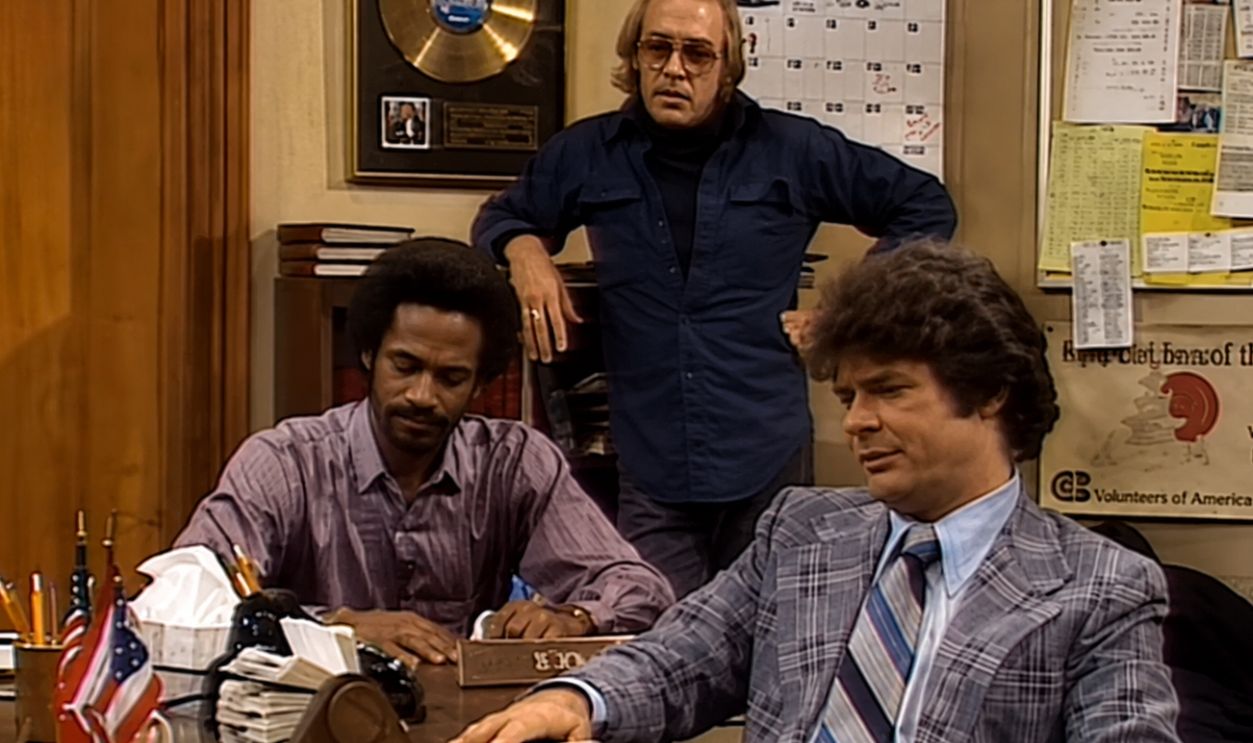 Screenshot from WKRP in Cincinnati, MTM Enterprises (1978–1982)
Those Clothes Deserve Their Own Credit
Plaid jackets. White shoes. White belts. Loud combinations that seemed capable of interfering with nearby television signals. Herb’s wardrobe became one of WKRP’s most reliable visual jokes. Bonner embraced the look so completely that his daughter later recalled he actually kept some of Herb’s belts.
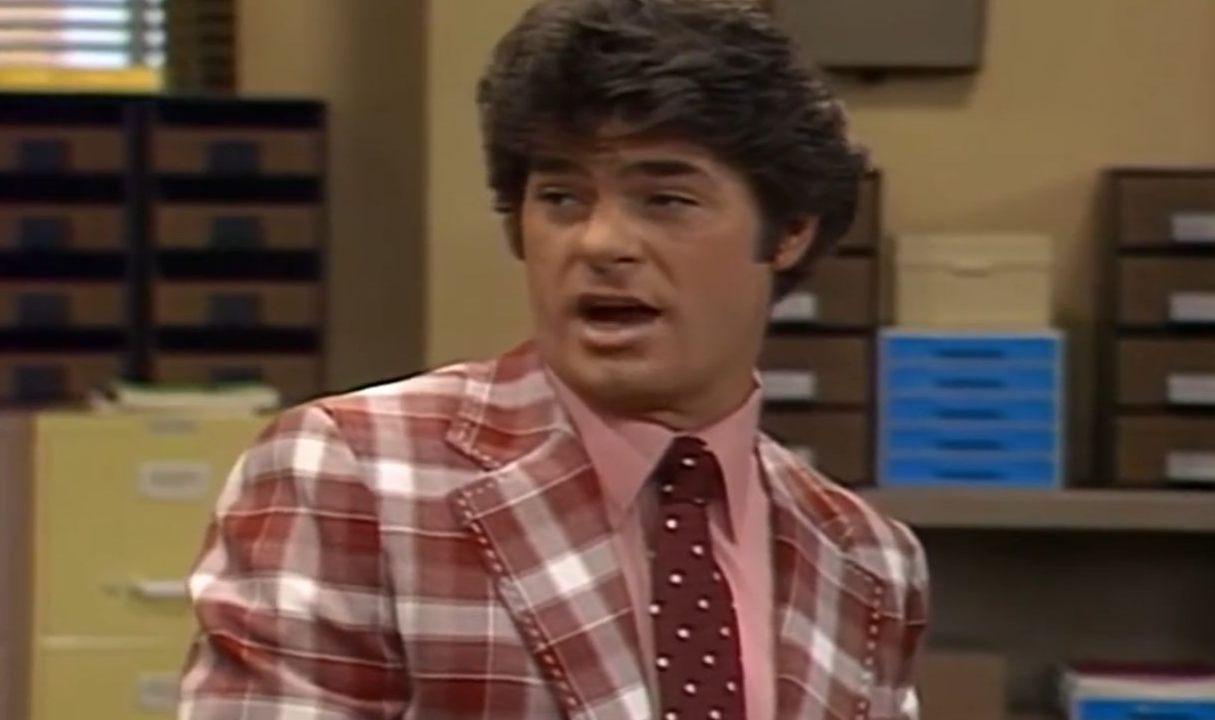 Screenshot from WKRP in Cincinnati, CBS (1978–1982)
He Was More Than A Punchline
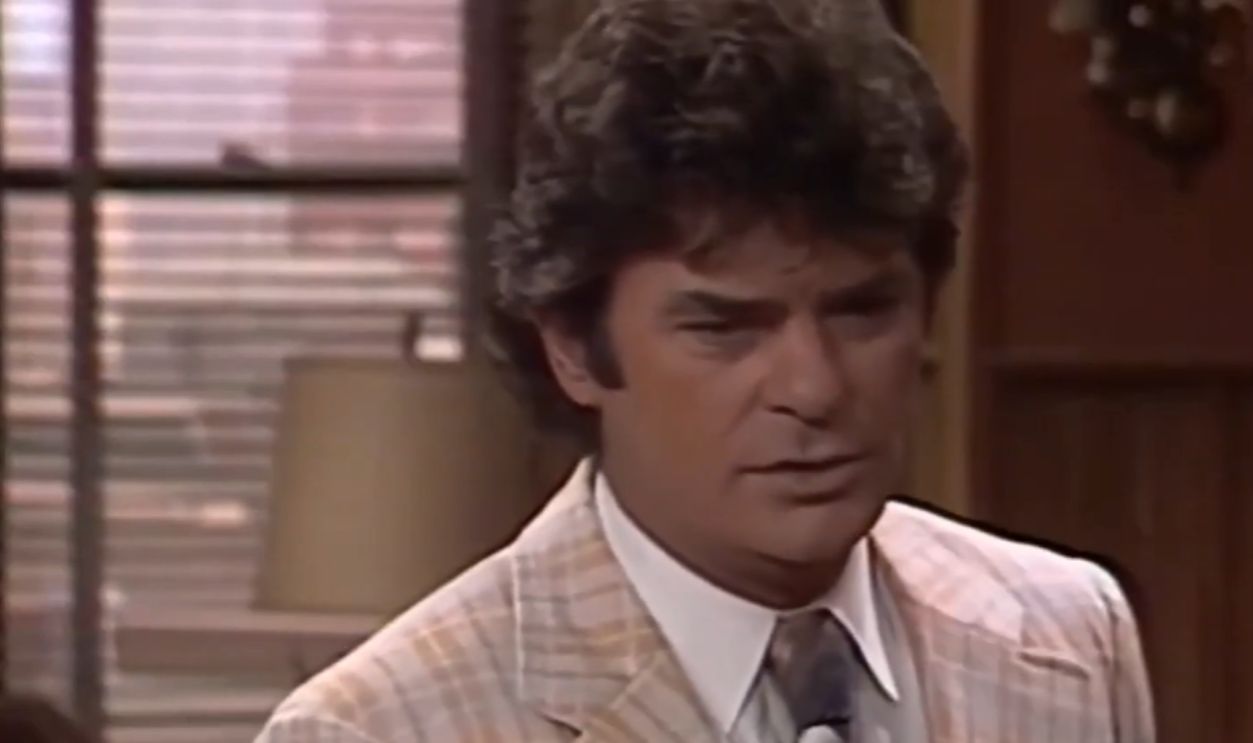
What kept Herb from becoming exhausting was Bonner’s ability to reveal the insecure man underneath the polyester. Herb had a wife, children, disappointments, and moments when his bravado collapsed. Bonner could make him obnoxious in one scene and strangely sympathetic in another without changing the character.
 Screenshot from WKRP in Cincinnati, CBS (1978–1982)
He Was Part Of A Perfect Ensemble
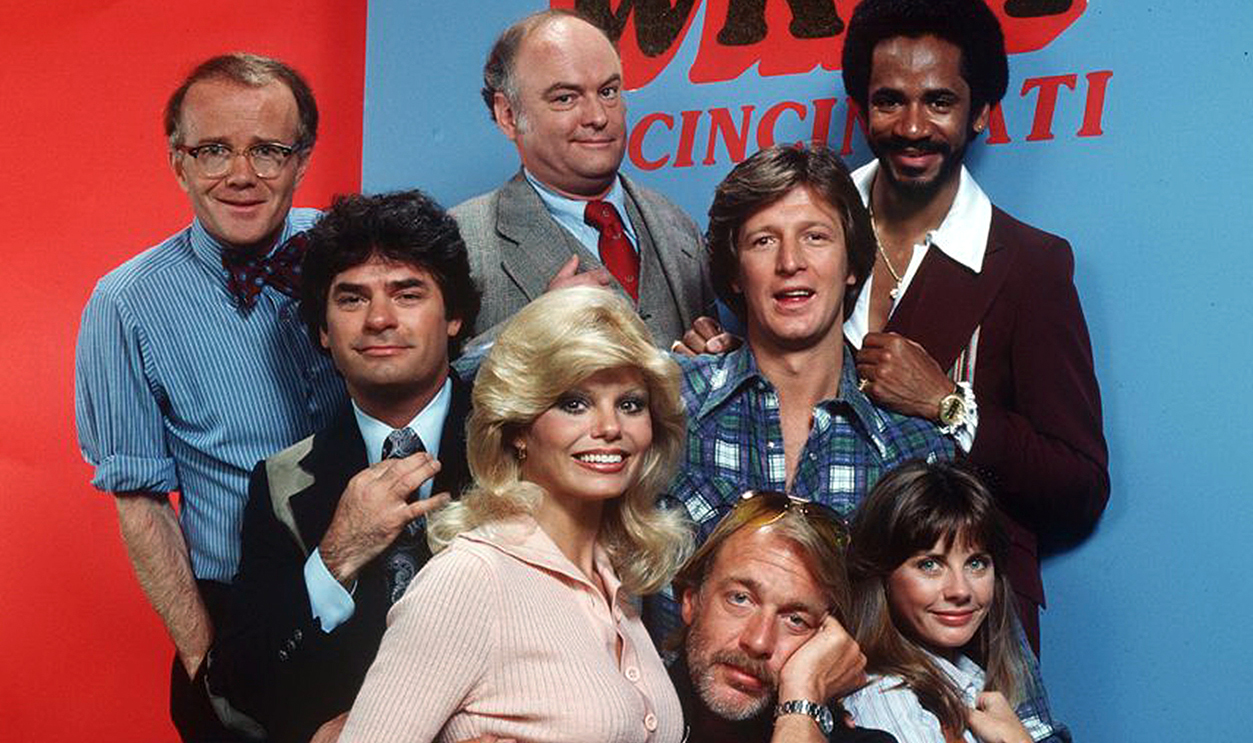
WKRP had no shortage of memorable personalities, including Gordon Jump, Howard Hesseman, Loni Anderson, Tim Reid, Gary Sandy, Jan Smithers, and Richard Sanders. Bonner never needed to dominate the show. Herb worked because he bounced so beautifully—and often disastrously—off everyone else.
 CBS Photo Archive, Getty Images
He Was There For A Legendary Sitcom
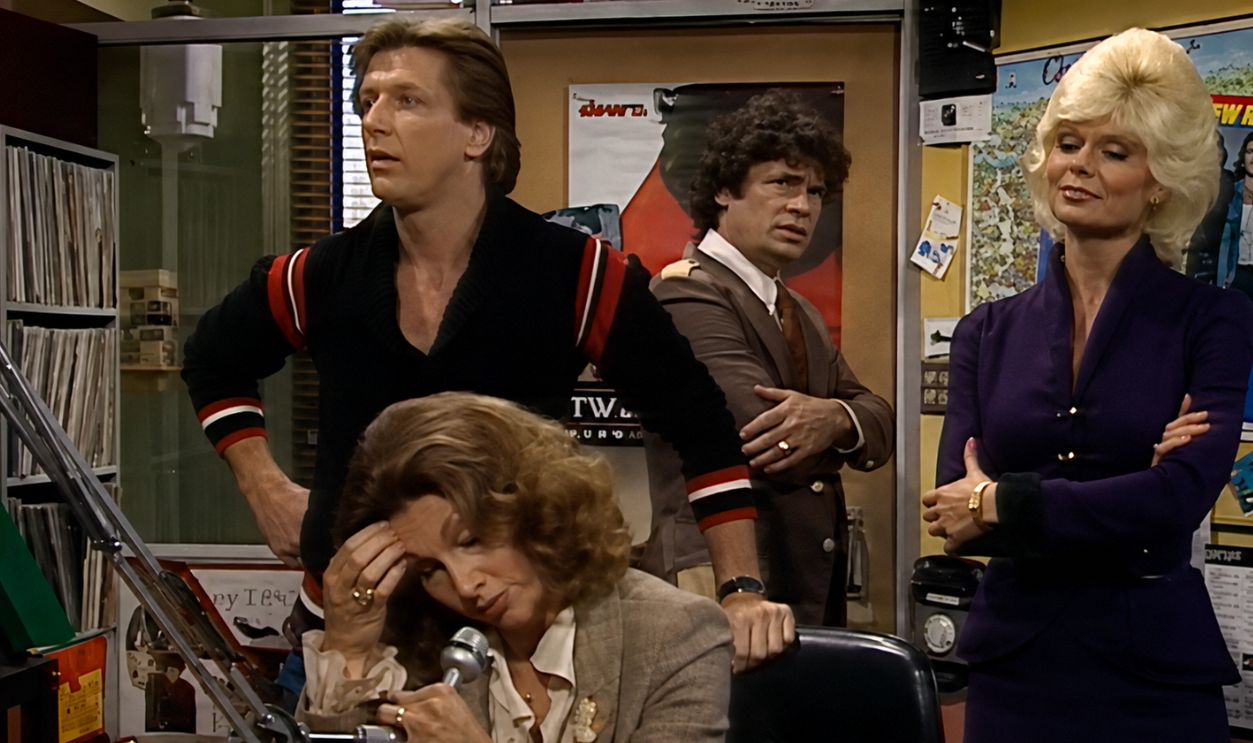
Bonner was also part of WKRP during its famous “Turkeys Away” episode, one of television comedy’s most enduring installments. Herb wasn’t responsible for the disastrous Thanksgiving promotion, thankfully. Even a salesman with his questionable instincts could stand nearby and appreciate an idea worse than one of his own.
 Screenshot from WKRP in Cincinnati, MTM Enterprises (1978–1982), Modified
A Real Accident Entered The Show
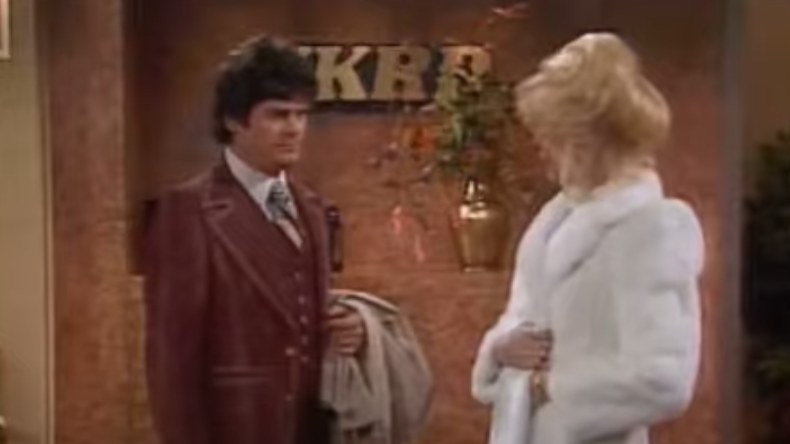
Bonner suffered serious injuries in a parachuting accident while WKRP was on the air. Rather than completely hiding the aftermath, the series incorporated his crutches into an episode. It was one of those practical television solutions that becomes an odd little piece of sitcom history.
 Screenshot from WKRP in Cincinnati, CBS (1978–1982)
Bonner Wanted To Direct
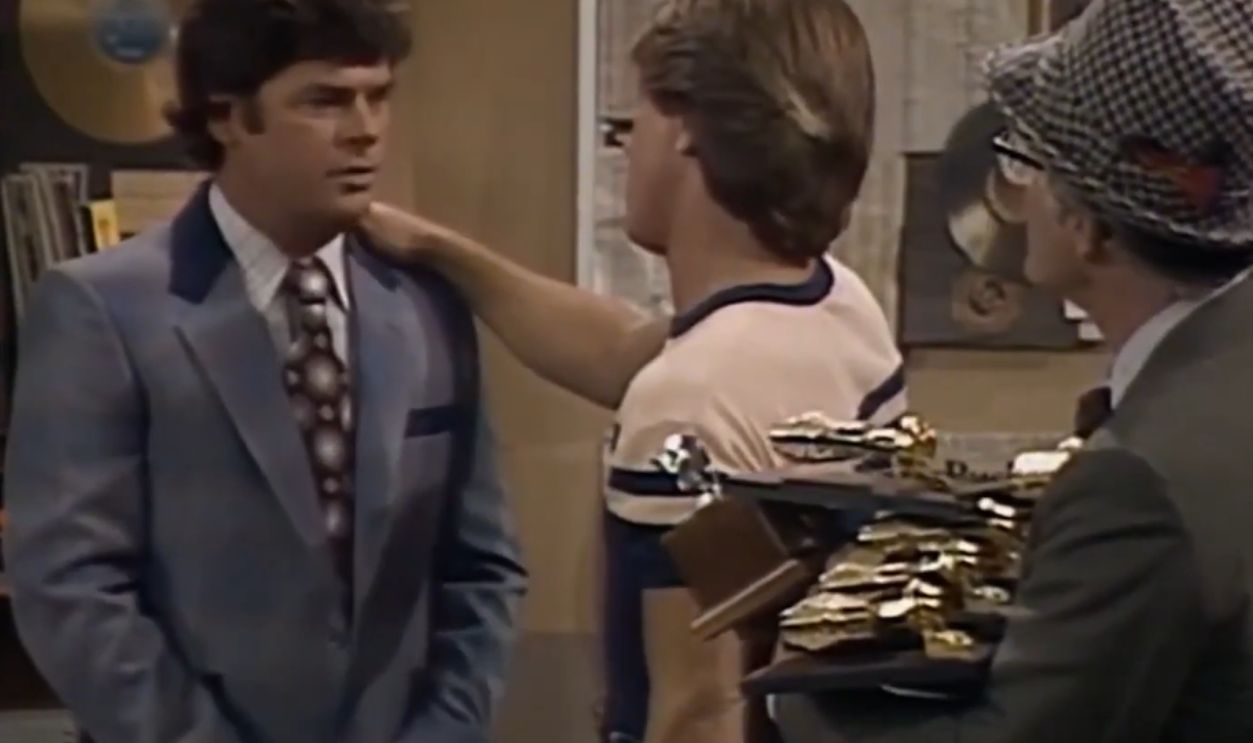
Here is where his career gets especially interesting. While audiences were watching Herb stumble through sales pitches, Bonner was learning another side of television production. Creator Hugh Wilson encouraged cast members to try directing, and Bonner eventually directed six episodes of the original WKRP.
 Screenshot from WKRP in Cincinnati, CBS (1978–1982)
The Second Career Takes Off
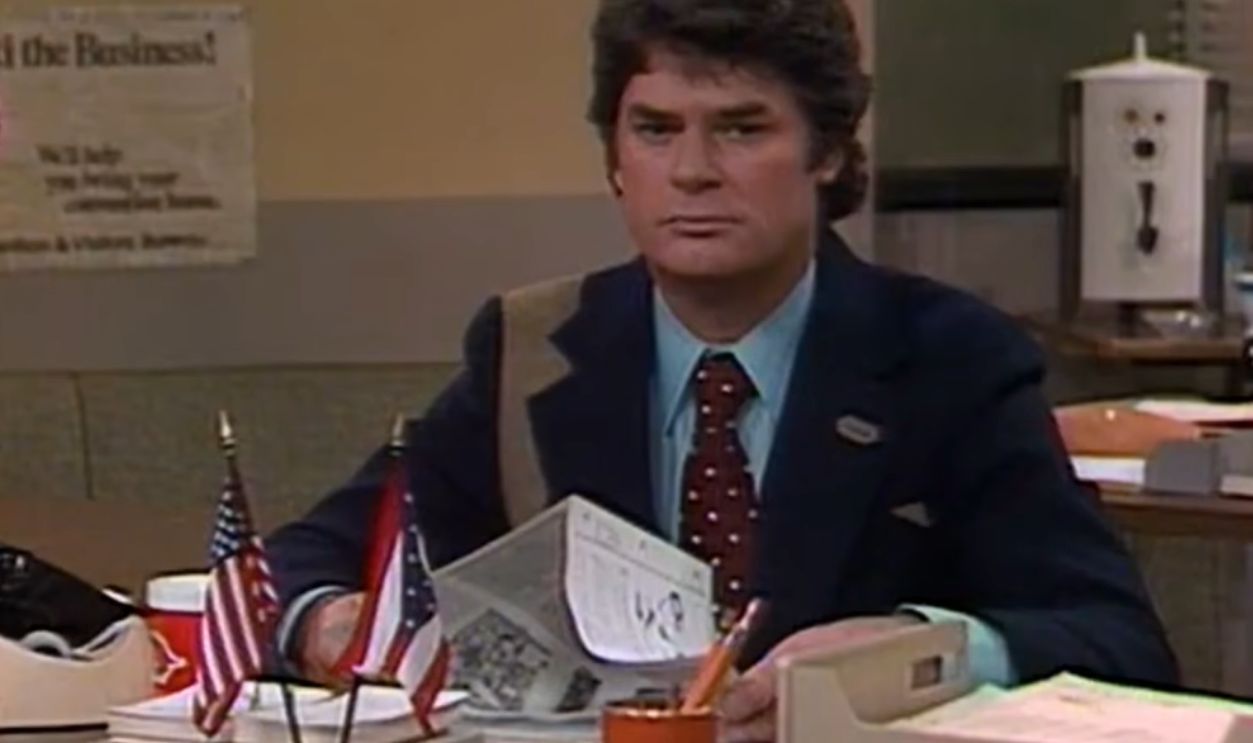
For many sitcom actors, directing one or two episodes is an interesting side project. For Bonner, it became another profession. Once WKRP ended in 1982, his directing résumé steadily expanded. He had found a way to remain deeply involved in television without always needing to be standing in front of the camera.
 Screenshot from WKRP in Cincinnati, CBS (1978–1982)
He Directed Familiar Sitcom Favorites
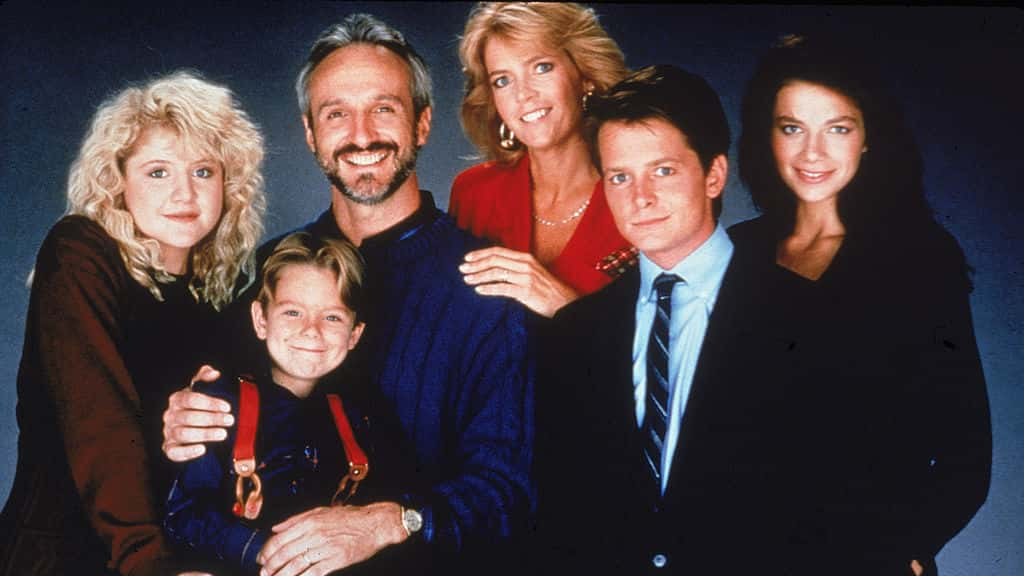
Bonner’s credits behind the camera included Family Ties, Who’s the Boss?, Head of the Class, Evening Shade, Newhart, and Harry and the Hendersons. These weren’t flashy prestige projects. They were working television—and Bonner became exactly the sort of reliable director working television depends upon.
 Fotos International, Getty Images
He Even Reunited With Old Friends
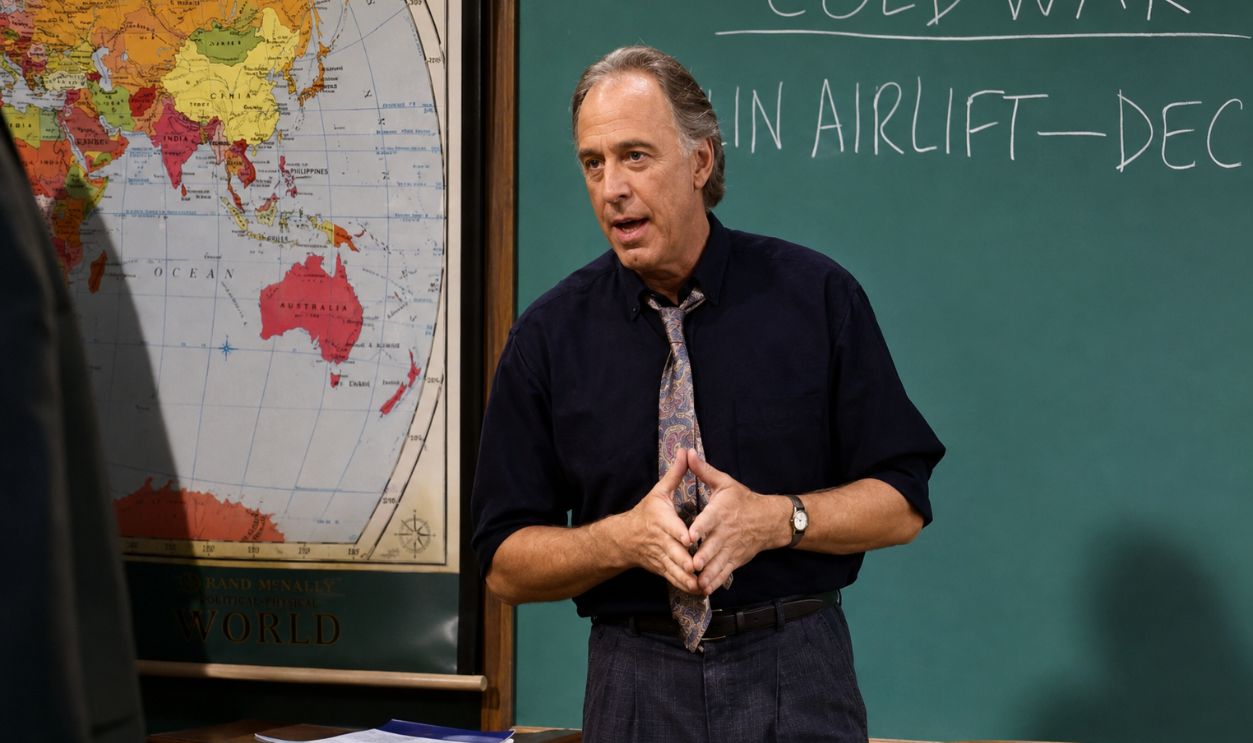
Directing also brought Bonner back into the orbit of people connected to WKRP. He directed Head of the Class, starring his former castmate Howard Hesseman, and worked on Frank’s Place, created by Hugh Wilson and starring Tim Reid. The old radio-station gang had scattered, but the connections remained.
 Screenshot from Head Of The Class, Warner Bros. Television (1986-1991), Modified
Father Hargis Showed Another Side
Bonner continued acting, too. From 1988 to 1990, he played Father Hargis, headmaster of St. Augustine’s Academy, on Just the Ten of Us, the Growing Pains spinoff. Putting the man famous for Herb Tarlek into clerical clothing was quite the wardrobe adjustment.
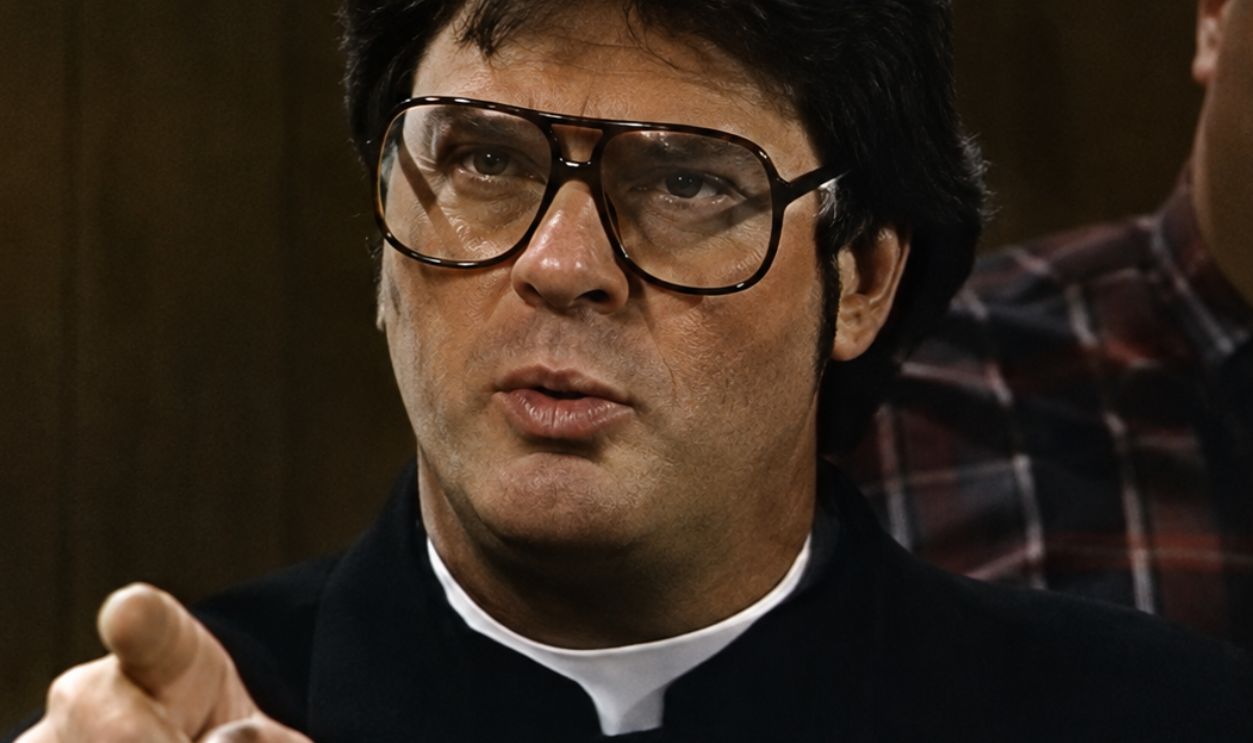 Screenshot from Just the Ten of Us, ABC (1988–1990), Modified
Herb Tarlek Wasn't Finished Yet
In 1991, Bonner returned to his signature role for The New WKRP in Cincinnati. Gordon Jump and Richard Sanders also returned as Mr. Carlson and Les Nessman. The revival lasted until 1993, giving Bonner another chance to slip into Herb’s questionable clothes—and, presumably, relearn how to offend tasteful people everywhere.
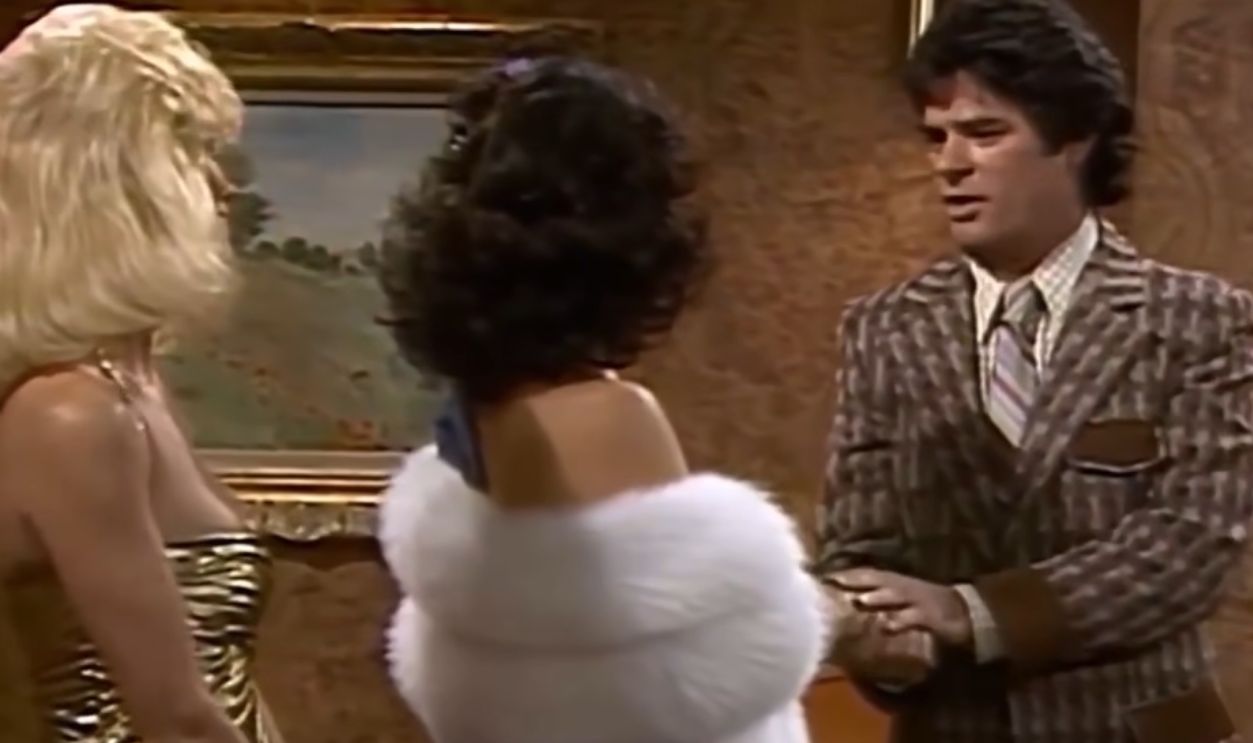 Screenshot from WKRP in Cincinnati, CBS (1978–1982)
He Kept Moving Between Both Jobs
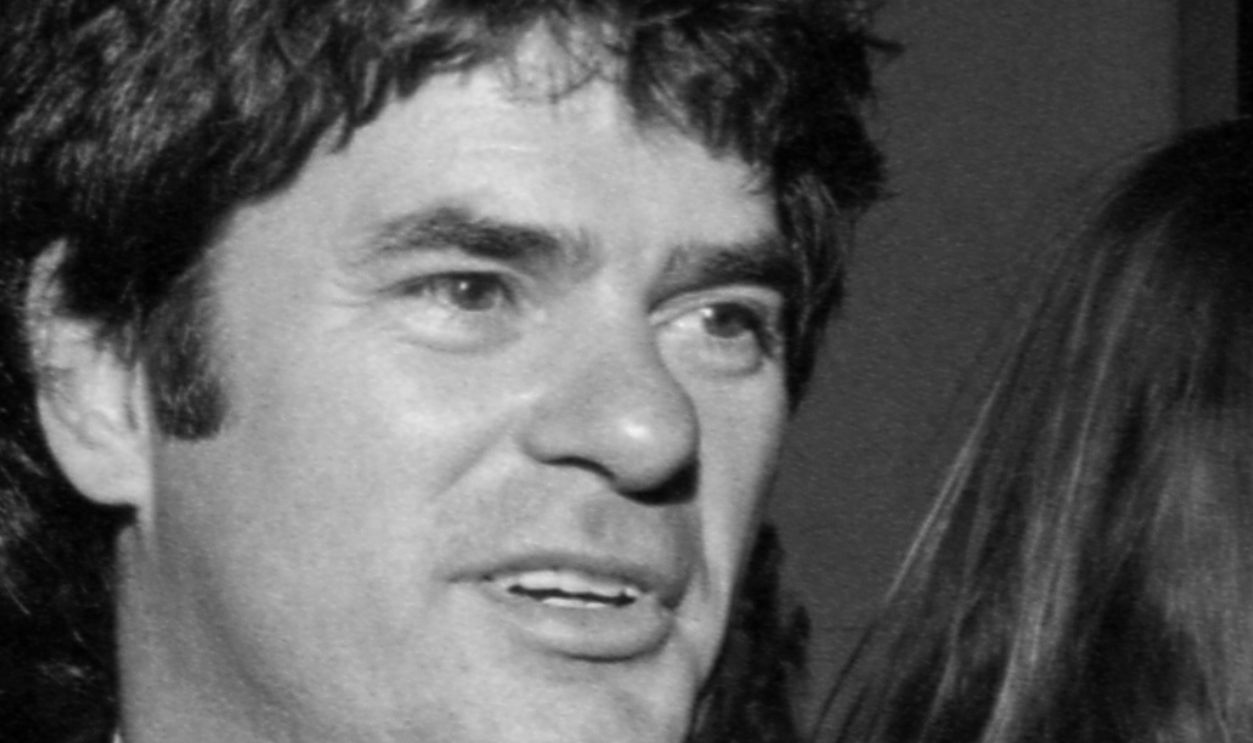
During the 1990s, Bonner remained unusually comfortable switching between acting and directing. On Saved by the Bell: The New Class, for example, he appeared as Mr. Harrington and also directed episodes. His career increasingly looked less like that of a sitcom celebrity and more like a versatile television craftsman.
Then Came His Quietly Massive Achievement
From 1997 through 2001, Bonner directed all 105 episodes of NBC’s Saturday-morning sitcom City Guys, according to the Television Academy. Think about that for a second: the actor forever remembered for loud jackets quietly directed more than a hundred episodes of one television series. That’s remarkable.
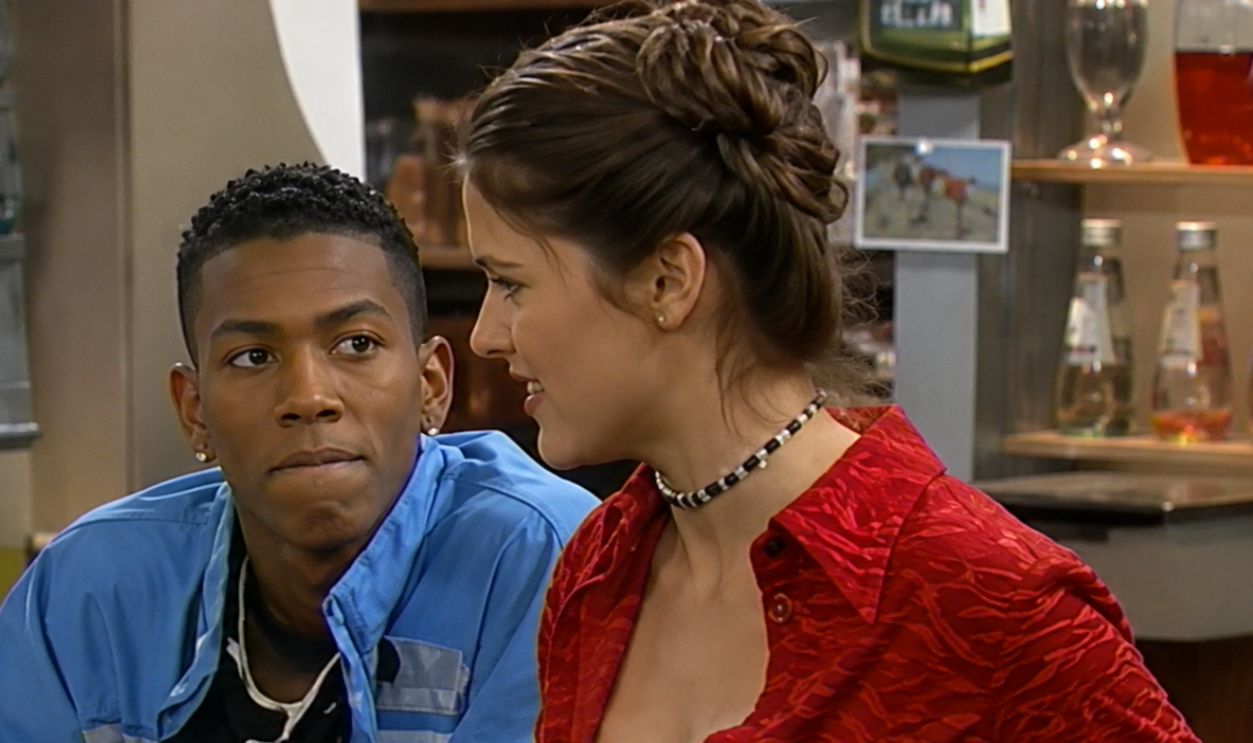 Screenshot from City Guys, NBC Enterprises (1997-2001)
He Became The Guy Productions Could Trust
Directing episodic television requires something very different from stealing scenes as a comic actor. Schedules are tight, performances need shaping, and everything has to keep moving. Bonner apparently loved that work; his daughter later said he preferred being behind the camera and enjoyed helping actors find what scenes needed.
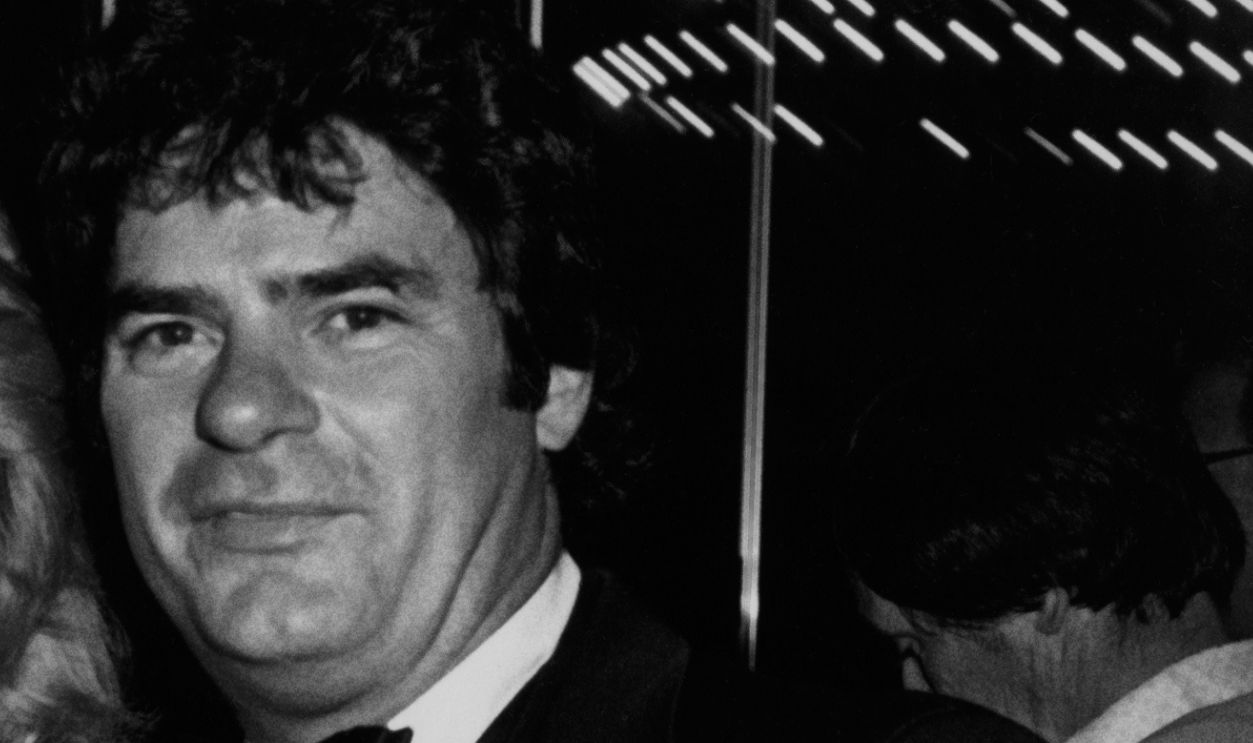
Acting Never Completely Disappeared
Bonner still popped up onscreen in series including Night Court, Newhart, Murder, She Wrote, Punky Brewster, and Evening Shade. He didn’t escape Herb’s shadow, but he didn’t need to. The character gave him recognition while the rest of television gave him decades of steady work.
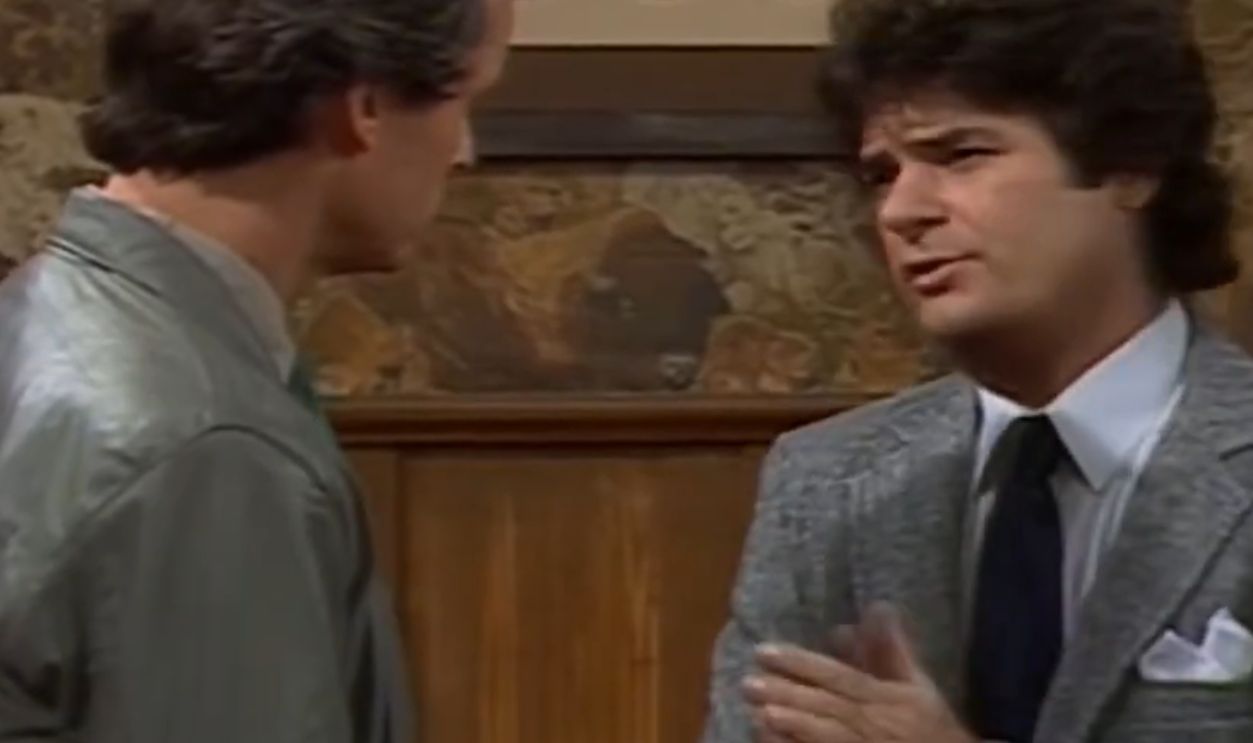 Screenshot from WKRP in Cincinnati, CBS (1978–1982)
Herb Even Became A Song
By the 2000s, Bonner seemed comfortable with Herb Tarlek’s permanent place in pop culture. Canadian band Rheostatics recorded a song called “The Tarleks,” and Bonner appeared in the 2004 music video. Few actors get immortalized through a fictional salesman’s terrible wardrobe. Fewer still join the joke themselves.
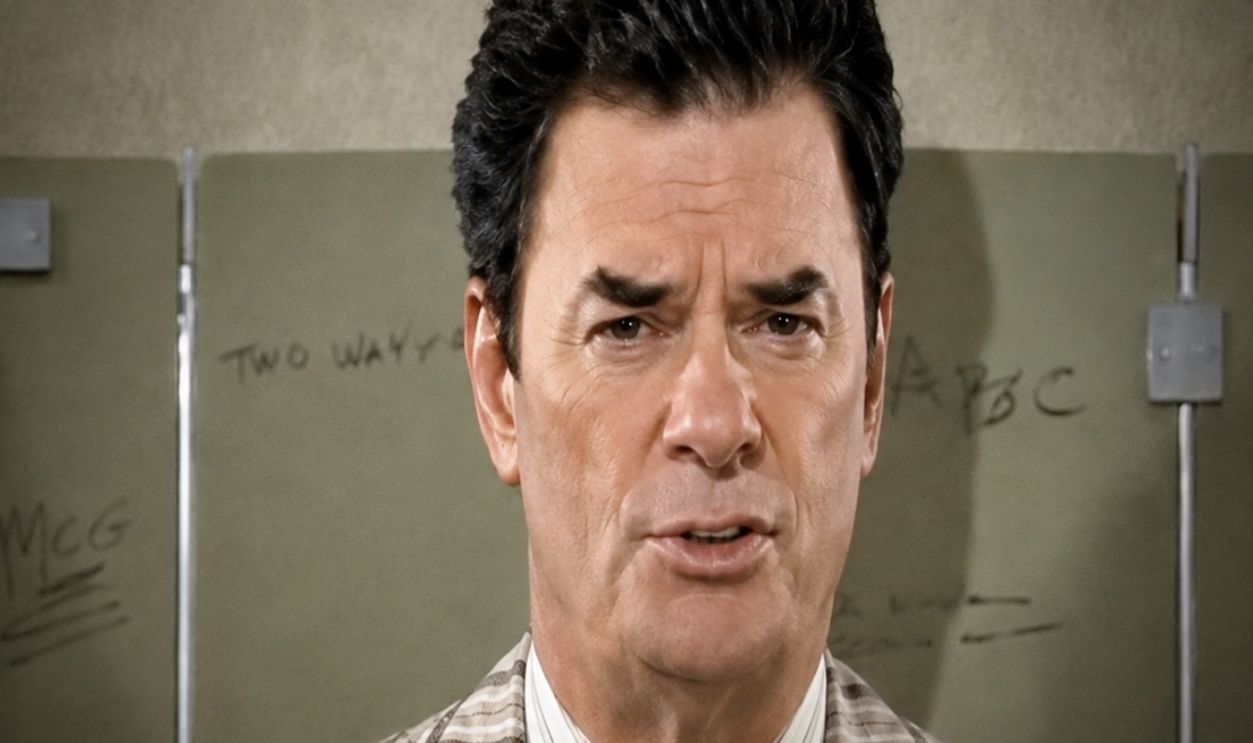 Screenshot from “The Tarleks,” Rheostatics.(1980s) , Modified
His Final Years Onscreen
Bonner’s later appearances became less frequent, with his final acting credit coming in the 2014 film Under the Hollywood Sign. By then, he had spent decades working in entertainment, moving from cult horror movie actor to sitcom regular to a director responsible for hundreds of episodes across multiple shows.
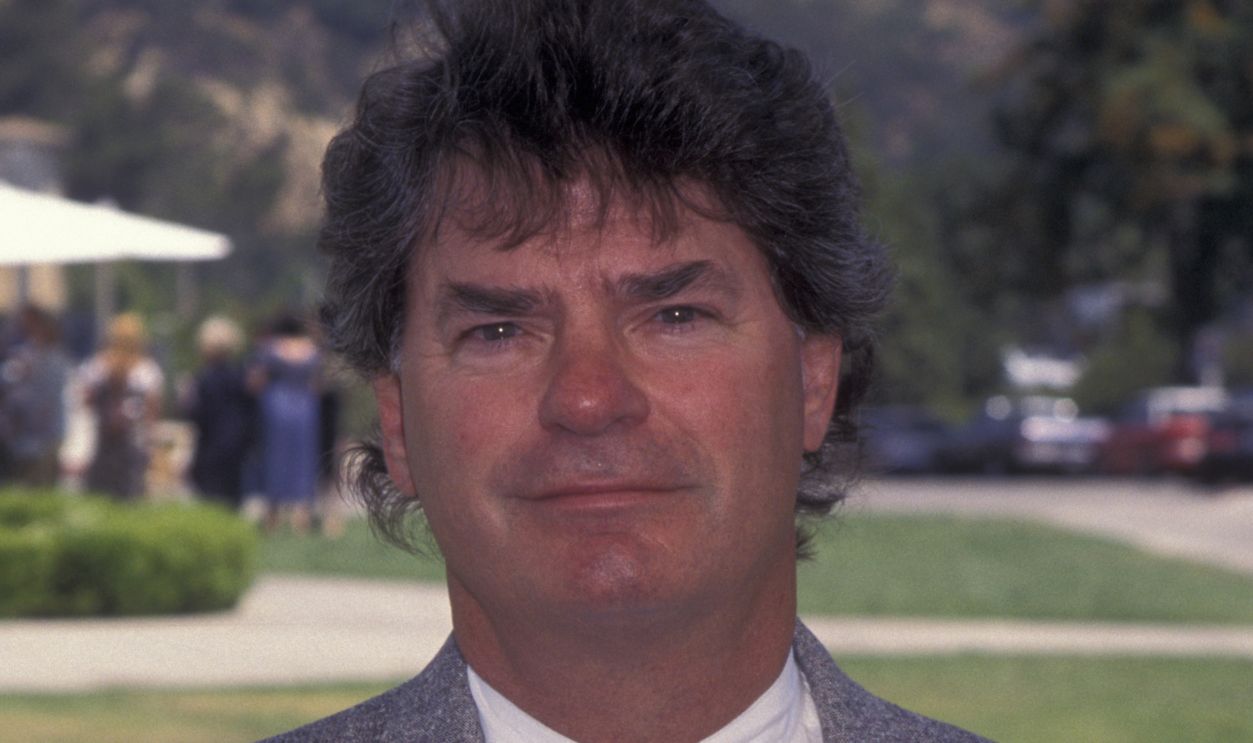
His Death Brought Warm Tributes
Bonner died at his home in Laguna Niguel, California, on June 16, 2021, at age 79, from complications of Lewy body dementia. His daughter said he was still signing autograph requests during the final weeks of his illness—a fitting connection to viewers who never forgot Herb Tarlek.
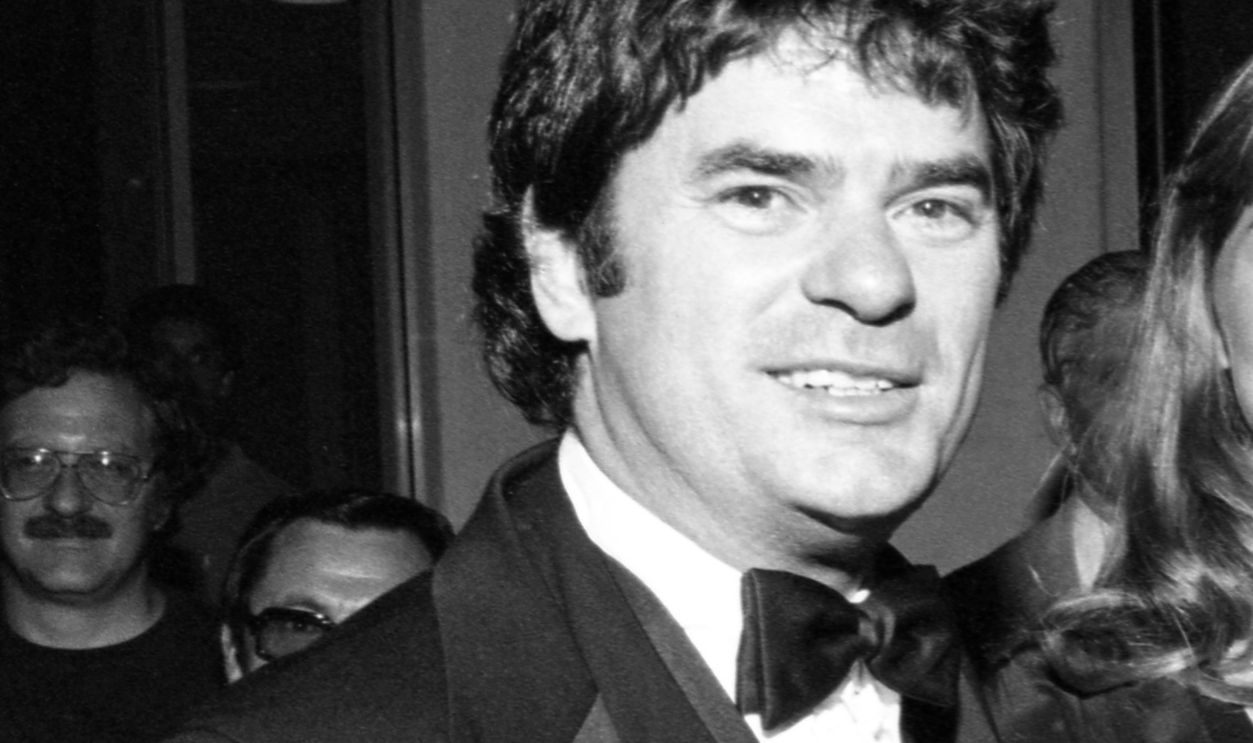
More Than The Man In The Plaid Jacket
Frank Bonner will always be Herb Tarlek to millions of viewers, and that’s hardly a bad legacy. But behind the white belt was something even more impressive: a working actor who turned one unforgettable sitcom character into a long, productive directing career. Herb was loud. Bonner’s success spoke for itself.
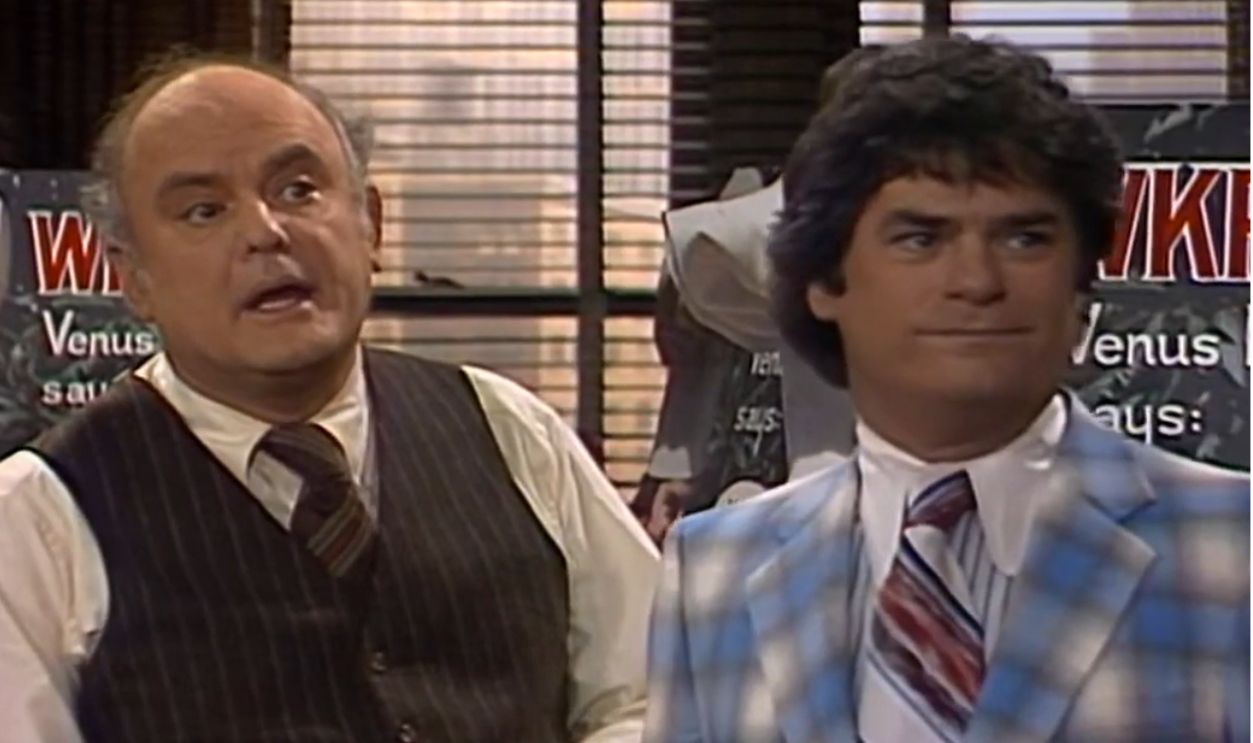 Screenshot from WKRP in Cincinnati, CBS (1978–1982)
You May Also Like:
Bobby Driscoll was once America’s biggest child star—so why was he buried in an unmarked grave?
Can You Identify The Classic Sitcom From Just Three Character Names? Take The Classic TV Quiz
The Miniseries Boom Of The 70s And 80s Changed TV—How Many Did You Watch?