Neverland Had a Very Real Ending
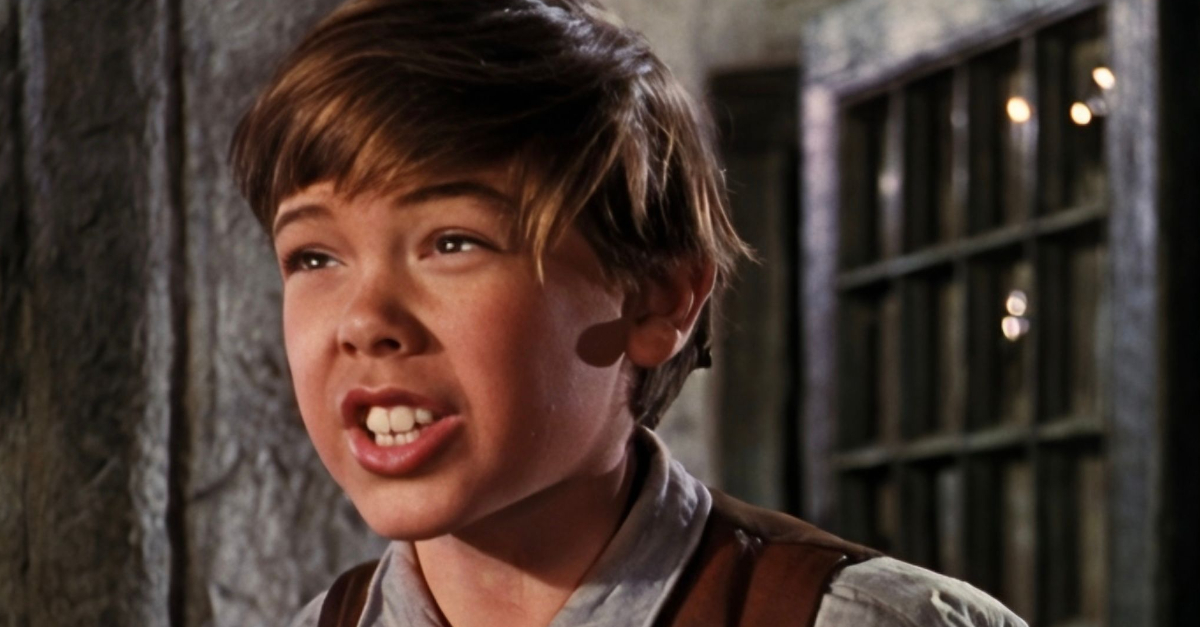
At 13, Bobby Driscoll had an Oscar. At 15, he became the voice behind Disney’s Peter Pan. He was one of the most recognizable faces in America. Yet, less than 20 years later he would be gone and buried in an unmarked grave.
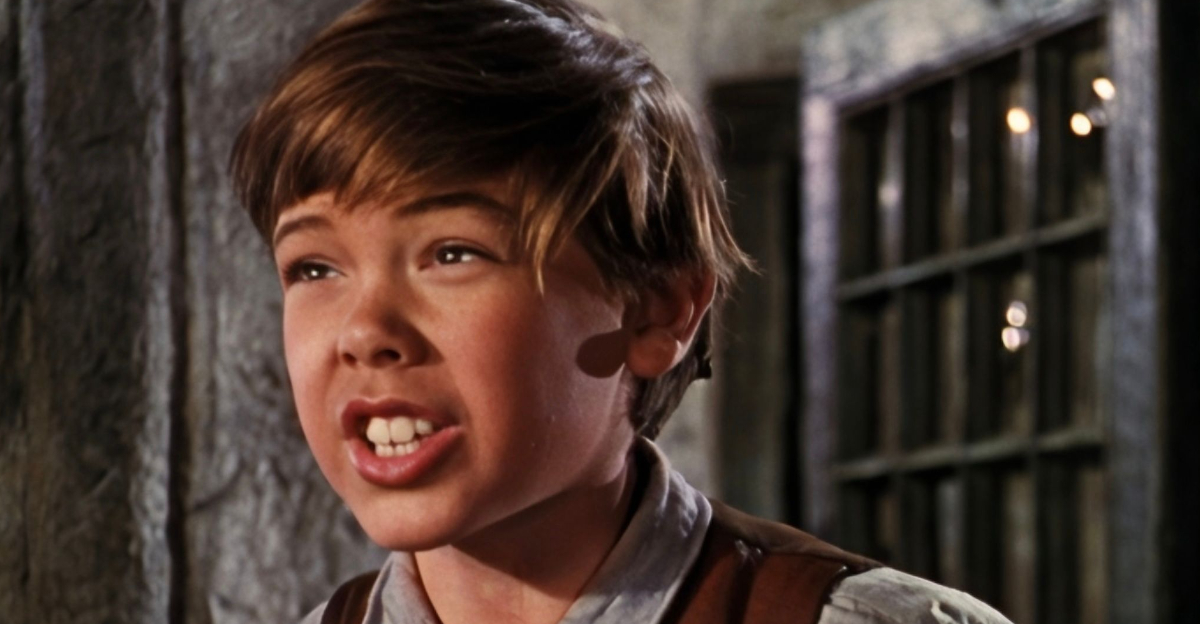
A Barber Started the Whole Thing
Driscoll was five when his family’s barber helped arrange an audition at MGM. Bobby landed a tiny role in Lost Angel, then kept getting hired. Within a few years, the little boy who had wandered onto a studio lot was exactly the kind of child actor Hollywood could not get enough of.
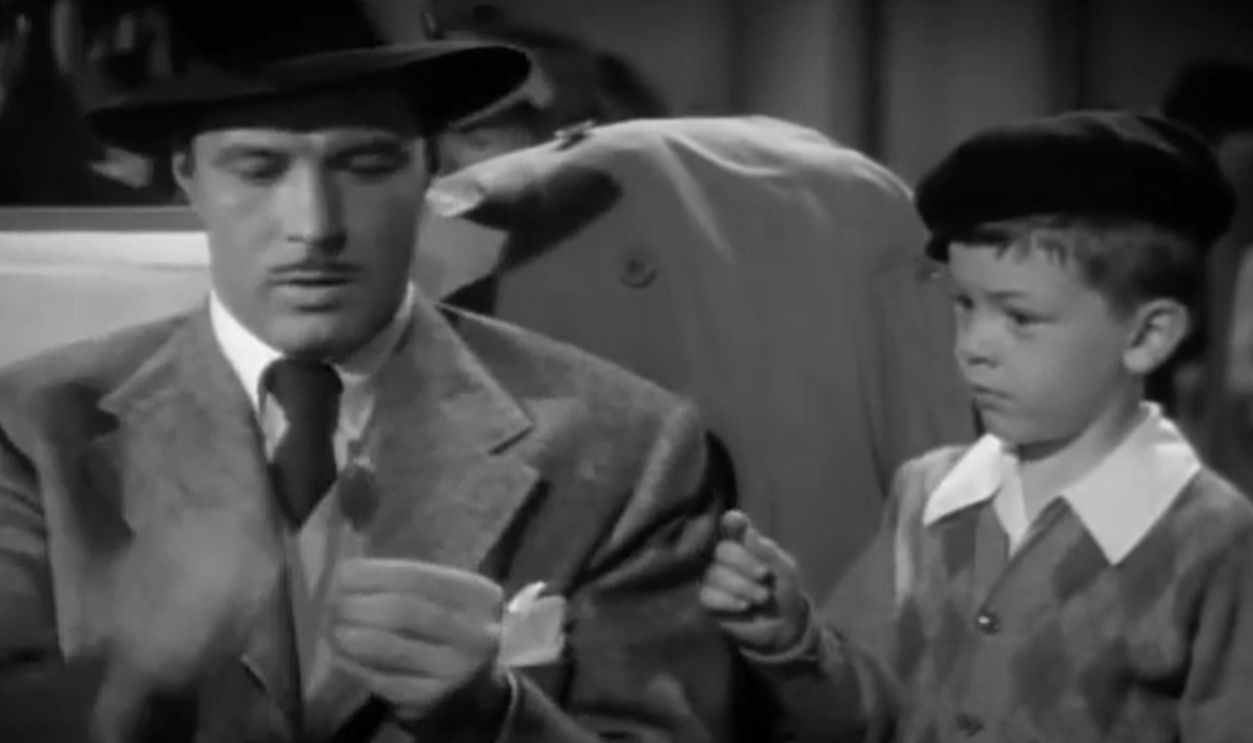 Screenshot from Lost Angel, Loew's Inc. (1943)
Disney Found Its First Human Star
In 1946, Driscoll played Johnny in Song of the South. The film is deeply controversial today, but it made nine-year-old Bobby enormously famous. He and Luana Patten also became the first actors Disney placed under contract as the studio began making a serious move into live-action films.
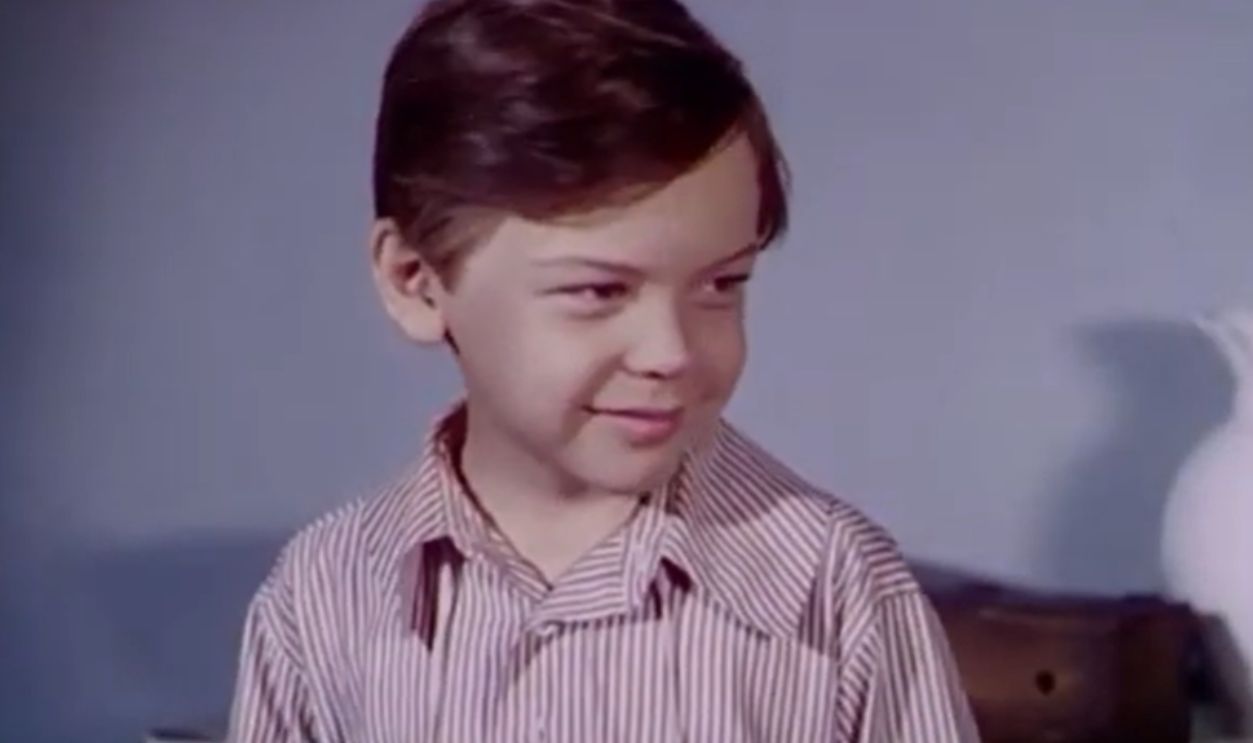 Screenshot from Song of the South, RKO Radio Pictures (1946)
Disney Had Its “Sweetheart Team”
The studio repeatedly paired Driscoll with Patten, and the press called them Walt Disney’s “Sweetheart Team.” They appeared together again in Melody Time and So Dear to My Heart. Bobby was wholesome without being painfully cute, which is a much harder trick than Disney made it look.
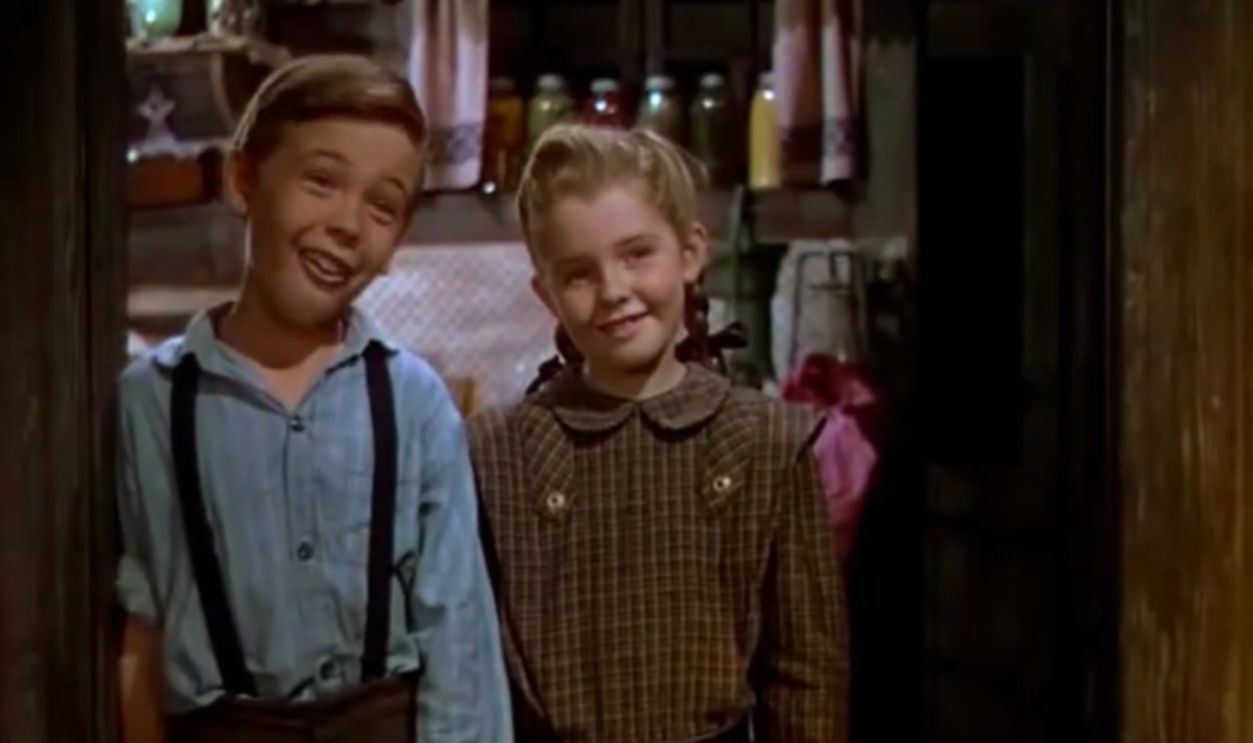 Screenshot from So Dear to My Heart, RKO Radio Pictures (1948)
Howard Hughes Got “The Window” Very Wrong
Driscoll’s greatest childhood performance came in The Window, playing a boy who witnesses a crime but cannot make anyone believe him. RKO boss Howard Hughes reportedly shelved the film, convinced it would lose money and Bobby was not much of an actor. When it was finally released, it became a critical and financial success.
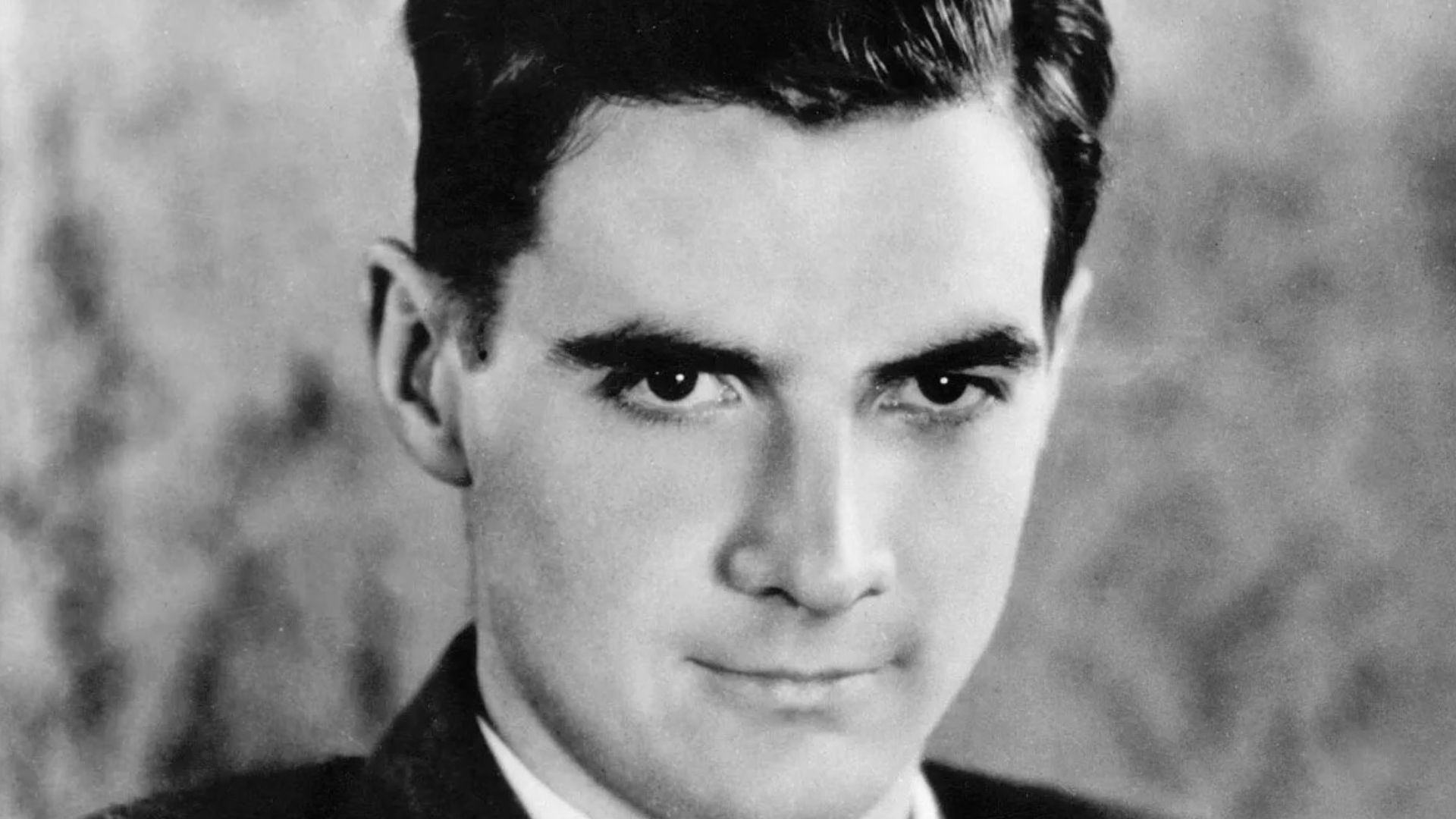 AnonymousUnknown author, Wikimedia Commons
An Oscar at 13
Hughes was not just wrong. He was wrong in a way that came with a small gold statue. In 1950, Driscoll received the Academy’s special Juvenile Award for his performances in The Window and So Dear to My Heart. He had turned 13 only weeks earlier.
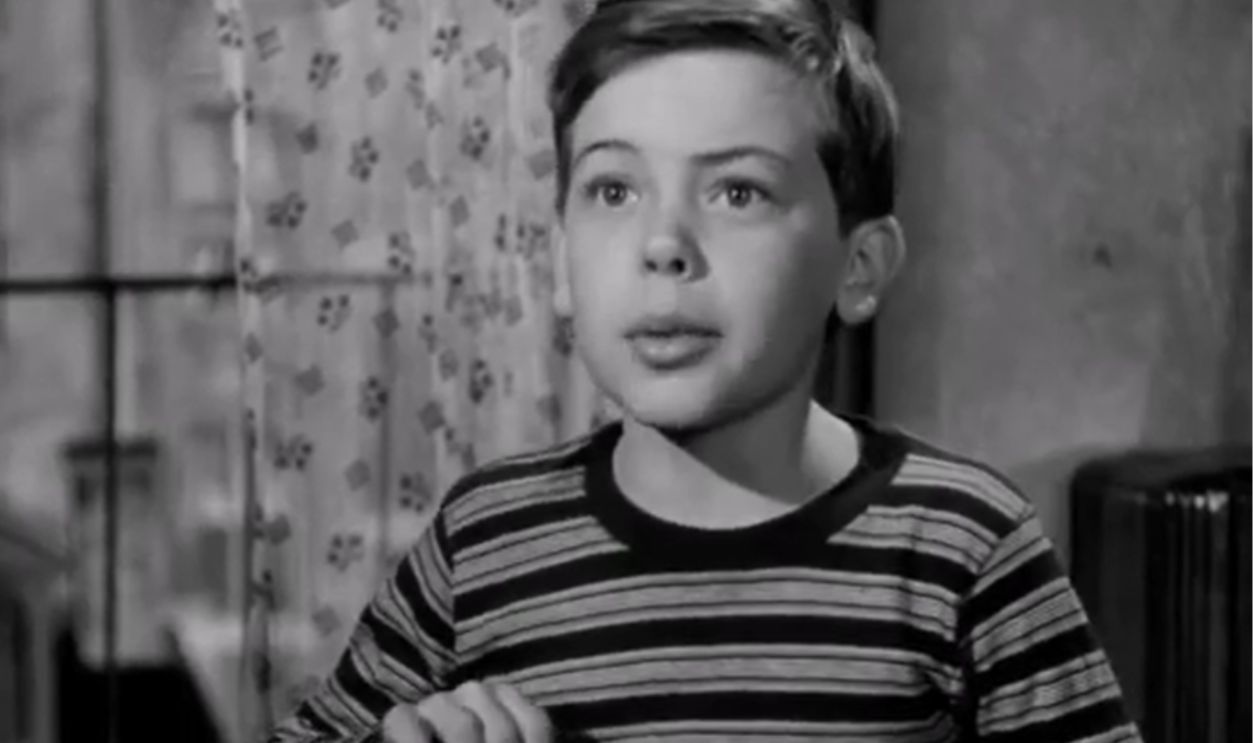 Screenshot from The Window, RKO Radio Pictures (1949)
Disney Handed Him “Treasure Island”
Driscoll was then cast as Jim Hawkins in Treasure Island, Disney’s first completely live-action feature. He was working opposite Robert Newton’s unforgettable Long John Silver, but Bobby was hardly along for the ride. At 13, he was carrying one of the studio’s most important movies.
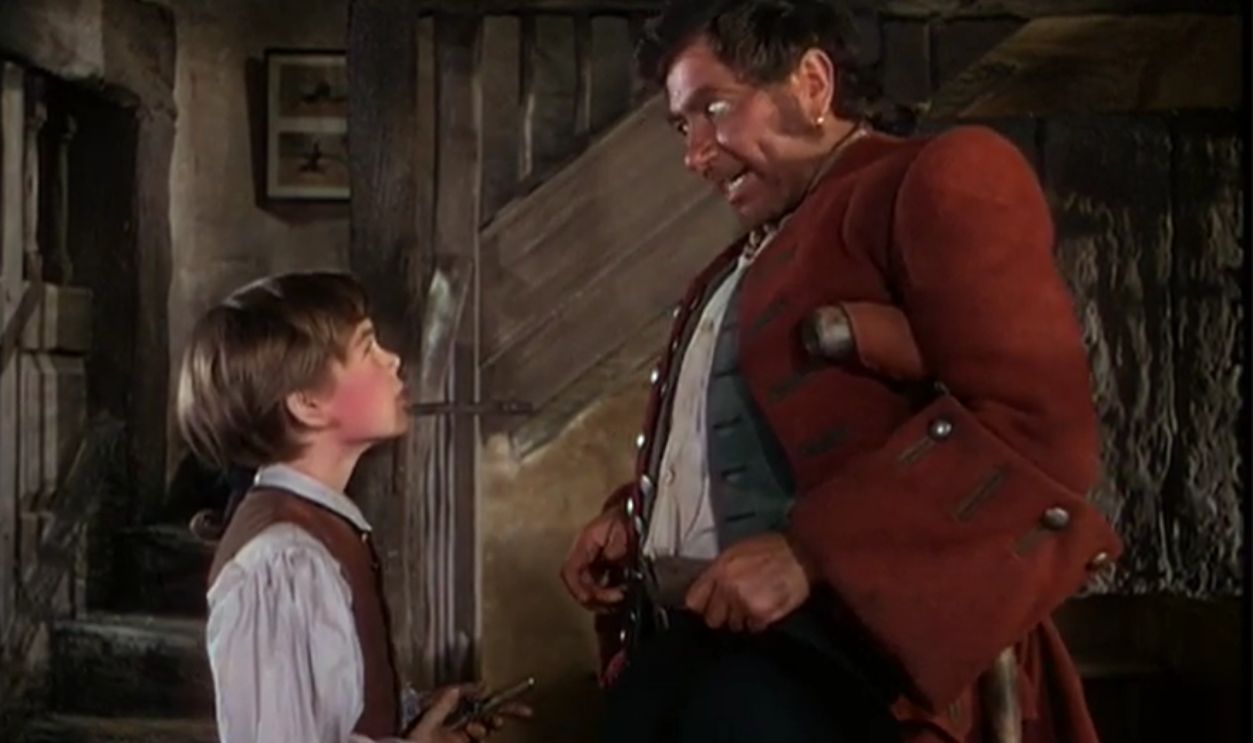 Screenshot from Treasure Island, RKO Radio Pictures (1950)
Then Came “Peter Pan”
For Disney’s animated Peter Pan, Driscoll supplied Peter’s voice and served as a live-action reference for the animators. His performance gave Peter that perfect combination of charm, confidence and occasional brattiness. It became Bobby’s most famous role—and the one that would make everything that followed feel especially cruel.
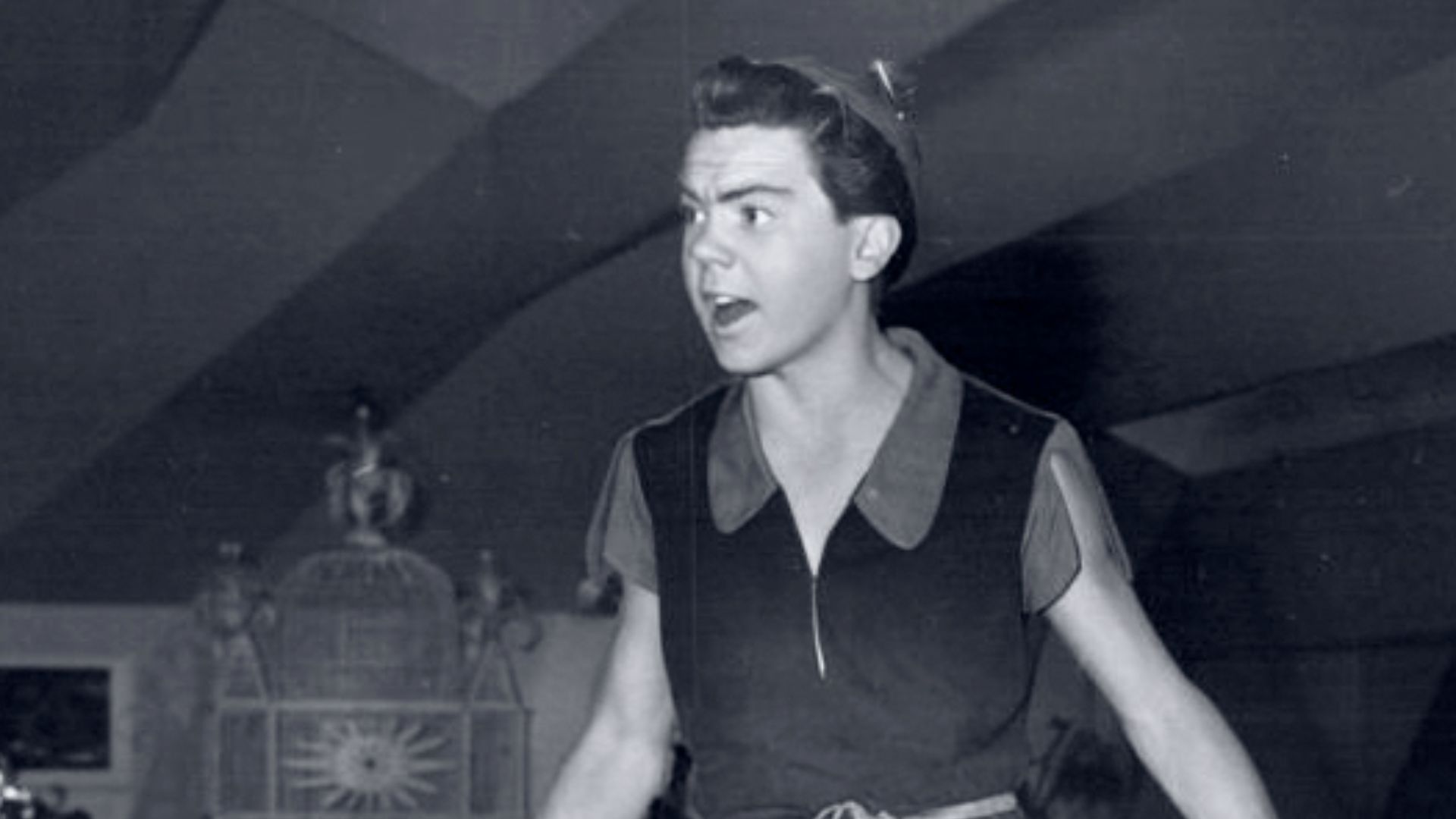 CBS Television Network, Wikimedia Commons
Walt Saw Something of Himself in Bobby
Walt Disney reportedly viewed Driscoll as a reflection of his own childhood. Bobby had grown up on the lot, played with Disney’s daughter and become the studio’s first major live-action child star. To him, Disney probably did not feel like another employer. It must have felt like home.

The Contract Was Supposed to Last Until 1956
Just before his 12th birthday, Driscoll signed a new seven-year Disney contract that was supposed to run through 1956. Instead, Disney ended the contract three years early in the spring of 1953—only weeks after Peter Pan opened.

The Goodbye Was Brutal
Accounts differ slightly on how Bobby learned he had been dropped, but none describes anything close to a warm farewell. One version says he was refused entry at the studio gate. Another says an executive would not see him, a secretary gave him the news and security escorted him out.
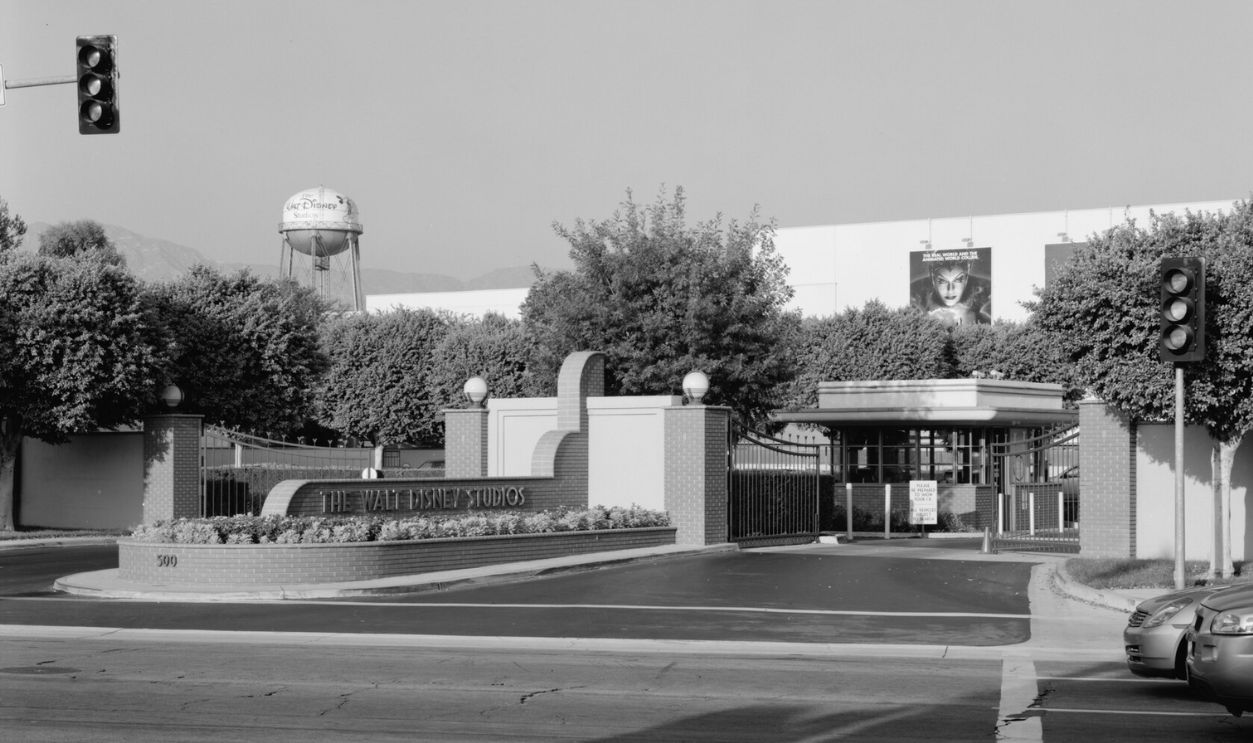 Olmos, Tavo, creator, Wikimedia Commons
Puberty Was Apparently a Fireable Offense
The reason commonly given was that puberty had changed Driscoll’s appearance and a severe case of acne required heavy makeup. In other words, the boy Disney had hired grew older. Peter Pan could stay young forever. The actor who played him was apparently expected to pull off the same trick.
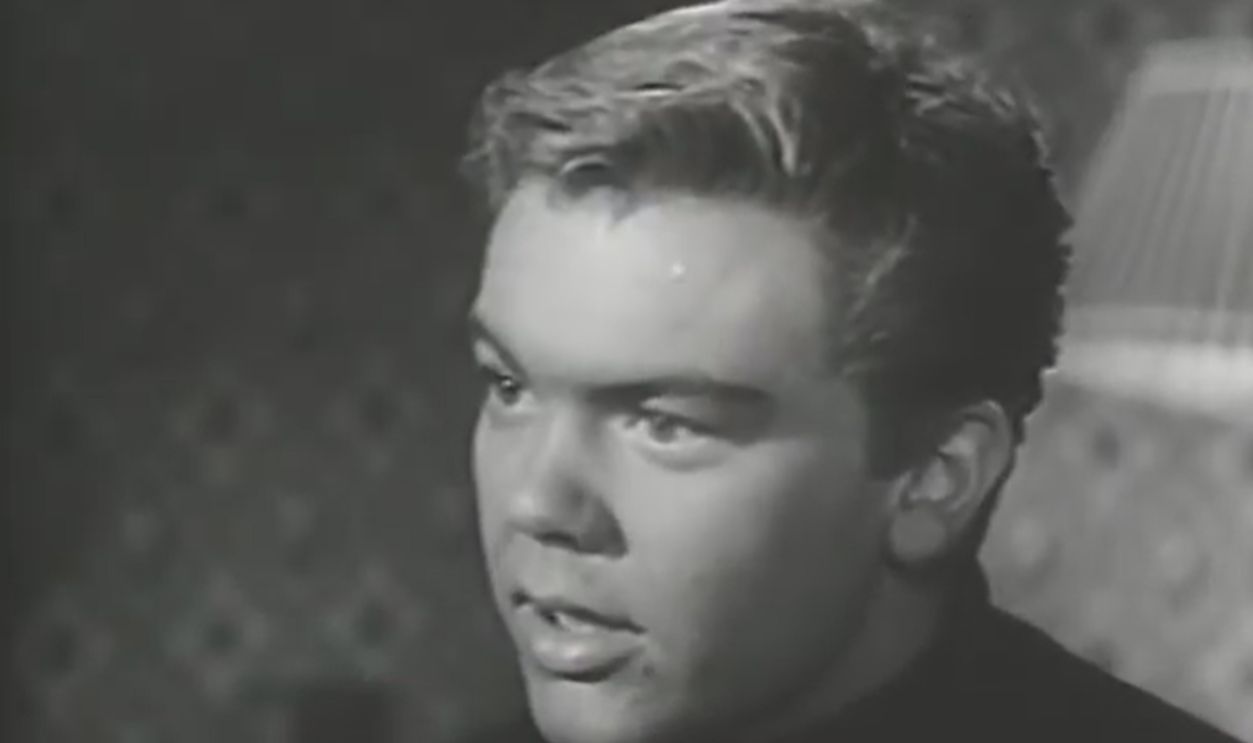 Screenshot from The Loretta Young Show, NBC (1953–1961)
Regular School Was Even Worse
Driscoll’s parents had moved him from a school for young performers into a public high school, where classmates mocked his former fame and small stature. Bobby later said he “really feared people” and tried “desperately to be one of the gang.” When he was rejected, he fought back.
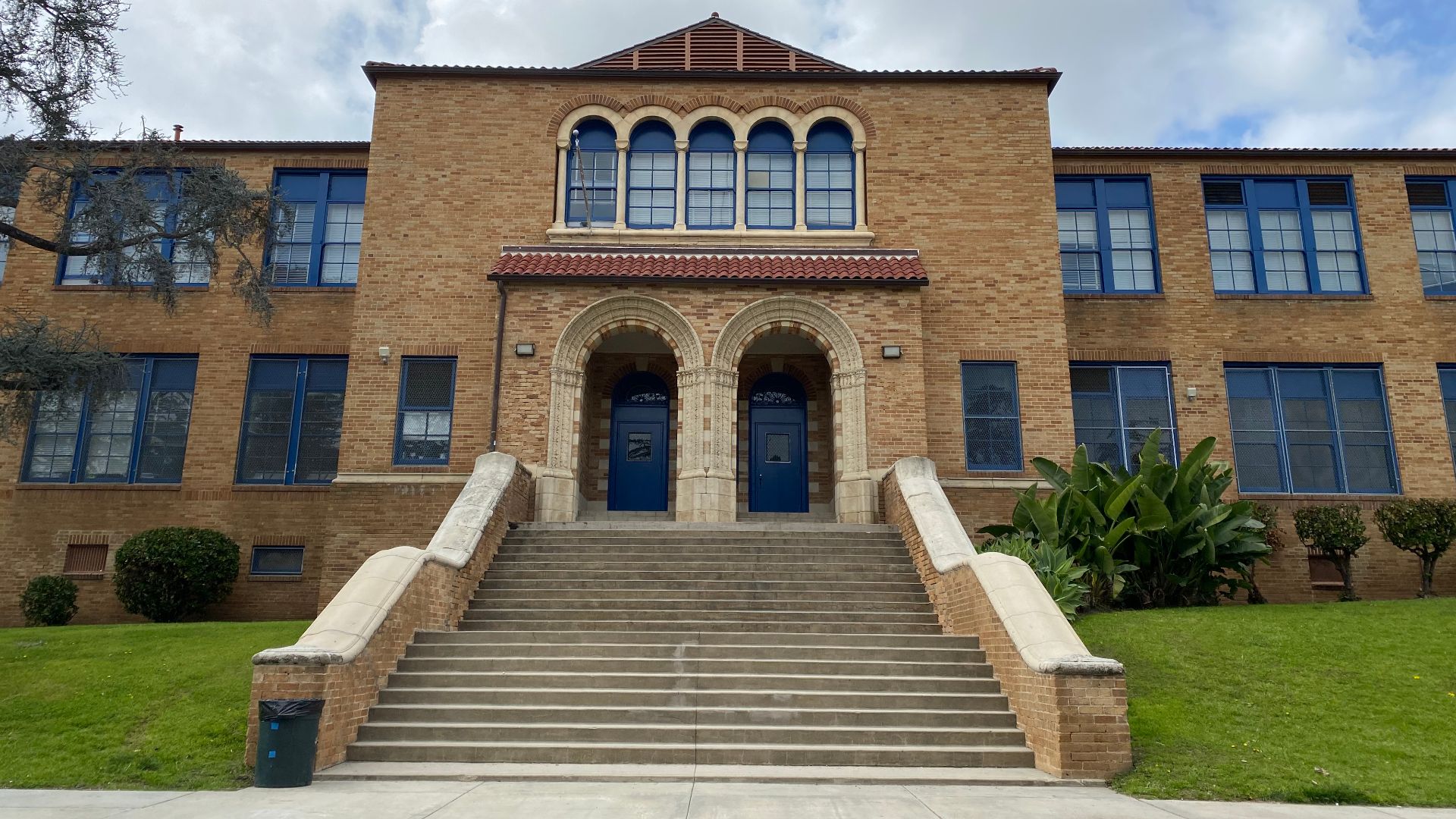
Hollywood Did Not Drop Him Overnight
Driscoll continued working in movies, radio and television, including appearances in The Scarlet Coat, Dragnet and Rawhide. But he had gone from carrying major Disney productions to fighting for guest roles. Hollywood still knew exactly who Bobby Driscoll was. It just had no idea what to do with him.
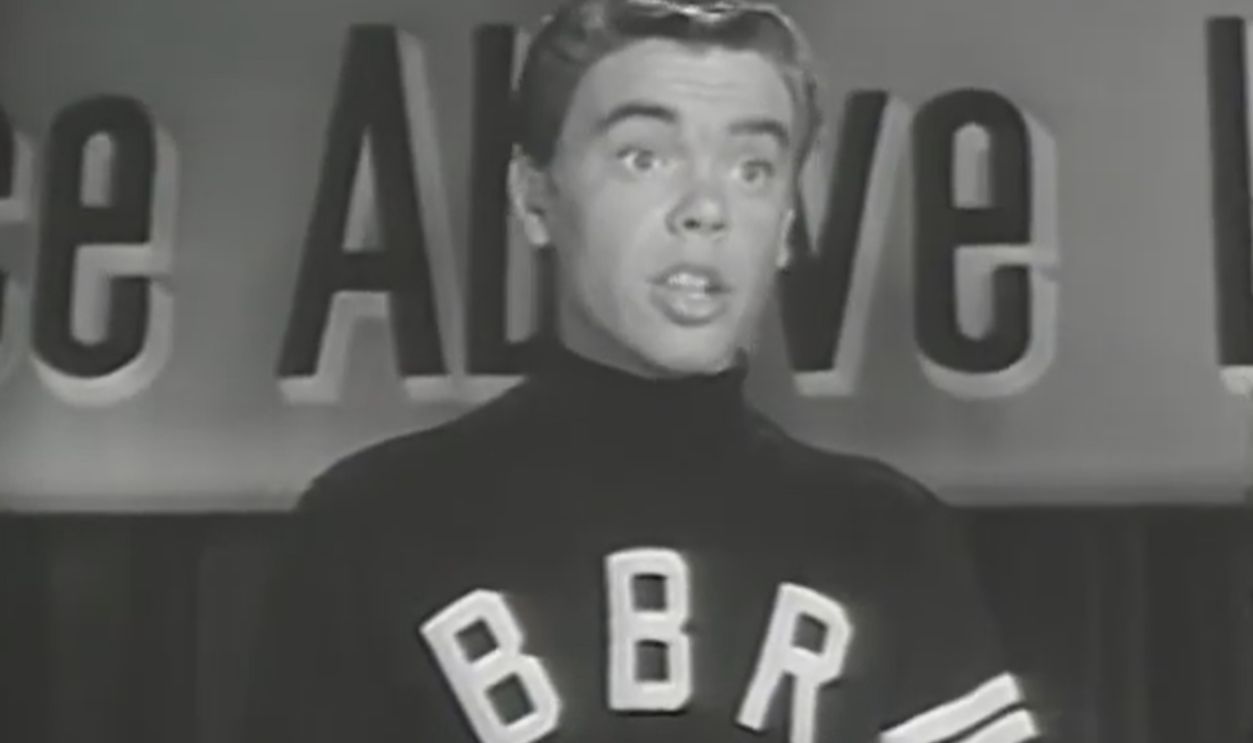 Screenshot from The Loretta Young Show, NBC (1953–1961)
He Tried to Build a Normal Life
In 1957, Driscoll married Marilyn Rush. They eventually had three children, and Bobby took other jobs to help support them. But the marriage was soon under enormous pressure, and the couple separated before divorcing in 1960.
He Had Everything—At Least on Paper
Driscoll later told a judge that he had once been earning more than $50,000 a year, a fortune in the 50s. But at 17, he began experimenting with narcotics. What started while he was still a teenager grew into an addiction that swallowed his money, relationships and remaining career.

The Headlines Changed
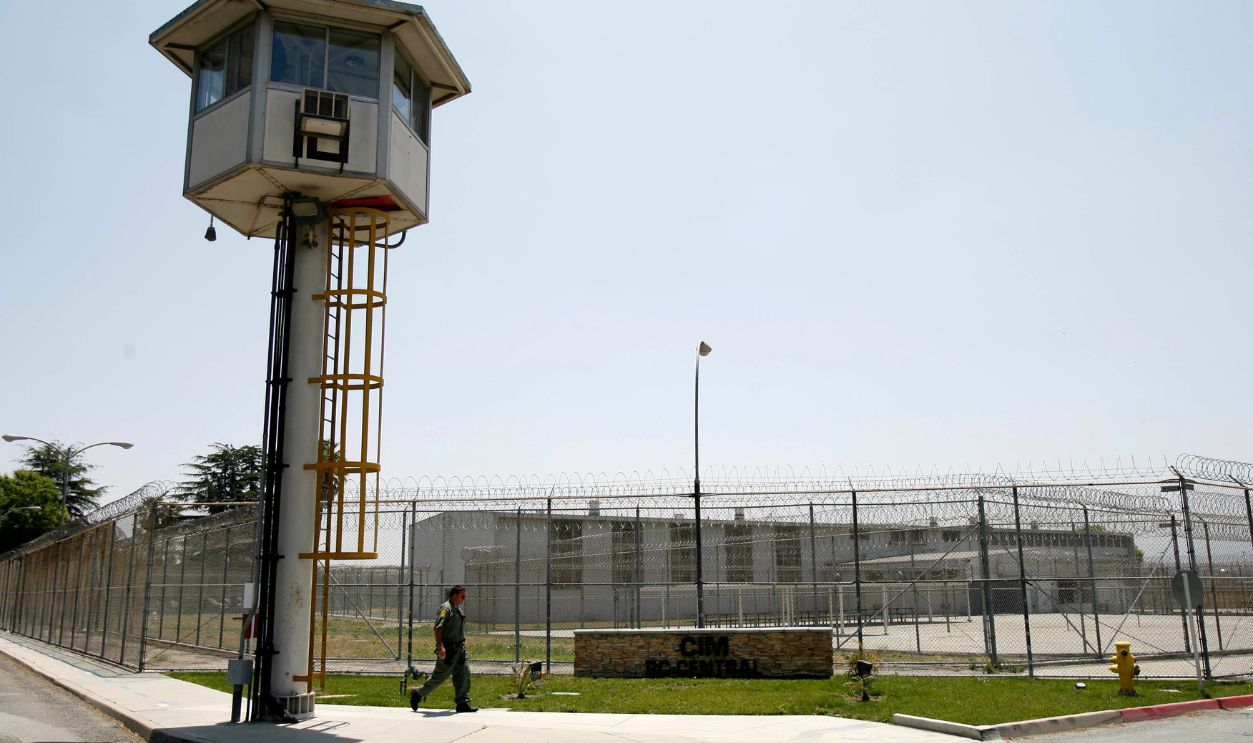
By his early 20s, Driscoll’s name was appearing in stories about possession, bad checks, burglary accusations and violent confrontations. Some charges were dismissed, but the pattern was getting impossible to ignore. In 1961, the Los Angeles Times announced that Bobby Driscoll had been ordered to Chino for treatment.
He Still Thought He Could Come Back
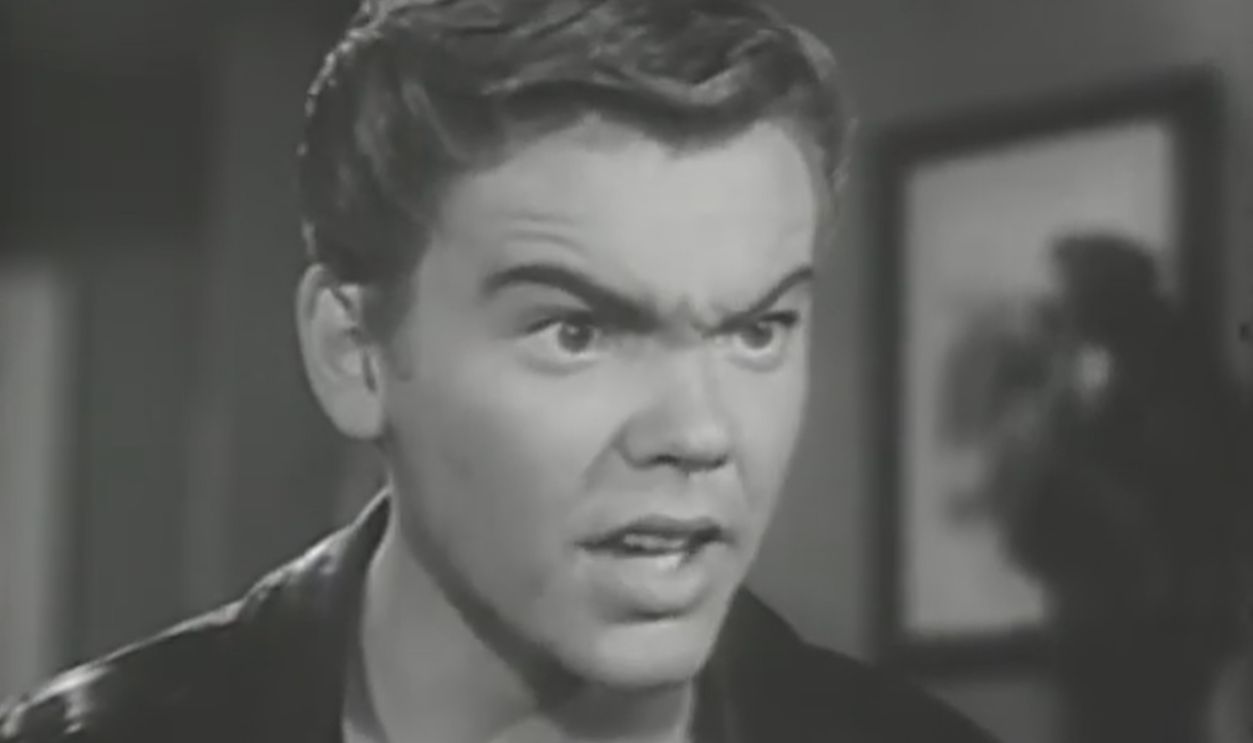
Even then, Bobby did not believe acting was over. Before entering Chino, he said, “I want to act again” and hoped to pick up where he had left off seven years earlier. He was 24, still young enough to imagine Hollywood might give him another chance. It never really did.
 Screenshot from The Loretta Young Show, NBC (1953–1961)
No One Wanted the Former Child Star
After his release, Driscoll said employers would not hire him because of his arrests. He worked as a carpenter and reportedly remained clean through the end of his probation. But Hollywood had already moved on. The industry that once depended on Bobby’s face now treated his past like a reason to avoid him.
 NBC Television Network, Wikimedia Commons
Bobby Said It Better Than Anyone
Driscoll eventually described his Hollywood experience in one devastating sentence. He had been “carried on a silver platter” and then “dumped into the garbage can.” It sounds bitter because it was bitter. It is also difficult to look at the way his career ended and tell him he was wrong.
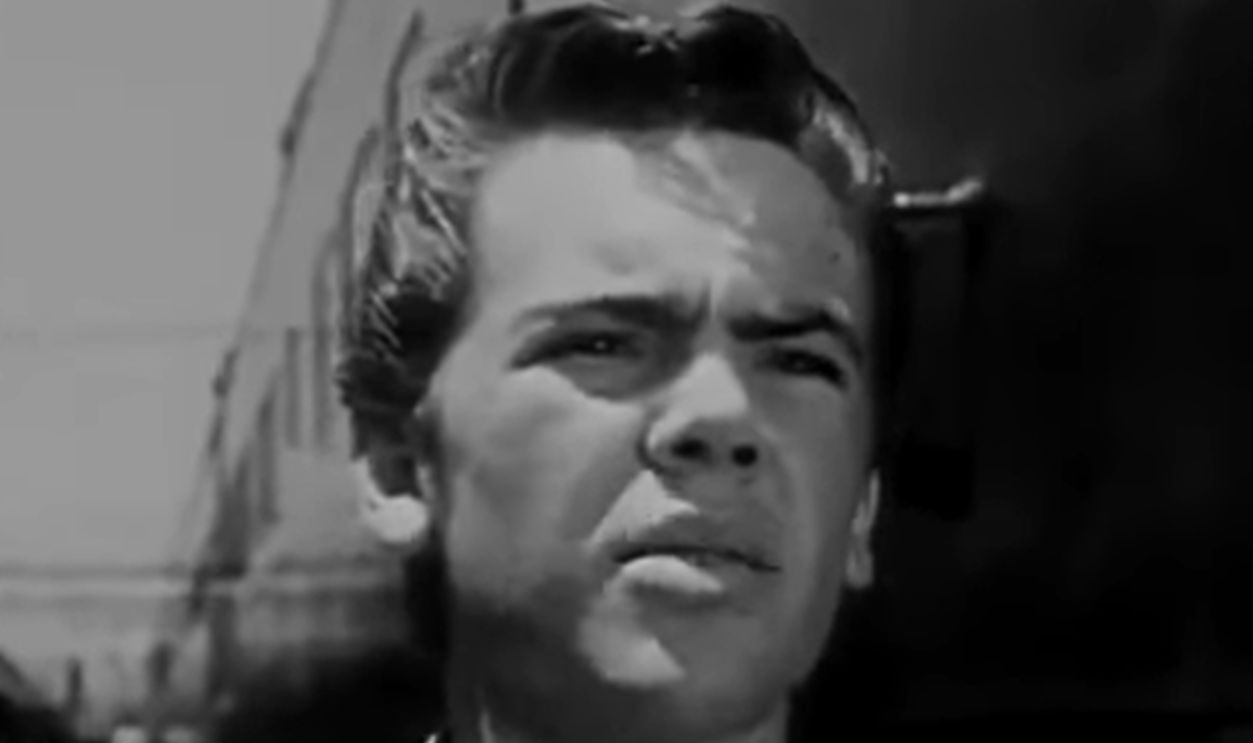 Screenshot from Medic, NBC (1954–1956)
New York Gave Him a Different Kind of Stage
In the mid-60s, Driscoll moved to New York and entered the art world surrounding Andy Warhol’s Factory. He made collages, wrote poetry and appeared in Piero Heliczer’s underground film Dirt. For a while, Bobby was no longer trying to become a child star again. He was trying to become an artist.
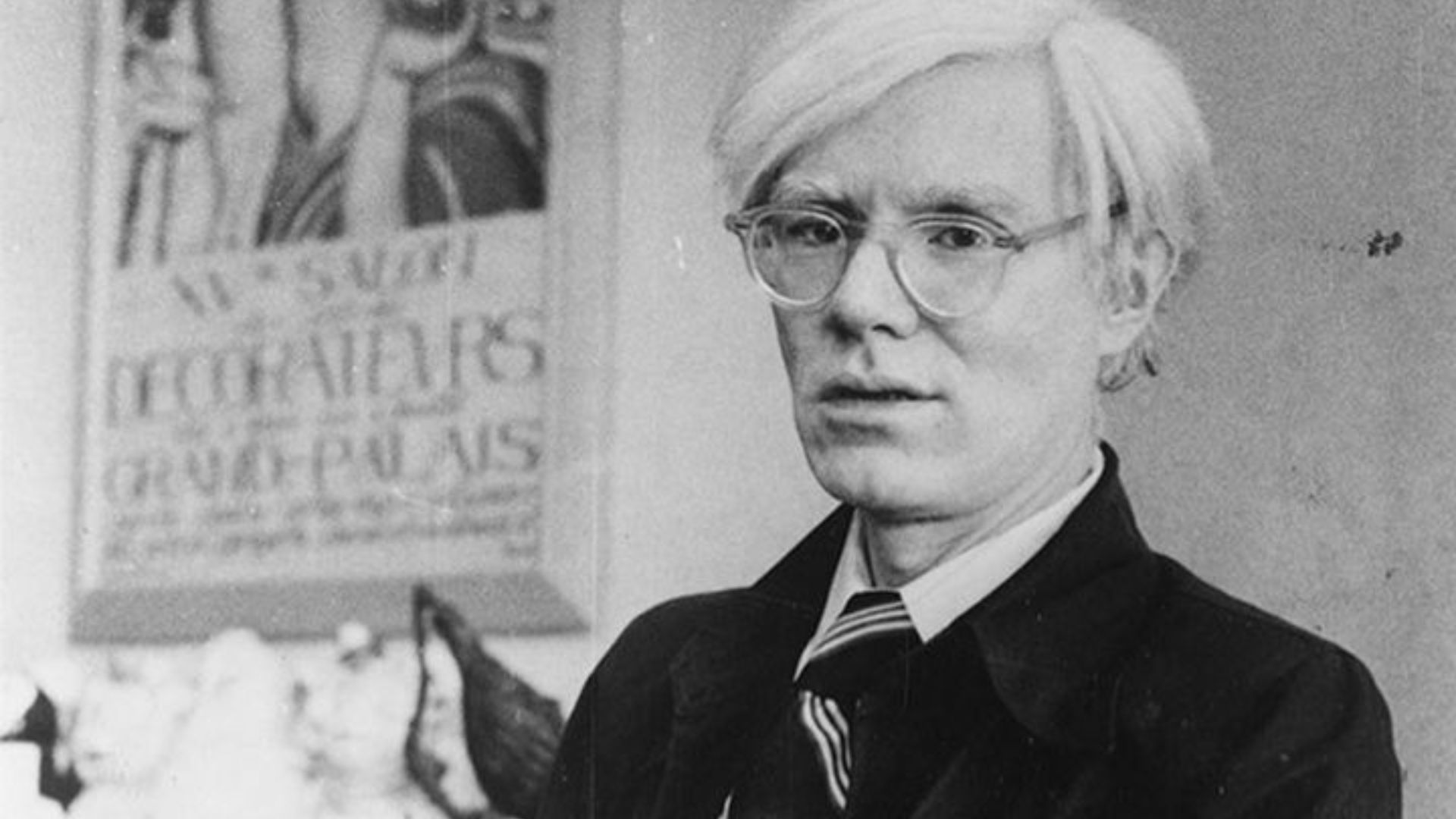 Unknown authorUnknown author, Wikimedia Commons
Then He Slipped Away
By late 1967, Driscoll had fallen out of touch with his family and much of the Factory crowd. He had little money, struggled to find work and gradually disappeared from the circles that still knew him. There was no final announcement. One day, people simply stopped knowing where Bobby was.
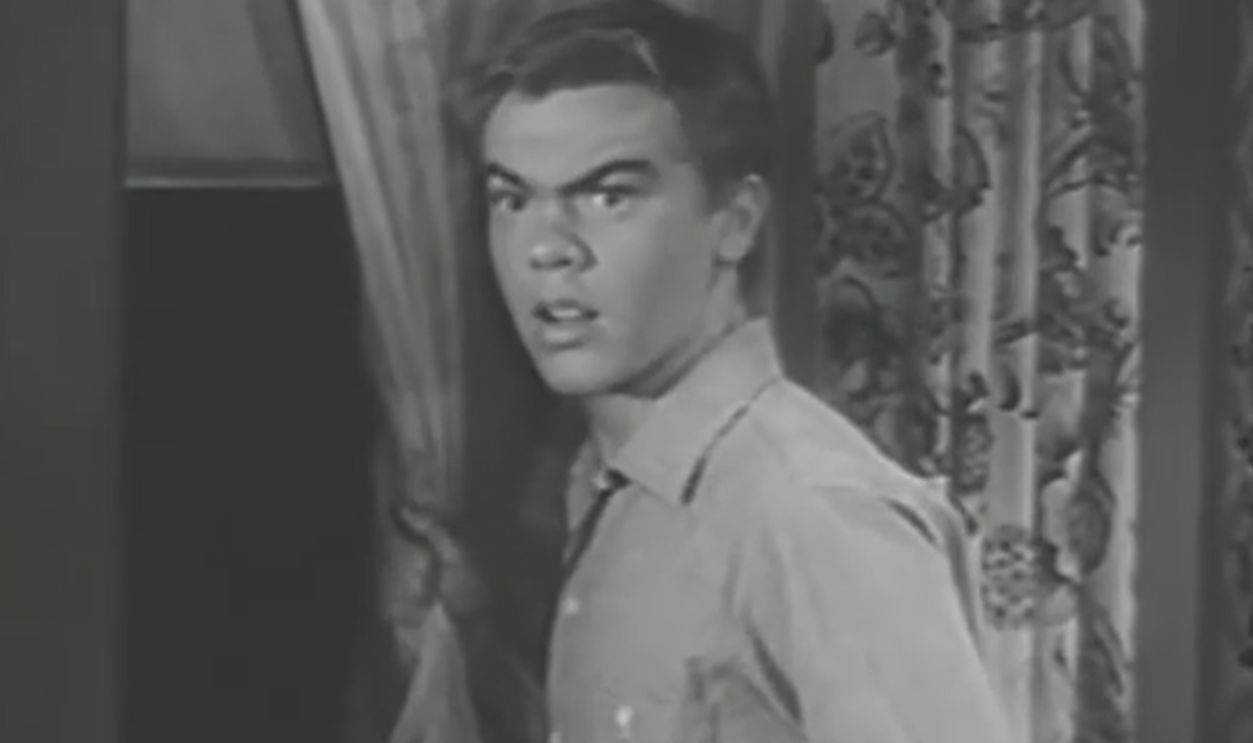 Screenshot from The Loretta Young Show, NBC (1953–1961)
Two Boys Found Him
On March 30, 1968, two boys entered an abandoned East Village tenement and found a man lying on a cot. Two empty beer bottles and several religious pamphlets were nearby. The man was only 31, but nothing about him immediately suggested that he had once been one of America’s most famous children.
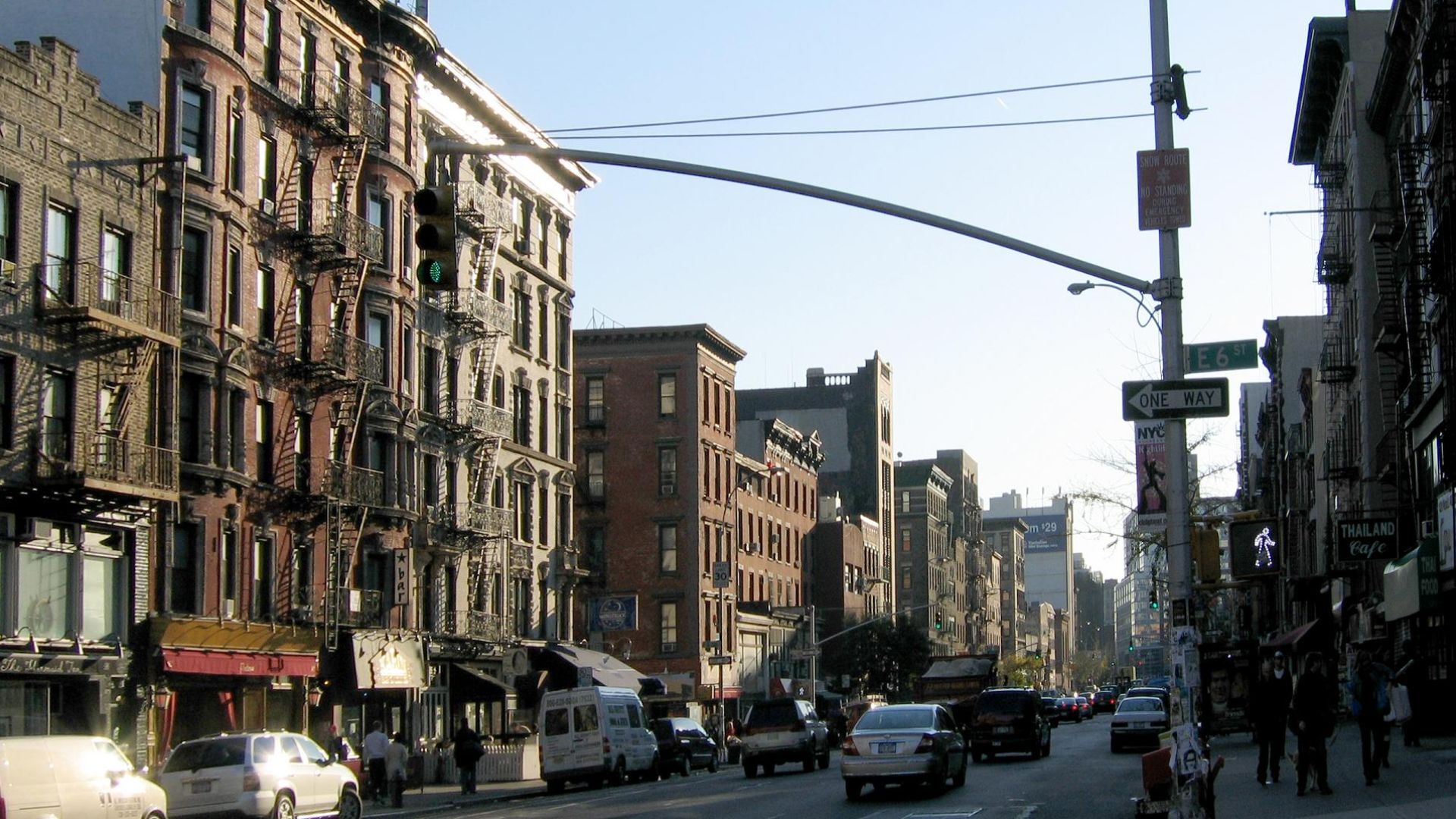
It Was Not Ruled an Overdose
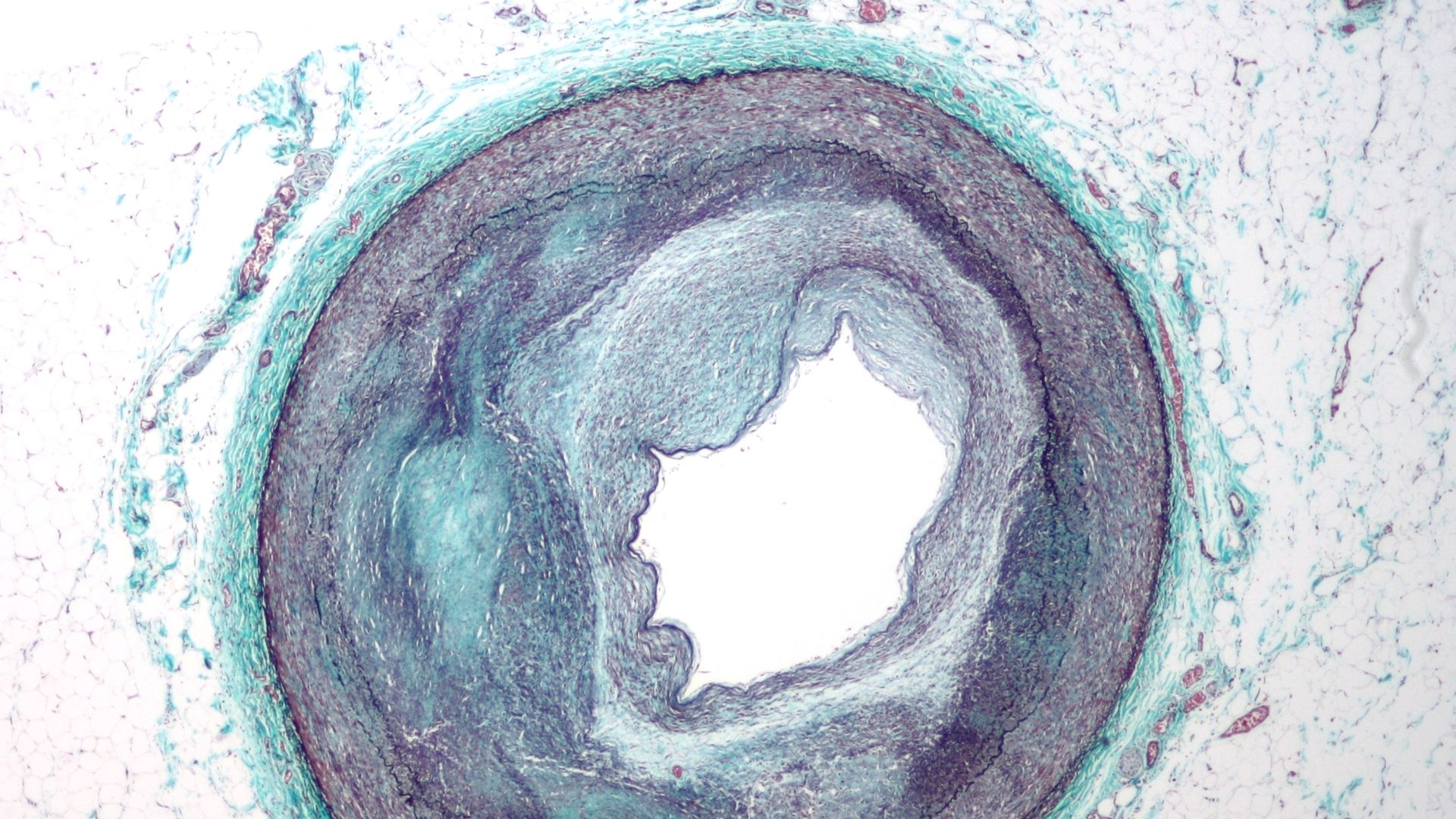
This matters because Bobby’s death is often simplified into an overdose story. The medical examiner listed coronary arteriosclerosis—hardening of the arteries—as the cause. Long-term substance use was believed to have contributed, but his mother later said reports found no substances, puncture marks or paraphernalia.
New York Buried Him as a John Doe
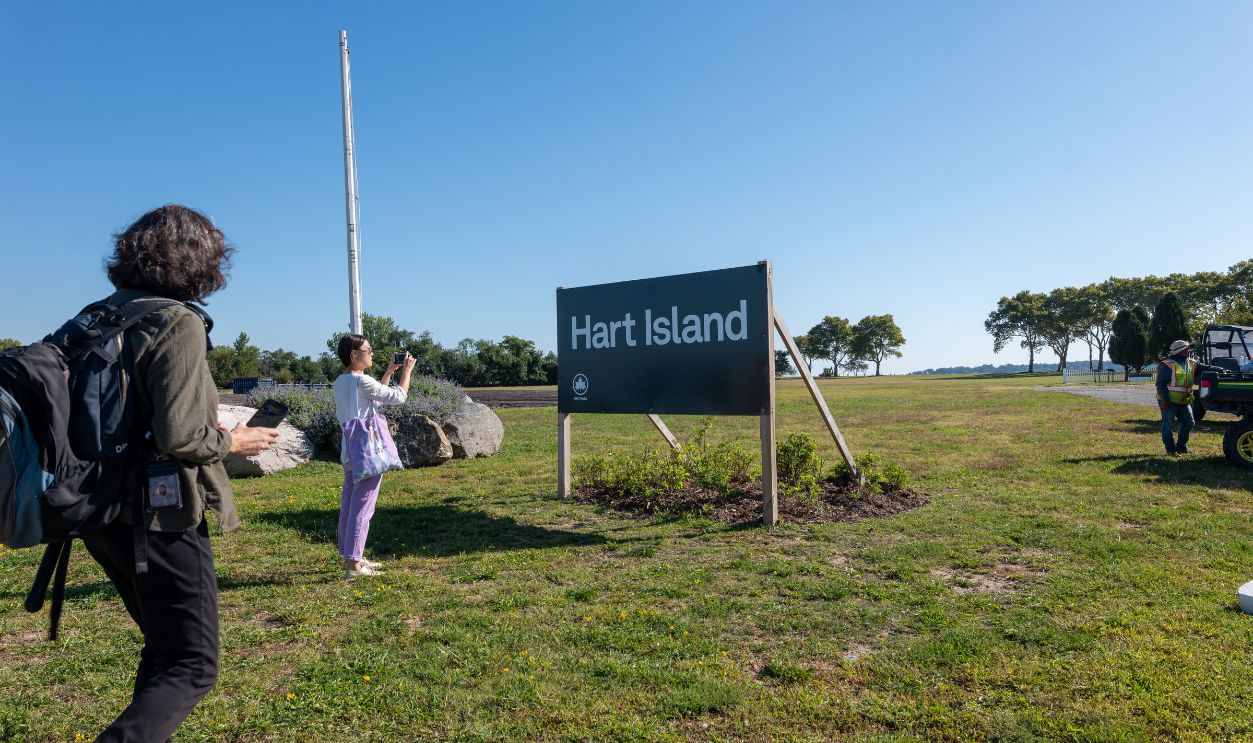
Driscoll carried no identification, and showing his photograph around the neighborhood produced no answers. New York classified him as a John Doe and buried him on Hart Island, the city’s public cemetery for people who are unidentified, unclaimed or buried there at a family’s request. His grave had no individual marker.
His Family Was Still Searching
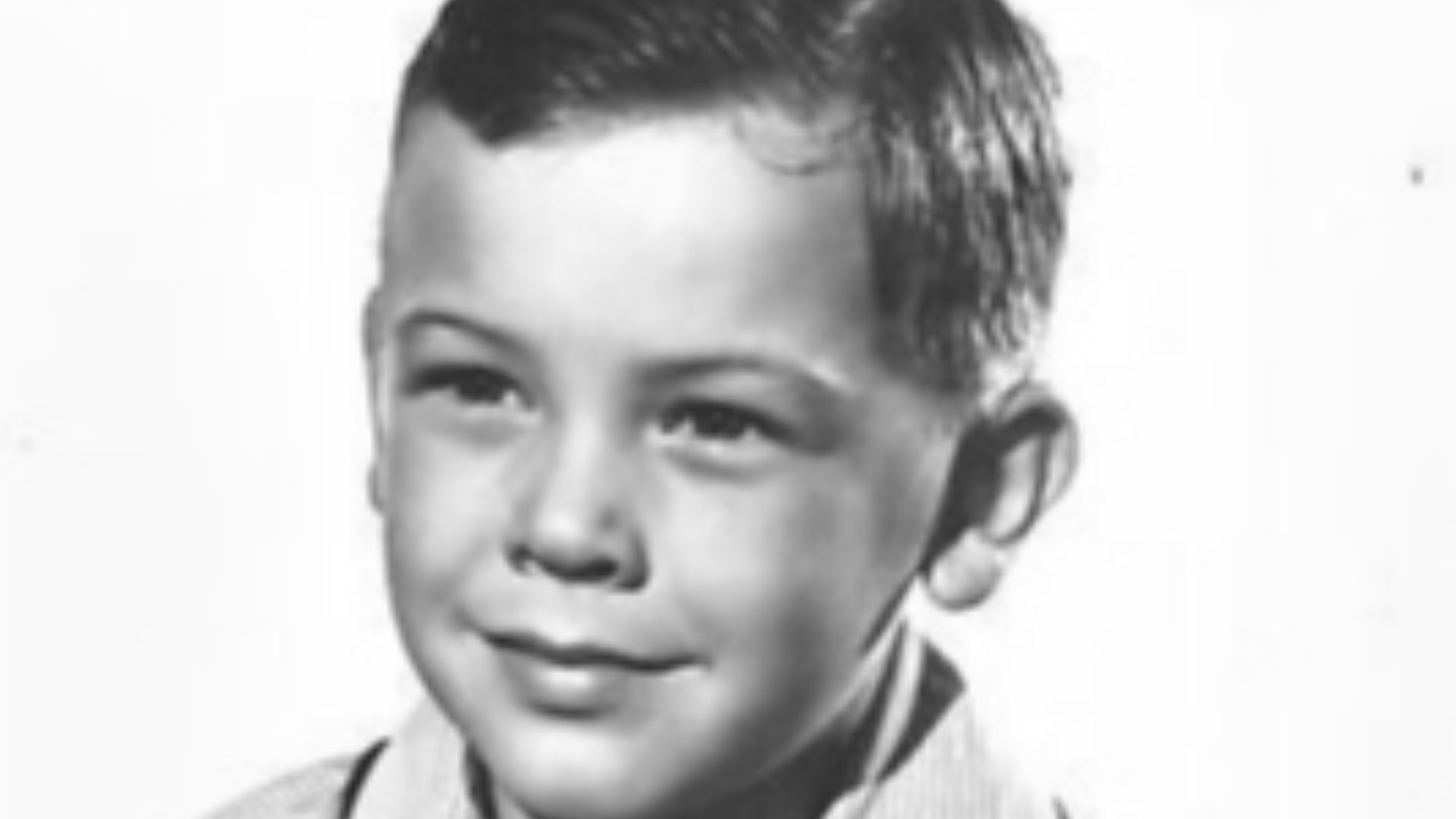
Bobby’s family had no idea any of this had happened. In late 1969, his father was seriously ill and wanted to see him, so Bobby’s mother contacted Disney and began trying to locate her son. He had already been gone for roughly 19 months. They were searching for someone New York had buried anonymously.
 20th Century Fox, Wikimedia Commons
His Fingerprints Gave Him Back His Name
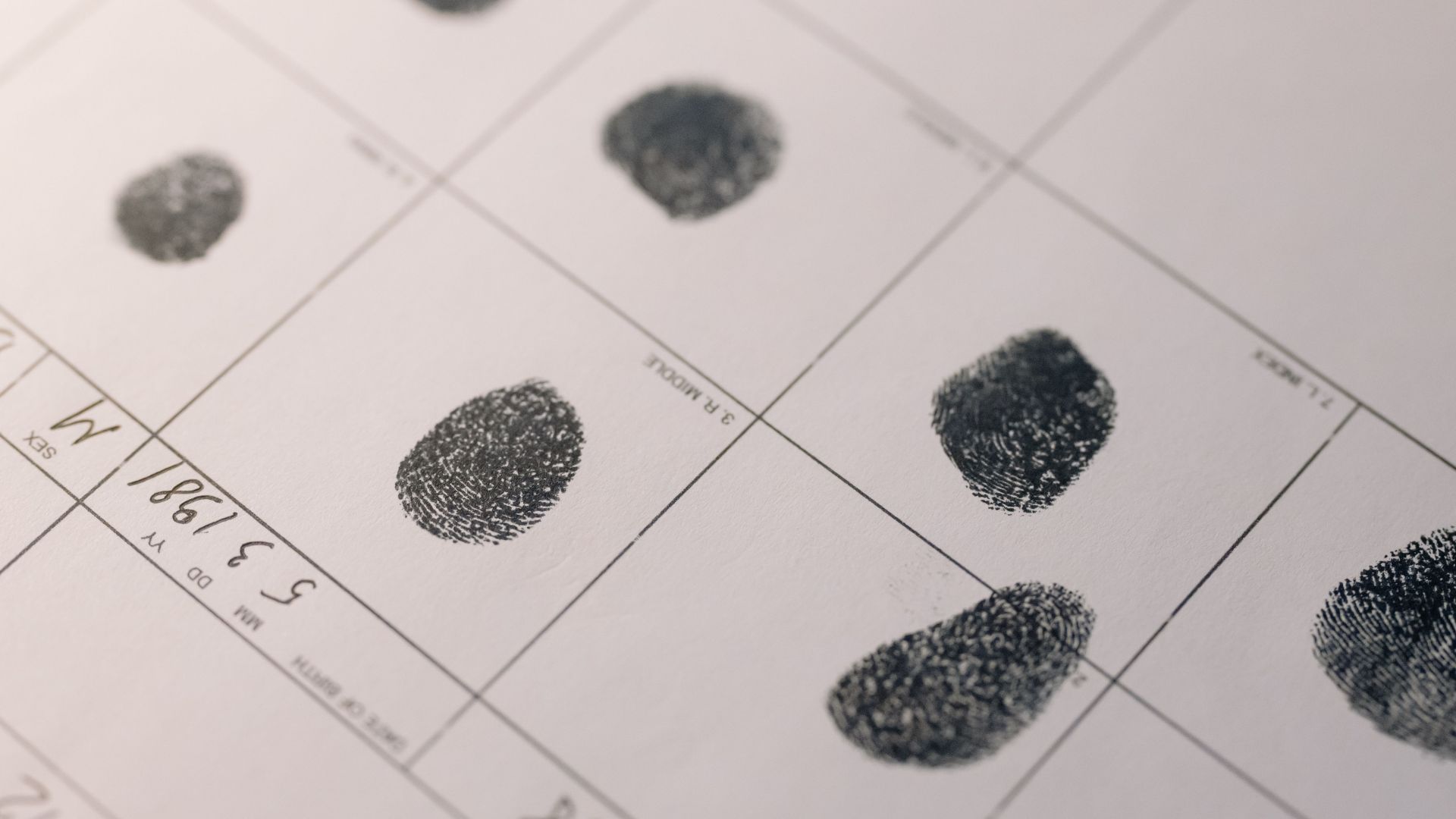
The search eventually reached the New York Police Department, where fingerprints finally connected the unidentified body to Bobby Driscoll. His family learned that he was gone and had already been buried on Hart Island. The man in the unmarked grave was no longer John Doe—but there was no way to undo what had happened.
The Public Did Not Know for Years
Even after his family learned the truth, most of the world still did not know. His fate only became widely reported when journalists went looking for him around Disney’s early-70s rerelease of Song of the South. Audiences had continued hearing Bobby’s voice in Peter Pan without knowing how his story ended.
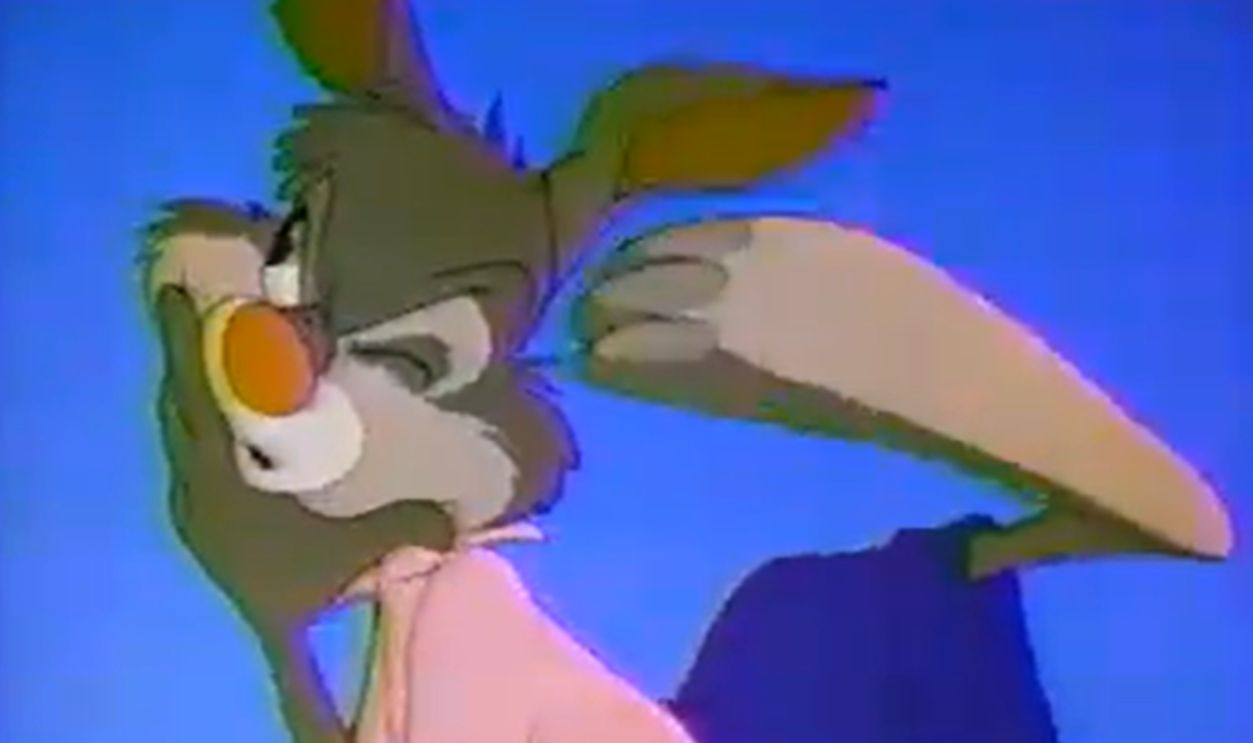 Screenshot from Song of the South, Buena Vista Pictures Distribution (1972)
Hollywood Put His Name on a Sidewalk
Driscoll has a star on the Hollywood Walk of Fame, and his name was later placed on his father’s gravestone in California. But Bobby’s remains are still on Hart Island. Hollywood permanently placed his name on a sidewalk while the man himself remained in an unmarked grave.
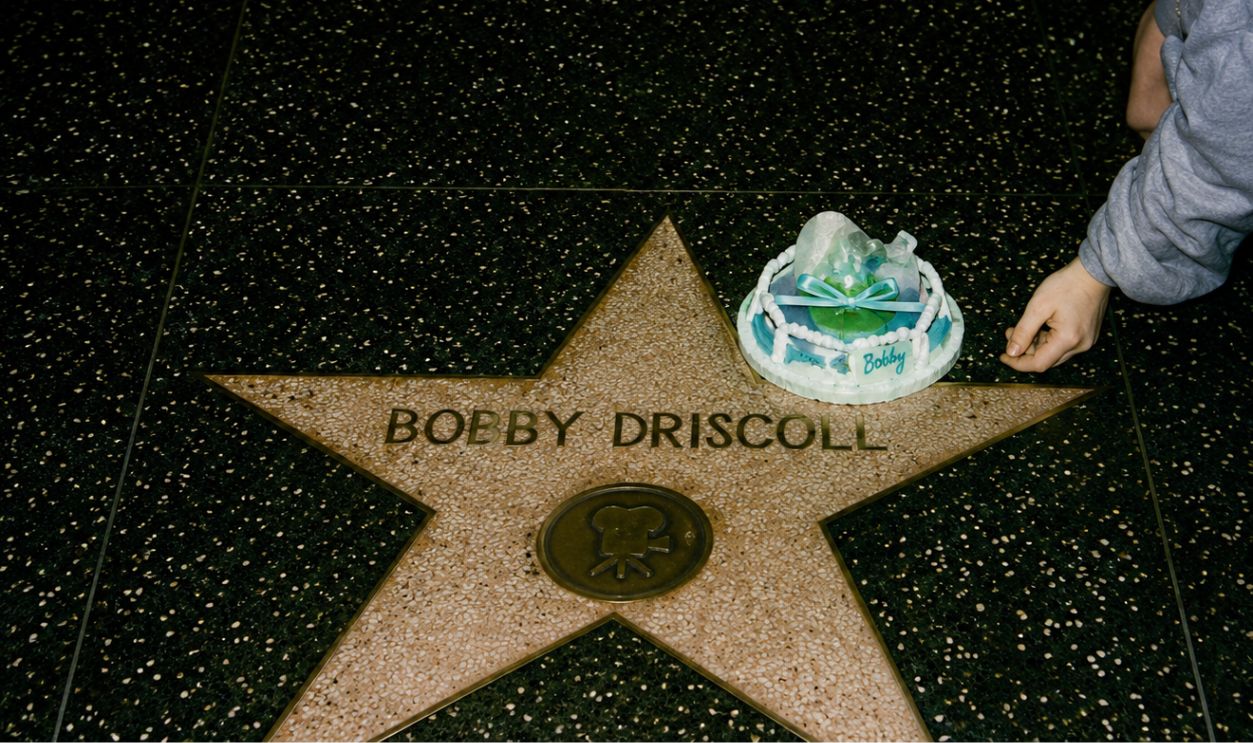 Aaren driscoll, James Joseph Morris, Wikimedia Commons, Modified
The Boy Hollywood Refused to Let Grow Up
Bobby Driscoll did not disappear because he lacked talent. He disappeared because Hollywood built a business around the child he was and had almost no use for the adult he became. Peter Pan stayed young forever. Bobby grew up—and the people who had once made him famous looked away.
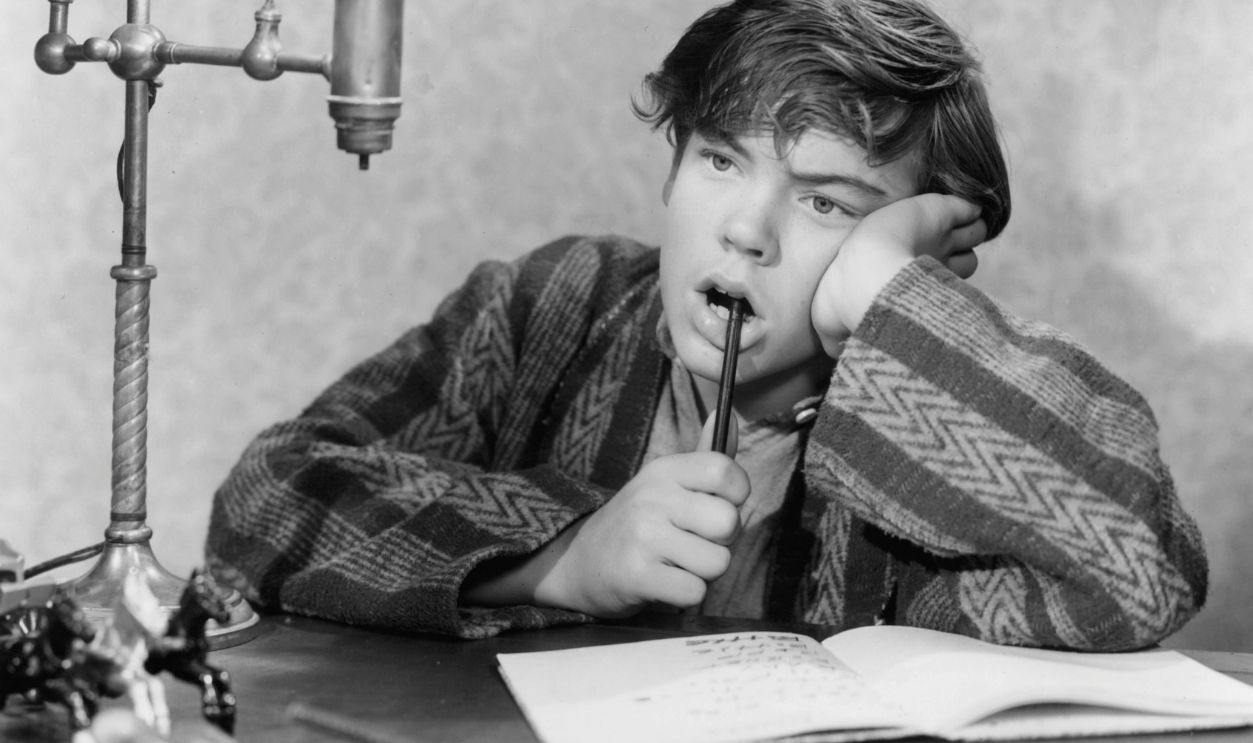 Michael Ochs Archives, Getty Images
You Might Also Like:
Actresses Who Appeared In The Most Westerns—How Many Do You Remember?
Why The Bob Newhart Show Star Suzanne Pleshette Became One Of Television’s Most Beloved Performers