She Was Never Just A Guest Star
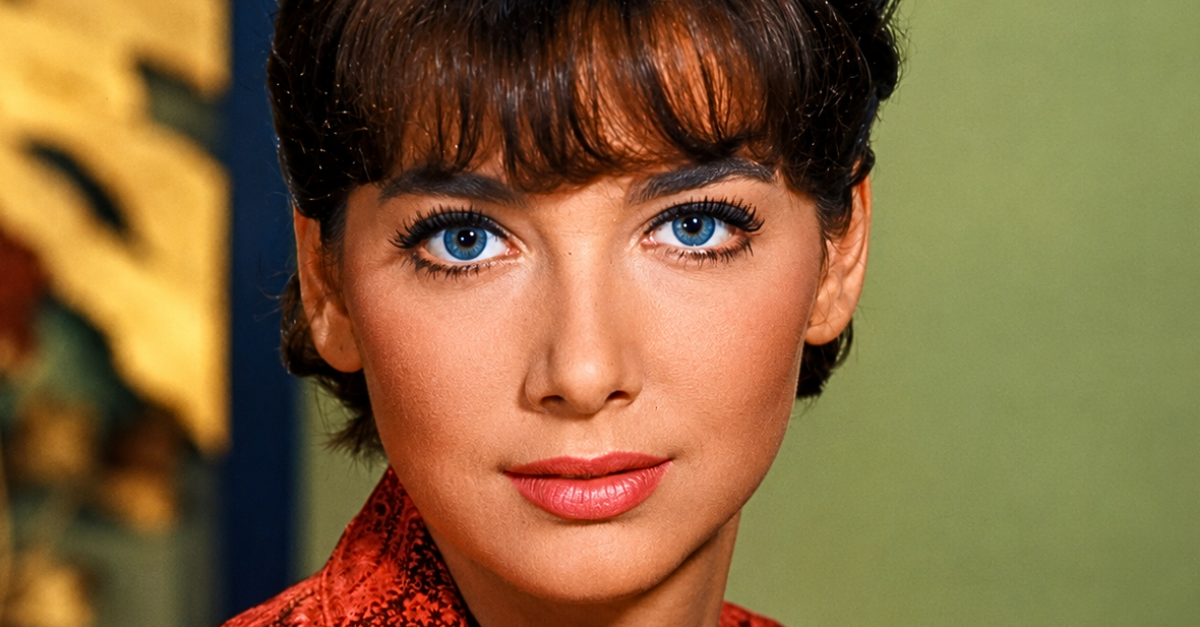
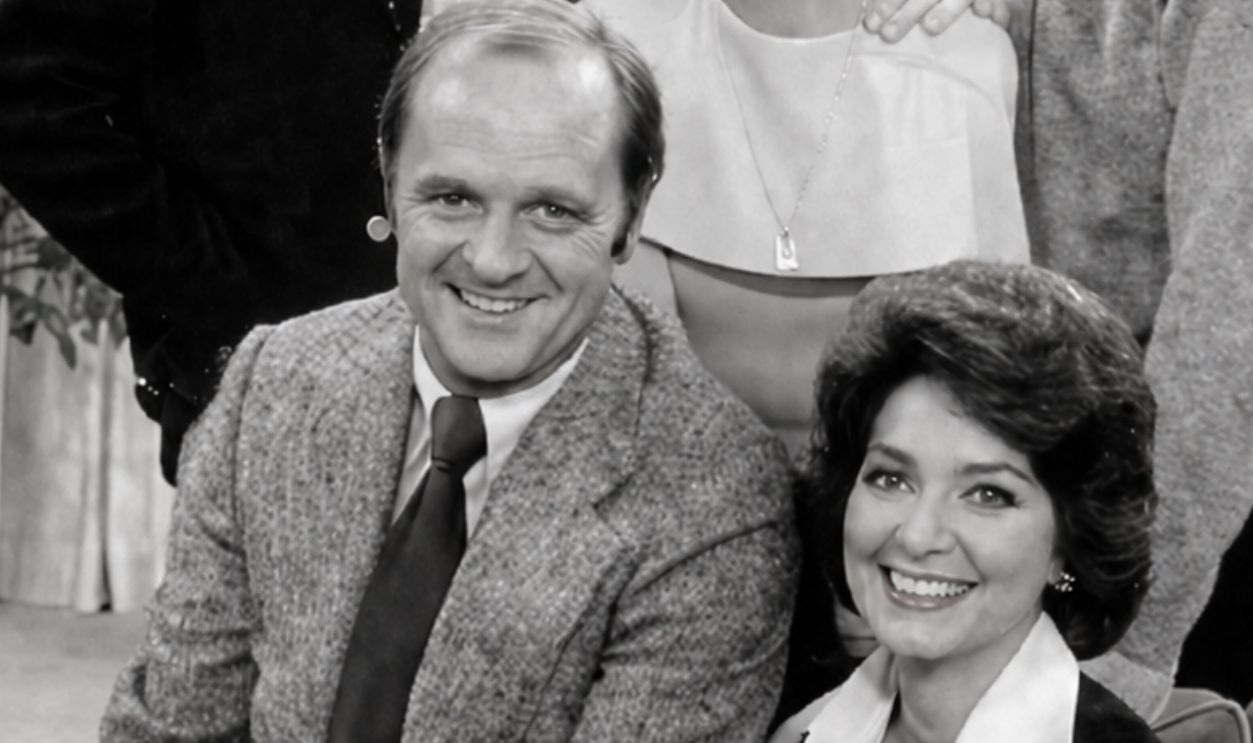
Suzanne Pleshette did not simply pop into The Bob Newhart Show for a memorable episode. She played Emily Hartley for the show’s full 1972 to 1978 run, which made her one of its central figures. That matters because her appeal came from becoming part of the show’s heartbeat. Viewers loved her because she felt like someone who truly belonged there.
Emily Hartley Felt Like A Real Person
Emily could have been written as the standard sitcom wife who exists only to react to her husband. Instead, Pleshette gave her intelligence, warmth, impatience, and a sharp sense of humor. She made Emily feel like an adult with a life beyond the apartment. That made the marriage at the center of the series feel more grounded.
 CBS Television, Wikimedia Commons, enhanced
She Was Bob’s Perfect Counterweight
Bob Newhart’s comic style depended on quiet panic and careful understatement. Pleshette balanced that energy with confidence, directness, and a beautifully dry delivery. She never needed to out-joke him to be funny. She just had to look at him like she already knew where the conversation was going.
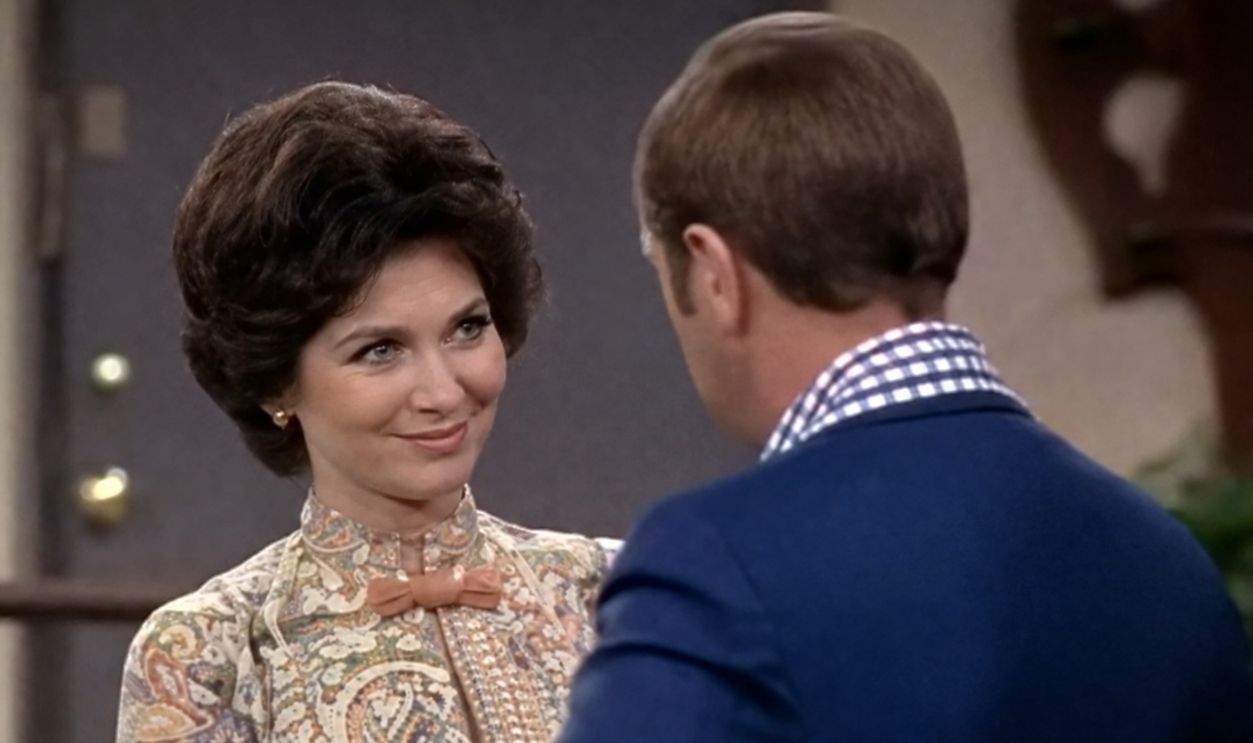 Screenshot from The Bob Newhart Show, The Walt Disney Company (1972-1978), enhanced
That Voice Was Impossible To Forget
Pleshette had one of television’s great smoky voices. It made her sound glamorous, amused, and slightly dangerous even when she was saying something ordinary. Critics and obituary writers often remembered that voice as part of her signature. It helped her stand out in a medium full of bright, polished sitcom performances.
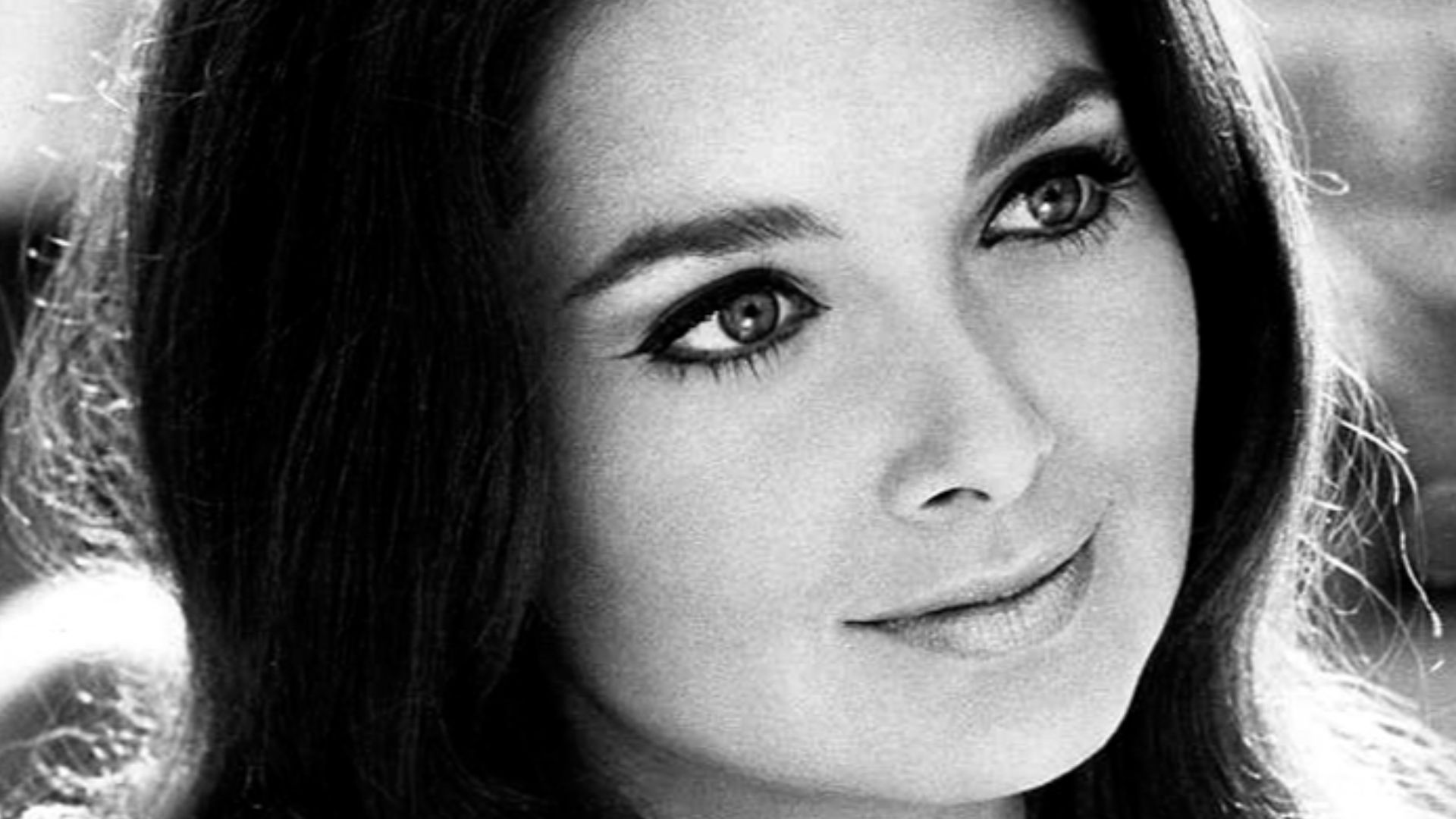 United Artists, Wikimedia Commons
She Brought Broadway Muscle To Sitcom TV
Before television made her a household name, Pleshette came from serious stage training. She attended New York’s High School of Performing Arts and studied at the Neighborhood Playhouse. That background gave her the discipline to make sitcom rhythm look effortless. She was funny because she knew exactly how much acting was enough.
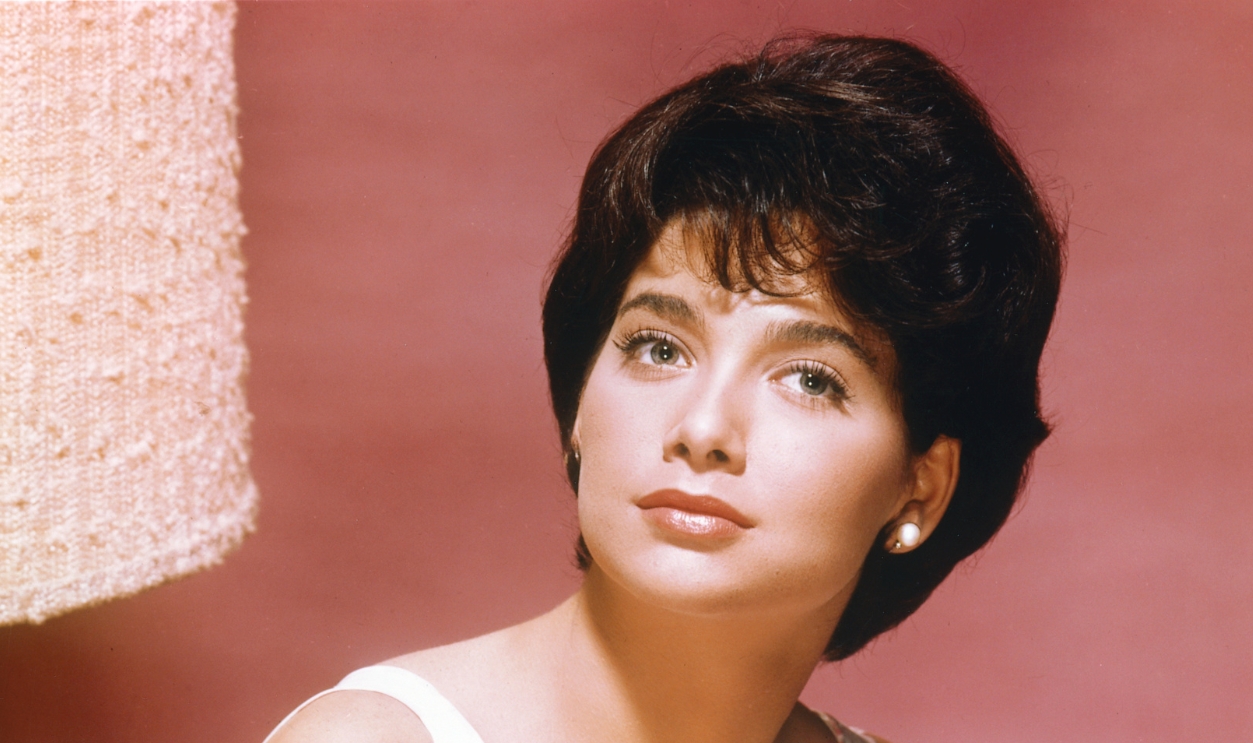 Silver Screen Collection, Getty Images
Broadway Had Already Toughened Her Up
Pleshette’s stage career included a major challenge when she replaced Anne Bancroft in The Miracle Worker. Stepping into a role so closely associated with another celebrated actress is not for the timid. She took that experience into television with confidence. By the time Emily Hartley arrived, Pleshette already knew how to survive pressure.
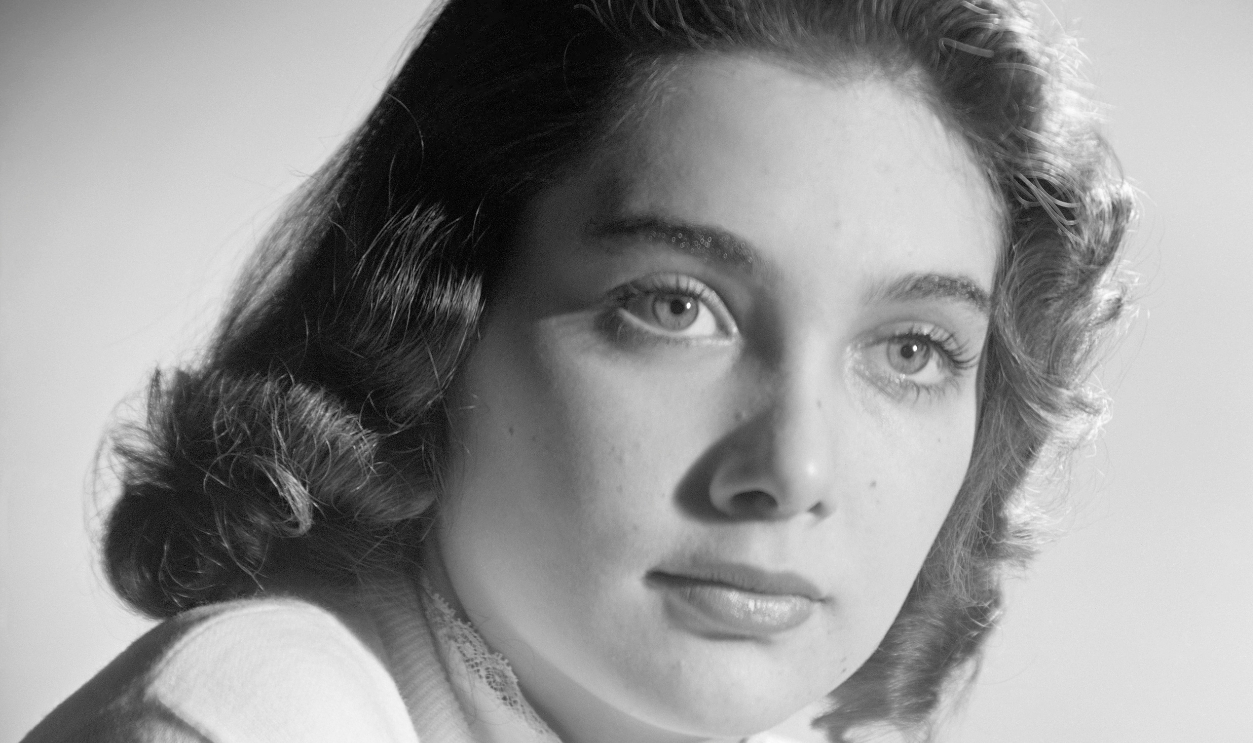
Hitchcock Gave Her A Haunting Showcase
Before The Bob Newhart Show, Pleshette earned attention in Alfred Hitchcock’s The Birds. Her role as Annie Hayworth gave the film a melancholy emotional thread beneath the suspense. She was not the loudest presence in the movie, but she was one of its most memorable. That mix of toughness and vulnerability later became essential to her television charm.
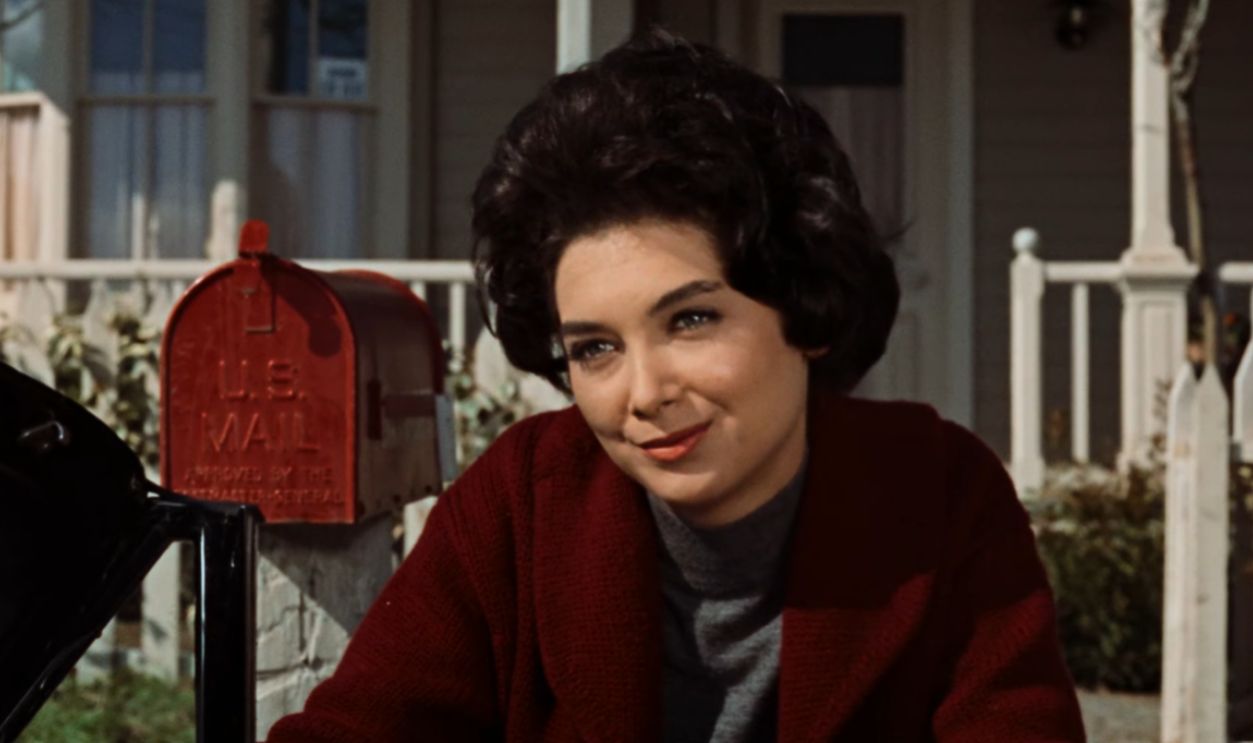 Screenshot from The Birds, NBCUniversal (1963)
She Could Handle Glamour Without Acting Untouchable
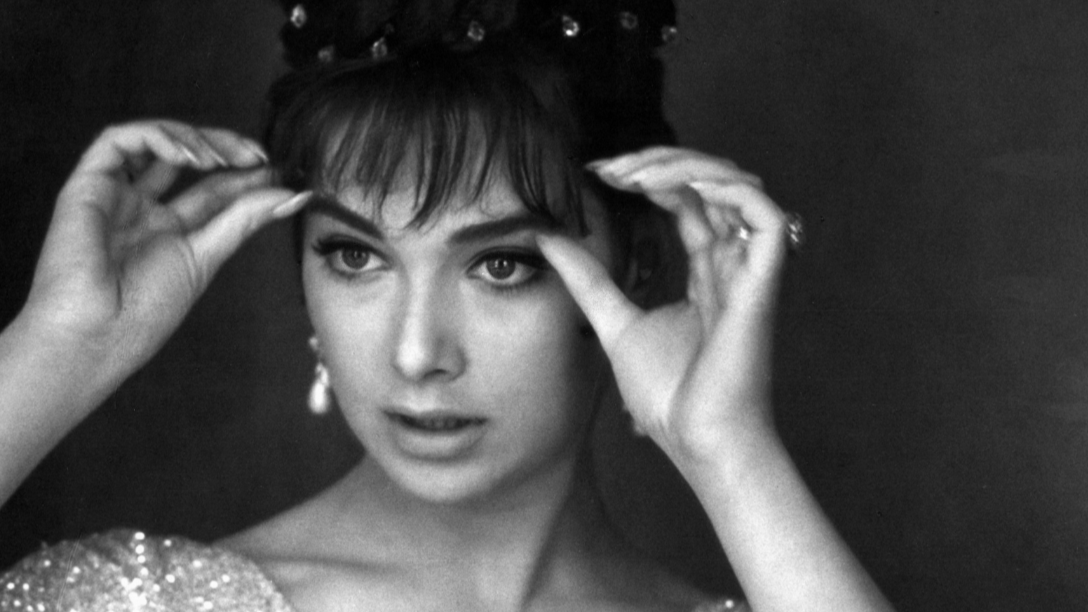
Pleshette had movie-star beauty, but she rarely played her characters as distant. Even in glamorous roles, she kept a human edge that made her approachable. That helped her move between film, television, and stage without seeming trapped in one image. Audiences trusted her because she felt elegant and real at the same time.
Her Sitcom Marriage Felt Refreshingly Adult
Emily and Bob Hartley did not feel like a cartoon couple. They talked like smart adults who could tease each other without destroying the relationship. Pleshette gave Emily enough independence that the marriage never felt one-sided. That made the show feel modern even decades later.
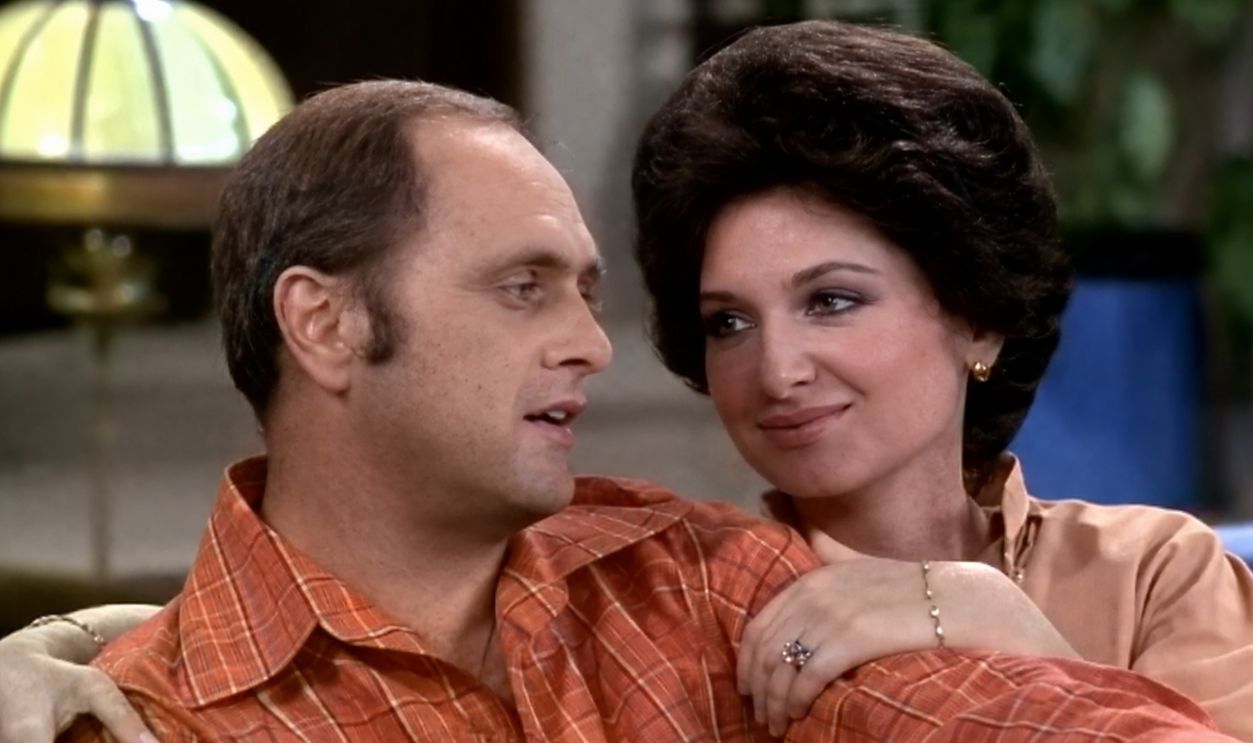 Screenshot from The Bob Newhart Show, The Walt Disney Company (1972-1978), enhanced
She Made Sarcasm Feel Warm
Pleshette could deliver a cutting line without making Emily seem mean. Her humor often came with a raised eyebrow, a pause, or a look that said more than the dialogue. That balance kept the character likable even when she was clearly exasperated. It is one of the reasons Emily still feels fresh.
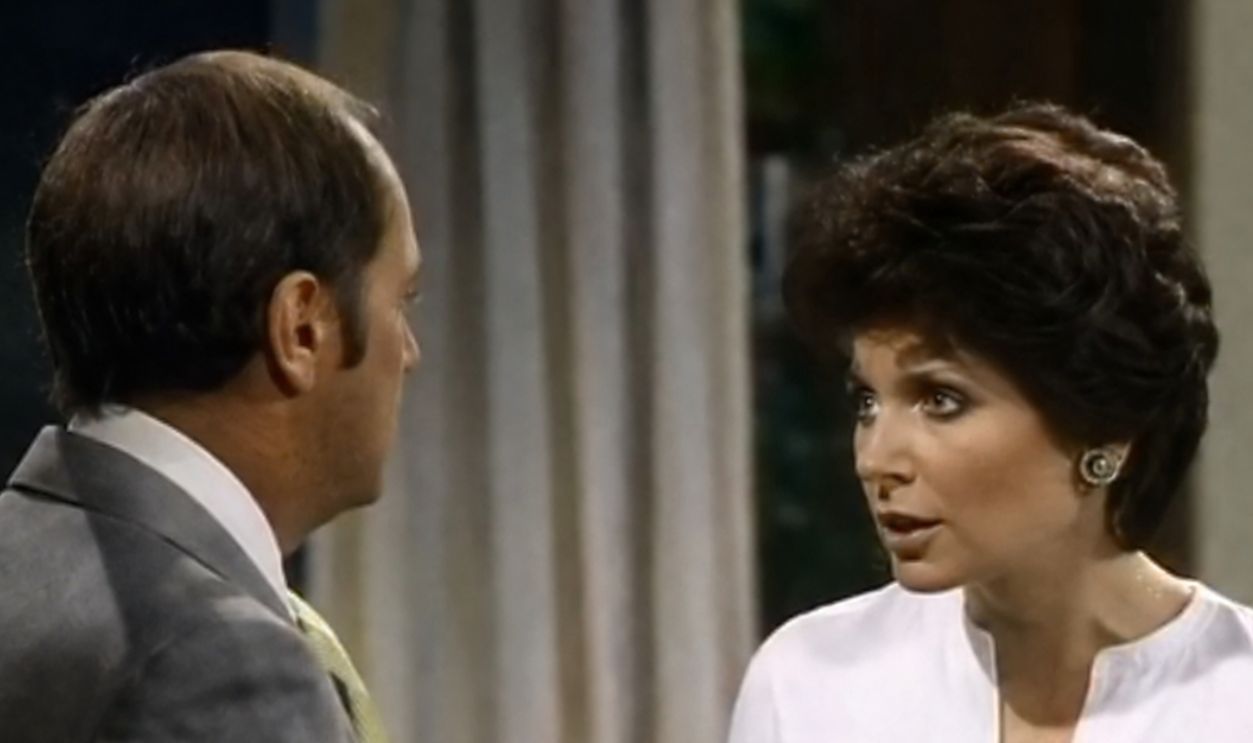 Screenshot from The Bob Newhart Show, The Walt Disney Company (1972-1978), enhanced
She Was The Voice Of Reason
The Bob Newhart Show surrounded Bob Hartley with eccentric patients, odd neighbors, and strange workplace situations. Emily often worked because she was the calmest person in the room. Pleshette made that role fun instead of thankless. She could ground the chaos while still getting some of the best laughs.
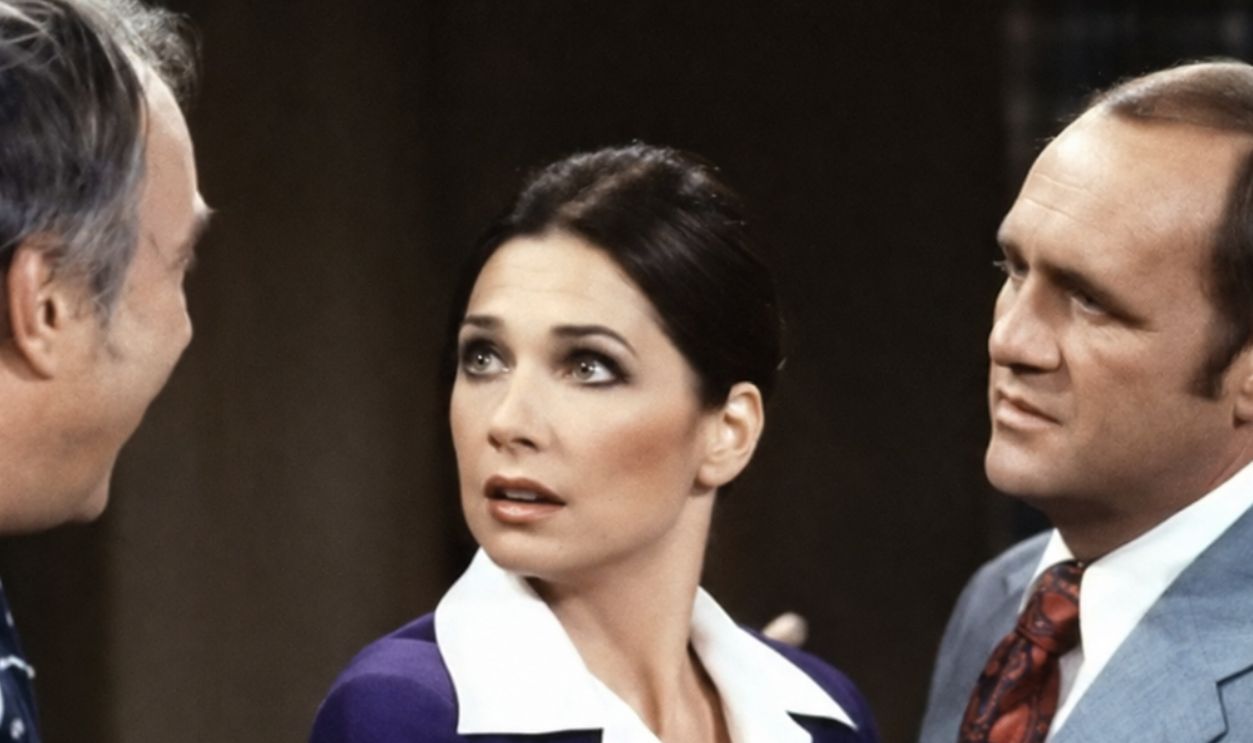 Screenshot from The Bob Newhart Show, The Walt Disney Company (1972-1978), enhanced
She Knew Comedy Was A Team Sport
Pleshette never played Emily like she needed to steal the show. She understood how to support Newhart, Bill Daily, Marcia Wallace, Peter Bonerz, and the rest of the ensemble. That generosity made the whole cast stronger. It also made her performance age beautifully because it never feels desperate for attention.
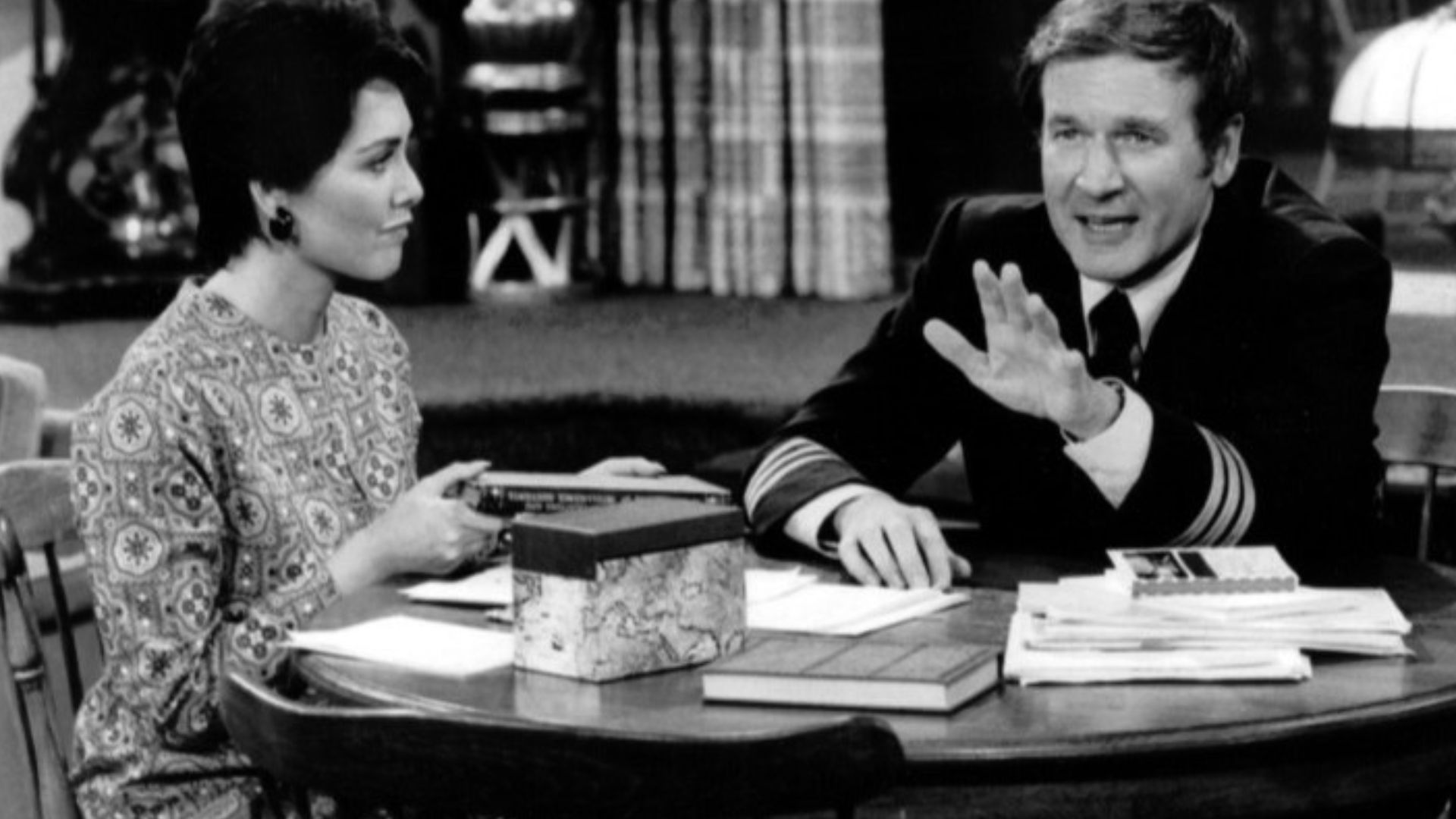 CBS Television, Wikimedia Commons
Emmy Voters Noticed Her Work
Pleshette received Emmy nominations for The Bob Newhart Show in 1977 and 1978. Those nominations recognized how much she brought to a role that could have been underestimated. She was not just “the wife” on a famous sitcom. She was one of the reasons the sitcom worked.
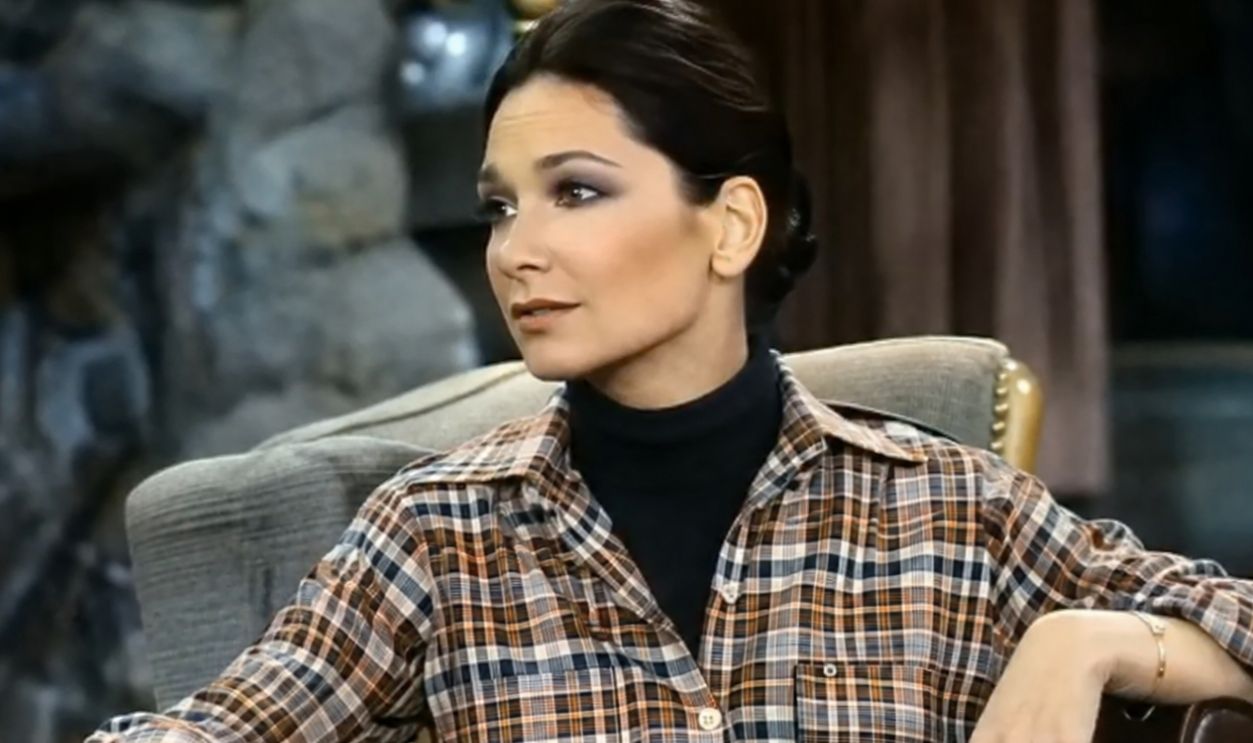 Screenshot from The Bob Newhart Show, The Walt Disney Company (1972-1978), enhanced
Her TV Career Was Bigger Than Emily
Pleshette had been on television long before she moved into the Hartley apartment. Her early TV credits included dramas such as Playhouse 90, Alfred Hitchcock Presents, Ben Casey, Naked City, and Dr. Kildare. She even received an Emmy nomination for Dr. Kildare in the early 1960s. Emily made her beloved, but television had already tested her range.
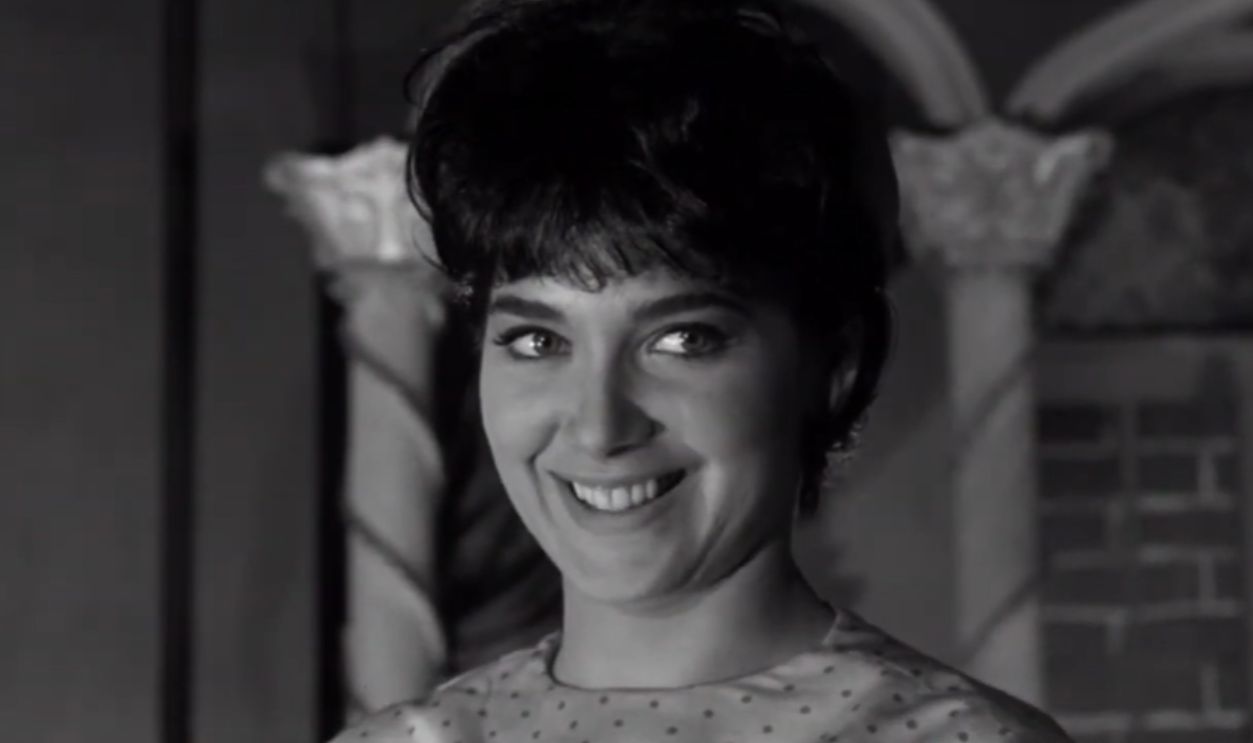 Screenshot from Dr. Kildare, Warner Bros. Discovery (1961-1966)
She Could Go Dark When She Wanted
Pleshette later proved she could play far sharper roles than Emily Hartley. Her performance as Leona Helmsley in Leona Helmsley: The Queen Of Mean earned another Emmy nomination and a Golden Globe nomination. That role leaned into steel, vanity, and menace. It reminded viewers that she was much more than sitcom comfort food.
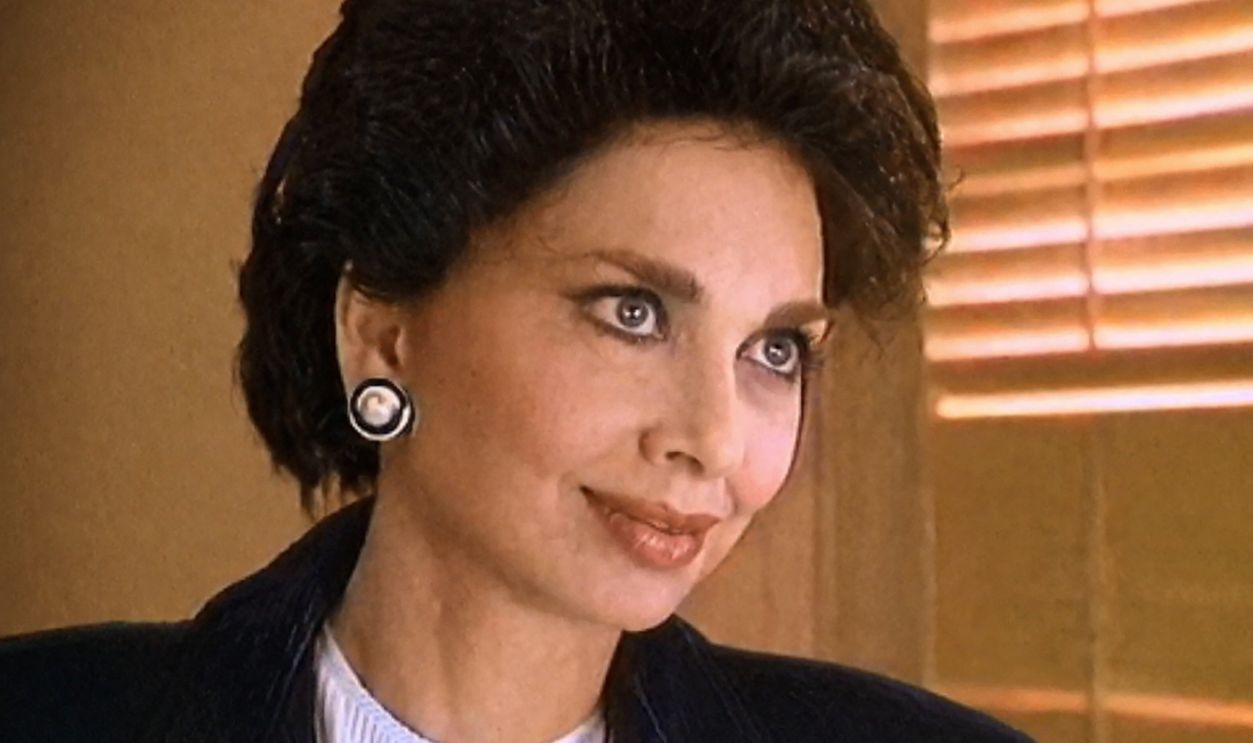 Screenshot from Leona Helmsley: The Queen Of Mean, Amazon MGM Studios (1990), enhanced
She Became Part Of TV’s Greatest Finale Trick
Pleshette’s surprise return in the 1990 finale of Newhart became television history. The episode revealed that Bob Newhart’s entire second sitcom had been a dream of Bob Hartley from The Bob Newhart Show. The joke worked because audiences instantly understood what Emily meant. Seeing Pleshette in that bed made the punchline land like a lightning bolt.
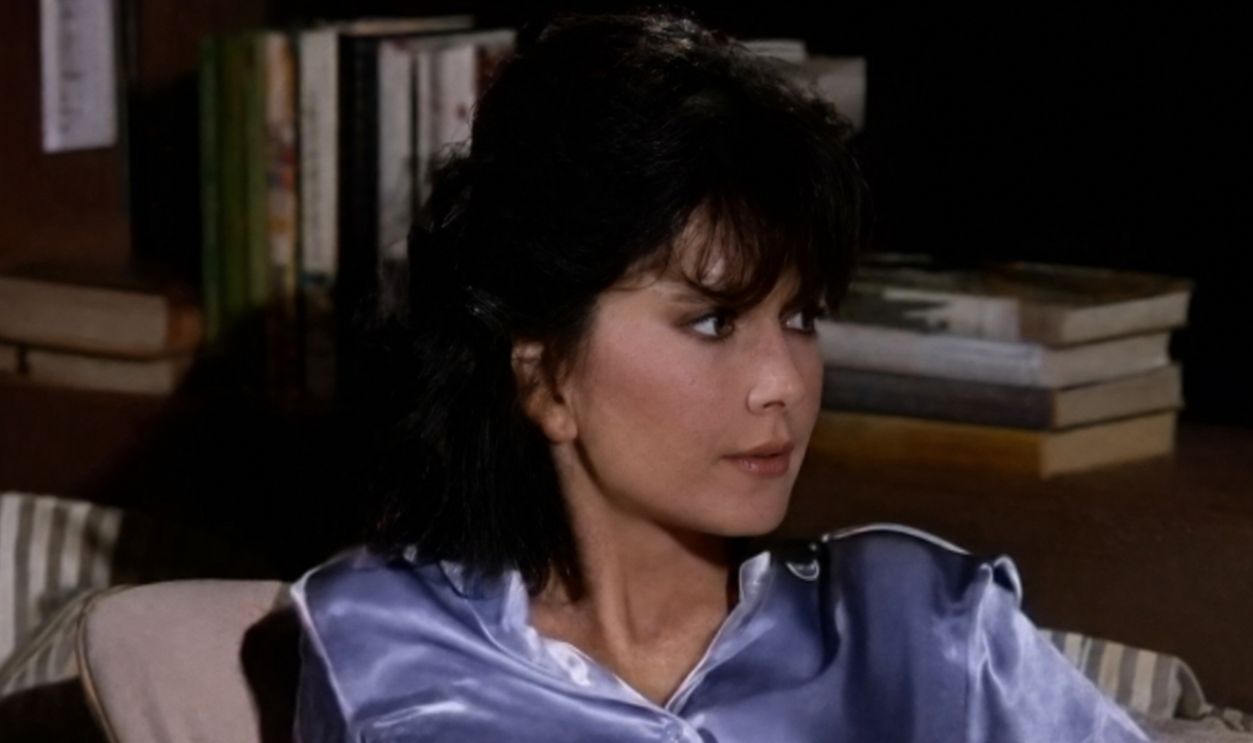 Screenshot from Newhart, The Walt Disney Company (1982-1990), enhanced
She Knew The Finale Was Worth It
Pleshette later said she would fly home from Timbuktu to do the Newhart finale idea. That reaction says a lot about her affection for the character and for Newhart. She understood that the cameo was more than a gag. It was a love letter to the audience that remembered Emily.
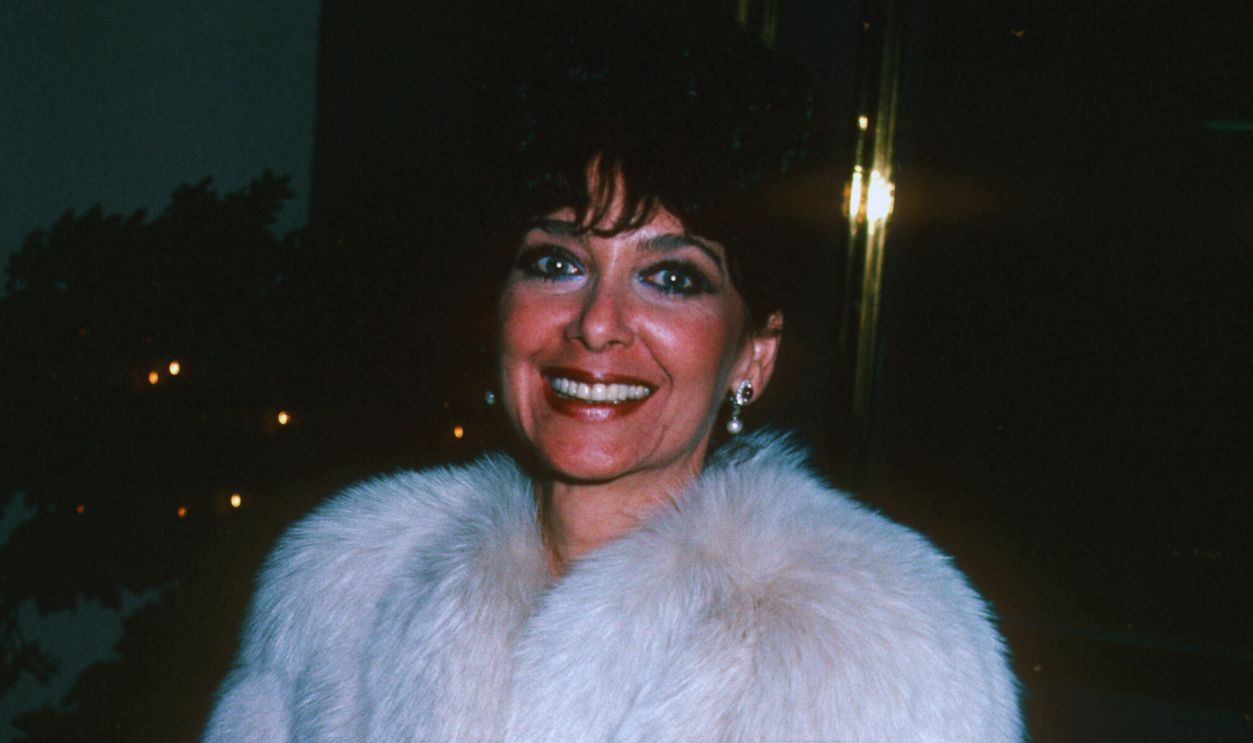
She Stayed Funny Across Generations
Pleshette kept working after her signature sitcom years. She appeared in later television projects including Good Morning, Miami, 8 Simple Rules, and Will & Grace. Those appearances introduced her timing to viewers who may not have grown up with Emily Hartley. She had the rare ability to feel classic without seeming dusty.
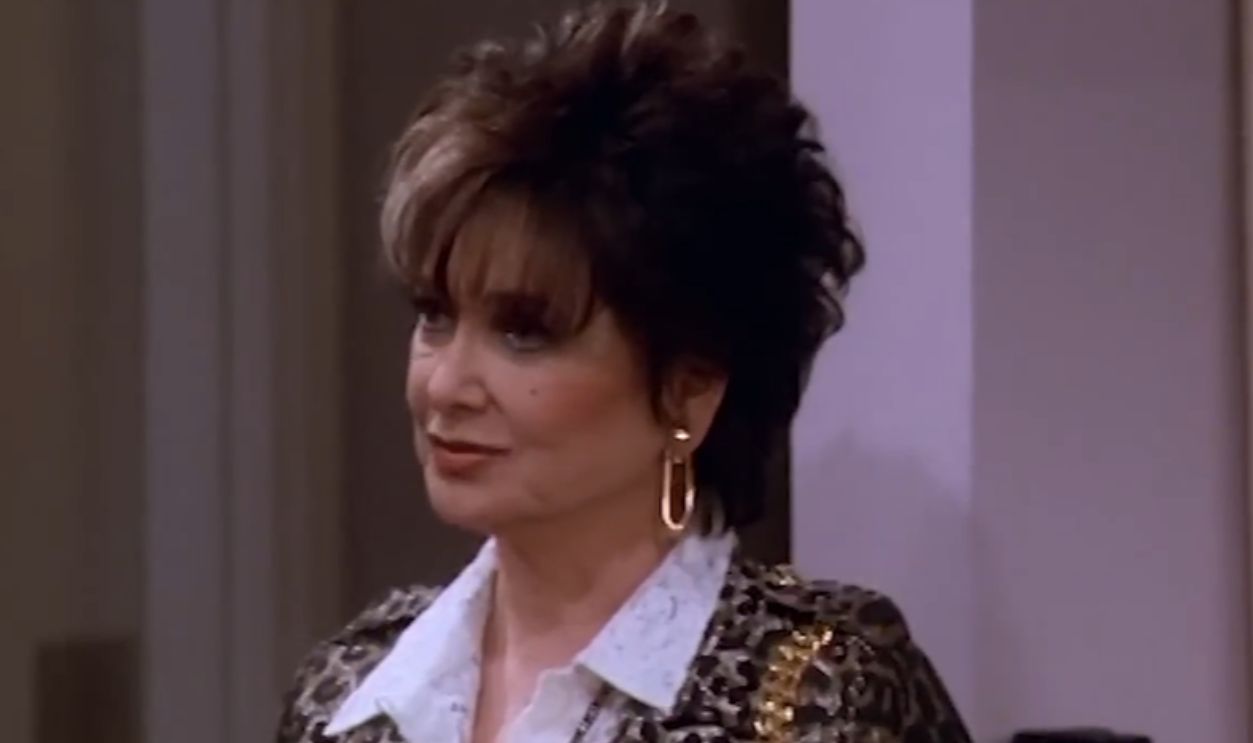 Screenshot from Will & Grace, NBCUniversal (1998-2006, 2017-2020)
Animation Let Her Go Bigger
Pleshette’s voice made her a natural fit for animation. She played Zira in The Lion King II: Simba’s Pride and later voiced twin witches in the English-language version of Spirited Away. She told TV Guide she loved voice acting because it let her tell the story through her voice. That late-career work showed how much personality she could pack into sound alone.
 Screenshot from The Lion King II: Simba’s Pride, The Walt Disney Company (1998)
Her Love Story Had A Sitcom Twist
Pleshette met Tom Poston while they were both working in theater in the late 1950s. They went on to marry other people, but reconnected decades later after both were widowed. They married in 2001 and remained together until Poston’s death in 2007. It was the kind of late-life romance that sounded almost too sweet for television.
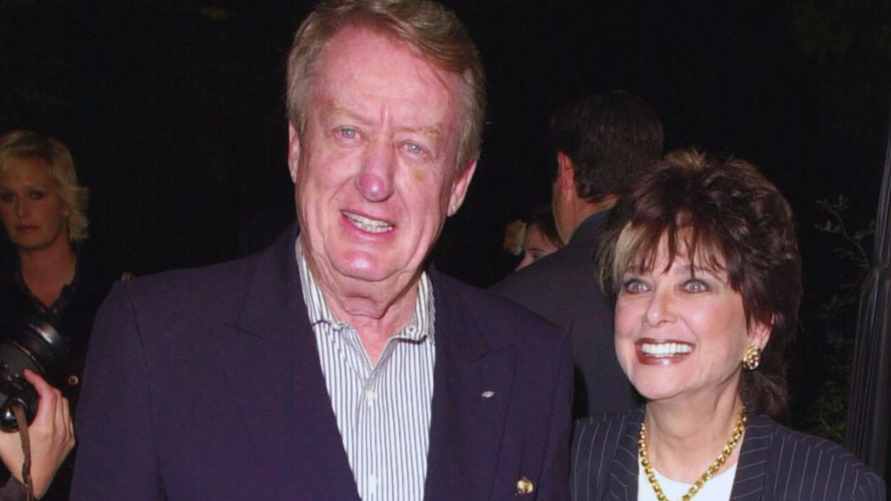
She Never Bought Into Stardom Too Much
Pleshette once said that being an actress mattered more than being a star. That attitude helps explain her long career. She kept showing up in different formats because she valued the work itself. That humility made her feel more durable than performers who only chase top billing.
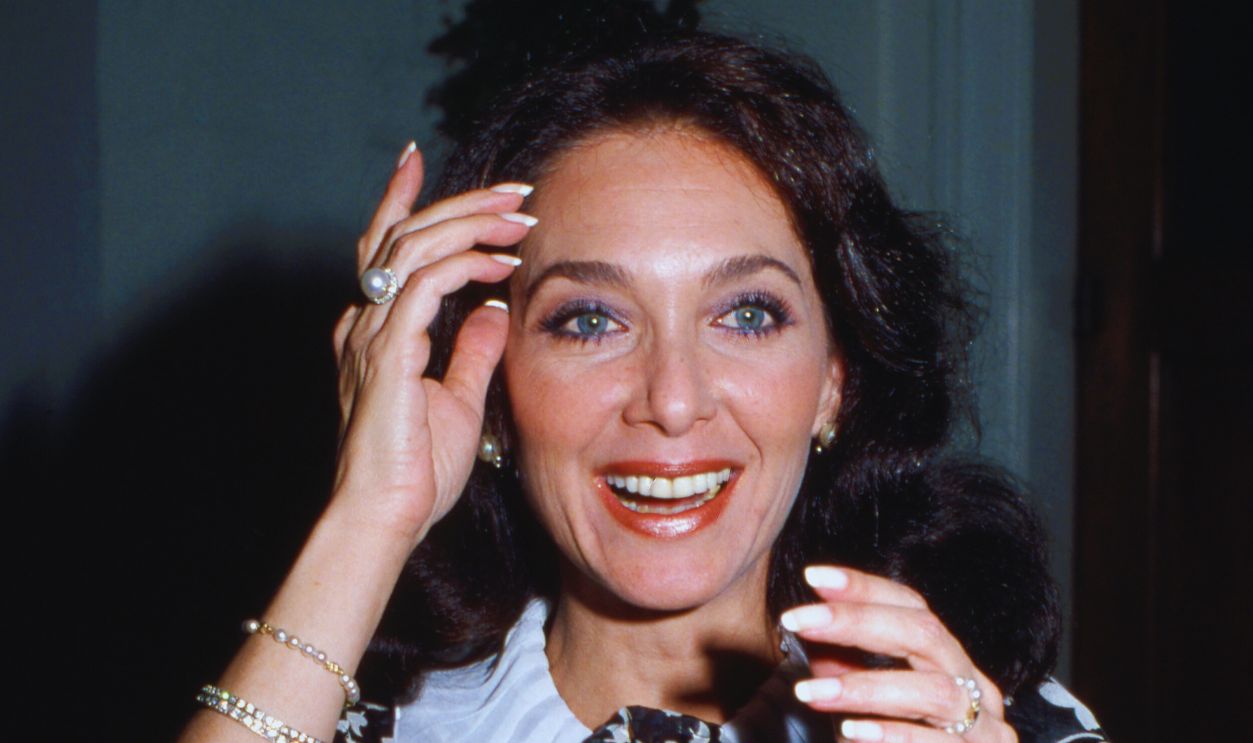
Her Colleagues Remembered Her Bravery
When Pleshette received her Hollywood Walk of Fame star after her death, her former co-stars helped honor her. Bob Newhart praised her talent, beauty, and bravery at the ceremony. Marcia Wallace also spoke warmly about the mark Pleshette left on her life. Those tributes showed how deeply she was loved behind the scenes.
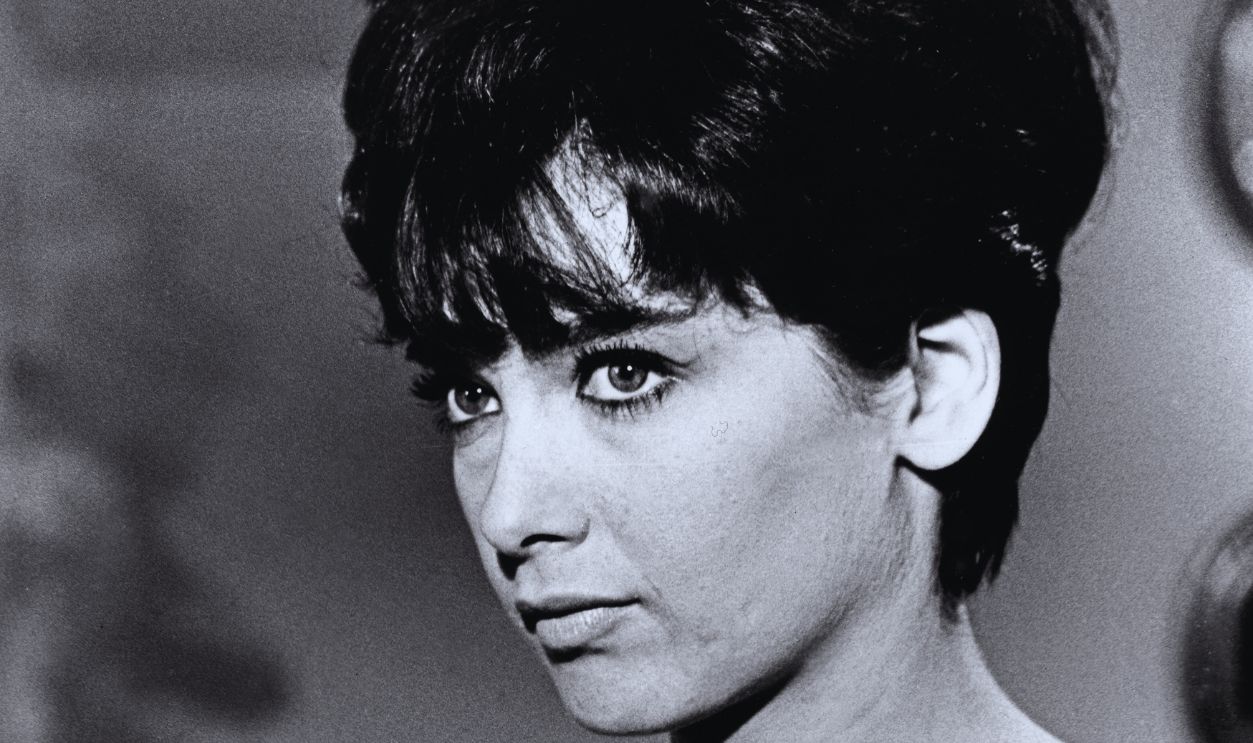
Her Final Reunion Was Deeply Moving
In September 2007, Pleshette joined her former castmates for a 35th anniversary reunion of The Bob Newhart Show at the Paley Center. She had already faced serious health problems by then. Her appearance gave fans one last public reminder of the chemistry that made the series special. It also showed how much the show still meant to her.
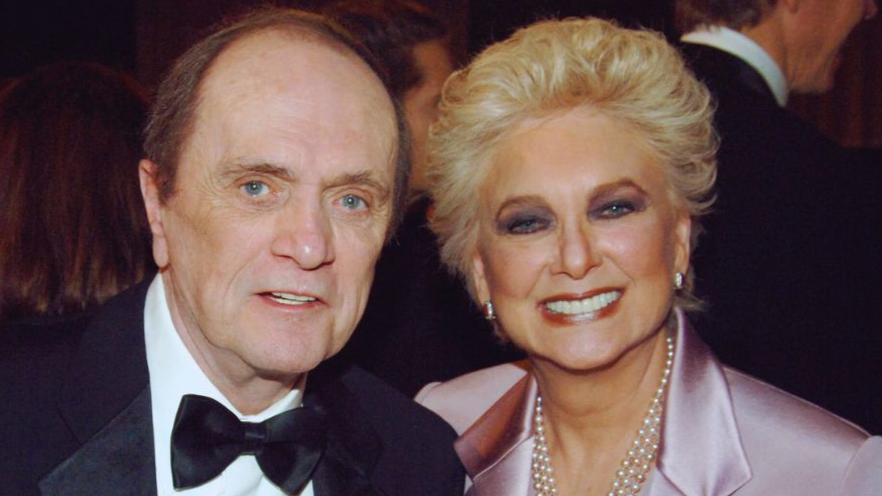
Her Walk Of Fame Star Arrived Too Late
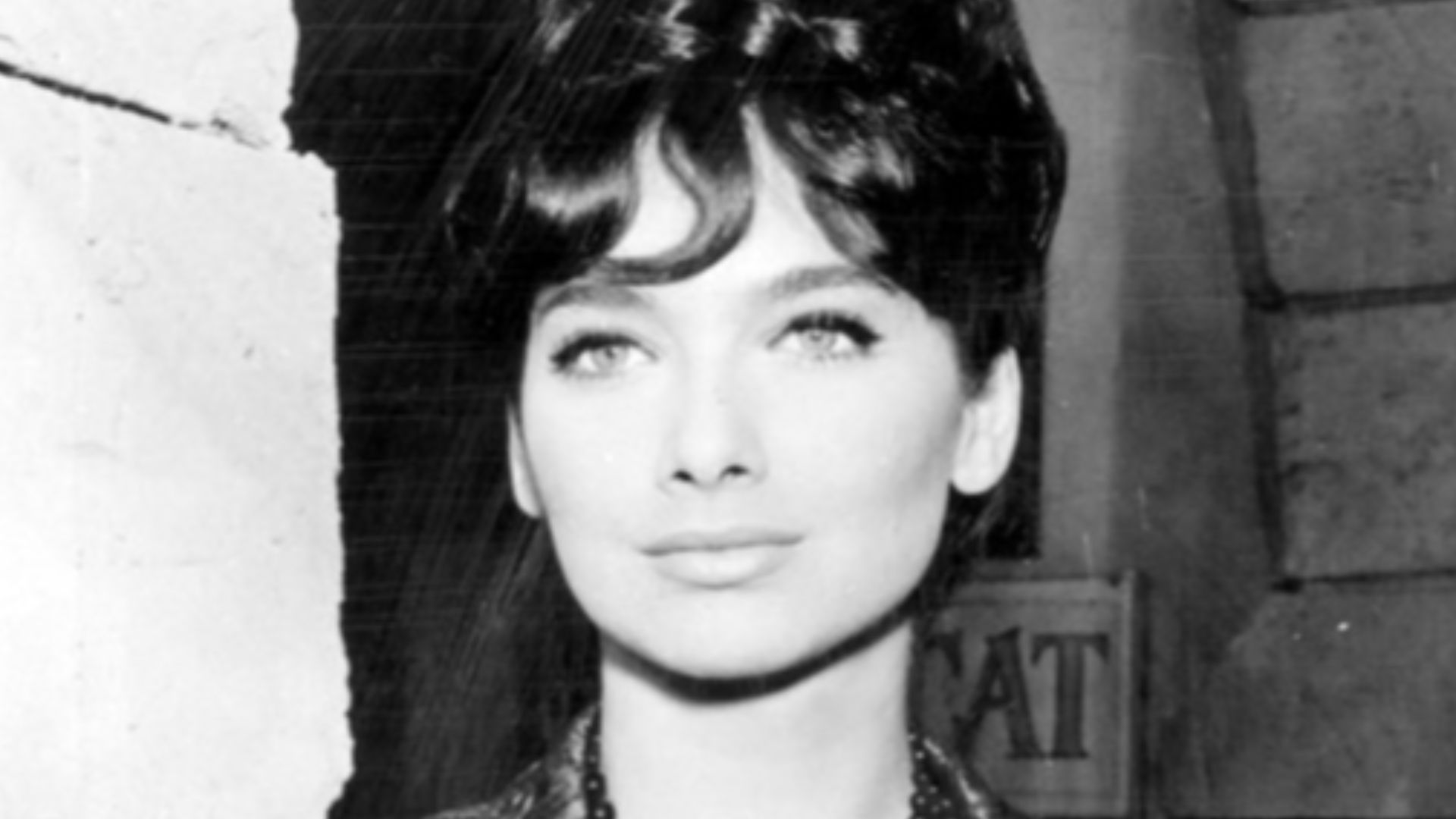
Pleshette’s Hollywood Walk of Fame ceremony took place on January 31, 2008. That date would have been her 71st birthday, but she had died less than two weeks earlier. The timing made the honor bittersweet. Still, the tribute gave fans and colleagues a public place to celebrate her career.
 ABC Television, Wikimedia Commons
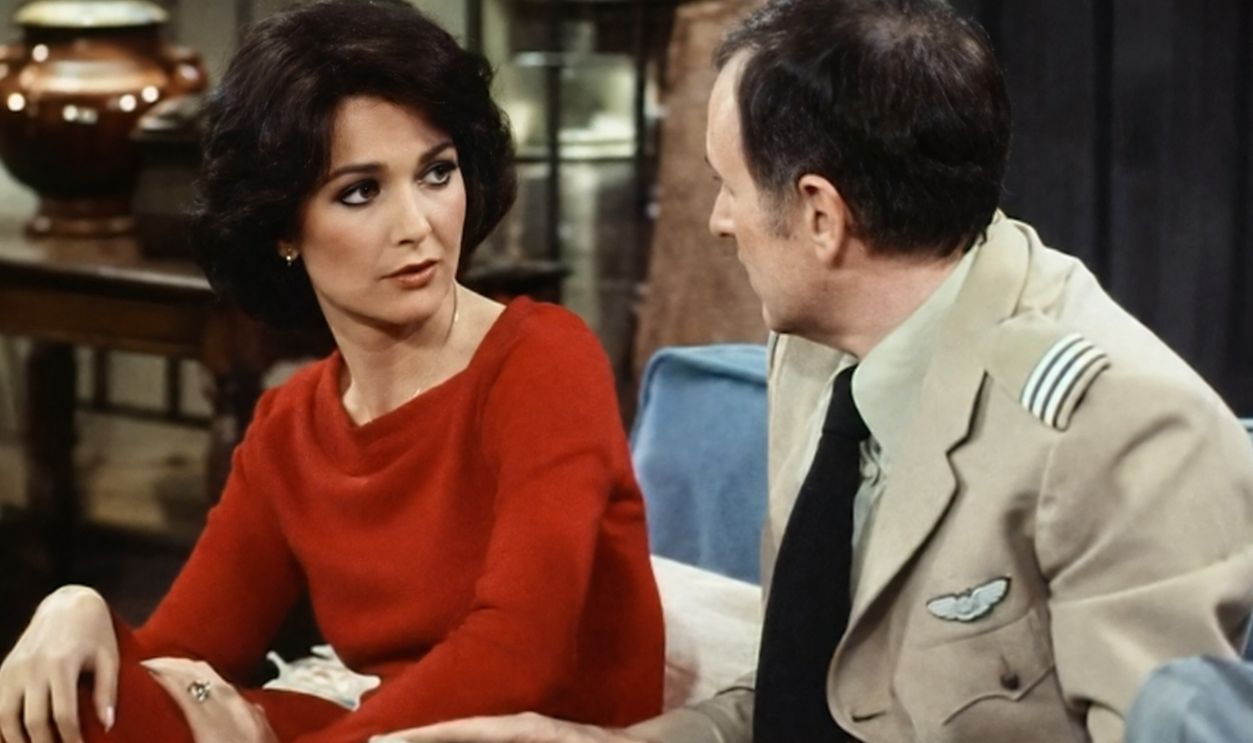
She Made Emily Bigger Than The Writing
Emily Hartley was not always written as the flashiest sitcom character. Pleshette made her memorable through tone, timing, and presence. She could turn a simple exchange into something that felt intimate and funny. That is why fans remember Emily as a person, not just a role.
 Screenshot from The Bob Newhart Show, The Walt Disney Company (1972-1978), enhanced
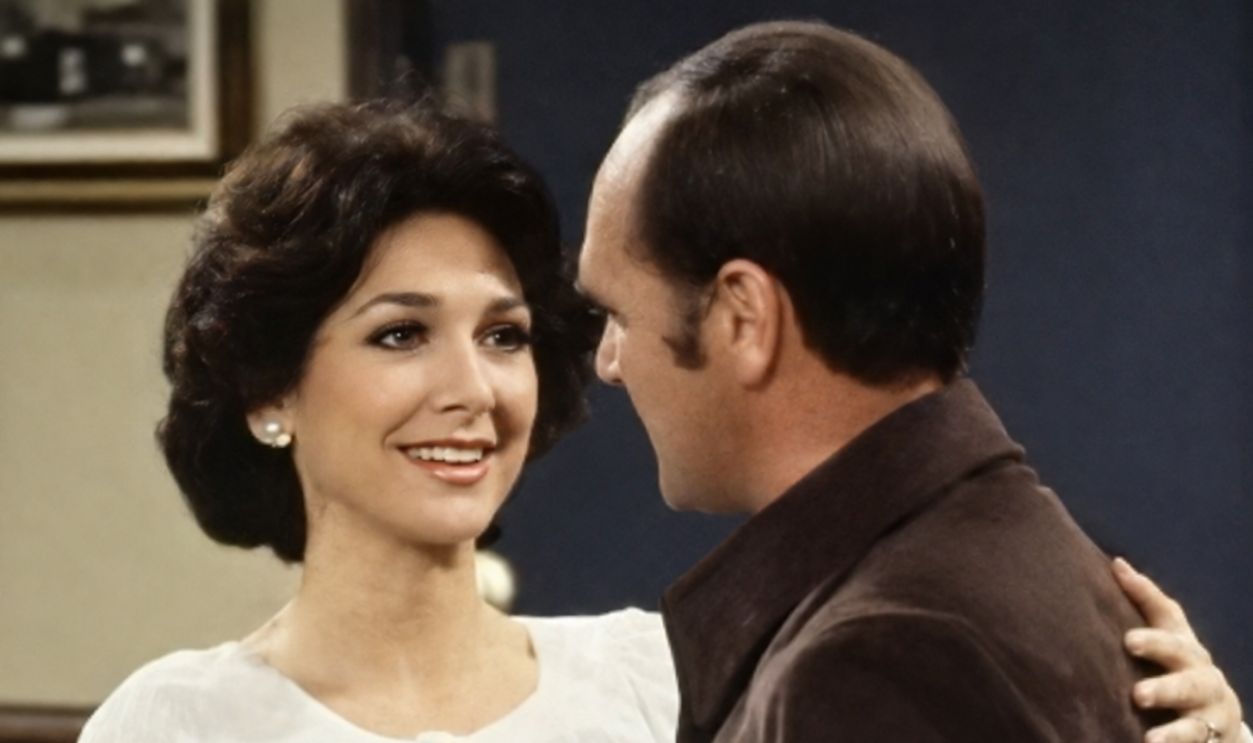
She Helped Redefine The Sitcom Wife
Pleshette’s Emily was not helpless, childish, or invisible. She was smart, attractive, amused, and fully capable of challenging her husband. That combination made her different from many earlier sitcom wives. She helped prove that a TV marriage could be funny without making the woman look foolish.
 Screenshot from The Bob Newhart Show, The Walt Disney Company (1972-1978), enhanced
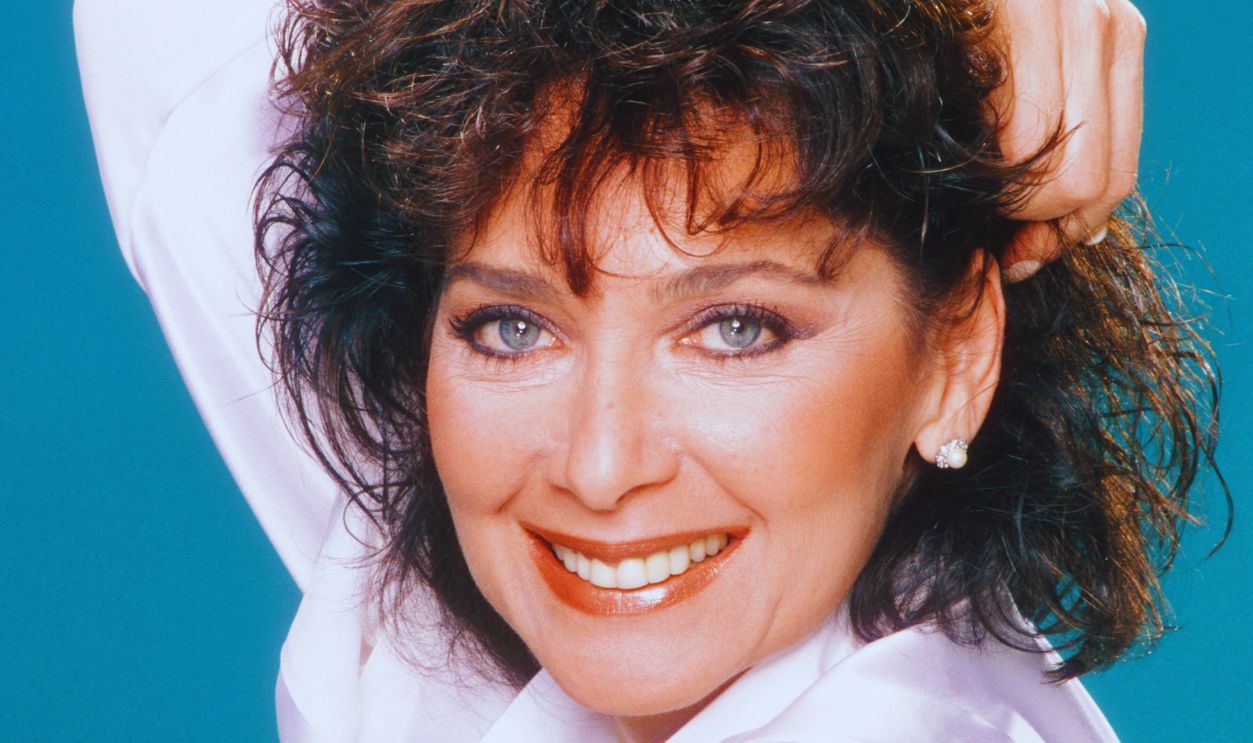
She Was Beloved Because She Felt Honest
Suzanne Pleshette’s appeal came from the feeling that she was never pretending too hard. She could be glamorous, sarcastic, warm, wounded, and hilarious without losing her naturalness. That is why audiences kept welcoming her back, from Hitchcock to Newhart to late-career sitcoms and animation. Television loved her because she made every room feel more alive.
You May Also Like:
The Multifaceted Acting Career Of Suzanne Pleshette
Iconic Guest Stars Everyone Still Talks About
The Most Surprising Celebrity Couples in Hollywood History
Sources: 1, 2, 3, 4, 5, 6, 7, 8, 9, 10, 11, 12, 13, 14, 15, 16, 17, 18, 19, 20