
When Television Became An Event
Before streaming made limited series routine, network television discovered that viewers would commit to a story with a definite ending. During the 1970s and 1980s, miniseries became major programming events, often adapting sprawling novels that could never comfortably fit into a two-hour movie. The format gave networks room for huge casts, historical settings, complicated relationships, and stories that unfolded across generations.
QB VII Helped Open The Door
ABC's QB VII arrived in 1974 as an adaptation of Leon Uris's bestselling novel. The roughly six-hour production starred Anthony Hopkins as a doctor who goes to court after being accused of crimes connected to a concentration camp. It was not television's first limited-run drama, but its ratings success helped demonstrate that American audiences would follow one story across several nights.
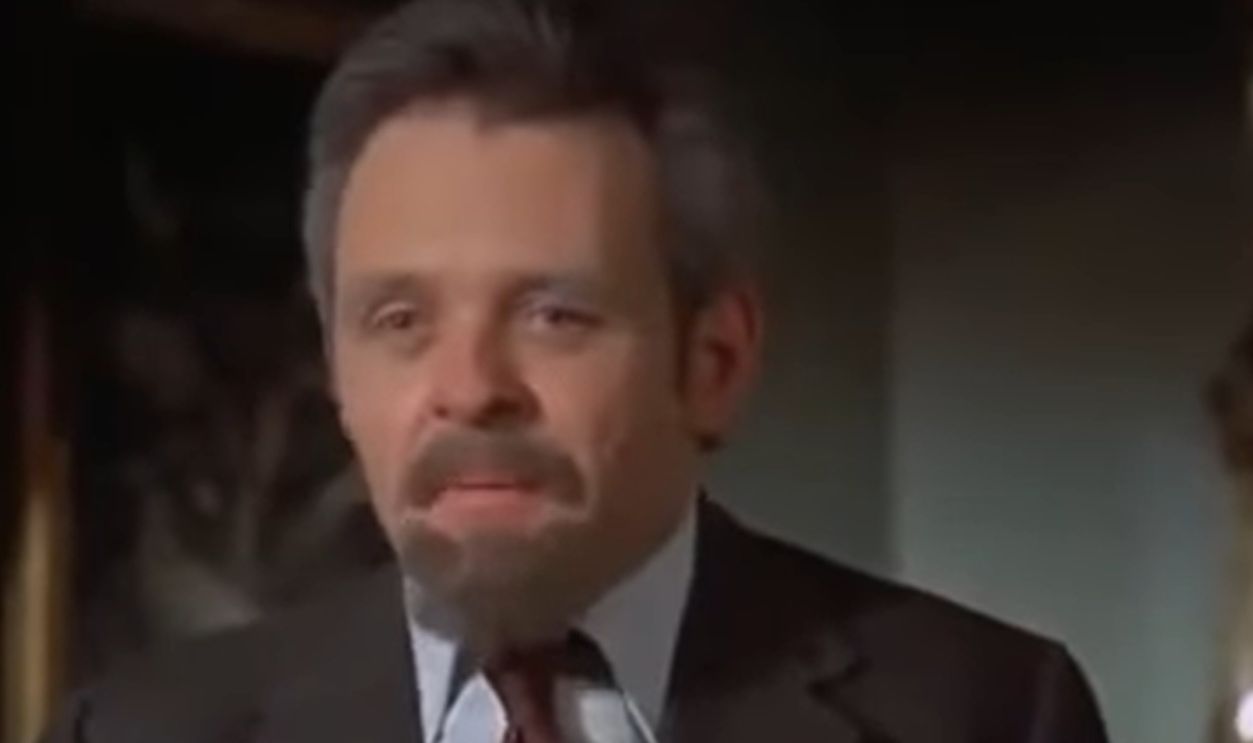 Screenshot from QB VII, ABC (1974)
Rich Man, Poor Man Made The Formula Click
Then Rich Man, Poor Man turned a promising idea into something networks wanted to repeat. The 1976 ABC adaptation of Irwin Shaw's novel followed brothers Rudy and Tom Jordache, played by Peter Strauss and Nick Nolte, through dramatically different lives. It earned 23 Emmy nominations and four wins, while PBS has credited its success with helping pave the way for the American miniseries boom.
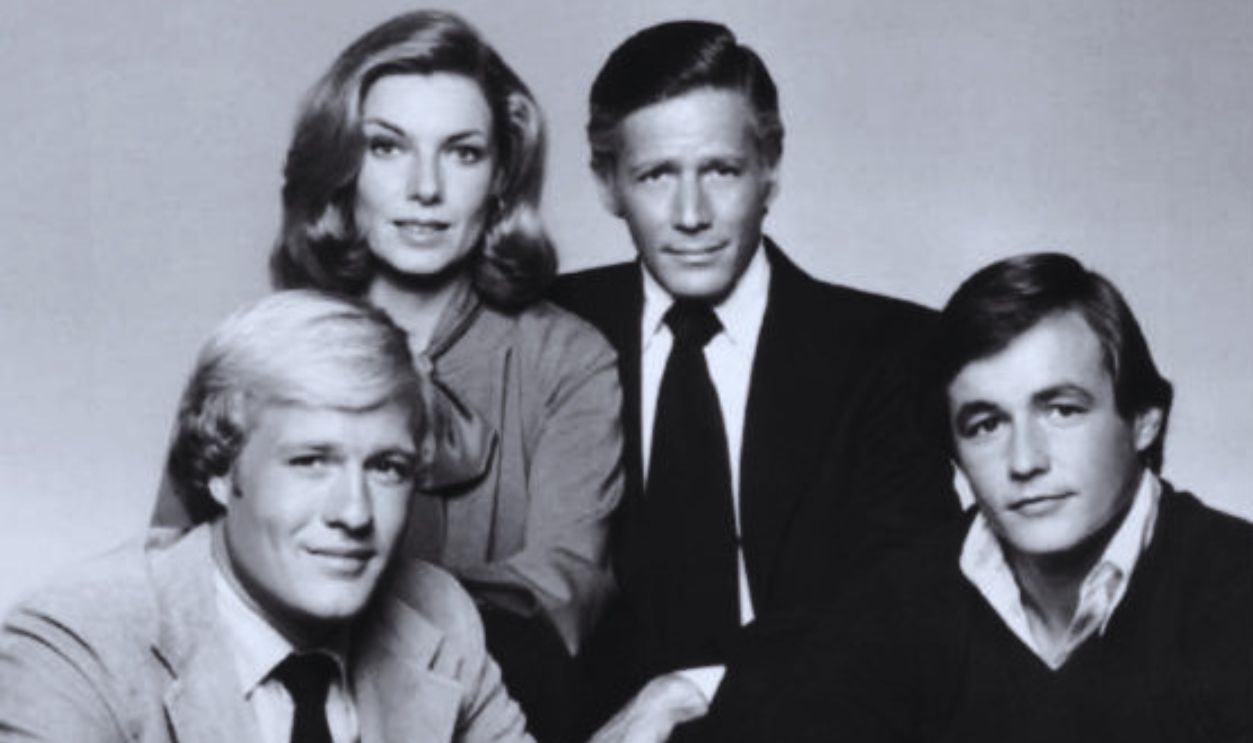 ABC Television, Wikimedia Commons
Roots Became A National Television Event
Nothing demonstrated the format's power quite like Roots. ABC broadcast the 12-hour production across eight consecutive nights in January 1977, following Kunta Kinte and generations of his family through slavery and toward freedom. The Television Academy records that it averaged a 44.9 rating and a 66 audience share, while HISTORY describes it as one of the most watched television events in American history.
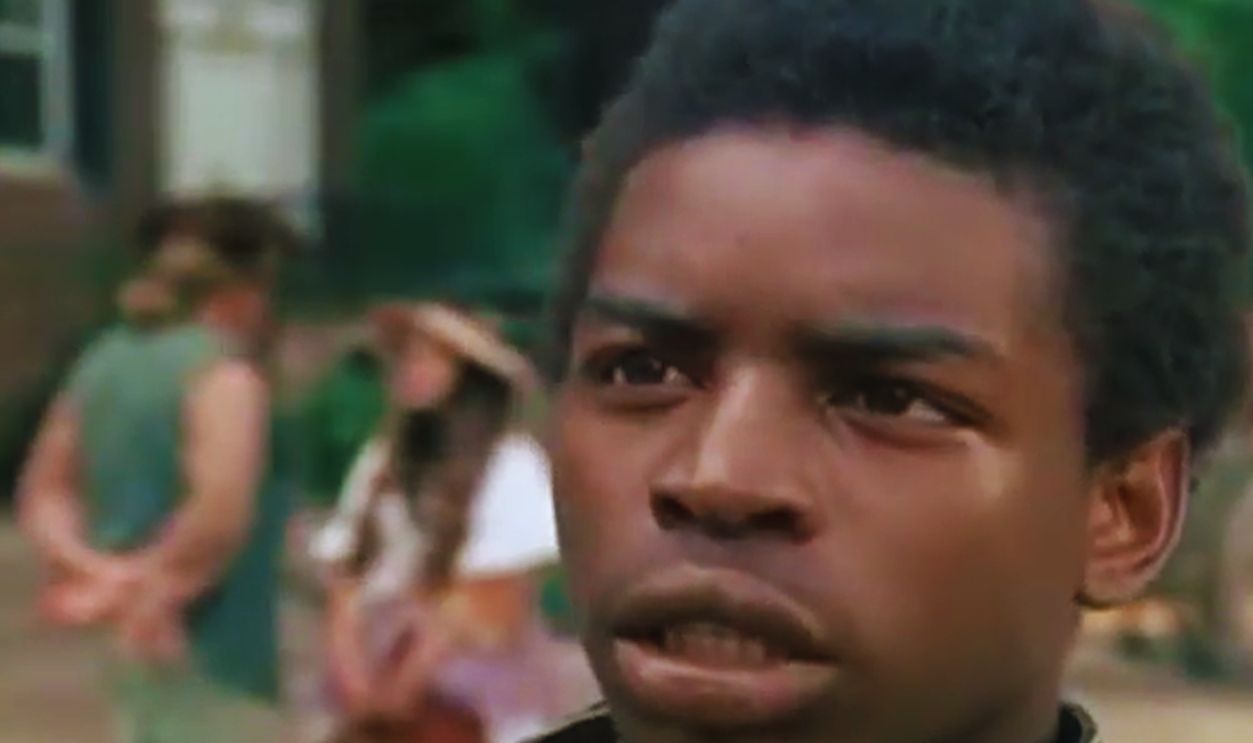 Screenshot from Roots, ABC (1977)
Roots Changed What Networks Thought Was Possible
The impact of Roots extended far beyond impressive ratings. Network executives had worried that a drama centered on slavery and Black protagonists might struggle commercially, but the enormous audience proved otherwise. Its success challenged assumptions about which stories could become mainstream television and pushed networks to think even bigger.
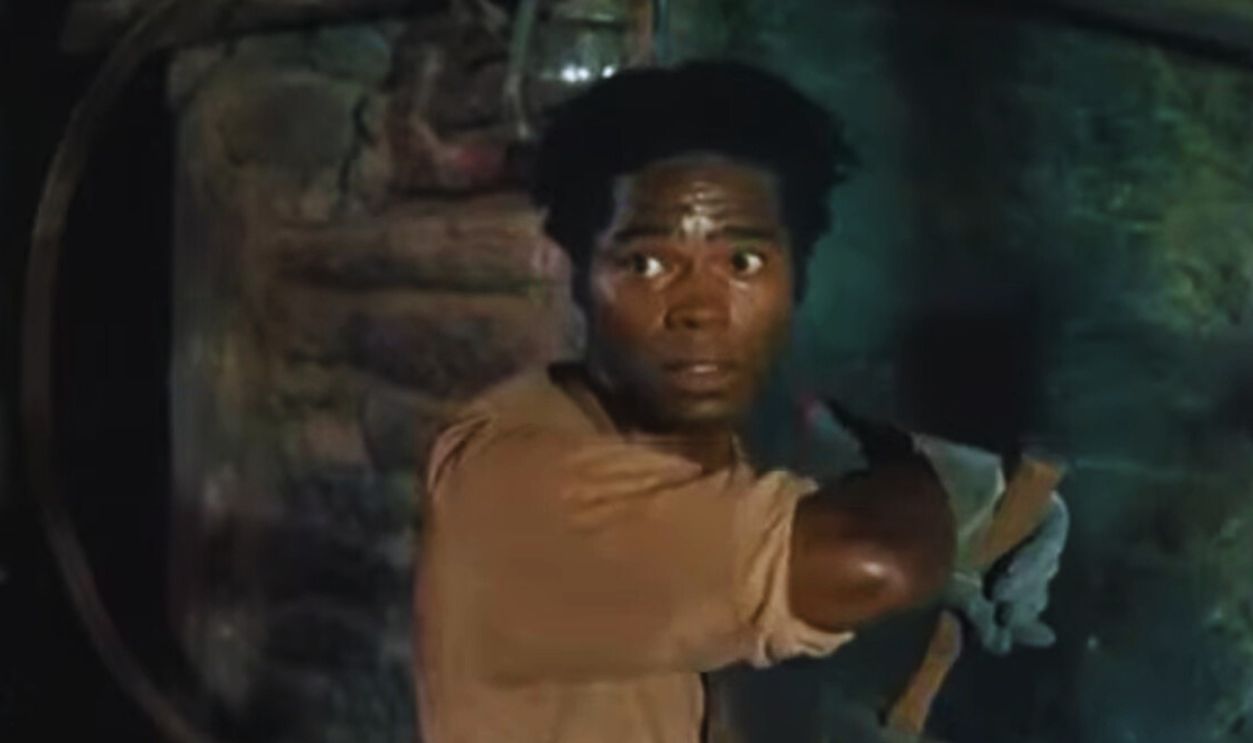 Screenshot from Roots, ABC (1977)
Holocaust Took On Another Difficult History
NBC followed in 1978 with Holocaust, a four-part, nine-and-a-half-hour drama about two German families during the Nazi era. The miniseries starred performers including Michael Moriarty and Meryl Streep, both of whom won Emmys for their work. The Television Academy notes that its audience was smaller than Roots but still enormous, and NBC later estimated that hundreds of millions of viewers in the United States and Europe had seen the series after its rebroadcast.
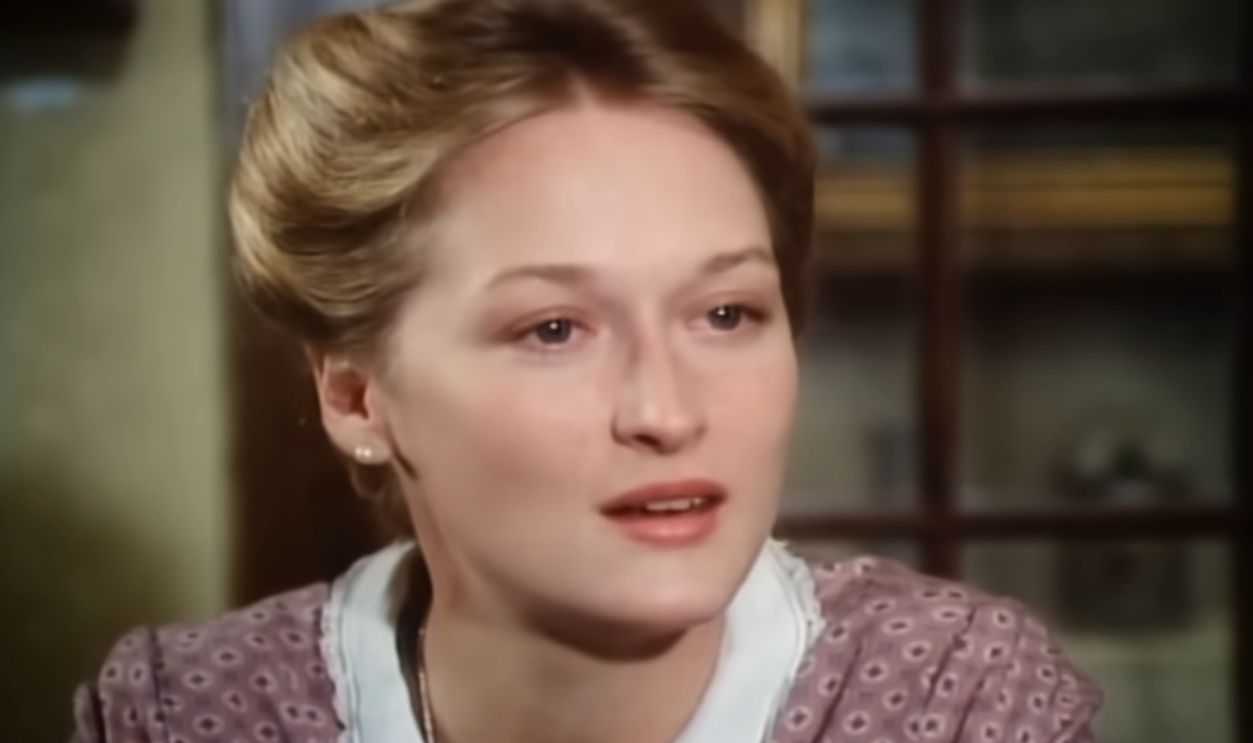 Screenshot from Holocaust, Warner Bros. Discovery (1978)
Centennial Tried To Go Even Bigger
By this point, television executives clearly believed that bigger could be better. NBC's Centennial, based on James Michener's novel, stretched to roughly 21 hours and chronicled centuries in the history of a fictional Colorado community. Its immense running time also illustrated one of the format's emerging problems, since even enthusiastic viewers could eventually find the commitment daunting.
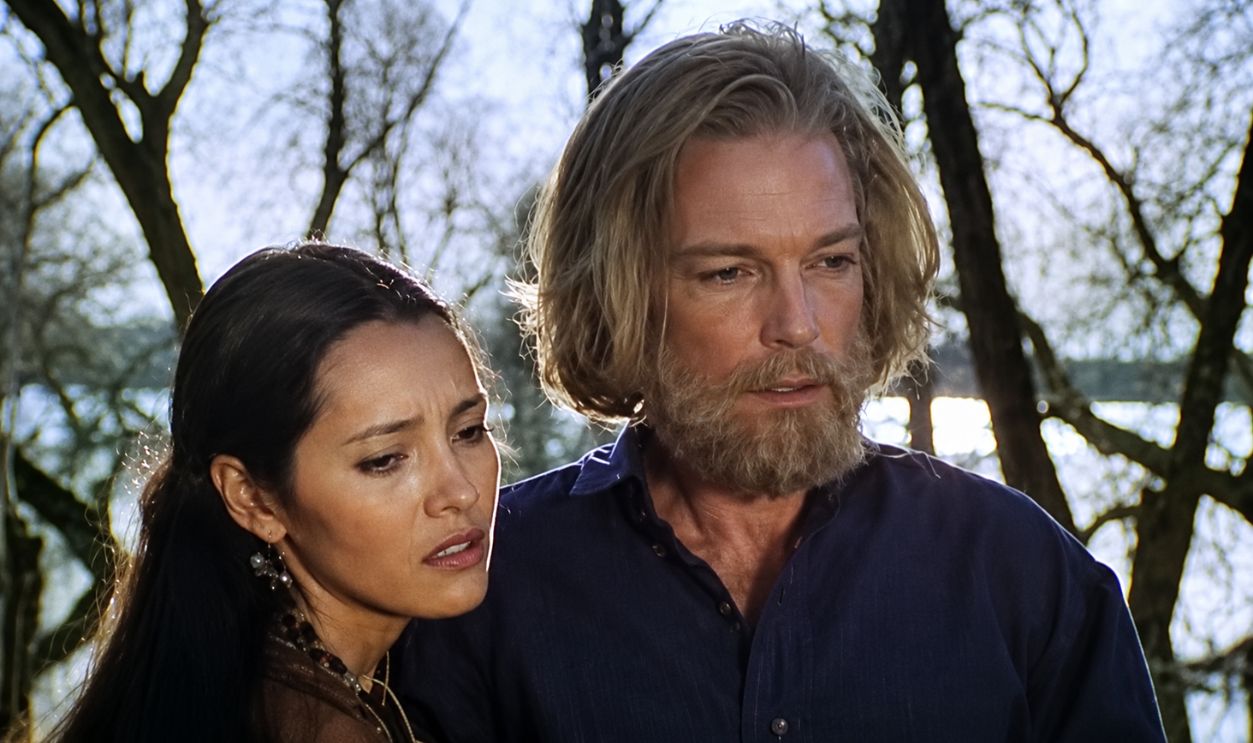 Screenshot from Centennial, Universal Pictures (1978–1979)
Roots: The Next Generations Continued The Story
The success of Roots inevitably led ABC back to the Haley family. Roots: The Next Generations aired as a seven-part miniseries in February 1979 and carried the story from the late 19th century into the 20th. Its cast included James Earl Jones, Irene Cara, Dorian Harewood, Debbi Morgan, and Georg Stanford Brown.
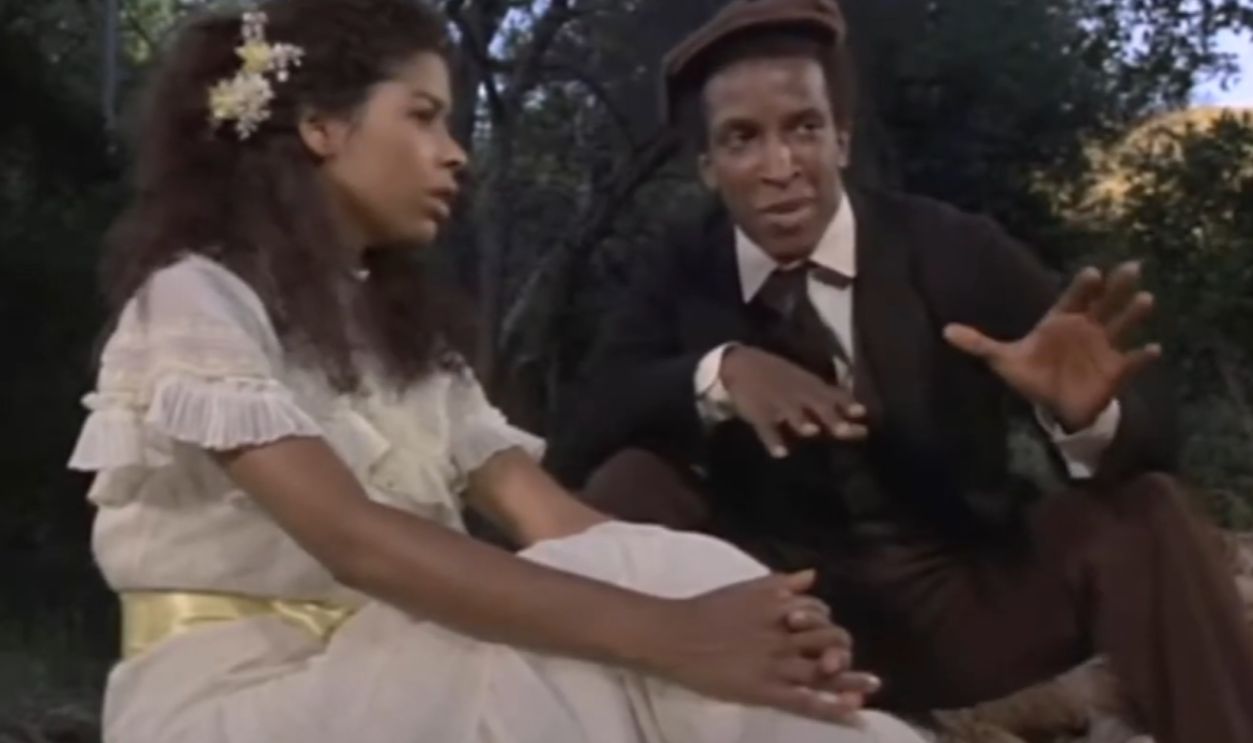 Screenshot from Roots: The Next Generations, ABC (1979)
The Miniseries Became Television's Answer To A Novel
The boom encouraged networks to search bestseller lists for material that already contained sweeping plots and memorable characters. Producers adapted authors ranging from John Steinbeck to James Clavell, while historical dramas became especially common. Unlike a conventional weekly series, these productions promised audiences that the story was heading toward an actual conclusion.
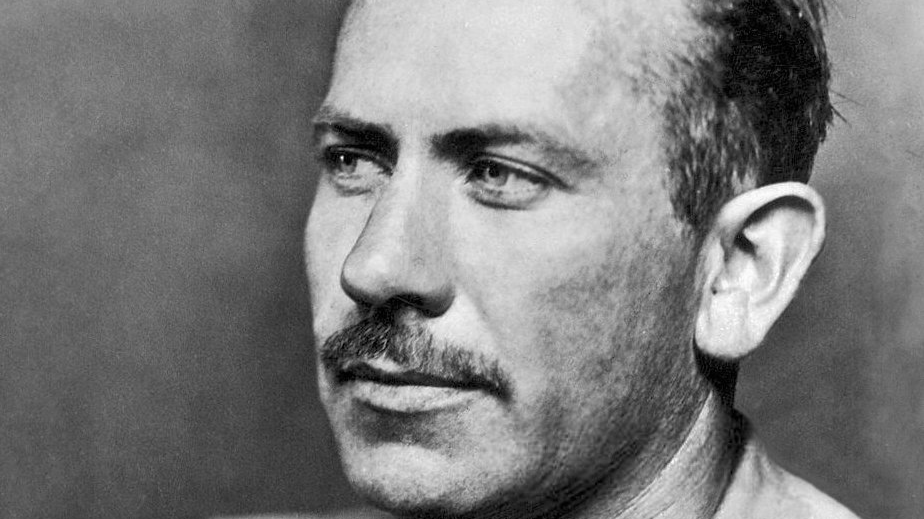 McFadden Publications, Wikimedia Commons
Shogun Turned NBC Into Must-Watch Television
Few productions captured that ambition better than 1980's Shogun. Based on James Clavell's novel, the NBC epic starred Richard Chamberlain as English sailor John Blackthorne after he reaches feudal Japan. The Television Academy says more than 120 million people tuned in, and the production won three Emmys, including Outstanding Limited Series.
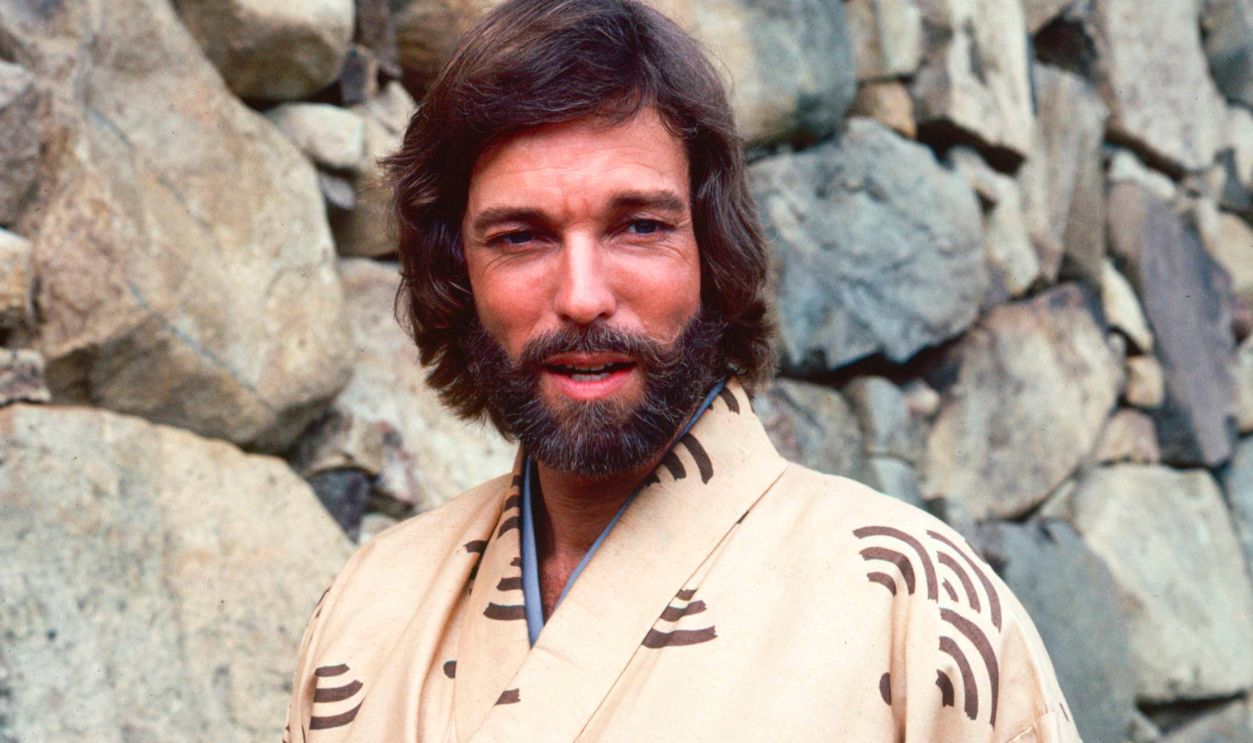 Silver Screen Collection, Getty Images
Shogun Trusted Viewers To Keep Up
Shogun also made an unusual creative choice for American network television. Significant stretches of Japanese dialogue were presented without conventional English dubbing or subtitles, leaving viewers to experience some of Blackthorne's confusion along with him. The decision was especially striking for a mainstream television production in 1980, yet audiences stayed with the story.
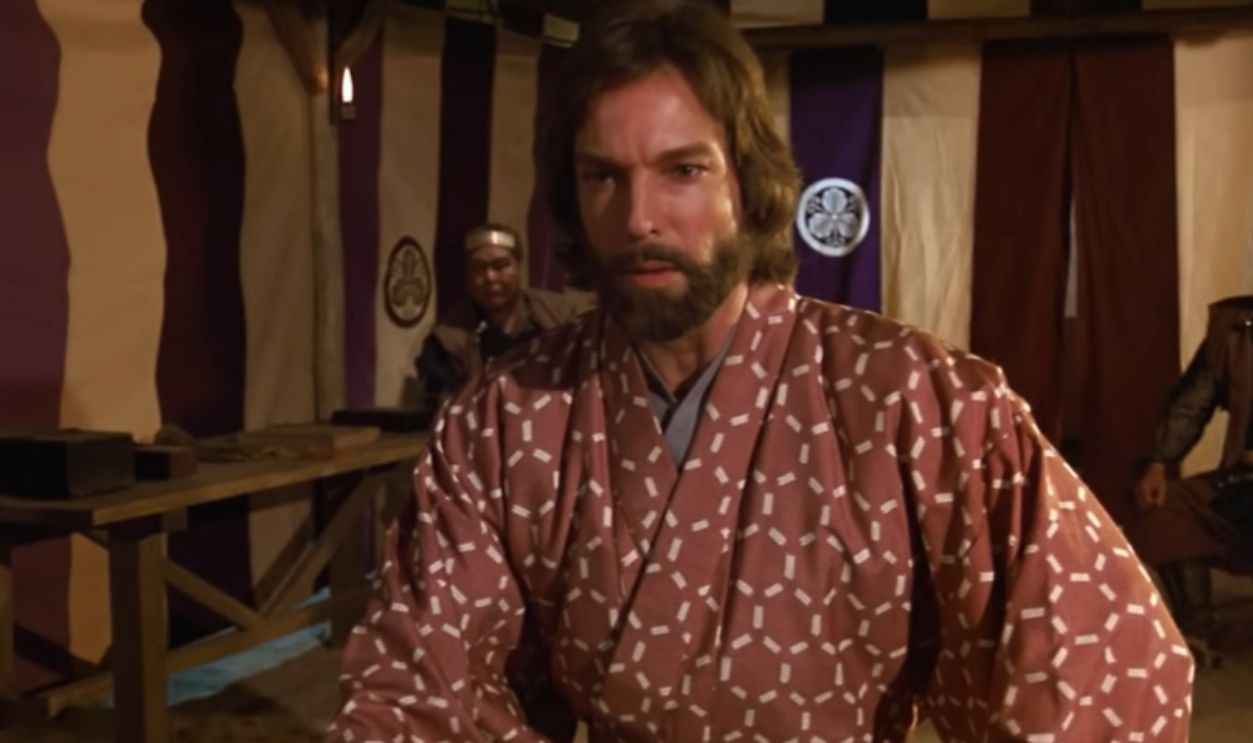 Screenshot from Shōgun, NBC (1980)
East Of Eden Brought Steinbeck To Prime Time
Literary prestige remained a major part of the miniseries appeal. ABC presented John Steinbeck's East of Eden in 1981, bringing the author's multigenerational California story to television. The production competed for Outstanding Limited Series at the Emmys and won for its art direction, showing how much craftsmanship networks were putting into these temporary productions.
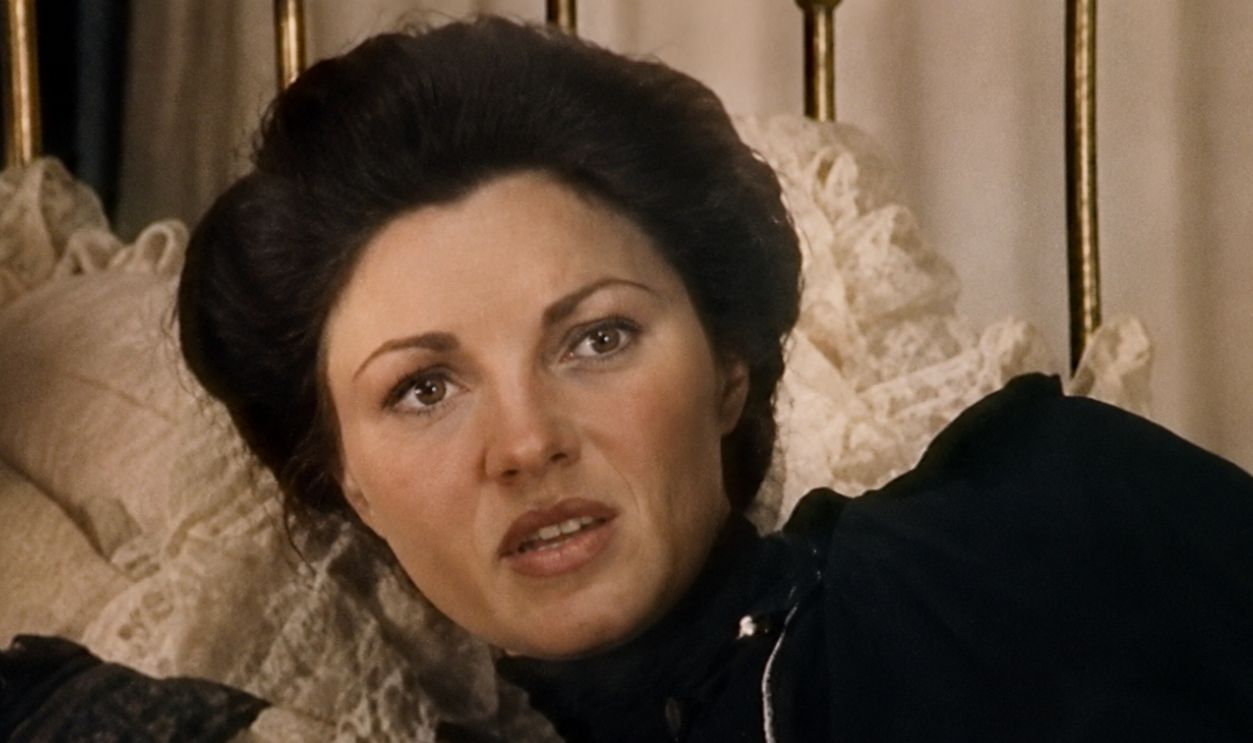 Screenshot from East of Eden, ABC (1981), Modied
Masada Made Ancient History Prime-Time Drama
That same year, ABC went much further back in history with Masada. Peter O'Toole and Peter Strauss both received Emmy nominations for their performances in the historical epic, while David Warner won in the supporting actor category. The production received 13 Emmy nominations overall, reinforcing how closely prestige and spectacle had become connected to the miniseries format.
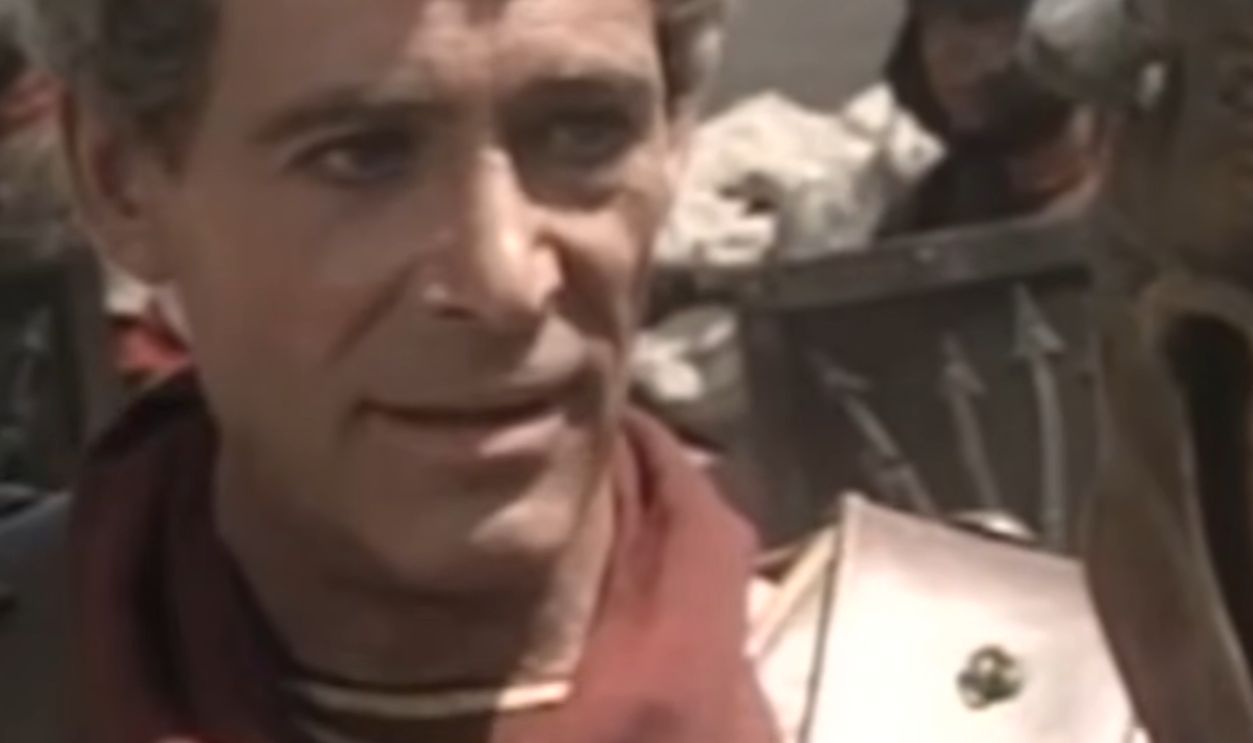 Screenshot from Masada, ABC (1981)
Tinker, Tailor, Soldier, Spy Offered A Quieter Kind Of Suspense
Not every miniseries needed enormous battle scenes or generations of family drama. The seven-part adaptation of John le Carré's Tinker, Tailor, Soldier, Spy, starring Alec Guinness, was presented to American audiences on PBS. Its intricate Cold War espionage story showed that patient, complicated storytelling could be part of the format's appeal too.
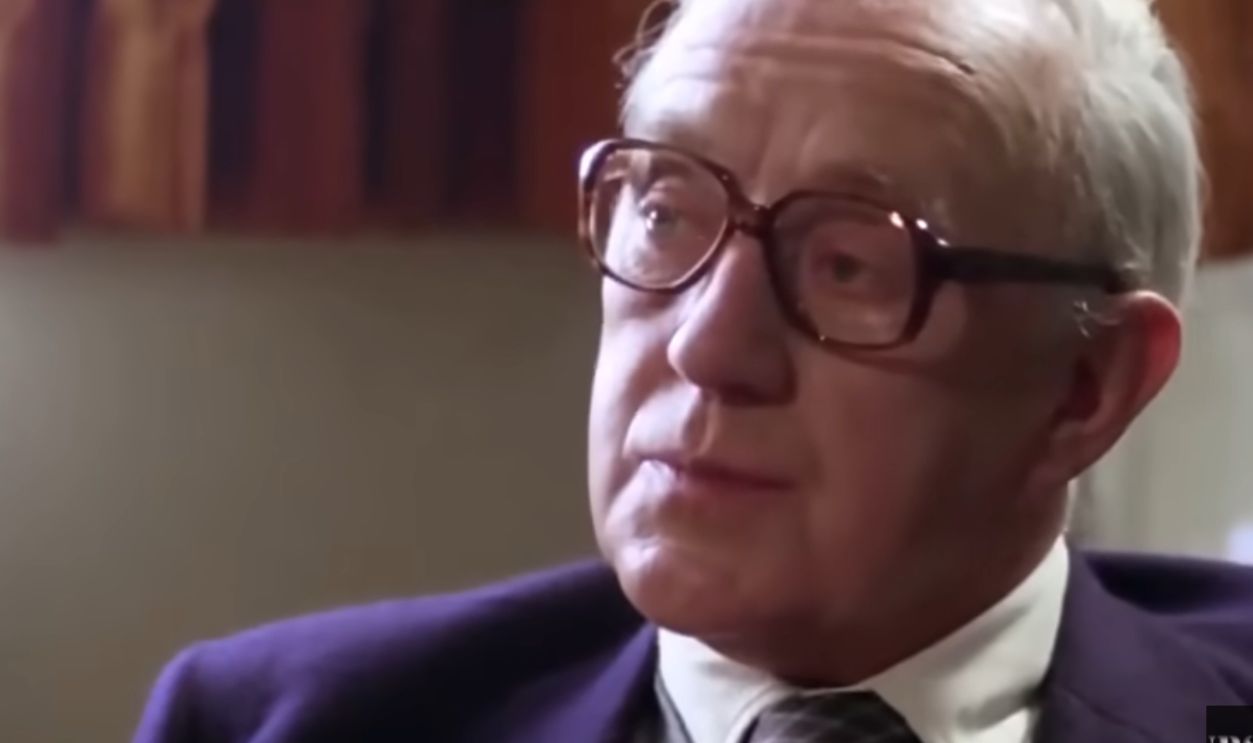 Screenshot from Tinker Tailor Soldier Spy, BBC (1979)
The Blue And The Gray Returned To The Civil War
Historical epics remained a reliable choice as the craze continued. CBS's The Blue and the Gray appeared in 1982 and used the Civil War as the background for its family drama. The production was nominated for Emmys in categories including cinematography and film editing, placing it squarely among the era's ambitious prestige projects.
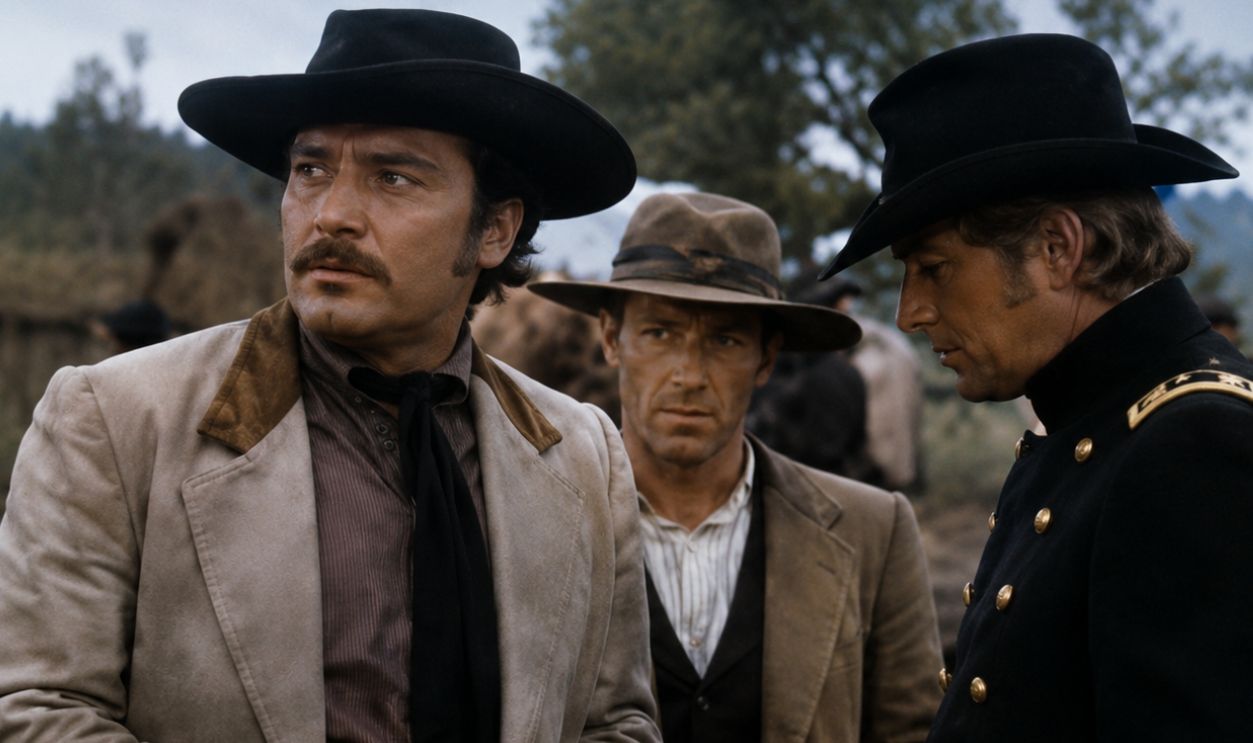 Screenshot from The Blue and the Gray, CBS (1982), Modified
The Winds Of War Took Over An Entire Week
February 1983 brought one of the era's largest undertakings. ABC's The Winds of War, adapted from Herman Wouk's novel, used its expansive running time to place fictional characters against the events leading into WWII. The miniseries received an Outstanding Limited Series nomination and won the Emmy for cinematography in its category.
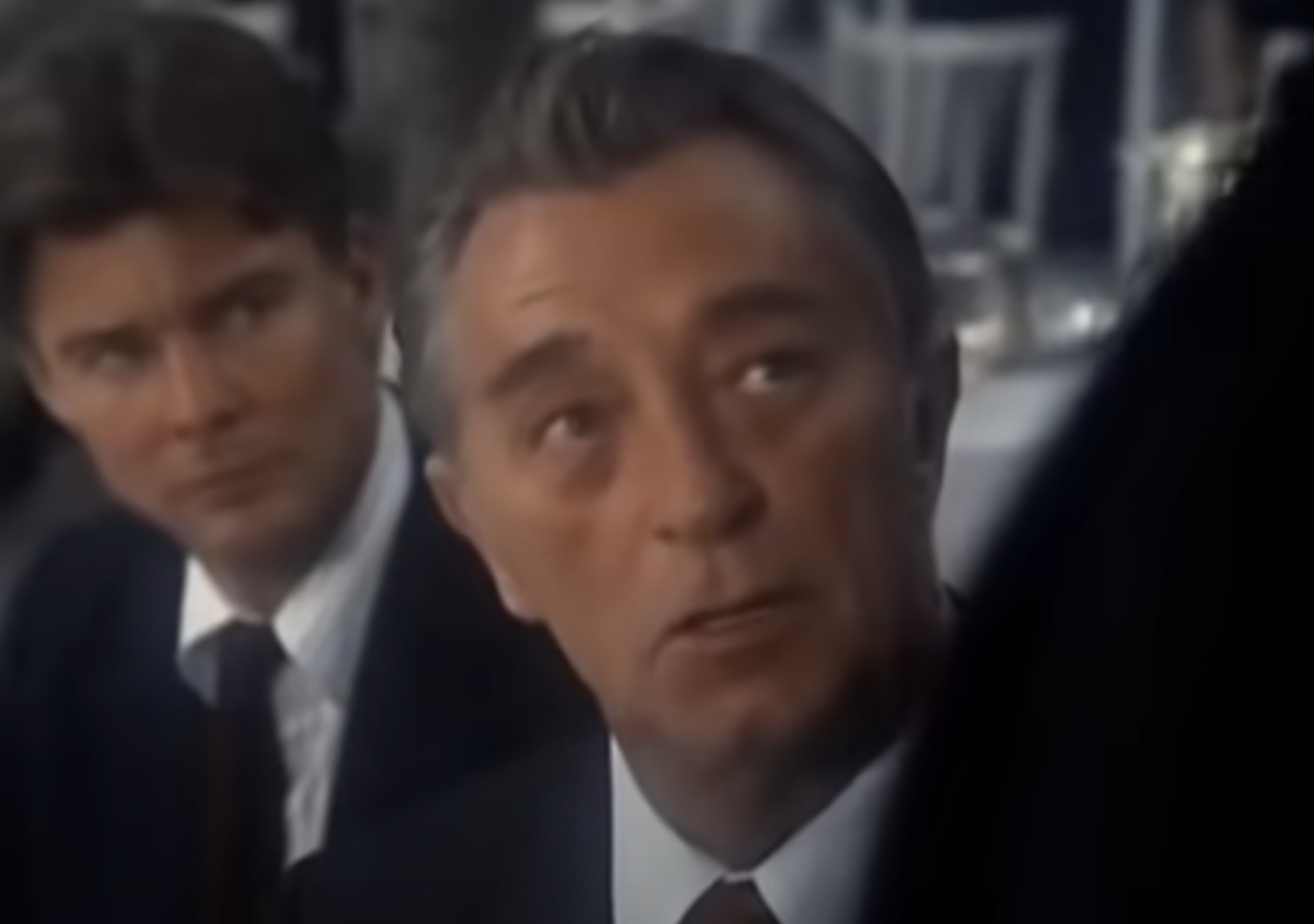 Screenshot from The Winds of War, ABC (1983)
The Thorn Birds Turned Romance Into A Blockbuster
Only weeks later, ABC unveiled The Thorn Birds. The four-part, 10-hour adaptation of Colleen McCullough's novel centered on Meggie Cleary, played by Rachel Ward, and her complicated relationship with Father Ralph de Bricassart, played by Richard Chamberlain. The Television Academy records 16 Emmy nominations and six wins, including acting victories for Barbara Stanwyck, Richard Kiley, and Jean Simmons.
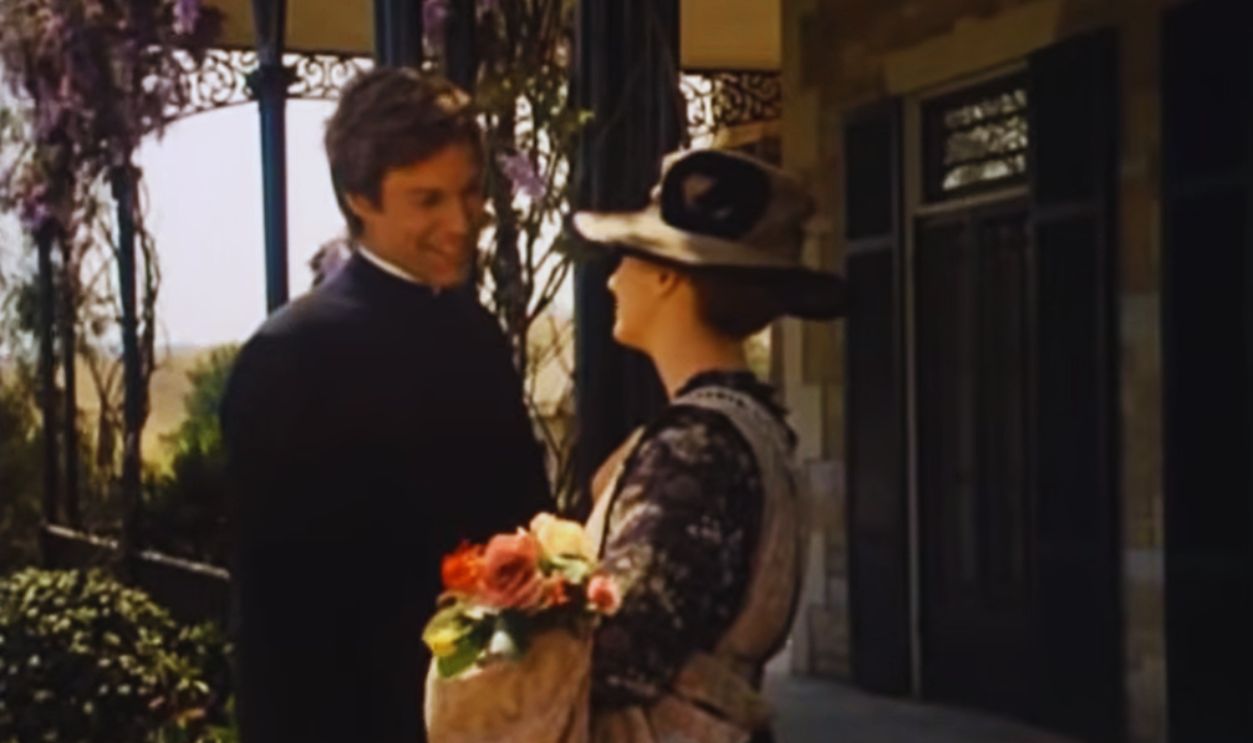 Screenshot from The Thorn Birds, Warner Bros. Television / ABC (1983)
Richard Chamberlain Became The Face Of The Format
By the early 1980s, Richard Chamberlain had become unusually associated with grand television events. He had already led Shogun before playing Father Ralph in The Thorn Birds, two of the biggest miniseries of the period. Decades later, major obituaries still described him as the "king of the miniseries," showing how closely the format became tied to his career.
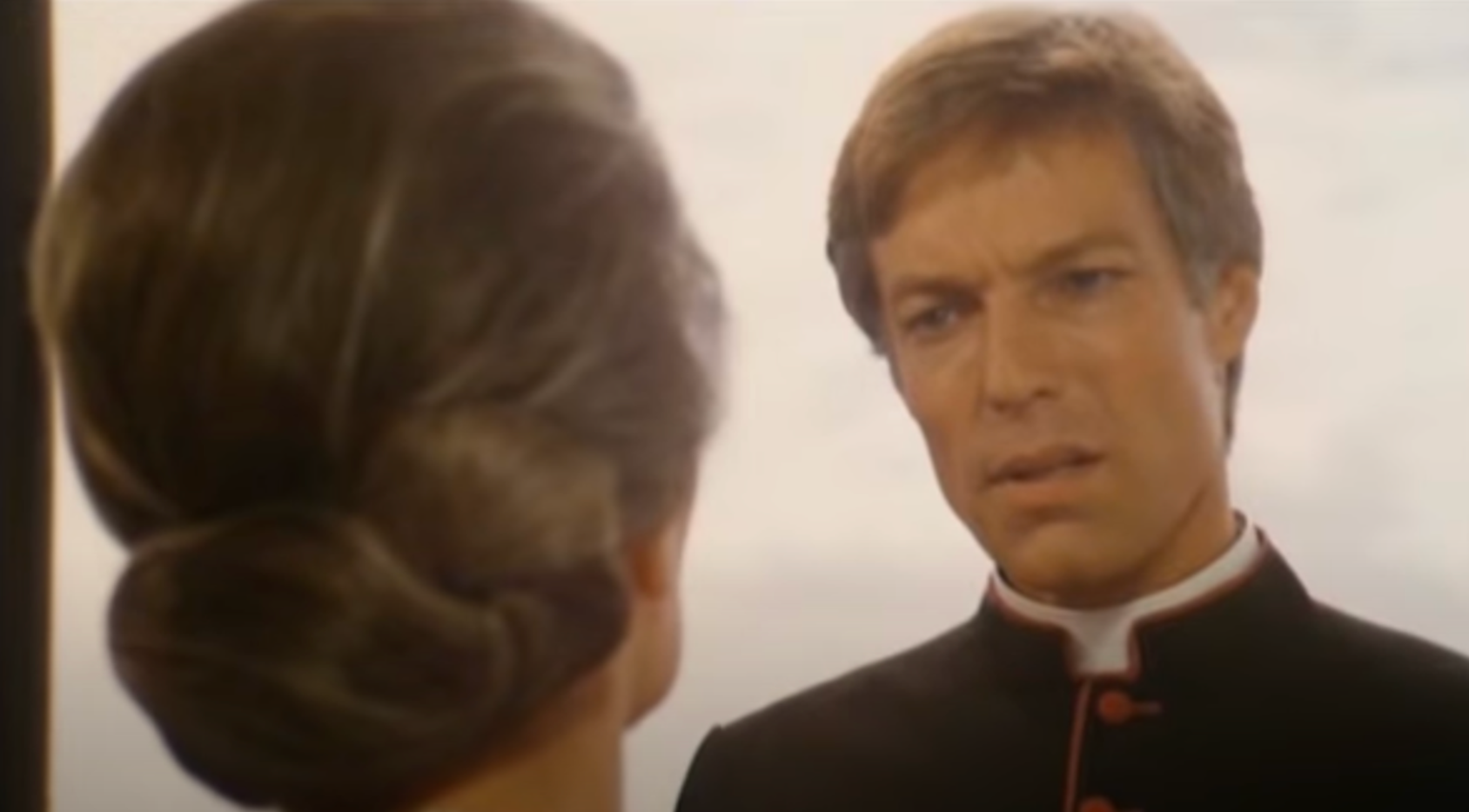 Screenshot from The Thorn Birds, Warner Bros. (1983)
V Proved Miniseries Could Be Science Fiction Too
The format was flexible enough to accommodate aliens as easily as historical figures. NBC's 1983 V presented seemingly friendly extraterrestrial Visitors whose arrival hid much darker intentions. Its makeup work earned an Emmy nomination, and the production became successful enough to lead to additional V television projects.
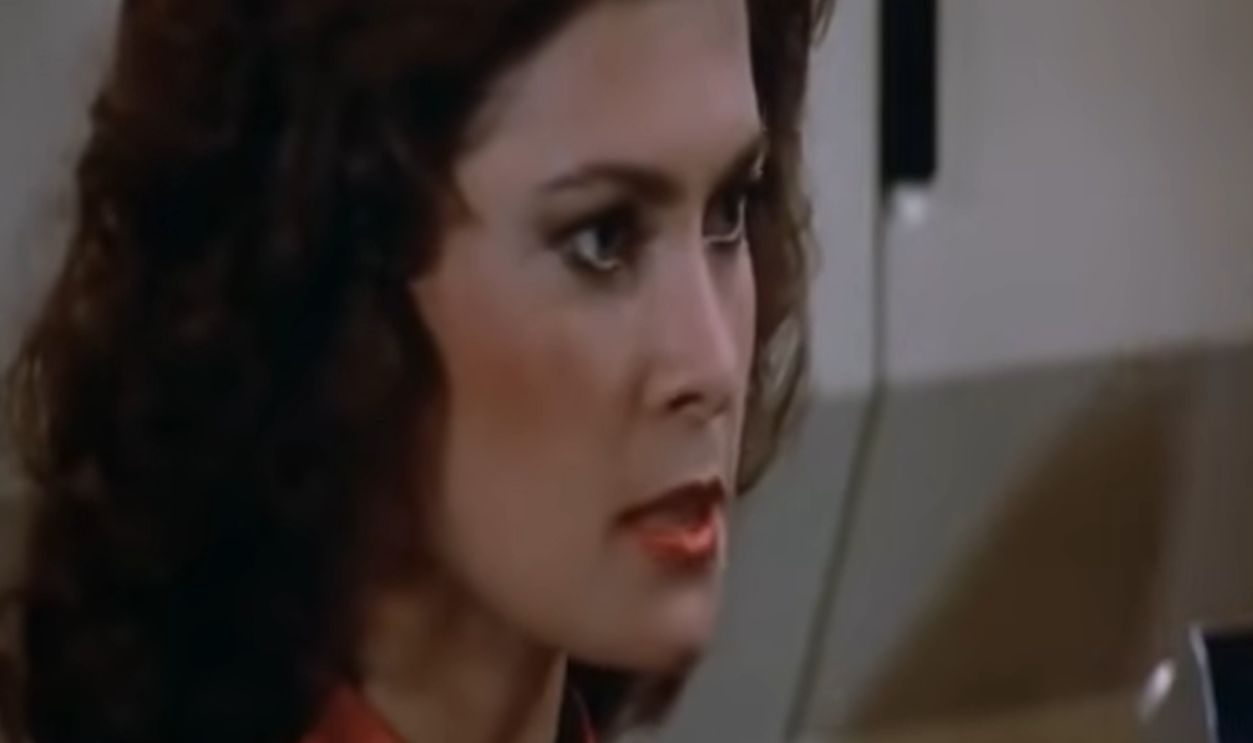
Lace Took The Boom Into Full Melodrama
As networks competed for attention, some miniseries leaned enthusiastically into sensational material. The 1984 ABC production Lace starred Phoebe Cates as a famous young woman searching for the identity of her biological mother. Critics were far less impressed than audiences had been with prestige landmarks such as Roots, but its blend of glamour, scandal, and mystery reflected how broad the miniseries category had become
.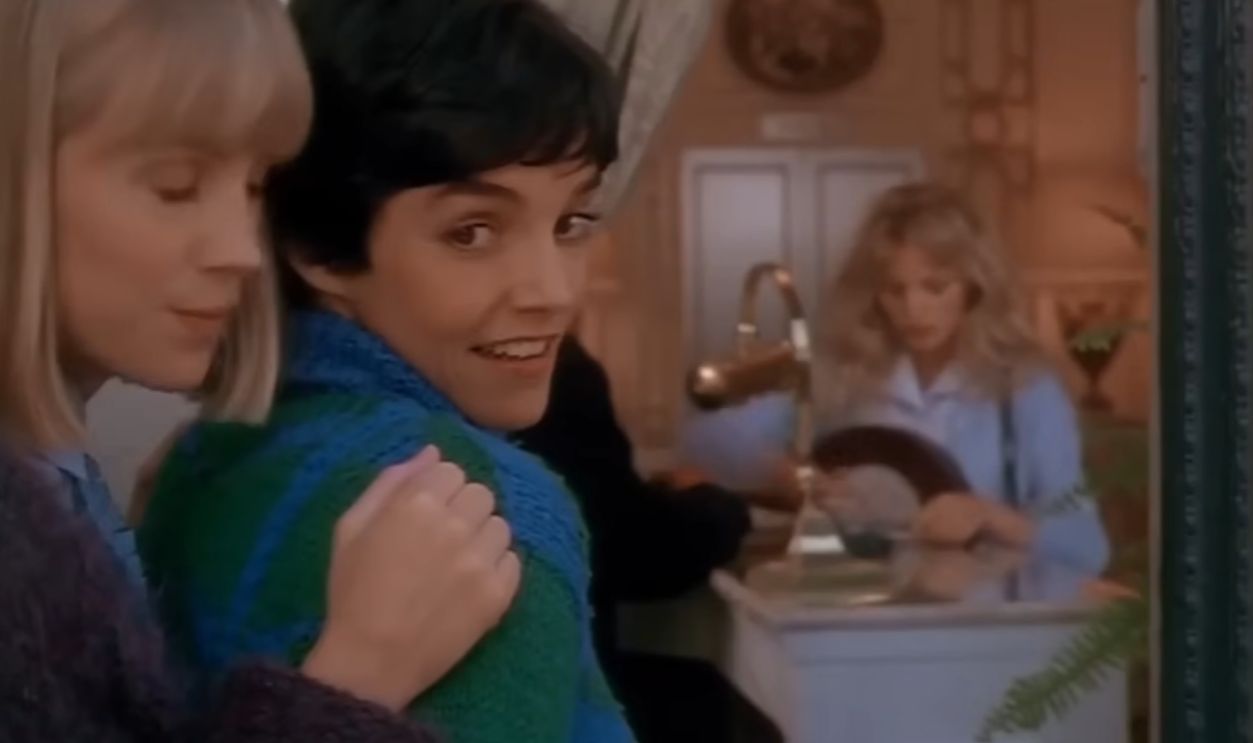 Screenshot from Lace, ABC (1984)
North And South Revived The Sweeping Family Saga
ABC returned to epic historical drama with North and South in 1985. Based on John Jakes's novels, the first miniseries followed the friendship between Patrick Swayze's Orry Main and James Read's George Hazard as the country moved toward the Civil War. The Television Academy's archive identifies the first installment as one of the highest-rated miniseries in television history, and a second book followed in 1986.
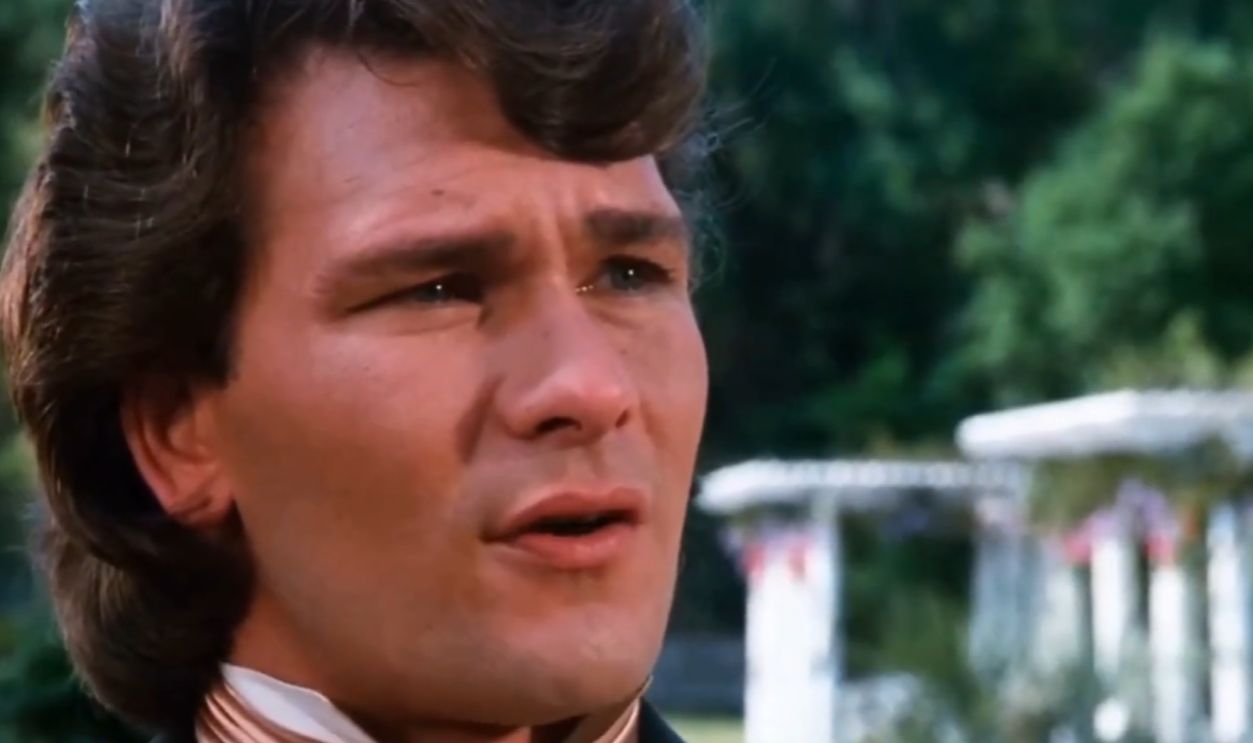 Screenshot from North and South, ABC (1985)
Amerika Became Controversial Before It Even Aired
By 1987, even an unreleased miniseries could dominate the cultural conversation. ABC's Amerika imagined the United States after a Soviet takeover and stretched across seven nights and roughly 14 and a half hours. The Washington Post reported that the production cost more than $40 million and attracted intense political controversy before its February premiere.
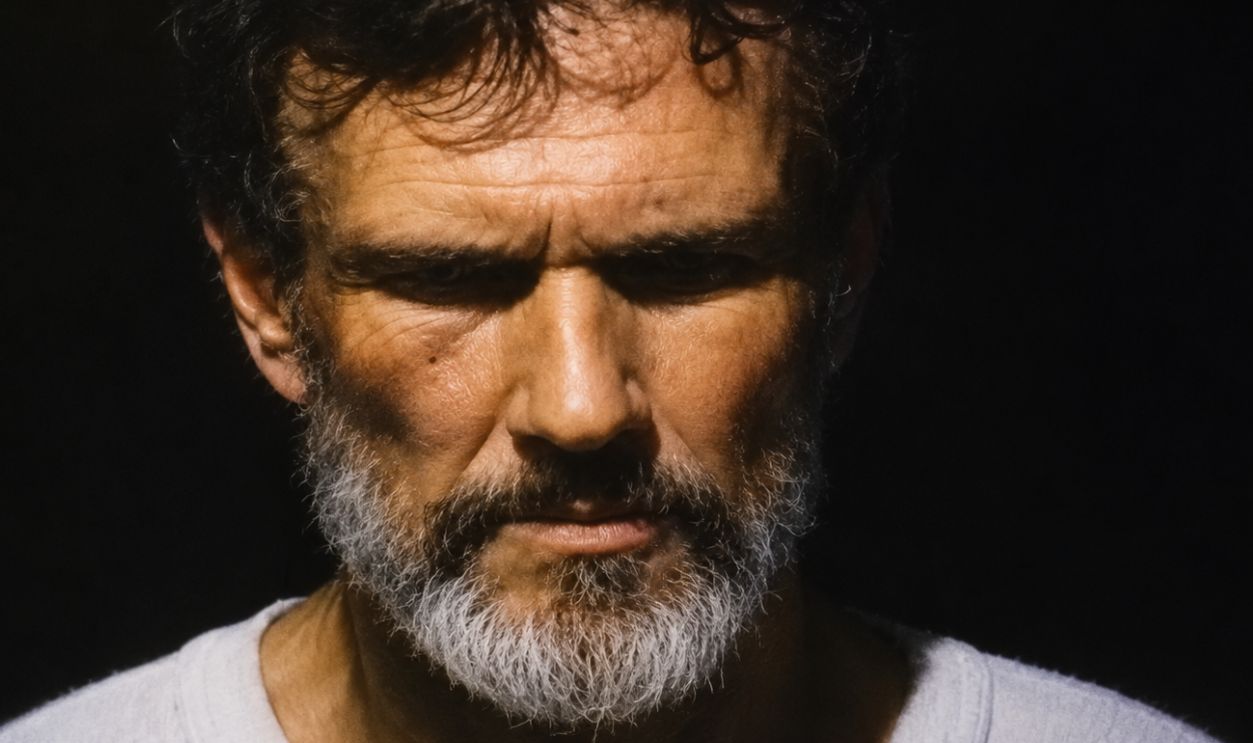 Screenshot from Amerika, ABC (1987), Modified
Noble House Showed The Epic Formula Was Still Alive
James Clavell's work returned to NBC in 1988 with Noble House. The Hong Kong-set production demonstrated that networks were still willing to mount glossy literary adaptations late in the decade. The Television Academy recognized the miniseries with an Emmy nomination for art direction.
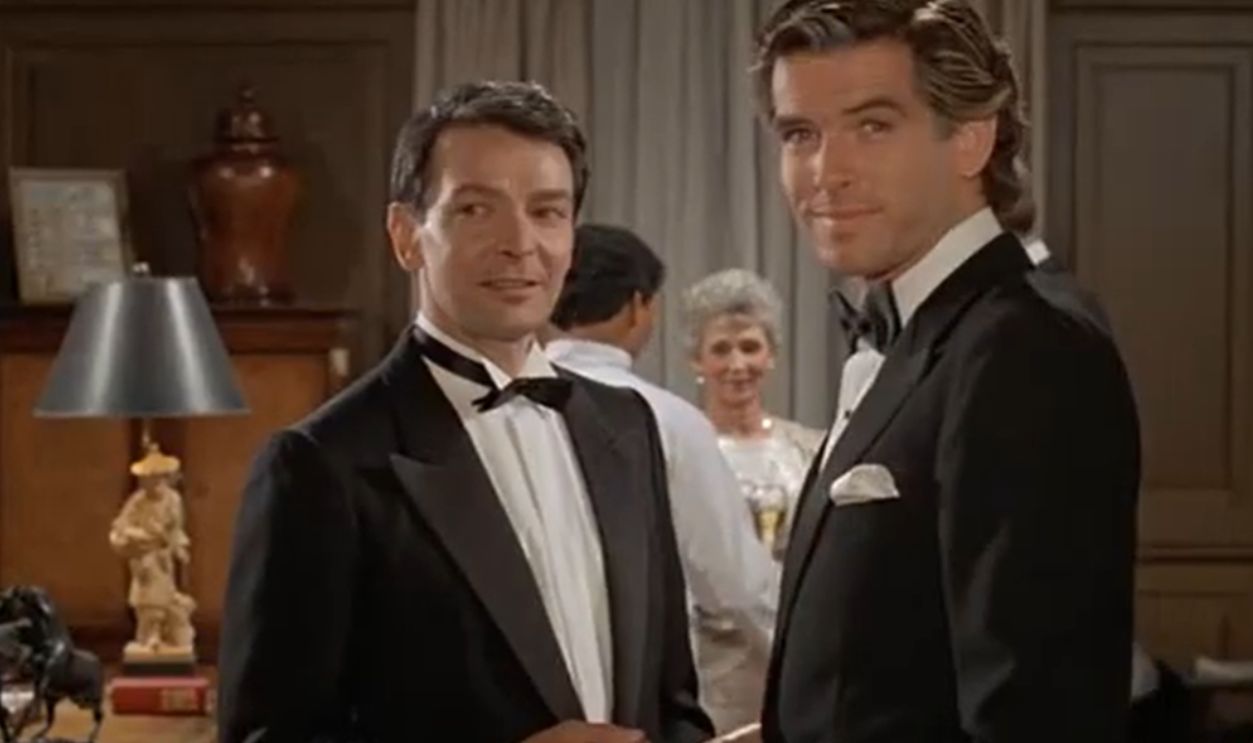 Screenshot from Noble House, NBC (1988)
War And Remembrance Closed The Decade On A Massive Scale
ABC's War and Remembrance continued the story begun in The Winds of War and carried Herman Wouk's characters deeper into WWII. The production won the 1989 Emmy for Outstanding Miniseries, with additional recognition for editing and other crafts. It was proof that the sprawling historical epic could still command prestige even as the television business around it was changing.
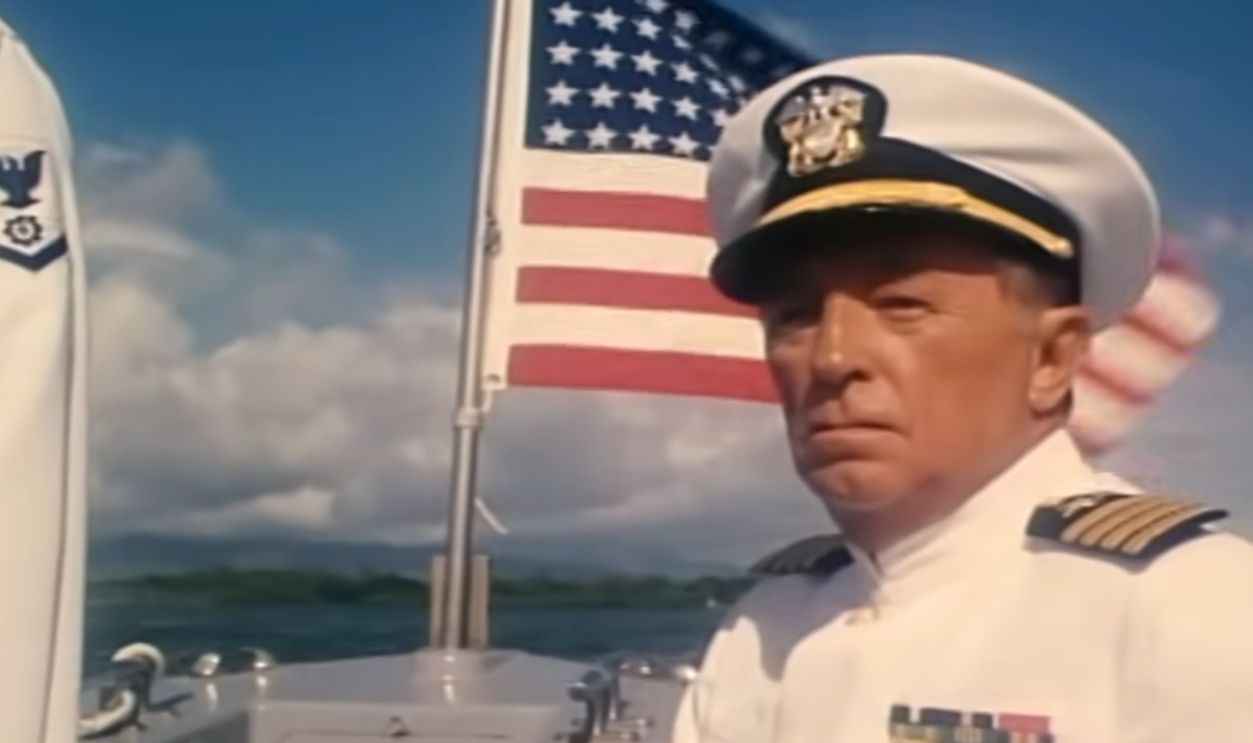 Screenshot from War and Remembrance, ABC (1988–1989)
Lonesome Dove Gave The Boom One More Classic
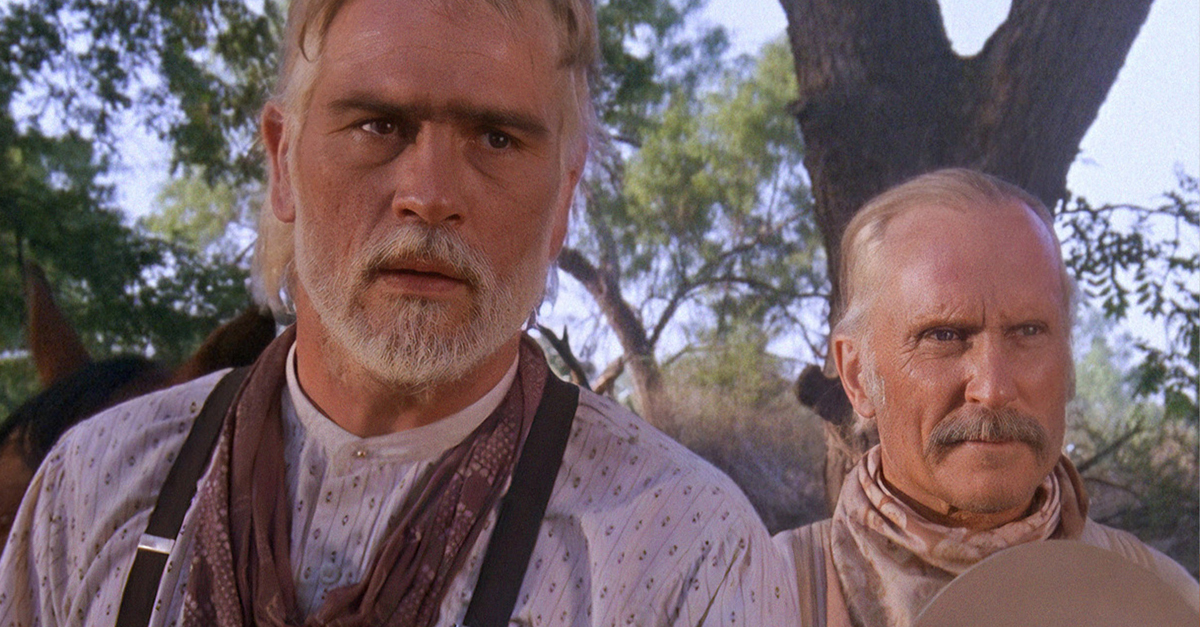
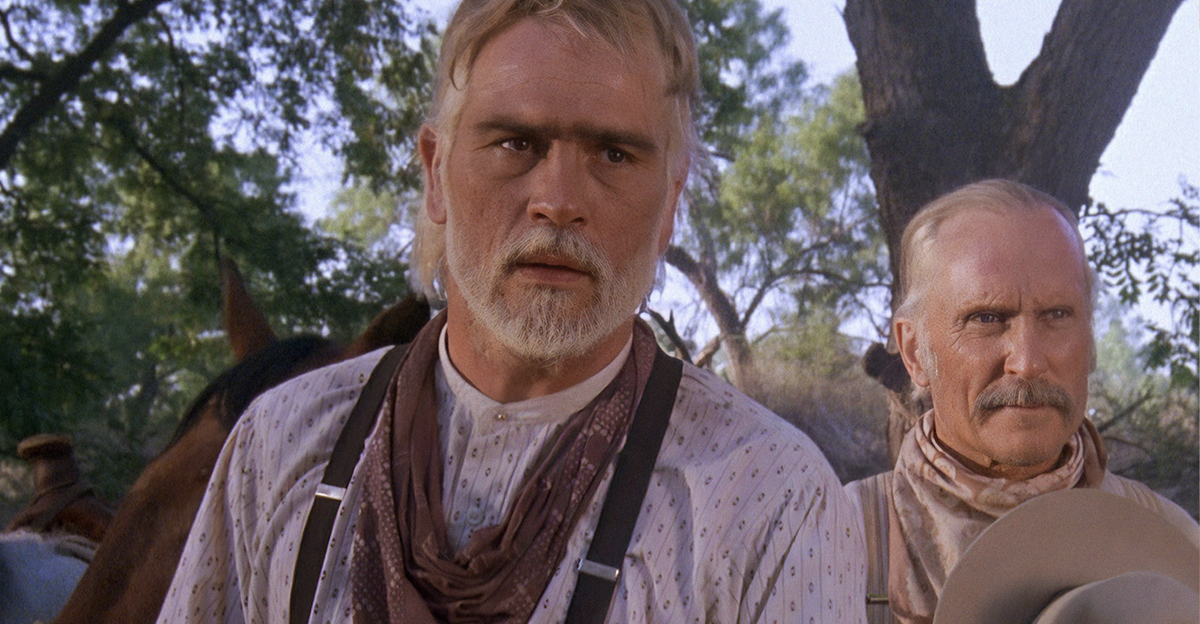
The decade also produced one of the most celebrated television Westerns. CBS's 1989 Lonesome Dove, starring Robert Duvall and Tommy Lee Jones as Gus McCrae and Woodrow Call, earned 18 Emmy nominations and won six awards. Simon Wincer won for directing, while the production also took honors for sound, costumes, music, and makeup.
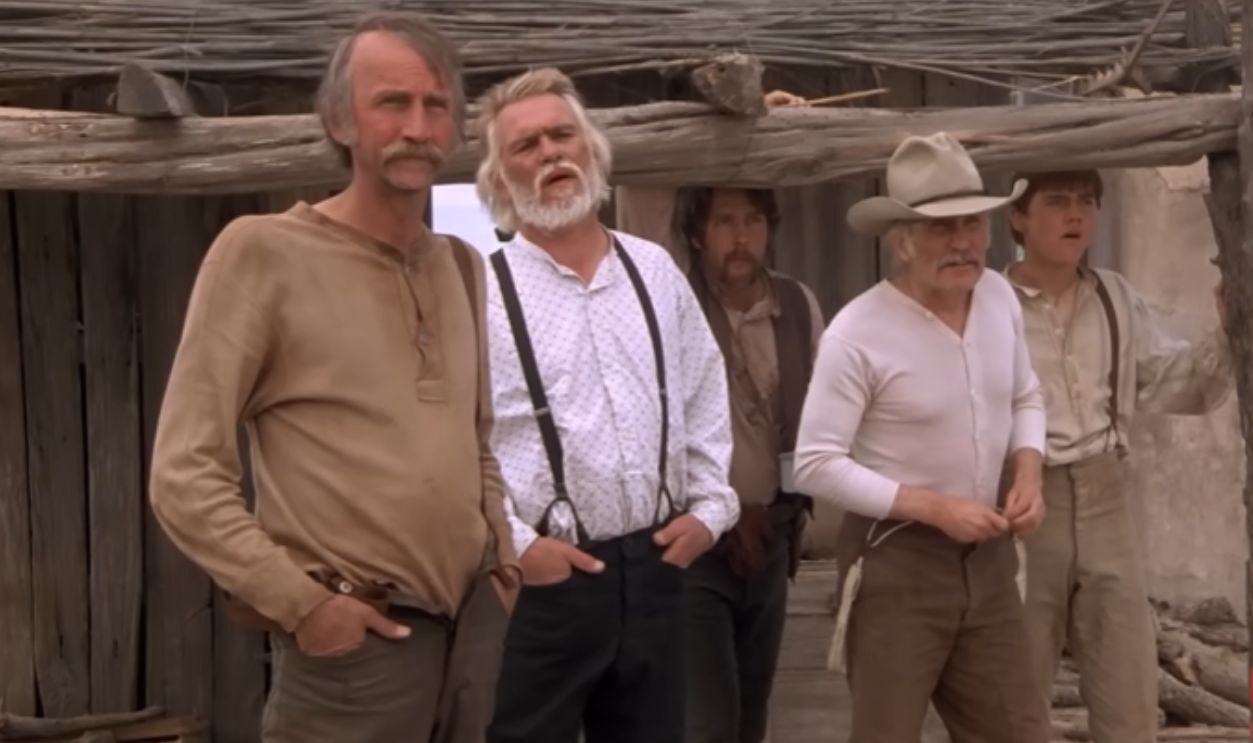 Screenshot from Lonesome Dove, CBS (1989)
Television Was Changing Around The Miniseries
The format's decline was not simply a matter of audiences suddenly losing interest. Cable television, VCRs, video games, and the arrival of Fox gave viewers more alternatives, while the combined nightly audience share of ABC, CBS, and NBC fell substantially during the 1980s. At the same time, expensive one-off productions were becoming harder for networks to justify economically.
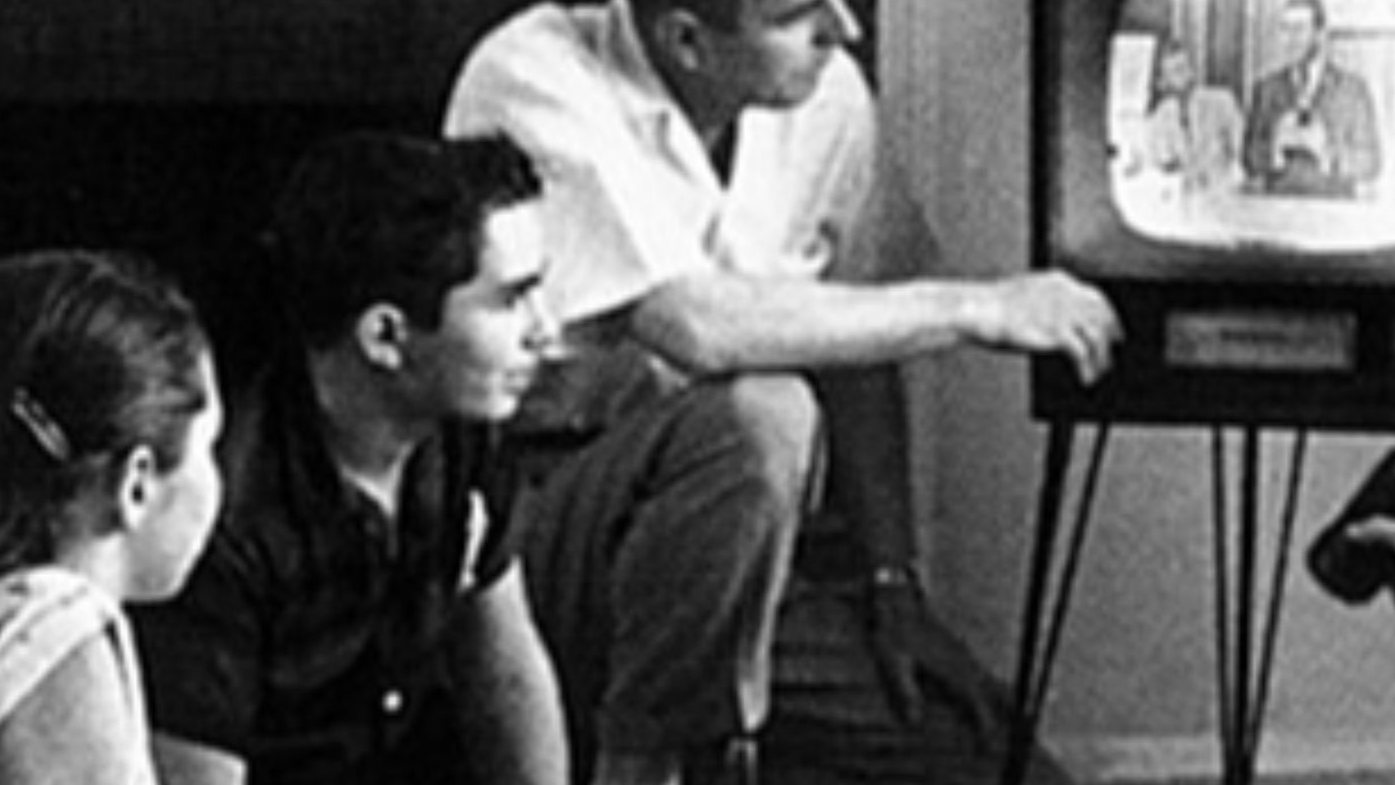 Evert F. Baumgardner - National Archives and Records Administration., Wikimedia Commons
The Miniseries Never Really Disappeared
The gigantic network miniseries became less common, but its storytelling DNA survived. Modern limited series still use the same basic promise that made viewers clear their schedules decades ago: a major cast, a focused story, and an ending that has already been planned.
Streaming changed when and how people watch, but the idea of treating several hours of television like one enormous story owes plenty to those nights of Roots, Shogun, The Thorn Birds, V, and Lonesome Dove.
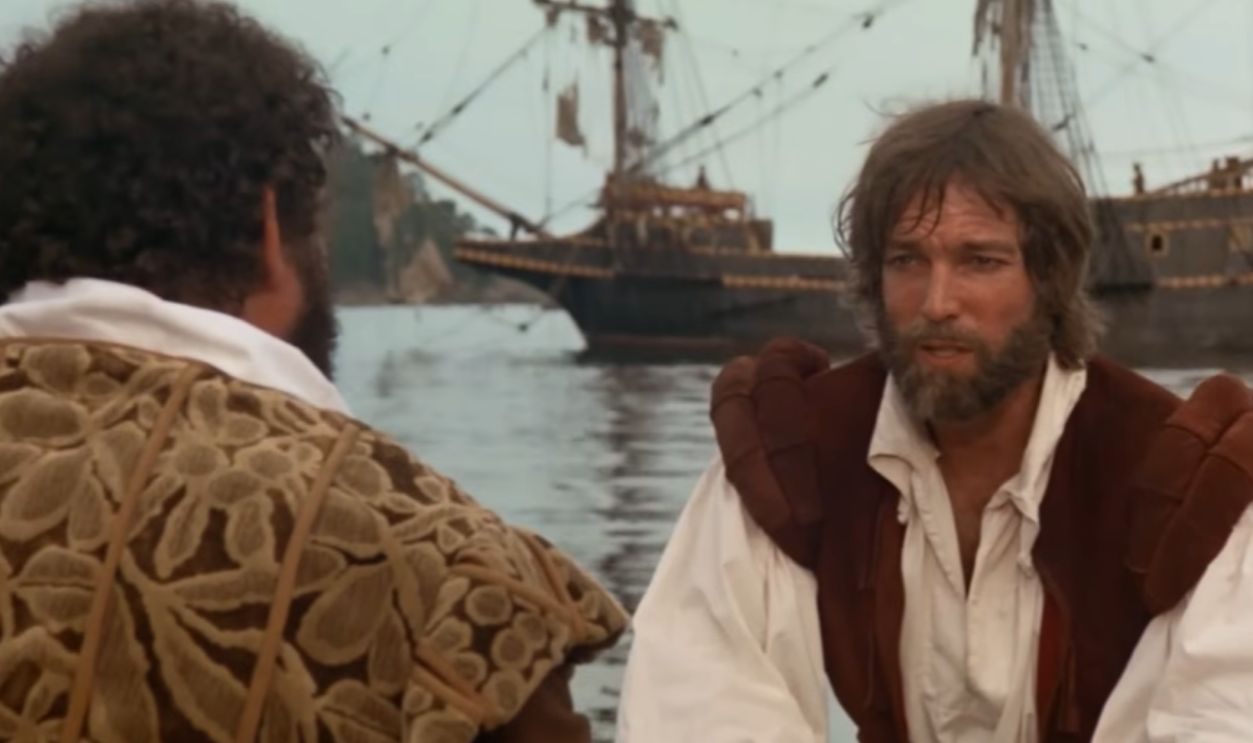 Screenshot from Shōgun, NBC (1980)
You May Also Like:
The Best TV Miniseries Of The 1990s
Why The Miniseries Is The Best Way To Do TV
The Best Historical Dramas On TV Right Now
Sources: 1, 2, 3, 4, 5, 6, 7, 8, 9, 10, 11, 12, 13, 14, 15, 16, 17, 18, 19, 20



.jpg)