Sometimes Going Back Actually Works
Horror remakes have a rough reputation, but the best ones do more than repeat familiar scares. They change the setting, sharpen the themes, or rebuild the material from another angle. A few entries here are technically reboots or fresh adaptations rather than literal remakes, and the distinction is noted where it matters.
 Amazon MGM Studios, Carrie (2026)
Carrie Brings The Story Into 2026
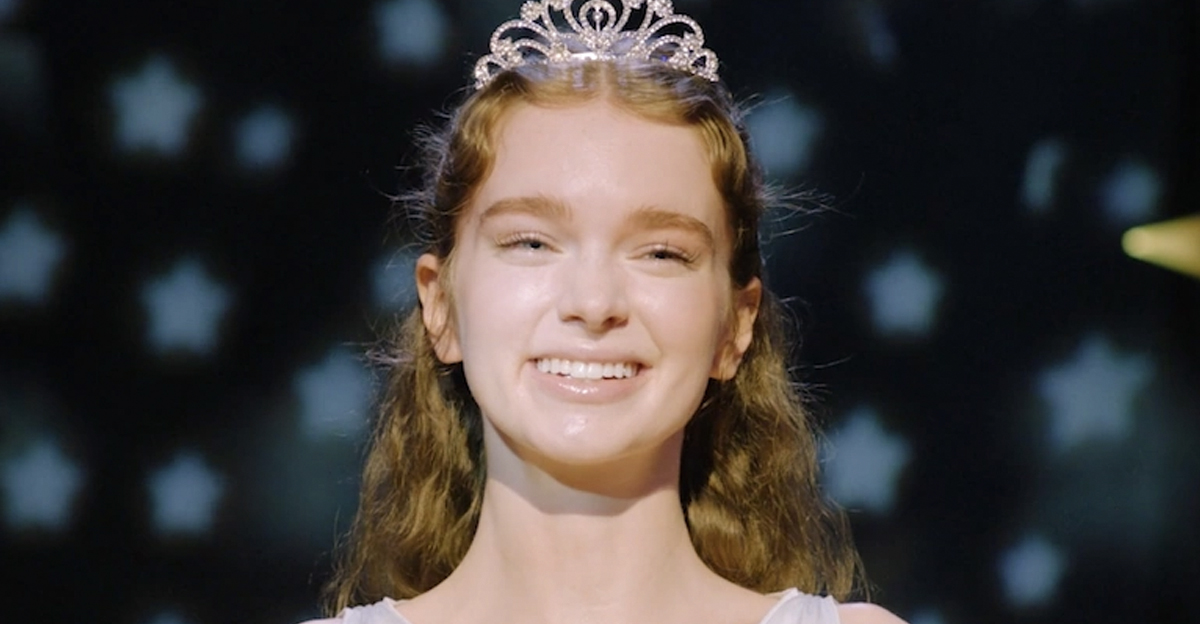
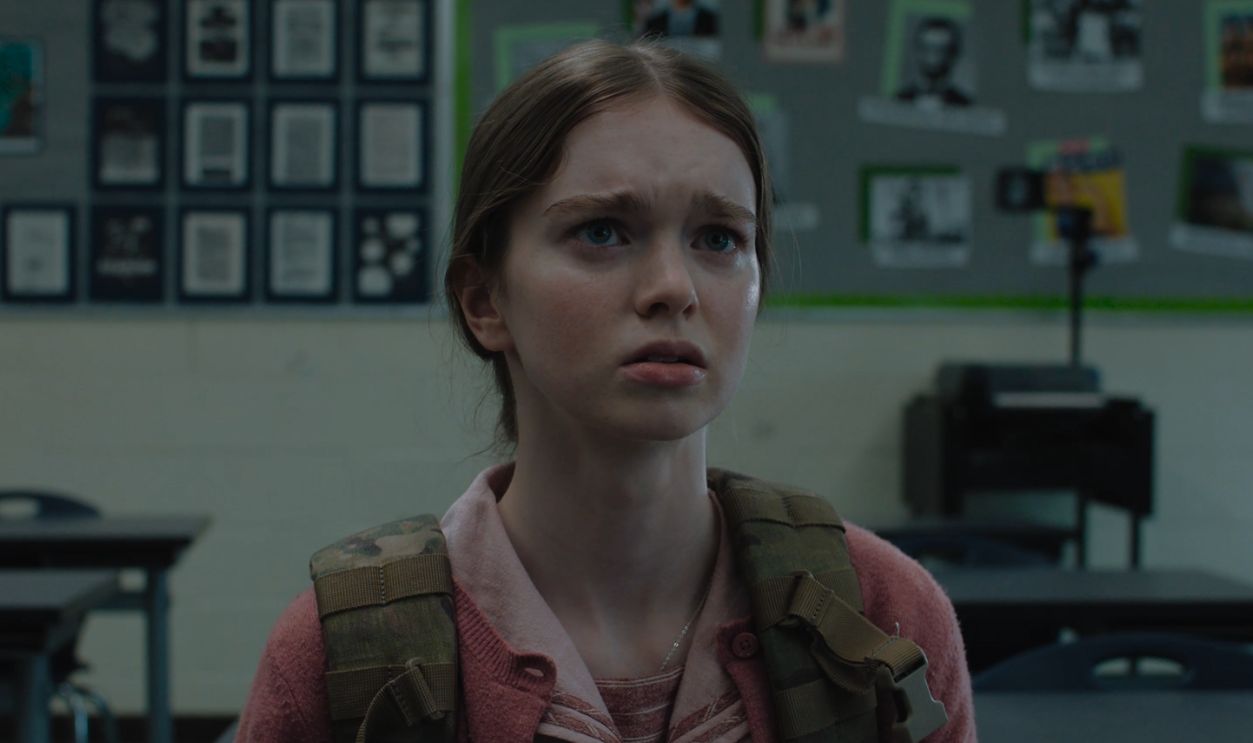
Mike Flanagan’s Carrie is not a remake of Brian De Palma’s 1976 movie. It is the first television-series adaptation of Stephen King’s novel. All eight episodes arrived on Prime Video on October 7, 2026, with Summer H Howell as Carrie. The update folds viral bullying and social-media cruelty into the familiar tragedy.
If you're a fan of Flanagan's chilling projects, Carrie is a must-watch.
 Screenshot from Carrie, Amazon Prime Video (2026)
Nosferatu Makes The Vampire Terrifying Again
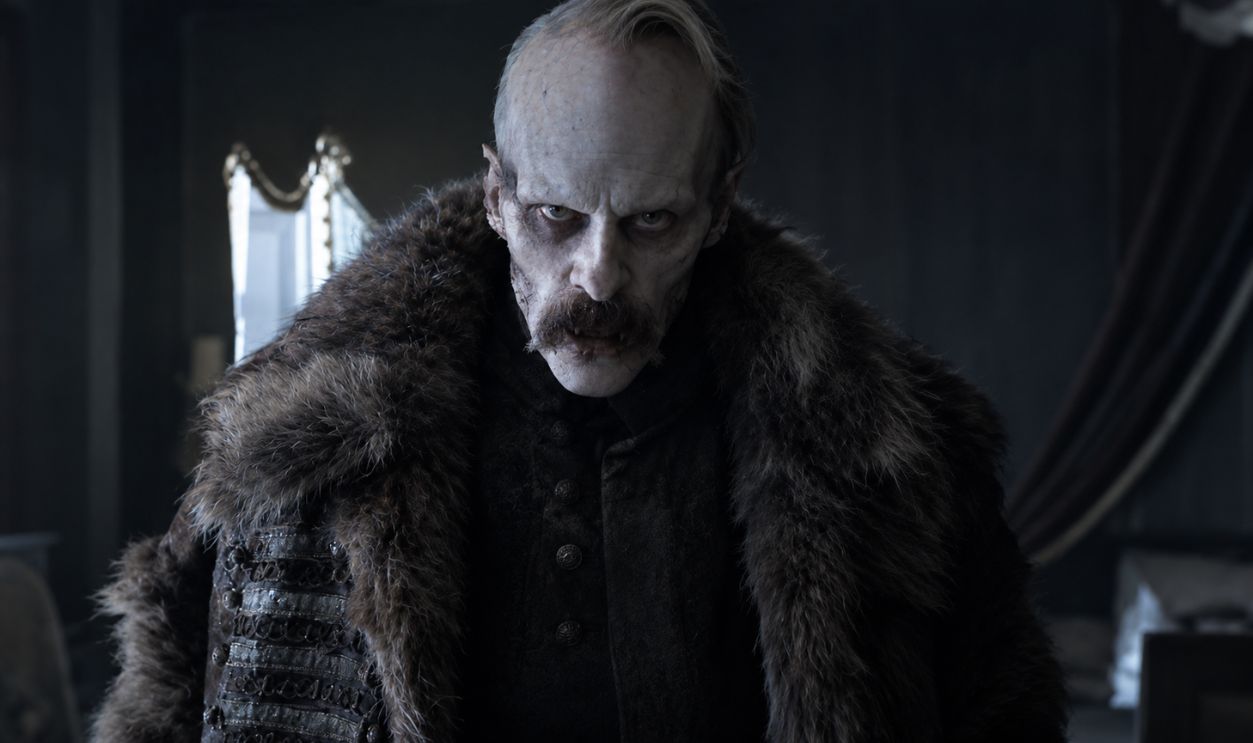
Robert Eggers returns to the shadow of FW Murnau’s 1922 landmark without sanding away its strangeness. Bill Skarsgård’s Count Orlok is monstrous rather than romantic, Lily-Rose Depp gives Ellen an emotional center, and the painstaking period atmosphere makes the 2024 film feel like an old Gothic nightmare newly unearthed.
The ending is sure to make any jaw drop.
 Screenshot from Nosferatu, Focus Features (2024), Enhanced
Speak No Evil Justifies A Very Fast Remake
Remaking a disturbing movie only two years after its release sounded unnecessary, but James Watkins found another route through Speak No Evil. James McAvoy turns charm into menace almost imperceptibly, and the 2024 version reshapes the Danish original around an American family without losing the story’s excruciating social discomfort.
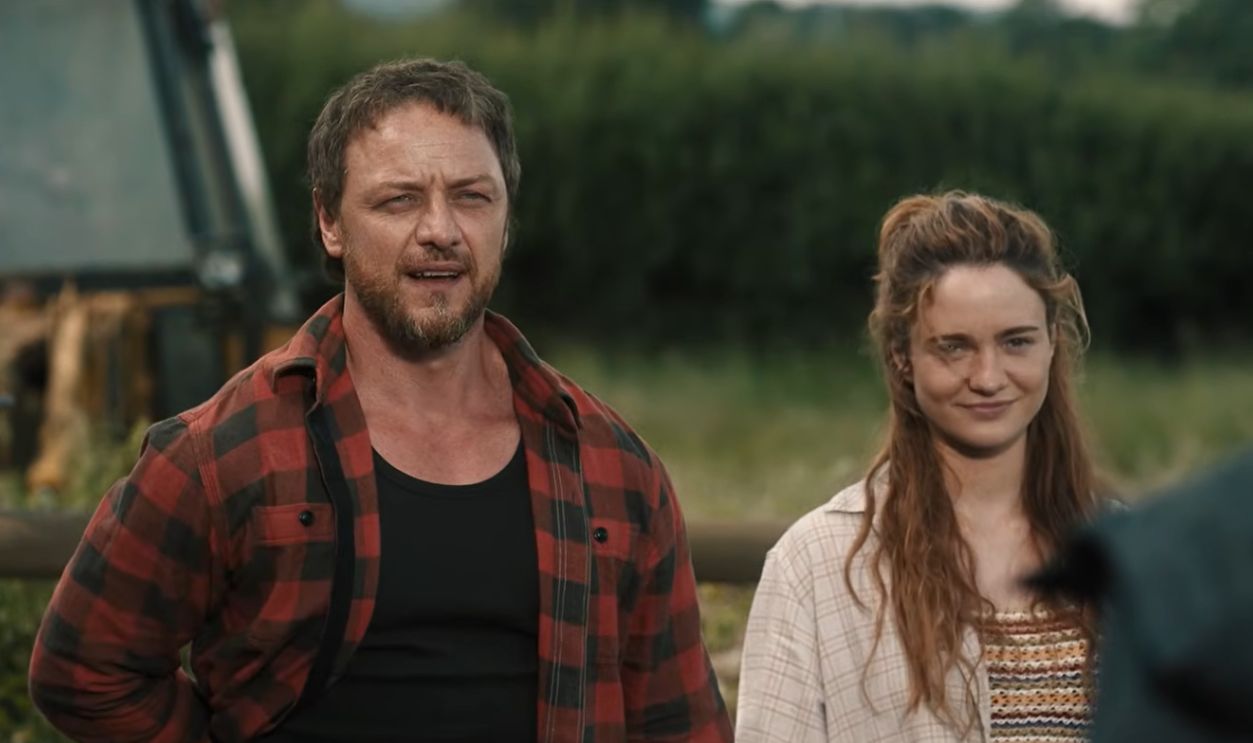 Screenshot from Speak No Evil, Universal Pictures (2024)
Hellraiser Opens A Different Puzzle Box
David Bruckner’s 2022 Hellraiser is better described as a reboot or reinvention than a scene-for-scene remake. Odessa A’zion’s Riley becomes the human center of a new puzzle-box story, while Jamie Clayton’s Pinhead leads a redesigned group of Cenobites. It respects Clive Barker’s world without simply reenacting the 1987 film.
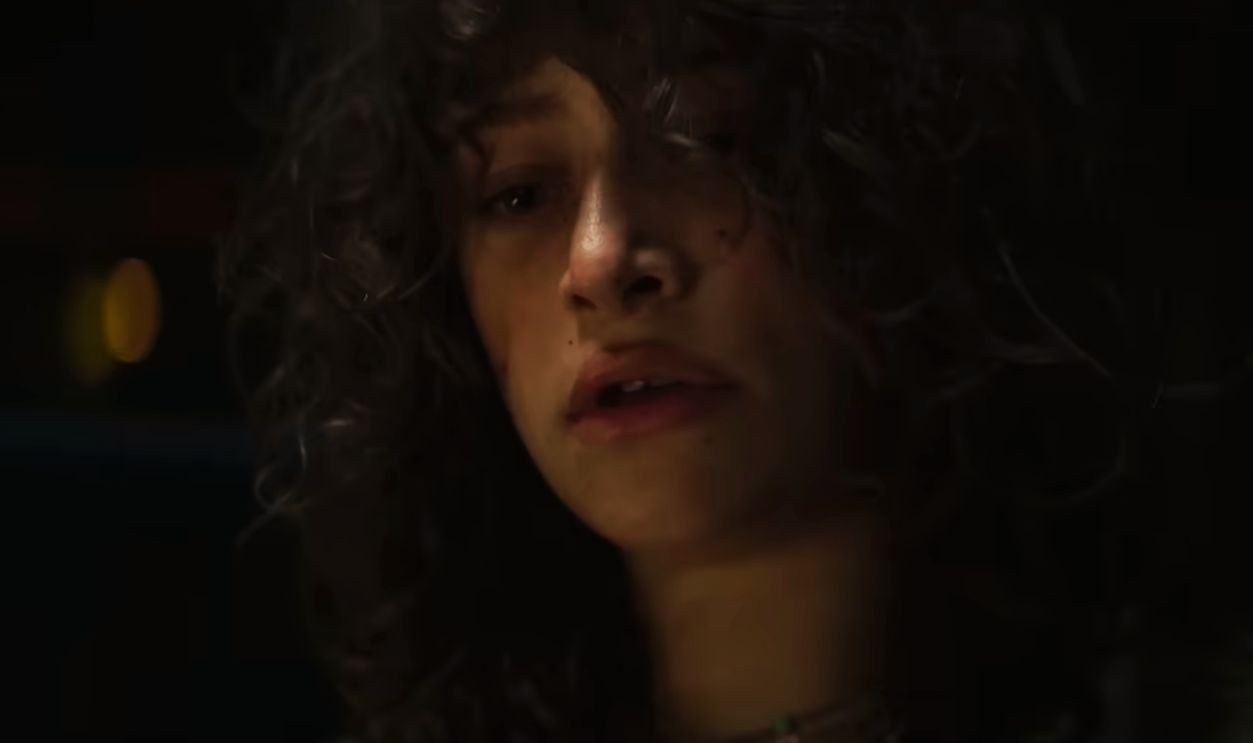 Screenshot from Hellraiser, Hulu (2022)
The Invisible Man Finds A Modern Kind Of Terror
Leigh Whannell’s The Invisible Man is a fresh reboot of the classic property, built around Cecilia Kass rather than making the invisible scientist its protagonist. Elisabeth Moss carries a story about stalking, coercive control, and being doubted. The old monster concept becomes a frighteningly contemporary psychological thriller.
 Screenshot from The Invisible Man, Universal Pictures (2020)
Suspiria Refuses To Copy The Original
Luca Guadagnino’s Suspiria refuses to imitate Dario Argento’s 1977 film. It moves the action into divided 1970s Berlin, trades the original’s blazing palette for colder austerity, and builds its horror around dance, political unease, and ritual. The result is so different that it works best as a companion nightmare rather than a replacement.
 Screenshot from Suspiria, Amazon Studios (2018)
The Hills Have Eyes Gets Much More Brutal
Alexandre Aja’s 2006 The Hills Have Eyes takes Wes Craven’s 1977 survival-horror setup and pushes its brutality much harder. A stranded family crosses an isolated desert landscape and discovers it is anything but empty. The remake is nasty and confrontational, but its relentless survival momentum gives it an identity of its own.
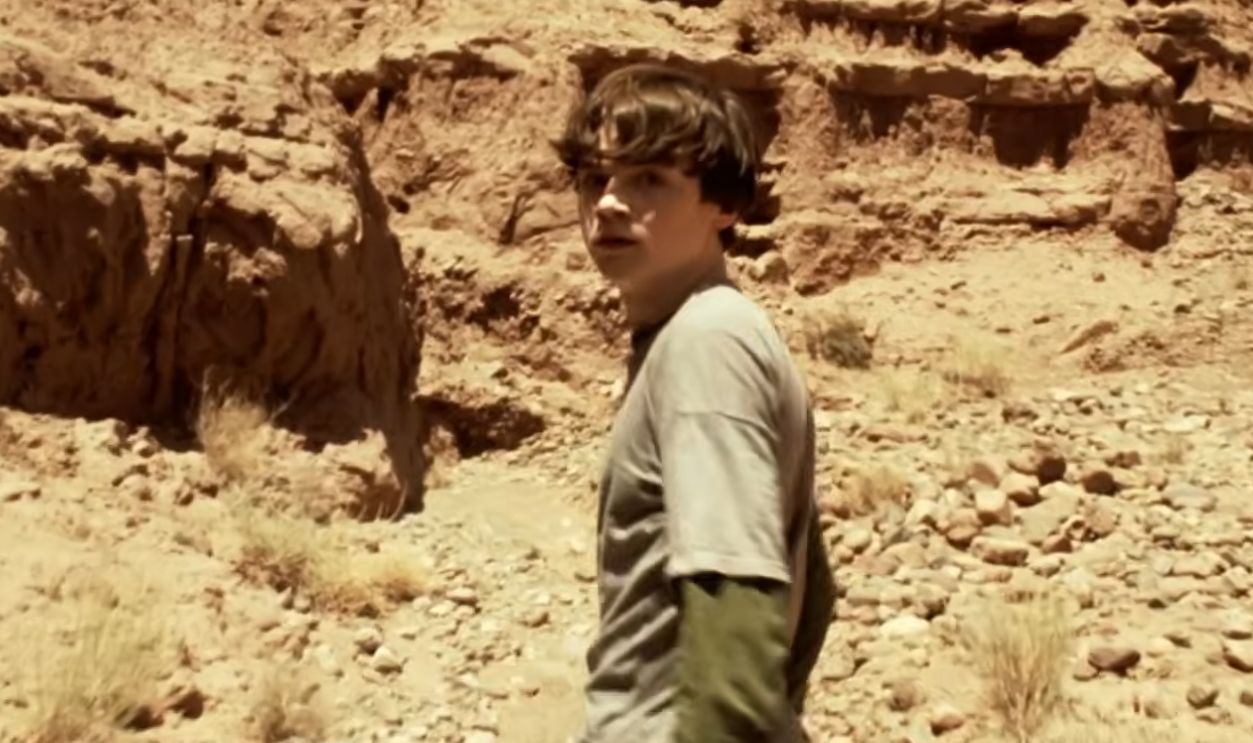 Screenshot from The Hills Have Eyes, Fox Searchlight Pictures (2006)
The Town That Dreaded Sundown Gets Clever With The Concept
The Town That Dreaded Sundown takes an unusual route: the 1976 movie exists inside the 2014 movie, while new killings begin in Texarkana. That makes Alfonso Gomez-Rejon’s version part remake, part sequel, and part commentary on local legend. The unusual structure gives familiar masked-killer material a clever new angle.
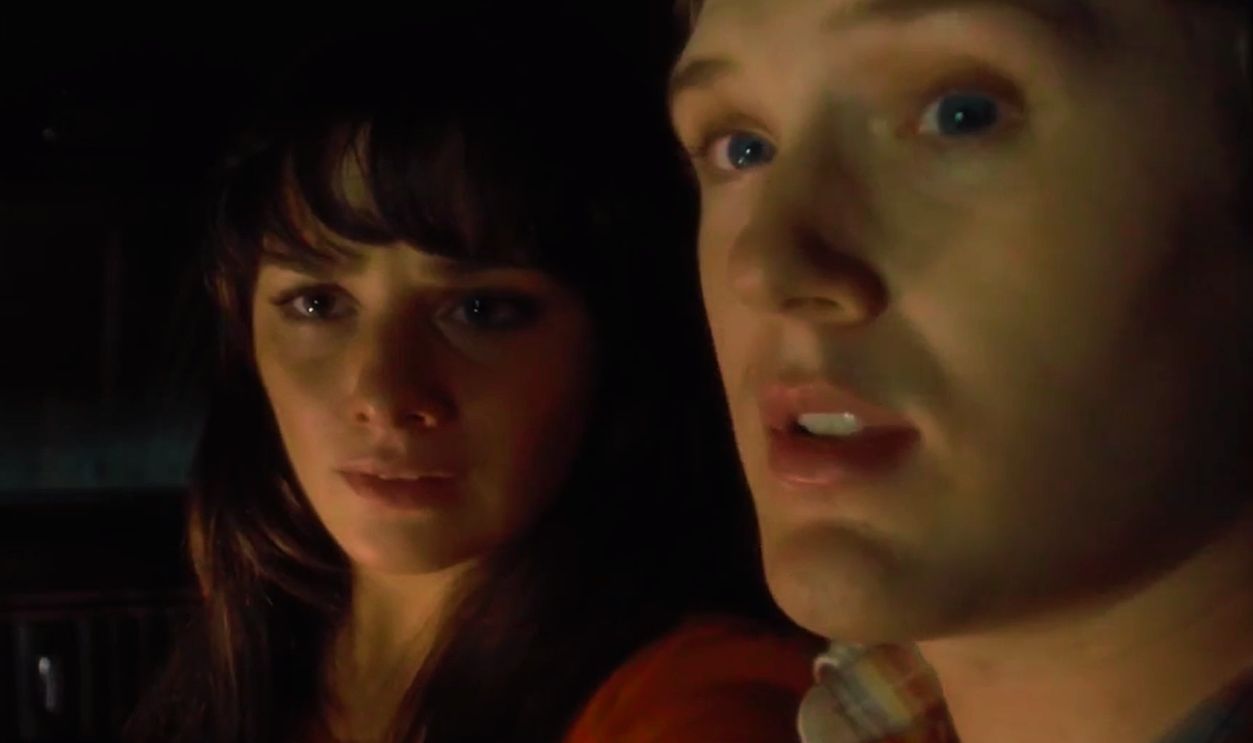 Screenshot from The Town That Dreaded Sundown, Orion Pictures (2014)
We Are What We Are Goes Quiet Before Going Horrific
Jim Mickle’s We Are What We Are remakes the 2010 Mexican film while changing the setting, family dynamics, and tone. The American version follows the secretive Parker family through rain-soaked rural isolation, building dread around ritual and inheritance. It stays restrained for long stretches before its violence finally erupts.
 Screenshot from We Are What We Are, Entertainment One (2013)
Evil Dead Drops Most Of The Comedy
Fede Alvarez’s 2013 Evil Dead keeps the cabin, the forbidden book, and the demonic possession but leaves much of Sam Raimi’s slapstick behind. Jane Levy’s Mia gives the remake a desperate human center, while the violence is deliberately relentless. It feels connected to the original without trying to recreate Bruce Campbell’s Ash.
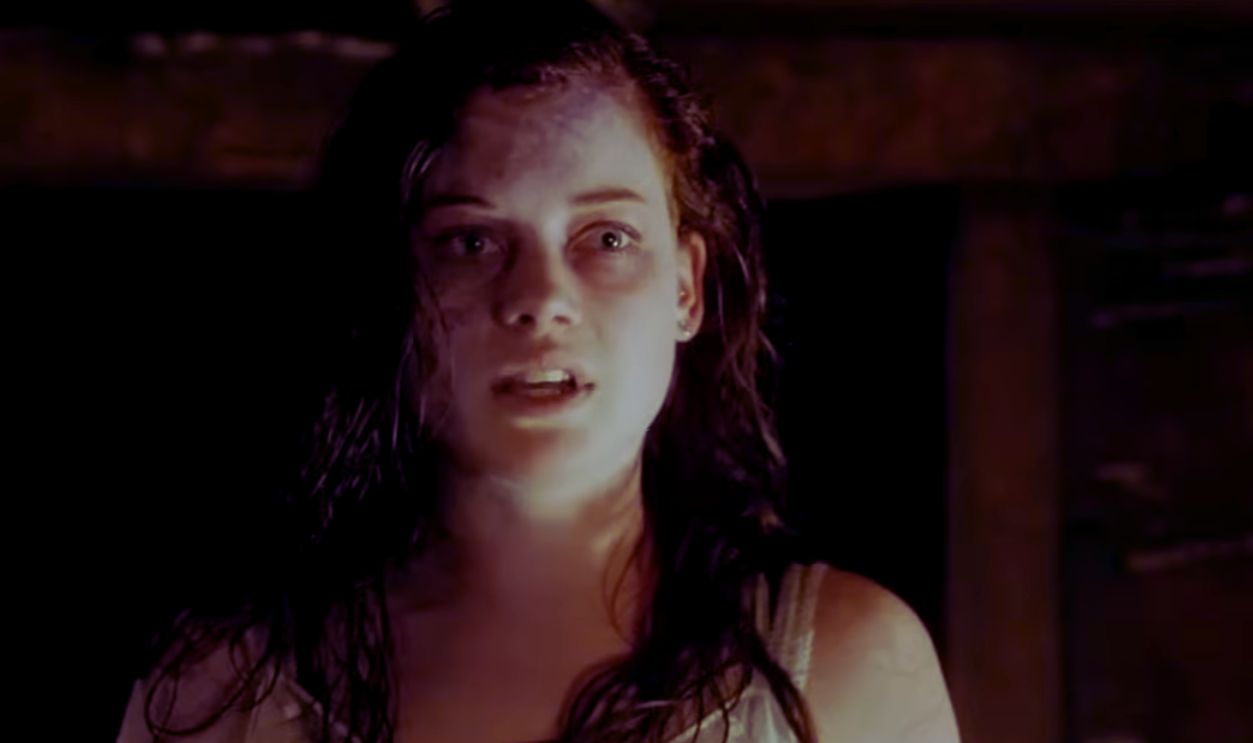 Screenshot from Evil Dead, TriStar Pictures (2013)
Fright Night Finds Its Own Personality
The 2011 Fright Night finds a new rhythm for the 1985 horror-comedy. Colin Farrell plays Jerry with casual menace, David Tennant turns Peter Vincent into an extravagant occult illusionist, and Anton Yelchin keeps Charley grounded. The remake understands that a new personality matters more than simply recreating the old movie’s beats.
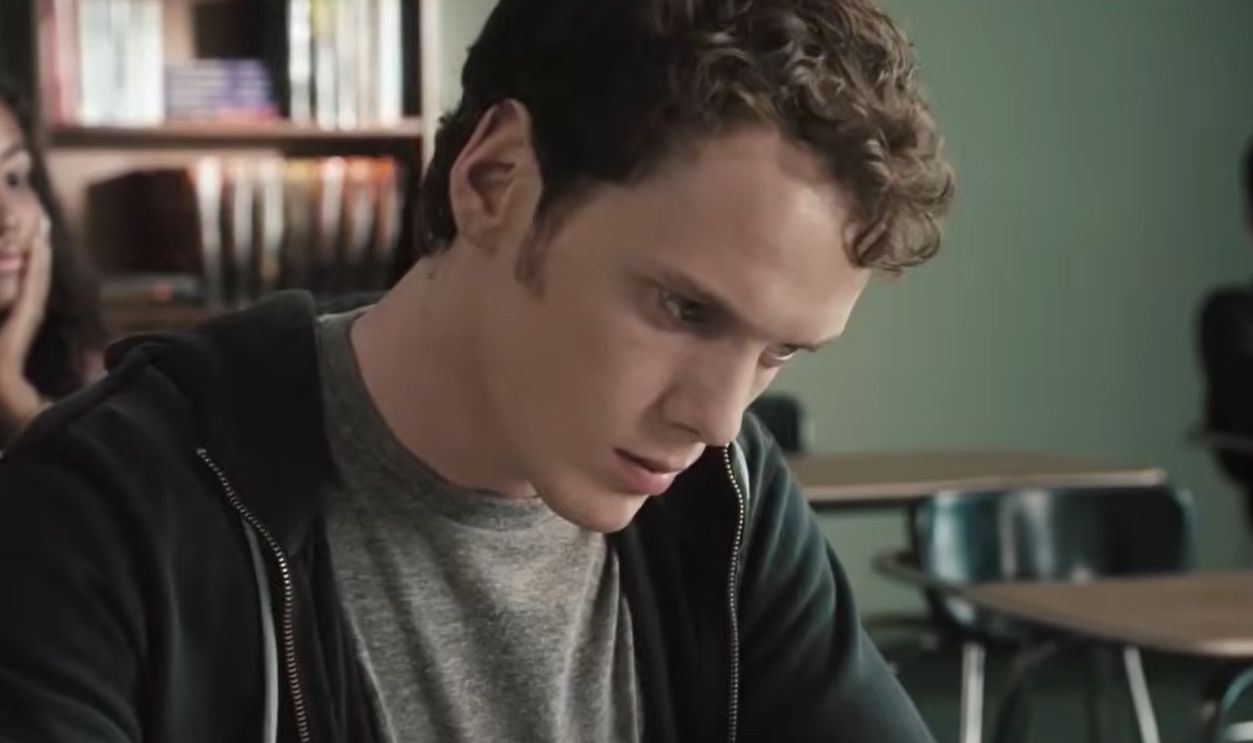 Screenshot from Fright Night, DreamWorks Pictures (2011)
The Crazies Tightens Romero’s Nightmare
Breck Eisner’s The Crazies takes George A Romero’s 1973 premise and gives it streamlined modern suspense. Timothy Olyphant and Radha Mitchell play a married couple trapped in a town where a contaminant is driving residents violently mad while authorities close the area down. It is fast, tense, and unusually disciplined.
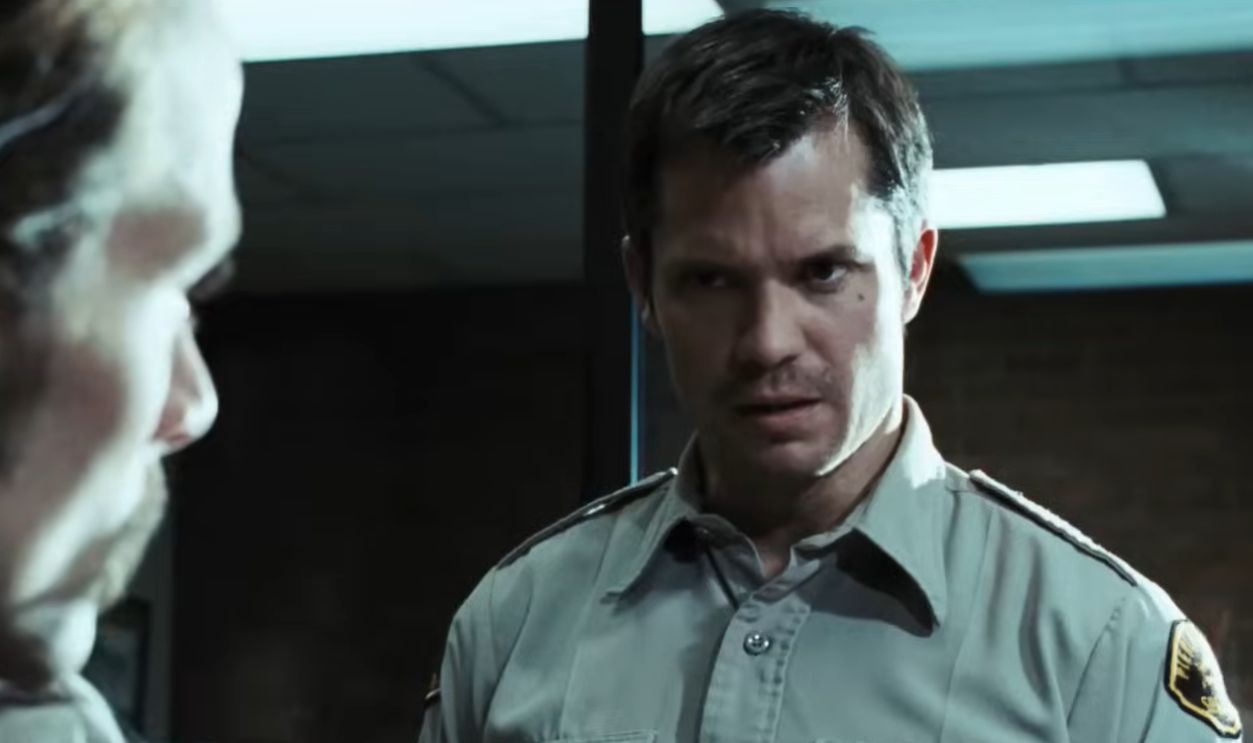 Screenshot from The Crazies, Overture Films (2010)
Let Me In Keeps The Sadness Intact
Matt Reeves faced an awkward challenge with Let Me In: the acclaimed Swedish Let the Right One In had arrived only two years earlier. The remake works because Kodi Smit-McPhee and Chloë Grace Moretz keep the lonely relationship at the center. Its melancholy matters just as much as the vampire violence surrounding them.
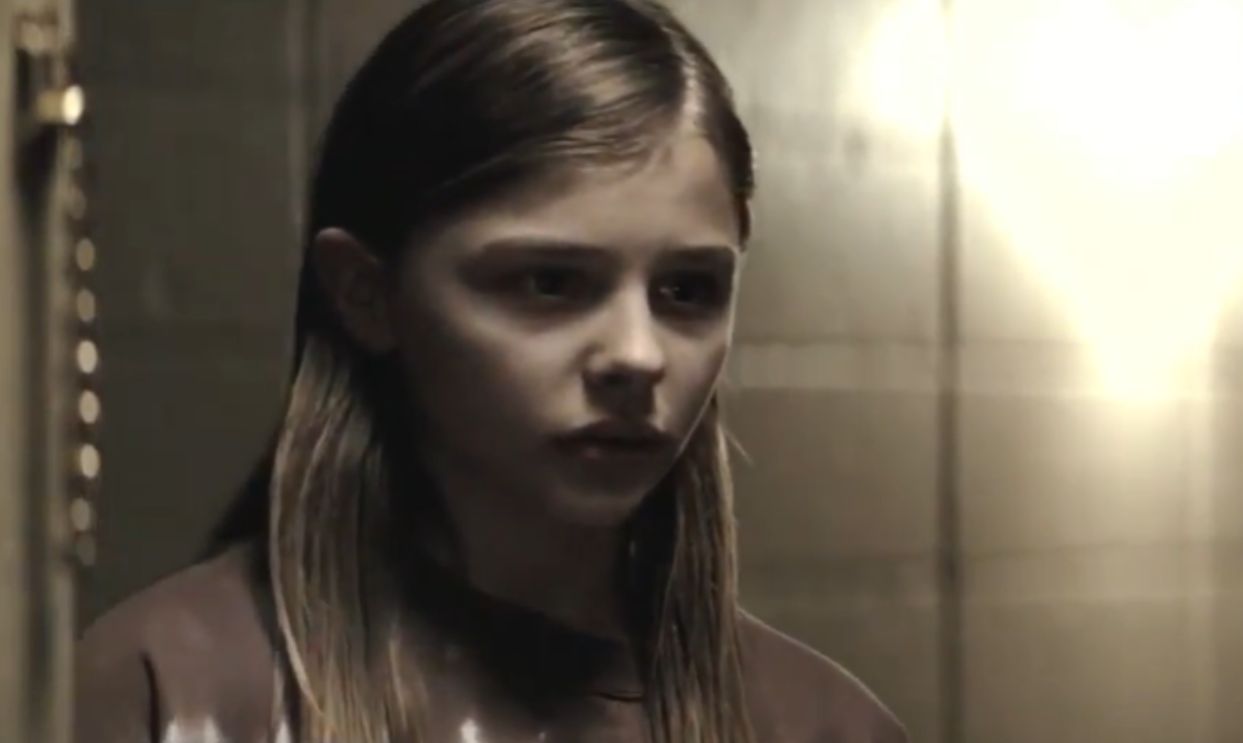 Screenshot from Let Me In, Overture Films (2010)
The Texas Chainsaw Massacre Is Mean And Memorable
The 2003 Texas Chainsaw Massacre was far more divisive with critics than many movies on this list, but it has a distinct identity. Marcus Nispel gives the story a harsh, polished look, Jessica Biel makes a committed central survivor, and R Lee Ermey adds another human threat. It is oppressive, unpleasant, and difficult to forget.
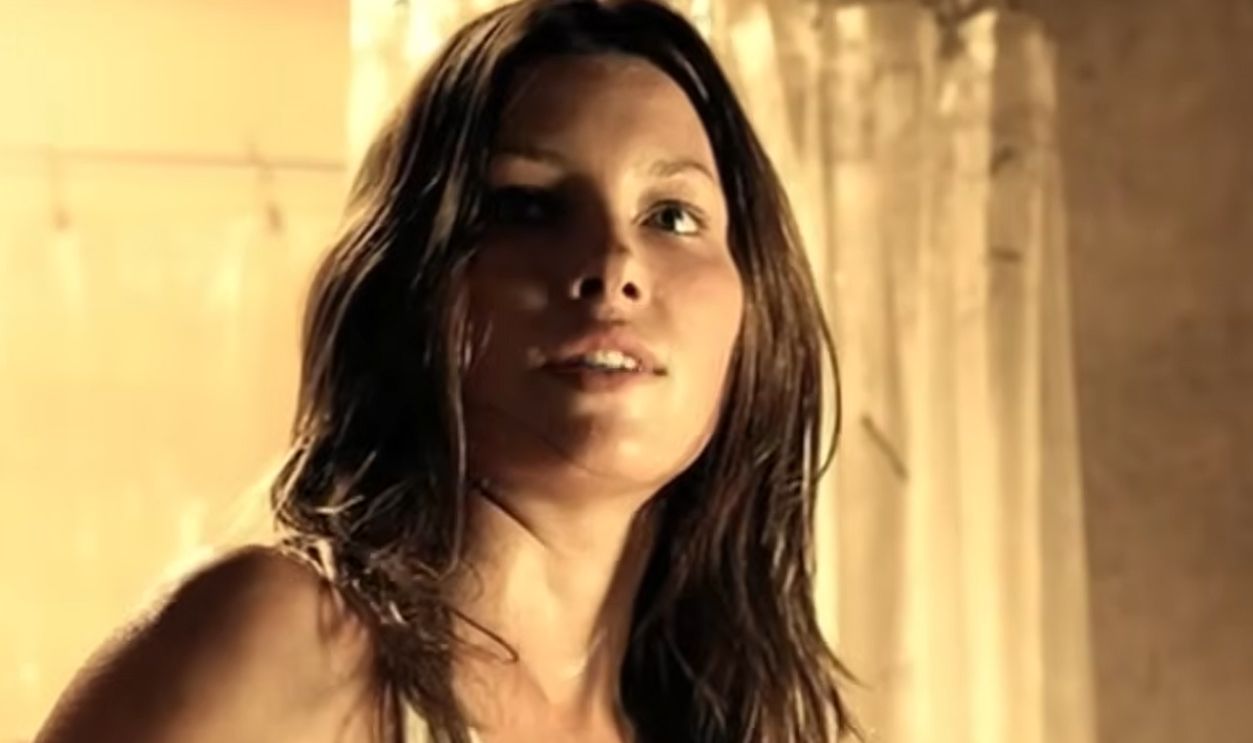 Screenshot from The Texas Chainsaw Massacre, New Line Cinema (2003)
My Bloody Valentine Makes The Gimmick Fun
The 2009 My Bloody Valentine puts its 3D gimmick to useful work. Pickaxes, mine shafts, and the masked miner all become part of the spectacle, but Patrick Lussier still builds the movie like an old-fashioned slasher mystery. It is proudly unsubtle, and that commitment makes the remake considerably more entertaining than it might sound.
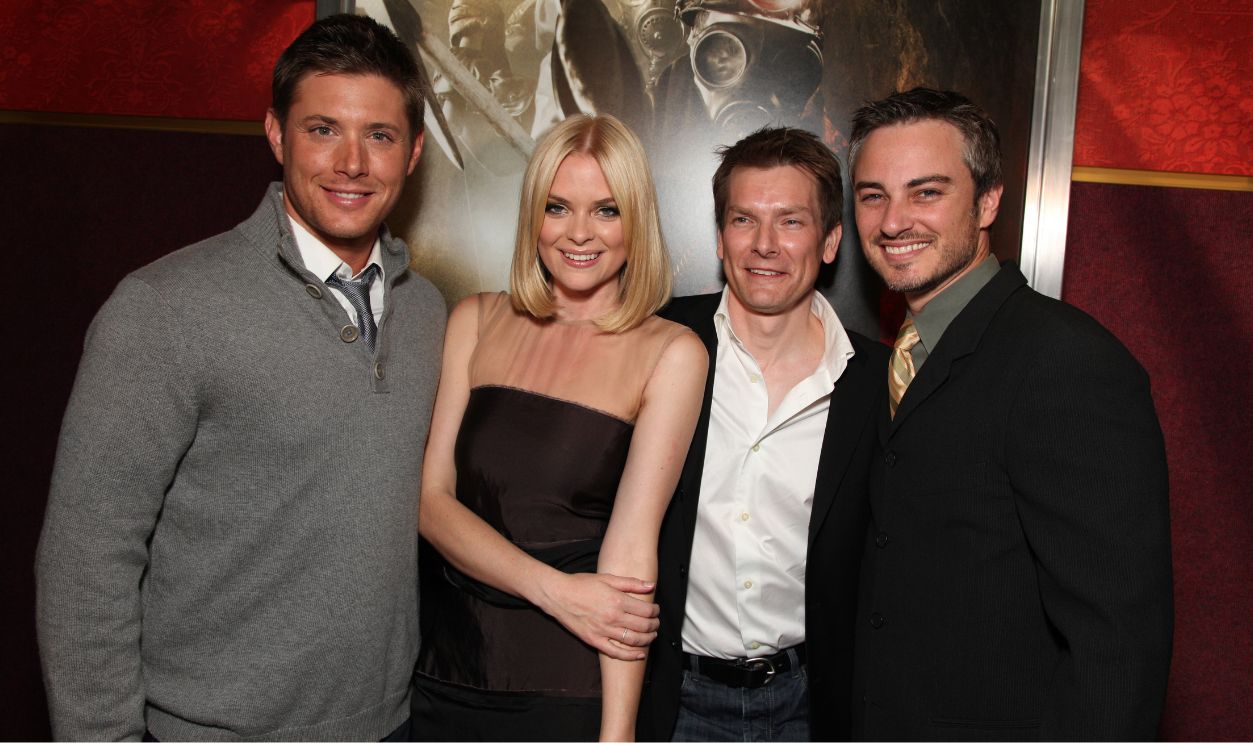 Eric Charbonneau, Getty Images
Dawn Of The Dead Comes Out Running
Zack Snyder’s Dawn of the Dead does not reproduce George A Romero’s satire beat for beat. It opens in full panic, uses fast-moving zombies, and traps Sarah Polley, Ving Rhames, and other survivors inside a shopping mall that never feels truly secure. The 2004 remake is aggressive, efficient, and determined to keep moving.
 Screenshot from Dawn of the Dead, Universal Pictures (2004)
Willard Is Much Stranger Than You Remember
Willard gives Crispin Glover a role perfectly suited to his uneasy screen presence. The 2003 remake of the 1971 film follows an isolated man who finds companionship and power through a growing colony of rats. Director Glen Morgan leans into loneliness, resentment, and black humor, making it stranger than a conventional creature feature.
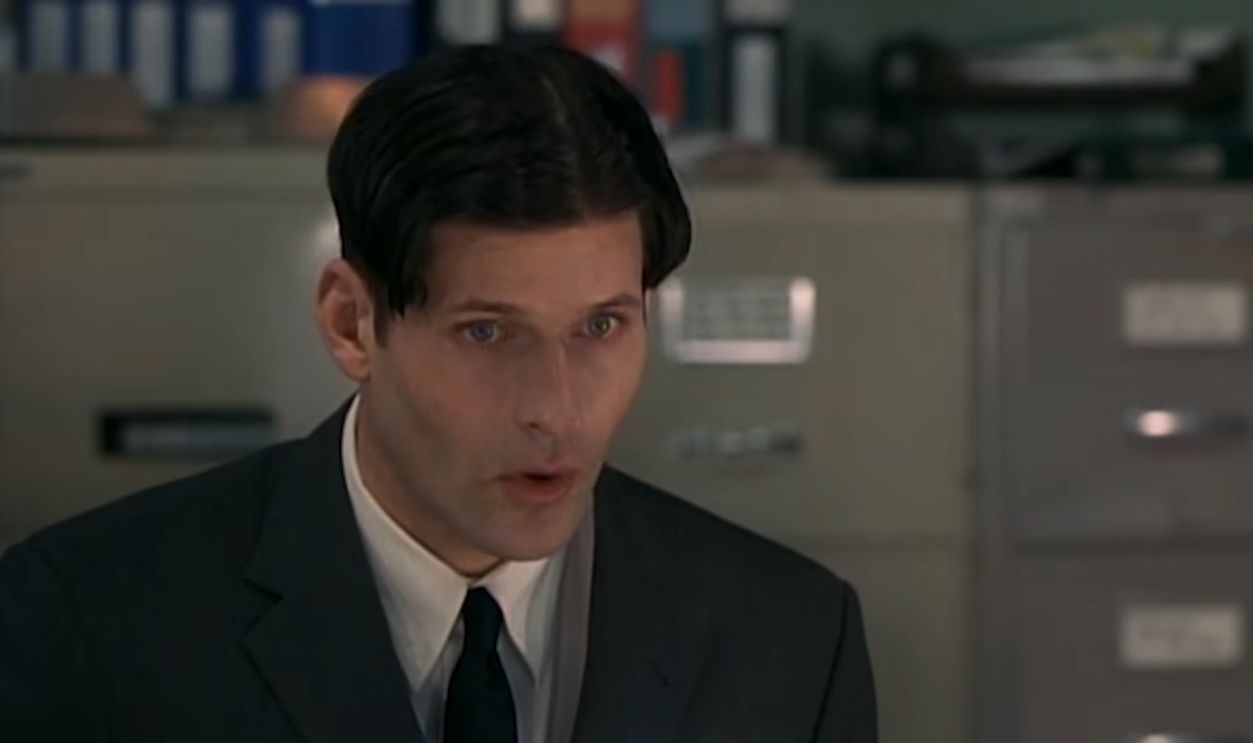 Screenshot from Willard, New Line Cinema (2003)
The Ring Made J-Horror Work In Hollywood
Gore Verbinski’s The Ring helped show that an American remake of Japanese horror did not have to flatten everything that made the original unsettling. Naomi Watts drives the investigation, while the cursed videotape and cold, rain-soaked imagery give the movie a separate visual identity. It remains one of Hollywood’s strongest J-horror remakes.
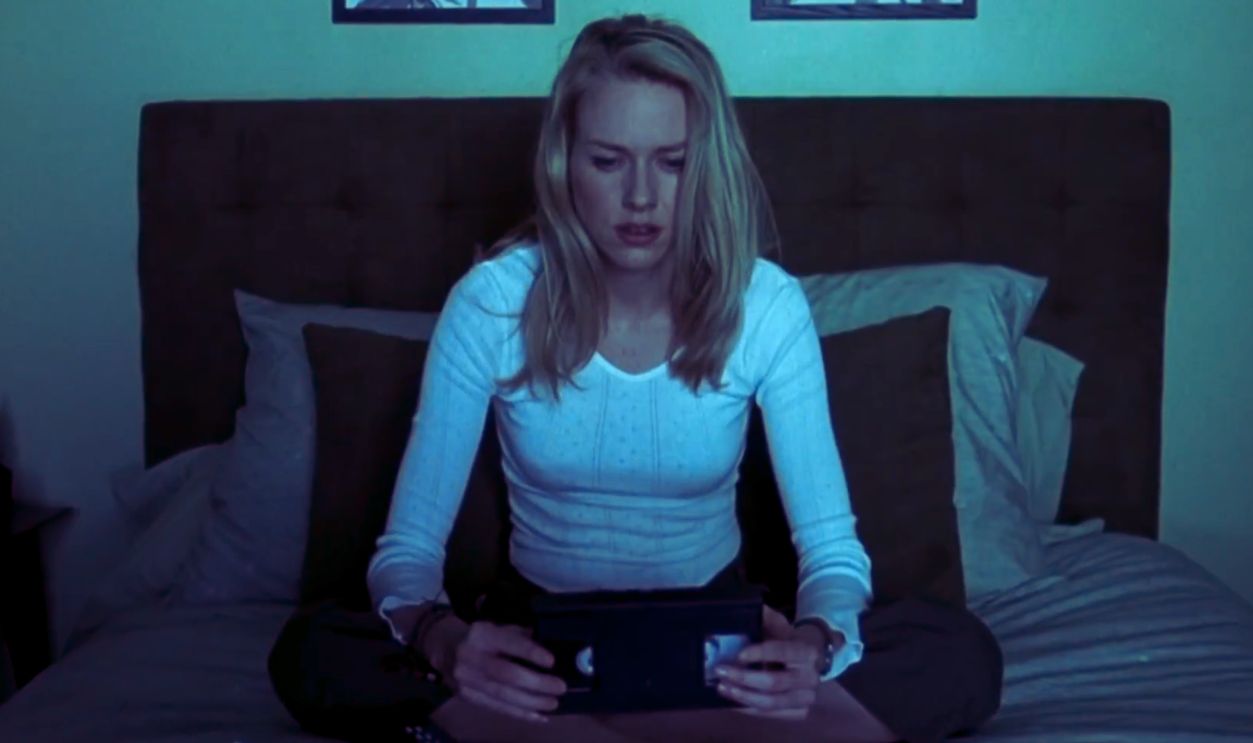 Screenshot from The Ring, DreamWorks Pictures (2002)
Night Of The Living Dead Gives Barbara A New Role
Tom Savini’s 1990 Night of the Living Dead stays close to George A Romero’s 1968 foundation, but one of its biggest changes matters. Patricia Tallman’s Barbara becomes a far more active survivor, while Tony Todd gives Ben real gravity. The remake uses familiar farmhouse dread to make different choices about who gets agency.
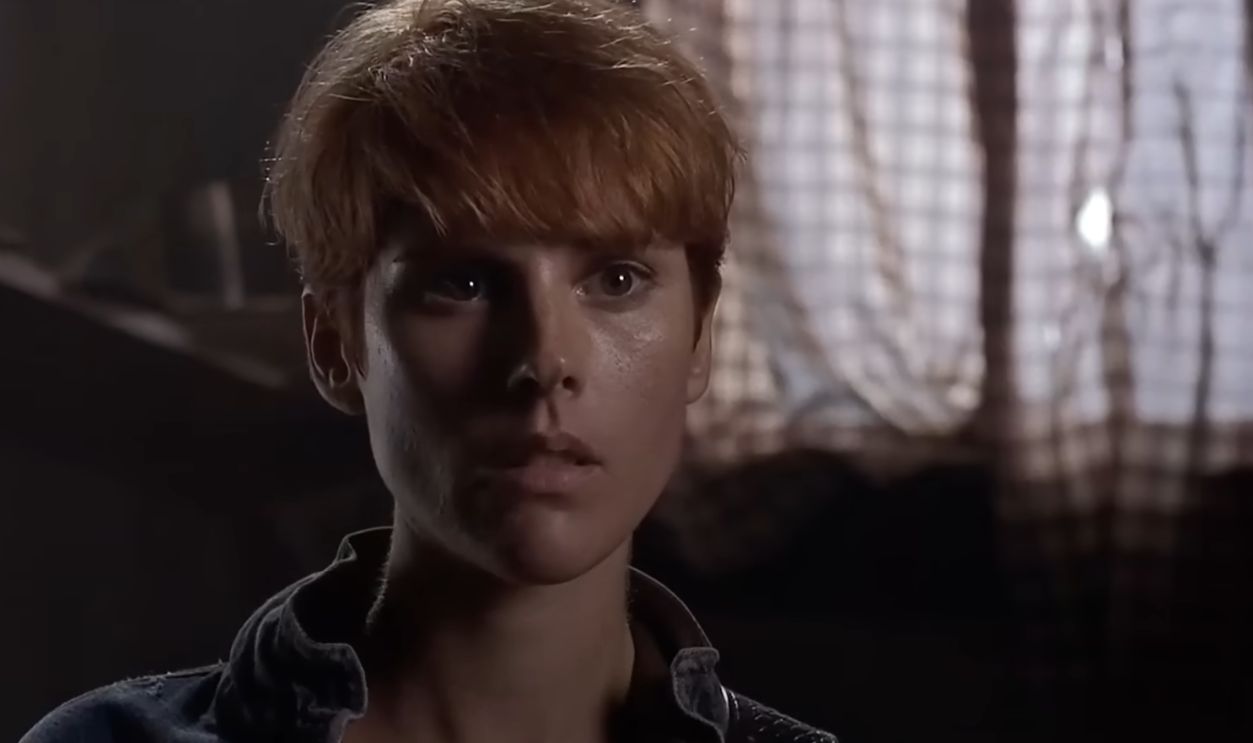 Screenshot from Night of the Living Dead, Columbia Pictures (1990)
The Blob Turns A Simple Monster Into Nightmare Fuel
Chuck Russell’s 1988 The Blob takes the 1958 creature-feature premise and makes the monster far more vicious. Kevin Dillon and Shawnee Smith lead the fight as the organism consumes its way through a small town. Russell and co-writer Frank Darabont give the remake speed, misdirection, and a series of memorably gruesome set pieces.
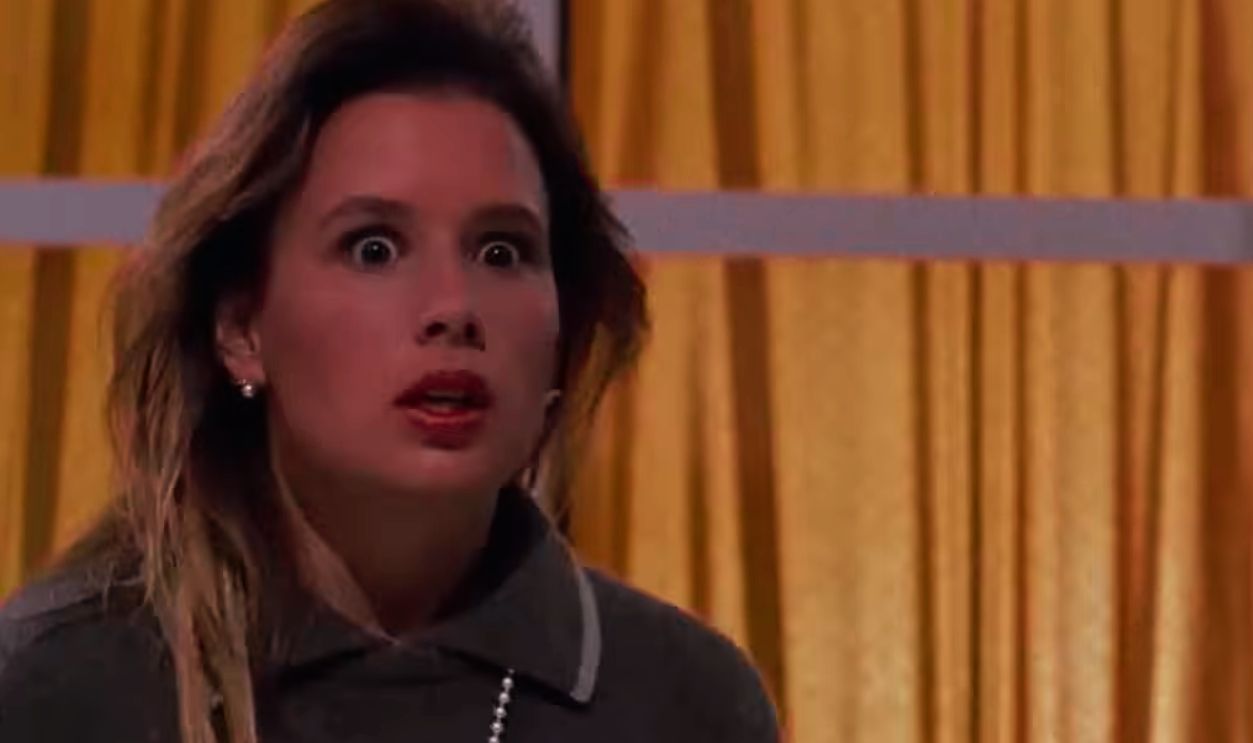 Screenshot from The Blob, TriStar Pictures (1988)
The Fly Becomes A Tragedy
David Cronenberg’s The Fly is a remake that became a classic in its own right. Jeff Goldblum’s Seth Brundle does not simply turn into a monster; he deteriorates in front of someone who loves him. Geena Davis gives the body horror emotional weight, transforming a 1958 science-fiction premise into something intimate and genuinely tragic.
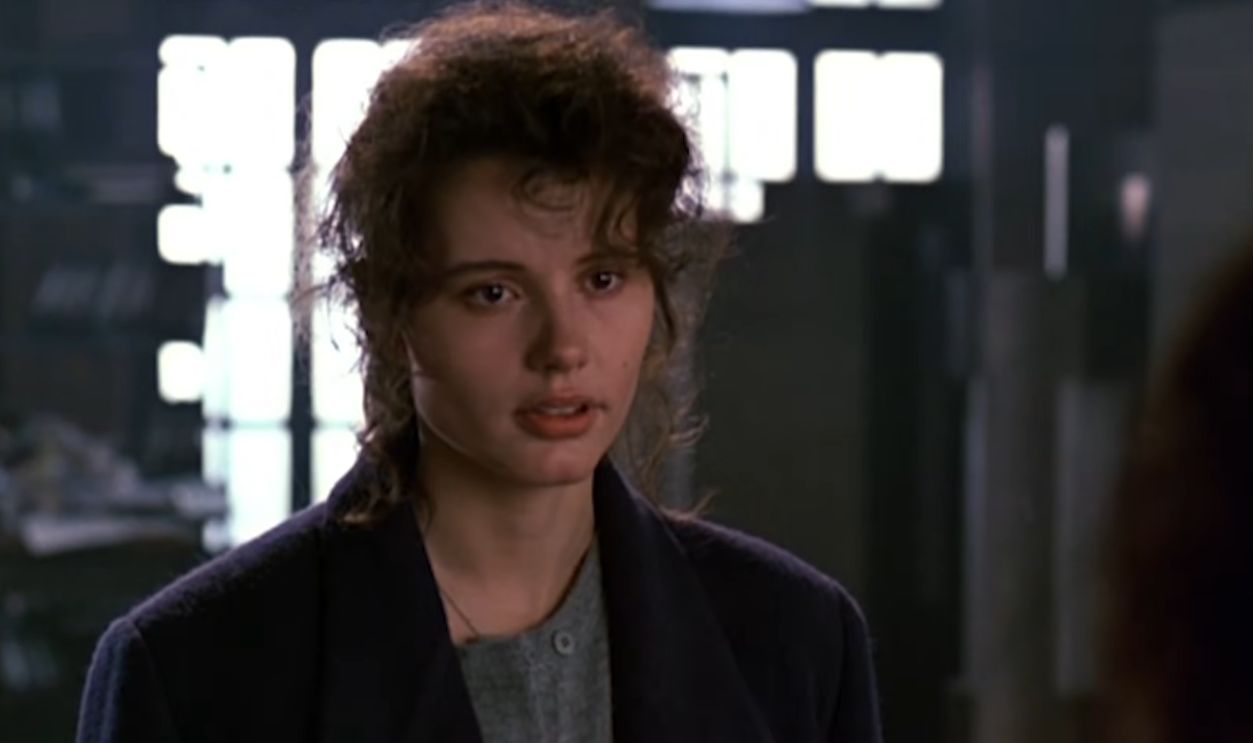 Screenshot from The Fly, 20th Century Fox (1986)
The Thing Became More Beloved With Time
John Carpenter’s The Thing is usually discussed as a remake of 1951’s The Thing from Another World, though Carpenter moved closer to John W Campbell Jr’s original novella. The Antarctic isolation, mistrust, and Rob Bottin’s effects make every encounter unstable. Its reputation grew enormously after a disappointing original theatrical run.
 Screenshot from The Thing, Universal Pictures (1982)
Cat People Goes In A Completely Different Direction
Paul Schrader’s 1982 Cat People takes the 1942 film into a far more violent register. Nastassja Kinski plays Irena with vulnerability and danger, while Giorgio Moroder’s synthesizer-heavy score gives the movie a hypnotic pulse. It is divisive and excessive, but almost impossible to mistake for its predecessor.
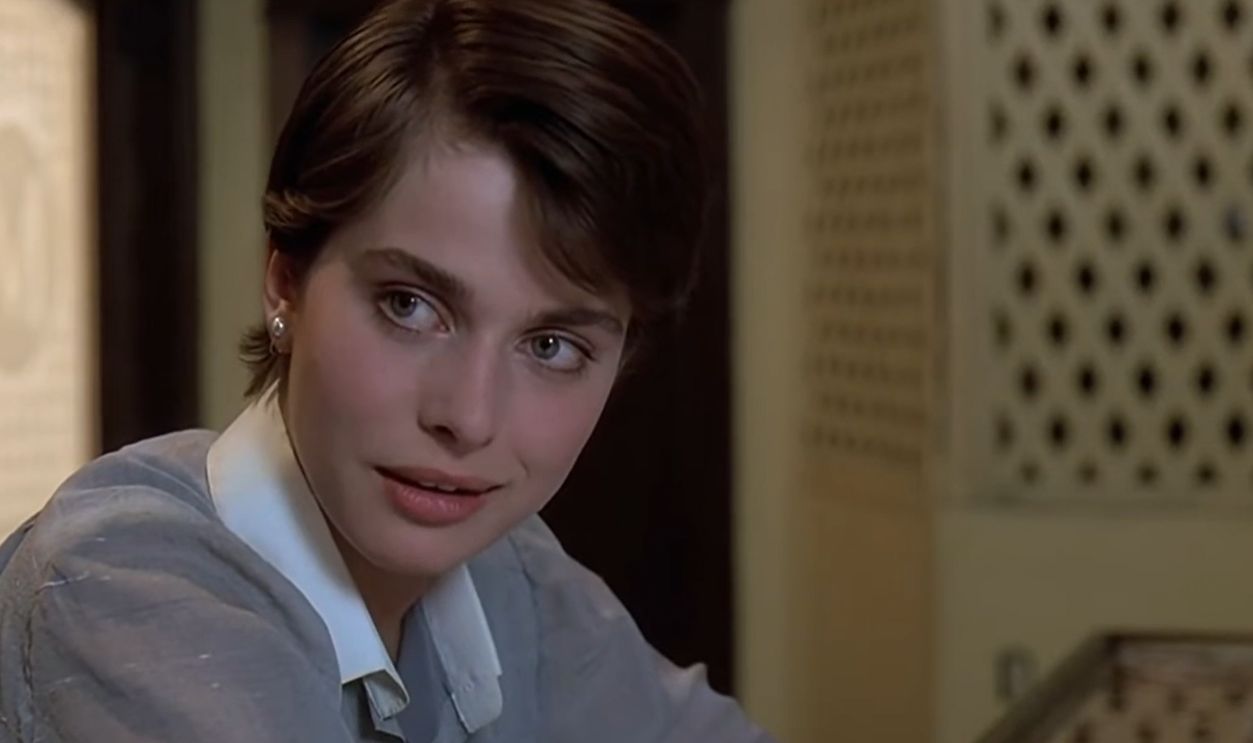 Screenshot from Cat People, Universal Pictures (1982)
Nosferatu The Vampyre Finds Sadness In Dracula
Werner Herzog’s 1979 Nosferatu the Vampyre openly returns to FS Murnau’s silent classic. Klaus Kinski makes the vampire sickly and melancholy, Isabelle Adjani brings eerie stillness to Lucy, and Bruno Ganz plays Jonathan Harker. Herzog turns familiar vampire material into something mournful and strangely beautiful as well as frightening.
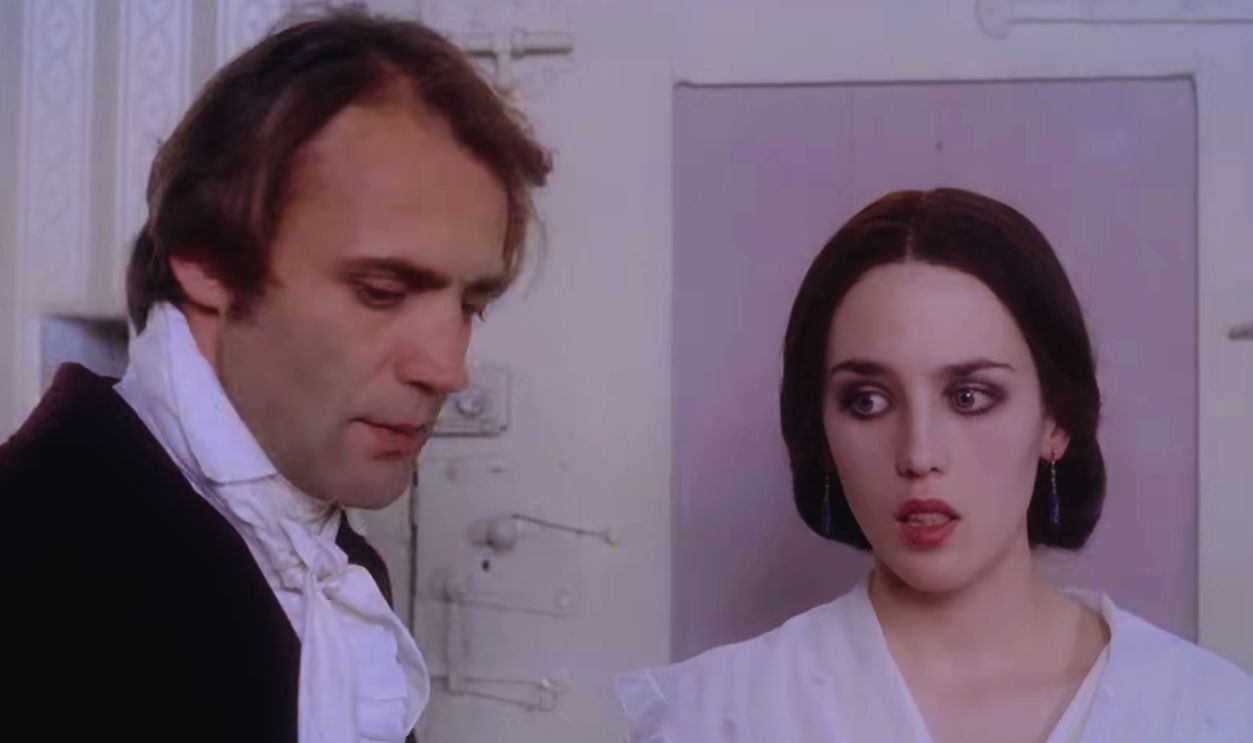 Screenshot from Nosferatu the Vampyre, 20th Century Fox (1979)
Invasion Of The Body Snatchers Makes Everyone Suspicious
Philip Kaufman’s 1978 Invasion of the Body Snatchers moves the paranoia of the 1956 film into San Francisco and finds new anxieties there. Donald Sutherland leads an ensemble that also includes Brooke Adams, Leonard Nimoy, Jeff Goldblum, and Veronica Cartwright. The remake keeps tightening the tension until its unforgettable final image.
 Screenshot from Invasion of the Body Snatchers, United Artists (1978)
You May Also Like:
Why Horror Movies Never Win Oscars
1970s Movie Stars Who Never Got Another Role As Big As Their Breakthrough