Hollywood Could Not Get Enough Of Stephen King
By the early 1980s, Stephen King had become one of Hollywood’s most valuable sources of material. The Shining, Creepshow, Cujo, Christine, and The Dead Zone all reached theaters within a few remarkably productive years. Although the movies varied in quality and faithfulness, King’s name had become a recognizable selling point for audiences. However, his own directorial debut didn't exactly go as planned.
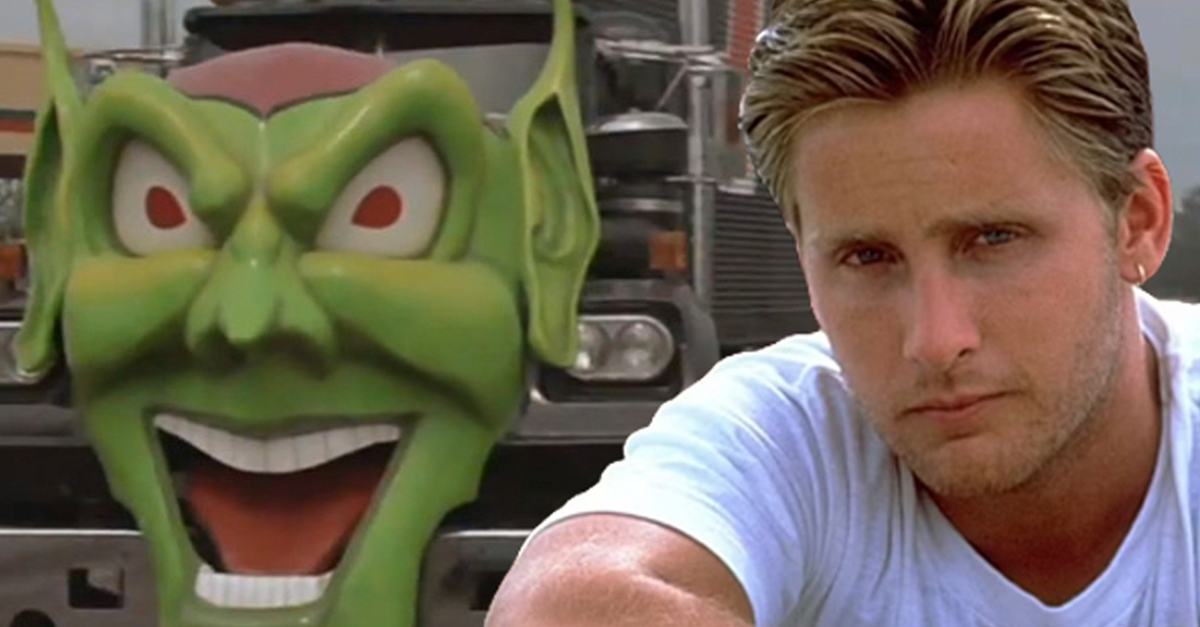
 Maximum Overdrive (1986), De Laurentiis Entertainment Group
His Stories Were Built For The Big Screen
King’s books offered filmmakers vivid premises, memorable villains, and ordinary people facing terrifying situations. Brian De Palma had already demonstrated the cinematic potential of King’s writing with Carrie in 1976. By the next decade, directors including Stanley Kubrick, John Carpenter, David Cronenberg, and George A. Romero were interpreting King’s work in dramatically different ways.
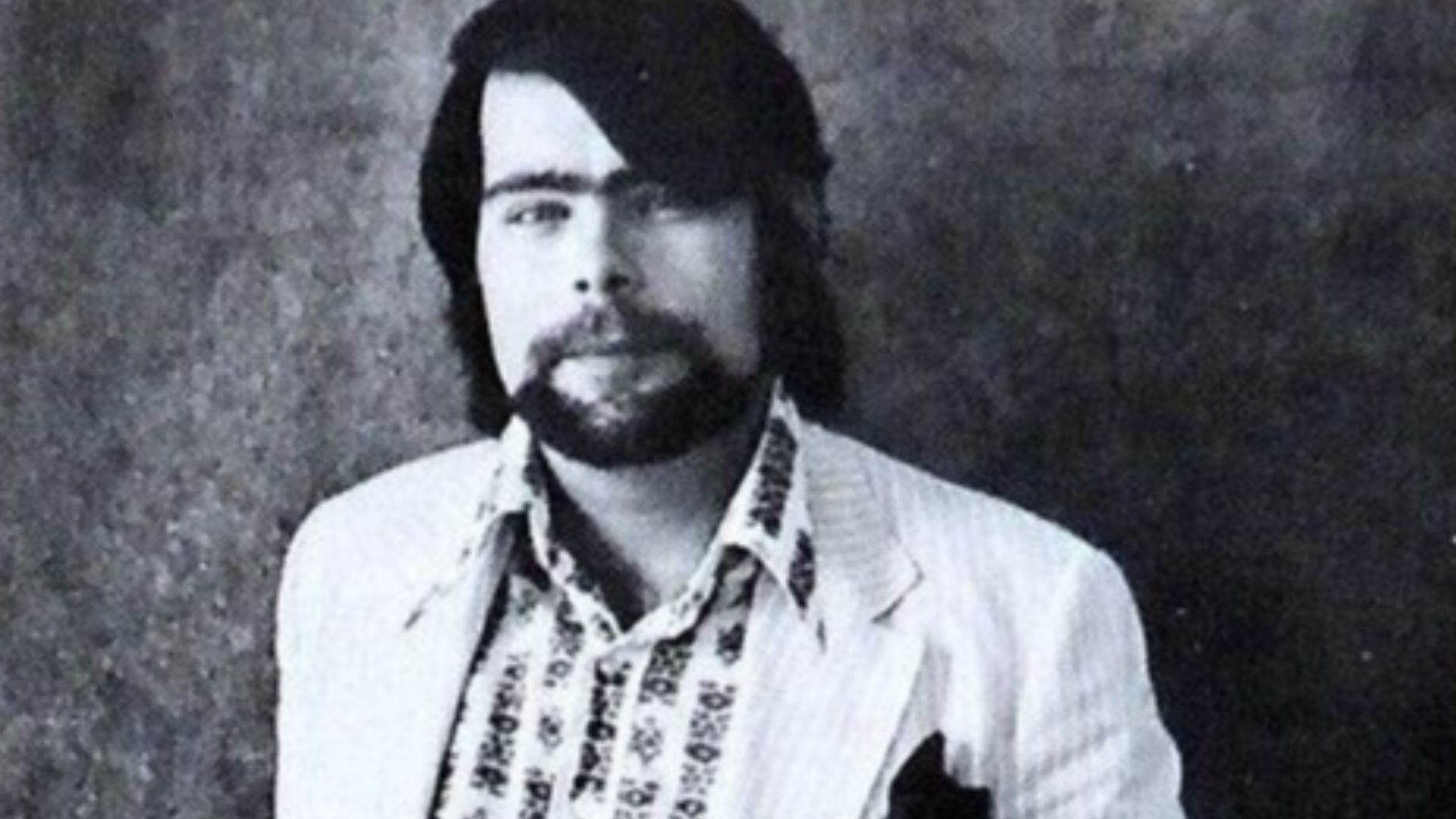 Jacket by Alex Gotfryd
Photo by Alex Gotfryd, Wikimedia Commons
Jacket by Alex Gotfryd
Photo by Alex Gotfryd, Wikimedia Commons
The Adaptations Kept Coming
The pace of releases was extraordinary. Cujo, Christine, and The Dead Zone all arrived in 1983, followed by Children of the Corn and Firestarter in 1984. Cat’s Eye and Silver Bullet continued the streak in 1985, making King one of the most visible writers in popular cinema.
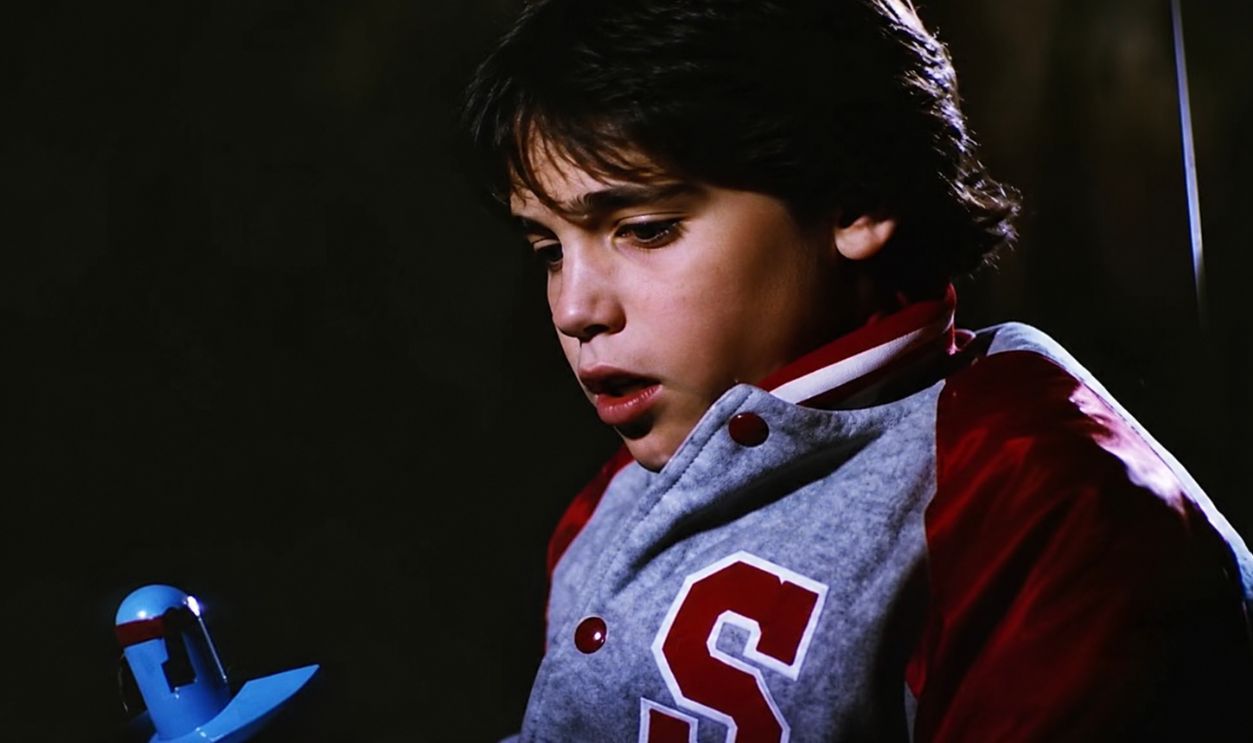 Screenshot from Silver Bullet, Paramount Pictures (1985), Enhanced
King Was More Than A Silent Observer
King did not simply sell his stories and disappear. He wrote the screenplay for the 1982 anthology Creepshow and appeared in one of its segments. He later wrote the screenplay for Cat’s Eye, an anthology containing two adaptations and one original story.
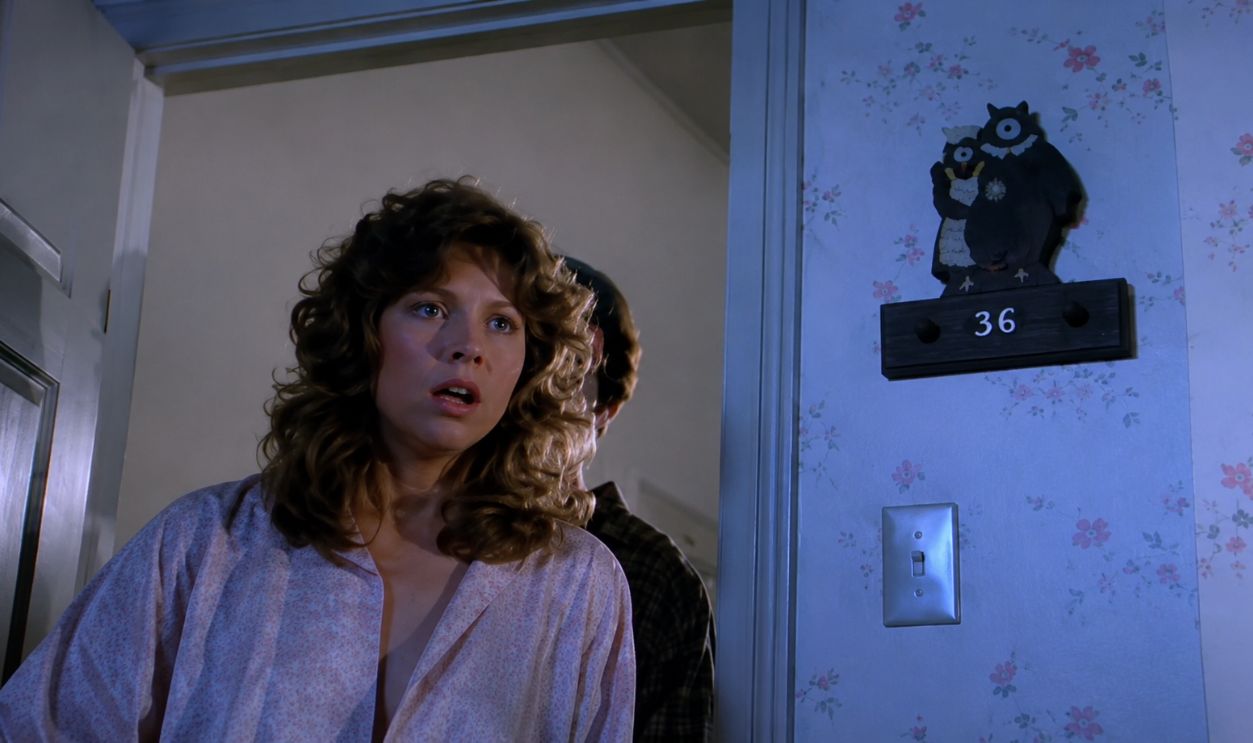 Screenshot from Cat’s Eye, MGM/UA Entertainment Co. (1985), Enhanced
Dino De Laurentiis Opened The Door
Producer Dino De Laurentiis had backed several King-related movies, including Firestarter and Cat’s Eye. According to producer Martha De Laurentiis, King became close to the filmmaking team while working on Cat’s Eye. When King said he wanted to direct, Dino responded by giving him the opportunity.
King Chose A Story About Killer Trucks
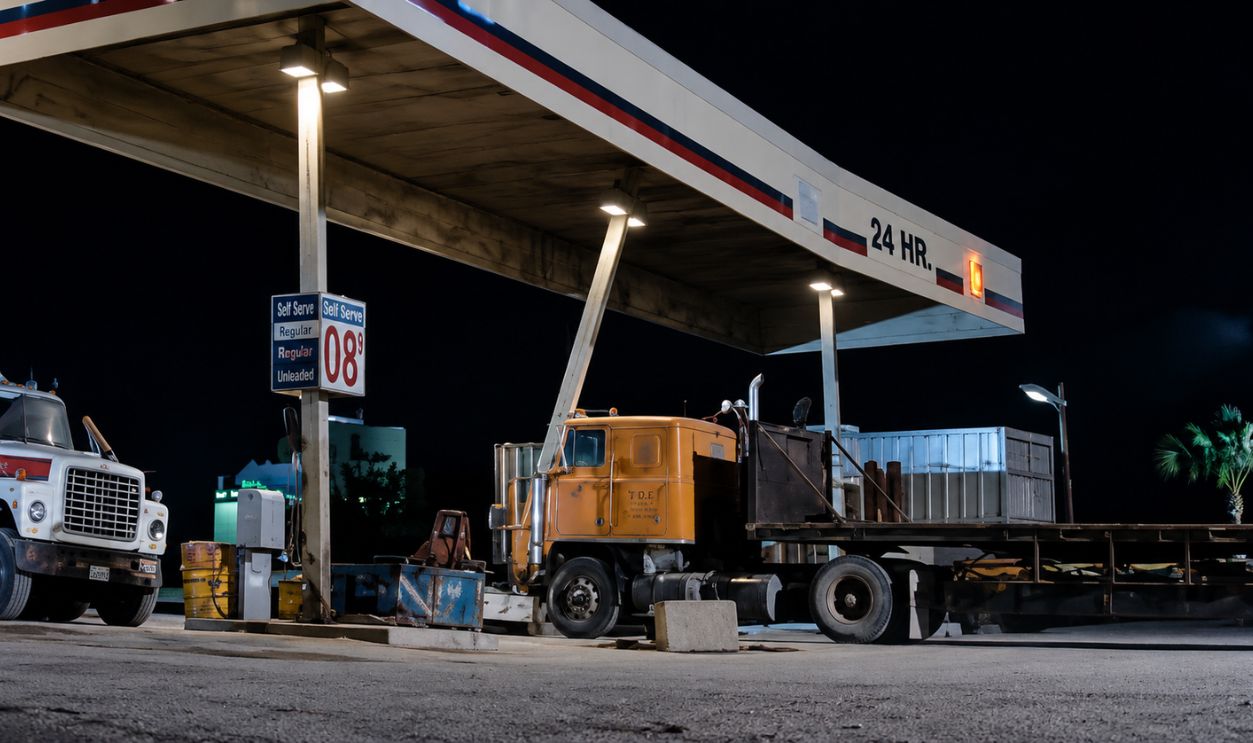
For his directorial debut, King returned to “Trucks,” a short story from his 1978 collection Night Shift. The story follows people trapped at a truck stop while driverless vehicles turn against humanity. King expanded that premise into the screenplay for Maximum Overdrive.
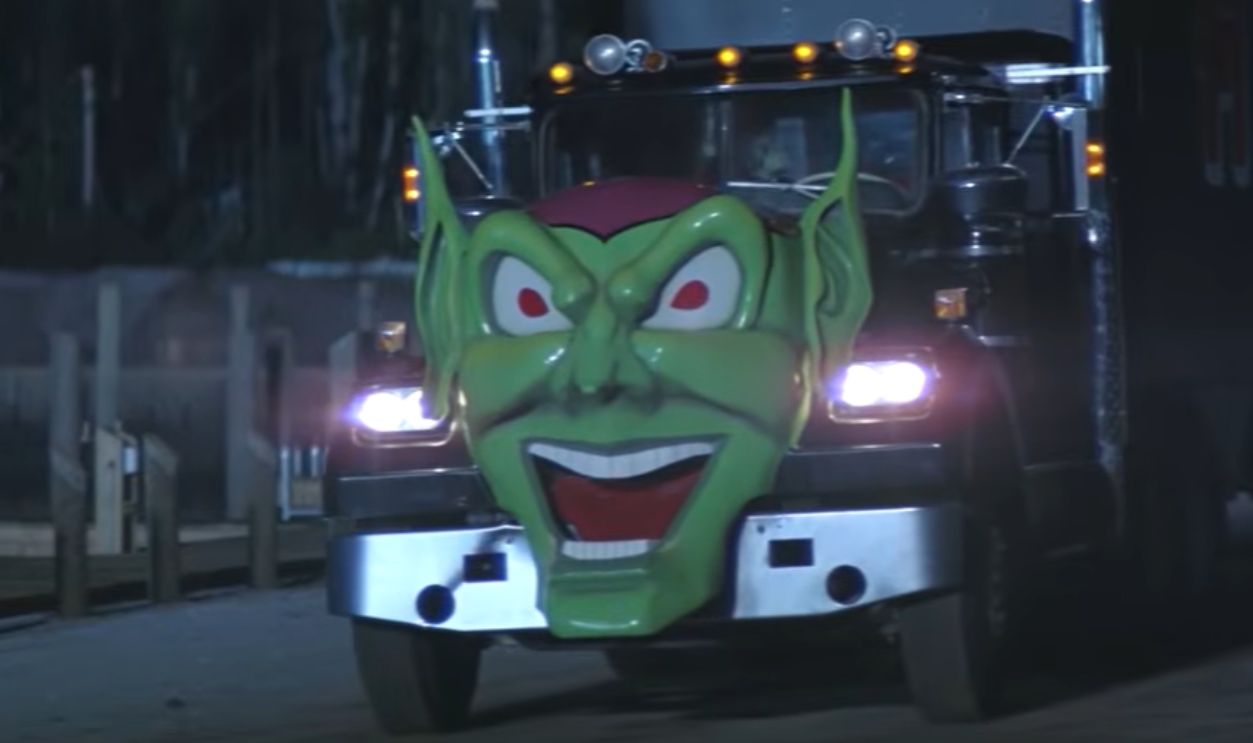 Screenshot from Maximum Overdrive, Paramount Pictures (1986)
The Movie Made The Machines Even Meaner
The film broadened the danger beyond trucks. Vending machines, arcade cabinets, lawn equipment, and other devices suddenly became hostile after Earth passed through the tail of a comet. The survivors eventually found themselves surrounded at the Dixie Boy truck stop by an army of enormous vehicles.
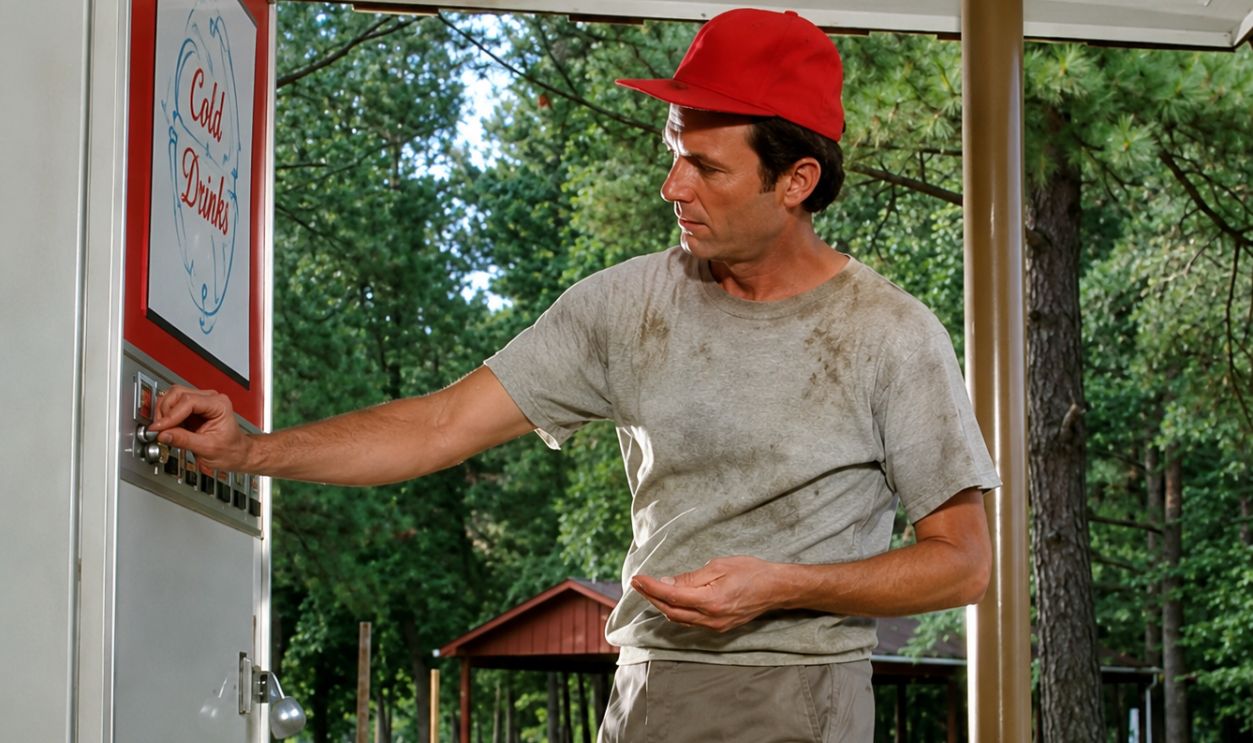 Screenshot from Maximum Overdrive, Paramount Pictures (1986)
An Alien Explanation Complicated Everything
King’s original short story left the machines’ revolt mysterious. Maximum Overdrive connected the outbreak to a passing comet and eventually suggested that aliens were manipulating the machines. That explanation added science fiction to a story that already mixed horror, action, comedy, and siege-movie suspense.
 Screenshot from Maximum Overdrive, Paramount Pictures (1986)
Emilio Estevez Took The Lead
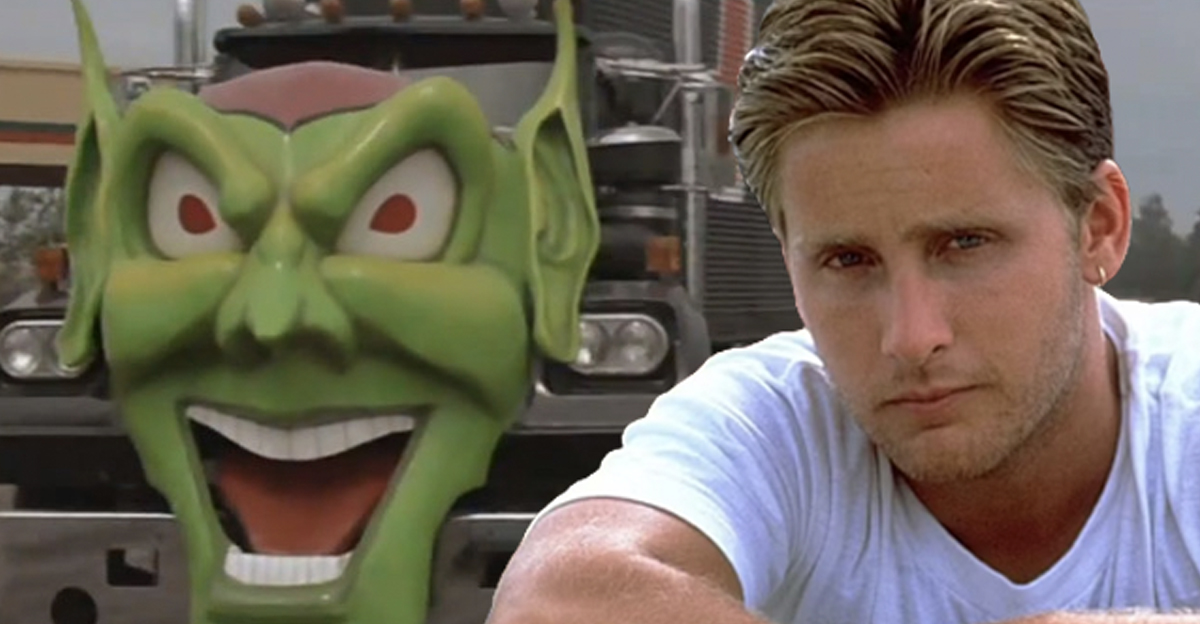
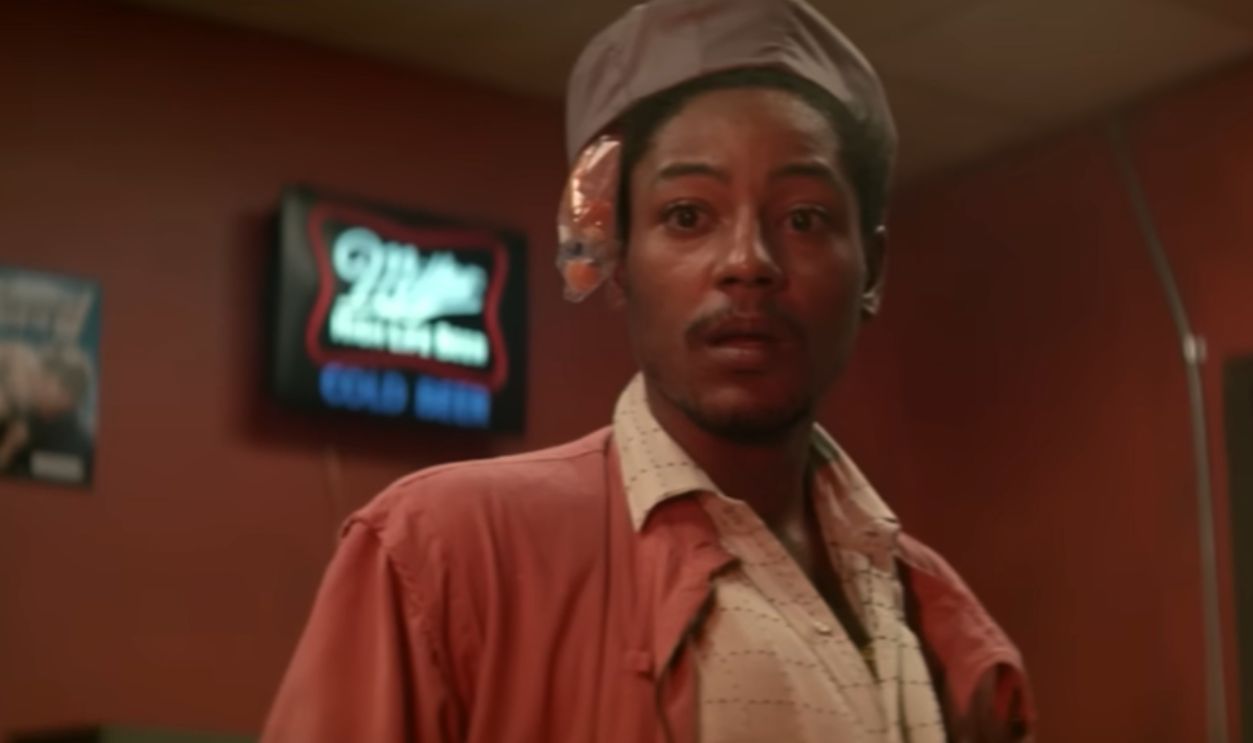
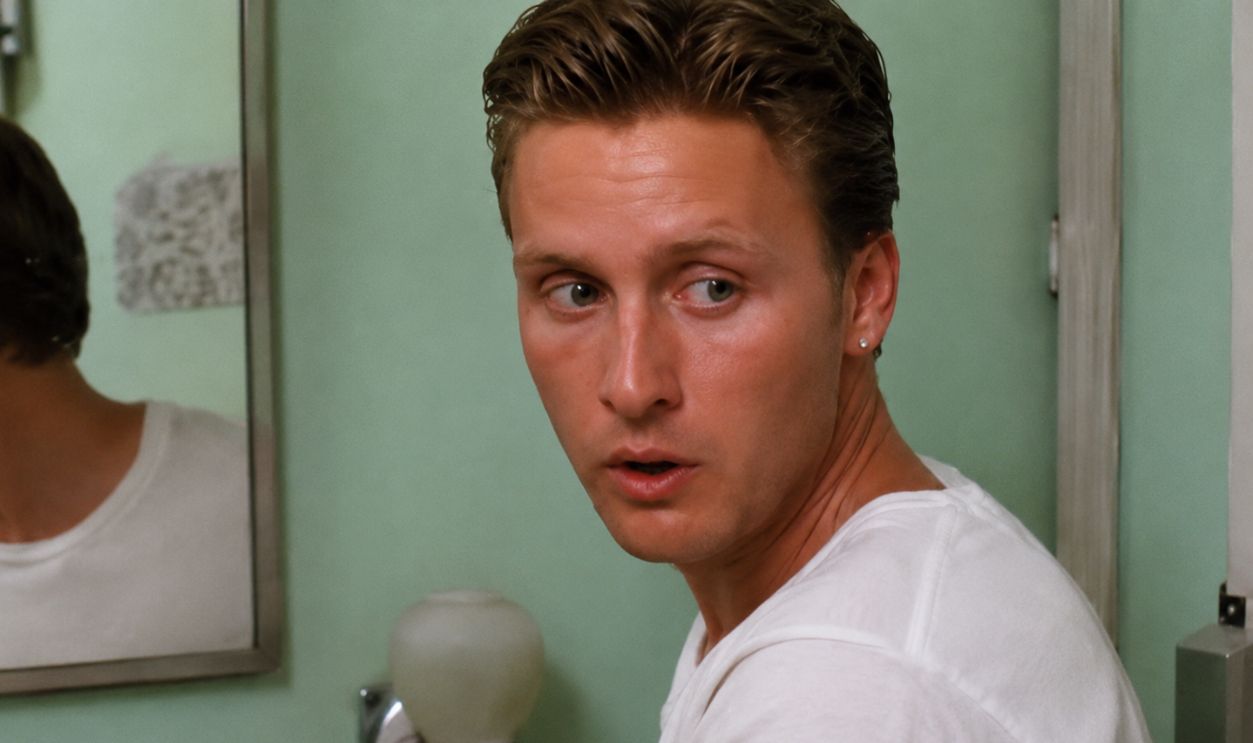
Emilio Estevez starred as Bill Robinson, a short-order cook trapped inside the truck stop. Pat Hingle played the establishment’s unpleasant owner, Bubba Hendershot, while Laura Harrington played hitchhiker Brett. The supporting cast also included Yeardley Smith, John Short, Christopher Murney, and Giancarlo Esposito.
 Screenshot from Maximum Overdrive, Paramount Pictures (1986)
One Truck Became The Movie’s Monster
The film’s most recognizable vehicle was a truck decorated with the enormous face of the Green Goblin. Its glaring eyes, sharp teeth, and pointed ears gave the convoy a natural leader. The prop eventually became more famous than many of the human characters trying to escape it.
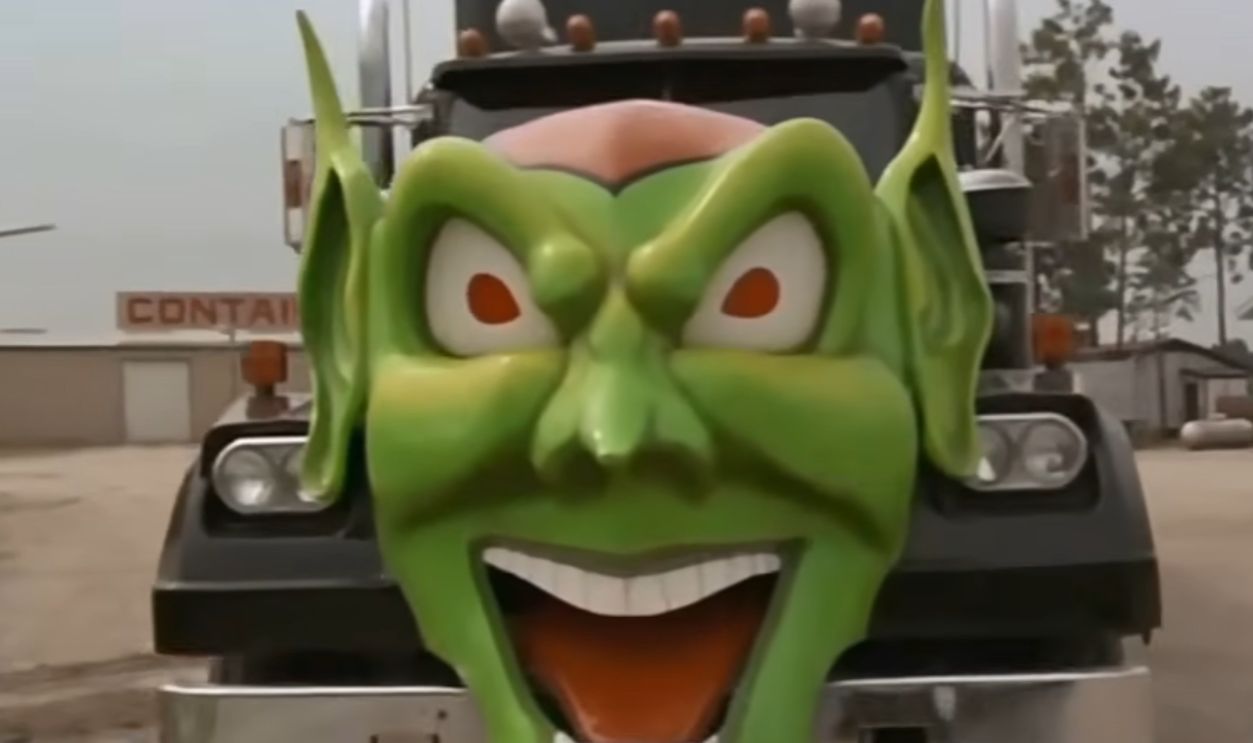 Screenshot from Maximum Overdrive, Paramount Pictures (1986)
King Wanted His Favorite Band
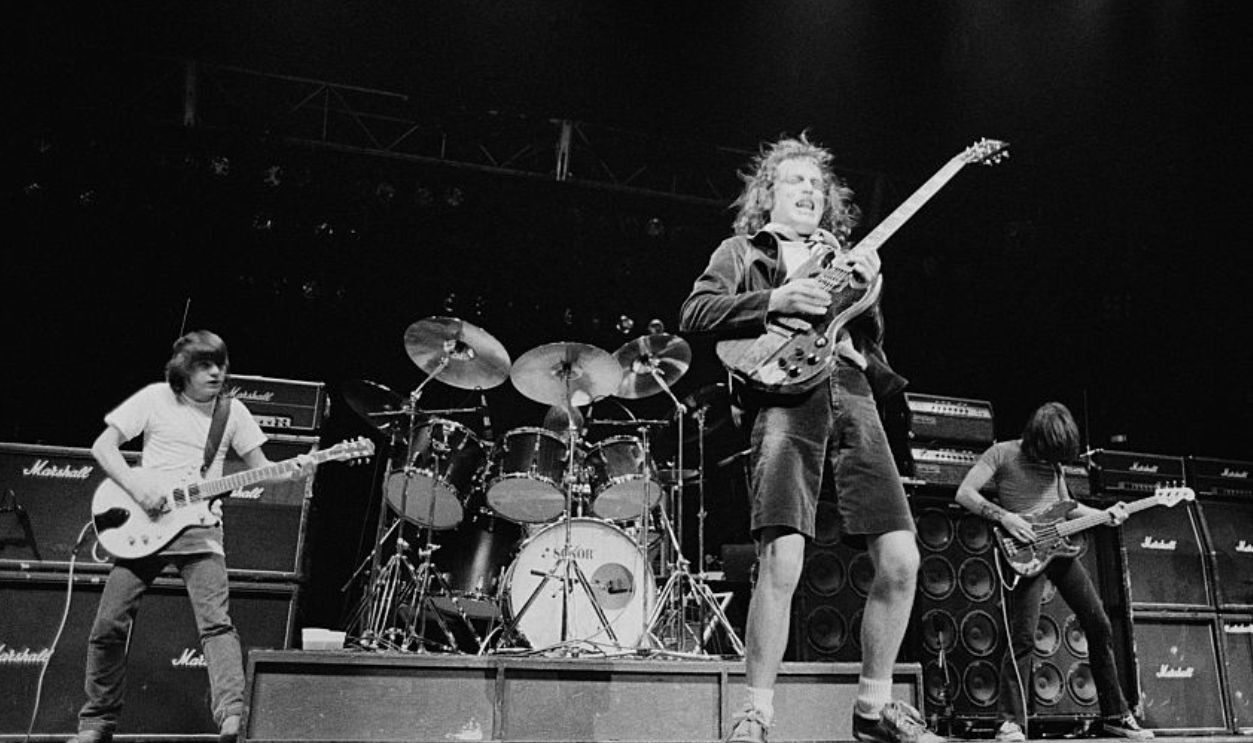
King was an enthusiastic AC/DC fan, and the Australian rock band supplied the movie’s music. The soundtrack album, Who Made Who, combined older tracks with newly recorded material. Its title song became closely associated with the film and helped give Maximum Overdrive its loud, unapologetically excessive personality.
Filming Began In North Carolina
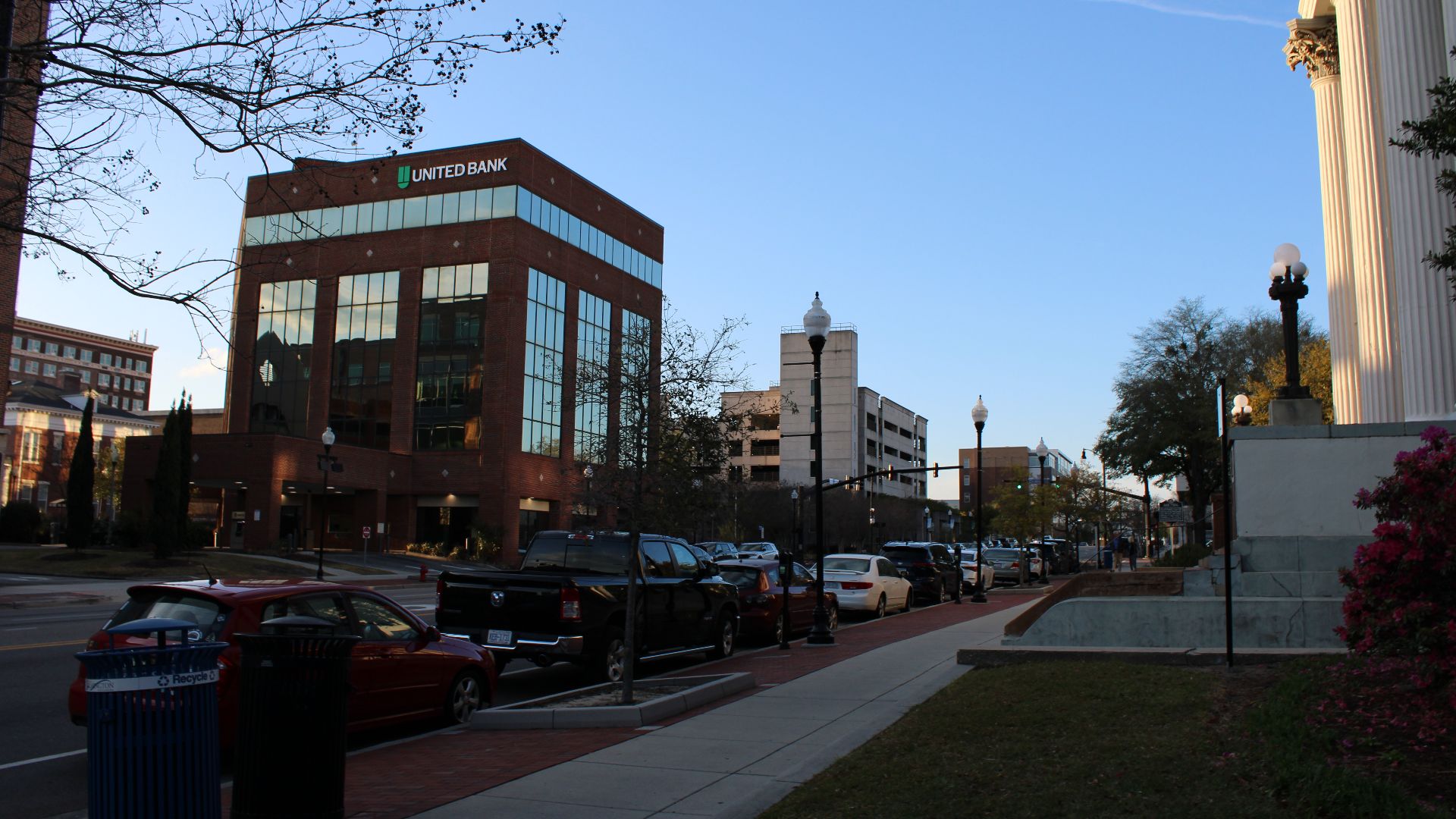
Production started in May 1985 at the De Laurentiis studio complex in Wilmington, North Carolina. The facility and its large backlot gave the filmmakers room to assemble the many trucks needed for the siege scenes. Cast and crew members later remembered the studio as a busy, energetic place where a regional film industry was beginning to take shape.
King Was Learning On The Job
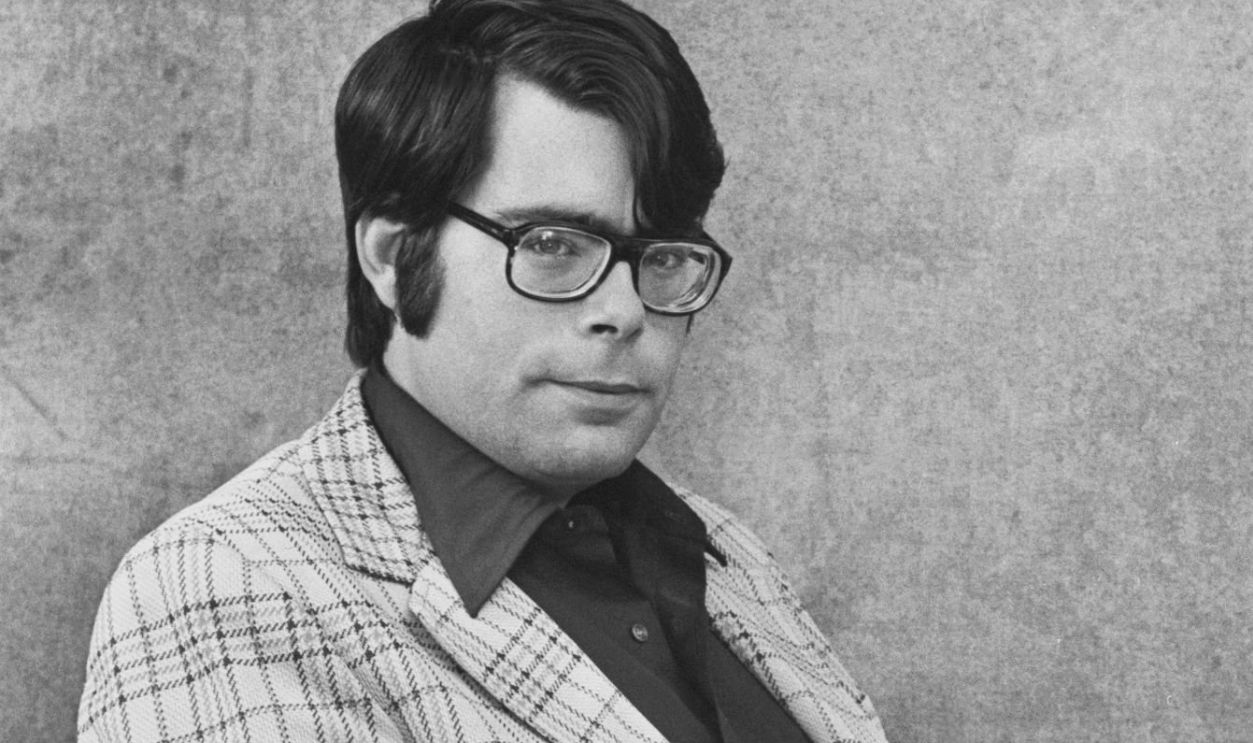
King understood storytelling, but directing a major feature required an entirely different set of skills. He had to coordinate actors, cameras, stunts, vehicles, effects, and a sizable crew. Participants later recalled that he approached the production with enthusiasm, even though he lacked the technical experience of a veteran filmmaker.
Communication Was Not Always Easy
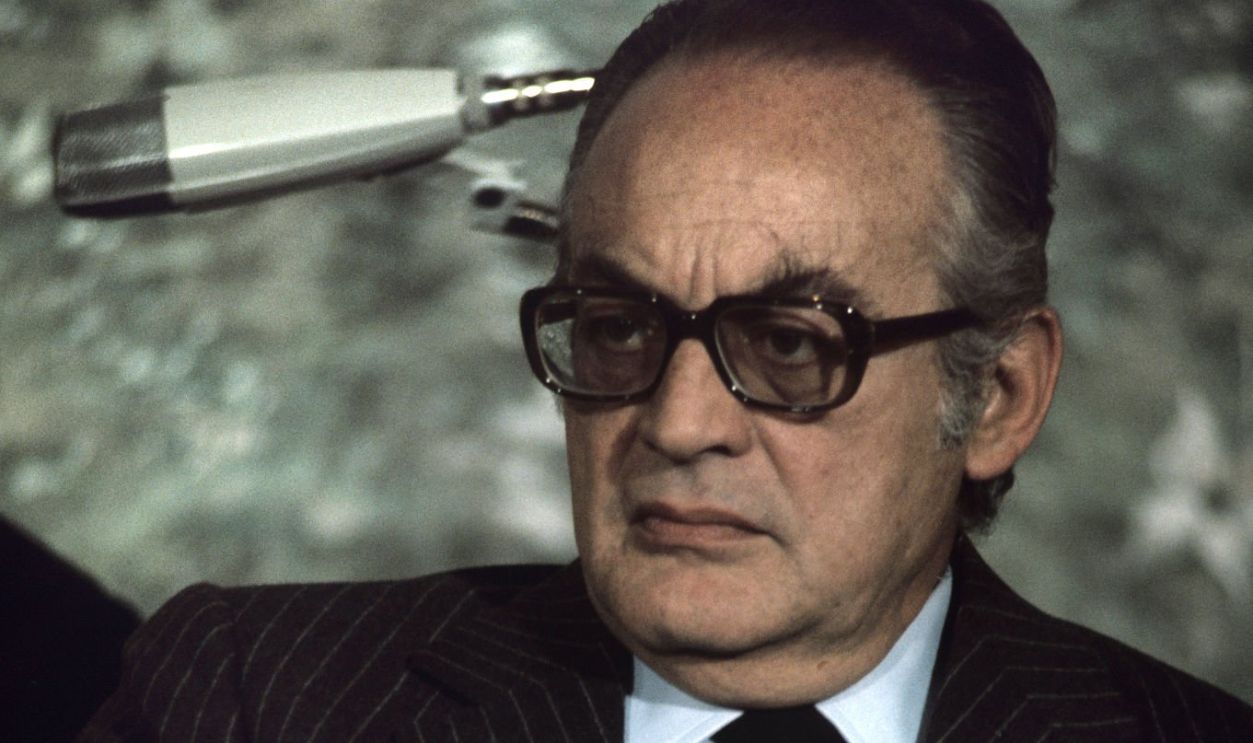
Italian cinematographer Armando Nannuzzi photographed the film, with assistance from his brother Daniele. King later recalled that language differences complicated communication on the set. He credited the Nannuzzi brothers with helping him understand how to turn his ideas into workable shots.
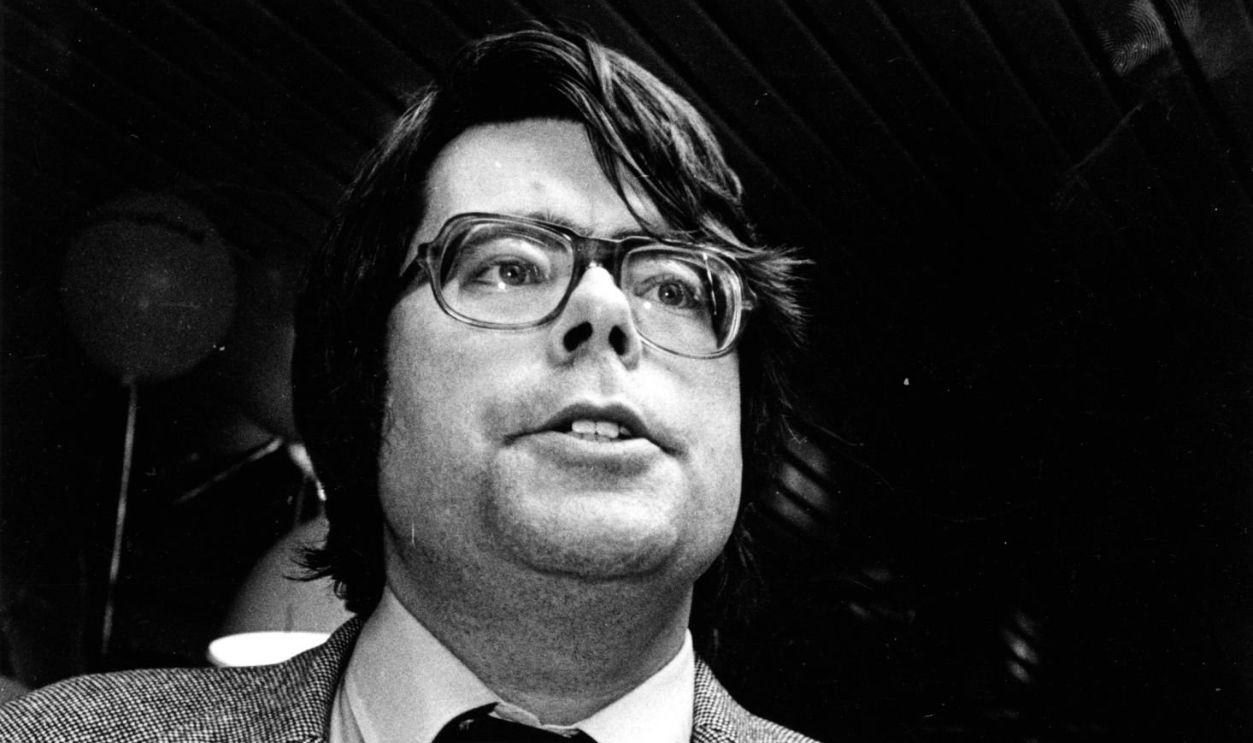
The Set Suffered A Horrific Accident
The production’s darkest moment occurred while the crew was filming a scene involving a radio-controlled lawn mower. The mower struck a wooden support near the camera, sending debris toward Armando Nannuzzi. A splinter caused a devastating injury to the cinematographer’s right eye.
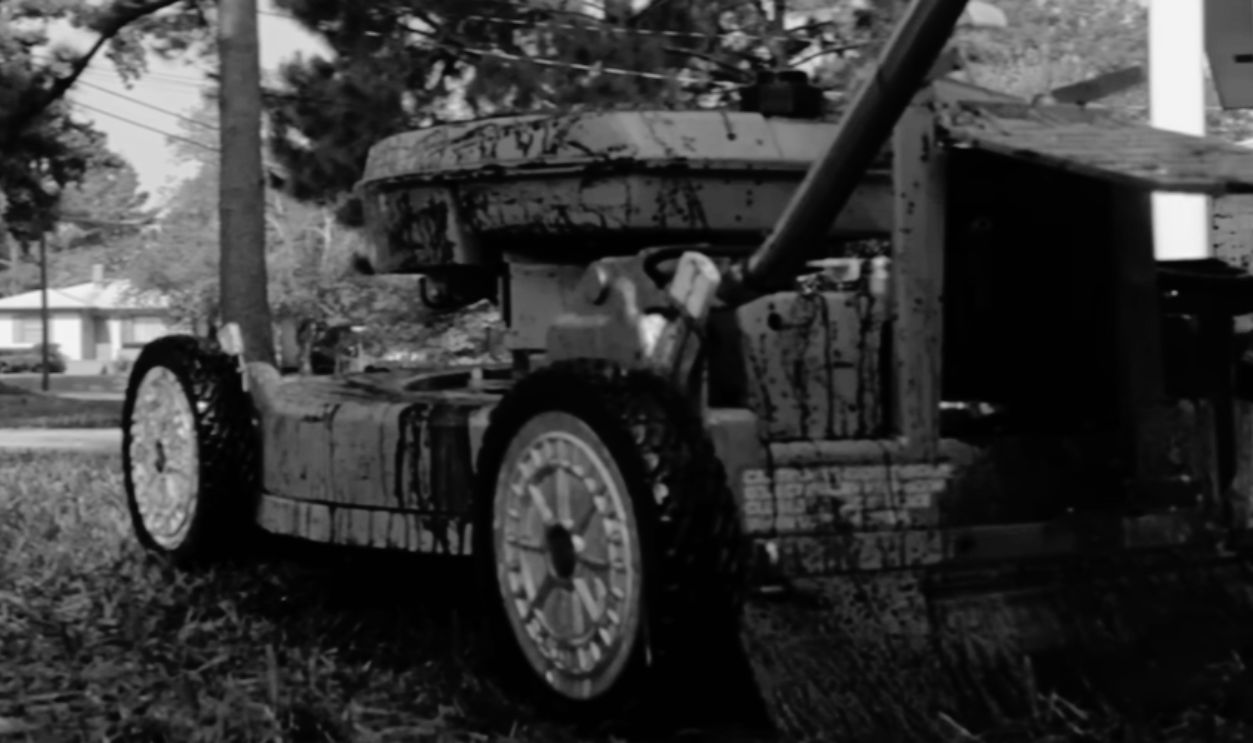 Screenshot from Maximum Overdrive, Paramount Pictures (1986)
Nannuzzi Lost His Eye
Nannuzzi’s injury ultimately cost him the sight in his right eye. He later filed a lawsuit alleging unsafe working conditions and seeking damages from King and other parties connected to the production. The case was eventually settled outside court.
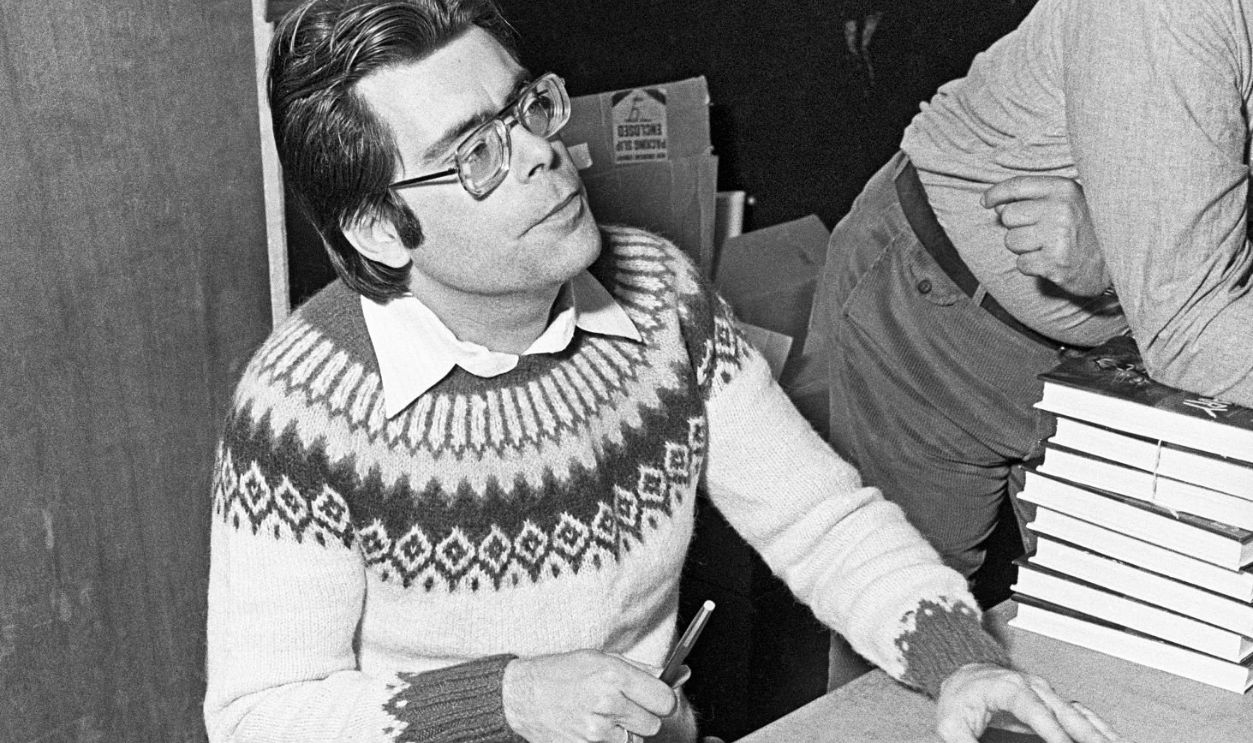
The Cinematographer Took King To Court
Armando Nannuzzi filed a personal injury lawsuit alleging negligence and unsafe working conditions after the lawn mower accident caused severe and permanent damage to his right eye. Stephen King was named among numerous defendants connected to the production, alongside Dino De Laurentiis and several production companies. This created a huge problem.
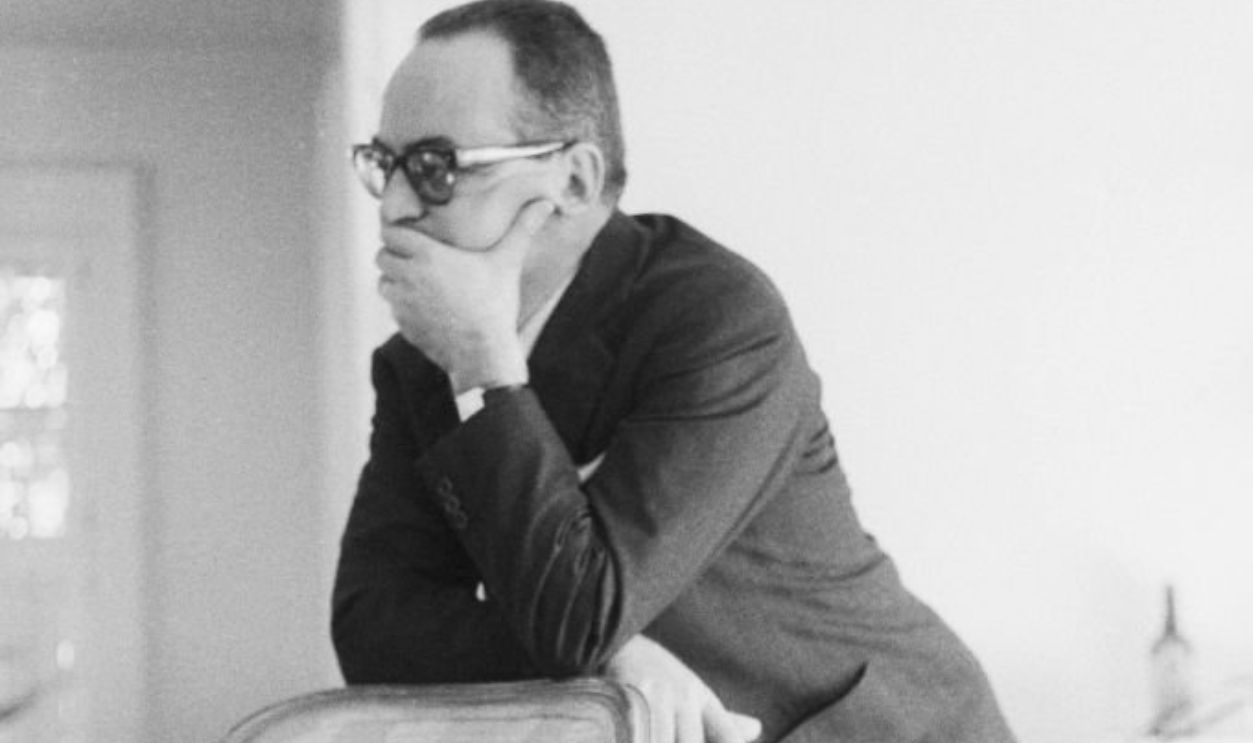
He Had His Day In Court
Nannuzzi reportedly sought $18 million in damages, and the case was later resolved through a $975,000 settlement with the film’s producers. The lawsuit ensured that the consequences of King’s troubled directorial debut continued long after filming ended.

The Production Faced More Chaos
The accident was not the only problem to disrupt filming. Hurricane Gloria passed near Wilmington during production, bringing powerful winds and heavy rain to the area. Work briefly stopped while the storm passed and the studio property was checked for damage.

King Was Fighting Serious Addictions
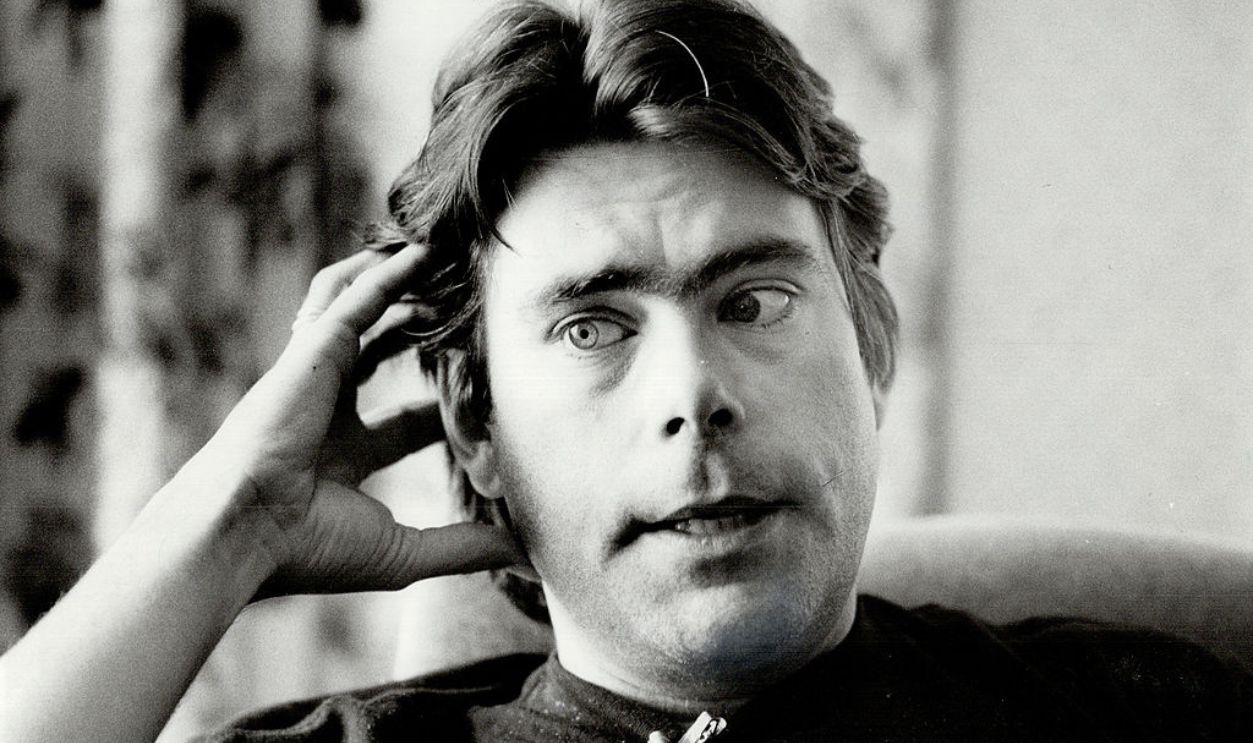
King has spoken openly about struggling with drinking and substance misuse during this period of his life. Looking back on Maximum Overdrive, he acknowledged that he was drinking heavily and using a great deal of illicit substances when he directed it. That condition plainly did not provide an ideal foundation for managing a complicated film production.
Even King Questioned His Condition
King has used self-deprecating humor when discussing the movie and his behavior behind the camera. His recollections suggest a production led by someone who was creative and excited, but also impaired and inexperienced. He has never directed another feature film.
The Advertising Made A Huge Promise
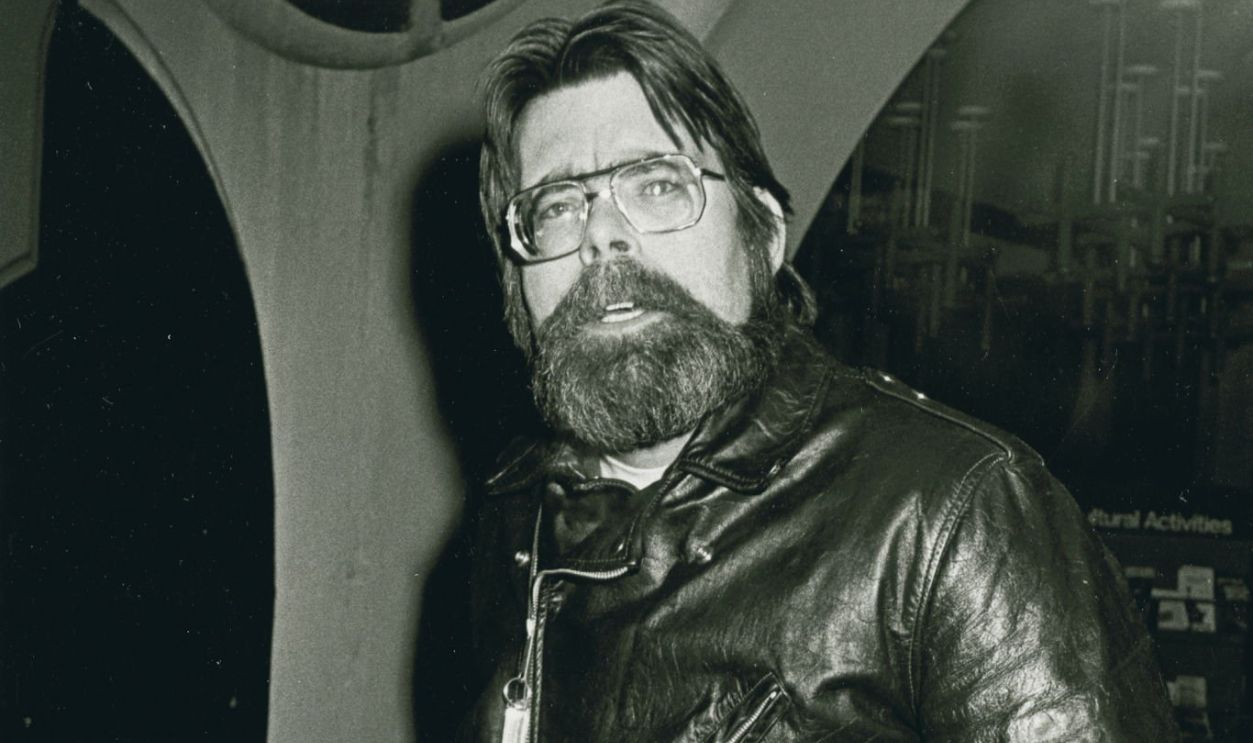
The movie’s theatrical trailer featured King speaking directly to viewers. He criticized some previous adaptations and promised that he would frighten audiences properly because he had written and directed this one himself. The confident campaign raised expectations that Maximum Overdrive would deliver an undiluted dose of Stephen King.
The Finished Movie Was Completely Unrestrained
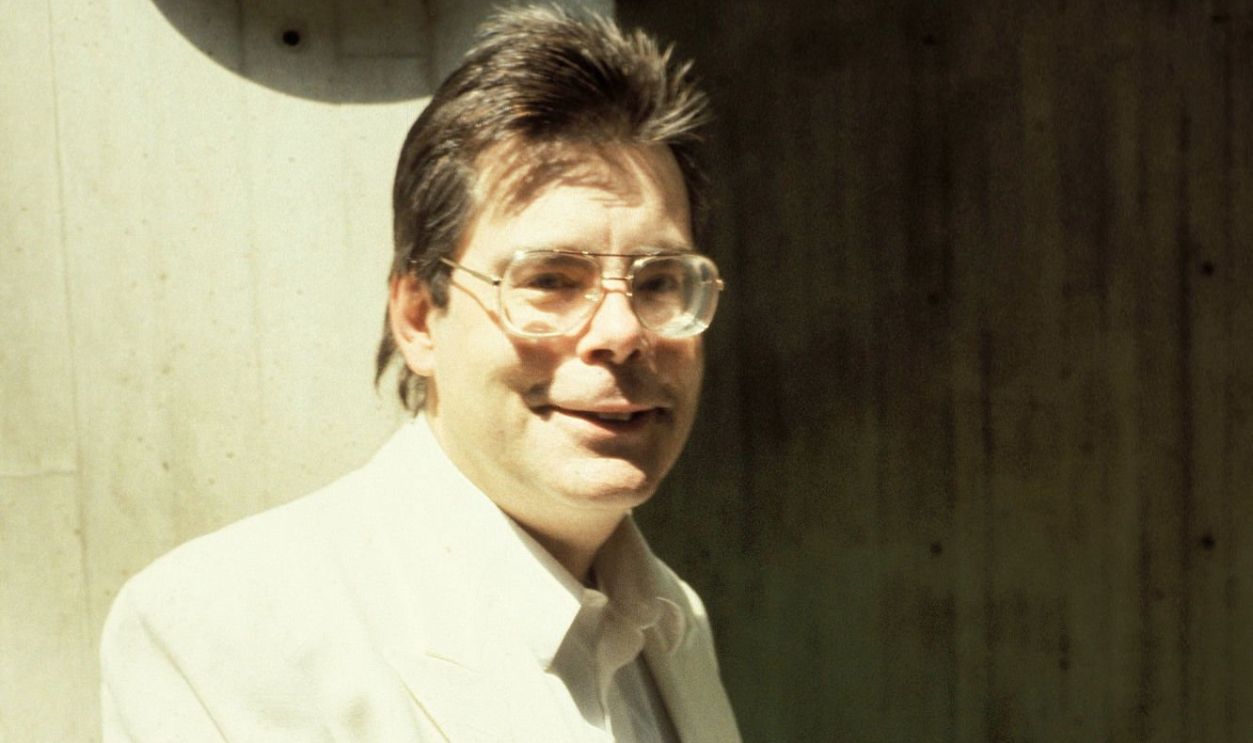
Maximum Overdrive offered exploding vehicles, electrocutions, gunfire, grotesque jokes, and machines attacking nearly everyone in sight. Some scenes were staged for horror, while others leaned openly into slapstick and camp. The changing tone made the movie difficult to take seriously, but also gave it an identity unlike any other King adaptation.
 Screenshot from Maximum Overdrive, Paramount Pictures (1986)
The Vending Machine Scene Said It All
One notorious sequence showed a vending machine firing cans at a Little League team. The attack escalated from an absurd sight gag into a surprisingly nasty display of violence. It perfectly captured the movie’s strange combination of cartoon logic, black comedy, and genuine cruelty.
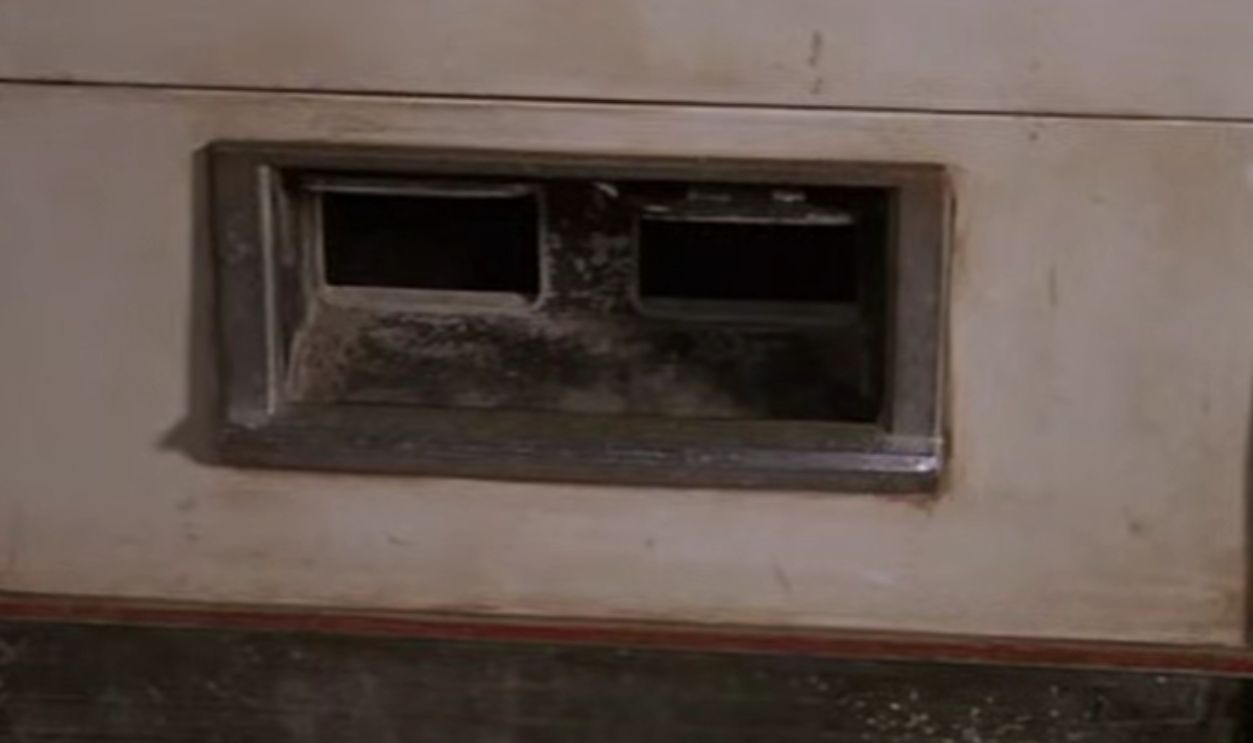 Screenshot from Maximum Overdrive, Paramount Pictures (1986)
Critics Showed Little Mercy
Maximum Overdrive opened on July 25, 1986, and received overwhelmingly negative reviews. Critics complained about its repetitive action, clumsy storytelling, crude humor, and lack of suspense. Metacritic’s collection of contemporary reviews classifies the reception as generally unfavorable.
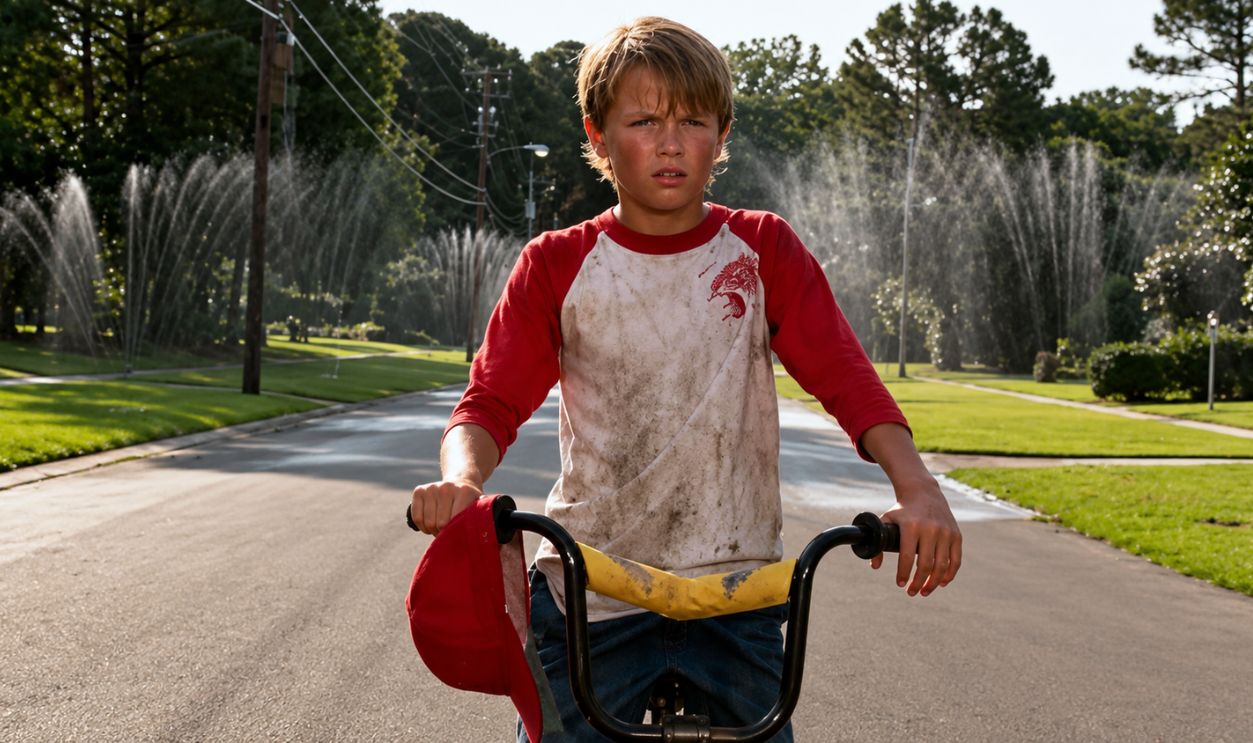 Screenshot from Maximum Overdrive, Paramount Pictures (1986)
The Box Office Offered No Rescue
The movie also struggled commercially. Box Office Mojo records a disappointing theatrical performance, while published estimates commonly place its production budget above its domestic earnings. For a film carrying King’s name during the height of his popularity, the result was a major letdown.
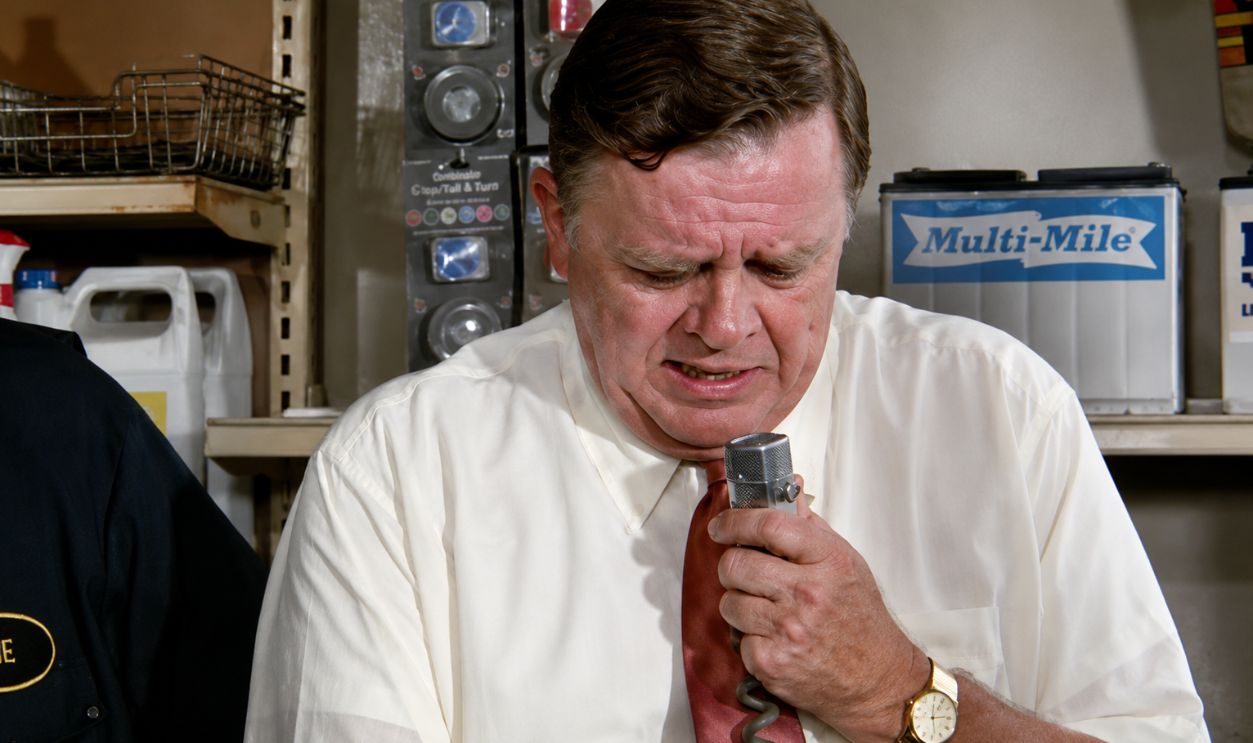 Screenshot from Maximum Overdrive, Paramount Pictures (1986)
Awards Season Brought An Insult
The Golden Raspberry Awards nominated King for Worst Director. Emilio Estevez also received a nomination for Worst Actor. Neither nomination represented the kind of recognition King had probably imagined when he stepped behind the camera.
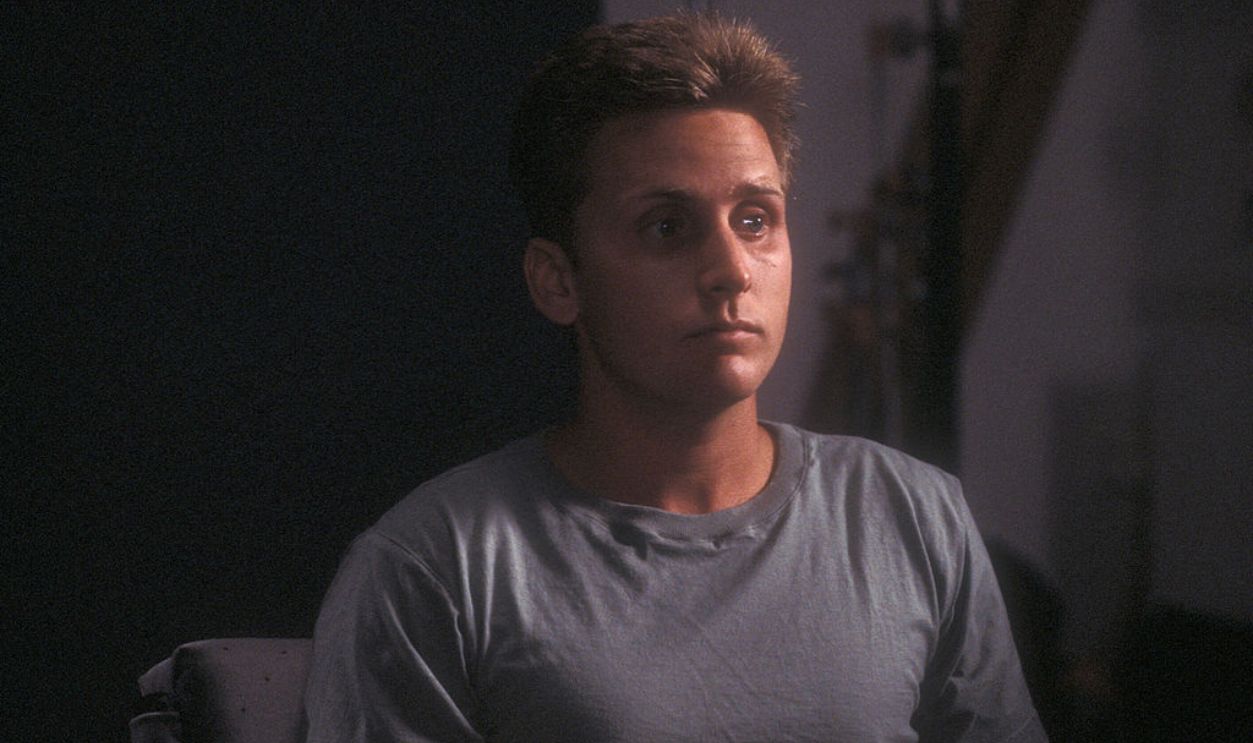
Another King Movie Thrived Beside It
The failure looked even worse because another King adaptation appeared at almost the same time. Rob Reiner’s Stand by Me, based on the novella “The Body,” opened in August 1986 and became one of the most admired movies drawn from King’s writing. Its emotional restraint and carefully observed characters provided a stark contrast to the noisy spectacle of Maximum Overdrive.
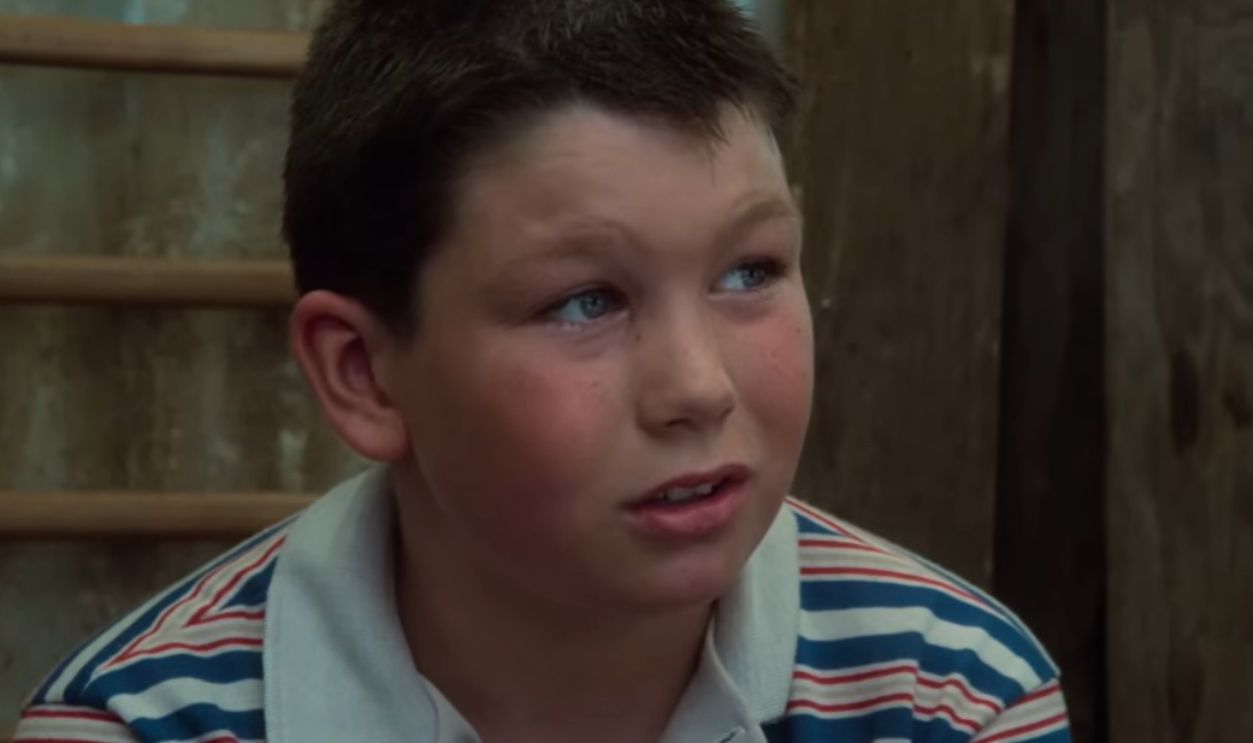 Screenshot from Stand by Me, Columbia Pictures (1986)
King Returned To What He Did Best
After Maximum Overdrive, King continued writing novels, stories, and screenplays, but left feature-film direction to other people. His work soon inspired movies including The Running Man, Pet Sematary, and Misery. The directorial disaster did virtually nothing to diminish Hollywood’s appetite for his stories.
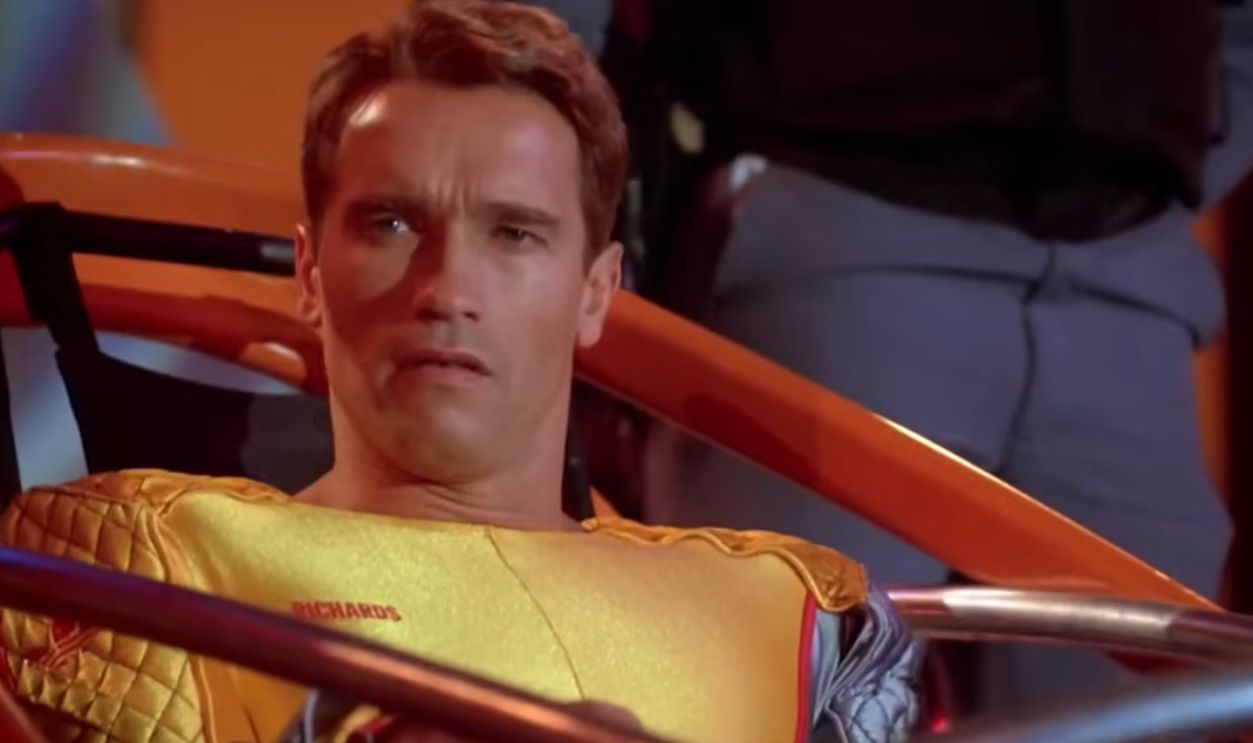 Screenshot from The Running Man, TriStar Pictures (1987)
The Disaster Eventually Found Its Audience
Over time, Maximum Overdrive developed a cult following. Viewers who enjoy outrageous practical effects, AC/DC, excessive violence, and unmistakably 1980s filmmaking have embraced its lack of restraint. Its reputation has shifted from ordinary failure to a celebrated example of a movie that can be entertaining precisely because it is so unruly.
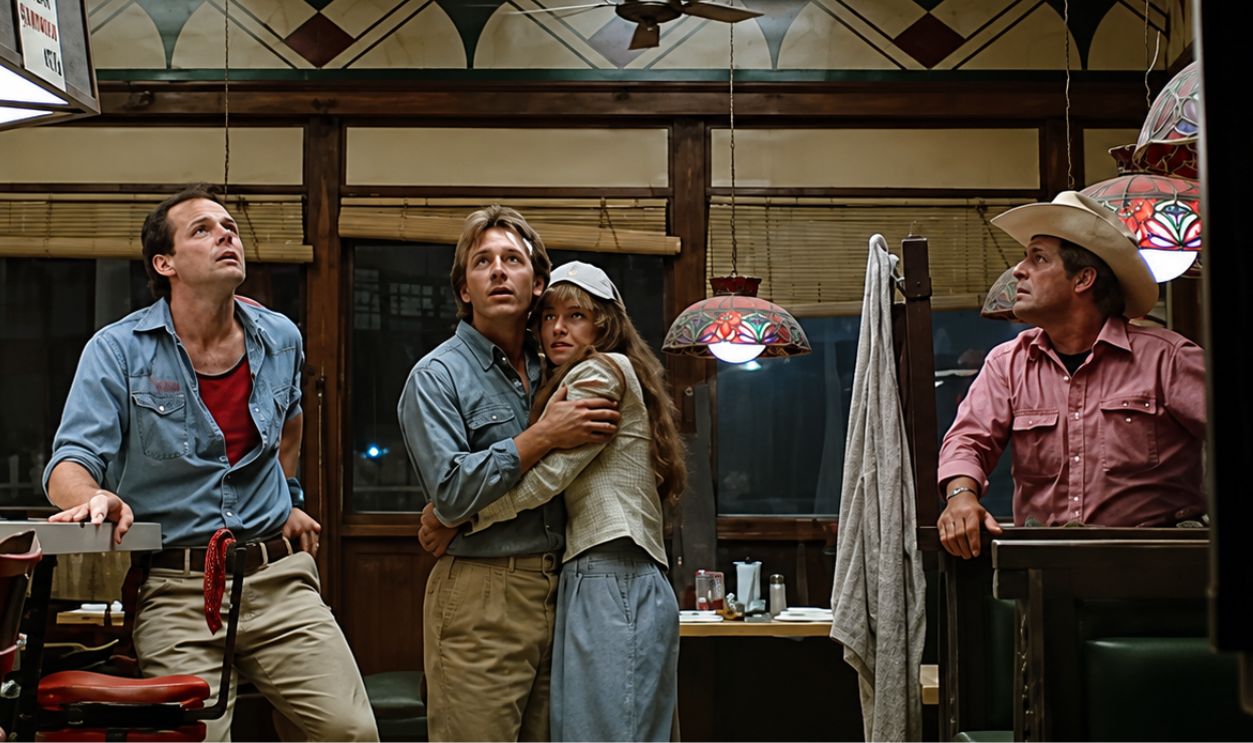 Screenshot from Maximum Overdrive, Paramount Pictures (1986)
King Learned A Painful Lesson
King has not pretended that his directing career was misunderstood genius. His later comments show that he recognizes the movie’s flaws and understands how his addictions affected the experience. He also credits the professional filmmakers around him with teaching him lessons he could not have learned from writing novels.
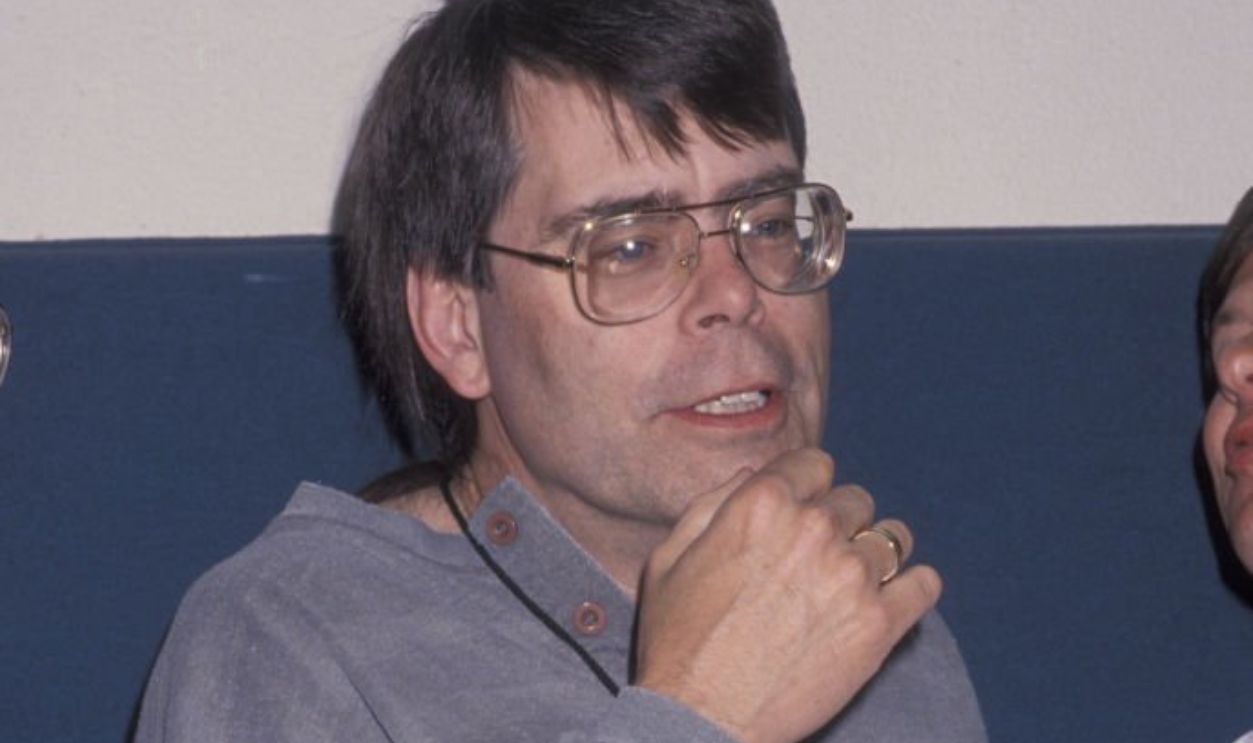 Ron Galella, Ltd., Getty Images
The Machines Got The Last Laugh
Stephen King entered the project as a bestselling author who wanted complete control over one of his stories. He emerged with brutal reviews, disappointing ticket sales, an injured cinematographer, and no desire to direct another feature. Maximum Overdrive was a total disaster, but its very excess ensured that audiences would never completely forget it.
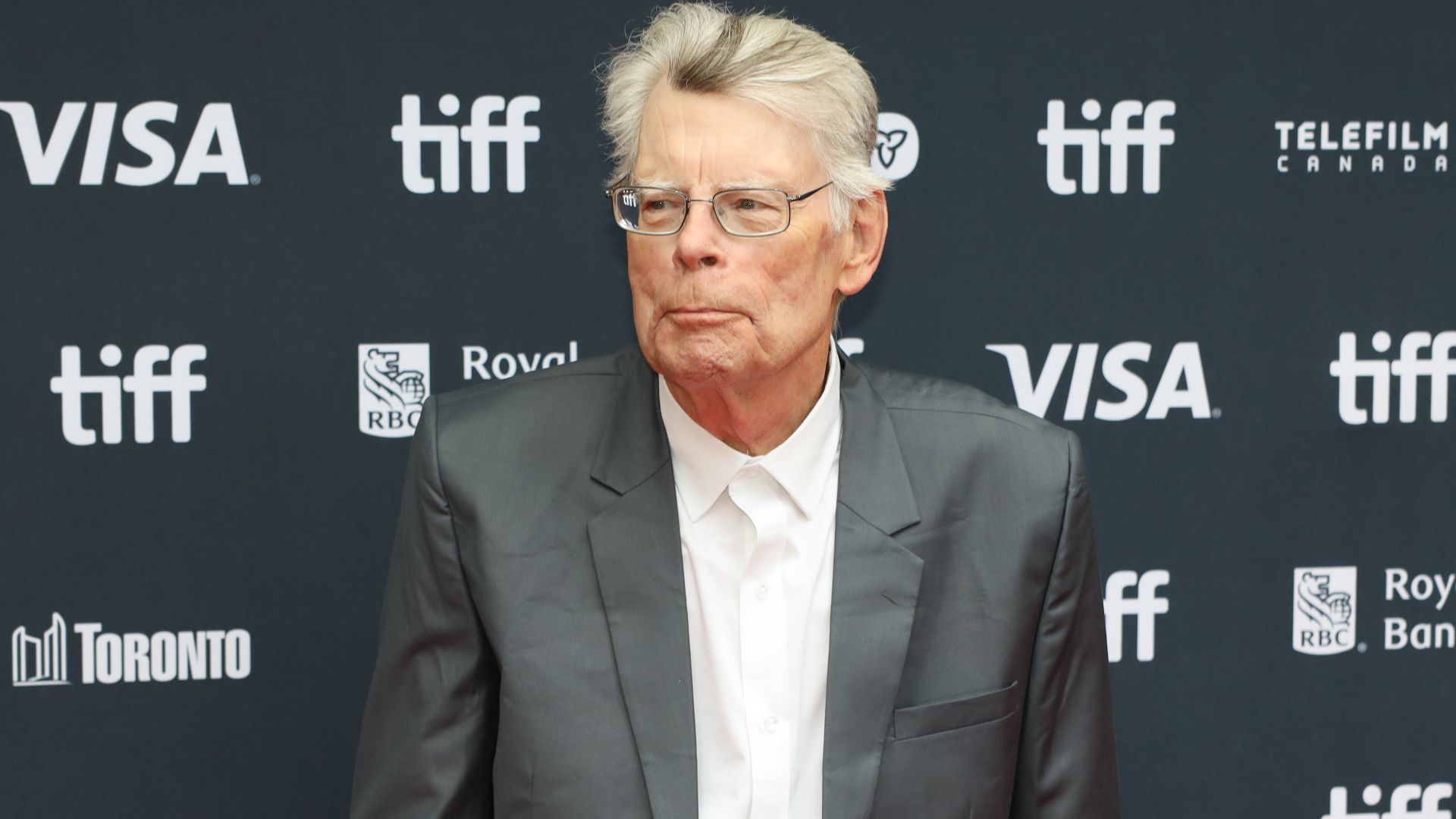 Kevin Payravi, Wikimedia Commons
You May Also Like:
The Definitive Ranking Of Every Stephen King Movie
Horror Books Hollywood Can’t Fully Capture, No Matter How Hard It Tries
30 Years Of The Shawshank Redemption: Behind The Scenes Facts