The Endings Hollywood Almost Gave Us
Some of the most famous movie endings were never supposed to happen. Behind the scenes of beloved 1980s classics, disastrous test screenings, studio disagreements, and unexpected creative decisions forced filmmakers to rewrite the final moments, sometimes after audiences had already seen the original versions.
Little Shop Of Horrors Had A Much Darker Finale
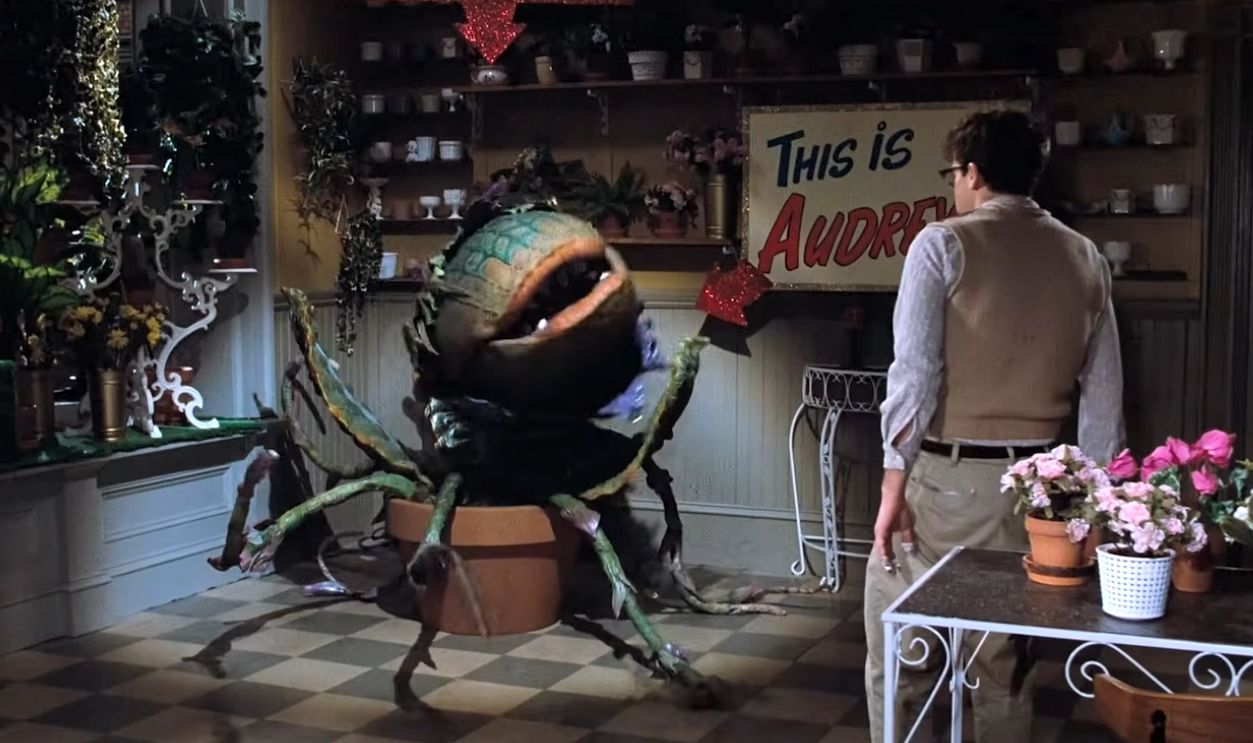
Director Frank Oz originally planned to end his 1986 musical comedy Little Shop of Horrors in a way that closely resembled the stage production. Instead of defeating the giant talking plant Audrey II, Seymour and Audrey would both perish, leaving the increasingly powerful creature free to spread destruction. The filmmakers went so far as to create an elaborate finale showing enormous plants attacking an unsuspecting city.
 Screenshot from Little Shop of Horrors, Warner Bros. Pictures (1986)
Audiences Couldn't Accept Losing The Heroes
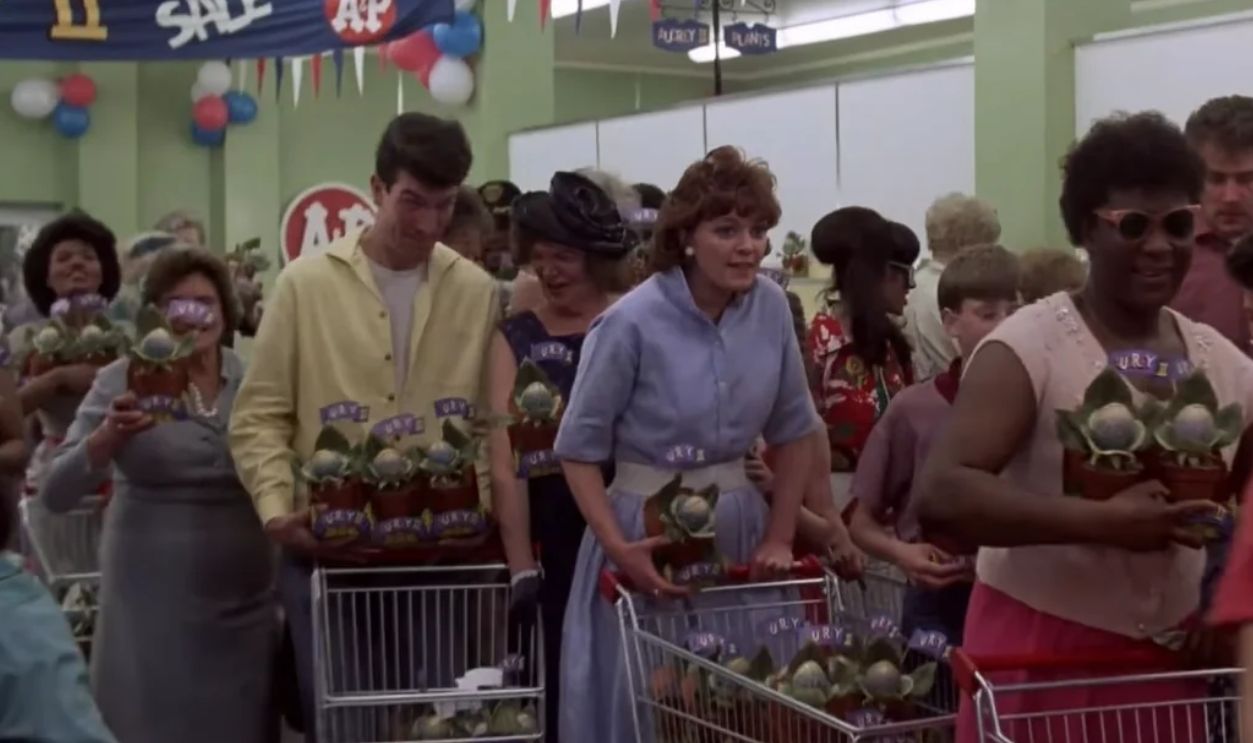
When the original version was shown to test audiences, the reaction was disastrous. Viewers had become attached to Seymour and Audrey, and the prospect of watching both characters meet tragic ends proved deeply unpopular. Oz ultimately returned to production and filmed a completely different conclusion in which the couple survives and Audrey II is defeated.
 Screenshot from Little Shop of Horrors, Warner Bros. Pictures (1986)
The Lost Ending Was Finally Restored
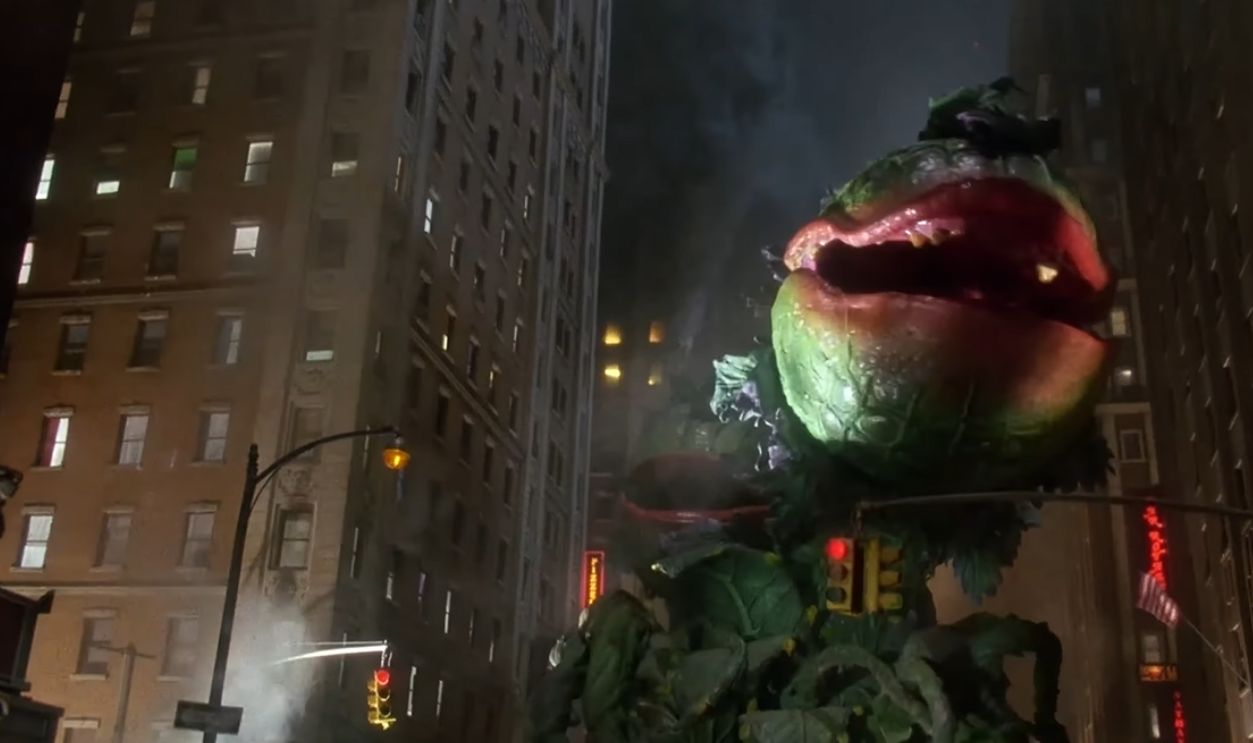
The abandoned finale included an ambitious miniature-effects sequence featuring giant plants tearing through buildings and spreading across the city. Much of that expensive footage disappeared from the theatrical release, leaving audiences with a considerably more cheerful conclusion. In 2012, the original ending was restored for a director's cut, allowing viewers to experience the extraordinary finale that had once been considered too upsetting for theaters.
 Screenshot from Little Shop of Horrors, Warner Bros. Pictures (1986)
Fatal Attraction Originally Ended With A Shocking Accusation
The 1987 thriller Fatal Attraction initially concluded with Glenn Close's character Alex Forrest taking her own life in a way designed to implicate Michael Douglas's character Dan Gallagher. The elaborate sequence included a reference to the opera Madama Butterfly, which had appeared earlier in the story. Instead of a violent final confrontation between the characters, the original ending would have left Dan facing serious consequences for something he hadn't done.
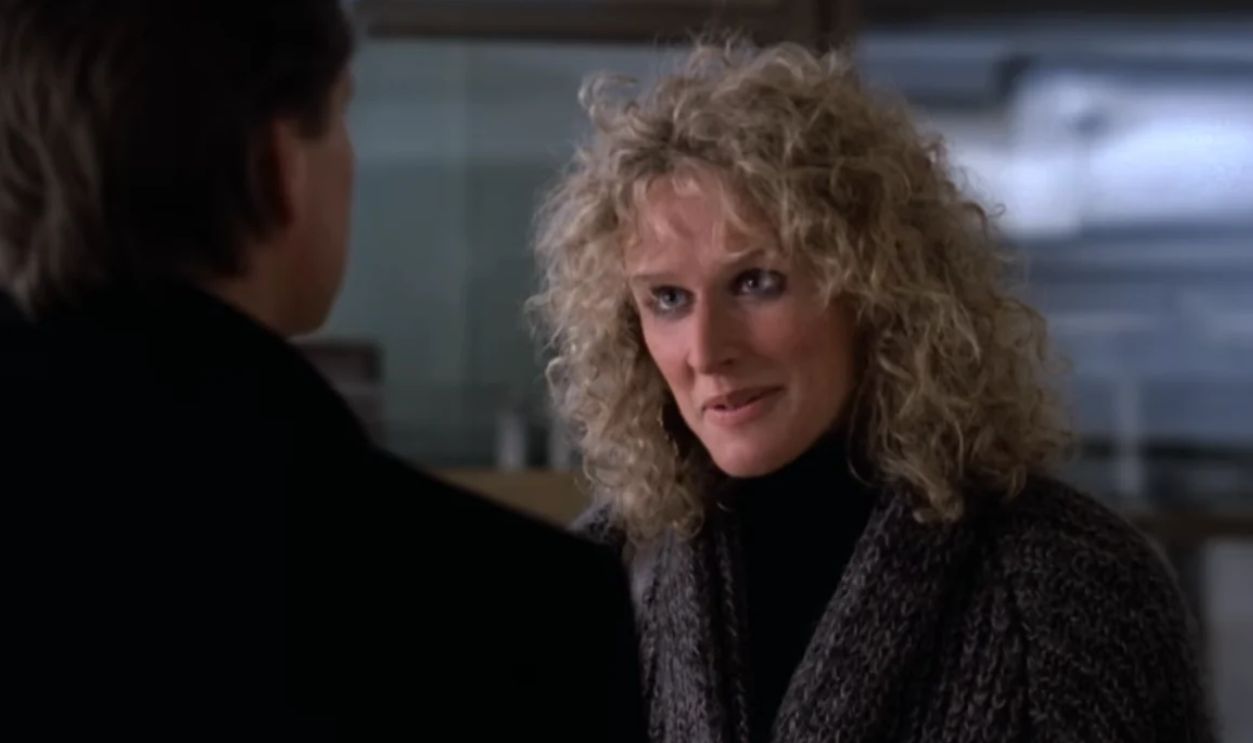 Screenshot from Fatal Attraction, Paramount Pictures (1987)
The Studio Wanted A More Dramatic Showdown
Director Adrian Lyne became dissatisfied with the original conclusion and eventually returned to film a different finale. Although test-screening reactions contributed to the discussions surrounding the change, Lyne maintained that the creative decision was his own. The replacement ending featured an explosive confrontation at the Gallagher family home, giving audiences a more immediate resolution to the story's escalating tension.
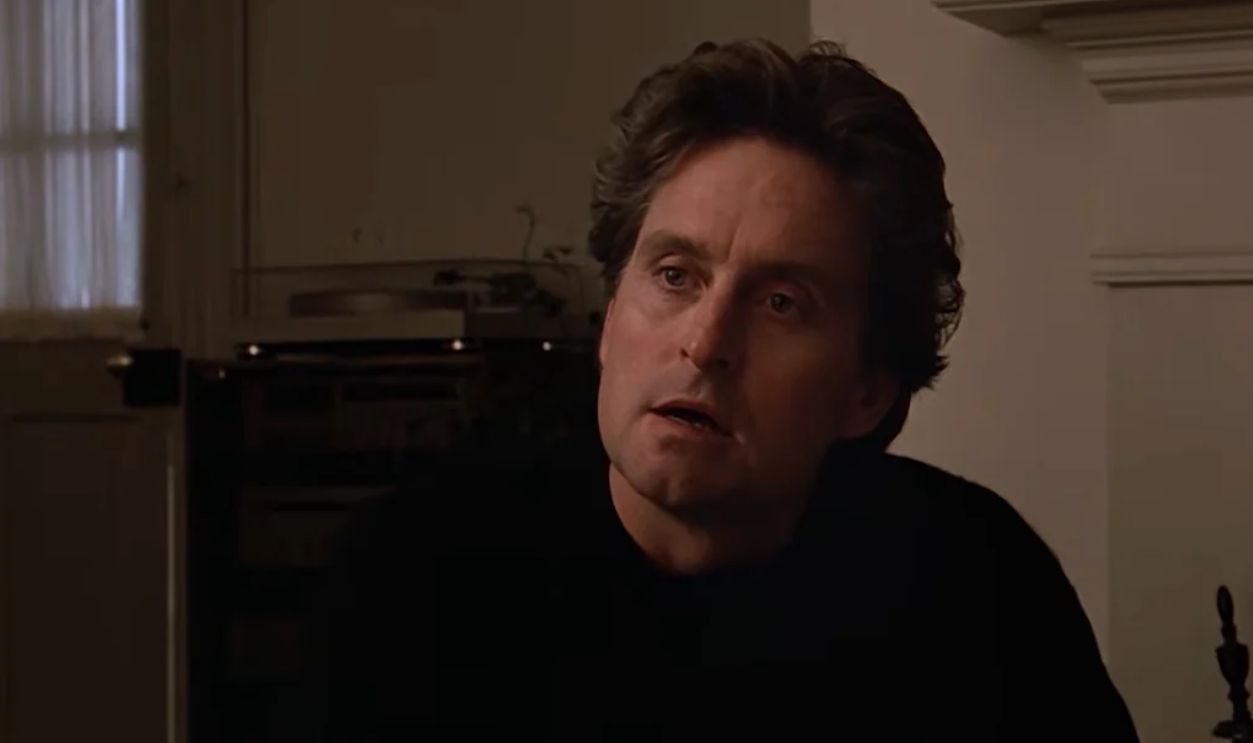 Screenshot from Fatal Attraction, Paramount Pictures (1987)
Glenn Close Preferred The Earlier Version
Close later expressed disappointment with the revised conclusion, believing that the original approach offered a more psychologically convincing resolution for Alex. Producer Sherry Lansing defended the replacement, explaining that the first ending had seemed effective on paper but wasn't satisfying when screened. The theatrical version nevertheless became one of the decade's biggest thrillers, while the alternate ending remained a notable example of a Hollywood film being transformed during post-production.
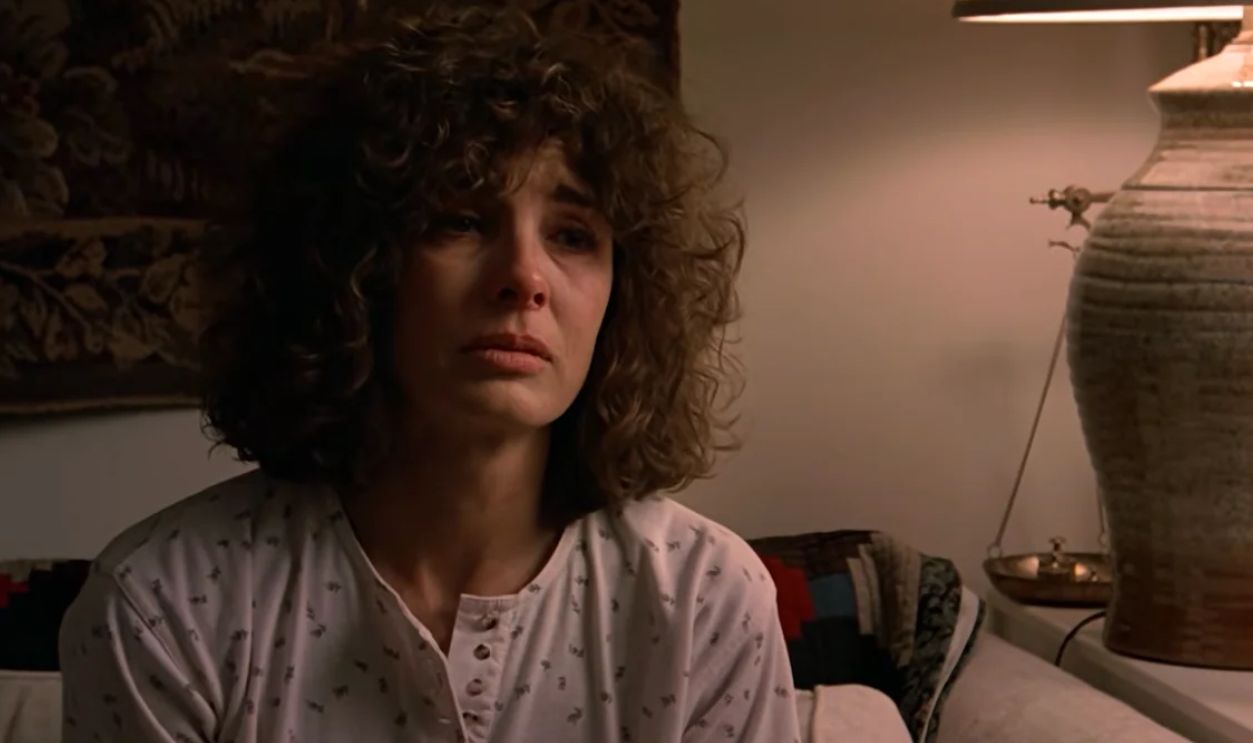 Screenshot from Fatal Attraction, Paramount Pictures (1987)
National Lampoon's Vacation Almost Skipped Walley World
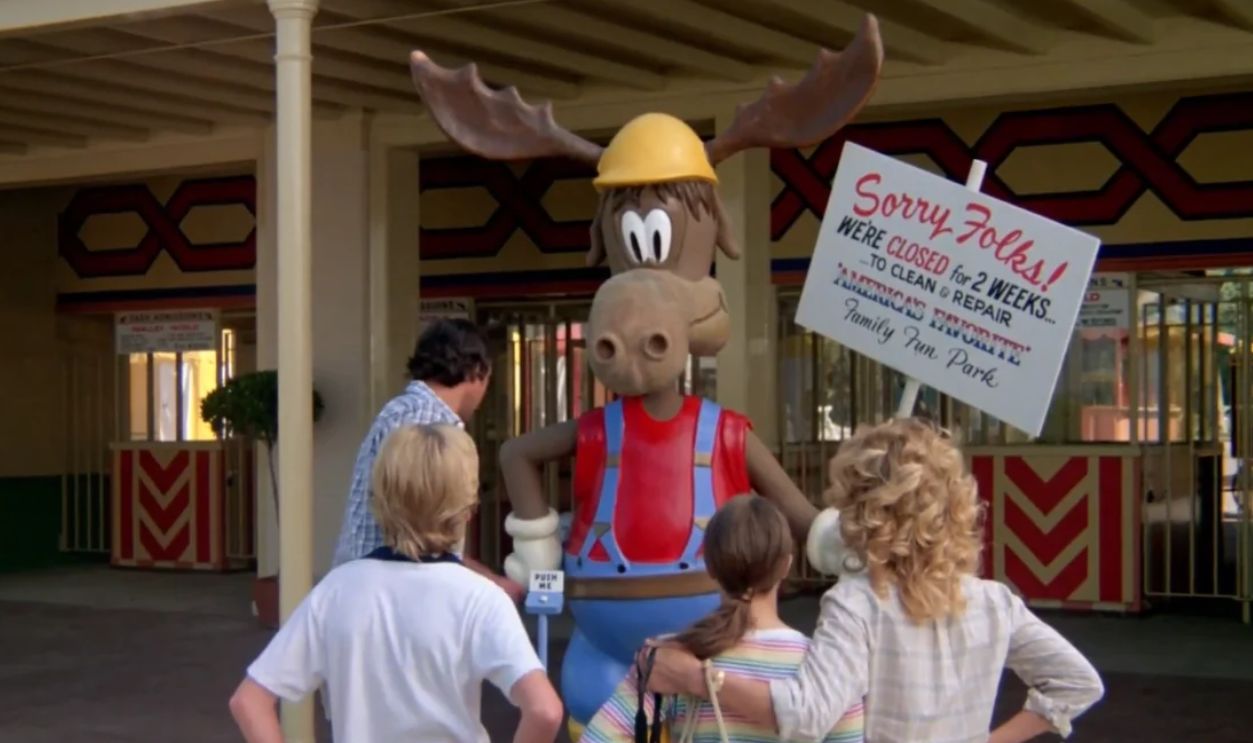
The 1983 comedy National Lampoon's Vacation originally ended without the Griswold family enjoying their long-awaited day at Walley World. After discovering that the amusement park was closed, Clark Griswold, played by Chevy Chase, headed to the home of its owner, Roy Walley. Rather than accepting defeat, Clark confronted the businessman and attempted to force him to provide the entertainment his family had been promised.
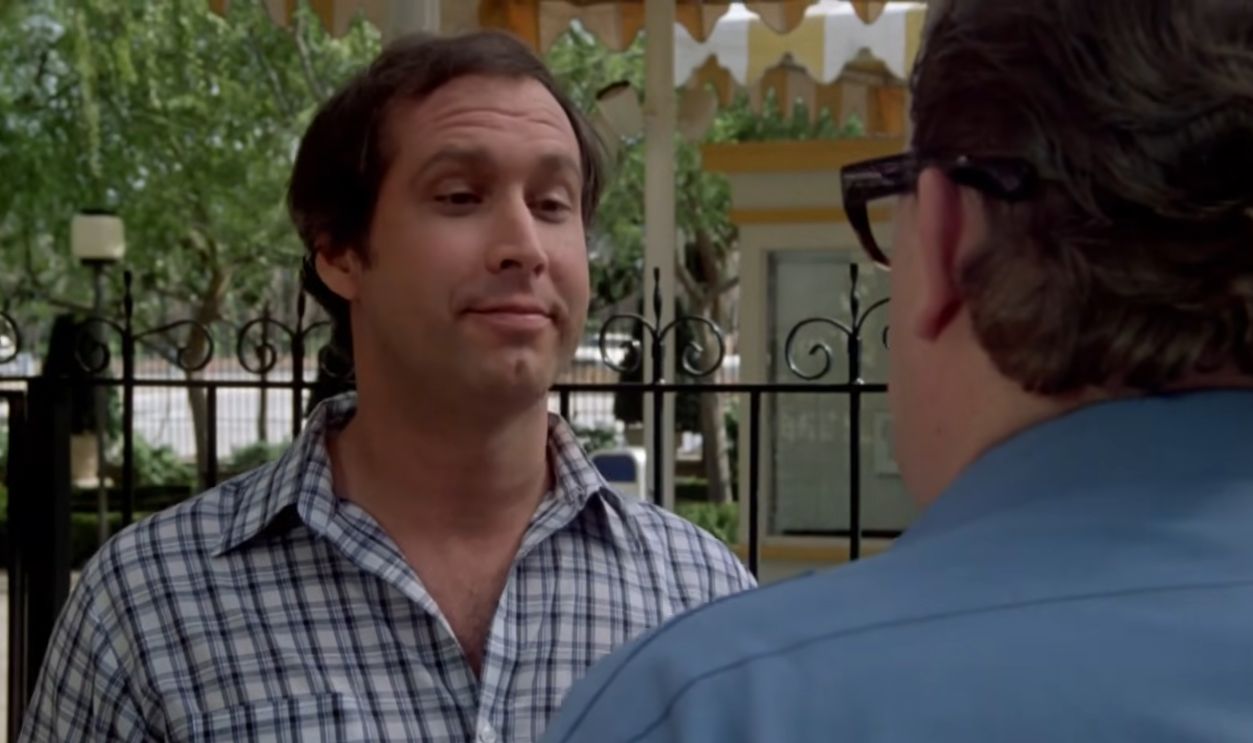 Screenshot from National Lampoon's Vacation, Warner Bros. Pictures (1983)
Clark Griswold Was Originally Much More Unhinged
In the original finale, Clark arrived at Walley's estate carrying a BB gun and took the businessman and his associates captive. He demanded that they sing and dance for the family, creating an increasingly uncomfortable situation that differed dramatically from the lighthearted road-trip comedy audiences had enjoyed. When test audiences watched the sequence, their enthusiastic laughter reportedly disappeared, convincing director Harold Ramis that something had gone badly wrong.
 Screenshot from National Lampoon's Vacation, Warner Bros. Pictures (1983)
John Candy Helped Save The Ending
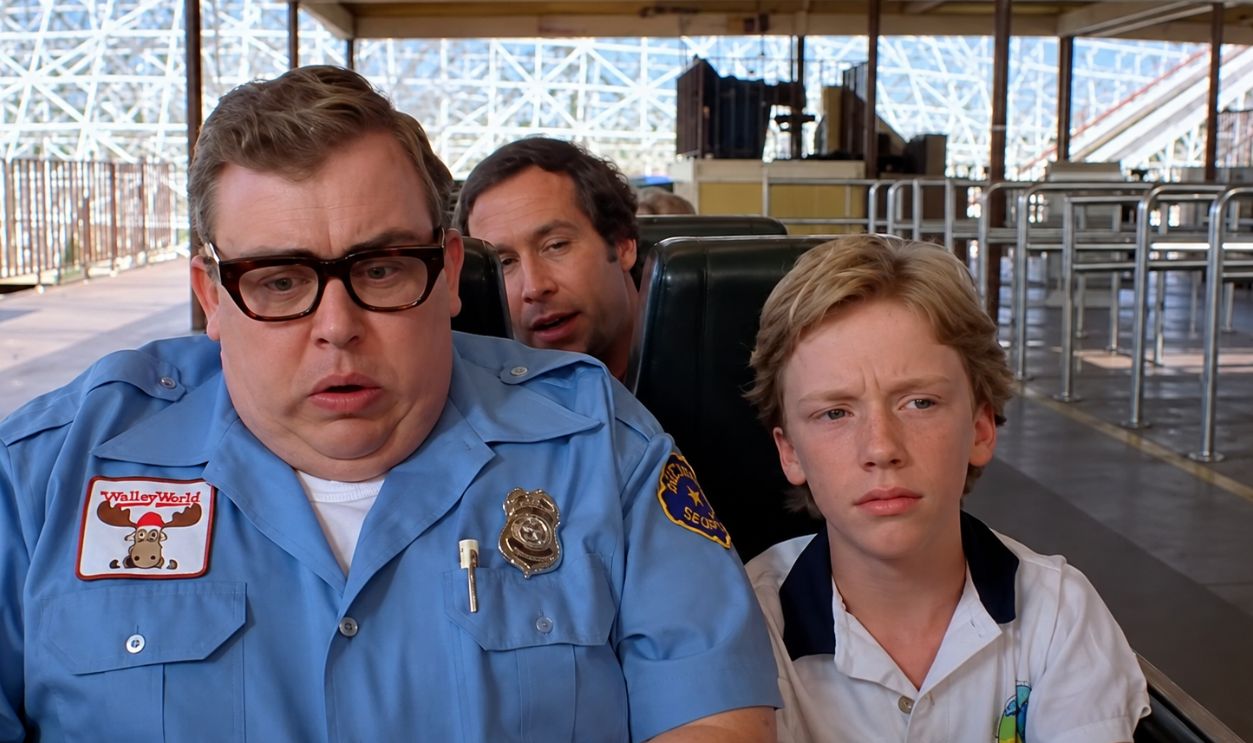
Ramis asked writer John Hughes to create a new conclusion that would finally allow the Griswolds to experience Walley World. The replacement sequence introduced John Candy as an amusement park security guard who reluctantly accompanies the family on their unauthorized visit. The reshoots took place months after principal photography, and the revised finale became one of the film's most memorable sequences, while the original ending remained unreleased.
 Screenshot from National Lampoon’s Vacation, Warner Bros. (1983), Enhanced
First Blood Almost Ended Rambo's Story Immediately
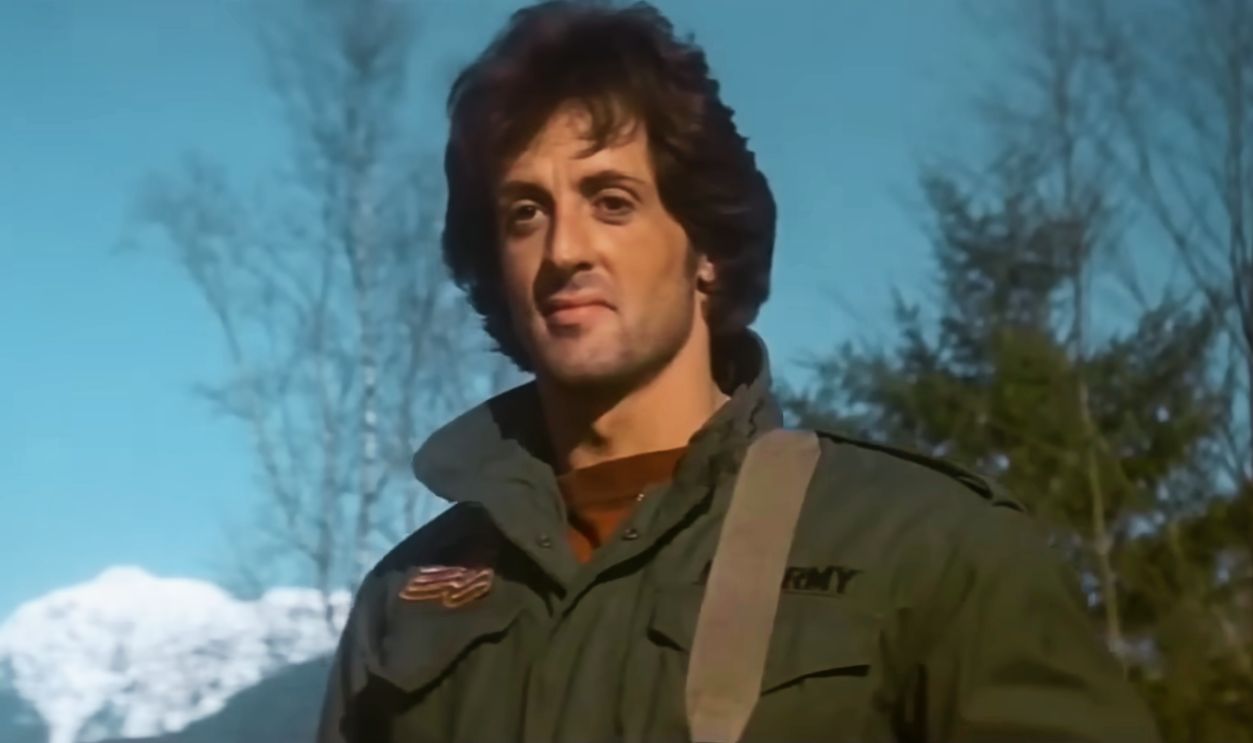
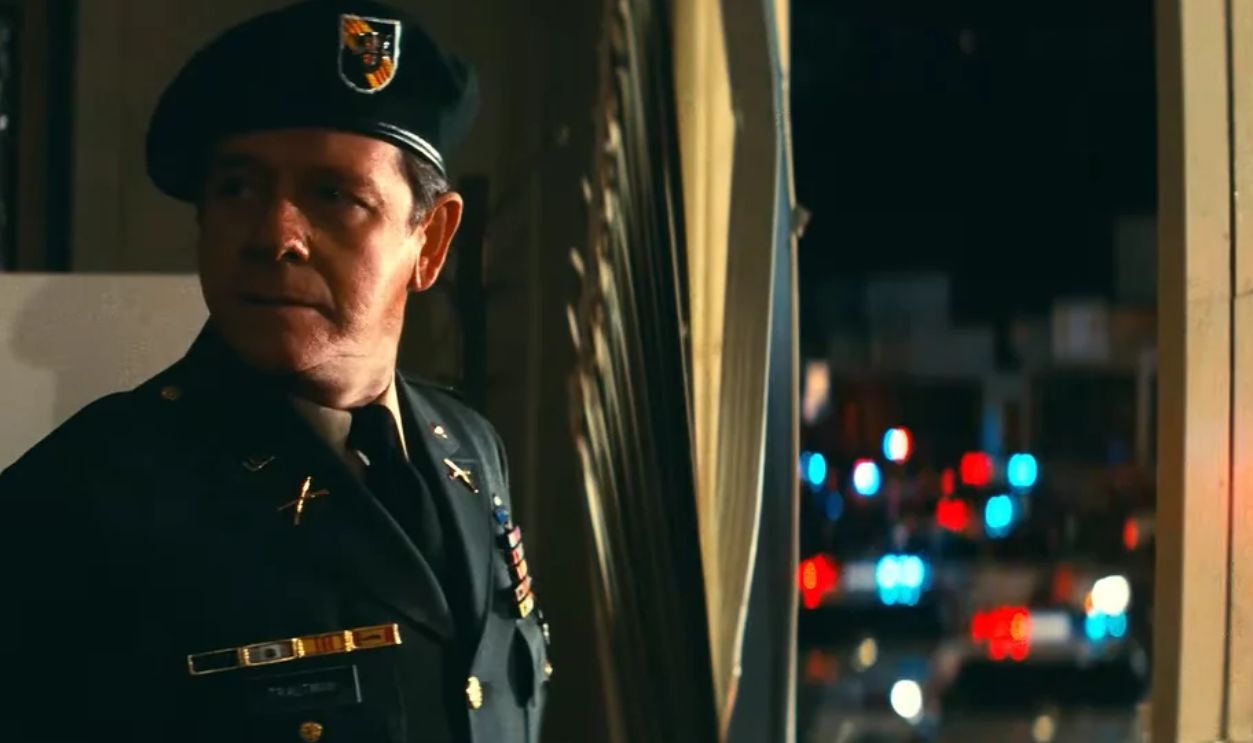
When Sylvester Stallone starred in the 1982 action drama First Blood, the filmmakers originally considered a devastating conclusion for John Rambo. The troubled veteran's final confrontation with Colonel Trautman was intended to end with Rambo dying rather than surrendering. This conclusion was consistent with the much darker direction of David Morrell's original novel, although the filmmakers ultimately reconsidered whether it was the right ending for the movie.
 Screenshot from First Blood, Orion Pictures (1982)
The Original Ending Was Actually Filmed
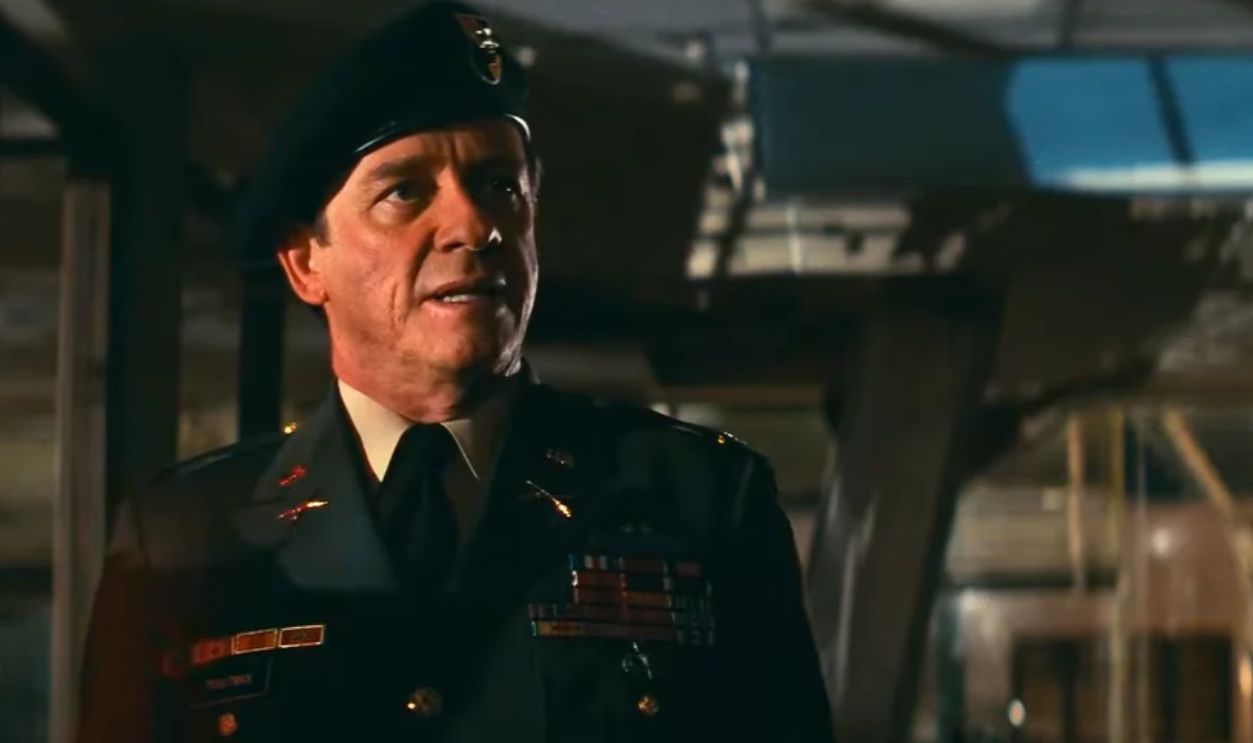
Director Ted Kotcheff filmed an alternative conclusion in which Trautman fatally shoots Rambo during their final confrontation. The production then faced an important decision about whether audiences should leave the theater believing the central character had no future. Test screenings produced divided reactions, and the filmmakers eventually selected the version in which Rambo survives and is taken into custody.
 Screenshot from First Blood, Orion Pictures (1982)
Rambo's Survival Changed Hollywood History
The decision to spare Rambo allowed Stallone to return for a series of enormously successful sequels. The first follow-up, Rambo: First Blood Part II, arrived in 1985 and transformed the character into an even bigger action-movie phenomenon. The original ending was later made available as bonus material and received a special theatrical presentation in 2008, showing how close the character came to disappearing after a single film.
 Screenshot from First Blood, Orion Pictures (1982)
The Shining Had A Scene Most Viewers Never Saw
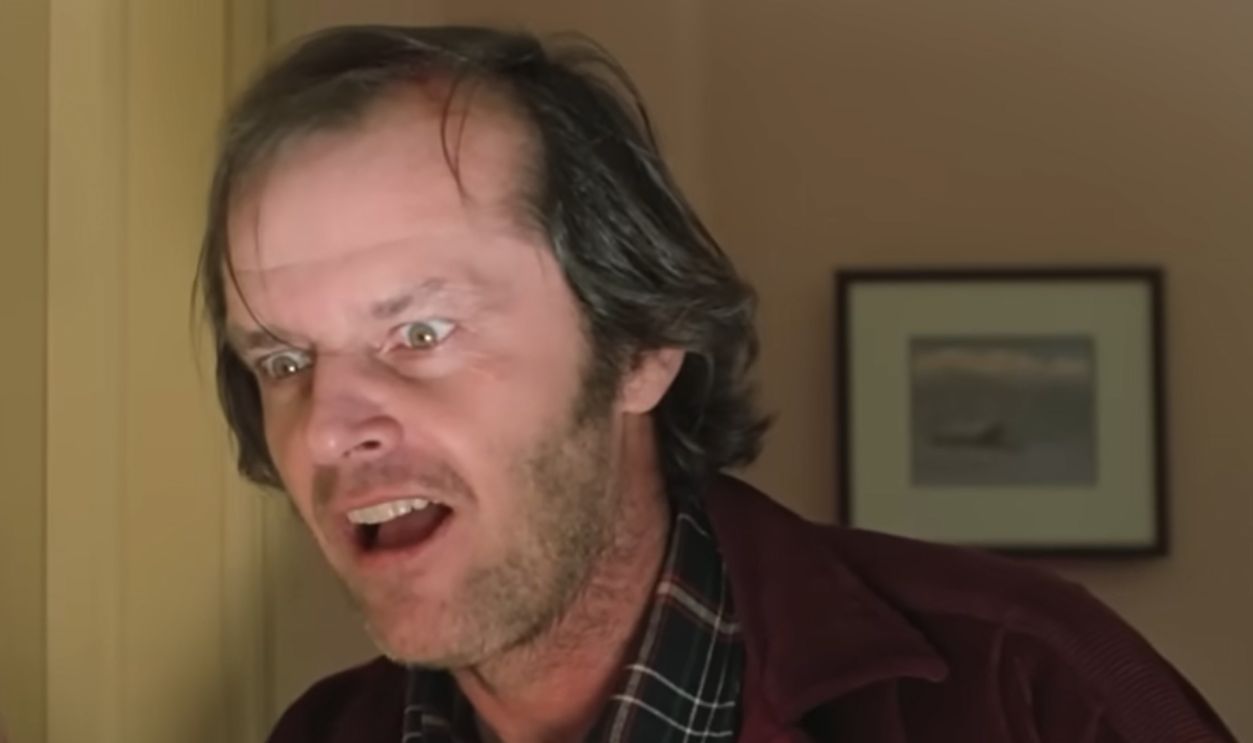
Stanley Kubrick's 1980 adaptation of The Shining originally contained an additional scene after Jack Torrance's final confrontation with his family. Following Jack's demise in the snowy maze, Wendy and Danny appeared in a hospital recovering from their ordeal. There, they received an unexpected visit from Stuart Ullman, the manager of the Overlook Hotel, who brought disturbing news about what had happened after their escape.
 Screenshot from The Shining, Warner Bros. Pictures (1980)
The Hotel Manager Had A Chilling Revelation
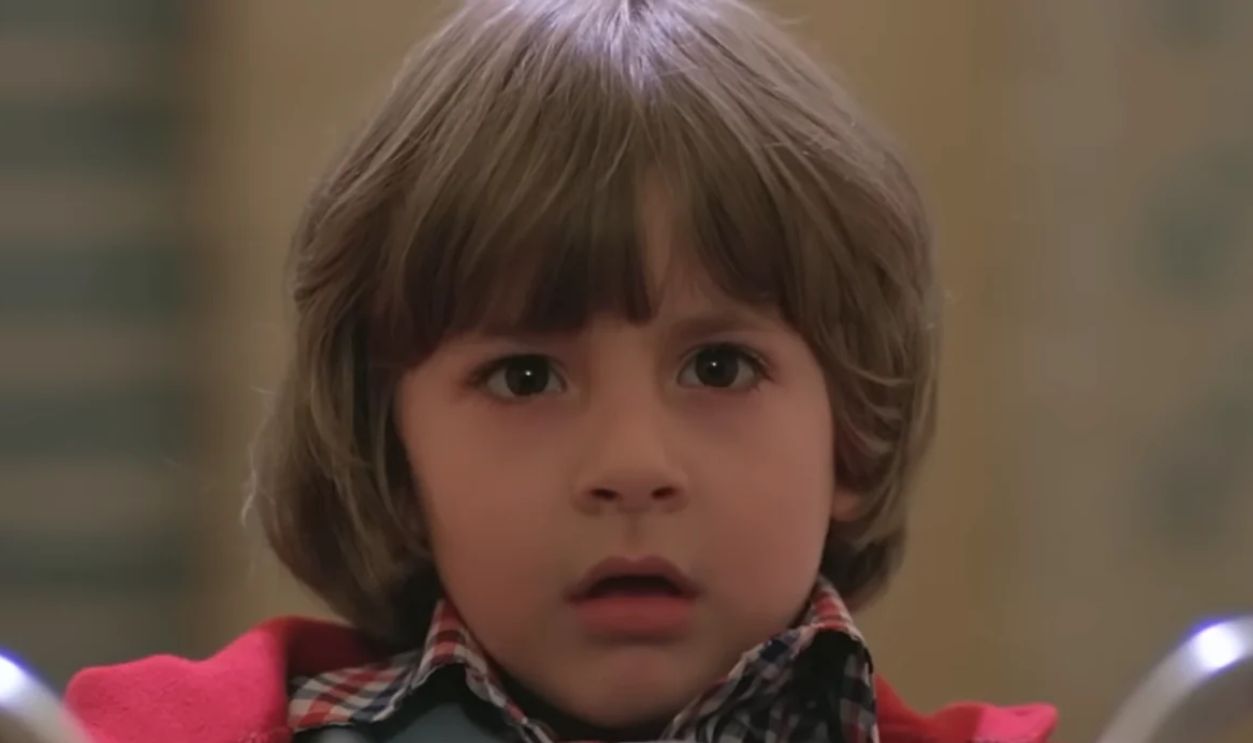
During the deleted hospital sequence, Ullman told Wendy that authorities had been unable to locate Jack's body. This revelation suggested that something inexplicable remained connected to the Overlook, adding another layer of mystery to the already unsettling story. The scene also softened the transition away from the hotel's frightening events, offering a brief glimpse of Wendy and Danny's lives after their ordeal.
 Screenshot from The Shining, Warner Bros. Pictures (1980)
Kubrick Changed The Film After Its Release
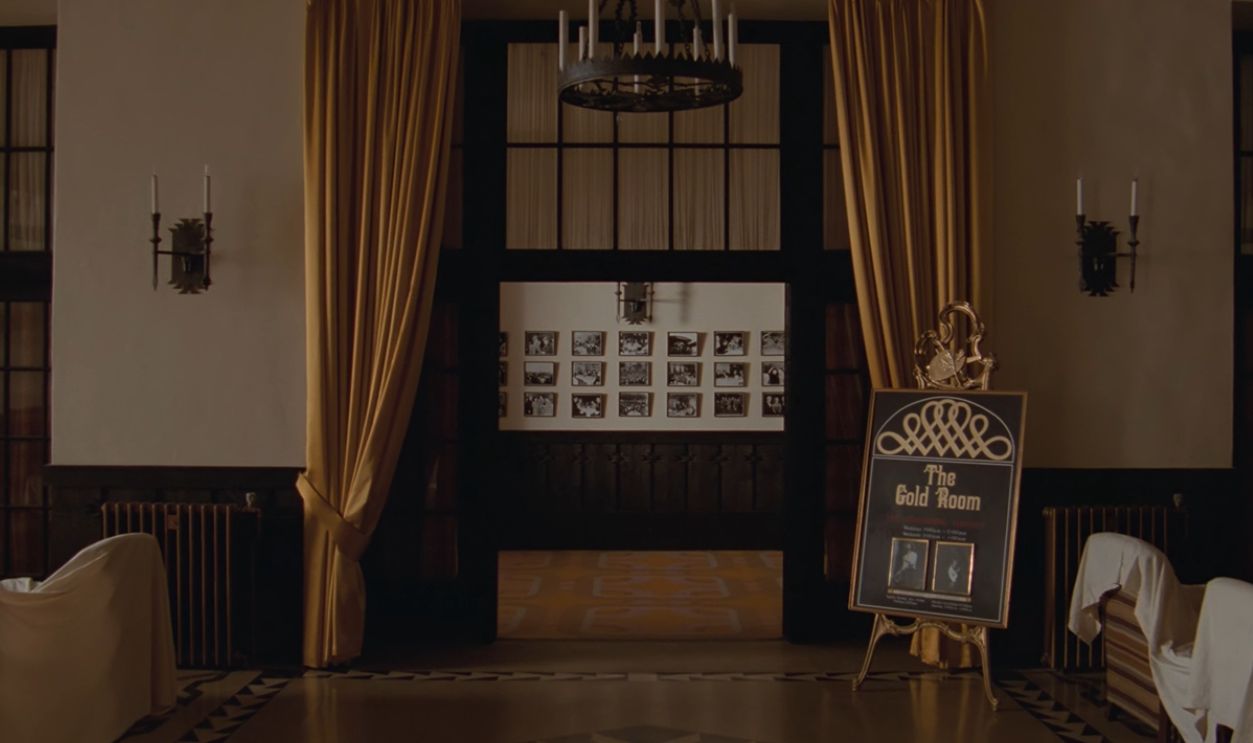
Unlike most filmmakers who modify their movies before opening night, Kubrick made his decision after The Shining had already begun screening in theaters in May 1980. He ordered the hospital sequence removed within days of the initial limited release, believing the additional material was unnecessary after the powerful climax. Projectionists were instructed to physically remove the footage from existing prints, leaving the familiar final image of the Overlook's mysterious 1921 photograph as the movie's lasting conclusion.
 Screenshot from The Shining, Warner Bros. Pictures (1980)
Blade Runner Almost Ended Without An Escape
Ridley Scott's 1982 science-fiction classic Blade Runner became famous for its mysterious atmosphere and questions about humanity. Yet the version Scott originally envisioned was considerably different from the movie that first reached American theaters. Early cuts did not feature the reassuring conclusion in which Harrison Ford's Deckard and Sean Young's Rachael drive away into a picturesque landscape, leaving their uncertain futures behind.
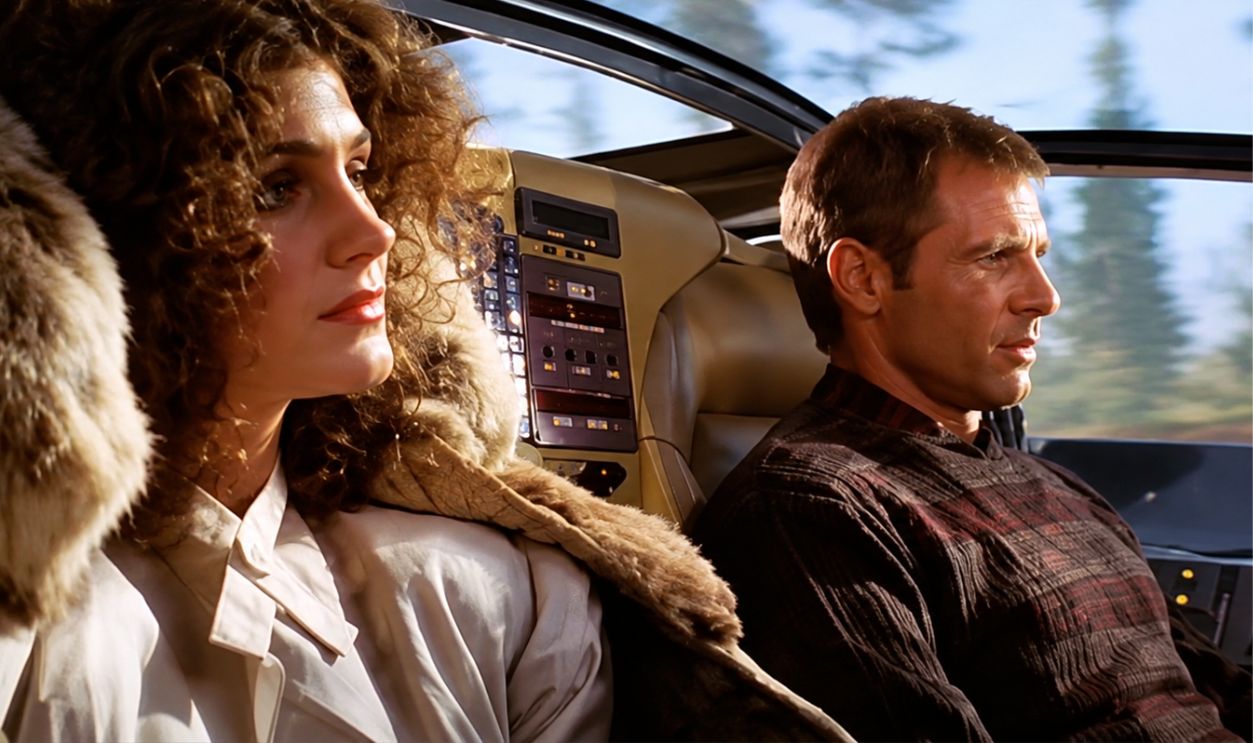 Screenshot from Blade Runner, Warner Bros. (1982), Enhanced
Studio Executives Demanded A Happier Conclusion
After disappointing test-screening reactions, producers imposed significant changes on the movie, including an explanatory voice-over and a more optimistic ending. Footage of scenic countryside was incorporated into the theatrical finale, making Deckard and Rachael's escape seem far more hopeful than Scott had intended. Ford also recorded narration for the revised version, although he later expressed strong dissatisfaction with how the material had been incorporated into the movie.
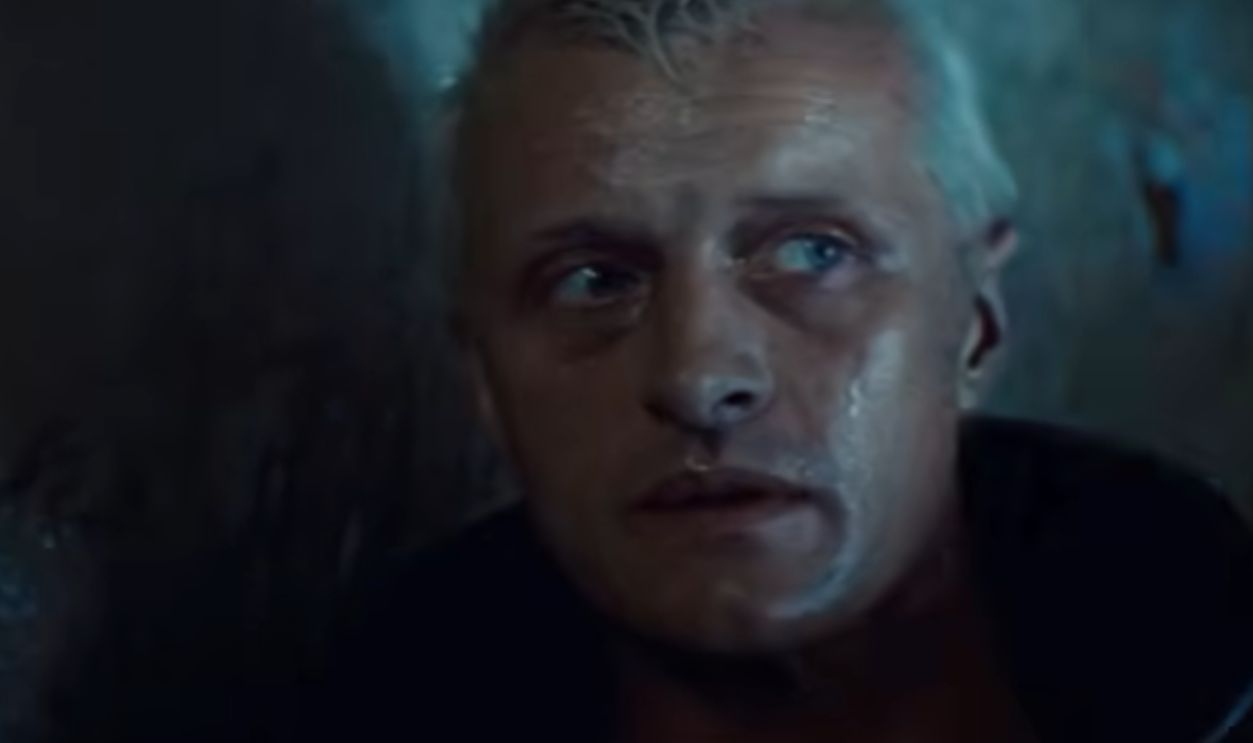 Screenshot from Blade Runner, Warner Bros. (1982)
The Original Vision Eventually Returned
The 1982 theatrical release received mixed reviews and failed to achieve immediate commercial success, but Blade Runner gradually developed an enthusiastic following. In 1992, a director's cut removed the imposed narration and optimistic finale, restoring much of the ambiguity that had originally characterized the story. Scott's 2007 Final Cut refined the film further, allowing audiences to experience a version much closer to the director's intended conclusion.
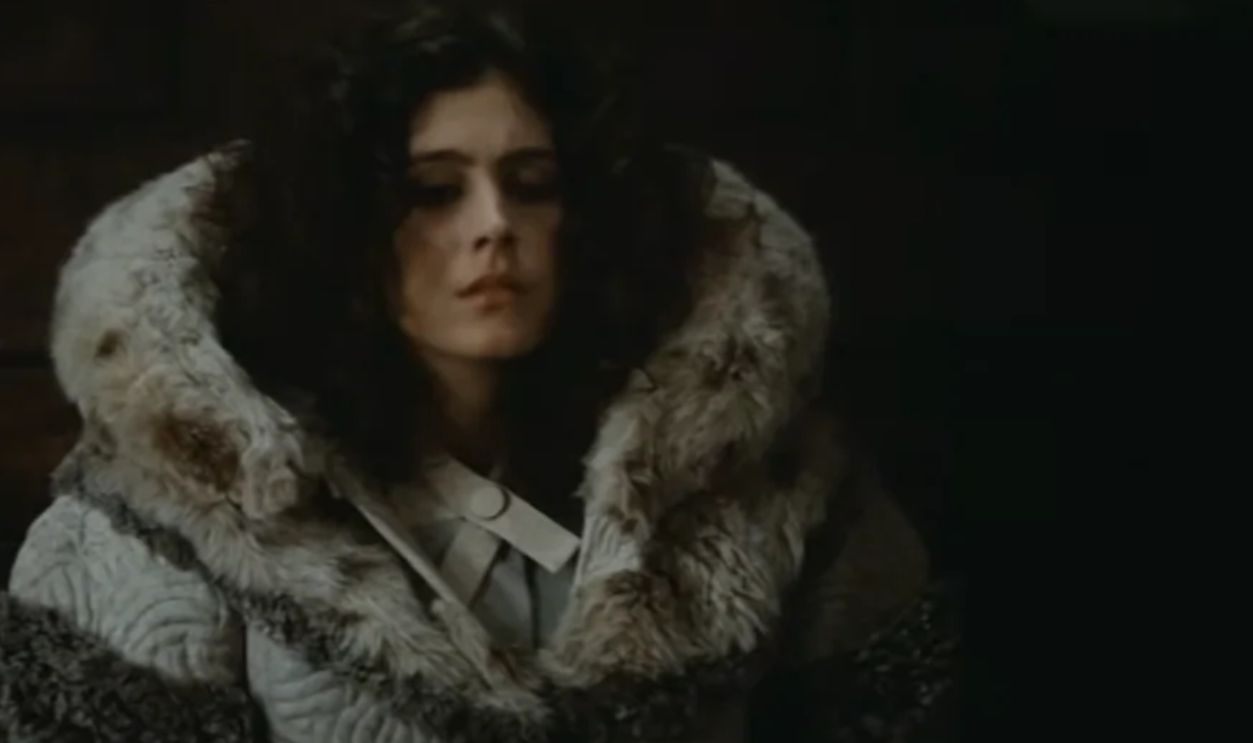 Screenshot from Blade Runner, Warner Bros. (1982)
Brazil Nearly Became An Entirely Different Movie
Terry Gilliam's 1985 film Brazil presented a darkly comic vision of a society overwhelmed by bureaucracy and authoritarian control. Its original conclusion revealed that Sam Lowry, played by Jonathan Pryce, had retreated into fantasy while enduring a devastating ordeal. Rather than escaping into a happy future with Jill Layton, Sam remained trapped, making the film's ending a bleak statement about the power of imagination.
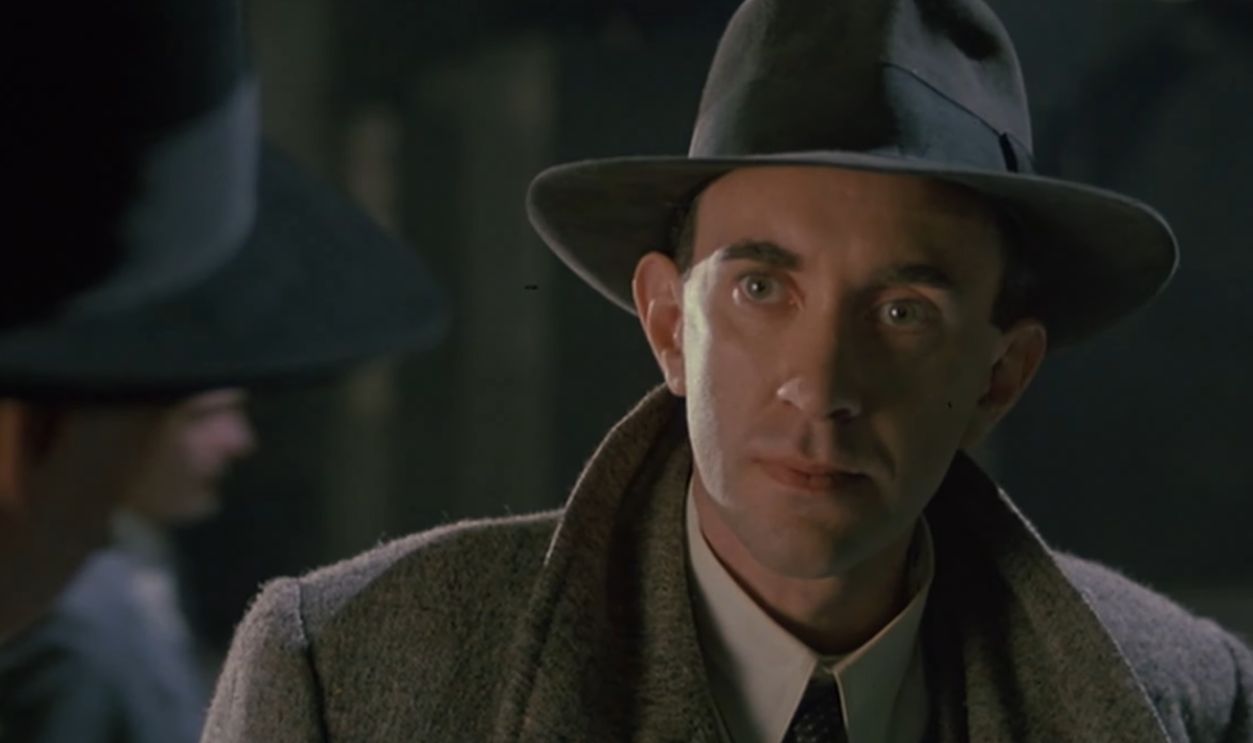 Screenshot from Brazil, Embassy International Pictures (1985)
The Studio Wanted Love To Conquer Everything
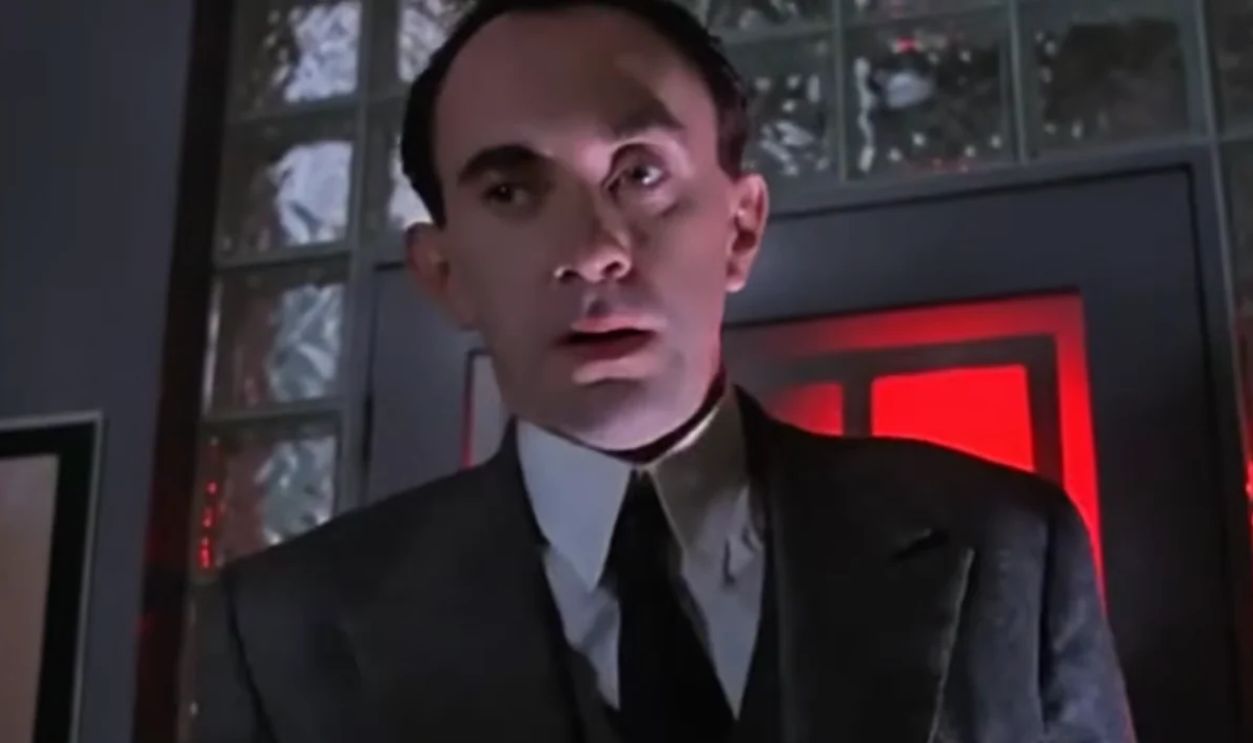
Universal executives were concerned about releasing such an unsettling movie and prepared a dramatically shortened version with a much happier conclusion. The new cut, commonly known as Love Conquers All, removed the final revelation that Sam's apparent escape was imaginary. Instead, audiences were left with the impression that the central characters had successfully escaped their oppressive surroundings and could enjoy a future together.
 Screenshot from Brazil, Embassy International Pictures (1985)
Gilliam Fought To Save His Ending
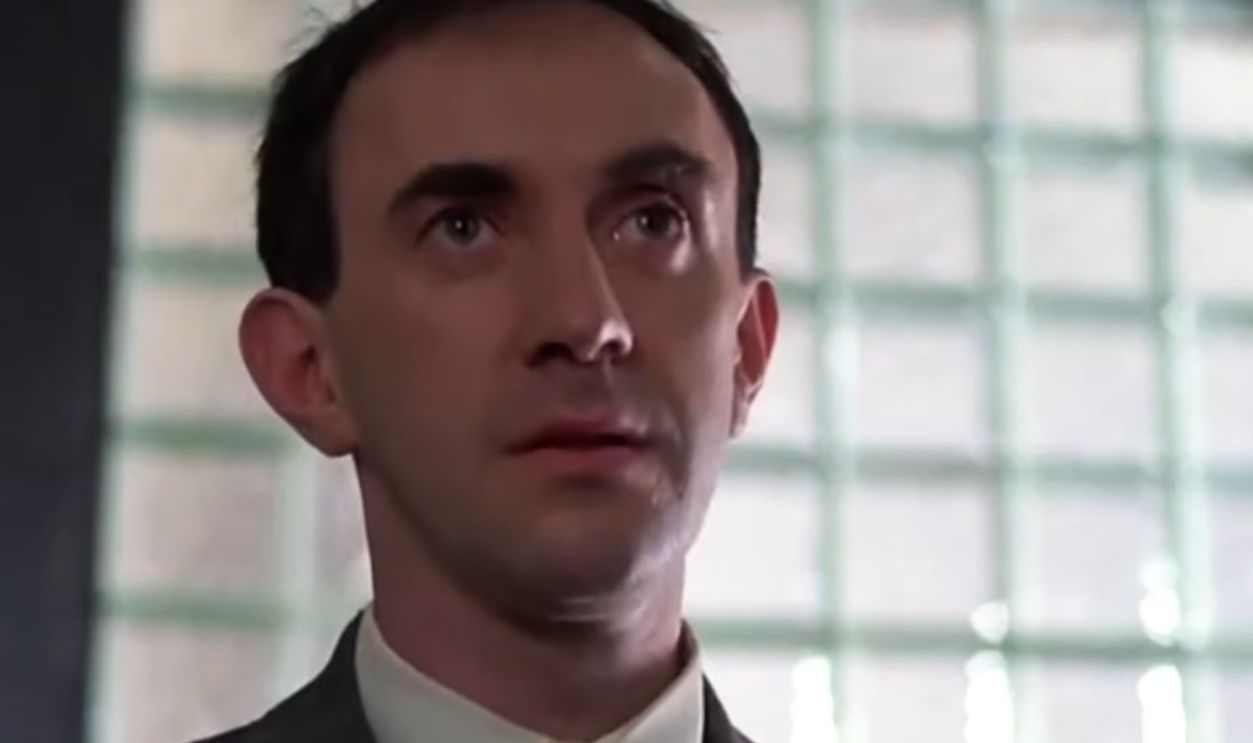
Gilliam resisted the studio's attempts to replace his preferred version, leading to one of the most notorious creative disputes of the decade. His original vision ultimately reached American audiences, although the modified version was also used for certain television presentations. Both cuts have since become available through home-video releases, including the Criterion Collection, allowing viewers to compare the radically different conclusions for themselves.
 Screenshot from Brazil, Embassy International Pictures (1985)
Clue Was Supposed To Have Four Endings
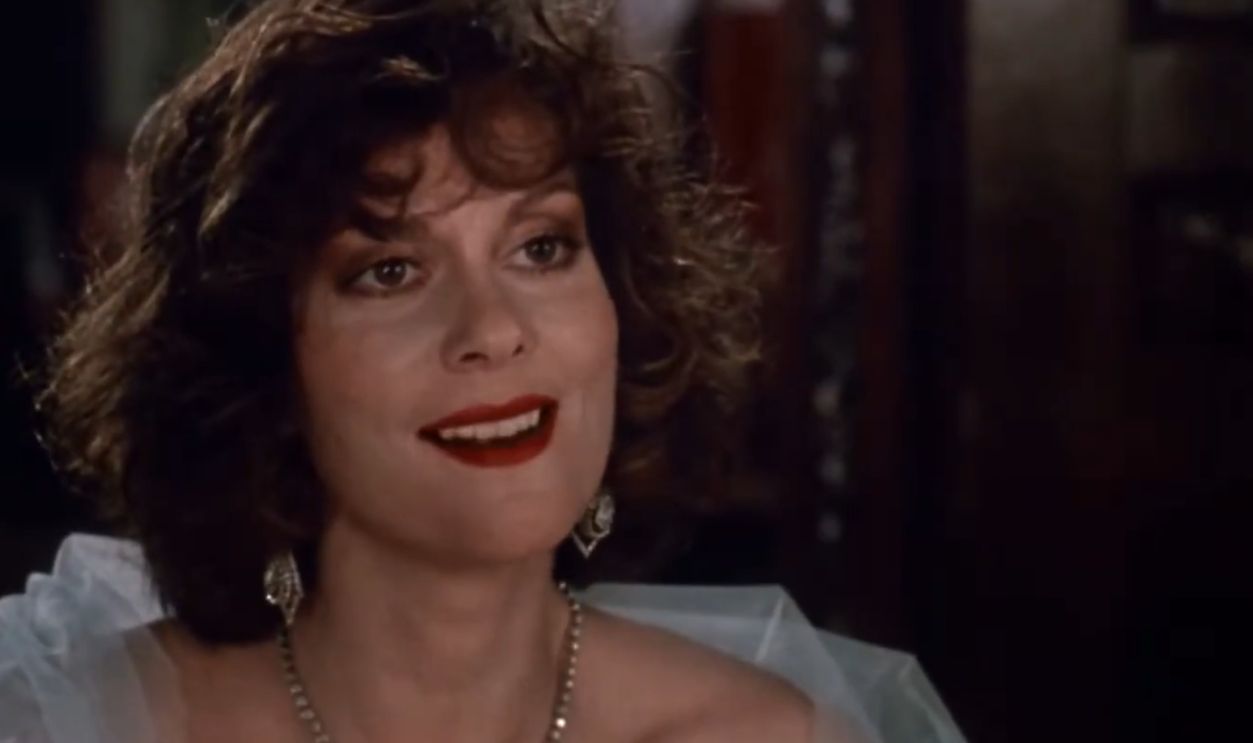
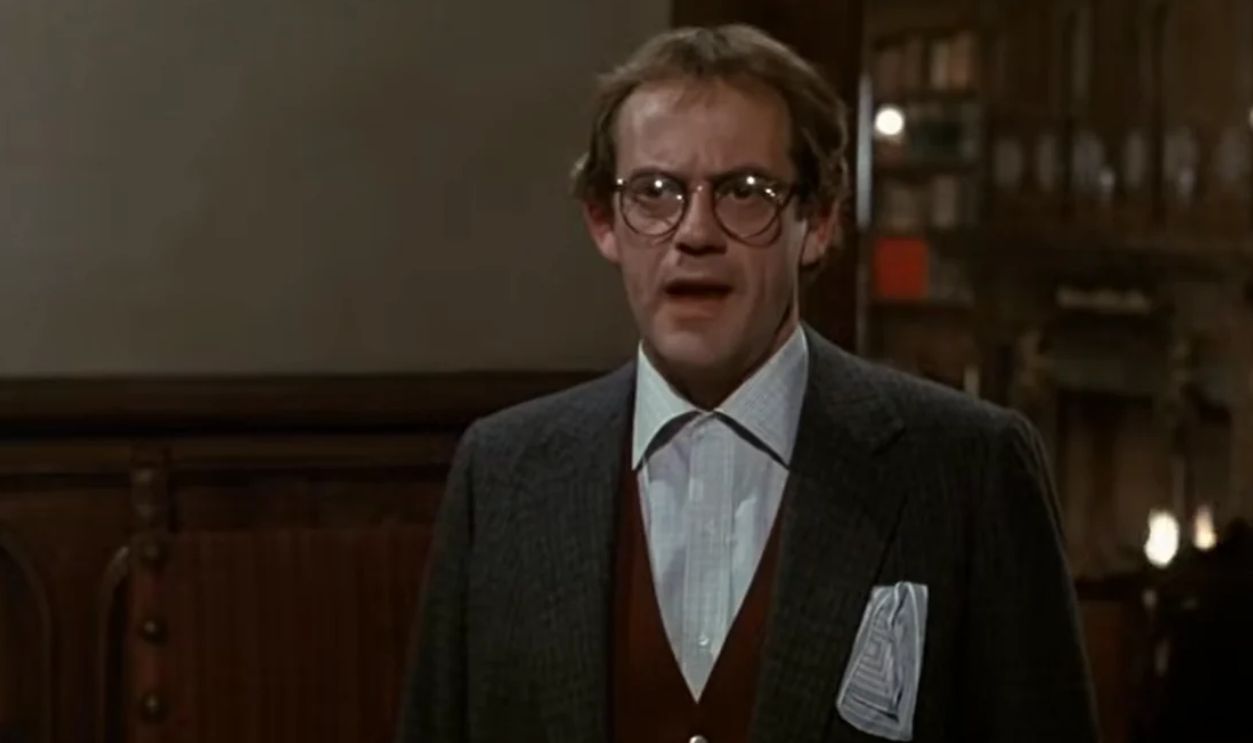
The 1985 mystery comedy Clue was already an unusual Hollywood production because its creators planned to release different endings to different theaters. Inspired by the famous board game, the film presented a mansion filled with suspicious guests, mysterious events, and competing explanations for what had happened. Producer John Landis originally envisioned four possible conclusions, making the movie even more unpredictable than the three-ending version audiences eventually received.
 Screenshot from Clue, Paramount Pictures (1985)
One Finale Was Considered Too Grim
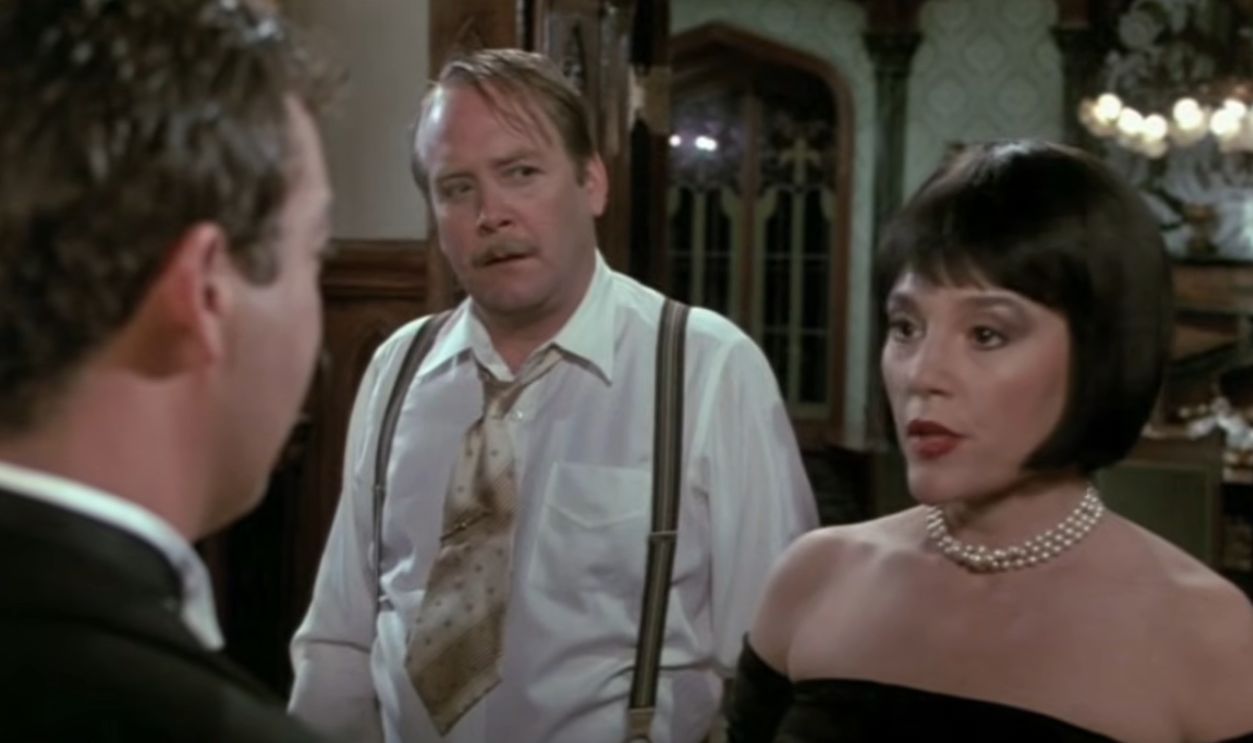
The proposed fourth ending was ultimately abandoned, although accounts differ about how much of it was actually filmed. It reportedly involved a particularly bleak resolution in which the mansion's guests faced a collective fate at the hands of the mysterious culprit. Director Jonathan Lynn and others involved in the production later offered differing recollections about the sequence, leaving the precise history of the missing finale uncertain.
 Screenshot from Clue, Paramount Pictures (1985)
Moviegoers Were Given Three Different Mysteries
Rather than showing audiences every possible solution, Paramount distributed three different theatrical versions of Clue, each featuring a different explanation for the central mystery. Depending on which theater they attended, moviegoers could leave believing that a different character was responsible for the events at the mansion. Later television broadcasts and home-video releases combined the three conclusions, creating the familiar version in which viewers experience all the competing explanations together.
 Screenshot from Clue, Paramount Pictures (1985)
Pretty In Pink Originally Had A Different Romantic Ending
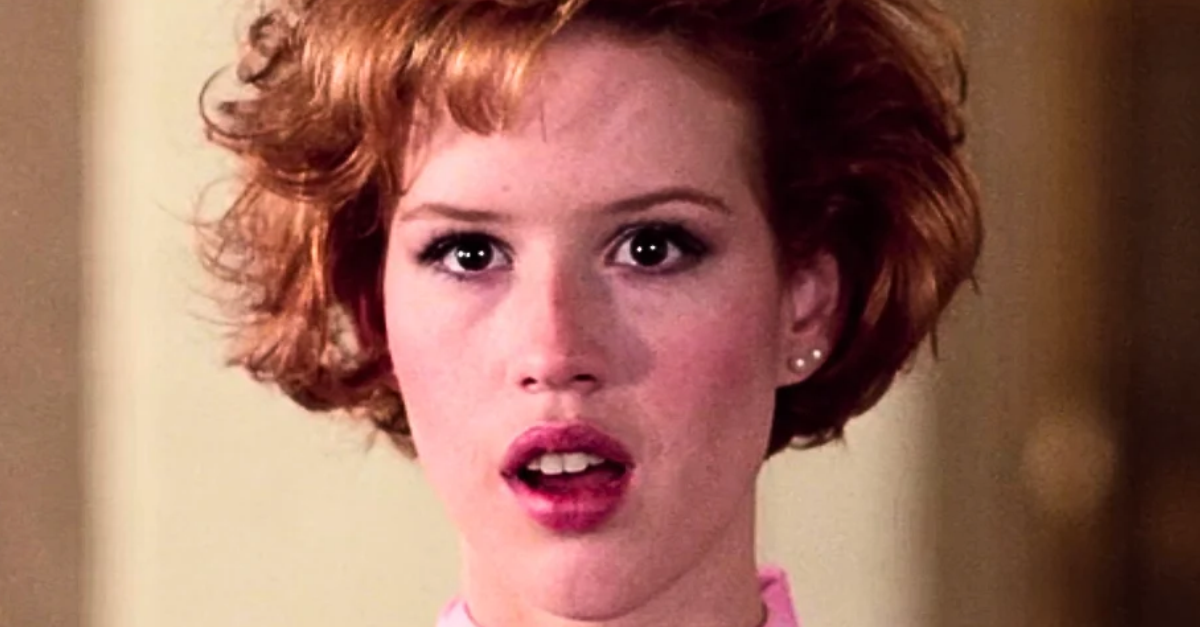
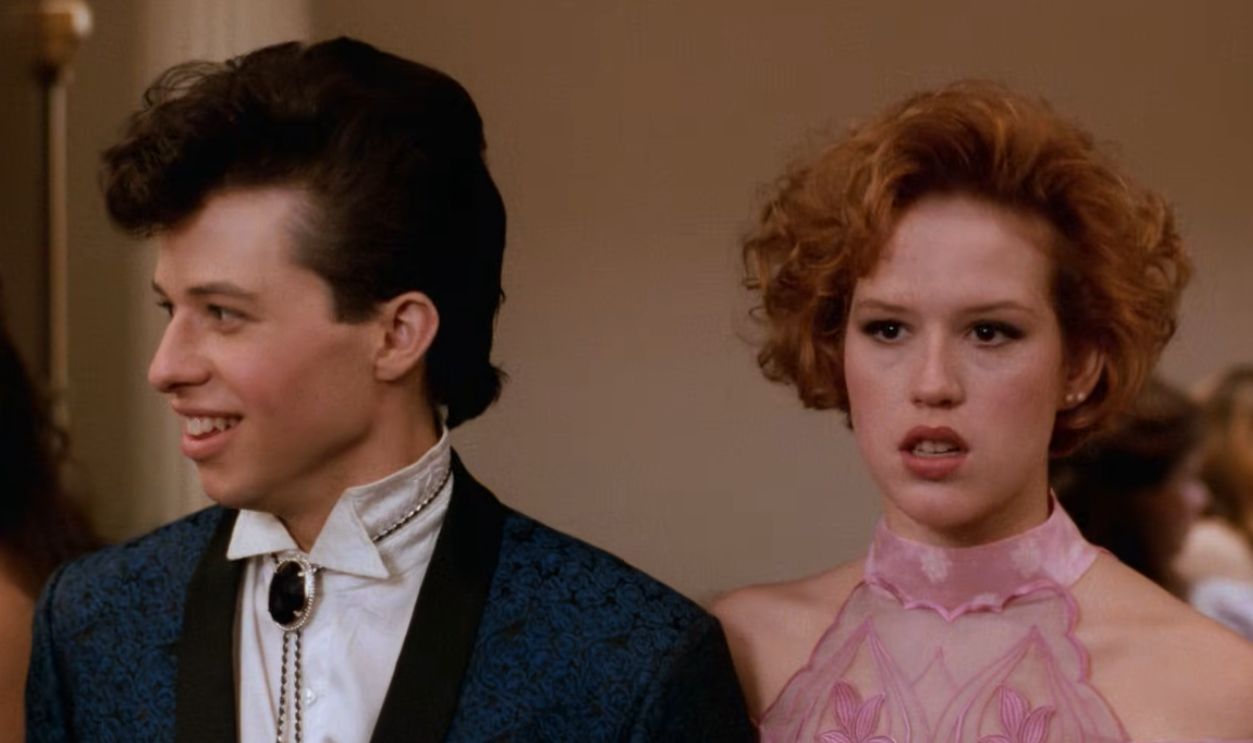
The 1986 John Hughes movie Pretty in Pink originally ended with Molly Ringwald's Andie choosing her loyal best friend Duckie, played by Jon Cryer. Rather than reconnecting with Andrew McCarthy's wealthy character Blane, Andie arrived at the prom with Duckie and ultimately shared a dance with him. The filmmakers had already shot this conclusion when an unexpected reaction from test audiences threatened to change everything.
 Screenshot from Pretty in Pink, Paramount Pictures (1986)
Test Audiences Wanted Someone Else
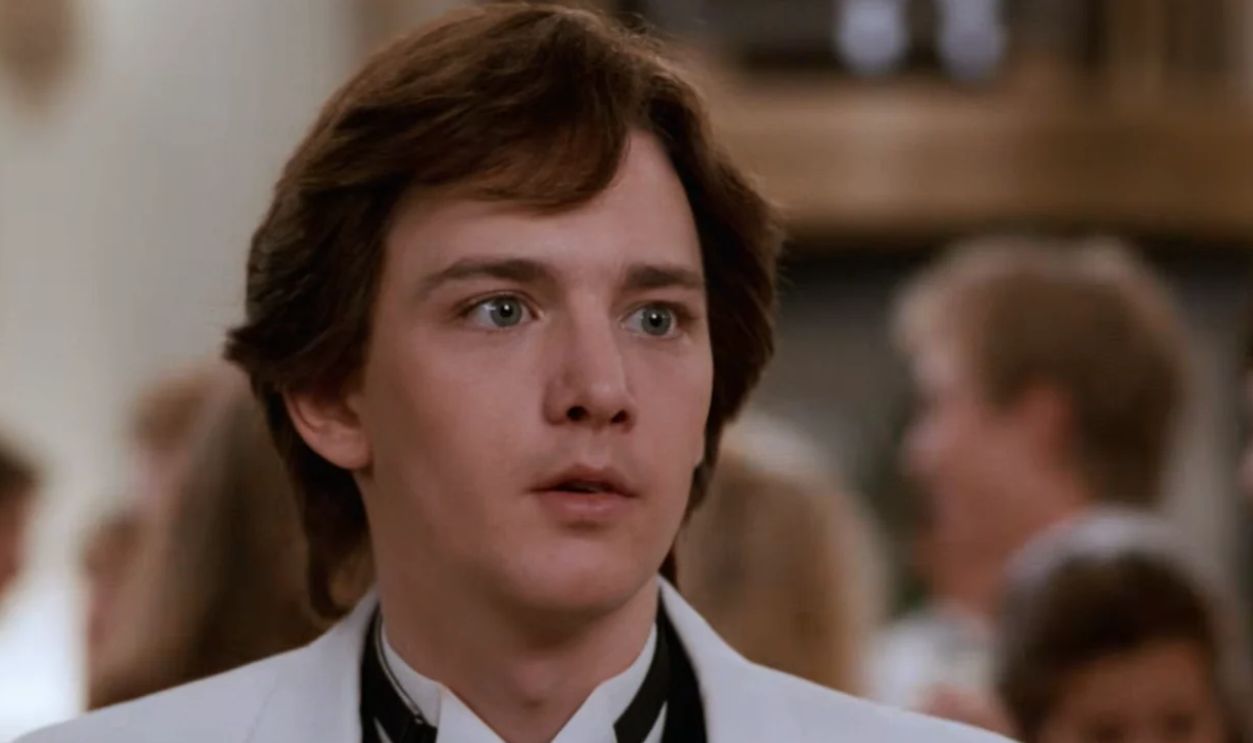
When the original ending was screened for audiences, the romantic resolution failed to generate the response the filmmakers wanted. Viewers had become invested in Andie's relationship with Blane, and the ending with Duckie didn't provide the anticipated emotional payoff. Director Howard Deutch and writer John Hughes consequently reworked the conclusion, bringing McCarthy back to film an entirely different romantic reunion.
 Screenshot from Pretty in Pink, Paramount Pictures (1986)
Duckie's Lost Victory Still Exists In Print
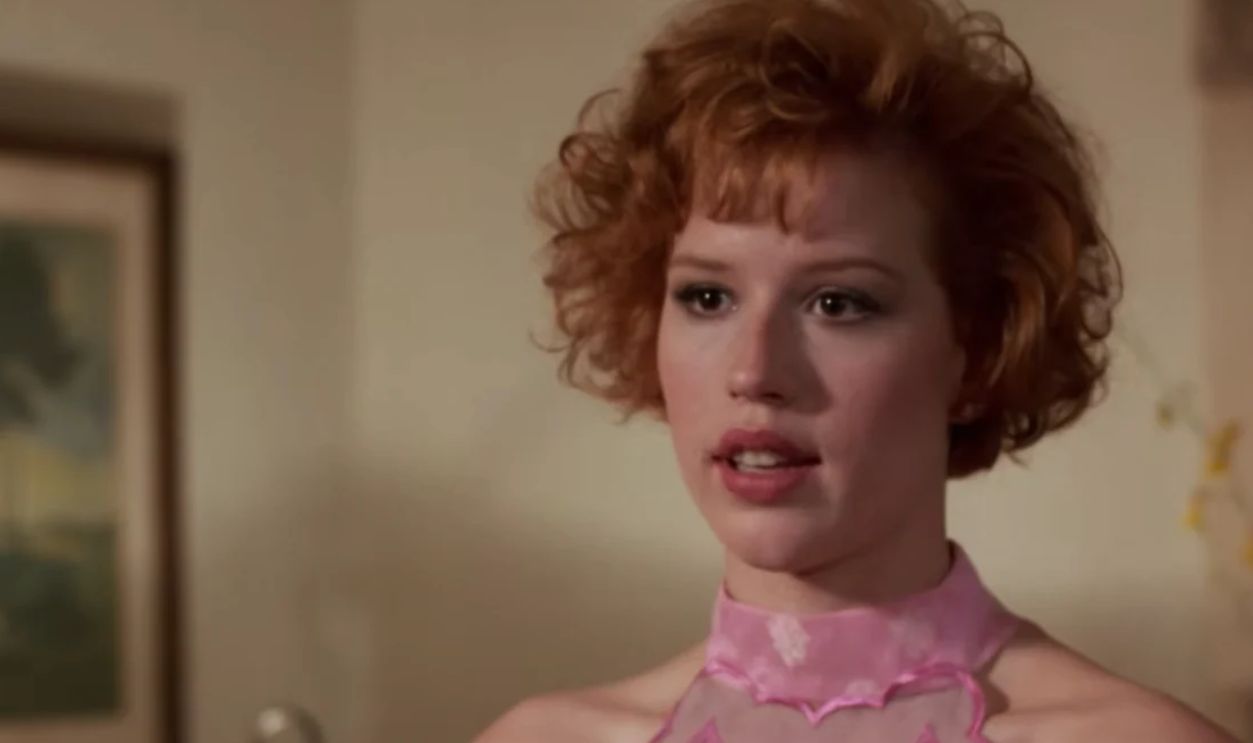
In the theatrical version, Andie reunites with Blane while Duckie encourages her to follow her feelings. But the original ending survives in the movie's novelization, which had already been prepared using the earlier screenplay. The abandoned finale shows Andie and Duckie dancing together, offering fans a fascinating glimpse of how differently this beloved 1980s romance could have concluded.
 Screenshot from Pretty in Pink, Paramount Pictures (1986)
The Abyss Lost Its Most Spectacular Warning
James Cameron's ambitious 1989 underwater adventure The Abyss originally included an extraordinary sequence in which enormous walls of water appeared above major coastal cities. The mysterious underwater beings were demonstrating their power while forcing humanity to confront the consequences of its destructive behavior. This dramatic development gave the movie's conclusion a broader message, connecting the characters' personal struggle for survival to the fate of the entire world.
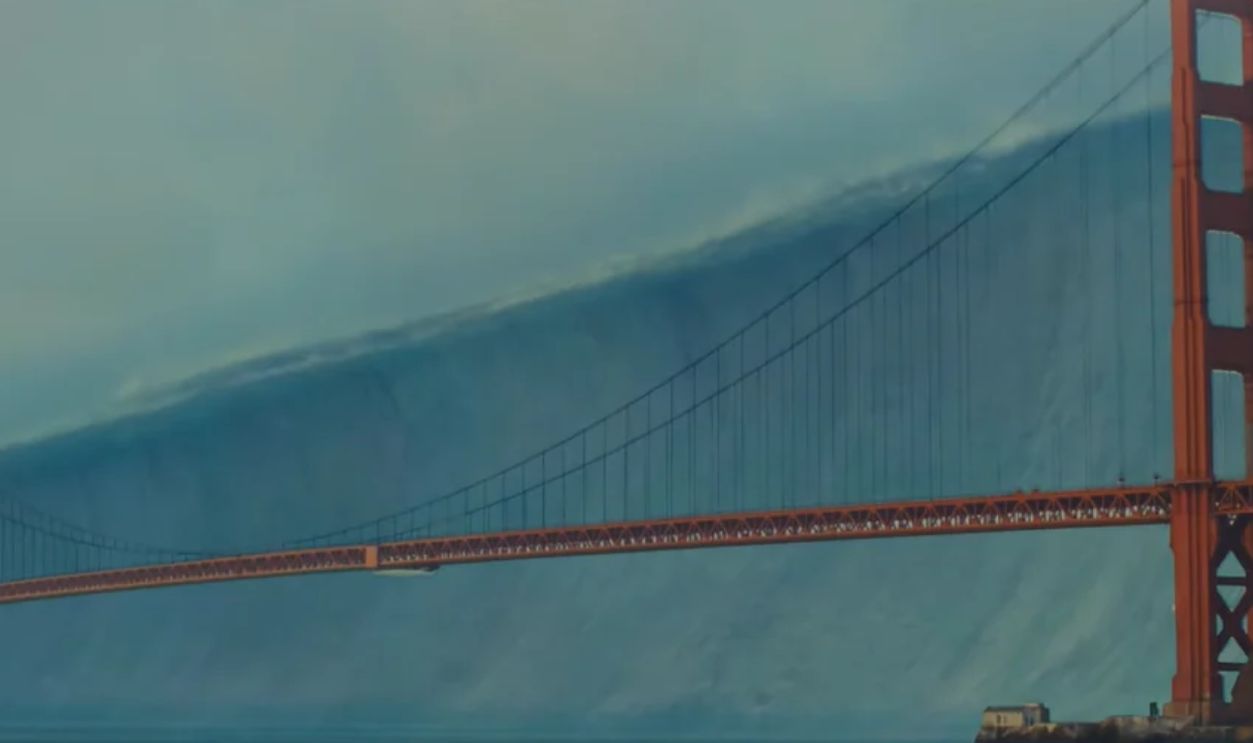 Screenshot from The Abyss, 20th Century Fox (1989)
Test Screenings Changed Cameron's Plans
When early versions were screened, the tidal-wave sequence was still incomplete, and some of its special effects had been represented using temporary images and storyboards. Test audiences struggled to respond positively to the unfinished material, contributing to Cameron's decision to remove the sequence from the theatrical release. The change shortened the movie but also substantially altered the meaning of its conclusion, something Cameron would later acknowledge.
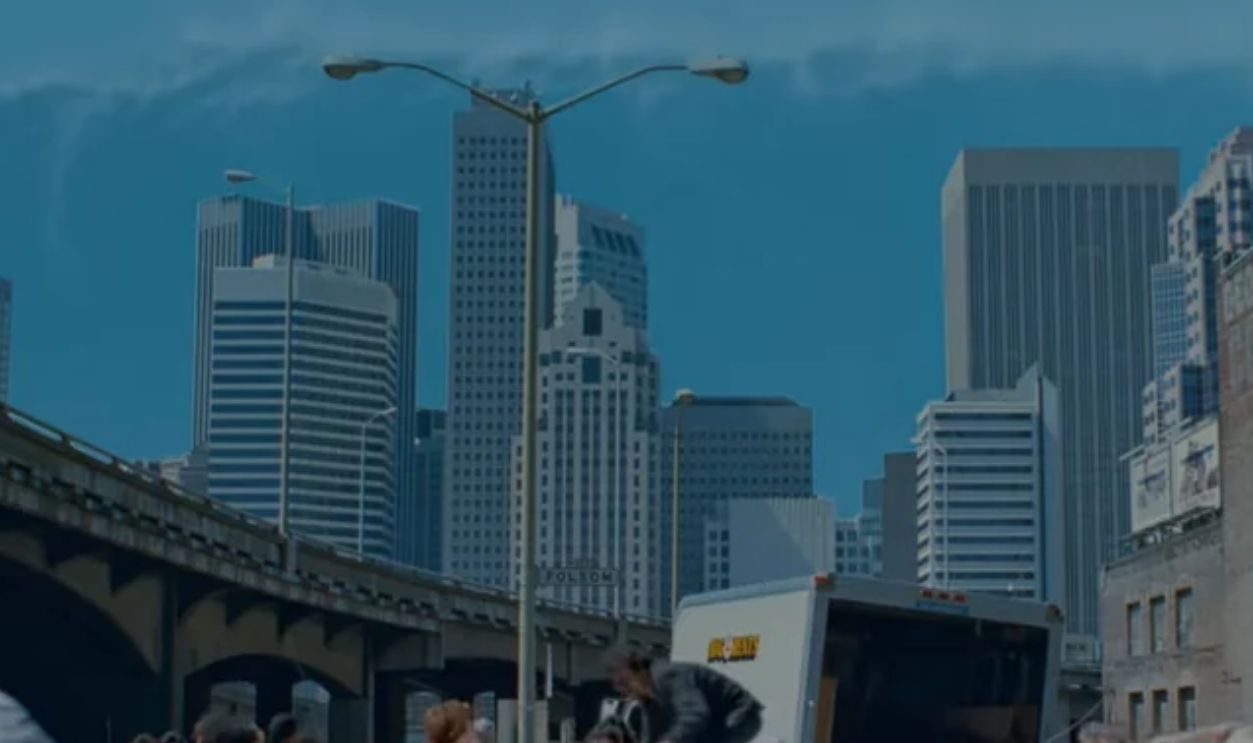 Screenshot from The Abyss, 20th Century Fox (1989)
The Missing Finale Finally Came Back
In 1993, Cameron released an expanded special edition of The Abyss, restoring approximately 27 minutes of previously omitted material. Among the additions was the spectacular tidal-wave sequence, which gave the underwater beings' intervention a much more dramatic purpose. Cameron later explained that the restored version better represented his original intentions, demonstrating how a movie's meaning could change when one ambitious final sequence was removed.
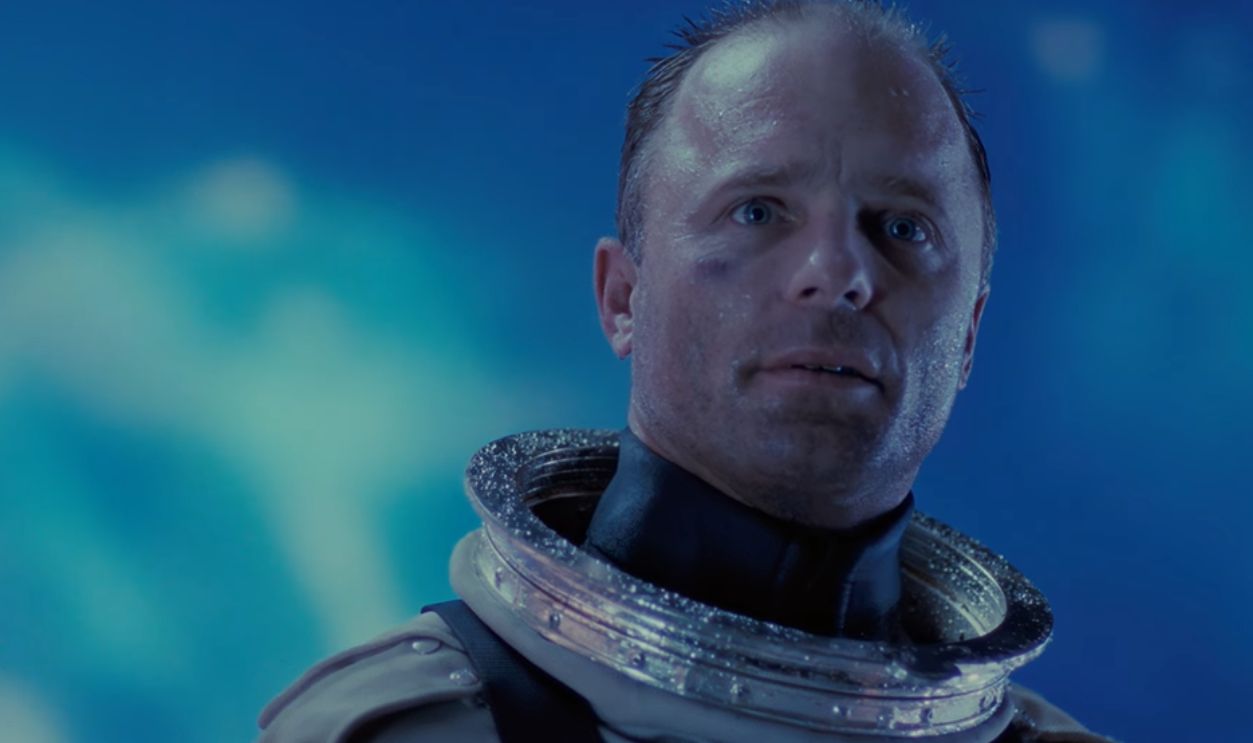 Screenshot from The Abyss, 20th Century Fox (1989)
You May Also Like:
Actors’ Most Memorable Breakout Roles
Movie Stars Who Started With Television
1960s Movies That Started Like Old Hollywood And Ended Like The 1970s
Sources: 1, 2, 3, 4, 5, 6, 7, 8, 9, 10, 11, 12, 13, 14, 15, 16, 17, 18, 19, 20